
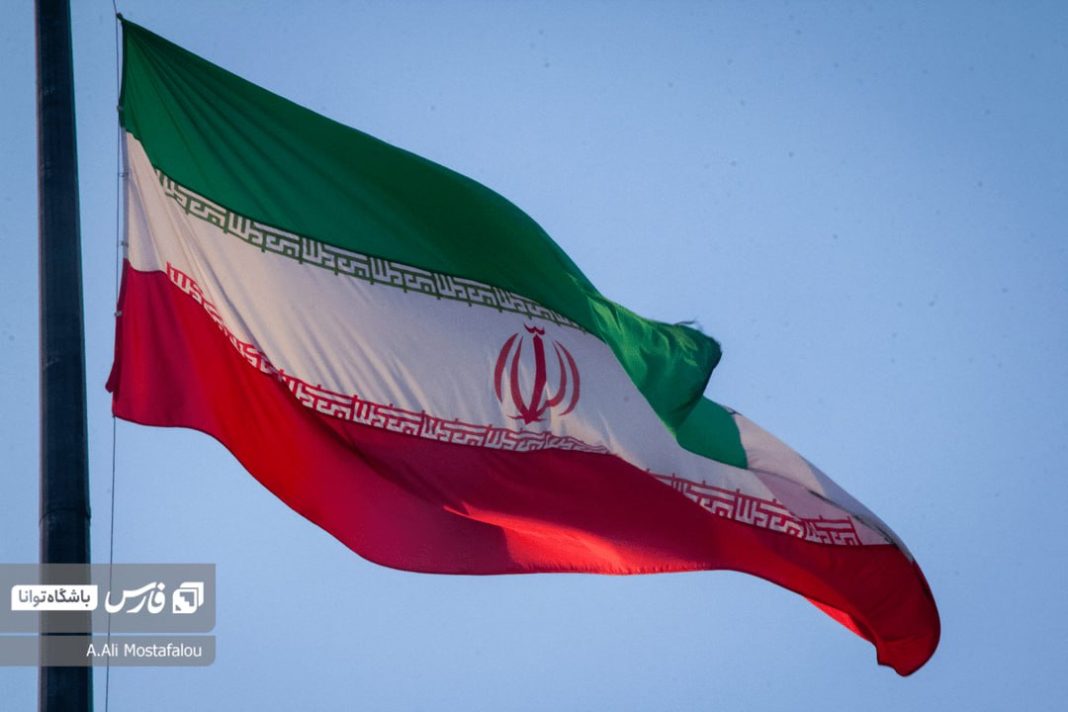
He underlined that implementation of the convention’s provisions will be subject to Iran’s Constitution and domestic laws.
According to Bahonar, the decision was made by a relative, not unanimous vote, following renewed deliberations authorized by the Supreme Leader and requested by the previous government.
He noted that the CFT bill originally belonged to the 10th parliament, and its recent review was part of Iran’s continuous legal process after the Guardian Council raised objections to the legislation.
Bahonar also said the conditional approval aims to reduce obstacles to international economic cooperation, particularly with countries such as China and Russia, both of which had officially urged Tehran to resolve the issue to facilitate trade and financial exchanges. “While the decision will not lead to the lifting of U.S. sanctions,” he said, “it could help alleviate part of the current economic pressures”.
He also addressed the concerns of critics who believe that joining the CFT under current political and economic pressures is not in the country’s best interest.
However, Bahonar argued that conditional accession would not harm Iran’s national security or sovereignty.
He noted that failure to join has already increased shipping insurance costs, financial transfer expenses, and oil trade discounts. Bahonar described the conditional approval of the CFT as a measured and lawful decision, saying it ensures that Iran’s participation remains fully aligned with its constitutional principles while potentially opening space for smoother economic cooperation with friendly nations.
