
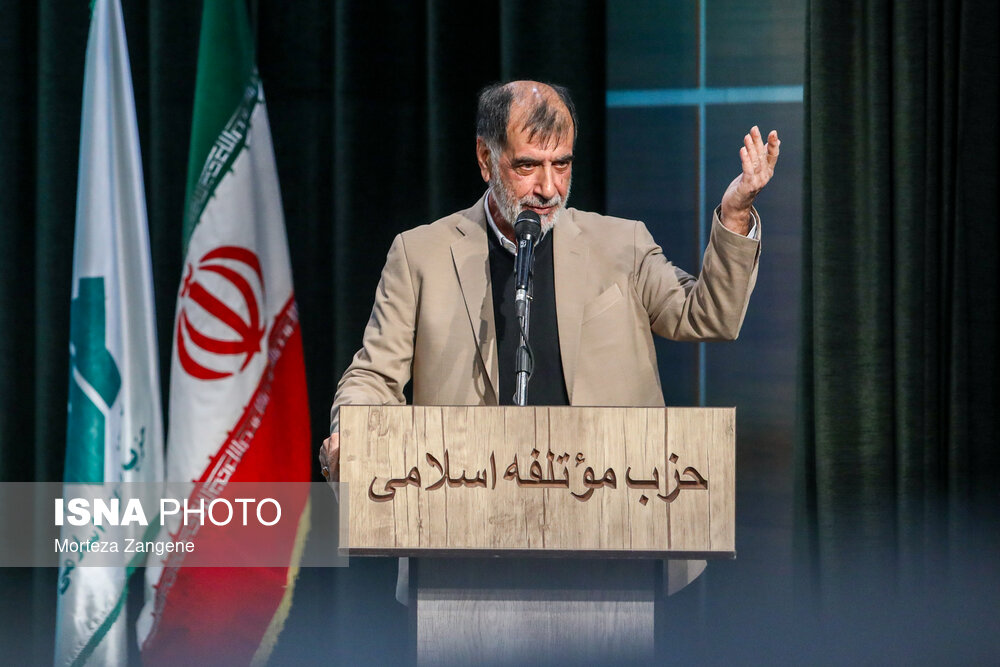
Writing in the Iran daily, Mohammad-Reza Bahonar argued that years of debate over the Palermo and CFT bills revealed that the reasoning used by opponents lacked strength, while the consequences of rejecting them had been costly.
He pointed to Iran’s transfer from the Financial Action Task Force (FATF) “grey list” to the “blacklist,” which he said imposed serious negative effects on both public and private sectors of the economy.
According to Bahonar, the Expediency Council carefully considered expert input from government ministers, including the economy and foreign affairs portfolios, before siding with arguments in favor of joining.
He said supporters never claimed that passing the bills would directly lift sanctions, but argued that non-membership hindered financial cooperation even with friendly states.
He dismissed claims that the CFT’s approval was irrelevant under the “snapback” of UN sanctions, stressing that sanctions are political while CFT is a separate legal framework.
Bahonar concluded that every measure easing Iran’s economic difficulties should be pursued.
