
The rally was held on Saturday noon during which the ralliers condemned the US police crackdown on the students.
More in pictures:
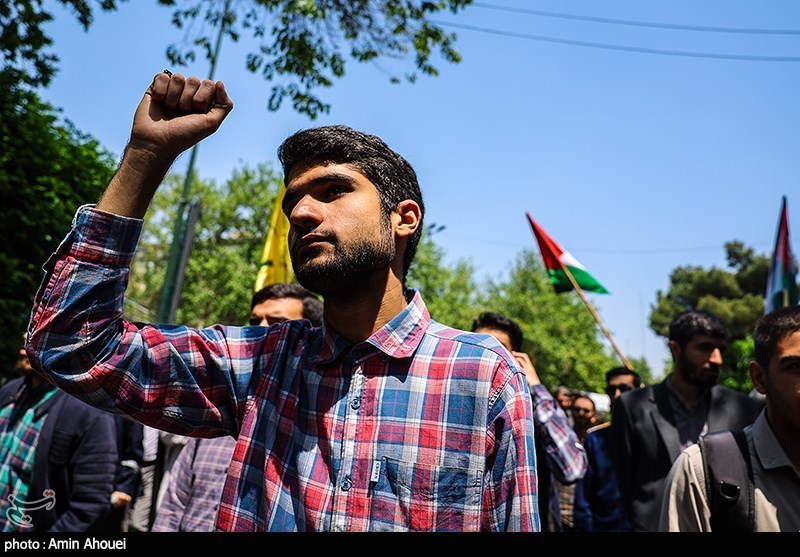
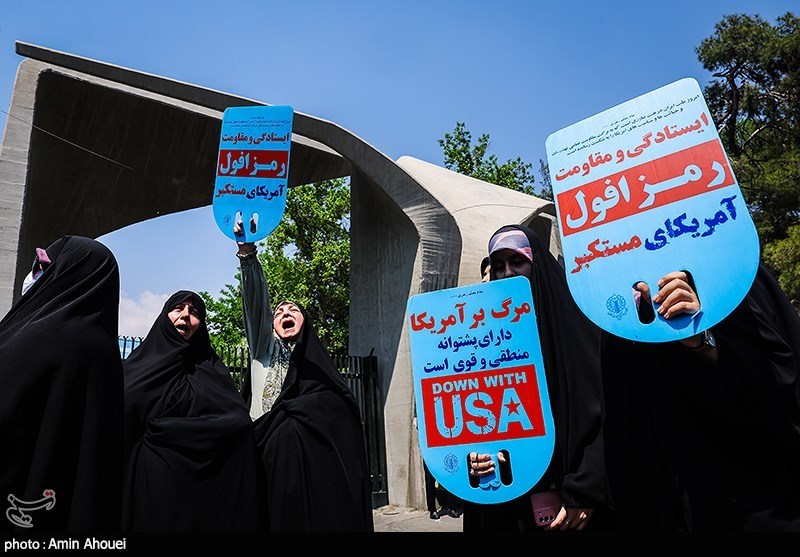
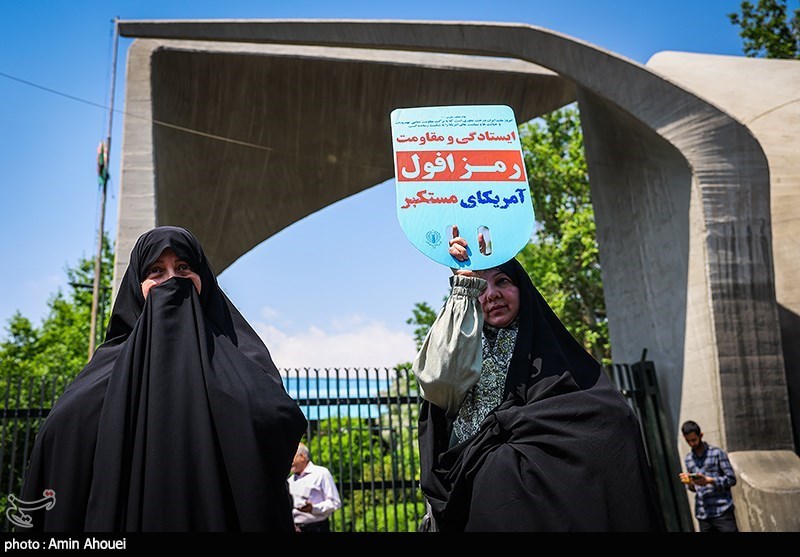
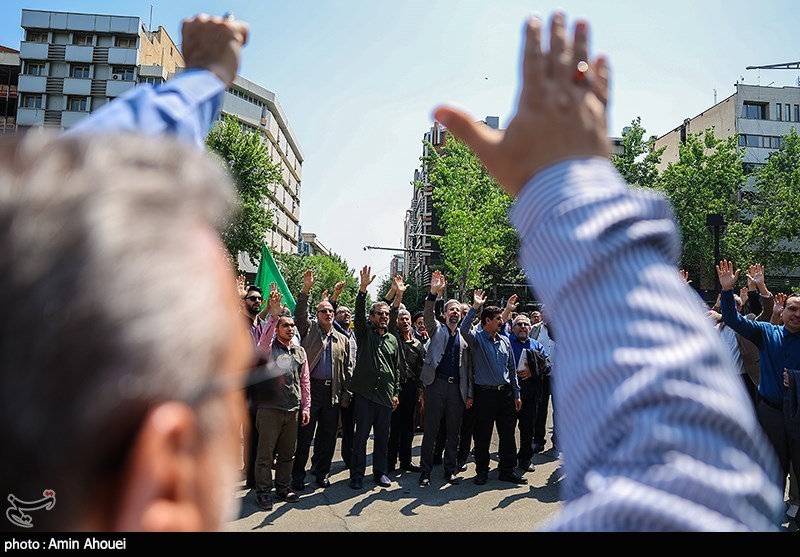
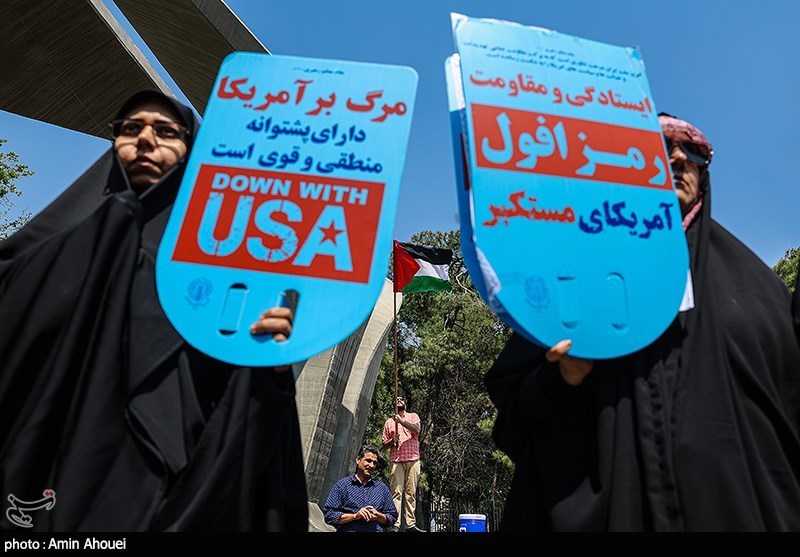
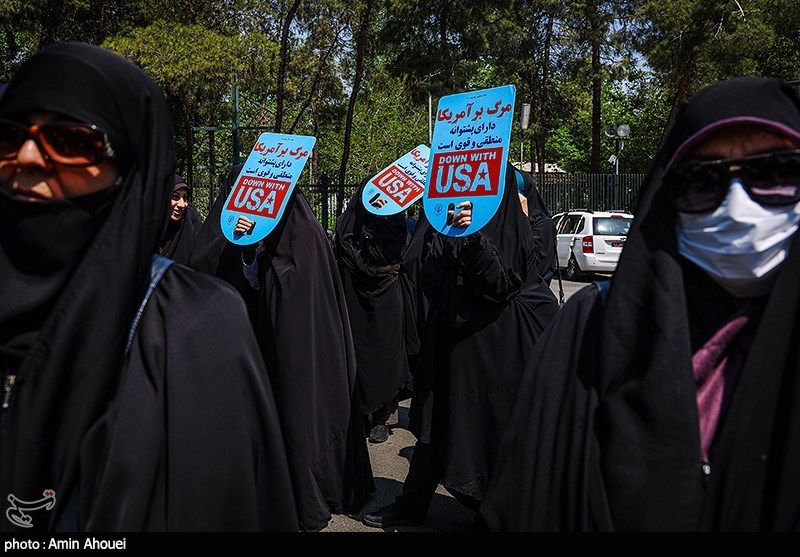
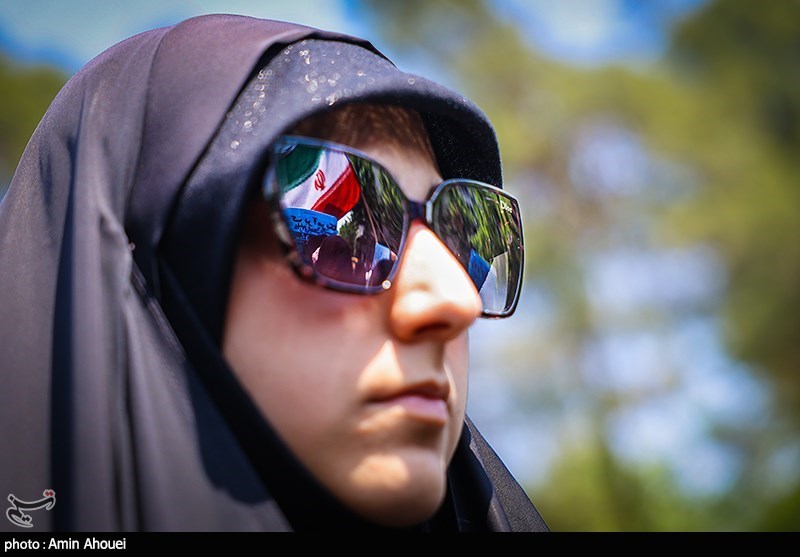
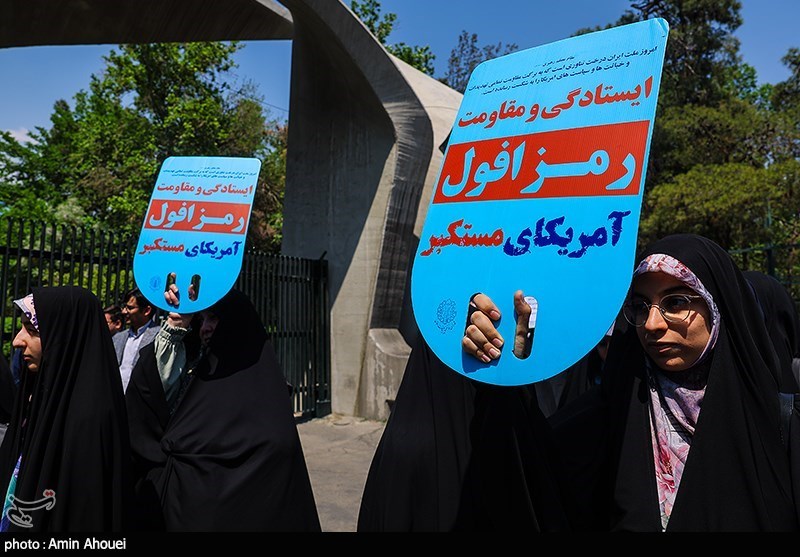
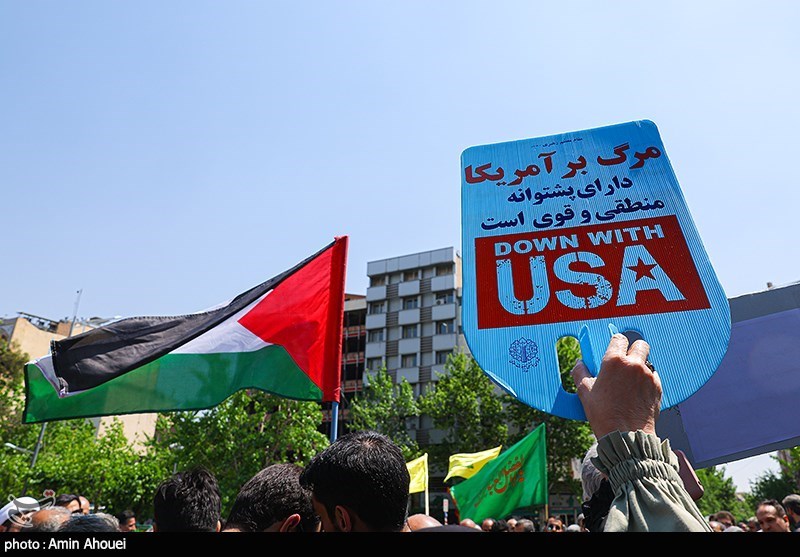
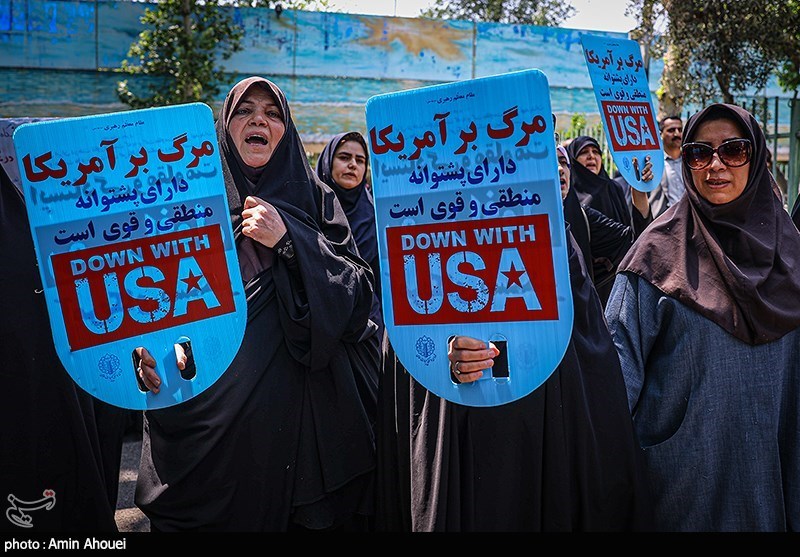
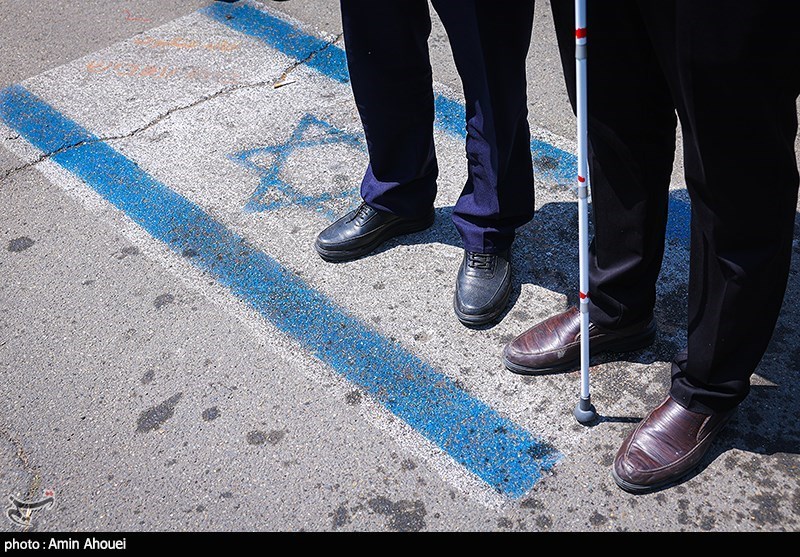
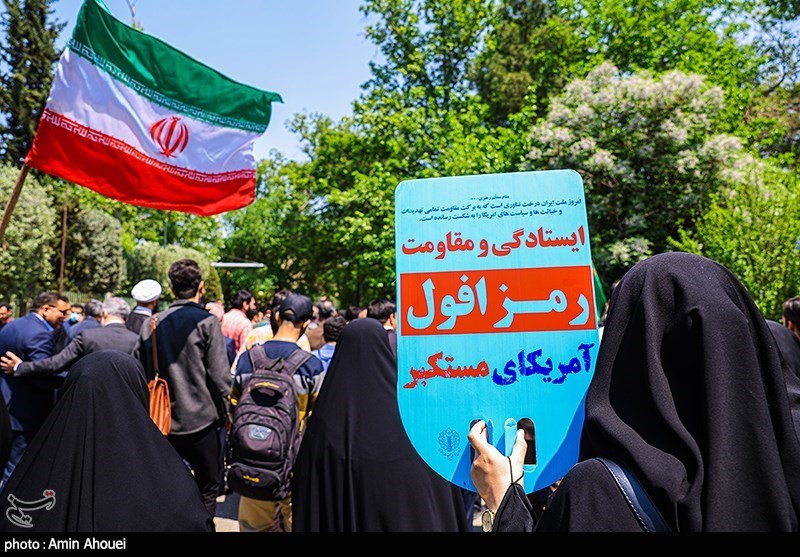
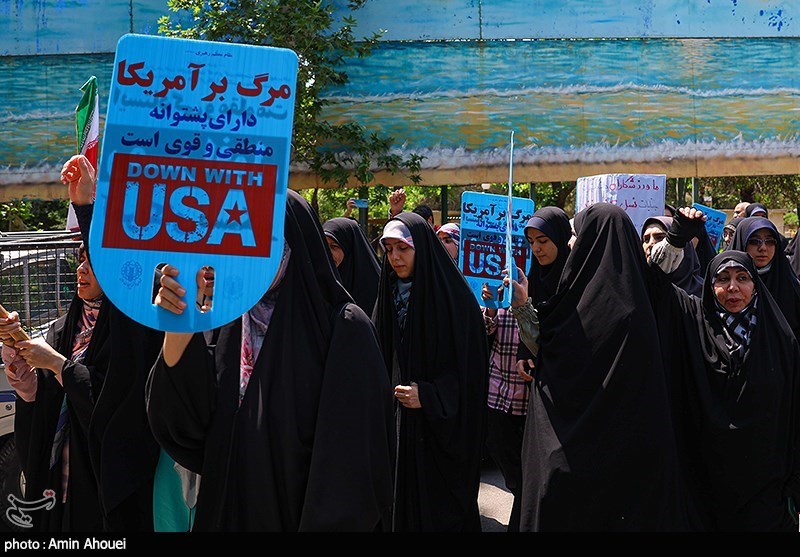
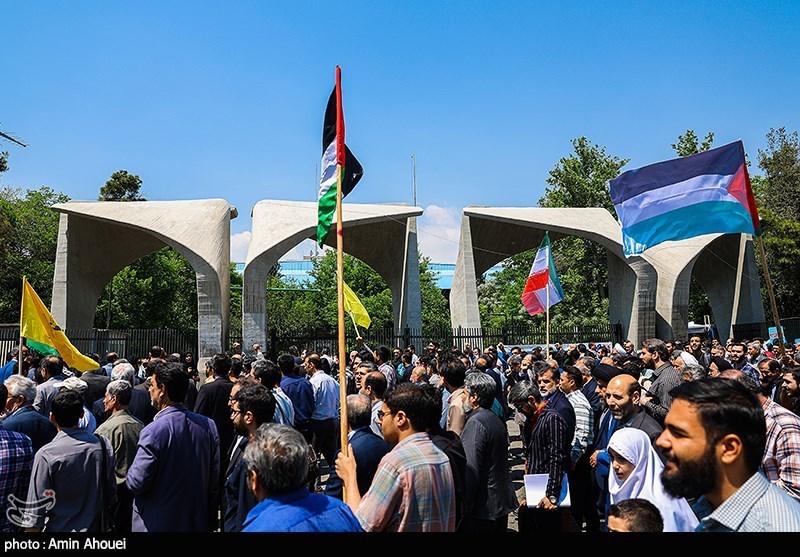
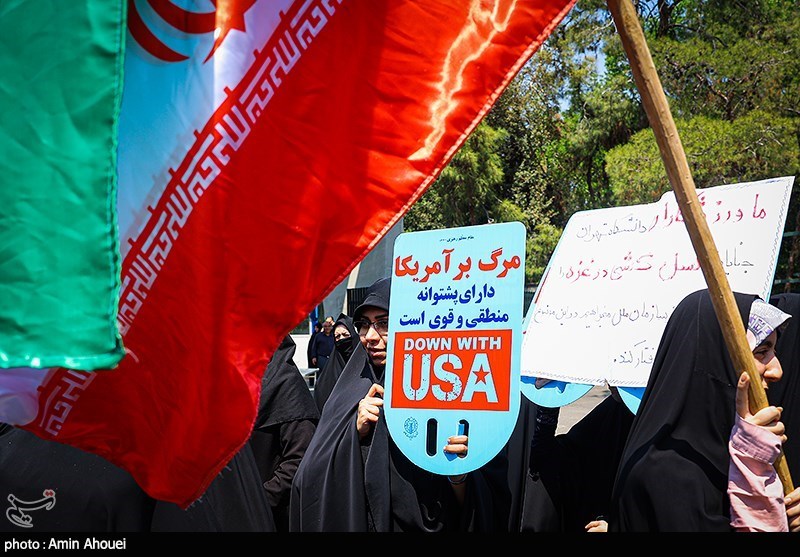
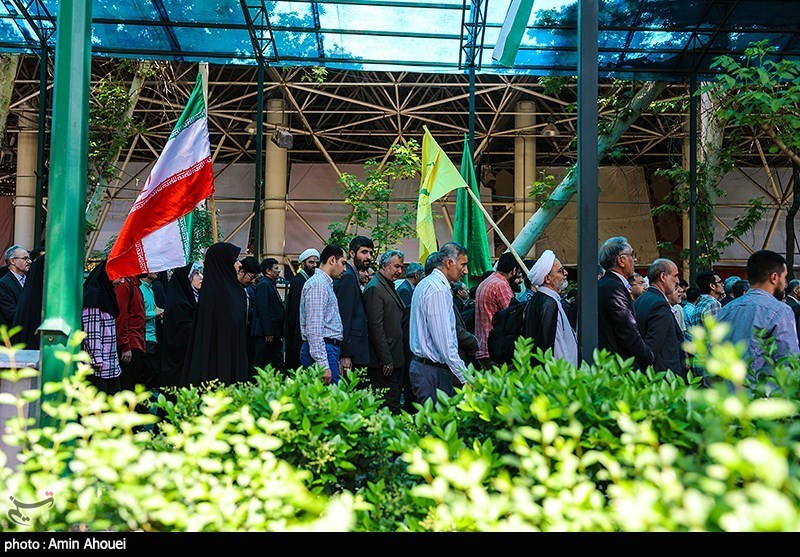
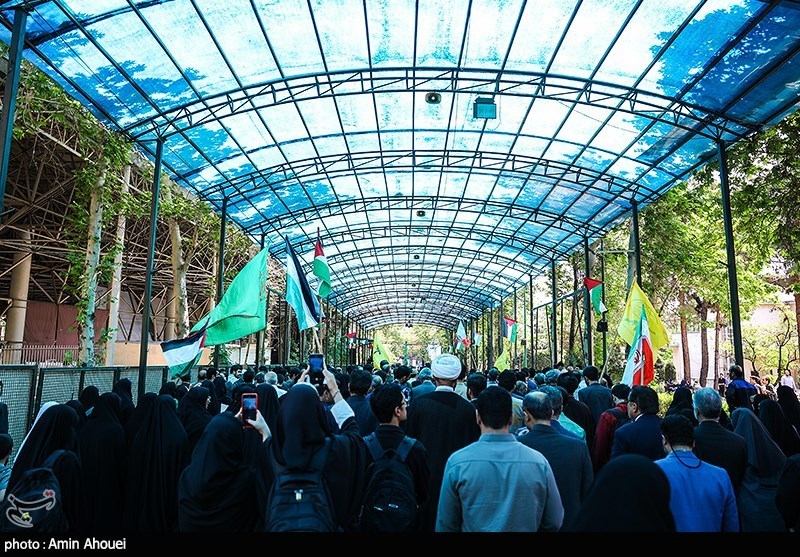

The rally was held on Saturday noon during which the ralliers condemned the US police crackdown on the students.
More in pictures:

Air defenses foiled “an attempt by the Kiev regime to carry out a terrorist attack” and intercepted more than ten drones over the Slavyansk, Kushevsk and Seversky districts, Veniamin Kondratyev wrote in a Telegram post on Saturday morning. There were no reports of casualties, he added.
The Russian military intercepted a total of 68 UAVs overnight, including two over the Crimean Peninsula, the Defense Ministry reported on Saturday morning.
An aerial strike damaged a distillation column at the Slavyansk-on-Kuban oil refinery, the head of the Slavyansk district, Roman Sinyagovsky, reported. The attack caused a fire which has since been extinguished, the official wrote in a Telegram post.
“There have been nine attacks in total on the tank farm and distillation column. Thanks to the built-in protection system, the tank farm hasn’t been damaged.”
The region’s operational headquarters later reported that a fire had also been extinguished at a separation unit at the crude processing facility.
Eyewitnesses told the SHOT Telegram channel that Ukrainian kamikaze drones had struck at around 4 a.m. Explosions reportedly lasted for more than 30 minutes as air defense and electronic warfare systems were activated.
The Slavyansk oil refinery in Krasnodar Region has already been targeted by Kiev’s forces. In March, it caught fire after a Ukrainian drone strike in which one person died from a suspected heart attack, local officials said.
Since January, Ukraine has launched a series of long-range drone attacks on Russian energy facilities, including oil depots and refineries.
Russian Defense Minister Sergey Shoigu has suggested the strikes are intended to impress Kiev’s Western supporters and compensate for a lack of progress on the front line.
US Vice President Kamala Harris privately told Ukrainian President Volodymyr Zelensky to refrain from striking Russian oil refineries when they met on the sidelines of the Munich Security Conference in February, the Washington Post wrote earlier this week.
The White House reportedly fears attacks on refineries inside Russia could raise global prices and provoke massive retaliation from Moscow.
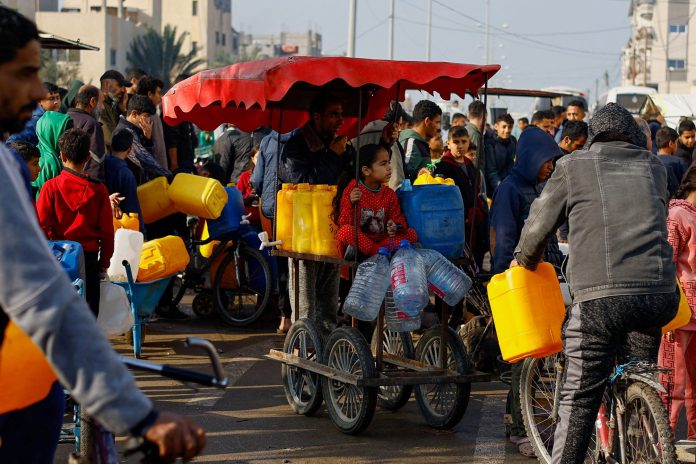
Beit Lahia Mayor Alaa Al-Attar told Anadolu news agency that the army also destroyed 50% of sewage pumps in northern Gaza.
“The Israeli army destroyed all agricultural crops in the town (Beit Lahia) which is considered the primary food basket for the Strip,” said Al-Attar.
He added that marketplaces were destroyed by the army in addition to more than 80 kilometers (50 miles) of water and sewage pipelines in the town.
Israel has waged a brutal offensive on Gaza since a cross-border attack by the Palestinian group, Hamas, on Oct. 7 which killed less than 1,200 people.
More than 34,000 Palestinians have since been killed, mostly women and children, while vast swathes of Gaza lay in ruins, and 85% of the enclave’s population has been forced into internal displacement amid a crippling blockade of food, clean water and medicine.
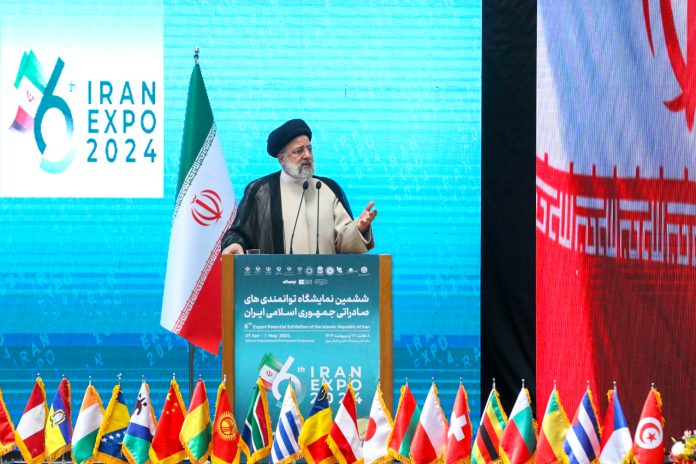
President Raisi made the remarks on Saturday in a ceremony to inaugurate Iran Expo 2024, the 6th edition of the exhibition of Iran’s export capabilities.
“The evil plans to isolate Iran have not succeeded and will never succeed. It shows that Iran with its material and spiritual reserves and efficient and determined human resources and with initiatives and creativity and with the benefit of new technologies can have innovations for the world in various fields and to the world,” he said.
President Raisi stated that Iran Expo is a benchmark that shows the country has managed to “turn threats into opportunities,” referring to decades long US-orchestrated sanctions against Iran.
He said imposing sanctions is a declaration of war, but added that Iran can beat the embargoes by indigenizing knowhow and boosting its production and exports capacities.
“Sanctions are a kind of war, but not a military one, a war that deprives a nation of what it can achieve,” he said.
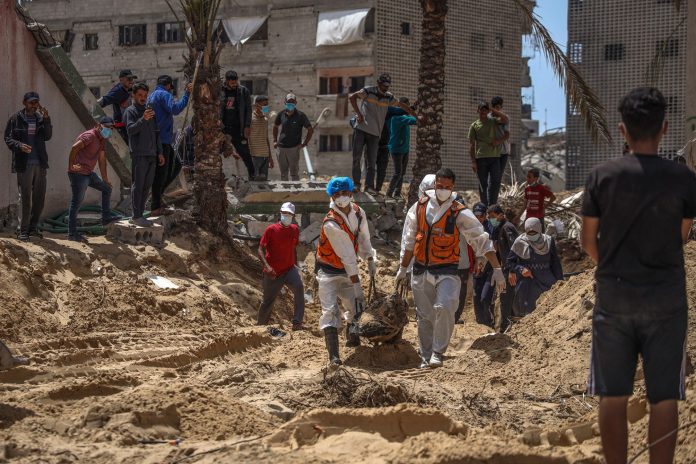
On Wednesday, US National Security Advisor Jake Sullivan said that Washington wanted to see the deaths “thoroughly and transparently investigated.”
Officials in Gaza have said a total of 392 bodies, including those of children and women, with signs of torture and executions, have so far been found at makeshift burial sites at two hospitals that were earlier raided by the Israeli military.
Shoshani told Politico on Friday that reports of Israeli troops having anything to do with the burials were “fake news.”
When asked whether that meant that Israel would not investigate the matter, he replied: “Investigate what?”
“We gave answers. We don’t bury people in mass graves. Not something we do,” the spokesman insisted, without specifying to whom those answers were given.
An unnamed US official told Politico that “the Israelis have told us privately what they’ve said publicly, that they totally reject the allegations”. However, the source stressed that the authorities in Washington “aren’t in a position to validate that, and would like a thorough and transparent investigation into the reports”.
Israel earlier said its forces had to fight inside the Nasser and Al-Shifa hospitals because Hamas militants used them as their bases – a claim that both the Palestinian armed group and medics have denied.
Sullivan’s call for a probe into the mass graves came on the same day that US President Joe Biden signed a $95 billion foreign aid package, which included $26.4 billion in military assistance for Israel.
The death toll from Israel’s airstrikes and ground offensive in Gaza over the past six months has reached 34,356, with 77,368 others wounded, according to the Palestinian enclave’s health ministry.

Houthi military spokesperson Yahya Saree said that Yemen’s naval forces struck a British oil tanker in the Red Sea with missiles.
Saree also added the military also shot down an American MQ-9 drone in Sa’ada province.
The new operations were also a show of solidarity with Palestinians in the Gaza Strip, amid the Israeli genocide there, he continued.
The spokesman stressed that the Yemeni armed forces will continue operations in the Red and Arabian Seas as well as the Indian Ocean until the Western-backed Israeli genocide comes to a halt.
Since the start of the brutal campaign in Gaza, the regime has killed more than 34,000 Palestinians and injured over 77,000 others. It has cut off fuel, electricity, food and water to the more than two million Palestinians living there.
The maritime attacks have forced some of the world’s biggest shipping and oil companies to suspend transit through one of the world’s most important maritime trade routes.
Tankers are instead adding thousands of miles to international shipping routes by sailing around the continent of Africa rather than going through the Suez Canal.
The pro-Palestine maritime campaign has also prompted airstrikes by the U.S. and its allies on Yemen – in violation of the Yemeni sovereignty and international law.
In consequence, Yemen’s armed forces have declared U.S. and British vessels as legitimate targets.
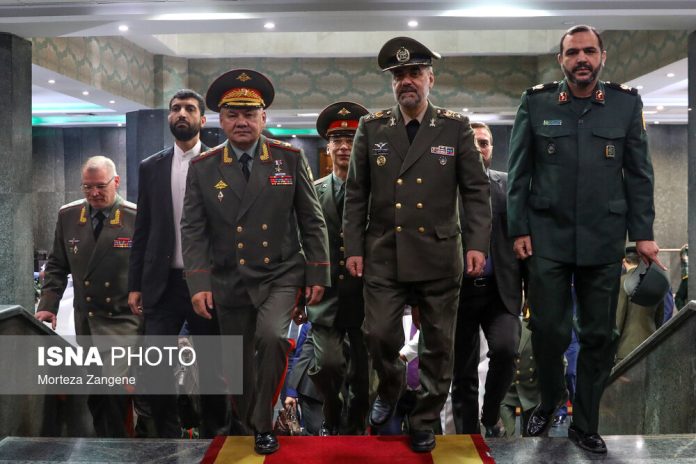
Ashtiani made the remarks in a meeting with his Russian counterpart Sergei Shoigu on the sidelines of the 21st meeting of the Shanghai Cooperation Organization (SCO) Defense Ministers in Astana, Kazakhstan, on Friday.
He said Tehran and Moscow should oppose unilateralism in global issues.
He thanked Russia for condemning Israel’s illegal and unlawful airstrikes against Iran’s diplomatic premises in the Syrian capital of Damascus on April 1 and expressing support for Tehran’s legitimate response.
“Terrorist attacks in Russia and Iran are the outcome of support of Western countries, especially the United States, for terrorist groups,” Ashtiani emphasized.
On April 1, the Israeli regime carried out terrorist airstrikes on the consular section of Iran’s embassy in the Syrian capital, which killed two generals of the Islamic Revolution Guards Corps (IRGC), Brigadier General Mohammad Reza Zahedi and General Mohammad Hadi Haji Rahimi, as well as five of their accompanying officers.
In retaliation, the IRGC targeted the occupied territories on April 13 with a barrage of drones and missiles. The retaliatory strikes, dubbed Operation True Promise, inflicted damage on Israeli military bases across the occupied Palestinian territories.
Elsewhere in the conversation, the Iranian defense chief warned that the North Atlantic Treaty Organization (NATO) and some Western countries are taking steps in line with the policy of expansion to the East.
He urged the Shanghai Cooperation Organization (SCO) member states to use the body’s capacities to thwart common threats.
For his part, the Russian defense minister slammed Israel’s attacks on Iran’s diplomatic premises in Damascus and said Tehran’s response was in accordance with the legitimate right of self-defense.
Ashtiani and Shoigu also hailed the successful experience of Iran and Russia in the fight against terrorism in the region and called for the expansion of cooperation to counter terrorist threats, separatism and extremism.
The Iranian and Russian defense chiefs emphasized that the developments in the South Caucasus are important to the two countries’ interests, noting that the presence of extra-regional powers in this region is detrimental to common interests.
They said that the 3+3 format, which is being implemented in the presence of all the countries of the Caucasus region, is an appropriate framework for solving problems, according to a statement by Iran’s Defense Ministry.
The 3+3 format includes three southern Caucasus countries (Azerbaijan, Armenia, Georgia) and three neighboring countries (Russia, Turkey and Iran).
Iran was one of the countries that proposed the formation of a 3+3 group in line with its foreign policy of resolving problems, differences and challenges faced by countries in the region.
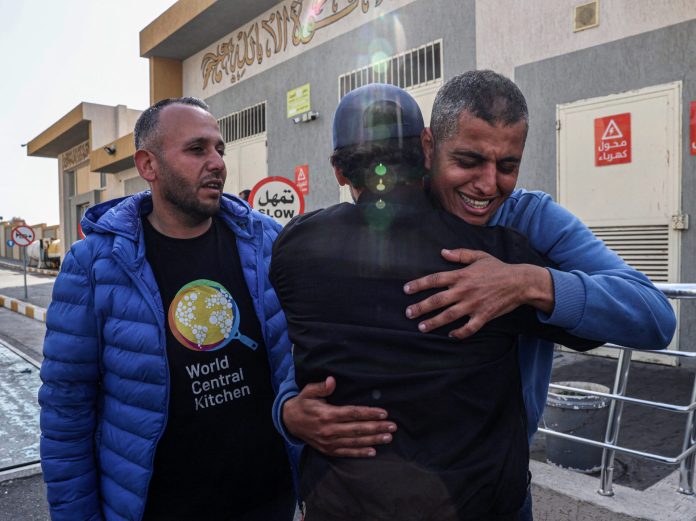
The NYT obtained and examined visual evidence and internal communications on six aid group operations that were hit by air raids even after their locations were shared with the Israeli military.
The six aid groups are Doctors Without Borders (MSF), Medical Aid for Palestinians (MAP), International Rescue Committee (IRC), Enabel, ANERA, and World Central Kitchen (WCK). They are all in direct communication with the military and are based in Western nations that are known to be Israel’s strongest allies.
The investigation notes that despite the Israeli military using a system known as deconfliction, where aid groups share locations with the army to avoid being caught between friendly fire in war-torn areas, incidents still occurred.
NYT highlights the many times aid workers have been attacked despite the system being used. Although World Central Kitchen workers coordinated their location with the army and travelled in a clearly marked vehicle, their envoy was still struck, killing seven aid workers, which Israel had dubbed a mistake.
American aid group ANERA shared emails with the NYT, revealing that the group had repeatedly sent the Israeli military coordinates and photos of their staff shelters.
This included a two-story residential building where aid worker Mousa Shawna and his six-year-old son resided when it was struck by an Israeli airstrike weeks before the WCK incident. The military confirmed that the location was being processed in their system.
Visuals from the aftermath of airstrikes targeting MSF, MAP and IRC compounds show buildings clearly marked and logos visible on the bedding and luggage in the wreckage.
The military claimed they were targeting “terror activity” at the MSF building, which the group has denied.
“Coordinates had been provided to the proper actors for both of these structures that were hit. It is standard for us to provide coordinates to actors involved in conflicts,” a spokesperson for MSF told The New Arab.
The publication obtained text messages between MAP and IRC, revealing that a month before the 18 January attack on their residential compound, the Israeli military was informed of the locations and used “high-level diplomatic channels” to deconflict the compound.
The building was also in a neighbourhood that Israel had designated as a humanitarian zone that was safe for civilians.
“The New York Times investigation clearly shows that the Israeli army is responsible for the attacks on aid workers, but still, the Israeli state is not facing any accountability,” Aseel Baidoun, Acting Director of Advocacy and Campaigns at MAP, told The New Arab.
Baidoun also noted that the Israeli government offered six conflicting explanations for the attack.
These ranged from being unaware of the attack and denying any involvement to claiming the building was mistargeted due to a defective missile fin. Most recently, Israel stated that the damage was not caused by a bomb but by a piece of aircraft fuselage discharged by the pilot of an Israeli fighter jet.
“The variety of responses highlights a continued lack of transparency regarding what occurred. It is clear from this experience that the Israeli military and government are either unable or unwilling to properly investigate this serious incident,” Baidoun added, calling for a full, independent and timebound investigation into the 18 January attack and all reported attacks on aid workers.
“We need to secure concrete assurances from the Government of Israel that attacks against aid workers and health workers will not occur in the future.”
Over 200 aid workers have been killed since 7 October in Gaza, which is more than three times as many aid workers killed in any single recorded conflict in a single year, according to the United Nations. Many suspended operations following the WCK strike, and MAP and IRC were forced to suspend their work at Nasser Hospital in Khan Younis.
In light of the killing of seven WCK aid workers, aid groups have been blunt, saying there is nothing more they can do to protect staff in the Gaza Strip, asserting that it’s up to Israel to avoid killing them. The United Nations has also appealed for direct coordination with the Israeli military.

Morais told a press conference on Friday, “I changed (my religion) some time ago… and for that reason I’m a member of the Iranian family.”
The former Portuguese player has been at the helm of Sepahan in Iran’s Isfahan since 2022.
Other football stars like Franck Ribery, Clarence Seedorf, Nicolas Anelka and Paul Pogba have also converted to Islam in the past.
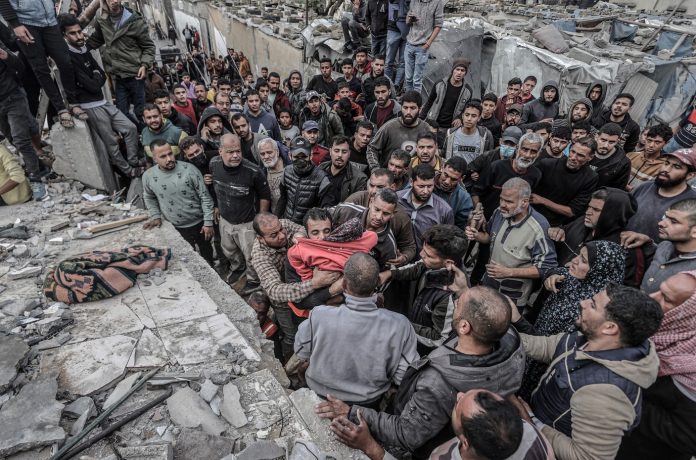
Khalil al-Hayya, a member of the group’s political bureau, said that Hamas “is serious about releasing Israeli captives within the framework of an agreement” that also ensures the release of thousands of Palestinian prisoners in Israeli jails.
He told Al Jazeera Arabic in a televised interview that Hamas will not accept a truce without a permanent ceasefire and a complete halt of Israel’s assault on the Gaza Strip.
The Israeli bombardment has killed more than 34,000 people – mainly women and children – since the current conflict started in October.
An “unhindered return” of Palestinians across the besieged enclave to their homes, along with the reconstruction of Gaza and “an end to the crippling siege” imposed on it were among the four conditions that al-Hayya reiterated.
Hamas had submitted its response to a United States amendment on April 13 and is still waiting for a reply from Israel and the mediating parties, he added.
White House national security adviser Jake Sullivan stated on Friday that he saw fresh momentum in talks to end the war in Gaza and return the remaining Israeli hostages.
“I believe that there is a renewed effort under way involving Qatar and Egypt as well as Israel to try to find a way forward,” Sullivan told MSNBC in an interview.
“Do I think that there is new momentum, new life in these hostage talks? I believe there is.”
Talks on a ceasefire between Israel and Hamas have been in limbo with the two sides showing few signs that they are ready to compromise on their demands.
But international mediators – Qatar, the US and Egypt – have been engaged in intense behind-the-scenes talks to secure a deal.
Top Israeli officials have repeatedly called Hamas’s demands “delusional” and have claimed an Israeli withdrawal from the Gaza Strip would amount to losing the war.
Egyptian, Israeli and US officials reportedly held in-person and remote meetings on Wednesday that sought concessions to break the deadlock in the months-long negotiations.
On Friday, Egypt sent a delegation to Israel with the hope of brokering a ceasefire agreement, two officials told The Associated Press news agency.
Top intelligence official, Abbas Kamel, was leading the team and planned to discuss a “new vision” for a prolonged ceasefire in the enclave, an Egyptian official said.
Friday’s talks were set to be initially focused on a limited exchange of captives for Palestinian prisoners and the return of a significant number of displaced Palestinians to their homes in northern Gaza “with minimum restrictions”, the unnamed official added.
Meanwhile, the US and 17 other countries issued an appeal for Hamas to release captives as a pathway to end the crisis in Gaza.
“We call for the immediate release of all hostages held by Hamas in Gaza now for over 200 days,” read the statement on Thursday by the leaders of Argentina, Austria, Brazil, Bulgaria, Canada, Colombia, Denmark, France, Germany, Hungary, Poland, Portugal, Romania, Serbia, Spain, Thailand and the United Kingdom.
It added that the “deal on the table to release the hostages would bring an immediate and prolonged ceasefire in Gaza, that would facilitate a surge of additional necessary humanitarian assistance to be delivered throughout Gaza, and lead to the credible end of hostilities”.
Hamas responded to the letter on Friday, saying it regretted that the countries had not emphasised “the necessity of a permanent ceasefire” in Gaza and the withdrawal of Israeli forces from the territory.
The Palestinian group called on the US and the international community to apply pressure on Israel to end “the crime of genocide” being committed against Palestinians in Gaza.
The back-and-forth comes as Israel has significantly increased its military activities across the enclave and is proceeding with plans for a ground invasion of Rafah in the south, where some 1.5 million displaced Palestinians are taking shelter.
The humanitarian situation in Rafah – bordering Egypt – and across Gaza remains dire, with the United Nations and others repeatedly stressing the need for Israel to allow more aid in.
Eleven-year-old Husam is one of more than 600,000 children who have sought refuge in Rafah, which was designated a “safe zone” even as the Israeli military continues to pound it from the air in preparation for a ground assault.
“We’re afraid people will resort to killing each other for food,” he told Al Jazeera, adding, “A person’s psyche wears out with fear. It’s a slow death.”
© All Content by IFP News ( Iran Front Page ) is licensed under a Creative Commons Attribution 4.0 International License.
