Tuesday, December 30, 2025
Home Blog Page 921

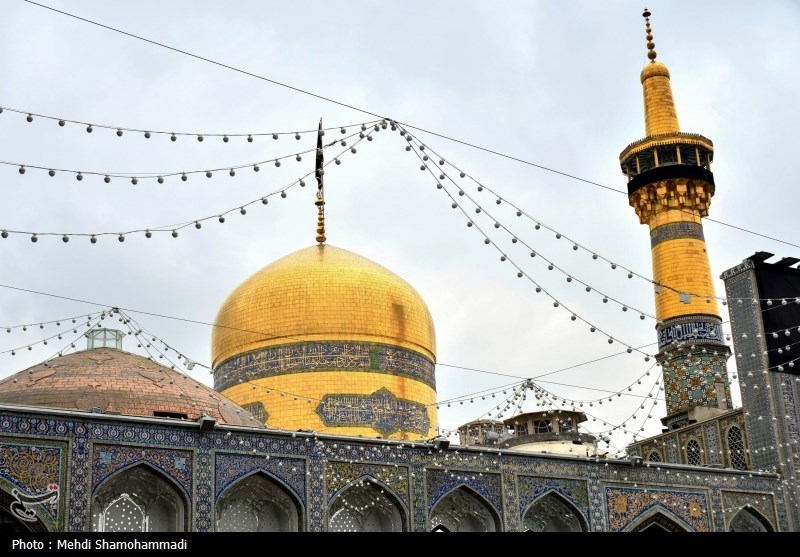
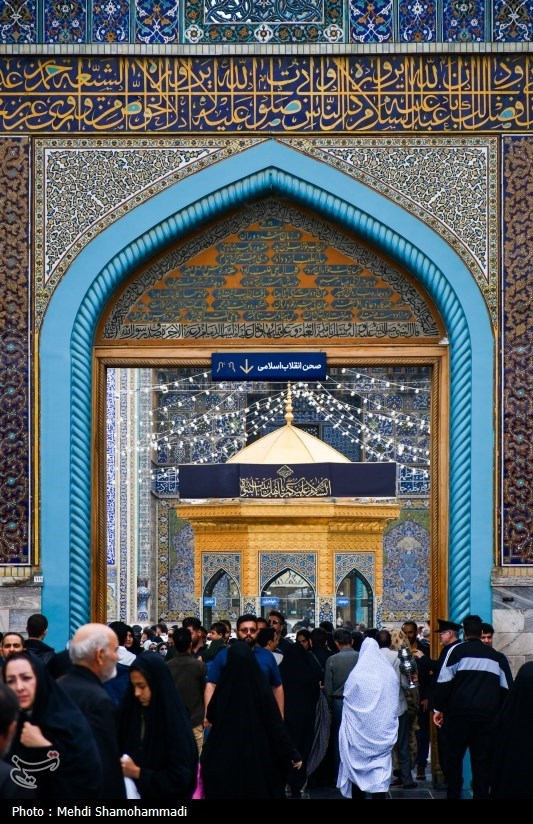
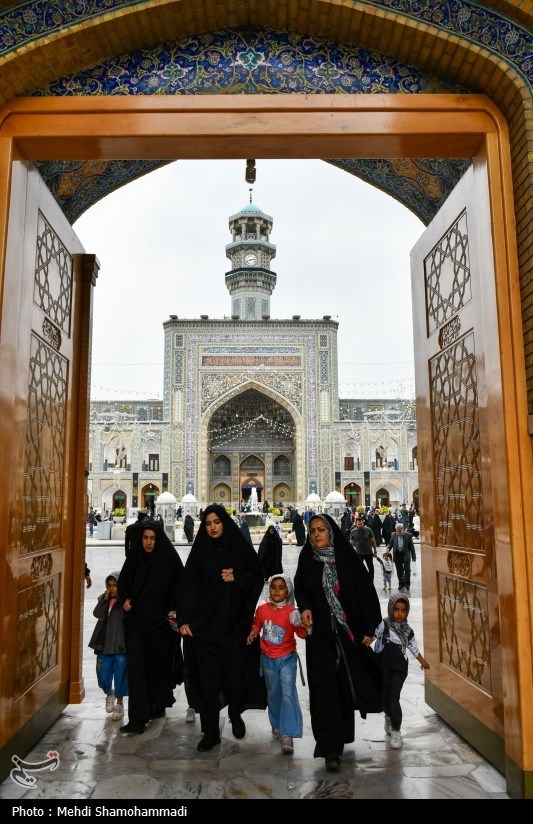
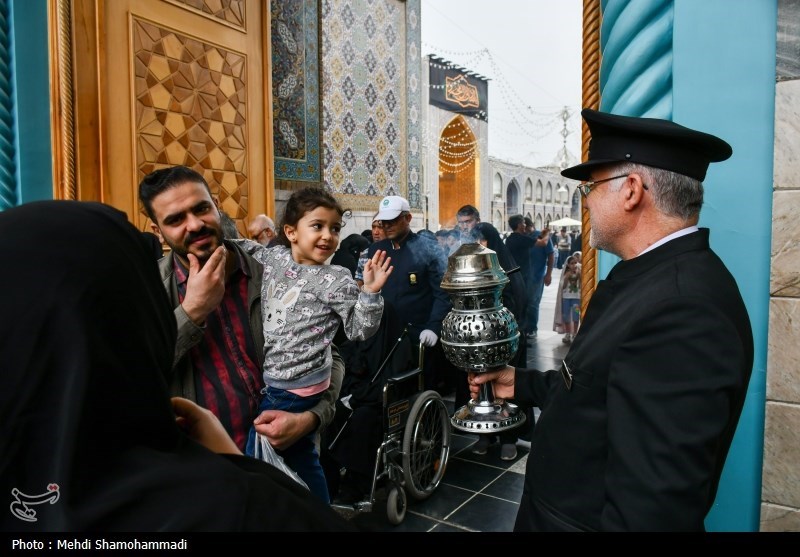
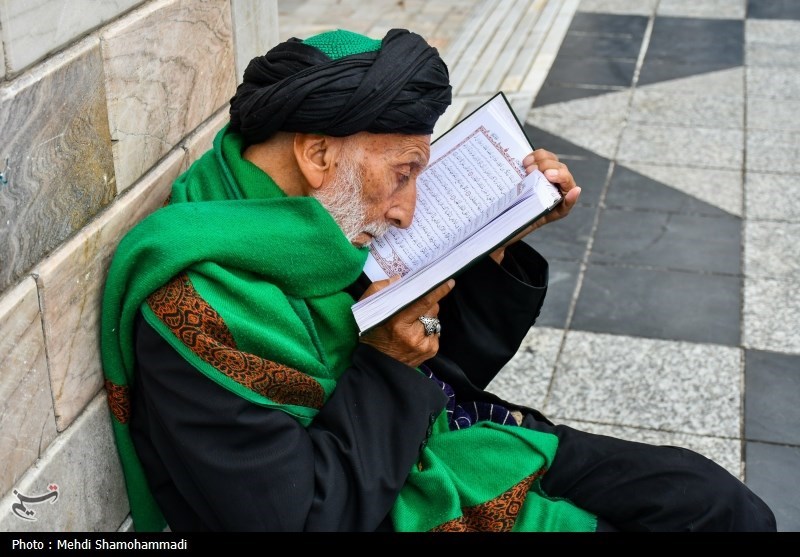
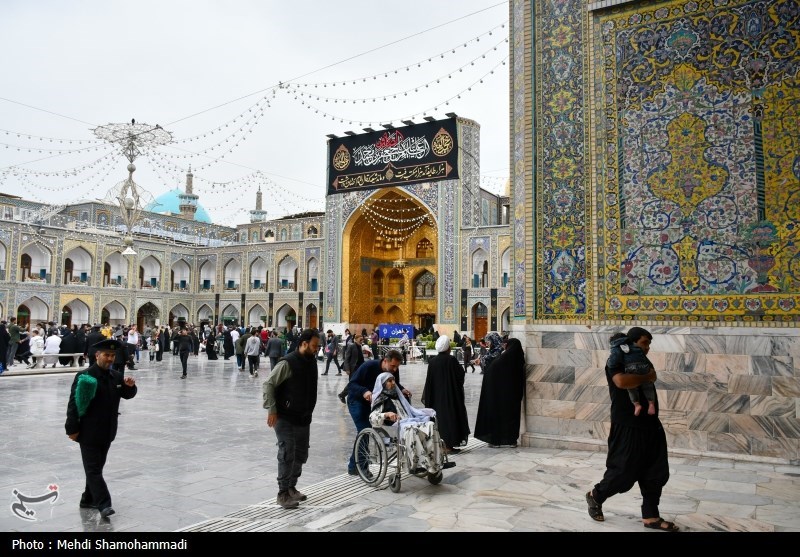
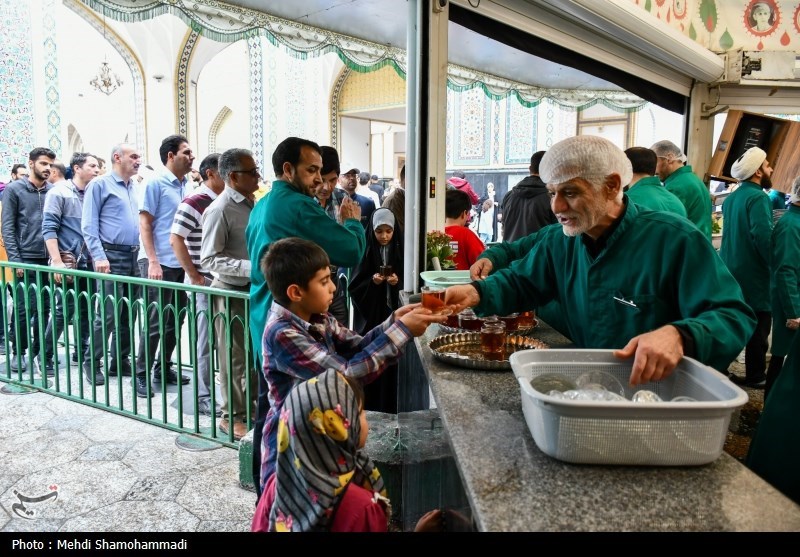
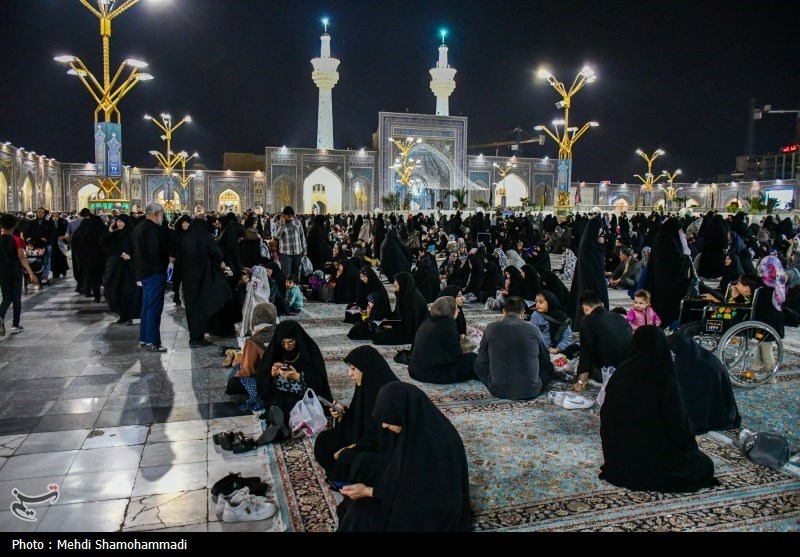
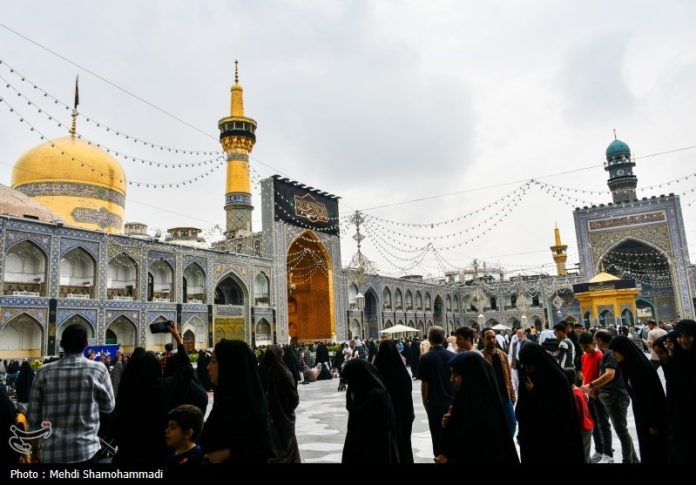
Devotees mourn Imam Sadiq martyrdom anniversary in Iran’s Mashhad

Imam Sadiq martyrdom anniversary Iran's Mashhad

Black flags were conspicuously visible in various parts of the shrine of the 8th Shia Iamam in Mashhad as a symbol of grieving.

Imam Sadiq, a descendant of Prophet Muhammad, was a leading scholar and jurisprudent in the eighth century.

He was the founder of the Ja’fari school of jurisprudence.

Imam Sadiq was poisoned to death by the Abbassi ruler in 765 AD at the age of 64 and buried in the Baqi’ cemetery in the Saudi city of Medina.

Below, you can see the pictures of the ceremony in Mashhad:

WHO warns Israel’s military operation in Gaza’s Rafah could lead to “bloodbath”

WHO

Israeli Prime Minister Benjamin Netanyahu has vowed to crush Hamas’s remaining fighters in Rafah, where much of Gaza’s population has sought refuge from nearly seven months of war.

WHO director-general Tedros Adhanom Ghebreyesus warned of possible dire implications for the 1.2 million people sheltering in Rafah.

“WHO is deeply concerned that a full-scale military operation in Rafah, Gaza, could lead to a bloodbath, and further weaken an already broken health system,” Tedros wrote on X, formerly Twitter.

In a statement, the WHO announced contingency efforts, but warned “the broken health system would not be able to cope with a surge in casualties and deaths that a Rafah incursion would cause”.

“This contingency plan is Band-Aids,” Rik Peeperkorn, the WHO representative in the Palestinian territories, told reporters in Geneva.

“It will absolutely not prevent the expected substantial additional mortality and morbidity caused by a military operation.”

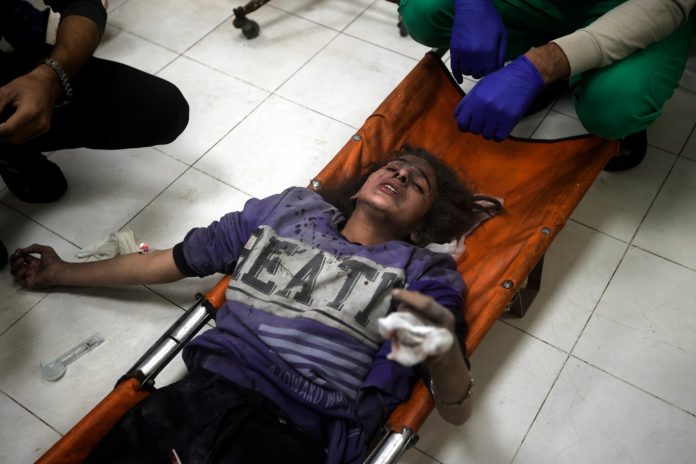
According to the WHO, most of the besieged territory’s health facilities have been damaged or destroyed amid heavy Israeli bombardment.

Only 12 of Gaza’s 36 hospitals and 22 of its 88 primary health facilities are “partially functional”, the UN health agency said.

“As part of contingency efforts, WHO and partners are urgently working to restore and resuscitate health services,” the statement added.

It noted that Rafah’s three currently operational hospitals would become unreachable “when hostilities intensify in their vicinity”.

Instead, the WHO is working to restore south Gaza’s largest hospital, the Nasser Medical Complex in nearby Khan Yunis, and establish additional medical sites.

“The ailing health system will not be able to withstand the potential scale of devastation that the incursion will cause,” Peeperkorn said.

A military operation in Rafah could spark a new wave of displacement, leading to more overcrowding, limited access to food, water and sanitation and more outbreaks of disease, he added.

In its statement, the WHO called “for an immediate and lasting ceasefire and the removal of the obstacles to the delivery of urgent humanitarian assistance into and across Gaza, at the scale that is required”.

Jens Laerke, spokesman for the UN humanitarian agency OCHA, said that a military operation in Rafah “could lead to a slaughter”.

“For agencies already struggling to provide humanitarian aid in Gaza, a ground invasion would strike a disastrous blow,” he told reporters.

“Any ground operation would mean more suffering and death,” he added.

The bloodiest-ever Gaza war started after an unprecedented attack on southern Israel by Palestinian group Hamas on October 7, 2023.

The attack resulted in the deaths of 1,200 people. Operatives also took about 250 hostages, of whom Israel estimates 128 remain in Gaza. The Israeli army says 35 of them are dead.

Israel’s relentless retaliatory military offensive has killed more than 34,500 people in Gaza — most of them women and children — according to the health ministry in the Hamas-run territory.

Ukrainians abroad furious over pressure to go home and fight against Russia: Report

Russia Ukraine War
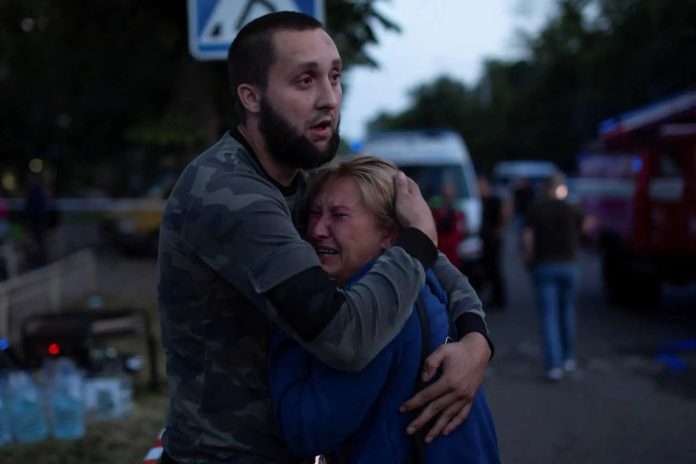
People react at the site of a restaurant building heavily damaged by a Russian missile attack, amid Russia's war on Ukraine, in central Kramatorsk, Donetsk region, Ukraine.

The country’s foreign ministry has suspended consular services for emigrants in preparation for a radical mobilization reform that will enter force this month. The new rules require Ukrainians potentially eligible for the military draft to submit their personal data to conscription centers. The documents they get in return will be required for most legal procedures.

The newspaper interviewed several Ukrainians living in Western nations, who expressed negative feelings about the new policy, which they feel treats them like traitors and potential prey for conscription officials. They were identified by their first names only due to fear of being ostracized or facing other repercussions.

“It was done as a ‘go to hell’ move – ‘we will now catch you, to make you feel bad, punish you,’” Aleksandr, who has been living in Austria since before the Russian-Ukrainian hostilities erupted in 2022, said of the suspension of consular services.

“Russia won’t destroy Ukraine on its own, until Ukrainians help it,” Vasily, who is based in Germany, stated, adding, with its actions, Kiev had “simply burned bridges for many whose lives fit in a suitcase – including women and children”.

Ukrainian Foreign Minister Dmitry Kuleba justified the order by claiming it was necessary to correct an unfair situation, in which some eligible men are avoiding the draft by staying abroad. Those who neglect their obligation to fight for their nation do not deserve to get anything from it, he claimed.

“I feel like the country I love and cherish is behaving like an immature, offended teenager,” Vaily, a Ukrainian living in Poland, told the daily.

“I have always positioned myself, and will continue to position myself, as a Ukrainian in all situations,” he continued, adding, “But if the state considers me a traitor, I must admit it’s not a pleasant feeling for me at the moment.”

Kiev claims it does not seek to forcibly repatriate its nationals, but has requested assistance from its Western backers in encouraging returns.

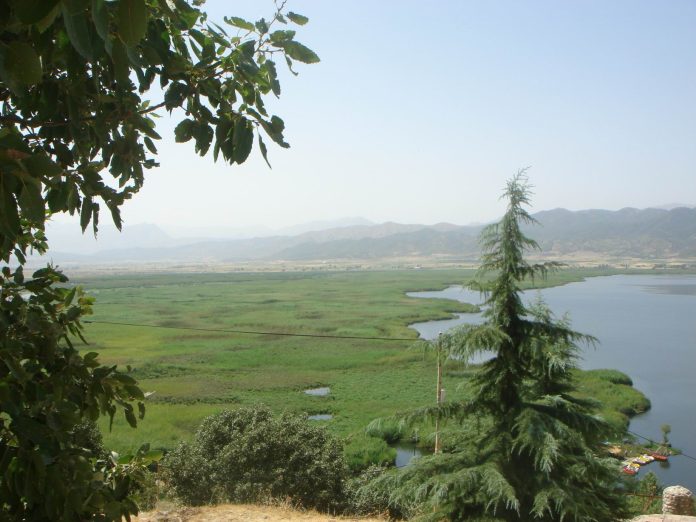
Iran’s Zrebar Lake overflows after recent downpours

Iran’s Zrebar Lake

The lake in the Zagros Mountains in Kordestan province, which is the habitat to a large variety of fish and wildfowl, is ecologically significant.

No river flows into the lake and its source of water is a number of fountains and seasonal rains.

The lake, listed as a natural heritage of Iran, hosts over 200,000 tourists every year.

UN warns majority of Rafah’s 600,000 children face injury, illness, malnutrition, trauma, disabilities

Gaza War

Citing reports from UNICEF, the UN deputy spokesperson Farhan Haq at a news conference said a military operation into Rafah “would bring catastrophe on top of catastrophe” for the children there.

Echoing UNICEF Executive Director Catherine Russell’s sentiments that emphasized the dire conditions faced by the children of Rafah, Haq stated “nearly all of the some 600,000 children in Rafah are either injured, sick, malnourished, traumatized, or living with disabilities”.

Additionally, the World Health Organization (WHO) stressed the precarious state of healthcare facilities in Rafah, revealing that three out of the 12 hospitals in Gaza that are still partially functioning are located in the region.

WHO warned that these facilities “will quickly become non-functional if there’s a military incursion into Rafah, and then a full scale military operation into Rafah could lead to a bloodbath”, Haq continued.

He also stated that the convoy carrying humanitarian aid from Jordan was attacked by “civilians” in the occupied West Bank, and some items were damaged. Haq noted that the convoy later reached Gaza.

Saying that upon convoy’s arrival to Gaza it was redirected to a different facility instead of the previously designated location by an armed group, Haq added this issue was addressed through discussions with local authorities to resolve the misunderstanding.

Haq expressed confirmation of the local authorities’ respect for humanitarian aid convoys, stating that the convoys reached their destinations and that aid distribution was ongoing.

Emphasizing that the redirection to a different facility was purely a communication error, he said it was promptly corrected, adding that officials in Gaza confirmed that such incidents would not recur.

Israel has waged a deadly military offensive on Gaza since an Oct. 7 Hamas incursion, which killed less than 1,200 people.

Tel Aviv, in comparison, has killed more than 34,650 Palestinians and wounded nearly 77,900 amid mass destruction and shortages of necessities in the Palestinian territory.
Nearly seven months into the Israeli onslaught, vast swathes of Gaza lay in ruins, pushing 85% of the enclave’s population into internal displacement besides a crippling blockade on food, clean water and medicine, according to the UN.

Israel is accused of genocide at the International Court of Justice, which in January issued an interim ruling that ordered Tel Aviv to prevent genocidal acts and take measures to guarantee that humanitarian assistance is provided to civilians in Gaza.

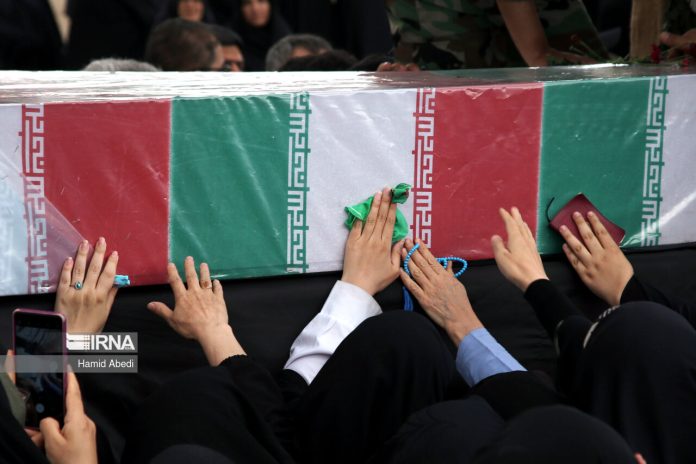
Newly-discovered martyrs’ bodies receive hero’s welcome in Iranian cities

Newly-discovered martyrs’ bodies Iran

The funeral processions were held in Isfahan, Mashhad, Lorestan, South Khorassan  provinces and in the capital city of Tehran

Thousands of mourners braved the rain to commemorate the martyrs concurrent with the martyrdom anniversary of the 6th Shia Imam, Jafa’ar al-Sadiq (PBUH).

Hundreds of thousands of Iranians were martyred in the war with the former Iraqi dictator Saddam Hussein’s regime that broke out in 1980 and lasted for eight years.

The bodies of a large number of the martyrs never returned home.

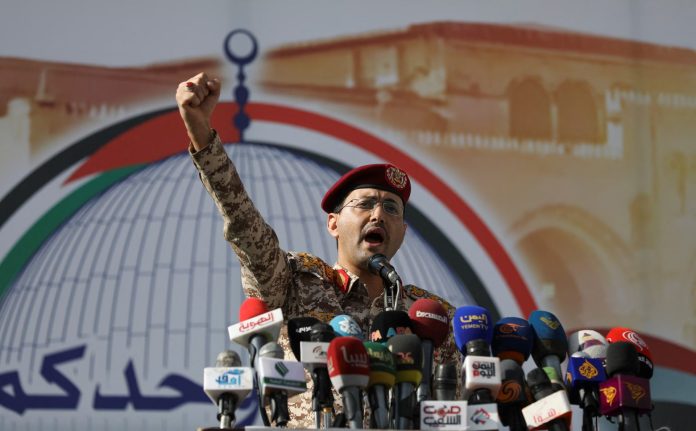
Yemen’s Houthis warn they will target Israel-bound ships anywhere within their range

Yemen Yahya Saree

“We will target any ships heading to Israeli ports in the Mediterranean Sea in any area we are able to reach,” Saree said on Friday, adding that the decision will be implemented “immediately, and from the moment this statement is announced”.

The Houthis have launched repeated drone and missile attacks on the Israeli-linked ships in the crucial shipping channels of the Red Sea, the Bab al-Mandab strait and the Gulf of Aden since November in what they say is a campaign of solidarity with Palestinians and against Israel’s assault on Gaza.

This has forced shipping firms to re-route cargo to longer and more expensive journeys around southern Africa and has stoked fears that the Israeli war on Gaza could spread and destabilise the region.

In his speech, Saree also cited a looming “aggressive military operation” in the southern Gaza city of Rafah, where more than 1.5 million Palestinians are now sheltering, as a reason behind the group’s decision.

Israeli Prime Minister Benjamin Netanyahu has threatened to send ground troops into Rafah, which is already being bombarded on a daily basis. The potential Israeli ground offensive has sparked an international outcry and calls on the Israeli government to halt its plans.

Netanyahu stressed a Rafah operation will take place whether or not Israel and Hamas agree on a ceasefire deal.

A Hamas delegation is set to visit Egypt in the coming days for further indirect ceasefire talks with the objective of “ending the aggression against” people in Gaza, according to a statement by the Palestinian group.

There have been significant sticking points in negotiations. Hamas has repeatedly announced it would not accept a deal that does not guarantee a permanent ceasefire, a complete withdrawal of Israeli forces from Gaza, and the unhindered return of displaced families to their homes.

But an Israeli proposal includes a halt in fighting for 40 days and the exchange of dozens of Israeli captives for hundreds of Palestinian prisoners.

Saree, the Houthi spokesperson, stated the inability to reach a permanent ceasefire is another reason for the Houthis’ decision to target ships heading to Israeli ports.

“The Yemeni armed forces … will not hesitate to prepare for broader and stronger stages of escalation until the aggression is stopped and the siege on the Palestinian people in the Gaza Strip is lifted,” he added

Since October 7, Israeli forces have killed at least 34,600 Palestinians, destroyed much of the besieged enclave, forced some 1.7 million people from their homes, and pushed northern Gaza to the brink of famine.

A United States-led military coalition has been bombing Houthi targets since January, but the Yemeni group has continued its attacks on shipping lanes in the Red Sea.

Russia warns West of ‘retaliatory blow’

Crimean Bridge

The warning follows a recent post by Ukraine’s envoy to the UN, Sergey Kislitsa, which had a threatening tone, implying that the bridge connecting the Russian peninsula to the Krasnodar Region will not be standing by the end of the year.

According to Zakharova, Kiev is openly preparing for a new attack on the Crimean Bridge, with the support of the West. She told a press briefing on Friday that, on the eve of May 9, Russia’s annual Great Victory Day commemorating the Soviet defeat of Nazi Germany in 1945, “the Kiev regime and its Western masters are hatching plans for new terrorist attacks on Russian territory.”

“I would like to again warn Washington, London, Brussels, that any aggressive actions against Crimea are not only doomed to failure, but will also be met with a retaliatory blow,” the diplomat said.

Moscow had earlier condemned British Foreign Secretary David Cameron’s remarks, which he delivered while visiting Kiev, that Ukraine has the right to use weapons provided by London to strike targets on Russian territory.
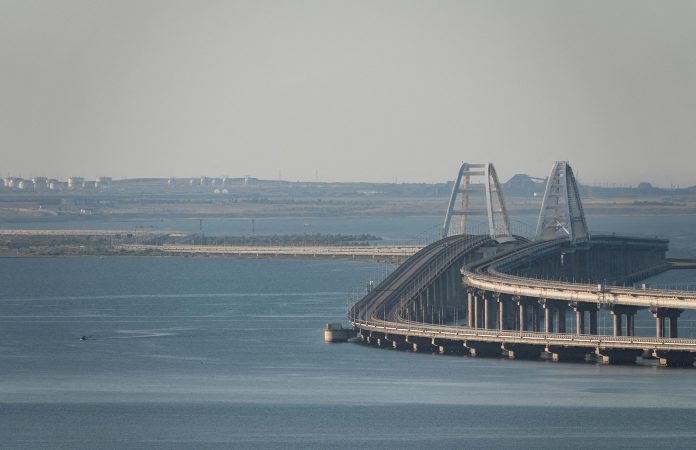
According to Zakharova, Kiev is now expecting the arrival of US-made F-16 fighter jets, which could be used to destroy the 11-mile (18-km) road and rail bridge.

Senior Ukrainian officials have declared the destruction of the Crimean Bridge, also known as Kerch Bridge, as a priority throughout their country’s conflict with Moscow, claiming it is a legitimate military target.

On Wednesday, Kislitsa issued a post on X (formerly Twitter), sharing a picture of a “2024 list of six Main Types of Bridges”. The example labeled “Kerch” showed an empty space.

Last week, Lithuania’s ambassador to Sweden, Linas Linkevicius, suggested on social media that the US supply of ATACMS missiles would result in the destruction of the Crimean Bridge. The senior diplomat urged people to take selfies with the structure while they still can.

Moscow completed the structure spanning the Kerch Strait in 2020. Crimea voted to break away from Ukraine and to rejoin Russia in 2014, following the US-backed coup in Kiev earlier that year.

Since 2022, when long-simmering tensions between the neighboring states turned to open fighting, Kiev’s forces have repeatedly targeted the Crimean Bridge. In October of that year, the structure suffered a major bombing attack that killed five civilians. In another strike last July, one of the bridge’s sections was blown up, killing two people and wounding a child.

Moscow considers Ukrainian threats and tactics as confirmation that using military force against its neighbor was the correct decision. Russian officials have also suggested that Kiev has escalated its sabotage and bombing campaigns because of its battlefield failures.

Over half of Israelis prefer captive swap to Rafah attack: Poll

Israel Hostages

The poll was conducted by the private Lazar Institute for Studies on a random sample of 500 Israelis, and was published by the Israeli daily newspaper Maariv.

It showed that “54% of the surveyed Israelis prefer reaching a hostage deal over carrying out a military operation in Rafah”.

The poll also noted that “79% of voters for right-wing parties support the operation in Rafah, compared to 81% of voters for left-wing and centrist parties who prefer a hostage swap deal”.

It indicated that “38% prefer the military operation over reaching a deal, while 8% have no specific opinion on the matter”.

Reports have emerged of a ceasefire proposal being discussed by Israel and Palestinian resistance group Hamas to end the conflict in the Gaza Strip.

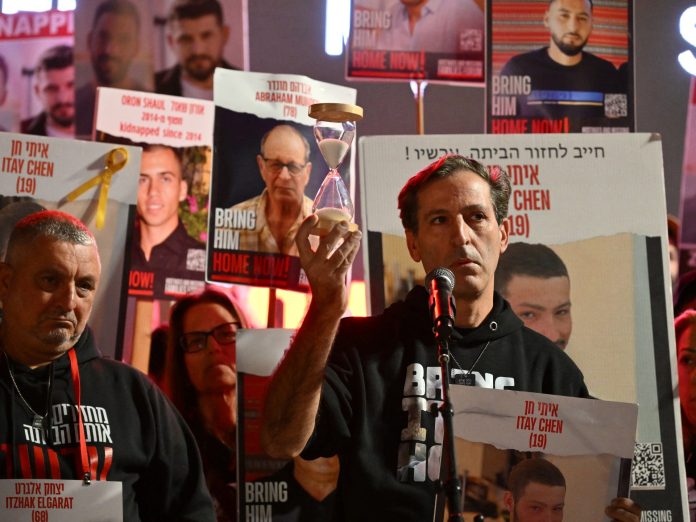
Israeli Prime Minister Benjamin Netanyahu, however, has vowed to invade Rafah, home to more than 1.4 million displaced Palestinians, with or without a deal with Hamas.

Hamas, which is believed to be holding more than 130 Israeli hostages, demands an end to Israel’s deadly offensive on the Gaza Strip in return for any hostage deal with Tel Aviv.

UNRWA: 37 children lose mothers every day in Gaza Strip amid war

Gaza War

More than 10,000 women were killed in the ongoing Israeli onslaught on the besieged Gaza Strip, the UNRWA said on Friday, adding, “The war in Gaza continues to be a war on women.”

“Over 10,000 women have been killed and 19,000 injured.”

The agency also noted “37 children lose their mother every single day”.

It stressed that “conditions are appalling”, stating that “over 155,000 pregnant or breastfeeding women faced with severely limited access to water and sanitary items”.

Israel has for over half a year waged a war on Gaza that has resulted in widespread death and destruction in the coastal enclave.

More than 34,600 Palestinians have since been killed and over 77,800 injured. The vast majority of the dead have been women and children. Israel has also imposed a crippling blockade on the Gaza Strip, leaving its population, particularly residents of northern Gaza, on the verge of starvation.

Israel also is accused of genocide at the International Court of Justice. An interim ruling in January said it is “plausible” that Israel’s actions amount to genocide, and ordered Tel Aviv to ensure its forces do not commit such acts, and take measures to guarantee that humanitarian assistance is provided to civilians in Gaza.