Tuesday, December 30, 2025
Home Blog Page 840

US can’t trace millions in Ukraine military: Report

Weapons Arms Russia Ukraine War

The conclusions were presented by the Pentagon inspector general after an assessment on whether the DoD is effectively monitoring defense items provided to the Ukrainian Armed Forces.

The watchdog found that as of late November last year, a total $62.2 million in hardware designated for enhanced end-use monitoring (EEUM) was reported as missing. Among them are night vision devices, Javelin anti-tank missiles, and missile launch units.

According to the report, the US Office of Defense Cooperation (ODC) in Ukraine “cannot tell which of these items were lost and which were destroyed”. The Ukrainian army has not yet provided clarification, it adds.

The ODC works in partnership with Ukraine’s Defense Ministry and Armed Forces to provide equipment and training to Kiev in its conflict with Russia. Ukraine’s army reports to the ODC on the use of the American-supplied equipment.

The Office of the Inspector General also found that loss reports were filed after an average of 301 days, approximately 10 times longer than the required timeframe.

”This increases the risk that the DoD could lose accountability over EEUM designated defense articles provided to Ukraine,” the document reads.

The report noted that it was beyond the scope of the probe to determine whether there have been “diversions” of military assistance. Allegations of criminal conduct regarding US arms sent to Ukraine are being investigated, it said.

In January, the watchdog reported that the Pentagon had failed to properly track $1 billion worth of military supplies given to Ukraine, and that much of the equipment sent was “delinquent”.

Between February 2022 and June this year, Washington provided approximately $51.2 billion in military assistance to Ukraine, including air defense systems and munitions, anti-aircraft missiles, artillery rockets, anti-armor systems, tanks, and helicopters.

UK submits argument to ICC over jurisdiction to prosecute Israeli official in Gaza war case

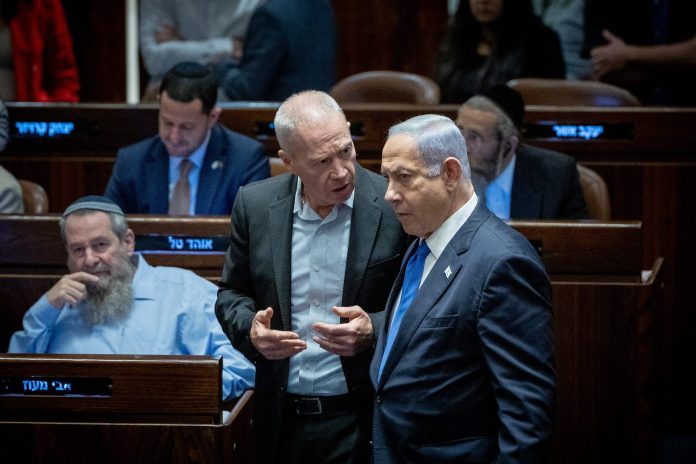
Netanyahu Gallant

According to court documents made public, the UK, an ICC member state, filed a request earlier in June to provide written information on whether “the court can exercise jurisdiction over Israeli nationals, in circumstances where Palestine cannot exercise criminal jurisdiction over Israeli nationals [under] the Oslo Accords”, referring to the 1993 agreements between Israel and the Palestine Liberation Organisation (PLO).

The UK argues that Palestinian authorities cannot have jurisdiction over Israeli nationals under the accords and, therefore, cannot transfer that jurisdiction over to the ICC to prosecute them.

Other interested parties may submit their requests on the issue before 12 July.

Granting the UK’s request could delay the judges’ pending decision on arrest warrants for Netanyahu and Gallant, Reuters reports.

Israel, flouting a United Nations Security Council resolution demanding an immediate cease-fire, has faced international condemnation amid its continued brutal offensive on Gaza since an Oct. 7 attack last year by Hamas.

More than 37,700 Palestinians have since been killed in Gaza, most of them women and children, and over 86,500 others injured, according to local health authorities.

Over eight months into the Israeli war, vast tracts of Gaza lay in ruins amid a crippling blockade of food, clean water, and medicine.

Human rights organizations have warned that thousands of people in the besieged enclave are facing the risk of famine amid ongoing Israeli devastating onslaught.

Trump names Biden ‘very bad Palestinian’ in US presidential debate jab

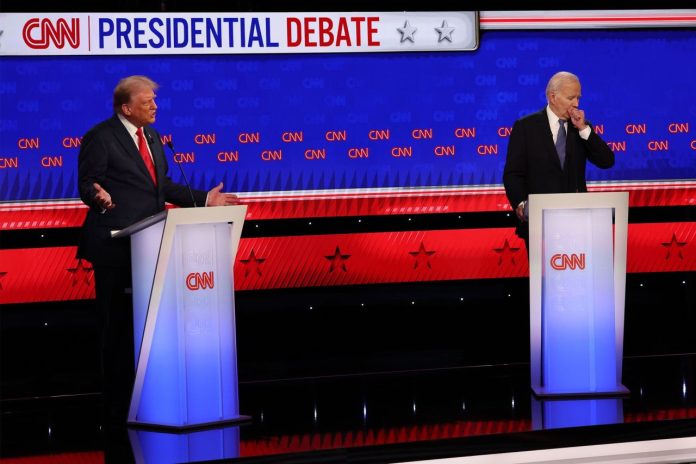
Trump Biden

“He doesn’t want to do it. He’s become like a Palestinian – but they don’t like him because he’s a very bad Palestinian, he’s a weak one,” former president Trump said in the first presidential debate with Biden on Thursday in Atlanta, Georgia.

While foreign policy and the Middle East were referenced numerous times during the debate, as pro-Palestinian protests were held near the venue, the suffering of Palestinians and the toll of Israel’s campaign in the besieged enclave – which has killed more than 37,700 people since October – received little mention.

Neither Biden, who is under pressure from his Democratic base over his staunch support of ally Israel, nor Trump is “not fit to represent” Palestinian and Arab communities in the United States. The debate highlighted how both Democrats and Republicans have lost their will to end the war and to support the creation of a Palestinian state.

Trump stated Israel wanted the war to continue, and that it should. Asked whether he would support the establishment of a Palestinian state to secure peace in the region, Trump baulked. “I’d have to see.”

Meantime, Biden falsely claimed that every party but Hamas had agreed to his ceasefire proposal and that he had secured an across-the-board agreement for his three-stage plan to end the war, including from Israel.

“Everyone from the United Nations Security Council, straight through the G7 to the Israelis and [Israeli Prime Minister Benjamin] Netanyahu have endorsed the plan that I put forward,” Biden continued, adding, “The only one who wants the war to continue is Hamas.”

He reiterated his opinion that Hamas has been “greatly weakened” by Israel, adding that the group “should be eliminated”.

Biden also noted that he was the first recent president to not have soldiers at risk overseas.

Meanwhile, Trump described Biden’s withdrawal from Afghanistan as the “most embarrassing moment in the history of our country” and stressed it encouraged Russia to invade Ukraine.

Explainer: In what case Iran presidential election will be extended to run-off

Iran Presidential Election

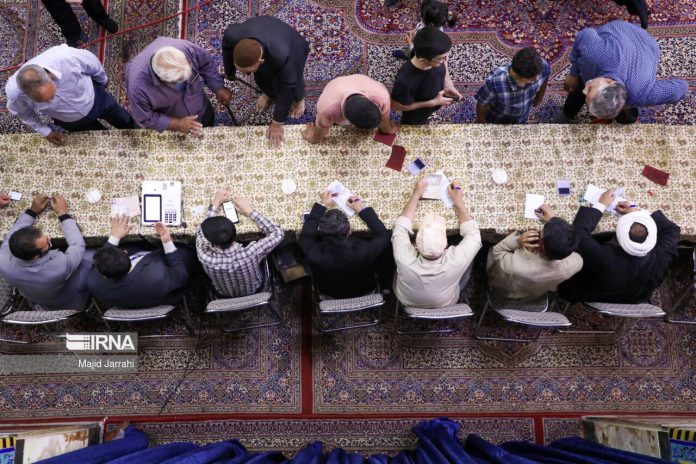
But if none of the candidates manages to win the majority in the first round, voting will take place a second time on the following week.

In the second round, only the two candidates who received the greatest number of votes in the first round will participate.

Iran’s presidential election kicked off at 8 am local time on Friday and will last till 6 pm, but the closing time can be extended by the Interior Ministry.

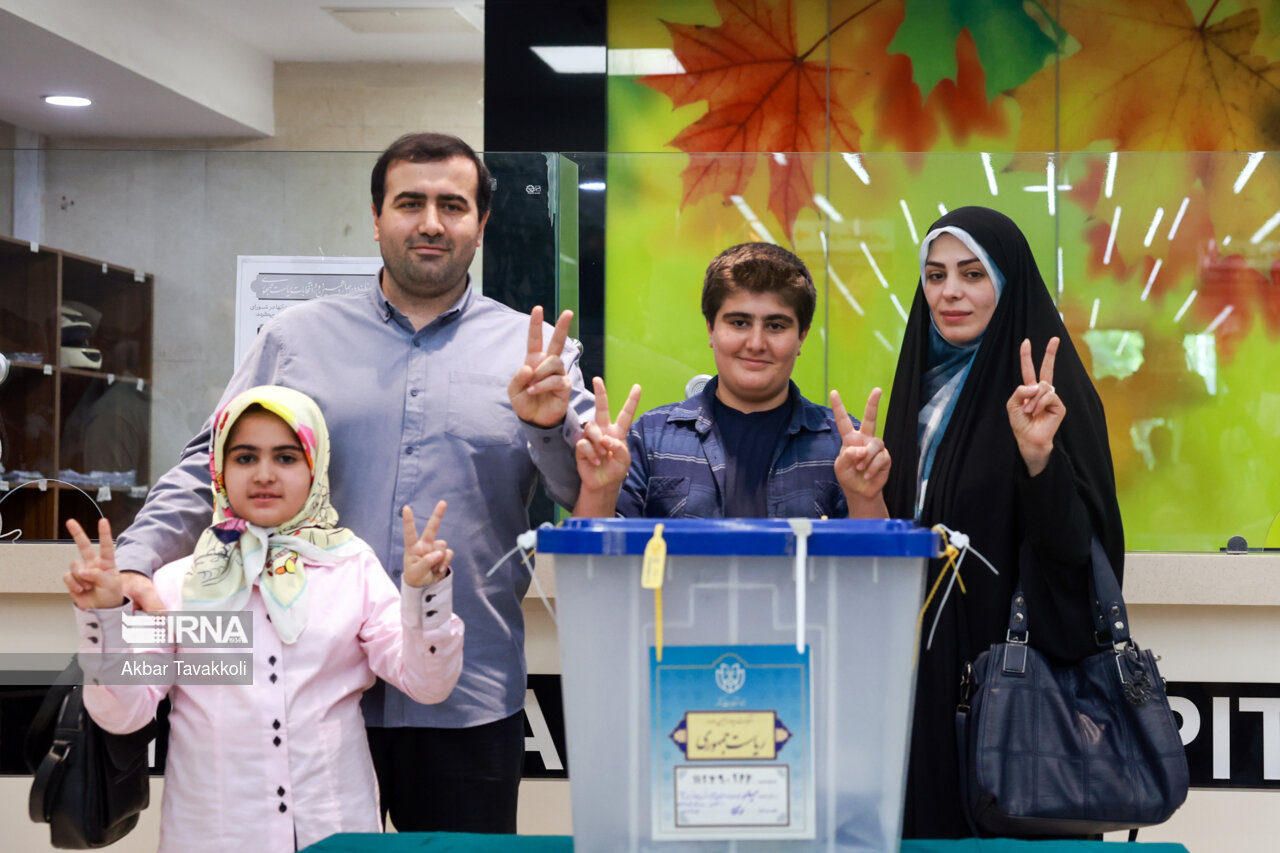
Over 61 million people are eligible to vote in the election, including about 10 million Iranians overseas.

EU says needs to invest 500bn Euros in defense in a decade

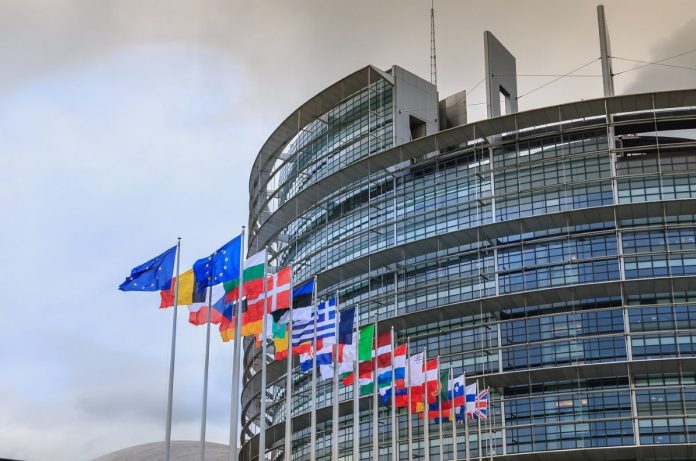
European Parliament

“Europe as a whole needs to step up on defense… We estimate that additional defense investments of around 500 billion euros are needed over the next decade,” Von der Leyen told a news conference in Brussels late Thursday.

She added that the EU has fallen far behind China and Russia in increasing defense spending in recent years.
The European Commission president said the funds could come both from additional national contributions by the EU member states and from the bloc’s own funds.

The leaders of the European Union at a summit meeting in Brussels have called for an increase in deliveries of military support to Ukraine, including missiles, ammunition and air defense systems, the Summit Conclusions document has shown.

“The European Council calls for the delivery of military support to Ukraine to be stepped up. In particular, air defense systems, ammunition and missiles are urgently needed,” the document read.

The summit also have called for the establishment of a new sanctions regime in response to Russia’s alleged “destabilizing actions abroad,” according to the statement.

“In response to Russia’s destabilizing actions abroad, the European Council reiterates its call for work to be taken forward in the Council to establish a new sanctions regime,” the Summit Conclusions document claimed.

Moscow has repeatedly warned NATO countries that by supplying arms to Ukraine, they are both prolonging the conflict and dangerously escalating it.

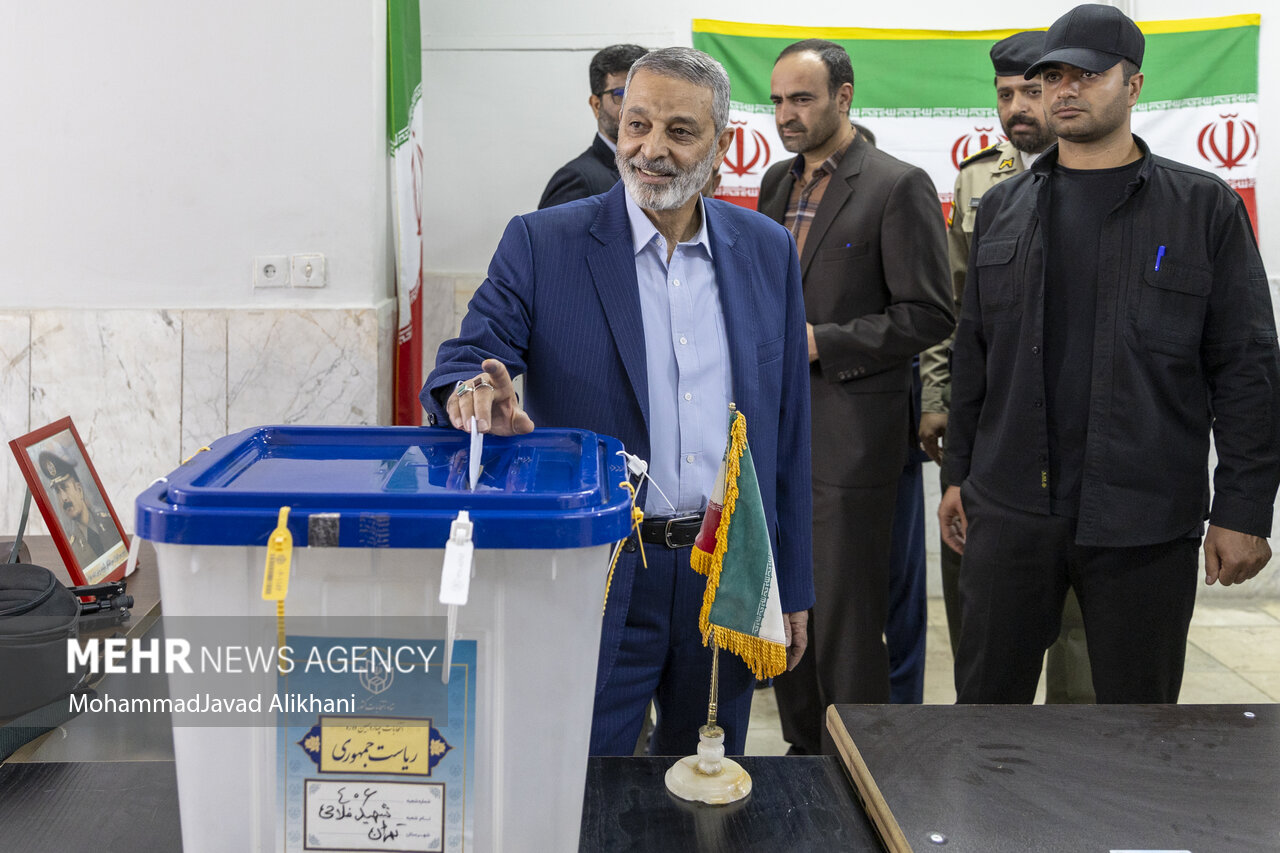
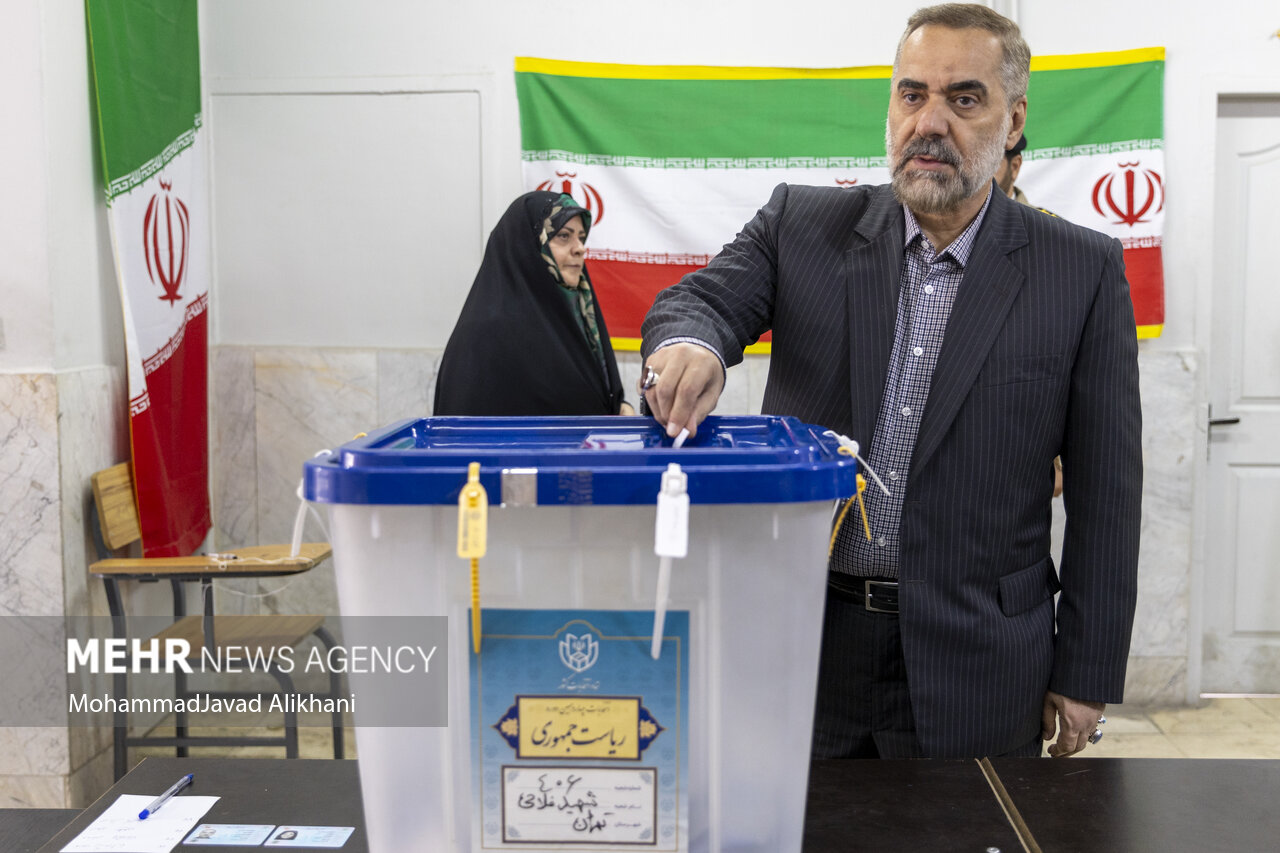
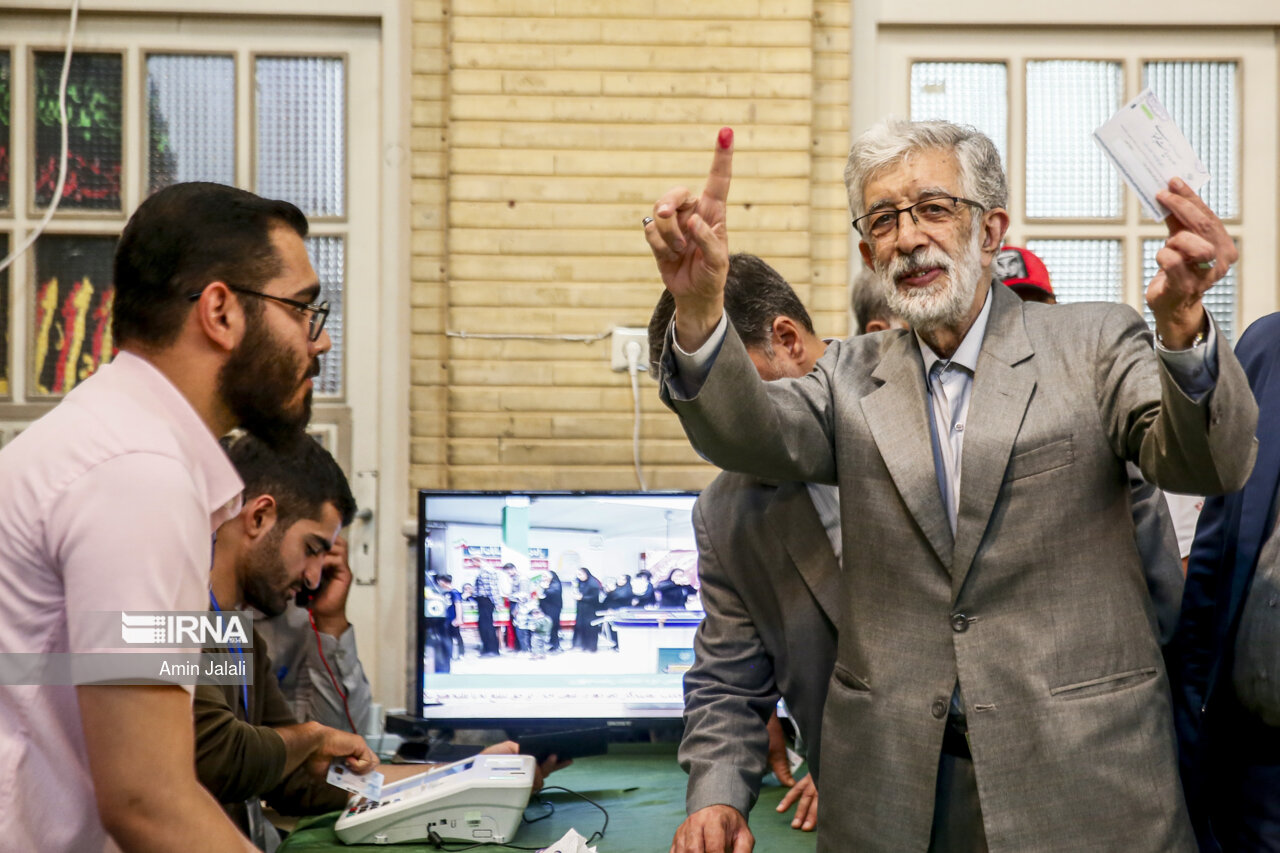
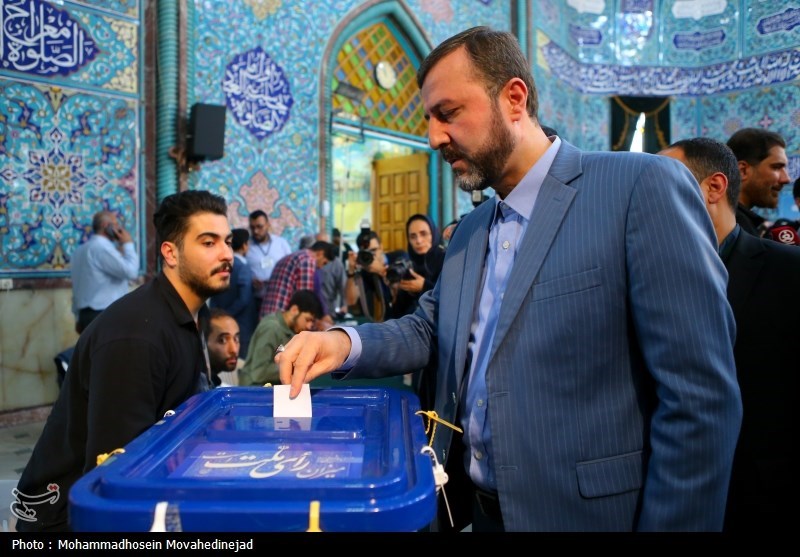
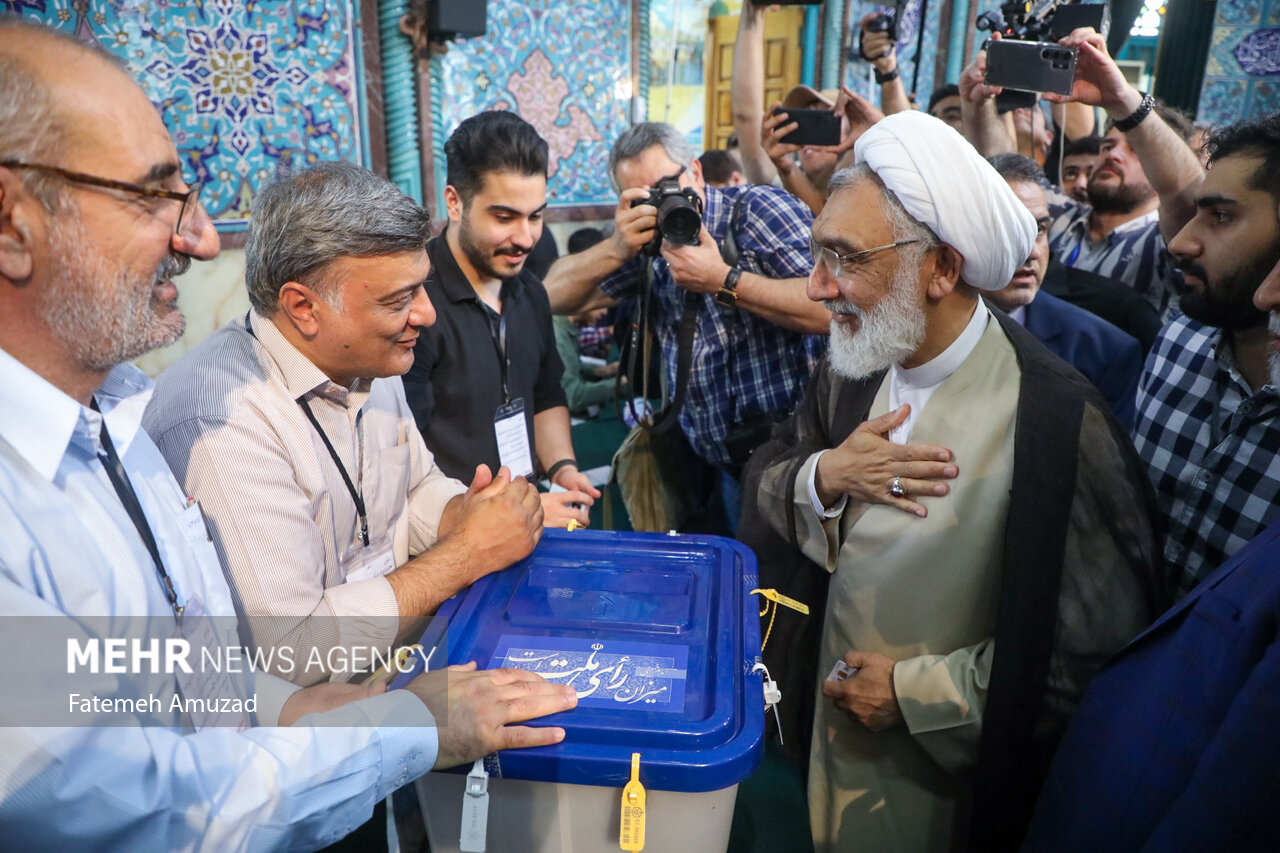
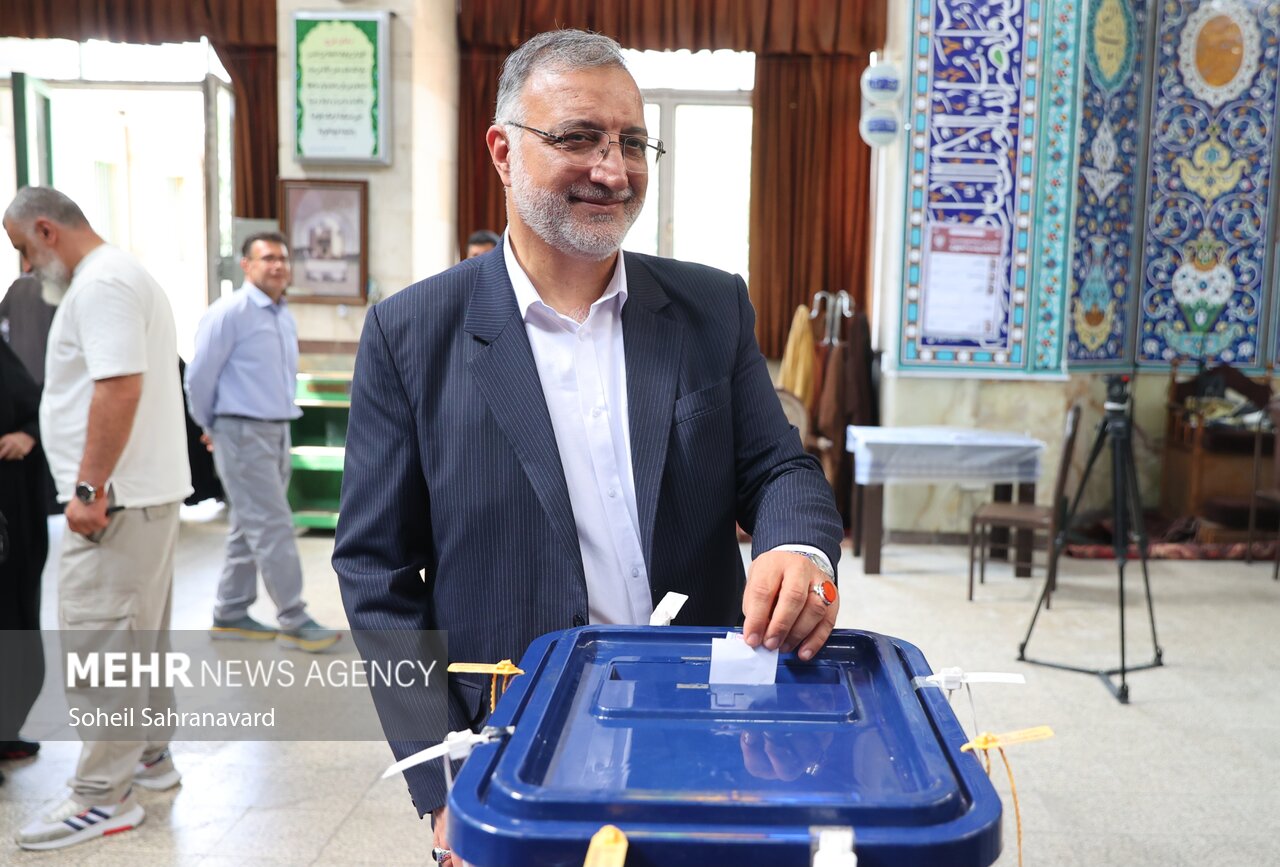
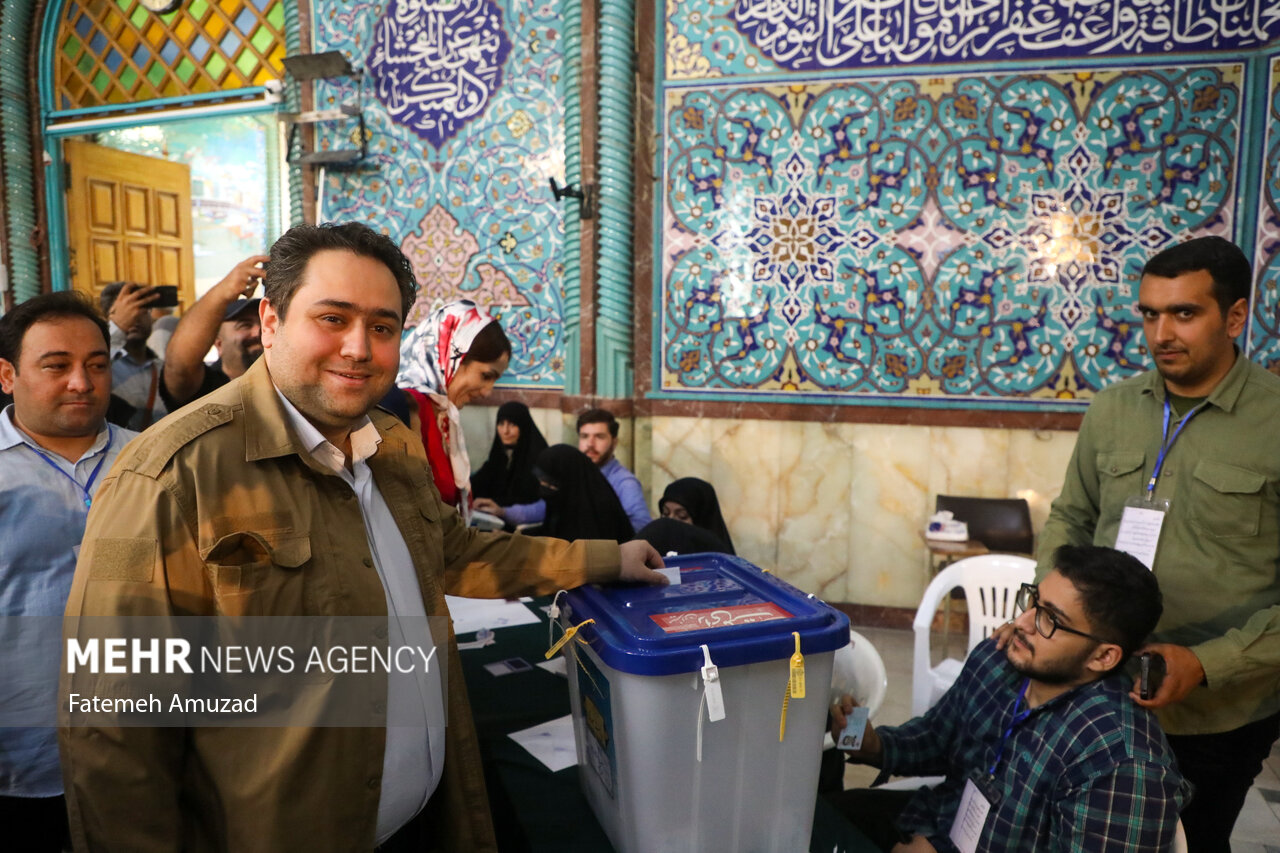
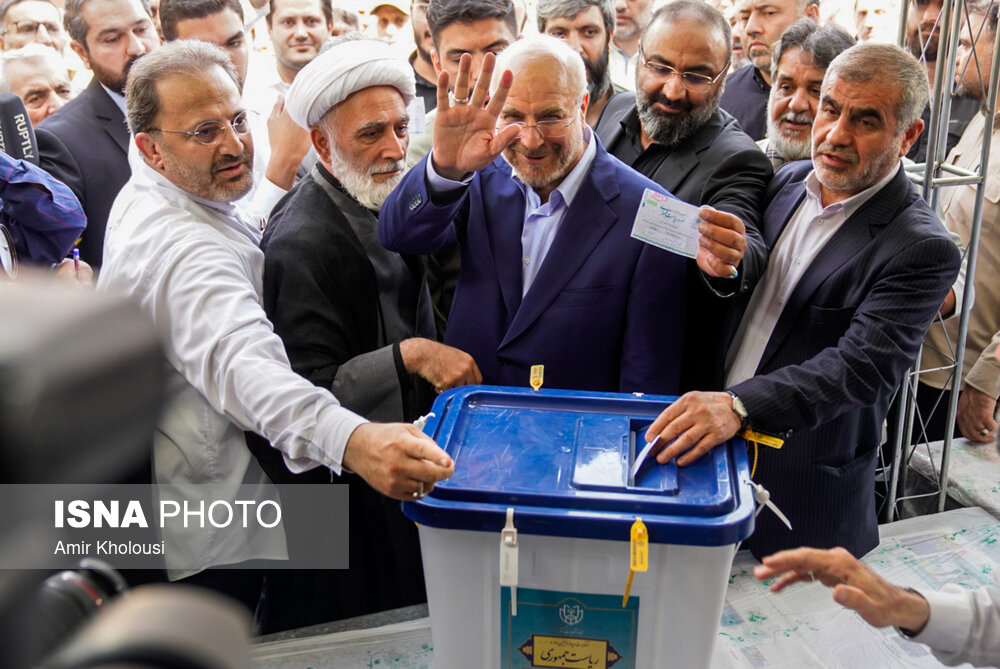
Prominent figures cast votes in Iran presidential elections

Iran Presidential Election

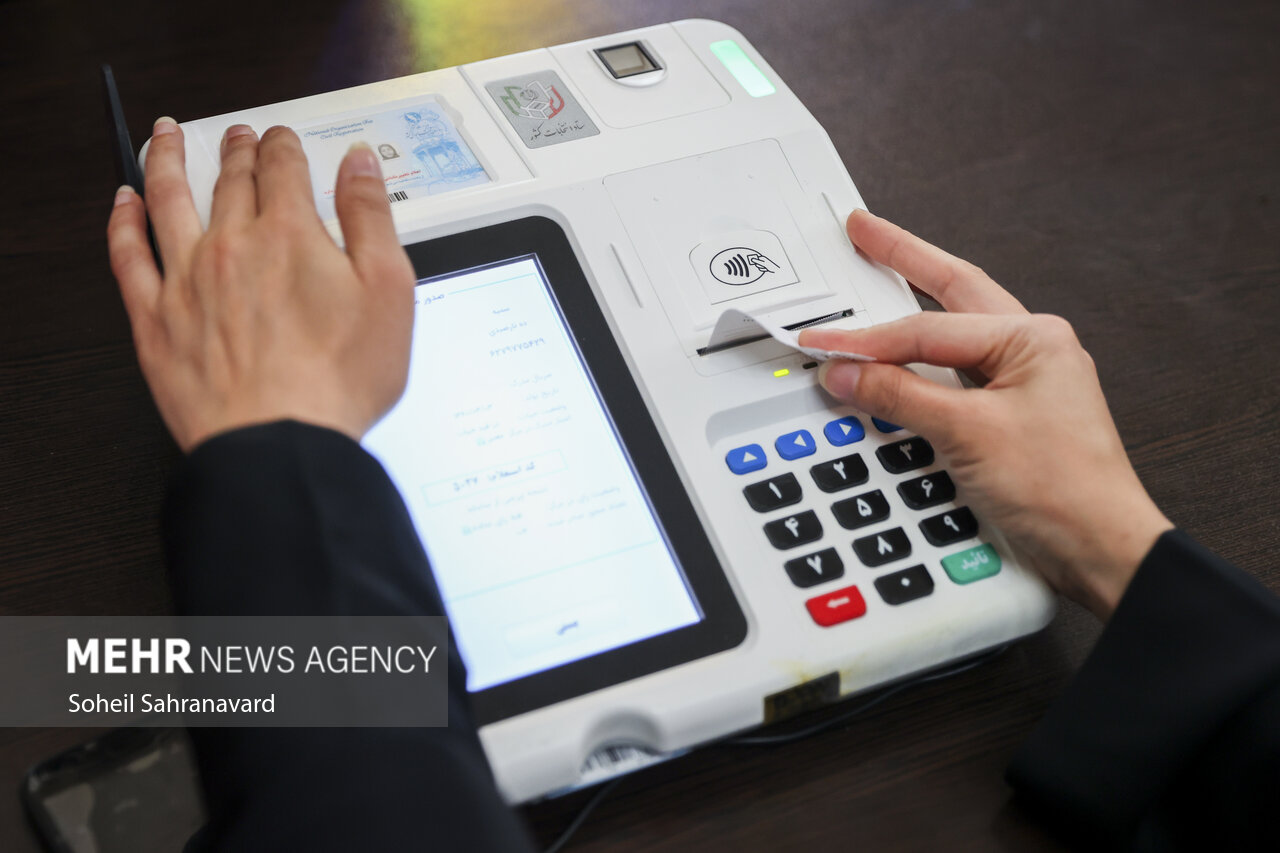
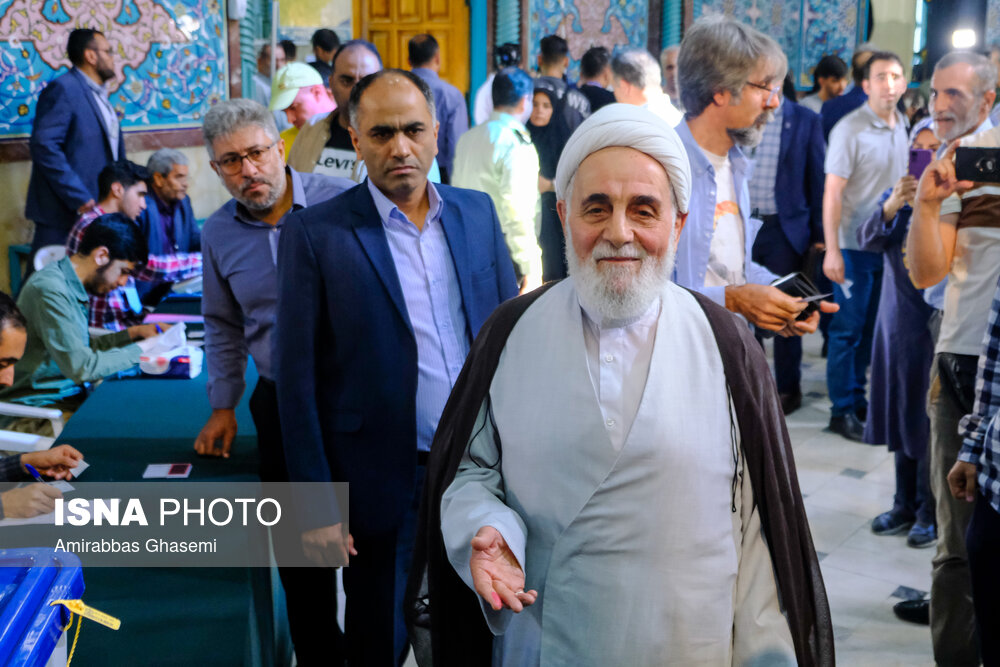
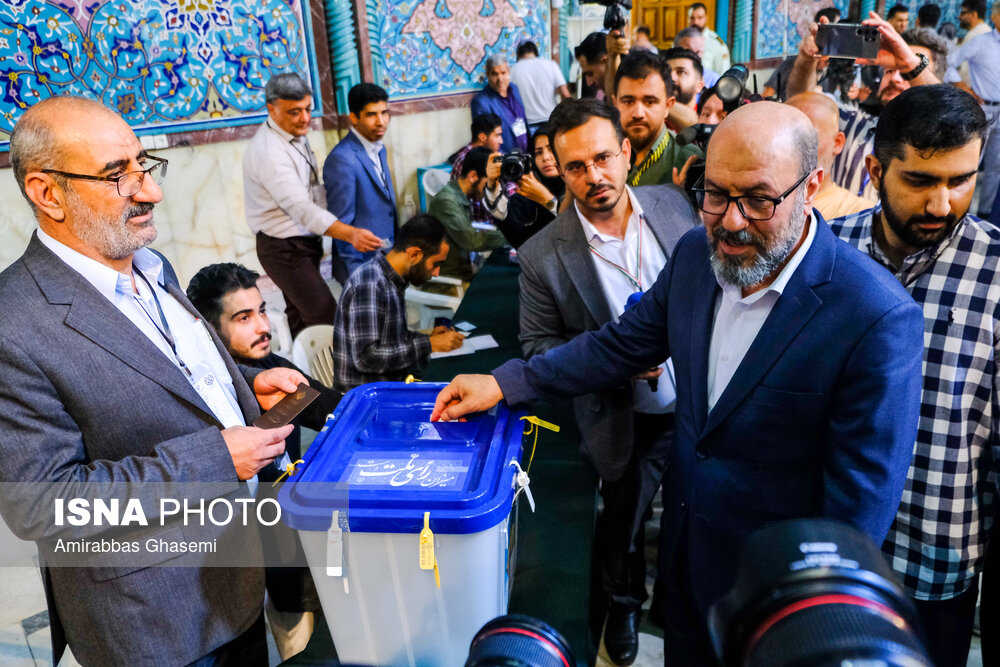
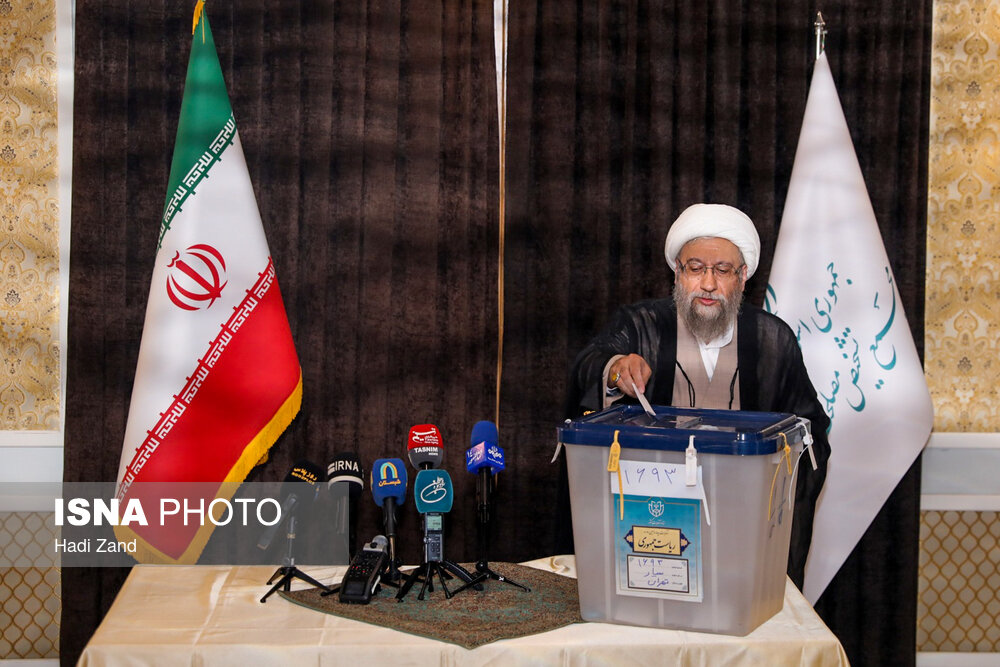
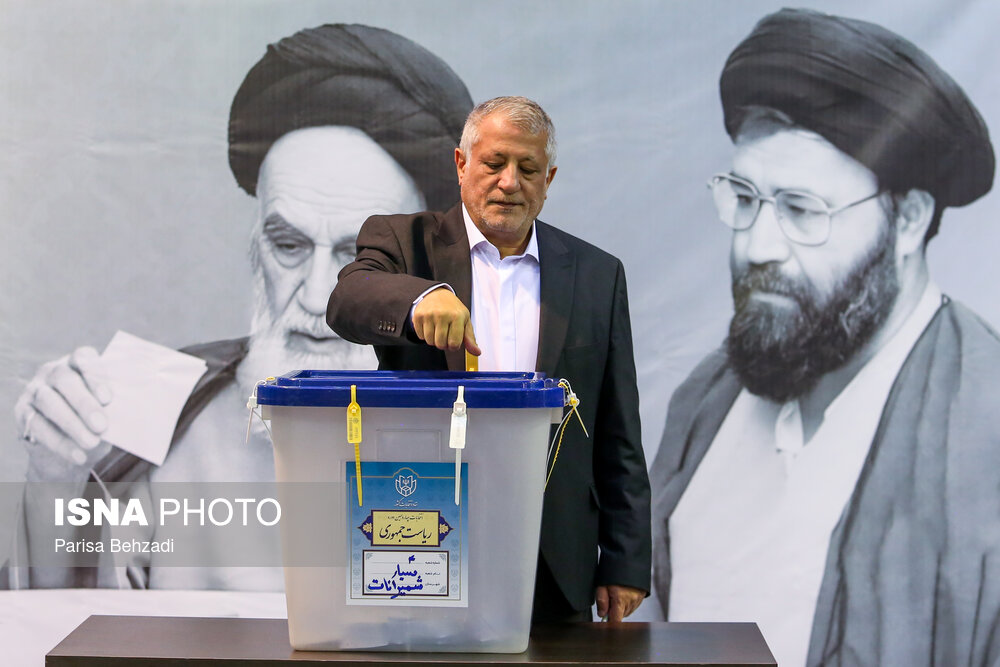
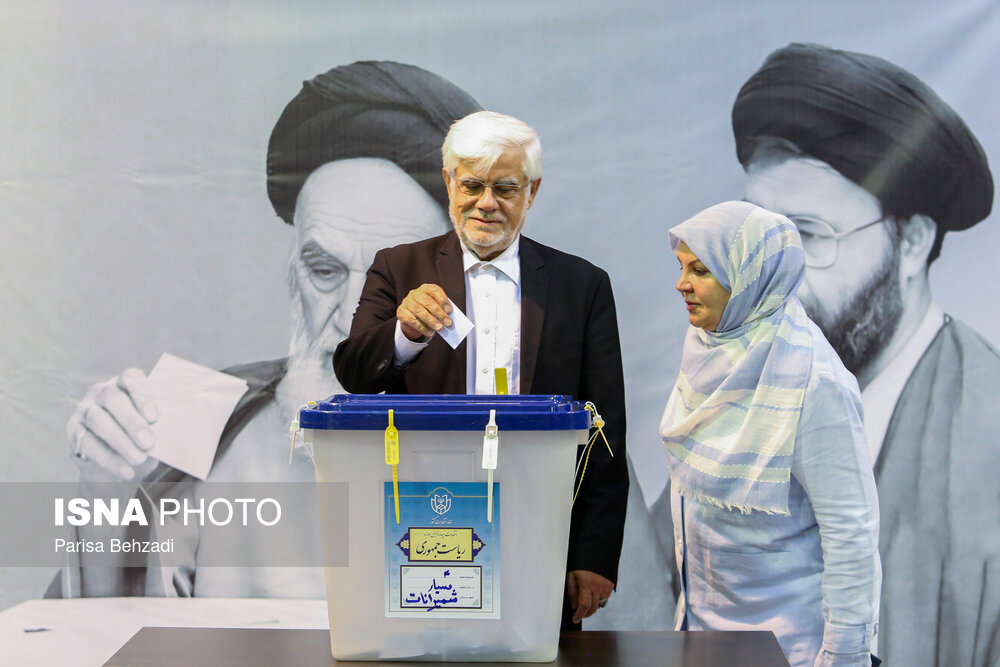
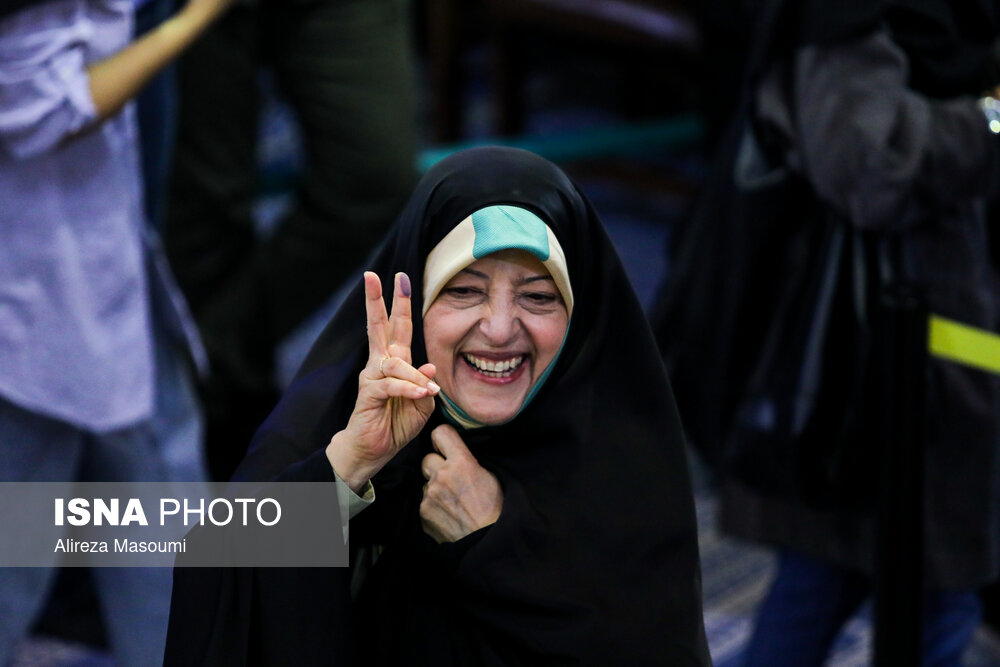
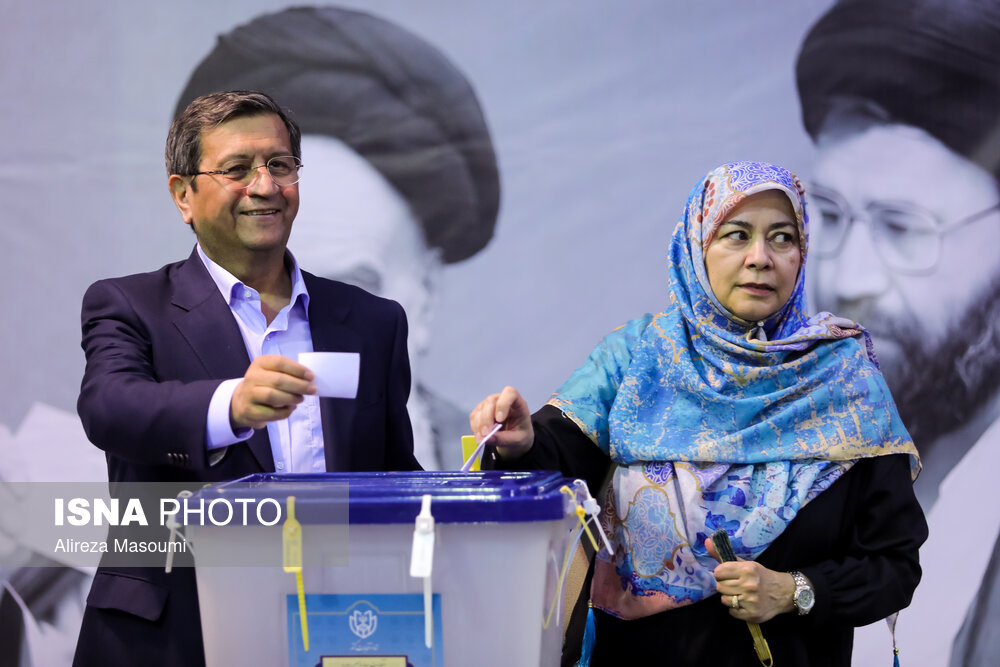
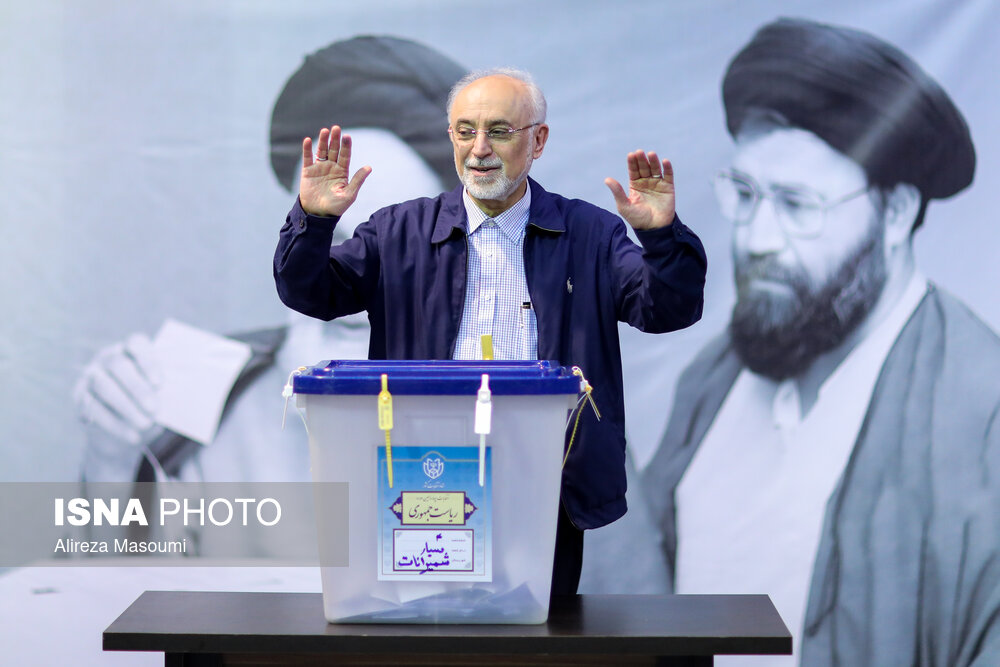
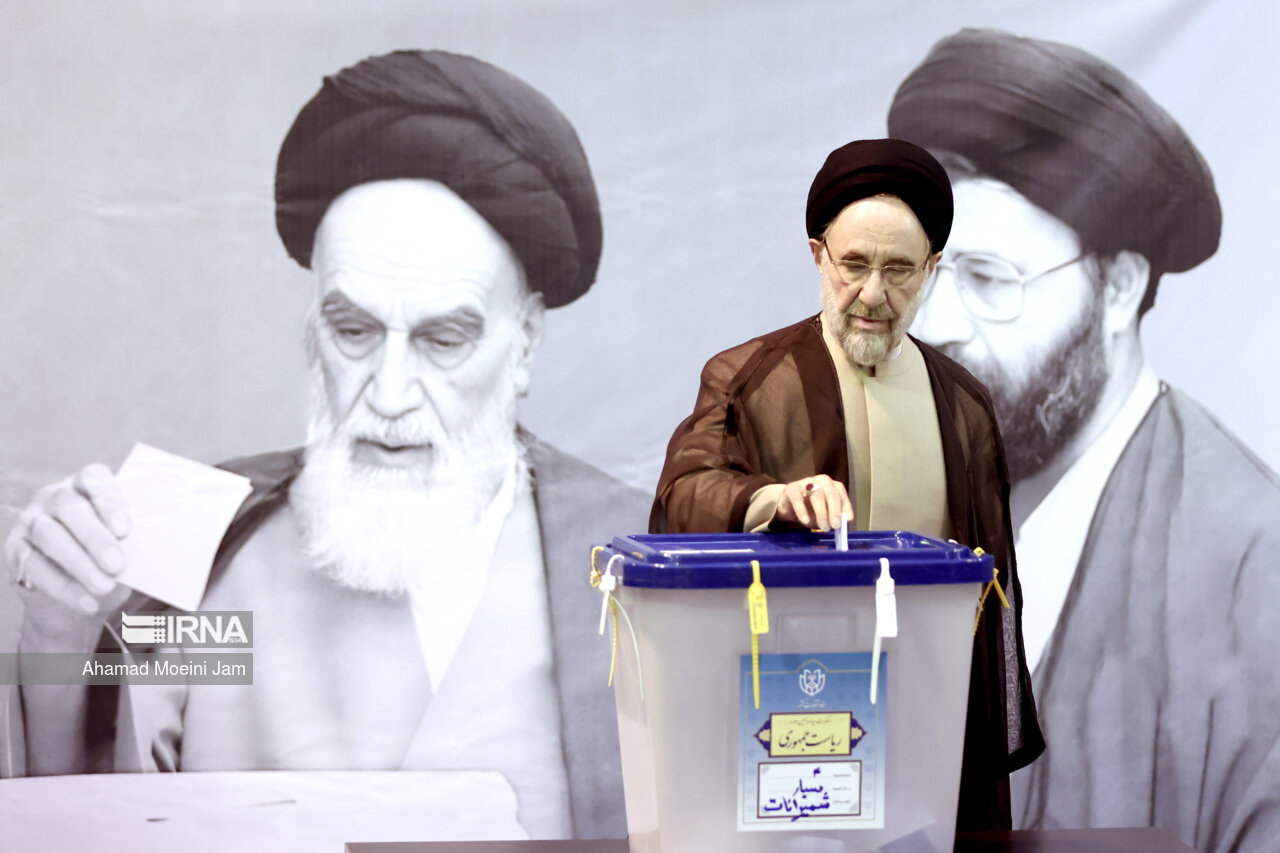
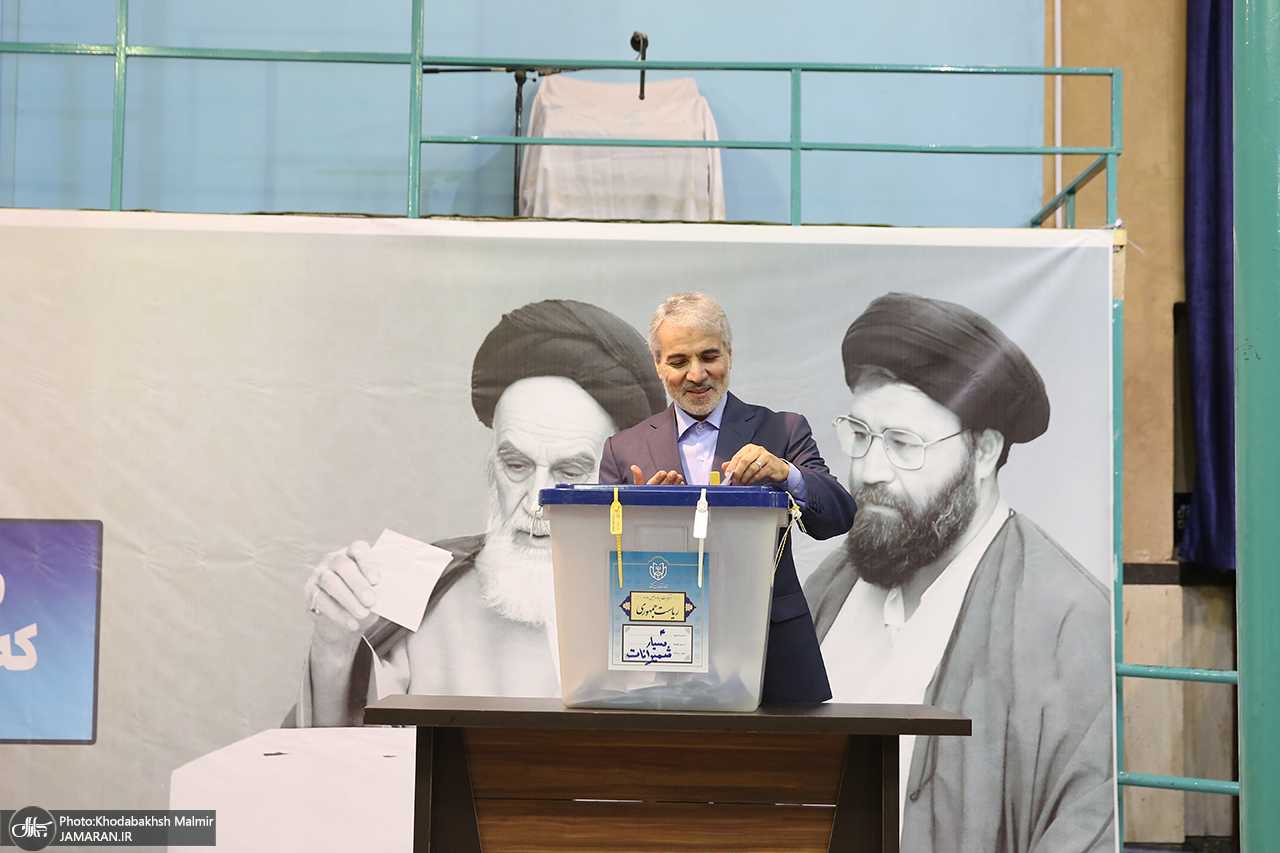
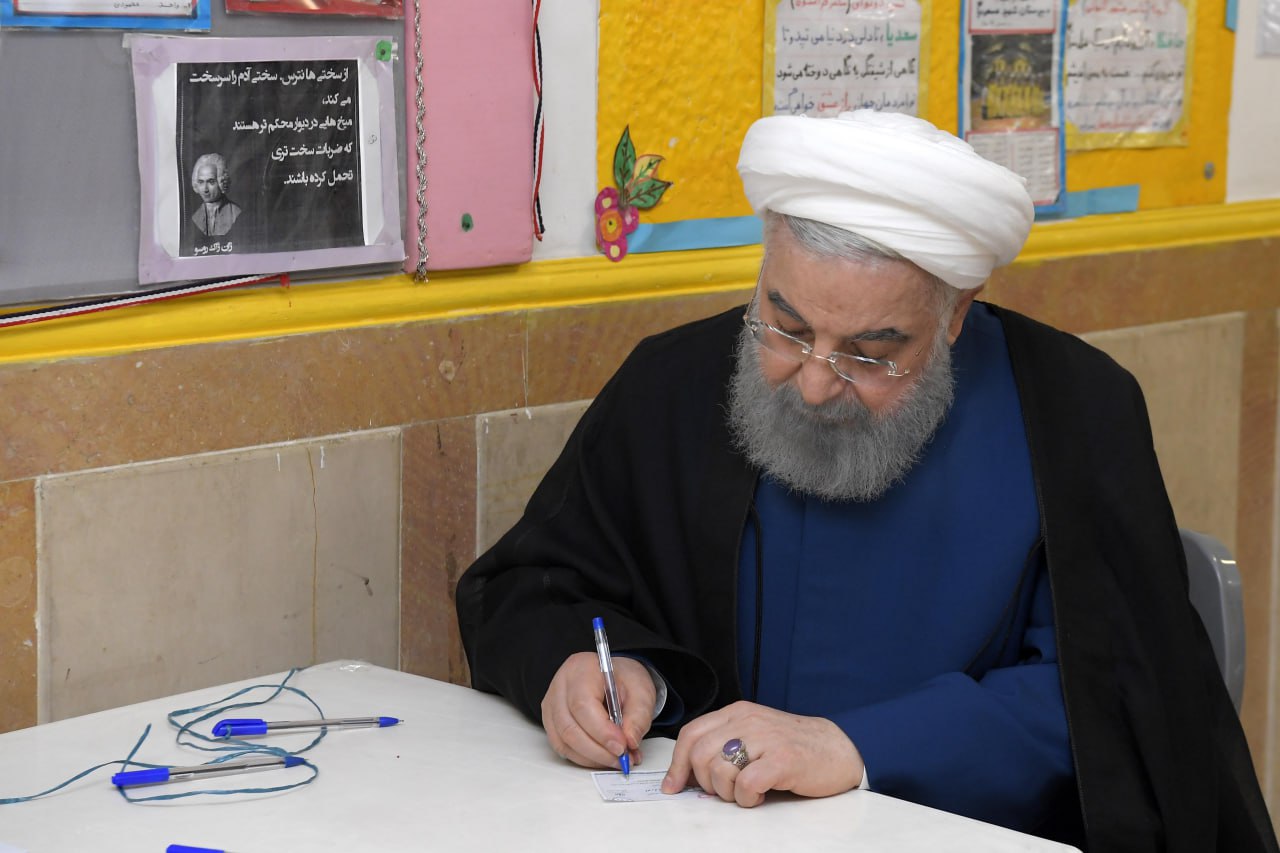
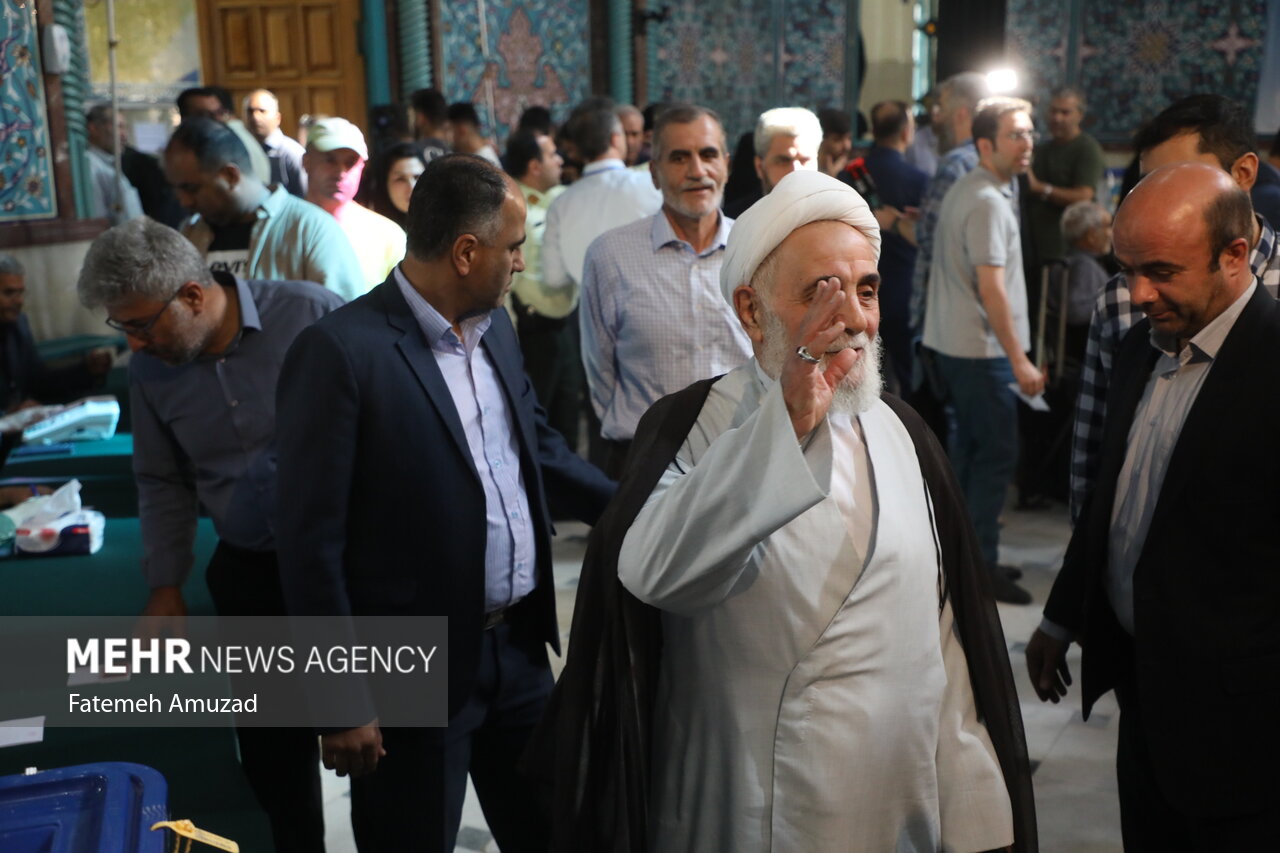
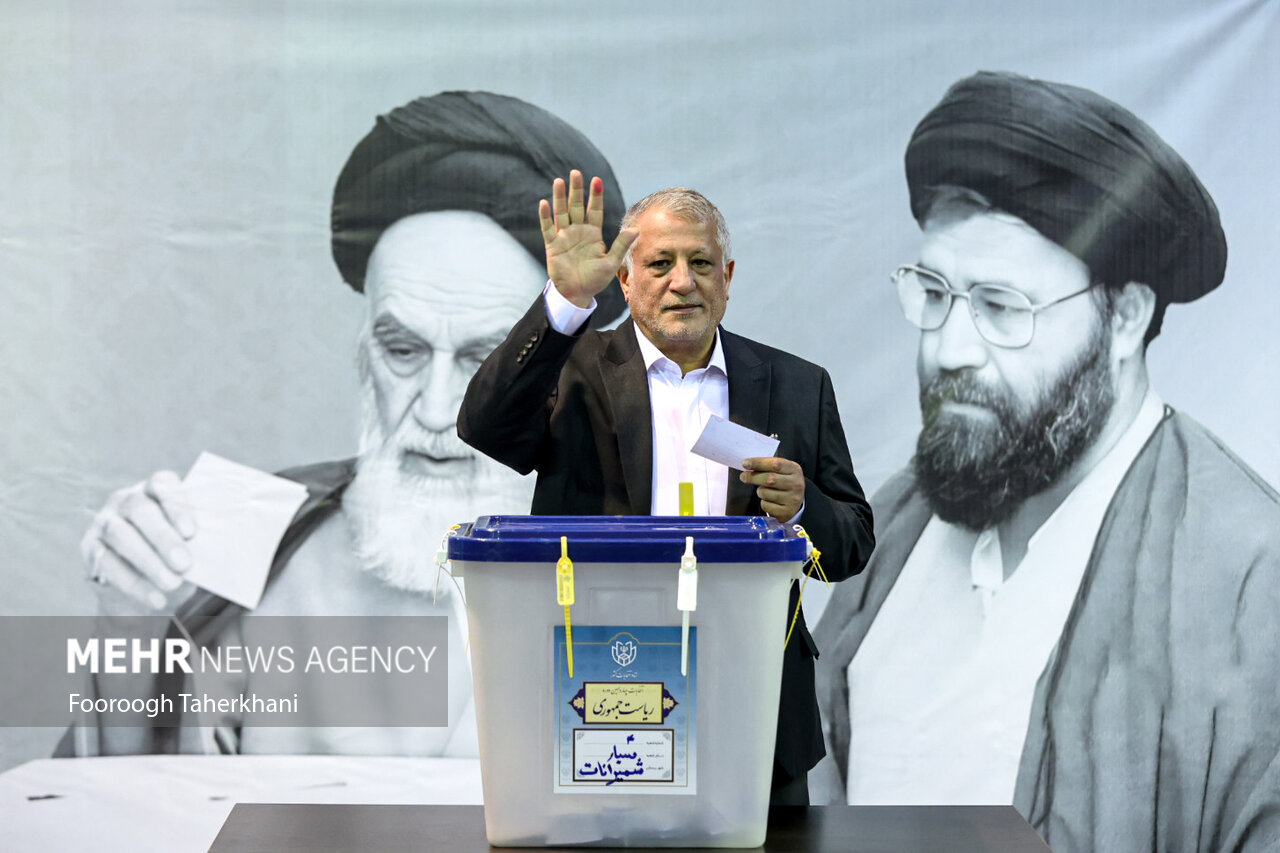
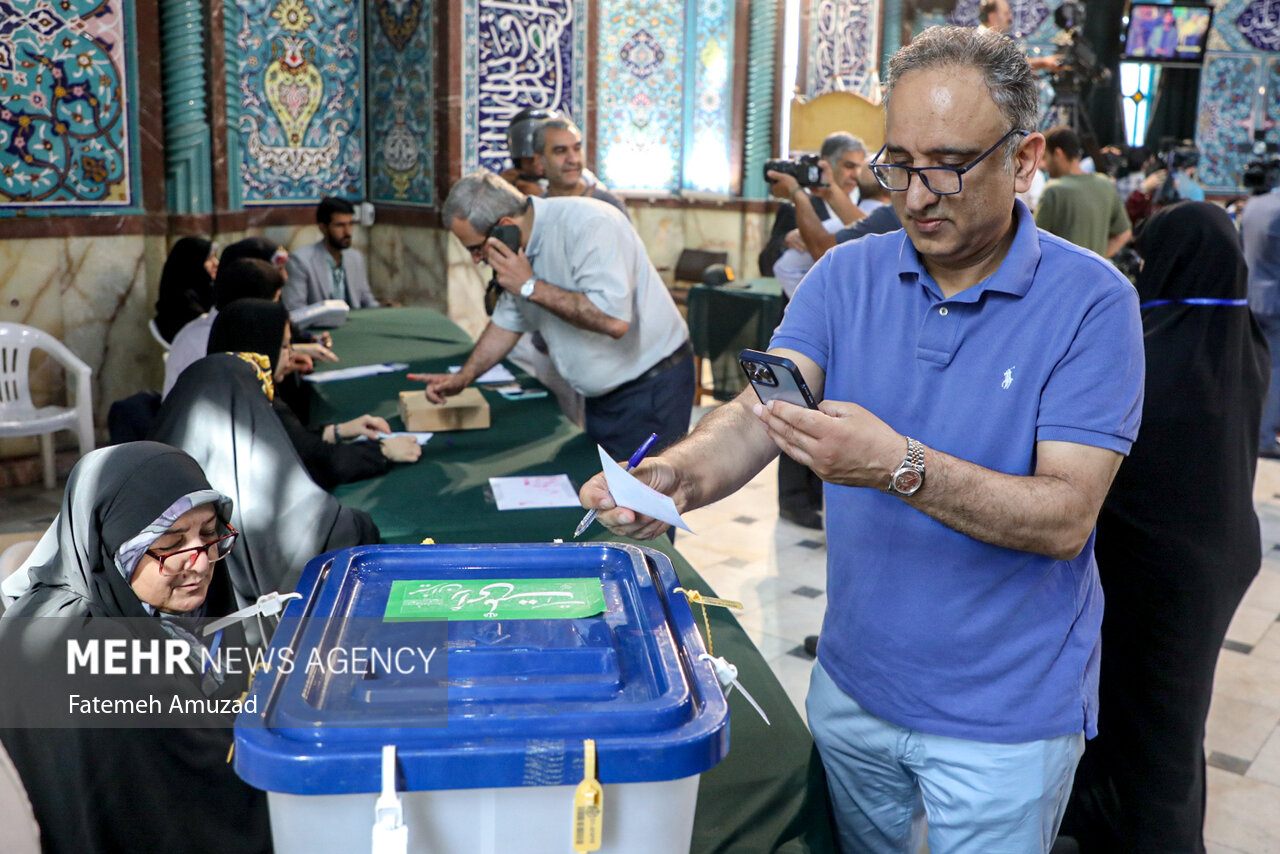
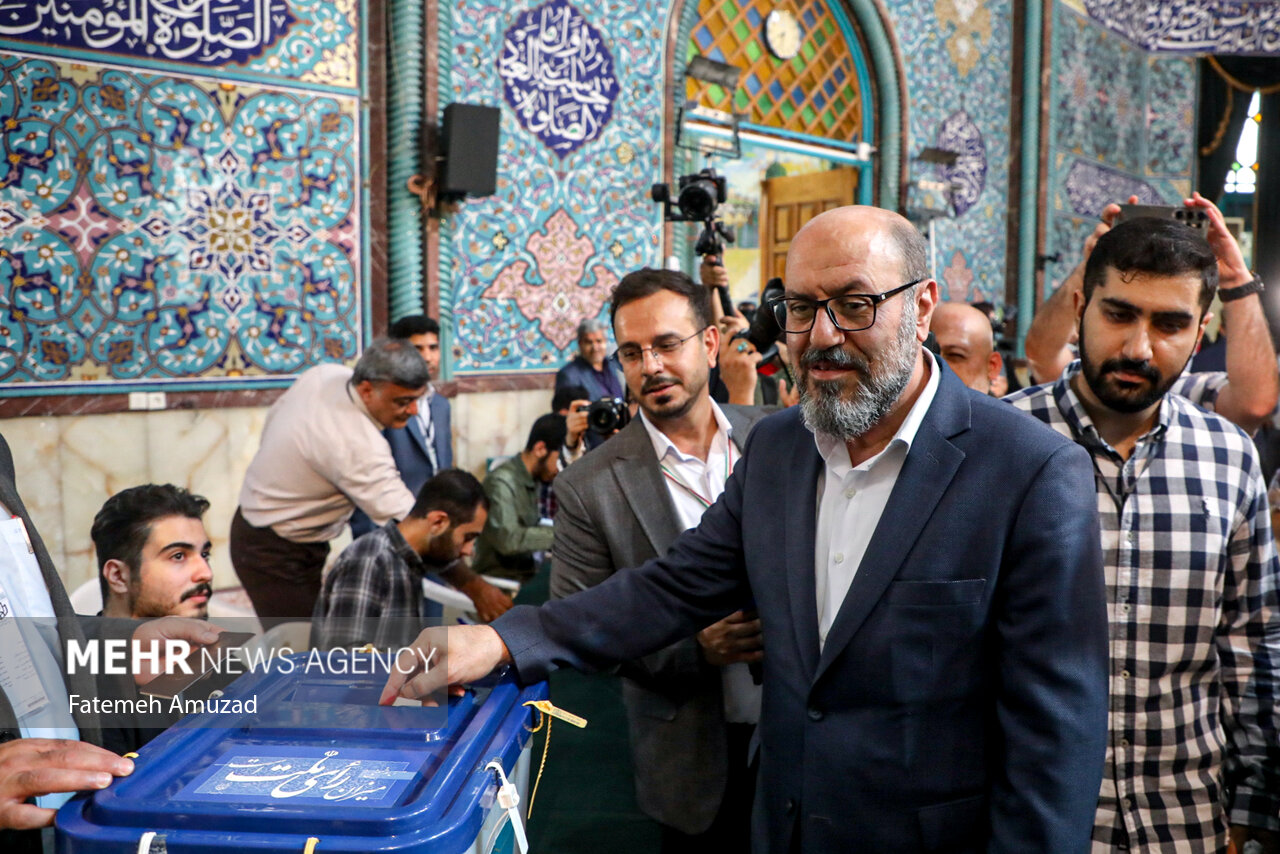
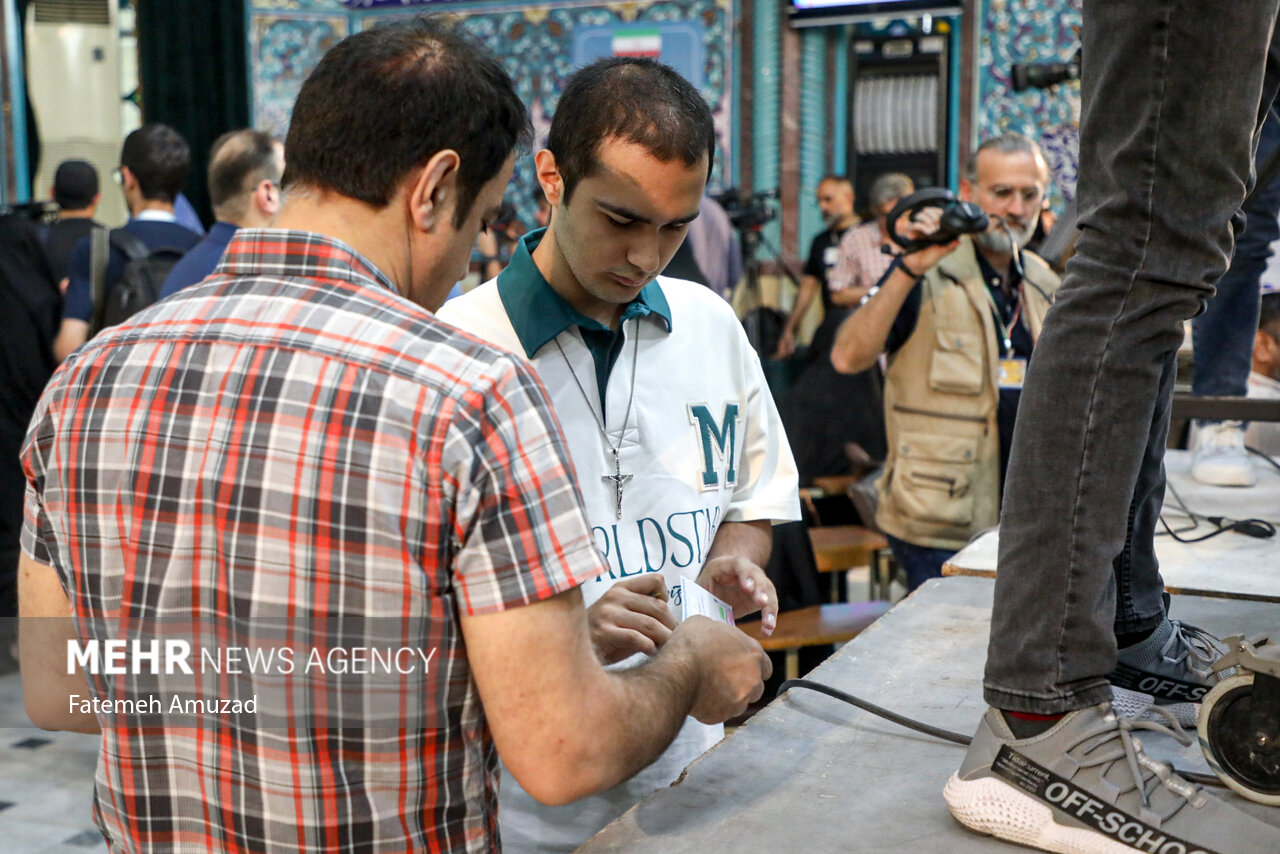
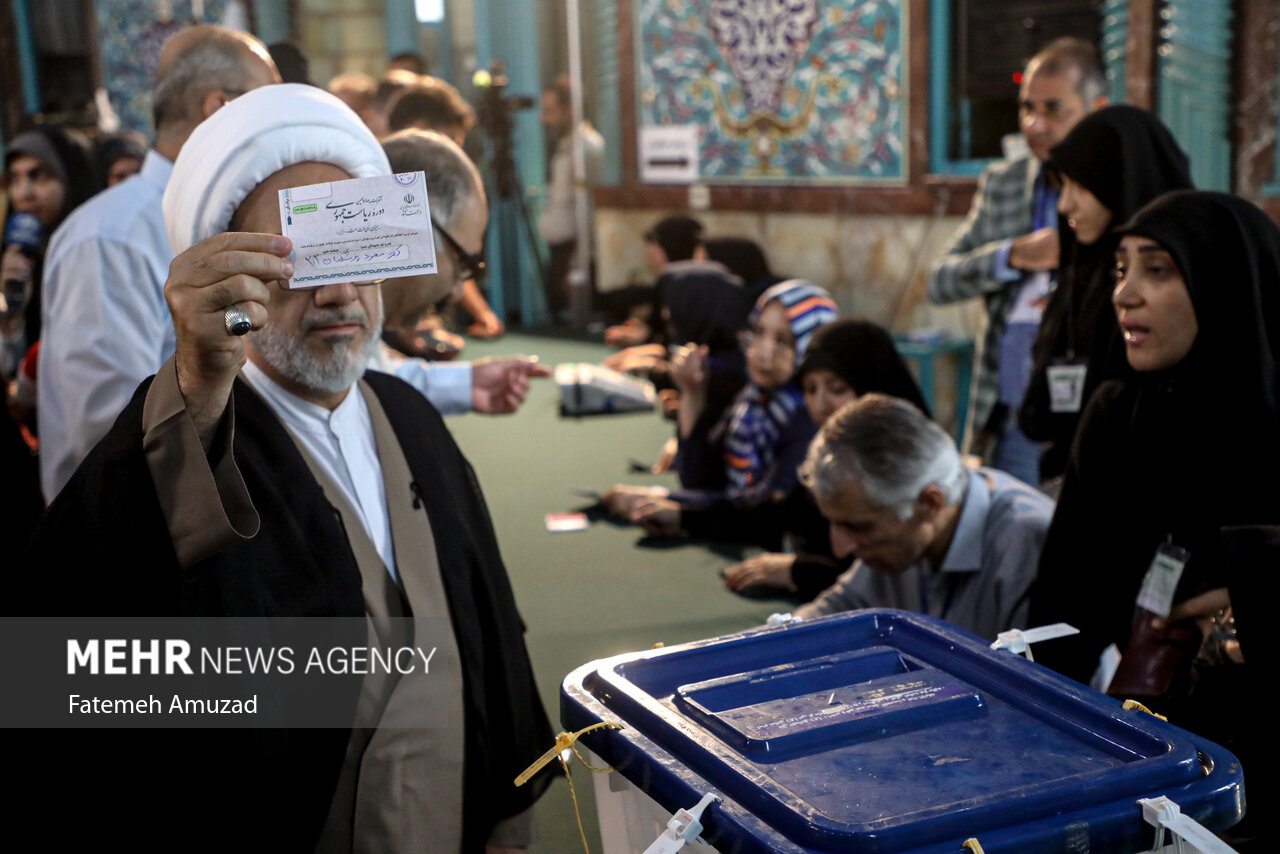
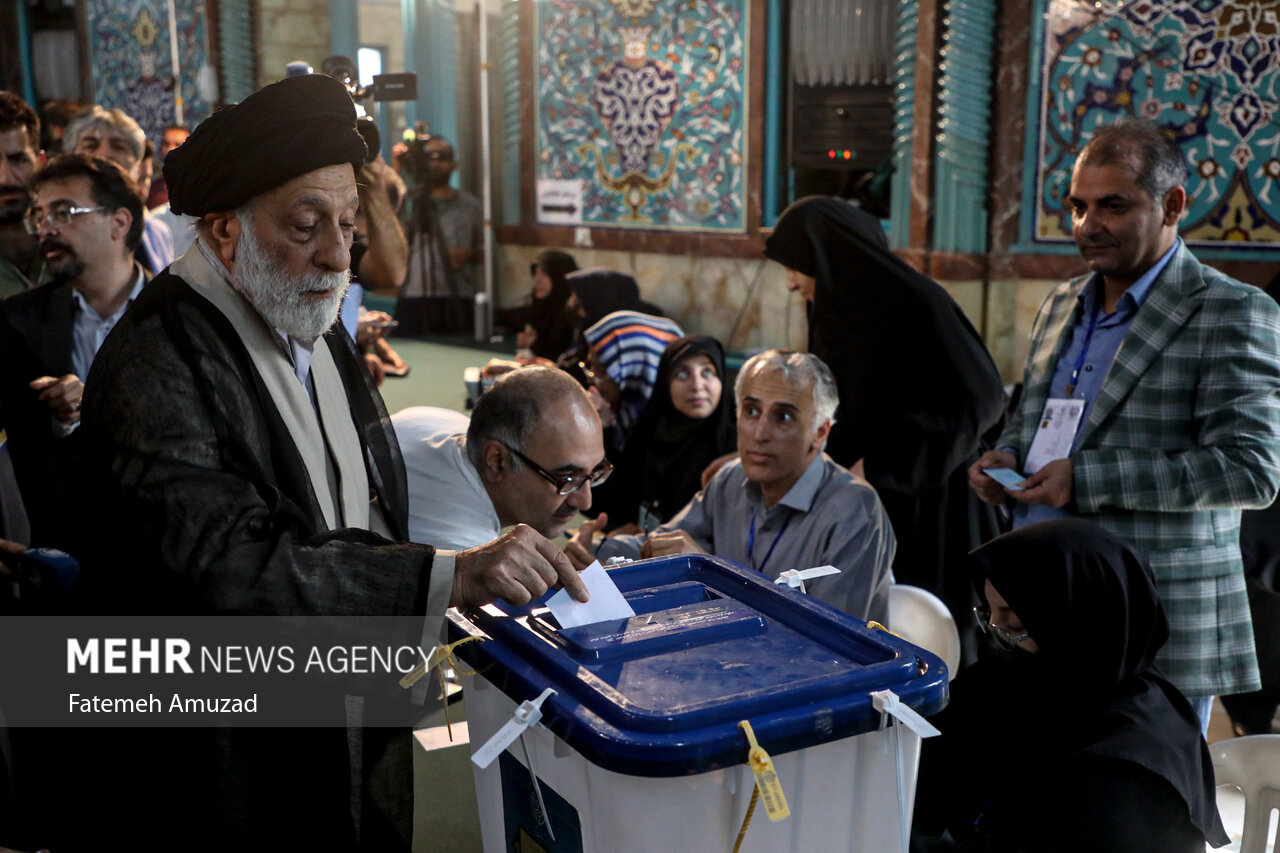
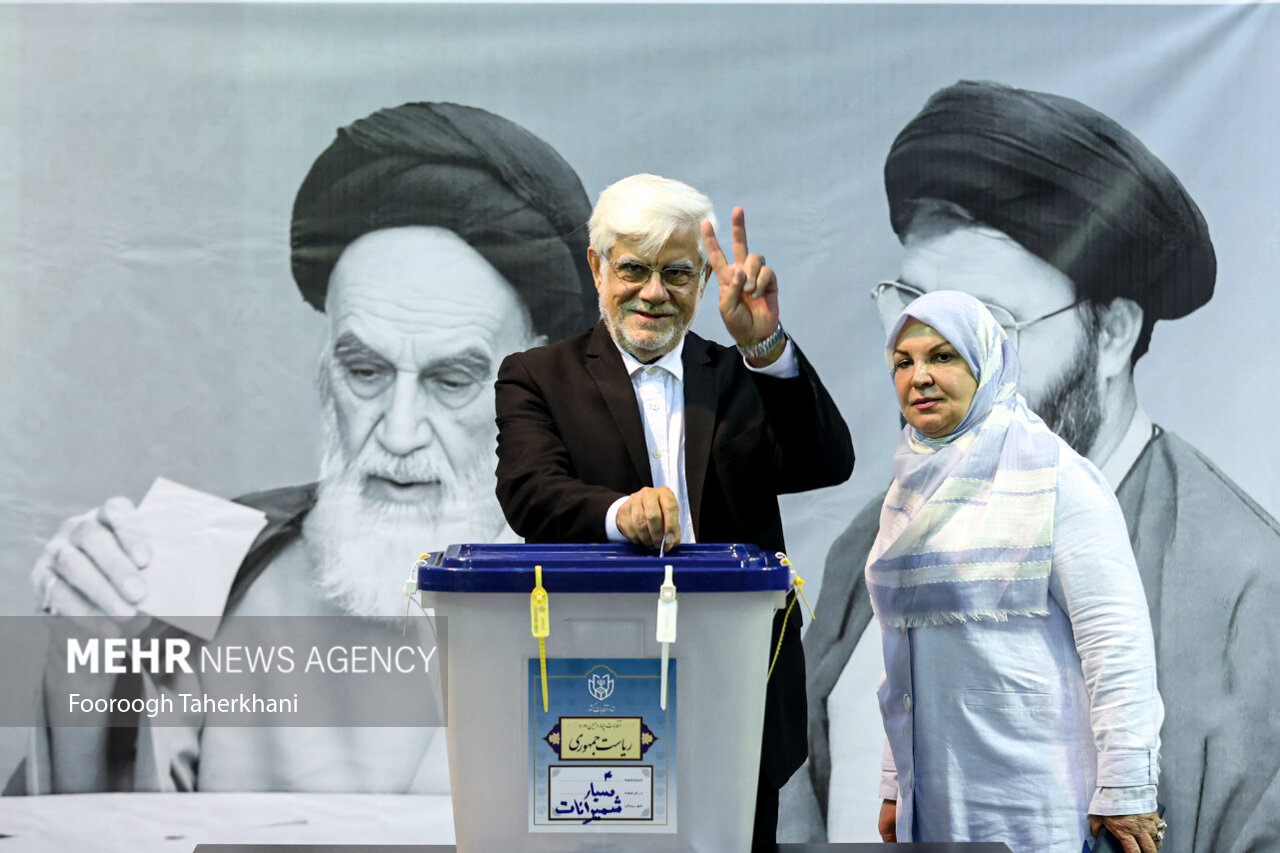
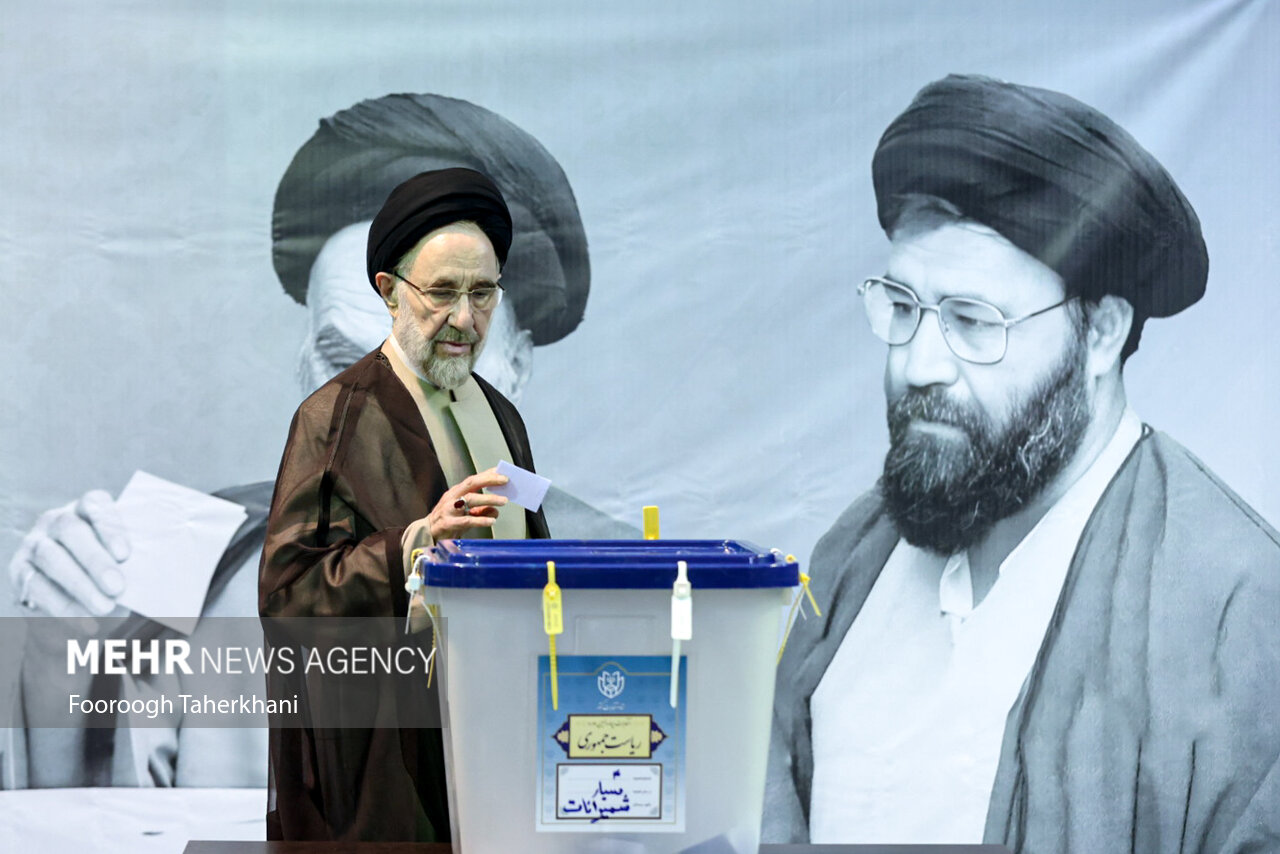
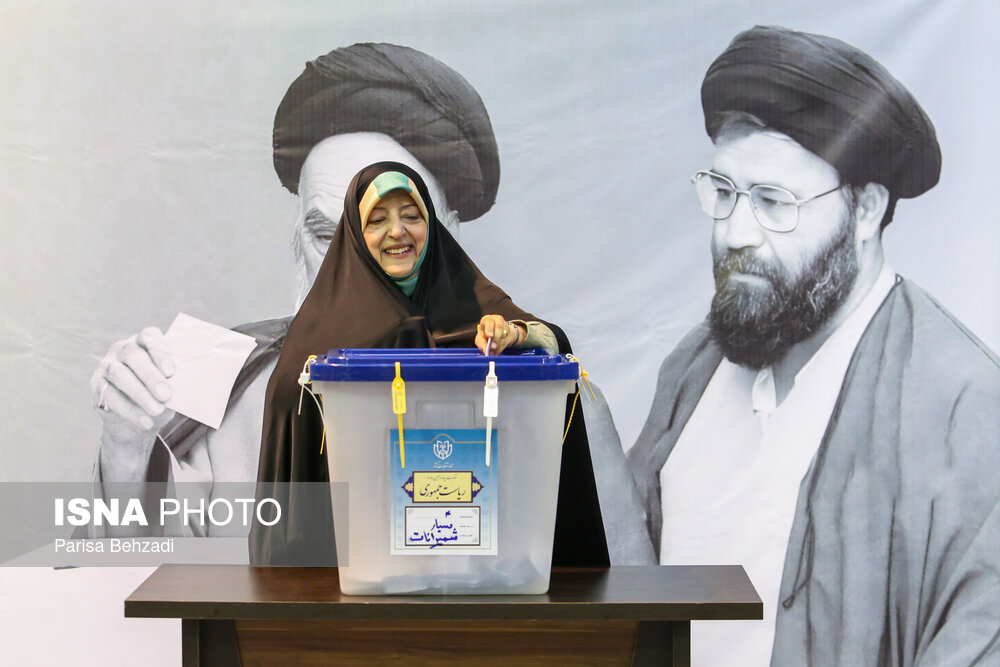
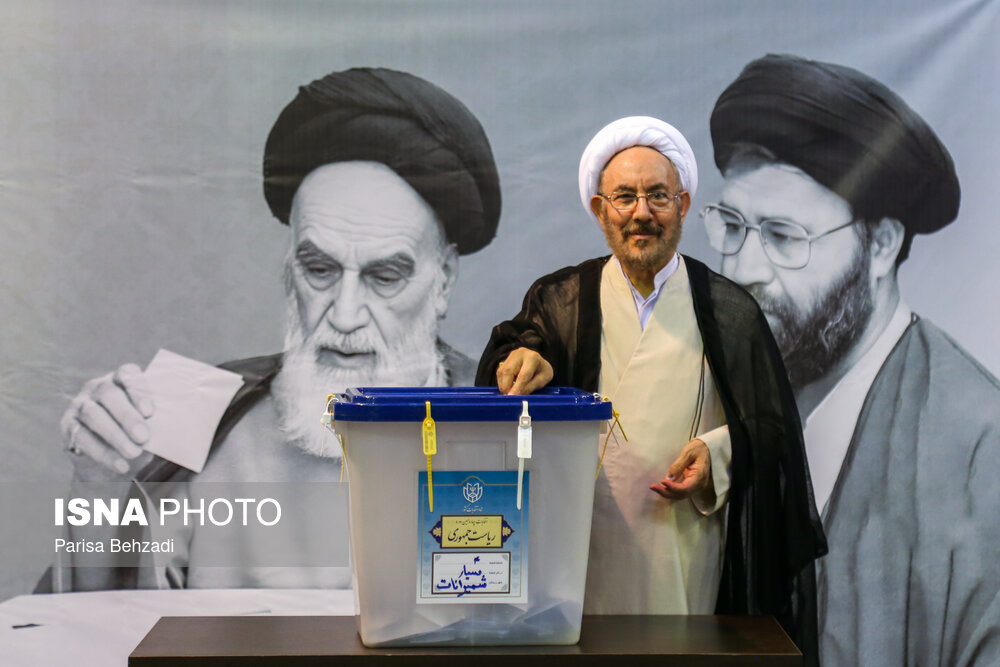
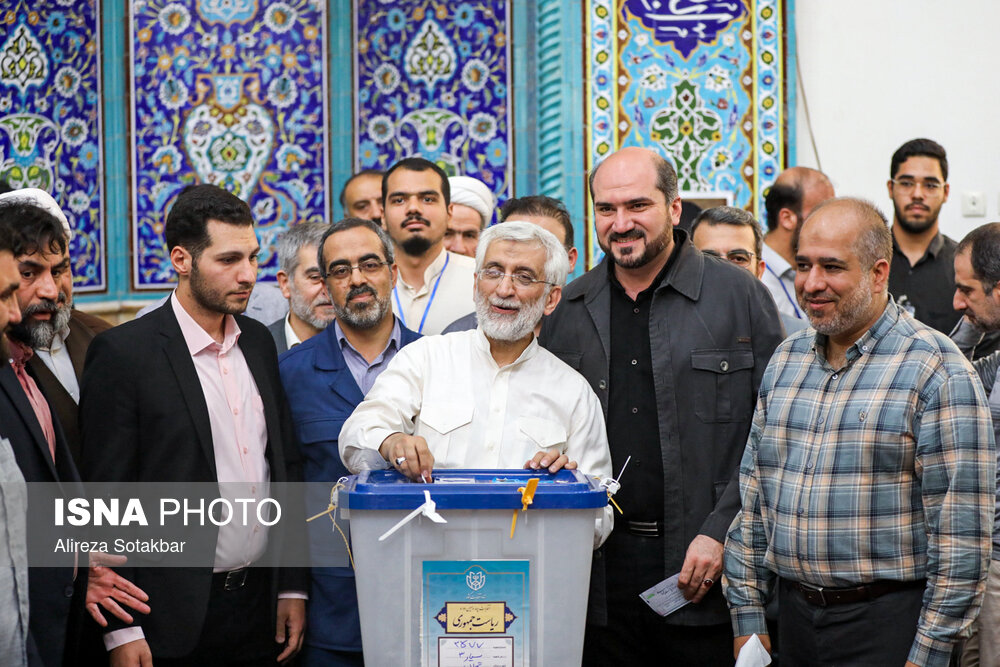
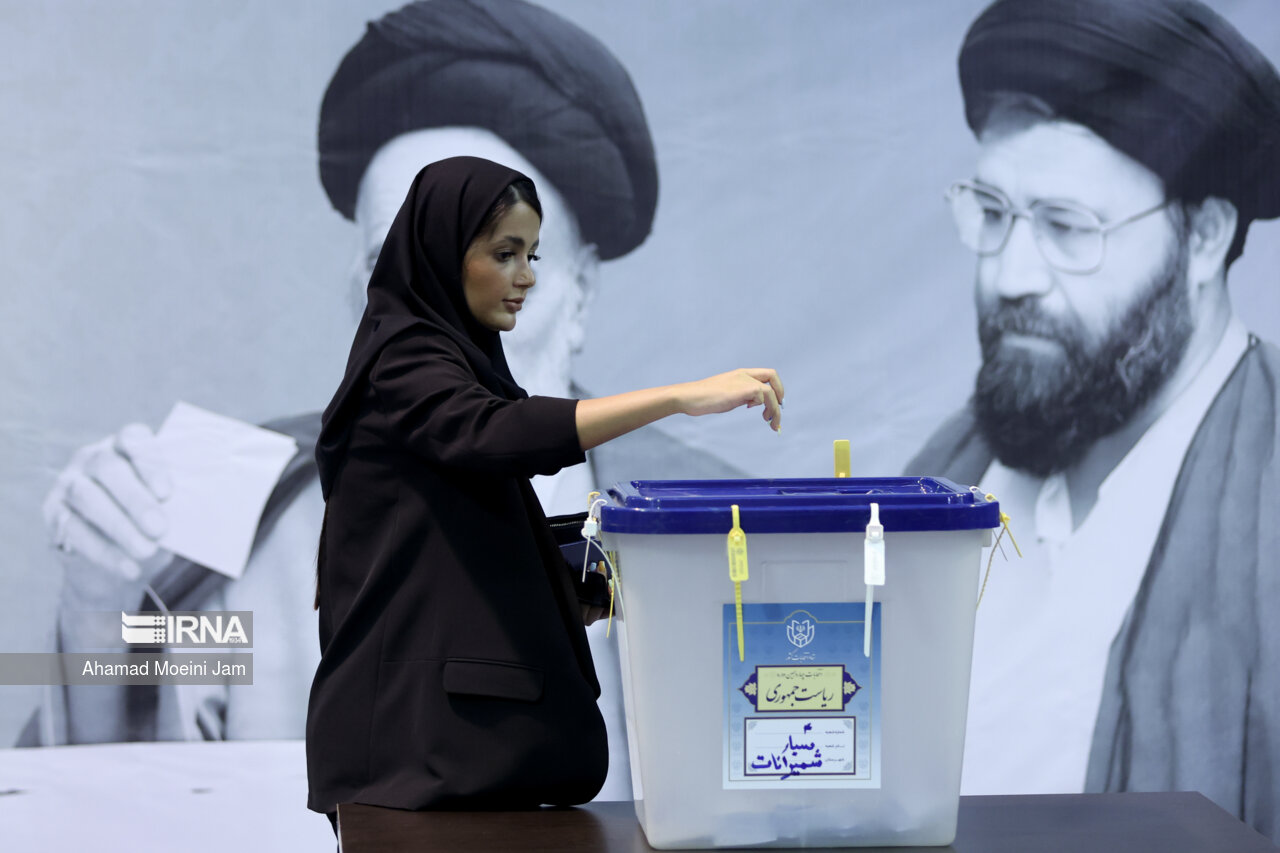
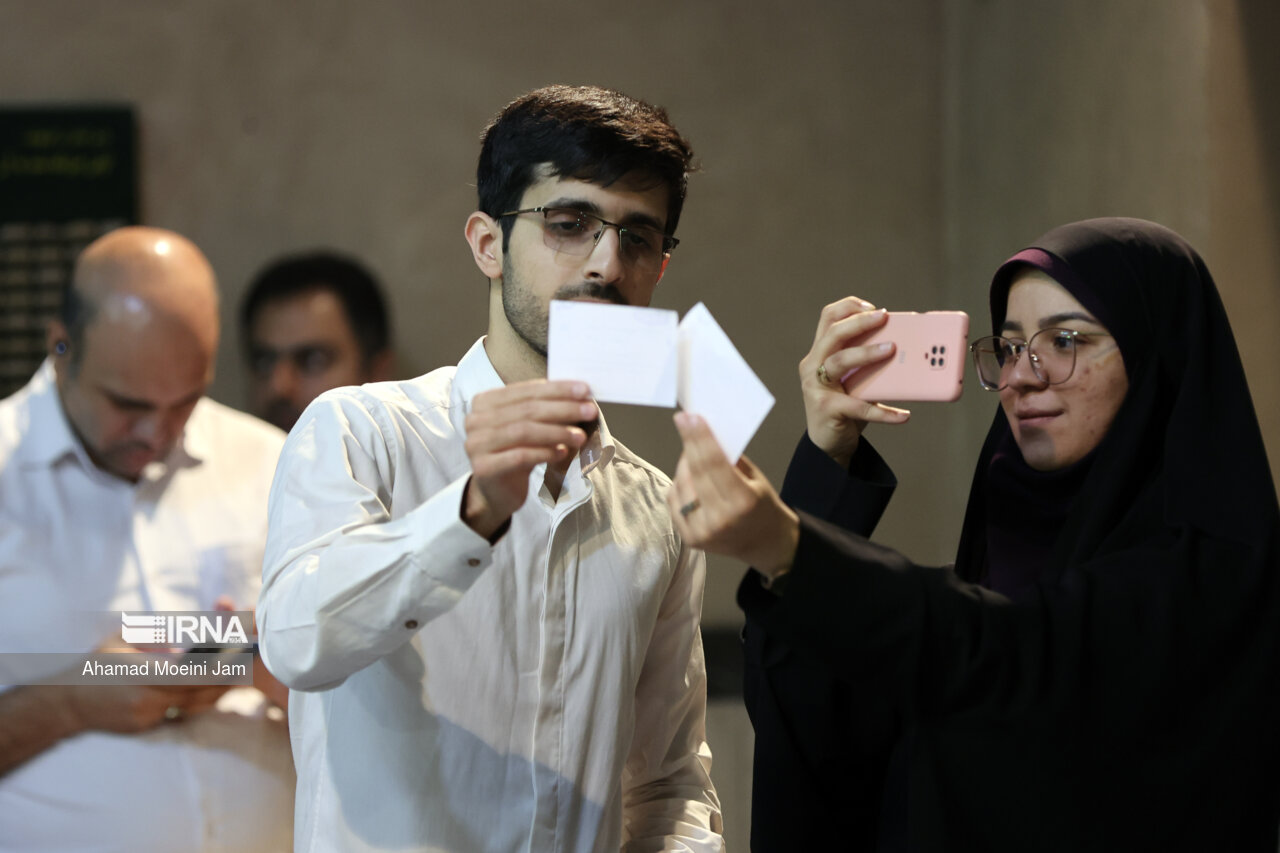
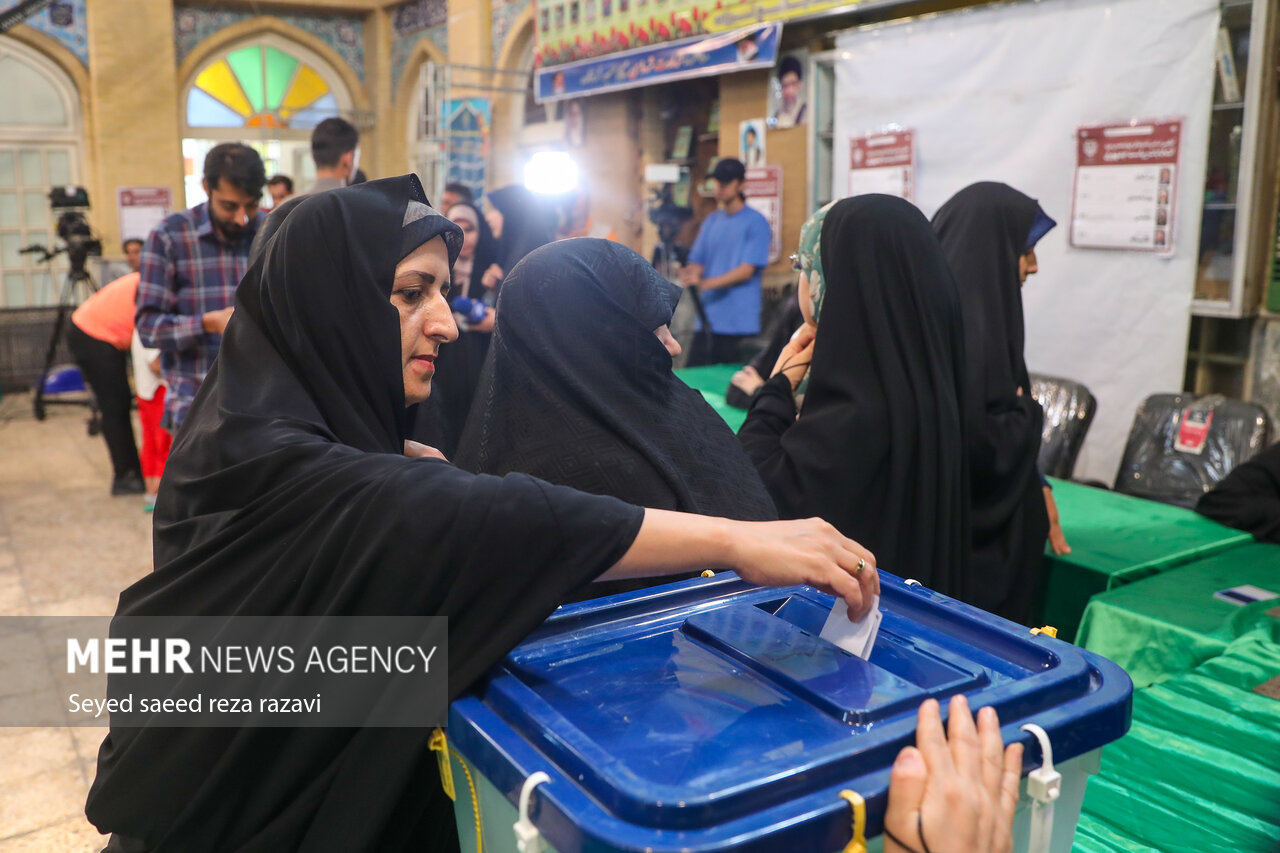
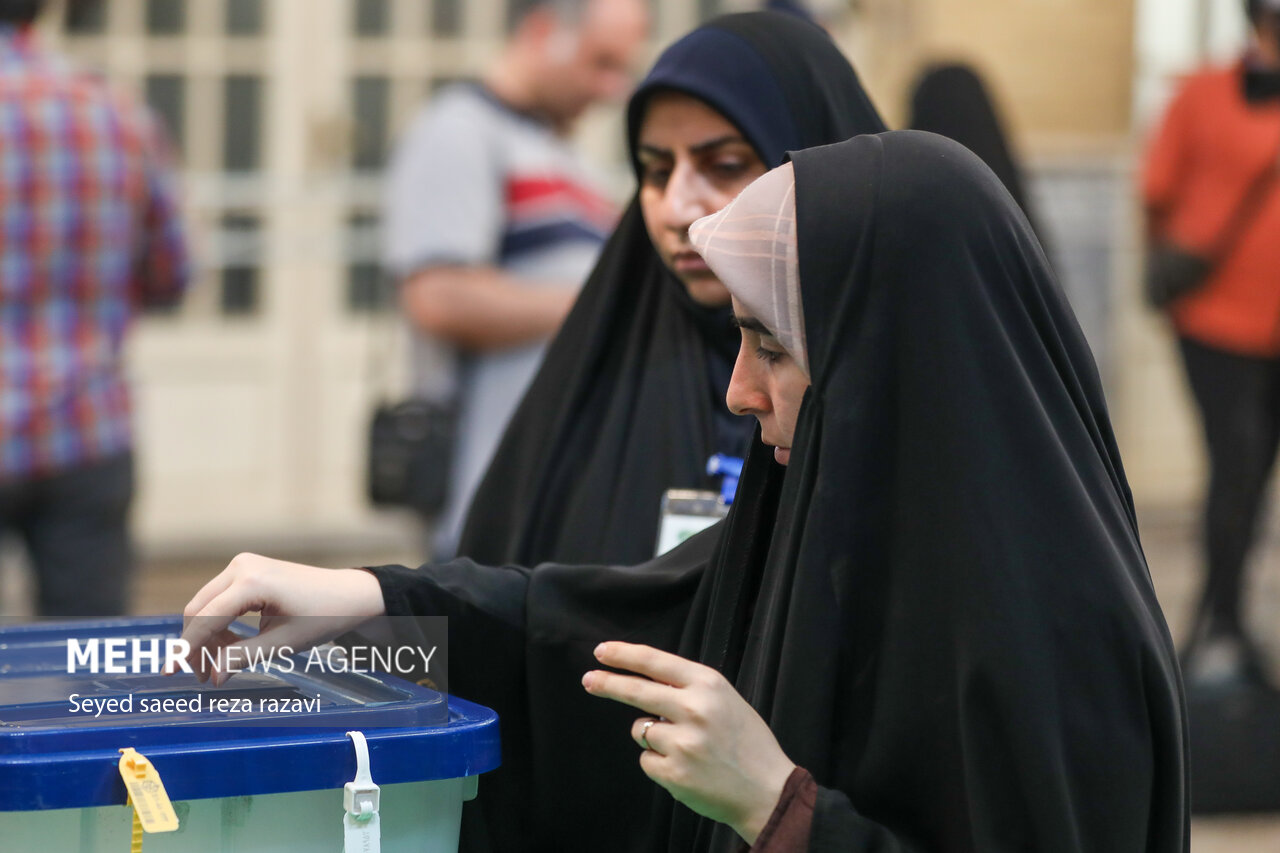
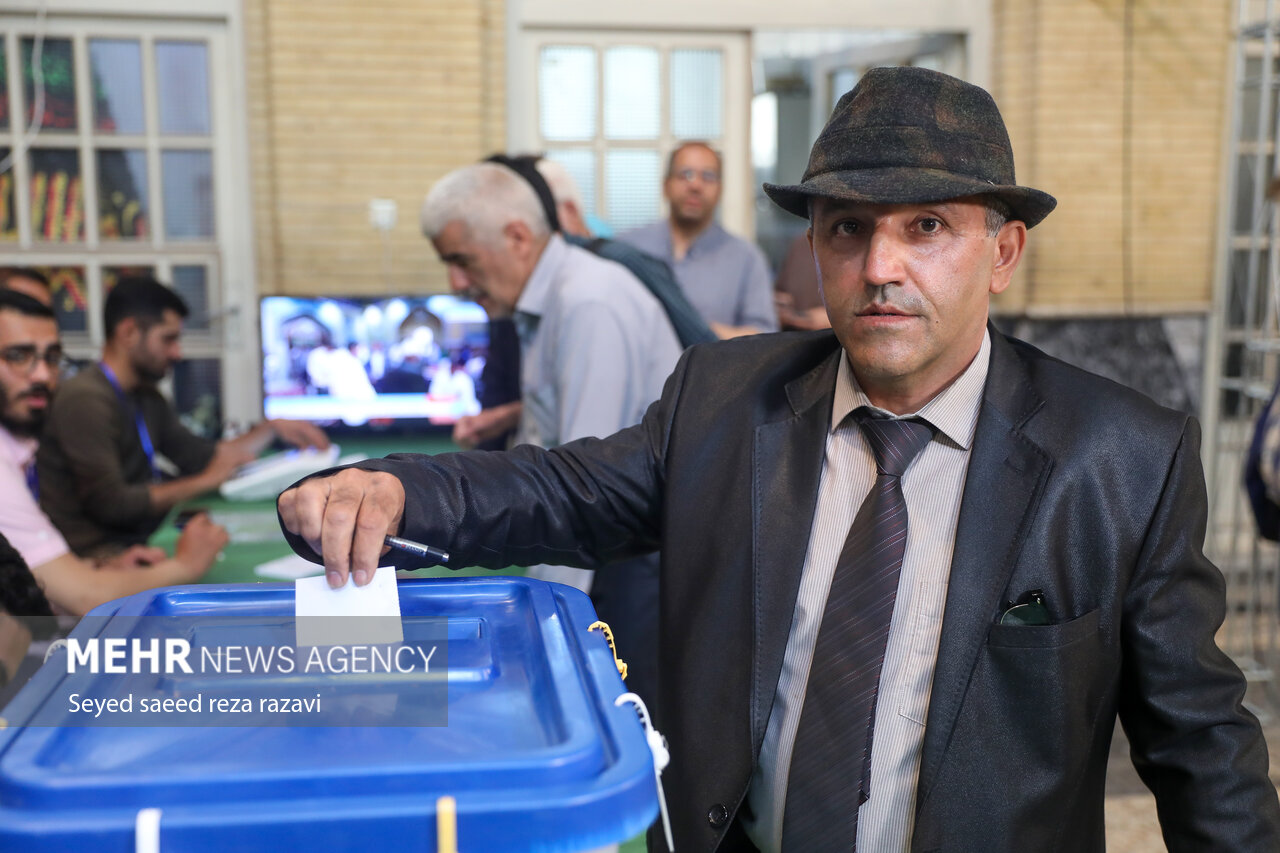
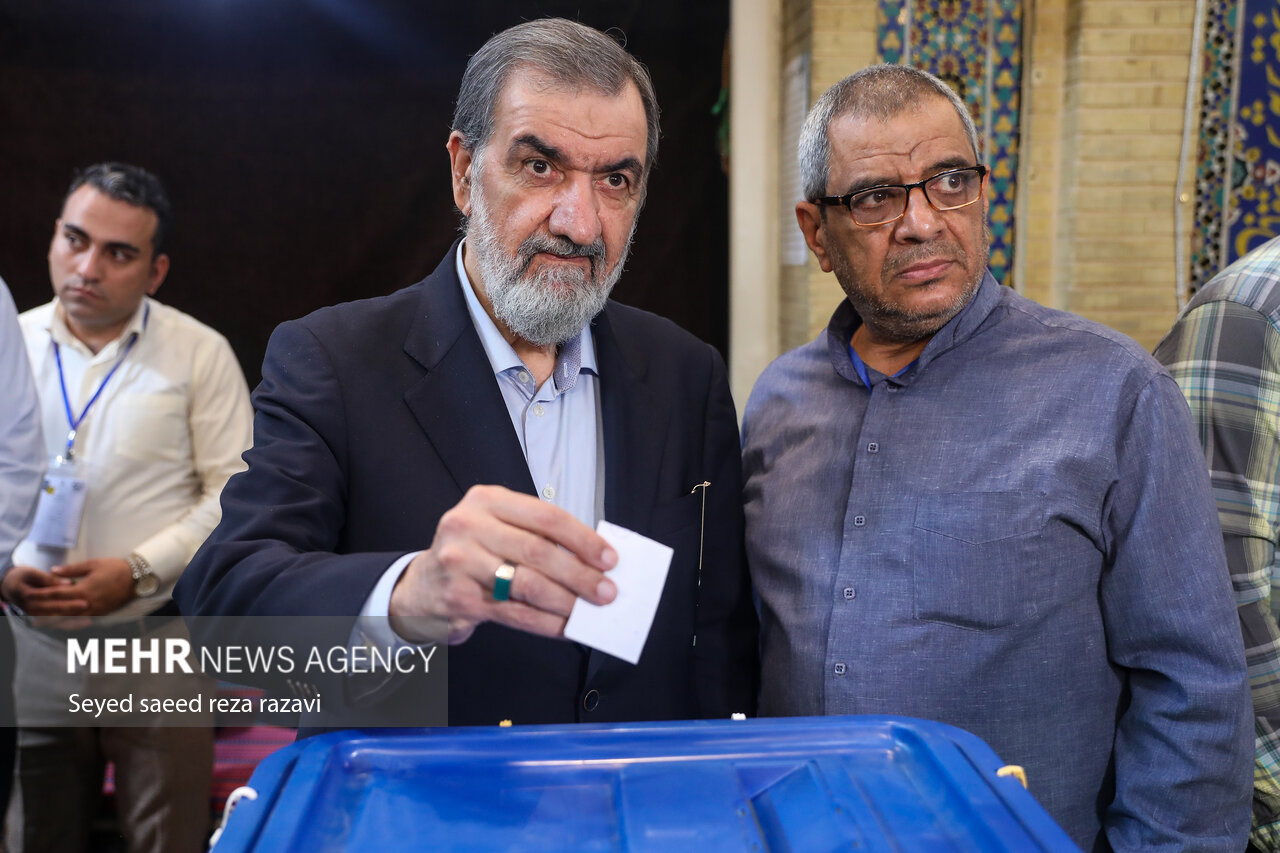
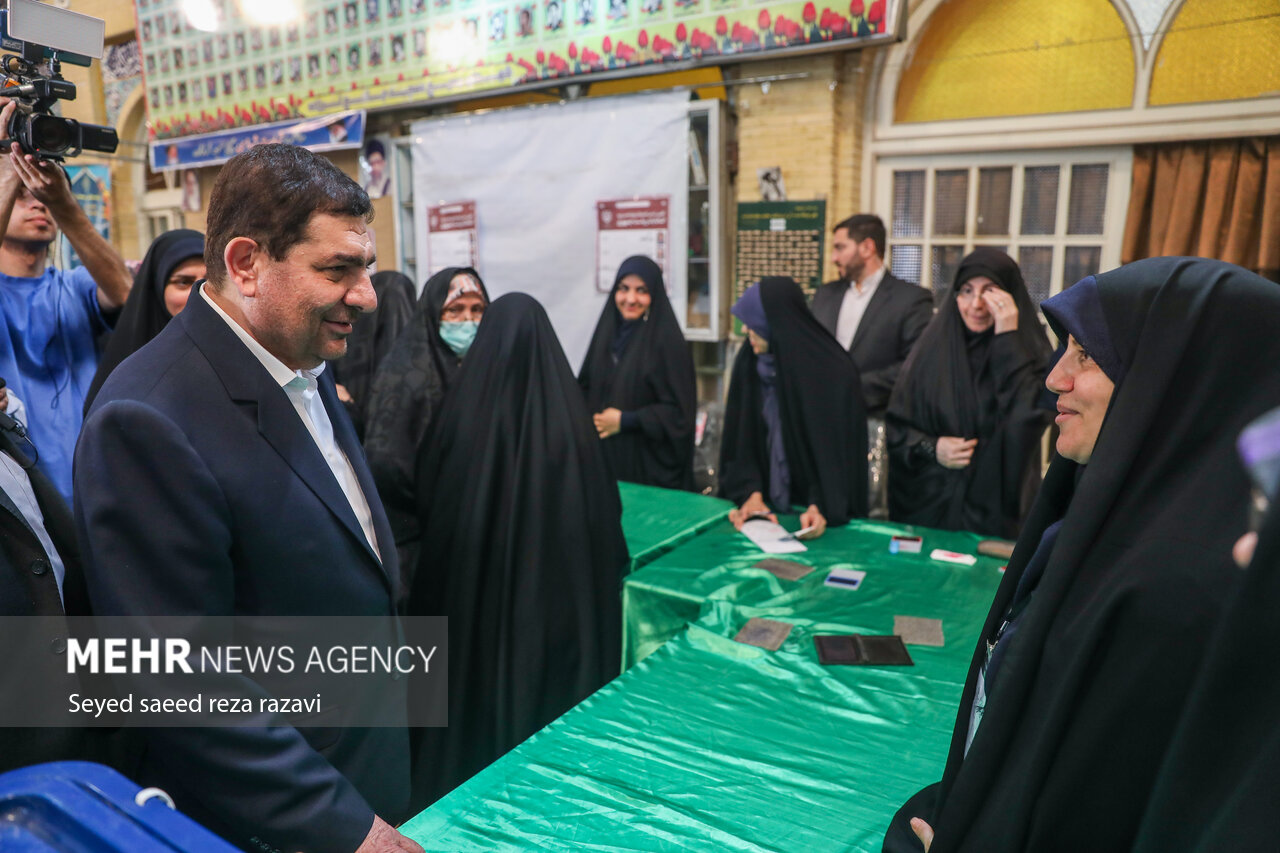
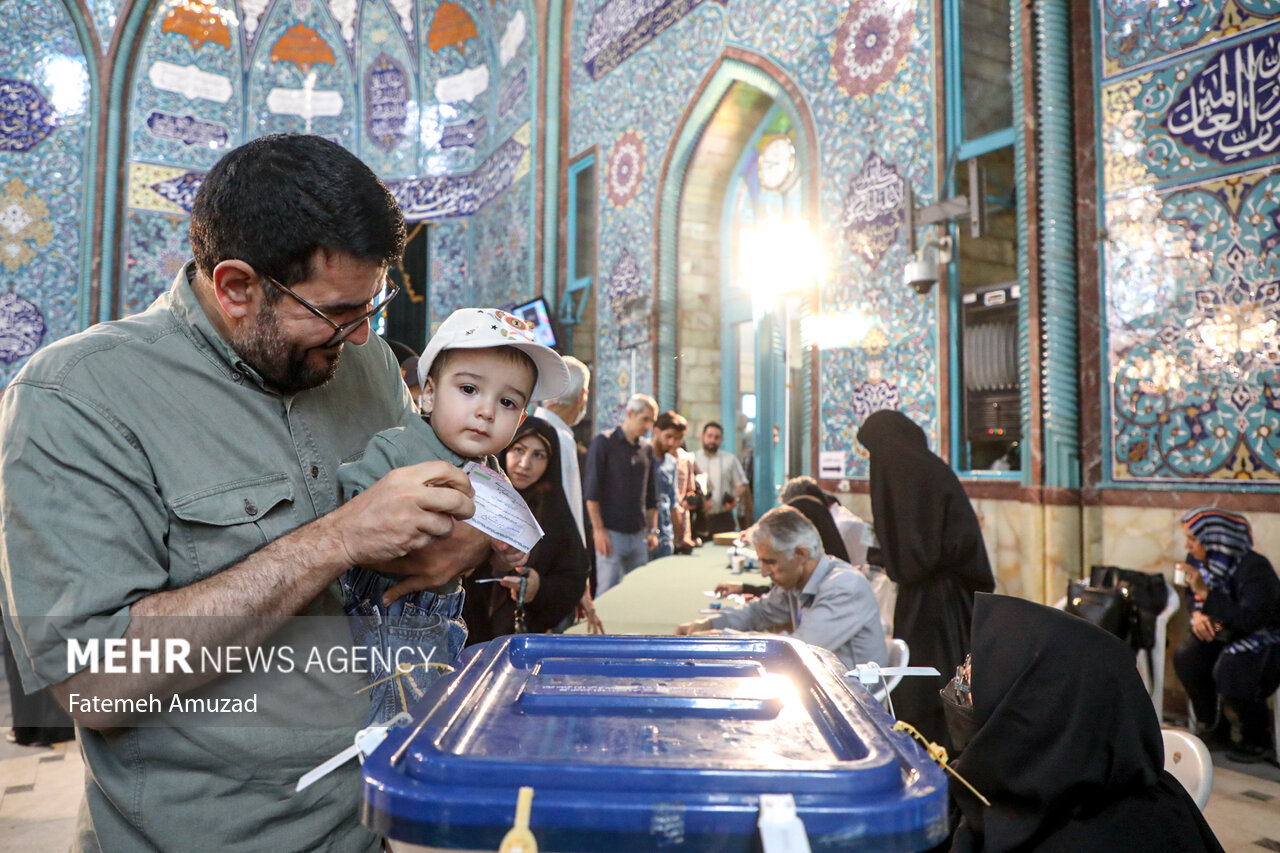
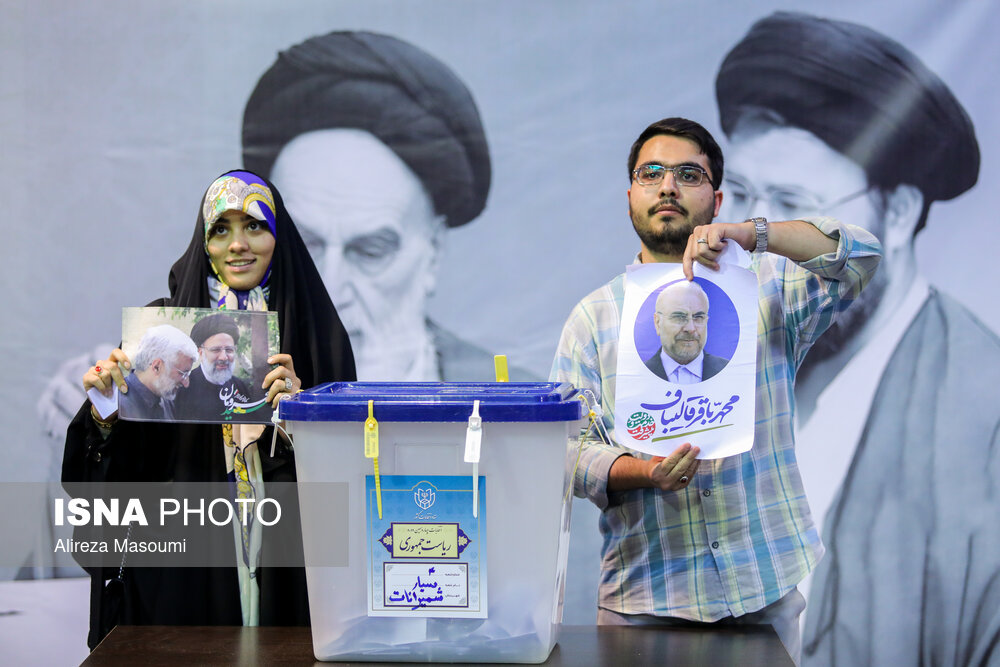
Many reformist candidates, who endorsed Massoud Pezeshkian from the early days the campaigns kicked off, were among the early voters right after the polls opened at 08:00 am local time (04:30 GMT).

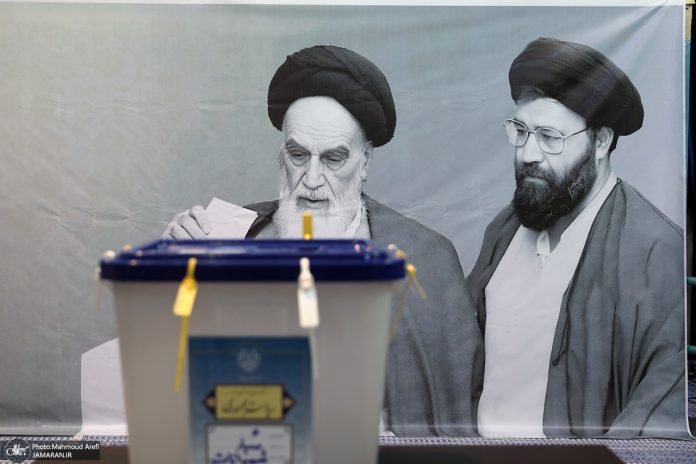
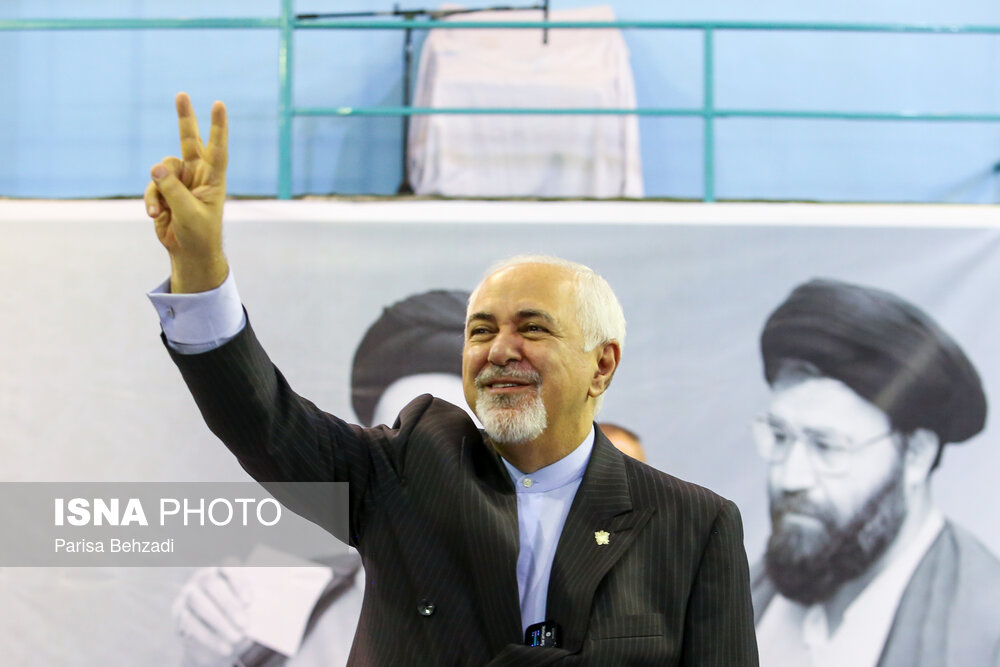
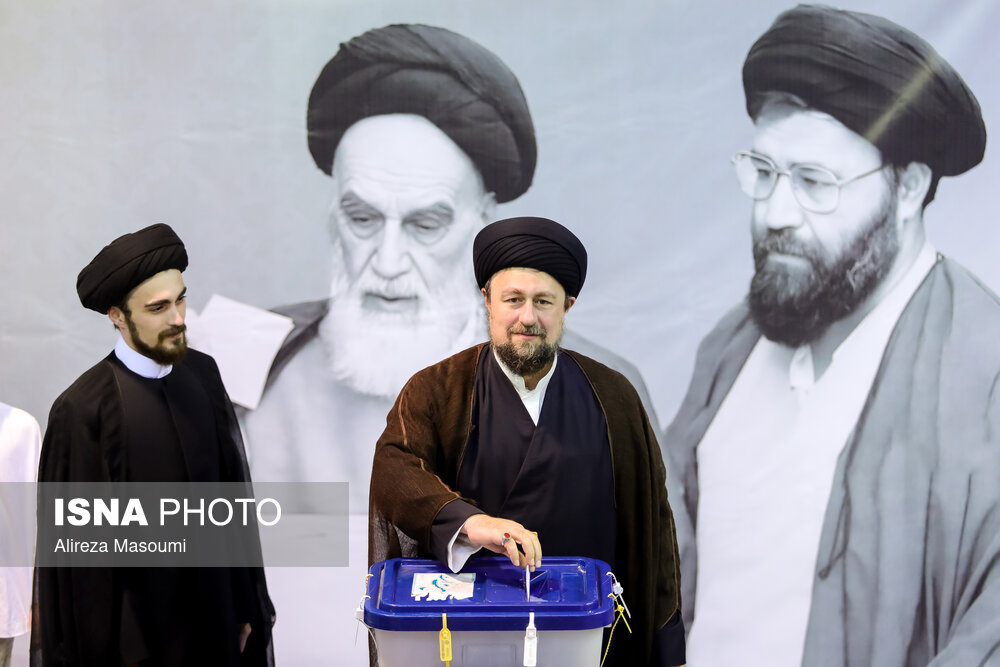
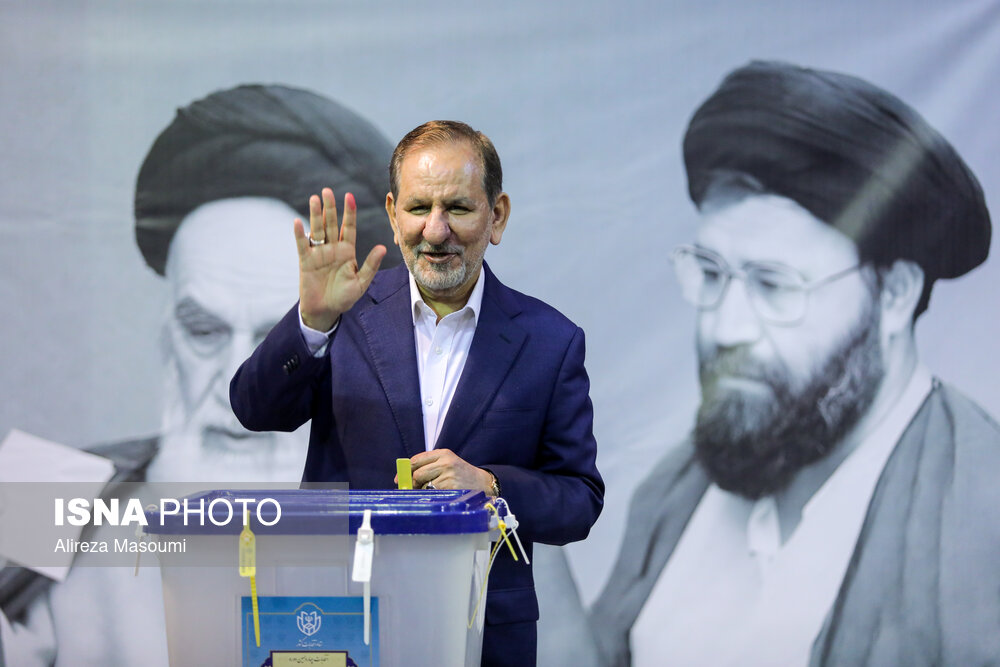
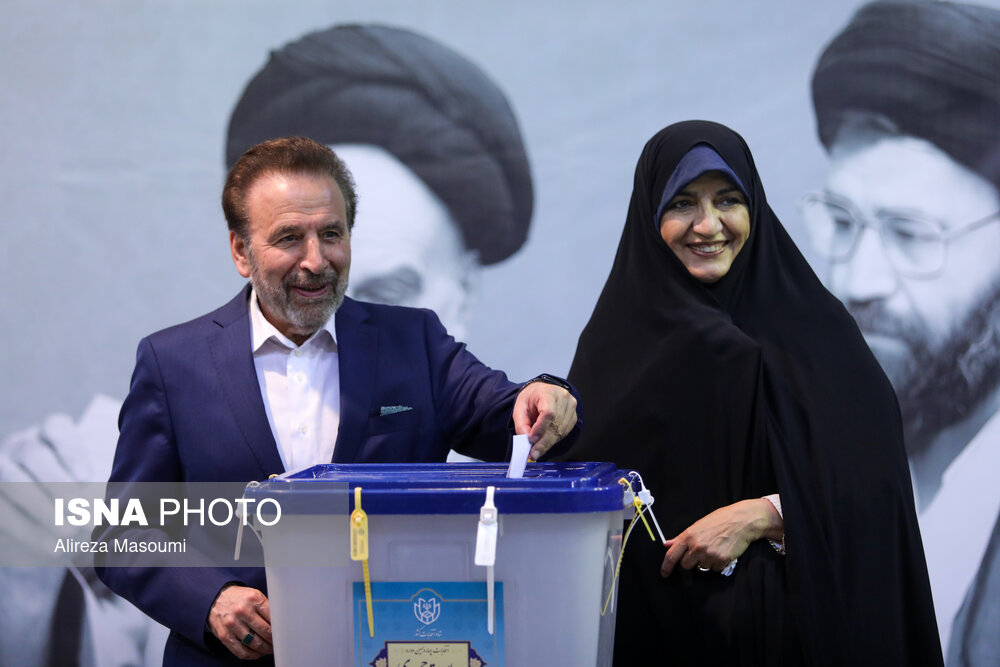
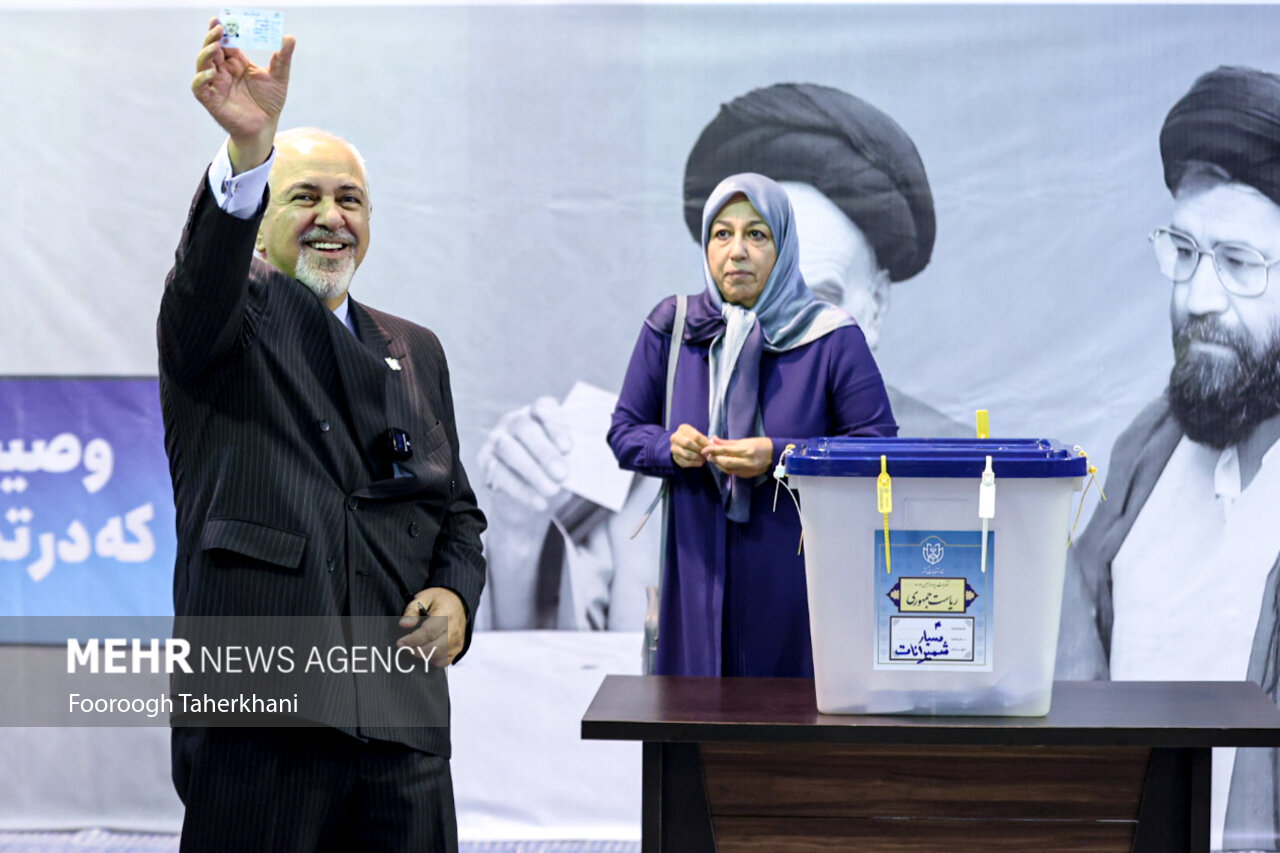
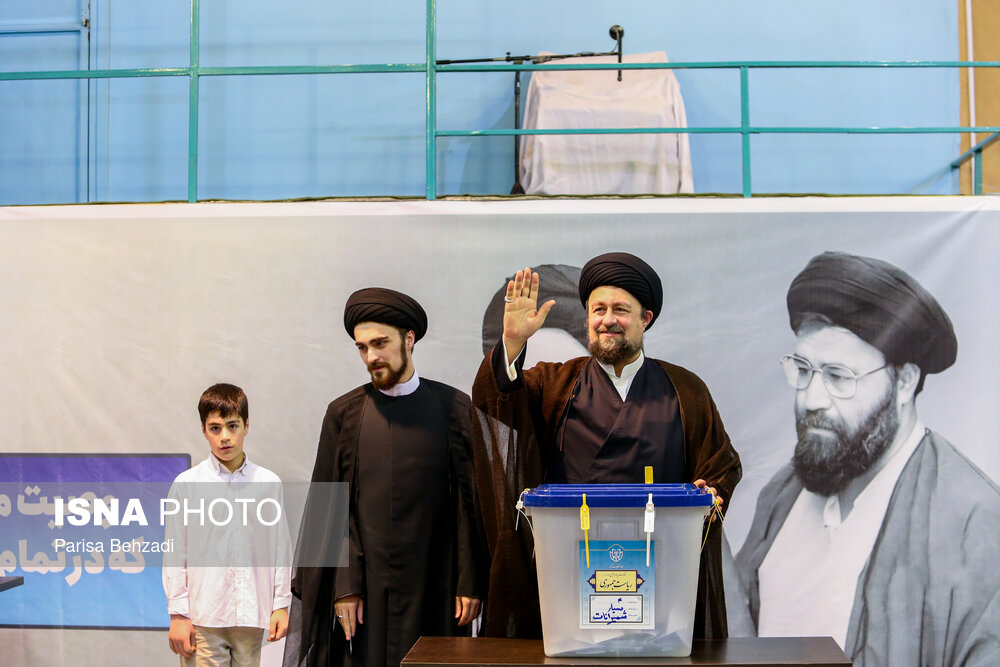
Former reformist president Mohammad Khatami, ex-foreign minister Mohammad Javad Zarif and his wife, former first vice president Is’haq Jahangiri, Imam Khomeini’s grandson Hassan Khomeini, and former president Hashemi Rafsanjani’s son, Mohsen Hashemi, were among the long list of voters who cast their votes in Tehran’s Jamaran mosque.

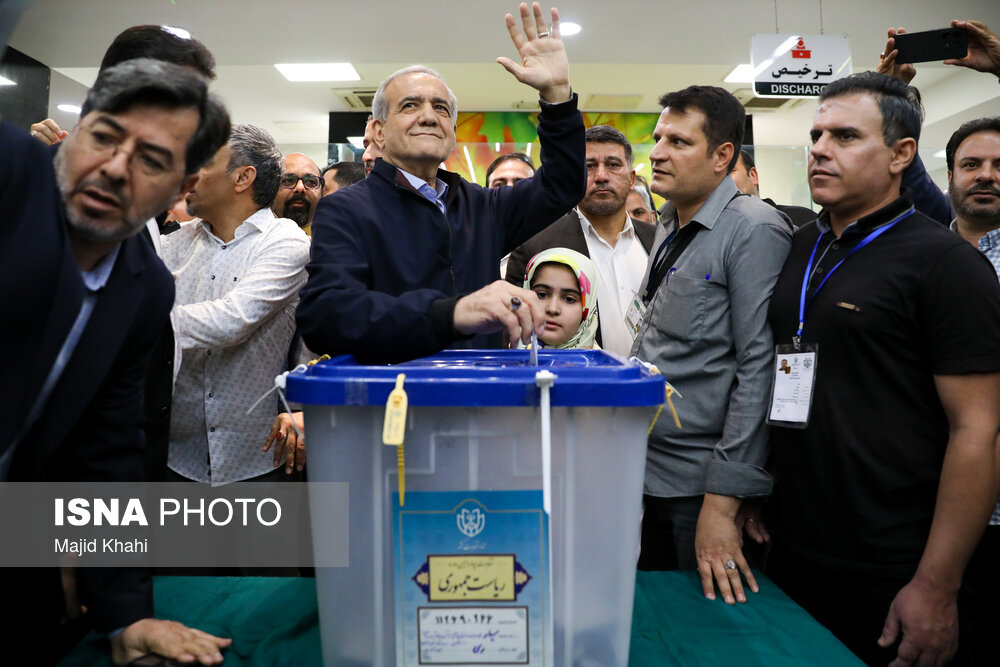
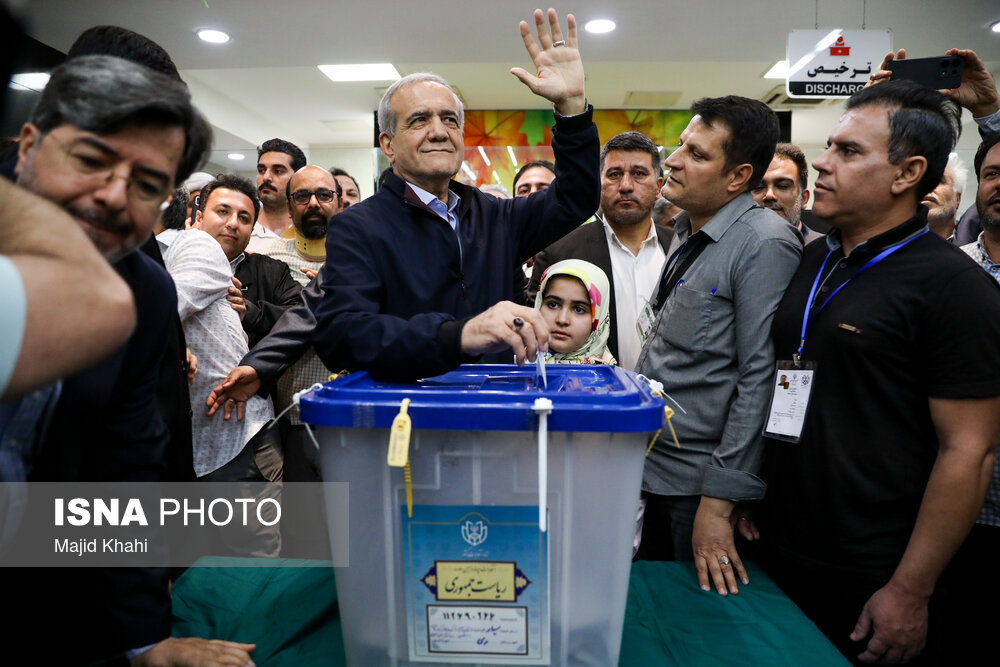
Pezeshkian himself, who is a heart surgeon, however, voted in Tehran’s Firouzabadi hospital and was greeted by a large crowd of supporters.

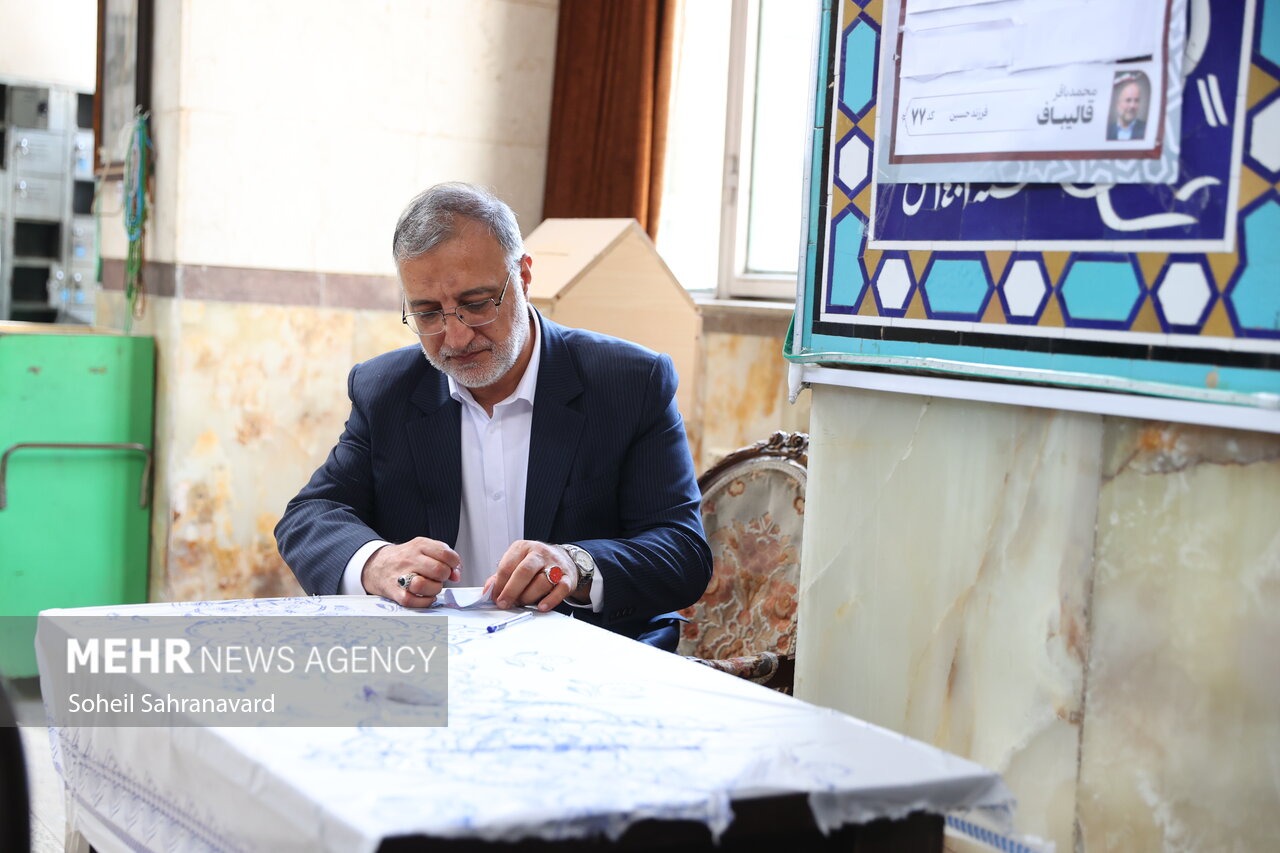
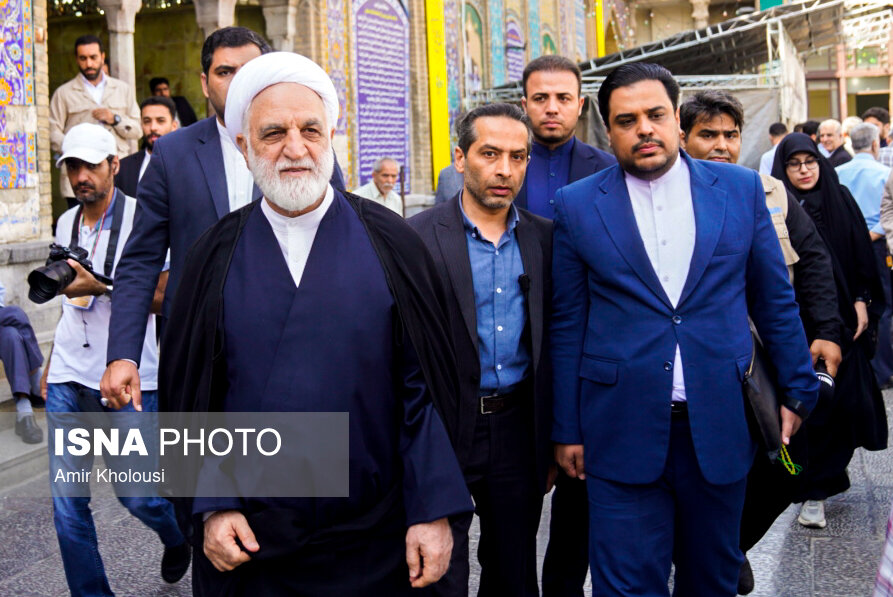
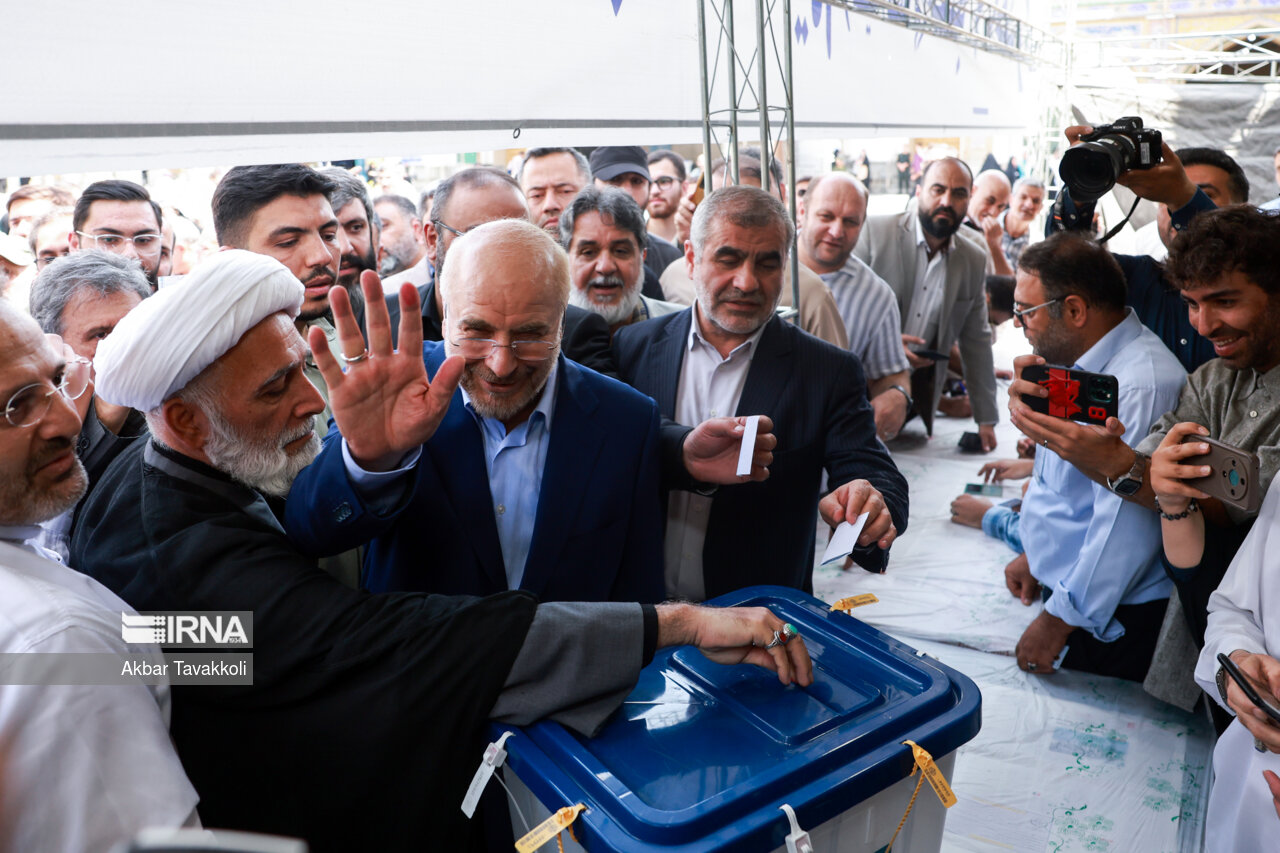
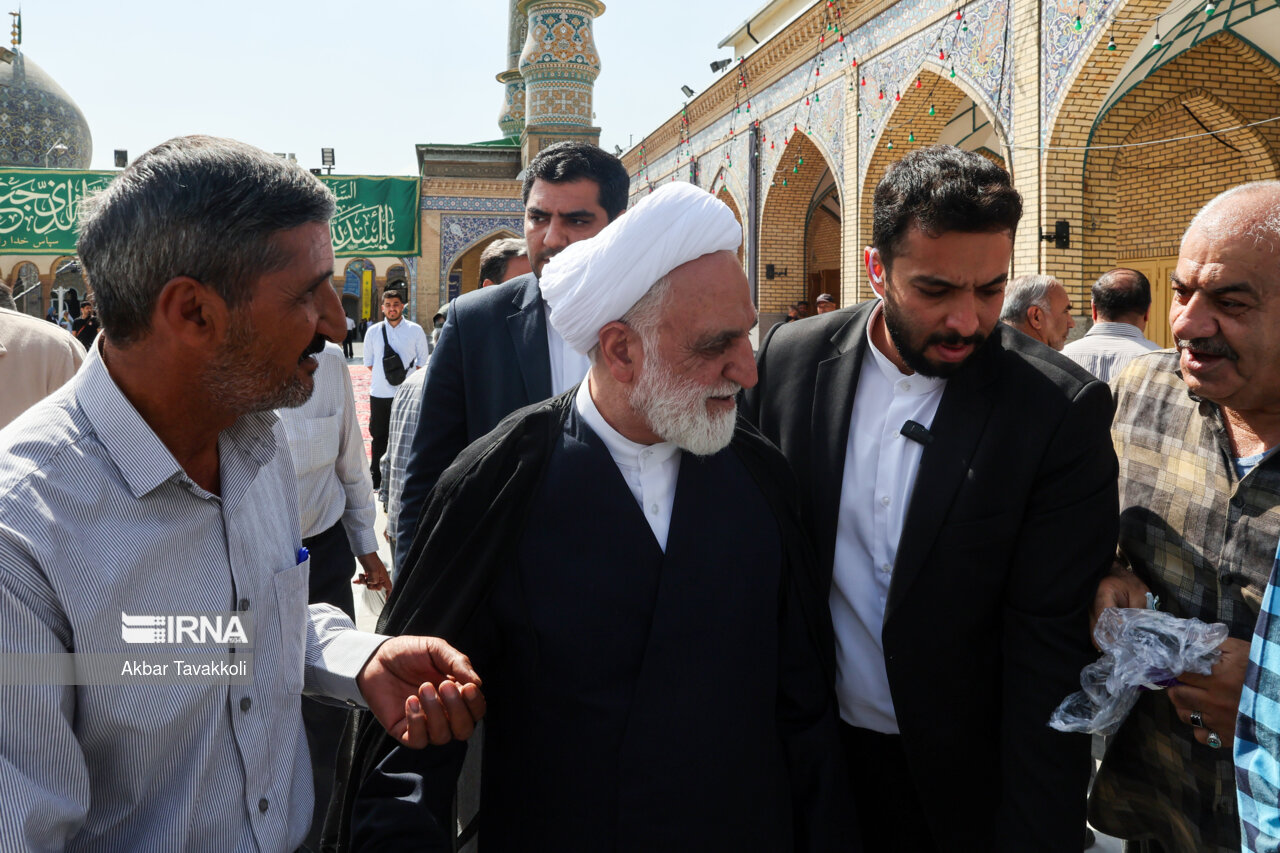
The other presidential hopeful Mohammad Baqer Qalibaf as well as the Judiciary chief Gholam-Hossein Mohseni Eje’i voted in Shahr-e Rey’s Abdul Azim Hassani shrine just outside Tehran.

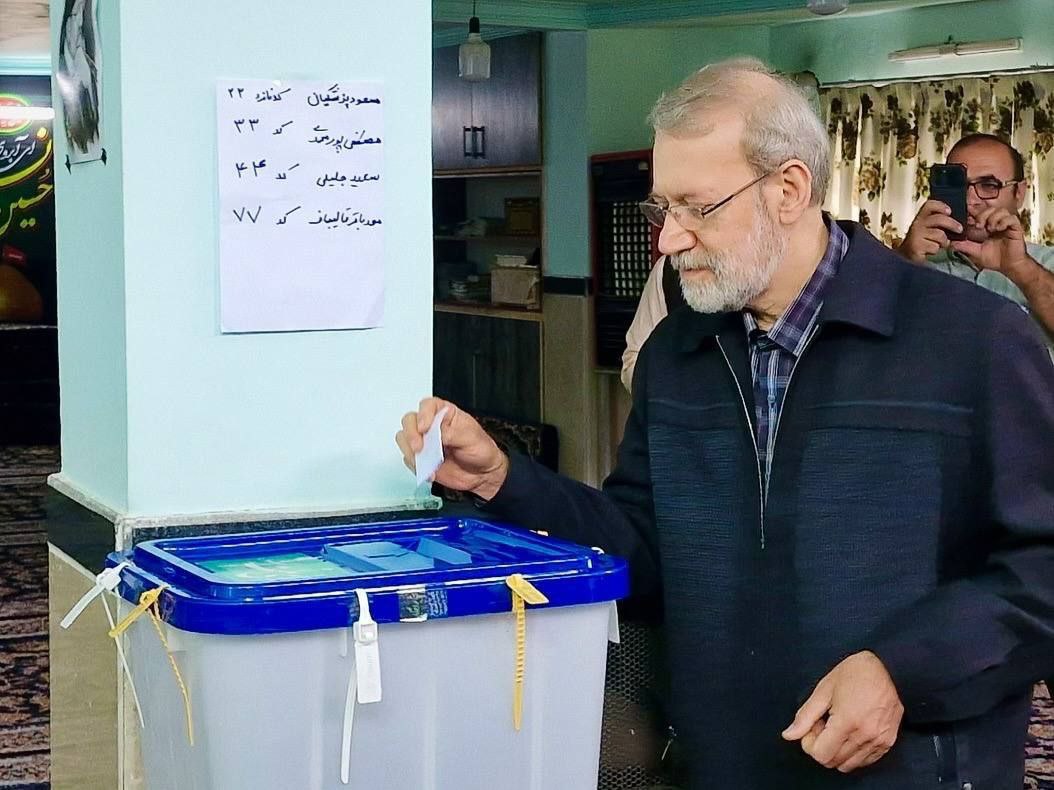
Former parliament speaker and political heavyweight, Ali Larijani, whose candidacy for the polls was turned down by the vetting Guardian Council, cast his ballot in the northern province of Mazandaran.

Over 64 million people are eligible to vote in the election, including about 10 million Iranians overseas. As a rule of thumb in Iranian elections, voter participation is expected to rise in the final hours of the vote.

The closing time for the polls has initially been set at 06:00 pm (14:30 GMT) but the interior ministry can extend it for multiple two-hour periods until 12:00 pm, depending on the turnout.

Iran’s envoy to UN warns Canada ‘will bear full responsibility’ for designating IRGC as ‘terror entity’

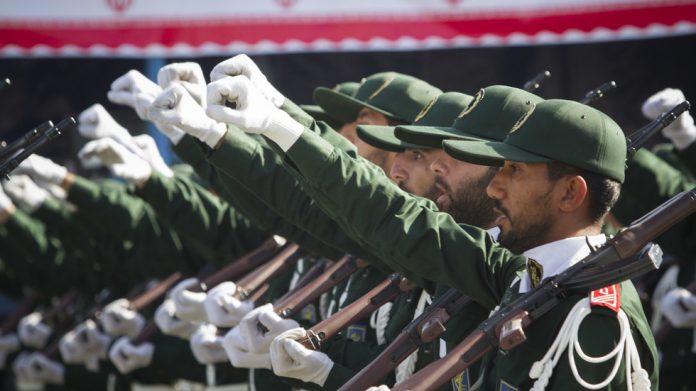
IRGC

In a letter addressed to the head of the UN Security Council and the secretary-general, Iravani described the Canadian move as “a blatant violation of international law and the Charter of the United Nations.”

“The Islamic Republic of Iran condemns in the strongest possible terms this illegal and provocative action by the Government of Canada and considers it a hostile act against the Islamic Republic of Iran, as well as a grave threat to regional and international peace and security given the significant role of the IRGC in fighting against terrorism and extremism as well as in preserving peace and stability in our region,” the ambassador wrote.

Last month, the Canadian House of Commons adopted a non-binding resolution calling on Prime Minister Justin Trudeau’s government to blacklist the IRGC and expel an estimated 700 Iranians.

In a hostile move against Iran, Canada’s Public Safety Minister Dominic LeBlanc Ottawa on Wednesday listed the IRGC as a “terrorist entity” under the Criminal Code and called on Canadians in Iran to leave.

The move makes Canada the second country in North America after the United States to blacklist the IRGC.

It is self-evident that Canada—along with the US and those who have publicly supported this internationally wrongful act—will bear full responsibility for all consequences of such reckless behavior, Iravani emphasized.

The ambassador added that a provocative act by Canada would heighten tensions in the Persian Gulf region.

“Given the IRGC’s role, tasks, and mandate, which include ensuring maritime safety and security in the Persian Gulf, Sea of Oman, and beyond, the Government of Canada is well aware that its irresponsible and provocative act will heighten tensions and increase the risk of accidents and incidents between IRGC forces and the Canadian armed forces.”

The official pointed out that this was not the first time Canada had systematically violated norms, rules, and principles of international law against Iran.

“Canada has repeatedly breached fundamental principles of international law and the Charter of the United Nations which my Country has already been prompted to institute legal proceedings against that Country before the International Court of Justice for grave violations,” he continued.

The ambassador also hailed slain Lieutenant General Qassem Soleimani’s major role in countering Daesh and other terrorist groups.

“The role of the Islamic Revolutionary Guard Corps, especially Major General Qasem Soleimani, the hero Commander of the Quds Force of the IRGC, who was assassinated by US forces at Baghdad International Airport on 3 January 2020 during an official visit to Iraq at the Iraqi government’s invitation, in battles against the UN Security Council designated terrorist groups like al-Qaeda, Daesh, the al-Nusra Front and other terrorist groups in the region, has been widely recognized and commended by affected people and governments in the region,” he stated.

“The armed forces of the Islamic Republic of Iran are resolute in their commitment to fulfill its regional responsibilities and counter-terrorism efforts, as well as support regional nations and governments, upon request, in their efforts to eliminate foreign-backed terrorist groups.”

Elsewhere in the letter, Iravani warned that the Islamic Republic of Iran reserves its inherent right to take appropriate countermeasures under international law in response to this illegal action and serious violation by the Government of Canada.

Voting begins for Iran presidential election, Leader calls for strong participation

Iran Presidential Election

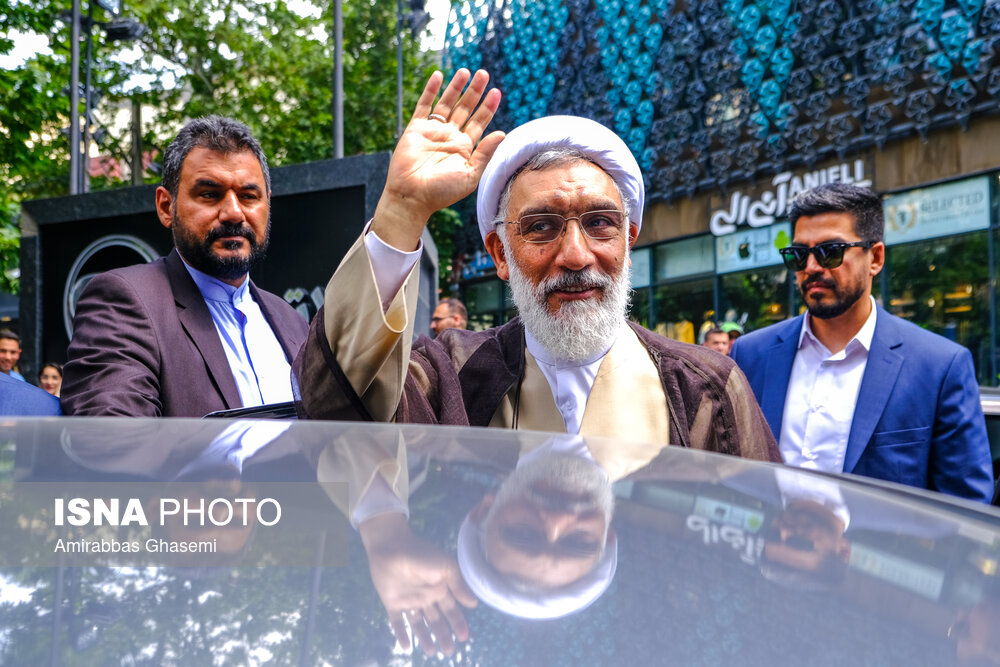
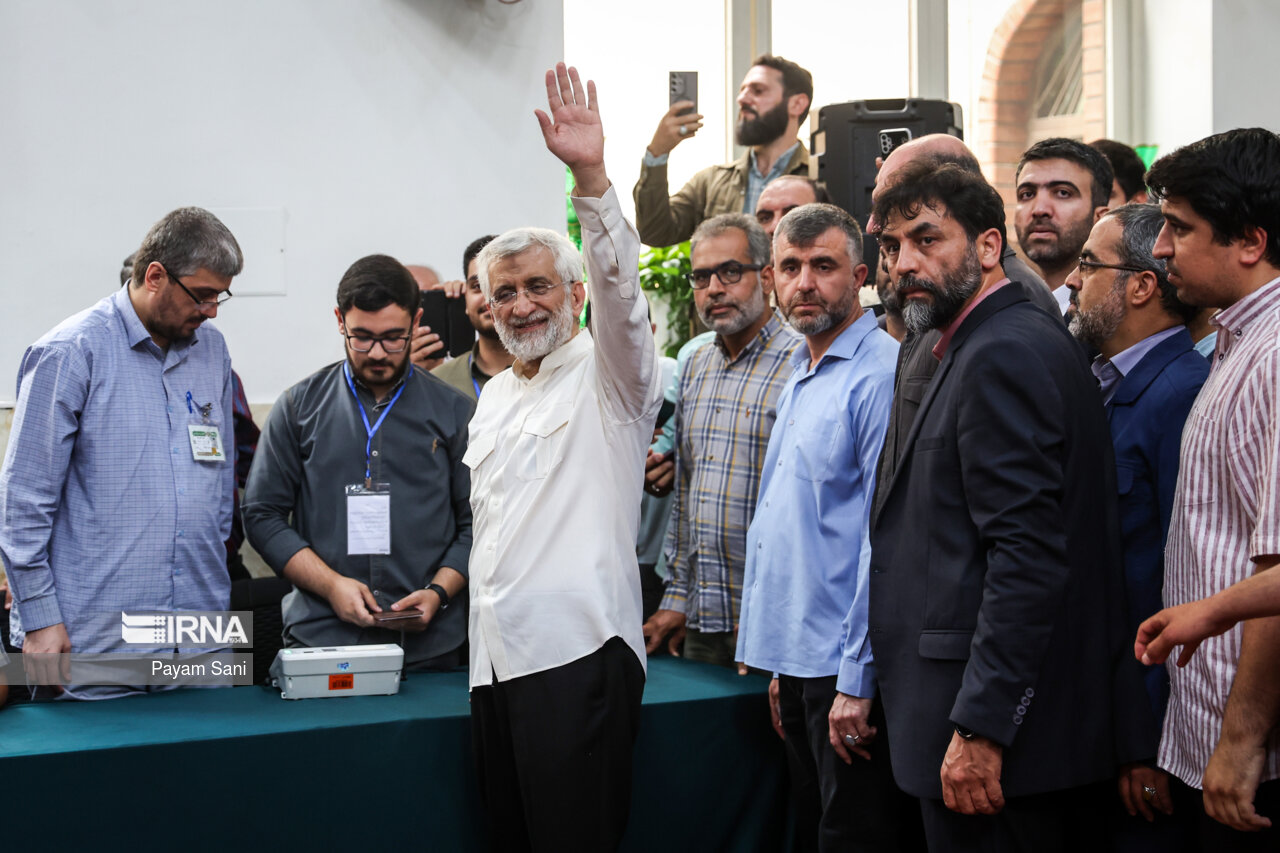
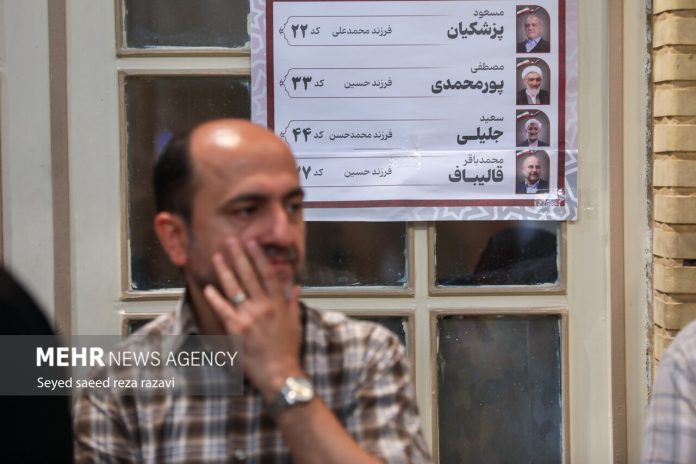
Veteran lawmaker Massoud Pezeshkian who is also a heart surgeon by profession, Parliament Speaker Mohammad Baqer Qalibaf, former top nuclear negotiator Saeed Jalili, and former interior and justice minister Mostafa Pourmohammadi are vying for the top executive office.

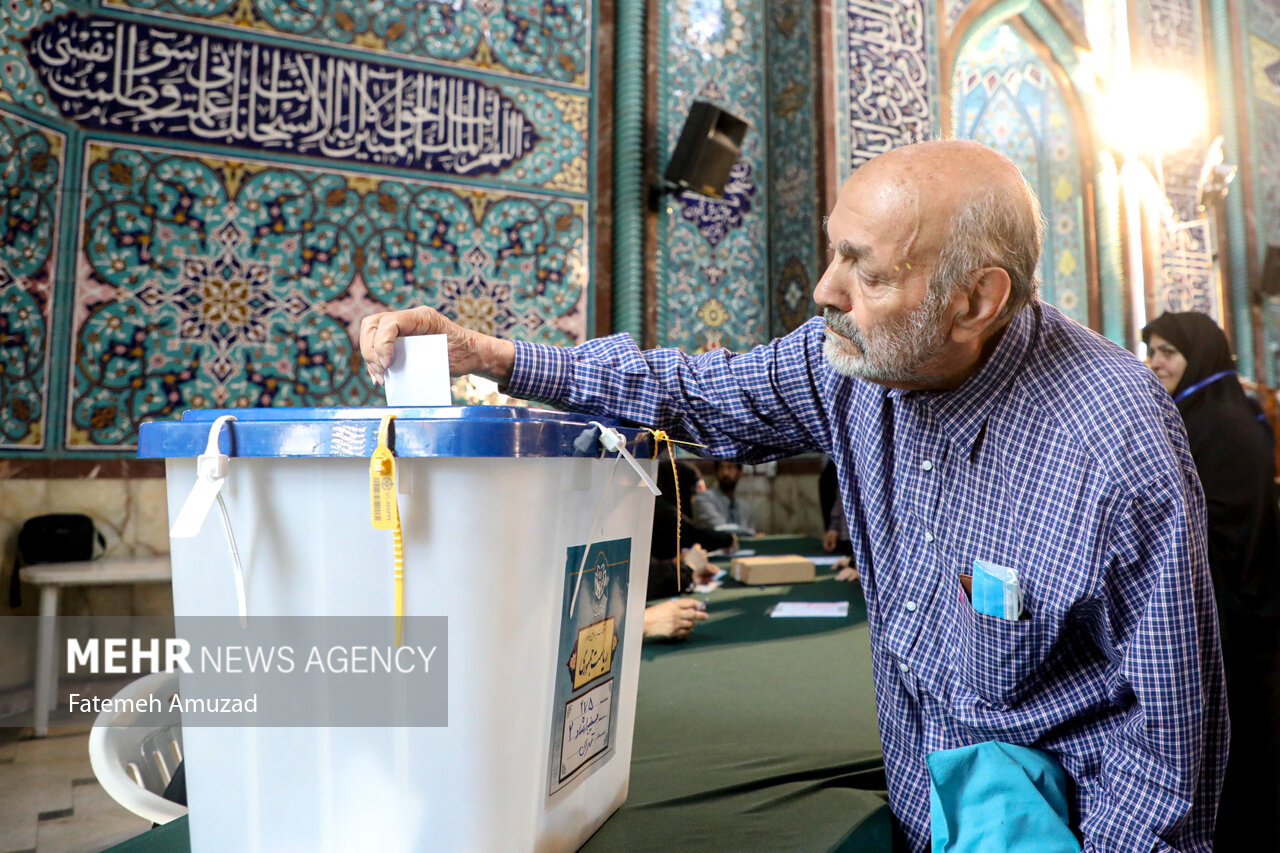
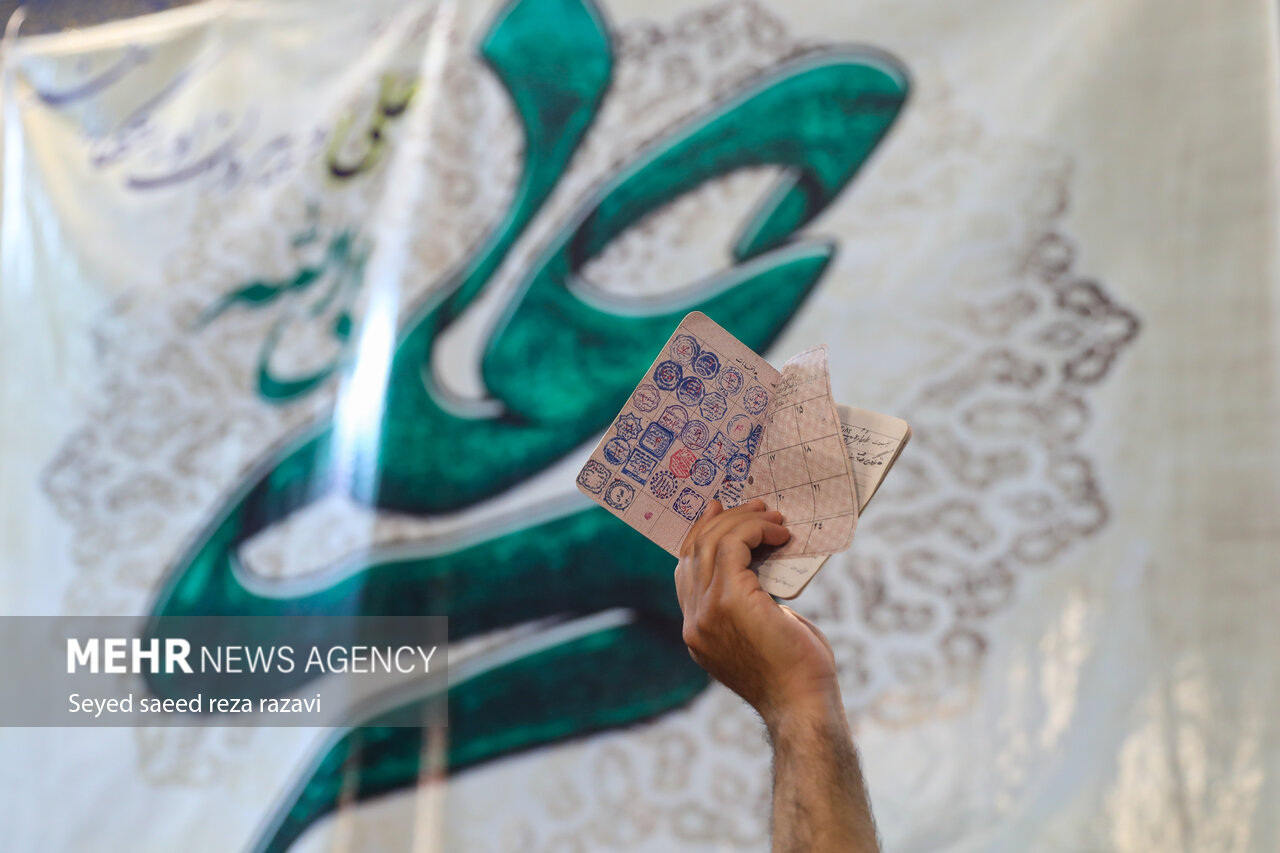
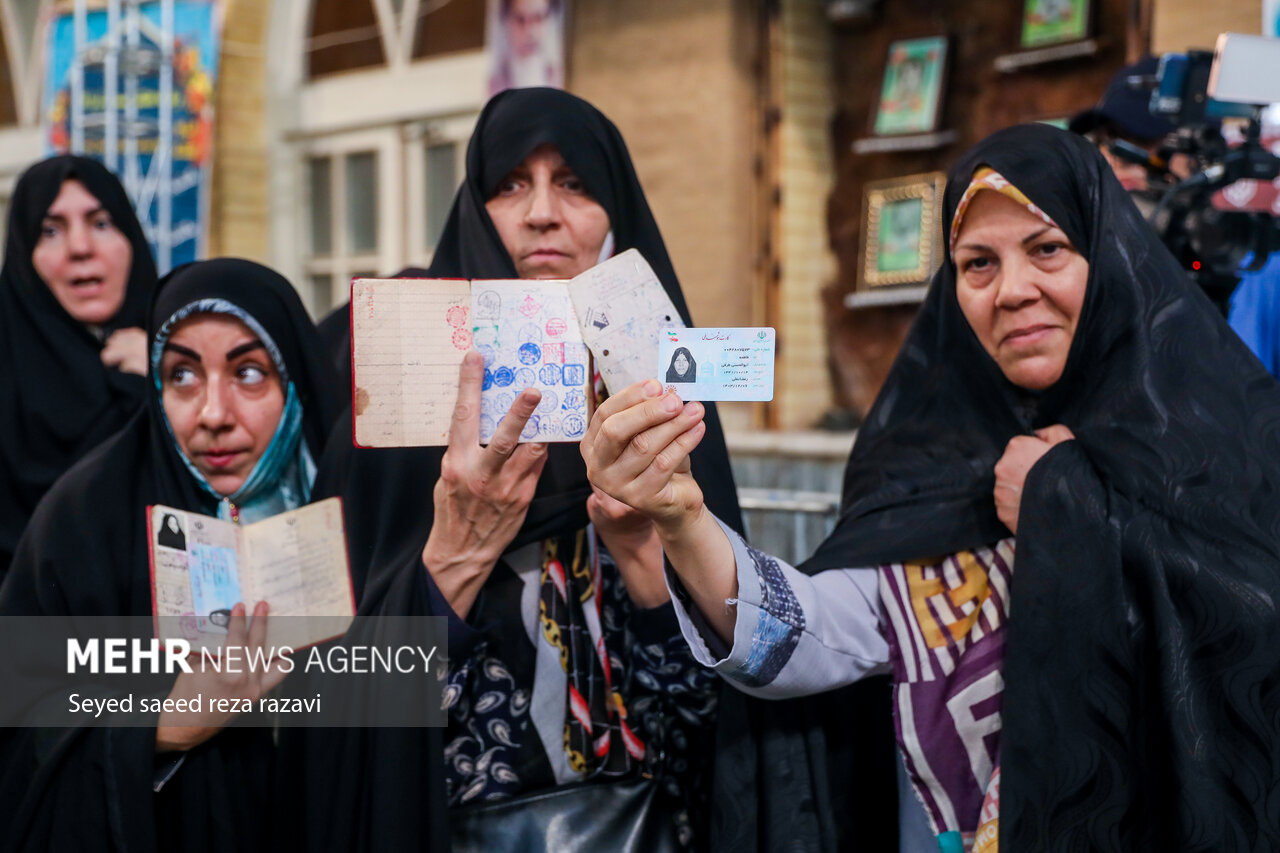
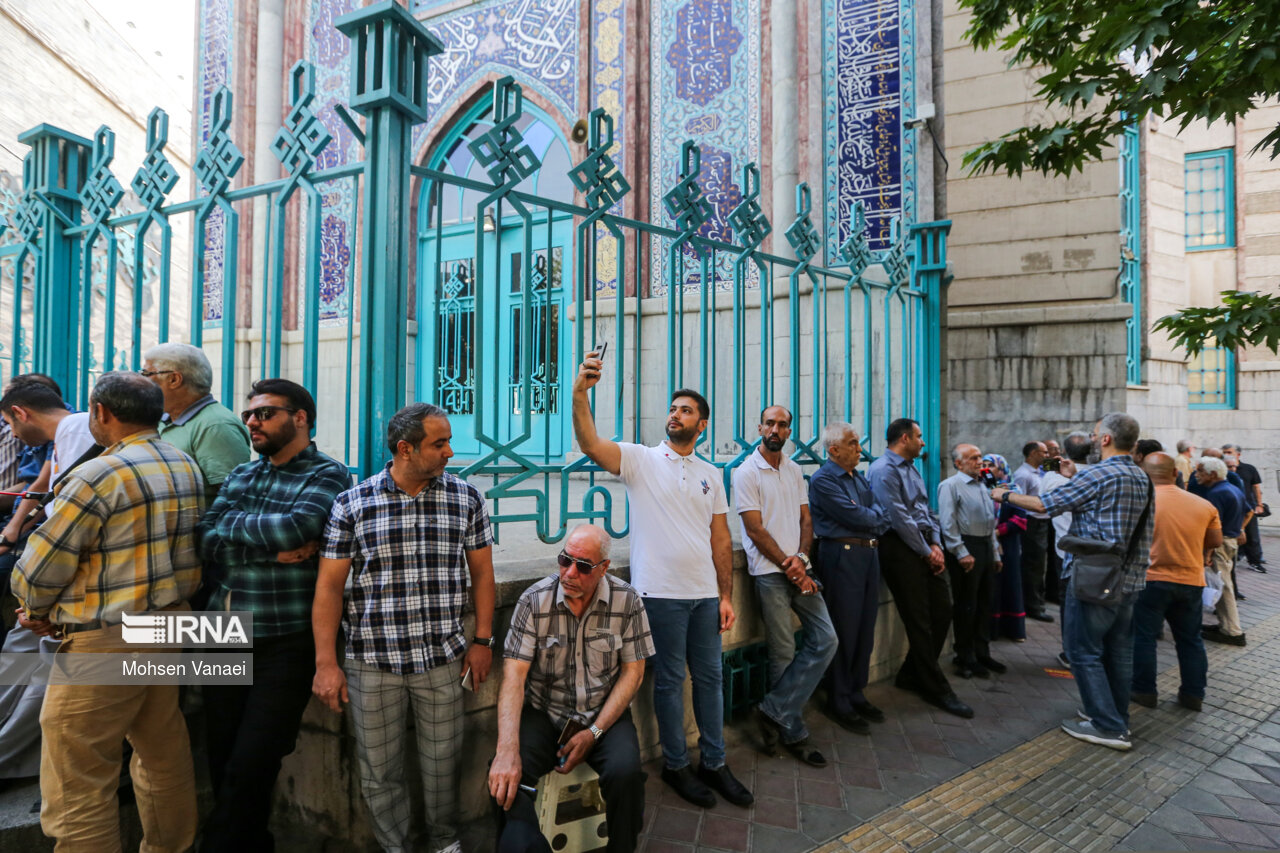
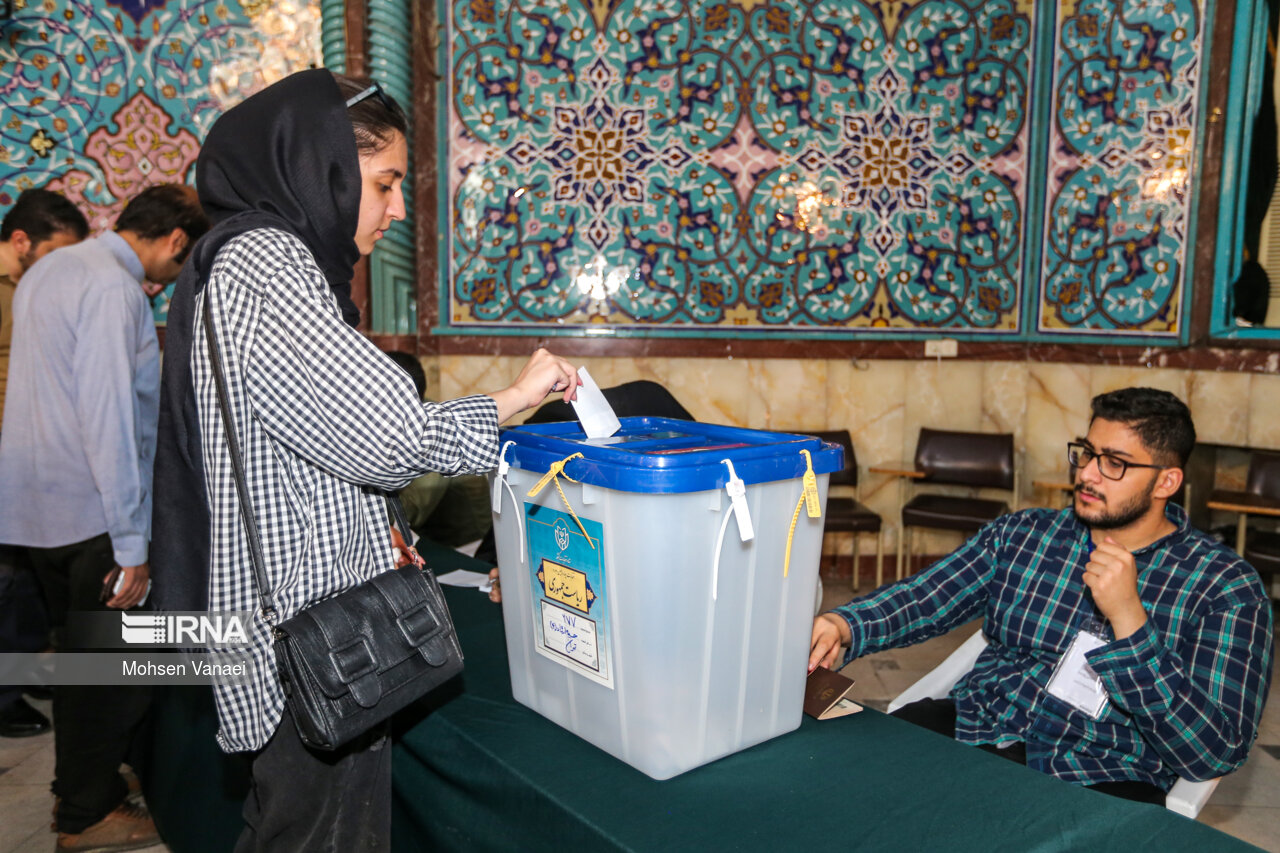
Iranians lined up from the early hours to vote in the 14th presidential election since the 1979 victory of the Islamic Revolution in the country.

Leader of Iran’s Islamic Revolution Ayatollah Seyyed Ali Khamenei was among the early voters who cast his ballot just as the voting got underway.

He urged strong turnout in the polls, saying, “In order to prove the health and sincerity of the Islamic Republic’s system, the presence of the people is necessary and obligatory.”

The Leader added the participation of the people will lead to the “durability, consistency, dignity and prestige” of the Islamic Republic in the world.

Over 64 million people are eligible to vote in the election, including about 10 million Iranians overseas.

Pezeshkian, Qalibaf, and Jalili are in a tight race, according to opinion polls.

The polling stations will close at 06:00 pm local time (14:30 GMT) but the interior ministry can extend it for multiple two-hour periods until 12:00 pm.

The head of the Election Headquarters Mohammad Taqi Shahcheraghi said the results of the election are expected to be announced by Saturday afternoon.

Hezbollah chief terms Iran as ‘strong fortress of resistance’ against oppressors, colonialists

Seyed Hassan Nasrallah

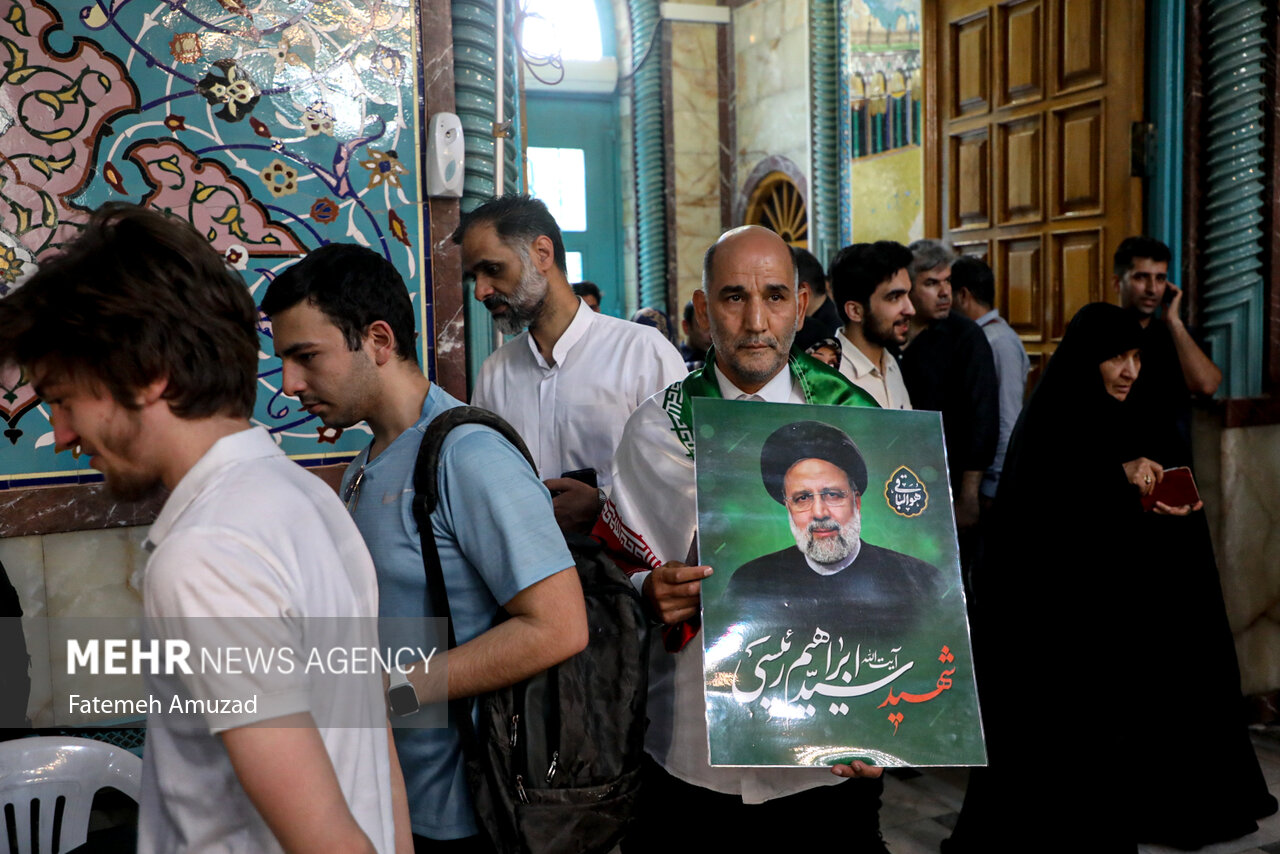
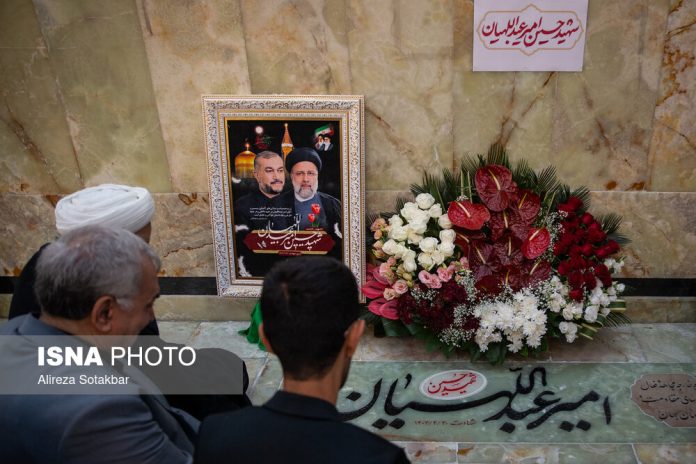
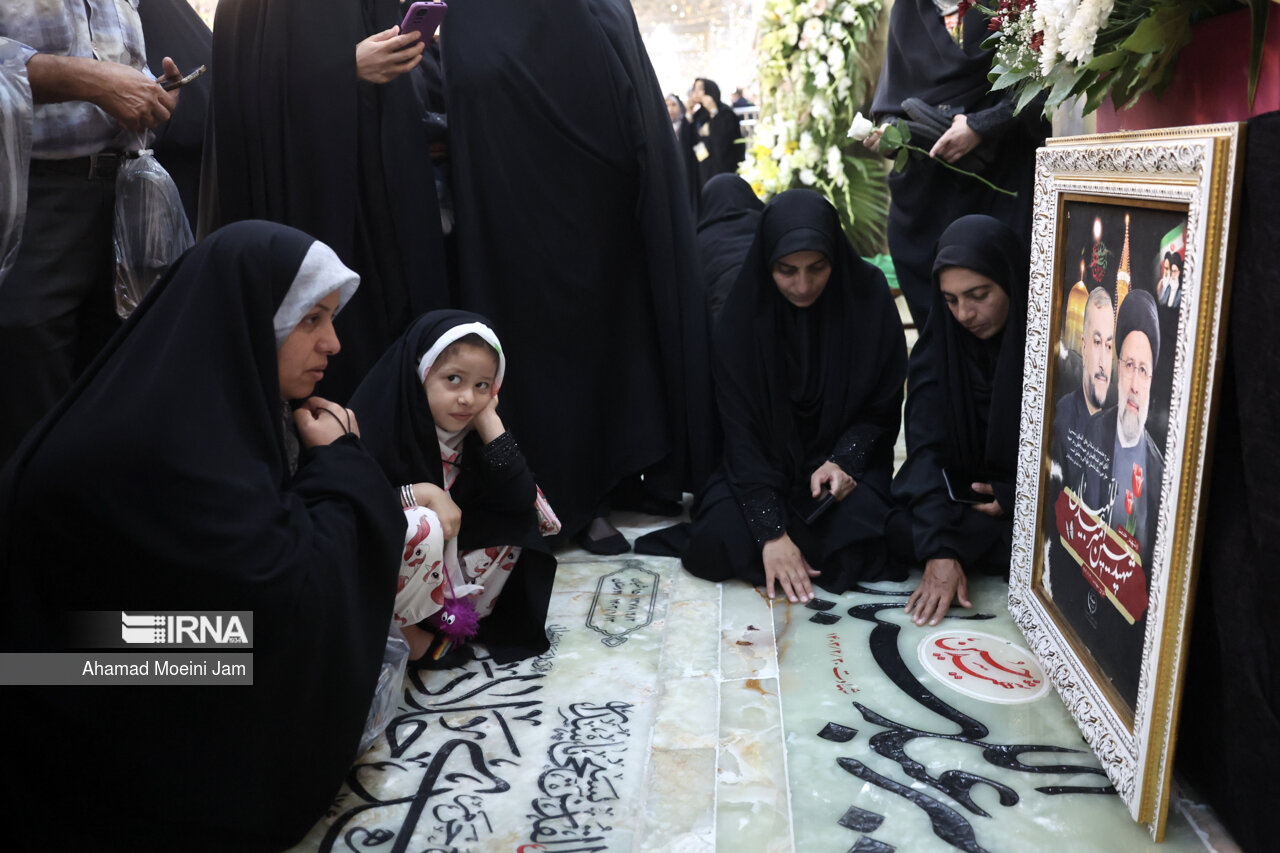
Nasrallah addressed via video link from Beirut a ceremony in Tehran Thursday to mark the 40th day since the passing of President Ebrahim Raisi in a helicopter crash, hailing the country for taking the upheaval in its stride with fortitude and composure.

“The Islamic Republic of Iran emerged proudly and admirably from this tragic incident and presented an advanced and lofty model that is strong in facing all challenges,” he said.

Nasrallah added the incident, in which President Raisi lost his life along with Foreign Minister Hossein Amirabdollahian and six others in mountainous terrain in northwest Iran, was “very painful and historic” which left Iran faced with threats.

“However, the rule is that we must turn threats into opportunities, as always emphasized by Eminent Leader of the Revolution” Ayatollah Seyyed Ali Khamenei, he said.

“We have faced similar big and dangerous incidents in recent years. As an example, we can point to the assassination of two dear commanders, Hajj Qassem Soleimani and Hajj Abu Mahdi al-Muhandis, that was a huge damage and at the same time a threat,” he added.

Lieutenant General Soleimani, head of Iran’s Quds Force, and Abu Mahdi, an Iraqi commander of the Popular Mobilization Forces, were assassinated in a US airstrike ordered by then-president Donald Trump at Baghdad airport in January 2020.

“But this threat turned into an opportunity. These bloodsheds marked the breakout of the uprising and a new life for the resistance and the establishment of the Islamic Republic of Iran and all the resistance movements in the region,” Nasrallah continued.

Iran responded to the assassination by launching a barrage of missiles at US bases in Iraq, causing brain concussion injuries among at least 110 American soldiers stationed there. Iranian officials have repeatedly vowed to take further steps and imposed sanctions on individuals taking part in the crime.

In April, Iran responded with its first-ever direct operation against Israel, launching over 300 missiles and attack drones from its territory at targets in the occupied territories, after an Israeli airstrike destroyed the consular section of Iran’s embassy in Damascus, killing 12 people.

The operation left Israel, still reeling from coordinated armed incursions from the Gaza Strip into the Gaza envelope of southern territories under Israeli occupation, further shell-shocked.

“All this was thanks to wise leadership [of Ayatollah Khamenei] and management and responsibility [of Iranian officials] in Iran and the region,” Nasrallah said.

He added the tragic loss of President Raisi and his companions is “also an example, the outcome of which depends on our behavior”.

“Thank God, the people of Iran became a model for the whole world through their direct presence and the way they dealt with the incident with general peace and stability.”

Nasrallah said, “Enemies who were lying in wait and talking about riots happening here and there saw with their own eyes that despite all the difficult conditions it faced due to this incident, Iran was calm, stable, unified and united.”

He touched on millions of mourners who took to the streets in Iranian cities to pay their respects to the president and his companions and take part in their funeral processions, saying their huge presence carried a strong message for both friends and foes.

“The friends who were worried when they saw the presence of millions gained confidence and trust, and the enemies who were happy realized that they were facing a nation that was aware and present, that had great insight and loyalty. The funeral was an expression of this great and enormous loyalty,” he added.

Nasrallah said in any similar incident, there is always the possibility of unrest and dangerous political, economic and psychological threats, but “thank God, with the blessing of the Leadership and officials and the people of Iran, the Islamic Republic came out of this trepidation proud and honorable”.

Today, Nasrallah stated, “the Islamic Republic and its holy system do not only determine the path of the Iranian nation, but they also decide the destiny of nations and governments and the future of the developments and other events with all honesty, openness and transparency”.

“The system of the Islamic Republic of Iran is not only the path and future of the Iranian nation; it is also the future and path of all the nations of the region and a strong fortress against the oppressors, robbers, colonialists and domination seekers who have filled our land and region with cruelty, oppression and corruption.”

“After God, we have great hope in this blessed Islamic country, its leadership, nation, authorities, religious sources to follow, scientists and seminaries, and we ask God Almighty to protect them all,” he added.

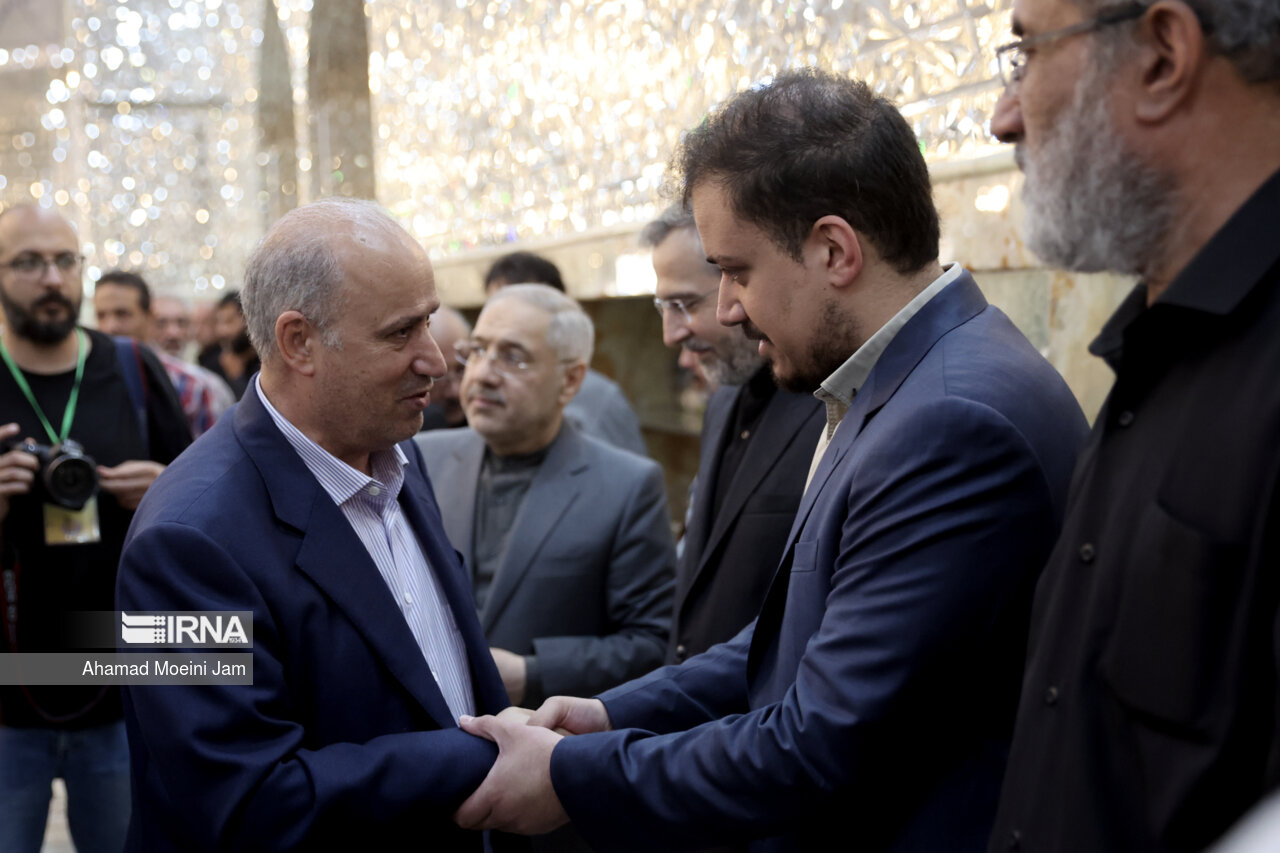
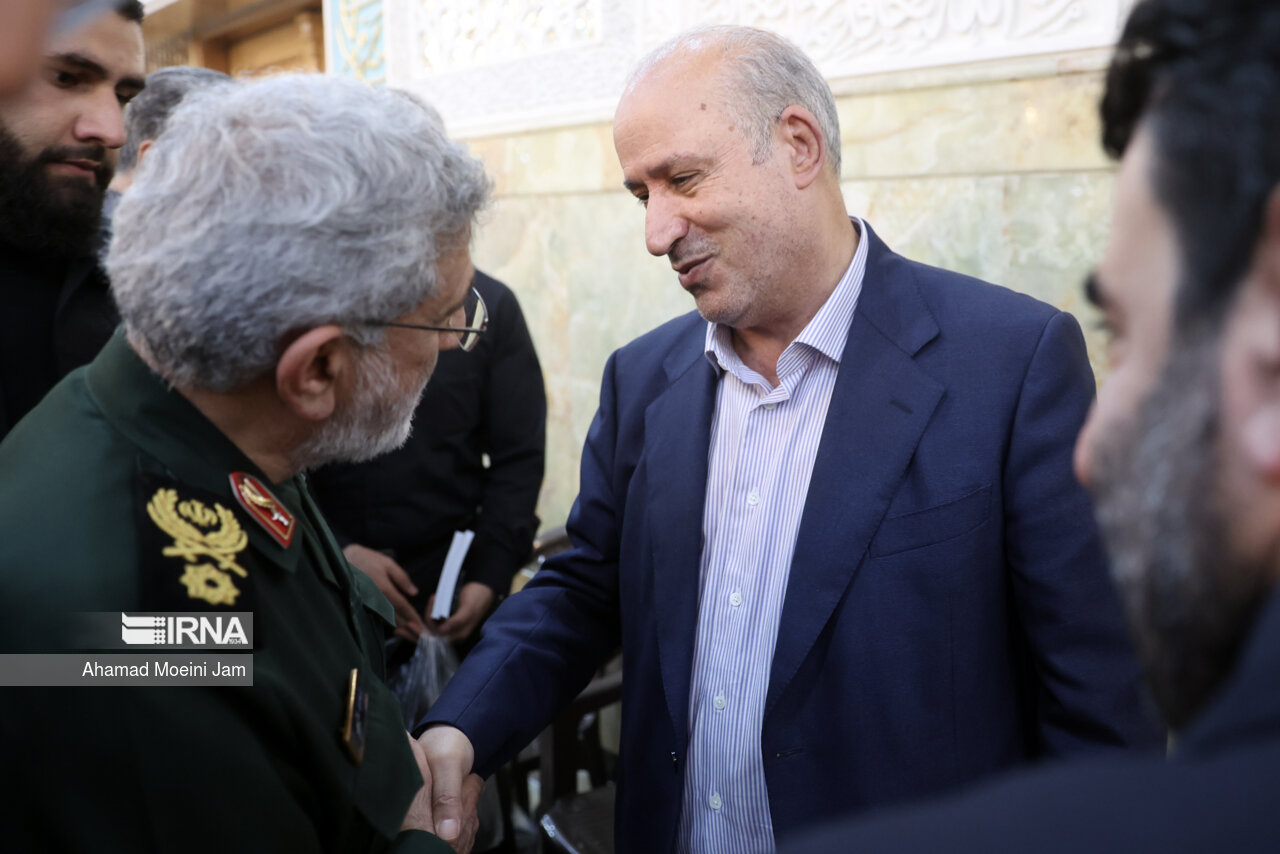
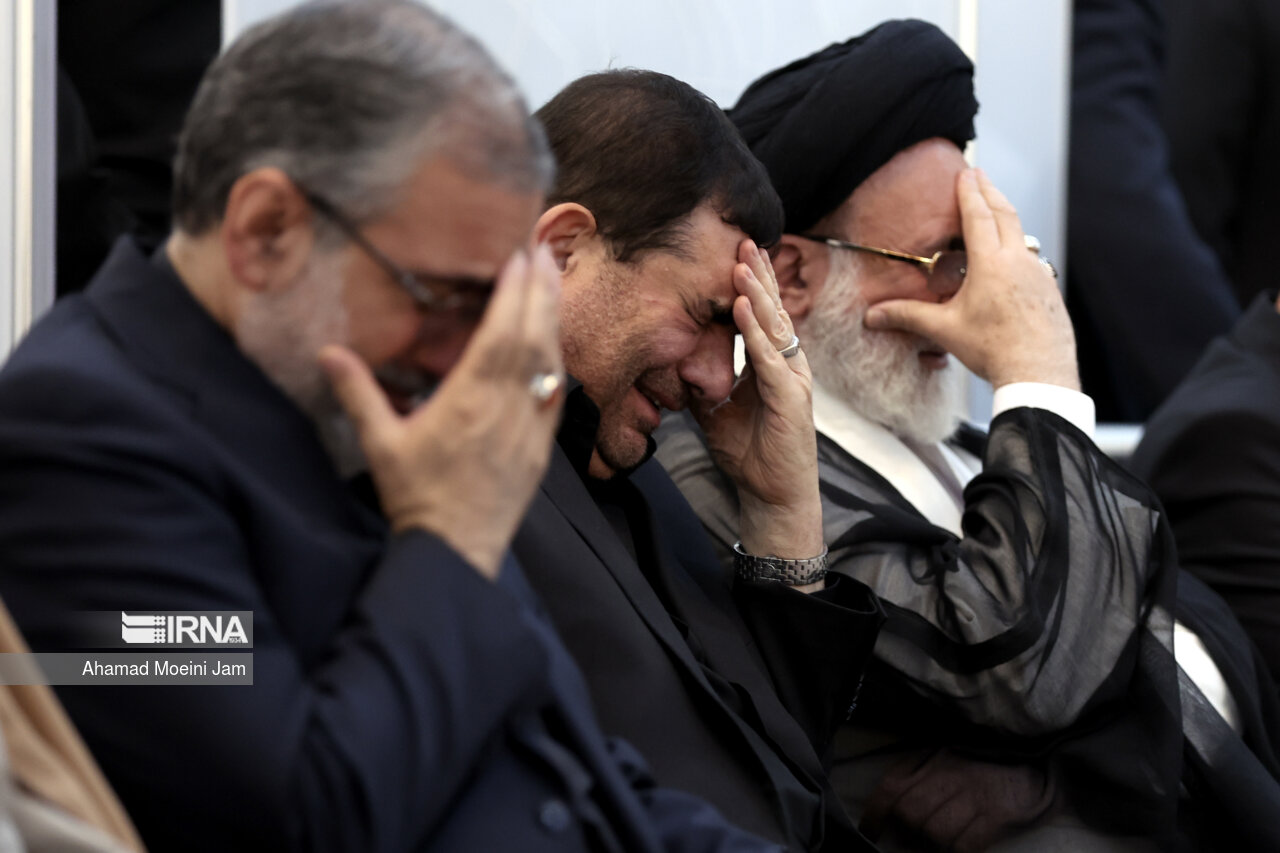
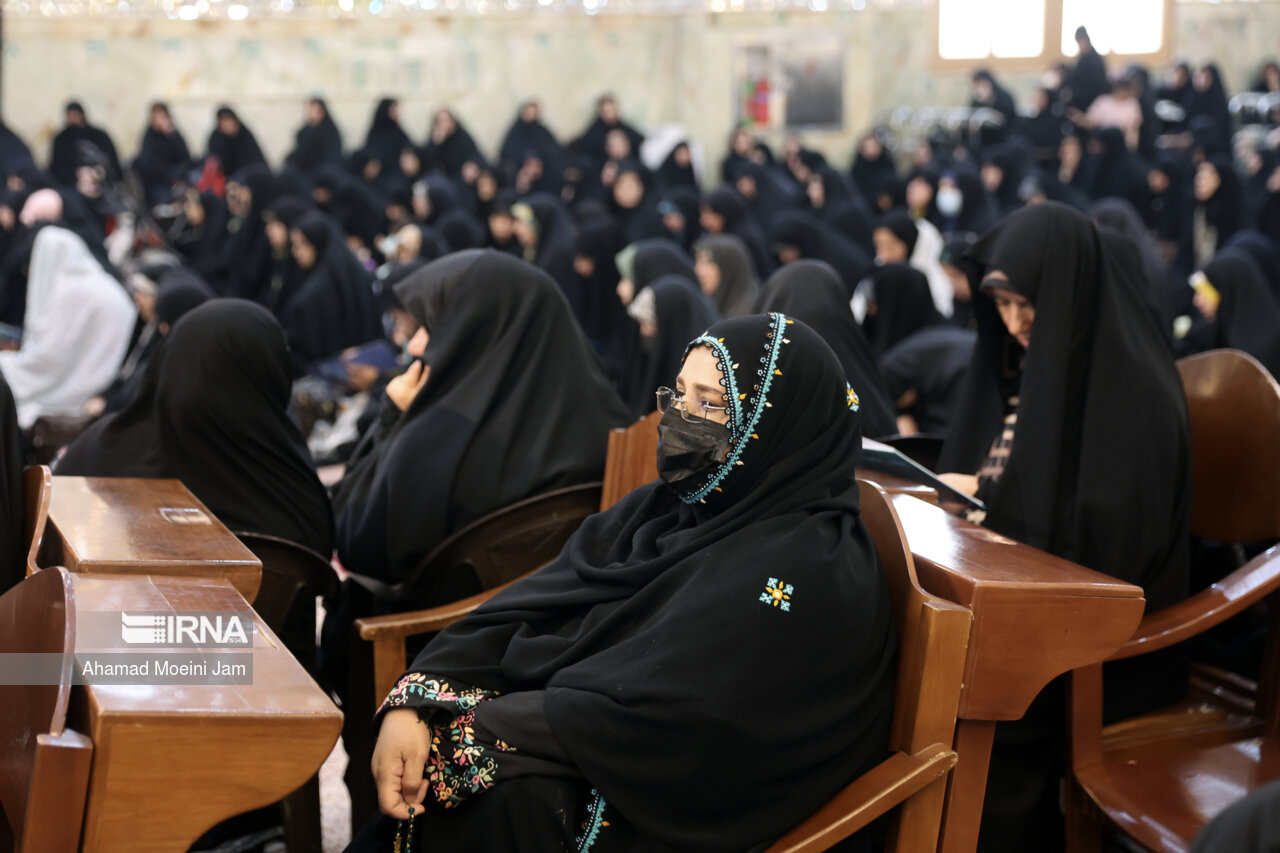
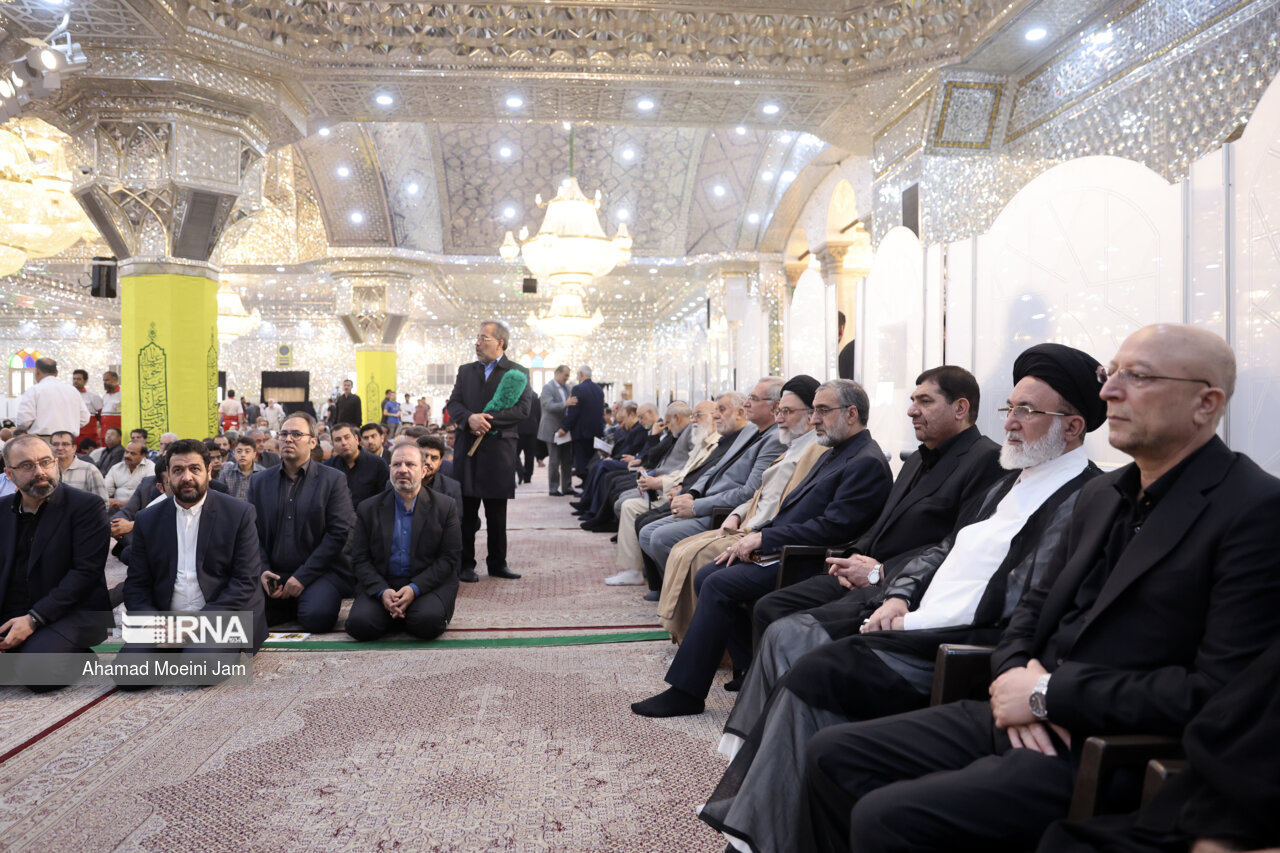
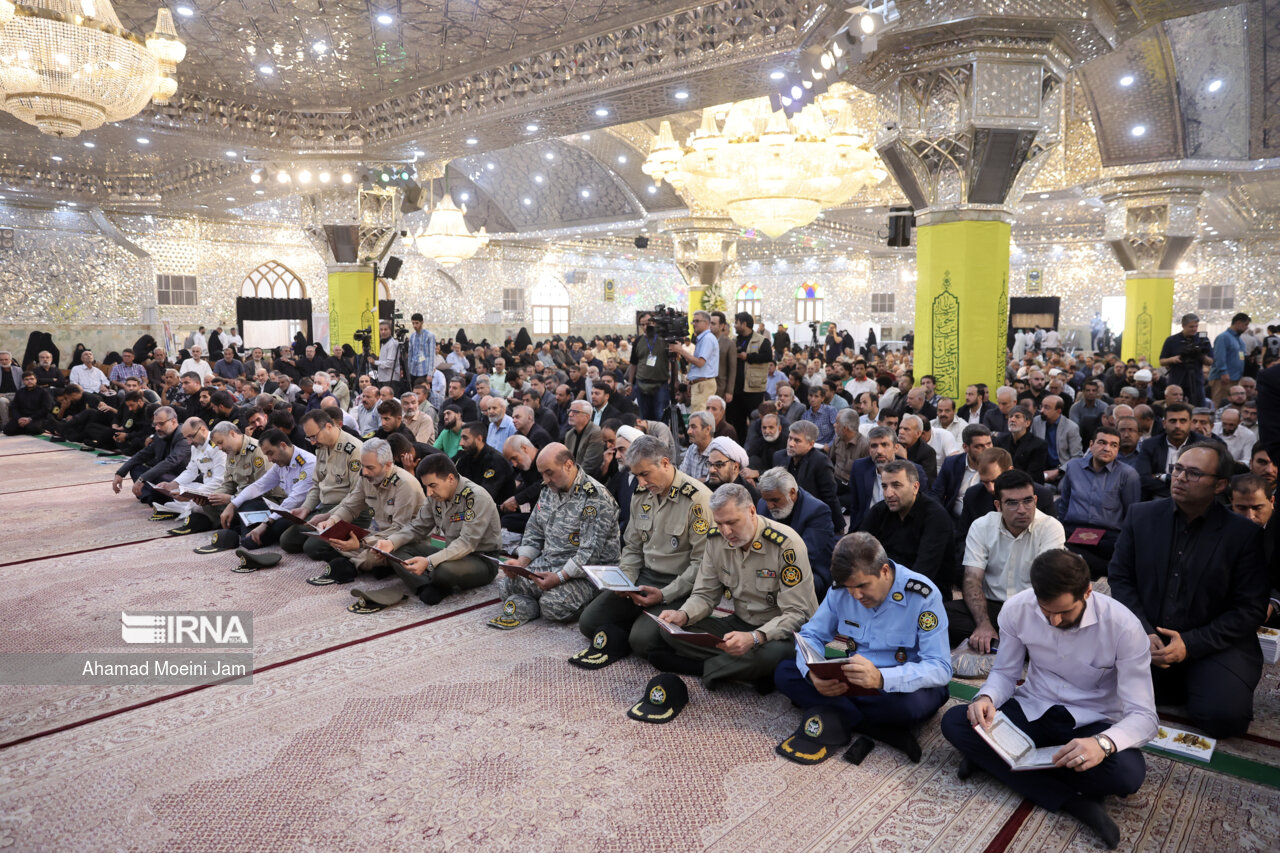
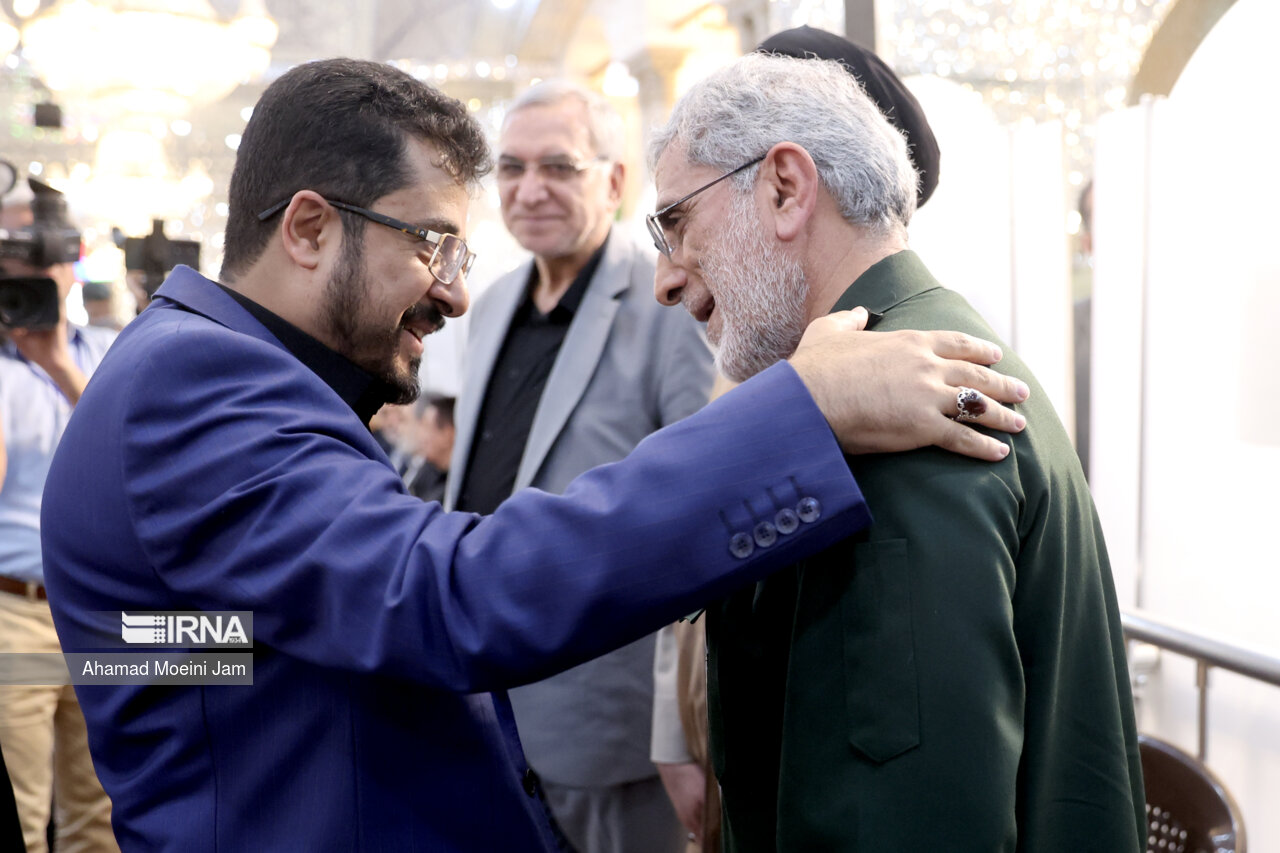
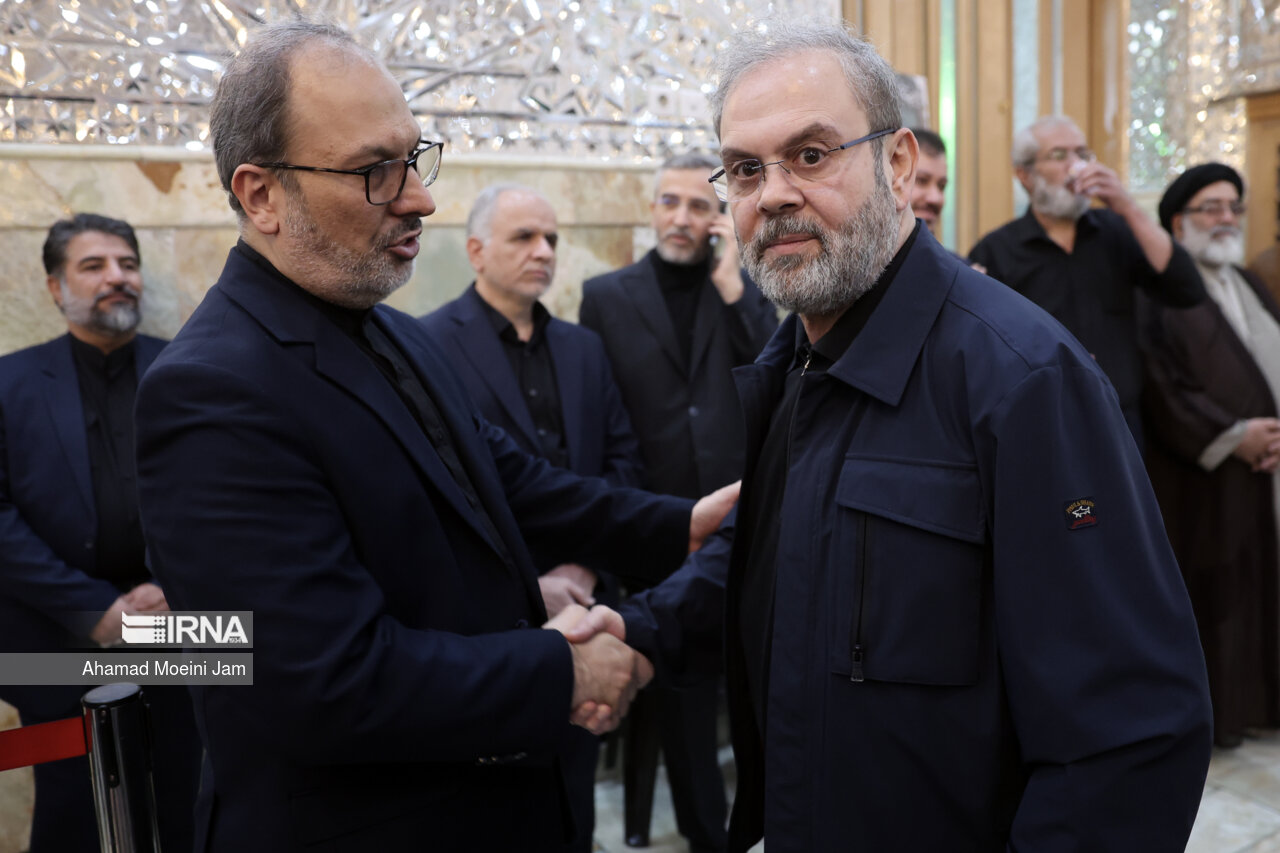
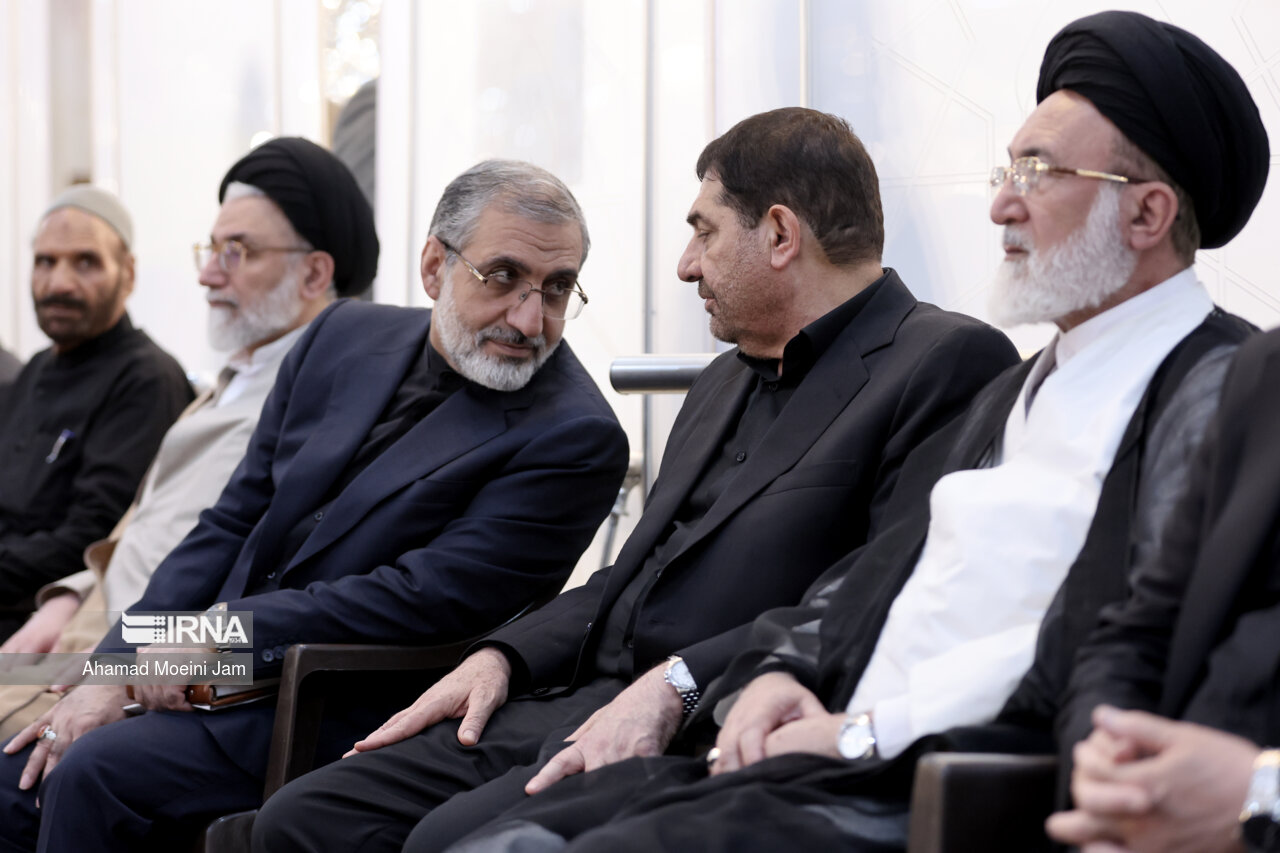
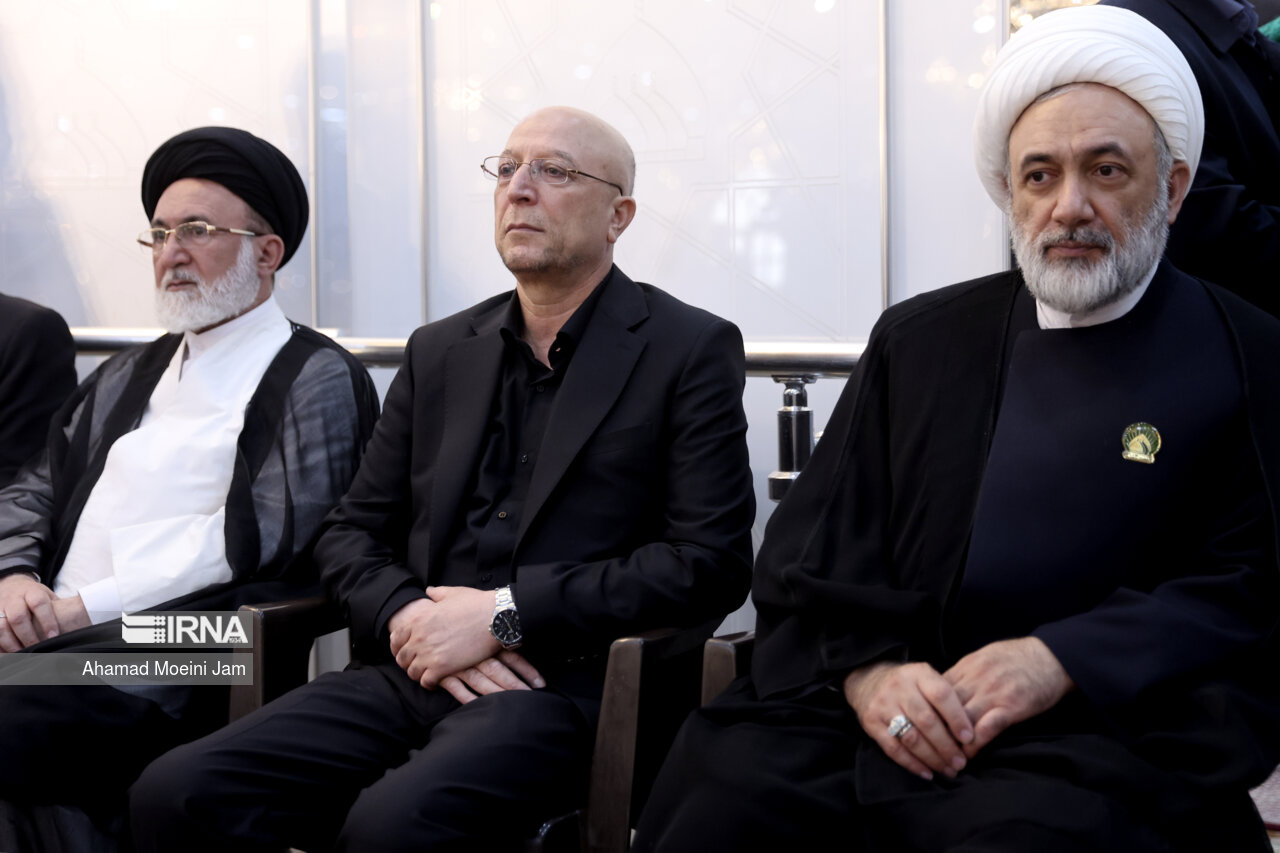
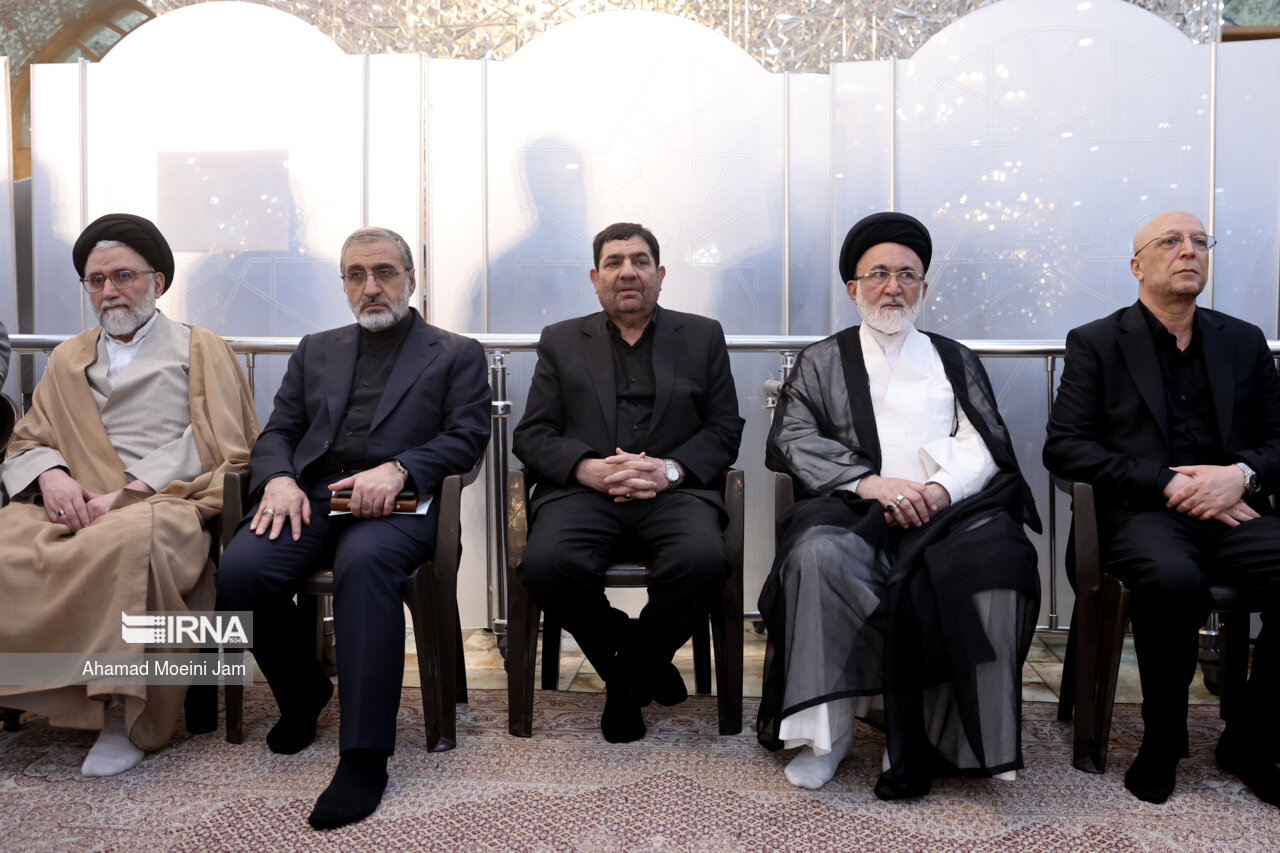
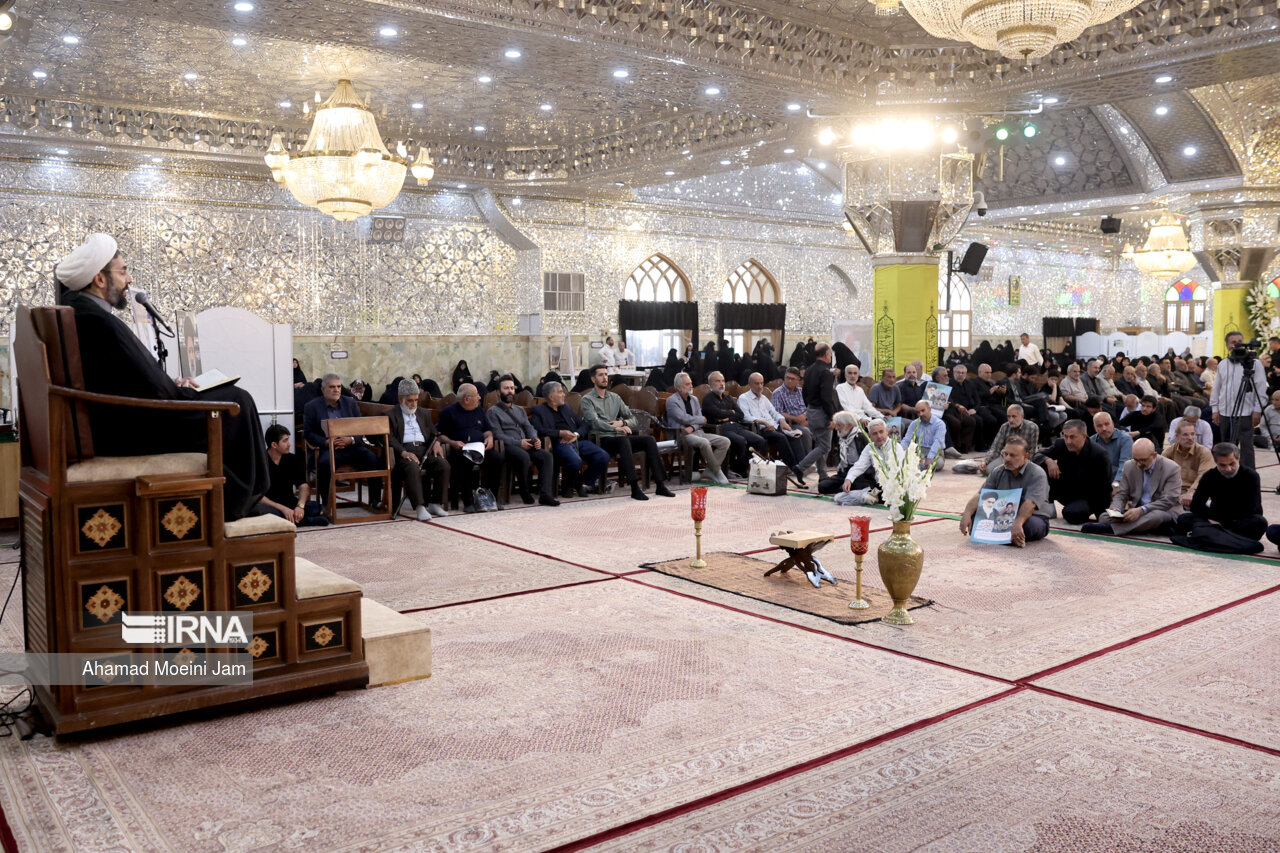
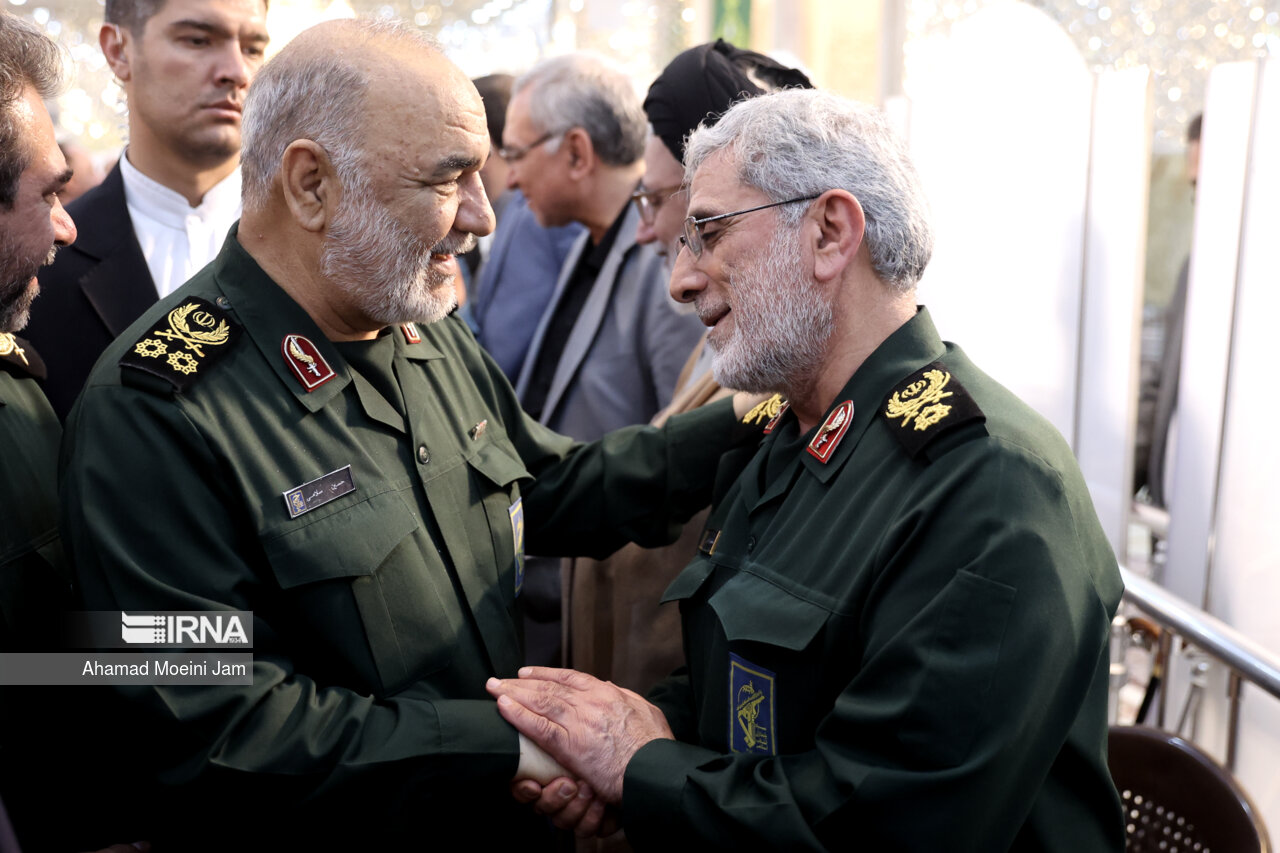
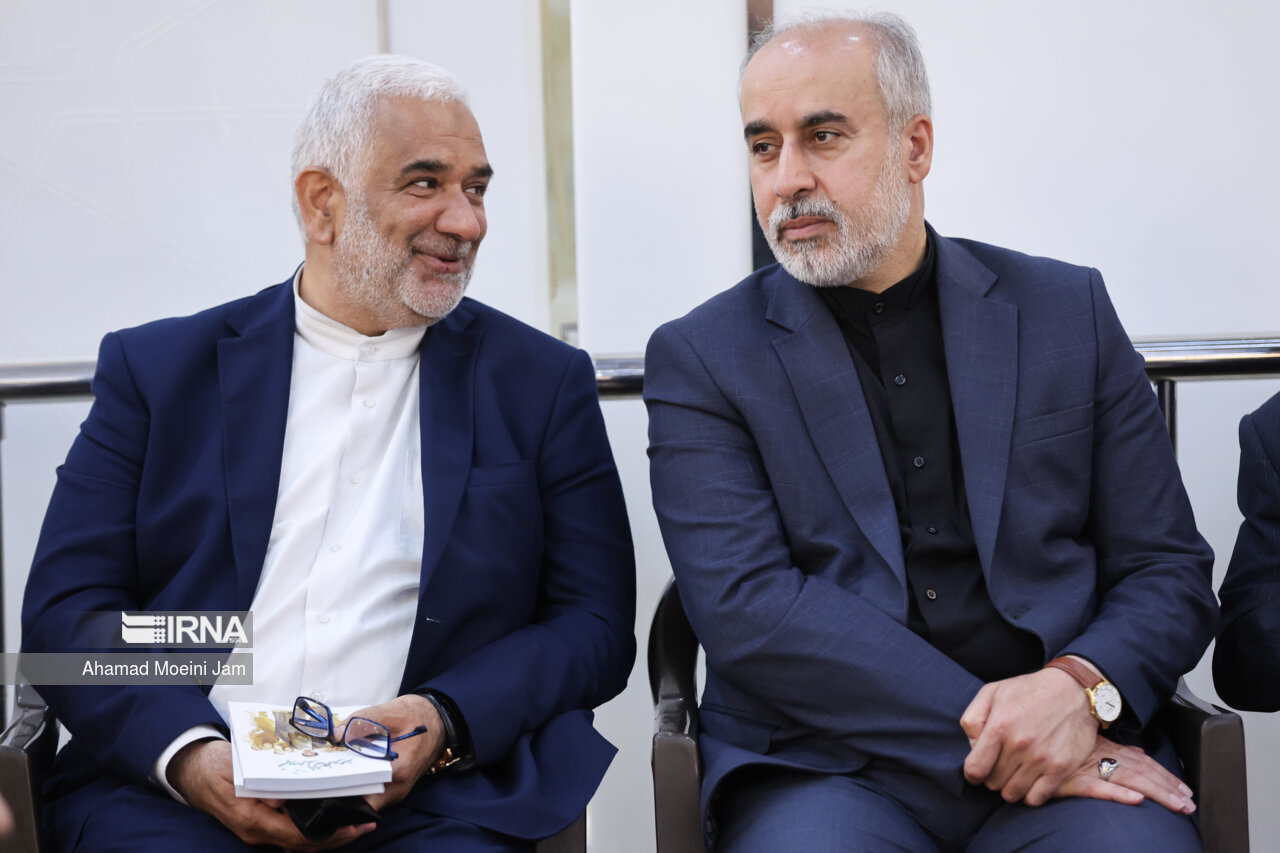
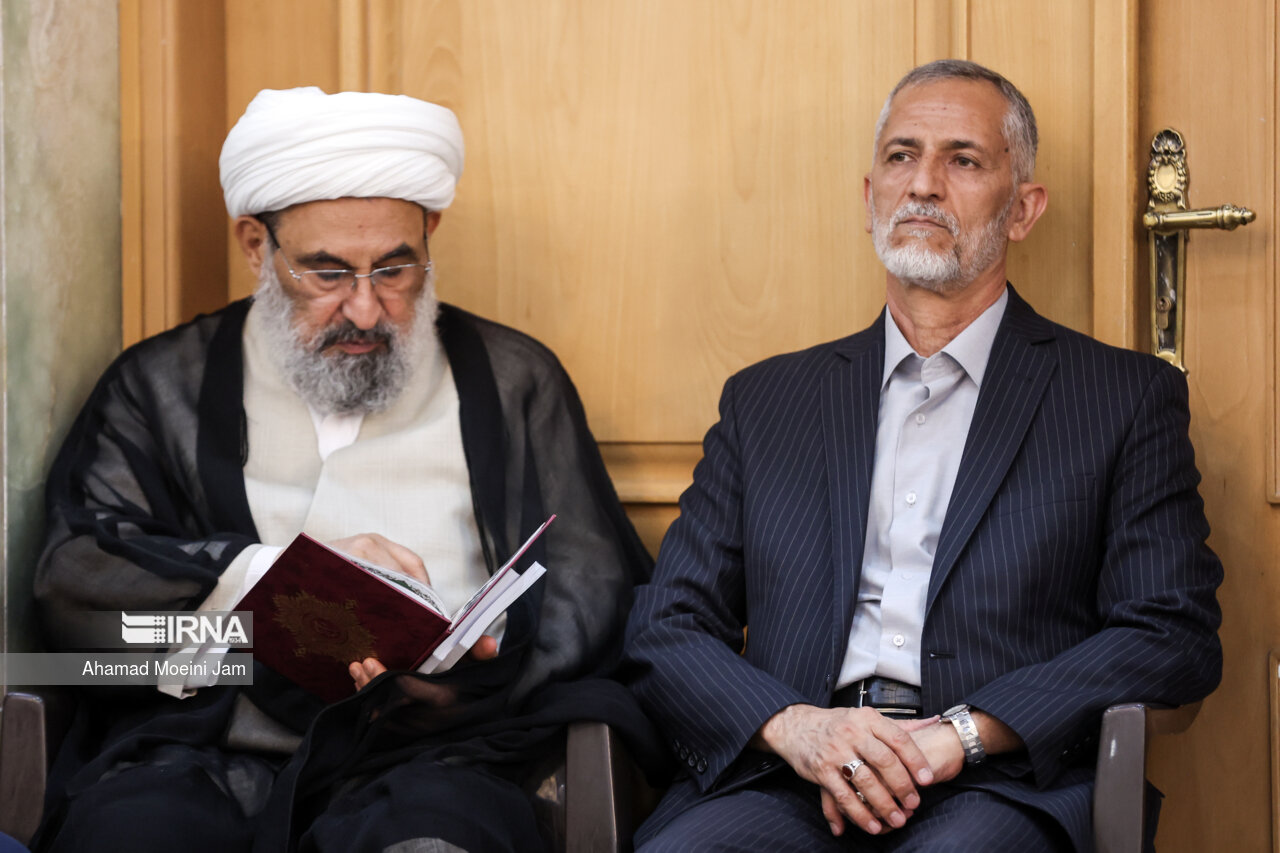
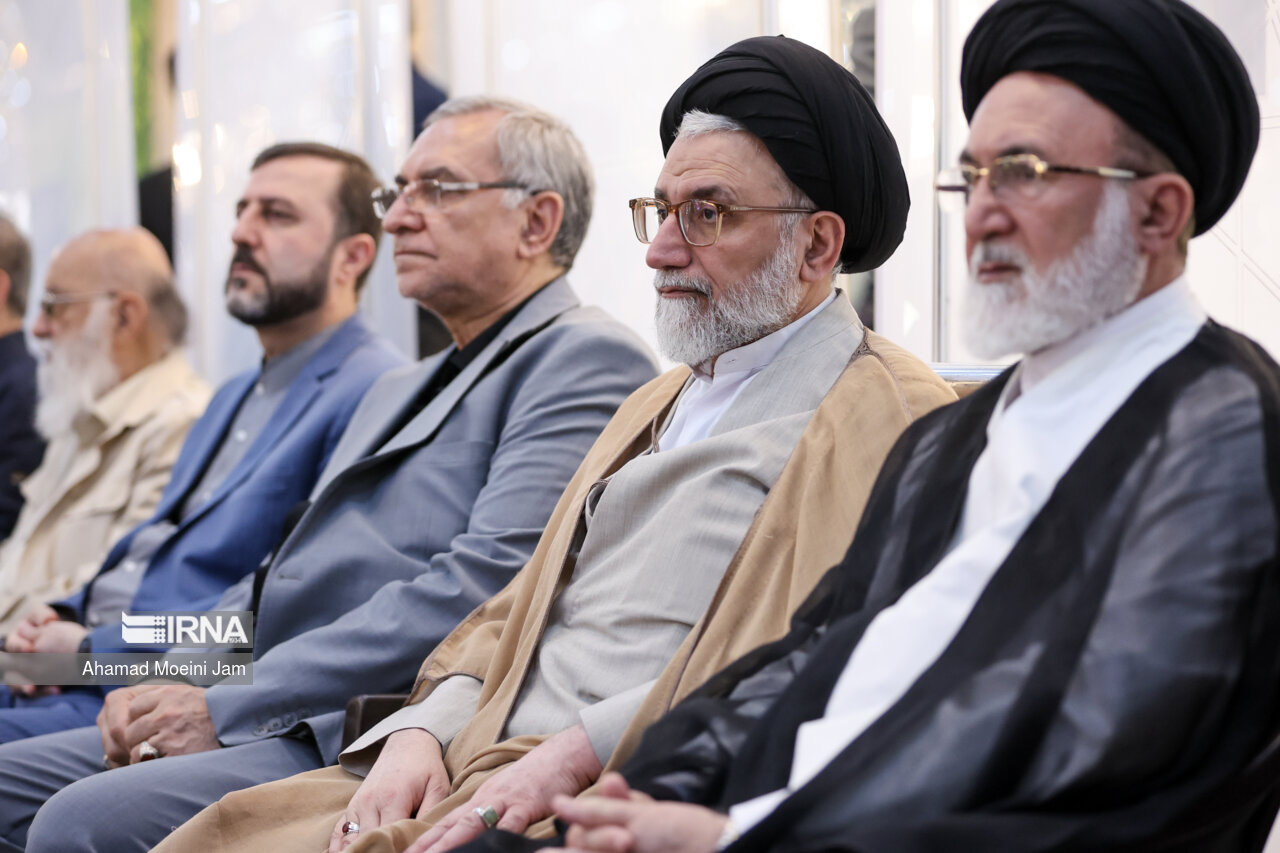
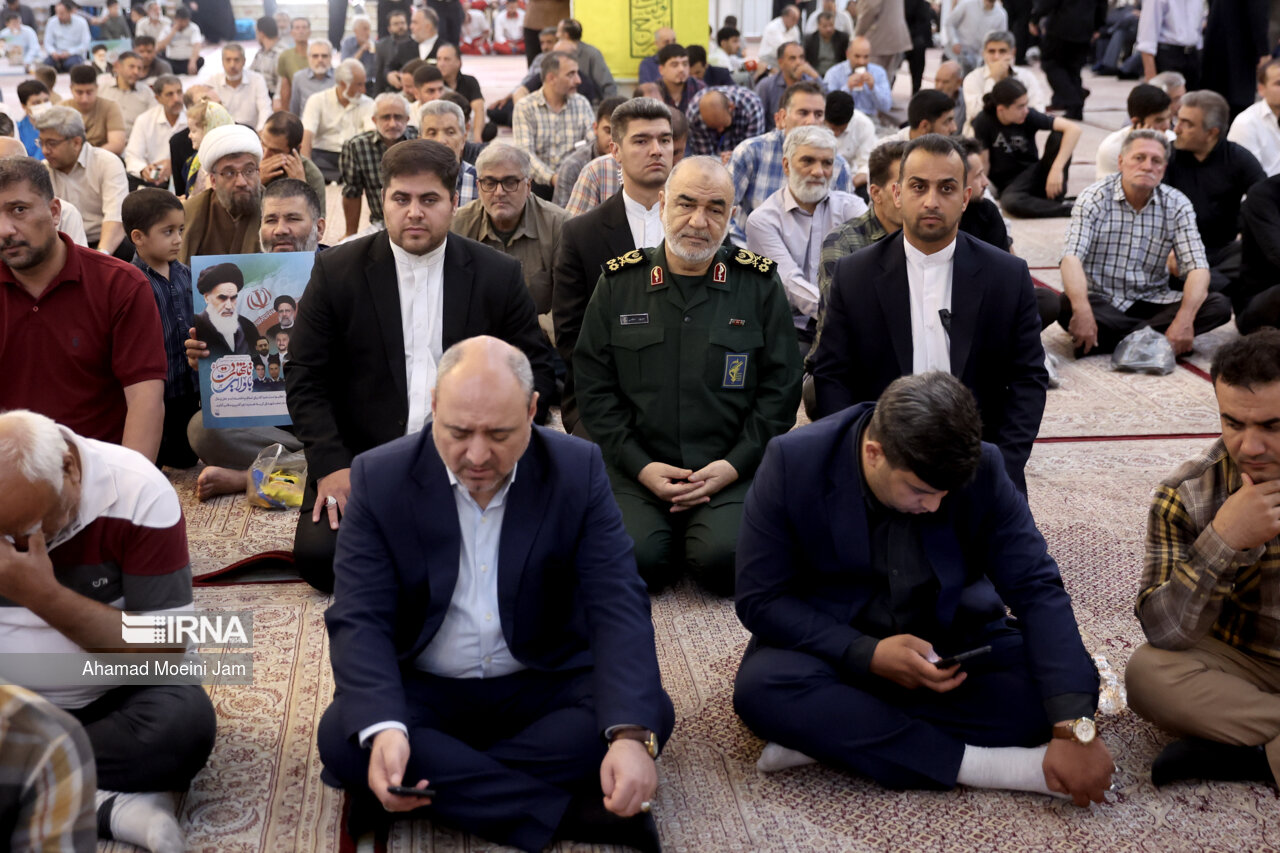
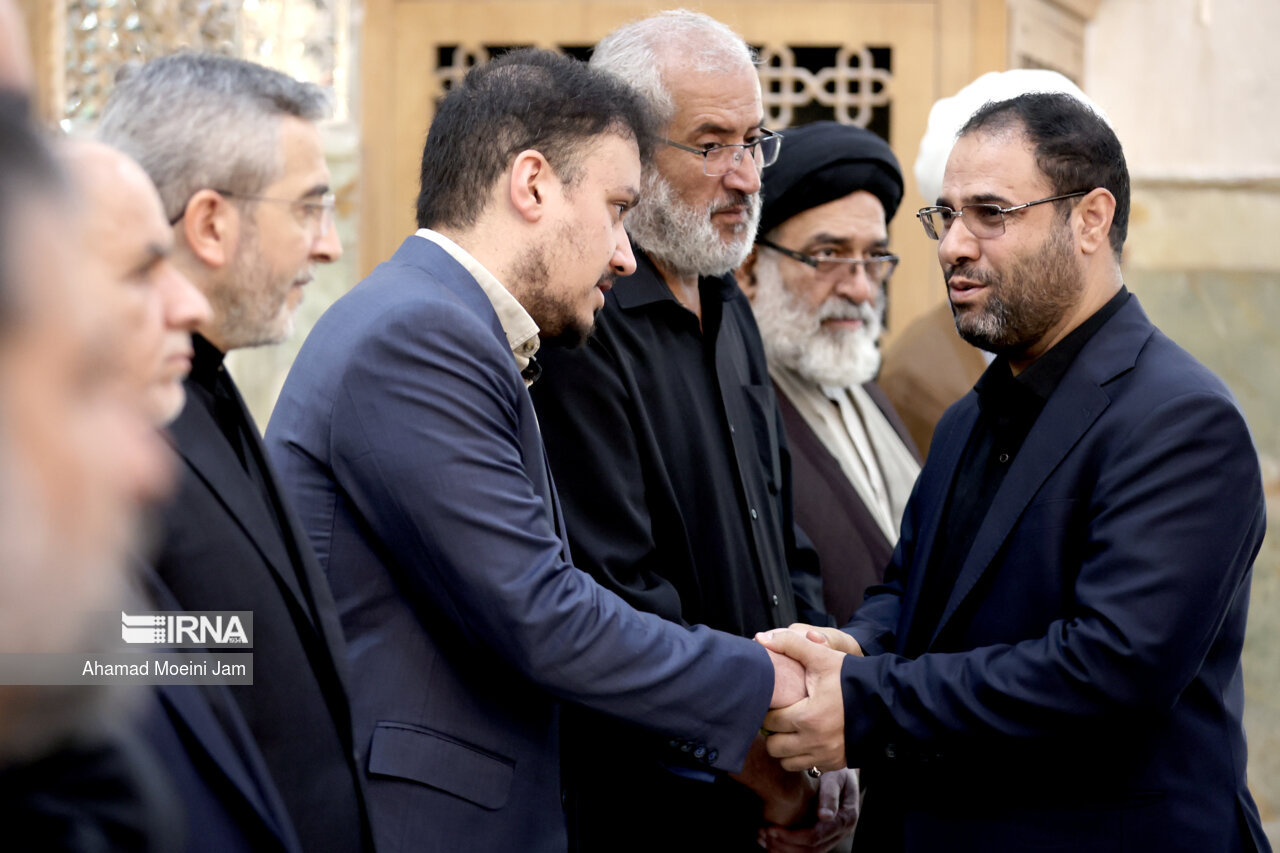
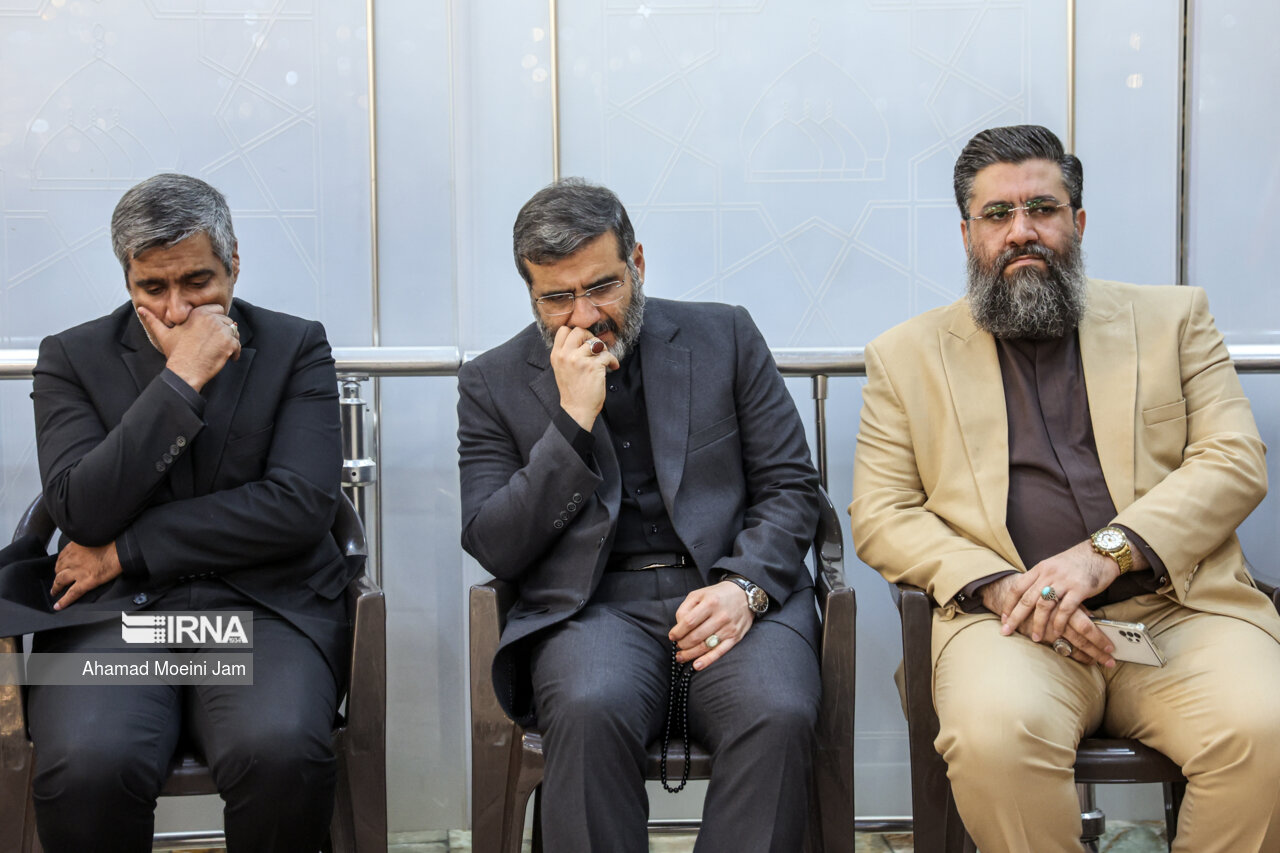
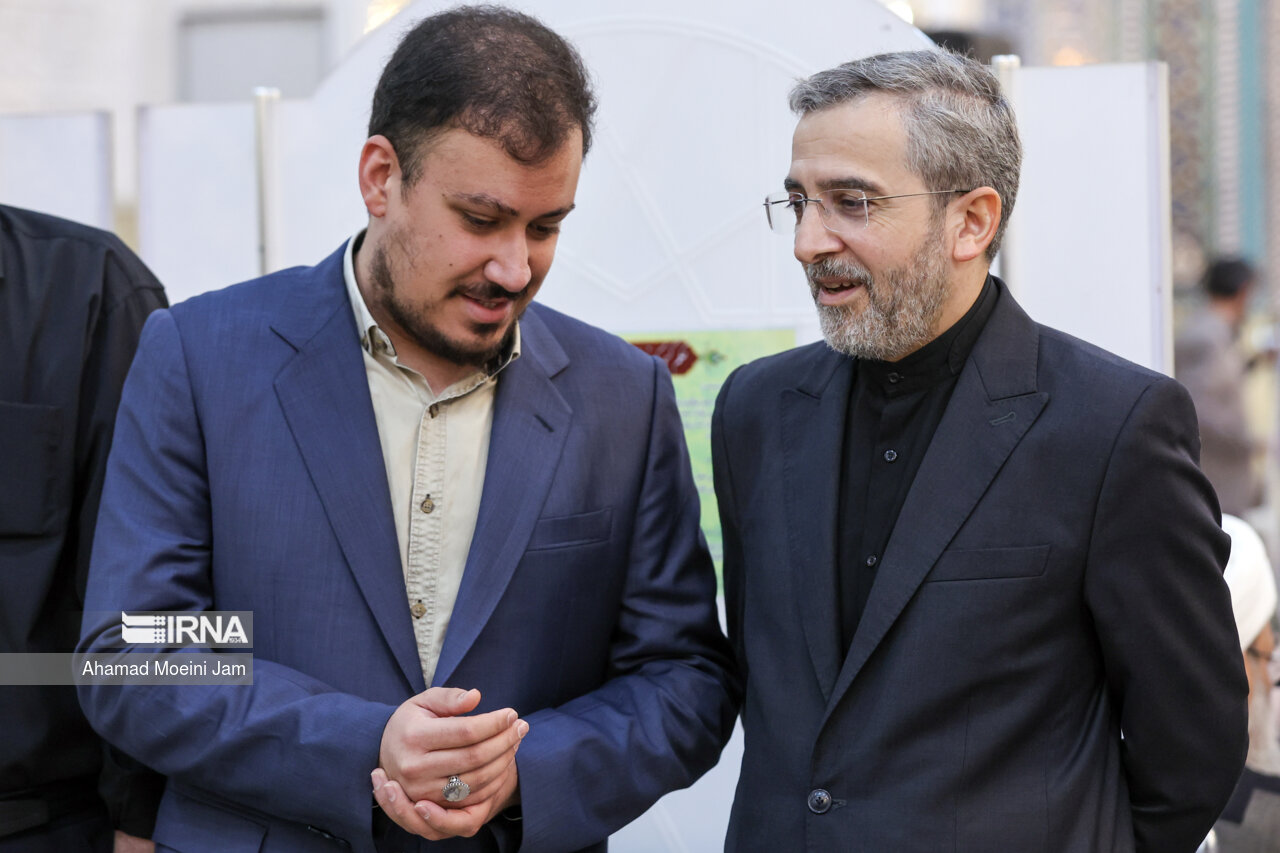
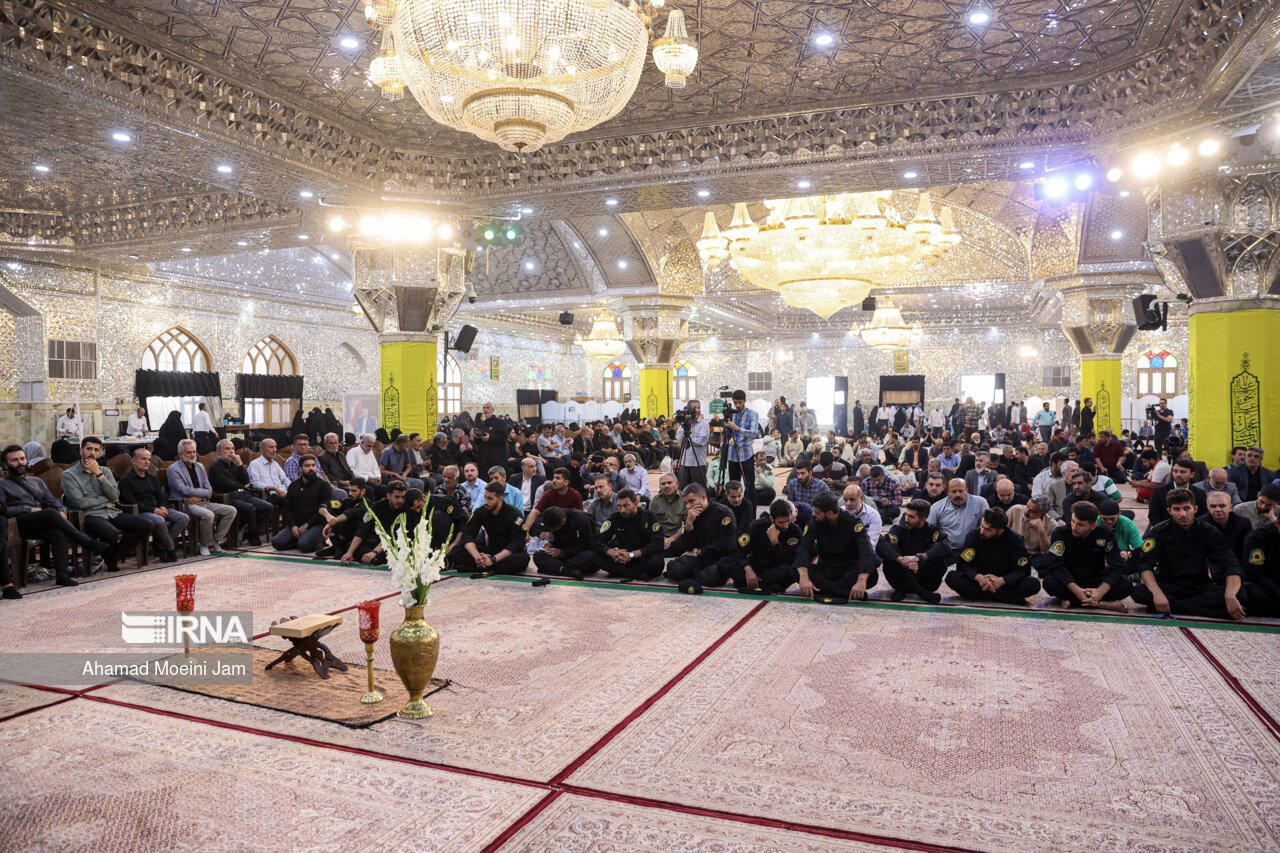
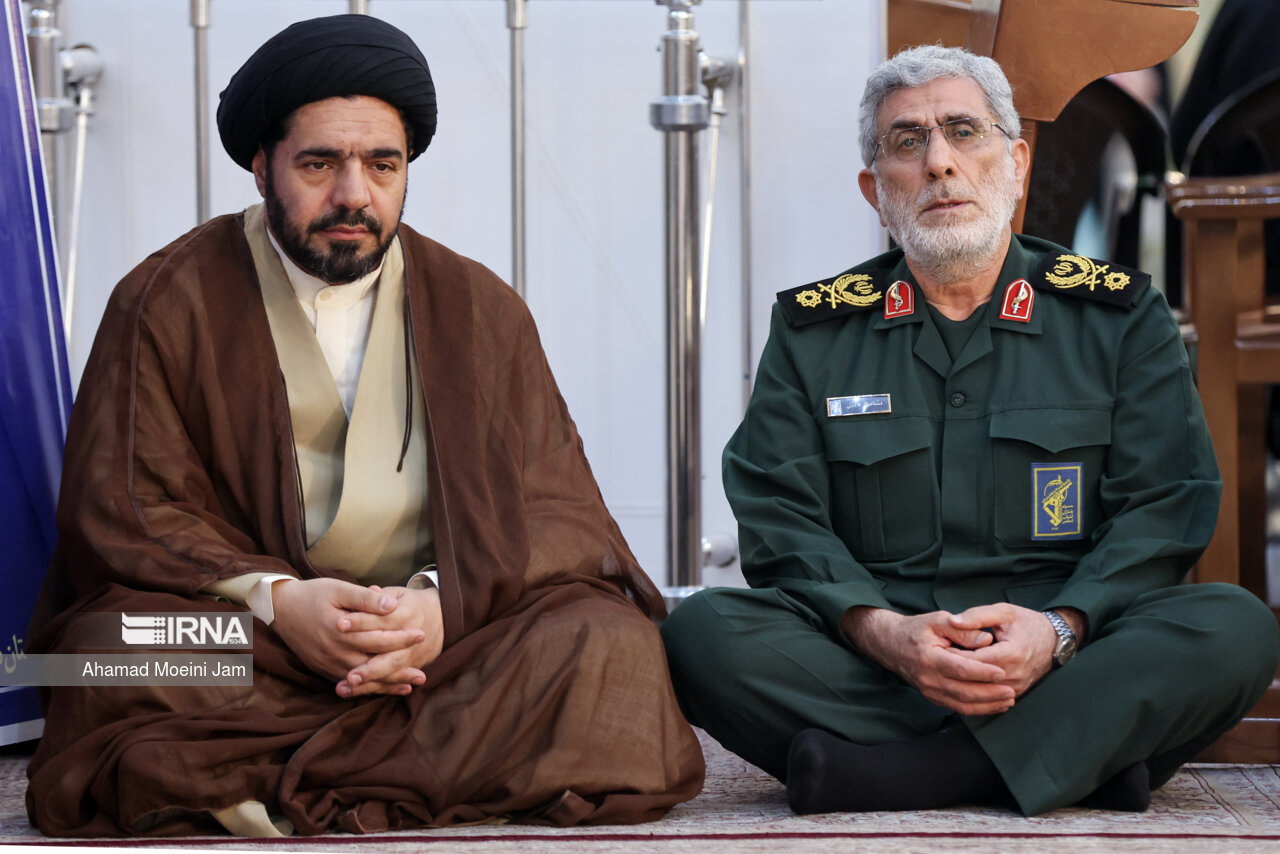
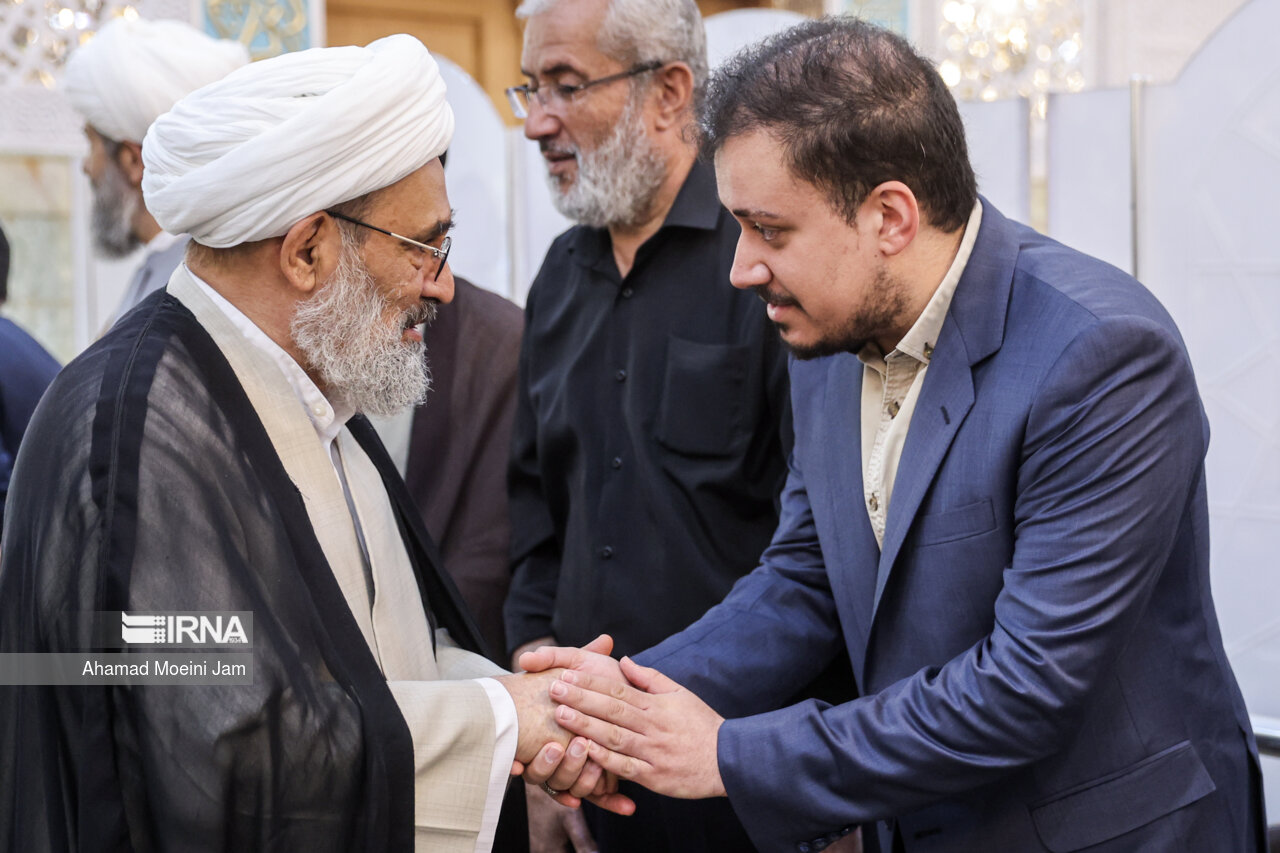
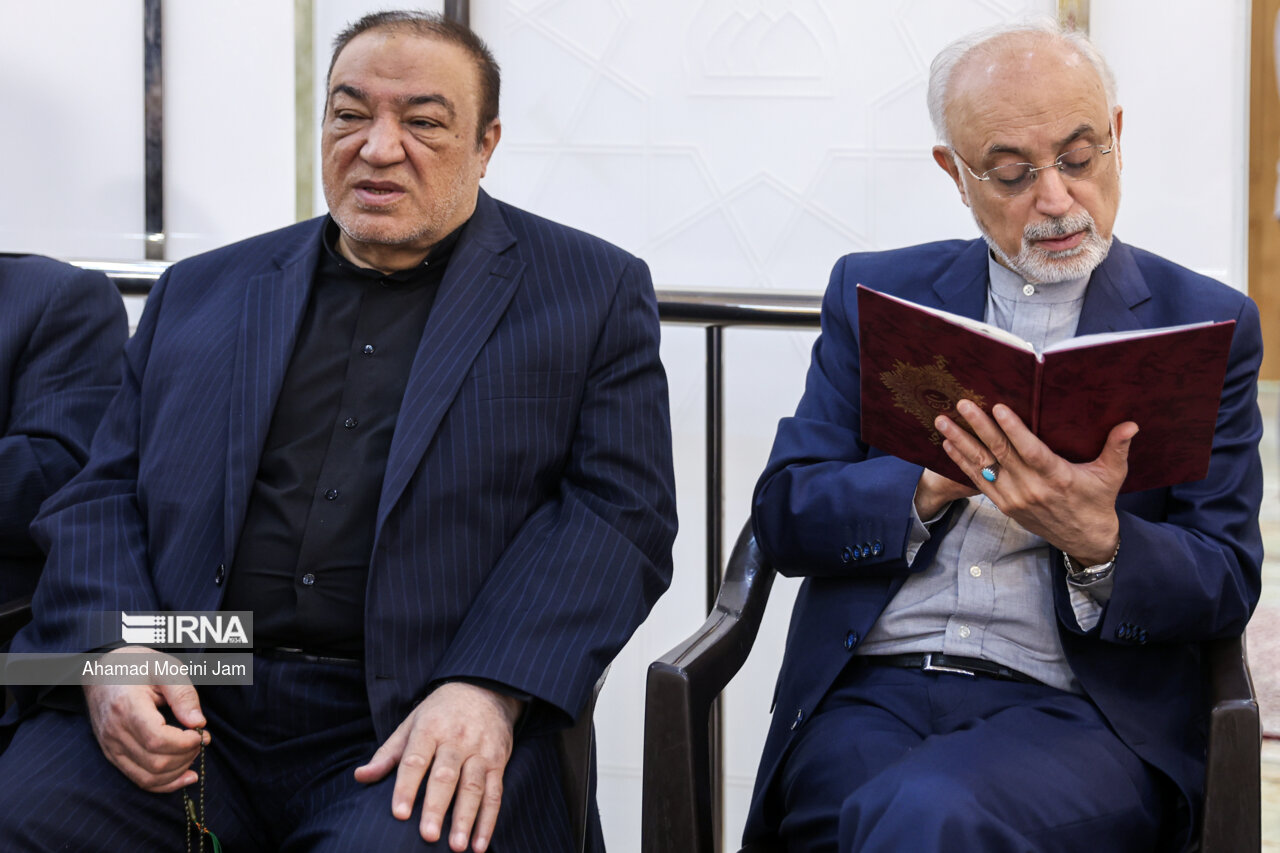
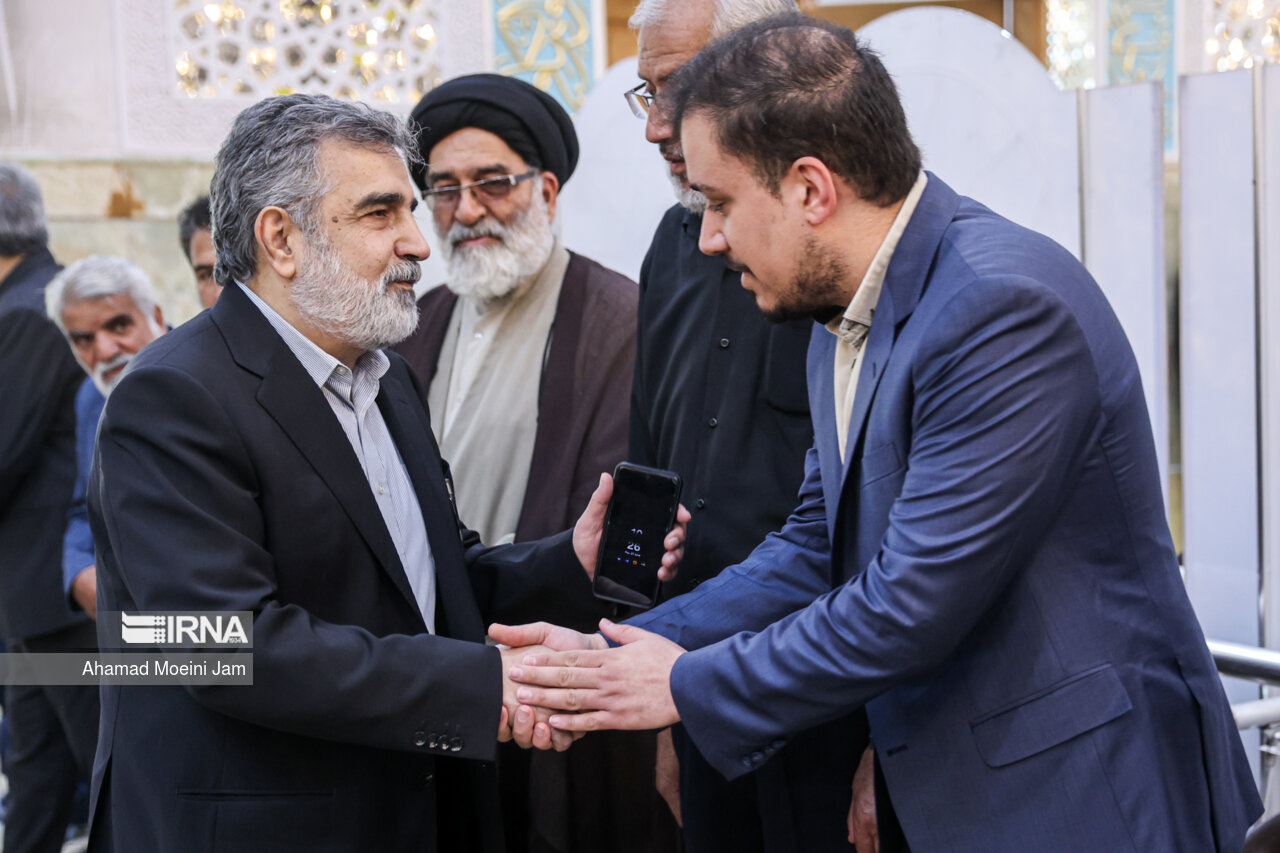
Commemoration of 40th day of martyrdom of late Iranian FM

Commemoration of 40th day of martyrdom of late Iranian FM