Friday, January 2, 2026
Home Blog Page 837

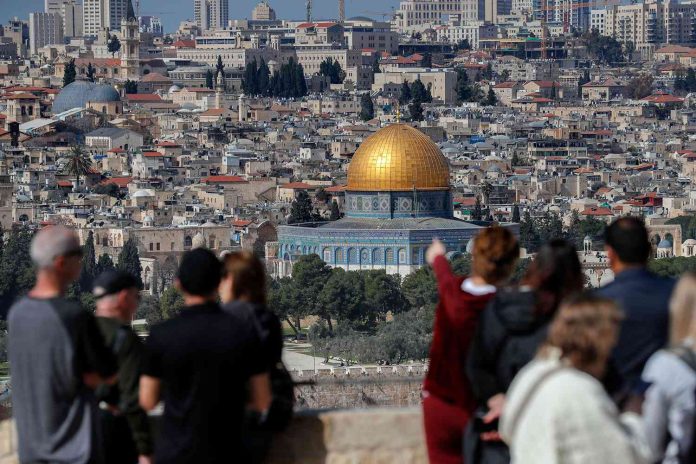
Israel sees 74.9% decline in tourist arrivals in six months of 2024: Report

Al-Quds

In January-June, the number of tourist arrivals in Israel amounted to 495,300, seeing a sharp decline from the record of about 1.97 million in the first six months of 2023.

According to the data, since the outbreak of the ongoing Israeli-Palestinian conflict in the Gaza Strip in early October last year, the monthly number of tourist arrivals in Israel has been below 100,000, except for May.

Israel’s economy has faced one of the biggest contractions in the its history in the fourth quarter of last year due to the ongoing war in the Gaza Strip, a report from the Central Bureau of Statistics revealed in late February.

Israel’s GDP slumped by a seasonally adjusted 19.4% in the final three months of 2023, which was the first quarterly drop in Israel’s economy in two years.

The contraction was significantly worse than both the Bloomberg and Reuters consensus forecast of a 10% decline. The hostilities paralyzed businesses, prompted evacuations and a record call-up of reservists, which removed roughly 8% of Israel’s workforce, according to economists.

The war caused a severe disruption to Israel’s $520 billion economy, leading to “restrictions comparable to shutdowns imposed during the Covid-19 pandemic, causing a sudden crash in manufacturing, jolting consumption and briefly emptying schools, offices and construction sites”, Bloomberg wrote.

Investment in Israel took the biggest blow, plunging by 70%, while private consumption, a major driver of economic growth, dropped by 27% in the fourth quarter. Public consumption plummeted by almost 90%, data showed.

Meanwhile, government spending skyrocketed by 88.1%, according to the statistics. Increased military spending played a large role in the surge.

For the full year, Israel’s GDP expanded by 2%, down from 6.5% growth in 2022. The Bank of Israel maintained its growth estimate for 2024 at 2%, while the Finance Ministry sees it at 1.6%.

The international ratings agency Moody’s has lowered Israel’s credit rating, which was Israel’s first-ever sovereign downgrade. Israel’s rating was lowered from A1 to A2 and its outlook kept at ‘negative’ due to what the ratings agency believes are the political and fiscal risks stemming from Israel’s continuing war against the Gaza Strip.
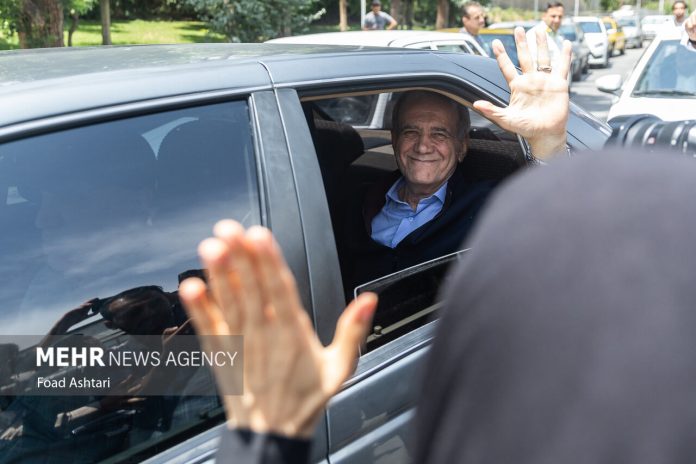
Iran president-elect extends ‘friendship hand to everyone’

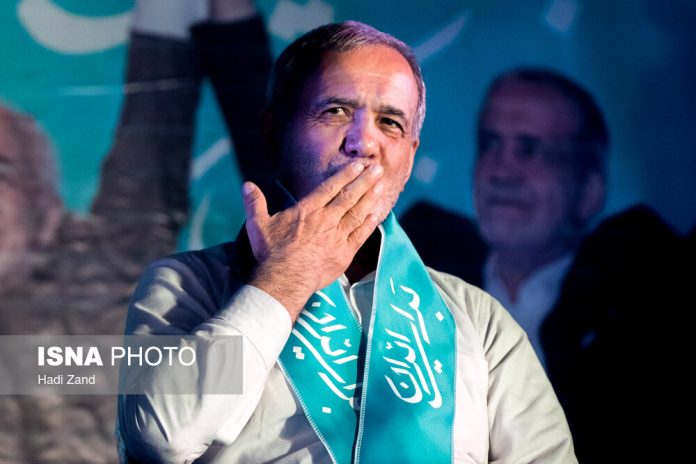
Masoud Pezeshkian

The veteran lawmaker and former health minister said, “All of the supporters are from this country and we need to get help from all of them for the promotion of our country.”

In a message on X social media platform, Pezeshkian wrote, “Dear people of Iran, the elections are over and this is just the beginning of our companionship. The difficult path ahead will not be smooth except with your companionship, empathy, and trust.”

“I extend my hand to you and I swear on my honor that I will not leave you alone on this path. Don’t leave us alone,” he added.

Pezeshkian, 69, won the tight race to become the 9th president of Iran since the 1979 victory of the Islamic Revolution.

He secured over 16.3 million of the total 30.5 million votes, 49.61 percent, and his rival principlist Saeed Jalili got 13.5 million, or 48.86 percent.

“Even those who did not vote for us are our brothers,” Pezeshkian said.

Although Pezeshkian has a strong reformist base and support, he refuses to call himself a reformist, saying, “I had no party or support. People helped me out of love and I am grateful to all of them.”

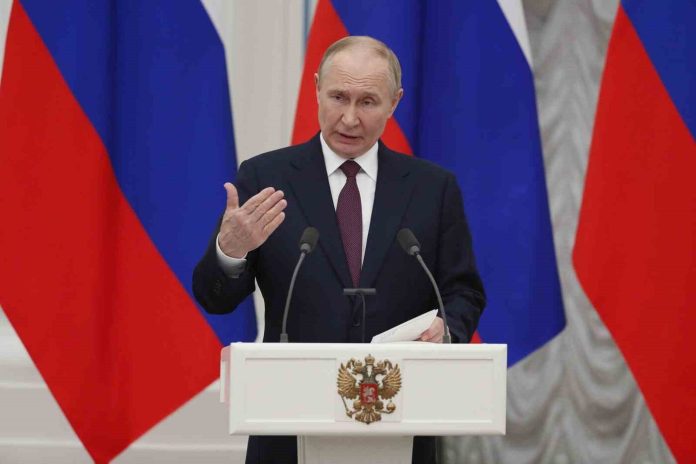
Russia calls for ‘complete end’ to Ukraine war

Putin

The statement came after Putin met with Hungarian Prime Minister Viktor Orban in Moscow on Friday.

Speaking at a joint press conference following their meeting, Putin stated there should not be a “ceasefire or some kind of pause that the Kiev regime could use to recover losses, regroup, and rearm. Russia is in favor of a complete and final end of the conflict.”

Putin noted, however, that the conflict can only end once a number of conditions are met. Specifically, the Russian leader stressed that Kiev must withdraw its forces from Donbass as well as the former Ukrainian regions of Zaporozhye and Kherson, all of which officially became part of Russia after voting in public referendums.

There are other conditions, Putin added, but stressed that these are a subject for “fairly detailed consideration in the course of possible joint work.”

Previously, Putin proposed an immediate ceasefire on condition that Ukraine agree to a number of terms. These include the aforementioned withdrawal of Ukrainian forces from all Russian territories, as well as legally binding guarantees that Kiev would not seek membership in NATO.

Kiev, as well as its Western backers, have rejected the plan, although Putin has nevertheless stated that the offer remains “on the table”. The Kremlin has encouraged the Ukrainian leadership to take time to consider it.

During Friday’s press conference, Orban noted that Moscow’s and Kiev’s positions on the conflict are far apart, and that it will require significant effort to bring an end to the fighting.

Putin suggested that judging by the attitude of the Ukrainian authorities and the current state of affairs, it seems evident that Kiev “is still not ready to give up waging war to a victorious end”.

On Thursday, Putin said Russia will continue to advocate for a peaceful resolution of the Ukraine conflict despite the fact that the crisis was caused by the actions of the United States.

Moscow has repeatedly stated that its decision to launch an offensive against Ukraine was motivated by the country’s ambitions to become a part of NATO, as well as its ongoing war against the people of Donbass, who rejected the Kiev government that came to power after a Western-backed coup in 2014.

Speaking at the Shanghai Cooperation Organization (SCO) summit in the Kazakhstan capital of Astana, Putin stated Moscow has repeatedly put forward specific proposals for the resolution of the Ukrainian issue. However, he added that these had been ignored or rejected by Kiev and its backers.

“Russia has always advocated and continues to advocate a peaceful political and diplomatic resolution to the situation in Ukraine – a crisis that arose as a result of the absolutely unceremonious policy of the United States and its satellites,” the Russian leader added.

He noted that Russia had presented its latest plan last month, which could “immediately” end hostilities, save countless lives, and initiate negotiations if accepted by Kiev and its Western backers.

The president was apparently referring to his earlier promise to order a ceasefire if Ukraine withdraws its troops from all territories claimed by Russia, vows not to seek membership of NATO, and completes a process of demilitarization and “denazification”.

The proposal was rejected by both Kiev and its international backers, who insist on returning Ukraine to its 1991 borders. Nevertheless, Putin has said his offer will remain “on the table” for the time being, while the Kremlin has encouraged the Ukrainian leadership to “think about it”.

Previously, Putin had pointed out that Ukraine’s reluctance to accept Russia’s proposals had already resulted in it losing sovereignty over the regions of Kherson and Zaporozhye early in the conflict. The president noted last month that Moscow had initially been prepared to withdraw its troops from these territories if it was promised an uninterrupted land connection to the Crimean peninsula.

Now, however, this offer is off the table and is closed to any debate, according to Putin, given that the two regions have officially become part of Russia after overwhelmingly voting to do so in public referendums in the fall of 2022.

Who is Iran’s president-elect Pezeshkian?

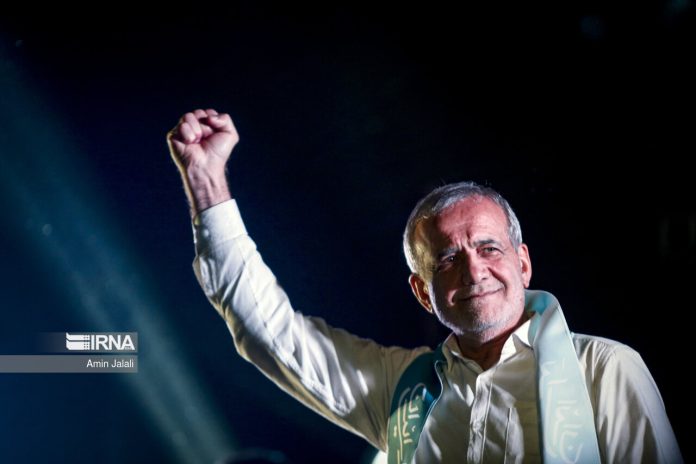
Masoud Pezeshkian

Pezeshkian was born in 1954 in the city of Mahabad to an Iranian Azeri father and an Iranian Kurdish mother.

He pursued his interest in medicine and graduated with a degree in general medicine.

As a young medical student, Pezeshkian became a revolutionary force who followed Imam Khomeini’s line against the Pahlavi regime.

During the Iraqi-imposed war in the 1980s, Pezeshkian was at the front lines as a fighter and doctor.

After the war, he continued his studies at the Tehran-based Iran University of Medical Sciences to become a heart surgeon and the head of Shahid Madani Hospital in the northwestern Iranian city of Tabriz.

He is known for his efforts to improve health facilities and medical centers for remote and underprivileged areas in the northwest of the country.

In 2000, he became the country’s deputy health minister and a year later was appointed as the health minister under reformist president Mohammad Khatami.

Since 2008, he has been a member of parliament representing East Azarbaijan constituencies and has retained the post for several terms. He was also the deputy speaker in the 10th parliament.

When he stepped in as a candidate for the 14th presidential election in the country, he was endorsed by senior reformist and moderate figures like Khatami, former president Hassan Rouhani, and former foreign minister Mohammad Javad Zarif.

Pezeshkian, however, shies away from calling himself a reformist, saying he believes in “justice-oriented principles.”

On Friday, he garnered 16,384,403 votes, or 49.61 percent of the total 30.5 million ballots cast, to succeed the late President Ebrahim Raisi.

Pezeshkian wins Iran presidential runoff vote

Masoud Pezeshkian

The final results of Friday’s presidential runoff election was announced on Saturday morning by the country’s election headquarters that runs under the country’s interior ministry.

The headquarters started releasing the results in phased updates right after polls closed and vote counting started at midnight.

According to the eighth and final update, over 30,530,157 out of over 64 million eligible voters cast their ballots on Friday to choose a successor for the late President Ebrahim Raisi who died in a helicopter crash in May.

Pezeshkian secured 16,384,403 votes and Saeed Jalili got 13,538,179.

The turnout was 49.8 percent in the runoff, up from 39.9 percent in the first round held last week.

Pezeshkian, 69, is a heart surgeon by profession, a seasoned lawmaker, and a former minister of health.

He ran on a platform of settling disputes with the West, ridding the country of Western-imposed sanctions, and improving the country’s ailing economy.

Iran urges setting up fact-finding mission over fate of kidnapped diplomats 

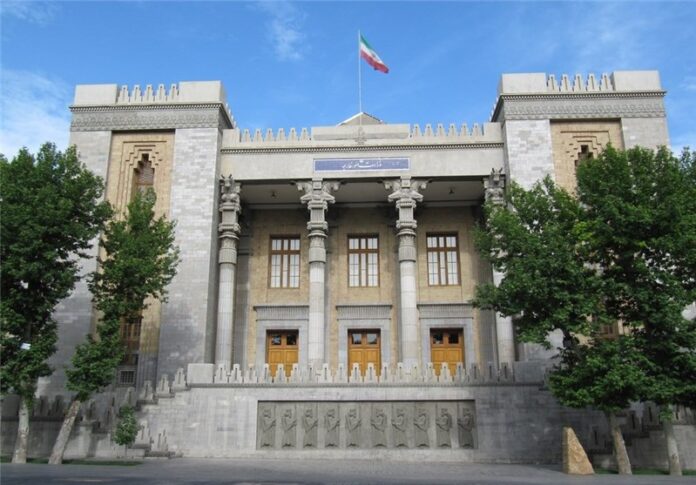
On the 42nd anniversary of the kidnapping of four Iranian diplomats in Lebanon- Seyyed Mohsen Mousavi, Ahmad Motevasselian, Kazem Akhavan, and Taghi Rastegar Moghadam- the ministry issued a statement, holding the Zionist regime responsible for the crime of kidnapping those diplomats.

Referring to the decades-long history of the Zionist regime’s crimes against the regional nations, the Iranian Foreign Ministry emphasized that the fate of the four kidnapped Iranian diplomats should be clarified and it holds the Zionist regime, as the occupying force in Lebanon at the time, politically and legally responsible for the crime of kidnapping those loved ones.

The statement read, while appreciating the valuable measures and cooperation by the friendly and brotherly government of the Republic of Lebanon in the past years, the Iranian Ministry of Foreign Affairs stresses the need to continue the efforts and moves by the official political and judicial institutions as well as the Lebanese government as the host government to determine the fate of the Islamic Republic of Iran’s diplomats.

It also voiced regret that international community, especially human rights institutions, has not yet taken effective measures to help determine the fate of the diplomats.

The Iranian Foreign Ministry stressed on the responsibilities of the UN and human rights institutions to diligently follow up on the case until a desired outcome, namely the determination of the fate of these loved ones, is achieved.

Iranian expats in 98 countries casting ballots for presidential runoff polls 

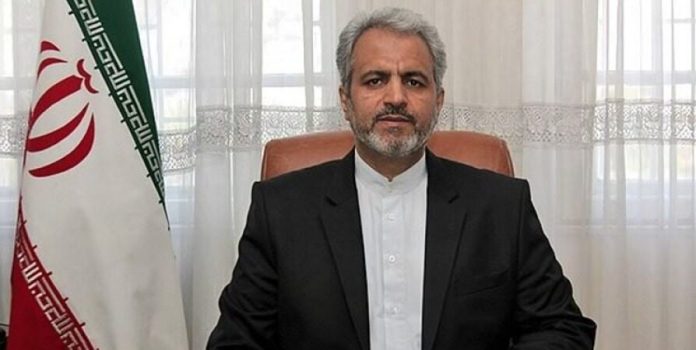
Alireza Bikdeli told reporters on Friday that “Considering the time difference, the election will be held for at least 10 hours from 8 am on Friday, and we will continue until the final hours of tonight in most countries.”

He noted facilities have been improved for the election compared to the first round held last week, adding data shows a higher turnout of Iranians living overseas.

Voting got underway at 8 am in Iran (0430 GMT) for over 64 million eligible voters.

Reformist Massoud Pezeshkian and principlist Saeed Jalili, who got most of the votes among the four candidates in the first round but failed to achieve an outright victory, are vying for the top executive post to replace the late president Ebrahim Raisi who died in a helicopter crash in May 19.

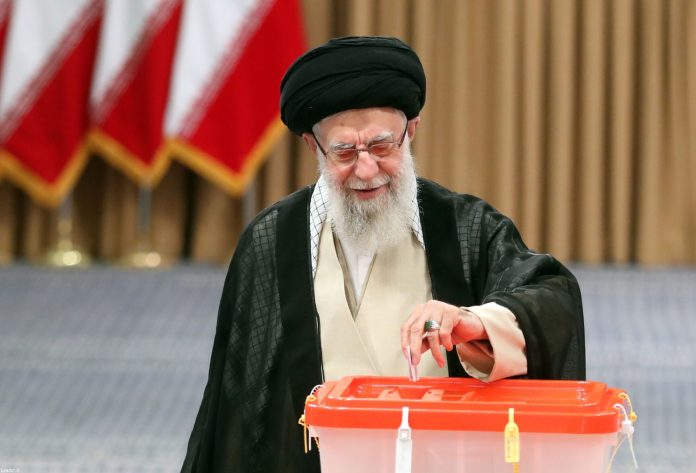
Iran Leader casts ballot in snap presidential election 

After casting his ballot at a polling station in the capital Tehran, Ayatollah Khamenei praised the Iranians for their participation and active involvement in the election.

Referring to some reports about the increase in popular enthusiasm and interest in this phase of the presidential election, the Leader said, “If this is the case, it is gratifying, and we hope that God Almighty will prosper the nation and prosper the country.”

Polls opened at 8 am (0430 GMT) on Friday and will close at 6 pm (1430 GMT), but the voting hours can be extended until midnight depending on the voter participation.

Iranians overseas are also casting their votes simultaneously across the world.

Reformist Massoud Pezeshkian and principlist Saeed Jalili received the highest number of the votes among the four candidates in the first round last week, but failed to achieve an absolute majority and avoid the runoff.

Voter turnout was 40 percent in the first round, but predictions are rife that more undecided voters will show up for the runoff.

The final results are expected to be officially announced on Saturday at midday.

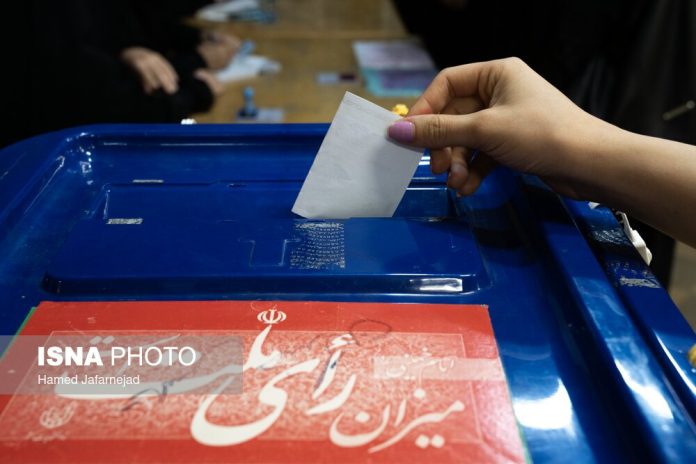
Voting kicks off for Iran presidential runoff election

Iran Presidential Election

Over 64 million people are eligible to vote to choose a candidate to succeed the late President Ebrahim Raisi who lost his life in a helicopter crash last month.

Veteran lawmaker Massoud Pezeshkian who is also a heart surgeon by profession represents the reformist and moderate camps and former top nuclear negotiator Saeed Jalili stands as a conservative face off in the second round.

Over 10.4 million out of the 24.5 million people who took part in the first round voted for Pezeshkian, and Jalili received 9.4 million of the votes.

Iranians abroad will also cast their ballots simultaneously. 344 polling stations have been provided across the world to facilitate their voting process.

The polling stations will close at 06:00 pm local time (14:30 GMT) but the interior ministry can extend it for multiple two-hour periods until 12:00 pm.

The results of the election are expected to be announced by Saturday noon, the spokesman for Election Headquarters Mohsen Eslami told Iran’s state television.

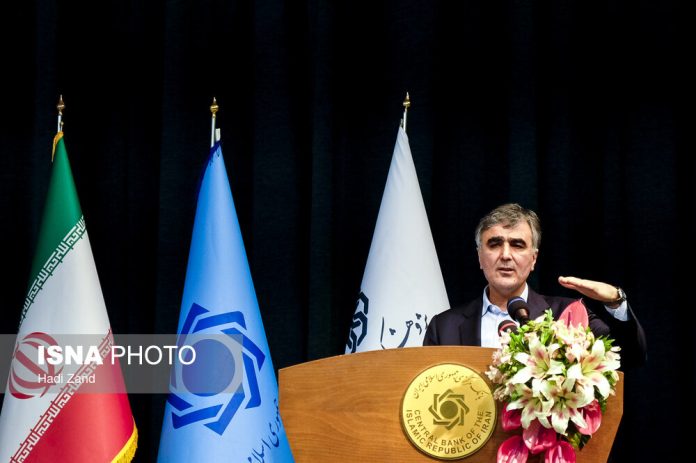
Iran’s Central Bank chief proposes FATF-like institution for BRICS

Mohammad Reza Farzin

Farzin made the comments during the Russian Financial Congress in Moscow, highlighting Iran’s significant economic achievements and regulatory advancements.

He emphasized that Iran is fully compliant with all international anti-money laundering (AML) regulations. “All AML regulations in Iran are now in strict accordance with international standards,” he stated, reflecting Iran’s commitment to maintaining a transparent and secure financial system.

He noted that such an initiative would provide an excellent opportunity to enhance banking cooperation among member countries, fostering greater financial integration and collaboration.

Farzin announced that Iran achieved a 5% economic growth rate in 2023, the highest among regional countries, placing Iran within the top ten globally for economic growth that year.

He noted: “Iran has made substantial progress in curbing inflation, reducing the rate from 59% to 23% within the same year. This significant decrease demonstrates the effectiveness of the country’s monetary policies and economic reforms.”

Brazil, Russia, India, China, South Africa, Iran, Egypt, Ethiopia, and the United Arab Emirates are member states of BRICS.