Friday, January 2, 2026
Home Blog Page 822

Several European countries mull reopening embassies in Afghanistan: Report

Taliban

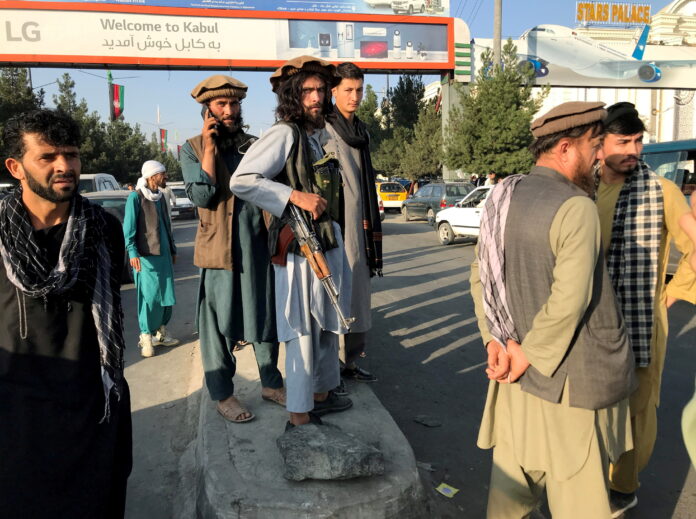
In a sign of potential interest, Italy conducted a reconnaissance mission with its intelligence services in Kabul in the past few weeks, said some of the people, who were granted anonymity to discuss sensitive plans.

Foreign Minister Antonio Tajani confirmed Rome’s ambassador, currently posted to Doha, Qatar, had visited Kabul.

“We are working on it. There has been a mission by our ambassador,” he said in an interview on the sidelines of the NATO summit in Washington last week.

“There are human rights problems. The solution is very complicated, it will take time.”

Western nations, including the US, left Afghanistan after hastily evacuating nationals and security personnel in 2021, as Kabul fell to the Taliban, who had mounted a decades-long insurgency after being toppled from power in 2001. At least 70,000 civilians are estimated to have been killed in the war, according to the Watson Institute at Brown University.

French, German and UK officials, however, announced they had no immediate plans to reopen their missions in Kabul.

No European embassy is currently present on the ground, although the European Union has a delegation in the country and the US maintains an interest section at the Qatari representation. The only Group of Seven country with an embassy is Japan.

An EU spokesman stated its mission was the only presence from the 27-member bloc so far, but declined to comment on the possible return of individual member states, adding it was a decision for those governments.

The EU’s “presence is calibrated to the policies and actions of the Taliban de facto authorities, and does not bestow any legitimacy on it”, according to the website of the bloc’s diplomatic service.

“As soon as there are minimum security conditions, we’ll send our ambassador back,” Spain’s Foreign Minister José Manuel Albares said in an interview last week.

“We were ready a month ago. Unfortunately three Spaniards were killed by a Daesh terrorist attack in Afghanistan,” he added.

Albares stated Spain’s ambassador had moved to Kabul for some days in the wake of the attack.

“What we are looking for, because we have an ambassador to Afghanistan, although he lives for security reasons in Doha — as soon as it’s possible, we’ll want him back.”

A senior European diplomat noted the view among officials in Brussels had shifted to recognizing the necessity of a physical presence in the country to conduct development projects, protect women’s rights, and establish a strategic presence.

In Germany, authorities are publicly debating how to return Afghan asylum seekers who committed crimes or are convicted terrorists. Currently, such individuals cannot be deported back to the country because Germany has no diplomatic relations with the Taliban regime.

A French official confirmed there were no current plans to reopen the embassy but said that question would need to be addressed eventually. The current situation, with zero presence on the ground, can’t be maintained indefinitely, the person added.

The UK’s Foreign and Commonwealth and Development office announced it would “consider establishing a diplomatic presence in Afghanistan as soon as the security and political situation allows”.

A senior US administration official said the US had no intention of politically recognizing the Taliban or re-opening an embassy in Kabul. The official added the US had been clear with the Taliban that there were still concerns — primarily fair treatment for women and girls — that prevented it from moving in that direction.
Iraq rocked by another summer of widespread power cuts

Iraq Protest

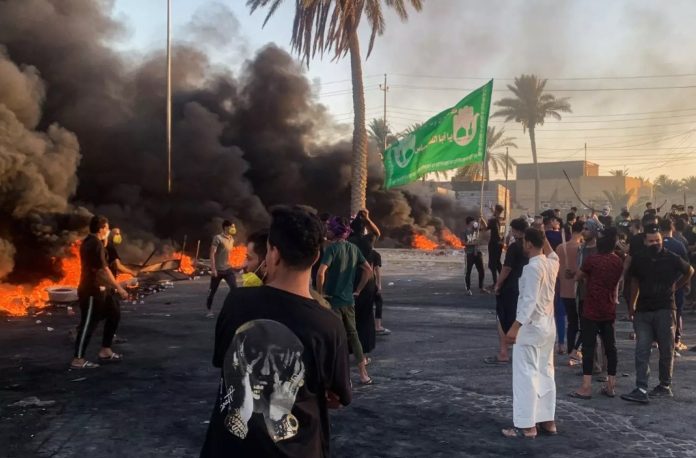
There have been days of demonstrations, primarily in the cities of Diwaniyah and Najaf in south-central Iraq, with activists burning tyres and police reportedly firing tear gas and live ammunition to disperse the crowds.

According to independent Iraqi TV station Al-Sumaria, hundreds of locals took part in protests on Sunday evening in Diwaniyah, complaining of “unfairness” and “favouritism” in distribution of power in the area.

“The demonstration began in the Shamiya district and the demonstrators blocked the Diwaniyah-Najaf road in protest against the deterioration of services and the power outage,” a security source told the Iraqi outlet.

There were further demonstrations in Diwaniyah’s Shafiiyya district on Monday, with tyres again being burned.

Ammar al-Khazaaly, an activist who took part in the Diwaniyah protests, told Middle East Eye that Monday’s protests were ongoing and were facing “repression” by the security forces who fired tear gas and live bullets, leaving campaigners with “minor injuries”.

He stated that the numbers were lower than the Tishreen demonstrations that rocked Iraq after October 2019, but that the anger was still palpable.

“These protests are regional – in each region there are their own protests,” he explained, adding that they included veterans of the Tishreen protests as well as newly angry locals.

“The numbers are lower than in previous protests, but they are also large in number.”

Other demonstrations were held in the Haidariya district of Najaf on Sunday, and the Ghamas district that lies between Diwaniyah and Najaf on Saturday, which saw protesters injured by live fire.

Al-Sabah daily newspaper cited a statement from the Diwaniyah governorate office in which they said they were trying to achieve a “reliable” electricity supply.

Diwaniyah requires 850 megawatts of electricity, but currently experiences four hours of power outages with only two hours of electricity supply, the report added.

Protests against power cuts have become a regular feature in the country during the summer months, especially since the end of the war against the Islamic State (IS) terror group has made public gatherings less dangerous.

Although Iraq is a resource-rich country, a combination of corruption and crumbling infrastructure has left many without access to electricity, vital for keeping cool in one of the hottest places on Earth.

Rights and environmental groups have warned that climate change means that much of Iraq will likely be uninhabitable in the coming years and that demand for infrastructure investment to cope with rising temperatures will only increase.

In October 2019, mass demonstrations broke out across the country against corruption, poor public services, unemployment and foreign intervention in Iraqi politics.

However, they were met with brutal police repression, kidnappings by shadowy armed groups and mass arrests.

The Covid-19 pandemic also dampened much of the revolutionary fervour that the protests sparked and the anti-government movement has struggled to regain momentum since.

Omani police say gunfire near mosque killed four

Oman Mosque

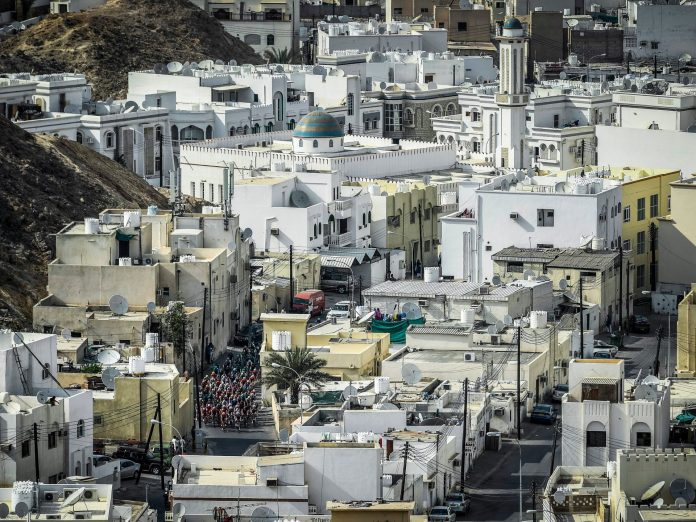
The attack early on Tuesday took place in Wadi al-Kabir, a district east of the capital city, Muscat.

Omani police announced they’re taking “all necessary security measures and procedures … to handle the situation”. They gave an initial casualty toll of four killed and “several” injured.

“The authorities are continuing to gather evidence and conduct investigations to uncover the circumstances surrounding the incident,” police said on social media platform X.

No motive or potential suspects were identified in the attack. A state of emergency was declared in the area.

The Pakistani foreign ministry also said in a statement the “terrorist attack” in Wadi al-Kabir, in the governorate of the capital city Muscat, had caused the deaths of four Pakistani nationals.

Describing the incident in the Wadi al-Kabir district of Oman’s capital Muscat as a “terrorist” attack, the Pakistani ministry added 30 injured people were in hospital.

Hamas, Fatah to meet in Beijing within days

Hamas Fatah

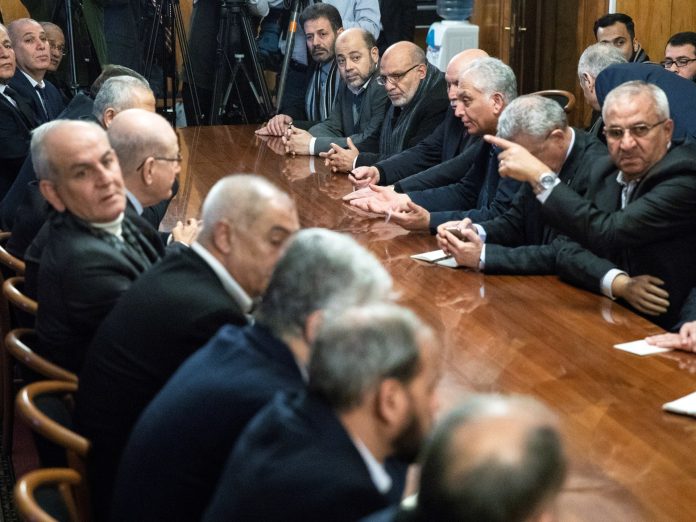
“China hosts a meeting that includes all Palestinian groups as part of the exerted efforts to end the internal division, and will be preceded by a meeting between Hamas and Fatah groups,” Abdel Fattah Dawla, a Fatah senior leader, told Anadolu.

He added that the meetings will start on July 20, and will extend over three days.

“We in the Fatah Movement are open to solve and dismantle all obstacles in the way of reconciliation under the difficult conditions the Palestinian cause is going through along with the genocidal war on Gaza,” Dawla added.

For his part, Azzam Al-Ahmad, a member of Fatah’s Central Committee, stressed that his movement will participate in the Beijing meeting with openness aimed at ending the state of division.

The Hamas group is yet to comment on the upcoming meeting.

In Beijing, Foreign Ministry spokesman Lin Jian said Tuesday China has “consistently supported Palestinian factions in achieving reconciliation and unity through dialogue and consultation”.

“China provides a platform and creates opportunities for Palestinian factions to engage in a dialogue of reconciliation,” Lin stated, reacting to the possible meeting in China between the Palestinian factions.

In April, Lin noted representatives of Fatah and Hamas held “consultations on advancing intra-Palestinian reconciliation and for in-depth and candid dialogue” in Beijing.

Before the Beijing talks in April, the groups also held talks in Moscow in February.

Similar rounds of talks took place in the past years in Türkiye, Algeria, and Egypt, but all failed to bring a breakthrough in the Palestinian reconciliation file.

The Palestinian Territories of the West Bank and Gaza Strip have been politically divided since June 2007 due to sharp disagreements between the Fatah and Hamas movements.

Hamas won a majority in the legislative elections of 2006. Since then, it has controlled the Gaza Strip, and Fatah has governed the West Bank.

Nearly half of Ukrainians want peace negotiations with Russia: Poll

Russia Ukraine War

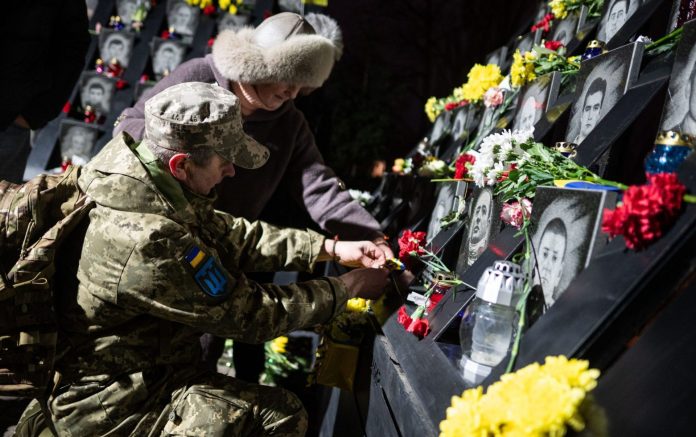
According to the survey, the respondents’ sentiments differ in various regions, although the average figure for Ukraine is 44%. Residents in the country’s south are most in favor of negotiations (60%).

The vast majority of Ukrainians, 84%, are not willing to accept Moscow’s territorial demands. A total of 77% of respondents oppose the lifting of sanctions against Russia, while 58% oppose the introduction of provisions on the nuclear-free and non-aligned status of Ukraine into the constitution.

The poll was conducted on June 20-28. According to the Mirror of the week daily, no military personnel took part in the poll, so it reflects “the opinion of the home front.”

Last week, the Strana weekly reported that bloggers and some opposition politicians in Ukraine had started to speak out in favor of finding ways to resolve the conflict as soon as possible, accusing the authorities of seeking to profit from the fighting. Recently, Ukrainian social networks have been increasingly calling on the authorities to negotiate peace as soon as possible, noting that the goal of “reaching the 1991 borders” declared by the president’s office is unrealistic.

Even influencers with millions of followers, many of whom had previously tried to avoid political topics, began to take this stance. This trend was said to reflect the mood in Ukrainian society. Since last fall, a growing number of people has been calling for an early end to hostilities, even if this would involve the loss of part of the territory. The Ukrainian Security Service has already “held talks” with a number of these influencers.

Kremlin Spokesman Dmitry Peskov stressed that Russia remained open for any dialogue on Ukraine, including with the participation of mediators, as long as it achieved its goals.

On June 14, Russian President Vladimir Putin proposed to build a new architecture that would take into account the concerns of all. He also listed conditions for peace talks with Ukraine. Among them are the withdrawal of the Ukrainian armed forces from Donbass and Novorossiya and Kiev’s pledge not to join NATO. Ukraine should also remain neutral and commit to having no nuclear weapons, while all Western sanctions against Russia should be removed. Putin pointed out that if Ukraine and the West rejected these conditions, they could change in the future. Kiev rejected the Russian peace plan.

Zelensky says Russia expected to attend second Ukraine conference

President Volodymyr Zelensky

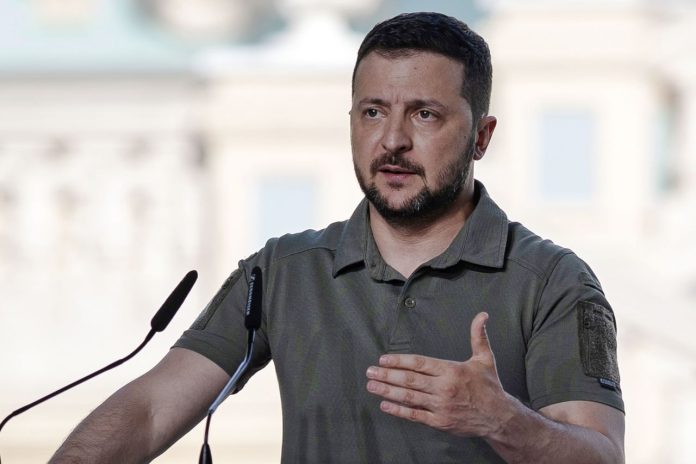
Three preliminary meetings will be held ahead of the conference, Zelensky told reporters in Kiev. According to him, the first meeting, to be convened sometime in late summer in Qatar, will be focused on energy security, while the second one, to be held in August in Turkiye, will be dedicated to the free navigation in the Black Sea. The third one, to be held in September in Canada, will be a platform to discuss prisoner exchange with Russia, the Ukrainian president said.

“After these three points, if they work out, a plan for the implementation of all points will be completed. I set the task so that in November, we will have a drawn-up plan … Everything will be ready for the second summit … We will be ready to hold the second summit as soon as possible, and I believe that Russian representatives should be present at the second summit,” Zelensky added.

The US has consulted with Ukraine on inviting Russia to the second Ukraine summit and will back Kiev’s decision on the matter, State Department spokesperson Matthew Miller said on Monday.

“That’s something that we discussed with them but as we said before any decisions around diplomatic negotiations are decisions that Ukraine has to make,” Miller continued, adding, “It’s for Ukraine to decide when and how and in what shape to undertake diplomatic negotiations. As their partner, as their backer, we will support them if that’s the path that they choose to take.”

Switzerland hosted a high-level conference on Ukraine at the Burgenstock resort outside of Lucerne from June 15-16. Russia did not receive an invitation. The Russian officials have noted that they would skip the event in any case.

The Kremlin announced Tuesday Russia first needs to understand what Zelensky means when he says “peace summit” before accepting any invitation to talks.

“The first peace summit was not a peace summit at all. So perhaps it is necessary to first understand what he means,” Kremlin spokesman Dmitry Peskov told the Zvezda news outlet, responding to Zelensky’s comments.

Everywhere in Gaza is ‘a potential killing zone’: UN head

Gaza War

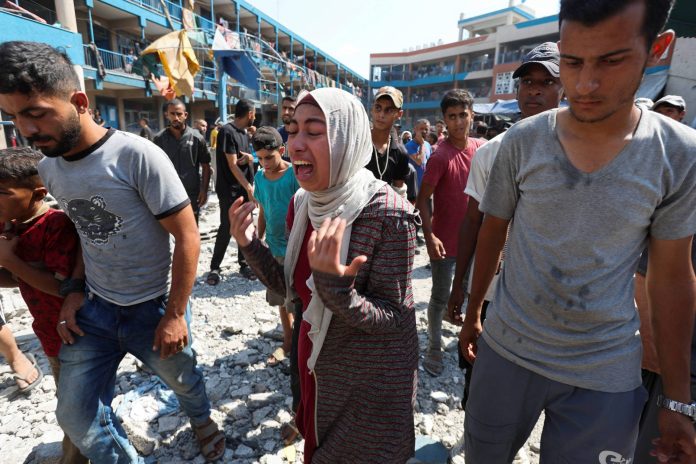
“The extreme level of fighting and devastation in Gaza is incomprehensible and inexcusable…Everywhere is a potential killing zone,” Guterres said on X.

It is high time for the parties to the conflict to show the political courage and political will to finally reach a deal, he added.

Separately, Guterres’ spokesman Stephane Dujarric stressed the UN is calling on all parties to respect their obligations under international humanitarian law and to take constant care to “spare civilians and civilian objects”.

“I can further tell you that we and our humanitarian partners continue to assist families who are being displaced from northern Gaza to areas in the south,” he told the reporters.

Dujarric highlighted that the UN Office for the Coordination of Humanitarian Affairs (OCHA) said that with each new evacuation directive, families in Gaza are being forced to make impossible choices: Stay amid active hostilities or flee to areas with little space or services.

“There is no safe place in Gaza. Not shelters, not hospitals, and not the so-called humanitarian zones,” he stated.

Israel, flouting a UN Security Council resolution demanding an immediate cease-fire, has faced international condemnation amid its continued brutal offensive on Gaza since an Oct. 7 attack last year by the Palestinian group Hamas.

Nearly 38,700 Palestinians have since been killed, mostly women and children, and more than 89,000 injured, according to local health authorities.

More than nine months into the Israeli onslaught, vast tracts of Gaza lie in ruins amid a crippling blockade of food, clean water and medicine.

Assad says will only meet Erdogan if ‘core’ issues addressed

Bashar Assad

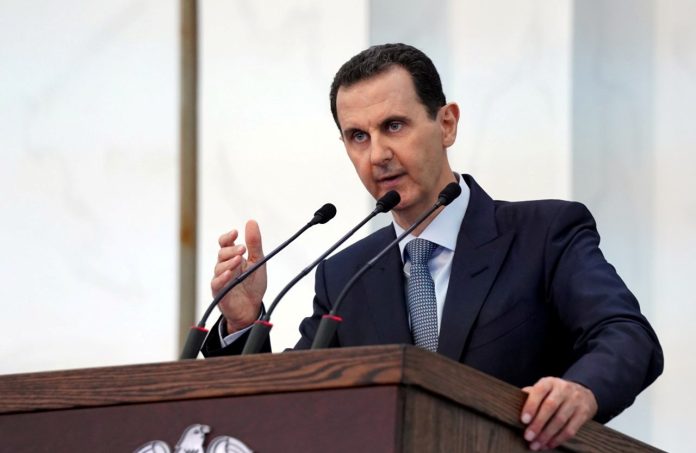
“The problem is not the meeting, but its content,” a video clip released by the presidency showed Assad telling reporters in Damascus.

Turkey severed ties with Syria in 2011 after the outbreak of the Syrian war, in which it supported rebels looking to oust Assad. The Syrian leader views the rebels as terrorists.

Ankara also established a “safe zone” in northern Syria where Turkish forces are now stationed, and it has carried out several cross-border military operations against militants it says threaten Turkey’s national security.

Erdogan said earlier in July he would extend an invitation to Assad “any time” for possible talks to restore relations.

“What is the basis for the meeting? Would it be ending the reasons for the problem, which are supporting terrorism and withdrawing from Syrian lands?… This is the core of the problem.”

“If there were no discussion about the core of (the problem), what would such a meeting mean?”

Assad added that he would respond positively to any initiative aimed at improving bilateral ties but that the basis for such talks must be set first.

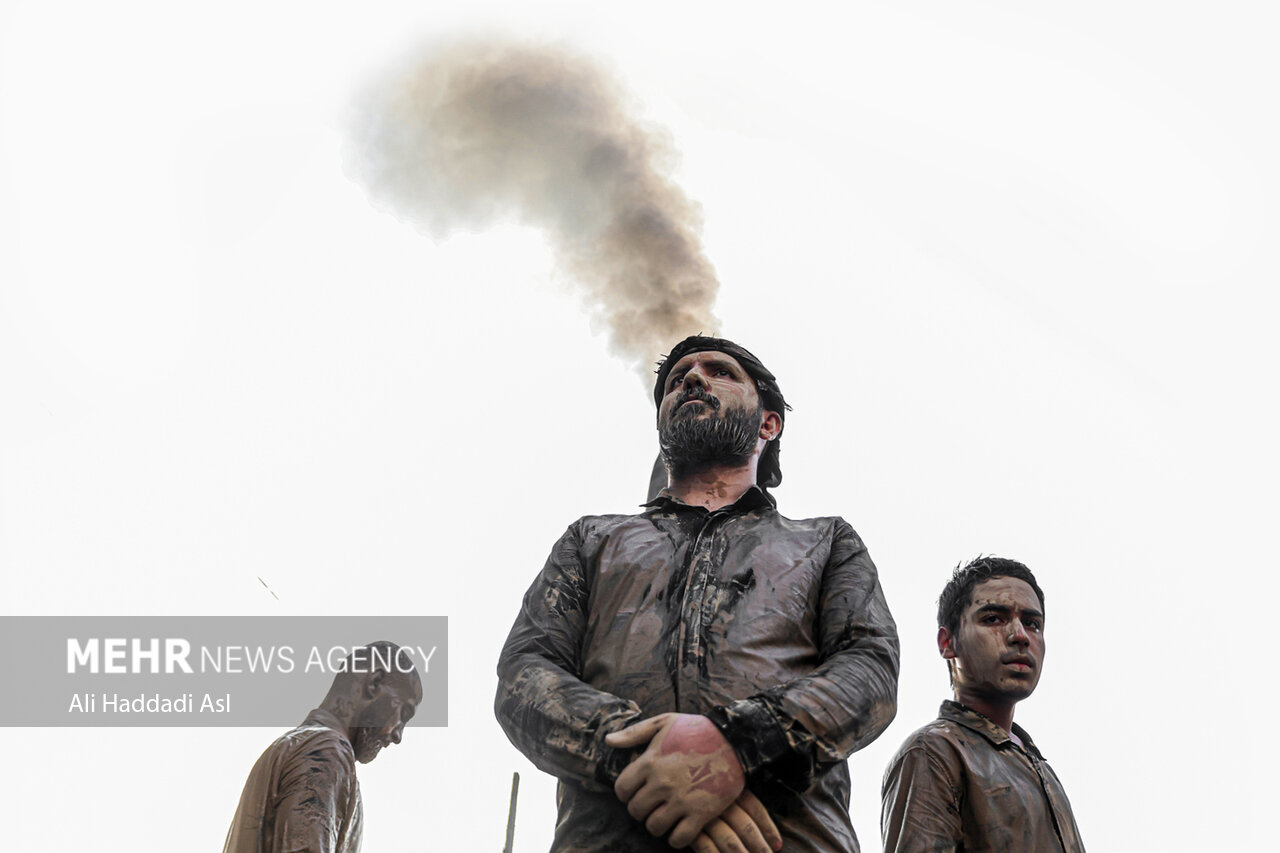
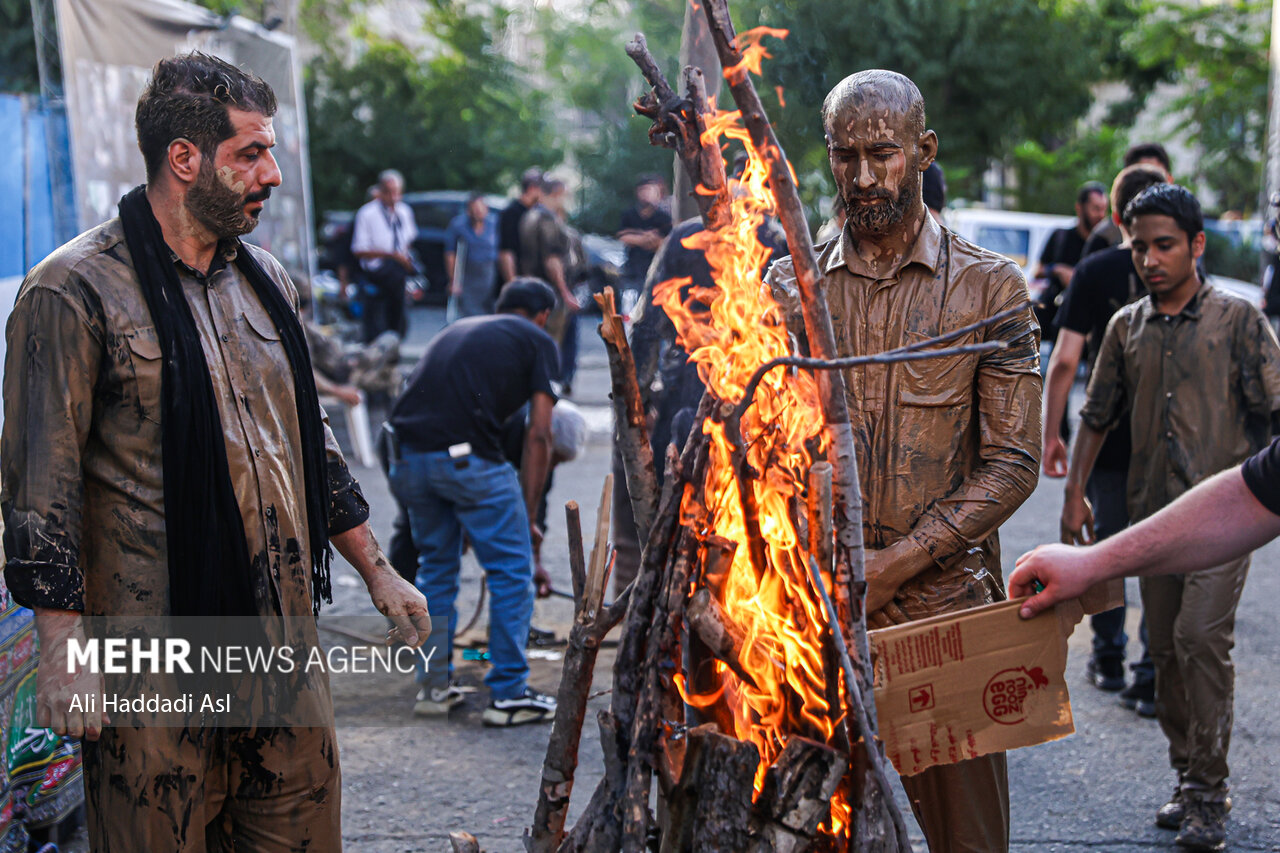
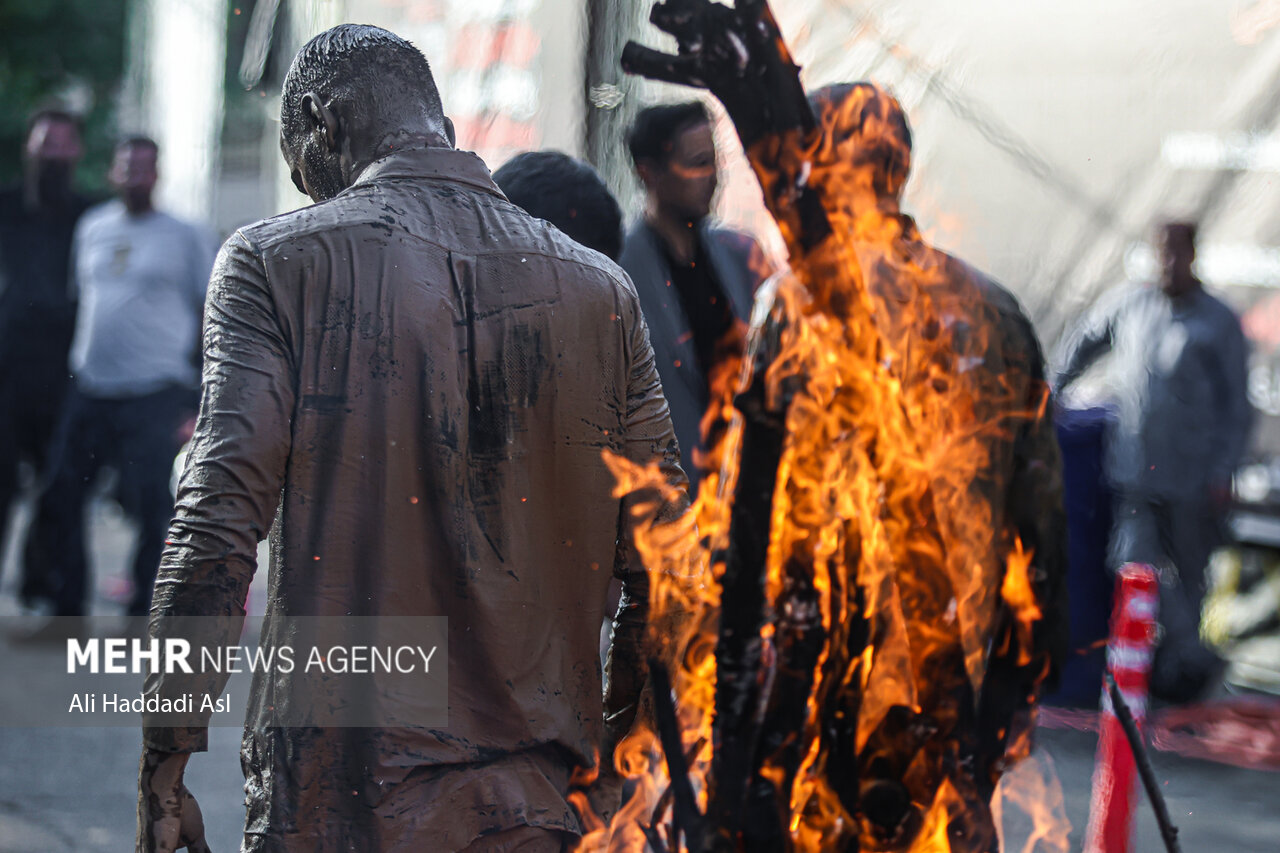
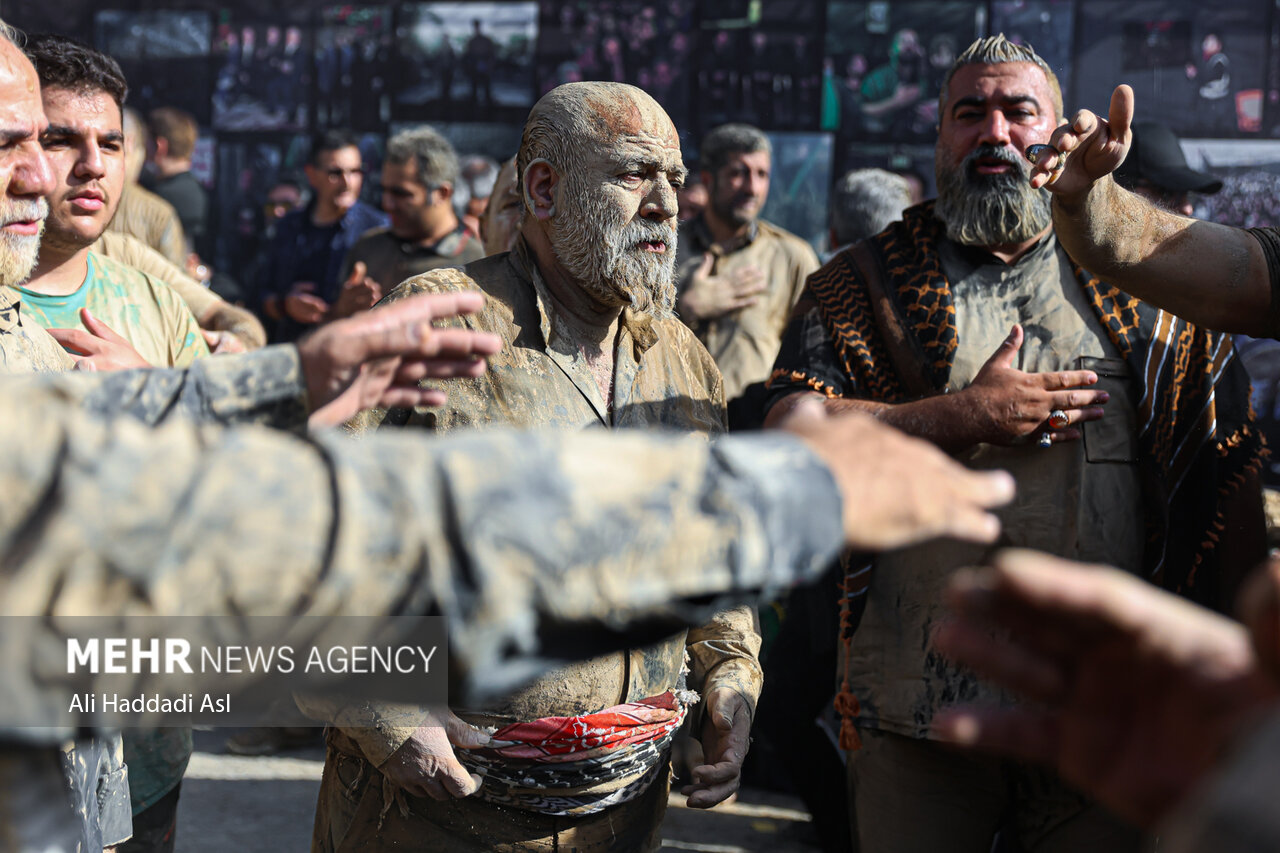
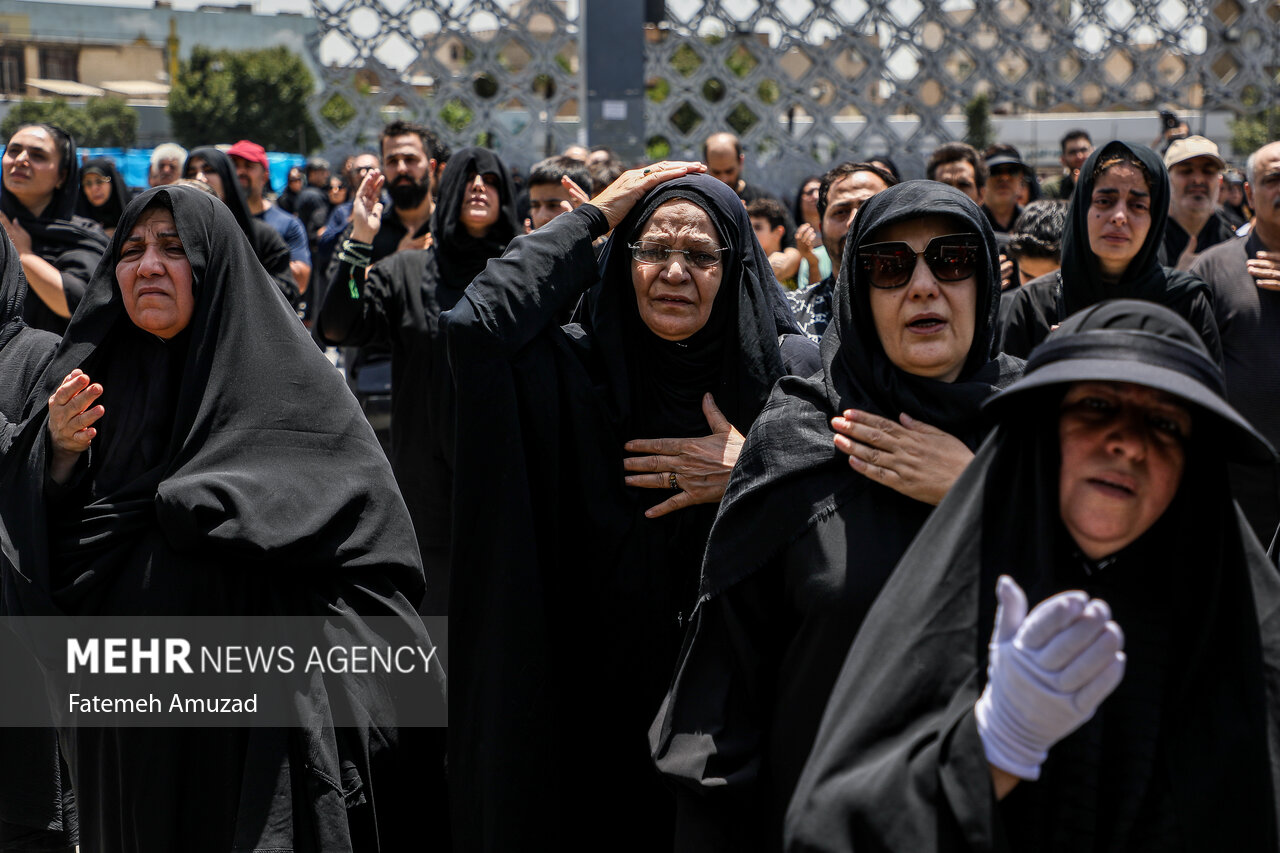
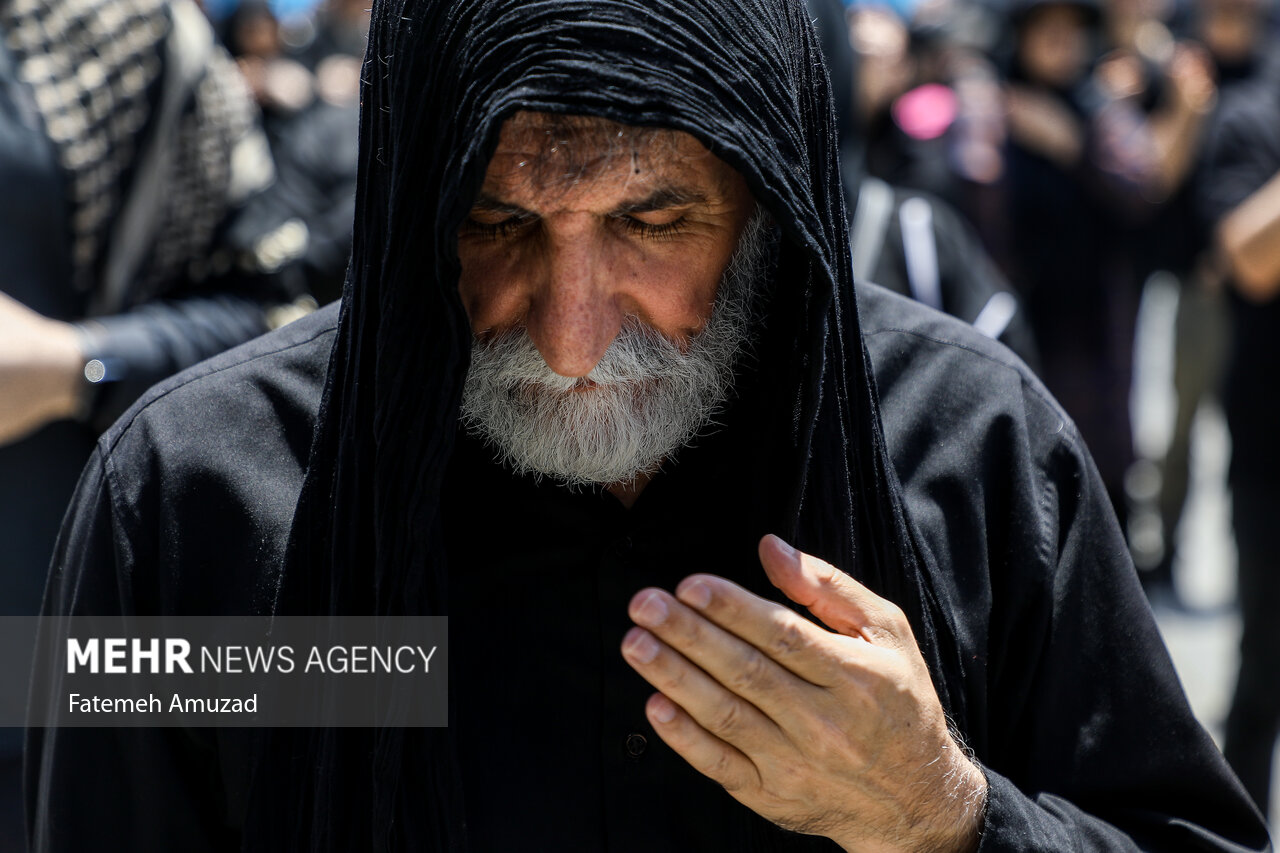
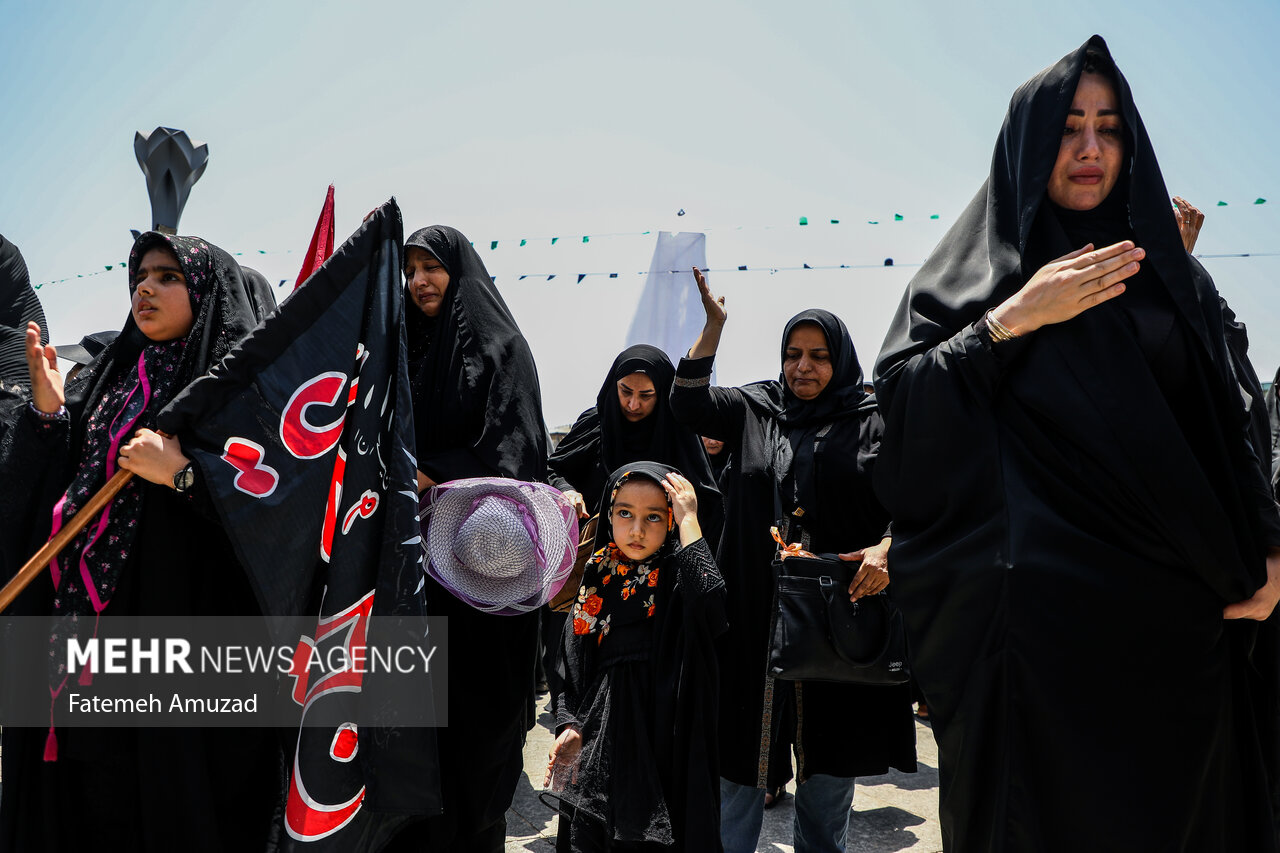
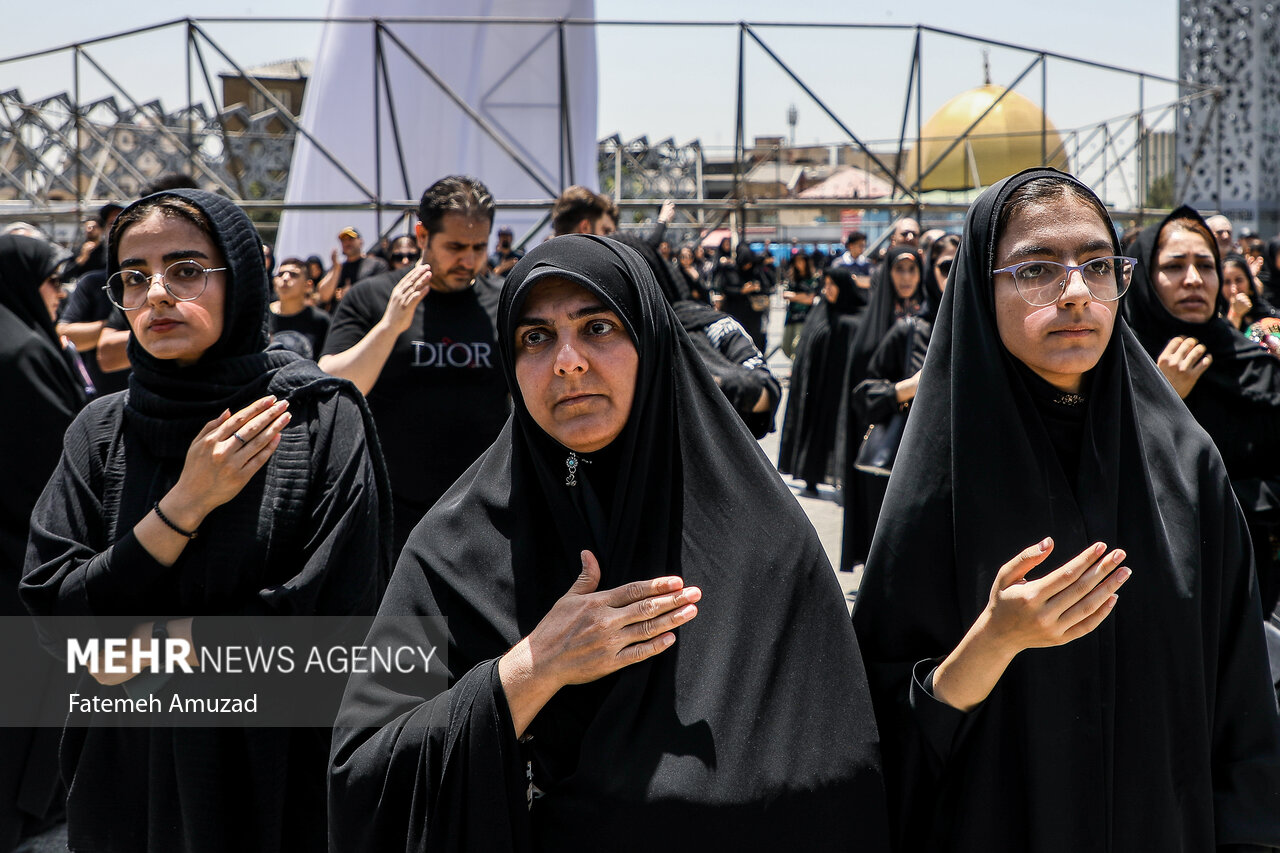
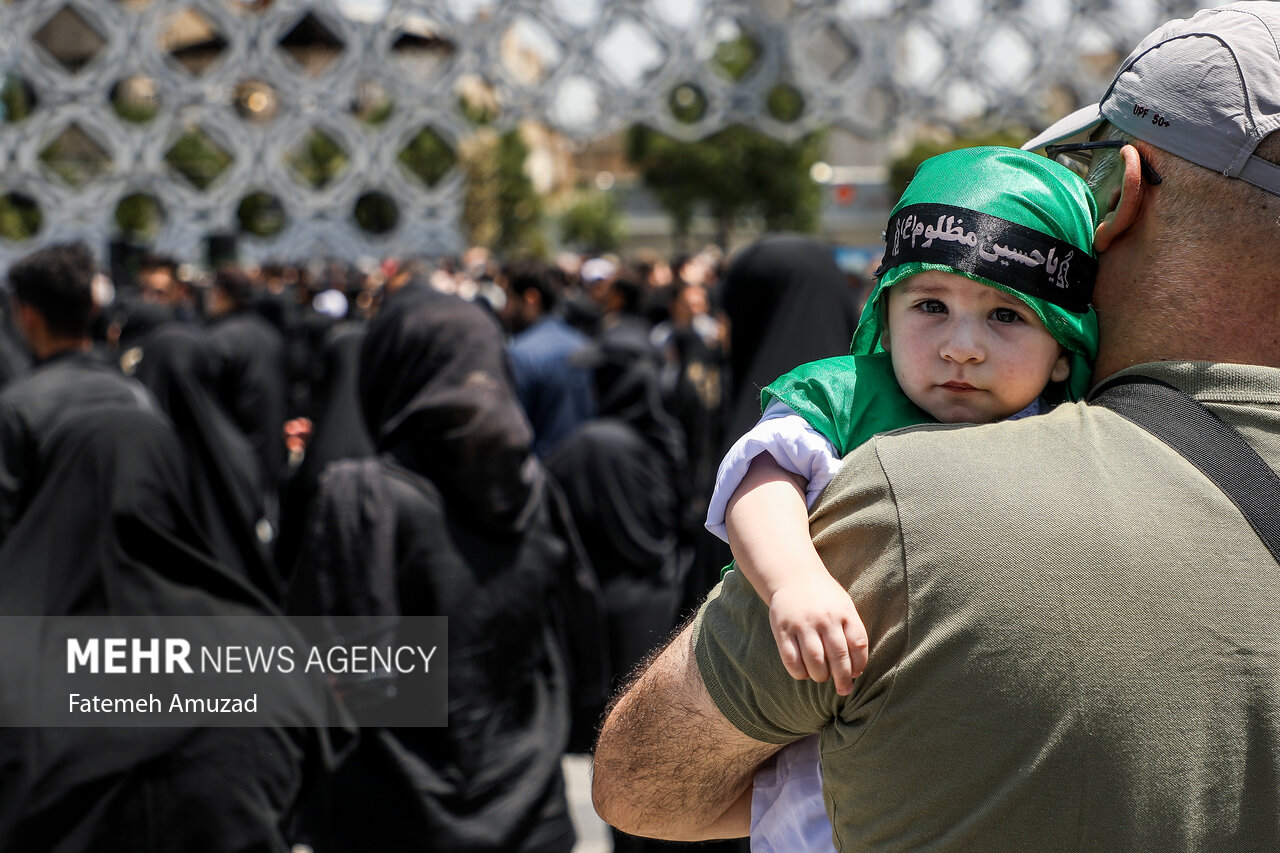
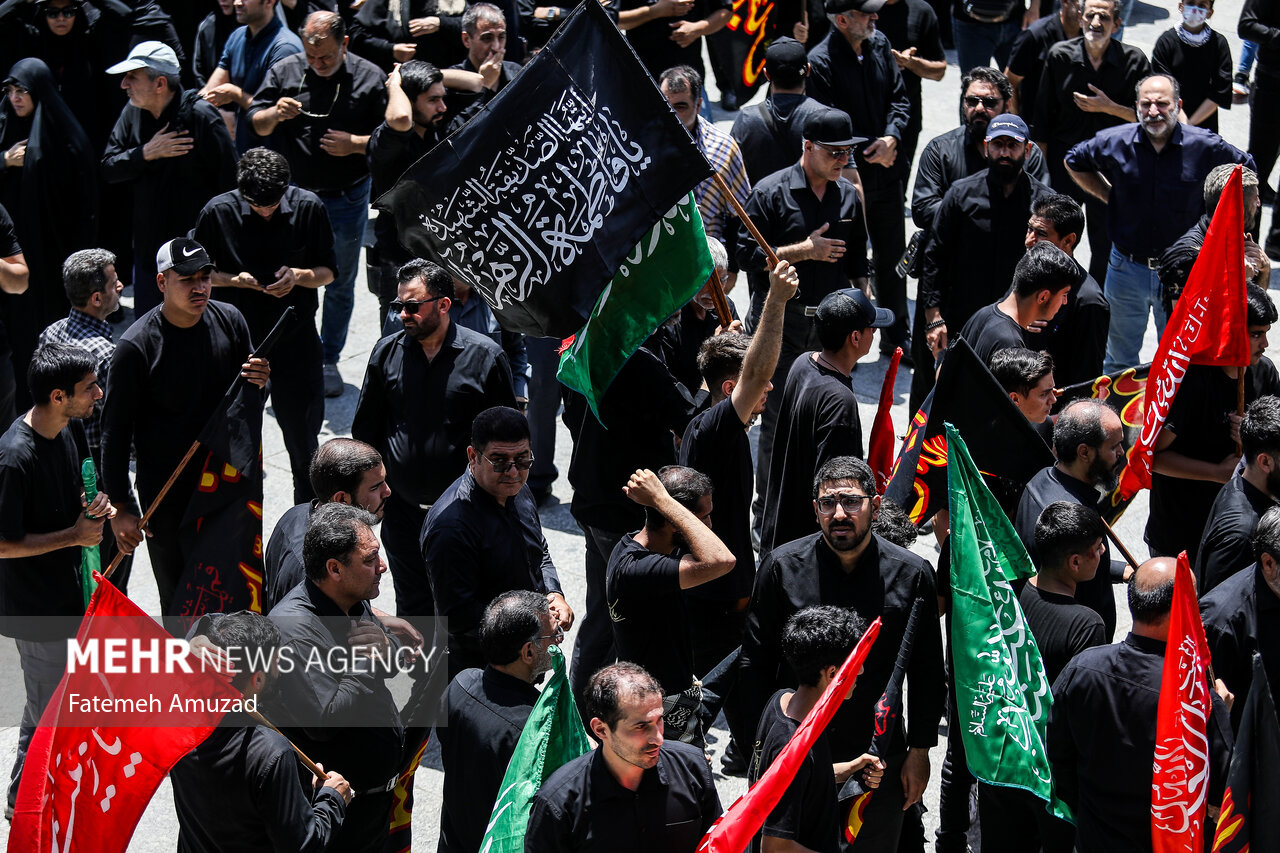
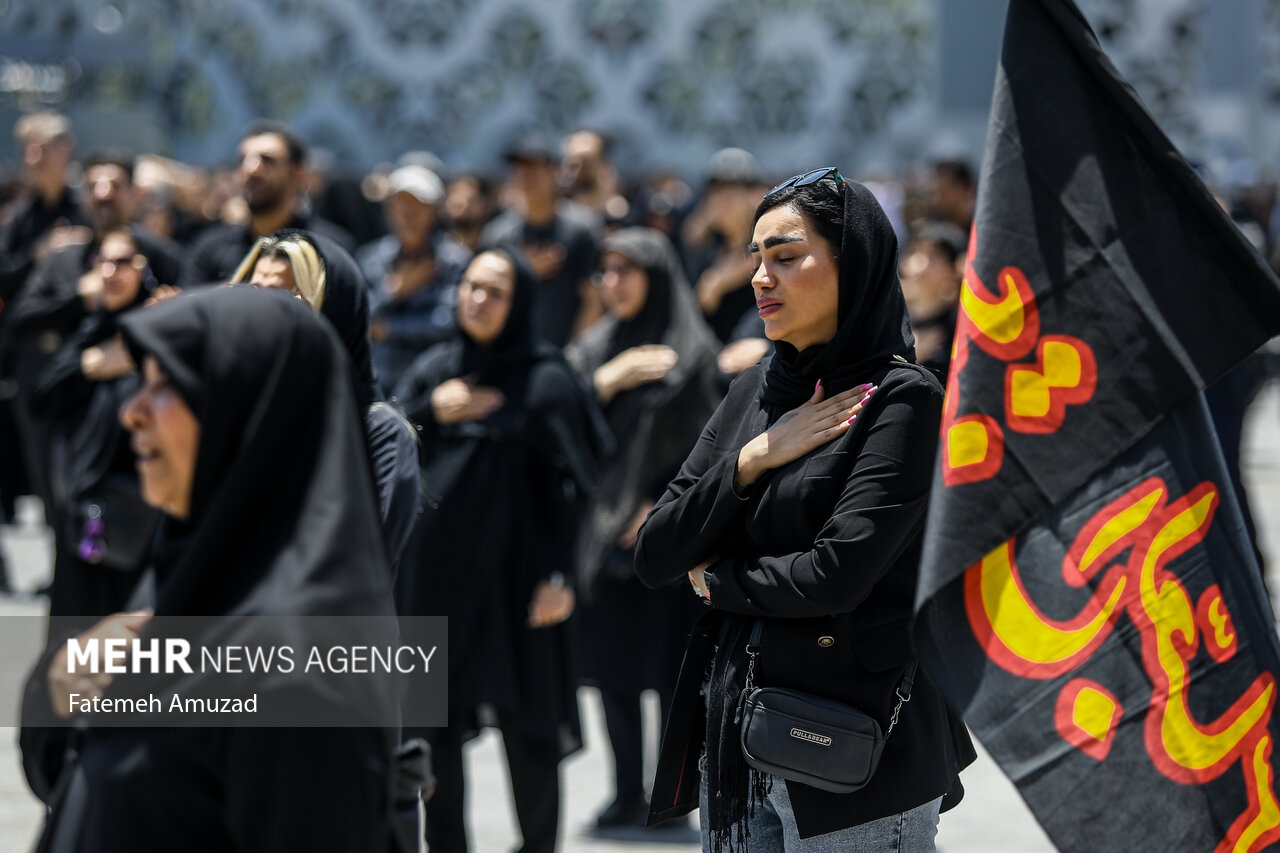
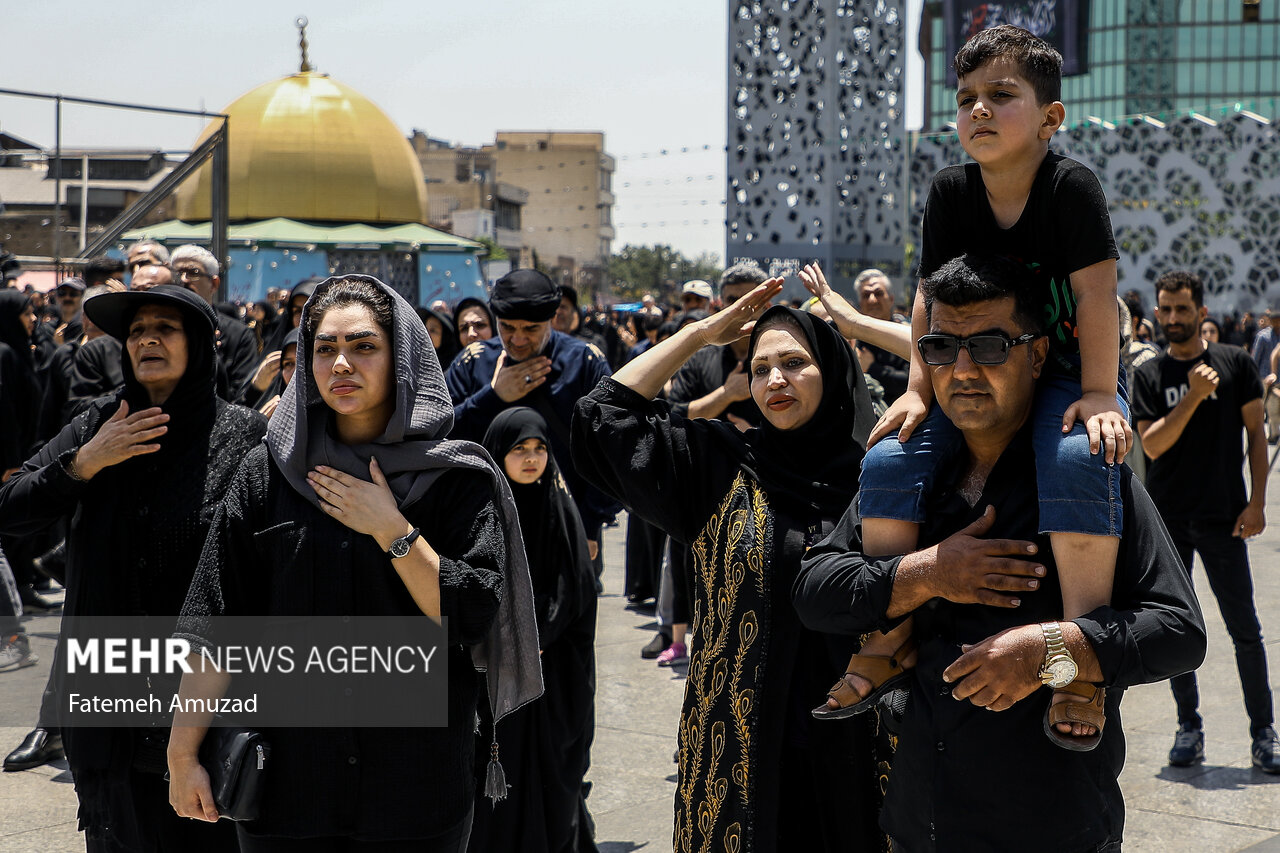
Millions in Iran mark Ashura, mourn Imam Hussein’s martyrdom

Muharram Imam Hussein

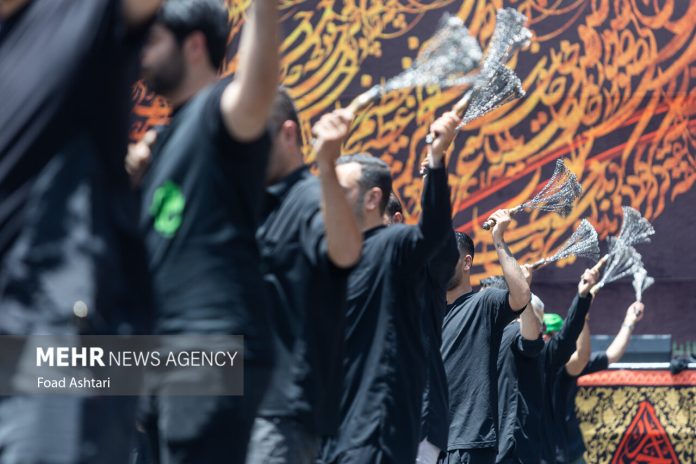
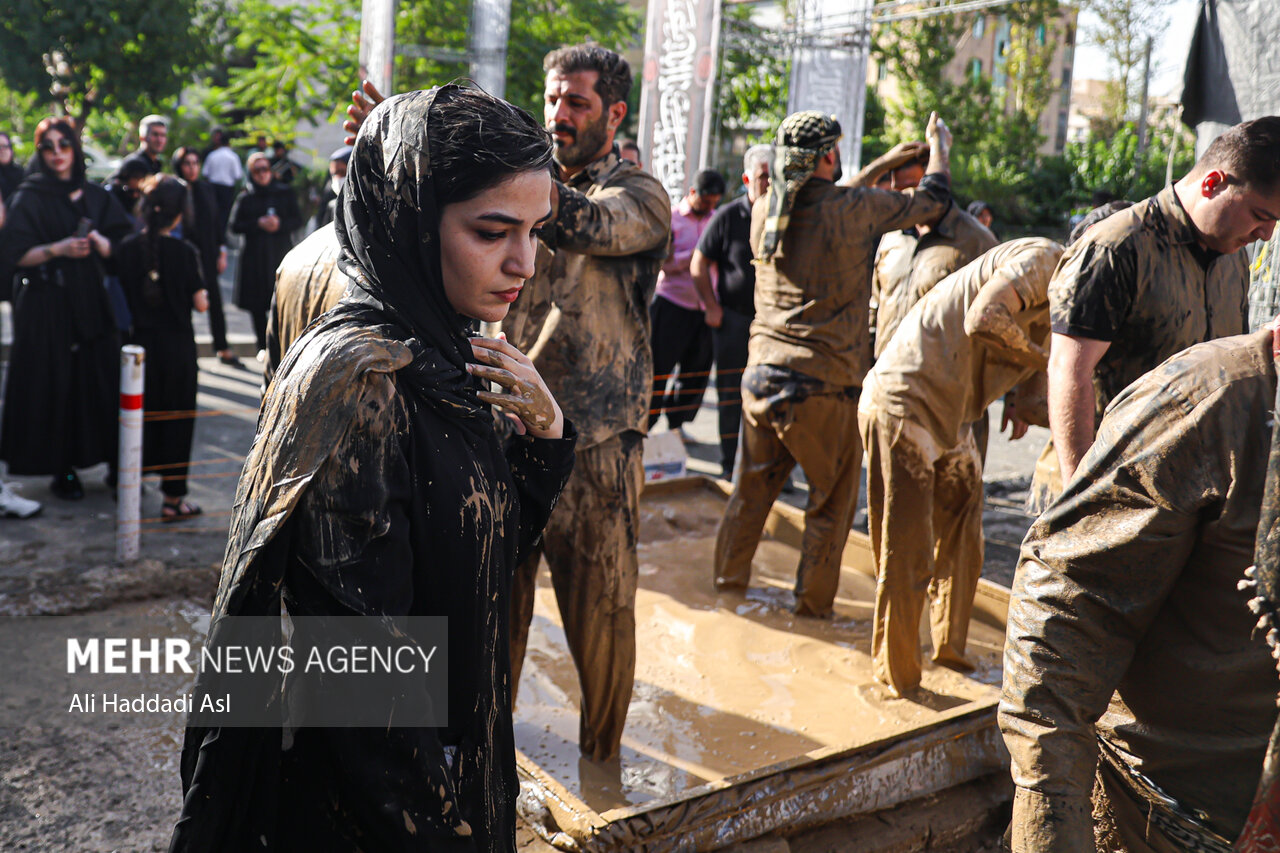
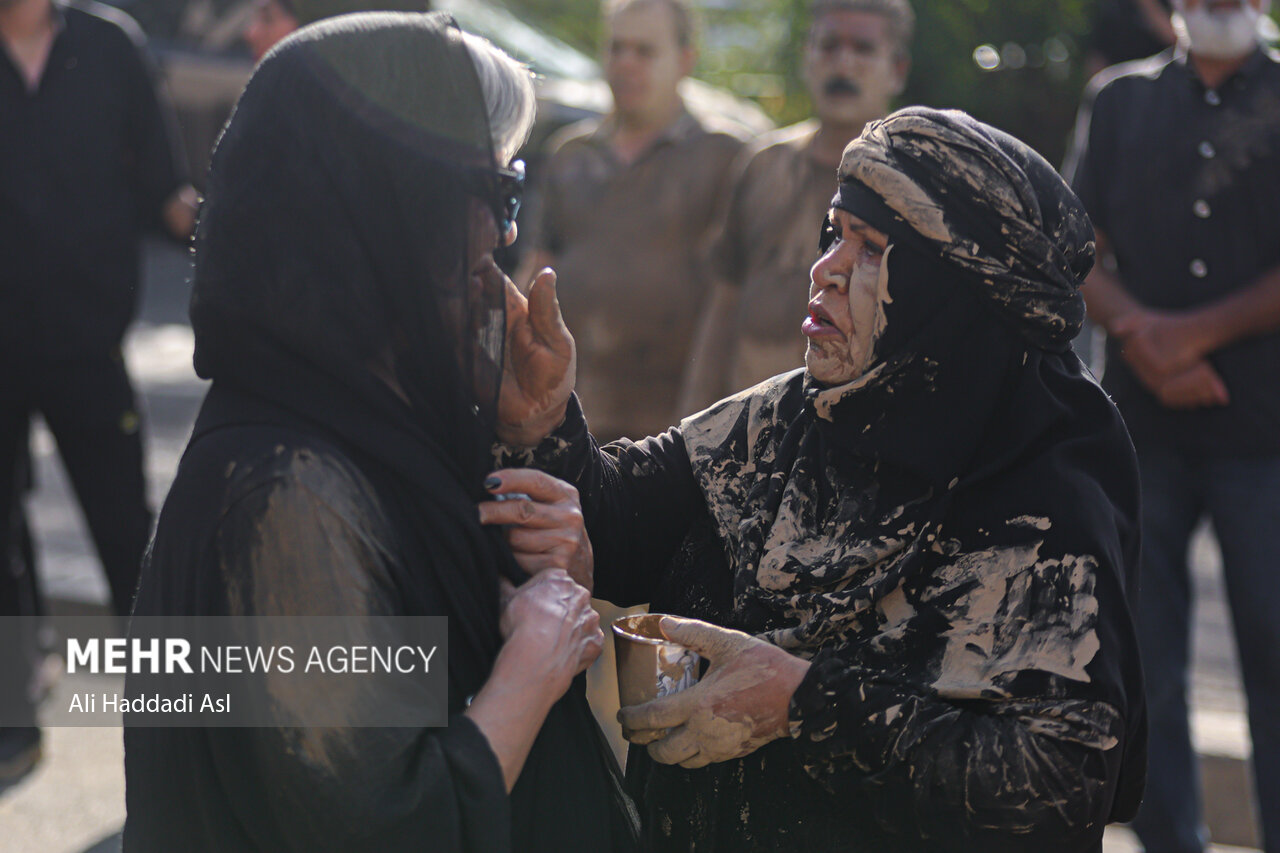
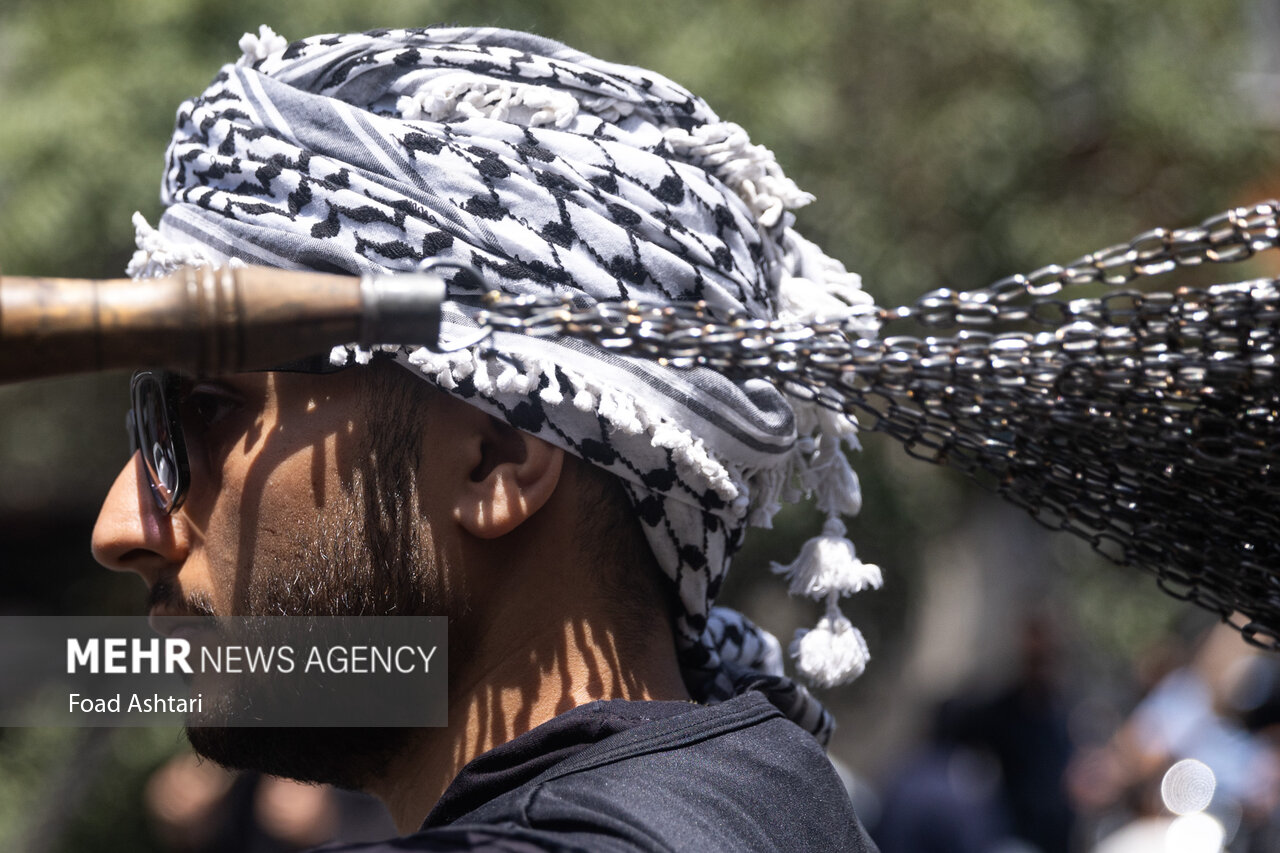
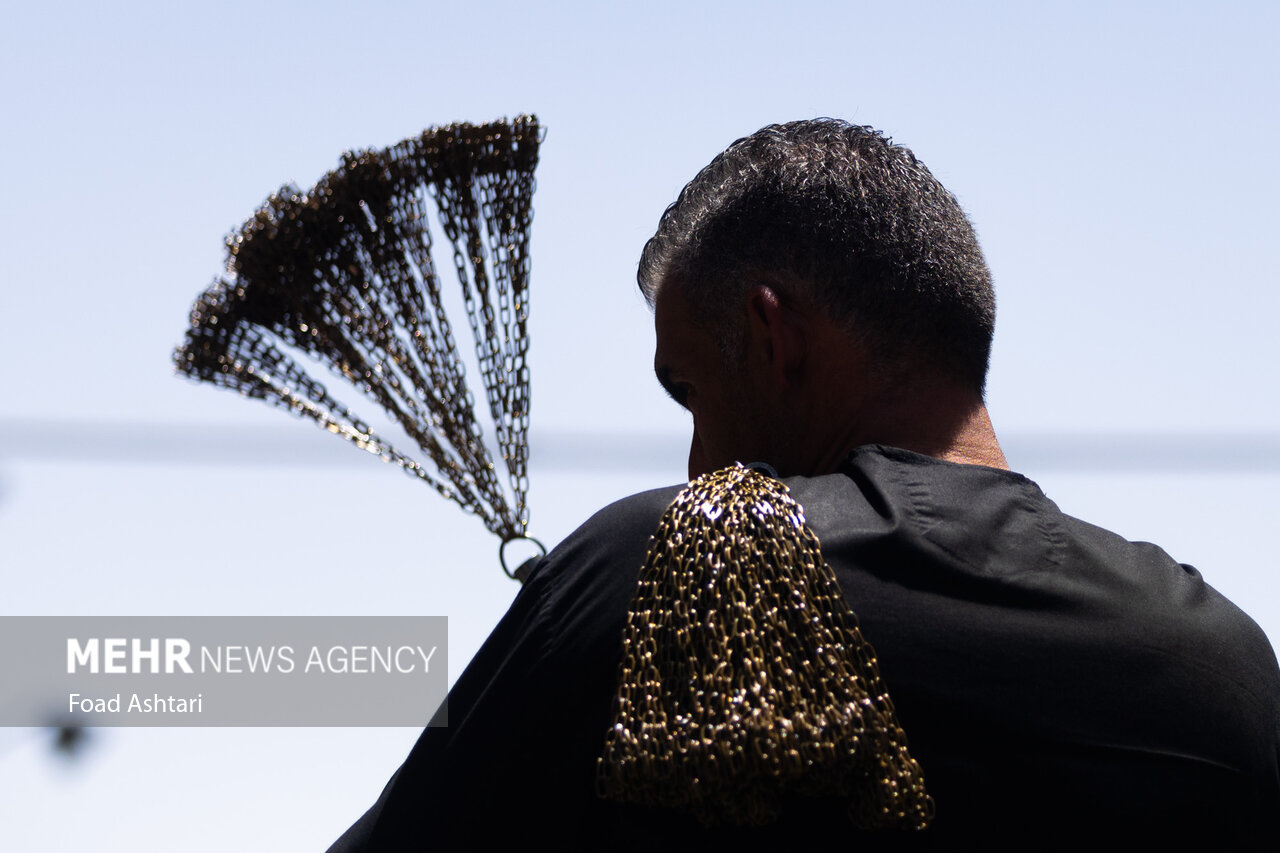
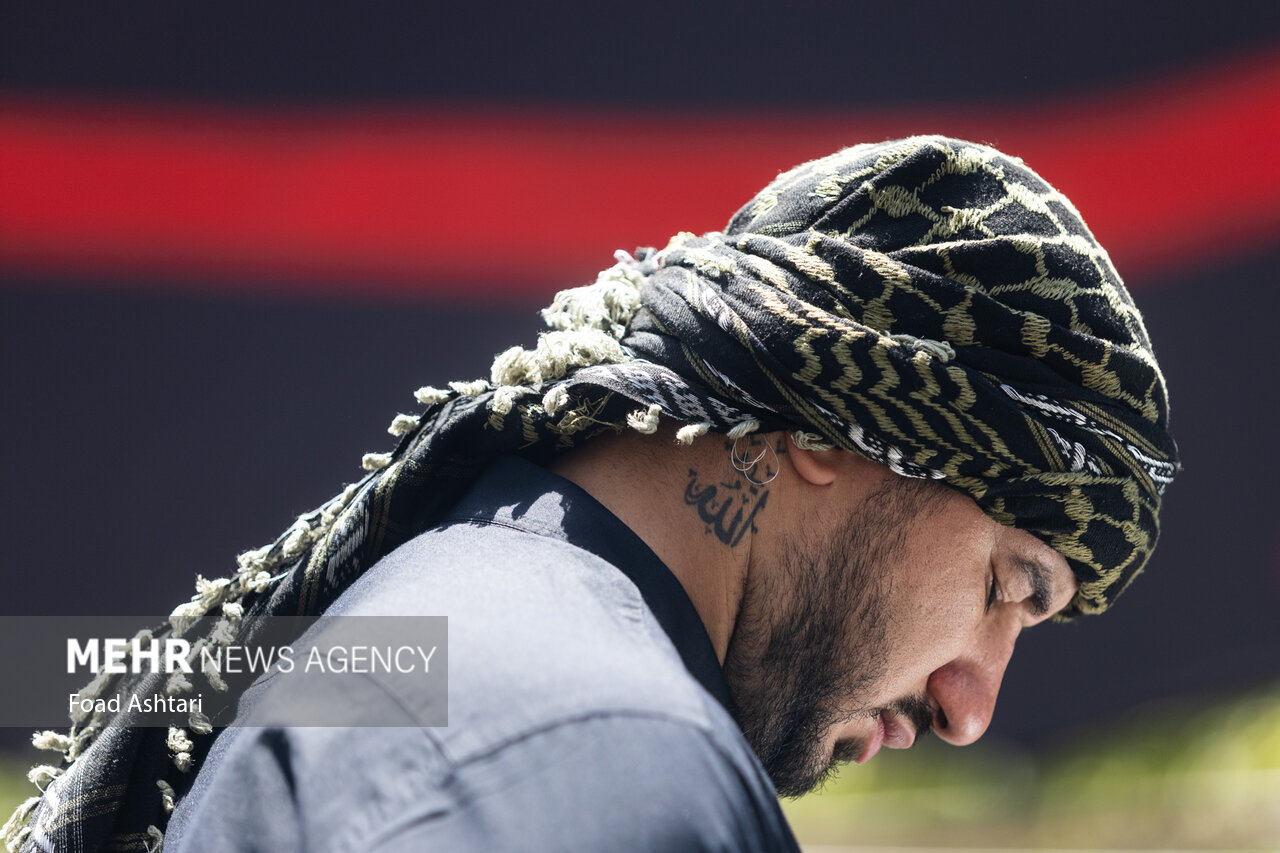
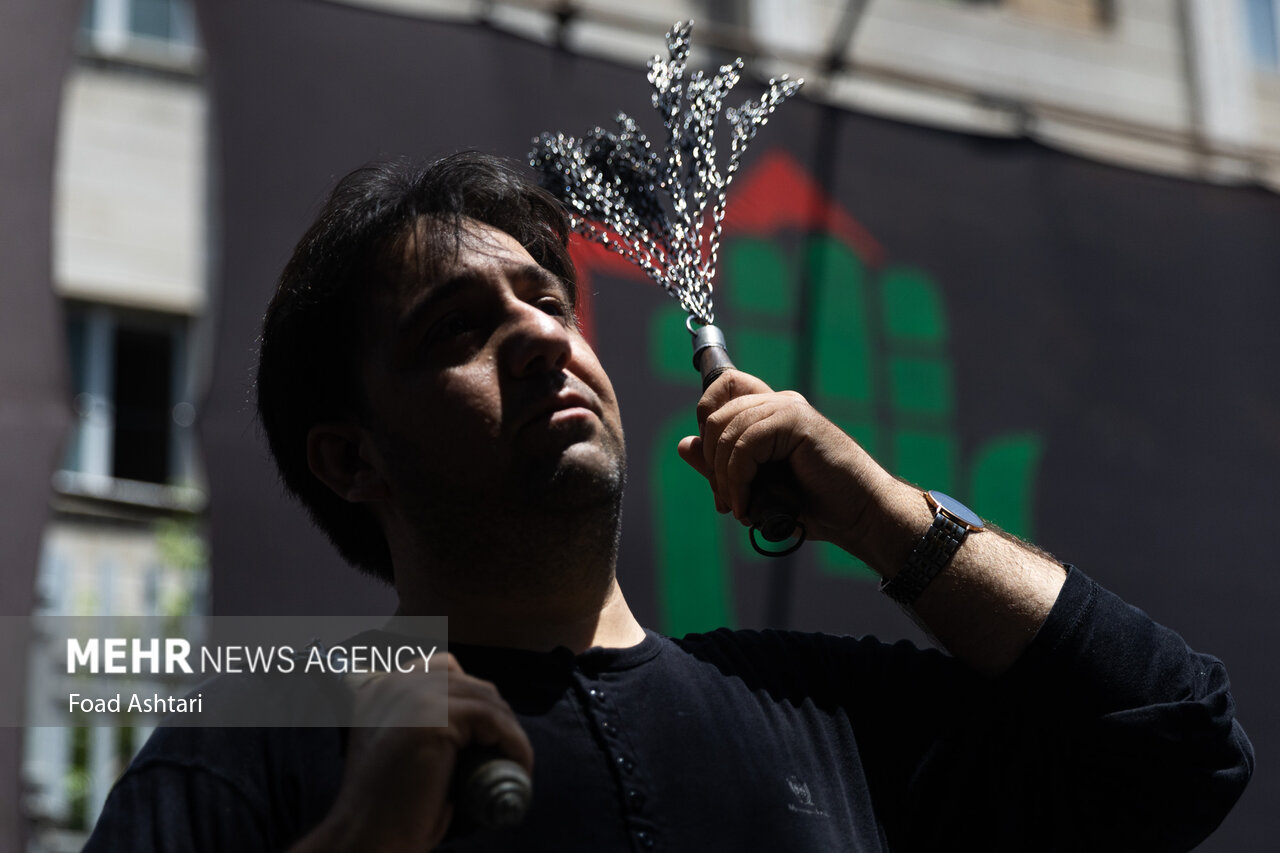
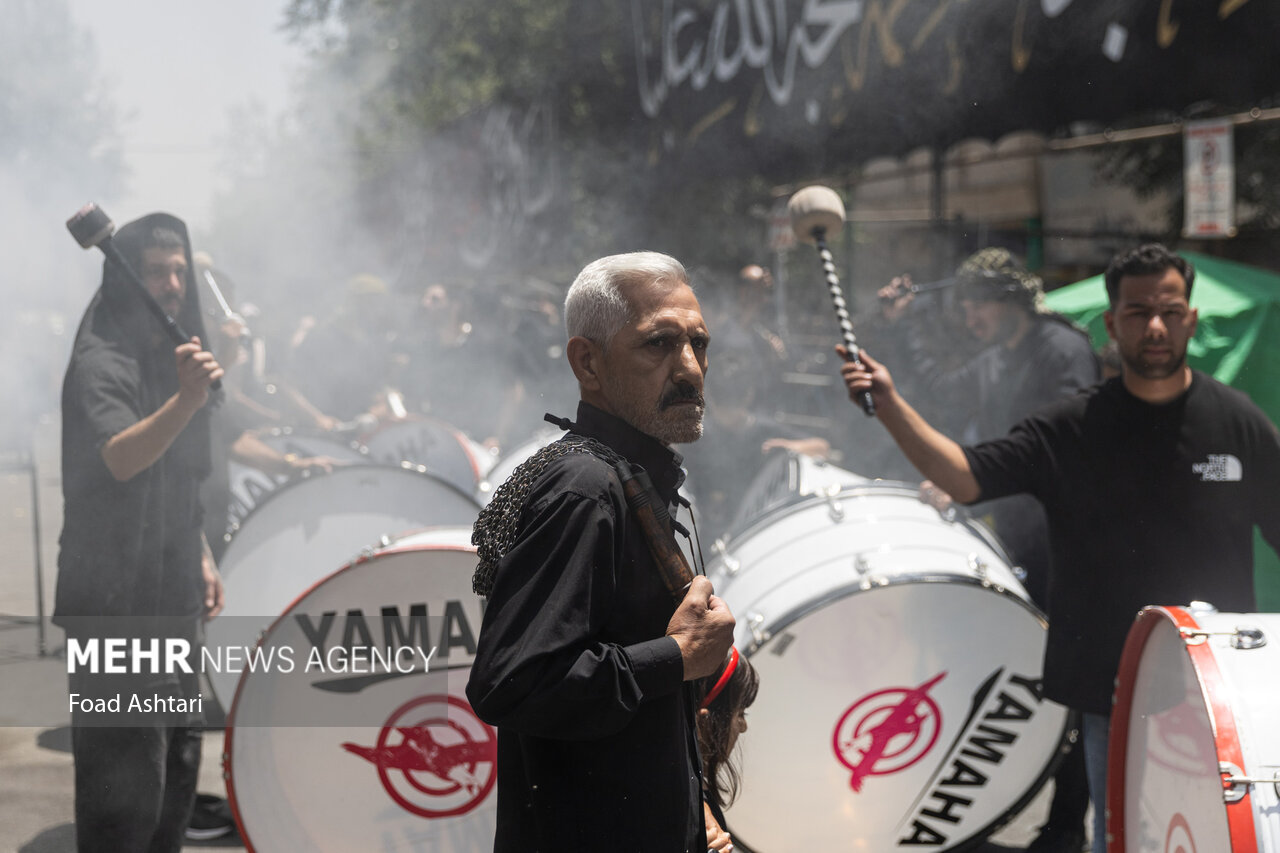
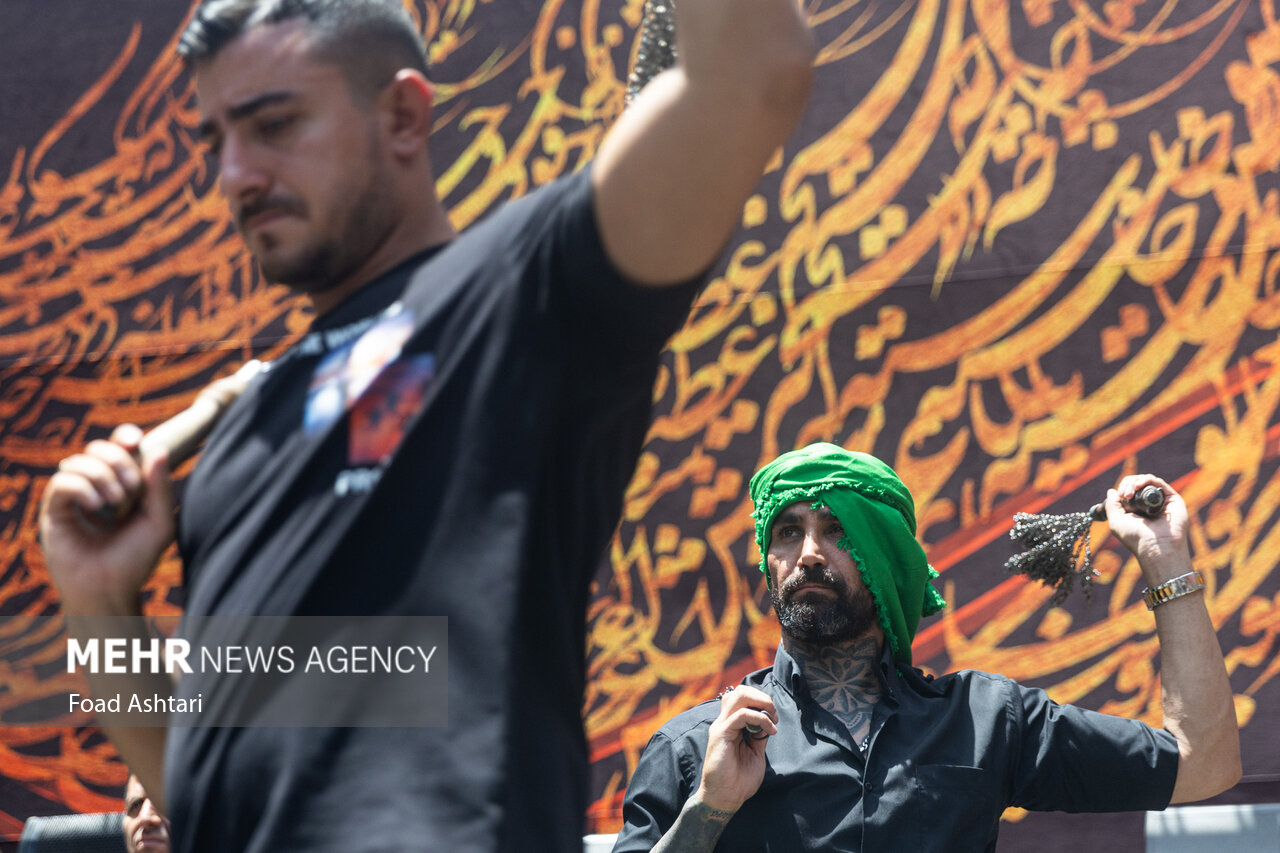
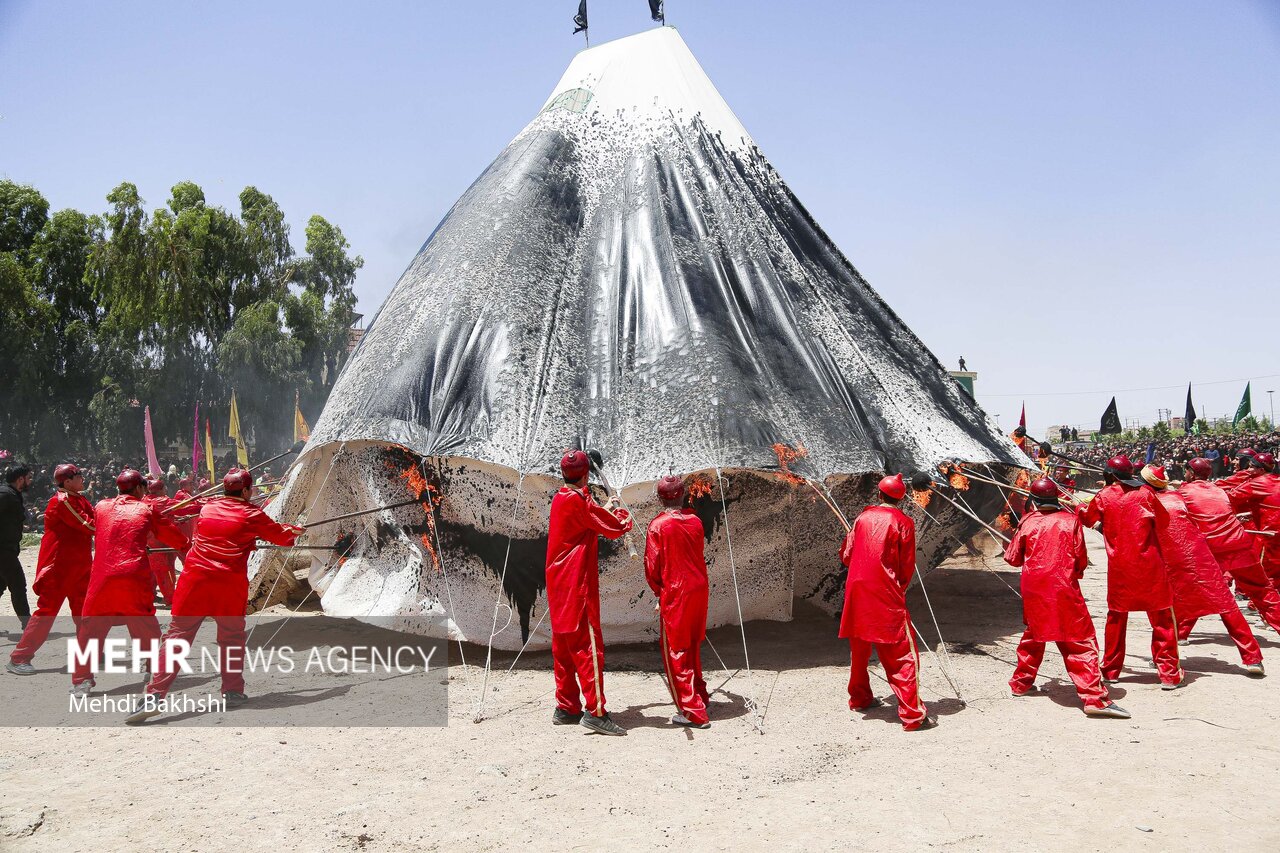
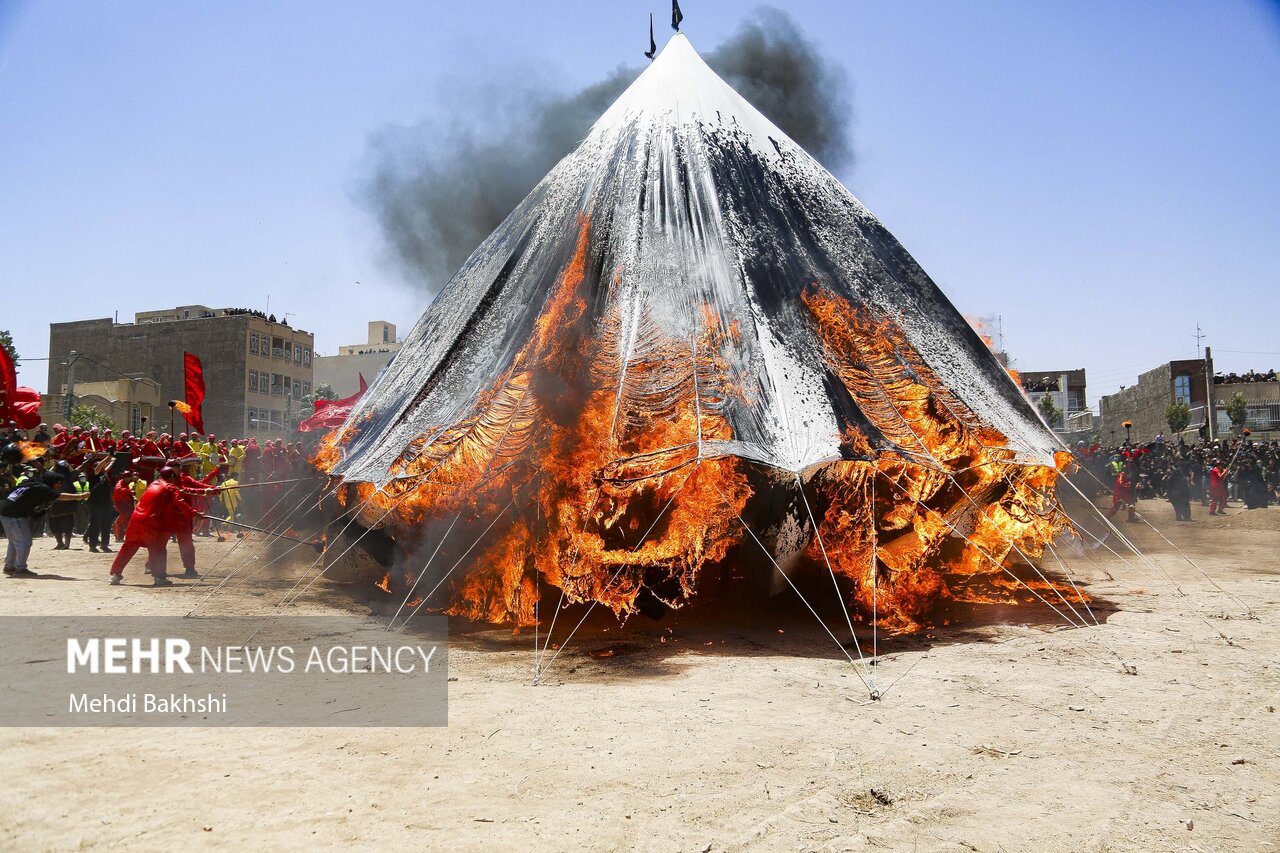
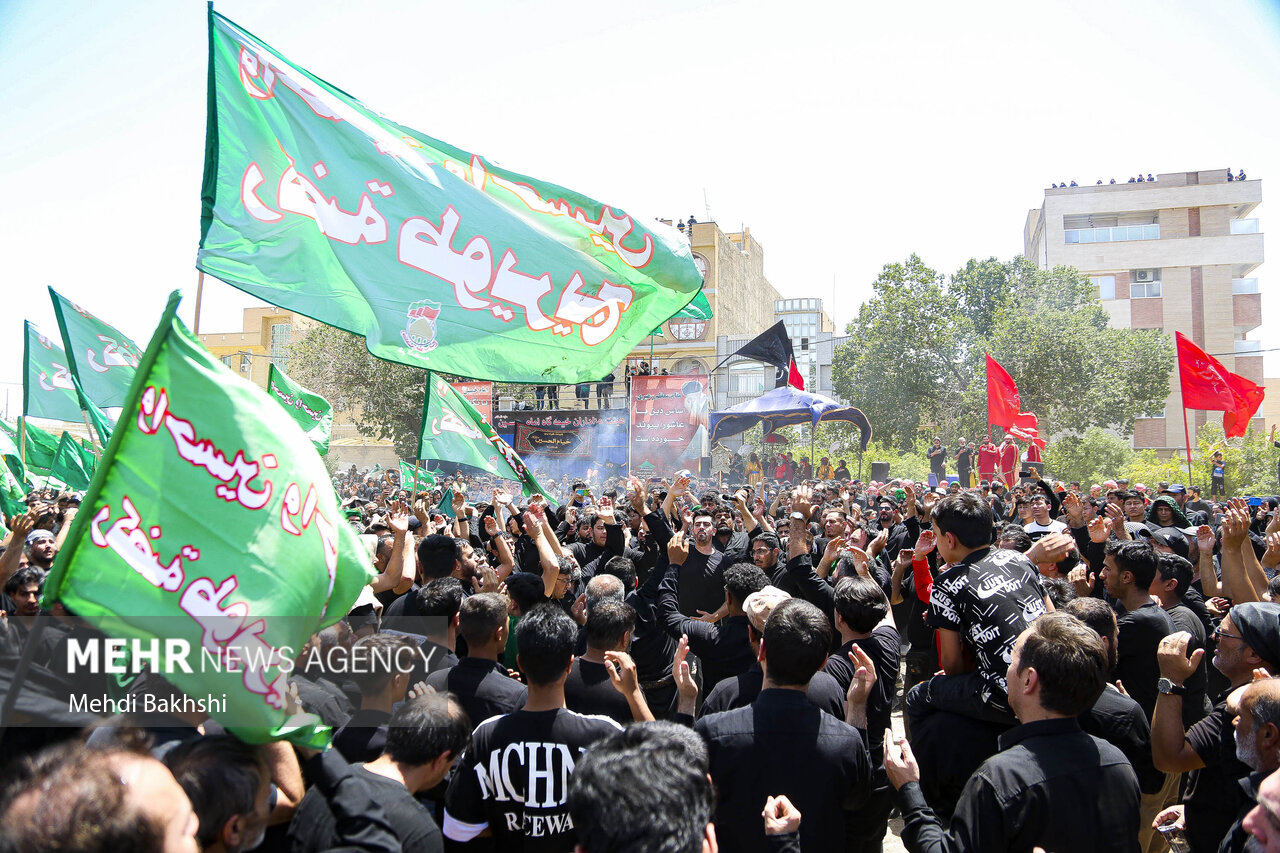
Iranians commemorate the tragic events of Ashura, the culmination of the ten-day procession, with elegies, beating their chests as a sign of grief, and Tazieh passion play which re-enacts the battle in Karbala.

Holy shrines and religious centers in the country, including Imam Reza’s holy shrine in northeastern city of Mashhad and Hazrat Fatemeh Masumeh’s shrine in Qom, are densely packed with mourners from all across Iran.

Mourning ceremonies are being held in all Iranian cities, towns and villages marking the high-profile event.

They also hand out votive food and drinks, called Nazri, to the mourners and the needy.

Imam Hussein and 72 of his companions were martyred on the 10th day of the first Islamic month of Muharram in 680 AD in Karbala, southern Iraq, in a battle against the much larger army of the then ruler Yazid I.

Shias in Iran and other parts of the world have kept the rituals alive for centuries to relay Imam Hussein’s message of courage and fight against oppression, injustice, and tyranny to the next generations.

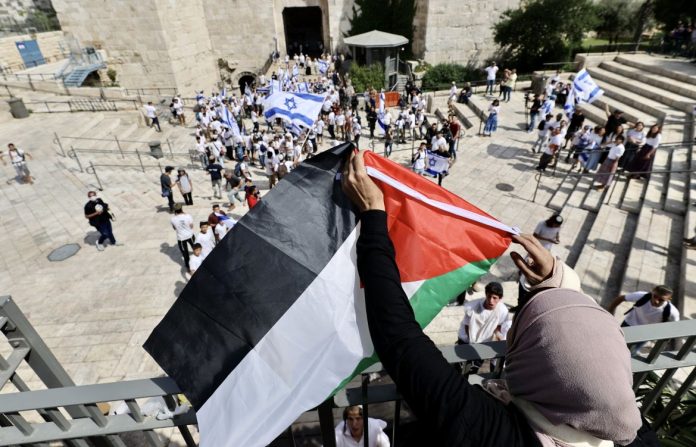
EU puts sanctions on far-right Israelis over rights abuses against Palestinians

Israeli Settlers

It announced in a statement that their violations include “abuse of the right of everyone to enjoy the highest attainable standard of physical and mental integrity, the right to property, the right to private and family life, to freedom of religion or belief and the right to education”.

The bloc sanctioned Baruch Marzel for “openly calling for an ethnic cleansing of the Palestinians” and targeted Ben-Zion “Bentzi” Gopstein, the founder and leader of the far-right Lehava organisation, along with Isaschar Manne, founder of the illegal outpost “Manne Farm” in the South Hebron Hills.

Gopstein is a close confidant of far-right Israeli Minister of National Security Itamar Ben-Gvir.

Israeli settler Moshe Sharvit and his “Moshe’s Farm” in the Jordan Valley are also on the list after attacks on Palestinian farmers and shepherds were launched from the site. The bloc listed Zvi Bar Yosef and his “Zvi’s Farm” in the occupied territories as well.

Tensions have been high across the occupied West Bank since Israel launched a deadly military offensive against the Gaza Strip, which has killed nearly 38,600 victims since Oct. 7 last year following a Hamas attack.

At least 574 Palestinians, including at least 136 children, have since been killed and nearly 5,350 others injured by Israeli army fire in the occupied territory, according to the Health Ministry.