Friday, December 26, 2025
Home Blog Page 749

Senior military official says Israel shouldn’t doubt Iran’s resolve to retaliate over assassination of Haniyeh

Hamas Ismail Haniyeh

The Iranian Armed Forces’ Deputy Chief of Staff for Coordination, Brigadier General Ali Abdollahi made the remarks during a ceremony in the northwestern Iranian city of Koumeleh on Wednesday.

“The Zionist regime should not dream that Iran would not respond to this atrocity…because the Islamic Republic has [already] proven its will to deploy all its capacities towards responding to enemies’ violation of its soil and waters,” he said.

The official quoted remarks made by Leader of the Islamic Revolution Ayatollah Seyyed Ali Khamenei following the assassination, in which the Leader pledged that the Islamic Republic would deliver a “harsh response” to the atrocity.

“The time of the response, however, will be determined by the Leader and the country’s senior commanders,” Abdollahi added.

Haniyeh, the late head of the Palestinian resistance movement Hamas’ Political Bureau, was assassinated alongside one of his bodyguards in the Iranian capital Tehran on July 31, a day after he attended the swearing-in ceremony of Iran’s President Masoud Pezeshkian.

Abdollahi cited several instances of the country’s successful retaliation against aggressors such as its steadfast defense of its soil during the 1980s in the face of former Iraqi dictator Saddam Hussein’s invading army, which was being heavily armed by the West.

“The country’s security, power, and advancement are the results of the sacrifices that were made by its martyrs and fighters [during the war],” he said.

Abdollahi also enumerated Iran’s firing of volleys of ballistic missiles against United States-occupied bases in Iraq in January 2020 in response to Washington’s earlier assassination of the Islamic Republic’s senior anti-terror commander, Lieutenant General Qassem Soleimani.

Iran’s response to the assassination came “while there had been no direct attack [like it] on the US’s interests throughout the previous 70 years”, the official stated.

He also pointed to the country’s retaliation of April 13 against a deadly attack by the Israeli regime that had targeted the consular section of the Islamic Republic’s Embassy in the Syrian capital Damascus earlier that month. The reprisal saw Iran’s Islamic Revolution Guards Corps (IRGC) targeting the occupied Palestinian territories with a barrage of drones and missiles, inflicting damage on Israeli military bases there.

“There are many countries that have [various type of] equipment and weapons, but having the will to deploy these is a different matter, and the enemy knows that Iran possesses the will to do so,” Abdollahi said.

“Our enemies have been humiliated and do not dare to violate the Islamic Republic’s territory…,” he added, asserting, “Therefore, we say this to the global arrogance that it should not test the Iranian nation’s steadfastness once again.”

A commander of the Quds Force of the IRGC has also warned that Tehran’s response to Israel’s assassination of Haniyeh will be “different and surprising”.

Brigadier General Mohsen Chizari, deputy commander for operations of the IRGC Quds Force, made the remarks in an interview with the Islamic Republic of Iran Broadcasting (IRIB) on Wednesday, stressing that Iran will respond to Haniyeh’s assassination “in due time.”

Touching upon “Operation Arbaeen” carried out by Lebanon’s resistance movement Hezbollah against the Israeli regime, Chizari stressed that the attack was in response to the assassination of the group’s top commander Fuad Shukr, adding that Iran’s crushing response will definitely be different.
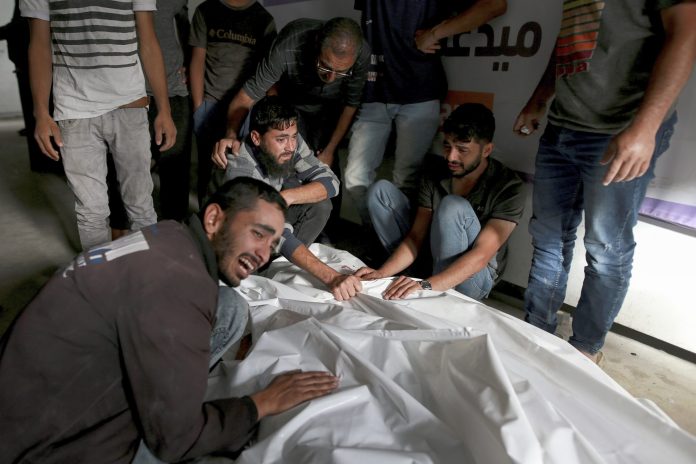
Hamas says no need for new ceasefire proposals

Gaza War

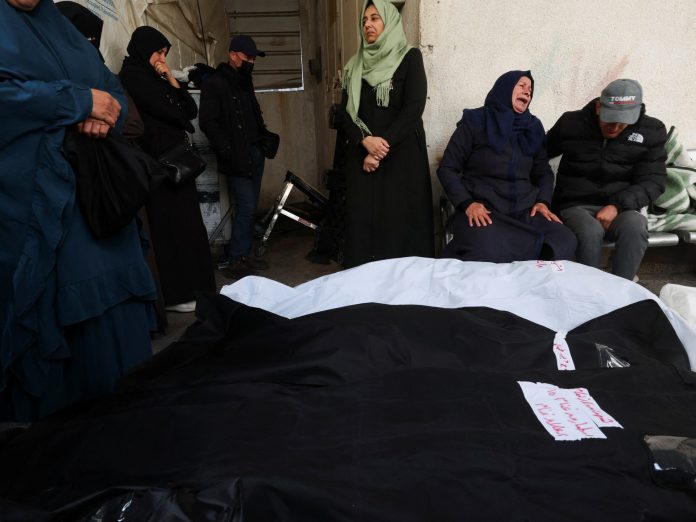
Hamas has released a statement on ongoing talks for a ceasefire in the Gaza Strip and a deal to exchange Israeli captives for Palestinian prisoners held in Israeli jails.

“We do not need new proposals. What is required now is to pressure Netanyahu and his government and oblige them to what has been agreed upon,” the statement reads.

Hamas maintains that both it and Israel agreed to a deal proposed earlier this year but that Netanyahu has changed the terms.

“We warn against falling into Netanyahu’s trap and tricks, as he uses negotiations to prolong the aggression against our people,” Hamas continued.

“Netanyahu’s decision not to withdraw from the Salah al-Din [Philadelphi] axis aims to thwart reaching an agreement,” it said, referring to the PM’s consistent refusal to withdraw Israeli soldiers from the area which runs along the southern border of the Gaza Strip.

on Wednesday, Netanyahu reiterated this refusal in a news conference in Jerusalem.

For months, Egypt, Qatar and the US have mediated indirect talks between Israel and Hamas, but these efforts have yet to yield results, largely due to Israel’s refusal to meet Hamas’s demands for an end to the war, the withdrawal of Israeli forces from Gaza, and the return of displaced Palestinians to northern Gaza.

More than 40,800 Palestinians, mostly women and children, have been killed since the start of the Israel-Hamas war on Oct. 7 last year and nearly 94,400 others injured, according to local health authorities.

An ongoing blockade of the enclave has led to severe shortages of food, clean water and medicine, leaving much of the region in ruins.

Israel also faces accusations of genocide for its actions in Gaza at the International Court of Justice.

On Tuesday, Hamas issued a stark warning to Israel regarding the ongoing genocide in Gaza, saying the lives of captives held in the besieged territory are in danger unless the regime reverses its course.

In a video message directed at Israeli settlers, Hamas stated that the continuation of military aggression would jeopardize the safety of Israeli captives.

Hamas added if the attacks on Gaza ceases, the captives will be returned safely to their homes in the occupied territories, and if the aggression persists, the fate of these individuals would remain uncertain.

The video message noted, “Every day that Netanyahu continues to rule may mean a new coffin.”

Hamas took a large group of Zionist settlers and soldiers captive in its October 7 Operation Al-Aqsa Storm, which caught the regime off-guard.

The movement initially offered to release the captives in exchange for the release of a large number of Palestinians held by Israel.

But Netanyahu has taken a tough line in the Gaza ceasefire talks, and repeatedly said military pressure is needed to bring home the captives.

According to Israeli media, he has feuded with the regime’s high-profile officials who say a deal should be struck urgently.

Dozens of the captives have so far been killed in the indiscriminate bombardment of the besieged enclave.

During its operation, Hamas took 251 Israelis captive, 97 of whom now remain in Gaza, including the bodies of at least 33 confirmed dead by the Israeli military.

Earlier this week, the military found the bodies of six captives in a tunnel in the southern city of Rafah. Hamas said they were killed in Israeli airstrikes.

The death of the six captives ignited fury among Israelis who have for months denounced Netanyahu’s policy of torpedoing a deal with Hamas in favor of his political interests.

Unofficial sources say several Iranian banks hit by massive cyberattack

Iran ATM Bank

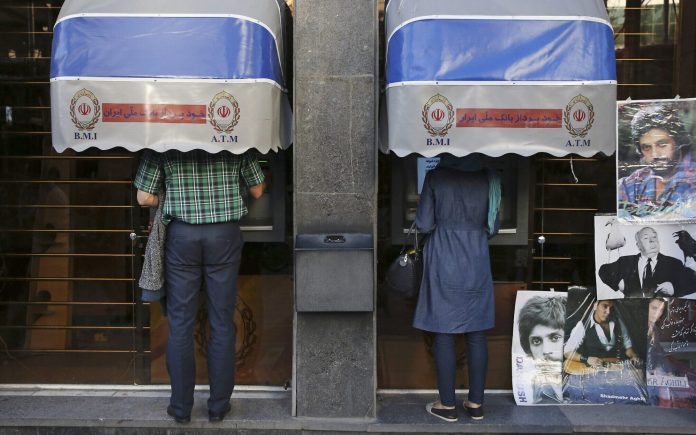
An Iranian firm paid at least $3 million in ransom last month to stop an anonymous group of hackers from releasing individual account data from as many as 20 domestic banks in what appears to be the worst cyberattack the country has seen, according to industry analysts and western officials briefed on the matter.

A group known as IRLeaks, which has a history of hacking Iranian companies, was likely behind the breach, the officials said. The hackers are said to have initially threatened to sell the data they collected, which included the personal account and credit card data of millions of Iranians, on the dark web unless they received $10 million in cryptocurrency, but later settled on a smaller sum.

Iran pushed for a deal, fearing that word of the data theft would destabilize the country’s “already-wobbly financial system”, which is under intense strain amid the international sanctions the country faces, the officials added.

Iran never acknowledged the mid-August breach.

People familiar with the Iranian banking hack told POLITICO that IRLeaks is affiliated with neither the US nor Israel, suggesting the attack may have been the work of freelance hackers driven primarily by financial motives.

Such cases have become increasingly common around the world in recent years as sophisticated hackers seize private data from governments and companies and demand ransom in return for not releasing the information.

Iran is no stranger to such activity. In December, IRLeaks claimed to have stolen the customer data of nearly two dozen Iranian insurance companies, and of hacking into Snapp Food, a delivery service. Though the companies agreed to pay ransom to IRLeaks, it was far less than the group received from the banking hack, the officials noted.

IRleaks entered the banks’ servers via a company called Tosan, which provides data and other digital services to Iran’s financial sector, the officials said. Using Tosan as a Trojan horse, the hackers appear to have siphoned data from both private banks and Iran’s central bank. Of Iran’s 29 active credit institutions, as many as 20 were hit, added the officials, who requested anonymity in order to reveal sensitive information.

Among the affected banks were the Bank of Industry and Mines, Mehr Interest-Free Bank, Post Bank of Iran, Iran Zamin Bank, Sarmayeh Bank, Iran-Venezuela Bi-National Bank, Bank Day, Bank-e Shahr, Eghtesad Novin Bank, and Saman, which also has branches in Italy and Germany.

Iran ultimately forced Tosan to pay the IRLeaks ransom, a personal familiar with the events claimed.

What isn’t clear is whether the hackers used Tosan to hit other targets in Iran. The firm has a wide customer base, including government entities beyond the central bank.

US charges RT employees over alleged election influence

RT

Justice Department officials said the two employees used shell companies and fake personas to pay $10 million to an unnamed Tennessee company to produce online videos aimed at amplifying political divisions in the United States.

The US Treasury and State departments also announced actions targeting RT, including the network’s top editor, Margarita Simonovna Simonyan.

American officials said Russia’s goal is to exacerbate US political divisions and weaken public support for American aid to Ukraine in its war with Russia.

“We will be relentlessly aggressive in countering and disrupting attempts by Russia and Iran, as well as China or any other foreign malign actor, (to) interfere in our elections and undermine our democracy,” US Attorney General Merrick Garland stated.

The FBI separately sought court permission to seize 32 internet domains it said were part of Russia’s foreign influence effort.

RT responded with ridicule, telling Reuters, “Three things are certain in life: death, taxes and RT’s interference in the US elections.”

RT ceased operating in the United States after major television distributors dropped it following Russia’s invasion of Ukraine.

Russian lawmaker Maria Butina told Reuters that Moscow does not think it matters whether Republican Donald Trump or Democrat Kamala Harris wins the Nov. 5 election.

“The only winner of the US election is the US private military industrial complex,” added Butina, who spent 15 months in US prison for acting as an unregistered Russian agent.
Moscow has repeatedly stressed it has not meddled in the upcoming US election.

The criminal indictment charged the two RT employees, Konstantin Kalashnikov and Elena Afanasyeva, with conspiracy to violate US money laundering and foreign agent laws. Both are based in Russia and remain at large, American officials say.

Authorities said the RT employees worked with two foreign nationals in the United States, who set up a company that recruited prominent conservative commentators to post regular videos on topics like immigration and US politics.

Though the company is not named in the indictment, details provided in court filings match up with Tenet Media, a Nashville-based company that has posted nearly 2,000 videos to YouTube in less than a year.

The indictment’s description of a “network of heterodox commentators that focus on Western political and cultural issues” matches Tenet’s own promotional wording on its website. In addition, Tenet’s incorporation date of Feb. 19, 2022, filed with the Tennessee Secretary of State matches the date mentioned in the indictment.
The company paid $8.7 million to the production companies of three of the online stars it recruited, according to the indictment. The company’s founders also received more than $760,000.

The commentators, who were not named in the indictment, did not know they were paid by RT, the Justice Department announced.

In one instance, the indictment said, Afanasyeva asked the company to produce a video that would blame Ukraine and the United States for a mass shooting at a Moscow music venue, the Justice Department said, even though Islamic State had claimed responsibility.

A company founder responded that one of the commentators is “happy to cover it”, added the indictment.

Benny Johnson, one of the commenters who has worked with Tenet, said in a statement he is disturbed by the indictment and added it “makes clear that myself and other influencers were victims in this alleged scheme”.

Tim Pool, another commenter, also said he and the other influencers “were deceived and are victims”. He added no one else had editorial control of his broadcasts.

The Justice Department has not charged Tenet executives with wrongdoing. However, it alleges that the company failed to disclose that it was funded by RT and its executives never registered with the Justice Department that they were acting as agents of a foreign government.

The Justice Department has previously warned that Russia remains a threat in the election and appears to be favoring Trump over Harris.

US intelligence assessments found that Moscow tried to help Trump in 2016, when he defeated Democrat Hillary Clinton, and in 2020 when he lost to Democrat Joe Biden. Moscow has denied the allegations.

After the charges were announced, Trump posted on social media that the Justice Department was working to defeat him in the election.

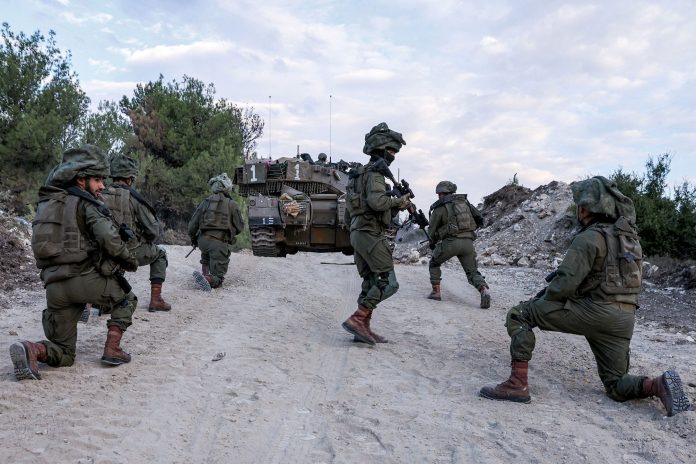
Majority of Israelis support leaving Philadelphi Corridor to secure deal with Palestinians

Israeli Army

A slim majority of Israelis would support leaving the Philadelphi Corridor if it means reaching a deal with Hamas to release the remaining Israeli hostages held in Gaza, according to a new poll.

53 percent of Israelis would support a pullout if it comes with a captive agreement, Israeli public broadcaster Kan found in a new poll.

The presence of Israeli forces in the narrow strip of land that runs along Gaza’s southern border with Egypt has become a major sticking point in negotiations for a ceasefire in the besieged enclave and an exchange of Palestinian prisoners and Israeli captives.

Prime Minister Benjamin Netanyahu has repeatedly refused to leave the area, even though Hamas stressed a previous version of a ceasefire deal, which included the withdrawal of Israeli troops from the corridor, was already agreed to by Israeli officials.

For months, Egypt, Qatar and the US have mediated indirect talks between Israel and Hamas, but these efforts have yet to yield results, largely due to Israel’s refusal to meet Hamas’s demands for an end to the war, the withdrawal of Israeli soldiers from the besieged enclave, and the return of displaced Palestinians to northern Gaza.

More than 40,800 Palestinians, mostly women and children, have been killed since the start of the Israel-Hamas war on Oct. 7 last year and nearly 94,400 others injured, according to local health authorities.

An ongoing blockade of the enclave has led to severe shortages of food, clean water and medicine, leaving much of the region in ruins.

Israel also faces accusations of genocide for its actions in Gaza at the International Court of Justice.

Humanitarian groups call on Canada to halt ‘all arms to Israel’ amid war in Gaza

Gaza War

Addressed to Canadian Foreign Minister Melanie Joly, the letter warns of Canada’s complicity in a “humanitarian catastrophe” in the besieged enclave and calls upon the government to respect its obligations under the UN’s Arms Trade Treaty (ATT), which Canada acceded to five years ago.

“As organizations committed to upholding human rights, the protection of civilians, peace, and justice, we urge the Government of Canada to take immediate action to cease all exports of arms and arms components to Israel, as well as any and all transfers for which Israel will be the end user”, the letter reads.

In 2023, $22.2m worth of military material was exported to Israel, placing Tel Aviv among the top 10 recipients of Canadian arms exports.

Of the 19 signatories to the letter, including Amnesty International Canada, Independent Jewish Voices Canada, Care Canada and Doctors of the World Canada, several of the groups have a presence in Gaza.

The letter specifies these groups see “the grave consequences of the transfer of weapons to conflict parties” every day.

Under ATT, Canada is prohibited from exporting weapons if they are used to commit serious crimes under international law, including disproportionate and indiscriminate attacks. Canada’s arms sales to Israel are incompatible with its obligations under ATT, the group argues.

In March this year, the government of Canadian Prime Minister Justin Trudeau announced it would halt future arms sales to Israel, following a non-binding vote in the House of Commons.

“It is a real thing,” Joly commented on the decision. However, previously approved arms transfers do not fall under the Canadian government’s decision to stop the transfers.

While the letter concedes that the move was “a step in the right direction”, the signatories note that the proposed permits for arms transfers to Israel have not been denied but instead “left in limbo for future authorization, and, most disturbingly, previously approved arms transfers have continued unabated”.

The letter specifically mentions an export deal approved on 14 August by the US, which stipulates that the Quebec-based company, General Dynamics Ordnance and Tactical Systems Inc., will be the principal contractor in the likely sale of $61m in high explosive mortar cartridges and related equipment to Israel.

“This announcement directly contradicts the claims made by the Canadian government that the only outstanding military exports to Israel are for “non-lethal” military equipment”, the letter adds.

Furthermore, until the end of 2025, transfers of Canadian military goods to Israel have been approved despite the vote in the House of Commons.

The criticism expressed by Canada’s civil society organisations echoes similar trends by countries who have continued selling arms to Israel despite pledges and parliamentary votes to cease all exports.

Since the start of the war on Gaza, several countries have chosen to review and suspend arms sales to Israel, with the UK being the latest country to undertake such efforts.

On Monday, following a review under the new Labour government which found that British-made weapons may have been used in violation of international humanitarian law in Gaza, the UK suspended 30 arms export licences to Israel with immediate effect.

While Britain accounts for a relatively small portion of all arms sales to Israel, Israeli Prime Minister Benjamin Netanyahu denounced the decision as “shameful” and said the move emboldens Hamas.

Rights groups have expressed criticism, arguing that the UK could have done more.

“The suspension of export licences took far long and didn’t go far enough”, said Yasmine Ahmed, UK Director of Human Rights Watch.

Italy, the third-largest exporter of weapons to Israel between 2019 and 2023, announced last year that arms exports to Israel were halted following the start of Israel’s bombing campaign on Gaza.

In March this year, however, the Italian defence minister satated that Italy has continued to export arms to Israel. In 2023, Italy sold arms and munitions to Israel worth $15m, according to figures by Altreconomia and Italy’s national statistics bureau Istat. Between October and December 2023 alone, a share of $2.3m was approved.

Similarly, Spain announced in February that no arms sales had been authorised since 7 October, but El Diario reported that military exports authorised before the war had been processed and sent to Israel.

Both Germany and the US, Israel’s largest arms suppliers, have continued to export weapons unabated. Three weeks ago, the US approved its latest weapons transfer to Israel, worth $20bn.

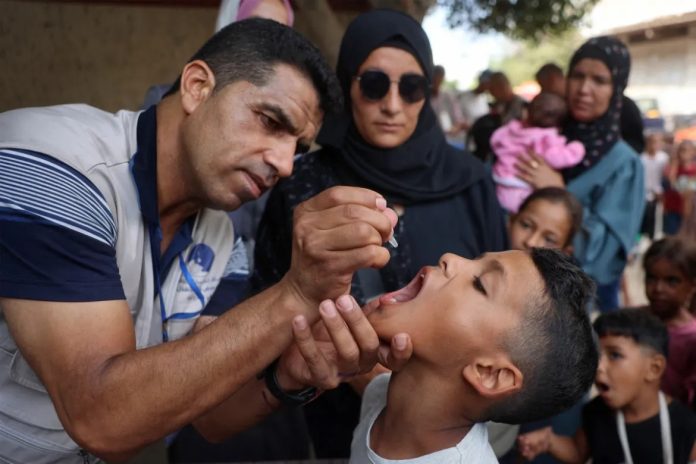
Gaza polio vaccination one of “most dangerous and difficult”: UNICEF

Gaza polio vaccination

The recently concluded three-day campaign was a “rare bright spot” for the coastal enclave, the UN children’s agency’s regional director for the Middle East and North Africa has announced.

“After almost a year of families experiencing horrors no man, woman or child should ever have to endure, this week we saw what can be achieved with simple will,” Adele Khodr said in a statement.

Khodr added the risk of polio spreading in Gaza and beyond “remains high”, adding “area-specific humanitarian pauses” must continue to implement the remaining two phases of the vaccination campaign.

“This is among the most dangerous and difficult vaccination campaigns on the planet.”

“The first phase of the campaign, which ran from 1-3 September, reached more than 189,000 children under 10 years old in the central area of the Gaza Strip, surpassing its initial target. Approximately 513 teams were deployed across the area,” she continued.

The World Health Organization (WHO) also announced the completion on Wednesday of the first phase of its vaccination campaign in central Gaza.

After the first confirmed polio case in the territory in 25 years, a massive vaccination effort began on Sunday. The campaign relies on daily eight-hour pauses in fighting between Israel and Hamas fighters in specific areas of the blockaded enclave.

With Gaza lying in ruins and the majority of its 2.3 million residents forced to flee their homes due to Israel’s military assault – often taking refuge in cramped and unsanitary conditions – disease has spread.

The campaign aims to fully vaccinate more than 640,000 children in the besieged territory, devastated by almost 11 months of war.

Polio primarily affects children under five and can cause deformities, paralysis and in some cases death.

Rik Peeperkorn, the WHO’s representative for the Palestinian territory, stressed it is vital for the vaccination campaign to reach at least 90-percent coverage to avoid the spread of the disease both within Gaza’s borders and beyond.

The campaign began in the central part of the densely populated Gaza Strip, where the WHO initially expected to vaccinate 156,500 children under the age of 10.

“Our target for the central zone was an underestimation,” Peeperkorn said, adding that this was probably due to more people being crowded into the area than anticipated.

He stated the vaccination drive was expected to shift to southern Gaza on Thursday with the aim of immunising 340,000 children there.

It is to then move to the north of the strip, where about 150,000 children are to be vaccinated.

“We still have 10 days to go at least” for the initial portion of the campaign, Peeperkorn stated, and the rollout of the necessary second dose would begin in four weeks.

While polio vaccinations are best carried out in house-to-house campaigns, Peeperkorn said, those are impossible in Gaza because “there’s very few houses left and people are everywhere”.

Peeperkorn also warned that the WHO is “extremely concerned” about Gaza’s wider health situation.

With only 16 of 36 hospitals partially operational, the Gaza Strip has seen a “huge increase in infectious diseases”.

“We’ve seen more than a million, mainly children, diagnosed with acute respiratory infections,” Peeperkorn said, adding that more than 600,000 children had suffered from diarrhoea.

Israel launched its military onslaught on Gaza after Hamas led an attack on southern Israel on October 7, killing at least 1,200 people.

Promising to destroy Hamas, Israel launched an assault on Gaza, which has killed at least 40,800 people, mostly women and children, according to Palestinian officials.

Iranian javelin thrower grabs gold, sets Paralympic, world record

Saeid Afrooz

Afrooz finished first on Wednesday with a throw of 40.14 meters.

His second throw of 40.67 and third one that landed the javelin 41.16 meters away broke the world and Paralympic records.

Shot putter Amir Hossein Alipour and female shooter Sareh Javanmardi have already won two gold medals for Iran in the competitions.

Female sprinter Hajar Safarzadeh has secured a silver medal in women’s 400m – T12 event at the games.

Mehdi Olad and Zafar Zaker have bagged silver medals in men’s shot put F11 and F55.

Fatemeh Hemmati and Hadi Nouri have also clinched silver medals in the mixed team compound open archery event, while Zahra Rahimi has emulated the success in para-taekwondo.

Ali-Reza Bakht and Hamed Haghshenas, other para-taekwondo athletes, have won two bronzes.

Parastou Habibi and Alireza Mokhtari have earned two more bronzes in women’s club throw F32 and men’s shot put F53.

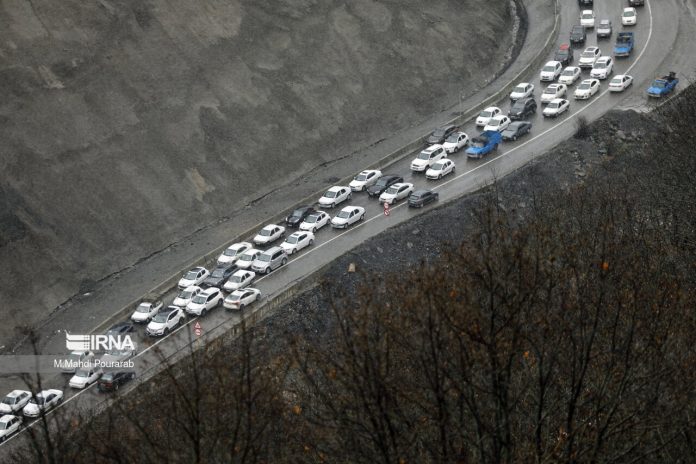
Severe traffic congestion in roads to tourist resorts of northern Iran

Iran Road

The northern tourist destinations are in the provinces of Gilan and Mazandaran.

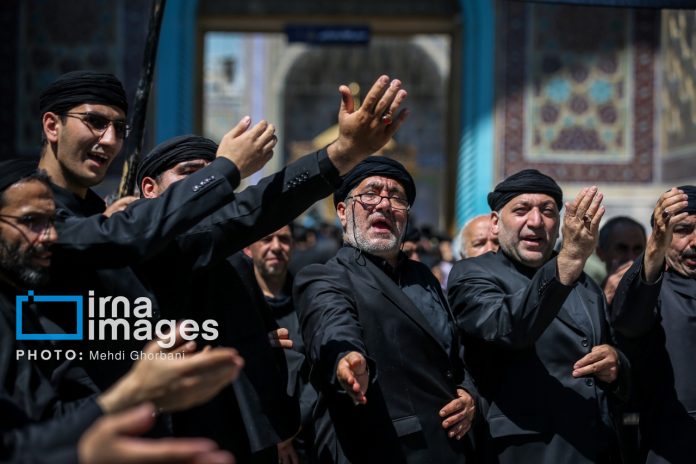
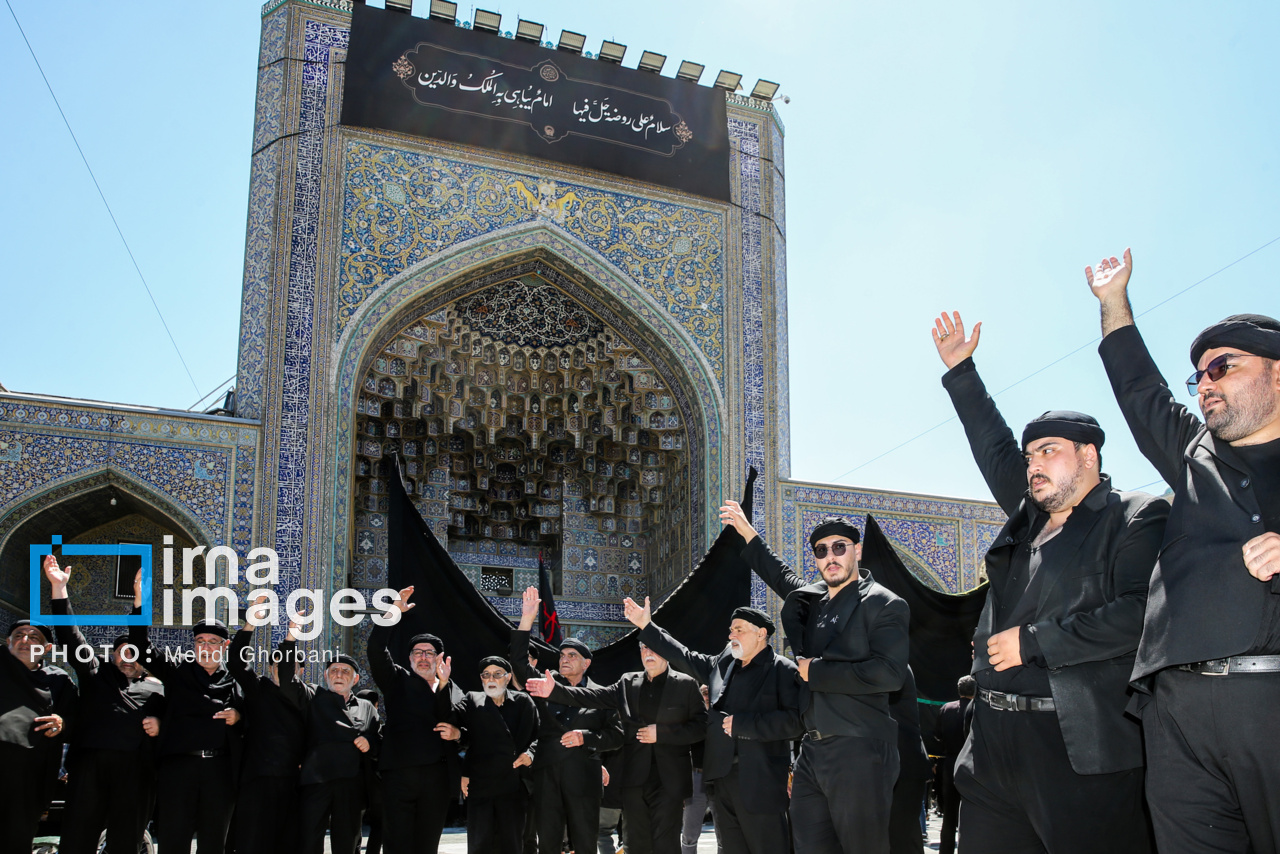
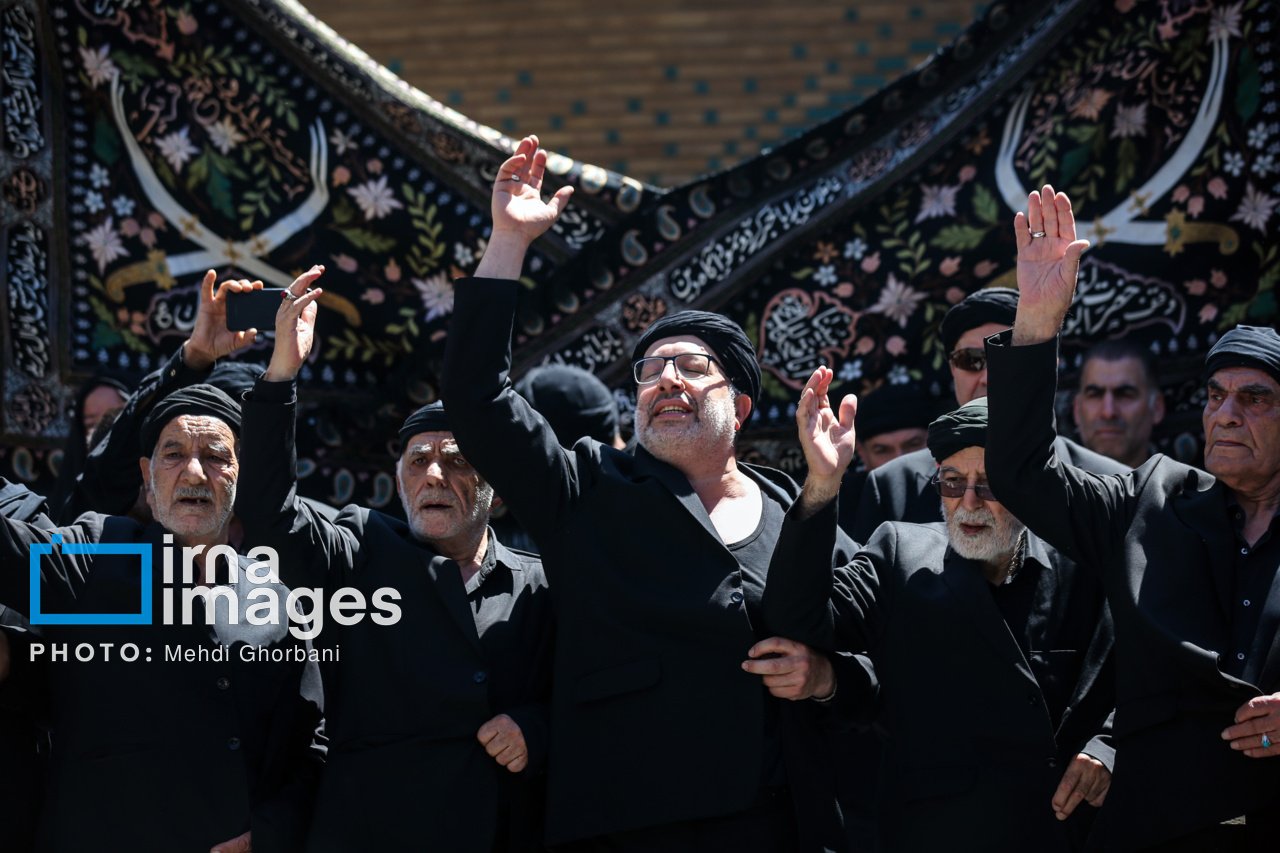
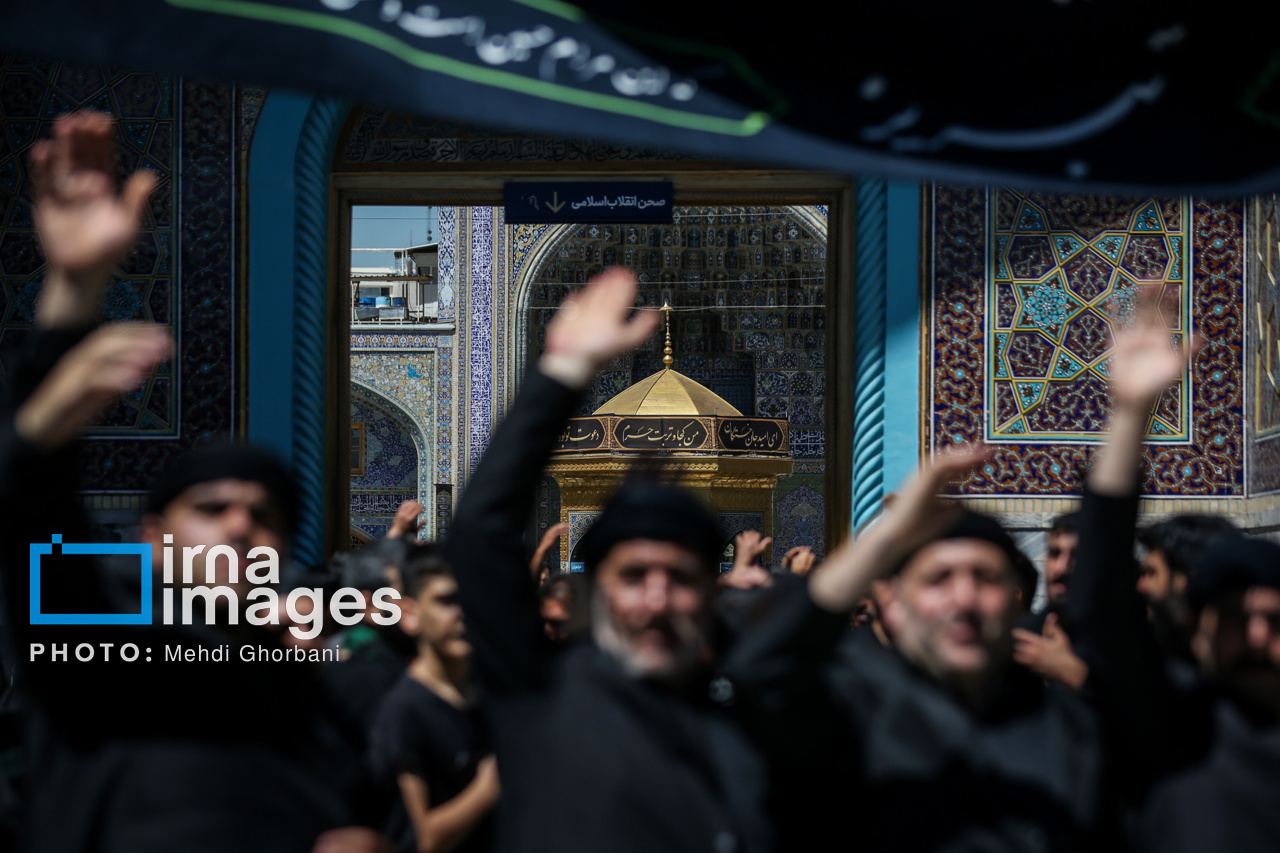
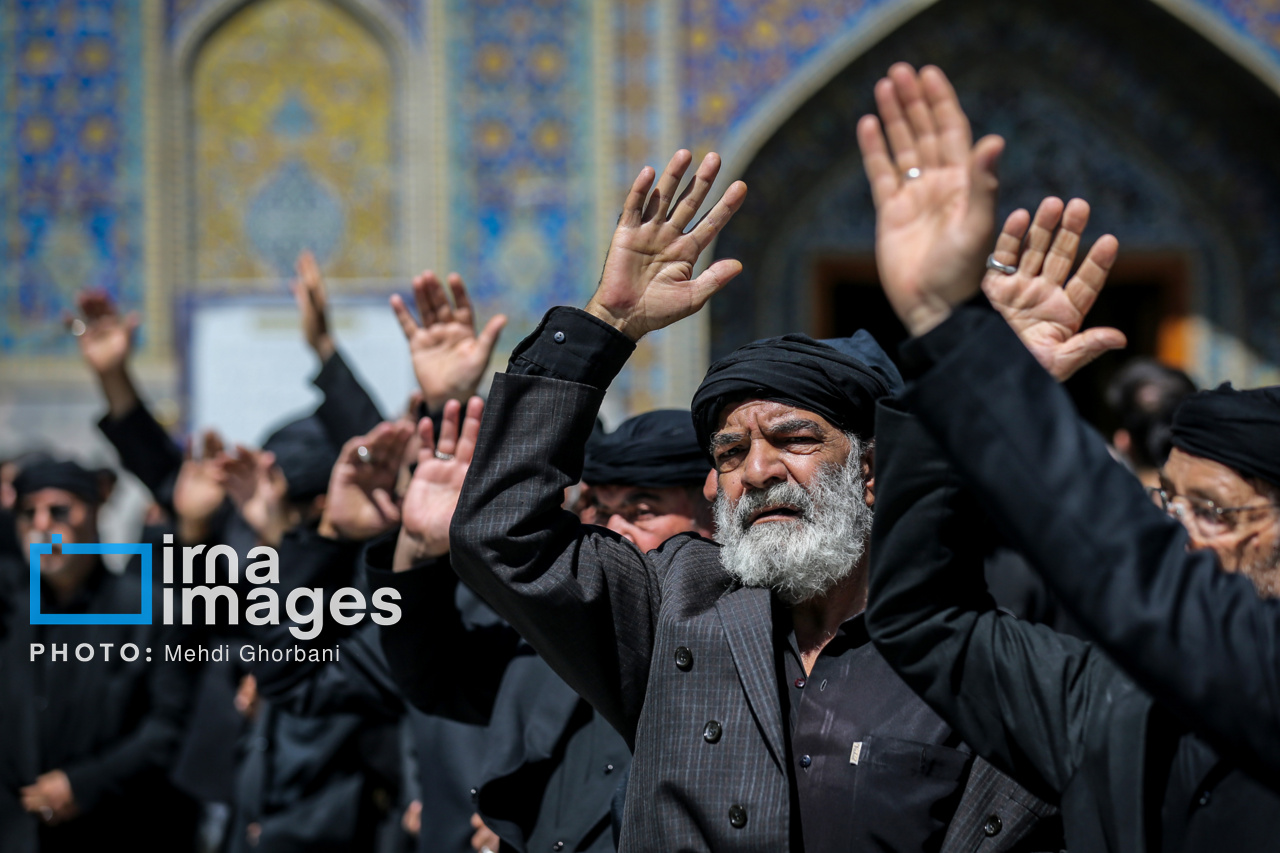
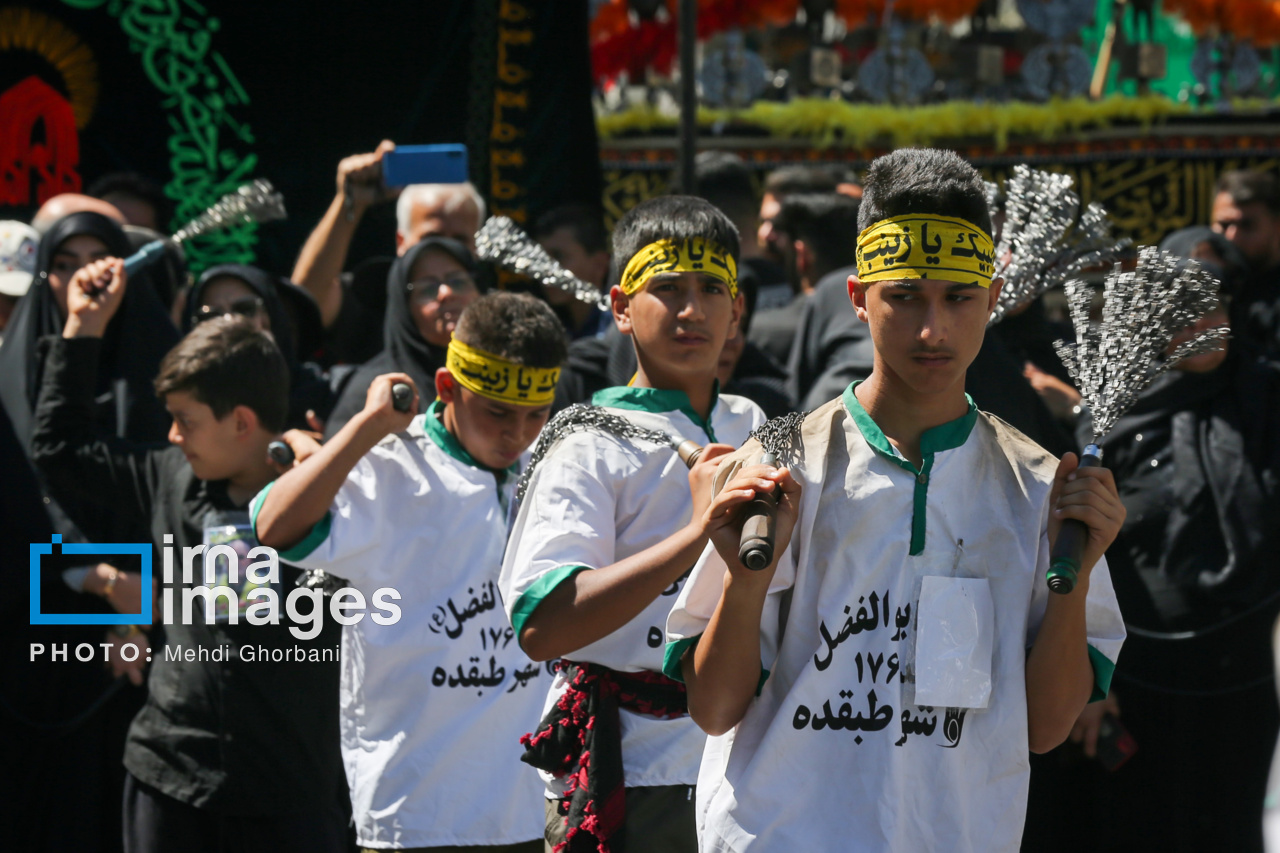
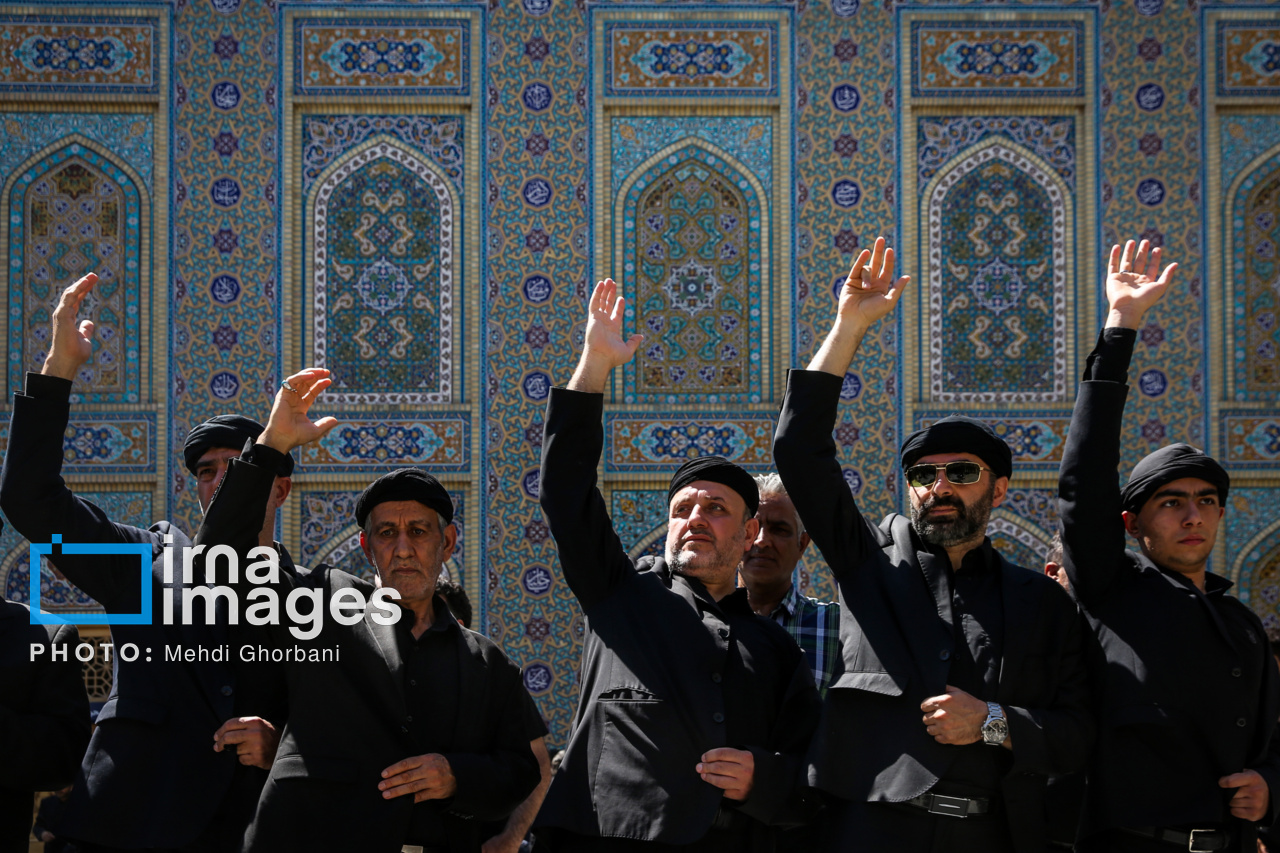
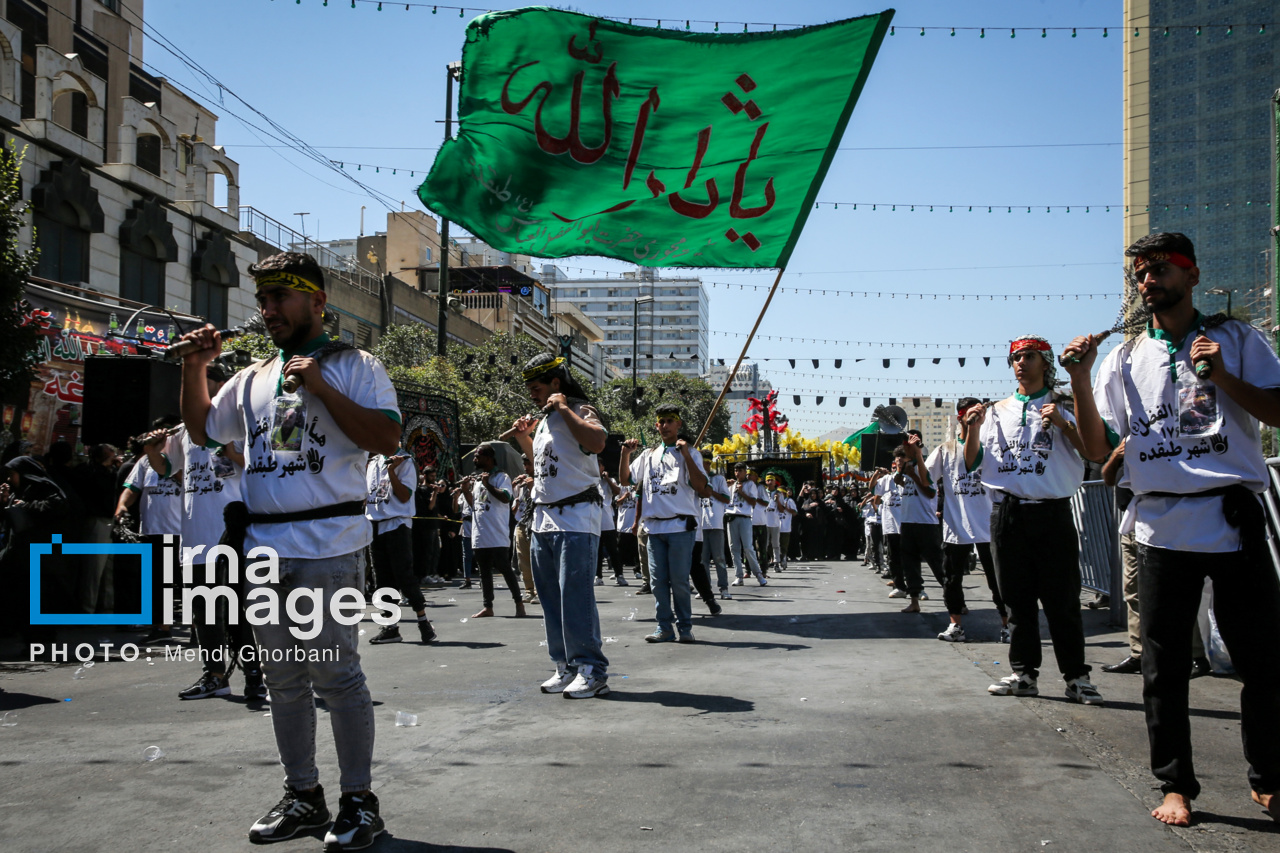
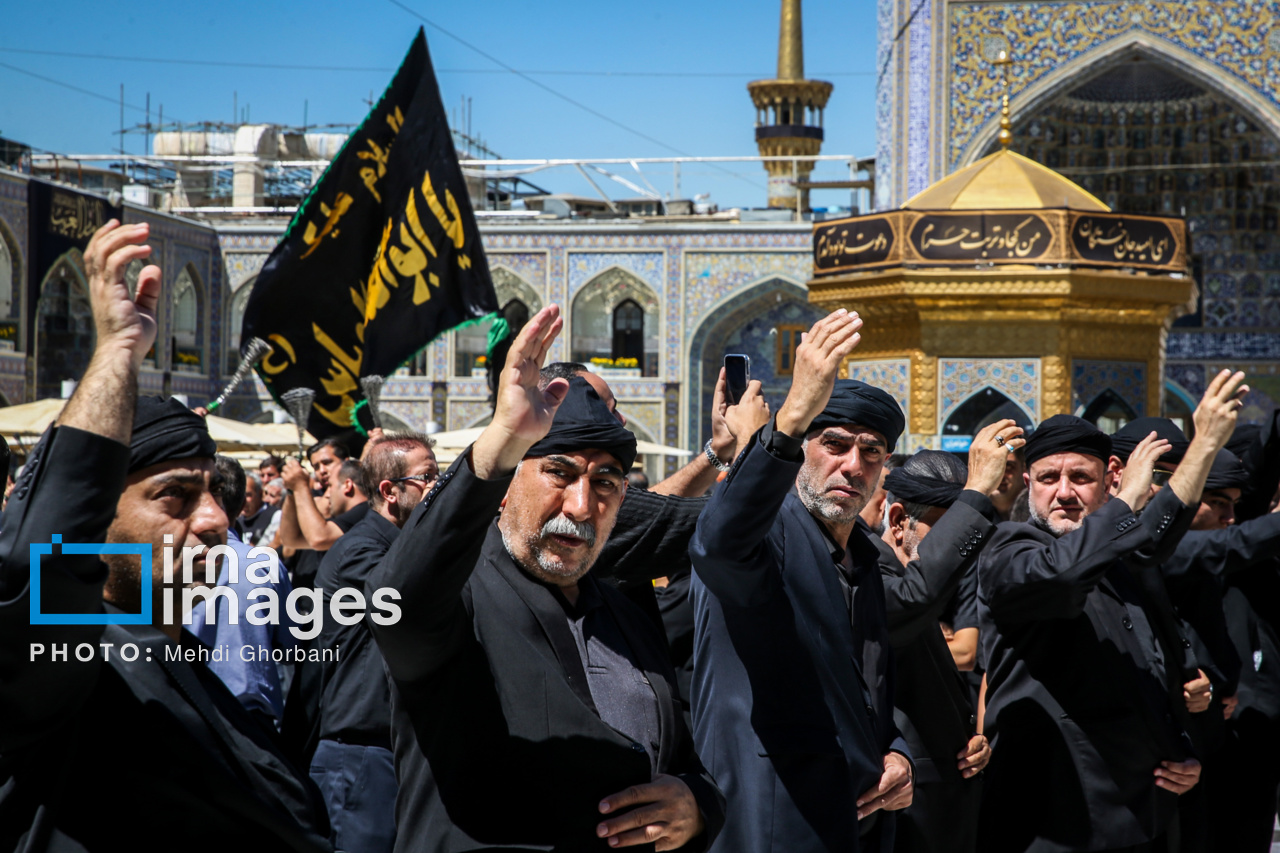
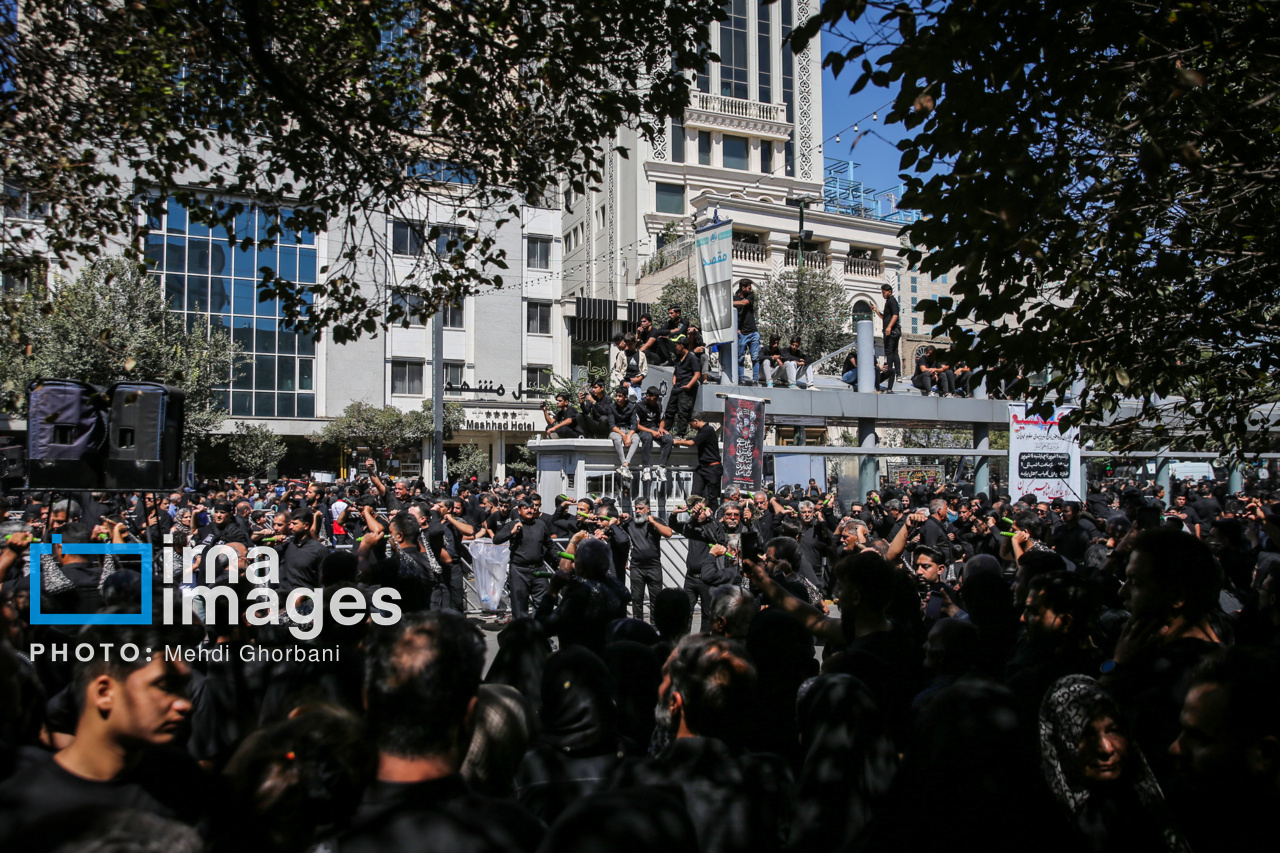
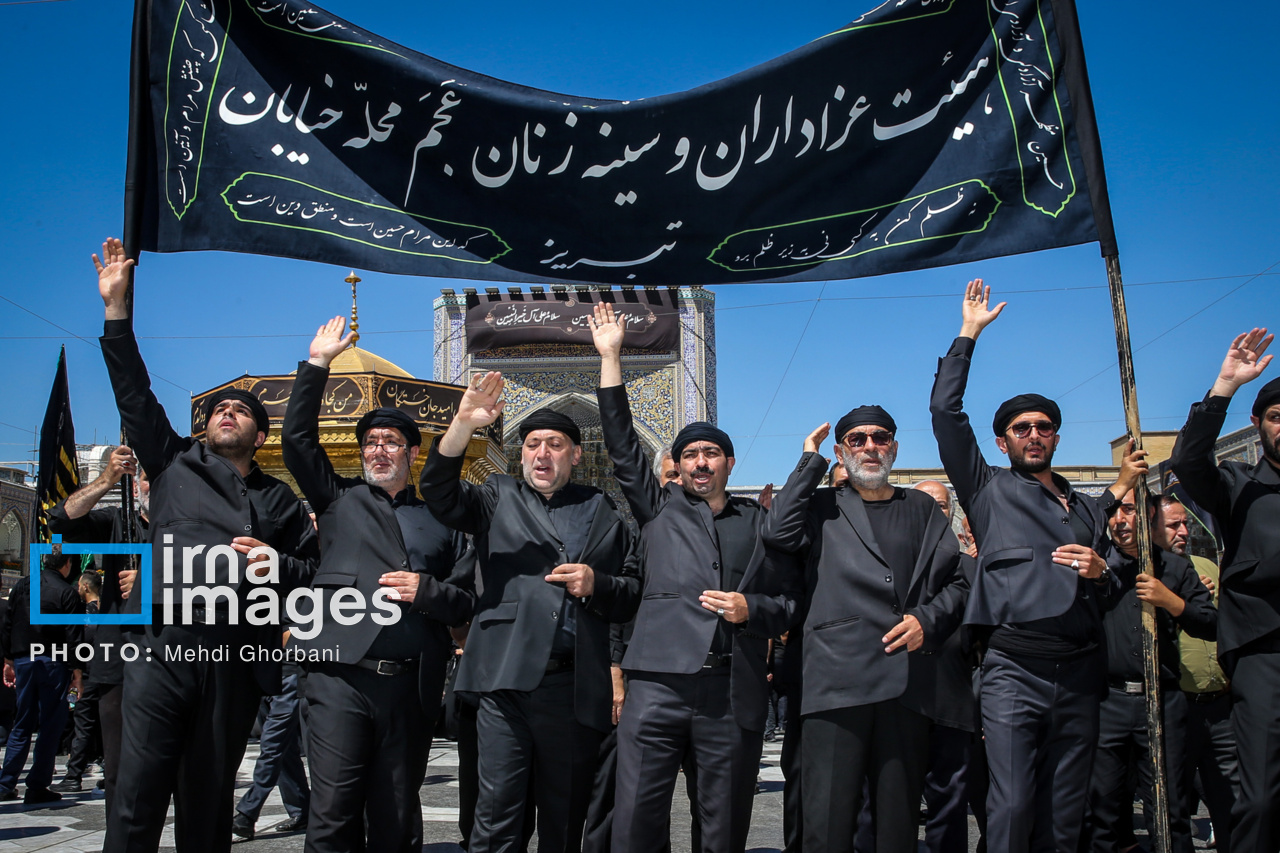
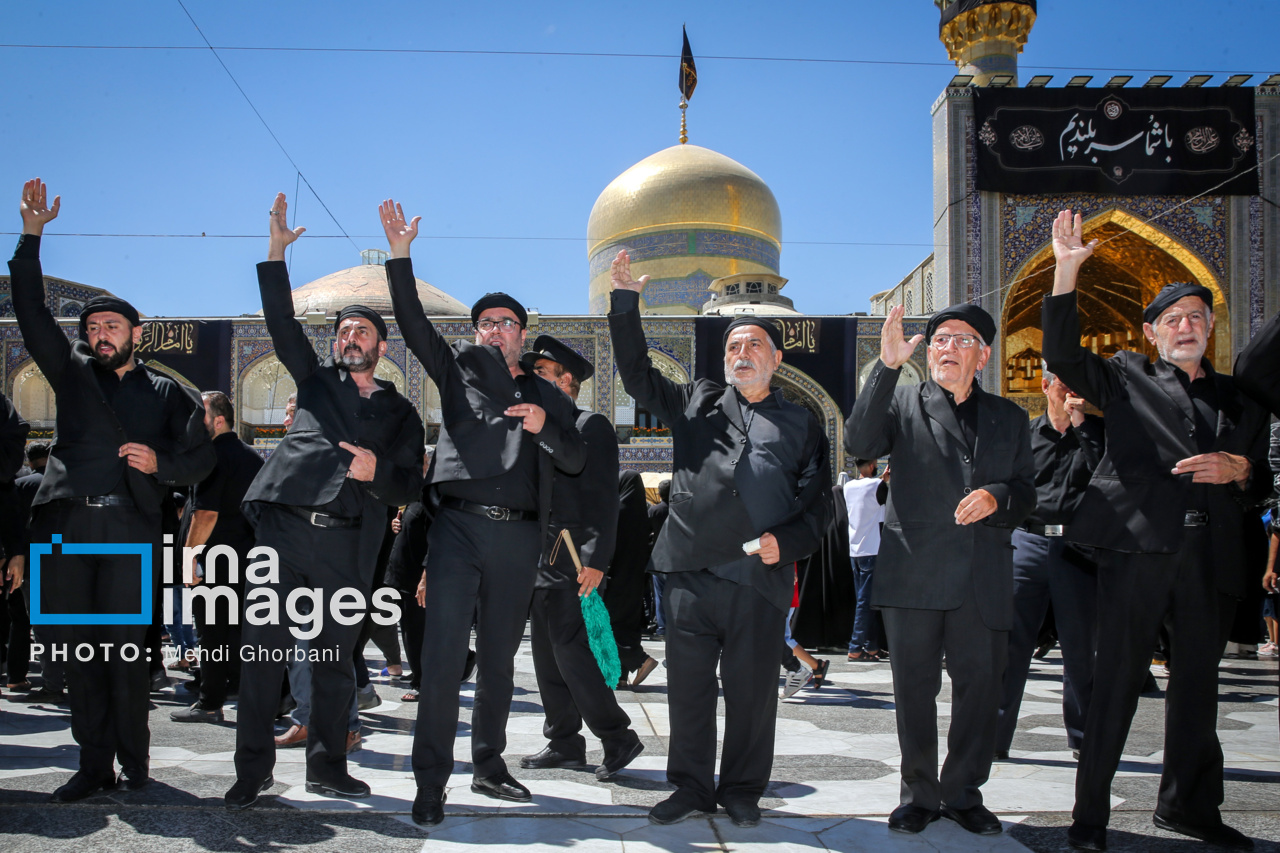
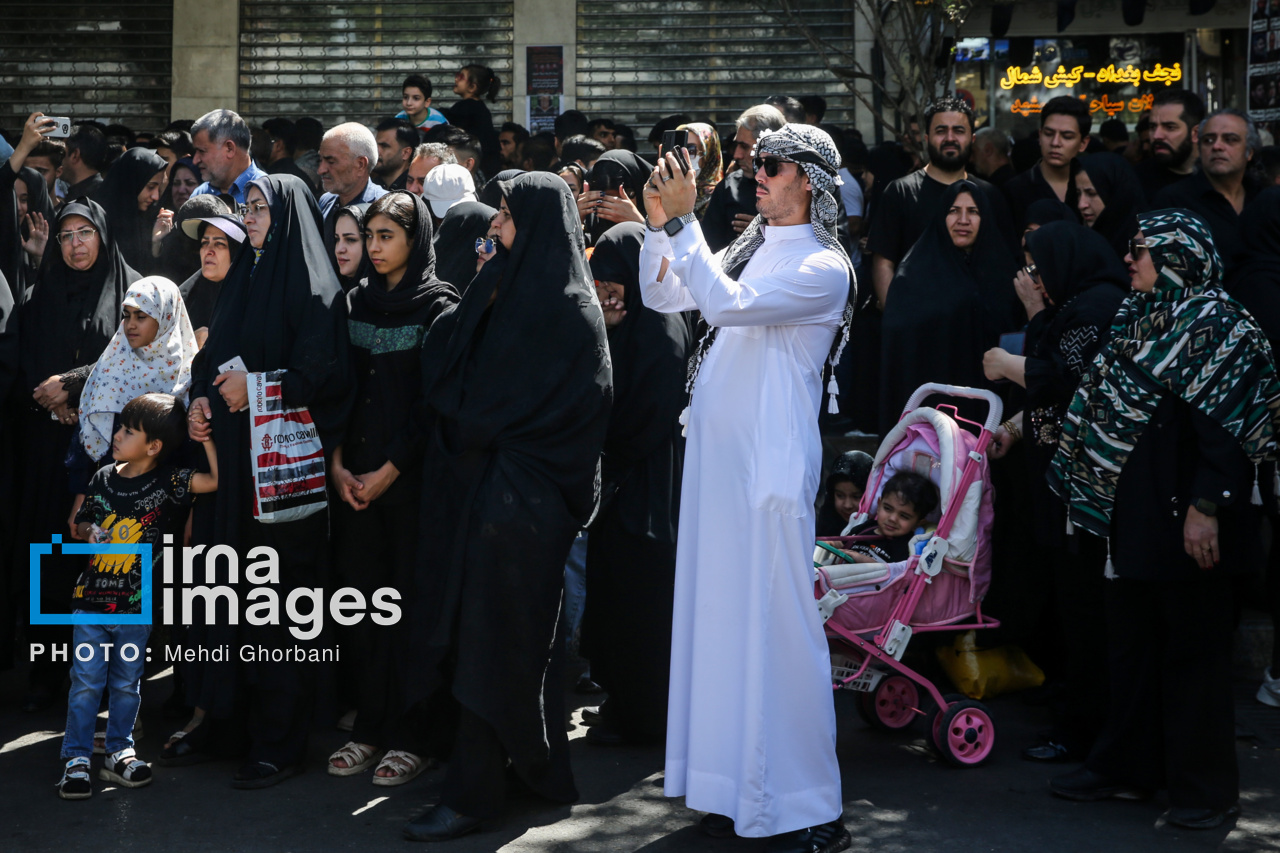
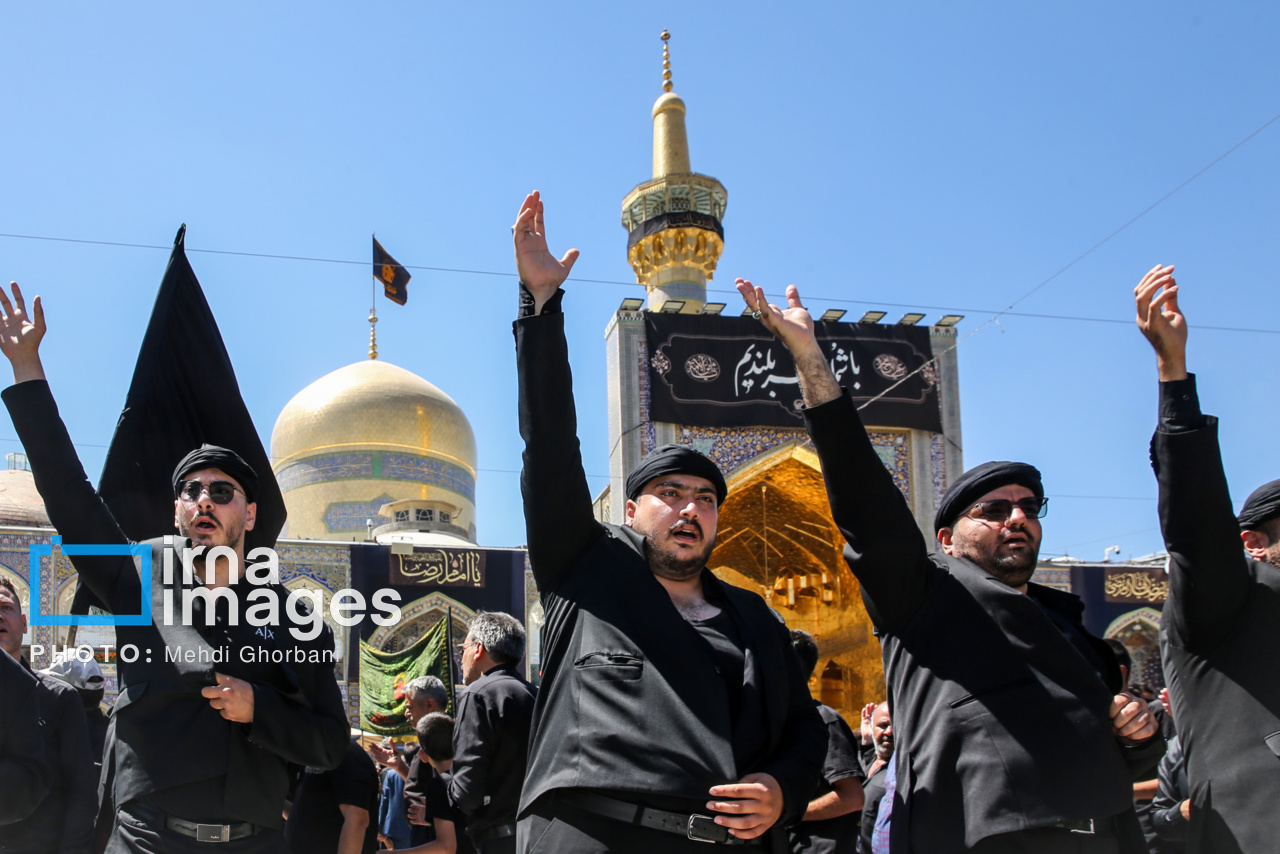
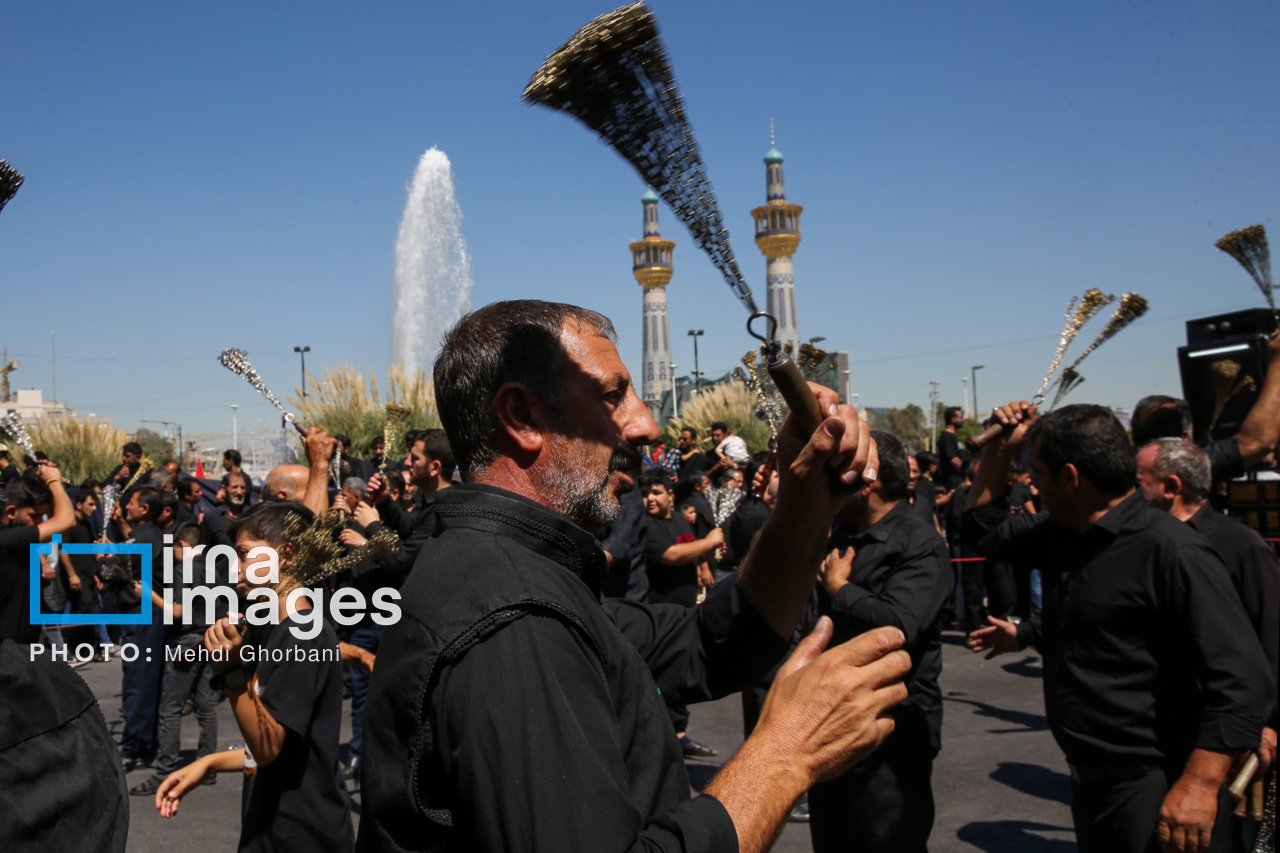
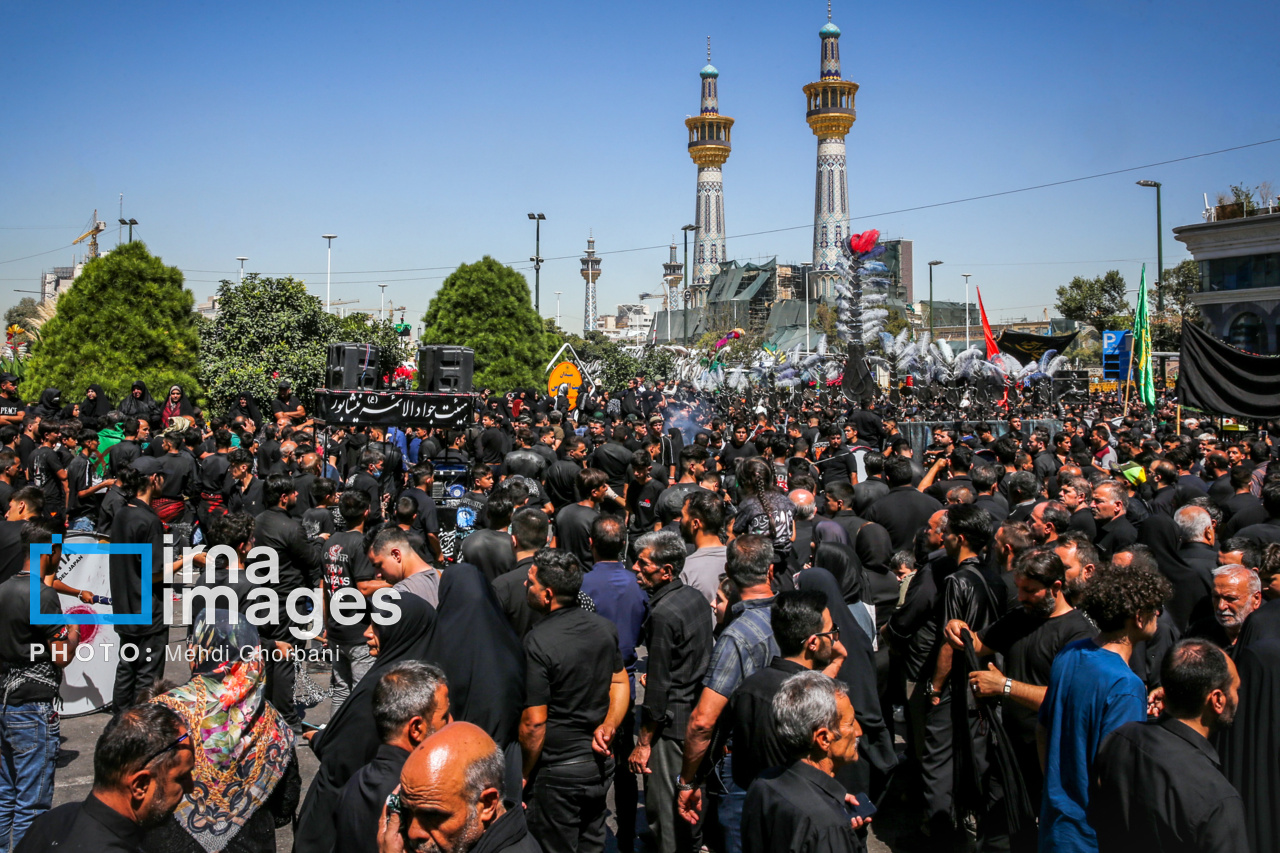
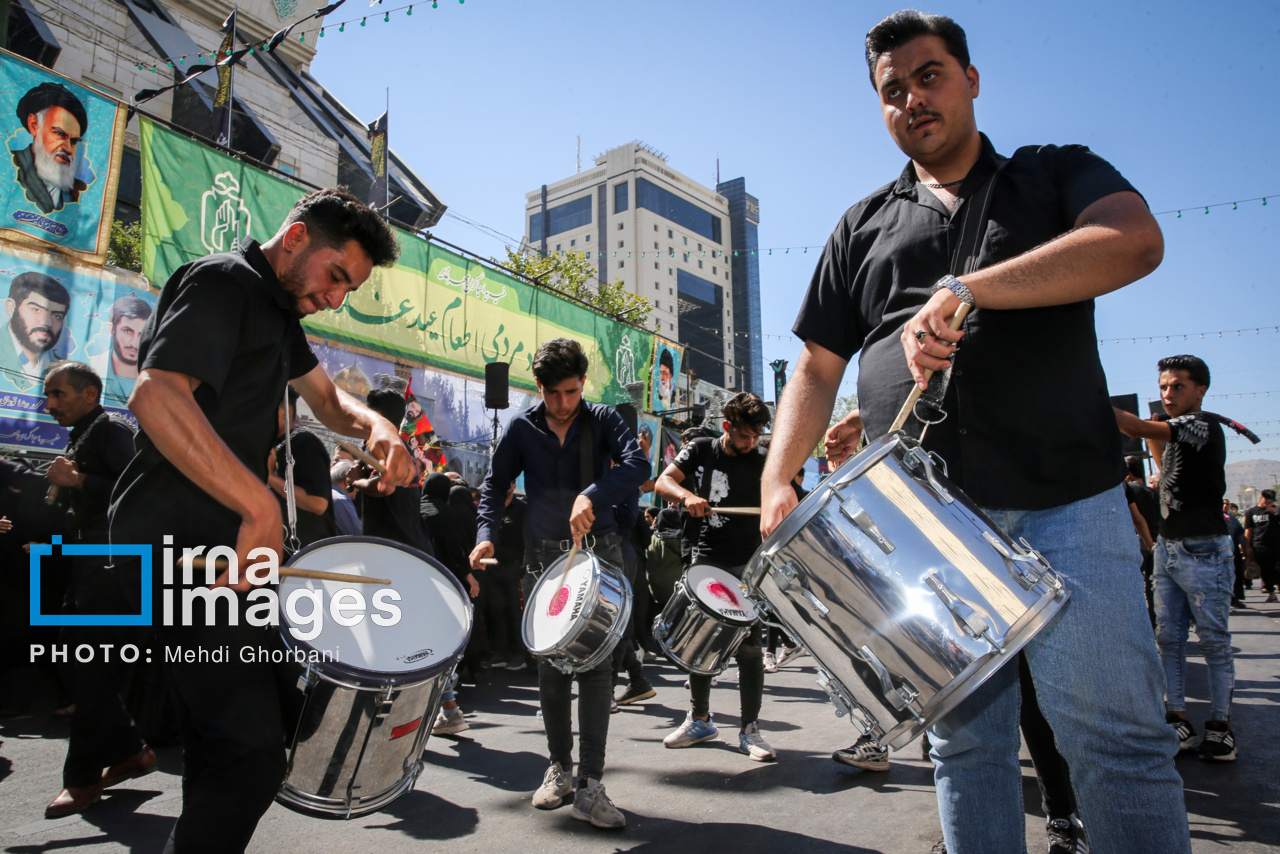
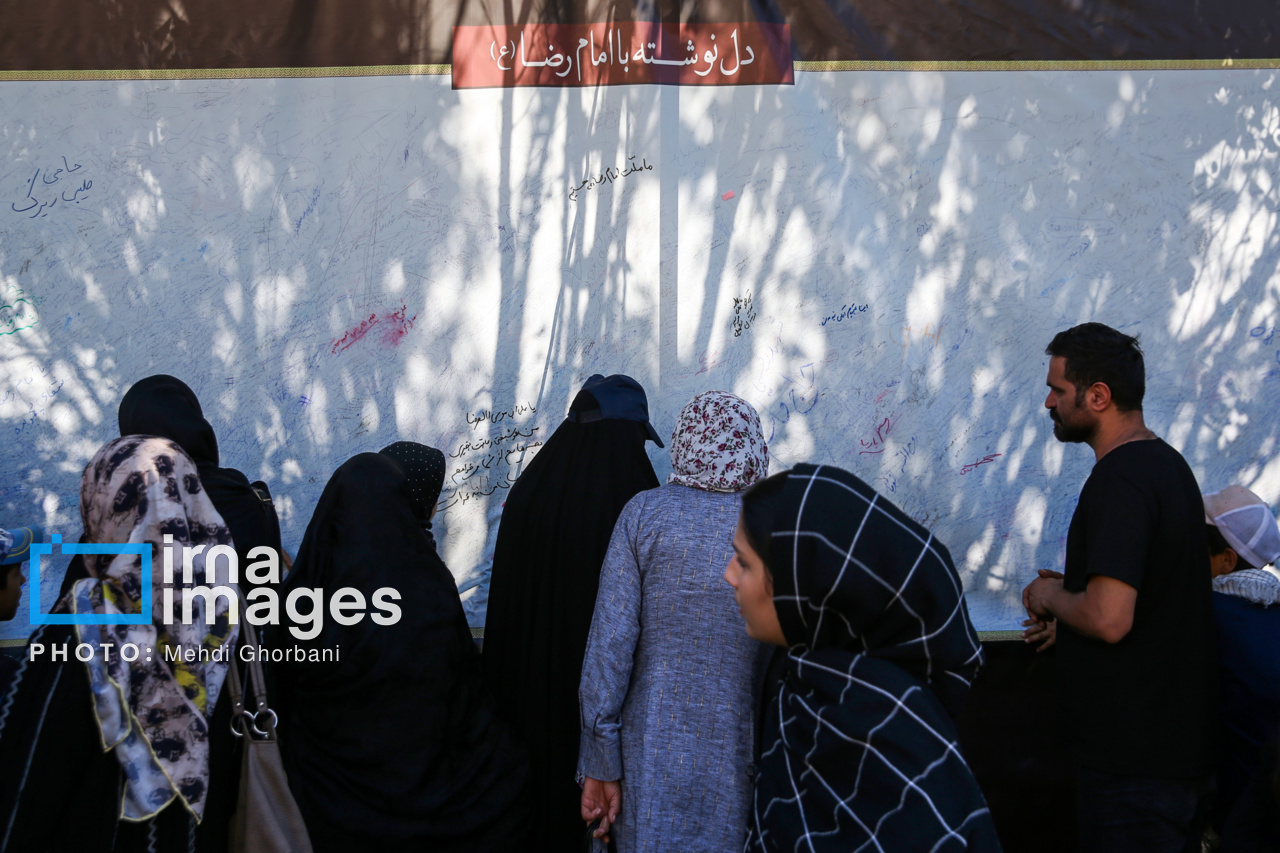
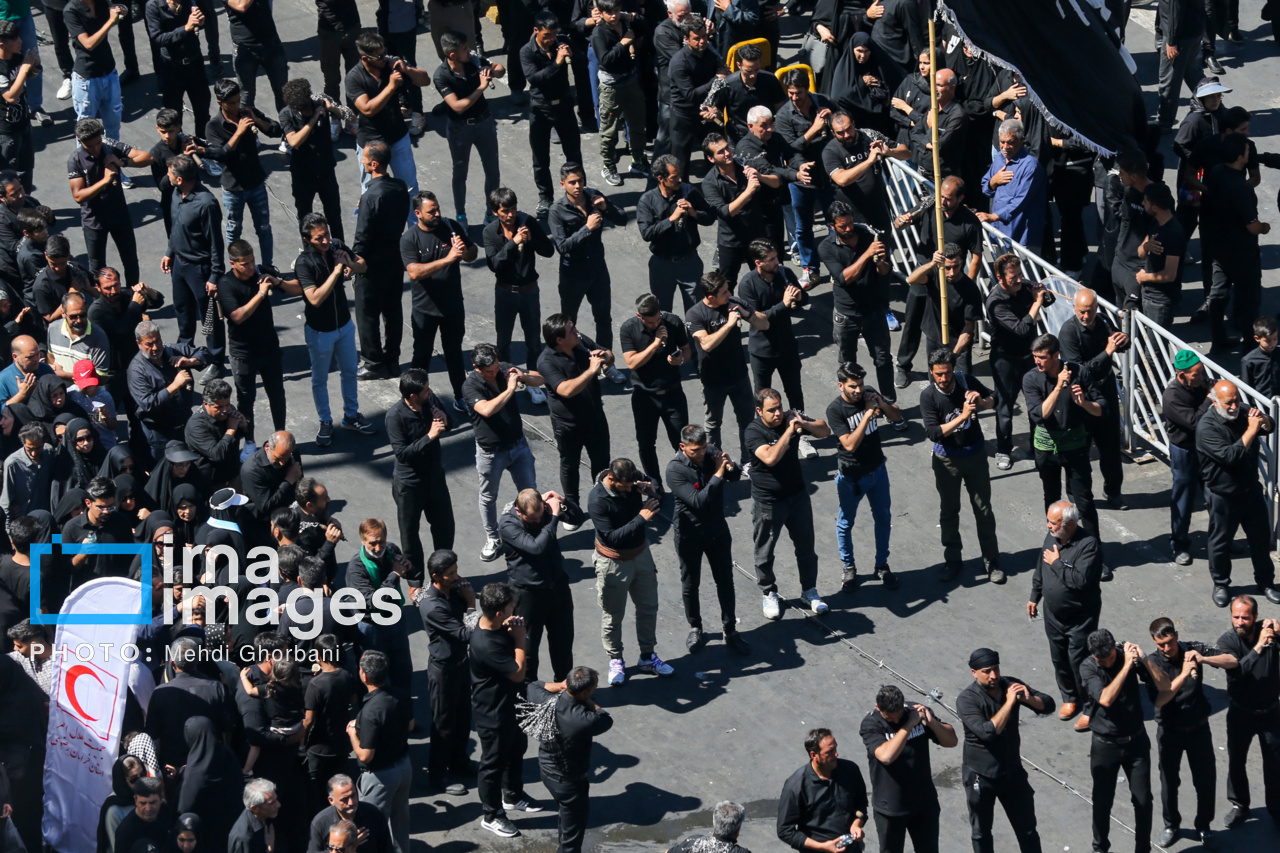
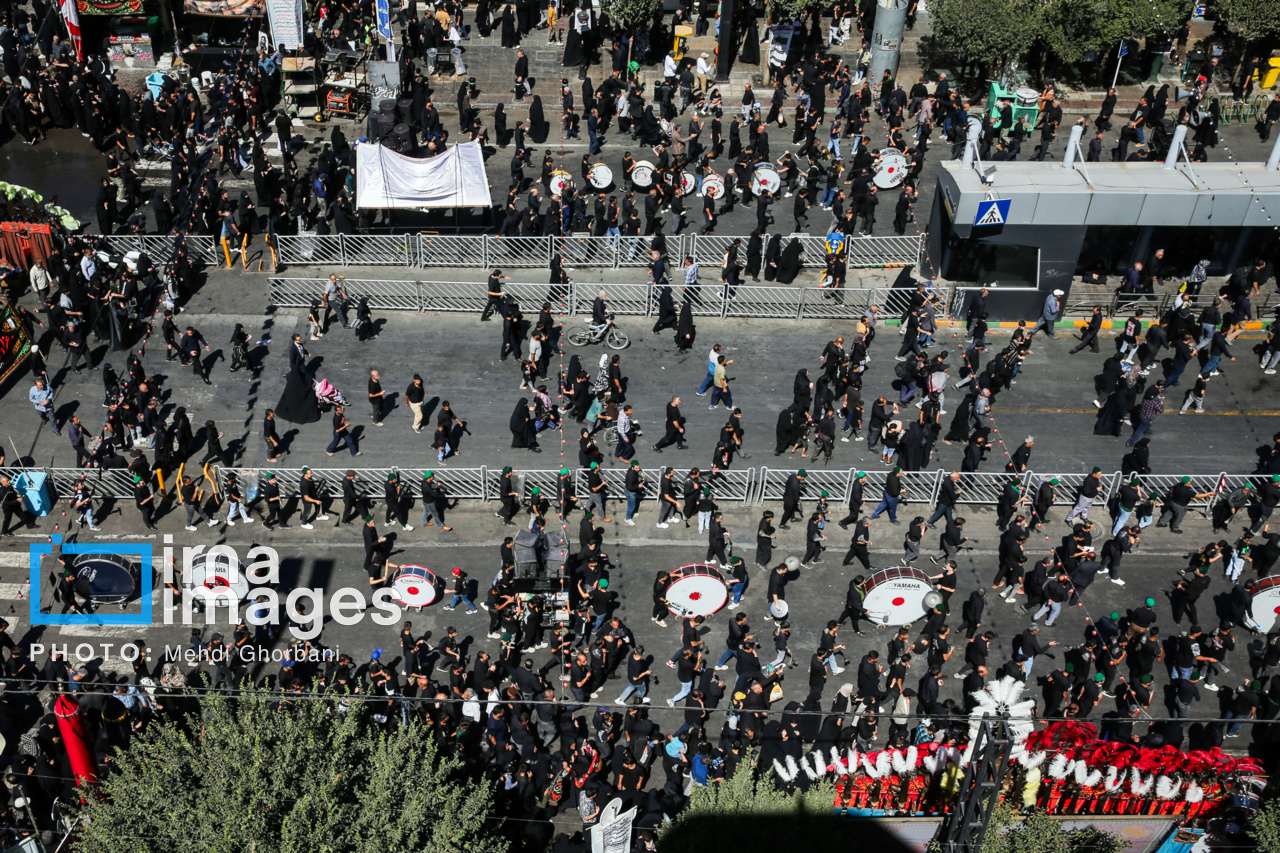
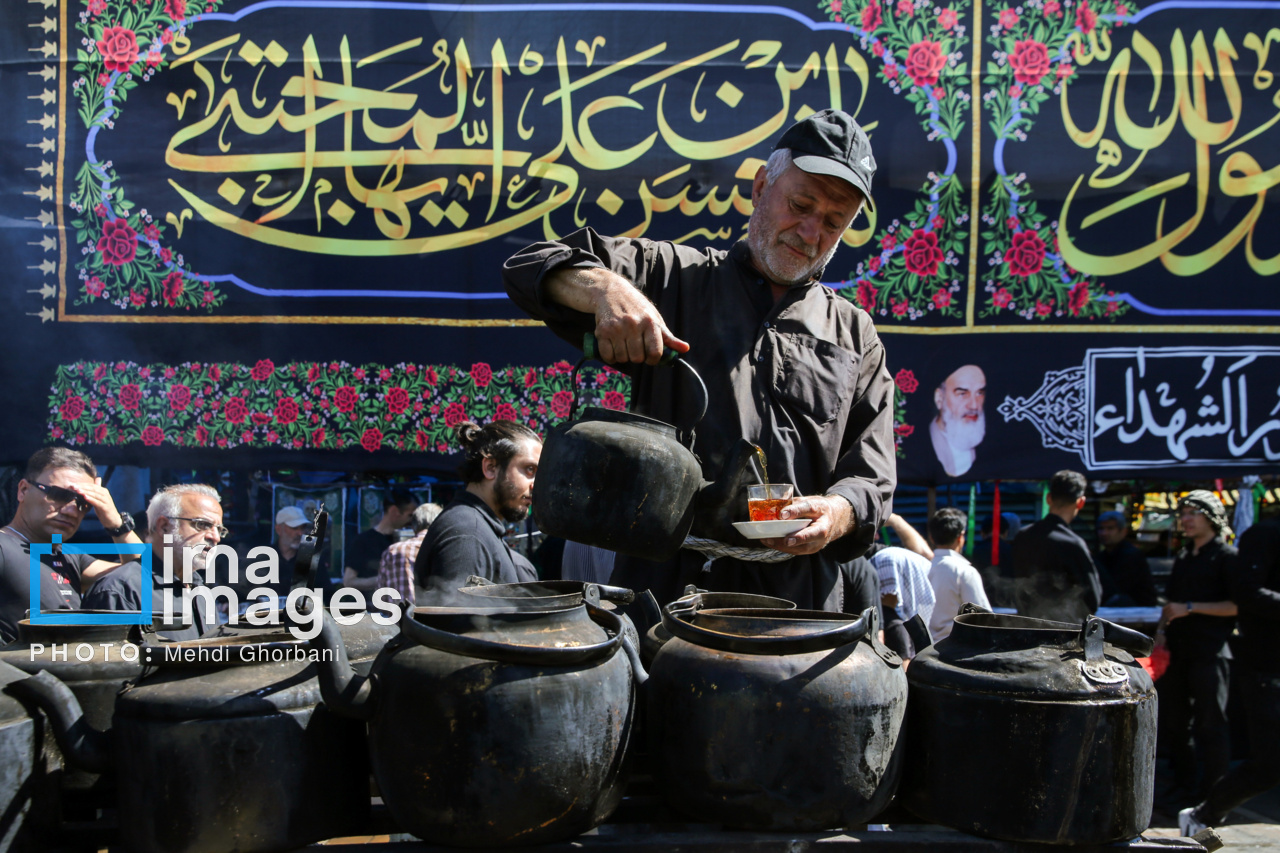
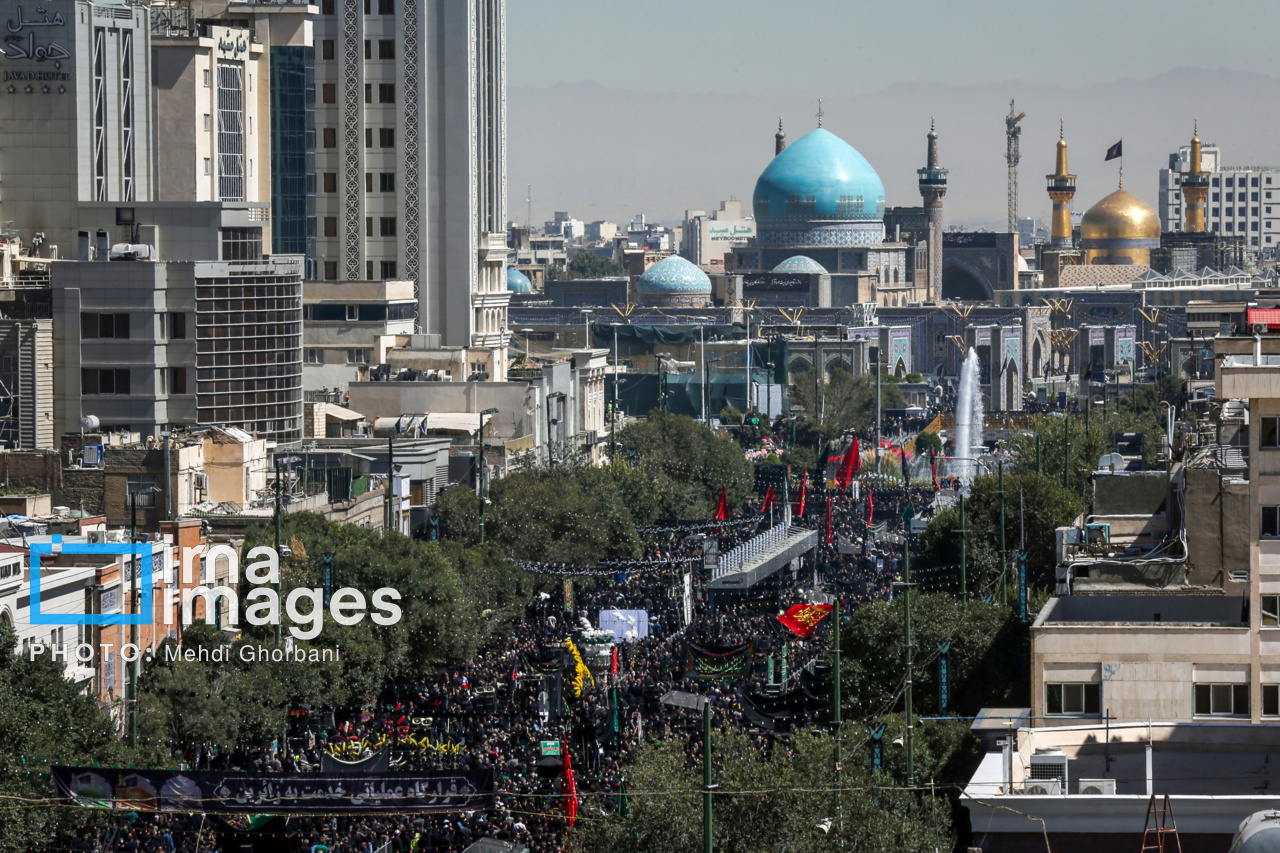
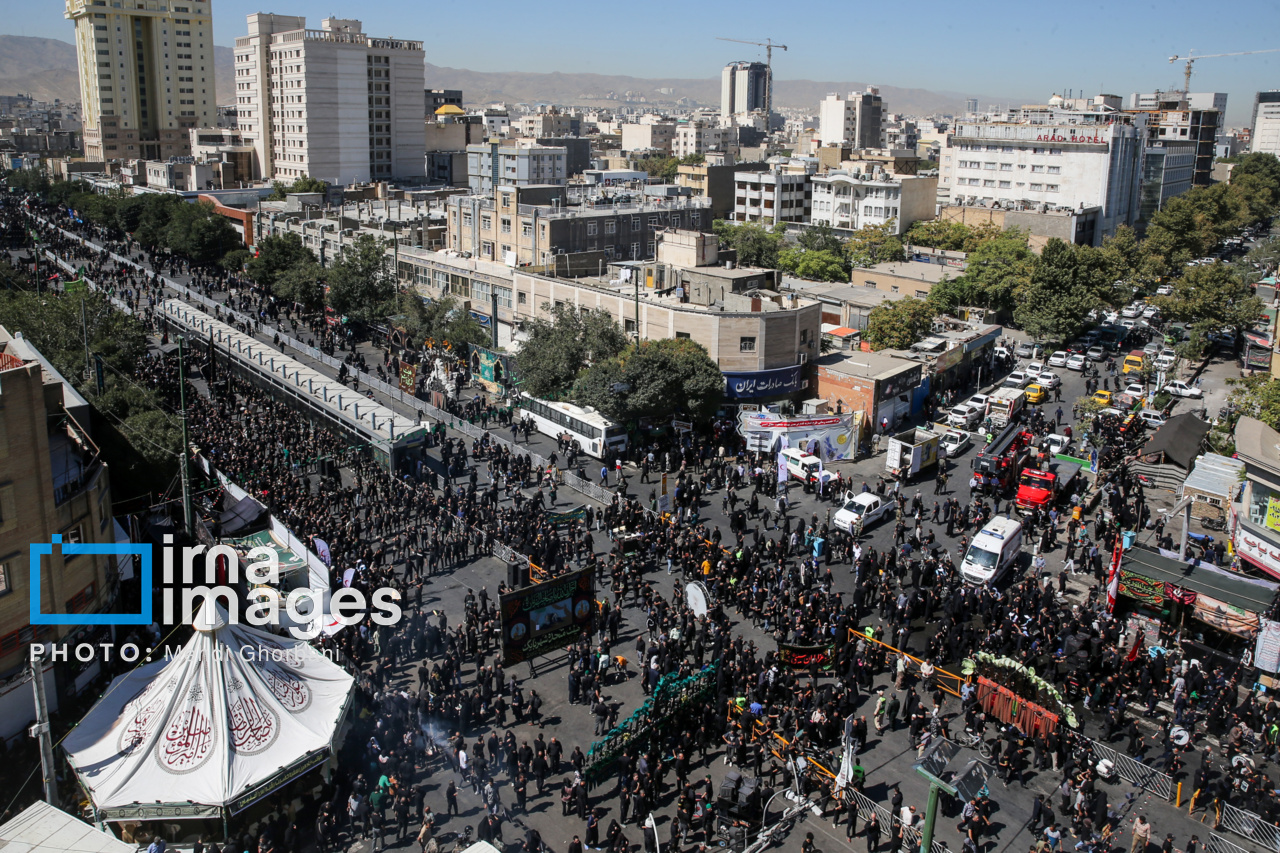
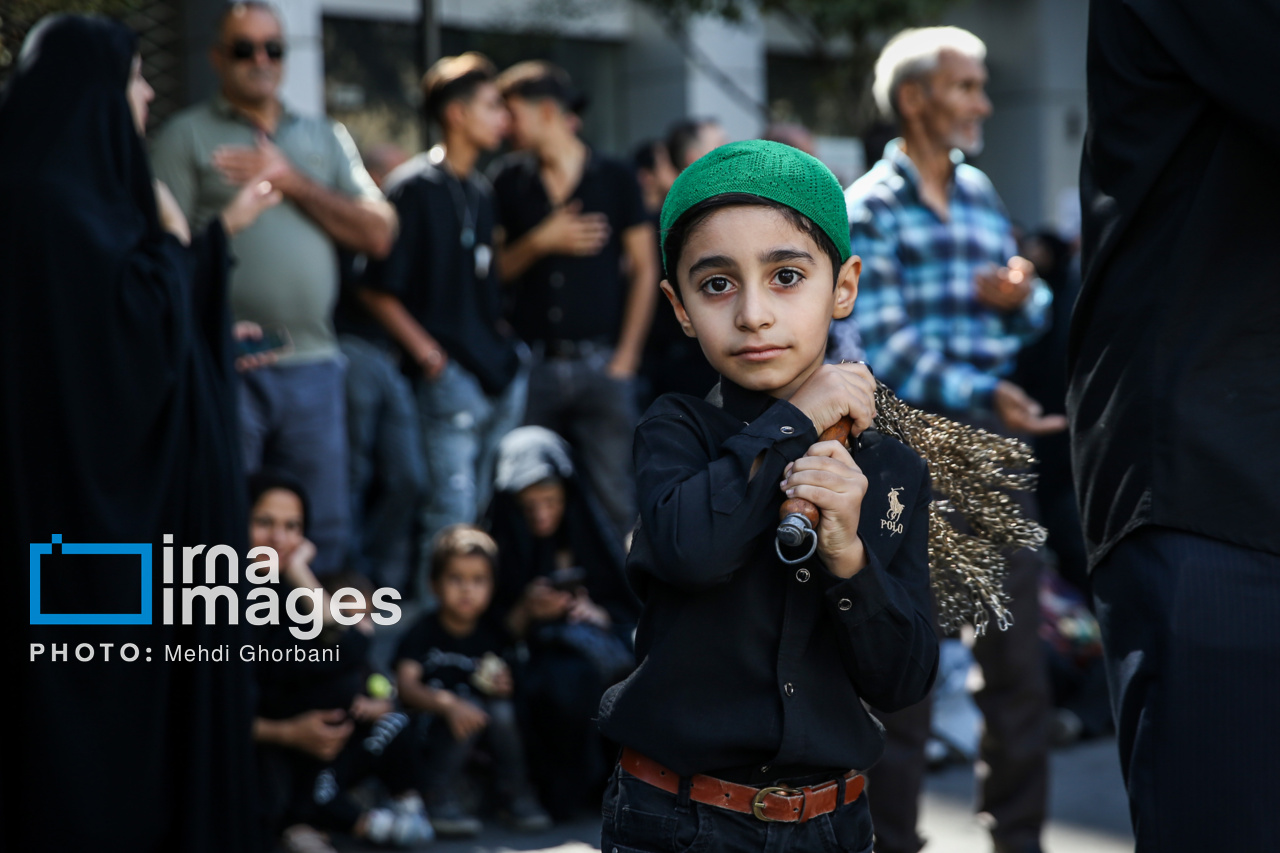
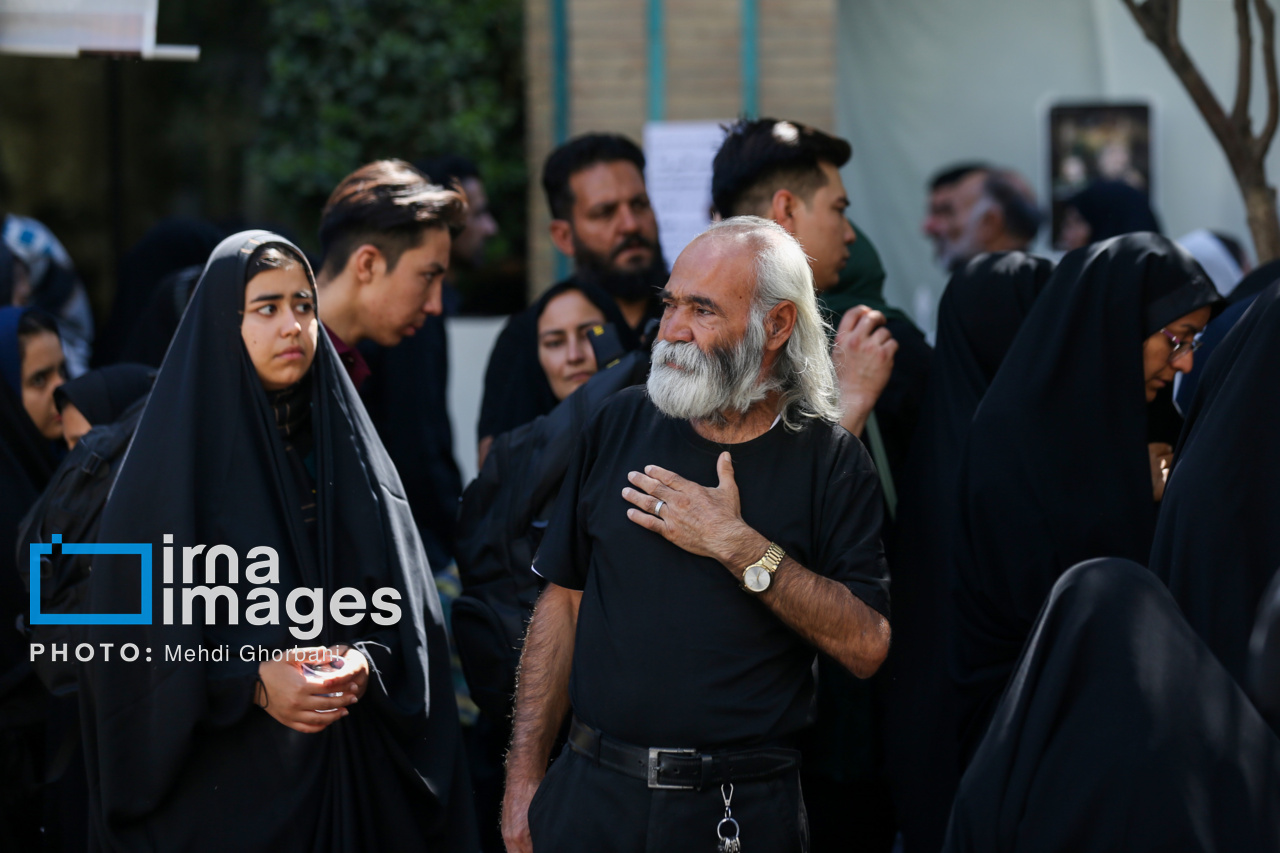
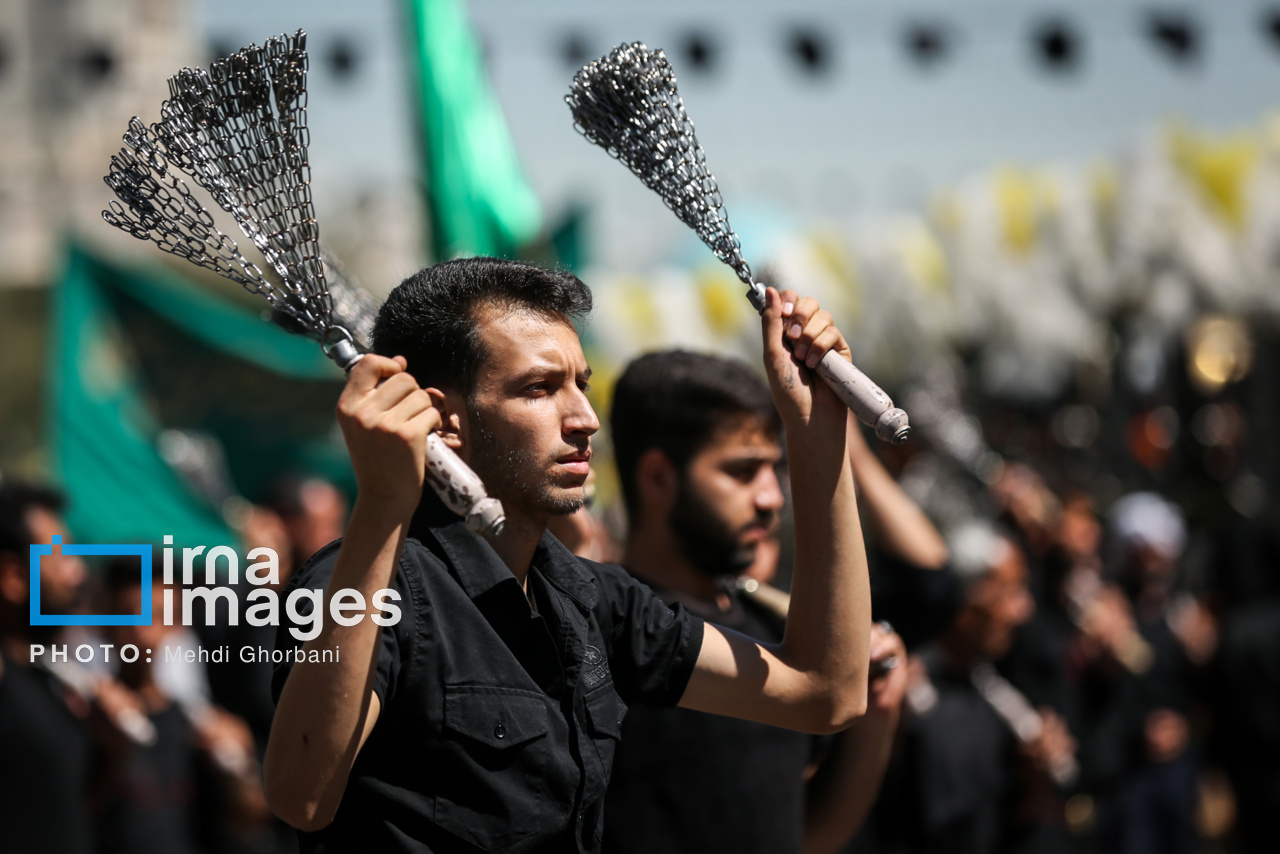
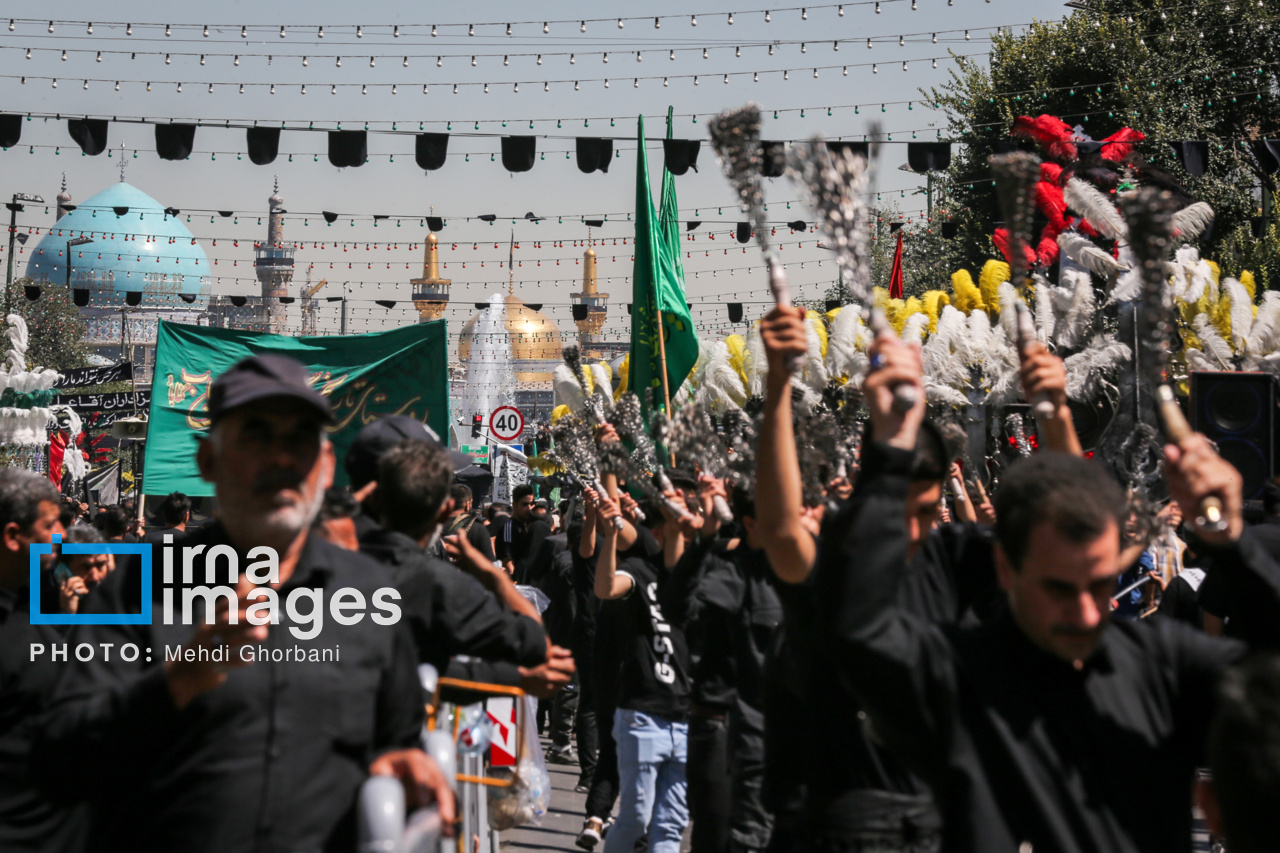
Meanwhile, over 5 million people from across the country have descended on Mashhad on the occasion of the martyrdom anniversary of the eighth Shia Imam, that is, Imam  Reza whose shrine is in the northeastern Iranian city.

Local authorities in Mashhad and in the northern cities plus Ardebil, in Iran’s northwest are facing difficulty providing accommodation to the visitors.

Reports say all hotels and inns in the regions have reached capacity and many people have set up tents in the streets in order to rest at nights.

Meantime, people have formed long lines at gas stations to fill up.

The most famous road linking Tehran to the northern regions is the Chalus Road, which became one-way northward on Wednesday.

Millions in Iran’s Mashhad pay homage to Imam Reza

Iran Mashhad Imam Reza

Officials put the number of pilgrims converged on Mashhad at more than 5 million.

See related pictures: