Tuesday, December 30, 2025
Home Blog Page 574

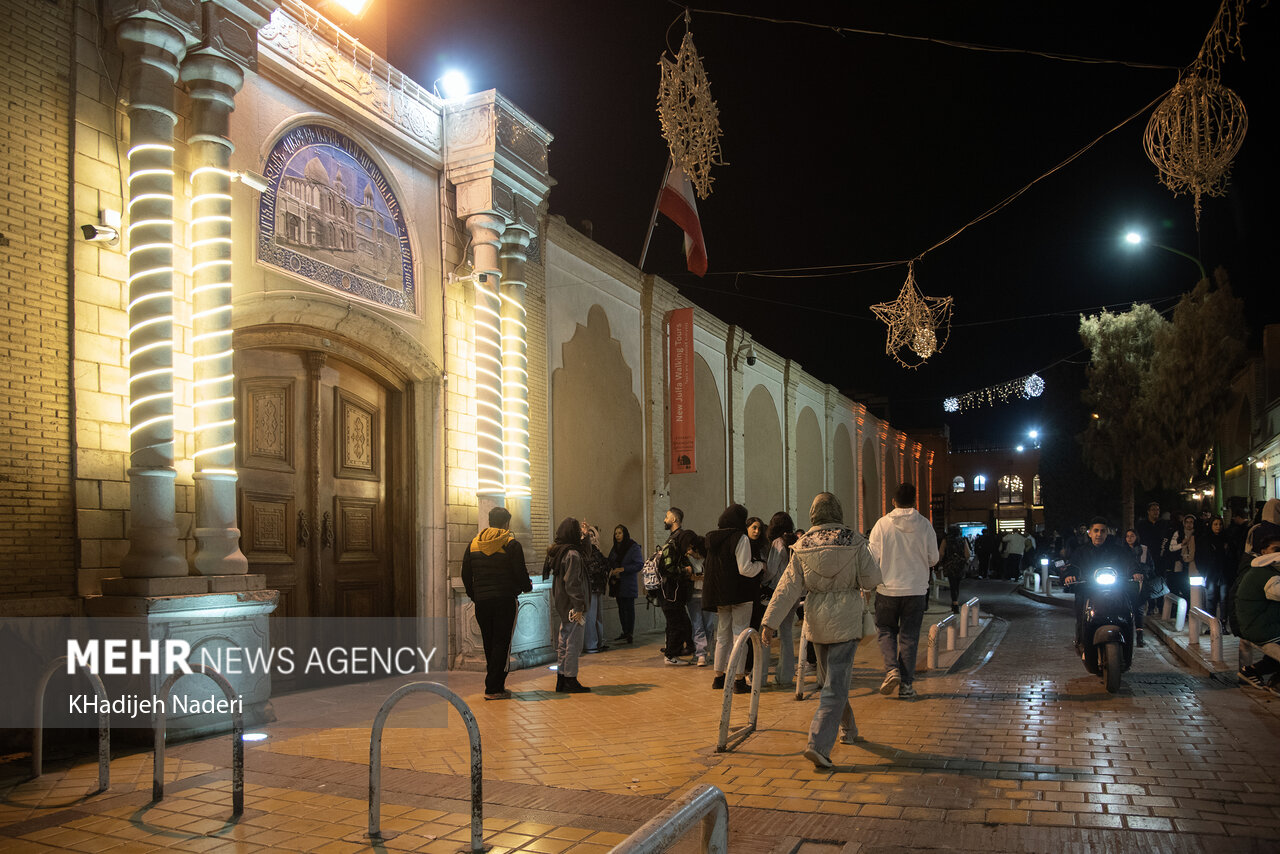
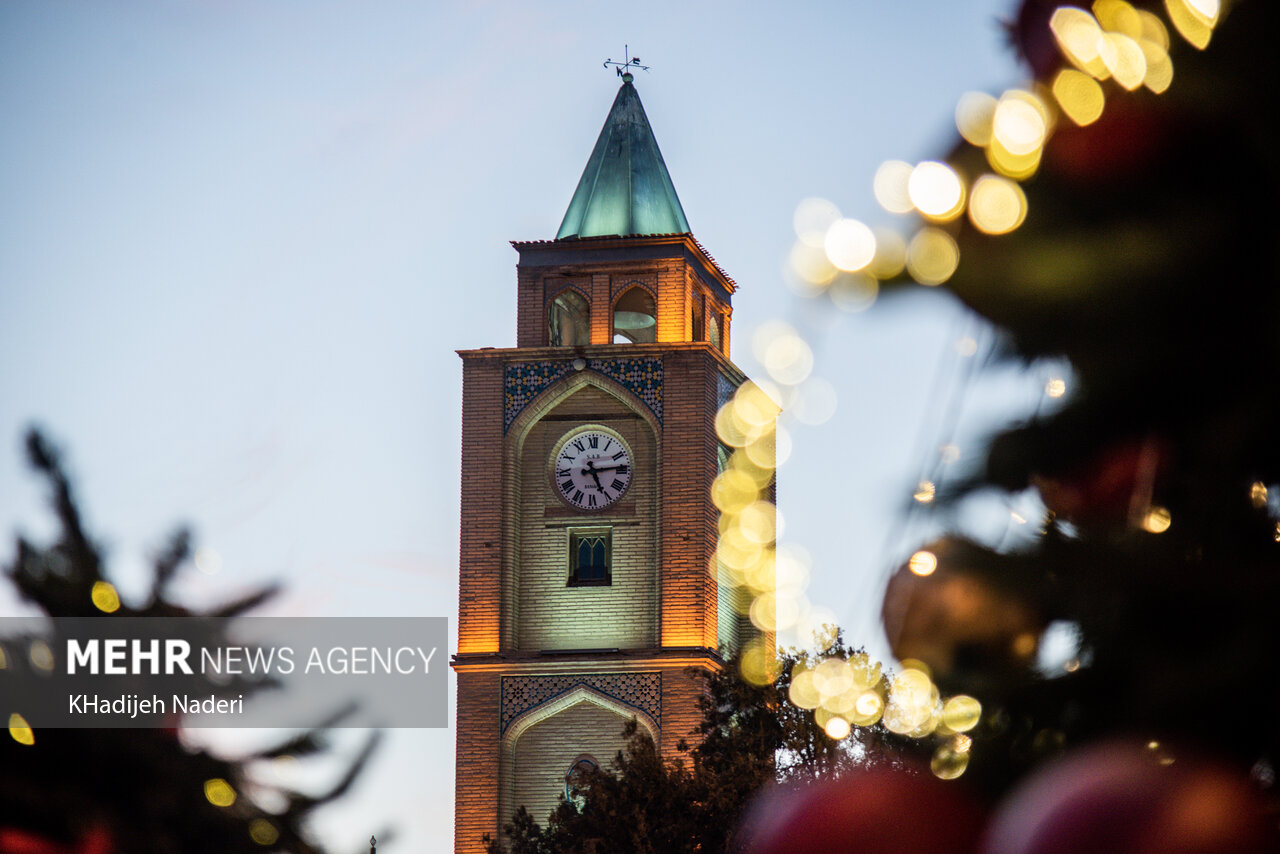
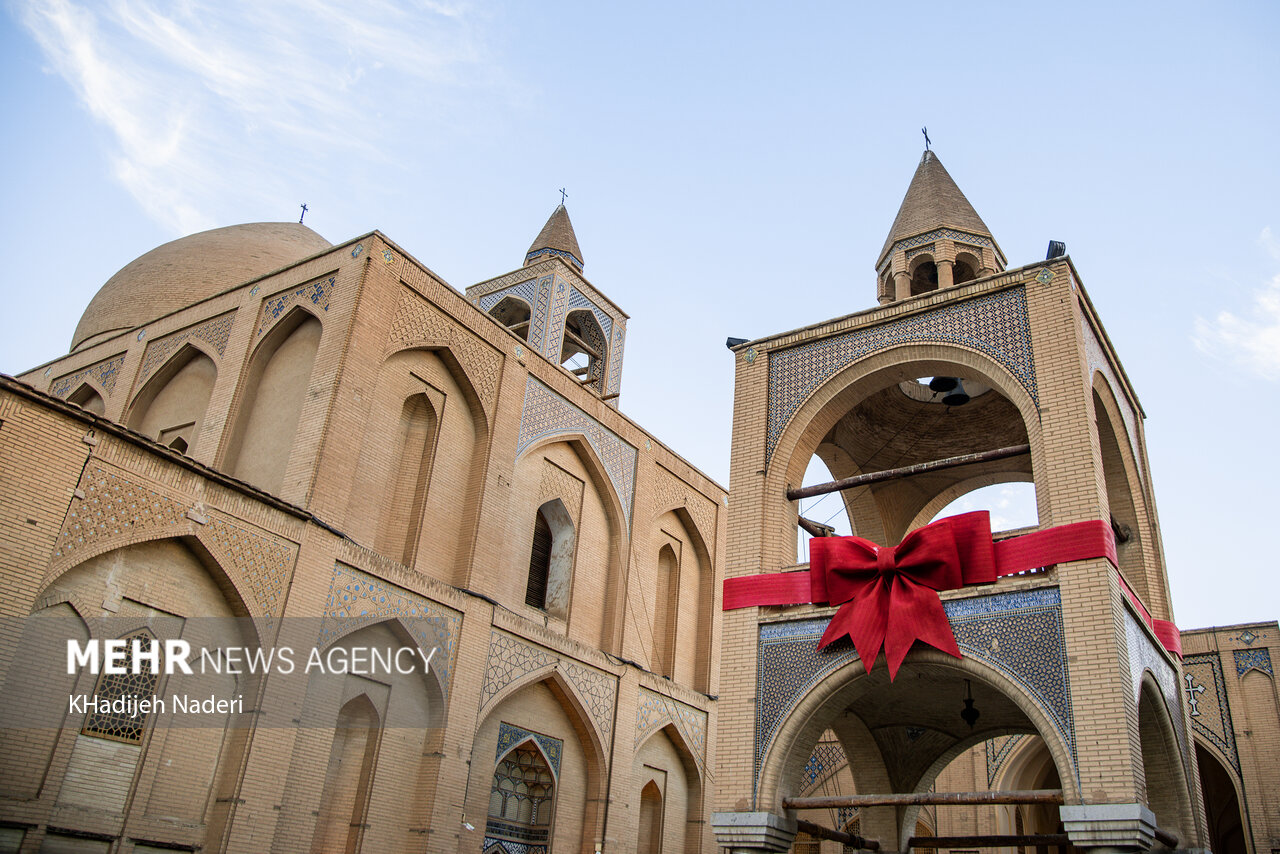
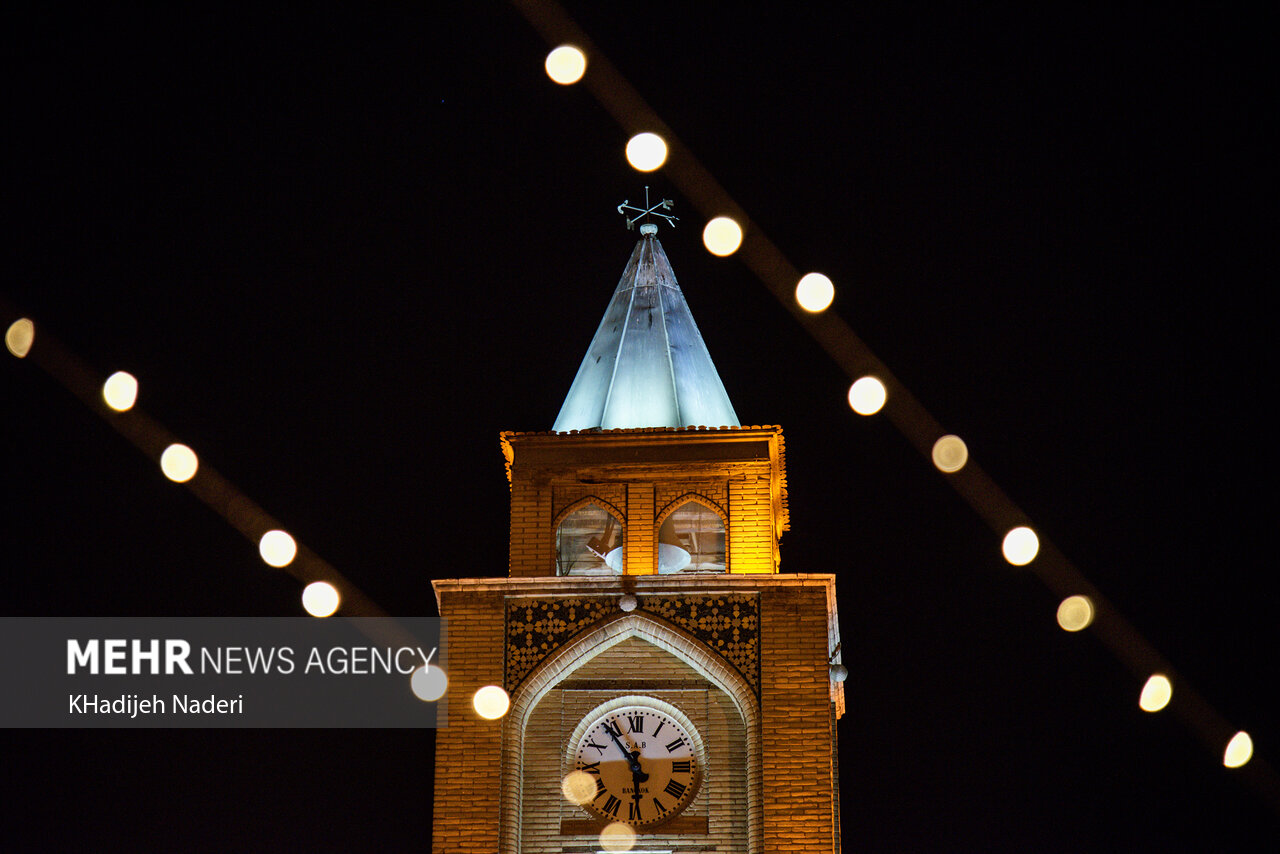
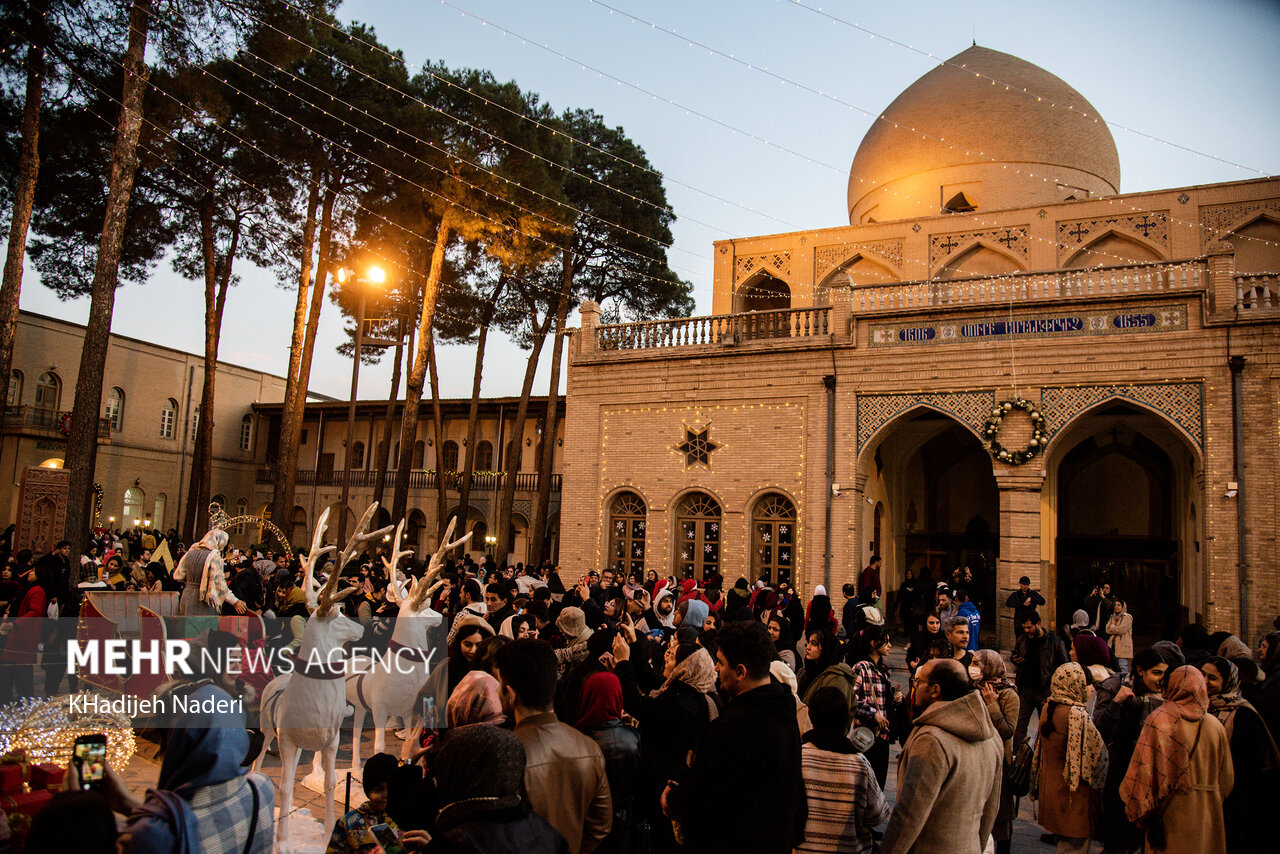
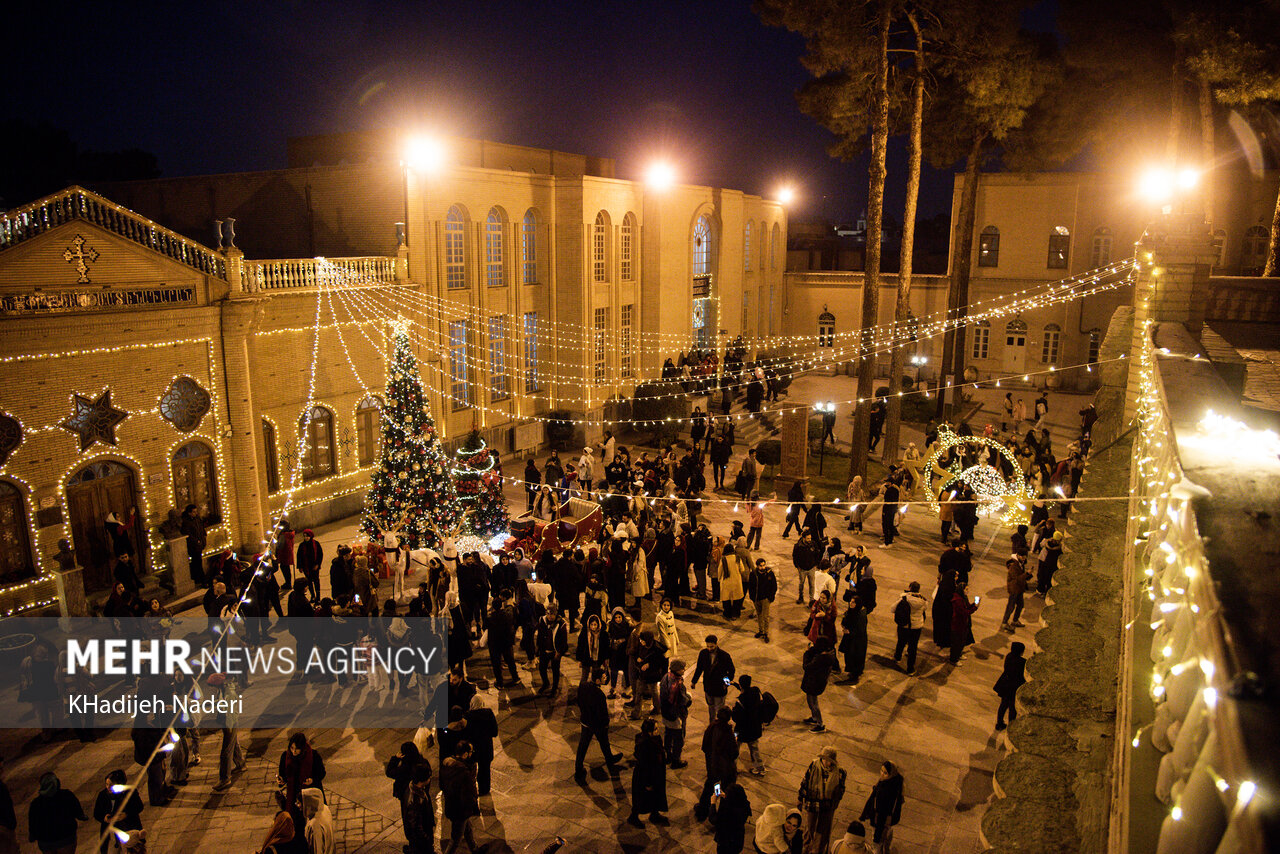
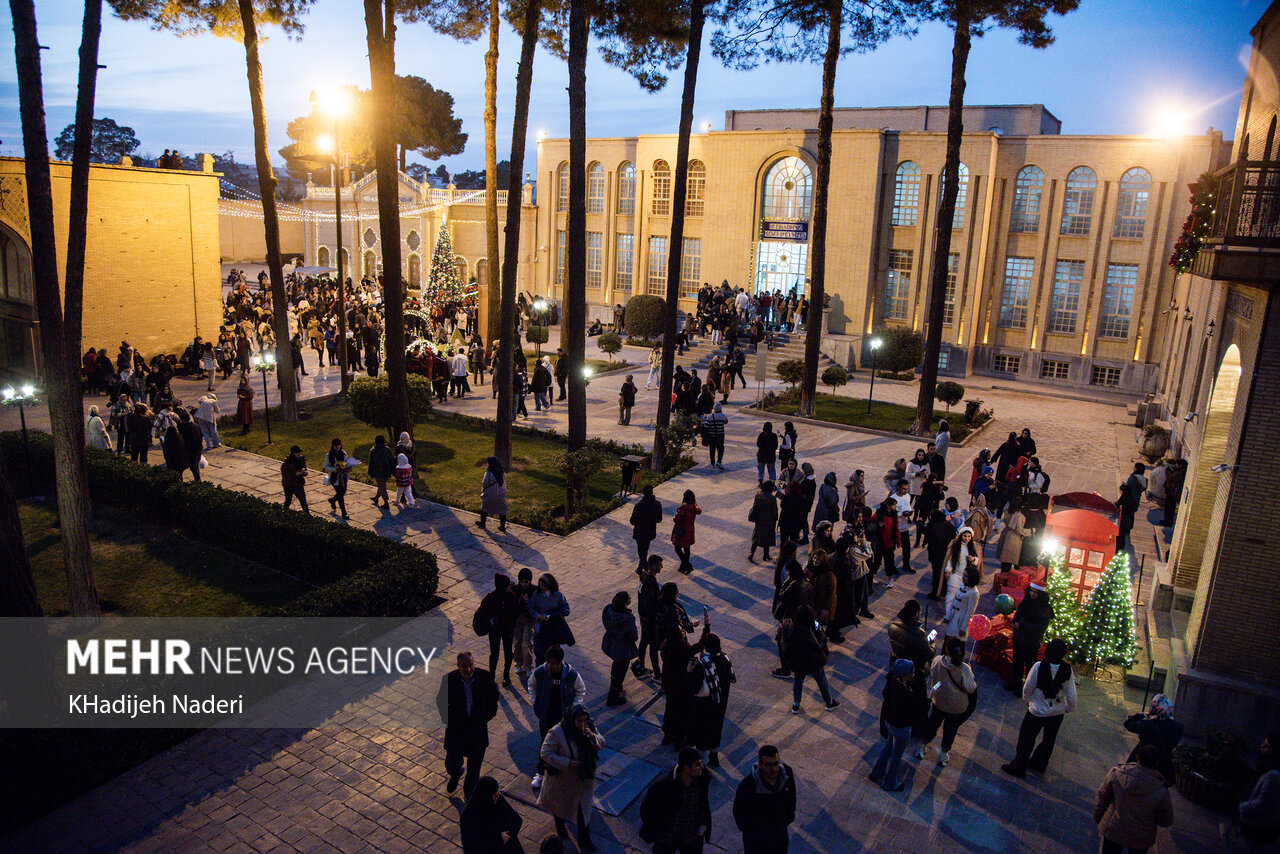
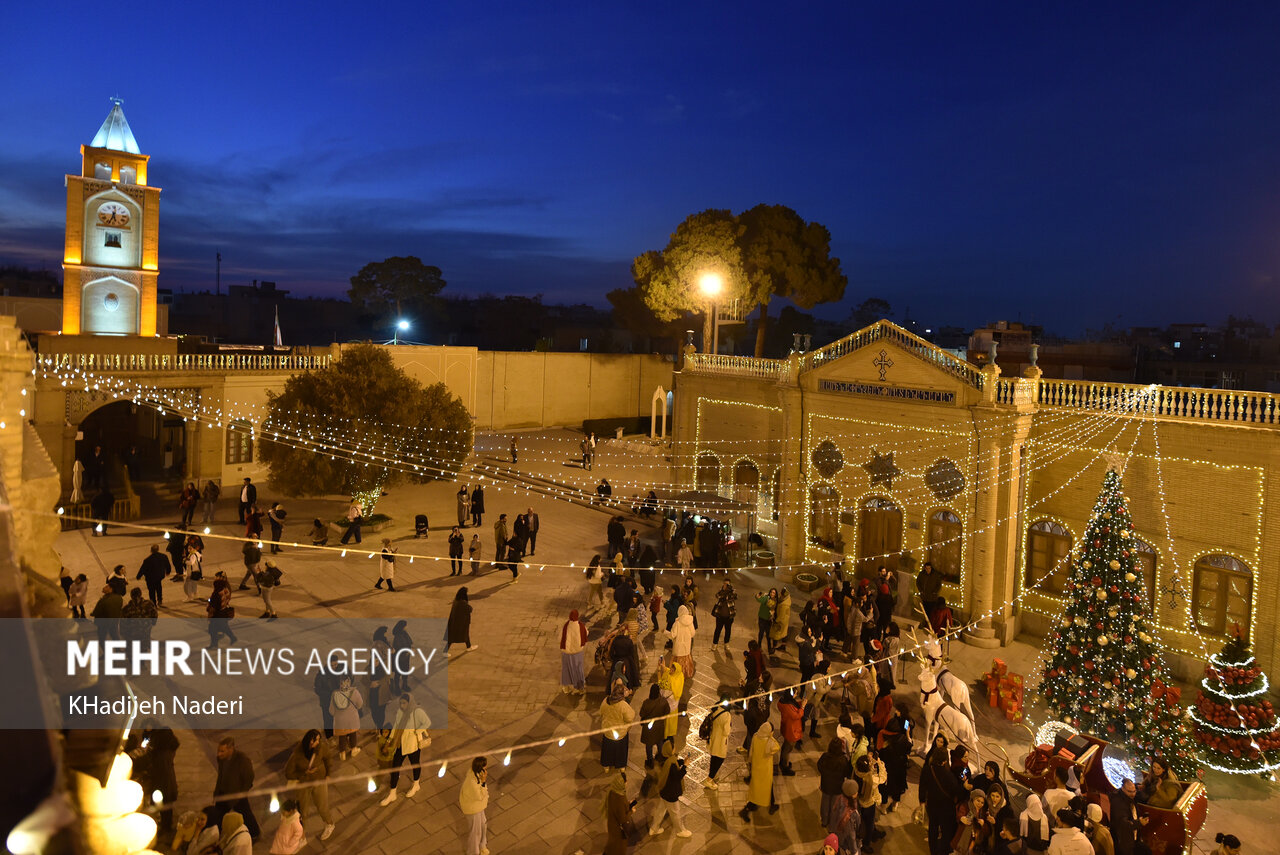
Vank Church, Jolfa district in Iran’s Isfahan decorated for New Year

With the start of the New Year celebrations, people in Isfahan join their Armenian compatriots at Vank Church to welcome the New Year together.

Iran is home to a diverse population, including various religious minorities such as Christians.

These communities have representatives in the Iranian Parliament and are free to practice their religious ceremonies within the framework of the law.

While some Iranian Christians celebrate Christmas in Iran on December 25 and New Year’s Day on January 1, Armenians celebrate Christmas on January 6 at the same time as the Epiphany.

Kremlin says several countries to become BRICS partners next year

BRICS

The new ‘partner country’ status was approved at the BRICS summit in October, hosted by Russia in Kazan, and is intended to serve as an alternative to membership after more than 30 nations applied to join the organization. The status provides for permanent participation in special sessions of BRICS summits and foreign ministers’ meetings, as well as other high-level events. Partners can also contribute to the group’s outcome documents.

Speaking at a press briefing on Monday, Ushakov emphasized the importance of the partner state status’ approval, saying that Belarus, Bolivia, Indonesia, Kazakhstan, Thailand, Cuba, Uganda, Malaysia, and Uzbekistan will officially become BRICS partners from January 1. Confirmation is expected in the near future from four more countries, which were also invited to become partner states.

BRICS initially comprised Brazil, Russia, India, China, and South Africa, and was expanded earlier this year to include Egypt, Iran, Ethiopia, and the United Arab Emirates.

Saudi Arabia has paused its process of joining BRICS because the necessary “internal procedures” for becoming a full member have not yet been completed, according to Ushakov, citing representatives from Riyadh.

The Kremlin aide highlighted that 35 applications to join BRICS in one status or another were received ahead of the Kazan Summit.

“Some countries wanted to immediately receive full-scale participation, while others wanted to participate in individual events as observers,” he explained.

At the moment, more than two dozen countries are showing interest in cooperation with BRICS, according to Ushakov. The countries are Azerbaijan, Bangladesh, Bahrain, Burkina Faso, Venezuela, Honduras, Zimbabwe, Cambodia, Colombia, the Republic of Congo, Laos, Kuwait, Morocco, Myanmar, Nicaragua, Pakistan, Palestine, Senegal, Syria, Chad, Sri Lanka, Equatorial Guinea and South Sudan.

Ushakov pointed out that the role of BRICS in international politics is growing. The group has also enhanced its authority in the sphere of economics and finance, as well as in responding to climate challenges and strengthening global food and energy security.

WHO warns Yemen bears ‘highest burden’ of cholera worldwide

Yemen Cholera

The UN agency said in a statement that as of Dec. 1, Yemen had reported 249,900 suspected cases of cholera, with 861 associated deaths since the beginning of the year.

This accounts for 35% of the global cholera burden and 18% of global reported mortality, the WHO added.

The number of cases and deaths reported in November 2024 is 37% and 27% higher than the same month in 2023, according to the global health body.

The increase this year is “largely due to updated data” from Yemen, with adjustments made to account for more detailed information from all governorates, it noted.

“The outbreak of waterborne diseases like cholera and acute watery diarrhea imposes an additional burden on an already stressed health system facing multiple disease outbreaks. WHO and humanitarian actors are strained in their efforts to address the increasing needs due to severe funding shortages,” WHO representative and head of mission in Yemen, Arturo Pesigan, said.

“Lack of access to safe drinking water, poor community hygiene practices and limited access to timely treatment further hinder efforts to prevent and control the disease,” Pesigan added.

Addressing cholera in Yemen requires “urgent and comprehensive” interventions, covering coordination, surveillance, laboratory capacity, case management, community engagement initiatives, water, sanitation and hygiene (WASH) and oral cholera vaccinations, the agency underlined.

It underscored that timely and sufficient funding is necessary for these interventions.

According to the WHO, Yemen has experienced persistent cholera transmission for many years, including the largest outbreak — between 2017 and 2020 — recorded in recent history.

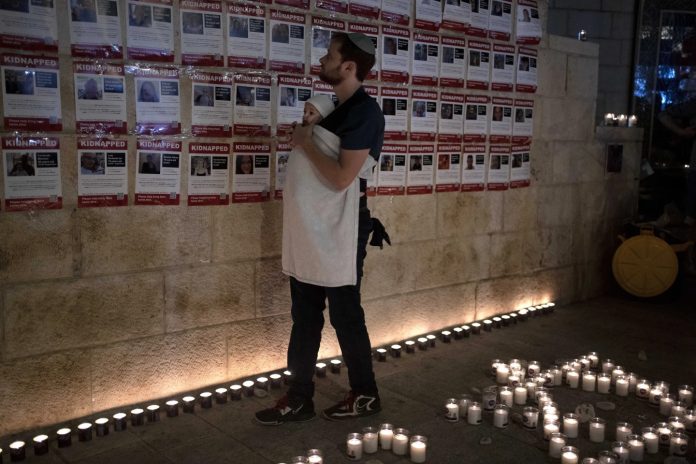
Hamas says fate of captives depends on Israeli military

Israel Hostages

Abu Ubaida’s comments came shortly after Israeli Prime Minister Benjamin Netanyahu claimed there had been “certain progress” in negotiations with Hamas, without providing a specific timeline. Opposition critics have accused Netanyahu of sabotaging the negotiations and prolonging the war.

The spokesperson warned that “the fate of some Israeli prisoners depends on the progress of the occupation army by hundreds of meters in certain areas under attack”, without elaborating further.

In recent weeks, families of Israeli hostages held in Gaza have intensified their calls for a cease-fire in Gaza.

Israel currently holds over 10,300 Palestinian prisoners, while around 100 Israeli hostages are believed to be held in the besieged enclave. Hamas has announced that dozens of Israeli captives have been killed in indiscriminate Israeli attacks.

Hamas has repeatedly expressed its willingness to reach a deal, and in May, it agreed to a proposal put forward by US President Joe Biden.

However, Netanyahu later rejected the proposal, adding new conditions, including the continuation of the military operation and the refusal to withdraw Israeli soldiers from Gaza. Hamas, on the other hand, insists on a full ceasefire and complete Israeli withdrawal.

Israel has continued a genocidal war on Gaza that has killed more than 45,300 people, most of them women and children, since an attack by Hamas on Oct. 7, 2023.

Last month, the International Criminal Court issued arrest warrants for Netanyahu and former Defense Minister Yoav Gallant for war crimes and crimes against humanity in Gaza.

Israel is also facing a genocide case at the International Court of Justice for its actions in Gaza.

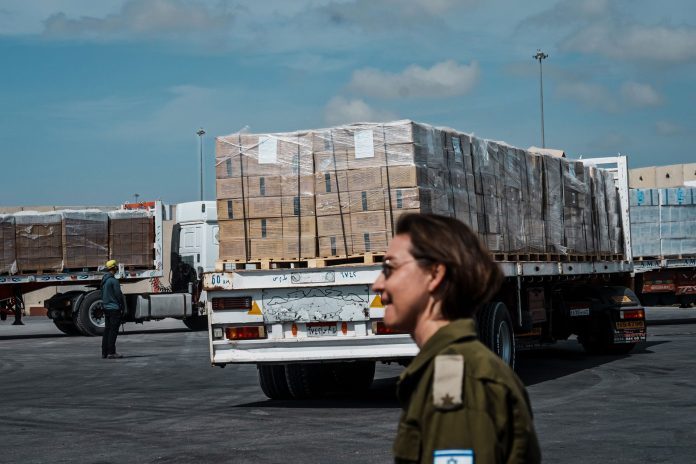
UN declares Gaza Strip most dangerous place for aid delivery

Gaza War

Fletcher has urged governments to “break the cycle of violence” and “defend humanitarian law” in Gaza and the occupied West Bank.

The UN official made the comments after visiting Jordan, Syria and Lebanon to meet aid teams, including those working in the occupied Palestinian territory.

He condemned the “sustained intensity” of Israel’s violence in Gaza, saying that there is nowhere safe for civilians in the Strip, with schools, hospitals and civilian infrastructure reduced to rubble.

“We deal with tough places to deliver humanitarian support. But Gaza is currently the most dangerous, in a year when more humanitarians have been killed than any on record,” Fletcher added.

“As a result, despite the massive humanitarian needs, it has become almost impossible to deliver even a fraction of the aid that is so urgently required. The Israeli authorities continue to deny us meaningful access – over 100 requests to access North Gaza were denied since 6 October. We are also now seeing the breakdown of law and order and the systematic armed looting of our supplies by local gangs.”

Israel has continued a genocidal war on Gaza that has killed more than 45,300 people, most of them women and children, since an attack by the Palestinian group Hamas on Oct. 7, 2023.

Last month, the International Criminal Court issued arrest warrants for Israeli Prime Minister Benjamim Netanyahu and former Defense Minister Yoav Gallant for war crimes and crimes against humanity in Gaza.

Israel is also facing a genocide case at the International Court of Justice for its actions in Gaza.

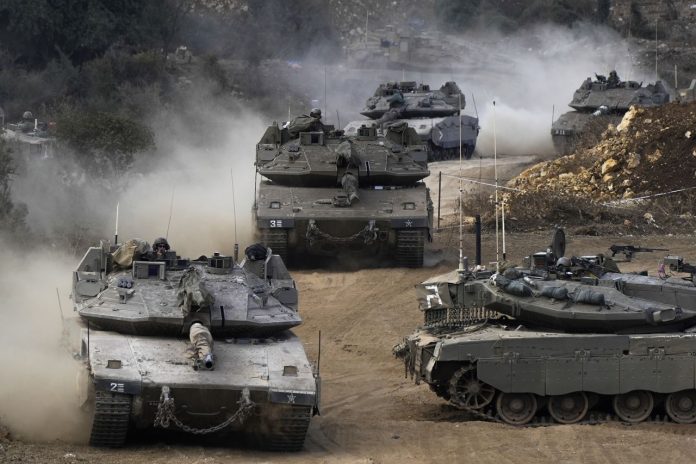
Lebanon urges Israel’s withdrawal from south

Israel Army

“In order for the army to be able to fully accomplish its missions, the committee must… put pressure on the Israeli enemy to bring an end to all the violations” of the ceasefire, Mikati said in the Lebanese border town of Khiam during a tour of the south on Monday.

“It is necessary to put pressure on the parties to the ceasefire agreement, namely the French and the Americans, to accelerate the process before the expiration of the 60-day period.”

Mikati added he wanted to resolve any questions over the Blue Line — the UN-demarcated boundary between Lebanon and the occupied territories — “so there will be no justification for any Israeli occupation of our land.”

The Lebanese premier voiced concern over the daily ceasefire breaches, accusing Israel of “dragging its feet” to pull out of southern Lebanon.

Mikati also in remarks on Wednesday said that Israel was failing to comply with its commitments under the ceasefire agreement with Lebanon, citing ongoing daily violations.

The premier emphasized the importance of global pressure on Israel to cease its ongoing violations of the agreement.

The truce agreement between Israel and Lebanon came into effect on the morning of November 27.

As part of the agreement, the Lebanese army and peacekeepers will deploy in southern Lebanon as the Israeli army pulls out over a period of 60 days.

The United States and France are part of the committee tasked with maintaining communication between the parties and ensuring ceasefire violations are identified and dealt with.

The ceasefire stipulates that Israeli forces are to gradually withdraw from south of the Blue Line, a temporary line drawn after the withdrawal of Israel from the country’s territory in 2000, while the Lebanese army is expected to deploy its troops in southern Lebanon within a maximum of 60 days.

Since the ceasefire was implemented, Lebanon has documented dozens of violations, conducting airstrikes, advancing troops, and executing mass demolitions of homes and buildings in the southern region even in areas previously inaccessible during ground operations against Hezbollah.

Iranian martial artist Aliakbari sparks controversy with video of pet lion

In the video, Aliakbari can be seen embracing a lion cub, with the caption, “A miracle called love makes a wild animal so kind.”

The video has garnered significant attention on social media, with many users calling for environmental authorities to intervene and address the potentially illegal action.

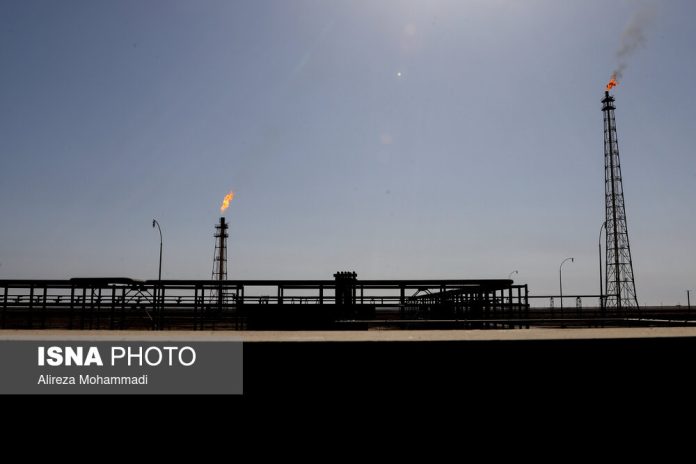
Iran sets new record with daily gas production of 865mn cubic meters

Iran Oil Gas

Mohammadreza Jolaei, Director of Coordination and Supervision at the National Iranian Gas Company, said on Tuesday that Iran is currently producing over one billion cubic meters of rich gas daily.

Seventy percent of the country’s gas supply comes from South Pars in the Persian Gulf, contributing approximately 590 million cubic meters daily.

South Pars also produces 700,000 barrels of gas condensate, 20,000 tons of liquefied gas, 1,500 tons of sulfur, and nearly 5,000 to 6,000 tons of ethane per day.

Jolaei emphasized the importance of maintaining the 13 gas refineries across 22 phases at South Pars, which requires high-tech components often sourced domestically.

He noted the rising demand for gas, which reaches 600-700 million cubic meters daily during the winter, compared to 150 million cubic meters in the summer.

With 75% of Iran’s energy basket reliant on gas, Jolaei stressed the need to diversify energy sources to mitigate the impact of gas supply imbalances.

Ukraine increasingly sees conflict with Russia ending in 2025: WaPo

Russia Ukraine War

Trump promised on the campaign trail to end the conflict within a day of taking office, although he has since admitted that doing so may take longer. The US president-elect has revealed few details about how he plans to achieve this, but media leaks and comments from his closest advisers suggest that he will push to freeze the fighting along the current line of contact, using the leverage of US military aid to Ukraine to force Zelensky into talks with Putin.

“I wouldn’t believe we’re anywhere close to negotiations” were it not for Trump’s repeated comments on peace talks, the official continued, adding: “I just don’t think it’s possible to come to any agreement with [Russian President Vladimir] Putin.”

Since 2022 Zelensky has maintained that no compromise is possible with Russia: first by insisting on restoring Ukraine’s 1991 borders by force, which would place Donetsk, Lugansk, Kherson and Zaporozhye regions as well as Crimea under Kiev’s control; and by pushing a punitive ‘peace formula’ that would involve Russia agreeing to such a territorial change, paying reparations, and handing its officials over to face war crimes tribunals. Moscow has rejected outright all of Zelensky’s proposals.

However, the Ukrainian leader has recently abandoned his talk of “victory”, claiming instead that he wants a “just peace” coupled with security guarantees from the West in the form of NATO membership, with the status of the former Ukrainian regions undetermined.

Moscow maintains that any settlement must begin with Ukraine ceasing military operations and acknowledging the “territorial reality” that it will never regain control of its former regions. In addition, the Kremlin insists that the goals of its military operation – which include Ukrainian neutrality, demilitarization, and denazification – will be achieved.

After meeting Zelensky in Paris earlier this month, Trump claimed that the Ukrainian leader “would like to make a deal and stop the madness”. Zelensky immediately denied seeking a settlement, declaring that the conflict “cannot simply end with a piece of paper and a few signatures,” and that Putin “can only be stopped by strength”.

Trump has since confirmed that he may cut military aid to Kiev once he takes office in January.

“We’ve seen everybody’s narrative go from ‘As long as it [takes], blank check, don’t dare say anything else, or you’re somehow pro-Russian’ to ‘How do we get this to a deal?’” Trump’s nominee for national security adviser, Mike Waltz, said in an interview on Sunday.

Expecting “every Russian off of every inch of Ukraine, including Crimea?” might not be a “realistic goal at this point”, he added.

Tehran’s air quality in red zone, elementary schools closed

Air Pollution

The Tehran Governor’s Office announced on Monday night that elementary schools, preschools, and kindergartens will be closed on Tuesday and Wednesday.

Forecasts from the Tehran Meteorological Department predict that air pollution will persist in high-traffic urban areas and central as well as southern parts of the province for the next five days.

Local dust, pollutant accumulation, reduced air quality, and occasional visibility reduction are expected.

Several other cities and provinces, including Mashhad, Isfahan, and Alborz, have also moved their schools online for Tuesday.

The Ministry of Health advises the public, especially vulnerable groups, to wear masks.

The Head of the Air Health and Climate Change Group at the Ministry stressed the importance of drinking sufficient water to maintain children’s health, warning some pollutants can even cross the placenta, posing risks to the fetus.

With the air expected to remain stagnant through the week, Friday is anticipated to bring rain, which may help alleviate the pollution in Tehran.