Thursday, December 25, 2025
Home Blog Page 4783

The man of art moves on and leaves the past behind

Aghdshlou

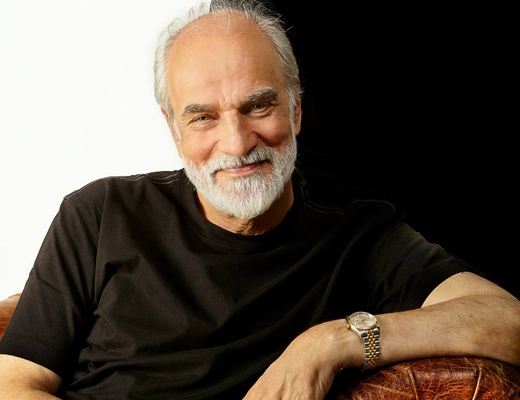
Aydin Aghdashloo, a contemporary Iranian visual artist, is no longer in Iran. He left the country in March to have a rest in another country and start to write an account of his past experiences and checkered career.

Khabaronline.ir released a report on Aghdashloo and his departure from Iran in late March. What comes next is a translation of the report followed by a collection of photos of his last exhibition in Iran:

The departure of Aydin Aghdashloo was perhaps one of the strangest events in Iran last year [ending March 20, 2015]. Aghdashloo, an artist who stayed in his home country for years despite ups and downs but decided to leave Iran at an old age, says he’s set out for a long journey this time around.

By his own account, Aghdashloo wants to live outside Iran with his children for an indefinite period during which he can write his memoir.

Aghdashloo, 75, has tested various branches of art, and served in different capacities from art critic to painter [to author, art historian and graphic designer]. He has made his name mostly in creating visual artistic works and in establishing his own progressive style in painting.

Years of Fire and Snow and Memories of Destruction are the artist’s two collections [of paintings] which are starkly remarkable in the history of the contemporary visual art.

In spite of his popularity in Iran, he has held only two solo exhibitions over the years: the first one came in 1975 and the second almost 40 years later in 2014. When Tehran’s Museum of Contemporary Art did not agree to organize the second event, Aghdashloo was forced to take care of the whole show single-handedly, something which he says he did out of bad luck.

The fruit of his 40-year-long art career – some of which were borrowed from private art collectors – was eventually put on display at Tehran’s Assar Art Gallery. His fans, young and old alike, had come to see the show. A big crowd had gathered waiting in long lines to take a look at his artworks.

The substantially large number of visitors turned into one of the sideline issues of the artistic event in 2014. Those who had come to visit the show would have never thought that they would one day stand in long lines outside an art gallery.

In a press conference on November 29, Aghdashloo said that his exhibition after 40 years was an attempt to get even with the years he has stayed in the country. “I am downhearted and exhausted. Time has come for me to have some rest.”

He talked about his decision to stay in the country during the [Iran-Iraq] war, about different governments which treated him differently – although he had never expected to become prominent – and about the fact that his depression has internal, reasons such as overworking and old age, and not external.

Aghdashloo seems to have done his fair share of the work by creating Memories of Destruction, a collection of 11 paintings during his stay in Iran. When he was not treated the way he truly deserved in his home country, he did not air any grievances, but decided to abandon canvas, painting and his country for an indefinite period.

He set out on a journey in the last month of the Iranian year [March] to welcome Nowruz [New Year] in a country other than Iran. He talked about his decision to meet his children and write his memoir and about his paintbrush which will be replaced by his pen to depict words in another part of the world.

To catch a glimpse of his works, go to www.aghdashloo.com

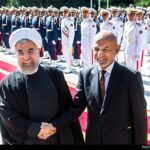
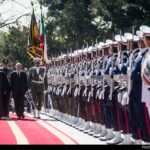
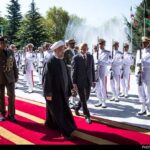
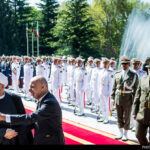
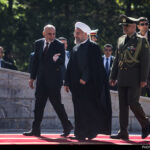
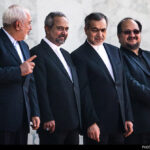
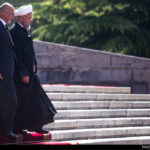
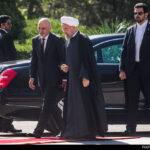
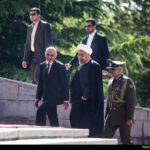
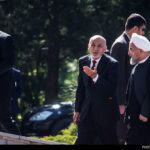
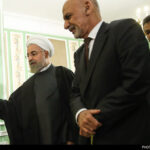
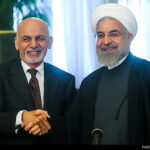
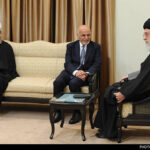
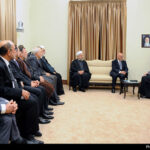
Afghan President greeted by Iranian officials (PHOTOS)

ashrafghani-rouhani

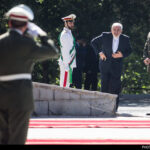
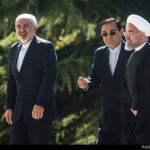
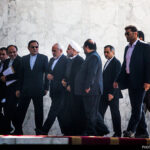
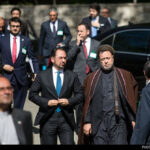
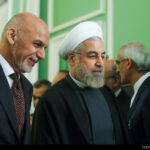
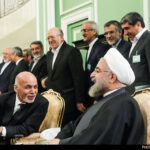
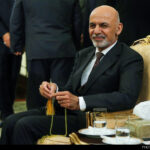
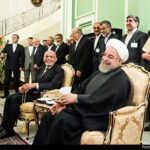
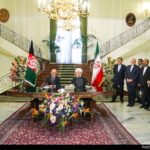
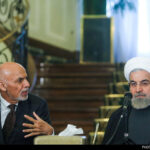
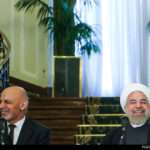
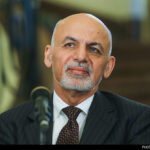
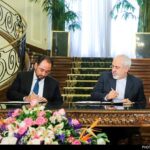
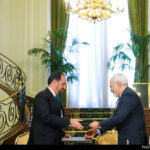
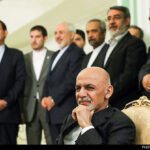
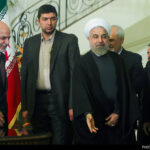
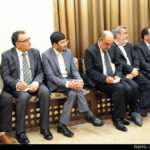
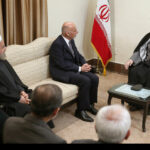
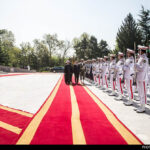
Afghan President Ashraf Ghani arrived in Tehran on Sunday. In his first state visit to Iran at the invitation of President Rouhani, he met with a number of Iranian officials.

Photos of President Ghani’s Tehran visit by the Iranian Students’ News Agency on April 19:


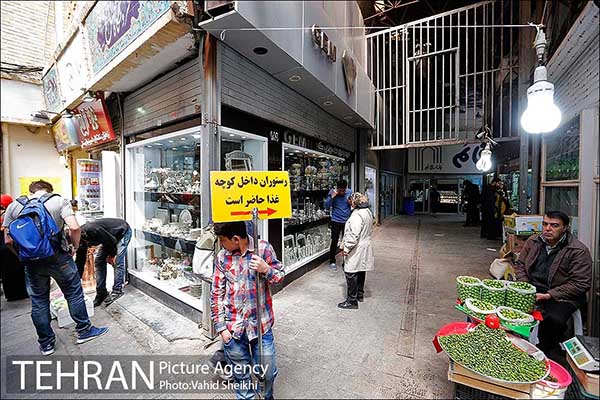
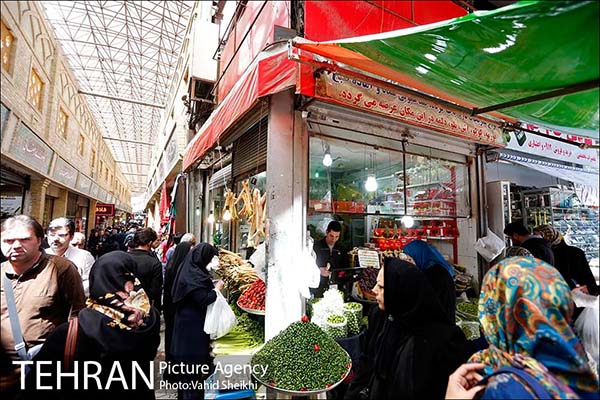
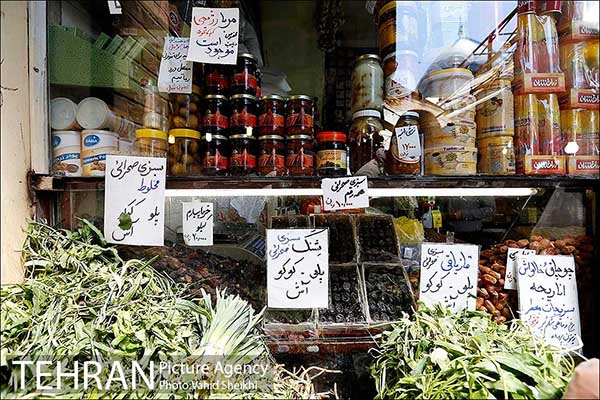
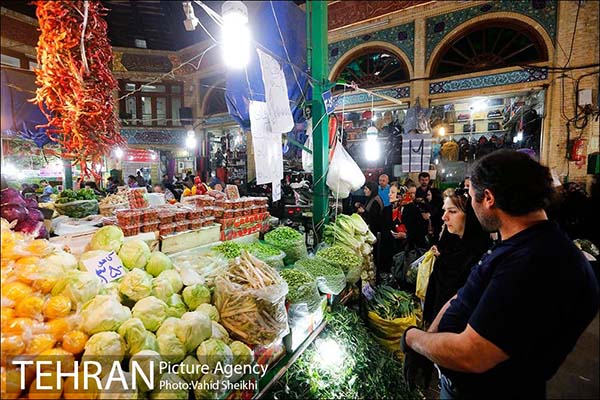
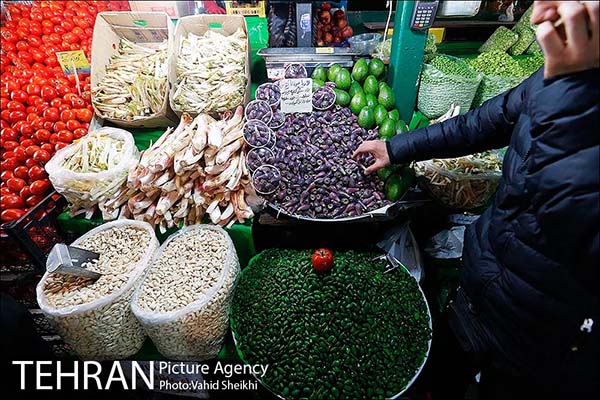
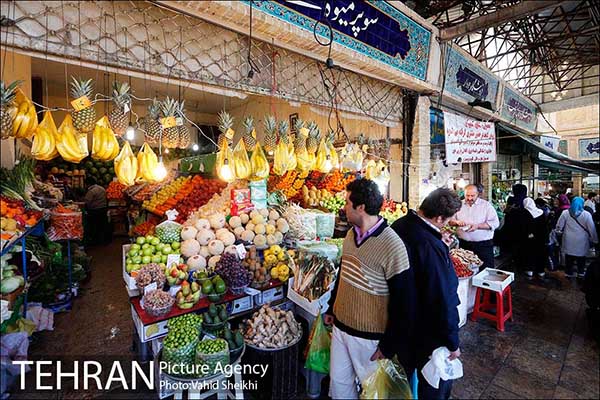
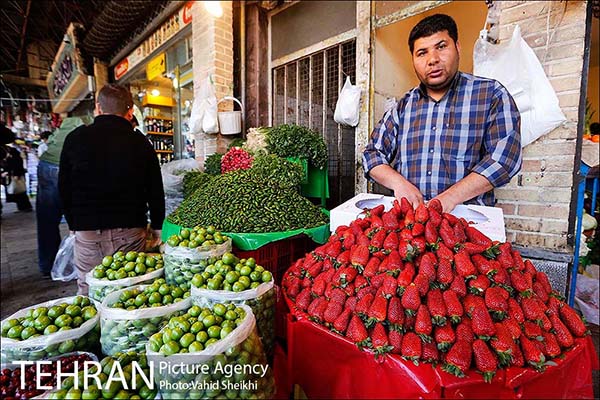
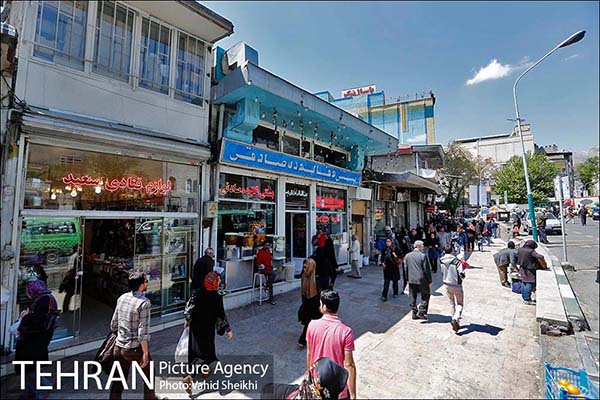
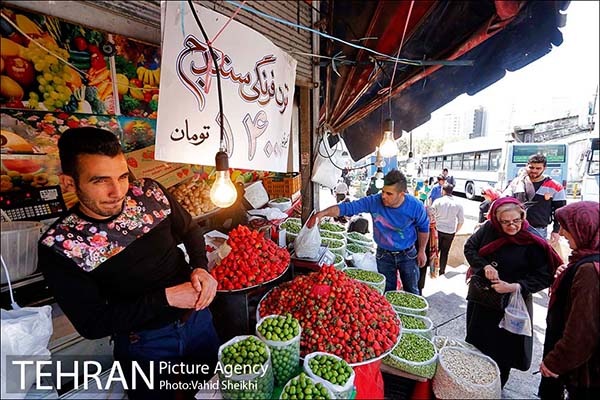
Tajrish street market in northern Tehran

Tajrish1629

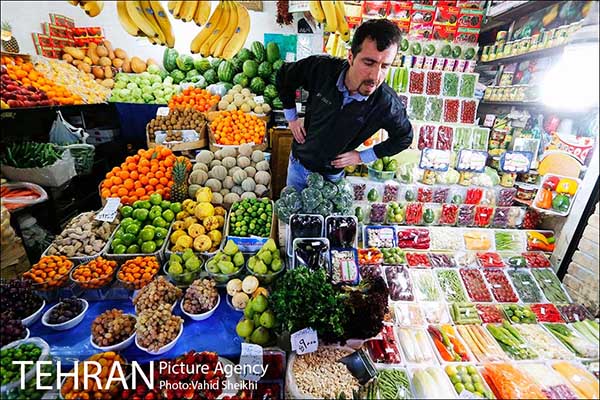
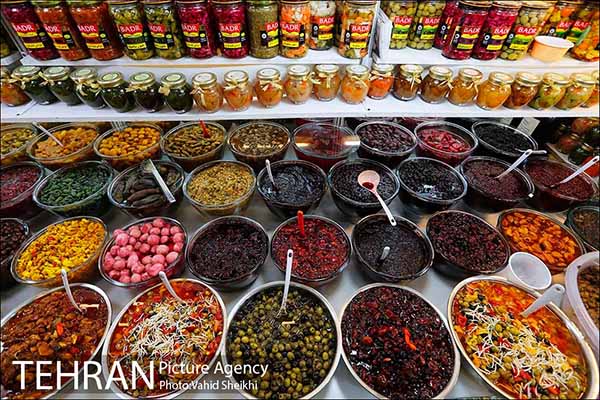
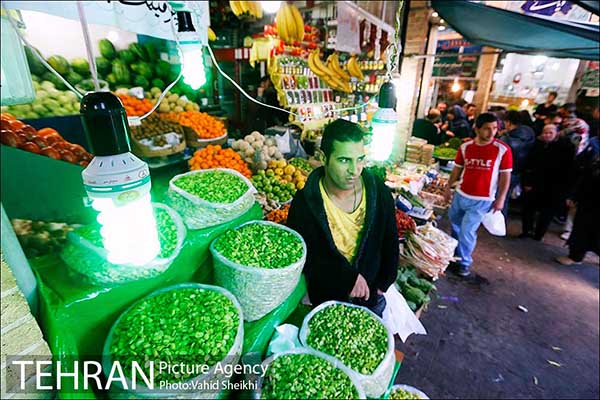
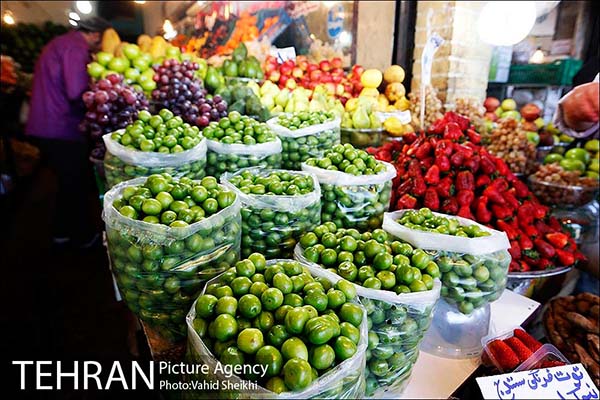
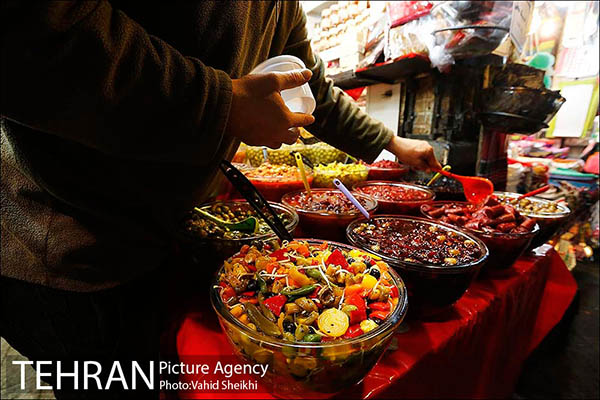
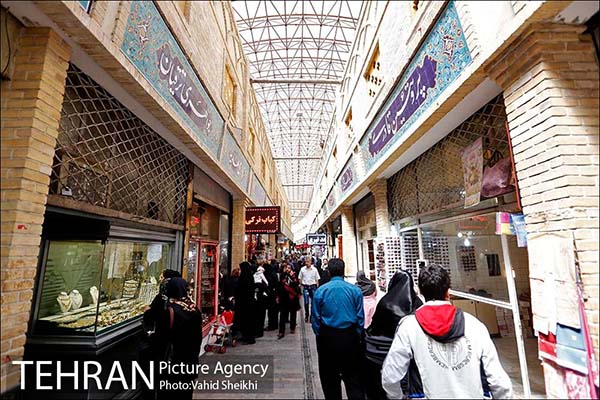
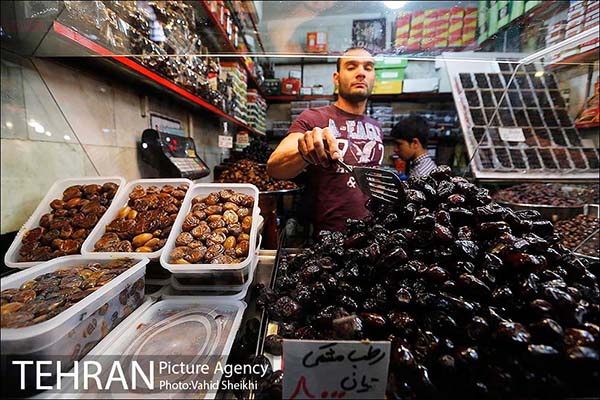
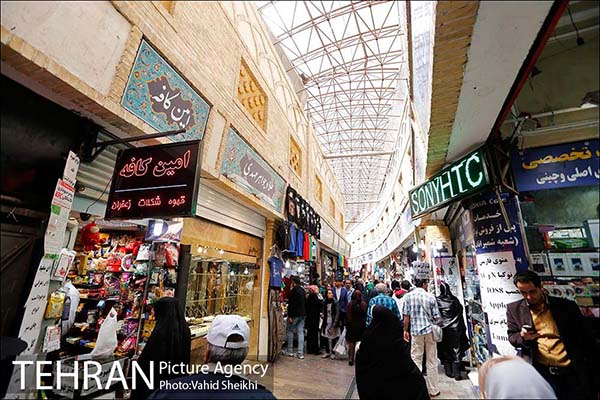
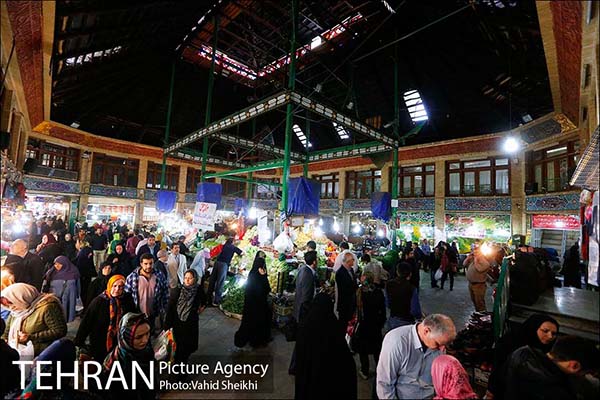
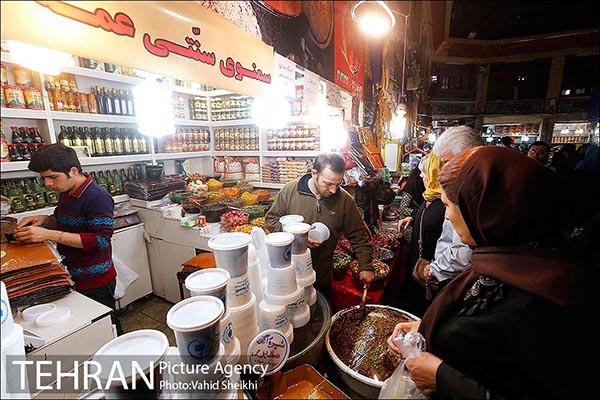
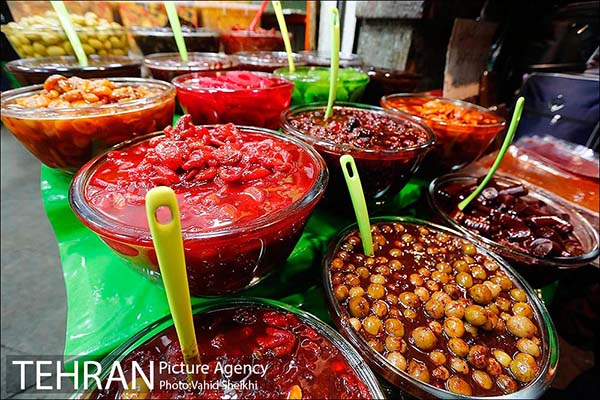
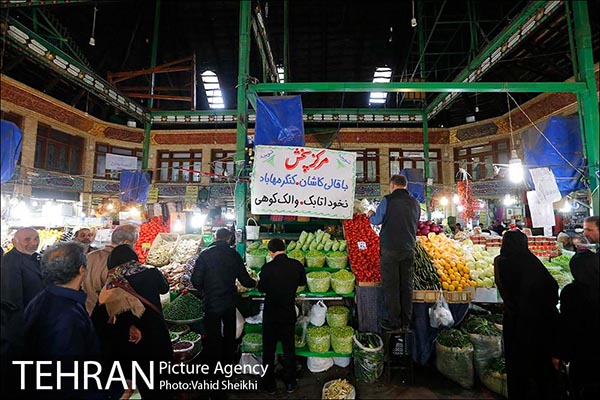
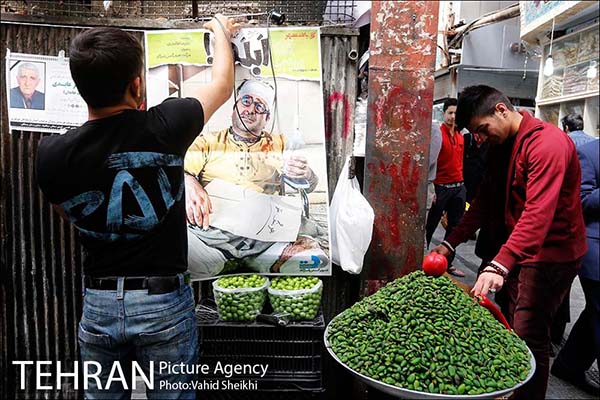
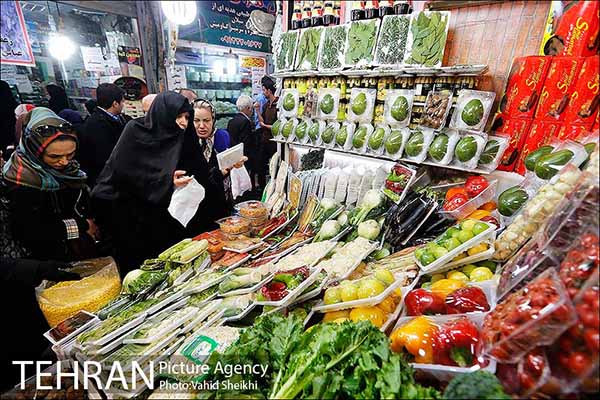
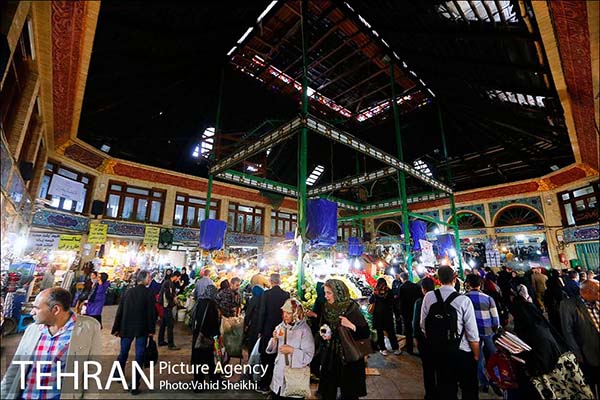
The following are the snapshots of a local market in northern Tehran where colorful fruit, mouthwatering food and other things are on sale.

Images of a colorful market released online by Tehran Picture Agency on April 18:

A look at Iranian newspaper front pages on April 20

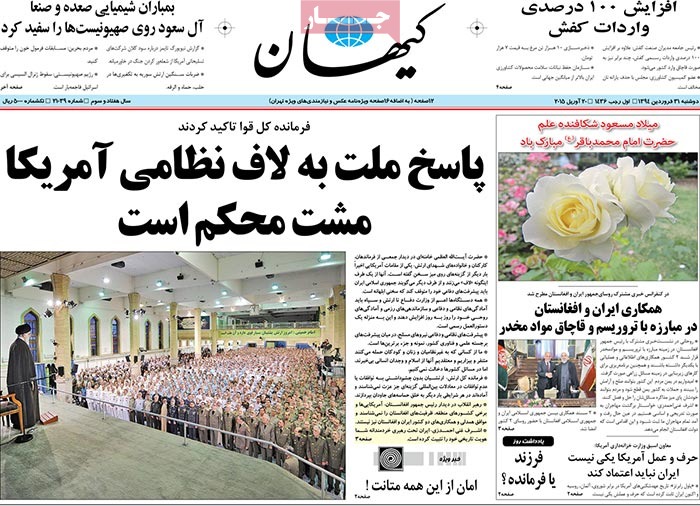
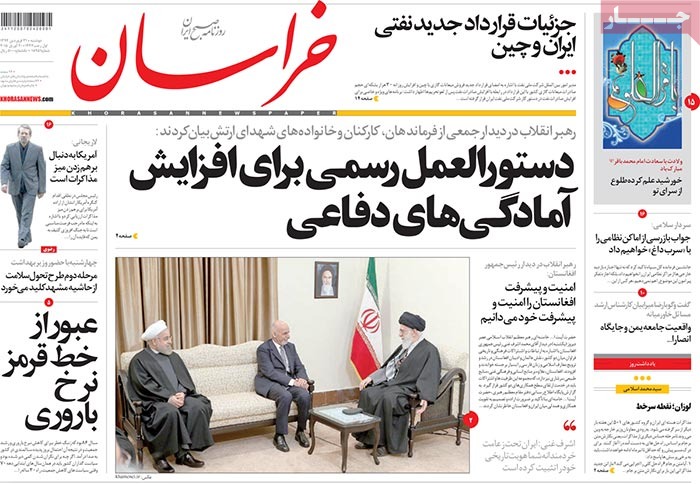
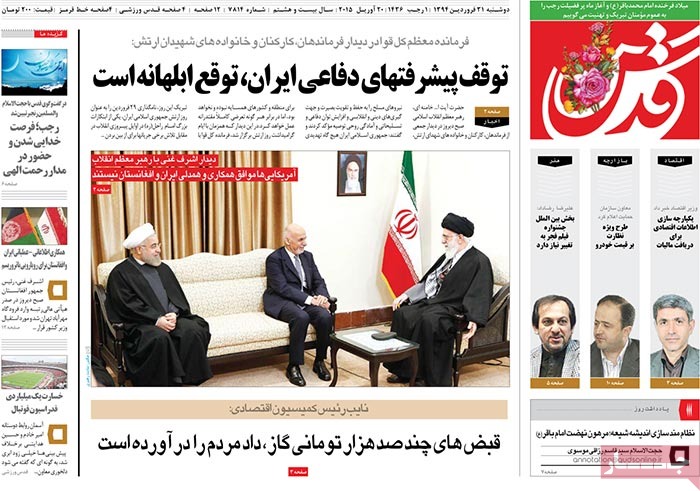
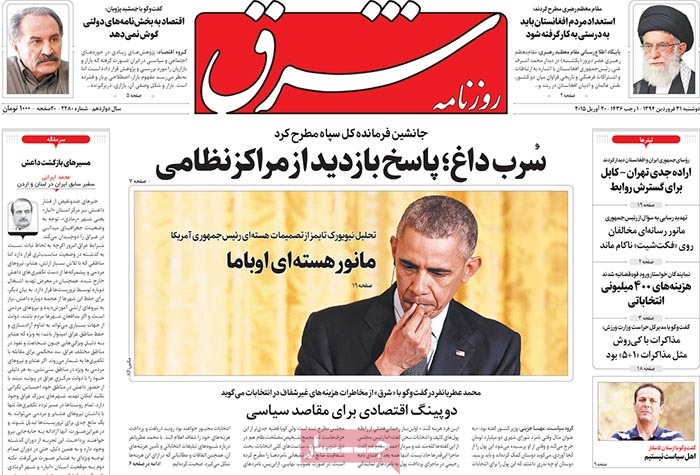
Iranian Newspapers Headlines

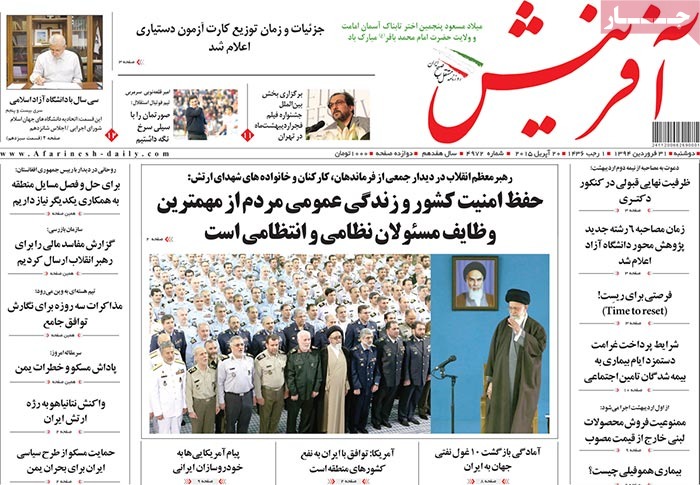
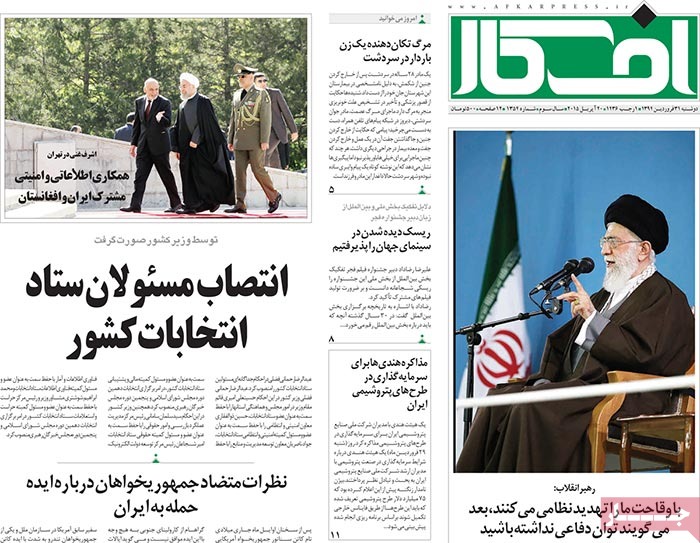
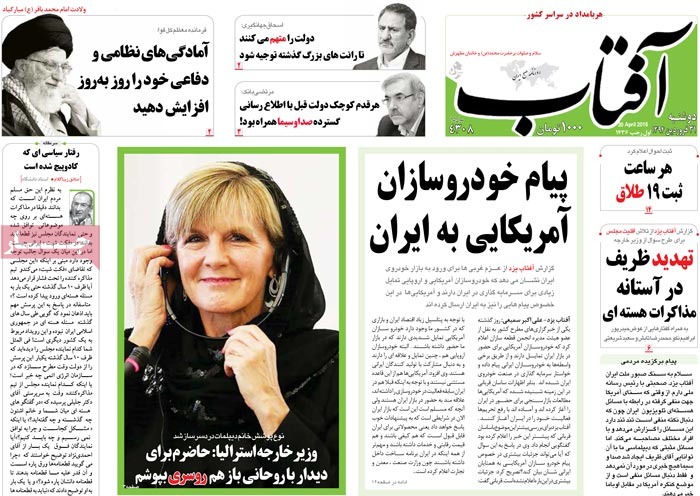
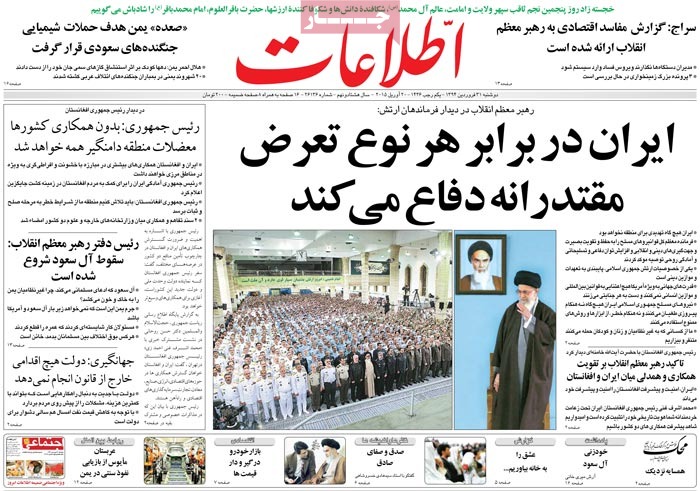
The comments of the Supreme Leader at a meeting with senior Army commanders on the need for constant efforts by the armed forces to boost the country’s defense capabilities dominated the front pages of Iranian newspapers on Monday. The meetings of the visiting Afghan president with Ayatollah Khamenei and President Rouhani also appeared on the cover of dailies.


Afarinesh: An Iranian nuclear team to fly to Vienna for three days of talks to draft a final deal.

Afarinesh: Russia says it supports Iran’s plan to end the Yemeni crisis.


A look at Iranian newspaper front pages on April 20


Afkar: The interior minister has named members of the country’s Electoral Commission.

Afkar: Talks have been held with Indian investors willing to put their money in Iranian petrochemical projects.


A look at Iranian newspaper front pages on April 20


Aftab-e Yazd: “They accuse the government to justify their own rent-seeking in the past.”

First Vice-President Eshagh Jahangiri made the comment in reference to supporters of the previous principlist government.

Aftab-e Yazd: The Australian foreign minister has said that she would put on headscarf again to meet with President Rouhani.


A look at Iranian newspaper front pages on April 20


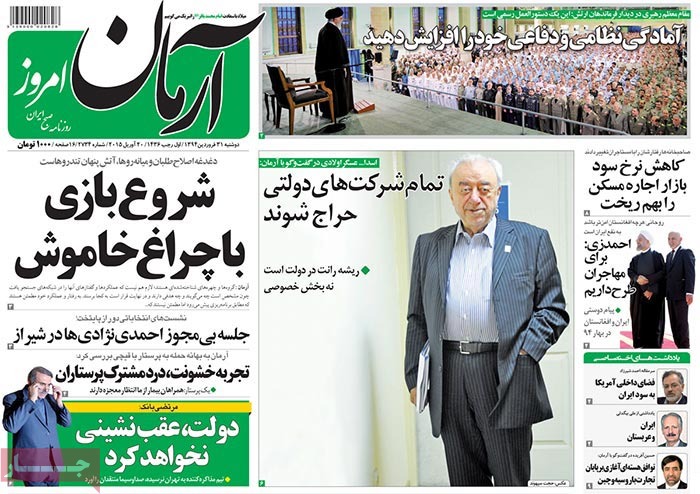
Arman-e Emrooz: “All state companies should go public. Roots of rent-seeking should be traced in the public, not the private sector.”

Asadollah Asgaroladi, [a prominent businessman and member of the Chamber of Commerce] made the comment in an exclusive interview with the daily.

Arman-e Emrooz: Supporters of Ahmadinejad have held an unauthorized gathering in Shiraz.


A look at Iranian newspaper front pages on April 20


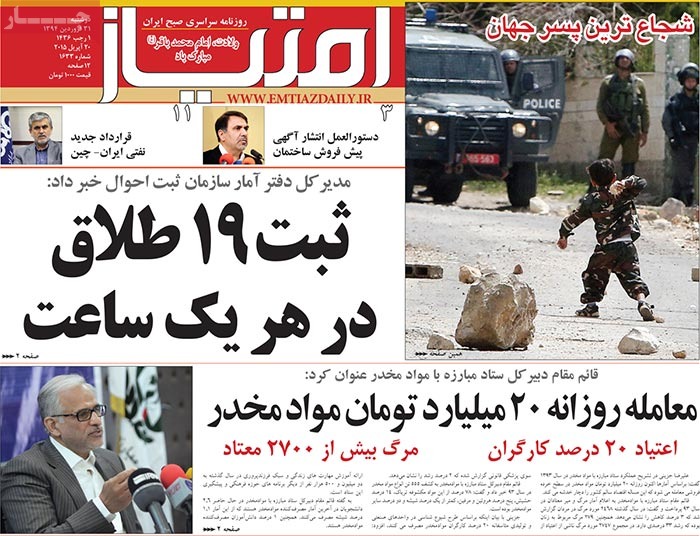
Emtiaz: “More than $6 million in drugs changes hands in the country on a daily basis.”

The deputy director of the country’s drugs commission has also said that more than 2,700 addicts died of overdose last year.


A look at Iranian newspaper front pages on April 20


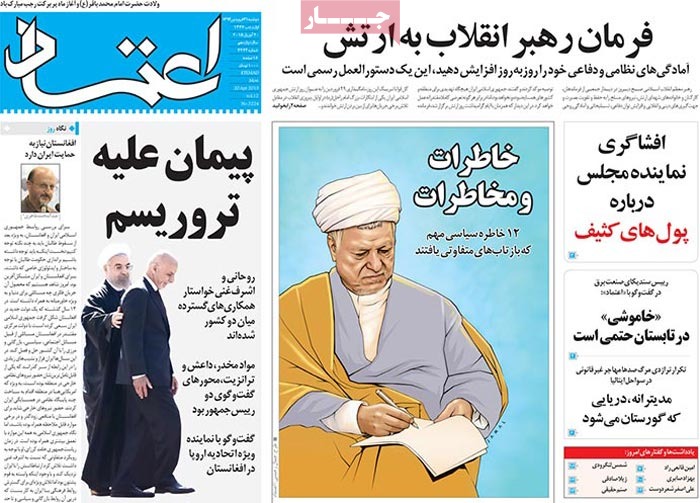
Etemad: The Leader’s order to the Army

“Raise your military and defense capabilities by the day; this is an official instruction.”


A look at Iranian newspaper front pages on April 20


Ettela’at: “A report on corruption has been handed over to the Supreme Leader,” said the inspector general.

Ettela’at: “The government does nothing that is not authorized by law,” vowed First Vice-President Eshagh Jahangiri.


A look at Iranian newspaper front pages on April 20


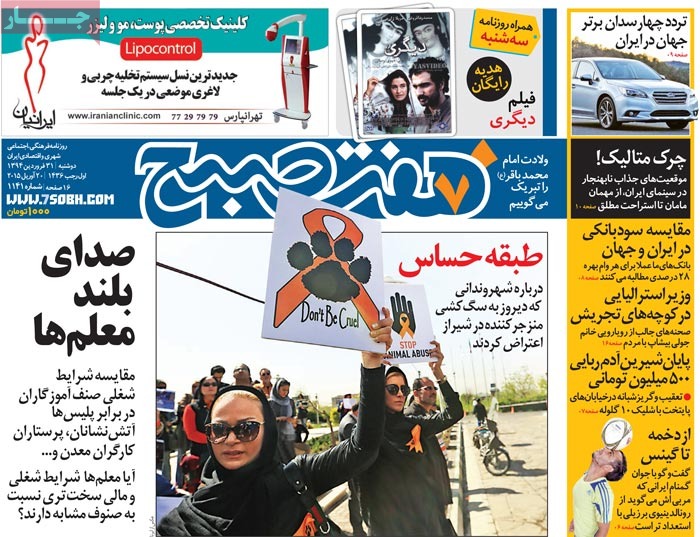
Haft-e Sobh: The Australian foreign minister has visited a local bazaar in northern Tehran.

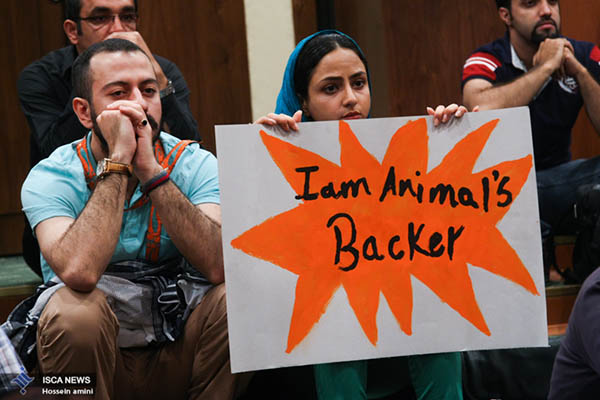
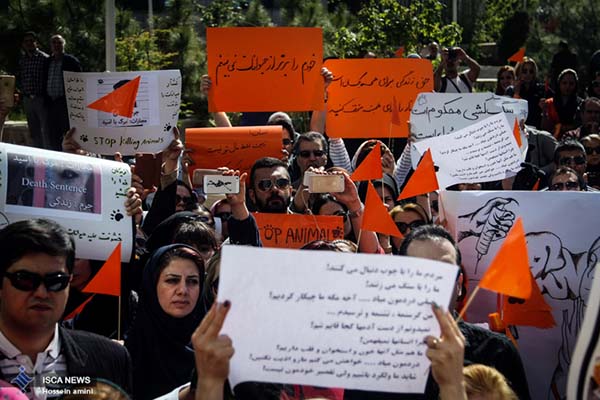
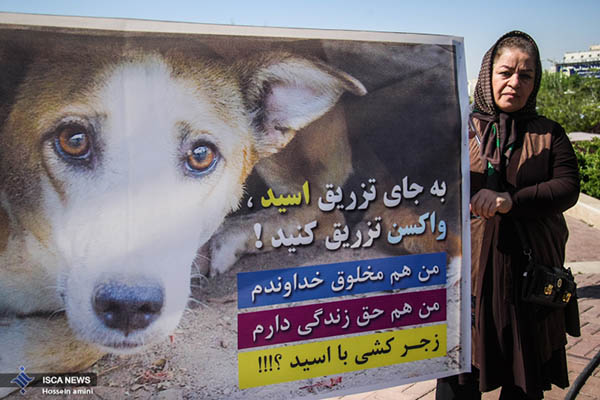
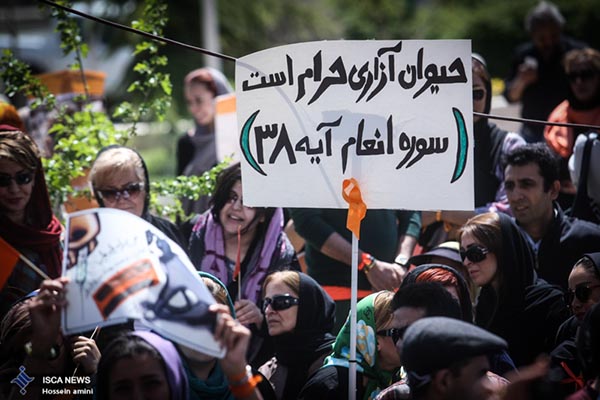
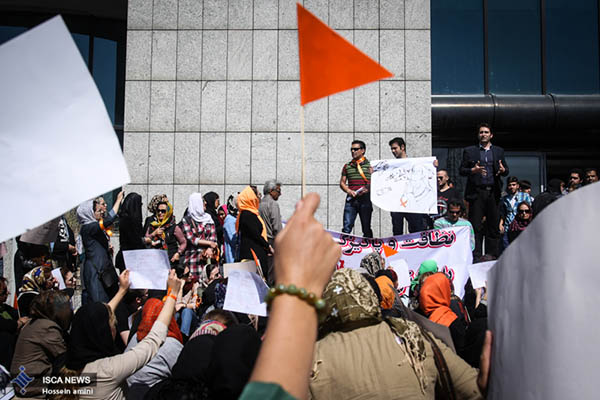
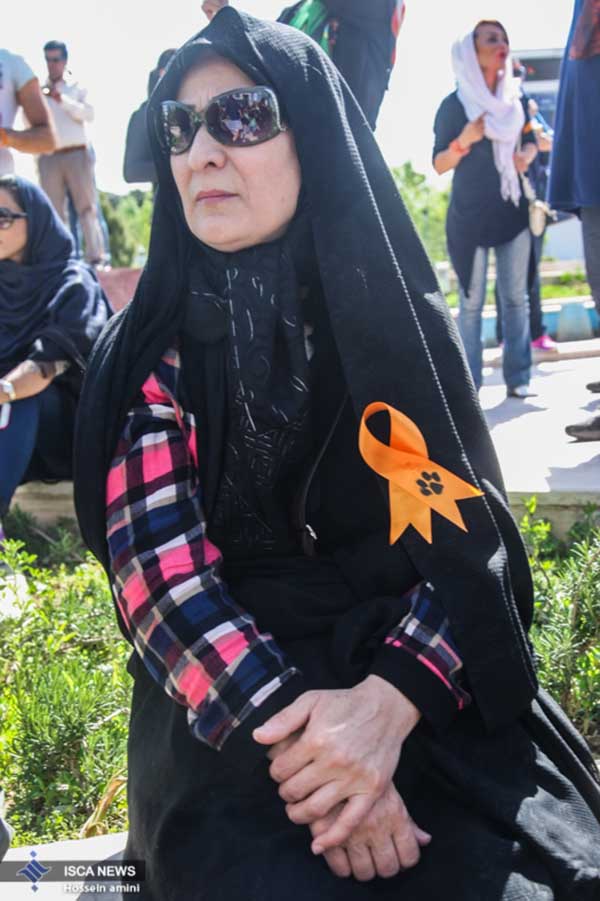
Haft-e Sobh: A number of Tehran residents have protested against the gruesome killing of stray dogs in Shiraz.


A look at Iranian newspaper front pages on April 20


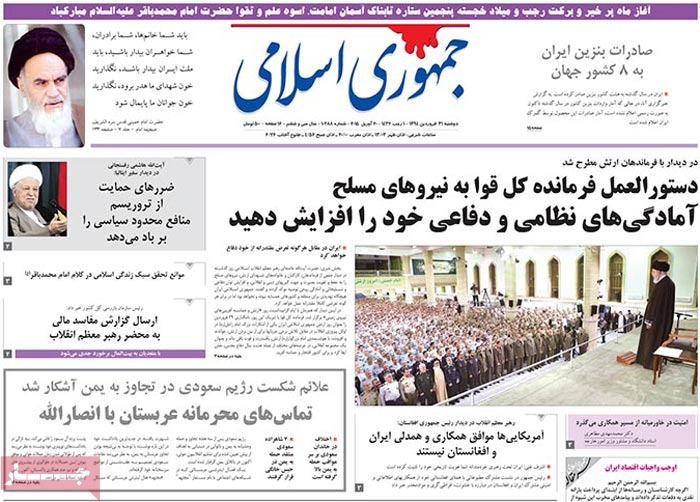
Jomhouri Islami: Iran to export gasoline to eight countries.


A look at Iranian newspaper front pages on April 20


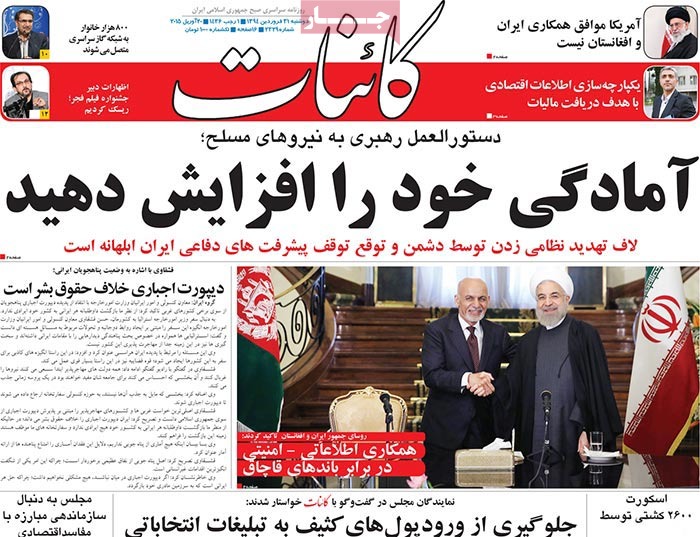
Kaenat: “Forced deportation runs counter to human rights principles,” said the Iranian deputy foreign minister.


A look at Iranian newspaper front pages on April 20


Kayhan: Iran and Afghanistan are to join forces in the fight against drugs and terrorism.

The announcement was made at a joint press conference of the Iranian and Afghan presidents.


A look at Iranian newspaper front pages on April 20


Khorasan: “The US seeks to sabotage the nuclear talks,” said Parliament Speaker Ali Larijani.


A look at Iranian newspaper front pages on April 20


Qods: “An end to Iran’s progress on defense front is a silly expectation,” said the Supreme Leader at a meeting with senior Army commanders.


A look at Iranian newspaper front pages on April 20


Sharq: “The Afghan potential should be properly tapped,” said the Supreme Leader at a meeting with the visiting Afghan president.


A look at Iranian newspaper front pages on April 20


Iran regards Afghan security, development its own: Supreme Leader

leader2

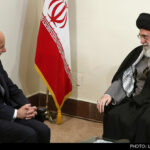
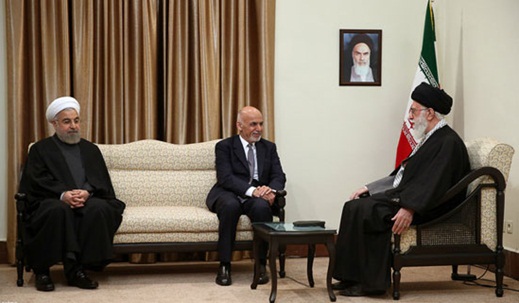
Supreme Leader of the Islamic Revolution Ayatollah Seyyed Ali Khamenei said on Sunday that the Islamic Republic of Iran regards the security and development of Afghanistan as its own.

The Supreme Leader made the remarks in a meeting with visiting Afghan President Mohammad Ashraf Ghani.

Referring to cultural, historical and religious affinities between Iran and Afghanistan, the Supreme Leader said Afghanistan is very rich in terms of culture, human and natural resources which all should be taken into account as privileges to develop economic cooperation.

There is no doubt that the US and some countries in the region have no knowledge about the capacities and capabilities of Afghanistan and are opposed to unanimity and cooperation between the two countries but Iran regards the security and economic development of Afghanistan as its own, said the Supreme Leader.

Existing issues between the two countries such as refugees, water, transport and security could be resolved but all should be paid due attention based on the defined timetable, said Ayatollah Khamenei.

On resolving the issue of Afghan refugees and continued studies of tens of thousands Afghan nationals in Iran, the Supreme Leader said the Afghan nation is very talented and their talent should be heeded as education is vital for the Afghans who mind to reconstruct their country.

Iran is the home for the Afghan brethren, said the Supreme Leader and expressed hope to witness success and increase of capabilities of Afghan government and nation.

The Afghan President said for his part that he was pleased with his visit to Iran and wished Afghanistan to find its previous identity and play as bridge connecting countries in the region.

Afghanistan is determined to broaden relations and cooperation with Iran and is to spare no efforts to attain the goal, he said.

Existing problems between the two countries such as the issue of terrorism, drug trafficking, immigration and water in joint borders could be resolved as both sides have full determination to this end based on a timetable, said the Afghan president.
None of our neighbors suffer as much as Iran from drug trafficking in Afghanistan and no country has done its best as Iran did, he said.
“We are determined to help Iran jointly fight drug-trafficking,” he said.
Referring to current level of cooperation in various fields such as transport, investment, cultural and economic interaction, he said the Islamic Republic of Iran under Your Excellency wise leadership has stabilized its historical status and we all hope to witness economic development and prosperity of the two nations.

President Hassan Rouhani was present in the meeting.

Senior leader of Jaish ul-Adl terrorist group killed: Source

Jaish-ul-Adl

A high-ranking leader of the so-called Jaish ul-Adl terrorist group has been killed in the Pakistan’s port city of Karachi, a major blow to terrorists operating across the Pakistani-Iranian border.

Sources have confirmed that Mohammad Saeed Torkaman Zehi was killed by unknown gunmen in on April 7, according to a report by Fars News Agency on Sunday.

No group has yet claimed responsibility for the death of the notorious terror leader who was Jaish ul-Adl’s spokesman and second in command.

Iranian officials have confirmed the death of the terrorist, though the group itself has yet to make a comment on the issue.

Jaish ul-Adl, known to many as the army of injustice in reference to its Arabic name, was formed out of the so-called Jundollah, another terrorist group dismantled by Iranian intelligence forces on February 23, 2010 after its leader, Abdolmalek Rigi, was arrested onboard a flight from the UAE’s Dubai to Kyrgyzstan’s Bishkek. Rigi was later executed over his role in numerous terror attacks and criminal activities.

Jaish ul-Adl has claimed responsibility for a number of criminal activities in Pakistan and Iran in recent years.

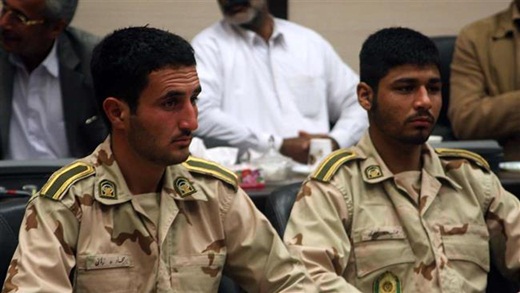
On February 6, 2014, the terror group abducted 5 Iranian border guards in the Jakigour region of Iran’s southeastern province of Sistan and Baluchestan and took them to Pakistan.

On March 23 last year, the terror group claimed that it had killed one of the hostages named Jamshid Danaeifar. The other four were freed and reunited with their families two months after the abduction.

On October 25, 2013, Jaish ul-Adl killed 14 Iranian border guards and wounded six others in the border region near the city of Saravan in Sistan and Baluchestan.

Back in February, Pakistani security forces arrested Salam Rigi, the ringleader of the Jaish ul-Adl. The arrest came as Rigi was traveling by bus near the city of Quetta, the capital of Pakistan’s southwest Balochistan province.

Iran and Pakistan signed a security agreement in February 2013, under which both countries are required to cooperate in preventing and combating organized crime, fighting terrorism, and activities that pose a threat to the national security of either country.

Political rationality main factor for final nuclear deal: Rafsanjani

Rafsanjani

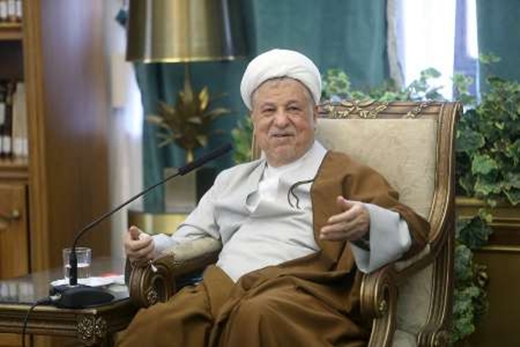
Chairman of the Expediency Council Akbar Hashemi Rafsanjani said on Sunday that political rationality is the main factor in clinching a final nuclear deal.

Rafsanjani made the remarks in a meeting with Italian Ambassador to Tehran Mauro Conchatori.

“If talks continued based on diplomatic principles and mutual respect, they would bear fruit earlier,” he said.

Intensive talks between Iran and P5+1 in Switzerland proved that the two sides are determined to resolve the issue, he said adding that the Iranian government from early stages of the talks called for a win-win nuclear deal.

He said that from early stages of the Islamic Revolution of Iran, the country was under tough sanctions but finally the Western governments had to come to terms with Iran.

Iran successfully attained political victory at the United Nations in light of military victories in the battlefields, he said.

Expressing concern over current events and developments in the region, Rafsanjani underlined that Iran is determined to help save the entire region from bloodshed.

Terrorism poses a major threat to the region, he said adding that regretfully, in the past individuals would commit acts of terrorism, but now big groups are involved in terrorist activities. Sometimes they act like a government and establish global communications and recruit their forces from Western states.

He said that exacerbation of humanitarian situation in Yemen due to the Saudi indiscriminate bombardment of the civilian targets and carnage of civilians in the region is blatant aggression by the Saudi government on Yemen.

Complete eradication of terrorism in the region is a tough job but possible, Rafsanjani said, adding that it requires global resolve to stem its growth as their influence to other parts mainly to the West is not difficult.

Rafsanjani made it clear that Iran is a major victim of terrorism.

Iran has invaluable experience in the fight against terrorism and is ready to put it at the disposal of the countries of the region as well as the international community, Rafsanjani said.

Referring to the capabilities of Iran and Italy, Rafsanjani said the two civilized countries with rich culture opened a very promising future in their relations.

Italy’s ambassador for his part said under the current sensitive circumstances between Iran and the West said, “I have come to visit you to benefit from your invaluable experience to help broaden relations.”

Iran is the pillar of stability in the region, he said, adding that he believes that Iran can play a very good role to this end.

On nuclear talks between Iran and P5+1, he advised the two parties to settle the dispute at the negotiating table and keep away from the media hype.

The readiness of both sides for the settlement of the nuclear dispute should be regarded as an asset, he said citing the guidelines of the Supreme Leader.

The wise guidelines of the Supreme Leader of the Islamic revolution shed light on the negotiations, he said.

On capacity of Iran and Italy to broaden mutual relations, he said the entrepreneurs in the Iranian market play a more prominent role than the businessmen.

Italy has opened a very special chapter for expansion of relations with Iran, he said and called for more understanding between Iranian and Italian officials to help broaden relations and cooperation.

Referring to historical and cultural status of Iran and Italy and their strategic situation in the world, he said “We are well aware that Iran is the bridge connecting the East and the West and we hope that the country through interaction with the world will achieve a comprehensive victory.”

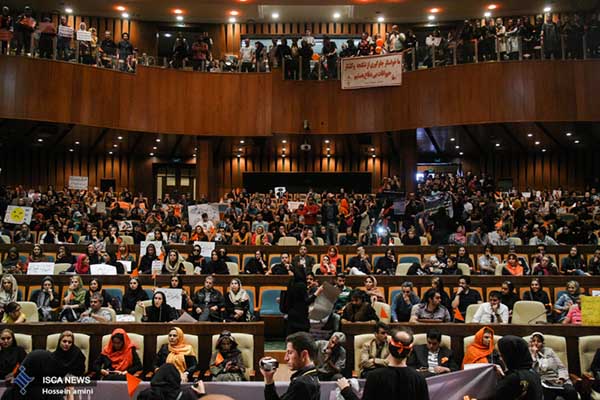
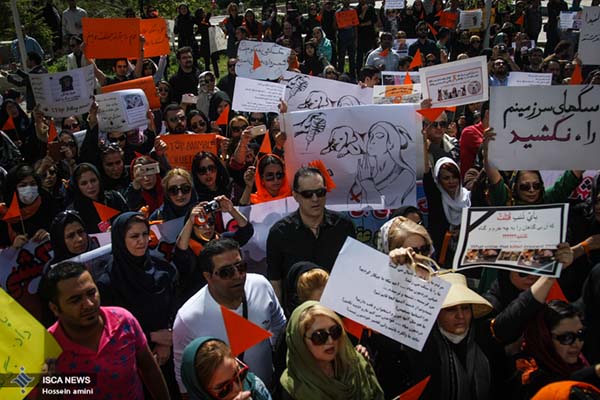
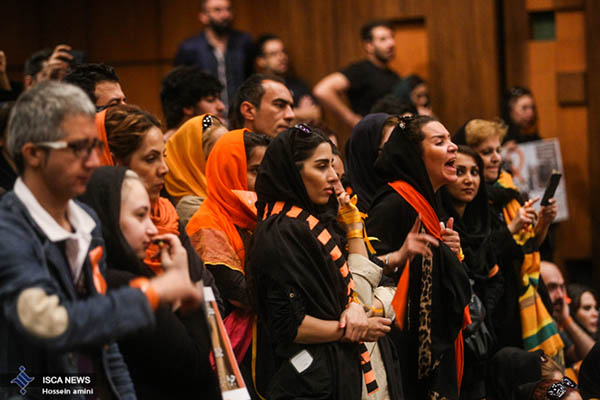
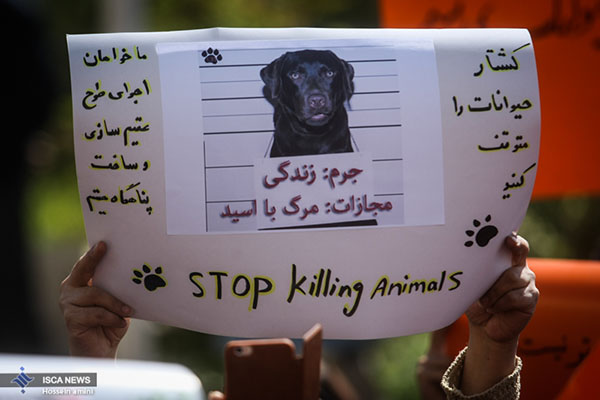
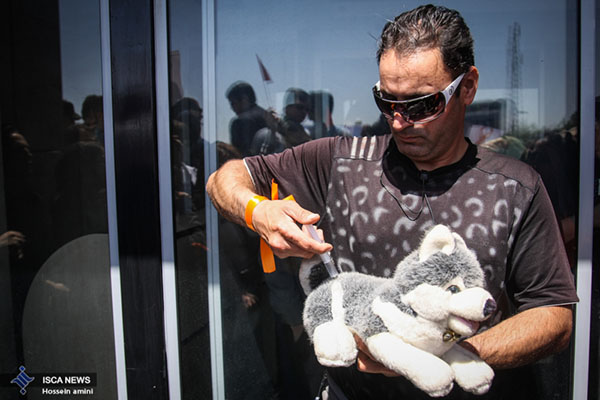
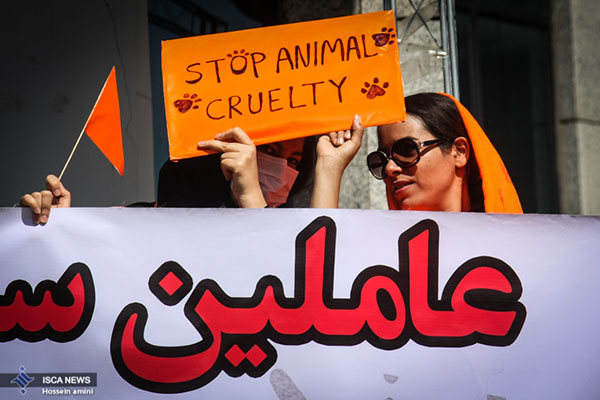
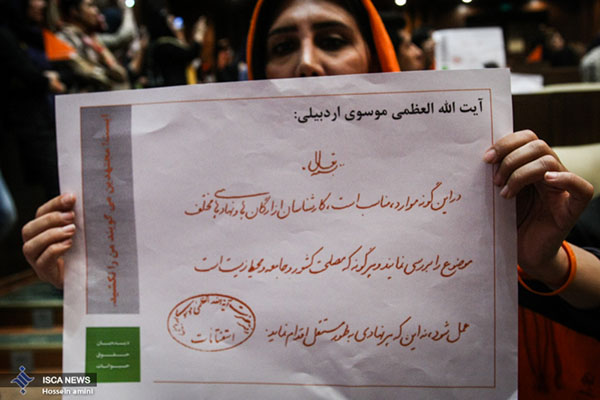
A rally in protest at killing stray dogs (PHOTOS)

dogs in Shiraz00

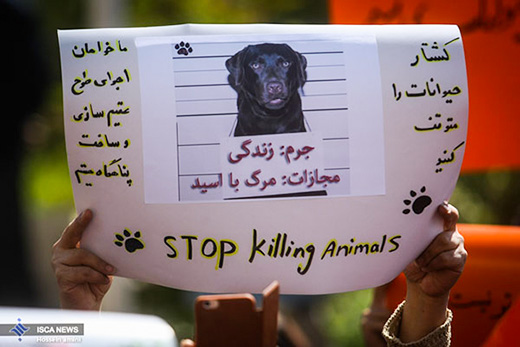
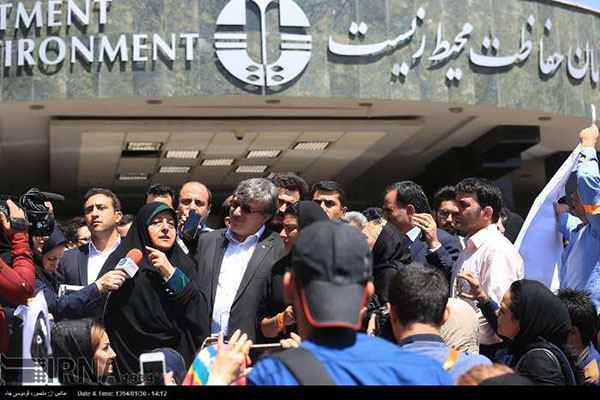
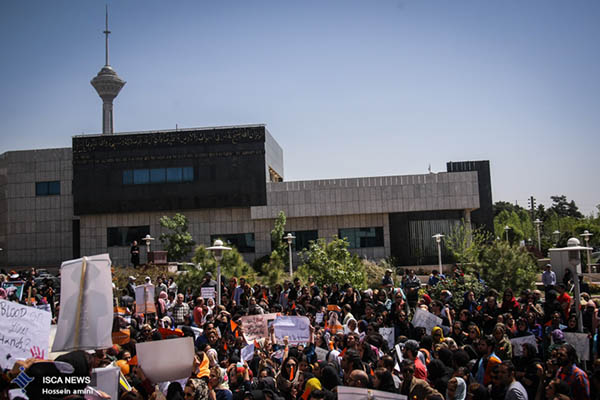
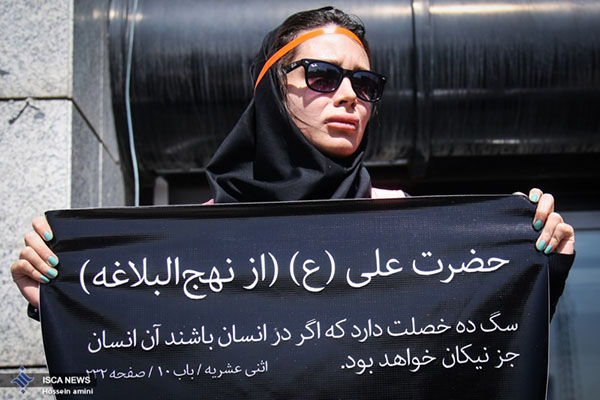
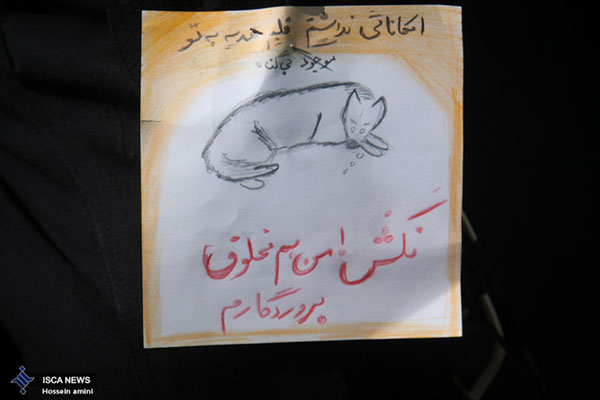
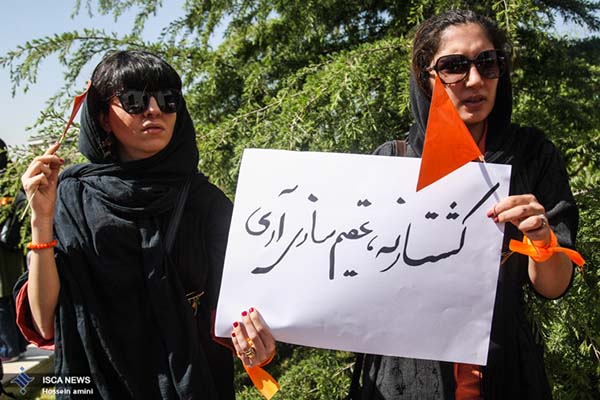
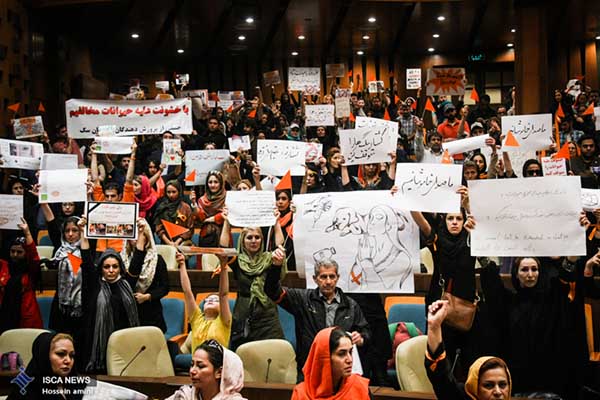
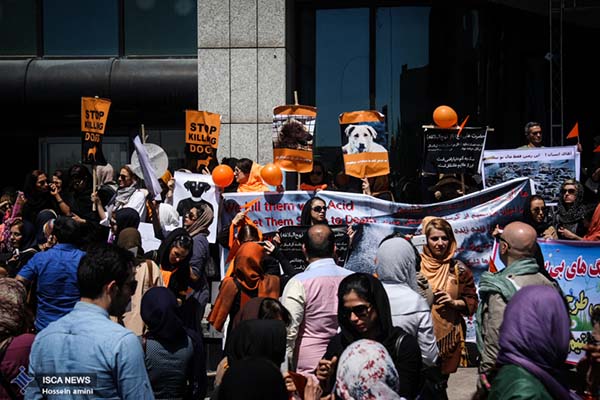
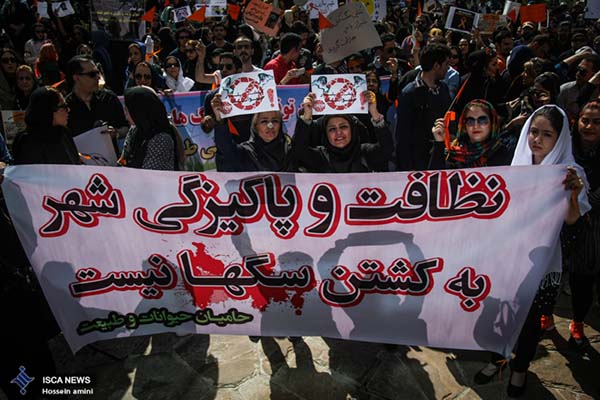
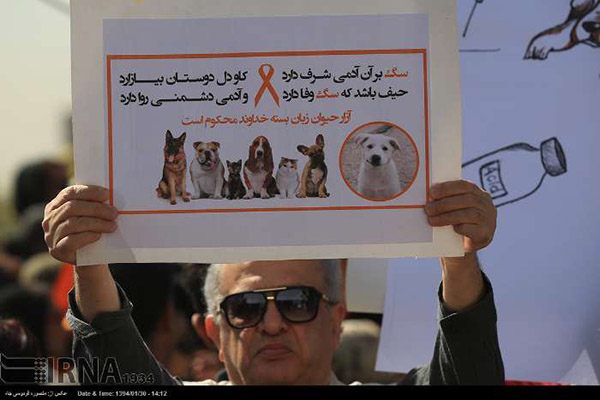
A large crowd staged a rally outside the Department of the Environment Sunday to protest at the killing of stray dogs in Shiraz.

According to IRNA, Masoumeh Ebtekar, the environment chief, was also in the crowd who were calling for sterilization of the canines rather than denying them the right to life.

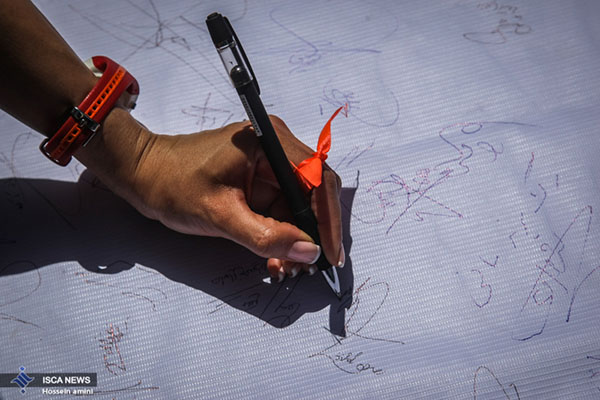
Images of the protest rally released by iscanews.ir on April 19:

Tehran, Kabul ready to launch joint campaign against terrorism, extremism: Rouhani

rouhani2

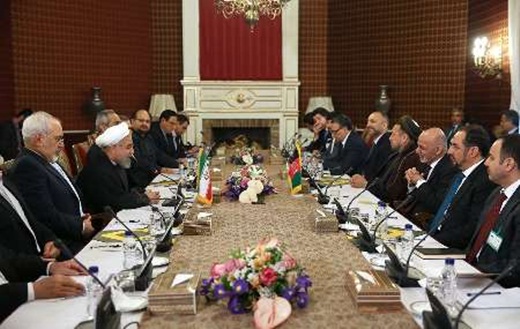
President Hassan Rouhani said in Tehran on Sunday that Tehran and Kabul are determined to share views and cooperate in fighting extremism and terrorism in the entire region until the elimination of the menace.

Speaking at a joint meeting of senior Iranian and Afghan officials, President Rouhani said that transit of goods and trade between Iran and Afghanistan is among main programs for expansion of Tehran-Kabul relations.

While welcoming Afghan President Mohammad Ashraf Ghani and his accompanying delegation, Rouhani said, “I hope that the visit and its outcomes will pave the way for further expansion of bilateral relations in all areas of interest.”

He lauded the National Unity Government of Afghanistan for its attempts to restore calm and gather representatives of all ethnic groups in his government and said, “We are very happy to witness unity and fraternity in Afghanistan and such a national integration is necessary for public development and welfare. Mutual confidence of people and government is the highest national asset and its result is stability, security and subsequently development which is both in favor of Afghan people and regional nations.”

The Iranian president said the more secure and more developed Afghanistan is, the higher trade exchanges will be and as a result, social and cultural interactions between Iran and Afghanistan will be upgraded further.

Rouhani pointed to centuries of peaceful co-existence of the two Iranian and Afghan nations and said it is a source of honor to be able as two governments to strengthen unity and proximity between the Iranian and Afghan nations, thus preparing the ground for more extensive ties and more welfare for both nations.

Since victory of the Islamic Revolution, Iran has always taken the side of the Afghan nation and supported it, said the President, adding that today also, Iran stands by the Afghan nation.

He then referred to the presence of Afghan refugees in Iran over the past decades and said there is no impediment to their presence, economic activity and their use of scientific and educational facilities.

He added that however, the two governments are seriously calling for clarification of the number and precise conditions of all the Afghan refugees in Iran, their registration through legal channels and eventually respectful repatriation.

On common concerns of Iran and Afghanistan about security problems and terrorist activities in the region President Rouhani said, the region is facing enormous problems and “We are deeply unhappy and concerned about the killing of innocent people by terrorists; so, both sides voice their readiness to share views and cooperate in countering the menace of extremism and terrorism in the entire region until its elimination.”

Touching on production and trade of narcotics as a danger to both Iranian and Afghan nations, Rouhani said by sharing opinion and further coordination between Iran and Afghanistan, Afghan farmlands should be turned into source of blessing for Afghan and regional people and to this end the Islamic Republic of Iran is ready to extend any kind of assistance to Afghanistan to eradicate poppy cultivation. “Of course, we should expand mutual cooperation in fighting drugs smugglers.”

The President also referred to his talks with his Afghan counterpart on bilateral, regional and international issues and said, “Both countries want the establishment of peace and stability in the entire region, believing that in regional countries, including Yemen, problems cannot be settled through military means. Using planes and bombardment will not be effective, rather, in any country, people and political groups should fix their own problems through national dialogue and other governments and neighbors should prepare the ground for holding the dialogue, added Rouhani.

While emphasizing the need for cessation of attacks and clashes in Yemen, Rouhani said, “We should help all Yemeni groups to enter into talks at a single table and we all have a share in the future government of the country so that security, stability and calm are restored to the country.”

The President also referred to talks between the two countries on their share of border waters and said the two countries should draw up a framework to guarantee justice, fair and equity, securing rights of the two nations and thus consolidating bases of friendship and brotherhood of the two nations.

For his part, the Afghan president thanked his Iranian counterpart for warm hospitality accorded to him and said the Afghan government is determined to settle certain problems, using all the existing opportunities to promote peace, cooperation, welfare and stability for people of Iran and Afghanistan.

Saying that refugees’ problem is vital to the Afghan government, Ghani said, “I deem it necessary to laud your help and attention to your Afghan brothers and the assistance you have provided in connection with Afghan problems and people over the past years.”

He said his country has a master plan for the Afghan refugees, wanting registration of the arriving immigrants and those present in the Iranian territory so that precise information on their presence and status in Iran can be collected and ground can be prepared for their repatriation to Afghanistan.

He went on to say that regional security is common concern of both Iran and Afghanistan, adding that unfortunately, Afghanistan is the focus of international terrorism and we want cooperation and pooling views on seriously encountering all terrorist groups.

He suggested a joint drugs campaign as another area of Iran-Afghanistan cooperation and said countering drugs trade should fall within the economic and security framework and in the first step, the two sides should not ignore fighting drug smugglers in the security domain.

The Afghan president also urged expansion of Iran-Afghanistan relations in the fields of trade, farming and energy and said Kabul is keen on connection of Iranian railway to Afghanistan and then to Tajikistan and China.

Noting that Iran and Afghanistan enjoy peaceful borders, he called for further expansion of cooperation between the two neighbors and said, “Afghanistan is willing to turn into a hub of international cooperation but at the same time it will not allow its territory to be used against any of its neighbors.”

Iran, Afghanistan ink two cooperation agreements

Iran, Afghanistan

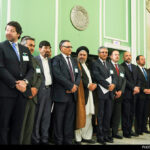
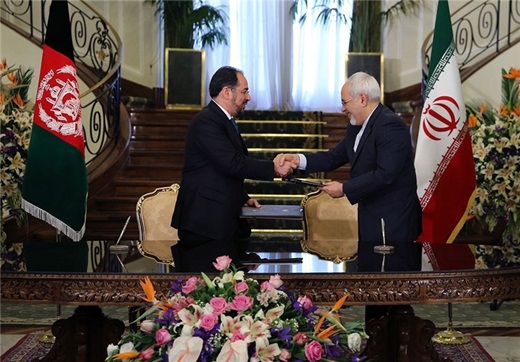
Iran and Afghanistan signed two cooperation agreements on Sunday as part of efforts to boost the relations between the two neighbors in various areas.

In a ceremony attended by Iranian President Hassan Rouhani and his Afghan counterpart Ashraf Ghani, high-ranking officials from the two countries singed the documents.

In a joint press conference earlier on Sunday, Rouhani said Tehran and Kabul have agreed to boost cooperation in the fight against terrorism and drug trafficking.

Heading a high-ranking delegation, Ghani arrived in Tehran on Sunday morning for an official visit at the invitation of his Iranian counterpart.

In his first visit to Iran as Afghan president, Ghani is accompanied by Foreign Minister Salahuddin Rabbani, Finance Minister Eklil Ahmad Hakimi, Mines and Petroleum Minister Daud Saba, and Minister of Refugees and Repatriation Sayed Hussain Alemi Balkhi.

The Afghan president had planned to travel to Iran in early March but postponed his state visit due to a fatal avalanche in his country that left more than 280 people dead.