Thursday, May 7, 2026
Home Blog Page 474

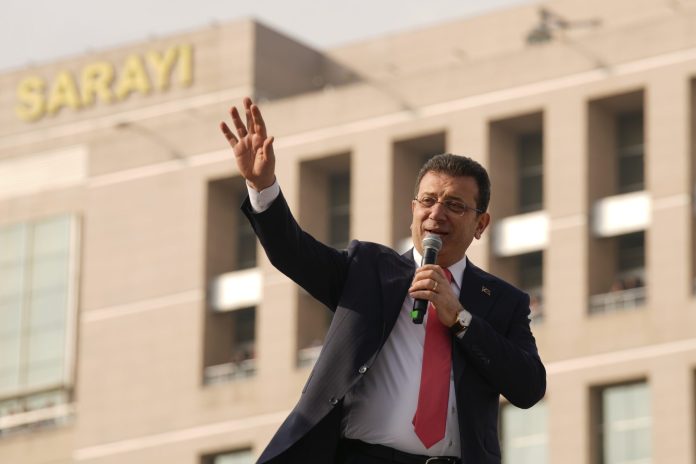
Turkey arrests Istanbul mayor, Erdogan’s key rival

The move against the two-term mayor caps a months-long legal crackdown on opposition figures across the country which has been criticised as a politicised attempt to hurt their electoral prospects.

Turkey’s lira currency crashed as much as 12% to an all-time low of 42 to the dollar in response, underscoring worries over the eroding rule of law in the major emerging market and NATO member country that Erdogan has run for 22 years.

Imamoglu, 54, who leads Erdogan in some opinion polls, was to be named his Republican People’s Party’s (CHP) official presidential candidate within days. He now faces two separate investigations that also include charges of leading a crime organisation, bribery and tender rigging.

Though authorities temporarily banned protests and police shut down some city streets, about 100 people gathered at the police station to which Imamoglu was taken and chanted: “The day will come when the AKP is called to account”.

Larger protests were also planned in what could test authorities’ willingness to expand a legal blitz that already includes numerous indictments, the ousting of several elected opposition mayors and the jailing of a nationalist party leader.

CHP leader Ozgur Ozel urged opposition unity and said his party will go ahead and select Imamoglu as presidential candidate on Sunday irrespective.

“Turkey is going through a coup against the next President. We are facing a coup attempt here,” Ozel added.

In a video posted on social media as he prepared to leave his home for detention on Wednesday morning, Imamoglu said he would not give up and would withstand the pressure.

The next election is set for 2028 but Erdogan has reached his two-term limit as president after having earlier served as prime minister. If he wishes to run again he must call an early election before his term ends, or change the constitution.

Erdogan faced his worst electoral defeat in nationwide municipal elections last year when Imamoglu’s CHP swept Turkey’s major cities and defeated his ruling AK Party (AKP) in former strongholds.

“Ultimately, today’s developments highlight that no matter the cost, Erdogan’s personal agenda remains the top priority, with everything else taking a backseat,” stated Wolfango Piccoli, co-president at advisory Teneo.
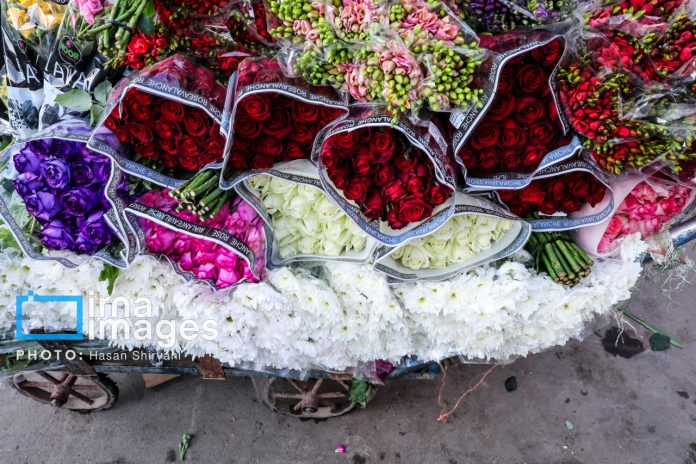
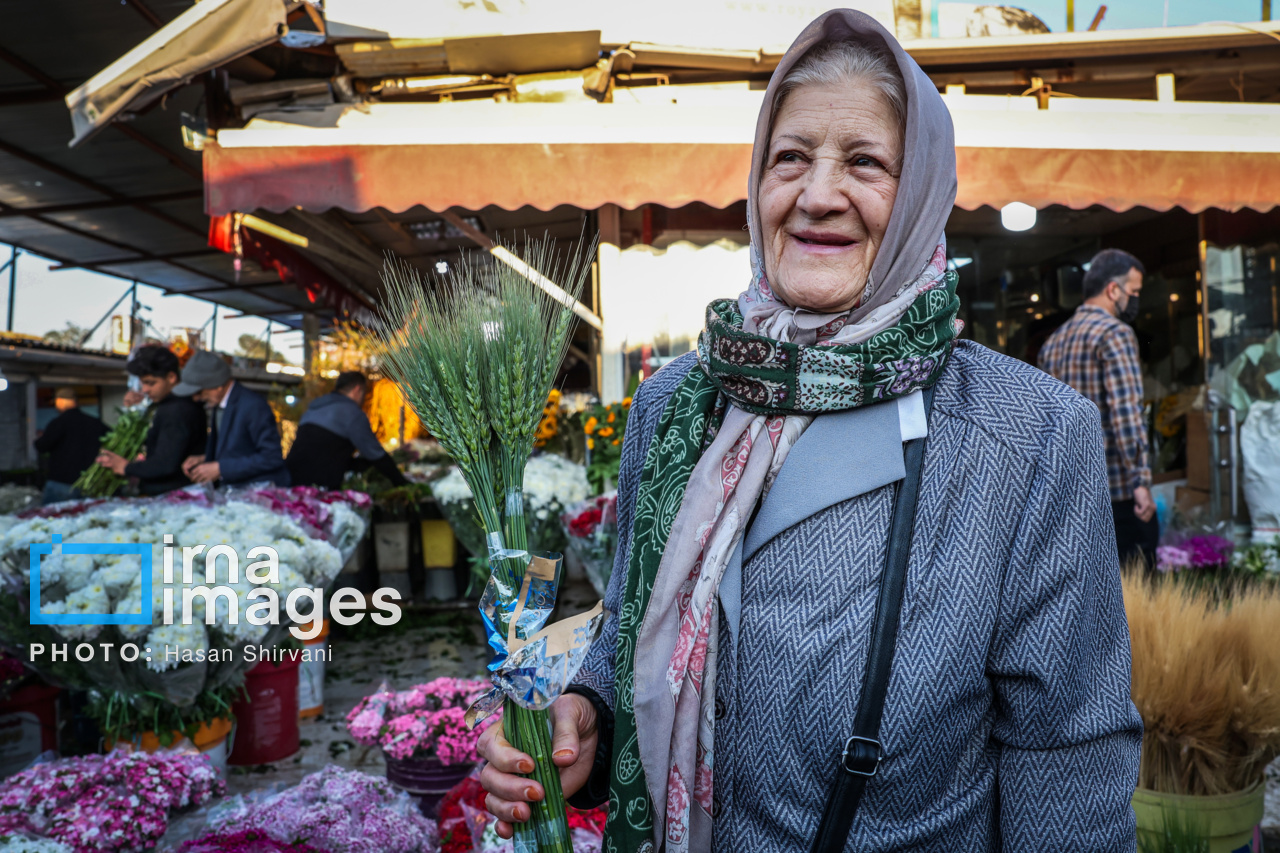
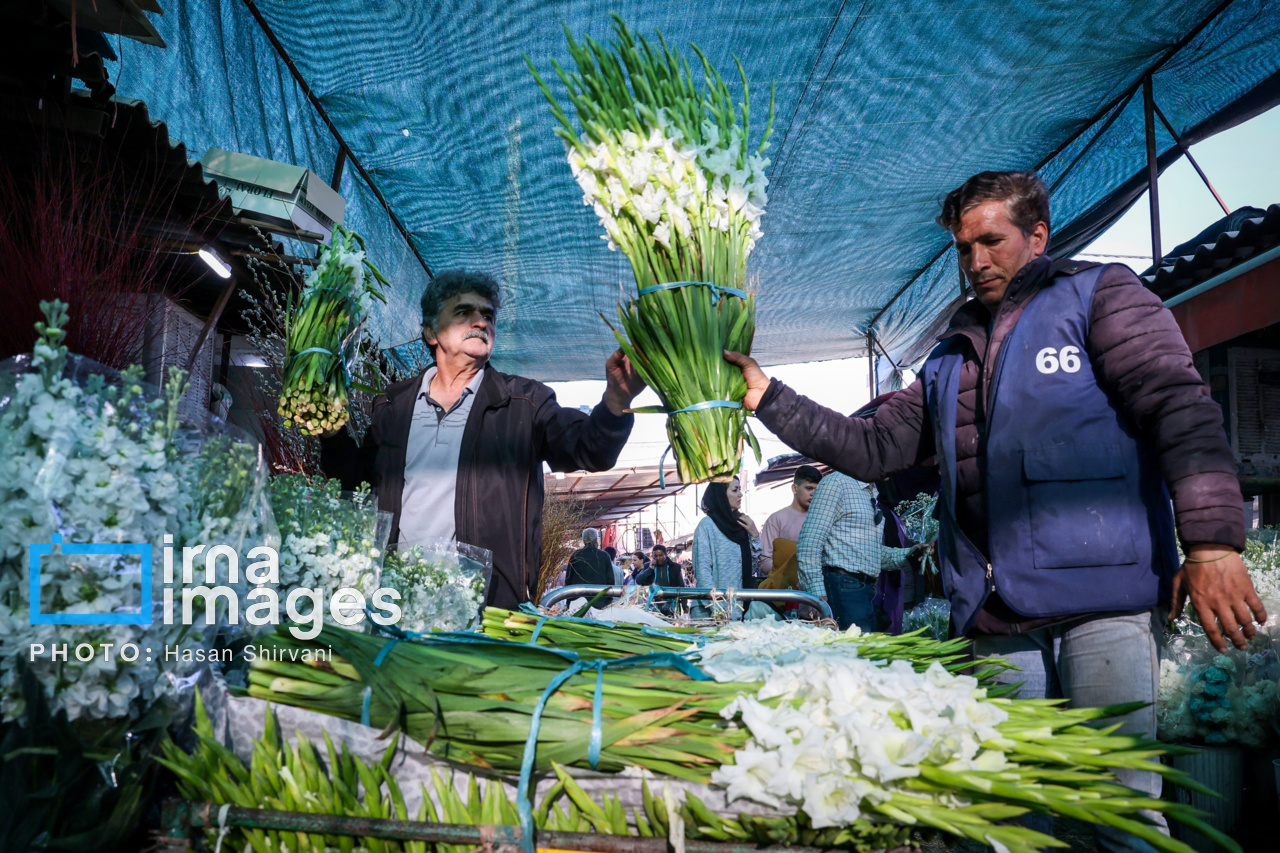
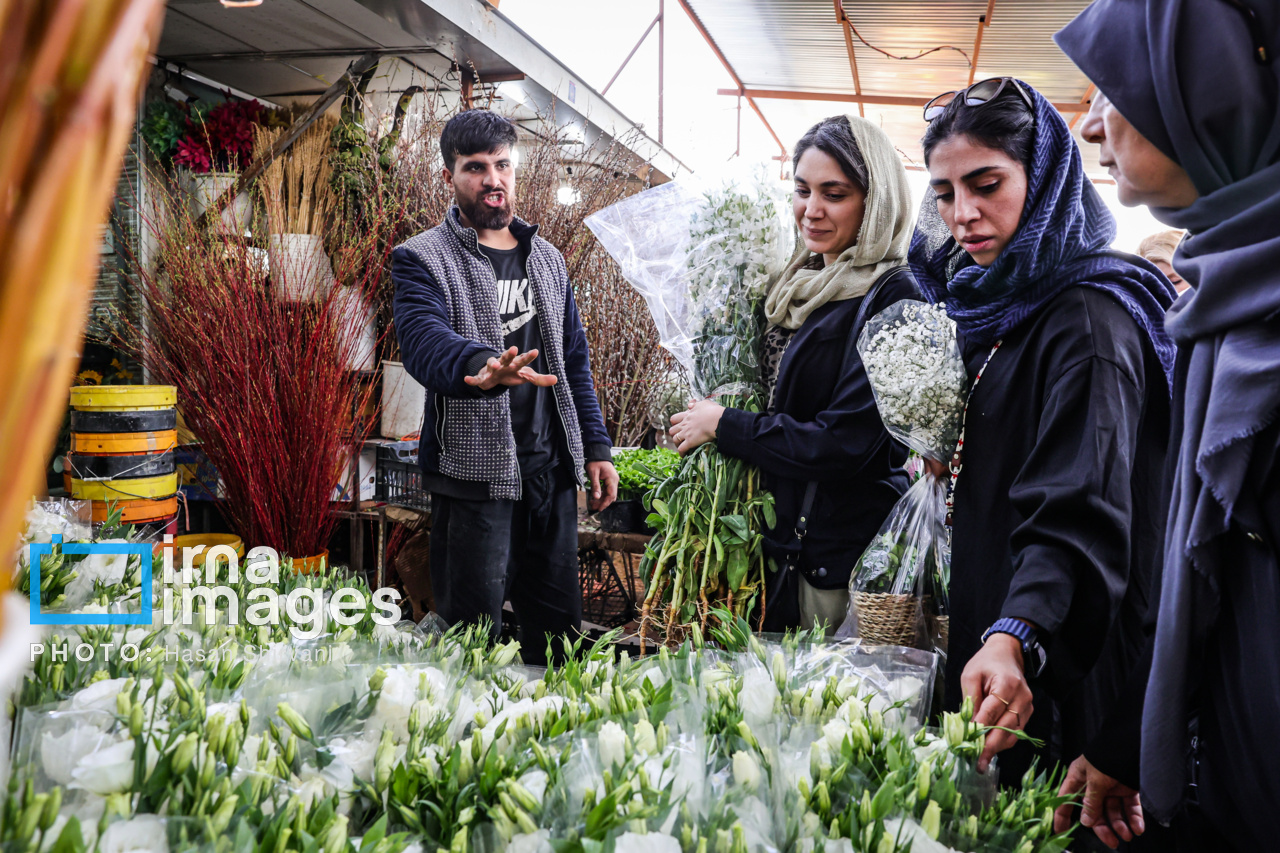
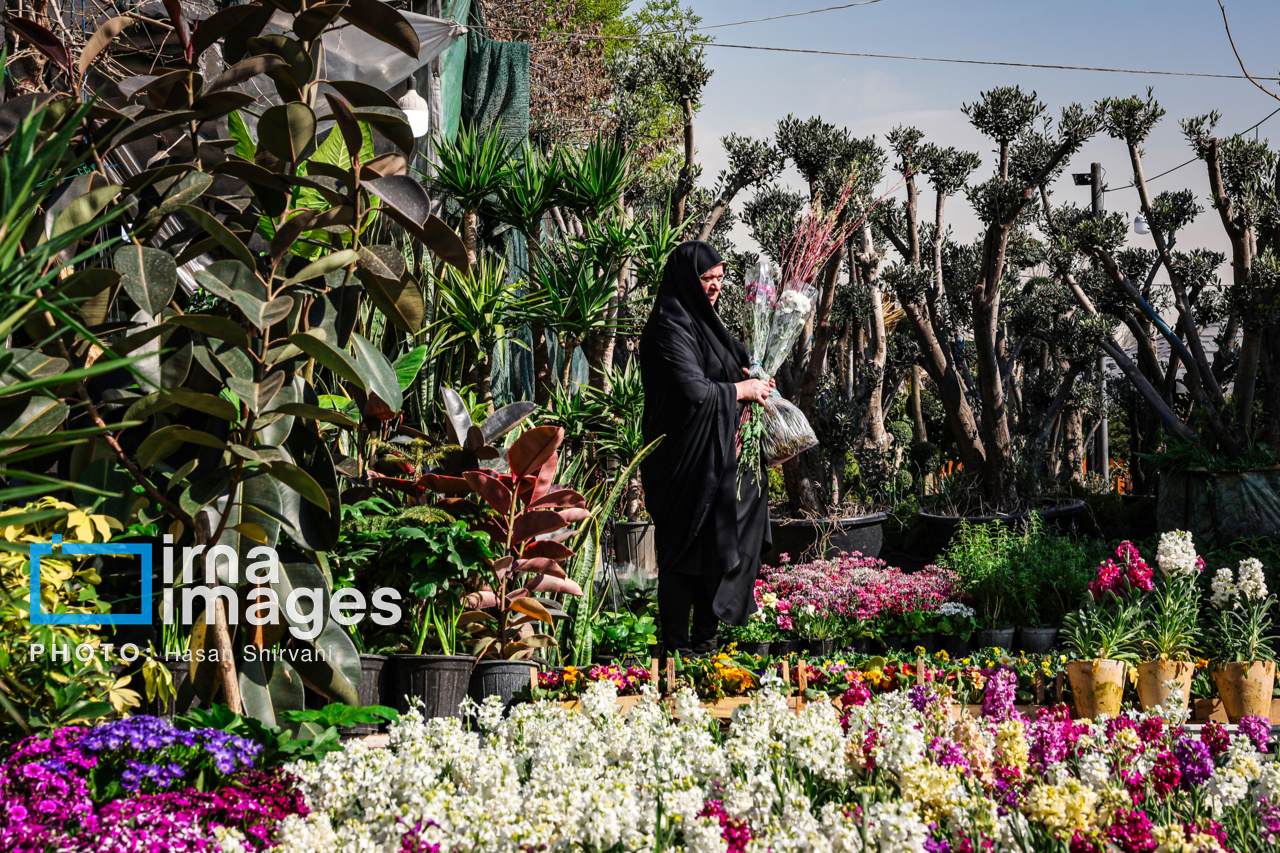
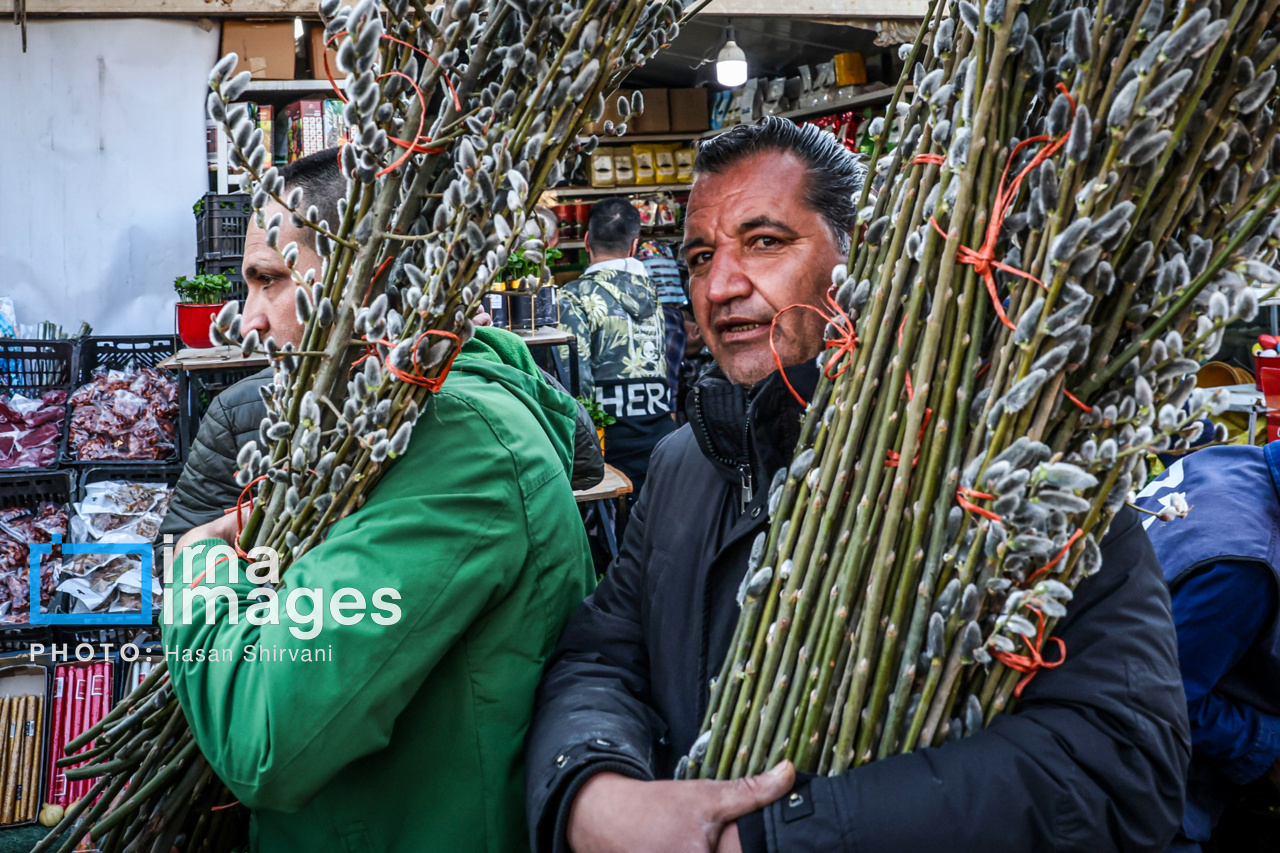
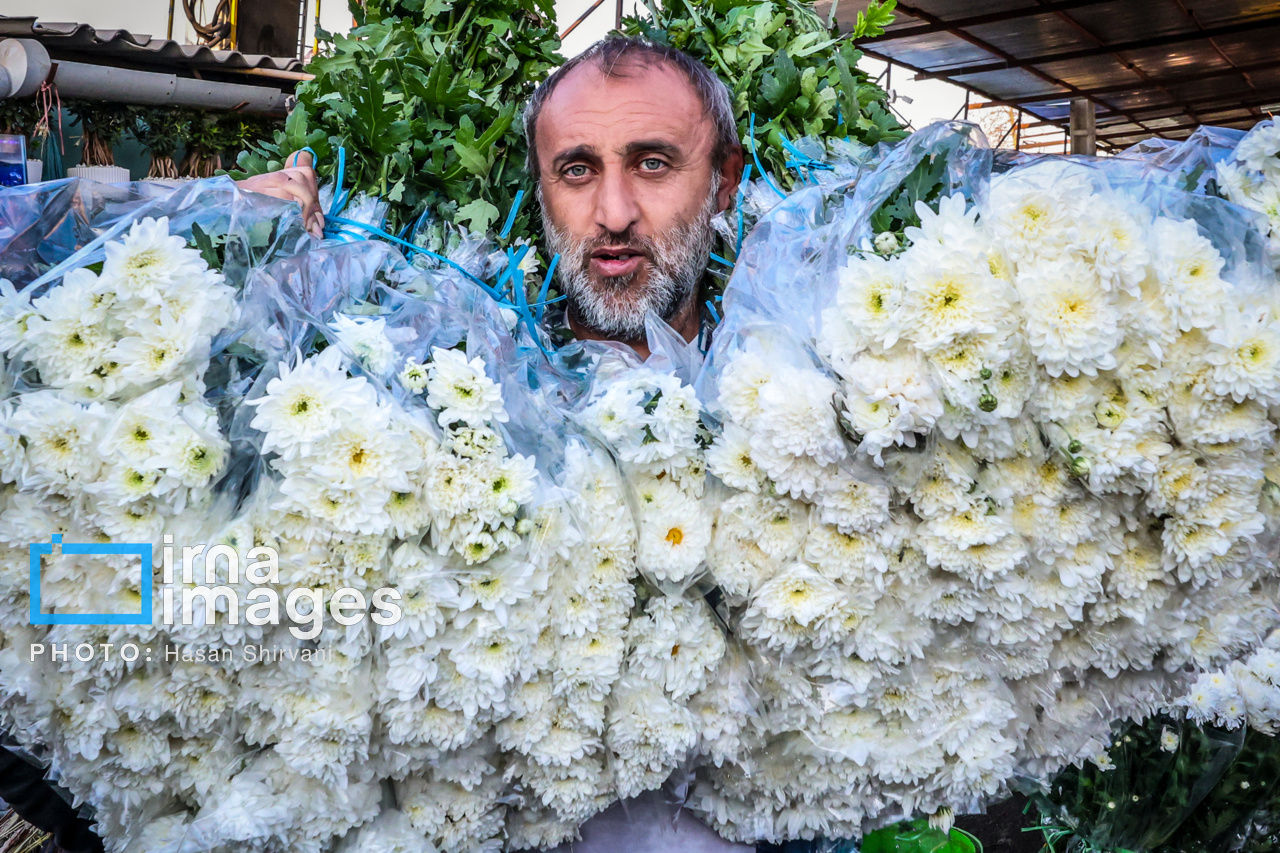
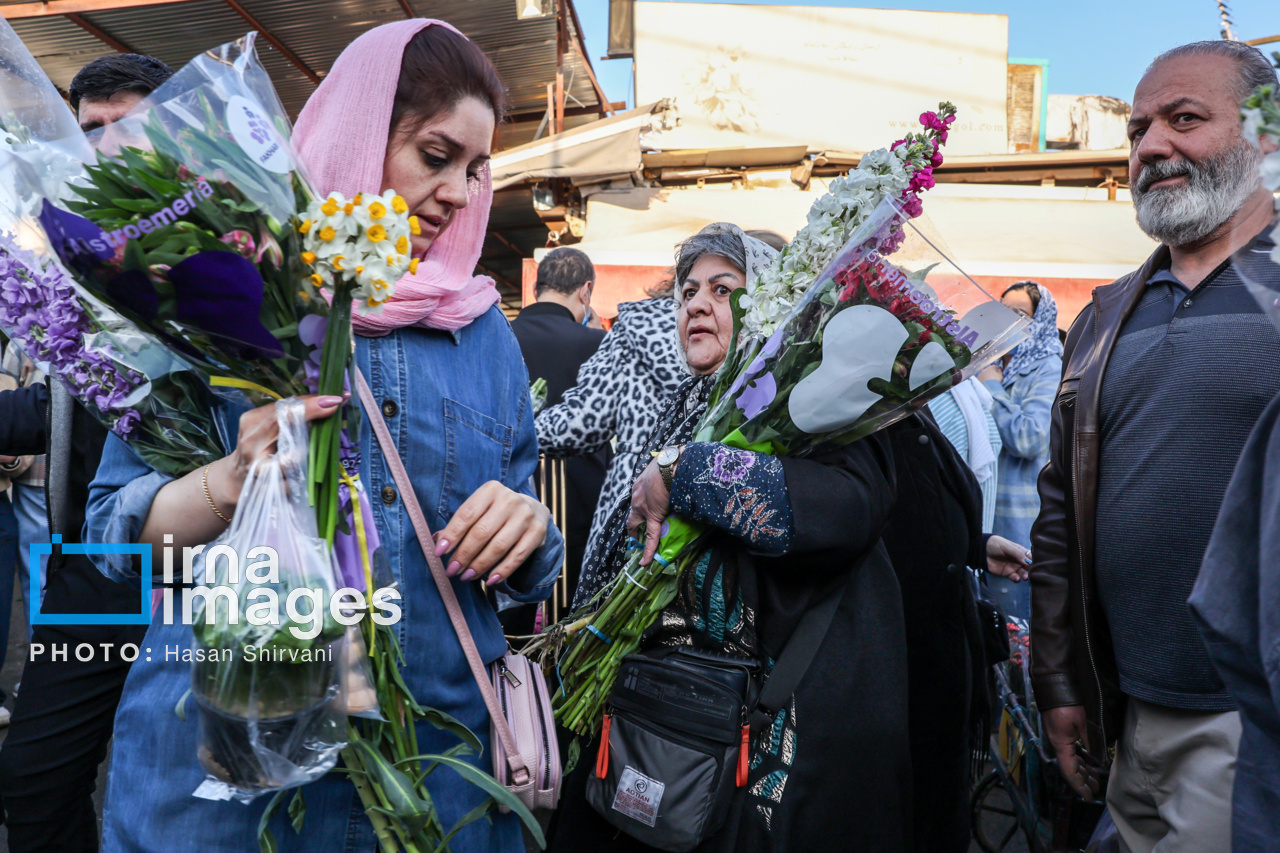
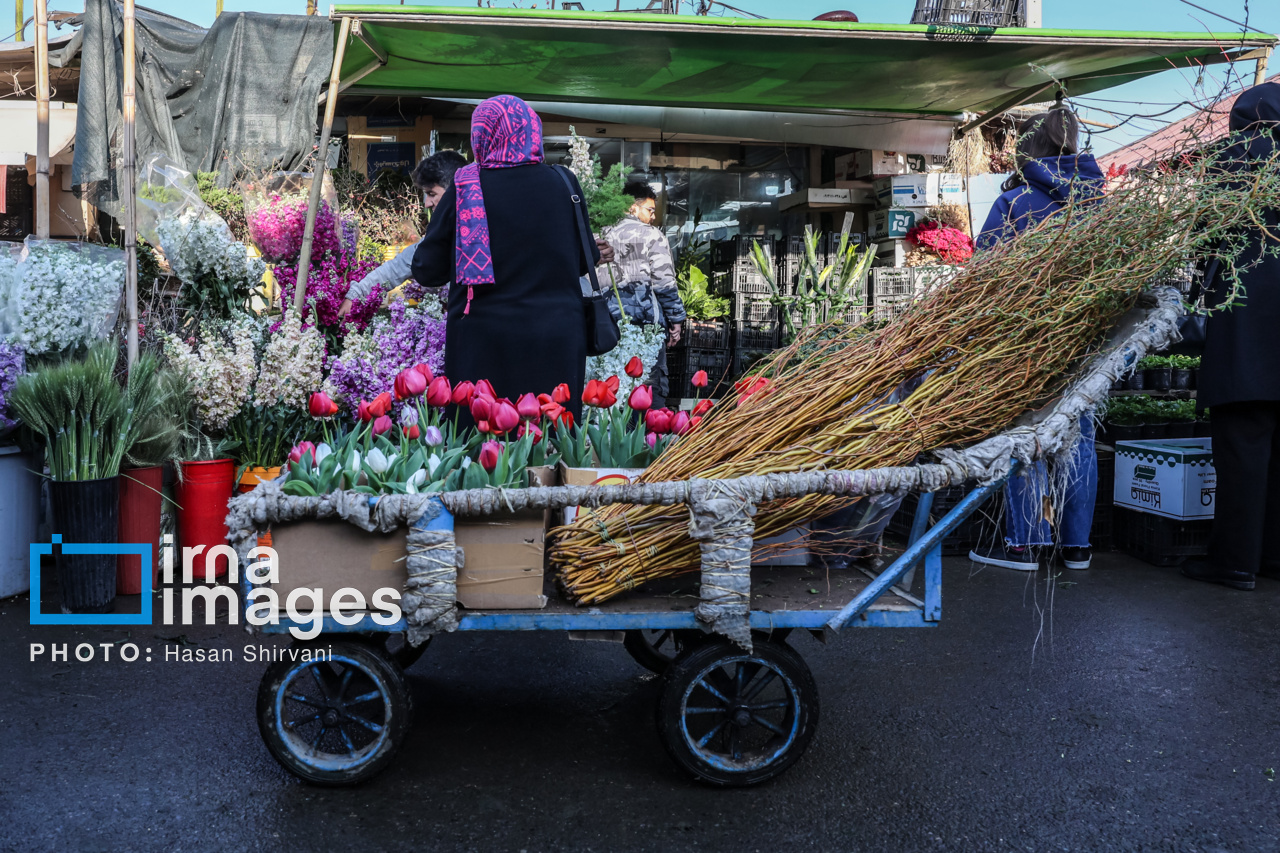
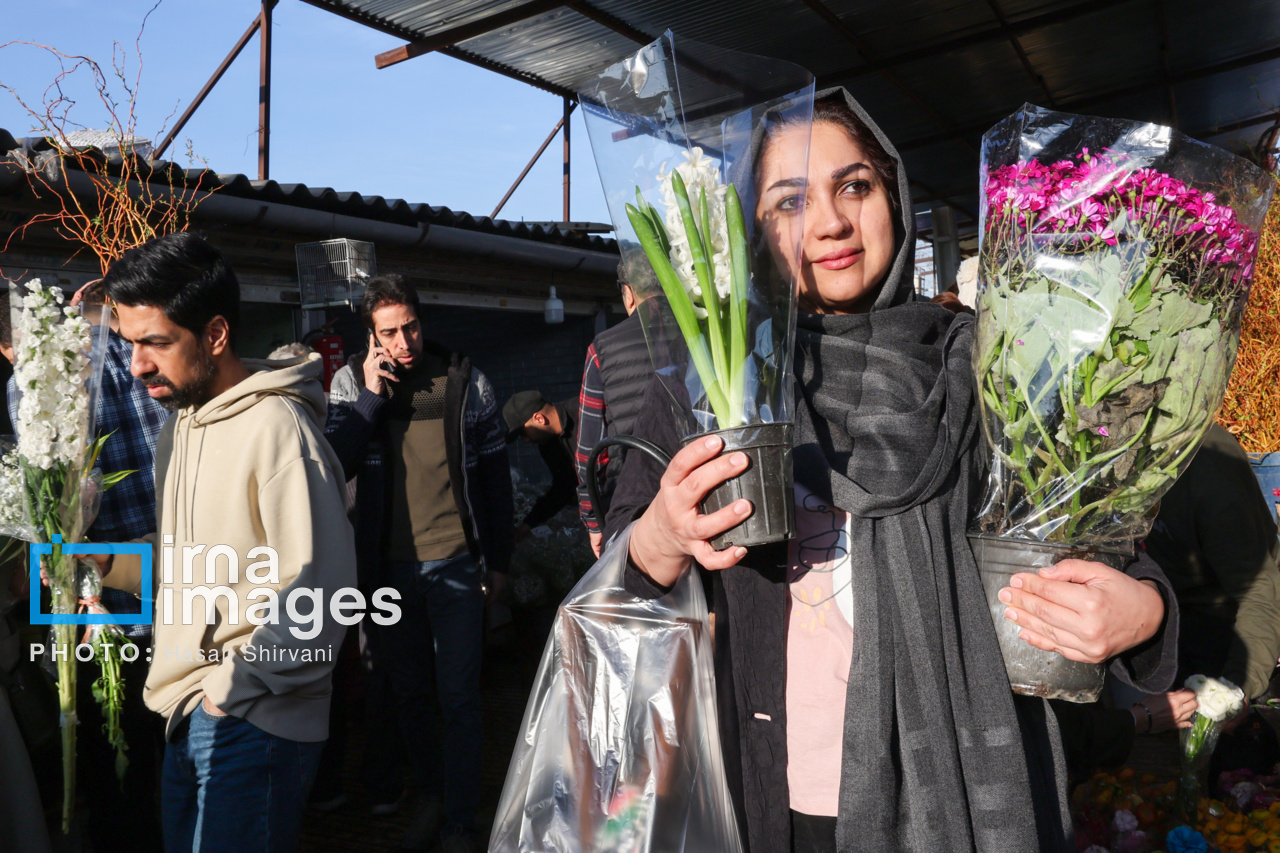
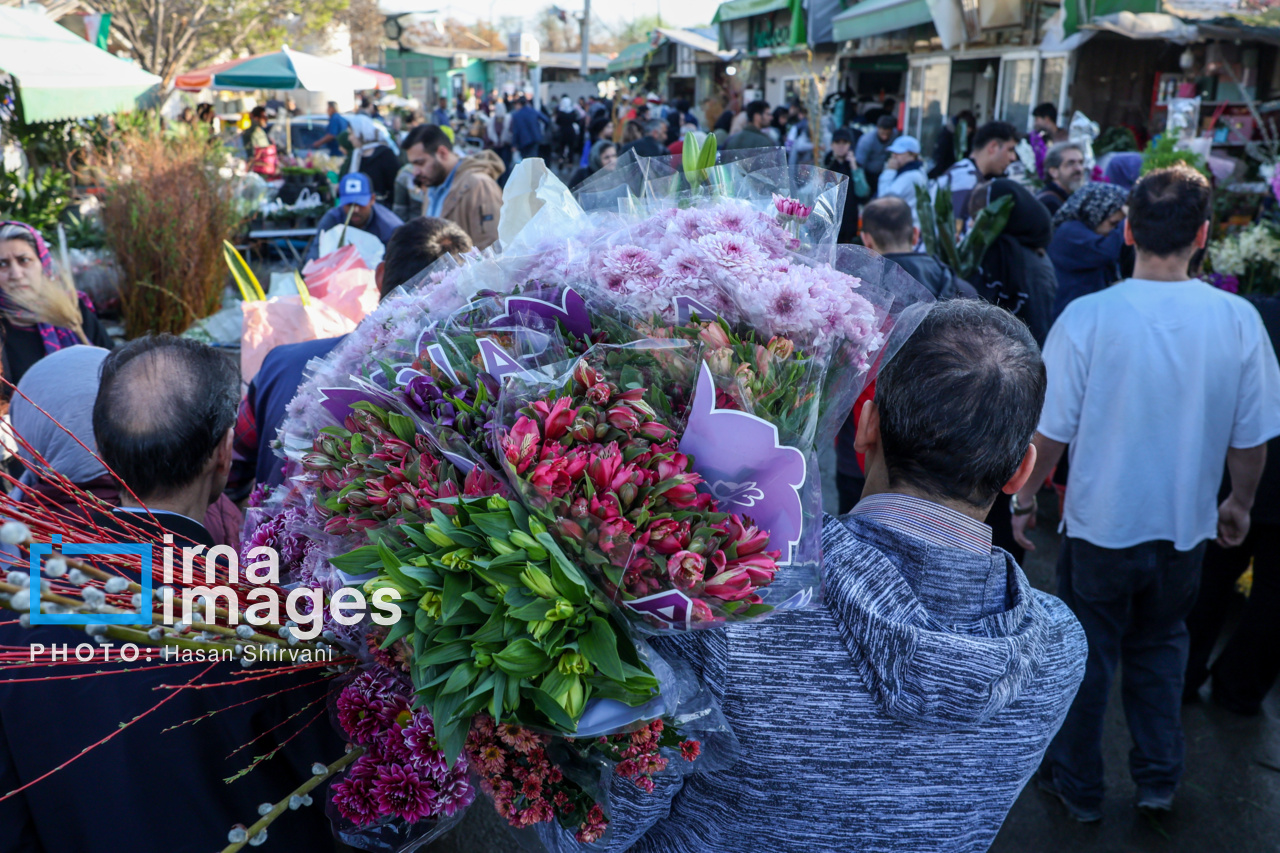
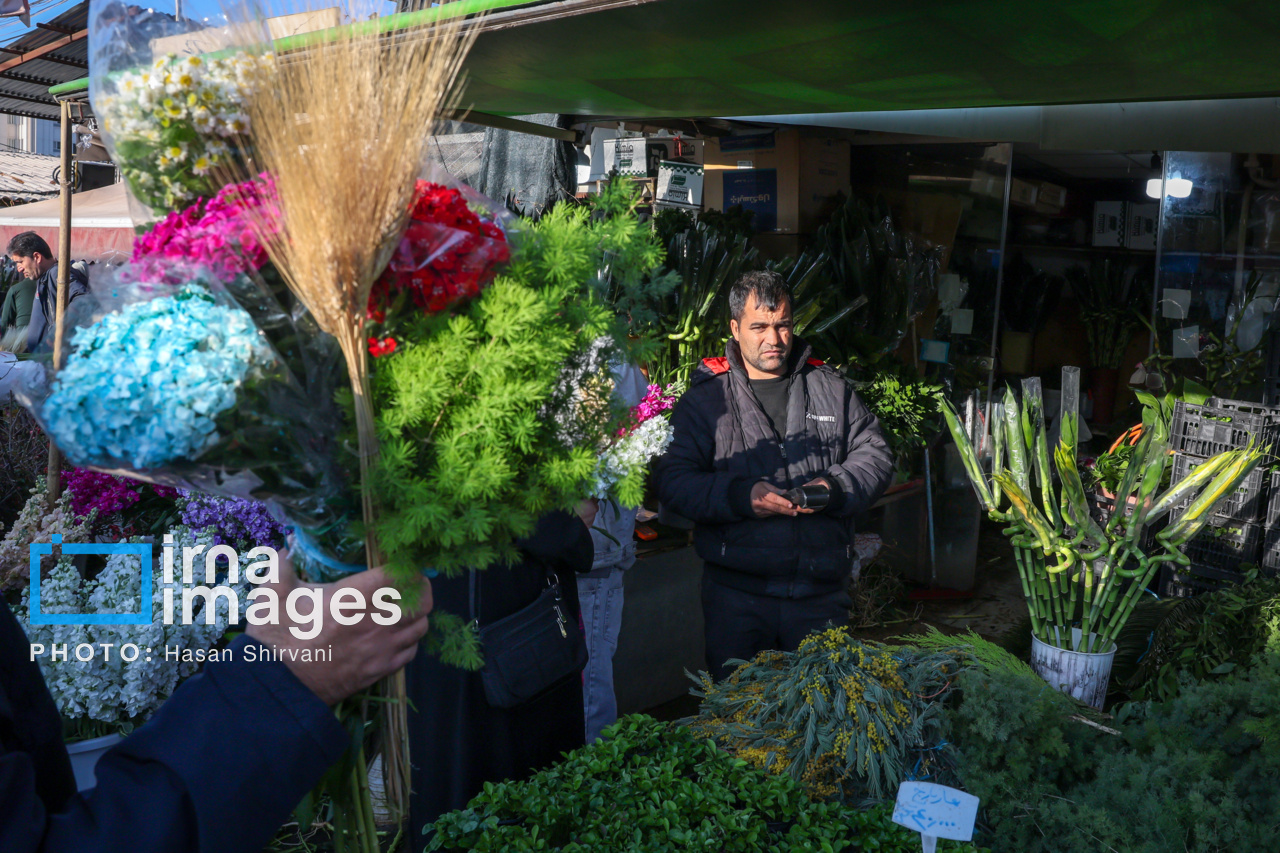
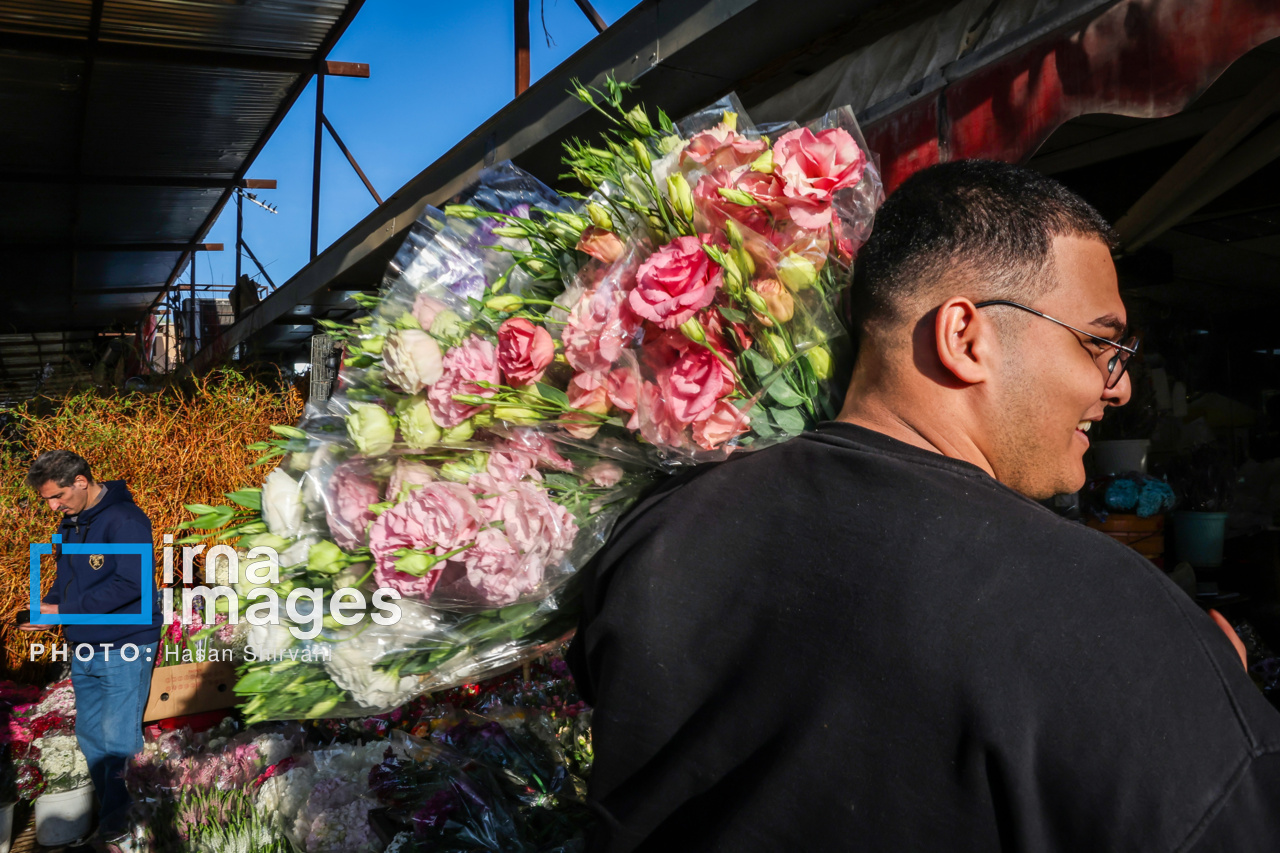
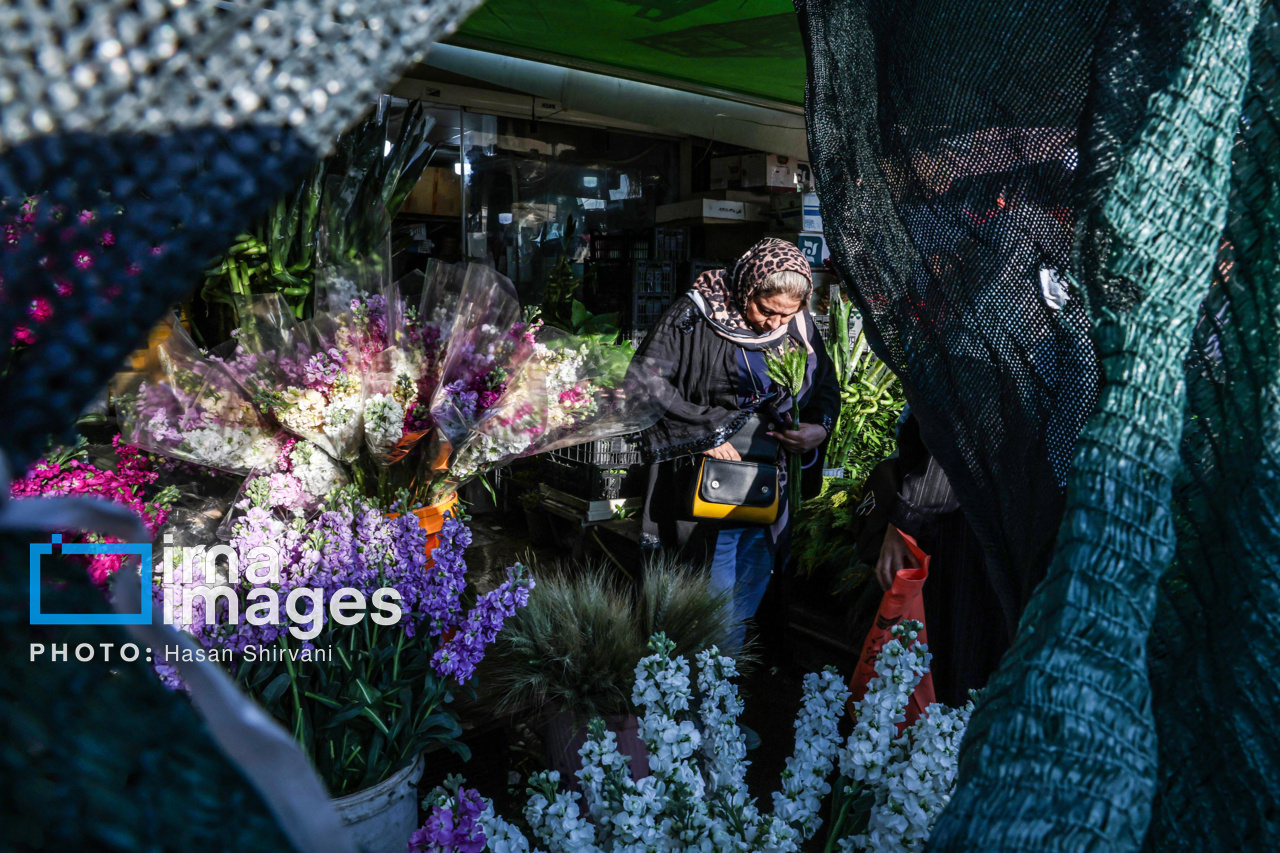
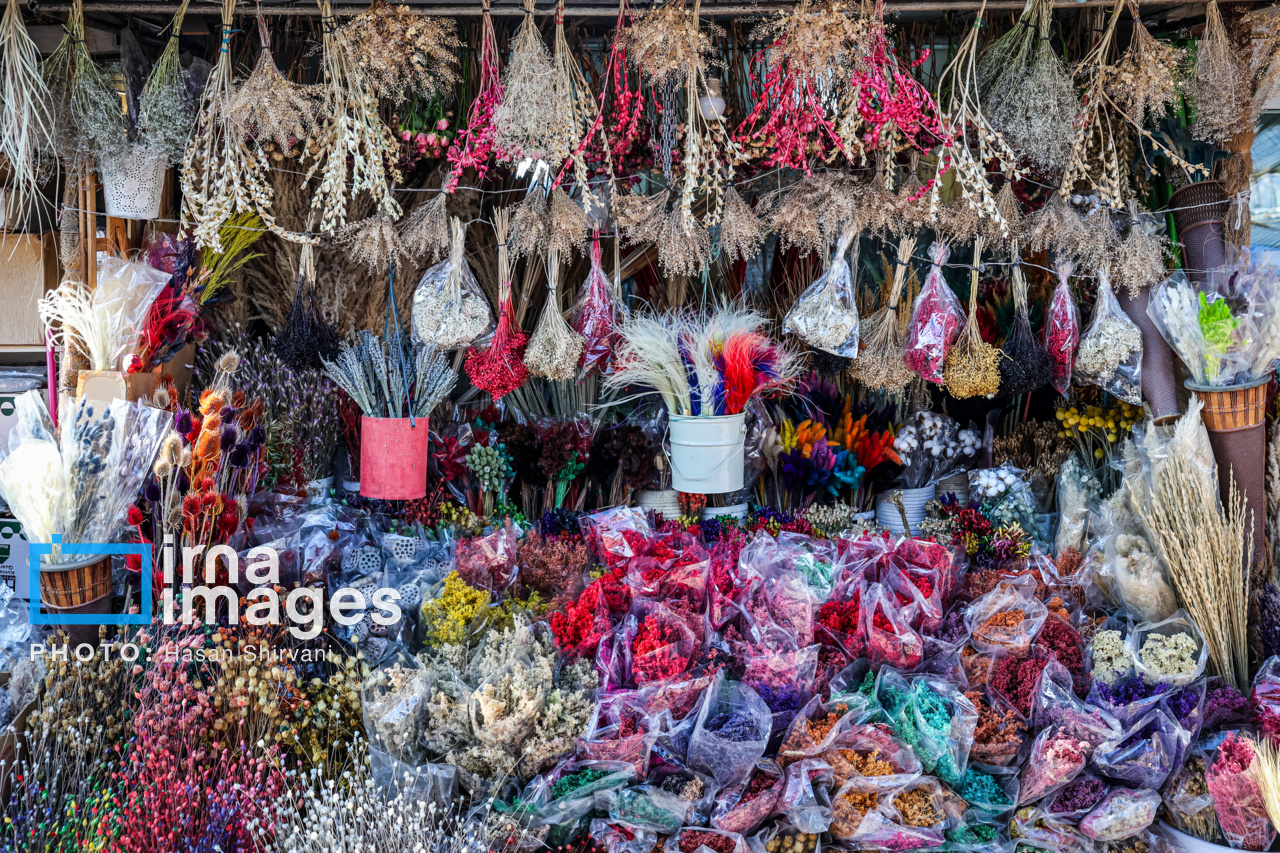
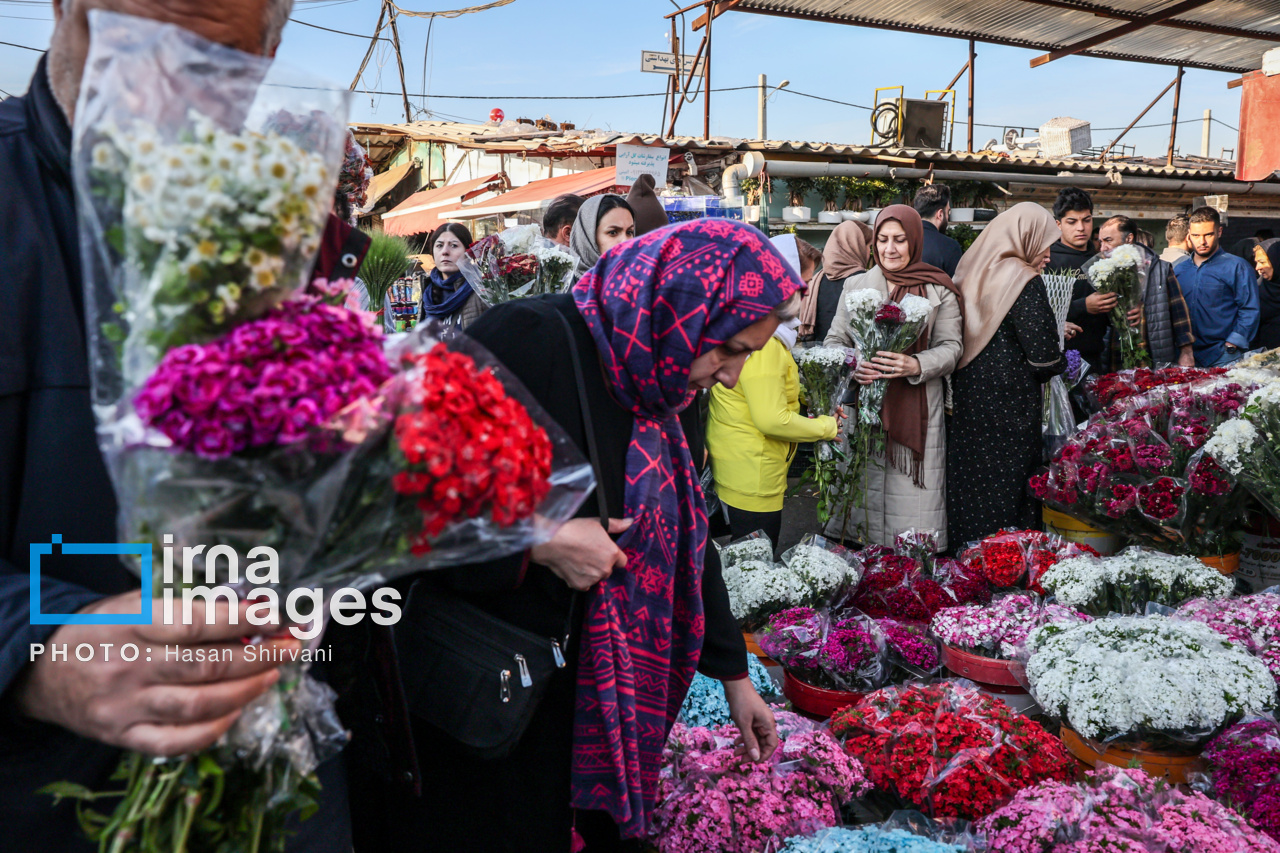
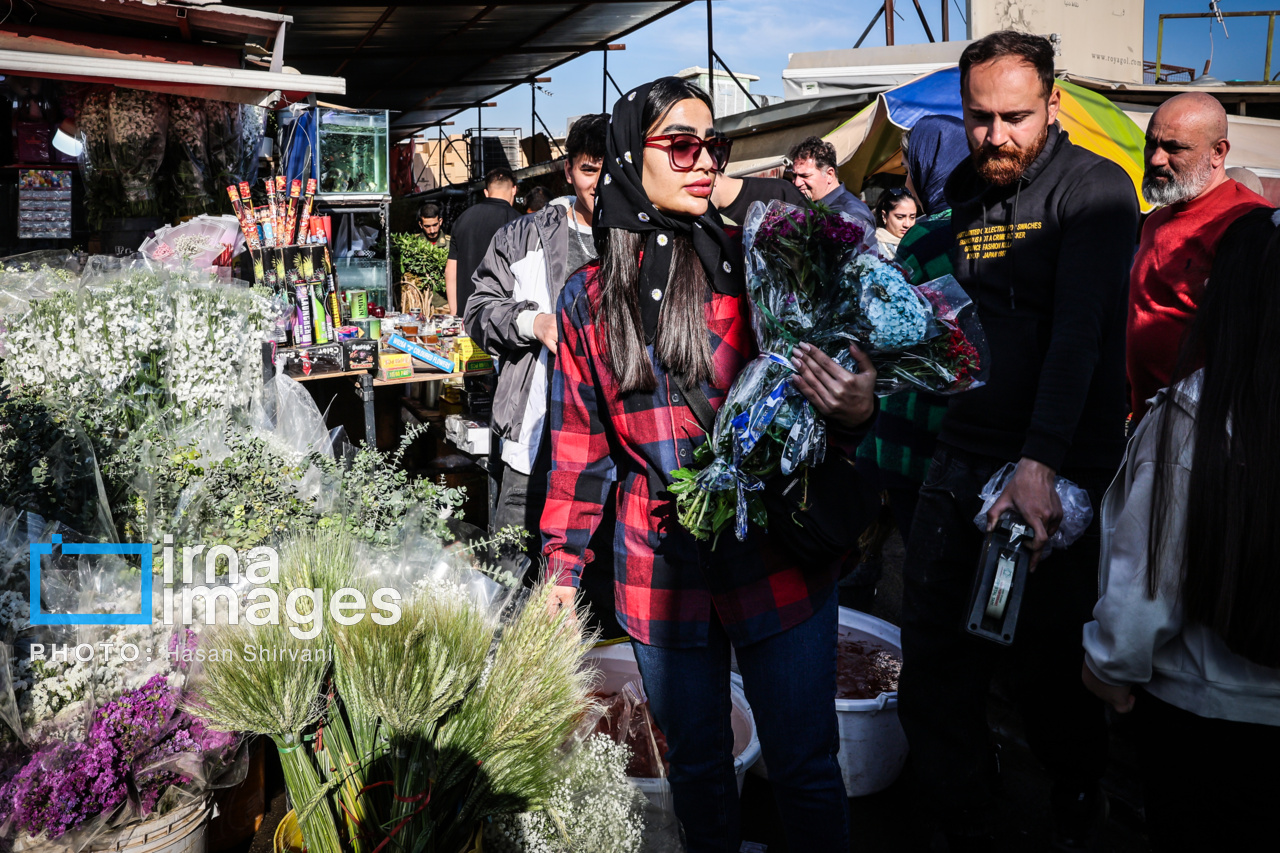
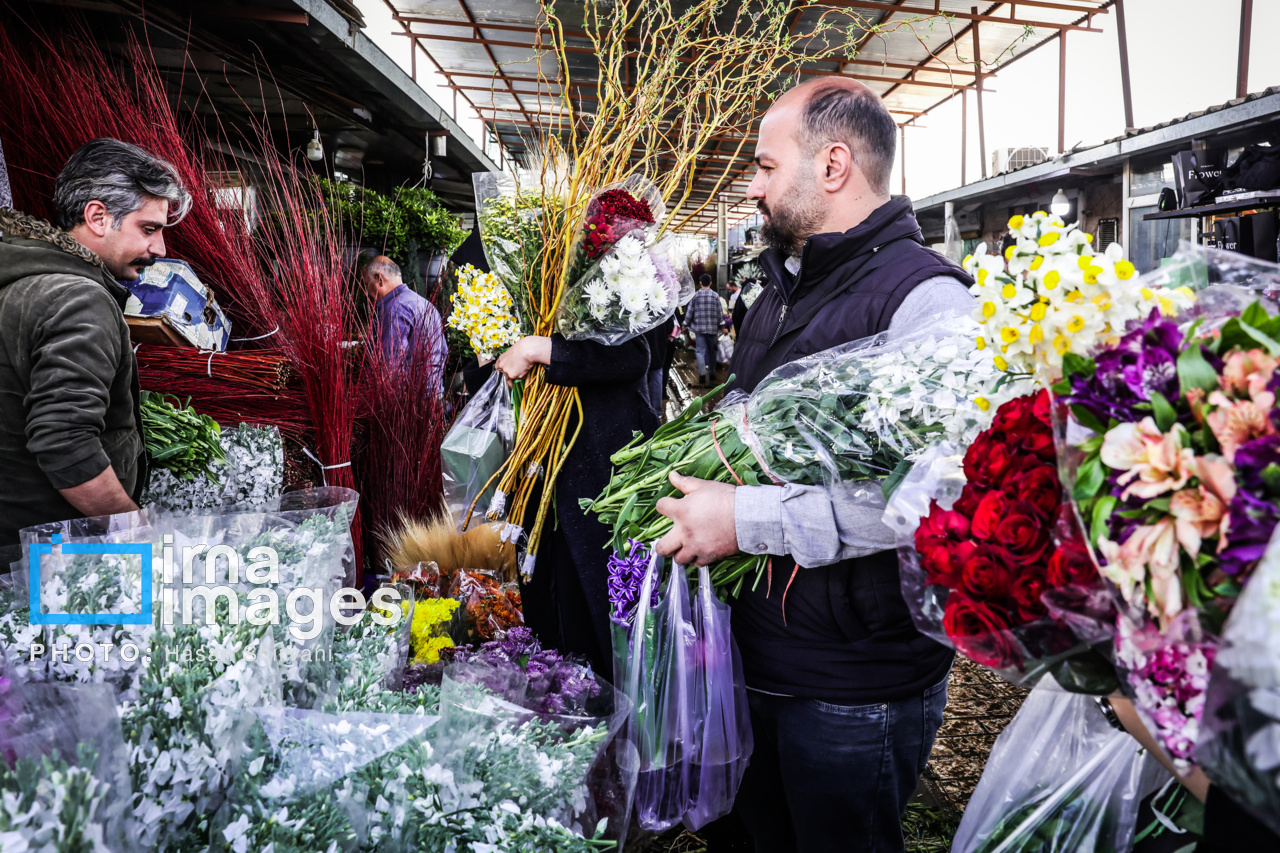
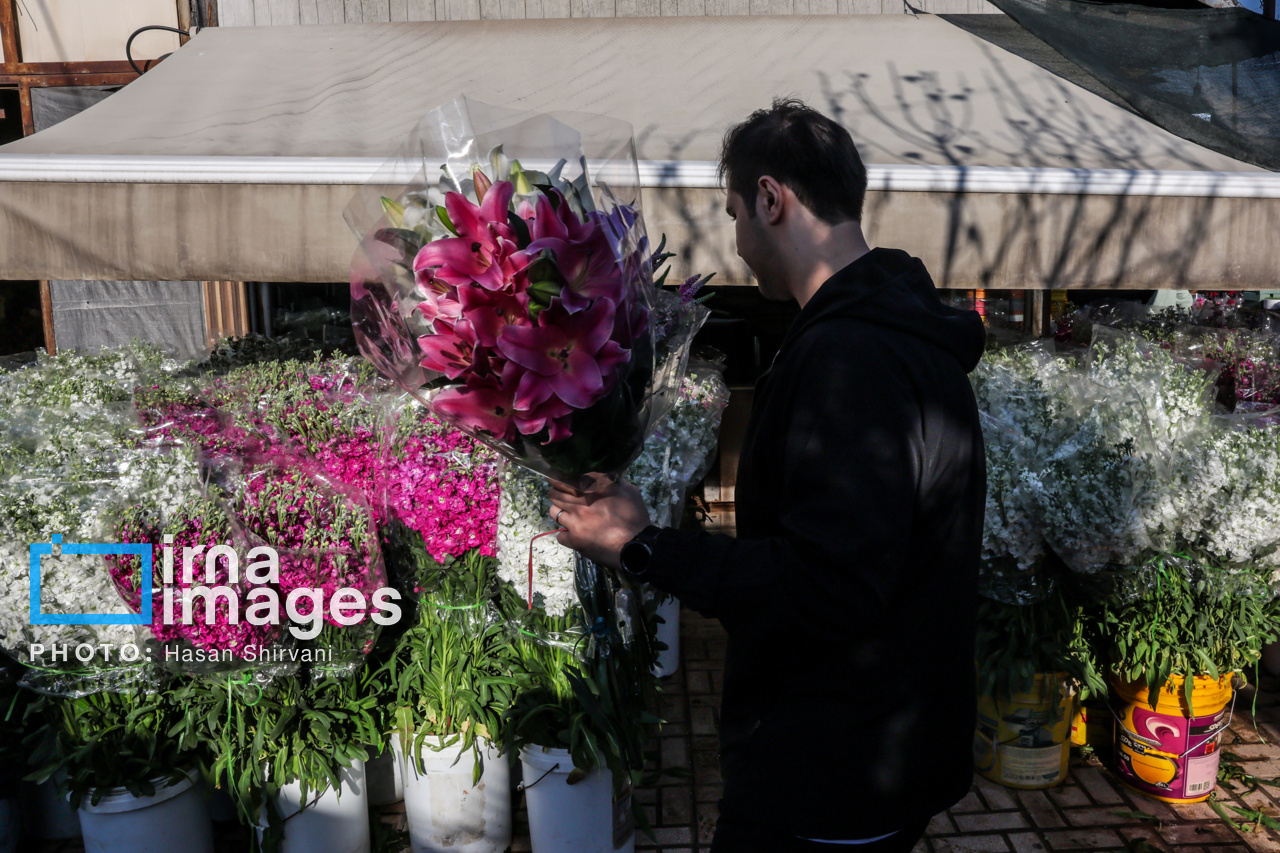
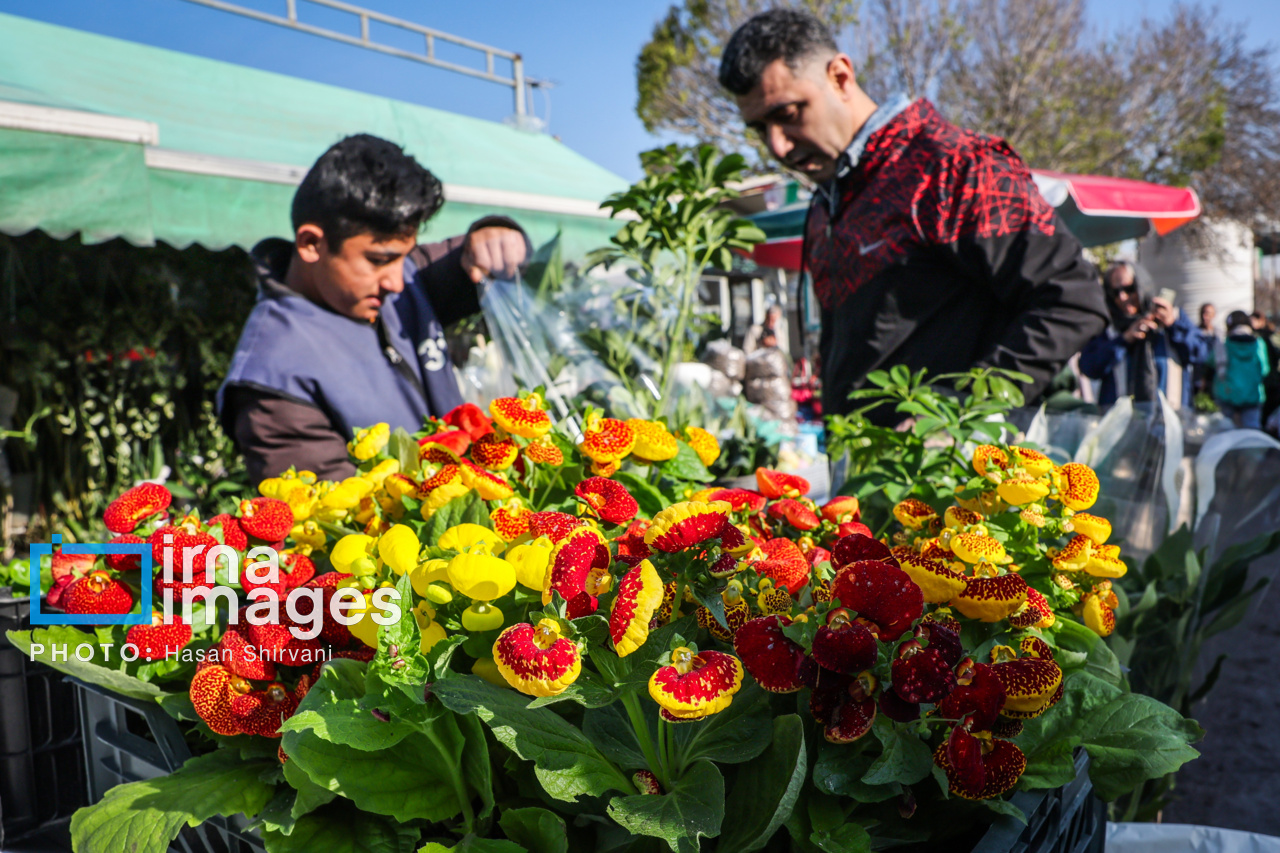
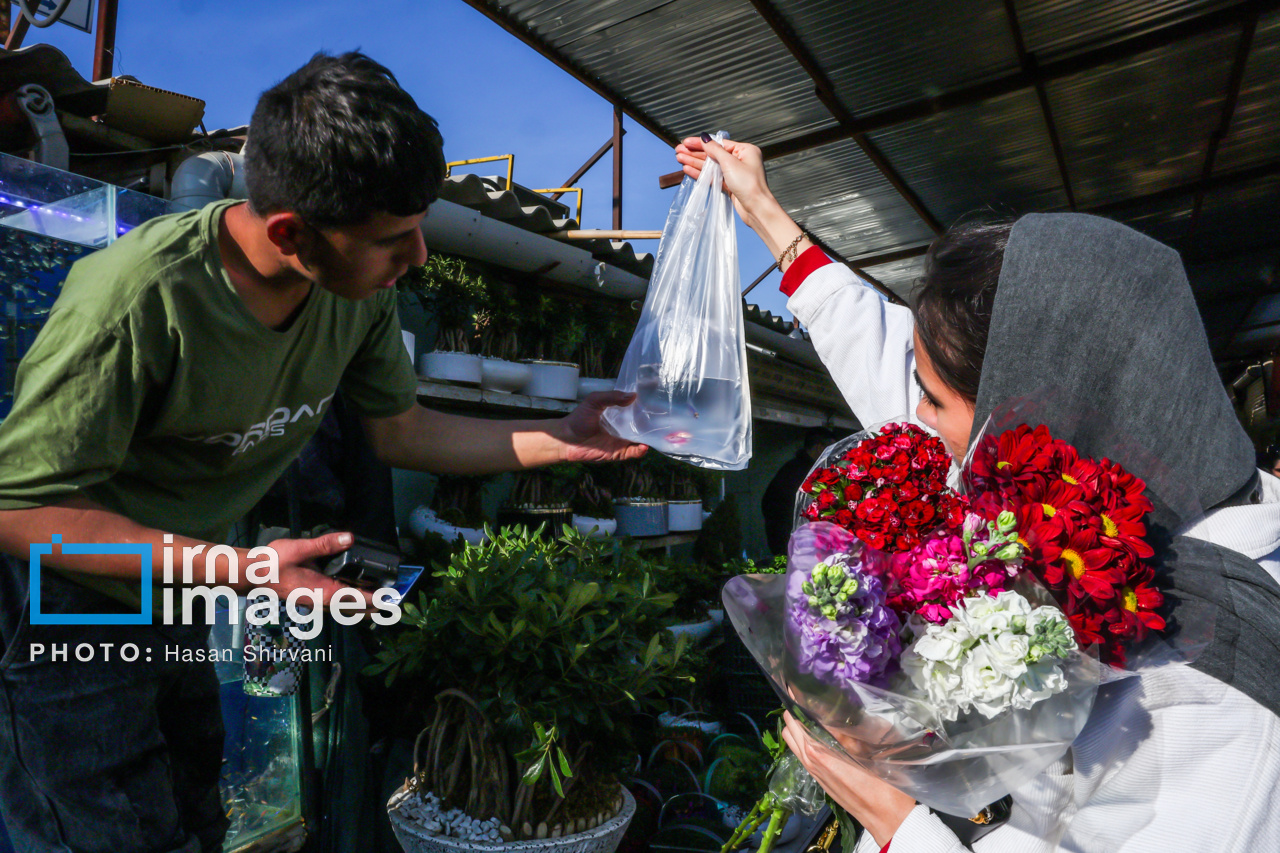
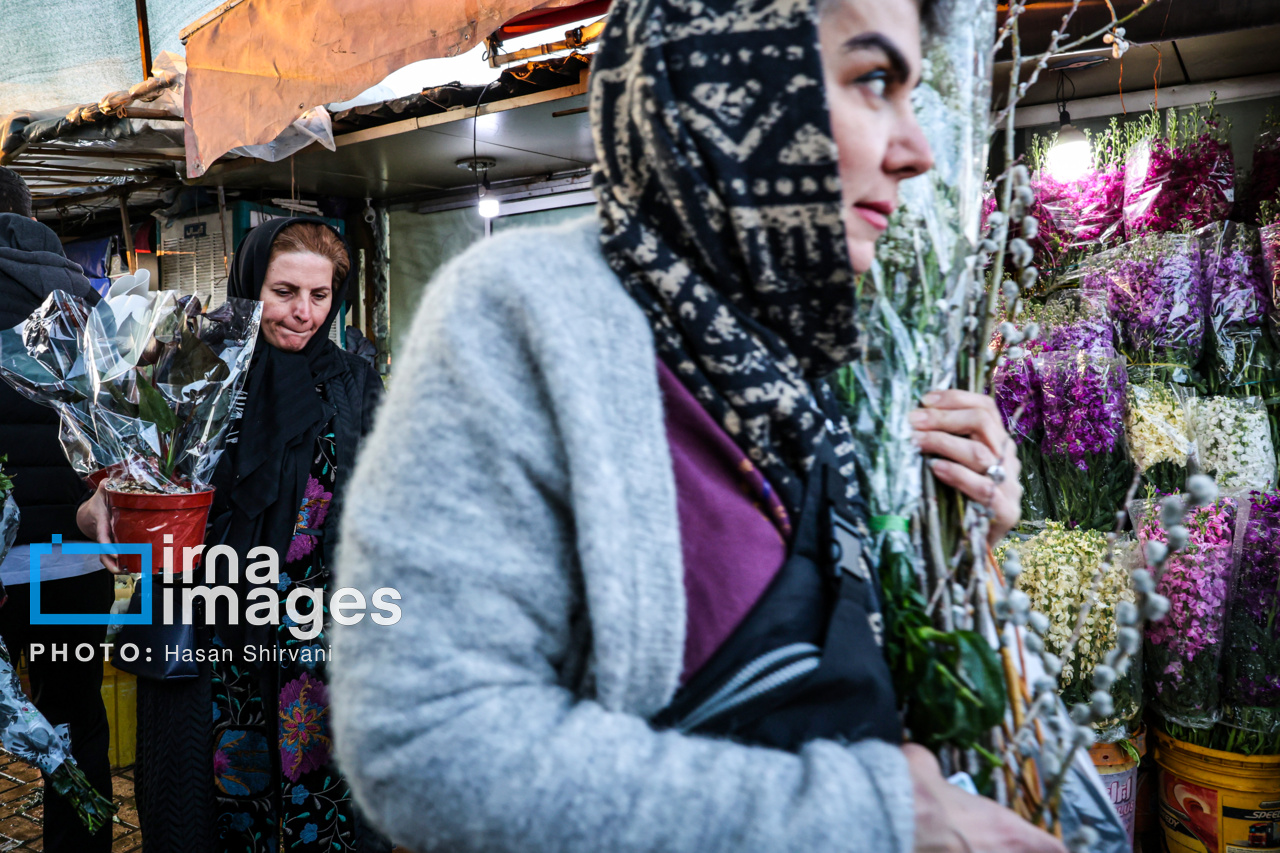
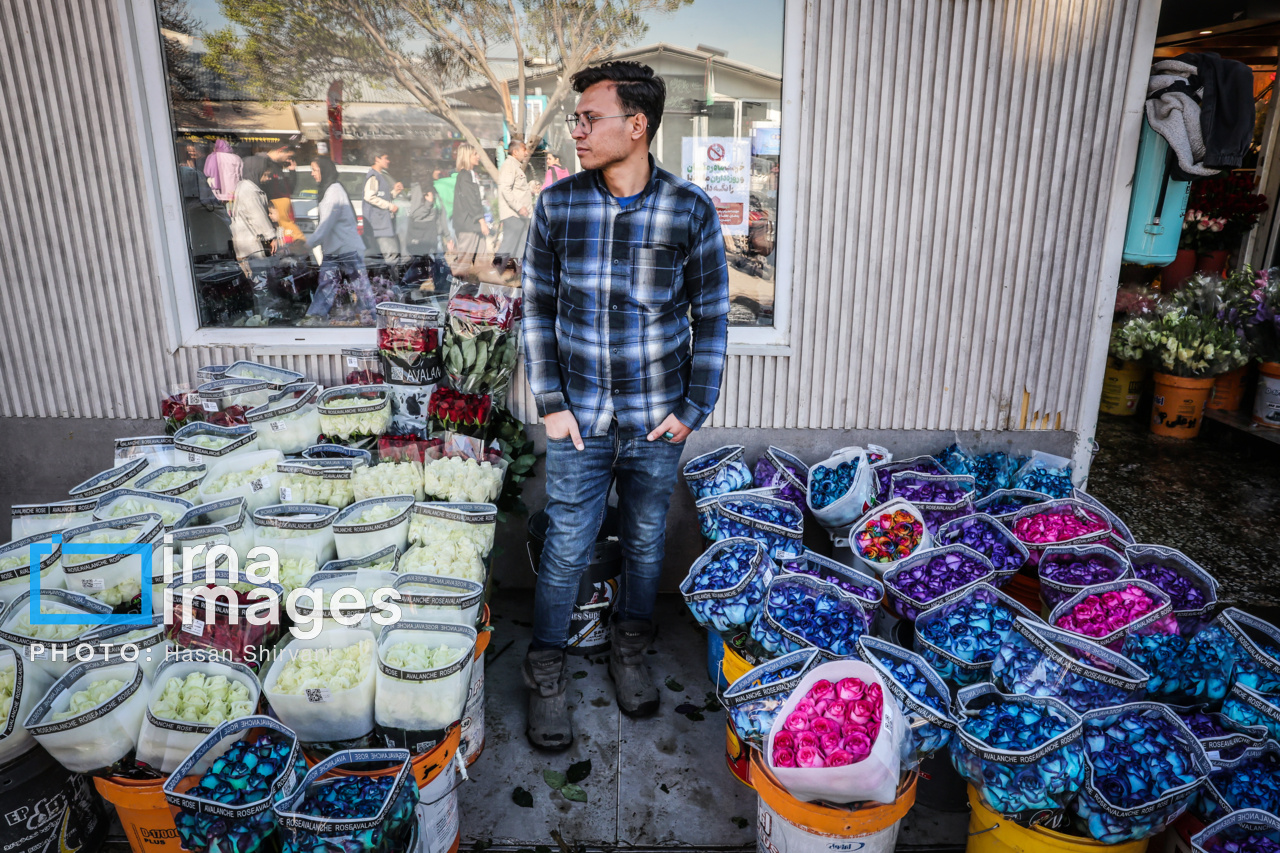
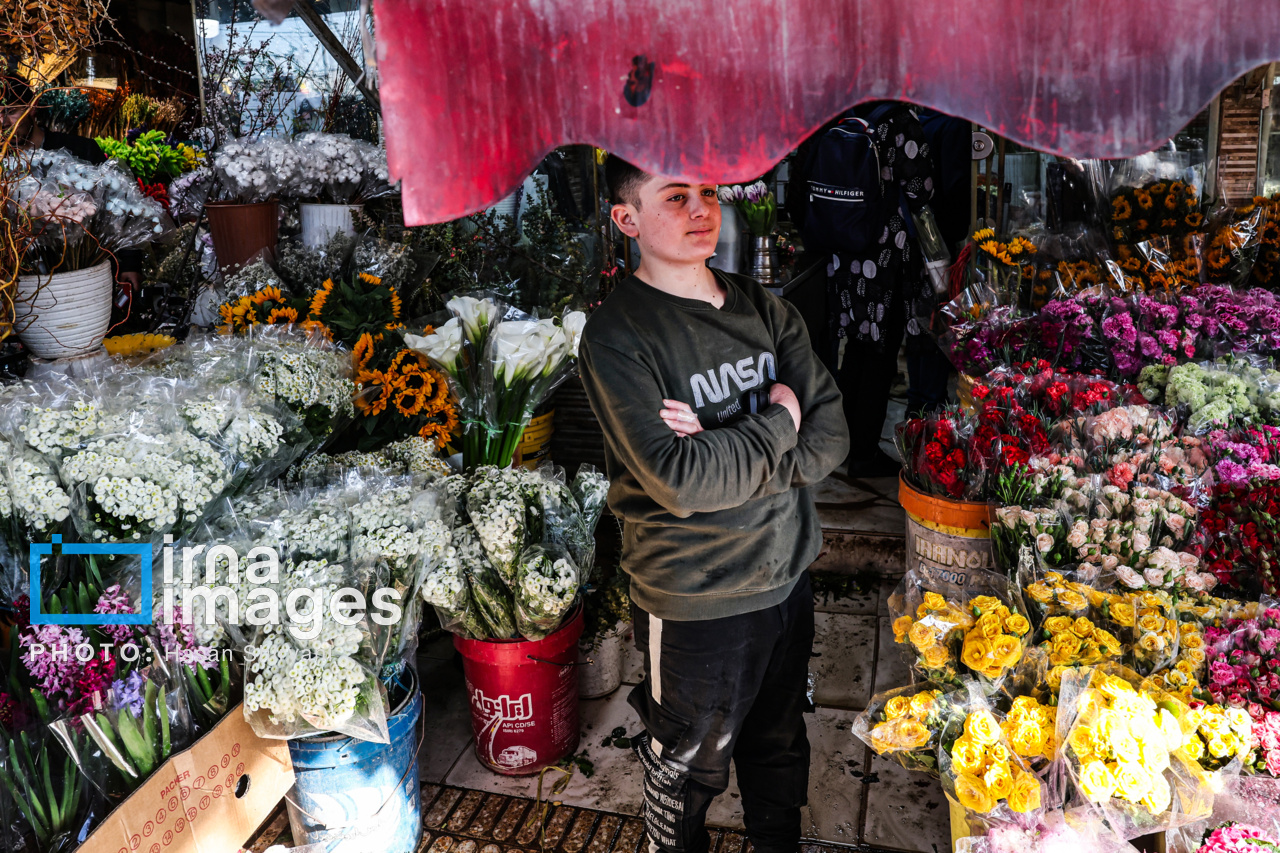
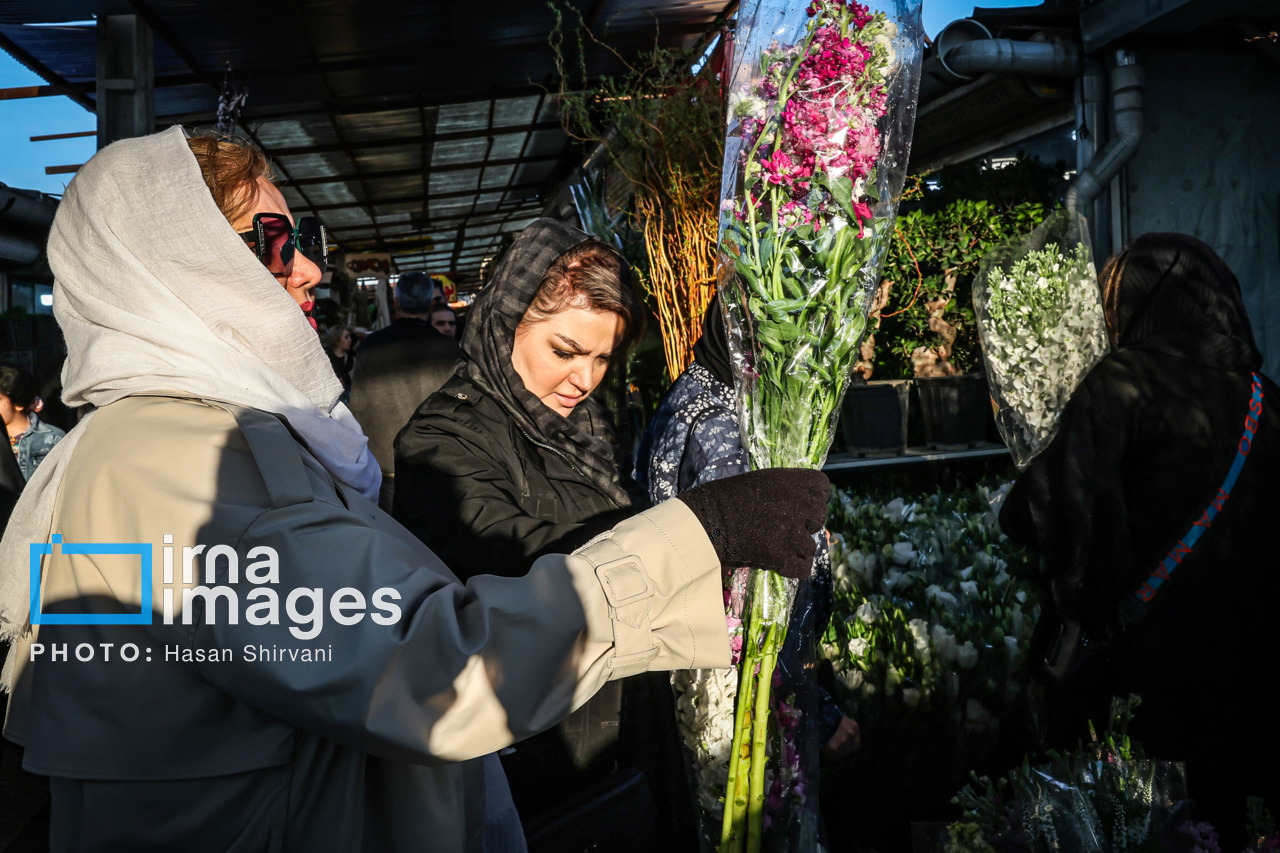
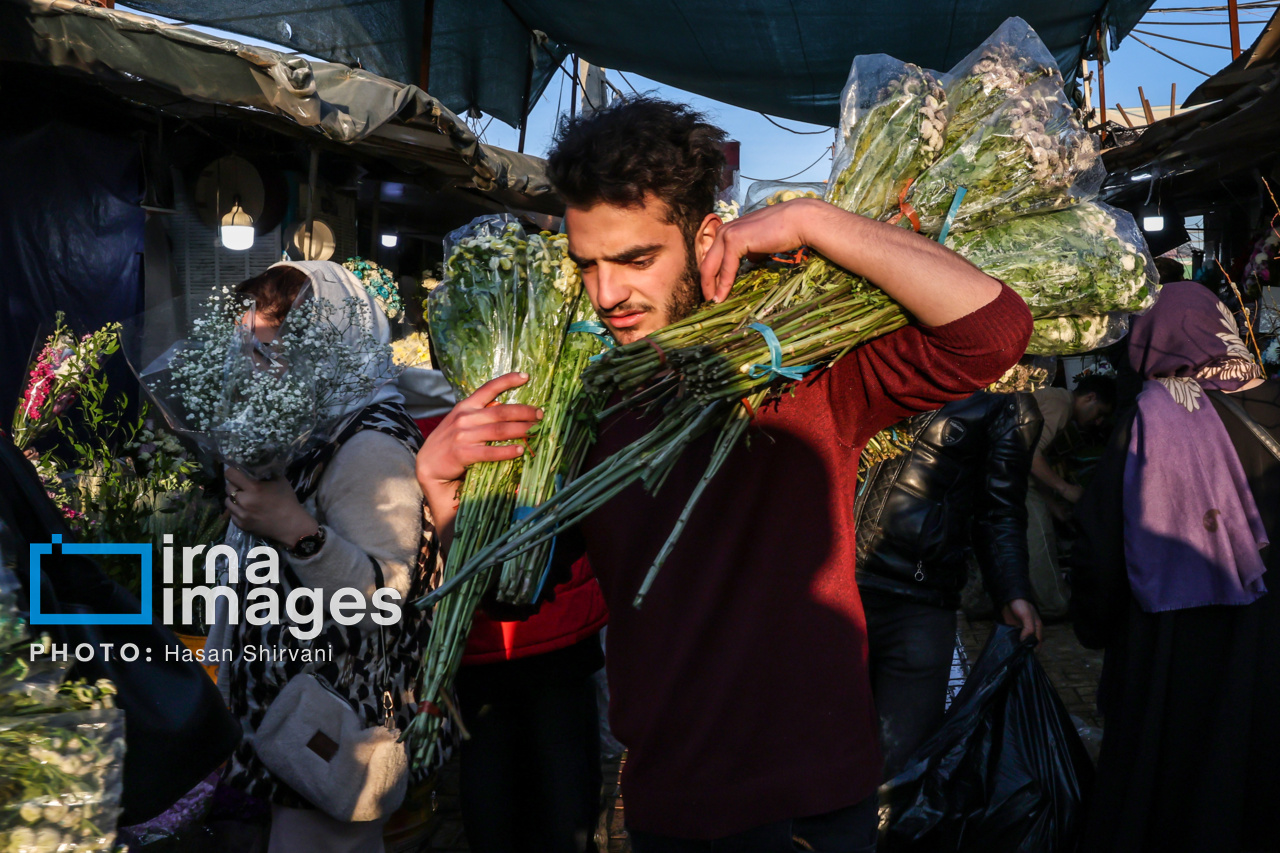
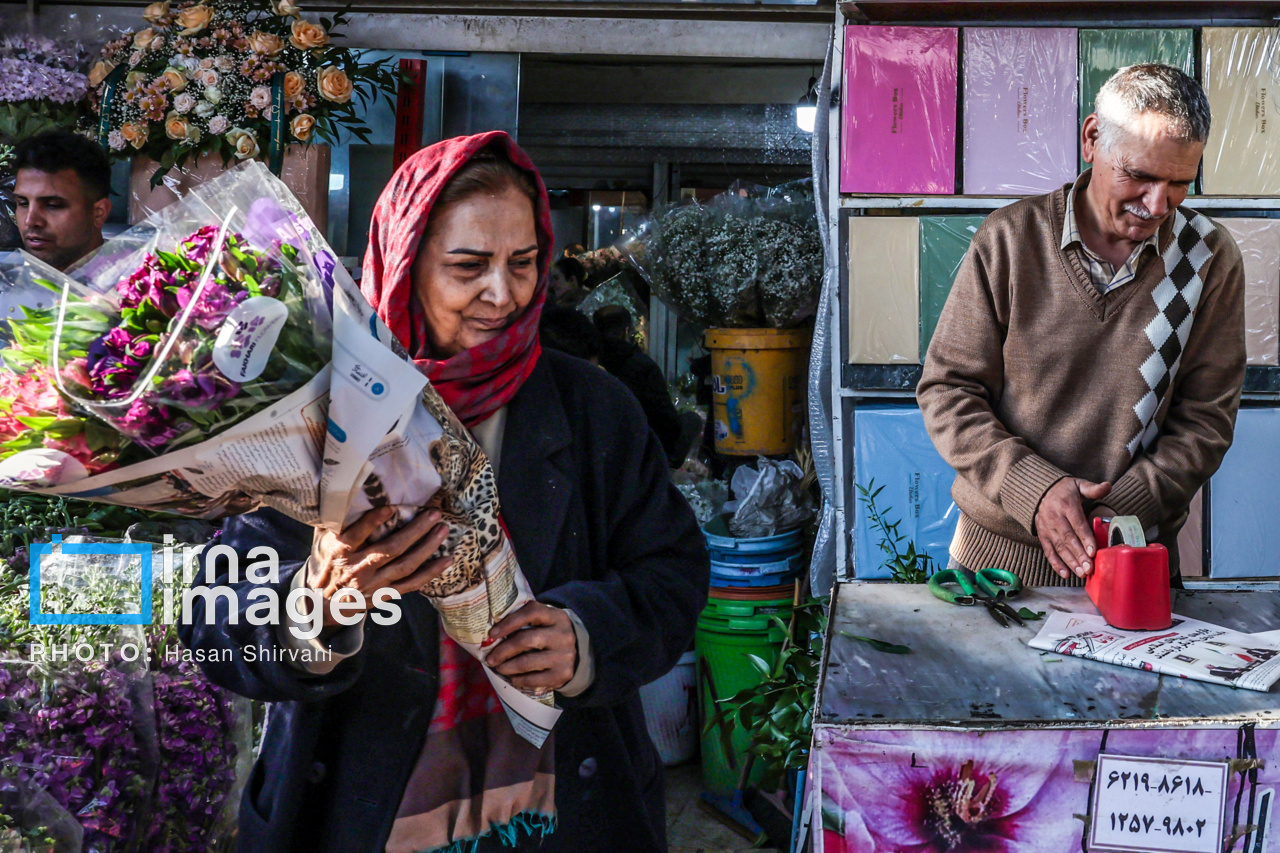
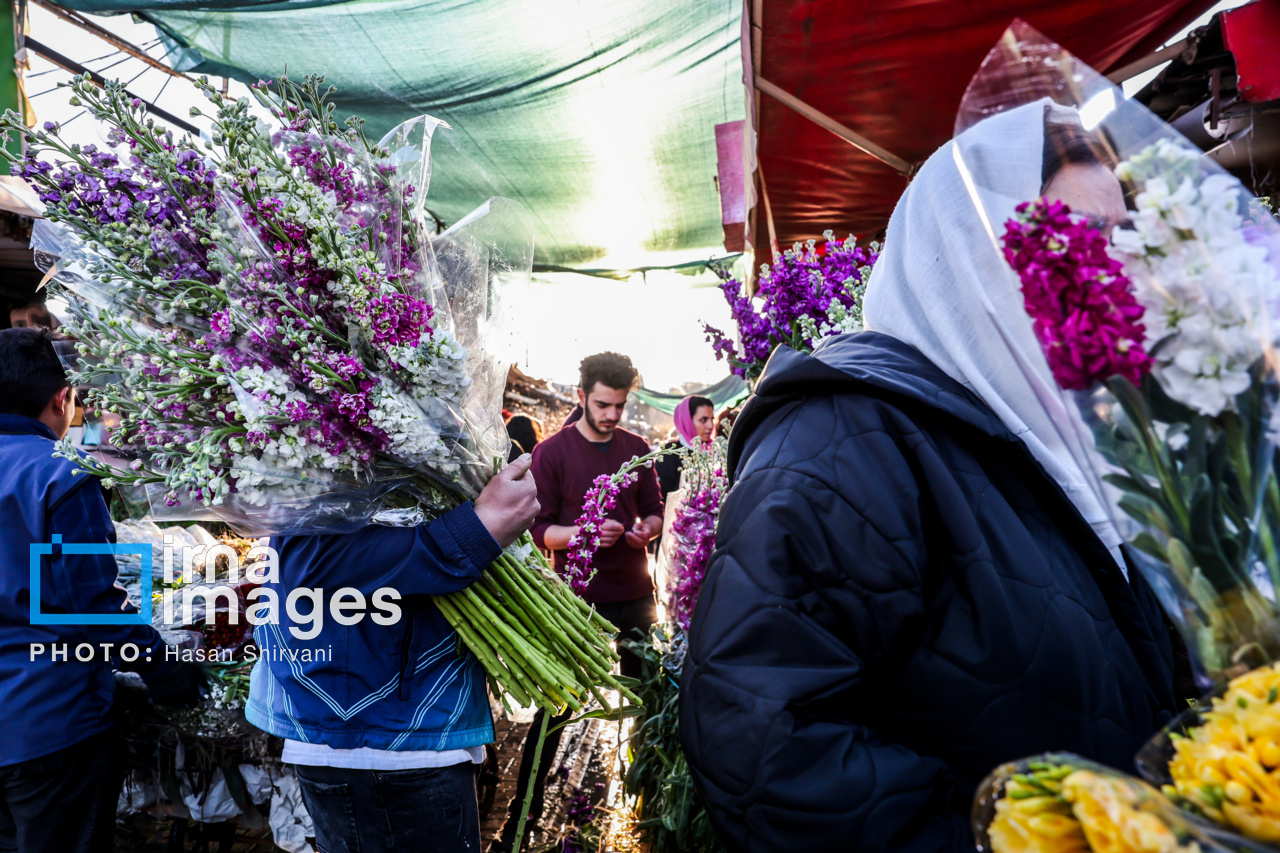
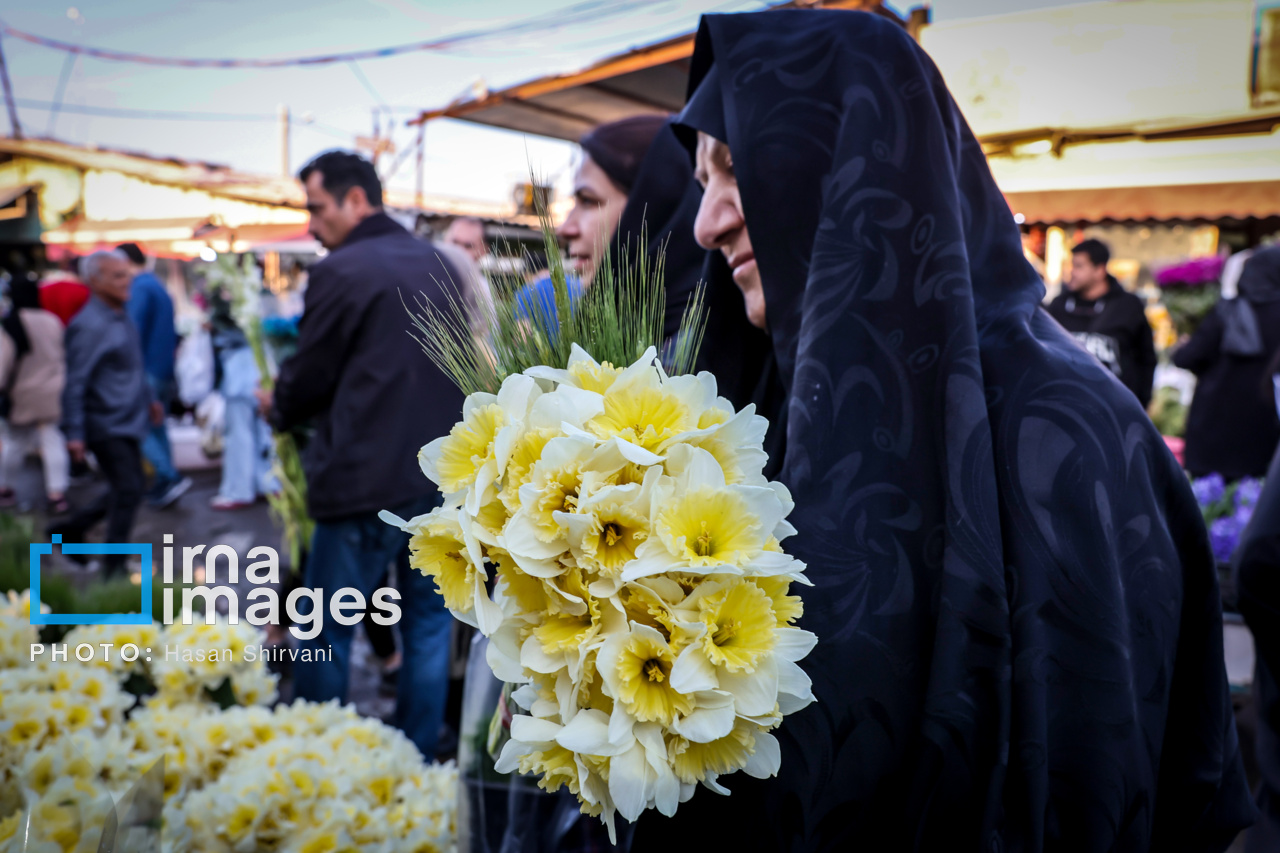
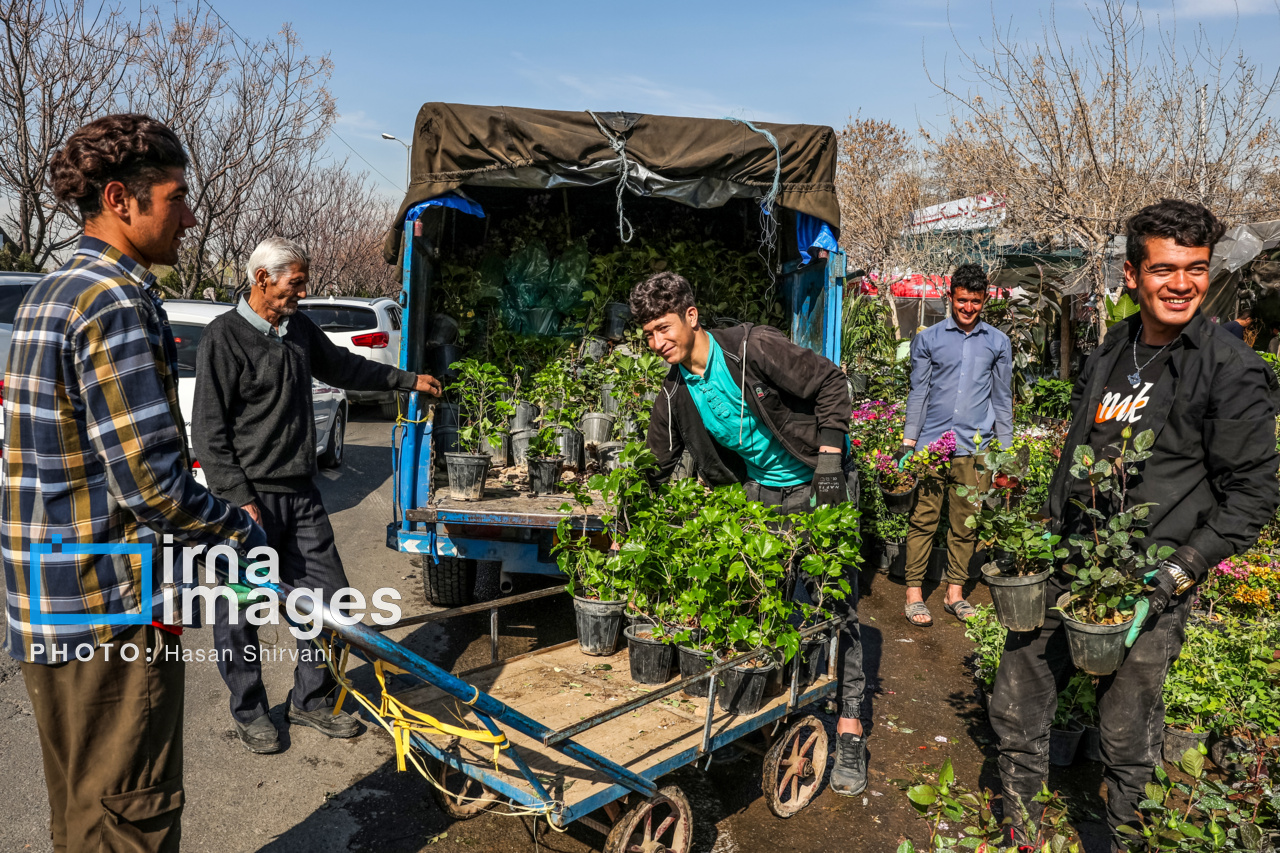
Blooms and cheer: Flower market thrives in Tehran in final days of Persian year

Citizens are flocking to purchase flowers, plants, and items for the traditional Haft-Seen table, a centerpiece of Nowruz celebrations.
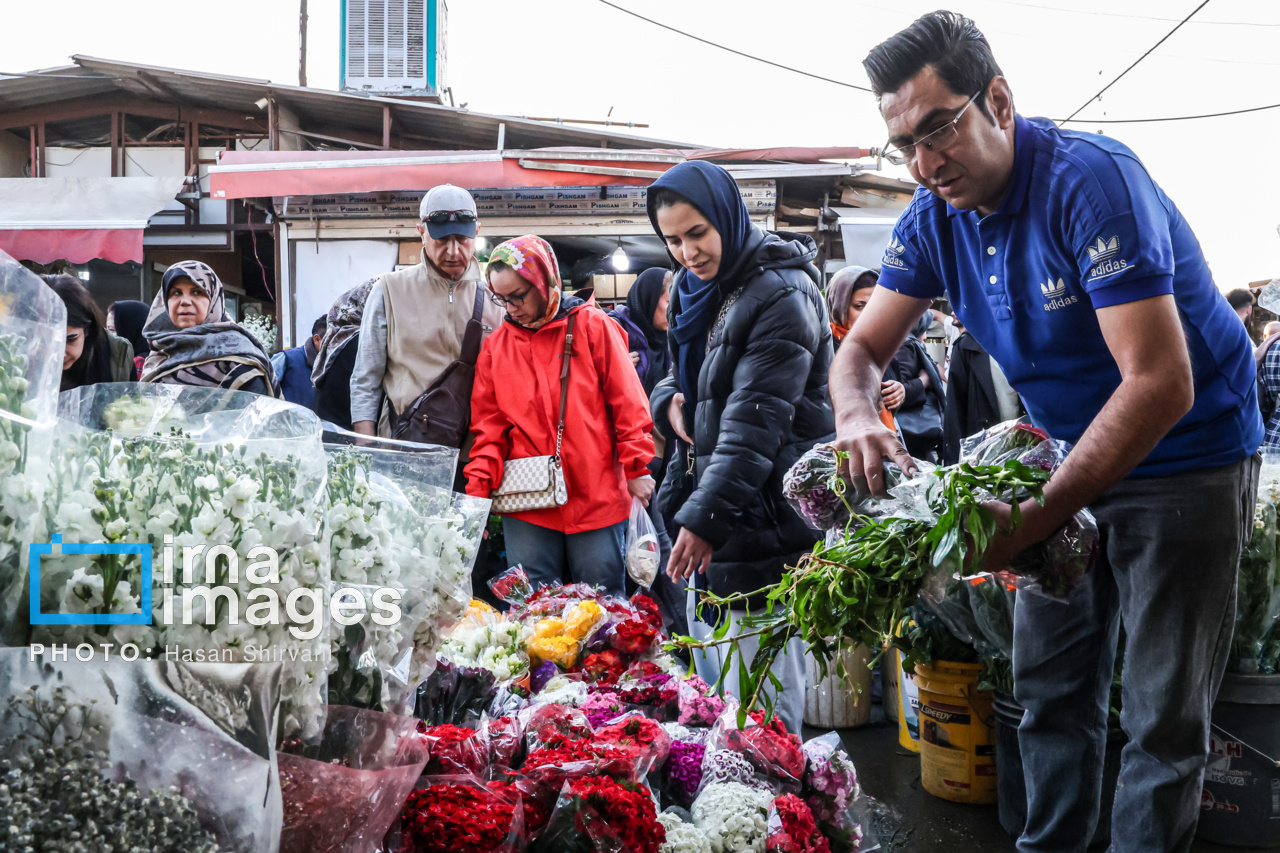
With spring just around the corner, the vibrant Mahallati market in southern Tehran, reflects the festive spirit and the eagerness of people to welcome the new season.

More in pictures:

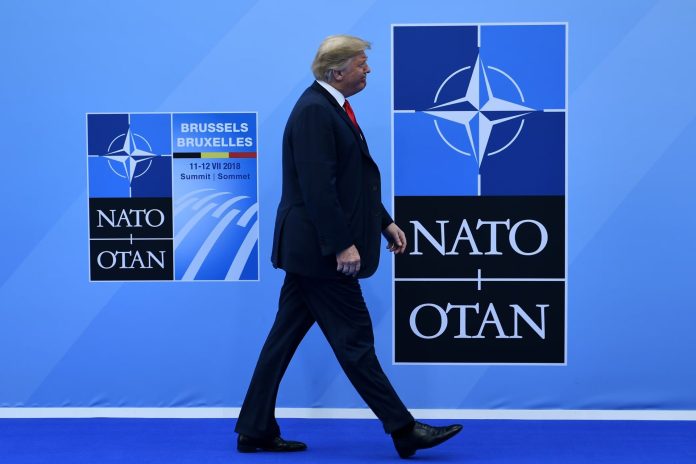
US considering relinquishing leadership of NATO’s European command: NBC

For nearly 75 years, a four-star U.S. general has held the position of Supreme Allied Commander Europe (SACEUR), overseeing NATO’s military strategy and operations.

According to two defense officials familiar with internal discussions and a Pentagon briefing reviewed by NBC News, the administration is evaluating whether to relinquish this post as part of a broader effort to reduce U.S. commitments in Europe.

Retired Admiral James Stavridis, who served as SACEUR from 2009 to 2013, warned that such a move would dramatically weaken U.S. influence within the alliance.

“We would lose an enormous amount of influence within NATO, and this would be seen, correctly, as probably the first step toward leaving the alliance altogether,” Stavridis stated.

The potential shift follows repeated calls by U.S. President Donald Trump and Defense Secretary Pete Hegseth for NATO allies to assume greater responsibility for Europe’s defense.

If Washington abandons the SACEUR role, NATO members would have to determine which European country would nominate a new supreme commander.

Trump has long demanded that NATO allies increase their military spending. He previously called for the alliance to raise its benchmark from 2% to 5% of the GDP.

Italy, Canada, and Spain remain below the current 2% target. Some NATO members are reportedly considering raising the spending target to 3% by 2030.

In 2023, Trump suggested that Russia should be allowed to “do whatever the hell they want” to alliance members failing to meet their defense obligations, a statement widely interpreted as undermining NATO’s unity.

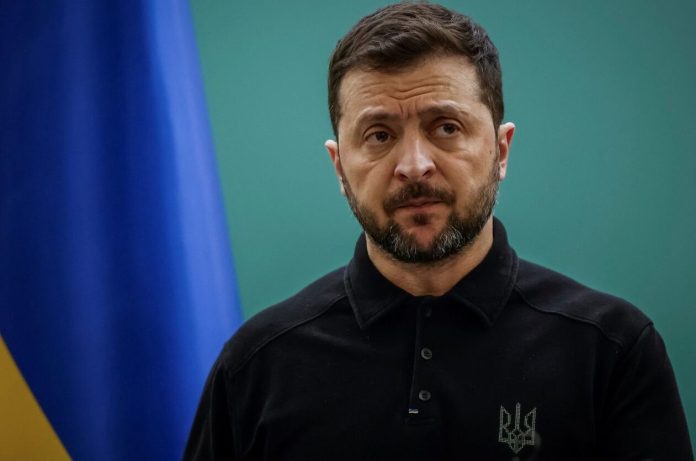
‘I don’t want us to be on Putin’s menu’: Zelensky says ceasefire negotiations must include Ukraine

Zelensky’s comments followed a phone call between U.S. President Donald Trump and Russian President Vladimir Putin, who discussed the possibilities of a temporary ceasefire. Afterwards, Washington and Moscow announced that they planned to hold negotiations in the Middle East “immediately.”

“I don’t want to offend anyone, but I don’t want us to be on Putin’s menu,” Zelensky said.

“We are not a salad … We are an independent state. Without us, I think it’s wrong to negotiate.”

In his call with Trump, Putin stated he was prepared to accept a 30-day pause on all attacks targeting energy infrastructure — a proposal Zelensky signaled he was willing to accept, once Kyiv was briefed on the details.

Following the call, the White House and the Kremlin issued separate statements both affirming plans to hold peace negotiations in the Middle East. The talks will focus on the energy sector ceasefire and steps towards implementing a maritime ceasefire in the Black Sea.

Ukraine supports any proposals that lead to a just peace, Zelensky added, and must not be excluded from these negotiations.

“We must understand what is going on. … Because in this war, there are two sides. Russia and Ukraine. And without Ukraine, it seems to me that it is hopeless to negotiate.”

Zelensky also noted that Putin’s rejection of the first U.S. ceasefire plan — a 30-day cessation of all hostilities, which Ukraine agreed to on March 11 — illustrated Russia’s disinterest in ending the war.

“If you didn’t want to continue the war on March 11, the numbers would probably be different,” he said.

“And the numbers are as follows: 1342 KABs, eight rockets, 580 Shaheds, 44 Lancets, 250 other strikes. Not on the battlefield — we are talking about everything, about civilian infrastructure.”

Zelensky added that despite Putin’s demand that Ukraine stop receiving military aid in order to advance a ceasefire agreement, Kyiv expects its allies to continue providing security assistance. He also confirmed Putin’s announcement that Ukraine and Russia would each exchange 175 prisoners on March 19.

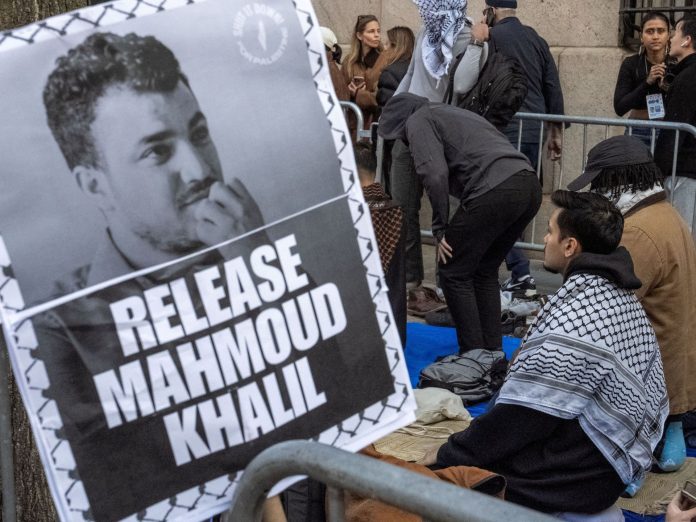
Palestinian Mahmoud Khalil calls himself ‘Political prisoner’ over US arrest

Khalil, the Palestinian student activist, was arrested on March 8 by the Department of Homeland Security (DHS) after he and his pregnant wife, Noor Abdalla – an American citizen – returned from a dinner.

In a letter made public on Tuesday, Khalil decried his arrest and the conditions facing detainees in United States immigration facilities.

“My name is Mahmoud Khalil and I am a political prisoner. I am writing to you from a detention facility in Louisiana, where I wake to cold mornings and spend long days bearing witness to the quiet injustices underway against a great many people precluded from the protections of the law,” Khalil wrote.

He added that “the agents threatened to arrest her [Noor] for not leaving my side”.

He was taken into custody without a warrant, and the DHS agents withheld details about his arrest, according to footage of the arrest that was made public by his family last Friday.

In his letter, Khalil wrote, “DHS would not tell me anything … I did not know the cause of my arrest or if I was facing immediate deportation.”

His lawyer Amy Greer said Khalil is a lawful permanent US resident. Experts have underscored it is rare for green card holders to be threatened with deportation, except in cases of serious crimes.

In April 2024, students across the US mobilised to demand an end to their universities’ complicity in Israel’s war on Gaza.

Demonstrations at Columbia University in New York drew particularly close media attention owing to the size of the protests.

The Trump administration has accused Khalil, who played a key role in pro-Palestinian demonstrations at the university last year, of engaging in activities aligned with Hamas, though no evidence has been provided.

Trump has accused student protesters from Columbia University of participating in “pro-terrorist, anti-Semitic, anti-American activity”. Again, no proof has been offered to support the claims.

Khalil stated his arrest was a direct result of his activism for a free Palestine and an end to Israeli violence in Gaza.

“My arrest was a direct consequence of exercising my right to free speech as I advocated for a free Palestine and an end to the genocide in Gaza, which resumed in full force Monday night,” he wrote in the letter.

Khalil also drew parallels between his situation and the use of administrative detention by Israel, where Palestinians are often imprisoned without trial or charge.

“For Palestinians, imprisonment without due process is commonplace.”

He refused to be forced into silence and stated “it is our moral imperative to persist in the struggle for their complete freedom”.

“I hope nonetheless to be free to witness the birth of my first-born child,” he added.

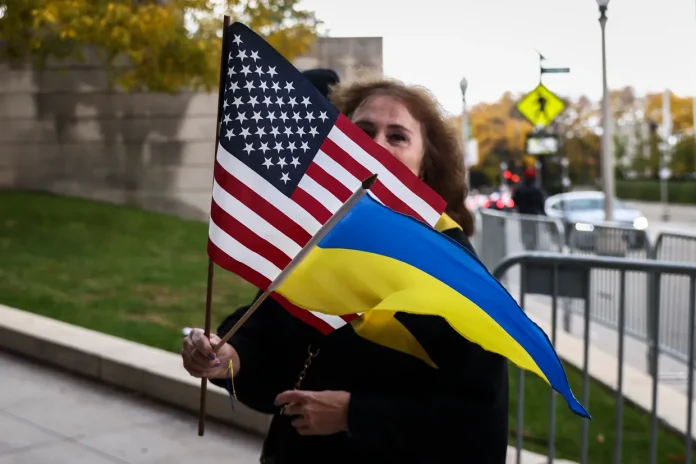
More Americans say Ukraine not getting enough help from US: Poll

The Gallup survey found that 46 percent of Americans said the U.S. is not providing enough assistance to Ukraine in its three-year war with Russia, a 16-point increase since December last year, closely resembling the numbers seen during the summer of 2022.

Some 30 percent said Washington is doing too much to help the war-torn, country while 23 percent said the U.S. is offering the right amount of help. Both figures have dropped since December.

The number of Democratic Party voters who think the U.S. support for Ukraine is insufficient has increased by 31 points to 79 percent. Some 13 percent of Democrats think Washington’s support for Ukraine is at the right level, while 8 percent think the U.S. is providing too much backing to Kyiv, according to the survey.

The number of independents who think the U.S. is not doing enough to support Ukraine has also gone up, jumping by 14 points since December to 46 percent, Gallup found.

Republican Party voters who think the U.S. is supplying too much aid to Ukraine have gone down in the last three months, declining 11 points to 56 percent. Those GOP voters who say Washington’s backing of Ukraine is at the right amount went up by 11 points, “likely because of backing for the Donald Trump administration’s policy toward Ukraine,” according to Gallup.

The poll also found that Americans who think the U.S. should keep backing Ukraine in reclaiming its territory, even if it leads to prolonged involvement, has gone up by 5 percentage points to 53 percent. Those who prefer a quick end to the conflict, even if it entails Ukraine ceding territory to Russia, have dropped by 5 points, going from 50 percent in December to 45 percent in March.

The survey was conducted March 3-11 among 2,219 adults. The margin of error was 2 percentage points at the 95 percent confidence level.

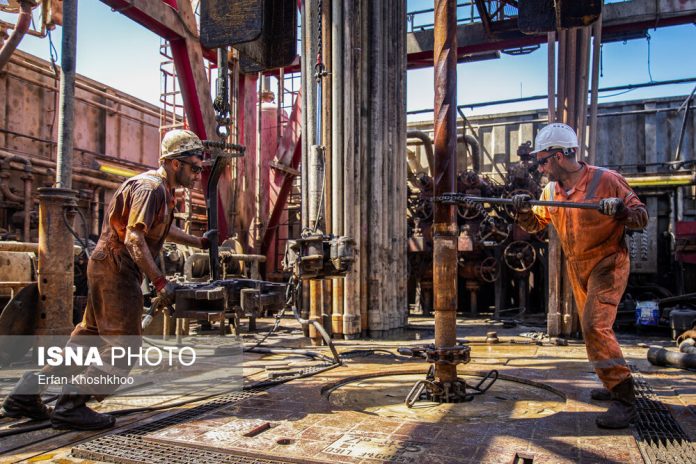
Iran marks 74th anniversary of oil industry nationalization

Iran Oil

The roots of nationalization trace back to exploitative concessions, such as the 1901 D’Arcy Agreement and the 1933 Oil Concession, which granted Britain extensive control over Iran’s oil resources.

In 1951, under Prime Minister Mohammad Mossadegh, Iran’s parliament voted to nationalize the oil industry, ending decades of foreign dominance by the British-owned Anglo-Iranian Oil Company (AIOC) that plundered the country’s oil resources.

The historic decision was a bold step toward economic sovereignty, ensuring that Iran’s vast oil resources benefited its people rather than foreign entities.

The move, however, triggered Western backlash, including a British embargo and a CIA-backed coup in 1953 that temporarily reversed the nationalization.

Mossadegh’s government was overthrown in a 1953 CIA-MI6 coup, reinstating Shah Mohammad Reza Pahlavi and reversing the gains. The 1954 Consortium Agreement returned control to Western companies until the 1979 Islamic Revolution.

However, the nationalization laid the groundwork for Iran’s control over its oil sector.

Today, the National Iranian Oil Company (NIOC) manages Iran’s oil and gas industries.

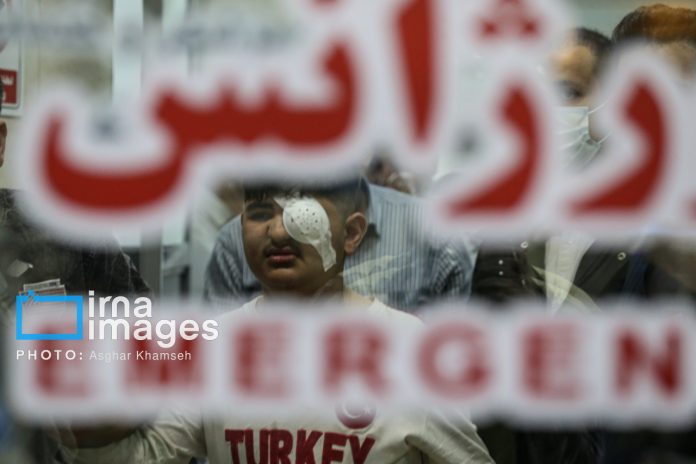
Chaos in Iran’s Chaharshanbe Suri: 15 dead, over 1,000 injured, air pollution spikes

The millennia-old festival, which involves lighting bonfires, setting off fireworks, and jumping over flames to symbolically ward off misfortune and welcome the New Year, has spiraled out of control in recent decades, often leading to accidents due to inclusion of explosives and flammable materials.

Ja’afar Mi’adfar reported 1,040 burn cases, 933 eye injuries, and 172 amputations, with the majority of incidents occurring in Tehran, West Azarbaijan, and East Azarbaijan provinces.

Tragically, nine deaths were recorded on the final day, bringing the total fatalities to 15. Additionally, six ambulances were damaged and taken out of service after being targeted by explosives.

Meanwhile, Tehran’s air quality plummeted to hazardous levels, reaching a “purple” status due to widespread use of fireworks and explosives.

The Air Quality Control Company reported an air quality index (AQI) of 208, classified as “very unhealthy,” a sharp rise from the previous day’s AQI of 89, which was considered acceptable.

This spike in pollution was directly linked to the festivities, which filled the air with smoke and harmful particles.

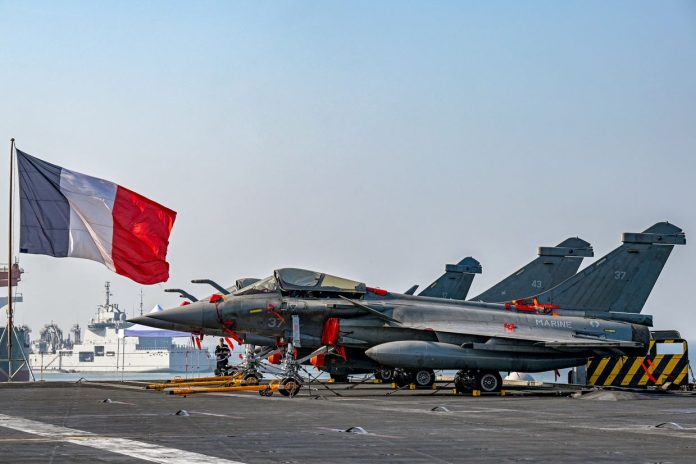
Macron confirms France to deploy nuclear-armed planes to German border

The Luxeuil-Saint-Sauveur base in eastern France hosted nuclear weapons until 2011, when the planes were relocated to a different site.

“The Luxeuil air base is about to be upgraded in an unprecedented way and regain its full role in France’s nuclear deterrent,” Macron said.

“By 2035, Luxeuil will be the first base to host the next version of the Rafale and its hypersonic nuclear missiles,” the president announced.

He added that the garrison will double in size to nearly 2,000 military and civilian personnel to accommodate two Rafale squadrons.

The government will spend €1.5 billion ($1.64 billion) to modernize the base and speed up Rafale orders.

Without mentioning Russia by name, Macron said that France has found itself in “an increasingly dangerous and uncertain world” since open hostilities broke out between Moscow and Kiev in 2022.

The announcement comes after Germany’s chancellor-designate, Friedrich Merz, suggested that France could extend its nuclear arsenal to protect his country and other EU members. Macron responded by saying that the matter would be discussed.

Russia has condemned the EU’s “militarization” programs as reckless and escalatory. Kremlin spokesman Dmitry Peskov told reporters earlier this month that “confrontational rhetoric and confrontational plans that we are now seeing in Brussels and in European capitals could hamper finding a peaceful resolution of the Ukraine conflict.

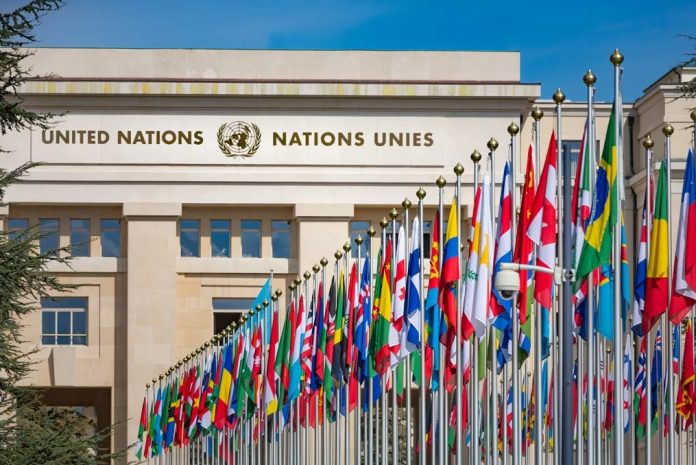
Iran rejects UN human rights mechanisms, vows non-cooperation with fact-finding mission

United Nations

Speaking at the 58th session of the UN Human Rights Council, Bahreini criticized the draft anti-Iran resolution establishing the mission, stating that Iran would reconsider its engagement with UN human rights mechanisms if the resolution is adopted.

Bahreini condemned the initiative led by Germany and the UK, accusing them of hypocrisy given their own human rights records.

He highlighted their support for Israel amid the ongoing Palestinian crisis, stating, “These countries, with their dark human rights histories, lack the moral authority to lecture others.”

He also criticized the unilateral sanctions imposed by the US and supported by its allies, arguing that they have deprived Iranians of their economic, social, and cultural rights.

The Iranian envoy rejected the legitimacy of the fact-finding mission, calling its reports biased and based on information from anti-Iranian terrorist groups.

He emphasized that Iran does not recognize the mandate of the Special Rapporteur or the fact-finding mission, describing them as tools for political agendas rather than genuine human rights advocacy.

Bahreini reiterated Iran’s “commitment to multilateralism and human rights, rooted in its religious, historical, and cultural values.”