Thursday, May 7, 2026
Home Blog Page 475

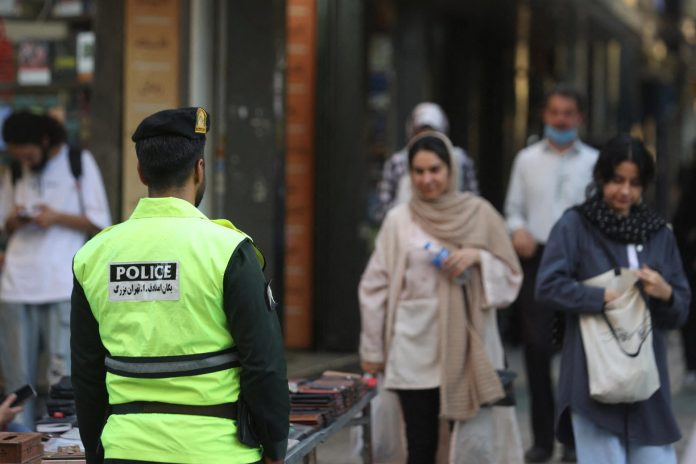
Iran parl’t speaker: Morality patrols completely removed

Iran Hijab

In a post on his social media account, Qalibaf wrote that the decision follows a formal meeting of the Supreme National Security Council, where members agreed to halt the law’s implementation pending government-led revisions.

The parliament speaker clarified that the hijab has long been regulated by law, and there is no legal vacuum in this regard.

He wrote, “The hijab had legal provisions even before the current law was passed, and there is no legal vacuum in this regard. The purpose was to introduce a law that considers both the positive and restrictive aspects.”

The speaker added, “In the current law, the guidance patrol (morality police) has been completely removed. However, the government has issues in some other areas, which are to be addressed after presenting them to the parliament for a decision on amending the law.”

The development marks a significant shift in Iran’s approach to enforcing hijab regulations, reflecting ongoing debates about the controversial Chastity and Hijab Law, which many have warned will set off new unrest in the country similar to the 2022 events following the death of Iranian woman Mahsa Amini in a police station.

Iran’s daily gasoline use hits record of 144 million liters on eve of Persian New Year holidays

Iran Petrol Station

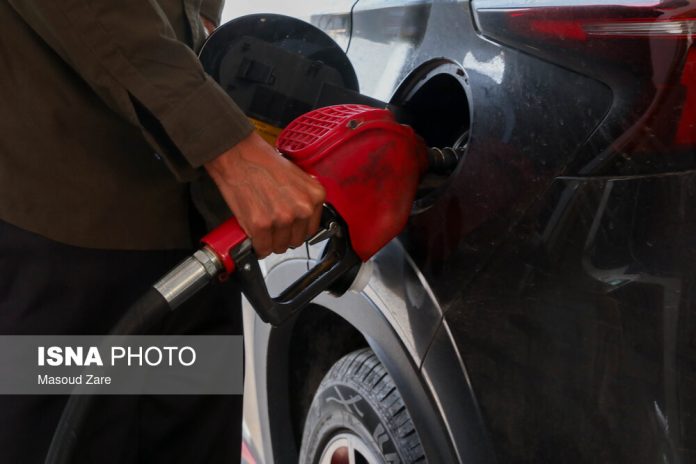
The National Iranian Oil Products Distribution Company (NIOPDC), a subsidiary of the Iranian Oil Ministry, said in a statement on Tuesday that the daily gasoline usage in the country had reached 144.2 million liters a day earlier.

It said the usage was 13 million liters or 10% higher than the consumption reported on March 17, 2024.

The NIOPDC said that Monday’s gasoline consumption represented an increase of less than 12 million liters from the previous day.

It added that the gasoline consumption in Iran has averaged at 124 million liters per day in the year leading to late March 2024.

The figures come as Iranians prepare to celebrate Nowruz holidays which mark the start of the new calendar year in the country.

The occasion, which will start on March 21 this year and will see two weeks of closures of schools and businesses, marks a busy travel season in Iran with millions taking to the roads to visit various cities and towns across the country.

NIOPDC’s Tuesday figures about gasoline consumption exceeded its earlier forecasts suggesting that the usage would peak at 135 million liters per day in the days leading to Nowruz.

The company announced in mid-January that gasoline production in Iran had increased by nearly 10% in the three months before that, saying that total gasoline output from the country’s refineries had reached 107 million liters per day.

Iran has been importing limited amounts of gasoline to respond to a rising demand for fuel, a problem which has been exacerbated in recent years because of heavily subsidized prices that have encouraged smuggling across the borders.

Putin supports limited 30-day ceasefire deal in call with Trump

Putin and Trump

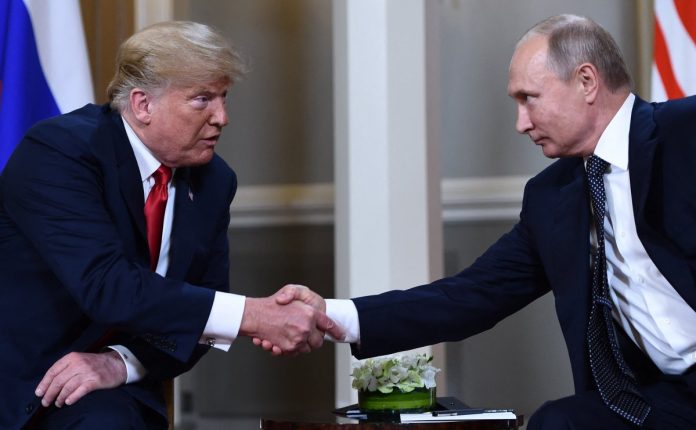
While the White House gave no indication in a readout of the meeting that there was a tangible accord on a long-term ceasefire, there appeared to be consensus that any pause in fighting would begin with a halt in attacks on energy infrastructure.

Trump and Putin also discussed potential ceasefire agreements on matters of energy, infrastructure and maritime.

“The leaders agreed that the movement to peace will begin with an energy and infrastructure ceasefire, as well as technical negotiations on implementation of a maritime ceasefire in the Black Sea, full ceasefire and permanent peace,” the White House said in a readout.

“These negotiations will begin immediately in the Middle East.”

Trump has previously said he plans to visit Saudi Arabia to meet with Putin to further discuss the ceasefire, but the precise timing of that meeting is yet to be determined by the White House.

Russian state media reported that Trump proposed a 30-day pause on attacks on energy infrastructure, and that Putin “responded positively.”

Putin immediately gave the Russian military the corresponding command, the Kremlin said in a readout of the call, and committed to talks about halting fighting in the Black Sea.

But among Putin’s demands in the call included “the need to stop” Ukraine from mobilizing troops and rearming its army. The Russian leader laid out demands that working toward a resolution of the war should include “complete cessation of foreign military aid and the provision of intelligence information to Kyiv.”

Putin told Trump that a prisoner exchange with Ukraine will be carried out Wednesday, with the transfer of 175 people on each side. The Kremlin announced Russia will transfer 23 seriously wounded Ukrainian soldiers being treated in Russian hospitals.

Trump and Putin also notably spoke “broadly about the Middle East as a region of potential cooperation to prevent future conflicts,” the White House added. And they discussed efforts to stop the spread of “strategic weapons”; Trump has previously spoken about a desire to end nuclear proliferation.

The White House readout of the call made no mention about territorial concessions, which had been a key point of contention ahead of peace talks. Ukraine’s backers have argued Kyiv should not have to relinquish its territory to Russia.

Tuesday’s call came as the White House has intensified its efforts to stop the fighting in Ukraine. Russian forces invaded Ukraine in February 2022 after amassing troops near the border. Russia in 2014 annexed Crimea from Ukraine.

Putin had held back endorsing the U.S.-led ceasefire following meetings in Moscow late last week with Trump’s special envoy for Middle East affairs, Steve Witkoff.

Ukraine accepted the terms of the ceasefire during high-stakes talks with Trump administration officials in Jeddah, Saudi Arabia, on March 11.

President Sisi says Egypt loses $800 million monthly in Suez Canal revenue amid regional turmoil

Suez Canal

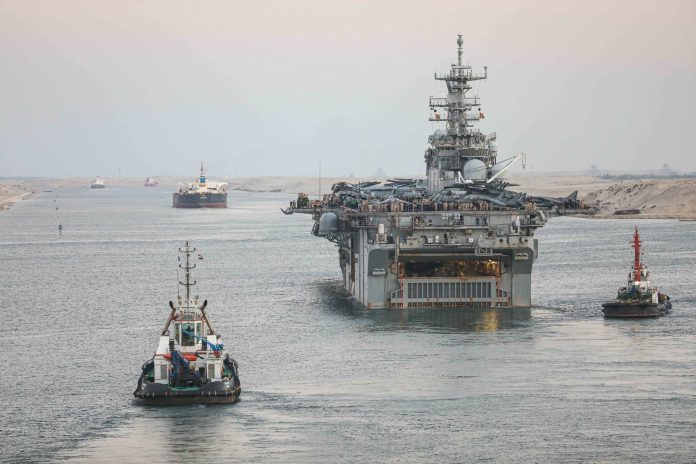
Speaking at an annual military-hosted iftar attended by senior officials, Sisi acknowledged the “difficult circumstances” facing the world and the Middle East, according to a presidency statement.

Despite these challenges, he said Egypt has moved forward “with steady, well-planned steps” over the past 15 years, overcoming economic crises that have affected the global economy as well.

The president underscored the canal’s financial hit, saying, “The state incurs monthly losses of about $800 million from Suez Canal revenues due to the region’s situation.”

Yet he pointed to “positive indicators” in Egypt’s economy, including the International Monetary Fund’s recent approval of a new $1.2 billion tranche.

Finance Minister Ahmed Kouchouk confirmed that the IMF’s executive board greenlit the fourth review of Egypt’s $8 billion loan program.

Egypt previously secured $347 million from the first review and $820 million each from the second and third, totaling $1.98 billion to date.

The IMF deal, initially a $3 billion loan tied to economic reforms in November 2022, expanded to $8 billion in March 2024 as the Gaza war strained Egypt’s finances.

In late December 2024, the presidency reported in a statement a $7 billion drop in Suez Canal revenue for the year, blaming Red Sea and Bab el-Mandeb Strait tensions that disrupted shipping and global trade, following a meeting with canal chief Osama Rabie.

Official data pegged 2023 earnings at $10.25 billion, though 2024 totals remain undisclosed.

Houthi attacks escalated in January 2024, targeting US and Israeli-linked ships “in solidarity with Gaza.”

After Israel breached a Gaza ceasefire and shut crossings in early March, blocking aid during Ramadan, the Houthis resumed strikes on Israeli vessels to pressure Tel Aviv. On Saturday, US President Donald Trump ordered a “major attack” on the Houthis in Yemen in response.

Ex-head of Parliament’s foreign policy committee warns of Iran-U.S. conflict risk 

Iran US Flags

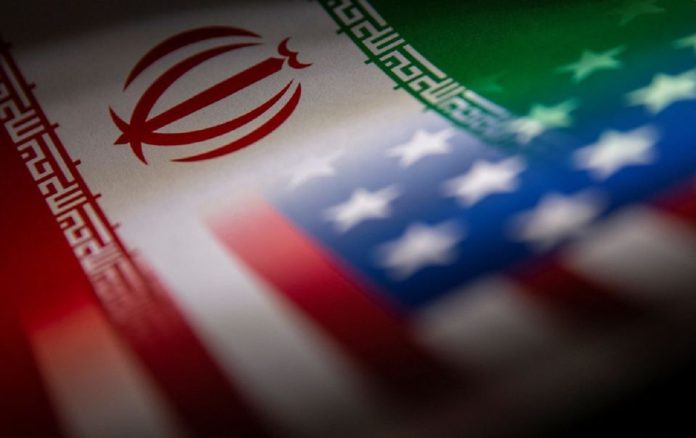
Heshmatollah Falahatpisheh stated, “No country should tie its national security to the actions of other groups. Iran is an independent nation and should not be forced to bear the consequences of actions unrelated to its own interests.”

He criticized voices within Iran that, in his view, have unnecessarily linked regional groups’ activities to Iran, thereby increasing pressure on the country.

Falahatpisheh also pointed to past tensions under former U.S. President Donald Trump, recalling that both nations had been on the brink of war. “During Trump’s first term, we warned that if Iran and the U.S. do not establish a direct channel of communication—a so-called ‘red table’—they could be dragged into a war that neither initiated.”

Regarding U.S. claims that attacks by Yemen’s Houthis are directed by Iran, he called such statements “irresponsible” and emphasized that without dialogue, both nations remain on the edge of conflict.

Falahatpisheh further criticized Iran’s reliance on China and Russia, arguing that Tehran cannot depend on these powers without securing strategic commitments from them. “Any engagement with China and Russia that lacks clear guarantees is merely time-wasting,” he concluded.

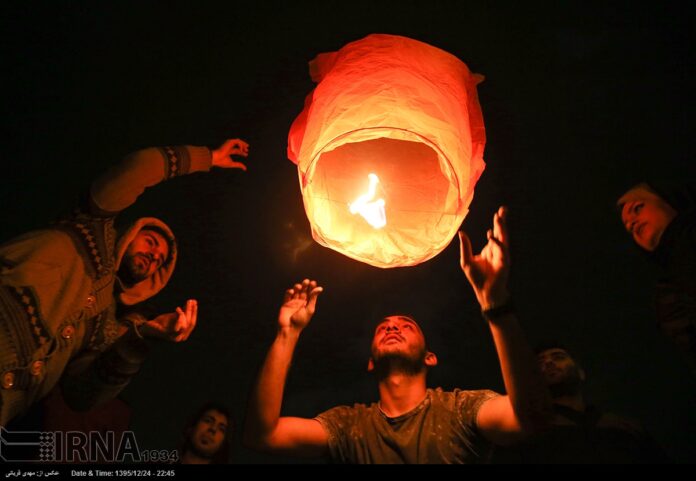
Iranians celebrate Chaharshanbeh Suri, an ancient festival of fire and renewal

Iranian People Celebrate Persian Fire Festival (19)

Rooted in Zoroastrian traditions dating back over 3,000 years, the festival symbolizes the purification of the soul, the triumph of light over darkness, and the renewal of life.

As the sun sets, neighborhoods across Iran are illuminated by the glow of bonfires as a fiery prelude to Nowruz.

Families and friends gather in streets, parks, and open spaces to participate in the ritual of fire-jumping. Leaping over the flames, they chant the traditional phrase, “Zardi-ye man az to, sorkhi-ye to az man” (My yellowness to you, your redness to me), a symbolic act meant to transfer sickness and misfortune to the fire and replace them with warmth, energy, and vitality for the year ahead.

In addition to fire-jumping, the celebration includes other cherished customs. Children and adults light sparklers and fireworks, filling the night sky with bursts of color and light. The festive atmosphere is enhanced by the sharing of ajil, a mixture of nuts, dried fruits, and sweets, which symbolizes abundance and prosperity.

In some regions, people engage in qashoq-zani, a playful tradition where children knock on doors with spoons and receive treats from neighbors.

However, the joyous occasion is not without its challenges. In recent years, safety concerns have prompted authorities to issue warnings about the use of fireworks and fire-related activities, as accidents sometimes lead to injuries or property damage.

Municipalities have organized supervised public events to ensure safer celebrations, while encouraging citizens to preserve the cultural essence of the festival.

Chaharshanbeh Suri holds deep cultural and spiritual significance. It reflects Iran’s ancient connection to nature and the cycles of renewal, as well as the enduring resilience of its people. The festival serves as a unifying force, bringing together Iranians of all ages and backgrounds to celebrate their shared heritage and look forward to the fresh beginnings that Nowruz promises.

As the fires of Chaharshanbeh Suri fade, they leave behind a sense of hope and anticipation for the year ahead. For Iranians, the festival is not just a celebration of fire, but a powerful reminder of their rich history, cultural identity, and the enduring light of community and tradition.

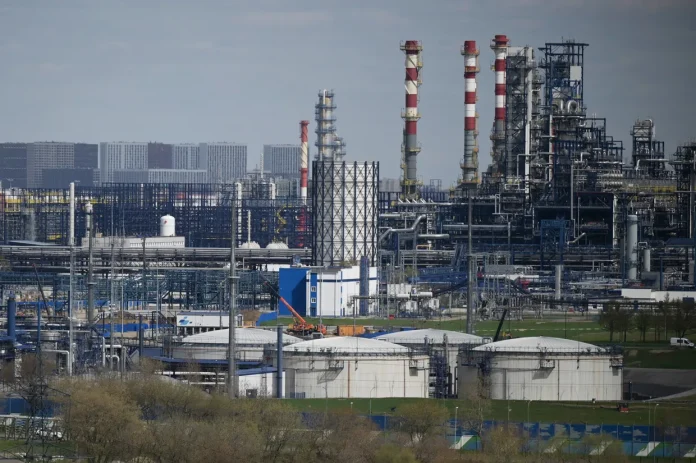
Russian energy giant Gazprom suffered $13.1 billion loss last year: Report

Gazprom’s losses averaged $251 million per week, $35 million per day, or $1.4 million per hour. While the company’s total revenue increased by 11% and its gas revenue by 14%, it still ended the year with a sales loss of 192 billion rubles ($2.3 billion).

The company’s financial troubles were compounded by falling share prices in its subsidiary Gazprom Neft and an increased income tax rate of 25%, which raised deferred tax liabilities.

In 2023, Gazprom posted a net loss under international accounting standards for the first time in 25 years, recording a historic deficit of 629 billion rubles ($7.6 billion).

Despite attempts to maintain its presence in Europe, Gazprom’s gas exports to the EU remained low. In 2023, the company delivered 32 billion cubic meters of gas to Europe, nearly six times less than its peak of over 180 billion cubic meters in 2018-2019.

The downturn has forced Gazprom to implement cost-cutting measures, including mass layoffs. On Jan. 13, Russian media outlet 47News reported that the company was preparing to lay off 1,600 employees from its central office.

Gazprom’s financial woes stem largely from the EU’s decision to reduce reliance on Russian energy following the full-scale invasion of Ukraine.

Compounding its troubles, Russia’s direct pipeline gas supplies to the EU have ceased completely after Ukraine refused to extend its transit agreement with Gazprom beyond Dec. 31, 2024.

Syria, Lebanon agree to ceasefire after cross-border attacks kill 10, injure dozens

The two officials also agreed to strengthen coordination and cooperation between their countries, according to SANA.

The agreement follows an escalation of tensions between Beirut and Syria’s new government. In the past two days, cross-border attacks have killed three Syrians and seven Lebanese, according to the two governments, with 52 people being wounded on the Lebanese side.

On Monday, Syria shelled Lebanese villages on the border after three Syrians died in the northern Lebanese town of Qasr, according to the Lebanese military, which said its forces responded to the attack.

The Syrian shelling also targeted Qasr, Lebanon’s state-run National News Agency reported.

On Sunday, Syria’s defense ministry accused the Lebanese group Hezbollah of kidnapping three Syrian troops from Syrian territory in an ambush, the state news agency SANA reported, adding they were “taken to Lebanese territory and executed on the spot.”

It also claimed that a photographer and reporter were injured on the Syria-Lebanon border after being struck by a “Hezbollah missile.”

The Lebanese army announced that two Syrians were killed at the border and another died in hospital, and that the three bodies were handed over to Syria.

Hezbollah denied involvement in the border clashes, the Lebanese state news agency NNA reported, saying it “has no connection to any events taking place within Syrian territory.”

In response, Lebanon’s presidency noted Monday that tensions on the country’s frontier with Syria “cannot go on.”

“What is happening on the eastern and northeastern borders cannot go on, and we will not accept its continuation,” the presidency wrote on X.

If confirmed to have been conducted by Syria, the attack on Lebanon would mark rare action by Syria’s new government on one of its neighbors. The country’s leader, Ahmed al-Sharaa, has repeatedly said he wants to maintain stability with Syria’s neighbors and has so far refrained from responding to repeated Israeli strikes on his country.

The clashes are a sign of growing tensions at the Lebanon-Syria border, northeast of the Beqaa valley, where predominantly Shiite Lebanese villages have seen skirmishes with Syrian soldiers in recent weeks.

Syria’s new government is led by former militants who ousted the government of Bashar al-Assad late last year. Hezbollah had intervened in Syria during the country’s war to help Assad fight the militants.

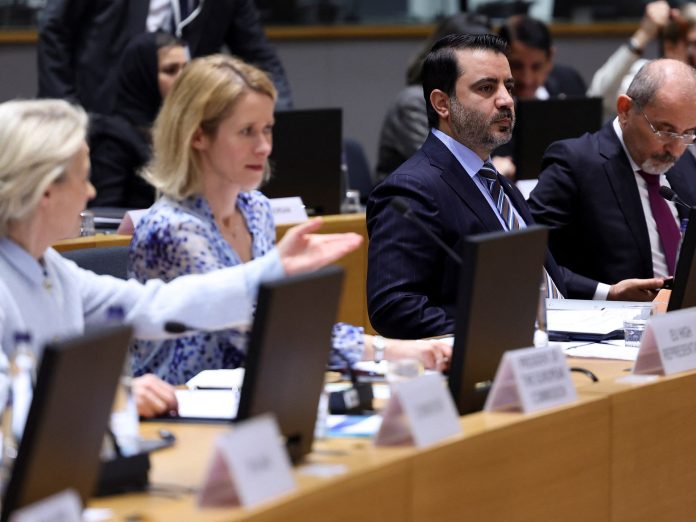
EU, others pledge over $6bn to Syria in post al-Assad donor drive

Western and regional powers participated in Monday’s one-day meeting in Brussels, chaired by EU foreign policy chief Kaja Kallas.

Fourteen years of war killed hundreds of thousands of Syrians, displaced millions more, and decimated the economy.

Among all donors, the EU reported that 5.8 billion euros ($6.3bn) was pledged in aid for Syria.

“Together we have pledged a total of 5.8 billion euros in grants and loans,” said EU Commissioner for the Mediterranean Dubravka Suica, adding that grants accounted for 4.2 billion euros ($4.6bn) and loans 1.6 billion ($1.75bn).

During the meeting, the EU itself vowed to provide about 2.5 billion euros ($2.7bn) in aid to Syria.

“Syrians need greater support, whether they are still abroad, or they decide to go home. And this is why today, the European Union is increasing its pledge for Syrians in the country and in the region to almost 2.5 billion euros for 2025 and 2026,” stated European Commission head Ursula von der Leyen.

German Foreign Minister Annalena Baerbock announced that Berlin would provide an additional 300 million euros ($328m) for the United Nations and other organisations assisting Syrians.

“There can only be a peaceful future for Syria if there is an inclusive political process,” Baerbock said.

The United Kingdom pledged up to 160 million British pounds ($208m) in humanitarian aid to support Syria’s recovery.

The foreign office announced the funds would “help provide Syrians with critical water, food, healthcare, and education in 2025″.

Last year’s donor drive raised 7.5 billion euros ($8.2bn) in grants and loans to help the people of Syria, but efforts to top that number fell short after the United States rolled back its foreign aid budget.

Meanwhile, for the first time, Syria, represented by interim Foreign Minister Asaad Hassan al-Shaibani, attended the meeting, the ninth of its kind.

Syria’s new leadership is attempting to consolidate control over territory that had been devastated and divided for more than a decade.

Last week, gunmen from the Alawite minority sect, loyal to al-Assad, launched an ambush on a Syrian security patrol that sparked the worst bloodshed since the former leader was overthrown in early December.

According to a war monitor, nearly 1,500 civilians, most of them members of the Alawite minority, were killed during the clashes.

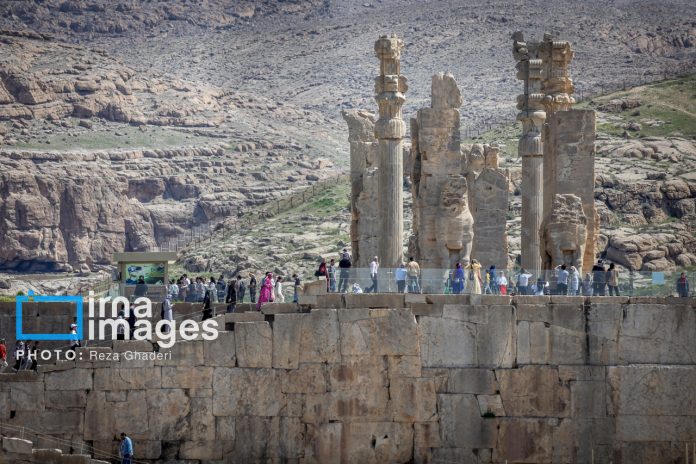
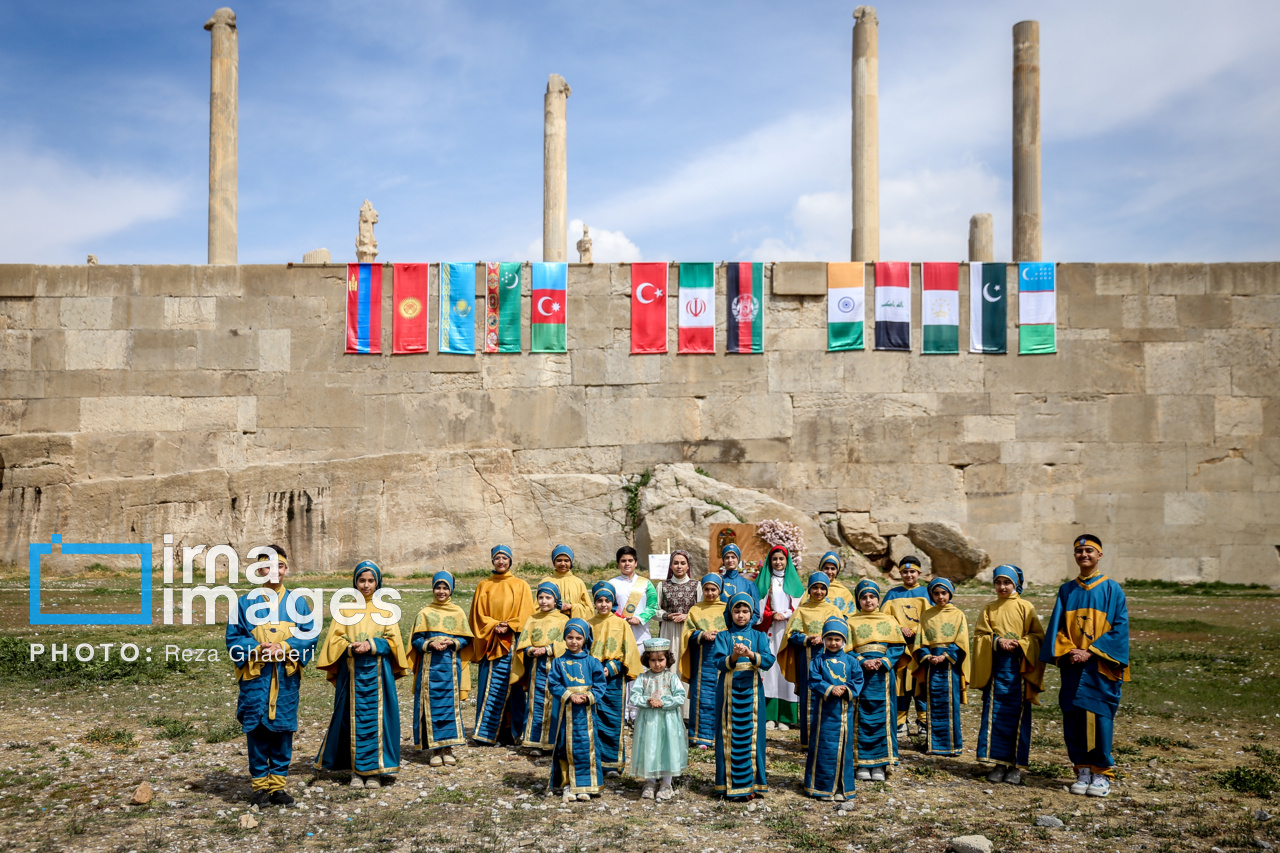
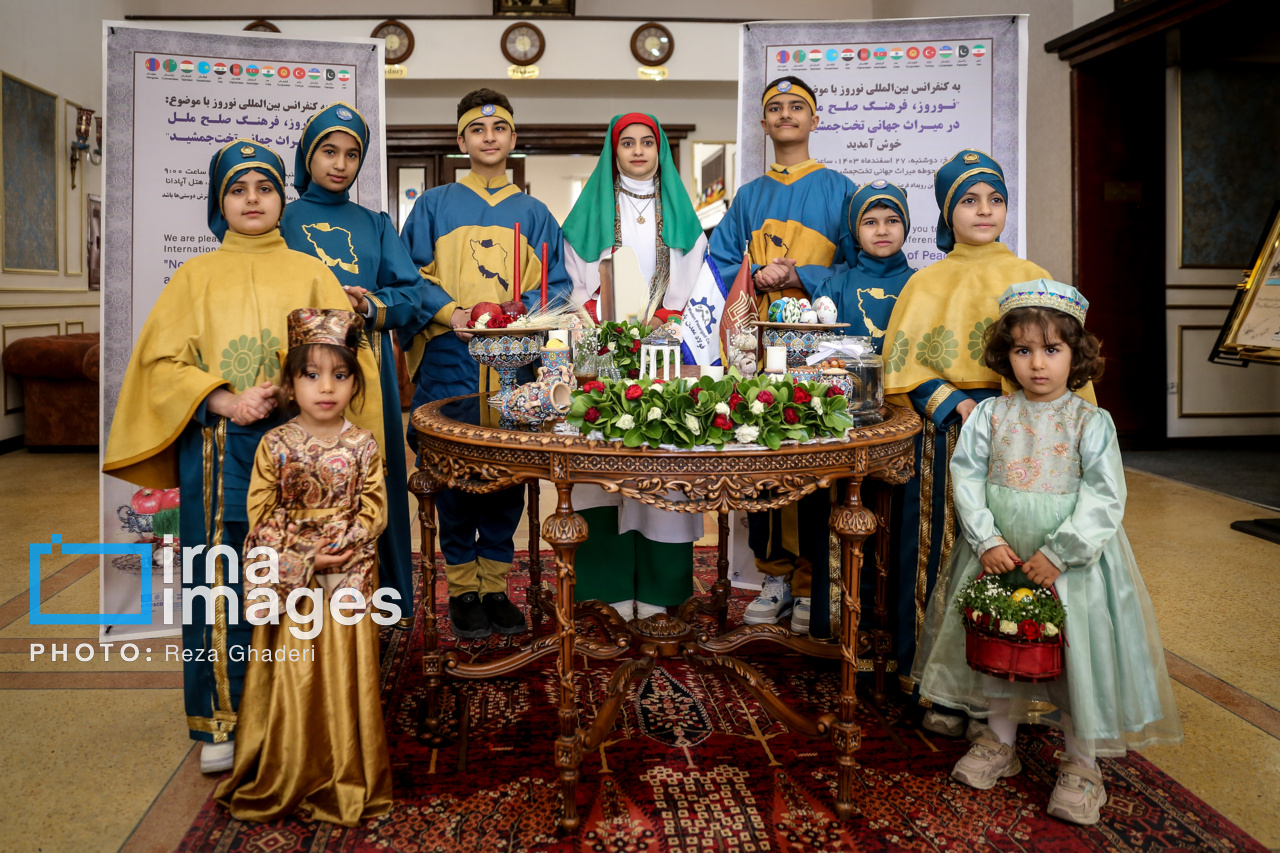
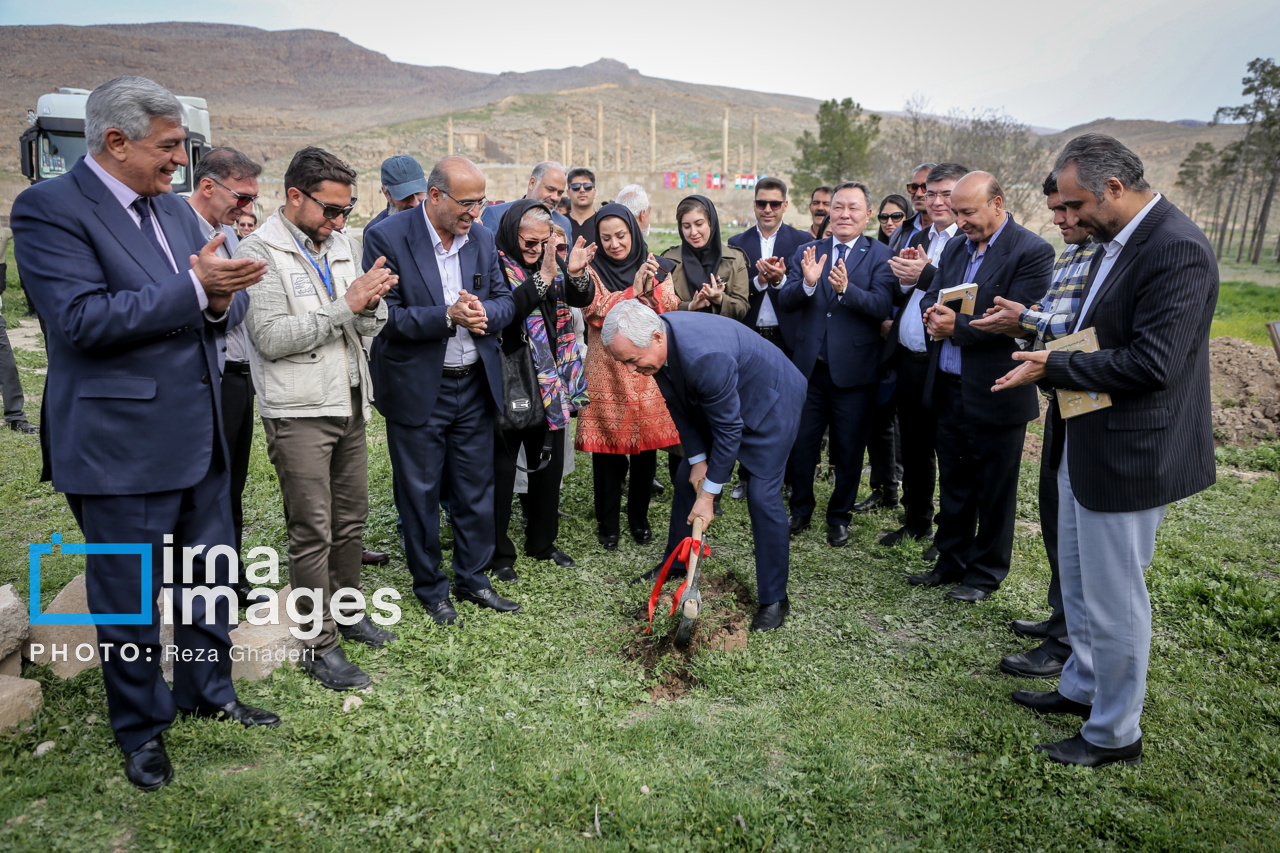
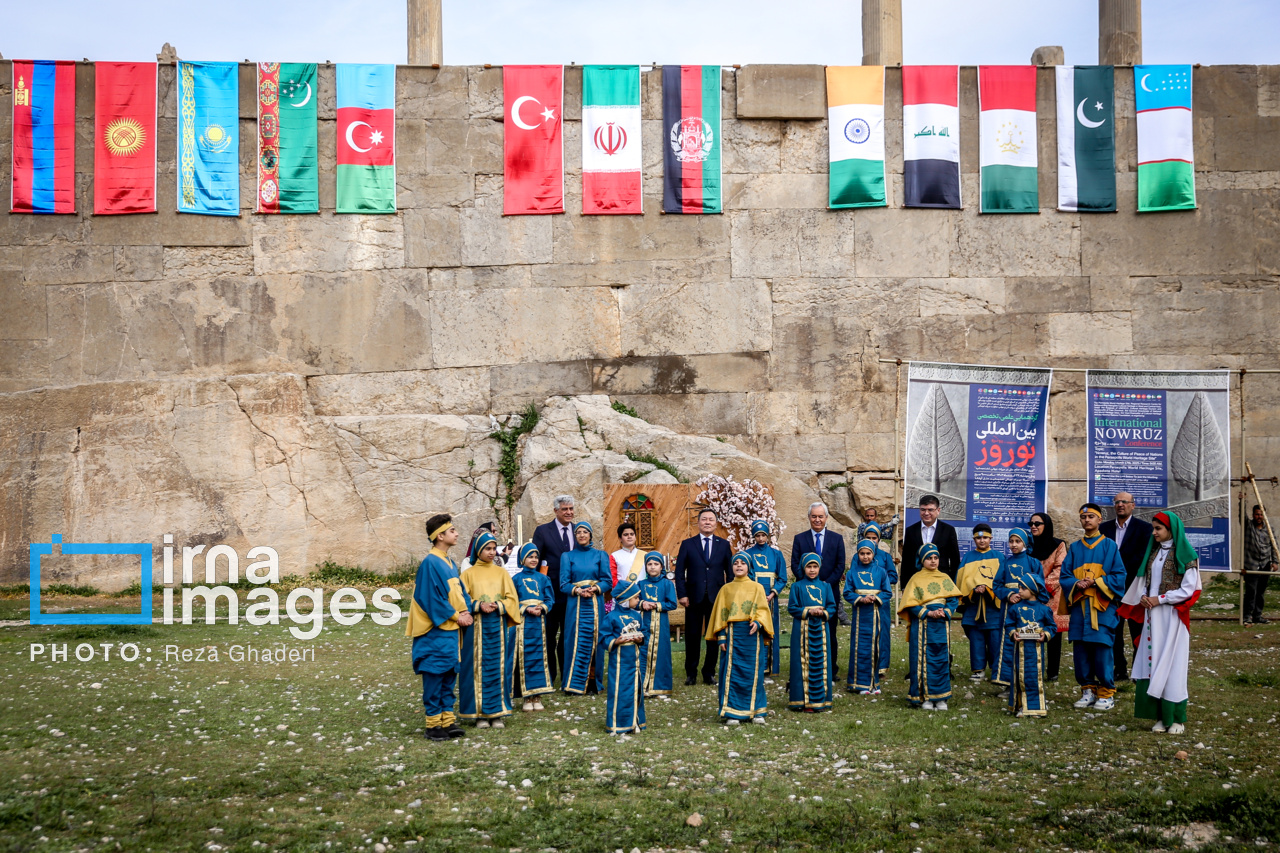
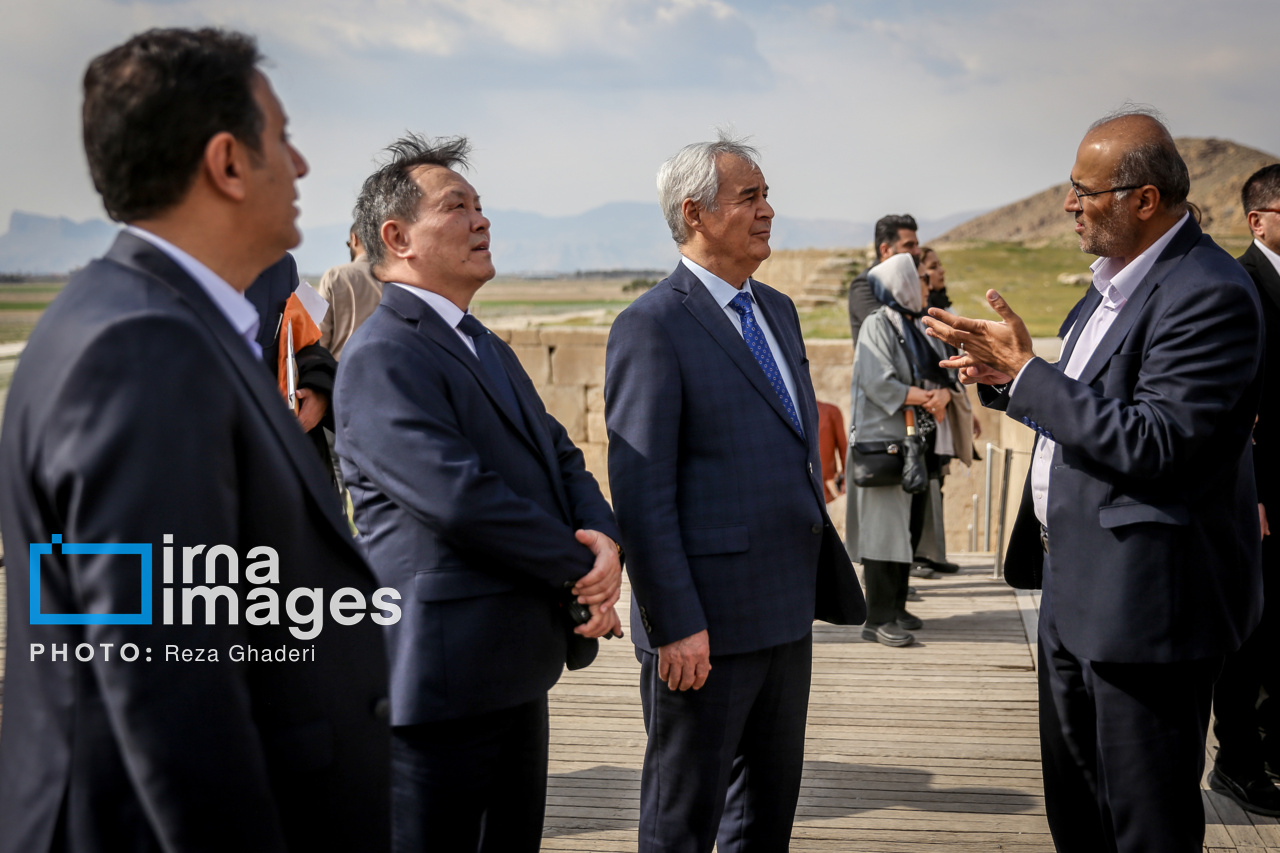
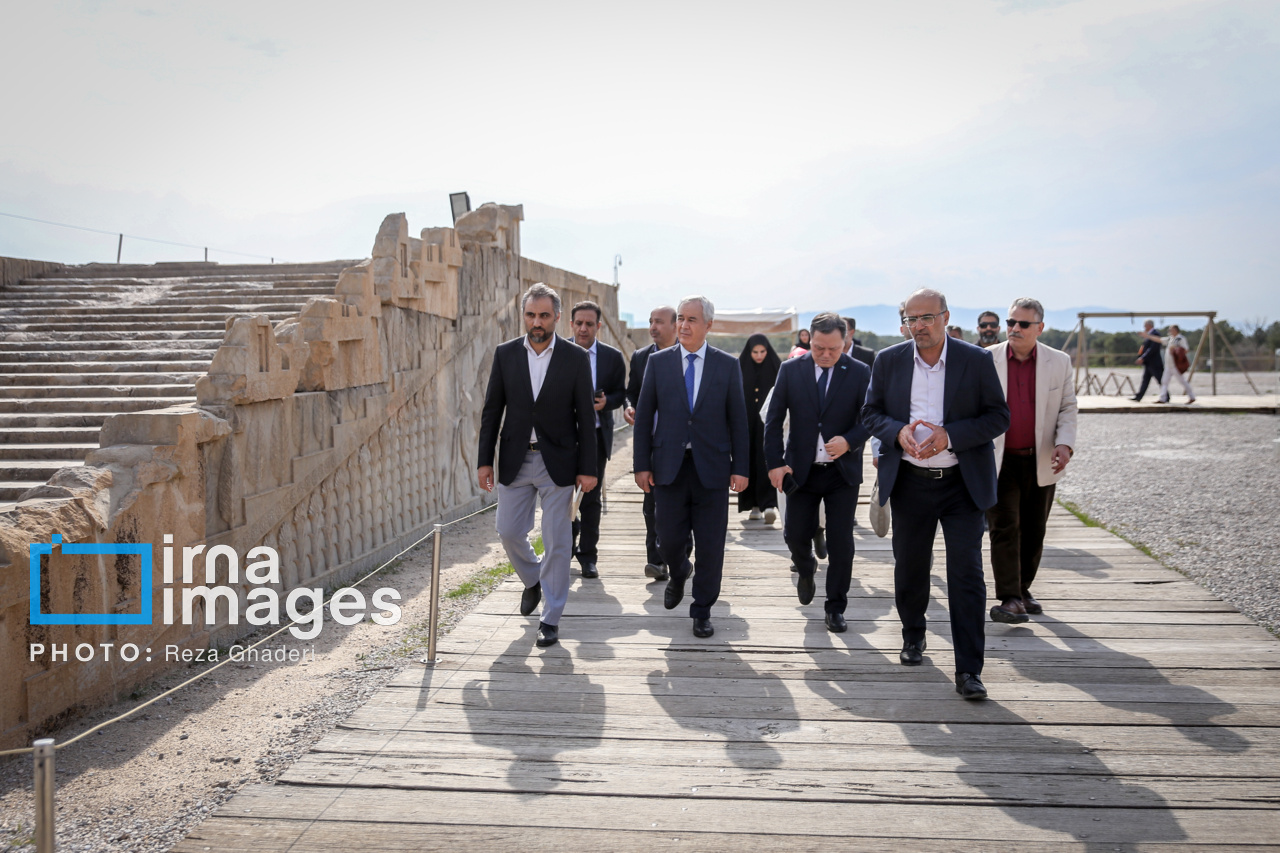
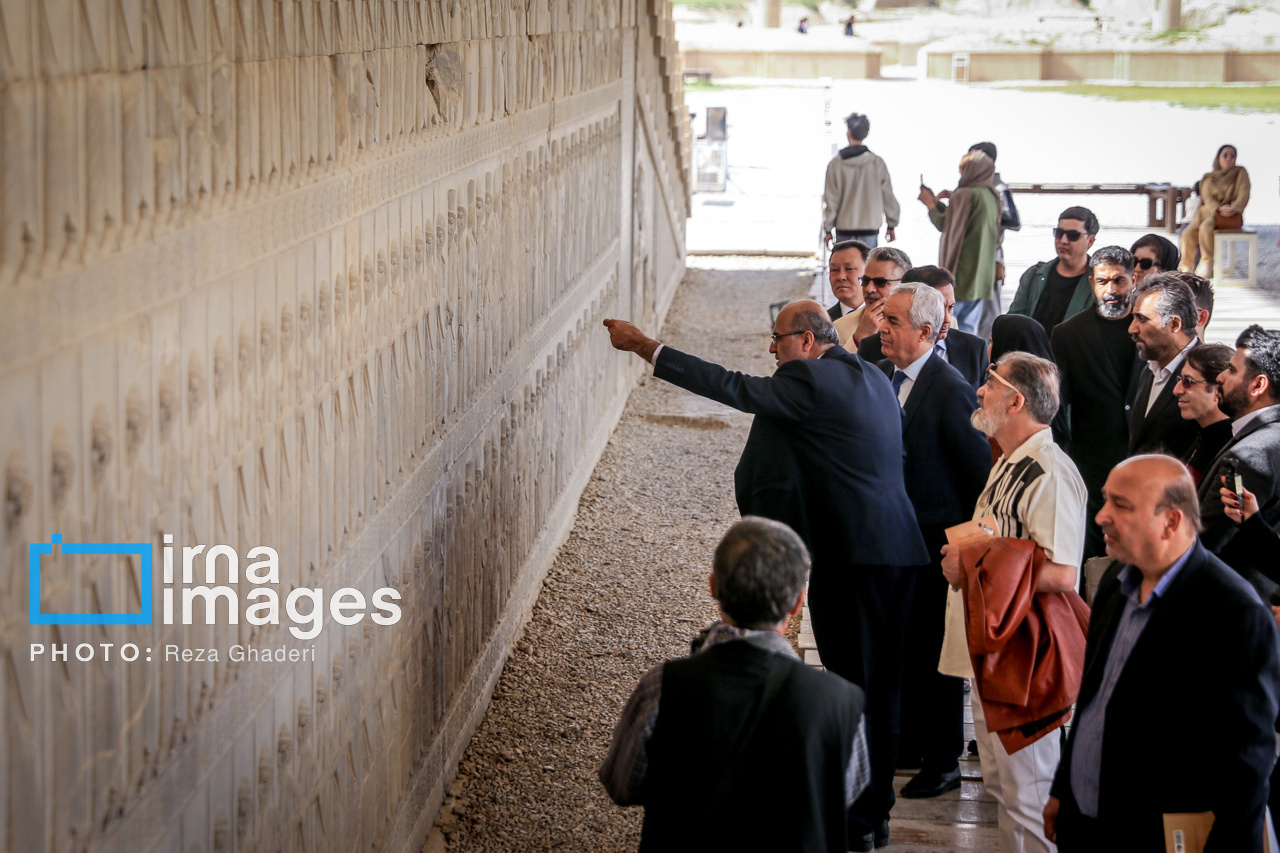
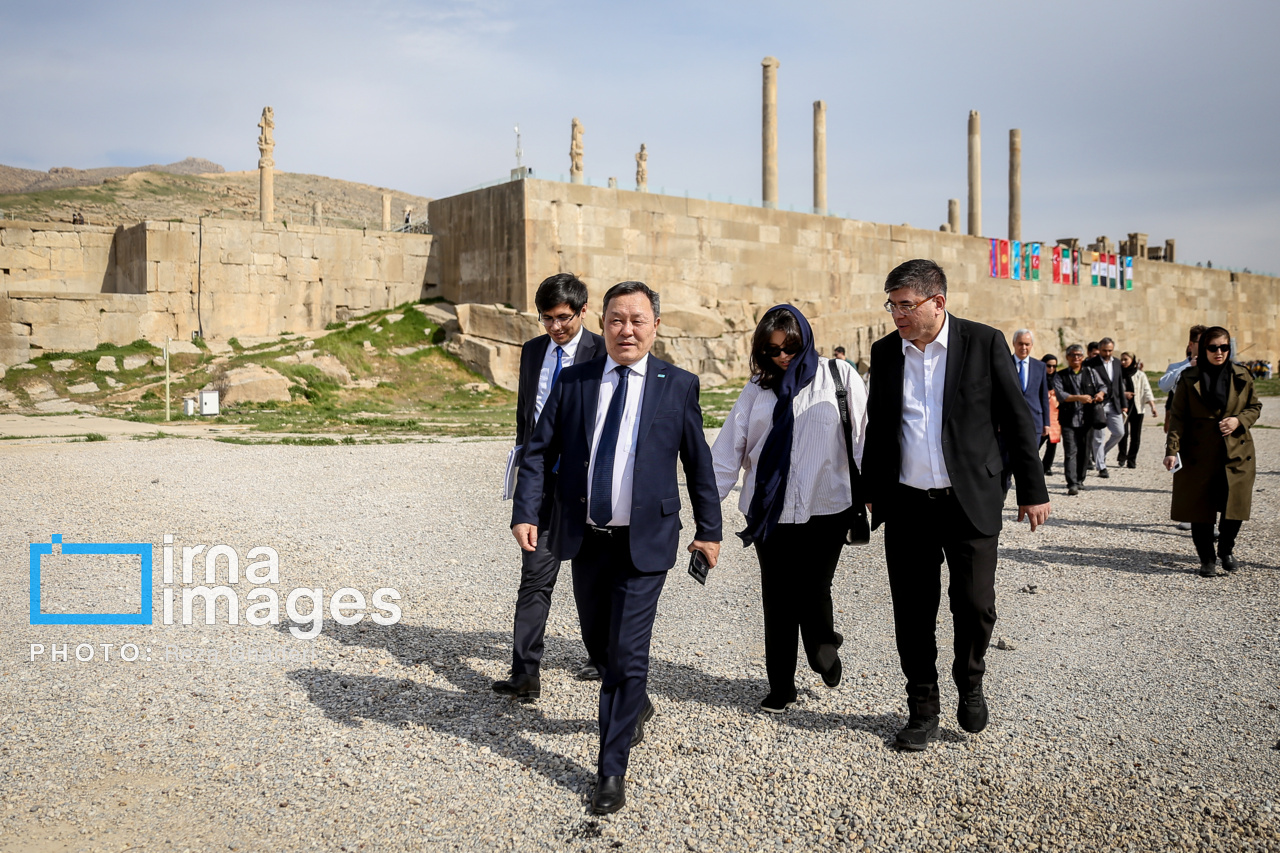
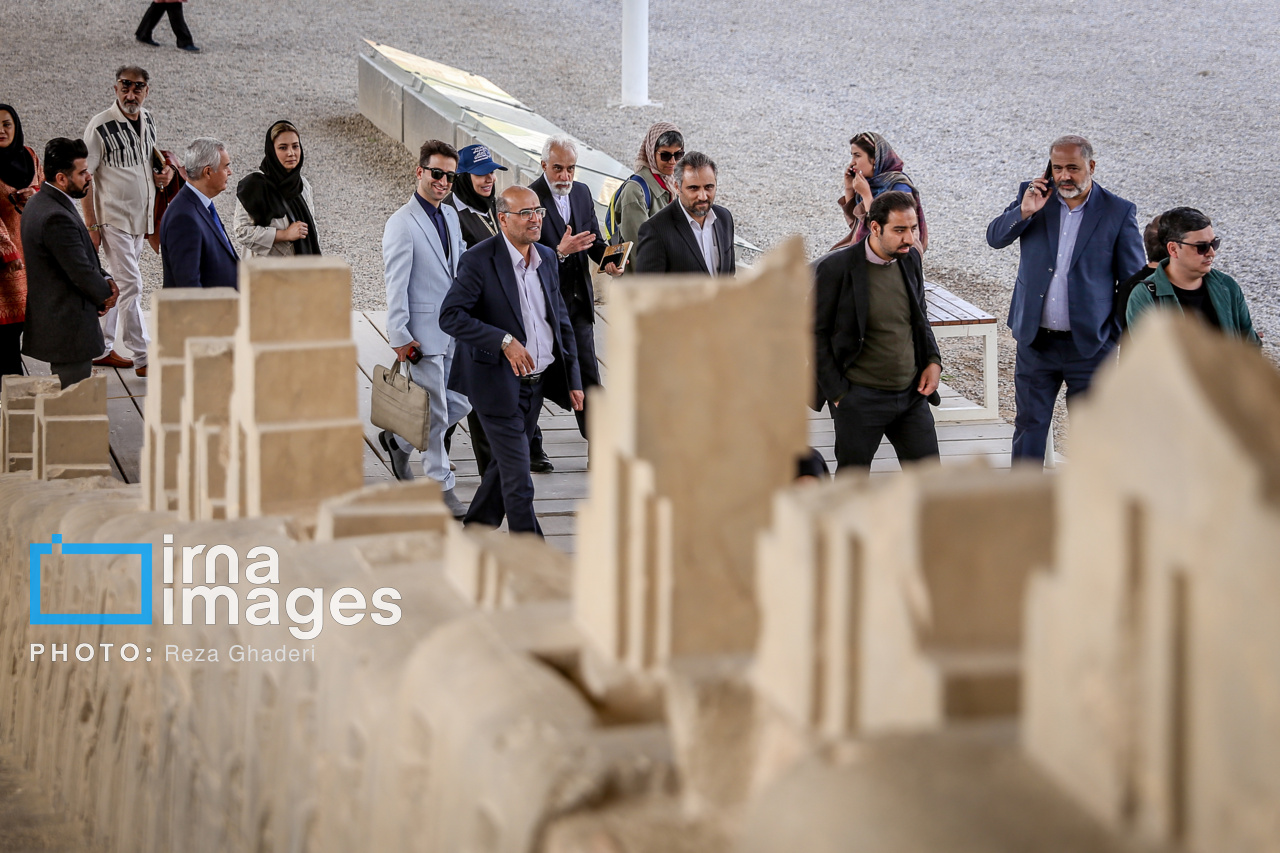
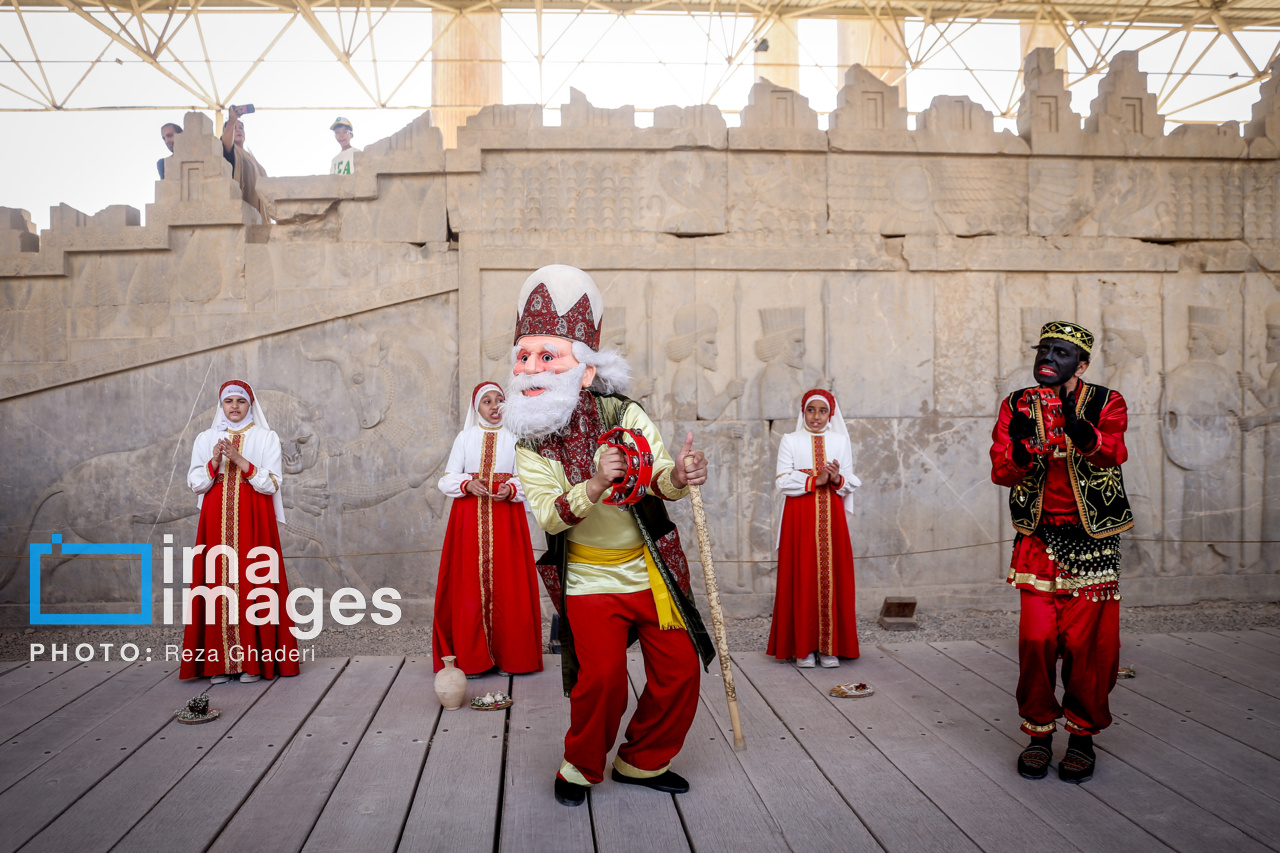
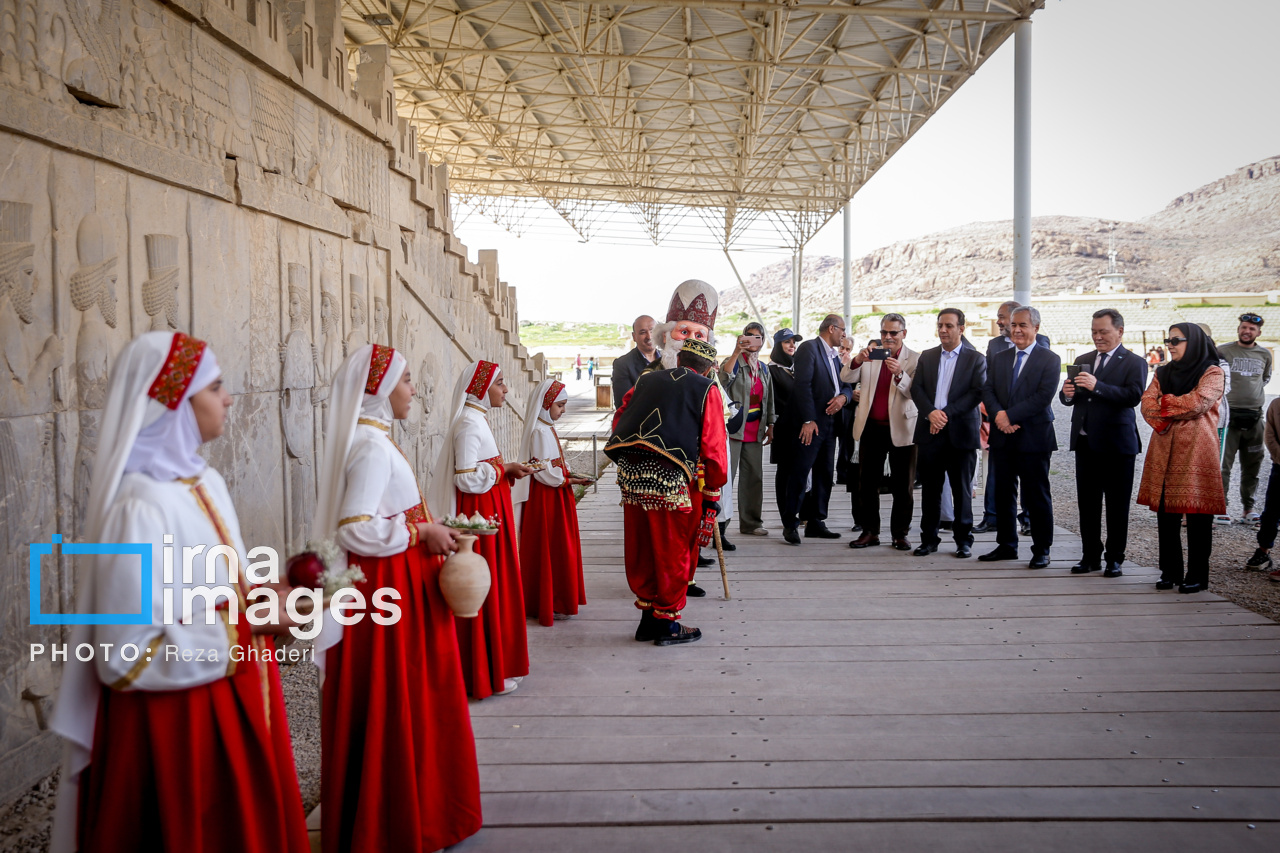
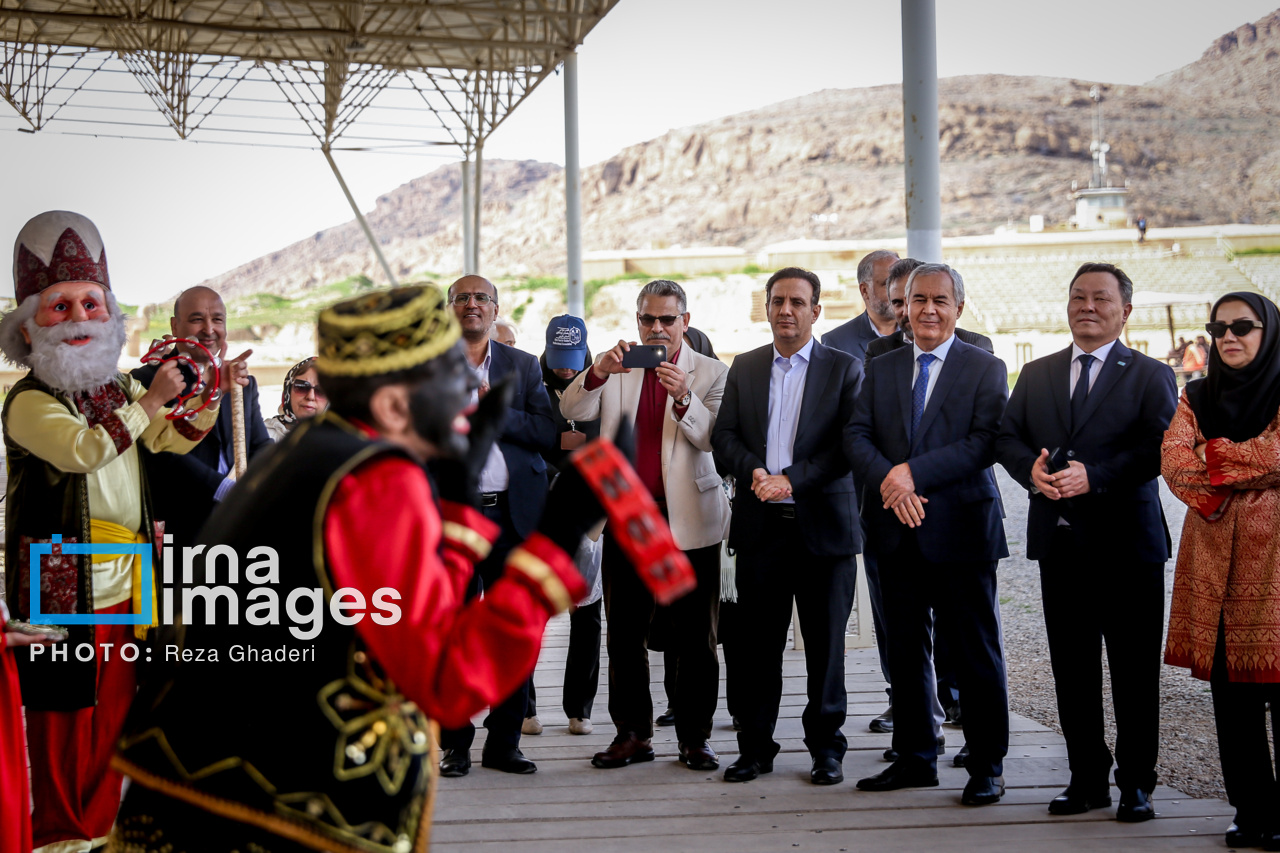
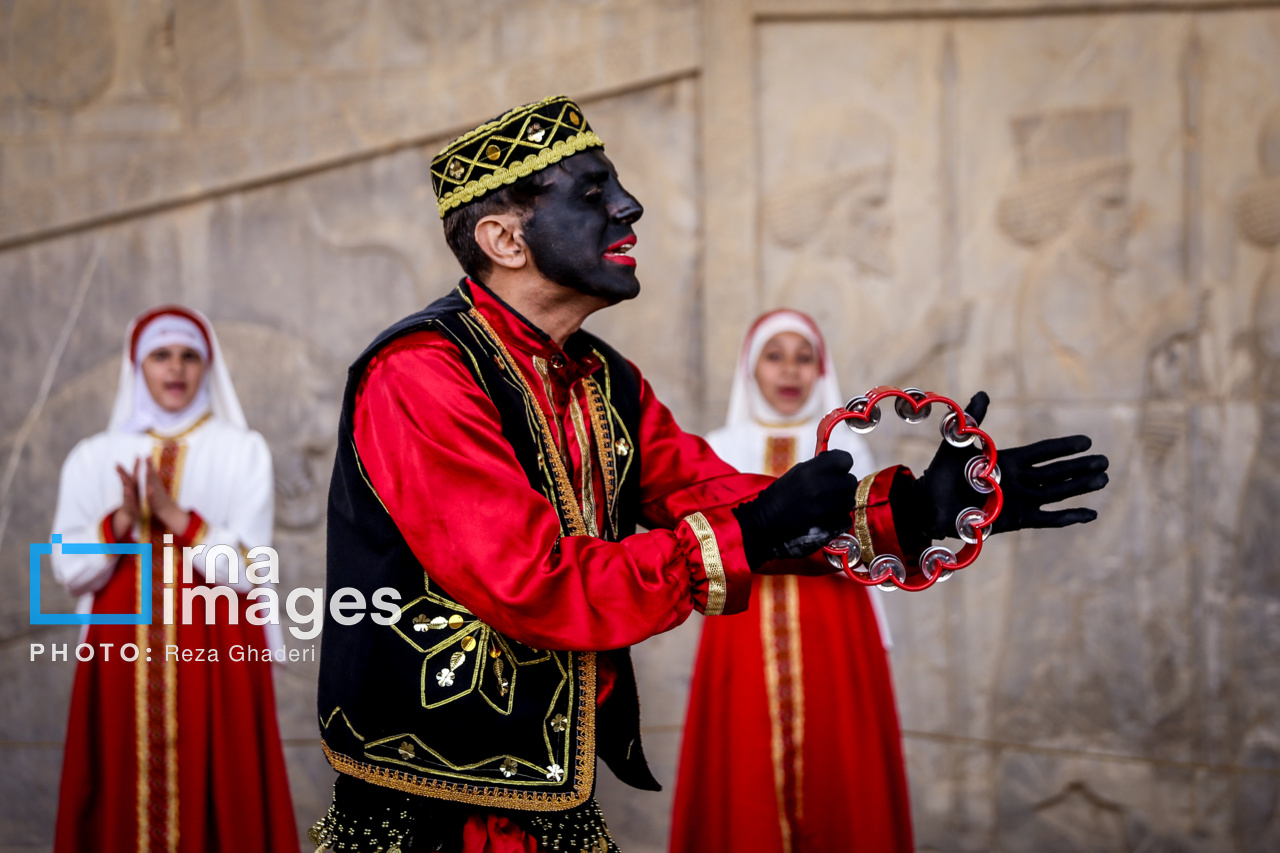
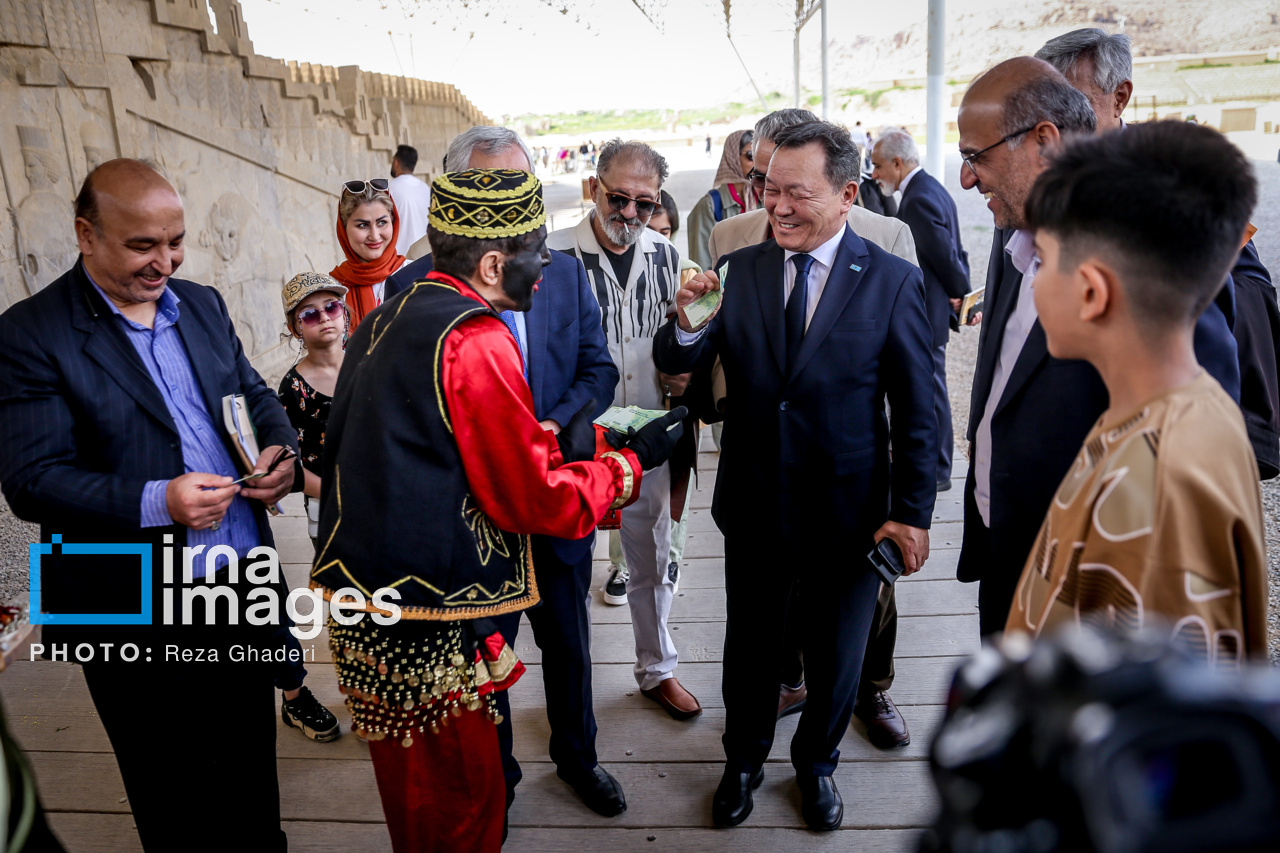
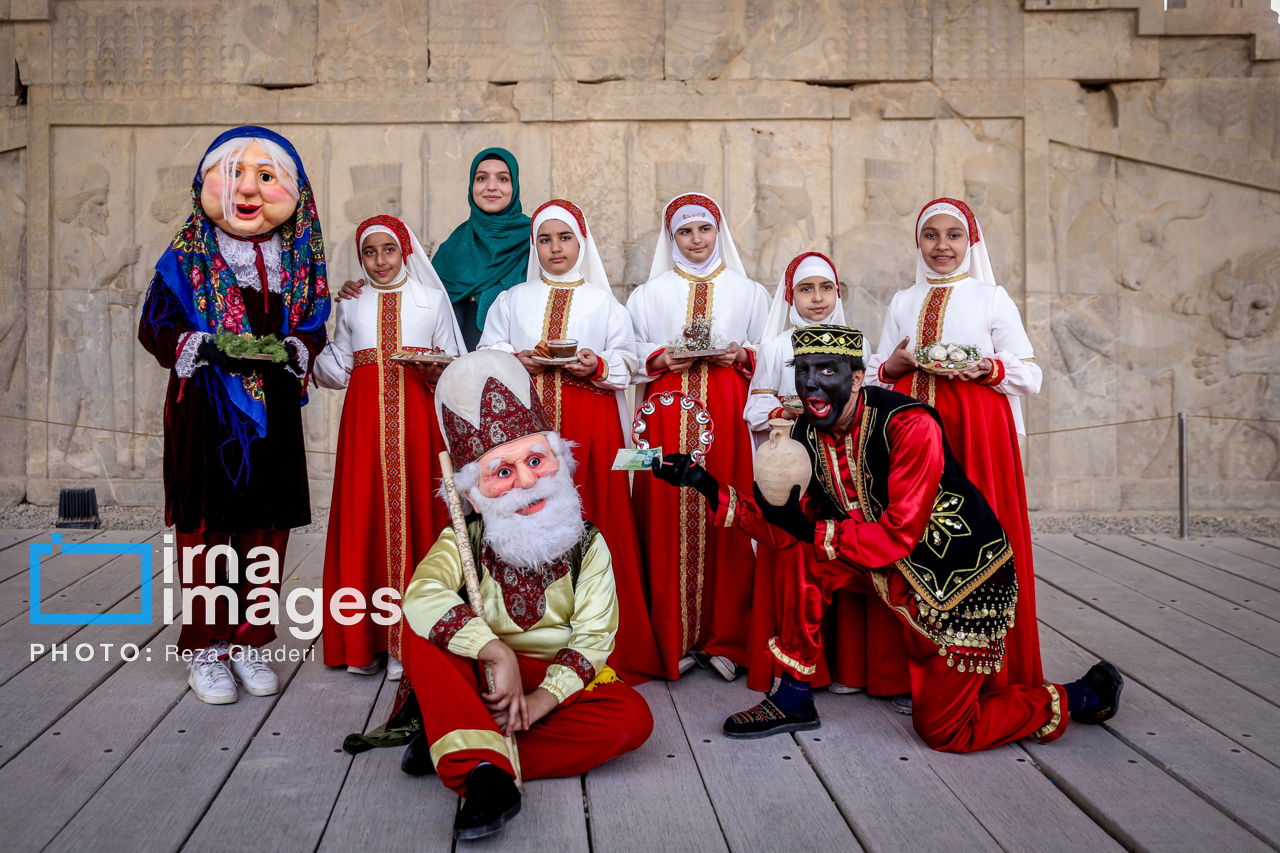
International Nowruz celebration held at Iran’s Persepolis

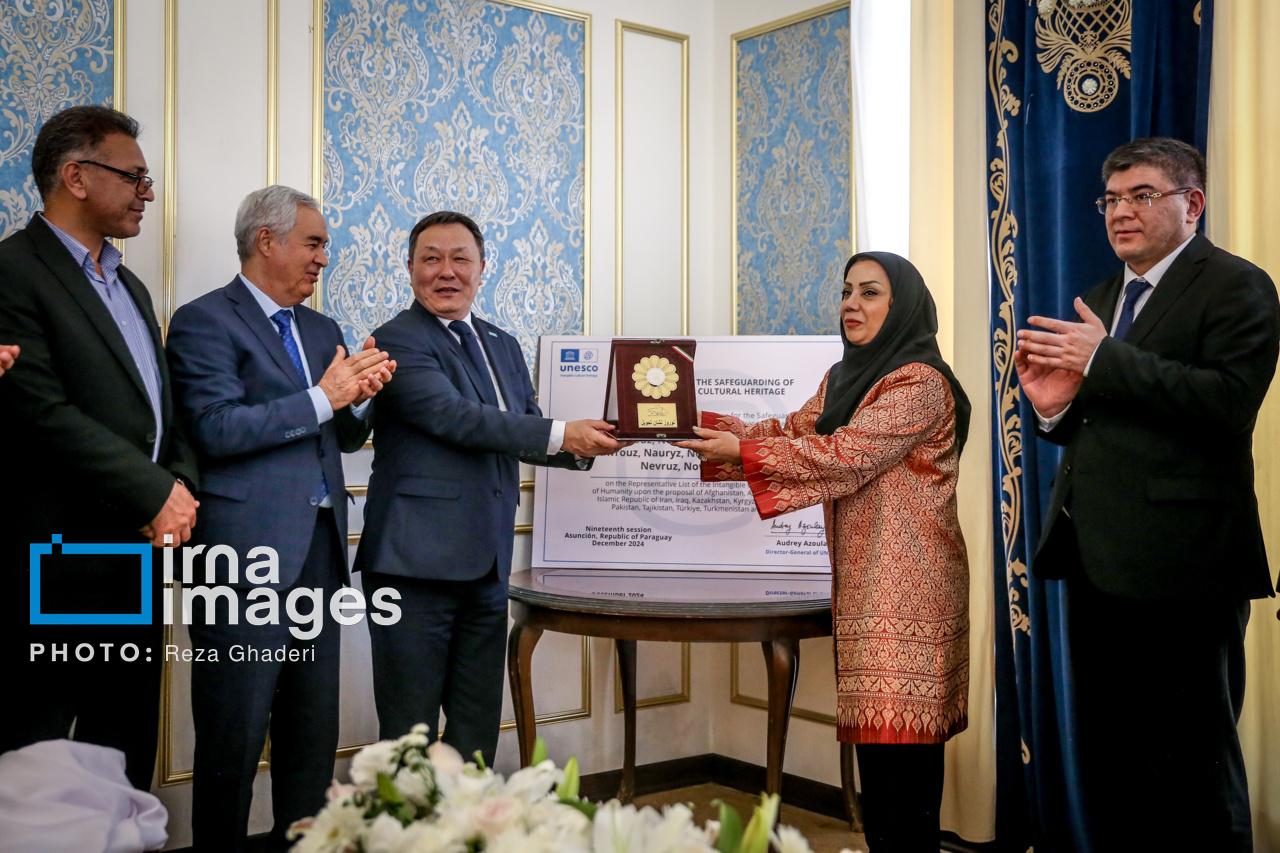
The event was attended by ambassadors from Uzbekistan, Kazakhstan, and Tajikistan, highlighting the cultural significance of Nowruz, the Persian New Year, which marks the arrival of spring and is celebrated across Central Asia and beyond.

During the ceremony, the International Nowruz Symbol was unveiled.

More in pictures: