Tuesday, April 28, 2026
Home Blog Page 4711

What are the reasons behind Saudi Arabia’s hostility to Iran? (PART ONE)

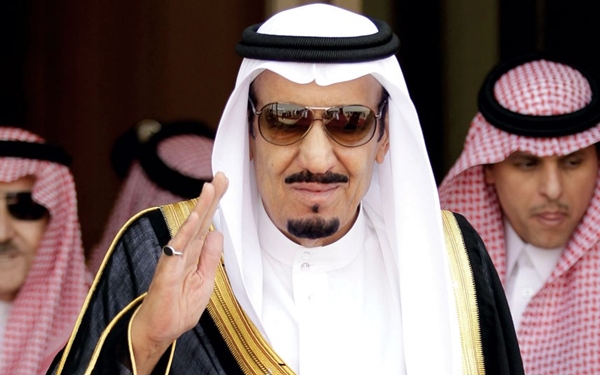
Prince-Salman_2251916k

The hostility of Saudi Arabia toward the Islamic Republic of Iran came to a head with the Mina tragedy. Officials in the kingdom insist on maintaining their hostile attitude instead of walking down the path of realism and being accountable for their mismanagement of the deadly stampede.

Hostile ties between Iran and Saudi Arabia have a long history dating back to when the kingdom was formed. Saudi Arabia’s hostile approaches to Iranian pilgrims and dispute over three Iranian islands [in the Persian Gulf] are classic examples of such historical hostility. This hostile attitude, which has been escalated following the victory of the Islamic Revolution, has shown itself in different forms, from a proxy war to threats to wage war.

Fararu.com on November 10 released a report on the reasons behind the hostility Saudi Arabia nurses against Iran. The following is PART ONE of the partial translation of the report which references an article by the Islamic Revolution Document Center:

Support for Saddam Hossein during the imposed war and attempts to undermine Iran’s interests in Iraq, Syria, Lebanon, etc. are among the measures Saudi Arabia takes to counter Iran. Nonetheless, what Saudi Arabia has done to consolidate its foothold in the region – to bring to power a government in Iraq with close ties with Al Saud family; to separate Syria from Iran; to stop Hezbollah in Lebanon from gaining power, to name only a few – has done little to help it achieve its stated objectives, even through open support for ISIS.

Reasons behind Saudi hostility toward Iran are as follows:

1. Changing the Persian Gulf’s name

[…] A number of countries, including Saudi Arabia, use the term “Arabian Gulf”, which is a fake name, instead of the Persian Gulf. All fabrications by the Arab countries come in line with longer-term objectives such as tribal disputes directly plotted by Britain. To prove that the British hands are at work, we can say that all through these years the British embassies in Arab countries have adopted conflicting stances fuelling the differences, with protests by Iran and Iran-lovers leading nowhere.

2. Saudi role in separation of Bahrain from Iran

[…] Bahrain was part of Iranian territory until 1957 when it was separated from mainland Iran thanks to interferences by the British government. History shows that the Iranian government held no sway in Bahrain from the start of the Qajar era because of the presence of colonial powers. In fact, Bahrain was under the influence of Britain with the Iranian government maintaining its nominal sovereignty over its islands. […]

After Iran declared Bahrain its 14th province in 1957, Saudi Arabia tried to separate Bahrain from Iran by setting up a union of which Bahrain was an independent member. […] In 1968, the [then] Saudi king welcomed the emir of Bahrain as the head of state. […] Eventually the Iranian government renounced its claim to Bahrain. It was either because it was afraid of the US and Britain, or it was preparing Arab nations to accept Iran’s offer to trade Bahrain for the islands of Abu Musa, the Greater and Lesser Tunbs. As a result, Bahrain was separated from Iran through a distorted referendum.

3. Triple Persian Gulf islands

[…] Since 1992, Saudi Arabia has supported baseless claims by the UAE to the three Iranian islands [in the Persian Gulf], saying that Iran’s takeover in 1971 of these islands from Britain has had expansionist intentions. […] Unfounded claims by the UAE which have the backing of Arab rulers are repeated each year.

4. Saudi Arabia’s downright hostility to Islamic Republic

[…] Post-revolutionary Iran’s ideas such as establishment of a global government of Islam, negation of domination, support for the oppressed, etc. drew reactions first from authoritarian governments such as that of Saudi Arabia. Propaganda by Arab nations against Shiite Iran and news on human rights violations in Iran influenced the public opinion in the Arab world.

[…] Opponents of the Islamic Revolution, especially in Saudi Arabia, took advantage of any development inside and outside the kingdom to undermine the revolution in court of public opinion. […]

5. Fight against ideals of Islamic Revolution

[…] Thanks to its oil and Hajj revenues, the Al Saud government has spent staggering amounts of money on promoting Wahhabism, which paints a conservative picture of Islam. The Saudi clerics – backed by Riyadh and the West – have tried to offset the Pure Muhammadan Islam which is championed by the Islamic Republic.

[…] Iran is facing regional rivals such as Turkey, Saudi Arabia and Egypt. Turkey is the leading country from an economic point of view, but Saudi Arabia is unique among Middle Eastern countries for its socio-cultural structure in which different tribes and sects – with their traditional and religious teachings –have created a special culture.

6. Cooperation with the US in Tabas Desert

Following the failure of the US government to release the Americans taken hostage during the 1979 takeover of the US embassy in Tehran by Iranian university students, President Jimmy Carter ordered the launch of an operation to release the hostages. The Delta Force carried out Operation Eagle Claw [in vain] to release the hostages in Tehran.

[…]

Later Zbigniew Brzezinski [an American political scientist] pointed to the cooperation of Egypt and a few other countries [in this plot] saying that a friendly nation cooperated with the US and a few other regional countries indirectly helped the US in this operation. […] He refused to name names, but the Iranian students said that Saudi Arabia, Turkey, Oman and Pakistan participated in the US operation, citing some documents which survived the US bombing of the helicopters which crashed in the botched rescue attempt. […]

7. Historic disrespect for Iranian pilgrims in 1943

– Disrespect for Iranian pilgrims and the killing of an Iranian pilgrim

[…]

In 1943, Iran and Saudi Arabia severed their diplomatic ties due to the killing of an Iranian pilgrim in Saudi Arabia.

– Massacre of Iranian Hajj pilgrims in 1987

[…] In 1987, Saudi security forces killed as many as 400 Iranian and non-Iranian pilgrims. This disaster escalated hostility between Iran and Saudi Arabia. The late Imam Khomeini slammed Saudi Arabia as the symbol of the so-called US-style and Royal Islam. […]

The massacre of Iranian pilgrims dealt the heaviest blow to ties between the two countries. The late Imam Khomeini said the crime Riyadh committed in this incident is unforgivable. […]
Commander: Enemy never dares to attack Iran

13940820001013_PhotoI

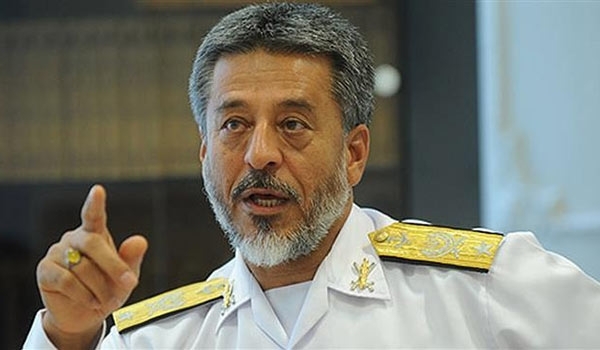
Iranian Navy Commander Rear Admiral Habibollah Sayyari said the enemies do not dare to attack Iran because they are well aware of the Iranian Armed Forces’ preparedness.

“No enemy will dare to give a dirty look to Iran due to the extent of the Iranian Armed Forces’ readiness,” Admiral Sayyari said, addressing the Navy personnel in the southern city of Sirjan in Kerman province on Wednesday.

The Iranian Navy commander underlined the full preparedness of his forces to confront and defeat all types of enemies and under any condition.

Last week, Iranian Defense Minister Brigadier General Hossein Dehghan underlined the Armed Forces’ capability to give a rapid and crushing response to any enemy threat.

“The Iranian Armed Forces are able to control and repel threats decisively and swiftly in accordance with their level and type,” Dehghan said, addressing a gathering Iran’s diplomatic corps abroad.

He also underscored the country’s huge progress in the past few years in building different weapons and military equipment to defend itself.

[…]
 

Saudi must stop mischievous acts against Iran: Shamkhani

7e939777-faff-41c9-a76b-315539342ebb

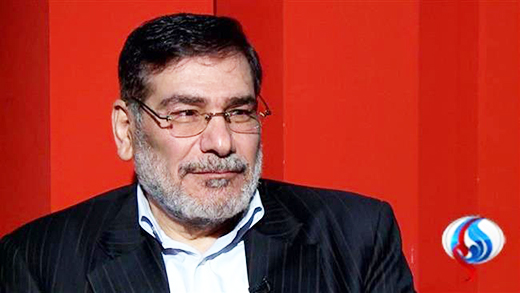
Secretary of Iran’s Supreme National Security Council Ali Shamkhani says the Saudi regime has to “stop acting mischievously” against the Islamic Republic if Riyadh seeks settlement of differences with Tehran.
Saudi Arabia takes “unfavorable actions” inside Iran, the website of Iranian al-Alam Arabic-language news channel quoted Shamkhani as saying in an interview with the network .
Referring to a recent terrorist attack in Iran’s southwestern province of Khuzestan, he said the perpetrators had been funded by the Saudi security service.
At least two people were killed and two others sustained injuries after masked assailants opened fire on a group of people who were holding a mourning ceremony for Imam Hussein, the third Shia imam, in the city of Safiabad, located in Dezful county in Khuzestan, on October 16.
Shamkhani further said Saudi money is instrumental in Syria, which is in the grip of a deadly foreign-sponsored conflict that erupted in March 2011, adding that Riyadh is also bombing the defenseless people of Yemen.
The relentless bombardment of the impoverished nation, which started on March 26, without any international mandate, has been meant to undermine Houthi Ansarullah movement and restore power to the fugitive former Yemeni president and a major ally of Saudi Arabia, Abd Rabbuh Mansour Hadi.
Shamkhani, however, stressed that Iran and Saudi Arabia enjoy good historical relations and that the rift in the Muslim world must be healed.
He also pointed to the upcoming round of talks on Syria in Vienna, Austria, planned for November 14, saying that the Islamic Republic will support the Syrian people’s opinion about the future of Syrian President Bashar al-Assad.
During the previous round of talks on October 30, the participants, including the United States, Russia and Iran, agreed to push forward a peace plan for Syria that would include a ceasefire.
However, the talks failed to reach consensus over the role President Assad would play in Syria’s political process. While some countries want the removal of the Syrian leader as part of a solution to the issue, Iran and Russia say only the Syrian nation can have a say on that matter.
Shamkhani said the West has sought in vain to topple the Syrian government since 2011 militarily, adding that the same governments are now seeking the ouster of Assad politically.
The foreign-backed militancy in Syria, which flared in March 2011, has so far claimed the lives of over 250,000 people and displaced hundreds of thousands.

People should be discussed in Syria talks, not Assad: President Rouhani

Rouhani-message

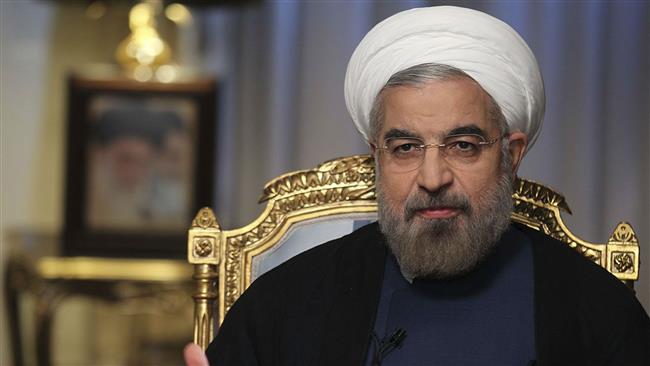
Iranian President Hassan Rouhani says discussions on the crisis in Syria should focus on the Syrian people and not President Bashar al-Assad.
“It’s not about a person. It’s about a nation; it’s about the Syrian nation. It’s about security and stability for Syria,” President Rouhani said in a Wednesday interview with TV channel France 2 and French radio Europe 1, according to excerpts broadcast by the two outlets.
His remarks came ahead of a new round of international talks on Syria in the Austrian capital, Vienna, on Saturday. The talks will bring together some 20 countries and international bodies to try to agree on a roadmap for peace.
The Iranian president also stressed that all sides attending the talks need to make efforts to eradicate terrorism in Syria and make it possible for peace and stability to return to the region.
He said certain people are trying to divert the debate on Syria away from the questions that matter.
Previous negotiations on the Syrian crisis were held in Vienna on October 30, bringing together top diplomats from 17 countries, including Iran, as well as envoys from the United Nations (UN) and the European Union (EU).
The participants agreed on the necessity of respect for Syria’s unity and sovereignty as well as the eradication of the extremist groups operating in the Arab country, stressing that the political process to end the bloodshed there “will be Syrian-led and Syrian-owned.”
Syria has suffered from over four years of foreign-backed militancy.
The Arab country is experiencing a relative ease from the turmoil as the government forces have made significant gains against Daesh (ISIS) and other terrorist groups under a six-week air cover provided by Russia.
The crisis in Syria, which flared in March 2011, has so far claimed the lives of over 250,000 people and displaced nearly half of the country’s population within or out of its borders.

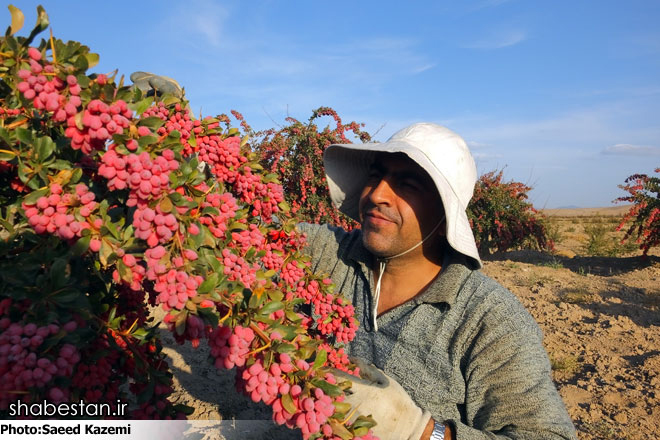
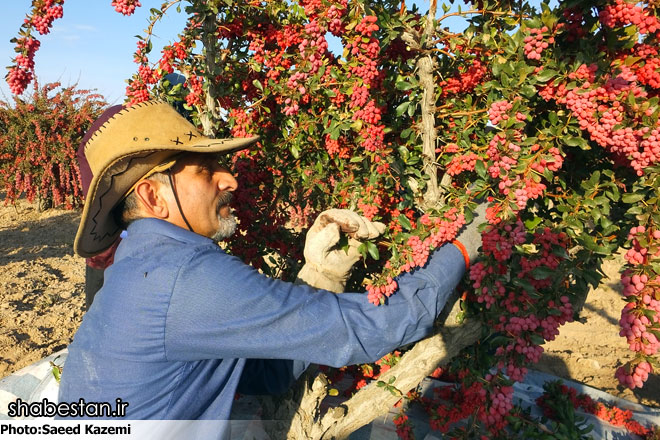
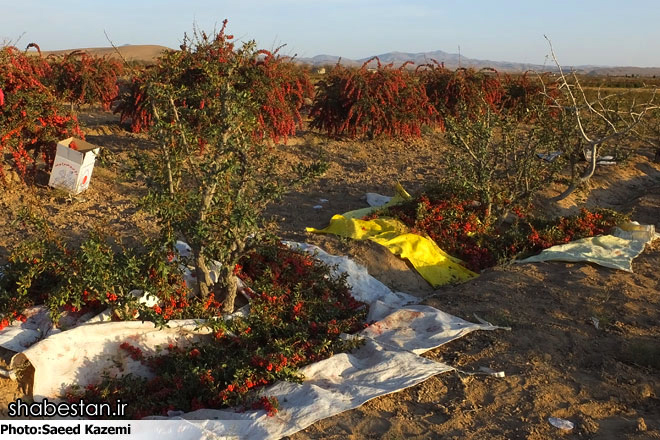
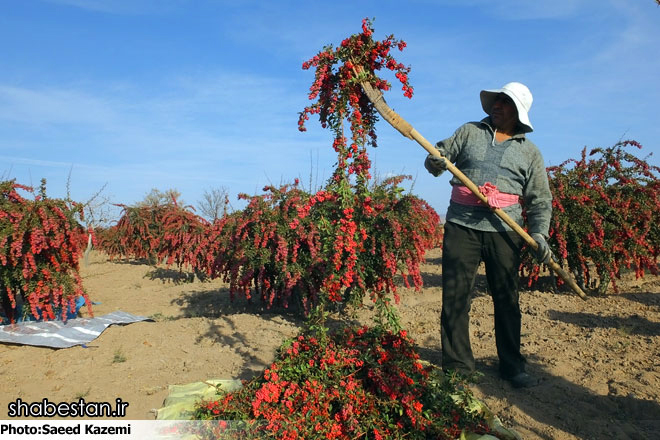
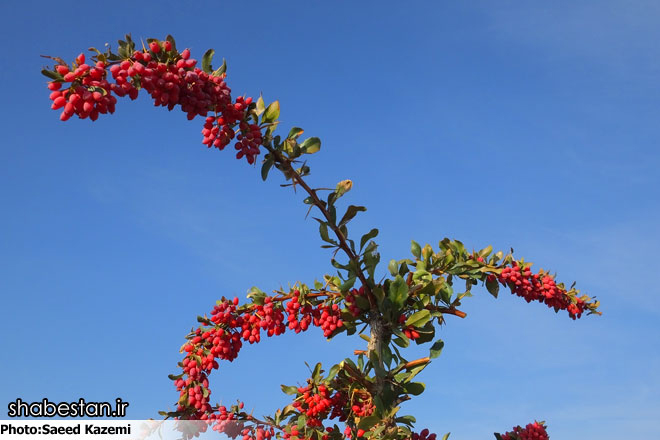
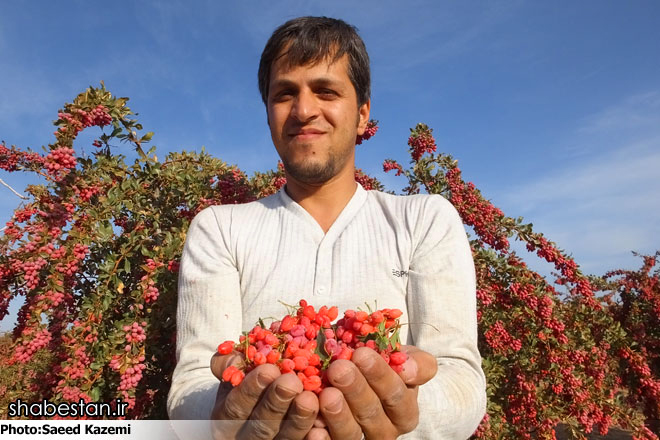
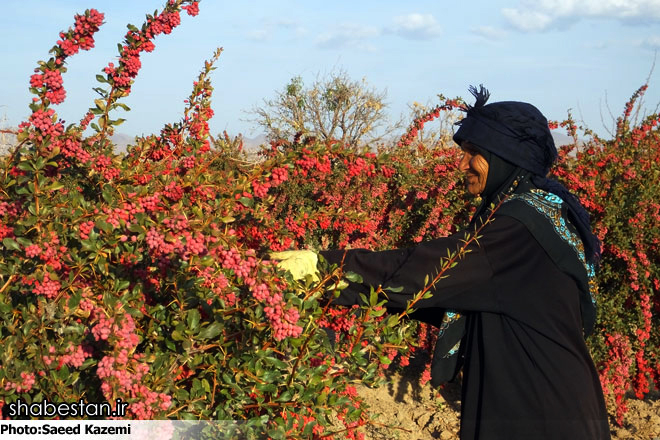
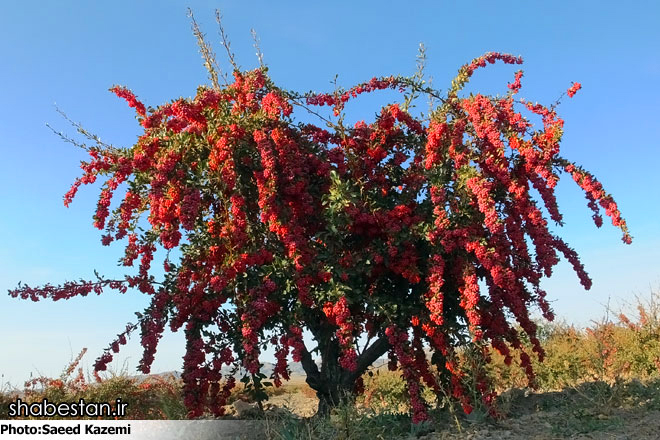
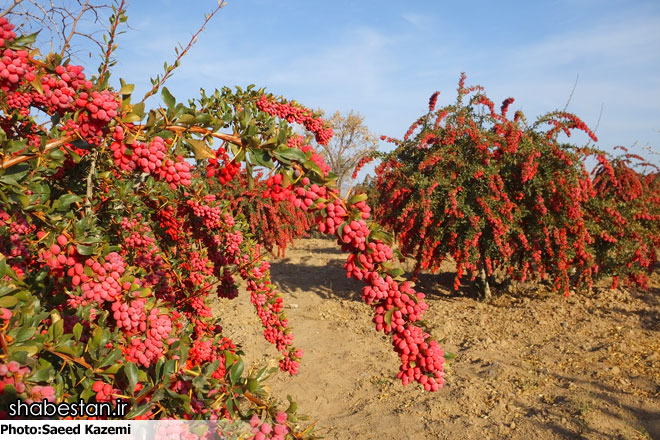
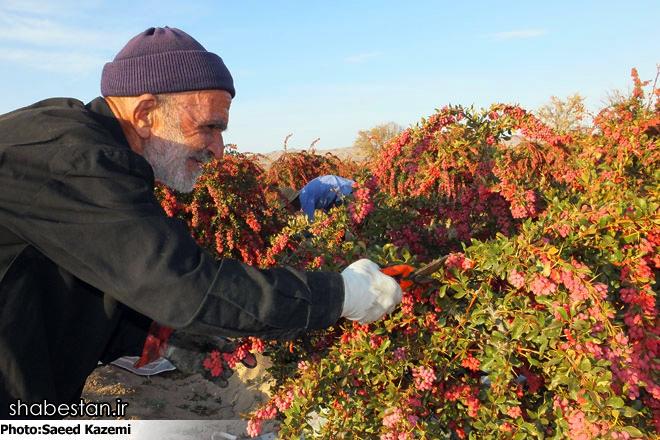
Barberry collection in South Khorasan Province (PHOTOS)

zereshk28

Barberry plays a key role in the livelihood of people in South Khorasan Province. It has been cultivated in as much as 14,228 hectares of land in the province this year [ending March 2016].

Around 16,500 tons of barberry is expected to be harvested in this area.

Shabestan.ir has released the following pictures of barberry farms in eastern Iran:


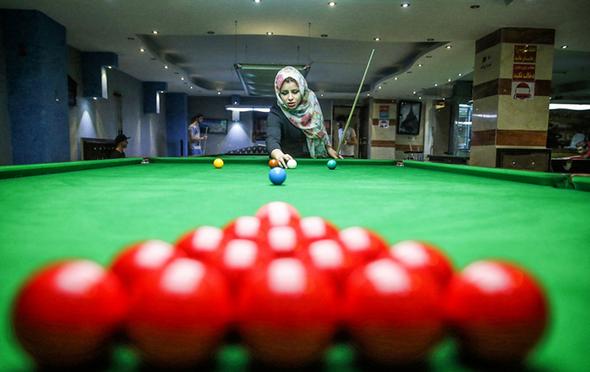
Great female pool player (PHOTOS)

10

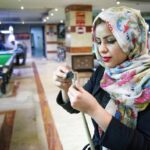
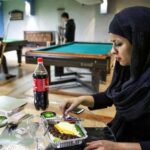
Akram Mohammadi Amini, aged 28, is among a small number of Iranian women who play billiards at a national level.
Mohammadi Amini, a physical education major, has won three gold medals in national snooker competitions. She has been practicing hard to represent Iran in overseas championships.
The Islamic Republic News Agency has published snapshots of her practicing:


Leader says Iran progressed despite Western restrictions

851ec68c-1097-4bfe-8041-de8ab1233697

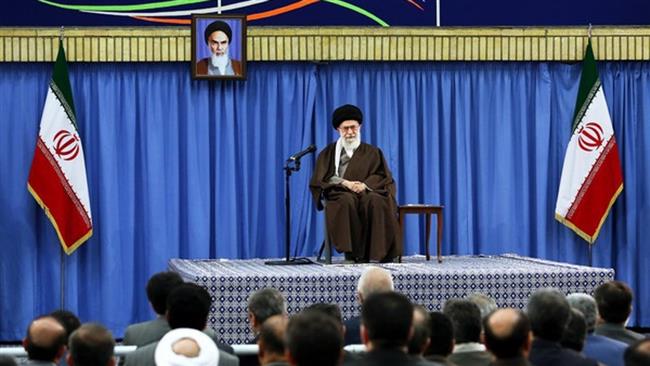
Leader of the Islamic Revolution Ayatollah Seyyed Ali Khamenei says conditions set by Western countries for supplying Iran with nuclear fuel prompted the country’s young scientists to produce the fuel on Iran’s soil.

Ayatollah Khamenei made the remarks in a meeting with heads of Iranian universities and higher education centers in Tehran on Wednesday.

“For selling 20-percent [nuclear] fuel [to Iran], Westerners set humiliating conditions. Of course, this ended in our favor and our youth made effort and produced it [inside the country],” the Leader added.

Ayatollah Khamenei stated that the success of the Iranian youths in producing nuclear fuel inside the country put Western countries “on edge.”

The Leader noted that according to the latest figures, Iran has gone down two notches in terms of the pace of its scientific progress. “This is bad. With this pace of scientific progress we are way behind. We have been kept behind for many long years.”

Noting that the United States started its scientific progress 140 years ahead of Iran, Ayatollah Khamenei said, “The issue that amazed the world is the speed of our progress. They said the speed of the Islamic Republic’s scientific growth is 13 times that of the world’s [scientific] growth figure.”

Criticizing occasional un-Islamic moves in some universities, Ayatollah Khamenei said, “Some people have mistaken cultural work in universities for mixed concerts and camps.”

Ayatollah Khamenei underlined that cultural activities should train students who are “creative, revolutionary, believing in [religious] ideals, loving their country and the Establishment, with insight, with self-confidence” and full of hope.

The Leader also told officials to give enough latitude to “faithful and revolutionary” youth for their activities.

Advising Iran’s academic community to fight off the feeling of humiliation, the Leader said, “The feeling of humiliation is very dangerous. The entire world says that Iran is a dignified and powerful country and enemies are dismayed at Iran’s [rising] influence, then some [people] in universities or in [their] newspaper say due to a sense of low esteem that ‘we are nothing and are isolated’. Now, if you underestimate yourself, why underestimate the Iranian nation and the Islamic Republic Establishment?”

Iran to buy shares of African banks

13940625164912516097904

Iran has plans to buy shares in some major African banks and apply for membership in the African Development Bank, an Iranian trade official announced.

Head of the Trade Promotion Organization of Iran Valiollah Afkhami-Rad described the plan as part of efforts to reduce the risk of investment in African countries.

He also unveiled plans for establishing joint funds and commercial chambers and councils with African states as well as an increase in the number of Iranian commercial attachés in Africa in order to broaden economic ties with the continent.

Iran is going to dispatch four new commercial attachés to Nigeria, Algeria, Egypt and Tanzania and seeks to establish shipping and air routes to African destinations to boost trade, Afkhami Rad added.

Expansion of relations with the African nations in all political, economic and cultural fields is top on the agenda of Iran’s foreign policy.

President Rouhani has repeatedly stressed his government’s interest in boosting relations with the African states.

Iran nabs terrorists in several provinces: Intelligence minister

139408191351452786486214

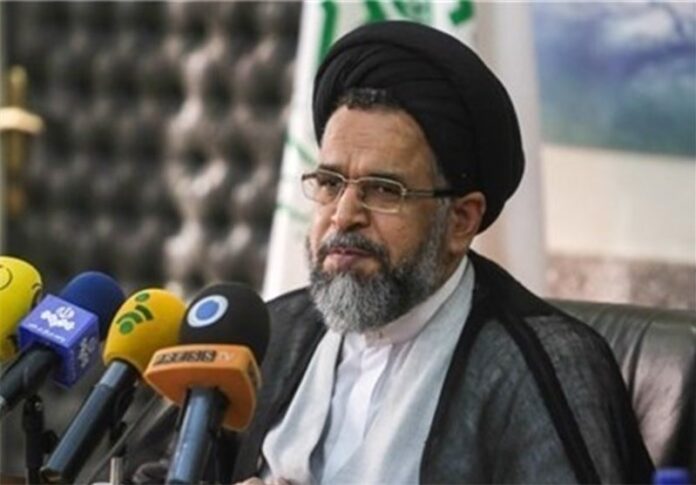
Minister of Intelligence Seyyed Mahmoud Alavi said that several terrorist elements have been arrested in different parts of the country in recent days.

Speaking at a press conference in Tehran Tuesday, Alavi said 10 terrorist elements have been captured in the provinces of Golestan, Mazandaran, Tehran, and Sistan and Baluchestan.

Also, 20 terrorists were arrested in border areas before leaving the country for Iraq and Syria, Alavi added.

He also referred to terrorist activities in western parts of the country, including in the city of Dezful and a couple of attacks on police stations in the city of Soosangerd, and said 14 individuals have been arrested in this regard. Alavi said, “These terrorists are sponsored by reactionary regional states.”

He pointed to enemies’ schemes to create insecurity in Iran in Muharram, when Iranian people mourn the martyrdom of the third Shiite Imam Hussein ibn Ali (PBUH), saying that the ministry has managed to foil the plots.

“The country’s unmatched security has somehow humiliated the enemies of Iran,” the minister said.

Official hails unprecedented like-mindedness among government branches

1900270

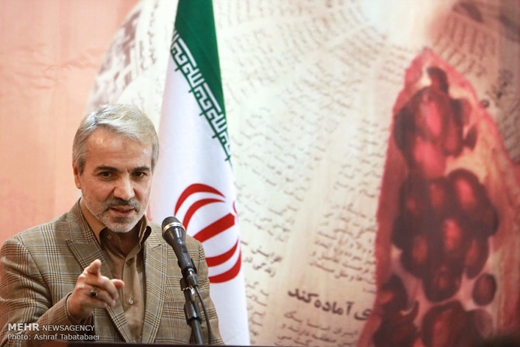
The government spokesman has said the current cooperation and like-mindedness among the heads of government branches is unprecedented.

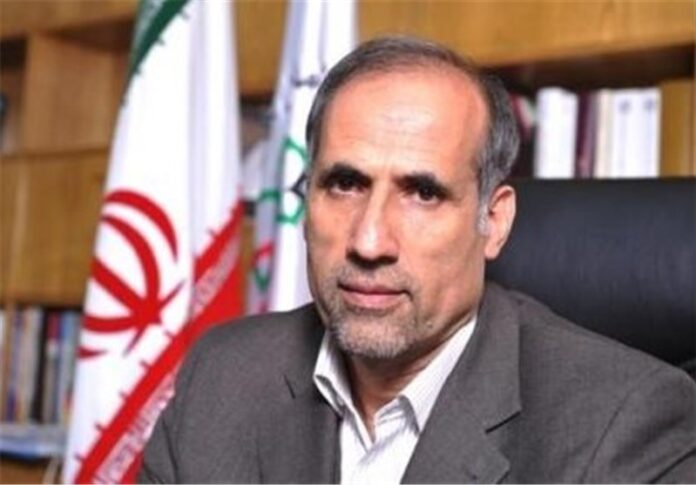
Mohammad Bagher Nobakht, who is also the director of the Management and Planning Organization, made the remark in his weekly press conference which was held at the site of the Press and News Agencies Exhibition on Tuesday and thanked the Judiciary chief for closely cooperating with the Cabinet.

Entekhab.ir on November 10 covered the press conference. The following is the translation of part of Nobakht’s remarks which focused on the Joint Comprehensive Plan of Action, the Mina tragedy and comments by the Judiciary chief:

JCPOA

The Supreme National Security Council (SNSC) has been working on the country’s nuclear case and its decision on how the Joint Comprehensive Plan of Action should be implemented is now being enforced. A committee to oversee the implementation of JCPOA will be named in the near future.

The SNSC held a meeting on Sunday. It will hold another meeting later this week to decide – among other things – on members of the oversight committee.

Mina tragedy

In line with Iran’s follow-up efforts, an Iranian expert group has been dispatched to Saudi Arabia to identify those missing in the deadly stampede and reassert the violated rights of the Iranian people. As I have already said, the government will tap into all official and unofficial tools it has at its disposal to get to the bottom of this case.

Reaction to Judiciary chief’s complaints

To be honest, never in the previous governments has there been such good cooperation and like-mindedness among the heads of government branches. This period [the Rouhani presidency] is among the best periods during which officials are working together cooperatively. As for the Judiciary, I should thank the Judiciary chief on behalf of the Cabinet for his cooperation with the government, especially cooperation over the Joint Comprehensive Plan of Action.

Differences of opinion are normal and people may hold different views on one single issue. We abide by Article 57 of the Constitution which deals with the Separation of Powers [The powers of government in the Islamic Republic are vested in the legislature, the judiciary, and the executive powers, functioning under the supervision of the absolute religious Leader and the Leadership of the Ummah, in accordance with the forthcoming articles of this Constitution. These powers are independent of each other.].

But the fact remains that Article 113 of the Constitution has given special prominence to the president describing him as the highest ranking official in the country after the Supreme Leader and responsible for enforcing the law [After the office of Leadership, the President is the highest official in the country. His is the responsibility for implementing the Constitution and acting as the head of the executive, except in matters directly concerned with the office of the Leadership].

By the same token, the president sincerely spoke his mind in the presence of the media [a few days ago]. The government will pursue efforts to help ease the president’s concerns. On the other hand, we respect the viewpoints of the esteemed Judiciary chief.