Thursday, December 25, 2025
Home Blog Page 4681

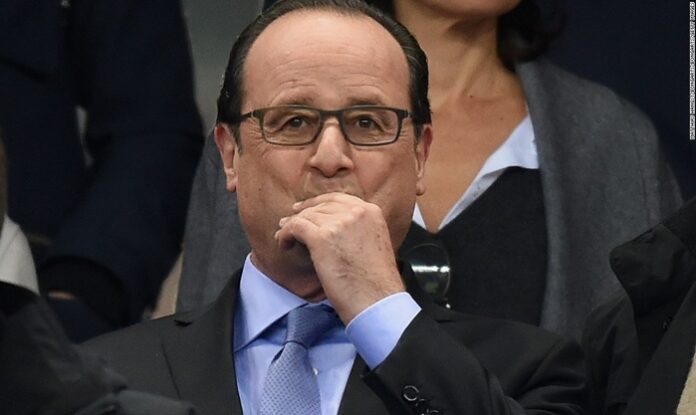
Is Hollande to blame for Paris terrorist attacks?

Hollande

Regardless of the bitterness of the Paris terrorist attacks which killed over 100 French nationals, any study of the root causes of this shocking incident should not be superficial.

In an analytical piece, Khabaronline.ir has dissected what contributed to the terrorist attacks in the French capital. What appears next is the translation of the piece by Vandad Alvandipour which was published on November 17:

Following the poignant deaths of about 130 innocent people in the Paris attacks at the hands of the IS terrorists, France was inundated with messages of condolences by leaders from different countries, including the US, Turkey and Saudi Arabia. And French President Francois Hollande delivered a long speech in support of French values.

But Hollande, his predecessor Nicolas Sarkozy and some of the world leaders who had sent messages of condolences need to take their share of blame for the countless crimes committed by IS.

[Negligence here and there by different players has paved the way for IS to put its name on the map]: When Abu Bakr al-Baghdadi, the IS leader, freely visited Iraq’s Camp Bucca and recruited for a new terrorist group on orders of the Central Intelligence Agency and under its supervision.

When IS with a maximum number of 2,000 terrorists armed with light weaponry started to close in on Mosul through desert from Syria under the nose of US satellites and drones, and when on a suspicious order by Iraqi Army generals acting under the supervision of the US military, the Iraqi Army handed over its weapons to IS terrorists and fled.

When Turkey in cooperation with Western intelligence services, kept sending armed IS terrorists in groups of dozens or hundreds on a daily basis to Syria to topple Syrian President Bashar al-Assad, and in a thinly-veiled move, it bought Iraq’s oil from the terrorist grouping.

Or when Western news outlets, the French included, turned a blind eye to the horrific death of Press TV’s Turkey correspondent Serena Shim, who died in a suspicious collision with a trailer truck a few hours after she had snapped images of IS insurgents crossing into Syria from Turkey on board UN ambulances.

When with the support of the US and some Western governments, Saudi Arabia and Qatar shipped financial and arms aid worth tens of billions of dollars to IS on a monthly basis.

When France launched massive airstrikes on Libya, killed thousands, threw the country into disarray, turned it into a recruitment hub for IS, and presented Gaddafi’s weapons depots as a gift to the terrorist grouping – apparently in a move to hold on to French values and its oil interests.

Since the launch of the so-called anti-IS coalition which brings together 60 countries, including the US, Britain and France over a year ago, coalition fighters have been hovering over IS positions in the name of the fight against the terror group. Not only have these airstrikes not weakened IS, but the terrorist group has grown more powerful.

The difference between the Paris attacks and countless other crimes committed by IS is that the latter in which tens of thousands have lost lives, limbs and houses has taken place in Middle-Eastern countries such as Syria, Iraq, Afghanistan and Libya, while the former has happened at the heart of Europe.

In the eyes of many media, officials and unfortunately Westerners, the lives of thousands of the victims in the Middle East is deemed as less valuable. But, in the Paris attacks, the victims were European. What should be kept in mind is that regardless of race, religion and language, humans are humans anywhere in the world they are.

It’s a fact that in addition to a sizable swath of the Middle East turned into a slaughterhouse by IS, it has terrorist cells in every corner of the West, and it can launch tragic attacks akin to those of Paris anytime it wants.

The main culprit behind the emergence of this situation and massacre of innocent people in the West and East are those who used IS as a tool to serve their interests and advance their cause.

They have the blood of those killed in the Paris attacks on their hands and these blood stains cannot be washed away by the crocodile tears Western officials are shedding.
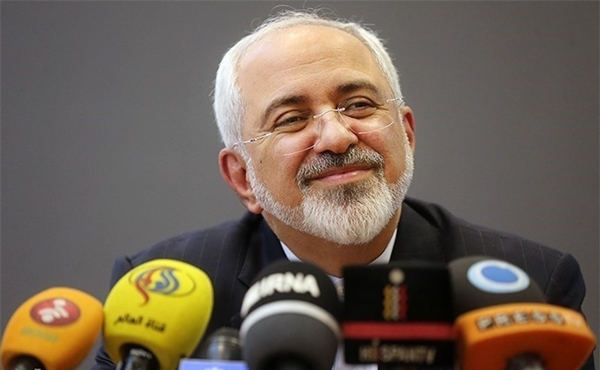
Iran’s FM on diplomacy, domestic politics and future (PART THREE)

Dr

Iran’s foreign minister says any measure he takes comes with a price for him. The head of Iran’s diplomacy machine weighs in on what the opponents of the Joint Comprehensive Plan of Action (JCPOA) have done to counter his efforts at home, and says that the Worriers [opponents of the president’s policy of moderation and interaction] have one main objective: “to attack the diplomatic team of the Rouhani administration”.

For the Worriers simply “attacking” is important; and the content of JCPOA, the stroll with the US secretary of state in a Geneva street, or the unplanned handshake with US President Barack Obama on the sidelines of the UN General Assembly are merely what they need to use as a pretext to target the most powerful part of the eleventh government: the Foreign Ministry and the diplomat at its helm.

Mohammad Javad Zarif has had different firsts during his two years in office, among them the appointment of the first spokeswoman of the Foreign Ministry and appointment of the Islamic Republic of Iran’s first female ambassador. Zarif has appeared in parliament to defend his performance more than all of his predecessors in post-Revolution Iran. He has held more than 50 meetings with his US counterpart.

Conducting an interview with Zarif is ironically an easy, tough task. It is easy since there are multiple questions – thanks to a barrage of criticism unleashed by his opponents – to ask him about, and it is tough since his response to a seemingly simple question may play into the hands of his opponents to launch a torrent of fresh attacks against the foreign minister.

Sharq daily’s Maryam Yousefi was given face time with the foreign minister on the day he was expected to induct the new spokesman of his ministry. Her questions covered a wide range of issues including the Worriers, their threats and JCPOA and Zarif answered all of them despite his busy schedule. The following is the THIRD and final part of the full translation of what Zarif said in the interview (PART TWO):


Opponents of JCPOA base their opposition on arguments that the Supreme Leader is opposed to the deal. However, your deputy, Mr. Araghchi, told a TV news program during the talks there was a commission overseen by the Leader. He said that the commission sent reports on the talks to the Leader. On the eve of July 14, when the nuclear deal was made public, Mr. Araghchi posted a photo of the Leader signing a document on his Instagram page. Tell us more about the commission.

The Leader closely supervised everything when it came to JCPOA and nuclear negotiations. We presented reports to the Leader in a few face-to-face meetings. The special commission which was tasked with continuous follow-up of JCPOA brought together a number of senior establishment officials.

The commission regularly studied the case and presented reports to the Leader. Immediately after each round of talks, the negotiating team submitted detailed reports to the Leader. That I have always said the Leader has been in on every detail of the talks is true, but he would not weigh in on details.

Whenever the Leader saw it fit, he would give us advice and remind us of the red lines. We tried our best to act on his guidelines.

We held talks day and night. Those sessions were solely dedicated to negotiations; no one would deliver a speech. If there was any speech, I repeated the Leader’s comments word by word.

Negotiations are different. You need to win the other side over, and a deal reached in negotiations is a text agreed to [by all sides to the talks] and does not merely represent the views of one side.

We attended the negotiations in line with the Supreme Leader’s guidelines and we used negotiating tactics to make sure the red lines set by the Leader are not crossed. We tried to take into account his views during and after the negotiations. With God’s grace, we were fairly successful and a majority of observers have attested to that.

And now, we have invested all our efforts in complying with and implementing the issues the Leader included in a letter to the president on JCPOA. The ideas that the Leader hold are in line with the spirit of JCPOA. They also include some advice to make sure that the deal is properly implemented.

Mr. Zarif, whether you like it or not, by attending the recent nuclear negotiations you shattered the taboo of Iran and the US holding talks, they cost you a lot, though. Do you think that a day will come when the flags of the two countries are put next to each other for negotiations on Tehran-Washington ties and not on other topics?

We need to pay attention to realities. Before the 11th government took office, the Leader had given the go-ahead to limited nuclear negotiations with the US.

We know the outcome of nuclear talks with the US, but we are still waiting to see whether the Americans will honor their obligations.

The negotiations I hold with US Secretary of State John Kerry or the meetings that my colleagues or deputies have with American officials are intended to make sure that the Americans will fulfill their commitments.

To us, the nuclear talks and JCPOA are important. We need to monitor the behavior and measures of the Americans in the negotiations and their performance in implementing the Joint Comprehensive Plan of Action.

Only then could it be said whether or not the negotiations with the US are useful for the country. For the time being, it has not been concluded that talks with Washington can be beneficial.

If the Americans improve the atmosphere and help remove the wall of distrust through their behavior, and if they no longer seek to oppose and show hostility toward our revolution, Iran’s territorial integrity, sovereignty and independence, then other topics can be pondered.

What conditions are we in now?

At the moment, the Americans are going through a big test. Their performance has not been very satisfactory so far. Unfortunately, their remarks after the conclusion of JCPOA have painted an unreliable image of them in Iran, though they claim such comments are intended to win over the public opinion at home and leave these stages behind.

We need to wait and see whether the Americans can shed this image and present a different image of themselves to the Iranian, regional and world people.

Will Mr. Zarif run for president in the 2021 elections?

Do you categorically rule out that possibility?

I won’t run for president.

You put on a smile when you said “No”. Does that mean Mohammad Javad Zarif can be a future president?

My answer is still “No”. I ask God to help me with the current responsibility so that I can partly appreciate the kindness of my people. At present, all efforts of me and my colleagues focus on this issue.

End

A look at Iranian newspaper front pages on Nov. 18

Iranian Newspapers Headlines

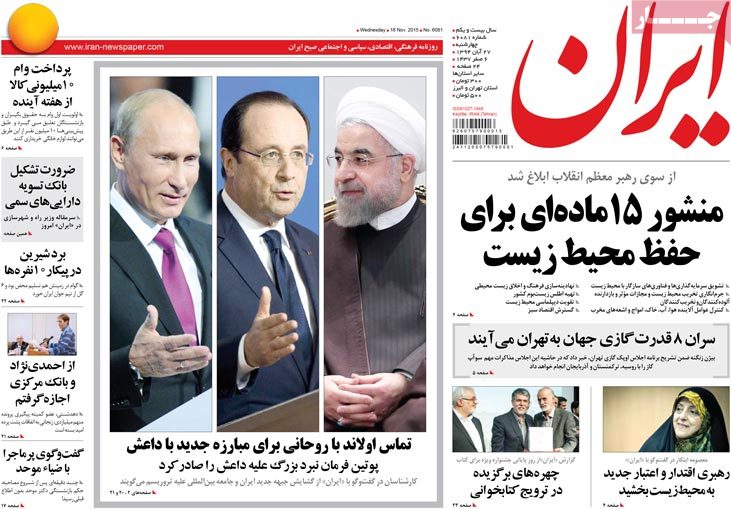
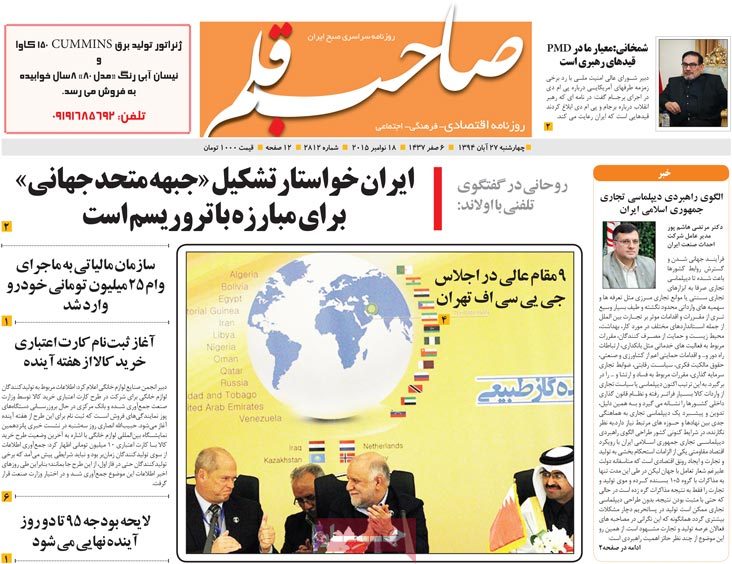
A telephone call between the Iranian and French presidents following the Paris terror attacks and President Rouhani’s call for the formation of a united front against terrorism dominated the front pages of Iranian newspapers on Wednesday. Also in the news was the communication by the Supreme Leader of the macro policies of the environment to the heads of the three government branches.


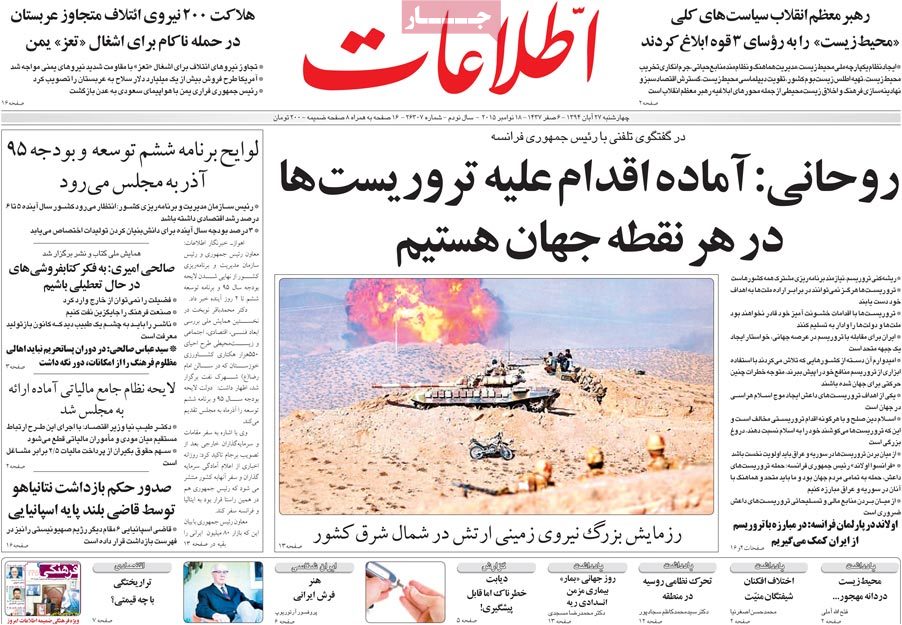
Ettela’at: “We are ready to take action against terrorists in any part of the world,” said President Rouhani in a telephone call to his French counterpart.

The president further said that collective planning by all countries is needed to be able to eliminate terrorism.

President Rouhani: Through acts of violence, terrorists will not be able to force nations and governments into submission.

President Francois Hollande told the French parliament that Paris will ask for Iran’s help in the fight against terrorism.

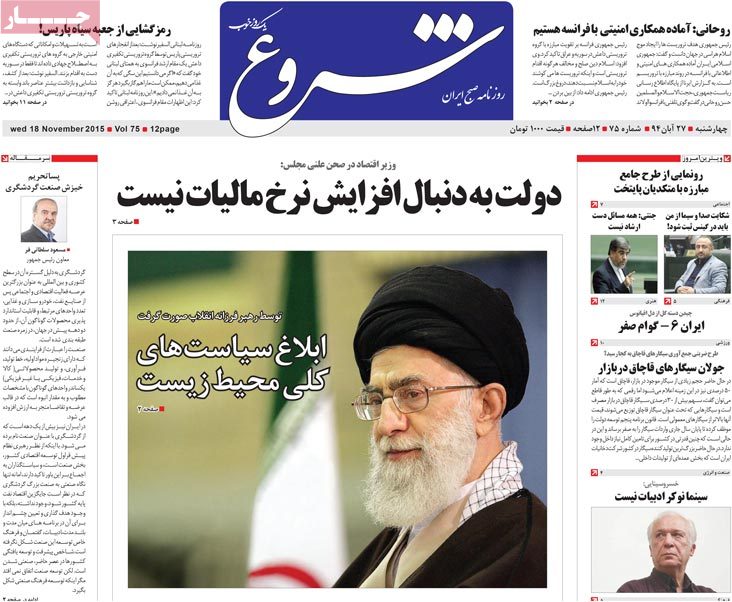
Ettela’at: The Supreme Leader has communicated the general policies of the environment sector to the heads of the three government branches.

The Leader has highlighted the following as the main focus of the general environment policies: establishment of an integrated, national environment system; concerted and systematic management of vital [natural] resources; treatment of environmental destruction as a crime; piecing together the country’s ecosystem atlas; bolstering the environment diplomacy; promotion of a green economy; and institutionalization of the environmental culture and ethics.

Ettela’at: As many as 200 Saudi-led coalition forces have been killed in a failed offensive to capture Taiz in Yemen.

In another development, the United States has approved the sale of more than $ 1b worth of arms to Saudi Arabia.

Ettela’at: Bills on the Sixth Development Plan and next year’s budget will be submitted to parliament next month [Nov. 22-Dec. 21].

The director of the Management and Planning Organization has said that Iran is expected to post 5-6 percent economic growth next year [starting March 20, 2016].

Ettela’at: “We need to do something for the bookstores which are on the brink of shutdown,” said the head of Iran National Library and Archives Organization in a national conference on books and publication.

Reza Salehi Amiri further said that the country had better replace the oil industry with the industry of culture.

Ettela’at: The Comprehensive Tax Bill has been prepared to be submitted to parliament.

Economy Minister Ali Tayyebnia said that the [new] tax bill will help cut off direct contact between tax collectors and tax payers.

Ettela’at: A top Spanish judge has issued an arrest warrant for Israeli Prime Minister Benjamin Netanyahu [over the 2010 Gaza flotilla attack].

The Spanish national court judge has also included six other Israeli officials in the arrest warrant.

Ettela’at: The massive war games of the Iranian Ground Forces got under way in the northeast of the country.


A look at Iranian newspaper front pages on Nov. 18


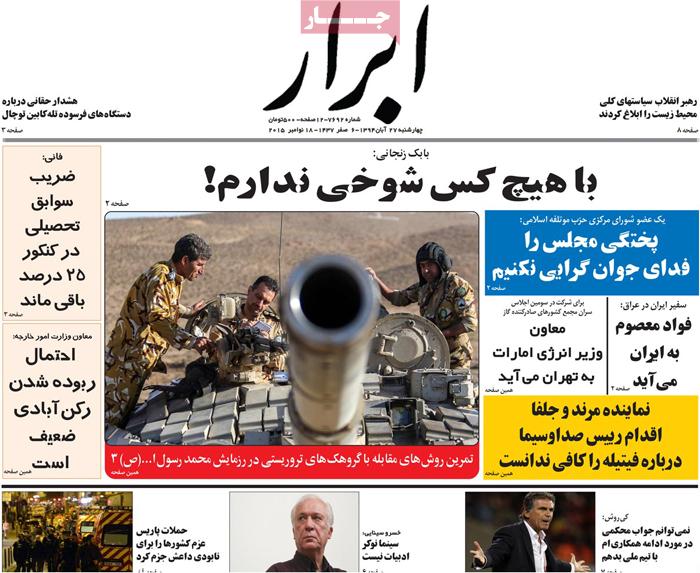
Abrar: President Fuad Masum will make a trip to Tehran, announced Iran’s ambassador to Iraq.


A look at Iranian newspaper front pages on Nov. 18


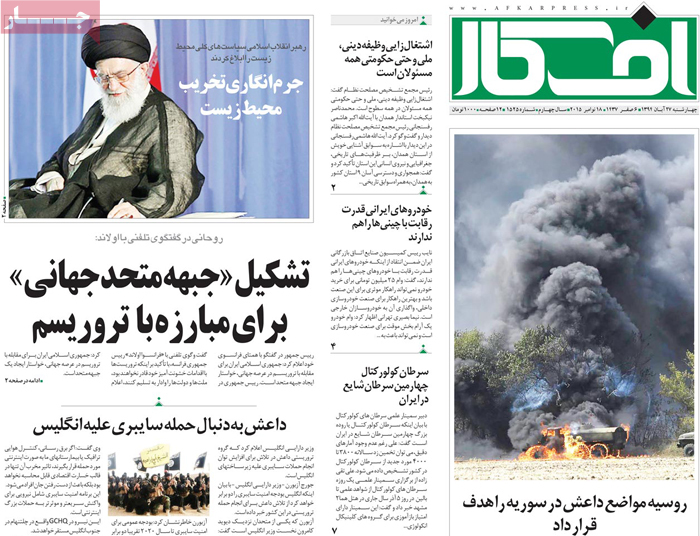
Afkar: The chairman of the Expediency Council has said that job creation is the religious, national and state duty of all officials [in the country].


A look at Iranian newspaper front pages on Nov. 18


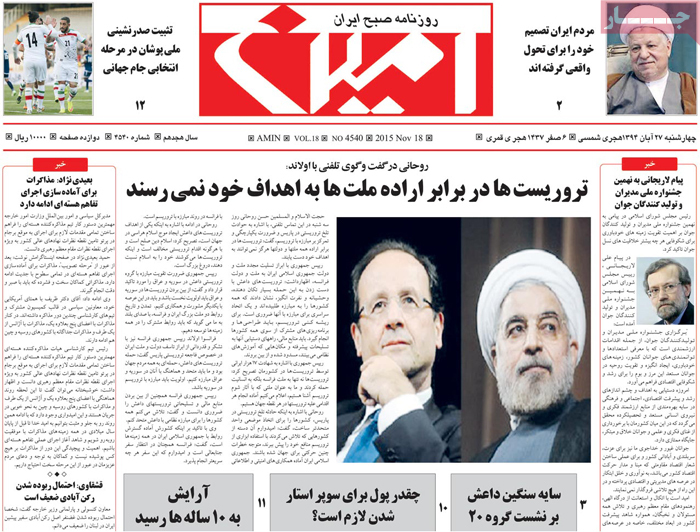
Amin: A deputy foreign minister has ruled out as a distant possibility the abduction of Ghazanfar Roknabadi, the former Iranian ambassador to Lebanon, [in the wake of the Mina tragedy].


A look at Iranian newspaper front pages on Nov. 18


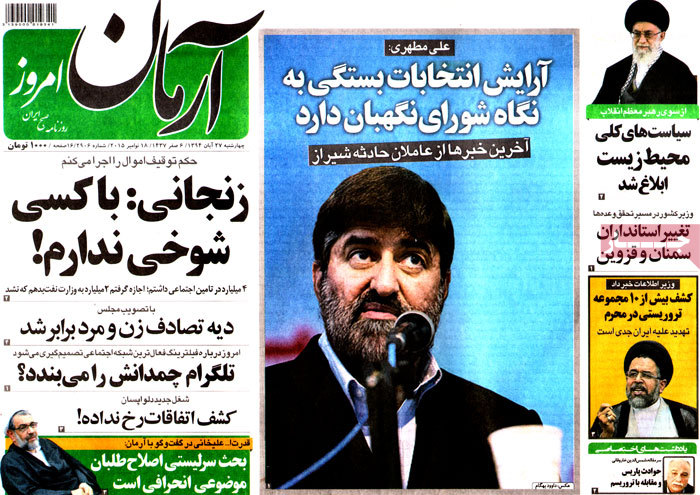
Arman-e Emrooz: The arrangement of elections depends on the approach of the Guardian Council, said Tehran MP Ali Motahari.

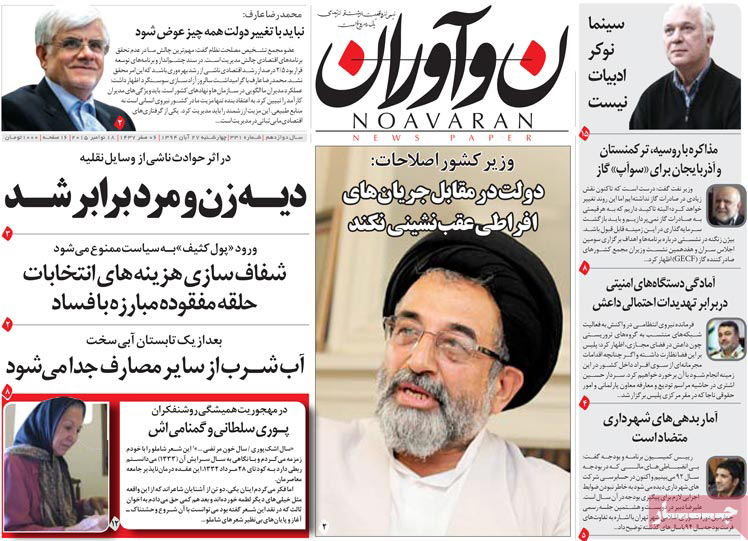
Arman-e Emrooz: The Iranian parliament has approved equal blood money for female and male individuals who are killed or injured in car crashes.


A look at Iranian newspaper front pages on Nov. 18


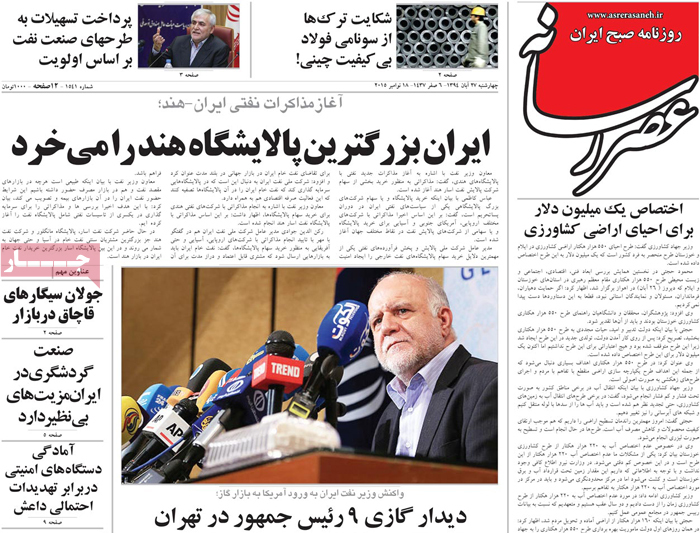
Asr-e Rasaneh: The start of Iran-India oil talks

Iran is to buy India’s largest refinery.


A look at Iranian newspaper front pages on Nov. 18


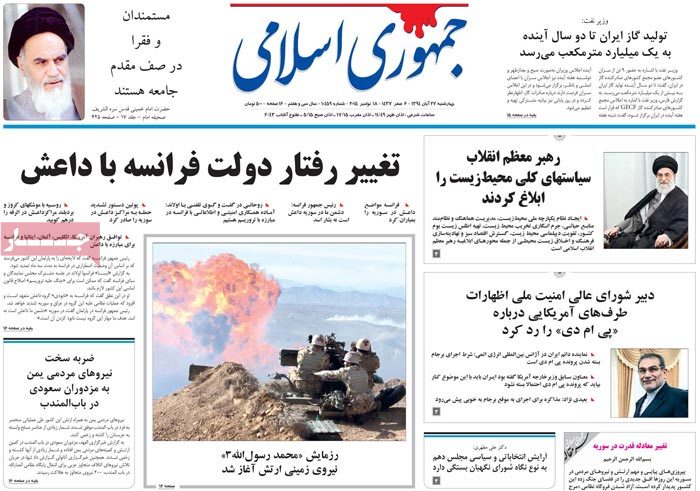
Bahar: Military drills to get prepared to fight ISIS

The Iranian Ground Forces have staged massive war games – codenamed Mohammad Rasoulallah – in the east of the country.


A look at Iranian newspaper front pages on Nov. 18


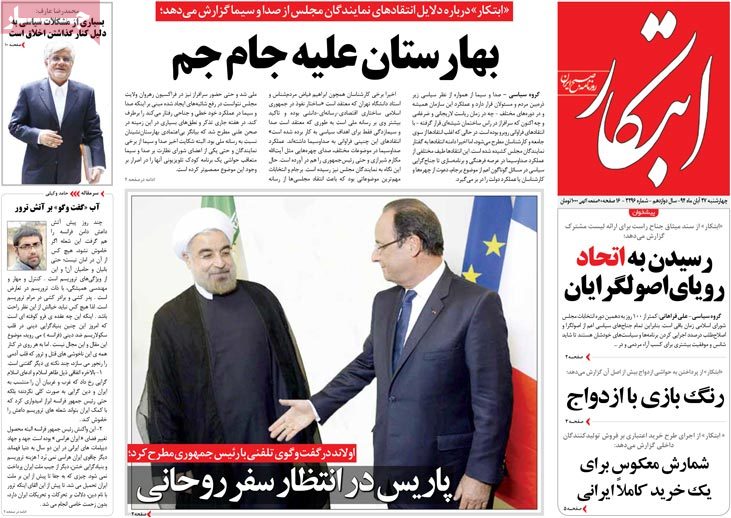
Ebtekar: Paris is waiting for President Rouhani’s trip, said Francois Hollande in a telephone call with the Iranian president.

Ebtekar: A number of political problems are blamed on disrespect for ethics, said Mohammad Reza Aref, a reformist leader.


A look at Iranian newspaper front pages on Nov. 18


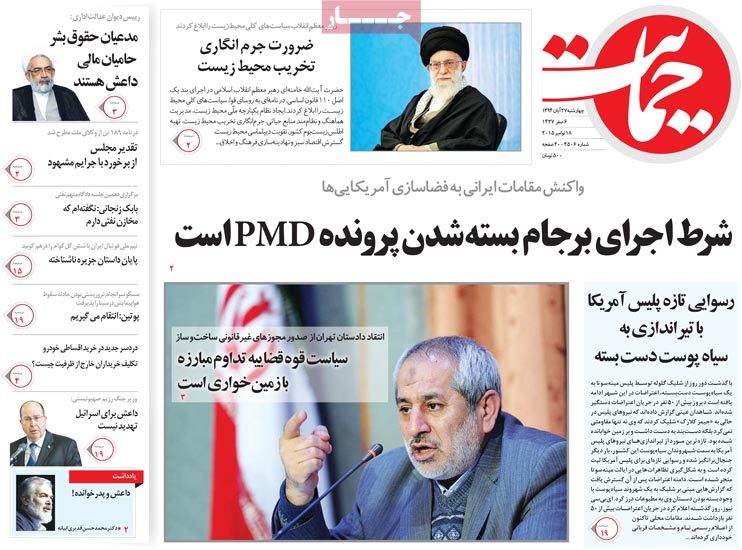
Hemayat: The head of the Court of Administrative Justice has said that those who claim they respect human rights are the ones who lend financial support to ISIS.


A look at Iranian newspaper front pages on Nov. 18


Iran: Leaders of eight gas-rich countries will come to Tehran.

Iran: “The Supreme Leader lent new credibility and weight to the environment,” said the director of the Environment Protection Organization in an interview with the daily.


A look at Iranian newspaper front pages on Nov. 18


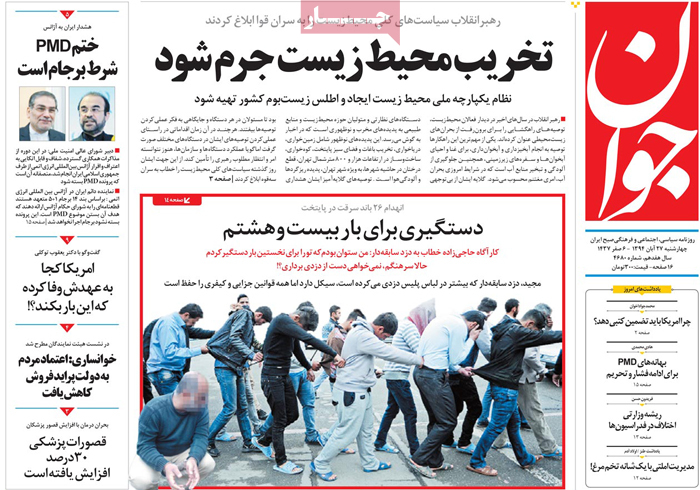
Javan: As many as 26 theft gangs have been busted in Tehran.

The daily takes a close look at the case of Majid, a convicted thief who has often committed theft masquerading as a police officer. He is a low-literate man but has good knowledge about criminal justice.


A look at Iranian newspaper front pages on Nov. 18


Jomhouri Islami: “Iran’s gas output will rise to one billion cubic meters in two years,” said Oil Minister Bijan Namdar Zanganeh.

Jomhouri Islami: The secretary of the Supreme National Security Council has rejected as untrue comments by the Americans on the Possible Military Dimensions (PMD) [of Iran’s nuclear program].


A look at Iranian newspaper front pages on Nov. 18


Kayhan: If we had known that this dog would bite us, we would not have fed it, said a top French official in reaction to the terrorist attacks ISIS staged in Paris.


A look at Iranian newspaper front pages on Nov. 18


Noavaran: After a hot summer with water shortages, drinking water will be separated from water used for other purposes.


A look at Iranian newspaper front pages on Nov. 18


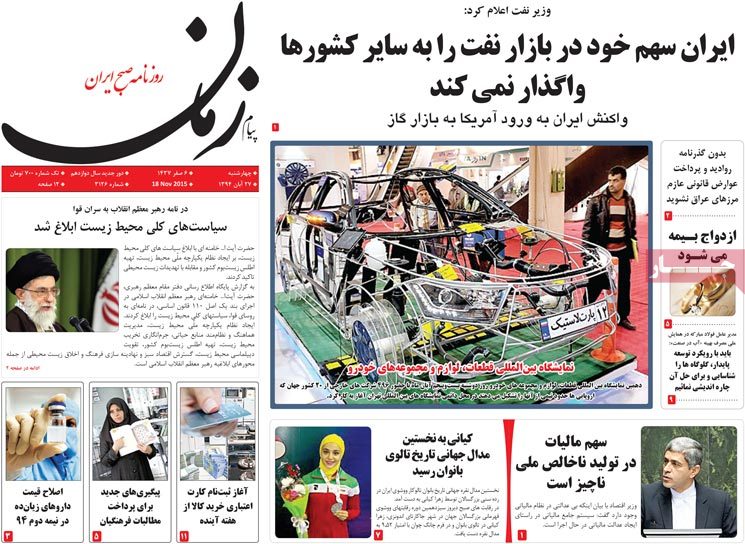
Payam-e Zaman: The oil minister has said that Iran will not trade off its share of the oil market.


A look at Iranian newspaper front pages on Nov. 18


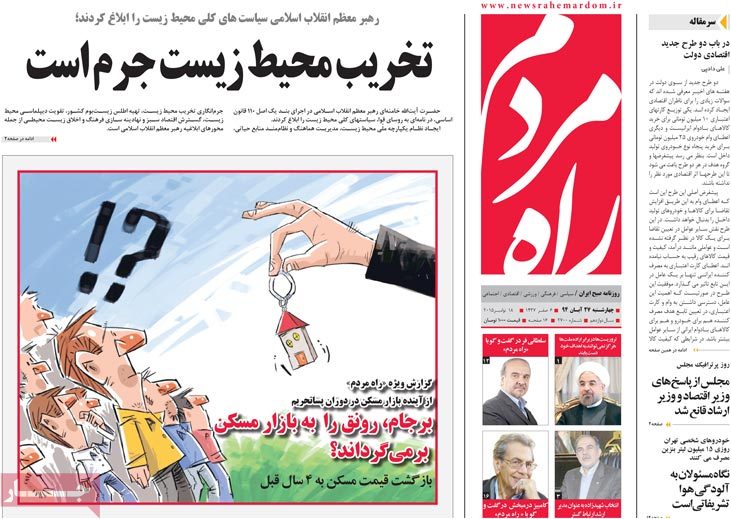
Rah-e Mardom: The Iranian parliament found explanations by the economy and culture ministers about the performance of their ministries as convincing enough.


A look at Iranian newspaper front pages on Nov. 18


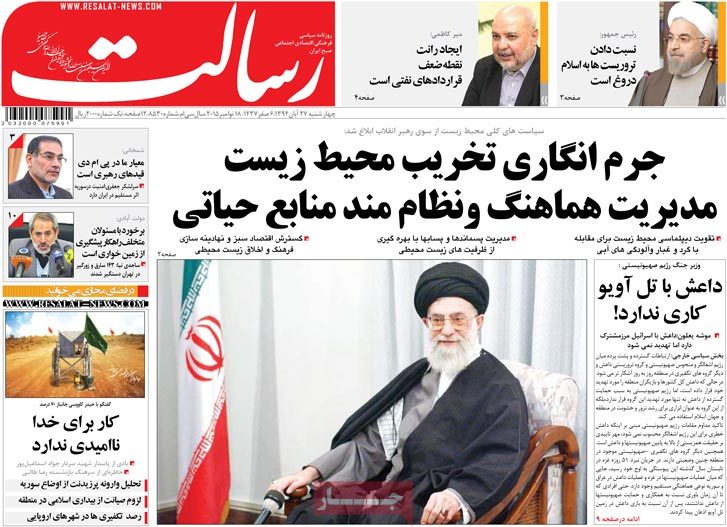
Resalat: The Iranian president has dismissed as false remarks that attribute the acts of terror to Islam.

Resalat: Tehran’s Public and Revolutionary Courts Prosecutor Abbas Jafari Dolatabadi has said that to prevent land grab, officials who have broken the law should be dealt with.


A look at Iranian newspaper front pages on Nov. 18


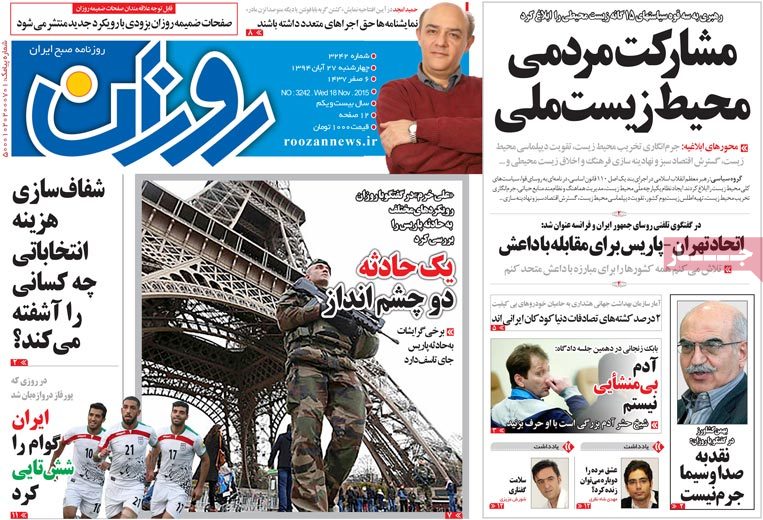
Roozan: A Tehran-Paris alliance to take on ISIS

Presidents of Iran and France talk on the phone.


A look at Iranian newspaper front pages on Nov. 18


Saheb Ghalam: Iran has called for the formation of a “united global front” to fight terrorism.


A look at Iranian newspaper front pages on Nov. 18


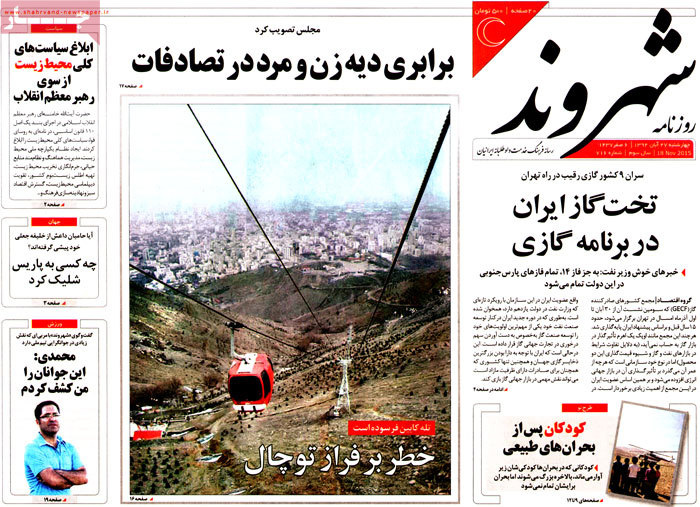
Shahrvand: Danger hanging over Tochal [a ski resort to the north of Tehran]

[Officials have raised red flags that] The cable car operating in Tochal is worn-out.


A look at Iranian newspaper front pages on Nov. 18


Shorou: The government is not seeking to raise taxes, said the economy minister in parliament.


A look at Iranian newspaper front pages on Nov. 18


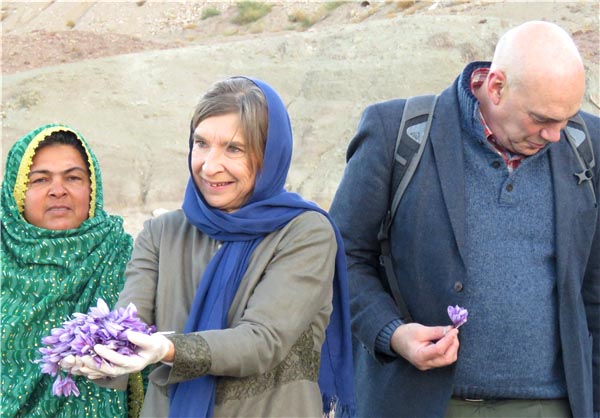
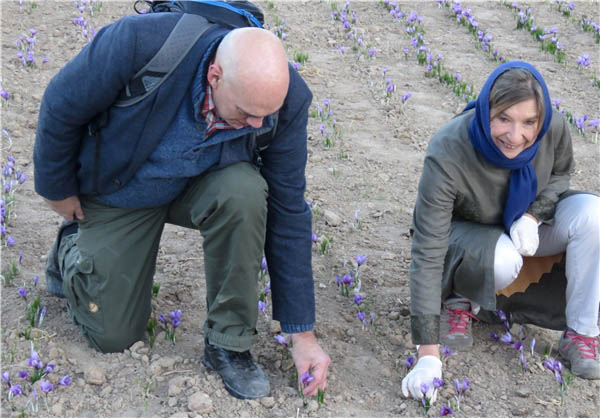
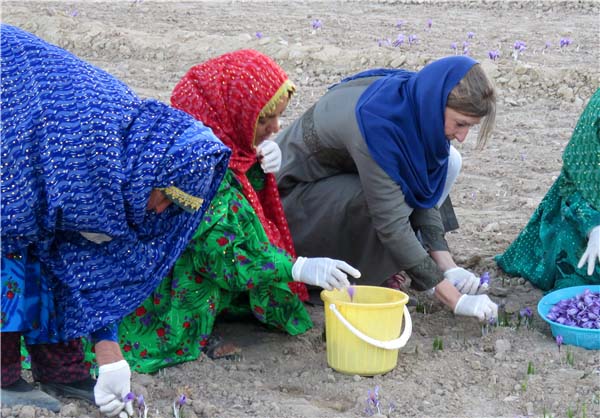
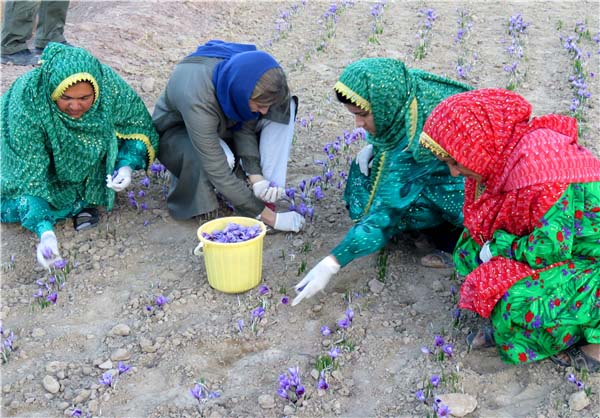
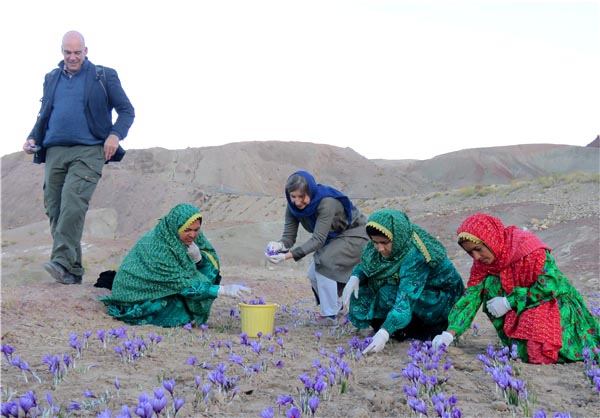
Norwegian ambassador joins saffron farmers in northeastern Iran (PHOTOS)

Norwegian ambassador (5)

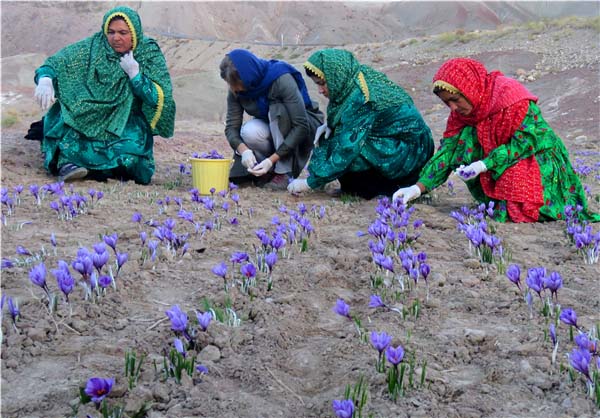
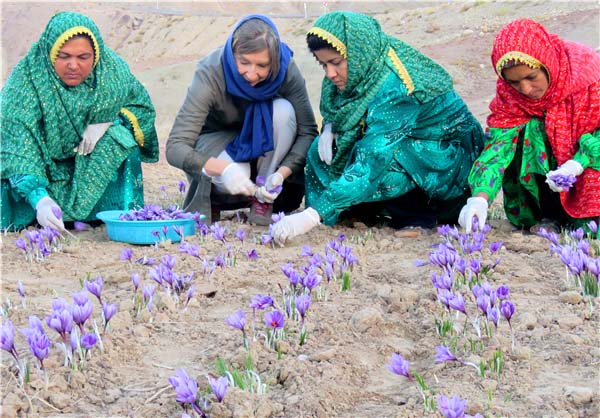
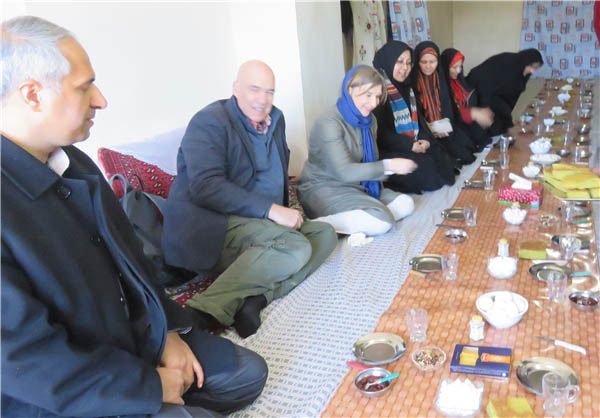
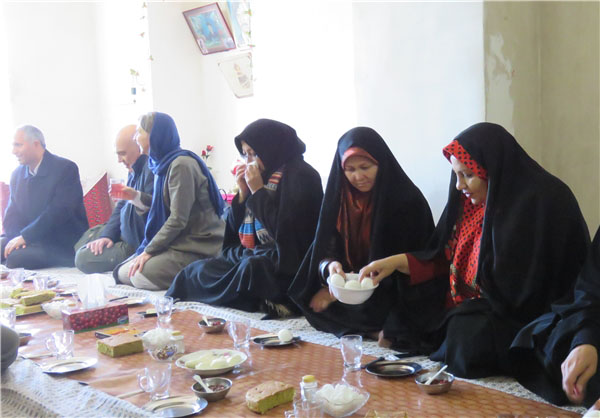
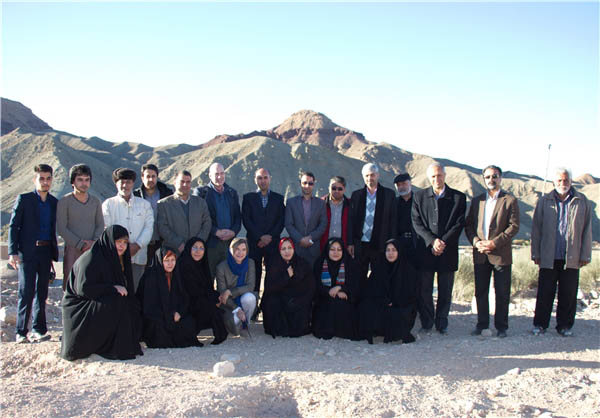
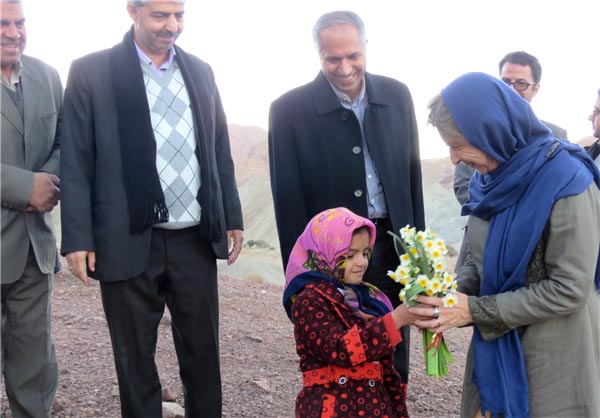
Norwegian Ambassador to Iran Aud Lise Norheim has gone to a saffron farm in a village in South Khorasan Province to give farm hands there a hand harvesting their crop.

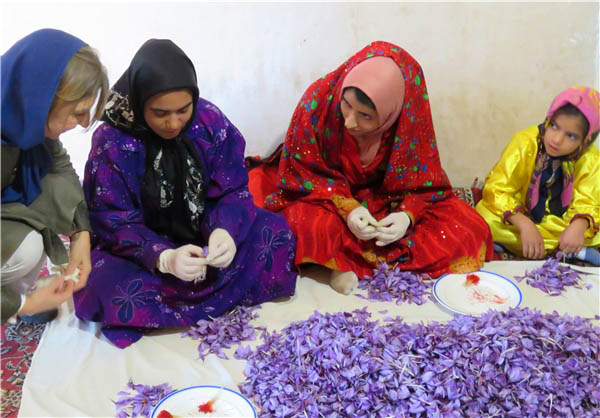
On a visit to the town of Khusf, which is known for its quality saffron, the Norwegian diplomat had breakfast with a group of villagers after she helped the farmers.

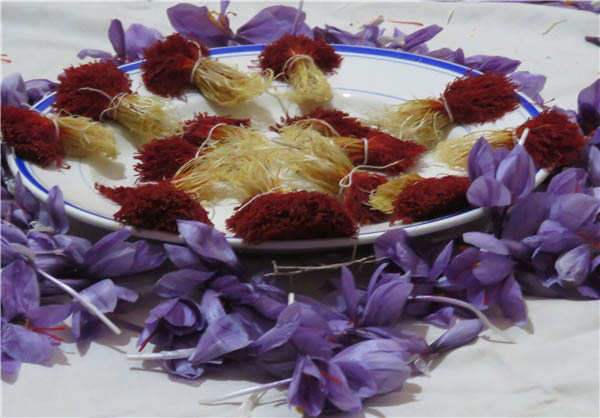
Fars News Agency has published photos of the diplomat’s visit to northeastern Iran:

Situation in Syria affects Iran: IRGC chief

General Jafari

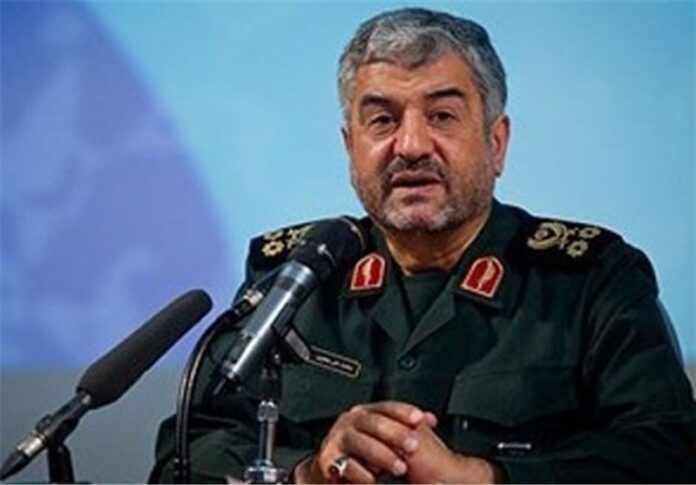
Commander of the Islamic Revolution Guard Corps (IRGC) Major General Mohammad Ali Jafari stressed Iran’s unwavering support for Syria and said the situation in the Arab country has a direct effect on the Islamic Republic.

Speaking to reporters Tuesday on the sidelines of a ceremony in commemoration of Major General Hossein Hamedani, an IRGC commander who was martyred on October 8 on an advisory mission in Syria, Major General Jafari said the security situation in Syria affects that of Iran.

“Undoubtedly, in a country like Syria with its population, religious and ethnic composition, when their [terrorists’] objectives are not realized, it will have a direct effect on our security,” the commander said.

He further praised the braveries of Major General Hamedani, saying that he played an outstanding role in the resistance of Syria against foreign-backed militancy.

[…]

IS pursuing Islamophobia scenario: President Rouhani

Rouhani-Government

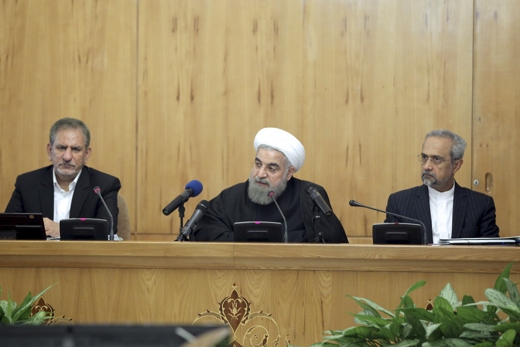
President Rouhani has condemned the recent terrorist attacks in Lebanon and France along with the downing of the Russian passenger plane by the IS terrorists, and said their main goal is to create a wave of Islamophobia.

“The IS terrorists with the aim of creating a wave of Islamophobia in the world are trying to claim that they represent Islam while the noble religion of Islam is against acts of terror,” President Rouhani said Tuesday at a meeting of the Supreme Cultural Revolution Council.

“Islam is the religion of peace and mercy and these attempts, especially in Europe and the US where many Muslims live, should not be allowed to result in increasing Islamophobia,” the president said.

President Rouhani expressed regret that innocent children, women and civilians have been the main victims of these terrorist acts and said global will and unity is needed to confront the crimes.

“Iran, as a country that is a victim of terrorism itself, condemns terrorist acts and massacre of innocent people and it will seriously confront these terrorist acts,” he added.

Amir Abdollahian, UN envoy discuss Yemen crisis

amir-abdolahian1

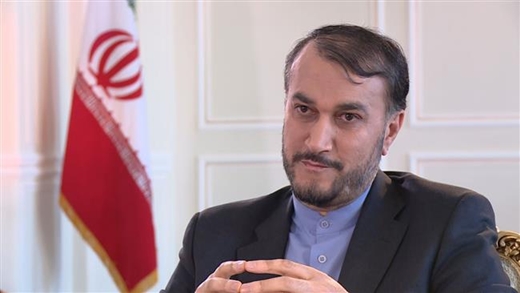
Deputy Foreign Minister Hossein Amir Abdollahian and UN special envoy to Yemen Ismail Ould Cheikh Ahmed in a telephone conversation on Tuesday discussed the latest developments and international efforts to halt the Saudi aggression against Yemen.

The deputy foreign minister pointed to the continued Saudi airstrikes on the Yemeni nation, and said Iran is ready to help with the resumption of national dialogue in Yemen.

Amir Abdollahian reiterated Iran’s logical stance on a political solution to the crisis in Yemen, and called for an end to Saudi-led airstrikes on Yemen.

The UN envoy, for his part, praised Iran for its efforts to help find a political solution to the crisis in Yemen, and said, “A lot of efforts have been made so far to stop the war in Yemen and send humanitarian aid to the Muslim country.”

Cheikh Ahmed said that the Yemeni crisis has a political solution, and added, “The early signs of the attainment of an agreement can be seen, but it needs cooperation of all Yemeni sides and all countries’ support for the Yemeni-Yemeni talks.”

Nine heads of state to attend Tehran gas summit: Oil minister

Ministers Weigh Plans for Iran-Iraq Oil Cooperation

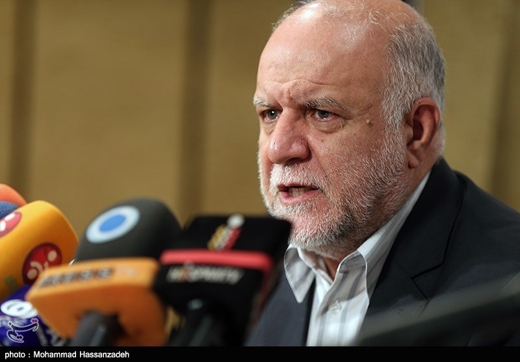
Presidents of Bolivia, Russia, Equatorial Guinea, Nigeria, Venezuela, Iraq, Turkmenistan [as a guest], Iran and the Algerian prime minister are to attend a Tehran Summit of the Gas Exporting Countries Forum (GECF) next week, the oil minister said.

Bijan Namdar Zanganeh described as unprecedented the number of heads of state who will converge on Tehran for the GECF gathering. “The Qatar summit hosted four presidents, while the forum in Russia was attended by three.”
He said that the event is aimed at promoting cooperation between rivals and added, “Member states are mature enough to have cooperation in tandem with competition.”

Zanganeh said natural gas exports through pipeline to faraway destinations like Europe are difficult and need the approval of a lot of countries along the route, and added that’s why Iran prefers exports of liquefied natural gas (LNG) to Europe.
Three terror attacks, media frenzy and different reactions

Terrorism-Beirut-Paris

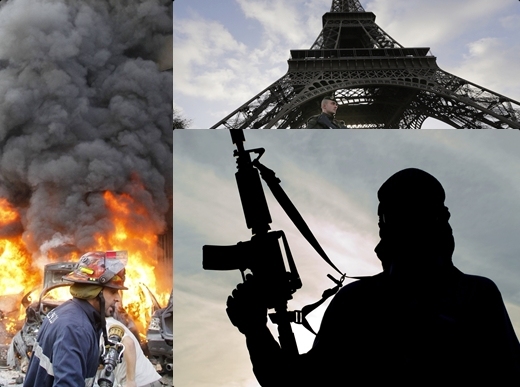
In less than a week, ISIS targeted different places in the world, leaving a path of death and destruction in its wake. The way media around the world covered the terror attacks in Baghdad, Beirut and Paris raises a couple of questions: Why the global media ignored the Beirut bombings? Are media to blame for the disproportionate focus on the Paris attacks over Beirut’s?

Alef.ir on November 16 published a piece by Amir-Mohammad Fatemi on the extensive media coverage of Paris attacks and why nobody paused to listen to the voice of the victims of terror attacks in Beirut and Baghdad. The following is the translation of part of that piece:

1. Thursday November 12: A predominantly Shiite suburb of Beirut was rocked by twin bombings which left up to 300 people killed or injured.

Friday November 13: A bomb went off in a funeral procession for a Shiite fighter who was killed in the fight against ISIS, killing and injuring more than 95 people.

The world media largely ignored these two terror attacks.

Late Friday November 13: Paris was hit by multiple attacks [claimed] by ISIS following the Beirut and Baghdad bombings. Up to 360 people were killed or injured in the terror attacks.

Western, Arab, world and even Iranian media reacted differently this time around and – unlike what they did in reaction to the twin bombings which were carried out hours apart in two different places by the same terror group – gave extensive coverage to the Paris attacks describing them as being similar to 9/11 attacks on the US in 2001.

2. On any grounds, Iranian media have – perhaps unwittingly or just because they were seeking to follow the news and analyses produced by the Western and non-Western media outlets – covered the Paris attacks and their aftermath over the past few days, ignoring the Beirut and Baghdad bombings. […] On Sunday the world media did not run one news analysis or even one single headline on the terror attacks in Beirut and Baghdad. […]

3. A study of more than 2,000 front pages of newspapers and websites which covered the 33-day war [the 2006 Israel-Hezbollah War] between Hezbollah and the invading, armed-to-the-teeth army of the Zionist regime suggests that less than five percent of these media outlets dealt with the 33-day war.

It also reveals that three percent – out of the overall five percent – of the news items was aimed at defending the innocence of the Zionist regime’s military, and the remaining two percent covered the battle itself. In other words, no media organization released news materials to defend the rightfulness, legitimacy and innocence of the country which came under attack. […]

4.  Officials of the United Nations, all Western states, and other countries – including Iran – have expressed regret over the Paris attacks and sympathized with the French government and people over the past few days, like what was done when 9/11 attacks were mounted.

It is interesting that no government – but Iran’s – expressed sorrow or cabled a message [of condolence] over bomb attacks in Beirut and Baghdad against the innocent Shiite people. It seems as if those who were killed in Beirut and Baghdad were different from the dead in the Paris attacks!

Perhaps people in Iraq and Lebanon, Shiites included, are believed to deserve to suffer through bomb attacks, killings and pillage at the hands of ISIS terrorists! Perhaps we have to admit that we are treated as second class in the world classifications when it comes to being killed or injured!

Maybe it is for the same reason that US Secretary of State John Kerry openly blamed – in a press conference on Saturday – Bashar Assad’s policies for ISIS terrorist activities in Syria. In response to remarks by his Russian counterpart Sergei Lavrov that France’s behavior may have probably triggered terrorist attacks in Paris, Kerry remained silent.

When Lavrov said with subtlety that all [people and nations], either for or against Bashar Assad, are targeted by ISIS terrorist attacks, Kerry remained silent again. [Kerry suggested radicals were drawn to the country in their fight against Assad, a view Lavrov disputed. … Kerry said the war “can’t end as long as Bashar Assad is there. That’s the perception of the people waging the war.” But Lavrov said the conflict — or its solution — is “not about Assad.” “It doesn’t matter if you are for Assad or against him,” he said. “ISIS is your enemy.” (AP- November 14)].

Without any partisan or factional bias, the following question – which is one of the main national and religious concerns – needs to be thought over: why was it that terrorist attacks against the Shiites in Beirut and Baghdad were overshadowed by the Paris attacks in Iran’s media, both privately-run websites and the national broadcaster, IRIB?

5. The Mina tragedy in which a number of Iranians went missing is still an open case, at least for Iran. What unfolded in Saudi Arabia [during the Hajj rituals] did not land in the spotlight thanks to a [virtually] blanket media blackout imposed by the Western and Arab countries […].

[…]

6. Why they [the Western and Arab countries] treat us [Iranians] and anything which has something to do with us in this manner [ignoring what happens] is not the focus here in this article. But it is of great significance to ponder on one point: why do we treat our own issues in such a manner, both from social and media angles?

Following the 9/11 attacks, I said – in a letter in response to remarks by a certain country’s officials who blamed Iran for not expressing sympathy with the American people [for the terrorist attacks] – that we shed tears for the dead people in a country that has cried for our dead in Iran, and that we voice regret for the losses of those who have expressed regret over the sufferings we have endured.

That’s why the Iranian media should think thoroughly about the reason why they brought into focus the Paris attacks and expressed regret [over the attacks] and sympathy [with France], but they looked the other way or did not give full coverage to the bomb attacks and pains in Beirut and Baghdad? […]

Iranian, French presidents discuss terrorism over phone

Rouhani-Hollande

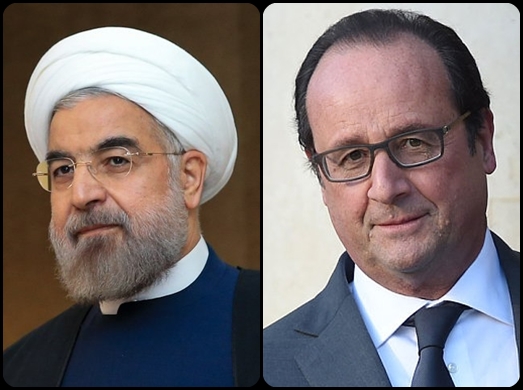
In a phone conversation Tuesday, President Rouhani and his French counterpart Francois Hollande called for counter-terrorism efforts and the fight against terrorism.

According to President Rouhani’s Twitter account, the two sides called for creation of a world against violence and extremism.

In a message to Hollande, President Rouhani condemned the Paris terrorist attacks which claimed the lives of almost 130 civilians and added that the deaths of many civilians in the terrorist attacks caused deep grief for the Iranian people.

He said he strongly condemned the incident on behalf of the Iranian nation who itself is the victim of the evil phenomenon of terrorism.

The president stressed the need for global efforts to fight all terrorist groups.

A string of coordinated attacks in and around Paris left at least 129 people dead and some 200 others injured; a state of emergency has been declared in the European country shaken by the horrific attacks.