Saturday, December 27, 2025
Home Blog Page 4664

Who pulls the strings behind clampdown on Nigerian Shiites?

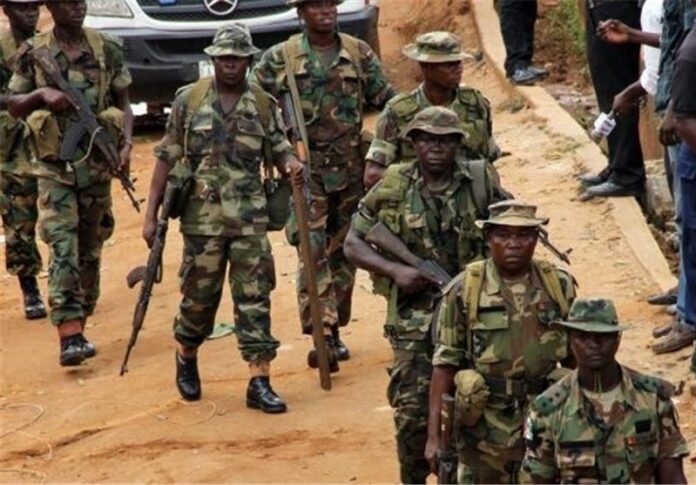
Nigerian Army

Shiites in Nigeria have become the prime target of a plot jointly hatched by the African country’s government, the Western powers, the Zionists and Wahhabi groups.

Tasnim News Agency on December 14 published a report on Nigeria and attempts by outsiders who aim to eliminate the Shiites in the African country on the Gulf of Guinea. The following is a translation of part of that report:

A country of 170 million, Nigeria is in West Africa. It has the largest population on the black continent and its 36 states are run by a federal government. Nigeria has the world’s tenth largest oil reserves and is the eighth biggest oil exporter. Muslims account for 50 percent of the population in Nigeria.

Since 2002, the country has been hit by military conflicts between Boko Haram and government forces. Boko Haram, which is an armed terrorist group, is seeking to shut down all modern schools and impose its Takfiri-Salafi laws in the country.

Shiites in Nigeria

Shiites in Nigeria are the biggest Shiite community in Africa. In 2008, the population of the Shiites was estimated to stand around seven million. The Islamic Movement in Nigeria (IMN), a Shiite group, is led by Sheikh Ibraheem Zakzaky. Nigerian Shiites live in Lagos, Zaria and Kano, and the Baghiatallah religious site in Zaria is their stronghold.
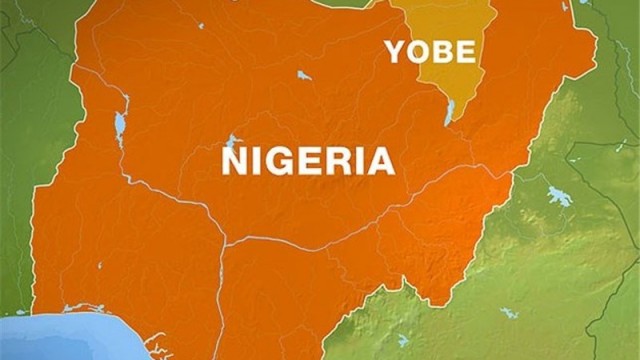
NigeriaNinety-five percent of the Shiites are said to have embraced Shiite Islam in the past three decades. They are known as Mostabserin [those who have converted to Shiism]. Except for indigenous Shiites, a number of Lebanese immigrants are living in Nigeria too.

The Twelver Shiites hold religious ceremonies which bring together the faithful in their hundreds, among other occasions, to mark Ashura; they release newspapers, magazines and books, develop websites, and produce audio and video materials on the beliefs of the Prophet Muhammad’s infallible Household in their native language.
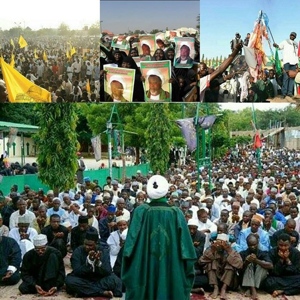
Nigerian ShiaShiites were present in Nigeria in three historic periods: 1) It started before 1994 when the number of Shiites did not exceed 500 in total, because the Nigerians were not familiar with this branch of Islam. 2) It began after 1994 when the Islamic Movement – which was inspired by the Muslim Brotherhood – was established. The tendency of certain members of this movement toward Shiism created rifts in its ranks with those converting to Shiism defecting from the movement and leaving for other countries. This marked the beginning of familiarity with Shiism and led to the emergence and spread of Shiism among Nigerian Muslims.

3) This period, which was inspired by the awakening and the Islamic Revolution of Iran, started from 1999 onward. During this period, Shiism was given a broad, hearty welcome by Muslims and people in Nigeria, and grew in the country remarkably. Despite the negative propaganda and mistreatment [of Shiites] by the anti-Shiite sects, over seven million people have converted to Shiism.

Who is Ibraheem Zakzaky?  

Born in 1953, Ibrahim Yaqoub El Zakzaky – who holds a degree in economics – is the leader of the Islamic Movement in Nigeria (IMN). He landed in jail many times in the 1980s and 1990s. His three sons were killed on International Quds Day rallies in Zaria in 2014 at the hands of the Nigerian police. [On July 25, 2014, Nigerian Army reportedly gunned down 35 followers of Ibrahim Zakzaky including his 3 undergraduate biological sons after pro-Palestinian procession in Zaria]. His activities have helped a number of Nigerian natives join [Shiism and] embrace the ideology of the Prophet’s Household.
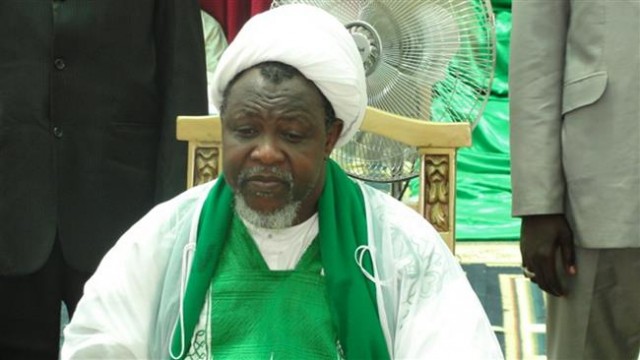
Ibraheem Zakzaky-3

He has been in charge [of helping Nigerians convert to Shiism] since about 30 years ago, or as far back as the victory of the Islamic Revolution in Iran back in 1979. Following the Islamic Revolution, Zakzaky was inspired by the late Imam Khomeini. In the following years he came to Iran, and when he returned to Nigeria in clerical clothing, he embarked on promoting Shiism in Zaria and Kano.

On the “vehemently anti-American” leader of Nigerian Shiites, a BBC reporter says, “When I met the white-bearded, traditionally dressed religious leader, who looked older than his 57 years, he resembled a peaceful, friendly, elder statesman and smiled as he told me that he now has hundreds of thousands of followers.

“We sat together on his bright, fluffy pink, red and white rug and an orange-flowered garland framed a hanging portrait of the revolutionary Islamic leader of Iran, Ayatollah Khomeini, who watched over us.

“But followers here, including Sheikh Zakzaky, are closely watching present-day events in Iran.”

Western plot against Shiites

The emergence of Shiism and the growing number of Shiites in Nigeria together with the burgeoning hopes of truth-seekers and the oppressed people have triggered bitter opposition to the Islamic Movement in Nigeria and its leader. Zionist-run organizations and Wahhabi groups are in the ranks of the opponents.
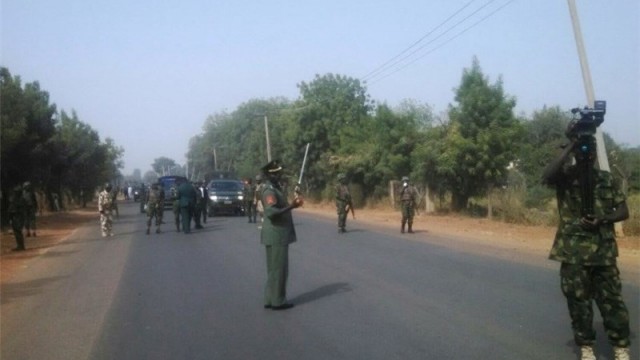
Nigeria-2A closer study of such opposition brings to light the covert cooperation of two Salafi and Zionist movements which are taking action against the Shiites by committing terrorist acts. Such terrorist measures have been mainly plotted by Mossad in cooperation with the Nigerian security forces. A case in point is the abortive assassination of Sheikh Zakzaky in 2009. A bomb was to go off in the Sheikh’s residence in Zaria, but he disclosed the plot in Friday prayer sermons on September 11.

The details of the plot showed that the assassination had the support of the Saudis in addition to involvement of the US and Israel. The Saudis had [reportedly] paid certain missionaries to talk against the IMN all over the country.

The Nigerian security forces gathered in Abuja, Nigeria’s capital, last September to hold their final talks on carrying out such a plot [against the Shiites]. As part of the plot, they decided to unleash a barrage of charges against Zakzaky and his followers. Their decision was put in force courtesy of Saudi financial support and by the Wahhabi clerics who describe the Shiites as Rafezi (a derogatory term Wahhabis use to refer to Shiites).

The [anti-IMN] measures are at their highest in Zaria which is home to the largest numbers of International Quds Day ralliers each year.

On International Quds Day last year, security forces in Nigeria dispatched a so-called anti-terrorism squad to different states, especially Zaria [in Kaduna State in Northern Nigeria] to apparently track down the remnants of Boko Haram – a [terrorist] Wahhabi group – but they massacred people and captured a group of individuals. Police checkpoints had been ordered to stop the inflow of aid from other regions into the predominantly Shiite regions.

Meanwhile, the government had supported the clerics linked to the establishment asking them to identify – in their remarks – the Islamic Movement, its leader and members as part of a deviant sect which should be eliminated. The clerics have also been demanded to downplay the sympathy of people, especially women and children, with the movement if its members were killed.
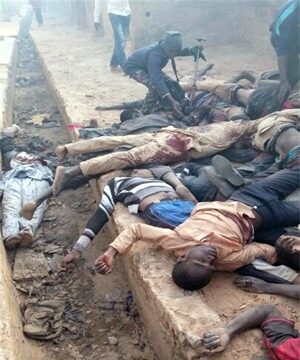
Nigerian-1Unlike in the past when different groups were instigated to attack the Islamic Movement, this time around the Nigerian security forces got involved in the anti-IMN measures. The government is not simply happy with the killing of the Islamic Movement’s leader and active members. The next phase of the long-term plan calls for the identification of the clerics who are like-minded with the Islamic Movement. Police in the Kaduna State had admitted in a report to the federal government that the US embassy had called for drastic measures against the Shiites in Nigeria.

Israeli Foreign Minister Avigdor Lieberman traveled to Nigeria a few days before such [anti-Shiite] operations got underway. His visit [ostensibly] produced a mutual cooperation document on agricultural and technological fronts, but it also generated a secret security treaty under which the Zionist regime would train Nigeria’s security forces and would get involved in communal conflicts in the African country.
People are entitled to governing their country

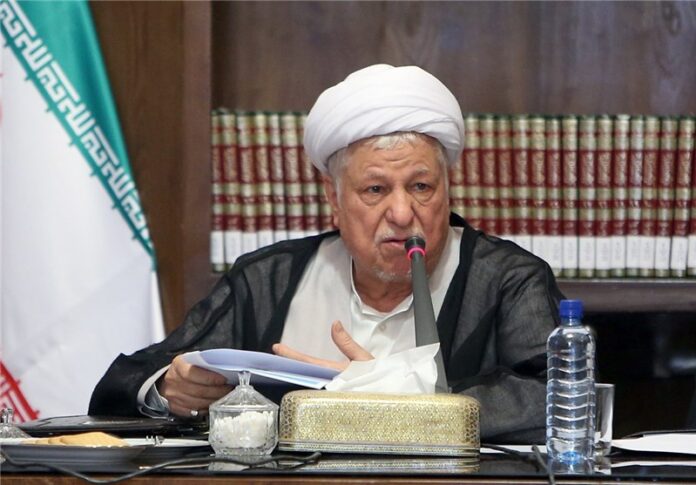
Rafsanjani

The chairman of the Expediency Council has stressed the importance of the [parliamentary and Assembly of Experts] elections in late February and the post-JCPOA conditions and said that wise and popular statements should be made at this juncture.

Ayatollah Akbar Hashemi Rafsanjani made the remark in a meeting with members of the Central Council of the Islamic Association of Students at the University of Tehran and Tehran University of Medical Sciences on Monday and added that people who are entitled to governing should learn about their rights and take part in the elections.

Tasnim News Agency on December 14 published Ayatollah Rafsanjani’s remarks and the following is the translation of what the top councilor said:

University students

The Expediency Council chairman said that university students are the valuable assets of today and tomorrow in the country. “Failure to meet the rightful demands of university students does no good to any establishment, because these students build the future and they should not face ambiguities in dealing with different issues.”
He further said that some [hardliners] are not happy with people’s tendency toward moderate ideas which are the essence of Shiism and have their roots in the pure Islamic faith.

Naturally, when political pressures surrounding a social phenomenon are removed, there will be some reactions before things reach a point of balance,said Rafsanjani.

As for the university atmosphere in the eleventh government and the Student Day ceremony [on December 7], he said that the relatively successful ceremony is another example of the determination of vigilant people in society, especially university students and the educated people, to create yet another epic in defending the Islamic establishment and the ideals of the late Imam and the martyrs.

Seyyed Hassan Khomeini

The top councilor then recalled the decision by Seyyed Hassan Khomeini [the grandson of the late Imam] to run for the Assembly of Experts and the reactions his decision has drawn and said that the candidacy of a person like him is the basic right every ordinary citizen, let alone a member of the family of the late Imam, but that he is not treated fairly.

Seyyed Mahmoud Doaei

Ayatollah Rafsanjani then recalled the controversy over Seyyed Mahmoud Doaei and his Ettela’at daily’s republication of an interview with former President Mohammad Khatami and said that Doaei has a long record of struggles [against the Pahlavi regime], cultural experiences in the pre-revolution struggles and accompanying the late Imam during his years in exile.

“In 1966, we released a statement against the coronation ceremony. Mr. Doaei and I were betrayed. I landed in jail and he escaped to Iraq where he – aided by Mr. Mostafa Khomeini – joined Radio Baghdad and became the sole speaker at The Clerical Movement in Iran, an influential program.”

Rafsanjani highlighted Doaei’s strong interest in the late Imam, the revolution and the Islamic establishment and said that unfair treatment of a person who has spent a lifetime – before and after the Islamic Revolution – serving the establishment is nothing but an anger which has no rational, legal and farsighted basis. “We are concerned, because the consequences of such misbehaviors will by no means serve the establishment’s interests.”

ISIS and extremism

The Expediency Council chairman said that extremism is doomed to fail, adding that rebellion by ISIS and a coalition of the world’s opposing powers against the terror group shows that terrorism and extremist acts are condemned as horrible in all divine faiths and human schools of thought.

“Even those who are known in the world for their radical policies and support for racist regimes have come to the conclusion that they had better join the anti-ISIS coalition or they have been forced to do so, because they know that the world public opinion is against terrorism and the massacre of humans.”

Elections

He said that people who are entitled to running their country should know their rights, adding that they are expected to participate in the elections because the turnout is of great importance.

People showed a similar behavior in the 2013 presidential elections and achieved a [good] result, Rafsanjani said, adding that the moderates seek trans-factional cooperation in their governance, and they are after an approach which serves the interests of the revolution, establishment, country and people.

Country’s conditions

Rafsanjani advised students to exercise patience and said, “If we try for God’s sake, He will not abandon those who fight in His path. Perhaps we have to go through tough tests to prove that honesty works.”

He referred to different developments that unfolded before and after the victory of the Islamic Revolution and said some individuals who claim to be popular have – knowingly and unknowingly – tried to create a chasm between people and the establishment.

The top councilor said that the enemy’s infiltrators are trying to poison the secure atmosphere in the country, cause differences among people and shatter unity in the country, adding that students should remain vigilant not to let them achieve their objectives.

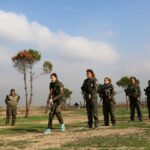
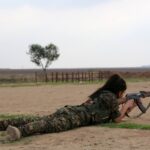
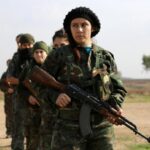
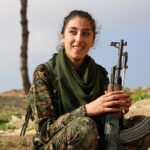
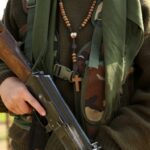
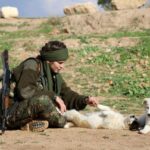
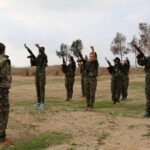
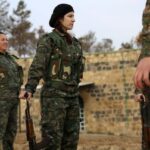
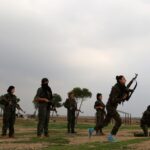
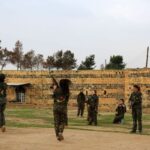
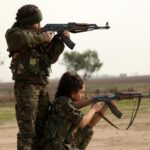
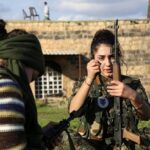
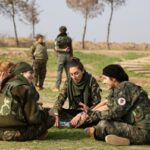
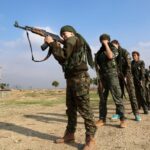
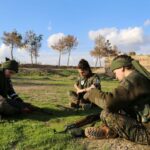
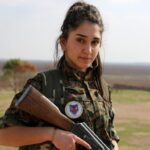
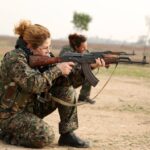
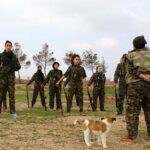
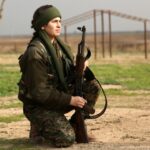
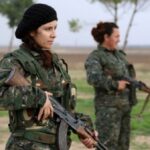
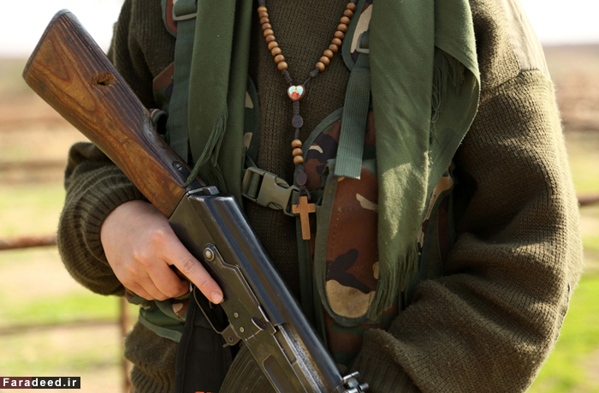
Female partisans prepare to take on Daesh (PHOTOS)

Female partisans

Fifty female members of Syria’s Democratic Union Party have formed a partisan platoon to take on Daesh.

These female fighters of Christian faith are now battling Daesh terrorists alongside Kurdish Peshmerga and Yazidi fighters.

The following images of these brave Kurdish fighters have been shot by a French News Agency photographer and republished by faradeed.ir:


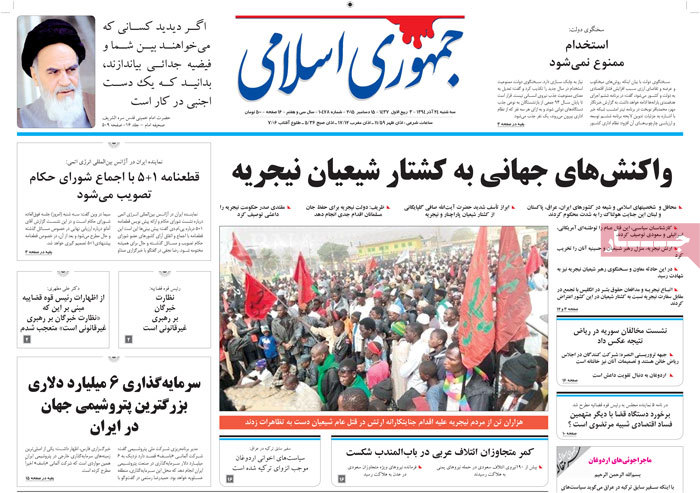
A look at Iranian newspaper front pages on Dec. 15

Iranian Newspapers Headlines

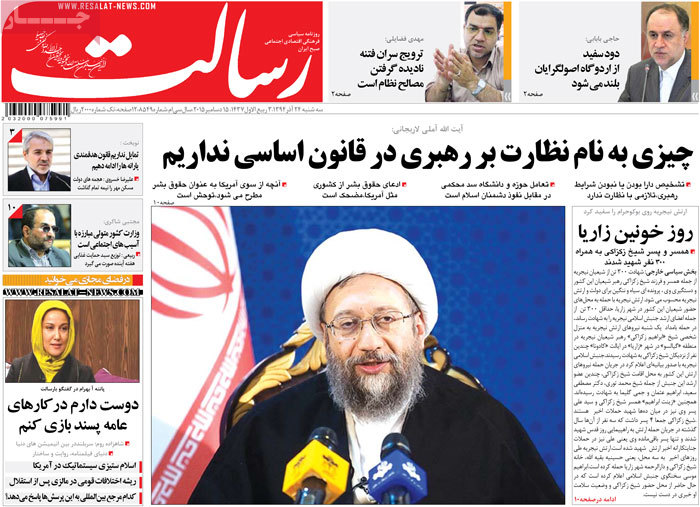
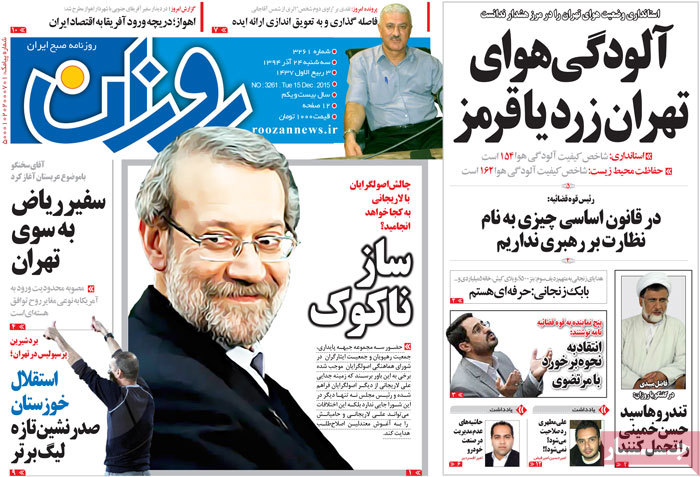
No single story dominated the front pages of Iranian newspapers on Tuesday. Reformist-leaning papers put on their covers the comments of the chairman of the Expediency Council about upcoming elections, and principlist dailies focused on the comments of the Judiciary chief about the responsibilities of the Assembly of Experts.


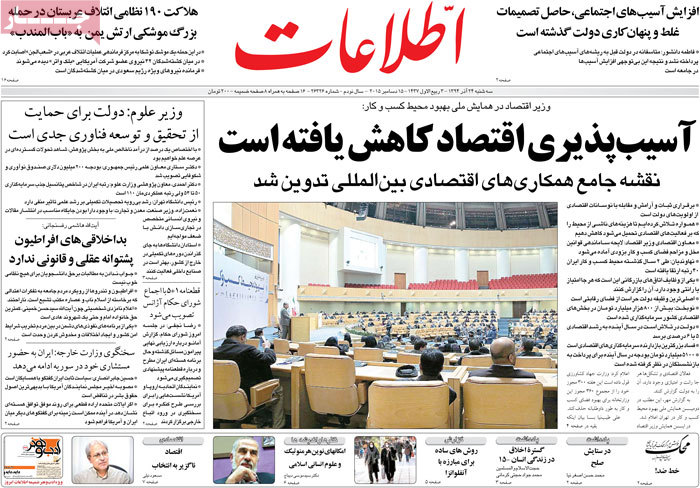
Ettela’at: The country’s economic vulnerability has decreased, the economy minister told a national gathering on improvement of business environment.

A comprehensive map on international economic cooperation has been drawn.

Ettela’at: Wrong decisions of the previous government and its measures to gloss things over are to blame for a rise in social harms.

Unfortunately the previous government failed to look into the root causes of social harms. Its failure resulted in a rise in such harms, Fatemeh Daneshvar [a female entrepreneur] said.

Ettela’at: As many as 190 soldiers of the Saudi-led coalition died when the Yemeni army staged a massive missile attack on the Bab-el-Mandeb Strait.

Ettela’at: Government is determined to support research and technological development, said the minister of science, research and technology.

Allocation of 1 percent of the country’s GDP to research will transform the science sector.

Ettela’at: The misbehaviors of the hardliners don’t have any logical or legal foundation, said Chairman of the Expediency Council Ayatollah Akbar Hashemi Rafsanjani.

Failure to meet the rightful expectations of students does not serve the interests of any establishment.

Ettela’at: The P5+1 resolution will be unanimously adopted at the Board of Governors of the International Atomic Energy Agency.

The comment by Iran’s IAEA envoy came ahead of a meeting of the Board of Governors to examine a report by the UN nuclear chief on Iran’s nuclear program.

Ettela’at: The Iranian Foreign Ministry spokesman has said that Iran is to carry on with its advisory role in Syria.

Hossein Jaber Ansari further said that Iran’s unchangeable policy is to hold talks with its neighbors.


A look at Iranian newspaper front pages on Dec. 15


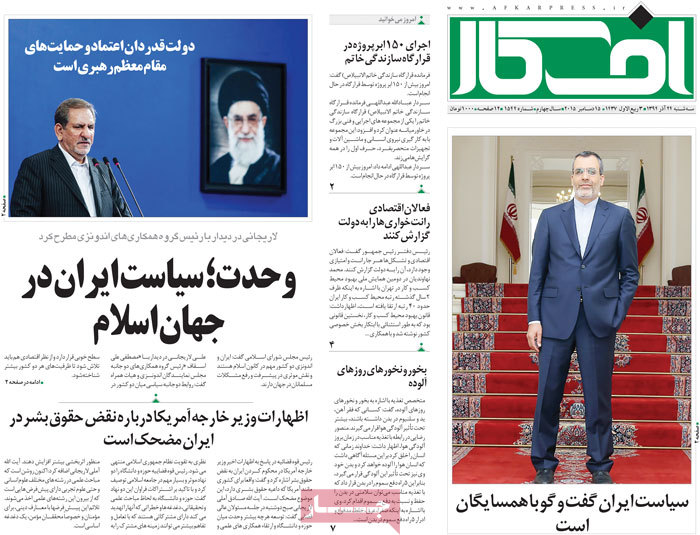
Afkar: Government appreciates the Supreme Leader’s trust in and support for the administration, said First Vice-President Eshagh Jahangiri.

Afkar: Parliament Speaker Ali Larijani has told the head of Iran-Indonesia Cooperation Group that unity is the cornerstone of Iran’s policy in dealing with the world of Islam.


A look at Iranian newspaper front pages on Dec. 15


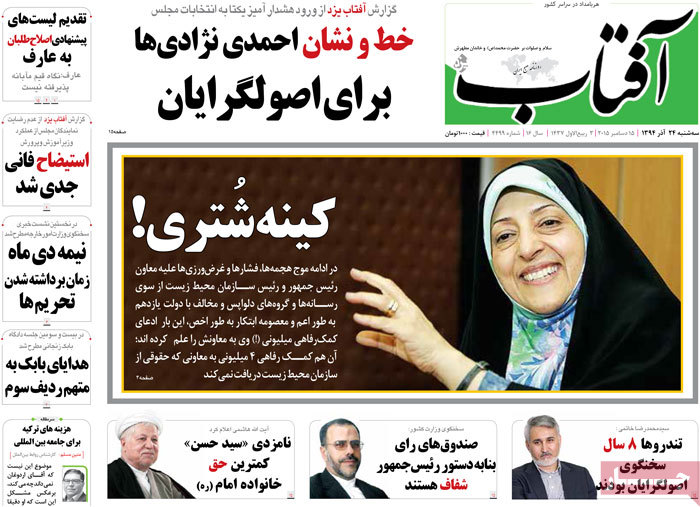
Aftab-e Yazd: On orders of the president, ballot boxes to be used in upcoming elections will be transparent.


A look at Iranian newspaper front pages on Dec. 15


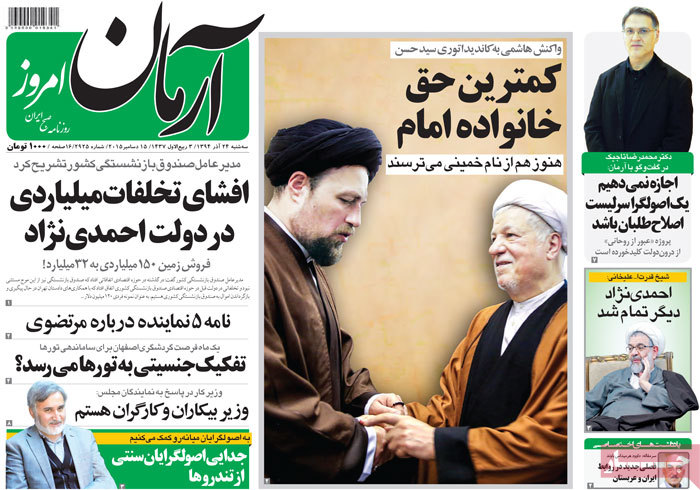
Arman-e Emrooz: The managing director of the State Retirement Fund has revealed millions of dollars in misconduct by the previous government.


A look at Iranian newspaper front pages on Dec. 15


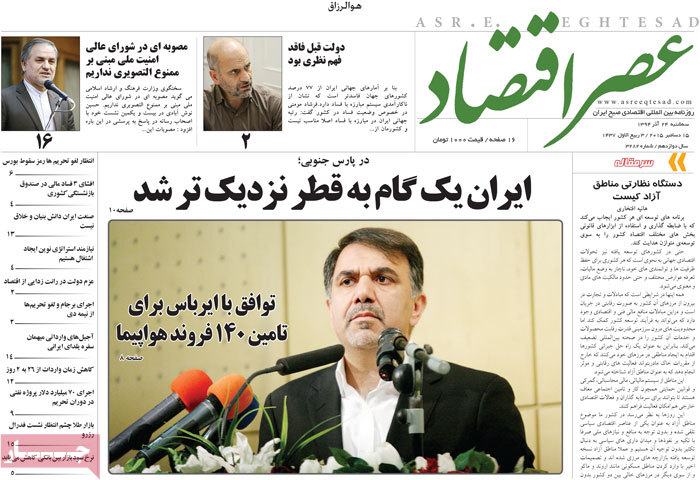
Asr-e Eghtesad: The Iranian transport chief has said that Iran has reached an agreement with Airbus to buy 140 aircraft.


A look at Iranian newspaper front pages on Dec. 15


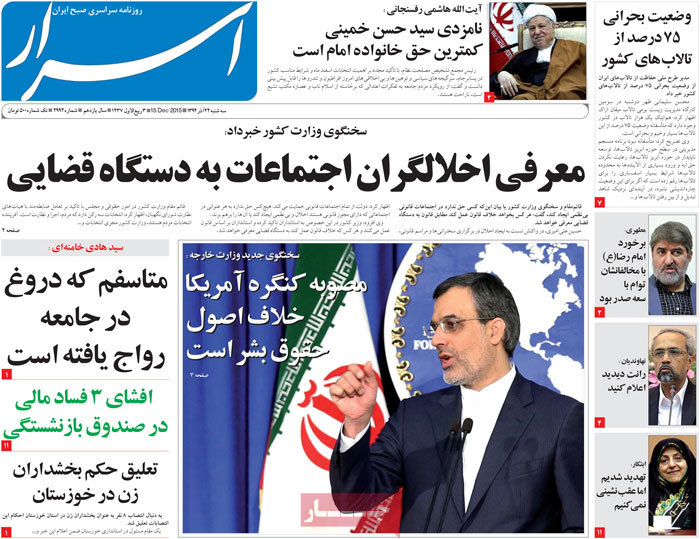
Asrar: A spokesman for the Interior Ministry has said that those who disrupt authorized gatherings will be referred to the Judiciary.


A look at Iranian newspaper front pages on Dec. 15


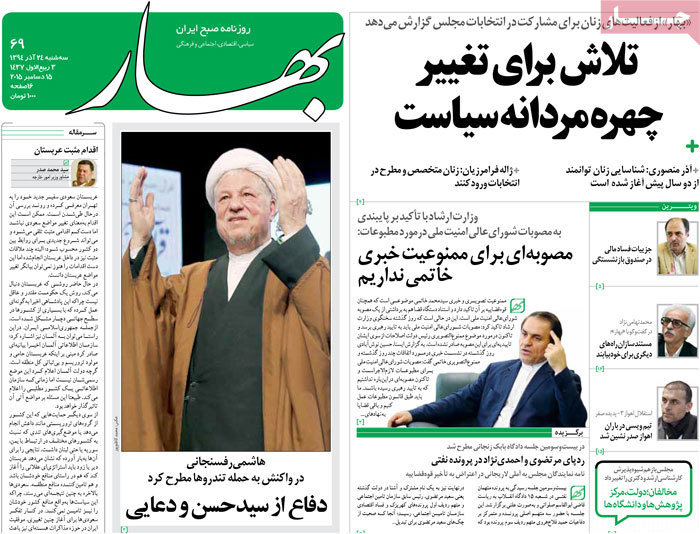
Bahar: In reaction to attacks by hardliners, Hashemi Rafsanjani has rushed to the defense of Seyyed Hassan [the grandson of the late Imam Khomeini] and [Seyyed Mahmoud] Doaei [the managing editor of Ettela’at daily].


A look at Iranian newspaper front pages on Dec. 15


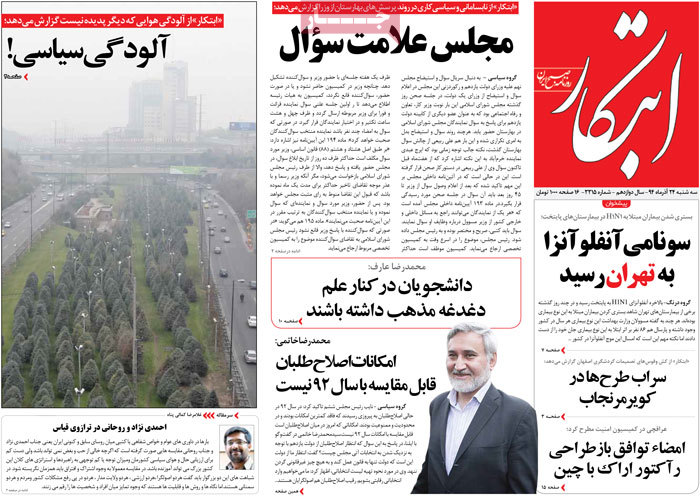
Ebtekar: The influenza tsunami has found its way to Tehran.

A number of patients infected with H1N1 strain of the flu virus have been admitted to the hospitals of the capital.


A look at Iranian newspaper front pages on Dec. 15


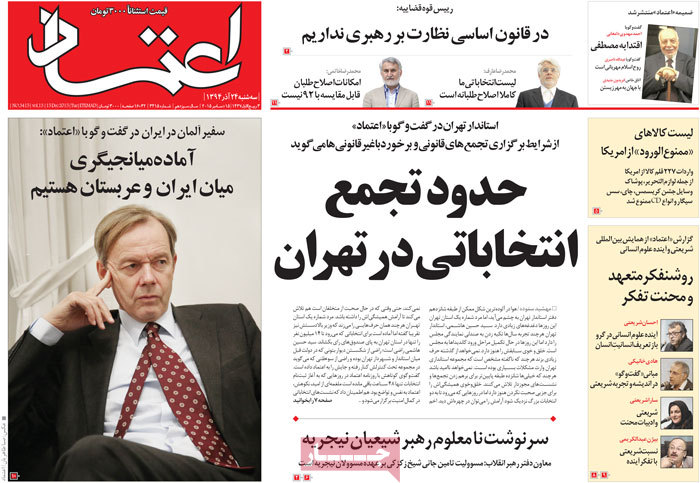
Etemad: The German ambassador to Tehran has said in an exclusive interview with the daily that Berlin stands ready to act as a mediator between Iran and Saudi Arabia.

Etemad: There is no such thing as “overseeing the leader” in the Constitution, said the Judiciary chief.

Etemad:  Authorities have released the list of 227 items whose import from the US is banned.

Clothes, tea, cigarettes, stationery items, sauces, and Christmas items are on the list.


A look at Iranian newspaper front pages on Dec. 15


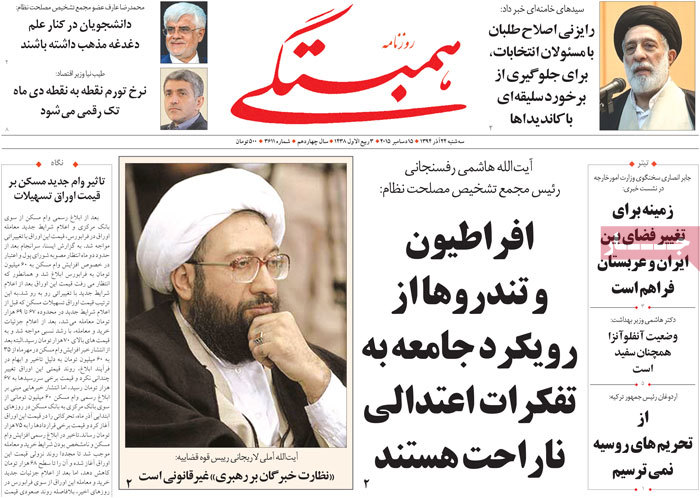
Hambastegi: Hardliners and extremists are unhappy about society’s willingness to embrace moderate thoughts, said Ayatollah Akbar Hashemi Rafsanjani.


A look at Iranian newspaper front pages on Dec. 15


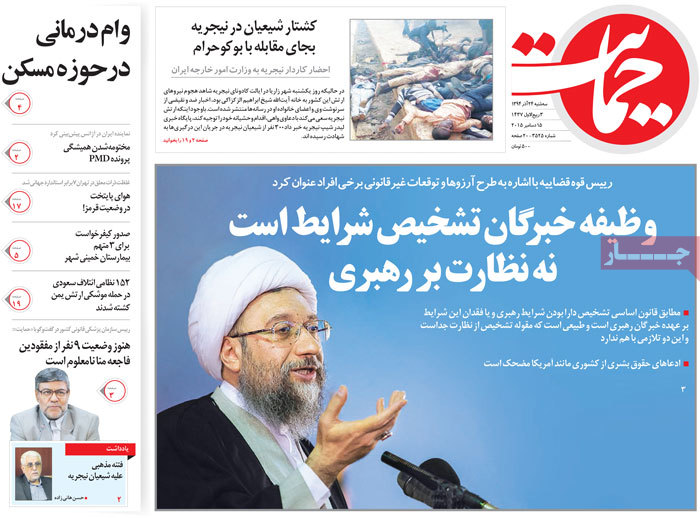
Hemayat: The Assembly of Experts is tasked with determining whether an individual meets the necessary requirements to become leader, it does not supervise the workings of the leader, said the Judiciary chief.

Ayatollah Sadegh Amoli Larijani said that human rights claims by a country like the US are absurd.

Hemayat: Nine Iranians are still unaccounted for following the deadly stampede involving Hajj pilgrims in Mina, Saudi Arabia in September.


A look at Iranian newspaper front pages on Dec. 15


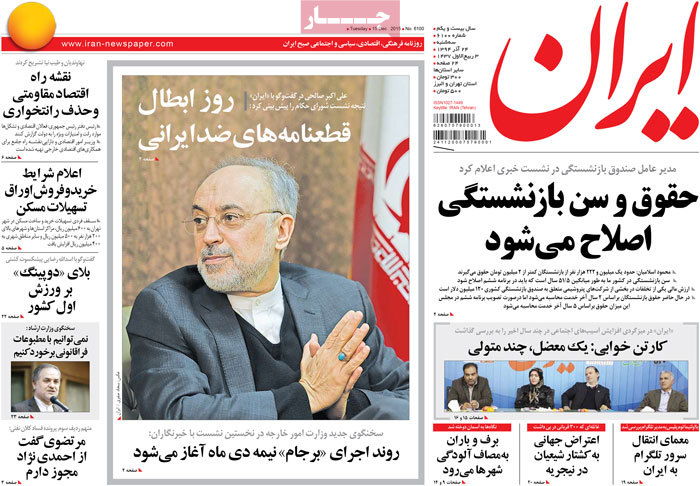
Iran: The Foreign Ministry spokesman has said that the Joint Comprehensive Plan of Action will be implemented in January.

Iran: Saeed Mortazavi, the second co-defendant in an oil corruption trial, has told a hearing that he had the go-ahead of Ahmadinejad [to work with Babak Zanjani].


A look at Iranian newspaper front pages on Dec. 15


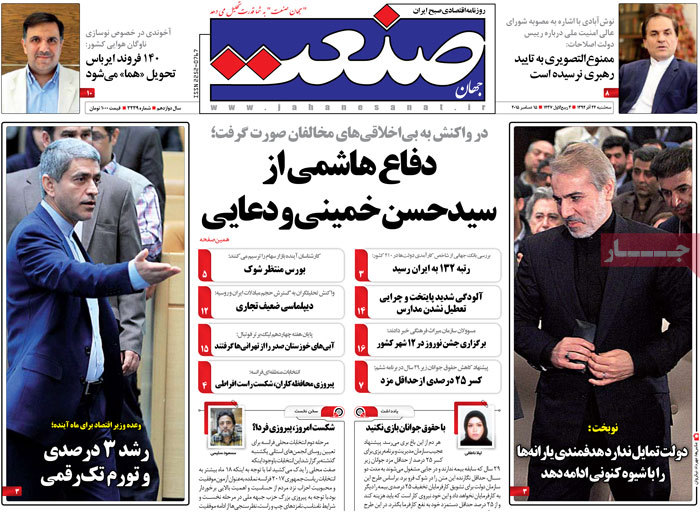
Jahan-e Sanat: The ban on the publication of news about and images of former President Mohammad Khatami does not have the blessing of the Leader, said the spokesman of the Ministry of Culture and Islamic Guidance.


A look at Iranian newspaper front pages on Dec. 15


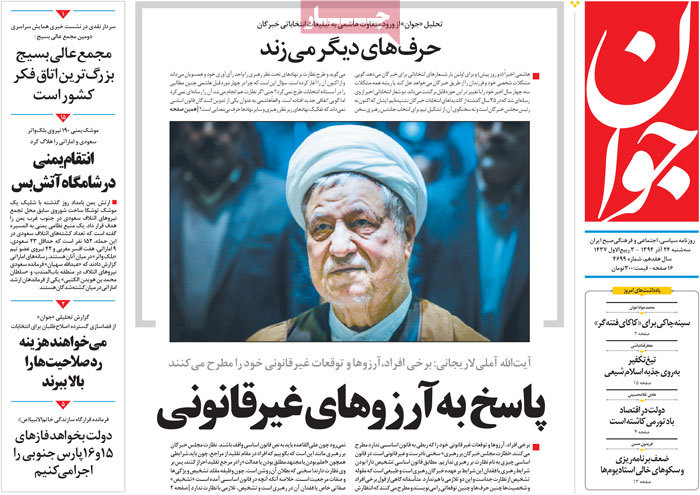
Javan: The Yemenis have taken revenge on the eve of a cease-fire.

Yemeni missiles killed 190 Blackwater, Saudi and Emirati troops.


A look at Iranian newspaper front pages on Dec. 15


Jomhouri Islami: The government spokesman has denied reports that a ban will be slapped on new hiring by the public sector next year.

Jomhouri Islami: The Judiciary chief has said that the oversight of the leader by the Assembly of Expert is illegal.

Tehran MP Ali Motahari has said that comments by the top judge that such supervision is illegal “took me by surprise”.


A look at Iranian newspaper front pages on Dec. 15


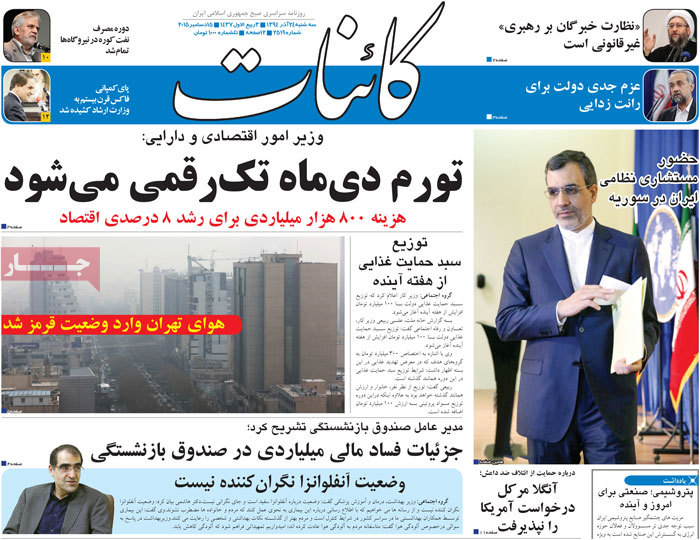
Kaenat: Inflation is expected to slip into single digits next month, said the economy minister.


A look at Iranian newspaper front pages on Dec. 15


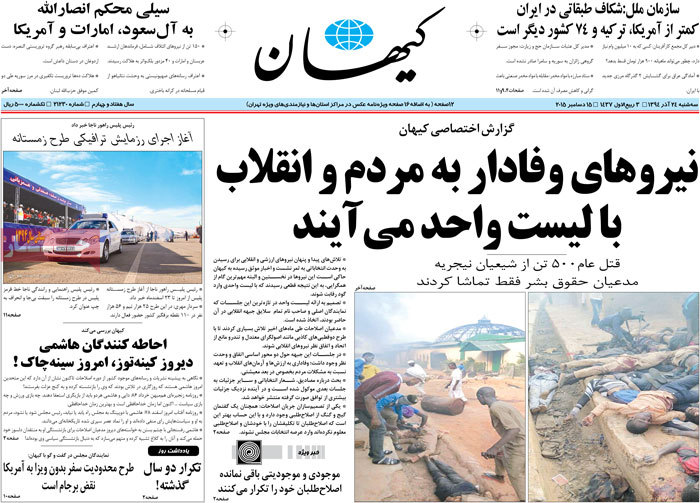
Kayhan: A number of MPs have said that the US Congressional bill that requires those who have visited Iran to obtain a visa to travel to America amounts to violation of the Joint Comprehensive Plan of Action.


A look at Iranian newspaper front pages on Dec. 15


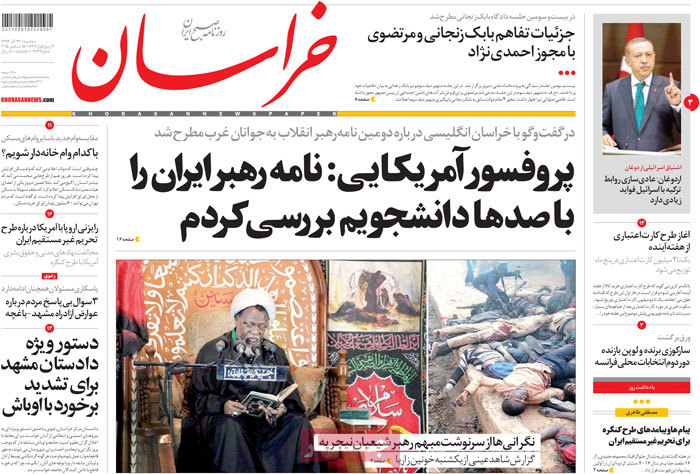
Khorasan: An American professor in an interview with the daily has said that he and hundreds of his students have gone through the second letter Iran’s Supreme Leader has written to the youth in the West.


A look at Iranian newspaper front pages on Dec. 15


Resalat: The government spokesman has said that the government in not interested in carrying on with the implementation of the Targeted Subsidies Act.


A look at Iranian newspaper front pages on Dec. 15


Roozan: Five MPs have written a letter to the Judiciary, criticizing the way it treats Saeed Mortazavi [who is on trial for corruption and has a conviction under his belt].


A look at Iranian newspaper front pages on Dec. 15


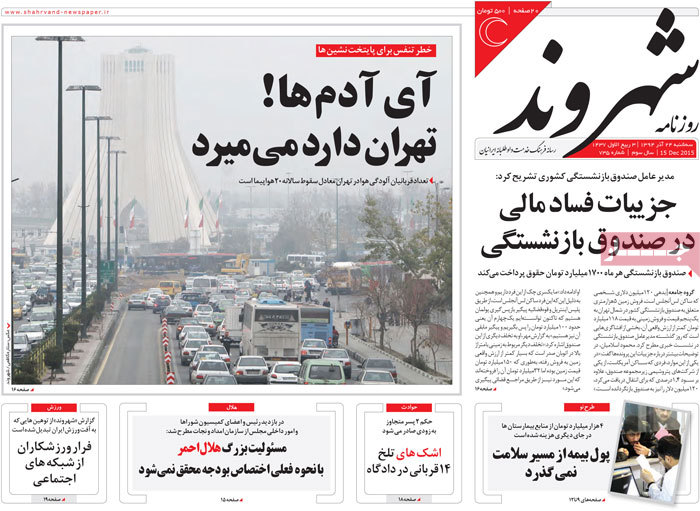
Shahrvand: Help. Tehran is dying!

The number of people who fall victim to air pollution in Tehran is equal to the lives 20 air accidents might claim.


A look at Iranian newspaper front pages on Dec. 15


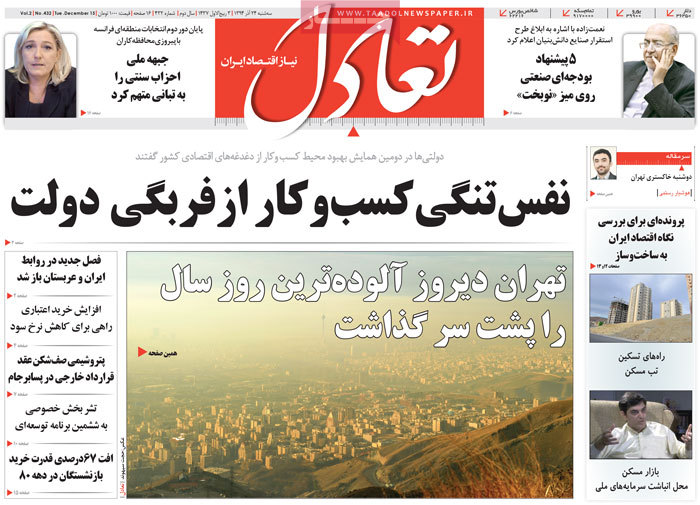
Taadol: Air pollution in Tehran on Monday was at its highest in nine months yesterday.


A look at Iranian newspaper front pages on Dec. 15


Iran condemns terrorist attack in Pakistan’s Parachinar

Jaber Ansari

Iran’s Foreign Ministry condemned a Sunday terrorist attack in Pakistan that killed 23 people at a market in the predominantly Shiite city of Parachinar.

Foreign Ministry Spokesman Hossein Jaberi Ansari expressed Iran’s condolences to the Pakistani people and government and families of the victims of the deadly attack.

He said such heinous acts are meant to serve the interests of the enemies of Pakistan and the Islamic world, adding, “Terrorists seek to upset peace and stability in Pakistan.”

The spokesman expressed hope that appropriate policies would be adopted to prevent the repetition of such acts of terrorism.

The Sunday bomb blast at a crowded bazaar in Parachinar city, in Pakistan’s northwestern province of Khyber Pakhtunkhwa, killed 23 people and wounded several others.

The Lashkar-e-Jhangvi Takfiri terrorist group claimed responsibility for the attack, saying it had planted an IED (improvised electronic device) at the market.

Targeted killings against Shiite Muslims in Pakistan have drawn international outrage, with rights groups and regional countries expressing concern over the growing violence.

Shiites are seen as a minority group in Pakistan. They make up roughly 20 percent of the country’s population of 185 million.


Iran to sell 10 tons of enriched uranium to Russia: Deputy FM

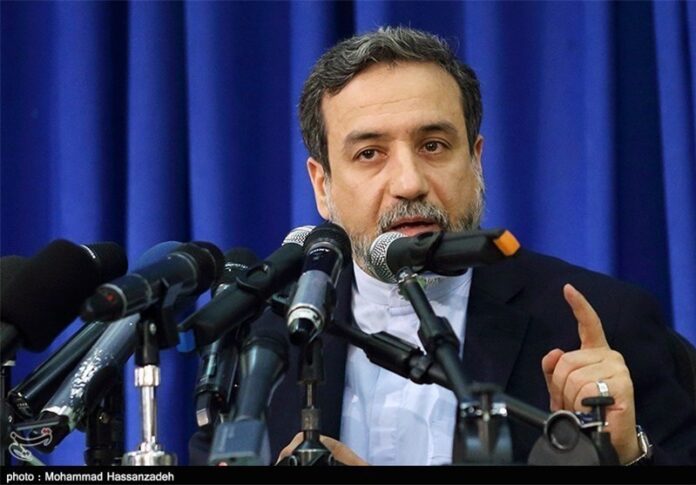
Araghchi

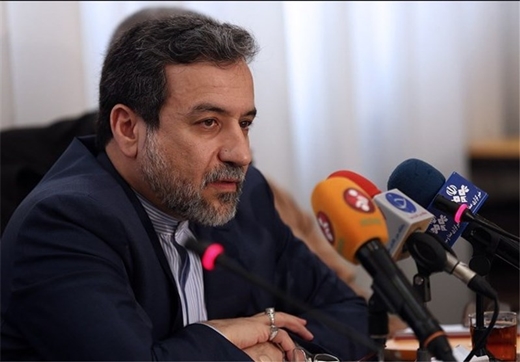
Iran’s deputy Foreign Minister Abbas Araghchi said on Monday that after adoption of a resolution by the IAEA Board of Governors, Iran is expected to sell its enriched uranium to Russia and receive 140 tons of uranium ore in exchange for 10 tons of its enriched uranium.

The IAEA Board of Governors is expected to adopt a resolution on Tuesday which closes the so-called possible military dimensions (PMD) of Iran’s nuclear program, paving the way for the implementation of the Joint Comprehensive Plan of Action (JCPOA) reached between Iran and the six world powers in July.

Nowzar Shafiei, the rapporteur of Parliament’s National Security and Foreign Policy Committee, told IRNA on Monday that during his presence before the legislative committee earlier in the day, Araghchi also briefed the lawmakers on redesigning the Arak Reactor.

A document has been signed on redesigning Arak Reactor and Iran is currently in talks with China for signing an agreement on modernizing the reactor, Araghchi was quoted as saying by Shafiei.

It seems that JCPOA will become implemented as of next month, Araghchi said.


US Congress bill is in contradiction to nuclear deal: Spokesman

Jaber Ansari

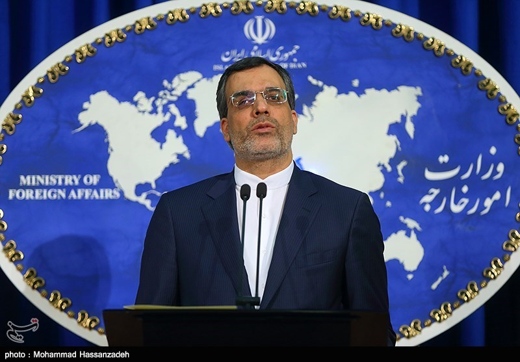
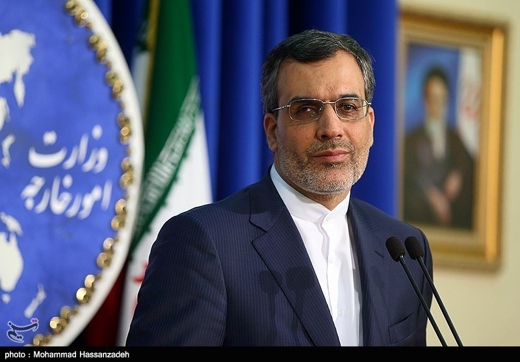
Hossein Jaber Ansari, the new spokesman of Iranian Foreign Ministry, in his first press conference after his designation to the post said Monday, “From the perspective of the Islamic Republic of Iran, the US congressional bill on Iranian nationals entering the US is contradictory on several fronts.

[As it currently stands, the Visa Waiver Program (VWP) allows citizens of 38 countries — namely European states, Australia, Japan and South Korea — to travel to the United States without having to obtain a visa. However, the US House of Representatives passed a bill (H. R. 158) on Dec. 8 that aims to exclude from this program all dual nationals from Iran, Iraq, Syria and Sudan, and anyone else who has traveled to those countries in the past five years.]

Jaber Ansari said, “The bill which is in contradiction to both international free trade and basic human rights principles has yet to run its course.”

The Foreign Ministry spokesman added, “This bill which amounts to collective punishment of the citizens of one or several countries is against the most fundamental principles of human rights.

“The bill is in conflict with the spirit of the nuclear deal. The legal dimensions of this issue are under study by the Foreign Ministry. If the bill is proven to have breached the Joint Comprehensive Plan of Action (JCPOA), the Iranian Foreign Ministry will seriously follow the issue.”
Jaber Ansari then underlined, “Even if the legal aspects of the bill do not prove to be in contradiction to (JCPOA), the bill and the legal course it took in the US send a negative message to the Islamic Republic of Iran and its great nation.
“There have been vast oppositions to the bill both inside Iran and also by Iranian nationals abroad.

“We hope the bill is not approved, and if it happens, it would be another indication of the unilateral and contradictory policies of the US toward global issues.

Jaber Ansari added: “The US administration claims to want to take on terrorism; it comes as Iran and the nationals of the Islamic Republic of Iran have paid the dearest price in confronting terrorism in the region in recent years. In this bill the Iranian nationals have been targeted and this is another aspect of the contradictory US policies.”

US automakers can invest in Iran: Deputy industry minister

Mahmood Dodangeh

The presence of American brands in Iran has kicked up a controversy in recent years. In the early months of the Rouhani presidency, Iranian officials gave Philip Morris International Inc. – an American global cigarette and tobacco company – the nod to produce cigarettes in Iran; [In light of recent instructions by the Supreme Leader, talks with the US company have now stopped], and more recently, a KFC outlet was inaugurated in Tehran only to be shut down 24 hours before the anniversary of the US Embassy takeover.

With the nuclear deal Iran and P5+1 clinched in Vienna on the cusp of implementation, many American companies are dreaming of making their way back onto the Iranian market. Local businesses which identify themselves as representatives of American firms have long been trying to have the American brands registered in Iran. Some pharmaceutical and food brands have already been registered.

Although many construed a recent statement by the Ministry of Industries, Mines and Trade as a blanket ban on imports of all American products, the deputy trade minister has said in an interview with Vaghaye-e Etefaghiyeh [a daily that recently hit newsstands] that American automakers can invest in Iran.

The following is the translation of part of a report the daily published on the possibility of American investment in Iranian automotive industry on December 14:

Deputy Minister of Industries, Mines and Trade Mahmoud Dodangeh said the government’s policy with regard to imports of goods from the US is in line with the laws. Under the laws, imports of consumer products are banned.

He further said that the ban only applies to consumer products and should not be generalized to other areas. Presently imports of technological and intermediate goods are not banned. Companies can place orders for science-based and industrial products and import them.

He also said under the country’s investment regulations American investors can find their way into the Iranian market too. As consumer products, American cars cannot be imported, but in accordance with the law, American carmakers can make investment in Iran and roll out vehicles in Iran.

Ettela’at managing editor arraigned: Spokesman

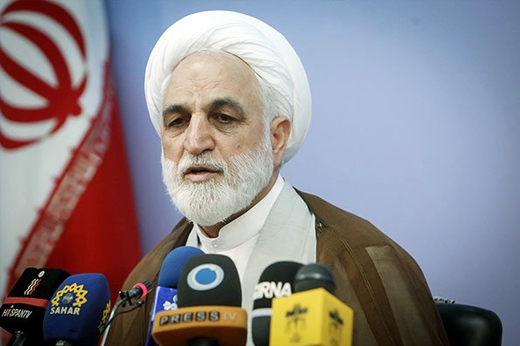
Mohseni Ejei

A recent republication by the Ettela’at daily of an interview former President Mohammad Khatami gave to Lebanon’s As-Safir daily has caused quite a stir on the country’s media stage.

Judiciary Spokesman Gholamhossein Mohseni Ejei dedicated a major part of his news conference on Sunday to the issue. The following is the translation of part of his comments as reported by Vaghaye-e Etefaghiyeh daily on December 14:

Prosecutors at the Special Court for the Clergy summoned [Mahmoud] Doaei twice. The first time, he made a promise [not to release news stories about and images of the former president]. In light of the fact that the daily went ahead with its measures, he was called in once again.

During the second appearance, he was arraigned and released on bail. The case is set to be sent to court for trial. The other day, Doaei made statements in his defense. Prosecutors allege that Doaei has acted against a directive of theirs which is based on a decision of the Supreme National Security Council and that charges should be brought against any person or media outlet that violates the directive.

The decision to bring charges against the managing editor of this daily shows that the ban [on the former president] remains in effect. When the Supreme National Security Council makes a general decision, its secretariat maps it out. The ban [on stories about the former president] comes on a prosecutorial order which has its roots in the decision of the council.

Prosecutors do not issue rulings, they issue judicial orders. As long as the council’s decision remains in place, prosecutors can issue indictments against individuals. And as long as judicial orders remain in place, they are legally binding. Failure to comply with such orders carries punishment.

Iran to Check Possible Breach of JCPOA in US Visa Waiver Bill: Diplomat

Abbas Araghchi

A senior Iranian foreign ministry official said Tehran would take “action” against Washington if a new bill passed by the US House of Representatives tightening visa-free travel to the US is proved to have breached the July comprehensive nuclear deal between Iran and world powers.

Iran’s Deputy Foreign Minister for Legal and International Affairs Abbas Araghchi said Iran is negotiating with P5+1 (Russia, China, the US, Britain, France and Germany) and with the European Union’s foreign policy coordinator on the recent legislation passed by the US House of Representatives.

According to the bill, which was passed by 407 to 19 on Tuesday, visitors from the 38 “visa waiver” countries will need to obtain a visa to travel to the US if they have been to Syria, Iraq, Iran or Sudan in the past five years.

Araghchi said the bill has “diverse legal aspects” and Iran is examining them.

“If it is proved to be in breach of the Joint Comprehensive Plan of Action (JCPOA), we will take action,” he said.

Araghchi noted, though, that the bill has not been finalized yet.

Citizens of 38 countries, many in the EU, can currently fly to the US without applying for a visa under America’s Visa Waiver Program.

The new legislation initially said those eligible for the waiver program who had travelled to “terrorist hotspots” like Iraq and Syria where the ISIL terrorist group controls territory would need to obtain a US visa.

But the final version included Iran and Sudan to the list of countries.

The bill HR158 means citizens of many EU countries and the rest of the 38 states participating in the program who travel to Iran for pleasure or business will have to obtain a visa should they ever want to enter the US.

The decision comes before implementation of the JCPOA.

The final nuclear deal, known as a big confidence-building step in relations between Iran and the West, is going to terminate all nuclear-related sanctions against Tehran after coming into force.