
A Siberian tiger, which had to spend five years in quarantine suspected of suffering from glanders, has returned to Tehran’s Eram Zoo.
Officials with the Veterinary Organization have eventually given the tiger the all clear to return to the zoo.
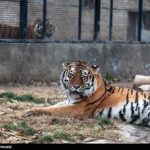
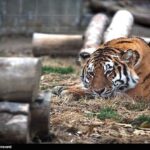
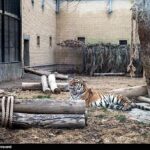
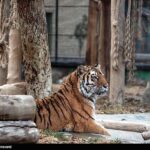
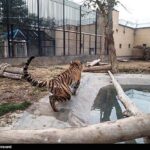
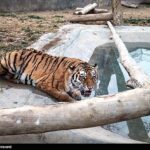
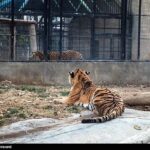
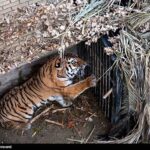
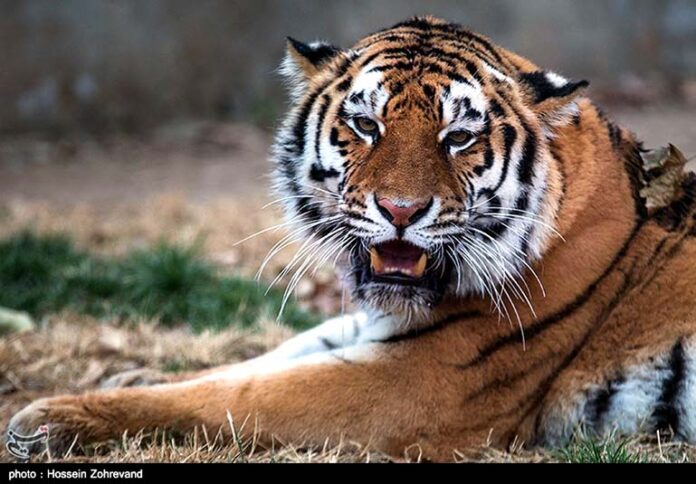
A Siberian tiger, which had to spend five years in quarantine suspected of suffering from glanders, has returned to Tehran’s Eram Zoo.
Officials with the Veterinary Organization have eventually given the tiger the all clear to return to the zoo.

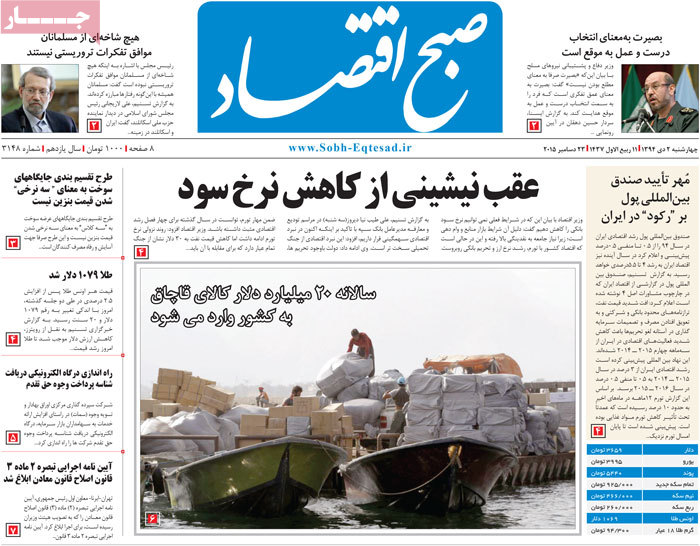
The comments of President Hassan Rouhani on the impartiality of the Intelligence Ministry in vetting the candidates for the upcoming elections dominated the front pages of Iranian newspapers on Wednesday. Continued registration of potential candidates was also a hot topic. Reformist-leaning and sport newspapers lashed out at IRIB for its failure to air a pre-recorded interview with Foreign Minister Zarif.
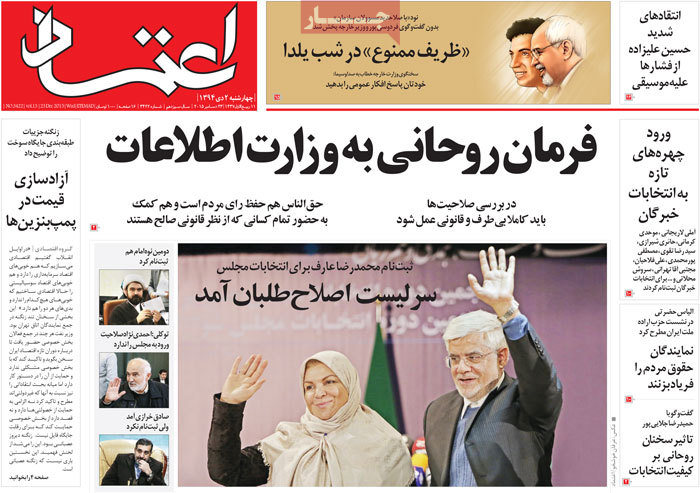
Ettela’at: Widening divisions is no skill; social cohesion should not be harmed, President Rouhani said in a meeting with the managers, advisors and staff members of the Ministry of Intelligence.
He further said the administration’s main responsibility is to ensure the security of all members of the public.
Ettela’at: The minister of science has said that overexpansion of universities poses a serious challenge to higher education.
Dr. Farhadi further said quality is the most important aspect of higher education; the country has as many as 4.8 million university students and around 2,000 institutes of higher education.
Ettela’at: The secretary of the Lebanese Hezbollah has said the movement reserves the right to retaliate against Israel for the assassination of Samir Kuntar.
He further said the message Kuntar’s blood sends [to the world] is that the flag of resistance will keep flying.
Ettela’at: First Vice-President Eshagh Jahangiri has said that public hope and confidence has prevented an economic turmoil in the country.
Ettela’at: The government spokesman has said economic growth will hit 6 percent next year.
Ettela’at: The increase in birth rate continues, said a spokesman of the Organization for Civil Registration.
He further said the number of births in the first nine months of the year [started March 21, 2015] was up 4.5 percent over the similar period last year.
Ettela’at: Registration of candidates for Assembly of Experts elections comes to an end Wednesday.
Ettela’at: The top seven books of a book critique festival have been named.
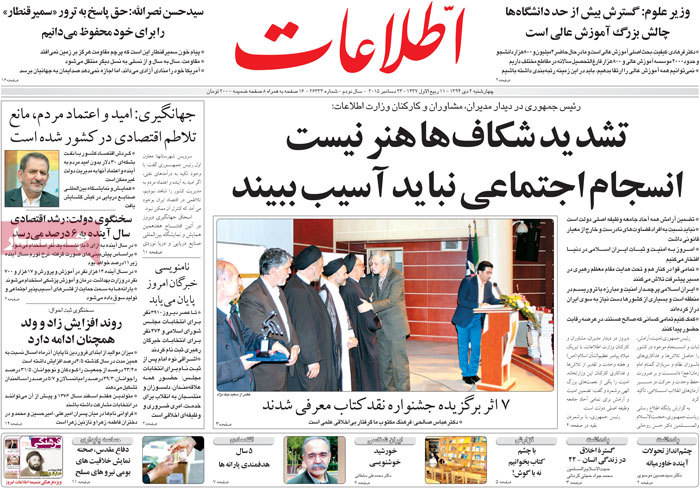
Abrar: Iran’s support for Syrian strategy is unchangeable, said Brigadier General Jazayeri, the deputy chief of staff of the Iranian armed forces.
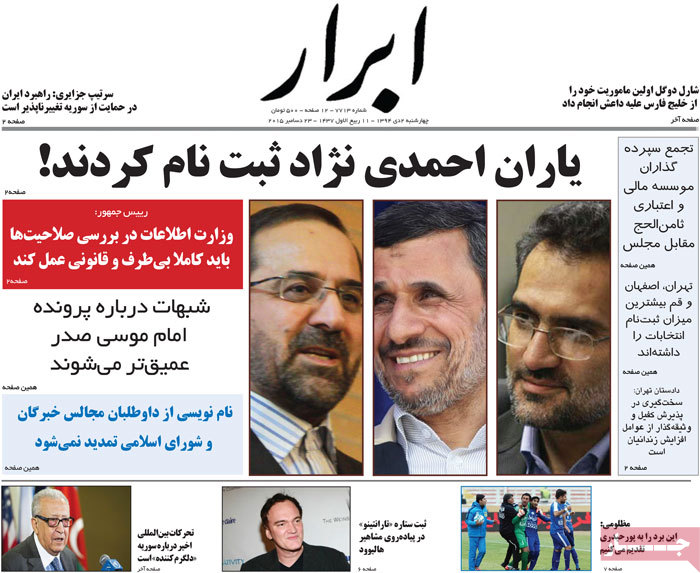
Afarinesh: Some 100 MPs have sent a notice to the president about unprecedented, deep recession gripping the country’s economy.
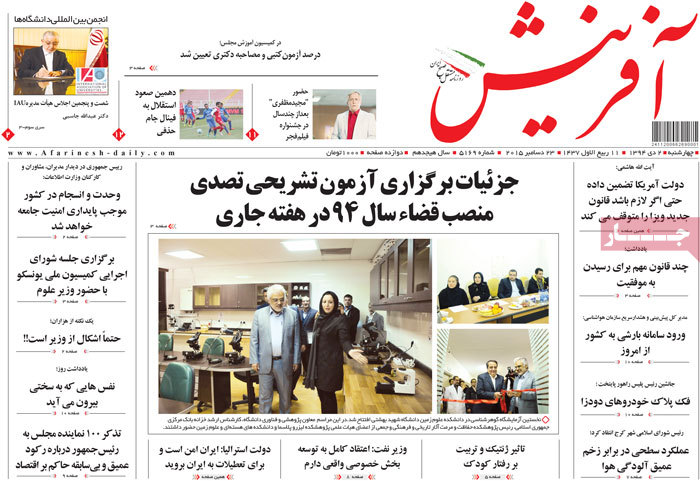
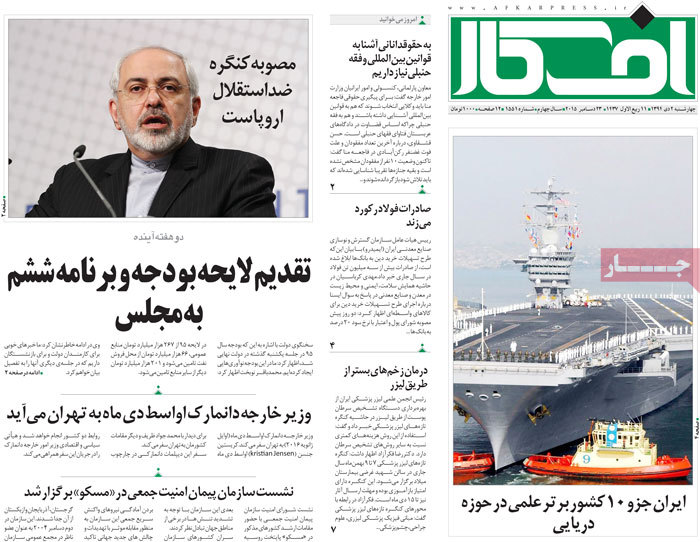
Afkar: Next year’s spending bill and a draft of the Sixth Development Plan will be presented to parliament in two weeks.
Afkar: The Danish foreign minister is due in Tehran in January.
Afkar: Iran has made it to the list of top 10 countries in the world when it comes to maritime science.
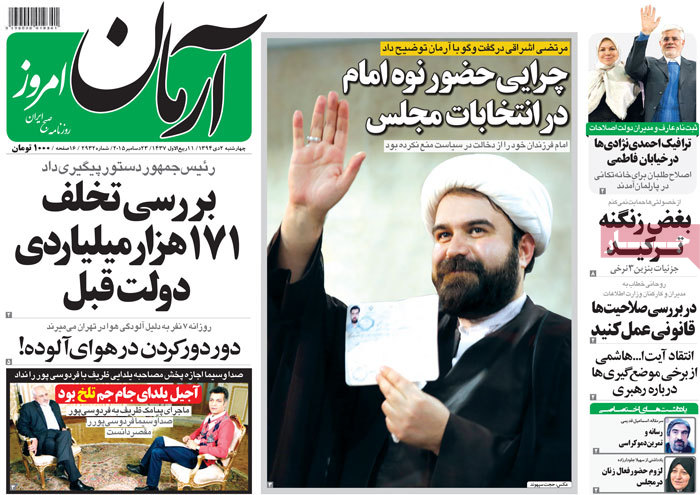
Arman-e Emrooz: The president has ordered an investigation into a $57 billion offense by the previous government.
Arman-e Emrooz: Islamic Republic of Iran Broadcasting would not allow Ferdowsipour [the host of its widely-viewed sport program] to broadcast a previously-recorded interview with Foreign Minister Mohammad Javad Zarif.
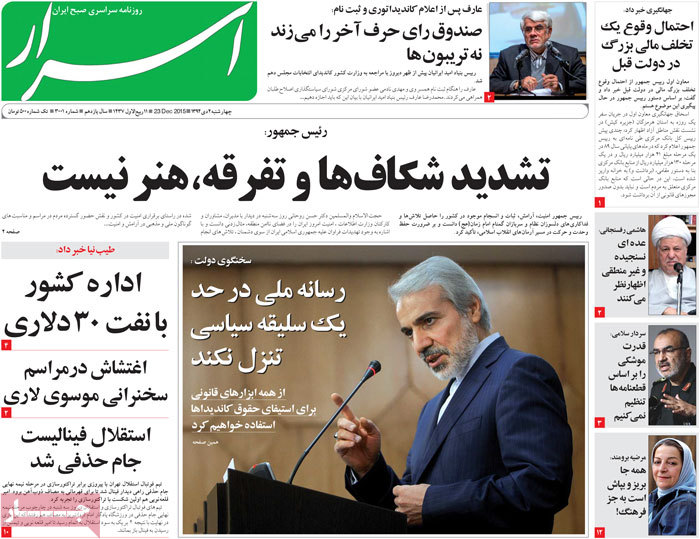
Asrar: The government spokesman has said that the national broadcaster should not allow its position to plunge to the level of representing a single political taste.
Mohammad Bagher Nobakht said the administration will use all legal tools to ensure the rights of all candidates.
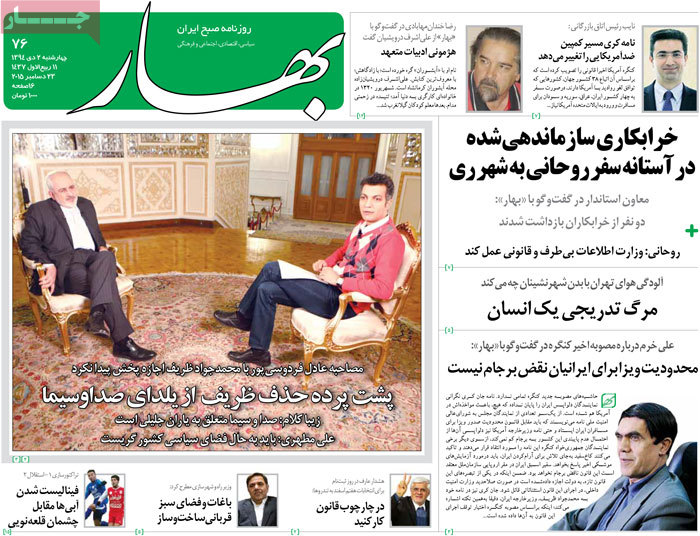
Bahar: Behind the scenes of a decision not to air an interview with Foreign Minister Zarif
Sadegh Zibakalam, a political analyst, has said that IRIB belongs to the supporters of Saeed Jalili.
Ali Motahari, an MP, has said one needs to cry over the country’s political atmosphere.
Etemad: A second grandson of the late Imam Khomeini [Morteza Eshraghi] has fielded his candidacy for upcoming elections.
Tehran principlist MP Ahamd Tavakoli has said that Ahmadinejad is not qualified to enter parliament.
Sadegh Kharrazi, a former Iranian ambassador, went to the Electoral Headquarters but did not sign up.
Ghanoon: The National Security Committee has not called for the implementation of the Joint Comprehensive Plan of Action to stop.
The announcement came after opponents of the government falsely claimed such an appeal has been made by the parliamentary committee.
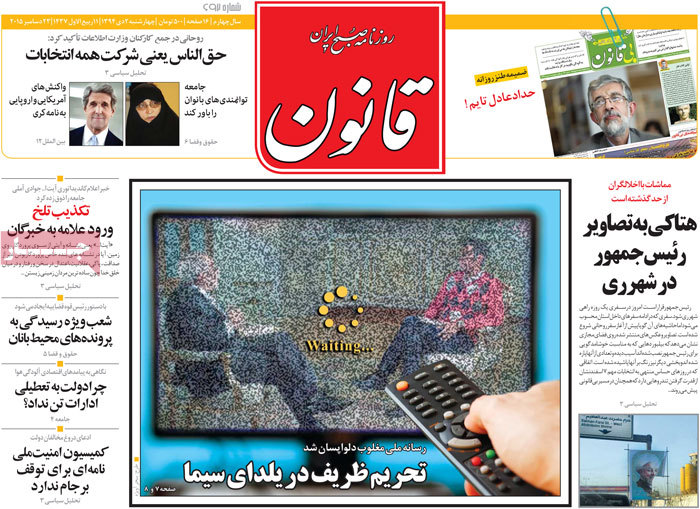
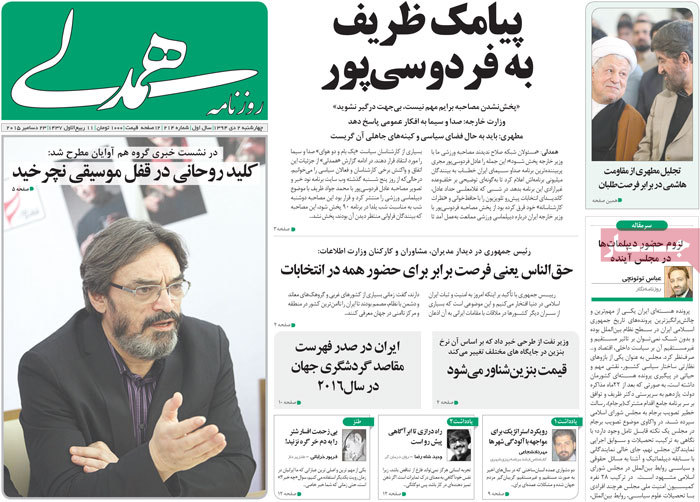
Hamdeli: Foreign Minister Zarif has texted Ferdowsipour [the host of a widely-watched late-night sport program that airs on IRIB Channel Three].
That my interview was not aired is not important; do not get involved in a fight.
The Foreign Ministry has urged the national broadcaster to provide explanation to the public for its decision not to air the interview with Foreign Minister Zarif.
Hamdeli: Iran has made [CNN’s] list of 2016 tourist destinations.
MORE
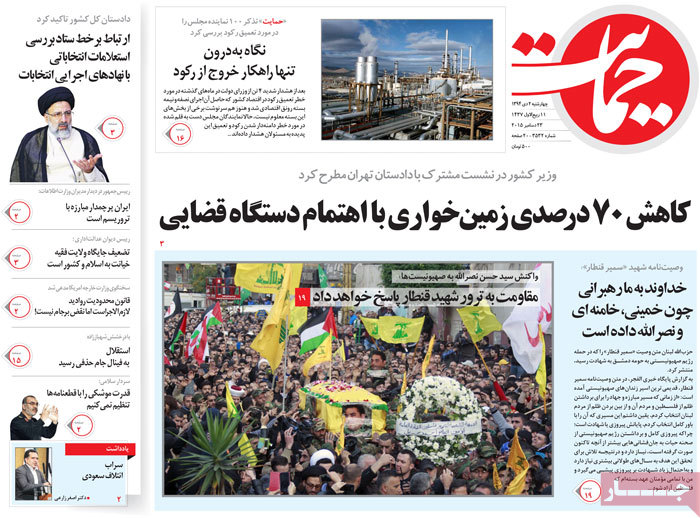
Hemayat: The interior minister has said thanks to the efforts of the Judiciary, illegal appropriation of land has decreased by 70 percent.
Iran: The number of hopefuls [in the upcoming parliamentary and Assembly of Experts elections] has set a record. Women have a strong presence on the list of potential candidates.
Iran: The government spokesman has slammed IRIB [the national broadcaster] as playing the role of the opposition.
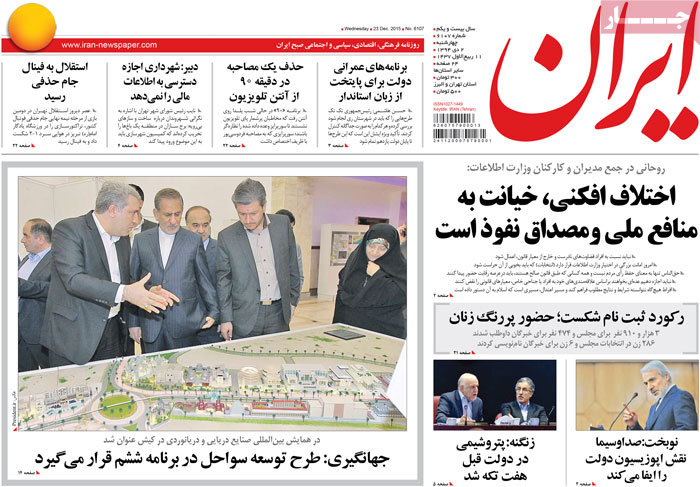
Javan: The Oil Ministry has put forth a suggestion that would make gasoline prices competitive.
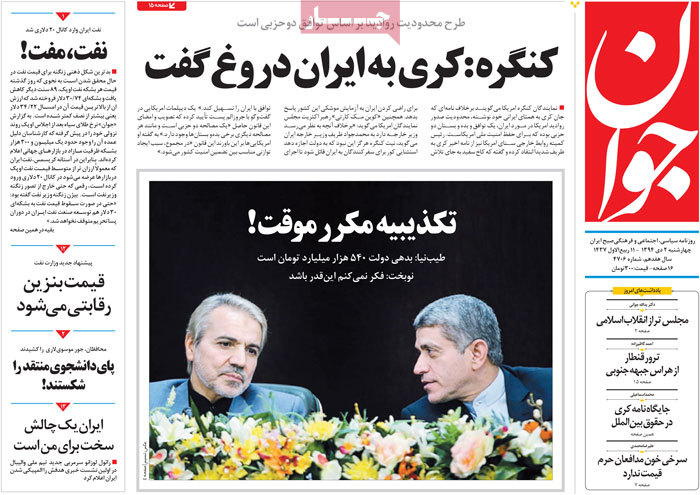
Jomhouri Islami: Some talk about the leader in a way that suggests they are his representatives, Ayatollah Akbar Hashemi Rafsanjani said.
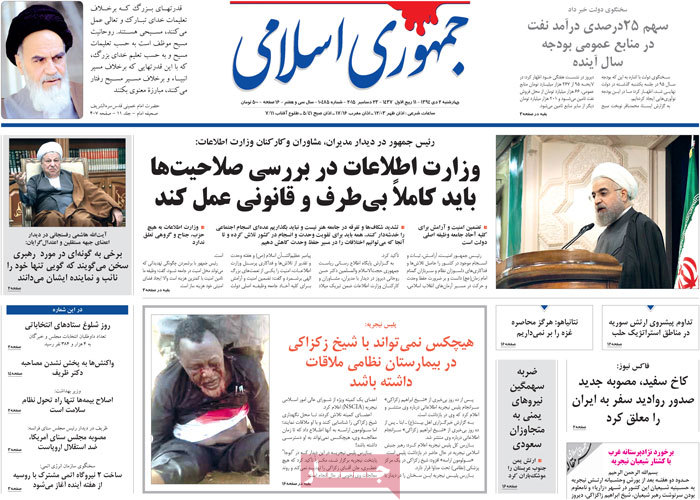
Kayhan: In Iraq, a very important operation to wrest control of Ramadi from Daesh terrorists has gotten underway.
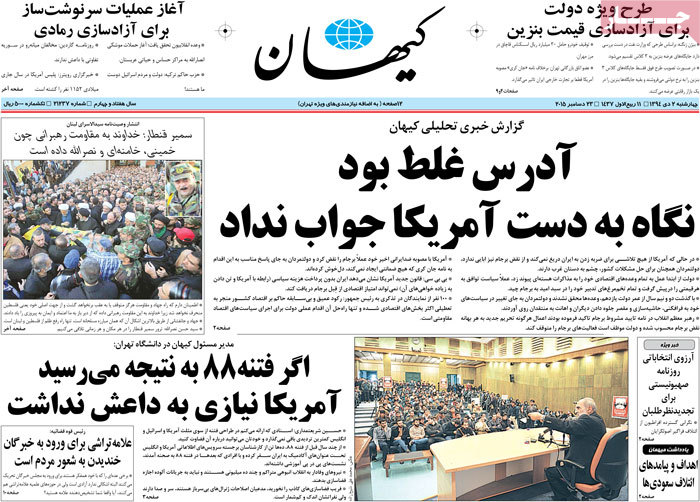
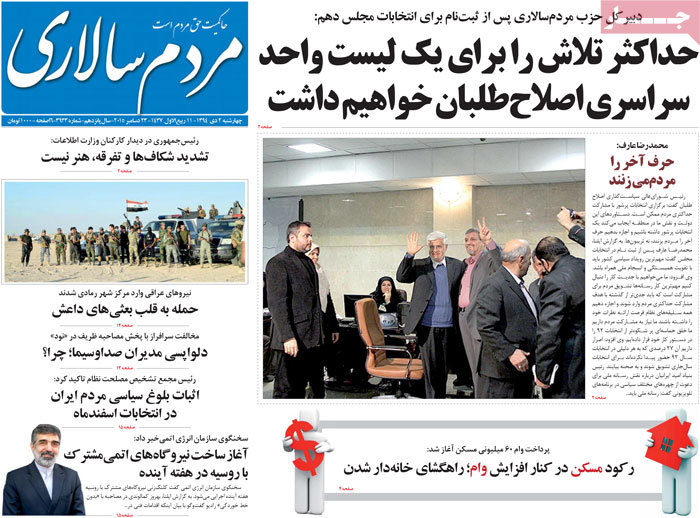
Mardomsalari: Joint construction by Iran and Russia of two nuclear power plants on Iranian soil gets underway next week, said the spokesman of the Atomic Energy Organization of Iran.
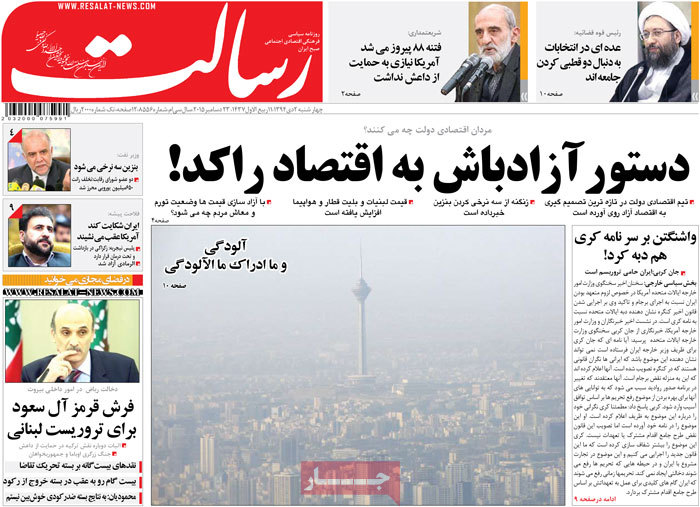
Resalat: Former MP Heshmatollah Falahatpisheh has said if Iran files a complaint, the US will back down.
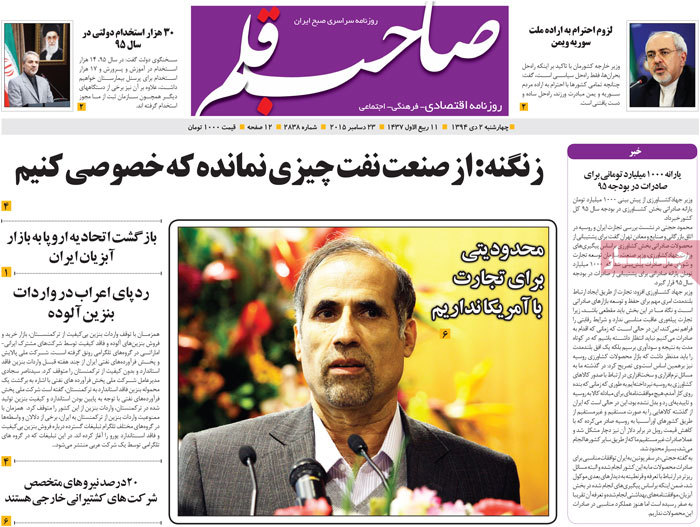
Saheb Ghalam: The director of the Trade Promotion Organization has said that there are no restrictions in doing business with the United States.
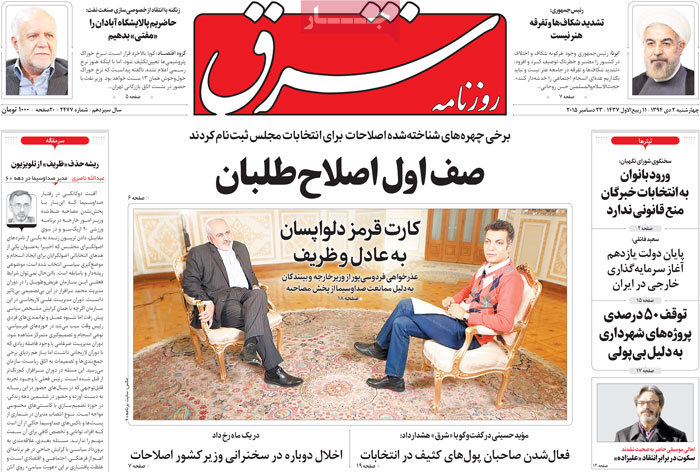
Sharq: The oil minister has taken a swipe at privatization of the oil industry.
Sharq: A spokesman for the Guardian Council has said laws do not ban women from the Assembly of Experts.
Sobh-e Eghtesad: No Islamic sect favors the ideologies championed by terrorists, said Parliament Speaker Ali Larijani.
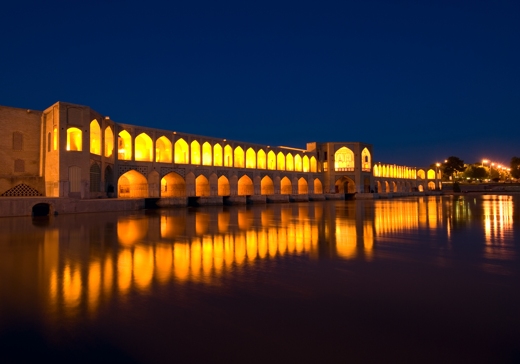
Despite the passage of a Visa Waiver bill in the US Congress which was later signed into law by President Barack Obama, Iran and its attractions have remained the envy of several regional countries.
The US bill that prevents visa-free travel to the United States for people who have visited Iran or hold Iranian nationality has done little to dissuade travelers from wanting to make a trip to the safe and beautiful country, and attempts to delist Iran from the world’s best tourist destinations have led nowhere.
The following is part of a CNN report on where tourists can go in 2016. What you read below are the lead and the Iran section of Cable News Network’s Top 16 up-and-coming destinations available here.
The best stories arise from the road less traveled.
As new routes launch, developing nations welcome tourism and closed-off regions emerge.
So what’s hot in 2016?
We asked an expert panel of pros who thrive and survive on travel to new frontiers.
Nowhere stirs the imagination quite like Iran.
Go skiing or hit the beach, explore exquisite mosques, markets and madrassas, hear classic Persian poetry and eat spiced cuisine to the scent of water pipes.
Romantic fabled cities Shiraz and Esfahan are interspersed with rural mud villages, across semi-nomadic terrain.
Travelers regularly remark on the disparity between Iran’s image and the hospitality of locals.
Nineteen UNESCO World Heritage sites, such as former imperial capital Persepolis fill the ancient land. Lut Desert is now being considered as a new addition to the list.
Visitor numbers are growing exponentially, with Iranian officials predicting 20 million tourists by 2025.
The easing of diplomatic relations is resulting in more flight routes, while travel insurance and visas are getting easier to obtain. The landmark reopening of the British Embassy this year is also significant.
“With the British FCO [Foreign and Commonwealth Office] recently relaxing its advice, this great treasure trove has become more accessible, with key areas of interest now deemed safe to travel,” says Jenny Hand of Cox & Kings.
When To Go: March to May and September to November.
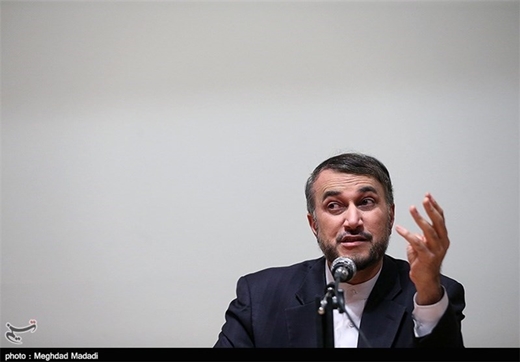
Deputy Foreign Minister for Arab and African Affairs Hossein Amir Abdollahian has underscored the necessity for concerted regional efforts against extremism.
Addressing the fourth meeting of Iran-Oman strategic committee on Tuesday, Amir Abdollahian pointed to threats posed by terrorist groups like Daesh and other extremists, and asked for further security and defense cooperation among Iran and regional countries to confront these threats.
The Iranian diplomat said Oman enjoys logical, balanced and realistic views, adding that continued consultation with the country can play an effective role in regional stability and security.
Amir Abdollahian further stressed that Iran has no limitations in improving ties with Oman.
Also at the meeting, Omani Deputy Foreign Minister for Political Affairs Ahmed Al-Isaei lauded Iran’s constructive role in the region, and said formation of joint committees, the strategic committee in particular, demonstrates the resolve of the senior officials of the two countries to boost bilateral ties.
As for the fight against terrorism, he said all countries in the region should increase their consultations and cooperation against the inauspicious phenomenon.
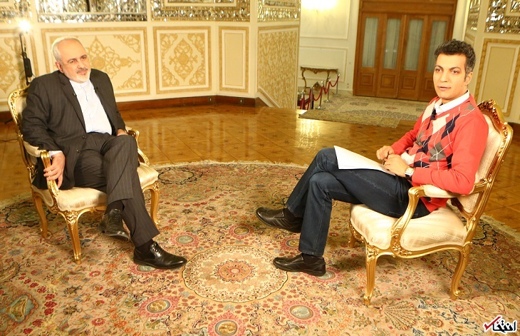
Iranians huddled around their TV sets on Monday to watch an interview with Foreign Minister Mohammad Javad Zarif on “90”, a TV program focusing on football matches.
Last Thursday 90tv.ir posted a preview report on the interview and released an image of the foreign minister giving an interview which centered on sports diplomacy, vowing to air the full interview on Monday when Iranians were to celebrate Yalda: the longest night of the year.
That the top diplomat was to answer a series of questions on a sports program was good enough reason for the popular TV show and its famous host Adel Ferdowsipour to attract – this time around – all Iranians, whether or not they cared about soccer.
But to the disbelief of the viewers, the host appeared on the screen and said that the interview would not be broadcast, citing the disapproval of managers at Islamic Republic of Iran Broadcasting (IRIB) of the airing of the interview. “We owe you an apology. We offer our apology to Mr. Zarif. We hope the stage would be set soon and we can air the interview. The managers of the channel [IRIB’s Channel Three] did not deem it expedient to broadcast the interview with the foreign minister,” Ferdoesipour said.
IRIB’s refusal to air Zarif’s interview aroused yet another controversy in Iran with some arguing that the national broadcaster sides with one certain political faction and continues to oppose the Rouhani administration.
For their parts, Iranians turned to social networking sites to unleash their anger at IRIB, slamming it as biased. Reactions also came from political and cultural figures who critiqued IRIB’s workings and called for its impartiality.
Separate reports entekhab.ir released on December 22 focused on reactions by different figures to IRIB for denying the foreign minister airtime. The following is the translation of part of those reports:
Hossein Jaber Ansari, FM Spokesman
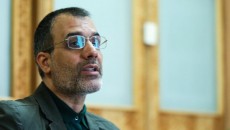 The Foreign Ministry spokesman rejected as “irresponsible” an IRIB decision not to broadcast the foreign minister’s interview and called for the accountability of the national broadcaster’s managers vis-à-vis the public opinion in Iran.
He further said that the reason behind IRIB’s refusal to air the interview is not important, adding that for months those in charge of this TV program were insistently trying to prepare for the interview.
The spokesman further said that never does a TV producer or host try to conduct an interview on his or her own, adding that the logic says that they need to make coordination within their own organization and then ask for the interview. “These measures cannot be interpreted as personal.”
To us, it was IRIB which insisted on the interview over the past few months, Jaber Ansari said, adding that Dr. Zarif was not initially interested in the interview but he later agreed thanks to the insistence of the producers of the program.
He went on to say that IRIB should answer to the public opinion for its irresponsible behavior and shed light on the questions and ambiguities its decision has created.
Ali Motahari, Tehran MP
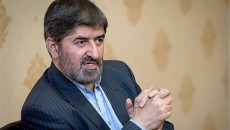 On his Instagram page, Ali Motahari reacted to IRIB’s decision and wrote, “We need to shed tears for the grudges which are rooted in ignorance.”
He pointed to opposition by IRIB’s managers to the broadcast of the interview and said, “I was surprised to learn that the country’s foreign minister should not talk on a sports program on TV about sport diplomacy. I followed up the case and was told that news websites have reported the interview before its broadcast and certain people have voiced opposition to it. And Vatan-e Emrooz [a daily] has sent a letter to the IRIB president calling for the interview to be scuttled. I read the letter. The logic used by the writers of this letter was more regretful.”
Motahari further said, “The letter argued that since Mr. Zarif is the representative of a political current and “90” has many viewers, the broadcast of the interview will influence the upcoming elections, so it should not be aired. […]”
The Tehran MP then pointed to the appearance of Gholamali Haddad Adel – who is running for parliament – on TV and talking and reading poems on Yalda Night prior to “90” and said, “This is a double-standard policy. If there is nothing wrong with it [Haddad Adel’s TV appearance], which I think there is nothing wrong, why is it that the interview of Mr. Zarif – who is not running for office in the upcoming elections – was not allowed to be aired.
“Really we need to shed tears for the political atmosphere and ignorance-based grudges in the country. I urge IRIB President Mr. Sarafraz to pay attention to the principles of freedom of speech and impartiality. Now that we are in the build-up to December 30 [the day people turned out in force for rallies in support of the Leader in the wake of the 2009 unrest], we should not let the extremist acts of the previous years be repeated in these days.”
Mohammad Reza Aref, reformist leader
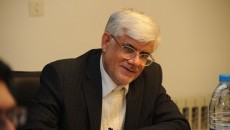 The head of the Iranian Hope Foundation has said that our main goal is to hold fervent elections with a high public turnout, adding that elections which are the most important political event in the country should boost solidarity and national unity and help meet public demands.
Mohammad Reza Aref also said that media have a mission to encourage people to take part in the elections, especially the national broadcaster which should let different groups with different viewpoints speak their mind and discuss their platforms.
[…]
He further said that one-sided approaches will produce no result because people are now more vigilant than before, adding that IRIB should place on its agenda efforts to talk people into going to the polls.
[…]
Sadegh Zibakalam, political analyst
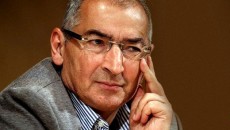 Zibakalam said that IRIB insists on the fact that it belongs to a certain group of hardline principlists and has no fear of revealing its leanings.
The political analyst went on to say that IRIB showed that it does not belong to 80 million Iranians; rather it belongs to four million people who voted in 2013 presidential elections for candidate Saeed Jalili.
[…]
Unlike his predecessor who tried to keep up appearances by broadcasting – off and on – interviews with non-principlist figures to show the national broadcaster is trans-factional, the current IRIB president does not seek to do so [rather, he seeks to push the principlist agenda].
[…]
He further said that IRIB is run on public budget and the taxes Iranians pay, but its performance is in fact an open defiance of taxpayers, adding that the national broadcaster openly ignores 92 percent of people.
“In IRIB, [people like] Seyyed Mohammad Khatami [former Iranian president], Mohammad Javad Zarif and other independent university professors are denied airtime. The very eight percent of people who voted for Saeed Jalili are entitled [to airtime at IRIB]. IRIB openly sacrifices the rights of 92 percent of Iranians for the remaining eight percent who support hardline principlists.”
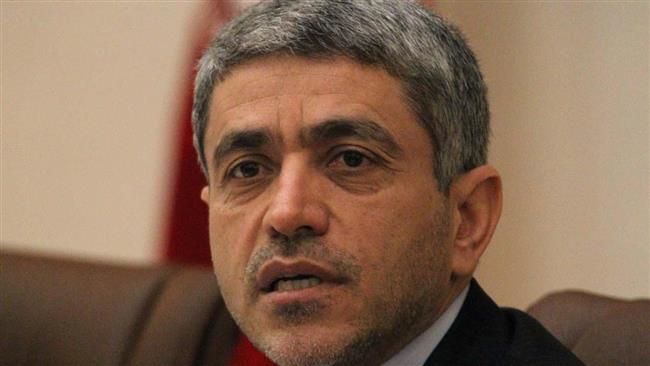
Iran said on Tuesday that it had provided the required preparations to handle the economic impacts of oil prices as low as $30 per barrel.
Finance Minister Ali Tayyebniya said a large part of those preparations focuses on the implementation of a comprehensive national taxation program which is already on the agenda of the government.
Tayyebniya said the national taxation program can help reduce reliance on petrodollars, warning that the country is already under strain as a result of a severe drop in oil revenues.
“Oil revenues in the [Persian] year of 1390 (that ended on 21 March 2012), stood at $120 billion but they have already fallen to as low as $20 billion for the current year,” he said.
Iran does not receive all of the payments from selling oil, Tayyebniya said adding that a large part of the petrodollars are blocked in overseas banks as a result of sanctions.
Some of the payments are directed to the National Iranian Oil Company (NIOC) and some to the National Development Fund (NDP), he said.
Oil revenues provide the lifeline of the Iranian economy and officials have already acknowledged that falling prices have severely undermined the country’s economic performance.
Iran’s First Vice President Eshagh Jahangiri said last week that the country expects oil prices to plunge below $30 per barrel, stressing that this could have serious impacts on the economy.
For a country that has devised its budget based on $100 for each barrel it expects to sell, it will be hard to change the calculations to $30 per barrel, Jahangiri added.
Crude prices have sunk more than 60 percent from above $100 in the summer of 2014 owing to the oversupply as well as weak oil demand growth, a global economic slowdown and a strong dollar.
The prices rose slightly on Tuesday with Brent North Sea crude for delivery in February at $36.43 a barrel and the US benchmark West Texas Intermediate (WTI) for the same delivery period at $36.03 a barrel.
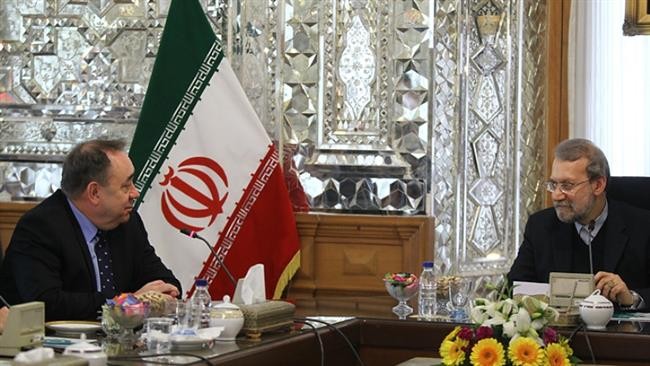
Parliament Speaker Ali Larijani says Muslims of all stripes reject terrorist ideologies, noting that Muslims are engaged in the fight on terror.
“No branch of Islam approves of terrorist ideologies and they (Muslims) have always been campaigning against such acts and behaviors,” Larijani said in a meeting with a member of the Scottish National Party, Alex Salmond, in Tehran on Tuesday.
Western media have frequently sought to associate acts of terrorism committed by the Daesh Takfiri militants with “Islamic extremism;” however, Muslims of all creeds worldwide have repeatedly denounced these acts of violence and distanced themselves from the terrorists.
Larijani added that Iran and Scotland should make use of their capabilities to enhance cooperation in culture, education and energy.
“Iran and Scotland can have close cooperation in cultural, educational and energy issues and such cooperation will be improved through the two countries’ realization of each other’s capacities,” the Iranian speaker added.
Salmond, for his part, said his party has always been opposed to the West’s decisions against Iran, saying such wrong policies have caused many problems both for Iran and other countries.
He added that his country is keen to bolster cooperation with Iran and expressed hope that Tehran and Edinburgh will take positive steps in this regard.
He also said a new US legislation to tighten visa-free travel to the United States was a wrong decision and expressed hope it would be amended as soon as possible.
[…]
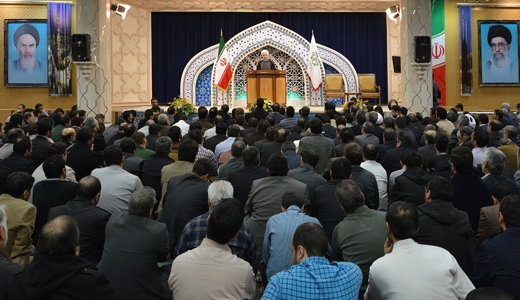
Despite enemy threats against the Islamic Republic, Iran’s security in a region which is known for its insecurity is matchless, President Hassan Rouhani said in a meeting Tuesday with senior Intelligence Ministry officials as he thanked those who strive to ensure security and tranquility in the country.
The following is the translation of part of President Rouhani’s comments as reported by Fararu.com on December 22:
– “Today we take pride in the security and stability of Islamic Iran in the world; this is what leaders of many countries admit in their meetings with Iranian officials. In the past, many Western countries and groups which harbored enmity against the establishment were bent on identifying Iran as the most insecure country in the region and as the center of insecurity in the world. Today, Islamic Iran is a pioneer of security as it leads the fight against terrorism in the region. And many of the very same countries are reaching out to Iran to help them.
– “Any measure which stokes division and or interferes with the country’s growth amounts to betrayal of national interests and a manifestation of infiltration. The Joint Comprehensive Plan of Action is meant to remove the obstacles standing in the way. The march forward should gather momentum. We need to join forces to secure progress and prosperity and to allow the nation to benefit from such headway.
– “Iran is the only country in the region where people take part in free, fair and competitive elections in a secure atmosphere.
– “The Intelligence Ministry is not affiliated to any party, faction or grouping. Today the Intelligence Ministry has been entrusted with a valuable thing which should be protected in the best way possible. Judgments which are biased and not in line with the letter of law should be avoided. We should not allow some individuals to act against legal criteria simply to advance their personal or factional interests.
– “The Intelligence Ministry has been trusted with the information on members of the public; this ministry will act impartially and in keeping with law in vetting the candidates.”

The US Federal Reserve has recently decided to raise interest rates by a quarter of a percent. How will that decision affect Iran’s economy has yet to be seen, but economists are warning the Iranian government about its possible ramifications.
Khabaronline.ir’s Khatereh Vatankhah has filed a report that focuses on the likely impact of the decision of the US Central Bank on Iran’s economy. The following is the translation of that piece:
Several economies were still grappling with the fallout of a decline in global oil prices when the US Federal Reserve decided to raise interest rates by 0.25 percent. The first likely impact will be a rise in the value of the greenback.
The decision to raise interest rates was meant to push the US economy into an overdrive, but some analysts believe that this decision will have a negative impact on emerging economies because as a result of the rise in question the volume of their debts to the US will swell. Will these countries do something in reaction? What will be the best reaction? And what impact will it have on Iran’s economy which is on the verge of leaving sanctions behind? There are no clear-cut answers to these questions. Analysts are still studying the market. What is certain though is that the value of the US dollar will rise against other currencies, including the Japanese Yen.
Morteza Imani-Rad, an international economy analyst, says, “Although the rise in the value of the greenback won’t be plain sailing, one cannot deny the fact that the US dollar will remain a strong currency in global markets in 2016. That means other currencies such as the British pound and Euro will remain weak. On the other hand, oil and gold are projected to be traded at low prices in the world markets. Their prospects for 2016 are not that bright.”
The world economy is on a downward slope; the decline in crude oil prices has made matters worse and the decision of the Federal Reserve will see these conditions persist.
In an interview with khabaronline.ir, international economy expert Mohammad Hadi Mahdavian has said that economies that were out of recession before the decision of the Feds will see a slowdown in growth next year; those which have yet to lift themselves out of recession, will remain mired in bad conditions next year.
Major economies won’t keep silent in the face of the Federal Reserve’s decision. These economies, especially members of the EU, are high likely to take action and hike their own interest rates because they seek to strike a balance on the money market.
When other economies decide to raise their own interest rates, the global recession will worsen because countries whose currencies have lost ground will get into a race to save their national economies and prevent a decline in their exports.
How countries will react to the US interest hikes falls into three categories: silence and inaction; a proportionate reaction; reactions exceeding the Federal Reserve’s measure.
In response to the question above Mahdavian says any decisions world economies make in reaction to the US interest hike will have an impact on Iran’s economy. If the European Union with which Iran’s has the largest volume of trade ties raises its own interest rate, the Euro will grow in value and that will leave a mark on Iran’s economy.
In a recent report Rating Agency Moody’s said the “rate hike by the U.S. Federal Reserve, which would be its first in more than nine years, could hit the capital market in emerging market countries” and this will have negative consequences for these countries.
Analysts say emerging economies such as Brazil, Russia, Turkey and South Africa will bear the brunt and have to deal with several local challenges on their currency markets as well as instability in monetary markets. In light of the fact that emerging markets have commercial transactions with Iran, that impact will pass on to Iran.
On his Instagram page Imani-Rad has written, “These developments urge [Iranian] MPs to act more cautiously and opt for a rational foreign currency rate [in the spending package] in a bid to prevent a budget deficit which may follow a decline in exports and oil prices. That will help stave off unexpected budgetary problems hitting the government and members of the public.”
The Iranian private sector has heard the message of global markets; as for what arrangements the government will make, we need to wait. Preserving the value of national currency should be the priority of any decision the government makes. At a time when major economies seek to shore up their currency against the dollar, Iranian monetary policymakers should consider the same thing.
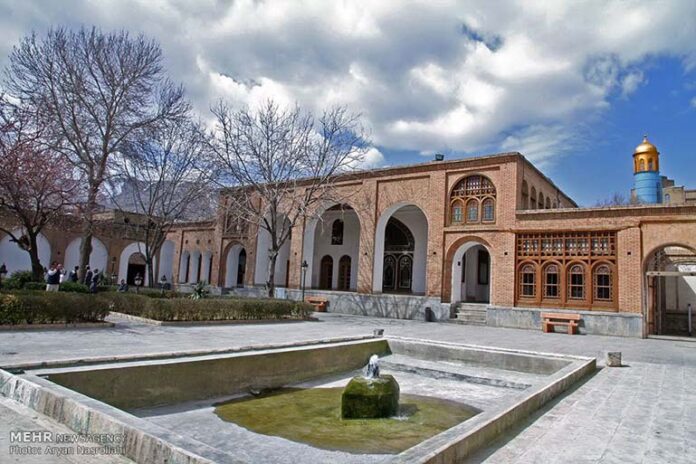
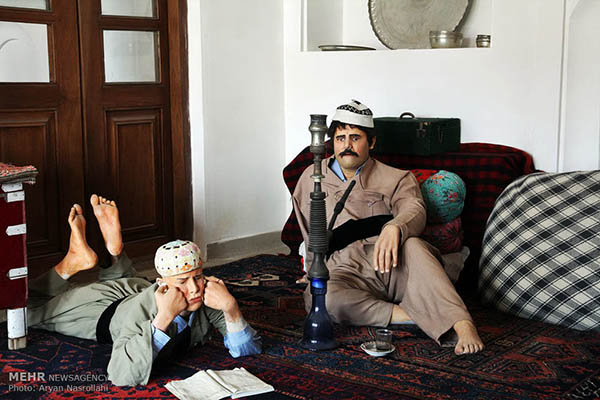
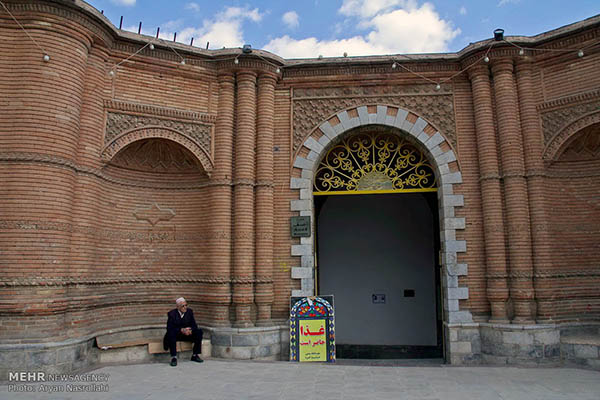
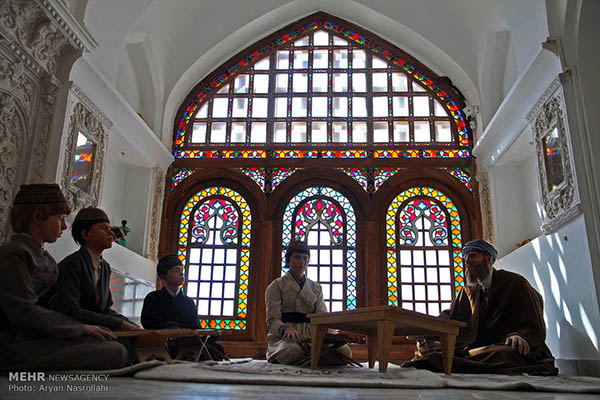
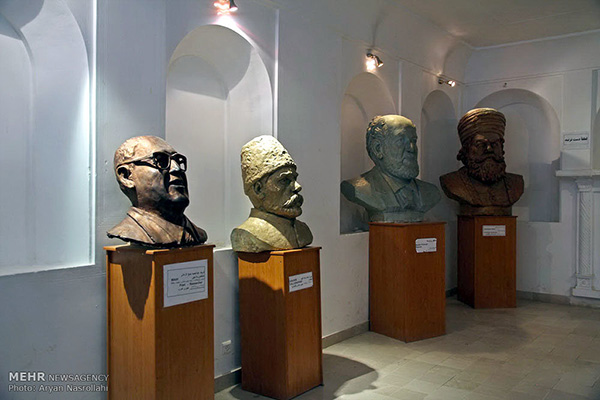
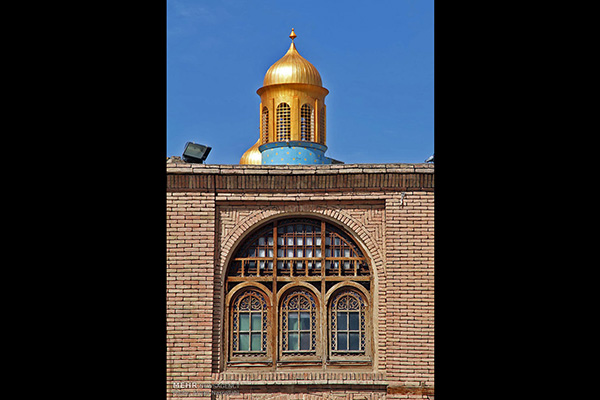
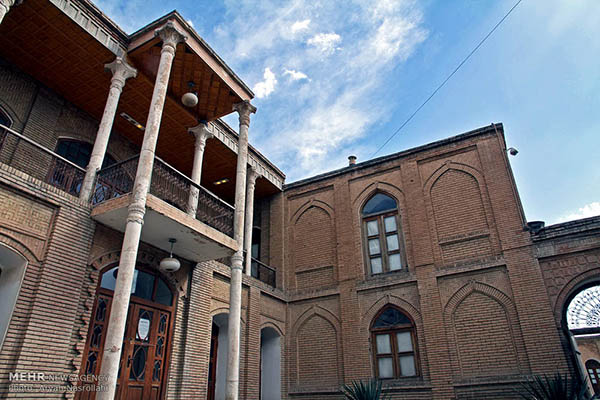
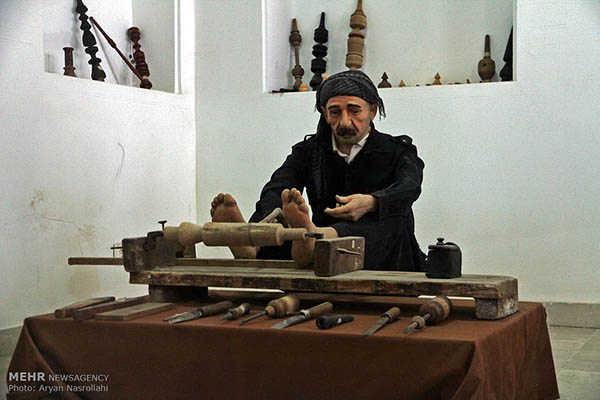
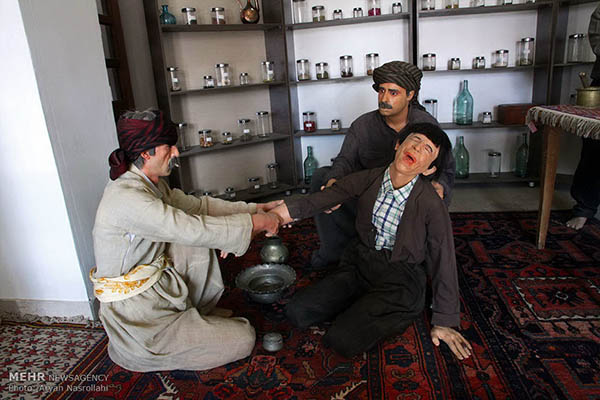
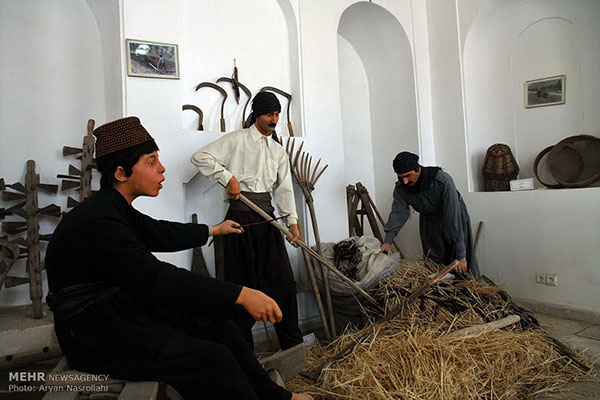
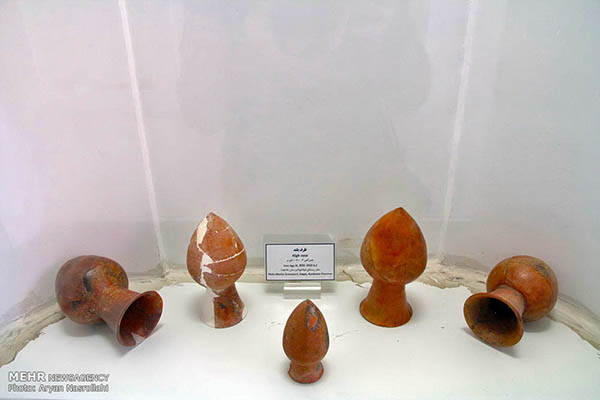
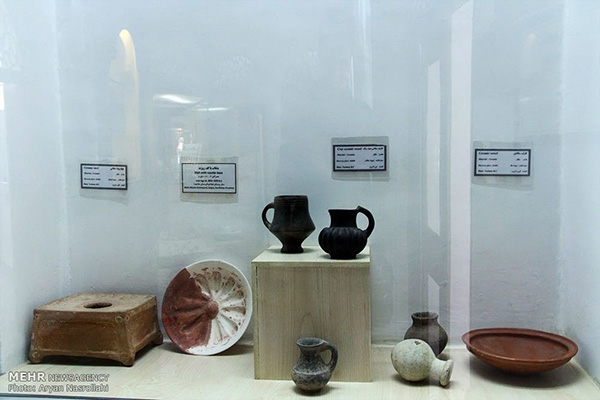
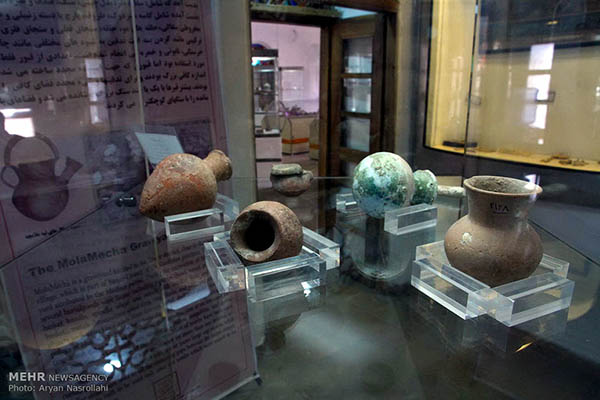
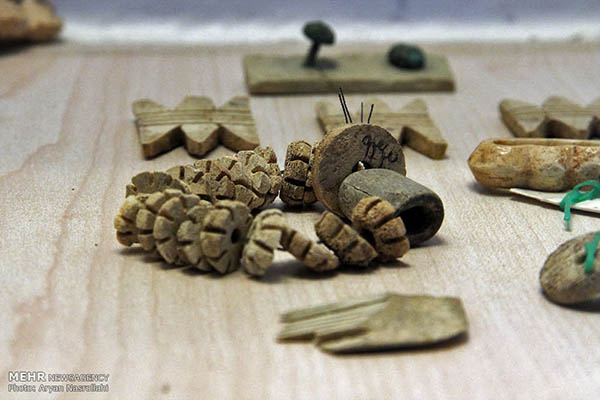
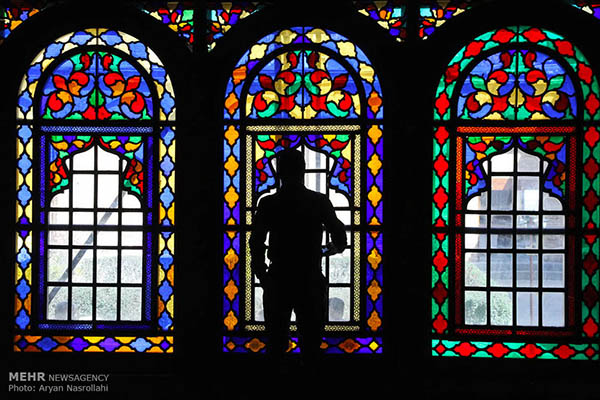
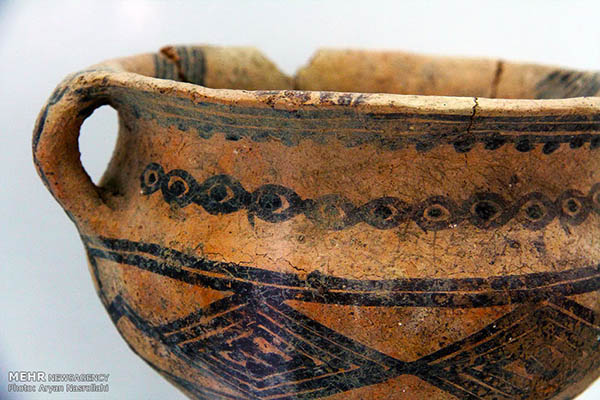
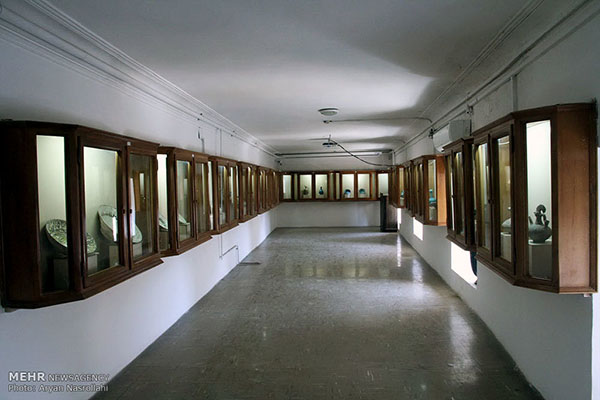
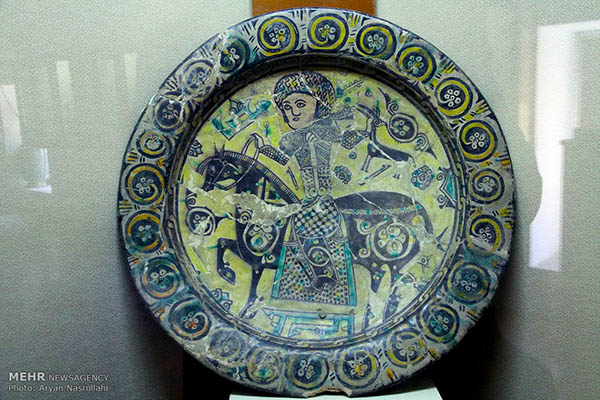
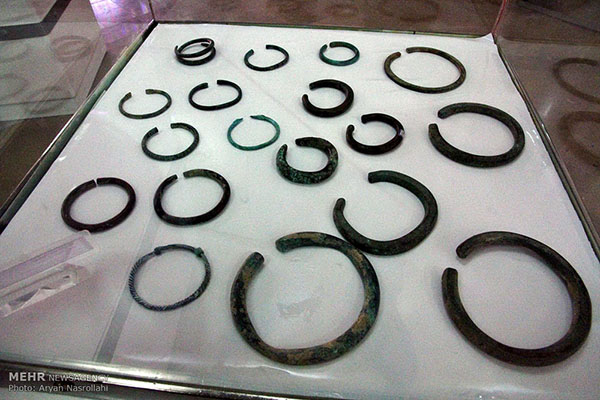
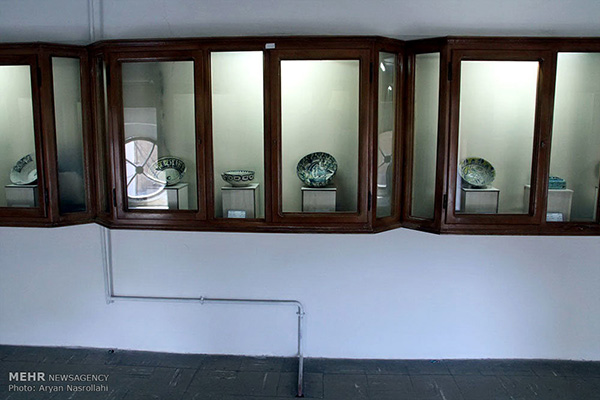
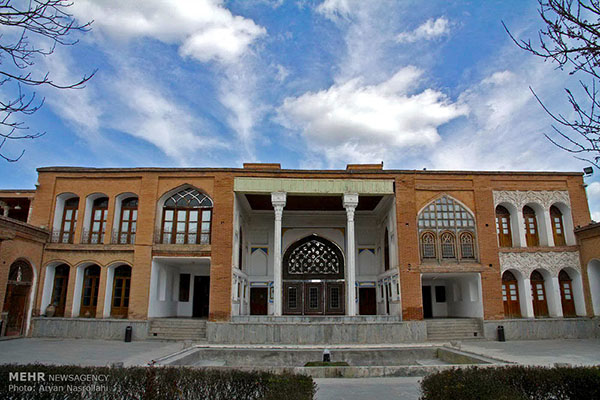
Aref Mansion and Sanandaj Museum, a manifestation of Kurdish identity in western Iran, are home to a rich anthropological treasure trove.
The following images of this historical structure have been released by Mehr News Agency:
© All Content by IFP News ( Iran Front Page ) is licensed under a Creative Commons Attribution 4.0 International License.
