Tuesday, December 23, 2025
Home Blog Page 4636

No immature judgment should be made on JCPOA: Velayati

Velayati

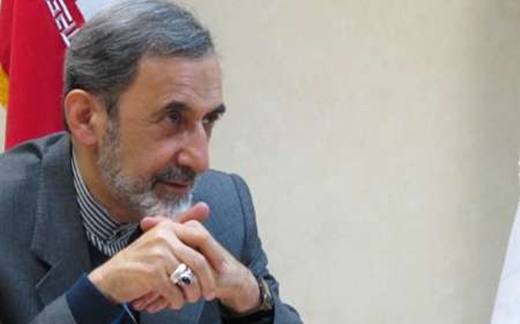
Head of the Strategic Research Center of Iran’s Expediency Council Ali Akbar Velayati said Saturday that passing immature judgment on the Joint Comprehensive Plan of Action (JCPOA) should be avoided.

As Iran’s nuclear dossier has yet to be closed, only Iranian legal institutions and entities should make the final decision on it and others should avoid making comments or immature judgment, Velayati said on the sidelines of his meeting with the visiting head of the Chinese Social Academy in Tehran on Saturday.

It is among the duties of the country’s legal bodies to make a decision on JCPOA and other comments seem immature at this juncture, he said, adding that JCPOA is now being reviewed in parliament.

“We hope the decision on JCPOA will be in line with the country’s interests and expediencies,” Velayati said.

Amano’s visit in line with Iran-IAEA Roadmap: Spokesman

13940310093523245401364

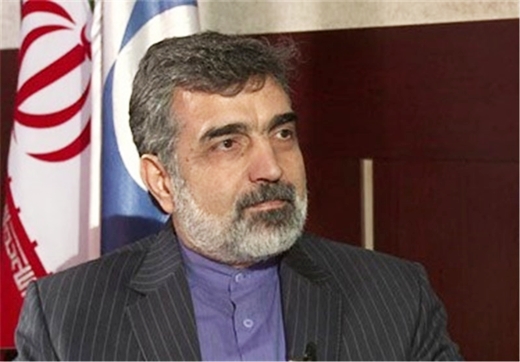
The spokesman of the Atomic Energy Organization of Iran said the visit to Iran by director general of the UN nuclear watchdog has nothing to do with interviews with Iranian scientists and takes place in line with the implementation of a Roadmap signed between Tehran and the agency.

The Associated Press quoted unnamed diplomats as saying that during his visit, Director General of the International Atomic Energy Agency (IAEA) Yukiya Amano “plans to push for long-delayed interviews with Iranian scientists linked to alleged experiments” as well as to discuss a planned inspection of Parchin military site.

Behrouz Kamalvandi dismissed the report, and said, “Some international media release biased reports with certain motives and this is not a new practice.”

The visit by Amano is intended to pave the way for the “implementation” of the Roadmap signed between Iran and the IAEA in mid-July, he added.

[…]

Iran strongly condemns airstrike on Omani envoy’s residence in Sana’a

afec304f-1e3b-4277-a69f-af2d4b69a6ef

Iran has strongly condemned the recent Saudi-led coalition’s targeting of the residence of the Omani ambassador to Sana’a.

Foreign Ministry Spokeswoman Marzieh Afkham said Saturday, “The attack was against international regulations on the immunity of diplomatic missions in other countries.”

She called on international organizations, the United Nations in particular, to fulfill their duty and immediately bring an end to the war and aggression of Saudi-led coalition on forbidden targets, including the residential areas and diplomatic sites.

Afkham praised the constructive role that Oman played in the Yemeni crisis, and said the unacceptable act by the coalition forces proved that “they do not even tolerate humanitarian acts of a country like Oman that makes efforts in cooperation with the International Red Cross Committee and the United Nations to ease the sufferings of Yemeni people.”

The Omani Foreign Ministry has condemned the attack on the residence of the country’s ambassador to Yemen, and described it as a blatant violation of international law.

The coalition airstrikes hit the residence in Sana’a on Friday and seriously damaged the Omani ambassador’s home and nearby houses in al-Sabin district.

IAEA chief arrives in Iran to discuss nuclear roadmap

Amano

Director General of the International Atomic Energy Agency (IAEA) Yukiya Amano has arrived in Tehran on a one-day visit to hold talks with senior Iranian officials on the implementation of a roadmap for Iran’s civilian nuclear program.

Amano is accompanied by a four-member delegation, including his deputies.

The IAEA chief is scheduled to meet with President Rouhani, Foreign Minister Mohammad Javad Zarif and Director of the Atomic Energy Organization of Iran (AEOI) Ali Akbar Salehi.

AEOI’s Spokesman Behrouz Kamalvandi said Saturday that Amano’s visit is intended to pave the way for the “implementation” of a roadmap signed by Iran and the IAEA on July 14.

[…]

Military approach to Yemen miscalculation: Deputy FM

amir-abdolahian1

A top Iranian official has said resorting to the military option regarding Yemen is a mistake, highlighting a rise in the number of Saudi airstrikes on the impoverished Arab country.

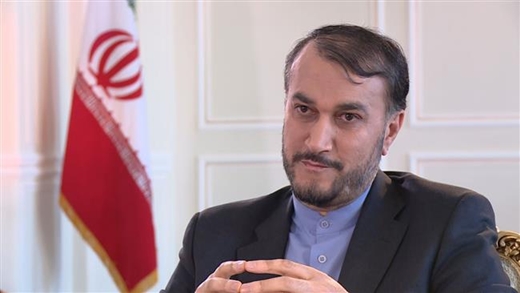
“Insistence on using a military approach in this country (Yemen) is a miscalculation,” said Deputy Foreign Minister Hossein Amir Abdollahian in a phone conversation with UN Special Envoy for Yemen Ismail Walad Sheikh Ahmed Saturday.

The top Iranian diplomat said a military approach will harm the atmosphere created for UN-sponsored talks among Yemeni groups.

He appreciated the efforts of the UN envoy as well as the world body’s chief Ban Ki-moon and said, “The UN’s failure to ward off a humanitarian disaster in Yemen would dent the reputation and credibility of this organization” regarding the safeguarding of human rights.

“The Islamic Republic of Iran expects the UN to tap into its full potential to stop war and bloodshed in the run-up to Eid al-Adha (Feast of Sacrifice, an Islamic occasion much revered and celebrated by Muslims),” said Amir Abdollahian.

He also underlined the need to dispatch humanitarian aid to war-stricken Yemeni people as soon as possible.

The UN envoy, in turn, touched upon the latest efforts made to arrange a political dialogue among Yemeni groups in the Omani capital Muscat, stressing that negotiations should continue.

He said the Yemeni crisis can only be settled politically, not militarily.

All foreign parties as well as local groups and entities which have a say in running the nation’s affairs should contribute to efforts aimed at bringing about direct talks among Yemeni groups in a bid to help establish a ceasefire in the country soon.

[…]

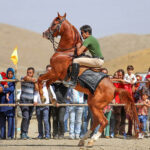
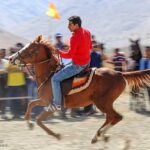
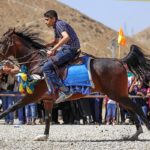
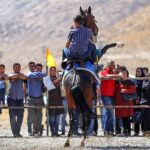
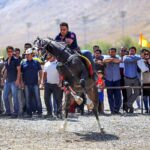
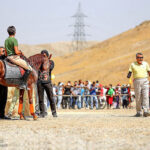
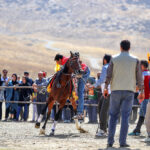
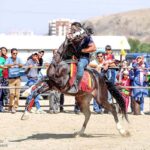
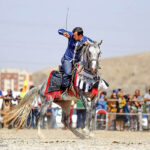
Horse show in Markazi Province (PHOTOS)

Horse show60

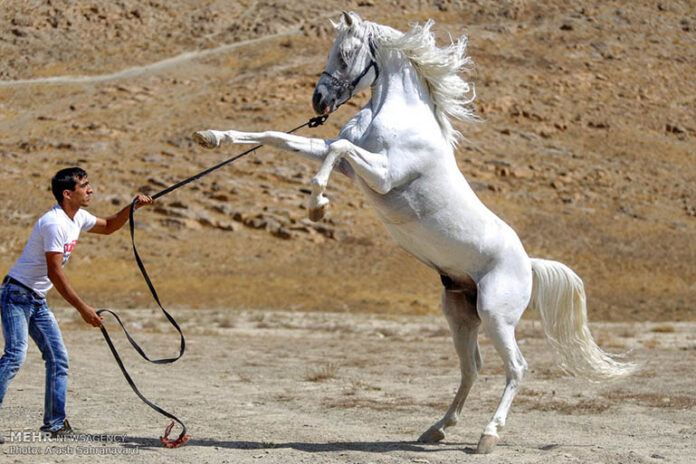
Arak, the capital of Markazi Province, hosted a dressage event on September 18.

The following images of the competition have been released by Mehr News Agency:

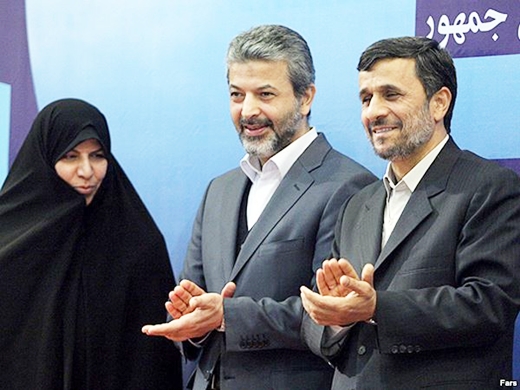
A first female minister in a populist government

Ahmadinejad-Dastjerdi

Women account for almost half of Iran’s population. This 40m-strong population, which can play a key role in the administration of affairs in the country, has tried for years to prove itself. Women’s long struggle for equal rights has had one major result: the glass ceiling is cracked. But it is not broken yet.

Women have proved themselves in academic circles, but they have a long way to go to be fully engaged in all sectors in the country. Their next step is assuming managerial posts, holding public office and engaging in political activities on a larger-scale.

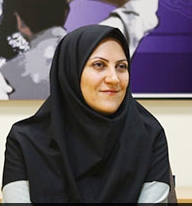
Binazir-Jalali
Binazir Jalali

Aftab-e Yazd daily on September 14 published an interview with a young female manager at the Ministry of Cooperatives, Labor and Social Welfare on what has been done for women in the country, especially in the workplace. Binazir Jalali, who is the director general of the ministry’s Cultural Department, compares the current government with its predecessor and says that the appointment of a female minister in the previous government was part of the populist agenda Ahmadinejad was pursuing. The following is the translation of part of her remarks in the interview:

[…]

What has been done?

We are moving toward helping women, especially female workers, and reducing their work-related problems. But women refuse to get involved in union activities. […] Women can pursue their problems, including hidden workplace violence, through women’s gatherings. Women tend to remain in the background and this is a problem. […]

What can women do?

Women think it is a masculine job to get involved in those activities. […] We are trying to establish interaction [between the employers and workers] and reduce the costs of labor activities for women. Female workers can solve their problems – to some extent – by joining gatherings and groups which focus on their issues.

[…]

The ministry’s plans

The Ministry of Cooperatives, Labor and Social Welfare is pursuing women’s affairs and attending to the problems of all women, including female breadwinners and women affected by social harms. […] A look at the ministry’s performance in the previous governments shows that they were not much concerned about labor gatherings, but the current government, the minister in particular, is dealing with workers’ problems. […]

How do things stand now?

In the past when a woman could hold a managerial post, she was supported by a male family member who was a manager too, so she would face no obstacles. But it is not the case today. Women like me who [climb the career ladder] and take up a post as manager face multiple challenges. That’s why women managers, especially in executive jobs, should be so strong. […]

Previous government and a female minister

If I want to analyze the performance of Mr. Ahmadinejad, I should say that the first female minister after the victory of the Islamic Revolution was named in his Cabinet, but the very female minister was dismissed in the worst manner [one can imagine]. This shows that her appointment as minister was simply meant to show the presence of women [in the Cabinet]. In other words, the presence of the first female minister in the Ahmadinejad administration was just a populist move!

On the other hand, his decision to appoint a woman minister did not by any means mean that he paid attention to women. On the contrary, women were not given any credit or value in the ninth and tenth governments.

The presence of women in the eleventh government, however, is fundamental; under this government we are witnessing the appointment of female governors and district governors and this is quite promising.

When the ninth and tenth governments were in office, women went through a period of stagnation despite the fact that there were efficient women the government could tap into their potential.

This suggests that women’s holding a portfolio or their absence is not a good sign as far as a government’s attention to women is concerned. In the previous government, the country had a female minister, but close attention to women’s affairs remained elusive. There are no women in the current Cabinet, but the government has shown the largest attention to women.

[…]

Social harms

[…] Social harms are on the rise in Iran. When a man gets addicted, his addiction will affect women in his family because they are likely to be subject to divorce, violence or even addiction. Women are more susceptible to social harms, but it does not mean that these harms are becoming feminine in nature. […]

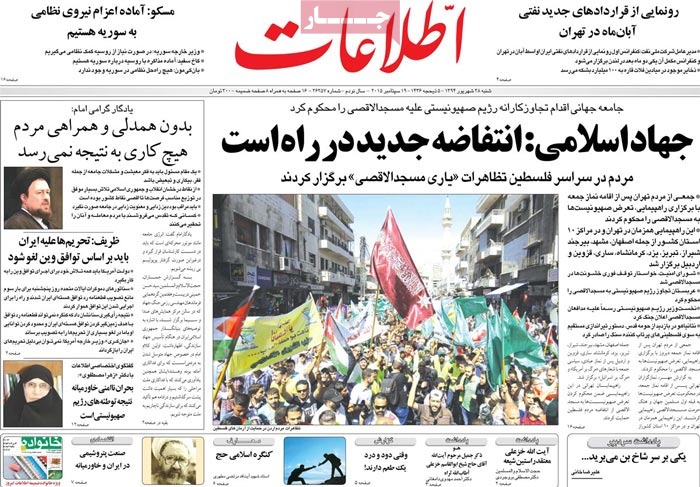
A look at Iranian newspaper front pages on September 19

Iranian Newspapers Headlines

The burial of Ayatollah Khazali in Mashhad and continued clashes between Palestinians and Israelis at Al-Aqsa Mosque dominated the front pages of Iranian newspapers on Saturday. Reformist-leaning dailies gave extensive coverage to the comments of Ayatollah Rafsanjani and Seyyed Hassan Khomeini about the upcoming elections too.


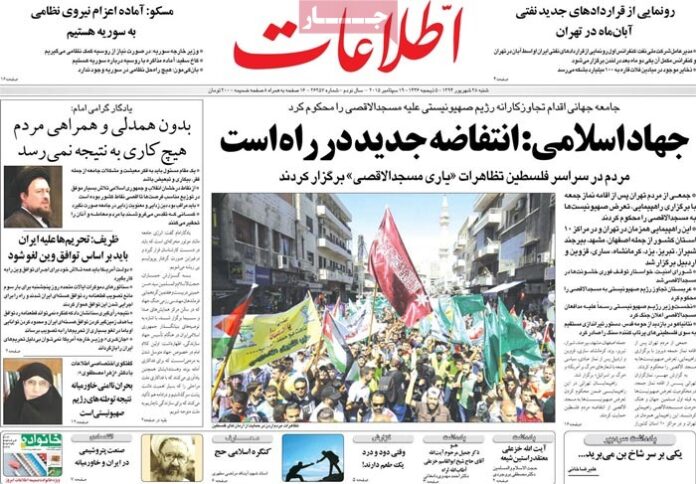
Ettela’at: “A new Intifada is underway,” said the Islamic Jihad.

The international community has condemned the Zionist regime for desecrating the Al-Aqsa Mosque. In Tehran worshippers took to the streets after Friday prayers to condemn the Zionist aggression against the holy site.


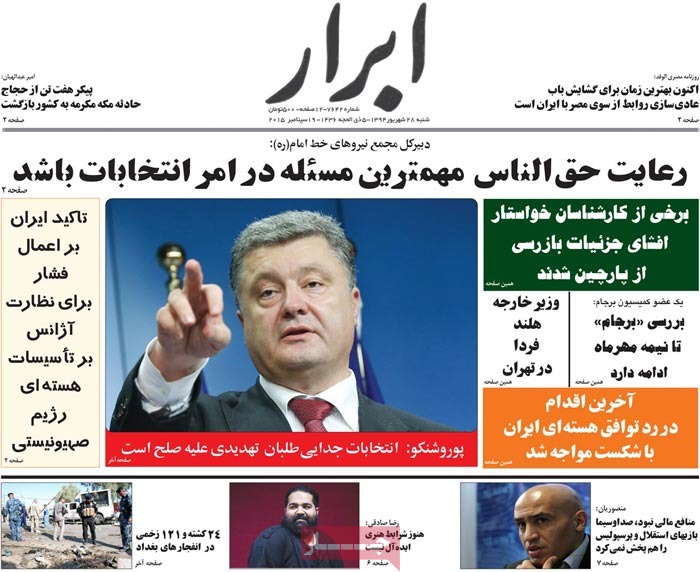
Abrar: The Dutch foreign minister will be in Tehran tomorrow.
 

A look at Iranian newspaper front pages on September 19


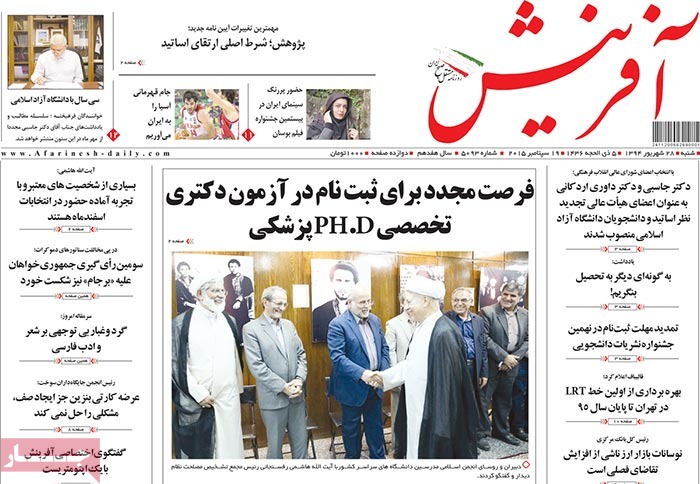
Afarinesh: A third attempt by Senate Republicans to kill the Joint Comprehensive Plan of Action has resulted in failure.
 

A look at Iranian newspaper front pages on September 19


Afkar: The review of the Joint Comprehensive Plan of Action will continue by early October.
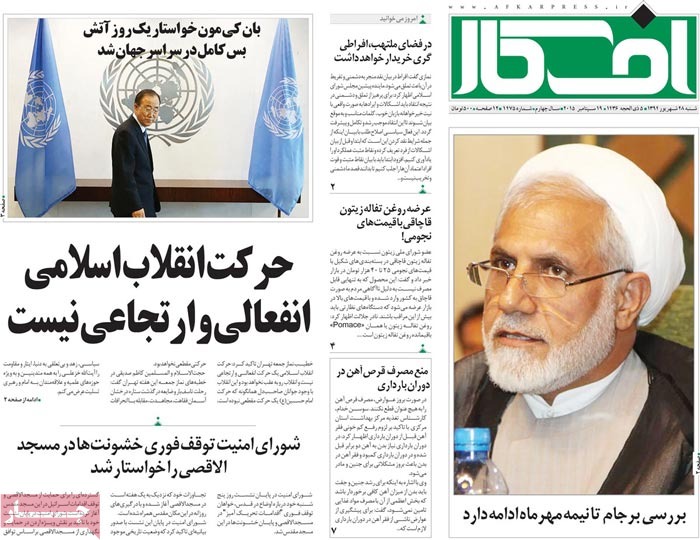
 

A look at Iranian newspaper front pages on September 19


Aftab-e Yazd: The director of the Environment Protection Organization has said that traveler’s checks and coupons have not been handed out to encourage public turnout to welcome President Rouhani [a thinly-veiled jab at the former president].
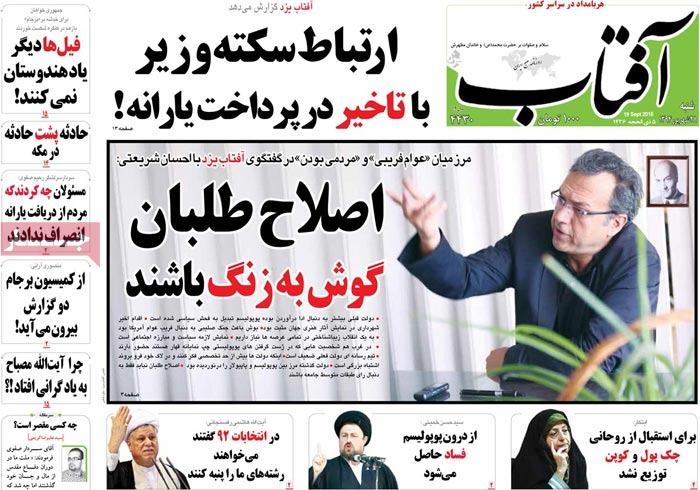
 

A look at Iranian newspaper front pages on September 19


Arman-e Emrooz: Happenstance diplomacy at the UN General Assembly

President Rouhani will deliver a speech at the UN on September 28.
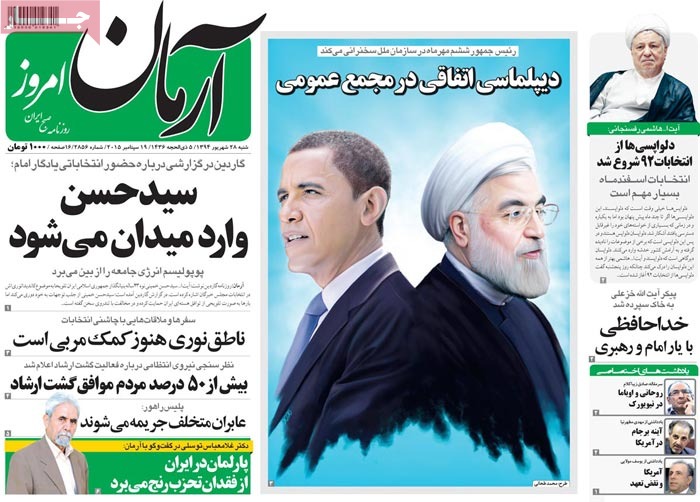
 

A look at Iranian newspaper front pages on September 19


Asr-e Rasaneh: Reports of land subsidence in Takht-e Jamshid have been denied.
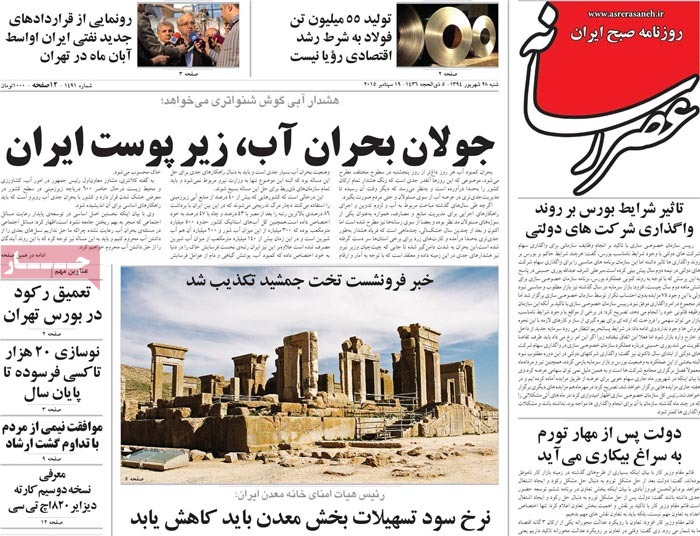
 

A look at Iranian newspaper front pages on September 19


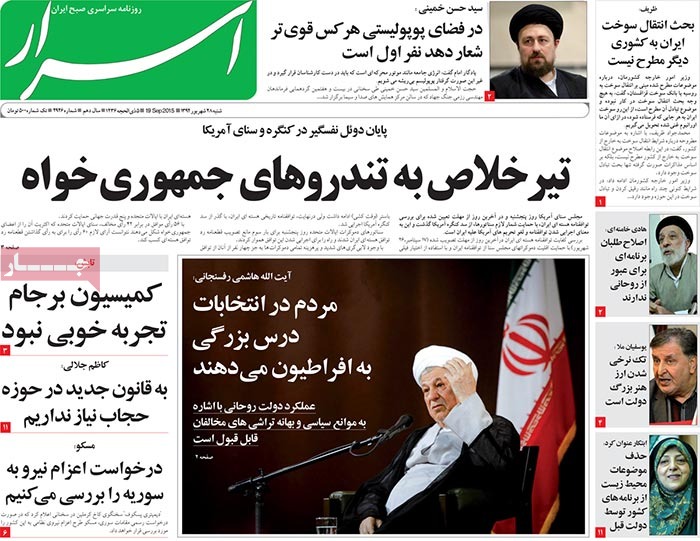
Asrar: “People will teach the extremists a big lesson in the [upcoming parliamentary] elections,” said the chairman of the Expediency Council.

Asrar: “We do not need new legislation for [enforcement of] the [Islamic] dress code,” said MP Kazem Jalali.
 

A look at Iranian newspaper front pages on September 19


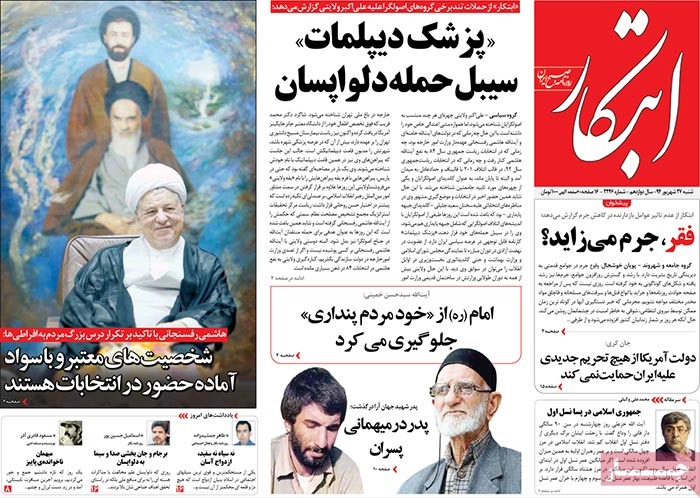
Ebtekar: “Erudite trustworthy figures are set to run for office in upcoming elections,” said Chairman of the Expediency Council Ayatollah Rafsanjani.
 

A look at Iranian newspaper front pages on September 19


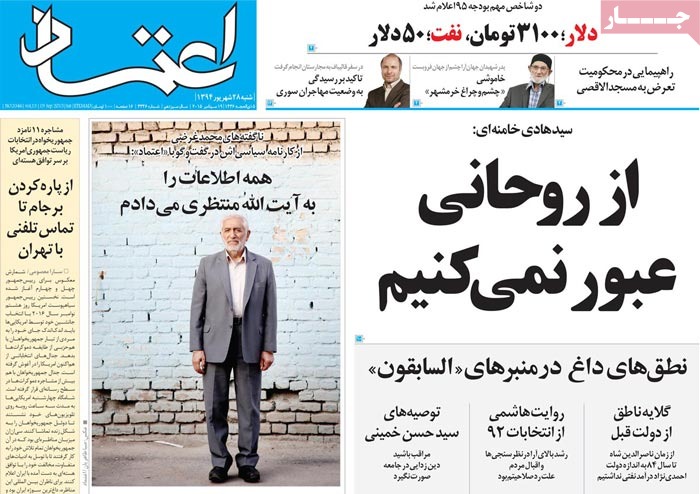
Etemad: “We will not leave [President] Rouhani behind,” said Seyyed Hadi Khamenei, a reformist leader.
 

A look at Iranian newspaper front pages on September 19


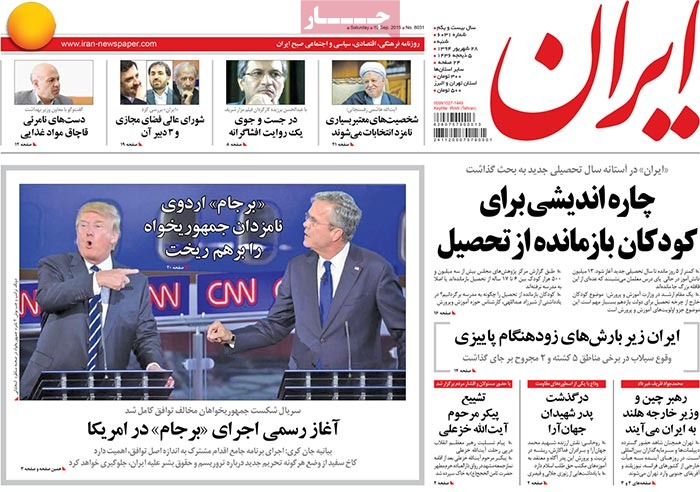
Iran: The Chinese leader and Dutch foreign minister are to visit Iran.
 

A look at Iranian newspaper front pages on September 19


Javan: The old friend of the late Imam [Ayatollah Abolghasem Khazali] was laid to rest inside the shrine compound of Imam Reza in Mashhad.


A look at Iranian newspaper front pages on September 19


Jomhouri Islami: “[Political] Parties and groups should put national interests over their factional demands,” said Ayatollah Akbar Hashemi Rafsanjani.
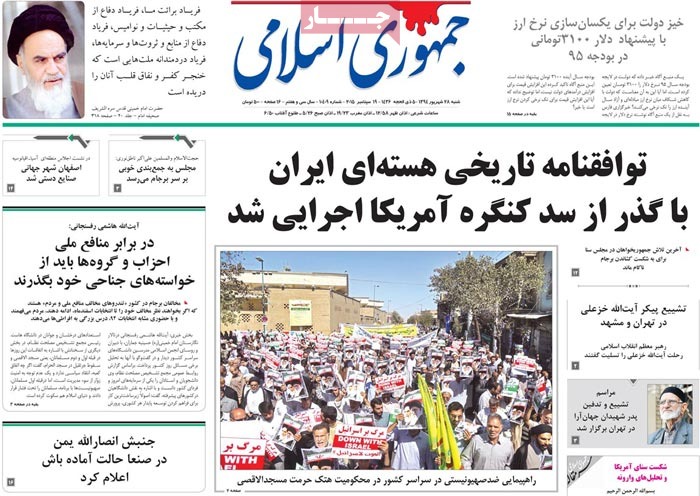
 

A look at Iranian newspaper front pages on September 19


Kayhan: The US administration has praised those involved in the [conclusion of] the Vienna accord; Obama celebrated a 3-2 defeat [a sarcastic reference to remarks by the Rouhani administration that Iran has defeated its rival in the nuclear talks 3-2]!

Kayhan: Argentina joined the ranks of those countries which have eliminated the US currency from their transactions.
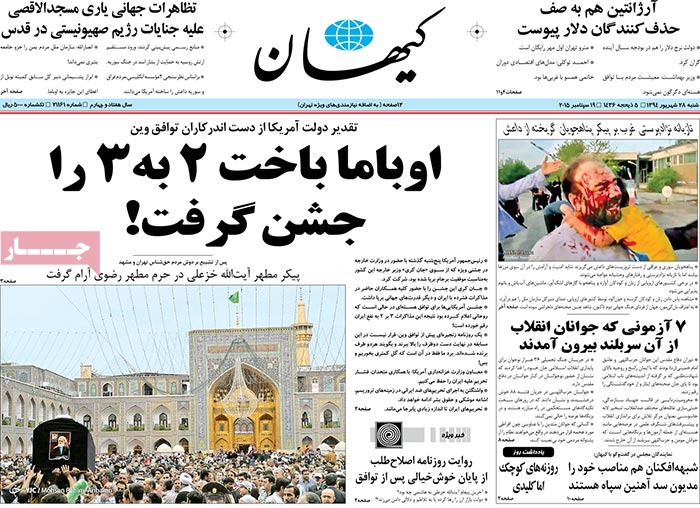
 

A look at Iranian newspaper front pages on September 19


Khorasan: The Joint Comprehensive Plan of Action cleared the US Congress.
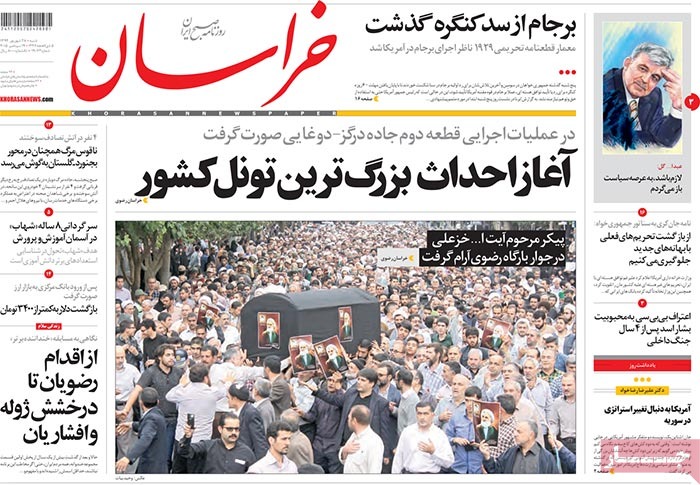
 

A look at Iranian newspaper front pages on September 19


Mardomsalari: The director of the Environment Protection Organization has said that the absence of a criticism-friendly atmosphere in the previous government is to blame for embezzlement and land grab.
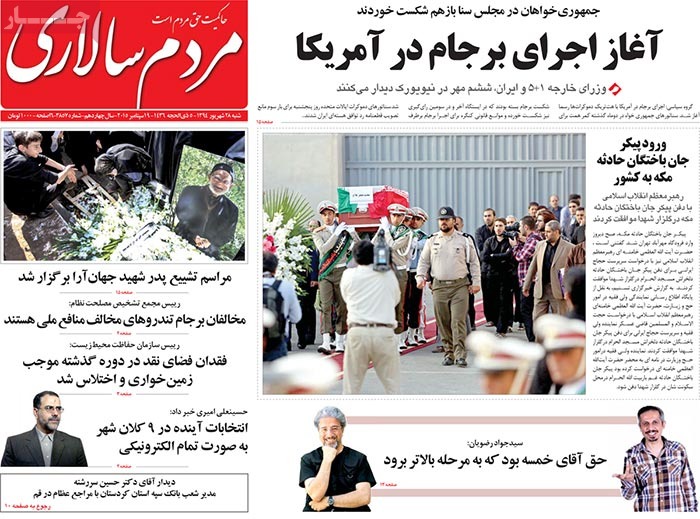
 

A look at Iranian newspaper front pages on September 19


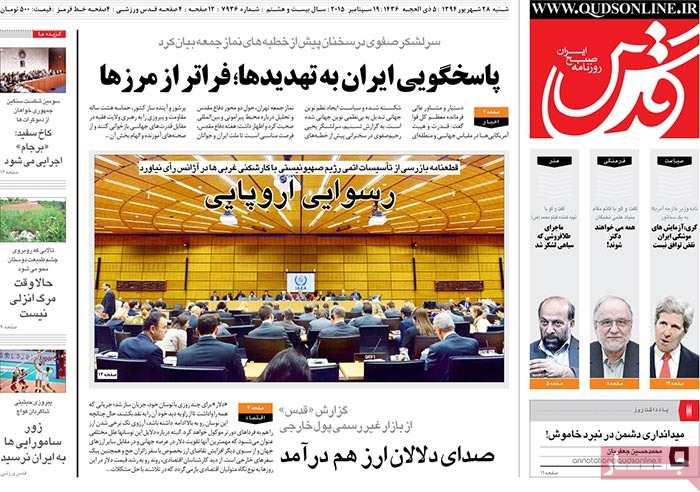
Qods: Major General Rahim Safavi, a senior military advisor to the commander-in-chief of the armed forces, has said that Iran’s response to threats will go beyond its national borders.
 

A look at Iranian newspaper front pages on September 19


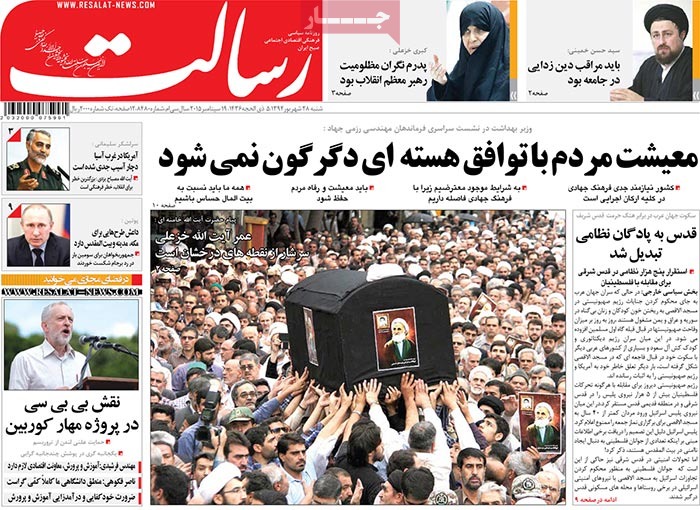
Resalat: “People’s pocketbook issues will not change for the better because of the Iran nuclear deal,” said the health minister.

Dr. Hassan Hashemi further said that efforts should be made to protect people’s subsistence and welfare.
 

A look at Iranian newspaper front pages on September 19


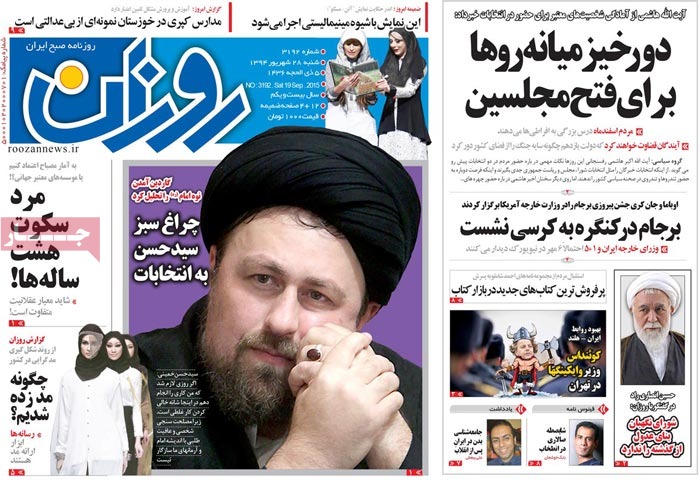
Roozan: The green light by Seyyed Hassan [Khomeini] to elections

[In Britain] The Guardian has analyzed a [possible] run by the grandson of the late Imam [for Assembly of Experts elections].
 

A look at Iranian newspaper front pages on September 19


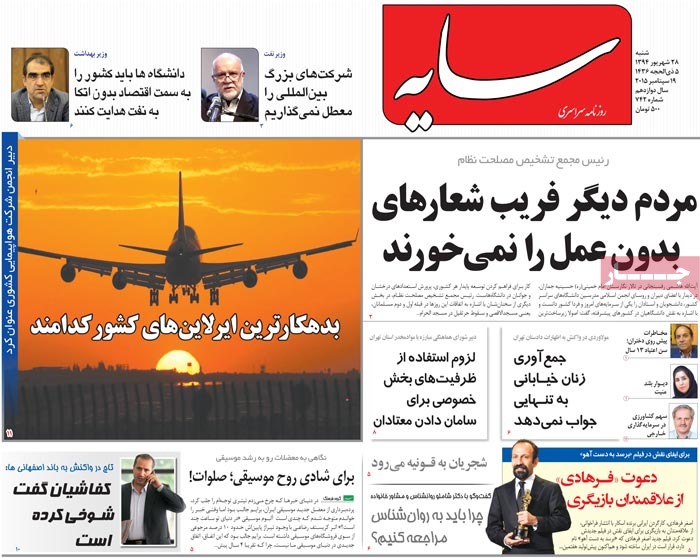
Sayeh: Chairman of the Expediency Council Ayatollah Hashemi Rafsanjani has said that people will no longer be deceived by all-talks-no-action speechifying.

Sayeh: The health minister has said that universities should lead the country toward an oil-free economy.
 

A look at Iranian newspaper front pages on September 19


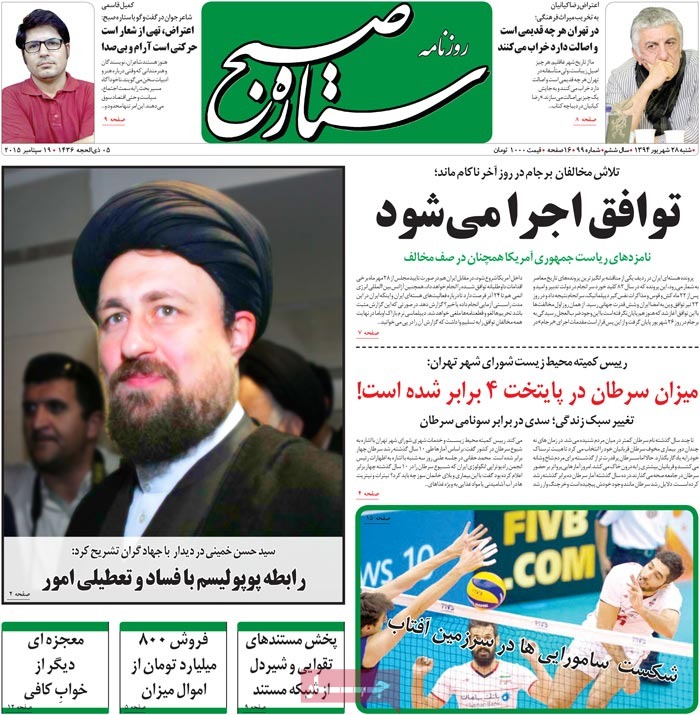
Setareh Sobh: “The number of cancer cases in the capital has risen four-fold,” said the chairman of the environment committee of Tehran City Council.
 

A look at Iranian newspaper front pages on September 19


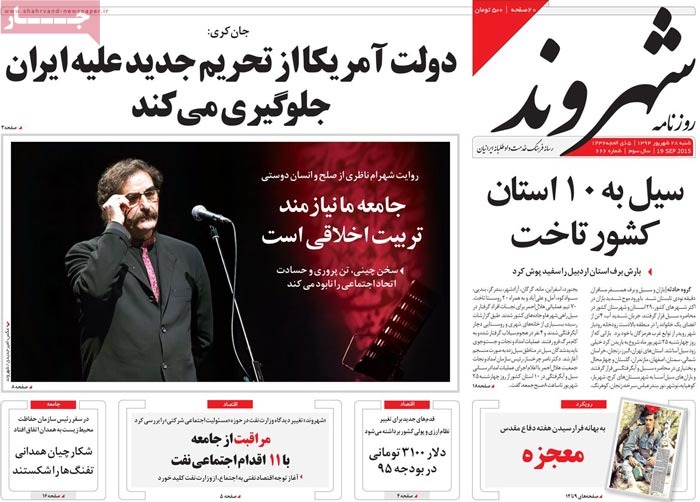
Shahrvand: “Our society needs training in ethics,” said Shahram Nazeri, a famous Iranian vocalist.
 

A look at Iranian newspaper front pages on September 19


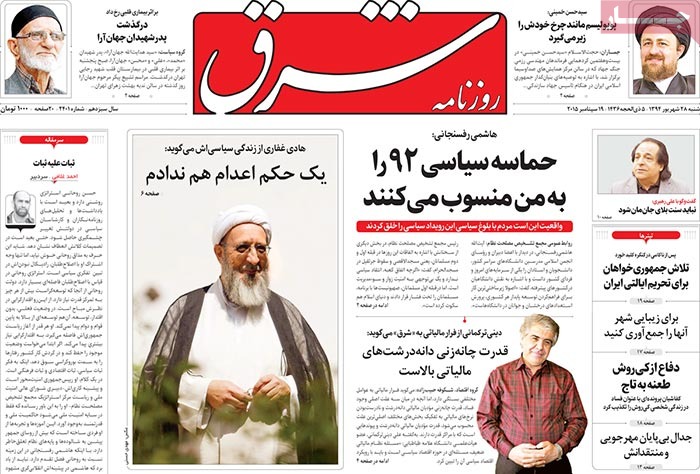
Sharq: The Expediency Council chairman has said that he has been credited with orchestrating the 2013 political epic [election of Hassan Rouhani as president].

“The fact of the matter is that people created this political epic thanks to their political maturity,” Ayatollah Rafsanjani further said.

 

A look at Iranian newspaper front pages on September 19


Man with amputated arms soldiers on (PHOTOS)

www

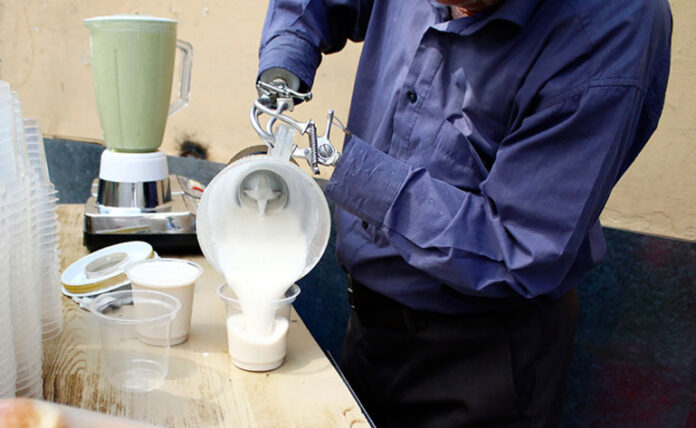
Hossein Shokuhi, who is fitted with metal prostheses to replace his missing arms, operates a fruit juice stall on Mellat Steet in downtown Tehran.

Physical disability seems to be too small an obstacle to prevent him from leading a normal life.

The following images of his daily routine have been published by Young Journalists Club:

Highlights of Ettela’at newspaper on September 19

Ettelaat

 “A new Intifada is underway,” said the Islamic Jihad.

The international community has condemned the Zionist regime for desecrating the Al-Aqsa Mosque. In Tehran worshippers took to the streets after Friday prayers to condemn the Zionist aggression against the holy site.

 New oil contracts will be unveiled in Tehran in a conference in early November.

That conference will be followed by another one in London 1-2 months later.

 Moscow has said that it stands ready to send troops to Syria.

It came as the Syrian foreign minister said that his country would ask for Russian assistance if needed.

 The grandson of the late Imam Khomeini has said that without public contribution and cooperation nothing will produce results.

Seyyed Hassan Khomeini further said officials should care about societal problems such as poverty, unemployment and discrimination.

 “Anti-Iran sanctions should be terminated in line with the Vienna accord,” said Foreign Minister Mohammad Javad Zarif.

The Iranian top diplomat further said that the US administration should make every effort to implement the Vienna deal.

 Dr. Zahra Mostafavi [the daughter of the late Imam Khomeini] has said that insecurity in the Middle East stems from Zionist plots.