Thursday, December 25, 2025
Home Blog Page 442

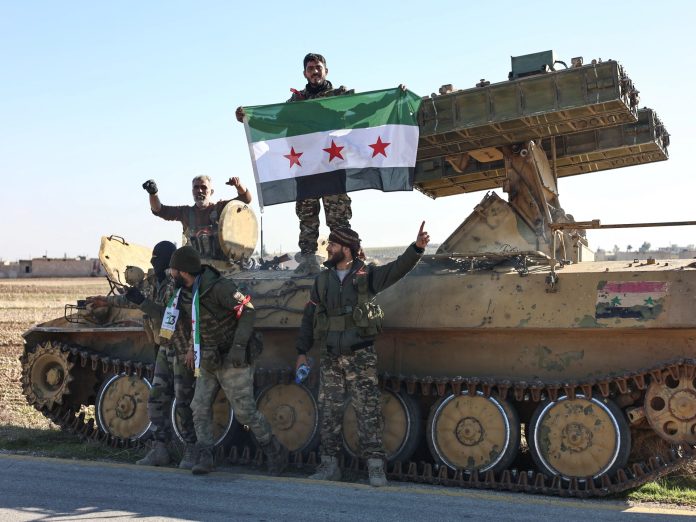
Syria, Lebanon agree to ceasefire after cross-border attacks kill 10, injure dozens

The two officials also agreed to strengthen coordination and cooperation between their countries, according to SANA.

The agreement follows an escalation of tensions between Beirut and Syria’s new government. In the past two days, cross-border attacks have killed three Syrians and seven Lebanese, according to the two governments, with 52 people being wounded on the Lebanese side.

On Monday, Syria shelled Lebanese villages on the border after three Syrians died in the northern Lebanese town of Qasr, according to the Lebanese military, which said its forces responded to the attack.

The Syrian shelling also targeted Qasr, Lebanon’s state-run National News Agency reported.

On Sunday, Syria’s defense ministry accused the Lebanese group Hezbollah of kidnapping three Syrian troops from Syrian territory in an ambush, the state news agency SANA reported, adding they were “taken to Lebanese territory and executed on the spot.”

It also claimed that a photographer and reporter were injured on the Syria-Lebanon border after being struck by a “Hezbollah missile.”

The Lebanese army announced that two Syrians were killed at the border and another died in hospital, and that the three bodies were handed over to Syria.

Hezbollah denied involvement in the border clashes, the Lebanese state news agency NNA reported, saying it “has no connection to any events taking place within Syrian territory.”

In response, Lebanon’s presidency noted Monday that tensions on the country’s frontier with Syria “cannot go on.”

“What is happening on the eastern and northeastern borders cannot go on, and we will not accept its continuation,” the presidency wrote on X.

If confirmed to have been conducted by Syria, the attack on Lebanon would mark rare action by Syria’s new government on one of its neighbors. The country’s leader, Ahmed al-Sharaa, has repeatedly said he wants to maintain stability with Syria’s neighbors and has so far refrained from responding to repeated Israeli strikes on his country.

The clashes are a sign of growing tensions at the Lebanon-Syria border, northeast of the Beqaa valley, where predominantly Shiite Lebanese villages have seen skirmishes with Syrian soldiers in recent weeks.

Syria’s new government is led by former militants who ousted the government of Bashar al-Assad late last year. Hezbollah had intervened in Syria during the country’s war to help Assad fight the militants.

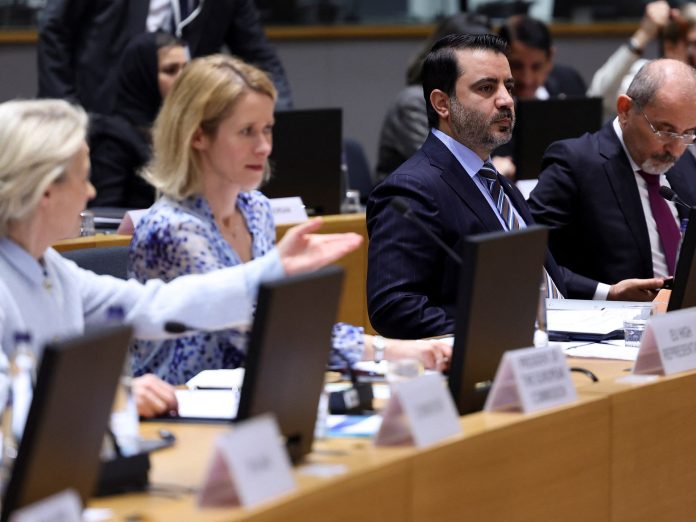
EU, others pledge over $6bn to Syria in post al-Assad donor drive

Western and regional powers participated in Monday’s one-day meeting in Brussels, chaired by EU foreign policy chief Kaja Kallas.

Fourteen years of war killed hundreds of thousands of Syrians, displaced millions more, and decimated the economy.

Among all donors, the EU reported that 5.8 billion euros ($6.3bn) was pledged in aid for Syria.

“Together we have pledged a total of 5.8 billion euros in grants and loans,” said EU Commissioner for the Mediterranean Dubravka Suica, adding that grants accounted for 4.2 billion euros ($4.6bn) and loans 1.6 billion ($1.75bn).

During the meeting, the EU itself vowed to provide about 2.5 billion euros ($2.7bn) in aid to Syria.

“Syrians need greater support, whether they are still abroad, or they decide to go home. And this is why today, the European Union is increasing its pledge for Syrians in the country and in the region to almost 2.5 billion euros for 2025 and 2026,” stated European Commission head Ursula von der Leyen.

German Foreign Minister Annalena Baerbock announced that Berlin would provide an additional 300 million euros ($328m) for the United Nations and other organisations assisting Syrians.

“There can only be a peaceful future for Syria if there is an inclusive political process,” Baerbock said.

The United Kingdom pledged up to 160 million British pounds ($208m) in humanitarian aid to support Syria’s recovery.

The foreign office announced the funds would “help provide Syrians with critical water, food, healthcare, and education in 2025″.

Last year’s donor drive raised 7.5 billion euros ($8.2bn) in grants and loans to help the people of Syria, but efforts to top that number fell short after the United States rolled back its foreign aid budget.

Meanwhile, for the first time, Syria, represented by interim Foreign Minister Asaad Hassan al-Shaibani, attended the meeting, the ninth of its kind.

Syria’s new leadership is attempting to consolidate control over territory that had been devastated and divided for more than a decade.

Last week, gunmen from the Alawite minority sect, loyal to al-Assad, launched an ambush on a Syrian security patrol that sparked the worst bloodshed since the former leader was overthrown in early December.

According to a war monitor, nearly 1,500 civilians, most of them members of the Alawite minority, were killed during the clashes.

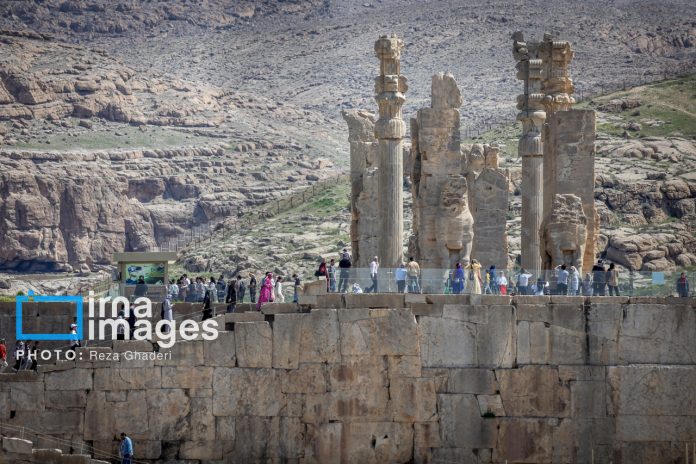
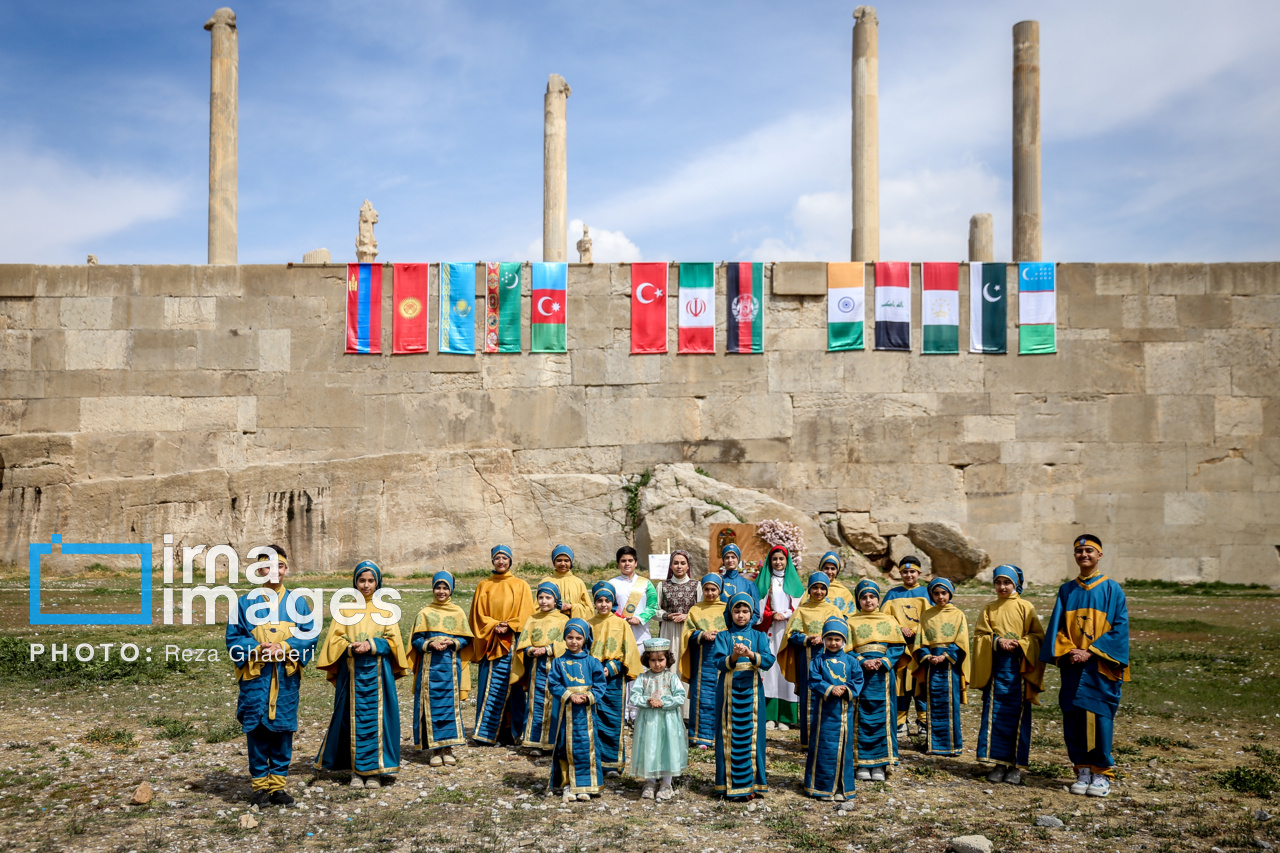
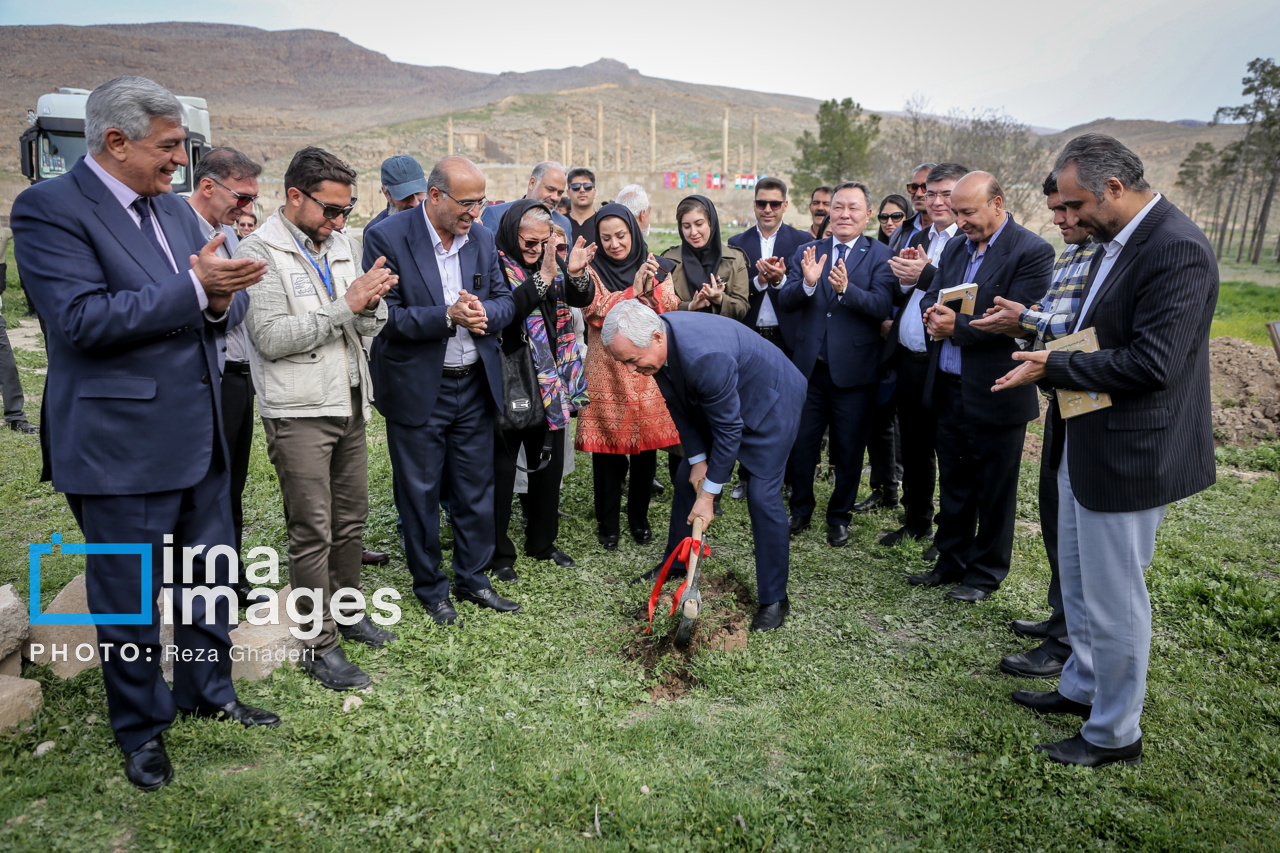
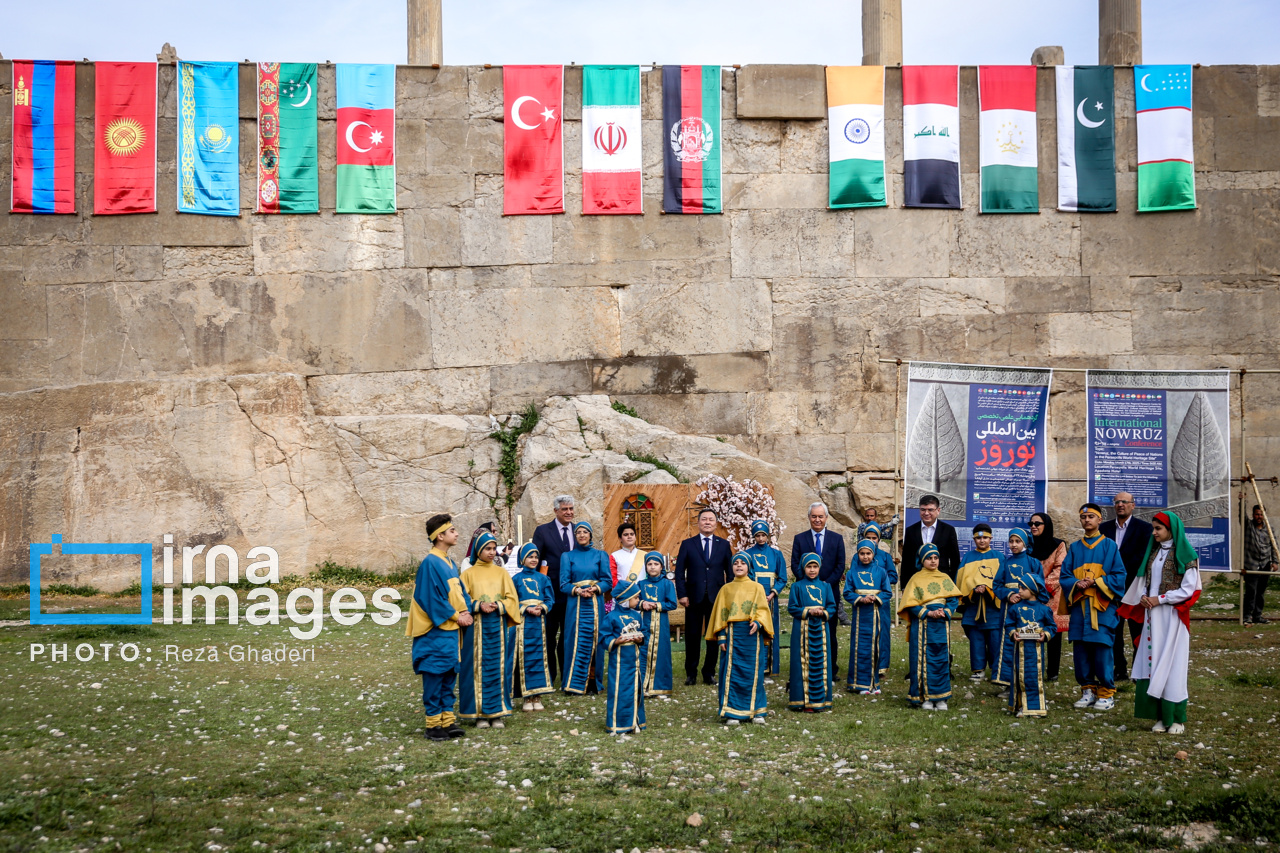
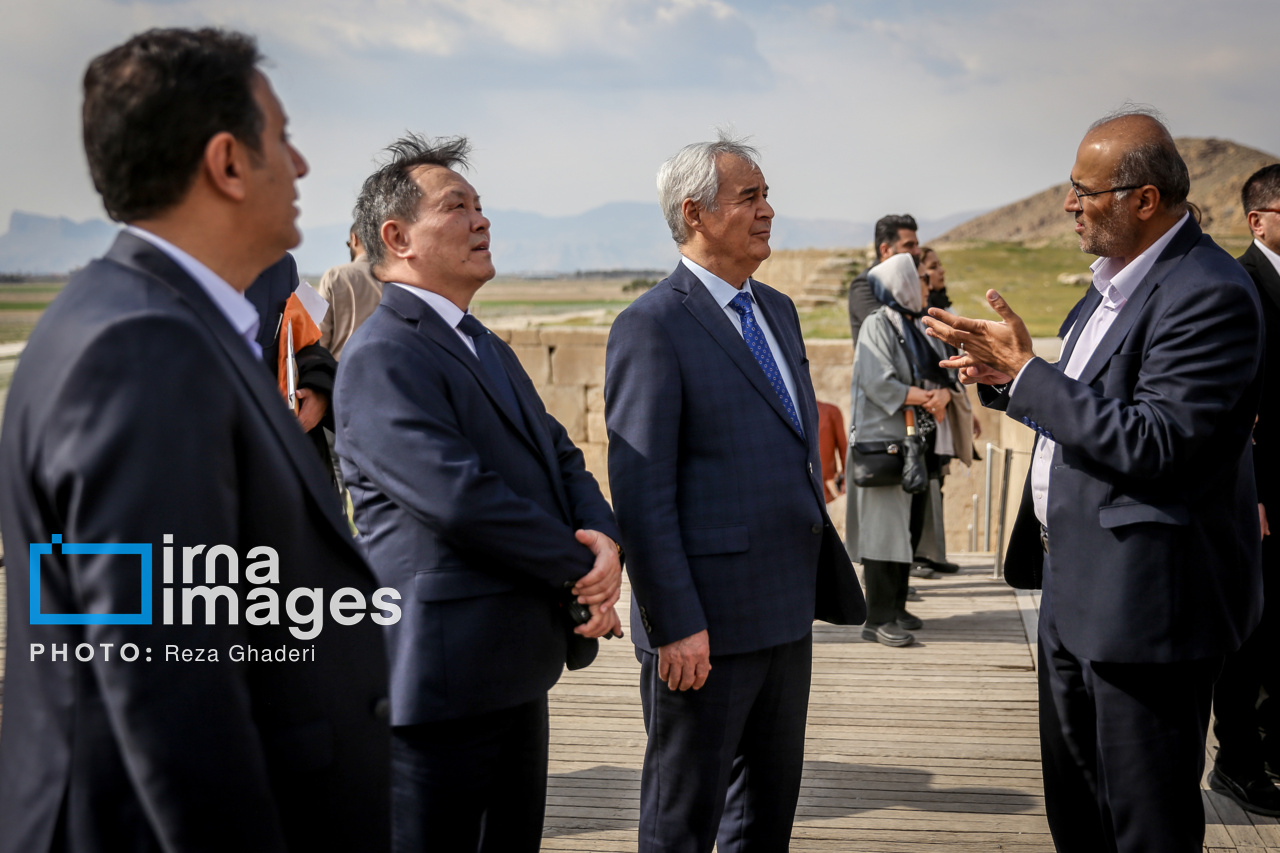
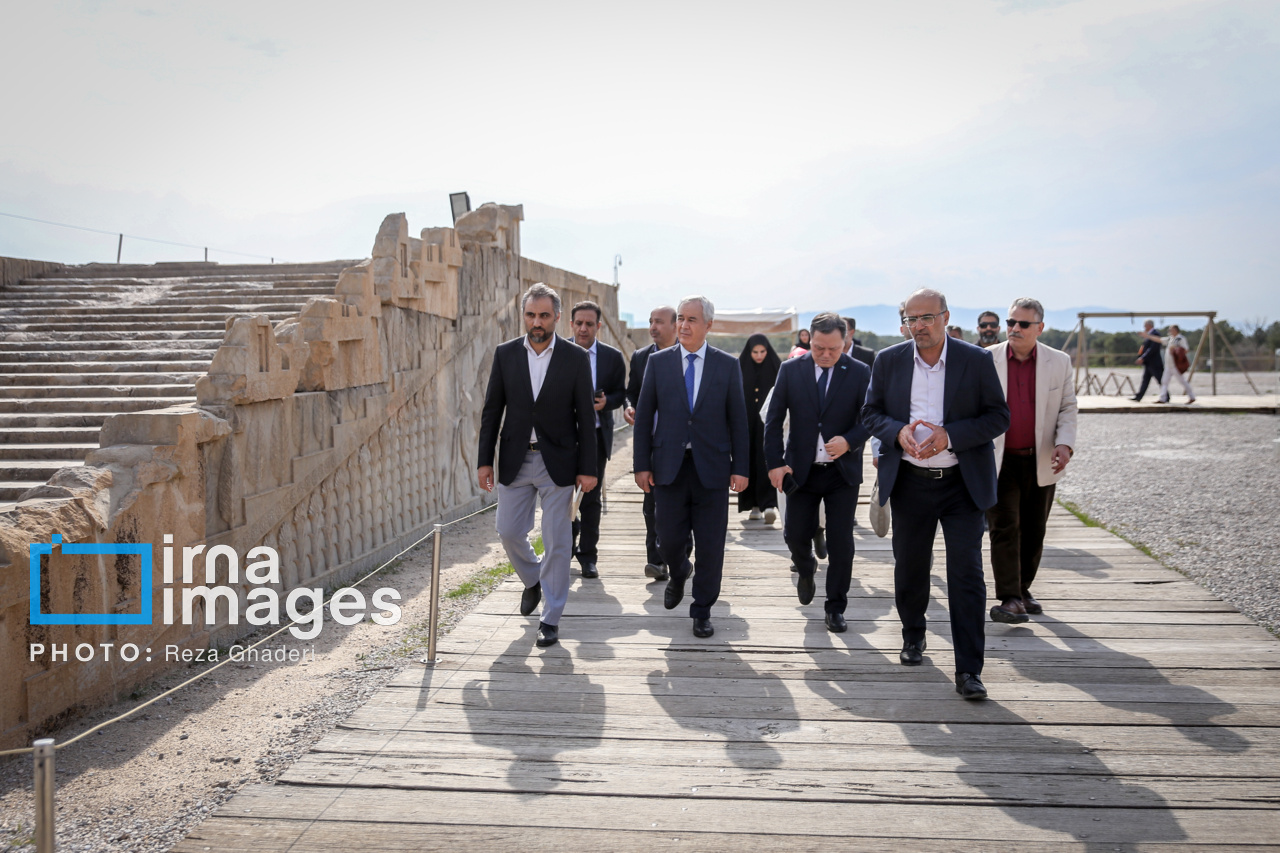
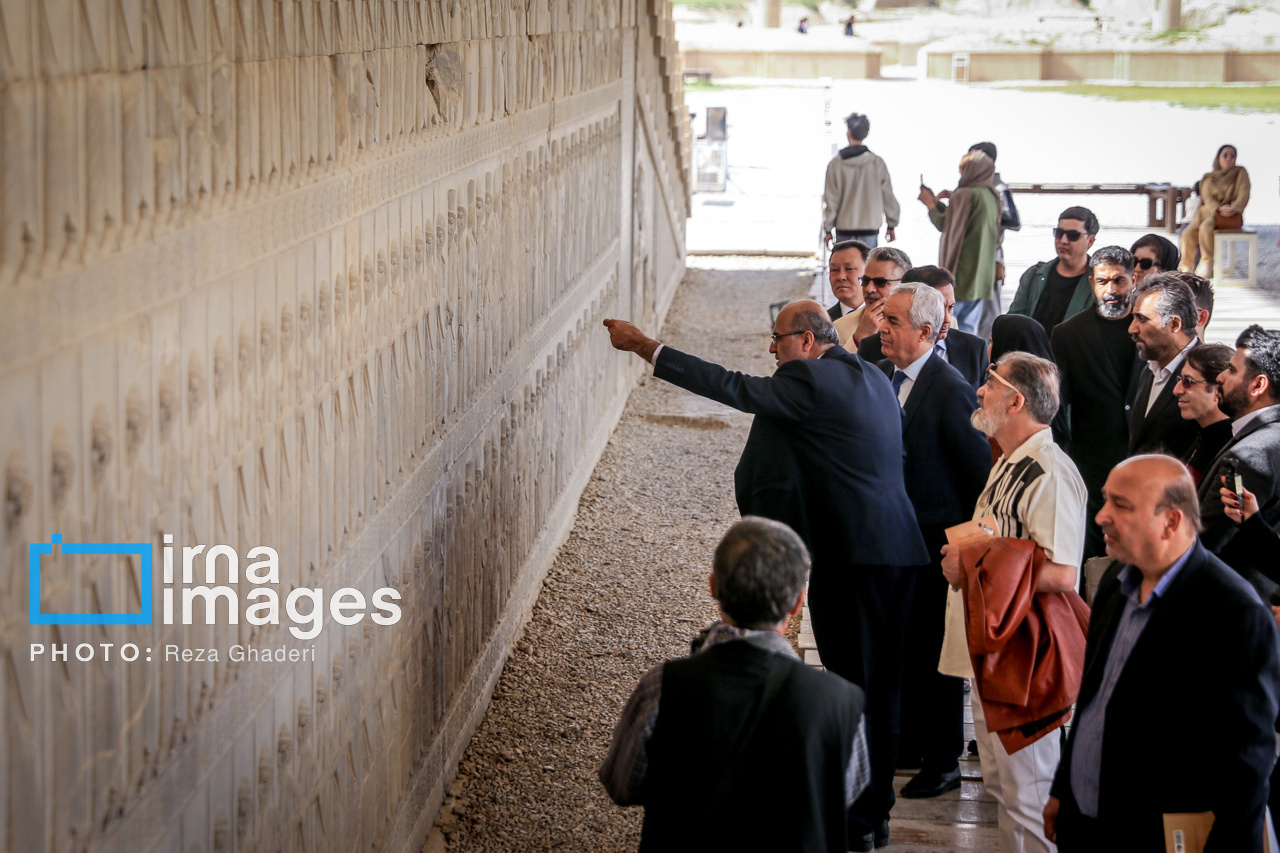
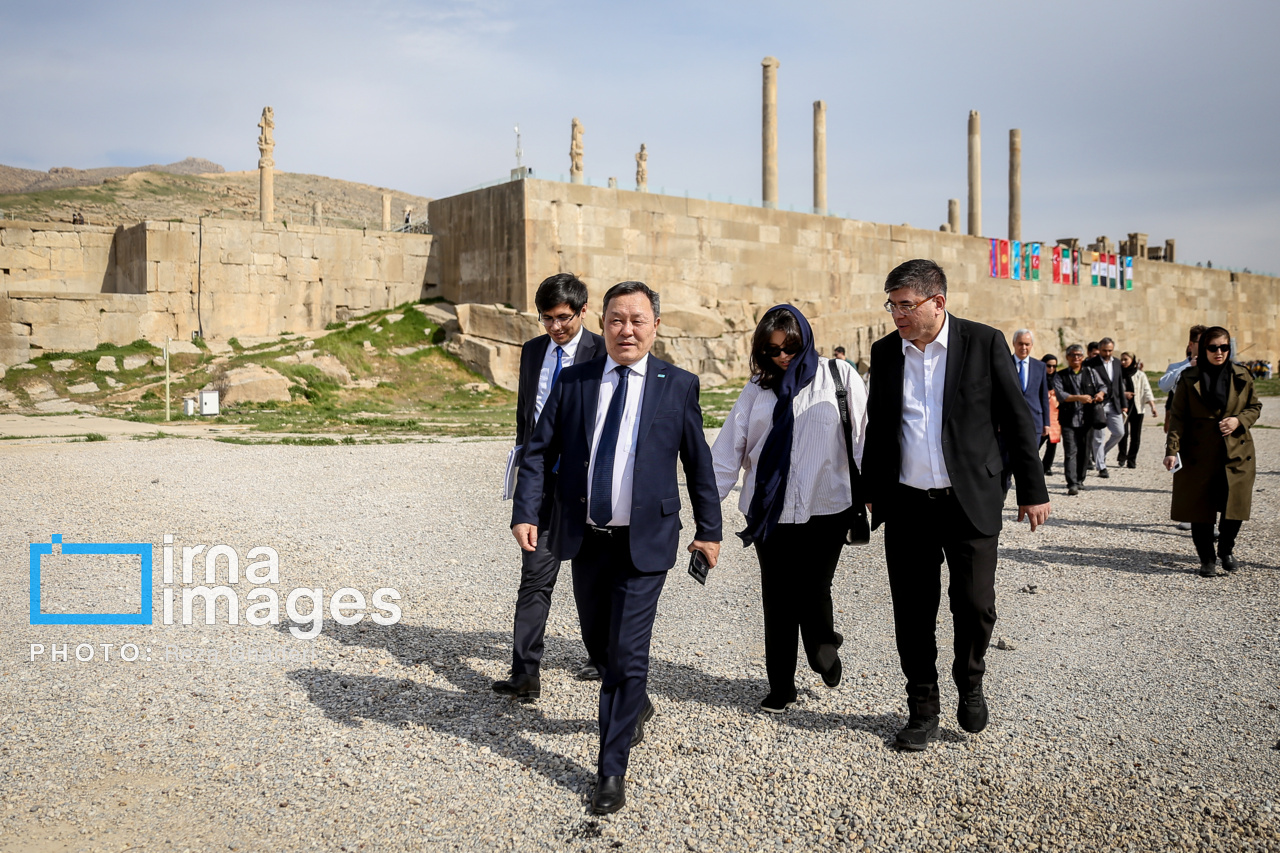
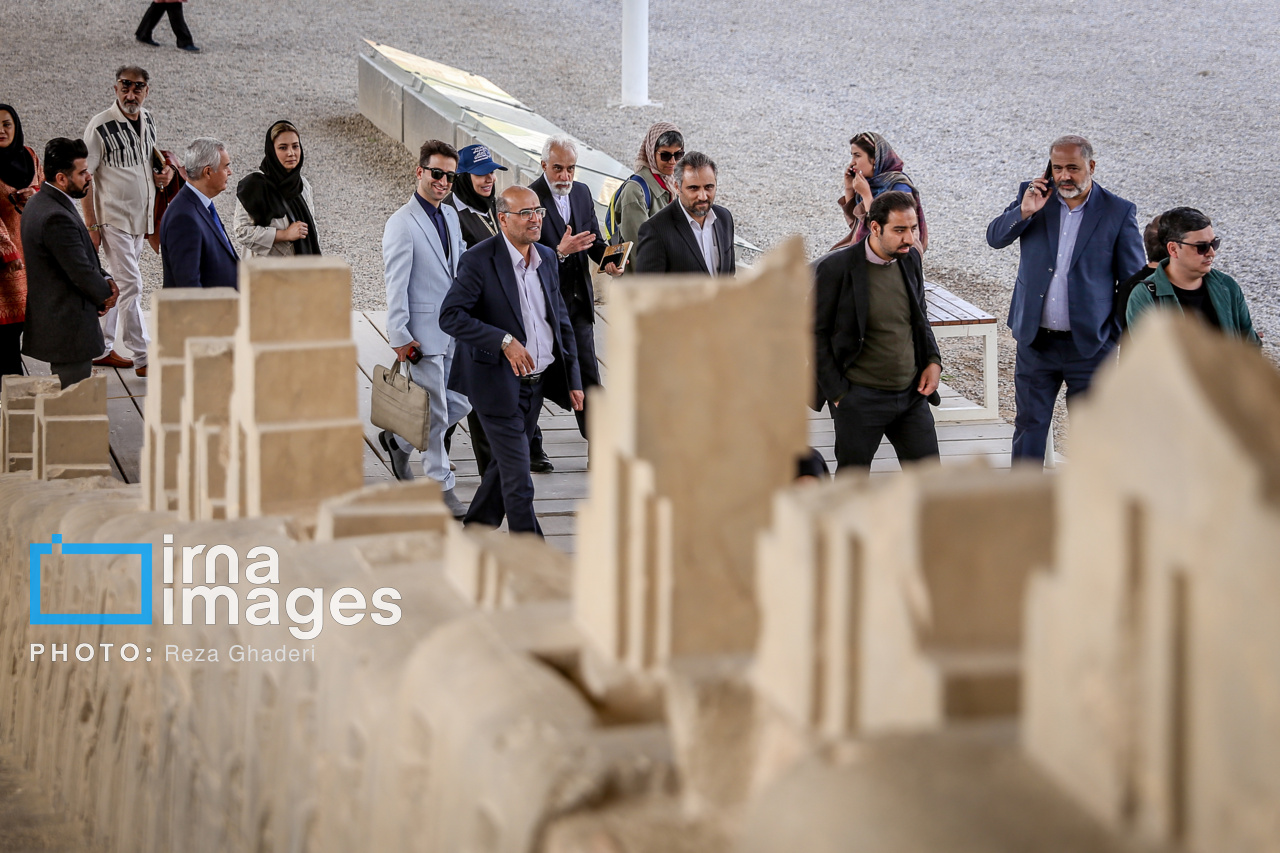
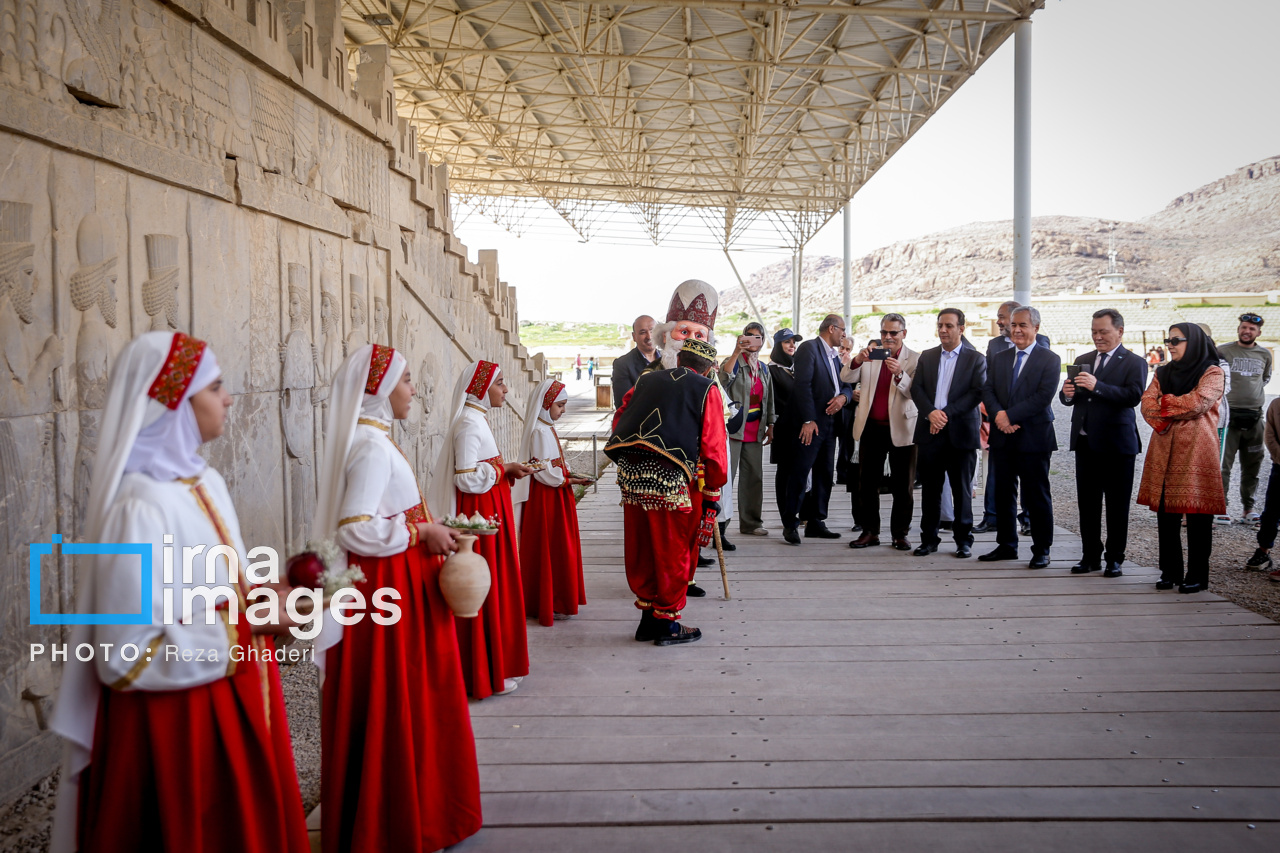
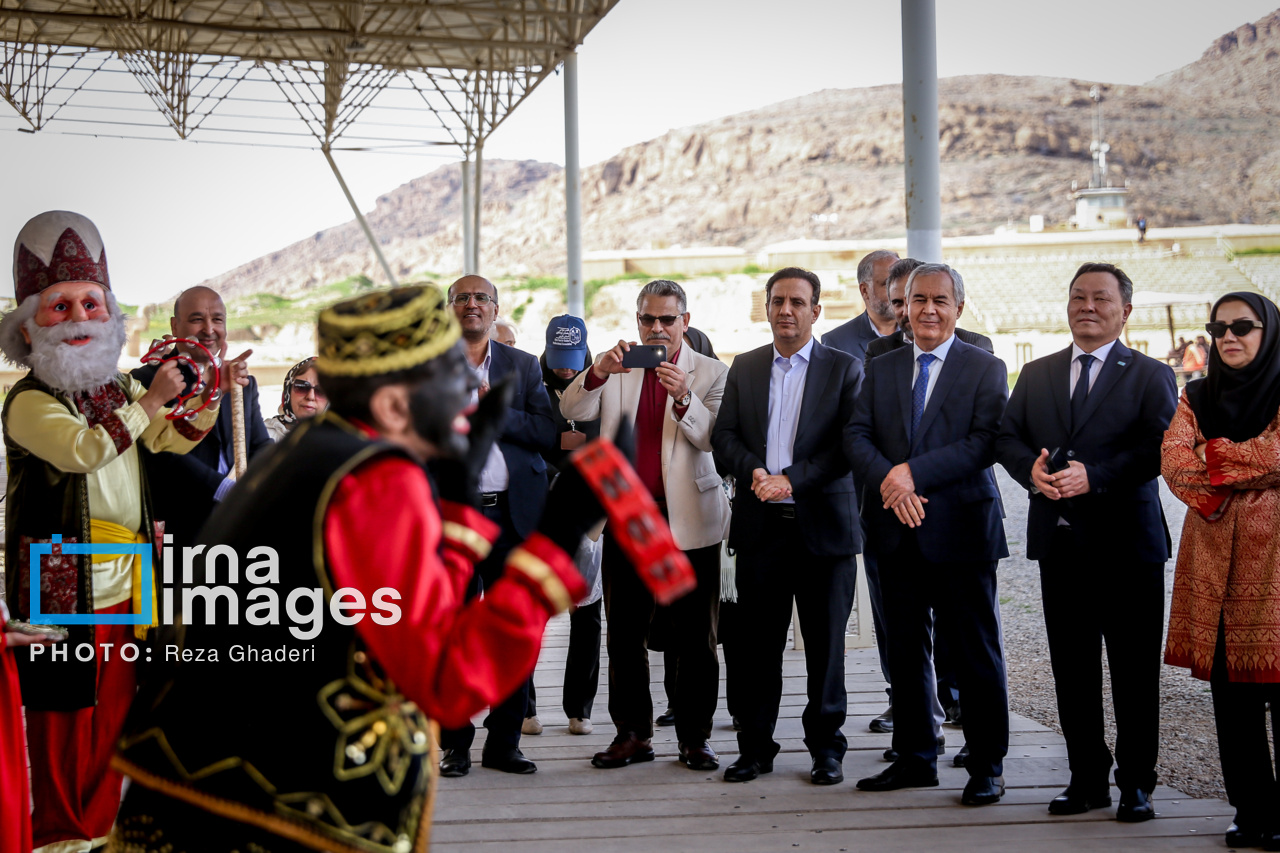
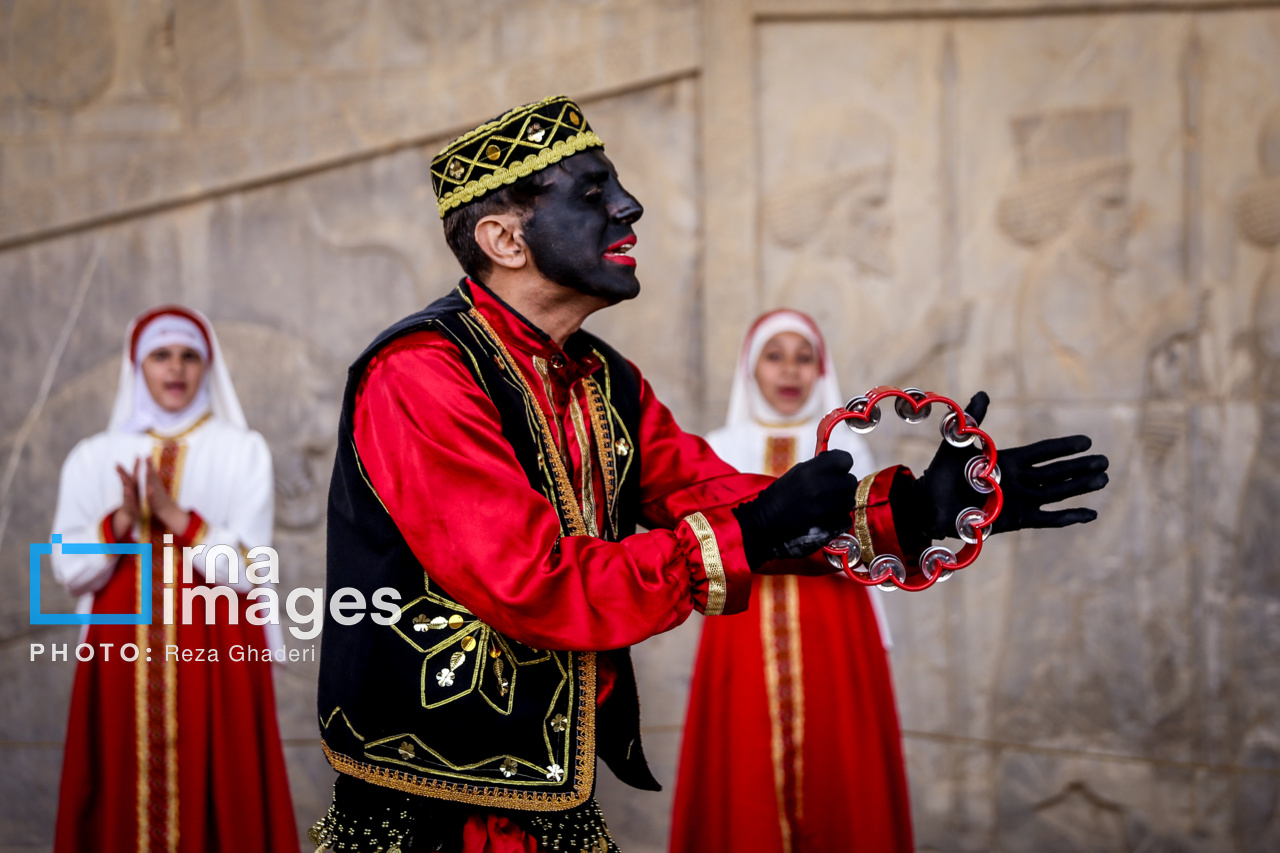
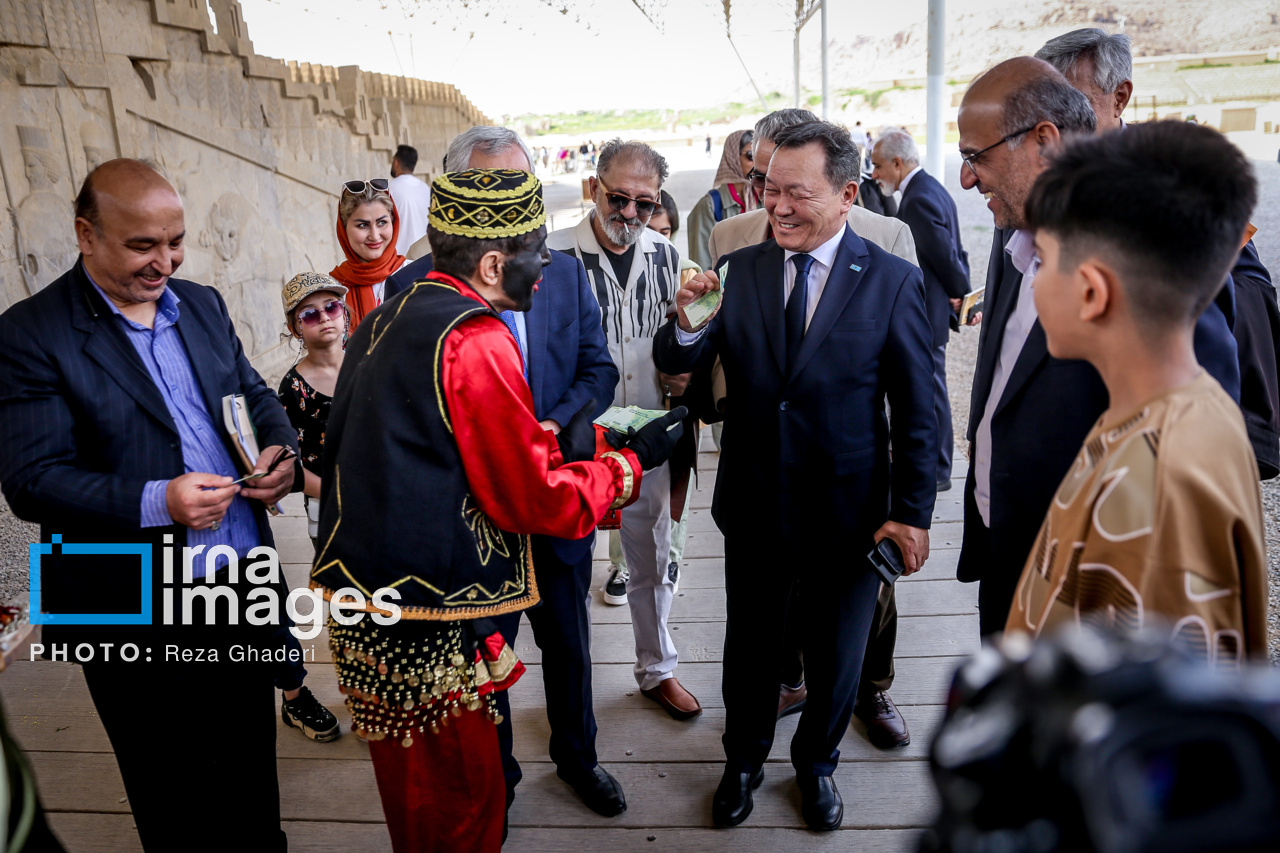
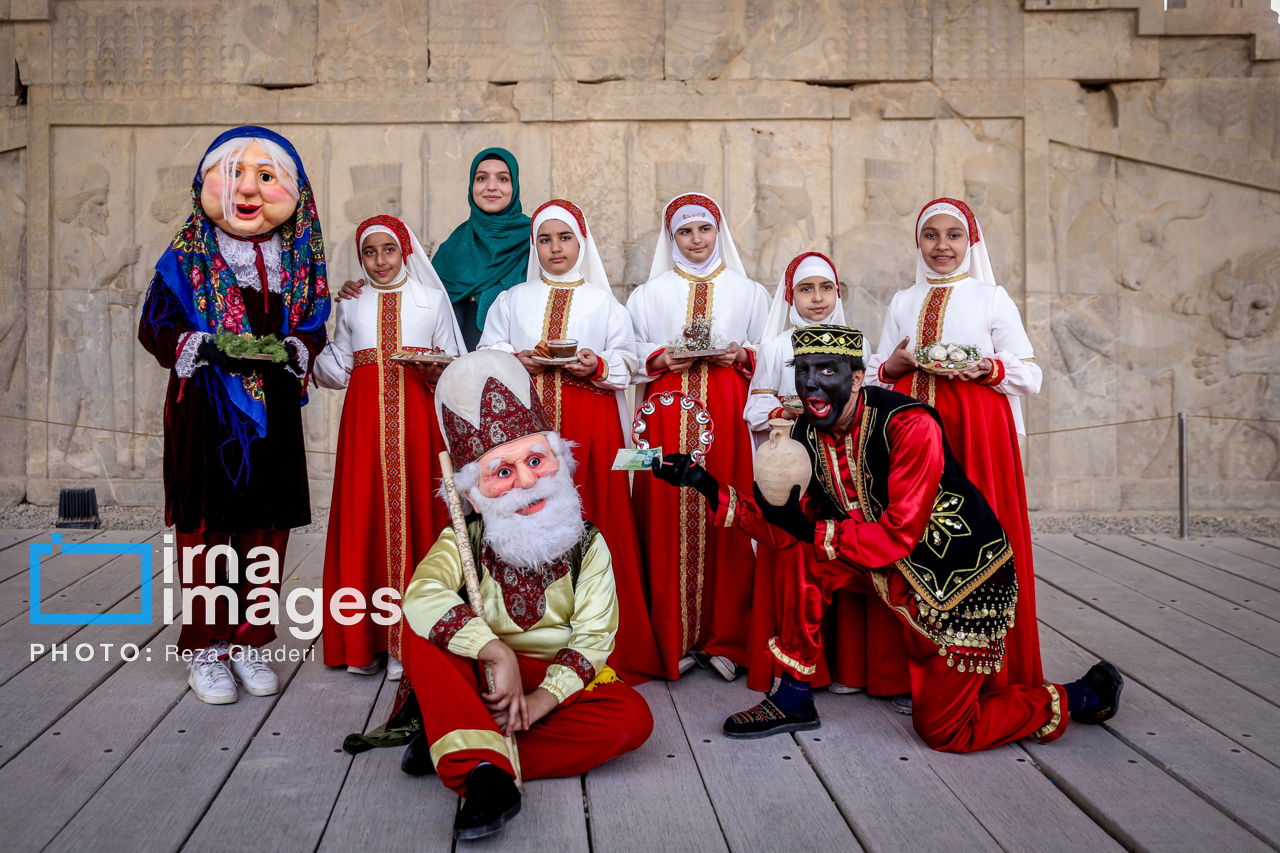
International Nowruz celebration held at Iran’s Persepolis

The event was attended by ambassadors from Uzbekistan, Kazakhstan, and Tajikistan, highlighting the cultural significance of Nowruz, the Persian New Year, which marks the arrival of spring and is celebrated across Central Asia and beyond.

During the ceremony, the International Nowruz Symbol was unveiled.

More in pictures:

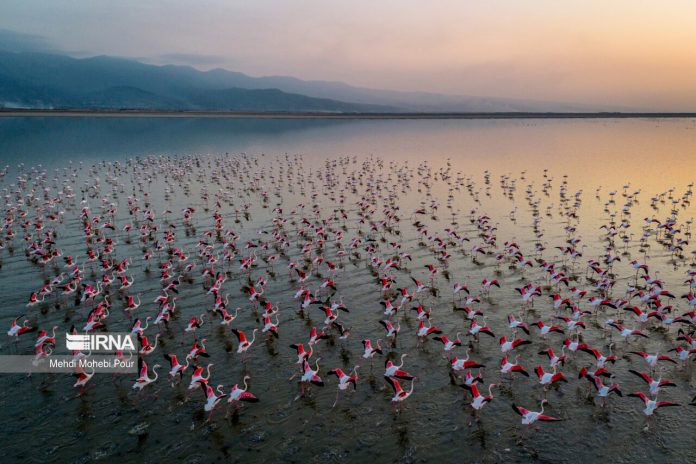
Iran’s Mazandaran sees 90% surge in migratory birds after wetland recovery

This marks a significant recovery after years of decline, driven by abundant summer and autumn rainfall that replenished dried-up habitats, including the internationally renowned Miankaleh Wetland.

Miankaleh, a UNESCO Biosphere Reserve, hosted 250,000 birds alone, a threefold increase from previous years.

The wetland saw an additional 4,000 hectares reflooded, providing critical habitat for over 80 species of waterfowl and shorebirds. Ducks were the most numerous, with their numbers surging from 112,000 to 280,000.

Kourosh Rabiei, head of the Mazandaran Department of Environment’s Wildlife Office, attributed the recovery to improved environmental conditions, a hunting ban in neighboring provinces, and favorable weather.

However, he noted that 70% of the birds have already departed for northern Caspian regions, with the remaining 30% expected to leave by mid-April.

Mazandaran’s wetlands, including Miankaleh, are vital stopovers for migratory birds traveling from cold northern regions.

The province’s 915 water reservoirs and wetlands, covering 18,000 hectares, provide essential resources for these birds, making it a key player in global bird migration routes.

Report: Iranian F-14s intercept US MQ-4C spy drone; surveillance aircraft forced to retreat

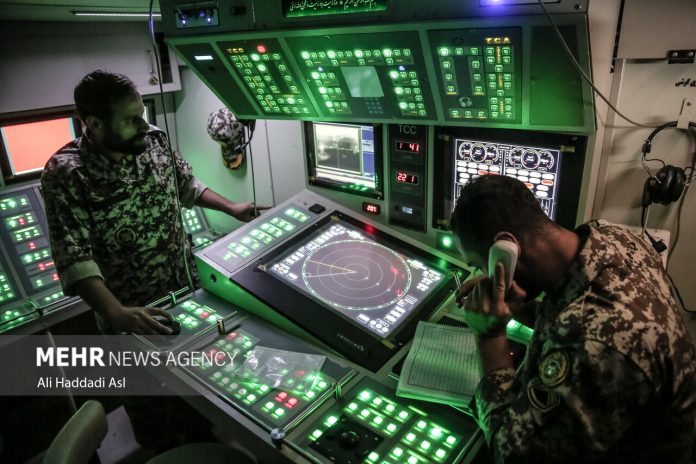
Iran Air Defense System

The Islamic Republic of Iran Air Force stated that the American spy drone immediately withdrew upon encountering Iranian F-14 fighter jets and reconnaissance drones.

The armed forces of Iran emphasized their readiness to defend against any aggression and launch decisive strikes against enemy interests in West Asia.

In a statement, Iran’s Islamic Revolution Guard Corps (IRGC) Aerospace Force Unit warned that Iran will shoot down any enemy aircraft, manned or unmanned, that violates its airspace.

The IRGC cautioned adversaries against any provocations, underscoring Iran’s preparedness to respond to threats.

The MQ-4C drone, a stealthy surveillance aircraft with a length of 14.5 meters and a wingspan of 40 meters, is one of the US military’s advanced radar-evading platforms.

The escalation came as the US has launched relentless attacks on Yemen’s Ansarullah forces for blocking the Red Sea in retaliation for Israeli aggression on Palestine. The US blames Iran for shoring up the Yemeni movement.

At least 3 killed in Israeli air attack on Syria’s Deraa

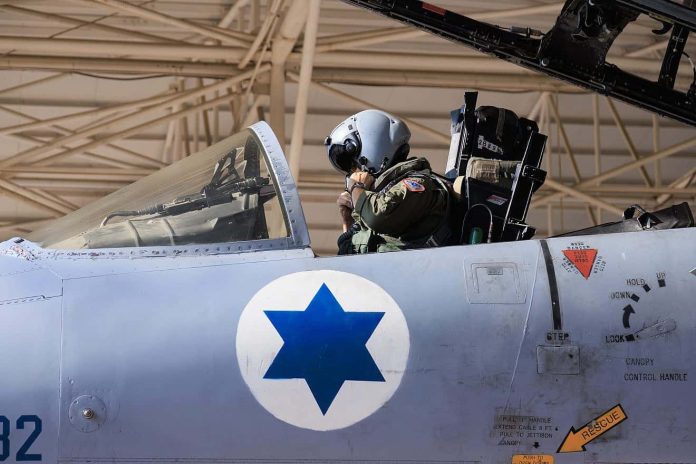
Israeli Air Force

The Israeli military confirmed the strikes Monday night and said it was targeting military sites that contained weapons and vehicles that belonged to the forces of ousted Syrian President Bashar al-Assad.

The Israeli army “is currently striking military targets in southern Syria, including command centres and military sites containing weapons and military vehicles belonging to the old Syrian regime,” an army statement read, adding that the “military assets” posed “a threat to the State of Israel”.

The army noted it “will not allow the presence of military threats in southern Syria and will operate against it”.

The Syrian Observatory for Human Rights reported Israel targeted a military site previously used by al-Assad’s forces but now used by the army of Syria’s new government.

However, this is not the first time Israel has targeted the southern Deraa province, near the Jordanian border. Earlier this month, it targeted several Syrian military assets in the same area.

The Israeli military announced at the time that the military sites, which had included bases and radar systems, posed a threat that the strike was meant to “eliminate”.

Since al-Assad was ousted, Israel has carried out hundreds of air strikes in Syria and deployed troops to a United Nations-patrolled buffer zone on the Golan Heights.

While al-Assad was in power, Israel also routinely attacked Syria, bombing what it said were Iranian and Hezbollah targets.

UK, EU to discuss confiscating Russian assets ahead of Ukraine peace negotiations: Bloomberg

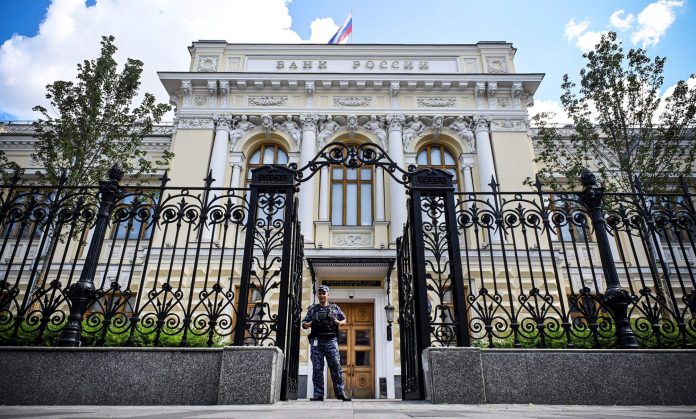
Russian Central Bank

Negotiations will reportedly focus on establishing the legal and financial framework to seize Russian assets despite opposition from some EU member states, particularly Belgium and Germany.

Western nations froze roughly $300 billion in Russian assets after Russia launched its full-scale invasion of Ukraine in February 2022, with roughly two-thirds held in Europe.

British Foreign Secretary David Lammy and EU diplomacy chief Kaja Kallas are expected to discuss the issue during their meeting on March 18, according to Bloomberg.

The talks will also cover the EU’s proposal to invest 150 billion euros ($163 billion) of EU loans in armaments for third countries, including the U.K., Norway, and Switzerland.

While Ukraine has received loans backed by the interest earned from these assets, Kyiv has repeatedly called for full confiscation to fund its defense and reconstruction.

In October 2024, the Group of Seven (G7) agreed to provide Ukraine with nearly $50 billion in loans backed by the revenue generated from frozen Russian assets.

Over 400, including children, killed as Israel ends Gaza ceasefire

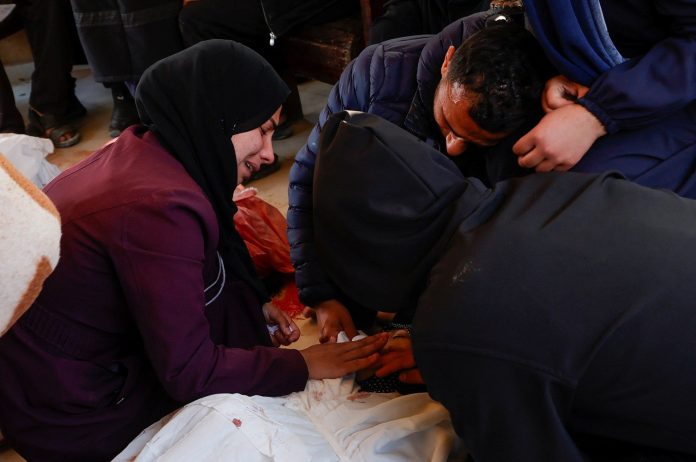
At least 404 Palestinians have been killed and 562 wounded as Israel launched a massive onlsuaght on Gaza, shattering the fragile two-month-old ceasefire with Hamas.

Tuesday’s attack took place across Gaza, including in Khan Younis and Rafah in southern Gaza, Gaza City in the north, and central areas like Deir el-Balah.

Many of those killed in the attacks were children, Gaza’s Ministry of Health said.

Palestinian Health Ministry said that “404 martyrs and 562 injuries arrived at Gaza Strip hospitals so far”, adding that “a number of victims are still under the rubble”.

Israeli Prime Minister Benjamin Netanyahu stated he has instructed the military to take “strong action” against Hamas in Gaza, accusing the group of refusing to release captives and rejecting all ceasefire proposals.

“Israel will, from now on, act against Hamas with increasing military strength,” the prime minister’s office announced in a statement.

Israeli Minister of Defence Israel Katz has also stated the “gates of hell” would open in the enclave if the remaining captives were not released.

“We will not stop fighting until all of the hostages return home and all the war’s aims are achieved,” Katz announced in a statement.

White House spokeswoman Karoline Leavitt told Fox News that US President Donald Trump’s administration was consulted by Israel prior to carrying out the strikes.

“The Trump administration and the White House were consulted by the Israelis on their attacks on Gaza tonight and as President Trump has made clear to Hamas, the Houthis, Iran – all those who seek to terrorise not just Israel but the United States of America will see a price to pay,” Leavitt added.

“All hell will break loose and all of the terrorists in the Middle East – the Houthis, Hezbollah, Hamas, Iranian-backed terror proxies and Iran themselves – should take President Trump very seriously when he says he is not afraid to stand for law-abiding people.”

The Israeli military announced it is prepared to continue attacks on Gaza for as long as needed and would expand the campaign beyond air strikes.

The military described the attacks as having targeted Hamas commanders and infrastructure, but footage and local reports indicate that scores of civilians had been killed and wounded.

Reacting to the air strikes, Hamas said in a statement that Israel had resumed its “genocidal war against defenceless civilians in the Gaza Strip”.

“Netanyahu and his extremist government have decided to overturn the ceasefire agreement, exposing the [Israeli] prisoners in Gaza to an unknown fate,” Hamas announced on Tuesday morning.

“We demand that the mediators hold Netanyahu and the Zionist occupation fully responsible for violating and overturning the agreement.”

It called on the Arab League and Organisation of Islamic Cooperation to “assume their historical responsibility in supporting the steadfastness and valiant resistance of our Palestinian people, and in breaking the unjust siege imposed on the Gaza Strip”.

It also urged the UN to “convene urgently to adopt a resolution obligating the occupation to halt its aggression and abide by Resolution 2735, which calls for an end to the aggression and withdrawal from the entire Gaza Strip”.

The Palestinian group has blamed the US for its advance knowledge of Israel’s deadly bombardment in Gaza, saying this “confirms its direct partnership in the war of extermination against our people”.

The White House’s acknowledgement that it was consulted ahead of the attack “exposes the blatant American complicity and bias with the occupation”, Hamas announced.

“With its unlimited political and military support for the occupation, Washington bears full responsibility for the massacres and the killing of women and children in Gaza,” it added.

The Palestinian Islamic Jihad (PIJ) armed group accused Israel of “deliberately sabotaging all efforts to reach a ceasefire”.

The fragile ceasefire between Israel Hamas, which came into effect on 19 January, was planned to include three phases.

The first phase, which ended at the beginning of March, resulted in the release of 33 Israeli and five Thai captives by Hamas in exchange for the release of some 2,000 Palestinian captives held in Israeli prisons.

Israel, backed by the US, has sought an extension of phase I of the deal while Hamas has said the ceasefire agreement should move to phase II.

The broad outline of the second phase, the details of which have not yet been agreed, is for all Israeli captives to be released in return for a total withdrawal from Gaza.

Israeli officials have long maintained that their forces will not withdraw from the enclave unless Hamas’s military and governance capabilities are completely removed.

A plan for the governance of post-war Gaza would have been discussed in the second and third phases.

The third phase was expected to involve the return of the bodies of Israeli captives still held in Gaza and the announcement of a three to five-year reconstruction plan for the enclave overseen by international actors.

Israel’s 18-month war on Gaza has levelled much of the enclave, reducing homes, hospitals and schools to rubble.

Israeli forces have so far killed more than 48,000 people in the territory, according to Palestinian health authorities.

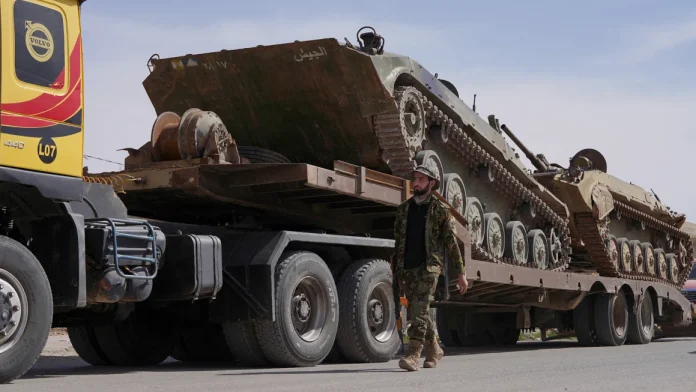
Lebanese army, Syrian troops clash on northeastern border

Syria War

The new Syrian government, led by Hayat Tahrir al-Sham, accused Lebanese group Hezbollah of kidnapping and killing three members of Syria’s security forces.

Different accounts of the events that unfolded on Sunday night have emerged from both sides.

Hezbollah has denied any involvement, while a Lebanese security source told Reuters that three Syrian soldiers initially crossed into Lebanese territory and were subsequently killed by armed members of a tribe in northeastern Lebanon. The tribe reportedly feared their town was under attack.

Syrian forces shelled Lebanese towns overnight in retaliation for the deaths, causing some Lebanese residents to flee.

The Lebanese military said it returned the bodies of the three Syrians to their country and that it had exchanged fire with forces from Syrian territory. Additionally, a large number of Lebanese soldiers have been deployed to the border region.

“What is happening on the eastern and northeastern borders cannot continue, and we will not accept its continuation,” said Lebanese President Joseph Aoun on Monday.

“I have given instructions to the Lebanese army to respond to the sources of fire.”

The Lebanese army has since been engaged in heavy fighting near the northeastern Lebanese town of Hosh al-Sayyed Ali.

Lebanon’s border with Syria has been a tense scene of occasional clashes since the fall of former Syrian President Bashar al-Assad, a long-time ally of Hezbollah.

While both Aoun and Syrian interim president Ahmed al-Shara have expressed desire to strengthen ties between the two countries, these clashes, coupled with the new Syrian government’s hostility toward Hezbollah, continue to pose significant challenges.

Trump threatens to hold Iran ‘responsible’ for Yemen’s Houthi attacks

Trump issued the warning on his social media platform Truth Social on Monday, signing the post with his name.

“Let nobody be fooled! The hundreds of attacks being made by Houthi, the sinister mobsters and thugs based in Yemen, who are hated by the Yemeni people, all emanate from, and are created by, IRAN,” Trump wrote.

“Any further attack or retaliation by the ‘Houthis’ will be met with great force, and there is no guarantee that that force will stop there.”

The Houthis have led a series of attacks against Israeli vessels and other commercial ships in the Red Sea, in protest against Tel Aviv’s war in the Gaza Strip and its blockade of humanitarian supplies into the Palestinian territory.

While Trump has previously pushed Iran to end its support for the Houthis, his remarks on Monday signal a significant escalation — hinting at potential military action against Iran itself.

“Every shot fired by the Houthis will be looked upon, from this point forward, as being a shot fired from the weapons and leadership of IRAN, and IRAN will be held responsible, and suffer the consequences, and those consequences will be dire!” Trump wrote in his post.

The comments arrive at a delicate time diplomatically for Trump and his counterparts in Iran.

Iranian officials say that the Yemeni government and people independently make decisions about the measures they deem necessary to support the legitimate resistance of the Palestinian people.

Earlier this month, Trump sent a letter to Iran’s Supreme Leader Ayatollah Seyyed Ali Khamenei, warning that the US could respond “militarily” if a nuclear deal is not reached.

But Ayatollah Khamenei has rebuffed Trump’s attempts to negotiate, dismissing him as “bullying” and pointing to the fact that Trump scuttled the previous agreement.

Iran has consistently stressed its nuclear programme is for civilian purposes, and it has denied pursuing a nuclear weapon.

Simultaneously, Trump has heightened US attacks on the Houthis, after the armed group warned last week it would seek to ban Israeli ships from nearby waterways.

“Any Israeli vessel attempting to violate this ban will be subject to military targeting in the declared operational area,” the Houthis announced in a statement.

The rebels signalled the ban arose from a blockade Israel has imposed on Gaza, preventing humanitarian supplies from entering the war-torn territory since March 2.

Israel, however, is a longtime ally of the US, and Trump responded to the Houthis’ threats with one of his own on Saturday.

“Today, I have ordered the United States Military to launch decisive and powerful Military action against the Houthi terrorists in Yemen,” Trump wrote over the weekend, ushering in a 24-hour period of intense bombing in Yemen.

From Saturday to Sunday, the US conducted an estimated 47 aerial strikes, hitting seven Yemeni provinces and killing an estimated 53 people. The Yemeni capital of Sanaa, which is controlled by the Houthis, was among the areas affected.

In announcing the weekend attacks, Trump also warned Iran about its backing for the Houthis.

“To Iran: Support for the Houthi terrorists must end IMMEDIATELY! Do NOT threaten the American People, their President, who has received one of the largest mandates in Presidential History, or Worldwide shipping lanes,” he wrote.

“If you do, BEWARE, because America will hold you fully accountable and, we won’t be nice about it!”

The Houthis have attacked nearly 100 vessels in the region since November 2023, sinking two, and Trump is not the first president to carry out attacks against Houthi targets.

Trump’s predecessor, Democratic President Joe Biden, likewise ordered multiple rounds of attacks on Houthi-controlled areas in Yemen.

But Biden and his administration described the attacks as designed to disrupt the Houthis’ military capabilities, and they adamantly denied seeking to escalate the violence.

“We don’t want to see a regional war,” Pentagon spokesperson Sabrina Singh stated in 2024.

Trump, however, dismissed Biden’s efforts against the Houthis as “pathetically weak”. He and Biden were rivals in the 2020 presidential election, which Trump lost.

The Houthis have promised to respond to Trump’s attacks.

“We will confront escalation with escalation,” their leader, Abdul-Malik al-Houthi, warned on Sunday.

Already, the group has claimed to have made a retaliatory strike against a US naval vessel.

On Monday, the US Department of Defence signalled attacks from the Houthis would not be tolerated.

“ If you shoot at American troops, there will be consequences,” spokesperson Sean Parnell said, touting Trump’s “peace through strength” stance.

“We will use overwhelming lethal force until we have achieved our objective.”

But Parnell was quick to specify that Trump was not seeking war either, despite the US’s new threats.

“This is also not an endless offensive. This is not about regime change in the Middle East. This is about putting American interests first.”