Monday, April 13, 2026
Home Blog Page 4416

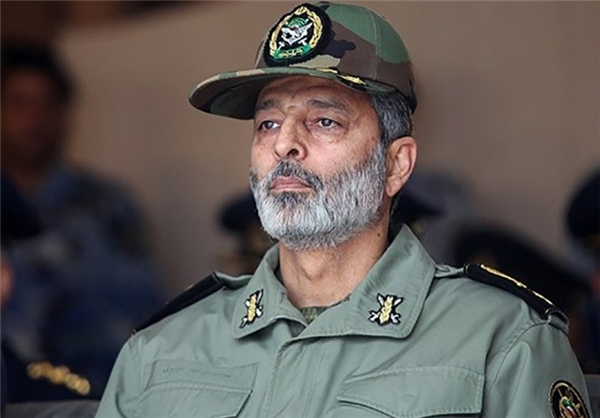
Army General Becomes Deputy Chief of Staff of Iranian Armed Forces

General Abdul-Rahim Mousavi

According to a report by Fararu, as translated by IFP, General Mousavi replaced Major General Gholam-Ali Rashid, who was a member of the Islamic Revolution Guards Corps (IRGC).

The appointment, which was declared on July 5, came after Major General Mohammad Baqeri was appointed by the Leader as the new Chief of Staff of Iran’s Armed Forces.

General Bagheri replaced Major General Hassan Firouzabadi, who had served at the post for more than two decades.

At Least 35 Killed in ISIS Attack on Shiite Shrine North of Baghdad

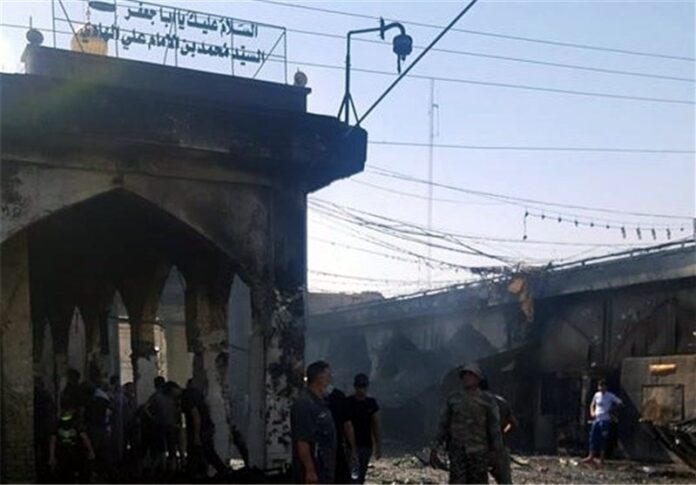
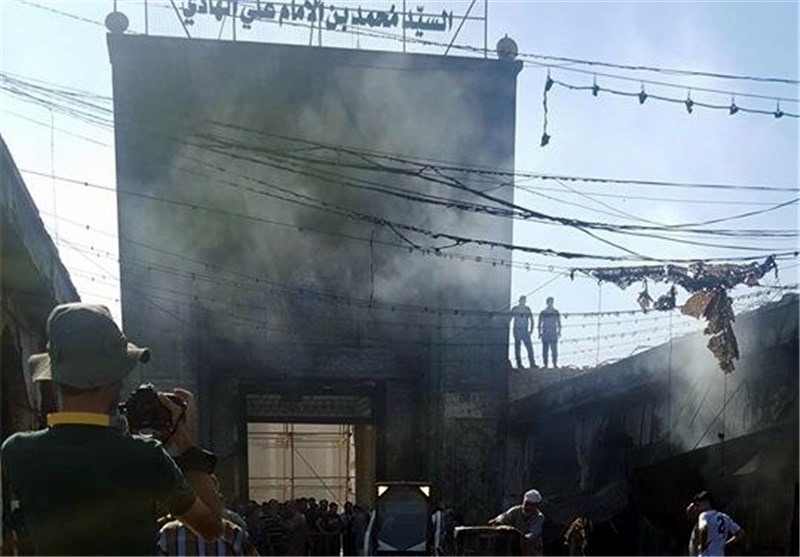
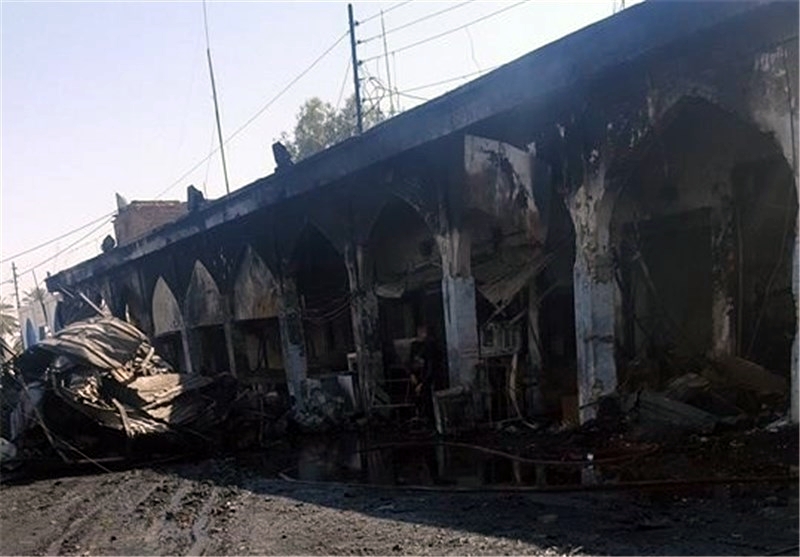
At Least 35 Killed in Daesh Attack on Shiite Shrine North of Baghdad

A man detonated an explosive belt at the external gate of the Mausoleum of Sayyid Muhammed bin Ali al-Hadi at around 11 pm, allowing several gunmen to storm the site and start shooting at worshippers on the occasion of the Eid al-Fitr festival, according to the security sources.

At Least 35 Killed in Daesh Attack on Shiite Shrine North of BaghdadAt least one gunmen blew himself up in the middle of the crowd while another was gunned down by the guard of the mausoleum before he could detonate his explosive belt.

The site also came under rocket fire during the attack that was claimed by ISIS. The terror group said in a statement the attack was carried out by three suicide bombers wearing explosive belts.

Pictures posted on social media showed a fire burning in the market located at the entrance of the mausoleum. It was not clear if the site itself was damaged.

Prominent Shiite cleric Muqtada al-Sadr ordered his forces, the Peace Brigade, to deploy around the mausoleum, near Balad, about 93 kilometers (58 miles) north of Baghdad, Reuters reported.

At Least 35 Killed in Daesh Attack on Shiite Shrine North of BaghdadThe Peace Brigade is also deployed in Samarra, a nearby city that houses the shrine of Imam Ali al-Hadi, the father of Sayyid Muhammed whose mausoleum was attacked on Thursday.

A 2006 bombing destroyed the golden dome of the shrine of Ali al-Hadi and his other son, Imam Hasan al-Askari (AS).

The attack came several days after a massive bombing that killed at least 292 people in a mainly Shiite shopping area of central Baghdad, in the deadliest single bombing since the US-led invasion that toppled Saddam Hussein in 2003.

UAE Plans to Install Prince Mohammed as New Saudi King

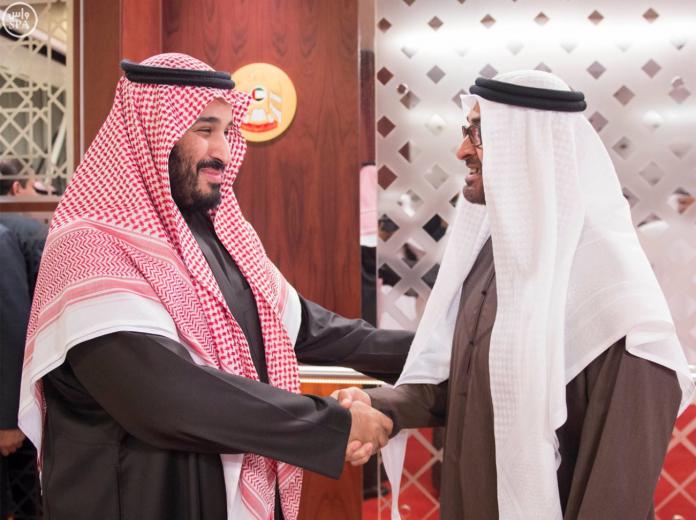
Sheikh Mohammed bin Zayed al-Nahyan and Mohammad bin Salman

Prince Mohammed is being advised by Sheikh Zayed on how he can win backing from the US and become king by the end of 2016, Middle East Eye reported.

Two “well-placed Saudi sources” said the de facto UAE ruler Sheikh Mohammed bin Zayed al-Nahyan is advising Mohammed on a two-pronged strategy to become Washington’s preferred choice as the next Saudi ruler.

The first Saudi source said bin Zayed has told bin Salman that he must “end the rule of Wahhabism” if he wants to be accepted by the Americans, the online news portal reported on June 29.

Wahhabism is the radical ideology dominating Saudi Arabia which has inspired Takfiri groups such as ISIS and al-Qaeda-linked Nusra Front to wreak havoc in the Middle East, Press TV reported.

Bin Zayed has also told bin Salman that he must open a “strong channel of communication” with Israel if he is to be Washington’s preferred candidate to be king, the report added.

The second Saudi source reportedly said bin Salman is willing to win the backing of Washington after telling close associates recently that he would complete the mission of becoming king before the end of the year.

The 30-year-old bin Salman, who also serves as the Saudi defense minister, has been granted increasing power since he was named the third in line to the throne last April.

He is heading up the country’s economic reforms plan, the kingdom’s policy towards Syria and its deadly aggression against Yemen.

The young prince’s meteoric rise, however, has sparked tensions within the Saudi royal family.

According to the report, bin Salman would seek to fundamentally change the role of religion in the kingdom on bin Zayed’s advice.

The UAE’s de facto ruler Sheikh Mohammed bin Zayed al-Nahyan (R) meets with US Secretary of State John Kerry at Mina Palace in Abu Dhabi on June 8, 2016. © AFP

One of the two Saudi sources said that bin Salman plans to cancel the Council of Senior Scholars, which is the kingdom’s highest religious body, and stop all activities that serve Wahhabism.

“The aim will be for him [bin Salman] to be hailed as a hero by the press, Congress, and academia, so that the [US] administration is forced to follow.”

Such a plan is highly risky given the influence of religious bodies in the kingdom and could lead to a serious showdown.

The second strategy advised by bin Zayed to win Washington’s backing was developing close relations with Israel.

Israel has covert ties with Arab states despite their claims that they would normalize relations with Tel Aviv only when it reaches a deal with the Palestinians.

In April, the Jerusalem Post wrote that “rather than being isolated, Israel is being incorporated into the Saudi-led orbit,” citing the opening of a mission in Abu Dhabi and increasing contacts in the Persian Gulf States.

One of the Saudi sources said Washington could be swayed into supporting bin Salman’s bid to be king if he could achieve good communication with Israel, even if the Americans like their long-time ally bin Nayef.

Bin Nayef may be the first in line to throne but his quietness – and bin Salman’s prominence – has led many to conclude the experienced 56-year-old’s power is waning.

During bin Salman’s recent visit to the US, where he met President Barack Obama, a report emerged that American intelligence officers believed the current Saudi ruler King Salman and Crown Prince Muhammad bin Nayef suffer from ill health.

“We’ve put a lot of markers down on Mohammed bin Nayef. It’s the smart move to do the same with bin Salman. It’s an opportunity to get to know him,” Bruce Riedel, an ex-national intelligence officer and a member of Obama’s transition team, said.

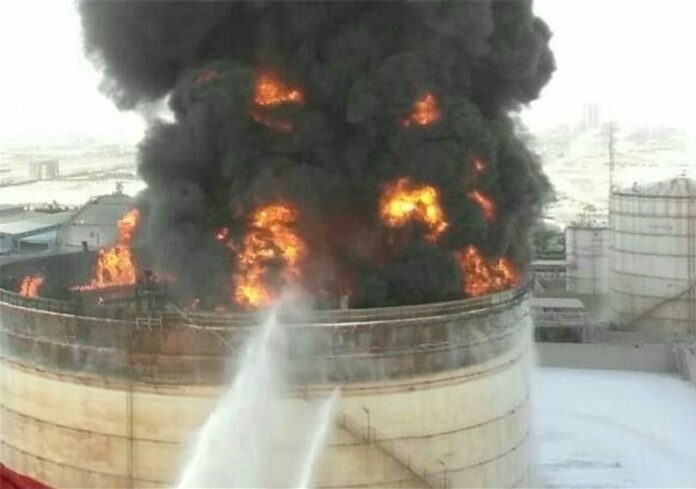
Firefighters Still Battling Blaze in Petrochemical Complex in Iran’s Mahshahr

Petrochemical Complex in Iran’s Mahshahr

A crisis management task force has been established to deal with the fire that started at the complex on Wednesday.

An order has been issued by the task force to drain all of the reservoirs of the refinery after one of them, which was full of Naphta, caught fire.

Speaking to the Tasnim News Agency, the governor general of Mahashahr said there have been no fatalities in the incident and that the fire is under control.

Currently, two firefighting helicopters are dropping water onto the blazing facilities of the complex, he said.

The cause of the fire is under investigation, according to the report.


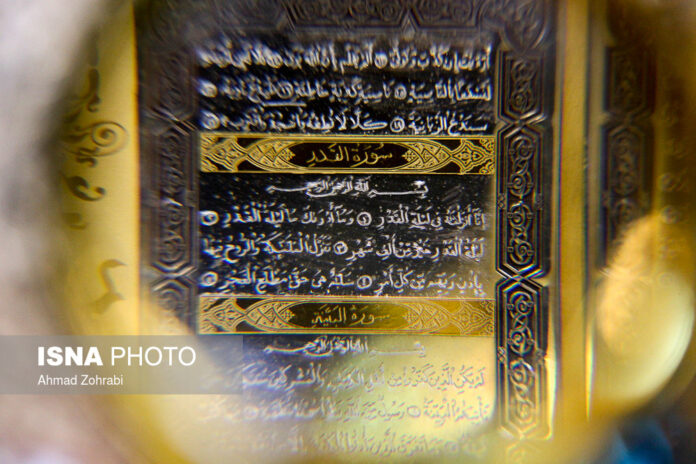
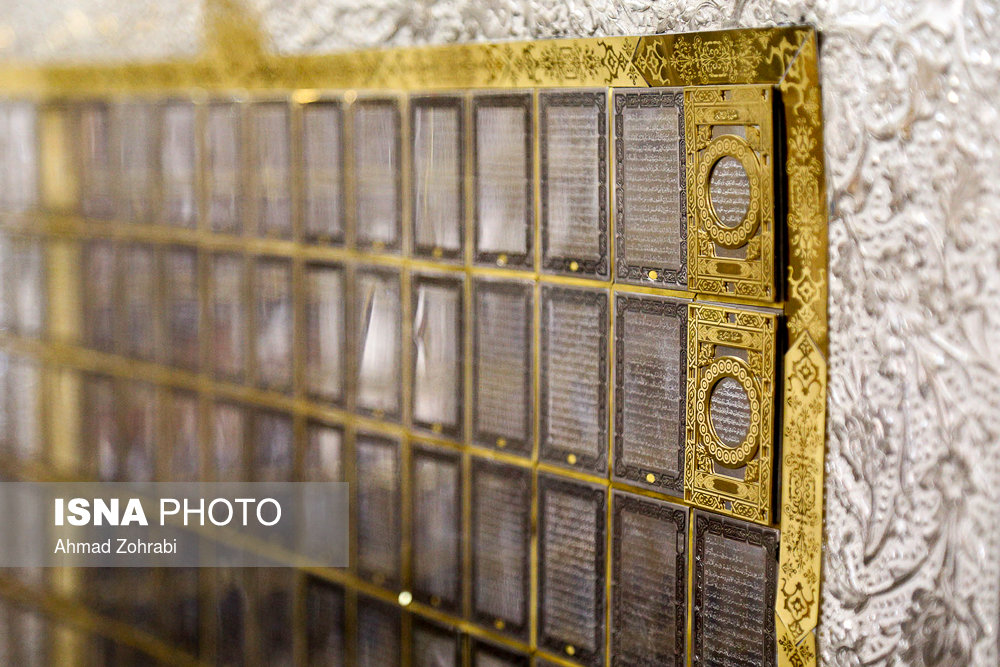
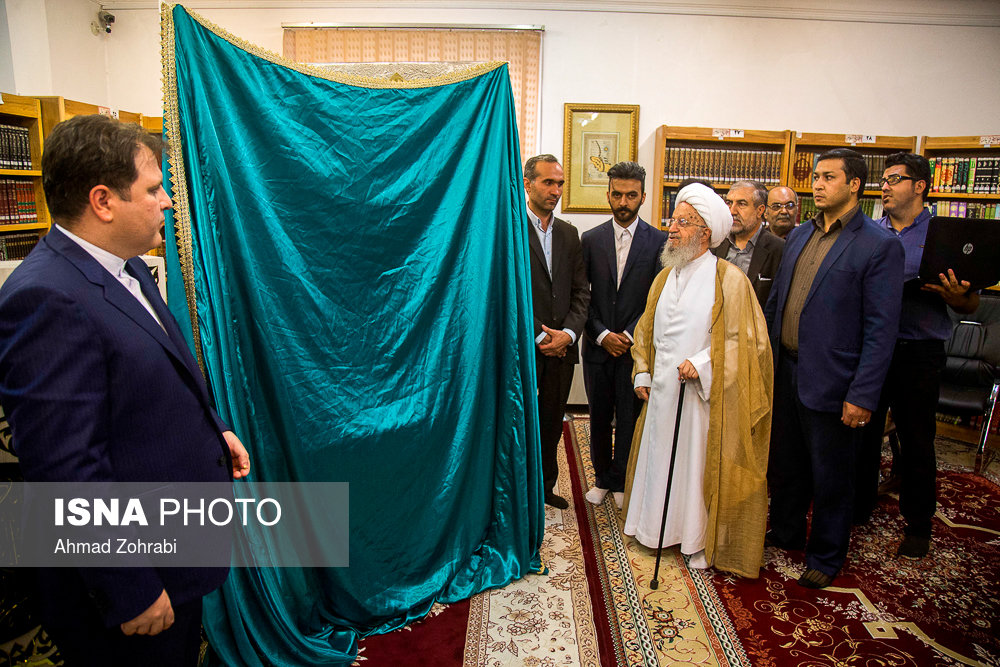
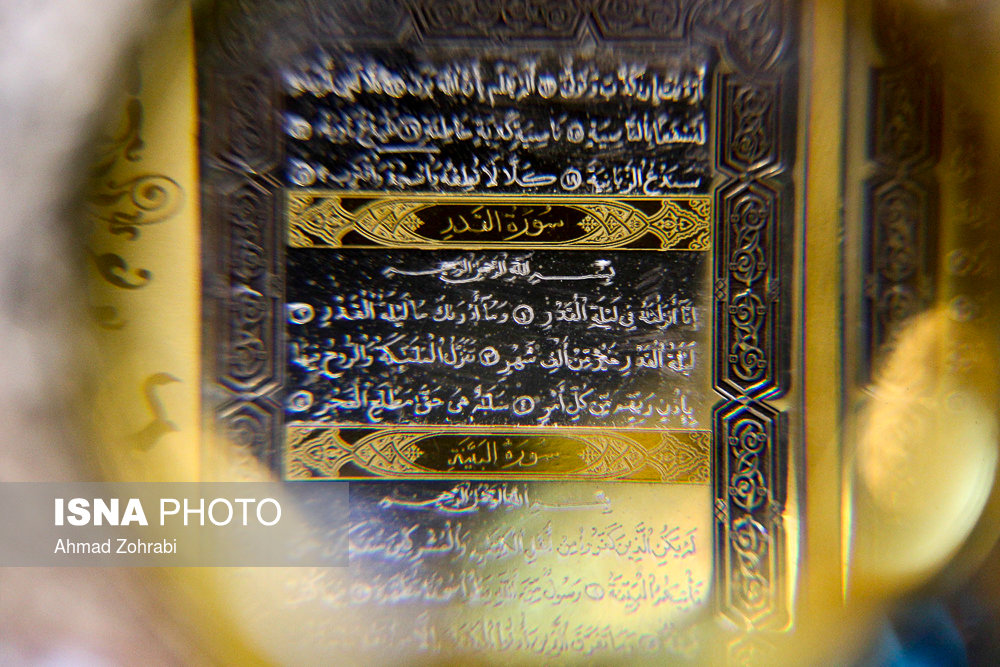
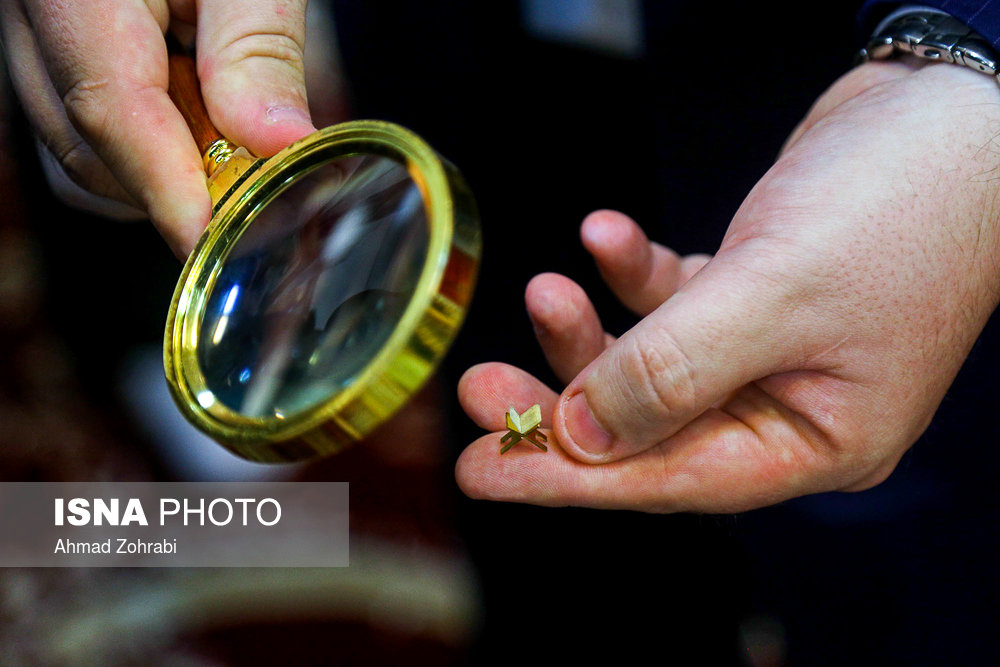
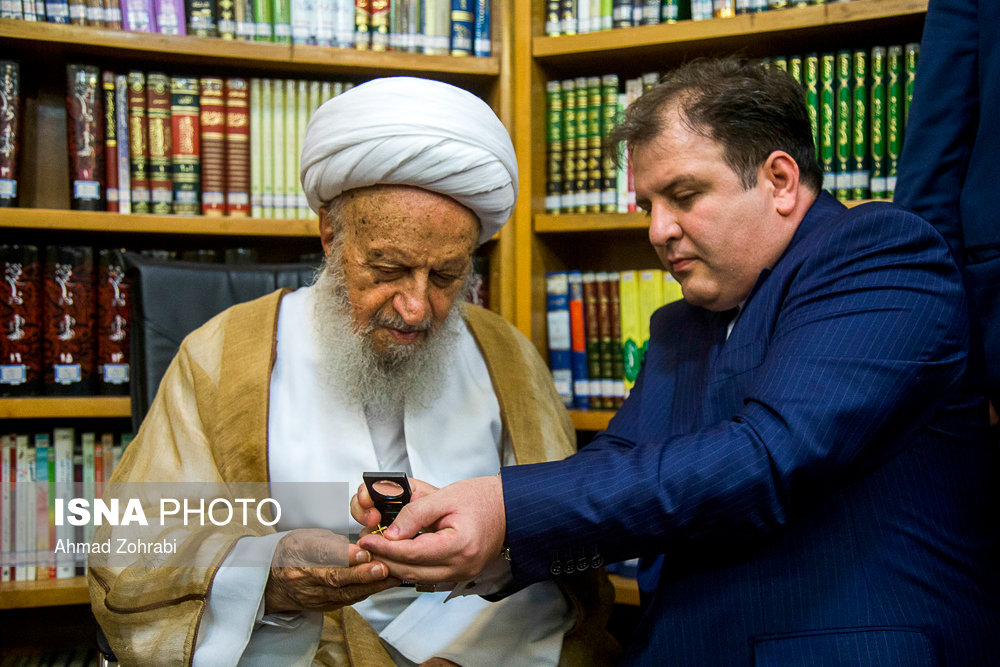
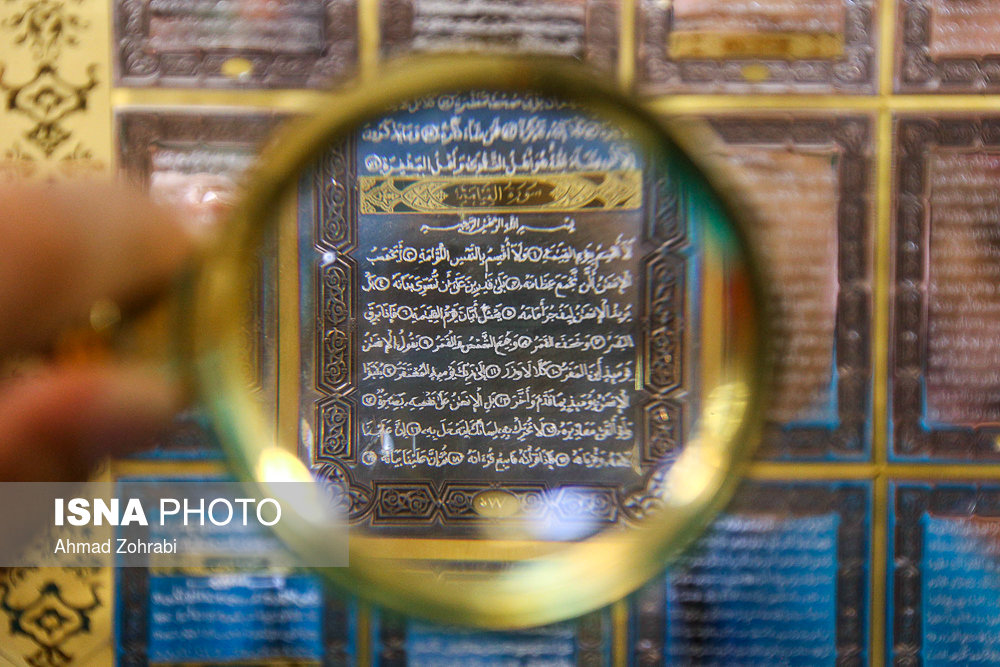
World’s Largest and Smallest Qurans Unveiled in Iran

World’s Largest and Smallest Qurans

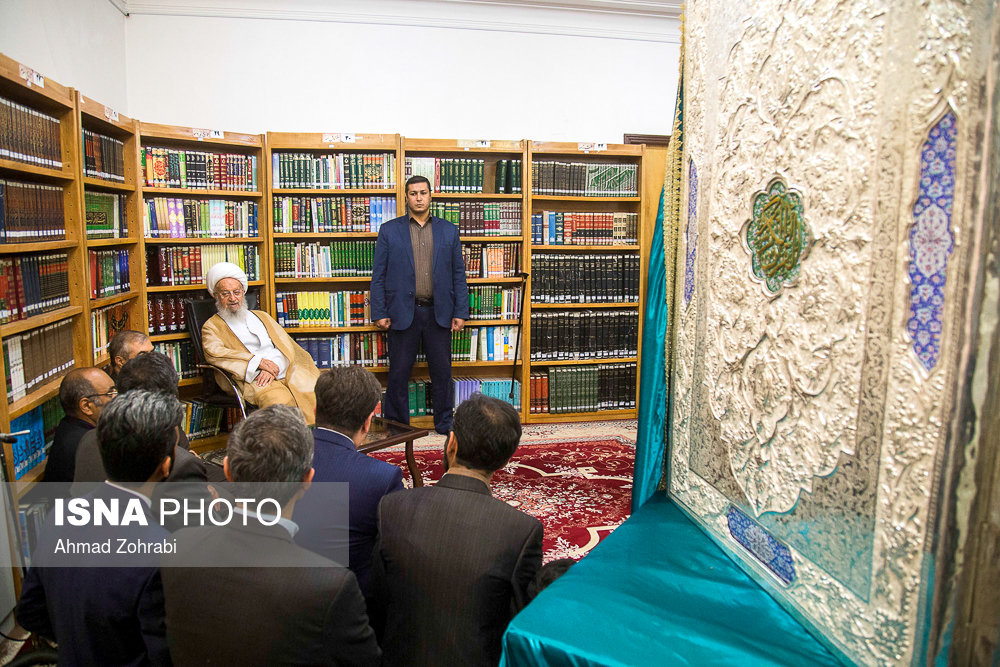
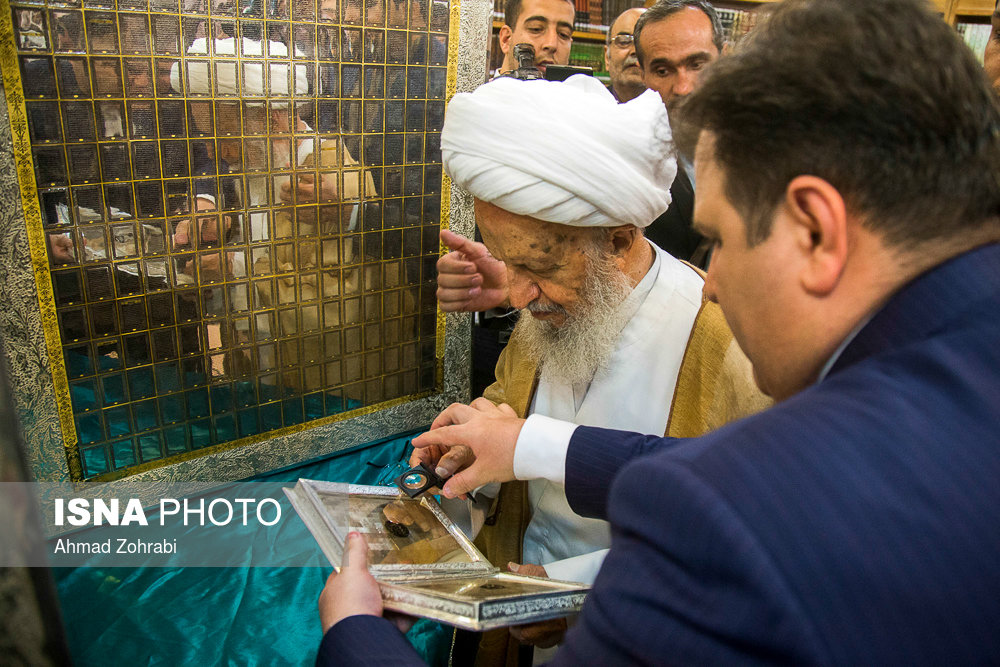
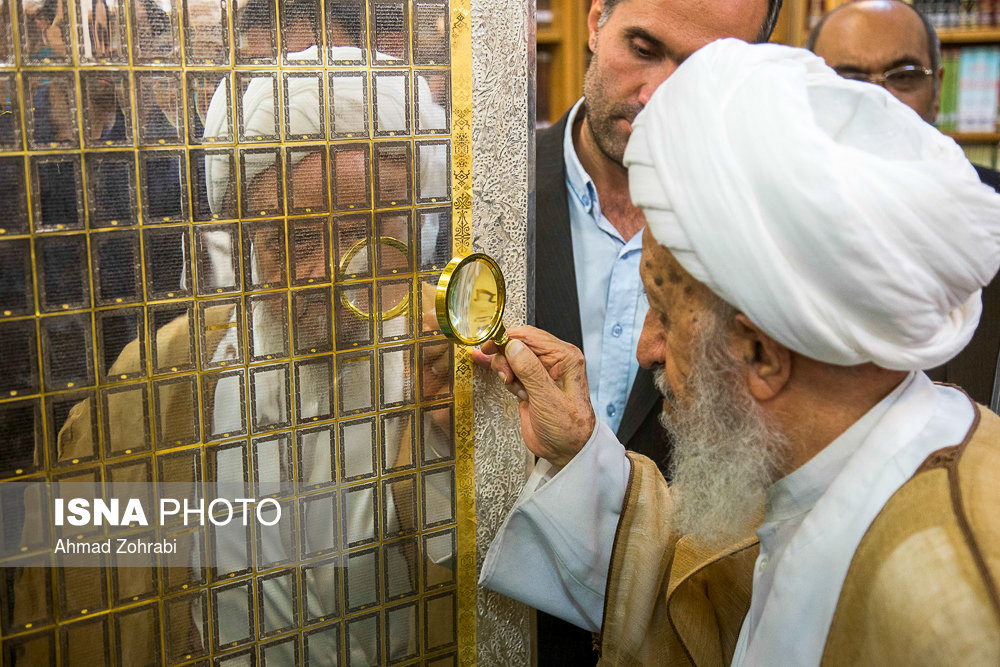
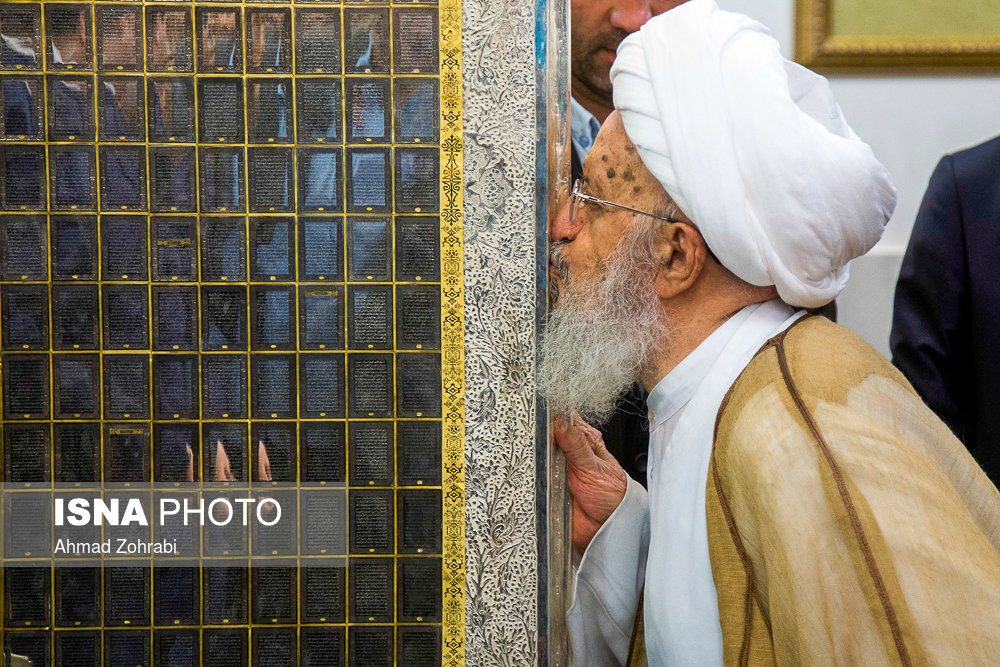
In a ceremony held on Sunday, July 3, in the central Iranian city of Qom, the world’s largest and most valuable Quran was unveiled. The holy book, made up of silver and gold, has been hand-made using naked eyes. The book size is 180 x 135 cm.

During the ceremony, which was attended by Grand Ayatollah Nasser Makarem Shirazi, the world’s smallest handwritten Quran, with a size of 5 x 7 mm, was also unveiled.


Zionist Rabbi Calls for Execution of All Palestinians

Zionist Rabbi Shmuel Eliyahu

According to a report by IRNA, as translated by IFP, the Zionist Rabbi Shmuel Eliyahu has claimed that the followers of Torah are obliged to execute Palestinians as part of their divine duty.

The Israeli rabbi said operations against “occupying forces” in the West Bank have increased since early October.

“It is our responsibility to take revenge from the Palestinians,” he added.

Police Blames Pakistan for Martyrdom of 4 Iranian Border Guards

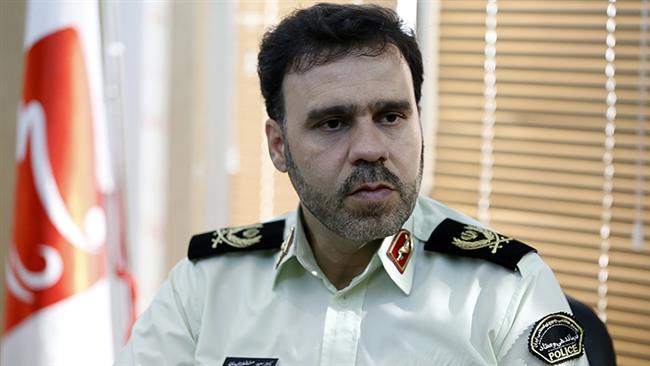
Iranian Police Spokesman, Saeed Montazer-al-Mahdi

According to a report by Fars, as translated by IFP, Iranian Police Spokesman, Saeed Montazer-al-Mahdi, expressed deepest regrets over the martyrdom of four Iranian border guards in Iran’s southeastern border point of Jakigur, and said, “The terrorist militants managed to flee into Pakistan because of Islamabad’s neglect over its borders.”

He hailed the courageous resistance of Iranian soldiers, adding, “Terrorists sought to conduct malicious acts of terror inside the country, but the plots were fortunately thwarted and a huge amount of ammunition was confiscated.”

“Commanders of Iran’s border guards are probing into the issue and have lodged formal complaints against the Pakistani government. Their security officials are required to hand over the terrorists as quickly and efficiently as possible,” he underscored.

The so-called Jaish ul-Adl [Army of Justice] terrorist group is behind the recent terrorist attack. Jaish-ul-Adl has claimed responsibility for a number of criminal activities in Iran and Pakistan in recent years. This insurgent group is based in Sistan and Balouchestan province of Iran.

Last month, a police officer and five members of the terrorist group were also killed in Khash region in Sistan and Balouchestan, as reported by Press TV.

Iranian forces have recently engaged in clashes with terrorist groups, curbing their wicked terrorist plans on the border and within the country, arresting several of them and confiscating large amounts of explosives and bomb-making materials.

Palestine, Islamic World’s Pivotal Issue: Ayatollah Khamenei

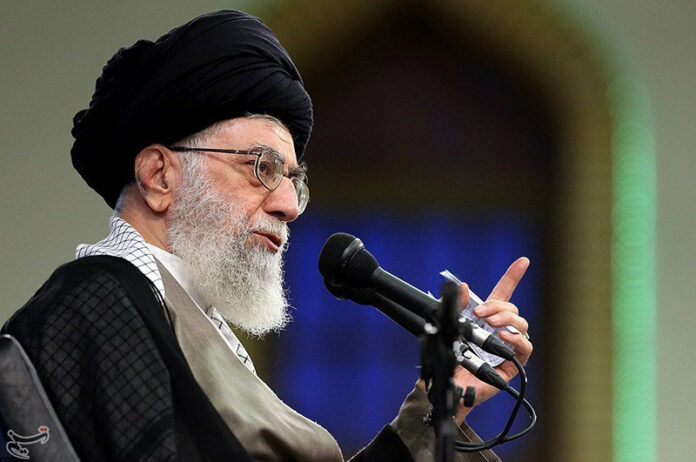
Leader-1

The root causes of wars, insecurity and terrorism in the region and in the Islamic world are the arrogant powers, with the US at the top, Ayatollah Khamenei said on Wednesday, in a gathering of Iranian officials and people as well as ambassadors of Islamic countries, held in Tehran after the Eid al-Fitr prayers.

“They (arrogant powers) seek to deny the existence of a geography and a nation, whereas Palestine has a thousands-year history and the Palestinian nation also owns a land, and these facts are undeniable,” the Leader underscored.

“Palestine is the Islamic world’s pivotal issue, and no Muslim and even non-Muslim country with human conscience should forget it,” Imam Khamenei added.

The Leader also emphasized that the Zionist regime of Israel will be “definitely given a slap in the face” for its atrocities against the beleaguered nation of Palestine.

Elsewhere in his remarks, Ayatollah Khamenei decried insincere claims about fighting terrorism, saying that world powers are “supporting and fostering terrorism in practice”.

Making a reference to a US plot that turned a political turmoil in Syria into a civil, fratricidal war, Ayatollah Khamenei warned of the same scenario in Bahrain.

The Leader, however, made it clear that “Iran has not and will not run any interference in Bahrain’s affairs.”

“But if there is political awareness and wisdom in that country (Bahrain), they should not allow a political conflict to turn into a civil war, and should not pit the people against each other,” Imam Khamenei stressed.

Bahrain, a close ally of the US in the Persian Gulf region, has been witnessing almost daily protests against the ruling Al Khalifa regime since early 2011, with Manama using harsh tactics to silence the protests.

Scores of Bahrainis have been killed and hundreds of others injured and arrested in the ongoing crackdown on the peaceful demonstrations.

Iran’s Parliament Speaker Condemns Terrorist Attacks in Saudi Arabia and Iraq

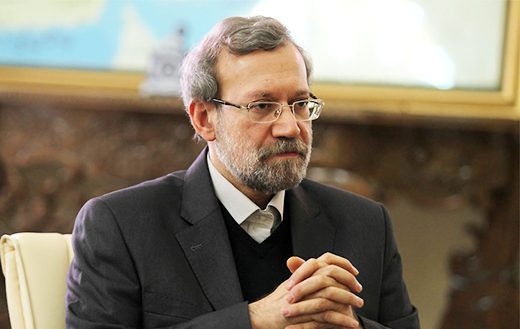
larijani

“The terrorist blast in Saudi Arabia’s Qatif and the one in Medina, near the holy Mosque of Prophet, were sources of disappointment and grief,” Larijani said in an address to the Parliament on Tuesday, July 5.

The terrorist attack in Medina was even more shameless since it desecrated the sanctity of such a holy place as Prophet’s shrine, he went on to say, as reported by Mehr.

He further condemned the attacks, and expressed regret and sympathy with the “dear” people of Saudi Arabia, who suffered serious damages in these attacks.

“Iran has reiterated in many occasions that a strategic mistake lies in using terrorism as an instrument to achieve political ends,” he said, adding that such countries are making a big strategic mistake since the groups they support would return to pose active threats to these countries as well.

“We hope that these events would enlighten the people as well as governments in the region, giving them better insights to the nature of terrorism and a motivation to promote unity among Muslims.”

He also condemned Al-Karada market explosions in Baghdad, which killed and wounded 400 innocent citizens.

“Such barbarity conducted by these terrorists indicates their frustration of several defeats they suffered on the grounds in Fallujah and elsewhere in Iraq,” Larijani said.

He offered condolences to Iraqi government and people for the event, and expressed his hope that Iraqi people will find more success in future in defeating and destroying terrorists.

His comments came after suicide bombings in three Saudi Arabian cities over a 24-hour period.

Two of the attacks failed but four people were killed in the third one, all of which appear to be coordinated.

The first occurred before dawn on Monday, July 4, near the US Consulate in Jeddah. The attacker killed only himself after detonating an explosive according to the state-run Saudi Press Agency. Policemen were injured in the attack.

In Qatif in eastern Saudi Arabia, a suicide bomber attempted to launch an attack at a Shiite mosque on Monday evening, but failed, killing himself in the process, according to an official with knowledge of the event. There were no injuries.

But the deadliest attack occurred in Medina, where four people were killed and another person was wounded, according to an informed official.

The holy city of Medina is a major spot in Islam because that hosts the shrine of Prophet Mohammad (PBUH).

The bomber, who died in the explosion, targeted security officers, but it is unknown precisely who was killed, the source said.

Earlier on Sunday, July 3, an explosion in a busy shopping district in Baghdad, the Al-Karada market, killed at least 215 people and wounded dozens more.

Intelligence Ministry Refutes Sending Threatening Messages to Journalists

Religious Minorities Can Improve Iran's Global Image: Minister
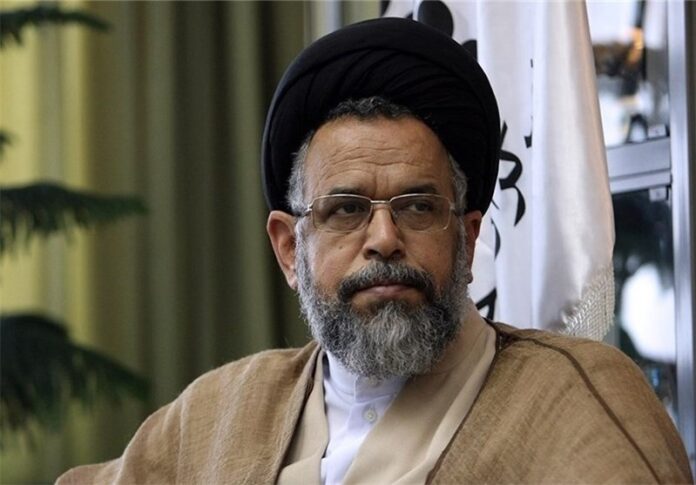
Iran's Intelligence Minister Seyyed Mahmoud Alavi

Referring to the claims that the Ministry has sent threatening messages to Iranian journalists, Intelligence Minister Seyyed Mahmoud Alavi noted, “This organization has not sent any text messages to journalists. I do not believe an official source is behind the move, because the nature of such manoeuvres is clumsy and unprofessional”.

“Officials with the Intelligence Ministry may issue serious warnings to a single journalist for wrongdoing, but they never send threatening messages en masse to a large number of journalists,” he said in an interview with ICANA, as translated by IFP.

An anonymous source has recently sent a message to a wide range of Iranian journalists, giving them a “last warning” to cut their ties with “hostile” media. No one yet knows whether the country’s security bodies were behind the threat or not.

“All contact and collaboration with hostile elements based abroad, by mail or other methods of communication, is a crime and will be brought to justice. This text message is the last warning,” the message said.

Iranian media reported that numerous journalists and public figures including women and child rights activists received the text message on Thursday, June 30.