Wednesday, April 29, 2026
Home Blog Page 4354

9 Wonderful Features of War-Hit Yemen

yemen

Here is IFP’s translation of a report by IRNA about the 9 amazing features of the people of Yemen. The features, which are said to have surprised even the Arabs, are cited from the UAE-based Akhbar al-Sa’ah.

Wonder 1: Many historians believe that origin of the Arabs is traced back to Yemen and their ancestors used to live in this country some 2,500 years ago.

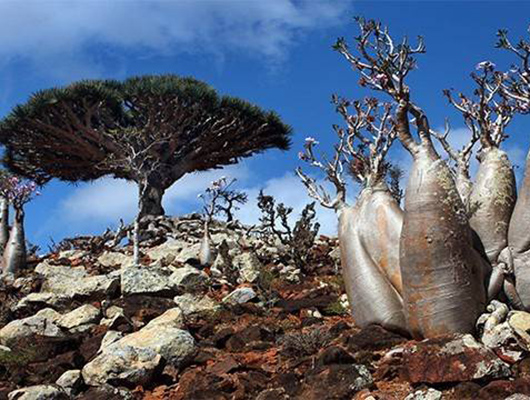
Wonder 2: The history of Yemen’s Socotra Island merits attention because of the history of trade of such valuable goods  as incenses in this region; add to this the beautiful scenery and trees of Dracaena cinnabari which are practically non-existent in other parts of the worlds. Dracaena cinnabari tree or dragon blood tree is a dragon tree native to the Socotra archipelago part of Yemen in the Arabian Sea. The tree gets its name from the red sap that oozes out of its trunk.

Wonder 3: The name of this country, Yemen, was mentioned twice in the Muslims’ holy book of Quran in the Surahs Saba and Al-Ahqa.

Wonder 4: Over 80% of Yemenis live in highlands and soaring mountains.

Wonder 5: Yemenis are known for carrying around daggers at their waists. The dagger, which is called “al-Janbieh” among the Arabs, is of best quality. Building daggers is prevalent and popular in this country, and holding a dagger at the waist used to be a symbol of masculinity.

Wonder 6: Wedding ceremonies of Yemeni type are as long as 21 days where the participants perform a traditional dance called “Bara’a” in which the dancers hold daggers and weapons in their hands. It is also a kind of military training for them.

Wonder 7: The district of al-Makha in the city of Ta’iz, which is located on the shores of the Red Sea, has been one of the centres of coffee production in the world since the 15th century.

Wonder 8: According to some narratives, the name of Africa was originally used for Yemen.

Wonder 9: Based on Islamic and Arabic historical narratives, Yemenis are the first people who traditionally set a precedent for shaking hands.

Saudi Arabia, as one of the richest countries in the region and a US-backed state, formed a coalition with 9 other Arab countries and waged a devastating war against the most impoverished Arab country in the region, Yemen.

Hundreds of thousands of people, including women and children, have been killed, injured and displaced since the beginning of the war in March 2015.

During the past 17 months of war the resistant people of this country have been under the unfair siege of Saudis coalition and according to international human rights organizations their abject condition of life has aggravated into human crisis.
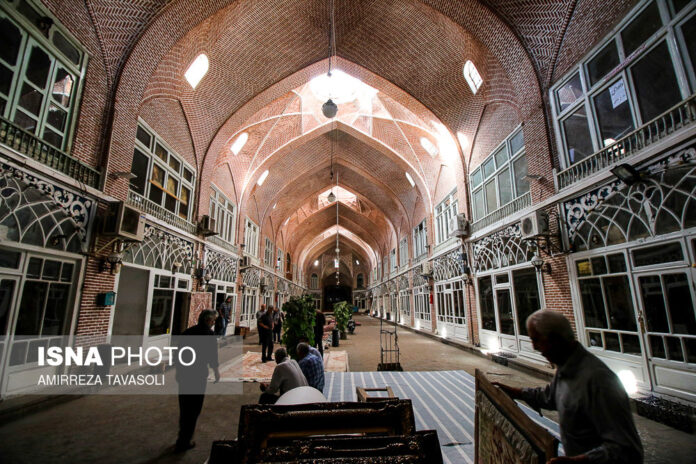
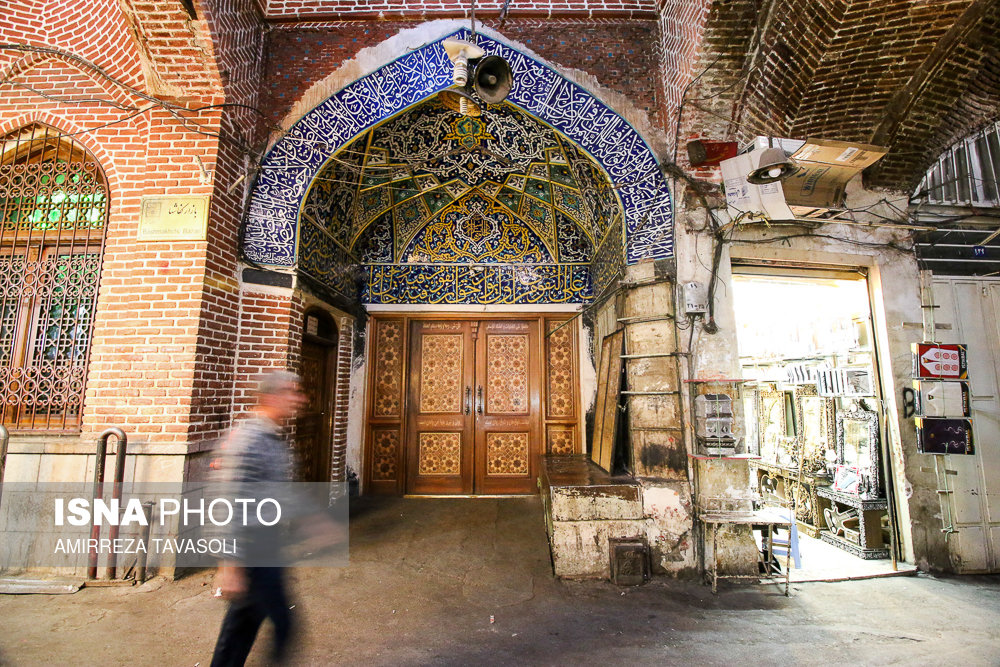
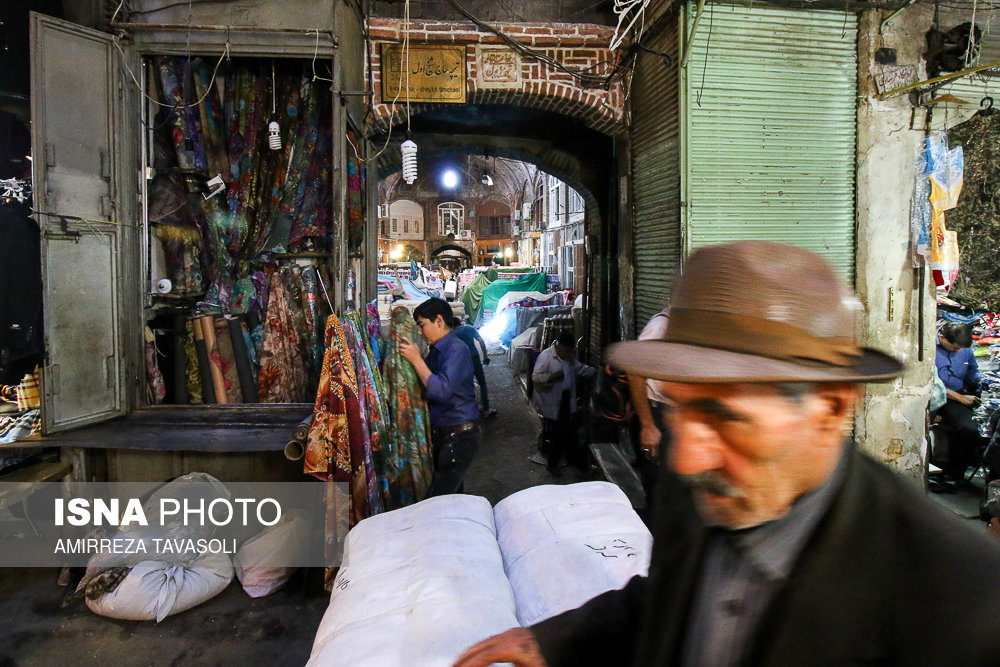
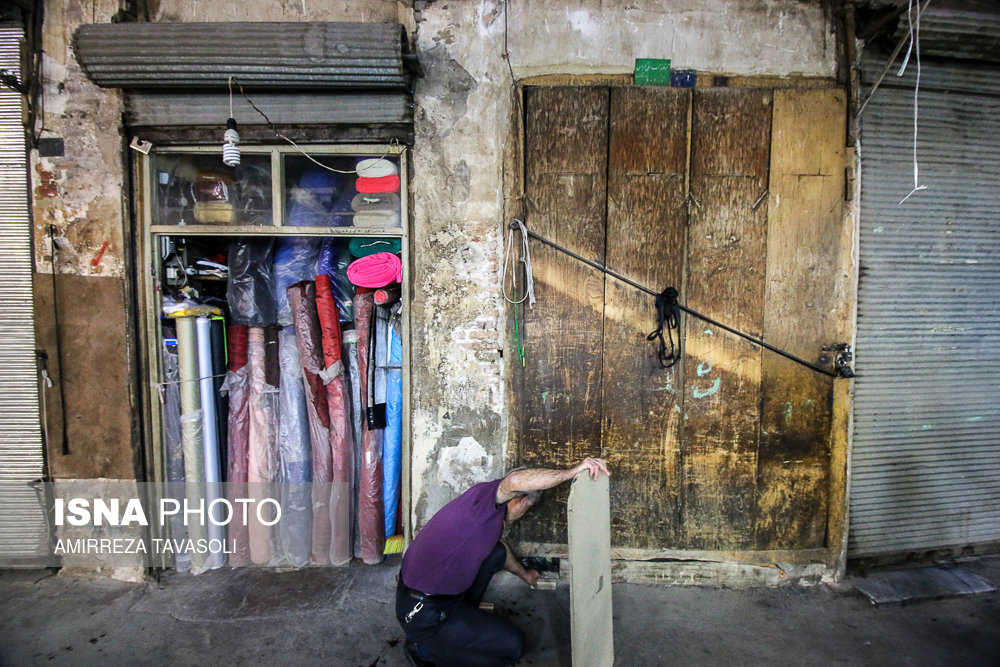
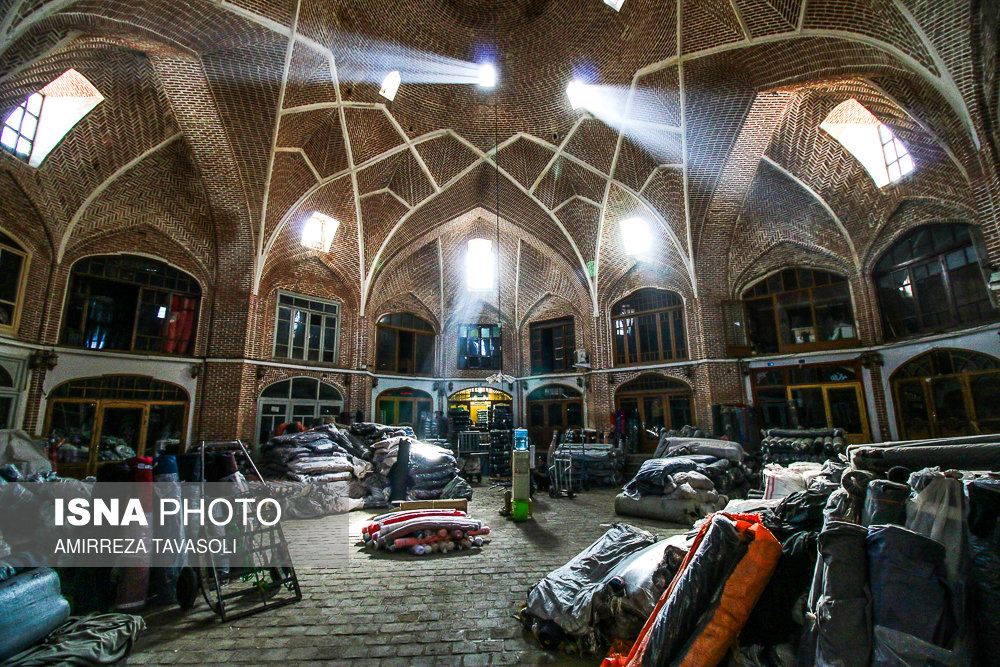
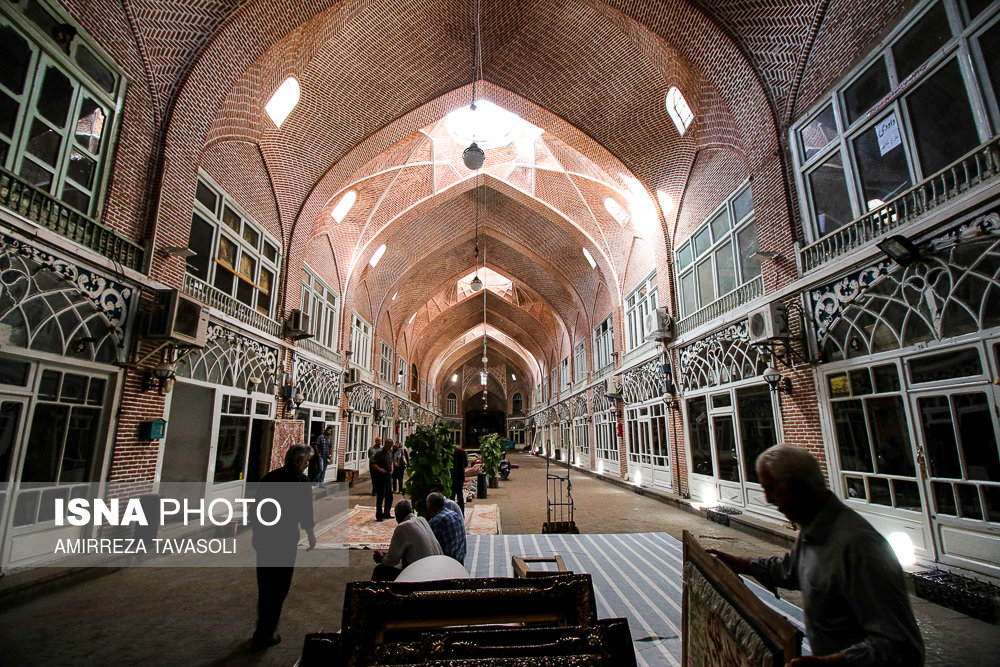
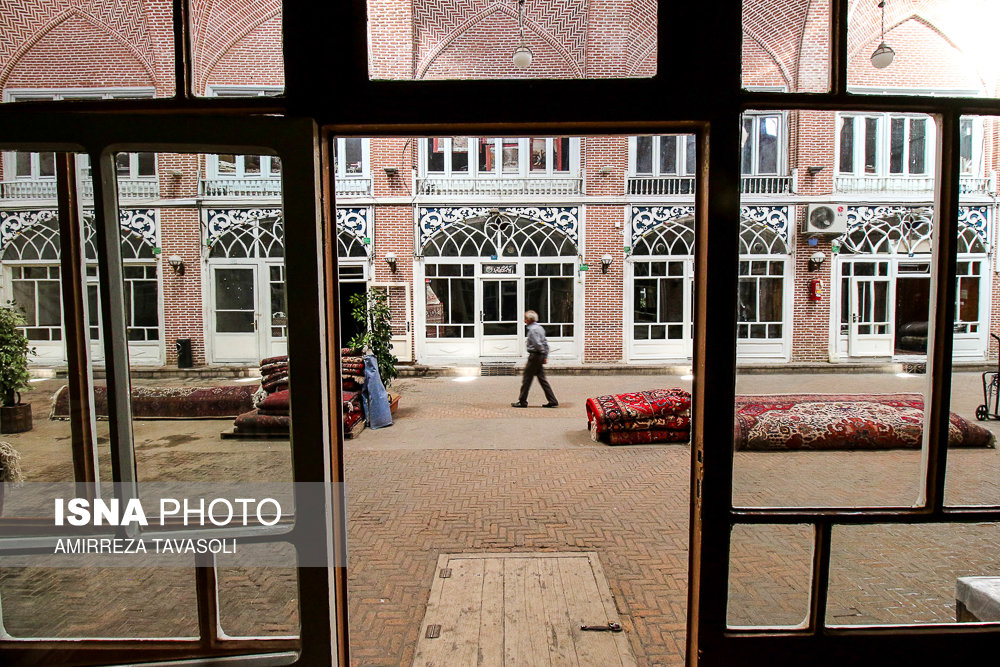
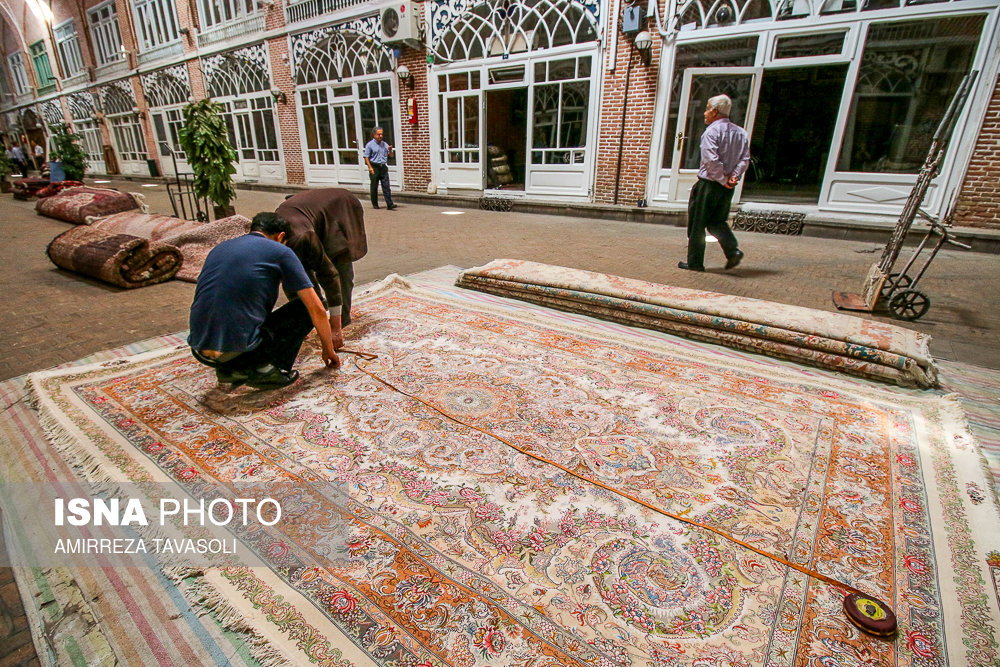
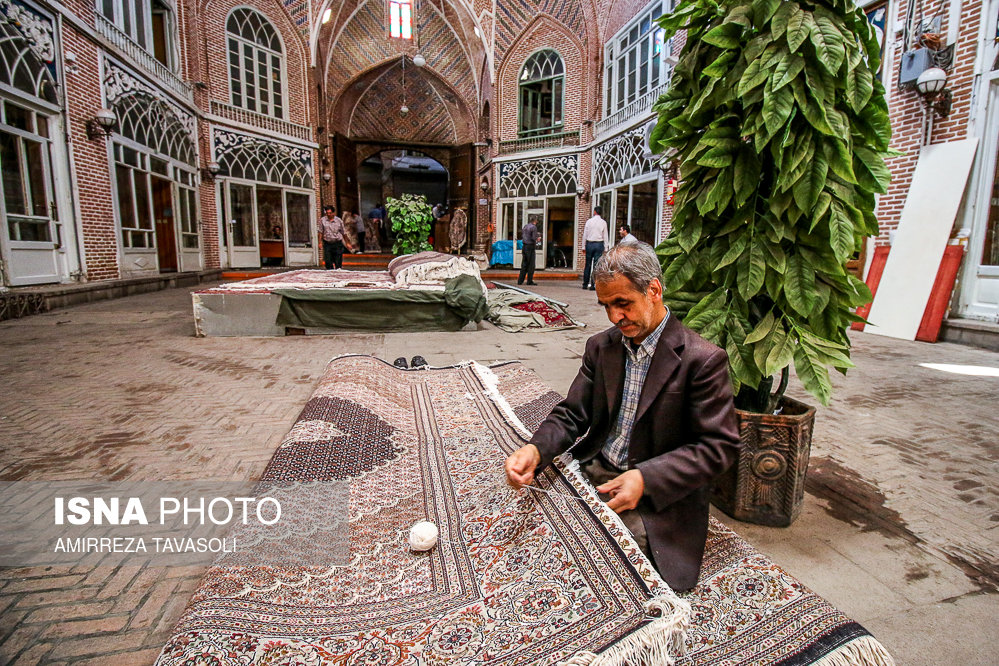
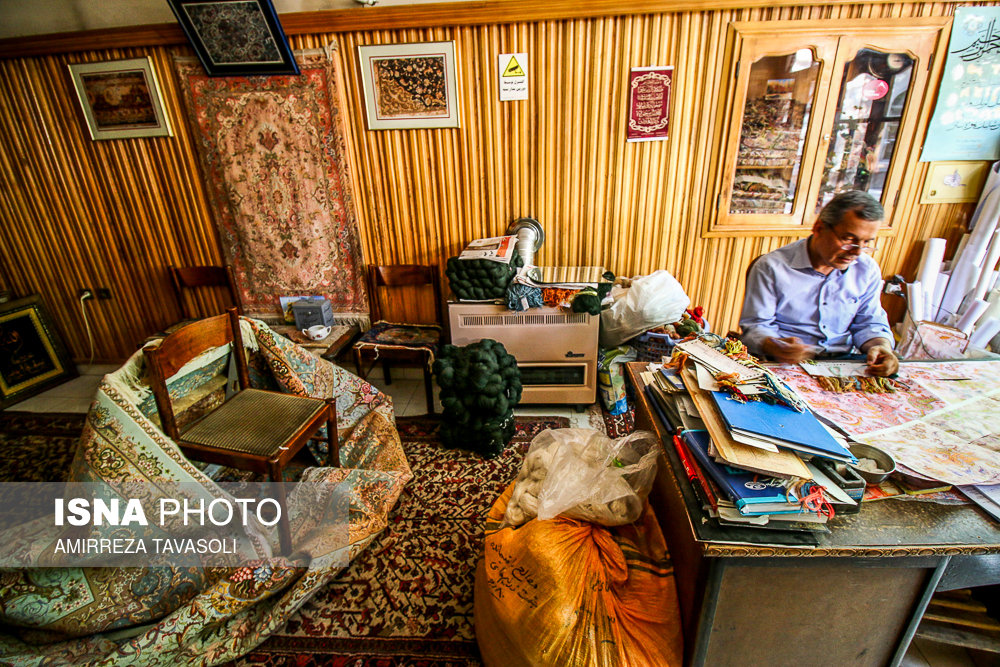
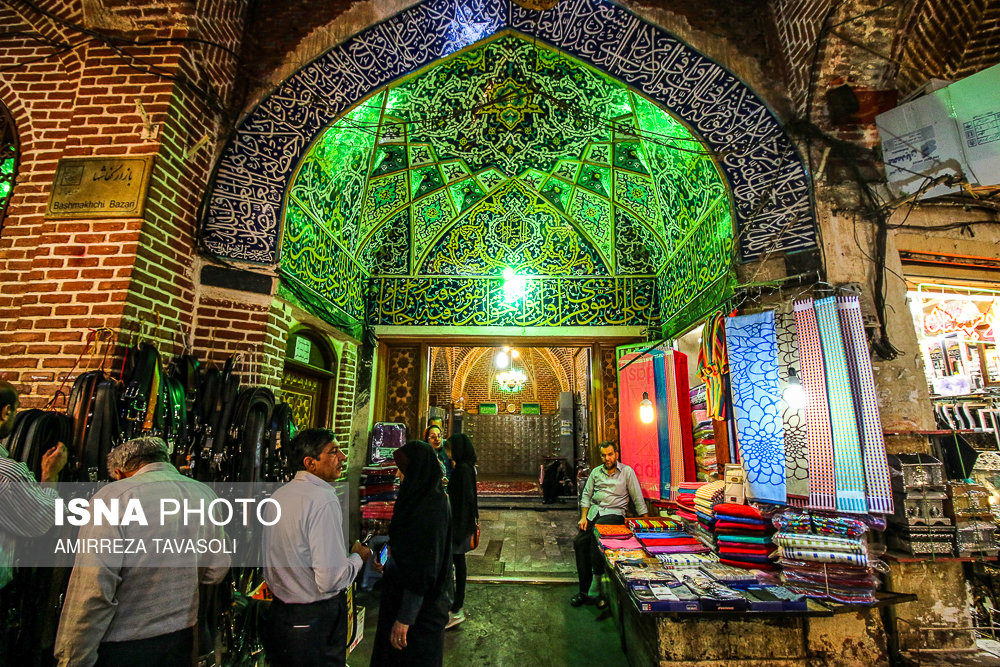
Historic Bazaar of Tabriz in Northwestern Iran

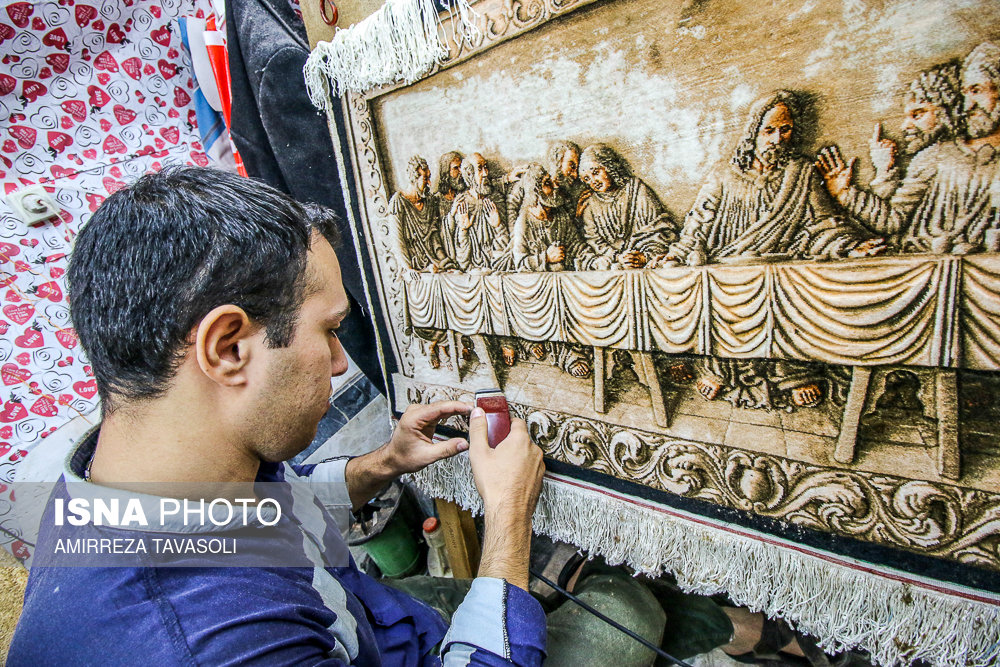
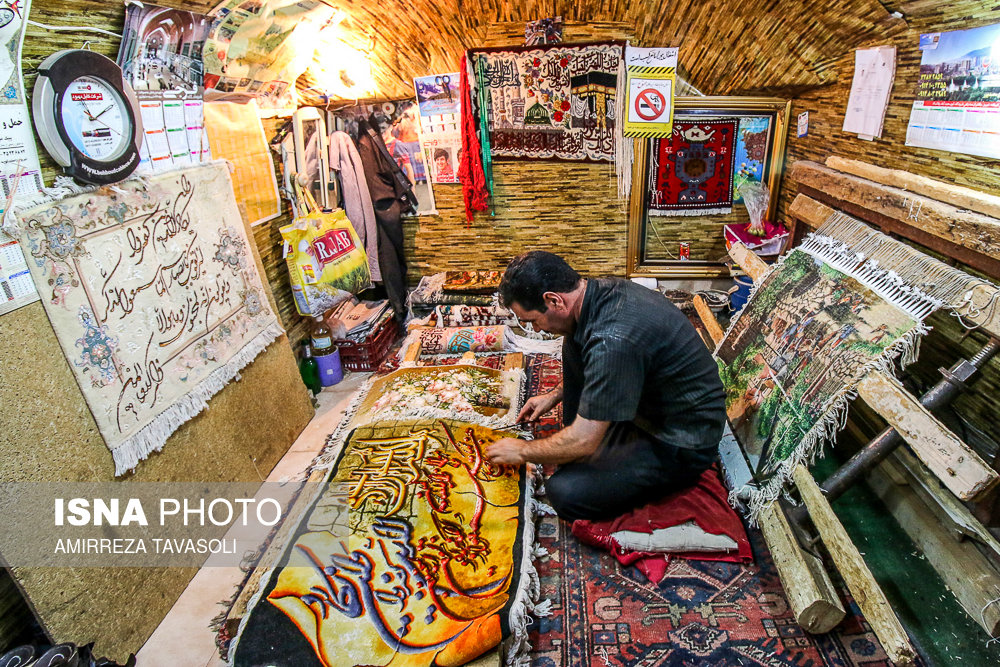
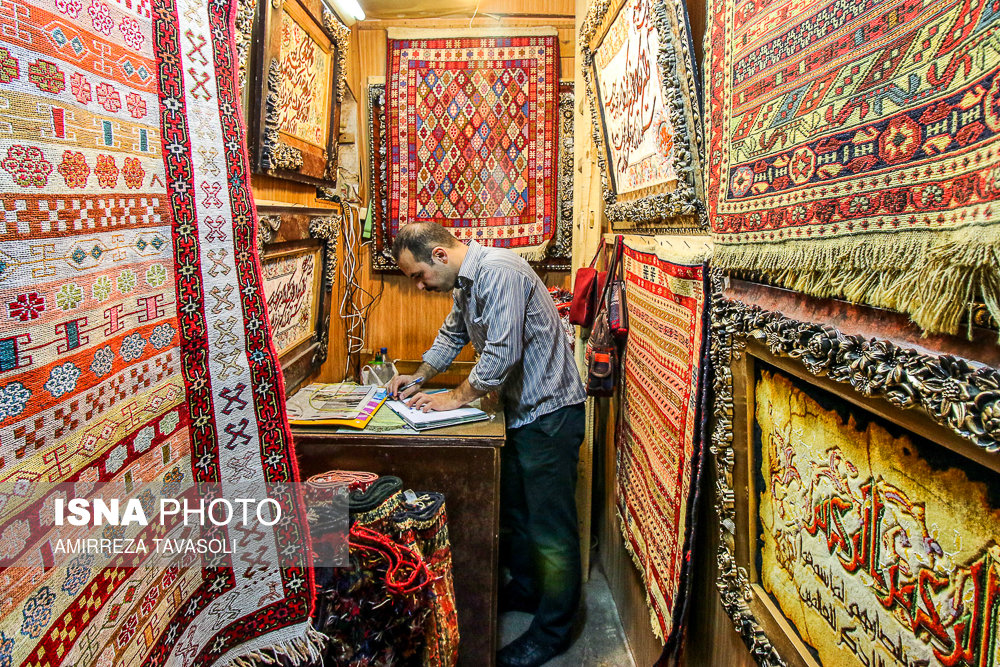
What follows are ISNA’s photos of the historic bazaar:


Iran Condemns Deadly Terrorist Attacks in Pakistan

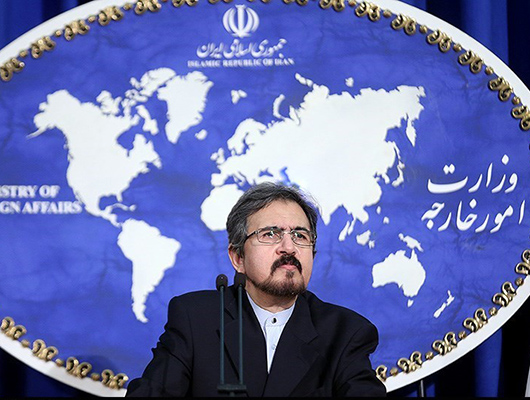
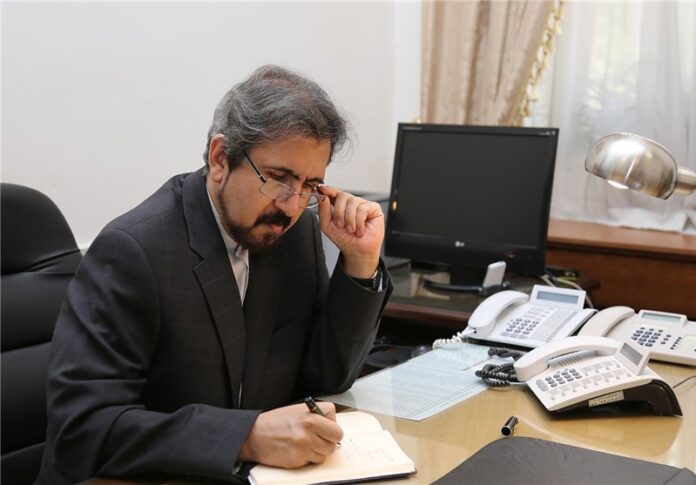
Bahram Qassemi

In a statement on Saturday, the Iranian spokesman offered his condolences to the Pakistani government and people, particularly the bereaved families of victims of “the bitter incident” in the Pakistani city of Mardan.

Now, the Islamic Republic of Iran believes more than ever that the crackdown on extremism and terrorism is possible only through international cooperation, he noted.

Qassemi further emphasized that without paying attention to the root causes of extremism and fighting against those spreading violence and Takfiri thoughts, the world cannot overcome the major problem of terrorism.

At least 14 people were killed and more than 50 wounded when a suicide bomber attacked a court in the Pakistani city of Mardan on Friday.

The bomber shot his way through the main gate leading to the district court before throwing a grenade and detonating his suicide vest among the morning crowds, senior police official Ejaz Khan told reporters.

Officials said the bomber had up to eight kilograms of explosives packed in his vest. The dead included lawyers and police.

No group has yet claimed responsibility for the attack, which comes three weeks after a massive suicide blast killed scores of lawyers in the southwestern Pakistani city of Quetta, in Baluchistan.

Friday’s blast came as security forces killed four suicide bombers who were trying to attack a Christian colony near the Khyber Pakhtunkhwa provincial capital of Peshawar, 60 kilometers to the west of Mardan.

One resident was also killed in the attack, the country’s military said. Five people, two of them security personnel, were injured in the attack.

Iran’s FM Attends Uzbek President’s Funeral

zarif-uzbk

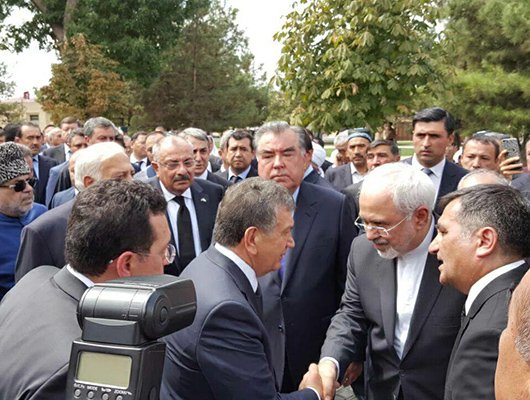
Zarif had left Tehran for Uzbekistan’s Samarkand on Saturday morning.
The top Iranian diplomat headed a high-ranking diplomatic delegation in the trip to Uzbekistan, as reported by Tasnim.
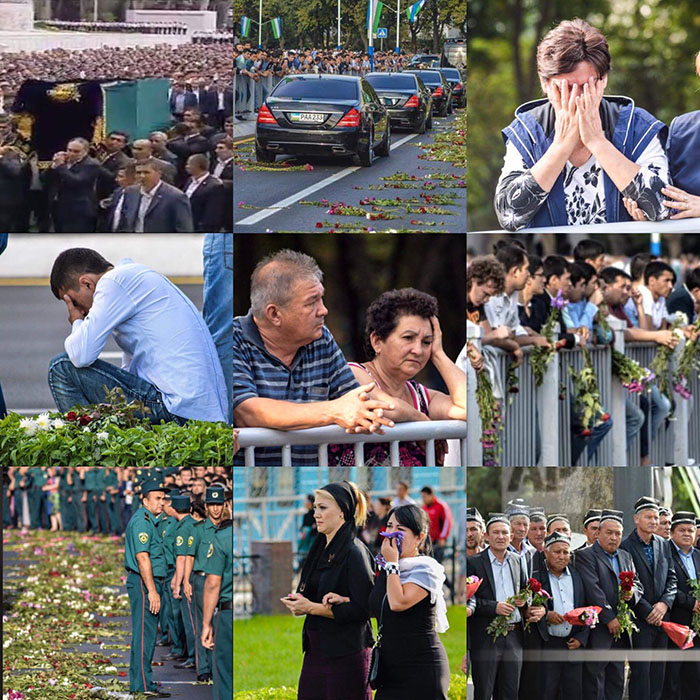
The Uzbek authorities announced in a televised statement earlier on Friday that Karimov died in a hospital after suffering a stroke last week.
Soon after the announcement, Iranian President Hassan Rouhani had offered his condolences over the death of his Uzbek counterpart, Press TV reported.
In a message to Uzbekistan’s acting President Nigmatilla Yuldashev on Friday, Rouhani expressed his sympathy to him, Karimov’s family, and the Uzbek government and nation over the president’s demise.
Karimov became leader of the Uzbek Soviet Socialist Republic in 1989. Two years later, he declared the independence of the Republic of Uzbekistan and assumed the presidency of the new country.
In 1995, his mandate was extended for another five years by referendum. He also won re-election in 2000, 2007 and 2015.

uzbk

Leader Outlines General Policies on Family

Supreme-Leader

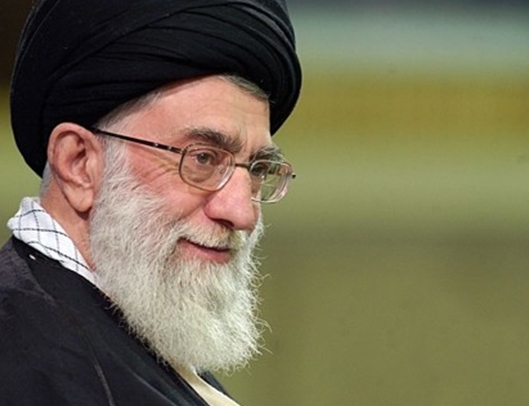
The proclamation, laying out a grand plan for strengthening the pillars of family in Iran, has been issued after consultation with the Expediency Council and prepared on the basis of the Clause 1 of Article 110 of the Iranian Constitution.

In the document, Ayatollah Khamenei referred to family as the principal foundation that shapes people’s progress and ensures the country’s welfare and power in the future.

The Leader underscored that the Islamic Republic needs to move toward creation of a family-oriented society that functions on the basis of an “Islamic model of family”.

Ayatollah Khamenei also noted that all plans, regulations, educational and cultural programs as well as social and economic projects –particularly housing and urban development system- should pay special regard to family.

Stressing the need for a national movement to promote and facilitate marriage, Imam Khamenei also called for effective ways to fight a soft war waged by enemies that are after family breakdowns and perverted relations in Iran.

The document, issued on Saturday, includes 16 articles, which provide general policies and measures that Iranian organizations should take to strengthen family relations, facilitate marriage, prevent divorces, stimulate population growth and ward off the Western lifestyle.

Producing Oil and Gas out of Algae in 20 Minutes

Algae

In an interview with ISNA, as translated by IFP, Fereshteh Ghorbani, a researcher in the project of turning algae into petroleum, said that they began oil production by cultivating algae in several ponds.

Ghorbani and her team used to dry up the cultivated algae with the aim of making algae power for selling; however, after conducting an extensive amount of studies, they took the initiative to turn algae into petroleum using a particular device.

“First, the device produces crude oil and then turns it into lamp oil, which is quite similar to natural oil,” she noted, adding that they have kicked off the semi-industrial production of the oil.

According to her, the natural mechanism of oil production under the ground has been applied in the device.

Ghorbani drew an analogy between the performance of the device and the mechanism of oil production under the ground and said, “It turns algae into petroleum under high pressure and temperature as well.”

She further added that the process of oil production in the device takes 20 minutes.

“Flammability of the output oil is as high as that of natural oil.”

This project, which is headed by Dr. Abu-Ali Golzari, was presented in Iran’s Tech-Bazaar.

Robots to Combat Desertification and Repel Pests

Robot

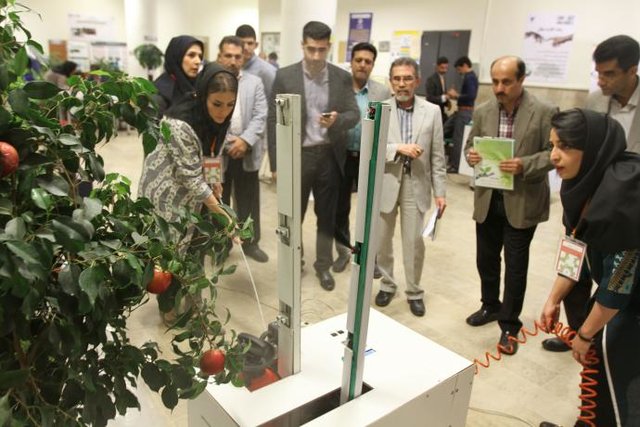
Here is IFP’s translation of a report by ISNA about a robot invented by the researchers of Islamic Azad University which is capable of planting seedlings.

Mahdi Lajevardi, a researcher from the Smart Machine Group of the university, referred to the initiative of National Green Industry Plan to speed up planting seedlings in an effort to combat desertification, and said that it was an inspiration for building the robot.

In the pilot tests, the robot managed to carry 50 seedlings in its container, Lajevardi said, adding, “The unique robot has successfully fulfilled all the stages of digging, planting and filling in the holes.”

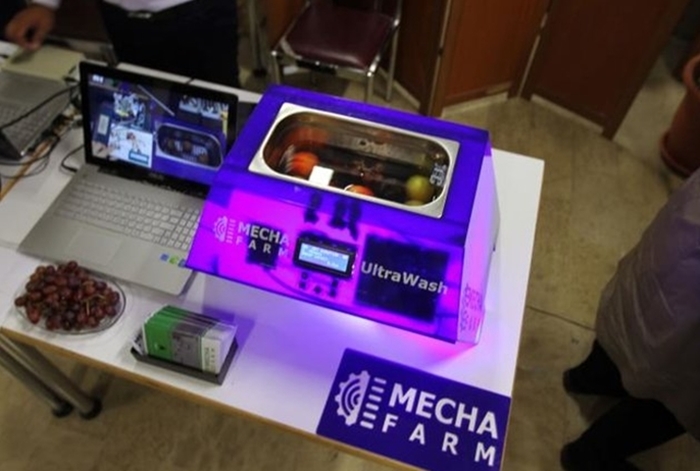
According to Mahnaz Rouhi, another researcher from this university, the researchers are working on two other projects called Ultra-Wash and Scott.

“In addition to Ultra-Wash, which washes fruits using ultrasonic waves, Scott has been designed to repel pests of pistachio trees,” Rouhi noted.


Robot

She further explained that Scott is composed of several ultrasonic wave generating devices capable of controlling and collecting harmful insects in a particular area.

“The ultrasonic device works based on the pain threshold of the insects,” she noted, adding that the wave generating devices are located in different parts of a garden while being connected to the source device.

Rouhi stressed that the robot produces and spreads out waves through particular speakers, and this repels the insects.

Iran Condoles Uzbek President’s Death

Hassan-Rouhani

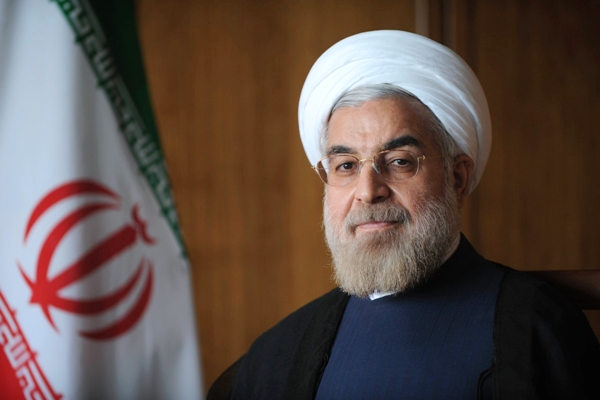
In a Friday letter to Nigmatilla Tulkinovich Yuldashev, acting president of Uzbekistan following the death of Islam Karimov, President Rouhani offered condolences to the deceased’s family and the Uzbek government and nation.

The Uzbek authorities announced in a televised statement earlier on Friday that Karimov, 78, died in a hospital after suffering a stroke last week.

Meanwhile, Iran’s Foreign Minister Mohammad Javad Zarif left Tehran for Uzbekistan’s Samarkand on Saturday morning to attend the funeral of Karimov.

Karimov became leader of the Uzbek Soviet Socialist Republic in 1989. Two years later, he declared the independence of the Republic of Uzbekistan and assumed the presidency of the new country.

In 1995, his mandate was extended for another five years by referendum. Despite a two-term limit, he won re-election in 2000, 2007 and 2015.

Int’l Red Cross Official Praises Capabilities of Iranian Red Crescent Society

icrc

In an interview with IRNA, as translated by IFP, Bouvier hailed the “unique” academic and administrative capabilities of the Iranian Red Crescent Society (IRCS)

Speaking on the sidelines of the Health Emergencies in Large Populations (H.E.L.P.) Course, he referred to Iran’s high capabilities in academic and executive fields and prominent professors in the University of Tehran as the main reasons for holding the training course in Iran.

“The H.E.L.P training course has been held for about 30 years in all continents, and Iran enjoys good geographical conditions and academic status for being the host this year.”

Bouvier pointed to a Middle East fraught with conflicts, and added, “Admirable security and stability of Iran in a volatile region has made this country an appropriate destination for holding the conference.”

Describing the IRCS as a significant member of the ICRC, Bouvier hailed the attendance of doctors from military forces and noted, “Their experience can help improve the quality of the course.”

During the Health Emergencies in Large Populations Course, participants will be trained to make rational decisions in the face of unexpected disasters and crises such as earthquakes and epidemic diseases.

Tehran is hosting the third workshop of H.E.L.P training course, which was kicked off on August 27 and will last up to September 7, while the Red Crescent and the Red Cross movements from Afghanistan, Nepal, Turkey, Finland, and Syria are taking part in the course.

Iran Hits Back at Saudi FM’s Comments, Urges Riyadh to Reconsider Policies

“It seems that the country which needs to change the incorrect and unconstructive attitudes in the region and the world is the Saudi government,” Bahram Qassemi said on Friday night.

He described the stances taken against Iran’s positive role and constructive efforts in the region as awfully repetitive and boring.

Qassemi explained that Iran’s advisory support for Syria and its help for the innocent people of countries that are grappling with the Takfiri terrorist groups are part of efforts to preserve the region’s stability and security.

“Today, hidden facts in the region and the real causes of instability and insecurity have become clear for the public opinion, more than ever,” Qassemi explained, urging the Riyadh regime to stop military attacks against people of Yemen and end supports for the terrorist groups in the region, particularly in Syria.

The comments came in reaction to remarks by Saudi Foreign Minister Adel Al-Jubeir, who made repeated allegations that Iran is upsetting regional security.

“We see Iran intervening in Syria and supporting Hezbollah and the Houthis, and it is behind some of the operations threatening national security of the region,” Jubeir said in Japan on Friday.

“We do not see changes in Iran’s policies… We see that it is trying to send in arms to Bahrain, Kuwait and Saudi Arabia,” Jubeir added, saying, “We wish from Iran, a great nation with great history and great people, to be able to change its policies which it built in 1979 so it can be a new member in the international community, weaving new policies with it.”