Tuesday, April 28, 2026
Home Blog Page 4336

Iran Not Interested in Any Provocation with US: Zarif

4b81492b-d46a-48a6-aa6a-655490b5107f

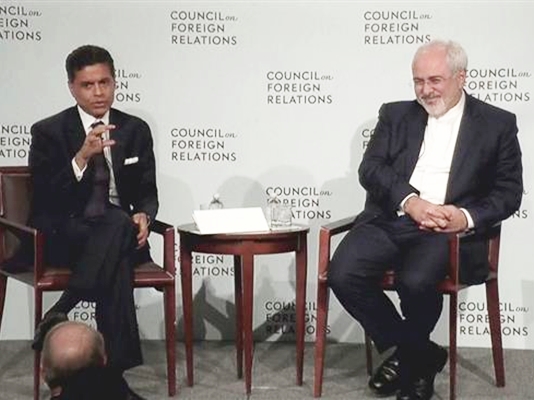
The Iranian minister made the remarks in an interview with the Council on Foreign Relations, a New York-based think tank, on Friday, in response to a quote, raised by the interviewer, from US Republican presidential nominee Donald trump, who had said he would shoot the Iranian ships out of the Persian Gulf.

“Our soldiers and our sailors are a few miles away from our coasts. Yours, Americans, are several thousand miles away. And then they get upset when our boats tell them not to get into our [territorial] waters, that you are approaching Iranian borders, that… you encroach upon our sovereignty,” Zarif said, adding that the Persian Gulf is Iran’s lifeline, through which it sells almost all of the country’s oil.

“How would you think if an Iranian warship were to come to the Gulf of Mexico… and [tell the US forces], ‘Why are you getting close to me? I’m sailing in international waters.’,” he said, adding that likewise, in the Persian Gulf, “You are close to us. We are not getting close to you.”

Zarif also said that a greater majority of Iranians distrust the US today than they did before the nuclear deal, dubbed the Joint Comprehensive Plan of Action (JCPOA), which was signed between Tehran and the P5+1 countries on July 2015.

“Before we had this deal, a majority of Iranians believed that resolving difficulties with the United States would be effective. Now the majority of Iranians believe otherwise, and that should send a very strong signal,” Zarif said, adding that Washington’s failure to fulfill its obligations under the nuclear deal has deepened the Iranians’ distrust in the US.

He noted that the fear of facing punitive measures from the US has discouraged major European banks from dealing with Iran months after the implementation of the JCPOA.
fa15e69d-d05d-4b1d-825a-b2f81bf4a615Political solution sole way out of Syria crisis

Iran’s foreign minister also renewed Tehran’s call for a political solution to the crisis in Syria.

“There is no military solution to [the crisis in] Syria. There has to be a comprehensive, unconditional ceasefire” to pave the way for the political settlement of the war, Zarif said.

Reiterating Iran’s support for the Syrian government in its fight against Takfiri terrorists, Zarif highlighted the need for delineating the positions of terrorist groups like Daesh and Fateh al-Sham, al-Qaeda’s Syrian branch formerly known as al-Nusra Front, which have been excluded from the ceasefires across Syria.

The Iranian foreign minister also criticized some regional players for focusing on Syrian President Bashar al-Assad’s fate rather than the future of Syria. He added that unlike Saudi Arabia, Tehran has always been ready to cooperate with all regional players on the Syrian crisis, and it does not believe in a solution based on “exclusions”.
64c63062-b837-45be-8128-75a0cac791a3‘Manufactured enemy’

Elsewhere in his remarks, the Iranian foreign minister touched upon the role Riyadh has played during the past decades in creating and funding terror groups such as Taliban and al-Qaida, and Iraq’s slain dictator Saddam Hussein, who received “unbelievable” sums of money from Saudi Arabia.

Now the Saudis “are funding Daesh and al-Nusra. They will turn against them. And once they turn against them, it will be a disaster,” Zarif further said.

“Our problem today is the fact that they (the Saudis) are funding extremism in the hope that they can divert the attention from the inability of the state system in their country and the rest of the region to address the difficulties, anxieties and aspirations of the Arab youth into a perceived and manufactured enemy, being it the Shias or the Iranians,” the Iranian foreign minister added.

But “they know that at the end of the day they are the real target… Nobody will gain anything from supporting extremism – an animal, a monster, a Frankenstein that will bite the hands that feeds it,” he added.

Zarif described Wahhabism – the radical Saudi ideology that fuels the ideological engine of terror organizations like the Daesh and al-Nusra Front – as “a political school of thought” and the “literature of hate that has to be stopped.”
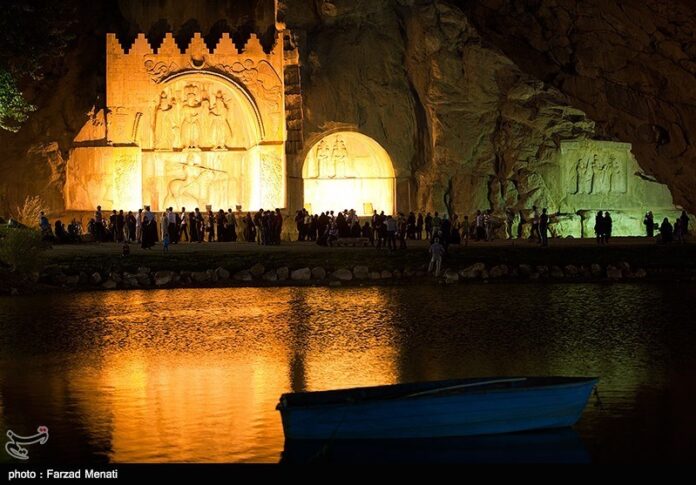
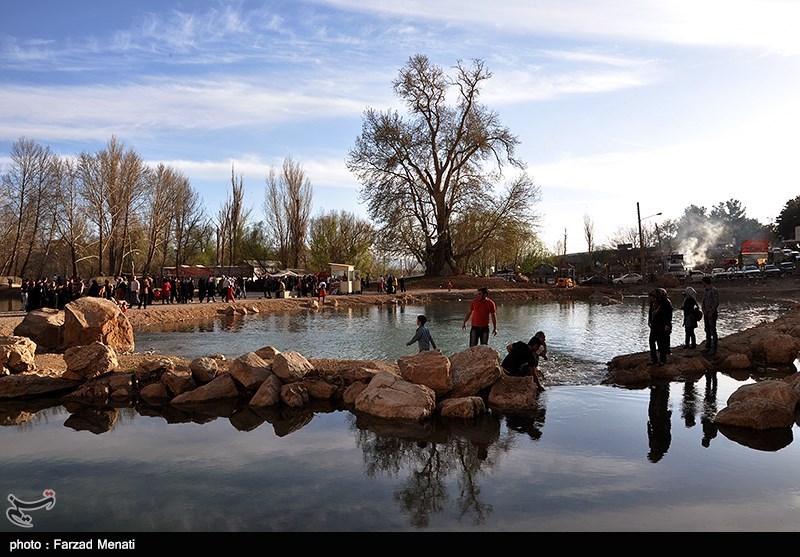
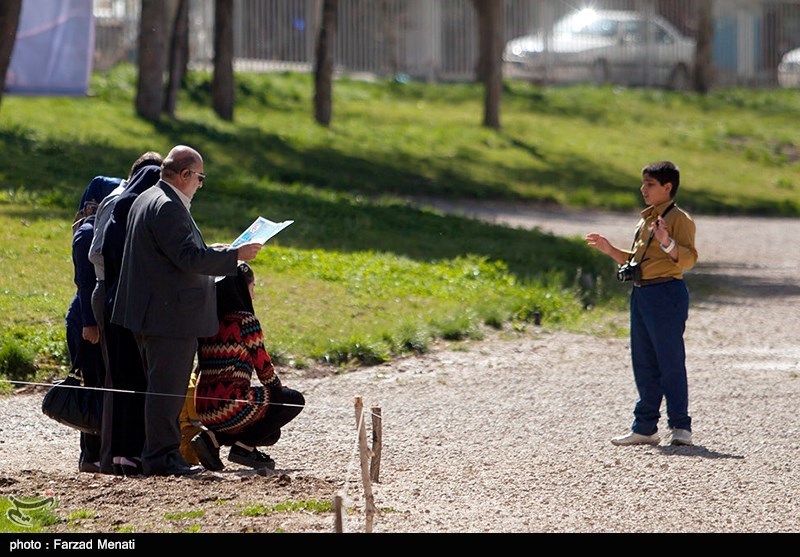
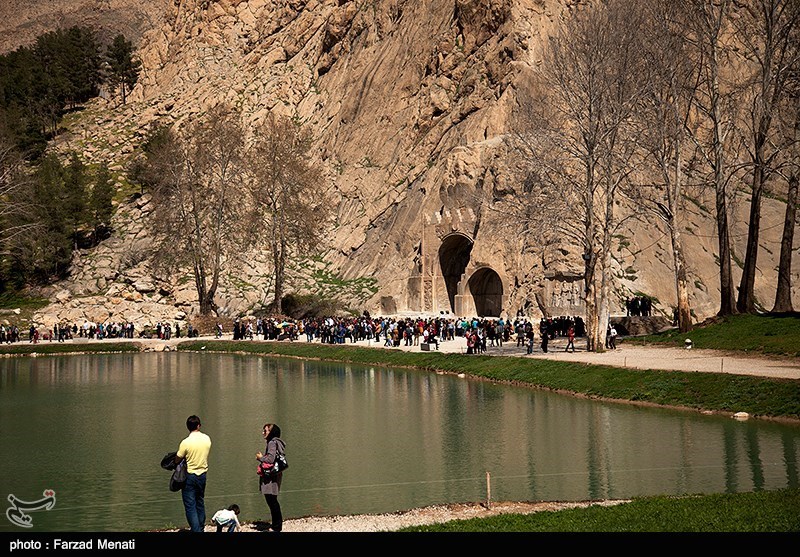
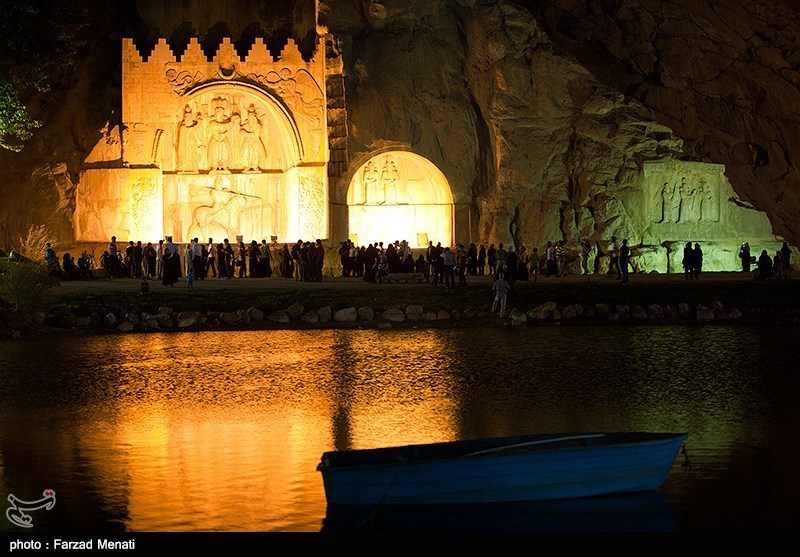
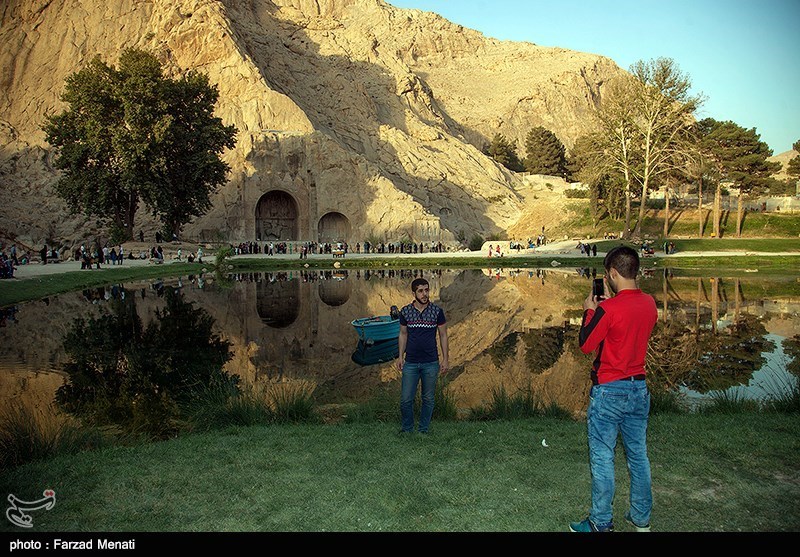
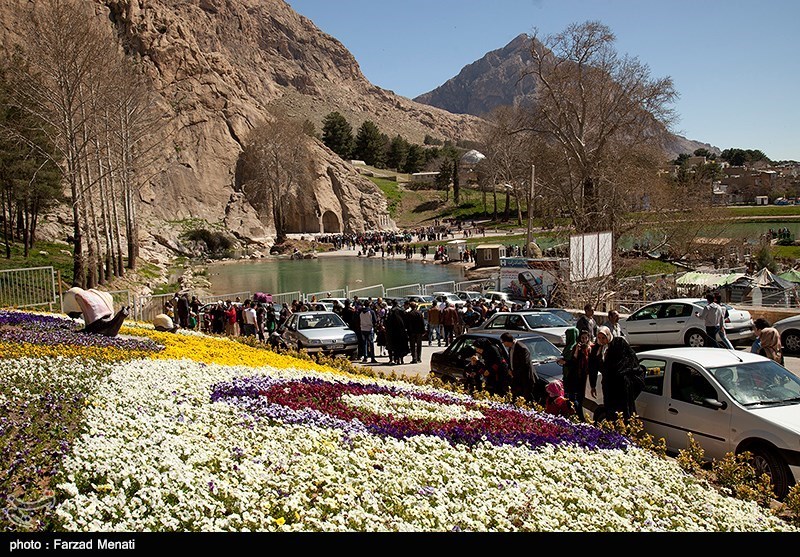
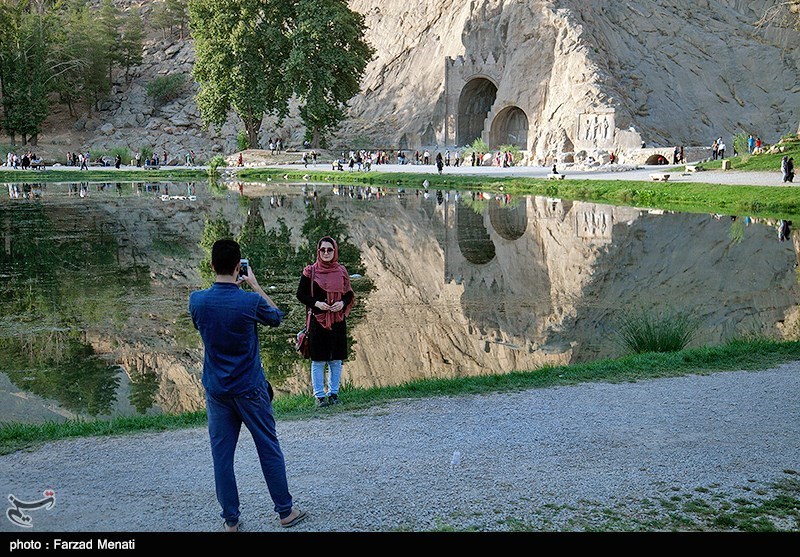
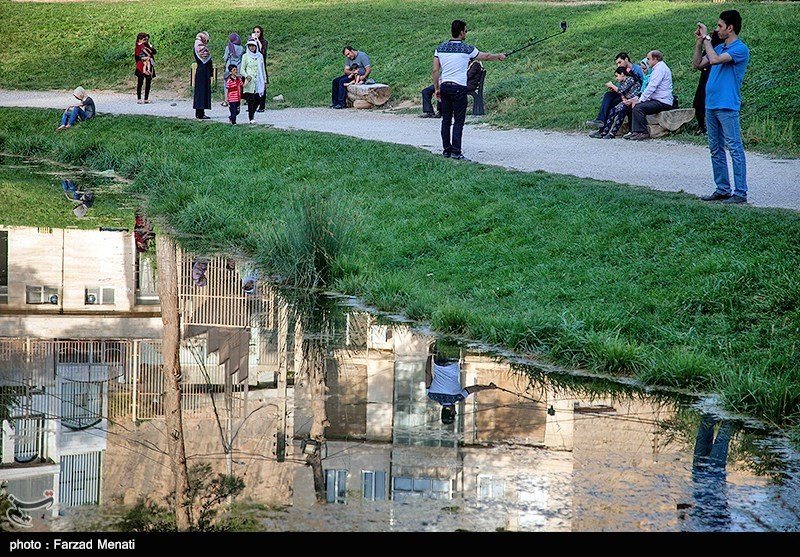
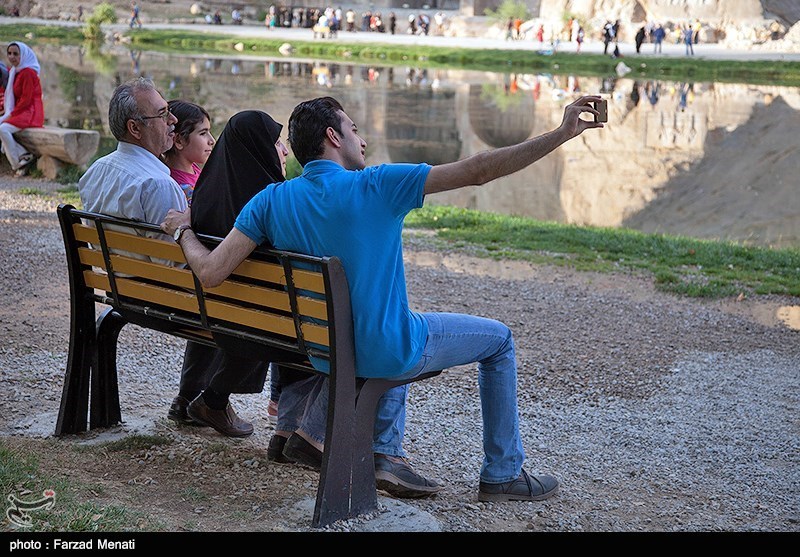
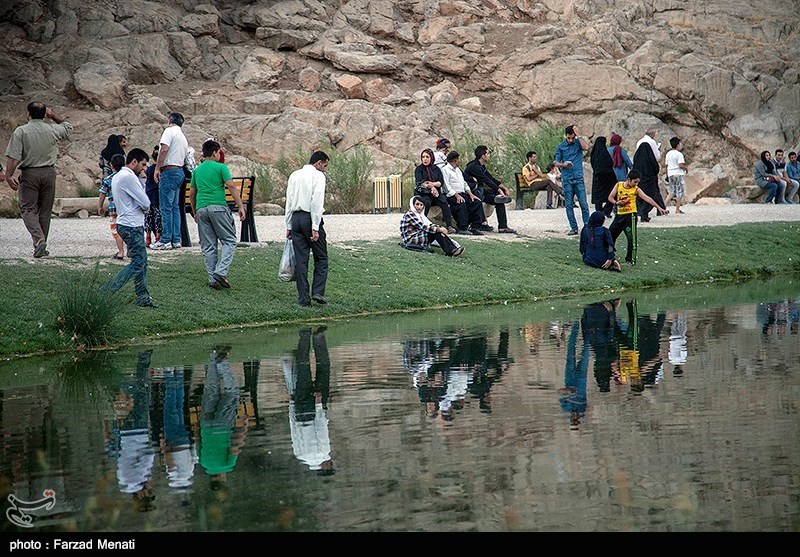
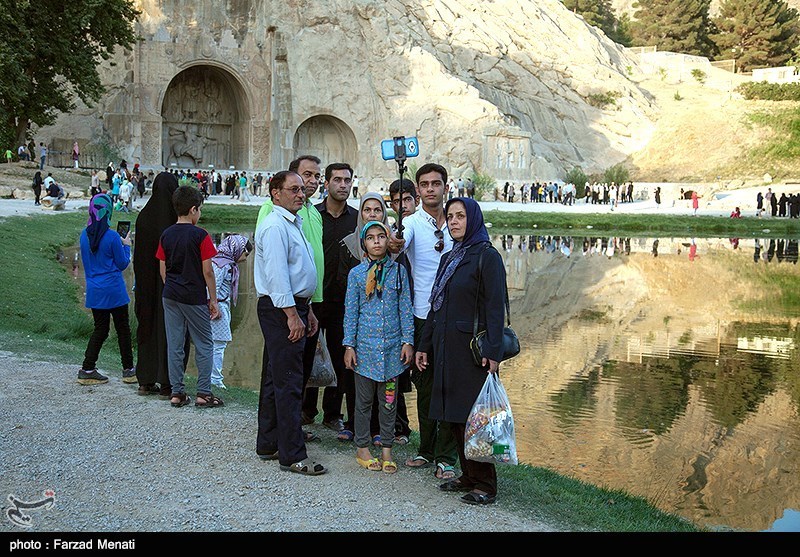
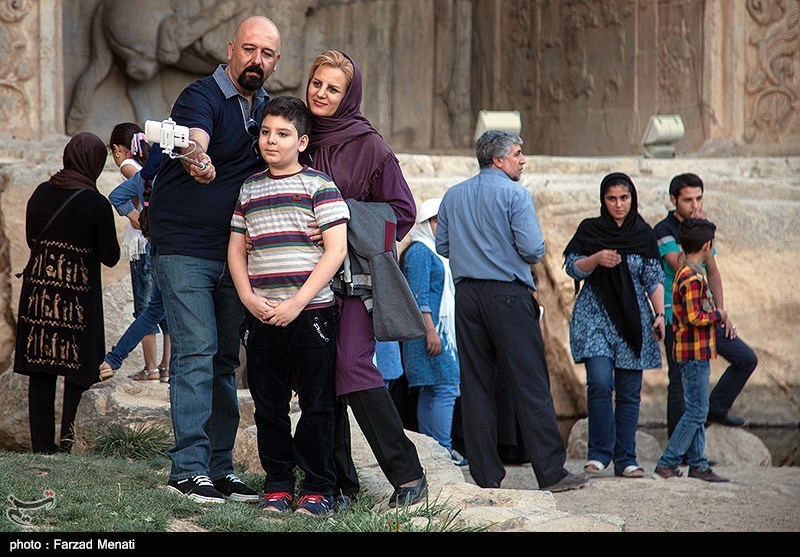
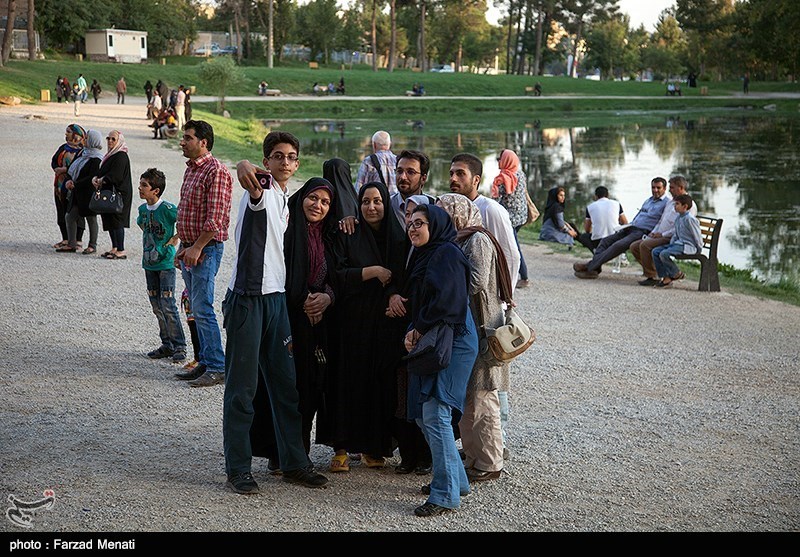
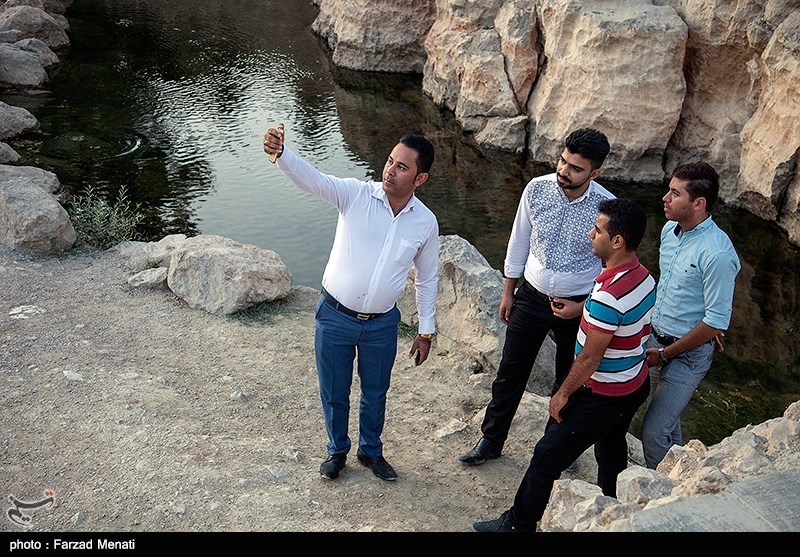
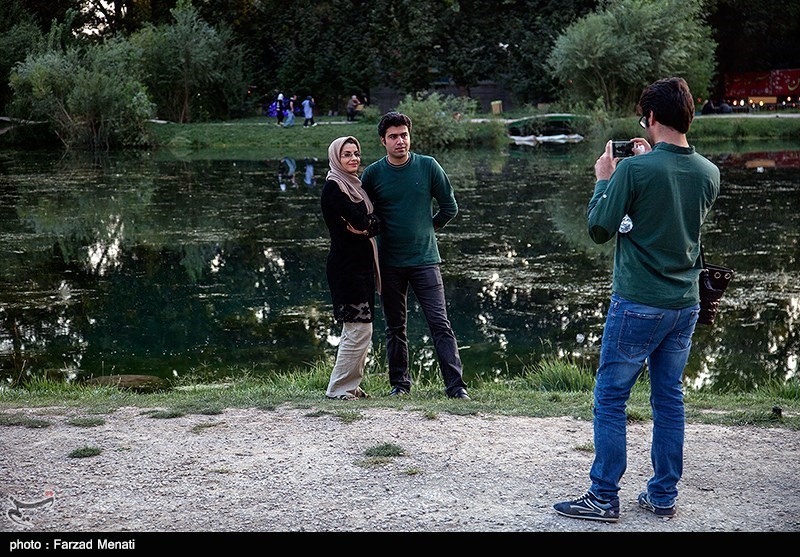
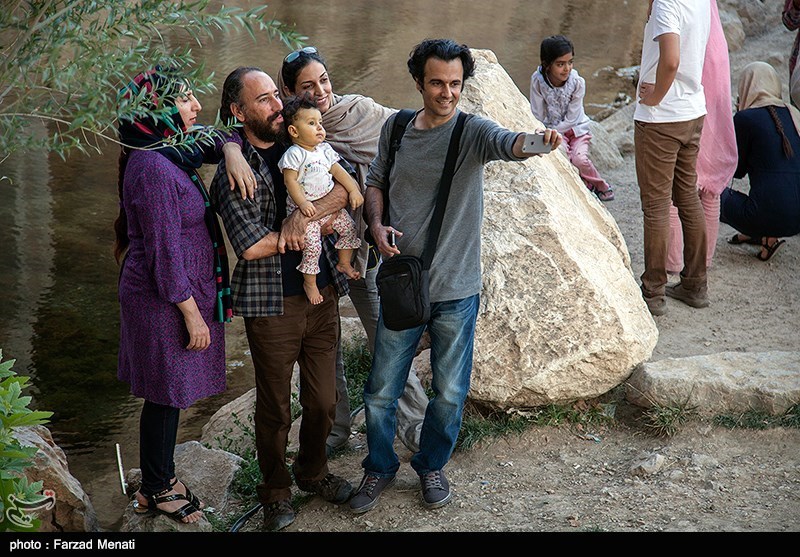
Visitors Tour Taq-e Bostan Historical Site in Western Iran

Taq-e Bostan

Here are Tasnim‘s photos of tourists visiting Taq-e Bostan site in Kermanshah:

Syrian Army Finds Turkish Manual Instructing Terrorists on Use of Nukes

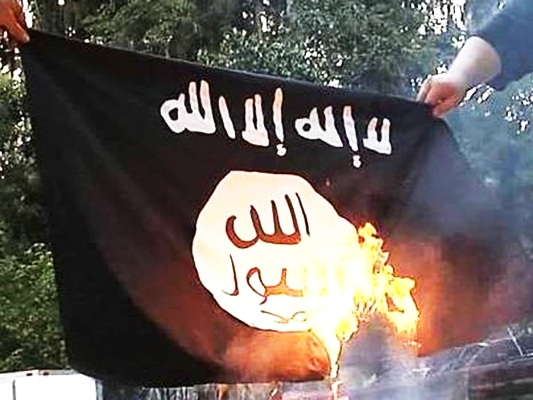
burn-isis-flag

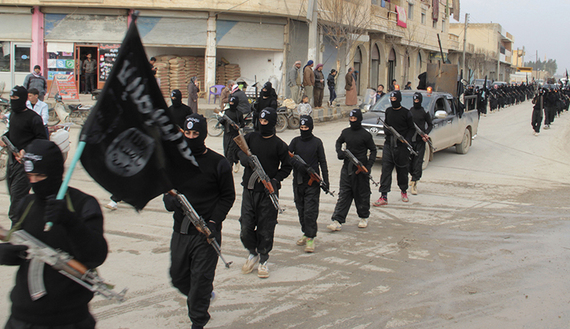
Printed in Turkey, the book teaches extremists “the proper conduct of war on foreign soil,” up to and including the use of nuclear weapons.

The manual, printed in Arabic and called ‘Zad al-Mujahid’ (roughly, ‘Fruits for the work of God’s Warriors’) was published in Istanbul, with its publishers making no attempt to even try to hide the book’s origins.

According to a report by Sputnik, as covered by Khabar Online, it features the logo of the Istanbul-based Guraba publishing company, contact information, and even an ISBN, inside its front cover.

Speaking to Sputnik Arabic, the Syrian Army soldier who discovered the book said that it was filled with hatred and calls to war against people who don’t share jihadists’ faith, as well as instructions on what must be done with “enemies and their property.”

“The book describes how to properly burn cities captured by jihadi [extremist] fighters, how to cut down all the trees, destroy all life, how to execute prisoners in the correct manner,” the soldier explained.

The book says that the extremists have a right to marry their captives; the book even mentions the aspect of the possible use of nuclear weapons,” he added.

Handbook for TerroristsThe book is banned in Syria for its radical content, and repeated calls to violence and terror. For this reason, Sputnik Arabic decided not to quote it directly. Still, it published photos, republished here, showing the cover and details on the book’s publisher. It remains unclear how many copies of this book were found.
Syrian authorities are extremely sensitive about published materials which could be seen to inspire sectarian conflict. Before it was engulfed in war in 2011, Syria was known as a secular, multicultural and multi-ethnic nation with a large number of religious minorities.

Since then, many of these minorities have been threatened with enslavement or extermination by homegrown and foreign-sponsored radical Islamist terrorists, including ISIS, Nusra Front and a collection of affiliated groups.

ISIS Digs Fiery Moat around Mosul amid Fruitless Ceasefire Talks

ISIS in Mosul

Local witnesses said that ISIS elements have dug a long fiery moat around Mosul in an attempt to impede the progress of Iraqi forces.

There is only one path left open to Iraq’s western desert and to the borders of Syria from there; therefore, if worse comes to worst for the terrorists, they will have a chance to flee into Syrian cities of Raqqah and Deir ez-Zor.

Militants from the terrorist group have started digging the moat in preparation for a long battle with Iraqi forces.

Reports suggest that fighters have sealed off entire districts and began building a network of tunnels to obstruct government troops.

Reuters reported that senior Iraqi military officers, Mosul residents, and local officials say a trench along the city’s perimeter is being built.

Mosul is the largest city under Isis control and a battle to liberate the city is set to be the biggest, and possibly longest, the terrorists have ever fought with an operation to retake the city possibly launched in the next month.

According to a report by Al Alam, as translated by IFP, Khalil Harb in an article in the Lebanese newspaper As-Safir said Iraqi Prime Minister Haider al-Abadi has announced military operations to liberate the town of Al-Shirqat, which is located 120km from Mosul.

However, General Joseph Francis Dunford, chairman of US Joint Chiefs of Staff, announced that Mosul will be liberated in October, namely on the verge of the US presidential election, in the hope that a possible victory in the operation would benefit the US democrat presidential candidate Hillary Clinton.

Meanwhile, the ceasefire in Syria is still hanging in the balance and efforts by the US, Russia and other countries have all turned out fruitless. Even the meeting of International Syria Support Group (ISSG) was of no avail to revive the collapsed ceasefire in Syria.

While every eye is on the tensions between Washington and Moscow to be relieved, Iraq’s future as a country whose destiny is geographically intertwined with Syria is of utmost importance.

On the other hand, as the war drums are getting louder in Mosul, there is a chance that Americans seize this opportunity to exert pressure on Syria.

In fact, since the summer of 2014 when Abu Bakr al-Baghdadi declared himself as the caliph of Iraq and Syria, the Americans never bothered to hide that they are cooking the idea of defeating ISIS in Iraq and pushing the terrorists into Syrian territory.

Iran Hails United Action to Admonish US for Nonconformity to JCPOA

Rouhani

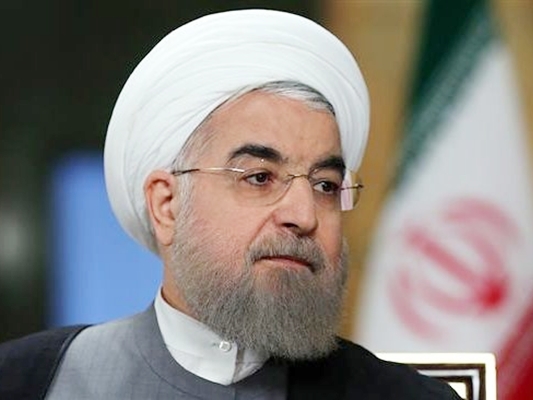
Speaking to reporters in Tehran upon his arrival from New York on Friday, President Rouhani said Iran and the Group 5+1 (also known as E3+3) held meetings at the level of directors and foreign ministers on the sidelines of the 71st annual session of the UN General Assembly.

The meetings were part of periodic sessions of a joint commission on implementation of the Joint Comprehensive Plan of Action (JCPOA), a July 2015 nuclear deal between Iran and the six countries.

According to President Rouhani, all participants in the meeting have decisively told the US that it is not closely conforming to the JCPOA terms, saying Washington has also promised to correct its conduct.

“The fact that six countries adopted a united stance by warning the US to modify its behavior was a major achievement for the Islamic Republic of Iran,” he added.

The joint commission was formed in October 2015 to oversee the process of implementation of the JCPOA. While the 159-page deal came into force in January 2016, the US has come under fire for its failure to fully implement the accord.

Elsewhere in his comments, President Rouhani said he held 14 meetings with heads of states on the sidelines of the UNGA session in New York, saying many leaders have asked Iran to “propose solutions to conflicts in Iraq, Yemen and Libya.”

The interlocutors admitted that Iran plays a “very influential and unmatched role in the settlement of regional problems,” he added.

President Rouhani returned home on Friday after visiting Venezuela, Cuba and the US.

Iran Condemns Saudi Airstrike on Yemeni Civilians, Urges Int’l Reaction

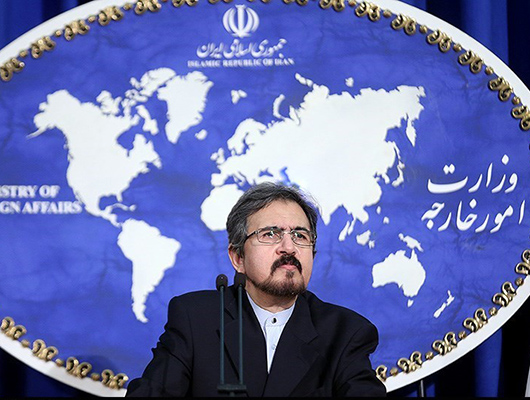
Bahram Qassemi

Iranian Foreign Ministry Spokesman Bahram Qassemi on Thursday expressed condolences to the families of victims of the deadly attack on Souq al-Hanoud area in the al-Hawak district of Yemen’s Hudaydah province. The strike, which occurred late on Wednesday, killed some 50 civilians and injured scores of others.

The spokesman noted that the international community’s indifference to the Saudi conduct and the continued arms sale to the Riyadh regime have encouraged the kingdom to intensify attacks on Yemen’s defenseless people and keep its acts of aggression.

Qassemi further underlined that the muted response to the killing of Yemeni civilians and sale of destructive weapons to Saudis would make certain Western countries more disgusting in the eyes of the public and represent them as accomplice to the crimes committed by the Saudi “child-murderer” regime.

Since March 2015, Saudi Arabia and some of its Arab allies have been launching airstrikes against the Houthi Ansarullah movement in an attempt to restore power to the fugitive former President Abd Rabbuh Mansour Hadi, a close ally of Riyadh.

More than 10,000 Yemenis, including many women and children, have died in the Saudi-led aggression so far.

Iran’s Jungle of Missiles Ready to Rain Down on Enemies: IRGC Commander

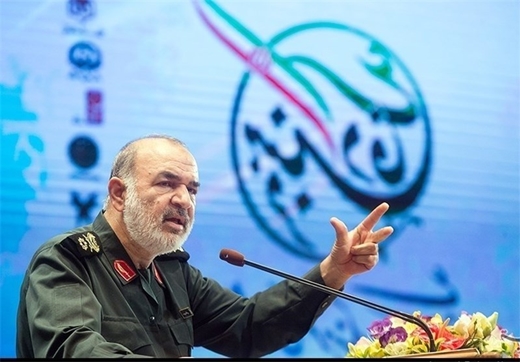
Brigadier General Hossein Salami

“We would pursue any enemy seeking to cause the slightest damage to Iran’s self-esteem and independence no matter where in the world they be,” Brigadier General Hossein Salami, the Islamic Revolution Guards Corps (IRGC)’s second-in-command, said in a televise interview on Thursday.

He added that the Islamic Republic has been building and modernizing its military equipment on its own without relying on any country despite the arms and economic embargoes it is facing.

In the area of producing unmanned aerial vehicles (UAVs), Iran now stands on an equal footing with the United States, Russia and China, he said. “Our UAVs can fire rockets at and capture footage from [targets] within a range of 3,000 kilometers,” Salami said.

“Some big powers have even made demands for our products,” the senior military official said.

Iran’s Jungle of Missiles Ready to Rain Down on Enemies: IRGC Commander
A long-range Qadr ballistic missile is launched in the Alborz mountain range in northern Iran on March 9, 2016. (Photo by AFP)


Touching on Moscow’s sale of the S-300 missile system to Tehran, Salami said the purchase was driven by contractual obligations not domestic needs for such apparatus.

Amid the diplomatic efforts to resolve the Iranian nuclear issue, the Americans were always broaching the military option, Salami said. “They, however, never dared to take any action as they did not feel empowered versus us…They know the consequences of attacking Iran will be dire.”

Americans are bereft of political logic, he said, adding that all they understand is the logic of power.

Addressing Iran’s support for Lebanese and Palestinian resistance groups, the commander asserted that the Lebanese resistance movement of Hezbollah and fellow Palestinian groups are “completely popular and defend their rights.”

“It is not acceptable under any circumstances for them (the West) to ask us to consider them to be terrorists,” the commander said.

Iran Warns Off American U2 Spy Plane: Commander

US Drone U2

Brigadier General Farzad Esmaili, the commander of the Khatam al-Anbiya Air Defense Base, said on Thursday the forces warned off the intruding American aircraft in recent days and made them fly away.

The commander did not give further details elaborating on where the planes attempted to enter Iranian airspace.

The Lockheed U2, nicknamed “Dragon Lady”, is an American single-jet engine, ultra-high altitude reconnaissance aircraft operated by the United States Air Force. The spy plane can fly at an altitude of 21,000 meters and provide day and night and all-weather intelligence gathering as it carries high-resolution cameras and sensors.

The Iranian Army’s Air Defense Base reportedly warned off a US radar-evading unmanned aerial vehicle (UAV) in late August which had sought to intrude on Iranian airspace.

The US spy drone had sought to cross into Iran through the eastern border from neighboring Afghanistan. However, it was immediately detected and forced to leave the area after a “timely and stern” warning by the Air Defense Base.

In December 2012, Iran’s Islamic Revolution Guards Corps (IRGC) captured a US ScanEagle drone over the Persian Gulf waters upon its intrusion into the Iranian airspace.

Iran Warns Off American U2 Spy Plane: Commander
In December 2011, Iran downed a US RQ-170 Sentinel stealth aircraft (shown) with minimal damage.


In the same month the previous year, Iran downed a US RQ-170 Sentinel stealth aircraft with minimal damage. The drone was flying over the Iranian city of Kashmar, near the Afghan border, when it was brought down

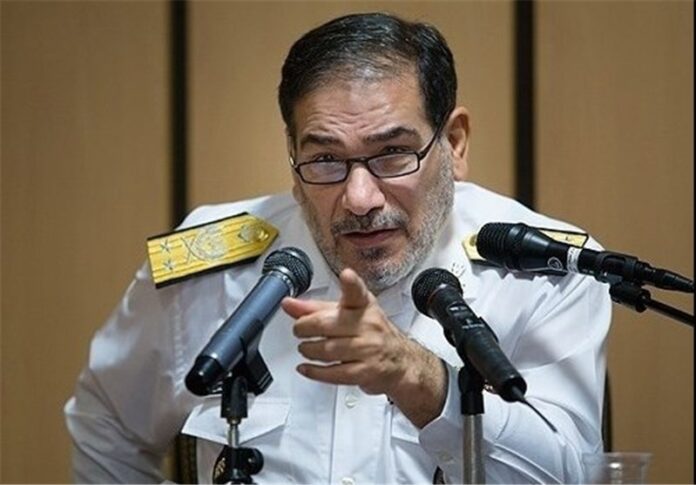
Saudi Authorities under Suspicion of Involvement in Mina Tragedy: Iran’s Shamkhani

Extension of UN Arms Embargo to Sound Death Knell for JCPOA: Iran

“The Saudi government’s conduct, its refusal to apologize to the bereaved families (of Mina victims) and its ignorance about identifying and introducing those at fault in the catastrophe raise doubts about the involvement of elements from the Saudi government in the incident,” Shamkhani told reporters in Tehran on Friday.

His comments came a year after the deadly crush of people during the last year’s Hajj rituals in Mina, near the Saudi Arabia’s holy city of Mecca, which claimed the lives of over 4,700 pilgrims, including 465 Iranians.

Shamkhani further took a swipe at the West for unwavering supports for the Al Saud’s crimes and adopting double-standards in dealing with the humanitarian catastrophes, saying such Western approach has encouraged the “reactionary Saudi regime” to keep committing atrocities.

Earlier this month, Leader of the Islamic Revolution Ayatollah Seyyed Ali Khamenei blamed the Saudi-affiliated propaganda organizations for their attempts to spread the notion that the Mina tragedy signifies friction between Shiite and Sunni Muslims or between Arabs and non-Arabs.

Supporters of the Saudi rulers are trying to spread such an “outright lie” in a propaganda campaign, while “most of the 7,000 Mina martyrs, including a large number of Iranian martyrs, are Sunnis,” the Leader revealed.

Islamic Countries Protest at Al Saud’s Incompetence to Run Hajj

The Azeri newspaper Serq, published in Baku, has reported that some Islamic countries are voicing their criticism against the way the Saudi kingdom is running hajj rituals.

Here’s IFP’s translation of the report, which was covered by IRNA.

Nigerians and Yemenis have barred their citizens from going on the annual pilgrimage to Mecca.

In an address to the Nigerian nation, their government has announced, “Instead of traveling to Saudi Arabia for the pilgrimage to the house of God and pouring millions of dollars into the pockets of Arab Sheikhs, you’d better visit the symbolic house of God in your own country.”

It further pointed to Iranians who were barred from this year’s Hajj due to Saudis’ stonewalling.

Serq quoted a political analyst named Arif Ismayilov as saying, “Saudi Arabia’s failure to learn a lesson from the Hajj disaster last year caused some countries to change their minds on sending pilgrims to Mecca.”

Ismayilov added that although the Nigerian government’s action is not religious in nature, it is a form of protest against Saudi Arabia.

He pointed to the colossal number of deaths in last year’s Hajj in Mina, which exposed ineptitude of Saudi rulers, and said, “Most pilgrims crushed in the disaster were from Iran and Nigeria.”

He added that a while ago more than one million Yemenis voiced their protest at the policies of Saudi rulers and held the symbolic stoning of Satan (which is part of Hajj rituals) in their own country.

Although the number of pilgrims was less than previous years, reports have been released of problems hampering the performance of Hajj rituals, Ismayilov regretted.

He said the recent protests of Islamic states against Saudi Arabia are due to the Al Saud’s unfriendly stance towards Muslims.

Referring to the fatwa issued by a Saudi mufti in an Islamic country and in the heart of Mecca for killing Shiites, Ismayilov voiced his disappointment of Saudi rulers and concluded, “It is a must for Saudi Arabia to reform its policies, otherwise conflicts are bound to increase in the Muslim world.”