Monday, January 12, 2026
Home Blog Page 4331

Iraq denies presence of coalition forces in Mosul libration operations

mosul

“Troops participating in the plan to liberate Iraqi cities, including Mosul, are purely Iraqi,” said spokesman for Iraq’s Joint Chiefs of Staff Brigadier General Yehia Rasoul on Sunday.

He noted that forces taking part in the operation will namely be the Iraqi army, anti-terrorism forces, the federal police, and the Popular Mobilization Units.

“The presence of the international coalition forces is meant for intelligence exchange, carrying out airstrikes against Daesh and training and arming Iraqi forces,” he added.

Rasoul made the announcement after media reports that the US was seeking to send 500 more troops into Iraq ahead of the operations to retake Mosul.

Over the last few months, Iraq has been preparing for the assault on Daesh in Mosul, the country’s second largest city which slipped into the hands of the terrorists in the summer of 2014. Government forces have managed to recapture all the other places that Daesh had seized, with the last major one being the city of Fallujah, about 50 kilometers west of the capital Baghdad, which was liberated in late June.

Iraq denies presence of coalition forces in Mosul libration operations
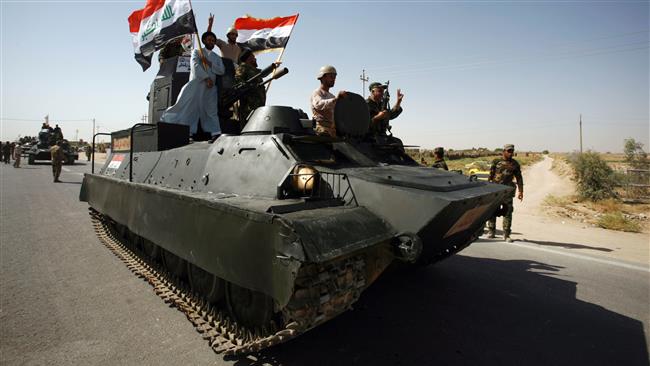
Members of the Popular Mobilization Units supporting Iraq government forces drive military vehicles on the outskirts of the holy Iraqi city of Najaf on September 24, 2016.

Violence has plagued the northern and western parts of Iraq ever since Daesh launched an offensive in the country in June 2014, and seized territory. Iraqi army soldiers and fighters from allied Popular Mobilization Units are seeking to win back militant-held regions in joint operations.

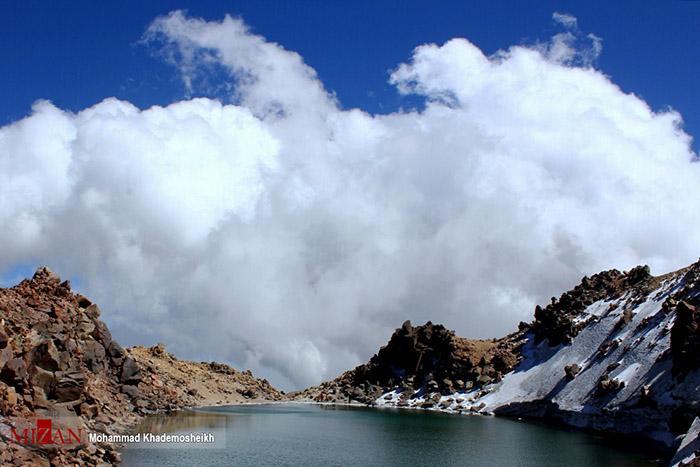
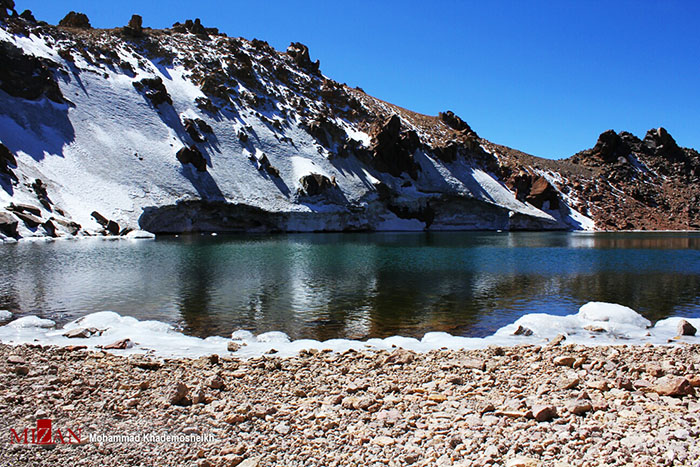
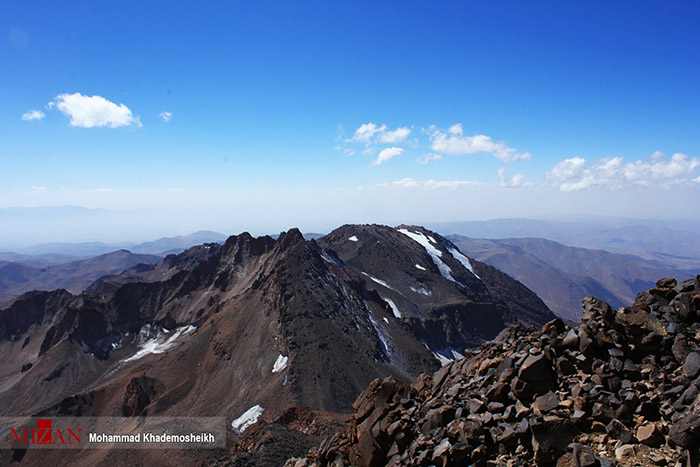
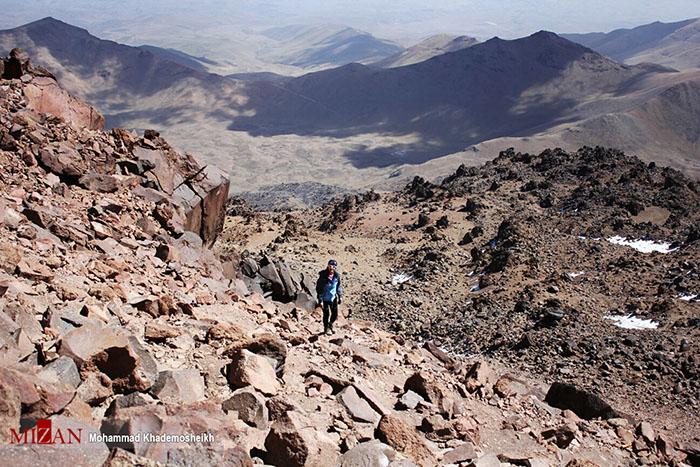
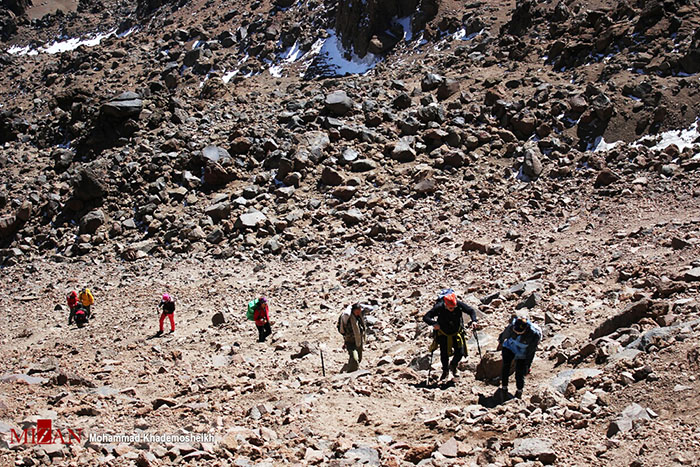
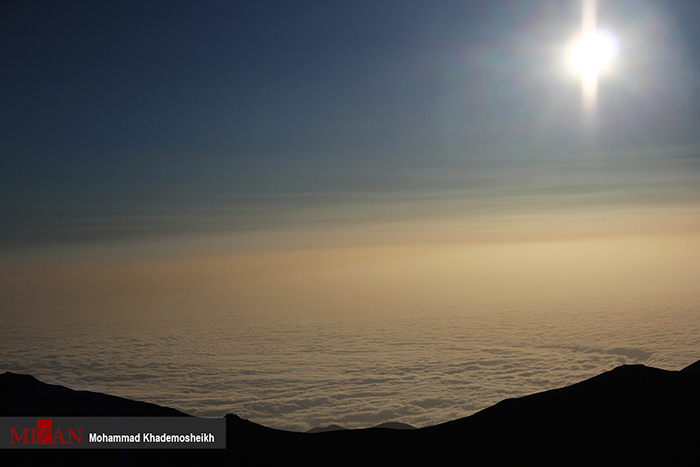
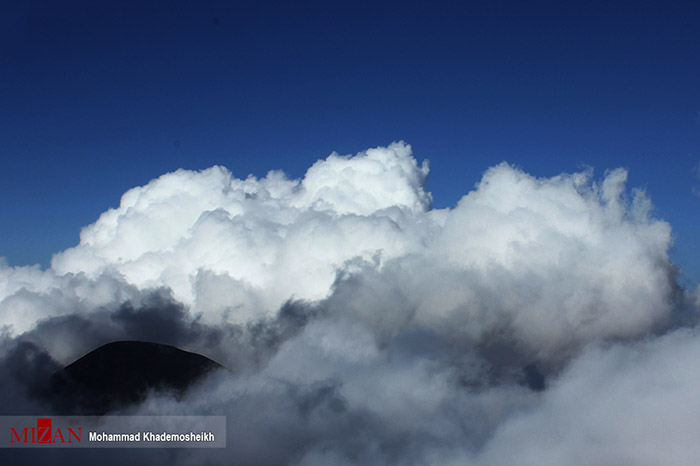
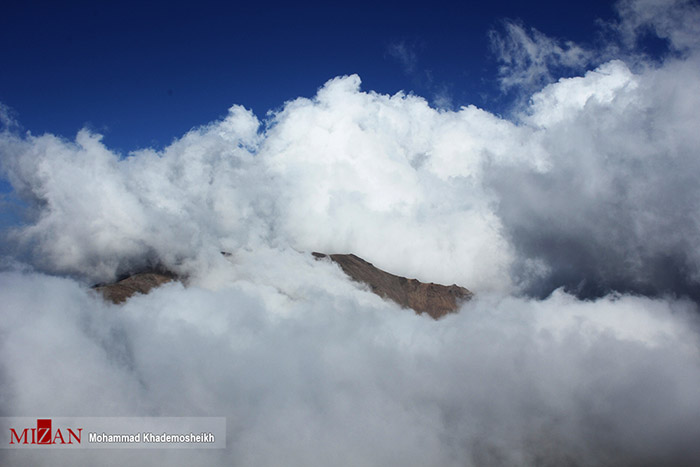
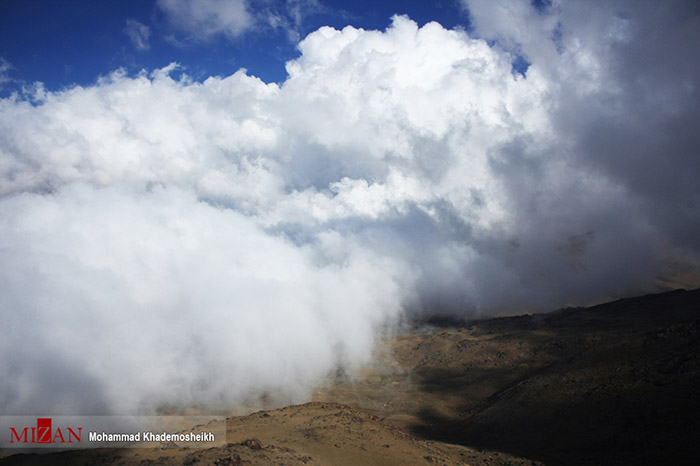
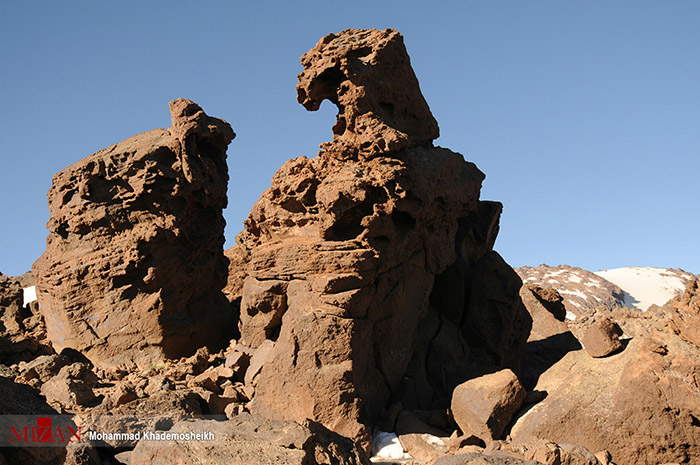
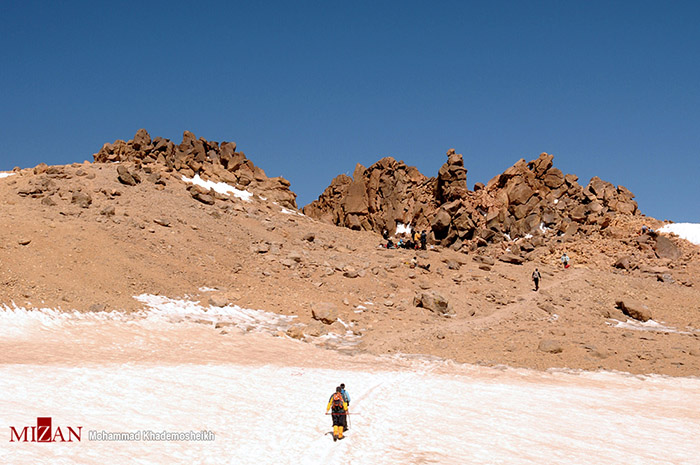
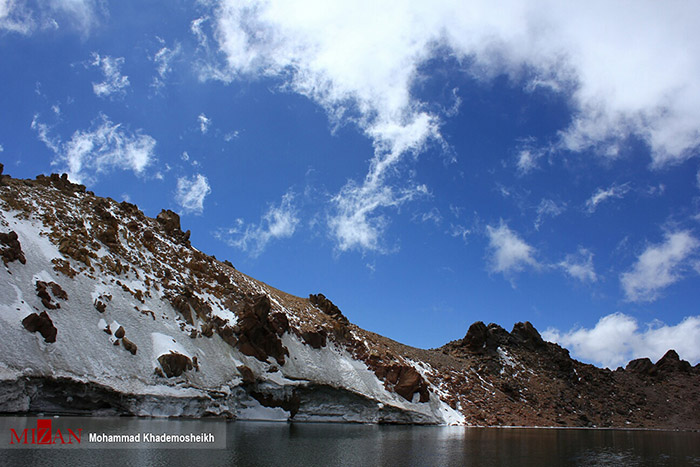
Mount Sabalan in Northwestern Iran

mount-sabalan-20

The mountain offers many attractions throughout the year. On the slopes of the mountain the mineral water from springs attracts large numbers of tourists each year, many of whom have faith in healing properties attributed to the springs.

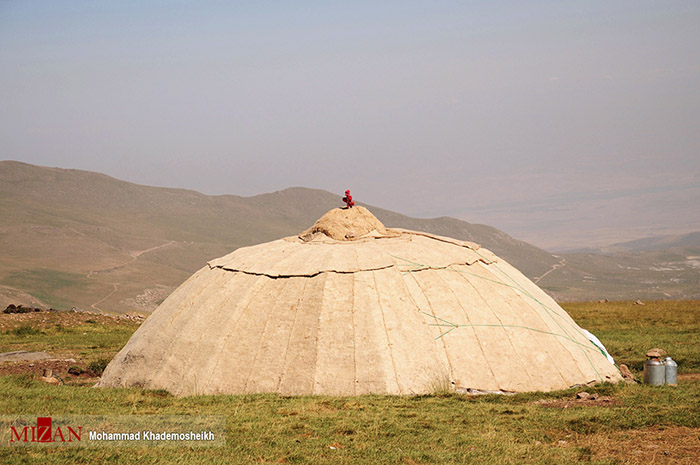
The nomadic people of the area live in small villages, with their round “Yurt” tents appealing to tourism. Sabalan has a sky resort (Alvares) and different tourist areas such as the Sarein spa. The mountain is known for its beautiful vistas, including the Shirvan gorge, where few climbers ever venture.

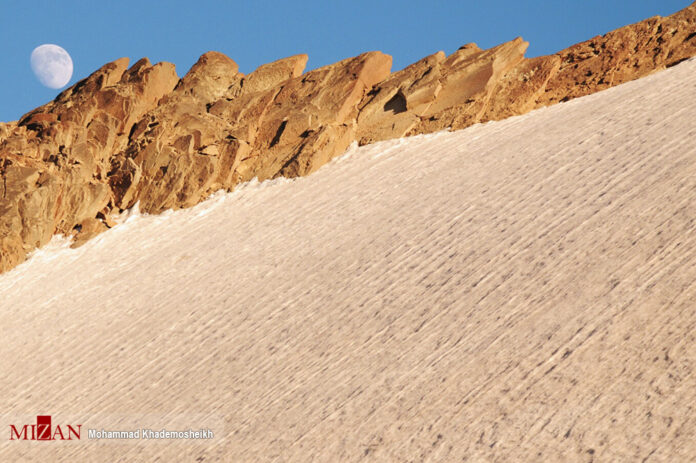
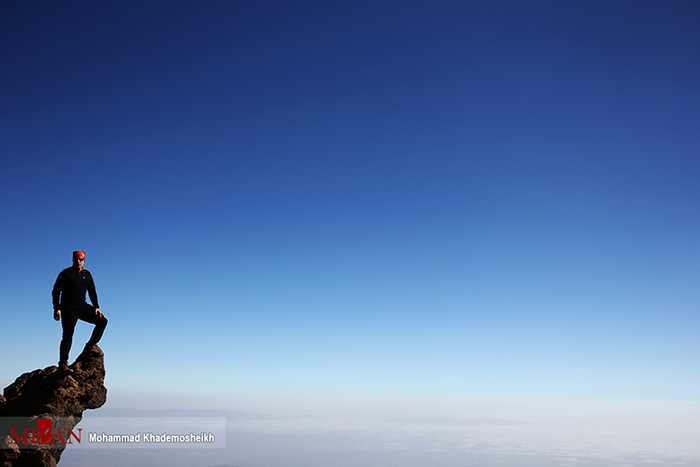
Here are Mizan’s photos of a climb to the peak of Sabalan Mountain:


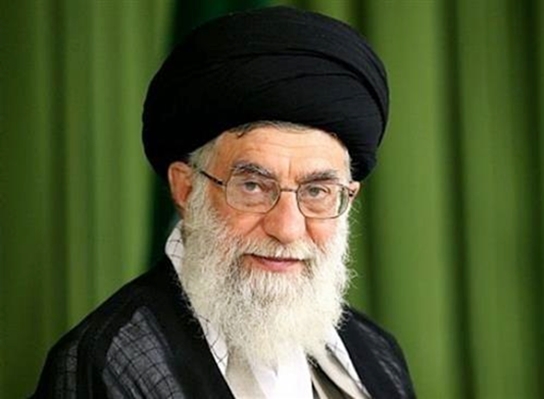
Senior Sunni Cleric Hails Ayatollah Khamenei’s Pro-Sunni Remarks

Leader

According to a report by Jomhouri Eslami Newspaper, as translated by IFP, Abdolhamid Esmail Zahi, the Sunni Friday prayers leader of Iran’s southeastern city of Zahedan, hailed the “valuable” remarks by Ayatollah Khamenei about the need to avoid provoking the emotions of Sunnis.

Abdolhamid Esmail Zahi

“The remarks made people so much happy, and were very effective on the unity of Muslim world, particularly the solidarity between Shiites and Sunnis,” he noted.

“The Leader advised against provoking the emotions of Sunnis, and we mutually believe that the emotions of no Islamic branch, including those of the Shiites, should be provoked.”

“We all know that the enemies of Islam are causing rift among Islamic countries, particularly in the Middle East, and are trying to create division between Islamic religions. However, they have not been successful in the Islamic Iran,” the senior cleric noted.

“We have always stood against extremism and radicalism, and will do so in future as much as we can,” he noted.

His remarks came after the Leader of the Islamic Revolution put emphasis on the significance of establishing unity among Muslims.

In a recent speech on the occasion of Eid al-Ghadeer, the Leader made it clear that any form of insult, projected towards Sunni scholars, would prevent the rational and documented foundations of belief in the Imamate from being heard.

Ayatollah Khamenei further urged that “do not incite emotions of the Sunni community. Some people feel, in order to prove themselves as Shiite, they need to insult Sunni figures. This goes against the mannerisms of the infallible imams. The fact, that there are TV stations launched to insult (Sunni figures) well, makes it crystal clear that they are funded by the British Treasury; this is British Shi’ism. This game, of insults, will have a contrary function. When you insult others, the words of truth won’t be heard.”

“Inciting emotions among other branches of Islam, in the name of Shi’ism, is actually the approach of ‘British Shi’ism’–whose outcome would be the emergence of vicious groups and mercenaries from the US, and the UK’s intelligence services, such as ISIS, Al-Nusra Front, and terrorist groups–who have committed multiple crimes and destruction in the region,” the Leader noted.

Repetitive Unfounded Allegations Never Change Historical Realities: Iran

Qassemi

Addressing the United Nations General Assembly on Saturday, the Foreign Minister of the United Arab Emirates Sheikh Abdullah Bin Zayed Al Nahyan repeated his unfounded claims on the three Iranian islands of Abu Musa, Greater Tunb and Lesser Tunb in the Persian Gulf, saying Iran’s actions have caused “tension and instability in the region.”

Qassemi underlined that unfounded and repetitive remarks of UAE foreign minister accusing others to destabilize the region and creating projections is while Abu Dhabi has played a traditional conservative role in recent years in favour of warmongering and extremist actors in the region.

Instead of helping reduce the tensions in the region, it has promoted the deepening of gaps and expansion of warmongering in the region, he went on to say.

He said the Islamic Republic of Iran has always believed that what puts the region on the brink of irreparable disaster and catastrophe is the Takfiri-supporting policies.

The Iranian Spokesman condemned the historically inaccurate claims of Sheikh Abdullah, adding it will not change any reality, as reported by Mehr and edited by IFP.

Qassemi pointed to the need to adopt realistic, anti-violence and anti-terrorism policies by all countries in the region for putting an end to the current unrest, and recommended the UAE foreign minister to avoid repeating the false and unfounded accusations.

Taliban Buy Off 89 Afghan Military Posts

n00033046-b

According to a report by Mizan, as translated by IFP, Sadeghi Zadeh pointed to 89 military posts of Urozgan Province that were traded to Taliban terrorists and said, “The Parliament should explore why the military men who have served in Afghanistan for years join the opposition group and simply trade military posts with them.”

“If Urozgan collapses in the hands of Taliban, several other provinces will be exposed to bloody war; hence, the Parliament is responsible for lending an ear to people’s problems and complaints,” he warned.

Urozgan Province is located in southwest of Afghanistan which, during the past 10 days, has been grappling with bloody war between Afghan forces and Taliban militants.

General Soleimani and Upcoming Presidential Elections: Will He Remain a Soldier?

general-ghasem-soleimani

Here is IFP’s translation of a report by Khabar Online about a controversial note inked by Heshmatollah Falahatpisheh, a member of Iranian Parliament’s National Security and Foreign Policy Commission, who has touched upon Major General Soleimani’s “no” to a group of conservatives who had asked him to step up as their candidate for upcoming presidential elections.

Major General Soleimani, in a recent statement, made it clear that he is a soldier and he will no way enter the political arena. Sad though it is, to some politicians inside the country the political arena is all about winning or losing. They are willing to destroy everything and sabotage all values just to win the elections. After their politicians – who were once highly respected and counted on by many Iranians – turned out unsuccessful in politics, they have now started supporting national figures and raising their own aspirations as an electoral hypothesis.

The recent rumours about Major General Soleimani’s possible involvement in politics corroborate my claim. I personally believe that this is hazardous from different aspects.

First, it is dangerous in terms of its national perspective and the unwelcomed changes that may come to our principles and values.

Second, the policies and strategies of the Islamic Republic of Iran will probably suffer unfortunate strikes. Major General Soleimani is responsible for implementing Iran’s deepest strategic policies which encompass an extensive regional area from the Subcontinent to the borders of the Zionist regime.

Turning Major General Soleimani into an electoral figure is fraught with danger because the atmosphere surrounding the election is like a battlefield where winning or losing becomes meaningful. If he wins, he will be the head of Iran’s executive branch, which apparently does not fall within his area of expertise. On the other hand, if he loses, it will be rendered as a defeat for Iran’s policies and national underlying strategies. I should add that foreign media outlets have played a role in fanning the flames and provocation of people inside the country as well. They manipulate the figures and principles of unity inside the Islamic Republic of Iran in a bid to coax them into the ring of electoral tension and competition, and then bring up negative issues against the Islamic Republic of Iran’s major strategies.

Major General Soleimani, as expected, did not welcome the idea and called himself a “soldier”. The mission assigned to a soldier is of national type, not related to political parties or factions. Astutely enough, he circumvented being a plaything in the hands of the political elites who have been defeated in the political arena; hence hiding themselves behind national figures.

The political factions that have failed to seize a revered status in the country turn to national figures as their last resort. Nowadays, we witness that right and left political wings ask national figures in religious, cultural, sports and social fields to appear in their electoral lists in an effort to receive more votes, but the point is that when you draw a national figure to this game, usually the overall policies of the country will be overshadowed.

I think those who suggested the involvement of Major General Soleimani in political issues are mainly pursuing three objectives: first, for the sheer sake of involvement in political issues which was rejected with a categorical No. Second, they wanted to sacrifice a national figure for their factional goals; however, the danger is still in place. Third, these people wanted to maintain their political existence in the elections or at least show that they are still capable of taking part in the competition.

South Korea: We’ll Kill Kim Jong Un If We Have to

jongun

According to a report by USA Today, as covered by Asr-e Iran, asked in parliament whether South Korea had a plan in place to take out North Korean leader Kim Jong Un should the need arise, the country’s Defence Minister didn’t beat around the bush.

“Yes, we do have such a plan,” Han Min-koo replied, per CNN, which called the response “candid” and surprising to some.

“If it becomes clear the enemy is moving to attack the South with nuclear missile, in order to suppress its aims, the concept [of the special forces] is to destroy key figures and areas [that] include the North Korean leadership,” Han said, per Korea Times.

CNN reports this special forces unit is already assembled, but other reports suggest it’s still a concept.

UPI reports Han also said the country needs half-a-million active-duty soldiers in order to fend off a hypothetical attack from the North, which has 1.2 million.

In an appearance before the UN General Assembly on Thursday, South Korea’s foreign minister questioned North Korea’s fitness to be a “peace-loving UN member.”

This is notable, reports the Korea Times, in that the South has not officially spoken out against the North’s membership in the 15 years the North has had it.

The country “is totally ridiculing the authority of the General Assembly and the Security Council,” Yun Byung-se said. (North Korea has only 28 websites.)

Anti-GMO Voices Suddenly Grow in Iran

gmo

Opponents of food products with GMOs have recently elicited fatwas from top clerics, declaring commercial sale and cultivation of genetically-altered crops “not permitted.”

Local media is at the center of the campaign, with Tasnim news agency on Sunday publishing a letter to state officials by a group of university professors, researchers and activists, urging a ban on the trade, growth and imports of GM food.

“It is many years since genetically-modified products entered the food chain in Iran without consumers’ knowledge. Credible information suggests that no tests have been carried out to evaluate the risks which such products might have,” the letter said.

It was addressed to parliament and ministries of health and agriculture, urging “more sensitivity to the hazards of GM products,” Tasnim reported.

Signatories warned of efforts by a group of GM food advocates who were after commercialization of GM rice, wheat, cotton, potatoes and sugar beet “under the guise of attaining self-sufficiency and preventing imports.”

Almost no food carries labels listing genetically-modified ingredients in Iran. Allegations of a rise in cancer cases and other diseases have fueled speculations that GM products could be a culprit among other causes.

Tasnim cited a warning by Grand Ayatollah Mohammad Alavi-Gorgani about health and security risks of genetically-manipulated products.

Anti-GMO Voices Suddenly Grow in Iran

Israel, the senior cleric said, is behind the campaign to promote GM food. “May God help our beloved officials realize that this is one of the colonial ways,” Ayatollah Alavi-Gorgani said.

According to a fatwa by the cleric, “scientific research in the field of genetically-modified products has no problem but as long as their safety and harmlessness has not been scientifically verified, commercializing them is not permitted.”

Last year, Iran imported $5.5 billion of GM products, according to head of the Iranian Organic Association Ali Nourani who said the imports were threatening the health of consumers.

Nourani has said Iran’s move toward embracing genetically modified organisms (GMOs) makes no economic sense.

“The Iranian society is not starving to say we must move toward genetically modified products, which amounts to toying with the health of the people.”

Anti-GMO Voices Suddenly Grow in Iran

Across the world, opponents have cited a number of independent studies linking GMOs to a wide range of diseases and even possible environmental disasters.

In July, Russian media said the country had joined more than 30 countries, including China, banning the use of GMOs in food production under a bill signed by President Vladimir Putin.

The European Union has rigorous restrictions in place on GM cultivation in the 28-member bloc while countries such as France have banned the cultivation of genetically modified crops.

A variety of GM products, chiefly rice and cooking oil, is imported into Iran, however. Iran has also been dabbling with biotechnology for years, cloning its first sheep in 2006.

The first GM rice is already grown in Iran for human consumption. In May 2015, the first sample of Iran’s GM cotton was unveiled by Minister of Agriculture Mahmoud Hojjati.

According to Ali Karami, a specialist in medical biotechnology and genetic engineering, an “import mafia” is behind the distribution of GMO products in the country.

In February, he told Tasnim that imports of genetically modified products were a “Zionist plot” to infect Iranians, citing them a “serious example of infiltration.”

Iraq: Suicide Bomber Targets Shiites, Kills 7

139506121216511888547754

The bomber struck as residents of Baghdad’s western Eskan neighborhood were preparing for Ashoura, which commemorates the 7th century martyrdom of Imam Hussein (AS), the grandson of the Prophet Muhammad (PBUH), a police officer said, adding that another 28 people were wounded.

A medical official confirmed the toll. Both officials spoke on condition of anonymity as they were not authorized to release information, the Associated Press reported.

No one immediately claimed the attack. Daesh and other terrorists frequently target Iraq’s Shiite majority.

Ashoura annually draws hundreds of thousands of Shiite pilgrims to Iraq, particularly the holy city of Karbala, where Imam Hussain is buried.

The attack came a day after a triple suicide bombing killed 11 Iraqi security forces and wounded 34 at a checkpoint north of Baghdad. Daesh claimed the attack.

The terror group has suffered a series of setbacks in recent months, losing much of the territory it seized in the summer of 2014, but it has continued to carry out attacks targeting Shiites and security forces.

The extremists still control Mosul, Iraq’s second largest city. Iraqi officials say they hope to launch an operation to retake the city by the end of the year.

Iran, Kenya Call for Enhancement of Bilateral Ties

58d03ca0-9a3c-426f-8811-9023ff5bd4d3-1

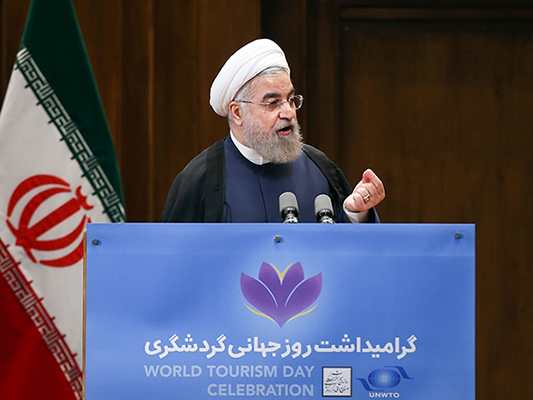
On Sunday, Iranian President Hassan Rouhani met with Justin Muturi, Kenya’s National Assembly Speaker, in Tehran, where the two sides discussed ways to promote their relations.

During the talks, Rouhani said forging closer ties with Kenya is among the priorities in Iran’s foreign policy agenda, adding that the two sides should seize the opportunity created by the removal of anti-Tehran sanctions to broaden their cooperation.

“Kenya is among the Islamic Republic’s friends in Africa,” said Rouhani, adding that the “post-JCPOA climate and the lifting of sanctions have set the stage for the further expansion of cooperation between the two countries.”

The JCPOA is the acronym for the Joint Comprehensive Plan of Action, the landmark nuclear deal signed last year between Tehran and six world powers, namely Russia, China, France, Britain, the United States plus Germany.


26b91843-ea38-424c-8f85-66b8af2c465d


The Iranian chief executive further said Tehran is ready to help Nairobi advance its development projects in various fields, including energy.

He also stressed the need for more interactions with academic centers of the two states, saying the Iranian and Kenyan parliaments could facilitate the enhancement of relations between the two nations.

The top Kenyan parliamentarian, in turn, said his country is resolved to bolster ties with Iran in all spheres.

He also hailed Iran’s progress in the field of technology and engineering, saying Nairobi is set to pave the way for the participation of Iranian firms in the African country’s economic projects.