Sunday, April 26, 2026
Home Blog Page 4321

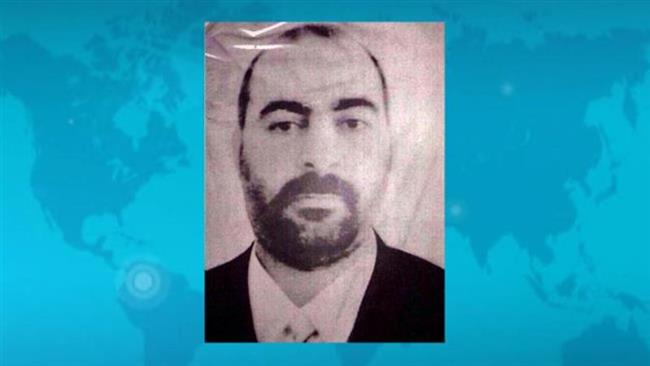
ISIS Leader al-Baghdadi Severely Poisoned by Unknown Individuals

Abu Bakr al-Baghdadi

Arabic-language Iraqi Media News Agency, WAA, cited a local source in the northwestern Nineveh Province as saying that “accurate information” showed Baghdadi’s food had been poisoned by unknown individuals.

Meals prepared for him and the other three for lunch had, according to the source, been poisoned in the Be’aaj district, located southwest of Nineveh.

The source added that the four are suffering from “severe poisoning” and “have been transferred to an unknown location under strict [cautionary] measures.”

ISIS has reportedly launched a campaign of arrests in an attempt to find those responsible for poisoning the food.

ISIS has been ravaging Iraq and Syria since 2014. The terrorist group has overrun territory in both countries and has declared the city of Raqqah in Syria and Mosul in Iraq as its so-called headquarters.

Syrian and Iraqi government forces have been fighting the militants to win back the occupied areas.

Iran Warns US against Targeting Syria Army

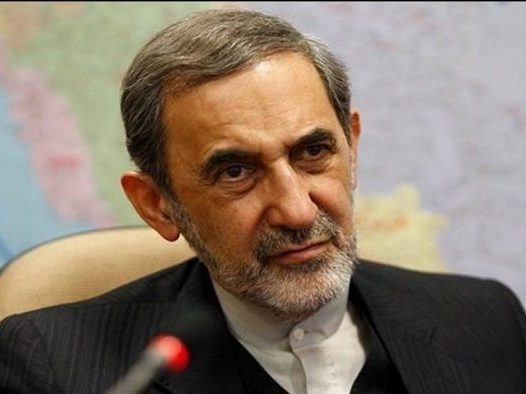
Speaking on Sunday, Ali Akbar Velayati said the Syrian nation can fight back potential American aggression.

“It is almost six years that the people of Syria have been resisting interference by foreigners, especially the Westerners, with the US at the top,” Velayati said. “The Syrian nation has the capability to withstand US military intervention, and the Americans will not do that (launch aggression).”

A foreign-backed militancy has been going on in Syria since March 2011, with a plethora of armed groups — each supported by one foreign country or another — fighting the government of President Bashar al-Assad.

Recently, there has been talk of a scenario in which the US would directly target the Syrian Arab Army, which is the army of the Syrian Arab Republic.

Velayati, who is an adviser to Leader of the Islamic Revolution Ayatollah Seyyed Ali Khamenei, said the US has suffered a defeat in military campaigns both in Afghanistan and Iraq and a third adventure, in Syria, would hand Washington its third defeat — a more stinging one.

So far, the US has been supporting, with the provision of military hardware and likely intelligence sharing, what it calls “moderate” militants fighting the Syrian government. Despite a recent case in which the US directly targeted Syrian soldiers, which it said happened by mistake, Washington has refrained from direct military involvement in the Arab country.

President Barack Obama has previously portrayed involvement in another Middle East war as harmful to US interests. His reluctance to invade Syria, despite numerous past threats, has angered a number of Arab dictatorships opposed to President Assad.

Recently, however, militant sources claimed the US was resolved to prevent the fall of the Syrian city of Aleppo, a bastion of anti-Damascus militants that is the target of an ongoing Syrian and Russian campaign for liberation.

The US State Department also recently warned that it would be considering the suspension of “bilateral engagement” with Russia in Syria unless Moscow took “immediate steps to end the assault on Aleppo.”

Iran Lauds Palestine’s Resistance to Israel

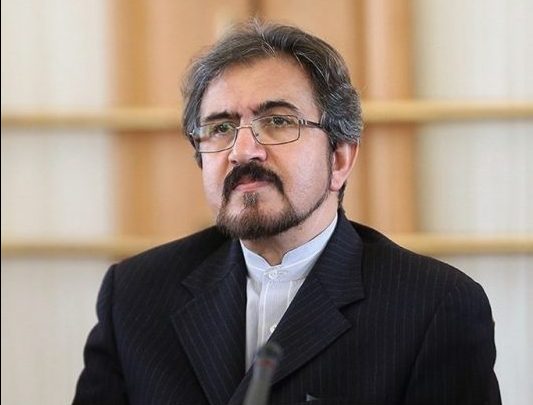
Foreign Ministry Spokesman Bahram Qassemi on Sunday commemorated the anniversary of al-Aqsa Intifada, which left more than 3,000 Palestinians dead.

The spokesman also highlighted the international community’s hatred for the Israeli crimes, including violation of the rights of Palestinians, Judaization of al-Quds, desecration and destruction of the al-Aqsa Mosque, expansion of settlement homes, as well as killing, imprisonment and torture of people.

Qassemi further underscored that the Palestinian people’s resistance and their steadfastness in defending their principles will foil the Israeli attempts.

The Second Intifada began in September 2000 following a visit by Israel’s then leader, Ariel Sharon, to Haram al-Sharif (Temple Mount) in al-Quds (Jerusalem), in a move that was denounced by Palestinians as highly provocative.

Vakil Mosque in Iran’s Shiraz

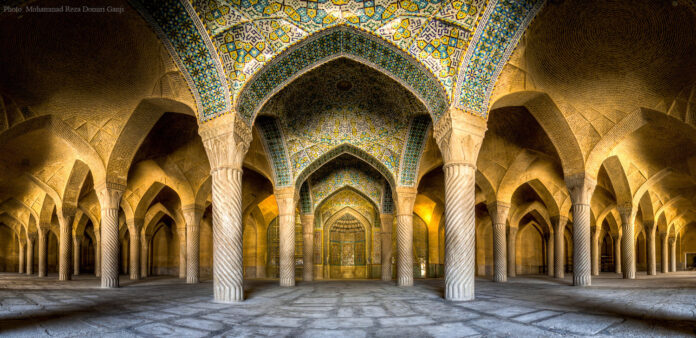
Vakil Mosque Shiraz

Karim Khan, the founder of Zand dynasty in 18th century, built it as part of his grand development project in the heart of his capital city. The mosque is connected to Vakil Bazaar and almost attached to Vakil Bathhouse with a lane in between. Before you enter the mosque, you can see one of the corridors getting you to the middle of the main passageway of Vakil Bazaar on the left-hand side. Therefore, there has been easy access from different directions for everyone to find their ways to the mosque.

The entire structure is extravagantly built with spacious sections in mind. There’s a vast courtyard with a relatively long pool in the middle of it. Around the courtyard, there are two eyvans (iwans) at the Northern and Southern sides in a symmetric way. On Eastern and Western sides, there are not any eyvans hence finalizing the structure as a twi-eyvan courtyard plan, according to Iran Destination website.

Vakil Mosque in Iran's Shiraz

The vast courtyard is covered by stone slabs, which has recently undergone some reconstruction and new slabs have been installed. Such flooring is extended from all corners to the central pool and vise versa. As there’s no garden in the courtyard, this flat space has added to the greatness of the courtyard and allows the beauty of the tile façade of all sides shine and project their livelihood.

The decoration on the Shirazi “haft rangi” (seven-color) tiles of the entrance portal and these two eyvans are eye-catching and similar. Tree-of-life patterns are clearly occupying major parts of these sections giving a peaceful wave to the square feel of the façade tiles.

Vakil Mosque in Iran's Shiraz

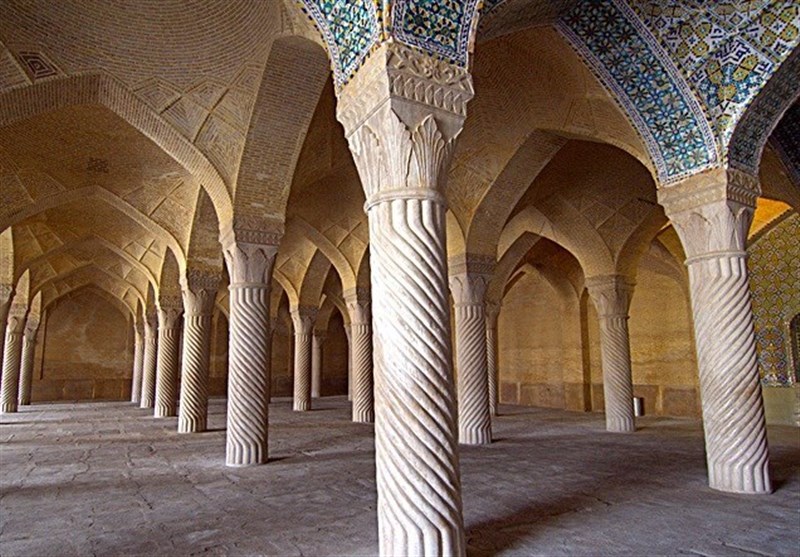
At the Southern Eyvan, there’s an entrance leading to a roofed columned hall (shabestan) with 48 monolithic pillars joining one another on top through vaulted brickworks. The pillar shafts are carved in a spiral way and decorated in form of acanthus leaves at their capitals. Color of the stone pillars and those of brick-formed ceiling match.

All ceiling decoration has been made by plain bricks except the one line coming from the southern eyvan directly toward the mihrab of the mosque. This part is an amazingly splendid corridor-like pathway set by its ceiling tile decoration embellished by Shirazi “haftrangi” (seven-color) tiles.

The builders of the mosque have made a minbar (preacher’s seat) out of a piece of green marble with a flight of 14 steps leading to the seat on top. This minbar is an exemplary work at Zand-period mosques.

It won’t easily happen to see several Zand monuments when you are traveling in Iran unless you visit Shiraz and pay a visit to such sights. Therefore, it is recommended to spend some quality time in these buildings and quench your thirst for the taste of Zand architects and their masterpieces. Also, Shirazi artists have their own lively touch no matter which period they have been living in. That’s why I think you won’t regret spending more time at this beautiful city.

Vakil Mosque in Iran's Shiraz

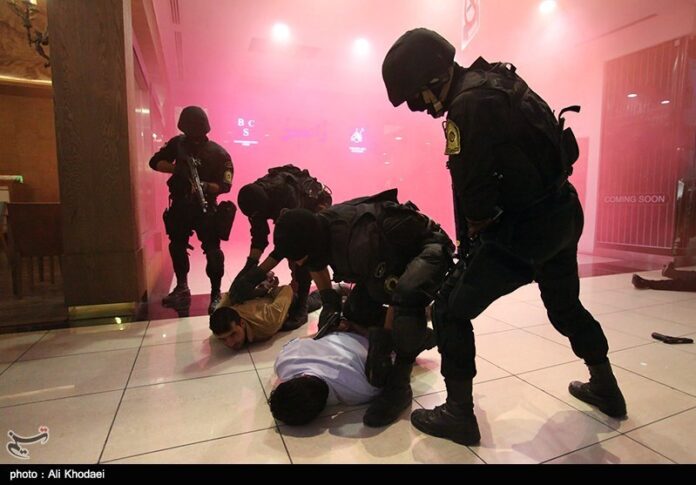
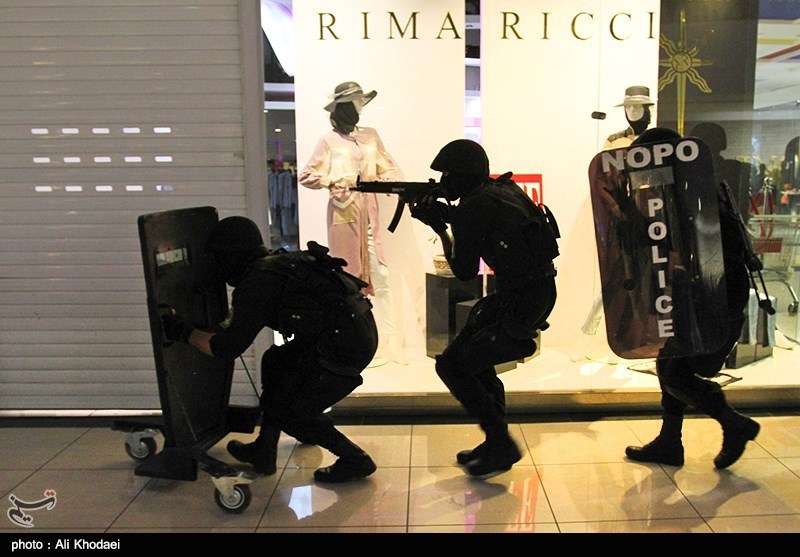
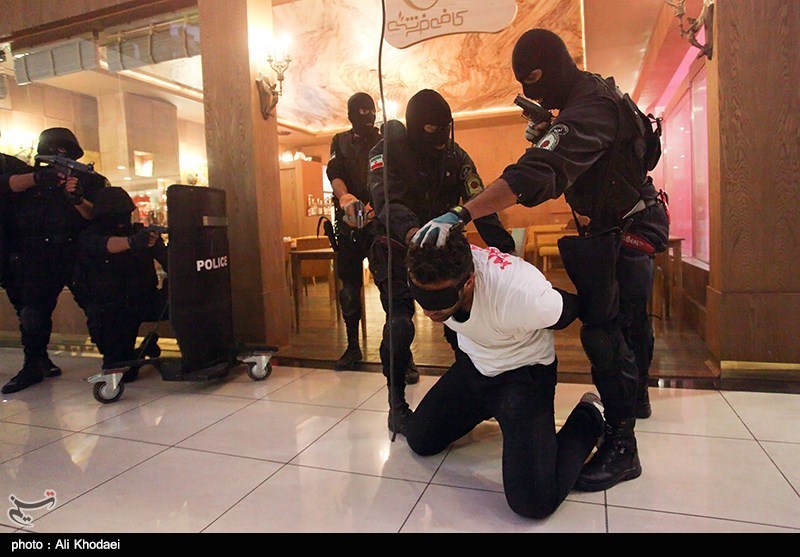
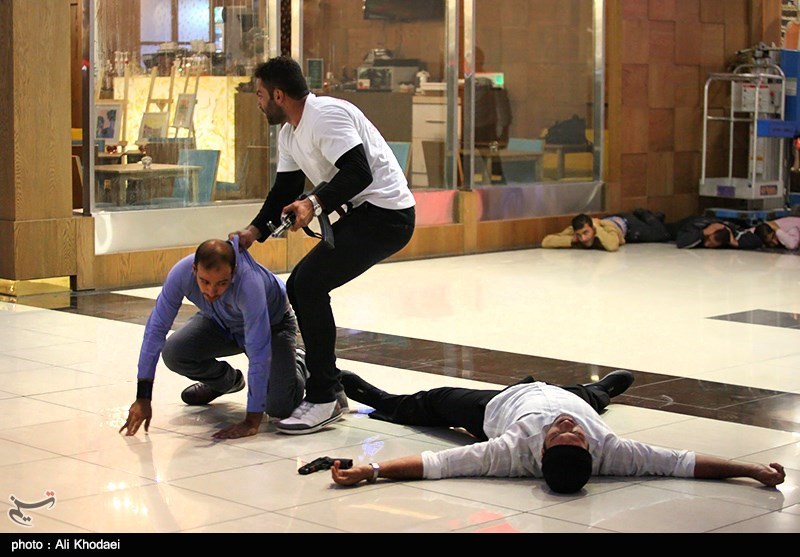
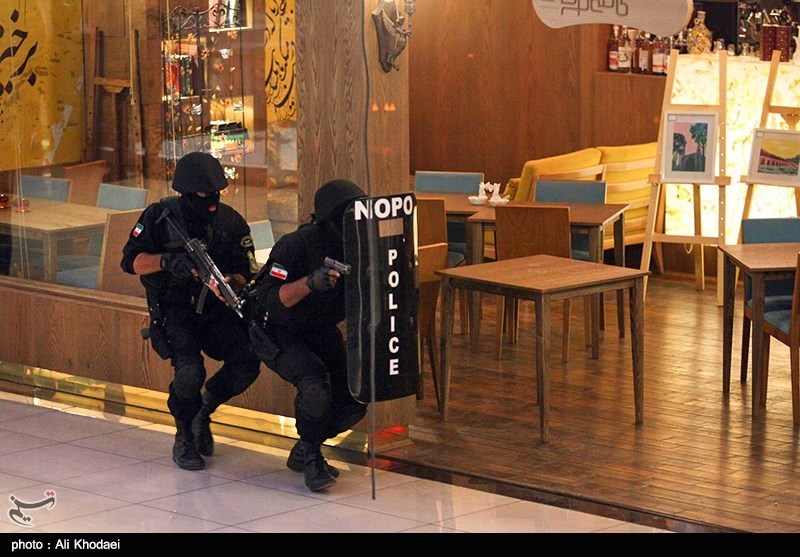
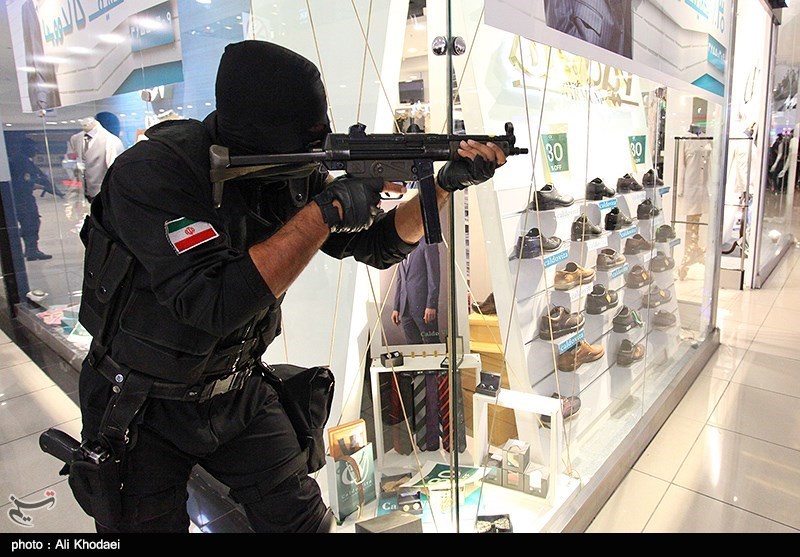
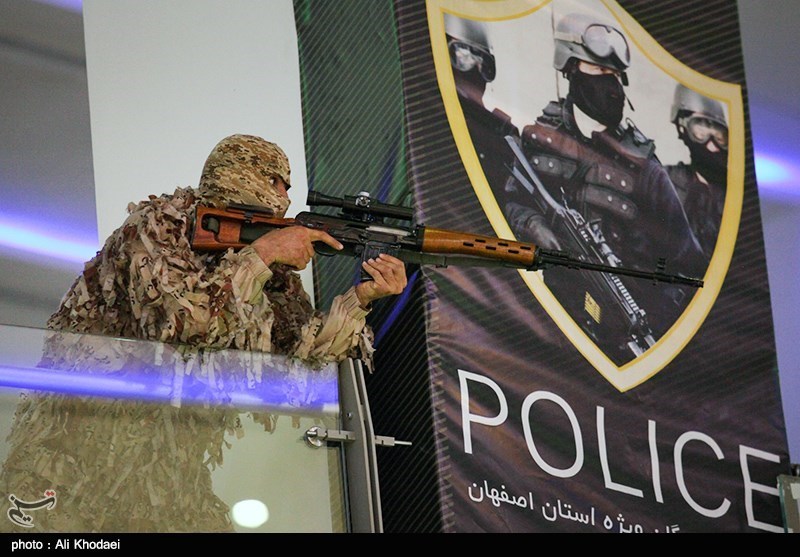
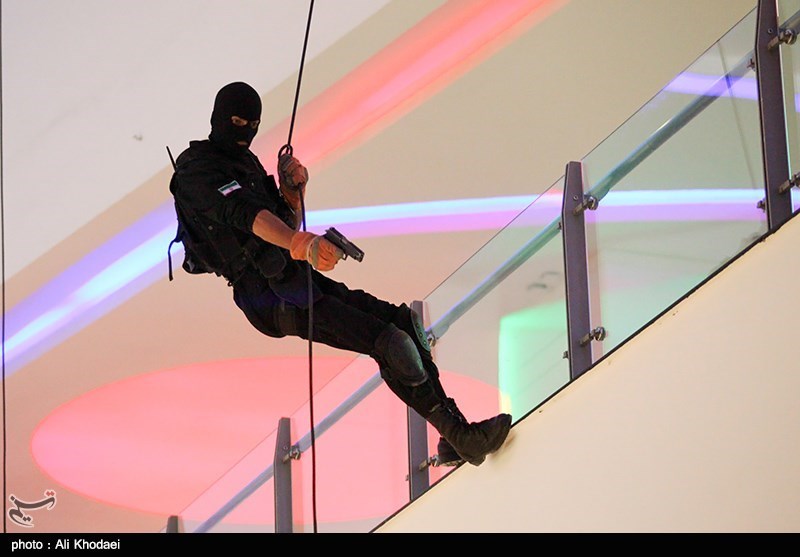
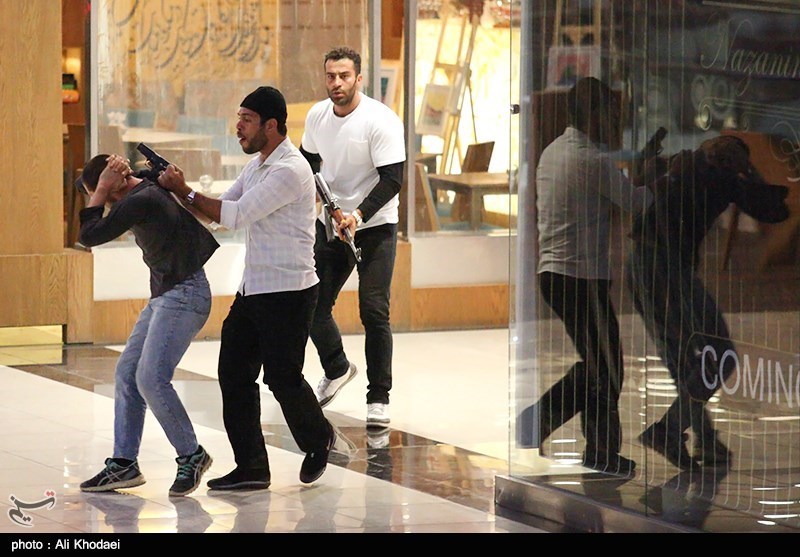
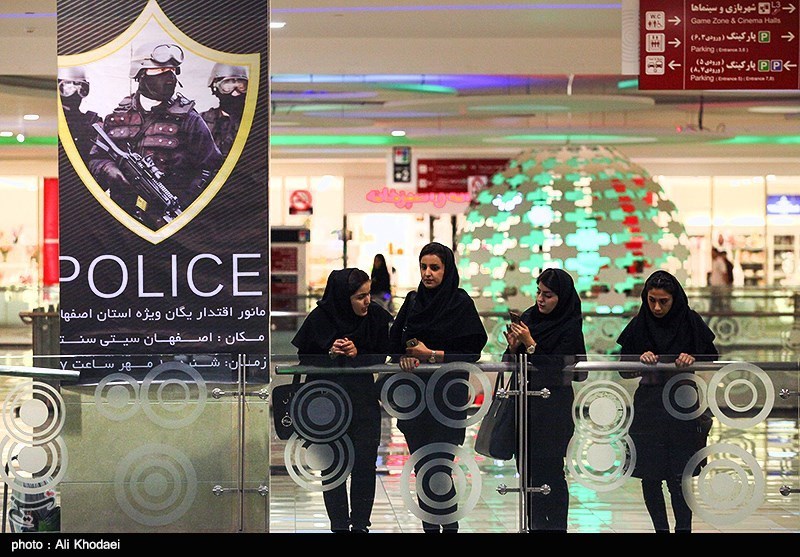
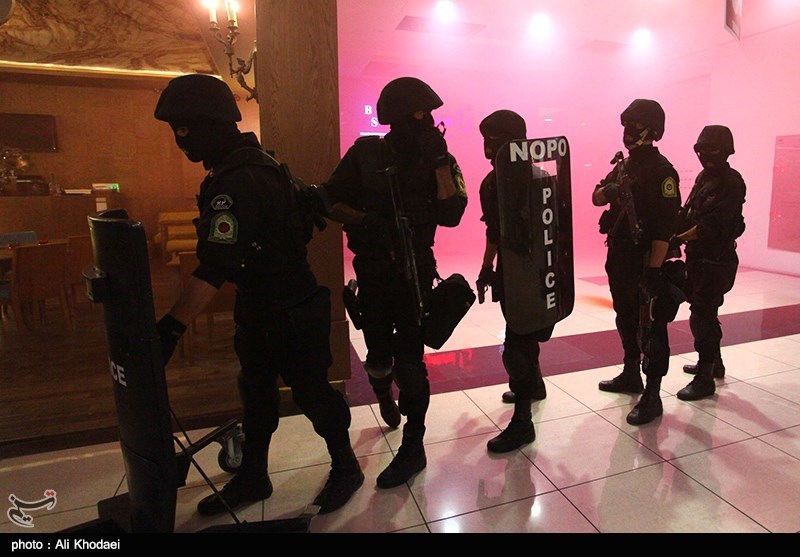
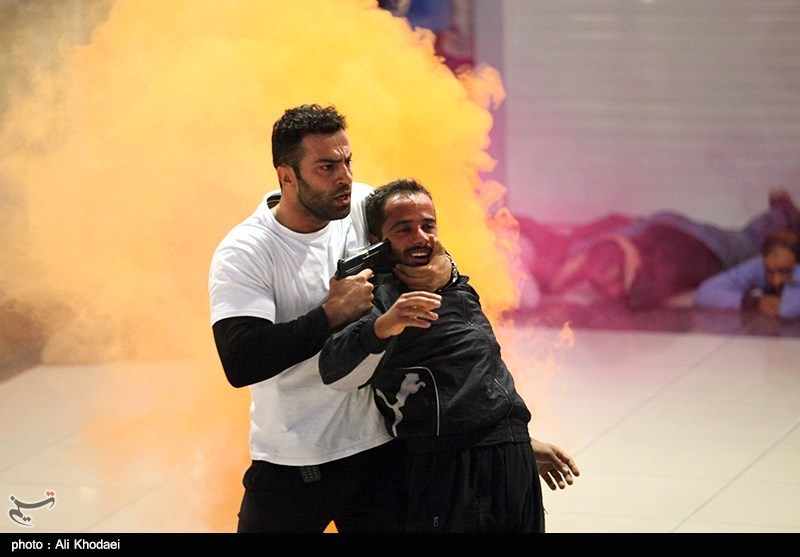
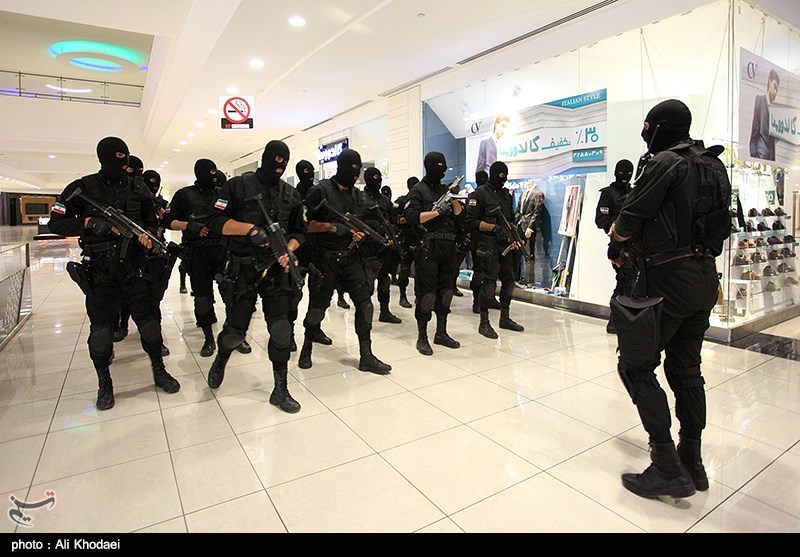
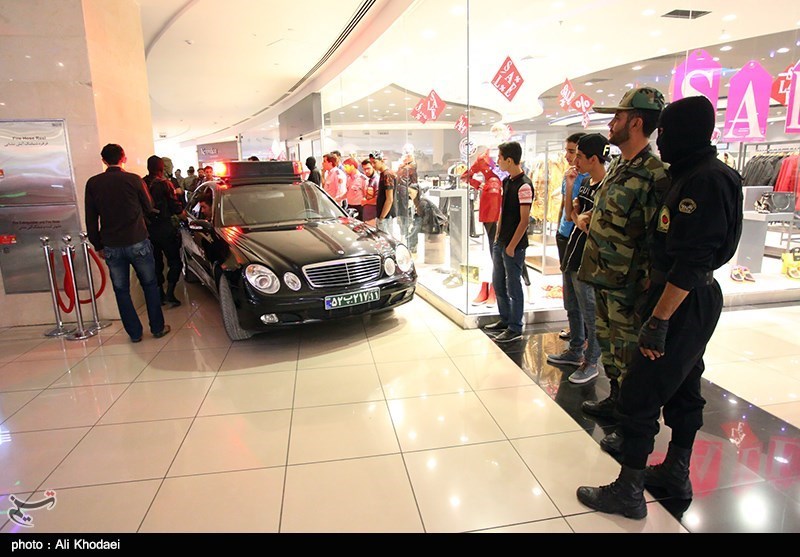
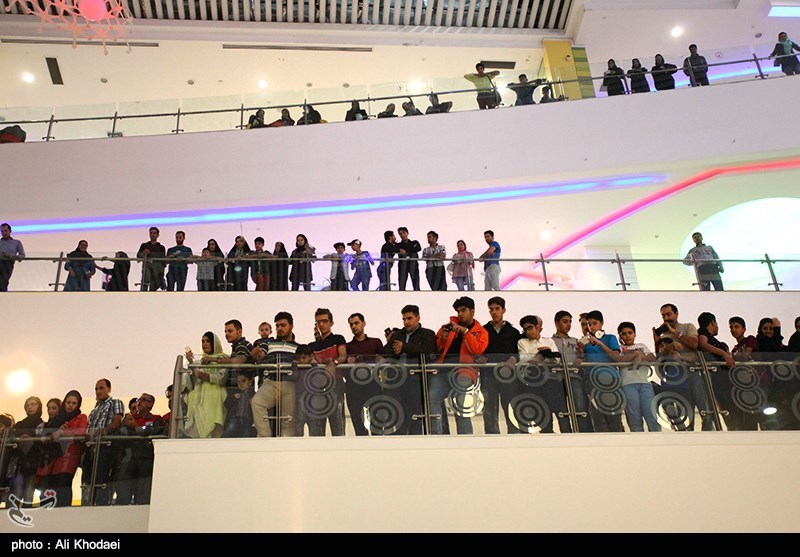
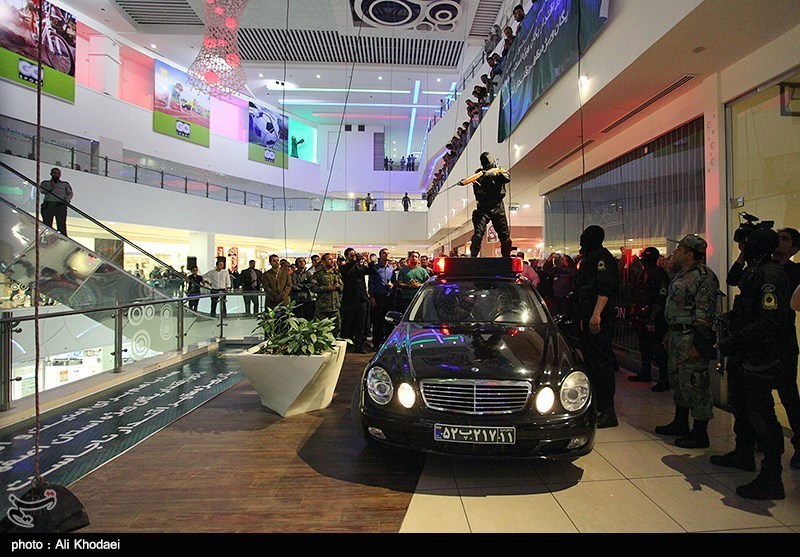
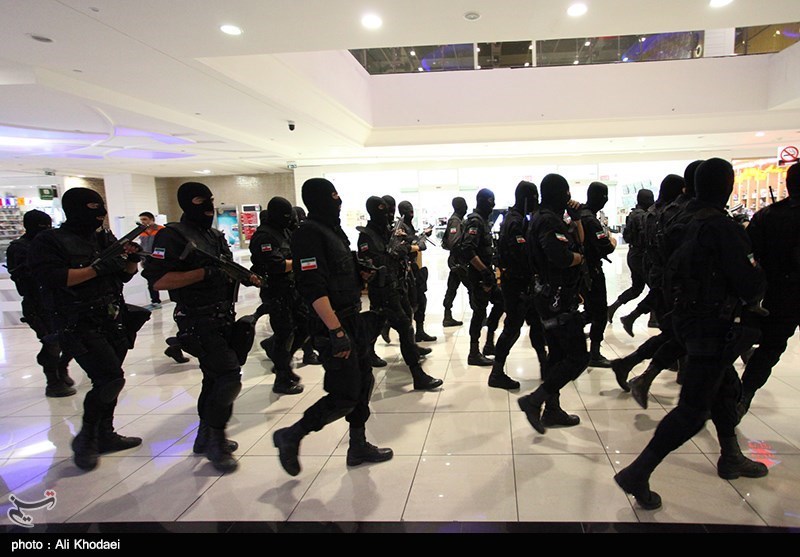
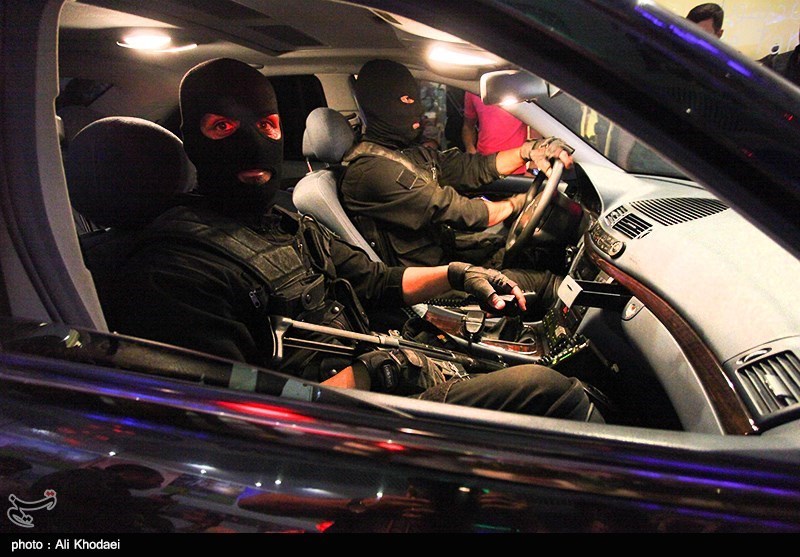
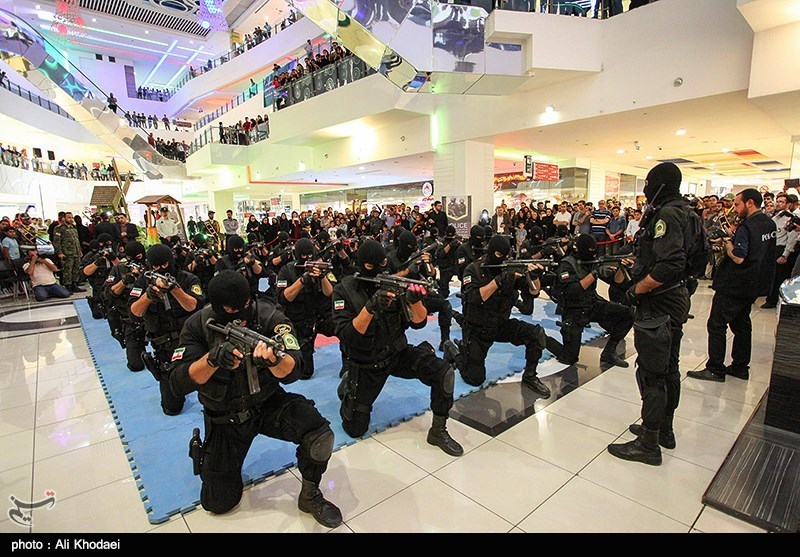
Iran’s Police Conduct Hostage Rescue Exercises

Maneuver

Law Enforcement forces of the Islamic Republic of Iran displayed their hostage-release skills in a counter-terrorism drill in central city of Isfahan on Saturday.

Here are Tasnim‘s photos of the maneuver:

32 Tons of Heavy Water Sold to US: Iran Nuclear Chief

Iran's Nuclear Industry Doing Its Utmost to Help Health Sector amid COVID-19
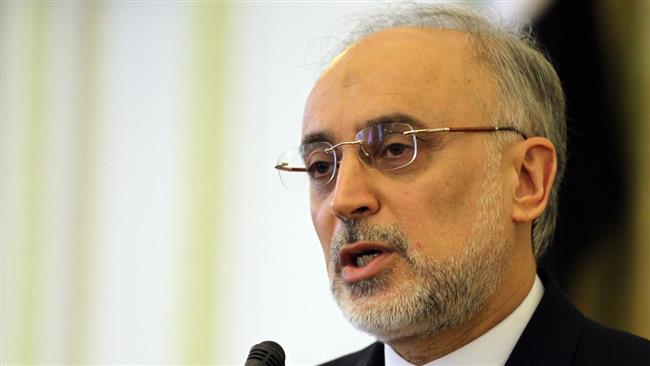
Head of the Atomic Energy Organization of Iran Ali Akbar Salehi

“European firms, including German and French ones, seek to purchase Iran’s heavy water and we have expressed our readiness in this regard,” Ali Akbar Salehi told reporters on Sunday.

He added that under last year’s nuclear agreement, known as the Joint Comprehensive Plan of Action (JCPOA), between Iran and the five permanent members of the UN Security Council – the United States, France, Britain, China and Russia – plus Germany, Tehran can keep a heavy water stockpile of 130 tons and offer the surplus for sale on international markets.

Pointing to the increasing demand for heavy water worldwide, Salehi noted that Iran has become a major international supplier of the substance.

The AEOI head said heavy water is not used only in reactors but can also be utilized in various industries, including pharmaceuticals.

He added that only a few countries are authorized to produce heavy water under regulations of the International Atomic Energy Organization (IAEA).

According to the JCPOA, the US administration of President Barack Obama said in April that Washington would buy $8.6 million worth of heavy water from Iran.

The agreement, which took effect in January, calls for an end to decades of nuclear-related sanctions against Iran in exchange for restrictions on its nuclear program.

In September, the IAEA once again confirmed Iran’s commitment to the landmark nuclear agreement, with the agency’s Director General Yukiya Amano saying that the UN nuclear agency would continue evaluating the absence of undeclared nuclear material and activities in Iran.

In a quarterly report on Iran on September 8, Iran’s commitment to the nuclear agreement was confirmed by the IAEA which is tasked with overseeing the implementation of the JCPOA.

Since January, the IAEA has released regular reports confirming the peaceful nature of Iran’s nuclear activities and Tehran’s commitment to the agreement.

As a Second Chance to Riyadh, Iran Will Hold Talks with Saudis in Future

Amir-Abdollahian

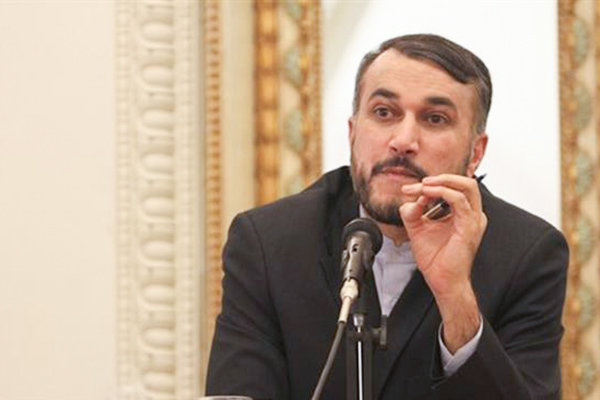
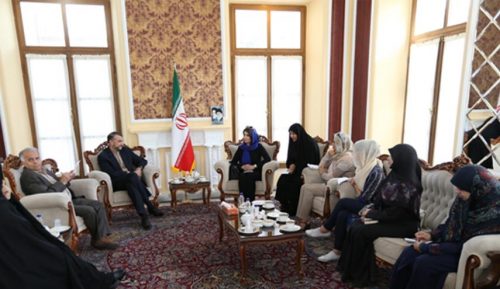
Speaking in a meeting with a Lebanese media delegation in Tehran, Hossein Amir Abdollahian, the international advisor to Iranian Parliament Speaker, referred to a meeting between Russian President Vladimir Putin and the former director general of the Saudi Intelligence Agency Bandar bin Sultan in Moscow, where the Saudi official talked about his country’s plan to use armed forces to overthrow the political system in Syria.

“During the meeting, Putin asked Bandar bin Sultan if he was aware that once Damascus falls, the armed forces would come after you in Riyadh, to which the Saudi official said, ‘yes we are, but immediately after the overthrow of Assad, we will bomb and kill all armed forces in Syria’.”

“We have many documents that prove the terrorist attack near our embassy in Beirut had been coordinated by Bandar bin Sultan, and the target of the attack was the Iranian ambassador Ghazanfar Roknabadi,” he said.

Amir Abdollahian went on to add, “What I mean by talking about these events is that we have been in talks with Saudi Arabia and will continue to do so because we are neighbours and situated in the same region.”

“Saudi Arabia has many capacities that could be utilized in service of the Islamic world and the region, but unfortunately, their approach is not constructive,” Mehr quoted him as saying.

“In turn, we have tried to show self-restraint and give them another chance because their domestic issues have impaired their ability to make right decisions.”
Amir Abdollahian Lebanon

No Country, Even Iran, Has the Right to Interfere in Lebanese Elections

Elsewhere in his remarks, he stressed that Lebanese leaders are highly competent to make decisions for their own country, and no foreign country, be it Saudi Arabia, France, the US or even Iran, has the right to interfere in their domestic affairs.

“Iran has made a lot of efforts for the completion of a political process in Lebanon,” he said.

Amir Abdollahian went on to criticize Saud Al Faisal and Adel Al-Jubeir, Saudi Arabia’s former and current foreign ministers, for their unconstructive approaches toward the political process in Lebanon, and stressed that the president of Lebanon should be selected from the country’s Christian party.

“Once prominent Christian figures in Lebanon decide on one person who is approved by other political parties, the Islamic Republic of Iran will support that decision,” he said.

Foreigners Queuing Up to Have Trade Ties with Iran: FM

Zarif

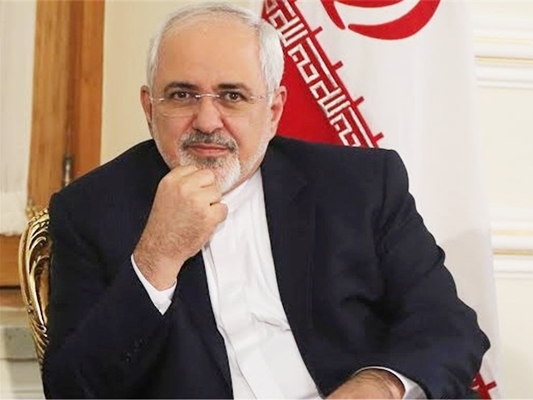
Speaking at the parliament on Sunday, Zarif said the Foreign Ministry has focused efforts to achieve the goals of the Resistance Economy plan, boost non-oil exports, and stimulate foreign investment in the country.

He also noted that his ministry has tried to improve the regional and international conditions to attract more foreign investment.

“The fact that the Foreign Ministry has removed the legal barriers to economic activists having trade interaction (with Iran)… is an initial achievement,” he noted, as reported by Tasnim.

Back in August, President Hassan Rouhani pointed to the country’s economic progress during his term, saying Iran’s economy is on the right track despite a whole host of problems that have gripped oil-exporting countries.

Highlighting the major achievements over the past three years, President Rouhani said the inflation rate turned into a single-digit number dropping to below 9 percent, the economic growth in the first quarter of the current Iranian year increased to 4.4 percent, the industrial growth rose to 8.8 percent, and the value of non-oil exports rose by $3.3 billion, outstripping the value of imports after many years.

Syrian People Break Their TV Sets in Fear of ISIS

ISIS TV

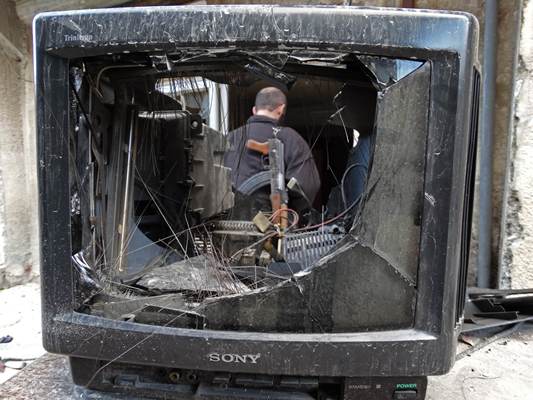
According to a report by ISNA, as translated by IFP, almost 90 percent of people in Syria’s Raqqa have broken their TV sets in the fear of ISIS terrorists.

This has made the majority of them unaware of the latest developments and news in the world.
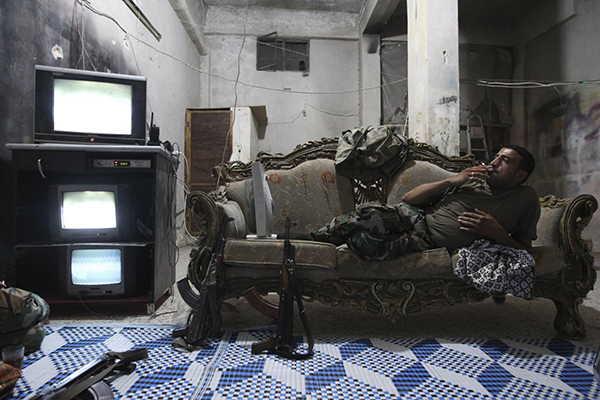
People’s move to break their TV receivers came after rumours that the ISIS militants are going to search Syrian people’s houses and arrest whoever has one.

The ISIS terrorist group destroys TV satellites and receivers to prevent people from watching foreign channels.

TV in AleppoEarlier reports showed that militants entered homes in the Syrian town of Al Shaddadi in Hasaka Province, and destroyed television equipment, after pro-ISIS imams condemned watching television, claiming it spread information that is “incorrect, baseless and false”.

“They are entering houses by force to destroy dishes and satellite receivers,” one witness from Al Shaddadi told RFE/RL, with other witnesses and activists corroborating the account.

“There is nothing that ISIS cannot implement. All it takes is to chop off the head of one or two people under the pretext of watching television and the whole city would be disciplined,” Anwar al-Khodar, a lawyer and activist from Raqqa who fled to Turkey, told Arab Weekly.

“No one would then dare go near a television set. One would even break his own television set in order to prevent any member of his family from using it.”

A pro-ISIS imam at the Al Fawwaz Mosque in Raqqa told the congregation last year not to watch television, though no formal decree banning TV has yet been issued.

“He told people gathered for the Friday prayer that the news aired by Al-Jazeera and Al-Arabiya and other channels is incorrect, baseless, and false and that’s why there will be a decision to forbid people to watch TV,” a Raqqa resident talking under the pseudonym Mohammed al-Ali for his safety told RFE/RL, adding that the imam said that the only programmes permitted would be broadcasts of the Koran being recited.

In its campaign to control access to information, ISIS has set up special cinema booths in parts of the Syrian city Aleppo it has seized and Raqqa broadcasting propaganda videos and films of executions.

ISIS operates a radio station called Al-Bayan in Mosul, its centre of operations in Iraq, and has banned private internet access in Raqqa, with internet access now restricted to cafes monitored by militants.

Saudi Arabia Turns to Gregorian Calendar to Shore Up Finances

Saudi Money

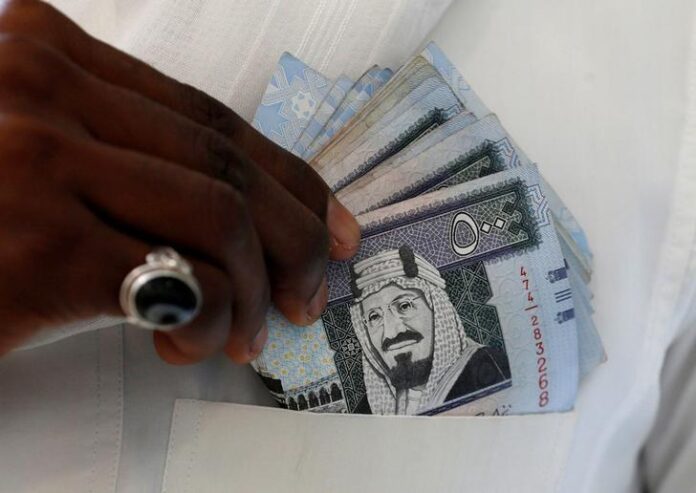
Saudi Arabia on Sunday shifted to the Gregorian or Western calendar as a basis for paying civil servants as part of an austerity package.

Saudi Arabia, the birthplace of Islam, adopted the lunar Islamic calendar when the kingdom was founded in 1932. The Islamic year is around 11 days shorter than the Gregorian year.

The shift to the Gregorian year comes in response to a decision made by the Saudi government earlier this week as part of spending-cut measures, according to reports by Saudi Arabia’s Sabaq and the Deutsche Presse-Agentur (DPA), as covered by IRNA.

The government also cancelled some bonuses offered to state employees.

Saudi authorities on Sunday started enforcing increases in the fees for entry visas.

Millions of Muslims from across the world visit Saudi Arabia annually as part of a pilgrimage to Islam’s holiest sites there.

On Monday, Saudi King Salman ordered a 20-per-cent cut in the salaries of government ministers and a 15-per-cent reduction to financial rewards and allowances for members of the kingdom’s advisory Shura Council.

Saudi Arabia, the world’s top oil exporter, has felt the pinch of a steep fall in oil prices since 2014.