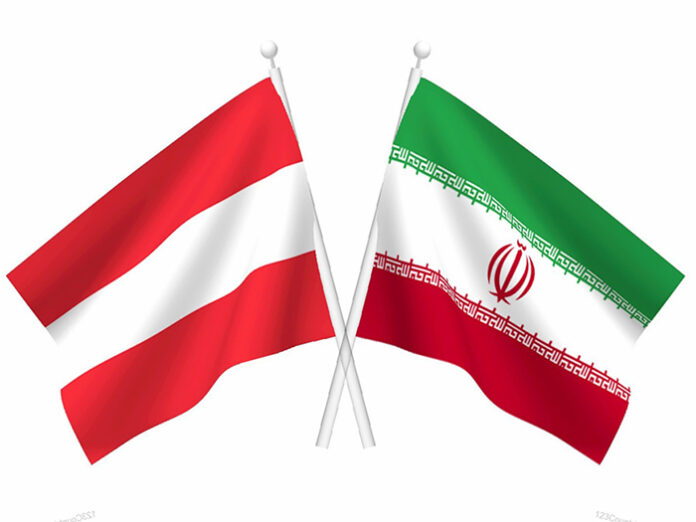
The second joint meeting of Iran and Austria on consular cooperation was held in Tehran on Sunday and Monday with Iranian Foreign Ministry’s Director-General for Consular Affairs Ali Chegini and his Austrian counterpart, Elisabeth Felsberg, in attendance.
The two diplomats also discussed ways to promote bilateral relations between Iran and Austria in other spheres, including tourism, economy and police cooperation.
They further exchanged views about joint efforts to prevent illegal immigration.
At the end of the meeting, Chegini and Felsberg signed a document on deepening consular cooperation between Iran and Austria.
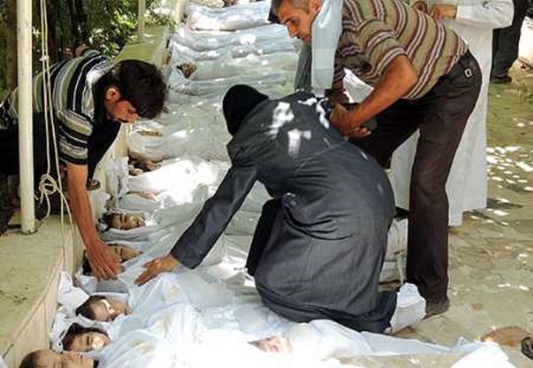
The book contains “information on crimes in the territory of Syria, as well as statistical information about the success of the operation VKS Russia”, — said the Izvestia newspaper’s source.
According to a report covered by IRNA, the newspaper notes that the book describes “crimes committed in the territory of the country by the international coalition under the auspices of the United States and the “moderate” opposition.”
The military department provided information and photos from the scene of hostilities in the area of Palmyra and also provided statistics on the delivery of humanitarian assistance to the civilian population in Syria, particularly in Aleppo, writes the newspaper with reference to sources in military circles.
In addition, the military has prepared data on number of the liberated towns, the killed fighters, as well as on the number of refugees returning to their places of permanent residence.
According to “Izvestia”, specialists of the Institute of Oriental studies of the Russian Academy of Sciences (IOS RAS) had also taken part in the creation of the “White book”.
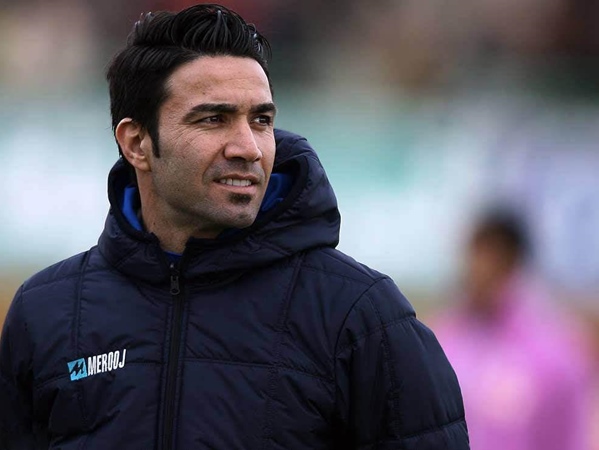
According to a report by Fars, as translated by IFP, Carlos Queiroz’s assistant Javad Nekounam said that no one in Team Melli is allowed to underestimate Syrian National Football Team.
“Syria is a good and well-prepared team. They are tough and we have never had an easy match with them. This was always true when I used to play for Team Melli. Even in the times when we won the match, we didn’t have an easy confrontation,” he noted.
“We shouldn’t see Iran as the winner of the game in advance, because this is wrong. I warn all Iranian players to put all their focus on this game. South Korea didn’t manage to win its match against Syria, and Uzbekistan won its game with difficulty. We shouldn’t think we will definitely win the match, it’s wrong,” he further stressed.
“I think we can’t underestimate Syria, because even a draw in FIFA World Cup qualifying matches can prevent us from booking a place in Russia World Cup.”
“I also ask the media to focus on the issue that this match will not be an easy one, and it should be taken seriously,” Nekounam went on to say.
“We’ve had good results, but we’ve done nothing yet. We have 10 points out of our 4 matches, but what would happen at the end? We should qualify for the World Cup to end everything.”
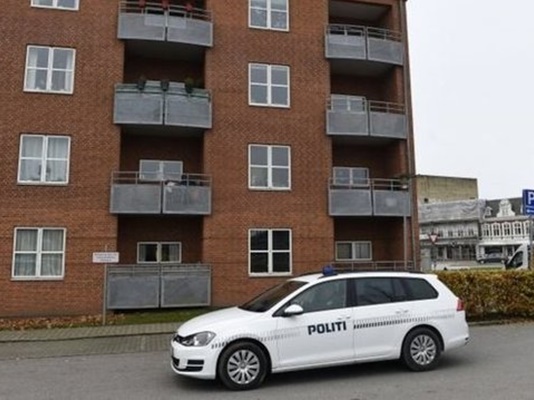
The bodies of a Syrian refugee mother and her two young daughters, aged seven and nine, have been discovered in a freezer in Denmark.
According to a report covered by ISNA, police said they were called by a member of the 27-year-old mother’s family after they had not been able to reach her for several days.
Her body and those of her daughters were found inside their flat in the southern Danish town of Aabenraa on Sunday night, October 30.
“Police gained access to the residence, where the three bodies were found in a freezer,” Southern Jutland Police said in a statement.
Police said they are now seeking the woman’s husband, also said to be the children’s father, who has gone missing.
The three victims were last seen alive on Wednesday or Thursday of last week (26-27 October), according to police investigator Bent Thuesen. It is not yet known when, or how, they died.
Investigating officers were on Monday morning speaking with those who knew the family. One neighbour told reporters the refugees couldn’t speak Danish and mixed only with other Arabic speakers in the area.
The family arrived in Denmark from war-torn Syria in the summer of 2015 after receiving refugee status.
The same year saw 21,000 people seek asylum in Denmark – a significant rise from the 14,815 applications in 2014 and the 7,557 in 2013.
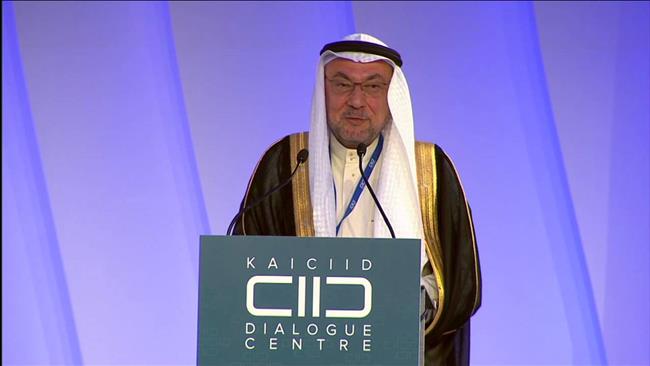
The OIC’s Secretary-General Iyad Madani, who stepped down on Monday, had made remarks bearing seeming intentionality to deride Sisi while speaking to Tunisian President Beji Caid Essebsi at a conference last week.
Earlier last week, Sisi had told a youth conference that “his fridge only had water in it for a decade,” in what was apparently meant to convey a message of tolerance to the youth at a time of economic hardship. The remark by the Egyptian president was, however, widely ridiculed.
In his remarks to the Tunisian president, Madani said he was sure Essebsi’s “fridge has more than water.” Before saying that, he also addressed the Tunisian head of state with Sisi’s last name in what appeared to be a slip of tongue.
Egypt’s Foreign Minister Sameh Shoukry has said Madani’s remark was “a serious encroachment against a founding member state of the organization and its political leadership.”
The OIC General Secretariat announced the resignation, which it claimed had come as result of “health reasons,” saying it “takes this chance to express its utmost appreciation and respect to all member states.”
Madani, a former Saudi minister who had headed the bloc since 2014, also apologized, saying he meant no “insult to the Egyptian leadership.”
Riyadh has now nominated its former minister of social affairs, Youssef al-Utaymeen, to replace Madani.
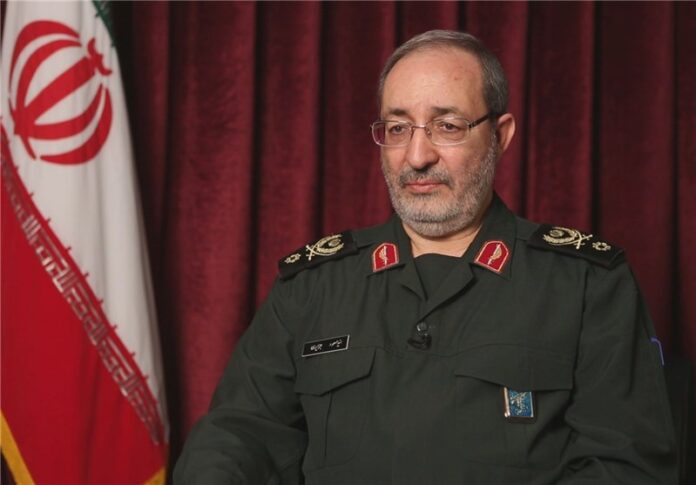
Deputy Chief of Staff of the Iranian Armed Forces Brigadier General Massoud Jazayeri
“The region is gripped by a number of political dwarfs that have resorted to ‘creating crimes’ to prove themselves,” Deputy Chief of Staff of the Iranian Armed Forces Brigadier General Massoud Jazayeri said on Tuesday.
His statement came in reaction to remarks by an Emirati official who has called for plans to arm the Persian Gulf states with destructive weapons to confront the Islamic Republic.
While the humanity has an aversion to war and violence, particularly of the unconventional weapons, certain parties are still seeking to use such weaponry against the others.
Iran has always voiced strong opposition to weapons of mass destruction (WMDs), saying they have no place in Tehran’s defensive doctrine and run counter to its tenets.
In 2005, Leader of the Islamic Revolution Ayatollah Seyed Ali Khamenei issued a fatwa forbidding the production, stockpiling and use of nuclear weapons.
According to a report by Varzesh 3, as translated by IFP, the Real Madrid C.F. fan club in Palestine in cooperation with Lady of the Earth Foundation selected Ronaldo as the Character of the Year.
The fan club chief says Ronaldo’s charitable works, particularly his support for war-hit children, deserve to be appreciate by Palestine and Real Madrid fans.
The ceremony to praise Ronaldo is due to be held on December 16 in Palestine with more than 1,200 figures in attendance; however, Ronaldo will not be able to attend the event because of his appearance in FIFA Club World Cup.
Winning tip: Aberkooh
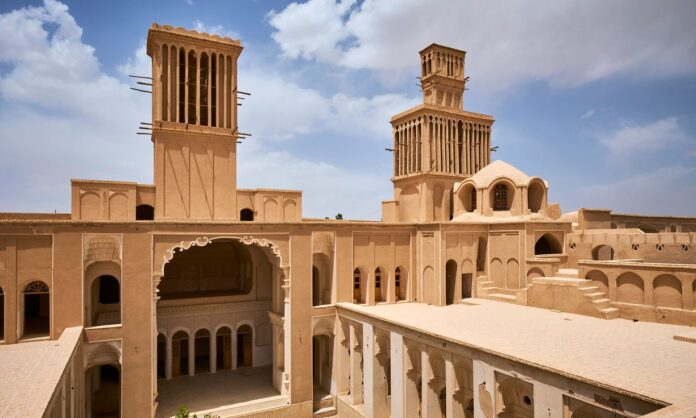
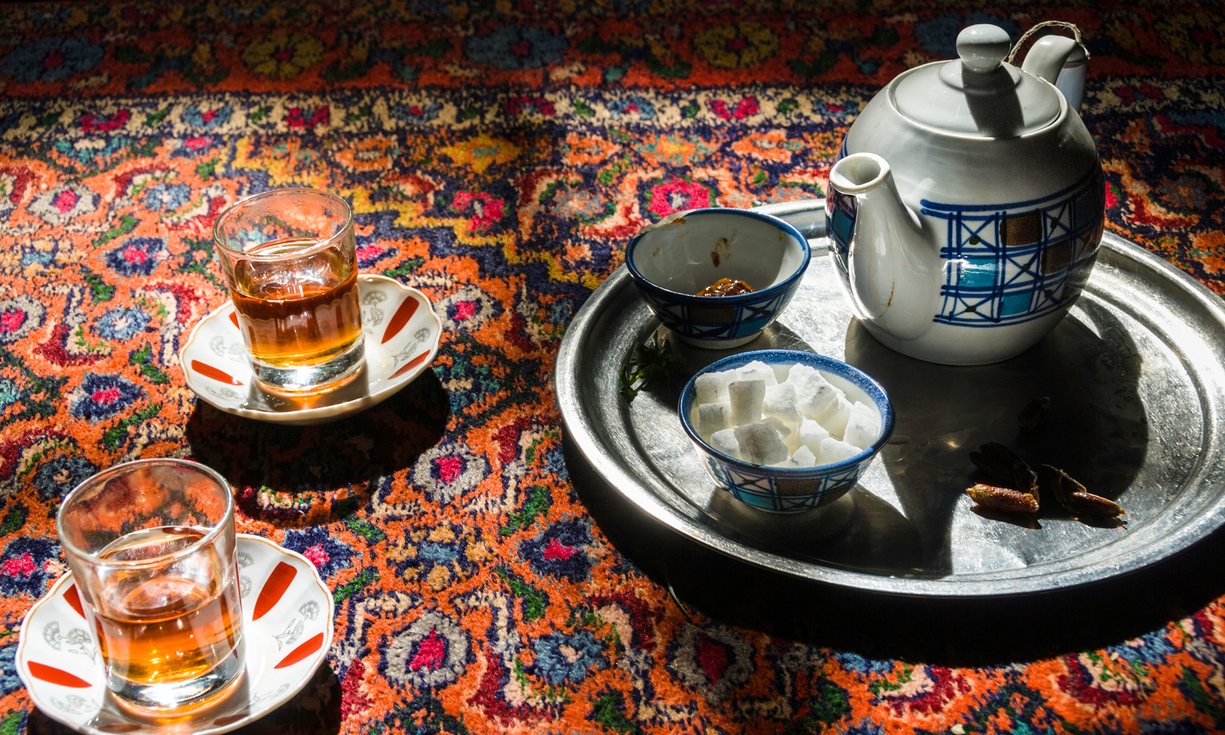
The desert town of Aberkooh, between Yazd and Shiraz, was a flourishing city on the Silk Road in the 10th century and largely destroyed by the Afghans in the mid-1700s. There’s a 4,000-year-old cypress tree, one of the best coffee shops in Iran, and the beautifully restored Aghazadeh Mansion with its double height windcatcher, using 19 wooden vents to channel cool breezes into the house. With luck you may run into the charming 12-year-old Amir Reza and be invited back to his home for lavender tea sweetened with saffron sugar.
No blood but plenty of sweat and tears, Isfahan
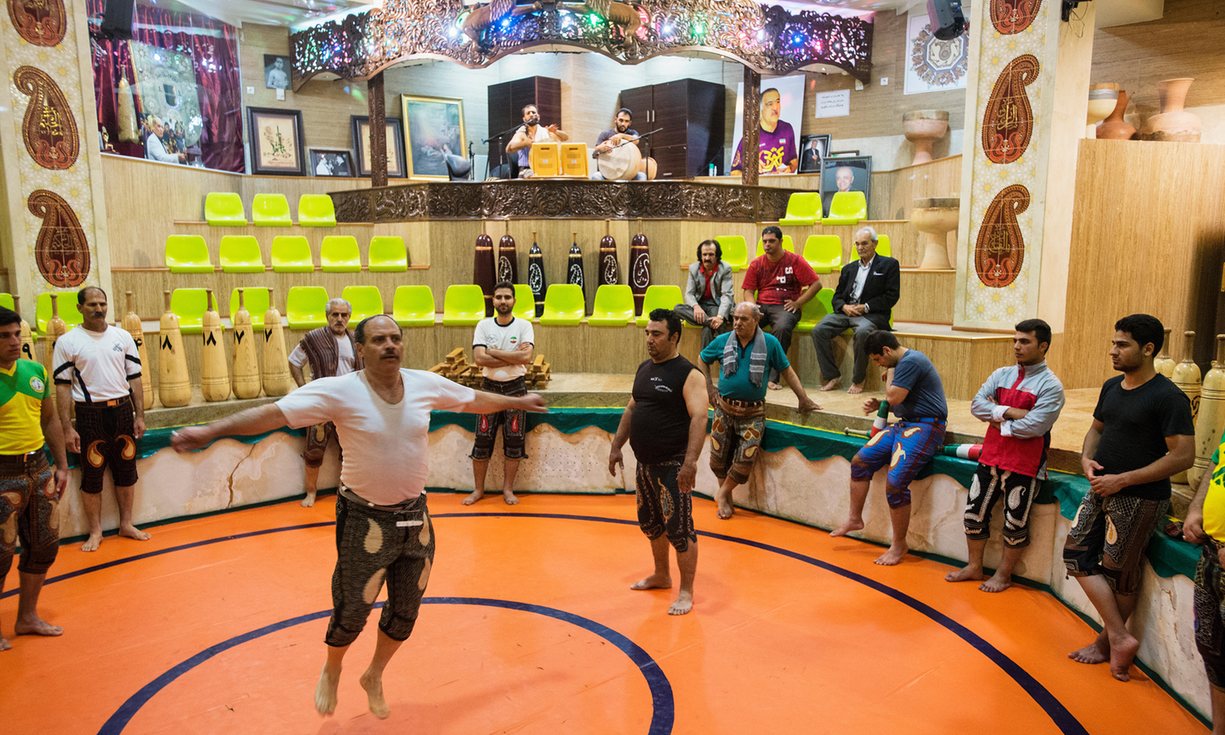
Wrestlers taking part in Zurkhaneh. Photograph: Alamy
When in Isfahan don’t miss watching zurkhaneh, a 3,000-year-old form of athletics originally used to train warriors, involving sweaty men in leather breeches doing press-ups and swinging clubs to deafening music and chanting. The zurkhaneh pits are difficult to locate but ask a local or guide to get you a ringside seat.
Travel independently
Photograph: Jorge Fernández/Getty Images
Brits, know this: you don’t need a tour guide. The visa process remains tricky, but once an agency or Iranian citizen has sponsored your successful application, you should have little trouble going it alone. This allows you to make the most of your encounters with the country’s endlessly hospitable and inquisitive people and the inevitable invitations for tea or to their homes. While you might not think of it as a country where spontaneity is rewarded, such chance meetings will be the highlights of your stay, as they were for me (a Brit) during a recent three-week trip.
Explore Damavand city and around
Mount Damavand. Photograph: Alamy
Damavand is a little over 70km from Tehran and one of the most authentic of small cities. Mount Damavand is the highest active volcanic peak in Asia, and one of the best ski resorts, Aab Ali, is also nearby. There are many natural waterfalls and the area is famous for its honey.
Varzaneh desert at sunset
Varzaneh is a small desert town, not too far from Isfahan. Arriving at the small-but-quaint Chapaker Guest House (Beheshti Street, +98 913 203 0096) you will be greeted by the ever-smiling, energetic Mr Reza and his quirky companion Rouhallah. The neighbouring ladies wear shining white chadors in contrast to the usual black ones and peer at you with curiosity. For a couple of dollars Mr Reza will take you to splendid views of vast wetlands, a volcanic crater, the majestic salt lake and the magnificent Varzaneh desert stretching into the sunset.
Hidden Alborz mountain castles
Alamut Castle in the Alamut valley, Alborz mountains. Photograph: Getty Images
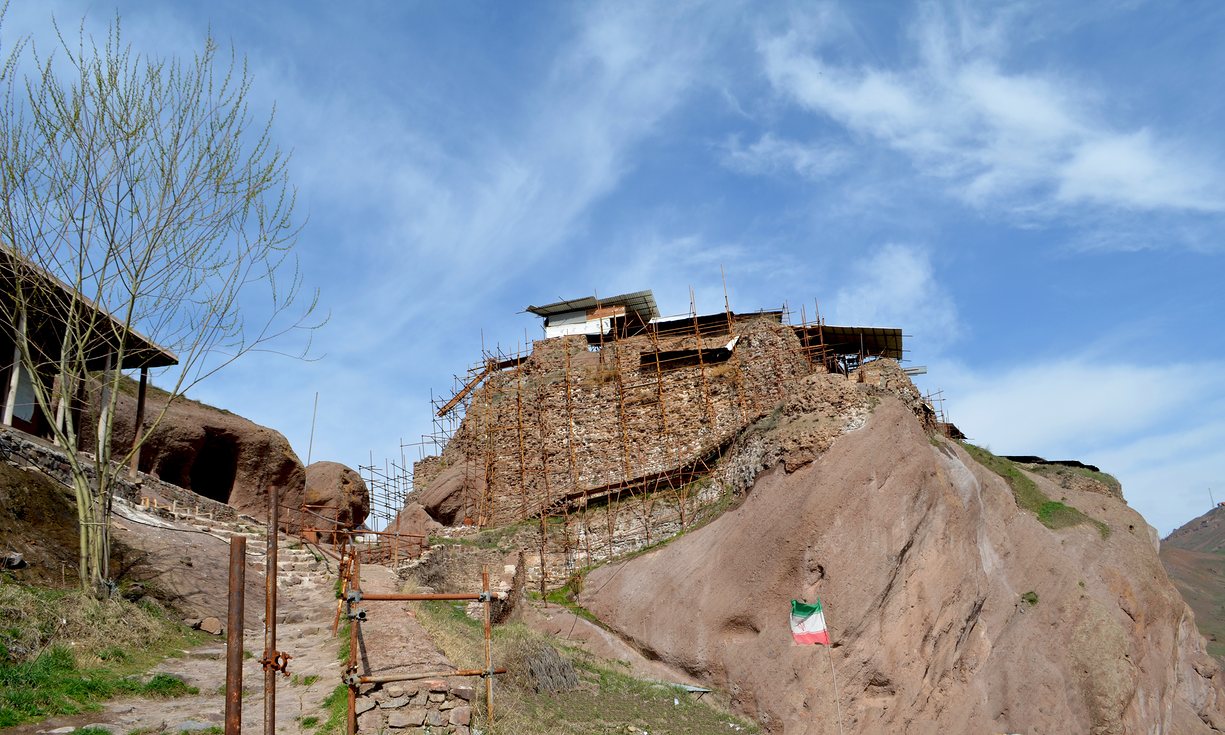
After enjoying the Shiraz to Tehran route, take a few days to go north-east from Tehran to Qazvin and then into the Alborz mountains to discover the remote 11th- and 12th-century castles of the Nizari Ismaili “Assassins”, especially Alamut and Lambesar. They will remind you of the mountain retreats of the French Cathars, with stunning valleys, high mountains and views. Zarabad makes an ideal village base.
The unique heritage of Abyaneh village
Photograph: Alamy
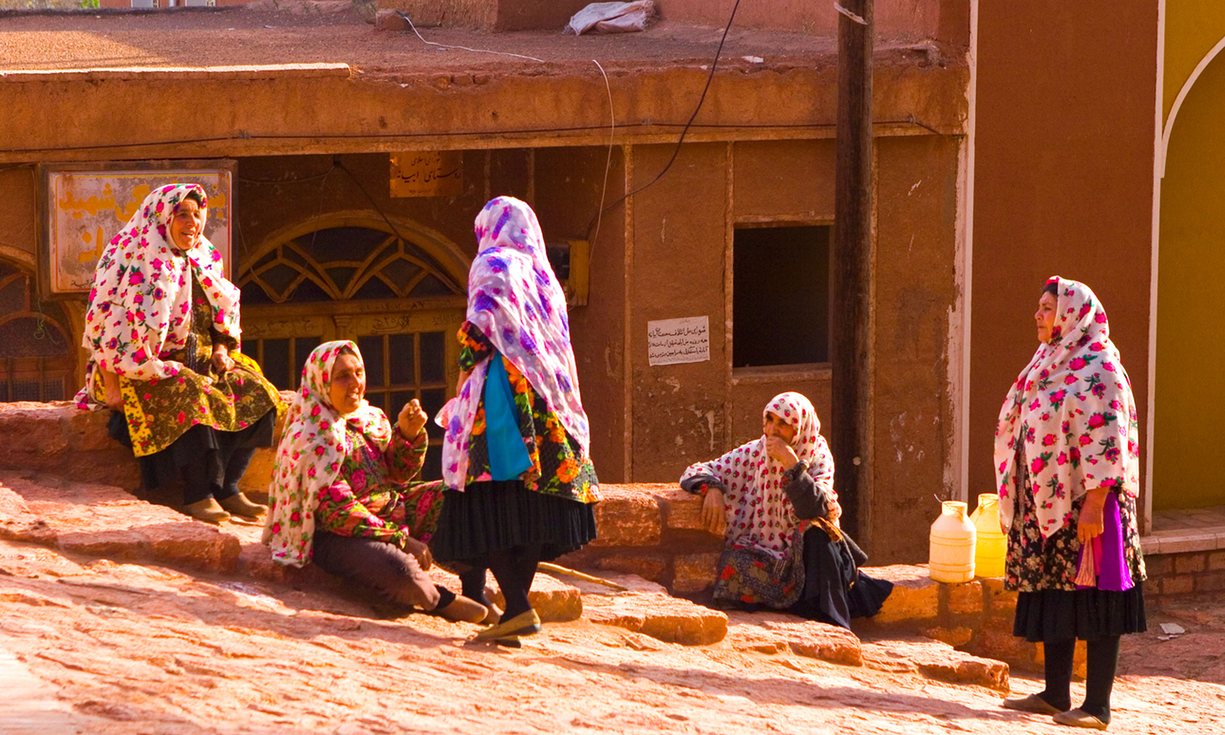
Abyaneh is a 13th-century mountain village about 80km south of Kashan. Its culture, traditions, costumes and dialect are unlike anywhere else in Iran. In 1973 it was registered as a national heritage site. Houses built of mud and straw are stepped into the hillside; narrow unpaved roads slope up and down the hills. Women wear colourful headscarves – the size of the flowers denoting their marital status, while married men wear voluminous satin trousers. As everywhere else in Iran, the people are wonderfully friendly and welcoming.
Morning sun in Nasir-al-Molk
Photograph: Tuul and Bruno Morandi/Getty Images
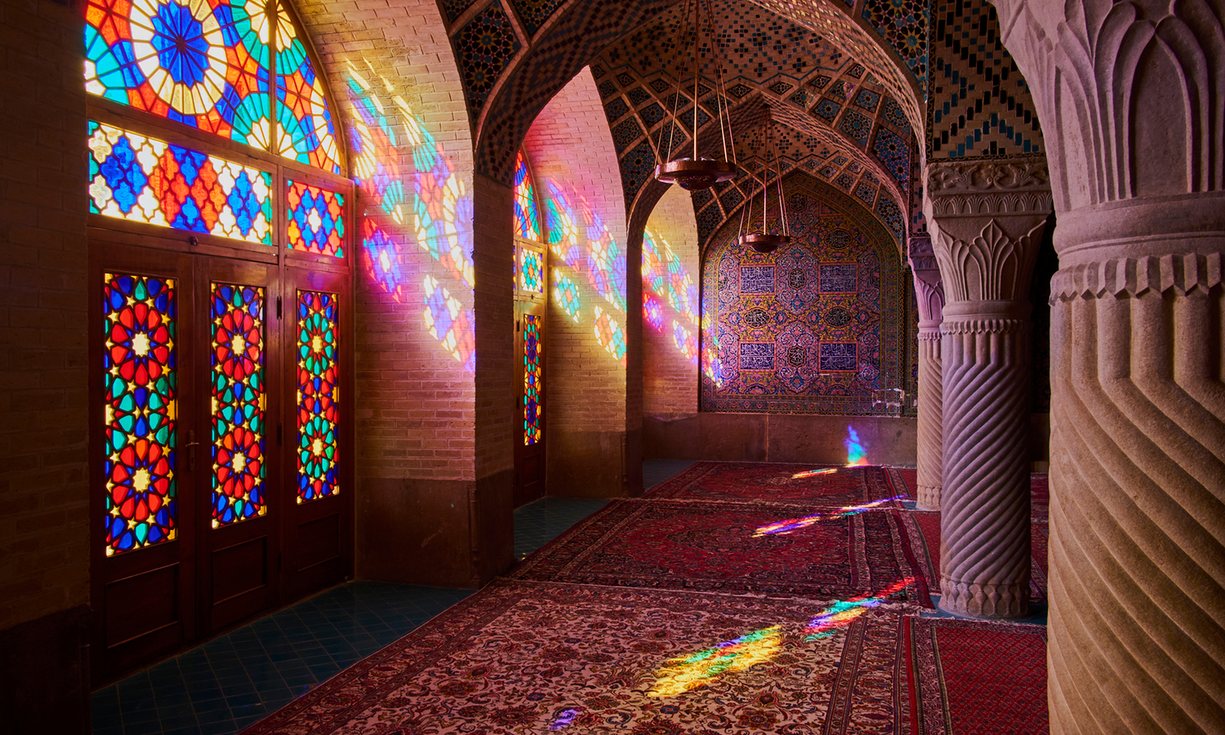
In Shiraz stay in (if you can) or at least have lunch in the courtyard of the Niyayesh boutique hotel (twin room £40). Once you have visited the incredible Nasir al-Molk mosque in the morning for the sun streaming through the stained glass windows, cross Lotfali Khan Street, and turn left, in the direction of the citadel, take the third right alley and on your right is a beautiful madrasa (religious school, free). The madrasa courtyard is peaceful and a great place to sit quietly, watch the mullahs in discussion and see life unfold. Continuing down the same alley, hang left and you enter the famous bazaar where you can try faloodeh, the refreshing, if strange, Shirazi dessert.
Eco-tour and intellectual chit chat
Visit the See You In Iran Facebook page and check for upcoming events or tours. I went on a three-day eco-tour organised by the site and mingled with other curious backpackers and young, cosmopolitan, engaged Iranians. We hiked in the mountains near Masal, close to the Azerbaijani border and slept in a remote hillside village. It was amazing to disconnect – there was no mobile reception or Wi-Fi for miles.
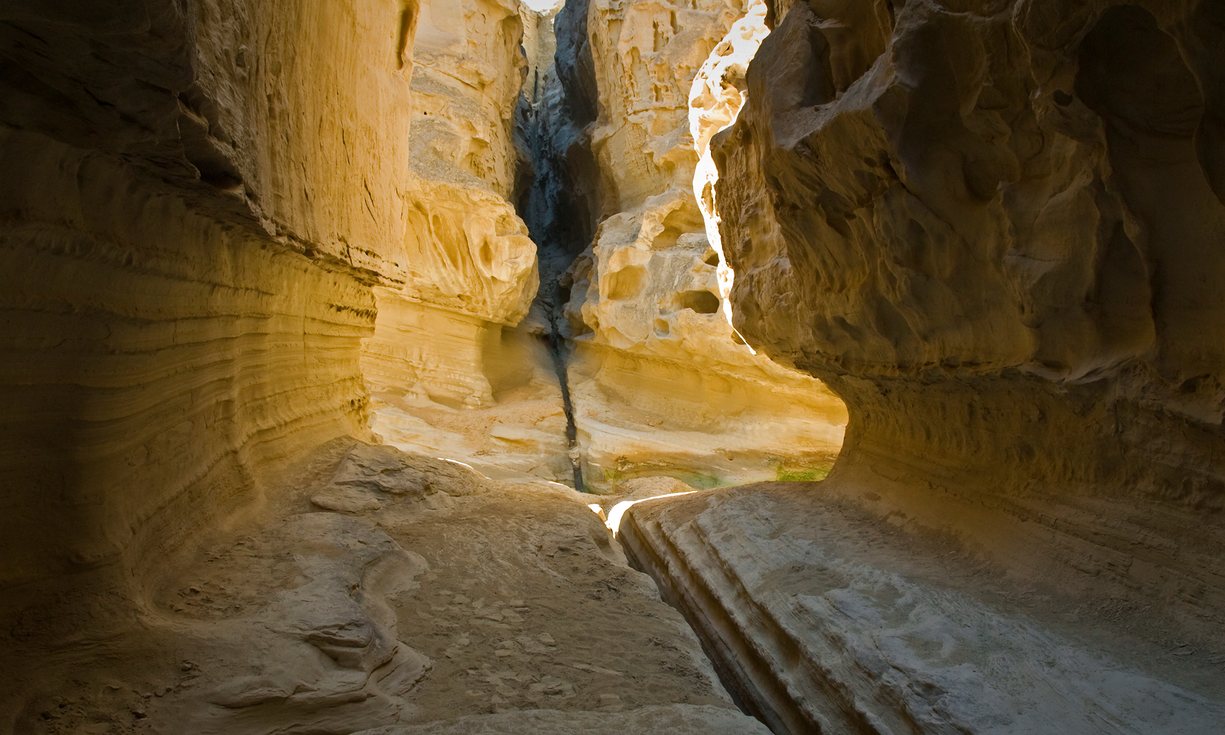
Gheshm Island geological park
Photograph: Abdolhamid Ebrahimi/Getty Images
Fly from Tehran or Shiraz to this island in the Strait of Hormuz, or make the short ferry crossing from Bandar Abbas. You do not have to be a geologist to enjoy Gheshm’s extraordinary geology. Eight main sites are spread around an island 60 miles long and can be visited by taxi: negotiate a day rate of around £20. Otherworldly landscapes have been carved over millennia by wind and water. I stayed in Tabl village, at Mr Amini’s house, which was clean and welcoming. (Any meal or night’s accommodation was £3.)
Breakfast in Masuleh
Rudkhan castle in Fuman, Gilan Province, Iran. Photograph: Alamy
I had proudly taken my fiance to see Ephesus in Turkey; now it was his turn to show me his homeland. We arrived at our first stop, Masuleh, on a starry night, and awoke to incredible scenery. Perched on our rooftop, we took it all in over a breakfast of warm bread with saffron and carrot jam, and tea. We then drove to Rudkhan castle and scaled the 1,000 steps to absorb yet more spectacular views. Houses in Masuleh are available to rent upon arrival for around £35 a night and can usually accommodate three or four guests.
Golshan Hostel, a shining star in Shiraz
From our trip to Shiraz, I have to mention Golshan Hostel. This traditional hostel radiates Persian warmth and hospitality, and it’s a perfect base for exploring the ancient city. There is a charming courtyard with a blue-tiled pool, flowering vines and bright, scattered cushions. It’s hard not to mingle, chai in hand, in such a tranquil place.
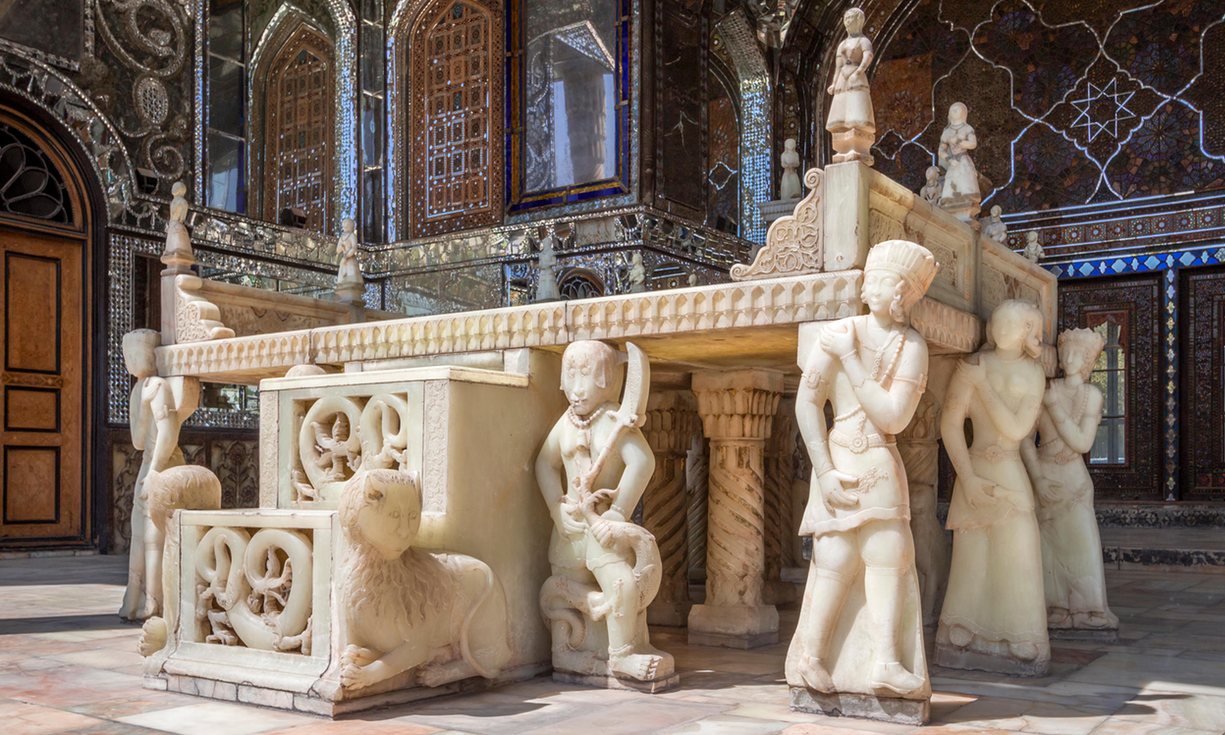
The Golestan Palace, Tehran
Photograph: Alamy
This is a beautiful 400-year-old masterpiece, displaying the earliest representations of a fused European and Persian style, and the complex formed the foundation of Iran’s modern artistic movement. My top tips for inside the palace are the dramatic and awe-inducing Takht’e Marmar (Marble Throne), which stands in an outdoor terrace, and the magnificent Talar-e Ayaheh (Hall of Mirrors) which is exactly that. Only a stone’s throw away is Tehran’s famous Grand Bazaar.
Isfahan, for tea and coffee lovers
Navigating Isfahan by its old teahouses and new coffee shops is a nice way to spend an afternoon. The Azadegan Teahouse, in a lane off the north-east corner of Imam Square, has ceilings and walls decked with metal pots and lanterns, with tea, snacks and qalyan (hookah) on the menu. On the other side of the city, stylised coffees and virgin cocktails can be found in Café Ahang, near Charbagh Abasi Street. With its bookshelf and tables decorated with post-it notes, it has a cosy, local feel.
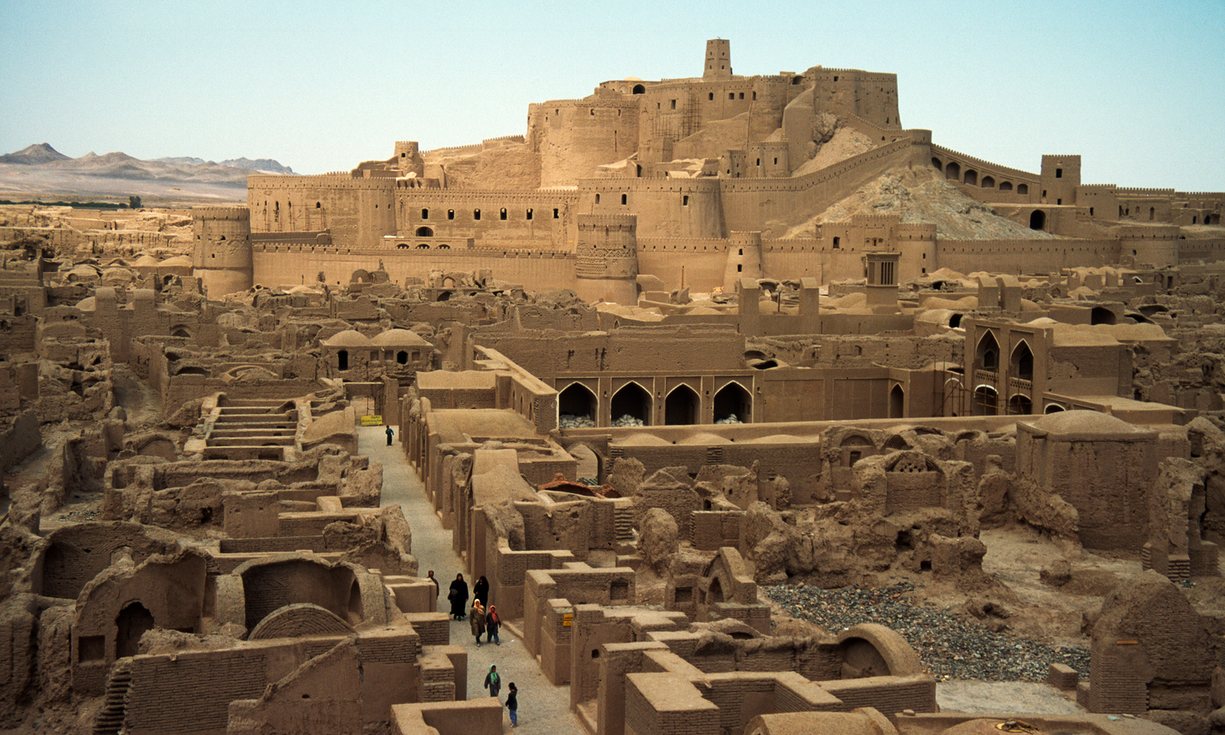
Bam
The Arg-e Bam citadel. Photograph: Earl and Nazima Kowall/Getty Images
The desert oasis of Bam, in the province of Kerman, was largely destroyed by an earthquake in 2003 but has since been rebuilt. You can wander through gardens full of orange and pomegranate trees and date palms. A must-see is the impressive, Unesco-listed Arg-e-Bam citadel, which is being beautifully restored. Bam is also an excellent base for exploring the surrounding desert, including overnight stays in desert camps.
Observing Ashura in Yazd
I recommend visiting Yazd at the time of Ashura (it will be on 1 October in 2017). It’s the festival of mourning for the murder of Imam Hossein and there is a genuine grief evident in the rituals. Visitors are welcome to the upper galleries of mosques, generally opposite the women’s galleries, to witness hundreds of men beating their chests as the story is chanted. Our group was invited to a large temporary feeding area for a free lunch and supper (donations welcomed). You will also see fountains running red.
Aoun, 81, secured the presidency by winning the support of 83 lawmakers, well above the absolute majority of 65 needed to win.
Lebanon had been without a head of state for 29 months after Michel Suleiman stepped down as president at the end of his term in May 2014.
Since then, 45 sessions to elect a new leader had failed due to political infighting.
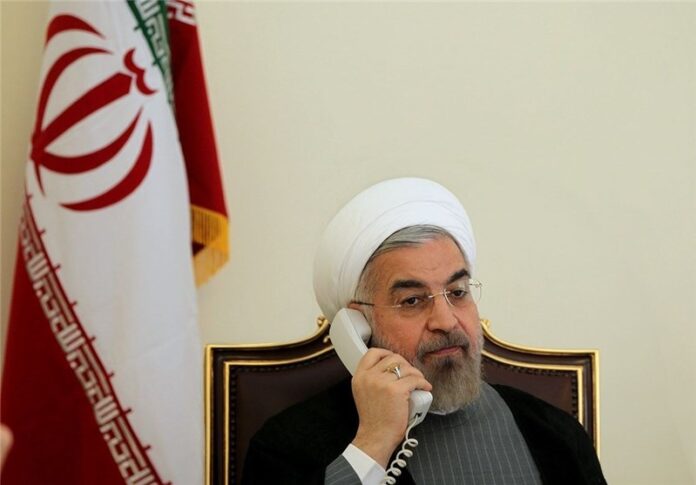
In a telephone conversation with Lebanon’s newly elected president, President Rouhani said the election of former general Aoun was the manifestation of peace and the triumph of democracy and a victory for all political parties in the country.
Extending his felicitations to Aoun over his victory, Rouhani said, “The Islamic Republic of Iran believes that such an election, which took place following a healthy and free contest, was not the victory of a particular faction but was a manifestation of the peaceful coexistence of all various sects in Lebanon and a very sweet success for the Lebanese nation.”
Rouhani further said Iran has always emphasized that Lebanon’s people are very capable of electing their country’s president if they are relieved of foreign pressure.
The Iranian president renewed Tehran’s unwavering support for Lebanon’s government and nation as well as the Lebanese resistance movement, Hezbollah, and noted that Aoun shoulder this responsibility at “a very sensitive time, a time that the region faces the two threats of the growth of Takfiri movements.”
Lebanon’s new president, for his part, said his country has always sought to expand relations with Iran and would continue to put emphasis on cordial bonds between the two nations and governments.
Aoun then stressed the importance of remaining vigilant against threats posed by terrorist groups and the Israeli regime and expressed his country’s full preparedness to stand up to such threats with strength.
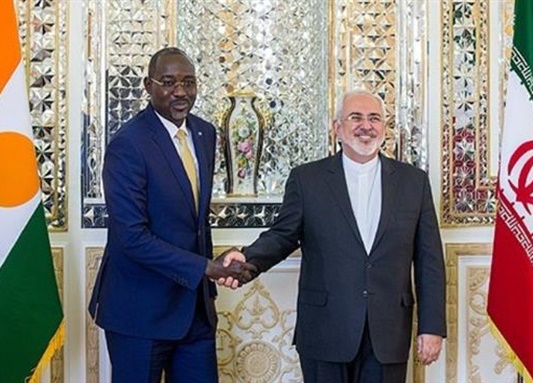
“Iran and Niger enjoy [before them] a vast area for cooperation in different sectors,” Zarif said in a meeting with Niger’s Foreign Minister Ibrahim Yacouba in Tehran on Monday.
“Iran and Niger can have more close cooperation in various political, economic, regional and international fields and the Islamic Republic of Iran is ready to expand relations and deepen cooperation with Niger,” he added.
The top Iranian diplomat noted that the two countries have the potential to cooperate in the economic arena including infrastructures, transportation, banking interaction, agriculture, mines, energy and investment.
‘Niger Ready to Open Embassy in Tehran’
Niger’s foreign minister, for his part, said Iran plays an important role in the region and across the world and expressed his country’s readiness to bolster relations with the Islamic Republic.
Niger is ready to open an embassy in Tehran and keen to hold more consultations and political talks with Iran, Yacouba added.
He called for a session of the two countries’ joint economic commission to be held as soon as possible and invited his Iranian counterpart to pay an official visit to Niamey.
‘Iran Welcomes Improving Ties With Cyprus’
Meanwhile, in a meeting with the Cypriot House of Representatives Demetris Syllouris in Tehran on Monday, the Iranian foreign minister said the Islamic Republic welcomes growing cooperation with Cyprus in cultural, political, economic and scientific fields.
Zarif said the two countries have maintained amiable relations over the recent decades.
He expressed hope that Tehran and Nicosia would also strengthen cooperation in tourism, science and modern technologies as well as biotechnology.
For his part, the president of the Cypriot House of Representatives said his country is ready to hold further consultations with Iran in an attempt to boost ties at an international level.
Syllouris arrived in Tehran on Sunday on a three-day visit at the invitation of Iranian Parliament Speaker Ali Larijani. He held talks and attended a joint press conference with the top Iranian parliamentarian on Sunday and met with Secretary of the Supreme National Security Council Ali Shamkhani and Chairman of the Expediency Council Akbar Hashemi Rafsanjani earlier on Monday.