Sunday, April 26, 2026
Home Blog Page 4282

Cyber Strike Empowered Iran: Nuclear Chief

salehi

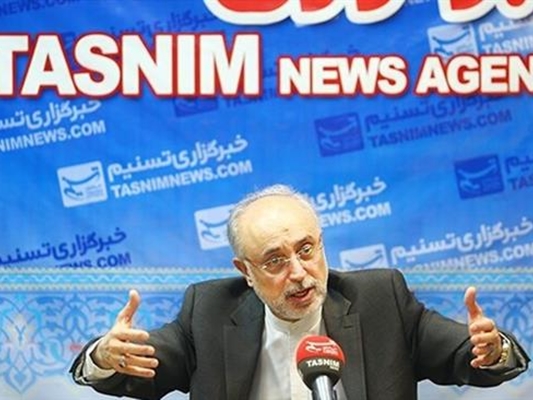
The head of the Atomic Energy Organization of Iran (AEOI), Ali Akbar Salehi, said the deployment that year of a malware dubbed Stuxnet against Iran’s nuclear facilities made the country realize how it should prepare against such attempts, Tasnim reported on Saturday.

He said Iran can fill “an entire exhibition room with the West’s acts of industrial sabotage [against Iran], things like this very Stuxnet virus.”

“They give us equipment in which they have planted explosives so that it would blow up sometime later, or they interfere with the equipment so that… it later damages the whole system.”

He explained that as an act of precaution, Iran has been checking the pieces of equipment it buys for any potential interference.

“We don’t immediately put to use whatever equipment that we buy; rather, we do all kinds of tests on it, and we don’t use it before there is complete assurance” that it is safe, Salehi said.

“In fact, before the Stuxnet, we were not this careful, and the attack opened up a new science to us. Just by testing different equipment for [potential] industrial sabotage, we learn a lot,” he said.

“We owe them a thank you, of course,” he said jokingly, referring to the US and Israel.

The Washington Post reported in June 2012 that the US National Security Agency (NSA), its spy service CIA, and Israel’s military had worked together to launch Stuxnet against Iran’s nuclear facilities.

Salehi also said Iranian officials are taking the necessary measures to pursue litigation against the perpetrators of the cyber attacks against Iran.
World’s Most Expensive Dates Come to Fruition in Iran

dates_medjool

According to a report by IRIB News Agency, as translated by IFP, Hamid Zargari, the head of Agricultural Research, Education, and Extension Organization of Iran’s southern city of Jahrom, said that Iran’s Ministry of Agriculture brought the medjool date from Africa 10 years ago.

The date, he said, was then cultivated in agricultural research centres on a trial basis.

“Thanks to the attempts made in Jahrom’s agricultural centre, this fruit came to fruition and was introduced as an adaptable variety to the growers throughout the country,” he added.

Zargari hailed the active participation of the researchers in Jahrom centre and said, “Researchers managed to reproduce and improve the quality of this cultivar through quarantine tests and pollination.”

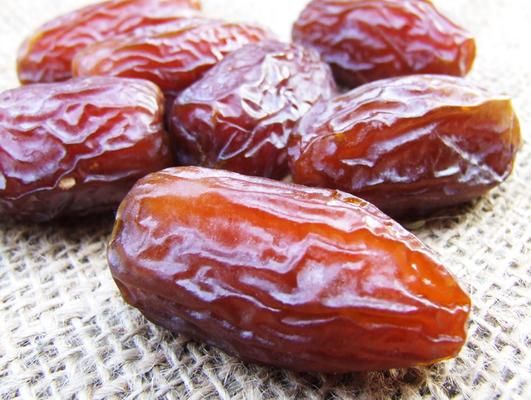
He further mentioned that the medjool date is worth $20 per kilo in the world market and pointed to the features of this cultivar that puts it in a superior position, “Medjool date is semi-dry and has high productivity, thin skin, high ratio of flesh to skin and reasonable price in the global market.”

Escalation of Violence against Afghan Journalists

Journalists

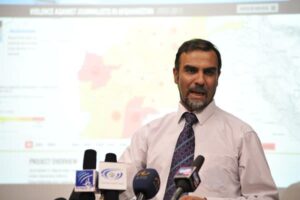
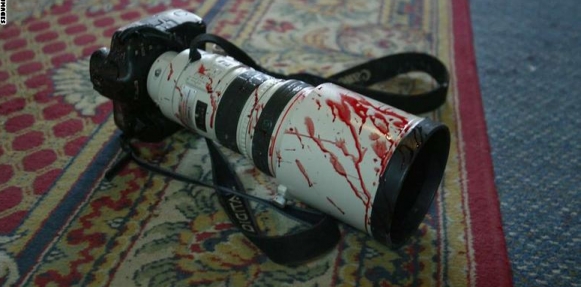
According to a report by IRNA, as translated by IFP, Sediqullah Tawhidi, the head of Nai Supporting Open Media Agency in Afghanistan, said in a press conference that this year, 377 cases of violence, including the killing of 13 journalists have been recorded in this country. He regretted that 229 journalists have been forced to leave their jobs and quit as well.

“Despite all the attempts to prevent it, unfortunately the violence against journalists is still growing bigger,” he said, stressing that it is traced back to terrorist groups, government-affiliated individuals, oppressive and irresponsible armed individuals and the private sector.

TawhidiTawhidi added that journalists in the provinces of Kunduz, Helmand, Farah and Urozgan have been forced to quit their jobs.
“An annual average of 48 cases of violence against journalists has been recorded in the past 15 years; however, records of this year are appalling,” he said.

Tawhidi called on the international community and the government of Afghanistan to take action to stop the aggression.

He announced that the act of Reporter’s Privilege has been approved by the National Security Council and the President, and also a Coordination Committee has been formed between journalists, the Federation of Journalists and the government.

“Despite all these, we have not witnessed any decrease in violence against the media professionals so far and this means that the situation of journalists and the media in Afghanistan has deteriorated with each day passing by,” he regretted.

Meanwhile, Ahmad Sarhadi, the head of journalists club in Afghanistan’s Zabul Province, referred to the local officials as the main reason behind the violence and said, “It’s a shame that violence has been seen mostly from government officials.”

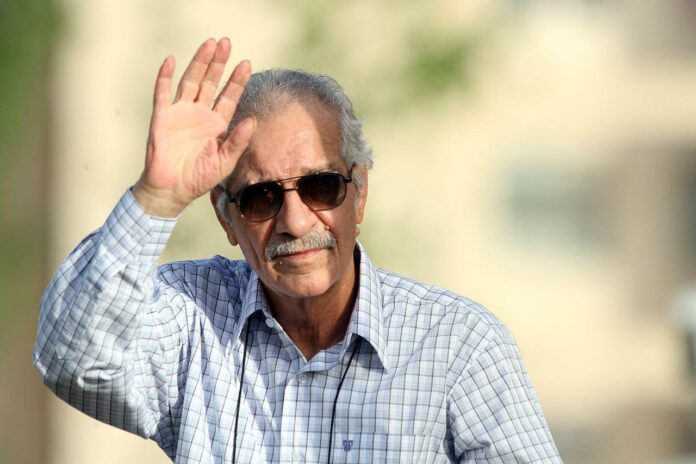
Former Coach of Iran’s National Football Team Passes Away

Pourhedydari

The legendary coach died at Iranmehr Hospital in Tehran after a long battle with diabetes and lung cancer.

He began his football career at the age of 17 in Daraei but was transferred to Taj (now Esteghlal) in 1965 and played as a right defender for 10 years and won the Asian Championship in 1970.

Pourheydari also played for Iran national football team and made three caps for Team Melli. He announced his retirement in 1977, Tasnim reported.

Pourheydari led Esteghlal to its second Asian trophy in 1991 as a coach.

He managed Team Melli from 1998 through 2000 and won the Asian Games’ title in 1998.

Pourheydari was also appointed as Team Melli manager in 2009 to prepare the team along with head coach Afshin Ghotbi for their three crucial upcoming matches against Korea DPR, UAE, and Korea Republic.

Iran’s Exports of Medicinal Herbs at $300m

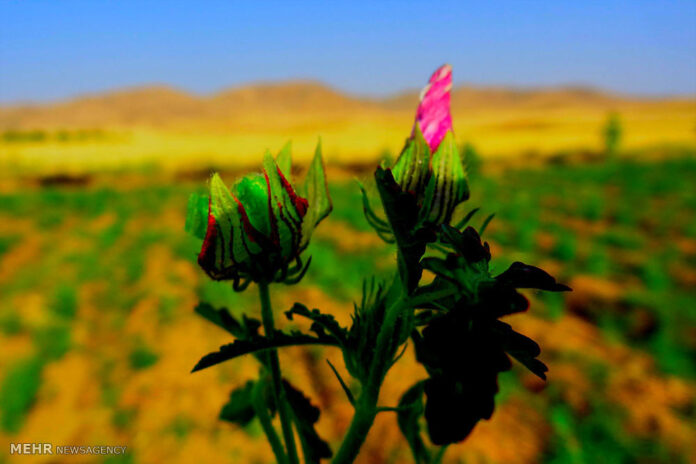
Peyman Yousefi Azar, the director of Medicinal Herbs Department of Iran’s Ministry of Agriculture Jihad, told the domestic media that saffron comprised almost two thirds of the exports.

The Damask rose comprised a third of the exports, Yousefi Azar said adding that other herbs comprised the rest of the exports.

He emphasized that there is already a market worth around $150 billion for medicinal herbs in Europe, IRNA reported. The official added that different kinds of herbal tea comprise half of the market of medicinal herbs.

Yousefi Azar further emphasized that Iran still needs to devise serious plans to promote its herbs industry in what could eventually become an important non-oil source of revenues.

The key consumer markets of Iran’s medicinal herbs in order of import volumes are Pakistan, the UAE, Germany, Japan and China.

Iran is generally considered as one of the most geographically diverse countries and has 12 separate geographic environments that can host above 7,500 species of plants of which 1,800 are used in medicine.

Saffron is the crown jewel of Iran’s botanical products. The country produces around 210 tons of saffron each year of which some 70 percent is exported.

Iranian officials had earlier said the country’s exports of botanical products had declined over the past few years as a result of sanctions and stood at around $100 million per year. The surge of exports to around $300 million as Yousefi Azar acknowledged may be a direct result of the removal of the sanctions in January.

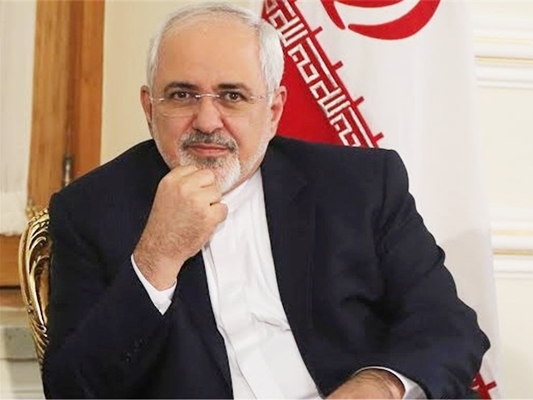
Iran’s Zarif Plans to Visit Lebanon Next Week

Zarif

“Given the type of relations between the Islamic Republic of Iran and Lebanon and the impact of this country on regional peace and stability, the two sides have been holding periodic consultations and this trip will take place soon,” Iranian Foreign Ministry Spokesman Bahram Qassemi said on Friday.

He added that preparations are underway for the top Iranian diplomat’s visit to Beirut, saying Zarif is likely to make the visit next week.

He said the foreign minister would discuss ways to strengthen bilateral cooperation in various political, economic and cultural fields in Lebanon’s new political landscape.

The spokesperson noted that Zarif would also exchange views with the Lebanese officials on the latest developments in the Middle East, particularly in Syria, and Tehran-Beirut cooperation on the international scene.

Zarif’s visit will come just days after Lebanon’s lawmakers elected former general Michel Aoun as president when they convened for their 46th attempt to choose a head of state on Monday.

After four rounds of voting, including two unexpected repeat votes, Aoun secured the presidency by winning the support of 83 out of 127 MPs, well above the absolute majority of 65 needed to win.

Lebanon has been without a head of state since 2014, when the term of President Michel Suleiman expired.

The Lebanese parliament has repeatedly failed to elect a president due to the lack of quorum.

In a telephone conversation with Aoun following his election on Monday, Iranian President Hassan Rouhani extended his felicitations to him over his landslide victory and said the election of Aoun as Lebanon’s new president was the manifestation of peace and the triumph of democracy and a victory for all the country’s political parties.

He also said Tehran will keep its unwavering support for Lebanon’s government and nation as well as the Lebanese resistance movement, Hezbollah.

The Iranian foreign minister also on Monday expressed his felicitations to all of the Lebanese on the election of Aoun as their country’s new president.

On his Twitter page, Zarif said, “Stability and progress assured when Lebanese themselves decide for Lebanon.”

The top Iranian diplomat paid two rounds of visits to Lebanon in January 2014 and August 2015.

Cleric Urges Efforts to Make US Crimes Known Globally

Movaheddi Kermani

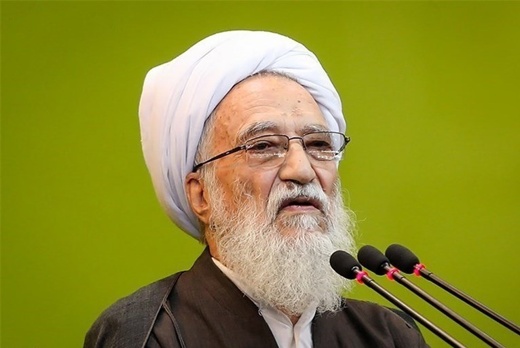
“If we manage to publicize the US crimes in the world properly, the (Middle East) region’s reactionary states will realize that they will gain nothing from (relations with) the US,” Ayatollah Mohammad Ali Movahedi Kermani said in an address to a gathering of Friday prayer worshippers in Tehran.

Calling for measures to show the US’ true colors to the world by disclosing its crimes, the cleric pointed to Washington’s breach of the Joint Comprehensive Plan of Action (JCPOA), a nuclear agreement between Tehran and the Group 5+1 (Russia, China, the US, Britain, France and Germany), and its refusal to lift anti-Iran sanctions under the accord.

The JCPOA did not yield any results, and it became clear that the US lies and does not honor commitments, Ayatollah Movahedi Kermani deplored.

He also emphasized that Iran needs to resolve its problems by relying on domestic capabilities, stressing that the US would never help the country settle its woes.

His comments came after Leader of the Islamic Revolution Ayatollah Seyed Ali Khamenei reiterated on Wednesday that negotiating with the US government will not resolve Iran’s problems, but will aggravate them.

“We need to solve problems by ourselves through reliance on the local capabilities and young forces,” the Leader said.

The wrong and “very dangerous” notion that détente with the US would resolve Iran’s problems can be proved false with detailed reasoning, Ayatollah Khamenei underlined, referring to the US violations of the JCPOA as a glaring example of falsehood of that concept.

Tehran and the Group 5+1 (also known as E3+3) on July 14, 2015, reached a conclusion over the text of the JCPOA.

The accord took effect in January and was supposed to terminate all nuclear-related sanctions against Iran all at once, but its implementation has been hampered mainly due to US policies.

Iran to Send JCPOA to Museum If US Ignores Commitments: IRGC Commander

Arms Embargo Won’t Affect Iran’s Defence Power: Top General

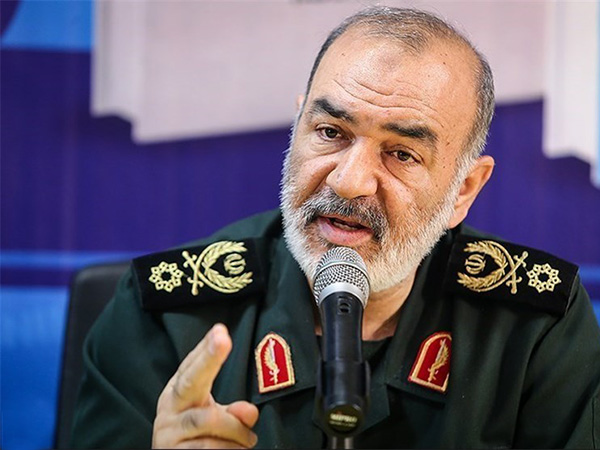
“The Americans should be aware that if they fail to meet their obligations under the Joint Comprehensive Plan of Action (JCPOA), we will send the deal to Museum,” Brigadier General Salami said during a massive demonstration held in Tehran on Thursday to mark the “National Day of Fight against Global Arrogance”.

He further emphasized that if Washington reneges on the agreement, the two sides will “go back to square one” and the Islamic Republic will activate its decommissioned centrifuges.

In that case, the country not only will refuse to stop its nuclear program but also develop the activities, the commander went on to say.

While the JCPOA, a 159-page nuclear agreement between Iran and the Group 5+1 (Russia, China, the US, Britain, France and Germany) came into force in January 2016, Iranian officials complain about the US failure to fully implement the accord.

Earlier in March, Leader of the Islamic Revolution Ayatollah Seyed Ali Khamenei said Americans have yet to fulfill what they were supposed to do as per the nuclear deal.

Iran still has problems in its banking transactions or in restoring its frozen assets, because Western countries and those involved in such processes are afraid of Americans, the Leader said at the time, criticizing the US for its moves to prevent Iran from taking advantage of the sanctions removal.

Elsewhere in his remarks, Salami highlighted the crises facing the US, saying that the country is not “the number one” world power any more, adding that the political power of the US has declined dramatically.

Hundreds of thousands of Iranian people, mostly school and university students, staged demonstrations on Thursday morning all over the country to express their opposition to the arrogant policies and attitudes of the enemies, particularly the US.

On November 4, 1979, and in less than a year after the victory of the Islamic Revolution that toppled a US-backed monarchy, Iranian university students that called themselves “students following the line of (the late) Imam (Khomeini)” seized the US embassy in Tehran, which had become a center of espionage and planning to overthrow the newly established Islamic system in Iran.

The students who seized the embassy later published documents proving that the compound was indeed engaged in plans and measures to overthrow the Islamic republic.

Every year on the 13th day of the Iranian month of Aban (which this year falls on November 3), the Iranian nation, particularly the students, hold rallies across the country to mark the day.

In the capital city of Tehran, the rallies to mark the anniversary of the landmark move are held at the venue of the former US embassy, which is known by Iranians as “Den of Espionage”.

Saudi Ambassador Compares Yemen War to Beating One’s Wife

636137654207856361

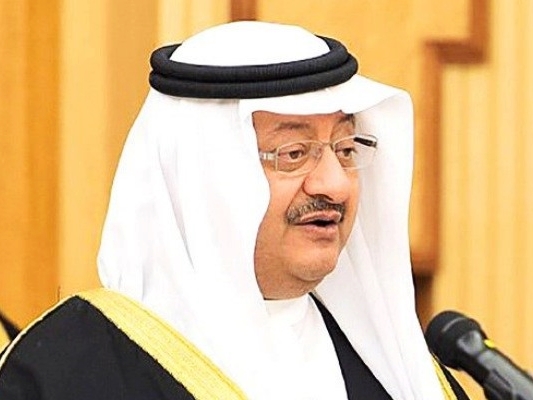
According to a report covered by Fars News, Prince Abdullah Al-Saud, Saudi Arabia’s ambassador to the United States, was confronted by a reporter from the Intercept.

“Will you continue to use cluster weapons in Yemen?” the reporter asked the diplomat.

Al-Saud laughed before answering: “This is like the question, ‘Will you stop beating your wife?’”

After the reporter repeated the question, the ambassador again dismissed it, saying “You are political operators. I’m not a politician.”

Speaking at the Annual Arab-US Policymakers Conference last week, al-Saud insisted that the Saudi-led coalition will continue its bombing campaign in Yemen, the Intercept reported.

“If anyone attacks human lives and disturbs the border, in whatever region, we’re going to continue hitting them, no matter what,” said al-Saud.

Tehran Hosts Theatre Officials from Western Asia

photo_2016-11-03_16-12-11

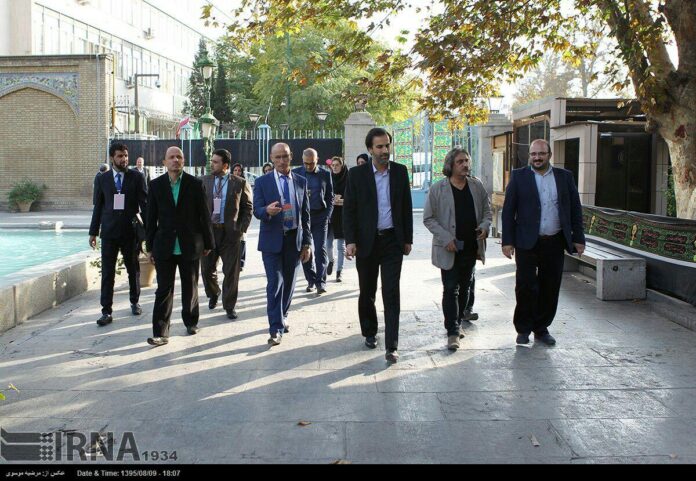
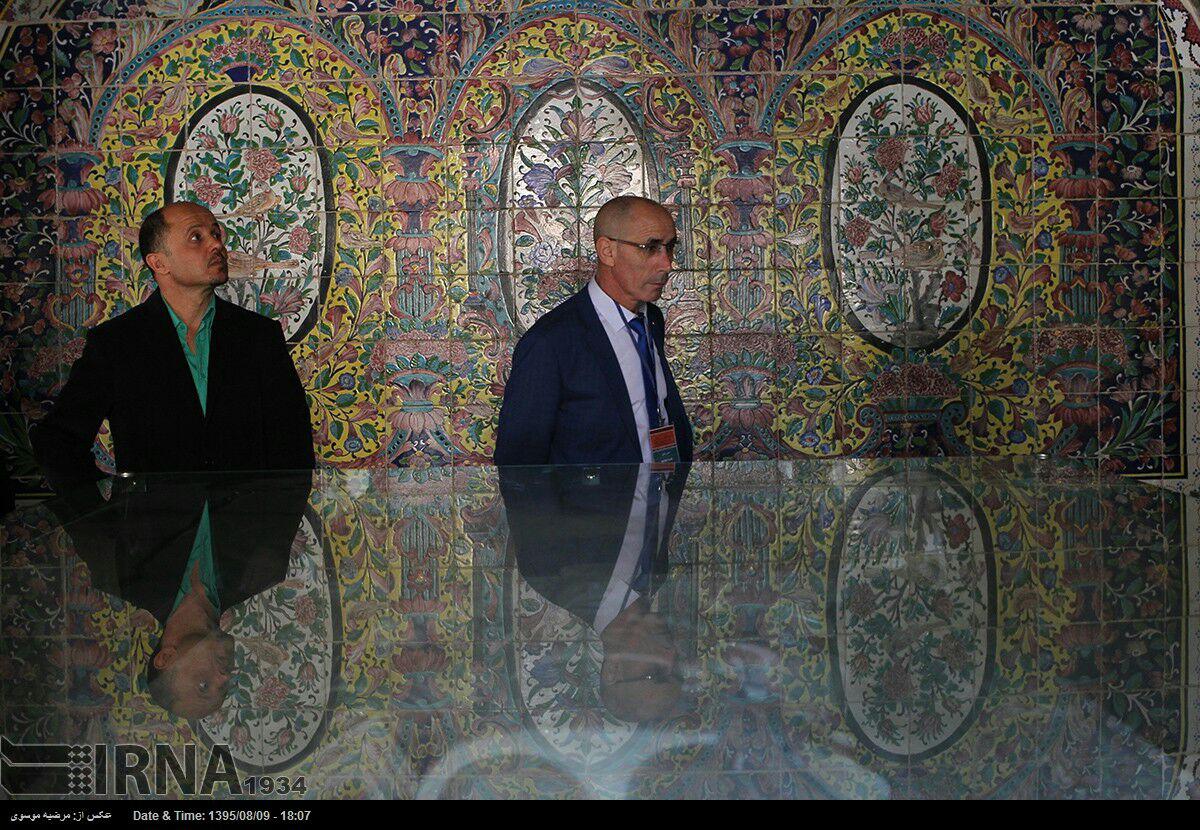
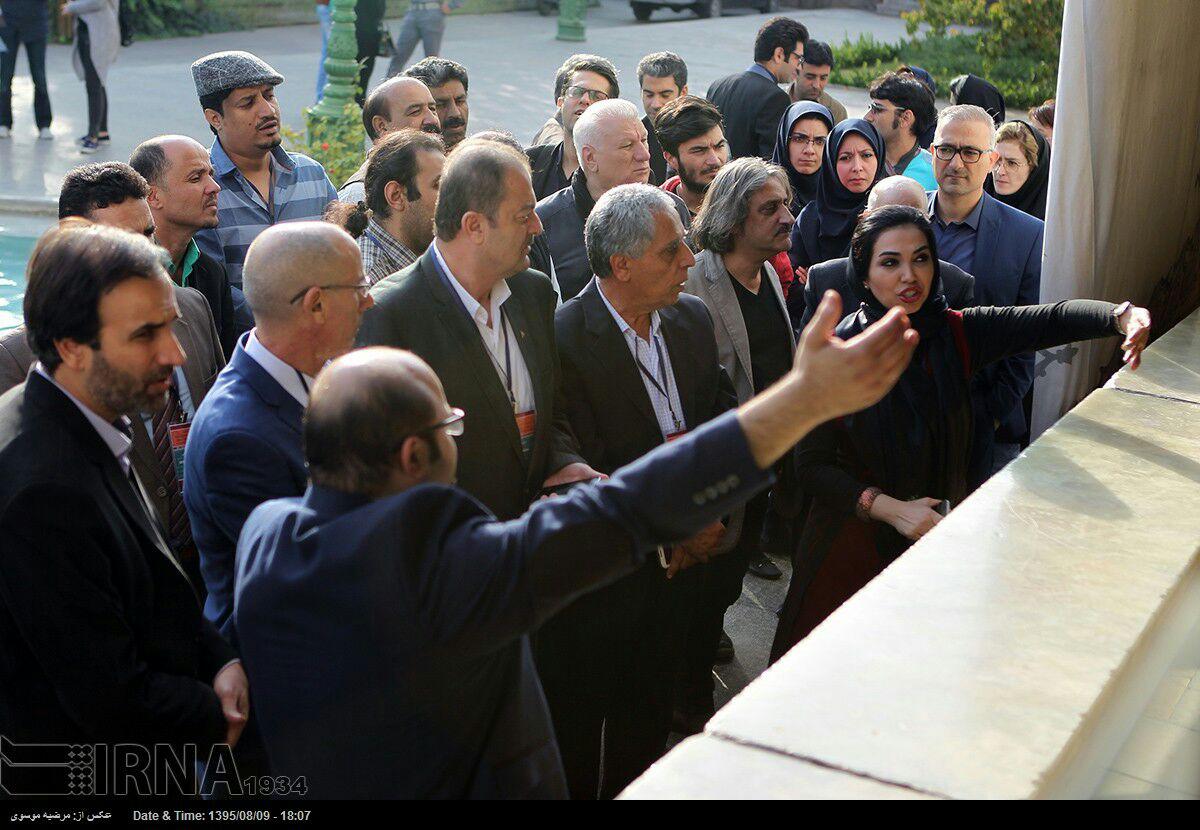
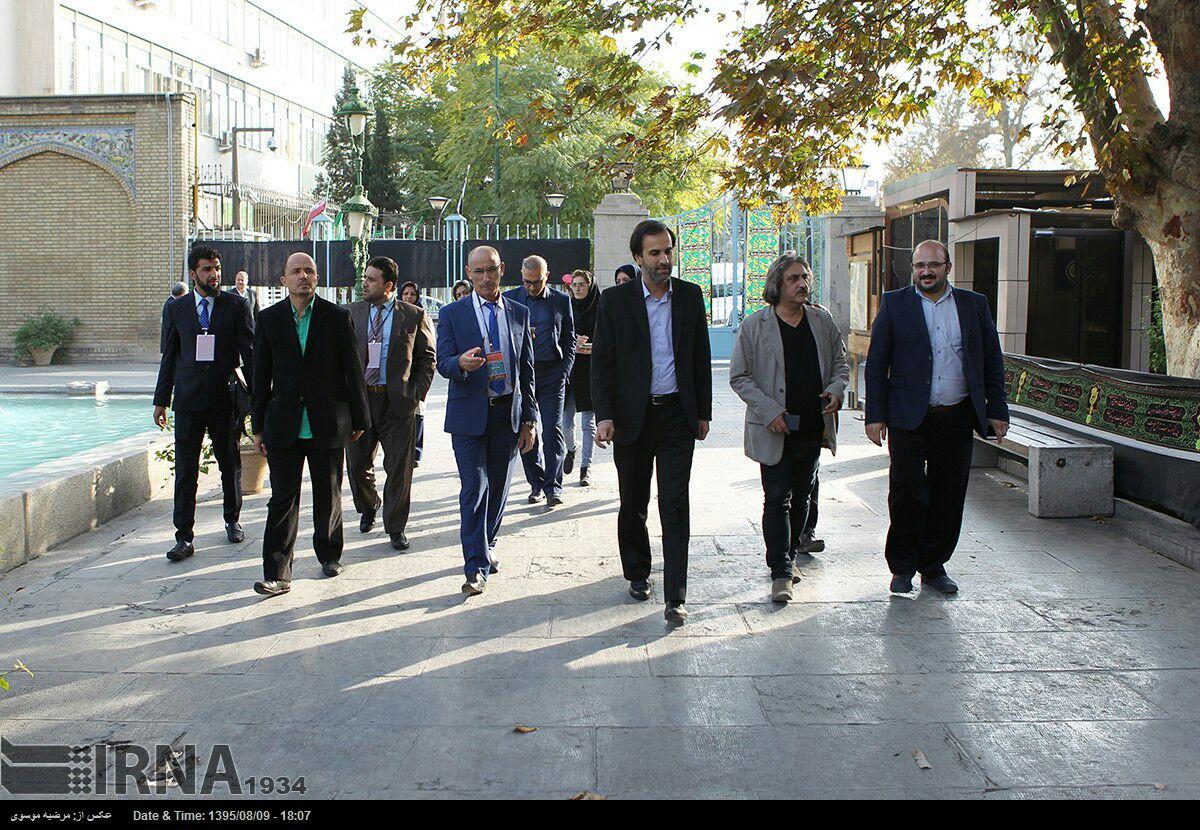
According to a report by IRNA, as translated by IFP, during their 3-day stay beginning on Sunday, October 30, the visitors attended a meeting at Tehran’s Ferdowsi Hotel in the presence of a number of Iranian cultural officials.

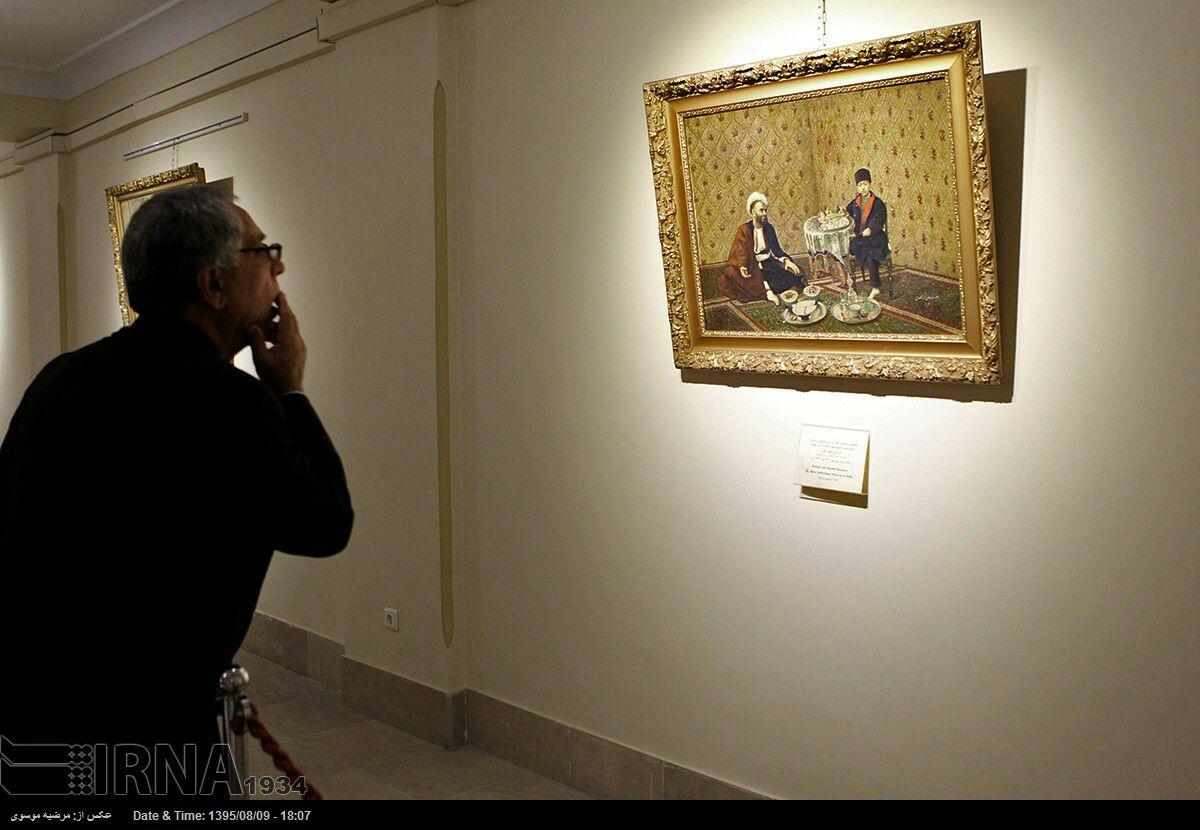
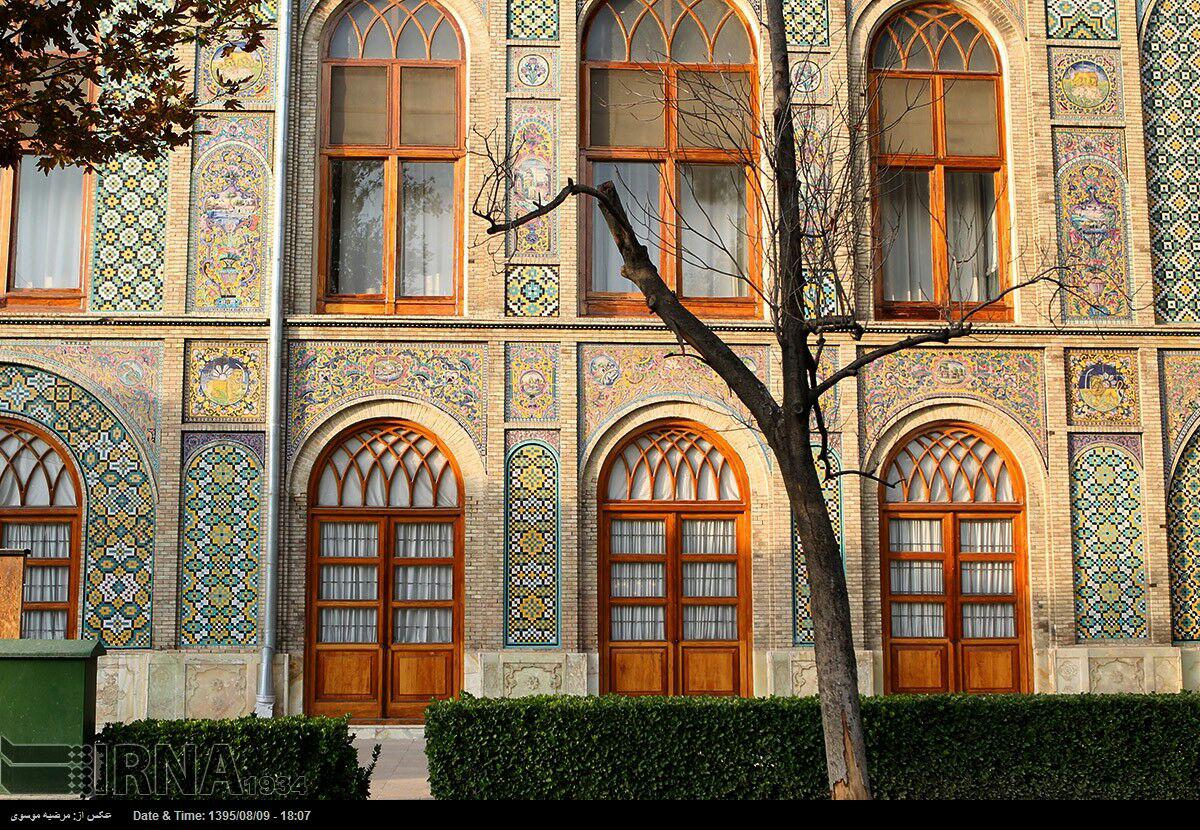
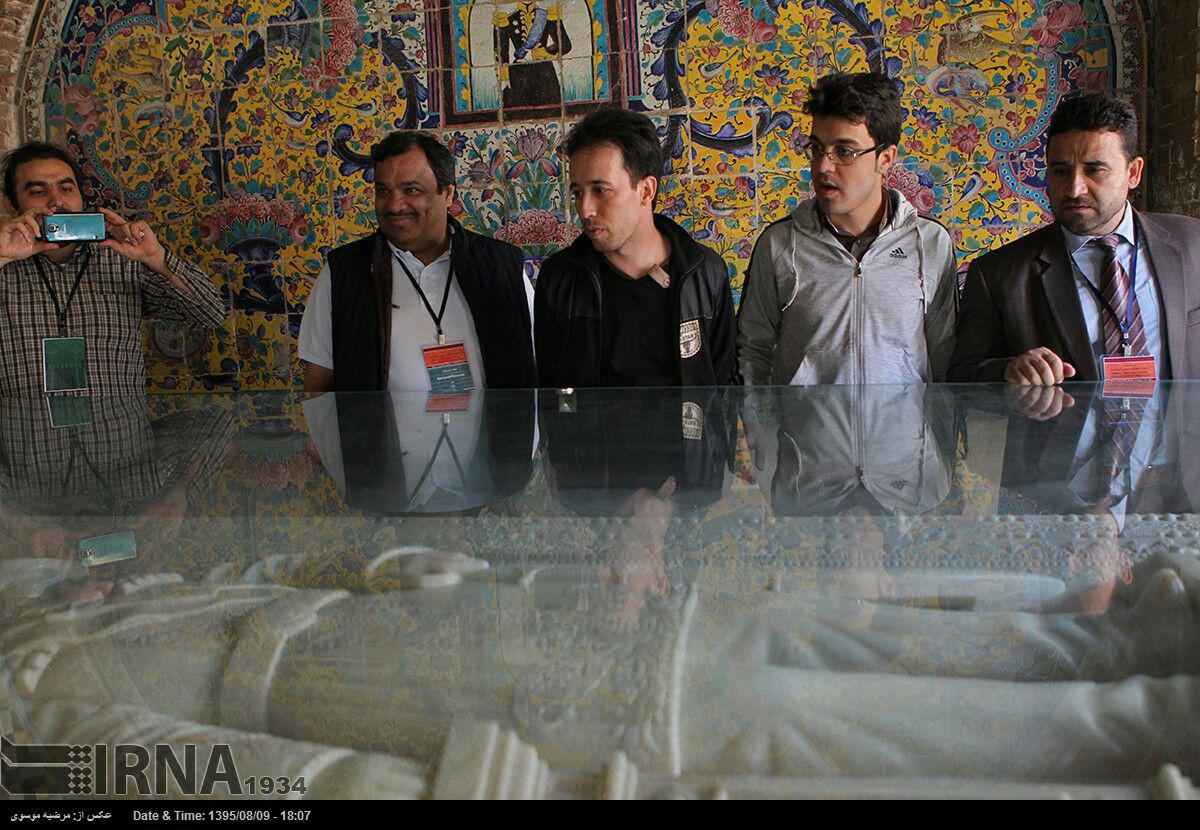
photo_2016-11-03_16-10-22The group also paid a visit to Golestan Palace and the City Theatre Complex to watch a play entitled “The World’s Last Pomegranate”.
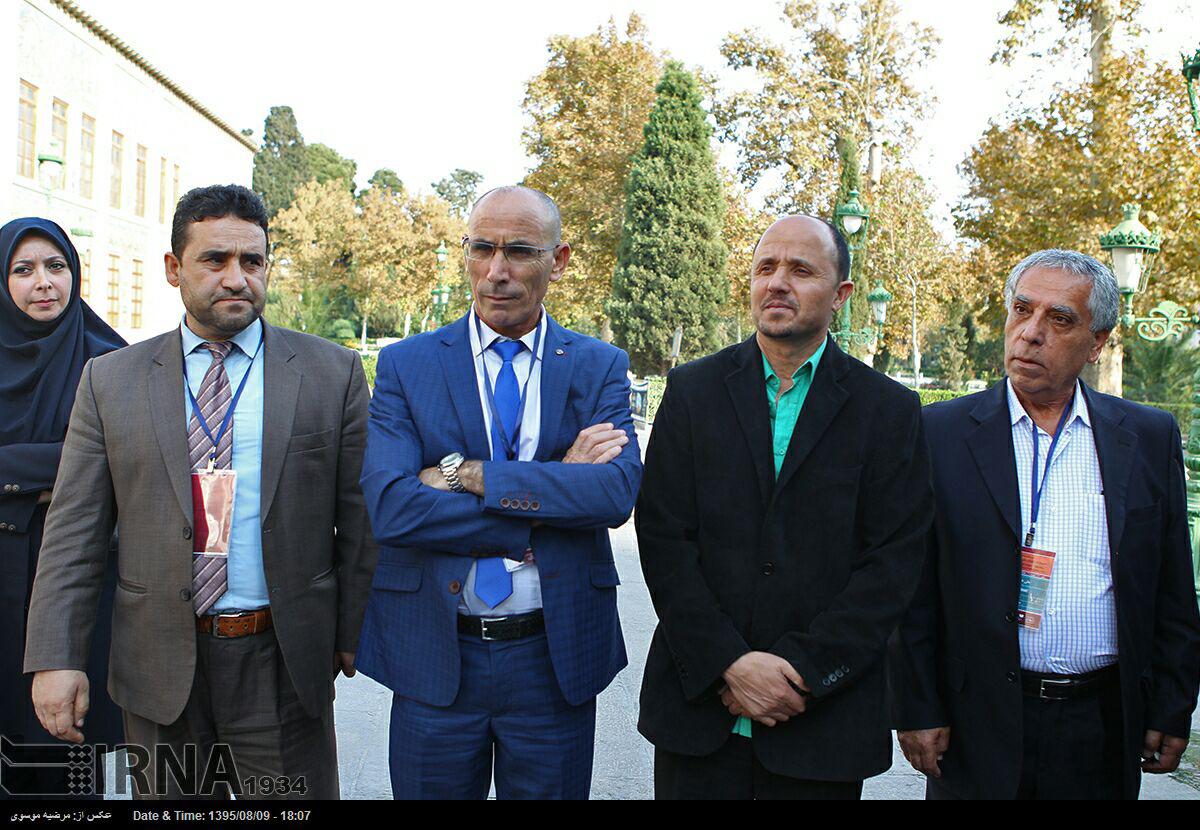
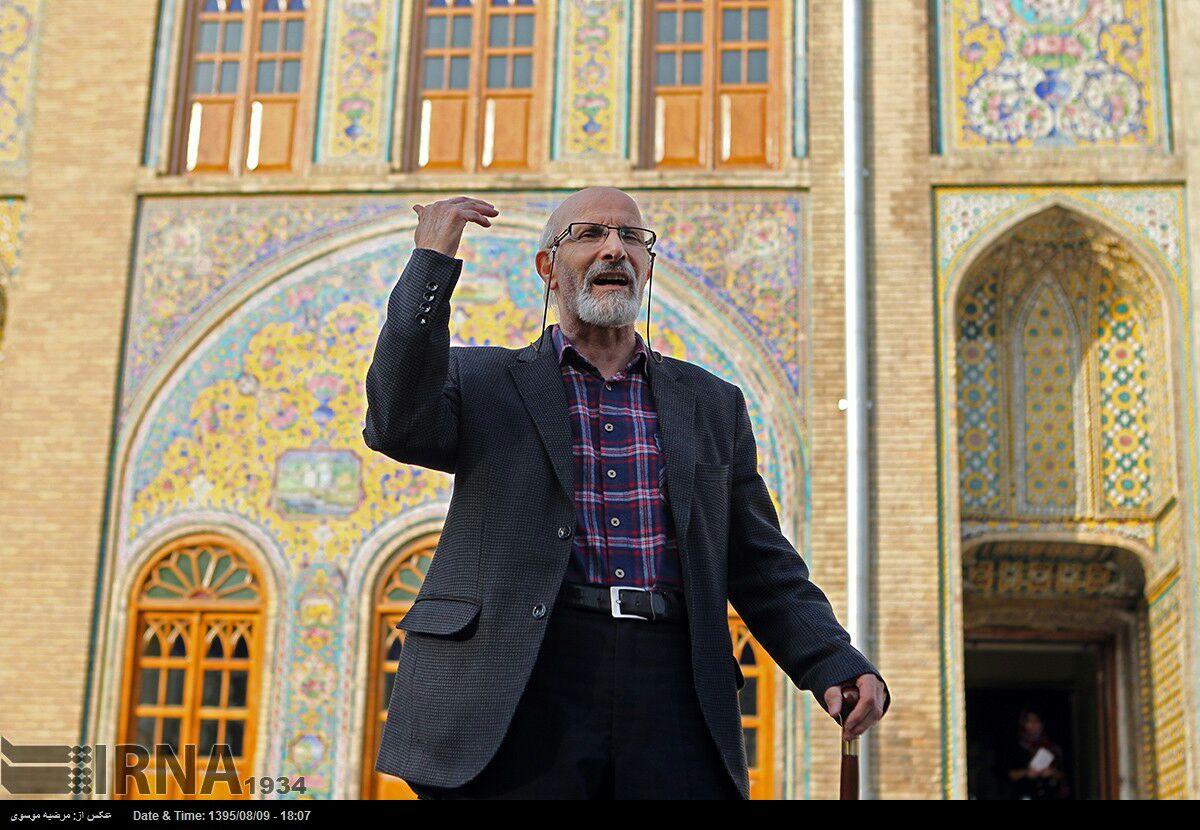
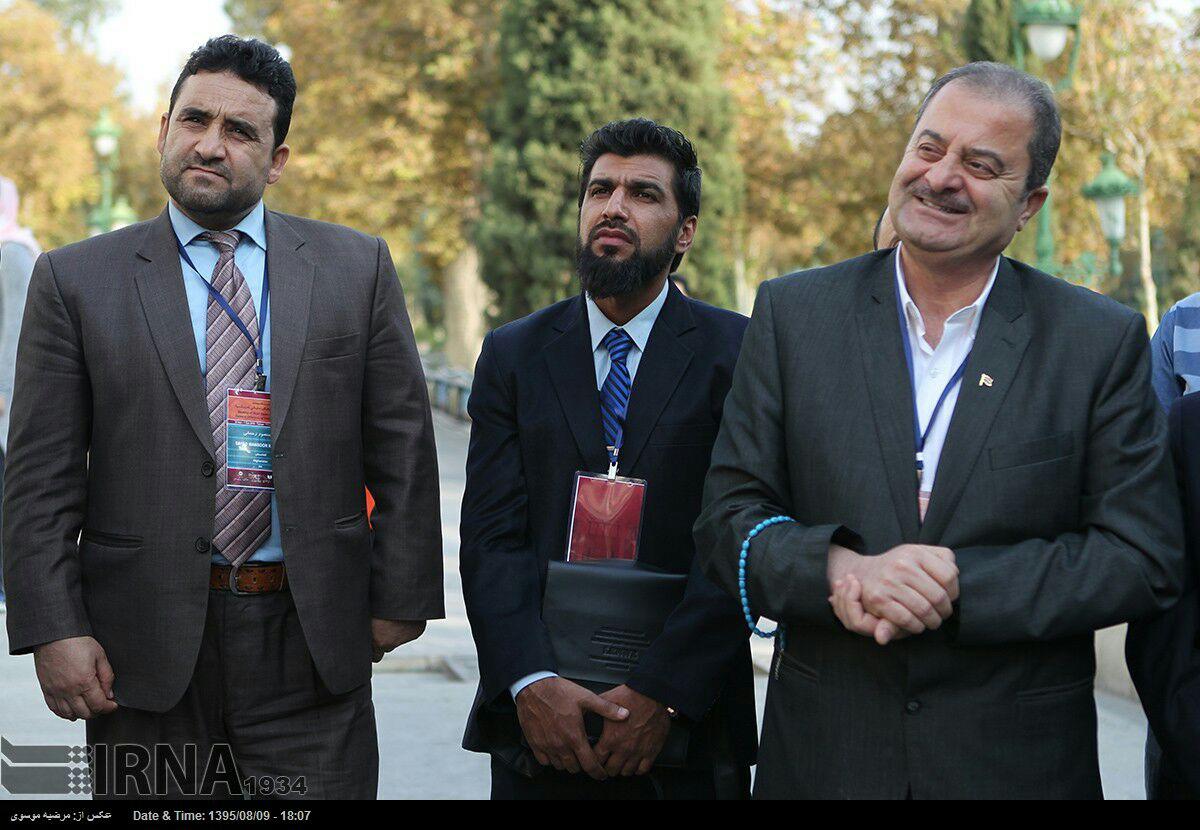
Among the visiting officials were Advisor to Iraqi Minister of Culture and Tourism Ahmad Hassan Mousa Sa’edi, Ali Farhat, Director of the Theatre Department of the Lebanese Ministry of Culture, and Khalid Bin Omar Bin Al-Shanfari, a theatre official from Oman, as well as cultural officials from other countries like Pakistan, Afghanistan, Syria, Qatar, Russia and Tunisia.

During the meeting, Director of the General Administration of Dramatic Arts Mehdi Shafiei said, “Drama is a pretty long-lasting art form in the history of the Iranian civilization which exceeds thousands of years.”

Dramatic arts and traditions in Iran date back to over 3,000 year ago, he said.

Over the course of the past 100 years, modern theatre has been staged in Iranian theatres, Shadiei added.

Introduction of Iran’s international theatre festivals was among other programs of the visit.