Tuesday, April 28, 2026
Home Blog Page 4255

‘I Can’t Say If Israel or Hitler Is More Barbarous’: Turkish President

According to a report covered by Fars, the President of Turkey said in his first interview with the Israeli press in more than 10 years that he could not decide whether the Holocaust or Israeli military offensives in Gaza were “more barbarous”.

“I don’t approve of what Hitler did, and neither do I approve of what Israel has done,” Erdogan said, adding, “When it’s a question of so many people dying, it’s inappropriate to ask who was the more barbarous.”

He told Channel 2 he was “well aware” of the sensitivities associated with Hitler, blamed for the deaths of some six million Jewish people in the Holocaust, The Independent reported.

But he said he found it “impossible to forget the hundreds, the thousands of people who died when [the Israeli military] struck Gaza”.

A Different Look at Cancellation of Iranian MP’s Speech in Mashhad

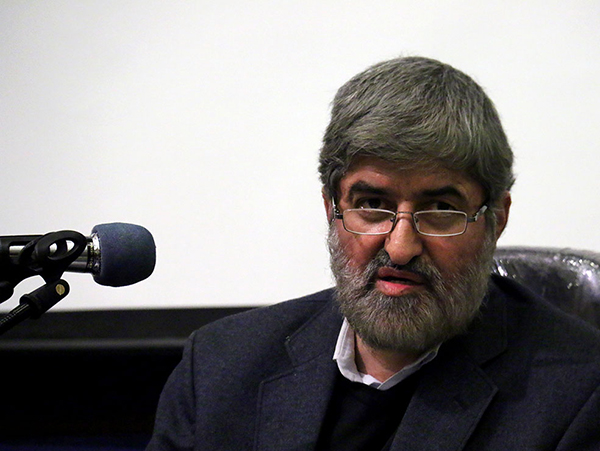
Ali Motahari

Vice-Speaker of Iranian Parliament Ali Motahari was due to deliver a speech in Mashhad on Sunday morning, but it was called off based on an order by provincial prosecutor.

According to media reports translated by IFP, although the cancellation immediately led to widespread reactions by the government and the Parliament, leading conservative newspapers have protested that why the country’s serious problems like economic downturn are not dealt with in such a speed.

Kayhan newspaper wrote in its Tuesday article, “While the country is gripped by major problems like air pollution, unemployment, economic downturn, and astronomical salaries, and a few months are only left of the government’s term, what is the purpose behind highlighting the cancellation of a speech?”

It further noted that if the government had a similar speed in showing reaction to other problems faced by Iranian people or the issue of astronomical salaries, many of them could be resolved so far.

Javan newspaper also wrote, “A review of reformist media shows they have just started using the cancellation of Motahari’s speech in Mashhad as a means of propaganda, and they are trying to take advantage of the issue.”

Following the controversy over Motahari’s speech, the Governor of Mashhad was dismissed; however, it was later announced that the decision to dismiss him had been taken a couple of days earlier.

Javan referred to the issue, and said that “reformist media were trying to make a connection between the dismissal and Motahari’s case in an effort to imply that the government has fired the Governor in an act of protest (or let’s say in a move to attract more votes in the upcoming elections).”

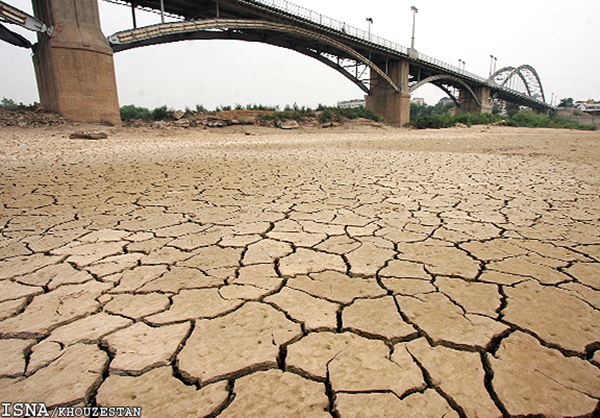
Iran Urges Global Action against Water Crisis

Water Crisis

“To meet these challenges, the international community needs to accentuate its political will to promote trans-boundary water cooperation through negotiating, designing, agreeing and implementing custom made and appropriate water-sharing plans and access to water,” Dehqani said on Monday at the UN Security Council Open Debate on “Water, Peace and Security”.

He added, “We need to encourage countries that are facing water related issues to develop cooperation frameworks to addressing their respective needs in order to prevent water related confrontations in the future.”

The following is the full text of Dehqani’s speech at the debate.

Mr. President

At the outset, I would like to express my delegation’s appreciations to you and your delegation for convening this event and presenting the concept note. I would also like to express my gratitude to Mr. Ban Ki-Moon, Secretary General of the United Nations, the Global High-Level Panel on Water and Peace, ICRC and Strategic Foresight Group for their inputs in this debate.

Water is a natural resource that not only has a determining impact on the wealth and welfare of all nations, but it has also a major sway on their stability in the twenty-first century.

Some 1.7 billion people are currently lacking fresh water and are below the real rarity threshold established by the United Nations. This number is expected to rise to 2.4 billion in 2025.

There are more than 260 rivers shared in one way or other by 148 countries and thus water related issues can affect regional peace in a very significant way. It is particularly disturbing that for 158 of the 263 international watercourses there is no cooperation frameworks. Incremental competition between States over trans-boundary water resources has led to regional instability in many places and this will continue and exacerbate in future.

With unprecedented population growth, new emerging economies and the effects of climate change, pressures on our finite freshwater resources are increasing. Meanwhile, the ability of some nations to secure their water-related requirements is being severely challenged, causing great and legitimate concern that tensions around water hotspots will intensify among water users. Yet, water holds an immense potential for cooperation which should be explored and utilized. An increasingly strong and coordinated response is therefore expected from the international community in order to raise awareness and build cooperation from the growing challenges posed by water between sovereign states.

Water and water resources are increasingly becoming a matter of national security and thus as the Concept Note describes as a “potential driver” for conflicts. The fierce competition for fresh water may well become a source of conflict and war in the future, in the same way that land  or energy have led to conflicts in the past, if the international community fails to install efficient and effective water management structures at the regional level. As stated in the World Water Development Report 2015, “Inter-state and regional conflicts may also emerge due to water scarcity and poor management structures”.

A Water Diplomacy is needed: A new approach to managing complex water issues and networks, innovative approaches to water managing that should replace outdated zero-sum battles over water. This new approach will serve to promote both short and longer term cooperation through shared benefits, inclusive multi-stakeholder agreements, and sustainable trans-boundary institution building.

To meet these challenges, the international community needs to accentuate its political will to promote trans-boundary water cooperation through negotiating, designing, agreeing and implementing custom made and appropriate water-sharing plans and access to water. We need to encourage countries that are facing water related issues to develop cooperation frameworks to addressing their respective needs in order to prevent water related confrontations in the future. Upon request by concerned states, the United Nations as well as relevant regional or sub regional organizations also can play a useful role in these efforts, particularly in the fields of capacity building, sharing experiences and model setting.

Iranian Photographer’s Work among 10 Finalists of Photo Walk 2016

Photo Walk 2016
Fatemeh Rowshan
Fatemeh Rowshan

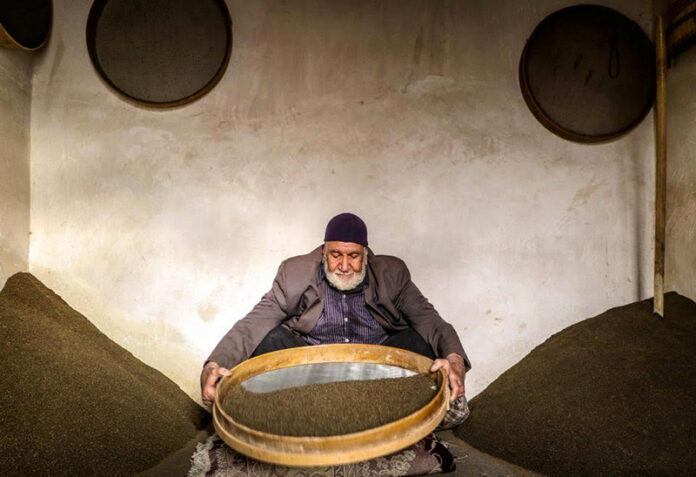
According to a report by Honar Online, as translated by IFP, a photo by Fatemeh Rowshan, an Iranian photographer from northeastern city of Mashhad, was highly admired by well-known American photographer Scott Kelby and named as one of the 10 finalists in Photo Walk 2016.

Kelby said about Rowshan’s photo, “There’s so much more going on there than you see at first glance. Everything in this image — all the graphical elements — they all work together so beautifully.”

“The round shapes up top, and the triangles below, placing the gentleman in the valley between them — in all that white space — it’s just so graphically pleasing,” he added.

“The color of the sifter, and then his purple shirt and coat (why is he wearing a dress shirt and sports coat in this environment — it’s beautifully out-of-place), and then the green pyramids on either side of him — I just love it,” Kelby noted.

At the end of the competition, a photo by American photographer Lisa Jones won the grand prize of this year’s Photo Walk.

Photo Walk 2016
The winner of Photo Walk 2016 Grand Prize, a photo by Lisa Jones from Dallas

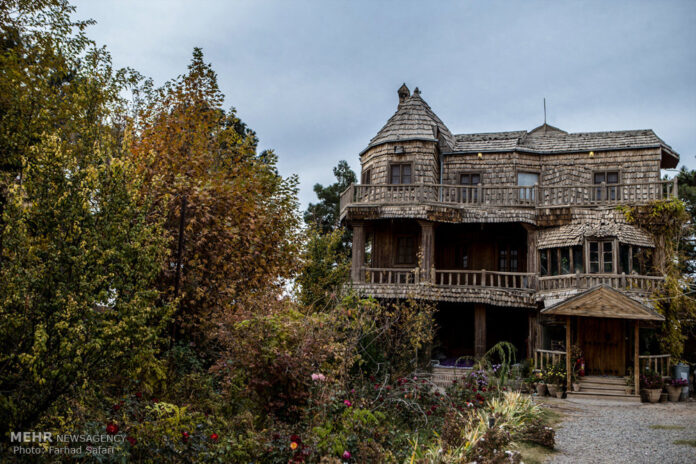
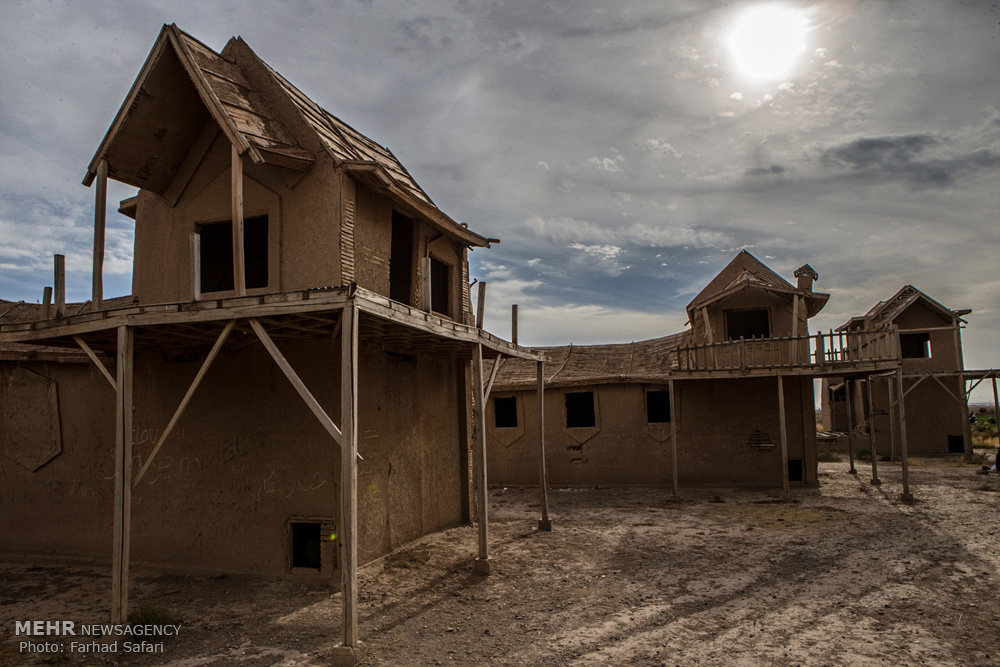
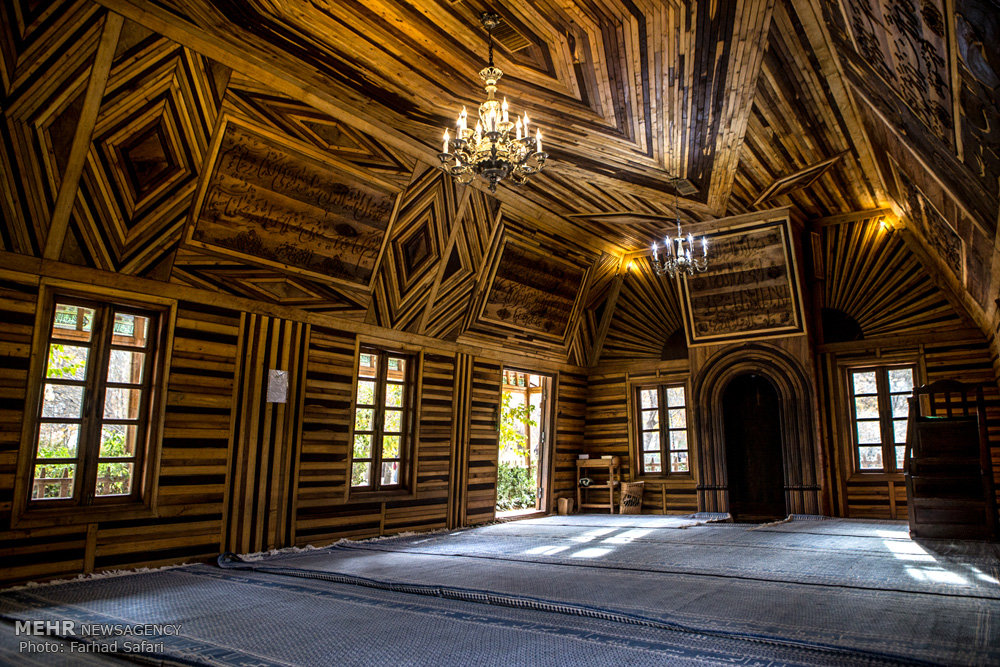
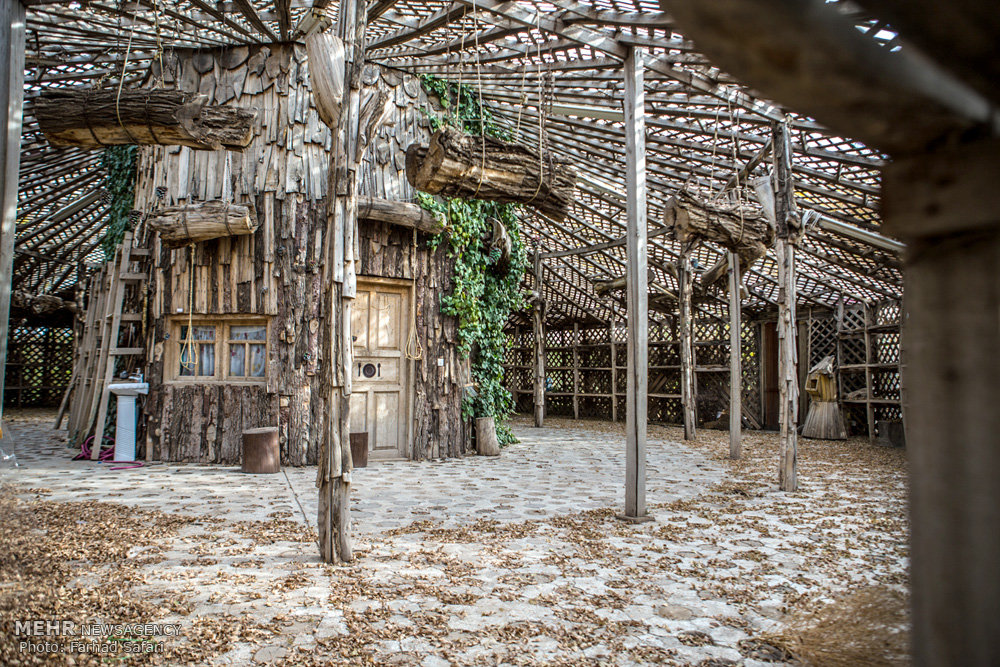
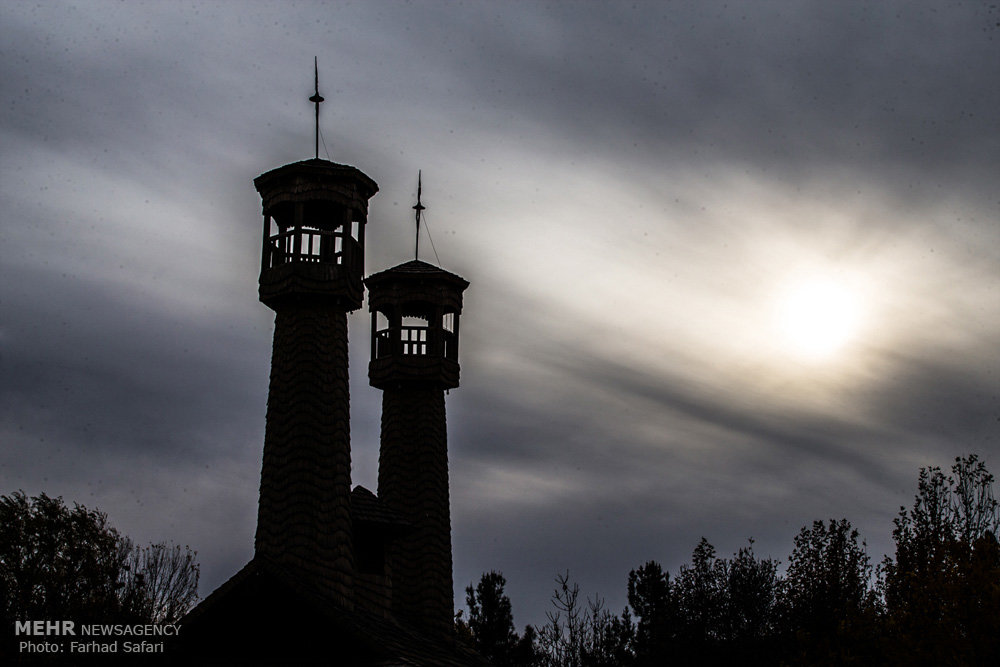
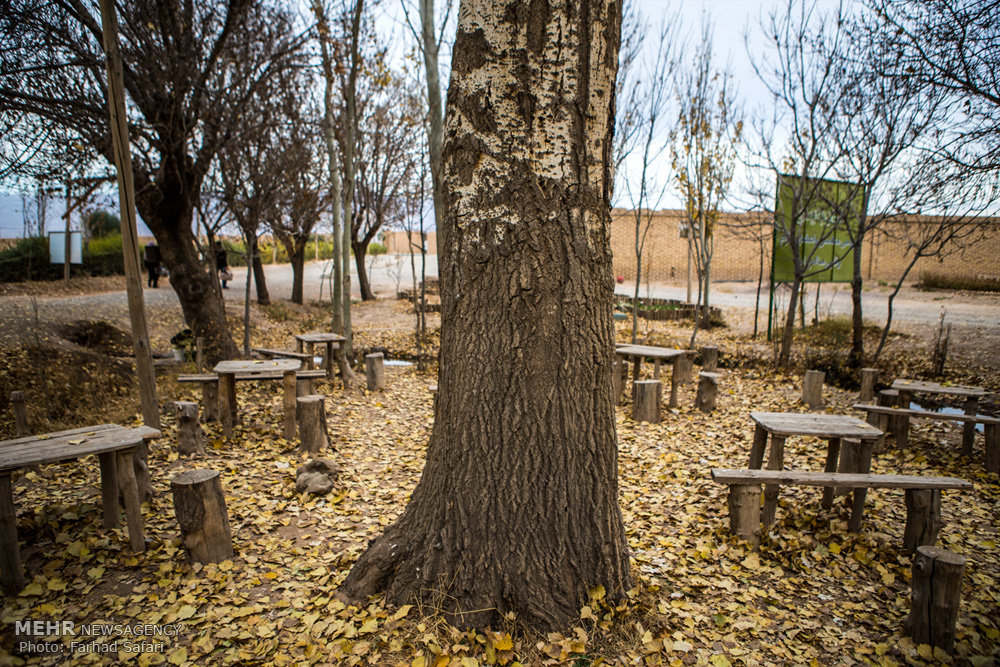
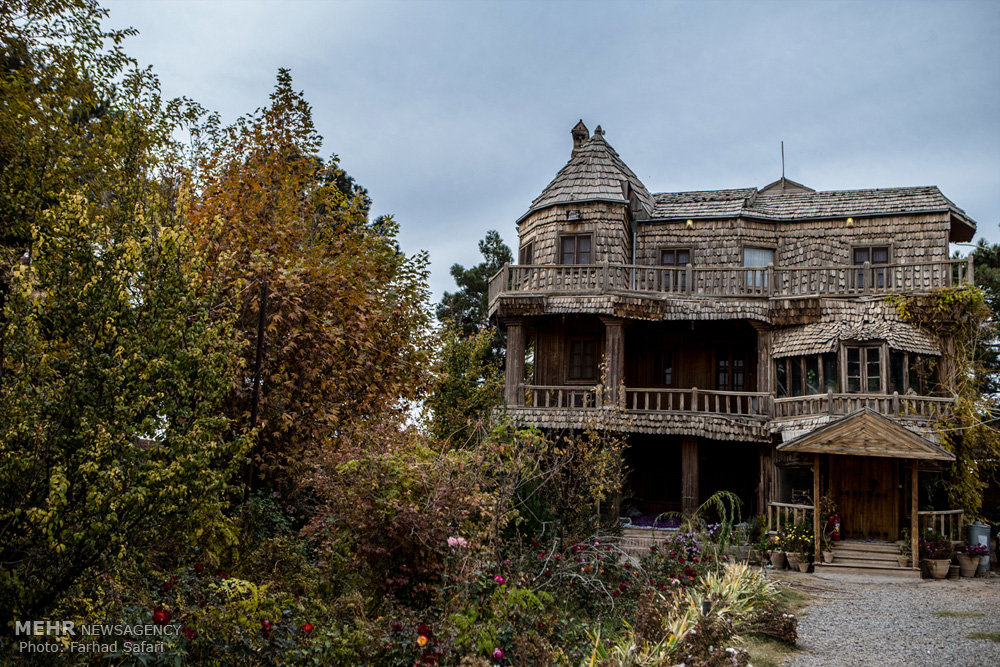
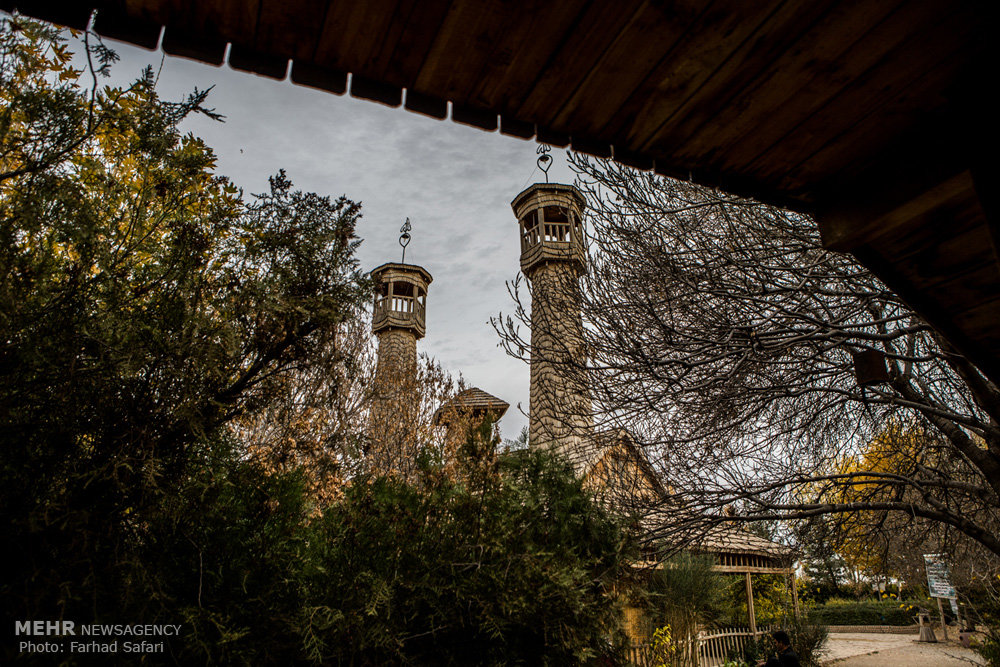
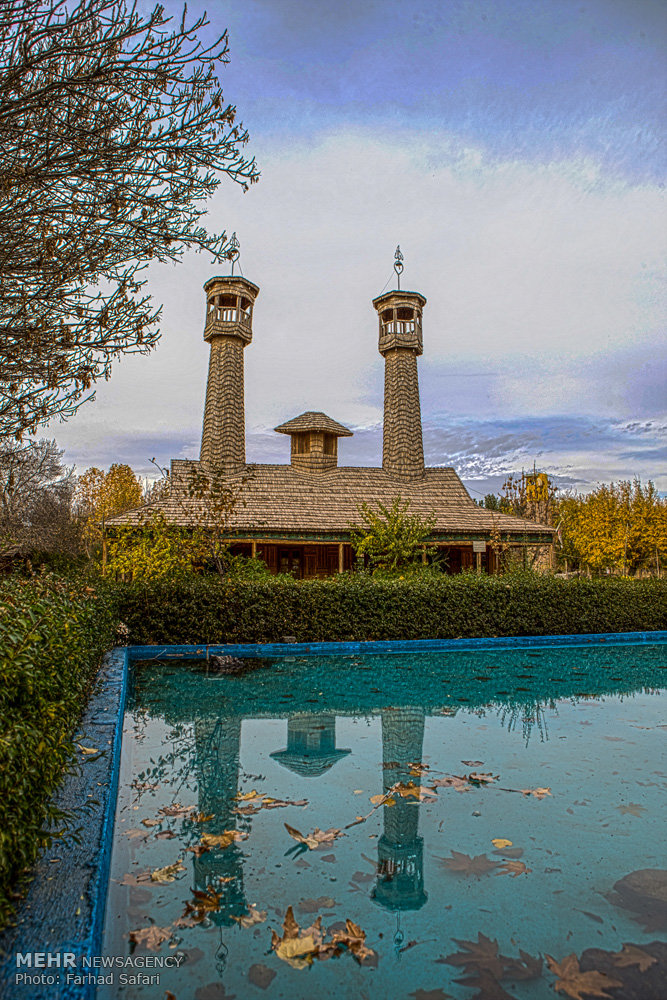
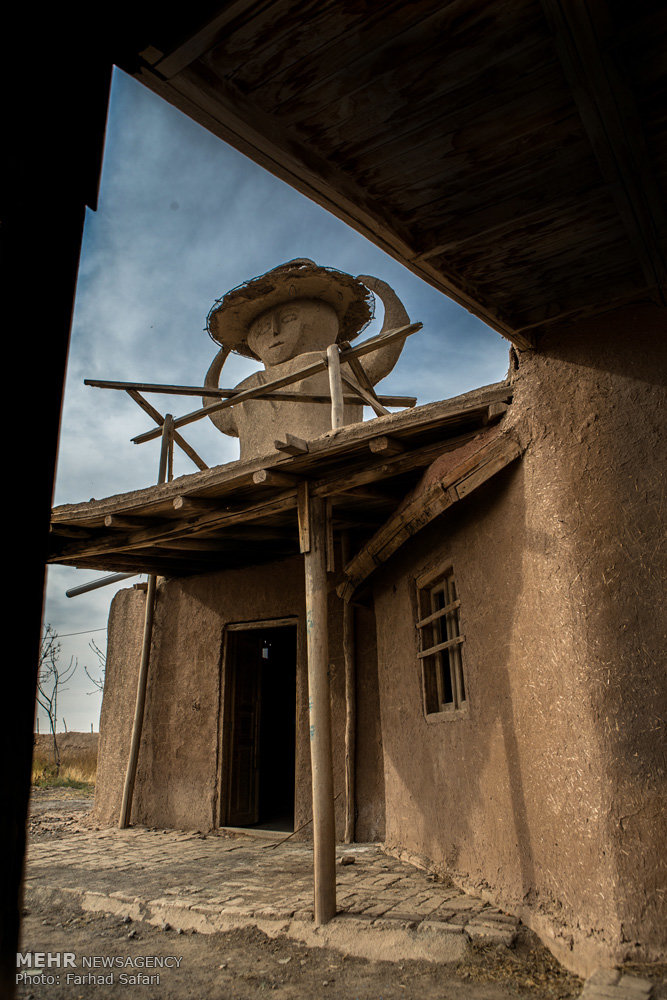
Everything in This Iranian Village Is Made of Wood

Vilage

The unique wooden village has been constructed by Engineer Hamid Mojtahedi and is one of the tourist resorts of Neyshabour.

Everything in this wonderful village, from houses to mosques and bakeries, are made of wood.

Here are Mehr’s photos of the village:


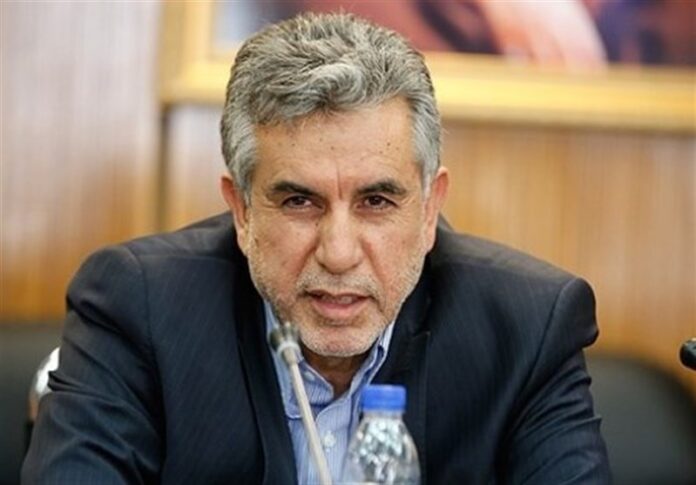
Development of Iran’s Azadegan Oil Field to Be Put Out to Tender: Official

Gholamreza Manouchehri

“The NIOC has no intention to entrust the development of South Azadegan oil field to any company without a tender,” Gholamreza Manouchehri told the Tasnim News Agency.

The deputy minister added that the development project will “definitely” be put out to “an international tender”.

He said Total is one of the companies that has announced its readiness to sign a contract with the NIOC and participate in the project, adding that it is just one of the companies that qualifies for the project.

In January, Mahmoud Mar’ashi, the project manager of South Azadegan at Iran’s Petroleum Engineering and Development Company (PEDEC), said the National Iranian Oil Company (NIOC) had discussed the South Azadegan project with Total as well as other European and Asian contractors.

Iran discovered Azadegan oil field in 1999 in what was the country’s biggest oil find in decades.

The country accordingly teamed up with Japan’s Inpex to push the project toward development. However, the Japanese company quit the project as a result of US sanctions against Iran.

The NIOC later divided the project into South Azadegan and North Azadegan. The northern section of the oil field has been awarded to China’s CNPC.

Iran is now seeking foreign investment in the development of South Azadegan, which it shares with Iraq, after the removal of anti-Tehran sanctions as part of last July’s nuclear deal with world powers.

The country has five joint fields with Iraq, which include North Azadegan, South Azadegan, North Yaran, South Yaran and Yadavaran.

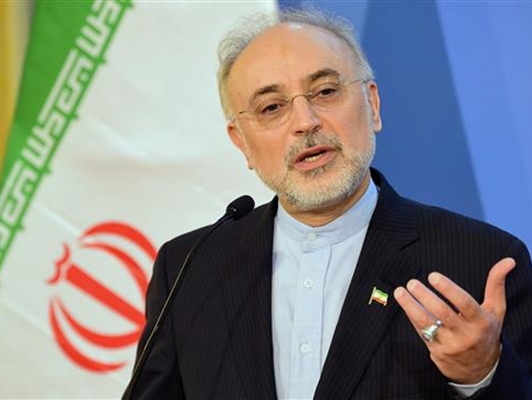
Trump Won’t Scrap Nuclear Deal: Iran’s Nuclear Chief

salehi

“I think the (new) US president will act on the basis of realities when taking the helm,” Ali Akbar Salehi said on Tuesday, as reported by Tehran Times.

“JCPOA [the nuclear deal between Tehran and world powers] is not an issue between two countries where the other side fails to honour its commitments, and we think there will be no problem,” Salehi said, referring to the US President-elect’s threats to scrap the deal.

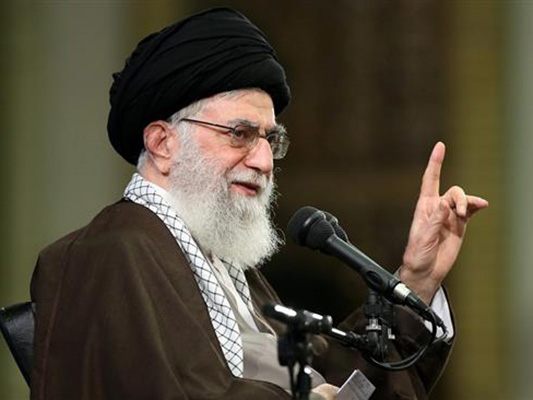
Leader: Iran to Respond if US Renews Bans

Leader

The US House of Representatives voted for a 10-year extension of the ISA earlier this month but to become law, the bill has to be endorsed by the Senate as well and signed by the US president.

“So far, the current US government has committed several violations with regard to the nuclear agreement,” Ayatollah Khamenei told members of the volunteer Basij forces in Tehran on Wednesday.

“The most recent of them is the 10-year extension of the sanctions. If these sanctions are extended, it will surely constitute a violation of the JCPOA and they (the US) should know that the Islamic Republic will definitely react to it,” he added.

Iranian officials have already warned that a possible extension of the ISA would breach the Joint Comprehensive Plan of Action (JCPOA) — a nuclear accord with Iran under which the US, the EU and other countries undertook in 2015 not to impose new sanctions on Tehran.

Last week, the US House also passed a bill that would block the sale of commercial aircraft by Boeing and Airbus to Iran, with the Obama administration admitting that the legislation would be a violation of the nuclear pact.

Last week, Secretary of Iran’s Supreme National Security Council Ali Shamkhani addressed US officials in a strident tone, warning them about a possible breach of the deal.

“If you extend the sanctions, this will mean kicking the JCPOA away and we will confront it through implementing powerful technical packages,” he said without elaboration.

US President-elect Donald Trump has said it would be hard to destroy a deal enshrined in a United Nations resolution. In August 2015, he said he would not “rip up” the nuclear deal, but that he would “police that contract so tough they don’t have a chance.”

Ayatollah Khamenei said then, “We will not violate the JCPOA, but if the opposite side violates it – as US presidential candidates are currently threatening to tear up the JCPOA – if they tear up the JCPOA, we will burn it.”

BBC Says Americans Will Leave Iraq, Iranians Will Remain

According to a report by Kayhan newspaper, as translated by IFP, the Persian website of BBC wrote that the flock of Iranian pilgrims to the Iraqi territory during Arba’een pilgrimage indicates that the Arab country has turned to Iran’s backyard.

It also conveys the clear message that Americans forces will leave Iraq, and the ones who stay are the Iranian ‘popular forces’.

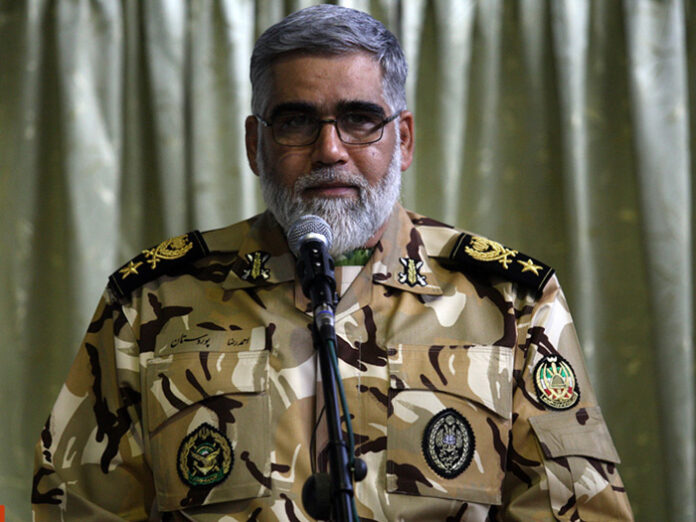
Deputy Army Commander: Iran to Buy New Fighter Jets

General Pourdastan

“New plans are underway to purchase new fighter jets,” General Pourdastan told reporters in Tehran on Wednesday, as reported by Fars.

He, in the meantime, stressed that the Air Force’ overhauled planes and fighter jets are ready to defend the country and confront threats.

Pourdastan didn’t mention what type of aircraft or from which country Iran plans to buy.