Monday, April 20, 2026
Home Blog Page 4234

Prison Sentence Changed to 1,000 Hours of Work on Environment

“A judge in the northeastern Iranian city of Gonbad-e Kavus had sentenced a 25-year-old man to one year in prison and payment of damage to the complainant for committing misdemeanour,” said Aneh Mohammad Mottaqi, a legal expert in the City’s Department of Environment.

According to a Farsi report by IRNA, Mottaqi added that “by obtaining the complainant’s consent and expressing remorse for the offence after four months in prison, he demanded the appeals court to modify his sentence by changing the rest of his prison term to doing public services.”

“After the required investigations, the judge of 102th branch of Gonbad-e Kavus penal court issued a new sentence, condemning the inmate to 1,000 hours of free public services including environmental cleanup in meadows, forests, rivers and similar cases under supervision of Department of Environment,” Mottaqi announced.

Another judge in Iran had earlier changed a prisoner’s sentence to book purchase and book donation to town’s libraries.

People Take Part in Desert Greening in Southern Iran

Desert Greening-Hormozgan

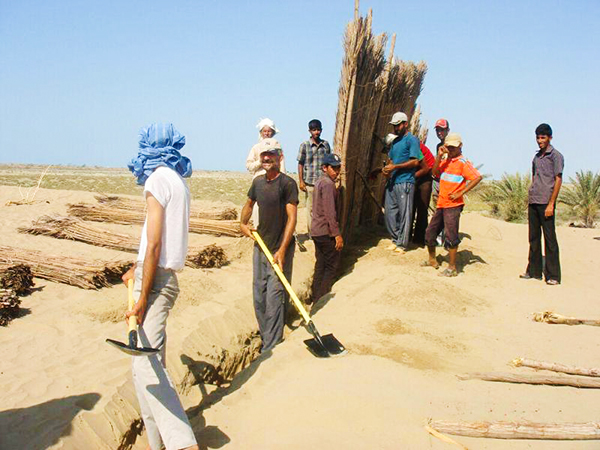
“During the past two years, the desert greening program has been implemented in more than 100,000ha of Hormozgan desert areas, by planting fruitful and non-fruitful species with the participation of desert farmers,” announced Majid Pour-Balighi, a technical assistant in Hormozgan`s Department of Natural Resources and Watershed.

According to a Farsi report by Ettelaat newspaper, Pour-Balighi went on to say that public participation in desert greening shows a growth of 80%.

“There were only 40 cases of public participation in desert greening between 1998 and 2014. In the past two years, however, we observed 32 cases of public participation for the first time.”

“Since Hormozgan is located in a desert area, it is one of driest provinces of Iran. The best strategy for resolving this issue is to benefit from public capacities,” he noted.

“The conservation and restoration of natural resources is brought by successful implementation of public participation programs for deserts’ revival, and the education of desert inhabitants about these issues based on local knowledge and efficient solutions,” he added.

“The cooperation of desert inhabitants in the revival of vegetation cover in destructed desert areas is being implemented in the form of the legal provision of Note 5, Act 3 of  Protection and Exploitation of Forests and Meadows’ Law,” Pour-Balighi explained.

Iranian Ministries Sign MoU to Fight Smuggling of Goods

nematzadeh

According to a report by IFP, Mohammad Reza Nematzadeh, the Minister of Industry, Mine, and Trade, declared the signing of a Memorandum of Understanding with the Interior Ministry to prevent sailors from smuggling goods into the country.

Israeli Settlement Expansion Blatant Violation of International Law: Iran

revava

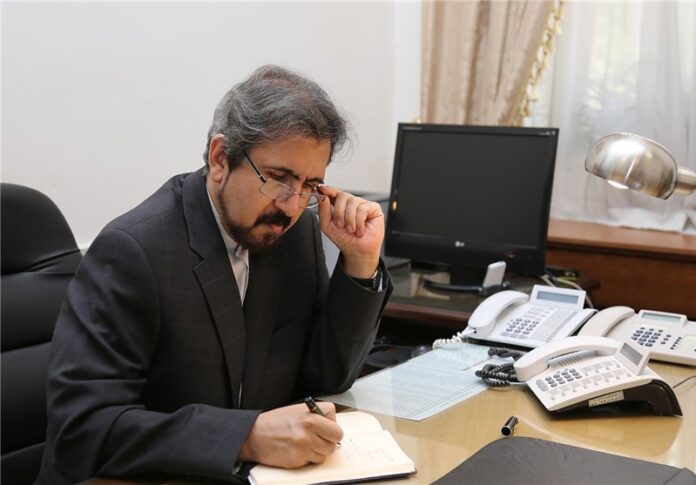
The illegitimate nature of the Israeli regime is based on the occupation of Palestinian lands, Iranian Foreign Ministry Spokesman Bahram Qassemi said on Friday.

“The [Israeli] regime’s settlement plan is against regulations and principles recognized by the international community, particularly international human rights and international humanitarian law,” he added.

He emphasized that those who are behind such moves are flagrantly violating international law and “must be prosecuted.”

“The settlements are a serious obstacle to the materialization of the Palestinian people’s right to self-determination,” Qassemi said.

The Iranian spokesperson urged all “government and international institutions” to make use of all possible means at their disposal “in order to oblige the Zionist regime [Israel] to abide by international rules and principles.”

He also called on governments, the United Nations and other relevant bodies not to suffice to merely condemning the Israeli moves in words without taking any practical measure.

The world bodies make an “immediate and practical” move to “stop the continuation of inhuman and illegal activities of this regime and prevent [the construction of] new settlements in Palestine,” Qassemi said.

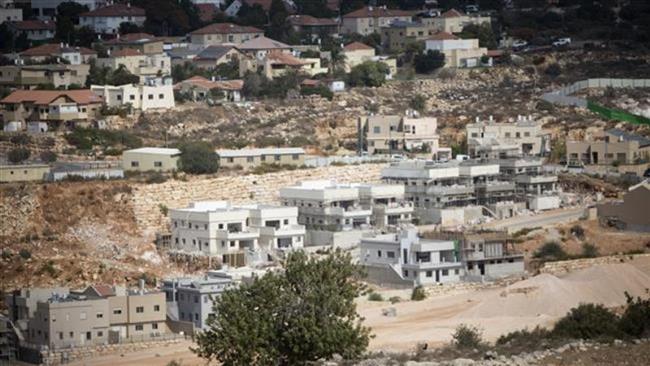
Israeli lawmakers on Wednesday approved a hugely-controversial bill legalizing some 4,000 settler units built on private Palestinian land in the occupied West Bank.

In the first of three readings needed to turn the bill into law, 57 members of the Knesset voted to approve the draft legislation while 51 opposed.

More than half a million Israelis live in over 230 illegal settlements built since the 1967 Israeli occupation of the West Bank and East Jerusalem al-Quds, another Palestinian territory.

The Palestinian Authority wants the West Bank as part of a future independent Palestinians state, with East al-Quds as its capital.

Built on occupied land, the settlements are internationally condemned as illegal and equal to land grab.

The United States, Israel’s oldest and strongest ally, Germany, the country least critical among its fellow European nations of Tel Aviv, United Nations officials, and the European Union have voiced strong criticism of the bill.

In a Thursday statement, UN High Commissioner for Human Rights Zeid Ra’ad al-Hussein condemned as “unequivocally illegal” the Israeli bill and called on elements inside the Tel Aviv regime to revise their support for the bill.

The international community regards all settlements as illegal. The Tel Aviv regime has, however, continued to expand its illegal construction activities, defying warnings that the move could hamper the so-called Middle East peace talks.

Iran Denounces UN Resolution against Syria as ‘One-Sided’

Gholam-Hossein Dehqani

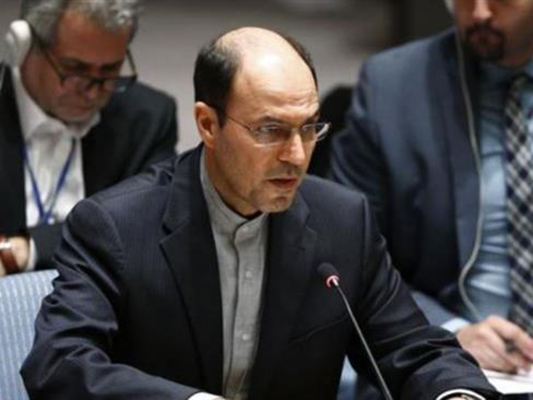
“The draft resolution on the Syrian Arab Republic, placed before us today as L.39, is a one-sided document and divorced from the reality on the ground in Syria,” Dehqani said, addressing a meeting of the UN General Assembly on Friday.

The Canadian-drafted resolution called for an “immediate” cessation of combat against militants in the Arab country. UN members on Friday voted 122 to 13 in favor of the resolution. China, Russia and Iran were three of the 13 countries that voted against it.

Following is the full text of the Iranian envoy’s statement:

Mr. President,
The draft resolution on the Syrian Arab Republic, placed before us today as L.39, is a one-sided document and divorced from the reality on the ground in Syria.

We agree that the situation in the Syrian Arab Republic has been alarming in the past several years and the humanitarian situation has been deteriorating. We also fully agree that the international community, represented by the United Nations, should do whatever in its power to address the humanitarian crisis in Syria. From the outset of the crisis, Iran, through its Red Crescent Society, has been actively engaged in humanitarian operations in Syria. Iran, bearing in mind its moral and international commitments, will continue to assist Syrians in need for humanitarian assistance. However, it is evident that this crisis is only the effect, and the draft is totally silent on its root cause.  It is an established fact that terrorism and violent extremism are the root causes of the disaster, and it is the very issue that should be first and foremost addressed by the international community. Militants and terrorists that are let in Syria, mostly through lax borders, and are supported by some foreign countries, are responsible for the very difficult situation and the ongoing humanitarian disaster.

It is again an established fact that a number of armed terrorist groups, such as Daesh, Jebhat al-Nosra and Jeish al-Fath, have been in control of and active in parts of a fellow member state of this Organization and the occupation by them of some densely populated regions has exacerbated the situation. The actions of these groups have been the main source of the suffering for the civilians and have and continue to be a tremendous challenge for humanitarian operations. They have spread terror and intimidation among the population, who they have forcibly used as human shields. Such a control of territory by feckless and reckless groups, no matter where it occurs, creates major threats and can kick off humanitarian crises.

This is exactly at the core of the problem we are facing in Syria. Given this established fact, I have a question for the main sponsors of this draft resolution, and this question simply goes to the distinguished representative of the UK, who blames others for their fight against terrorism: What they would do, had parts of their own territory been occupied by similar terrorist groups? Wouldn’t they take military action to dislodge them?

To resolve the crisis in Syria, we need to put an end to terrorist activities and at the same time continue our efforts towards a comprehensive and exclusively Syrian-led and Syrian-owned political settlement, based on dialogue among Syrians without preconditions to end hostilities and reestablish peace and tranquility. These two actions should go hand in hand.

This draft resolution is totally silent on these two major, necessary actions. Thus, we will vote against this resolution.

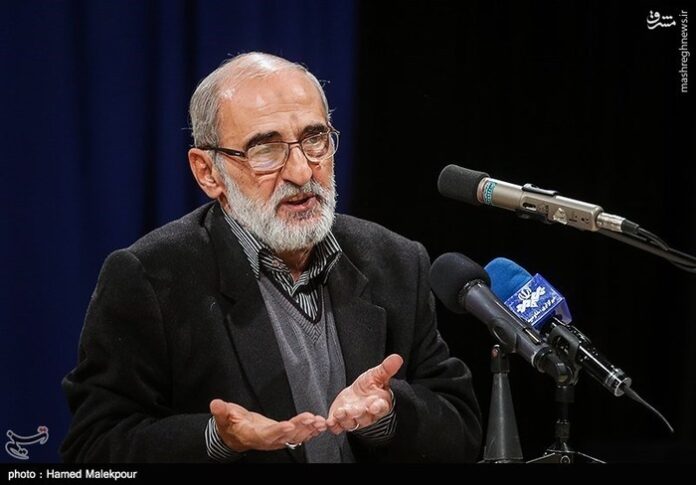
Iran’s Nuclear Ship Needs a New Captain: Senior Conservative Journalist

shariatmadari3

In an editorial published last week in Kayhan newspaper in Farsi, Hossein Shariatmadari, the veteran journalist, once again referred to the nuclear deal between Tehran and the Group 5+1 (Russia, China, the US, Britain, France, and Germany) as a ‘total damage’ and stressed that the country’s nuclear industry needs a new leader as the incumbent government is not able to push our nuclear energy program forward.

Shariatmadari criticized the Iranian nuclear negotiating team for ignoring the repeated warnings against reinventing the wheel [testing the West’s honesty once again], and stressed that a review of what happened in the past three years can prevent the recurrence of this ‘total damage’.

In a review of what happened in the course of JCPOA finalization, the veteran journalist referred to the Lausanne Statement or ‘Iran nuclear deal framework’ announced by Iran’s Foreign Minister Mohammad Javad Zarif and EU Foreign Policy Chief Federica Mogherini on April 2, 2015, and described it as a deal that prepared the grounds for dismantling Iran’s nuclear energy program.

“We in Kayhan believed that Iran had given up a saddled horse and was given a worn-out tether in return. Therefore, in our first issue after the Lausanne agreement, we used the headline ‘Win-Win Worked: Nuclear Industry Is Gone, Sanctions Will Remain’ and published an editorial entitled ‘Achievements or Losses?”

Here are parts of the editorial published on April 4, 2015, after the nuclear framework was signed, “Zarif and Araqchi, the members of Iran’s nuclear negotiating team, insisted until last moments before the announcement that what was going to be released was just a ‘joint press declaration. There is no need to mention that in legal terms, statement is a document whose articles are not binding, and if they are, it is no longer considered a declaration: it will be considered an ‘agreement’. However, once this so-called declaration was released, it was revealed that it includes obligations that are binding for Iran.”

“In the articles related to Iran, the expression ‘IRAN HAS AGREED TO’ was used; the question is, in what legal or political lexicon does ‘AGREED TO’ have any other meaning than an ‘agreement’? So why did you introduce this agreement as a ‘declaration’?” the 2015 editorial read.

Iran’s nuclear negotiators insisted that what announced in Lausanne back in April 2015 was just a DECLARATION and was not binding at all. While in the articles related to Iran, the expression ‘IRAN HAS AGREED TO’ was used. In what legal or political lexicon does ‘AGREED TO’ have any other meaning than an ‘agreement’?

Shariatmadari further referred to the speech delivered by President Hassan Rouhani after the Lausanne agreement – who said the country will be able to continue its nuclear Research & Development based on the framework – and emphasized, “It is not clear Rouhani’s statements were based on what justifications, because based on the deal, Iran’s Fordow cannot contain any centrifuge [while 1,000 centrifuges were supposed to remain in this centre] and the country will not be allowed to carry out any R&D in Fordow for 15 years.”

In his 2015 editorial, Shariatmadari pointed to other articles of Lausanne framework and its contradictions with what Iranian government claims, and said that such obligations mean the loss of all Iran had gained, and cannot be considered an honourable achievement.

In that editorial, he added, it was predicted that the anti-Iran sanctions are going to be suspended – not removed – and will be restored in the earliest time. “The enemy’s next move was to protest at Iran’s missile capabilities, because the nuclear challenge is just symbolic, and it is just part of the enemy’s opposition to the Islamic Republic’s power.”

A brief review of JCPOA clearly showed there is a huge difference between what Iran’s nuclear negotiators said in praise of the deal and the bitter truth about the harmful text of the nuclear deal.

“It is worth mentioning that what we said in that editorial and numerous other ones, all of which are now realized, were not that much complicated and did not need any deep understanding. A brief review of Lausanne agreement and JCPOA content clearly showed that there is a huge difference between what our nuclear negotiators say in praise of the nuclear deal and the bitter truth about Lausanne agreement and the harmful text of the nuclear deal [Joint Comprehensive Plan of Action],” he went on to say.

“In the most optimistic view, the exaggerations and hyperbolic remarks made by our friends to describe the nuclear deal should be caused by their simplistic view or their unjustifiable trust in the opponent,” he noted.

Shariatmadari says Iran’s nuclear negotiating team’s trust in the West is unjustifiable because Westerners are the ones who have explicitly showed their enmity with the Islamic Republic, have not spared any effort to hatch plots against and show their hostility towards our country, and repeatedly indicated that they do not remain committed to any deal and agreement.

“Some statesmen even described the nuclear deal as the ‘miracle of century’ and the ‘shining sun’, and responded to any criticism of the deal with insults and swearwords,” Shariatmadari noted.

Shariatmadari pinned the blame on officials, advisors, and even the Parliament Members who hastily ratified the implementation of JCPOA in just 20 minutes and did not pay any attention to the reports of the special committee tasked with reviewing the nuclear deal.

“All of them should be held accountable for what they did to Iran’s nuclear program,” he added.

The country’s nuclear ‘ship’ needs a new captain who knows the enemies and is more familiar with the huge waves.

The government has repeated its mistakes for so many times that we can now say the country’s nuclear program needs serious and basic revisions.

“The serious question now is that are current officials able to move forward in the country’s nuclear program,” he asked.

He stressed that the country’s nuclear ‘ship’ needs a new captain who knows the enemies and is more familiar with the huge waves.

Shariatmadari also referred to the US extension of Iran Sanctions Act (ISA), and said that it is a clear violation of nuclear deal, as stated by the country’s nuclear team.

“These days, some political circles are claiming that Obama will sign off the Senate’s bill, but is able to postpone its implementation for 3 to 6 months. They insist that if Obama ‘waives’ the extension of ISA, it will not be considered a breach of nuclear deal. However, Obama’s use of ‘waive’ will just postpone it for 3 to 6 months, and it does not mean the annulment of sanctions. It is surprising that such circles are still trying to deceive the Iranian nation and embellish the US, which is used to breaking its promises,” he added.

The nuclear deal showed once again that the US cannot be trusted, Shariatmadari said, describing it as the main achievement of nuclear negotiations.

“The only way out is to return to our own outstanding capabilities,” he added.

Iran Condoles with Pakistan over Plane Crash

Qassemi on Thursday offered condolences to the Pakistani government and nation, and expressed deep sympathy with the families of the victims.

The small twin-propeller aircraft belonging to Pakistan International Airlines (PIA) crashed near Havelian, the hilly area near Abbottabad district in Khyber Pakhtunkhwa province.

According to Daniyal Gilani, the PIA spokesman, the aircraft had lost contact with the control tower prior to the crash.

He said 42 passengers, five crew members and a ground engineer were on board.

Iranian President Urges Closer Cooperation among OPEC Members

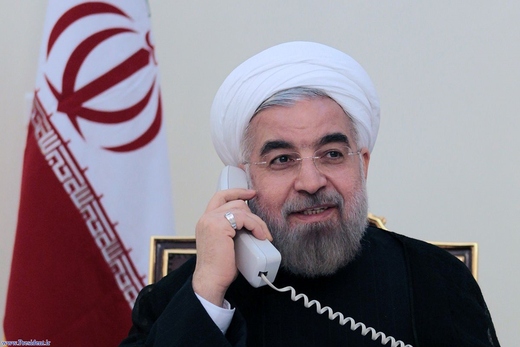
In a telephone conversation with his Venezuelan counterpart, Nicolas Maduro, on Thursday evening, President Rouhani hailed the recent deals reached between OPEC members in Algeria and Austria and said in the first step, the countries should work together to secure implementation of the deals in the first half of next year.

“Close cooperation among OPEC and non-OPEC countries is key to stabilize and raise oil prices,” he said.

The Iranian president further pointed to the position of Latin American countries in the Islamic Republic‘s foreign policy and said the Islamic Republic has always attached great importance to its relations and cooperation with these countries, including Venezuela.

Maduro, for his part, emphasized that the agreement reached among OPEC members last month in Vienna was a victory for all of the countries and its achievements will be revealed in coming months.

The OPEC members agreed in November to reduce output by around 1.2 million bpd from January 2017, a move that bolstered crude prices.

Iran was exempted from the cut, being allowed to boost production slightly from its October level – a victory for Tehran, which has long argued it needs to regain market share lost under Western sanctions, according to Reuters.

Muslim Girls in Germany Forced to Take Swimming Lessons alongside Boys

Burkini

According to a report covered by Mashregh News in Farsi, Germany’s constitutional court ruled that Muslim schoolgirls must take part in mixed swimming lessons together with boys.

If girls object on religious grounds, they can wear burkinis, the court said.

The case was brought by an 11-year-old Muslim girl of Moroccan descent living in Frankfurt, after she was given an “unsatisfactory” grade because she refused to take part in school swimming lessons.

The girl, who cannot be named under child protection laws, argued she was entitled to refuse to take part in the lessons on religious grounds.

But the court ruled that schools have a duty to encourage “social behaviour” and are entitled the make the lessons compulsory, and that mixed swimming lessons are “not a serious impairment of religious freedom”.

While some other pupils at the school chose to wear burkinis to the lessons, the girl who brought the case refused, arguing the costume did not provide sufficient coverage, Telegraph reported.

The court’s apparent endorsement of the burkini comes just two days after Angela Merkel added her voice to calls for a partial ban on the burka in German public life.
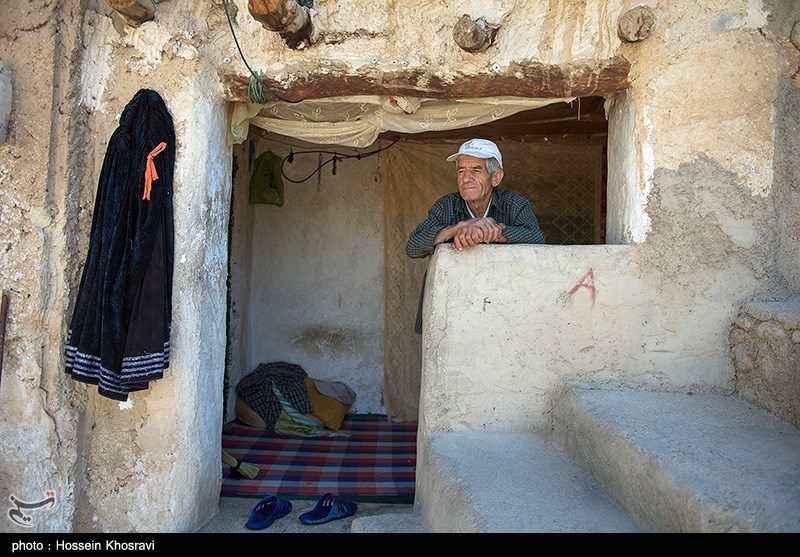
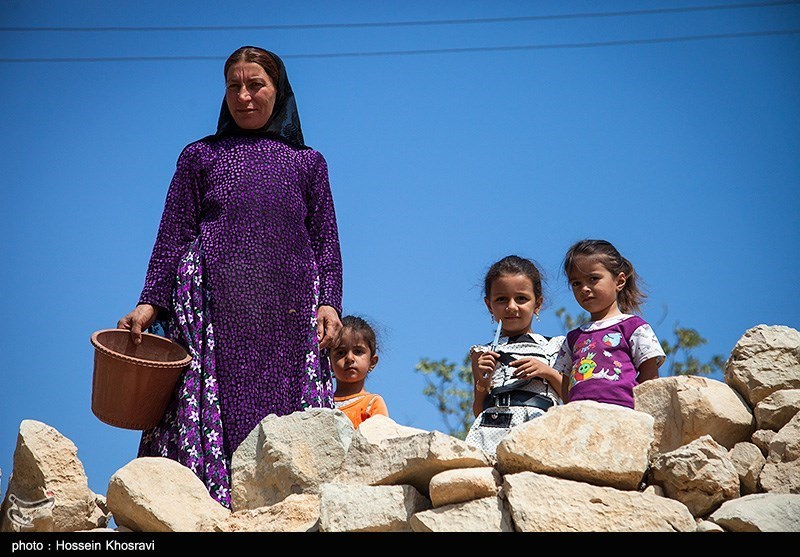
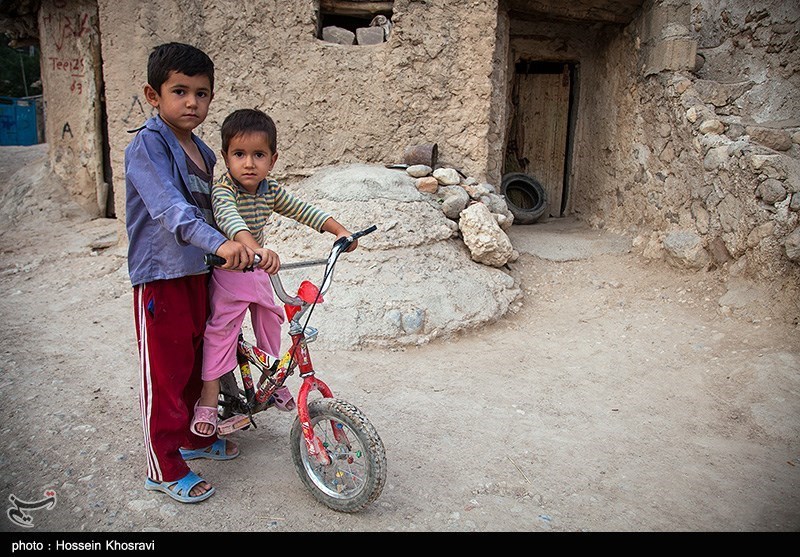
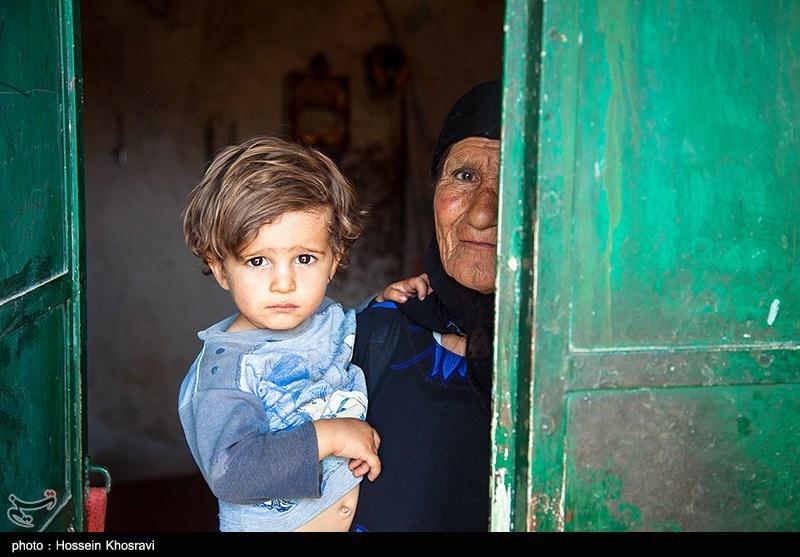
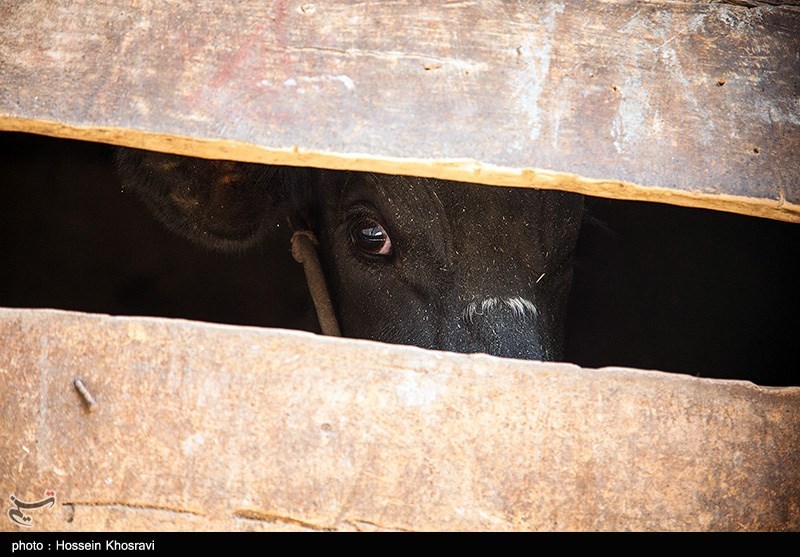
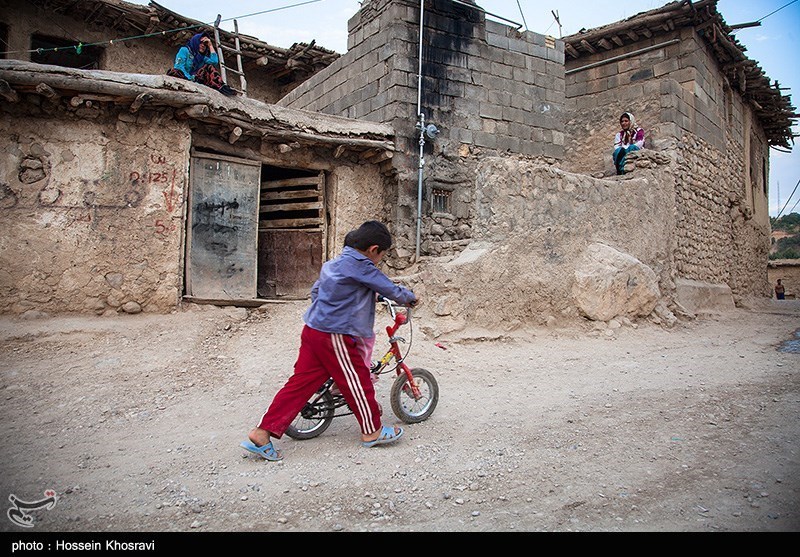
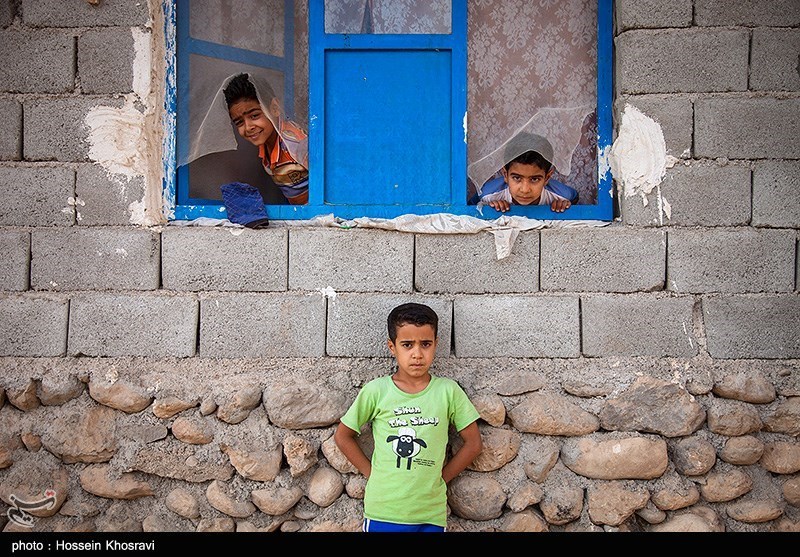
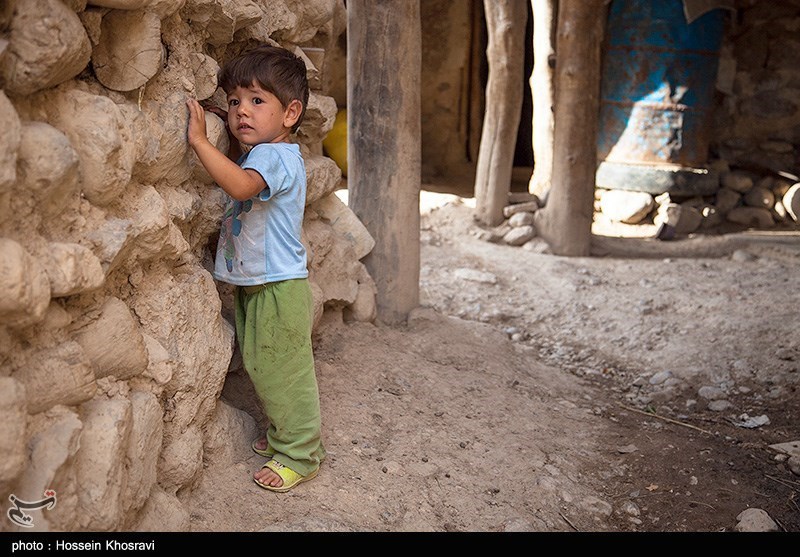
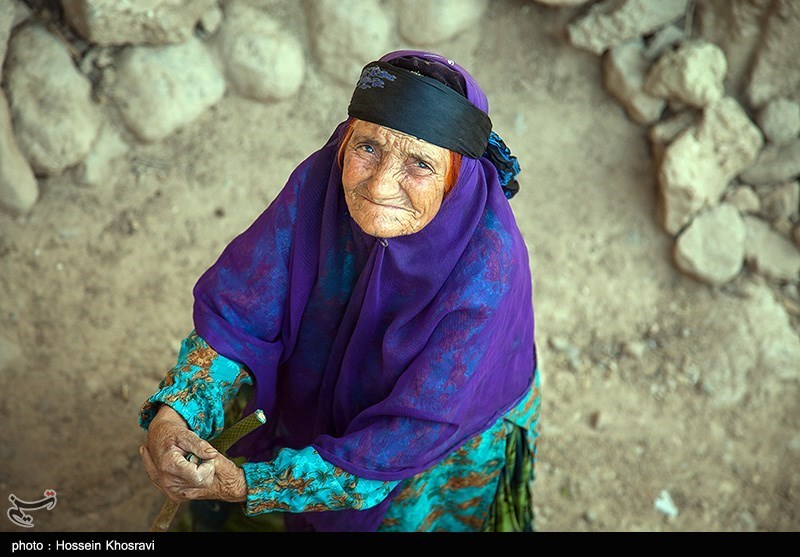
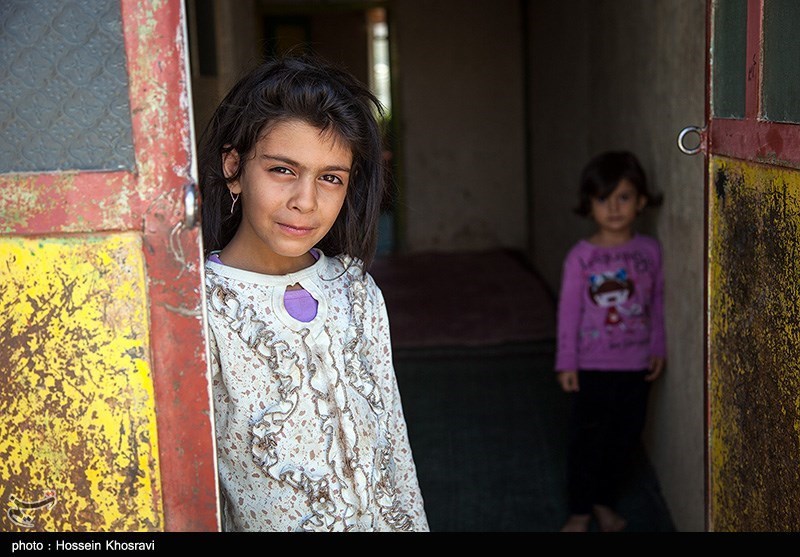
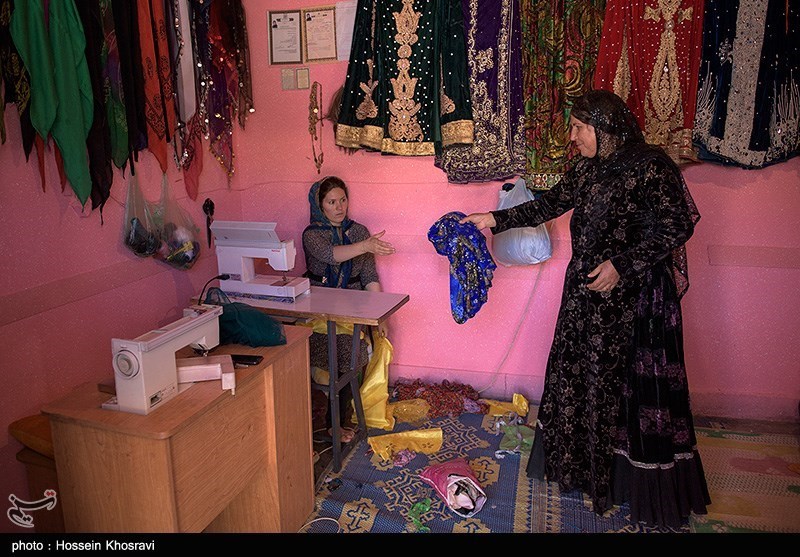
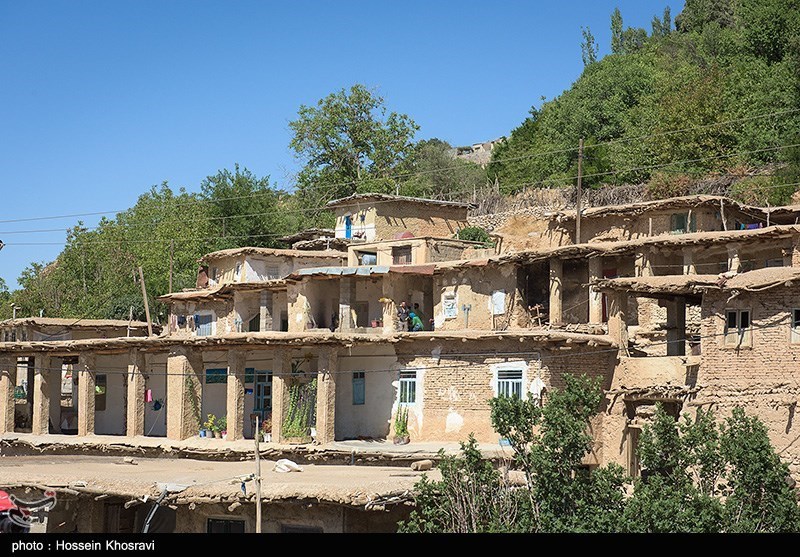
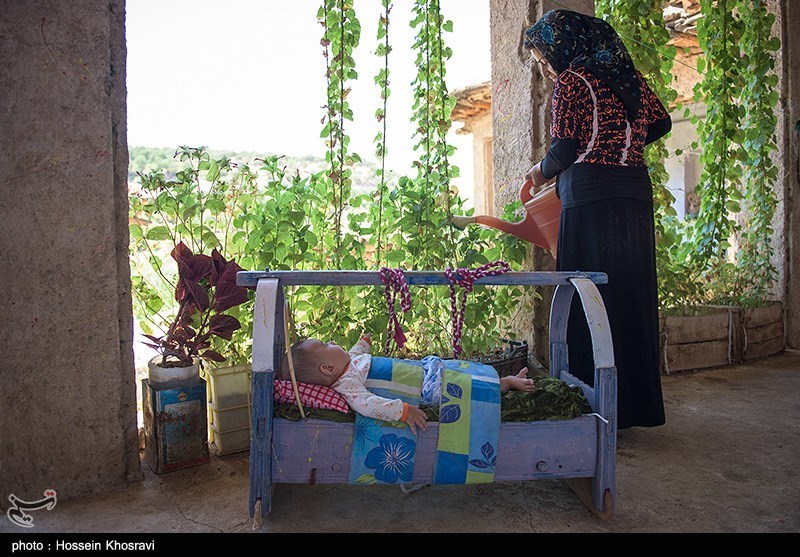
Village Life in Southwestern Iran

Yasuj

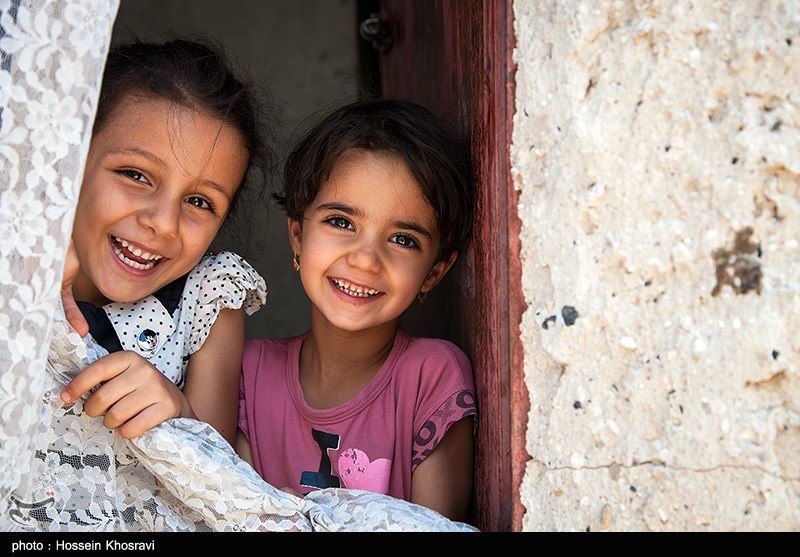
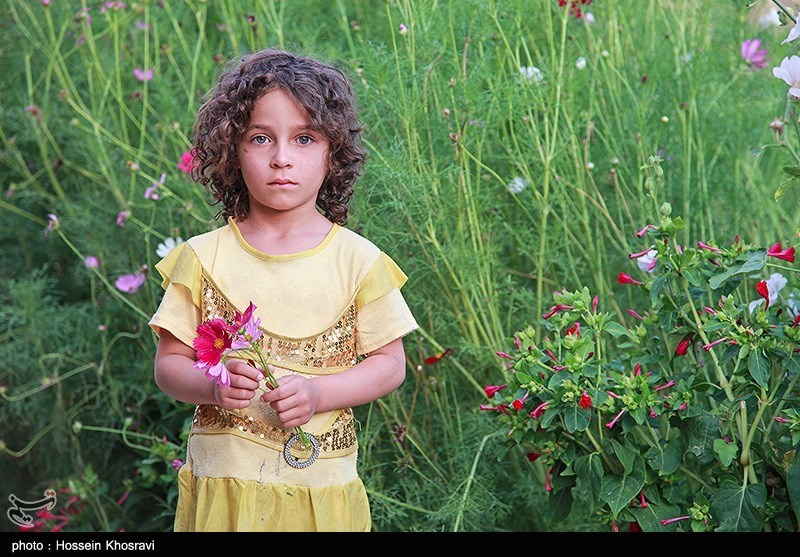
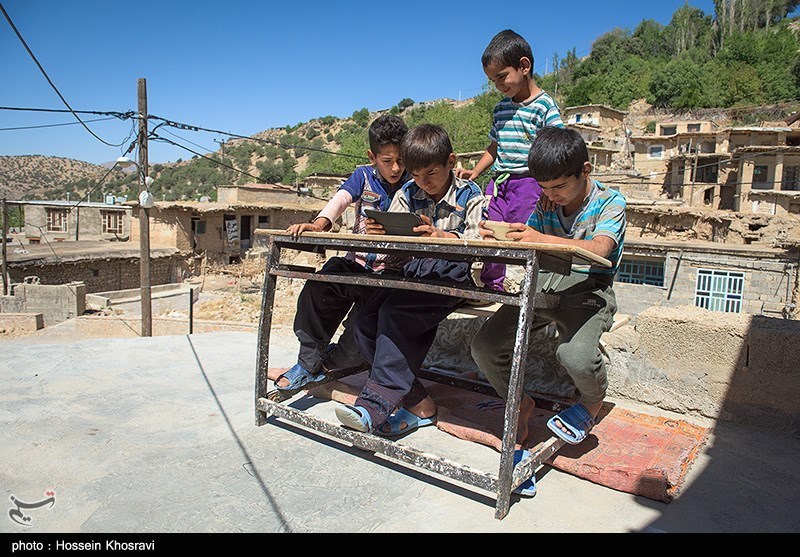
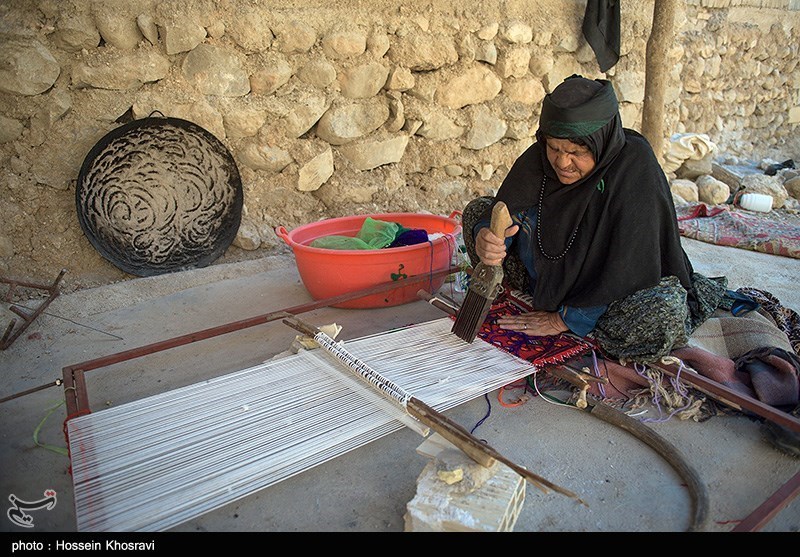
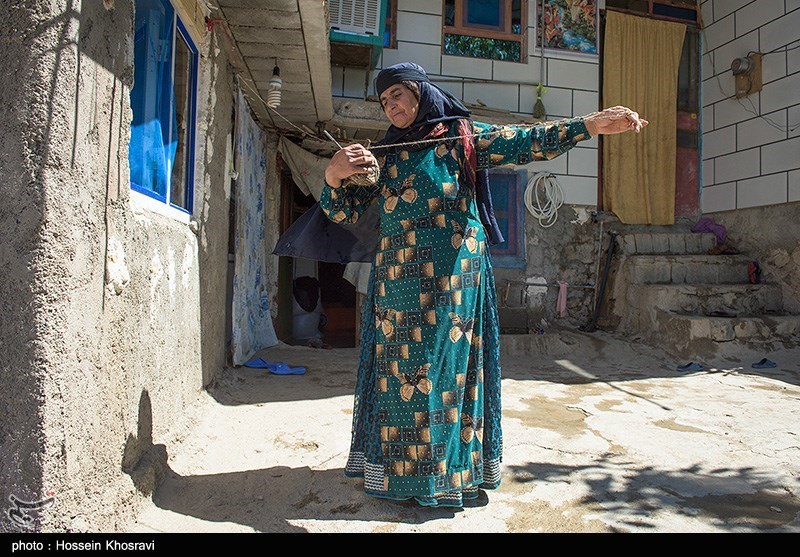
Here are Tasnim’s photos of Iranian villagers in Zizi village in southwestern Iran: