Thursday, January 1, 2026
Home Blog Page 4159

Iran’s Foreign Ministry Dismisses Saudi FM’s “Insulting” Remarks

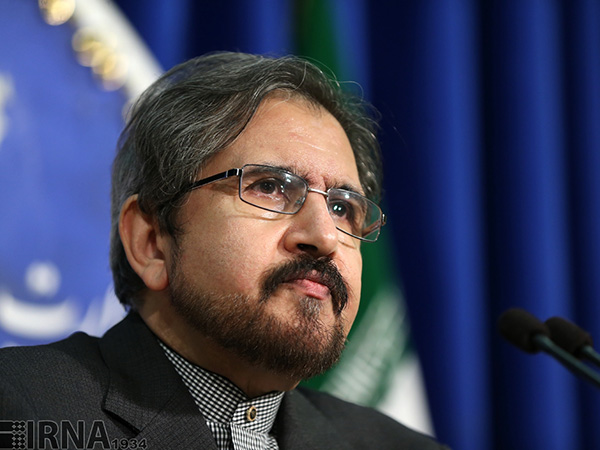
“It is Saudi Arabia, which has been the breeding ground for the emergence and growth of terrorism in the region over the past years,” Iran’s Foreign Ministry Spokesman Bahram Qassemi said on Tuesday.

He added that Saudi Arabia has been carrying out an inconclusive act of military aggression against Yemen and committed war crimes against the defenseless people of the impoverished country for nearly two years.

Jubeir’s justifications for Al Saud’s brutal attacks against Yemeni women, children and civilians show that Riyadh has suffered a heavy defeat against the Yemenis’ strong determination to advance their objectives in the region.

Qassemi emphasized that the Saudi foreign minister’s ceaseless blame games cannot erase the history of creation and spread of extremism and deviant schools of thought in Saudi Arabia with the support of Al Saud.

He added that Takfiri terrorism, which is inspired by Saudi Wahhabism, has resulted in the loss of countless innocent lives and huge destruction of property in West Asia and North Africa.

The Iranian spokesperson reiterated the Islamic Republic’s principled policy on good neighborliness in the region and said the improvement of relations with neighboring states has always been among Iran’s priorities.

“We have taken appropriate steps over the recent years to normalize and improve relations with our neighbors and regard Saudi’s overt and covert acts of obstructionism as the main obstacle in the path of establishing a secure and stable region,” Qassemi pointed out.

Speaking at a joint press conference with French Foreign Minister Jean-Marc Ayrault in Riyadh on Tuesday, Jubeir claimed that Iran’s meddling in the internal affairs of the countries in the Middle East was the root cause of regional distress and instability.

He also claimed that Iran was planting terrorist cells in Saudi Arabia and the region in spite of Riyadh’s efforts to establish good relations with Tehran.

The Saudi minister further pointed to Riyadh’s war on Yemen and said the Saudi military aggression against the impoverished country had been in response to a request by the former Yemeni government.

Saudi Arabia has been engaged in the deadly campaign against Yemen since March 2015 in an attempt to bring back Yemen’s former president, Abd Rabbuh Mansur Hadi, a staunch ally of Riyadh, to power and undermine the popular Houthi Ansarullah movement.

The Saudi war has so far claimed the lives of at least 11,400 Yemenis, and taken a heavy toll on the country’s facilities and infrastructure, destroying many hospitals, schools, and factories.

Syria Peace Talks in Astana Wrapp Up with Joint Statement

Astana Talks

An international meeting on the Syrian settlement began in the capital of Kazakhstan on January 23 with the participation of a number of delegations, including armed opposition, Damascus, Russia, Iran and Turkey.

In a joint statement issued following the talks, Russia, Iran and Turkey reiterated that there is no military solution to the Syrian war and that only a political process can resolve the crisis.

The states also reaffirmed their commitment to the independence and territorial integrity of Syria.

Following is the full text of the statement:

JOINT STATEMENT BY IRAN, RUSSIA, TURKEY ON THE INTERNATIONAL MEETING ON SYRIA
IN ASTANA, JANUARY 23-24th, 2017

The delegations of the Islamic Republic of Iran, the Russian Federation  and the Republic of Turkey, in line with the Joint Statement of their Foreign Ministers made in Moscow, on December 20, 2016 and the UN Security Council resolution 2336;

Support launching the talks between the Government of the Syrian Arab Republic and the armed opposition groups in Astana on January 23 24, 2017;

Appreciate the participation in and facilitation of the above-mentioned talks by the UN Secretary-General Special Envoy on Syria;

Reaffirm their commitment to the sovereignty, independence, unity and territorial integrity of the Syrian Arab Republic as a multi-ethnic, multi-religious, non-sectarian and democratic State, as confirmed by the UN Security Council;

Express their conviction that there is no military solution to the Syrian conflict and that it can only be solved through a political process based on the implementation of the UN Security Council resolution 2254 in its entirety;

Will seek, through concrete steps and using their influence over the parties, consolidation of the ceasefire regime established pursuant to the arrangements signed on December 29, 2016 and supported by the UN Security Council resolution 2336 (2016), contribution to minimizing violations, reducing violence, building confidence, ensuring unhindered humanitarian access swiftly and smoothly in line with the UN Security Council resolution 2165 (2014) and protection and free movement of civilians in Syria;

Decide to establish a trilateral mechanism to observe and ensure full compliance with the ceasefire, prevent any provocations and determine all modalities of the ceasefire;

Reiterate their determination to fight jointly against ISIL/DAESH and Al-Nusra and to separate from them armed opposition groups;

Express their conviction that there is an urgent necessity to step up efforts to jumpstart the negotiation process in accordance with the UN Security Council resolution 2254;

Emphasize that the International Meeting on Syria in Astana is an effective platform for a direct dialogue between the government and the opposition as required by the UN Security Council resolution 2254;

Support the willingness of the armed opposition groups to participate in the next round of negotiations to be held between the government and the opposition under the UN auspices in Geneva as of February 8, 2017;

Urge all members of the international community to support the political process with a view to swiftly implementing all steps agreed on the UN Security Council resolution 2254;

Decide to actively cooperate on the Astana platform on specific issues of the UN-facilitated Syrian-led and Syrian-owned political process so as to contribute to global efforts to implement the UN Security Council resolution 2254;

Express gratitude to the President of the Republic of Kazakhstan, His Excellency Nursultan Nazarbayev, and to the Kazakh side in general, for hosting the International Meeting on Syria in Astana.

$340m Allocated to Tourism Development in Iran

Tourism

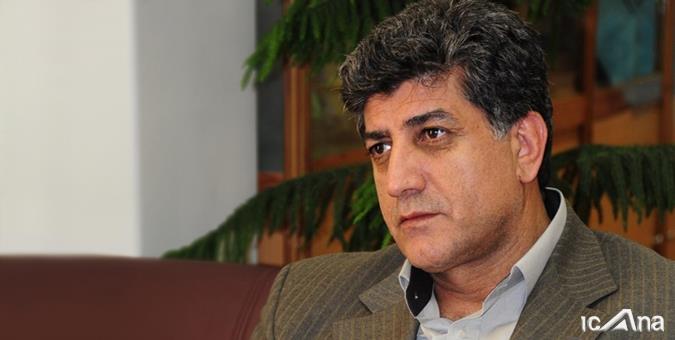
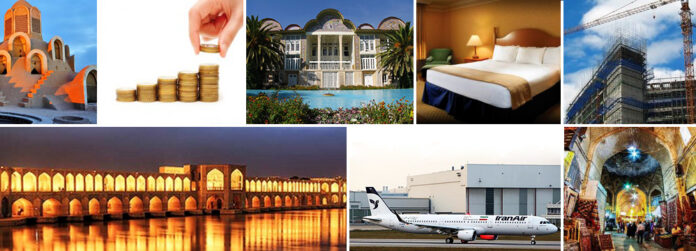
Saeed ShirkavandSaeed Shirkavand, the Vice-president of planning and investment in Iran Cultural Heritage, Handcrafts and Tourism Organization (ICHTO), announced that in the next two years, the National Development Fund of Iran (NDFI) will allocate $340m for private sector’s investment in tourism.
“After obtaining the required permits, the private sector investors can get allowance from NDFI to build hotels and road complexes, and repair some historical sites, allowed by the Revitalization and Utilization Fund for Historical Places.”

The ICHTO aims to support domestic and foreign private sector investors in tourism, Shirkavand said, adding, “Based on an agreement with NDFI, $154m will be allocated to investment and facilities due in March 2017.”

He went on to say that last year, the NDFI allocated $185m to investors, according to a Farsi report by ICANA.

“Fortunately, the banks used domestic resources to fund the investments.”

Shirkavand also announced that the rate of four or five star hotels’ construction and use has increased by 30% during President Hassan Rouhani’s government.

“This year, 15 to 20 four or five-star hotels will be opened in Iran. The opening of 130 hotels was on the agenda of the last government, though. 30 other hotels were added early this year, too.”

Iran Turning to Trendy Destination for Foreign Tourists: Le Figaro

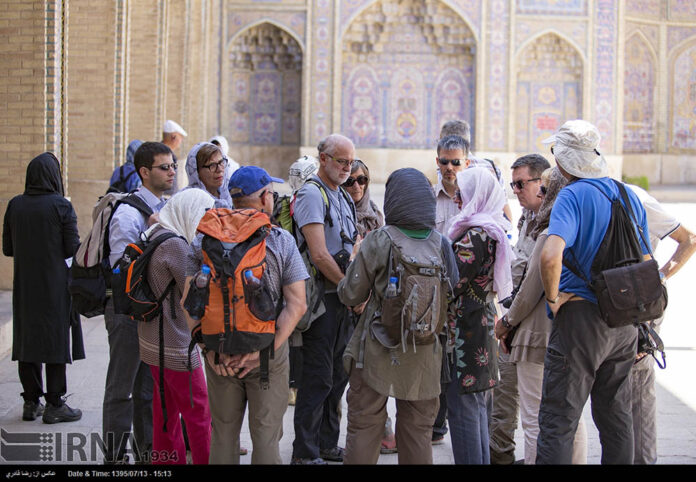
Calling Iran a “trendy” destination, the respected French daily Le Figaro said the country is “attracting more and more” French tourists who are “curious and open-minded”.

According to SETO, the union of tour operators in France, around 4,000 French tourists travelled to Iran in 2016, which is an increase of 144%.

“While the volume remains low, Iran is clearly becoming trendy,” says Jeanne Cavelier, the author of the article, Financial Tribune reported.

Major tour operators such as Intermedes, Aya Desirs du Monde, Maisons du Voyage, Asia and Time Tour are adding or have already added Iran to their brochures. Intermedes took 600 tourists to Iran last year, more than any other company.

“We’re almost fully booked for this spring,” says Patricia Doria, marketing director at Intermedes.

Cavelier says there are three cities in Iran that are “unavoidable” and must be seen: “Tehran, the modern; Isfahan, the beautiful; and Shiraz, the city of poets and gardens.”

Once Forbidden, Now Open

The US-based travel website Travelerstoday.com lists Iran as one of five hot destinations “you could never have travelled to before”.

The website notes that American tourists to Iran have increased, although it does not provide a figure. The main challenge to visit Iran, they say, is getting a visa, because Iran does not have an embassy in the US.

The Washington Post agrees: “For intrepid travellers, the question is not whether to visit Iran; it’s how to get there before an influx of tourists taints the experience. This is no casual undertaking. The visa application process is lengthy and complex.”

In an article published on Jan. 13, WaPo names Iran as one of the top destinations to visit in 2017. Despite the hassle, they say the visa ordeal “is worthwhile”.

“You’ll get to roam the desert bazaar of Kerman, ogle Moorish palaces and mosaic-tiled mosques in Isfahan, and see ancient sites like the royal city of Persepolis, which dates to roughly 500 B.C.,” the article reads.

Brian Allen, Asia specialist for Mountain Travel Sobek, which has been leading tours to Iran for four years, says, “These are the kinds of sites that you can’t find elsewhere-and which, in places like Afghanistan and Syria, have been tragically destroyed.”

Late October to early November has been described as the best time to visit Iran, due to good weather conditions and lack of long public holidays.

WaPo advises its readers to avoid traveling to Iran in the last two weeks of March (Iranian New Year holidays), as long holidays “clog the roads with traffic”.

Iran’s Submission ‘The Salesman’ Receives Oscar Nomination

The Salesman - Asghar Farhadi

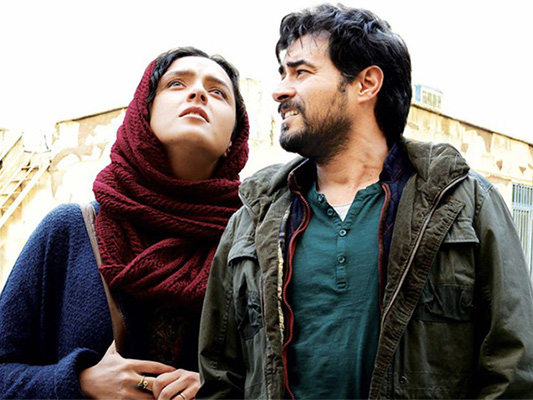
Asghar Farhadi’s “The Salesman”, Iran’s official submission to the Academy Awards, was announced as one of the five nominees for the Best Foreign Language Film at 2017 Academy Awards.

Other nominees for the Best Foreign Language Film category are Land of Mine (Denmark), A Man Called Ove (Sweden), Tanna (Australia), and Toni Erdmann (Germany).

The winners will be announced at the Academy Awards closing ceremony, which will be held on February 26 in Dolby Theatre Hollywood, Los Angeles.

The Salesman was earlier nominated for Best Foreign Language Film at the 74th Annual Golden Globe Awards, but lost the race to the French film Elle.

Farhadi won the award for the best screenplay for “The Salesman” at the 2016 Cannes film festival while Hosseini grabbed one of the world’s most important cinema awards by winning the best actor. The film also received a fantastic reception at the Cannes film festival.

Farhadi has made the films Dancing in the Dust (2003), Beautiful City (2004), Fireworks Wednesday (2006), About Elly… (2009), A Separation (2011) and The Past (2013) before his latest film.

Farhadi’s most famous movie, “A Separation”,  grabbed global attention as it became the first Iranian movie to win an Oscar, the Academy Award for Best Foreign Language Film at the 84th Academy Awards.

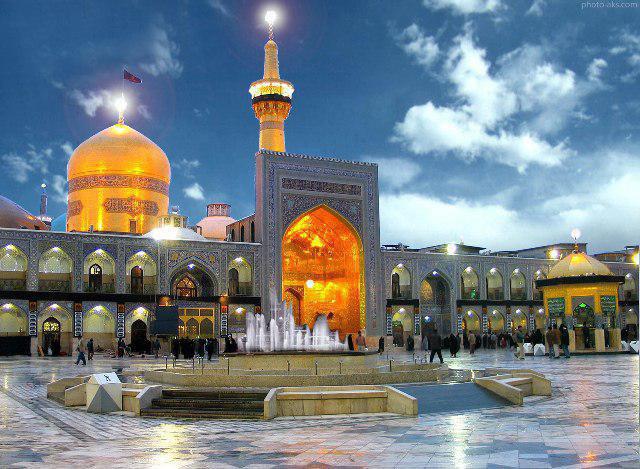
Iran’s Mashhad Officially Becomes 2017 Capital of Islamic Culture

mashhad

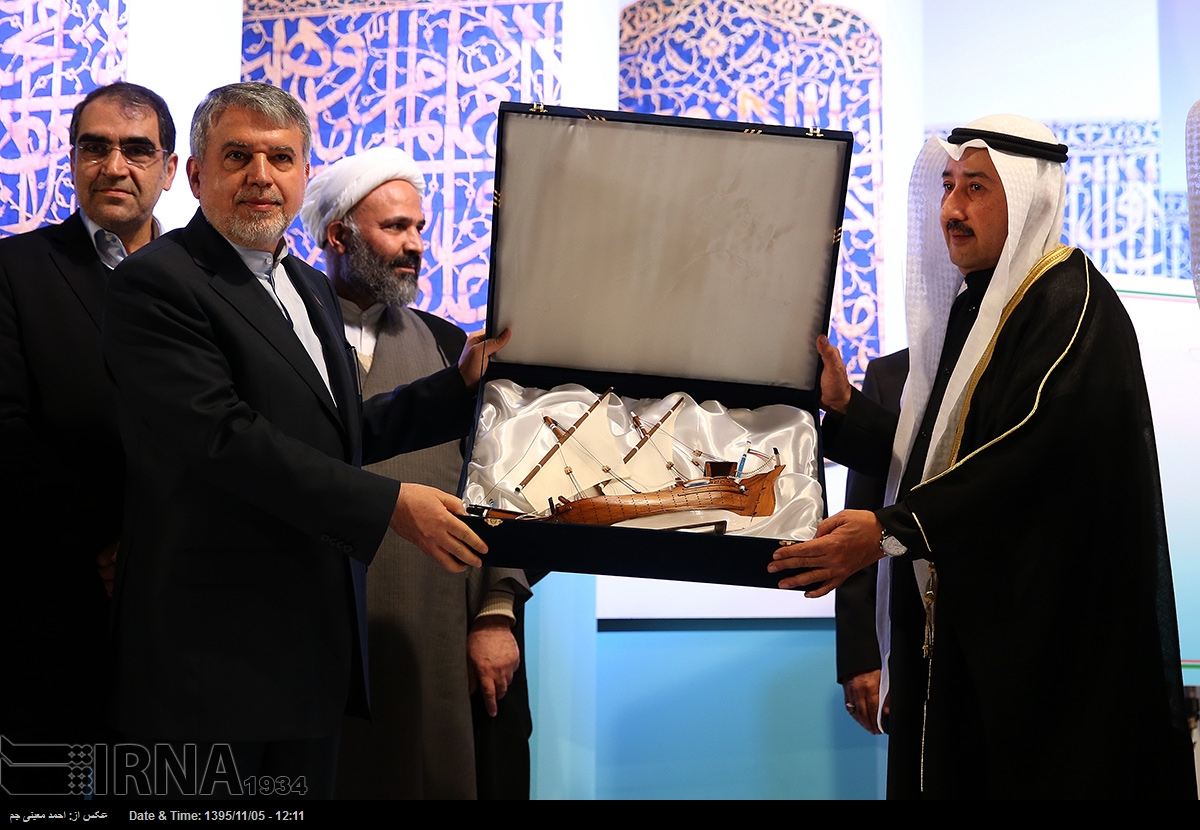
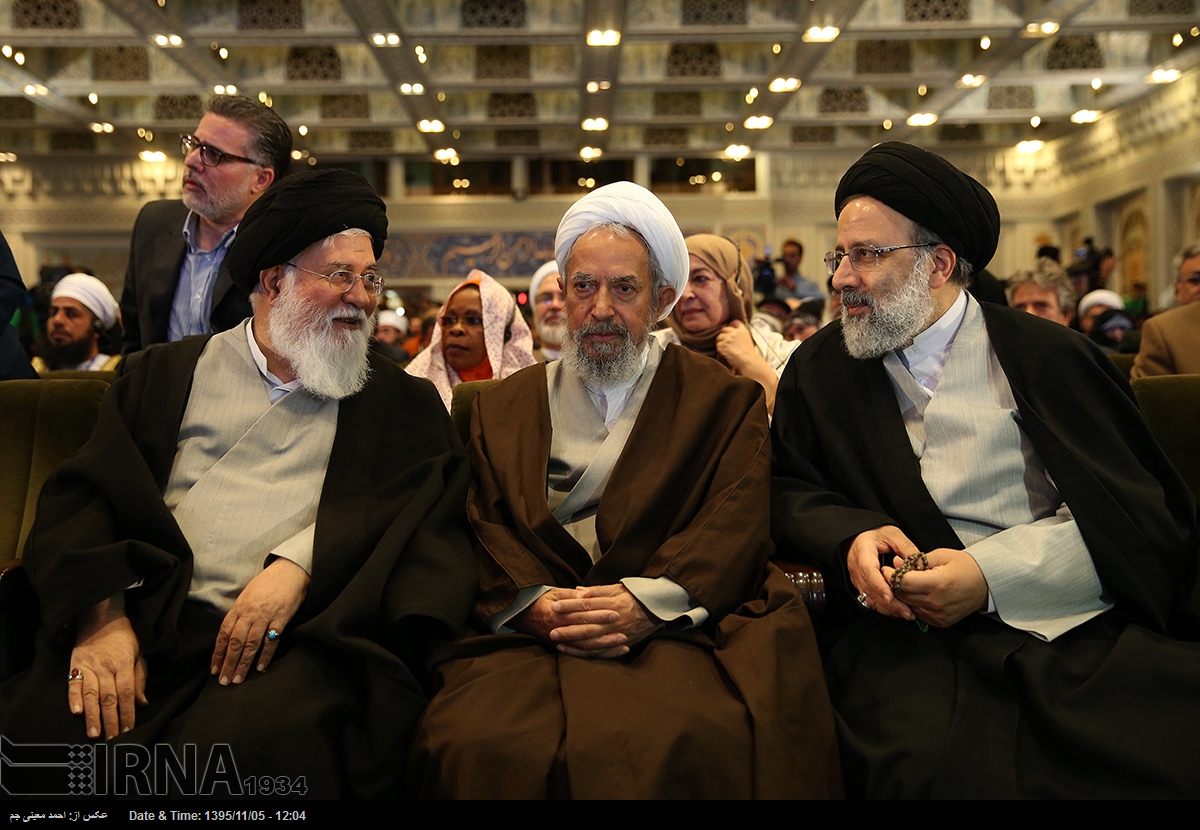
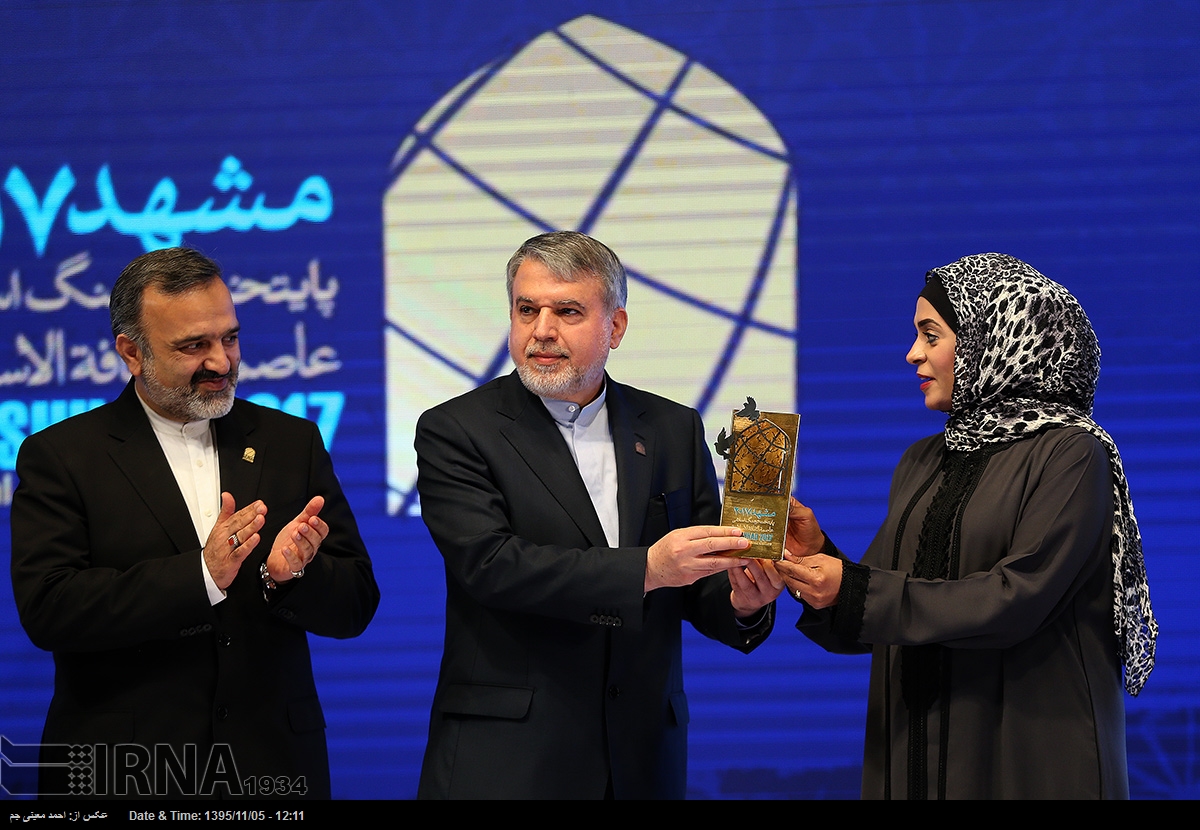
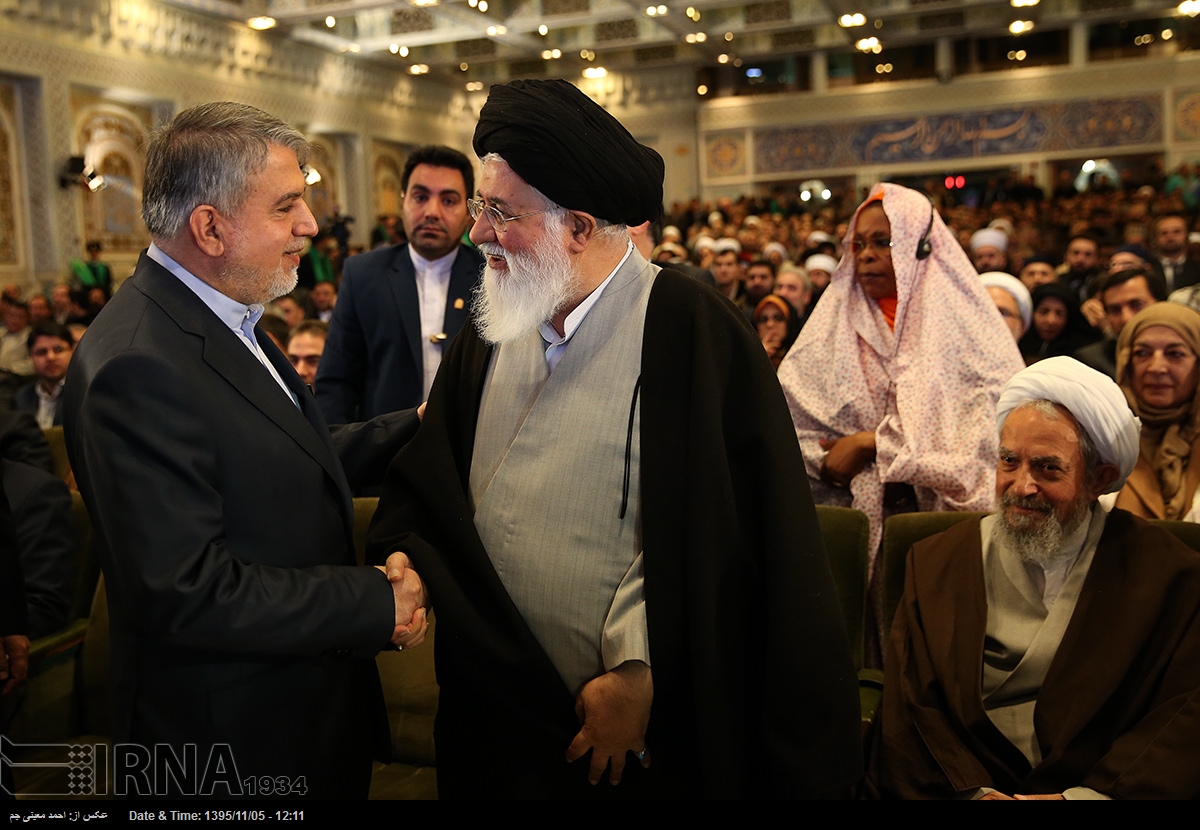
Mashad was officially awarded the title in a ceremony held in the city on Tuesday, attended by a large number of high-ranking Iranian officials and representatives of 51 Islamic countries.

Iranian Minister of Culture and Islamic Guidance Seyyed Reza Salehi Amiri and Health Minister Seyyed Hassan Qazizadeh Hashemi were among the officials attending the event, Tasnim reported.

Mashhad has become the capital of Islamic Culture 11 years after Isfahan, a city in central Iran, received the same title in 2006 as the first Iranian city.

According to a report by Al-Alam, no Iranian city might have the chance to become the capital of Islamic Culture for the next 10 years.

The ISESCO, which is associated with the Organization of Islamic Cooperation (OIC), launched the initiative for three cities to be named each year as the capitals of the Islamic culture in Asia, Arab, and African regions.

Back in July 2016, Iranian Foreign Ministry Spokesman Bahram Qassemi said that selection of the holy city of Mashhad as the capital of the Islamic culture in 2017 by the OIC provides a good opportunity for introducing Iran’s Islamic civilization.

Germany Interested in Making $12 Billion Investment in Iran’s Oil Industry

Iran Exempted from OPEC+ Output Cut Deal: Minister

The Chemical company BASF, whose managing director paid an official visit to Iran last year as a member of a delegation accompanying German Economy Minister Sigmar Gabriel, has offered to invest in a six-billion-dollar project to establish petrochemical sites in southern parts of Iran.

Over the past year, numerous meetings have been held between Iranian oil ministry officials and German companies and if they are finalized and lead to contracts between the two sides, $12bln of investment will be made in Iran by the Western European country.

Wintershall Holding GmbH, Germany’s largest crude oil and natural gas producer and a wholly owned subsidiary of BASF, is another company that has signed a memorandum of understanding (MoU) with the National Iranian Oil Company (NIOC) to make studies on four oil fields west of Iran.

There has been a new wave of interest in ties with Iran since Tehran and the Group 5+1 (Russia, China, the US, Britain, France and Germany) on July 14, 2015 reached a conclusion over the text of a comprehensive 159-page deal on Tehran’s nuclear program and started implementing it in January 2016.

The comprehensive nuclear deal, known as the Joint Comprehensive Plan of Action (JCPOA), terminated all nuclear-related sanctions imposed on Iran.

The promising prospect of trade with Iran has prompted major European countries to explore the market potential in the populous Middle East nation.

ISIS to Trump: We’ll Come to Behead You!

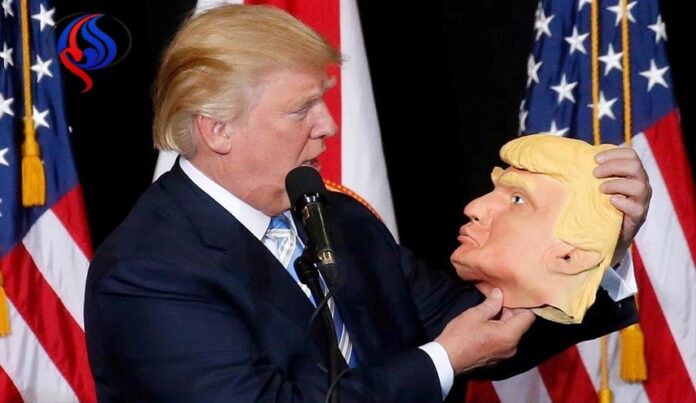
According to a Farsi report by Al-Alam, on the occasion of Donald Trump’s inauguration as President of the US, the teenage forces of ISIS, called “Ashbal al-Khilafah”, decapitated his dummy in Mosul.

“This symbolic execution was held in the presence of some ISIS rulers, as well as a filming staff, around Az Zanjili in western Mosul,” announced a local source in Nineveh, which didn’t want his name to be revealed.

“By beheading Trump dummy, the ISIS conveys some messages to Washington, especially as the members chanted ‘we’ll come to behead you’ during this event.”

“Ashbal al-Khilafah” is a formation established by ISIS terrorists after the occupation of Mosul in June 2014 for the purpose of employing the children and teenagers to misuse them for terrorist suicide attacks.

Donald Trump and the New World Order

Trump

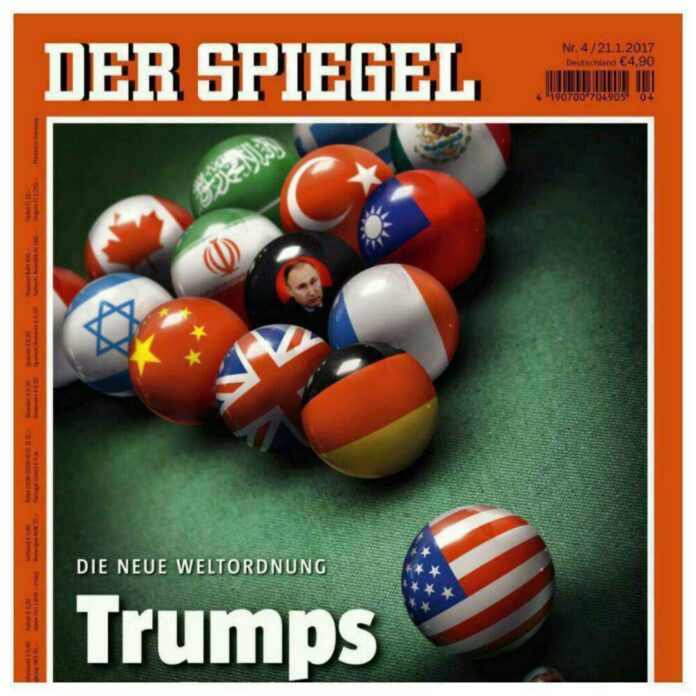
Der Spiegel has dedicated its front page to the post-Trump world order, and the threat posed to the European Union.

Trump upended the US traditional, bipartisan trade policy on Monday as he formally abandoned the ambitious, 12-nation Trans-Pacific Partnership brokered by his predecessor and declared an end to the era of multinational trade agreements that defined global economics for decades.

American commentators worry that China will move to fill the economic vacuum as America looks inward, and will expand its sway over Asia and beyond.

Iran Bags 3 Awards at Dhaka Film Festival

Dhaka Film Festival

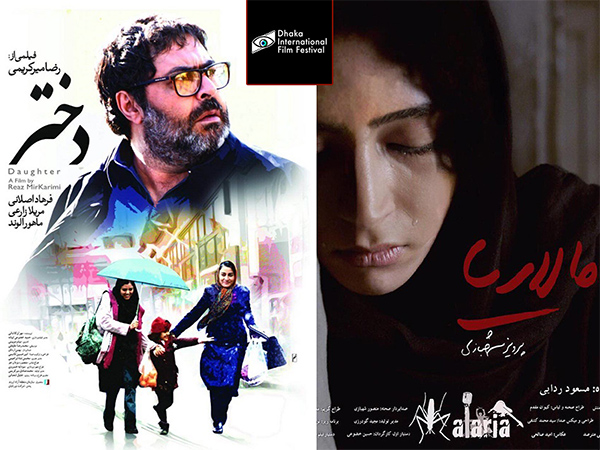
At the closing ceremony of Dhaka Int’l Film Festival, the film “Daughter” directed by Reza Mirkarimi won the Best Film award, and Farhad Aslani, the film’s leading actor received the Best Actor award.

Parviz Shahbazi, the director of “Malaria”, also won the Best Director award, ISNA reported on Saturday.

The 15th Dhaka International Film Festival (DIFF) which was held from January 12-20 in Bangladesh screened dozens of Iranian movies.

In “Asian Film Competition” section, such films as “Malaria” directed by Parviz Shahbazi, “Abad Va Yek Rooz [Life and a Day]” directed by Saeed Roustaei, “Daughter” by Mirkarimi, and “Paris, Tehran” directed by Kaveh Oveisi were the representatives of Iran.

The Retrospective section of this festival was allocated to “Close-Up”, “Taste of Cherry”, “The Wind Will Carry Us” and “Certified Copy” directed by late Abbas Kiarostami.

Three Iranians were in the international jury of the festival in two sections. Iranian-Armenian actor and director Levon Haftvan, and Amir Esfandiari, an official at the Farabi Cinema Foundation (FCF) were in the jury of Asian Film Competition section.

In Women Filmmakers section, famous Iranian actress Mahtab Keramati was on the jury.

The 2017 edition of this festival was host to a total of 166 movies from 67 countries in different sections. The DIFF is one of the most prestigious film events in Bangladesh and to a great extent has helped shape an increasingly healthy and positive national film culture.