Tuesday, December 23, 2025
Home Blog Page 4118

Iran’s Missile Test Not a Breach of UNSC Resolution

Over the past few days, the US has been trying to increase pressure on Iran by complaining that the Islamic Republic’s recent missile tests have violated the UNSC Resolution 2231. But is that really the case?

This is while, a careful look at the UNSC Resolution indicates that Iran has definitely not breached any of the resolution’s terms and conditions.

According to a Farsi report by Tabnak news website, the US complaint about Iran’s recent missile test mainly arises from Washington’s concern that whether the missile was capable of carrying nuclear warhead or not.

While Iran’s answer to this concern is definitely “no”, the response given by the White House officials [and of course Israel] is “maybe”.

Iranian Defence Minister confirmed on February 1 that the country had test-fired a new ballistic missile, but also made it clear that the missile test-launches do not pose a threat to any country in the region and are solely conducted to bolster Iran’s defence capabilities and protect its regional allies.

Apparently, US President Donald Trump is looking for an excuse to adopt a hostile and violent approach towards Iran by using a distorted interpretation of the UNSC Resolution.

It is crystal clear that the US is absolutely indifferent to the fact that Iran’s missile program and ballistic missile tests are, in no way, related to the July 2015 nuclear accord, known as the Joint Comprehensive Plan of Action (JCPOA), signed between Iran and P5+1.

The commotion and tumult caused by the Trump administration over Iran’s missile program only pertains to a distorted interpretation of the UNSC Resolution 2231 which was approved by Iran and the sextet on July 20, 2015, and then signed by them. It is clearly stipulated in the resolution that, as per its content, the UN restrictions imposed earlier on Iran will be lifted entirely and all the previous resolutions will be rejected.

What Trump is using as a pretext to exert pressure on Iran, is, nevertheless, related to a sentence of the resolution prohibiting Iran from carrying out any activity in relation to ballistic missiles capable of carrying nuclear warhead, particularly testing missiles equipped with ballistic technology.

This sentence [of the resolution] is, however, not available on the UN’s official website, but stipulated in the page 99 of the 104-page official document of the Resolution 2231, in the appendix section.

Of the utmost importance is that the agreement, by no means, prohibits Iran from developing conventional weapons or carrying out missile tests. The resolution only requires Iran to refrain from developing and designing missiles capable of carrying nuclear weapons. It has not even clearly and precisely banned Iran from developing or designing such technologies.

The phrase “Call Upon” has been precisely and carefully selected to be used in the resolution, as none of the signatories to the JCPOA consented to clearly ban such activities by Iran. In addition, under the terms and conditions of the resolution, there is no explicit and clear instruction for punishing Iran in case of its failure to comply with the conditions.

All nuclear inspectors and experts acknowledge that Iran has never had nuclear weapons and does not plan to build one. Perhaps, as always practiced by the US Congress radicals, the Trump administration is striving to find an excuse to provoke and express hostility towards Iran.

Even the most optimistic observers would agree that Trump’s new round of sanctions against Iran would fail to prove effective. Similar restrictions [by Washington against Tehran] have always been in place. Even the former US president, Barack Obama, had imposed such embargoes against the country. Iran does not view US new restrictions as a harsh punishment.

Iran Strongly Denounces Israeli Bill to Build New Settlements

Israel

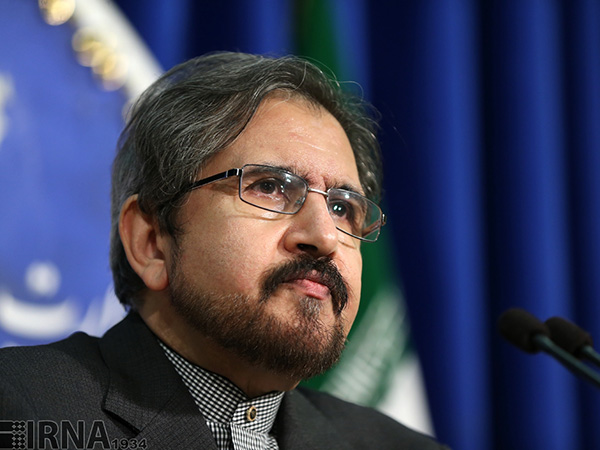
Iranian Foreign Ministry Spokesman Bahram Qassemi on Tuesday slammed the Tel Aviv regime’s settlement activities as a “serious obstacle to security and stability” in the region, saying such policies violate Palestine’s right to decide its fate under the international law.

“The Islamic Republic of Iran once again calls on the international community to take practical and immediate steps in support of the Palestinians’ legitimate demands and… in rejection of the Zionist regime’s expansionist policies,” he added.

Qassemi said such Israeli policies, which run counter to the UN resolutions, would only aggravate the situation and add to instability in the region.

His comments came after the so-called “Regularization Law” passed the Knesset, Israel’s parliament, in a 60-52 vote on Monday.

Many of the housing units are located in outposts, the term for small, unsanctioned communities that have sprung up in the West Bank over the last 20 years. Unlike settlements, they are not recognized or authorized by Israel even though many are close to existing settlements.

The vote follows Israel’s announcement last week that it plans to build a new settlement in the West Bank, despite a UN Security Council resolution in December condemning Israeli settlement construction.

They Are Saudis, Let Them in! (Cartoon)

According to a report by IFP, the new work by Sean Delonas, the well-known American cartoonist, about Trump visa ban for seven countries has been widely welcomed by media outlets and social media users.

The cartoon shows a US Customs and Border Protection officer who prevents a Saudi family with bombs and arms from passing through, while his colleagues reminds him that the US law is okay with Saudis and only prohibits the entrance of seven countries’ citizens: Iran, Syria, Sudan, Somalia, Yemen, Iraq and Libya.

Delonas has used smart symbols in depicting “The Saudi family”: the father looks like a Wahhabi with coarse facial features who is carrying explosive devices. Behind him, we see the mother with an explosive belt and a pink knitted hat as the symbol of anti-Trump women’s movement.

The couple’s baby is in the mother’s arms, wearing a T-shirt with the ISIS flag image. Finally the senior child is pictured as a symbol of such terrorist groups as Al-Qaeda, which have been supported by Saudi Arabia and its allies for years.

Finally, there is no answer to the questions raised by Delonas, as well as the American and international public opinion, though: while pretending to fight against terrorism, why does Washington not only refuse to sever its ties with the main known state-sponsors of terrorism, but also show willingness to extend its economic relations with them?

Iran Ready to Respond to Any Violation of Nuclear Deal

Takhte Ravanchi

The implementation of the JCPOA has entered its second year at a time when concerns have emerged sooner than expected over Donald Trump taking power as the US president and his executive order banning the nationals of seven countries from travelling to America as well as the extension of the Iran Sanctions Act (ISA) and imposition of sanctions on several Iranian and Iran-linked companies.

In a Farsi interview with ISNA, Deputy Foreign Minister Majid Takht-Ravanchi expressed his views on whether or not the latest developments would affect the implementation of the nuclear deal between Iran and six world powers known as the Joint Comprehensive Plan of Action (JCPOA).

Here are excerpts from his remarks in the interview:

The financial institutions of some countries, especially the US, are not contributing to the implementation of the JCPOA, nor are they doing enough to remove obstacles on the way of confidence-building. Under the JCPOA, the US and other countries have undertaken to implement the deal in good faith. But Washington has proven time and again that it is not doing so.

Iran prepared for every eventuality, whether or not JCPOA implemented

If the new US administration or any other government does not live up to its commitments, Iran knows what to do. Of course, Tehran would like to see the JCPOA implemented well and successfully, and is not seeking to dismantle the deal. Nevertheless, Iran has envisioned plans in case the implementation of the nuclear deal is jeopardized.

Iran has deterrent potentialities and capabilities

If the nuclear deal is breached one way or another, Iran will show appropriate reaction and the JCPOA Implementation Monitoring Committee will make decisions accordingly. You may rest assured that the other parties to the JCPOA (P5+1 group) are well familiar with our capabilities and potential, and will not violate the agreement if they are wise enough.

Major European banks and certain countries not ready yet

Iran is working with many small and medium-sized banks from different countries. The Central Bank of Iran has accounts in many countries and very good relations have been established. But there are a few problems. Some major European banks as well as certain other countries are not yet prepared to work with Iran. Not that there are no relations, but the point is when it comes to practical steps, they act cautiously due to different reasons, namely fear of being subjected to US financial penalties, inconsistency between the international financial system and that of Iran, especially the regulations which have come into force over the past ten years.

No request, so far, to buy dual-purpose materials

So far, we have received no request to purchase dual-purpose goods which can have military applications as well. Orders placed for goods could be affected by problems in Iran-P5+1 ties, or in relations between Tehran and one of P5+1 members. The reason is members of the working group tasked with buying the commodities might oppose the purchase. But provisions have been envisioned in the JCPOA to handle such issues as well.

JCPOA benefited US, other P5+1 members as well as Iran

President Hassan Rouhani said recently that the JCPOA was the result of negotiations in which both sides had a feeling that a mutual agreement would serve the interests of both sides. Otherwise, no deal would have been reached. By this, the president meant the US and other P5+1 members as well as Iran benefited from the JCPOA.

Conservative Journalist Regrets that Trump Won’t Scrap Nuclear Deal!

SHARIATMADARI

In a Farsi interview with Fars News on Tuesday, Shariatmadari, the editor-in-chief of conservative newspaper Kayhan, said US President Donald Trump didn’t know what concessions the nuclear deal has given to the US and had thus promised during his campaign to rip apart the Joint Comprehensive Plan of Action.

However, he added, now Trump has come to his senses and realized his predecessors have tricked Tehran into signing the deal.

“Therefore, not only is he no longer going to scrap the deal, but also has voiced his all-out support for it,” he added.

Such behaviours are typical of Trump, Shariatmadari said.

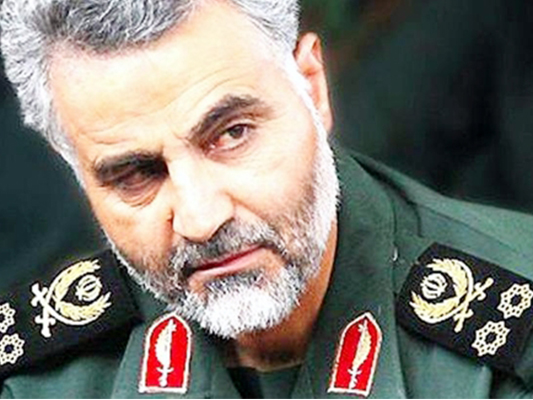
“Yesterday, Michael Pregent, a senior expert at Hudson Institute and a member of Trump’s campaign team, noted that Trump was not able to distinguish between Iraq’s Sulaimaniya and Iranian General Qassem Soleimani!” he said.

The Iranian journalist had earlier reacted to Trump’s pre-election remarks about JCPOA that “scrapping the nuclear deal is the best thing this insane man can do. It will bring lots of blessings for Iran.”

Renowned Iranian Artist Holds Painting Workshop for Child Labourers

Kambiz Derambakhsh

Derambakhsh, who has received several international awards, held the workshop for child labourers in cooperation with Abbas Mashhadizadeh, an Iranian sculptor, in Goftegoo [Dialogue] Park in southern Tehran.

According to a report by IFP, Derambakhsh said in a post in his Telegram channel that he “had a beautiful and amazing cooperation with labour angels.”

Here are photos of the workshop:


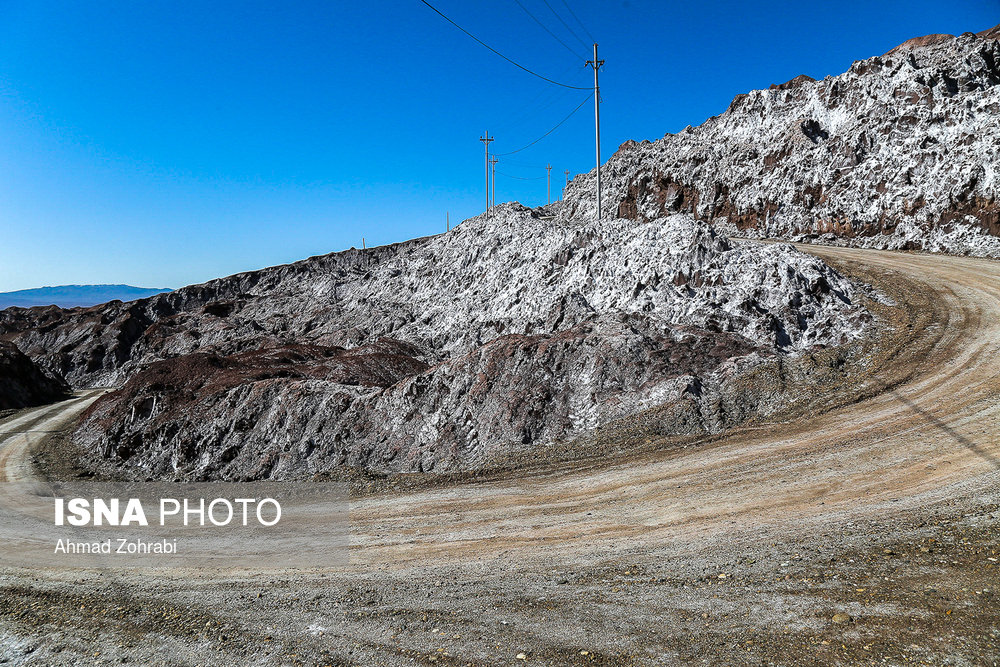
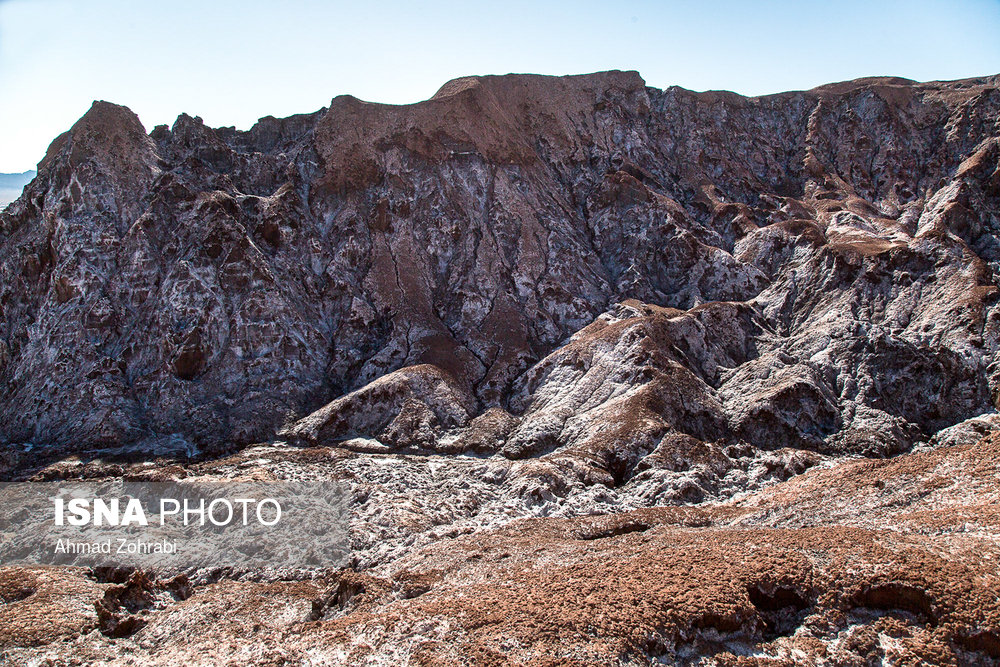
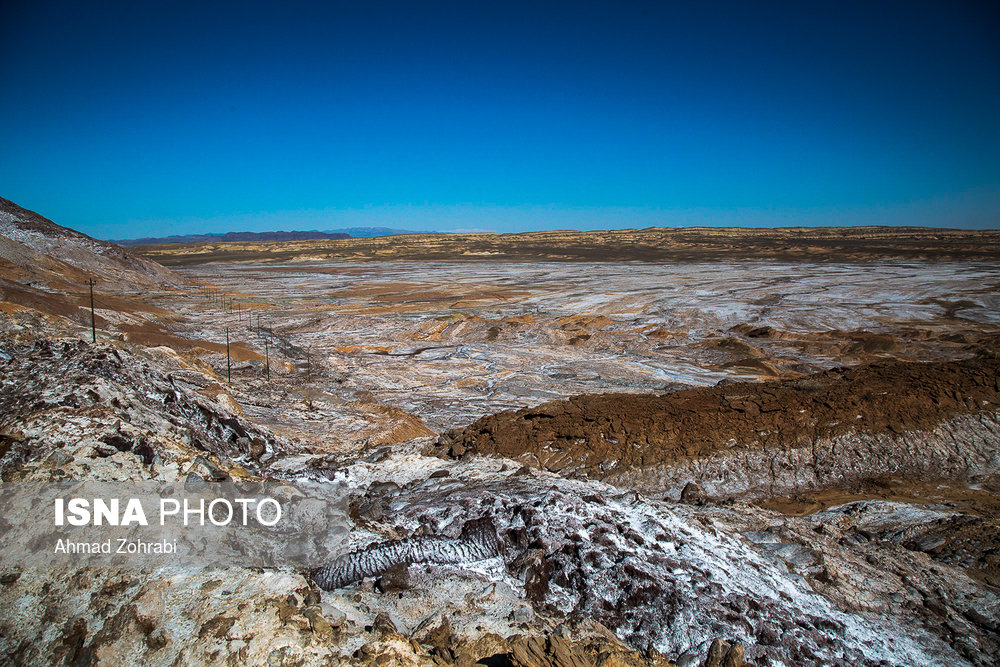
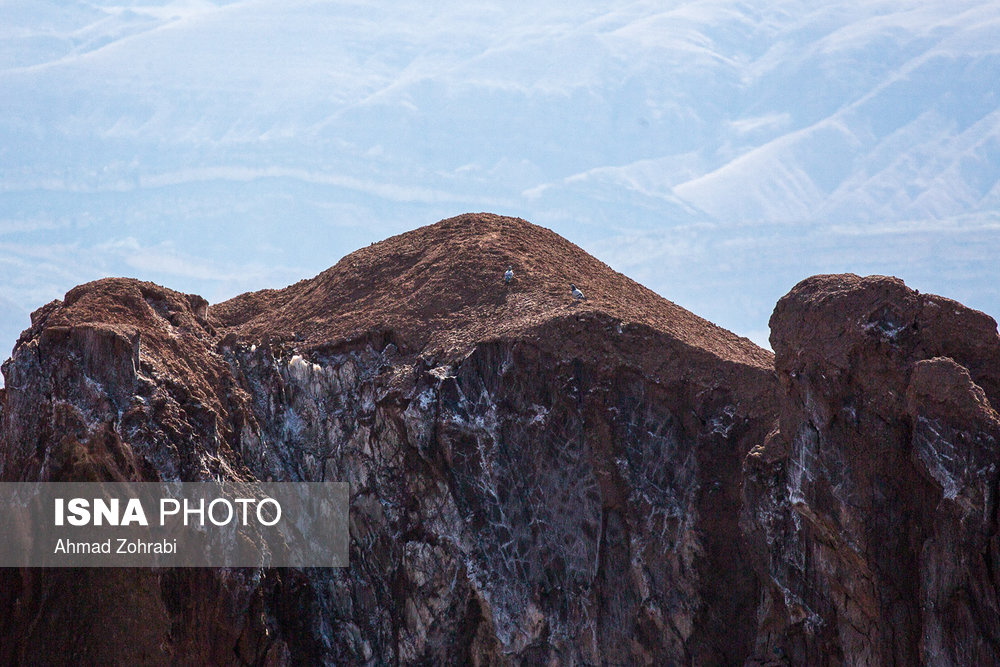
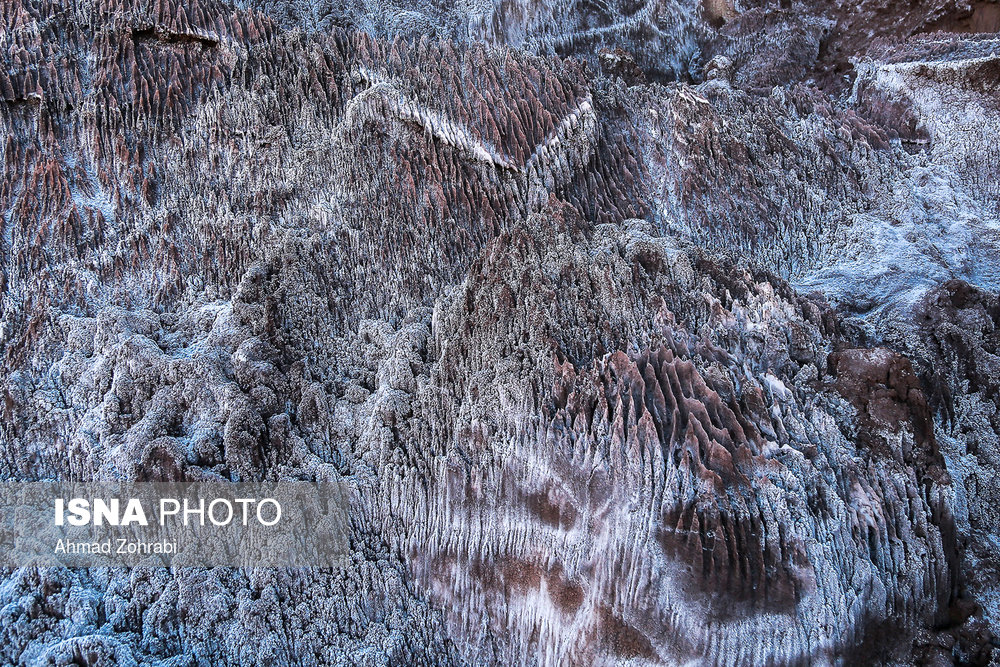
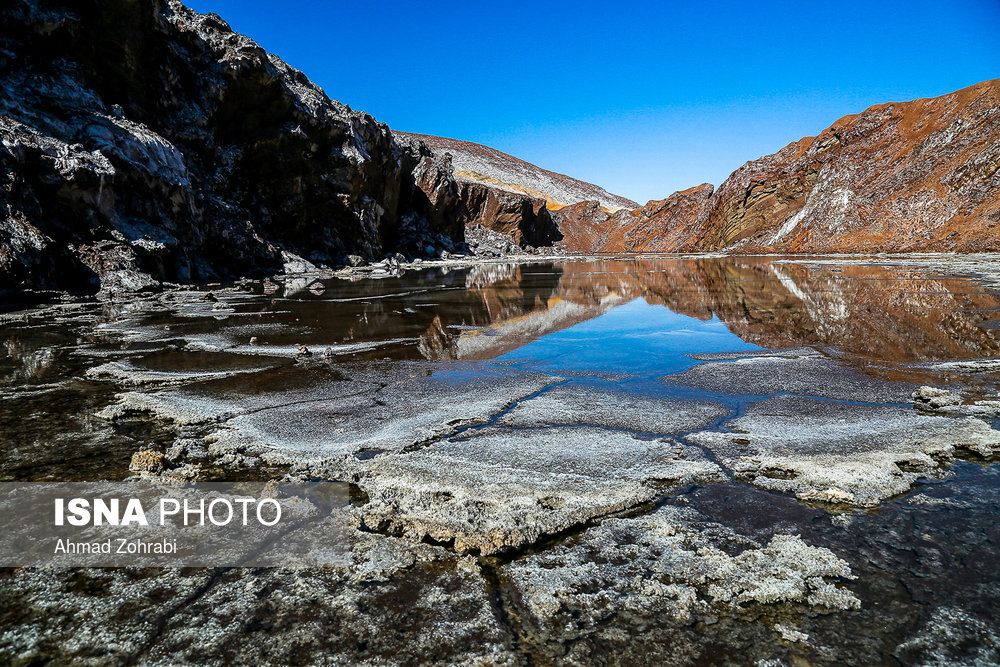
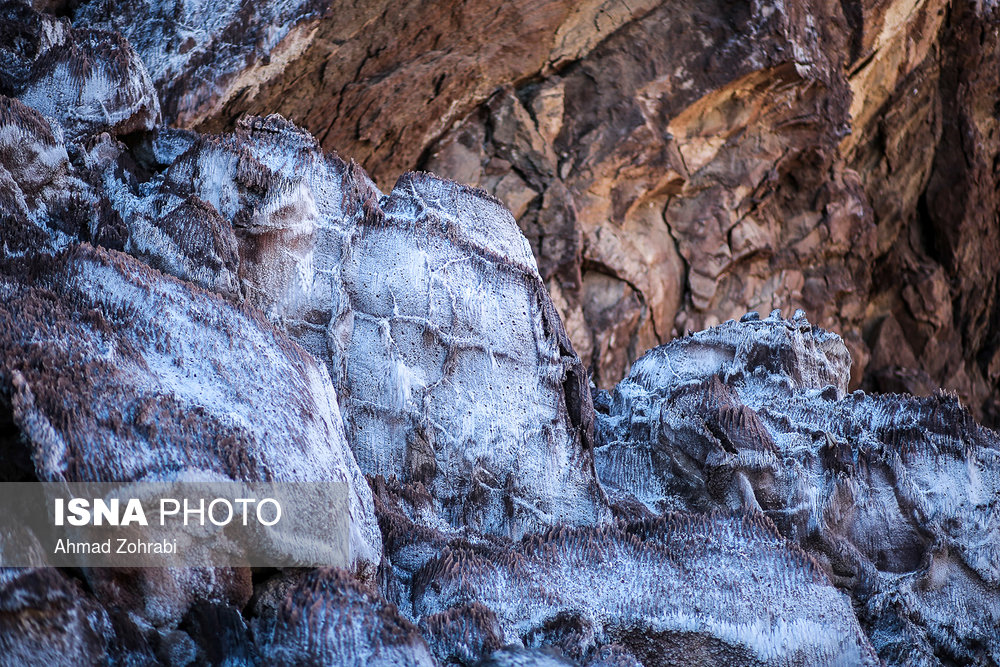
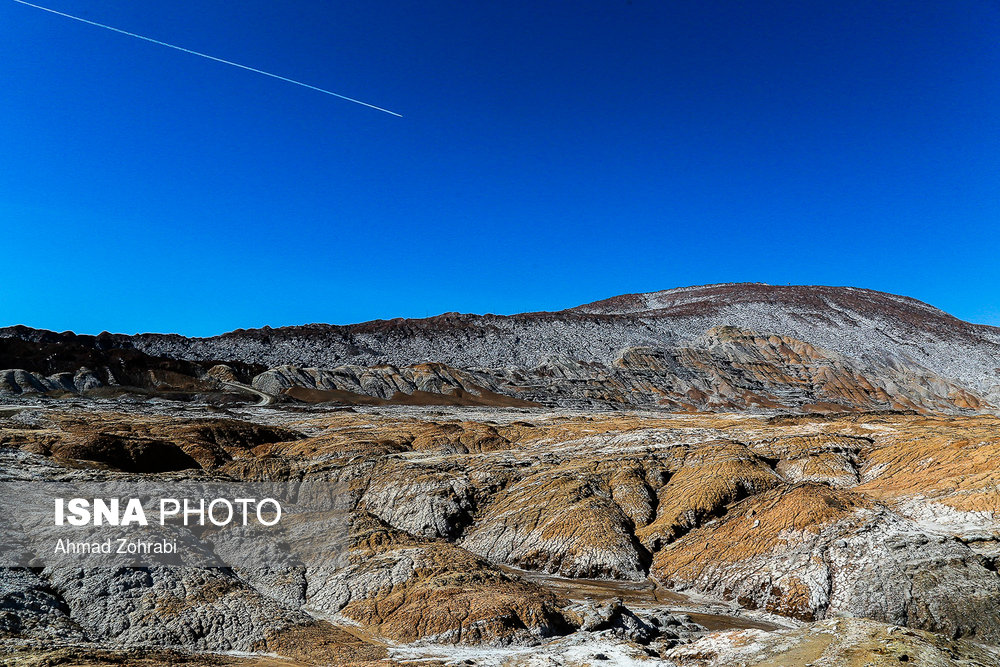
Desert Tourism Gathering in Loot, Southeastern Iran

Loot Desert

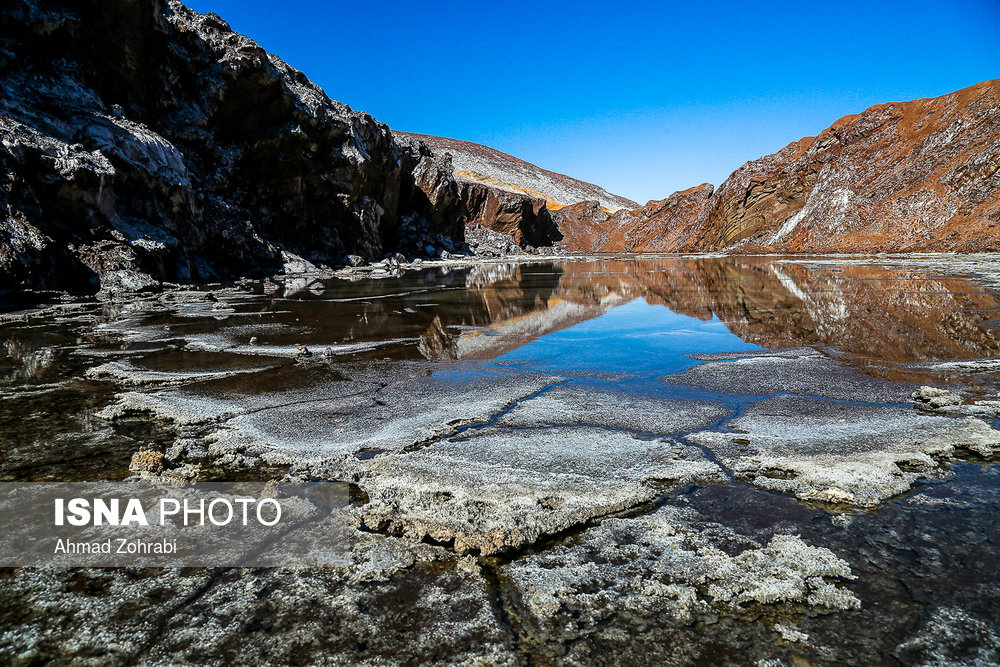
These days, desert tourists from around the world have gathered to travel around Dasht-e-Loot, one of the world’s driest and hottest deserts located in southeastern provinces of Iran.

Here you can see Tasnim’s photos of this event:

Nuclear Deal Benefits Everyone: Iranian President

Rouhani

Speaking at a ceremony in the Iranian capital of Tehran on Tuesday, President Rouhani referred to the recent remarks by US President Donald Trump, who has called the Iran deal “the worst… ever negotiated,” and countered by saying that the deal is to the benefit of all.

Referring to the nuclear negotiations that culminated in the deal in July 2015, the Iranian president said, “We were able to present our arguments to a big political power and to get the negotiations — with logic, rationality, and dignity — to a point where America’s new president now cannot tolerate it.”

“Of course,” President Rouhani stressed, “this is a win-win deal and to the benefit of everyone and the region.”

The nuclear accord, called the Joint Comprehensive Plan of Action (JCPOA), was reached between Iran on the one side, and the US, the UK, France, Germany, China, and Russia on the other.

The administration of US President Donald Trump, which took over on January 20 this year, has said the deal did not benefit American businesses as much as it did those of the other parties to the agreement. He has previously threatened to unilaterally scrap it but faces pressure from the rest of the parties, which say the deal must stand.

President Rouhani said in his Tuesday remarks that the nuclear deal can be a model for dozens of other negotiations to be held and lead to the security and stability of the region. He referred as an example of such talks to the negotiations going on in the Kazakh capital of Astana in an effort to find a political solution to the Syrian conflict.

In January, Astana hosted two days of discussions between the Syrian government and opposition groups. Iran, Russia, and Turkey had organized the talks and acted as mediators. Experts from the three countries and the United Nations also held a follow-up technical meeting in Astana on Monday.

Trump Is an Opportunity for Iran: MP

trump

According to a Farsi report by Fars News, Alireza Zakani, an Iranian Parliament member, believes that Donald Trump’s presidency is a great opportunity for Iran to show the reality of the US to the world.

“Now we can prove our legitimacy and communicate it to other nations and governments.”

Zakani also criticized the Iranian government for its appeasement towards Trump.

“This appeasement policy puts Iran on the brink of war, as it makes Trump greedier for attacking Iran. We should find a mindful way to secure our interests by profiting from the gap between other states.”

“We should express our positions to prove the accurateness of our logic,” he added. “Not all nations are like the US: Iran is eager to have economic relations with the world based on mutual respect.”

He went on to say that having had their eyes on Washington, Iranian officials should now pin back their hopes on Iranians: this is a positive consequence of Trump policies.

“They will concentrate on domestic capacities afterward. Iran can arrange its relations with the world in a way that leads to its total independence.”

Iran, Most Independent Country in the World

“We were dependent on the US before the Islamic Revolution,” Zakani stated, noting that by signing the Capitulation treaty, Iran was paying a savage fee to the United States while safeguarding its interests in the region.

“This is the bitter truth of the pre-Revolution era.”

Referring to the “Independence, Freedom, and Islamic Republic” motto, he counted the important results of Islamic Revolution in Iran. “Politically, we are 100% independent today, like no country is: this is a great achievement.”

“The West puts pressure on Iran as it doesn’t want us to become culturally and economically independent, too.”

He then stressed that today, Iran is the freest country of the world. It can still become freer, though.

Zakani also mentioned the notion of religious democracy in Iran. “The participation of people in shaping their own destiny is a prominent democracy principal. While it was apparently respected before the revolution, in fact all Parliament members and official were chosen in a pre-arranged way.”

“While Iranians suffered a lot due to Iran-Iraq war and the sanctions, they fulfilled their duties in the Revolution very well: Washington intended to urge them to rebel against the Islamic Republic and didn’t succeed.”

Zakani insisted that the Islamic Revolution never strived to fight against the world.

“Our leaders have always conveyed the message of peace.”

Korea and EU States Main Customers of Iran’s Pomegranate

Pomegranate

South Korea was the biggest customer of Iranian pomegranate. Other export destinations include Germany, the UK, the UAE, Ukraine, Sweden, Switzerland and the Netherlands, the Islamic Republic of Iran Customs Administration’s data shows.

According to Abolqasem Hassanpour, an official with the Ministry of Agriculture, more than 1 million tons of pomegranates are expected to be produced in Iran during the current Iranian year (ending March 20, 2017) from 94,000 hectares of orchards allocated for the cultivation of the fruit across the country.

“Domestic demand stands at over 900,000 tons per year and the remaining 100,000 tons will be exported to Europe, the Persian Gulf littoral states and Russia,” he was quoted as saying by Financial Tribune.

Hassanpour noted that 3 million tons of pomegranates are cultivated across the world every year and Iran is the world’s biggest producer of the fruit followed by India, China, Turkey and the United States.

The cities of Saveh, Yazd and Shiraz as well as Mazandaran Province are the main producers of pomegranates in Iran.