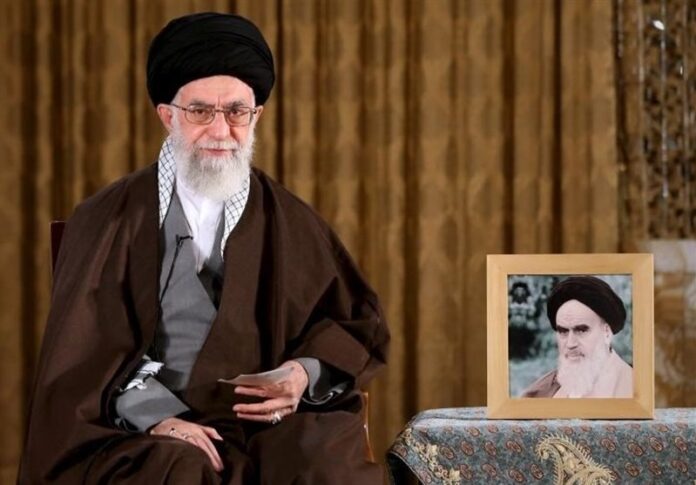
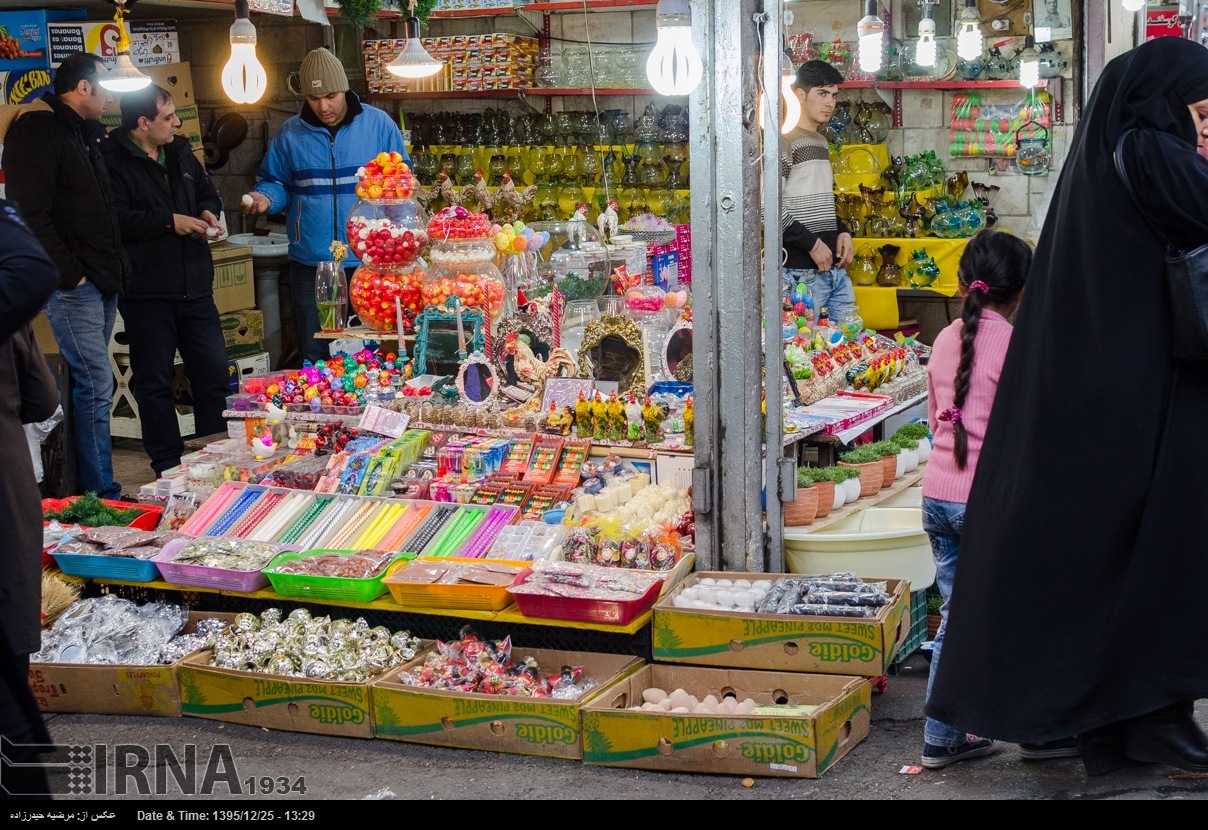
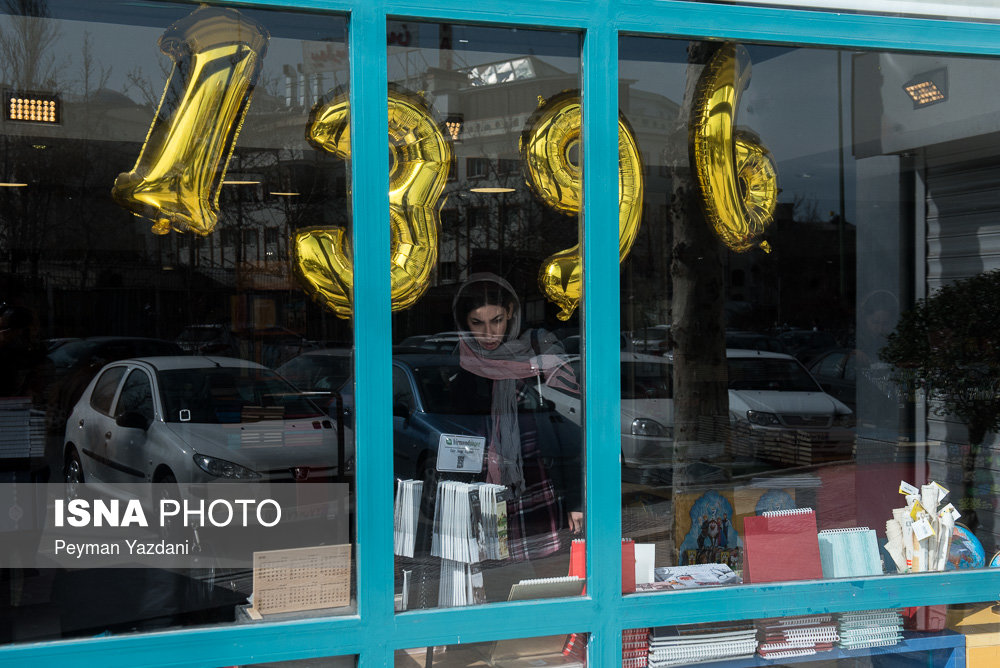
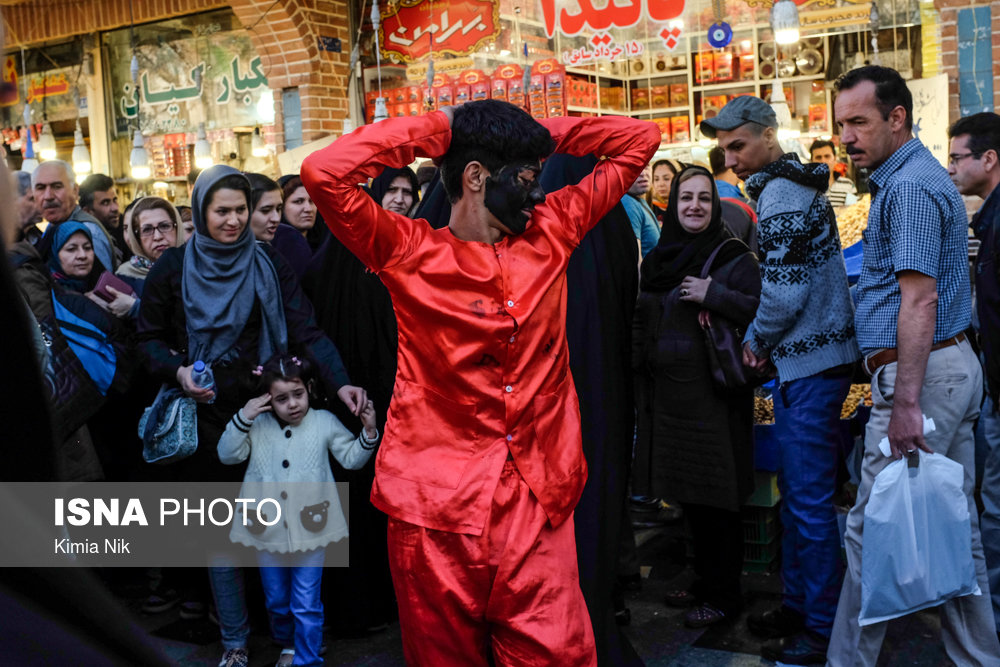
Here is the full text of the message issued on March 20, 2017 by Imam Khamenei on the occasion of Nowruz.
In the Name of Allah, the Beneficent, the Merciful
O Conqueror of hearts and sight
O Planner of night and day
O Transformer of power and circumstances
Change our condition to the best of conditions!
Allah, send Your greetings to Fatima, to her father, her husband and her children
I would like to congratulate all you dear compatriots on the auspicious birthday anniversary of Hazrat Fatima Zahra – Siddiqat al-Kubra (God’s greetings be upon her) – and on the Eid of Nowruz. I wish a happy Eid for you dear compatriots, for the great people of Iran, for the dear youth and for people from various social backgrounds. In particular, I would like to congratulate the dear families of the martyrs, the disabled war veterans and also all those nations which are familiar with the Nowruz Eid and which celebrate it.
I thank Allah the Exalted for giving me the opportunity to once more congratulate you dear people of Iran on the Eid of Nowruz. I hope that a very good, auspicious and blessed year – accompanied by security and welfare – will be waiting for the people of Iran and that by Allah’s favor, the year 1396 will be a happy year for all the people of Iran and for Muslims throughout the world.
I hope that during the year that has just begun at this moment, all Iranian families and all dear Iranians will benefit from divine kindness, mercy and blessings.
If we want to evaluate the year that has passed – the year 1395 – it included happy and sad events, bitter and sweet events, just like all other years. What I mean is bitter and sweet events as they relate to the people, not personal matters.
We had sweet events in the previous year. We experienced sweet events related to national dignity, national security, youthful determination among the people of Iran and all-inclusive religious moves all over the country. We also experienced bitter events which were mainly related to economic and social matters. I will expand on this later on.
The dignity of Iran and our dear people was visible throughout the year 1395. It was visible from the beginning to the end of the year. Our enemies across the world acknowledged the power and greatness of the people of Iran. The identity of the people of Iran showed itself during all the various events that took place in this year.
With one disrespectful act committed by the American president against the Islamic Republic of Iran, the people responded on the 22nd of Bahman in an enthusiastic, passionate and courageous manner. On Quds Day too, in the auspicious month of Ramadan, the great gathering of the people showed the identity and the goals of this country to all the people around the world.
The security of the country in this turbulent regional and international environment was a very important and great factor for the people of Iran. Today, our neighboring countries – countries located to the east, southeast and northwest of our country – are suffering from insecurity. The region is suffering from insecurity, but the people of Iran thankfully experienced enduring security throughout the year.
My reference to “youthful determination” originates from witnessing and being aware of the activities of thousands of young groups throughout the country. These youth are busy attending to their enthusiastic activities in the fields of science, culture, sports and production. They are presenting new achievements and innovations and they are providing provisions for the future of the country.
And when I referred to “religious moves”, I meant the enthusiastic, warm and attractive religious meetings that existed throughout the year. These meetings were attended on the subject of the Imams (greetings be upon them), important religious matters, itikaf, various prayers, the month of Ramadan, the Arbaeen rally, important occasions related to Ashura and the ten-day Muharram events. These were the positive and happy points for our country and our people.
And the bitter and difficult events were mostly related to the people’s economic and livelihood problems. The middle and lower classes of society were suffering from these problems and they continue to do so in the present time. Because I am aware of the people’s condition, I feel bitterness with all my heart. I feel the bitterness that the people – particularly lower and underprivileged classes – experience. And this bitterness is related to economic matters and problems such as high prices, unemployment and social detriments – for example, discrimination and inequality – which mainly originate from economic matters.
Well, all of us are responsible. We will have to answer both to Allah the Exalted and to the people. In the year of action and implementation – the year 1395 – I asked the honorable officials to establish a command center for action and implementation and they did so. Good tasks were fortunately carried out which was reported to us. However, there is a large gap between what has been carried out, and what the people and what we expect.
I will explain in my speech [annual speech in Mashhad] that some of the standards and statistics presented by officials are positive figures and some – which are presented by officials themselves – are negative. All these things should be seen together.
The economy of resistance is a system. If this system receives attention only under the name of the economy of resistance, it might prove to be not very efficient. In my opinion, the cure lies in dividing this system into important sectors and then specifying a timetable for each key and important sector. We should ask officials, prominent personalities and the masses of the people to focus all their effort on those key sectors.
In my opinion, the cure lies in identifying this key sector correctly this year. I believe that this key sector is production – domestic production – and employment, mainly of our youth. These are the main and key sectors. If we manage to focus on these two sectors and plan and categorize our affairs on this basis, I believe that the task will move forward to a great extent and impressive and tangible achievements will be made.
By Allah’s favor, I will explain in the speech the characteristics that are related to these two key and fundamental sectors. That is why, the name that I choose for this year is, “Economy of Resistance: Production and Employment”.
The economy of resistance is a general term which is accompanied by production and employment. These are the sectors that everyone should focus on. I and the people demand that the dear and honorable officials focus on these two sectors, carry out tasks with planning, and report the results to the people at the end of the year, God willing.
I hope that all will enjoy and experience a happy and joyful year – one that will be accompanied by security and welfare – in the shade of the blessings of the Imam of the Age (may our souls be sacrificed for him) and with the prayers of the pure souls of our martyrs and our magnanimous Imam (r.a.).
Greetings be upon you and Allah’s mercy and blessings

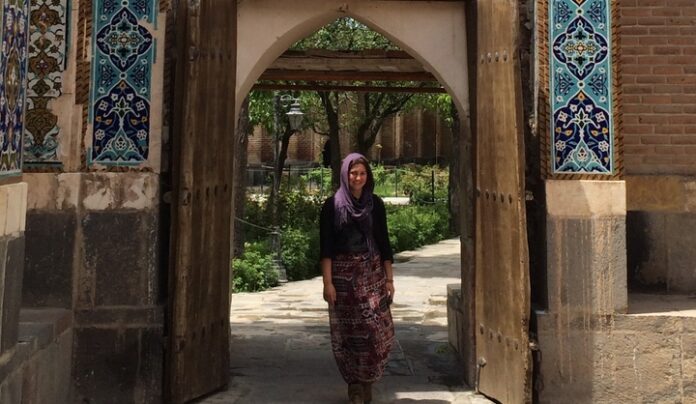
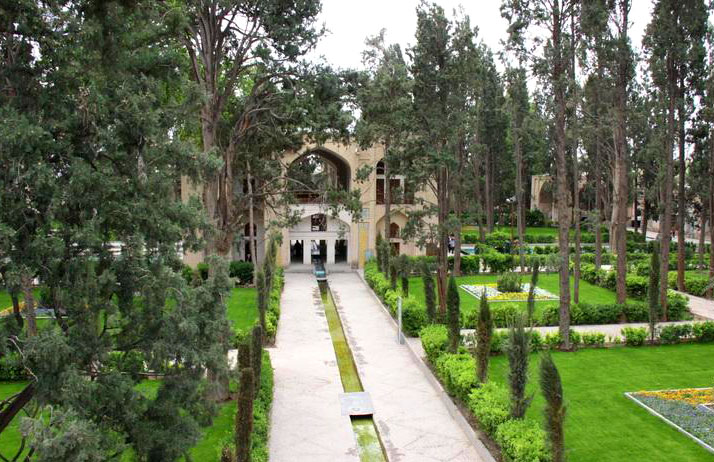
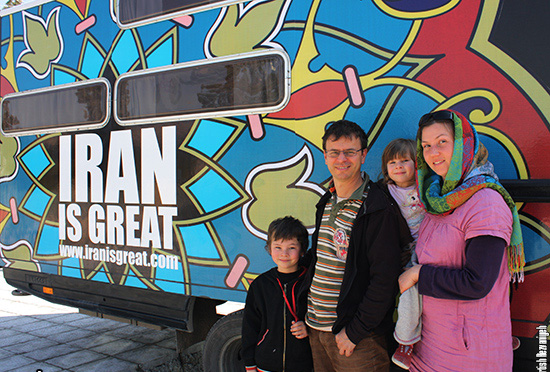
 35-year-old German author Stefan Evert decided to return to Iran after a two-week tour of the country in order to write a book about Iran and prove to the people across the globe that Iranians are the most hospitable people in the world.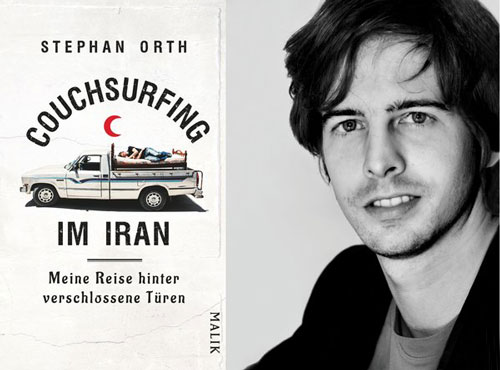
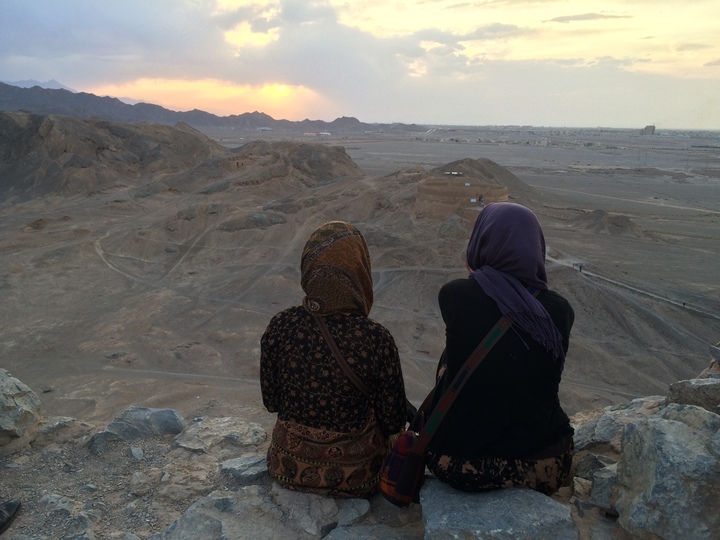
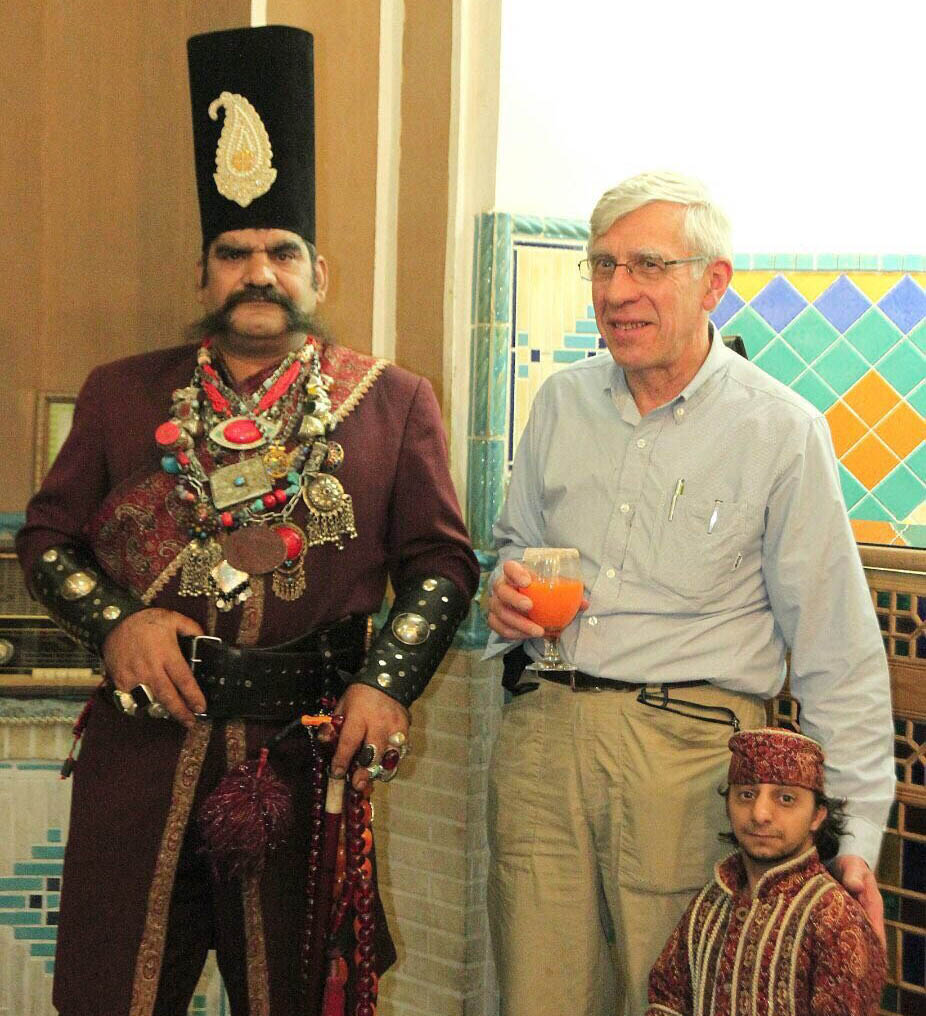 Former British foreign secretary Jack Straw has also written about his three-day trip in the visitor’s books of the Moshir Hotel and the Namir Garden in the Iranian city of Taft. Straw says he and his wife plus his friends spent a spectacular night in the Namir Garden. He said they were mesmerised by the nice reconstruction work there. He said the food they had there was the best they had ever had in Iran. He said they liked Yazd and enjoyed their stay in the Mashir-ul-Mamalek Hotel there. He noted that the hotel staff were very friendly and helpful. He said the food was good and the hotel was beautiful, and they enjoyed the tranquil garden there.