It was the second group release of Chibok schoolgirls. Nigeria’s government in October announced that 21 girls had been freed after negotiations with Boko Haram, saying another group of 83 would be released “very soon.” Before yesterday’s release, 195 of the girls had remained captive.
“Huge numbers,” the personal assistant to President Muhammadu Buhari, Bashir Ahmad, tweeted late yesterday.
A Nigerian military official with direct knowledge of the rescue operation said the 83 freed girls were found near the town of Banki in Borno state near Cameroon, according to media reports.
The 276 schoolgirls kidnapped from Chibok in April 2014 are among thousands of people abducted by Boko Haram over the years.
Many of the kidnapped girls, most of whom were Christians, were forced to marry the extremists and became pregnant. Human rights advocates believe others could be among the young girls who have been used to carry out suicide bombing attacks.
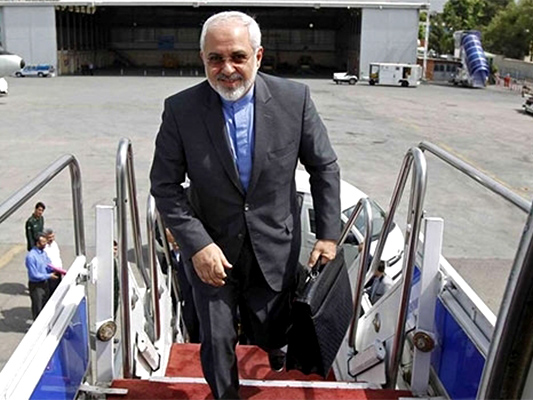
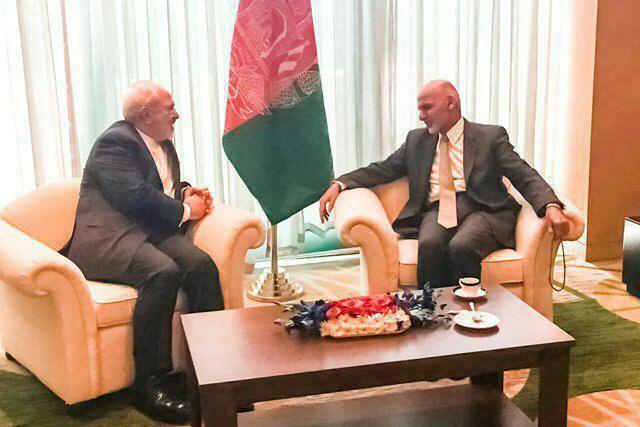
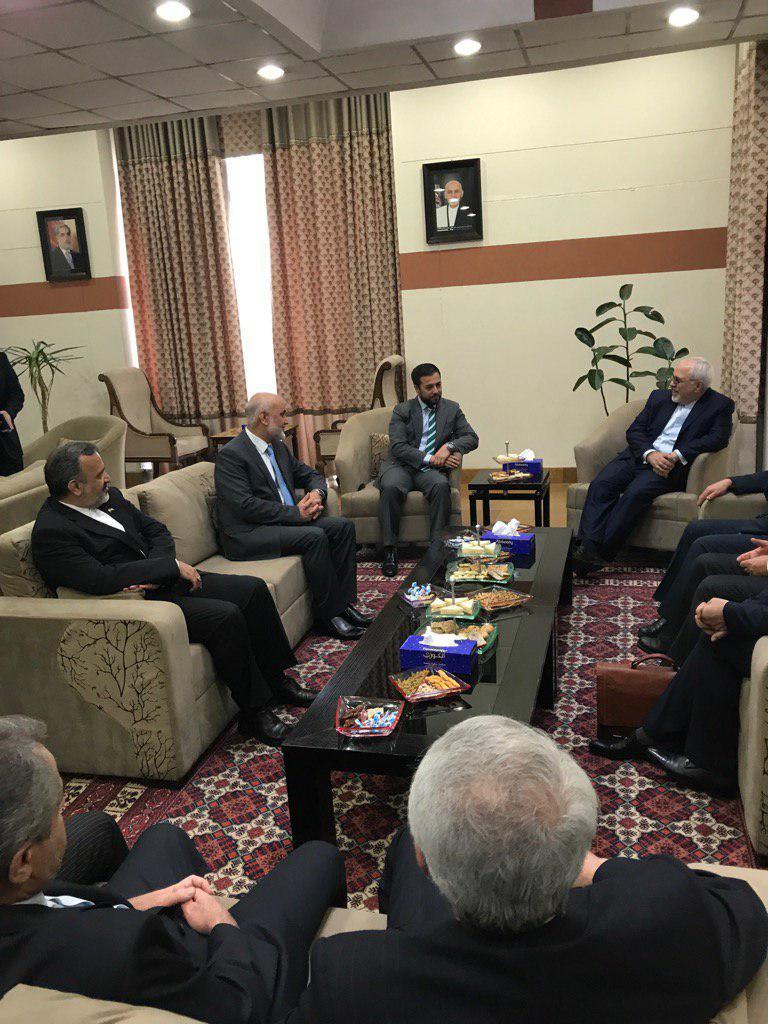
Zarif, who left Tehran for Kabul on Sunday morning, met Afghanistan’s President Ghani after meeting his counterpart Salahuddin Rabbani.
During the meeting with Rabbani, Zarif highlighted the significance of fighting terrorist groups, and said, “We don’t have good or bad terrorists. Countries should join hands in the fight against terrorism so as to ensure the security of borders and prevent terrorist outfits from disturbing the security of states.”
He also and conferred with Rabbani on Tehran-Kabul economic cooperation, alternative crops, cooperation on the issue of water, border problems, and facilitation of travel.
Rabbani, for his part, underlined the need for enhancement of Iran-Afghanistan cooperation in fight against terrorism, and called for promotion of business ties and completion of Chabahar port development project and railway projects.
Rabbani also appreciated the support provided by the Islamic Republic of Iran for Afghan refugees and displaced people.
Zarif will later hold talks with Afghanistan’s National Security Adviser Mohammad Hanif Atmar.
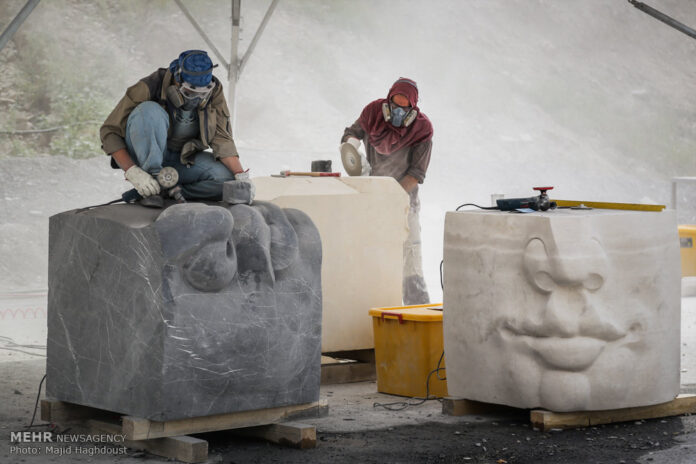
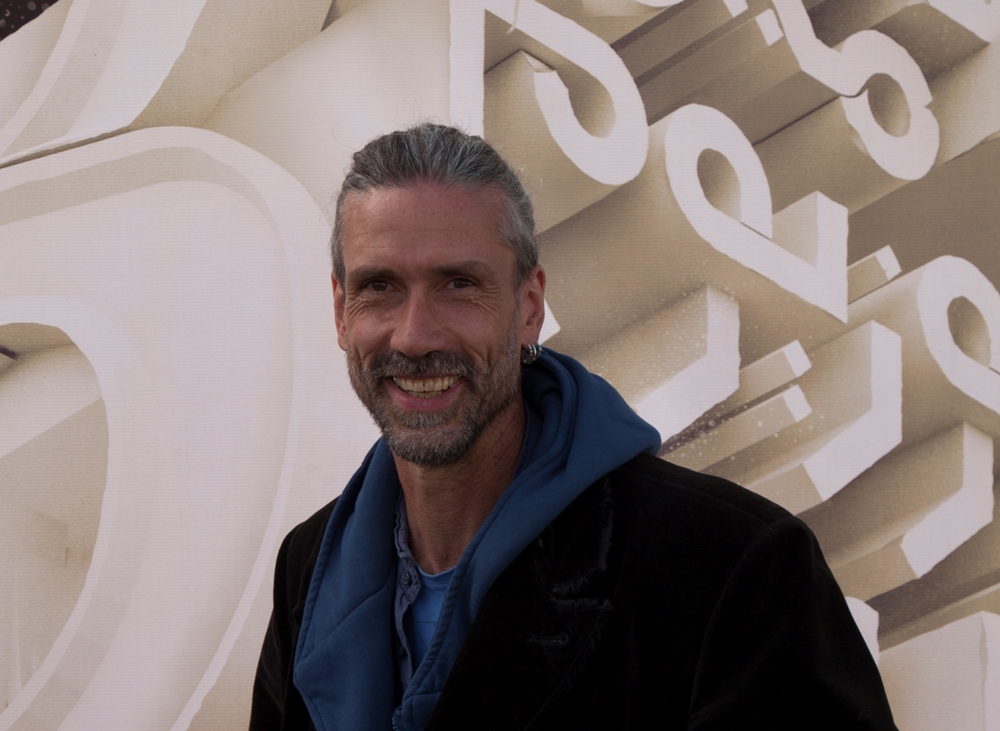
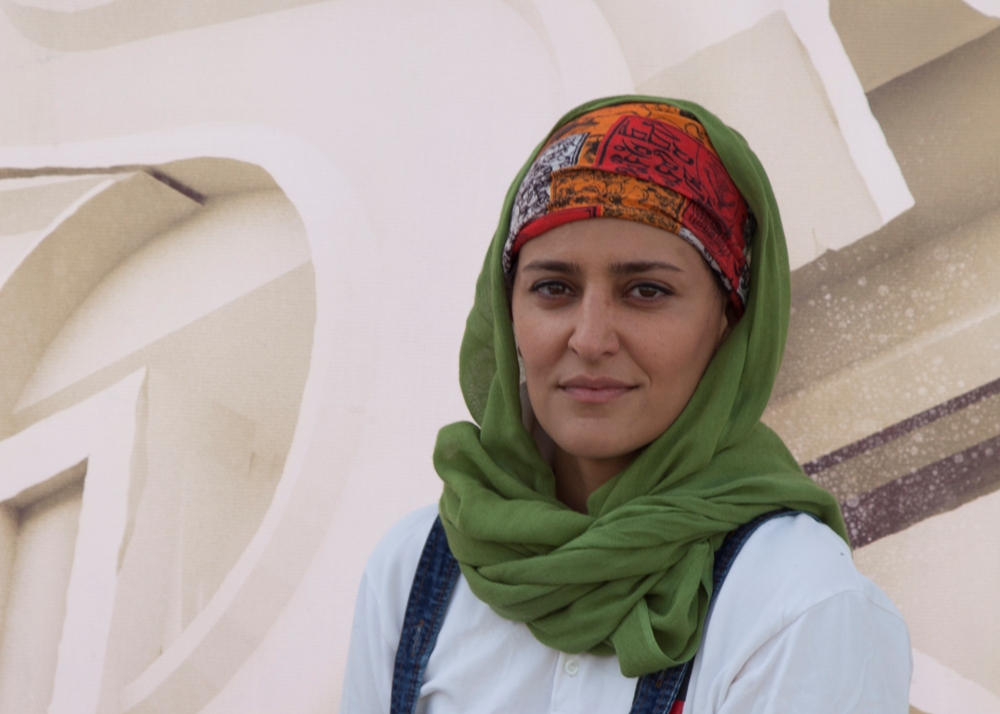
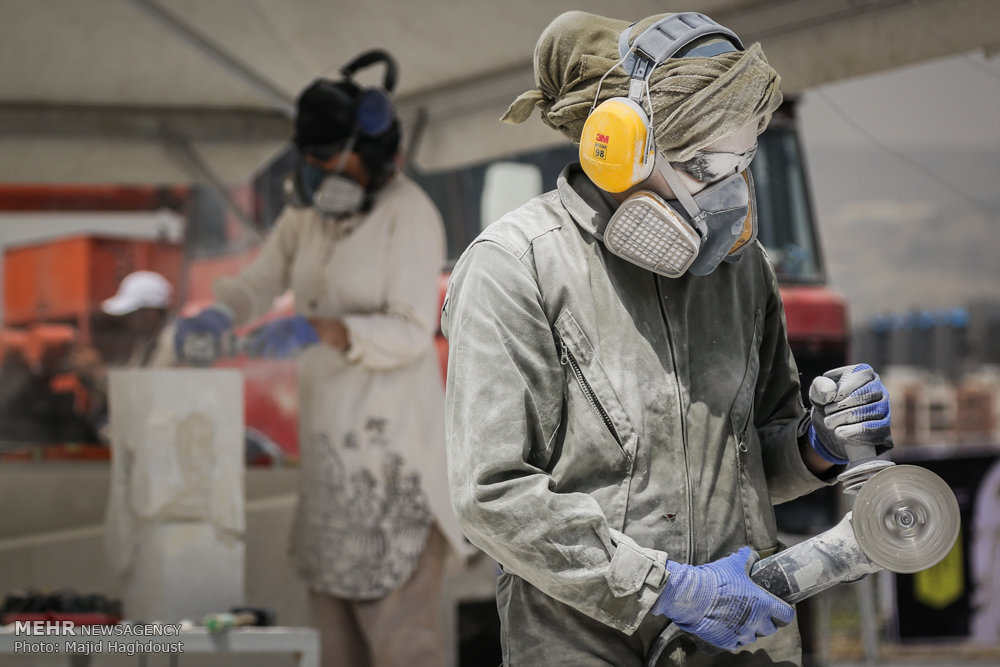
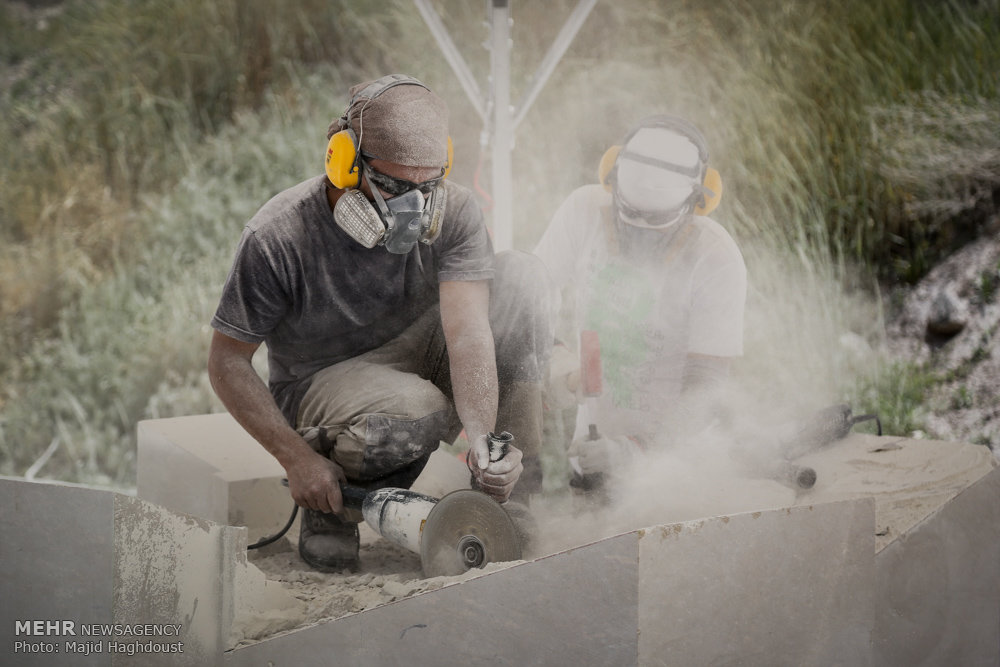
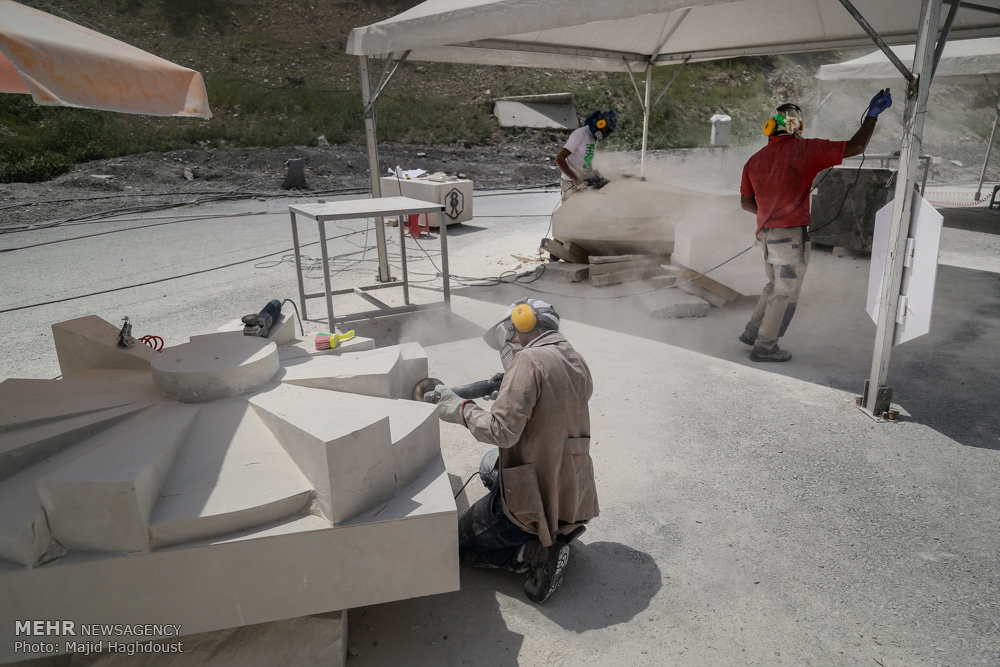
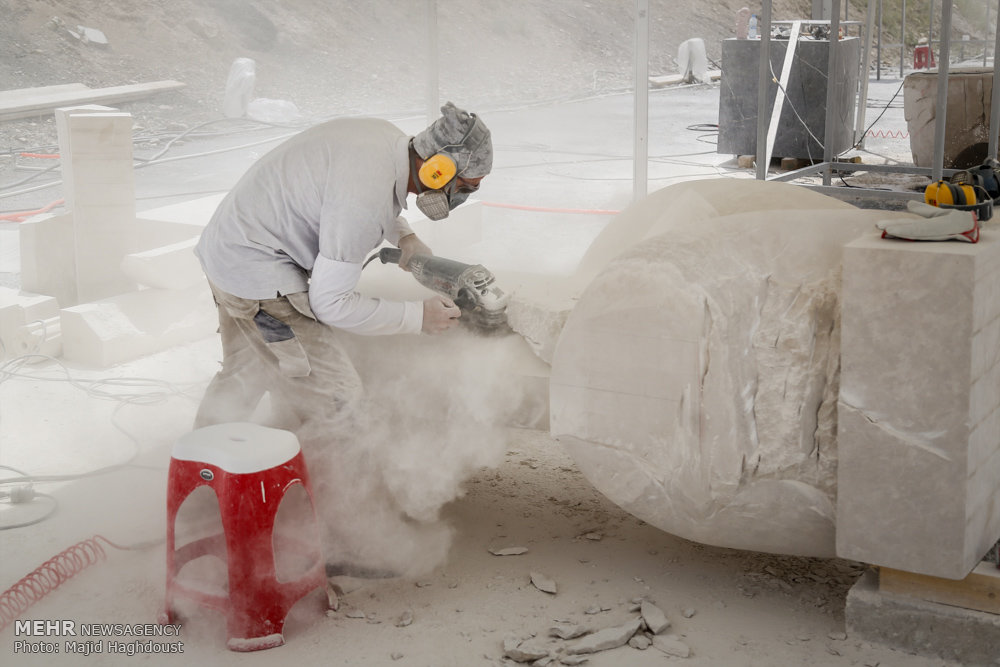
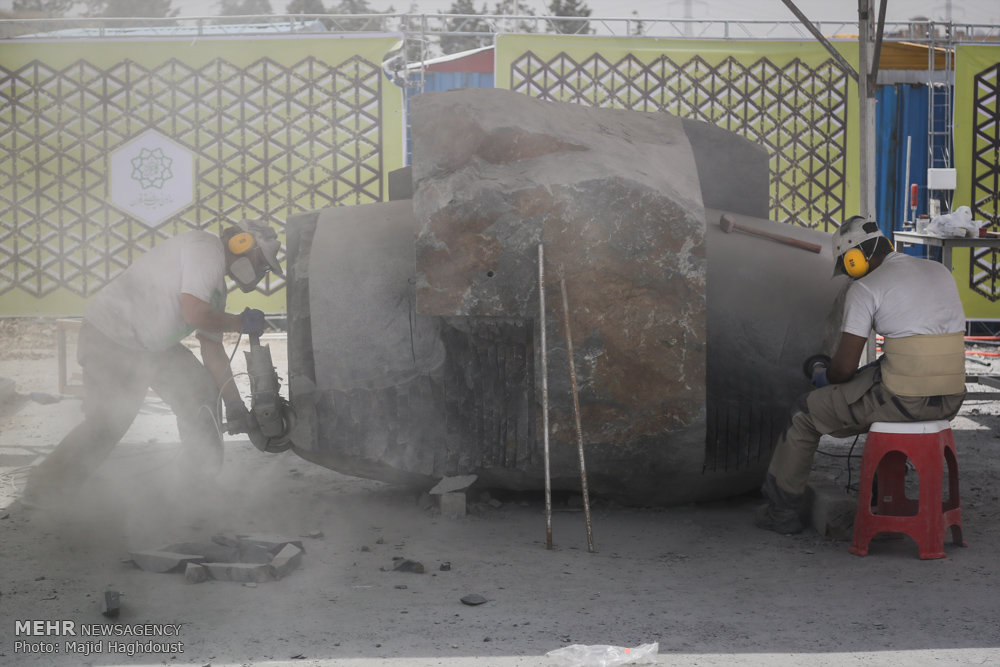
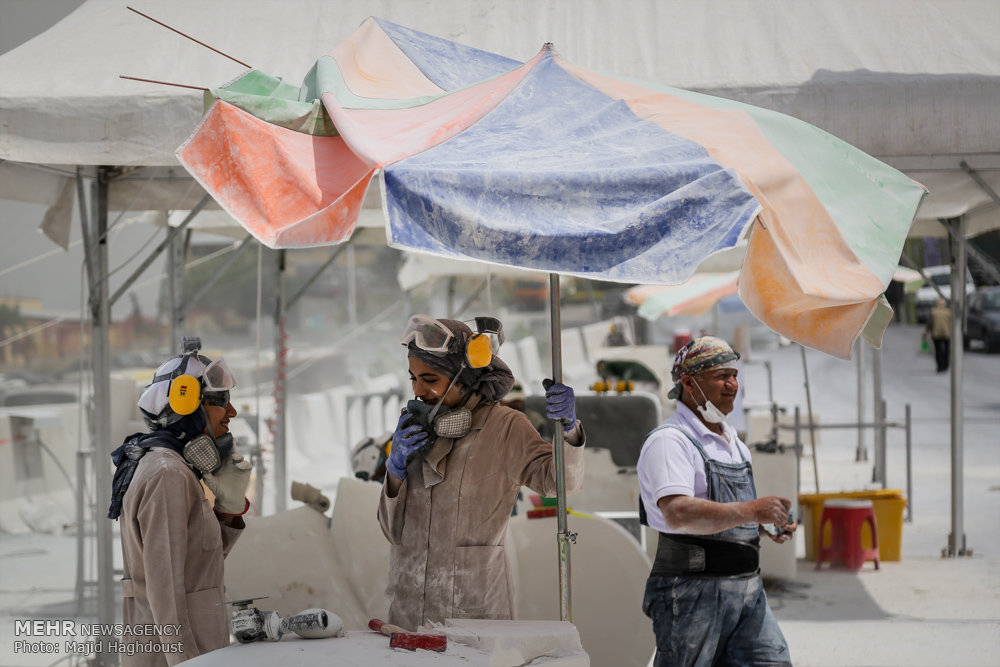
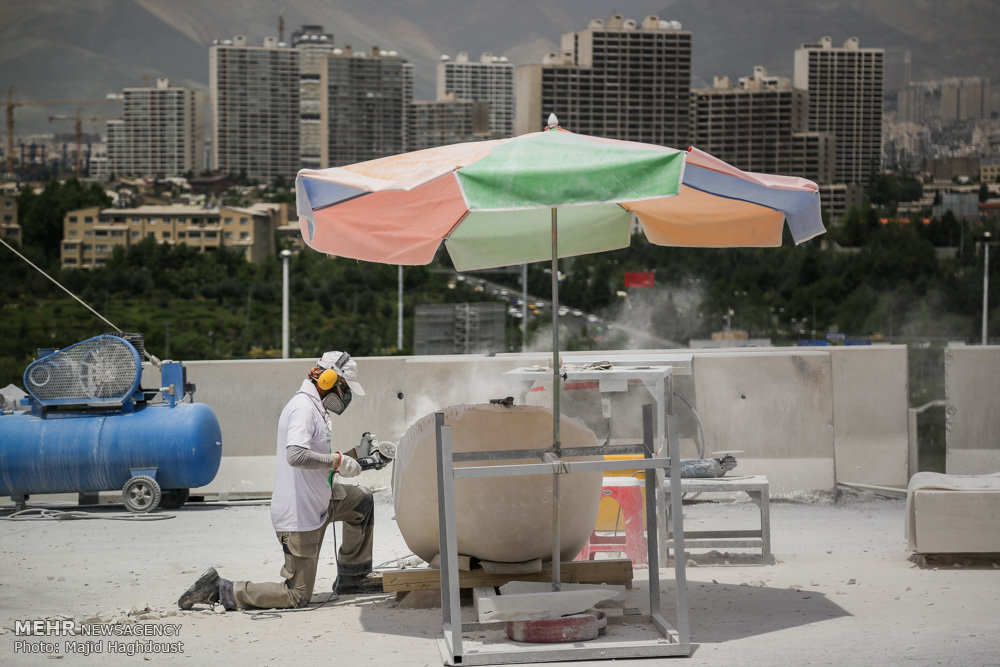
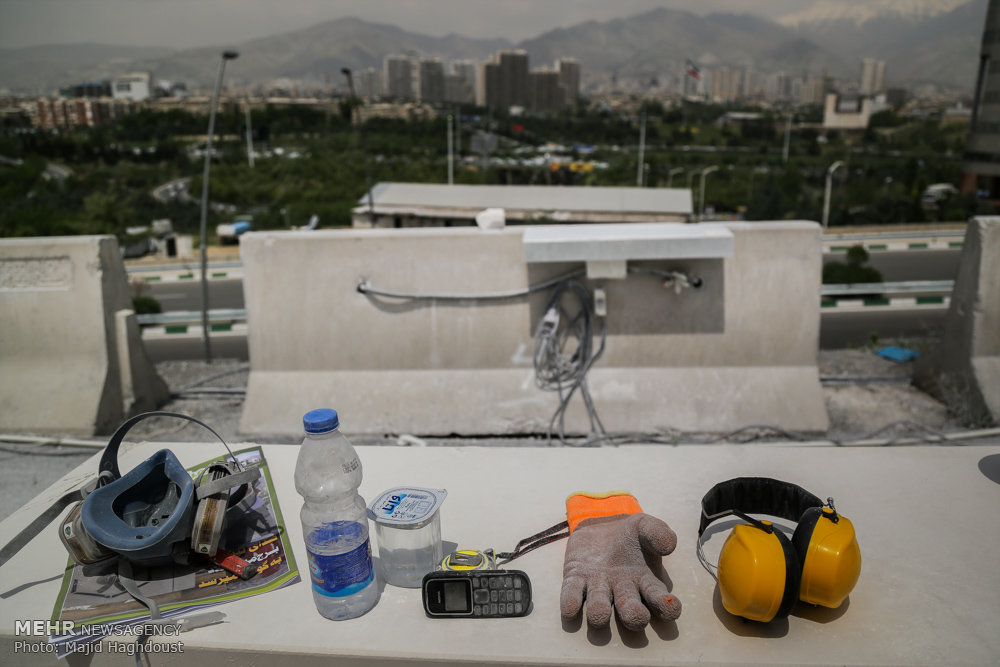
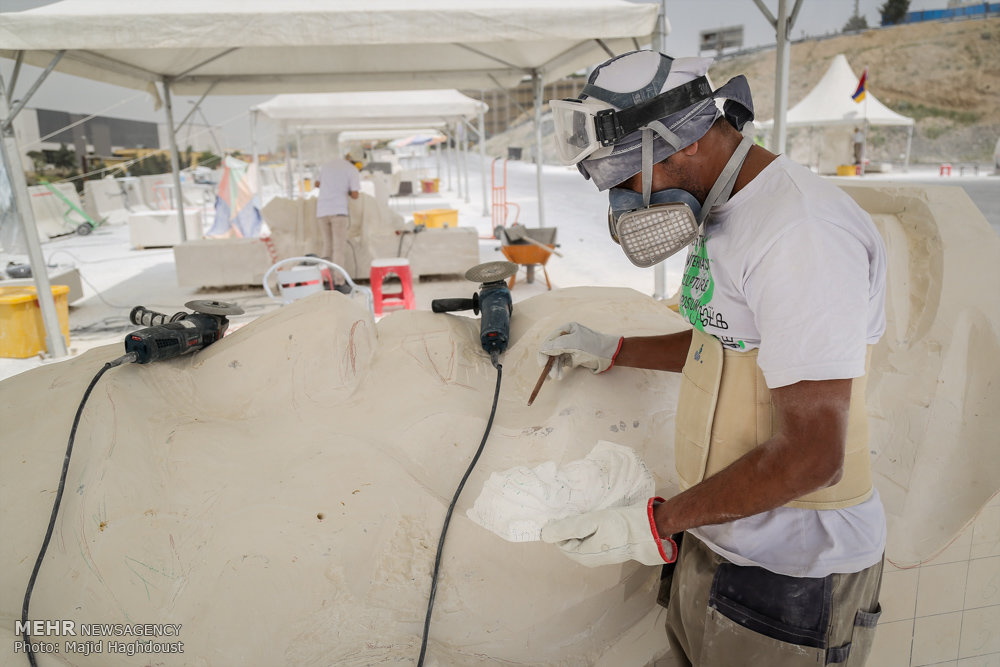
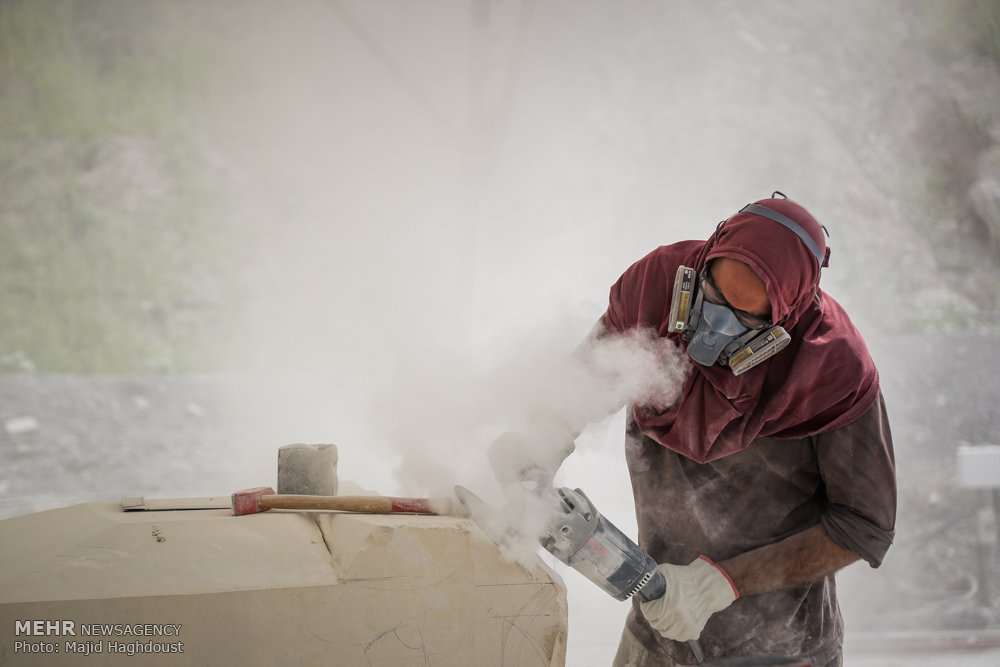
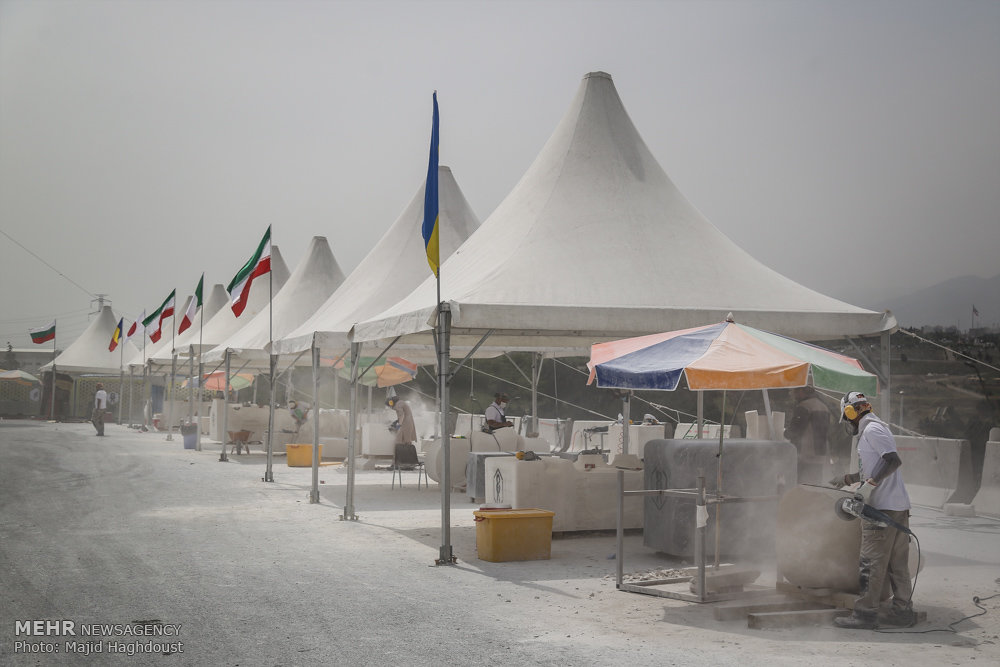
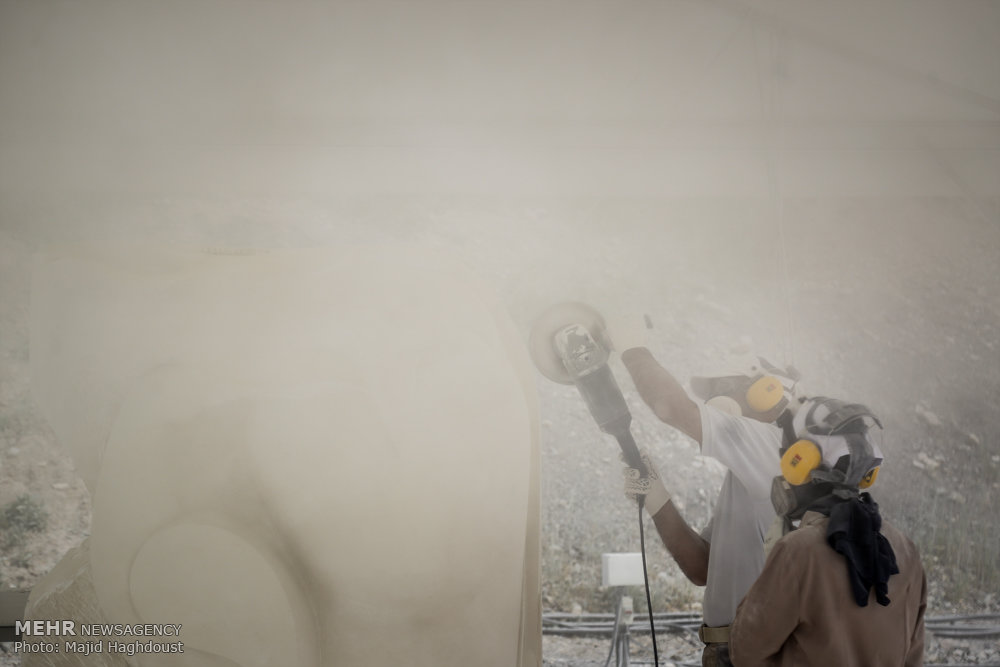
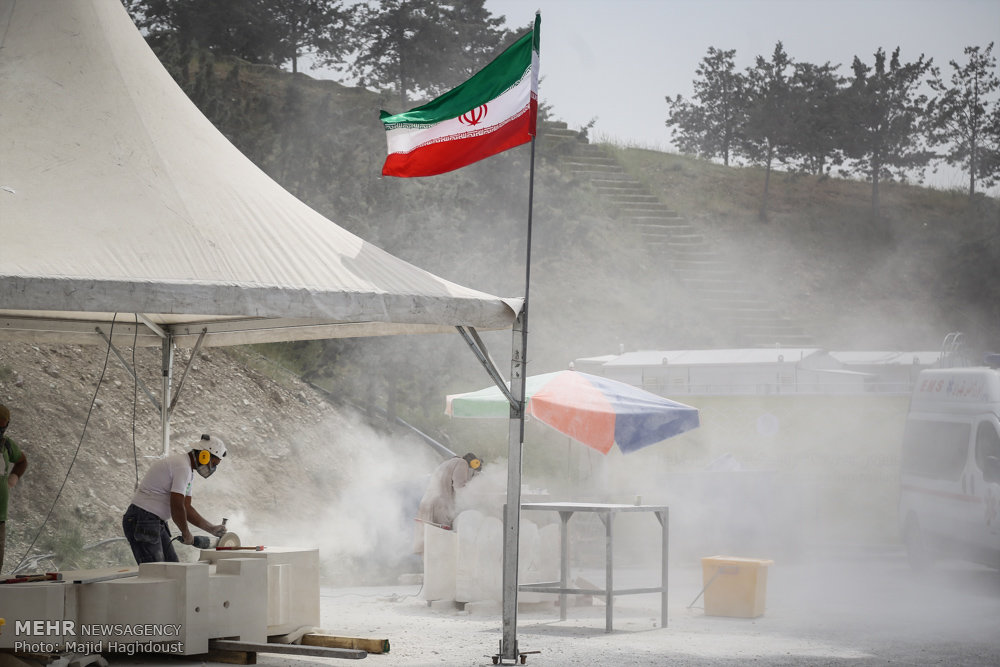
German and Romanian sculptors, Klaus Hunziker and Ana Maria Negara, who are taking part in the 8th Tehran International Sculpture Symposium (April 21-May 15), currently being held at Milad Tower in the Iranian capital, have praised the high quality of the event, calling it a professional seminar.
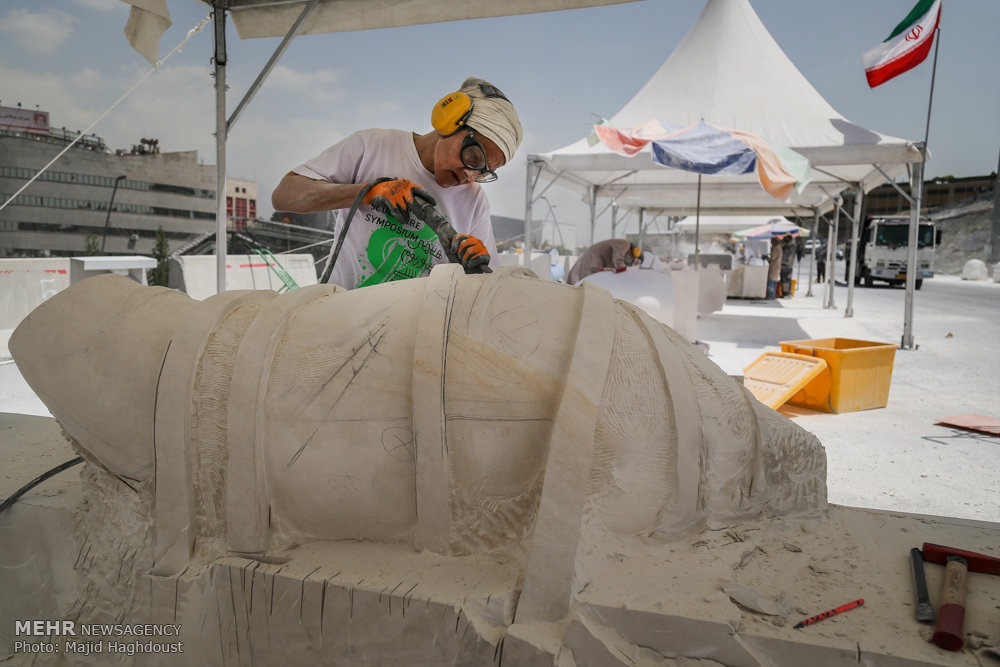
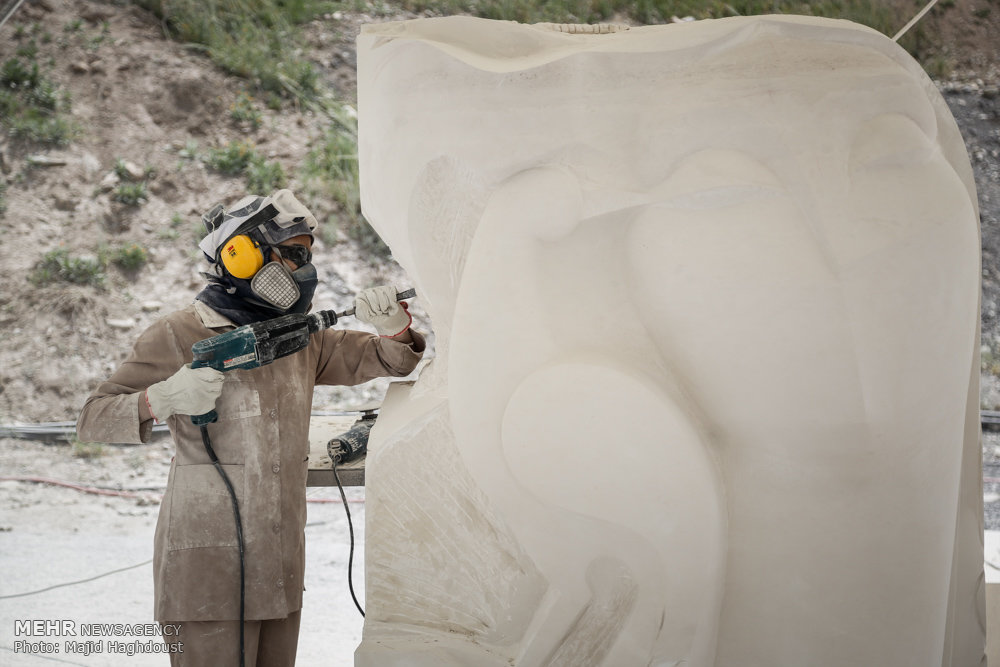
According to a Farsi report by the Honar Online News Agency, these days, 19 sculptors and 10 students of this branch of visual arts are creating sculptures in the 8th Tehran International Sculpture Symposium at Milad Tower, to be installed or put on display in urban spaces.
Like the past four editions, artists are using stone as the main material in making their sculptures in the present edition of the symposium. Artists from four corners of the world, who have sufficient experience in carving sculptures out of stone, have convened in Tehran to create remarkable artworks to be installed or showcased in urban areas and teach Iranian sculptors how to improve their skills in working with stone as their main sculpture material.
Speaking to Honar Online, Hunziker said prior to taking part in Tehran symposium, he had participated in 13 similar international conventions.
Klaus Hunziker
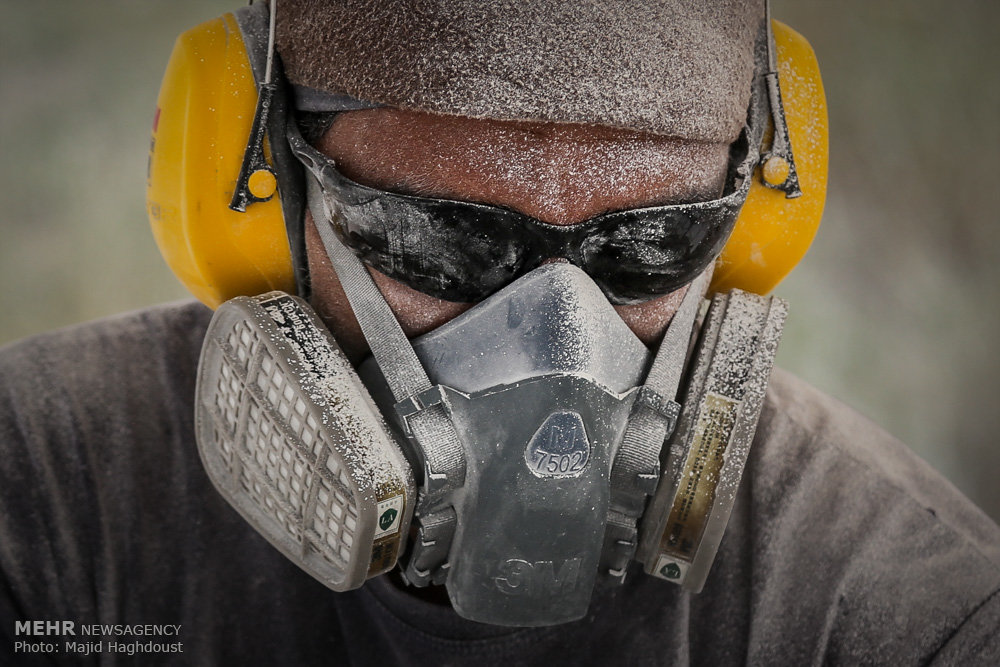
Commenting on the Iranian symposium, he noted, “Although it is just the eighth edition of the event, everything about it is magnificent. I have only taken part in one symposium on a par with the Iranian convention in terms of quality, which was held in the US. However, even there, the sculpting tools we were provided with were second-hand. Whereas, here in Tehran everything is new and absolutely clean. In addition, safety principles are observed very well in this symposium. Quite interesting to me is that this is for the first time that we [sculptors and trainees] have been provided with special uniforms in an international symposium.”
On the general atmosphere of the eighth edition of the symposium, he said, “This is the first time that I am in Iran and experiencing how it feels like being in the country. Nevertheless, I have to admit that up to now, everything has been wonderful. The event has been held in the best possible way. We have had no worries. Furthermore, the opening ceremony was held quite professionally.”
He said all those who play a role in holding the symposium are making a significant contribution to the better creation of the works, adding even the assistants are very professional and performing their responsibilities very well.
“We have a very good relationship with the students. I have never taken part in an international event of the same kind which has been on a par with Tehran symposium.”
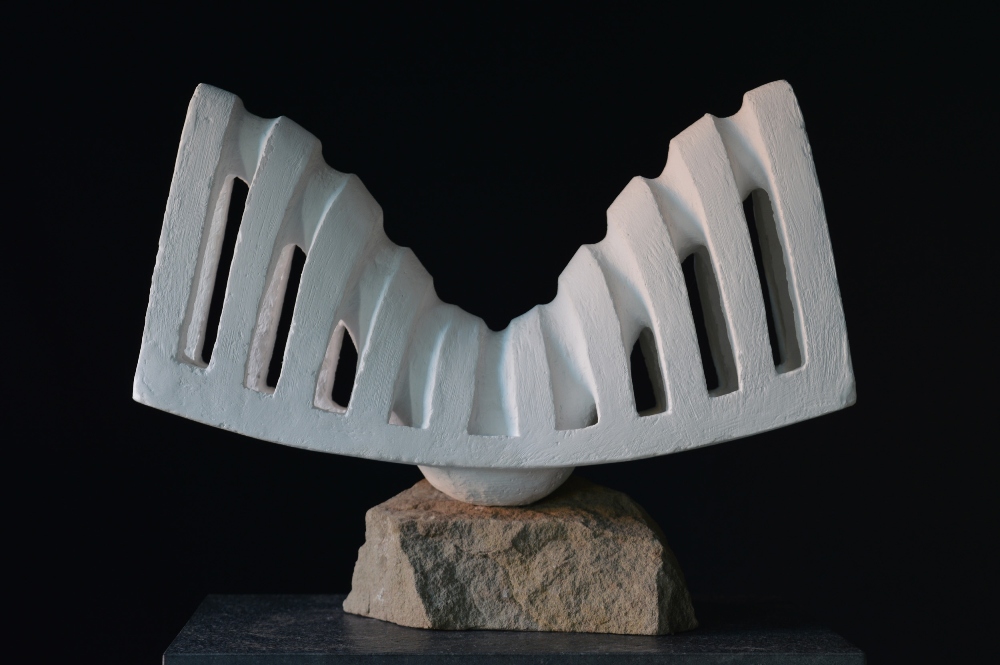
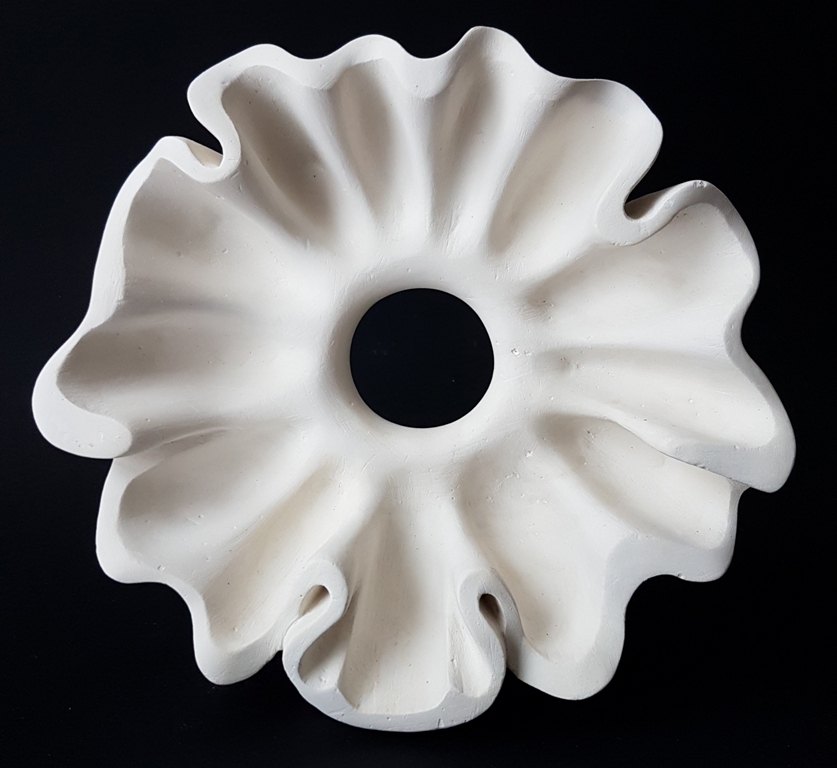
Expounding on the sculpture he is making at the symposium, Hunziker said his artwork – titled “It Will Be Released like a Bird” – has a general concept which is composed of two parts and two more specific concepts.
The picture shows the maquette of the sculpture being made by the German sculptor, Klaus Hunziker, in the 8th Tehran International Sculpture Symposium (April 21-May 15) at Milad Tower in the Iranian capital.
“A part of the work is static which conceptualises stability. In fact the first concept of my work of art aims to raise a question. However, the work’s second concept depends on the audience’s interpretation which can be very different from the first one.”
Commenting on the same event, Negara said Tehran symposium is one of the best sculpture events worldwide.
Ana Maria Negara
“I, honestly, believe that this convention is among the bests worldwide due to its efficient and sound management. In fact, it has always been a dream of mine to take part in a symposium which is managed excellently. My participation in this event is a dream coming true for me, as all the required facilities have been provided appropriately and the symposium is well-ordered and has an effective discipline. I really enjoy taking part in it.”
She added, “Iranian artists are very good and display a very friendly behaviour. I believe Iranians are very good and pleasant. I am proud of my assistant who is an Iranian student. Up to now, a friendly atmosphere has pervaded the entire symposium. Everything has been perfect for me.”
Elaborating on her work titled “Human Evolution” which is being made in this event, Negara, who has the experience of taking part in 12 international symposiums, said the artwork stresses, more than anything else, the human being’s evolution.
The picture shows the maquette of the sculpture being created by the Romanian sculptor, Ana Maria Negara, in the 8th Tehran International Sculpture Symposium (April 21-May 15) at Milad Tower in the Iranian capital.
“In fact, I intend to depict human growth in my work and raise a number of questions.”
She said a friendly atmosphere prevails Iran, adding, “I feel at home in Iran because I feel comfortable in it. Of course, this is the first time I am in Tehran and taking part in this symposium. Nevertheless, so far, everything has been very good for me. I am very happy to be here in the Iranian capital.”
She stressed that she, very much, likes to have the chance to visit Iran’s tourist sites and historic places, such as mosques and museums, and be able to gain further knowledge about Iranians’ traditions and religion to better understand the country’s culture.
“This will make me postpone my travel back to Romania to spend more time in Iran.”
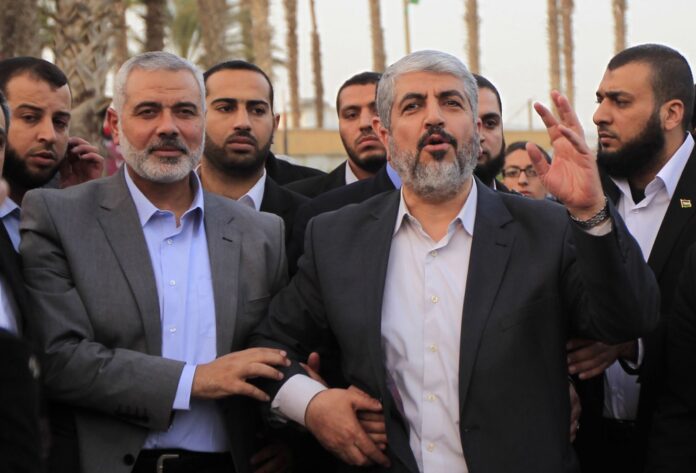
Khalid Meshaal, who preceded Haniya as leader of the bureau, confirmed the transition of power to Al Jazeera.
“I would like to announce that this new council has elected Abu al-Abed, my brother Ismail Haniya, as the president of the political bureau of the movement,” Meshaal said in a statement.
“The new leadership will announce any other names in the appropriate time. The movement blesses this election which came in a consultative, democratic way that is homogenous with the lists and that shows the unity of the movement.”
Two knowledge-based Iranian companies, Ehaya Garan Qalb Sanat Asiya Co. and Alton Technopreneurship and Techno-Engineering Company, located in Isfahan Science and Technology Town, have managed to design and make a device which makes possible production of healthy agro products at home by Iranian households and meets professional national and international standards.
According to a Farsi report by IRNA, the intelligent garden helps remove soil from the process of growing plants and reduce water consumption by 90 percent. In addition, the device does not use poisons and pesticides as well as ultraviolet light, which harm plants’ phloem – the living tissue that transports the soluble organic compounds made during photosynthesis, in particular the sugar sucrose, to all parts of the plant where needed – and, thus, increase the risk of contracting cancer, for growing plants.
The two companies designed and made the intelligent home garden in cooperation with each other.
Commenting on the device, Mohsen Karimian, the CEO of one of the companies, said a number of Iranian and foreign investors have started negotiations with the two knowledge-based companies on purchasing the technology for making the apparatus and exporting the device.
He added, “A number of these investors, including companies from 15 countries, began their negotiations with us on these two issues in the 13th National Sheikh-Bahai Technopreneurship Festival which was held on April 21 and 22, 2017.”
Karimian said the making of the device was aimed at developing and improving agro and animal husbandry industries and reducing energy consumption.
“We consider defending Syria and Iraq and their sovereignty to be defending ourselves because preserving the stability of regional countries and preventing their disintegration is very crucial to regional stability [as a whole],” said Ali Akbar Velayati, who advises the Leader on international affairs, on Saturday.
He made the remarks in a meeting with the visiting State Secretary at the German Federal Foreign Office Markus Ederer in Tehran.
Velayati added that some regional countries, however, appeared to be disinterested in the resolution of the conflicts and rather sought to complicate and prolong problems.
“The Islamic Republic has invariably put up resistance in the region, and one has to say explicitly that it has trodden [solely] down the path of confronting terrorism with an eye to international peace and stability,” Velayati said.
The country, he said, maintains a presence in Syria and Iraq at their official invitations to fight terrorism.
Iran has been lending advisory military support to Damascus and Baghdad. Both Arab states have, time and again, lauded the contribution made by the Islamic Republic.
Iran-German relations
Velayati also said that Tehran greatly valued Berlin’s independent standpoints in the European Union.
Ederer, for his part, said bilateral ties between Iran and Germany were “age-old.”
Tehran and Berlin’s cultures are similar, which has contributed much to the deepening of the bilateral ties over the recent years, he said.
The exchange of visits by Iranian and German officials showed that the bilateral ties had improved, Ederer said.
The German official said he was optimistic about the outcome of his meetings with Iranian officials, especially Velayati. He said he believed the discussions would be “very constructive” and contribute to the continued implementation of a 2015 nuclear deal between Iran and six world powers, including Germany.
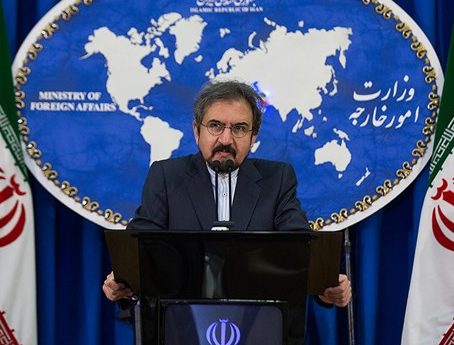
Iranian Foreign Ministry Spokesman Bahram Qassemi on Friday evening expressed condolences to the Iraqi government and nation over an airstrike that has killed dozens of civilians at a disused school in western Mosul, including women and children.
He also took a swipe at the sponsors of terrorist groups in the region and Iraq for their efforts to maintain a war of attrition in Mosul and lengthen the process of liberation of the city by the Iraqi Army, saying such obstructive measures would result in “anti-human crimes” like the recent killing of civilians in western Mosul.
Qassemi then noted that total annihilation of terrorism in Iraq seems too close, stressing that the united Iraqi government and nation are going to brush off the terrorist groups from the whole Iraqi territories.
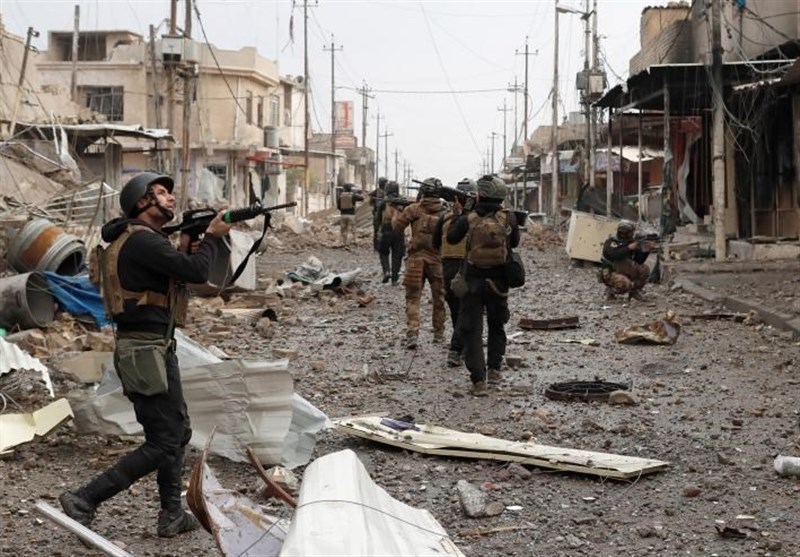
On Friday, the Iraqi military admitted bombing a disused school in western Mosul, but denied targeting civilians, saying the building was being used by Daesh (ISIL or ISIS) terrorist group as a bomb factory.
The army’s statement came a day after Daesh claimed that an air raid late on Thursday had killed 68 people who were sheltering in the building, including 47 children and women, and wounded 86 others.
The Iraqi army did not confirm the number of casualties in the Thursday’s air raid, but said that Daesh has used civilians as human shields in the past.
Hundreds of thousands of civilians have been forced to flee Mosul as the military has launched an offensive to retake the city.
Iraqi commanders said on Friday that the military forces pushed further into Mosul from the north on the second day of a new push to speed up the nearly seven-month attempt to dislodge Daesh.
According to Iraq’s authorities, Daesh now controls less than seven percent of Iraq.
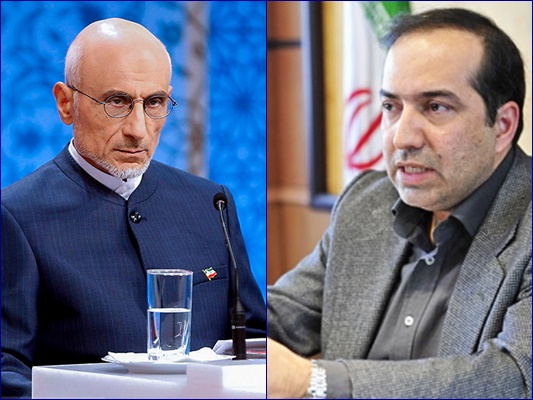
During the second presidential debate on Friday, presidential candidate Mostafa Aqa-Mirsalim criticized President Rouhani’s administration for its alleged failure to fully approve and implement the law on free access to information.
In reaction, Deputy Culture Minister for Press Affairs Hossein Entezami said although the law of publishing and having free access to information and reports about the government’s performance was passed in 2009, no move was made to implement it in the previous government.
According to Farsi report by the Khabar Online News Agency, Entezami added, “However, three executive regulations of the law were approved and communicated by the incumbent government. In addition, at the order of President Rouhani, a commission was set up for the Article 18 of the law and the necessary regulations were made.”
He said the related directors have been appointed in 90 percent of the state organizations while maintaining their former positions, regretting that, except the government, other organizations have not started full cooperation in the implementation of the law yet.
Entezami noted that the websites of the state organizations have undergone a number of changes to comply with the new law and be able to publish their information on a regular basis.
“In addition to the state-run organizations’ websites, a public website has been designed by the Ministry of Communication and Information Technology to provide people with the information they need.”
The commission for the Article 18 of the law is responsible for dealing with and investigating complaints concerning an organization’s non-cooperation or delay in providing the required information, and will make necessary moves to defend the right of the complainants.
Nearly 4,000 exhibitors from across the globe are taking part in the Oil Show, running 1,800 pavilions.
1,016 pavilions are representing 2,500 Iranian firm while 811 other pavilions represent nearly 1,500 foreign companies from 37 countries, Shana reported.
In terms of the number of participants and size, the oil show is the biggest energy exhibition in the Middle East, says director of the show Mohammad Nasseri.
Exhibitors from China, Germany, France, Italy, Spain, Turkey, Russia, Japan, Austria, South Korea, the US, and Australia are running stalls at the 4-day showcase, he added.
Zarif will visit Afghanistan on Sunday morning at the head of a high-ranking political delegation, Foreign Ministry Spokesman Bahram Qassemi announced on Saturday.
The Kabul trip will be made at the official invitation of Afghanistan’s Foreign Minister Salahuddin Rabbani, Qassemi added.
Zarif also plans to hold talks with Afghan President Ashraf Ghani, Chief Executive Officer Abdullah Abdullah, and a number of other senior Afghan officials.
The Iranian top diplomat will confer on bilateral relations and ways to improve the current level of cooperation between the two countries.
He will also discuss the latest developments in region and the world during his visit to Kabul.


 He also and conferred with Rabbani on Tehran-Kabul economic cooperation, alternative crops, cooperation on the issue of water, border problems, and facilitation of travel.