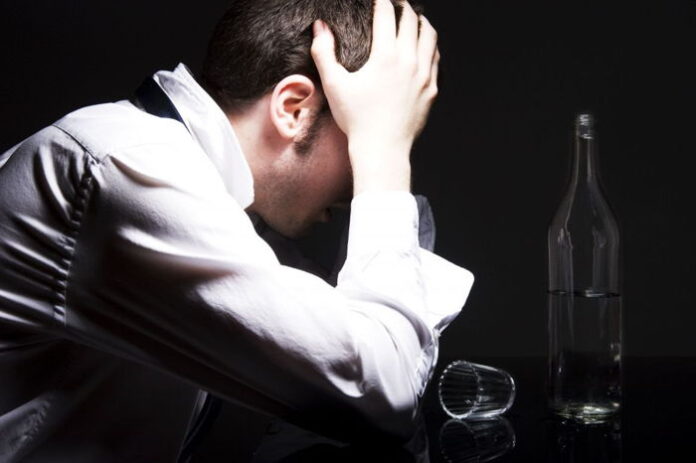
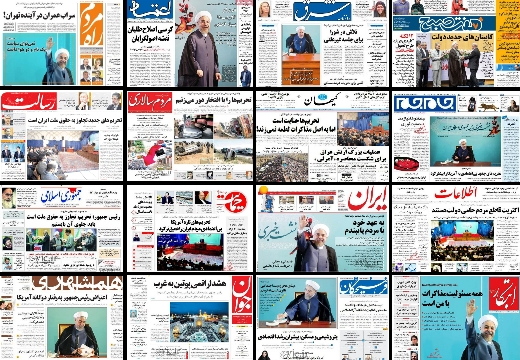
The 484th issue of the Salamat [Health] Weekly featured an article on the launch of an alcohol rehabilitation center in Iran. The article brings together the views of Dr. Bahman Keshavarz, a well-known lawyer and head of the National Union at the Iranian Bar Association and those of Ebrahim Akhavi, a clinical psychologist at Qom Seminary School. Here is the translation of an excerpt of the article on alcohol addiction treatment and recovery in Iran:
Bahman Keshavarz: A first alcohol rehabilitation center has recently been launched in Iran. Clearly this seems somehow surprising because according to sharia consumption of alcoholic beverages is forbidden in Iran. And if the offense were repeated, it could even carry the death penalty.
In light of what was said, efforts by the Health Ministry to treat alcoholics may seem strange in the first place, but a thorough analysis of the move shows that not only is it not something odd, but it is a highly helpful and constructive measure which is hoped to produce effective results.
And even more to the point is that determining a proportionate punishment for crimes and offenses falls within the responsibility of government as part of its efforts to serve the public. When one commits an offense which incurs hadd [punishment which is not specifically determined by laws; rather, judges determine it on a case-by-case basis to prevent similar offenses in the future], they would be cleared of all charges and sins when the hadd punishment is administered. In other words, the offender would get even with society if and when they sustain their punishment.
That they may experience some trouble the government and society are obliged to solve is another case. Normally, the problems members of society grapple with are caused by reasons in which society and the government have a role or for which they are somehow to blame. So, the responsibility to rush to the help of the affected person lies with the government and society.
Establishment of a rehab center for alcoholics is one such responsibility. The important issue is that alcohol consumption does not divest the offender of the rights stipulated in The Universal Declaration of Human Rights, the International Covenant on Civil and Political Rights and chapter three of the Iranian Constitution.
The one who commits such an offense should suffer the punishment meted out based on religious and statutory laws, and at the same time remain entitled to her/his legal rights. To prevent people from committing such offenses – and other similar cases – training is needed. If people learn about the harms that come with alcohol consumption, they would build on conventional wisdom to avoid drinking alcohol.
Hojatoleslam Ebrahim Akhavi: In addition to the harms alcohol inflicts on the body, it would affect the consumer’s rationality as well. That’s why a religious ban has been placed on consumption of alcohol.
A glance at the rate of crimes committed under the influence and the physical and mental diseases caused by alcohol consumption proves drinking is harmful.
A careful study of divine orders […] reveals the stress God has put on red lines, and overstepping such red lines, regardless of frequency, would carry severe mental risks. […]



















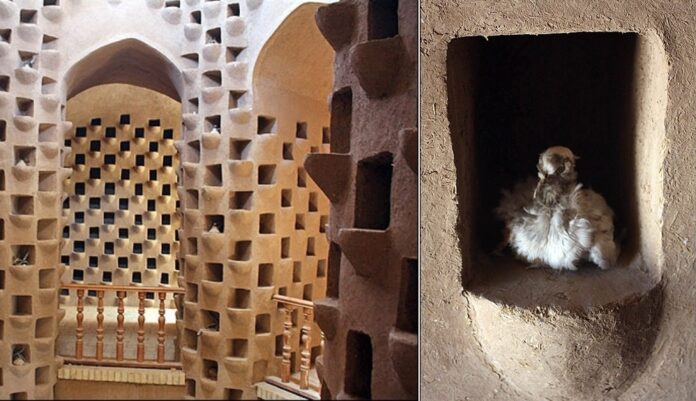
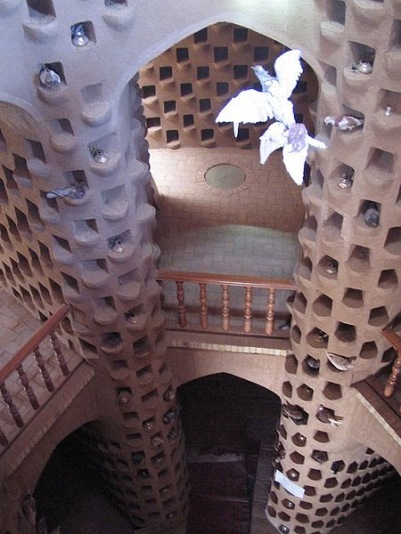
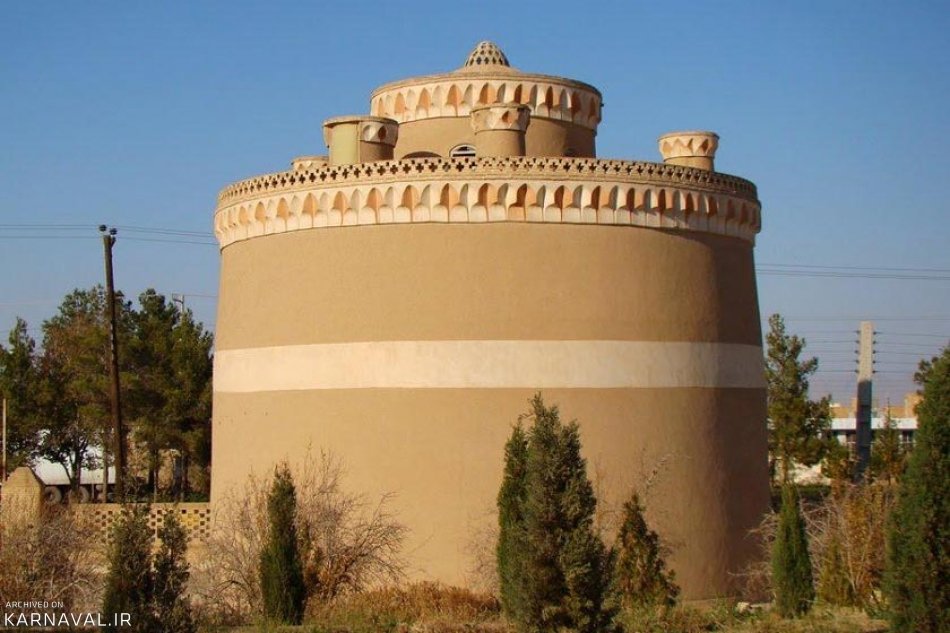
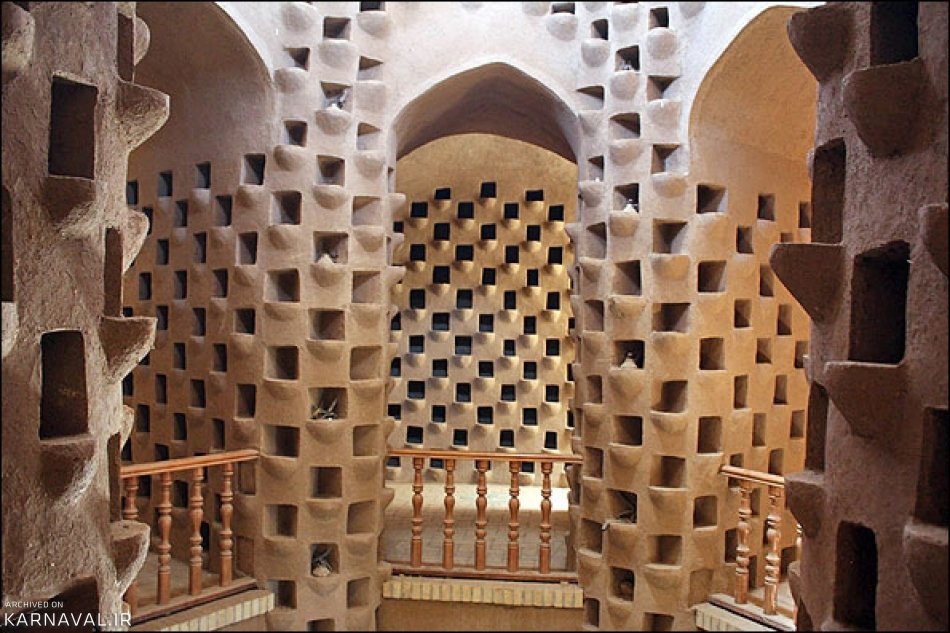
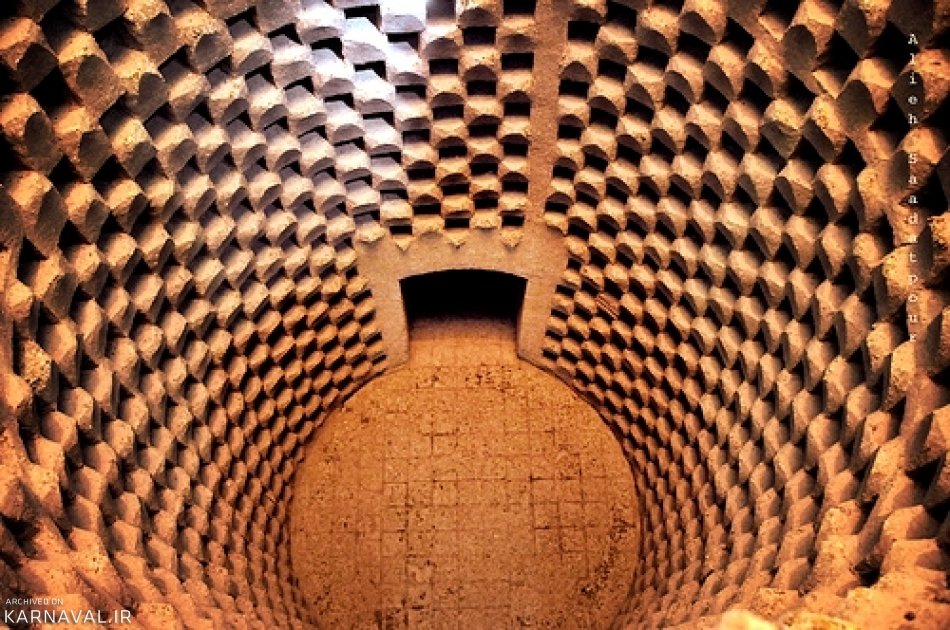
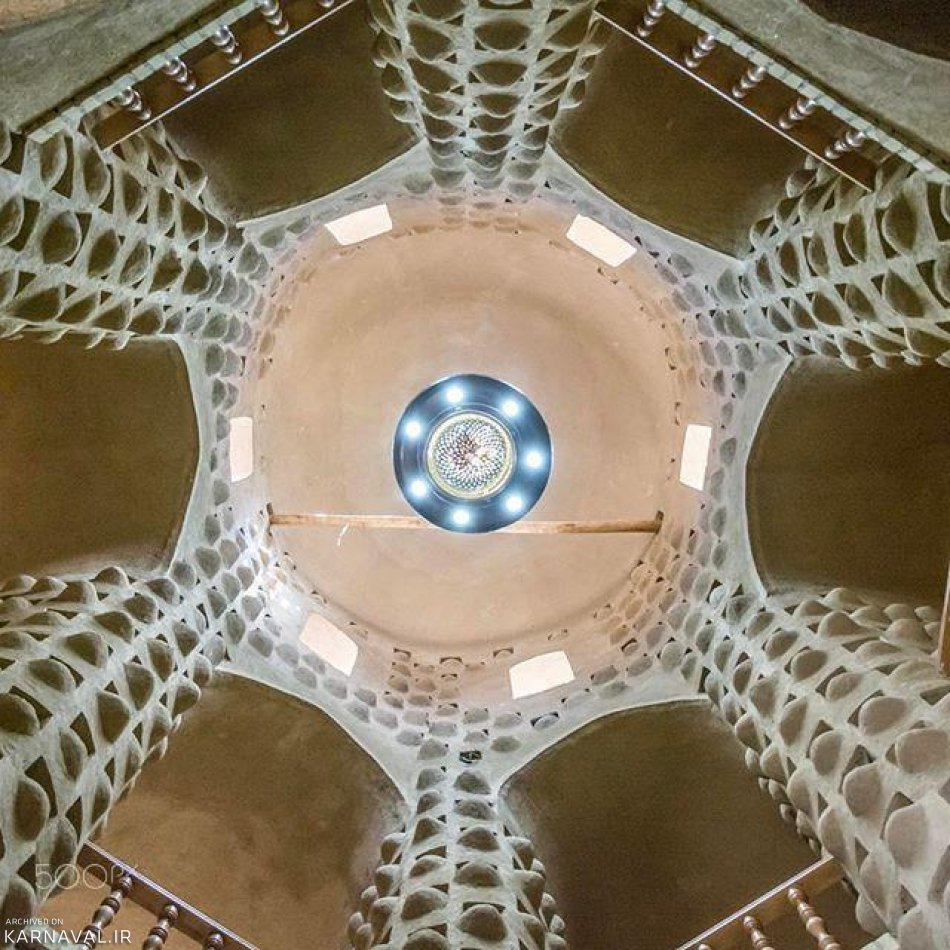
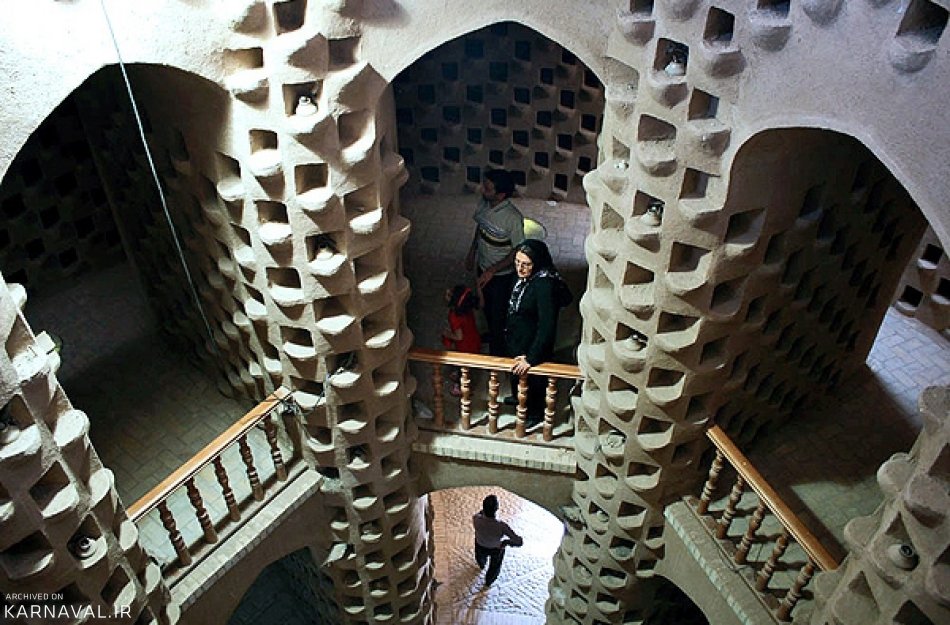 Timbers pass horizontally through the structure and join the opposite walls. Therefore, walls are held firmly together and wide vertical cracks which could lead to the collapse of the tower won’t appear. Pigeon houses are designed and constructed in a way that the least building material and surface area translate into the most efficient use of space and hence the largest number of pigeon holes. Nesting holes are arranged in a way that offer equal access to birds. Besides, all nests are the same in terms of sunlight exposure and ventilation, and pigeons have an equal amount of space to fly back and forth; no pigeon hole has an advantage over another. Nests pierced in the lower levels are the most suitable ones for reproduction, for pigeons need a dimly-lit place for that purpose.
 To attract pigeons and scare predators away, the smell of animals such as wolves and hyenas or of some herbs such as frankincense is used in the building.