Friday, April 10, 2026
Home Blog Page 4002

St Andrews University Awards DLitt to Iranian Maestro

The prizes, awards and honors received by Beyzai are numerous. And the latest is the honorary DLitt from St Andrews, ILNA reported.

Founded in 1413, the university is the oldest of the four ancient universities of Scotland and the third oldest in the English-speaking world (after Oxford and Cambridge).

Beyzai, 78, was given the honor in recognition of his literary, artistic and research achievements.

Currently living in the US, he is among the 12 distinguished individuals honored between June 20 and 23 at the university’s Younger Hall.

Beyzai has authored over 70 books in Persian, including plays and screenplays, histories and research works, as well as interviews and stories.

His first feature film ‘Ragbar’ (Downpour) is regarded as one of the most successful Iranian films. It won the best prize at the 1972 Tehran Film Festival.

He is also considered pioneer of the Iranian New Wave Cinema movement. Presently, he is a faculty member of Stanford University in California.

“Tehran, Riyadh Not Decided Yet to Open Interest Sections”

Iranian Deputy Foreign Minister Hossein Jaberi Ansari has, in a Farsi interview with ISNA, discussed a whole range of issues, including Iranian-Saudi relations. The following are highlights of the interview:

[Asked about the possibility of interest sections being opened in Iran and Saudi Arabia, Jaberi Ansari said] When two countries have diplomatic and political relations, embassies are up and running. When official political and diplomatic ties are severed, one of the mechanisms which exist in relations between countries is [to open] interest sections, which could be put on the agenda depending on the needs of, and agreement by the two countries in question.

Usually two countries which do not have diplomatic relations should feel the need before deciding to refer to interest sections to solve their problems and reaching a final agreement through the interest sections.

At the present time when Saudi Arabia has severed its political and diplomatic ties with us, naturally one of the solutions is to use this mechanism due to issues concerning the Hajj pilgrimage, which is the number-one priority for Iranian nationals. But both sides should first agree on using such a mechanism, and then should feel the need to do so, and both should reach agreement on the arrangements regarding this issue in their direct or indirect talks.

Proposals regarding this issue have been put forward by third parties over the past months and exchanged by the two countries, and Tehran and Riyadh have traded viewpoints indirectly via third parties. But the two countries have not reached any agreement on that so far. So, if an agreement is reached, it would be based on the need felt. Both sides have held talks over the past year, but have not reached an agreement yet. If such an agreement is reached, it will be announced to the public.

If the two countries decide to establish relations at the lowest level through interest sections, that will be officially announced by the capitals of both countries.

[Asked whether he has taken to Qatar a message from Iranian President Hassan Rouhani, Jaberi Ansari said] Before Mr. Zarif (Iran’s foreign minister) travelled to North Africa, I had a short half-a-day-long trip to Doha where I conveyed Dr. Rouhani’s message to the Qatari Emir as well as Qatar’s foreign minister. The message revolved around Tehran’s stance on this very development as well as other regional developments.

[On Iran’s missile attack on ISIS positions in Syria followed by stances adopted by Damascus and the US targeting Syrian fighter jets, he said] These issues are not necessarily related to one another. Before the recent [missile] operation, different developments had unfolded both in Syria and on the international as well as local stage.

One cannot say the developments which have taken place in the past couple of days are all directly related to Iran’s missile operation. Of course, the Syria arena is a complicated and labyrinthine one, and the high number of factors and countries involved adds to this complexity.

A political trend is under way in Syria within the framework of the Astana talks. This trend is managed by three guarantor countries in Astana, and as I said before, a trend is running its course and we hope it will make progress.

At the same time, field developments have taken place, leading to ease of tension while a ceasefire relatively holds in most flashpoint areas in the west of the country within the framework of that political trend. We hope the de-escalation will become more stable in tandem with the trend of Astana [talks.]

Field developments have been unfolding t in Syria’s eastern regions as well as in areas bordering Iraq and Jordan over the past few weeks, and several thousand square kilometres of areas stretching from Syria’s central parts to eastern parts have been liberated by the Syrian army and its allies. Most of the liberated areas had been under ISIS’s control. Anyway, these field developments, which have spanned all the way to areas bordering Iraq, are still underway and have not stopped.

In the meantime, we witnessed moves by international players which, more than ever, showed their interference in the Syria crisis. One such case was the US-led coalition’s downing of a Syrian warplane.

The Americans are not serious and determined enough in confronting the ISIS terrorist group. At a time when the Syrian army and its allies are directly fighting ISIS and tightening the noose on the terror group, the US should not meddle in this crisis in such a way that it will have the clear message that Washington is disrupting the situation and hampering further progress and gains against ISIS. The new developments serve as a political touchstone for the US to show how honest it is in its claim of fighting terrorism and ISIS.

The United States’ double standards vis-à-vis the Syria crisis practically hinders the campaign against terrorist groups. Looks like the Americans are planning to perpetuate this trend and strike a sort of balance between the parties involved, so that they will remain engaged in the conflict and will neutralize one another. This, by no means, is compatible with Washington’s declared policy.

To sum up, not only has the political trend of developments been positive, but good field events have taken place as well. Of course, there have been political and military moves, especially by the US, to disrupt this trend. But overall, it seems political and field trends have been positive.

[Regarding Iran’s missile attack on ISIS positions in Syria, he said] the move was a clear message by Iran to terrorist groups. Right after the Tehran terror attacks, Iran announced that the operation conducted by ISIS will not go unanswered. From one perspective, the missile attack was a direct response to ISIS’s terrorist operation in Tehran and it has a clear message. But in a broader sense, the attack symbolizes Iran’s transparent policy in effectively fighting terror groups, namely ISIS. Our policies are compatible with one another, and the missile operation was in line with Iran’s measures to counter terror groups.

Iran MPs to Question Minister over Import of Saudi Goods

In a Farsi interview with the Tasnim News Agency, Iranian lawmaker Mohammad Javad Jamali said that Iran’s Minister of Industry, Mining and Trade Mohammad-Reza Nematzadeh will be called to account for importing Saudi goods.

The questions are about the type of commodities and their volume, the Iranian lawmaker added.

“Considering [our] relations with Saudi Arabia and the stance taken by the Saudi authorities against the Islamic Republic, we have asked the minister to explain how the Saudi goods have been imported to Iran,” he further mentioned.

Jamali also said that the questions will be presented to the Iranian Parliament’s Presiding Board and after being checked, they will be handed down to the Parliament’s Industries and Mines Commission.

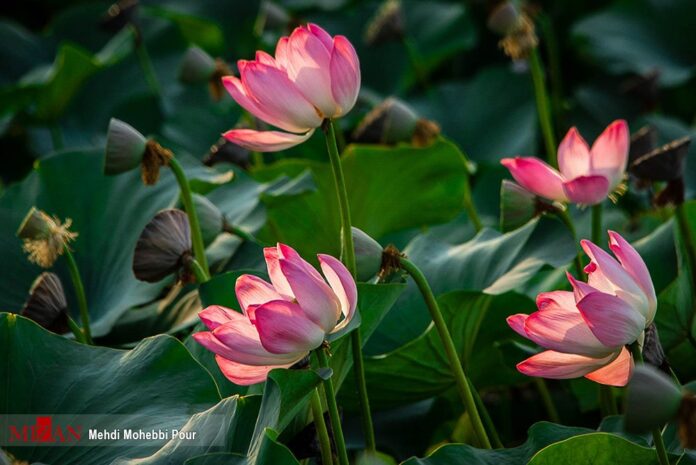
Tourists Amazed by Lotus Lagoons in Northern Iran

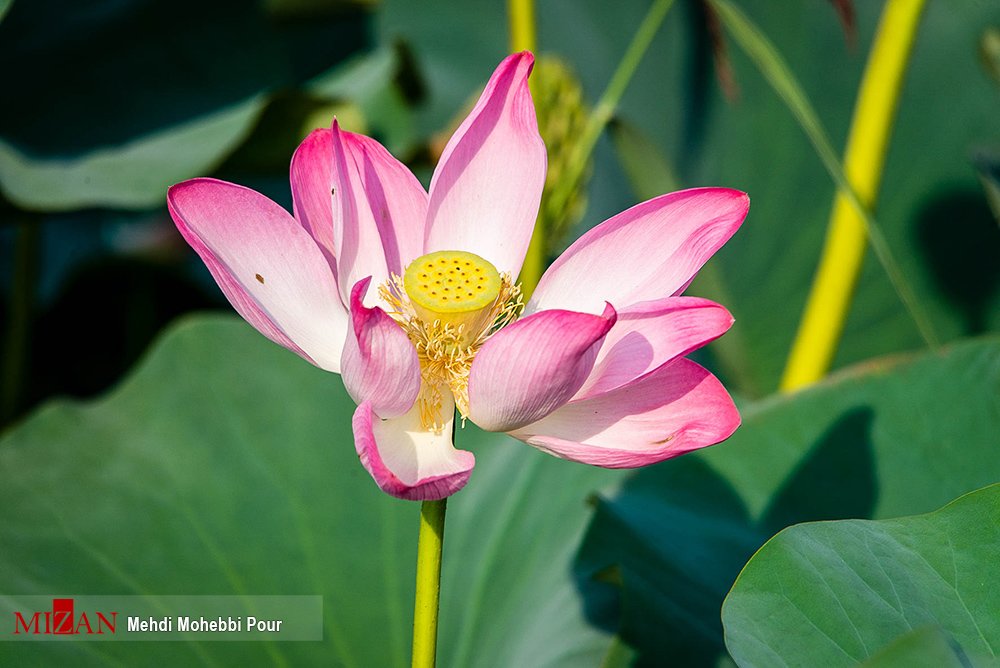
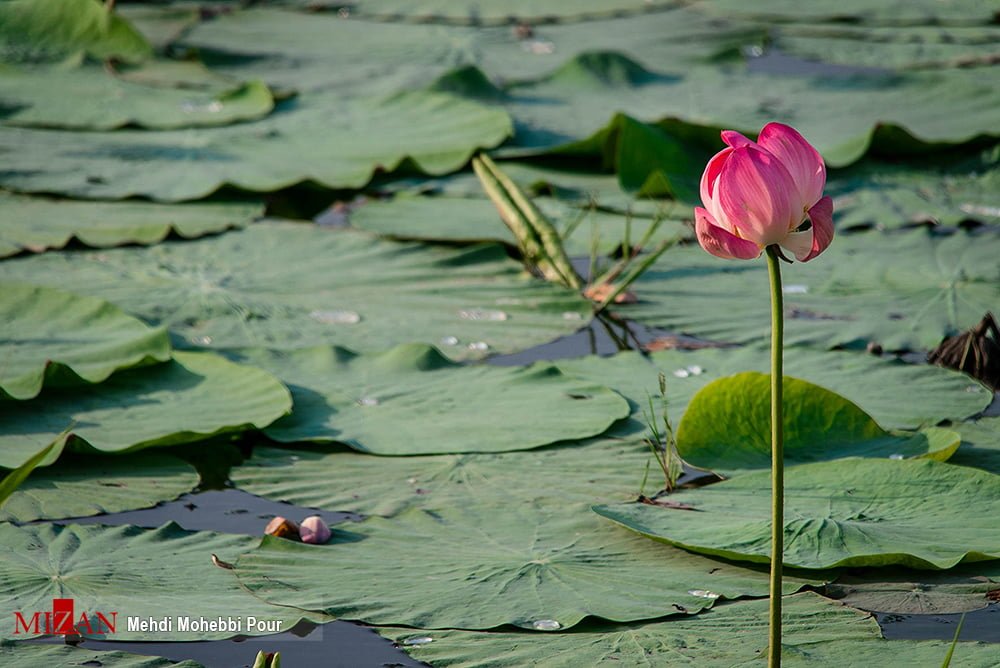
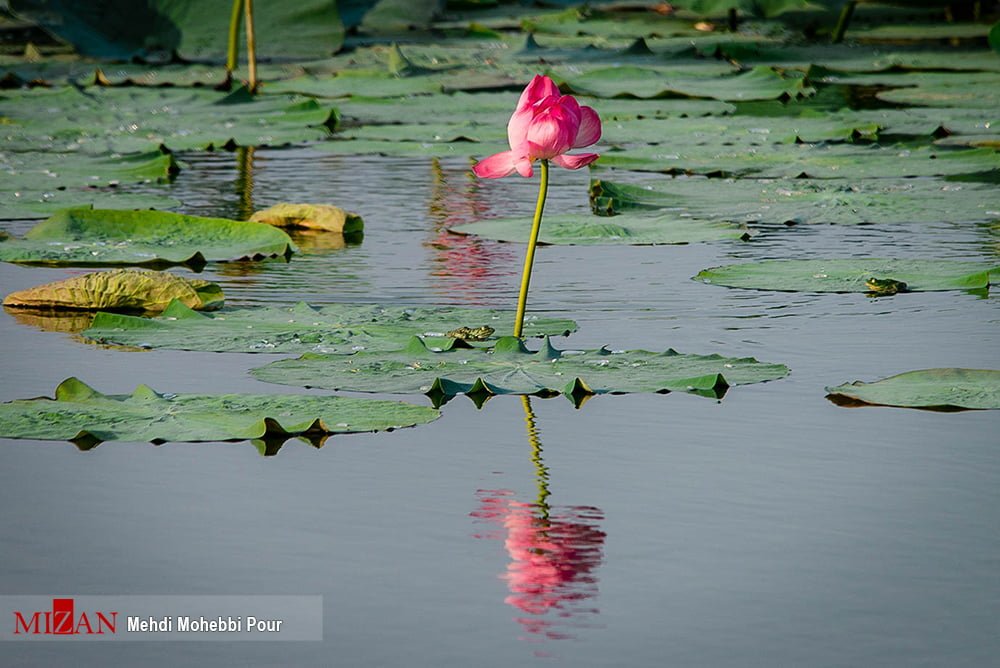
The lotus lagoons in Mazandaran Province are among the tourist attractions of the northern Iranian province of Mazandaran which provide visitors with spectacular scenery in summer.

The lagoons are mostly located in Rokan Kola village in Simorgh County and Hamid-Abad village, in Sari, the provincial capital of Mazandaran.

Indian lotus, or simply lotus, is a species of aquatic plants the seeds of which are edible. The seeds can be consumed raw or dry roasted. They are so delicious that make anyone who tastes them for the first time praise their flavour.

The history of this aquatic perennial plant, which is scientifically known as Nelumbo nucifera, goes back to Egypt. The plant was first spotted in the North African country and, thence, was taken to Phoenicia, Assur and Iran to be cultivated in these countries. Although, at present, the plant has become scarce in Africa, it is still grown in aquatic gardens in South Asia and Australia. It is also the national flower of India, and Vietnam.


Tourists Amazed by Lotus Lagoons in Northern IranReligious Aspects

The plant has taken on religious aspects due to the water medium in which it is cultivated.

Lotus is the manifestation of solar life revival and a symbol of perfection. It is regarded as a symbol of perfection due to the circular shape of its leaves, flowers and fruit and in view of the fact that the round shape of the circle symbolizes perfection.

The growth of its pure beauty from the mud and sludge of its origin holds a benign spiritual promise. Since the flowers of the plant open concurrent with the sunrise, the blooming of the flower is likened to religious flourishing.

The roots of the lotus are planted in the soil of the pond or river bottom, while the leaves float on top of the water surface or are held well above it. The flowers are usually found on thick stems rising several centimetres above the leaves. The plant normally grows up to a height of about 150 centimetres and a horizontal spread of up to 3 meters, but some unverified reports place the height as high as over 5 meters.

There are different types of the plant the flowers of which vary in colour. Some of them are white, some are yellow and the rest are tinted with different shades of pink.


Tourists Amazed by Lotus Lagoons in Northern IranLotus Significance in Iranian Culture

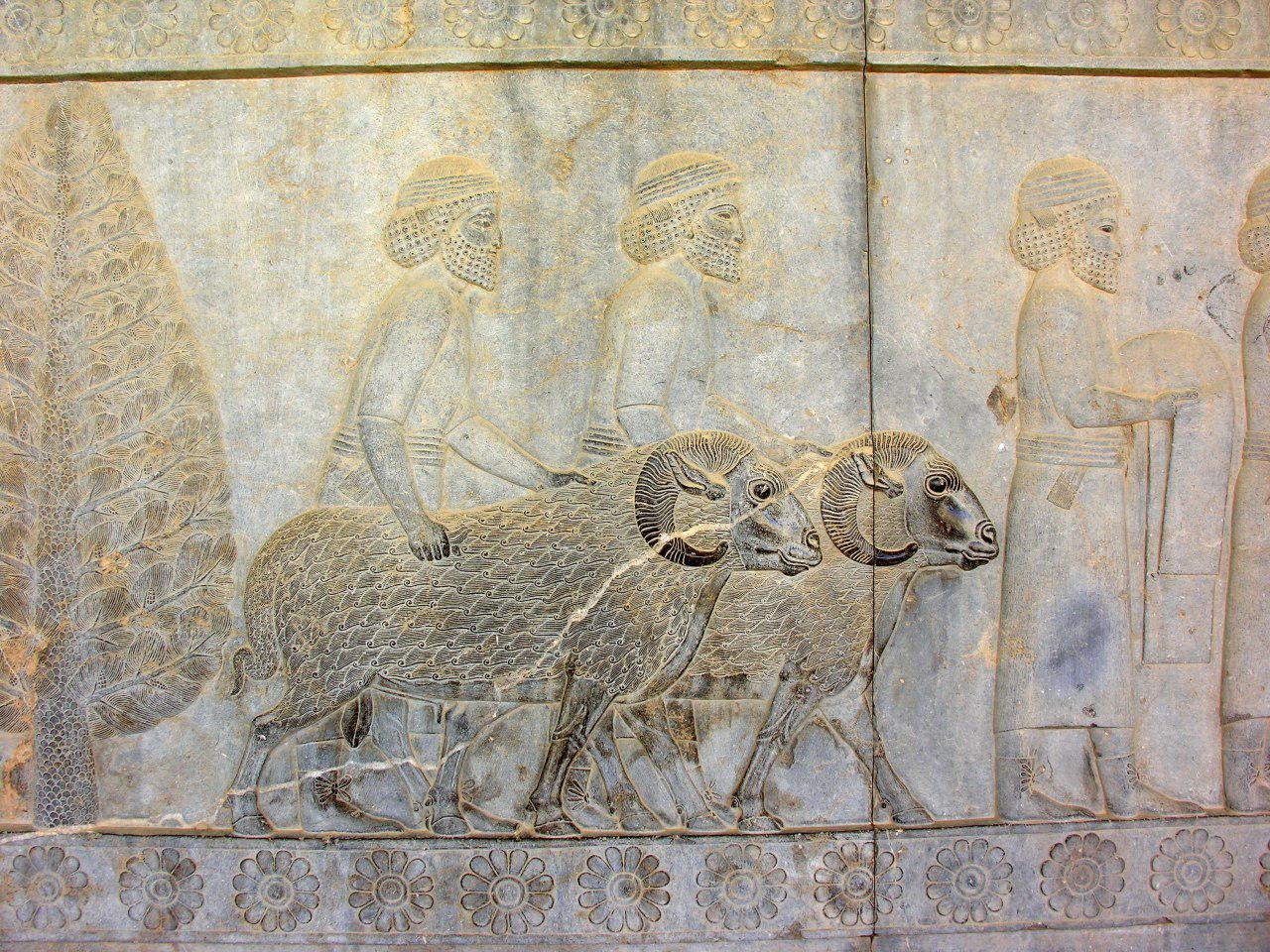
The plant has a special status in the Iranian culture. Designs similar to the shape of the plant have been etched on the walls of Persepolis in the southwestern province of Fars and Taq Bostan – a site with a series of large rock reliefs from the era of Sassanid Empire of Iran (226 to 650 AD) – in the western province of Kermanshah. The plant used to symbolize peace and happiness in ancient Persia.


Tourists Amazed by Lotus Lagoons in Northern IranBlooming Season

The lifespan of the lotus is only three days. On the first day, the bud of the plant is white. On the second day it becomes light pink. And on the third day, the flower blooms and reaches its peak in beauty. Being dark pink in colour, it does not close for a while.

The beautiful scenery created by the lotuses in the lagoons in Rokan Kola village in summer, can astonish nature-lovers and photographers.

During July 23-September 22, the flowers open and the lagoons are most beautiful. During this time-span, a large number of pink flowers with round green leaves are scattered over an area of 35 hectares on the surface of lagoons. This scene makes any visitor absolutely jubilant.


Tourists Amazed by Lotus Lagoons in Northern IranHabitats in Iran

The plant also grows in Anzali Lagoon in the northern Iranian province of Gilan. However, in Mazandaran province, it only grows in Hamid-Abad village and Rokan Kola village.

In addition to its seeds, the plant’s flowers, young leaves and “roots” (rhizomes) are also edible. The lotus roots have been found to be rich in dietary fibre, vitamin C, potassium, thiamine, riboflavin, vitamin B6, phosphorus, copper and manganese, while very low in saturated fat.

The properties and benefits of the lotus have become a threat to its life. Some local people pull out the seeds of the plant and sell them. A number of people pick the flower of the plant to ornament bridal cars. These people are ignorant of the fact that their move can bring the plant to the edge of extinction and deprive them of the opportunity to see the beautiful flowers forever.

Although the lotus is a rare species, it can be cultivated and proliferated and turn into a source of income. The plant, which grows naturally in certain places of Iran’s northern provinces, has already created 200 jobs in Rokan Kola village and generated an annual income of over $17,000 for its people.

Rokan Kola village is located three kilometres off Kiakola city. Rokan Kola’s lotus lagoons are not very far from the city centre.

Album of Beauties

A number of the Simorgh County’s professional photographers have teamed up to capture the beauties of the region on their camera and present the photos to foreign tourists and investors in the form of an album.

1.8 Tonnes of Illicit Drugs Seized in Southeastern Iran

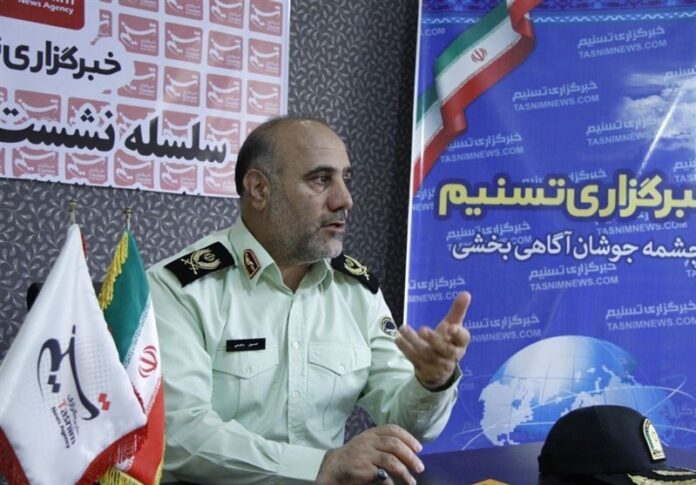
General Hossein Rahimi

General Hossein Rahimi said due to the fact that Sistan and Balouchestan borders two major centers producing illicit drugs, combating this phenomenon is the main priority of the provincial police, which is constantly keeping a close watch on suspicious activities by armed drug gangs.

Through the round-the-clock efforts made by the provincial police, the forces in Saravan, Iranshahr, and Sib and Suran cities in the province identified an armed drug ring that intended to transit a huge haul of illicit drugs, he said.

The commander added that the police forces clashed with the members of the drug gang, seizing 1.248 kilogram of opium, 52 kg of heroin, and two battle rifles and arresting three drugs traffickers.

In another operation, he said, the police forces of Khash and Mehrestan seized 472 kg of opium and arrested a smuggler.

Iran, which has a 900-kilometer common border with Afghanistan, has been used as the main conduit for smuggling Afghan drugs to narcotics kingpins in Europe.

Despite high economic and human costs, the Islamic Republic has been actively fighting drug-trafficking over the past three decades.

The country has spent more than $700 million on sealing its borders and preventing the transit of narcotics destined for European, Arab and Central Asian countries.

The war on drug trade originating from Afghanistan has claimed the lives of nearly 4,000 Iranian police officers over the past four decades.

Iran’s Missile Power for Self-Defence: IRGC Cmdr.

General Jafari-Quds day

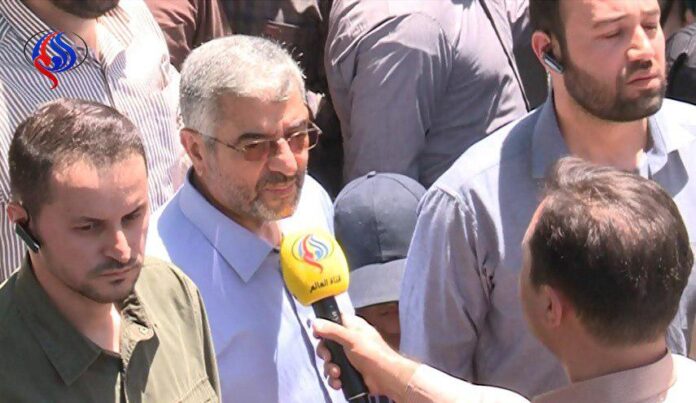
The commander of Iran’s Islamic Revolution Guards Corps (IRGC) says the missile power of the IRGC and the rest of the Armed Forces is geared to defending the nation.

Major General Mohammad-Ali Jafari told the al-Alam news network that if any oppressor or any country seeks to carry out an act of oppression against Iran, the Islamic Republic will defend itself and other defenceless nations in the region with missile attacks or by providing other states with training, arms or advisory support.

He further said the International Quds Day rallies had a message of constant and unconditional support for the Palestinian people and fighting repression.

The general expressed the hope the massive participation of people in the demonstrations will expedite the arrival of a day when the Israeli regime and oppression will no longer exist in the region.

ISIS to Issue ‘Important’ Statement on Al-Baghdadi

ISIS Leader scaped

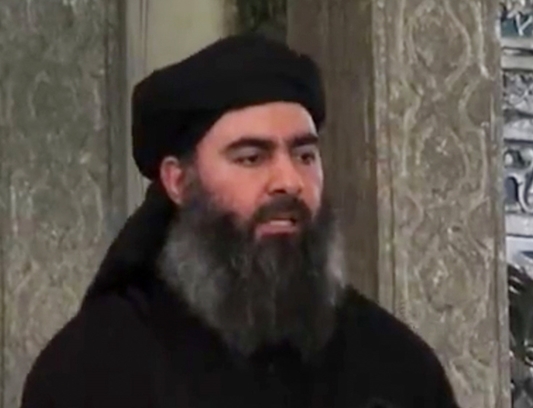
According to a local source from the northern Iraqi province of Nineveh, since the early hours of Saturday (June 24), the ISIS has informed its elements in the city of Tal Afar that it will issue an important declaration about its leader, Abu Bakr al-Baghdadi.

Other headquarters of the terrorist group have also been called on to be in a state of alert.

The source, who spoke on the condition of anonymity, told the Iraqi satellite TV channel Alsumaria News that, although no one knows for sure what the statement is going to be, everybody maintains that it will contain news on al-Baghdadi’s death.

He added the declaration is expected to be issued soon confirming or denying al-Baghdadi’s death.

Last week, Moscow announced that al-Baghdadi was most probably killed in a Russian airstrike on Syria.

ISIS Finally Confirms Iran Missile Strikes

Iran's missile to ISIS in Syriaa

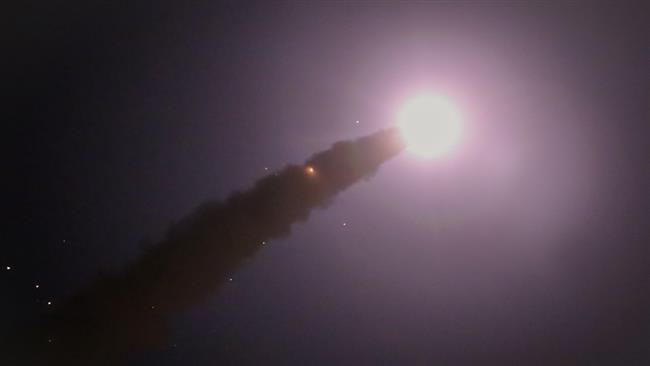
In a report published by its weekly, the terrorist group admitted after several days that Iran’s Islamic Revolution Guards Corps (IRGC) fired six missiles on the Syrian city of Deir ez-Zor.

ISIS also admitted that the IRGC’s missile strikes were carried out in retaliation for Tehran twin attacks.

According to a Farsi report by al-Alam news website, the confirmation was made as part of a report on Iran and the recent ISIS attacks on the Iranian capital.

The terrorist group went on, however, claiming that the IRGC’s missiles targeted civilian areas instead of the ISIS hideouts. This comes as Iran has explicitly announced that it targeted the ISIS positions killing a number of terrorists’ leading commanders.

The terrorist group did not point to the types of missiles fired by the IRGC.

Last Sunday, the IRGC fired six mid-range missiles from its bases in western Iran to target ISIS positions in eastern Syria. As a result of the operation, at least 170 ISIS terrorists were killed and many others wounded, according to the IRGC.

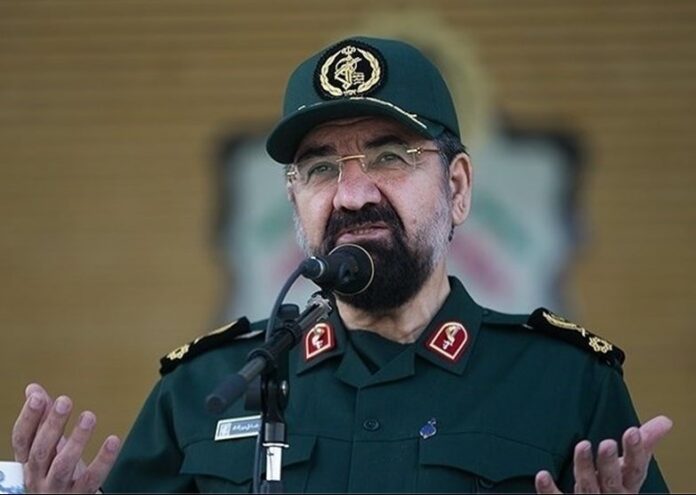
Bin Salman’s Moves Similar to Those of Saddam: IRGC General

Mohsen Rezaei

The secretary of the Iran’s Expediency Council, Mohsen Rezaei, in a post on his Instagram page, has enumerated the similarities between the moves made by the new Saudi crown prince, Mohammad Bin Salman, and those of the former Iraqi dictator, Saddam Hussein, before he declared war on Iran in 1980.

Rezaei’s post reads, “The moves [currently] being made in Saudi Arabia, are very much analogous to the developments in Iraq before the country attacked Iran. Prior to Saddam’s invasion of Iran, following a coup, he toppled [the then Iraqi president Ahmed] Hassan al-Bakr and occupied his [al-Bakr’s] post, martyred Ayatollah [Muhammad Baqir] al-Sadr [Iraqi Shiite cleric and philosopher] and met [the then US president’s national security advisor] Brzezinski in Jordan.”

“This is while Mohammad Bin Salman has martyred Sheikh Nimr al-Nimr [prominent Shiite cleric], has met Trump in Washington, and is bringing down his opponents in the Al Saud ruling family,” Rezaei, a former IRGC commander, added.

“They [the Saudis] either intend to gain dominance over all the emirates and the Persian Gulf littoral states in the south including Kuwait, Bahrain, Qatar and [the UAE’s] Dubai and Sharjah, or plan to embark on a new adventure in the Persian Gulf and against Iran.”

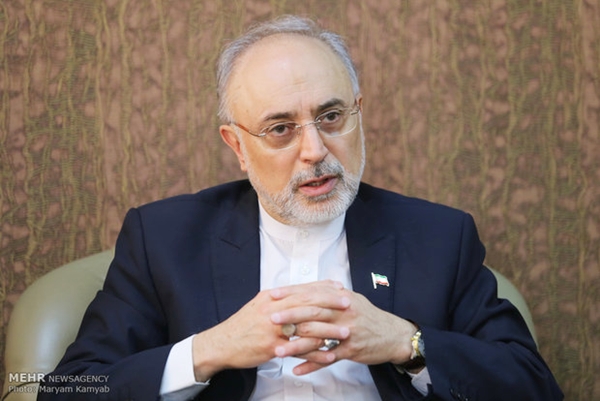
“Iran Deal Survival Hinges on West’s Change of Course”

Salehi

In a Friday article in The Guardian, Ali Akbar Salehi, the head of Atomic Energy Organization of Iran (AEOI), stressed that the success of Iran nuclear deal depends on the West’s constructive engagement, not the destabilising policies currently being pursued in the region.

Here is the full text of the article:

Working to negotiate agreements with the west has been a mixed experience for Iran. Often, following some hard-won engagement, some western nations, whether distracted by short-sighted political motivations or the lucrative inducements of other regional actors, walk away and allow the whole situation to return to the status quo ante.

Quite a number of such reversals have befallen Iran when engaging with the US, in particular. The latest case of hard-won progress at risk – which I believe can still be saved from failure – is the historic nuclear deal known as the joint comprehensive plan of action (JCPOA). This was agreed in 2015 between Iran and the permanent members of the UN Security Council, plus Germany – the P5+1. The critical question at the present juncture is: how can we rescue this engagement and move out of the familiar vicious circle?

I believe that concentrating on three guiding principles would allow all actors to stay the course. They are as follows.

The first serious stumbling block to engagement between Iran and the west has its roots in the “security dilemma”. The actors need to clarify, for themselves and for others, whether they seek power for security or merely pursue power for its own sake. The interests of engagement are certainly better served by the former principle. Pursuing military power beyond what is called for by actual security needs raises suspicions among others and risks destabilisation. For example, US arms sales to some traditional regional clients in the Middle East, and ostentatious, lavish arms purchases by the same regional actors just because of the abundance of oil wealth, are provocative.

This is especially the case if the national defence efforts of Iran – which are partly induced by this process – are simultaneously opposed and undermined. It would be unrealistic to expect Iran to remain indifferent to the destabilising impact of such conduct.

We all need to foster a culture of adherence to commitments

The second principle concerns objective reality versus what are nowadays called “alternative facts”. Establishing the objective reality on the ground bolsters the likelihood of positive engagement. Realistic recognition of the political, economic and cultural capabilities of countries, their regional stature, and a proper consideration of their particular needs and threat perceptions helps promote and strengthen an accurate understanding of the players and their conduct.

Conversely, alternative facts are bound to create unnecessary crises, and they also render positive, effective engagement impossible. Ideas such as the “clash of civilisations”, “Sunni-Shia conflict”, “Persian-Arab enmity” and the “Arab-Israeli axis against Iran” are all examples of alternative realities fabricated for ulterior purposes.

A panoramic view of the unfortunate global situation, and particularly our violence- and crisis-ridden region, tells us that we all need to foster a culture of adherence to commitments. This is the third principle. In the absence of effective global governance, relying on this kind of culture would provide a workable basis for genuine engagement.

Neglect of or deliberate disregard for these principles will lead to chaotic behaviour by various actors and further tension and conflict, with everybody ultimately losing.

Having, on behalf of Iran, conducted the technical part of the JCPOA with the P5+1 countries, I can say with certainty that the fate of this hard-won deal depends, in the final analysis, on western resolve and adherence to the principles just mentioned. Disregard for Iran’s genuine security concerns, either through deliberate changing of the military-security balance in the region, or by stoking Iranophobia in the region and beyond, would jeopardise engagement; so would a failure to honour the specific commitments set out in the JCPOA. We would all end up back at square one. Unfortunately, as things stand at the moment in the region, reaching a new state of equilibrium may simply be beyond reach for the foreseeable future.

If our partners in the nuclear deal had a serious commitment to the three principles I have set out, we would certainly see the expansion, deepening and institutionalisation of mutually beneficial engagement. This would help promote the cause of regional and international peace and security.

The outcome of the recent presidential elections in Iran reflects the clear wish and will of the Iranian people to this end. It is, therefore, time that all our interlocutors appreciated the message as intended and acted accordingly. Engagement is not a one-way street and we cannot go it alone.

We have, so far, taken a number of solid steps towards a constructive engagement aiming at common goals and objectives. Those steps could be strengthened further by genuine reciprocal gestures and actions. The moment of truth has arrived.