Sunday, April 12, 2026
Home Blog Page 3963

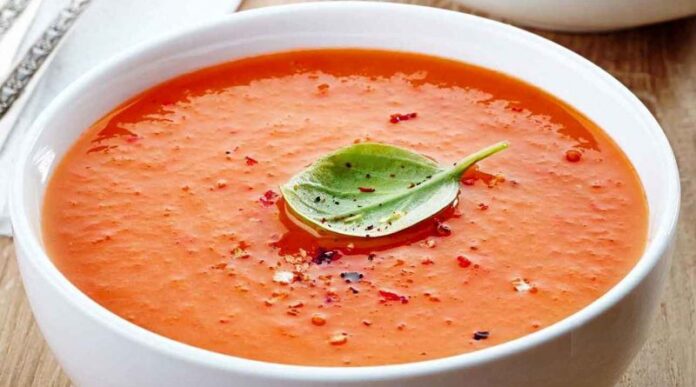
Tomato Soup of Hamadan; Delicious Iranian Dish

Tomato Soup of Hamadan; Delicious Iranian Dish

The recipe for Hamadan’s tomato soup makes four to six servings. It has 1,800 kilocalories and will be prepared in 80 minutes.

Ingredients:

Chicken or beef broth … 2 glasses

Pinto Beans … 100 gr

Lentils … 100 gr

Wheat bulgur … 100 gr

Broth vegetables (parsnip, mint, chives) … 1 kg

Average-size onions … 2

Oil … as much as required

Dried mint … 2 tablespoonfuls

Salt & pepper … as much as required

Hot green peppers …. As many as needed

Tomato Soup of Hamadan; Delicious Iranian DishRecipe

Time needed to mix and prepare the ingredients … 40 minutes

Time needed to cook the broth … 90 minutes

  1. Put the Pinto beans in cold water the night before and let them remain in water until morning. Then put that in a casserole and add the chicken or beef broth before putting it on mild-temperature fire. Let it remain on the oven until half cooked. In the meantime, chop the vegetables. Then wash the lentils and wheat bulgur before adding them to the broth. Then peel and cut them into long thin pieces. Sauté them in a separate pan.
  2. Add turmeric to the onions while they are being sautéd. Now, set aside some of the onion as garnish, add the rest to the broth. Then sauté the dried mint as well. Add half of it to the broth and keep the remaining half as garnish.
  3. Try the groceries inside the broth. If they are cooked well, add the salt and pepper. After one or two minutes, add the chopped vegetables.
  4. Put the tomatoes in a mixer or grate them by hand. After the vegetables are cooked, add the tomatoes and green peppers. Now turn down the flame and wait for half an hour for the broth to cook through.
  5. Then garnish the broth with sautéed onions and mint before serving it.
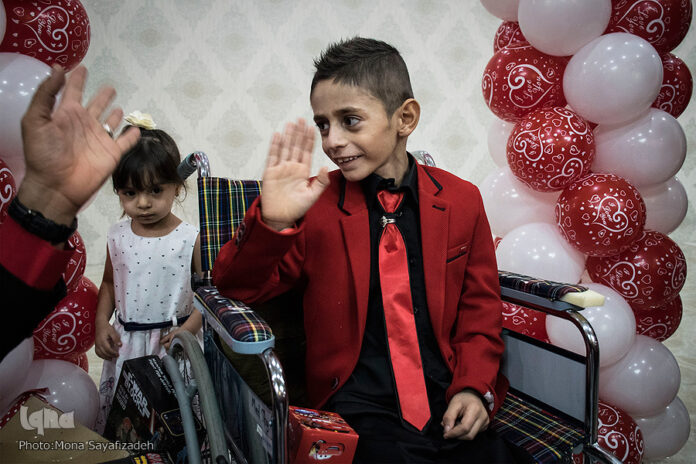
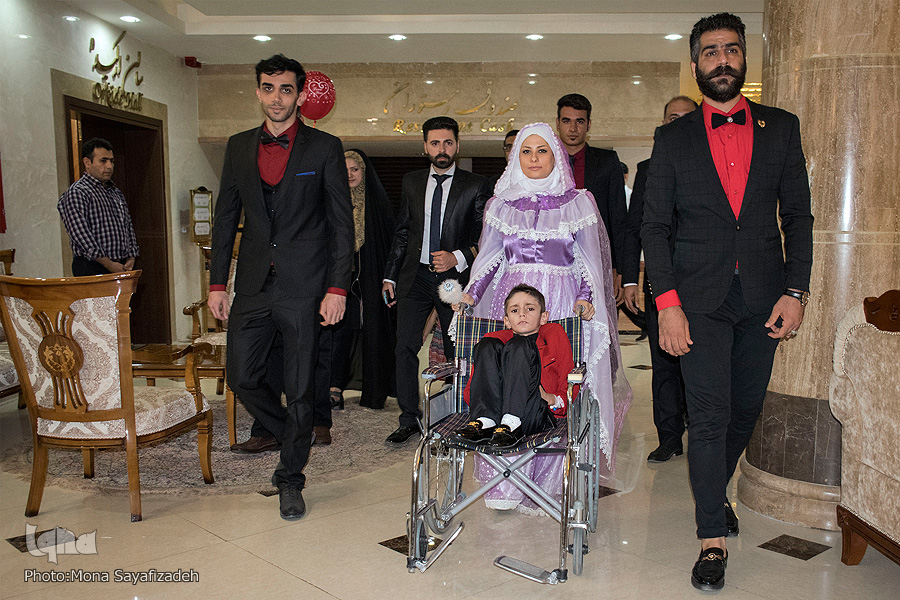
Iranian Cancer Kid Fulfils Dream of Being a Groom

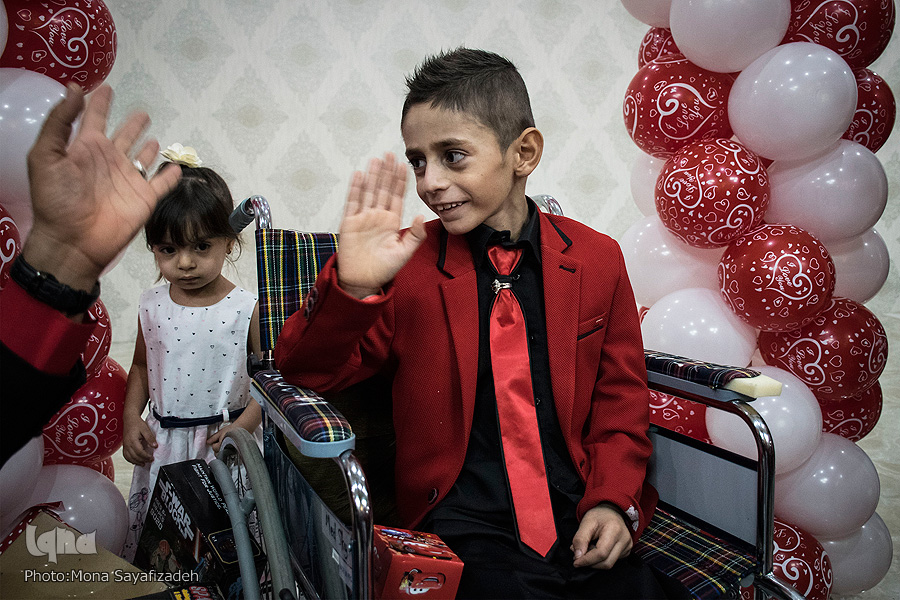
Saleh, who has been diagnosed with cancer for a long time, is now receiving treatment at Baqaei Hospital of Ahvaz.

According to a Farsi report by the Fararu news website, Saleh along with his grandfather came to Ahvaz for chemotherapy about 2 weeks ago, but his grandfather could not accompany him in the hospital. Therefore, a group of anonymous helpers took care of Saleh in the hospital.

Hoda Rashidi, a member of the “Anonymous Helpers Group”, and the organizer of the ceremony said that Saleh once told one of the group’s members that his biggest dream is to put on the groom’s suit.

Iranian Cancer Kid Fulfils Dream of Being a Groom“This seven-year-old child suffered a lot during the treatment, which made us make fulfilment of his dream a priority,” she added.
“We wanted to hold this ceremony as soon as possible, so we called for benefactors’ help via ‘Ahvaz Sky’ Instagram page. Many citizens welcomed the idea and it gave us more encouragement.”

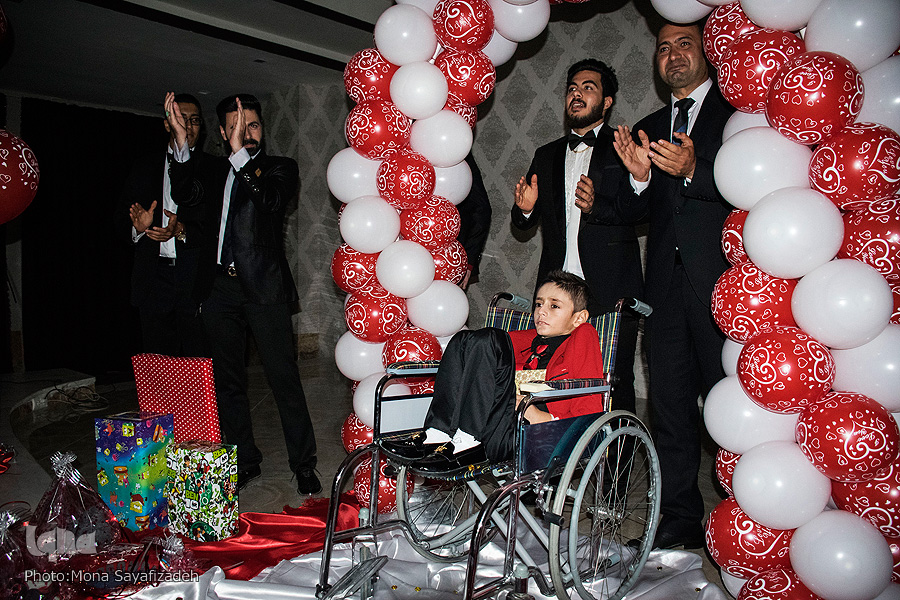
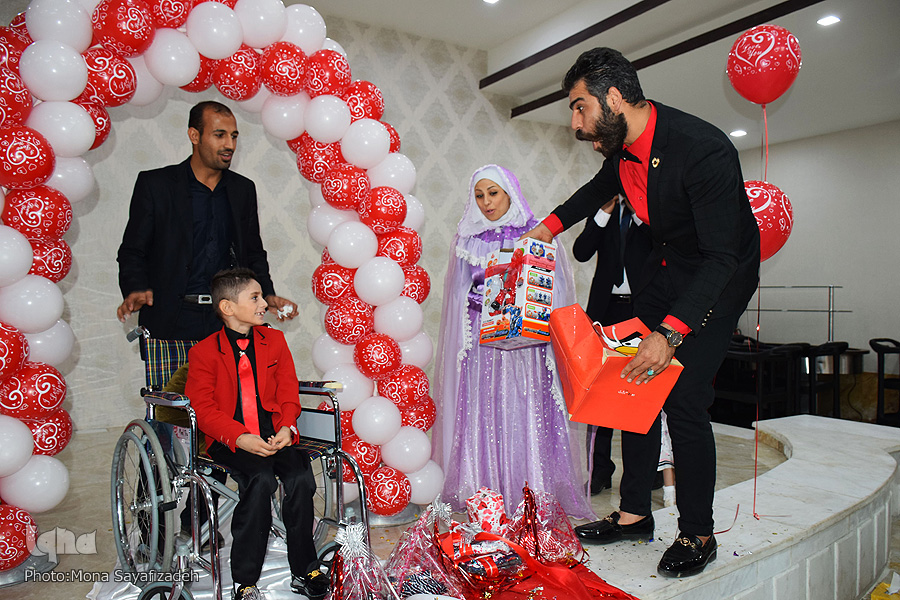
“Finally, we could arrange everything including the hairdressing, atelier, decorations, gifts and the hall for the ceremony. Seven male members of the group were also chosen as the best men.

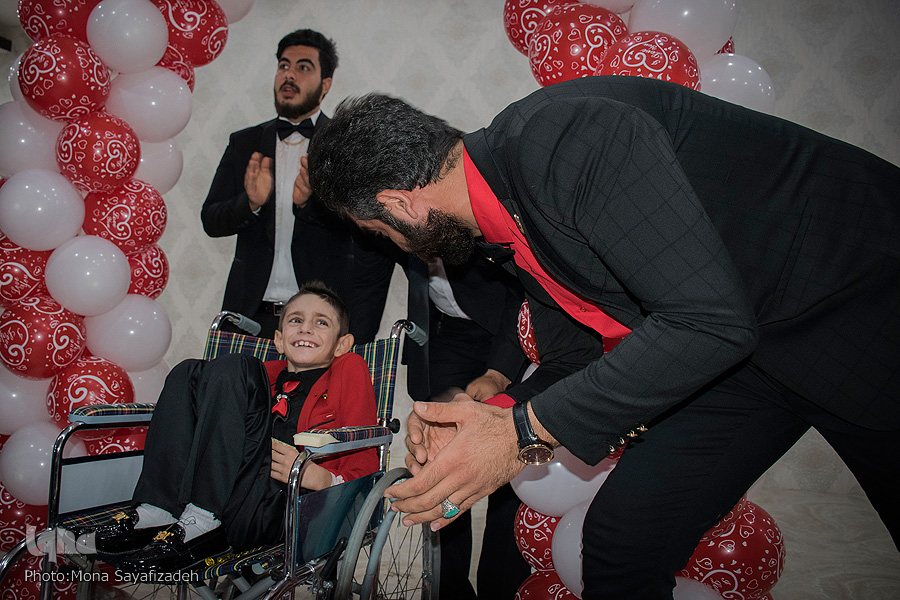
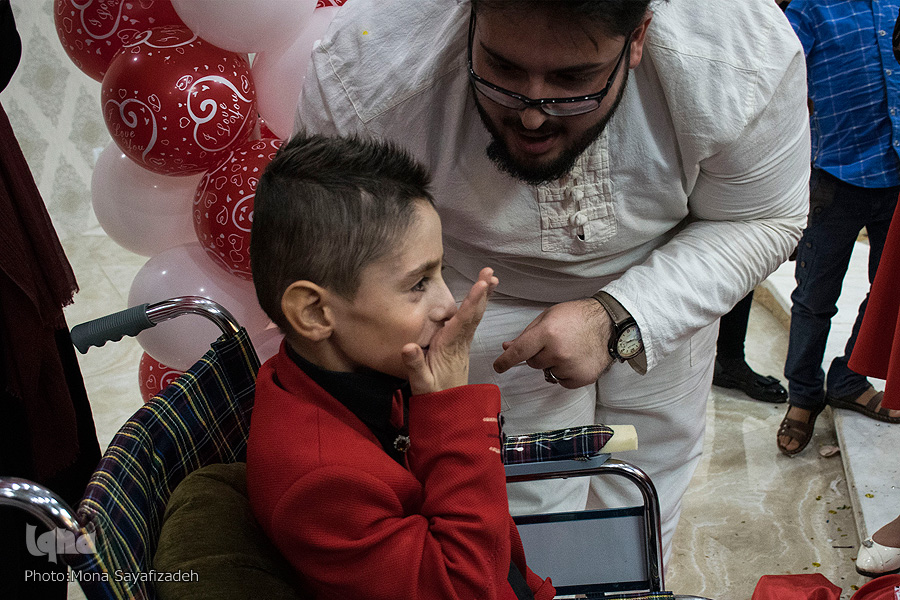
The groom’s suit and all the decorations were chosen red at Saleh’s request,” Rashidi noted.

“On the feast day, the guests were waiting for the arrival of the little groom. But his haircut and dressing took more than usual time. Apparently, his illness did not let him be on his own even on this special day.

Finally, the little groom ran his wheelchair from a decorated car. The guests were crying while the music and Bakhtiari folk dance were being performed. Saleh was taken to the hospital at the end of the ceremony while his pain was relieved a little and he was laughing from the heart,” Rashidi went on.

Iranian Cancer Kid Fulfils Dream of Being a GroomShe said that Saleh was re-admitted to the intensive care unit, and in the following days, he got better and for the moment has been released.
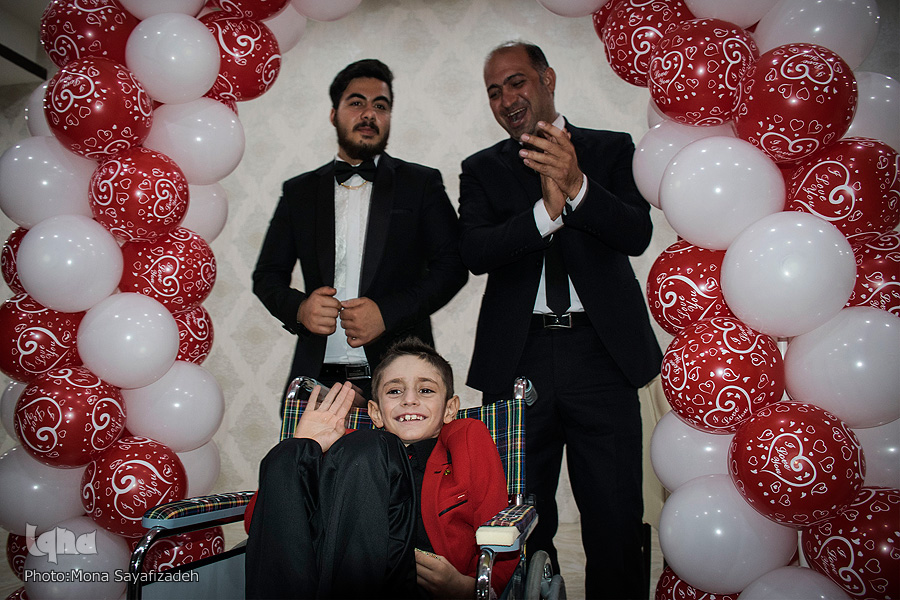
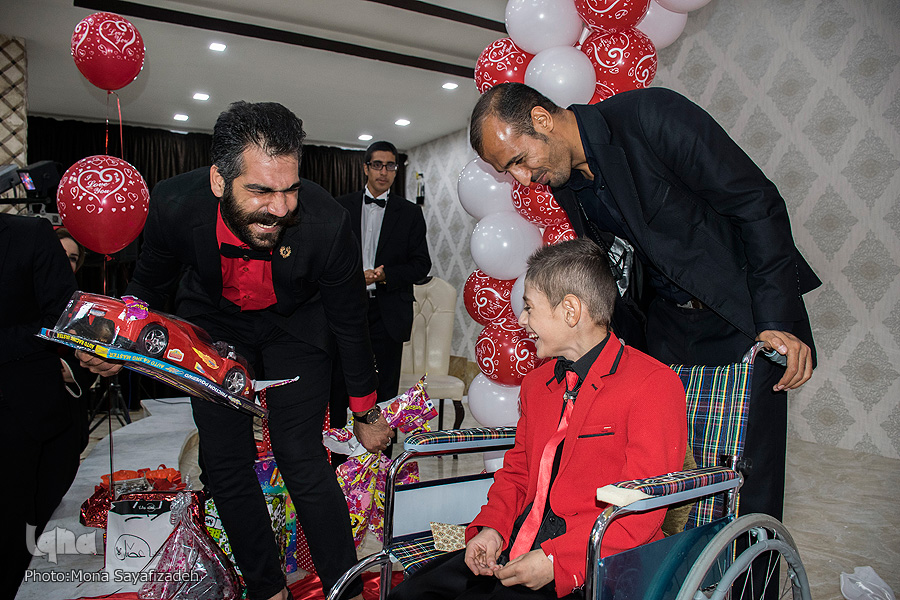
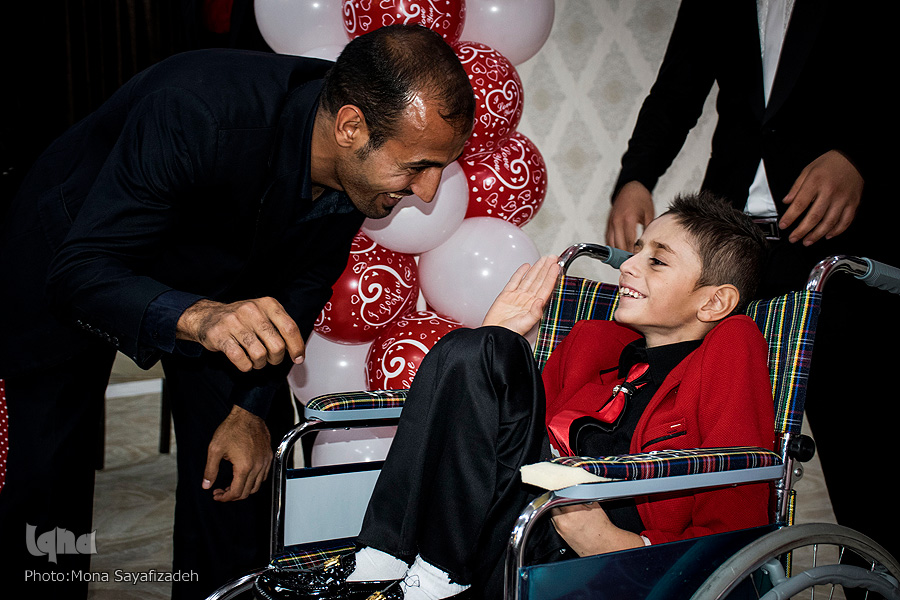
“Saleh is the 200th child whose dream is fulfilled. He is also the twentieth kid who we managed to perform a field ceremony for him.”

According to Rashidi, so far, 15 kids whose dreams achieved have improved completely.

Helping fulfilment of cancer kids’ wishes is an idea that Rashidi, one of the Ahvazi benefactor women and the Director of the Cultural Institute ‘Fifth Beautiful Season’, has been developing since 2016.

‘Bashir’ was the first cancer patient to achieve his dream under this plan. This 12-year-old boy hoped to have a clean city. On January 14, 2016, with the cooperation of the people, Salman Farsi (Naderi) street of Ahvaz, which is the central market and one the most crowded streets of the city, was cleaned. Bashir is now completely healed.

After that, it was the turn of 13-year-old Abbas, who had a dream of becoming a policeman. On January 2016, he symbolically became the chief of a police station in Ahvaz.  This young man, however, could not get rid of the disease. He died in June 2016.


Iran Ranks First Worldwide in Sponge Iron Production

Iran Ranks First Worldwide in Sponge Iron Production

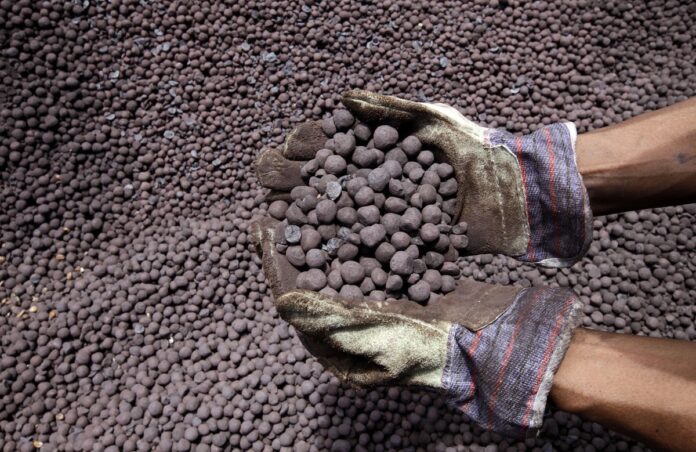
Managing Director of National Iranian Steel Company (NISCO) Abdol-Majid Sharifi says at present, Iran ranks first worldwide in sponge iron production and 14th in steel production.

Sharifi said Iran is currently the world’s biggest producer of sponge iron, adding the country has produced 30 percent of the world’s annual DRI since 2015.

The NISCO CEO put Iran’s annual sponge iron production capacity at 19.5 million tonnes in 2013, saying the figure currently stands at 25.5 million tonnes.

He added with the completion of a number of new projects, currently underway in the country, by October, Iran’s annual sponge iron output capacity is expected to reach 31.5 million tonnes by March 2018.


Iran, World’s 14th Steel Producer

He said in 2013, Iran’s annual steel production capacity stood at 22 million tonnes.

Currently, he added, the figure stands at 31 million tonnes thanks to efforts by the incumbent government which took office in 2013.

It will increase by 2 million tonnes by the end of the current Iranian year, which started mid-March 2017, he added, according to a Farsi report by the Soroosh News Agency.

Sharifi said in 2015, Iran’s annual steel output exceeded 16.7 million tonnes and in 2016, it hit a record of more than 18 million tonnes.

“This year’s annual target has been set at 20 million tonnes.”


Raw Steel World Ranking

Iran’s performance during the first five months of 2017 shows that the country has accounted for 64 percent of the Middle East’s raw steel production in this time-span, Sharifi added.

As stipulated in Iran’s Vision 2025, the country is expected to jump seven spots in the world ranking to No. 7 in raw steel production with an annual output capacity of 55 million tonnes. At present, Iran stands 14th in the global ranking.

The NISCO chief said global steel production in the first five months of 2017 witnessed a 4.5-percent increase compared to the figure for the same time-span in 2016.

This comes as Iran’s steel production in the same duration was 13.1 percent higher than the country’s five-month output in 2016, he added.

“Iran’s year-on-year steel production growth in the said period of time was three times higher than that of the world.”

Latest statistics show that Iran’s raw steel exports during March 21-June 21, 2017, stood at 1.675 million tonnes, indicating a 67-percent growth compared to the figure for the same period last year, which was 1.016 million tonnes.

The country’s annual raw steel overseas sales are expected to exceed 15 million tonnes by 2025.

In 2015 and 2016, Iran exported 4.2 million tonnes and 6 million tonnes of raw steel respectively.

Iranian Woman Fights Addiction, Poverty to Become Entrepreneur

Iranian Woman Fights Addiction, Poverty to Become Entrepreneur

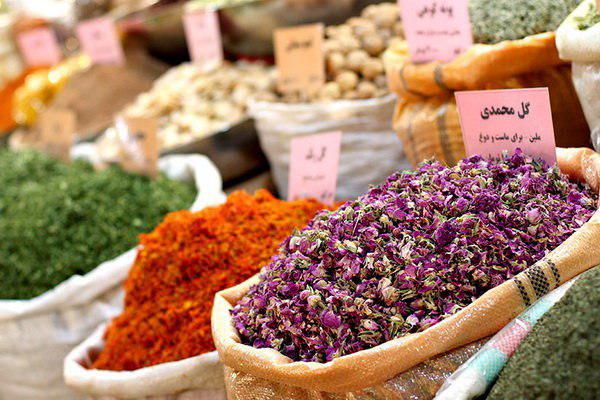
Fariba is the owner of an herbs shop. She buys different types of medicinal plants from rural women and sells them.

According to a Farsi report by the Shabestan News Agency, the shop not only cures people’s pains, but also remedies pains in Fariba’s personal life.

Along with her 13-year-old daughter, she manages the business. The income is enough to earn a living.

Her past is not as colourful as the herbs at the store, but she is doing her best to make her future beautiful.

Fariba is from the Northern Khorasan province in northeastern Iran. Her husband died in an accident in 2011.

Fariba and her husband were drug addicts and spent all they had on drugs. When her husband died, she had no one to take care of her. The Imam Khomeini Relief Foundation (IKRF) started supporting her.

“I have two kids. An 18-year-old boy and a 13-year-old girl. When my second child was born, I had severe backache and my mother-in-law gave me drugs for treatment. I used the drugs for a month and then I became a drug addict. My husband was an addict too, but was opposed to my drug abuse. He did his utmost not to see me as an addict, but I couldn’t quit. I was taking drugs from my mother-in-law and my husband was no longer able to stop me,” she said.

“When my husband died, we didn’t have anything. I used to get money from my relatives to spend on drugs. I would call them on some pretexts to get money. Sometimes I beat my daughter to make her cry in order to pretend that she is sick. This was a trick to get money from them. I was spending the cash on drugs and foods.”

“My brother used to be a drug addict, but he had quitted 11 years ago. He didn’t like to visit me. He was telling me that he’s feeling shame to have a sister like me.  Sometimes, I missed my family and I would go to visit them, but they thought I’d come to get money to spend on drugs,” Fariba said.

“My children did not respect me. I felt so humiliated in my family. Tired of such a life, I begged God just to let me die. One day my brother asked me to get over addiction. Finally, I was in a room for a week telling myself either I would die or I quit. It’s been six years since I quitted and my dignity is retained.”

Fariba received 150 million rials (about 4,000 US dollars) from the Imam Khomeini Relief Foundation as loan. Then she rented a house and started the herbs shop.

“I earn my living in this shop and I’m glad to have such a social status. I want to get a loan of 300 million rials (about 8,000 US dollars) from the Foundation to buy the machines needed to process herbal medicines to get more customers,” she went on to say.

It has been about a year that Fariba has a job. She has stood on her own feet and fought with poverty and addiction. She is not receiving the foundation’s pension anymore, because now she is able to make a living.

IRGC ‘Neutralizes’ US Vessel’s Provocation in Persian Gulf

IRGC 'Neutralizes' US Vessel's Provocation in Persian Gulf

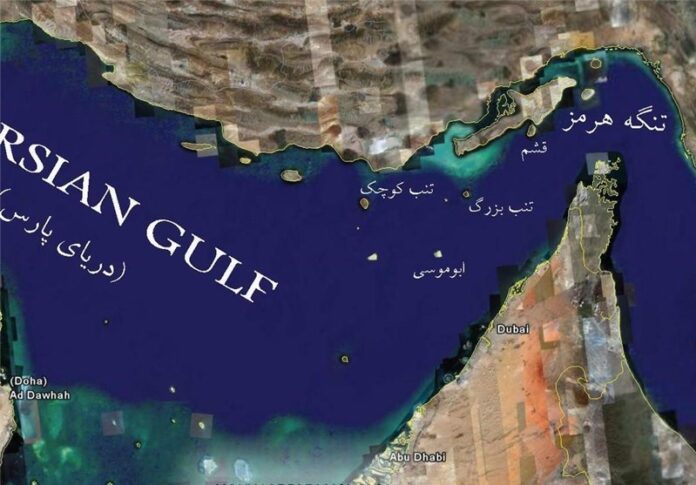
Earlier on Tuesday, a US official was quoted by media as saying that warning shots were fired from a US Navy vessel towards an Iranian boat north of the Persian Gulf.

The official claimed that the warning shots by US vessel happened after the Iranian ship came within 137 meters of it.

In reply the IRGC third naval zone said that its forces neutralized the US vessel’s provocative move.

“This morning, a US military ship in the north of the Persian Gulf sailed toward an IRGC Navy’s patrol ship, which was patrolling in international waters, and fired two shots into the air for provocation and intimidation,” the IRGC said in a statement on Tuesday.

The statement added that “the IRGC Navy’s vessel paid no attention to the provocative and unprofessional move” by the US ship and continued with its mission and after a while the US Navy ship left the area.

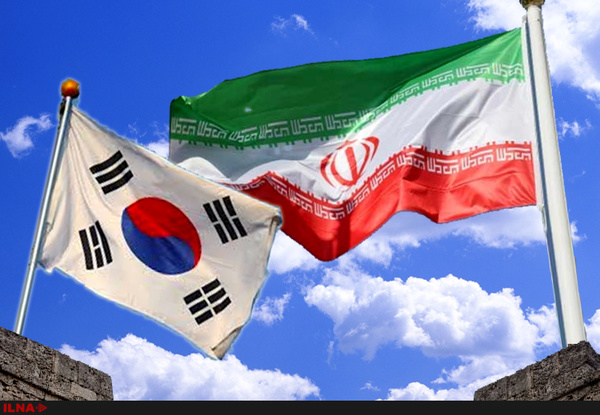
Iran, S. Korea Hold Joint Seminar on Intellectual Property

Iran May Reconsider Ties with S Korea over Frozen Assets: MP

“The cooperation between Tehran and Seoul in the field of intellectual property rights is of great significance especially because South Korea is one of the main economic partners of Iran in the Asia and the world,” said Head of the Intellectual Property Office at Iran’s Judiciary, Ahmad Ali Mohsenzadeh.

Addressing the joint seminar between Iran and South Korea on the intellectual property, Mohsenzadeh also said the first seminar on intellectual property between the two countries is aimed at making the South Korean investors more familiar with the relevant laws in Iran to pave the way for their investment in the country.

“Iran attaches great significance to the seminar particularly because our resistance economy is a knowledge economy,” he said, according to a Farsi report by ILNA.

The Iranian official went on saying that last week he hosted a group of managers and investors from South Korea in Tehran.

“The meeting was organized by South Korea’s embassy in Tehran and during the meeting, we took advantage of the South Korean managers and investors’ experiences,” he said.

He said South Korea is among the pioneering countries in the field of intellectual property and expressed the hope that the joint seminar would serve as prelude to more and larger training seminars on the intellectual property.

Meanwhile, South Korean ambassador to Tehran said, for his part, the joint seminar would provide companies in his country with more knowledge about the Iranian laws in the area of intellectual property.

The familiarization can foster bilateral ties, Kim Seung-ho said. He further descried the intellectual property as a base for the two countries’ economies.

He added that today’s knowledge knows no limit and the intellectual property rights are established to promote the rights.

Intellectual property refers to creations of the intellect for which a monopoly is assigned to designated owners by law and intellectual property rights are the rights granted to the creators of IP and include trademarks, copyright, patents, and industrial design rights.

Iran, Croatia Call for Cooperation against Terror

Croatian Assistant Minister of Foreign and European Affairs Gordan Bakota has met Iranian Deputy Foreign Minister Majid Takht-Ravanchi to discuss issues of mutual interest as well as the latest developments in the Middle East, Persian Gulf and southeast Europe.

During the Tuesday meeting, which was held as part of the visiting Croatian official’s political consultations with Tehran authorities, the Iranian official elaborated on the root causes of terrorism and extremism in the region.

“The Islamic Republic of Iran believes that regional crises have no military solution, and that a fundamental and lasting solution can only be achieved through dialogue,” said Takht-Ravanchi.

“The future of the countries involved in wars in the region should be determined by the people of those countries without foreign interference,” he stressed.

The Croatian official, for his part, hailed Iran’s status in the region, and stressed that terrorism will have dangerous repercussions for Europe and the whole world.

He also called on Iran and Croatia to exchange views on fighting terrorism and extremism.

During the talks, both sides also highlighted the two countries’ determination to further expand bilateral ties on all fronts.

Iran FM Calls for Muslims’ Unity against Israel Crimes

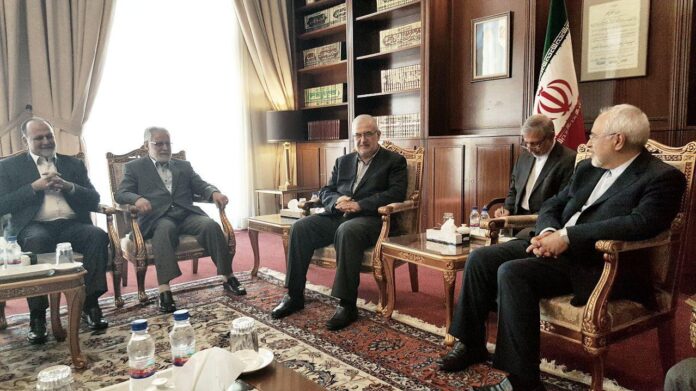
In a meeting with a group of lawmakers from Lebanon’s Loyalty to the Resistance Bloc in Tehran, Foreign Minister Mohammad Javad Zarif congratulated the lawmakers on the victories of the Resistance Movement and the Lebanese army against the terrorists in Arsal region.

He also said the achievement is the result of the unity of all forces.

“This could be a lesson for everyone, especially in the Muslim world, that they can achieve great success in the light of unity and empathy,” Zarif noted during the Tuesday evening meeting.

Referring to the recent developments in the occupied Palestine and the crimes committed by the Zionists in Jerusalem al-Quds, the Iranian foreign minister stated that if the Muslim world could learn lessons and distance itself from differences and take the path to unity, Zionists would never dare to commit such acts and crimes.

The two sides also discussed relations between Iran and Lebanon as well as the latest developments in Syria, Lebanon, the region and the world.

‘Iran Not Obliged to Contract Out Oil Projects to India’

Farzad B

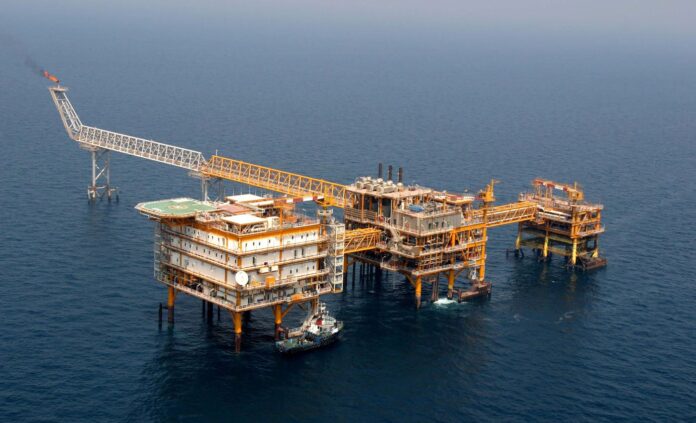
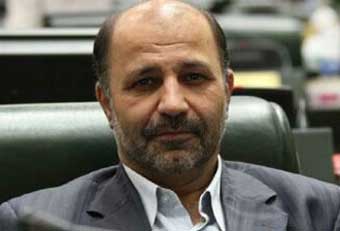
Asadollah QarekhaniAsadollah Qarekhani, the spokesperson for the Iranian Parliament’s Energy Commission, says Iran has held talks with Russia and several other countries on the development of the Farzad B oil field.

In a Farsi interview with ICANA, Qarekhani touched upon India’s threat to cut oil imports from Iran if the project to develop the Farzad B oil field is not handed over to New Delhi.

“In the past, it was decided that Iran and India jointly carry out [feasibility] studies on the Farzad B oil field. The studies have been conducted and have finished. However, no decision was made that would suggest the project to develop the field should necessarily be contracted out to India.”

He said a decision needs to be made on the oil field as soon as possible based on the country’s needs.

“The Oil Ministry has issued a public notice to contract out exploration and development work on the field. Different countries, including Russia, have expressed their readiness to run the project,” he said.

He said India’s national oil company expects Iran to allow it to develop the Farzad B oil field.

“Under equal circumstances, this company could take priority. However, if there is a difference between the Indian company and other firms in terms of technology, technical knowhow and investment, Iran will, based on the independence and freedom that is has, choose the company which would best serve the country’s national interests,” he noted.

He said New Delhi has claimed that it purchased oil from Iran when the country was under sanctions, and added, “When Iran was under sanctions, oil was bought from Iran under international supervision. India had a specific quota [of oil imports from Iran] too.”

Meanwhile, he added, they wouldn’t pay Iran the money for the oil because it was decided that the money be paid in dollars and India said it wasn’t able to do that.”

Instead of making payments to Iran, he said, India used the money for other activities such as making investments of its own.

“Then India announced it would pay the money 50% in dollars and 50% percent in rupees. But the value of the Indian rupee dropped all of a sudden by around 30%, so the value of the money that New Delhi paid Iran was 30% less than what it was supposed to be, and hence, Iran suffered losses,” he said.

“Then Iran asked them to pay the money in dollars, but India failed to do so and, instead, gave Iran Indian goods as part of the sum, and the rest, which amounted to some $8 billion, was paid in installments after the anti-Iran sanctions were lifted.”

“Instead of money, India gave Iran goods with low quality and low standards; India acted in accordance with its interests at the time when Iran was under sanctions, so, Iran, too, acts in line with its own interests,” the lawmaker underlined.

He once again referred to New Delhi’s threat to decrease its oil imports from Iran by 30 percent, and said, “Based on its diplomacy, the Iranian Oil Ministry has found an alternative for India to sell its oil to, and the position adopted by India will remain in Iranian peoples’ memory, though Iran remains interested to have cordial relations with India.”

Hezbollah Takes Down ISIS Flag on Syrian Border

Hezbollah Takes Down ISIS Flag on Syrian Border

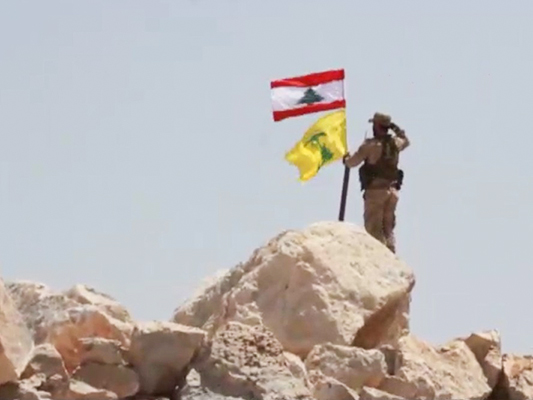
The operation began after the deadline set by Hezbollah Secretary-General Hassan Nasrallah for the terrorists to leave the region expired.

Hezbollah fighters along with Syrian forces carried out an operation against the ISIS terrorists in the border areas between Syria and Lebanon. During the operation over 30 areas were liberated and at least 300 terrorists were held captive.

Hezbollah fighters began their operation against the terrorists in Arsal region on Friday by firing short-range missiles at the positions of Nusra Front militants. They also targeted the road in the mountainous region of Arsal that the terrorists used to transport their weaponry. Meanwhile, the fighters have begun a joint mop-up operation in the region with the Syrian army.

A Farsi report by the Mashregh News Agency says Hezbollah fighters have already cleansed over 30 areas of Nusra Front militants.

The report went on saying that Hezbollah fighters have also inflicted heavy blows on the terrorists in the region, adding they have killed nearly 120 terrorists from al-Nusra Front (also known as Jabhat Fateh al-Sham) and wounded 67 others.

Meanwhile, a large number of terrorists have surrendered themselves. Reports say, only in one battle, 236 terrorists laid down their weapons and surrendered themselves to the Hezbollah fighters.

The main point about the operation in Arsal is that a considerable number of terrorists were non-Syrians. There are 6 Libyans, 4 Saudi Arabians, 11 Tunisians and 2 Lebanese among the dead. Meanwhile, Hezbollah fighters managed to hold captive 14 terrorists from regional Arab states.

During the operation to liberate the border region of Western Qalamoun in Syria and Arsal in Lebanon, Hezbollah fighters retook a large swath of areas from the terrorists of al-Nusra Front.

Various valleys in the region have hampered the operation against the terrorists.