Tuesday, May 5, 2026
Home Blog Page 3947

Renowned Italian Musician to Hold Sax Masterclasses in Iran

Renowned Italian Musician to Hold Sax Masterclasses in Iran

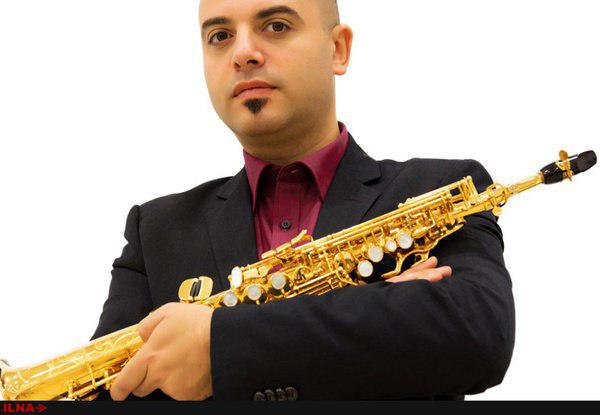
Prominent musician at the Italian National Police Wind Orchestra, Mario Ciaccio, is scheduled to travel to Iran in coming days to hold a number of masterclasses for Iranian musicians on how to play the saxophone in the Iranian capital, Tehran.

The classes will be held from August 21 to 28, according to a Farsi report by ILNA.

Ciaccio received his master’s degree in saxophone from F. Bonporti Conservatory, Palermo conservatory and L’Hay les Roses Consertavories all with magna cum laude.

Having won 12 Italian, European and international chamber music competitions, he performed with orchestras and musical institutions including Orchestra Haydn di Bolzano e Trento, Orchestra Sinfonica Siciliana, Palermo Orchestra di Musica Contemporanea, Filarmonica Franco Ferrara, Academie Neue Music Bolzano, Traiettorie Sonore Milan, Old time jazz Orchestra, Ars Musica, Teatro Massimo di Palermo, Teatro Comunale di Bolzano and Teatro Santa Chiara Trento, Novosibirsk Chamber Orchestra, Taichung Traditional Chinese Orchestra, Taoyan Wind Orchestra, Reno Galliera Wind Orchestra.

He has performed in more than 200 concerts. As Soloist, Ciaccio is currently performing in many concerts and tours in Russia, Spain, France, China, Taiwan, and the US.

Mr. Ciaccio is a conductor as well. He graduated from Conservatory “Briccialdi” of Terni in the classroom of M. Fabio Maestri. He was also director of Winds Instrumental Department at Eccher School of Music in Trento.

Currently he is saxophonist at the Police National Wind Orchestra of Italy. In February 2018 he will play at the world renowned Carnegie Hall.

Europe Satisfied with Iran Commitment to JCPOA: Ireland

During a recent visit to Tehran, Conor Ó Raghallaigh, the Deputy Secretary-General to the Irish President, highlighted the significance of compliance with the Iran nuclear deal known as the Joint Comprehensive Plan of Action (JCPOA).

He stressed that all signatories to the agreement must keep it on track.

“However, the US is using a different language,” said the Irish official in a Farsi interview with ICANA.

Ó Raghallaigh said Ireland believes Iran has remained committed to the JCPOA.

He described Iran’s performance regarding the JCPOA as good, saying, “This compliance with the deal is very important, and I don’t think the imposition of sanctions against Iran is a positive move.”

“Iran has observed the terms of the protocol and dealt with the agreement calmly, so unfair sanctions against Iran should be lifted,” he noted.

He then weighed in on Europe’s viewpoint on Iran’s abidance by the JCPOA.

“As we see, European countries are very content with the Islamic Republic of Iran’s dealing with the JCPOA. However, the US government is using a different language regarding the agreement. This comes as American people’s viewpoint is opposed to that of Washington,” said the Irish official.

He said the important point is that the nuclear deal should remain on track, which will see Iran’s doors opened to the world and vice versa.

Violation of Nuclear Deal to Cost US Dearly: Iran

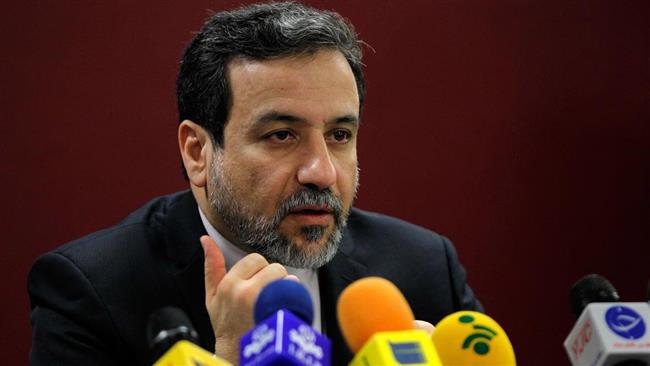
Abbas Araqchi

Addressing a Friday meeting of Japan’s Sasakawa Peace Foundation, Iranian Deputy Foreign Minister for Legal and International Affairs Abbas Araqchi said if any party to the deal, called the Joint Comprehensive Plan of Action (JCPOA), violates its terms, they will have to pay a “serious cost.”

Araqchi denounced the new US sanctions against Iran over its missile program as “unacceptable” and argued that Tehran’s missile program, which relies on Iranian people’s capabilities, is solely defensive and deterrent.

Iran and the five permanent members of the UN Security Council – the United States, Britain, France, Russia and China – plus Germany reached the JCPOA on July 14, 2015 and began implementing it in January 2016.

The UN Security Council later unanimously endorsed a resolution that effectively turned the JCPOA into international law.

Under the agreement, limits were put on Iran’s nuclear activities in exchange for, among other things, the removal of all nuclear-related bans against the Islamic Republic.

However, the US Senate and Treasury Department have imposed new sanctions against the Islamic Republic and several Iranian companies and individuals in recent months over its national missile program, which is not in breach of the JCPOA.

Araqchi’s comments come as the Iranian parliament (Majlis) is set to vote on a motion which incorporates a host of retaliatory measures in the face of US “acts of terror” and “adventurism” in the region.

Violation of Nuclear Deal to Cost US Dearly: Iran

The bill, which was passed by the Majlis’ Committee on National Security and Foreign Policy on Wednesday, will be put on the parliament’s agenda next Sunday, said Hossein Naqavi Hosseini, the committee’s spokesman, in a Thursday interview with the IRIB.

It “takes into consideration the aspects of US hostile measures in the region and their behavior in different areas, [including] acts of terrorism and human rights violations, will be put under close monitoring,” he added.

The bill allocates some $609 million to several state bodies, including the Foreign Ministry, Ministry of Finance and Economic Affairs, the Judiciary, the Islamic Revolution Guards Corps (IRGC) and its Quds Force, to monitor and probe US actions in the region, the lawmaker said.

Iranian lawmakers had passed the single-urgency motion with 93 percent of the votes, referring it to the National Security and Foreign Policy Committee for further consultation with different state organizations and legislative bodies, Naqavi Hosseini said.

The motion comes in response to the US violations of the Joint Comprehensive Plan of Action (JCPOA) on Iran’s nuclear energy program and Washington’s new sanctions against Tehran’s missile activities, the latest round of which was adopted last month.

‘Iran’s source of power is its people’

Elsewhere in his remarks in Japan, Araqchi elaborated on Iran’s role in the Middle East, describing the Islamic Republic as the most stable and secure country in the tense region.

Iran, contrary to many other countries, gains power from its people, Araqchi said.

He went on to enumerate the key challenges facing the Middle East, including poverty and economic disparity, undemocratic regimes, extremism and terrorism as well as the Israeli occupation of Palestinian territories.

Araqchi described Takfiri terrorism as the main challenge in the Middle East, which jeopardizes the entire global community and called for a collective campaign by all countries to eradicate the phenomenon.

Belarus to Promote Banking Relations with Iran

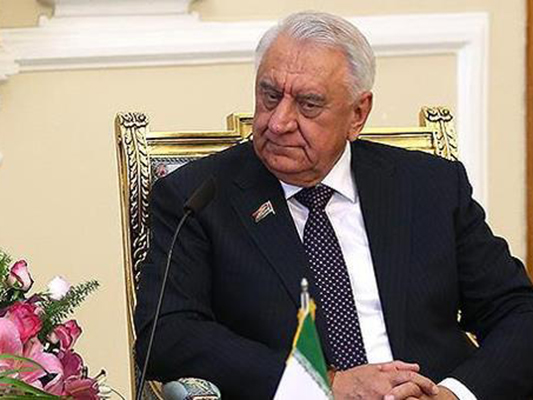
In a recent interview with ICANA, Myasnikovich referred to the re-election of Hassan Rouhani as Iran’s president and described it as another proof of democracy in Iran.

“Belarus and Iran have deep-rooted relations,” the speaker of the Council of the Republic of Belarus noted.

He then weighed in on the outcome of negotiations with the P5+1 group which led to the conclusion of the JCPOA.

“The agreement has had very positive results and serves the interests of countries in such a way that we can count on it,” he noted.

He then expressed regret that countries are facing a common threat due to sanctions.

“In order to boost relations, we should turn to dialogue and abide by its results,” he said.

The Belarusian speaker then touched upon Tehran-Minsk cooperation in the banking sector.

He said the two countries should upgrade the level of their banking cooperation through talks, and that obstacles to the enhancement of mutual banking cooperation should be removed.


World Deadly Silent on 21st Century’s Holocaust in Afghanistan

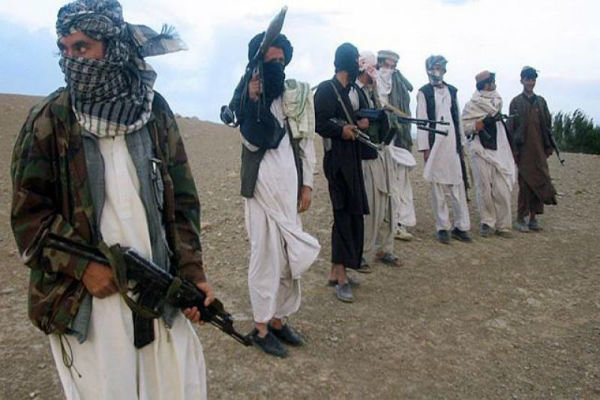
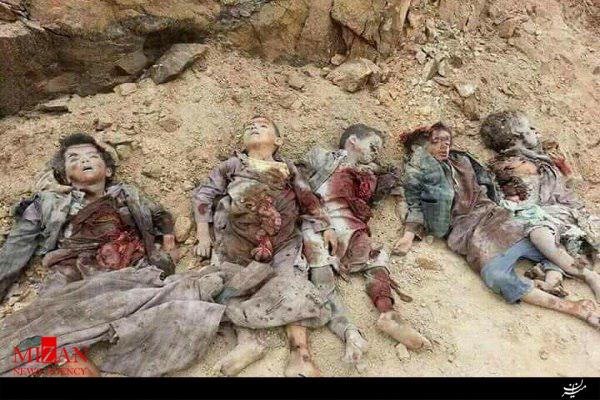
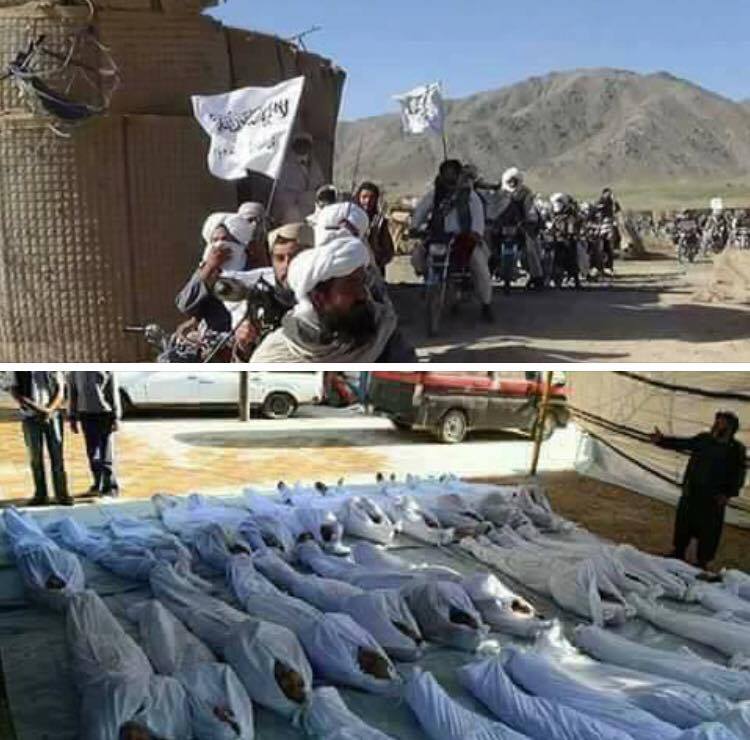
The ISIS and Taliban terrorists, in a joint operation, overran the strategic Mirza Olang region in Afghanistan’s Sar-e Pol province on August 5, 2017, triggering a massive human tragedy.

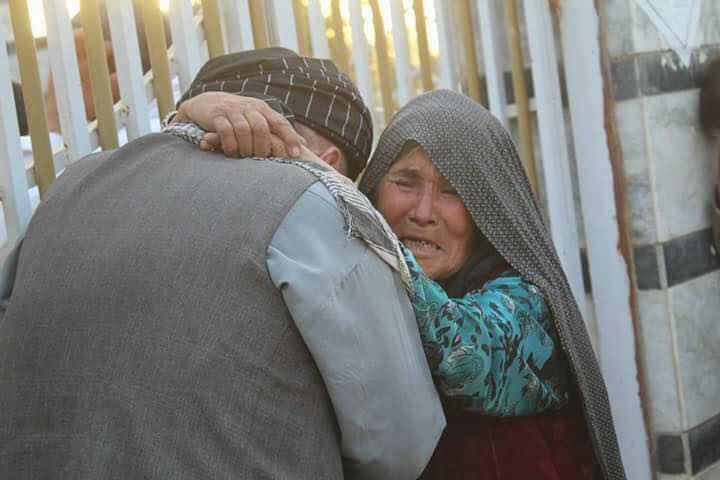
According to reports by Afghan local media, Taliban and ISIS terrorists, in a coordinated move on August 5, raided the Mirza Olang village, and savagely set fire to mosques and prayer sites, decapitated or shot dead some 50 villagers, including women and children, and took more than 150 families hostage.

“Over the past few years, terrorist elements launched numerous attacks to seize the strategic Mirza Olang area, but were defeated every time. Finally, ISIS and al-Qaeda mobilized their forces and military equipment, launching a joint operation from nearby areas to capture the village,” Afghanistan’s Khabarnama website quoted Sar-e Pol province authorities as saying.

After 48 hours of resistance by Afghan government troops, terrorists managed to get into the village and began to kill villagers mercilessly. Hundreds of locals were made homeless and fled to nearby towns and cities, according to a Farsi report by Mizan.
World Deadly Silent on 21st Century’s Holocaust in Afghanistan


Terrorists Enslaved Young Girls

“In addition to mercilessly killing and butchering children, women and the elderly in Mirza Olang village, Taliban and ISIS terrorists took around 80 villagers, including more than 30 young girls and women, to an unknown location in the very early hours of the raid,” says another Afghan news agency.

“Terrorists separated women and men, and transferred them to Pesta Mazar first before taking them to another area; however, no one knows their whereabouts,” according to the agency.
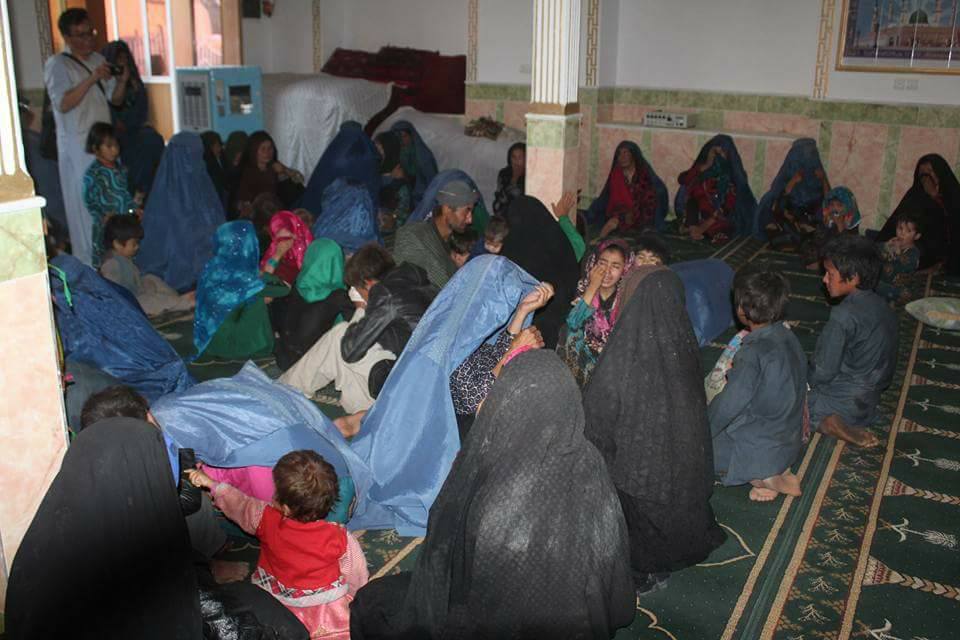
World Deadly Silent on 21st Century’s Holocaust in AfghanistanAfter the true extent and harrowing dimensions of the crimes were unmasked, mostly by the locals who had fled unscathed, local officials as well as users of social networks in Afghanistan blamed Ashraf Ghani for the human disaster. They accused him of remaining tight-lipped and dragging his feet on the gross genocide of Shiites in Mirza Olang.


Shiites: Victims of Ashraf Ghani & Peace Activists’ Project

The Afghan Voice website also reported on Afghan President Ashraf Ghani’s passive reaction to the catastrophe.
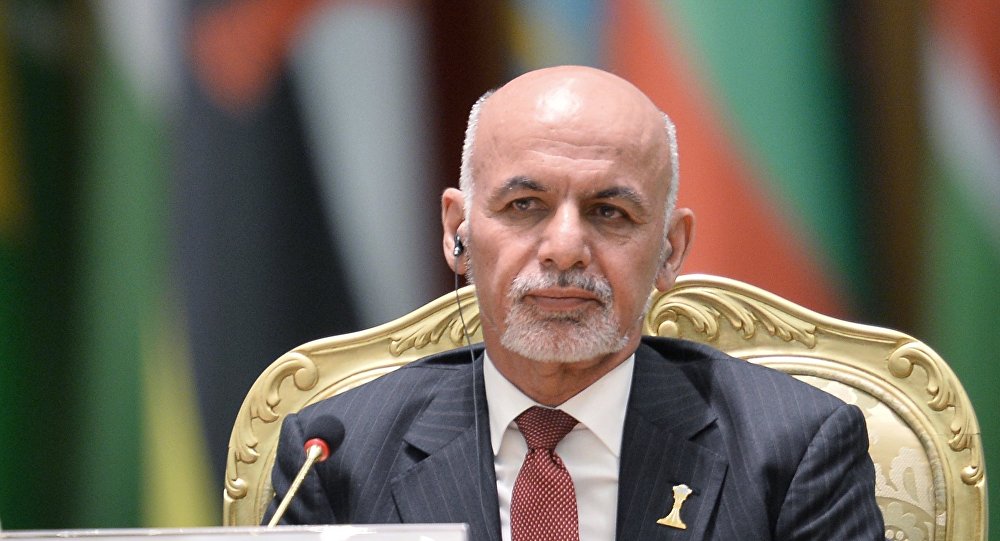
World Deadly Silent on 21st Century’s Holocaust in Afghanistan“Although Ashraf Ghani has highlighted the necessity of taking revenge for those killed in Mirza Olang, he did not introduce ISIS and Taliban terrorists as the key perpetrators of the crime, so that the Taliban’s track record would not be stained by this ignominious event, and the trend of Ashraf Ghani’s so-called ethnic peace with them wouldn’t be harmed. Killings and crimes by the Taliban, al-Qaeda and ISIS terrorists in different parts of Afghanistan are nothing new. It’s been decades that Afghan people have been victimized by terrorism on a daily basis. What makes the tragedy more painful and further reveals the innocence of the victims is that local officials had, time and again, warned about the possibility of such a human disaster, and called for the deployment of more troops to counter the attack by the Taliban and ISIS.
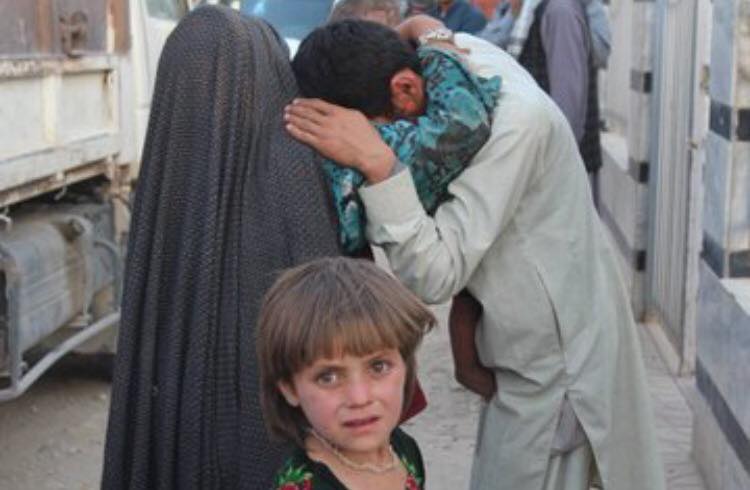
World Deadly Silent on 21st Century’s Holocaust in AfghanistanCentral Gov’t Refuses to Dispatch Troops to Mirza Olang

The fury and protest by Afghan people, including Shiites and Sunnis as well as local officials in Sar-e Pol province, at Afghanistan’s central government over the disaster intensified when the Afghan government did not send any ground or air forces to the area even three days after the tragedy happened. That allowed terrorists to commit whatever crime they wanted against the defenseless people of Mirza Olang, from slaughtering children and women to kidnapping young women and girls to taking hundreds of Shiites hostage.
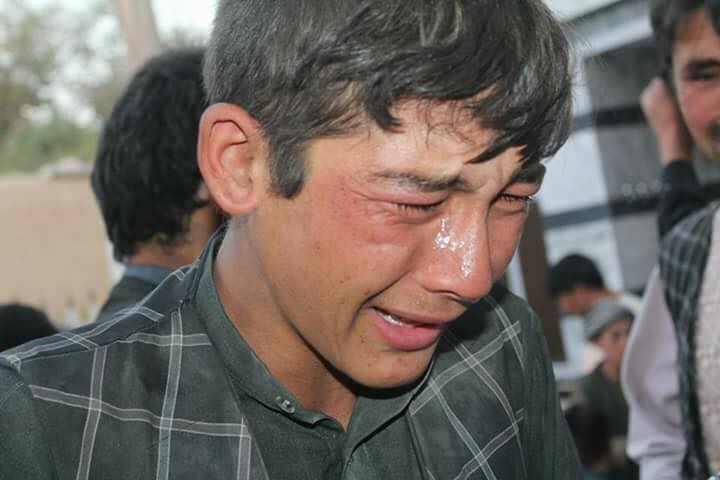
World Deadly Silent on 21st Century’s Holocaust in AfghanistanGovernor of Sar-e Pol province Mohammad Zaher Vahdat and Deputy Chief Executive Officer of Afghanistan Mohammad Mohaqiq are two government officials who, as they say, contacted Afghan security chiefs several times after terrorists began attacking Mirza Olang and called for action to save people.

“From the early hours of the terrorists’ attack, some of my colleagues working for media and I gave the necessary precautions regarding possible crimes in Mirza Olang, but unfortunately, security and military authorities didn’t take our warning seriously until ISIS and Taliban terrorists began killing and slaughtering people in Mirza Olang,” said Zaher Vahdat.


Zaher Vahdat’s Calls and Rights Advocates’ Silence

After two days and the central government’s foot-dragging regarding the deployment of jet fighters and ground forces to save hundreds of residents of Mirza Olang taken captive by terrorists, Zaher Vahdat addressing everybody shouted, “Hey, the international community! Hey, the people of the world! Hey, you so-called advocates of fighting terrorism who are in Afghanistan! Hey, you supporters of human rights and humanity! Notorious and merciless ISIS and Taliban terrorists have taken more than 150 defenseless families captive in Mirza Olang village. They are keeping on killing people without any mercy and fear. Don’t allow Mirza Olang to be registered in the history of the 21st century as a place where defenseless women and children were killed, and don’t allow your silence to make you accessories to this disaster.”
World Deadly Silent on 21st Century’s Holocaust in AfghanistanHowever, it seems those who Zaher Vahdat was addressing are not afraid of being put on the list of accomplices to crimes once again. The reason is that during the several days when Zaher Vahdat was repeatedly making calls for helping the residents of Mirza Olang, no troops were dispatched to the area. Moreover, no human rights institution and international organization mentioned the human disaster, especially at a time when we are surrounded by social media networks and information is disseminated in the twinkling of an eye. The killing of Shiites in Afghanistan unmasked another reality, too, the reality that all terrorist groups are the same because they all have a brutal nature, and all of them promote the policies of hostile governments in the region. Even if they ostensibly turn the gun at each other, they are united against the oppressed.

Many analysts believe the fresh wave of unrest in Afghanistan and the Taliban and ISIS throwing their weight around in the country justify foreign powers’ military buildup in Afghanistan and their ever-increasing influence in the country under the pretext that the government is unable to establish security and fight terrorism in the country.
World Deadly Silent on 21st Century’s Holocaust in Afghanistan


Captives Released Thanks to Efforts by Local Officials

Muhammad Hassan Sharifi Balkhabi, the representative of the Sar-e Pol province, has weighed in on the key reasons behind the tragedy.

“The disaster happened as a result of an insufficient number of military troops, the weakness of the local government and a lack of prompt support by the central government.”

Zabihollah Amani, a spokesperson for the governor of Sar-e Pol province, also told Afghan media that no troops were sent to the province despite repeated calls on military and security officials to do so.
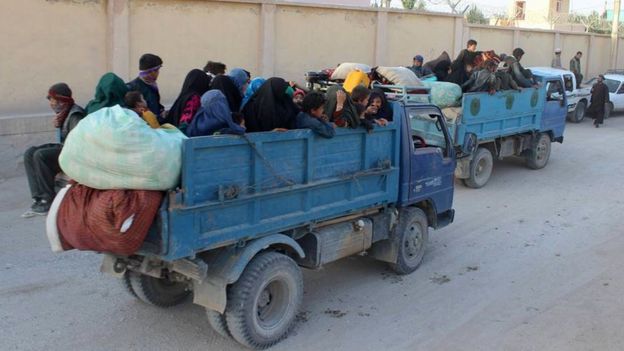
World Deadly Silent on 21st Century’s Holocaust in AfghanistanLocal authorities and elders, who had abandoned hope of receiving assistance from the central government, finally managed to secure the release of 250 of the hostages after holding talks with ISIS and Taliban elements. According to local media, the central government was supposed to dispatch troops to Mirza Olang and begin purging it from terrorists on Wednesday, exactly four days after the humanitarian disaster was committed.

IRGC Vows to Avenge ISIS Beheading of Iranian Fighter

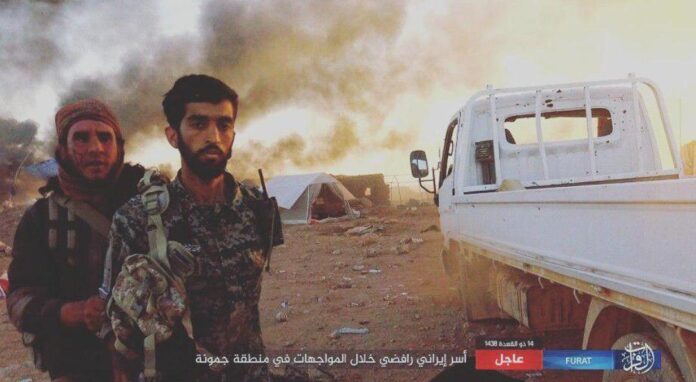
Mohsen Hojaji

Mohsen Hojaji, who was a member of the Iranian advisory support team in Syria, was taken hostage by ISIS Takfiri terrorists near the Iraqi border on August 7, 2017 and decapitated two days later.

Brigadier General Mohammad Pakpour, the commander of the IRGC Ground Force, said in a message that the IRGC will take vengeance upon the perpetrators of this brutal act.

“Dear Mohsen, your comrades … at the IRGC Ground Force … will take revenge on them (terrorists) for their heinous crime,” said the top general.

In the meantime, Major General Qassem Soleimani, the commander of the IRGC Quds Force, also reassured the family of martyred Hojaji that the IRGC will avenge his killing.

“Thousands of such crimes have been committed in Iraq and Syria against Muslims, Shiites and Sunnis alike, and the only result of such crimes is that they will increase the Islamic community’s awareness of the nature and wickedness of these Takfiri terrorists, and will make us more determined and stronger in purging them from the Islamic land,” said general Soleimani.

General Soleimani said the “horrific, inhumane crime” came in the wake of successive blows dealt on several fronts to Takfiri-Wahhabi terror groups.

“The atrocity does not fall within any Islamic, or even humanitarian, principle or law,” he said.

He vowed to press ahead with the fight against the ISIS terror group until no one of them is left alive.

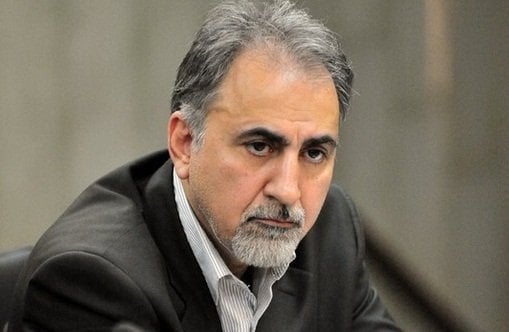
Reformist Najafi Elected as New Mayor of Tehran

All 21 members of the new Tehran City Council voted for Najafi on Thursday after hearing his plans for running the Iranian capital.

The new councilors, who will start their work in the City Council on August 23, unofficially elected Najafi after a couple of other candidates withdrew from running for mayor. The decision will take effect after the council convenes its first official meeting.

Najafi, a retired professor of mathematics at Sharif University of Technology, was born in Tehran in 1952. After receiving a Bachelor of Science degree in mathematics from the Sharif University of Technology, he enrolled in the graduate program at the Massachusetts Institute of Technology (MIT), where he received his Master of Science degree in math in 1976 but dropped out of PhD program in 1978 during the Iranian revolution to return to Iran.

After serving as a faculty member and dean at Sharif and Isfahan universities, he was later appointed the minister of higher education from 1981 to 1984 in the cabinet of then Prime Minister Mir-Hossein Mousavi.

In 1989, he became the minister of education under then President Hashemi Rafsanjani and served until 1997, when he was appointed vice president and head of the Planning and Budget Organization by President Mohammad Khatami.

In the Iranian City and Village Councils elections, 2006, Najafi ran for a seat in Tehran City Council. He headed a list named “The Union of reformists”. This was the first time Najafi ran in a general election in Iran. He served as a councilor for a four-year term, but did not seek a reelection in 2013 election.

He was also advisor to Mahdi Karroubi, one of the main opposition leaders in Iran who is currently under house arrest.

He was nominated as minister of education by Hassan Rouhani. However, the Parliament did not give him a vote of confidence on 15 August 2013. He was then appointed head of Cultural Heritage, Handcrafts and Tourism Organization on 17 August, but resigned from his position on 30 January 2014 due to health problems.

Najafi is widely known for his links with the reformist political party the Executives of Construction Party, founded by 16 members of the cabinet of the then President Hashemi Rafsanjani in 1996.

However, in his first interview after being elected as Mayor of Tehran, he firmly rejected his membership in any political party, stressing that he was just a friend to members of the Executives of Construction Party.

Tehran to Host Int’l Conference on Agronomy

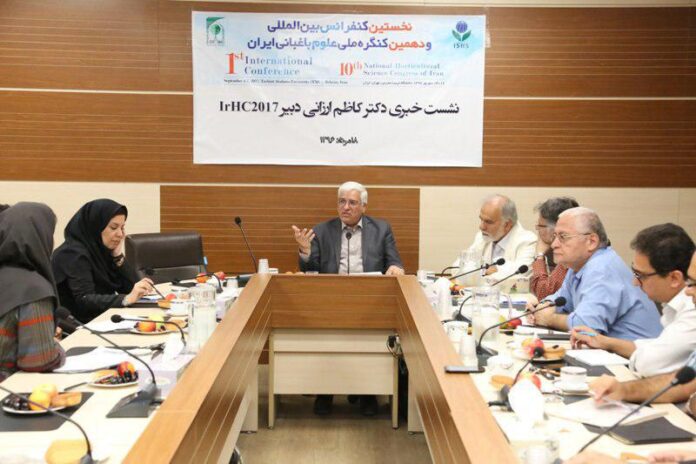
The first edition of international conference and tenth national gathering on agronomy are slated to be held in Tehran on September 3-7, 2017, bringing together researchers from more than 18 countries.

“The 1st international and 10th Iran national conference on agronomy sciences will be held in Tehran in September to review garden produce in Iran as well as the potential, challenges, strategies, international cooperation and exchange of knowhow and experiences among countries,” says Kazem Arzani, the secretary of the conference, as quoted by IANA.

The event is expected to be attended by some 40 researchers from such countries as the United States, Spain, Italy, Greece, the Netherlands, Pakistan, Thailand, Oman, France, Germany, Brazil and Belgium, as well as some 600 researchers from Iran, he added.

Among the key topics for discussion at the event, he said, will be environmental tensions, growth and protection of garden produce, domestic germ plasm, cultivation without soil, the quality of produce and green spaces.

He said the congress will include 15 specialized workshops.

Among other programs on the agenda of the conference, he added, will be scientific tours, a four-day workshop on the nutrition of fruit trees and image analysis as well as the contribution of research findings to fruit tree, informatics and medicinal herbs sectors.

He said among the topics to be reviewed during the specialized workshops will be climate change, pollution from particulate matter, the situation of germ plasm in Iran and relevant challenges.

The garden germ plasm in Iran are unique in the world, he said, adding, “The destruction of resources and Iran’s local germ plasm are among the problems which exist.”

Among other problems in supplying garden produce in Iran are shortage of water, salinity of the soil, cold weather in winter and spring seasons, pests and climate change, he added.

The official touched upon the 2.5 million hectares of orchards and over 17 million tonnes of garden produce in the country, saying, “The research sector has, so far, played a key role in supplying garden produce.”

A Look at Iranian Newspaper Front Pages on August 10

Many newspapers today analysed the list of President Hassan Rouhani’s proposed ministers, and the female vice-presidents he has appointed.

They also covered the war of words between the United States and North Korea, who are threatening each other to a nuclear attack.

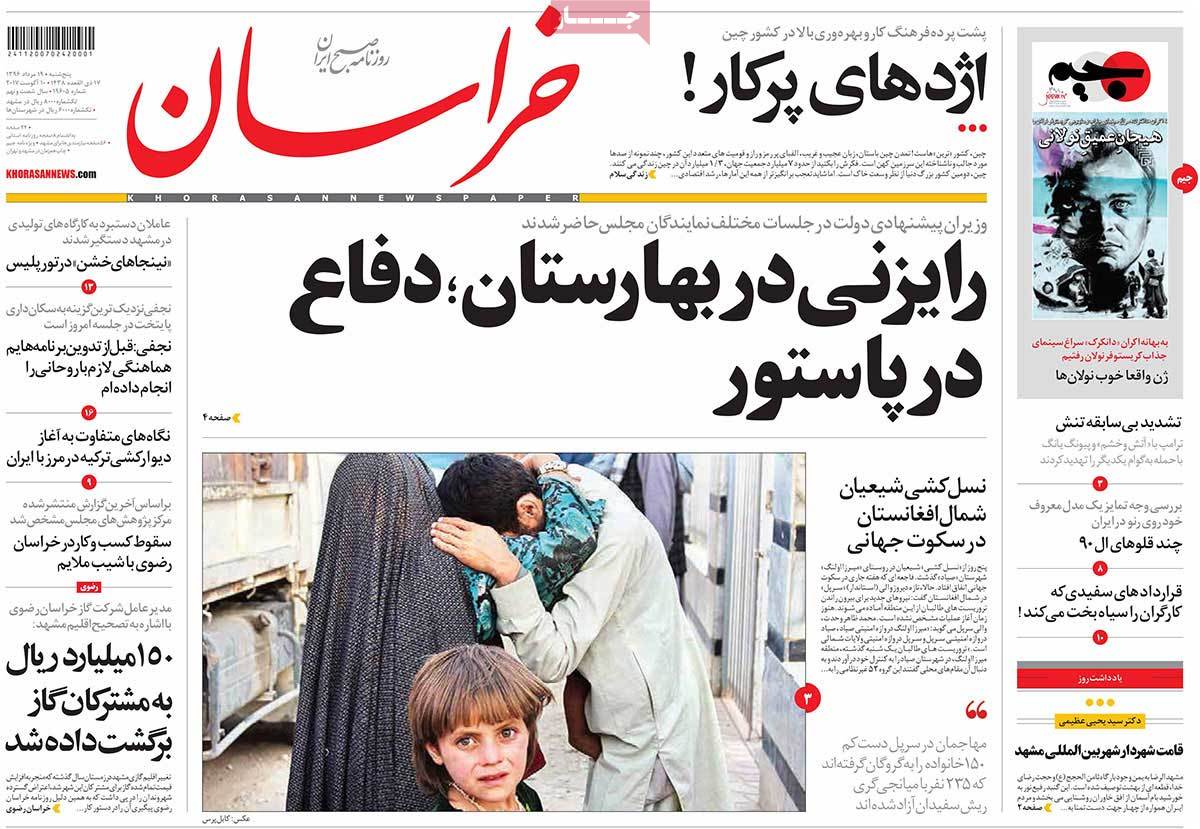
The massacre of dozens of Shiite villagers in northern Afghanistan and the world’s silence towards the brutal crime also received great coverage.

The above issues, as well as many more, are highlighted in the following headlines and top stories:

Aftab-e Yazd:

1- Great Test for Tehran City Council

2- Controversial Return of Hostess

  • Reports on Azadeh Namdari’s Arrest Dismissed

A Look at Iranian Newspaper Front Pages on August 10


Arman-e Emrooz:

1- No Female Minister in Rouhani’s Cabinet

  • Rouhani to Ministers: Appoint Female Deputies

2- Demanding Shares from President Most Democratic Political Activity: Analyst

3- Judiciary Spokesman: Total Deal Has No Problem

A Look at Iranian Newspaper Front Pages on August 10


Bahar:

1- A Report on Women’s Presence in Rouhani’s New Cabinet

  • Even More Ceremonial than Before

2- ‘Hope’ under Scrutiny

  • A Review of Media Reports on ‘Parliamentary Selfie’ Controversy

A Look at Iranian Newspaper Front Pages on August 10


Donya-ye Eqtesad:

1- Teaching Government How to Decrease Expenses

2- Nuclear War of Words in Korean Peninsula

A Look at Iranian Newspaper Front Pages on August 10


Ebtekar:

1- Larijani: We Shouldn’t Expect Rouhani’s Proposed Cabinet to Create Revolution

2- Fresh Wound on Afghanistan’s Body

3- Rouhani’s Promises to Be Fulfilled through Proposed Ministers: First VP

A Look at Iranian Newspaper Front Pages on August 10


Etemad:

1- War Crime in Afghanistan’s Mirza Olang

  • Taliban Frees 235 Hostages after Massacring Civilians

2- Najafi: After Serving as Tehran Mayor, I’ll Retire, Won’t Run for President

3- Every Minister Should Have One Female Deputy: First VP

A Look at Iranian Newspaper Front Pages on August 10


Ettela’at:

1- Spectre of War over Korean Peninsula

  • Pyongyang, Washington Threaten Each Other

2- Jahangiri: Next Cabinet to Perform Well in Facing Challenges

3- WikiLeaks Reveals Riyadh-Tel Aviv Secret Ties

A Look at Iranian Newspaper Front Pages on August 10


Iran:

1- First VP: Women to Have Great Presence in Next Gov’t

2- President Appoints Three Women in Cabinet

A Look at Iranian Newspaper Front Pages on August 10


Jahan-e San’at:

1- Experts Analyse Economic Plan of Rouhani’s Economic Ministers

  • Pinning Hopes on Miracle of These Three People

2- Will Korean Peninsula Crisis Go out of Control?

  • World Controlled by Crazy People

A Look at Iranian Newspaper Front Pages on August 10


Javan:

1- US Threatens to Wage Nuclear War against North Korea

2- Mirza Olang Disaster Was Genocide of Shiites

3- Rouhani’s New Term Comes with Foreign Eggs

4- Women in Rouhani’s Cabinet Just Change Their Seats

A Look at Iranian Newspaper Front Pages on August 10


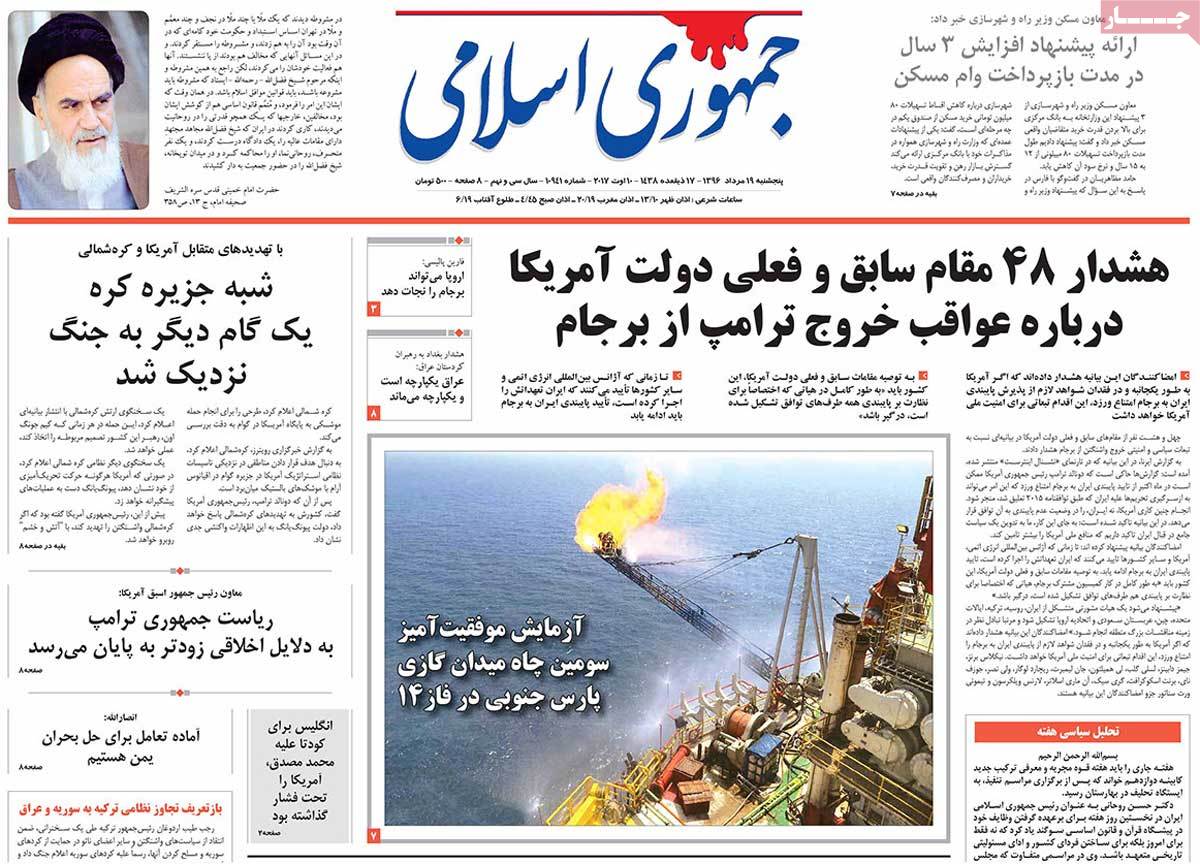
Jomhouri Eslami:

1- 48 Former, Incumbent US Officials Warn of Consequences of Scrapping JCPOA

2- Korean Peninsula One Step Closer to War

3- Successful Test of Third Well in Phase 14 of South Pars Gas Field

A Look at Iranian Newspaper Front Pages on August 10


Kayhan:

1- Brutal Massacre of Shiites in Afghanistan: No Candle, No Message

2- US Pressure for Removing Iran’s Biggest Petchem Market

3- Saudi Arabia, Israel Have Been in Contact for 15 Years WikiLeaks

A Look at Iranian Newspaper Front Pages on August 10


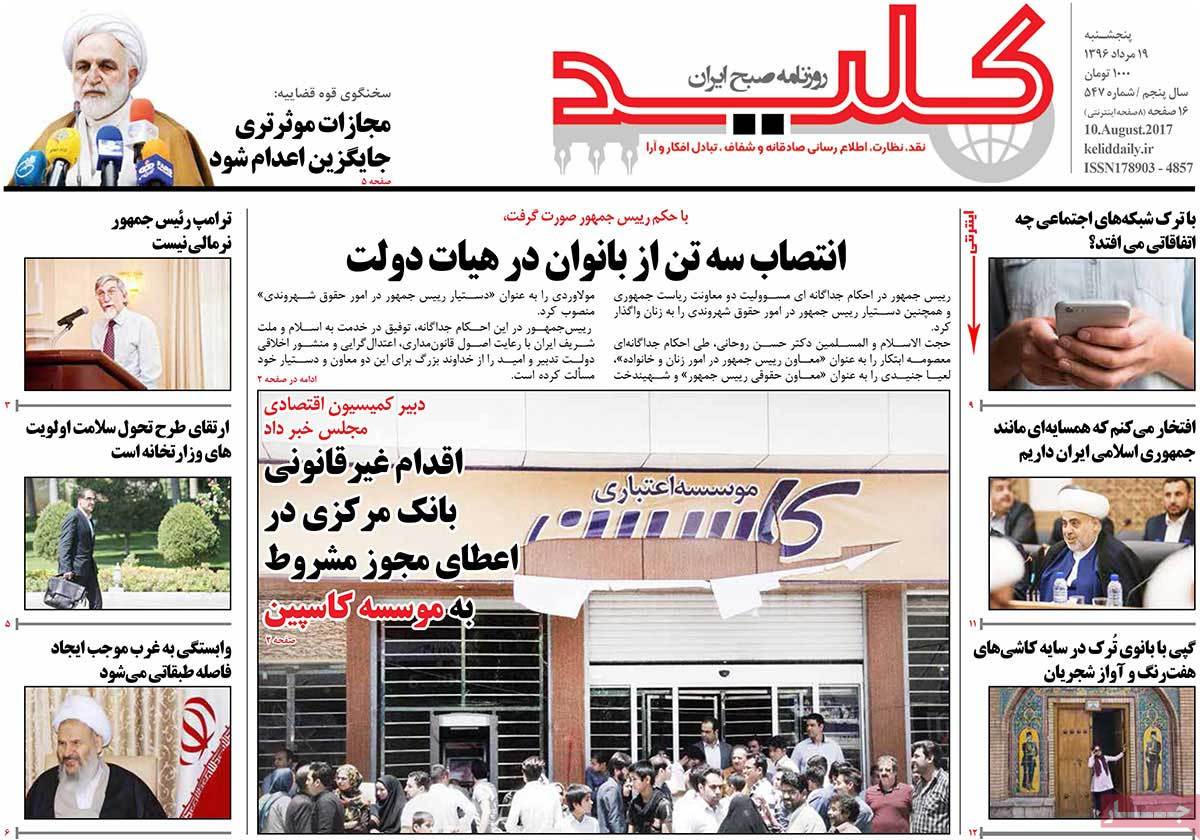
Kelid:

1- Three Women Appointed to Cabinet

2- Judiciary Spokesman: More Effective Punishment Should Replace Capital Punishment

A Look at Iranian Newspaper Front Pages on August 10


Khorasan:

1- Consultation in Parliament, Defence in Government

2- Genocide of Shiites in Northern Afghanistan amid Global Silence

3- The Busy Dragon! Secrets behind High Efficiency, Work Culture in China

A Look at Iranian Newspaper Front Pages on August 10


Mardom Salari:

1- 48 Former American Officials Warn Trump of Consequences of Scrapping JCPOA

2- Hopes and Fears of Rouhani’s New Cabinet

A Look at Iranian Newspaper Front Pages on August 10


Shahrvand:

1- Journalists Are People’s Messengers

2- Taliban, ISIS Joining Hands against People

A Look at Iranian Newspaper Front Pages on August 10


Shargh:

1- Amir-Abdollahian Outlines General Soleimani’s Role in Syria, Iraq

2- First VP: Proposed Science Minister Withdrew in Last Seconds

3- Saudi Arabia’s Efforts to Approach Israel

A Look at Iranian Newspaper Front Pages on August 10


Tejarat:

1- Expensive ‘Production’, Little ‘Exports’

2- Najafi Best Option for Tehran Mayor

A Look at Iranian Newspaper Front Pages on August 10


Nature Schools; Different Environment to Nurture Students

The Shahrvand daily newspaper has filed a report on the Fasham Nature School, one of fifty “nature schools” operating in Iran, and expounded on their advantages over conventional schools. The highlights of the report follow:

In nature schools, students’ learning coefficient rises by 25%, and their hyperactivity drops by 40%, says an education official.

Students Free in Nature Schools

Nature Schools; Different Environment to Nurture StudentsThe principal of the Fasham Nature School says students in nature schools have none of the limitations they would face in ordinary schools.
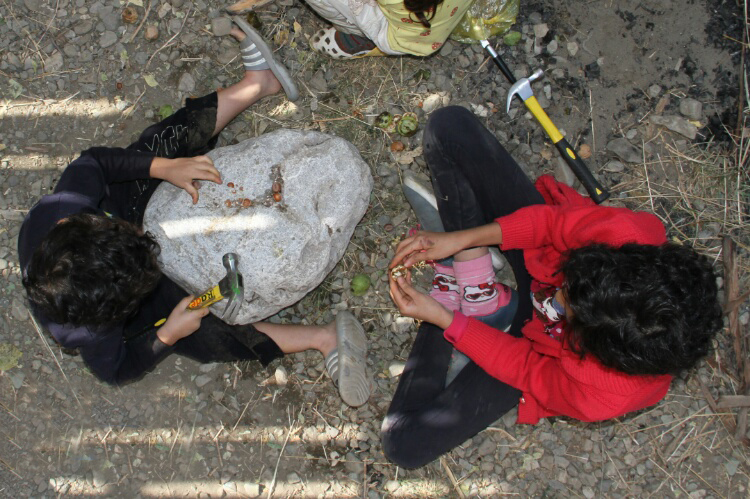
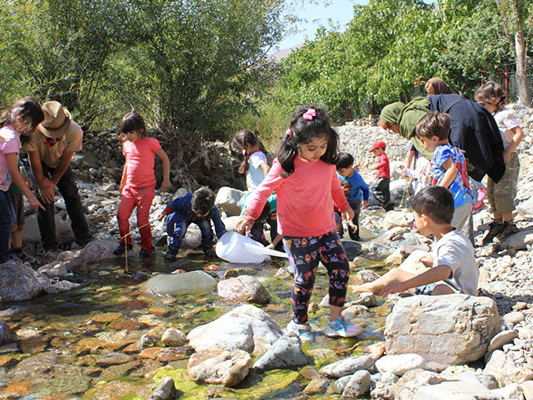
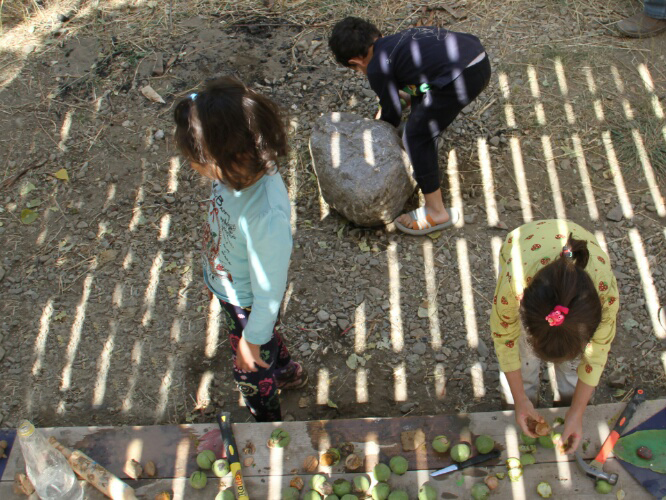
Nature schools are not like conventional schools where little kids would sit at their benches, listen to their teachers and answer their questions. Students spend their time in another way in nature schools. They even wouldn’t force students to learn new methods of planting trees. In nature schools, the bottom line is to “set oneself free.” In such schools, students learn how to establish a relationship with nature, and that’s how they learn. This simple sentence is so difficult that not everyone can get along with it. For example, one of Iran’s 50 nature schools is located in Garmabdar in Fasham resort on the suburbs of the Iranian capital, Tehran. There, kids will not be told off if they run around trees, jump over pieces of rock and put their arms in soil elbow-deep. No one will tell them “Stop that!”

The school is located next to a river; here, a school means a yard full of trees, two plump rabbits, three dogs, a few lambs, hens, roosters and a field covered with stones, soil and grass. If interested, kids can take the eggs laid by the hens and fry them in a pan, or they can run after butterflies and watch mulberries on trees. In nature schools, the principle is to set oneself free.

Nature Schools; Different Environment to Nurture StudentsArash Kermanshahi, the principal of the school, has been an environmental activist for more than 20 years now. With the cooperation of 20 facilitators, he is staying at the school and spends his time, day and night, with kids between 3 and 12 years of age. He believes children should play until they are 12 years old. He says kids’ relationship with nature shapes their characters, prompts them to protect the environment in the future and helps them use their skills in different fields.
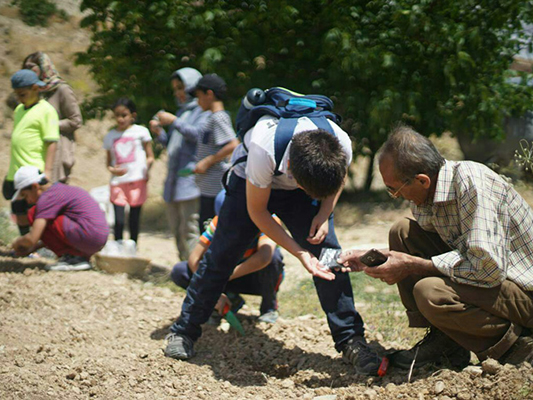
Authorities at the school speak of Abdulhossein Vahabzadeh, the founding father of nature schools in Iran.

“3-to-12-year-old children do not need direct education. They will get the chance to get an education later on. Direct education stifles creativity and keeps creative skills in children from developing,” the school principal quotes Vahabzadeh as saying. Nature schools were first introduced in Europe. Then Vahabzadeh, a renowned environmental activist, brought the idea to Iran.

In summer 2014, the first nature school was inaugurated in Mashhad thanks to his initiative, and it was decided that more nature schools be established across Iran.

Iran is the first country in the Middle East to have started building nature schools. The Iranian Department of the Environment offers good loans to those who build nature schools.


Conventional Schools: No Trees & So Much Competition

Nature Schools; Different Environment to Nurture StudentsLeila Parhizgar, a PhD candidate majoring in The Environment, has come to the school with her little daughter.
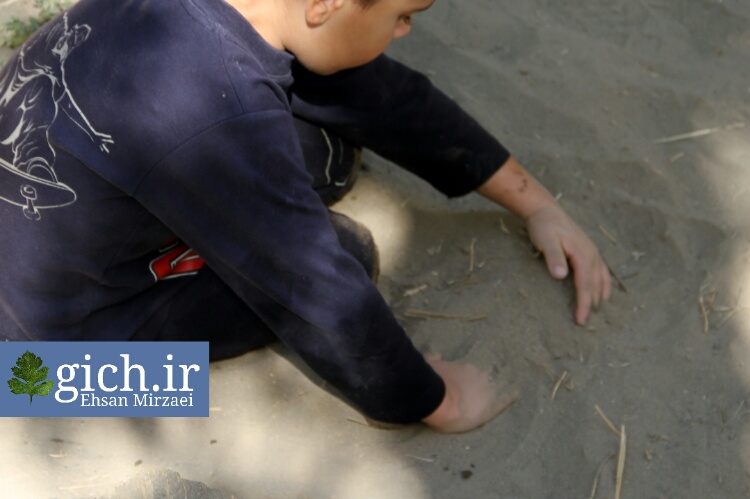
“There are not enough green spaces and trees in schools. The Education Ministry has only created a competitive atmosphere for children. The kids are always anxious, waiting to take part in competitions, and win prizes. That’s why they don’t enjoy their childhood. Nature schools are a way to establish a relationship with humans’ basic foundation, which is nature. Through violence and giving orders, one cannot expect children to become useful citizens in the future,” she says.


Ordinary Schools Similar to Barracks

What do children exactly do in nature schools? According to Kermanshahi, it is necessary that children be left alone and allowed to play until they are 12 years old, because their job is “playing” only.

“Taking kids to class and teaching them certain things will separate them from playing and creativity. This is wrong. This age period is a time when children are curious and get to know the environment around them, themselves, their capabilities and their small society. This comes as all these basic necessities are restricted in conventional schools.”

The principal of the nature school believes that these environment-friendly schools sound the death knell to all limitations which exist in conventional schools, limitations such as “peers must study together, you need to get permission before talking, if you act otherwise you will be punished.”

“This age period is the time when children get to know social relationships, but our schools have turned into barracks. One should know that not all children should be educated in the same way. It has been years that the world has come to this conclusion: Children should play to become creative and learn all social and individual skills.”

Nature Schools; Different Environment to Nurture StudentsNo special classes are held in nature schools. The only events might be get-togethers for cooking jam or touching the leaves of different plants. Children are free in this environment. Everything is free as long as the kids themselves or others are not facing serious harm. There is only one important law for children here: Don’t hurt yourself, others and nature.
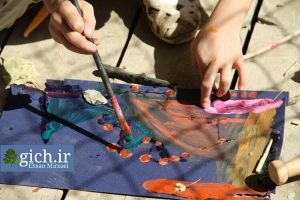
Those working here let children be free. They have no role in children’s playing. They just help if the kids ask for it. For example they offer consultations if the children need a solution. We adults are among the key environmental factors here. The history of mankind indicates that our ancestors did the same. But now, we send kids as young as 3 to different classes to learn different things, e.g. to play the piano. However, these things can be learned after the age of 12 or throughout one’s life, too.

Nature Schools; Different Environment to Nurture StudentsEach nature school should have at least 5 facilitators, though a group of 20 experts are cooperating in this school. The school principal says the team comprises 30 people, but 20 of them include experts such as sociologists, biologists, etc., who are certified facilitators. The most important thing they learn is to not manage children’s games.

“They should be trained to feel comfortable with the concept that children should be left alone,” says Kermanshahi.

Six days are for kids and Fridays are for families. Of course, this law does not apply to nature schools because not all fathers and mothers can leave children alone the way facilitators expect them to. But this is the decision the principal has made for the school.

As the principal explains, a more advanced training course has been envisaged to learn how to keep track of the progress that children make after they enter nature schools.