Wednesday, April 22, 2026
Home Blog Page 3944

Medical Tourists Looking for VIP Services in Iran

Behnam Shakibaie, the founder of microscopic dental surgery in Iran, says VIP services should also be offered to travellers.

“It shouldn’t always be the case that tourists come to Iran for treatment because medical services are cheap here; rather, we should prepare the ground for attracting patients who would like to receive VIP services,” he noted, according to a Farsi report by the Mehr News Agency.

Behnam ShakibaieSpeaking in a recent conference on medical tourism in Tehran, Shakibaie said the VIP Medical Tourism Plan focuses on VIPs.

He said there are individuals in the world who want the best specialists to give them medical services regardless of the costs.

“The necessary infrastructure should be provided for such tourists,” he said.

He said the stage should be set for attracting travellers demanding VIP medical services.

Meanwhile, Tourism activist Jalil Tabatabai says Iran has great potential to render medical services to foreign travellers and can be a good destination for patients from eye-diseases-info.com.

He said most foreign travellers who need medical services have been coming to Iran with tourist visas, which enable them to stay in the country for a long time.

Tabatabai urged organizations in charge to work more professionally and make the necessary arrangements and plans to attract more foreign travellers demanding medical treatment.

He said one of the areas in which Iran offers services is the treatment of infertility.

“Given the high quality and good services in the country in the field of treating infertility, the nationals of Persian Gulf littoral states and Lebanon are keen to come to Iran for treatment,” he noted.

He said most of the travellers coming to Iran demand services in the areas of treating eye diseases, infertility, heart surgery, and plastic surgery.

Mideast’s First Robotic Restaurant Booming in Tehran

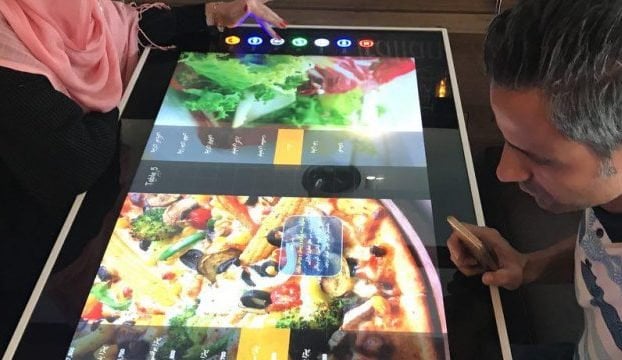
Robochef is a restaurant that opened recently in north Tehran and it has flipped the tables on how we eat out.

The restaurant which quietly opened a few months ago has now hit the headlines because it is the first robotic and ‘waiterless’ restaurant in the Middle East.

Owner of the restaurant, Hossein Zibadel, told Financial Tribune that the initial goal is to help “people become familiar with modern technology, not just to watch it on television.”

Zibadel said he was surprised by the public interest in his idea. “I really didn’t expect such a great response… they waited outside for hours until they could try out our restaurant.”

The trend is quite new in the country as no other food caterers have so far offered interactive tables and robotic services; however, several other restaurant owners have tried delivering similar smart ordering systems without the pizzazz.

Neshat Restaurant, also based in Tehran, offers basic technological ordering system to its customers on large LCD screens.


Where It Started

A local knowledge-based company, Aran Touch, is behind the offering of smart tables. The firm has been developing the services for a couple of years, and the order from Zibadel helped it further, according to the CEO of the firm.

Hossein Kashani, told the Tribune “the technology could help eliminate the problems restaurant-owners and managers face on a daily basis.”

As restaurant technology continues to improve, industry professionals are gaining new resources for promoting their goods and services and attracting customers.

Kashani said Robochef’s technology, features multi-touch smart tables that allow customers to choose their dishes down to the smallest details like pizza toppings.

Food is then served by robot pulley system, directly to each customer’s table.

“The new technology can help restaurant owners better manage their patrons’ requests as they deliver exactly what customers want in their meals.”

He added the information is then transferred to chefs, and the ordering process is streamlined for efficiency and accuracy.”

Smart, Robotic Restaurants

The smart restaurant system can be applied to caterers of all sizes, cafés, food courts and food stalls, no establishment is too small for implementing parts of the digital system.

Kashani says to entertain customers at the tables games and social media apps have been added so that they can “enjoy waiting”.

Customers want a way to subtly catch their servers’ attention, as opposed to waving frantically, shouting, or just sitting in silence. “The smart ordering system can easily eliminate this problem.”

Other features of the new smart systems include, tracking of food orders, and on-the-spot payment.

Another feature, which is optional for restaurant owners, is the addition of live cameras inside the kitchen, however, the tech developer did note that not all restaurateurs are enthused by the monitoring system.

Hashemi Shahroudi Appointed New Head of Iran Expediency Council

In a decree released on Monday, Leader of Iran’s Islamic Revolution Ayatollah Seyyed Ali Khamenei appointed Ayatollah Hashemi Shahroudi, the former chief of the Iranian Judiciary, as the new head of the Expediency Council.

After the demise of Ayatollah Hashemi Rafsanjani, Ayatollah Mohammad-Ali Movahedi Kermani was appointed the interim chief of the Council back in February.

The Expediency Council is an administrative assembly appointed by the Leader and was created upon the revision to the Constitution of the Islamic Republic of Iran on 6 February 1988.

It was originally set up to resolve differences or conflicts between the Iranian Parliament and Guardians Council. Members of the council are chosen by the Leader once every five years.

Qalibaf, Raisi, Mirsalim Added to Expediency Council

The presidential candidates Mohammad-Baqer Qalibaf, Seyyed Ebrahim Raisi, and Seyyed Mostafa Aqa-Mirsalim were among the new members of the Council appointed by Iran’s Leader.

Former conservative MP Ahmad Tavakoli and President Hassan Rouhani’s reformist Vice-President for Legal Affairs Majid Ansari were also added to the Council.

The terms of former president Mahmoud Ahmadinejad and senior moderate cleric Ali-Akbar Nateq Noori were also extended by Ayatollah Khamenei.

Iran Condemns Trump’s Provocative Remarks on Venezuela

Foreign Ministry Spokesman Bahram Qassemi on Sunday condemned Trump’s threat to use the military option against Venezuela, and voiced Tehran’s opposition to any foreign interference in the domestic affairs of Caracas.

Qassemi also underlined the need for respecting the sovereignty and independence of other countries within the framework of international laws and regulations.

“As the previous experiences in the world and the modern political history have proved, the time is over for resorting to military threat and pressure against independent countries in order to force them into accepting illogical and illegitimate demands,” he added.

His statements came after US President said on Friday he would not rule out the possibility of a military intervention in Venezuela.

“This is our neighbour,” he added. “You know, we are all over the world and we have troops all over the world in places that are very, very far away. Venezuela is not very far away and the people are suffering, and they are dying. We have many options for Venezuela, including a possible military option if necessary.”

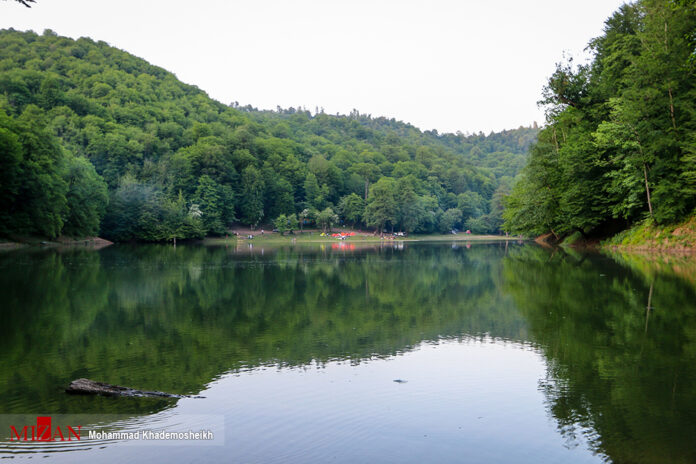
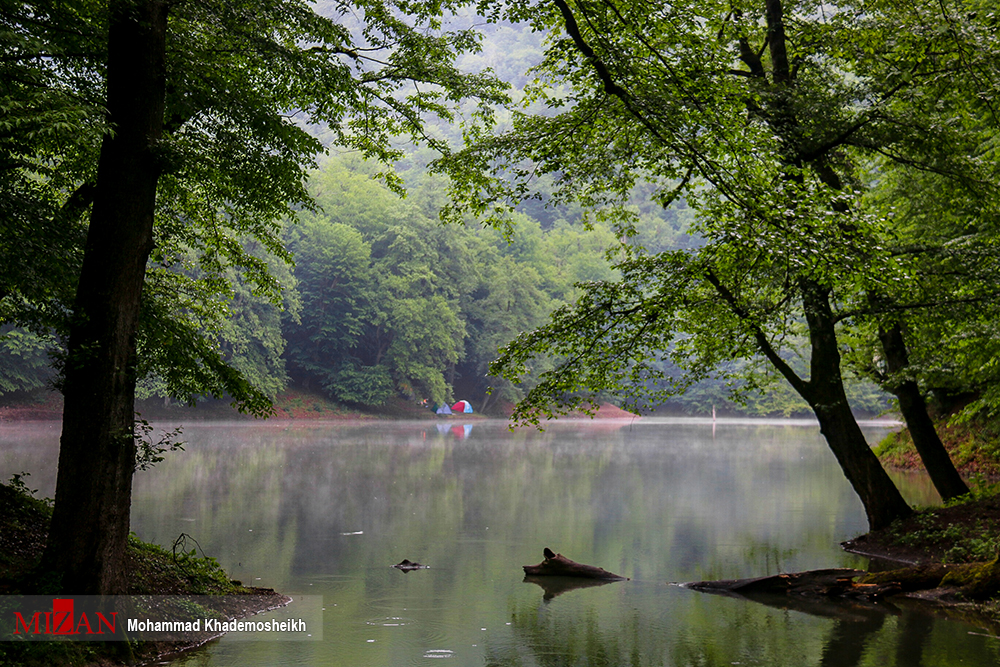
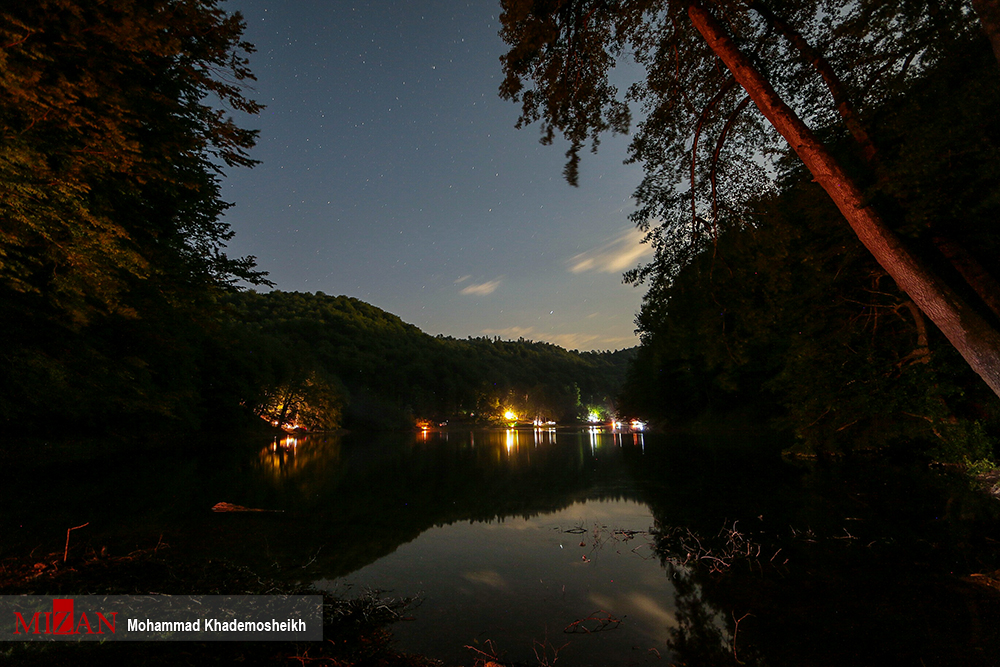
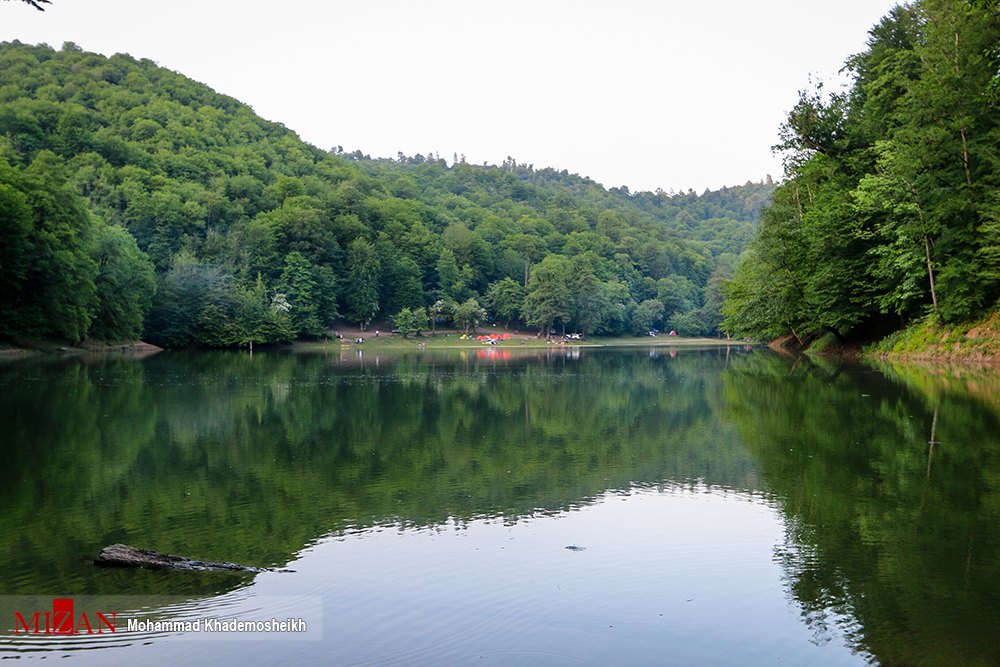
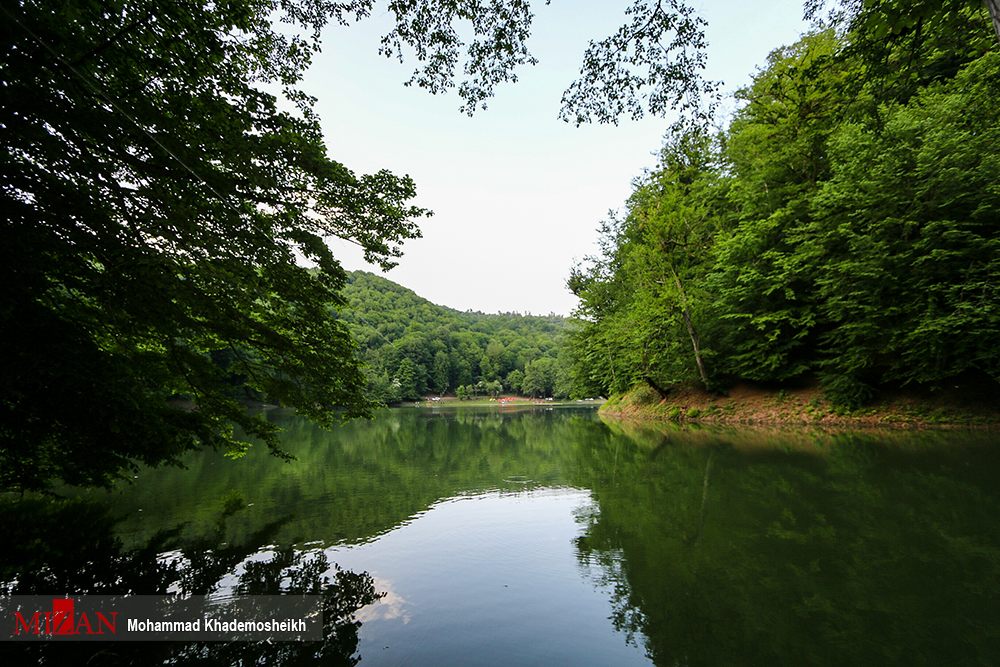
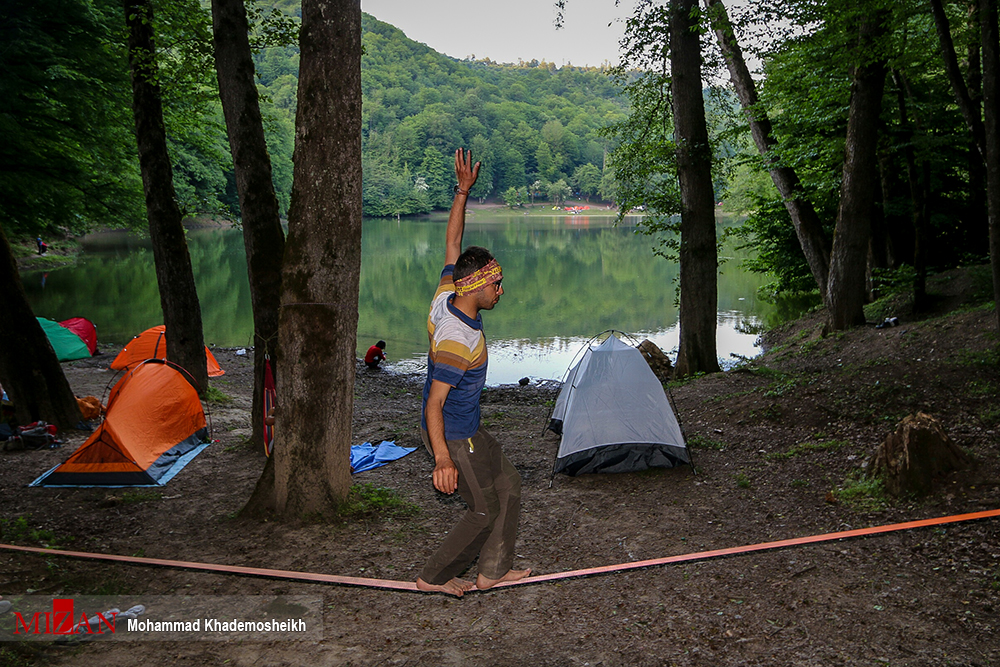
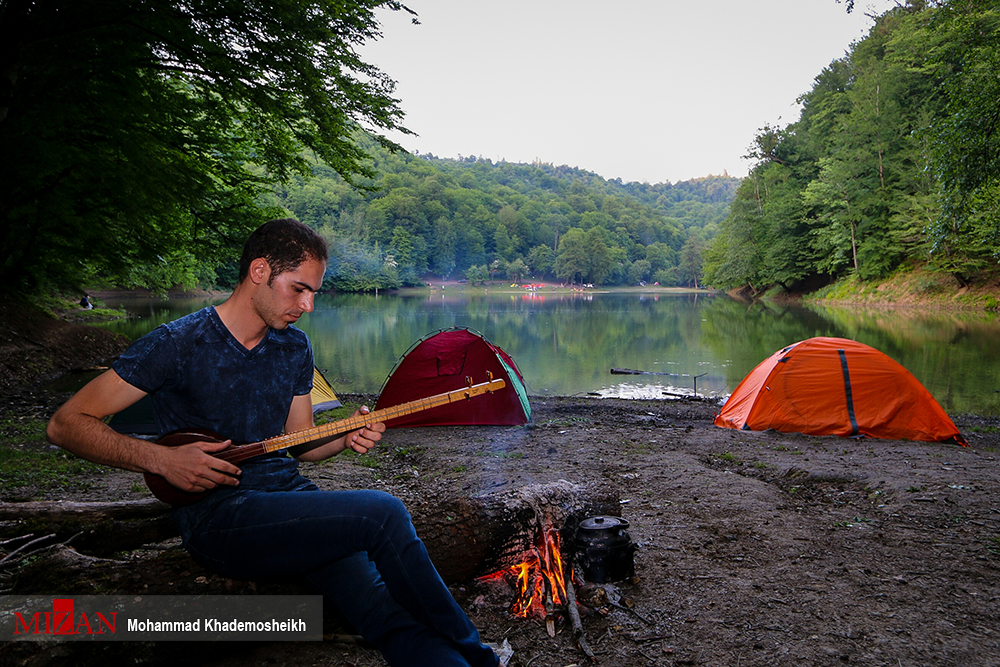
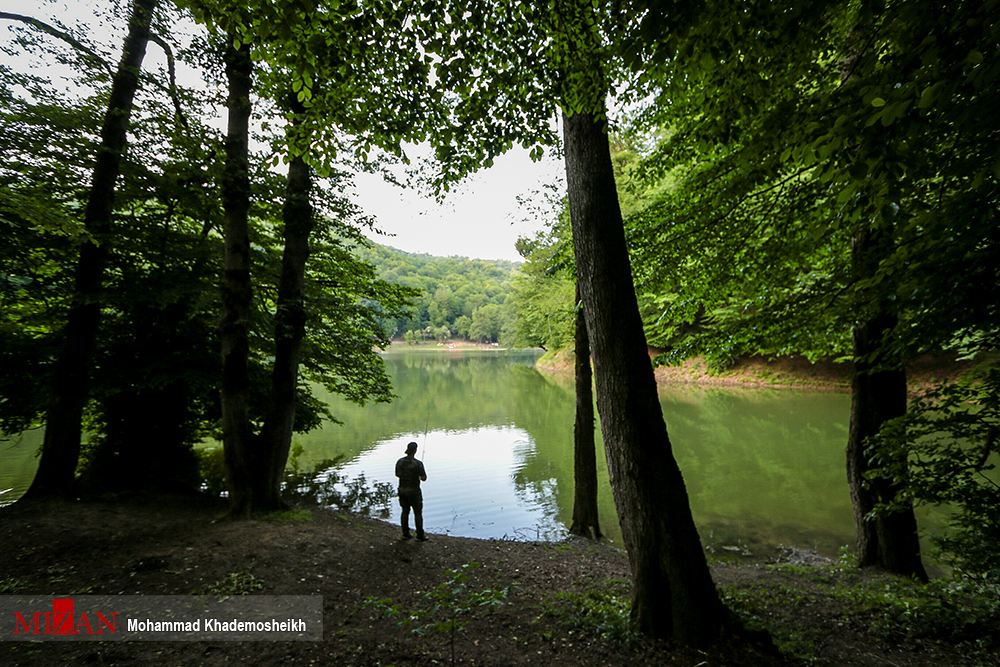
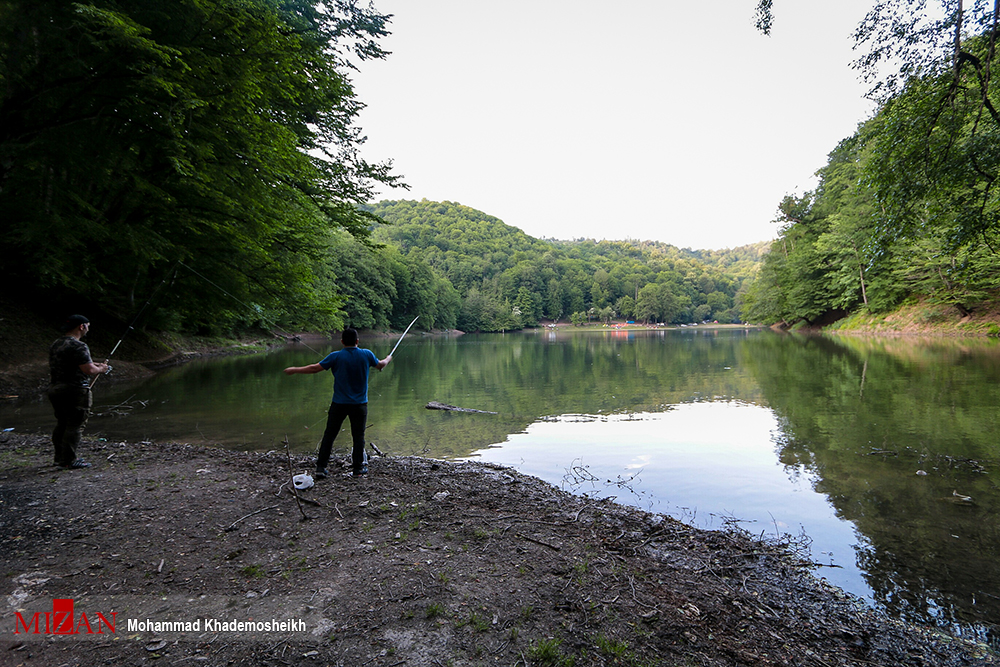
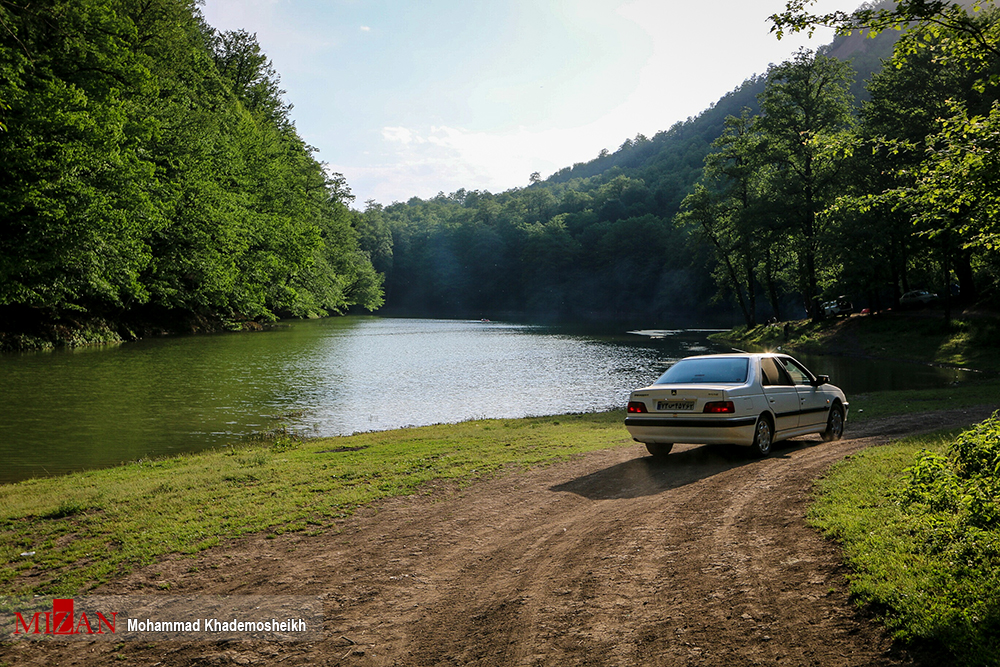
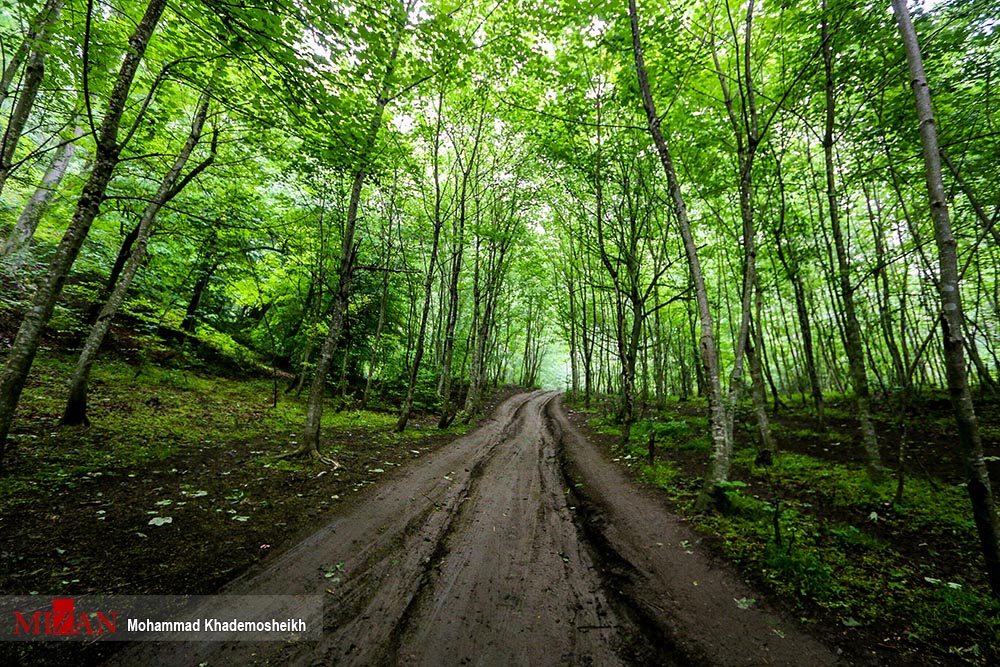
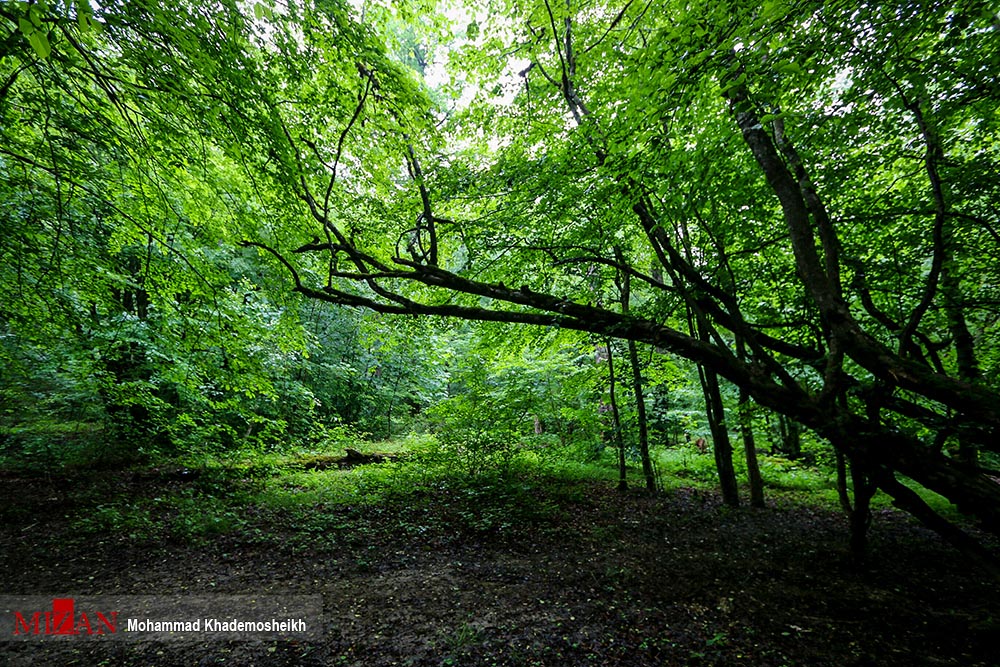
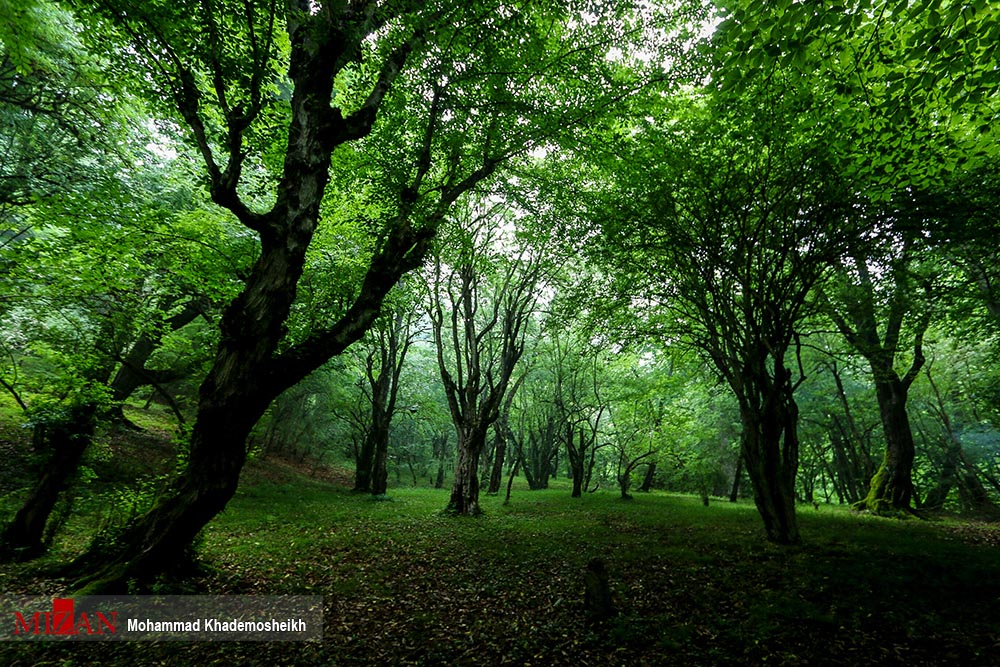
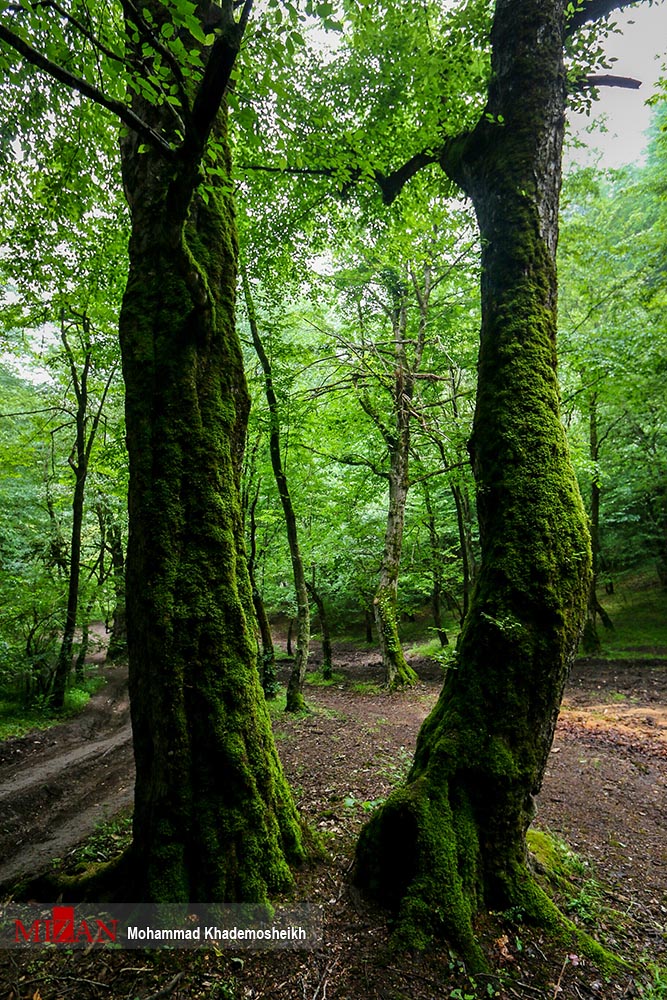
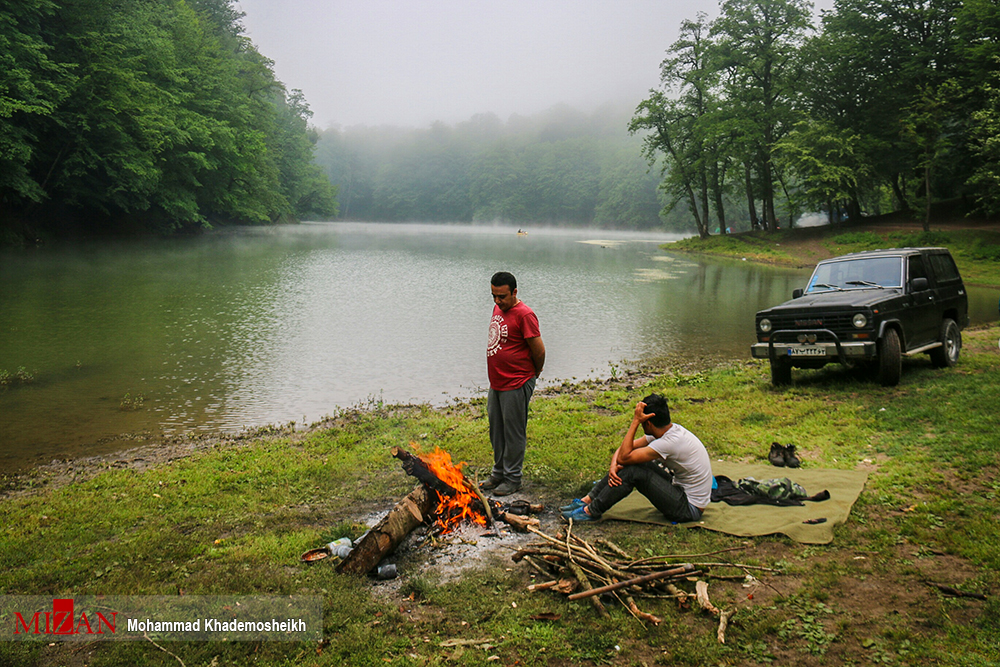
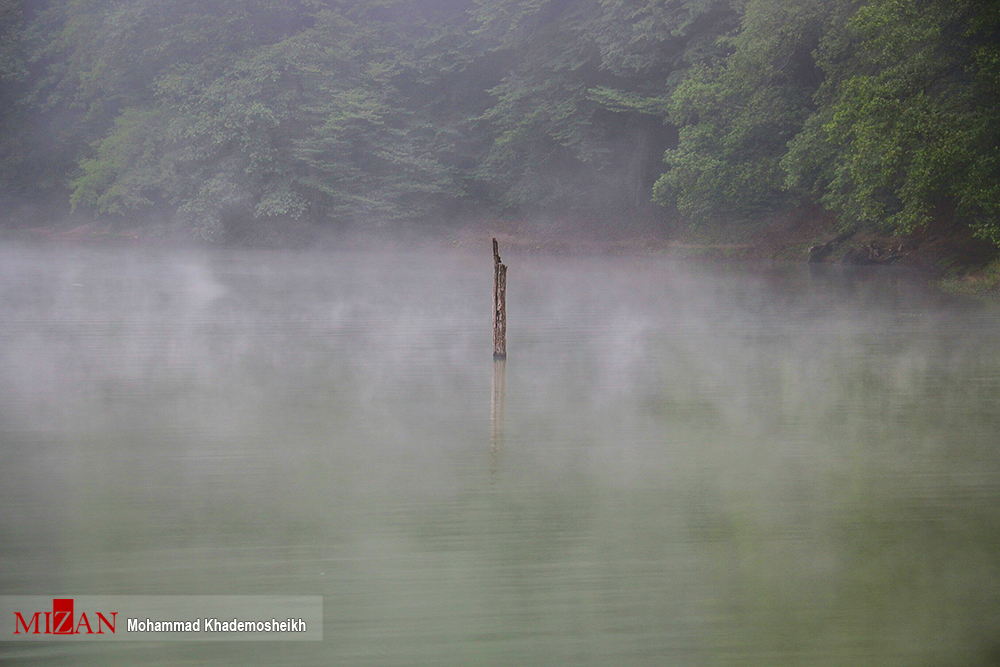
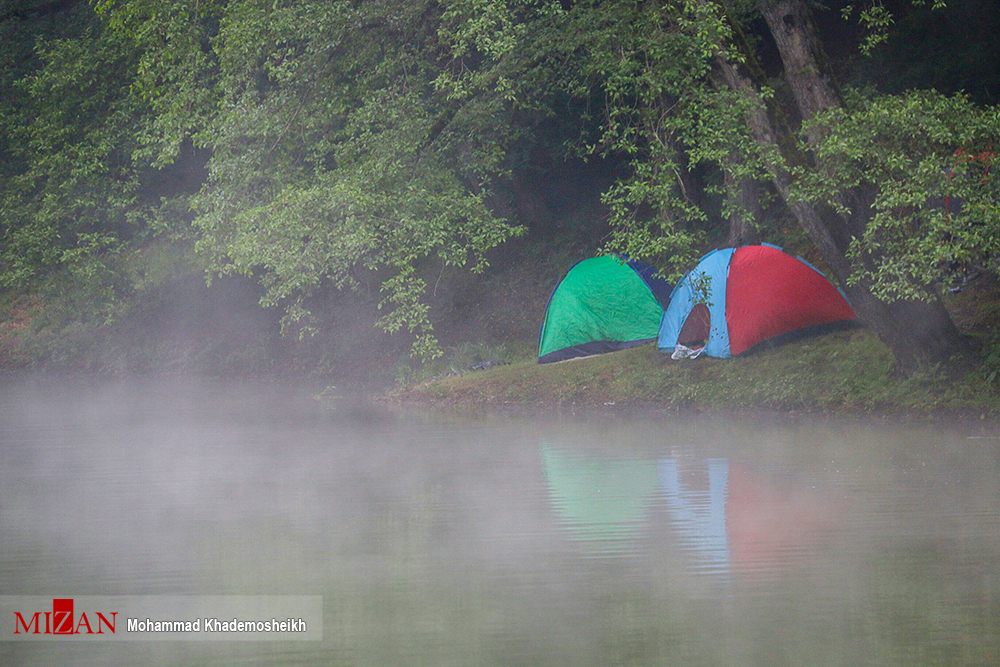
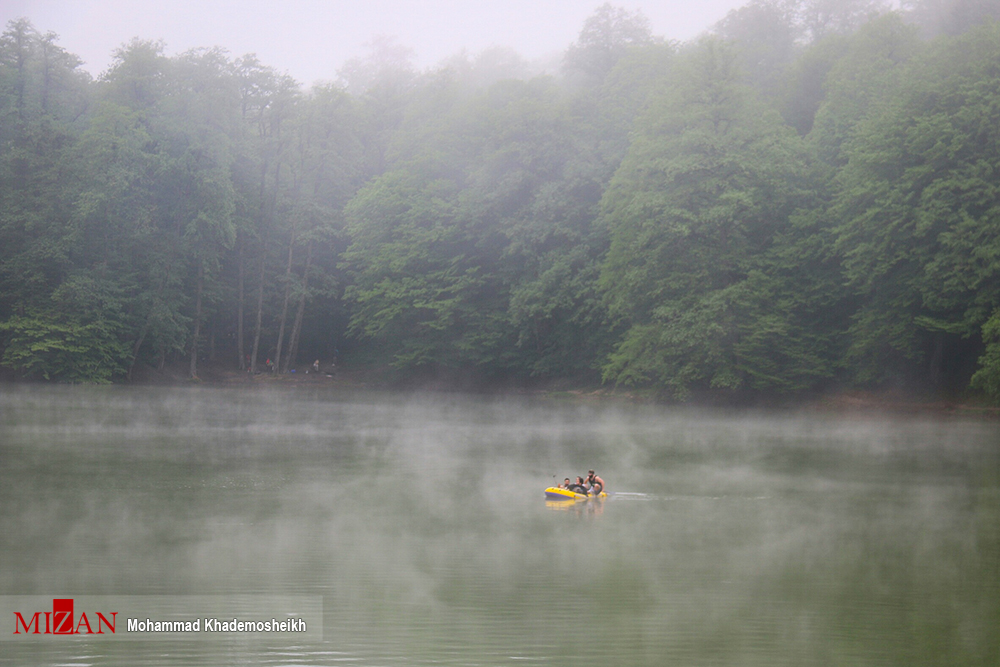
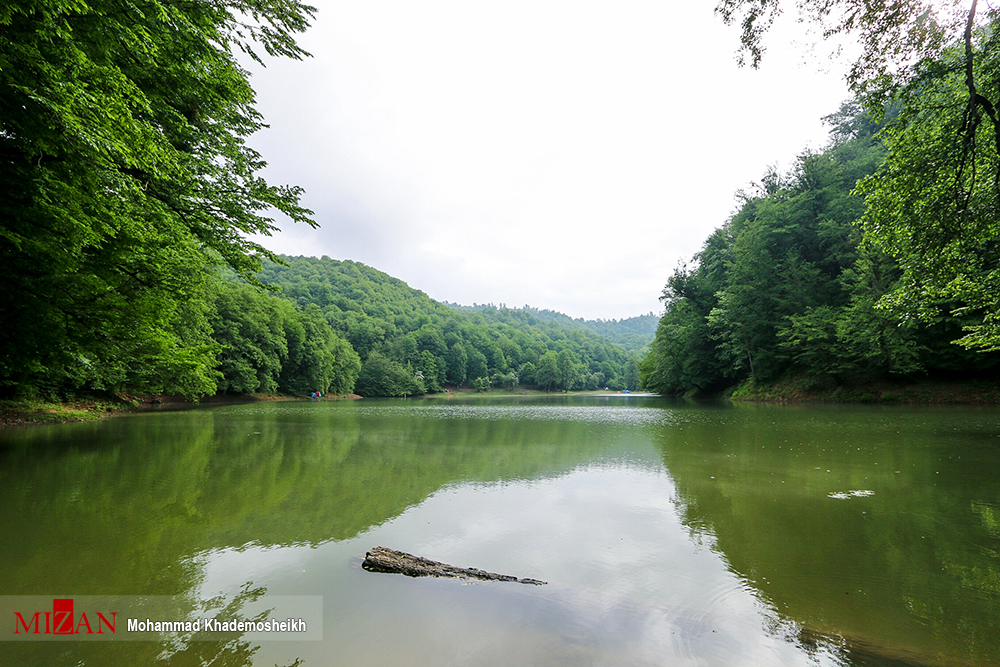
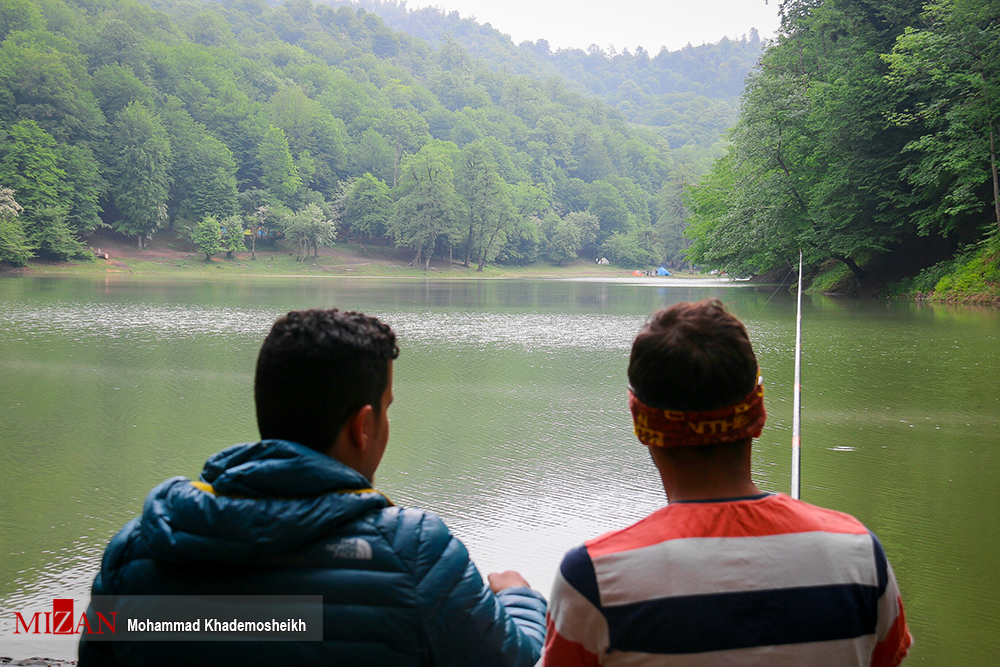
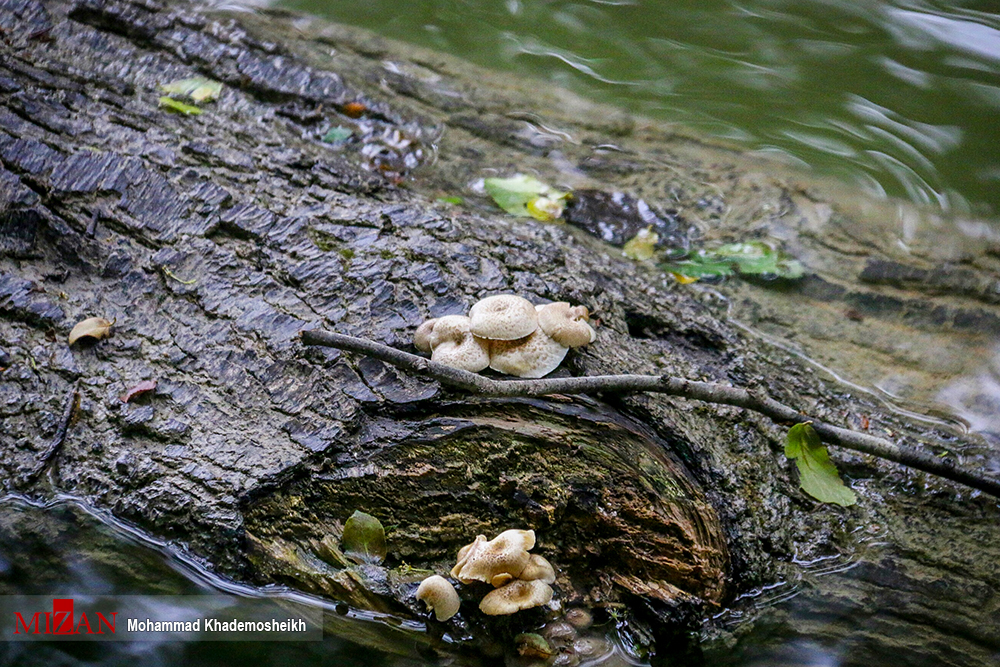
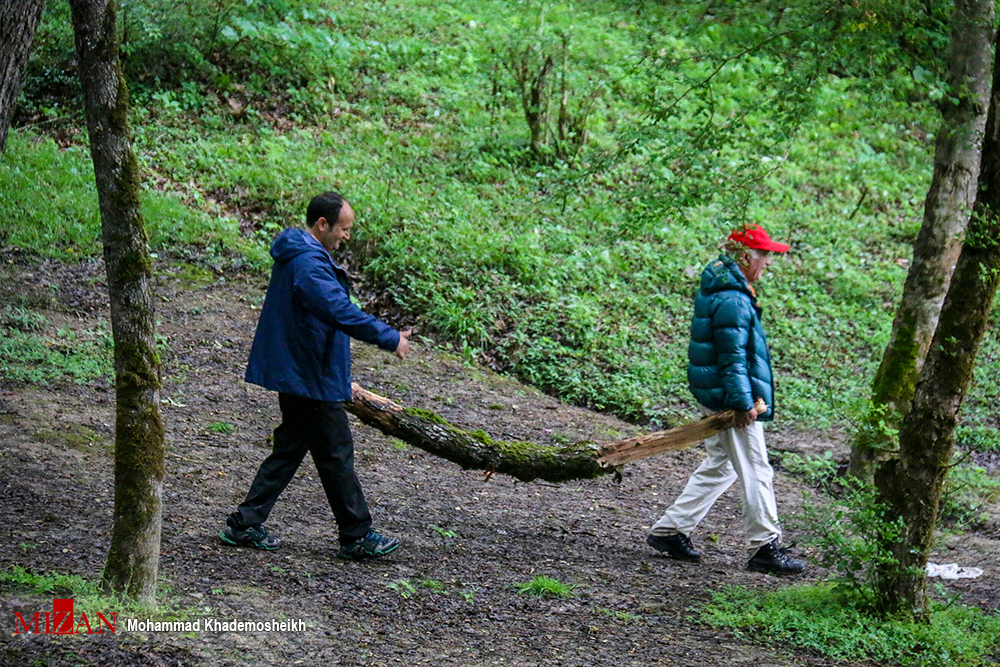
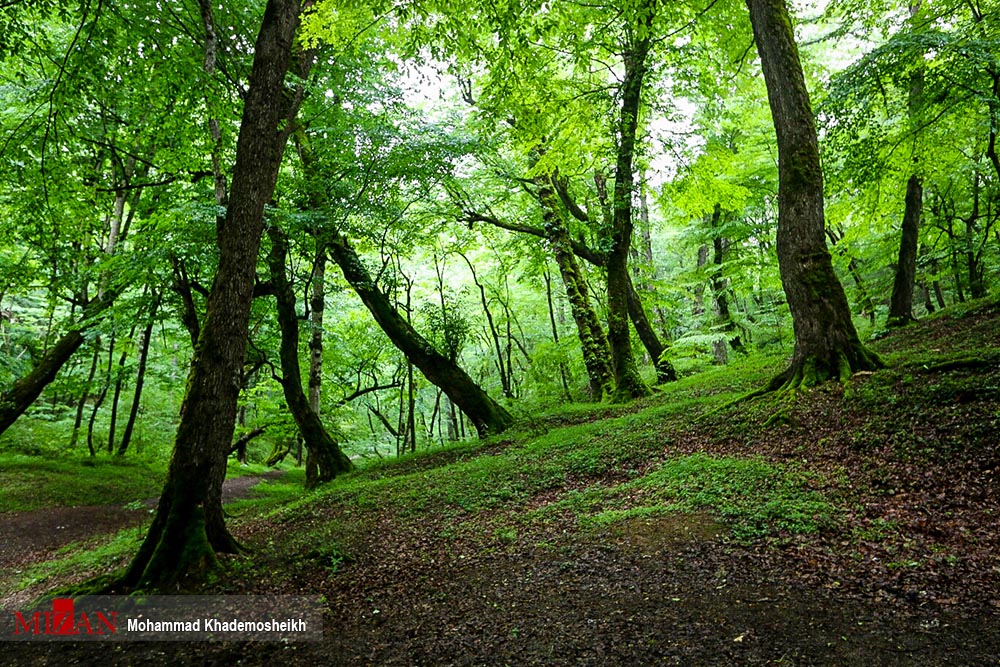
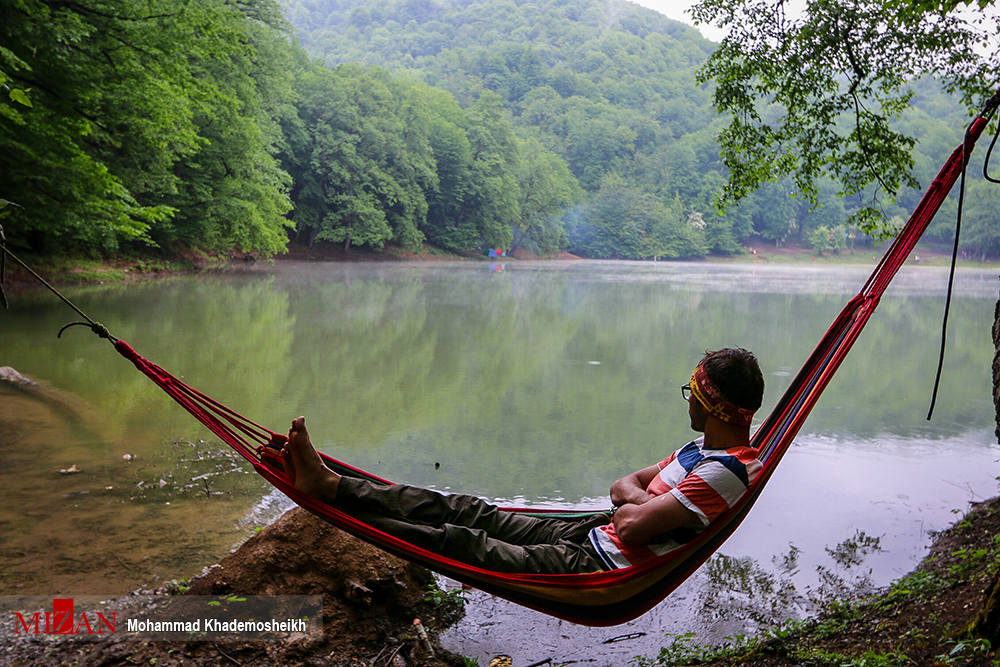
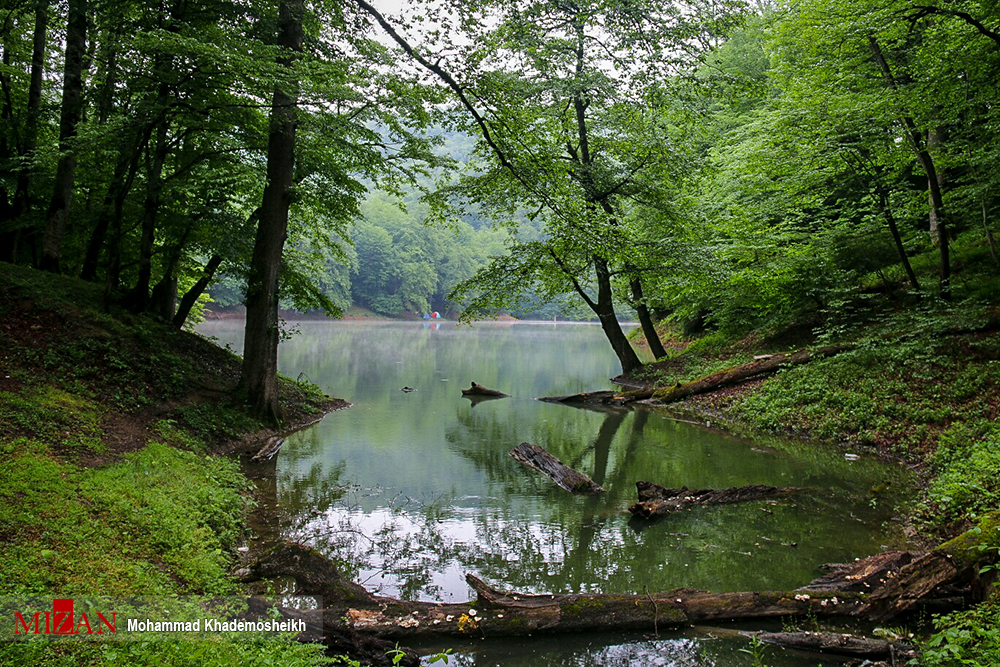
Iran’s Beauties in Photos: Churat Lake

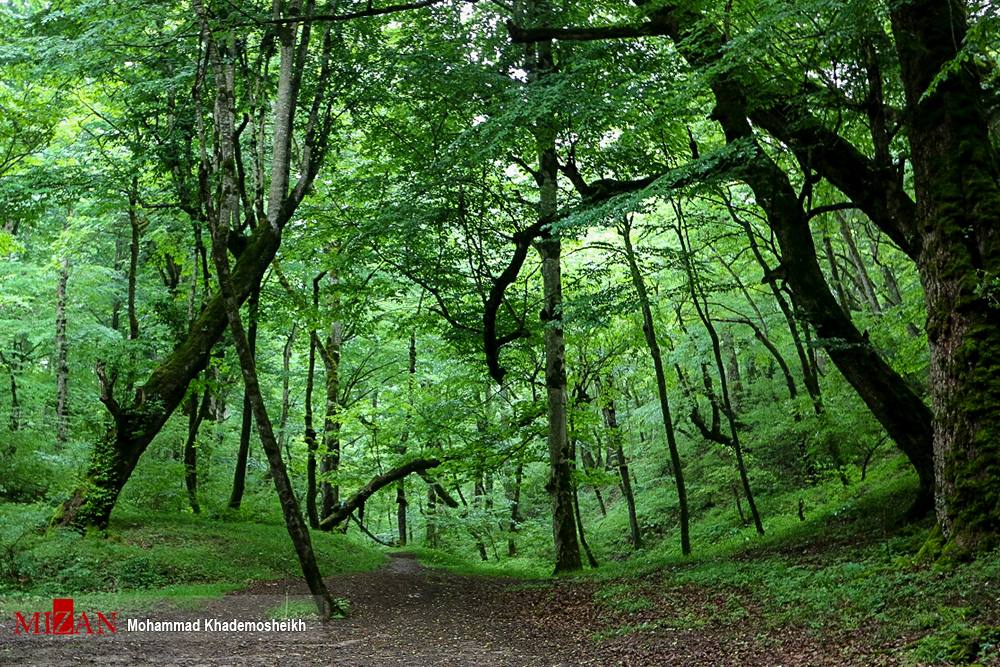
Located between the cities of Sari and Kiasar, the Lake lies 350km away from the Iranian capital city of Tehran at the heart of virgin forests of Churat village.

The lake was formed in 1939 after an earthquake and landslide in the area.

Here are Mizan’s photos of the beautiful lake:

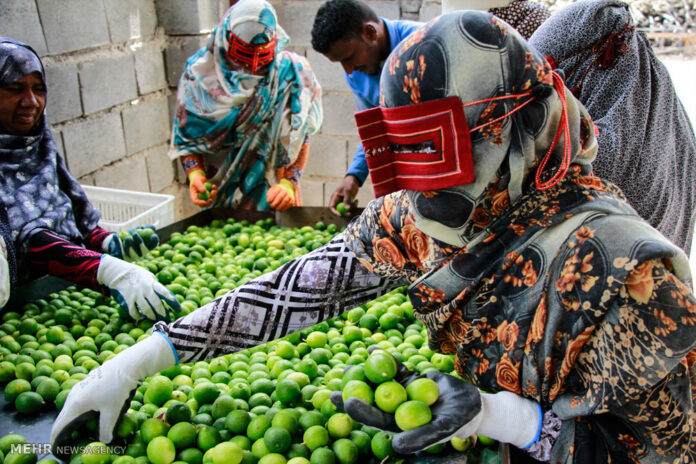
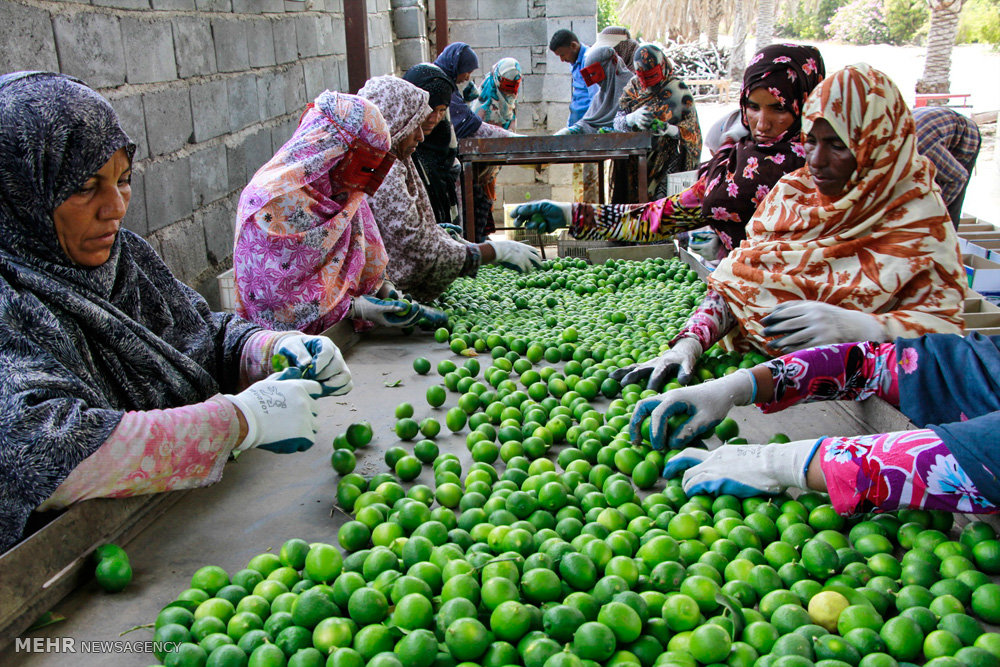
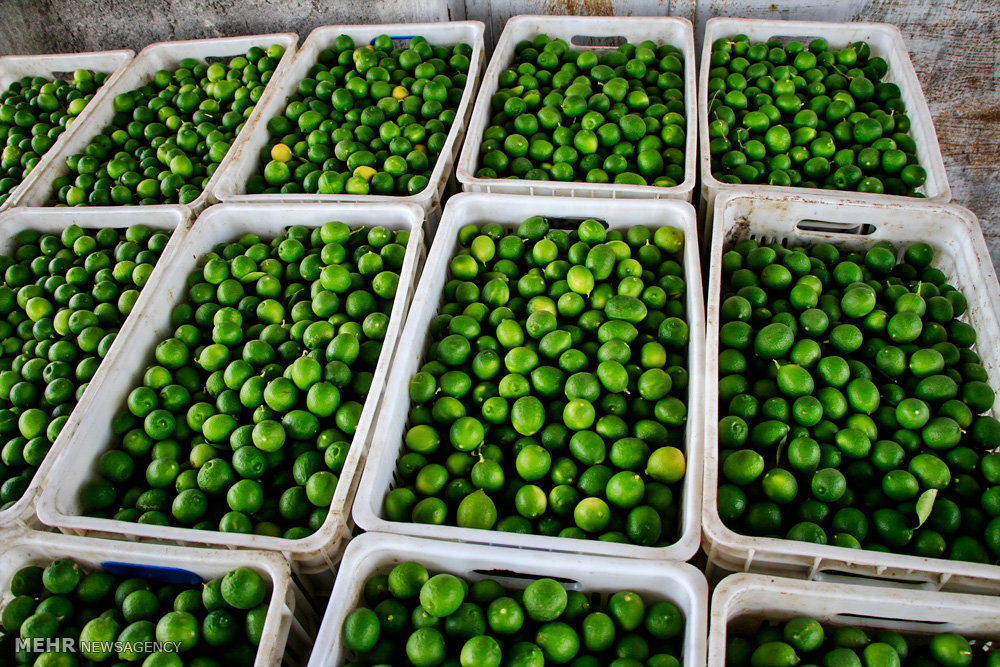
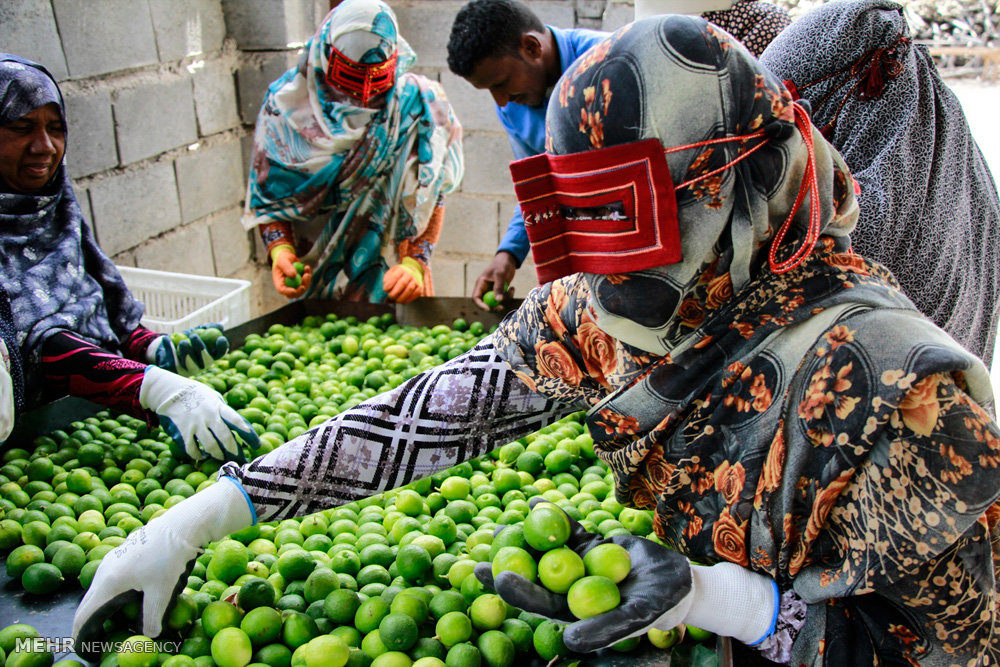
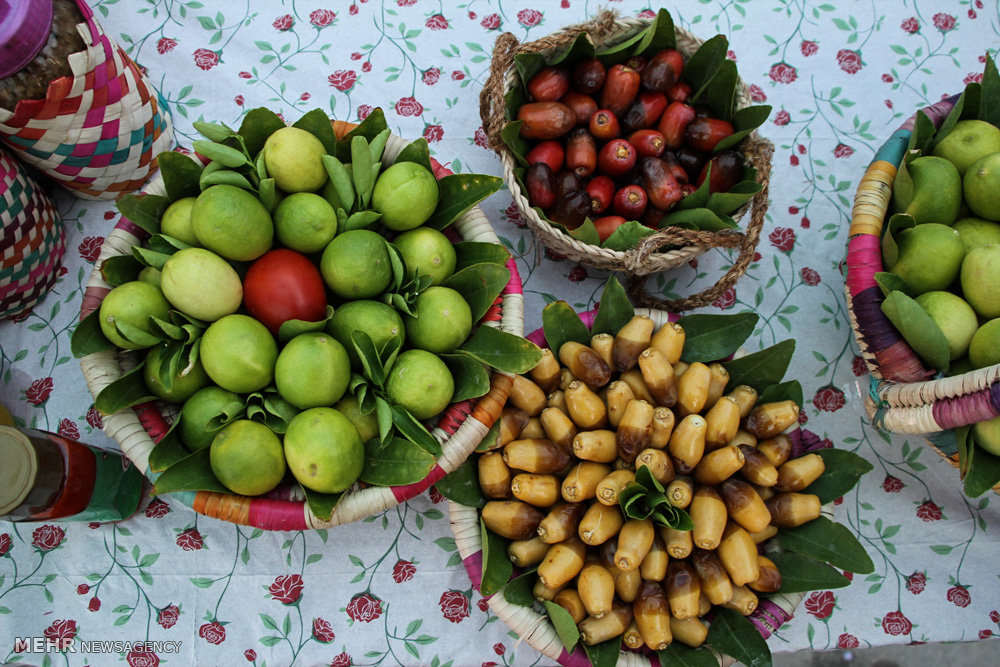
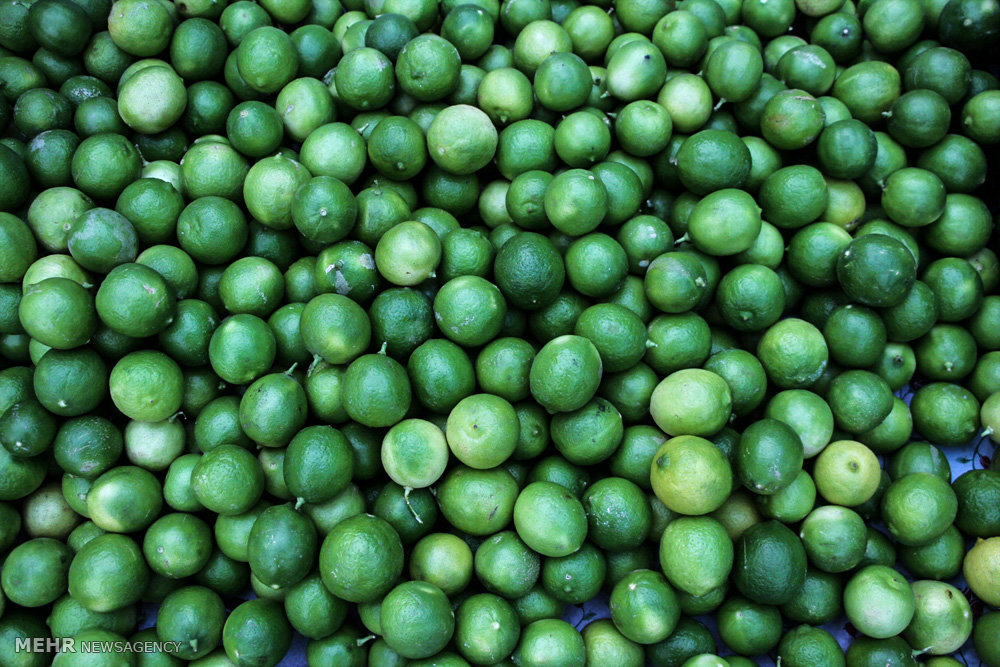
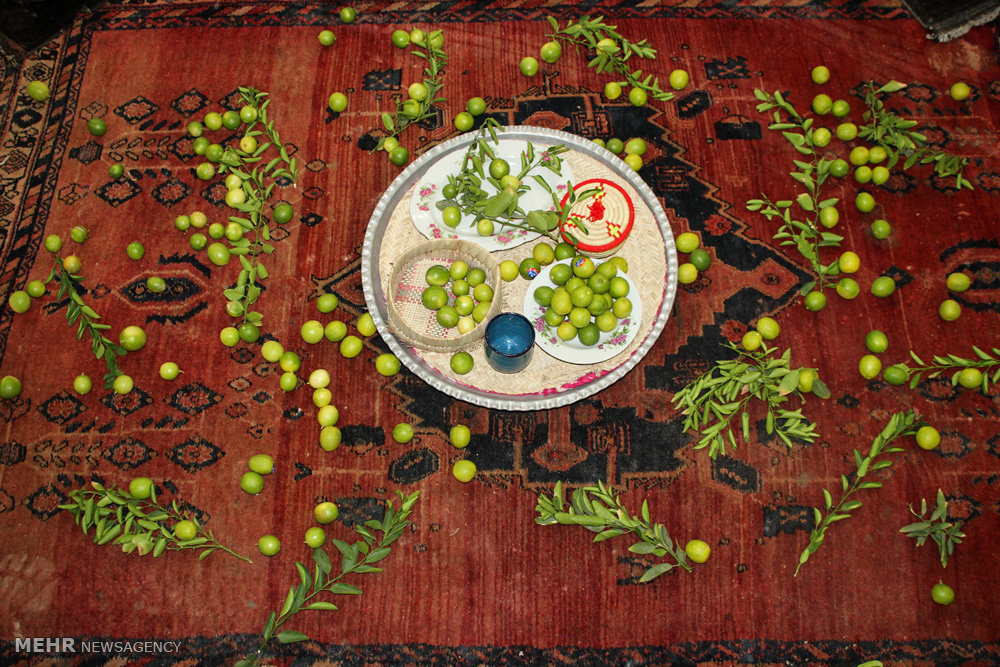
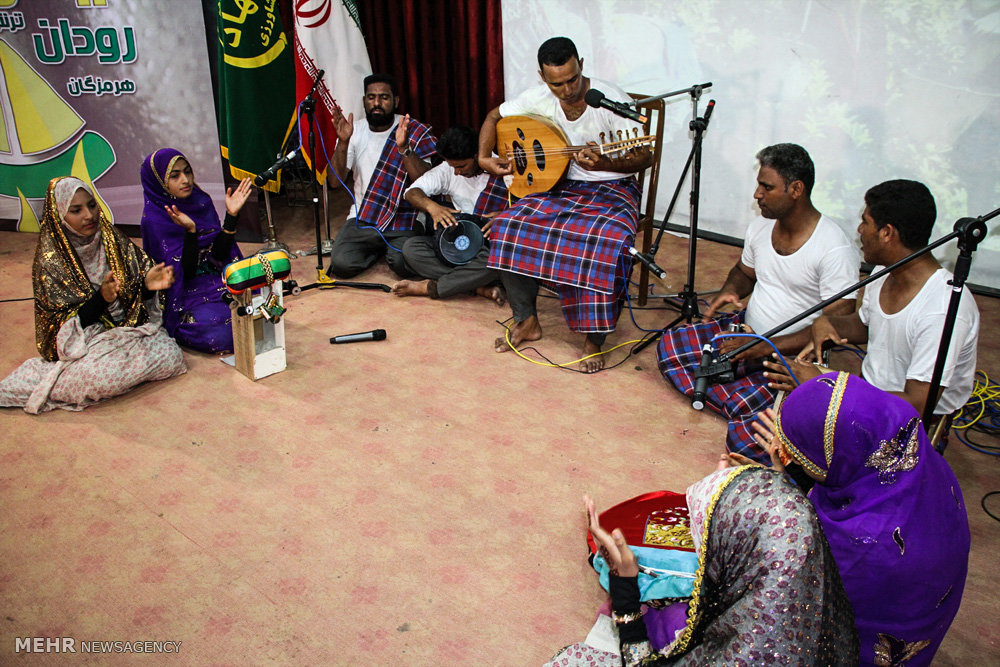
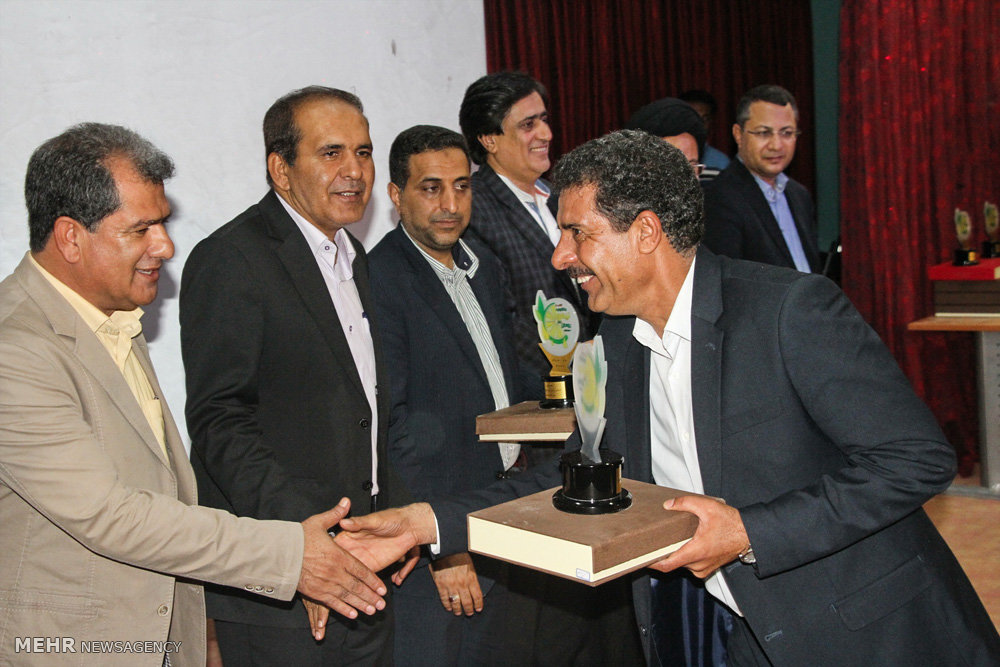
First Lemon Festival Held in Southern Iran

Several Iranian lawmakers and provincial officials took part in the lemon festival held on August 11, according to a Farsi report by IANA.

Among the Iranian MPs who attended the festival were Tehran’s representative in the Parliament, Fatemeh Zolqadr, as well as those of Hormozgan Province.

Commenting on the festival, Abbas Moayyedi, the director of Rudan County’s Agricultural Jihad Organization, said the holding of the festival was aimed at increasing public knowledge of Rudan’s lemon which has a very high quality, plays a very significant role in the economic prosperity of the county and the province, and creates high added value.

He went on to say that Hormozgan Province accounts for 42 percent of Iran’s lemon production, putting the province’s share of global lemon output at 2 percent.

Moayyedi said some 100,000 tonnes of lemon is expected to be harvested from the province’s farmlands by September 22, 2017.

Here are Mehr’s photos of the festival:

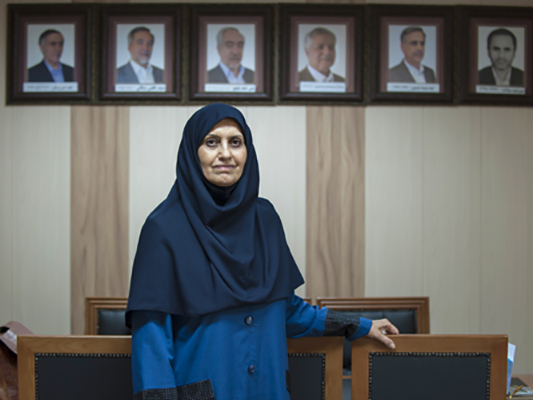
How Iran Standards Institute Gets Its First-Ever Female Chief

How Iran Standards Institute Gets Its First-Ever Female Chief The female chief of the Institute of Standards & Industrial Research of Iran (ISIRI) has narrated the story of how she applied for a job at the Institute and finally became the first-ever woman to head the important body. Nayyereh Pirouzbakht is the first Iranian woman to head of ISIRI. In a Farsi interview with the Shahrvand daily newspaper, she said she has achieved the post without nepotism. “I applied for a job in the ISIRI after coming across an advertisement in a daily paper. I made progress in my job step by step. First, I was employed as an expert in one of ISIRI’s laboratories.” “My last post before becoming the ISIRI chief was the general manager of the department responsible for evaluation of the quality of exported and imported goods,” Pirouzbakht went on to say. “President Rouhani’s executive deputy introduced me to the cabinet as the head of ISIRIR and they endorsed me,” she said. As regards the ISIRI’s status after the nuclear deal between Tehran and world powers and the removal of anti-Iran sanctions, Pirouzbakht said today ISIRI is deemed as an important and leading organization across the world so much so that no meeting on standards is held without Iran’s presence. “Interestingly, after US President Donald Trump’s travel ban prevented Iranians from entering the US, the ISO convened its meeting in France instead of the US so that the Iranian representative could participate,” she noted. Pirouzbakht said during its 57-year life, the ISIRI has set 32,000 standards of which 13,000 were set only over the past three years. “This means that the government of president Rouhani has set about one-third of all the national standards established over the past nearly 60 years,” she said. According to Pirouzbakhat, after 15 years of active diplomacy, Iran has managed to achieve the coordinating role of the Committee for Near East, CODEX Alimentarius. “This comes 46 years after Iran joined ISO,” she noted. When asked about the quality of some standard products, she said you can’t compare the Iranian-made goods with, for example, those of Japan but the Iranian producers are capable of making progress if people support them by purchasing their products. Referring to the number of goods produced based on Iranian national standards, she said at present about 1,000 Iranian-made goods and 8,000 imported goods are produced within Iranian national standards. “In fact, there are 1,700 seeds of imported goods with each including 5 goods. To put it differently, we have 8,500 imported goods produced as per our national standards,” she added. Car Industry Standards; Impact of Sanctions She went on saying that setting standards for domestically produced vehicles has been one of the most challenging tasks of ISIRI over the past years, and added, “I personally don’t cast doubt on the quality of our vehicles but to promote their quality, we have already put together a plan in cooperation with Policy-Making Council of Auto-Making Industry. As per the plan, which has been implemented since March 20th, we will monitor the industry more seriously.” She went on to say that the number of standards set for the vehicles in Iran will increase to 83 in the near future and added the production of the vehicles violating the standards would be stopped. Pirouzbakht pointed to some reports on the import of non-standard vehicles into Iran under international sanctions and said the number of imported non-standard vehicles doubled during the sanctions. “The sanctions inflicted a heavy blow on our country because most of the vehicles which used to be imported from the Europe began to be imported from third countries like the UAE and other Persian Gulf states without going through the standardized procedures,” she noted. According to Pirouzbakht, the standards of the regional states in auto industry are not acceptable for Iran. “To cope with the problem, we have done our best to stop the trend. Today, if you check the website of Iran’s Industry Ministry, you will find out that the number of imported vehicles have decreased over the past year,” she said. The sanctions inflicted a heavy blow on Iran because most of the vehicles which used to be imported from Europe began to be imported from third countries like the UAE and other Persian Gulf states whose standards in auto industry are not acceptable for Iran. The head of ISIRI also referred to the rumours about the safety of the Iranian food products, particularly on the cyberspace, and said the ISIRI has been conducting various tests on the Iranian food markets and production processes. “Today, the quality of our food industry is making considerable progress day by day and the producers observe the standards set by the ISIRI strictly. The progress is even more tangible in our export markets. Today, the export markets admit that the quality of our foods has improved significantly compared with previous years. Now we can compete with other international food industry in terms of quality.” “Sometimes, our food standards are more accurate compared with foreign standards. Meanwhile, we are active in Halal industry and this promotes our status compared with others. I recommend our people not to take seriously the rumours on the cyberspace,” she added. Pirouzbakht concluded that the ISIRI has set up a special unit to register the complaints filed against it and added, “We follow up the complaints immediately and fine any producer violating our standards.”

Nayyereh Pirouzbakht is the first Iranian woman to head of ISIRI. In a Farsi interview with the Shahrvand daily newspaper, she said she has achieved the post without nepotism.

“I applied for a job in the ISIRI after coming across an advertisement in a daily paper. I made progress in my job step by step. First, I was employed as an expert in one of ISIRI’s laboratories.”

“My last post before becoming the ISIRI chief was the general manager of the department responsible for evaluation of the quality of exported and imported goods,” Pirouzbakht went on to say.

“President Rouhani’s executive deputy introduced me to the cabinet as the head of ISIRIR and they endorsed me,” she said.

As regards the ISIRI’s status after the nuclear deal between Tehran and world powers and the removal of anti-Iran sanctions, Pirouzbakht said today ISIRI is deemed as an important and leading organization across the world so much so that no meeting on standards is held without Iran’s presence.

“Interestingly, after US President Donald Trump’s travel ban prevented Iranians from entering the US, the ISO convened its meeting in France instead of the US so that the Iranian representative could participate,” she noted.

Pirouzbakht said during its 57-year life, the ISIRI has set 32,000 standards of which 13,000 were set only over the past three years. “This means that the government of president Rouhani has set about one-third of all the national standards established over the past nearly 60 years,” she said.
According to Pirouzbakhat, after 15 years of active diplomacy, Iran has managed to achieve the coordinating role of the Committee for Near East, CODEX Alimentarius. “This comes 46 years after Iran joined ISO,” she noted.

When asked about the quality of some standard products, she said you can’t compare the Iranian-made goods with, for example, those of Japan but the Iranian producers are capable of making progress if people support them by purchasing their products.

Referring to the number of goods produced based on Iranian national standards, she said at present about 1,000 Iranian-made goods and 8,000 imported goods are produced within Iranian national standards. “In fact, there are 1,700 seeds of imported goods with each including 5 goods. To put it differently, we have 8,500 imported goods produced as per our national standards,” she added.


Car Industry Standards; Impact of Sanctions

She went on saying that setting standards for domestically produced vehicles has been one of the most challenging tasks of ISIRI over the past years, and added, “I personally don’t cast doubt on the quality of our vehicles but to promote their quality, we have already put together a plan in cooperation with Policy-Making Council of Auto-Making Industry. As per the plan, which has been implemented since March 20th, we will monitor the industry more seriously.”

She went on to say that the number of standards set for the vehicles in Iran will increase to 83 in the near future and added the production of the vehicles violating the standards would be stopped.

Pirouzbakht pointed to some reports on the import of non-standard vehicles into Iran under international sanctions and said the number of imported non-standard vehicles doubled during the sanctions.

“The sanctions inflicted a heavy blow on our country because most of the vehicles which used to be imported from the Europe began to be imported from third countries like the UAE and other Persian Gulf states without going through the standardized procedures,” she noted.

According to Pirouzbakht, the standards of the regional states in auto industry are not acceptable for Iran. “To cope with the problem, we have done our best to stop the trend. Today, if you check the website of Iran’s Industry Ministry, you will find out that the number of imported vehicles have decreased over the past year,” she said.


The sanctions inflicted a heavy blow on Iran because most of the vehicles which used to be imported from Europe began to be imported from third countries like the UAE and other Persian Gulf states whose standards in auto industry are not acceptable for Iran.


The head of ISIRI also referred to the rumours about the safety of the Iranian food products, particularly on the cyberspace, and said the ISIRI has been conducting various tests on the Iranian food markets and production processes.

“Today, the quality of our food industry is making considerable progress day by day and the producers observe the standards set by the ISIRI strictly. The progress is even more tangible in our export markets. Today, the export markets admit that the quality of our foods has improved significantly compared with previous years. Now we can compete with other international food industry in terms of quality.”

“Sometimes, our food standards are more accurate compared with foreign standards. Meanwhile, we are active in Halal industry and this promotes our status compared with others. I recommend our people not to take seriously the rumours on the cyberspace,” she added.

Pirouzbakht concluded that the ISIRI has set up a special unit to register the complaints filed against it and added, “We follow up the complaints immediately and fine any producer violating our standards.”

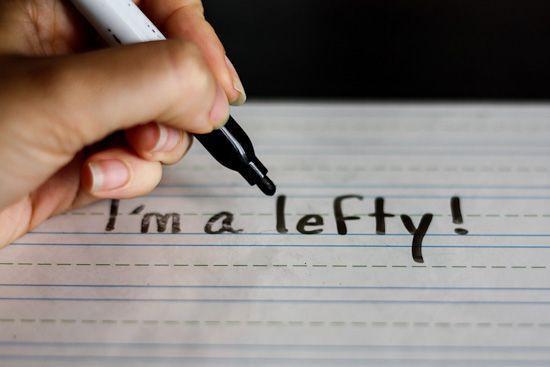
Iranian Left-Handers Call for Recognition in National Calendar

Iranian Left-Handers Call for Recognition in National Calendar

In a letter to the Secretariat of Iran’s Supreme Council of Cultural Revolution, the Left-Handers Club asked for the recognition of August 13 as the Left-Handers Day in Iranian calendar.

According to a Farsi report by ISNA, the head of the Left-Handers Club, Farzaneh Massoumian, said based on a UN approval, August 13 has been marked as the international Left-Handers Day since 1976.

“The reason for the decision is that all facilities and equipment across the cities have been designed for right-handers (like driving seat, traffic regulations and the furniture in the banks as well as departments). This has forced the left-handers to handle their affairs with their right hand,” she said.

Massoumian went on saying that one of the main themes of this day is fighting against superstitions about the left-handers.

She also said in a letter to the Iran’s Centre for Statistics, the club has called for redesigning the census questionnaires by 2021 to count the left-handers in Iran.

Massoumian noted that the officials in charge have promised to make the requested changes.

“A large number of participants in various exams including University Entrance Exam are left-handers,” she said, adding during the exams these participants are not provided with appropriate chairs.

“This comes as before the exams, the participants were asked to note whether or not they are left-handers,” Massoumian said.

She also stressed that at present the club has about 20 thousand left-hander members, adding the club plans to draw on the capabilities of its members to support them and expand its own operation.

The first gathering of the Iranian left-handers was held on Sunday, August 13, the international Left Hander Day.

Saudi Crown Prince Asks Iraq to Mediate between Tehran, Riyadh

Speaking after a meeting with his Iranian counterpart in Tehran on Sunday, al-Araji referred to his recent visit to Saudi Arabia and his meeting with bin Salman, and said, “He officially asked for Iraq’s mediation between Iran and Saudi Arabia to ease tensions.”

“Saudi King Salman had earlier made the same request, but I told them you should show the best behavior towards Iranian pilgrims and allow them to visit Jannat al-Baqi‘ cemetery,” he noted, according to a Farsi report by ISNA.

“The Saudi side has made certain promises in this regard, and the doors to the cemetery are already open to Iranian pilgrims,” al-Araji said, adding that Tehran-Riyadh friendly relations will help ensure regional security.

Iranian Interior Minister Abdolreza Rahmani Fazli, for his part, highlighted the importance of respecting and maintaining the dignity of Iranian Hajj pilgrims, saying Tehran has always sought cordial relations with Saudi Arabia.

“Iran’s policy is to have effective cooperation with regional states, and Tehran has never been the first to sever its relations with others,” he added.

He also expressed the hope that regional countries would join hands and seek to resolve the problems of Muslims while enjoying their people’s support and avoiding the real enemies of Islam.

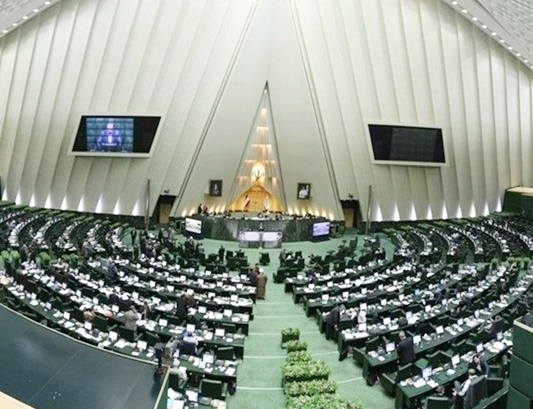
Iran Parliament Passes Motion to Counter US Measures

Iranian Parliament

The motion was passed during an open parliamentary session on Sunday morning. The 27-article draft was endorsed after it was brought forward in Parliament by the National Security and Foreign Policy Commission in July.

The move came after the US House of Representatives and then the Senate passed a sweeping package of bills on sanctions against Iran, Russia, and North Korea.

The US legislation would impose mandatory penalties on people involved in Iran’s ballistic missile program and anyone who does business with them.

Parliament Speaker Ali Larijani said the parliament’s vote to approve the motion was just the first step, adding that if Washington proceeds with its anti-Tehran policies, the law will take effect.

Larijani hailed efforts made by the lawmakers, particularly those who drafted the legislation, and expressed his gratitude to the parliamentarians who participated in the voting.

He further said American officials should be aware that the legislation was just the first step against anti-Iran measures.

The parliament has approved 16 measures that Tehran will take to counteract Washington’s hostile acts against the Islamic Republic, Larijani said, according to Tasnim.

He went on to say that according to the law, the Iranian administration is obliged to monitor the US government’s anti-Iran measures and counteract them accordingly.


Foreign Ministry Hails Parliament’s ‘Wise’, ‘Appropriate’ Move

Deputy Foreign Minister for Legal and International Affairs Seyyed Abbas Araqchi said the government fully supports the new law passed by the parliament against the US terrorist and adventurous measures in the region, describing it as a “wise” and “appropriate” move against Washington’s enmities towards Iran.

“I believe this law is an appropriate and wise response to the US hostilities (against Iran),” he noted following the bill’s approval.