Saturday, April 25, 2026
Home Blog Page 3870

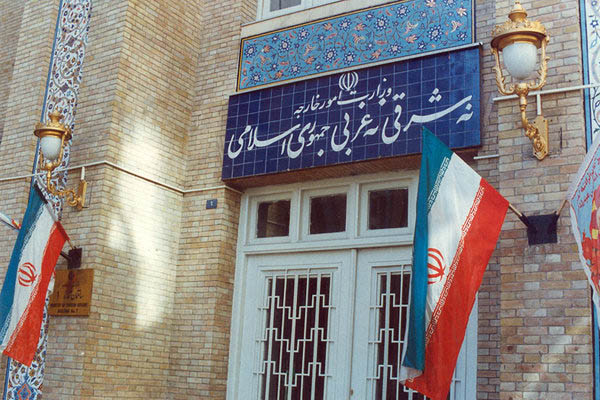
Iran Responds to Trump’s New Strategy

Iran Appoints Female Ambassador to Denmark

Here is the full text of Iran’s response to the United States’ new strategy:

1) The principled policy of the Islamic Republic of Iran is supporting regional peace and stability and countering destabilizing and divisive measures aimed at creating tension and conflict in the Middle East. Therefore, decisive fight against ISIS and other terrorist groups in the region has been the Islamic Republic’s major priority. This is while the United States’ policies, particularly its support for terrorist groups and repressive regimes, have been among the root causes of instability in the Middle East. The US cannot evade its responsibilities by raising accusations against others and should be held accountable for its wrong policies.

2) Within the past decades, the US policy of supporting the Zionist regime and other authoritarian and repressive governments in the region has led to constant outbreak of wars and conflicts on the one hand, and emergence of the inauspicious phenomenon of terrorism on the other hand. Washington’s regional friends and allies are the creators and main sponsors of international terrorism, to which even American citizens inside the US territory have not remained immune. The United States’ continuation of this policy is a historic strategic mistake with dire consequences for the region and the world.

3) Iran’s missile power merely serves defensive and deterrent purposes. This capability has indeed played an effective role in the path of [securing] regional peace and stability so far. Without such capability, it was not clear where the region would be led to by the immature thoughts and ambitions of certain pampered regional leaders. The Islamic Republic of Iran is serious in maintaining and developing its defensive and security capabilities, and in this path, it only pays attention to its national security considerations and the Iranian people’s interests.

4) The Armed Forces of the Islamic Republic of Iran, including the Islamic Revolution Guards Corps (IRGC), are manifestations of power and might and protectors of the country’s security. The government and the entire nation of Iran strongly support these forces. Any move against the Islamic Republic’s Armed Forces, including the IRGC, would receive Iran’s appropriate and strong response.

5) The principled and permanent policy of the Islamic Republic of Iran is countering Weapons of Mass Destruction in all parts of the world and moving towards global disarmament. This policy is the basis of the Joint Comprehensive Plan of Action (JCPOA), and Iran’s compliance [with the nuclear deal] has been confirmed for eight times by the only supervisory authority [IAEA]. On the other hand, the US non-compliance with the deal and its repeated violation of the spirit and text of the JCPOA is clear and evident, instances of which have been recorded within the past one and a half years in nine letters sent by the Iranian foreign minister to the EU foreign policy chief as the coordinator of JCPOA. In every single case [of these violations], the Islamic Republic of Iran has taken reciprocal measures based on its interests, and it will do so in the future without any consideration. Iran’s options are quite various, and if necessary, they will include putting an end to all commitments in this regard.

6) Today, the US is more isolated than ever in the international community, and the entire world has come to know that the Islamic Republic of Iran’s policies were right. The world saw within the past few weeks that most countries of the world supported the nuclear deal and the Islamic Republic and voiced their opposition to the US policies. The international community has known the Islamic Republic of Iran as a rational and wise player in the global arena which is striving for peace, and does not pay heed to the policies of players who make themselves more isolated everyday by withdrawing from a treaty or international body.

7) It is totally clear and undeniable that Iran and the US pursue different policies towards many regional and global issues. Since the 1979 Islamic Revolution in Iran, the US administrations have turned these differences into clear hostility towards the Iranian nation through their back-to-back miscalculations. Despite such hostile policies, two of whose main features have been threat and sanction, the Iranian people have proceeded with their quest for independence and justice. By relying on its domestic capabilities and popular support, the Islamic Republic of Iran today has become more powerful than ever under the wise leadership of the Leader of the Islamic Revolution. After Imam Khomeini, the Islamic Republic of Iran owes its robust and dignified progress in the contemporary era to the lofty guidelines of Ayatollah Khamenei whose anti-arrogance stances and strong opposition to the US government’s regional and global policies in different eras have been indeed the main reason for the US leaders’ hostility towards Iran’s Leader. The US policies in the Middle East and other parts of the world have yielded no result but bloodshed and misery for the people of the world. The new US leaders had better remember the lessons of the past four decades and not forget that their predecessors, who put themselves against the Iranian people by repeating similar impudent remarks about the Leader of the Islamic Revolution, were finally embarrassed and forced to take back their comments.
IRGC Blacklisting Tantamount to Declaration of War: Iran

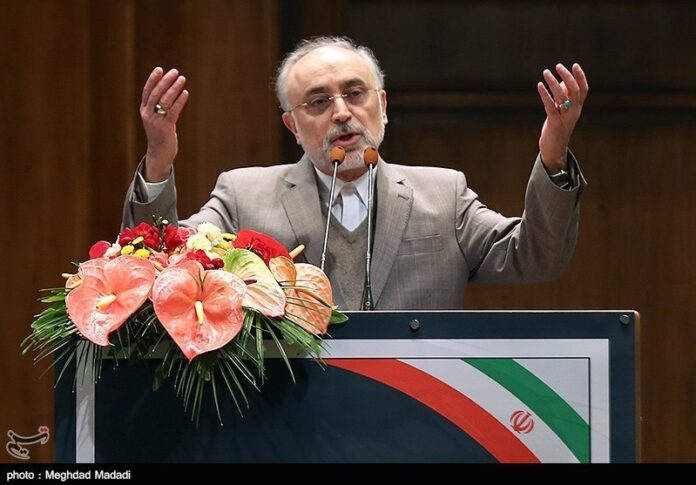
Speaking at a meeting with a group of British analysts and media figures in London on Thursday, Salehi said that the designation of the IRGC as a terror group would be another sign of the US government’s hostile behavior toward the Iranian nation.

“Given that the army and (other) armed forces of a country are guarantors of its security, the (possible) move (by the US to designate IRGC forces as terrorists) is tantamount to a declaration of war,” he noted.

US President Donald Trump is expected on October 15 to “decertify” a landmark 2015 international deal about Iran’s nuclear program, known as the Joint Comprehensive Plan of Action (JCPOA).

Trump is also expected to designate the IRGC as a terrorist organization, as he rolls out a broader, more hawkish US strategy on Iran.

In comments on Sunday, IRGC Commander Major General Mohammad Ali Jafari said if speculations about the US administration’s “stupid decision” to designate the IRGC as a terrorist organization are true, the IRGC will, in turn, treat the US military around the world, particularly in the Middle East, as Daesh (ISIL) forces.

US Withdrawal to Kill Iran Nuclear Deal: Larijani

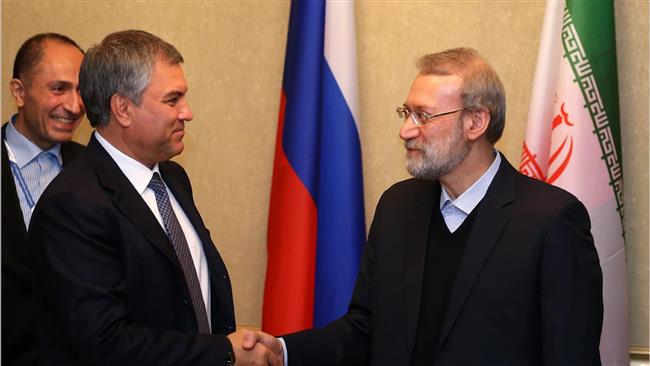
In a Friday meeting with Vyacheslav Volodin, the speaker of the lower house of Russia’s Parliament, Ali Larijani slammed Washington for repeatedly violating the nuclear deal since it took effect in January 2016. “If the US fails agreements on the Joint Comprehensive Plan of Action (JCPOA) on the Iranian nuclear program, nothing will remain from the deal," said Larijani. The two senior parliamentarians further discussed Iran-Russia parliamentary ties and other bilateral issues, including Washington’s hostile policies against Tehran and Moscow. The deal between Iran and the P5+1 group of countries -- the US, the UK, France, Russia, and China plus Germany -- lifted nuclear-related sanctions against Iran, which, in turn, placed certain limits on its nuclear energy program. Trump has called it an “embarrassment” to the US, and is expected to refuse to certify Iran’s commitment to the deal during a White House speech later in the day. If Trump refuses to certify the deal, the Congress will have 60 days to decide whether to restore the sanctions against the Islamic Republic that the US has agreed to waive. Larijani added, “We would like to thank Russia for its position, as well as (Foreign Minister) Sergei Lavrov, who participated in the P5+1 meeting in New York.” According to the Iranian speaker, during the group’s most recent meeting, Lavrov said "openly and transparently that the US had violated JCPOA.” The Russian speaker slammed Washington’s stance on the JCPOA, as well as the use of sanctions as a tool to advance personal agendas. He said Moscow was against the use of double standards, and understood Iran’s concerns. Trump to step back? Meanwhile, the Middle East Eye news portal quoted US officials as saying Friday that Trump will go ahead and “decertify the deal,” but will shy away from his toughest threat of killing the agreement. Besides the “decertification” of Iran’s compliance with the JCPOA, Trump is also reportedly expected to blacklist Iran’s Islamic Revolution Guards Corps (IRGC). The officials cited in the Friday report however said Trump will stop short of blacklisting the IRGC, but will rather levy limited sanctions.

In a Friday meeting with Vyacheslav Volodin, the speaker of the lower house of Russia’s Parliament, Ali Larijani slammed Washington for repeatedly violating the nuclear deal since it took effect in January 2016.

“If the US fails agreements on the Joint Comprehensive Plan of Action (JCPOA) on the Iranian nuclear program, nothing will remain from the deal,” said Larijani.

The two senior parliamentarians further discussed Iran-Russia parliamentary ties and other bilateral issues, including Washington’s hostile policies against Tehran and Moscow.

The deal between Iran and the P5+1 group of countries — the US, the UK, France, Russia, and China plus Germany — lifted nuclear-related sanctions against Iran, which, in turn, placed certain limits on its nuclear energy program.

Trump has called it an “embarrassment” to the US, and is expected to refuse to certify Iran’s commitment to the deal during a White House speech later in the day.

If Trump refuses to certify the deal, the Congress will have 60 days to decide whether to restore the sanctions against the Islamic Republic that the US has agreed to waive.

Larijani added, “We would like to thank Russia for its position, as well as (Foreign Minister) Sergei Lavrov, who participated in the P5+1 meeting in New York.”

According to the Iranian speaker, during the group’s most recent meeting, Lavrov said “openly and transparently that the US had violated JCPOA.”

The Russian speaker slammed Washington’s stance on the JCPOA, as well as the use of sanctions as a tool to advance personal agendas. He said Moscow was against the use of double standards, and understood Iran’s concerns.

Trump to step back?

Meanwhile, the Middle East Eye news portal quoted US officials as saying Friday that Trump will go ahead and “decertify the deal,” but will shy away from his toughest threat of killing the agreement.

Besides the “decertification” of Iran’s compliance with the JCPOA, Trump is also reportedly expected to blacklist Iran’s Islamic Revolution Guards Corps (IRGC).

The officials cited in the Friday report however said Trump will stop short of blacklisting the IRGC, but will rather levy limited sanctions.

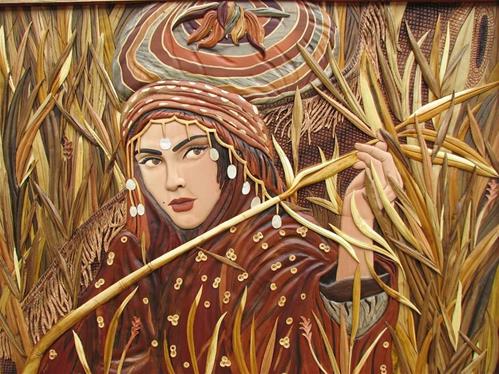
World Craft Council Hails Iran’s Initiative to Call 2018 “Asian Woodcrafts Year”

World Craft Council Hails Iran’s Initiative to Call 2018 “Asian Woodcrafts Year”

“Based on this initiative the year 2018 is named the year of woodcrafts. The decision was made at the board meeting of WCC’s Asia Pacific Region which was held in Kuwait late September,” said Bahman Namvar Motlaq, the deputy head of Iran’s Cultural Heritage, Handicrafts and Tourism Organization.

“We had a good experience in dedicating each year to a handicraft in Iran, and in this way we tried to pay more attention to a special craft alongside others,” IRNA quoted him as saying in a Farsi report.

He added that since the launch of this initiative, the recent years were named as “Year of Precious Stones”, “Year of Textile” and “Year of Rush Matting” in Iran.

“For example, this year, we assured the producers that we purchase their rush matting products, and we got help from domestic creative artists to design their products,” said Namvar Motlaq.

“A large number of our craftsmen in the villages and deprived areas weave rush mats, but because they do not have the experience and knowledge to design their products, they prefer to work in a traditional manner, and as a result their products are not that much beautiful, receiving less attention these days.”

He went on to say that for that reason artists from India and China, who were more skilled in the field of rush mat designing, have been invited to train Iranian craftsmen so as to enable them to use the global knowledge to push ahead.

He emphasized that with this naming process, Iran made good progress in the sales as well as in the designing and aesthetics areas of the rush matting craft.

“When the evaluators and managers of Asia Pacific Region came to Iran, they welcomed our naming scheme and, in light of the positive feedback we received, we set this idea forth at the recent WCC Asia Pacific Region meeting in Kuwait and it was approved,” explained this Iranian official.

He further mentioned that as the meeting of Asia Pacific Region 2018 will be held in Nepal, India and Nepal requested that this year be named as “Year of Woodcrafts” and it was unanimously approved.

“Although we rank lower than Central and South Asian countries such as Pakistan, India, Malaysia, Indonesia, Thailand and China in terms of the volume of woodwork, in terms of quality, sometimes we ranked second as the Iranian artists have been successful in producing high-quality products.”

“Considering that the countries around us such as Turkmenistan, Iraq and Afghanistan are the customers of woodworks made by Iran, there is good potential for a serious activity in this field, which I hope will help to expand this important field of crafts in the country,” he concluded.

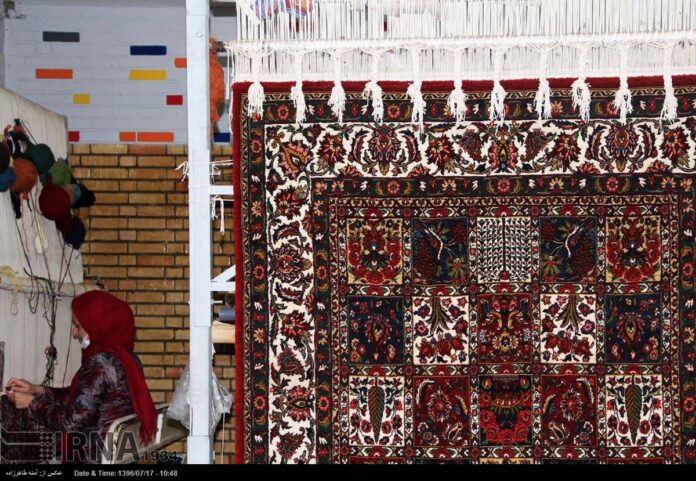
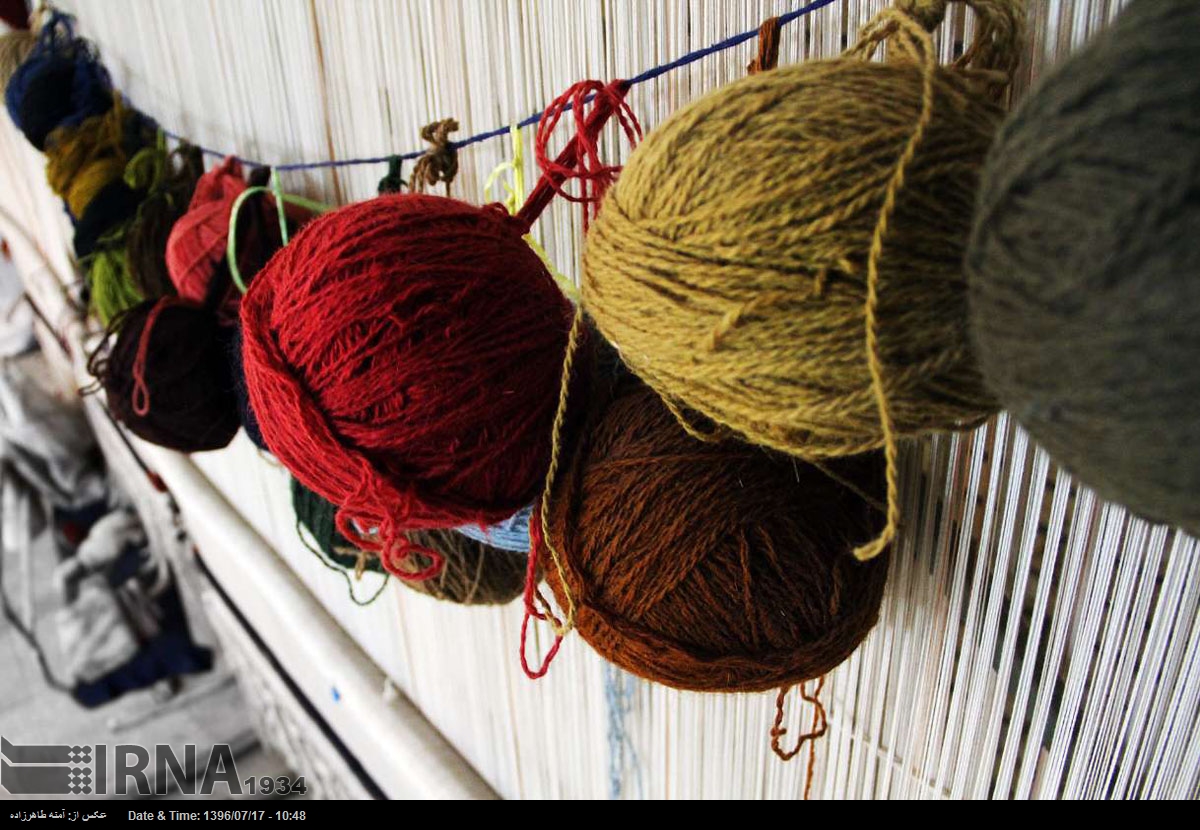
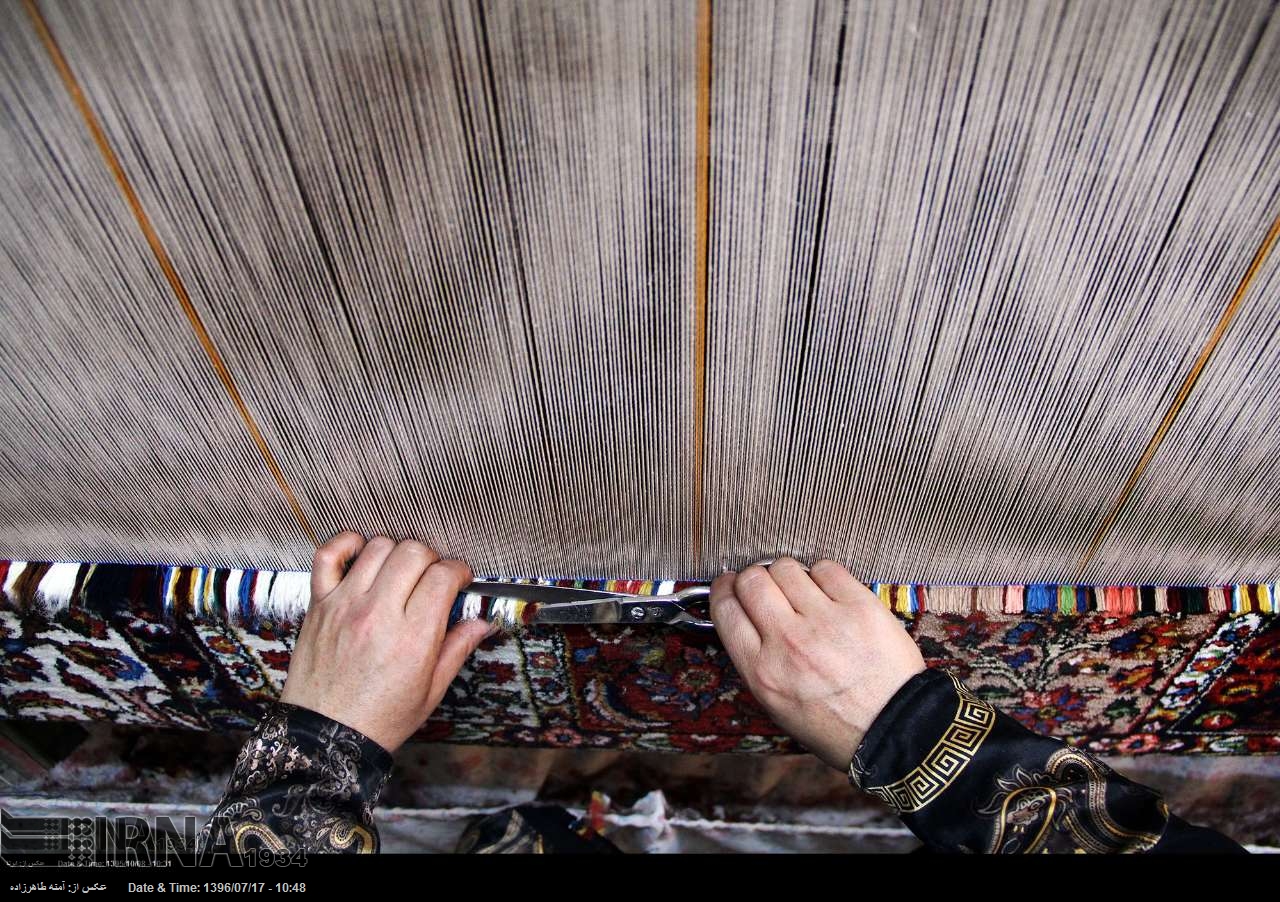
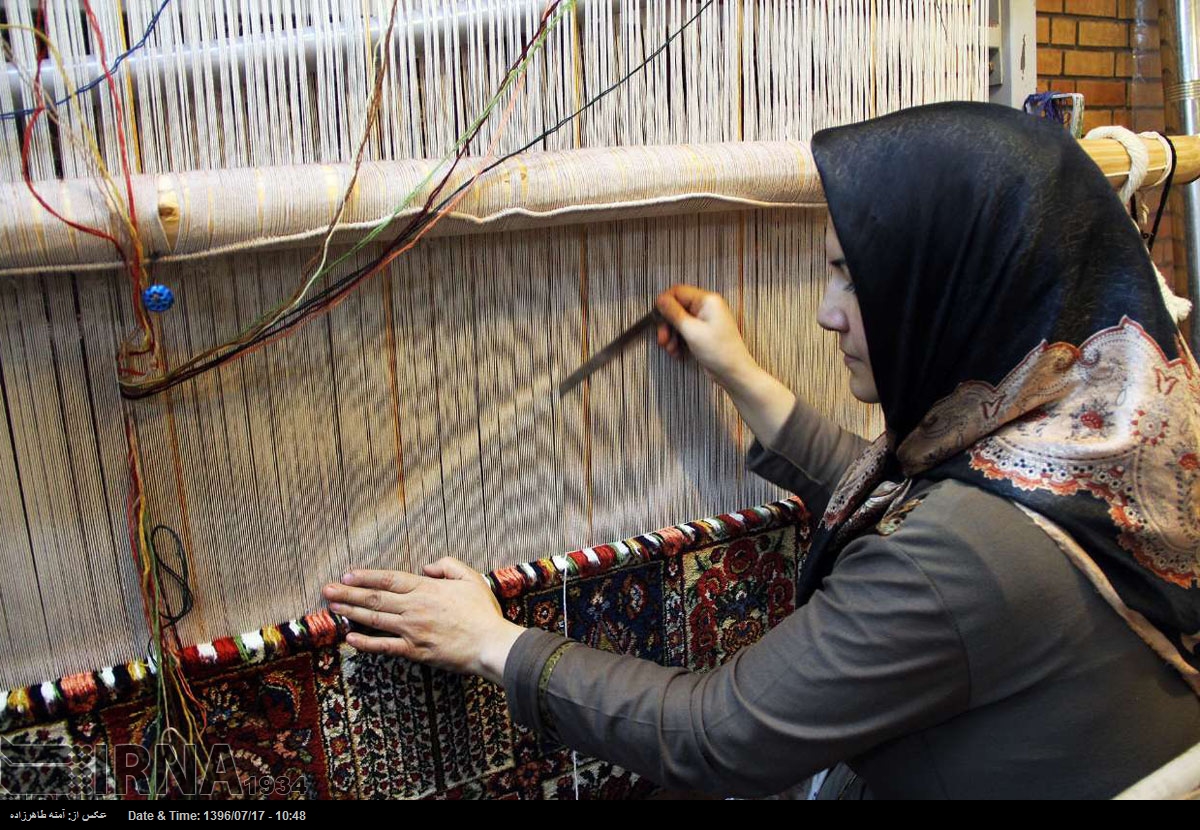
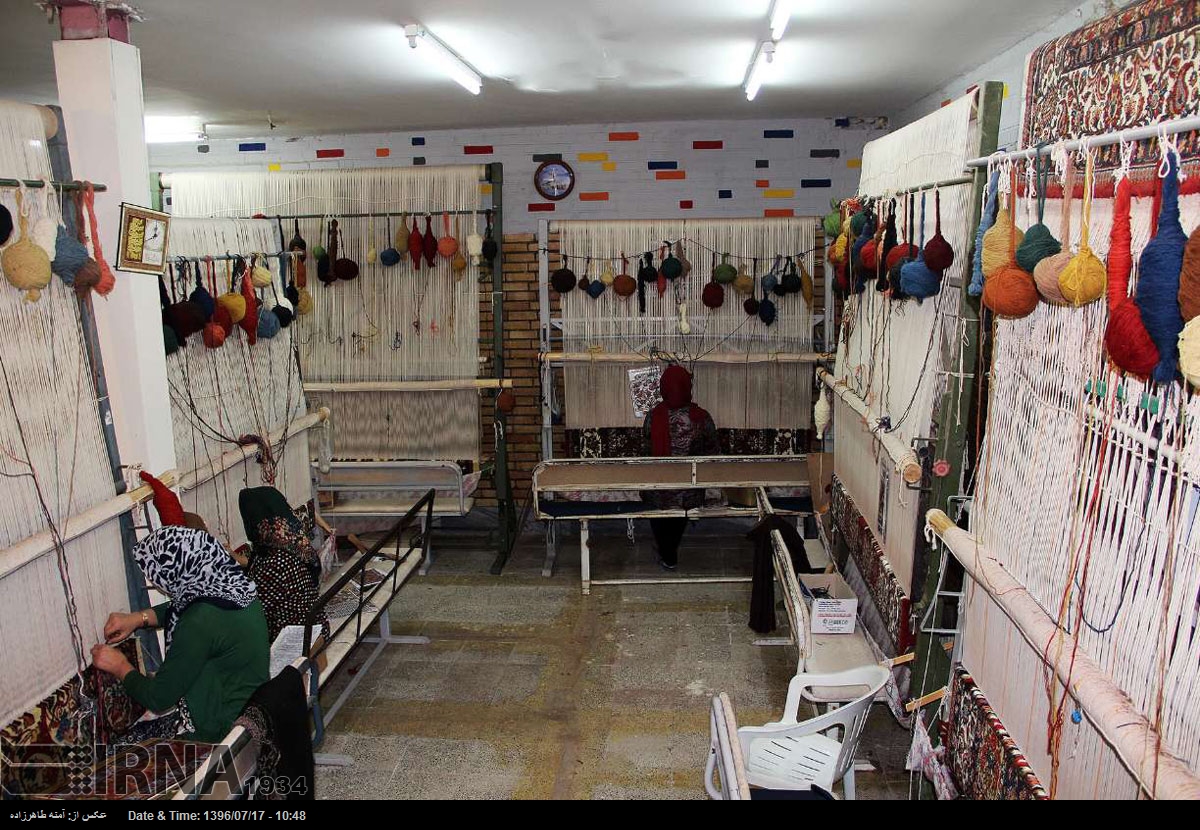
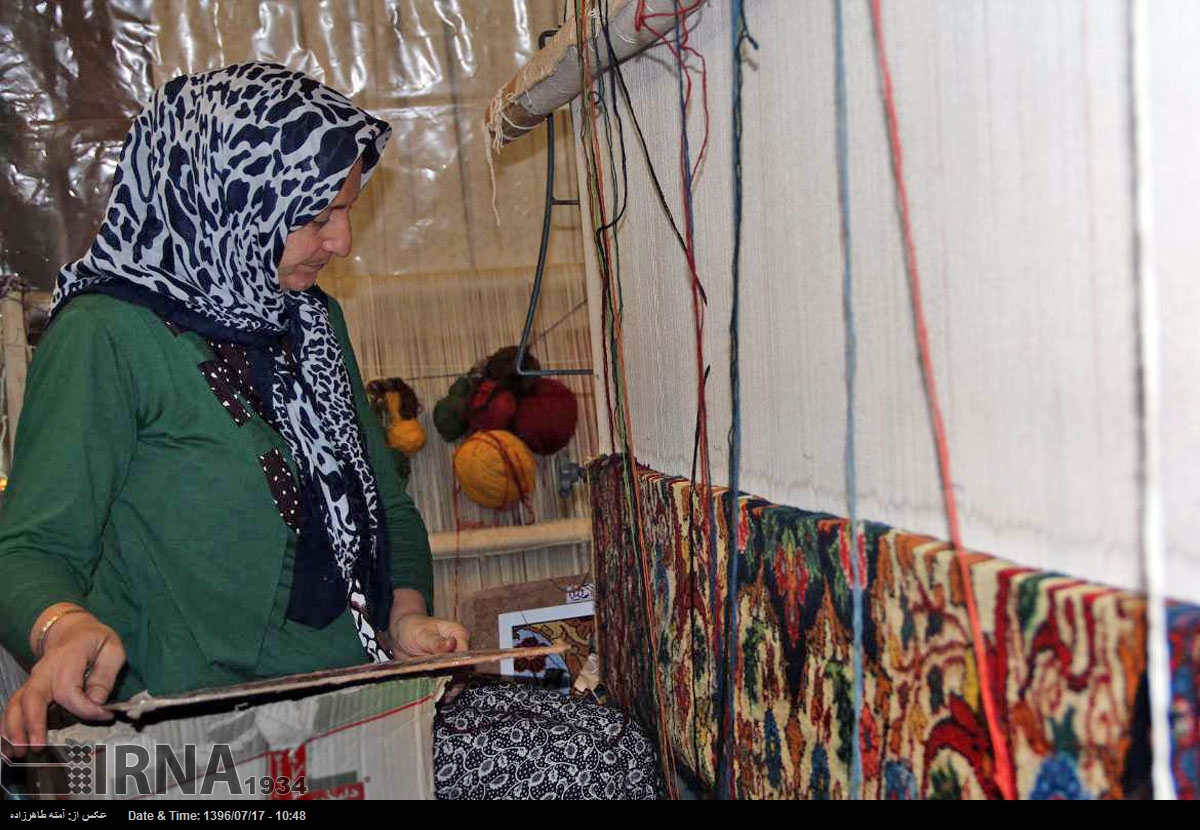
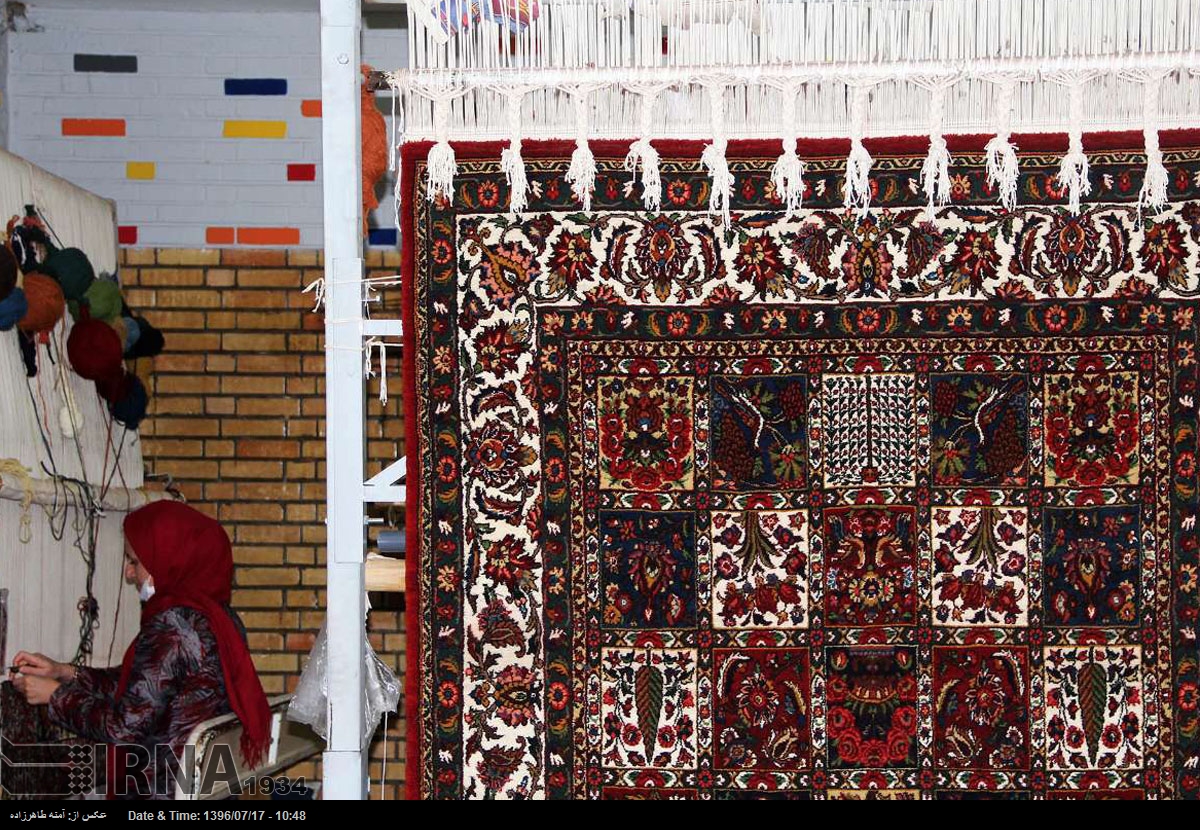
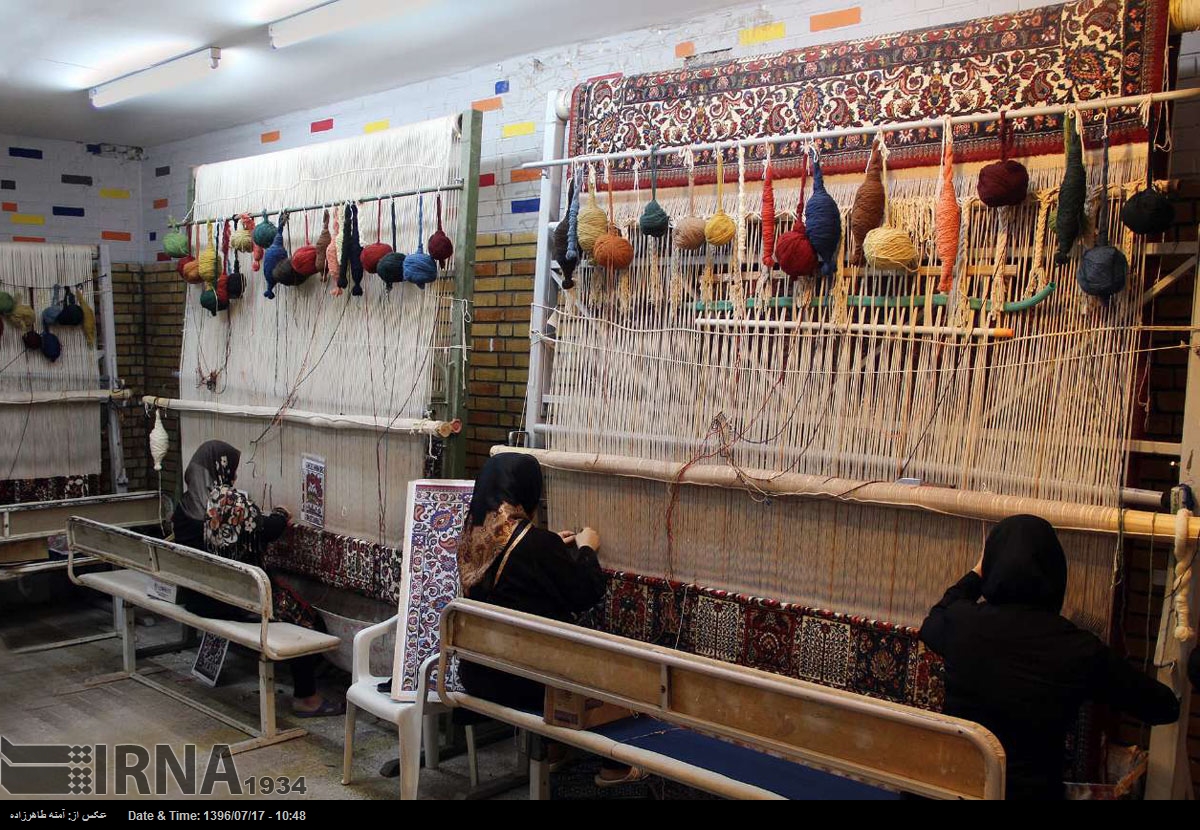
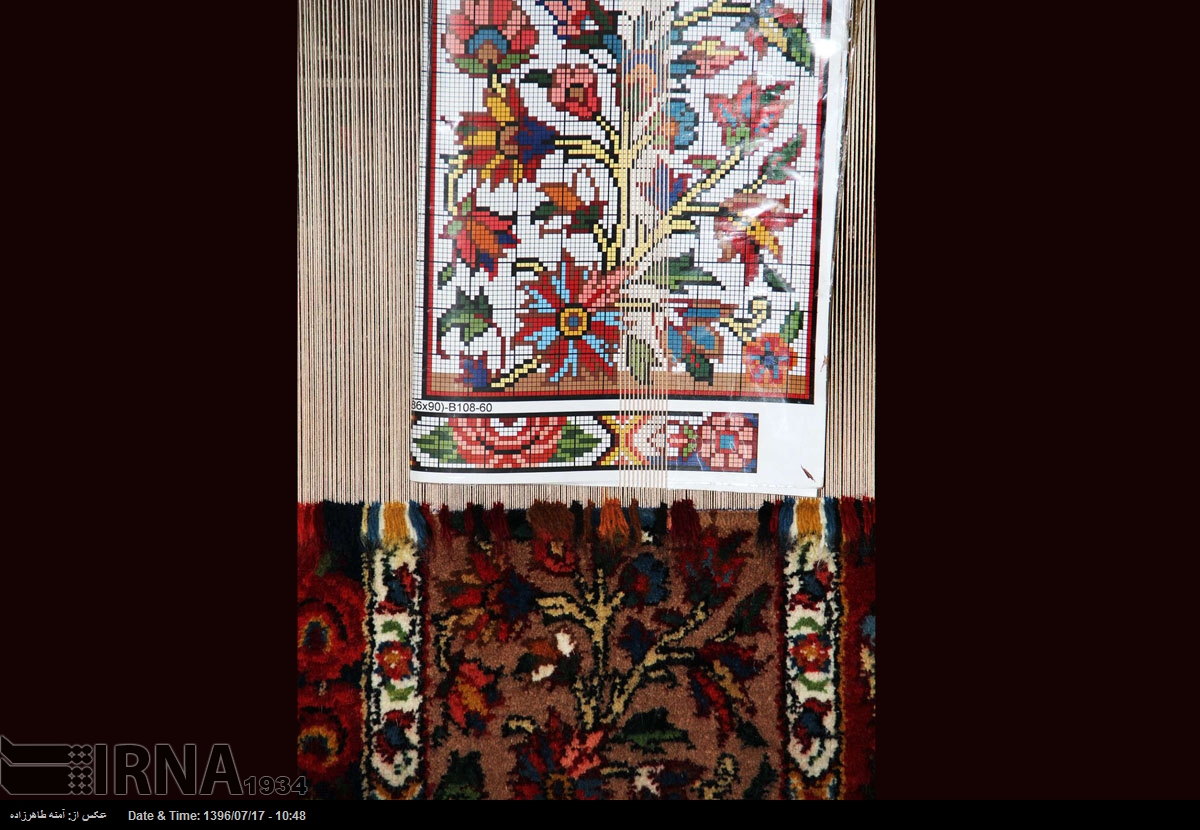
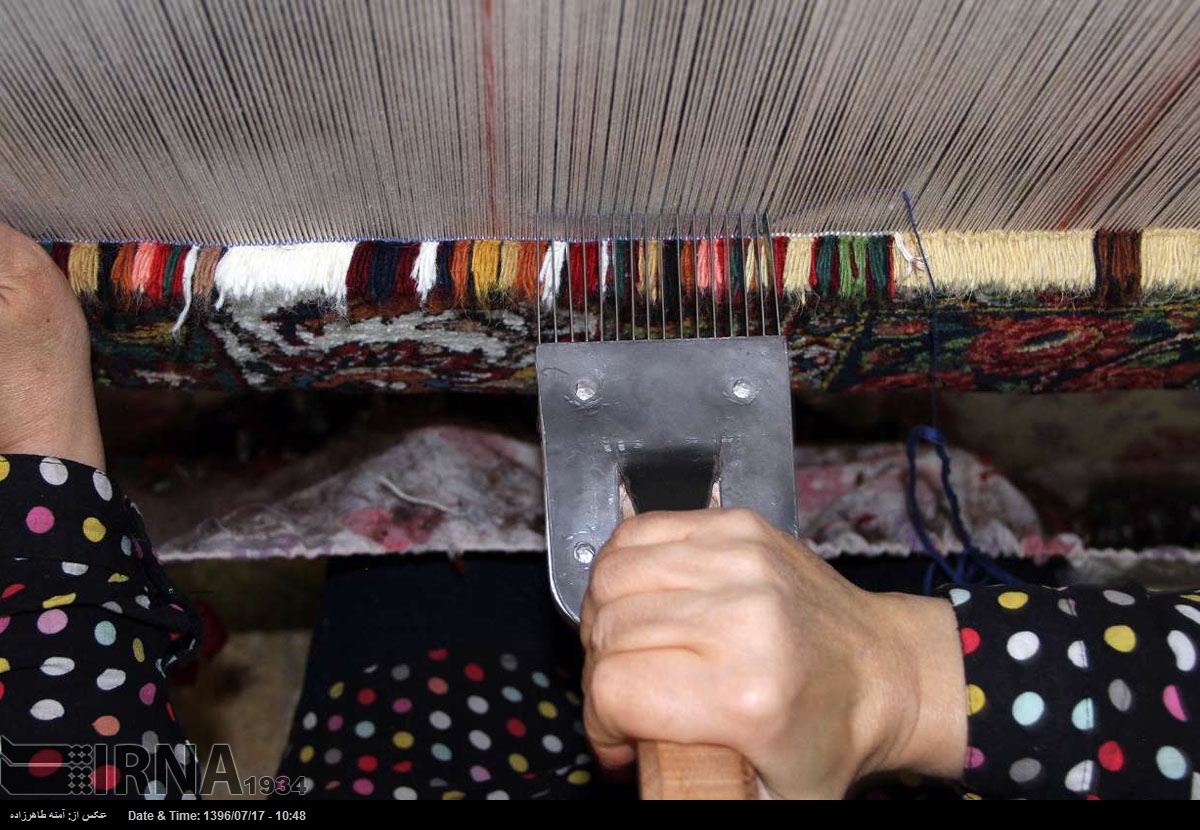
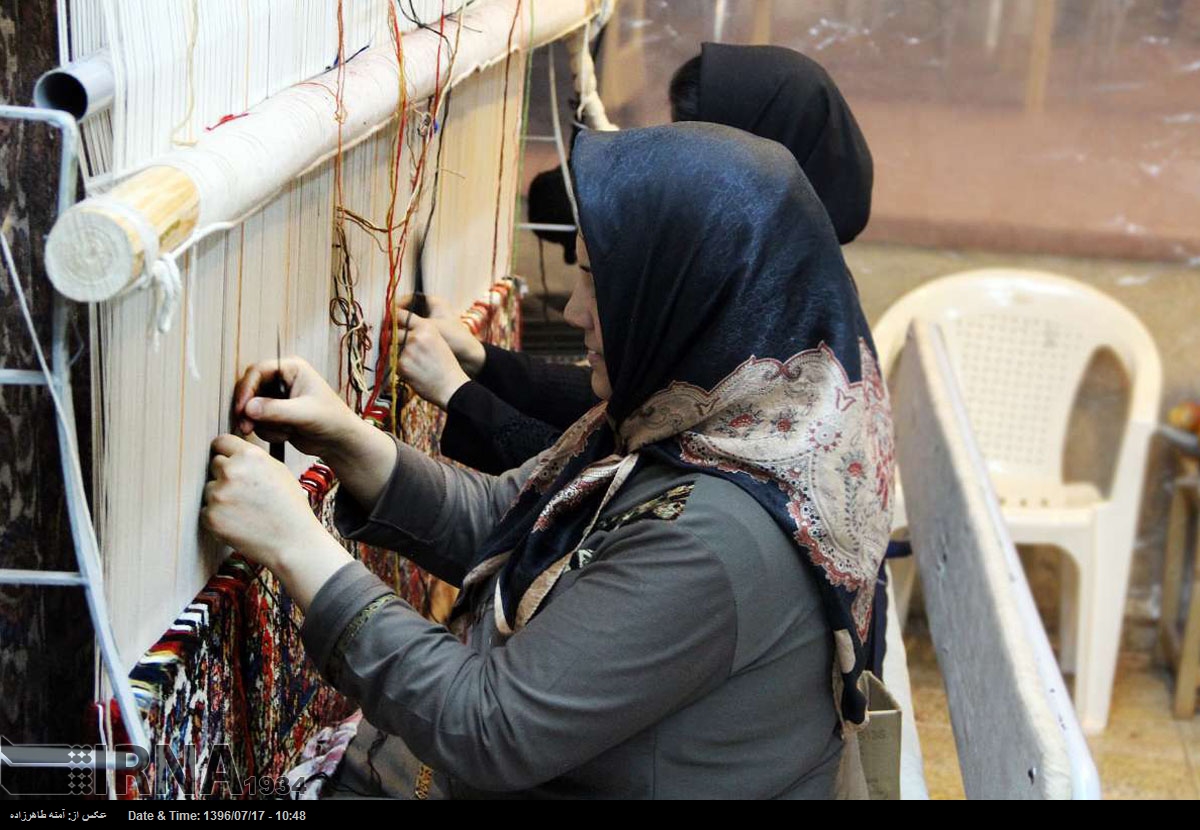
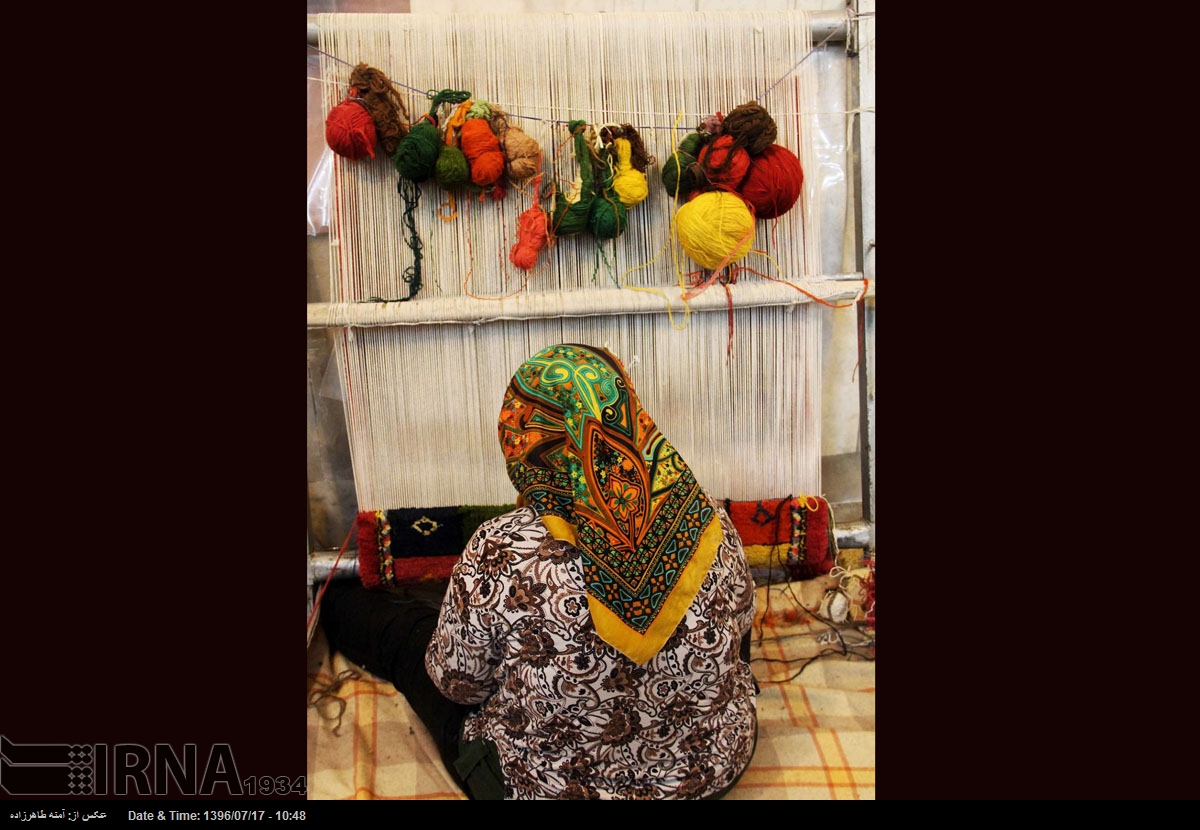
Local Women in Iran Make a Living by Carpet Weaving

The carpets made by these women are of high quality, according to carpet experts, and are exported to several countries.

Here are IRNA’s photos showing these works of art:

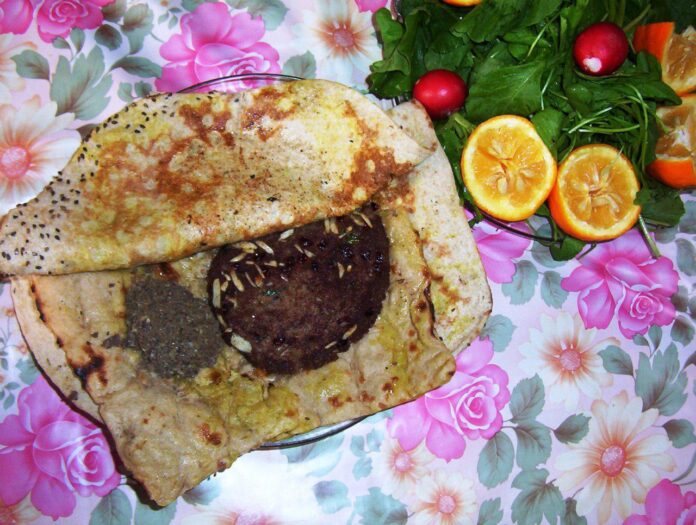
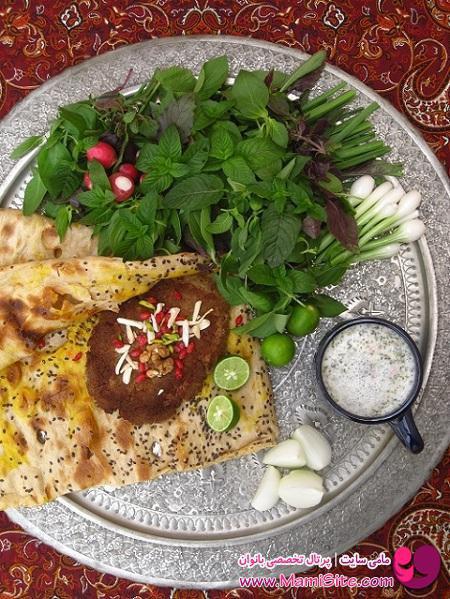
Beryani; Special Meal of Iran’s Isfahan Province

Beryani is considered as the most famous traditional food in Isfahan. It is the only specialty in Isfahan, which is cooked and sold in special unique restaurants, and is not usually served along with other foods. Therefore, one can say the dish is of great importance to the people of Isfahan.

According to literary and historical texts, Baryani is a special food whose history goes back to about 400 year ago.

Nowadays Isfahanis and tourists know Beryani as a dish rich in fat and a specialty for lunch made from lamb and lungs.


Beryani; Special Meal of Iran’s Isfahan ProvinceIngredients:

*250 grams of lamb shoulder

* 50 grams of tail fat

*100 grams of sheep lungs

* 2 medium-sized onions

* 1 tablespoon of cinnamon

* 1 tablespoon of brewed saffron

* Walnuts, pistachio and almond

* Dried mint, salt and pepper as much as needed


Recipe:

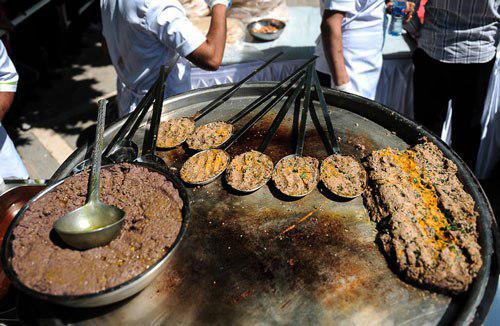
Pour four cups of water in a pot and add the lamb, onion, and a few tablespoons of liquid oil. Then, place it on medium heat until the meat is tender. (A bit of water must remain at the bottom of the pot)

Beryani; Special Meal of Iran’s Isfahan ProvinceChop the lungs and cook with two glasses of water, one chopped onion, a few tablespoons of oil, some salt and pepper in a pot on a medium heat. After being cooked, sauté the mixture a bit and mince it.
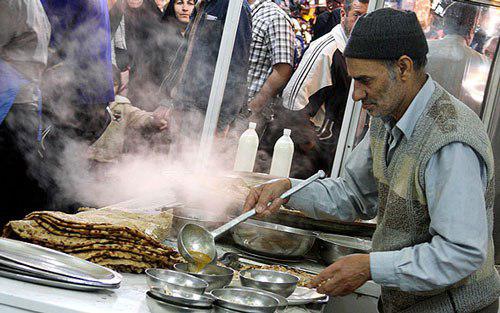
Then mince the cooked lamb and tail fat and mix it with brewed saffron, dried mint, salt and black pepper and then re-mince it.

Beryani; Special Meal of Iran’s Isfahan ProvinceShape the Beryani mixture like a burger and put some cinnamon powder, pistachio or almond slices on it. Then, put it in a greased pot to grill. Then let the other side be grilled as well. Splash some meat broth on bread, and put Beryani on it. Finally, design the dish with minced lungs, crushed walnuts, parsley, etc.
French FM: Iran Should Reap JCPOA Benefits

In a Thursday telephone conversation, Iranian Foreign Minister Mohammad Javad Zarif and Le Drian underlined the need for all parties to remain committed to the nuclear accord.

The French FM also reaffirmed that the Islamic Republic must benefit from the JCPOA’s economic gains.

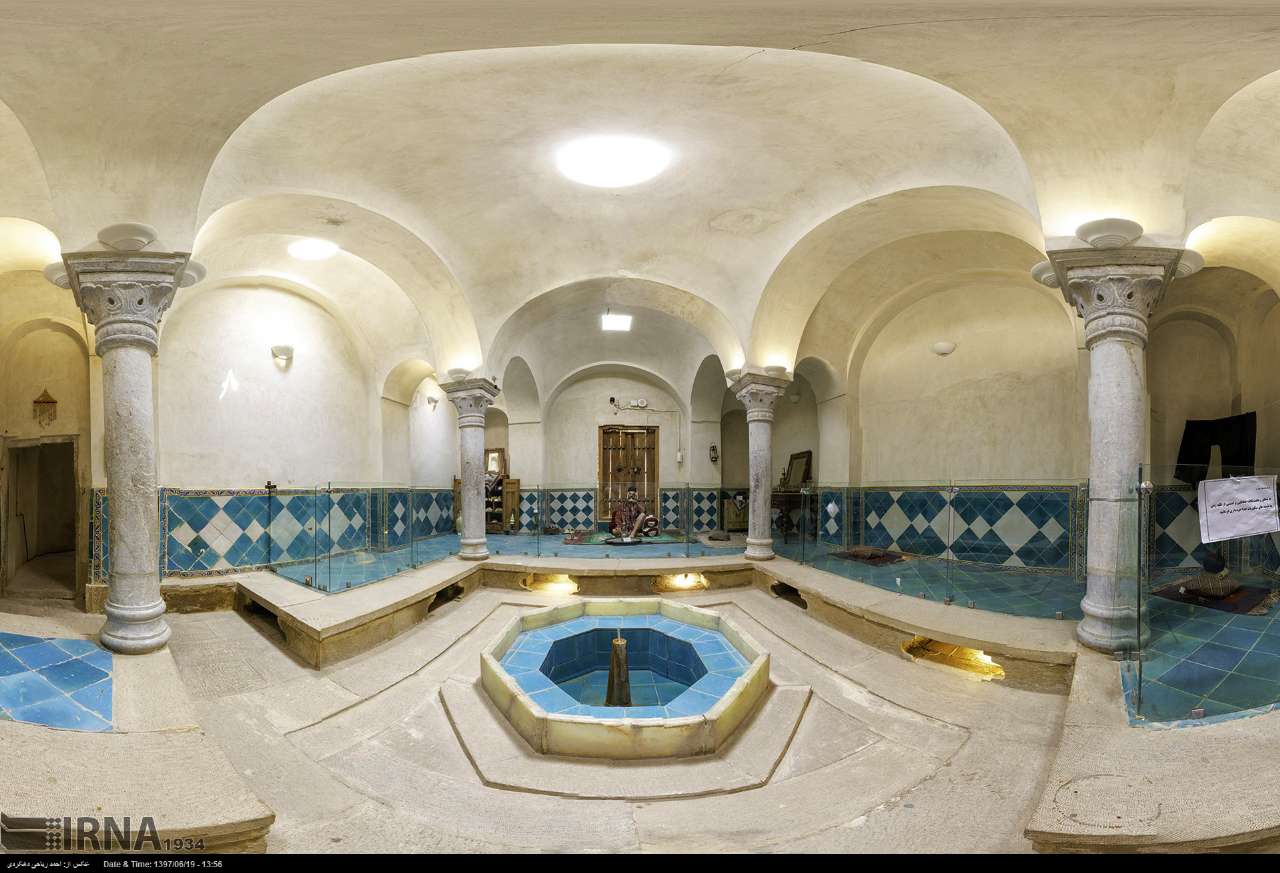
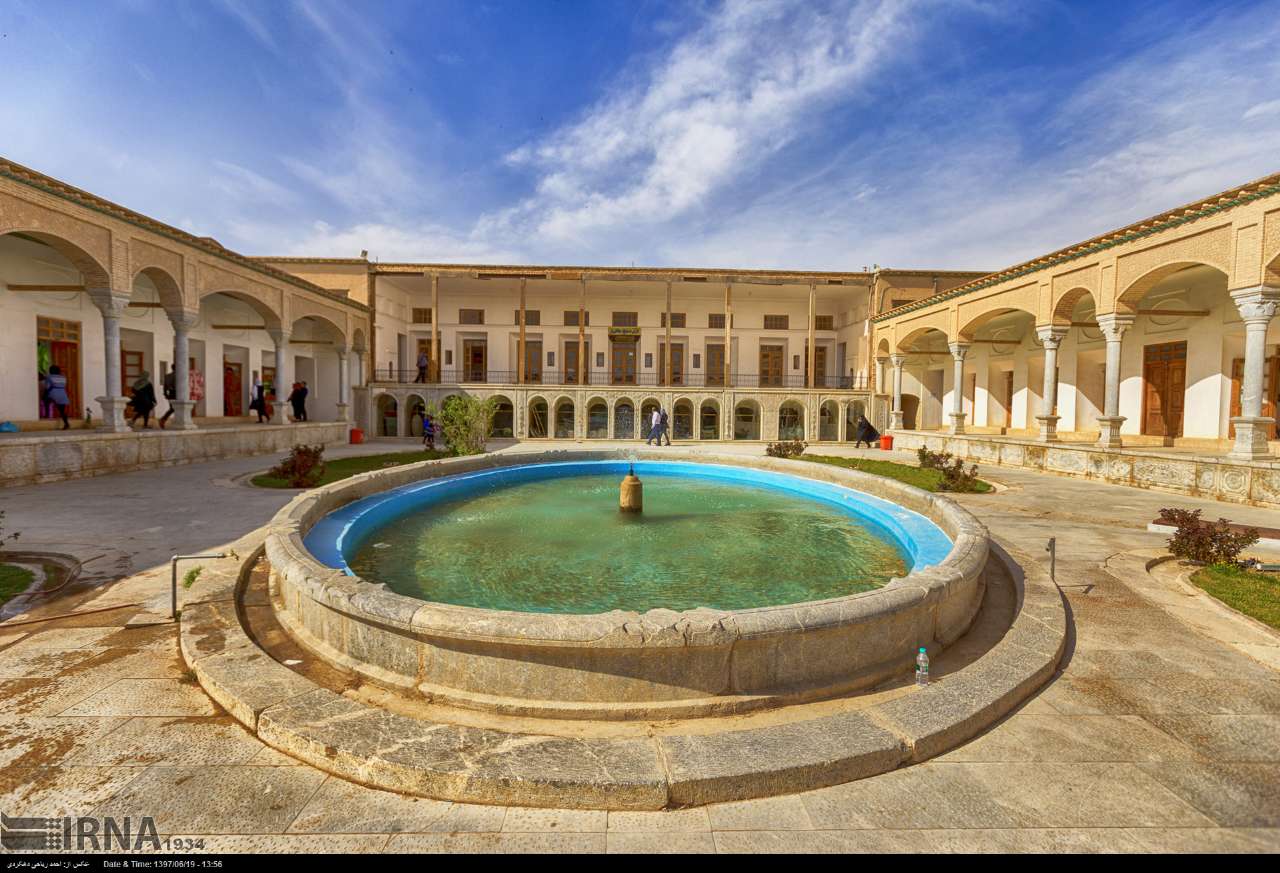
Iran’s Chaleshtar Castle Leaves Tourists in Awe

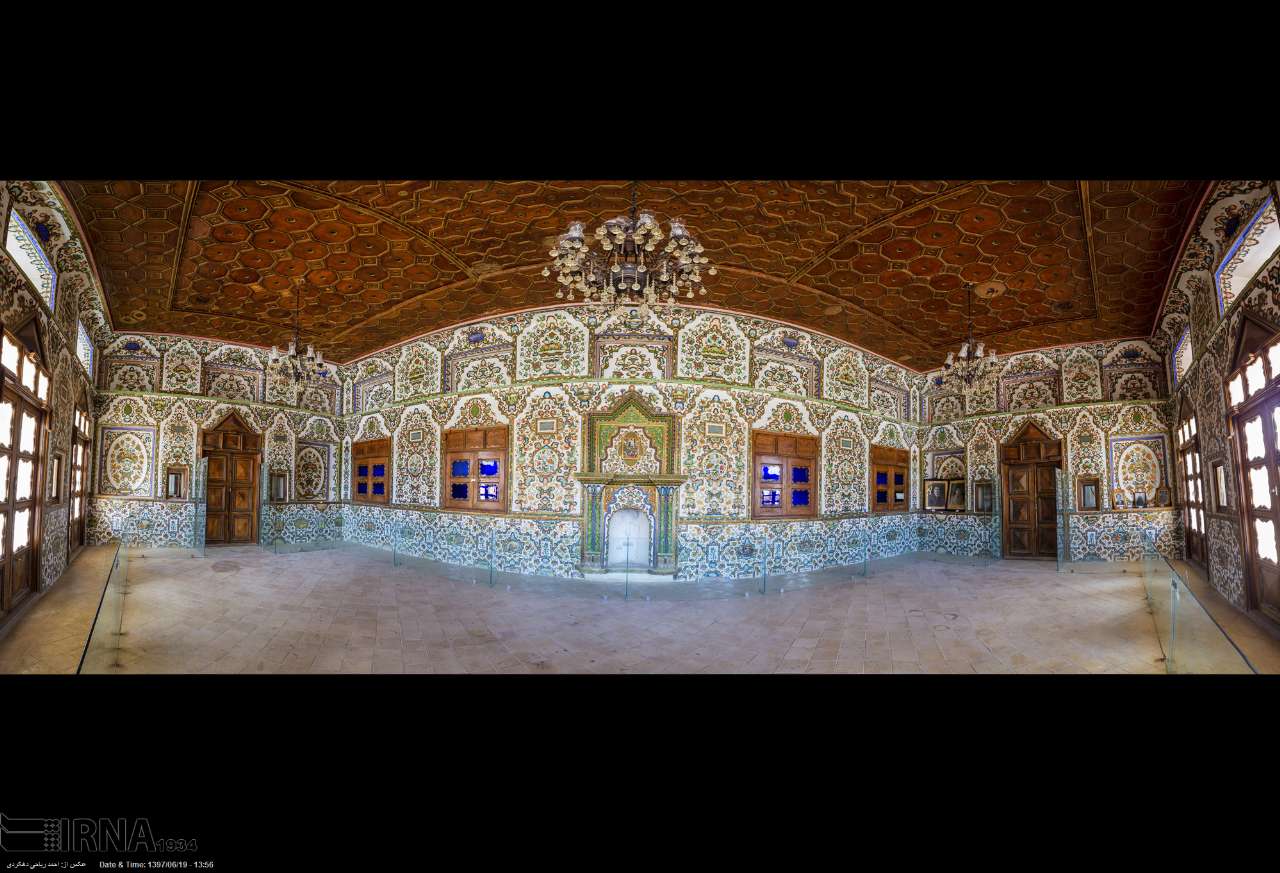
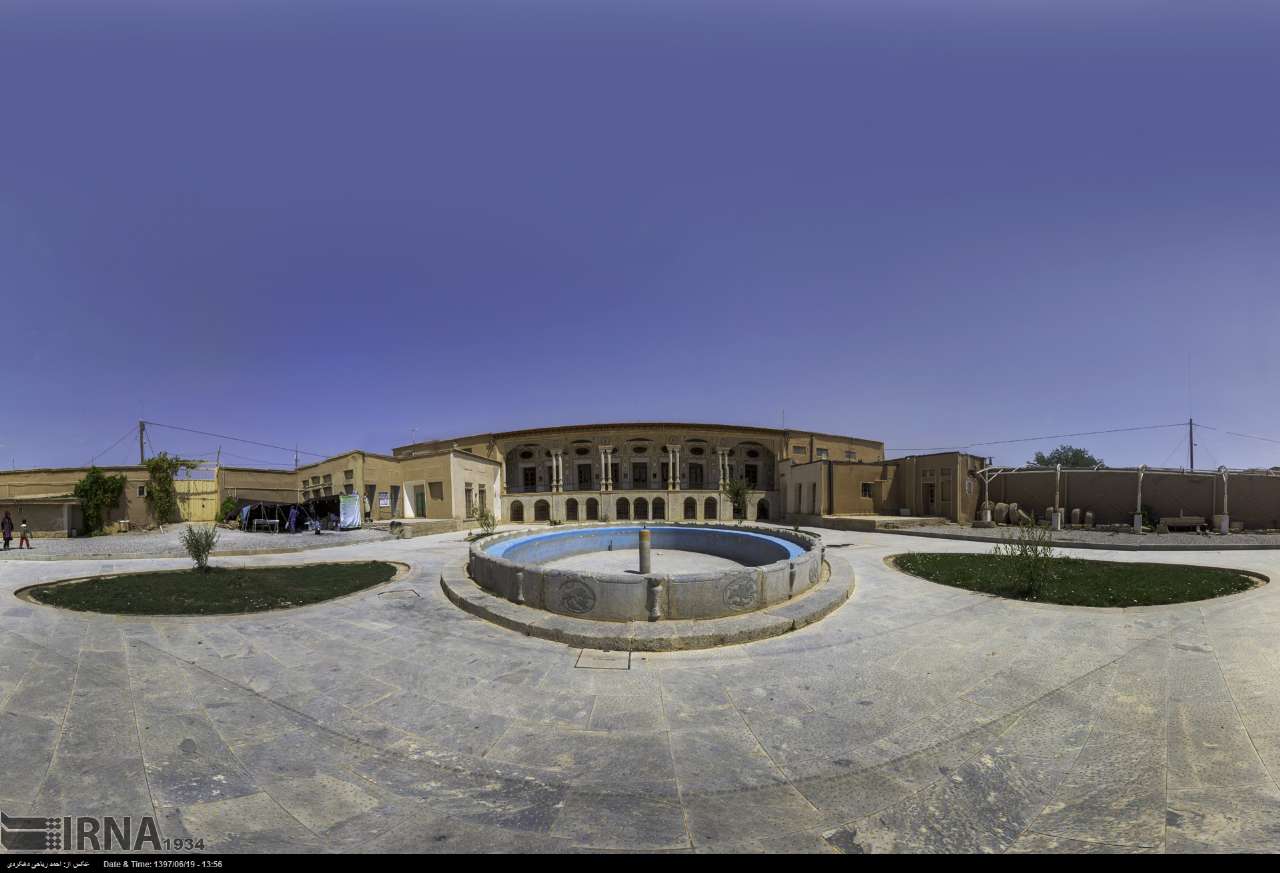
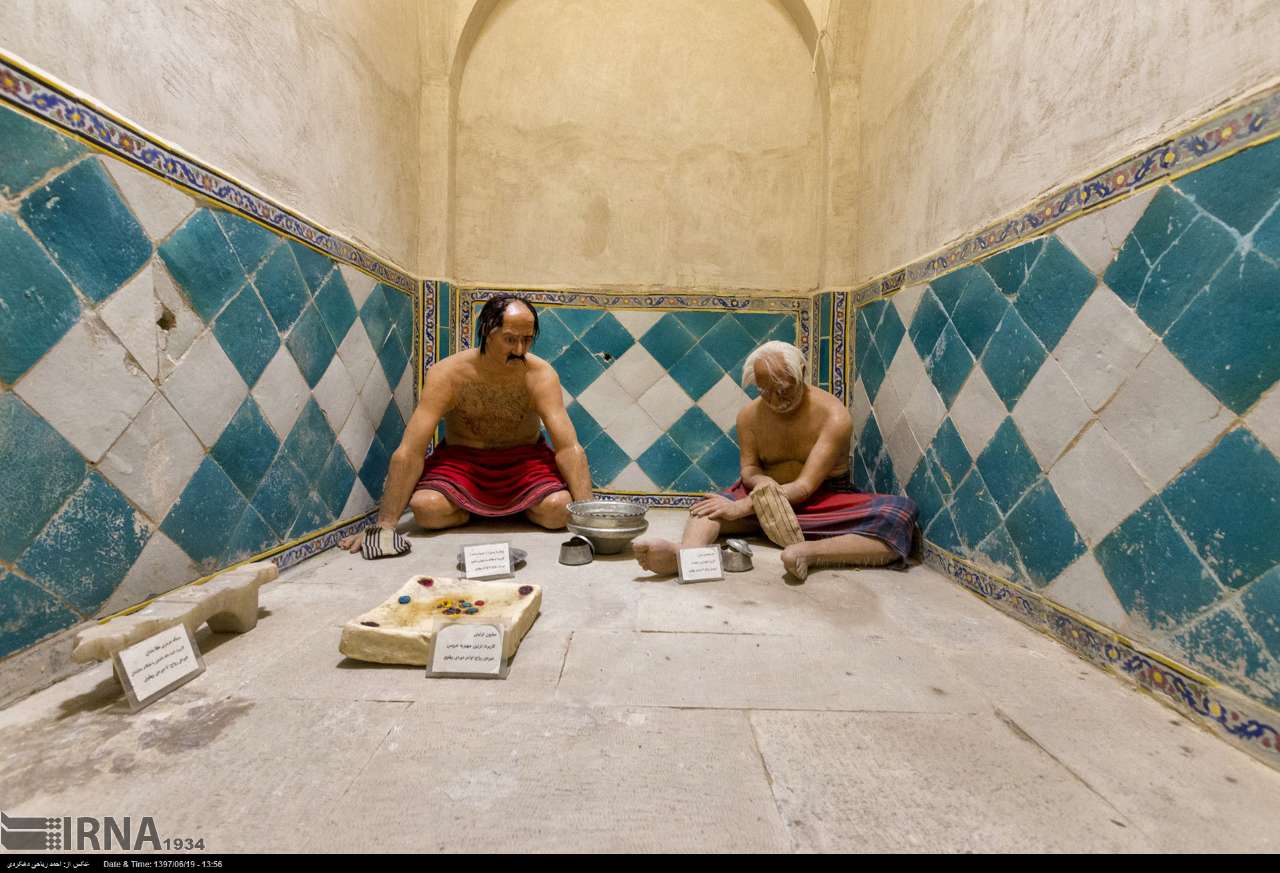
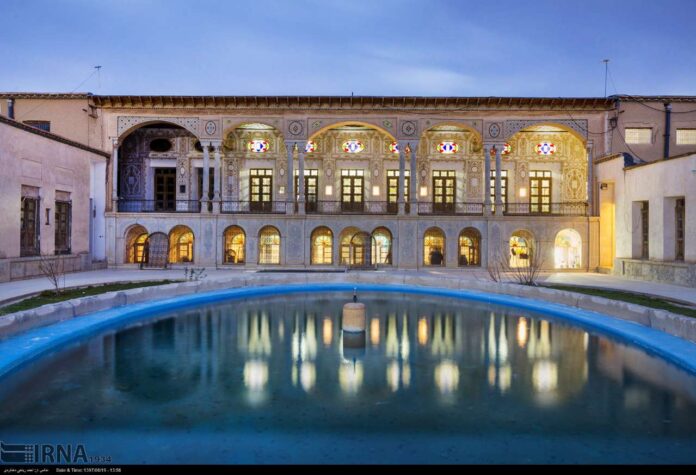
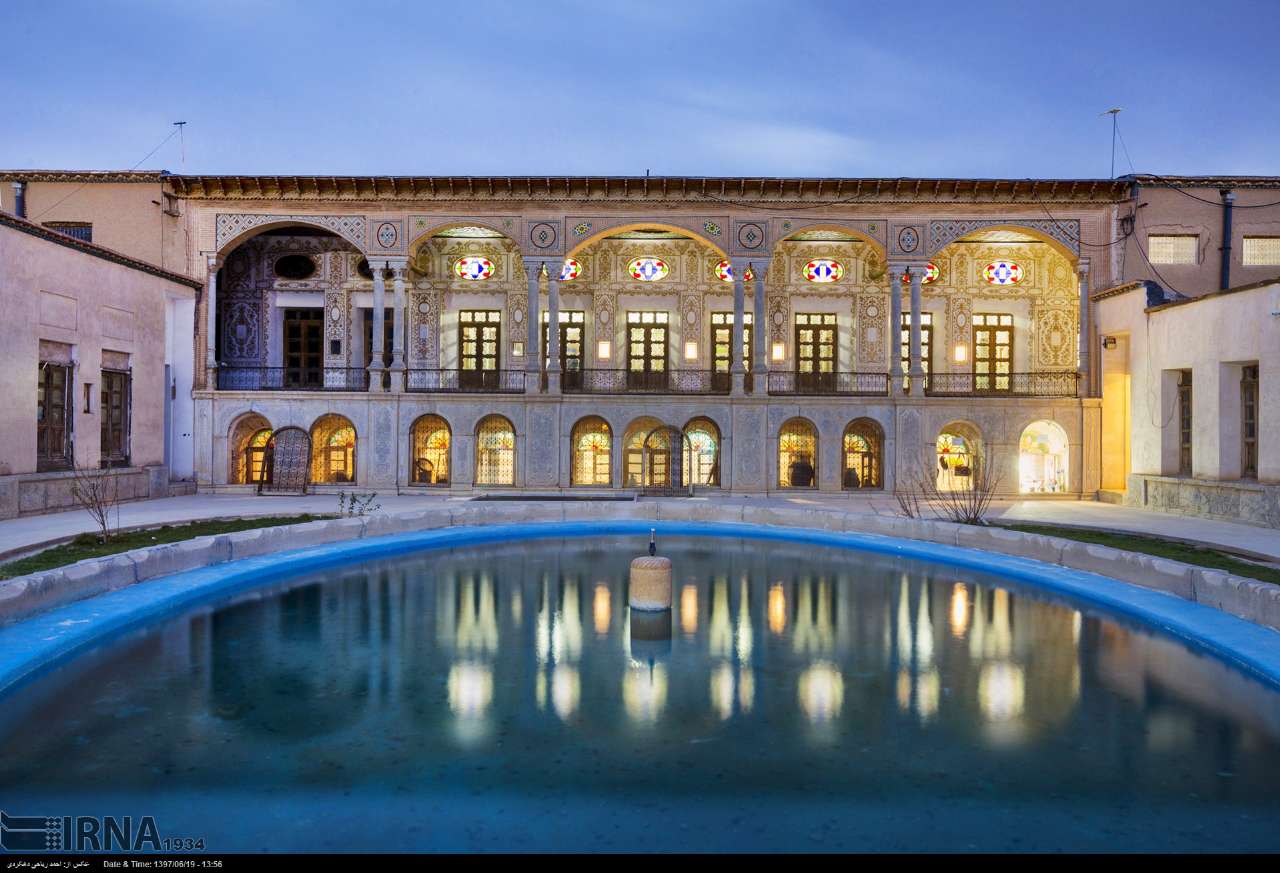
Located in the city of Shahr-e Kord in southwestern Chaharmahal and Bakhtiari Province, the castle was the hub of Chaharmahi rulers, who were ruling the areas under their control by getting help from chief of the villages.

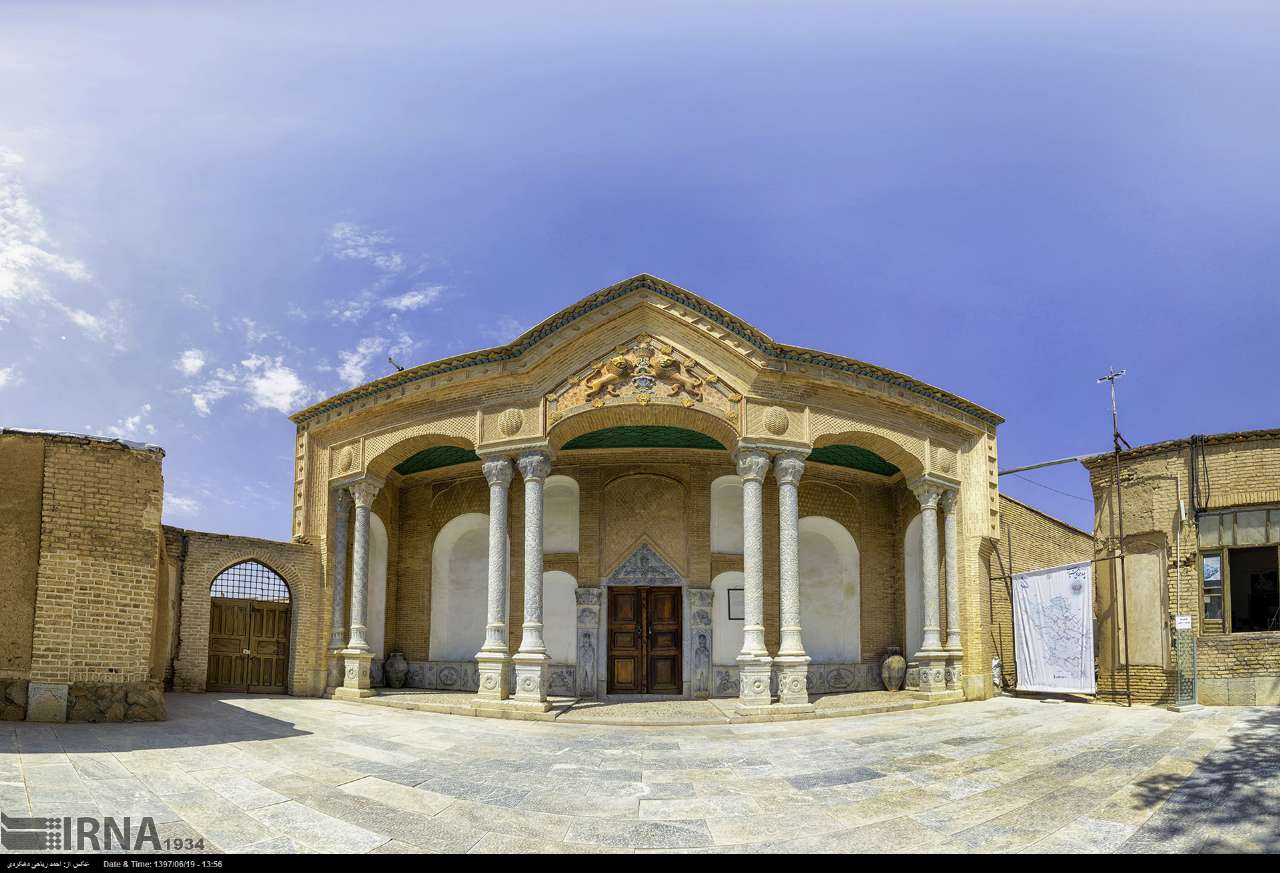
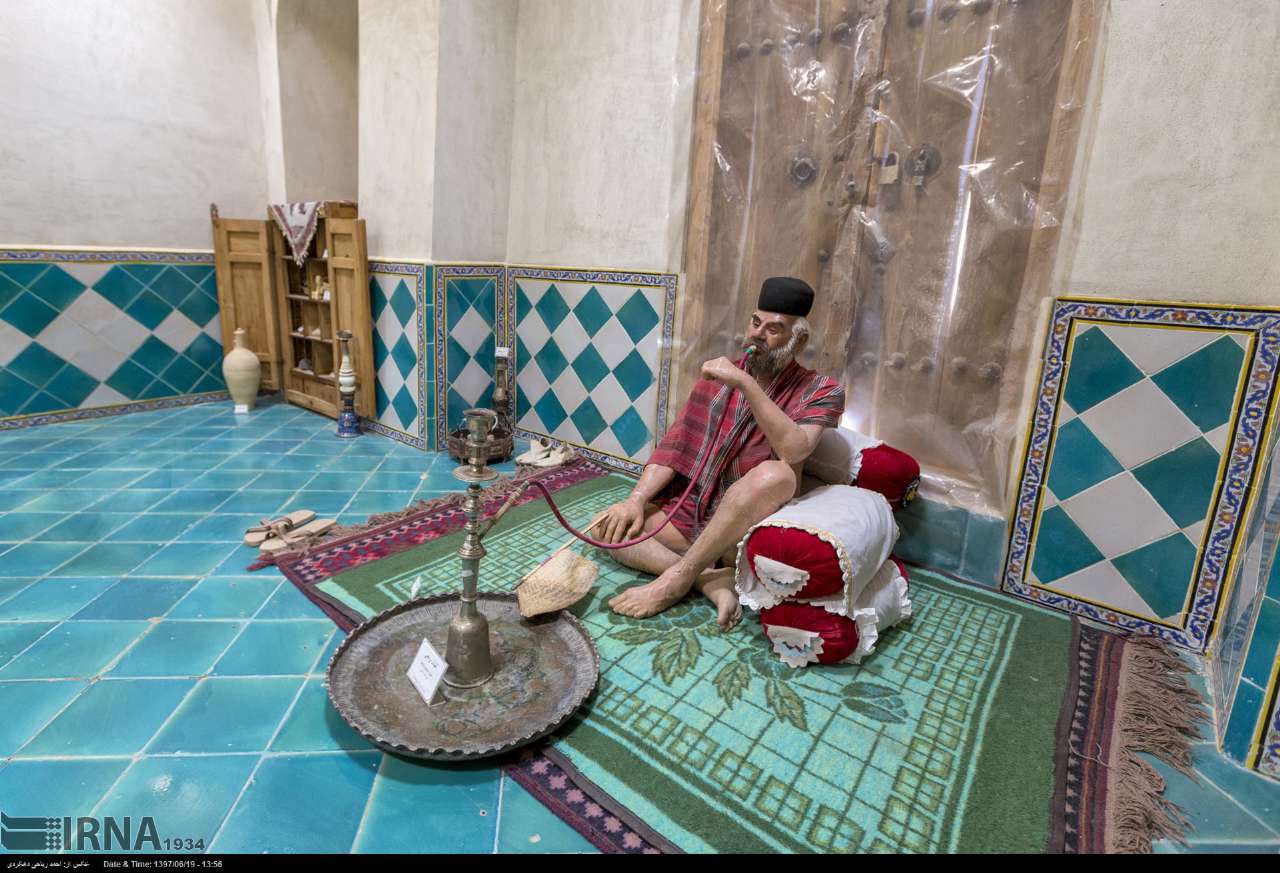
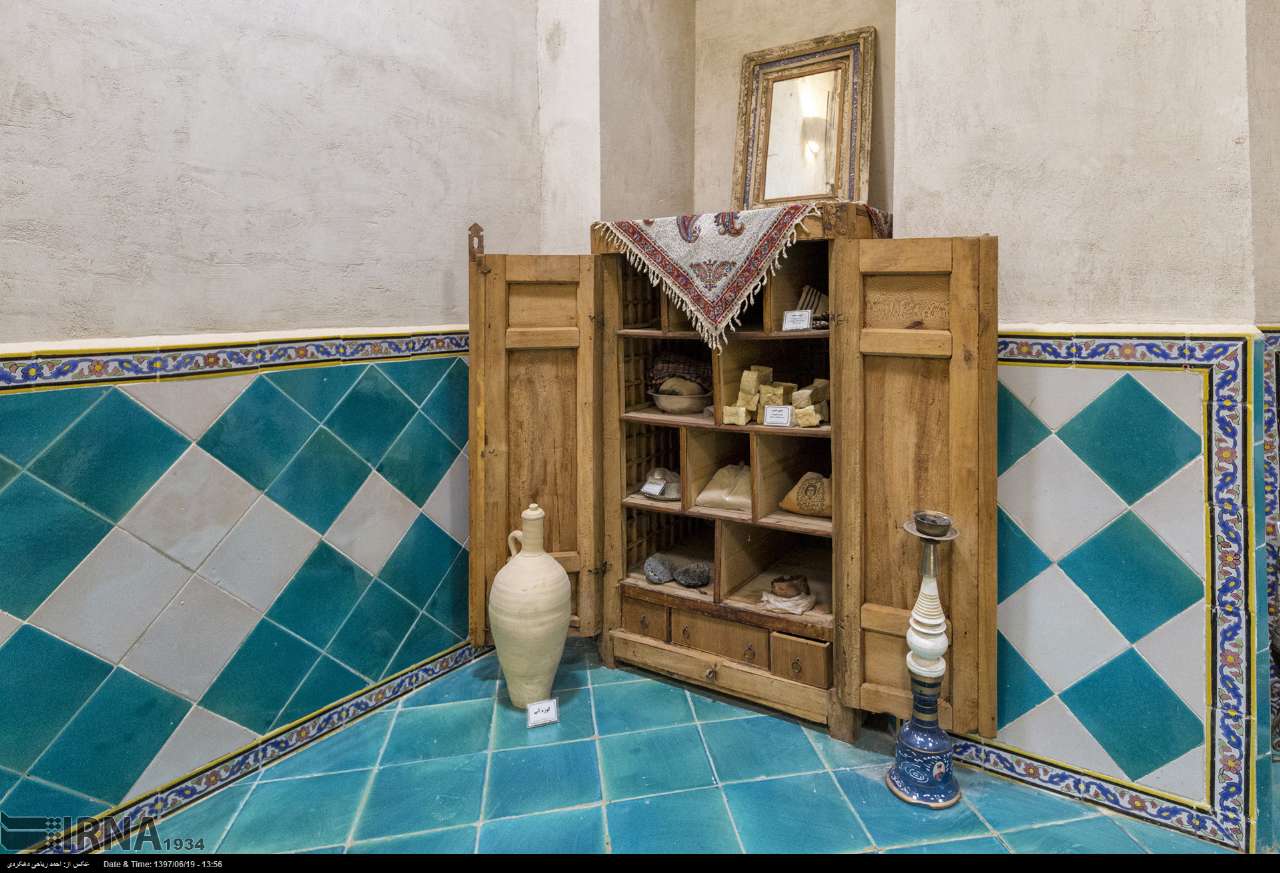
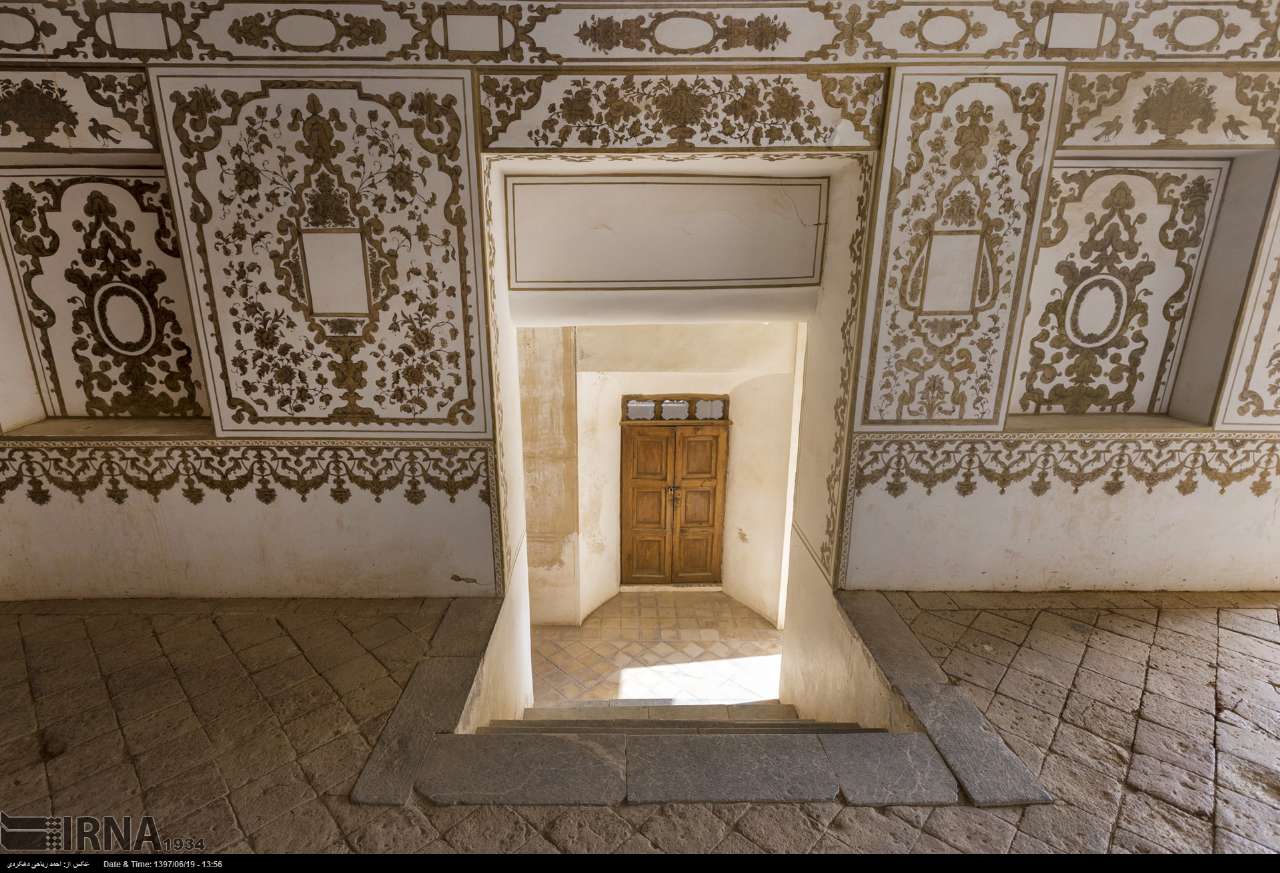
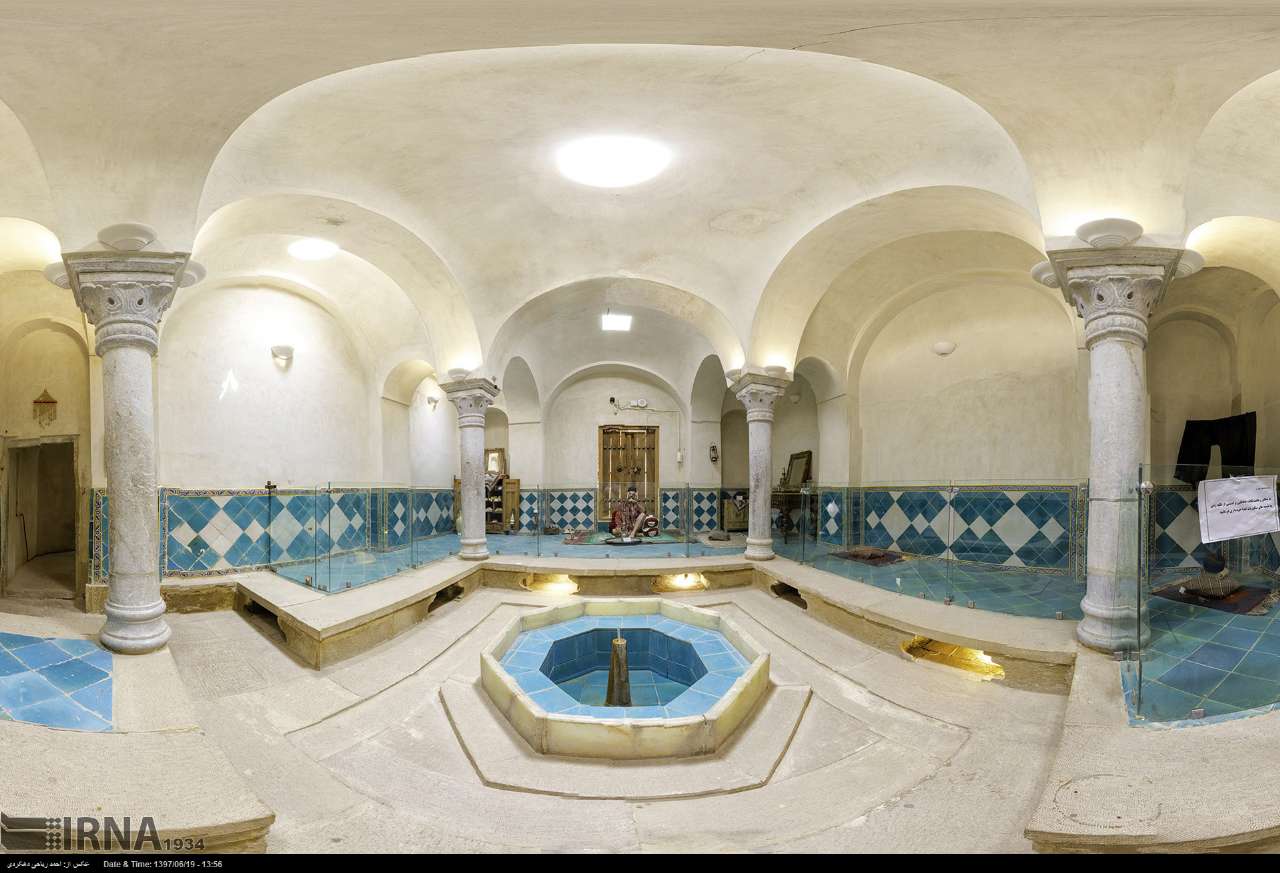
By looking at the dates carved on the columns of this structure one can say it has been constructed approximately in 1323 AH. This complex includes a stone façade, vestibule, andarouni (interior), biruni (exterior), bath, and stable, among other parts. The building has been built in two parts, with an area of approximately 12,000 square metres with an Iranian style during the Qajar era.

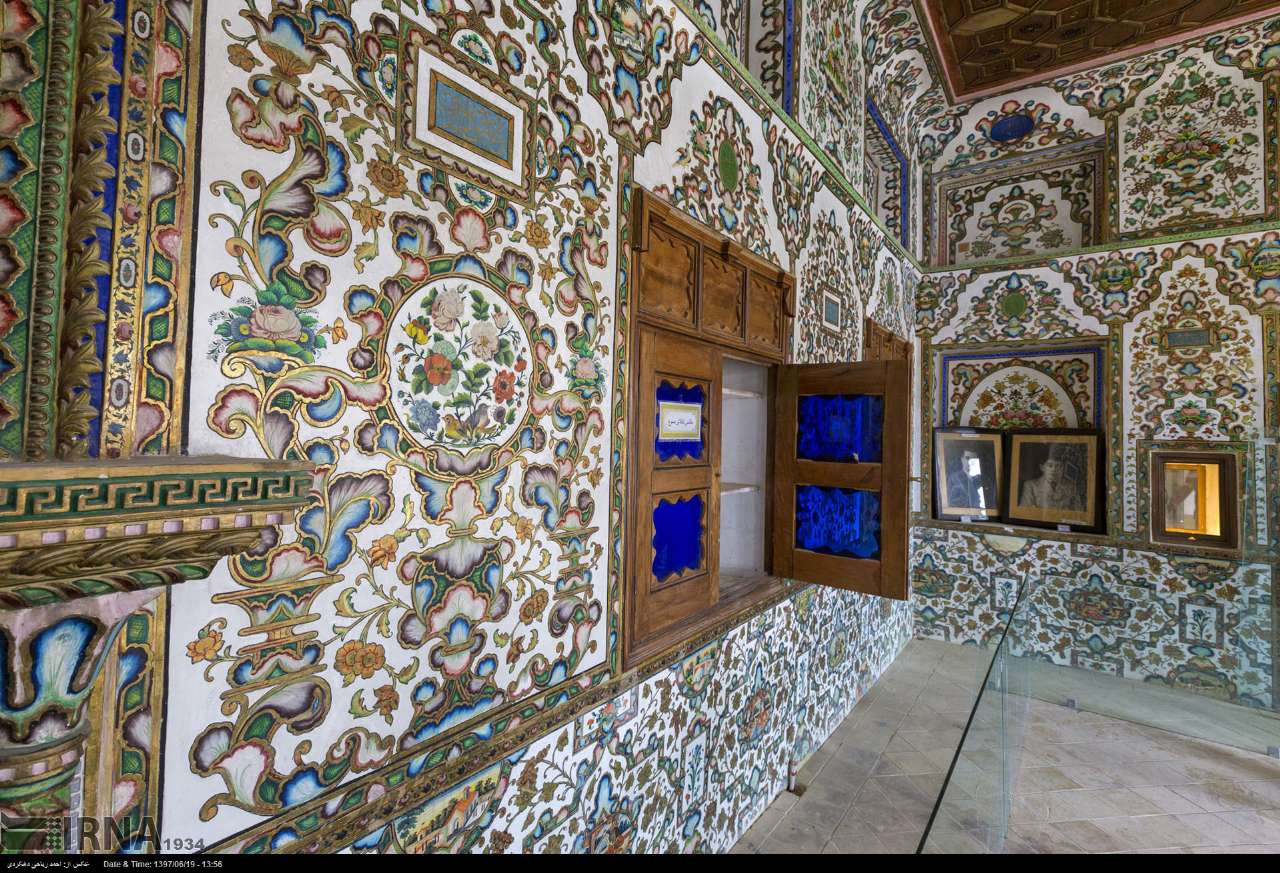
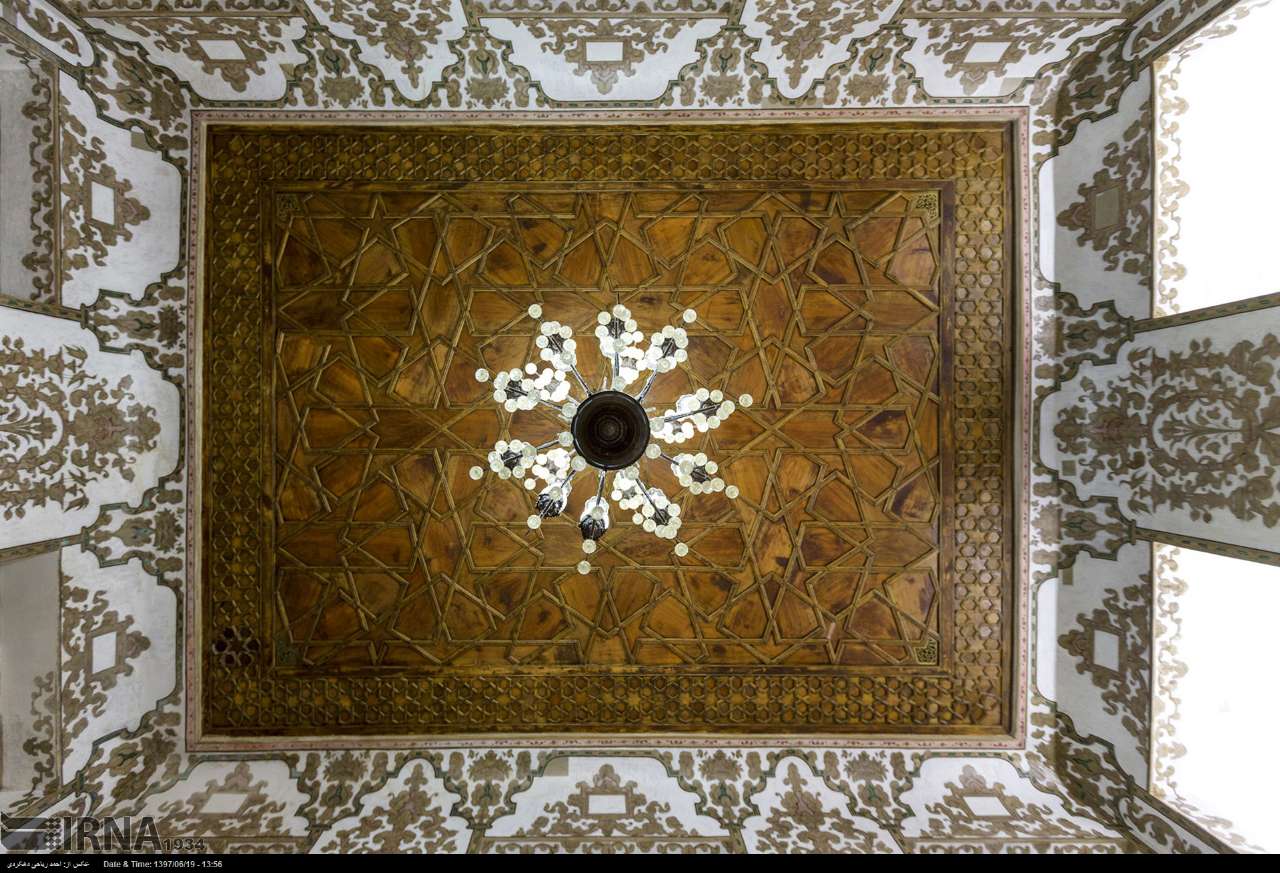
The Khan-neshin or khan’s quarters and the castle’s main building is composed of 38 stone pillars, a façade and balcony. It is designed with mythical, floral, animal, bird and angel paintings and stone reliefs.

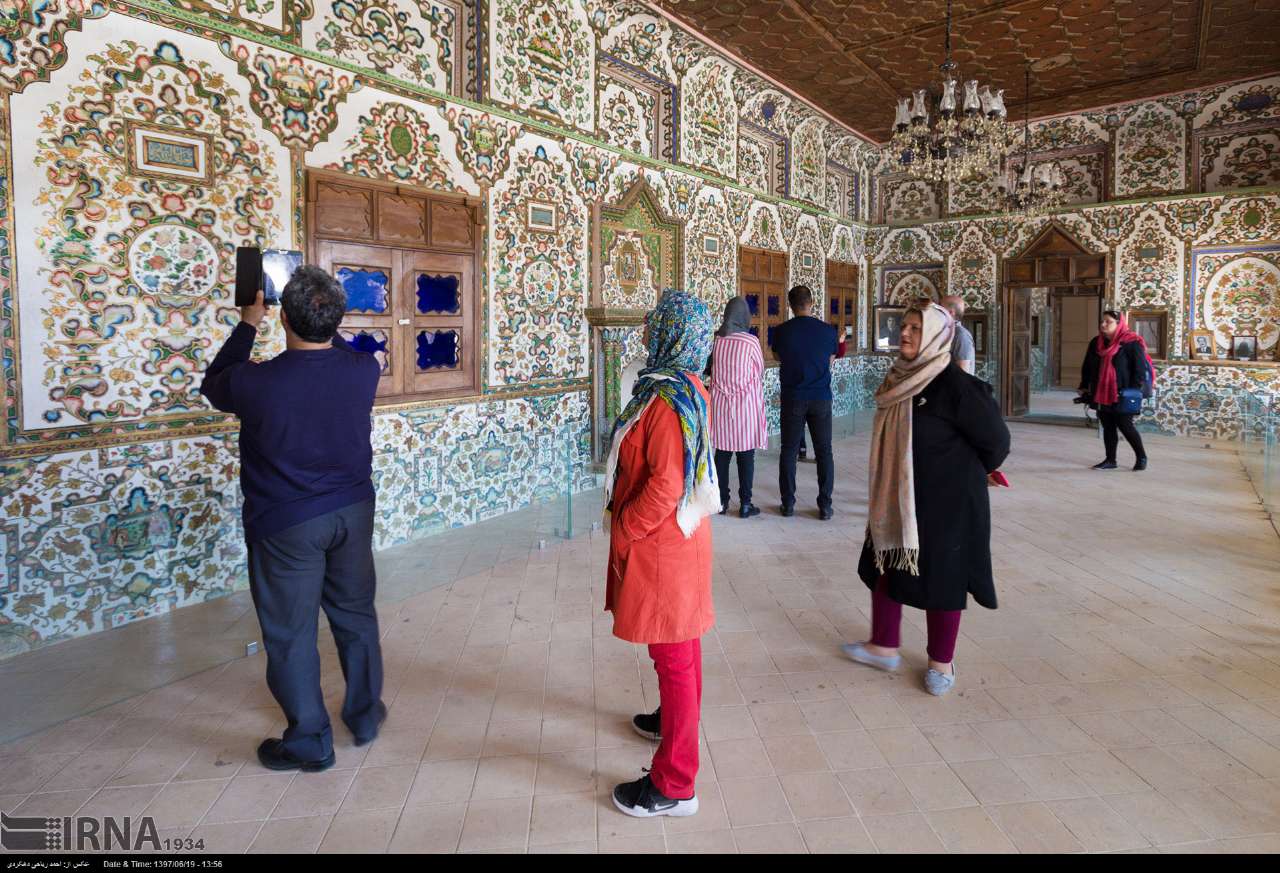
The rooms of the complex have “London-style” paintings, which was a combination of Western and Iranian art of painting popular in the Qajar era. To decorate the castle, painted scenes from the Layla and Majnun love story next to floral stucco reliefs and Islamic designs such as Quranic verses and paintings showing Joseph and Zuleika story could be seen on the walls.

Currently, the museum of anthropology, the museum of stonework and the museum of regional people’s work and life are open to public in this historic complex.

Here are IRNA’s photos of the castle:

217 Iranian Villages Generating Solar Energy

An interesting point about these 217 villages is that the residents not only pay nothing to the government for their electricity, but also they sell electricity to the Power Ministry.

Some of these villages including Sichanlou in Qazvin province have been equipped with the technology since ten years ago. Sichanlou has been named as the most environmental-friendly village of Iran, a Farsi report by IANA said.

The government is now working on a plan to regularize the purchase of electricity from these villages.

The villages have been equipped with solar energy system out of failure of the government to connect them into the nation-wide electricity system due to financial considerations.

Most of these villages are far from the central provincial hub generating electricity. So, their inclusion into the hub’s network was too expensive. In some cases the costs of such connections stand 5 to 9 times higher than installing solar energy systems.

That is why the government decided to equip them with solar energy systems and now these villages have not only become self-sufficient in electricity generation but also can sell the additional electricity to the government.

300 Sunny Days in Iran

Experts say Iranians need to take seriously the issue of renewable energies like solar energy due to the country’s geographical features. According to a report by the Renewable Energies Organization, with 300 sunny days throughout a year in almost two-thirds of its lands, Iran is among the countries with a high capacity for producing solar energy. This means that the country can generate between 4.5 and 5.5 KWH/SQM on average per day.

This comes as according to officials in Iran, renewable energies have not yet opened their way into the energy basket of Iran and their share is limited to lower than one percent. As the head of the centre for development of renewable energies technology at the Science and Technology Department of the Iranian Presidential Office, Sirous Vatankhah, said the capacity to produce electricity in the country is about 70,000 MW out of which only 350 MW falls for renewable energies.

Iran says it intends to generate 7,500 MW of electricity from solar energy by 2030. This is over 7 times higher than the electricity generated in Bushehr nuclear plant. Studies show that each square meter of land in Iran can generate 220 KW of solar energy per hour. This means that allocating one percent of the whole country’s land to solar energy system will provide the Iranians with about 9 million megawatts of solar energy per hour.

Based on a report published in June 2017 on the renewable energies in the world, 39.2 percent of the world’s energy needs are met by oil, 29.2 percent by coals, 6.8 percent by hydroelectricity, 4.4 percent by nuclear energy, and 2.8 percent by renewable energies.

Though the share of renewable energies is still limited, new figures show a steady growth of the share. Today, many countries including Costa Rica, Denmark and Iceland meet most of their energy needs by relying on renewable energies. Meanwhile, China (18 percent), Japan (14 percent), Germany, and the US (13 percent) draw on solar energy to meet their energy needs. Solar energy paves the way for getting rid of the pollutions of fossil fuels.

In Iran, there is no clear report yet on the share of the renewable energies. Some experts argue that the low price of renewable energies is among the main reasons why such energies have not yet developed in the country.

They say the Iranian government needs to have short-term, middle-term and long-term programs for development of such energies; otherwise no tangible progress will be made in this field.

$3,500 for Every Single Kilowatt of Electricity

According to official figures, to generate 1 kilowatt of electricity in the southern province of Kerman, the government of Iran spends about $3,500. This is much lower than the cost of including far villages in the province into the nation-wide electricity grid. Today, more than 2,350 village households in Kerman generate 2,400 MW of solar energy per day.

The provinces of Kerman, Khuzestan and Lorestan have the highest share of solar energy generation across the country.

Iranian MPs Pass 8 Bills on Economic Cooperation with Other Countries

Iranian lawmaker Hassan Hosseini Shahroodi says the Parliament approved eight bills on agreements with different countries in various economic areas.

“In a recent meeting, several bills earlier referred to the [Economic] Commission were reviewed,” said Shahroodi, who sits on Parliament’s Economic Commission.

Among the bills passed was one on encouraging and mutually supporting investment between Iran and Luxembourg, said the MP.

Legislators also passed bills on customs cooperation with Vietnam and Finland, he said, according to a Farsi report by ICANA.

This is the first time that bills are approved on facilitating customs cooperation with Vietnam and Finland, the legislator noted.

A bill was also approved which would see Iran work with Asia-Pacific countries to run laboratory tests to confirm that goods traded between the two sides measure up to standards, he noted.

Lawmakers also gave the thumbs-up to an agreement on mutual support for investment between Iran and Iraq.