
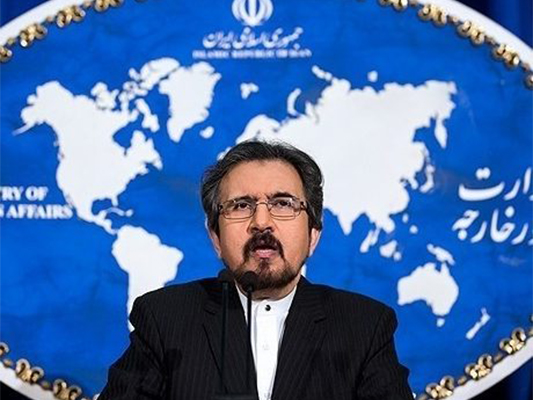
In a Friday statement, Qassemi expressed sympathy with the Afghan government and nation and offered condolences to the families of those martyred in the attacks.
“Savage terrorists and ignorant Takfiris who have faith in nothing and do not know anything about humanity once again targeted the oppressed and innocent people of Afghanistan with their blind and loathsome attacks,” he noted.
“The sole objective of these terrorists is to cause religious rifts and deepen insecurity in the neighbouring country of Afghanistan.”
“The Islamic Republic of Iran will stand by the resisting government and nation of Afghanistan until the complete eradication of violence, crime, terror and insecurity there in spite of the opposition of some trans-regional powers,” Qassemi underlined.
Iran Condemns Deadly Terror Attacks in Afghanistan
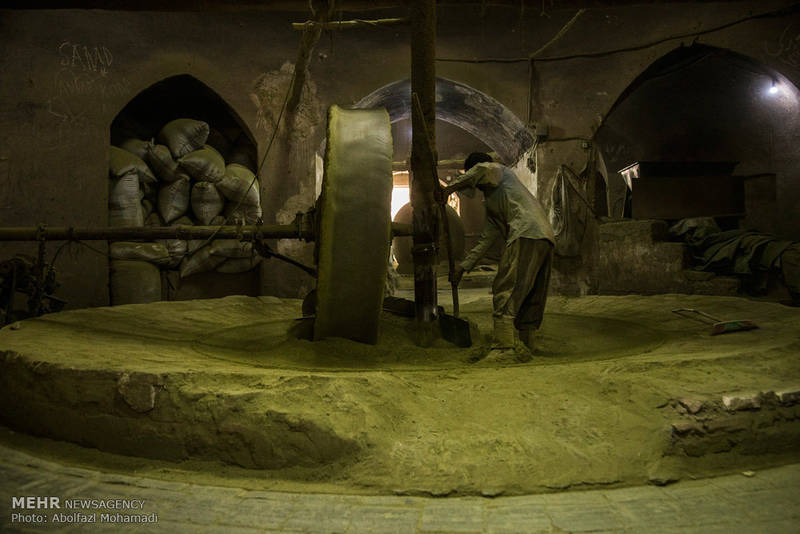
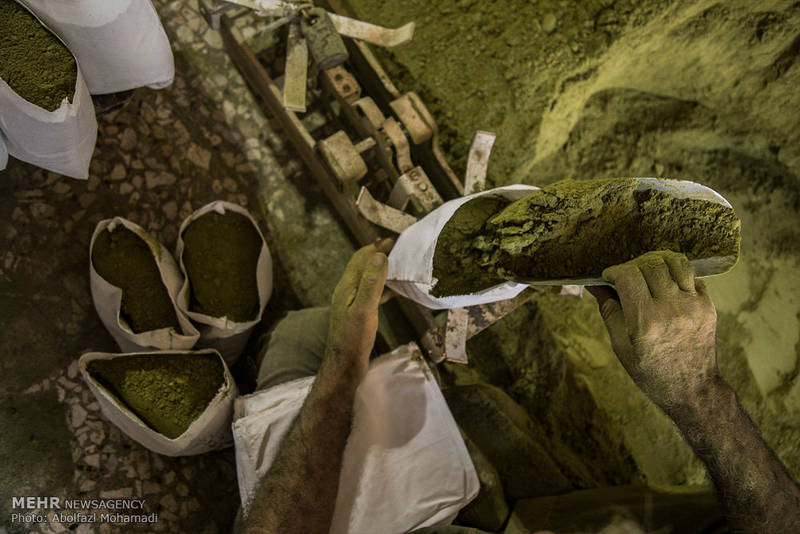
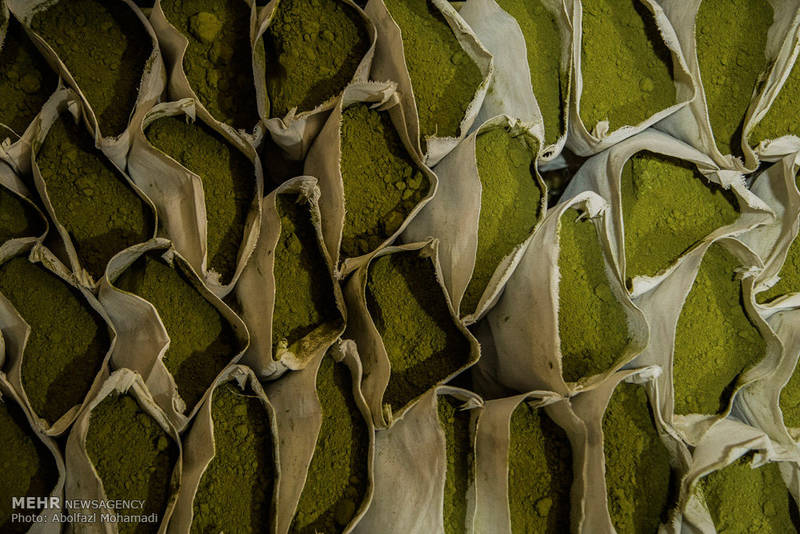
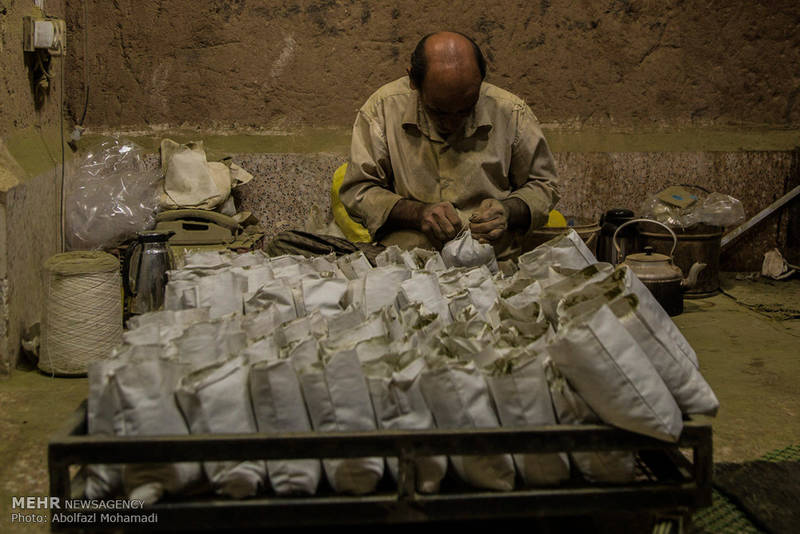
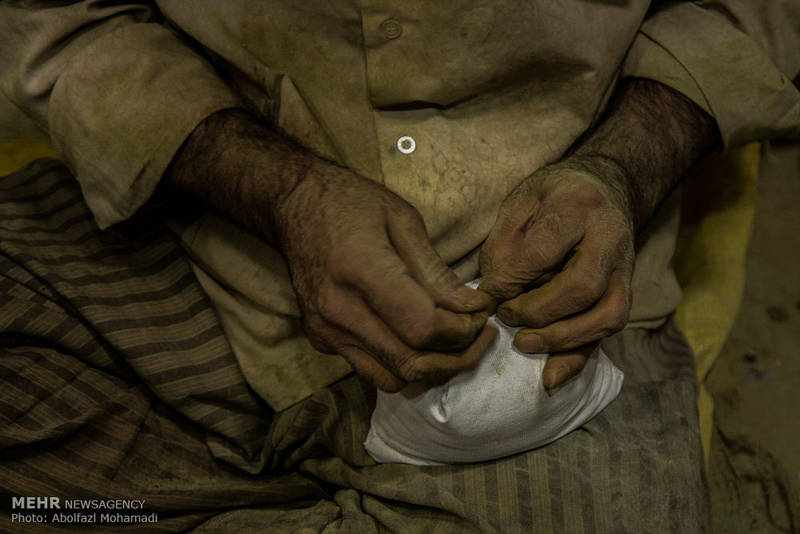
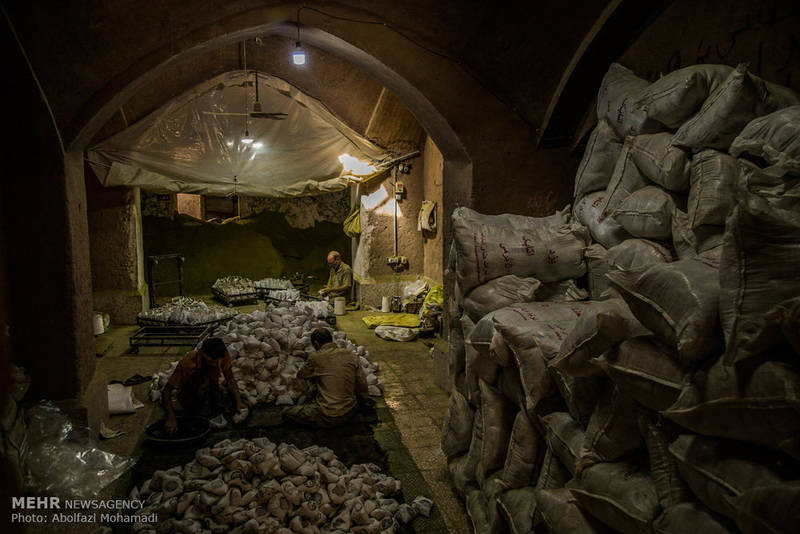
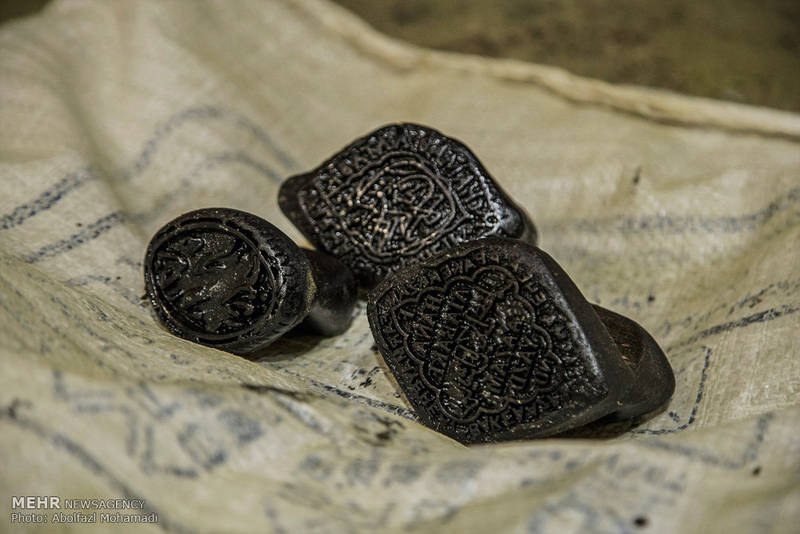
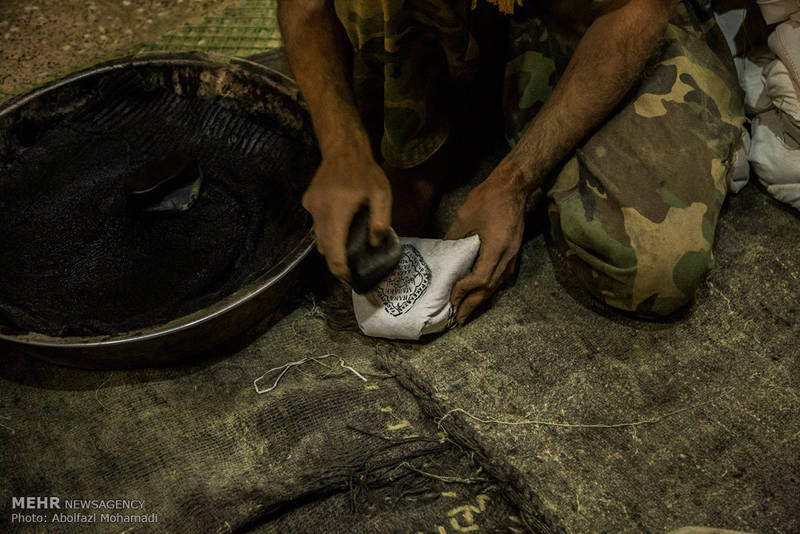
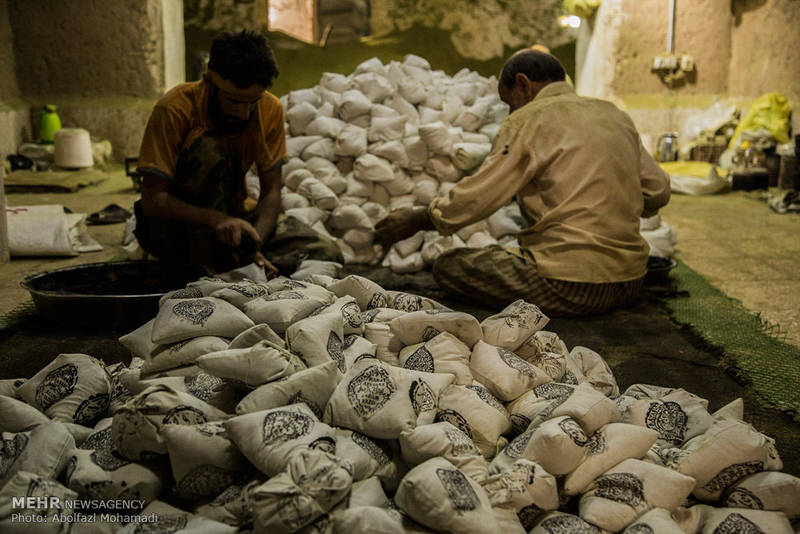
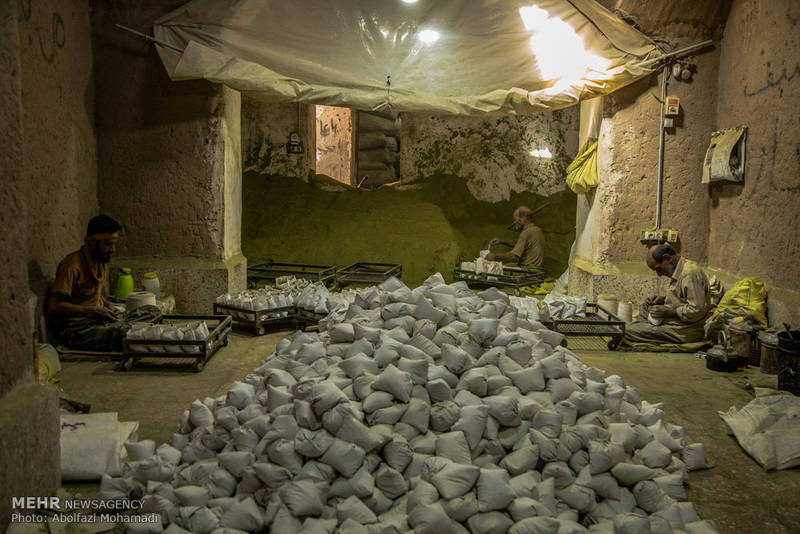
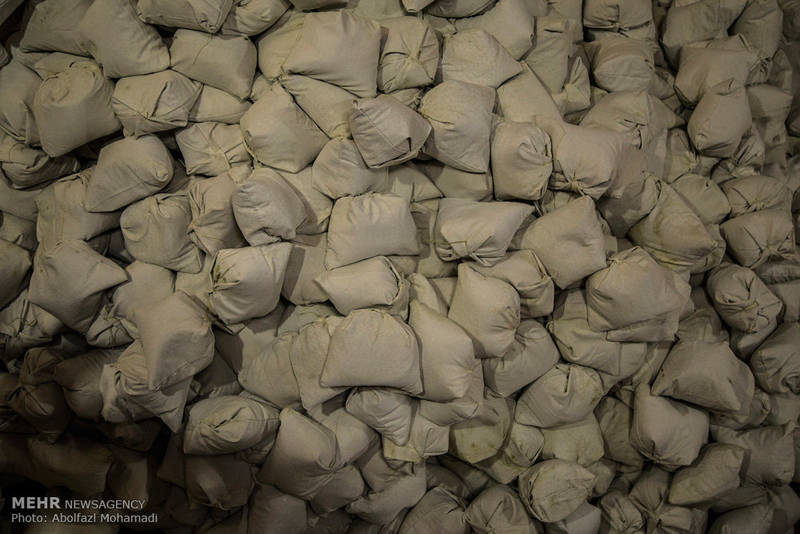
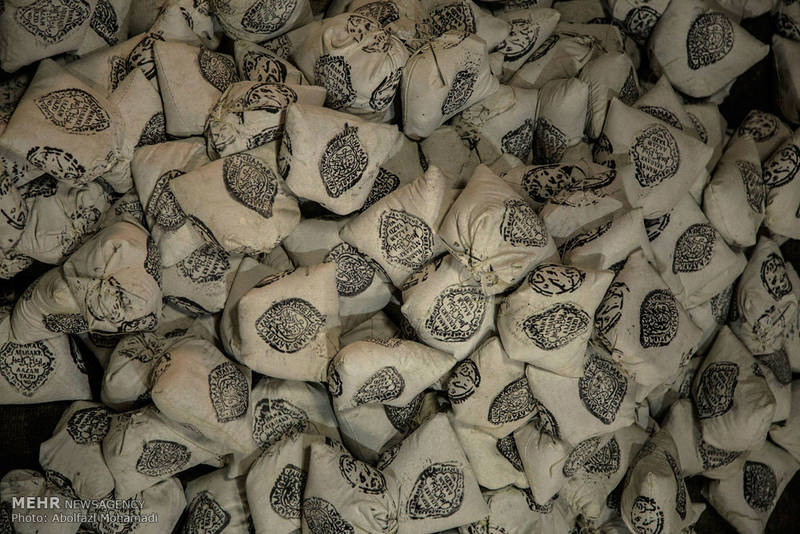
Henna Grinding: Ancient Iranian Profession, Tourist Attraction
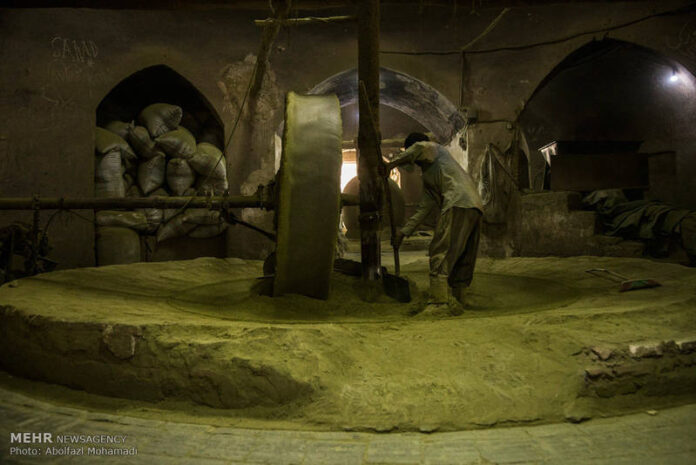
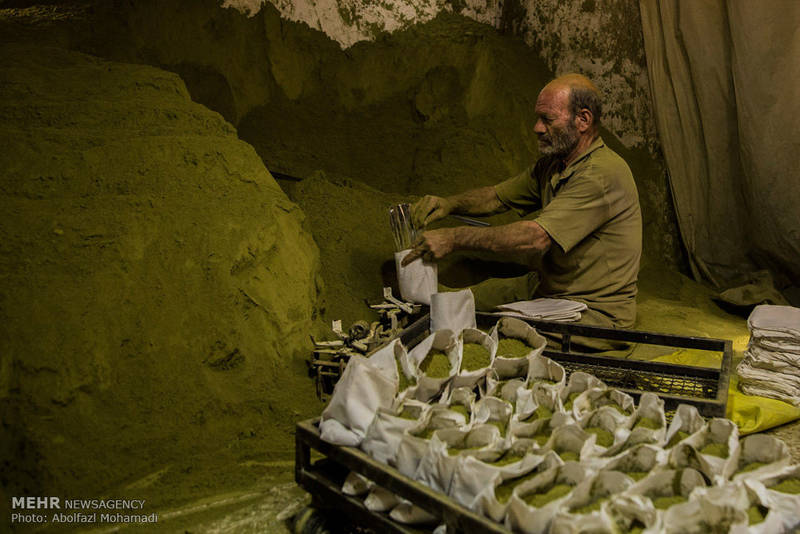
Henna grinding (locally known as Mazara) is one of the ancient professions in the central Iranian province of Yazd. Henna grinding dates back to more than seven centuries. Henna grinding originally goes back to merchants from Yazd who did business with tradesmen from India, Pakistan and the Persian Gulf countries. They used to grind not only henna, but other spices such as pepper, cinnamon, ginger, etc.
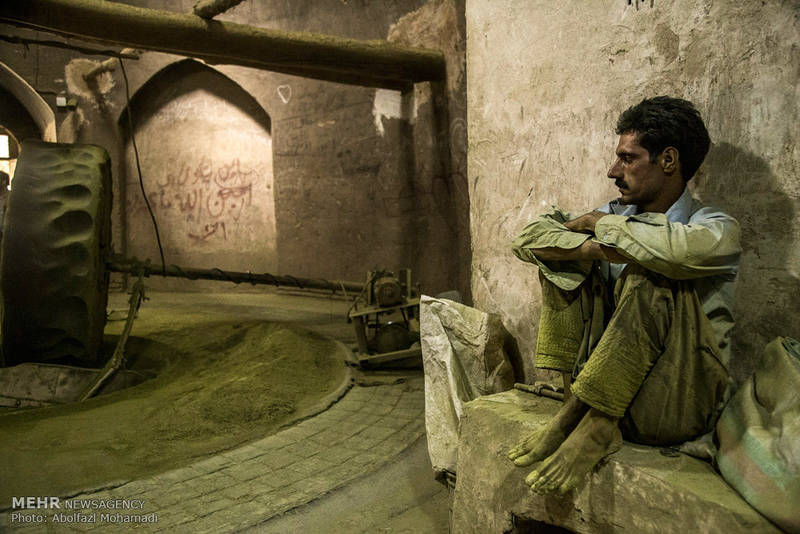
At the moment, the industry exists only in Yazd province because it requires a specific climatic condition. Henna grinding must be done away from direct sunlight. Henna must be ground in a completely hot and dry atmosphere. In Yazd, there are numerous shops where henna grinding is done. The shops, which are around 200 years old, are a major attraction to domestic and foreign tourists.
As for the origin of the word “Mazara,” “Maz” means “crushing wheel,” which rolls over henna leaves or other spices and grinds them. In the past, the Maz was moved by strong men, camels or similar animals.


Iran, Turkey Ink Deals to Boost Scientific, Environmental Ties
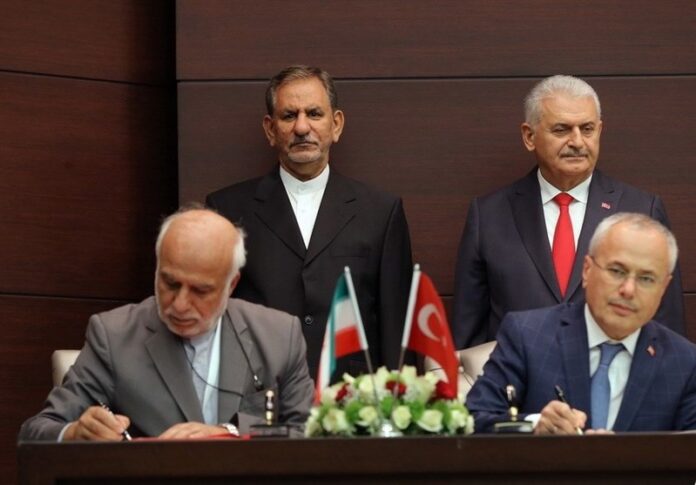
The documents were signed during a meeting in Ankara on Thursday attended by visiting Iranian First Vice-President Eshaq Jahangiri and Turkish Prime Minister Binali Yildirim.
The cooperation agreements include a deal between the Center for International Scientific Studies and Collaboration of Iran’s Ministry of Science, Research and Technology and the Scientific and Technological Research Council of Turkey.
A two-year action plan to implement the Memorandum of Understanding (MoU) between Iran and Turkey on environmental cooperation was the other document signed in the meeting.
Iran and Turkey have ramped up efforts to boost bilateral trade since the implementation of the Joint Comprehensive Plan of Action (JCPOA), a lasting nuclear deal between Iran and the Group 5+1 (Russia, China, the US, Britain, France, and Germany).
The deal took effect in January 2016, terminating all nuclear-related sanctions on Iran.
In April last year, Iran and Turkey signed eight memorandums of understanding (MoUs) to strengthen bilateral cooperation in various areas.
The cooperation documents were signed in a ceremony in Ankara attended by the two countries’ presidents.
The documents covered a range of fields, including higher education, social security, plant maintenance services and standardization.
Iranian, Turkish Central Banks Ink Currency Swap Deal
During a meeting between visiting Iranian First Vice-President Eshaq Jahangiri and Turkish Prime Minister Binali Yildirim in Ankara, Seif and Cetinkaya signed the currency swap deal.
The two sides had agreed on the draft document of the deal during a meeting between the governors of the central banks of Iran and Turkey last week.
According to the agreement, the two countries have assigned a total credit line of 5 billion Turkish liras and its equivalent amount in the Iranian rials to the operating banks of the two countries, which will be used to open letters of credit for the merchants of the two countries with a one-year maturity.
Iran and Turkey have ramped up efforts to boost bilateral trade since the implementation of the Joint Comprehensive Plan of Action (JCPOA), a lasting nuclear deal between Iran and the Group 5+1 (Russia, China, the US, Britain, France and Germany).
The deal took effect in January 2016, terminating all nuclear-related sanctions on Iran.
In April last year, Iran and Turkey signed eight memorandums of understanding (MoUs) to strengthen bilateral cooperation in various areas.
The cooperation documents were signed in a ceremony in Ankara attended by the two countries’ presidents.
The documents covered a range of fields, including higher education, social security, plant maintenance services and standardization.
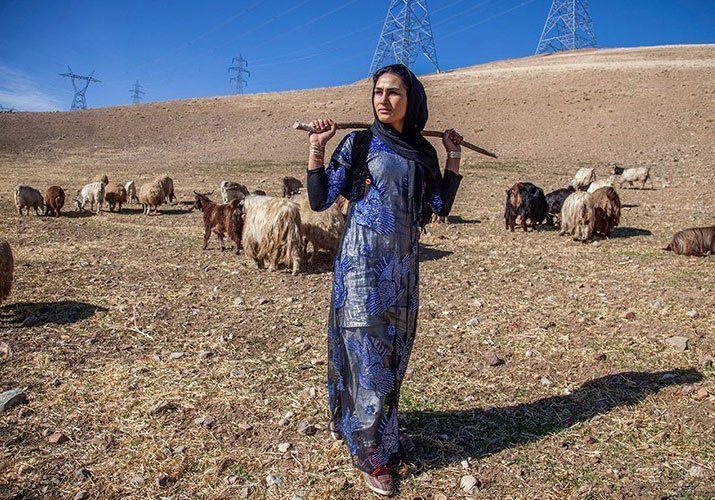
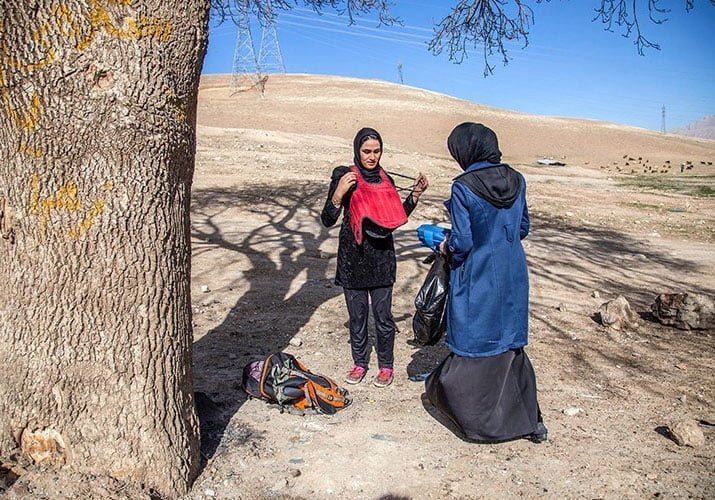
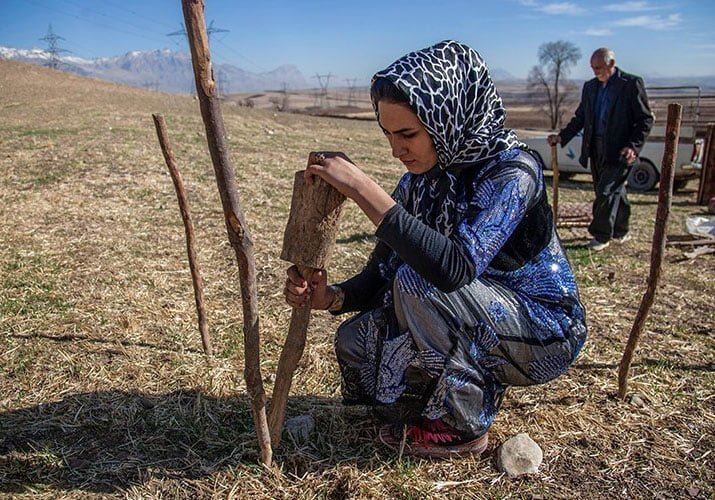
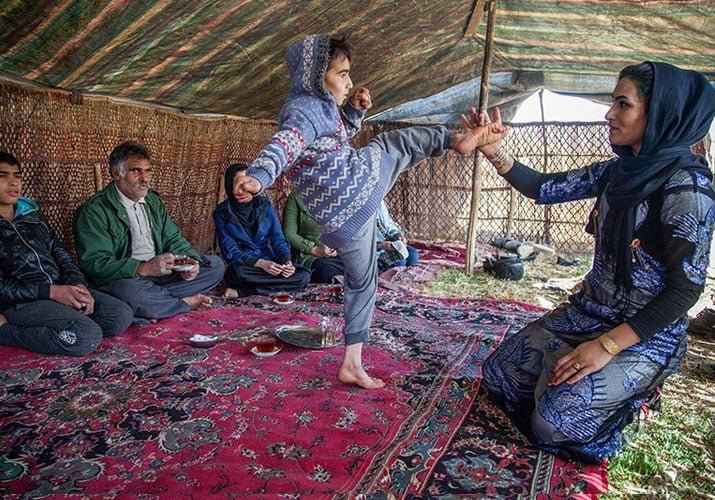
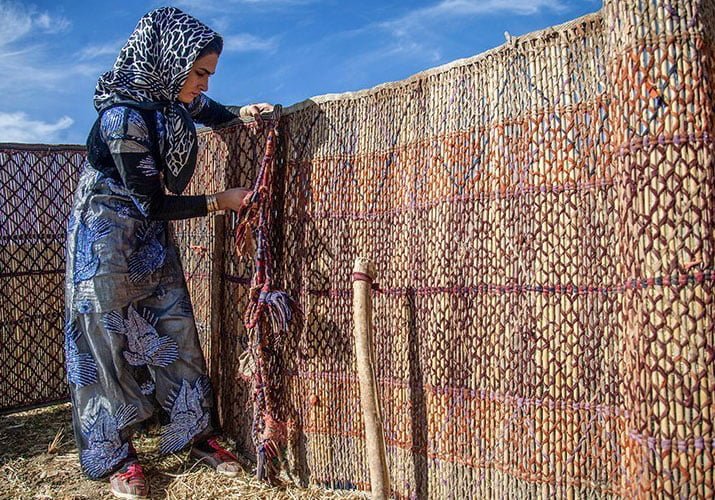
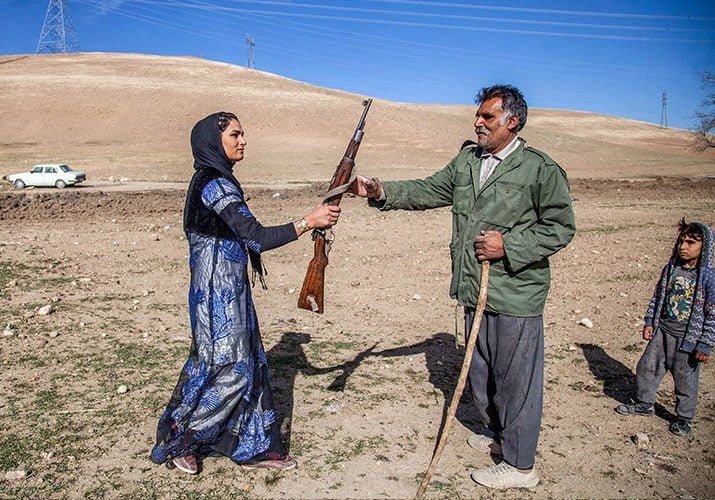
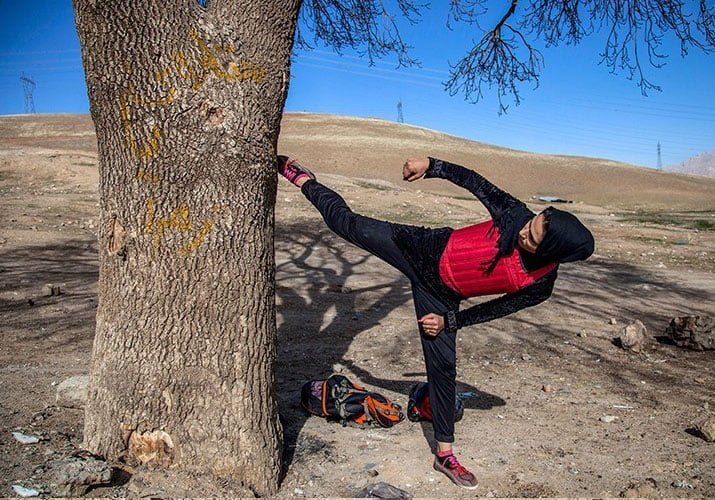
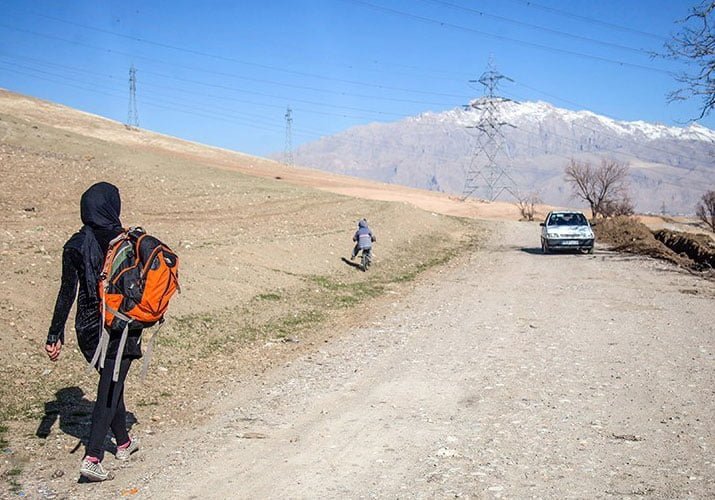
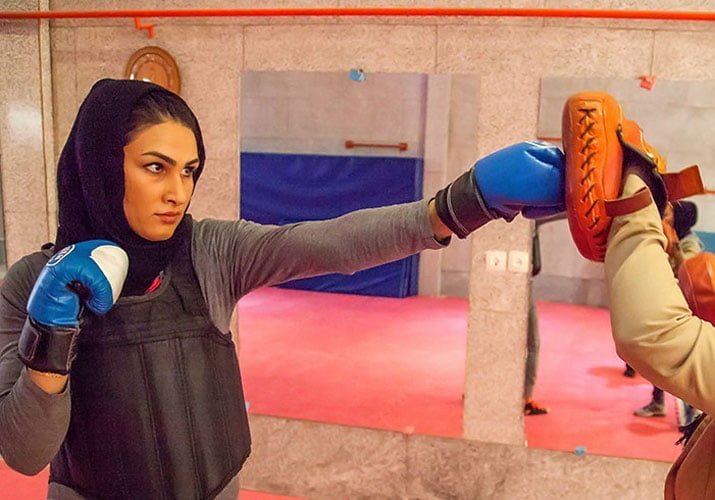
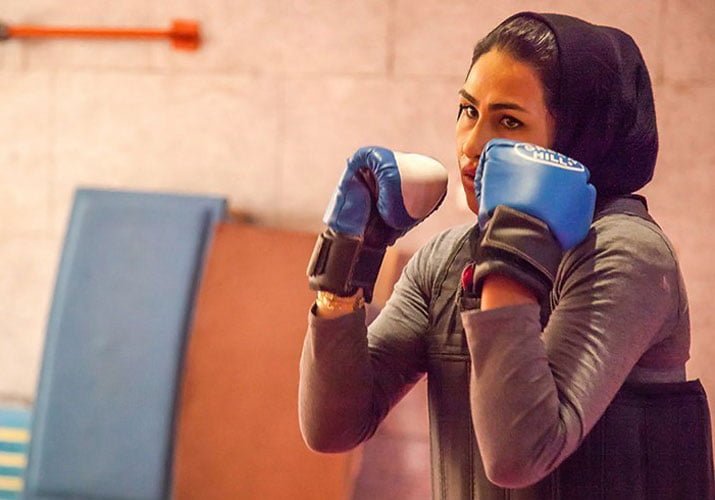
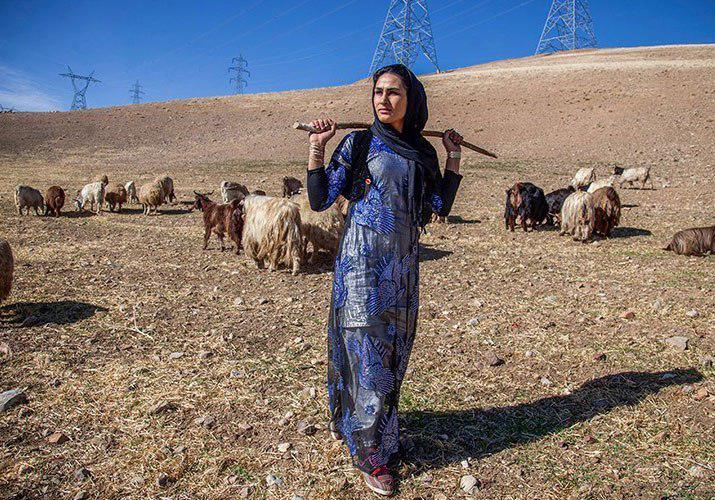
Iranian Nomad Girl, Eleven-Time Kickboxing Champion
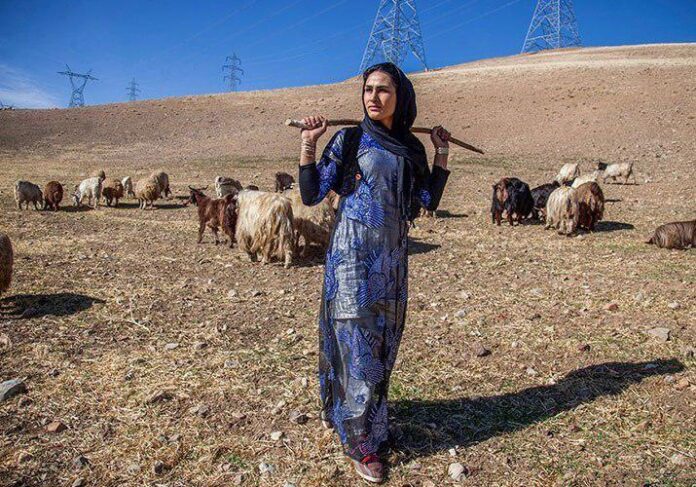
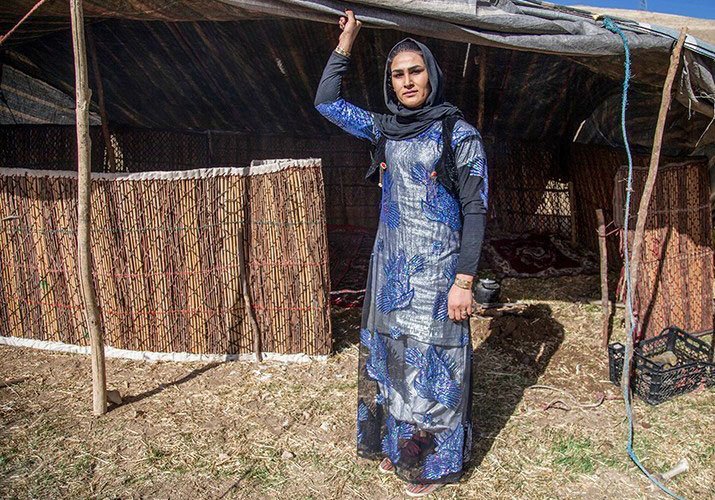
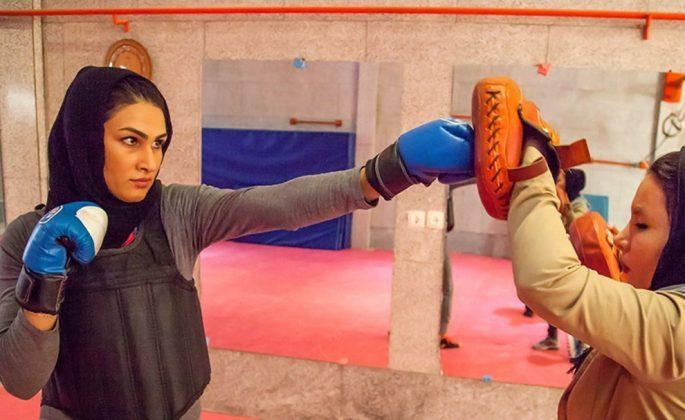
Rashidi is one of the Zuleh nomads of Kermanshah, usually travelling along western parts of Iran. Despite all the hardships of nomadic life, Rashidi managed to become a professional kickboxer and has so far claimed 11 national titles.
She has overcome the difficulty of travelling between Kermanshah and Khuzestan provinces in western Iran, and persuaded her family to let her pursue her athletic career.
Here are Tasnim‘s photos of SousanRashidi, the successful nomad girl and kickboxing champion who is now training for taking part in international competitions:

Syrian President, Iran’s Top Military Chief Hold Talks in Damascus
Major General Mohammad Baqeri met with President Assad on Thursday, congratulating him on the country’s recent achievements in its fight against terrorism and expressing hope that the phenomenon will soon be eliminated from the country.
Assad, for his part, expressed his gratitude to Leader of the Islamic Revolution Ayatollah Seyyed Ali Khamenei as well as the Iranian government and nation for their support for Syria in its campaign against terrorism.
Heading a high-ranking delegation, Major General Baqeri left Tehran for Damascus on Tuesday to meet with Syrian officials to discuss ways to boost defensive and military cooperation between Iran and Syria, among other issues.
He has met with his Syrian counterpart, General Ali Abdullah Ayoub, and is planned to sit down with Defense Minister Major General Fahd Jassem al-Freij as well.

Back in May, the top military brass of Iran and Syria held a meeting in Tehran and vowed to boost cooperation between their respective governments.
Iran has been providing military advisory support to Syria in their campaign against terrorism at the request of the government in Damascus.
Baqeri also paid a visit to Turkey in August. He met with the country’s top authorities, including President Erdogan, his Turkish counterpart, General Hulusi Akar, and Defense Minister Nurettin Canikli.
Chief-Commander Praises Iranian People for Supporting IRGC
In a statement on Thursday, Major General Jafari applauded the national backing and warm voices of support for the IRGC in the wake of the US administration’s recent psychological onslaught against the Islamic Republic.
Assuring the Iranian people of the IRGC’s continued efforts to protect the country and the Islamic Revolution, the general said the threats posed by the enemies indicate that boosting “defense preparedness” should remain a top priority for Iran.
He also described US President Donald Trump’s anxiety and trembling voice in his recent anti-Iran speech as a sign of beginning of the era of failure for the hegemonic system.
On Friday, Trump set out a new strategy for dealing with Iran, saying it begins with imposing tough sanctions on the IRGC, accusing Iran of “proliferation of missiles and weapons that threaten its neighbor’s global trade and freedom of navigation.”
Following the speech, Iranians took to the social media to criticize Trump, mocking his “ridiculous” speech and threats.
Iranian Foreign Minister Mohammad Javad Zarif also released several posts in his Twitter account to remind the US president of Iran’s internal unity, saying, “Today, Iranians–boys, girls, men, women–are ALL IRGC; standing firm with those who defend us & the region against aggression & terror.
On Tuesday, Iranian President Hassan Rouhani hailed the nation’s unified voice against the US president’s hostile remarks, saying such collective reactions would force Washington to back off from its policies.
What Should Iran Do If US Withdraws from Nuclear Deal
Political analyst Mohammad SaeidAhadian has, in an article published in the Persian-language Khorasan daily, weighed in on Washington’s repeated violations of the Iran nuclear deal known as the Joint Comprehensive Plan of Action (JCPOA) and proposed a scenario to respond to the United States’ possible withdrawal from the agreement.
In part of his article, the commentator raises a question:
“Should we pull out of the JCPOA unilaterally or should we continue to move on the one-way path we are currently in?”
Here are the highlights of his proposed answer to the question:
The first possibility is that the US Congress will give the thumps up to the Trump administration’s plan. The ratification of the plan would mean an official withdrawal from the JCPOA. In that case, Washington will be to blame for the revocation of the agreement, and Iran can stop all of its voluntary actions. The best thing would be for Iran to announce it will not implement the Additional Protocol, will stop all supervision [by the UN nuclear agency of Tehran’s nuclear work]which goes beyond the protocol and will cooperate only within the framework of the Nuclear Non-Proliferation Treaty (NPT) while giving fresh impetus to its peaceful activities. In addition to all these measures which are all in keeping with peaceful nuclear work, Iran should clinch a general deal (not a new agreement) with Europe on the extension of a ban on sanctions against Tehran. Under the agreement, Iran should not conduct activities which are interpreted as measures within the framework of nuclear weapons development such as enrichment of uranium to the 20-percent purity level, etc. In that case, and given the chasm which has grown between Europe and the US, sanctions will not return to the level before the conclusion of the JCPOA. Accordingly, US sanctions, which will definitely affect Iran’s economy, will not be able to completely block Iran’s economic transactions with the world.
In fact, withdrawing from the nuclear deal preemptively before Congress announces its decision would not seem very rational. Nevertheless, Iran should not stand idly by and simply keep waiting and objecting while US lawmakers are reviewing the JCPOA and deliberating on their final decision. Rather, Iran should seize the opportunity to build a global consensus against Trump’s position.
In fact, Trump gave us the best chance to officially pressure Europe. Iran should threaten Europe: Now that the US has contravened the JCPOA by launching media propaganda campaigns and does not allow Tehran to benefit from JCPOA, Iran will not reciprocate Washington’s violation of the deal and will make good on its nuclear commitments only if Europe taps into its potential to give the necessary guarantees to giant European economic enterprises to sign and implement several major contracts with Iran whose symbolic impact will lead to the lifting of sanctions and reinforcement of the JCPOA. This proposal has several advantages: First, Iran will get out of the current diplomatic passivity and will take the initiative. Moreover, if Europe does not agree, it will become clear that we cannot bank on Europe after the possible annulment of the JCPOA. So, we can draw up a scenario excluding Europe.
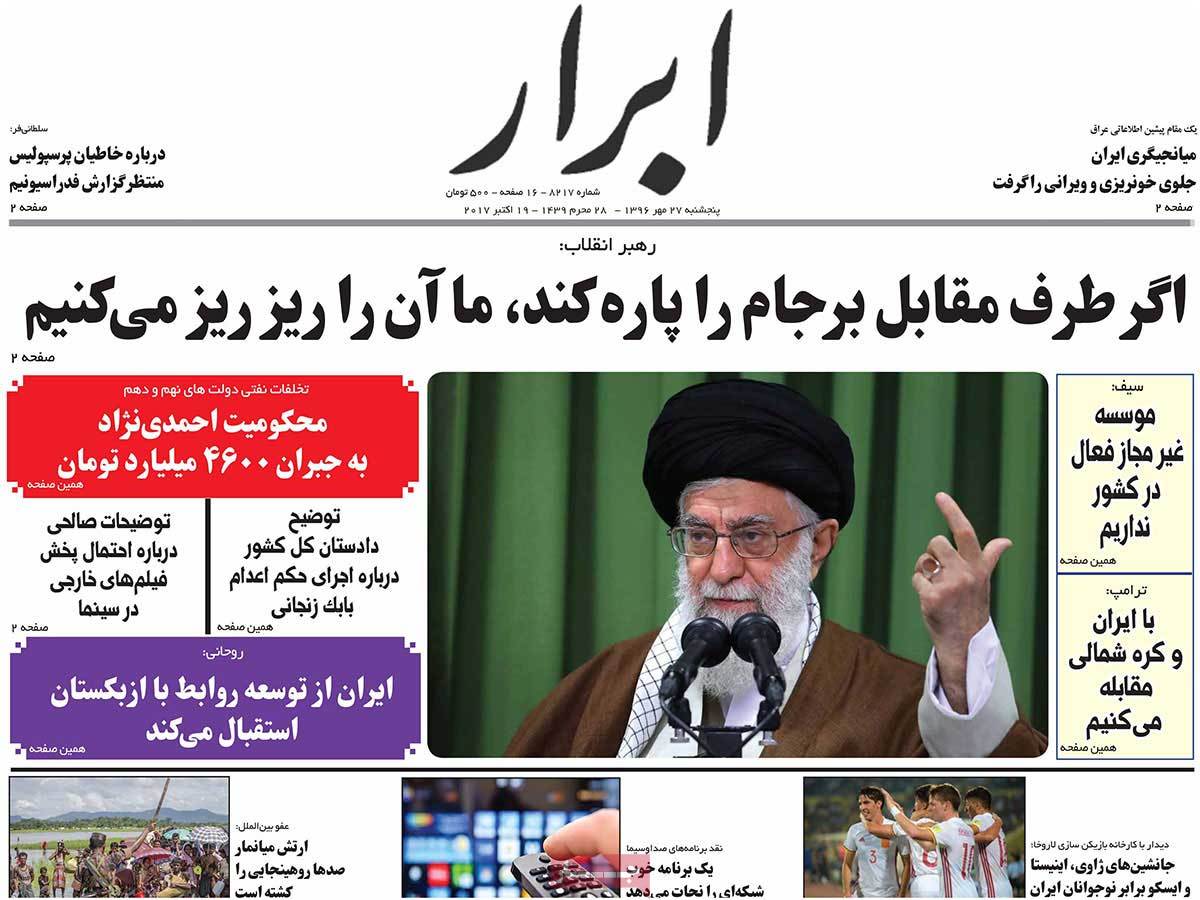
A Look at Iranian Newspaper Front Pages on October 19
The top story in all Iranian newspapers today was the remarks made by the Leader of Iran’s Islamic Revolution Ayatollah Seyyed Ali Khamenei about US President Donald Trump’s anti-Iran rhetoric, Europe’s stances on Iran’s regional presence and missile program, and the nuclear deal between Tehran and world powers.
This was Ayatollah Khamenei’s first official reaction since the Trump administration’s efforts to undermine the Joint Comprehensive Plan of Action.
Several newspapers, particularly the pro-government ones, widely covered the comments by European officials about their resolve to continue trade ties with Tehran. However, Iran’s Leader noted that paying lip service is not enough and they should show their support in action. Ayatollah Khamenei also urged Europe to refrain from interfering in Iran’s defensive program and regional presence.
Almost all pro-government and reformist papers also covered the financial charges against former president Mahmoud Ahmadinejad.
Economic papers, meanwhile, covered the Chinese president’s remarks about Beijing’s efforts to create new era of Chinese Socialism and turning into the world’s number one economic power.
Newspapers also continued covering the allegations about Iranian General Qassem Soleimani’s mediation between the Iraqi central government and the Iraqi Kurdistan region.
The above issues, as well as many more, are highlighted in the following headlines and top stories:
Abrar:
1- Central Bank Governor: We Have No Illegally Operating Financial Institute
2- Rouhani: Iran Welcomes Promotion of Ties with Uzbekistan
3- Former Iraqi Intelligence Official: Iran’s Mediation Prevented Bloodshed, Destruction
4- Trump: We’ll Counter Iran, North Korea
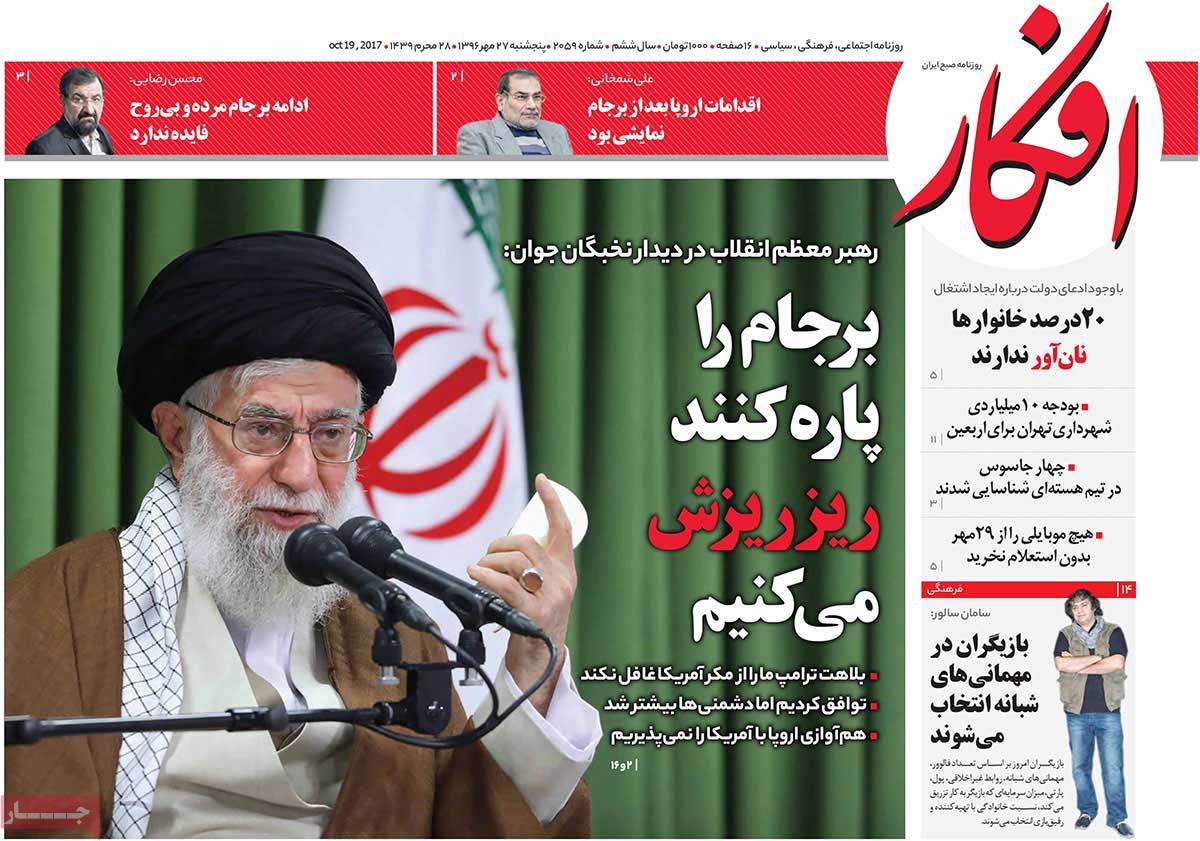
Afkar:
1- Shamkhani: Europe Just Paying Lip Service after JCPOA
2- IRGC General: Continued Implementation of Dead Nuclear Deal Not Beneficial
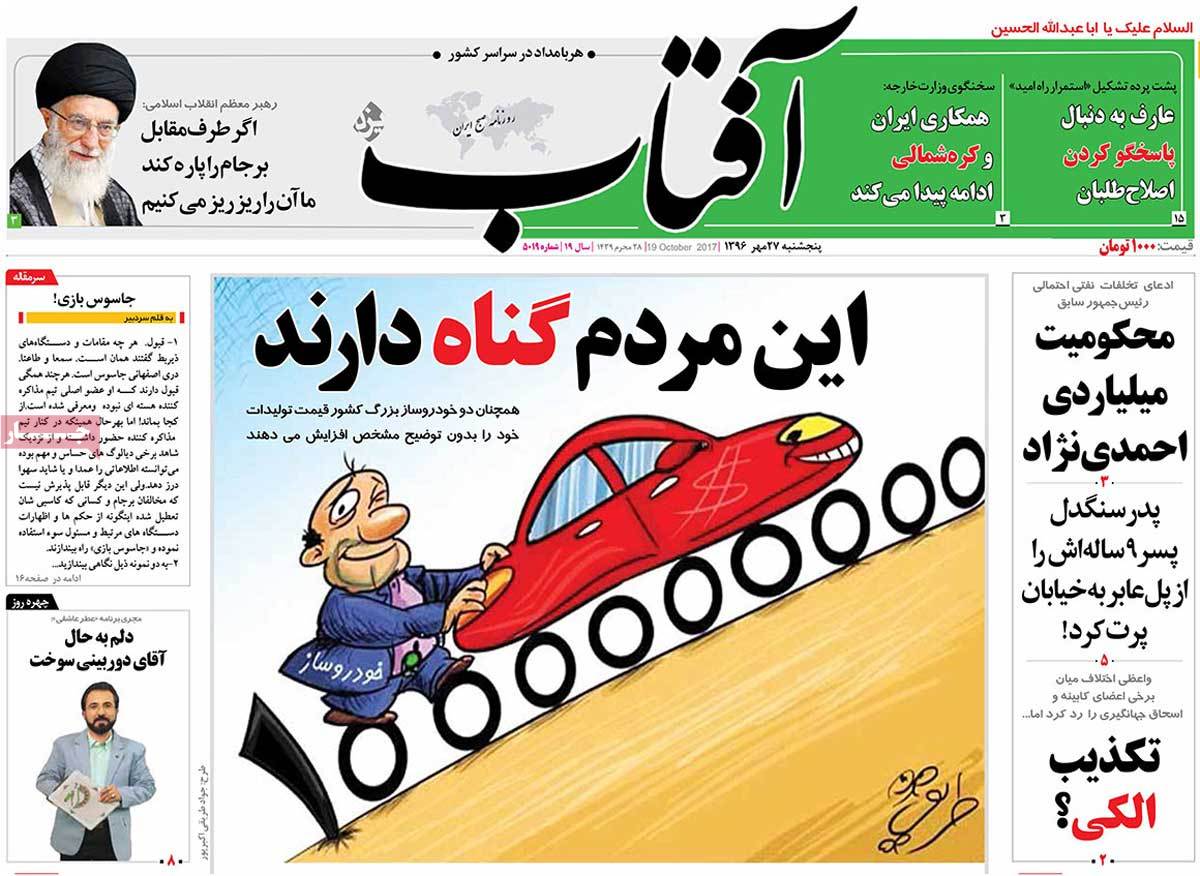
Aftab-e Yazd:
1- Aref Trying to Hold Reformists Accountable
2- Foreign Ministry Spokesman: Iran to Continue Cooperation with North Korea
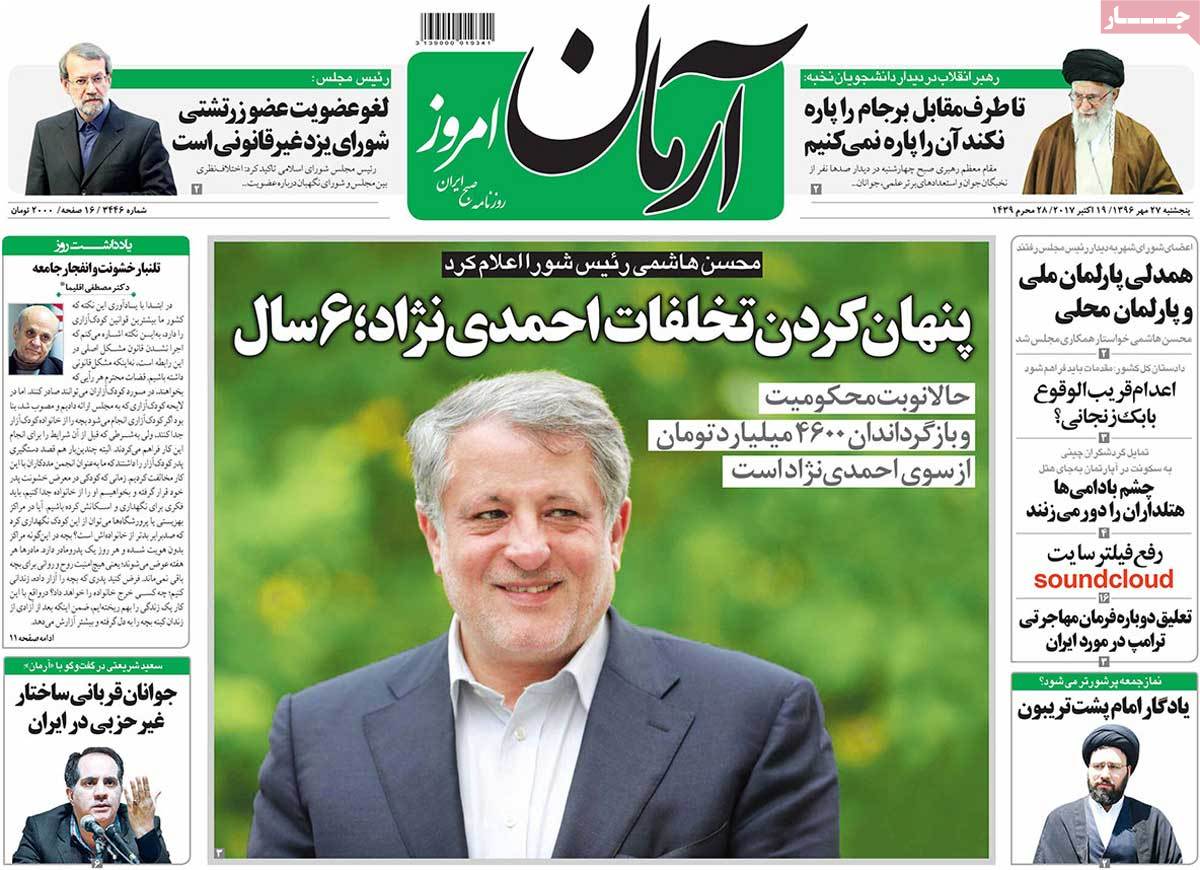
Arman-e Emrooz:
1- Leader: We Won’t Scrap Nuclear Deal If Others Don’t Do It
2- Parliament Speaker: Suspension of Zoroastrian Councillor Illegal
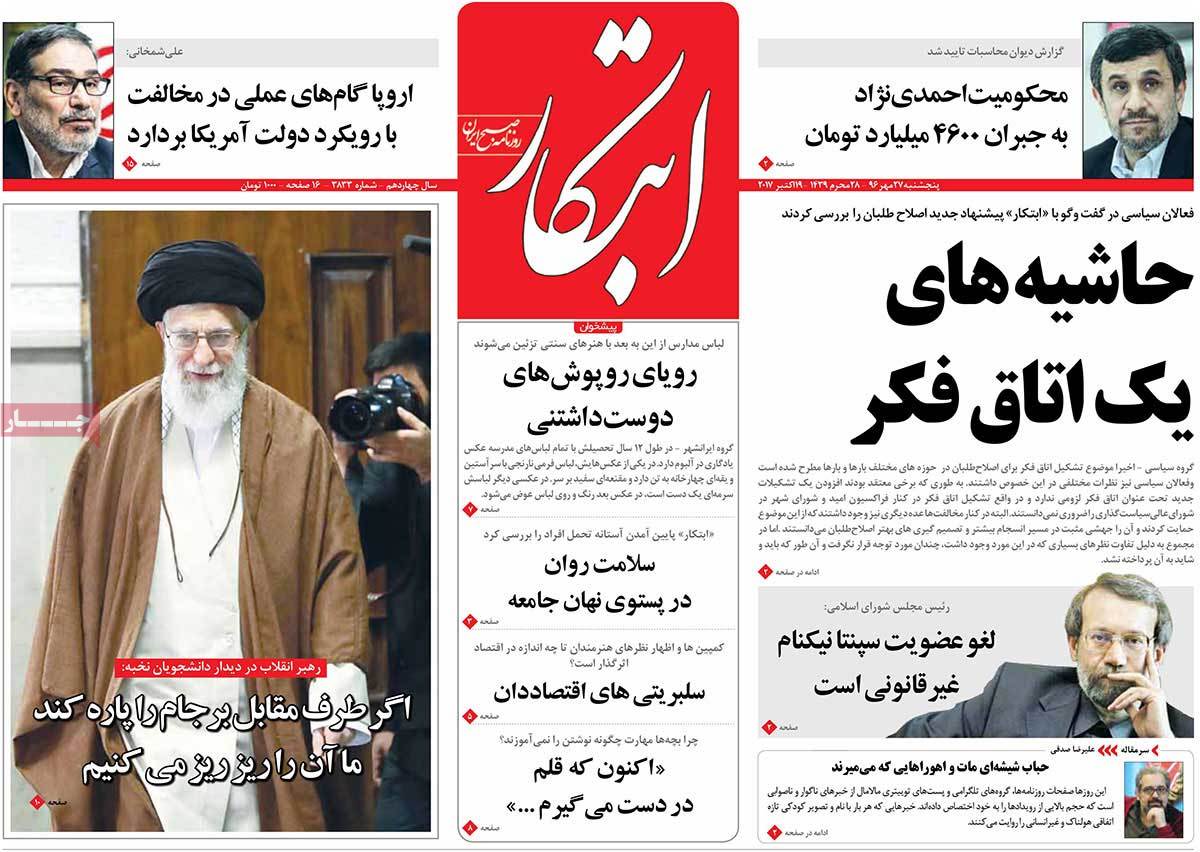
Ebtekar:
1- Shamkhani: Europe Should Take Practical Steps against US Gov’t
Etemad:
1- Iran Leader: Europe Should Stand against US
2- Larijani Defends Zoroastrian Member of Yazd City Council
3- Details of Ahmadinejad’s IRR 46,000 Billion Offence
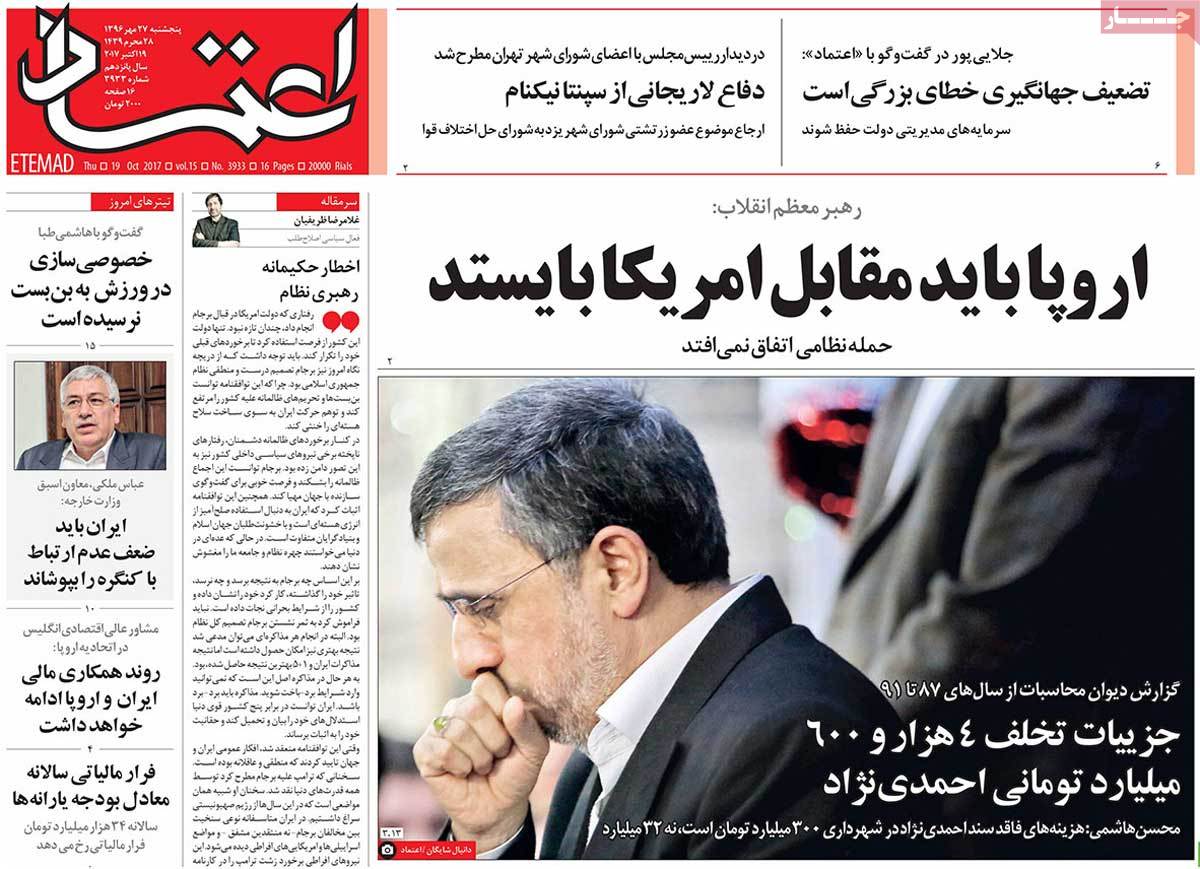
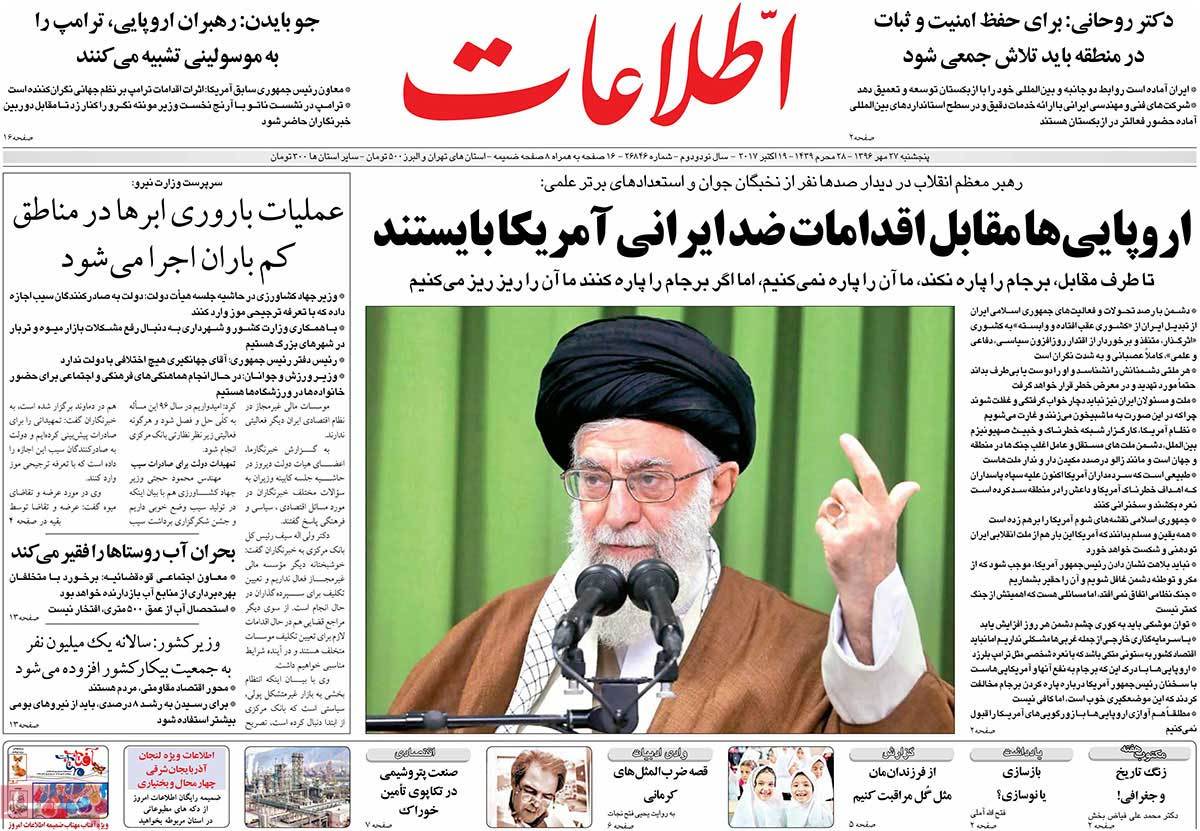
Ettela’at:
1-Acting Energy Minister: Iran to Fertilize Clouds in Areas with Low Precipitation
2- Iran Leader: Europeans Should Stand against US Anti-Iran Stances
3- Biden: European Leaders Comparing Trump to Mussolini
4- Rouhani: Collective Efforts Needed for Maintaining Mideast Peace, Security
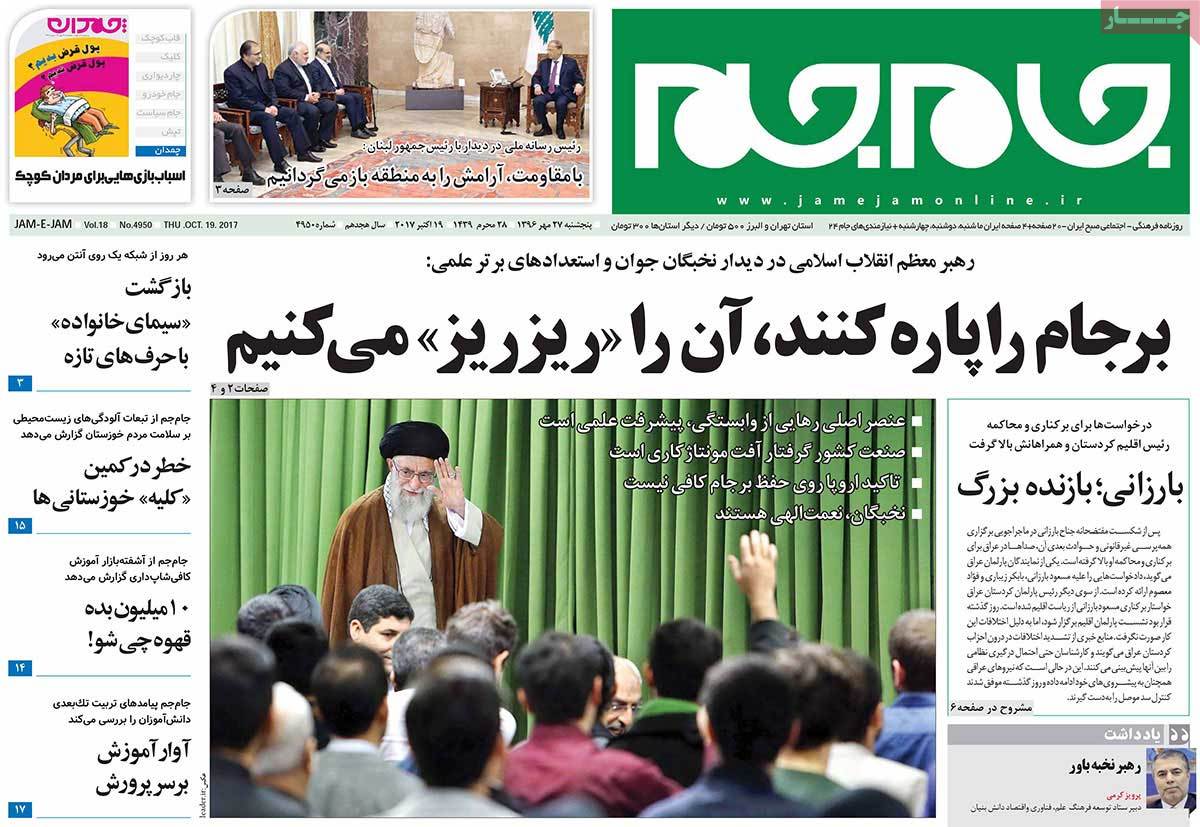
Jame Jam:
1- Iran Leader: If They Tear Apart JCPOA, We’ll Shred It
2- Barzani, the Big Loser
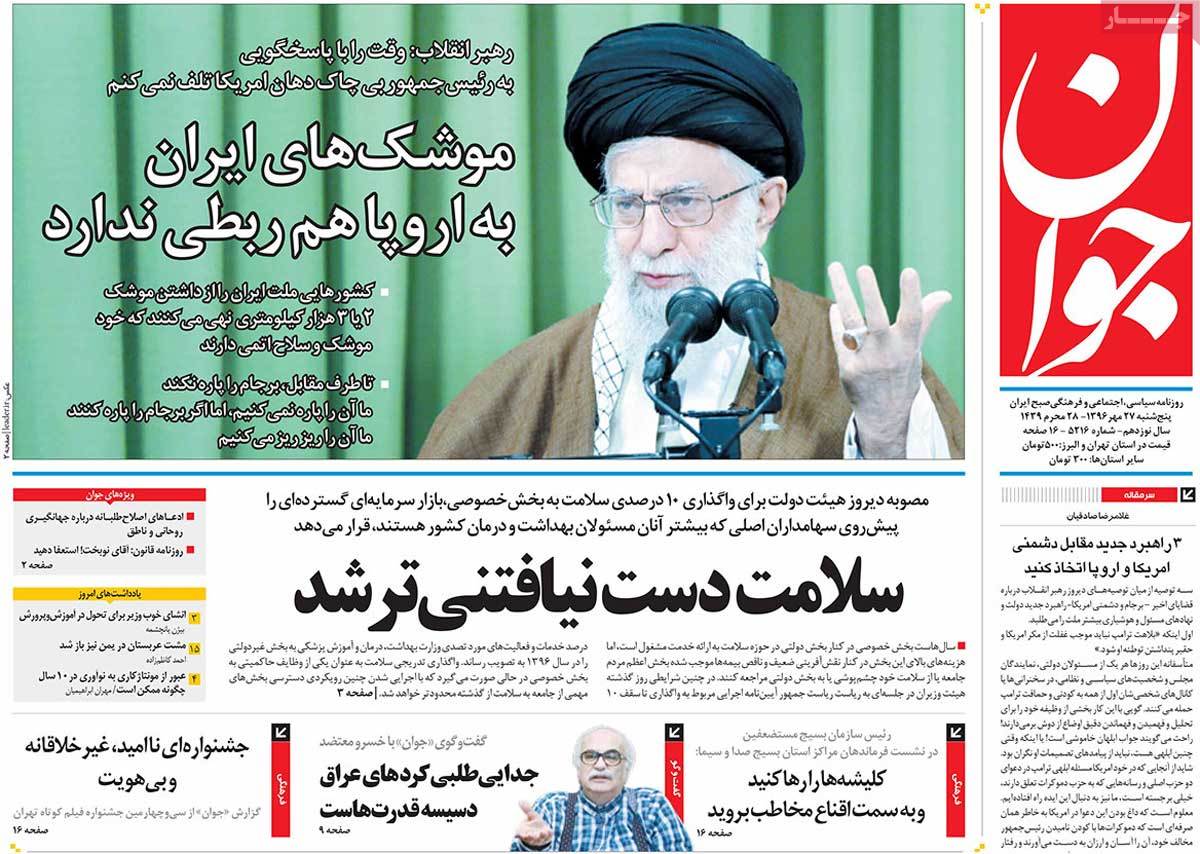
Javan:
1-Iran Leader: I Don’t Waste My Time by Responding to Rude US President
2- Iran’s Missiles None of Europe’s Business: Ayatollah Khamenei
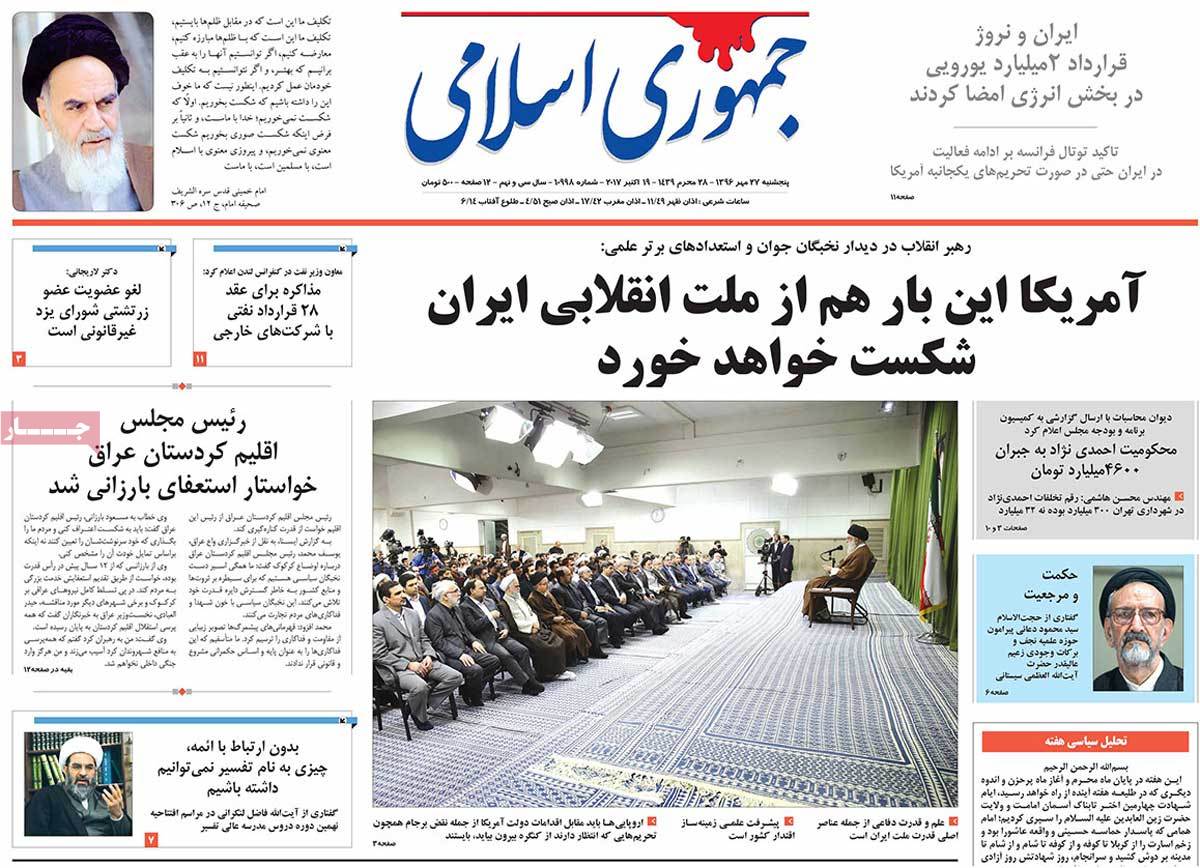
Jomhouri Eslami:
1- Iran Leader: US Will Once Again Be Defeated by Iranian Nation
2- Iran, Norway Sign €2 Billion Energy Deal
3- Iraqi Kurdistan’s Parliament Speaker Call for Barzani’s Resignation
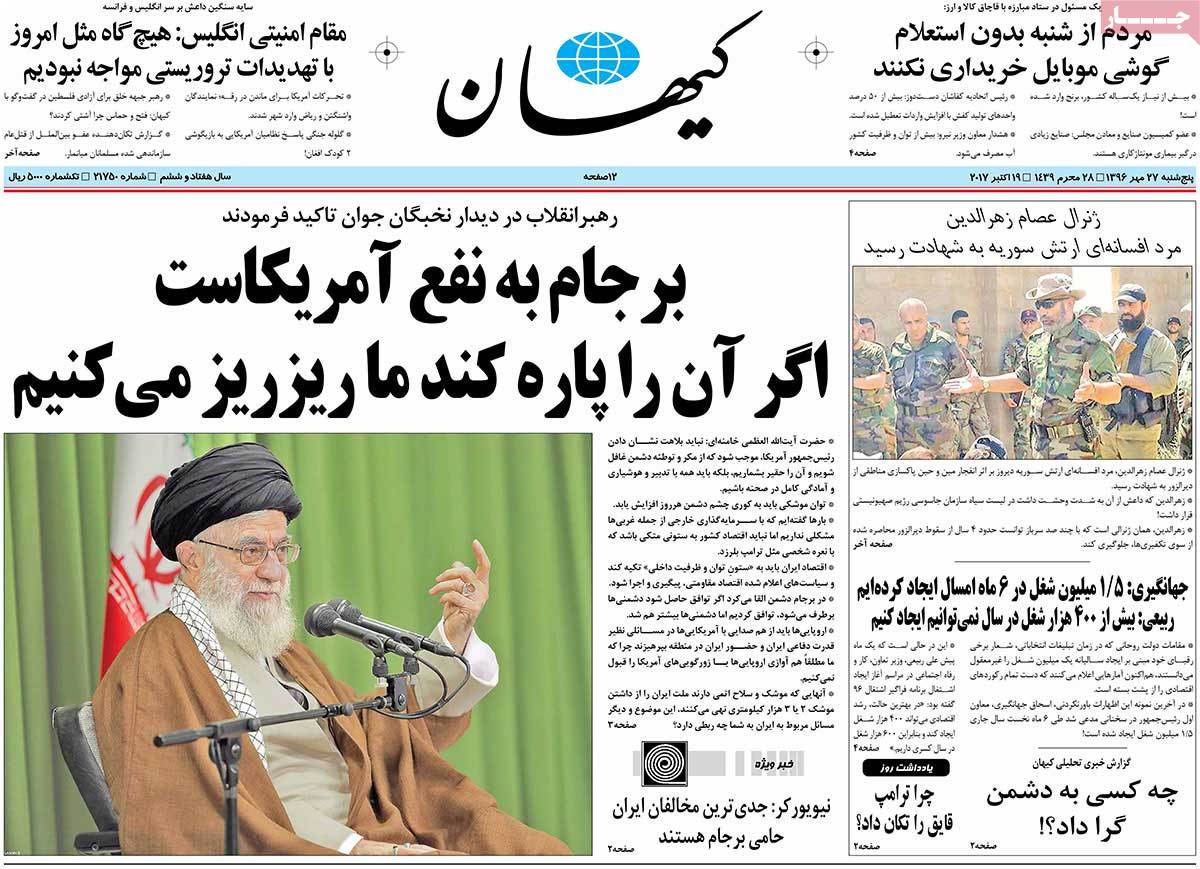
Kayhan:
1- Iran Leader: JCPOA Is to US Benefit; If They Tear It Apart, We’ll Shred It
2- Syrian Army’s Legendary Man Martyred
3- British Security Official: We’ve Never Been Faced with Terrorist Threats as We Are Today
4- New Yorker: Most Serious Opponents of Iran Back JCPOA
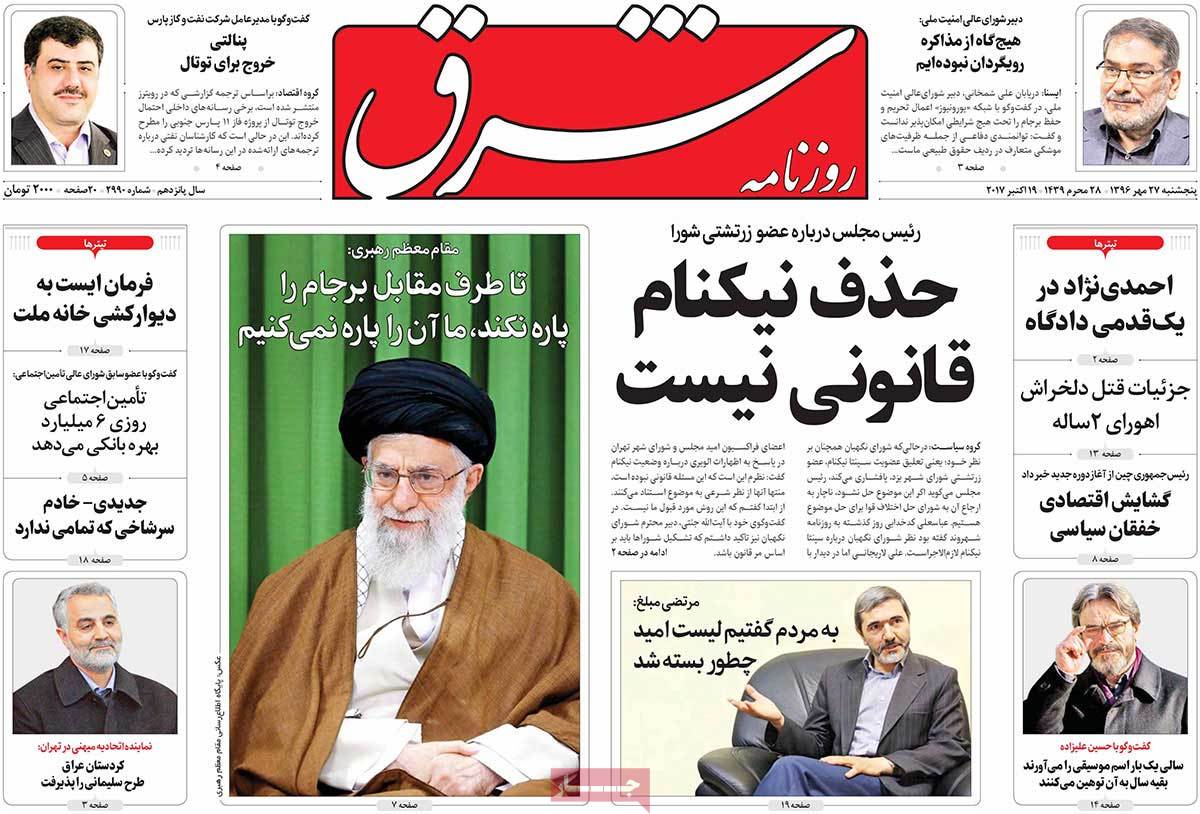
Shargh:
1- We’ve Never Turned Our Back to Negotiation
2- PUK Representative in Iran: Iraqi Kurdistan Accepted General Soleimani’s Plan
Iran to Accelerate Development of Missile Program: IRGC
The IRGC has, in a statement, thanked Iranian officials and people from all walks of life for their unflinching support in giving a crushing response to US President Donald Trump’s gibberish against this revolutionary institution, and stressed it remains determined to press ahead with its fight against the hegemony system and Zionism and to further develop the country’s missile defence capability.
“The hostile positions of the rogue and bird-brained US president in insulting the Iranian nation and speaking of imposing unfair new sanctions against the IRGC indicate the failure of the evil policies of the authorities of the White House and the Israeli regime to change the map of the region and disintegrate and weaken Islamic countries and also show their anger at the IRGC’s a role in this domain,” reads part of the statement.
The statement notes that national unity and consensus in offering unflagging support to the IRGC and the condemnation of Trump’s ranting and raving all have a meaning.
“This popular institution (IRGC), based on its revolutionary and basic mission, will continue its incessant fight against the hegemony system and Zionism with a vengeance, and will not hesitate, even a moment, to defend the Islamic Revolution and the country’s national interests,” the statement underscores.
The statement also thanks Leader of the Islamic Revolution Ayatollah Seyyed Ali Khamenei for his backing, and appreciates the support of all people, top religious clerics, heads of the three branches of government, Islamic seminary schools, universities, political parties and elites as well as cultural, artistic, sports and scientific figures together with Iranian expatriates.
The statement has stressed that the IRGC, backed by popular support and under the command of the Leader, has worked in tandem with other branches of the Armed Forces to safeguard the Revolution and the country.
By God’s grace, and much to the chagrin of the enemies, especially the US and the evil international network of Zionism, Iran’s regional influence will grow and its missile capability will further be developed, reads the statement.
UK Says “Persian” Gulf Is Officially Correct, Never Use Other Terms
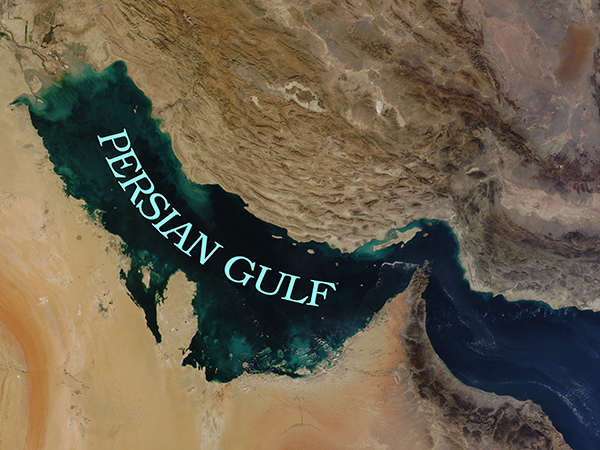
In this circular, which was released by Iranian ambassador to London Hamid Baeinejad on Thursday in a post in his Instagram page, the UK Foreign and Commonwealth Office clearly states that “the correct English name for this stretch of water is ‘Persian Gulf’.”
The confidential document further emphasize that “the term ‘Arabian Gulf’ should never be used in official communications.
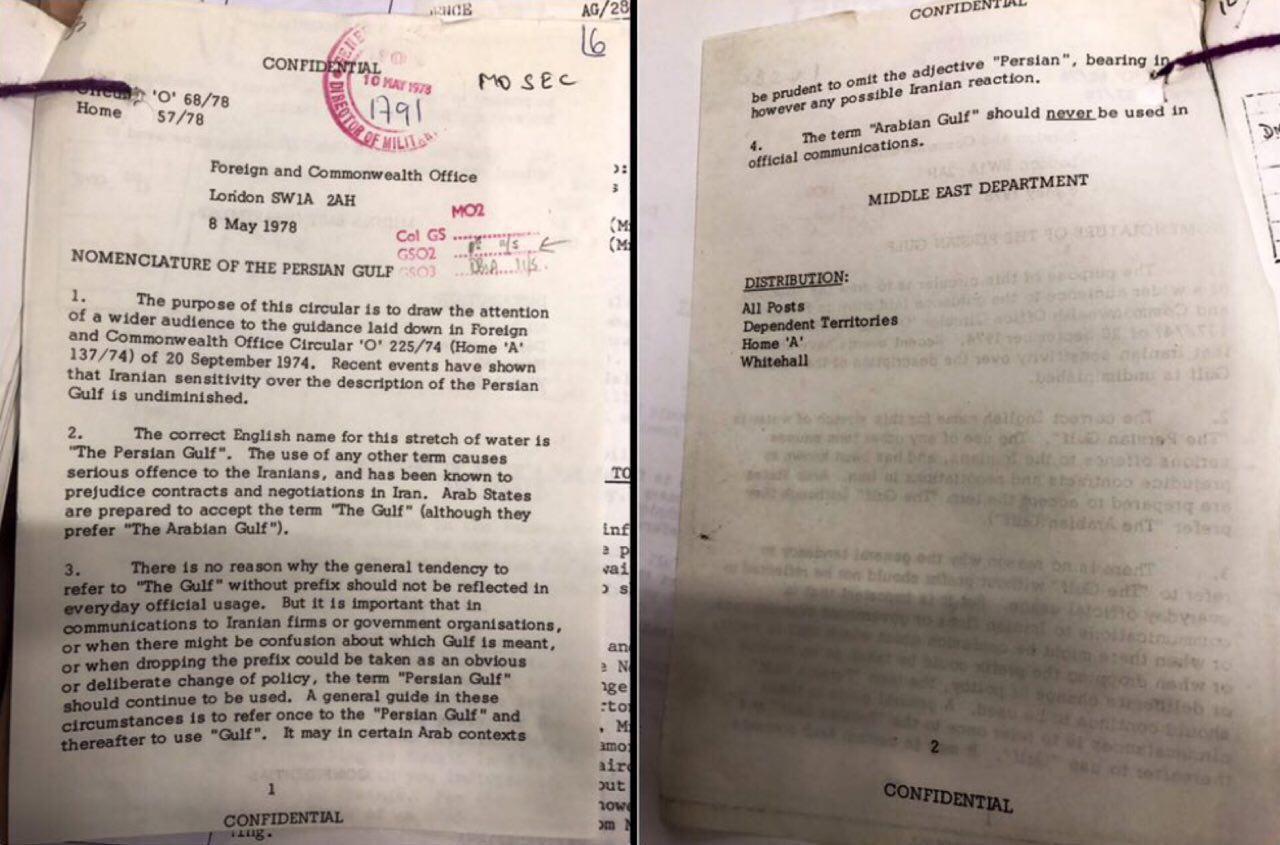 On the reason for releasing this directive, the UK government has cited the Iranians’ sensitivity pver the ‘description of the Persian Gulf’, and added, “The use of any other term causes serious offence to the Iranians, and has been known to prejudice contracts and negotiations in Iran.’
Baeidinejad says the document has been taken out of the British government’s archive of classified files thanks to the efforts made by Majid Tafreshi, a senior professor of the Iranian history.
The release of the document comes a few days after Iranian people were outraged by US President Donald Trump’s use of the fake name ‘Arabian Gulf’ when referring to the body of water.
