Sunday, December 28, 2025
Home Blog Page 3847

Trump’s Speech Draws Harsh Criticism from Iranian Pundits

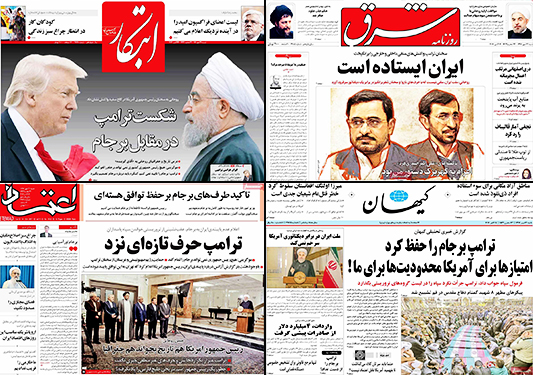
US President Donald Trump’s anti-Iran comments in his speech on October 13, 2017 aimed at announcing Washington’s new strategy towards Tehran immediately drew reactions from Iranian pundits who condemned Trump’s allegations while stressing the need for further unity among Iranian groups and political camps. Iranian newspapers, too, focused their attention on the destiny of the Iran nuclear deal known as the Joint Comprehensive Plan of Action (JCPOA) and Trump’s anti-Iran comments.

Ahmad Gholami, the editor-in-chief of the reformist Shargh newspaper has, in an editorial, spoken of “war with the US to the death.” Such a position could mean reformists are inching toward the language of “resistance” as highlighted by conservatives. In his opinion piece, Gholami writes that Trump, by using real and unreal threats, seeks to launch a trade war against Iran in order to make the country sit at the negotiating table and give concessions on non-nuclear issues and back down from its national interests.

“If Trump’s plan turns out to be a success, at last everybody will think that the US is a well-organized entity, so much so that Obama moved forward with the first phase in the nuclear negotiations, and Trump helped the final phase bear fruit,” wrote Gholami.

“So far, all pieces of the puzzle fit together, except Iran’s reaction to the US. The Iranian government and people have shown that they are not easily predictable. In many historical dead ends, they escaped from danger via talks and deals, and fought to the death to defend their country under circumstances where no one would have thought they would make sacrifices,” added Gholami.

“It is almost not in Trump’s hands [to determine] what decision Iranian people will make, and this is the only missing piece of the puzzle, i.e. he does not know whether Iranians will insist on diplomacy or, in an unbelievable move, will be forced to fight to the death even though they are not willing to fight.

The conservative Kayhan newspaper has, in an opinion piece by Ja’far Bolouri, stressed that Trump seeks to gain more concessions from Iran, not to pull out of the JCPOA. In his article, Bolouri refers to Washington’s attempts to make Iran’s commitments and restrictions under the JCPOA permanent.

“One should ask why the US wants the JCPOA to become permanent if it is to the detriment of Washington?” he asks.

In another part of his article, Bolouri calls on the Iranian government to make efforts more seriously to secure Iran’s rights.

“The P5+l group owes us, and naturally we should treat them as if we are the creditor. But in practice, it is their behaviour which is similar to that of a creditor!” he adds.

“We were supposed to gain concessions in return for living up to our commitments and giving concessions, not to give more concessions. The International Atomic Energy Agency (IAEA), as the judge, has announced time and again that Iran has lived up to its commitments and far beyond. But, unfortunately, the way the Iranian government deals with US breaches of promises does not look like that of a creditor. If such behaviour continues, it will further embolden the enemy. If we give concessions again, the enemy will be emboldened further,” he says.

Hossein Sheikholeslami, an advisor to Iranian Foreign Minister Mohammad Javad Zarif, has also weighed in on the issue in an article published by the Farhikhtegan daily.

“Our story does not begin with the JCPOA, but with the 1953 coup [in Iran]” he writes.

He then explains the history of Washington’s hostile actions against Iran, and reacts to comments by Trump, who had described the 1979 hostage-taking incident in Tehran as one of the reasons that contributed to the beginning of enmity between the two countries.

“The enmities did not begin from the Den of Espionage (the title given to the former US embassy in Tehran). The Den of Espionage incident [in which 52 US embassy staffers were taken hostage by Iranian students in November, 1979] happened because the Americans had given shelter to the former Shah of Iran who had fled the country. So, the Iranian nation, with the image it had in mind of the 1953 coup, had every right to raise that objection. Later on, the Americans continued their aggressive and domineering behaviour and shot down an Iranian passenger plane [in 1988]” he says.

“As for the JCPOA, one should ask whether or not such a deal will continue to exist after all, and whether all signatories will remain part of it. … the US should know that the government and diplomatic apparatus of our country will give a crushing response to such comments,” the foreign minister’s advisor says.

Iranian lawmaker Mohammad-Ali Vakili has, in an editorial published in the Ebtekar daily, explained that Trump’s moves emanated from his “logic of running enterprises.”

“Trump moves the chessmen of his political game like a businessman.”

Vakili also explains what he thinks the best way for Iran is to counter Trump.

“We should maintain our vigilance inside the country. Our rapport and unity will ward off the danger of any decision that Trump makes. Our Calm and solidarity guarantees our safe passage through sharp turns,” he says.

“Anyway, Trump’s confrontation with Iran will increase our popularity. Trump’s animosity will further boost relations between the IRGC and Iranian people, and further boost the IRGC’s power,”

The E’temad daily has, in an article by Mohsen Baharvand, weighed in on Trump’s threats against Iran’s military and the US president’s efforts to take Saudi Arabia and other regional US allies on board with Washington’s anti-Iran strategy.

“It’s strange that our neighbouring countries do not understand that insecurity in a country caused by a foreign force will not bring security for them; rather, it will cause insecurity,” he says.

“In the Persian Gulf region, security is a single umbrella; if a hole is created in it, everybody will get wet. Especially, [the same goes for] those neighbours who are sitting in glass houses and throw stones at others. If the US slaps sanctions on our Armed Forces, it has made a strategic mistake. The reason is, all institutions in Iran, especially since the formation of the Armed Forces, including the IRGC, have never expected a favour or positive step from the US. Rather, since the very beginning of their formation, they have assumed the US as an enemy. So, they are no strangers to the IRGC being threatened with sanctions or otherwise, but they are fully prepared to pay the price for this animosity without any concerns.”
‘Iran Shouldn’t Rely on Europeans If US Withdraws from JCPOA’

Secretary General of the Society of Path-seekers of the Islamic Revolution Party, Parviz Sarvari, says with his latest anti-Iran rhetoric, US President Donald Trump has put the last nail on the coffin of the Joint Comprehensive Plan of Action (JCPOA).

“As he had repeatedly said during his presidential campaign, Trump tore up the JCPOA,” Sarvari was quoted as saying in a Farsi interview with Fars News Agency.

The head of the SPIRP went on saying the time is passing against the interests of the Islamic Republic of Iran and added, “We need to take seriously the issue of ‘resilient economy’ to protect ourselves against the countries like the US who are not committed to any treaty.”

Sarvari also added today the US has put its focus on Iran’s missile program. “They are seeking to target our power and sovereignty. They are seeking to deplete our power from within.”

The Iranian political activist also said, “We should prepare ourselves for the upcoming harsh days by putting our focus on the domestic forces and strengthening our economy and creating jobs for our youths.”

Sarvari said the US has violated the JCPOA and is seeking to broaden the treaty to put an end to Iran’s missile program. “The Europeans will follow the footstep of the US in this issue. So, we shouldn’t rely on the Europeans either because they are seeking their own interests.”

Elsewhere in his interview, Sarvari said the US and Trump have shown that they don’t remain faithful to any international law or treaty. “This has sounded the alarm for the international community because Washington views the international documents as worthless and treats them at its whim. Washington withdraws from international treaties without paying any price.”

He called for national solidarity and added Iran can change any of US threats into an opportunity. “Of course it depends on the prudence of the Iranian officials to take advantages of the available capacities.”

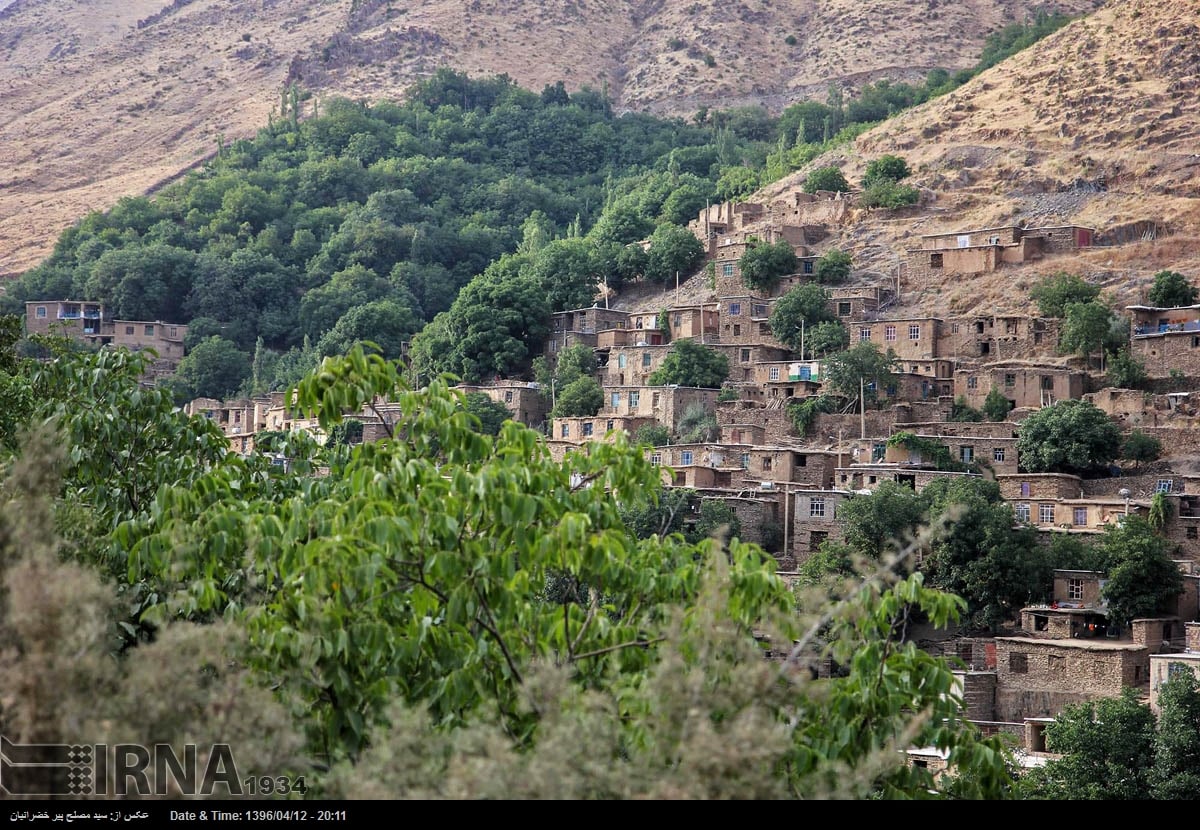
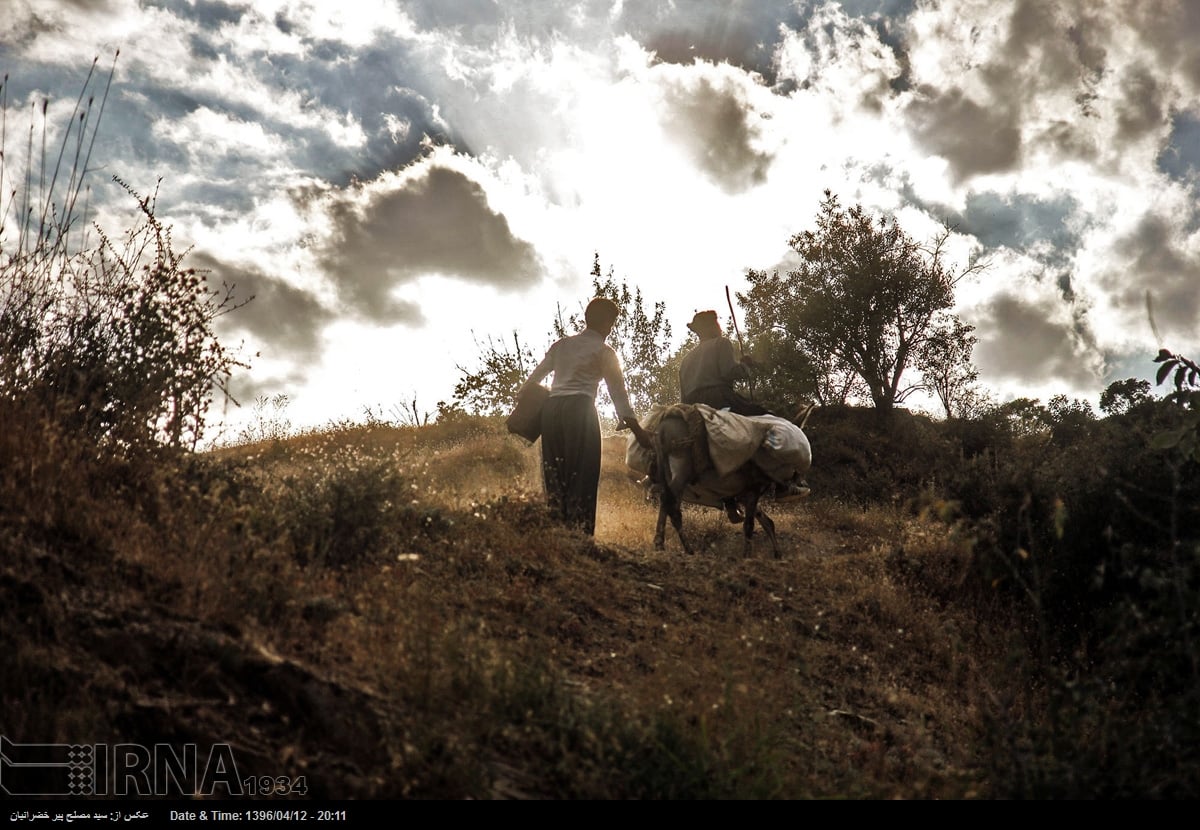
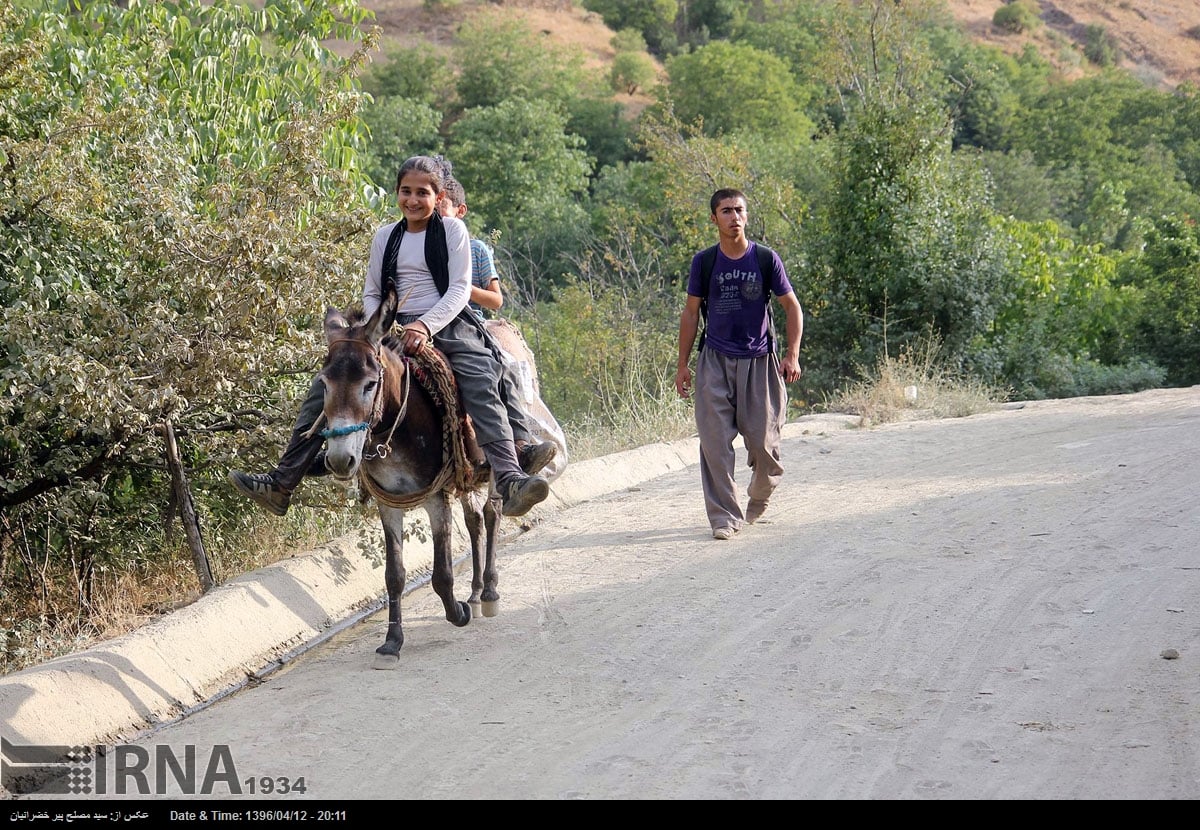
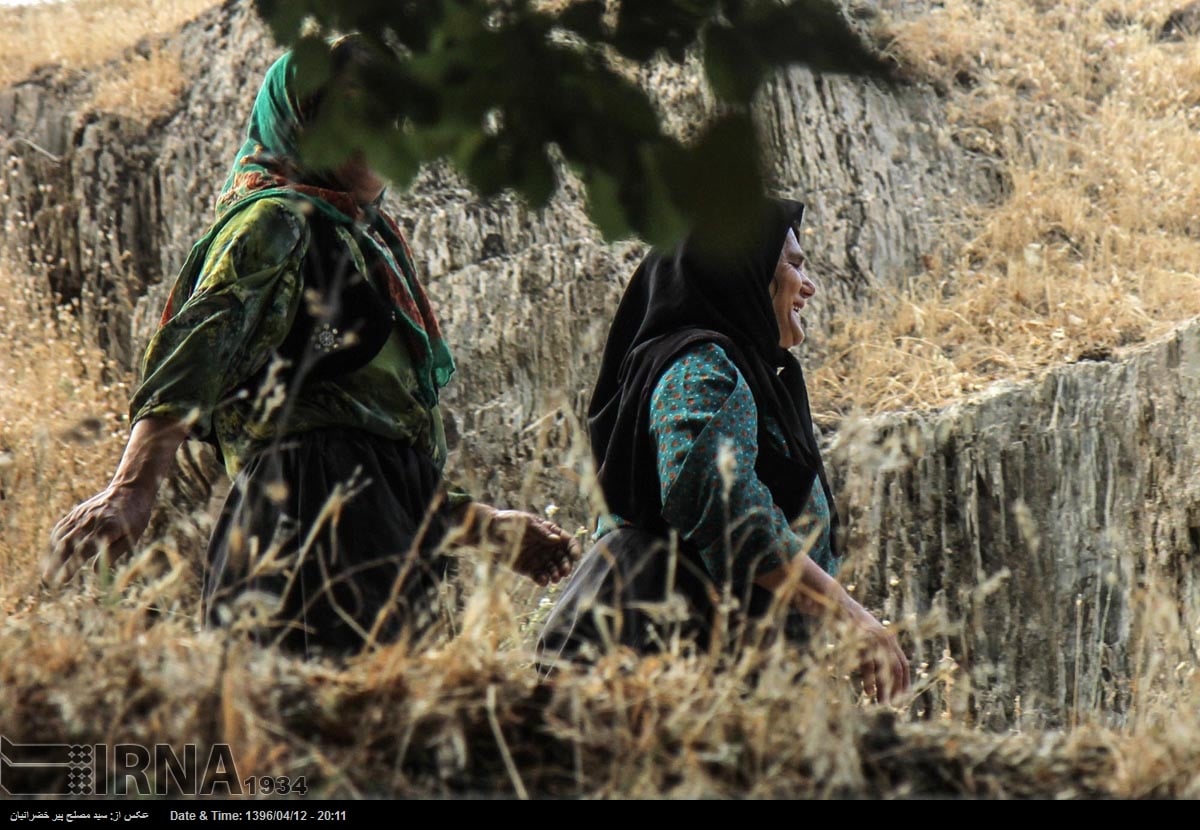
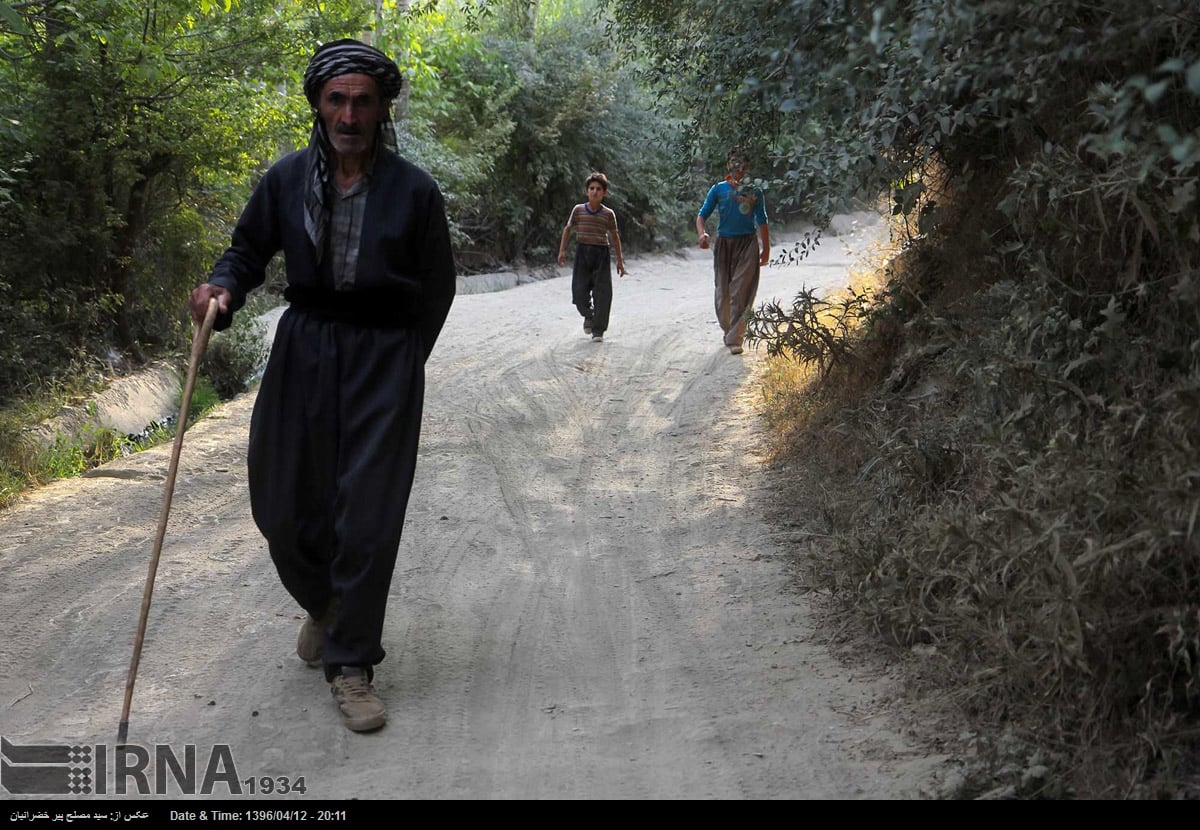
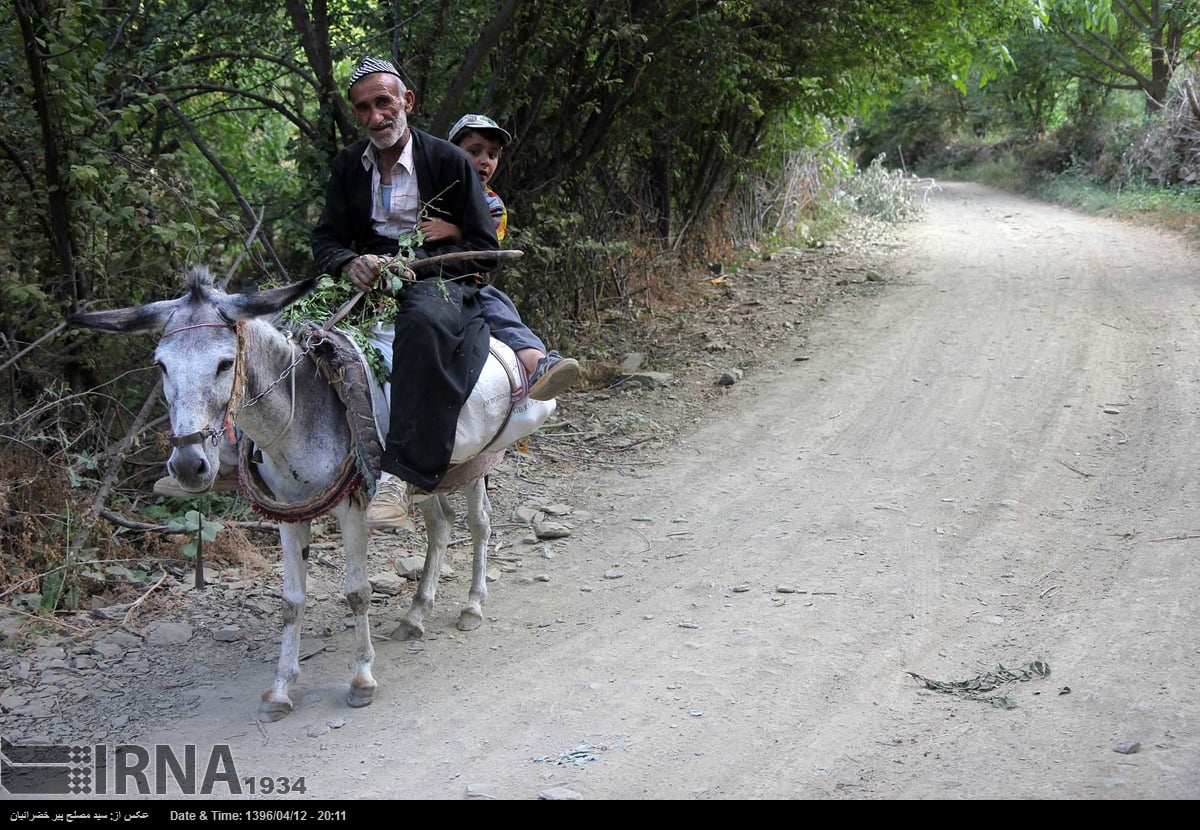
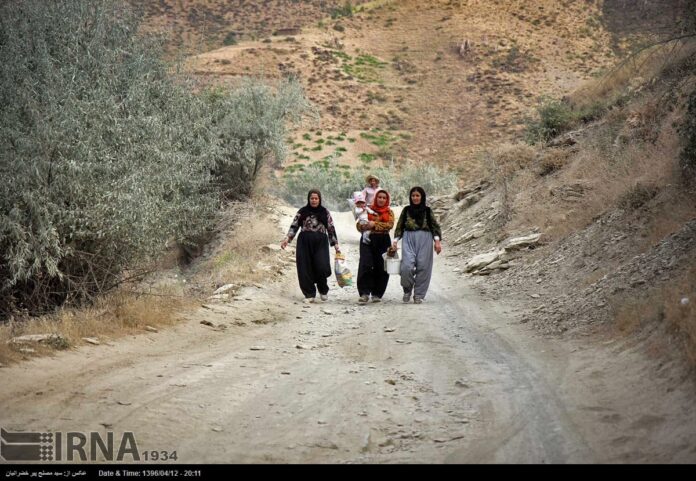
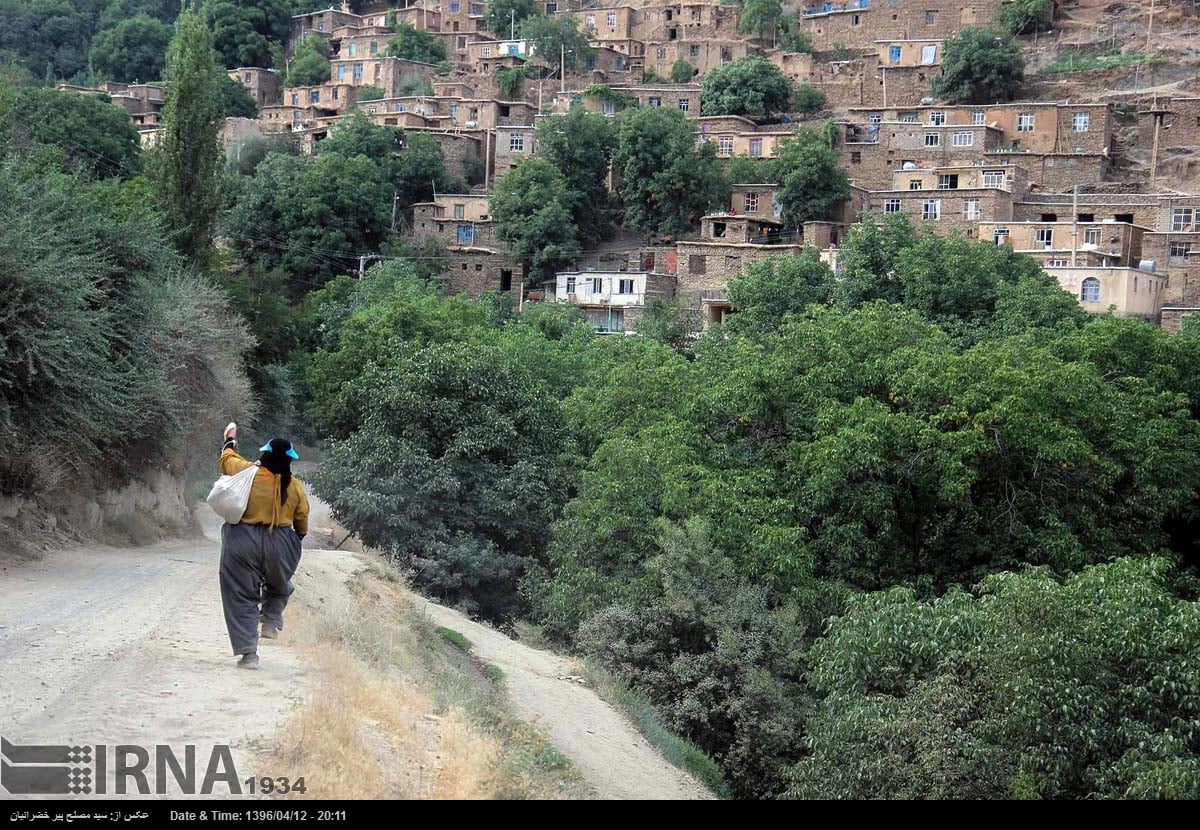
Iran’s Beauties in Photos: Geleyeh Village in Kurdistan Province

The Geleyeh village’s source of income is gardening, farming and keeping livestock. Numerous tourists are annually attracted to the beautiful village in Western Iran.

Here are IRNA’s photos of the village’s attractions:

Withdrawing from JCPOA among Iran’s Options: FM Zarif

Speaking in a live TV interview on Saturday night, Zarif said, “Whenever we feel the other parties to the nuclear deal are not doing enough to secure Iran’s interests, we will take action.”

“One option is withdrawal from the Joint Comprehensive Plan of Action,” he was quoted as saying by the state TV.

He further stressed that US President Donald Trump is in no position to verify Iran’s compliance with the nuclear deal.

“Trump is in no position to verify Iran’s compliance with the JCPOA,” the top diplomat stated.

Zarif said that regulations within the American government are not related to Tehran and the US must honour its international commitments under the agreement.

“The American domestic regulations are not credible for us and the US is required to remain committed to its international commitments. The JCPOA is not an agreement between Iran and the US to need Congress certification,” he said.


Foreign Investments in Iran to Continue despite Trump’s Rhetoric

Zarif also noted that foreign and domestic investors will continue to make investment in the Islamic Republic of Iran regardless of what US President Donald Trump declared as the new US strategy on Iran.

He blasted the ‘profane’ language Trump used against Iran, saying that the US president tried to use such harsh comments in order to hide the fact that he lacks a clear strategy towards Tehran.

The Iranian foreign minister further accused the Trump administration of following the agenda of Israeli Prime Minister Benjamin Netanyahu in the region.

“Perhaps, Trump’s speech was more a Netanyahu’s speech delivered by Trump. Our neighbors must come to their senses about who are endorsing Trump’s statement.”

“The United States is isolating itself by its policies,” Zarif said, citing the European Union’s concerns about the “Trump administration’s behavior,” which is not “exclusively” limited to the nuclear agreement and “could cause trouble for the international order.”

He also highlighted Trump’s failure to respect several other international deals such as the Paris Climate Accord, North American Free Trade Agreement (NAFTA), and Trans-Pacific Partnership (TTP).

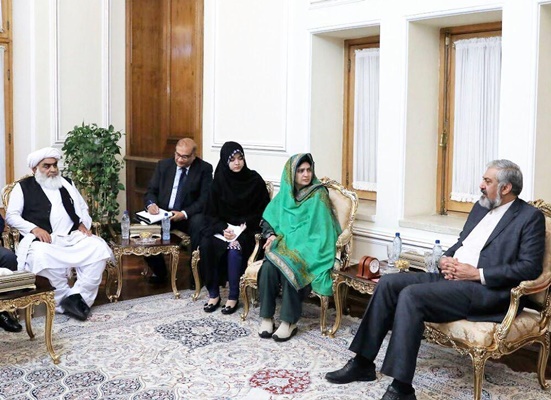
Iran, Pakistan’s Balochistan Discuss Expansion of Ties

Iran, Pakistan’s Balochistan Discuss Expansion of Ties

During the Sunday meeting, Sarmadi and the 14-strong Pakistani delegation headed by Durrani discussed various issues including border security, visa requirements, and establishing direct flights between Quetta and Zahedan.

The two sides also conferred on power exports, expansion of economic cooperation, and removal of barriers to banking transactions.

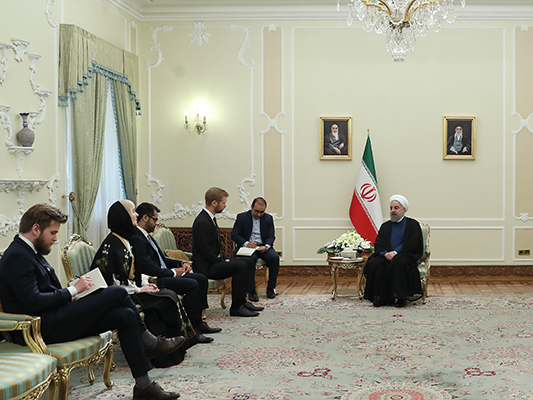
Ambassadors of 5 Countries Submit Credentials to Iran President

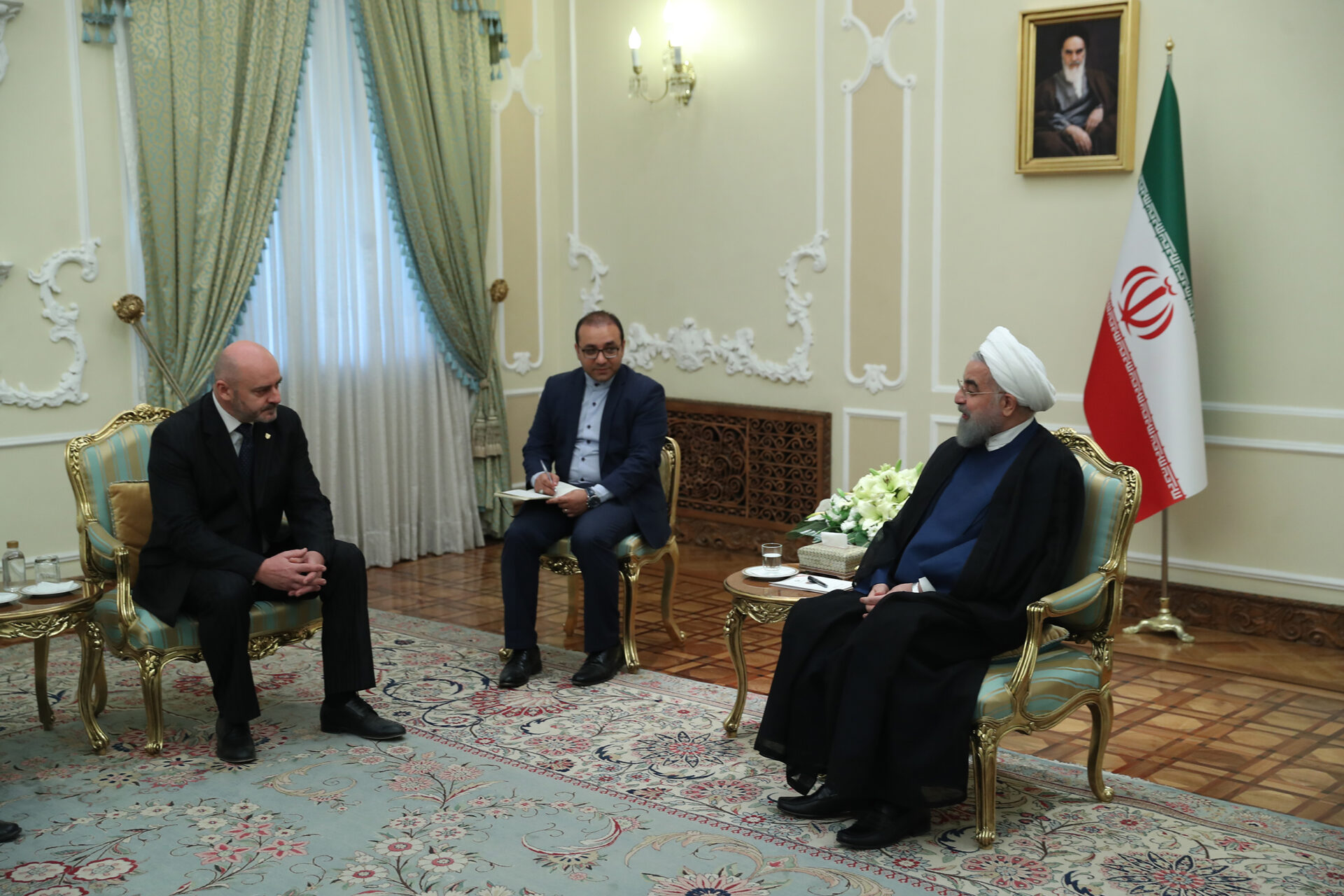
The new ambassadors of the Czech Republic, Switzerland, Greece, Norway and Nigeria to Tehran separately met with Rouhani and submitted their credentials to the Iranian president.

During their meetings, the top diplomats underscored the need to boost relations with Tehran and draw on the economic potentialities of the Iran nuclear deal (known as JCPOA), namely establishing banking relations, while reacting to US President Donald Trump’s recent remarks, which were against international norms and regulations.

Ambassadors of 5 Countries Submit Credentials to Iran PresidentDuring his meeting with new Czech ambassador Svatopluk Čumba, President Rouhani said Iran believes the JCPOA will help promote lasting peace, security and stability in the region and in the world.
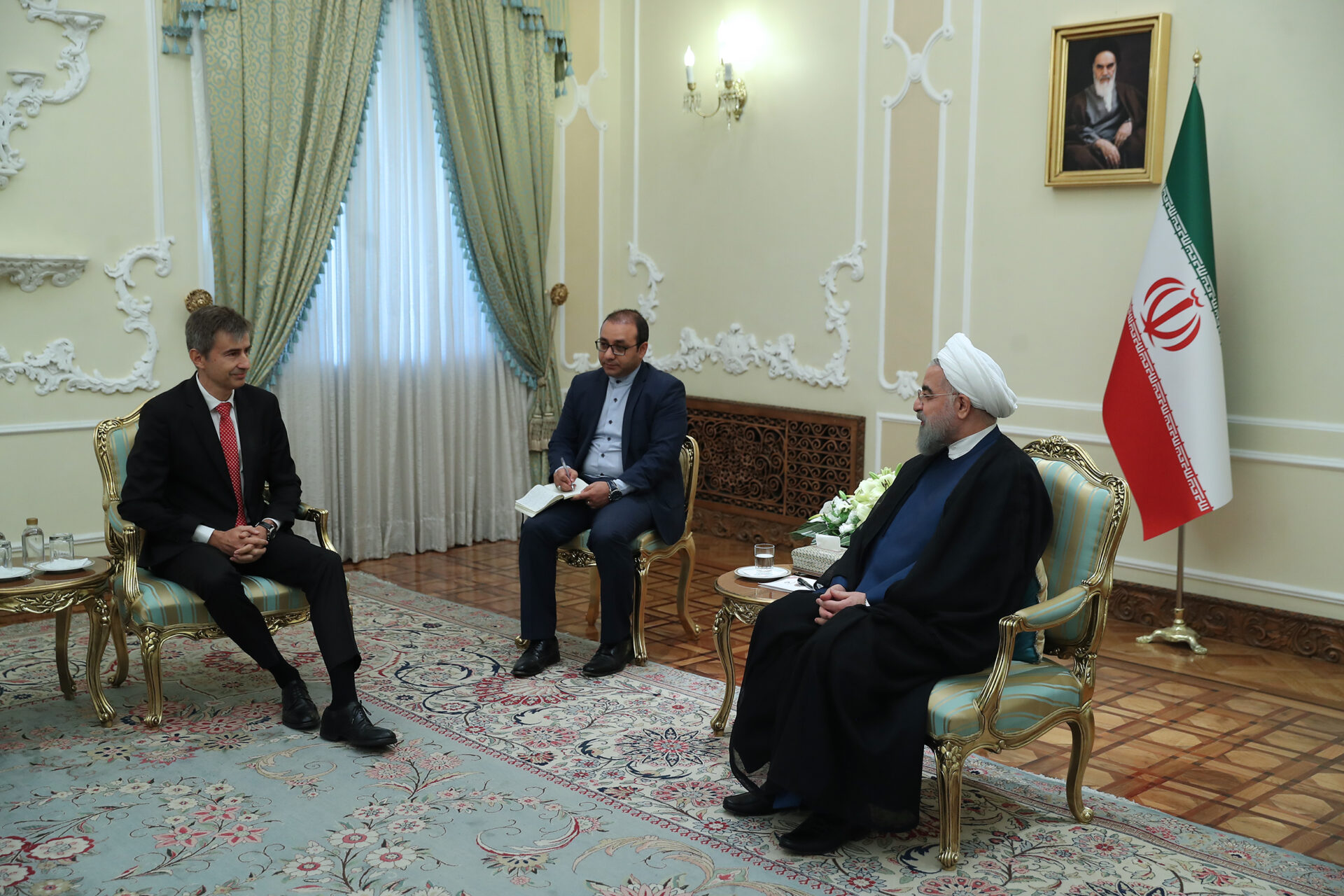
He said all signatories to the JCPOA should make good on their commitments under the deal. Rouhani said Iran will remain committed to the deal as long as the other parties live up to their obligations.

Rouhani noted that the lifting of the sanctions imposed on Iran and the creation of a suitable atmosphere for trade and economic cooperation between Tehran and the European Union were among the positive effects of the JCPOA.

He also said Iran and the Czech Republic should tap into the existing potential to further enhance their cooperation.

The top Czech diplomat, in turn, said Prague attaches great importance to promotion of mutual relations with Tehran on all fronts, saying businessmen from both sides are having close cooperation today and are making plans to further boost their trade partnership.

Ambassadors of 5 Countries Submit Credentials to Iran PresidentAlso in a meeting with new Swiss Ambassador Markus Leitner, the Iranian president said differences across the world should be resolved through dialogue.
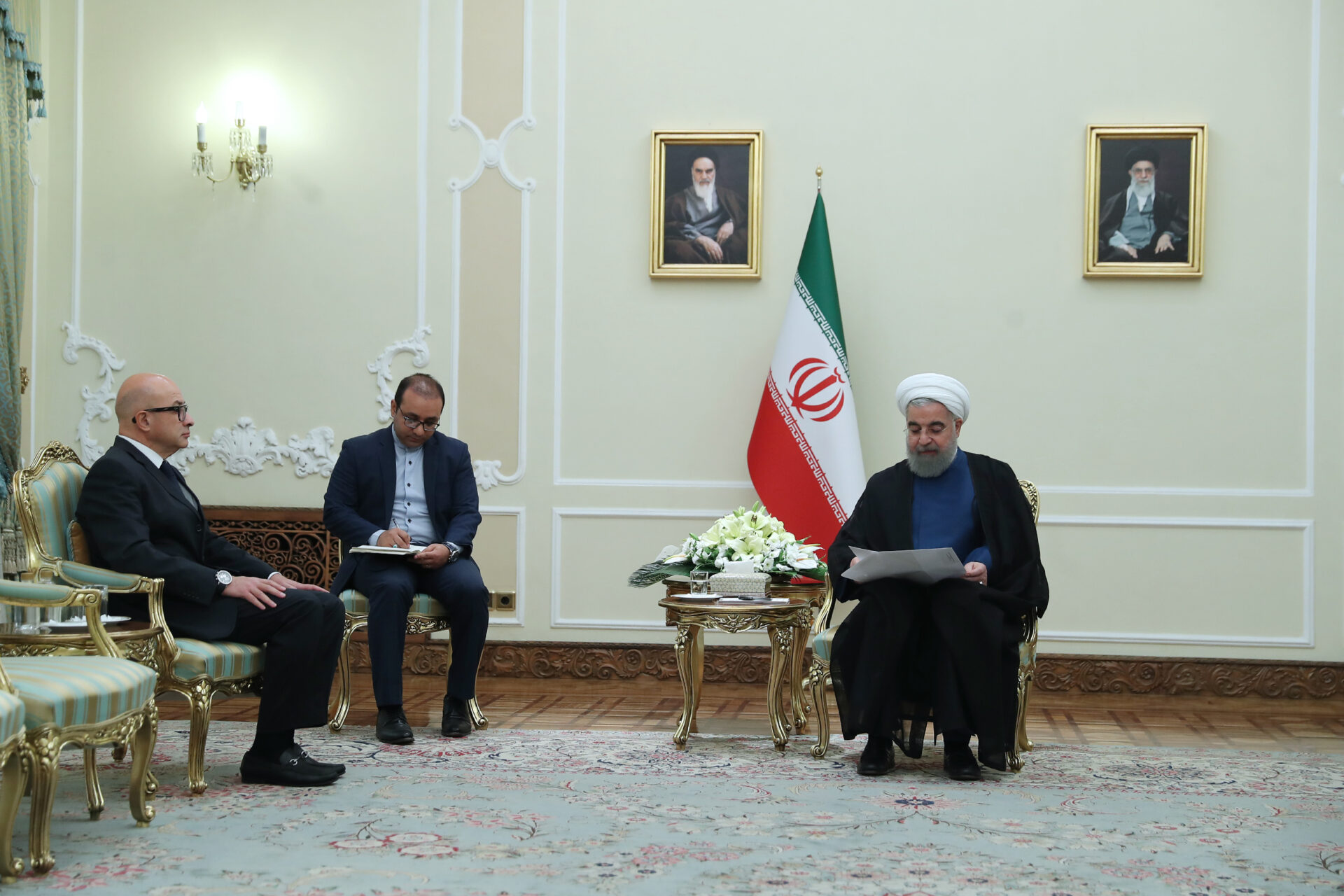
He further noted that the approach adopted by the incumbent US statesmen is wrong and futile. The president said not only Iran and the P5+1 group, but the whole world is at a sensitive and important juncture now.

President Rouhani underlined the nuclear deal created more tranquility in the region and in the world. He noted Iran will continue its cooperation with the International Atomic Energy Agency (IAEA).

Rouhani also stressed the importance of banking relations between Tehran and Bern. The Swiss ambassador, in turn, said Switzerland pays due regard to boosting all-our relations with Iran and at the same time supports the JCPOA.

Ambassadors of 5 Countries Submit Credentials to Iran PresidentIn a meeting with Greek Ambassador Dimitri Alexandrakis, the president said the JCPOA proved that negotiations and cooperation are the best way to settle international differences and are to the benefit of the international community, including Europe and the US.
He further said Tehran is set to establish all-out relations with Athens in all areas. He said the two countries have great potential to upgrade their cooperation in scientific, economic, cultural, banking, energy and transit areas.

Alexandrakis, for his part, said it is important that all signatories to the JCPOA deliver on their commitments under the deal. He then stressed the necessity of enhancing Iran-Greece ties on all fronts.

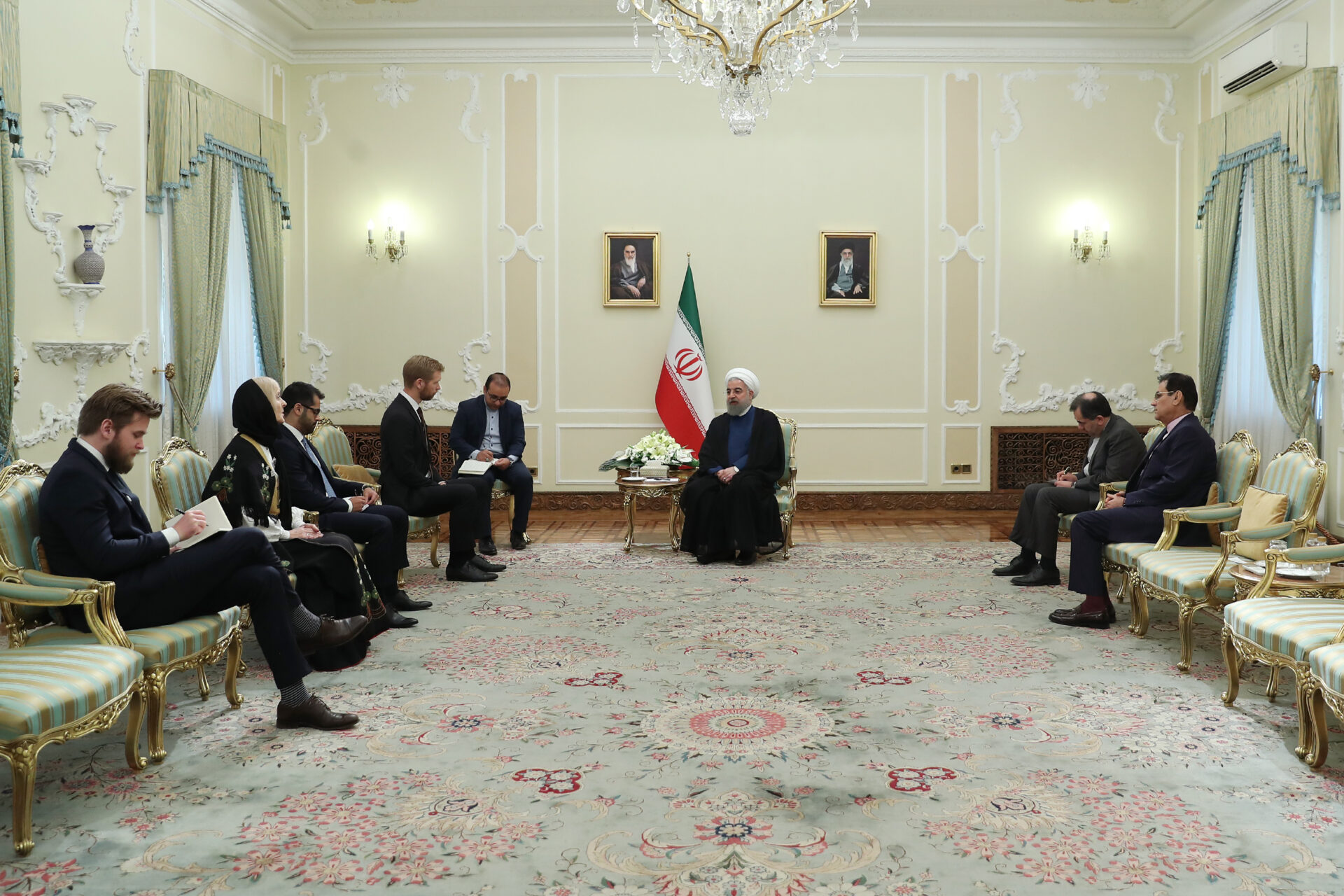
Ambassadors of 5 Countries Submit Credentials to Iran PresidentIn a meeting with Norwegian Ambassador Lars Nordrum, President Rouhani urged all European Union member states, including Norway, to play a constructive role in maintaining the JCPOA and seize every opportunity for cooperation. The president then said Iran is interested to further boost its economic relations with Norway, and expressed hope the private sectors of both countries will launch joint ventures.
The top Norwegian diplomat, in turn, underscored that Norway’s position on the JCPOA is similar to that of the EU, and that all parties to the deal should remain committed to their obligations. He said Norwegian companies consider the JCPOA as a very serious agreement and an opportunity for establishing closer cooperation with Iran.

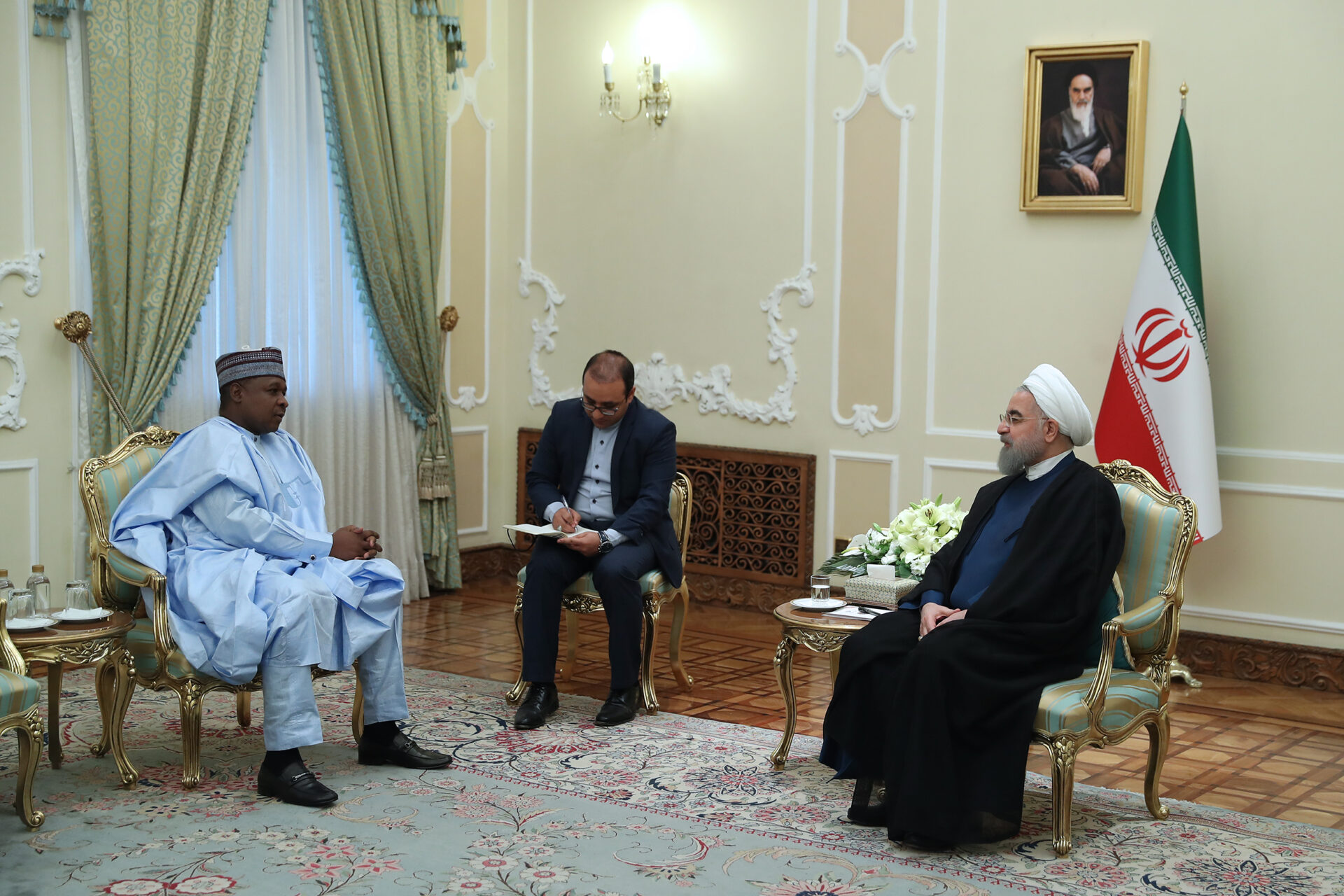
Ambassadors of 5 Countries Submit Credentials to Iran PresidentIn his meeting with new Nigerian Ambassador Ibrahim Hamza, President Rouhani said terrorism poses a danger to the whole world, adding it requires the cooperation and willpower of all countries to fight terror. He then called for the implementation of the agreements already reached by Tehran and Abuja, urging both sides to tap into the existing potential in the two countries to expand mutual relations in various areas.

The Nigerian ambassador, for his part, called US President Donald Trump’s remarks on Iran and the JCPOA as regrettable, saying the whole world is standing against the opponents of the JCPOA. He then said his country favours the promotion of all-out cooperation with Iran.

Beauty of Iranian Horses Attracting Tourists

Beauty of Iranian Horses Attracting Tourists

The tourist attractions in the world are so varied that every day in the world a new topic is heard to be a potential for attracting tourists.

In some countries, there is no tourist attraction while in others, these potentials are very rich. However, as in the case of Iran, they may not be used properly.

One of these attractions, which is considered a potential for attracting tourists, is horse breeds, according to a Farsi report by Tasnim News Agency.

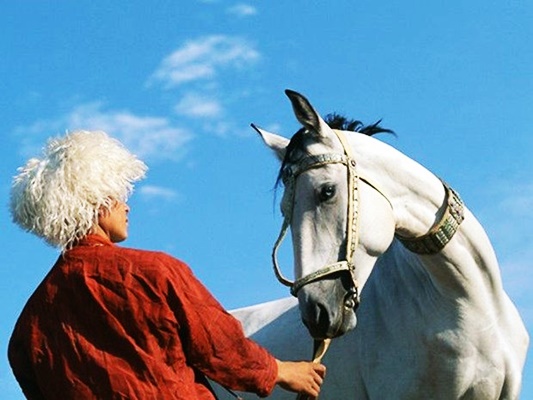
Turkmen
Turkmen

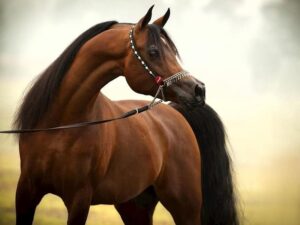
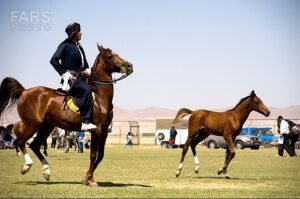
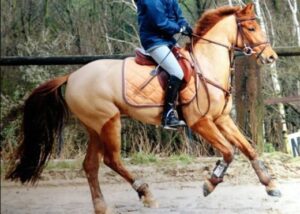
Iran is home to caspian horses inhabiting northern Iranian provinces of Gilan, Mazandaran and Golestan, or Turkoman horses, as well as Arabian horses in southern Khuzestan province besides Kurdish horses in the country’s Kurdish regions.

In order to address this rich tourism potential that has been taken too lightly in Iran, Tasnim has interviewed Ali Mansouri Rad, a veteran sports organizer and teacher of the Institute of Nature, who is also a specialist in the field of natural environment and horses.

He has published numerous articles on the natural environment, and translated some books on three-day horse racing laws, the western-style horse riding tournaments, and various articles on horse breeds, horse riding, and the history of riding sport.

What follows are excerpts from Tasnim’s interview with him:

Q: Can the Iranian horse be one of the elements of attracting tourists from around the world?

A: This potential exists, but, of course, it should be further developed and be presented next to topics like ecotourism. We should introduce our native horse breeds along with such topics.

Caspian
Caspian

Q: Would you please name some of these breeds?

A: Caspian horses inhabiting northern Iranian provinces of Gilan, Mazandaran and Golestan, or Turkoman horse, as well as Arabian horses in southern Khuzestan province besides Kurdish horses in the Kurdish regions of Iran.

Q: Is there any particular country that can be named a successful example of horse tourism development?

A: Yes, for example, there is a horse in Norway that is not comparable to Iranian ones at all, and there exists only one race of this horse. During the Winter Olympics, Norway introduced it as a major tourist attraction.

Q: How is the horse insurance process in Iran now?

A: I was the developer of this idea in 1993, and we went through a lot of problems to achieve our goal after five years. Since 1998, horse insurance is being done and has been welcomed by many.

Q:  Do you know how many horses are insured across Iran?

Arabian
Arabian

A: I can’t say accurately, but at least about 500 horses have been insured so far.

Q: How much shall be paid to insure each horse?

A: Between 3.5 and 5.5 percent of the horse price must be paid.

Q: How can someone get a horse insurance?

A: Insurance companies and their agents do this.

Kurdish
Kurdish

Q: Did the insurance companies welcome the horse insurance plan?

A: Absolutely. Of course, Iran Insurance Company is exclusively taking care of this.

Q: So why the horse insurance rate is so low in the country?

A: Because this insurance is only for the race horses, and you can’t find too many of such horses.

Trump’s Speech Not to Decrease IRGC’s Activities: General

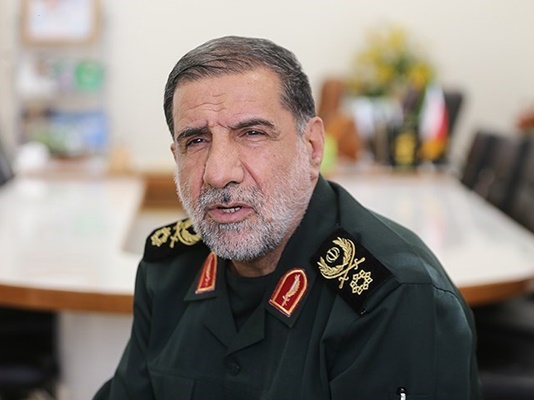
General Mohammad Esmaeil Kowsari

“Definitely, it is not that somebody who is sitting on the other side of the world and who likes others to call him a lunatic, which we believe he is, come forward and make decisions about the IRGC,” said Brigadier General Mohammad Esmaeil Kowsari, the commander of IRGC forces in Tehran, in reaction to Trump’s recent anti-Iran allegations.

According to a Farsi report by Alef news website, the top general noted the IRGC is an official institution with 40 years of experience in the Islamic Republic of Iran’s establishment.

“The IRGC’s background is crystal clear. Moreover, Iran’s law has specified the framework of the IRGC’s activities based on which the Corps does its work,” said the general.

He said two of the IRGC’s main duties are to “safeguard the achievements of the Islamic Revolution” and “help the oppressed people of the world in accordance with the policies adopted inside the country.”

“The US president’s remarks last night about the IRGC and also the IRGC being put on the terror list based on Executive Order 13224 by the US Treasury will, by no means, decrease the IRGC’s activities,” he said.

“We should press ahead with our work with unity, so that the enemies won’t feel they can create rifts among revolutionary institutions and can cash in on those divisions,” said General Kowsari.

‘US Creating New ISIS along Iran’s Borders’

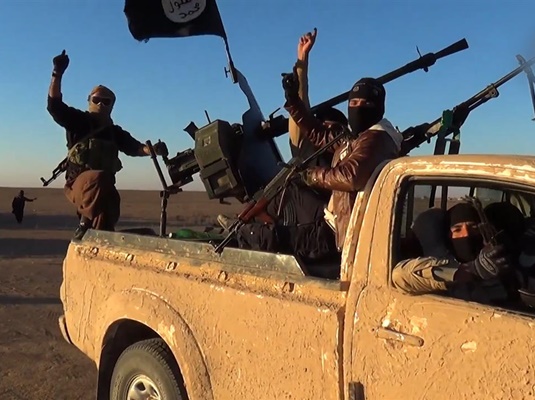
Hadi Mohammadi, a senior expert on regional affairs, has weighed in on the ISIS realignment and the US-led coalition’s role in supporting them to revive their presence in the region, particularly along Iran’s borders.

Here is the full text of the opinion piece published in Javan daily newspaper:

During the past three years, the US-led coalition in Iraq and Syria has run with the hare and hunted with the hound to provide ISIS with new opportunities to operate along Iraq and Syria borders.

The creation of Popular Mobilization Units (PMU) in Iraq following a religious decree (fatwa) issued by top Shiite cleric Ayatollah Ali al-Sistani started the countdown for ISIS in the country. This prompted the US to change its regional strategy to hamper the trend of ISIS’ elimination in the region. But the strategy ended up in failure in the face of the great military potential as well as determination of the PMU forces and Iraqi army. So, the US shamelessly began to help ISIS terrorists realign or flee from battlefields against Iraqi forces in the cities of Fallujah, Samarra, Mosul as well as the Anbar province.

With the liberation of Mosul in northern Iraq, which is strategically similar to Aleppo in Syria, the US changed its military strategy and began to push ISIS members towards the Peshmerga-held regions in Iraqi Kurdistan region. Then ISIS militants went in groups towards the north in Erbil and Dohuk. Even during the liberation operation of Hawija, hundreds of ISIS terrorists fled the battlefield and turned themselves in along with their family members to Peshmerga fighters.

Reports by Russia’s intelligence forces indicate the US has equipped some groups of ISIS militants with new weapons and dispatched them to Syria’s Deir ez-Zor and Iraq’s Qa’im to hinder the progress of the Iraqi and Syrian armies towards the ISIS-held areas. But as things stand, the US long-term strategy after the elimination of ISIS in the region is to establish a new apparatus composed of experienced ISIS members to create instability in Iraq and other regional states like Iran.

The new apparatus will be managed by the US and the President of the Kurdistan Region, Masoud Barzani. They will use the group as leverage against Iran, Iraq, and Turkey which are against the secession of Kurdistan region from Iraq.

Today, ISIS has turned into an operational group at the hands of the US and KRG government who use it to pave the way for the division of the region with terrorist measures.

The diplomatic and security organizations of Iran, Turkey, and Iraq have already put coordination of their military, economic, and legal efforts against ISIS on top of their agenda. But in addition to the coordination, they also need to put together a comprehensive plan for legal preemptive measures against the ISIS hideouts in Kurdistan region. It goes without saying that the US and KRG are going to take advantage of the ISIS terrorists’ capacities in line with those of PKK and other Kurdish terrorist groups in the region.

The strategy has turned into a significant issue for the regional countries following reports that the US President, Donald Trump, is trying to use the new ISIS apparatus to inflict a heavy blow on Iran’s military presence in Iraq and Syria via starting a new proxy war in the region.