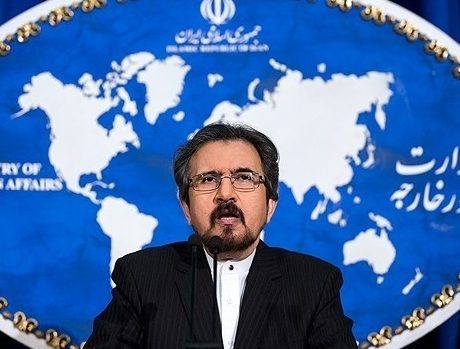
In a Tuesday statement, Iran’s Foreign Ministry Spokesman Bahram Qassemi said, “In line with its principled policy of defending the rights of all Muslims across the world, particularly the oppressed Muslims of Myanmar, the Islamic Republic of Iran has sent an official note to the UN Secretariat to declare its yes vote to the [UNGA] resolution that condemns the human rights violations in Myanmar.”
Reiterating the firm stance of the Islamic Republic on protecting the displaced Muslims of Myanmar and vehemently condemning the heinous crimes committed by the Myanmar army against the Rohingya Muslims, Qassemi said Iran’s absence from the recent voting session on Myanmar’s human rights violations was due to some technical reasons.
Elaborating on the technical considerations, Qassemi said, “Over the past three decades, the Islamic Republic of Iran has continuously expressed its protest against politicised and discriminatory approaches of the UN General Assembly towards member states.”
He went on to say that Iran’s main policy has always been to oppose the approval of any country-specific resolution by the Third Committee of the UN General Assembly.
“Therefore, except for resolutions on the Palestinian cause which are discussed within different agendas and Iran has voted in favour of them at all times, Tehran has always voted against resolutions on other countries’ human rights conditions.”
However, he added, given the depth of the crimes being committed by Myanmar against Muslims and despite our earlier policy of voting against such resolutions, the Islamic Republic of Iran refrained from attending the voting session, and issued a separate statement to strongly condemn the Myanmarese government’s crackdown on the Rohingya Muslims.
By issuing the statement, Qassemi said, Iran stressed that its absence from the UNGA voting session “merely reflects the country’s opposition to the rejected approach of politicising human rights”, and the absence has nothing to do with the resolution’s content.
“Given the importance of defending the rights of Myanmar’s Muslims, the Islamic Republic’s macro foreign policy considerations should have been preferred to expert-level considerations [on the UNGA resolution],” Qassemi noted.
Therefore, he added, Iran sent the official note to the UN Secretariat on Tuesday to revise its earlier stance and declare its yes vote while underlining that Tehran dismisses as unacceptable any politicisation of human rights resolutions.
Iran Writes to UN to Declare Yes Vote on Myanmar Resolution
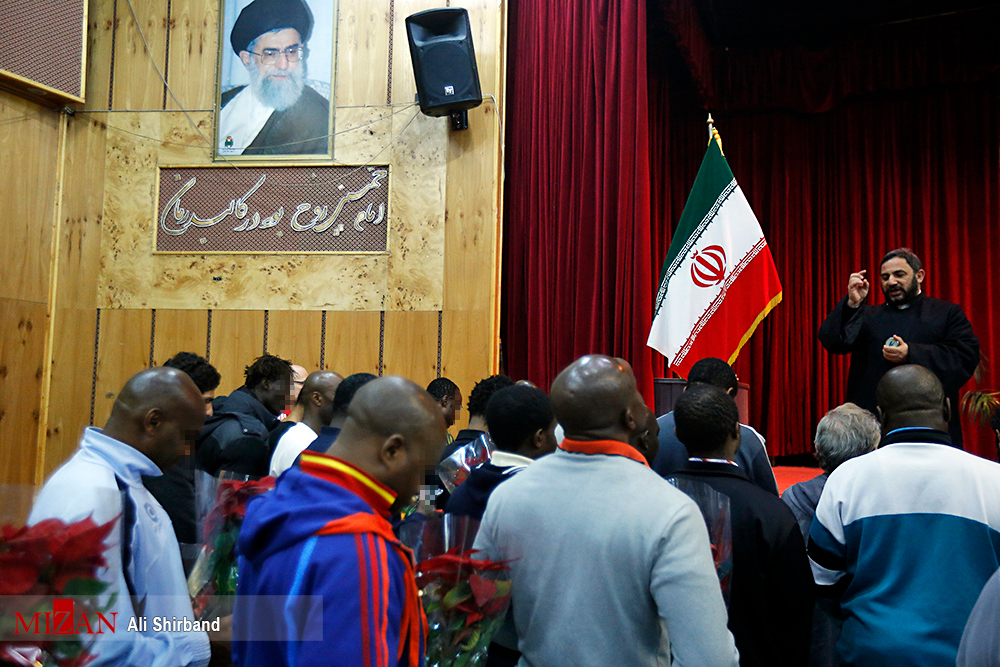
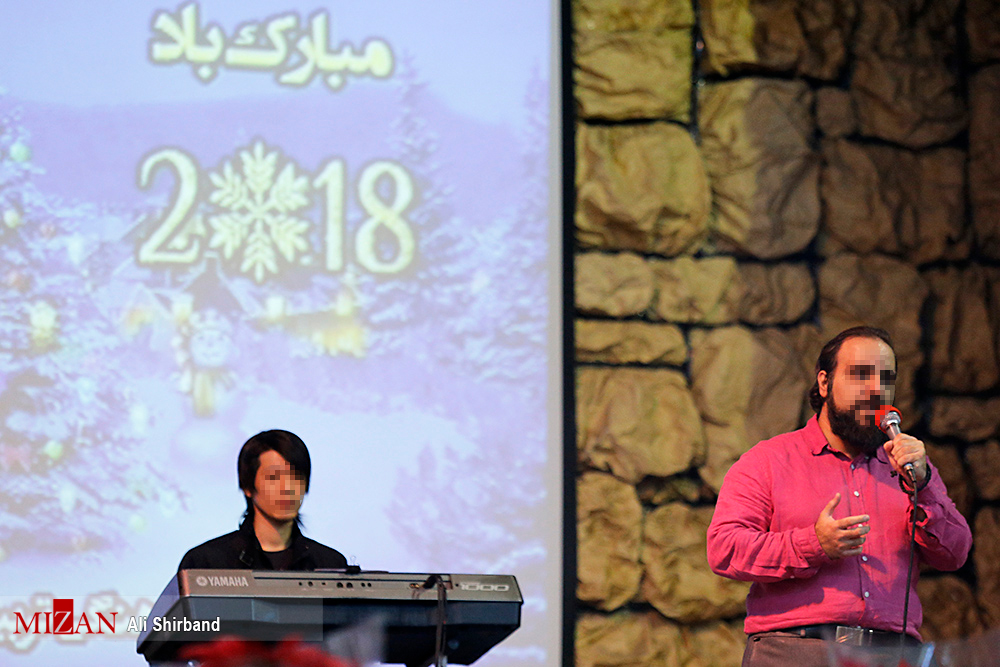
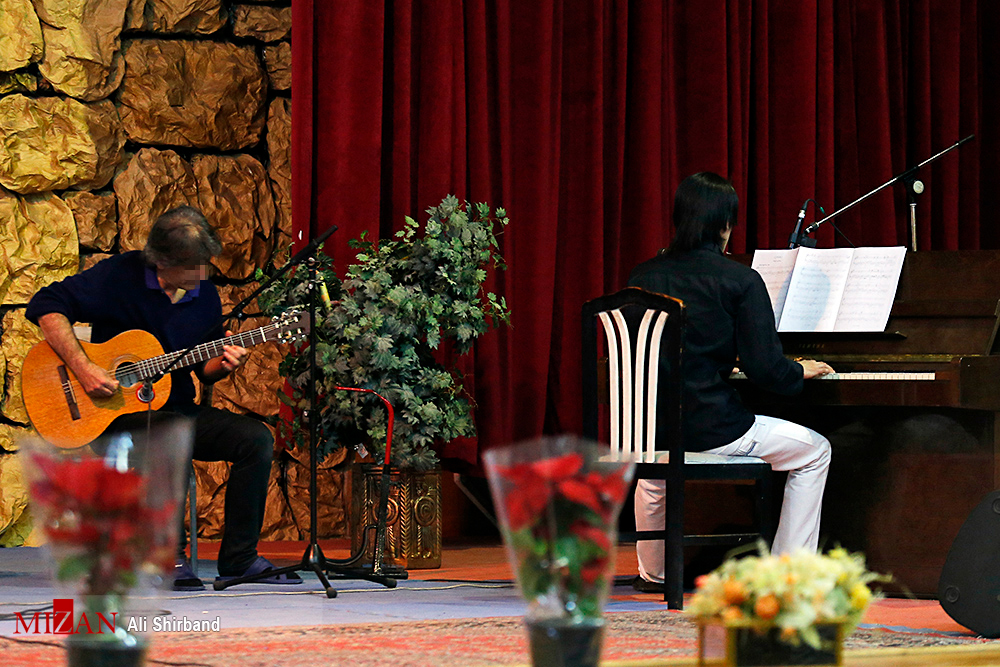
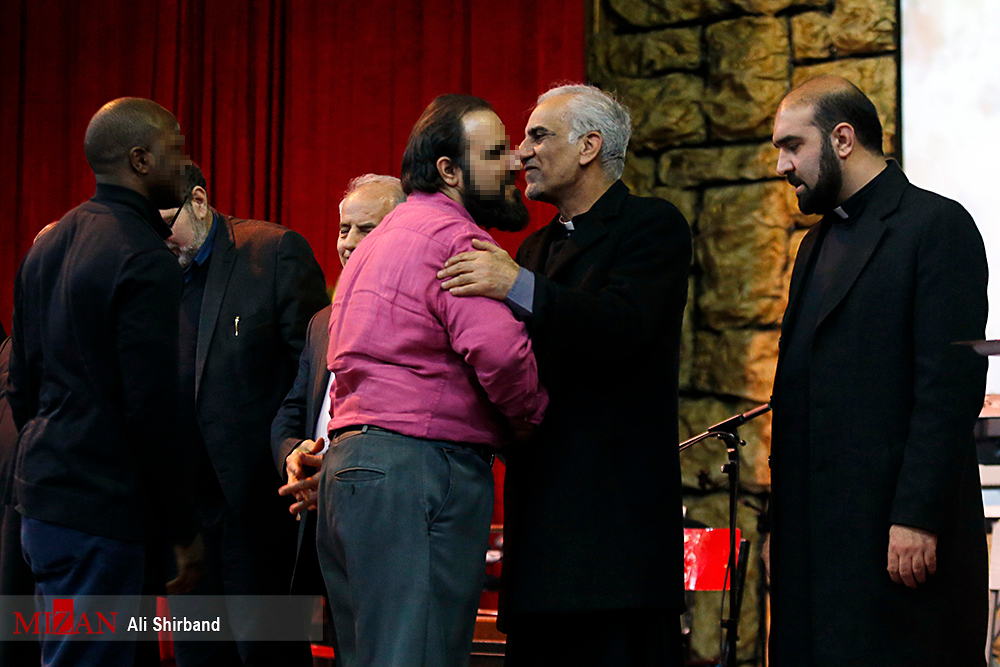
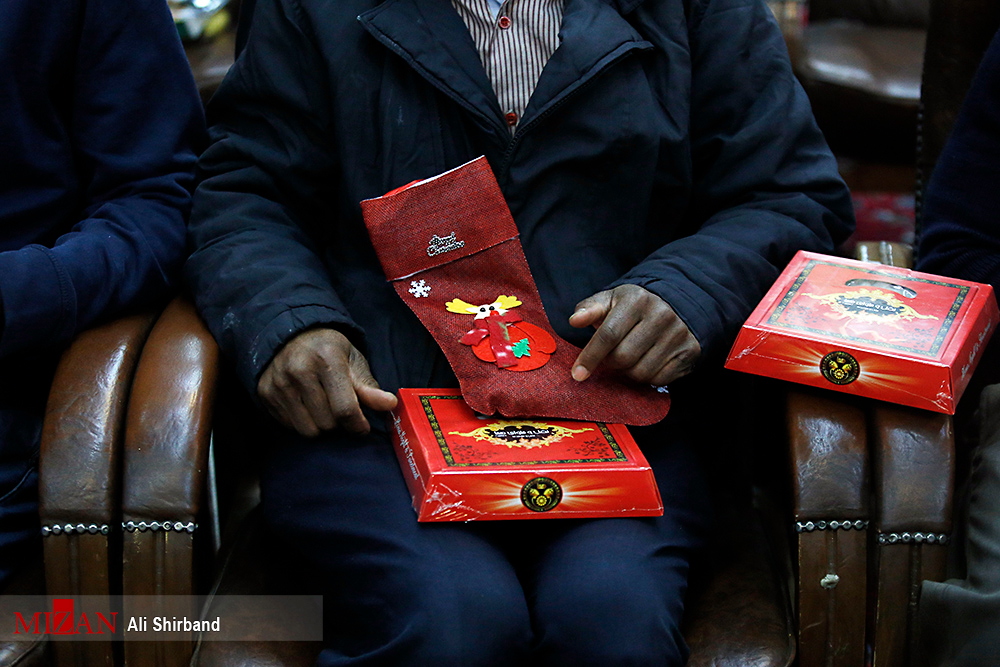
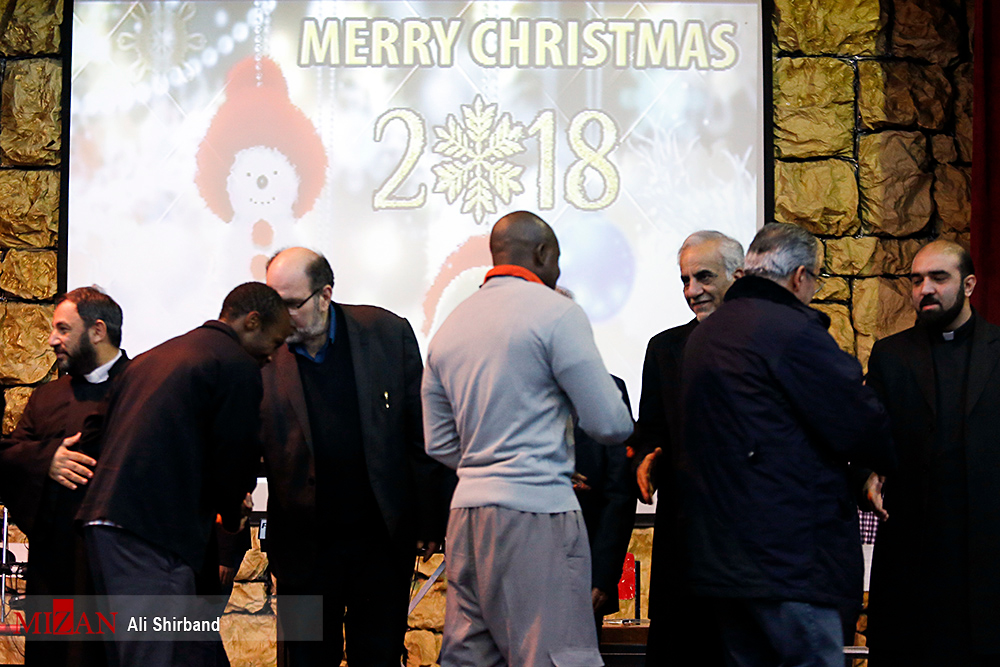
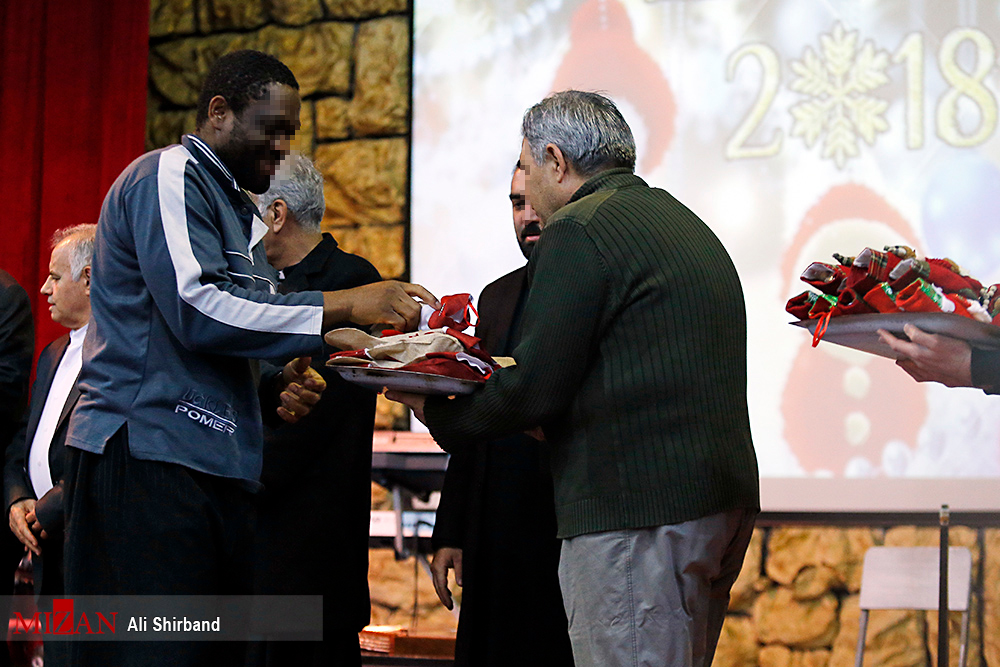
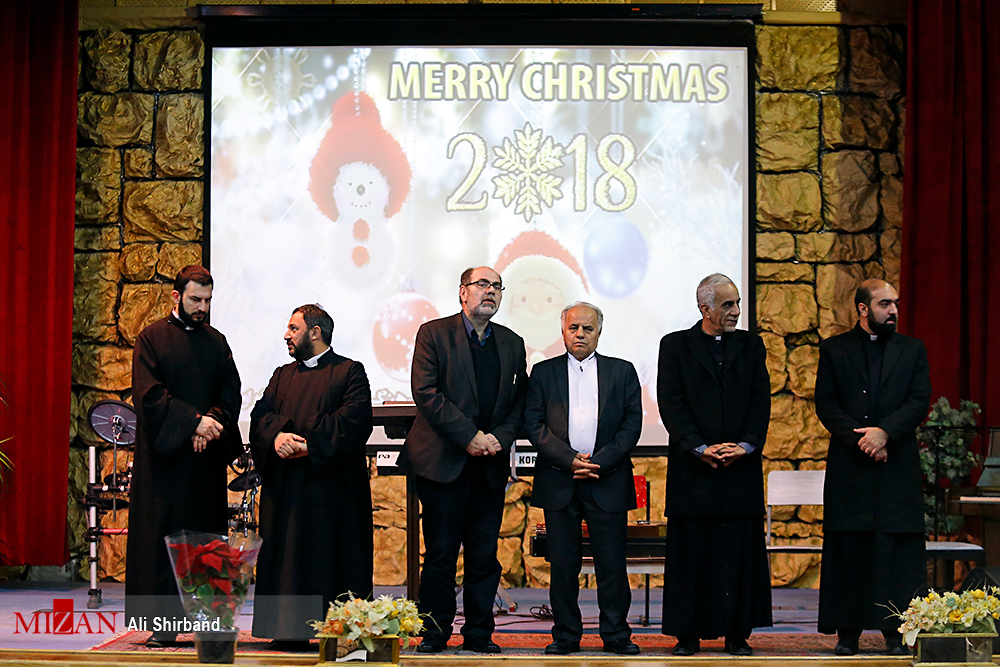
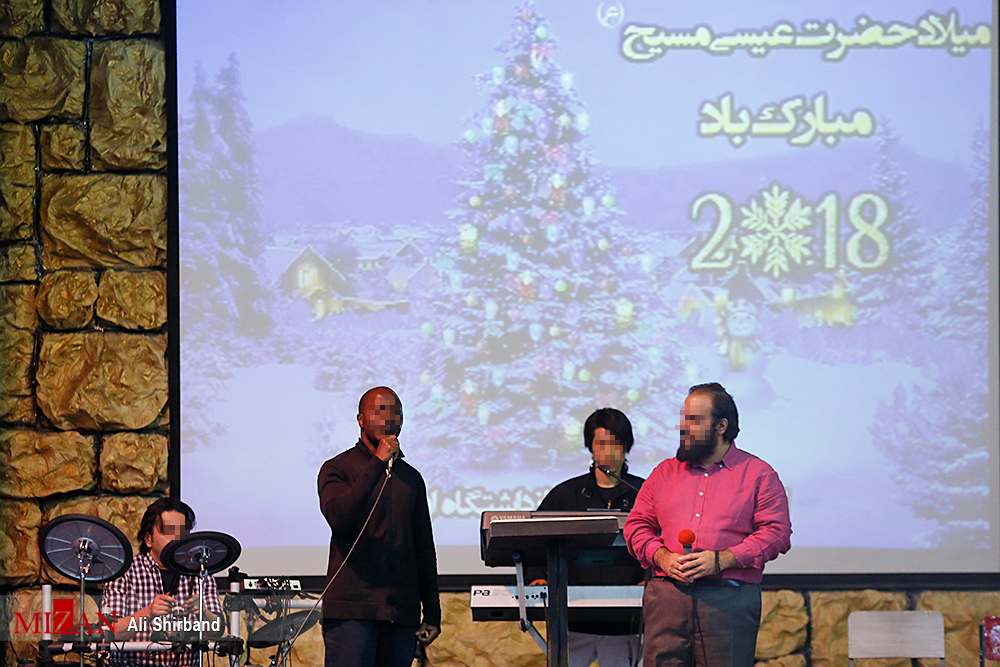
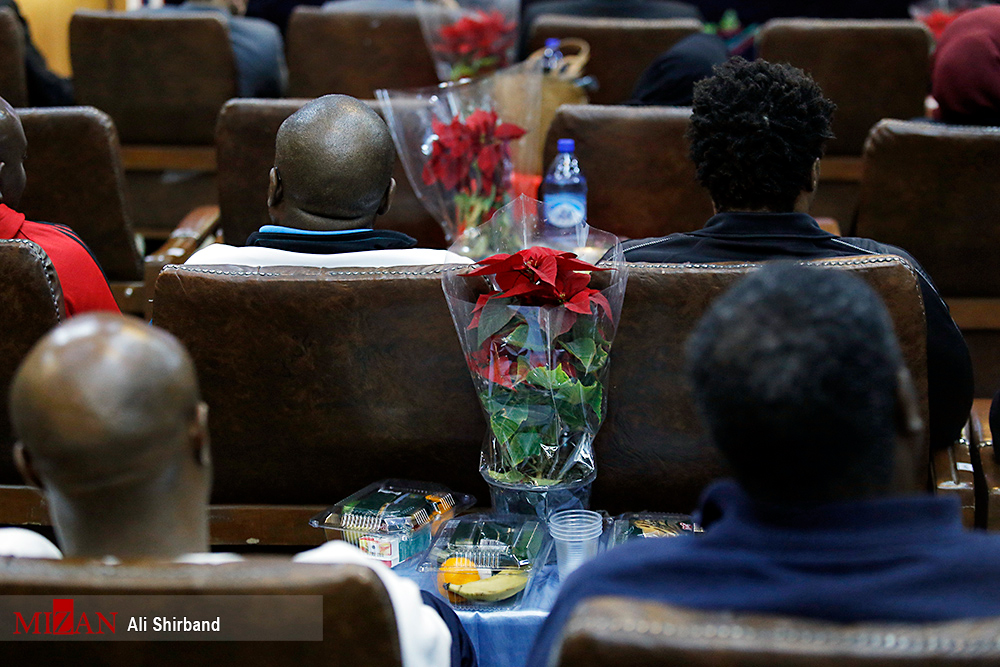
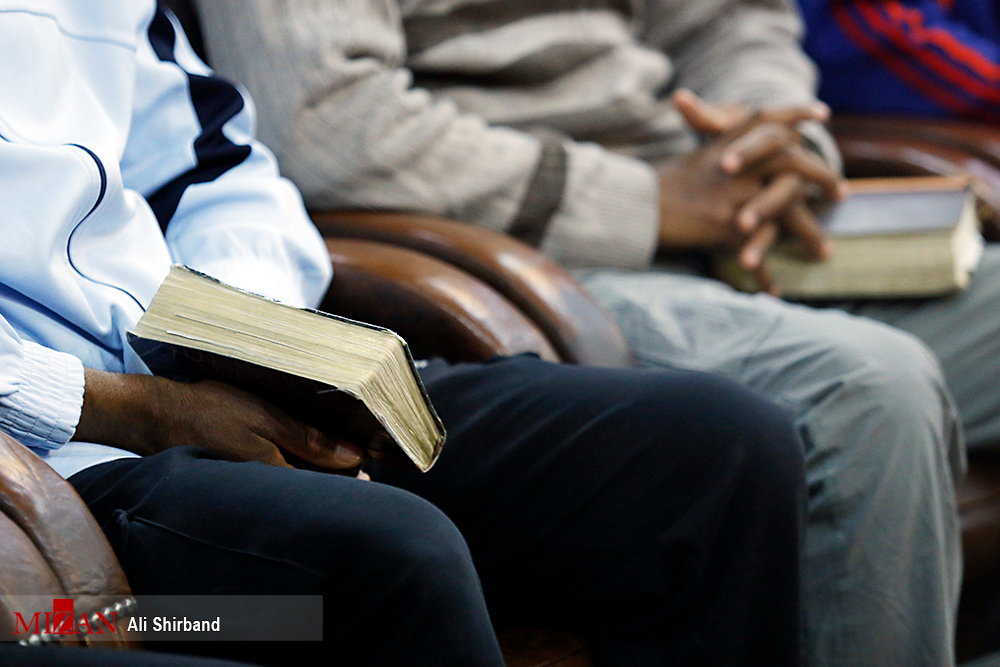
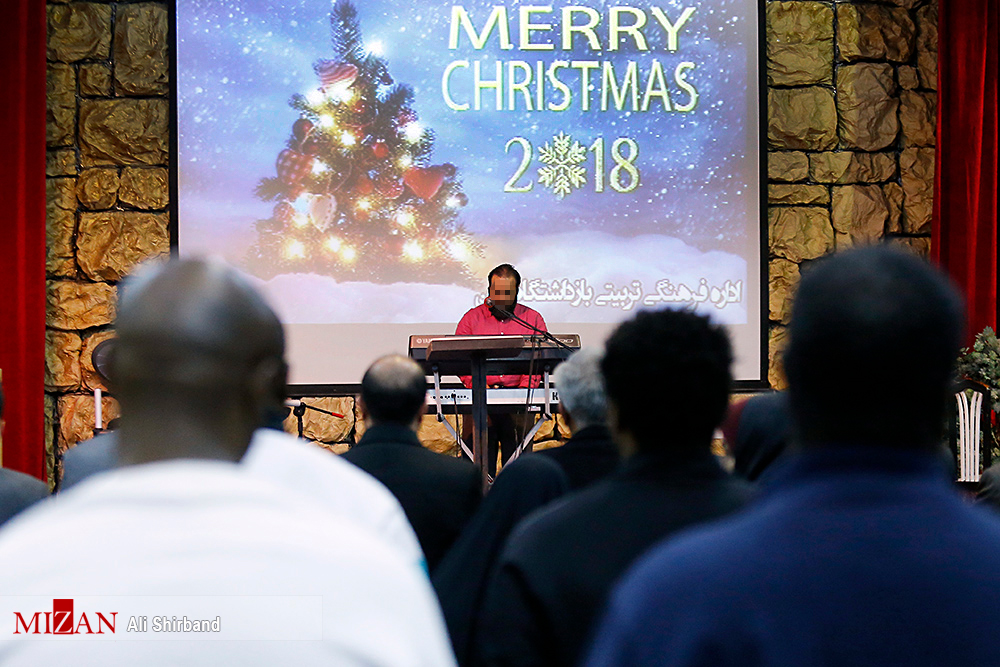
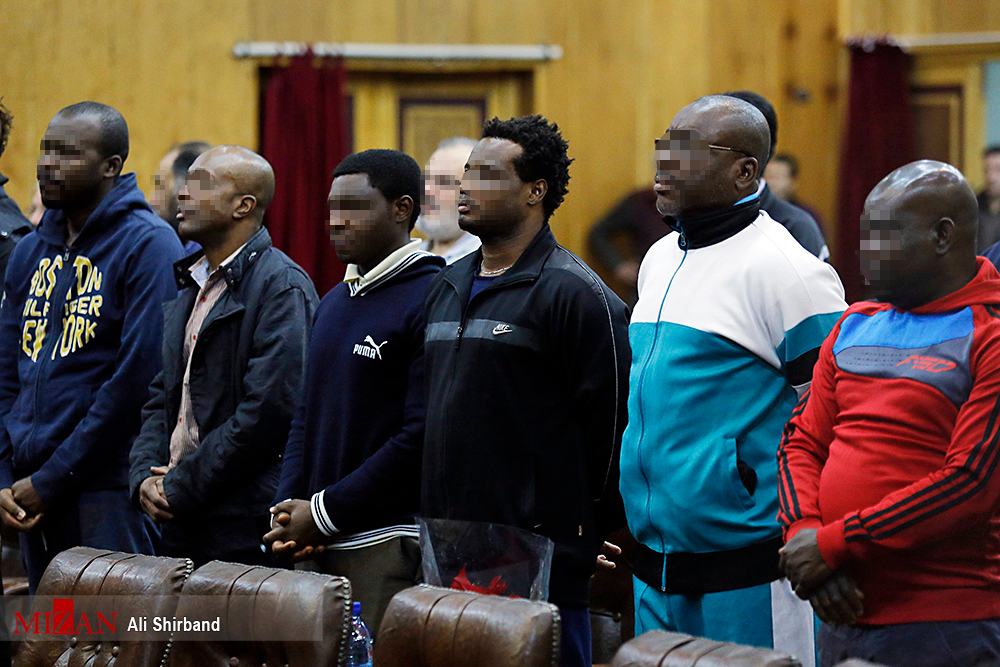
Christian Prisoners Celebrate Christmas in Tehran’s Evin Prison
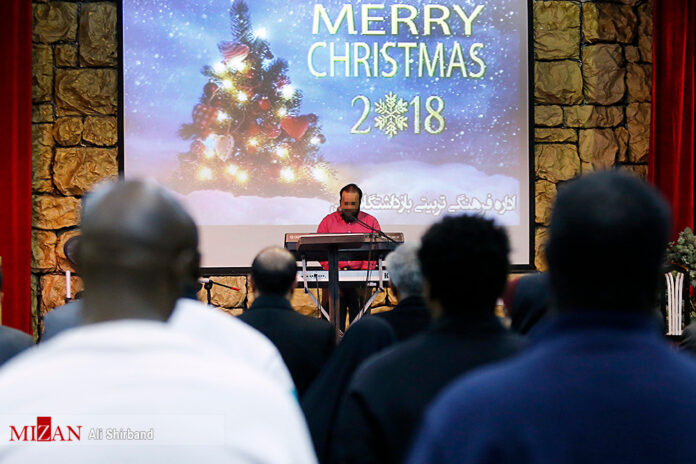
According to a Farsi report by the Mizan Online news agency, the Christmas celebration was held in Evin Prison’s amphitheatre.
Back in July, a judiciary official had declared that 136 foreign prisoners from 27 countries are serving their prison terms in Evin, mostly on drug charges.
Here are Mizan’s photos of the Christmas celebration:







French FM to Visit Iran on January 5
During his one-day visit, which will be made on January 5, Le Drian will hold talks with top Iranian officials on the latest developments in the region.
He will also prepare the grounds for French President Emmanuel Macron’s visit to Tehran in 2018, France 24 reported.
Earlier on Monday, Iranian Foreign Ministry Spokesman Bahram Qassemi said the Islamic Republic welcomes the exchange of delegations between Iran and France and there is no preconditions for Tehran-Paris negotiations.
However, he called on the new French government to understand the significance of Iran and avoid making mistakes to appease certain countries.
Qassemi referred to “certain wrong, illogical, and inappropriate remarks” made by some French officials about Iran and the region during the past weeks, and said Tehran has previously responded to such allegations.
“We certainly have common points in many issues, but there is no doubt that we don’t have the same opinion on certain areas,” he added.
Qassemi also pointed to the visit of French President Emmanuel Macron to Iran, and said it is on the agenda of both countries, but no date has been specified for it.
Russia’s EXIAR to Provide ‘Unlimited Funds’ for Iranian Banks

The Central Bank of Iran (CBI) in a statement said the agreement had been signed between the EXIAR and Bank Sepah, the Export Development Bank of Iran, Bank Parsian and Bank Pasargad.
This followed a basic agreement that the four banks and EXIAR had signed earlier in mid-October, Iran’s IRNA news agency reported.
Iran had earlier been able to seal similar deals with several European as well as Asian financial institutions.
In late September, Austria’s Oberbank signed a major finance deal with over a dozen Iranian banks based on which it would provide €1 billion in credits to the country’s companies that invest in the Iranian economy.
Oberbank’s initiative – that was seen in Tehran as the first of its kind in many years – was followed on the same day by a similar agreement between Denmark’s Danske Bank and several Iranian banks.
Accordingly, Danske Bank would allocate a credit line of €500 million for investments by Danish businesses in Iran.
On a related front, France’s state investment bank Bpifrance (BPI) announced also in September that it planned to provide funds to French companies that invest in the Iranian economy from next year.
BPI France CEO Nicolas Dufourcq was quoted by media as telling reporters that his bank would grant up to €500 million ($598 million) in annual credits to companies that venture into the Iranian market.
Exclusive: Why Didn’t Iran Attend UNGA Voting on Myanmar?
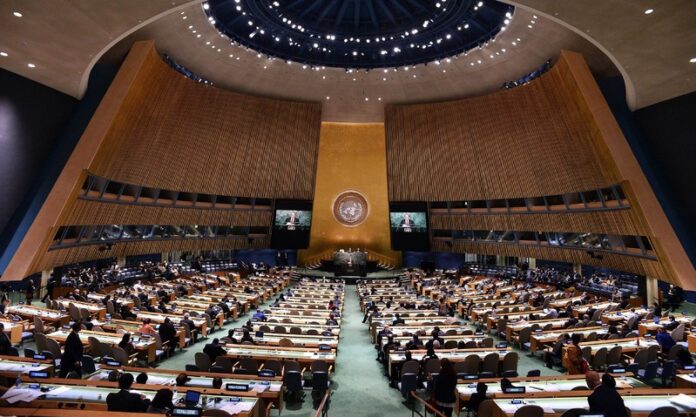
Iran was one of the 37 countries that were not present in a recent UN General Assembly voting on Myanmar. Member states adopted a resolution calling on Myanmar’s government to put an end to its military action against Rohingya Muslims, allow aid and relief teams in, allow Rohingya refugees to return home and provide them with civil rights. Iran’s absence in the session seems to have made headlines at a time when Tehran, especially Iranian Foreign Minister Mohammad Javad Zarif, has initiated numerous efforts through different channels to put an end to the human catastrophe which has deteriorated over the past few months.
The Iranian mission to New York said the absence from the meeting was in protest at the structure based on which the Third Committee’s resolutions are passed, but this justification sparked further criticisms from Iranian analysts and social media users. The critics argue that the Iranian mission had earlier participated in the Third Committee’s sessions on other issues including the Crimea’s annexation, the issue of Palestine, and Syria. Therefore, they said, the main reason was not the issue of recognition.
Inconsistency, Main Reason for Iran’s Absence from UNGA Votes
An informed source, who spoke on condition of anonymity, told the Iran Front Page on Tuesday that the Iranian mission’s absence was just caused by an inconsistency and lack of coordination between the foreign ministry and the mission.
The source stressed that the Islamic Republic’s policy, in this particular case, was to attend the meeting and vote for the Resolution to condemn the Myanmar government.
However, due to the inconsistency, the Iranian mission to the UN has acted in accordance with the previous procedure given the dark record of the Third Committee, the source added.
The Persian-language Etemad daily had earlier quoted a statement by the Iranian mission, which reiterated that it does not recognise the committee as an eligible entity to approve such resolutions. In the text of the resolution on Myanmar presented to the committee, Iran has expounded on its concerns regarding such resolutions as well as its position on the persecution of Rohingya Muslims. Part of Iran’s note reads:
The painful situation of more than half a million refugees, most of whom are women and children, and who have fled their homes in Rohingya fearing their lives, is very pitiful and sad.
The extent of the catastrophe in this case has touched the hearts of many people across the world, regardless of their religion and nationality. Discrimination against Rohingya Muslims has taken many victims. One thing is certain, and that is the expulsion of people from their homeland and forcing them to emigrate to another country will not settle their deep-rooted problems and deplorable situation in Myanmar. We still want the Myanmar government to deal with this long-running catastrophe and observe the rights of the country’s Muslim community, including respect for their civil rights.
In other parts of the text presented by Iran, the Islamic Republic has expressed support for any measures that would help stop violence in Myanmar, increasing humanitarian aid and securing a safe and respectable return of Rohingya Muslims to their country. Iran has also thanked Bangladesh’s government for hosting the refugees. At the end of the text, Iran has mentioned the reasons for its opposition to the issuance of a resolution against a country by the committee: Apart from the seriousness of the situation in Myanmar, Iran, which itself has been the target of resolutions issued through the Third Committee, continues to maintain its position that continuing to abuse this committee to achieve political objectives has detracted from the status of the committee, which is supposed to be a forum to restore human rights or look into rights violations. So, Iran will not align itself with the initiative of issuing the resolution through this committee.
A Look at Iranian Newspaper Front Pages on December 26
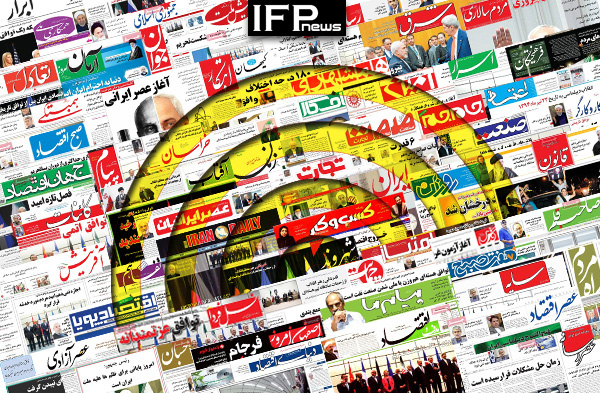
A top story in many Iranian papers today was the fluctuations in prices of consumer goods like eggs as well as speculations about the increase of fuel prices.
Earthquake and air pollution, especially the ongoing dust pollution in Khuzestan province, were among the topics that continued to make headlines in Iranian media.
The thriving market of stock exchange in Iran and the celebration of Christmas in Iran and other parts of the world also received great coverage today.
The above issues, as well as many more, are highlighted in the following headlines and top stories:
Aftab-e Yazd:
1- N. Korean Leader’s Order on Christmas: Celebrate My Grandma’s Anniversary!
2- Tehran Prosecutor: Ahmad Jalali Had Eight Meetings with Foreign Agents

Ebtekar:
1- Dust Pollution in Iran’s Ahvaz, 46 Times More than Safe Level
2- A House for Citizens’ Rights: A Report on Need for Forming Legal Gov’t Body
3- A Report on Iran National Football Team’s Problems for Kit Sponsorship in World Cup
4- Tragedy of Security in Afghanistan: ISIS Claims Responsibility for Kabul Suicide Attack

Etemad:
1- UN General Assembly Passes Resolution to Support Myanmar Muslims
- Rohingya Muslims Victim of Political Games

Ettela’at:
1- People Demand Fight against Poverty, Corruption, Discrimination: Imam Khomeini’s Grandson
2- American Council of Foreign Relations: Iran Has Upper Hand in Mideast
3- Larijani: Americans Playing with Terrorism, Not Fighting It
4- Three Other Mobile Phone Brands Added to Registration Plan
5- Iran Urges Europe Not to Fall into Trap of Wrong Policies Pursued by US, Allies

Iran:
1- Quake-Hit People of Kerman Province to Receive $24.5 Million in Cheap Facilities
2- Production of 25 Low-Quality Cars Stopped by Iran Standard Organisation
3- Christian Leaders Living in Israel Cancel Christmas in Solidarity with Muslims
4- US Isolated amid World Protests
5- Stock Exchange Turns into Iran’s Most Lucrative Market

Javan:
1- Tehran Prosecutor Calls for Further Transparency on Cyberspace
2- Reinforcement of Basij [Voluntary Forces] Prerequisite for Deterrence: Top General

Jomhouri Eslami:
1- Tehran Stock Exchange Market Ranks First in World in Terms of Efficiency
2- Accusations Raised against Iranian Authorities on Crescent Deal Groundless: Court of Audit
3- No Condition for Macron’s Visit to Tehran: Iran
4- Continued Protest Rallies Worldwide against Trump

Kayhan:
1- Deputy Agriculture Minister: Egg Price Back to Previous Level
2- American Scientist Reveals US Atomic Tests Have Claimed 690,000 American Lives
3- Syrian, Iraqi Christians Celebrate Christmas after 7 Years
4- MP Discloses New Details of Espionage in Iran’s Nuclear Negotiating Team

Khorasan:
1- 56% Decrease in Autumn Rainfall
2- MP: Gov’t May Revise Plans on Cash Subsidies, Fuel Prices
3- Inflation Rate in Poor Deciles More than Rich Ones

Tejarat:
1- Government’s Proposed Budget for New Fiscal Year Totally against Employment: Experts
2- Iran Warns France against Paying Attention to Saudis’ Allegations

Vatan-e Emrooz:
1- Nuclear Negotiations Not Based on Int’l Knowledge: Analyst
2- Why Did Hariri Have Such Weird Stay in Riyadh?
3- Price of Domestic, Foreign Cars Quickly Growing

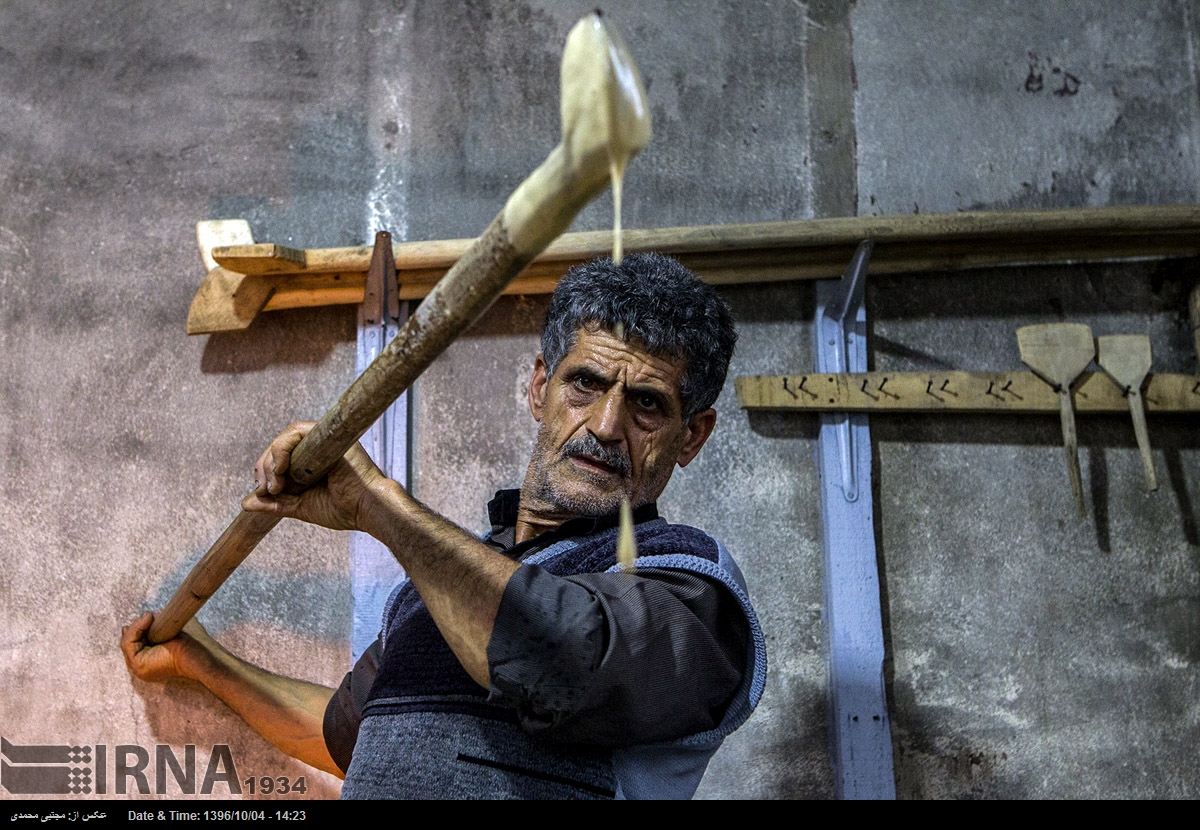
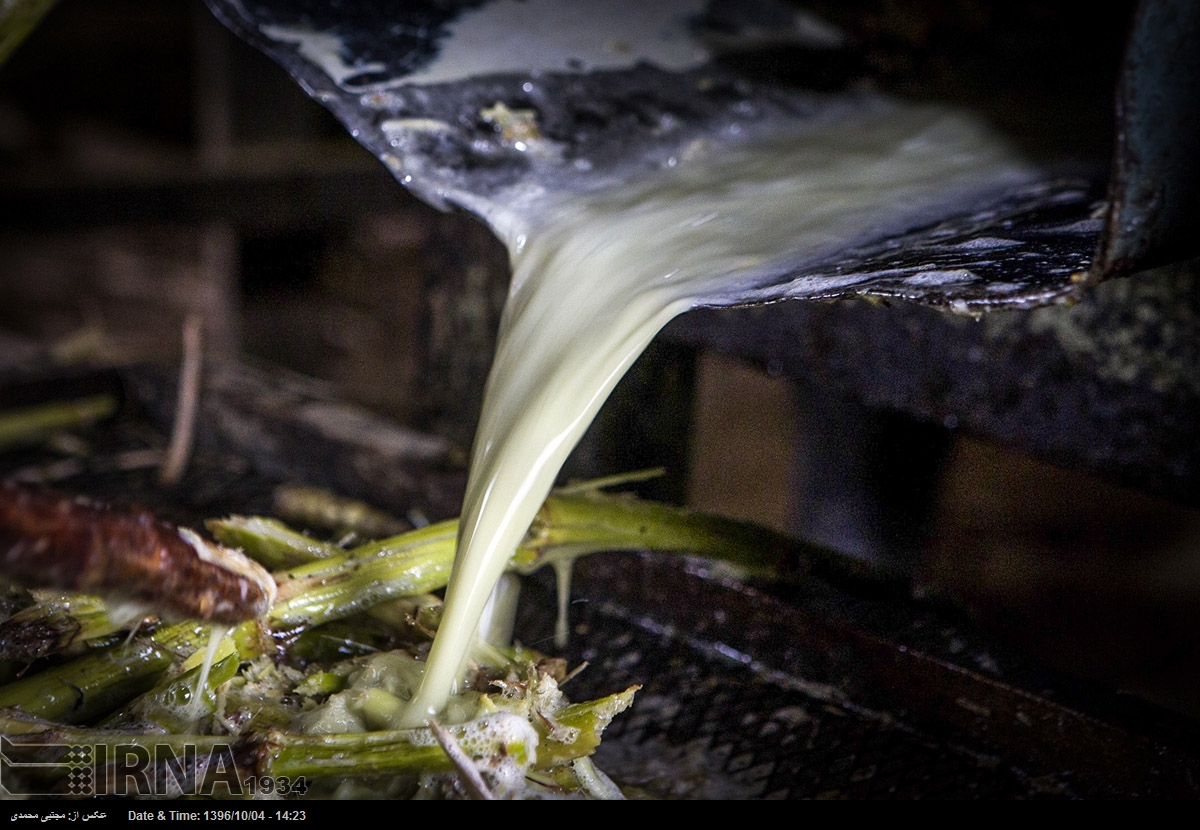
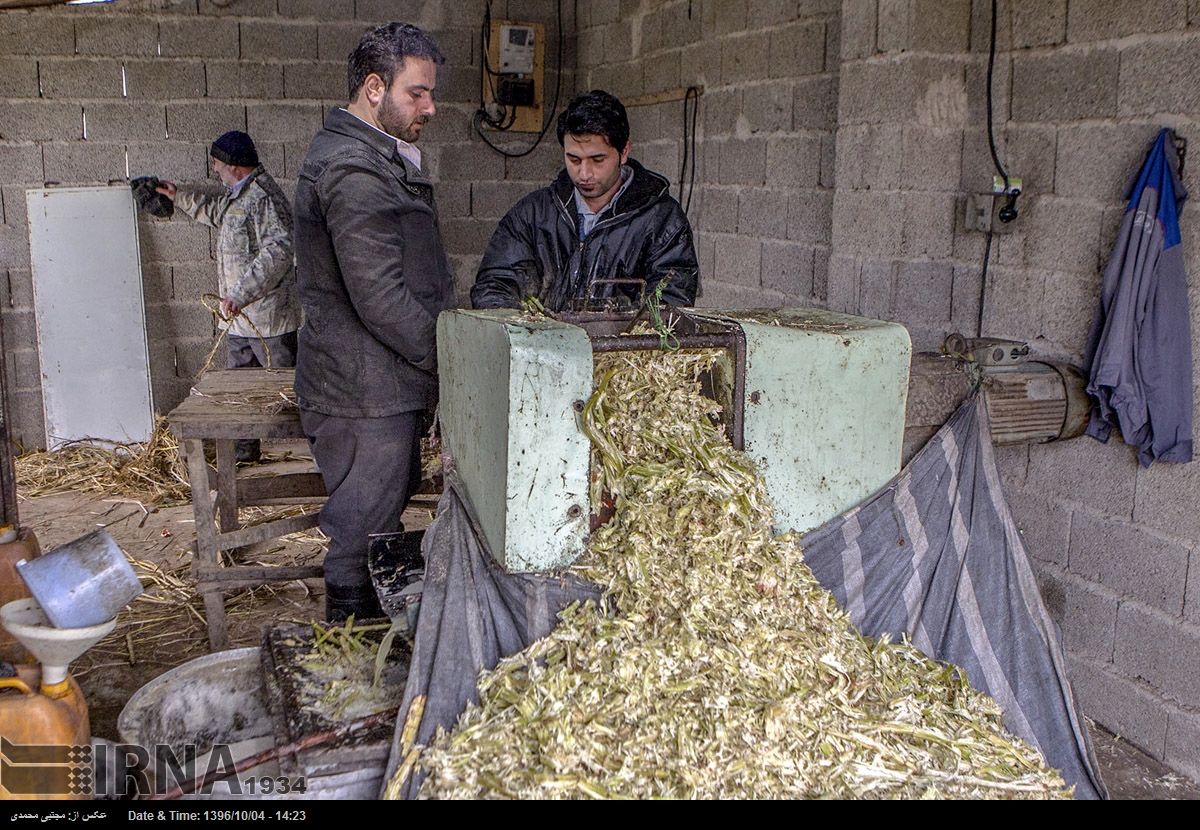
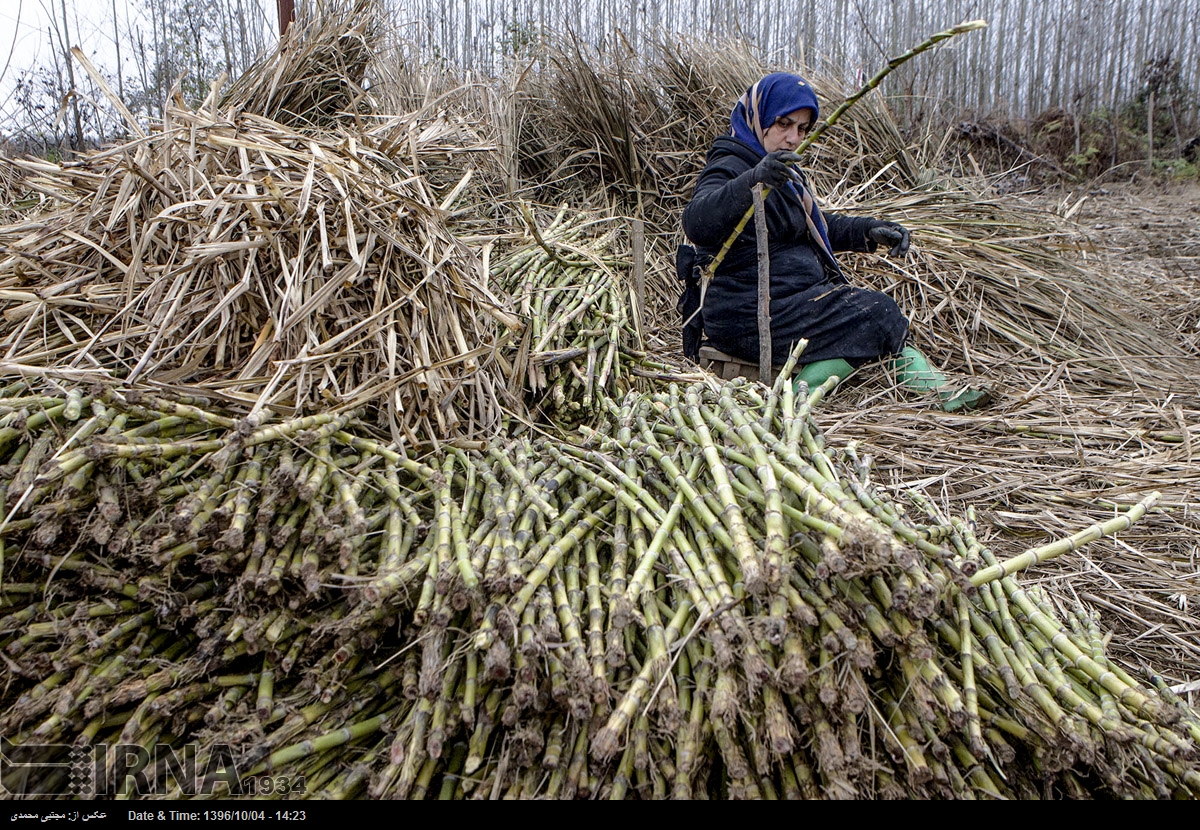
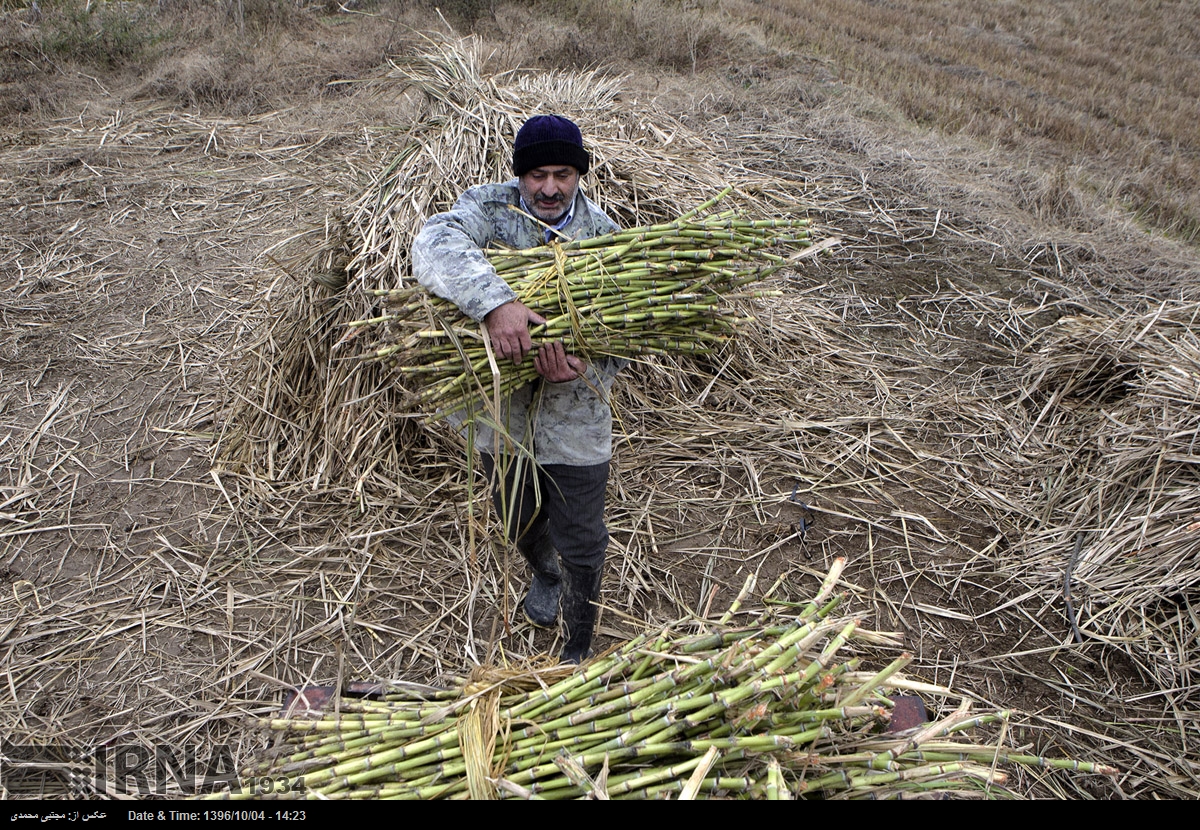
Traditional Sugar Producing; A Disappearing Iranian Profession

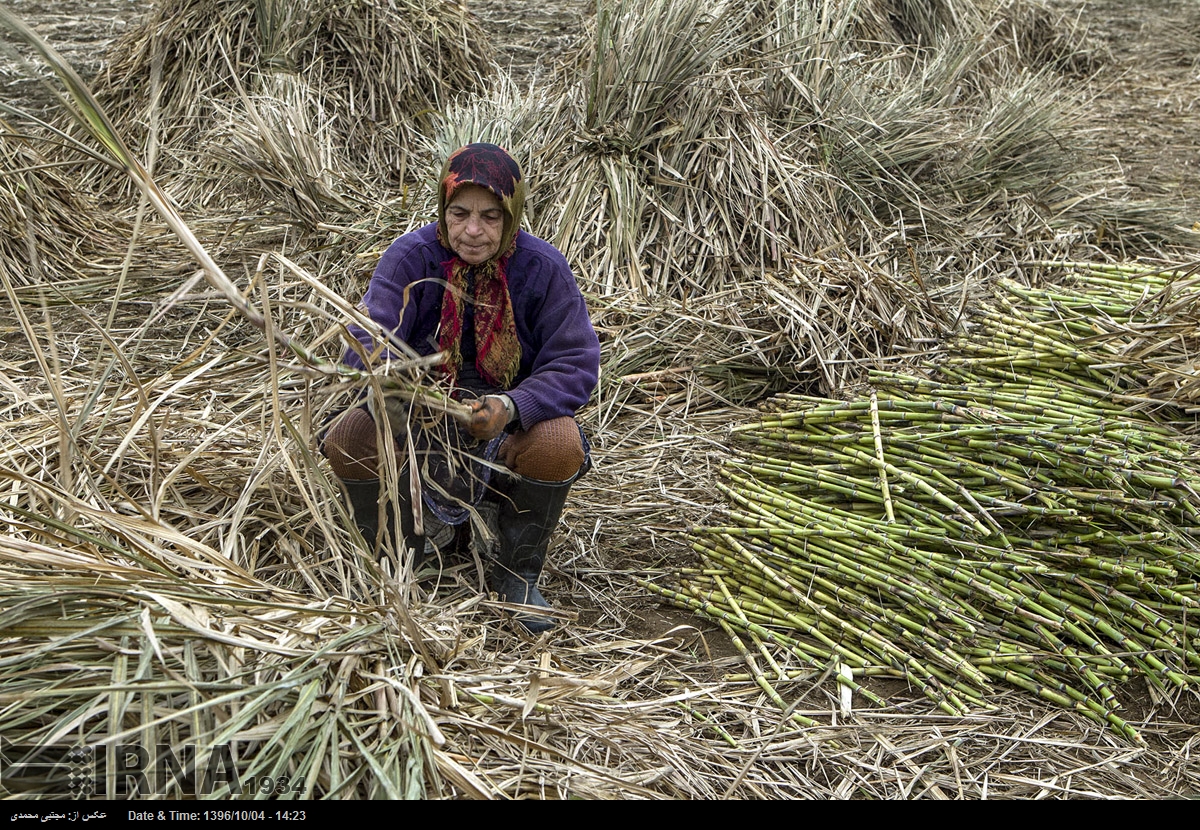
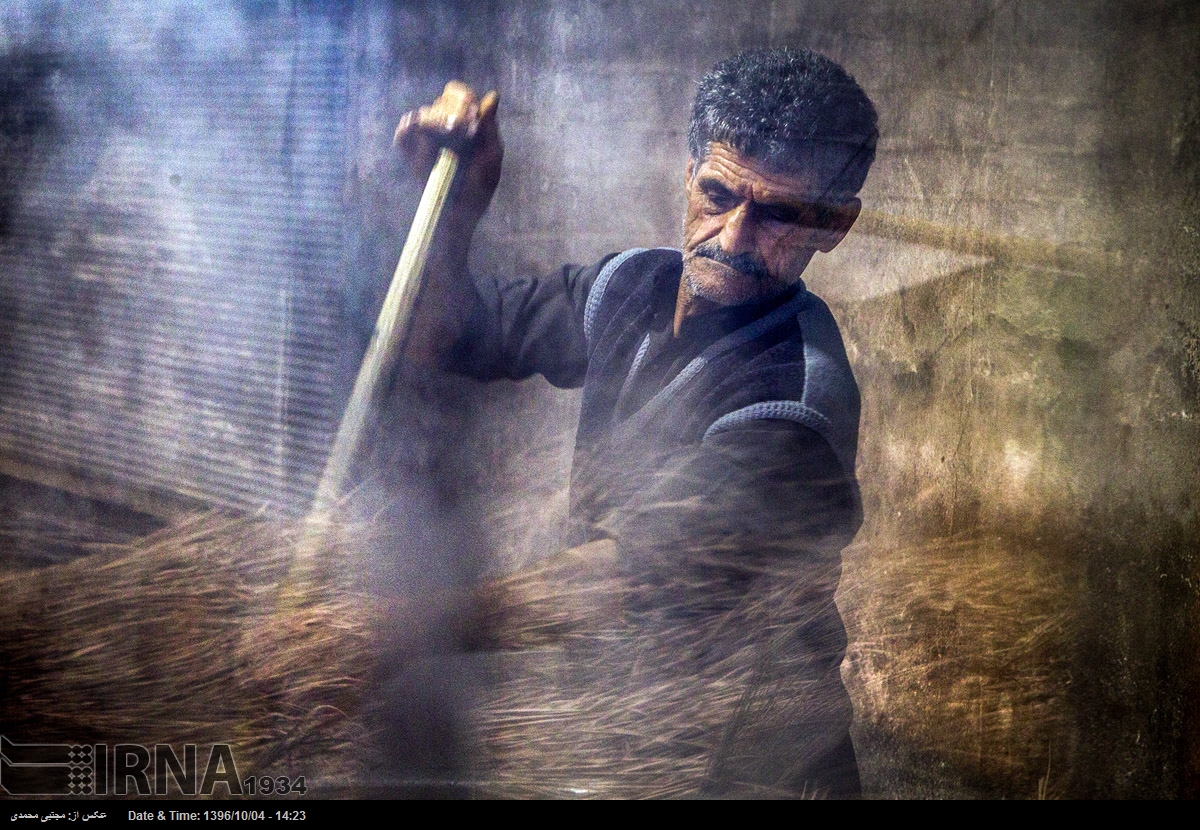
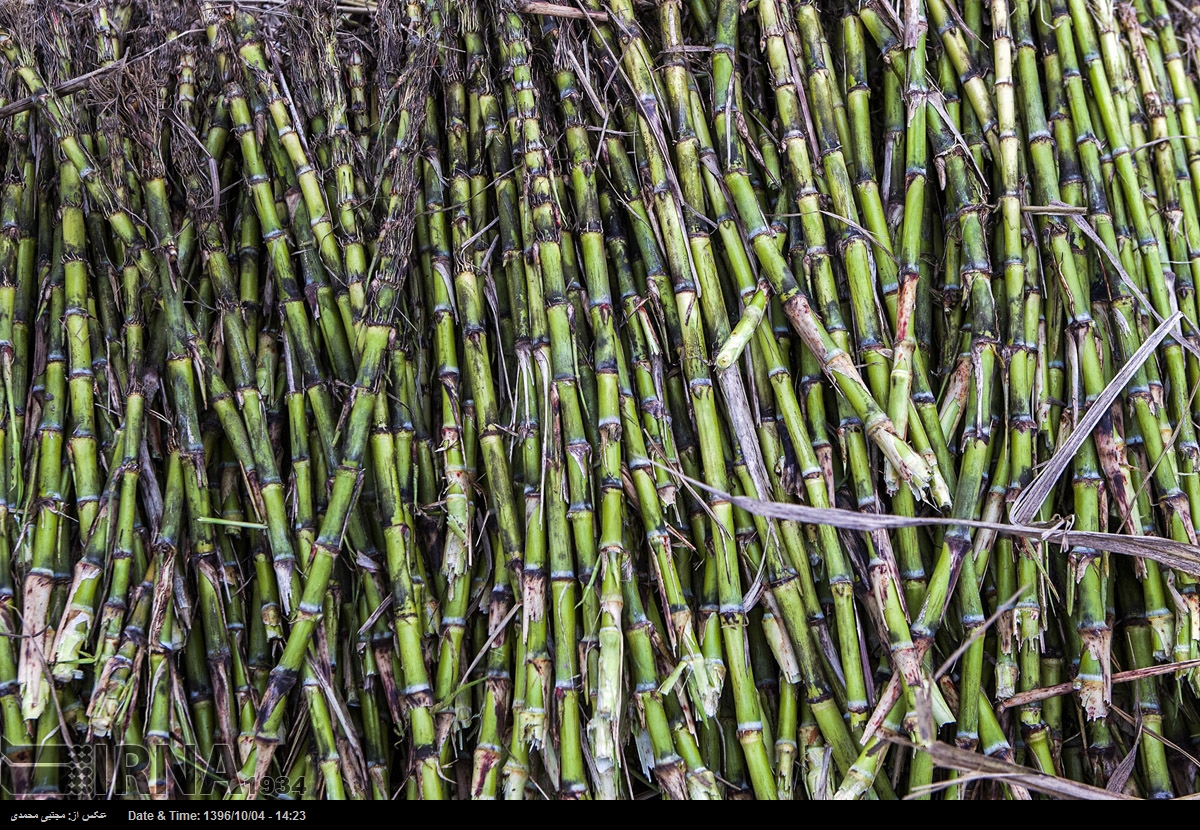
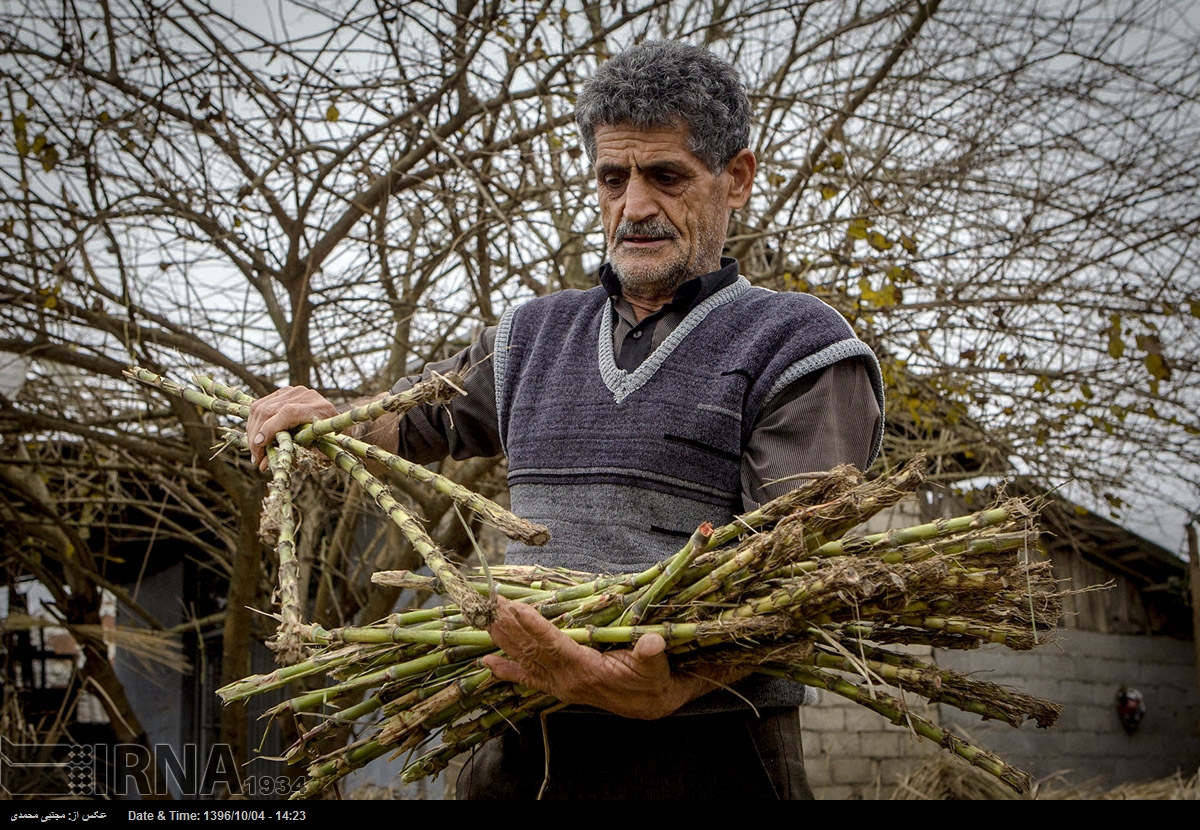
Davoud Alizadeh is a 58-year-old farmer in northern Iran. He is from a village in Sowme’eh Sara town in the northern province of Gilan. He has been planting sugar cane and producing sugar in a traditional way for about 40 years. According to him, all the villagers are involved in farming sugar cane and have their own traditional sugar-producing workshops.
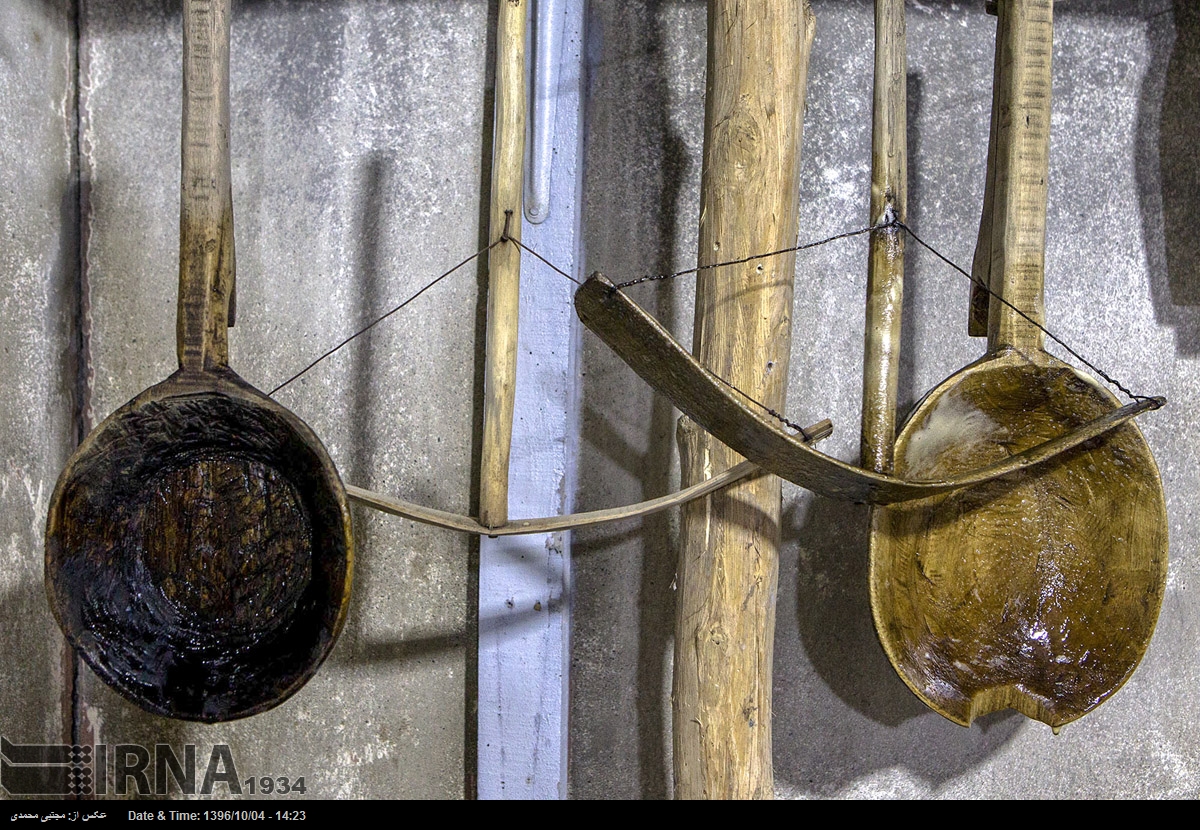
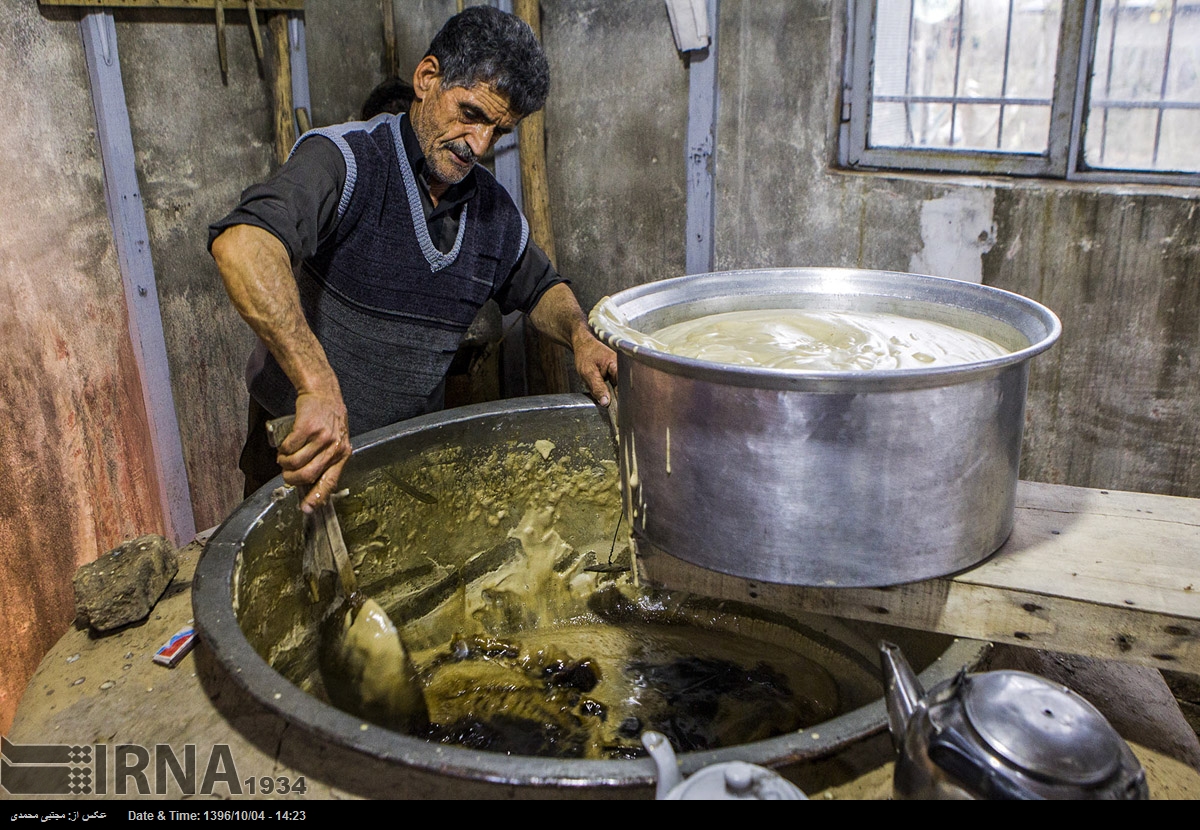
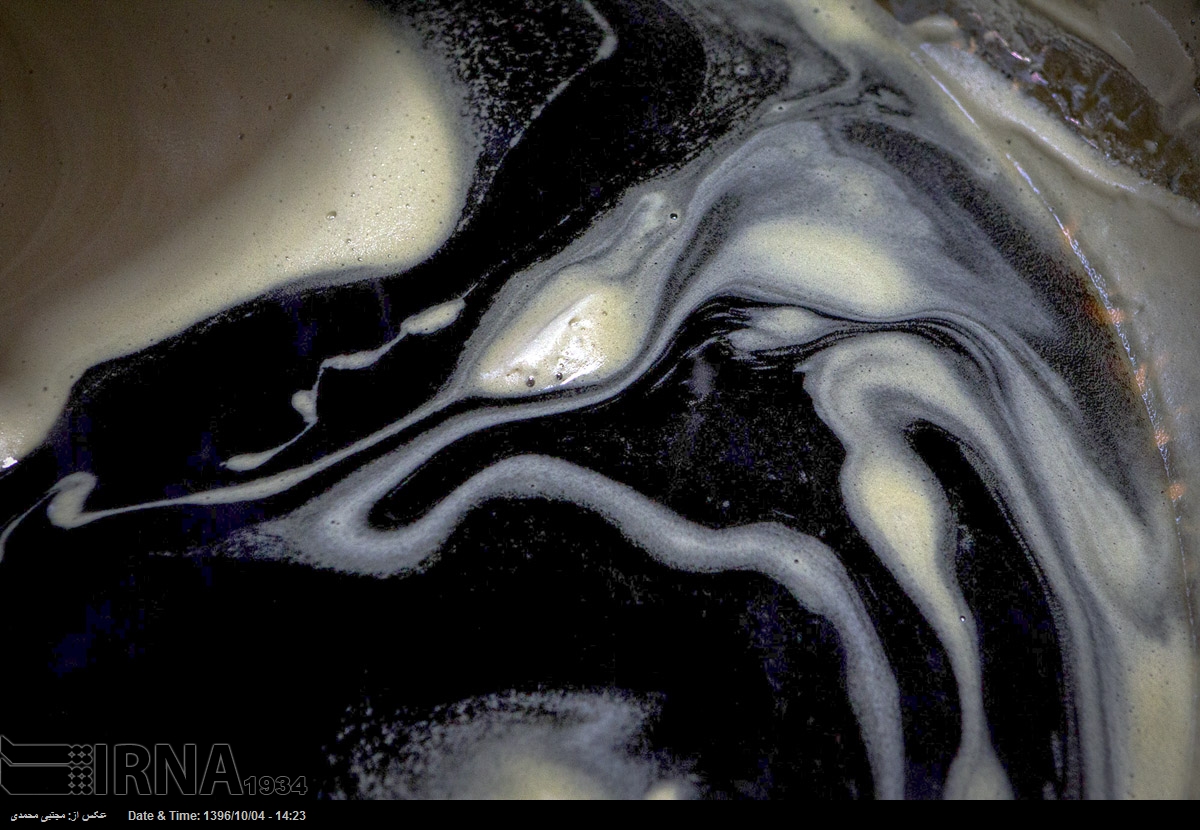
Alizadeh says after harvesting and drying the canes, he and the villagers have to work non-stop for about 10 hours to produce sugar. During the process, they have to actively oversee and put hard efforts into completing the process to produce sugar.
The pictures below, retrieved from IRNA, portray a detailed process of traditional sugar producing:



Iran Exports Handmade Carpets to 78 Countries
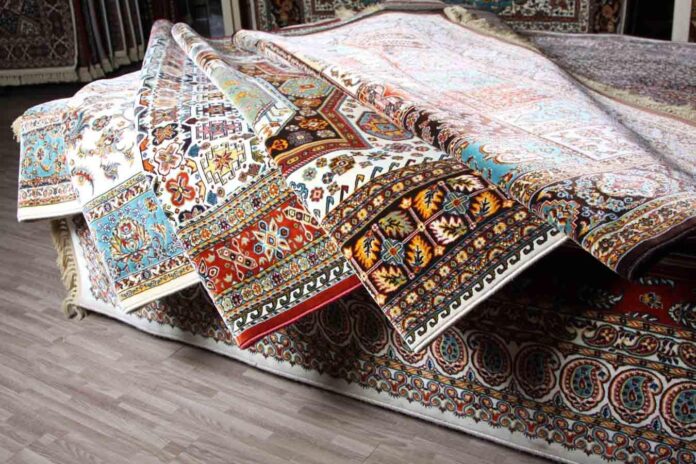
In an address to the Tenth Conference of Hand-Woven and Pictorial Carpets held in the city of Qazvin, Mohammad Mehdi Farshchi, the deputy head of Iran’s National Carpet Centre, said within the last Iranian calendar year, the Islamic Republic has exported carpets worth over $295 million to the world.
“With a 33-percent increase this year, Iran exported carpets worth $395 million to 78 countries,” he was quoted as saying in a Farsi report by the Fars News Agency.
He further noted that the government is resolved to develop the country’s non-oil exports.
“To this end, exporting hand-woven carpets can play a key role particularly because of the huge demand for Persian rugs which enjoy a top international status,” he concluded.
Kazan’s Tatars Warmly Welcome Persian Handicrafts
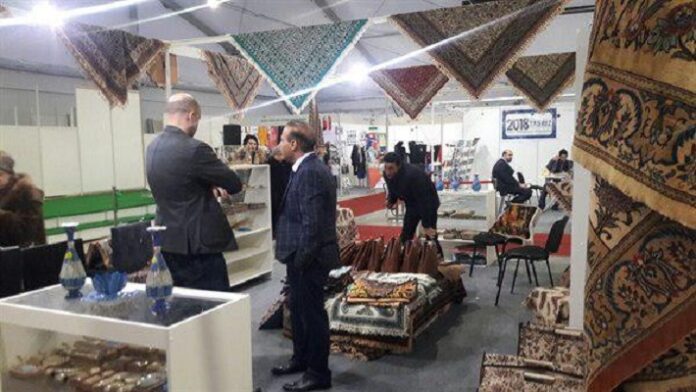
During the exhibition, handicrafts and Halal food products from the northeastern province of Khorasan Razavi were put on display for Russian visitors.
The exhibition, which is held in 20 booths, has been warmly welcomed by Tatars, a Farsi report by Miras-e Arya News Agency said on Monday.
The handicrafts included stone pot, mosaic, enamel, copper, silver and turquoise cravings, carpet weaving, and Khatam, among many others.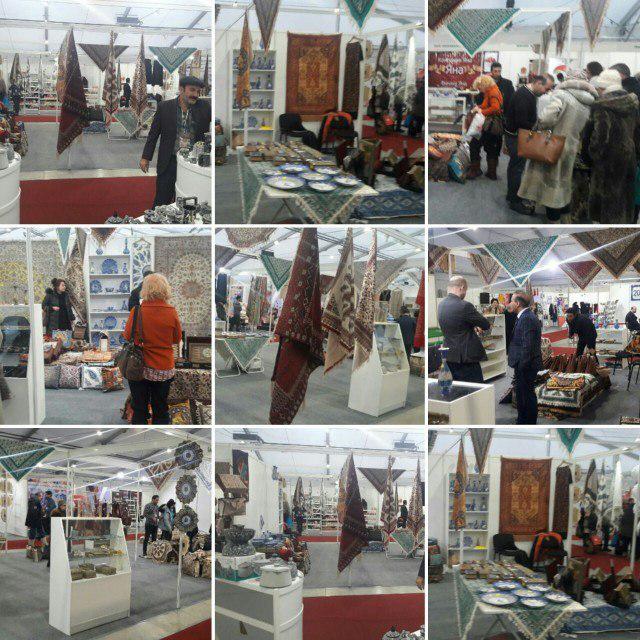
The exhibition was attended by more than 60 companies from Khorasan Razavi province as well as many other Iranian provinces.
Held on a land of 1,300 square metres, the exhibition also displayed local food products as well as saffron, natural colours, construction materials, clothing, home appliances and cosmetics.
The Islamic Republic of Iran’s special exhibition was held from 21 to 24 December in Kazan.
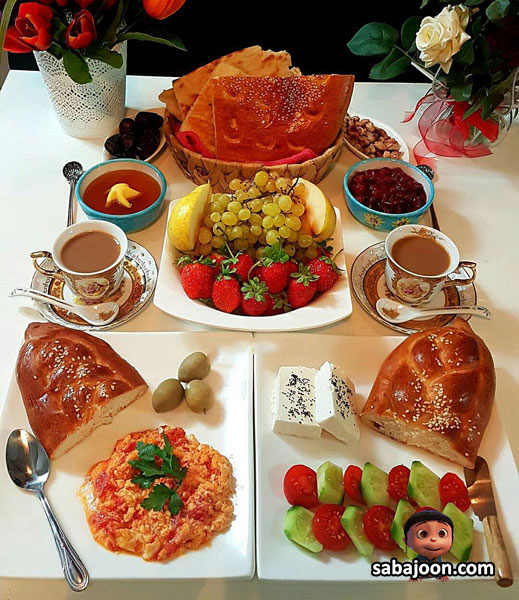
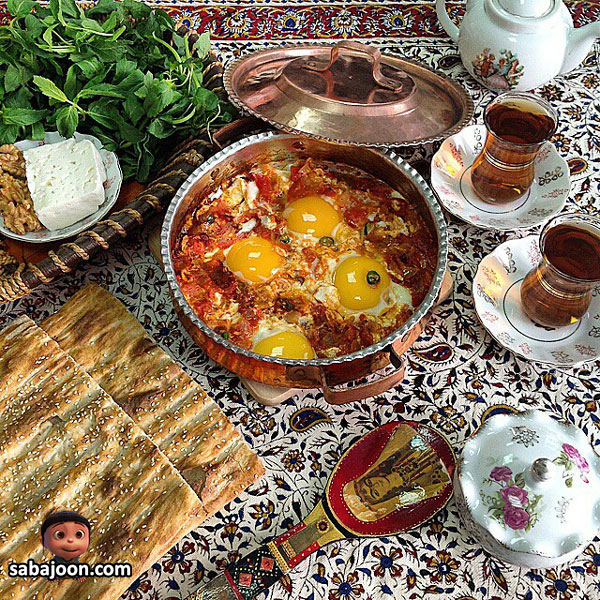
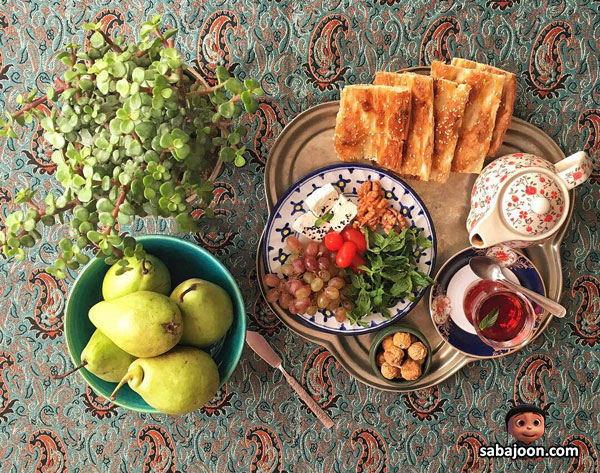
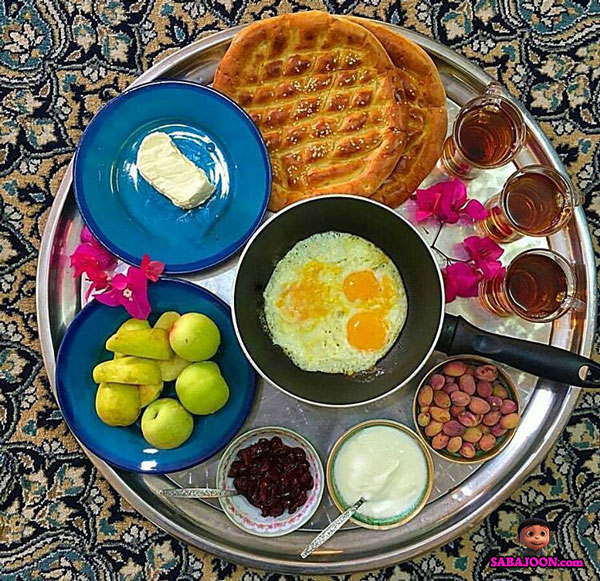
Iranian Breakfast; A Meal with Great Diversity
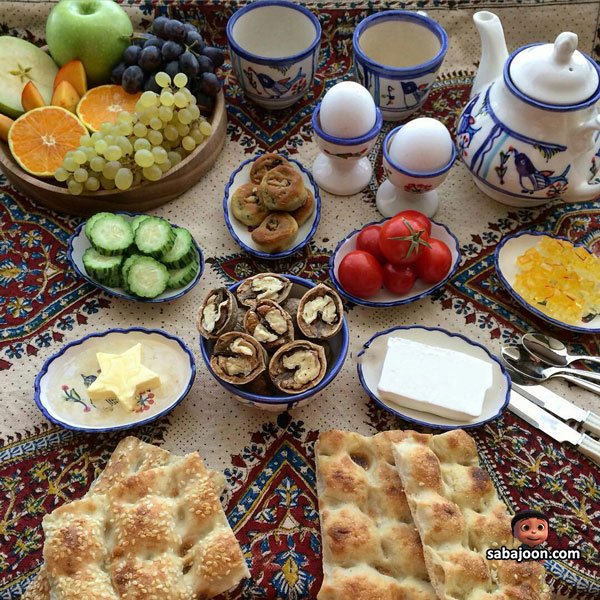
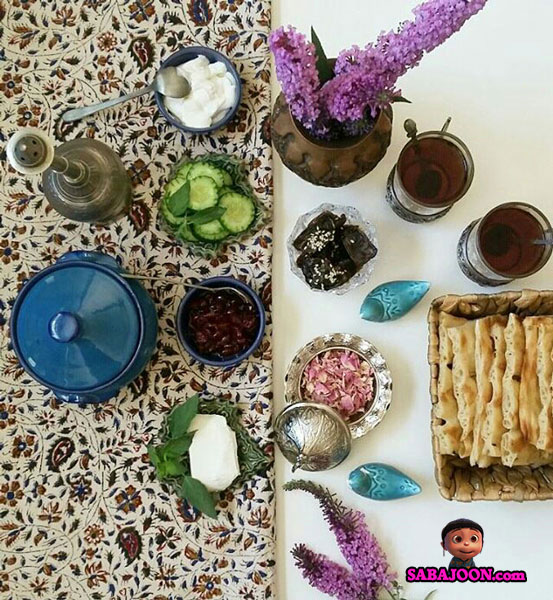
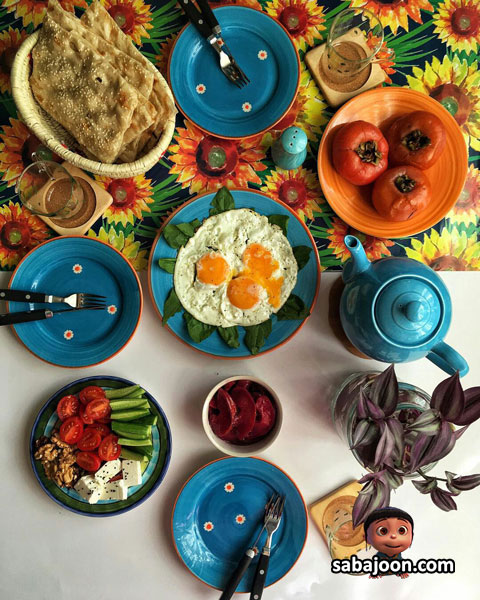
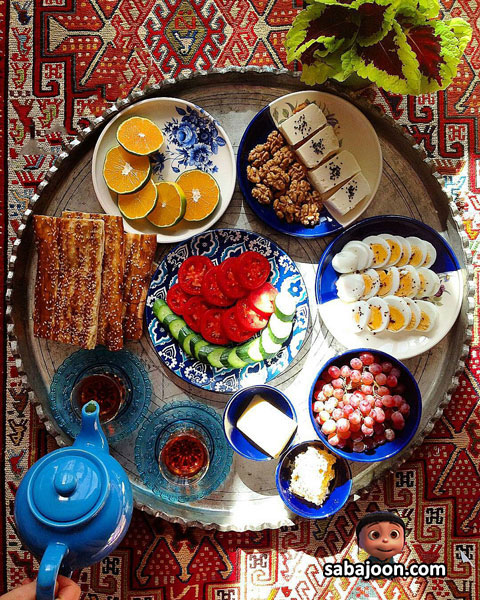
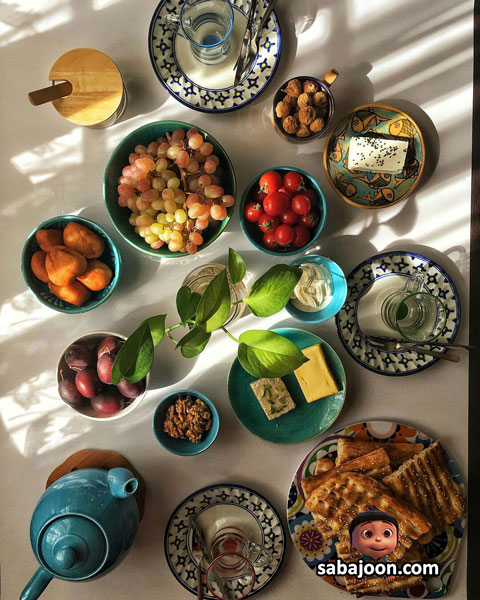
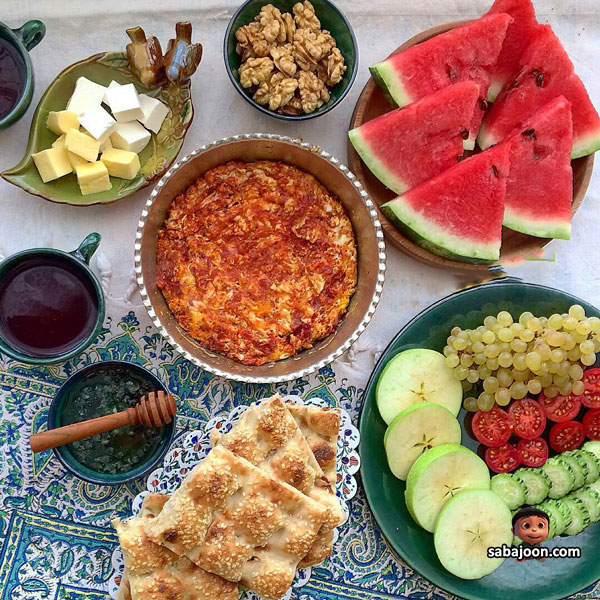
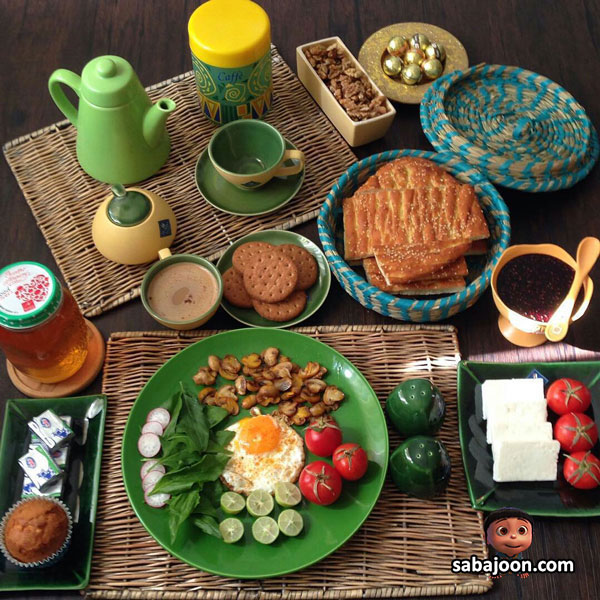
In the Iranian culture, the easiest and most ordinary breakfast is hot traditional bread with cheese and sweet tea, served with walnuts and sometimes cucumbers and tomatoes.
Other Iranian breakfasts include Haleem (a pudding popular in the Middle East that includes wheat or barley, meat, and sometimes lentils), Sholeh-Ghalamkar Soup (Hodge-Podge Soup), Kalleh Pacheh (a dish of boiled sheep or cow’s feet and/or head), fried eggs, omelette, butter, jams and honey, along with the most delicious Iranian breads like Sangak, Barbari, Taftoon, and Lavash.
One-fifth of the daily energy intake should be provided by eating breakfast. It is best to include several different food groups in your breakfast. Milk, cheese, eggs, lentils soup and even nuts are protein sources, while bread, cereals, fruits, vegetables, honey and jams are sources of complex and simple carbohydrates. Of course, sugar and fats (such as jam, butter and cream) should be consumed at a low level.
Following you can see photos of some Iranian breakfasts: