Tuesday, December 23, 2025
Home Blog Page 3695

Taxi Driver Helps Desperate Indian Ambassador in Tehran’s Snowy Day

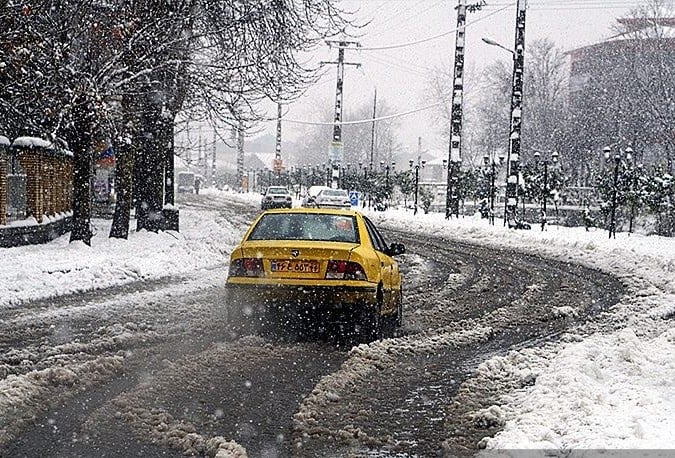
India’s ambassador to Iran was recently jogging in northern Tehran on a snowy day when he fell down and broke his leg.

According to a Farsi report by Sputnik, Ambassador Saurabh Kumar was apparently dressed in sportswear and did not have a cell phone, ID card and wallet.

Nobody was on the street at that time due to heavy snow. However, a taxi driver suddenly arrived at the scene and took him to hospital.

Interestingly, he has paid all the costs and when the embassy staff arrived, he refused to get his money back. Before leaving the hospital he told the Indian diplomats that “you’re our country’s guest.”

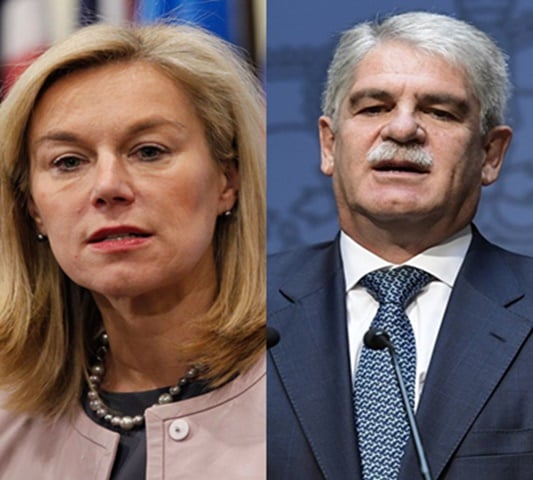
Spanish, Dutch FMs to Arrive in Tehran Tuesday Night

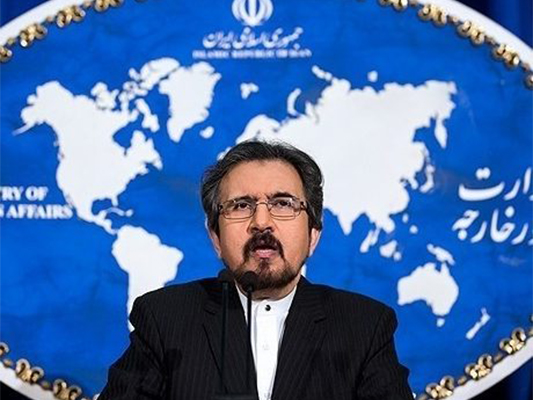
Bahram Qassemi said the two European officials will meet with Iranian Foreign Minister Mohammad Javad Zarif and other officials of the Islamic Republic to discuss ways to boost and develop bilateral relations.

Bilateral ties between Iran and the European Union were strained in the early 2010s after a dispute over the Iranian nuclear program. The European Union along with the US imposed sanctions against Iran over the country’s nuclear program.

These sanctions were described as the toughest EU sanctions imposed against any other country.

With the nuclear deal signed in 2015, the EU said it has allowed for deeper cooperation and continuous dialogue with Iran on all issues.

The EU is committed to make sure that the lifting of nuclear related sanctions has a positive impact on trade and economic relations with Iran, including benefits for the Iranian people.

Wreckage of Crashed Plane Found in Central Iran

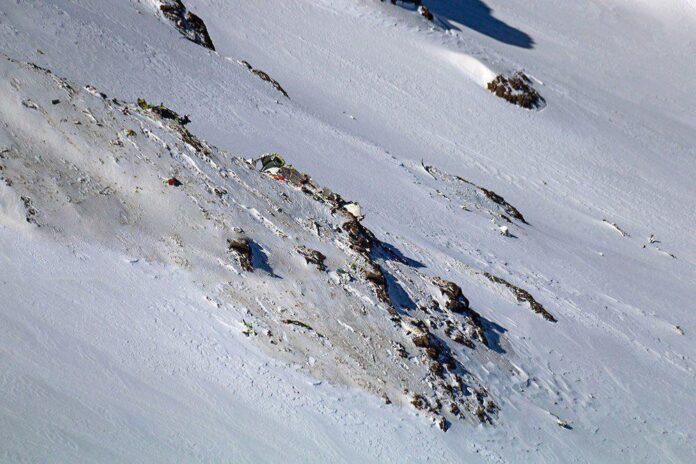
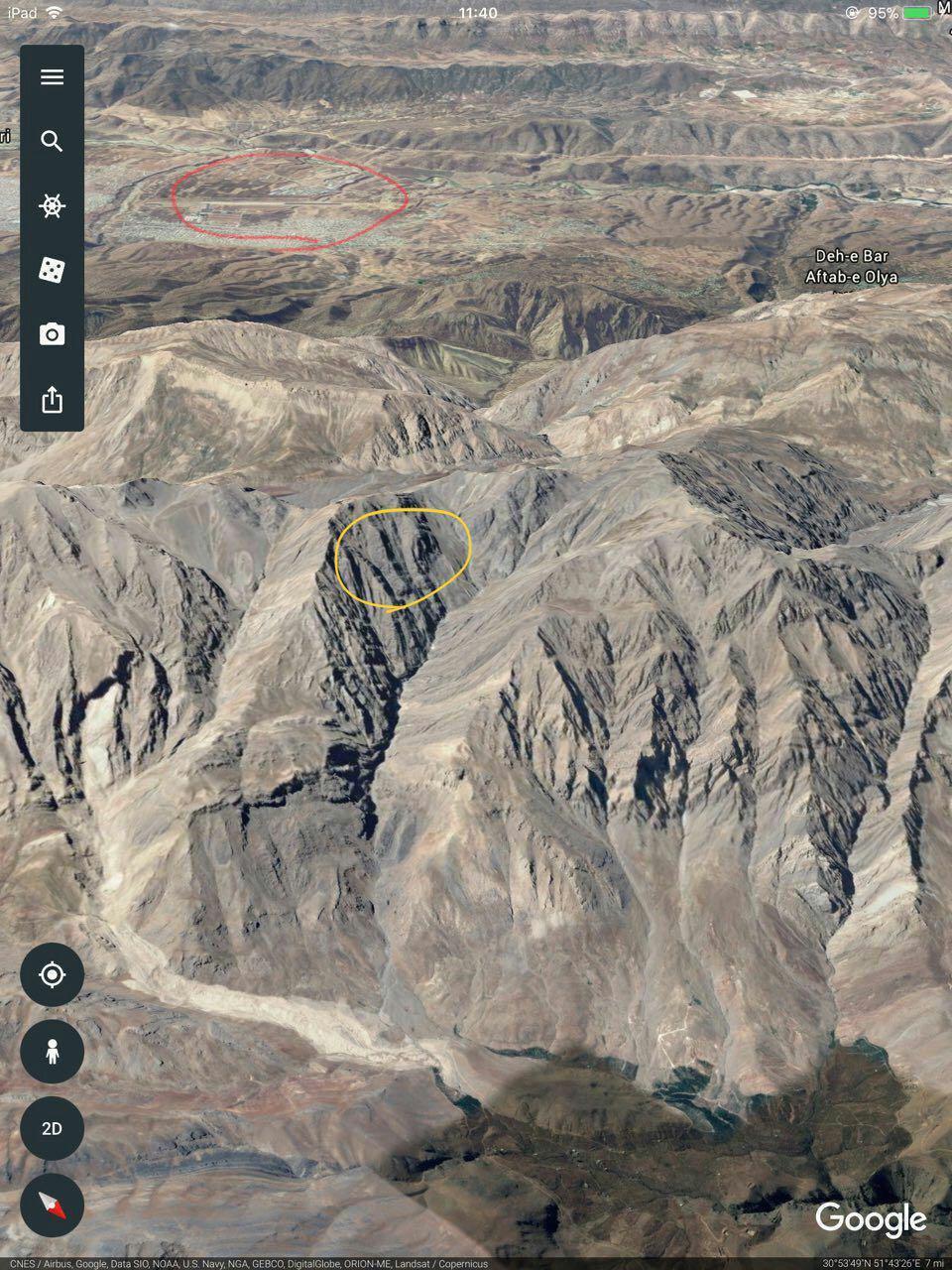
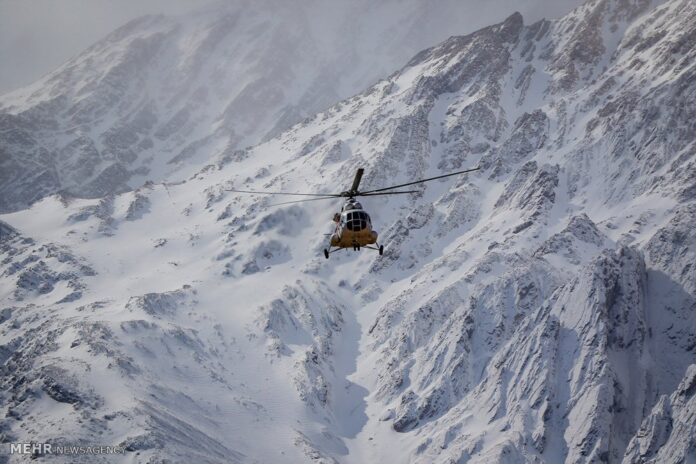
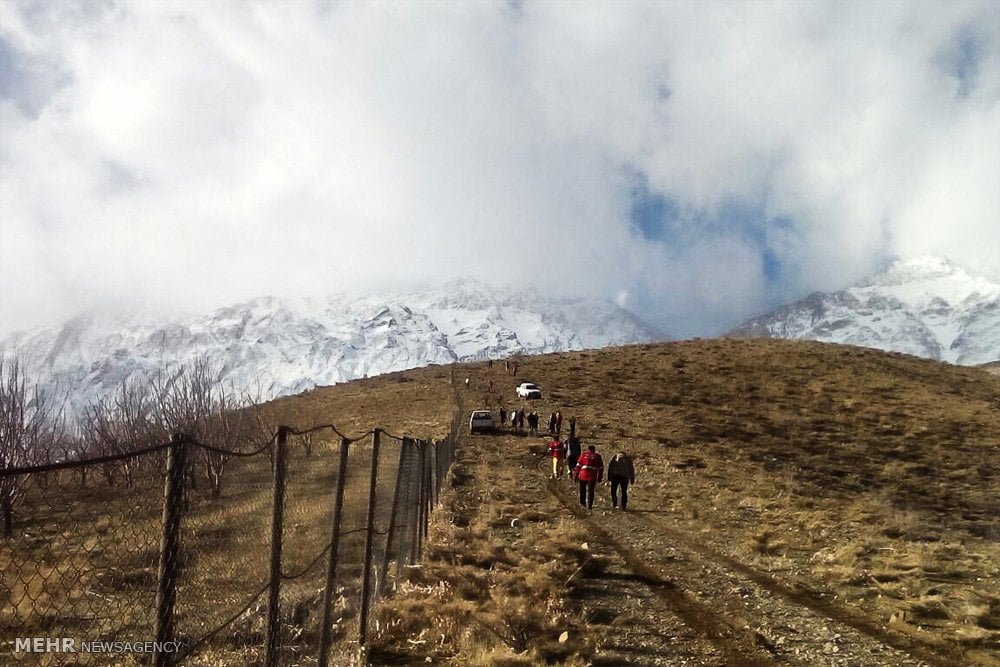
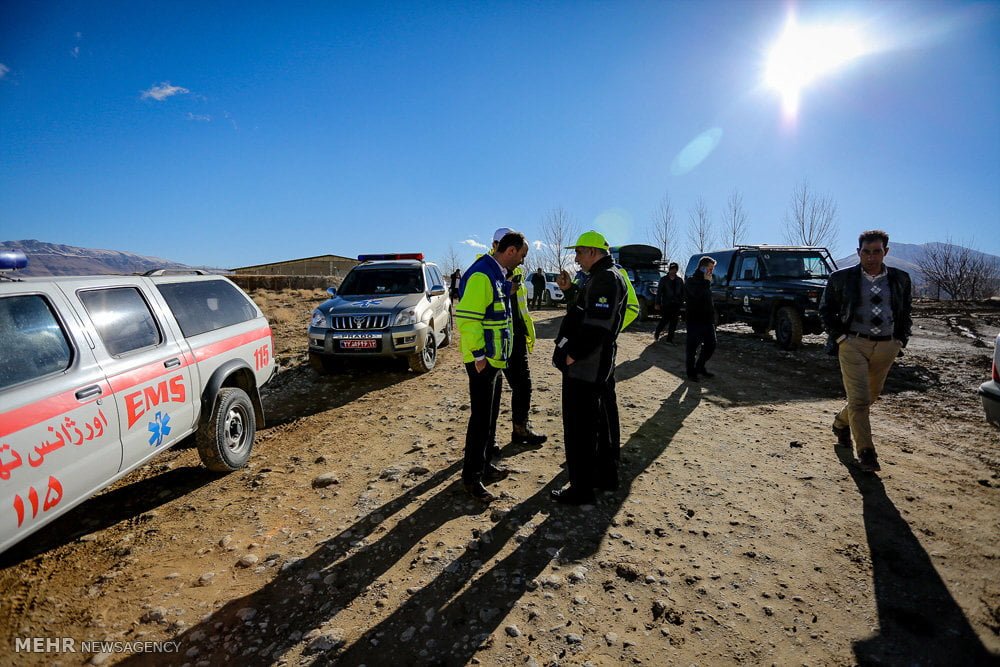
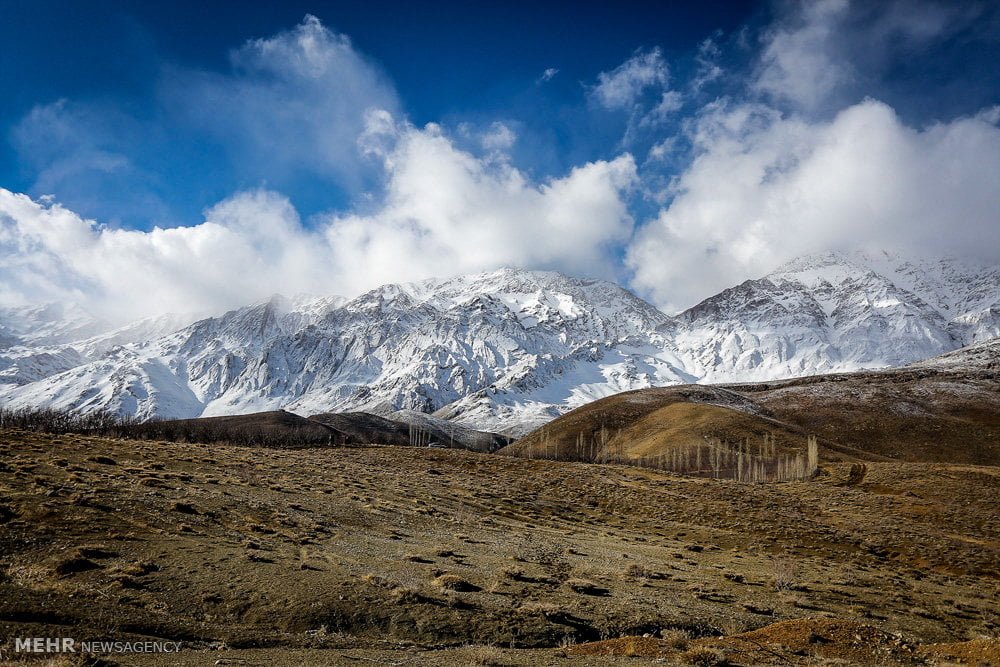
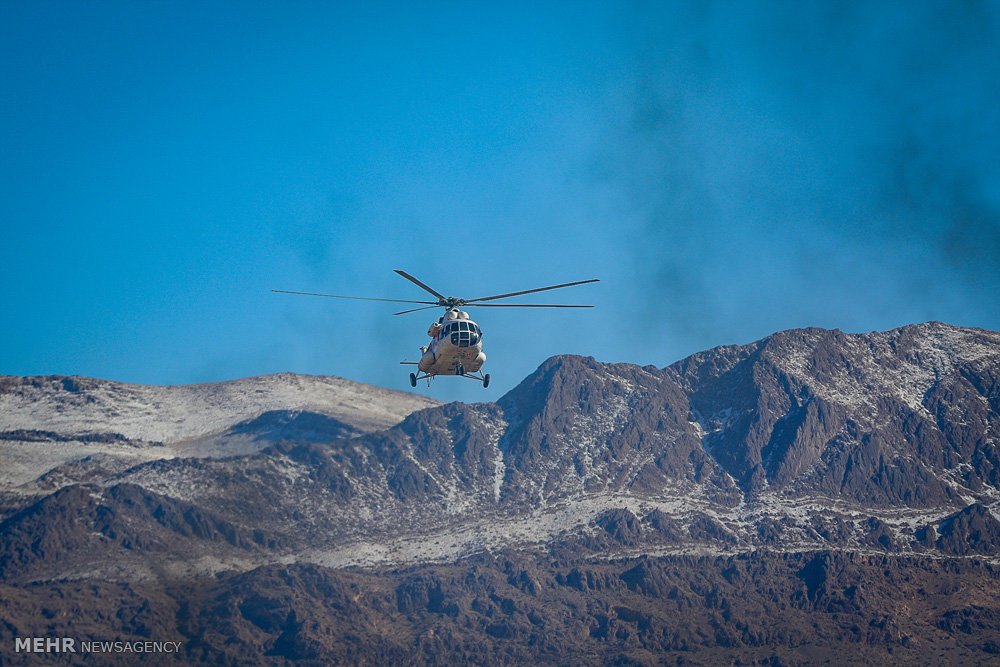
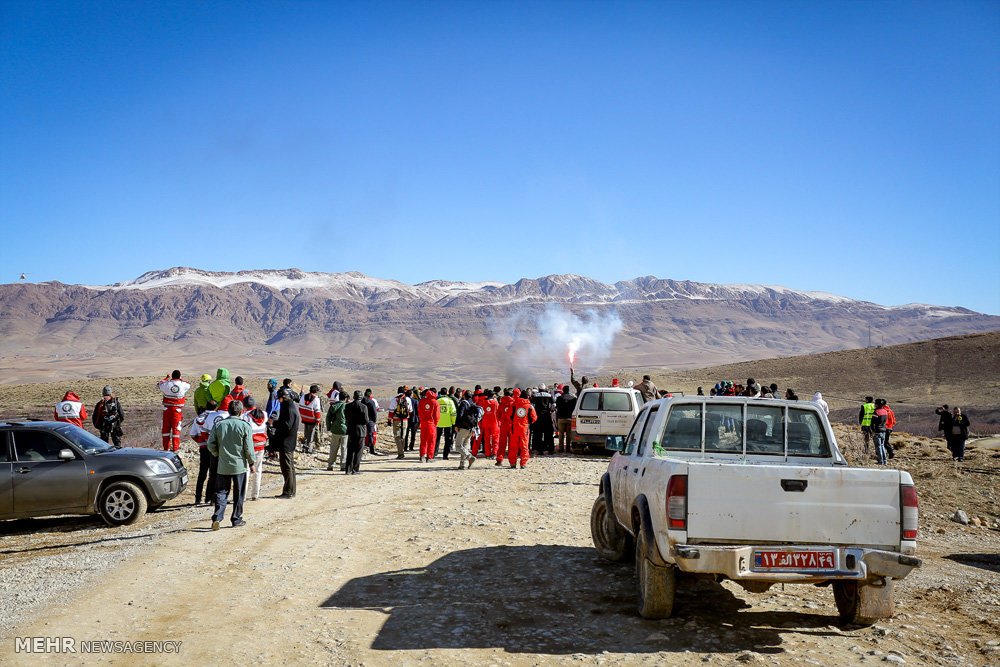
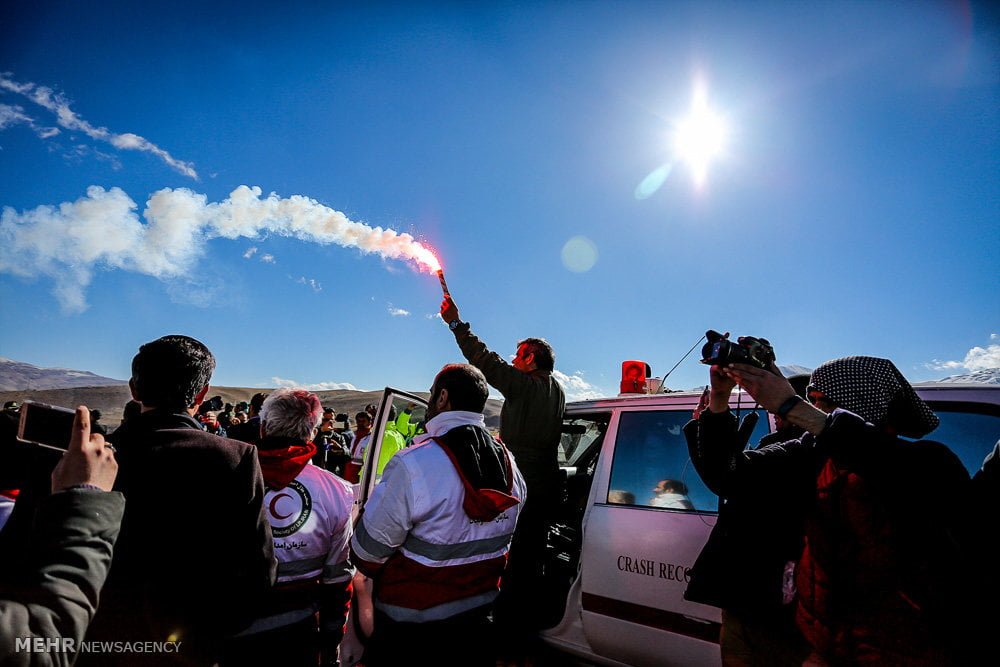
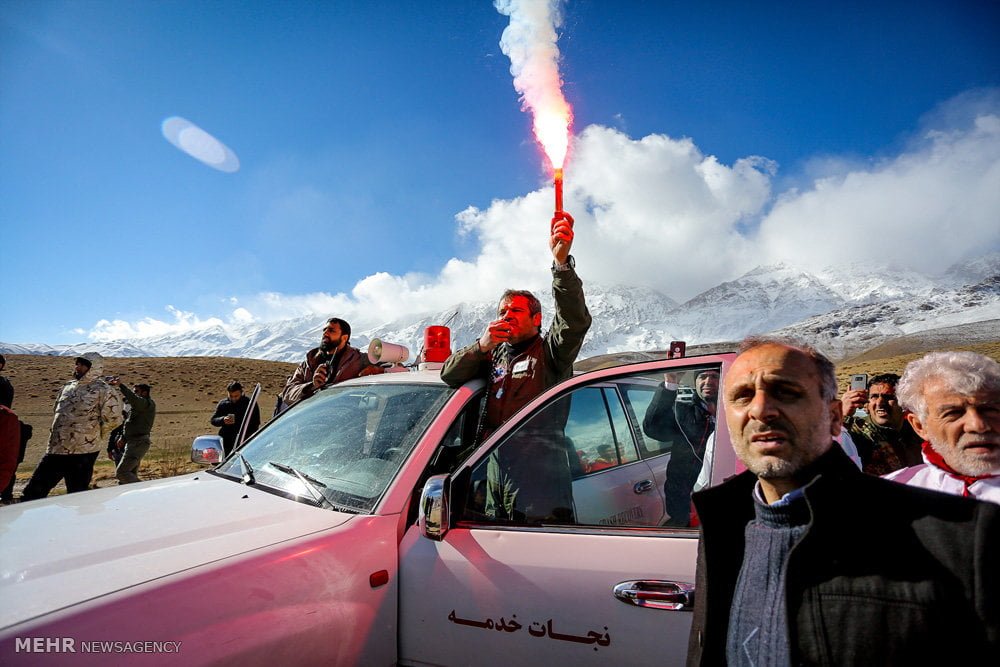
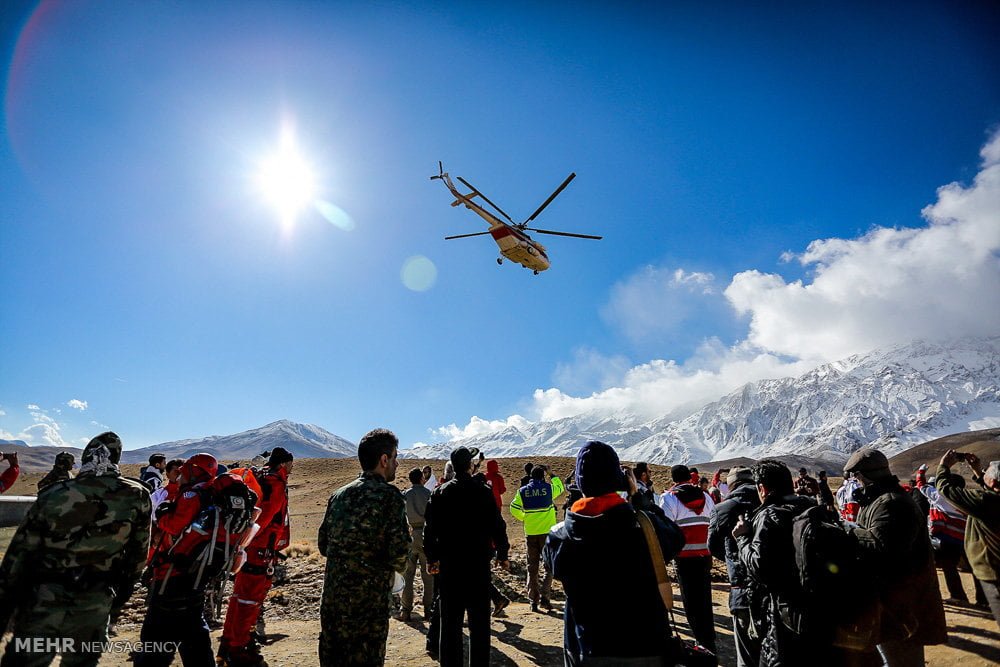
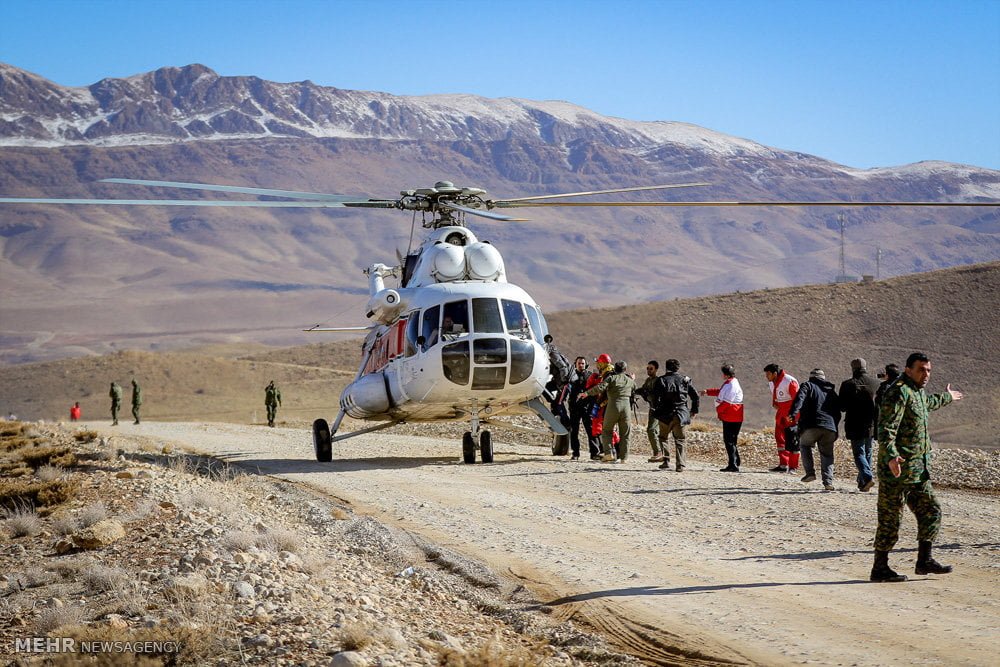
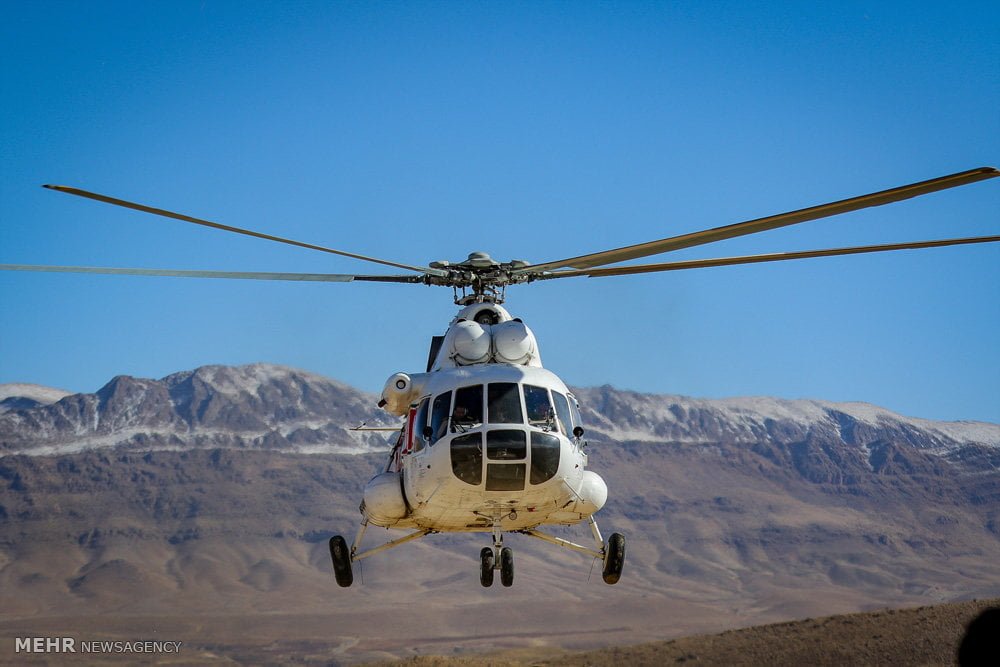
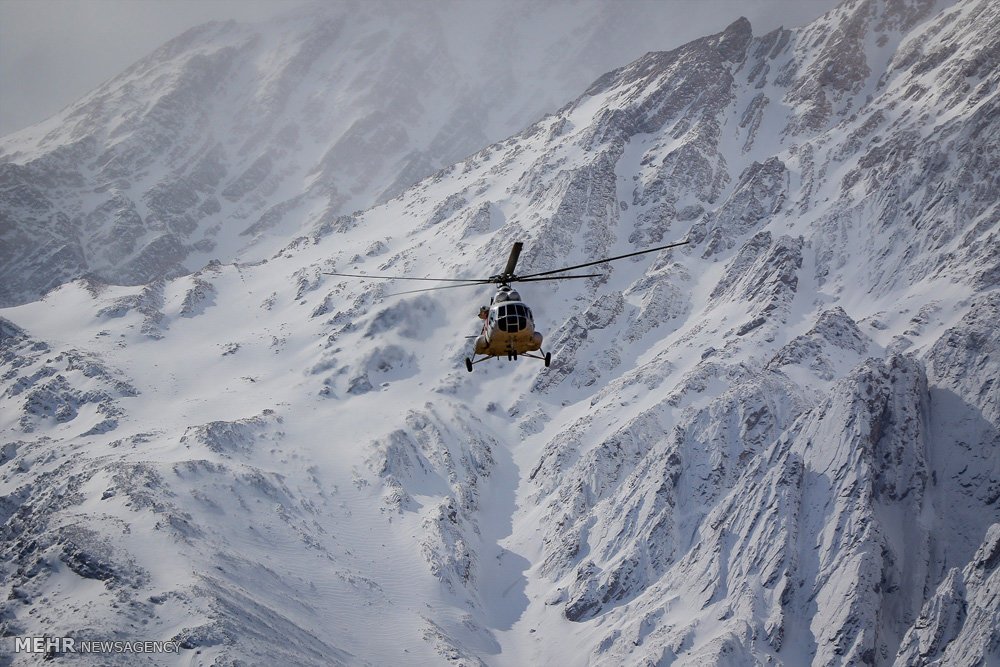
The plane’s debris was found near the peak of Dena Mountain in southern Isfahan province, into which the plane has crashed.

The chopper pilot who found the wreckage says the crash could be avoided if the plane was flying only 50 metres higher. The flight altitude has been way lower than what it was supposed to be and the reason will become clear once the black box is found.

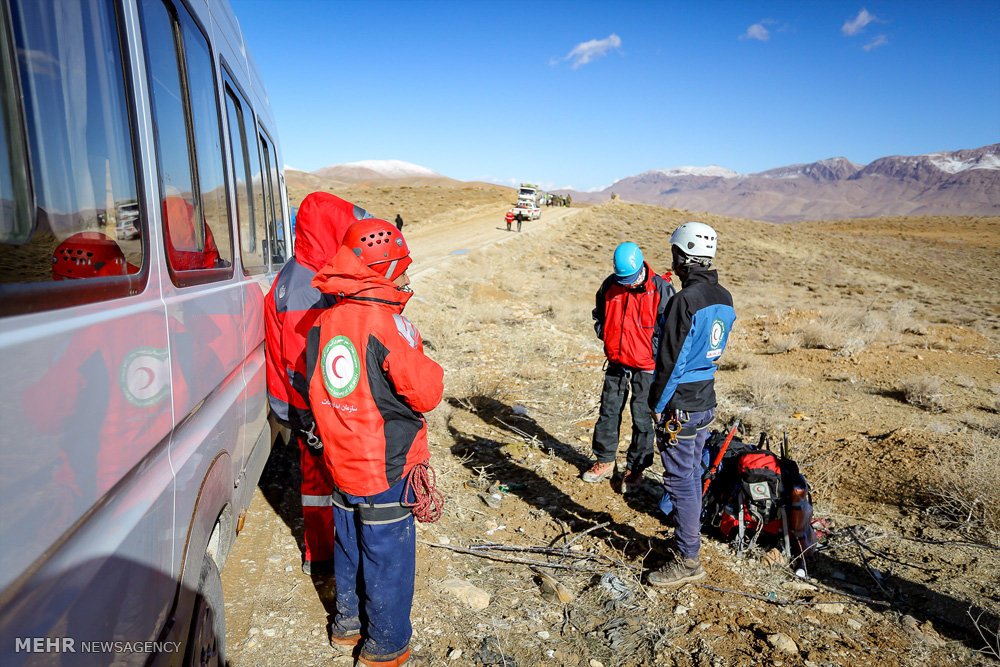
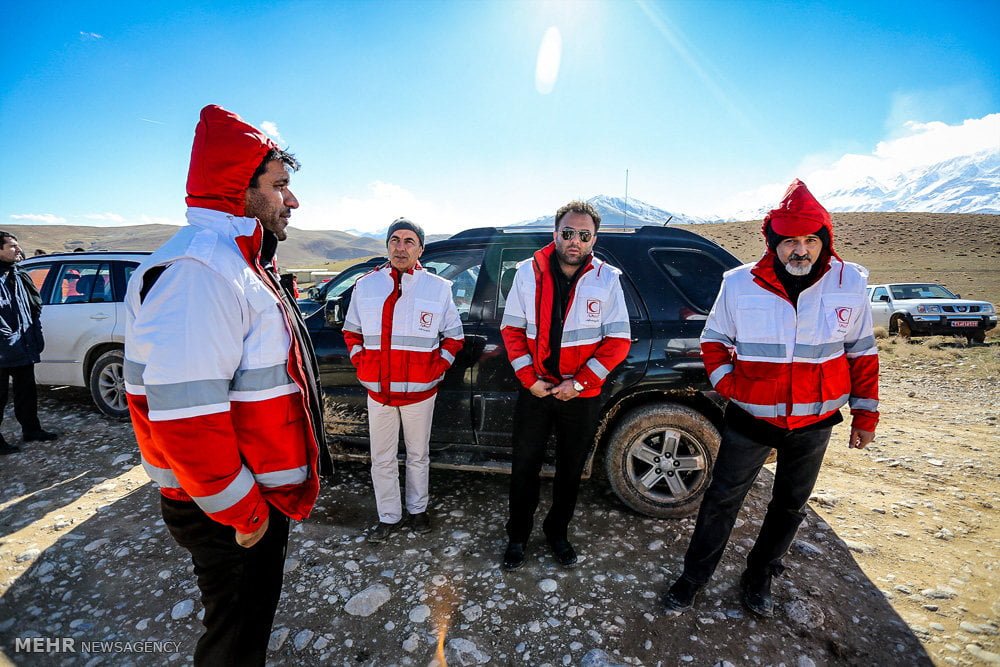
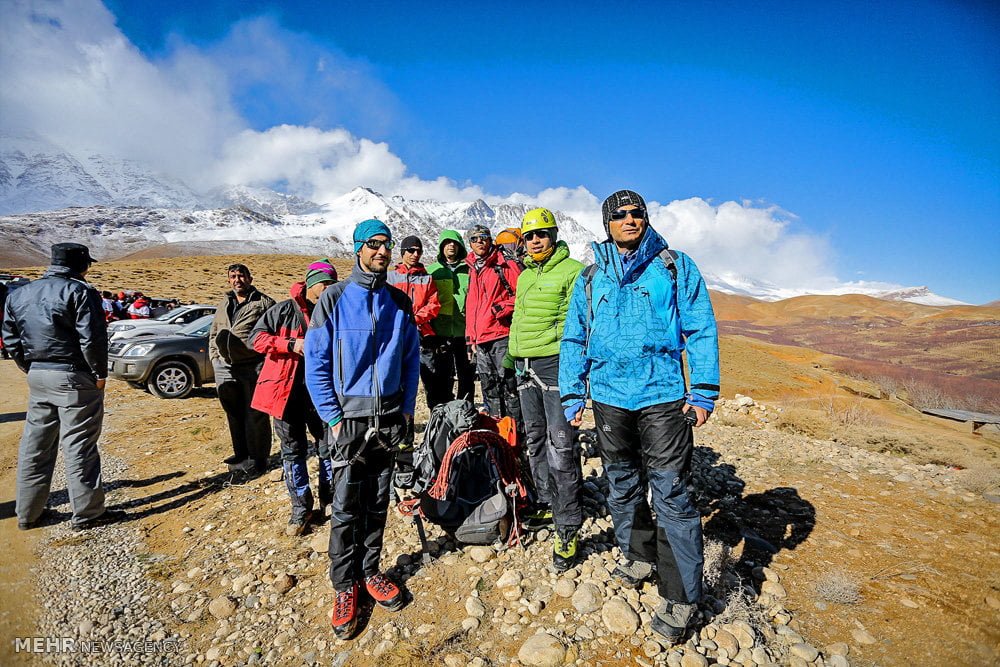
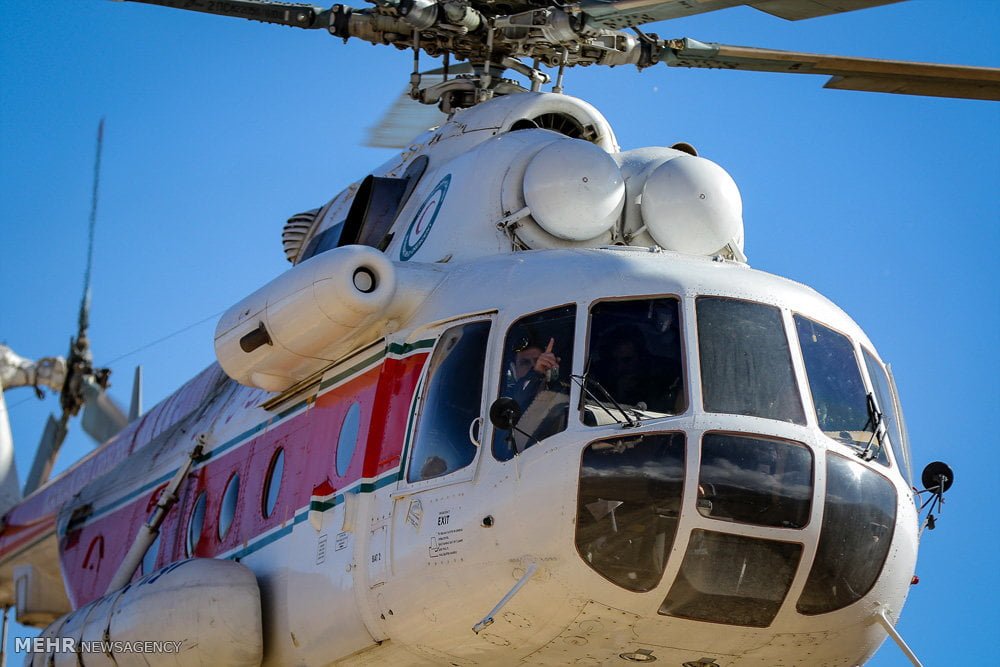
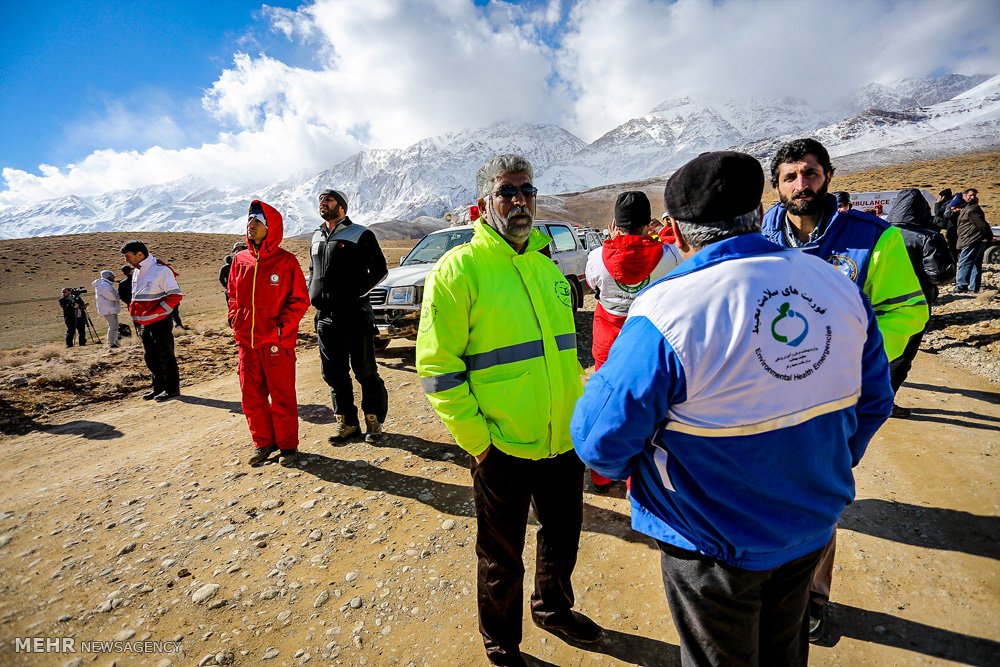
Several search and rescue teams had been searching the mountainous regions near Semirom where the airliner with 65 people on board crashed on Sunday, but the operation was hampered by severe weather.

The operation started shortly after the tragic incident on Sunday noon, but it was stopped in the night and resumed as of Monday morning.

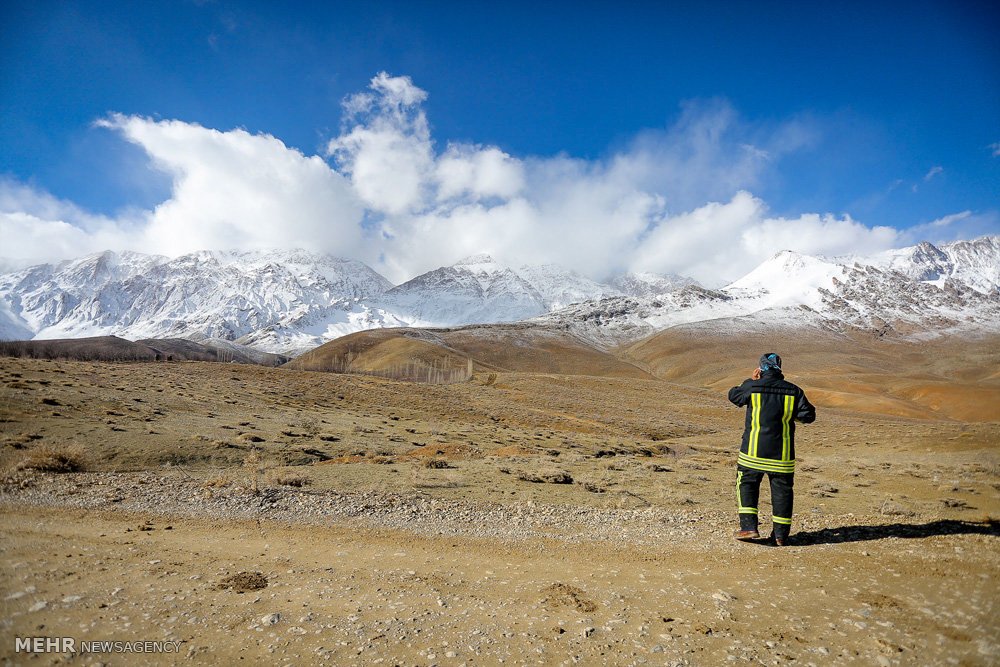
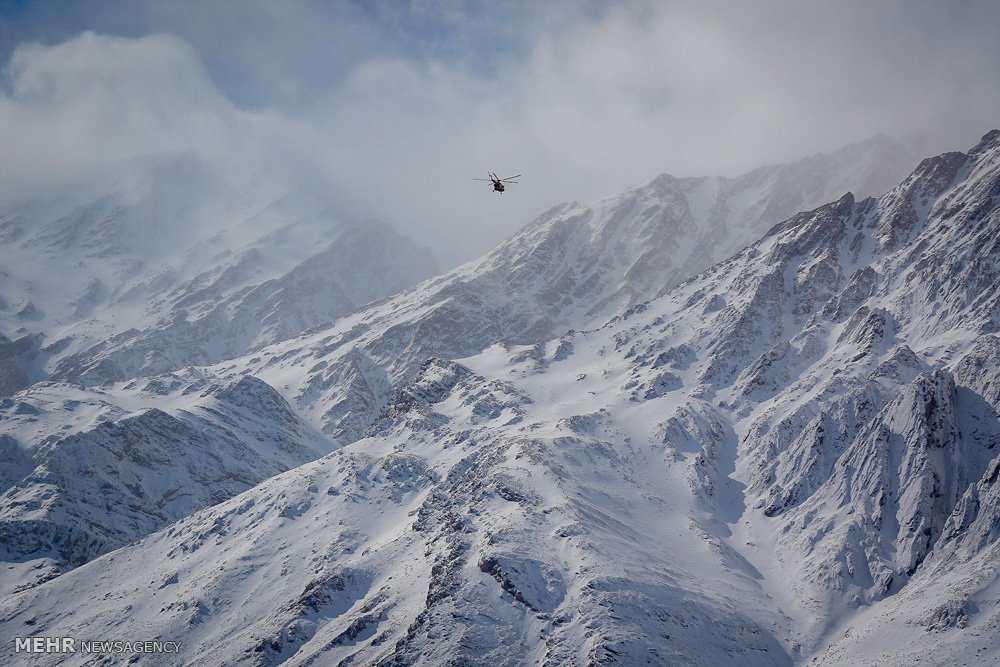
Bad weather, including dense fog, snow, and wind, as well as the remote location of the crash site and rugged terrain hampered the recovery efforts in the Dena mountain range.

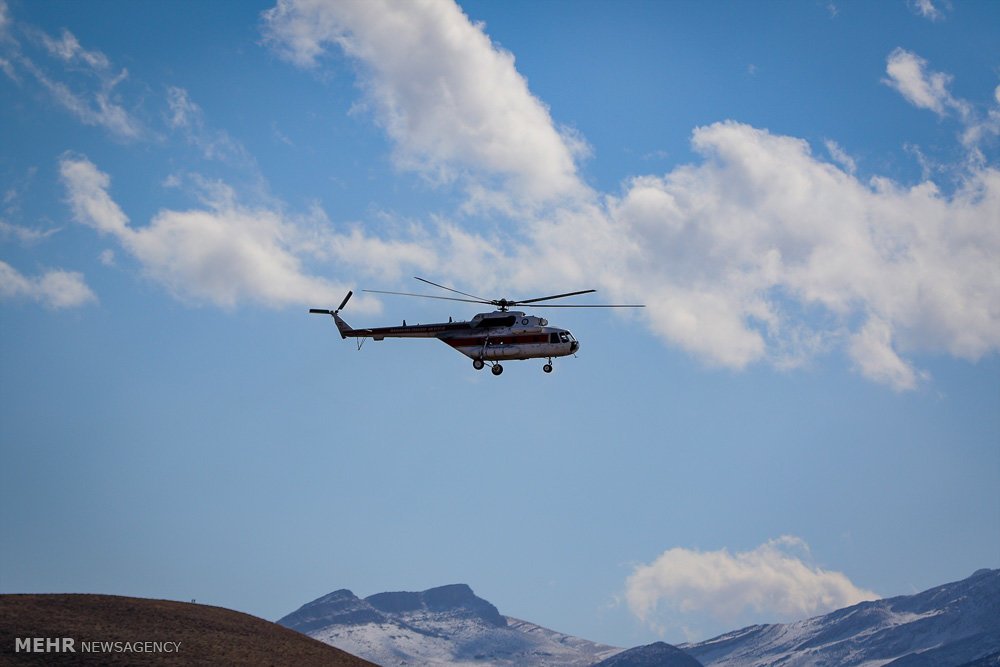
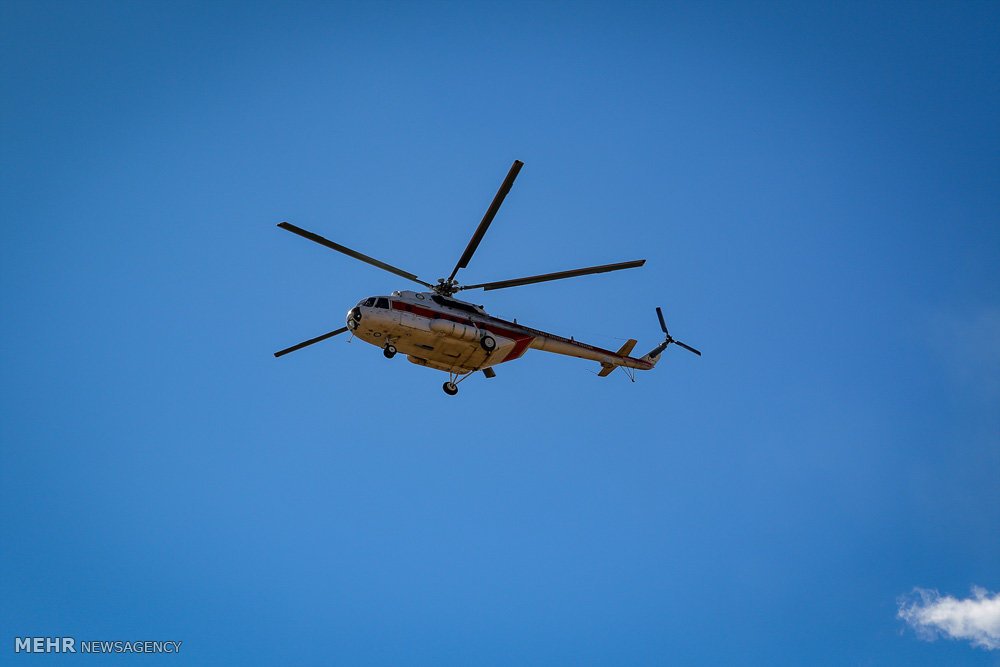
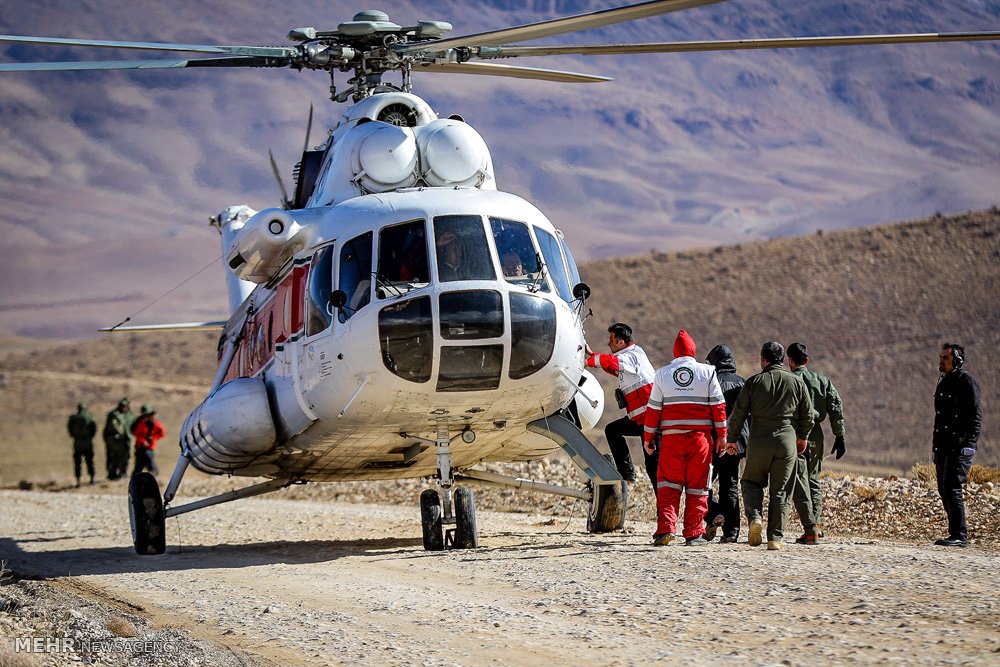
Rescue helicopters were unable to land in the area due to fog and high winds.

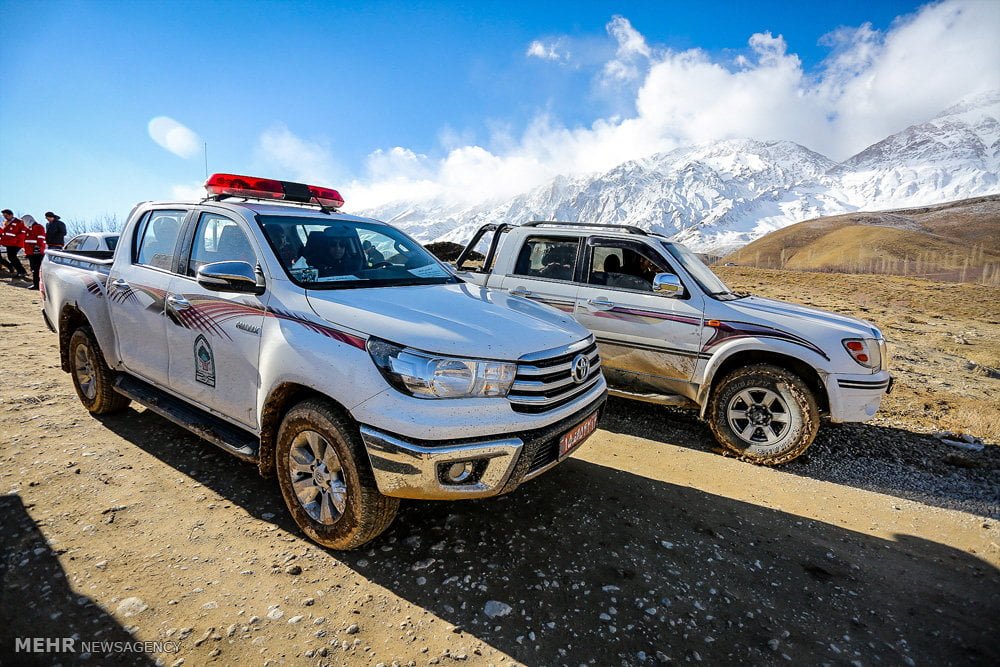
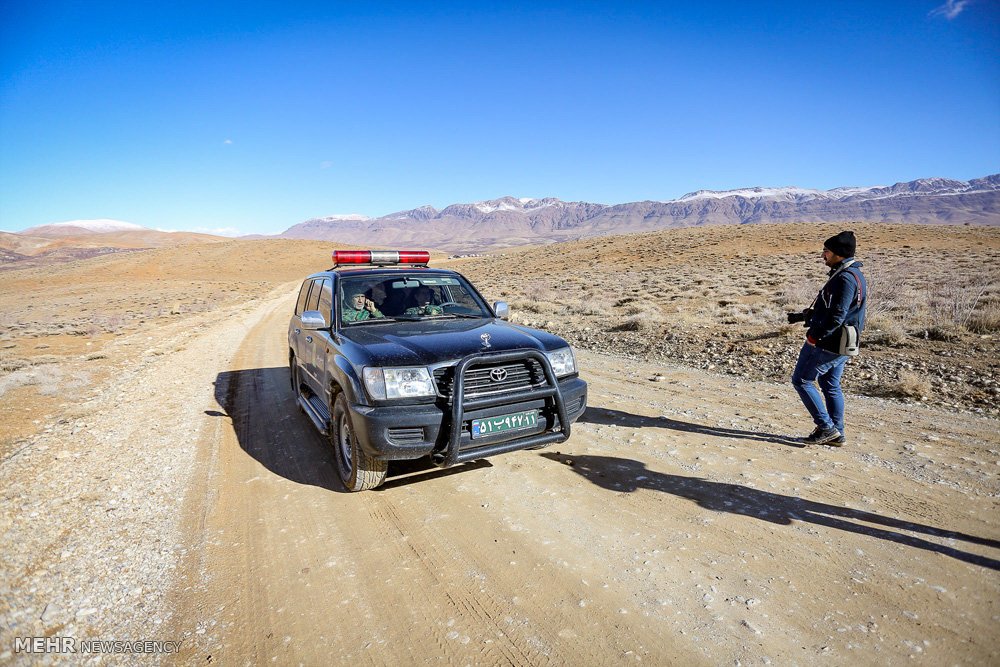
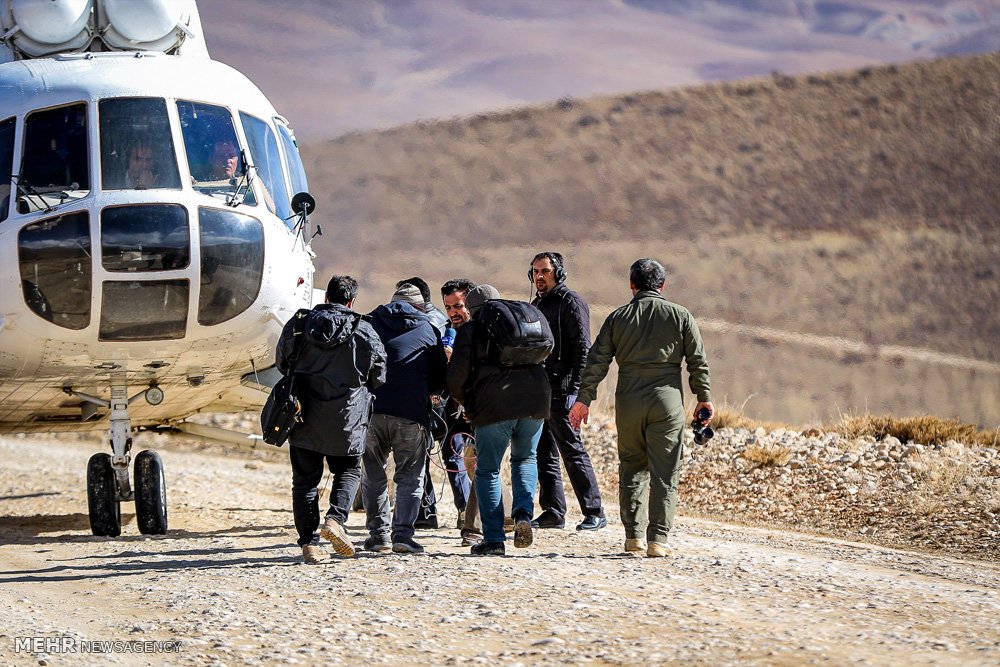
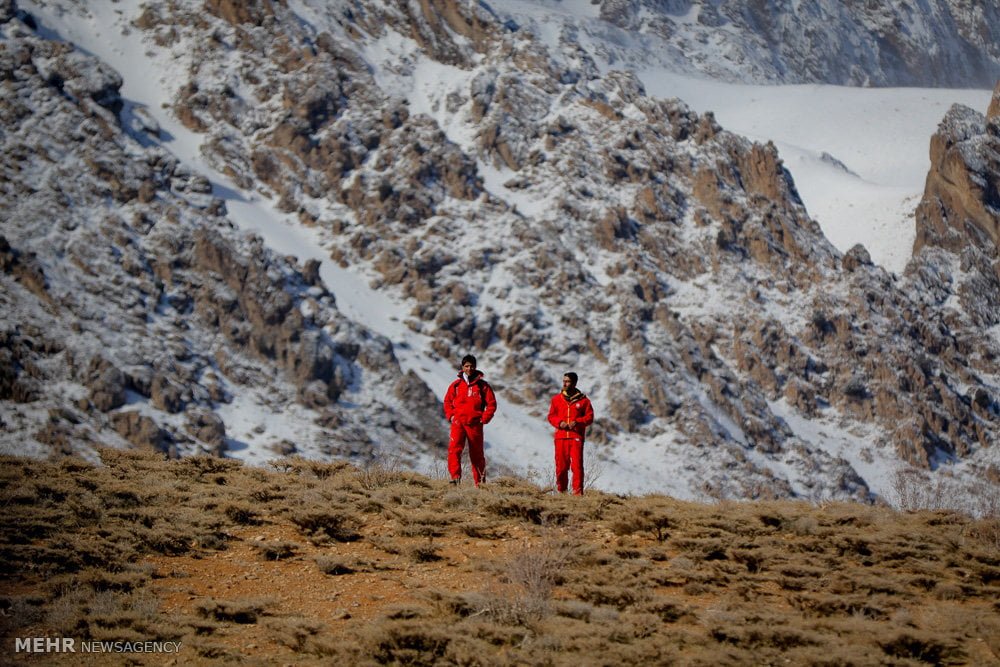
Search and rescue teams, both on foot, in cars, and on helicopters looked for the debris, but to no avail. A drone was also used to spot the plane. However, the weather got better and raised the chance of finding the wreckage.

The ATR-72 flight operated by the Aseman Airlines crashed on Sunday morning 50 minutes after taking off from Tehran’s Mehrabad Airport, and did not make it to Yasuj, a mountainous city in western Iran.

The Aseman Airlines’ spokesperson said all the 59 passengers and 6 crew members have been killed.

Wreckage of Crashed Plane Found in Central Iran

Iran Summons Swedish Ambassador over Decision on Mossad Spy

In a statement on Monday, Foreign Ministry Spokesman Bahram Qassemi said, “Following the Swedish government’s unusual move to grant citizenship to Ahmadreza Jalali, who has been convicted on security grounds, Sweden’s ambassador to Tehran was summoned to the Foreign Ministry on Monday by the [ministry’s] director for consular affairs.”

“In the meeting, the Islamic Republic of Iran’s strong protest was conveyed to the Swedish ambassador over the Swedish government’s granting citizenship to a person who has confessed to spying for Mossad and the Zionist regime [of Israel] and complicity in the assassination of Iranian scientists,” Qassemi added.

According to the spokesman, the Swedish ambassador was also reminded that the citizenship granted to Jalali is not acceptable under the laws of the Islamic Republic of Iran and that he is still considered an Iranian.

“So, we regard the move by the Swedish government as unusual, questionable and unfriendly, and other countries have no right to interfere in the Islamic Republic of Iran’s domestic affairs under any circumstances,” Qassemi said.

He said no country grants a second citizenship to a criminal who has confessed to murder and is behind bars.

“The Swedish government’s recent move was very strange, unwarranted and questionable,” the spokesman noted.

At the end of the meeting, the Swedish ambassador said that he would convey Tehran’s strong protest to the Swedish government and officials.

Jalali has been convicted of having cooperated with the Israeli spy agency Mossad and having disclosed the information of around thirty individuals to them. Part of that information was related to two Iranian nuclear scientists and led to their murder.

Iranian, Russian FMs Discuss Bilateral Ties, Regional Issues

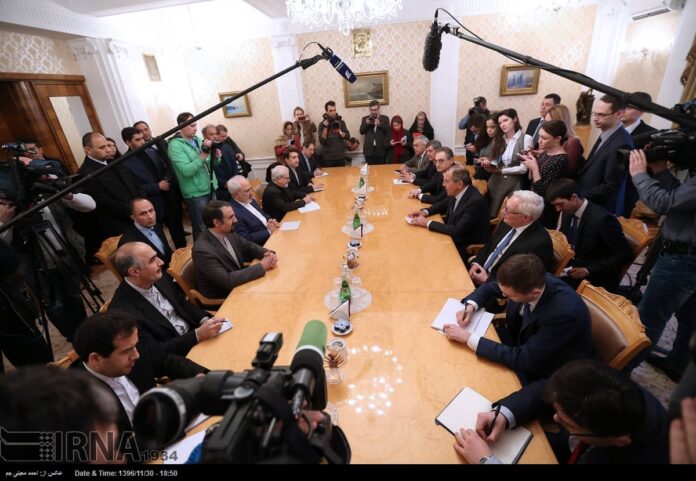
During the Monday meeting, the two sides discussed bilateral relations as well as regional and international issues.

Among the topics discussed was the promotion of cooperation in the fields of tourism and banking as well as on the Caspian Sea together with holding a joint Iran-Russia economic commission.

They also exchanged views on political initiatives to settle the Syria crisis and stressed the necessity of putting an end to the Saudi war on Yemen and sending humanitarian aid to Yemeni people.

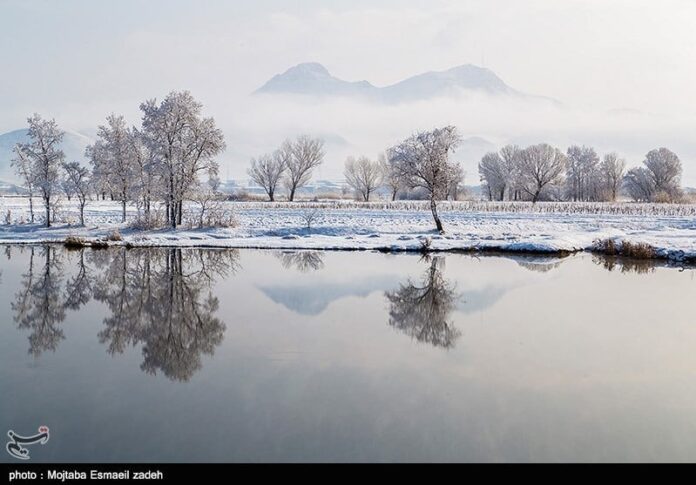
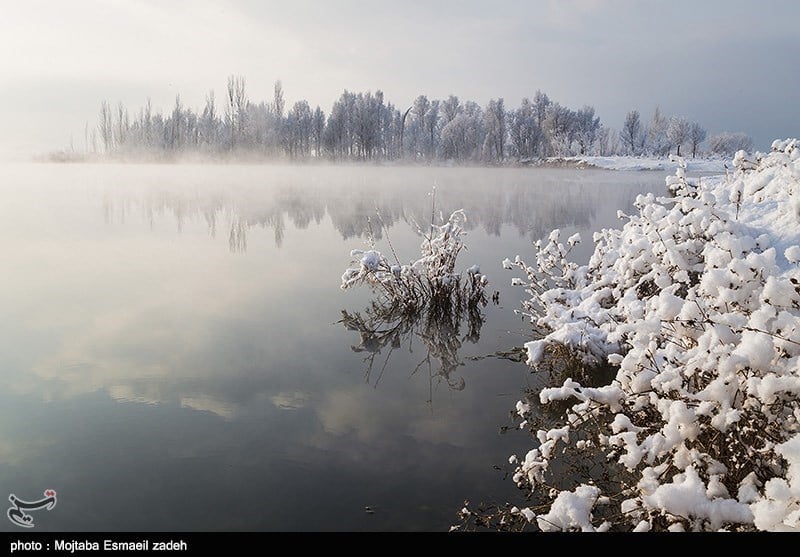
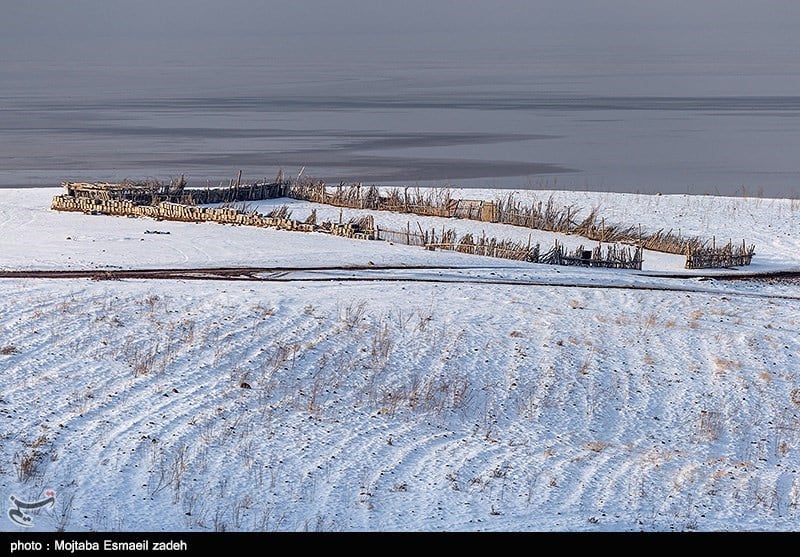
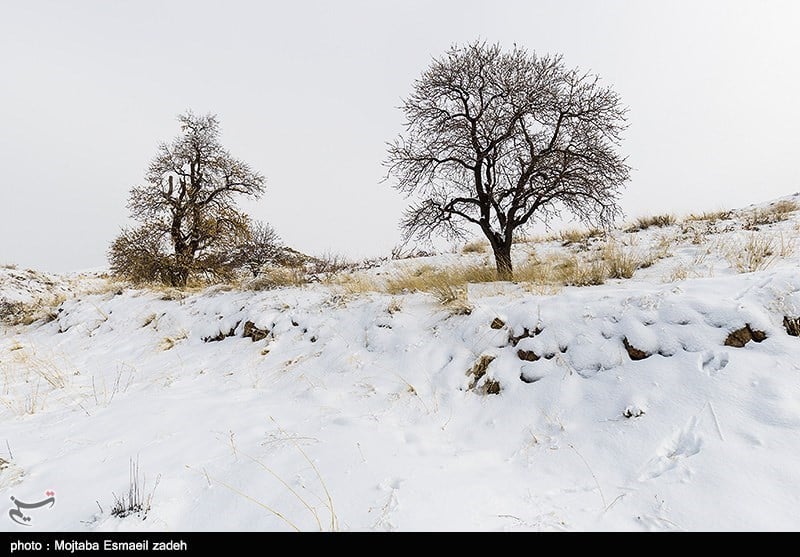
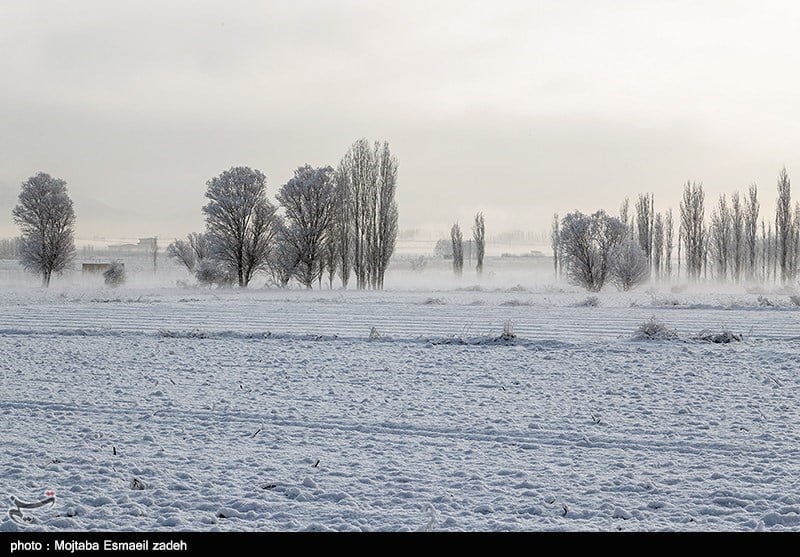
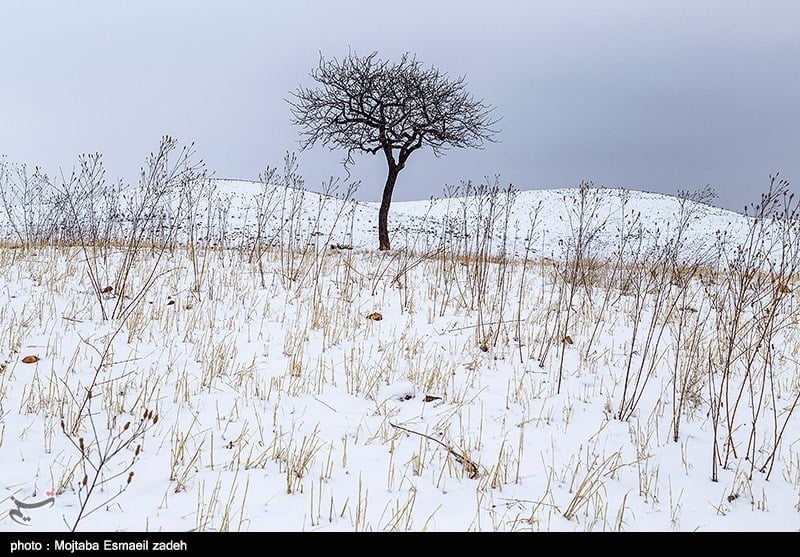
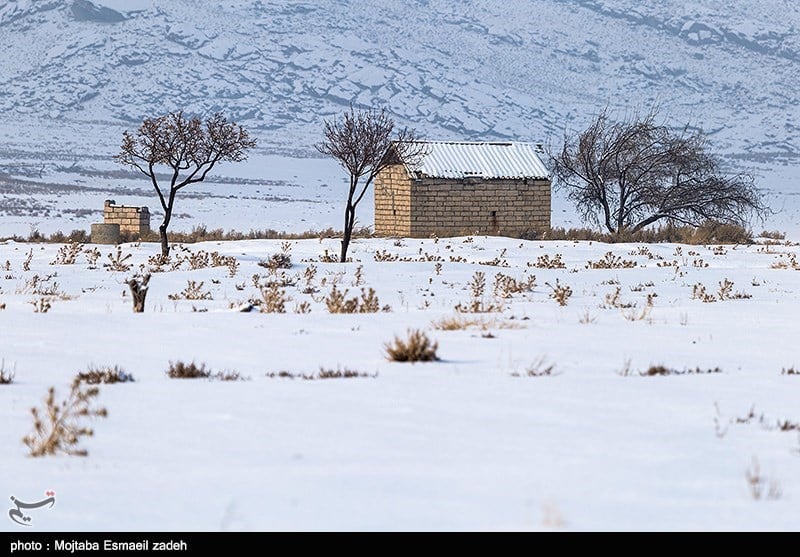
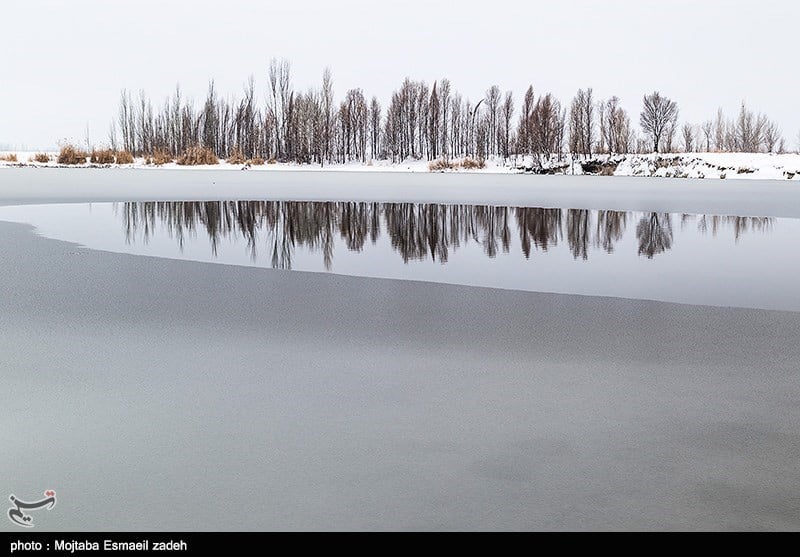
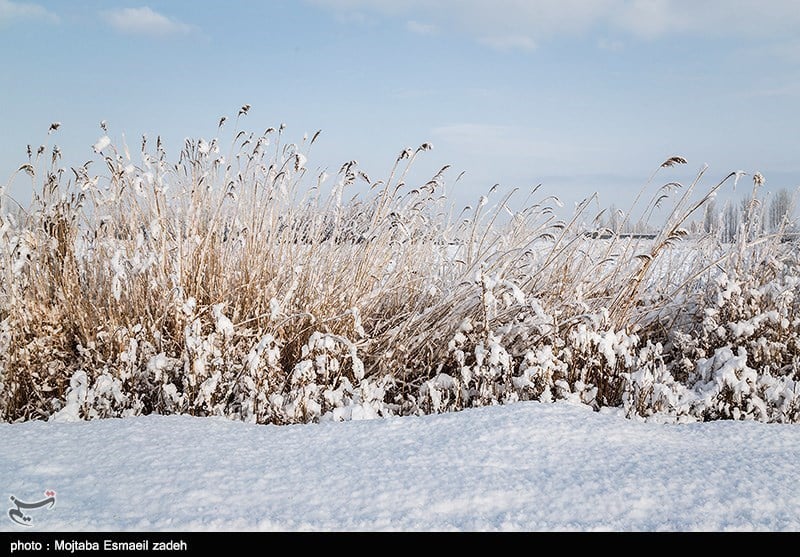
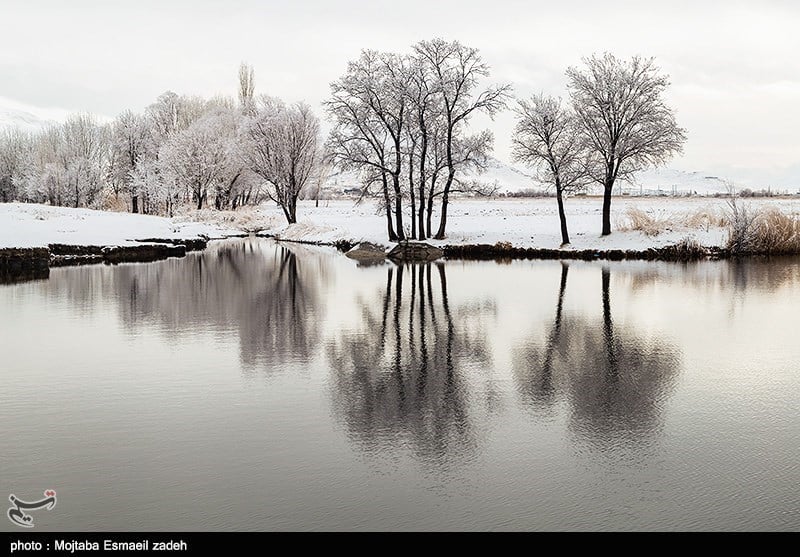
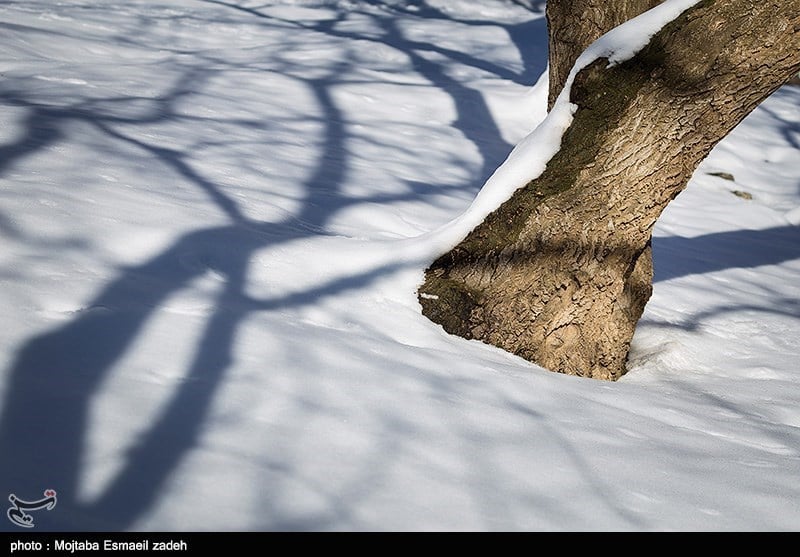
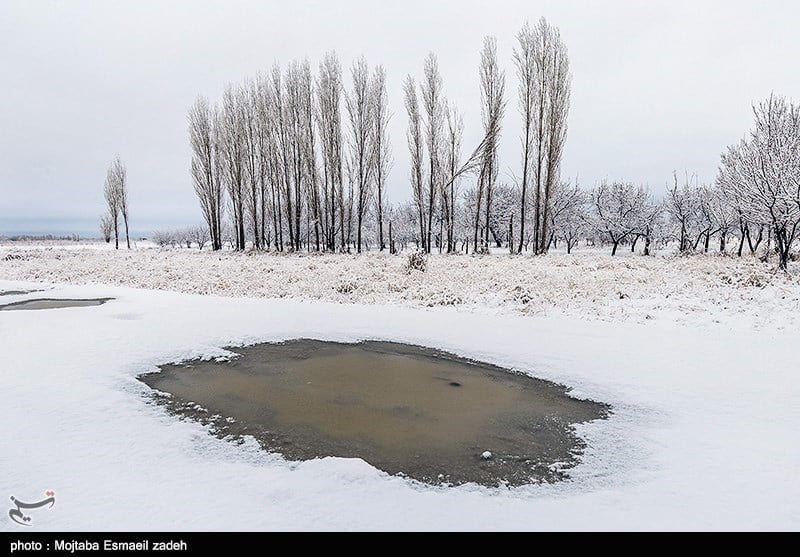
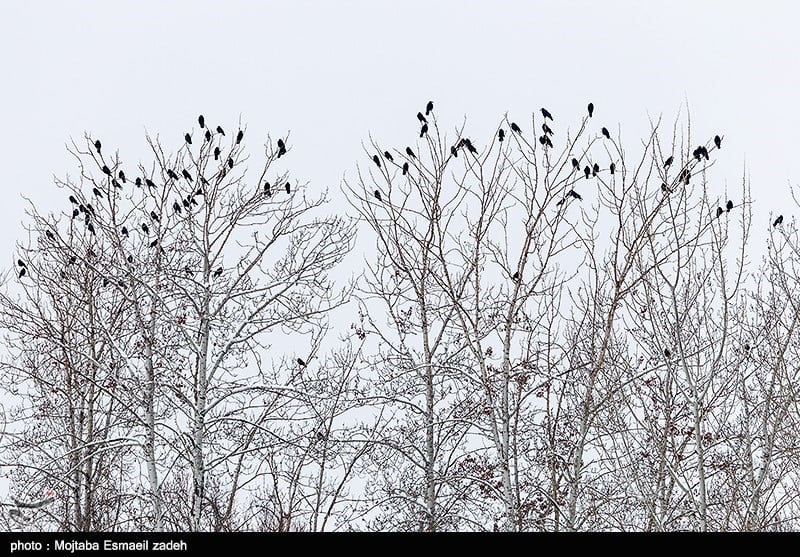
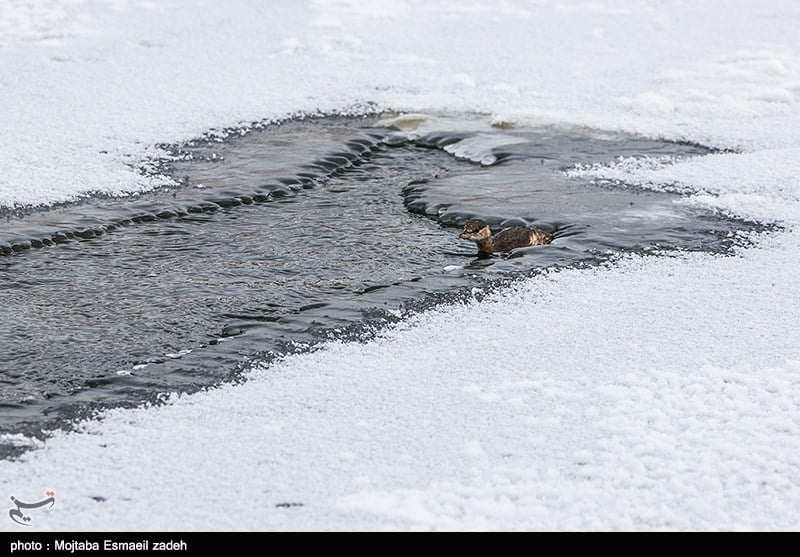
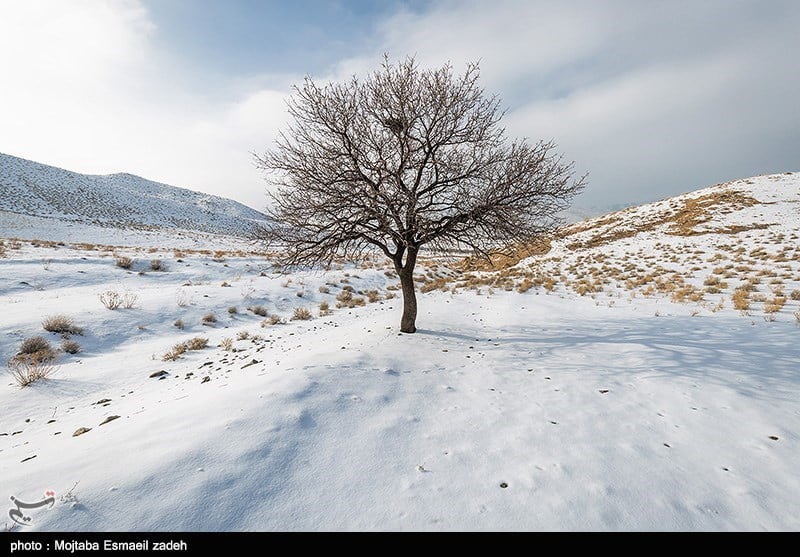
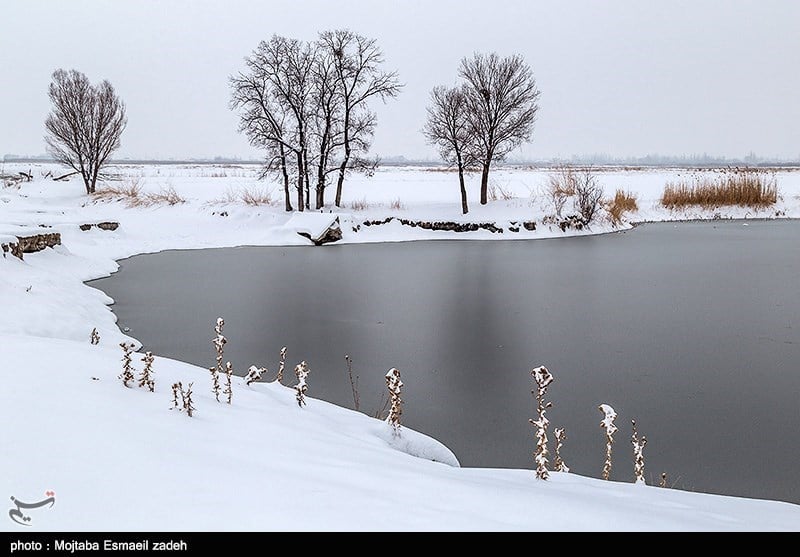
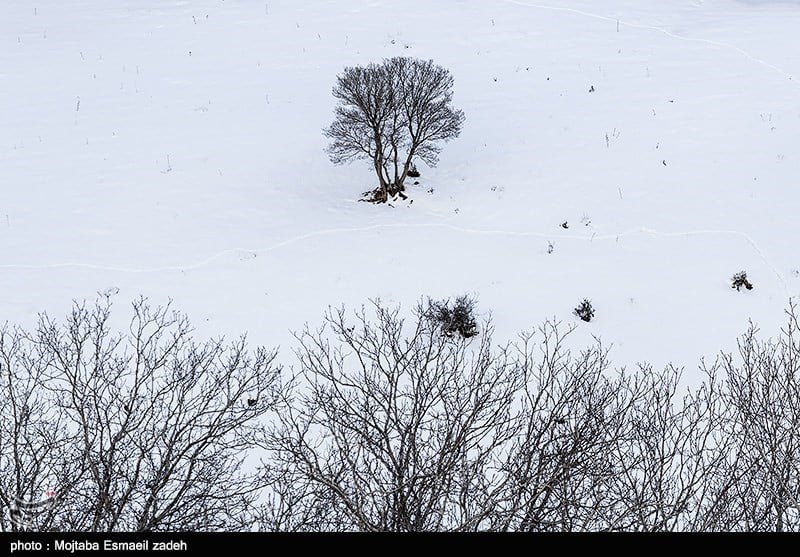
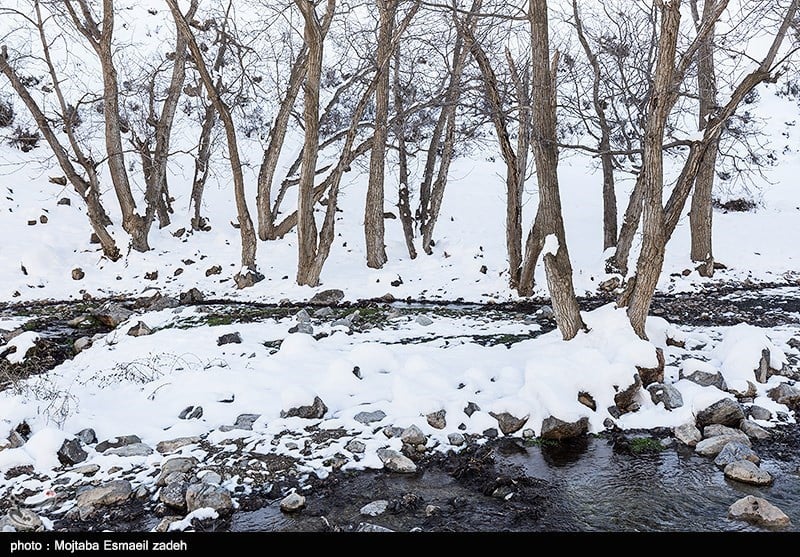
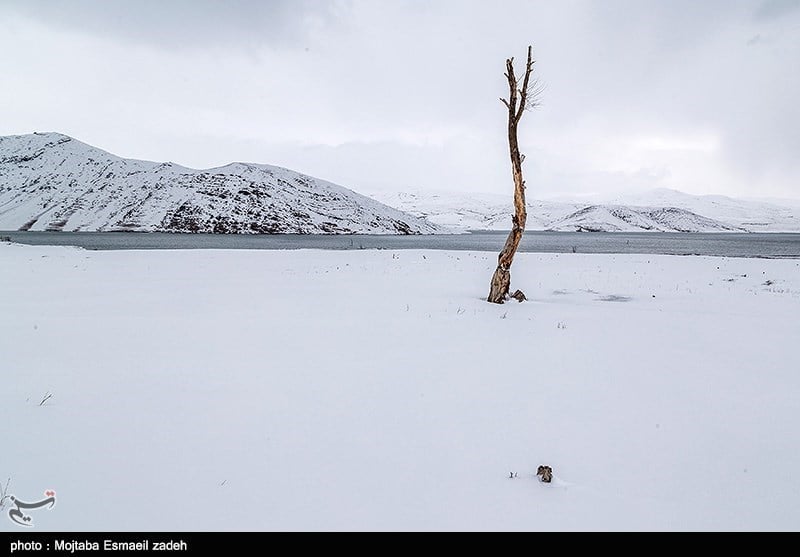
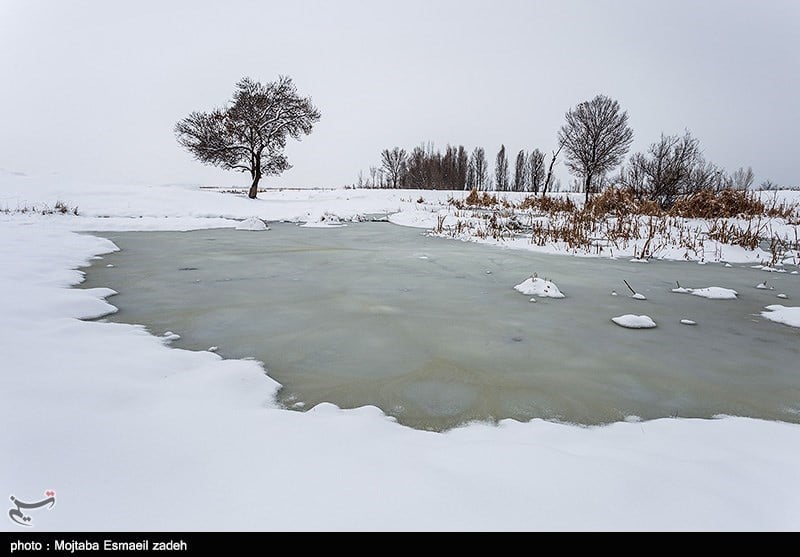
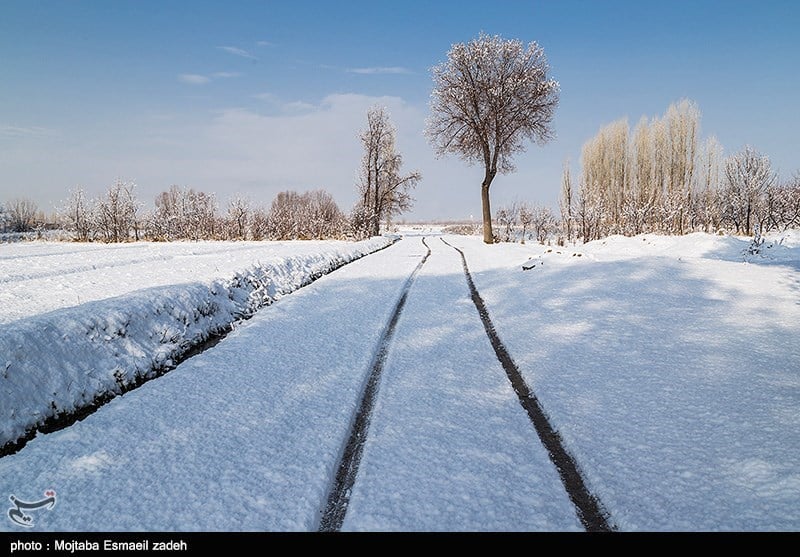
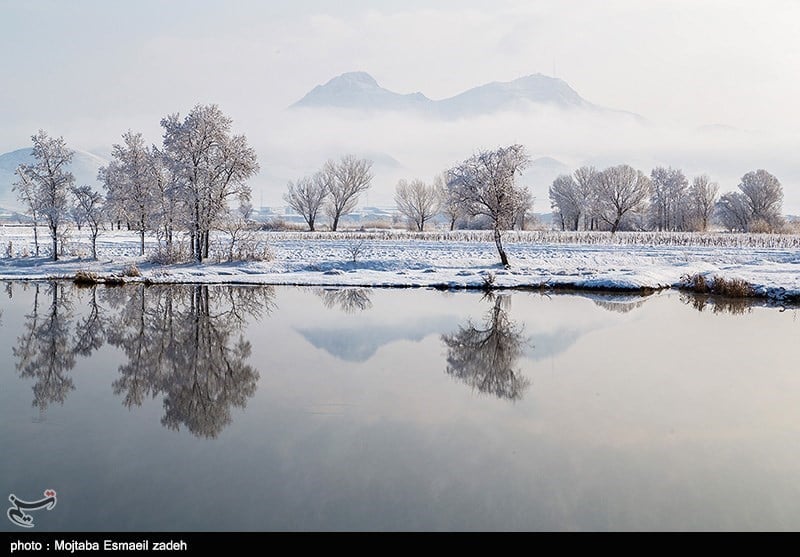
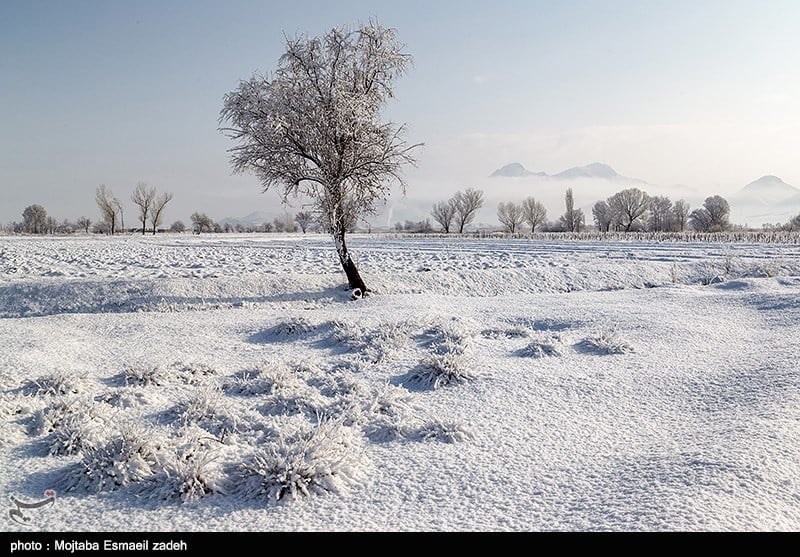
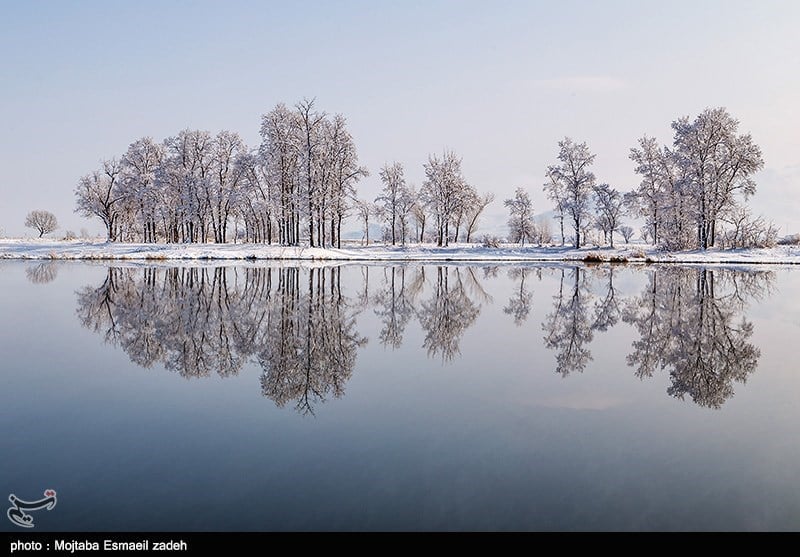
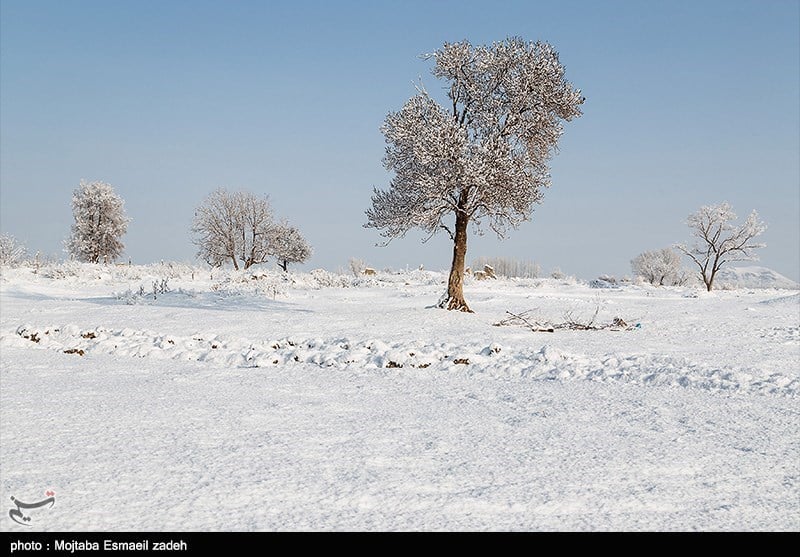
Snowfall Blankets Oroumiyeh in Northwestern Iran

The climate of the province is largely influenced by the rainy winds of the Atlantic Ocean and Mediterranean Sea. Cold northern winds affect the province during winter and cause heavy snow.

Following you can find photos of the recent snowfall retrieved from Tasnim News Agency:

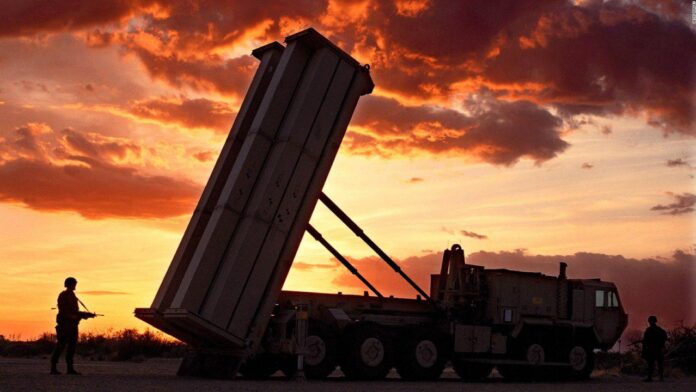
THAAD System to Fail When US Allies Hit by Hundreds of Missiles: Iran

THAD

Brigadier General Hossein Salami, the lieutenant commander of Iran’s Islamic Revolution Guards Corps (IRGC), referred to the recent remarks made by Israeli Prime Minister Benjamin Netanyahu in Munich and said, “Today, we are witnessing that the US and Israel have turned into ridiculous artists, and by showing the body of a missile at the White House and the wing of an aircraft [in Munich] introduce them as an Iranian missile and drone.”

“This move by them indicates that their position has declined and their situation has become more complicated in confronting the [1979 Islamic] Revolution,” said the top general, according to a Farsi report by Tasnim.

He said Tel Aviv claims the unmanned aerial vehicle (UAV) flying over the occupied territories was an Iranian one, “but regardless of whether the allegation is true or false, we should say that it was not the first or the last drone of the resistance front, and that the Israeli [F-16] fighter jet was shot down in response to the downing of the drone.”

The top general rejected Washington’s claims that the missiles fired by Yemen at Saudi Arabia were Iranian,

“But a question remains: What was the scrap metal given to Saudi Arabia by the US under the name THAAD and Patriot missile systems doing to counter that missile? Why couldn’t they intercept the missile?” said the top general.

“If they cannot strike a missile, what will they do if hundreds of missiles rain down on them?” he said.

He underlined that the United States’ biggest problem today is a lack of strategy, and that is why the Americans cannot do anything even when carrying out an operation on the ground.

Salami’s remarks came after Israeli Prime Minister Benjamin Netanyahu brandished a piece of an unmanned aerial vehicle that Tel Aviv reportedly shot down a week ago after it entered the Israeli airspace. He claimed that the drone was an Iranian one and warned Tehran “not to test Israel’s resolve.”

Netanyahu further said Israel “will act not just against Iran’s proxies that are attacking us, but against Iran itself.”

Iran’s Foreign Minister Mohammad Javad Zarif, who was also present at the conference, reacted to Netanyahu’s baseless claims. In his speech, Zarif dismissed Netanyahu’s presentation as a “cartoonish circus, which does not even deserve a response.”

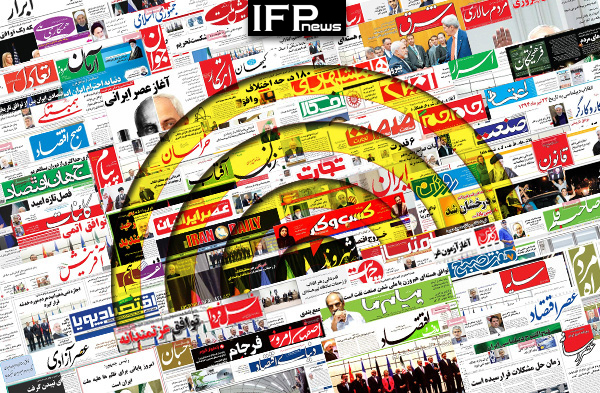
A Look at Iranian Newspaper Front Pages on February 19

A Look at Iranian Newspaper Front Pages on November 18

All newspapers today covered the tragic crash of the Aseman Airlines’ passenger plane, which has presumably claimed the lives of 65 people on board after crashing into the mountain on Sunday.

Also a top story was the remarks made by the Leader of Iran’s Islamic Revolution Ayatollah Seyyed Ali Khamenei about the Islamic Republic’s failure to realize justice over the past 39 years and the need for the country’s officials to apologize to people and God for it.

Several papers also highlighted the speech delivered by Iranian Foreign Minister Mohammad Javad Zarif at the Munich Security Conference, particularly his reaction to Israeli Prime Minister Benjamin Netanyahu’s claims about Iran.

The above issues, as well as many more, are highlighted in the following headlines and top stories:


Aftab-e Yazd:

1- Is It Possible to Reclaim Money It Spent in Syria?

2- Iran Leader: Aristocracy, Ignoring Poor People against Revolutionary Moves

3- Sky Sheds Tears of Blood

  • Iran Once Again in Grief ahead of Nowruz: This Time 66 People Killed in Plane Crash

A Look at Iranian Newspaper Front Pages on February 19


Arman-e Emrooz:

1- Dena Mountain Wears Black

  • A Report on Various Aspects of Tehran-Yasuj Plane Crash

2- Zarif’s Ridicules Netanyahu’s Cartoonish Circus in Munich

3- Iran Leader: I’m Aware of People’s Complaints, Criticisms

4- Interior Minister: We Won’t Reject Cyberspace, We’ll Organize It

A Look at Iranian Newspaper Front Pages on February 19


Bahar:

1- Tehran Prosecutor Explains about Suicide of Prisoners in Jail

2- Iran Leader: We’ve Lagged behind in Realization of Justice

A Look at Iranian Newspaper Front Pages on February 19


Donya-ye Eqtesad:

1- Demands from Forex Market Decreased

  • Policy of Fighting Instability Must Replace Policy of Decreasing Dollar Rate

2- Zarif’s Suggestion for Resolving Regional Crisis

A Look at Iranian Newspaper Front Pages on February 19


Ebtekar:

1- Iran’s Diplomatic Fight in Munich: A Report on MSC 2018

A Look at Iranian Newspaper Front Pages on February 19


Etemad:

1- Iran Leader: I’m Aware of Criticisms

2- Search Operation Underway to Find Victims, Wreckage of Crashed ATR Plane

  • Ambiguous Crash

3- Zarif Defeats Netanyahu, Jubeir in Munich

  • Architecture of Peace vs Cartoonish Circus

A Look at Iranian Newspaper Front Pages on February 19


Ettela’at:

1- Iran Leader: Aristocracy, Ignoring Poor People, Trusting Aliens to Damage Revolution

2- Kerry: Israeli PM’s Claims about Nuclear Iran Are Lie

3- Interior Minister Calls for Reinforcement of Hope in Society

A Look at Iranian Newspaper Front Pages on February 19


Ghanoon:

1- Zarif’s Attack on Netanyahu from Munich Front!

2- Iran Leader Gives Warnings to Officials: Serious Need for Apology

A Look at Iranian Newspaper Front Pages on February 19


Hamdeli:

1- The Continued Pain

  • A Report on Untimely Flood in Quake-Hit Areas of Kermanshah

A Look at Iranian Newspaper Front Pages on February 19


Hamshahri:

1- Duel over Schools for Gifted Students: Ministry under Fire for Closure of Such Schools

A Look at Iranian Newspaper Front Pages on February 19


Iran:

1- Iran Leader: Criticism Not Contradictory to Defending Revolution

2- Tehran Prosecutor: It Was Possible to Prevent Environmentalist from Committing Suicide

A Look at Iranian Newspaper Front Pages on February 19


Jahan-e San’at:

1- Tehran Chamber of Commerce Criticizes Increased Economic Woes ahead of Nowruz

  • Officials Not Hearing President’s Remarks

2- Iran Leader: We Must Apologize to God, People for Lagging behind in Justice

A Look at Iranian Newspaper Front Pages on February 19


Javan:

1- Iran Leader Warns about Danger of Reactionary Revolution

2- Entire Sky Collapses on Dena Mountain

3- Zarif’s Counterattack on Netanyahu’s Drone Attack Using F-16!

A Look at Iranian Newspaper Front Pages on February 19


Jomhouri Eslami:

1- Iran Signs Forex Swap Deal with 3 Countries to Facilitate Export

2- Refinery of 13th Phase of South Pars Gas Field Ready to Supply Domestic Needs

A Look at Iranian Newspaper Front Pages on February 19


Kayhan:

1- Iran Leader: Gov’t, Judiciary, All Bodies Must Work as Hard as Possible

2- American Analyst Discusses Florida Shooting, Gangsters Surrounding Trump

3- ICT Minister: Messaging Apps Must Be Localized

4- Parliament Gives One-Year Ultimatum to Thieves Who Occupy Lands!

A Look at Iranian Newspaper Front Pages on February 19


Kelid:

1- Interior Minister: Lack of Social Happiness Isolated Families

A Look at Iranian Newspaper Front Pages on February 19


Khorasan:

1- Fall of Sky on Dena

2- Education Ministry Mulling Employment of 18,000 New Teachers

A Look at Iranian Newspaper Front Pages on February 19


Roozan:

1- Iran Leader: Democracy Means People Must Be Relied Upon in Everything

A Look at Iranian Newspaper Front Pages on February 19


Seda-ye Eslahat:

1- Record of Bodies Burred in Tehran’s Main Cemetery Broken

2- Rouhani’s Representatives Respond to Parliament’s Questions

A Look at Iranian Newspaper Front Pages on February 19


Shahrvand:

1- Fall of Aseman [Sky]

  • Rouhani Urges Officials to Take Immediate Action to Prevent Similar Incidents

A Look at Iranian Newspaper Front Pages on February 19


Shargh:

1- Unknown Equation of Missing Plane: Details of Tehran-Yasuj Plane Crash

2- Former Iranian Diplomat: Indians Think More than They Take Action

A Look at Iranian Newspaper Front Pages on February 19


Tejarat:

1- Zarif: US Suffering from Its Own Mistakes

2- Yasuj Airport Not Built in Appropriate Location

3- New Delhi to Increase Iran’s Oil Sales: $1 Discount to India

A Look at Iranian Newspaper Front Pages on February 19


Vatan-e Emrooz:

1- Dena’s Heart Broken

  • Search Operation Hampered by Snow, Blizzard in Heights

A Look at Iranian Newspaper Front Pages on February 19


Search Operation Underway in Iran to Find Wreckage of Crashed Plane

The operation started shortly after the tragic incident on Sunday noon, but it was stopped in the night and resumed as of Monday morning.

Bad weather, including dense fog, snow, and wind, as well as the remote location of the crash site and rugged terrain are hampering the recovery efforts in the Dena mountain range.

Rescue helicopters have been unable to land in the area due to fog and high winds.

Search and rescue teams, both on foot, in cars, and on helicopters have been looking for the debris, but to no avail. A drone has also been used to spot the plane. However, the weather is reportedly getting better, raising the chance of finding the wreckage.

The ATR-72 flight operated by the Aseman Airlines crashed on Sunday morning 50 minutes after taking off from Tehran’s Mehrabad Airport, and did not make it to Yasuj, a mountainous city in western Iran.

The Aseman Airlines’ spokesperson said all the 59 passengers and 6 crew members have been killed.

Iran FM Calls for Confidence-Building Measures in Persian Gulf

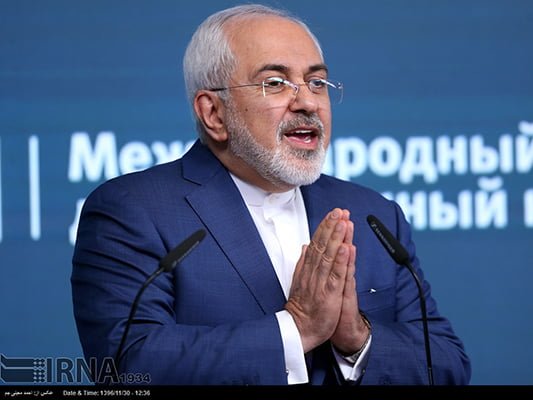
Addressing the annual Valdai Club Conference in Moscow on Monday, Zarif said the Islamic Republic recognizes “that we need confidence-building measures in the Persian Gulf: from joint military visits to pre-notification of military exercises; and from transparency measures in armament procurements to reducing military expenditures.”

He said all of these measures “could eventually lead to a regional non-aggression pact.”

“We can begin with easier to implement issues such as the promotion of tourism, joint investments, or even joint task forces on issues ranging from nuclear safety to pollution to disaster management,” he added.

What follows is the full text of his speech at the annual conference, which was also attended by prominent politicians, diplomats, scholars and public figures from more than 30 countries:


In the Name of God, the Compassionate the Merciful

Mr. Chairman,

Minister Lavrov,

Distinguished participants,

Let me begin by thanking Professors Bystritskiy, Lukyanov and Naumkin for organizing this discussion forum and giving me the opportunity to take part. It is a great pleasure for me to be here with my friend, Minister Sergei Lavrov to exchange views and discuss difficult issues we all face at this critical juncture in West Asia. In the fight against extremism and dealing with the complex military and political environment in our wider region, our growing, strategic partnership with the Russian Federation, which stems from our common principles, interests and concerns, has been an important contributor to regional situation.

In my view, the major issues which demand our attention and require urgent solution, are seven-fold:

Frist, despite the territorial defeat of Daesh and some other terrorist groups, and their eviction from much of the land in Iraq and Syria that they had occupied, we believe that we are still vulnerable to the formidable challenge presented by extremism. The heads and operatives of Daesh are at large with formidable weapons and hundreds of millions of dollars of stolen money. They have either returned to their insurgent and terrorist roots or joined sleeper sells.

Their networks are almost intact, and their hate ideology still being spread, by the same petrodollars.

The offshoots Daesh planted in the wider region from Libya to Afghanistan, including in northern Afghanistan on your and our doorstep, are death machines on rampage.

With such capacity still preserved, they look for new breeding grounds. And we must join together to deny them such fertile environments by addressing current crises and issues at hand.

Fighting extremism has undoubtedly a domestic component. Reducing its appeal requires promoting good governance, upholding the rule of law, eliminating corruption, rebuilding the social compact, and reducing poverty and social inequalities; as well as measures that can help prevent real or perceived marginalization and exclusion. The chronic failure of some States to satisfy the minimum demands of their populace for dignity has undermined their effectiveness and created widening social gaps for extremism to exploit.

Second, Syria continues to be the focus of attention in West Asia and beyond. For the past 4 years, Iran and Russia have both insisted that the Syrian crisis could only be resolved politically by Syrians themselves. Our joint efforts to defeat Daesh, and the cooperation between Russia, Iran and Turkey to reduce hostilities and start the political process in Sochi represent the sound forward strategy.

However, a new wave of foreign intervention, in defiance of international law, has become the major impediment in the way of stabilizing the country and threatening to further escalate and create even more permanent social and ethnic divisions.

The US announcement that it will maintain a military presence on Syrian soil and create a militia there constitutes flagrant aggression under international law. It emanates from an ill-conceived obsession coupled with impulsive uncalculated reaction with far reaching local, national and regional ramifications.

So is the almost routine violations of Syrian airspace and air raids by Israel in the past several years, which grabbed international attention only after the Syrian military was able to break the myth of invincibility of Israeli military by downing an F-16 on 10 February.

The attack on 7 February by the US against a Syrian contingent demonstrated that the US is now pursuing a short-sighted and mostly profiteering geo-economic agenda that has nothing to do with fighting terrorism.

If this dangerous policy continues, not only extremism stands to benefit enormously but also the risk of a conflagration in Syria will become ever more serious.

At the same time, while we understand the concerns of our Turkish neighbors about new US adventurism, we are confident that there are appropriate and lawful ways of addressing those concerns through the Syrian government. The current military operation doesn’t help the cause of stabilizing Syria, nor is it in the interest of peace and stability in the whole region. It is important that all parties avoid situations that inherently increase the probability of more clashes.

Third, the impulsive US occupation of parts of Syria directly and through hastily-founded proxies is a major impediment to the political recovery and rebuilding efforts in that country that also adversely affect the reconstruction of Iraq; moves that are important prerequisite for the political stabilization of the whole region. We believe that the international community needs to attach sufficient attention to the rebuilding of all war-stricken parts of the region as it helps bar the regrouping and recruiting attempts of routed terrorist groups and neutralize the impact of their hate ideology on the population. It is also a moral requirement as we are all indebted to the Iraqi and Syrian peoples for the frontline combat they mounted against extremism on behalf of the whole world.

Fourth, the national cohesion and territorial integrity of Syria and Iraq should top our list of priorities. Ethnic restiveness in Syria and Iraq, tainted with secessionism, constitutes a threat to the whole region and beyond. This is an issue that national and local authorities and all relevant States must address prudently through dialogue and on the basis of national sovereignty, territorial integrity and national constitutions, trying to turn ethnic tension into cooperation and convergence.

Along the same line, it is imperative to restore respect for national frontiers and the nation-state system, both of which have been undermined by terrorist groups and their Takfiri ideology.

Fifth, the Palestinian question, with occupation at its root, remains the most critical issue facing the region and the whole world. The injustice done to and atrocities committed against the Palestinian people in the past 70 years have created a deep-seated sense of anger, resentment and powerlessness in the Islamic world. The recognition by the US president of Al-Quds as the capital of Israel amounted to offering by Trump of what he does not own to those who have no right to it. As such it had no legal or political value but offered a new boost for the recruiting attempts by extremists.

Six, the aggression and indiscriminate airstrikes against the Yemeni people, which was delusionally perceived to achieve a military victory within weeks, is now entering its fourth year. It is another source of tension in the region and another breeding ground for extremists that requires immediate attention. Three years of senseless bombing campaign have made clear that it is a strategic failure with no military solution. Thus, we must encourage an immediate ceasefire and urgent humanitarian relief coupled with urgent national dialogue among Yemeni parties for the establishment of an inclusive government.

Seven, the campaign by the US and its regional clients to distract attention from the real problems by blaming Iran for their own endemic bad choices will certainly not resolve their problems or compensate for their persistent mistakes.

We in Iran believe that nothing can be gained from remaining prisoners of the past and perpetuating the old paradigm of purchasing security, bloc formations and alliances. For many years, we have insisted on searching for political solutions to the crises in Syria and Yemen. Focusing on our immediate volatile neighborhood of the littoral states of the Persian Gulf, we have proposed a Regional Dialogue Forum to move away from decades of war and conflict and forge a different future for our region. We believe two fundamental concepts – that I underlined yesterday at the Munich Security Conference – are essential in this journey. First, our neighbors in the Persian Gulf should join Iran in recognizing that we should strive for a “strong region” in the Persian Gulf rather than a “strong-man in the region”. The era of regional and global hegemony is long gone, and hegemonic tendencies only lead to insecurity and instability.
Secondly, we must all abandon the illusion that security can be bought from outside or achieved at the expense of insecurity of others. We need to move away from the defunct concept of coalitions and alliances which rest on the premise of attaining security through exclusion of and insecurity for others. We also need to address the fact of power and size disparities as well as divergence of interests. That is why we need new innovative concepts that are inclusive and non-zero-sum. Regional security networking is one way forward. It allows for small and large nations to contribute to a regional security architecture which promotes security for all. In order to enter this architecture, Persian Gulf states simply need to adhere to common norms and principles, such as sovereign equality of states; refraining from the threat or use of force; peaceful resolution of conflicts; respect for the territorial integrity; inviolability of borders; non-intervention in the domestic affairs of states; and respect for self-determination within states.
We also recognize that we need confidence-building measures in the Persian Gulf: from joint military visits to pre-notification of military exercises; and from transparency measures in armament procurements to reducing military expenditures; all of which could eventually lead to a regional non-aggression pact. We can begin with easier to implement issues such as the promotion of tourism, joint investments, or even joint task forces on issues ranging from nuclear safety to pollution to disaster management.

With Russia’s sober strategic perspective and growing influence in the region, it can play an instrumental role to make such a historic paradigm shift in the Persian Gulf a reality.