Tuesday, December 23, 2025
Home Blog Page 3692

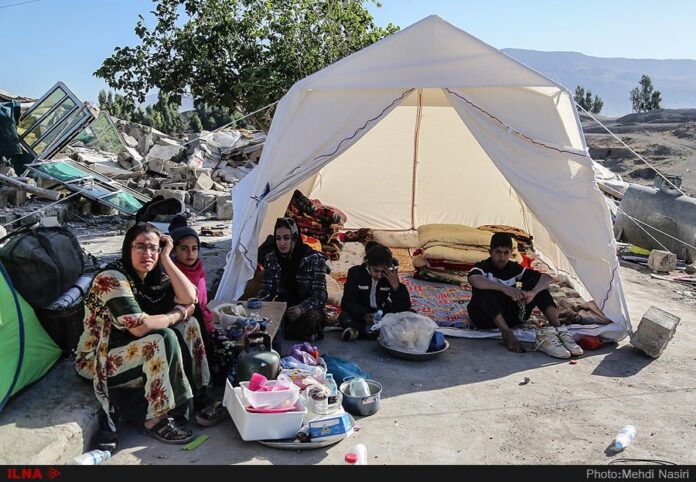
Iran’s ICT Ministry Launches Donation Campaign for Quake-Hit People

Iran’s ICT Minister Mohammad-Javad Azari Jahromi invited the IT companies in Iran to join the campaign and donate part of their budget for advertisement during the Nowruz (Persian New Year) holidays to the quake-hit people.

In a letter, the Director General of ICT Ministry called on the ministry’s departments to adopt the required measures to this effect, a Farsi report by ISNA said.

“In line with the order of the ICT minister for paying serious attentions to the conditions of the Kermanshah quake’s survivors, it is up to the departments’ managers to make the legal arrangements for launching the donation campaign,” the letter read.

So far, the Telecommunication Company of Iran (TCI), RighTel, and Mobinnet operators have joined the campaign, vowing to give their share of donation after making preliminary coordination with the ICT Ministry and Kermanshah governor-general.

A powerful 7.3-magnitude earthquake hit Kermanshah province back in November, killing about 630 people. The operations for restoring normal life to the quake-hit areas are still underway.

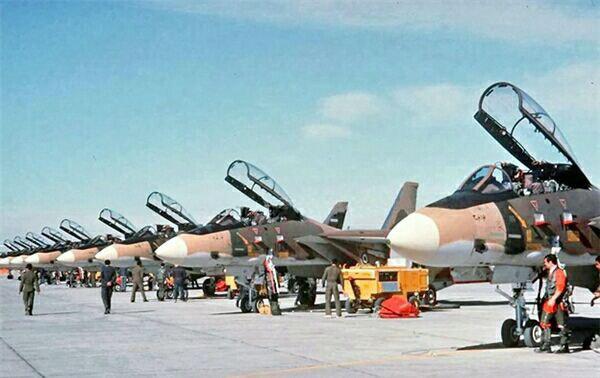
How F-14 Purchase from US Humiliated Iran’s Monarchy

Iranian historian and researcher Yaqoub Tavakkoli says the humiliation of the Shah, the former despotic ruler of Iran before the 1979 Islamic Revolution, before his American masters became all the more evident in the case of purchasing F-14 fighter jets from the United States.

Tavakoli says the Shah was afraid of Washington, according to a report by the Persian-language Khabar Online news website.

The highlights of Tavakkoli’s comments follow:

The Shah’s humiliation and fear in the face of the Americans was quite obvious in the case of Phoenix missiles. When sending Phoenix missiles, the US delivered them in the form of separated parts along with other army equipment. In other words, they delivered the F-14 warplanes to Iran, but did not supply Phoenix rockets, which were the most important component of the fighter jets. An F-14 aircraft without rockets is like a harmless bird. The effectiveness of F-14 jet fighters is due to its missiles.

An investigation was conducted and it became evident that the components of the rockets were being kept as separate parts in the depots of the army, and the US did it because Washington did not want Iran to have airplanes ready at all times.

A report was given to the Shah about what the Americans had done. In response, the former Iranian dictator said, “No problem. Just don’t complain to the Americans about it.”

They were trumpeting the idea that Iran had the largest refueling squadron. But the reality was that they were only a handful of scrapped American aircraft. They had been kept in the aircraft’s junkyard until a US general proposed that the planes be sold to Iran to join the country’s air fleet. After all, the idea that so many planes had been sold to Iran as refueling aircraft seems far-fetched because Iran did not need so many refueling planes given the limited number of the aircraft it had. For instance, you have 50 cars. It will be illogical and a waste of money to build 10 petrol stations for them because even one or two would do. However, the Shah issued purchase orders because it was what the Americans wanted.

In the case of purchasing F-14 fighter jets from the US, one can see a sort of humiliation in the former regime of the Shah (also known as Pahlavi regime). Back then, the Grumman company had manufactured F-14 fighter jets. The aircraft’s range was very short, around 150 miles only. As a result, the US Navy did not accept it. However, in order to save Grumman from insolvency, the Americans sold F-14 warplanes to Iran. Furthermore, Iran was well aware of the aircraft’s problems. It was a modern warplane, but had no practical applications for the Navy. Still, the Shah purchased them from the US. After the victory of the 1979 Islamic Revolution of Iran and during the eight-year Iraqi imposed war on Iran in the 1980s, Iran made almost 290 changes to the F-14 jet fighters to boost their capabilities and enable them to take part in operations during the Iraqi aggression. All in all, there were numerous instances where the Shah’s humiliation before the US was completely evident.

Measures Underway to Bring Back Ancient Artefacts from US to Iran

Ali Asghar Mounesan, the Head of Iran’s Cultural Heritage, Handicrafts and Tourism Organization (ICHTO), said that Americans injured in a 1997 suicide bombing in Jerusalem were to seize ancient Persian artefacts from a Chicago museum to satisfy a $71.5 million court judgment against Iran, which they had accused of complicity in the attack.

“Consequently, the ICHTO, in consultation with the foreign ministry and the Legal Department of the President’s Office, held several meetings with the Supreme National Security Council and finally recruited a native lawyer to pursue the case,” the Fars News Agency quoted Mounesan as saying in a Farsi report.

He added that Iran’s lawyer in the Chicago court filed a case on Iran’s opposition to the seizure of Achaemenid artefacts and the Islamic Republic formally entered the judicial process of returning the clay tablets and fragments.

“Our attorneys appealed to the Supreme Court’s ruling and fortunately with their efforts the US Supreme Court ruled that American defendants cannot seize the artefacts from the Chicago museum as compensation.”

Mounesan went on to say that this is a very big achievement and a great victory for Iran, which is the result of diplomatic and legal efforts made by the Islamic Republic’s government. He noted that after years of struggle this 84-year-old problem was resolved to bring back the Iranian Achaemenid tablets.

The US Supreme Court on Wednesday, in an 8-0 ruling, upheld a lower court’s decision in favour of Iran that had prevented the defendants from collecting on the judgment, which Tehran has not paid, by obtaining antiquities held at the University of Chicago’s Oriental Institute. The important Persian cultural artefacts, on loan from Iran to the museum since the 1930s, include clay tablets boasting some of the oldest writing in the world.

The lawsuit stems from a 1997 attack in which three members of Hamas movement blew themselves up at a crowded pedestrian mall in Jerusalem, killing five people and injuring about 200 others.

Several of the injured, including lead defendant Jenny Rubin, and their relatives, sued Iran in the Federal Court alleging it had provided material support for the attackers.

The court agreed, awarding them $71.5 million. Iran refused to pay, prompting the defendants to target precious artefacts, including the Persepolis Archive, thousands of ancient tablets and fragments, many inscribed with Elamite writing, on loan since 1937 and held at the Oriental Institute.

The Persepolis Fortification Archive and Persepolis Treasury Archive are two groups of clay administrative archives found in Persepolis dating to the Achaemenid Persian Empire. The discovery was made during legal excavations conducted by the archaeologists from the Oriental Institute of the University of Chicago in the 1930s.

Thousands of clay tablets, fragments and seal impressions in the Persepolis archives are a part of a single administrative system representing continuity of activity and flow of data over more than fifty consecutive years. These records can throw light on the geography, economy, and administration, as well as the religion and social conditions of the Persepolis region, the heartland of the Persian’ Great Kings from Darius I the Great to Artaxerxes I.

Persepolis administrative archives are the single most important extant primary source for understanding the internal workings of the Persian Achaemenid Empire. But while these archives have the potential for offering the study of the Achaemenid history based on the sole surviving and substantial records from the heartland of the empire, they are still not fully utilized as such by a majority of historians.

FATF Once Again Suspends Countermeasures against Iran

Foreign Ministry Condemns FATF’s Blacklisting of Iran

The Financial Action Task Force said on Friday that it would again extend the suspension of some penalties against Iran.

According to a Farsi report by Fars News Agency, the world’s financial watchdog has suspended its punitive measures against Iran until its next meeting as the Financial Action Task Force has recognized measures taken by Iran in line with addressing its deficiencies.

“Depending upon Iran’s progress in completing its action plan, the FATF will take further steps in June 2018,” the intergovernmental organization in charge of setting global standards on anti-money laundering and combating the financing of terrorism has announced in a press release published on its website.

“In June 2016, the FATF welcomed Iran’s high-level political commitment to address its strategic AML/CFT deficiencies, and its decision to seek technical assistance in the implementation of the Action Plan. Given that Iran provided that political commitment and the relevant steps it has taken, the FATF decided in November 2017 to continue the suspension of counter-measures,” reads the statement.

“Since November 2017, Iran has established a cash declaration regime and introduced draft amendments to its AML and CFT laws. However, Iran’s action plan has now expired with a majority of the action items remaining incomplete. Iran should fully address its remaining action items, including by: (1) adequately criminalising terrorist financing, including by removing the exemption for designated groups “attempting to end foreign occupation, colonialism and racism”; (2) identifying and freezing terrorist assets in line with the relevant United Nations Security Council resolutions; (3) ensuring an adequate and enforceable customer due diligence regime; (4) ensuring the full independence of the Financial Intelligence Unit and requiring the submission of STRs for attempted transactions; (5) demonstrating how authorities are identifying and sanctioning unlicensed money/value transfer service providers; (6) ratifying and implementing the Palermo and TF Conventions and clarifying the capability to provide mutual legal assistance; (7) ensuring that financial institutions verify that wire transfers contain complete originator and beneficiary information; (8) establishing a broader range of penalties for violations of the ML offense; and (9) ensuring adequate legislation and procedures to provide for confiscation of property of corresponding value.”

The statement reads that in a situation that Iran has draft legislation before Parliament, the FATF decided at its meeting this week to continue the suspension of counter-measures. It says that depending upon Iran’s progress in completing its action plan, the FATF will take further steps in June 2018. The FATF in its statement urgently asks Iran to proceed swiftly in the reform path to ensure that it addresses all of the remaining items in its Action Plan by completing and implementing the necessary AML/CFT reforms, in particular passing the necessary legislation.

“Iran will remain on the FATF Public Statement until the full Action Plan has been completed. Until Iran implements the measures required to address the deficiencies identified in the Action Plan, the FATF will remain concerned with the terrorist financing risk emanating from Iran and the threat this poses to the international financial system. The FATF, therefore, calls on its members and urges all jurisdictions to continue to advise their financial institutions to apply enhanced due diligence to business relationships and transactions with natural and legal persons from Iran, consistent with FATF Recommendation 19.”

“Iran to Withdraw from Nuclear Deal If Economic Benefits Not Gained”

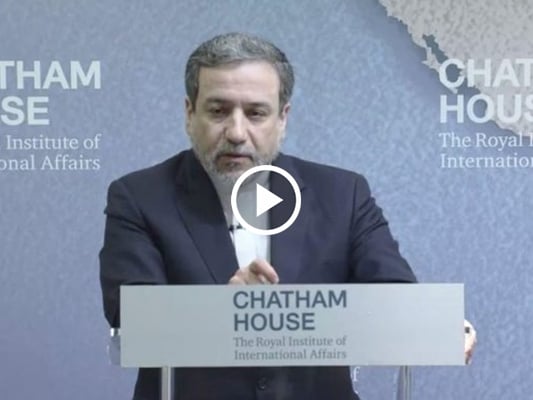
Delivering a speech at the Chatham House think tank in London, Iran’s senior nuclear negotiator noted that the nuclear deal between his country and the P5+1 is the “worst ever” for Iran.

Speaking on Thursday in the British capital, Araqchi stressed that US President Donald Trump’s persistent public vows to “destroy it, fix it, change it,” represented a violation of the terms of the accord that were damaging his country’s ability to secure much-needed international investment.

Araqchi held that the US has already failed to abide by the agreement, which may fall apart anyway because of an “atmosphere of poison” created by Trump.

“The deal would not survive this way even if the ultimatum is passed and waivers are extended. If the same policy of confusion and uncertainties about the Joint Comprehensive Plan of Action continues, with companies and banks not working with Iran, we cannot remain in a deal that has no benefit for us, and that’s a fact.”

“In Iran, people’s expectations from the JCPOA are not met. Most of it is because of this atmosphere of uncertainty which President Trump has created,” stated Iran’s deputy FM.

“If we lose the JCPOA, we will face another nuclear crisis. For the Europeans or the world community, when we talk about maintaining the JCPOA and saving it, it’s not a choice between Iranian or the US market, it’s not a choice for economic cooperation; it’s a choice between having security and insecurity.”

The Iranian diplomat further highlighted that “Iran’s commitment to not seek nuclear weapons is permanent and there is no so-called sunset clause in the deal. To make these restrictions permanent means killing the deal. We accepted 10 to 15 years of restrictions for the sake of confidence building.”

“It doesn’t mean we have to build confidence forever. It would be a big, big mistake now if people were to link the JCPOA to any other issues. This was what was agreed when it was signed. The nuclear deal is about security, other issues should be dealt with separately,” he added.

Iran President’s Trip to India May Balance Delhi-Tel Aviv Ties

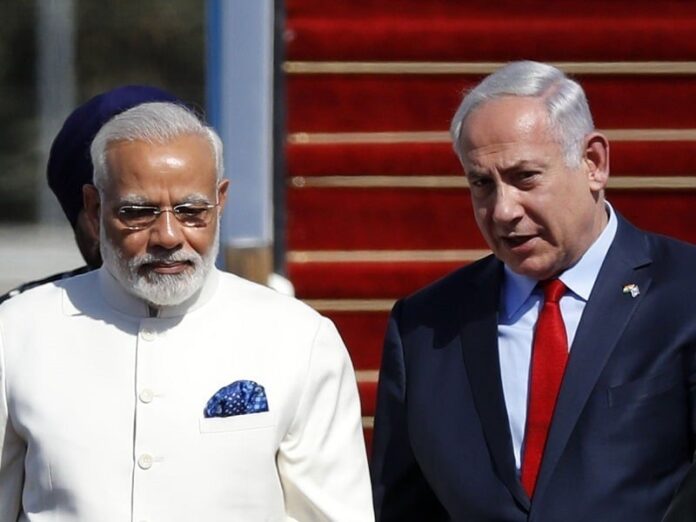
India and Israel have had friendly ties for many years, but the rapid expansion of these ties, especially in military and intelligence areas, has become a source of concern for Muslim countries.

Given India’s history of defending Palestinians’ rights within the framework of the Non-Aligned Movement, there is the hope that the negotiations of Iranian officials could balance India’s ties with the Zionist regime.

Hassan Rouhani’s three-day trip to India was the first visit by an Iranian president to the country since Ahmadinejad’s three-hour stay there in 2008. During Rouhani’s trip, a number of important agreements were signed. This comes as the Indians did not have a satisfactory performance in their economic relations with the Islamic Republic.

Rouhani began his journey from Hyderabad, an important city with more than 30 percent of Muslim population with a history of political and cultural influence by Iran. Over there, the Iranian president held a meeting with Muslim scholars at the Friday prayers of the Sunni-majority city and delivered a sermon among the worshippers.

Rouhani in India wished that the relations between Tehran and Delhi would once again be warm and close as in the time of the two countries’ ancestors. He, of course, took the first step towards fulfiling this wish with his presence in Hyderabad and visiting historical works inspired by Iranian culture and consulting with Indian Muslims. In this city, he emphasized the Islamic Republic’s desire to expand cultural ties with India.

A consultative meeting with Muslim scholars and the emphasis of the Iranian president on the history of the cultural and Islamic ties between the two countries had another strategic message for India. In fact, Iran, as one of the most important Muslim countries with a long history of presence in India, can help resolve the long-standing conflicts between Pakistan and India and reduce the negative security implications of the conflicts in the region.

In terms of economic relations, specialists believe India’s delay in implementing the Chabahar port development project had a negative message for the Iranians, confirming the analyses that Delhi believes its future ties with Tehran would be shaped by the decisions of the US.

The Chabahar project is currently in progress, and during Rouhani’s visit to India, 15 cooperation agreements were also signed by the two countries’ high-ranking officials.

However, taking into consideration the capacities of the two countries for cooperation, one can say the economic relations between Iran and India are not close enough.


* Article by Iranian journalist Seyyed Mojtaba Mousavi


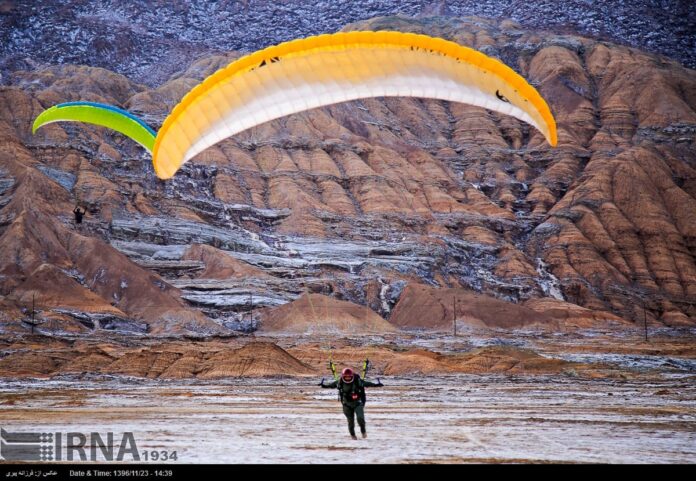
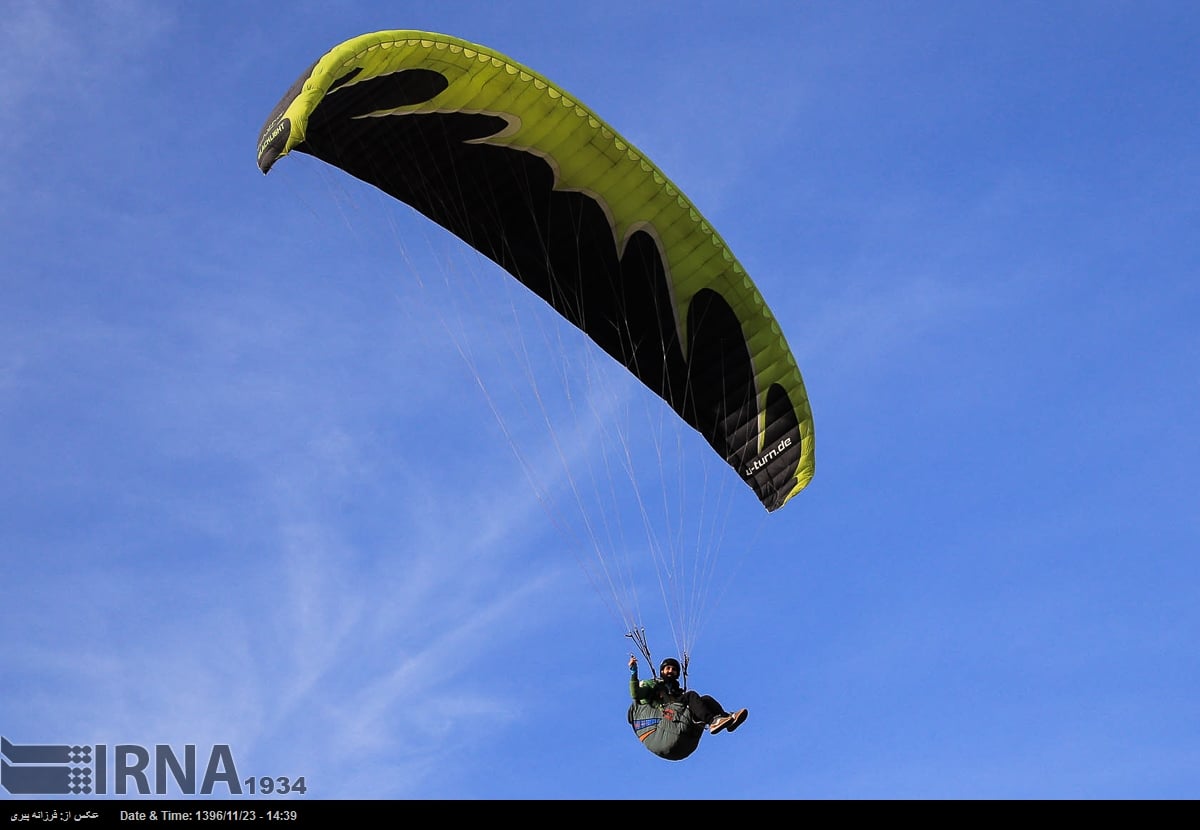
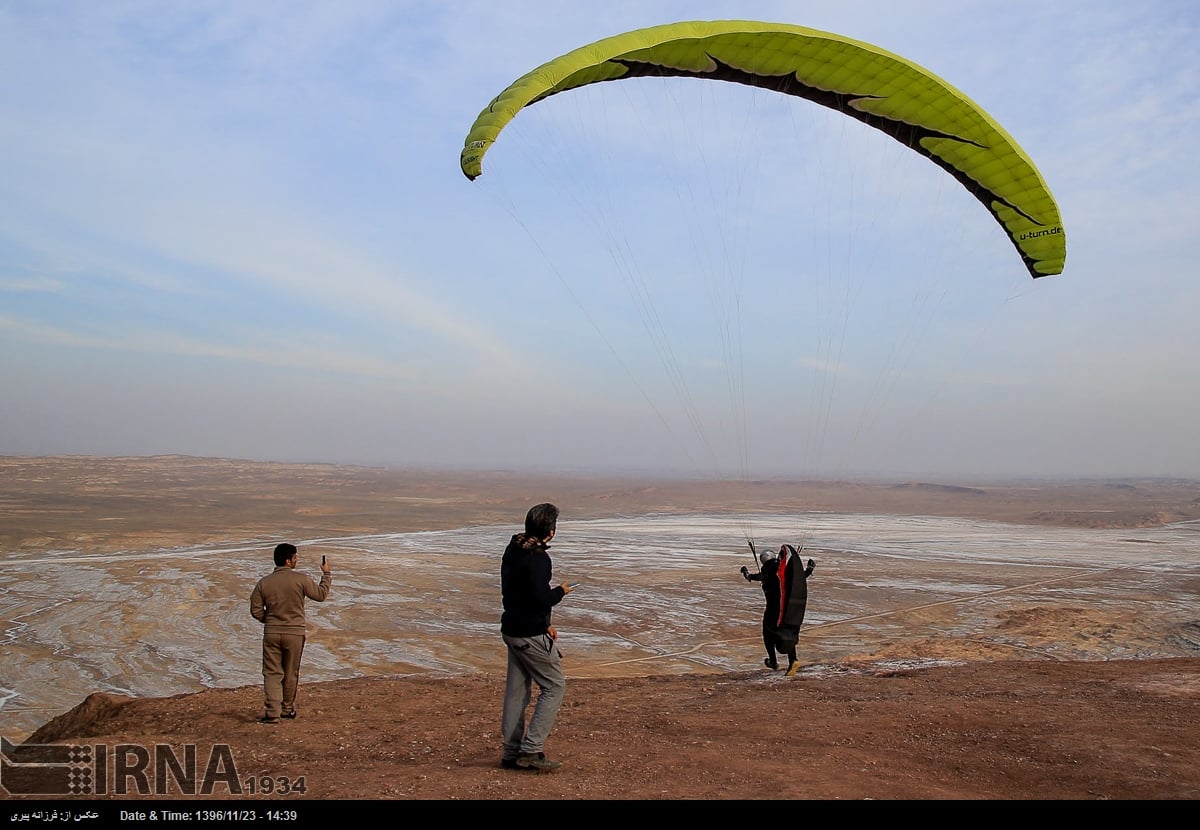
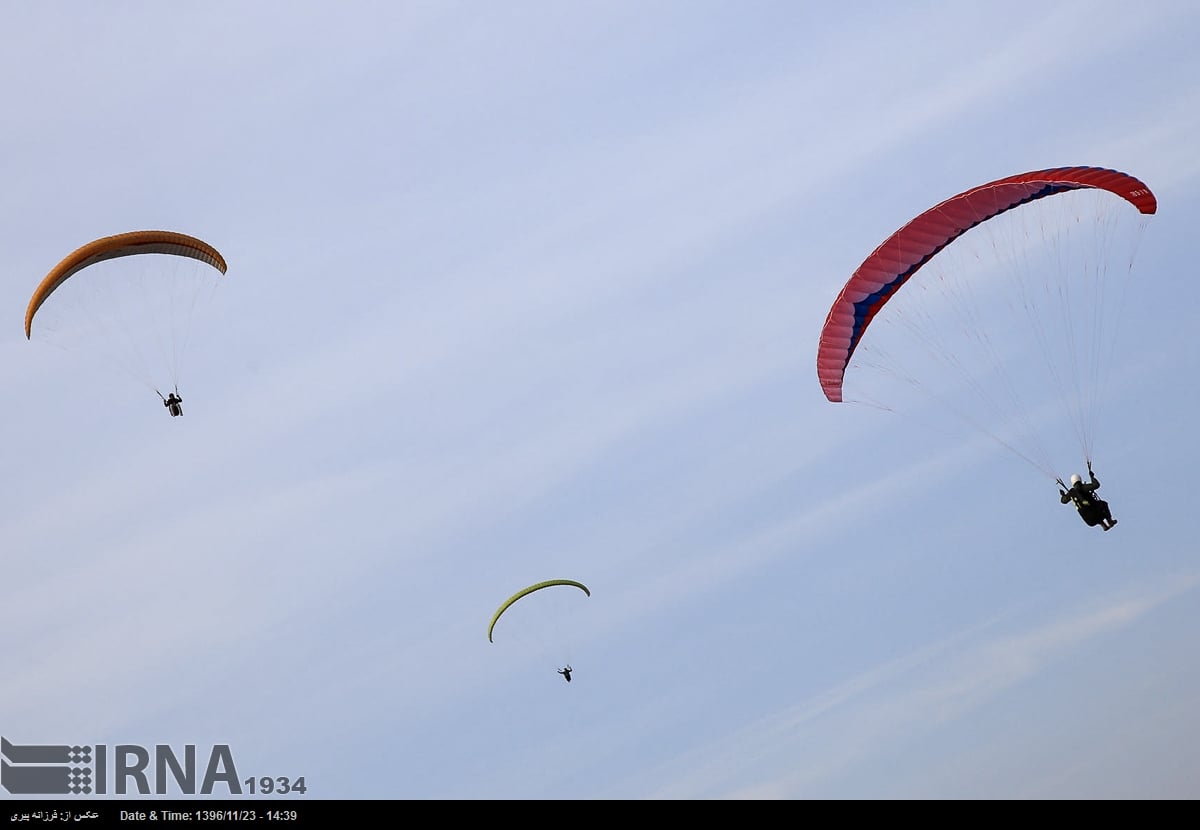
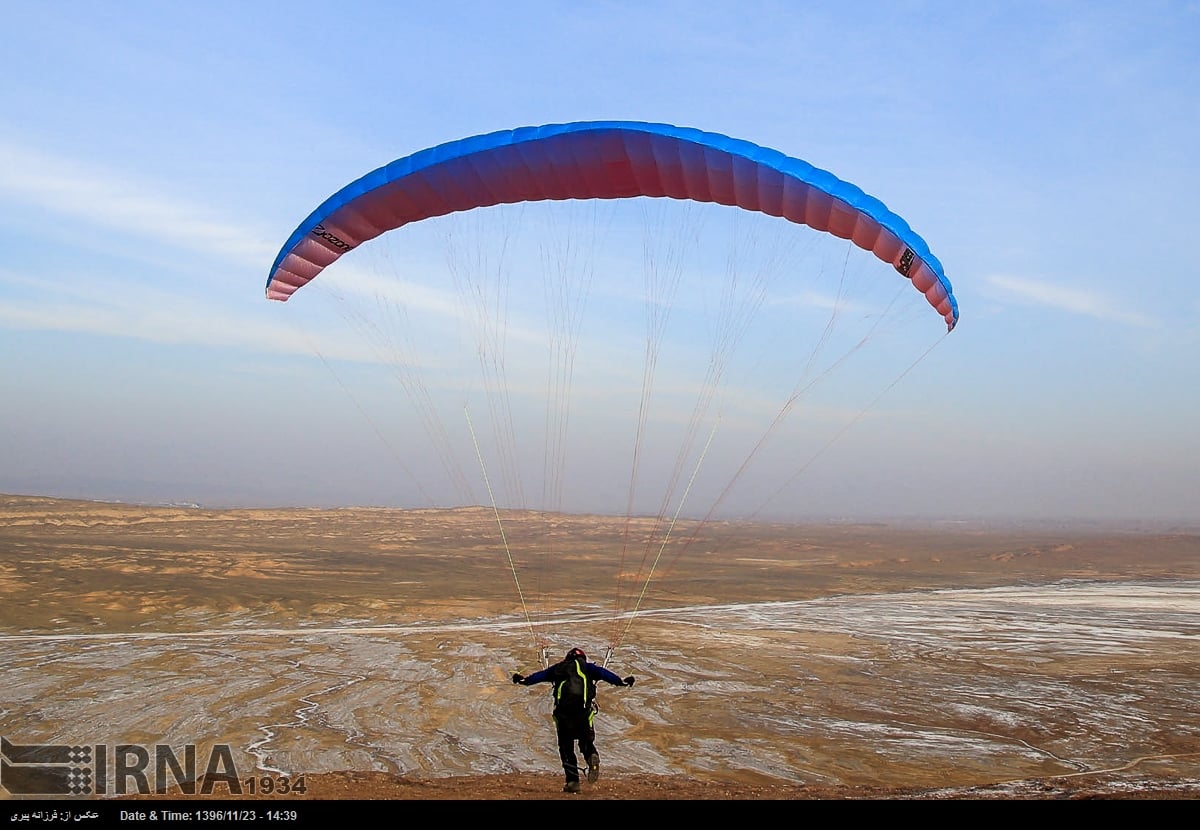
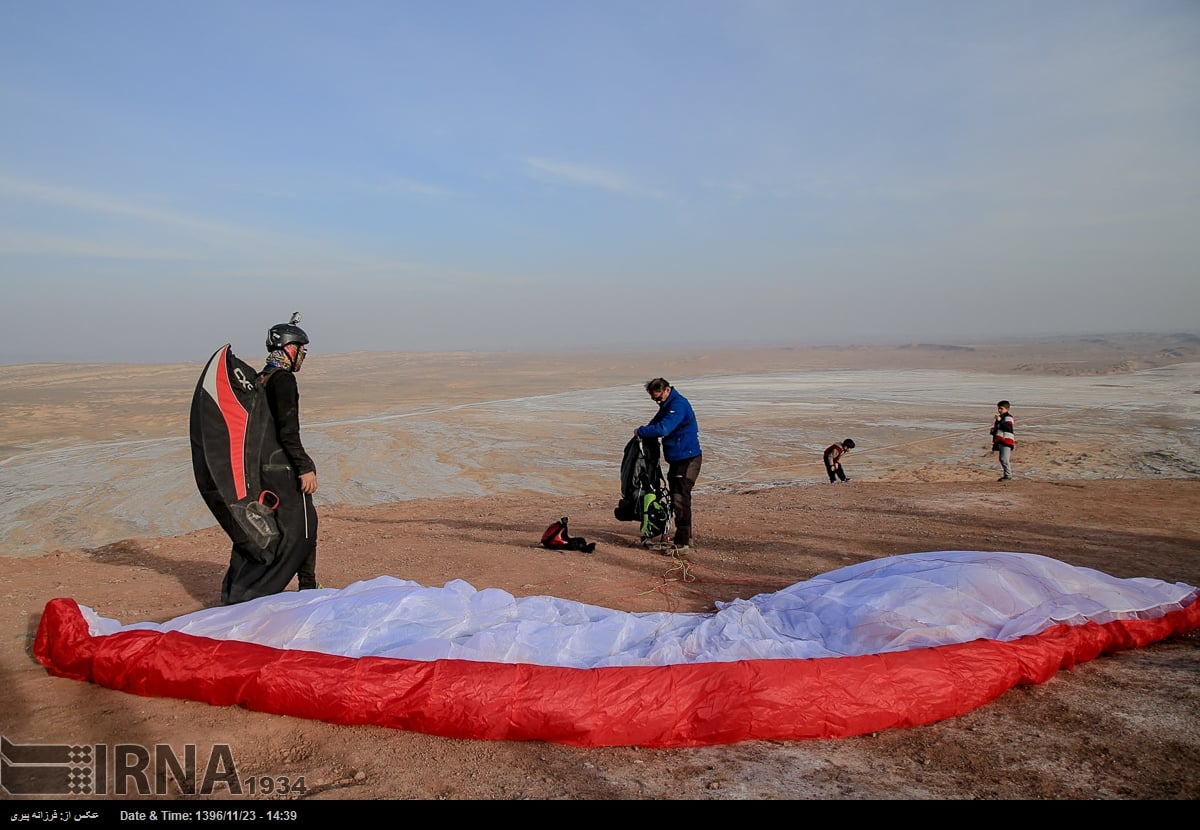
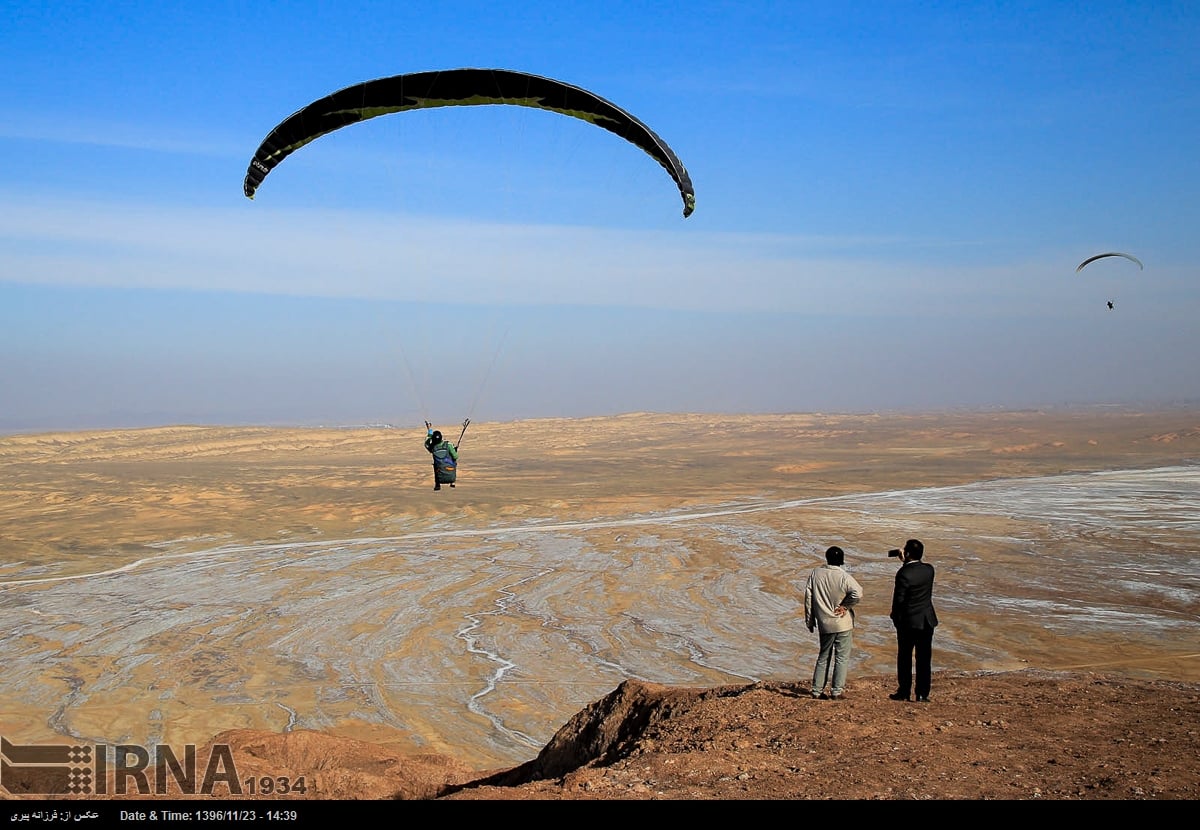
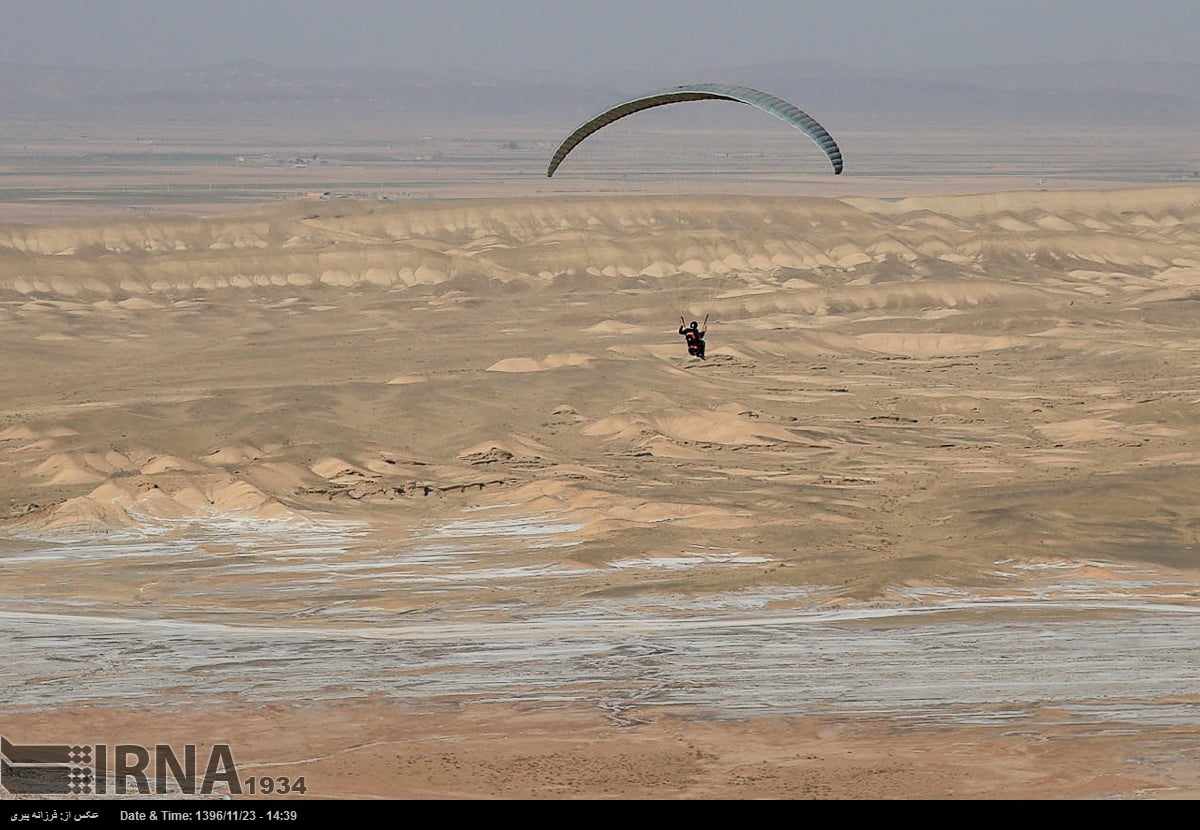
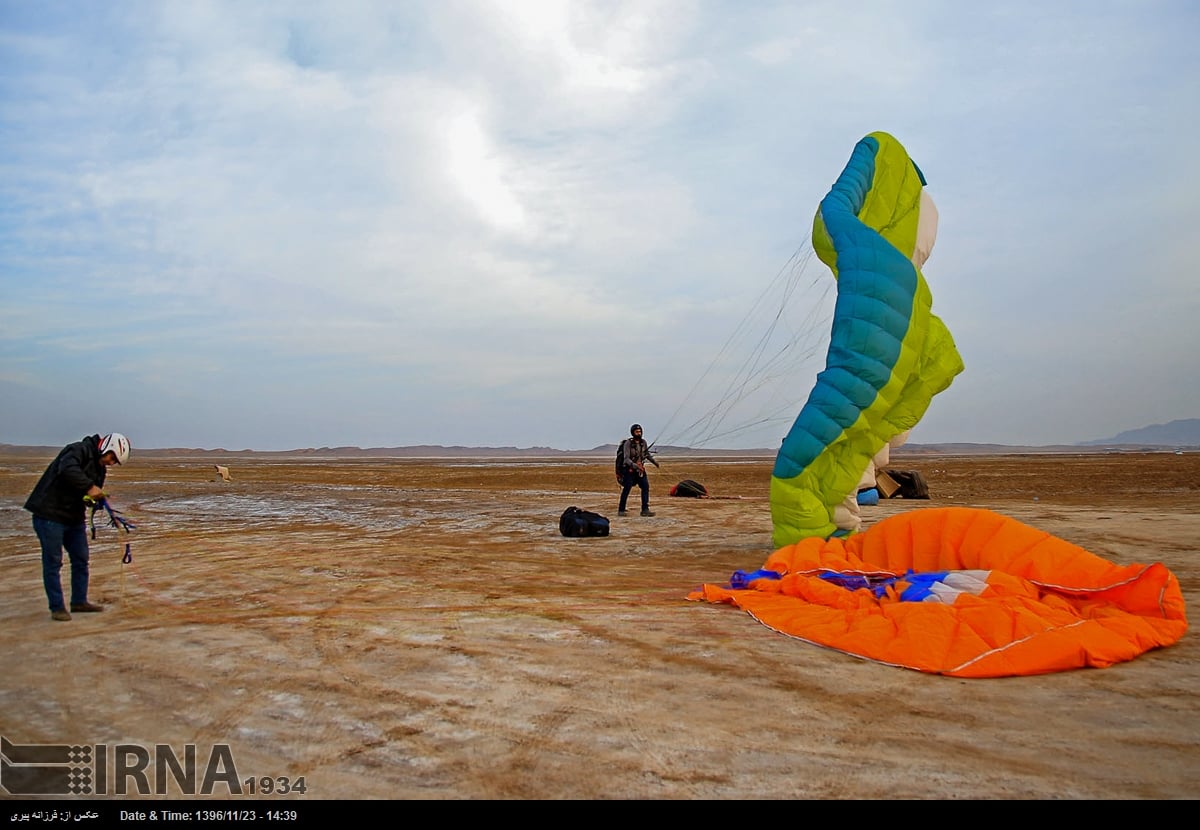
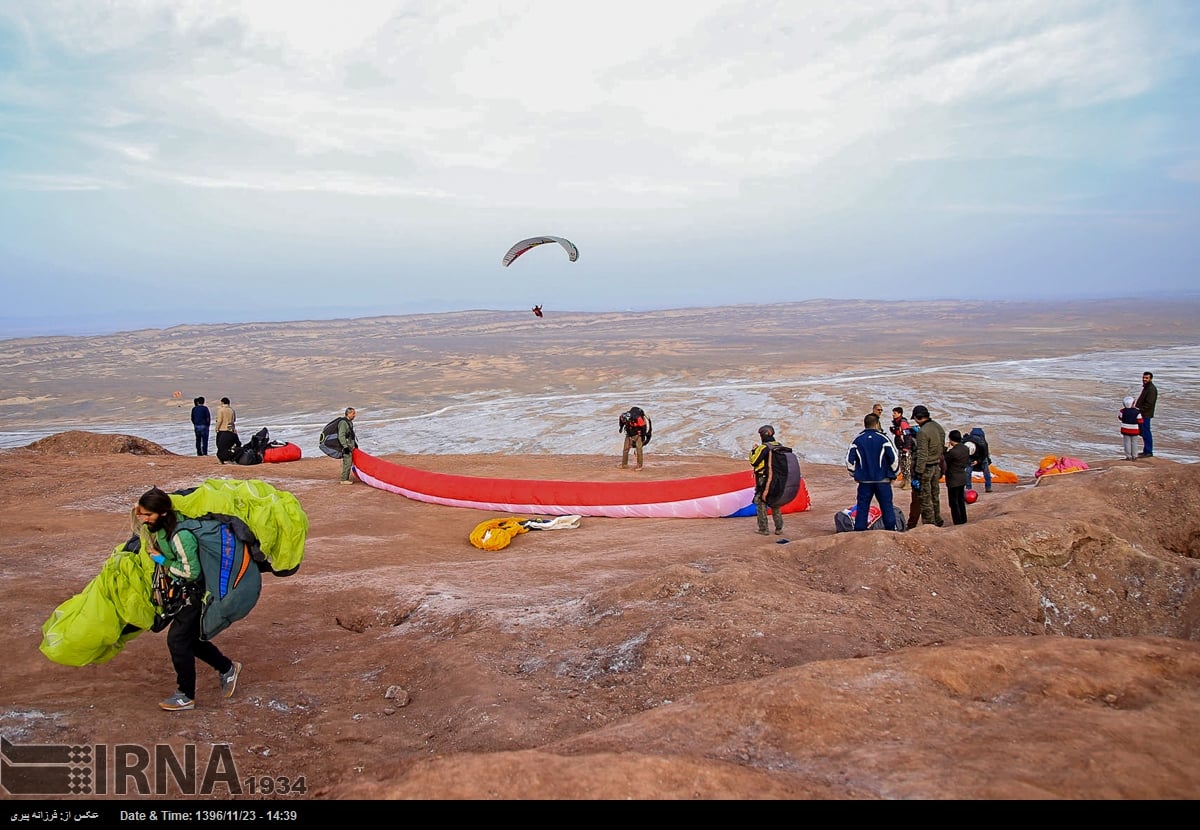
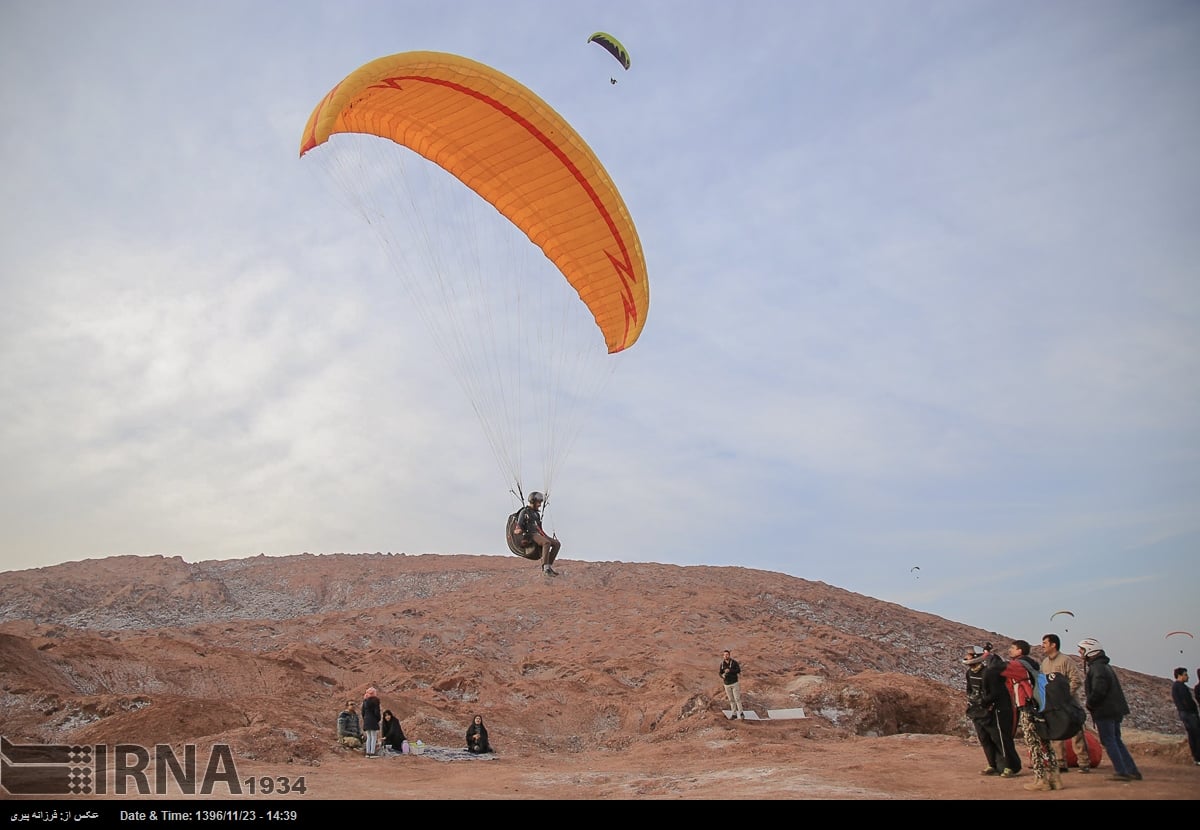
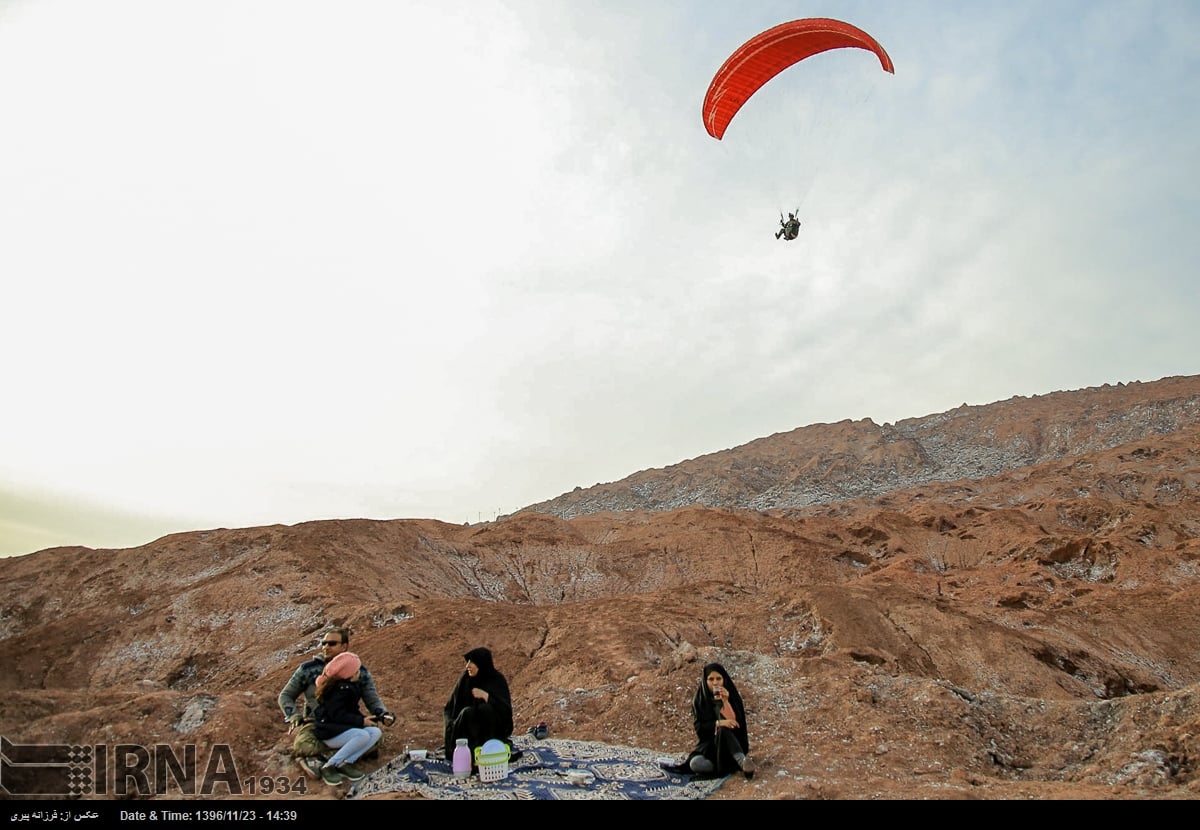
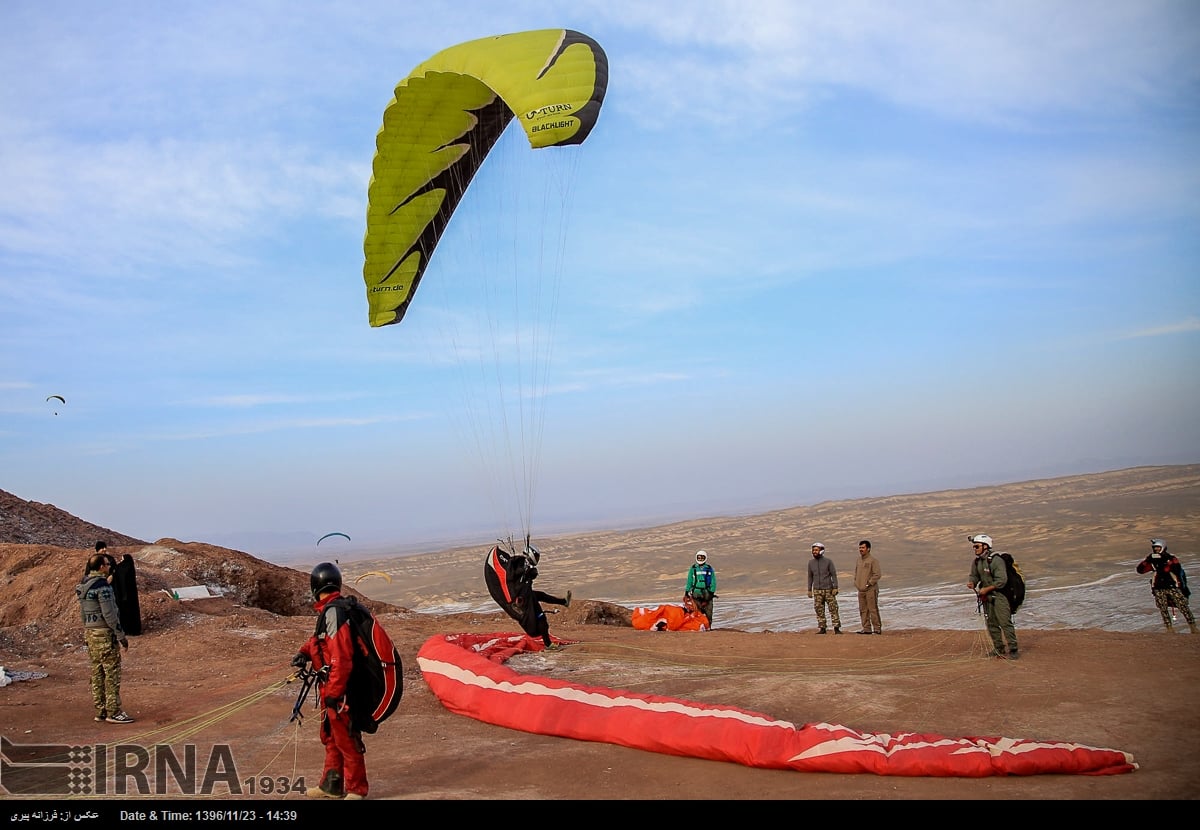
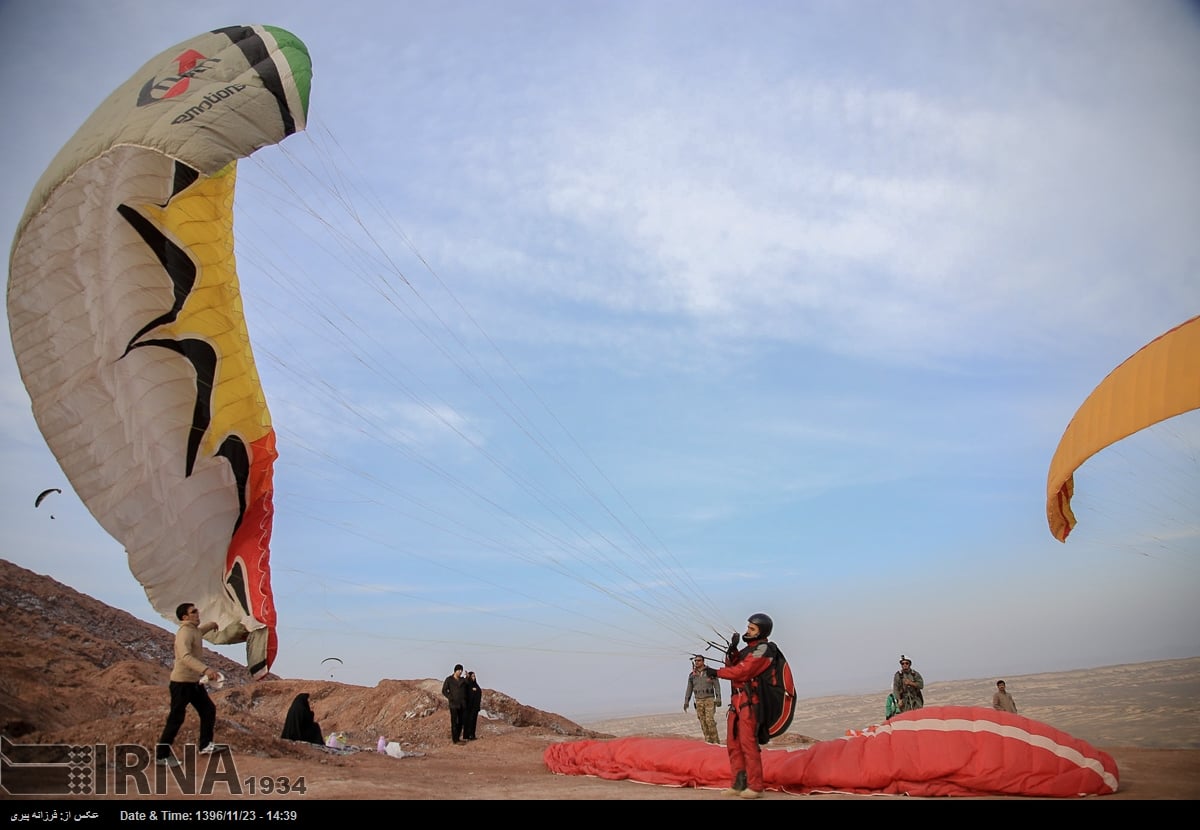
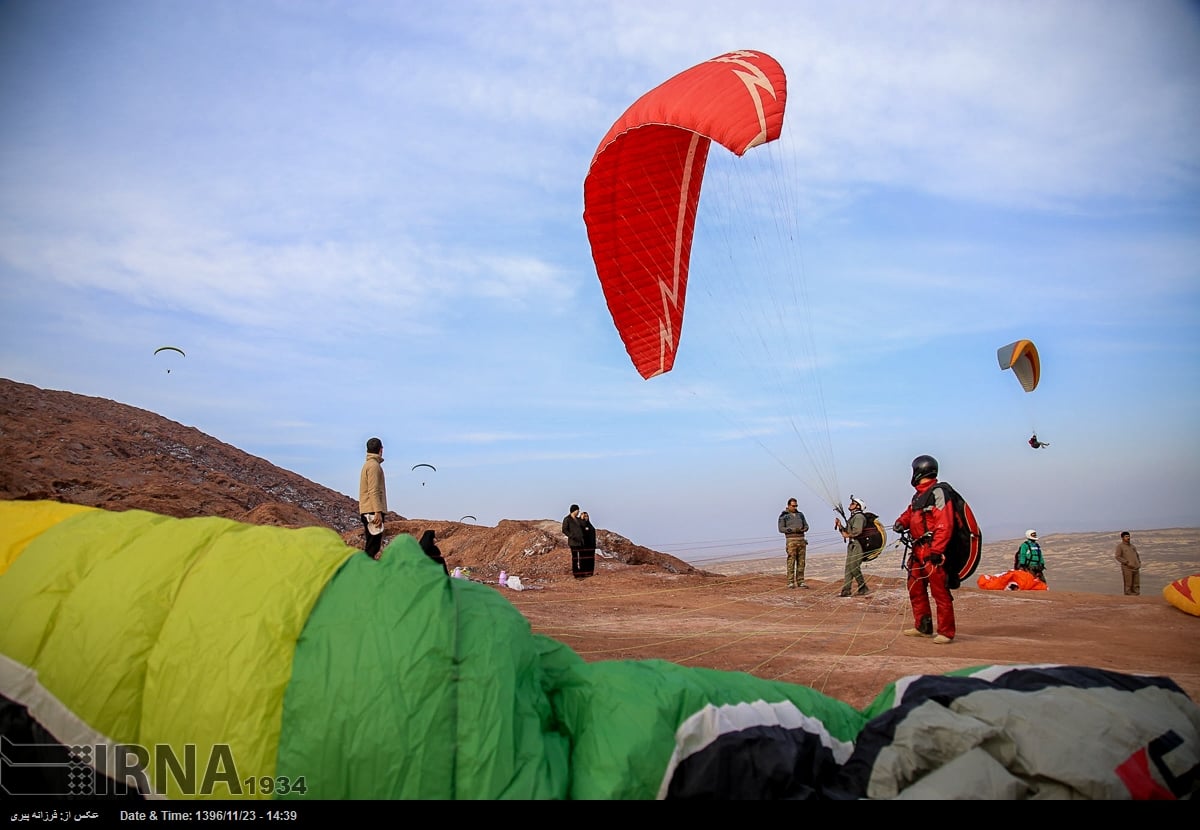
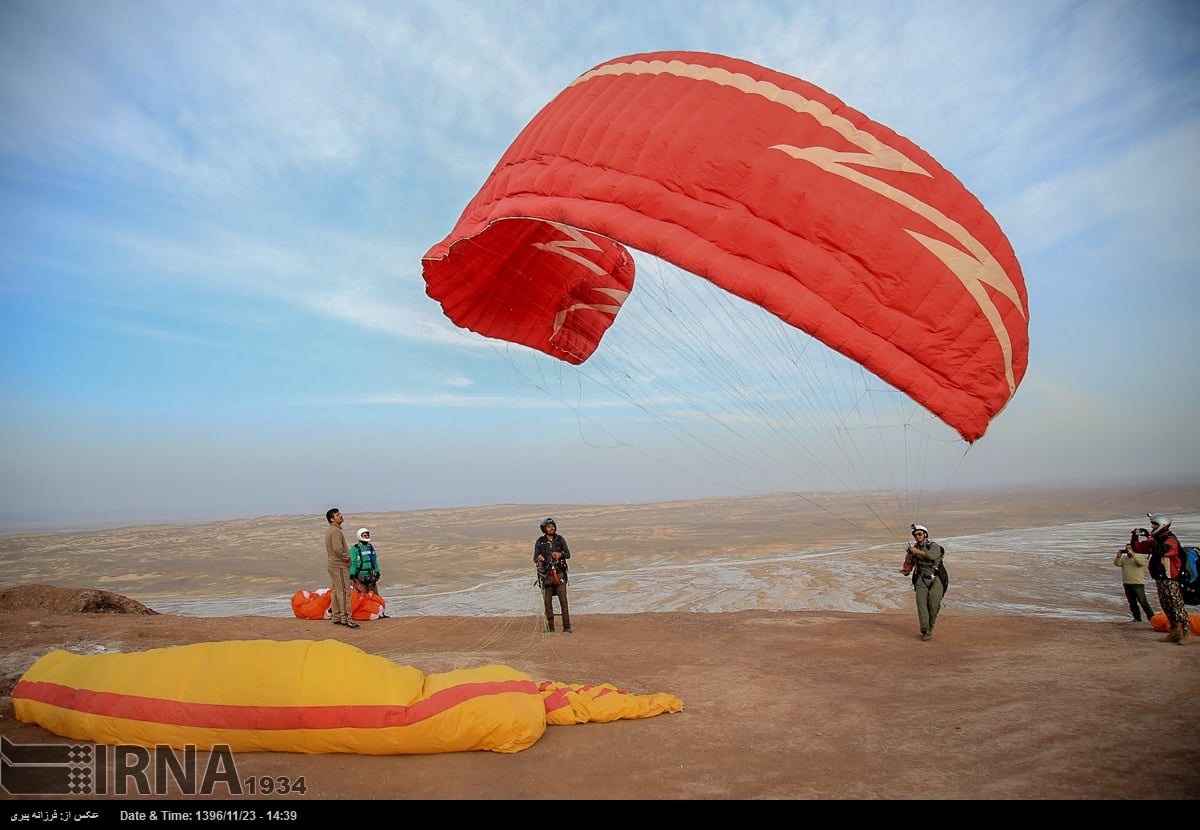
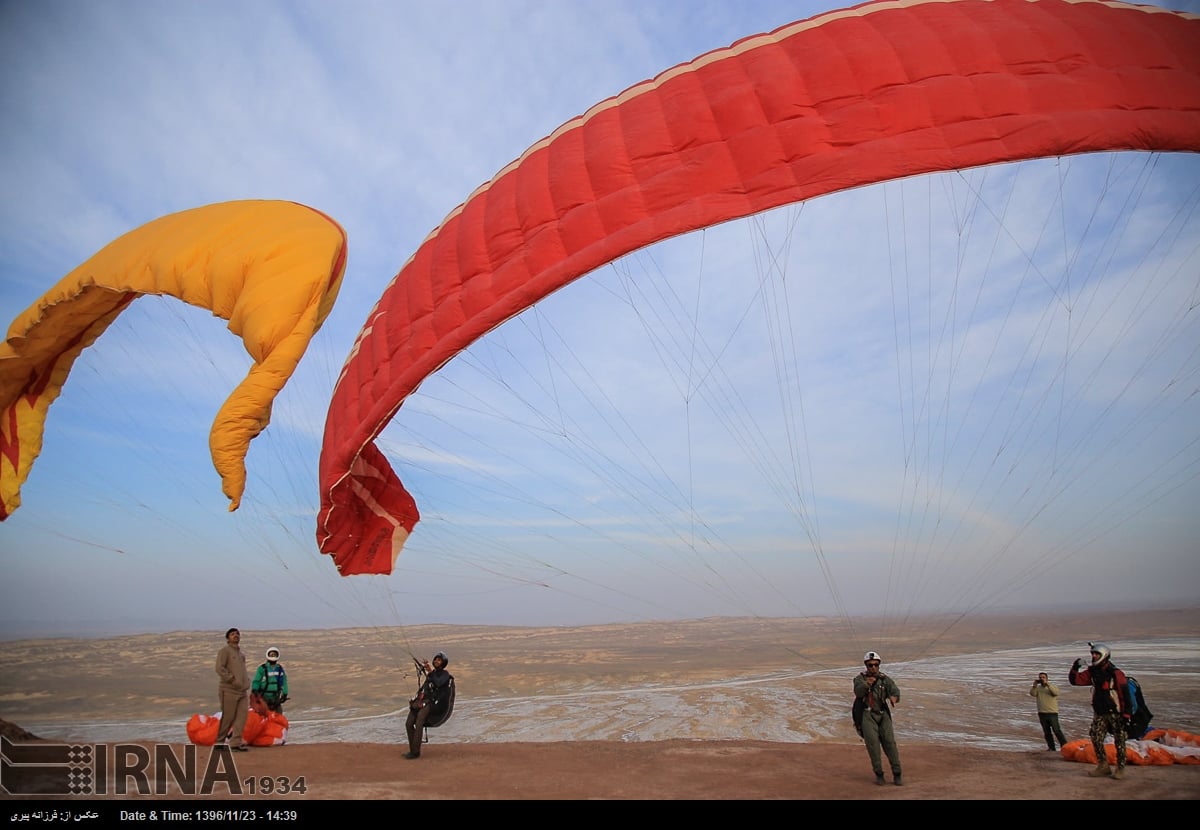
Thrilling Weekend at Qom Paragliding Site

Abbas Babaei site, near Qom Salt Rock, is located 15 kilometres from the city of Qom in the southwest of Tehran.

Paragliding is the recreational and competitive adventure sport of flying paragliders: lightweight, free-flying, foot-launched glider aircraft with no rigid primary structure. The pilot sits in a harness suspended below a fabric wing. Wing shape is maintained by the suspension lines, the pressure of air entering vents in the front of the wing, and the aerodynamic forces of the air flowing over the outside.

Despite not using an engine, paraglider flights can last many hours and cover many hundreds of kilometres, though flights of one to two hours and covering some tens of kilometres are more the norm. By skillful exploitation of sources of lift, the pilot may gain height, often climbing to altitudes of a few thousand metres.

Here are photos of the site retrieved from IRNA:

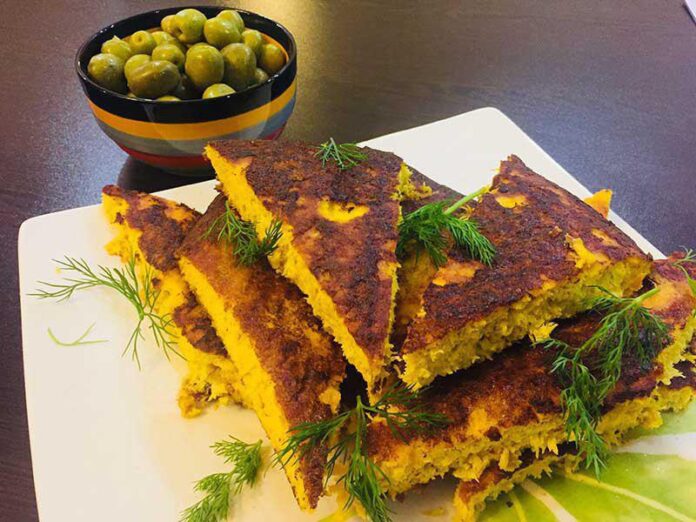
Badkoubeh Kookoo; Easily-Made Iranian Dish

You can make this delicious meal very quickly and easily in a very little time at home.


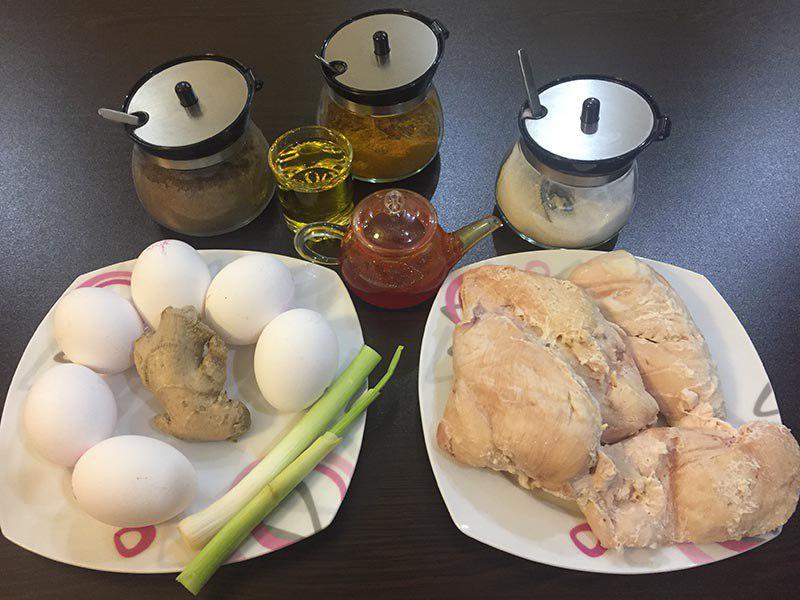
Ingredients:

Chicken’s breast: 500gr

Eggs: 9 ones

Sweet yogurt: 80gr

Cooking oil: 70gr

Salt, pepper, turmeric: as much as needed

Brewed saffron: as much as needed

Fresh garlic: ¼ of a head

Ginger: As much as needed

Baking powder: ½ tbs

 Badkoubeh Kookoo; Easily-Made Iranian Dish

Recipe:

First cook the chicken breast and shred its meat. Then add the yogurt to the chicken breast and mix well. Add saffron, salt, pepper and turmeric. Then add the chopped garlic and 2 tablespoons of oil to the mixture. Put the eggs in a bowl and stir until it gets firm.

At the end, add grated ginger and baking powder to the eggs and add it into the stuff. Leave the mixture aside for five minutes to have a delicate Kookoo.

Heat the rest of the oil in a pan. Pour Kookoo stuff. Flatten it and let it fry. Without putting the cap fry the other side as well. Cut the Kookoo and serve it.

Iranian Student Develops Device to Treat Diabetic Wounds

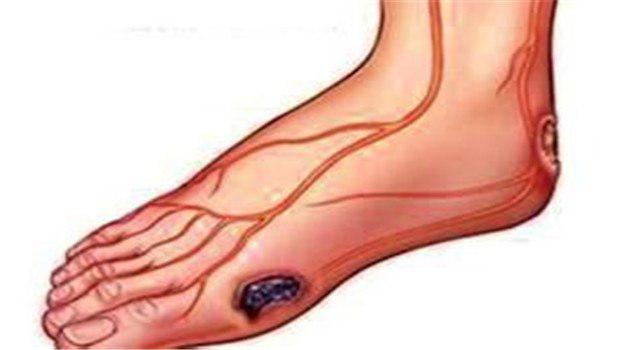
Shahrokh Khojastehfar, who studies at the Nursing College of the Iran University of Medical Sciences, has received a patent registration certificate for developing the Keratosis-removing device to cure wounds caused by diabetes as well as calluses on feet.

The patients can accelerate the healing of their ulcers using the device, according to Khojastehfar,

Iranian Student Develops Device to Treat Diabetic WoundsIn addition to the apparatus, he says, other footwear has been developed, including a device to fix wound dressings without using bandages or tape, or special shoes and socks used to dress wounds. He said the device is very hygienic as it prevents foot inflammation and reduces pressure on blood vessels.

According to a Farsi report by ISNA, the student said plans are also underway to develop other devices, including a “vacuum” plan, which is used to regulate the pH of the wound.

Another plan which will soon receive a patent registration certificate, he added, is an apparatus to wash the wound. He said production of the device in the country will be economical compared to importing the product.

For a brief review of Iran’s achievements in various fields of science and technology, check the book “Science and Technology in Iran: A Brief Review

He expressed hope the registration of the above-named patents will contribute to the treatment of diabetes in the country.

“Those behind Recent Riots in Tehran Backed by Foreigners”

The illegal gathering of a group of people affiliated with the Dervish community in northern Tehran turned violent on Monday night / Photo retrieved from Tabnak

Iran’s Prosecutor General Mohammad-Jafar Montazeri said “a bunch of thugs” have caused the “unfortunate incident”, referring to the recent clash between police forces and a number of rioters claiming to be affiliated with Gonabadi Dervishes, a Sufi community in Iran.

Three police forces and two Basijis were killed during the clash in Tehran’s Pasdaran neighbourhood. A huge funeral was held for them on Thursday, which was attended by thousands of people.

“A number of elements – who were portraying themselves as Dervish affiliates but in fact were using the title as a cover – were behind the attacks,” ISNA quoted Montazeri as saying.

He vowed the judiciary will deal with the perpetrators decisively, as protecting the people’s security is of utmost importance to the system.

Meanwhile, Interior Minister Abdolreza Rahmani Fazli has defended the Dervish community, describing them as “logical people” who were not supportive of acts of violence.

“Definitely, violations by a few people from this community should not be attributed to all Dervishes”, Rahmani Fazli told reporters after a Cabinet meeting Wednesday, in remarks that seemingly contradicted Montazeri’s narrative of the incident.

The clash came after an illegal gathering in front of a police station in northern Tehran turned violent. The protesters were demanding the release of some of their friends who had been arrested on unclear charges.

Police said more than 300 people were arrested in the violence, during which the attackers also damaged public property and smashed the windows of nearby houses.

One of the Basiji forces was killed in a car ramming and another lost his life in a knife attack, after three police forces were killed in a bus attack by the agitators. The violence also left 30 policemen and a number of attackers injured.