Tuesday, December 30, 2025
Home Blog Page 3661

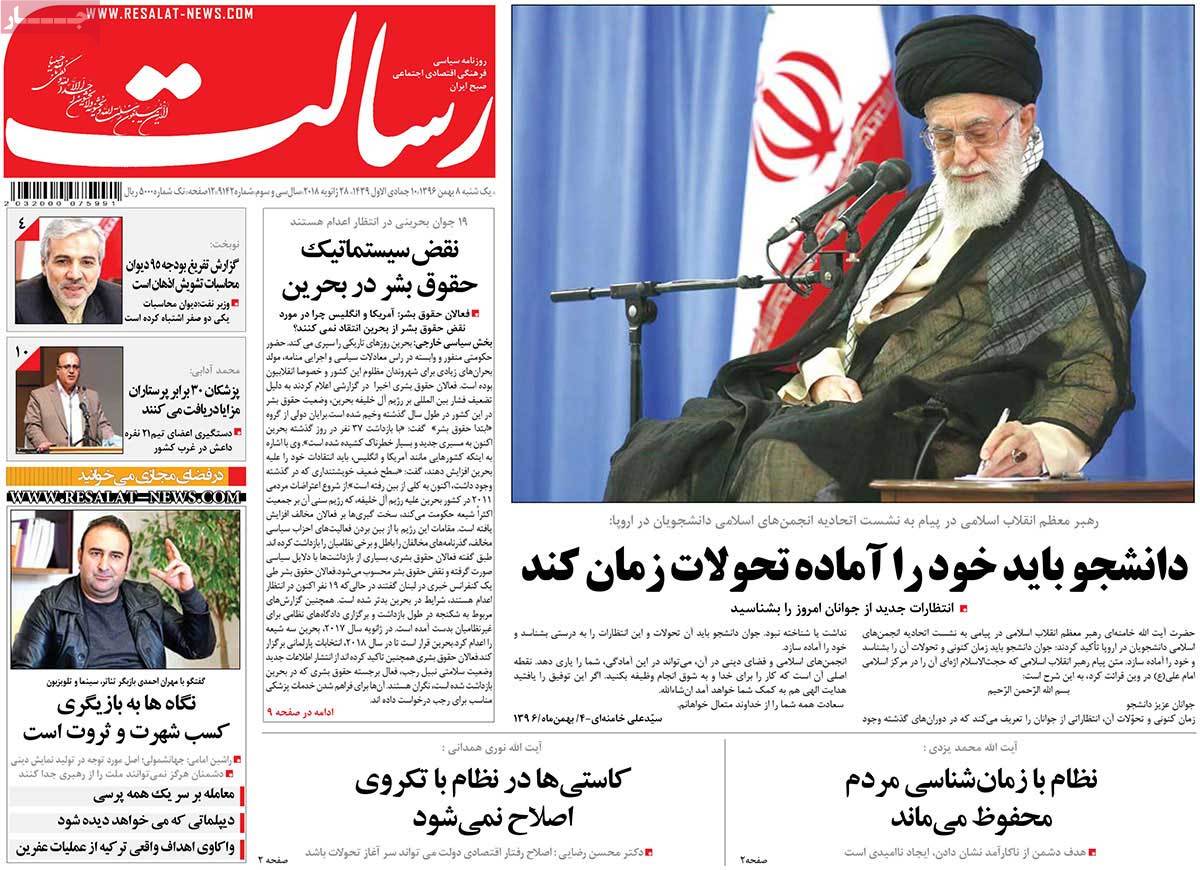
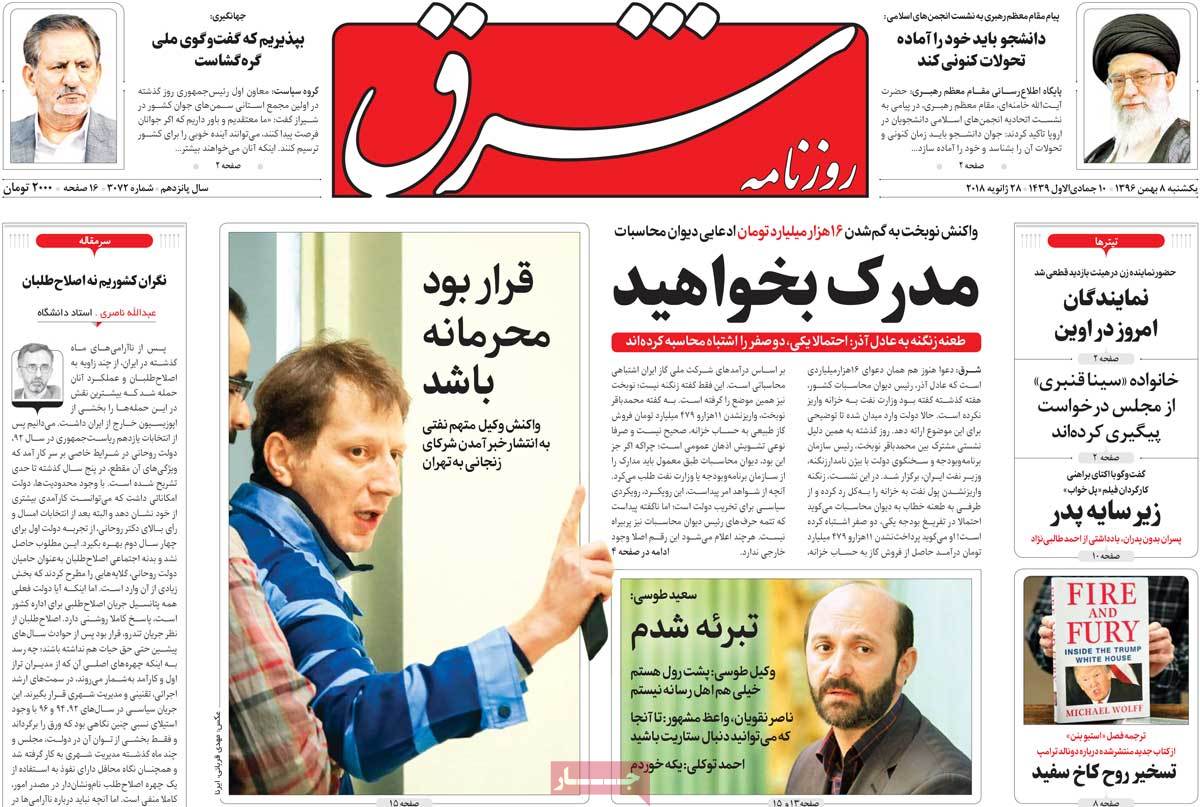
A Look at Iranian Newspaper Front Pages on January 28

A Look at Iranian Newspaper Front Pages on November 18

Almost all newspapers today dedicated their front pages to the heavy snowfall in Tehran and Alborz provinces, which covered the capital in snow and made people happy after several dry months.

Also a top story was the tragic terrorist attack in the Afghan capital of Kabul which killed and wounded dozens of people on Saturday.

The above issues, as well as many more, are highlighted in the following headlines and top stories:


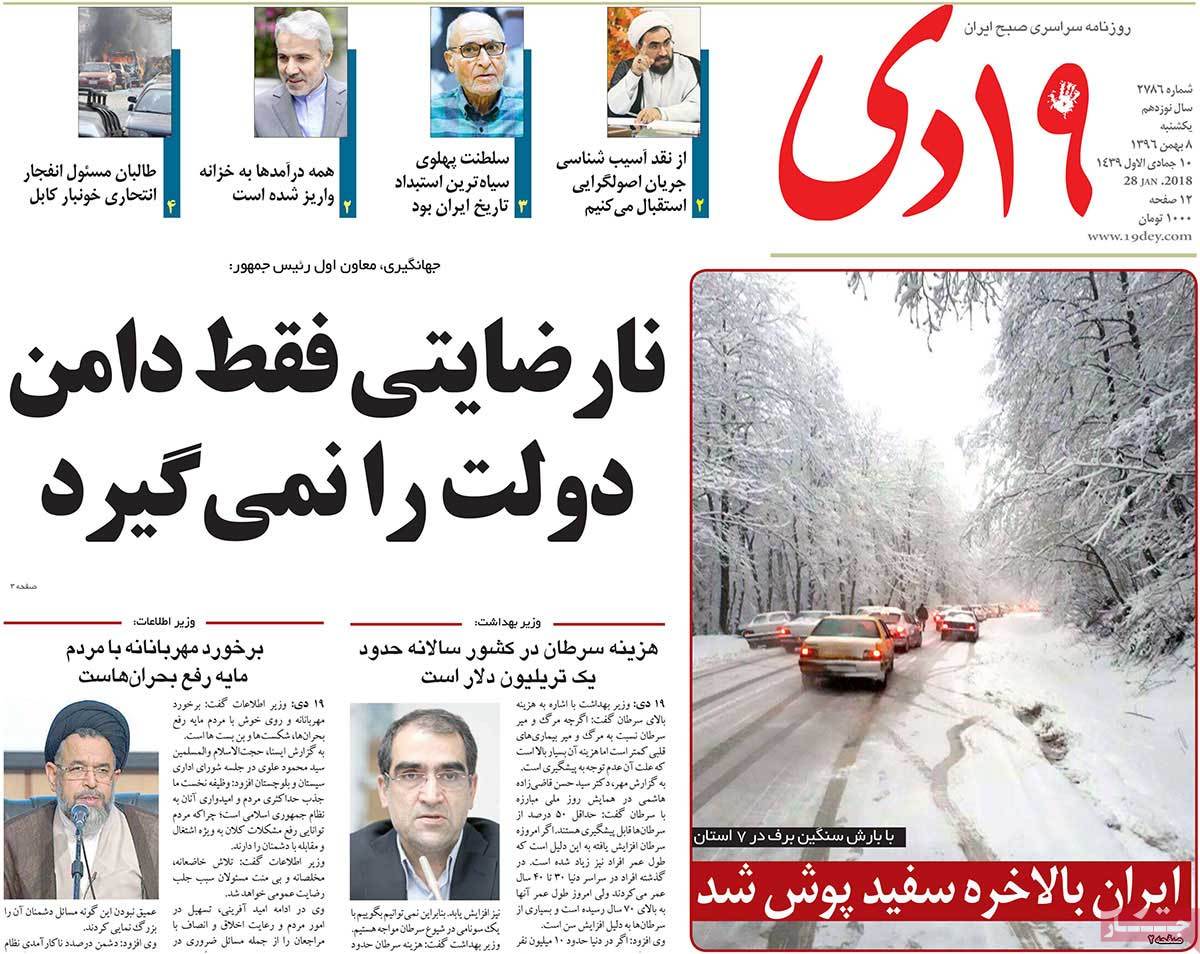
19 Dey:

1- Iran Finally Blanketed in Snow

2- Health Minister: Annual Costs of Cancer in Iran Almost $1 Trillion
A Look at Iranian Newspaper Front Pages on January 28


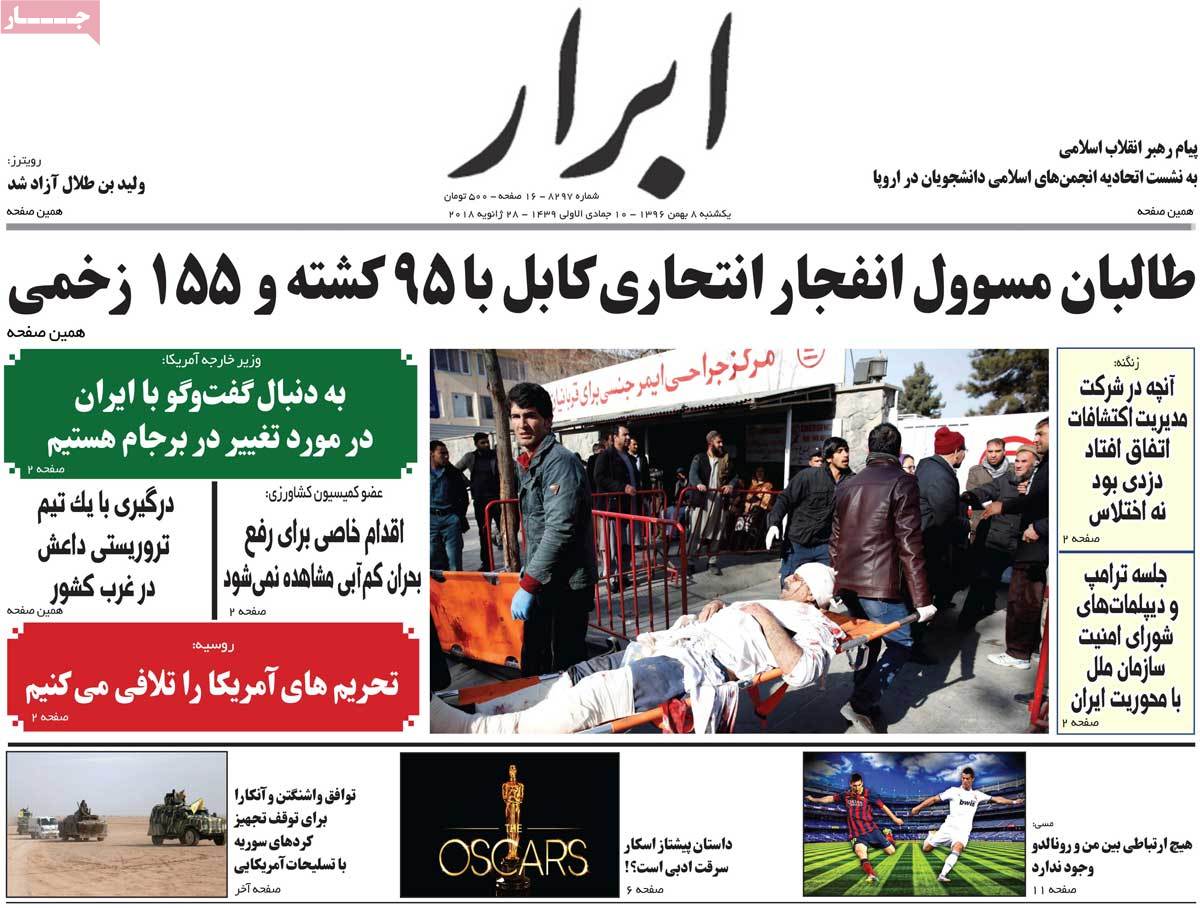
Abrar:

1- 95 Killed, 155 Wounded in Taliban’s Suicide Attack in Kabul

2- Alwaleed bin Talal Released

3- Russia: We’ll Retaliate US Sanctions
A Look at Iranian Newspaper Front Pages on January 28


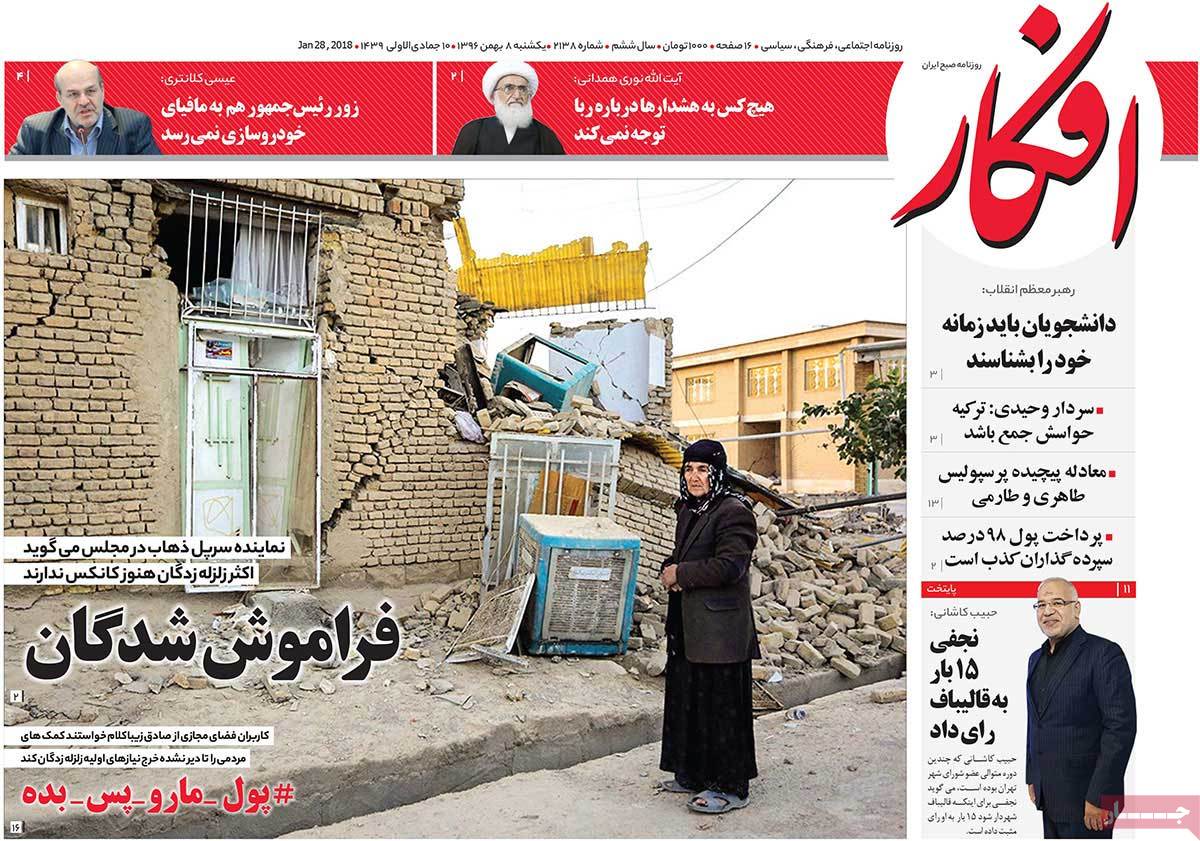
Afkar:

1- The Forgotten People: MP Says Majority of Quake-Hit People Don’t Have Conex
A Look at Iranian Newspaper Front Pages on January 28


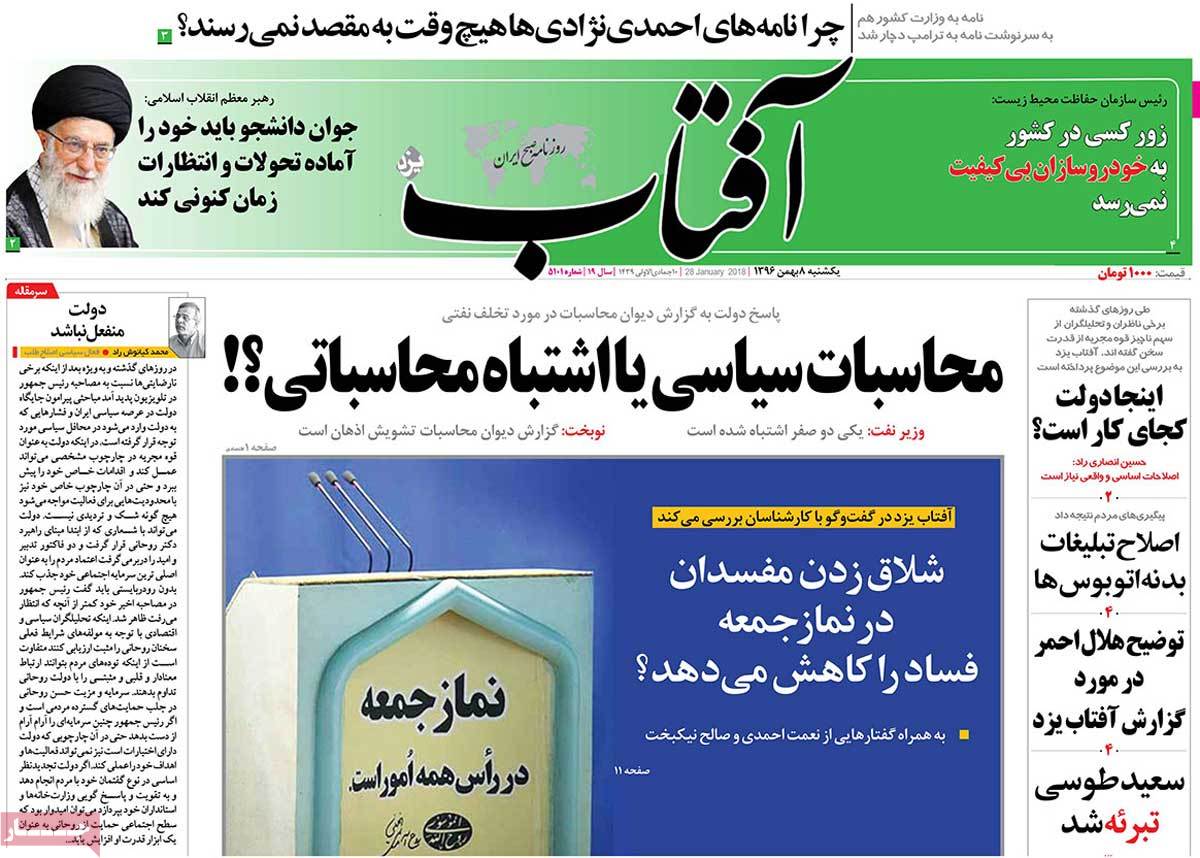
Aftab-e Yazd:

1- Iran Leader: Students Must Prepare Themselves for Current Time’s Developments
A Look at Iranian Newspaper Front Pages on January 28


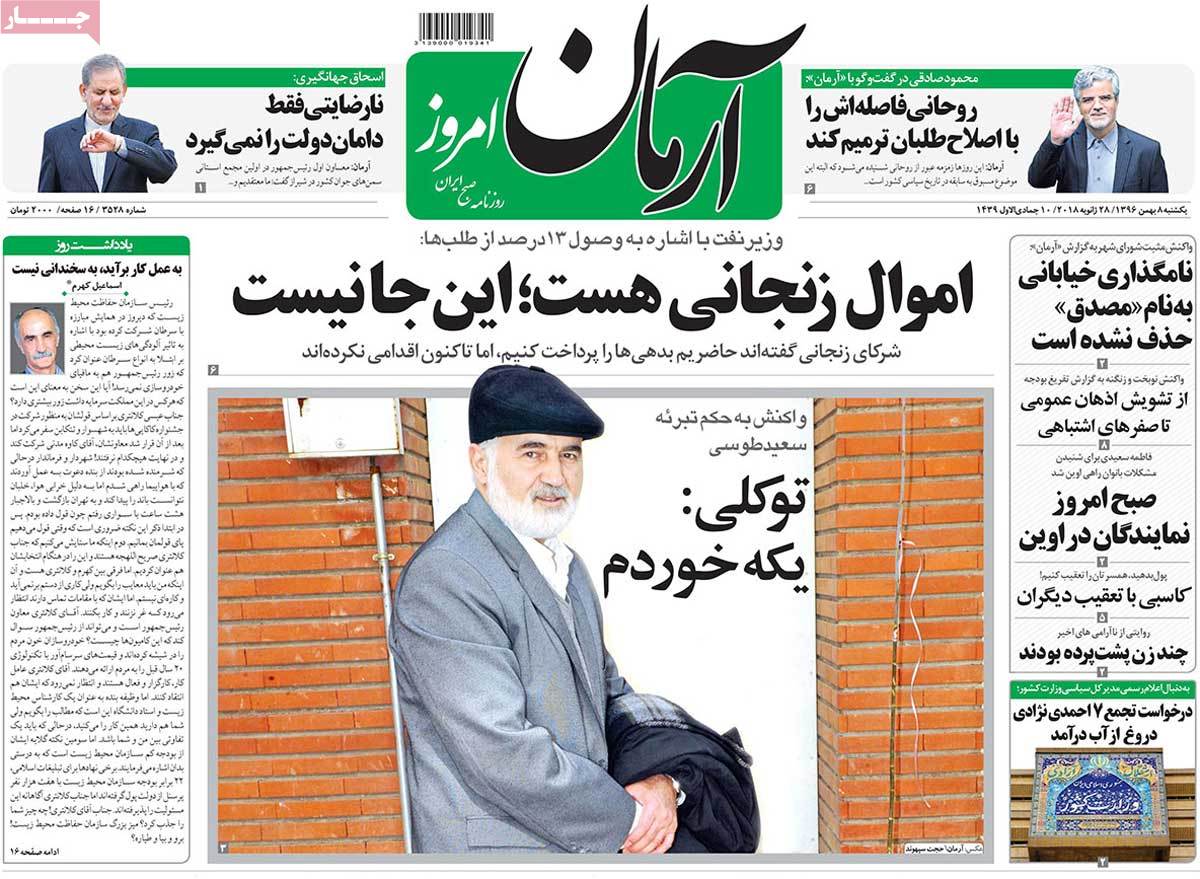
Arman-e Emrooz:

1- MP Urges Rouhani to Decrease His Distance from Reformists
A Look at Iranian Newspaper Front Pages on January 28


Ebtekar:

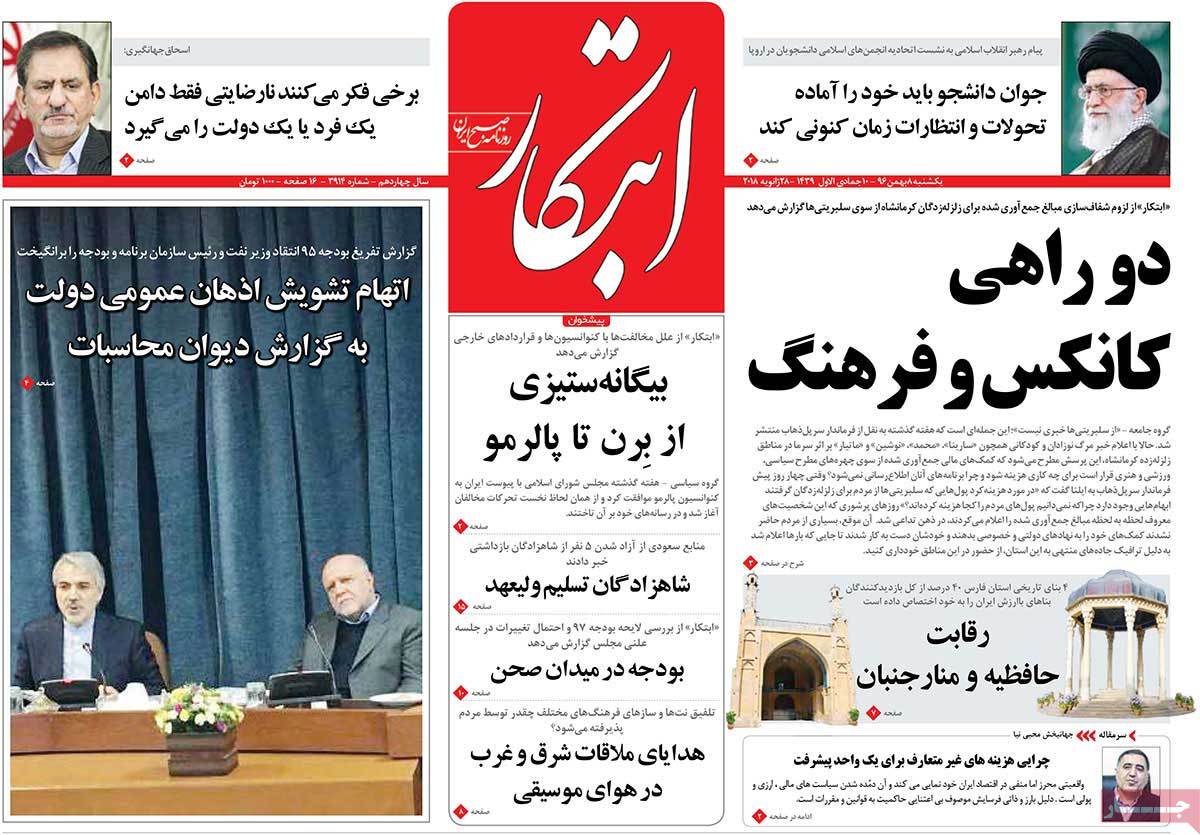
1- Princes Surrender to Crown Prince

  • Saudi Sources Say Five Princes Released
A Look at Iranian Newspaper Front Pages on January 28


Etemad:

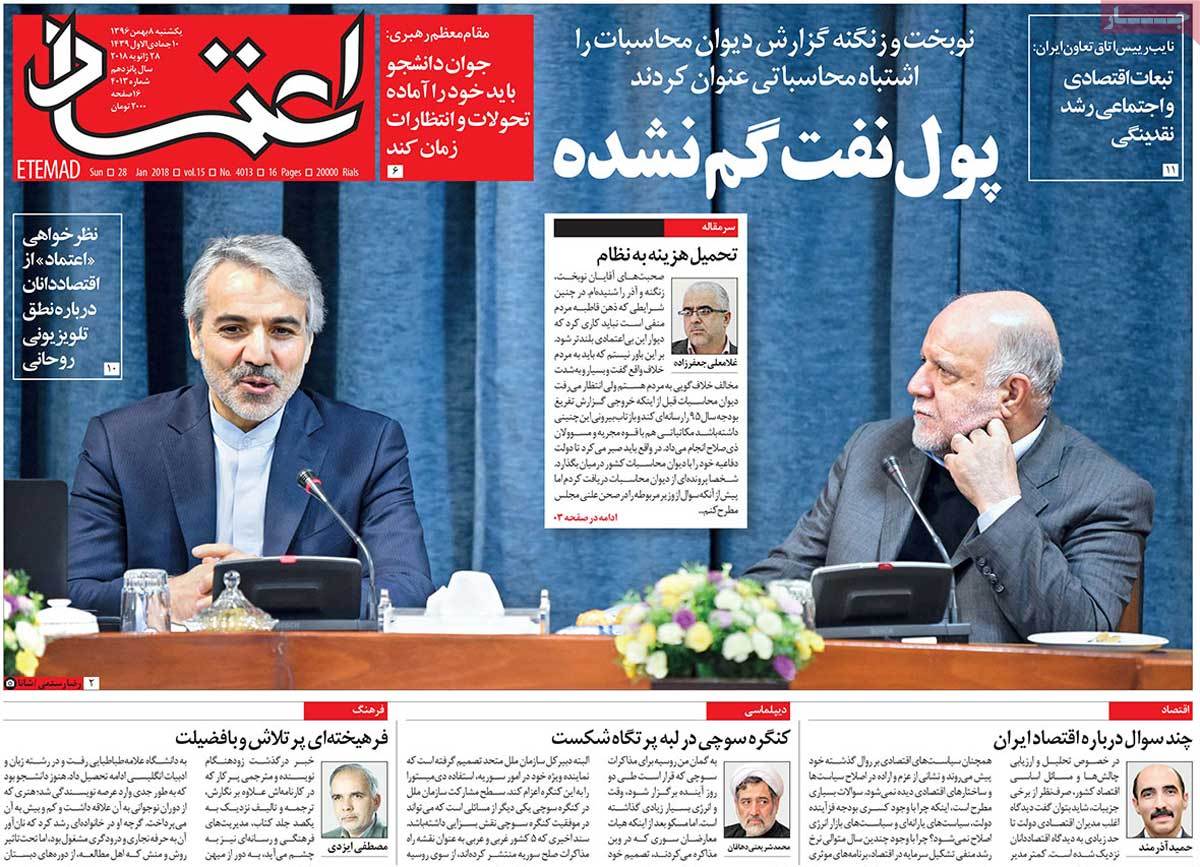
1- Oil Money Not Missing

  • Oil Minister, Gov’t Spokesman Say Audit Court’s Calculations Wrong
A Look at Iranian Newspaper Front Pages on January 28


Ettela’at:

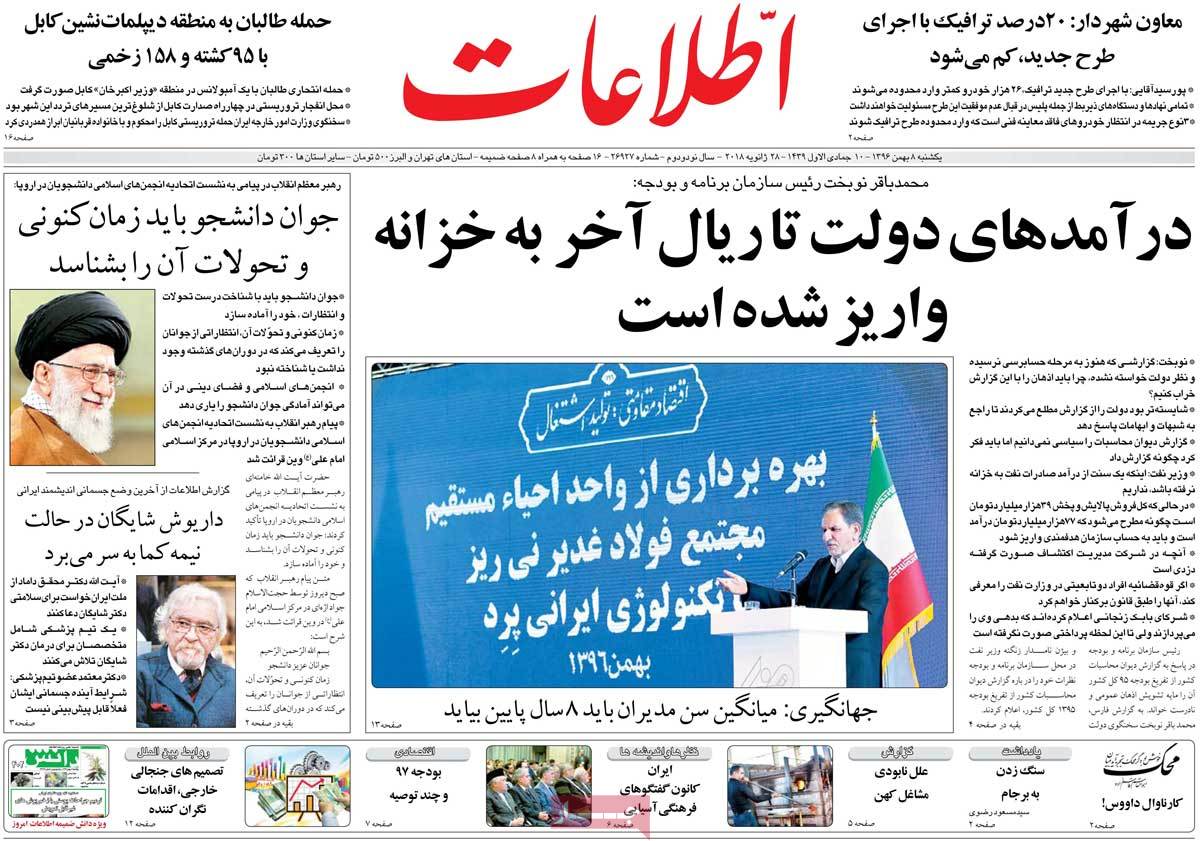
1- Iran First VP: Average Age of Executive Managers Must Decrease by 8 Years
A Look at Iranian Newspaper Front Pages on January 28


Iran:

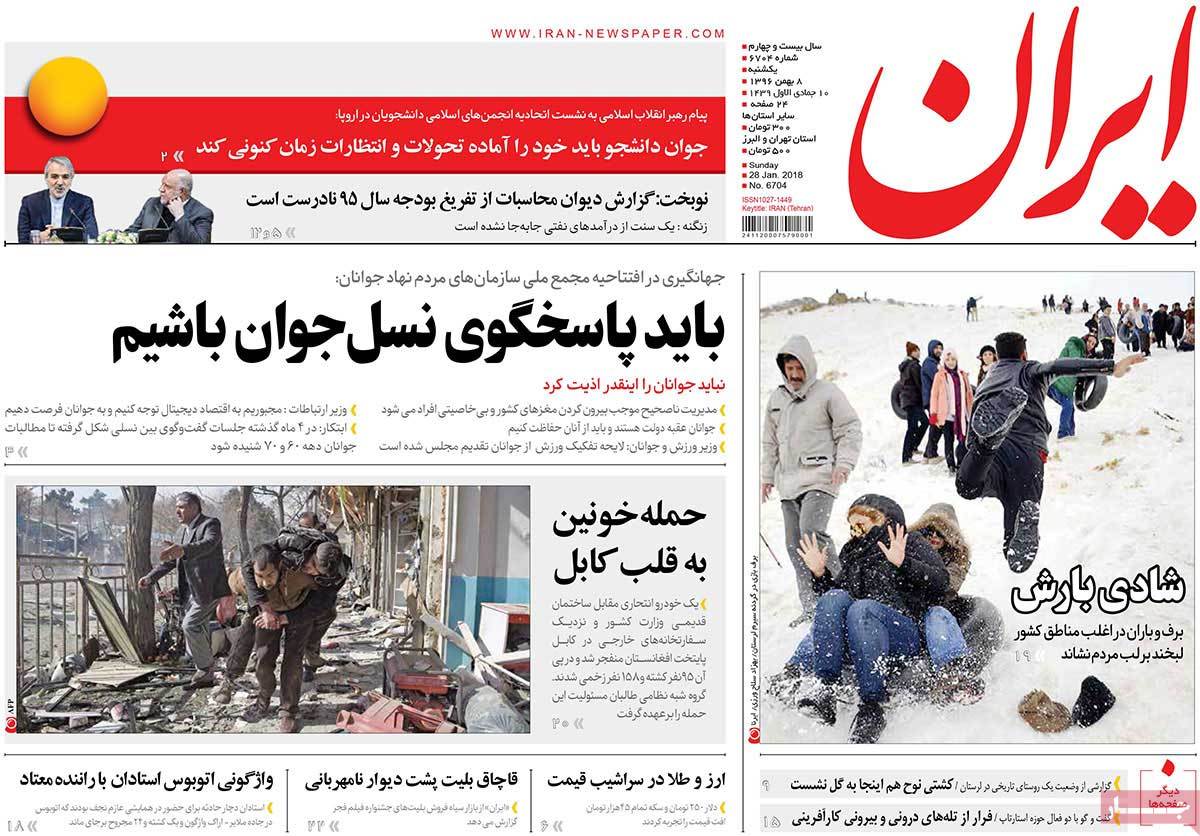
1- Happiness of Precipitation: Snowfall, Rainfall across Iran Make People Smile

2- Bloody Attack on Heart of Kabul
A Look at Iranian Newspaper Front Pages on January 28


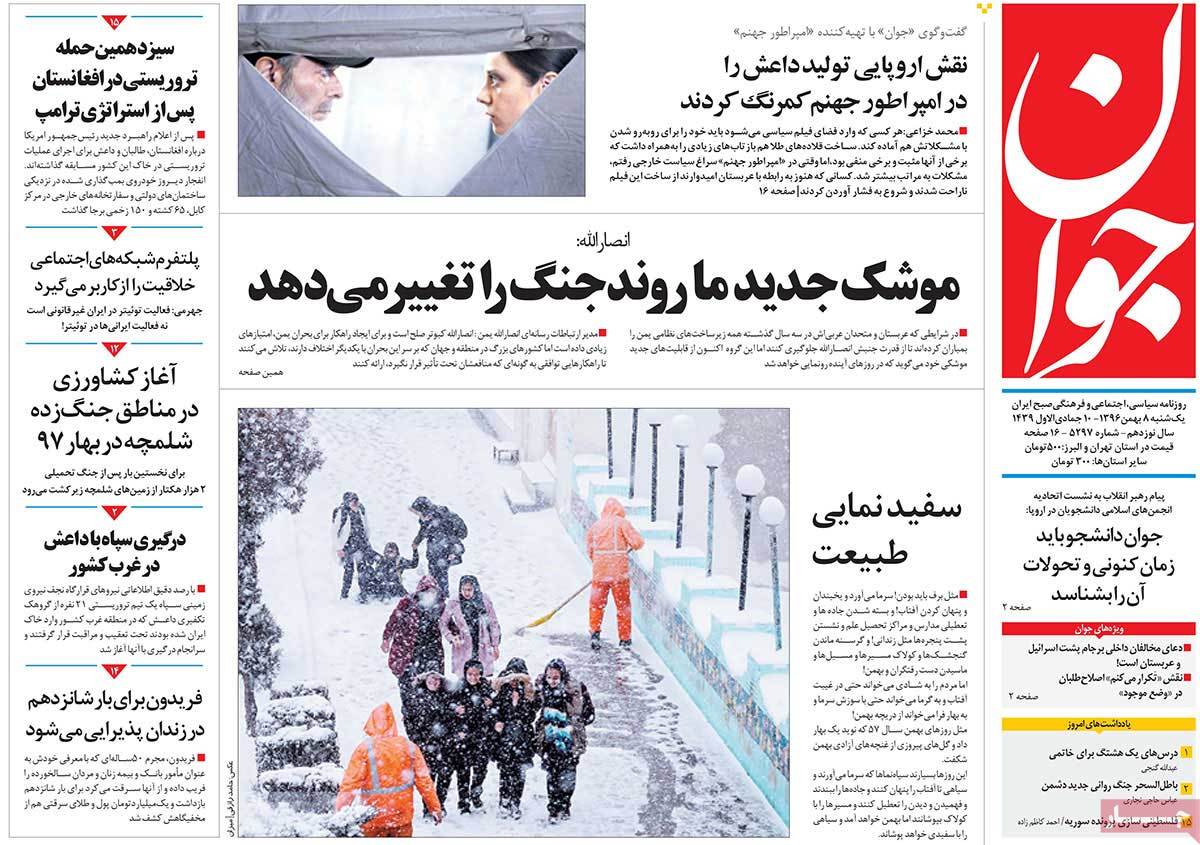
Javan:

1- Ansarullah: Our New Missile to Change Direction of War

2- 13th Terrorist Attack Hits Afghanistan after Trump’s Strategy Announcement

3- IRGC Clashes with ISIS in Western Iran
A Look at Iranian Newspaper Front Pages on January 28


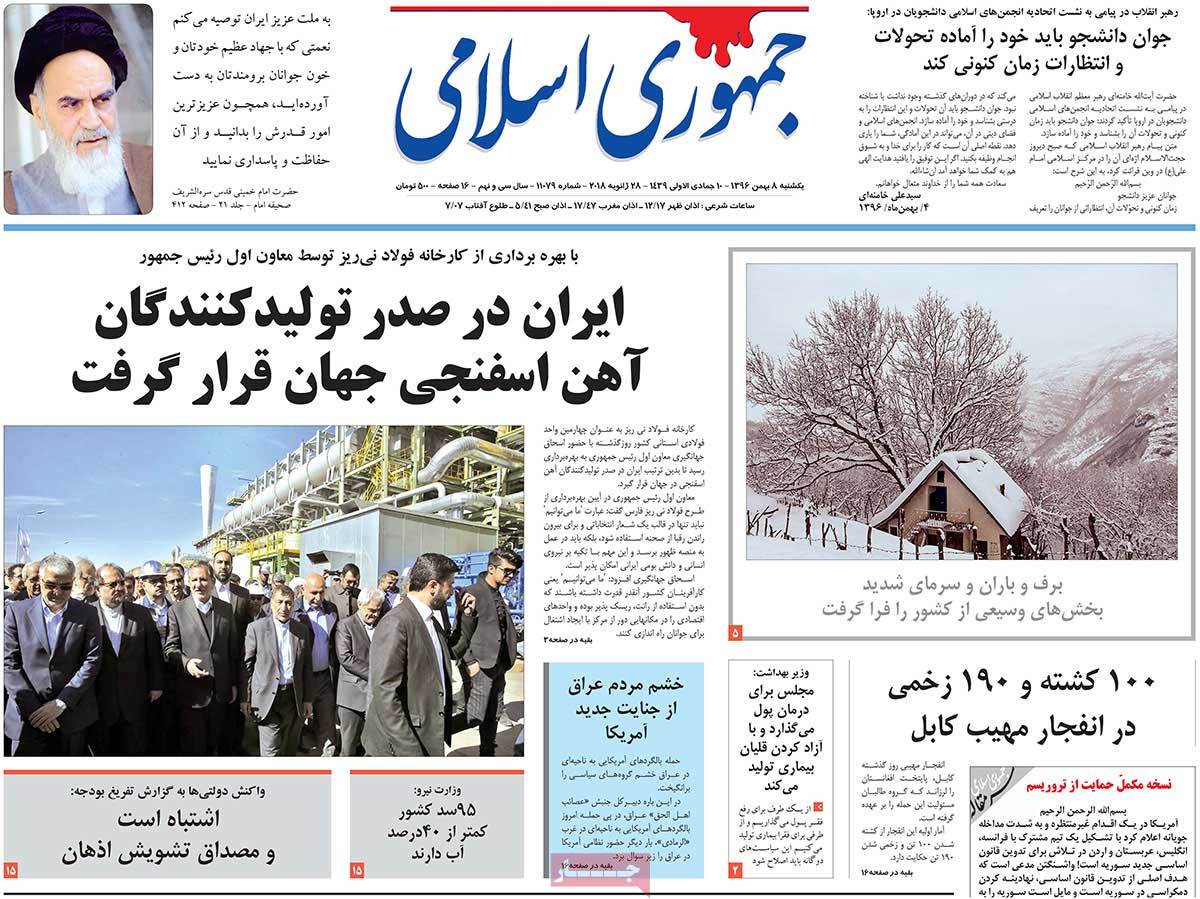
Jomhouri Eslami:

1- Iran First VP: Iran Top Producer of Sponge Iron in World

2- Iraqi People Outraged by New US Crime
A Look at Iranian Newspaper Front Pages on January 28


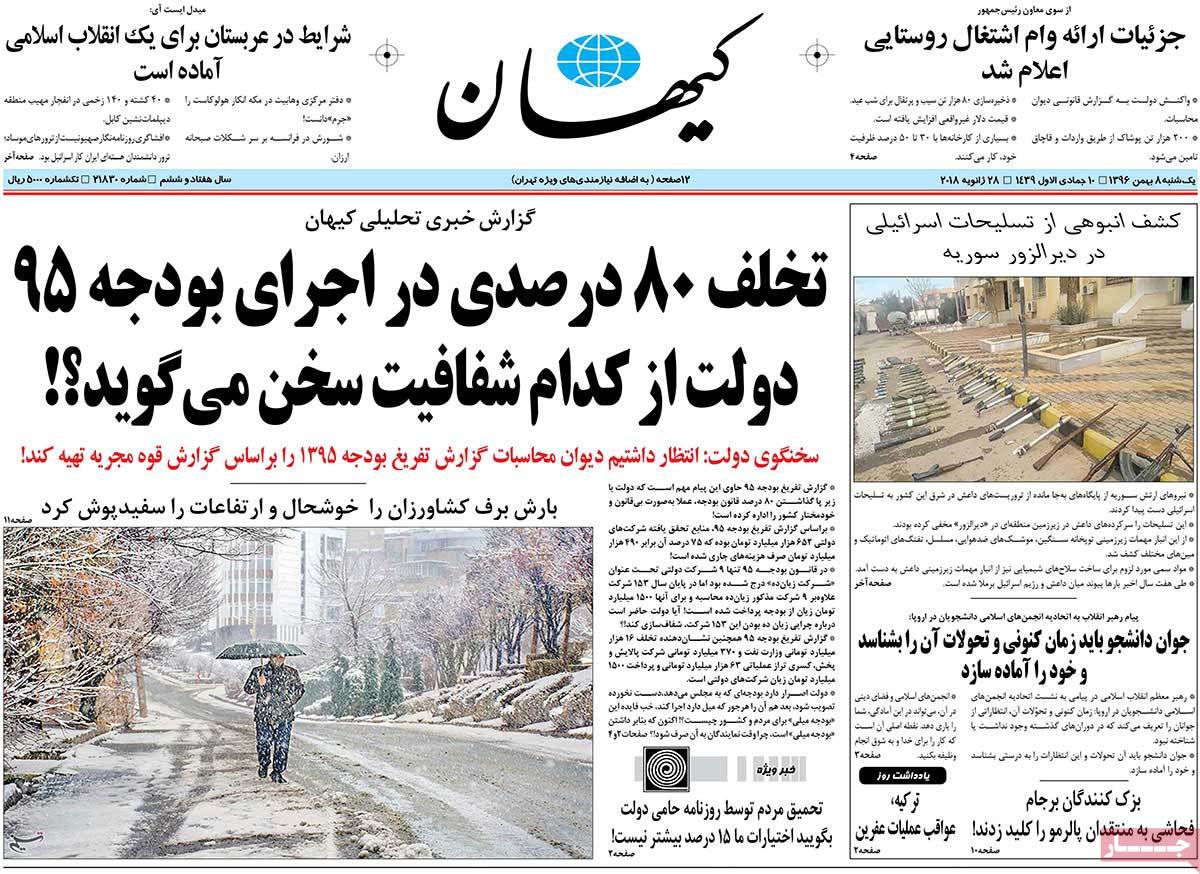
Kayhan:

1- Gov’t Talking of Transparency despite Its 80% Offences in Past Year’s Budget

2- Farms Happy with Snowfall as Mountains Covered with Heavy Snow

3- Middle East Eye: Conditions in Saudi Arabia Ready for Islamic Revolution
A Look at Iranian Newspaper Front Pages on January 28


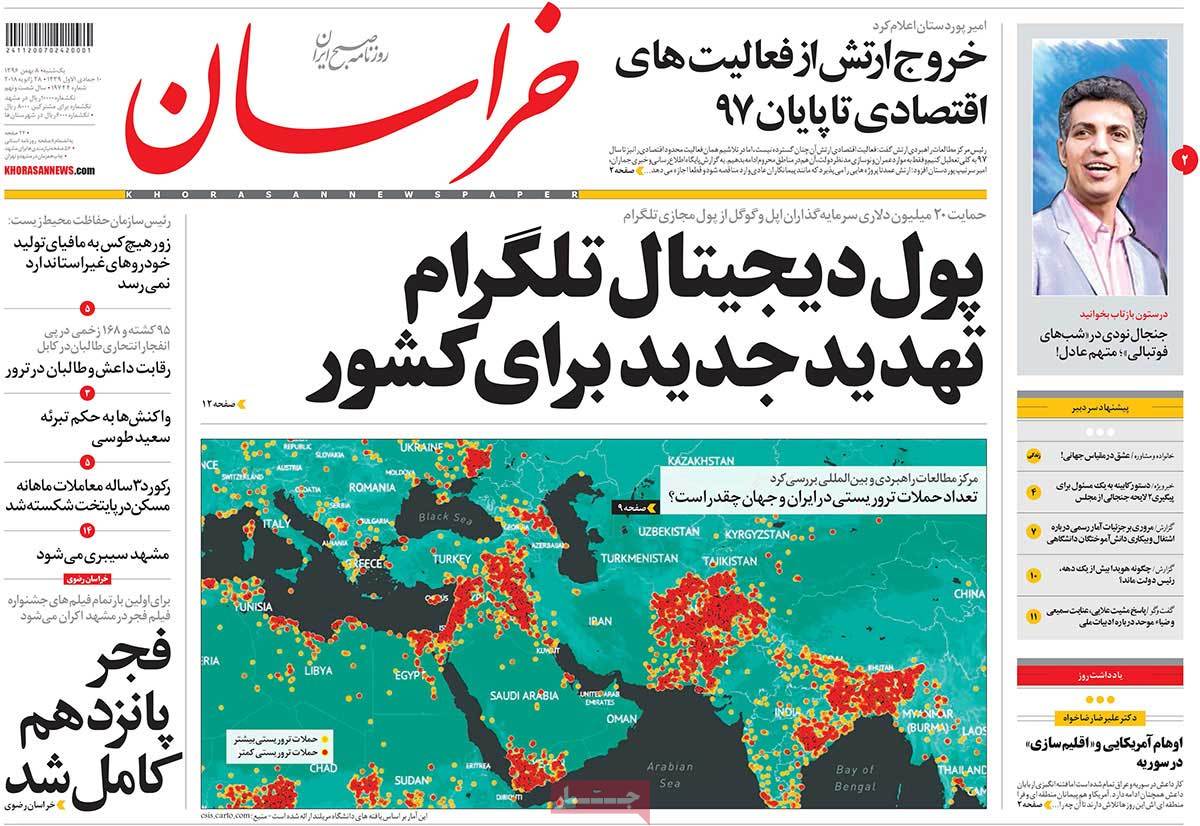
Khorasan:

1- Iran Army to Withdraw from Economic Activities by 2019
A Look at Iranian Newspaper Front Pages on January 28


Resalat:

1- Systematic Violation of Human Rights in Bahrain

  • 19 Young Bahrainis on Death Row

A Look at Iranian Newspaper Front Pages on January 28


Shargh:

1- MPs to Visit Evin Prison

A Look at Iranian Newspaper Front Pages on January 28


Sobh-e Now:

1- 16 ISIS Members Arrested by IRGC
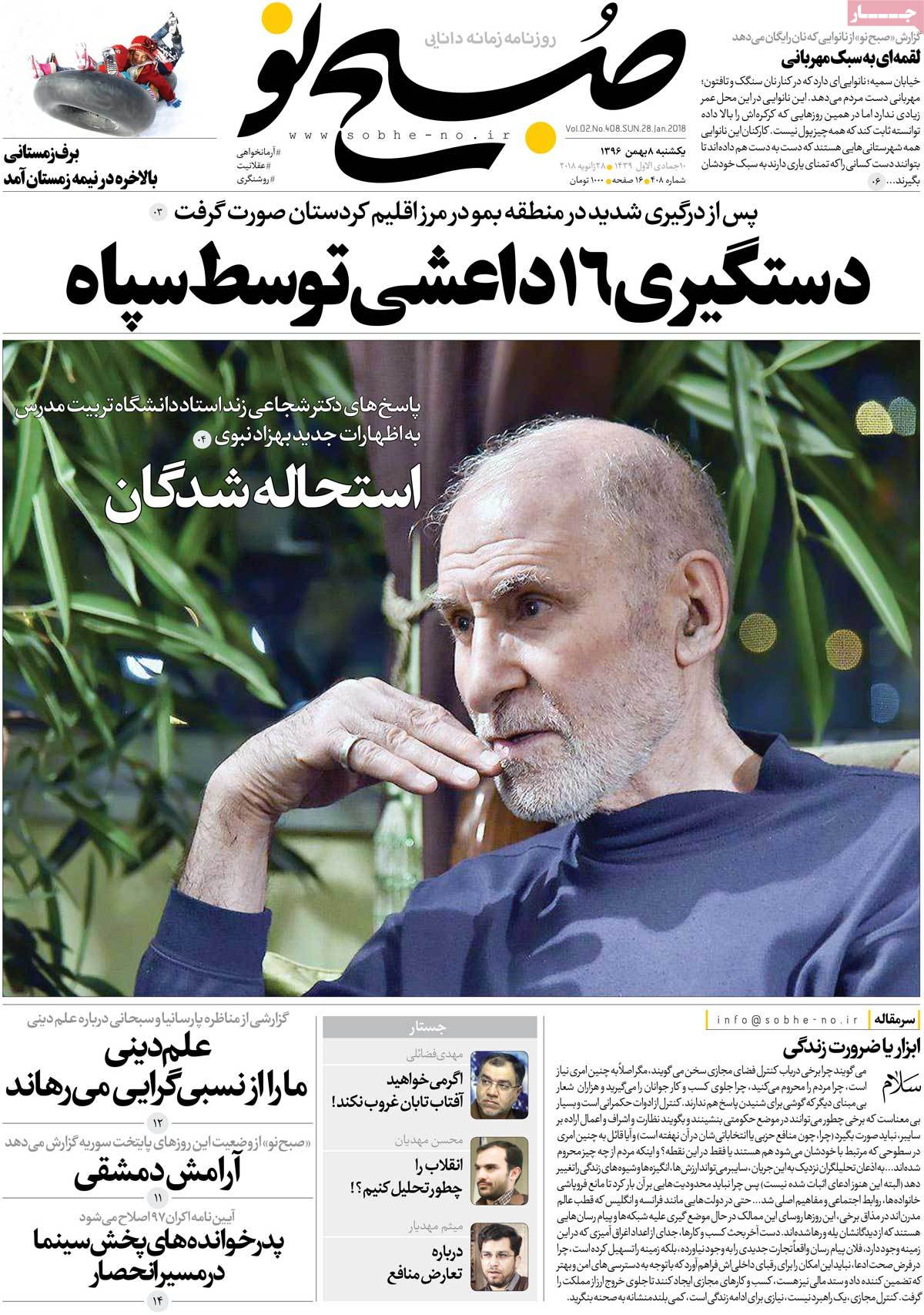
A Look at Iranian Newspaper Front Pages on January 28

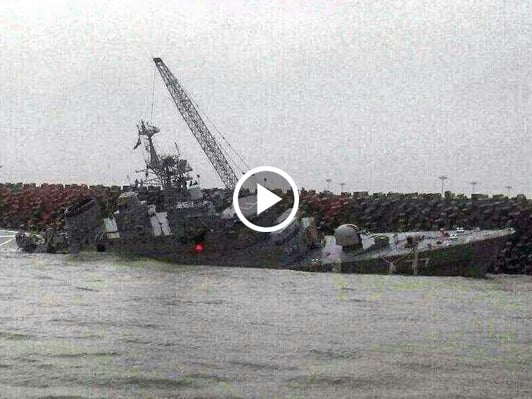
Iran’s Damavand Destroyer Fully Sinks in Caspian Sea (+Video)

The destroyer, which reportedly sank on Sunday, January 28, had crashed with Anzali Port’s jetty on January 10 and suffered minor damages when docking at the port.

Increasing wind speed and severe storm in the Caspian Sea was the cause of the crash; however, the Navy had declared it would be repaired in a short time.

Damavand, a 100-metre-long destroyer weighing more than 1300 tons, officially joined the Navy’s northern fleet in the Caspian Sea in March 2015.

More than 700 industrial, research and academic Iranian centres cooperated in designing and producing the military vessel, which was also a training warship.

Experts at Iran’s Defence Ministry had installed 25 homegrown electronics and communication systems on Damavand, including advanced naval radars and systems for communication, detection and interception.

Damavand was a Jamaran-class destroyer with unique features to meet the demands of the Iranian naval forces in the country’s northern waters.

The advanced destroyer was capable of tracking aerial, surface and sub-surface targets simultaneously.

“Iran Signs Over $40bn Worth of MoUs after Nuclear Deal”

US Push for Economic Collapse of Iran Has Gone Nowhere: VP

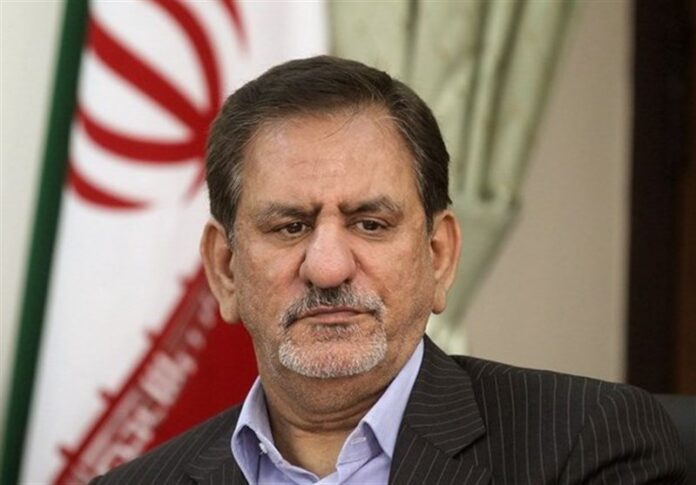
In an address to a meeting in the southwestern province of Fars, Jahangiri said over $30 billion of the MoUs have already turned into inter-banking contracts.

“We need to take more advantages of foreign resources for further investments in Iran to press ahead with our projects,” he said, as quoted in a Farsi report by IRNA.

He cited the JCPOA as an international accord and said, “Unfortunately, instead of helping Iran reap the benefits of the deal, some groups spare no efforts to hamper its implementation.”

He blamed the US for hampering the nuclear deal between Iran and six world powers and said the JCPOA can be used for further development of Iran.

“Our main economic, social, regional and international problems are deeply rooted in politics and we should not waste our time by looking for over-complicated economic and social solutions,” he noted.

He called the Middle East a region filled with “chaos” and added most of the regional problems cannot be resolved without Iran’s contribution.

“Even the US with its deep animosity towards Iran knows it well that to tackle its regional problems it needs to hold talks with Iran,” he added.

He referred to US President Donald Trump’s undiplomatic remarks and behaviours and added the Zionist lobby in the US is seeking to use Trump to inflict blows on Iran.

Jahangiri underlined that Iran is capable of leaving behind regional and international crises by drawing on its human resources and transit capacities.

He called Iran a safe hub for investment and said the enemies can’t hamper Iran’s progress in the region.

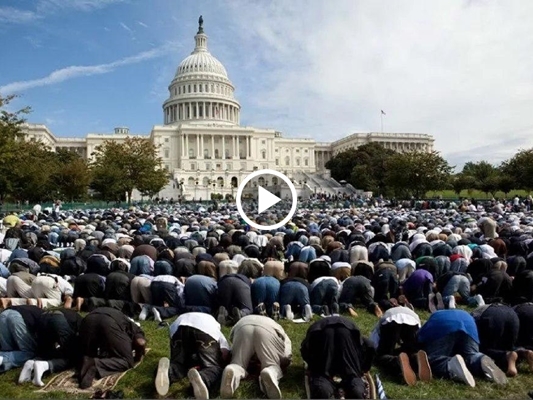
Muslims Hold Mass Prayer outside White House to Decry Trump’s Travel Ban (+Video)

Addressing the group of protesters on Saturday, National Policy and Advocacy Director Lakshmi Sridaran reported that hate violence in the US increased by 45 percent “from the year before leading up to the presidential election cycle.”

President of the Hebrew Immigrant Aid Society (HIAS) Mark Hatfield called Trump’s travel ban “the ultimate insult to those who perished in the Holocaust.”

Trump signed an executive order on January 27, 2017, banning citizens of seven Muslim-majority nations from entering the US. The order was met with nationwide protests and court moves to block the ban.

The US Supreme Court plans to issue a final ruling in late June on the legality of the latest version of the ban, which affects residents from six countries (Iran, Chad, Libya, Somalia, Syria and Yemen) instead of the original seven.

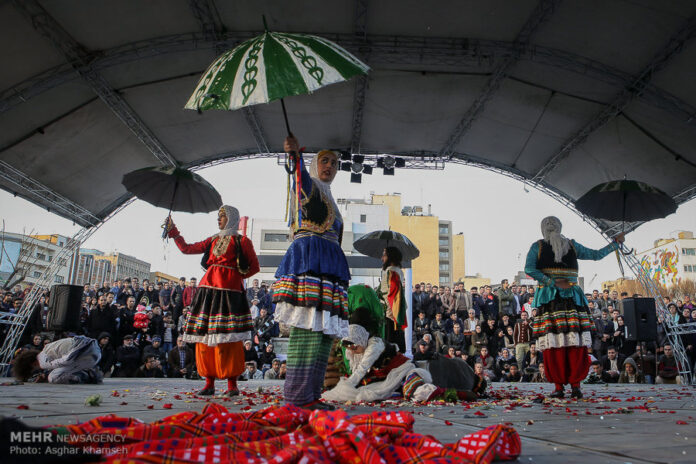
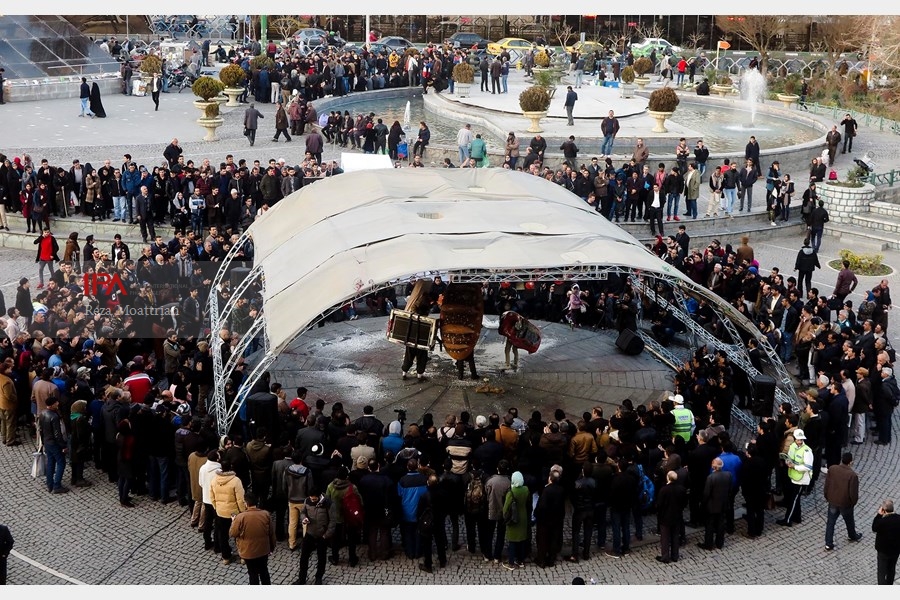
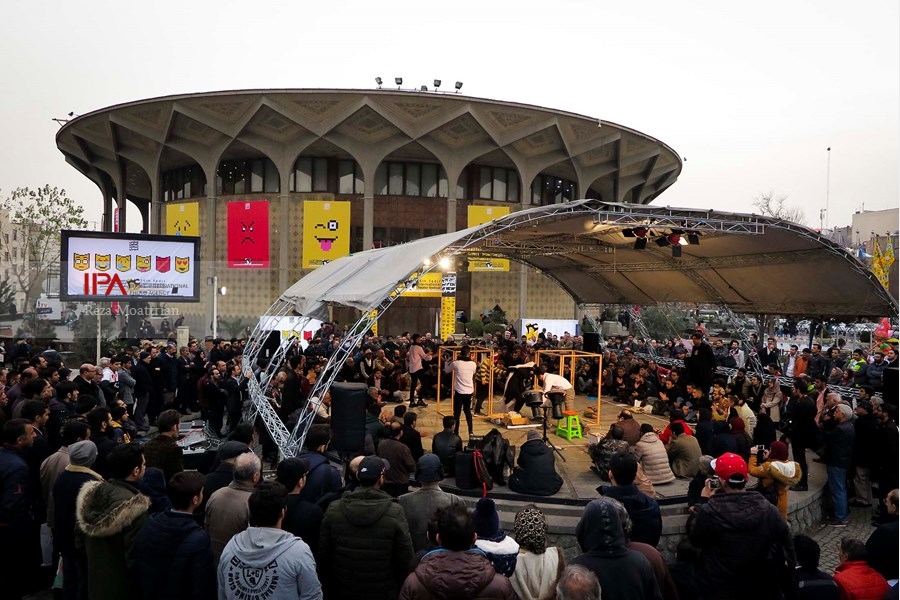
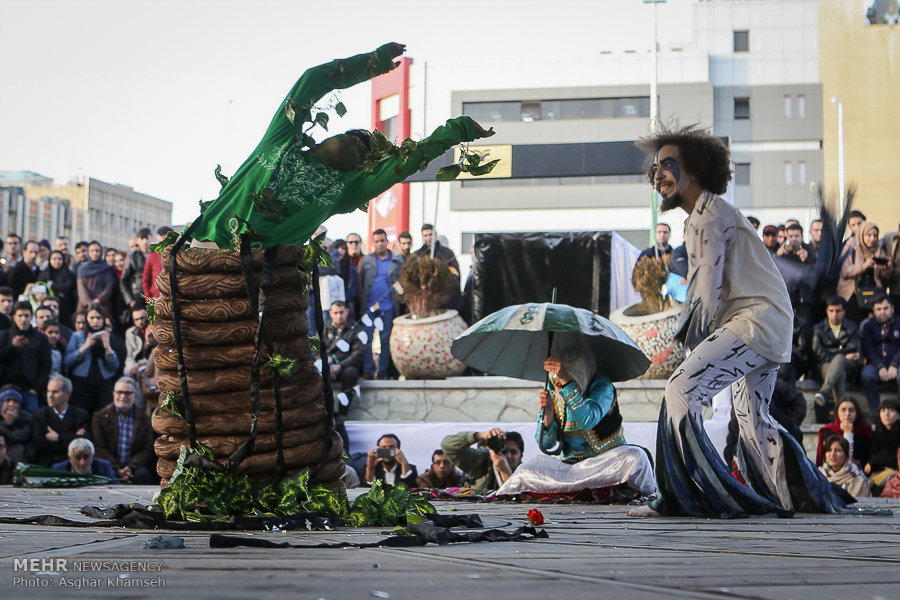
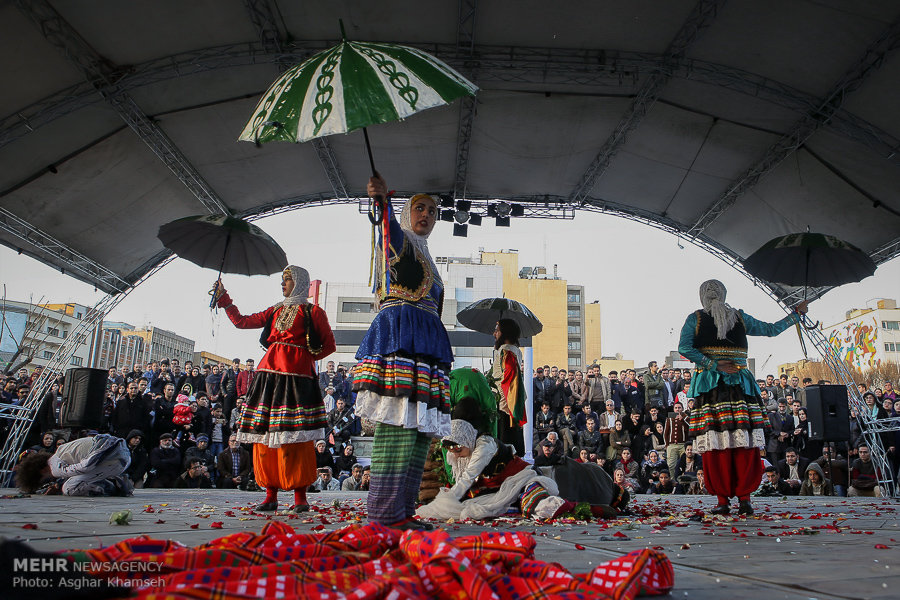
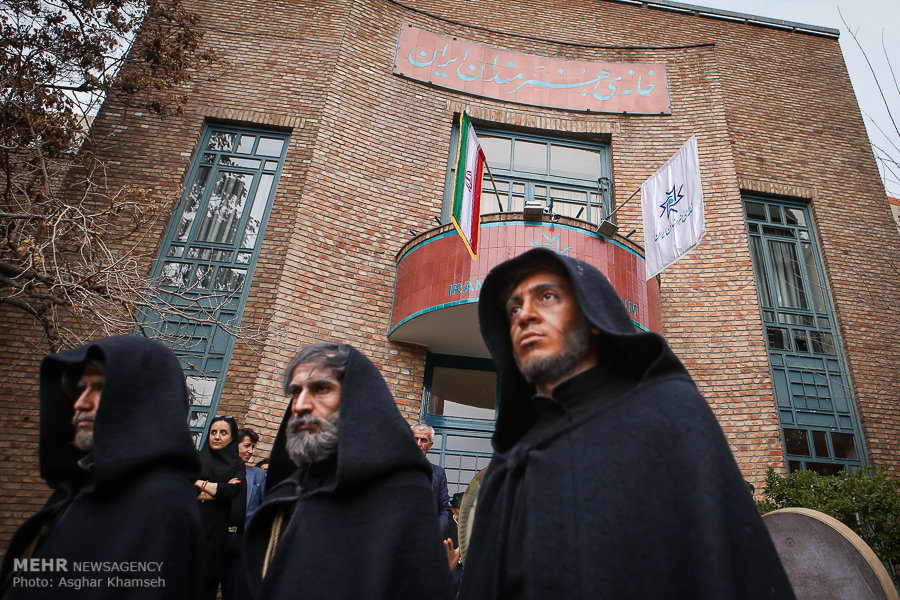
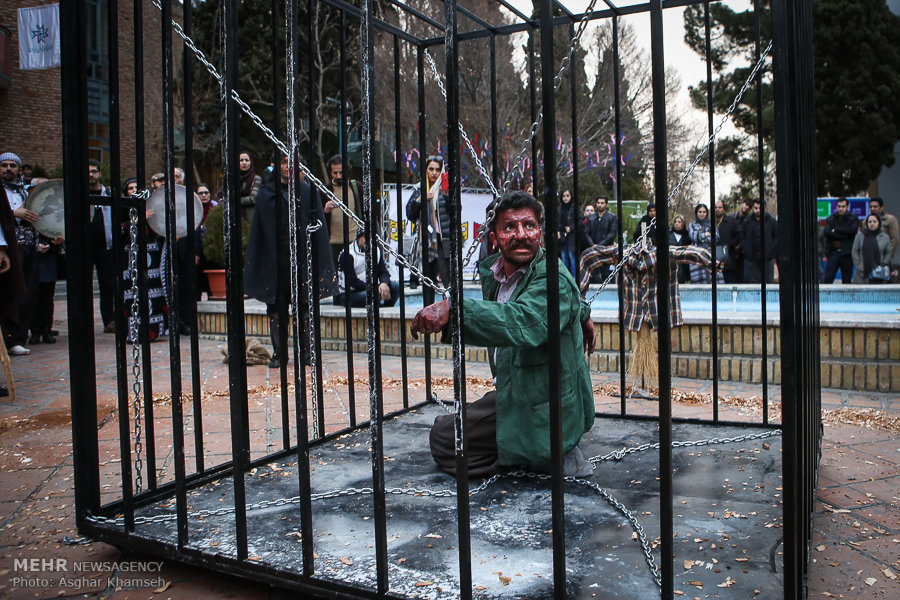
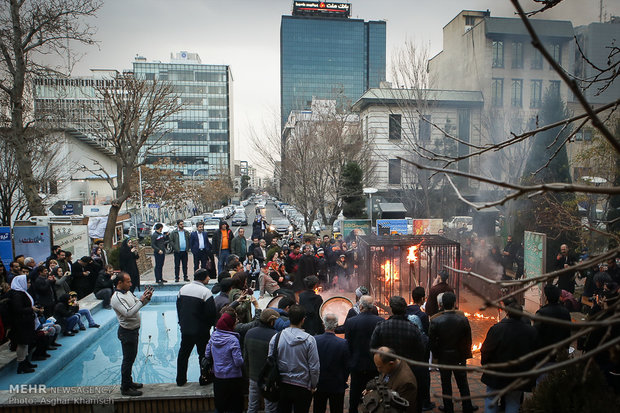
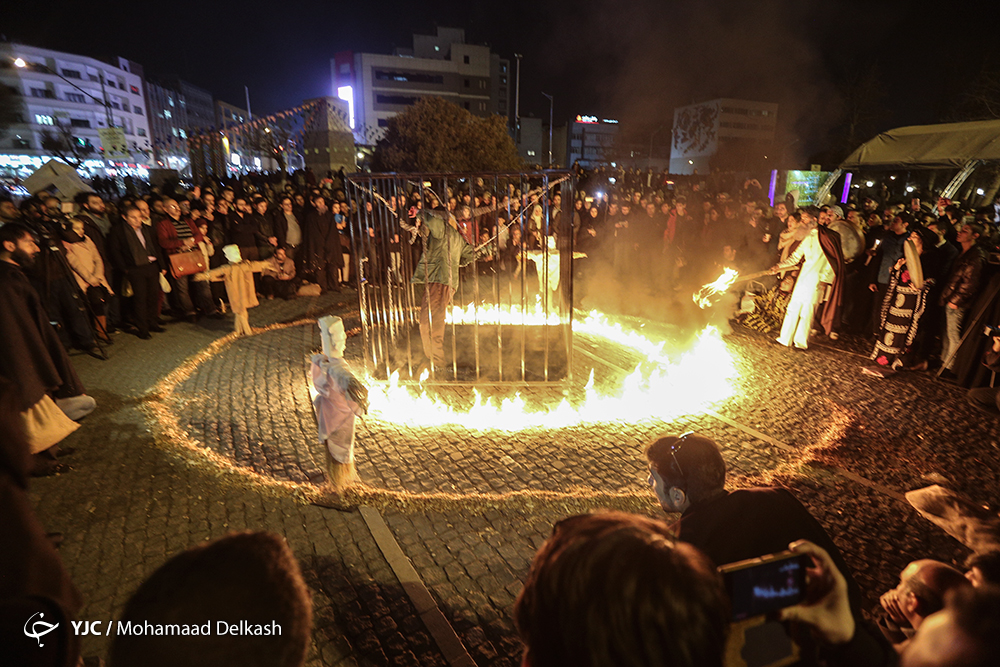
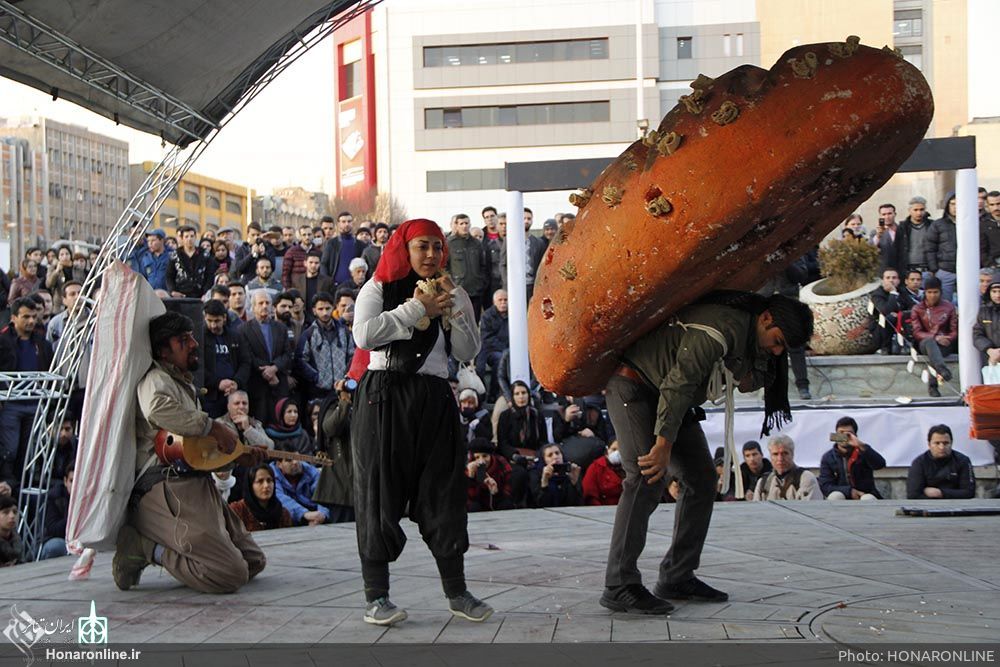
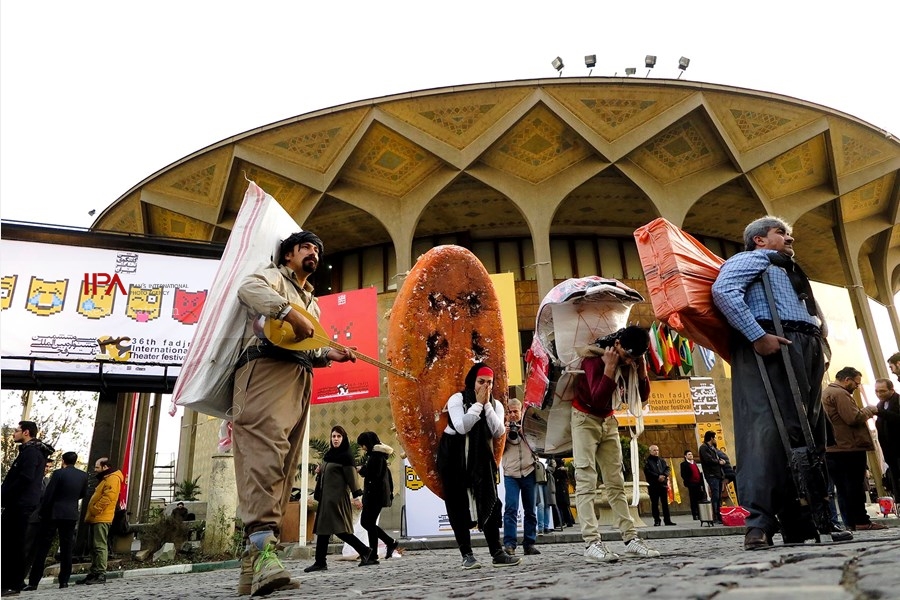
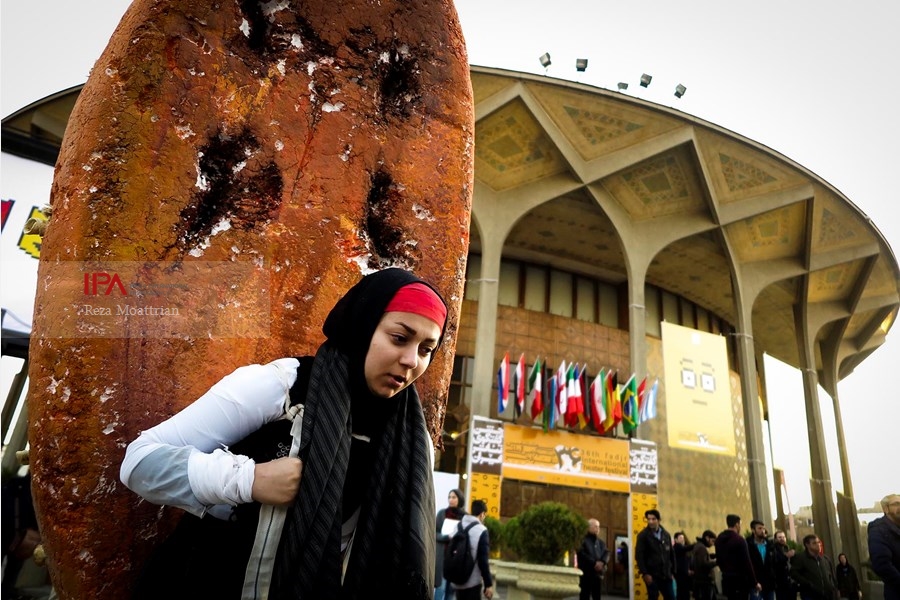
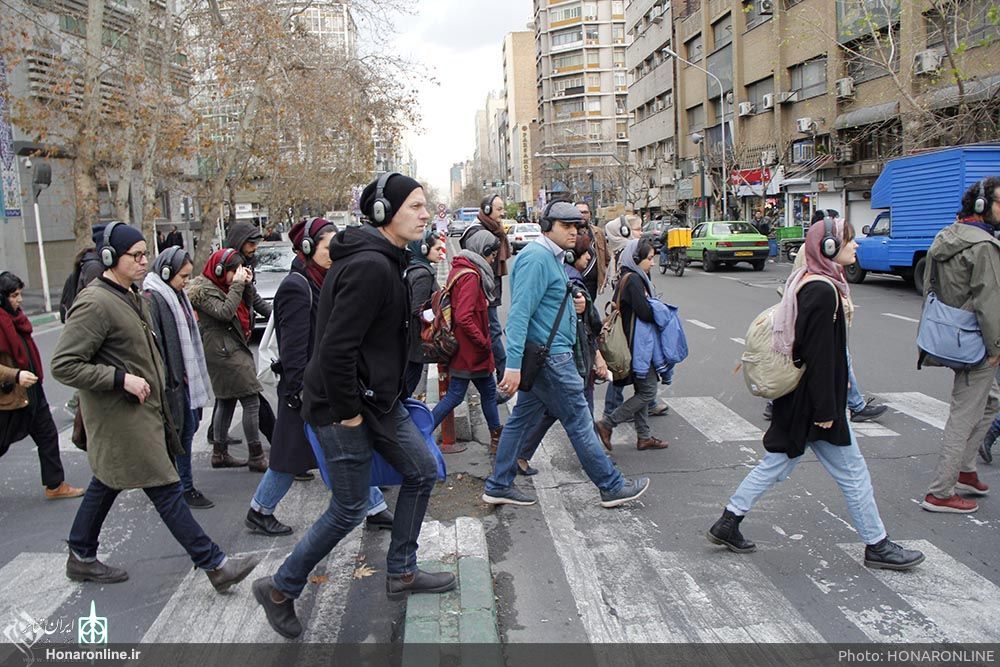
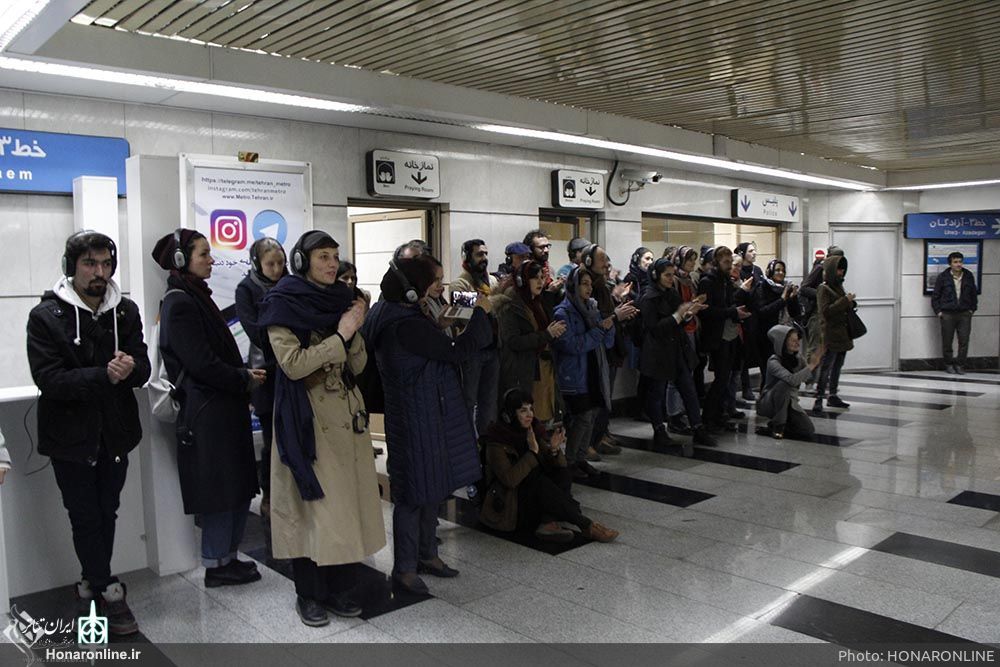
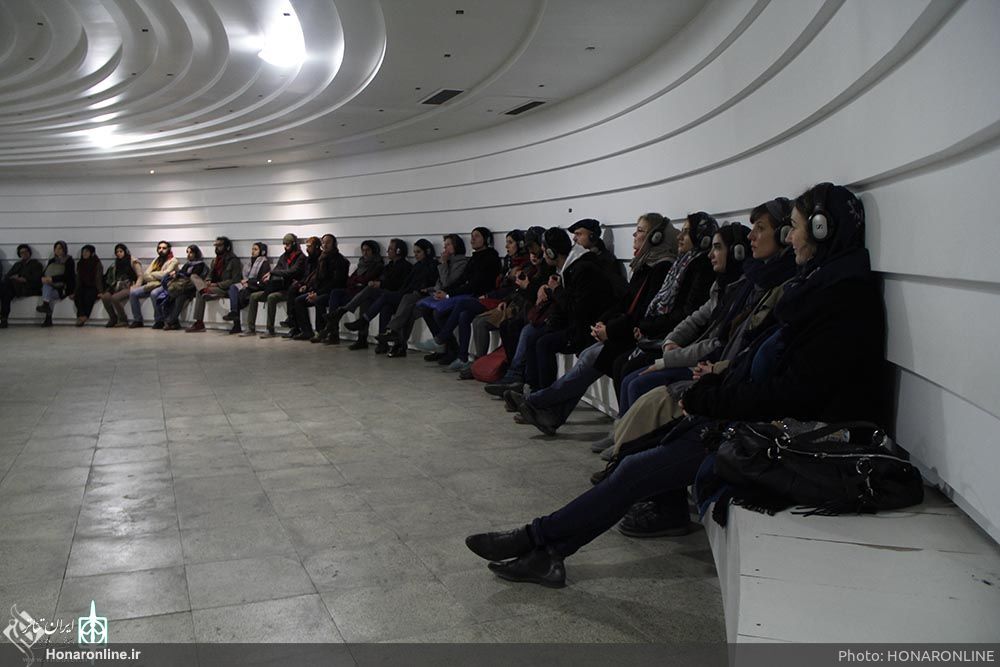
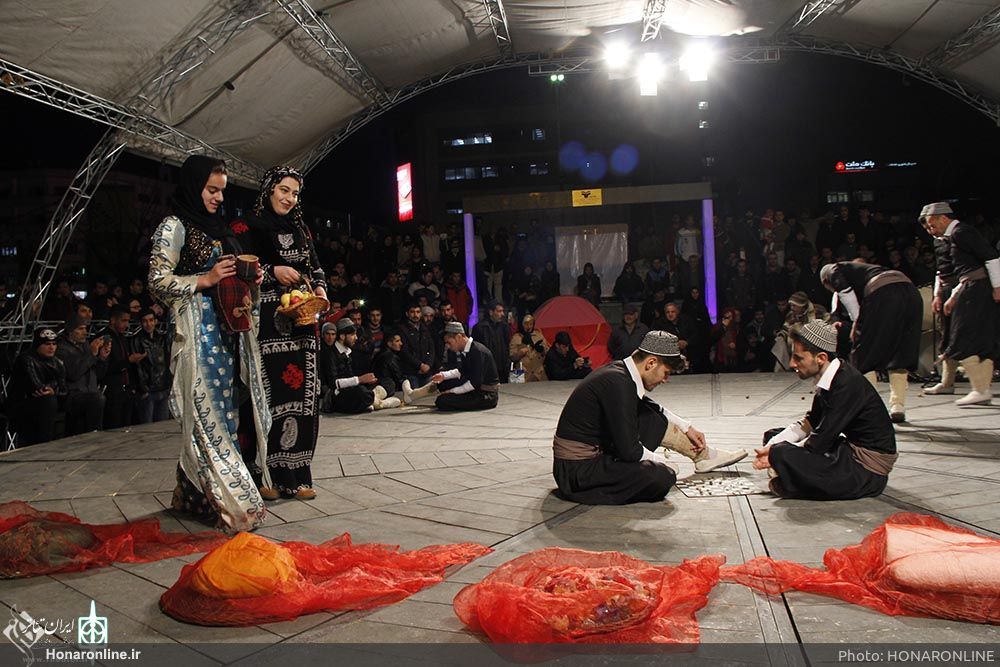
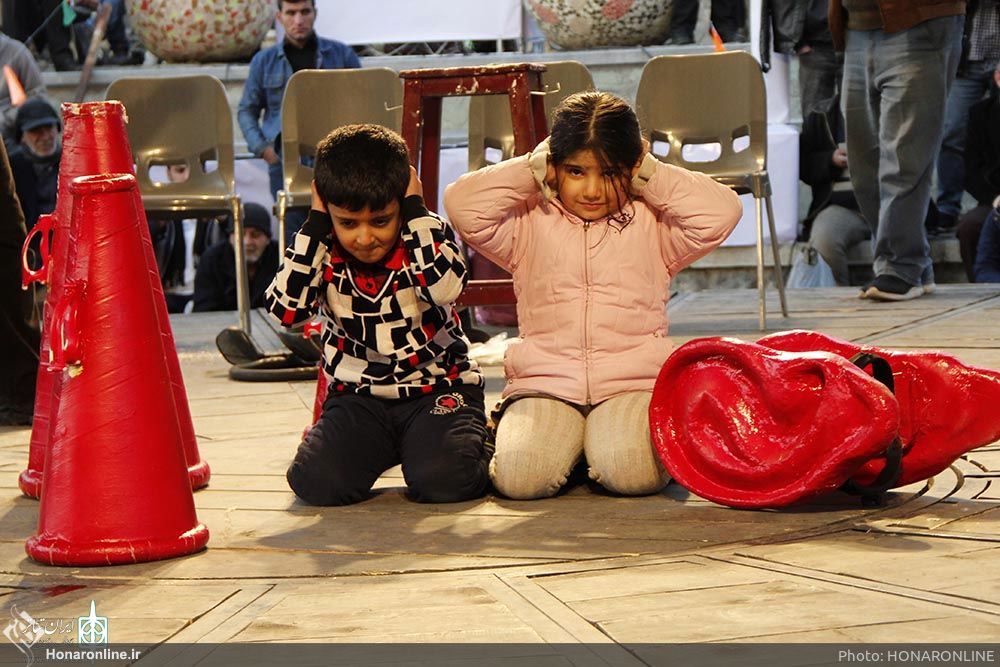
Fajr Festival’s Street Theatres Well Received in Tehran

147 plays from Iran and other countries are being performed during the event, which will be running until January 29.

The festival kicked off on January 18 with the motto of “The Celebration of Dialogue in Iran’s Theatre” and will come to an end by honouring top performances at Tehran’s Vahdat Hall.

The festival is organized by the General Office of Performing Arts at the Ministry of Culture and Islamic Guidance, the Iranian Dramatic Arts Association and the International Theatre Institute (ITI).

It includes sections like Theatre of Iran, International Theatre, Iran Theatre Contest, International Theatre Competition, Posters, Visual Identity, Photo Competition, etc.

The countries participating in the 36th Fajr Theatre Festival include Germany, France, Belgium, the Netherlands, Brazil, Georgia, Iraq, Azerbaijan, Turkey, Italy, Switzerland and Greece.

Fajr International Theatre Festival (est. 1983) occurs annually in Iran, featuring local and international theatrical works and performers.

Here are photos of street theatres performed in the Iranian capital during the festival:


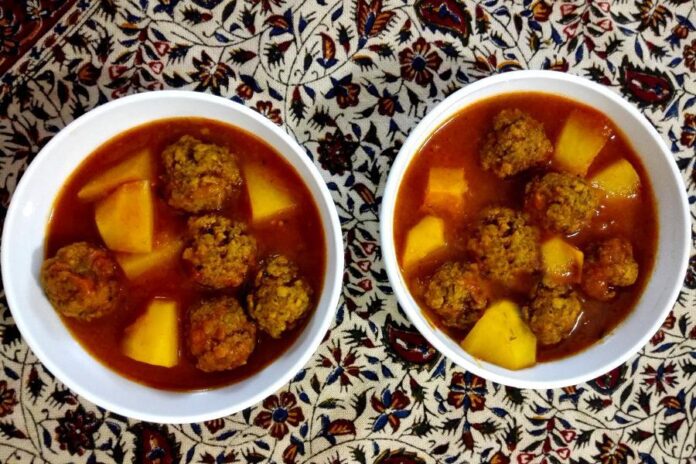
Gheymeh Rizeh; Easily-Made Iranian Dish Popular with Almost Everyone

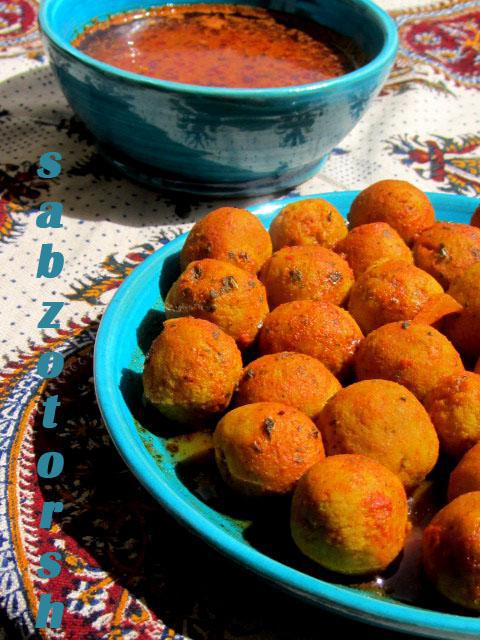
The meatballs are often called Kalleh Gonjeshki that literally means sparrow heads. The recipe here applies potatoes, but if you do not like it, you can simply forget it. The total time you may spend to prepare the dish is almost 15 to 20 minutes. Then you just need to set it over mild flame for about an hour to be cooked well.

Ingredients:

200g minced mutton

1 tablespoon of frying oil

1 medium-sized onion

1 medium-sized potato

1 tablespoon of tomato paste

1.5 cups of water

2 tablespoons of chickpea flour

2-3 tablespoons of dried fragrant leafy vegetables

1 teaspoon of turmeric

Salt and pepper as much as needed


Instructions:

Gheymeh Rizeh; Easily-Made Iranian Dish Popular with Almost EveryoneWash the onion and peel. Cut into halves. Grate one half into a mixing bowl, adding minced meat. Then add the dried vegetables, salt, pepper and half a teaspoon turmeric. Mix well and form them into small meatballs. Put them aside.
Take the other half of onion and chop up finely. Place a small pot over medium heat. Add oil to get hot. Put in the chopped onion. Sprinkle the remaining half a teaspoon turmeric and sauté for 2 to 3 minutes.

Peel off the potatoes and cut into medium-sized pieces. Add them into the pot and keep sautéing for 2 more minutes. Then add in tomato paste and go on a little bit. Pour 1.5 cups of water inside and put the lid. Allow it to boil.

Once boiling, put in the meatballs and lower the heat. Cover again and let it cook well on low heat for about an hour. Serve the dish with bread and fresh vegetables. Bon appetite!

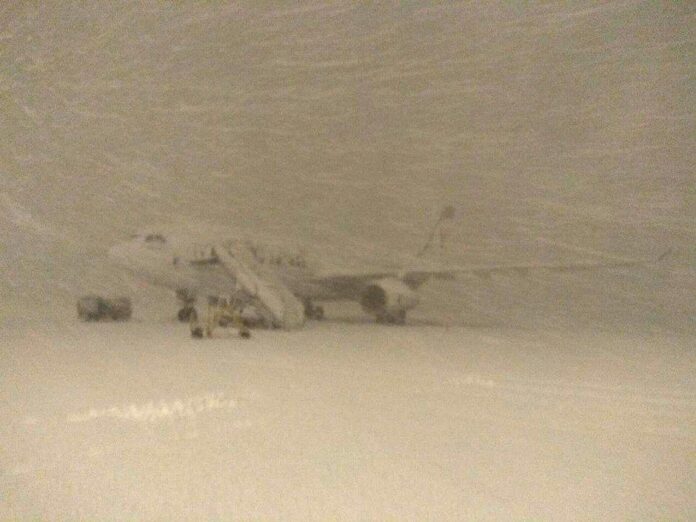
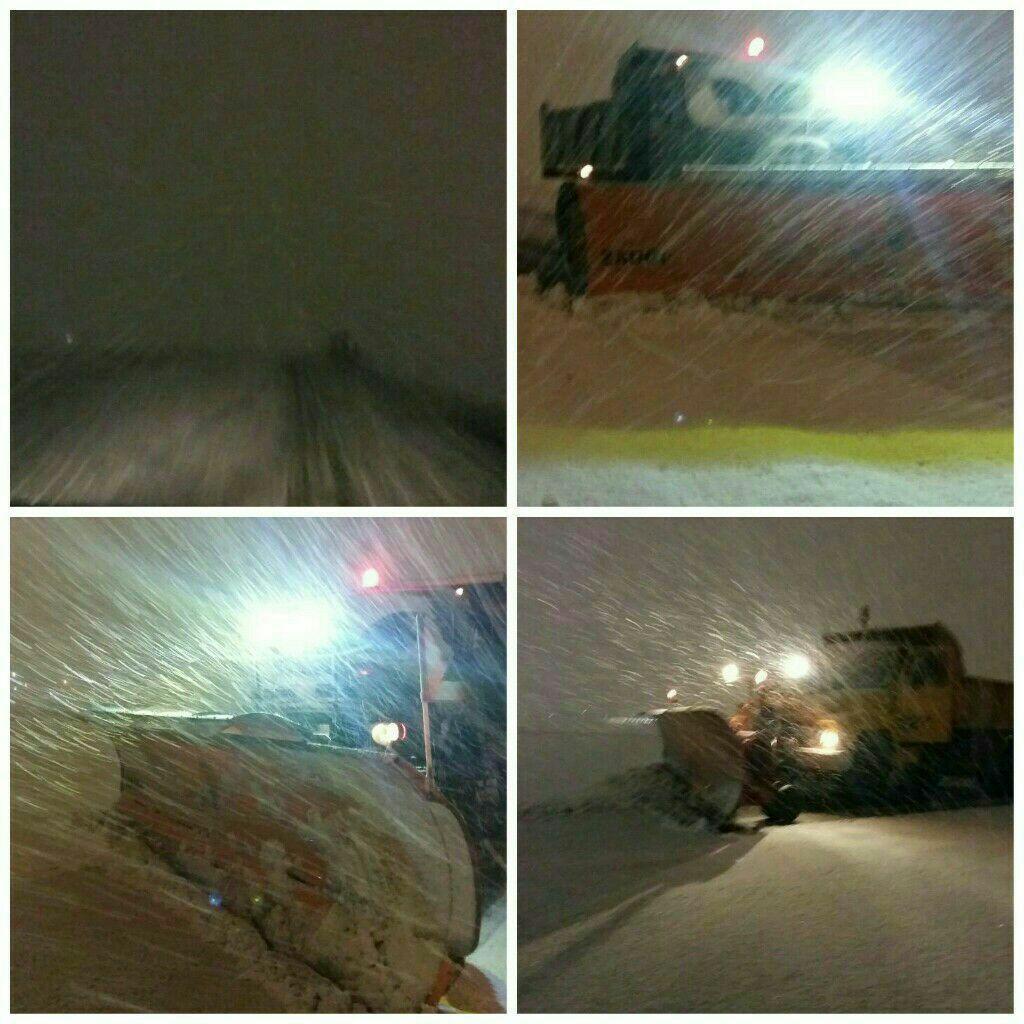
Heavy Snow in Tehran Shuts Schools, Airports

Imam Khomeini Airport’s runway has been closed due to heavy snowfall and attempts are made to clear the runway at Mehrabad Airport in central Tehran.

Since mid-January until now, some Iranian cities have witnessed rainfall and snowfall despite the fact that the country as a whole is facing lack of rainfall and precipitation since the start of the raining season compared to last year.

Heavy Snow in Tehran Shuts Schools, Airports
Efforts underway to clear Mehrabad Airport’s runways

Earlier, Iran’s Deputy Energy Minister, Rahim Meidani, had noted that this year’s drought is unprecedented in the past 50 years.

Noting that there has been no good rainfall in the current Iranian calendar year, he said the situation in provinces located in arid and semi-arid areas such as Markazi, Qom, Semnan, Tehran, Alborz, and Isfahan provinces is way different than winters of few years ago.

This Iranian official also noted that in provinces where good rainfall was expected, like Chaharmahal and Bakhtiari, Lorestan, Hamadan and Kurdistan, the precipitation rate declined dramatically.

“Precipitation was only normal in Ardabil and Golestan provinces,” he added, a Farsi report by Tasnim said.

According to Iran’s meteorological organization Iran has experienced a 56-percent decrease in average precipitation over the period from September 23 to December 25 compared to the same period in the long run.

Moreover, nearly 96 percent of Iran’s total area is suffering from different levels of prolonged drought.

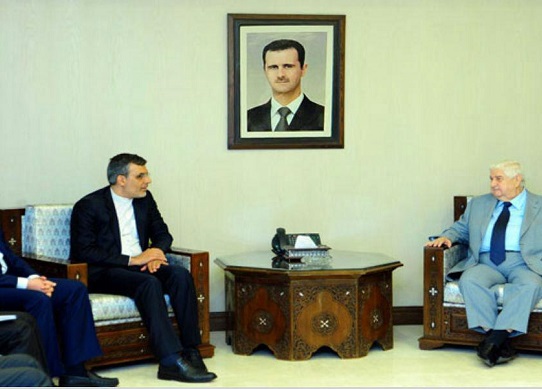
Iranian Diplomat, Syrian FM Discuss National Dialogue Congress

During the meeting, which was also attended by Syria’s Deputy Foreign Minister Faisal Mekdad, the two sides examined the developments in Syria and the region and highlighted the need for continued consultations and cooperation between the two countries in different spheres.

Consultation on the Syrian National Dialogue Congress in Sochi was also top on the agenda.

The Syrian National Dialogue Congress will be held in Russia’s Sochi on January 29-30 as part of the Astana Process.

Some 1,600 people have been invited to the Congress aimed at resolving the years-long crisis in the Arab country.

Eight rounds of UN-brokered Syria peace talks, which took place in the Swiss city of Geneva, failed to achieve tangible results, mainly due to the opposition’s insistence that the Syrian government cede power.

A parallel peace process between Syria’s warring parties in the Kazakh capital Astana has resulted in significant achievements instead, leading to ceasefires and the establishment of de-escalation zones across the conflict-ridden country. The Astana talks have been brokered by Iran, Russia and Turkey, the three guarantor states.

3 Crew Members Killed in Iranian Tanker Tragedy Identified

According to the Secretariat of the Special Committee on Sanchi Oil Tanker, the bodies are identified as “Milad Arvi”, “Majid Naghian”, and “Mohammad Kavousi”, a Farsi report by IRNA said.

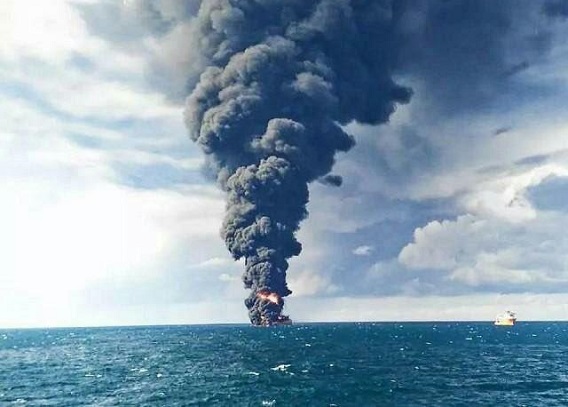
On 6 January, the Panamanian-flagged, Iranian-owned oil tanker Sanchi, with a full natural-gas condensate cargo of 136,000 tonnes (960,000 barrels) was sailing from Iran to South Korea when it collided with the Hong Kong-flagged cargo ship CF Crystal 160 nautical miles (300 km) off Shanghai, China.

The Sanchi caught fire shortly after the collision; after burning and drifting for over a week, it sank on 14 January. None of the Sanchi’s 32 crew members survived.

18 Killed, 6 Wounded in Brazilian Club Shooting

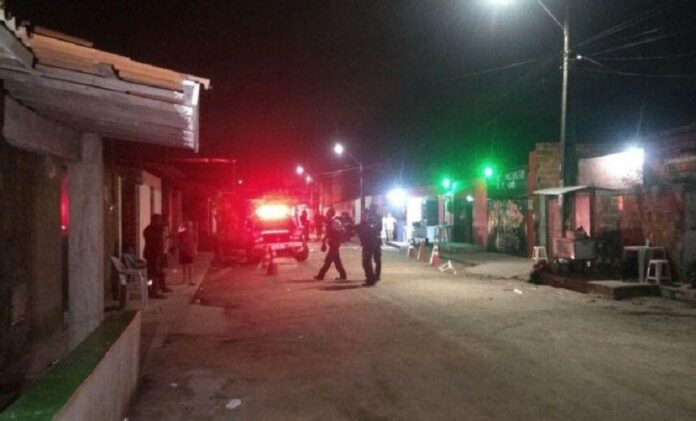
The attack took place on Saturday morning in the poor area of Fortaleza, the EFE news agency reported.

A group of armed men drove up to the club and started shooting at the courtyard of the club. The agency notes that the cause of the incident could be proceedings due to drugs.

According to the television channel Globo, the victims were taken to hospitals, most of them are females.

The homicide division of the Fortaleza police told the AFP news agency that it was not yet possible to provide an official report, as the investigators were still there.

The site of the regional daily Diario do Nordeste quotes an anonymous police source who gives the figure of 18 dead, and evokes the settling of accounts between rival factions of drug traffickers.

The same source reported that the shooting took place at around 1:30 a.m. when a group of heavily armed men arrived in three vehicles and burst into Forro do Gago club in the district of Cajazeiras, in the center of Fortaleza.

In 2017, the state of Ceara, with a capital of Fortaleza, recorded a record of 5,114 homicides, 50% more than in 2016.

At the national level, Brazil recorded a surge of deadly violence in 2016, with 61,619 homicides, or seven per hour on average.