Wednesday, December 24, 2025
Home Blog Page 3583

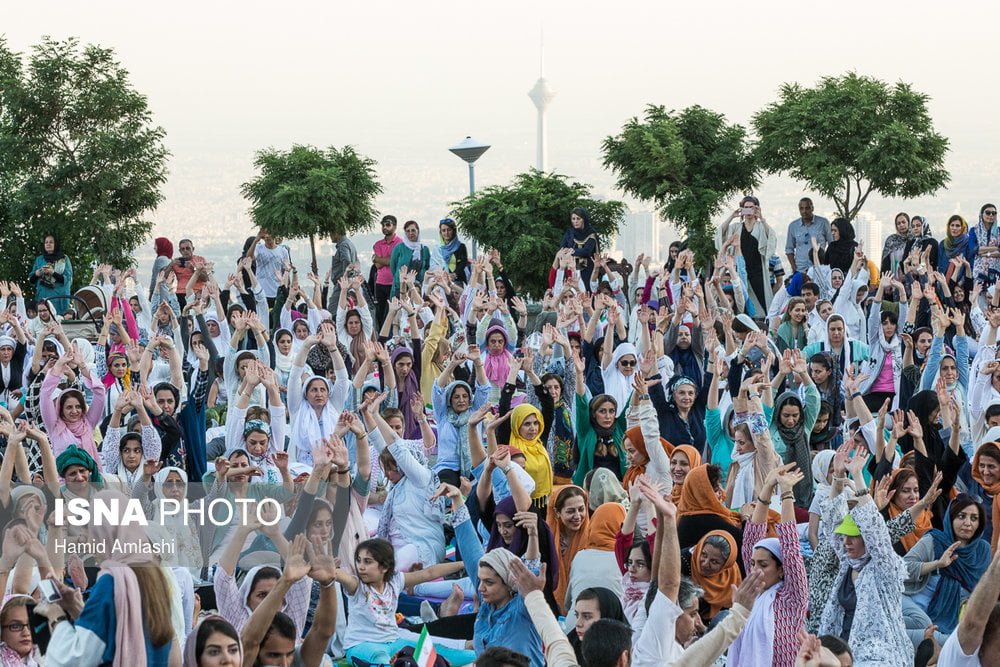
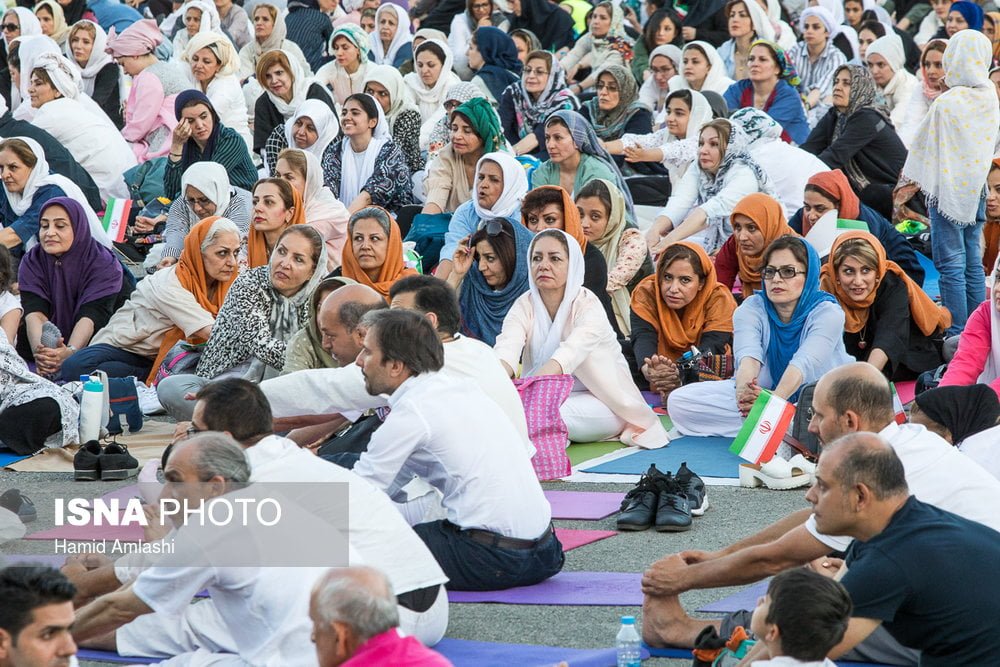
“Iran to Commend 1,600 Exemplary Mothers”

Mother

The move was initiated by the International Mother Foundation, whose manager Gholam-Reza Mohammadi believes the mothers of this land are little-known heroines.

“By tracking successful individuals, one can say that the ladies who have sacrificed their lifetime to [taking care of] their children have reached a high status,” he said as quoted by IRNA.

“While competent individuals in different fields are always recognized and appreciated, not much attention has been paid, so far, to appreciating the status of mothers,” he added.

As a case in point, he referred to a mother from Ramhormoz, Khuzestan province, who, due to the disability of her husband, works in mines and breaks stones to make a living for a family of eight.

“Also, there is a mother who earns a living for her 11 children by weaving rugs and collecting acorns from the forests on the slopes of Zagros [mountains] in [southern] Fars province,” Mohammadi further said.

He also referred to another mother in Kohgiluyeh and Boyer-Ahmad province whose seven children have received top university degrees and are well-known in medical and academic fields.

He then touched upon the criteria for choosing exemplary mothers.

“An exemplary mother must be an exemplary child for her father and mother, an affectionate wife for her husband, a kind mother for her children, a tactful citizen for those around her, and also a successful person in the society,” he noted.

“In every town, in cooperation with local cultural institutions, 10 mothers were introduced to the foundation, and one of them was picked after a review by the panel of judges,” said Mohammadi.

“By choosing and introducing exemplary mothers and holding a ceremony to commemorate them, we are trying to promote the culture of appreciating the lofty status of mothers in the society because they have devoted their honourable life to their children and families.”

“It is necessary to promote the culture of motherhood and affection by introducing them to society,” he said.
“We believe mothers belong to humanity; the issue of mother and motherhood belongs to all members of society irrespective of any discrimination in terms of skin colour, race, ethnicity, language, religion, beliefs and nationality,” he went on to say.

The International-Cultural Mother Foundation is an NGO which pursues objectives such as highlighting the responsibilities of society, especially children, toward the rights of mothers, training young mothers to learn about the important responsibilities they have vis-à-vis children and, in turn, how children’s behaviour should be towards their parents, and establishing centers to give consultation to mothers in order to remove their cultural, social, income, medical, spiritual and family problems.

Iran’s Gas Condensates Exports Up %150 since US JCPOA Withdrawal

Washington’s pullout from the JCPOA on May 8, 2018 was coupled with US pressures and threats to prevent Iran from selling its crude oil and gaseous condensates. However, reports suggest Iran’s exports of gaseous condensates have continued to rise.

Ahmad Heidarpour, the director general of the Customs Office of the Pars Special Economic-Energy Zone, has told IRNA about the latest condition of the products exported from the South Pars Oil and Gas Field.

“In the one-month period from April 21 to May 21, 2018, some 1,594,890 tonnes of non-oil commodities, including goods produced in the [Pars] zone, worth $753,677,000 were exported abroad,” he said.

“This amount of exports showed an 11 and 19 percent rise in terms of weight and value respectively year on year,” the top customs official further told IRNA.

He noted that nearly one million 17 thousand tonnes of gaseous condensates worth around $1.1 billion were exported from the South Pars Oil and Gas Field, up four percent in terms of weight and 72 percent in terms of value compared to the similar period last year.

He said the products were mainly exported to China, Japan, South Korea, India, Hong Kong, Indonesia, Turkey, Egypt, the United Arab Emirates and Kuwait.

Iran Uses Nanotechnology to Manage Wastewater

Iran Uses Nanotechnology to Manage Wastewater

The systems are being installed for the first time in the wastewater system of Zanjan, a city in northwestern Iran.

A member of the research group, Mohammad Reza Eskandarian, says Iran usually uses chlorine or ozone gases to remove wastewater but the method is no longer used in developed countries including the US and European states, a report by ISNA said.

He also cited UV lamp as another material used to disinfect waters in Iranian water refineries and said the lamps are mainly installed in the exit channels of the refineries.

“UV lamps are poisonous as they contain mercury gas. The lamps are not environment-friendly and have dire consequences on human health,” he said.

According to Eskandarian, the research group has replaced the UV lamps with UV LED lamps in their new system.

“Smaller in size compared with their UV counterparts, the new lamps enjoy higher efficiency and produce more light. They also spend less energy and their average lifetime is 50 times higher than that of UV lamps,” he noted.

Eskandarian also said in the new system, the scientists have used a new nano-photocatalyst system, adding the powder photocatalyst systems suffer from a number of problems like filtering.

“The new system enjoys high flexibility compared with the previous one. This leads to a photocatalyst operation with higher flexibility which in turn considerably increases the speed of wastewater removal,” he noted.

For a brief review of Iran’s achievements in various fields of science and technology, check the book “Science and Technology in Iran: A Brief Review

The scientists used nano-material including Tio2 along with Zeolites particles in the new photocatalyst system.

Because of its self-propelled photoreactor, the new system can be used in remote areas as well as military sites which don’t have access to power.

According to Eskandarian, studies are conducted to use the system to remove oil pollutants.

Expansion of wastewater networks through 100 new treatment plants is underway but officials say some major projects to supply water to remote areas are facing financial hurdles.

Expansion of the wastewater network has been among the important projects in Iran over the past decades, but funding hurdles and the disorganized urbanization has put a spanner in the works.

More than 200 wastewater treatment units, including 160 in cities and 35 in smaller towns are operating in Iran.

Iran is situated in an arid and semi-arid region and average precipitation rate has fallen to levels way below the global average while underground water resources are fast drying up.

“Trump Disappointed His Expectations Not Met after JCPOA Decision”

Shamkhani, the secretary of Iran’s Supreme National Security Council, said Trump expected Europeans will soon forget about the deal and join him in pressuring Iran to cave into US demands, but Europeans have held their ground.

Much to Trump’s frustration, other countries have also refused to side with Washington, raising frequent criticism against the unilateral decision, Shamkhani said, speaking in a Saturday interview with the Doha-based Al Jazeera Arabic channel.

Shamkhani said the beleaguered US president sees no one on his side but the Israeli regime and client states such as Saudi Arabia, the UAE and Bahrain, Fars News Agency reported.

Trump has also failed to win the support of US public opinion, as according to recent surveys up to 70 percent of the American people were against US withdrawal from the multi-party deal, he said.

On March 8, Trump pulled the US out of what he called an “embarrassment” and threatened Washington will impose “the highest level” of economic bans on the Islamic Republic.


Europe Ought to Be Serious

Shamkhani further noted that although the Europeans’ concerns about their own security and prestige pushed them to distance from the US, Iran believes they should have opposed the US measures undermining the accord “more seriously”.

Europeans were largely silent in months leading to the US withdrawal from JCPOA and this conveyed a message that they could be on the same page with the US, he said.

“However, they tried hard on the eve of the US exit to prevent Trump from making such a decision, all to no avail,” Shamkhani said.

To keep the deal alive, the Iranian official said, Europe would do well to give definite guarantees that Iran’s interests will be protected if it remains in the deal.

“If Europe cannot or do not want to take such steps, we will be no longer committed to remaining in the deal and will follow our independent policies,” he said.


Iran Regional Policy Unchangeable

On a list of 12 US demands raised by US Secretary of State Mike Pompeo this week, Shamkhani said Iran has not allowed the US to bully it in the past four decades and it is determined to continue standing up to the US.

The SNSC chief said Iran will not budge an inch on its policies, particularly its stabilizing presence in the region.

“Iran will by no means reconsider its regional policies as long as they are in line with the interests of regional nations and people and governments in Iraq and Syria want them …”, he said.

Pompeo threatened the US will impose “strongest sanctions in history” on Iran unless it meets the demands.

The list asks Tehran to halt missile development, stop what the US believes are Iran’s interventions in the affairs of Iraq, Syria and Yemen and cease support for groups which the US considers as terrorist but Iran sees as legitimate resistance forces.

Iran’s Top Diplomat to Visit India Sunday

According to Foreign Ministry Spokesman Bahram Qassemi, FM Zarif will travel to New Delhi tonight to discuss the conditions of bilateral relations and ways to deepen them.

He will also exchange views with top Indian officials on the latest regional and international developments, Qassemi added.

During the visit, the Iranian top diplomat will be accompanied by a high-ranking political and economic delegation.

Zarif’s latest trip to India was made this February, when he was accompanying President Hassan Rouhani is his first state visit to the country.

At the time, Zarif said Rouhani’s visit to India cemented “centuries-old friendship” between the two countries.

Iran President Congratulates Aoun on Lebanon Liberation Day

In a congratulatory message to his Lebanese counterpart Michel Aoun on Saturday, Rouhani said Lebanon stands at the forefront of the fight against the Israeli regime’s extremism.

“Convergence and unity in the golden triangle of the [Lebanese] government, army and resistance [front] has played a leading role in achieving this big victory,” he went on to say.

Rouhani also reiterated Tehran’s strong support for the establishment of stability and peace in Lebanon.

Liberation Day is a Lebanese holiday celebrated on May 25. On May 25, 2000, the Israeli army withdrew from territory in Southern Lebanon, marking the end of the South Lebanon conflict (1985–2000).

The Israeli regime first invaded Lebanon in 1978 and later escalated the military operation into a full-scale offensive in 1982.

Following the 1982 offensive, known as the First Lebanon War, Tel Aviv refused to leave southern Lebanon and kept its military presence there in defiance of UN Security Council Resolution 425 that called on the regime to immediately withdraw.

However, the Zionist enemy eventually buckled under the resistance put up by Hezbollah fighters and pulled out its forces from the occupied areas overnight on May 24, 2000, in what observers call a humiliating defeat for the regime in Tel Aviv and a glorious victory for Hezbollah.

Bin Salman to End Rumours by Making Media Appearance: Source

Mujtahidd, an anonymous Twitter user known for leaking information about the Saudi royal family, made the claim on Saturday, citing circles close to bin Salman as his source.

He said the photos published Wednesday purporting to show bin Salman in a Tuesday meeting with the council of ministers in Jeddah were old.

The photos were published by state-run outlet Saudi Press Agency, apparently in a bid to quash speculations about the whereabouts of the prince.

The media-savvy leader of the oil kingdom has been unnaturally quiet since the April 21 incident, when prolonged heavy gunfire was heard at the royal palace in Riyadh.

He has been absent from a number of state meetings and ceremonies held in recent weeks.

Bin Salman’s month-long disappearance from the media limelight has fueled speculations about his conditions, which went as far as claims that bin Salman had been shot twice in the April 21 incident and could be dead.

Mujtahidd also retweeted a message from another Twitter handle named “Voice of the Arabs”, saying top sources in US administration have said bin Salman was injured in the incident and was evacuated from the palace by a chopper.

The tweet said there are doubts that bin Salman was recovering in his palace or he was still in the hospital.

This is while state-run Saudi outlets reported on Saturday bin Salman has met President of the International Football Association (FIFA) Gianni Infantino on Friday.

Iran Ready for Worst Case Scenario: AEOI Spokesman

Behrouz Kamalvandi on Saturday highlighted the AEOI’s measures to cope with the US violation of the multi-national nuclear deal, and said, “Since the early days of the nuclear deal, we sought to preserve our nuclear achievements as well as the infrastructures to resume our nuclear programs in case of need.”

“In another word, we had prepared ourselves for the worst case scenario,” a report by ISNA quoted him as saying.

AEOI spokesman also said Iran can resume its nuclear program any time without any technical problems.

Elsewhere in his remarks, Kamalvani described the US decision to pull out of the JCPOA as a stark violation of the international law and said the International Atomic Energy Agency as the official international body assigned with verifying the member states’ commitments has confirmed in at least eleven reports that Iran remained fully committed to its pledges under the JCPOA.

“I think the US is seeking to cover up its failures because it is not in a position to interfere in issues which is not within its authority. Fortunately, the IAEA has professionally and independently confirmed Iran’s commitment to the JCPOA,” he said.

In response to a question on Iran’s decision about the future of the JCPOA, Kamalvandi said Iran’s response to the question is simple. “If the JCPOA is dead with new sanctions by the US and the European states, we don’t see any justification to remain in the deal.”

On Iran’s decision about the nuclear Non-Proliferation Treaty in case of the JCPOA collapse, he said Iran has been a signatory to the NPT since 1974 and will remain in the treaty as long as finds it beneficial.

“But if the JCPOA collapses, we will revise our basic nuclear commitments. The final decision on this issue will be made by the top leadership of Iran in due time.”

Kamalvandi further urged the European states to stick to their words on the dire need for preserving the nuclear deal in the wake of the US withdrawal.

He referred to the Europeans’ willing to preserve the nuclear deal and said the European commission has unanimously decided to adopt some appropriate measures including protection of European states against the consequences of the US sanctions and its support for small and medium size business firms.

“But the main issue is that they should translate these measures into reality as soon as possible. The Europe has strongly called for preserving the JCPOA as a historic deal because it is beneficial not only for Europe and Iran but the whole world.”

He then referred to the guarantees given by the Europeans to Iran to remain in the JCPOA and said their guarantees, regardless of their nature, will have no impact on the original text of the JCPOA.

“The Europeans should ensure us that there would be no further sanctions on Iran’s economy. Meanwhile, they should adopt some practical measures to make up for the possible financial damages to be inflicted on Iran due to the US sanctions.”

He said to preserve Iran’s banking ties with the outside world as well as investments in Iran’s energy area the Europeans should develop special mechanisms.

Kamalvandi urged the Europeans to take practical steps to realize their commitments.

The AEOI spokesman described Iran-EU relations as positive and called for expansion of mutual ties between the two sides.

Elsewhere in his remarks, Kamalvandi said the US pullout has tarnished the country’s image in the world and added there is no guarantee that the US fulfils its commitments under other deals which it has signed with other nations.

On other uses of nuclear energy, he said Iran has made new achievements in the nuclear area over the past years.

“We will continue our studies for further nuclear development to design and produce new generations of centrifuges. Fortunately, we have managed to produce IR8, IR4 and IR6 centrifuges over the past years. Meanwhile, we have made long strides in medical, agricultural and industrial areas over the past two and a half years.”

Iran Leader Urges UN to Probe Cases of Rights Violations in US

Ayatollah Khamenei’s call came during a meeting with a host of Iranian officials on May 24, 2018, when he touched upon the UN’s performance and highlighted the need to follow up on several major cases of US crimes in breach of human rights.

The Leader said the world body’s performance is inappropriate and swayed by Washington.

“Some time ago, the UN secretary general took back his word one day after condemning Saudi crimes against Yemeni people. Such examples show the UN is under the pressure of the US” and other tyrants of the Persian Gulf region.

The Leader then enumerated the cases of Washington’s crimes and breaches of human rights, including “burning members of the Davidian cult in the United States during Bill Clinton’s presidency”, “holding and brutally torturing inmates at Guantanamo detention centre, Abu Ghraib prison in Iraq, and an American jail in Afghanistan”, “not banning the sales of guns in the US because of the profit of arms manufacturing companies”, “US police brutality in dealing with black people”, “the United States’ key role in creating and supporting the ISIS terrorist group”, “helping the Israeli regime kill people, particularly in its recent massacre of Palestinians in Gaza”, “and helping and supporting Saudi Arabia in killing Yemeni people  and cracking down on people of Bahrain.”

“If the United Nations is really the United Nations and is not affiliated with the US regime, it should seriously pursue these cases and make up for its past failure [to do so],” the Leader said.

Qatar Bans Citizens from Buying, Selling Saudi-Made Goods

Qatar Bans Citizens from Buying, Selling Saudi-Made Goods

In a statement on Saturday, Qatar’s Ministry of Economy and Commerce barred the country’s shopping centres and border crossings from or trading goods made in Saudi Arabia, the UAE, Egypt and Bahrain.

According to a report by IRNA, the announcement came days before the one-year anniversary of the imposition of the land, air and sea blockade on the peninsular nation on June 5, 2017.

The bloc has made several conditions for lifting the blockade, notably asking Doha to end support for groups such as Egypt’s Muslim Brotherhood and restrict ties with Tehran.

Qatar has rejected the Saudi-led demands as an attempt to impose guardianship on the kingdom.