Saturday, December 27, 2025
Home Blog Page 3577

EU Says Iran’s Enrichment Plan Not in Violation of JCPOA

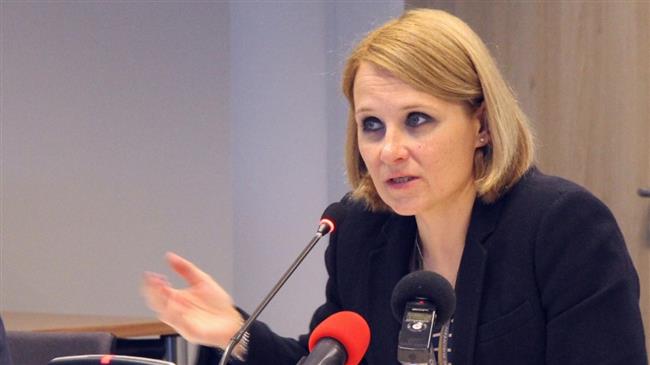
A spokeswoman for the European Union foreign policy chief Federica Mogherini said on Tuesday that Iran’s decision did not constitute a breach of the nuclear agreement, officially known as the Joint Comprehensive Plan of Action (JCPOA).

“Following a first assessment, the announced steps per se are not a violation of the JCPOA,” Maja Kocijancic told AFP.

“However, at this particularly critical juncture, they will not contribute to build confidence in the nature of the Iranian nuclear program,” she claimed.

The European Union is working to save the agreement after US President Donald Trump’s move to withdraw from it. Since the US president pulled Washington out of the historic nuclear deal, European countries have been scrambling to ensure that Iran gets enough economic benefits to persuade it to stay in the deal. The remaining parties have vowed to stay in the accord.

The Atomic Energy Organization of Iran (AEOI) said on Tuesday that the country has begun work to prepare the infrastructure for building advanced centrifuges at its Natanz enrichment facility, while respecting its commitments under the JCPOA.

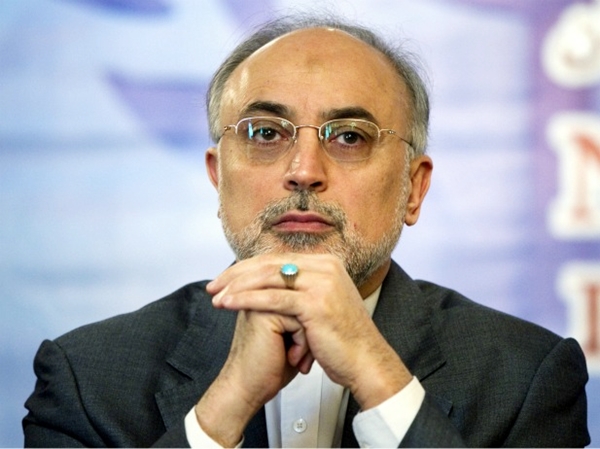
“Yesterday, we took the first step and submitted a letter to the International Atomic Energy Agency (IAEA) on the start of certain activities, but we started to take the necessary practical measures today,” Ali Akbar Salehi, the AEOI chief, told a press conference in Tehran.

He made the announcement less than a day after Leader of the Islamic Revolution Ayatollah Seyyed Ali Khamenei ordered the AOEI to make preparations for enrichment of uranium up to a level of 190,000SWU (separative work unit) without any delay in case of a potential collapse of the Iran deal.

Stressing that the Iranian nation and government cannot tolerate to be both sanctioned and be put in the “nuclear custody,” Ayatollah Khamenei ordered the AEOI to take rapid steps to make preparations for starting uranium enrichment “up to a level of 190,000SWU for the time being within the framework of the JCPOA” and take other preliminary steps that the president has ordered from tomorrow.

The US president announced on May 8 that Washington was walking away from the nuclear agreement, which was reached between Iran and the five permanent members of the UN Security Council – the United States, Britain, France, Russia and China – plus Germany.

Trump also said he would reinstate US nuclear sanctions on Iran and impose “the highest level” of economic bans on the Islamic Republic.

Under the JCPOA, Iran undertook to put limits on its nuclear program in exchange for the removal of nuclear-related sanctions imposed against Tehran.

Kocijancic further said, “As stated repeatedly, we expect Iran to stick to all its JCPOA commitments, to be monitored by the (International Atomic Energy Agency) IAEA, as it has been doing so far and has been confirmed by the IAEA in 11 consecutive reports.”

“The IAEA is the only body in charge of the monitoring and verification of the implementation by Iran of its nuclear-related commitments under the JCPOA,” she added.

Speaking on Monday at the first meeting of the IAEA’s Board of Governors since the US withdrawal from the landmark nuclear deal, the IAEA Director General Yukiya Amano reaffirmed the agency’s accesses to all the required nuclear sites in Iran, calling on Tehran to ensure “timely and proactive cooperation” with inspections under a 2015 nuclear agreement with world powers.

“As stated in my latest report to the Board [of Governors], the agency has conducted complementary accesses under the Additional Protocol to all the sites and locations in Iran which we needed to visit,” Amano said in his introductory statement to the Board of Governors.

In separate letters to his counterparts in various countries, Iran’s Foreign Minister Mohammad Javad Zarif said all members of the international community must stand up to US law-breaking behavior, bullying and disregard for the rule of law after Washington announced it was withdrawing from the JCPOA.

Zarif warned of the dangerous consequences of the US “illegal and unilateral” move to pull out from the nuclear agreement and said, “Illegal withdrawal of the US government from the JCPOA, especially bullying methods used by this government to bring other governments in line, has discredited the rule of law and international law at international level while challenging the goals and principles of the Charter of the United Nations and efficiency of international bodies.”
2 Iranian Border Guards Killed in Shootout with Terrorists

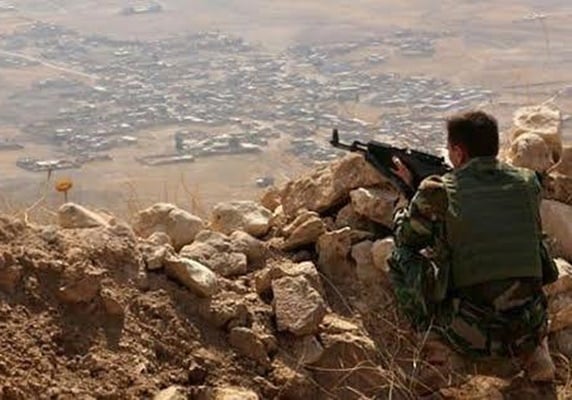
The incident happened at a border post in the northwestern Iranian city of Sardasht at around 23:00 (local time) on June 5, 2018.

The victims were First Lieutenant Yousef Piraneh and Sergeant Major Mahboub Qorbani.

The two border guards were killed in clashes with 20 terrorists, whose plot was foiled thanks to the guards’ sacrifice.

The terrorists were finally forced to flee the country and enter the Iraqi territory.

Sardasht, a city in West Azarbaijan province, borders Iraq. Border posts in the area have frequently come under attack in the past, mainly by members of PJAK terrorist group.

“Iran Has Several Options outside JCPOA, but Sticks to Nuclear Deal for Now”

Behrouz Kamalvandi

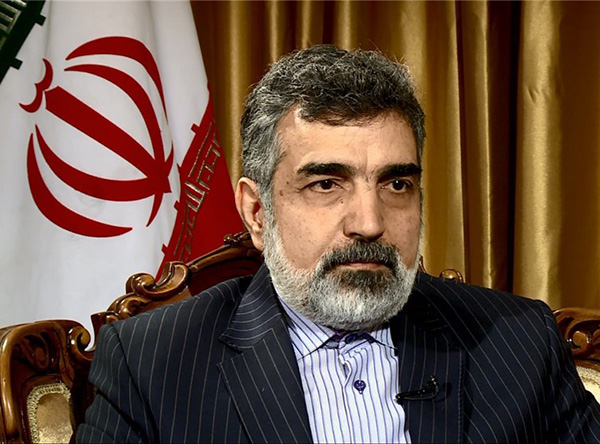
Behrouz Kamalvandi, the spokesman for the Atomic Energy Organization of Iran (AEOI), stressed on Tuesday that Iran acts in accordance with the JCPOA for the time being, which means it is ready to act outside the agreement if need arises.

However, he said, the measures which could be adopted by Iran in the coming years might come sooner.

He made the comments at a press conference in Tehran, reports Fars News Agency.

“The measures being adopted at the moment are in keeping with the JCPOA, and we announced in the two letters we sent to the International Atomic Energy Agency (IAEA) that the capacities we are using for production are in line with Codes 1 and 3, and are not against the JCPOA and our commitments under the IAEA’s Safeguards Agreement,” he said.

Iran to Produce Necessary New Centrifuges for Research
He further underlined a facility which is to be built for centrifuges is and will be in compliance with the JCPOA.

“As long as we have remained in the JCPOA, we produce new centrifuges only if they are needed for research; otherwise, mass production [of centrifuges] is not on the agenda,” Kamalvandi noted.

“Mr Salehi (the AEOI chief) also said that the facility has a high production capacity, and we can quickly produce more centrifuges, which not only means our production capacity has increased, but also suggests we can provide the necessary requirements quickly and in a short period of time to ramp up our uranium enrichment capacity to 190,000 separative work units (SWUs), which is not in violation of the JCPOA,” he said.

“If they had lived up to their commitments, we wouldn’t need to be seeking the capacity for mass production as of now, and we would be able to take our time while doing this; however, we maintained our preparedness for every scenario and conditions fearing that the other side would keep breaching its obligations,” he said.

The AEOI spokesman was asked about whether or not the US has prompted the recent moves.
“What we are doing is not a matter of ‘who’s at fault,’ but is something which is being done at a faster pace based on requirements and needs,” he said.

“If they had made good on their obligations, we would have taken our time doing this, and we would start increasing the number of centrifuges right before the eight-and-a-half-year period of time designated for this, and would start right then, not today,” he noted.

The spokesman said that if Iran has begun increasing its uranium enrichment capacity today so quickly is because Leader of the Islamic Revolution Ayatollah Seyyed Ali Khamenei instructed authorities to do so and to be prepared.
“As Mr Salehi said, the scientific army of the AEOI is ready to obey the [Leader’s] orders,” the spokesman noted.

He then touched upon the volume of Iran’s uranium reserves.

The spokesman said the country’s UFC6 deposits stand at 300 kg, and its U reserves amount to 200 kg.

“But we have exceptions, too. That means if the fuel we produce is of the radiation type, the amount will be different,” he said.

Elsewhere in his remarks, he said the letters Iran has sent to the IAEA show the country is poised for action if the other side breaches its commitments.

“If they do not deliver on their obligations, we can quickly make up for the restrictions that we accepted voluntarily,” he underlined.

Iran’s Hands Won’t Be Tied, Whatsoever
On Iran’s possible moves if it withdraws from the JCPOA, he said, “We will cross the bridge when we come to it.”

“If we decide to leave the JCPOA, we’d better talk about it. But we have said it, time and again, that we have established the required capacity.

However, we will not use the capacity as long as the JCPOA is in place,” the spokesman said.

“An example of these capacities is the production of new machines. We have done a lot of research on it for years … as long as we remain in the JCPOA, we use a small part of its potential, and we will only use it for research and development, and not mass production,” he said.

“And the cases that we said would bewilder the other side if it pulls out of the JCPOA show we have not sat idly by over the past years and have done a lot of work, and when the circumstances change, Iran’s hands will not be tied, and the situation will unfold in such a way that the other side will be astonished,” he said.

“One example of such measures is the high rate of production of machines, especially new ones, and when these are installed, our production capacity which stands at 7,000 SWUs at the moment could be multiplied,” he said.

Kamalvandi’s comments come as AEOI chief Ali-Akbar Salehi said earlier that Iran has already prepared infrastructure required to immediately resume its nuclear activities if the nuclear agreement it signed with six world powers collapses.

Salehi said Iran has been ready for all scenarios regarding the JCPOA, including the other signatories’ failure to meet their commitments under the deal. To that end, he said, Iran has prepared vast infrastructure that would enable the country to achieve a nuclear capability higher than what it was before the nuclear deal was signed.

Salehi further said the infrastructure has been prepared to ramp up the uranium enrichment capacity at Fordow nuclear facility to 190,000 SWUs as instructed by Ayatollah Khamenei.

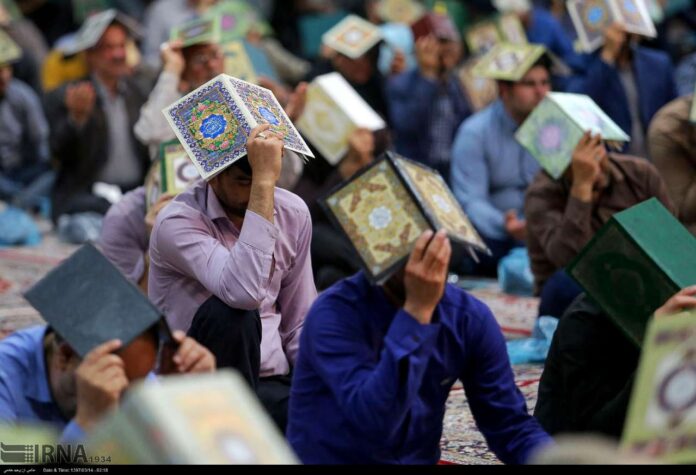
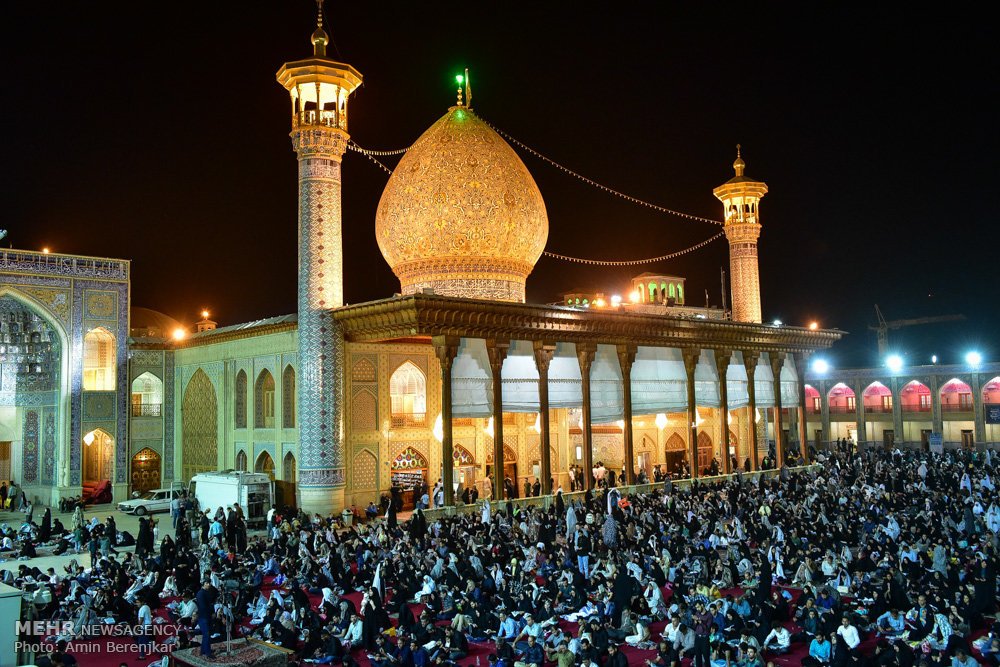
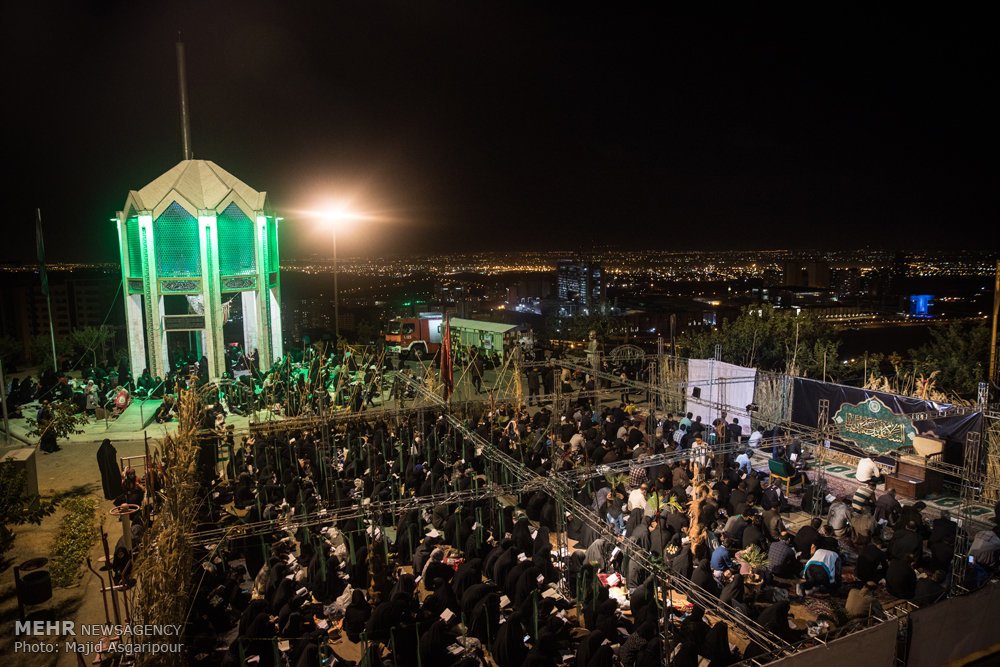
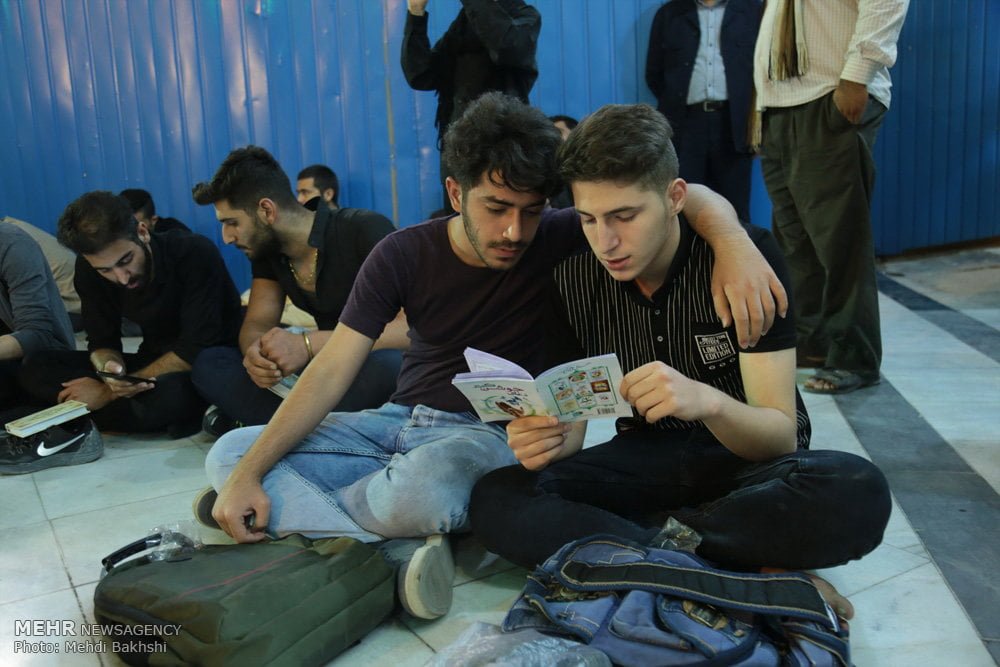
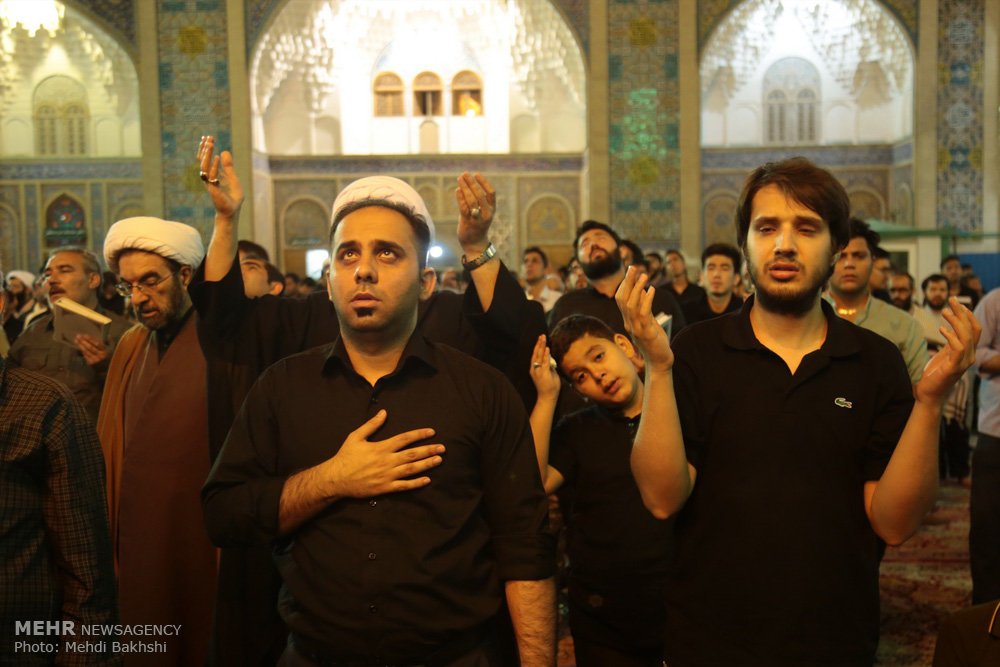
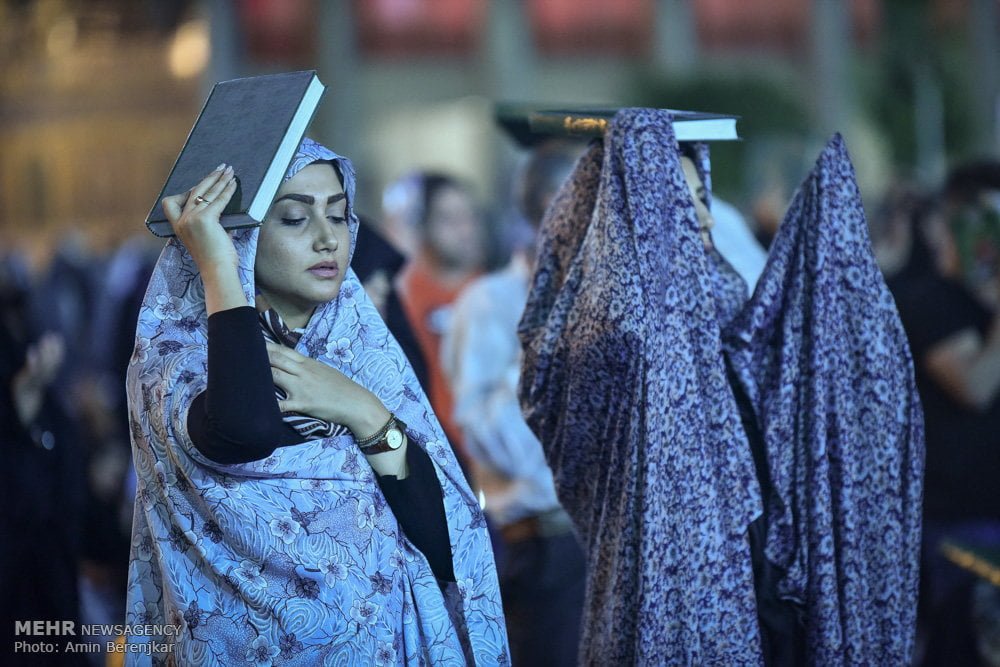
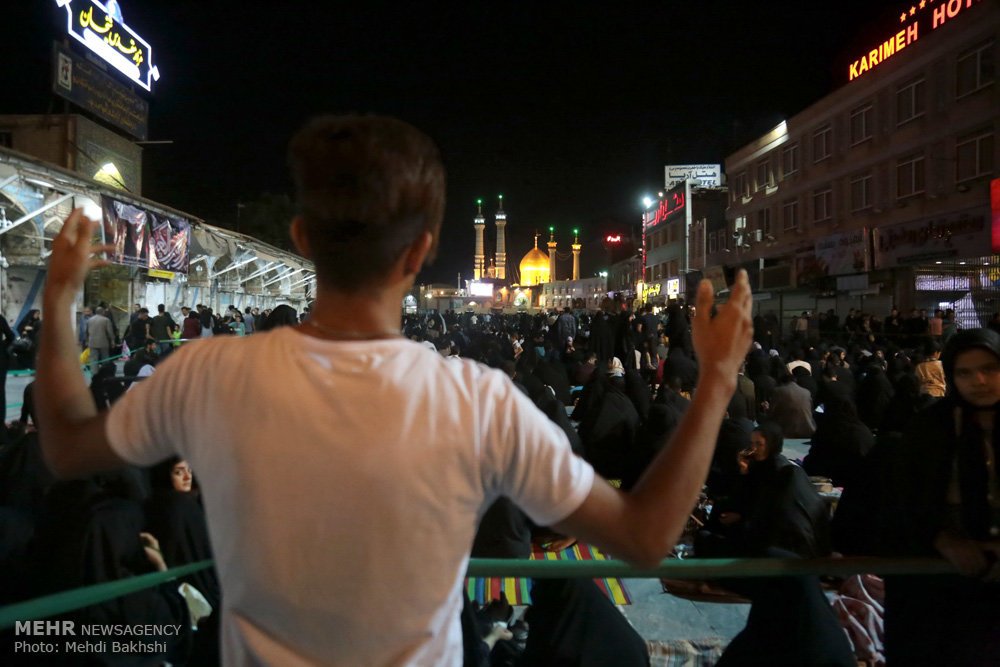
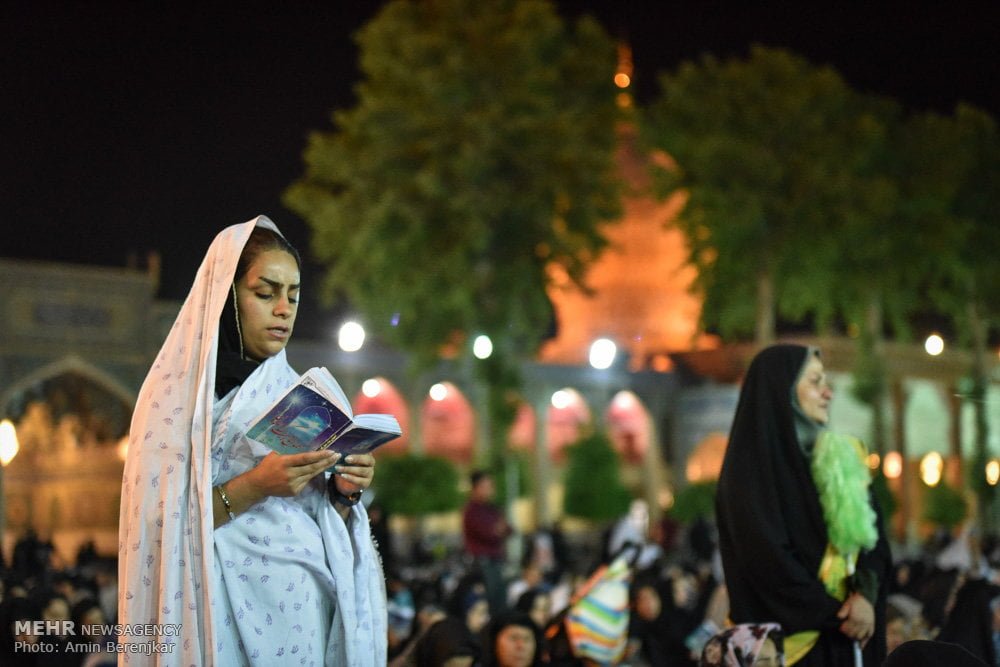
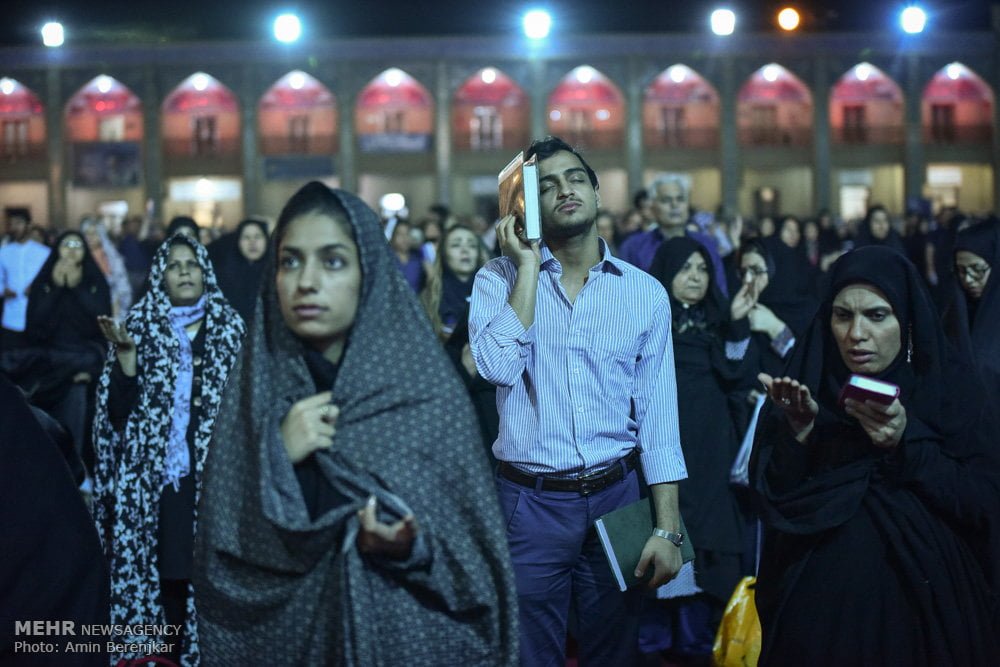
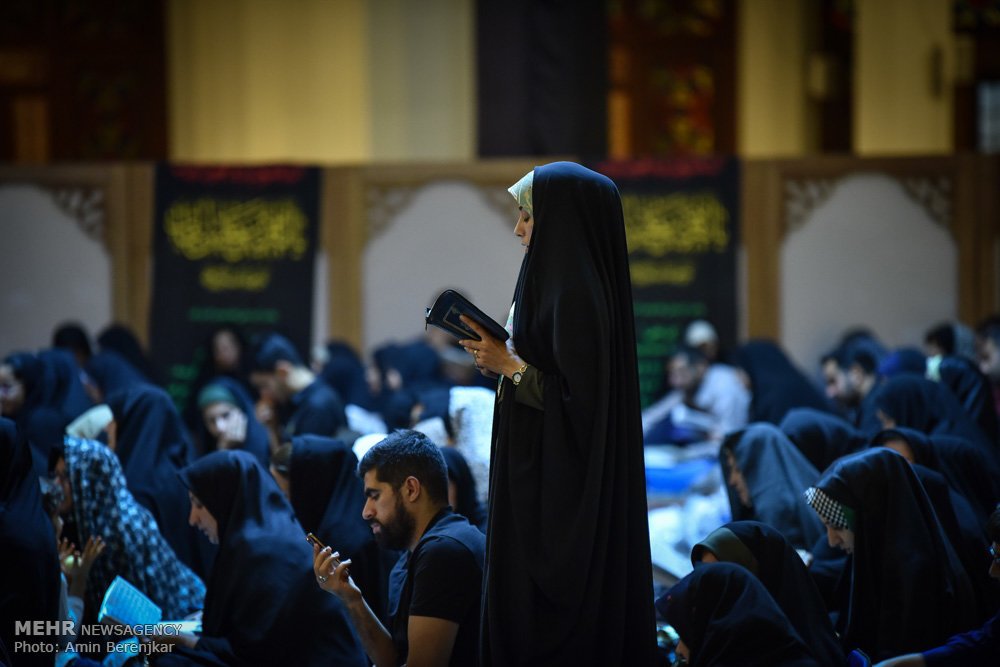
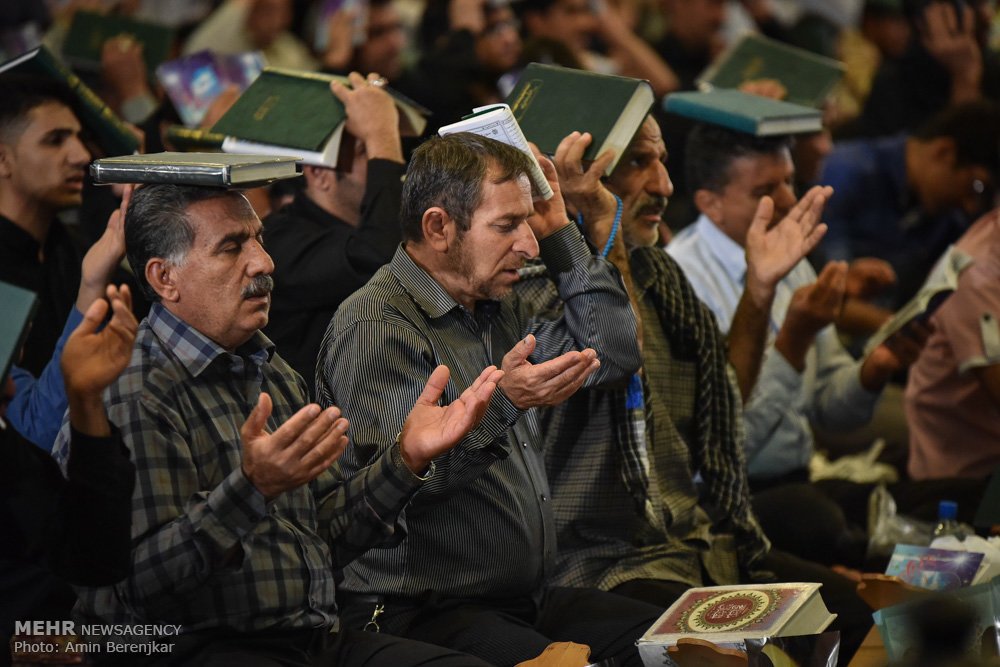
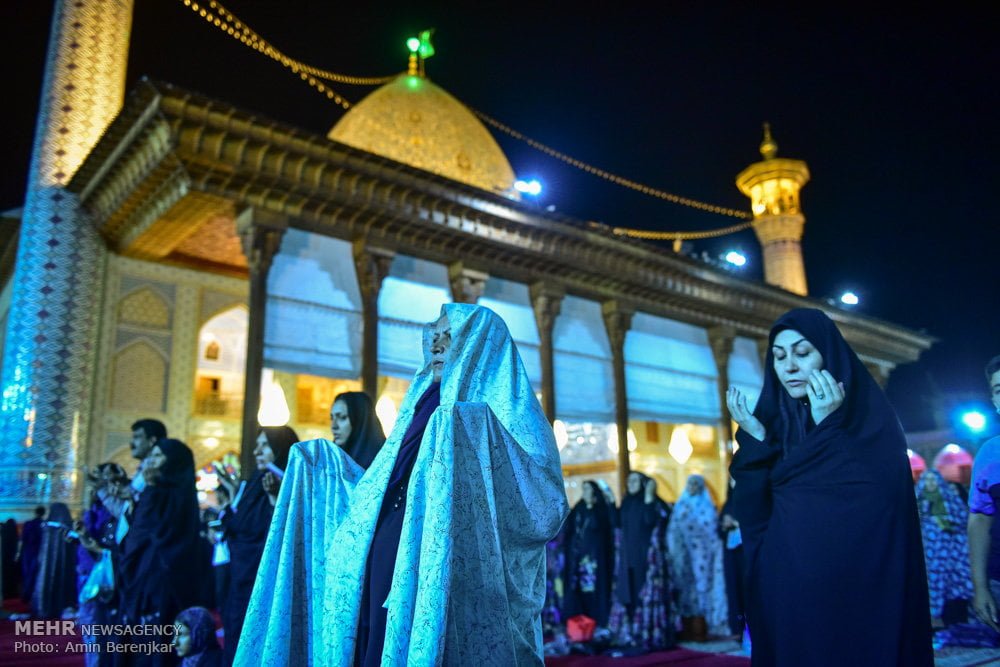
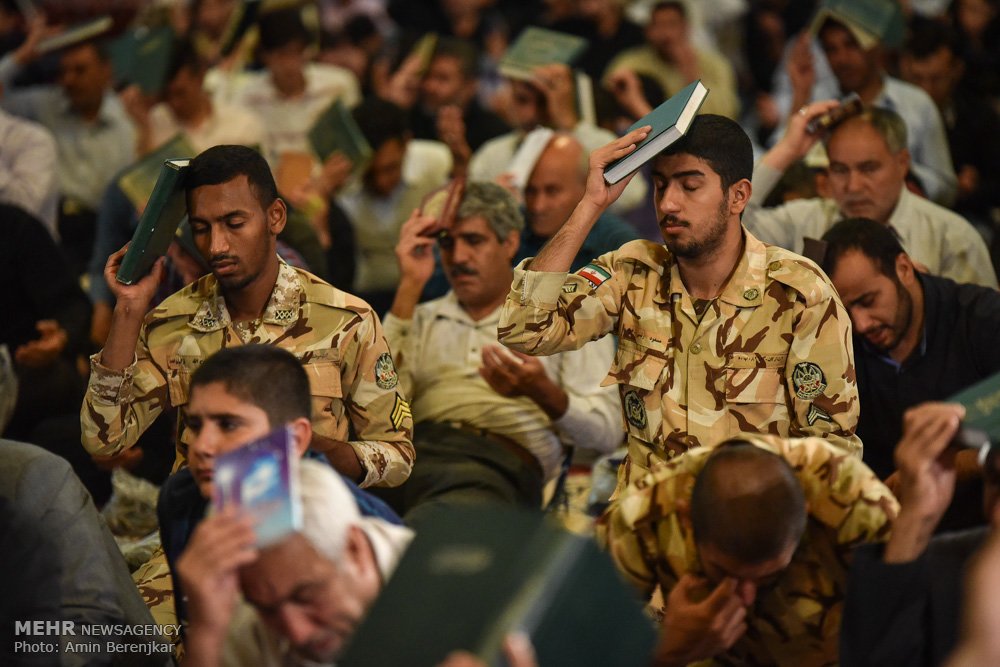
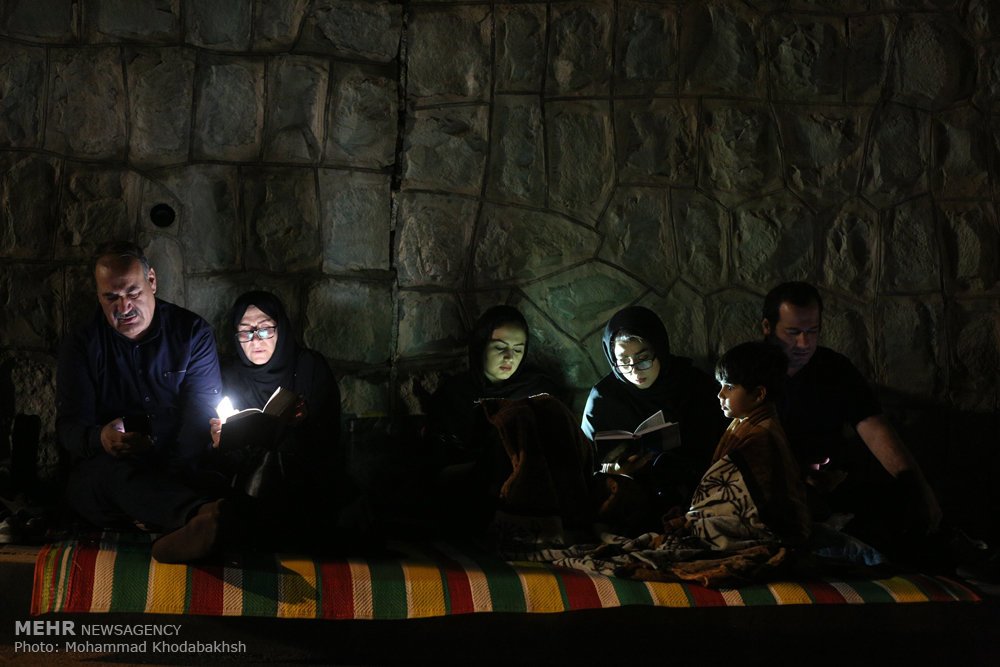
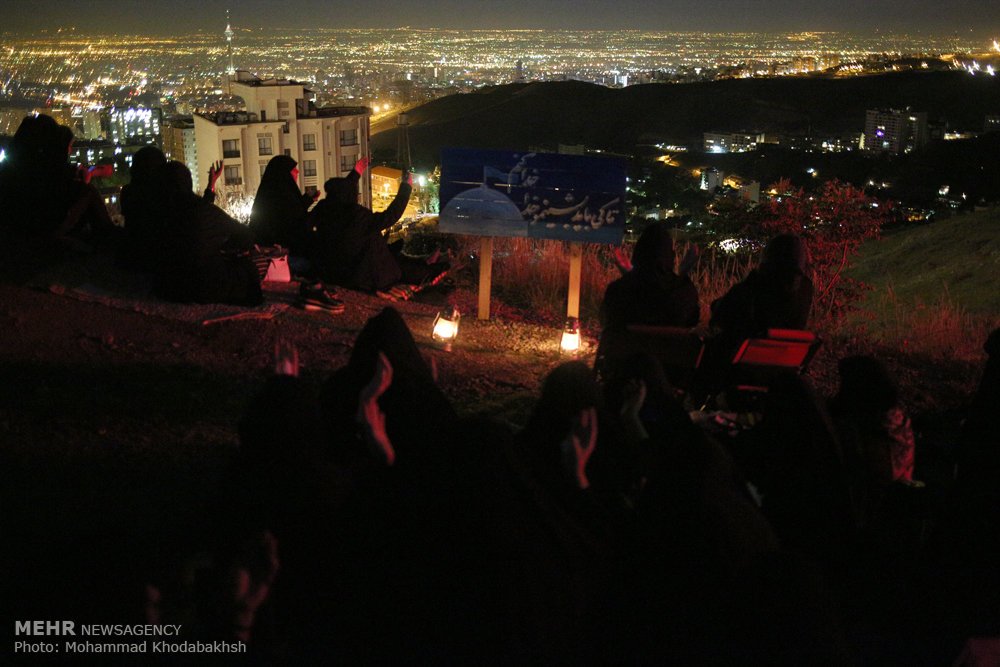
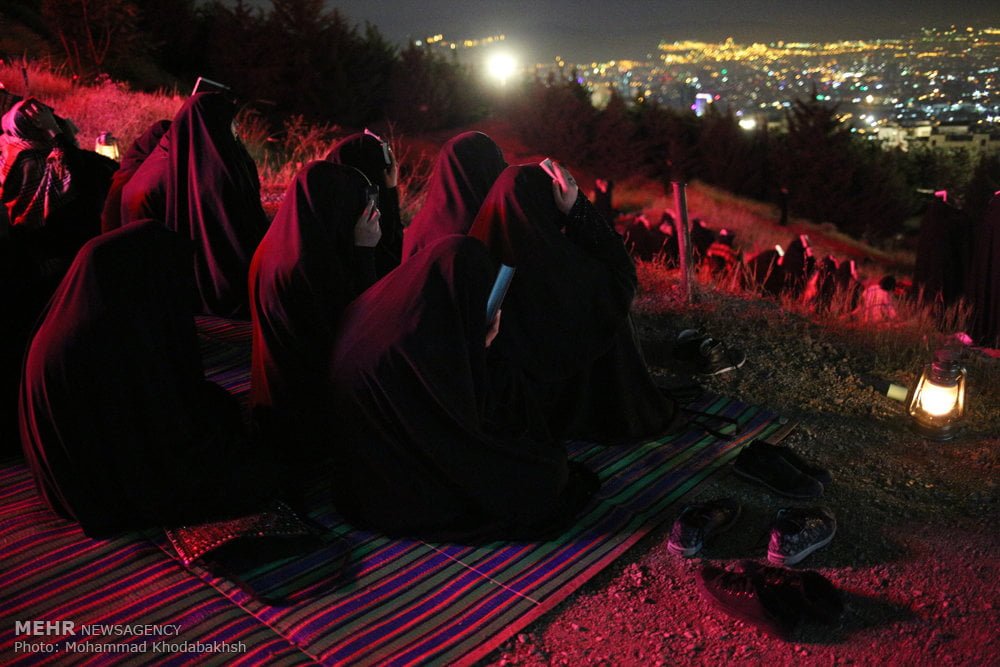
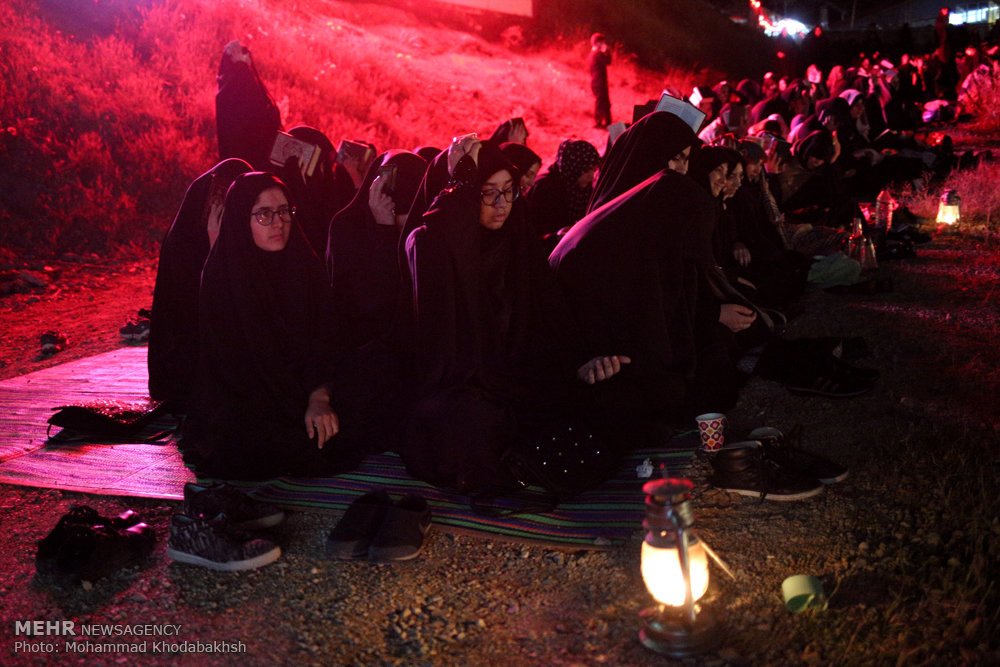
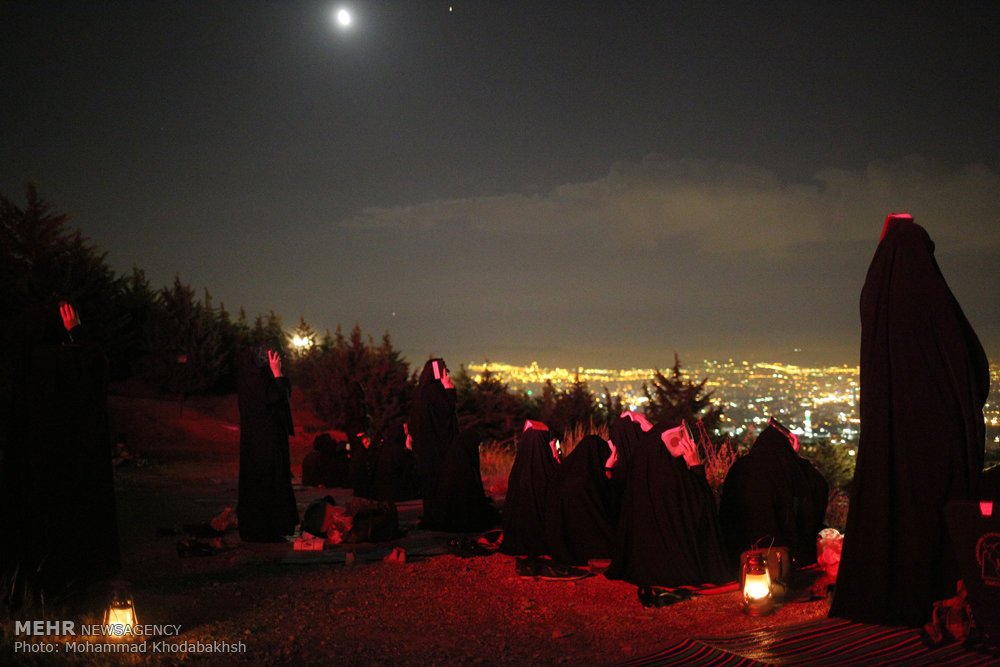
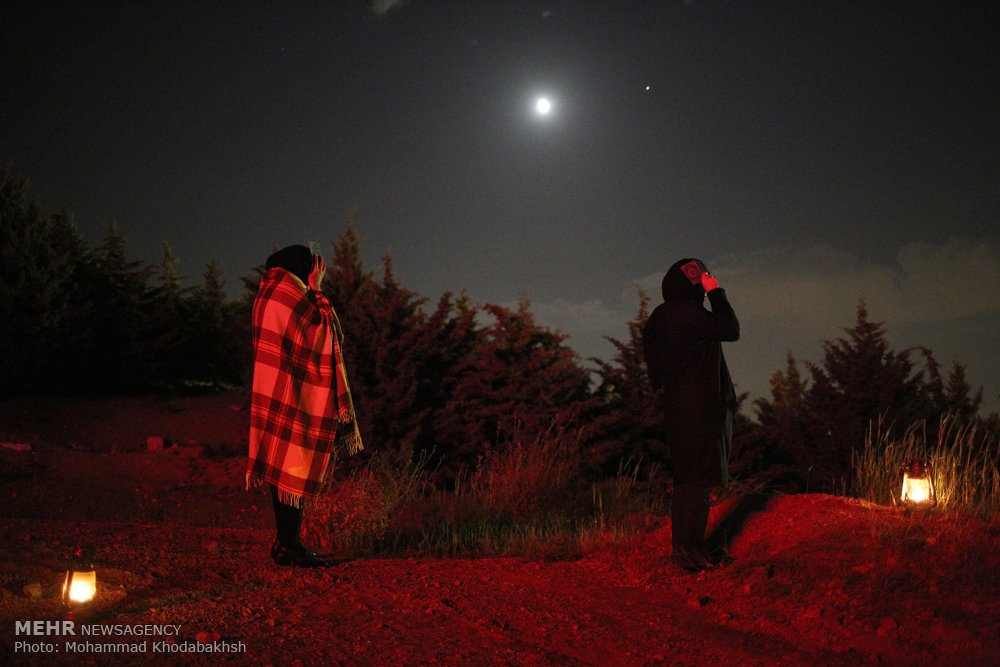
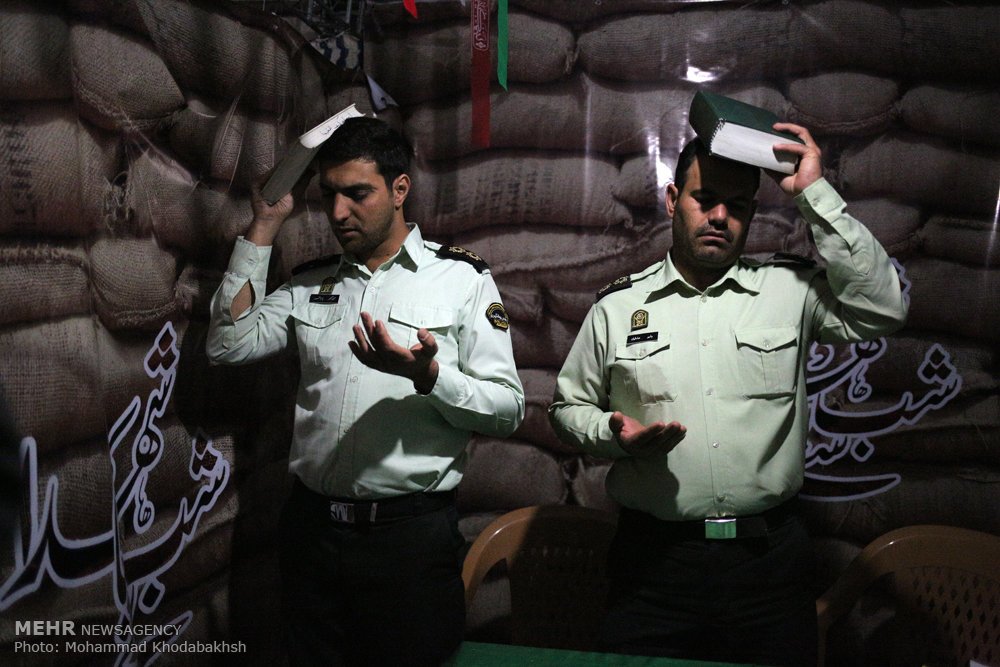
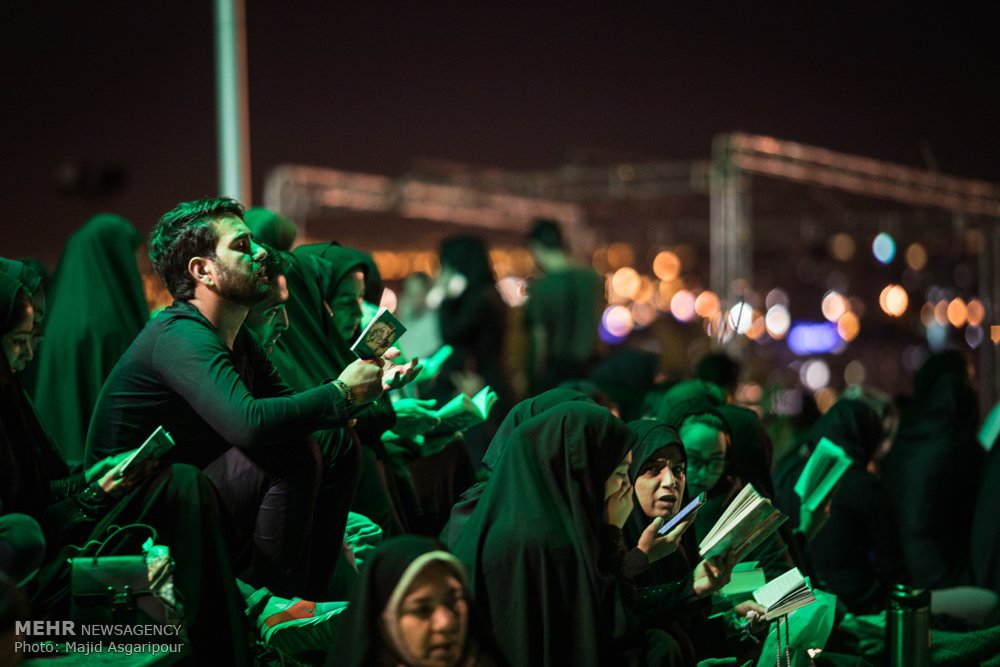
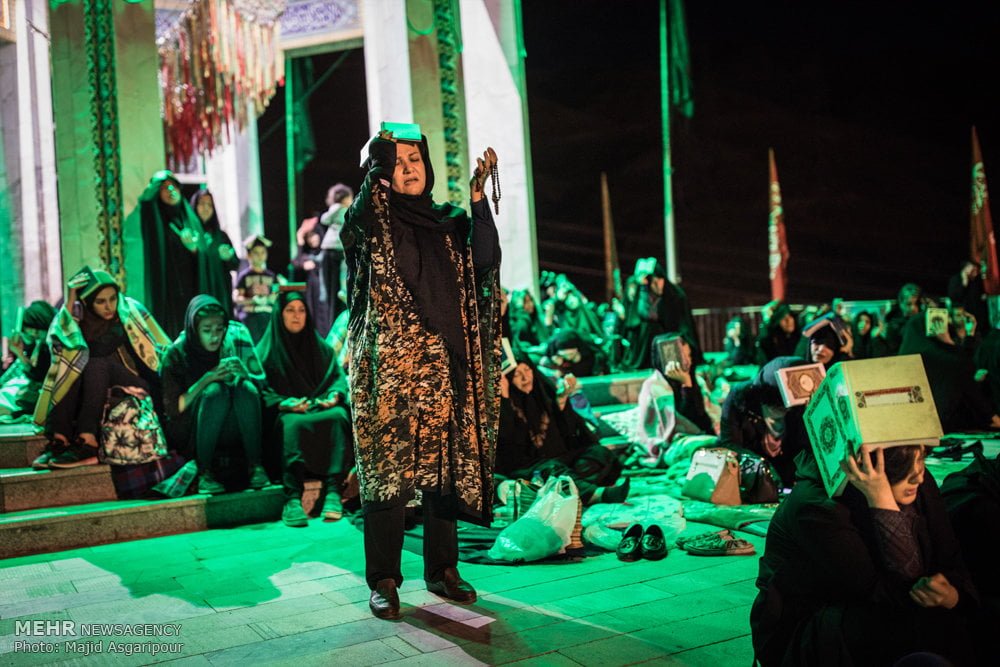
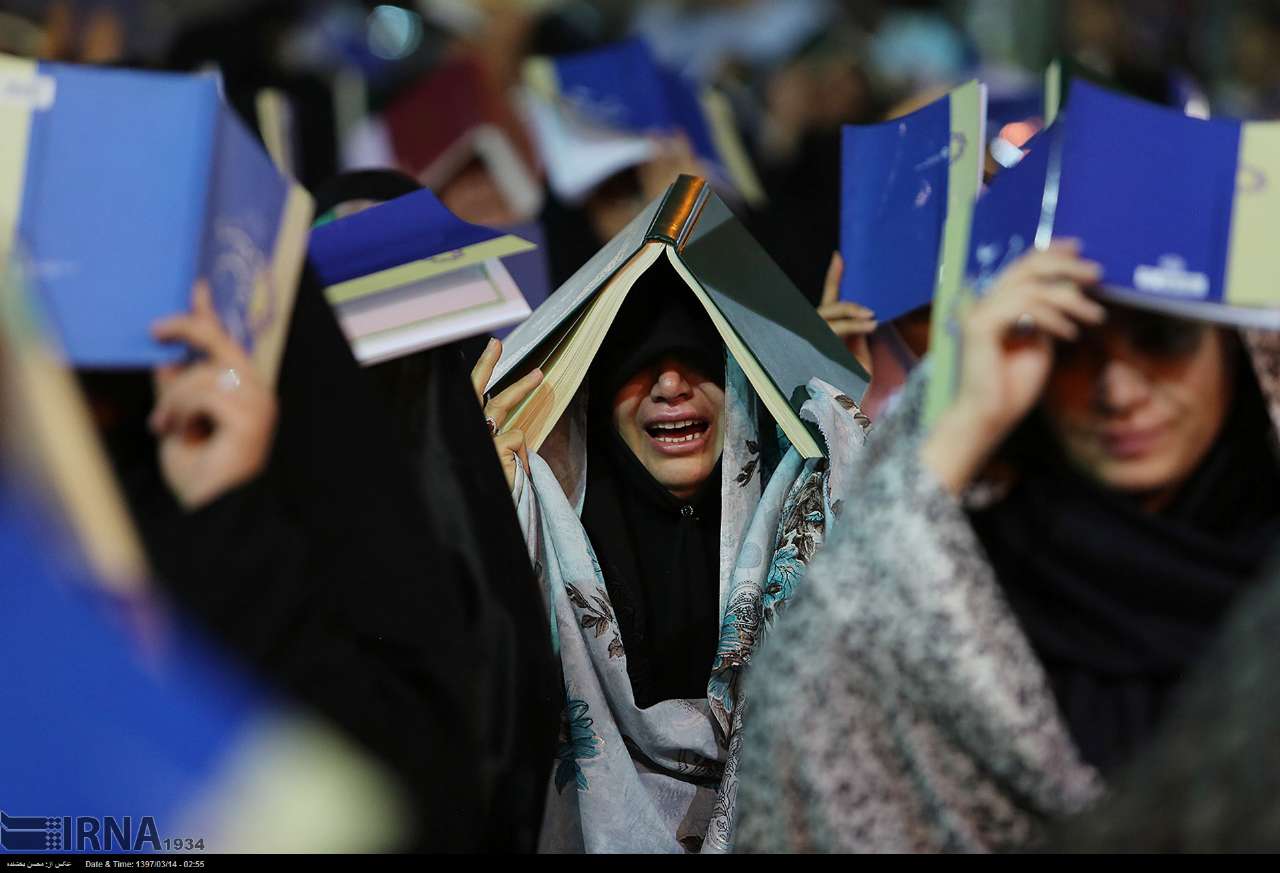
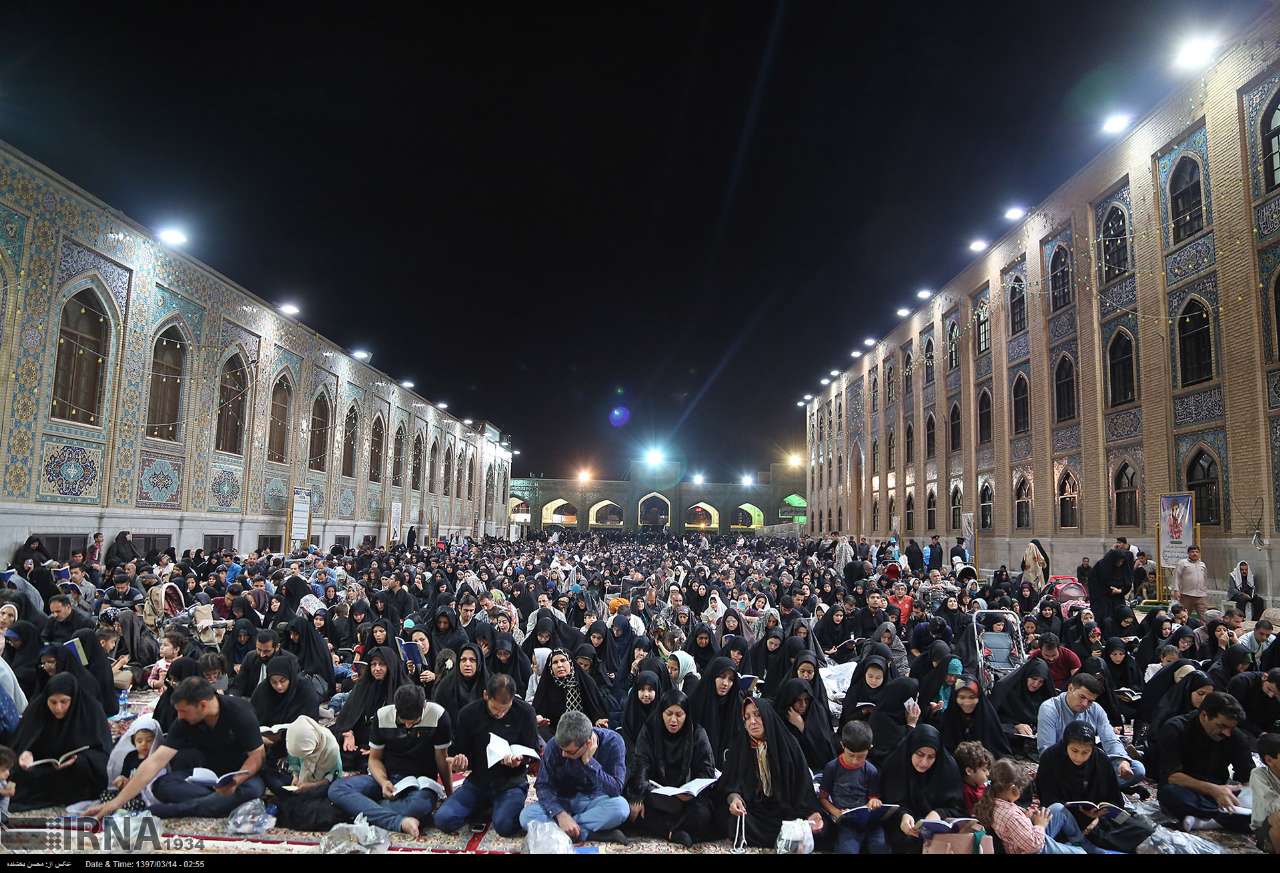
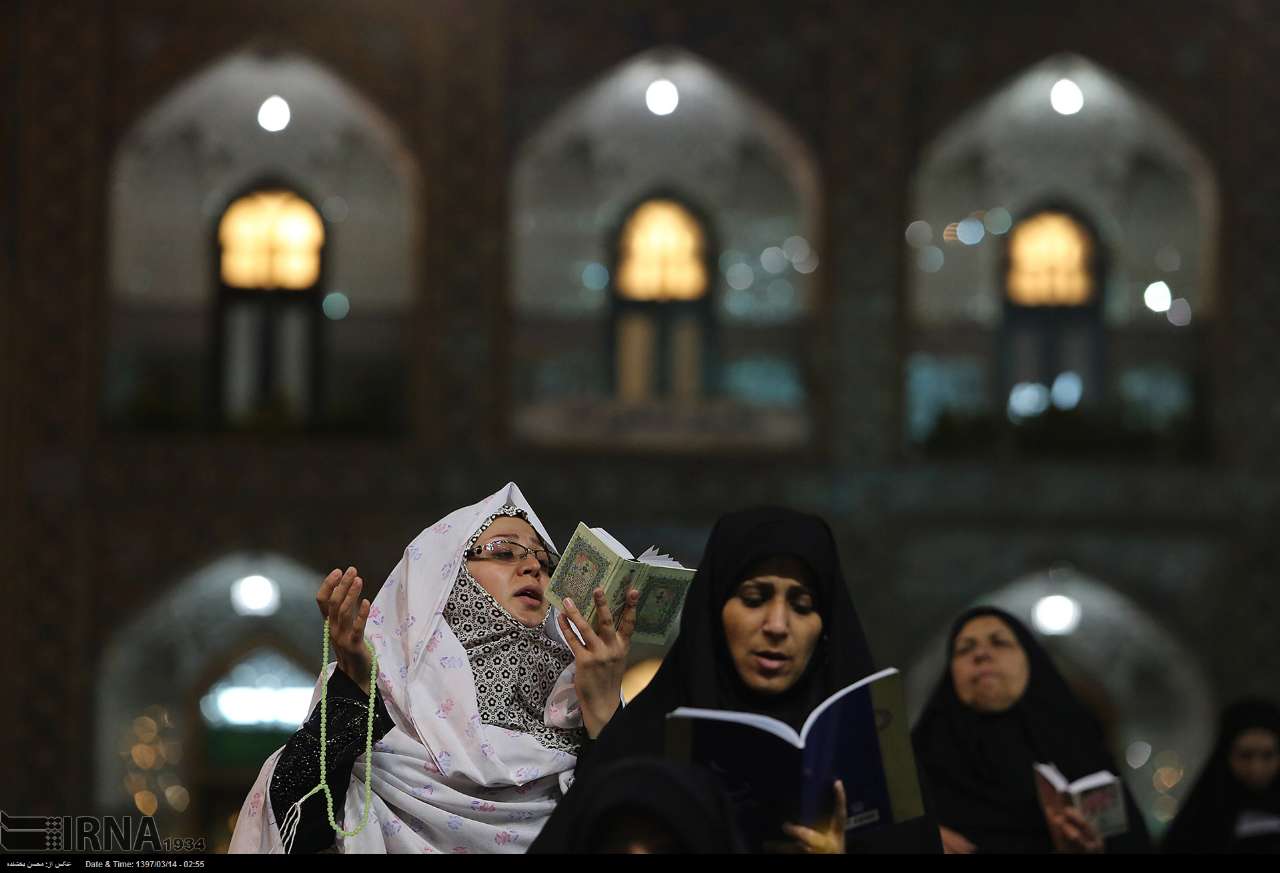
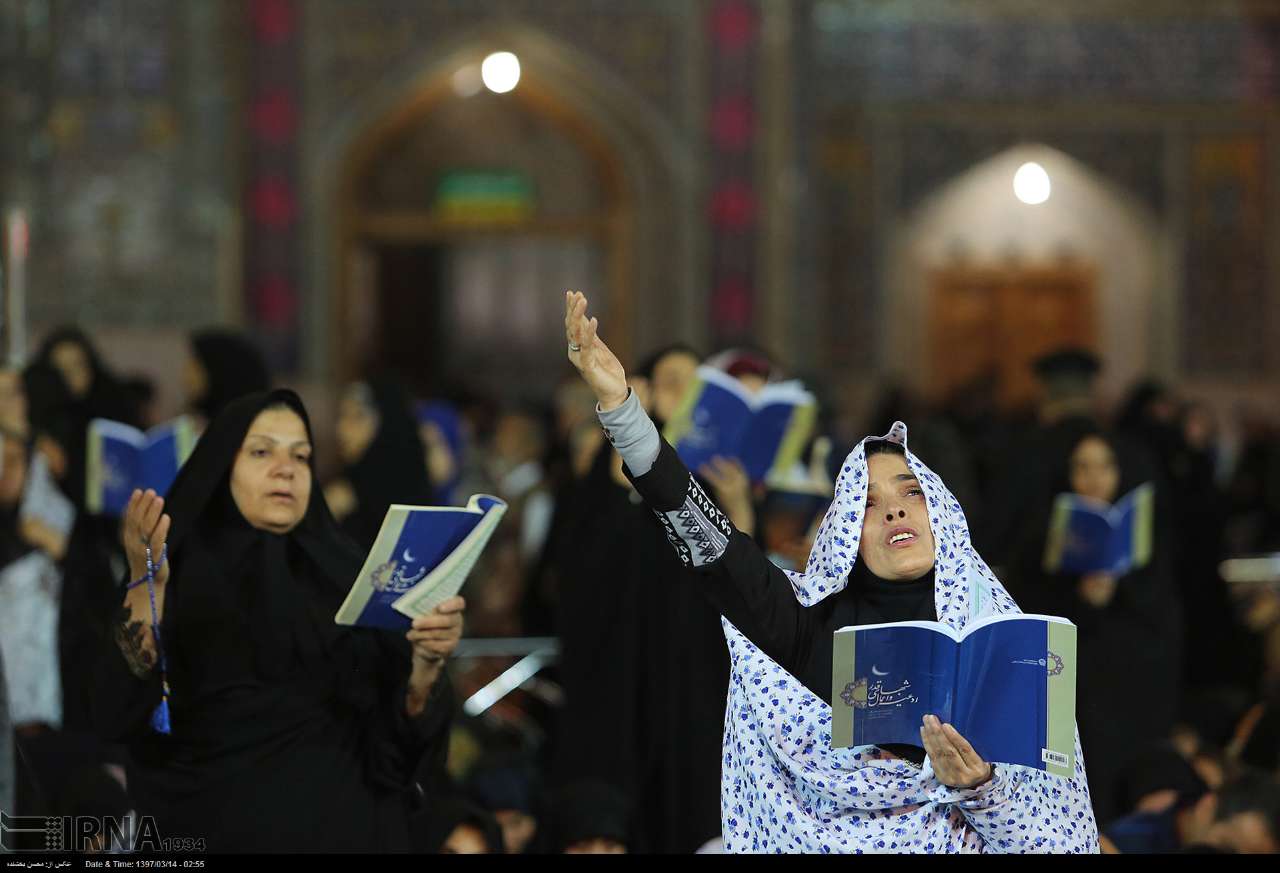
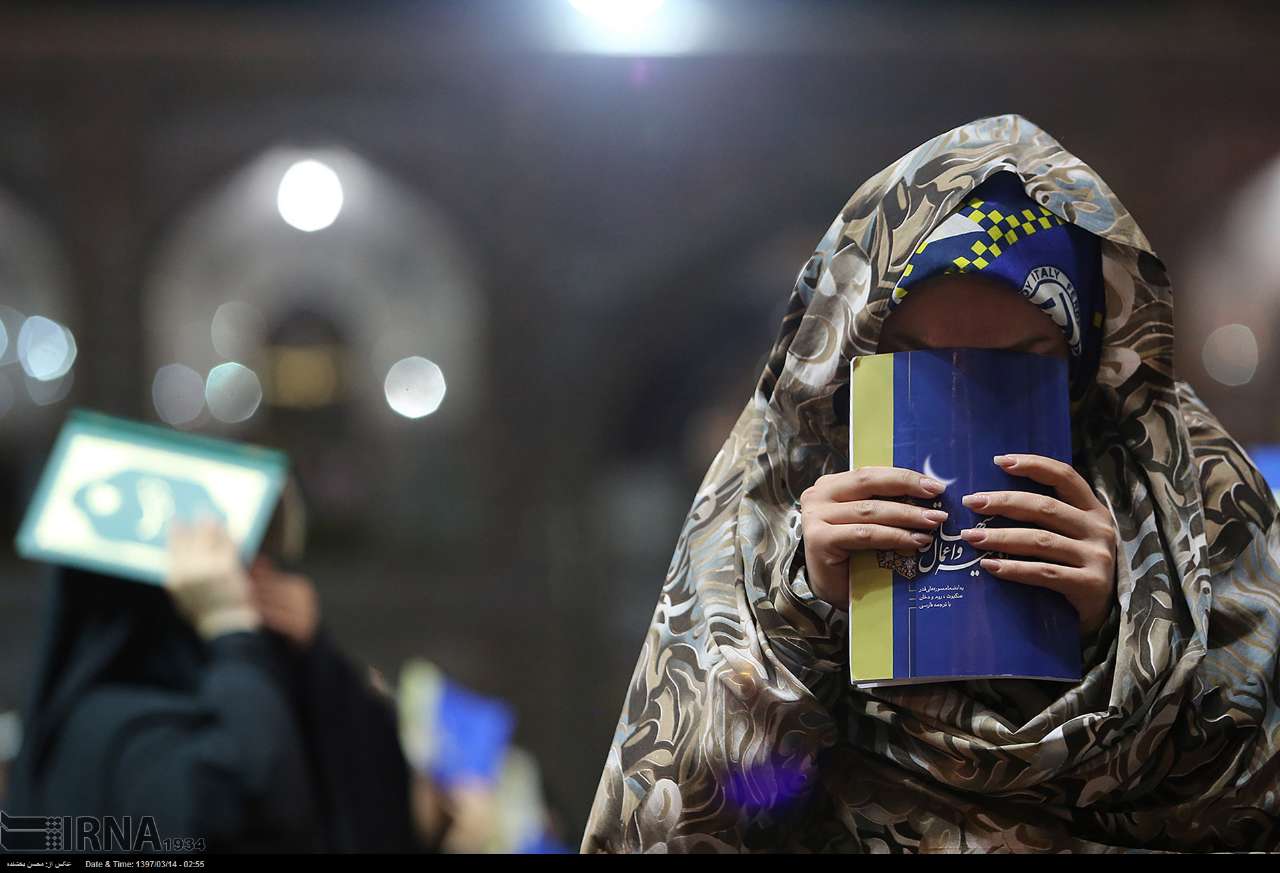
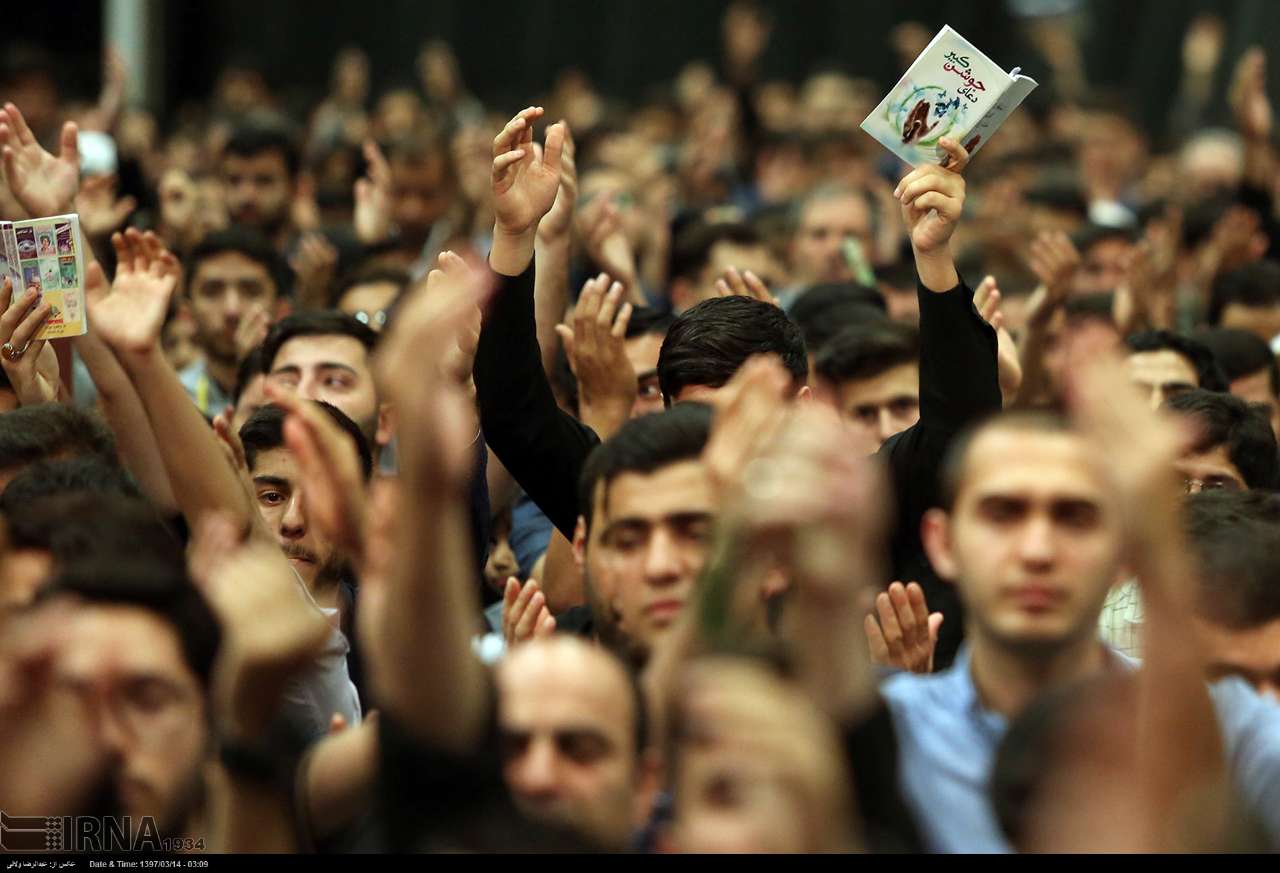
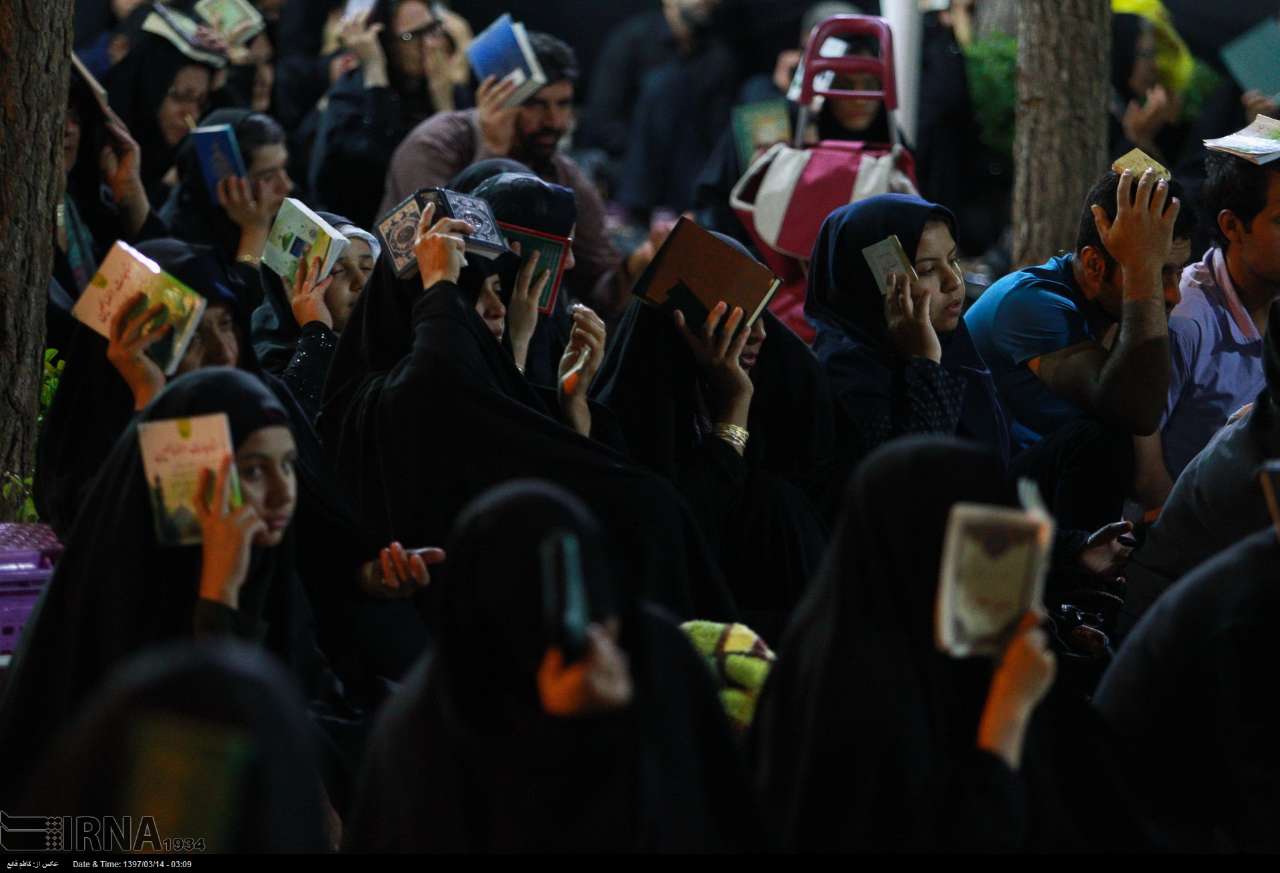
Iranian People Mark “Night of Destiny” (+Photos)

Bojnourd

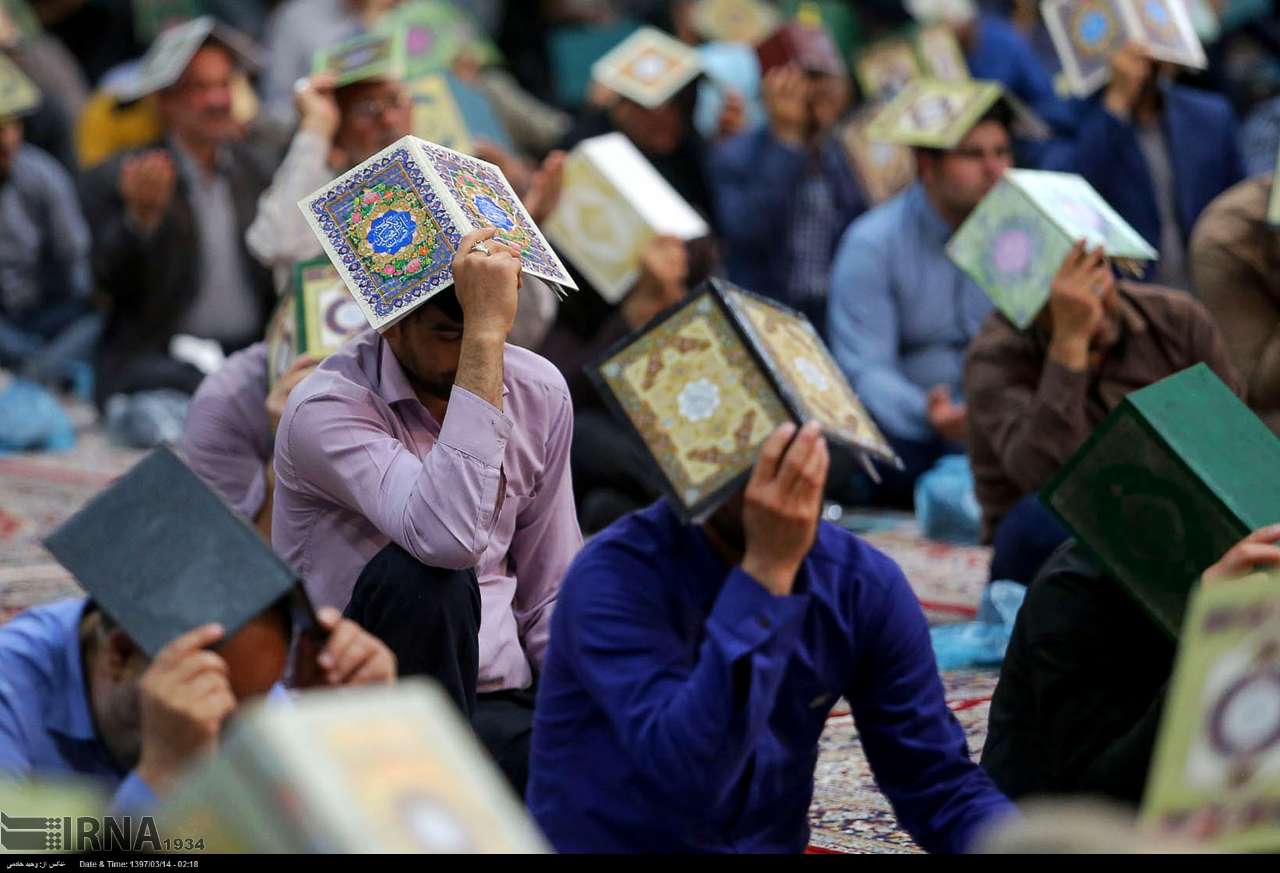
Muslims believe Ramadan is an auspicious month for the revelations of God to humankind.

‘Laylat al-Qadr’ in Ramadan is believed to be the night when first verses of Qur’an were revealed to the Prophet Muhammad (PBUH): “Read! In the Name of your Lord, Who has created (all that exists),” Qur’an, Surat Al-Alaq.

It is also believed to be the night when God decides the destiny of everyone for the coming year. Muslims believe Laylat al-Qadr is a good time to ask for forgiveness.

During the ‘Night of Destiny’ or ‘Night of Power’ the angels and the Spirit descend therein, by God’s permission, to carry out every command.

While the exact date of the great night has not been mentioned, most scholars believe it falls on one of the odd-numbered nights of the final ten days of Ramadan, including the 19th, 21st, 23rd, 25th, or 27th days of Ramadan.

Ramadan, the ninth month of the lunar Islamic calendar, is the time to focus on self-reformation and prayer. Muslims throughout the world spend the nights worshipping God.

They recite the holy book of Qur’an more, hold vigils until dawn in prayers and supplications and ask God to forgive their sins. Muslims on this night have also special wishes and prayers.

Laylat al-Qadr has double significance for Shia Muslims as the night of the 21st of Ramadan marks the anniversary of the martyrdom of the first Shia Imam, Ali Ibn-Abi Taleb (PBUH).

Shia Muslims mourn the martyrdom anniversary of Imam Ali from the 19th of Ramadan, marking the day he was wounded and the day of his martyrdom, two days later.

What follows are IRNA and Mehr News Agency’s photos of Laylat al-Qadr ceremony held in various parts of Iran:

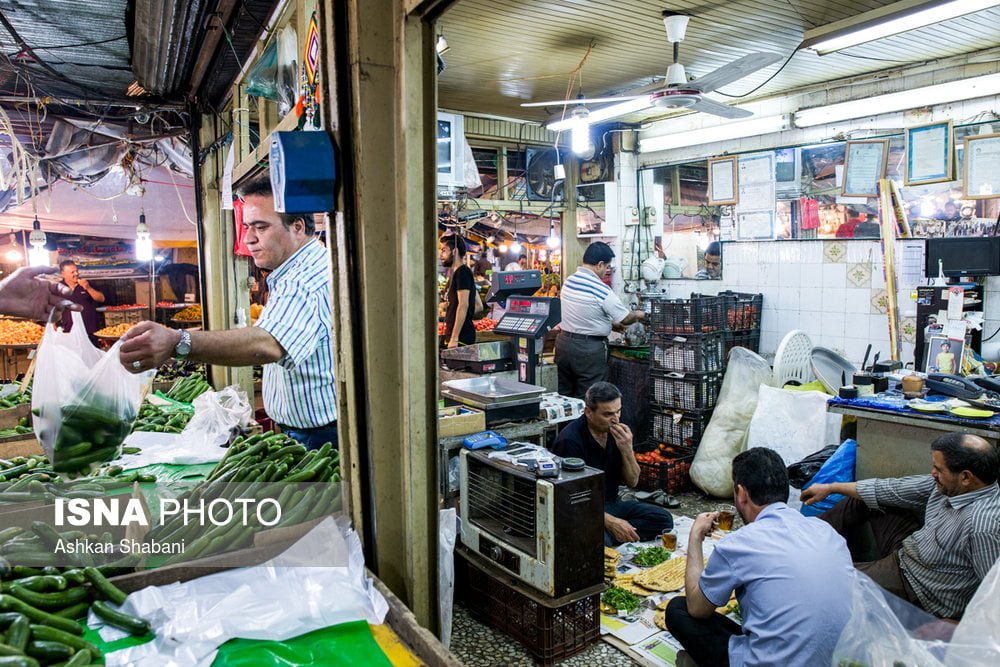
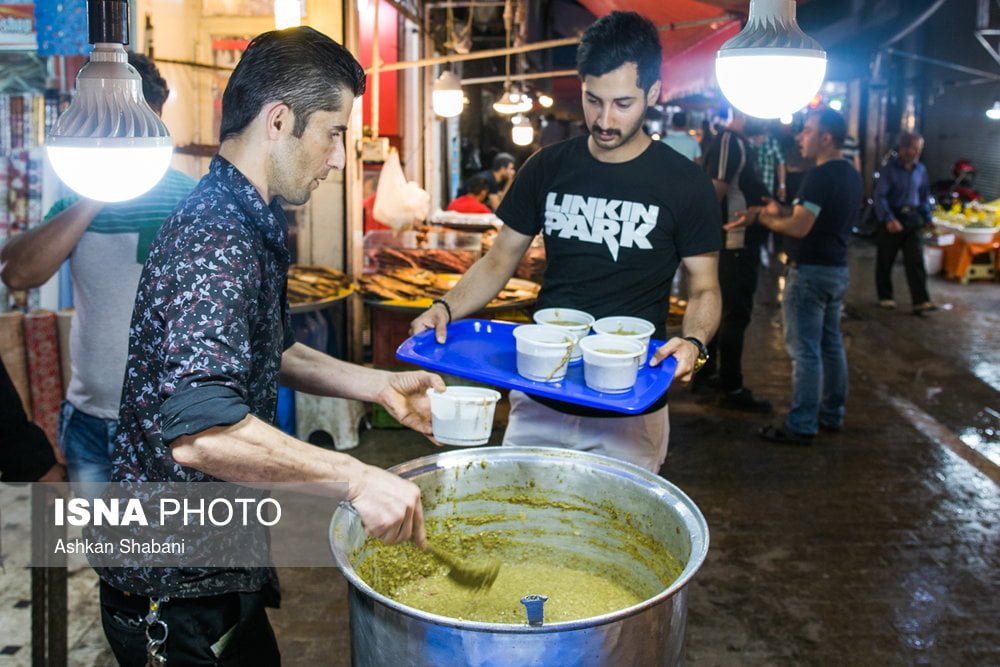
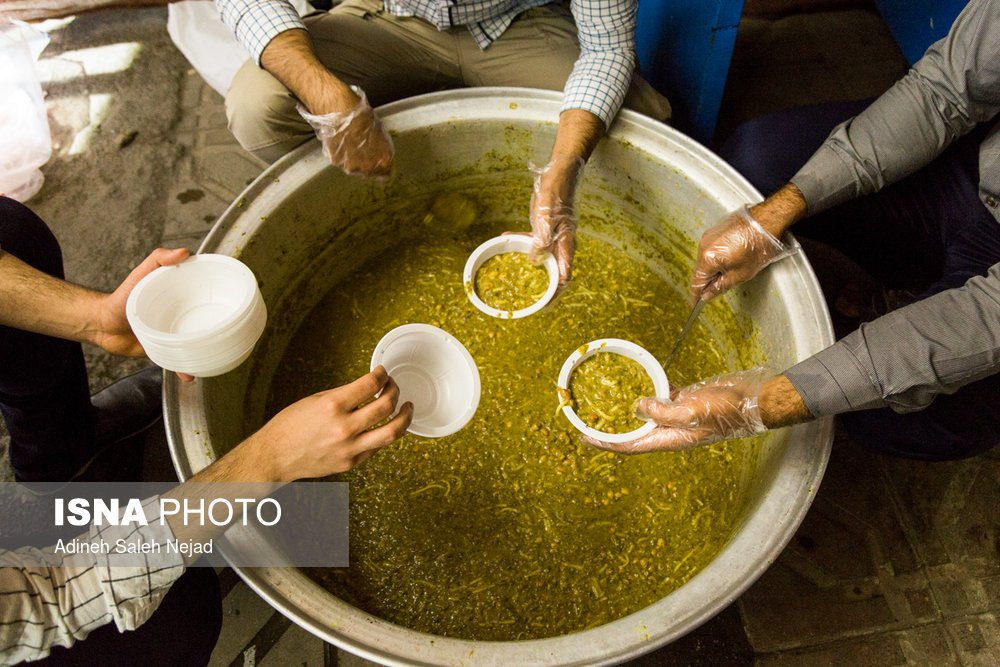
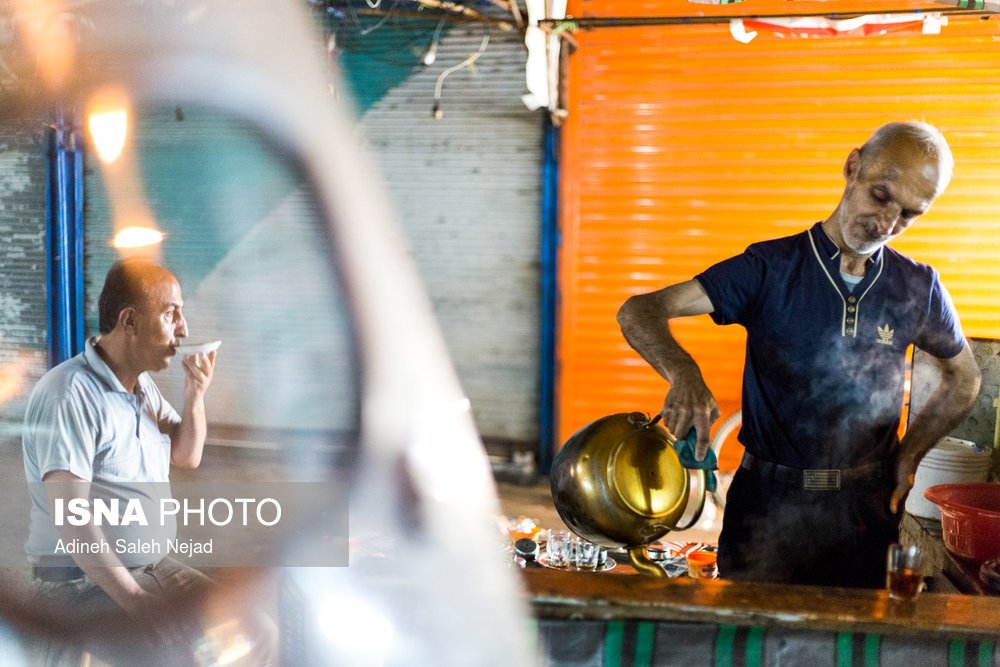
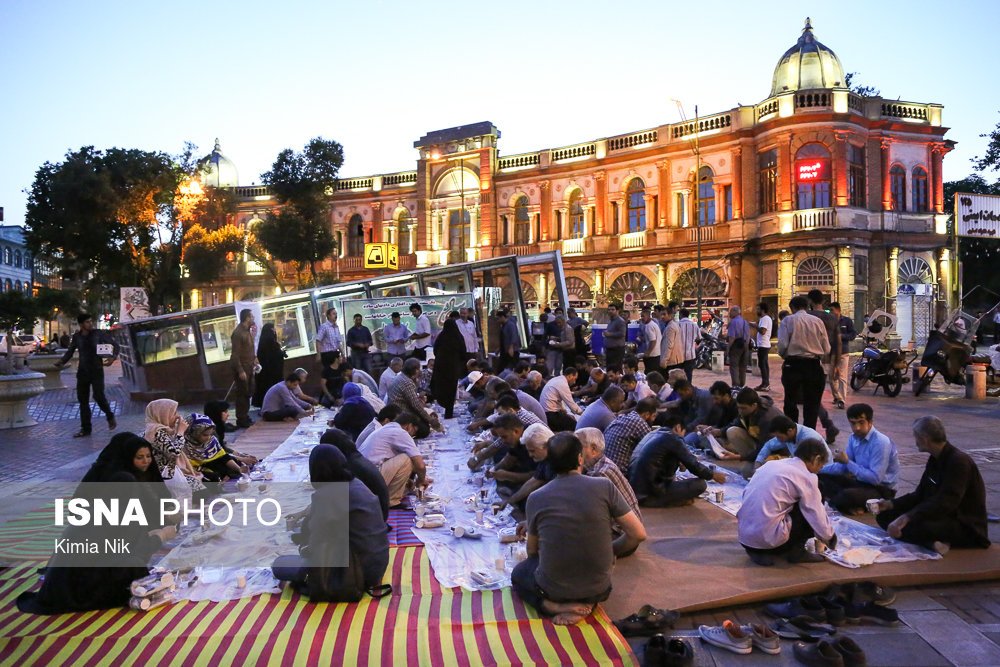
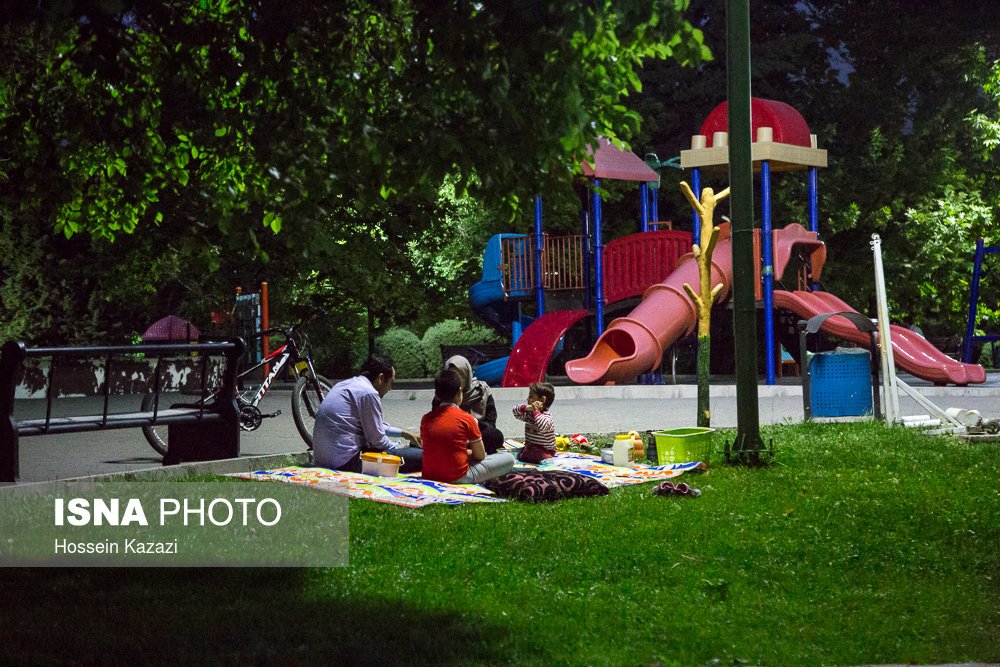
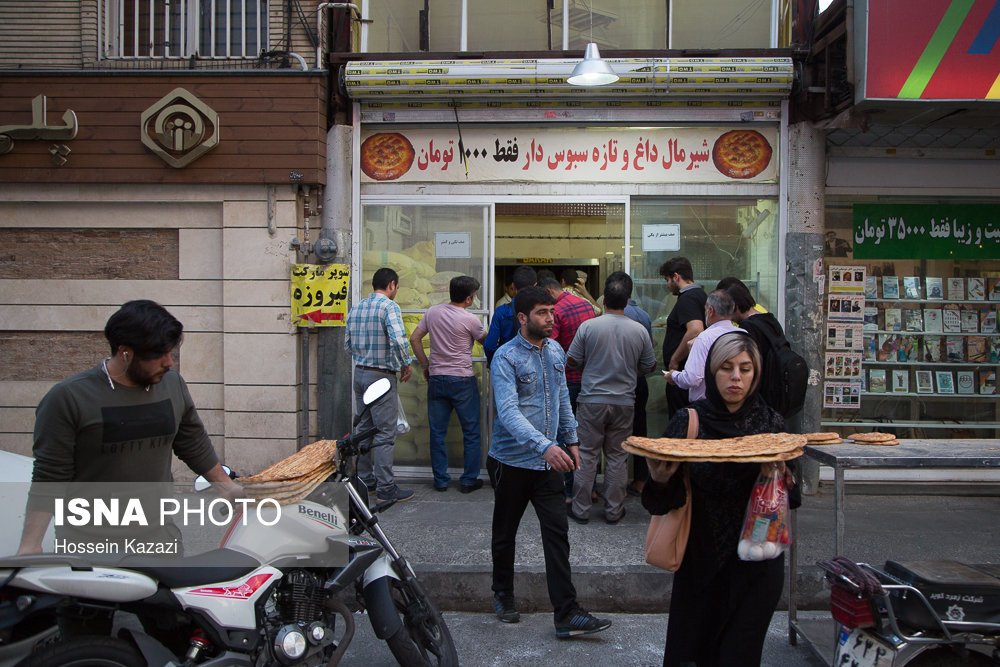
Iran in Photos: Customs Practiced in Ramadan

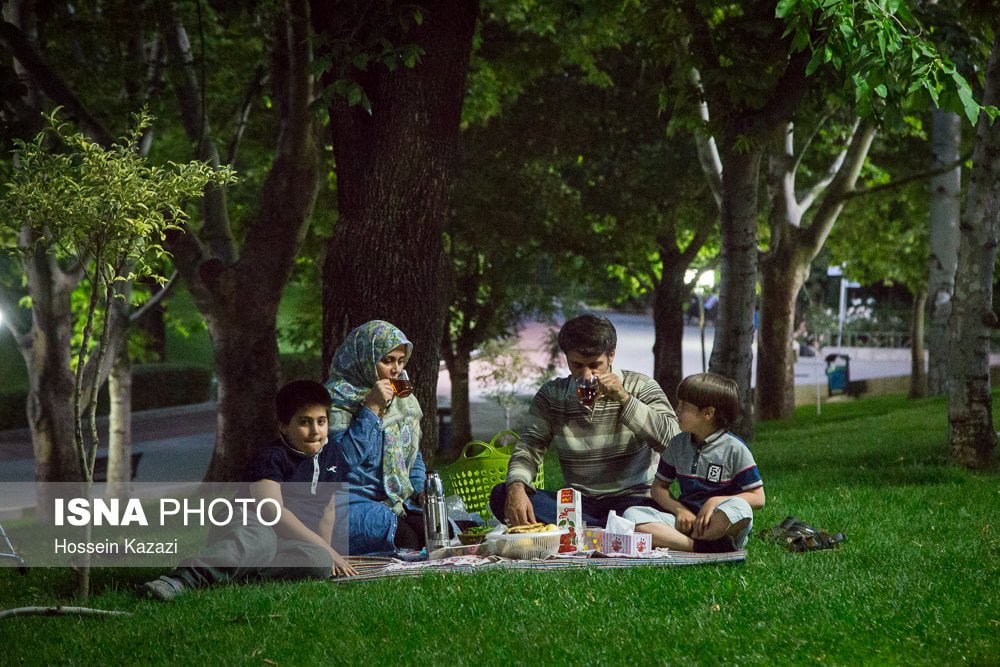
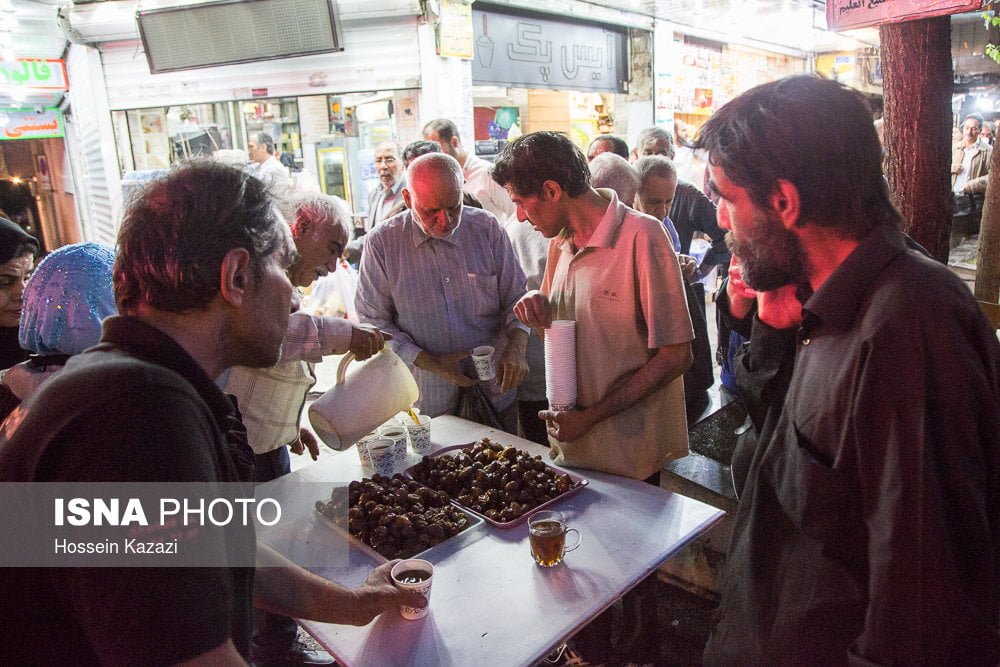
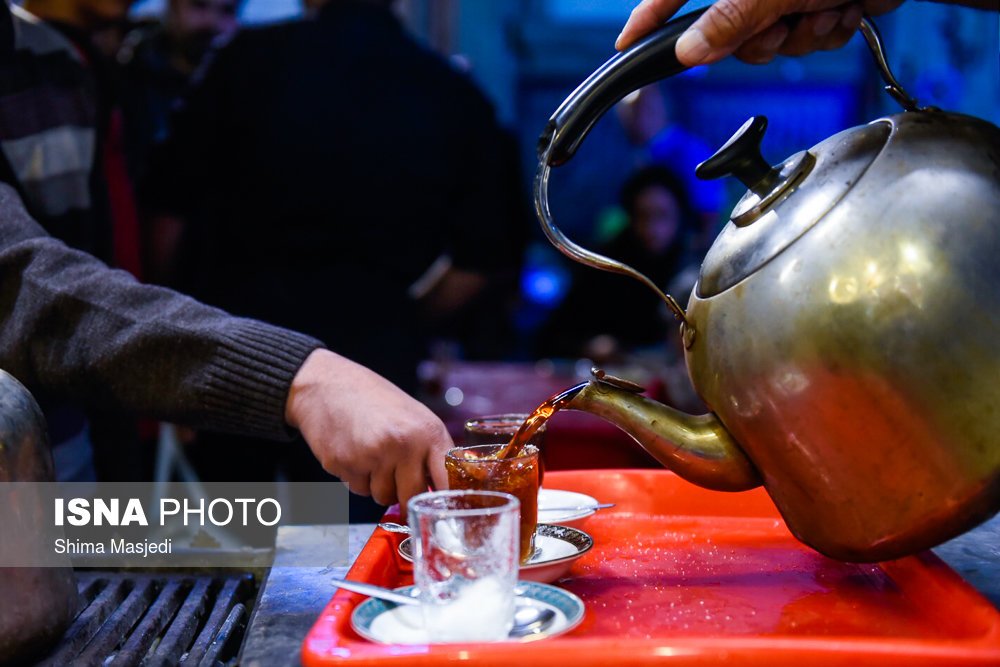
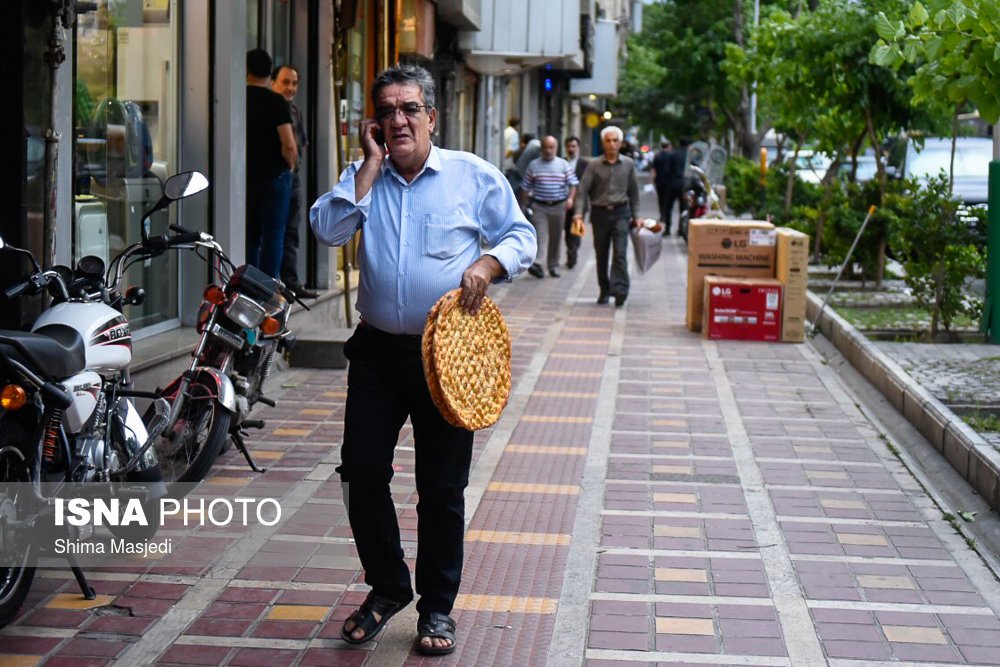
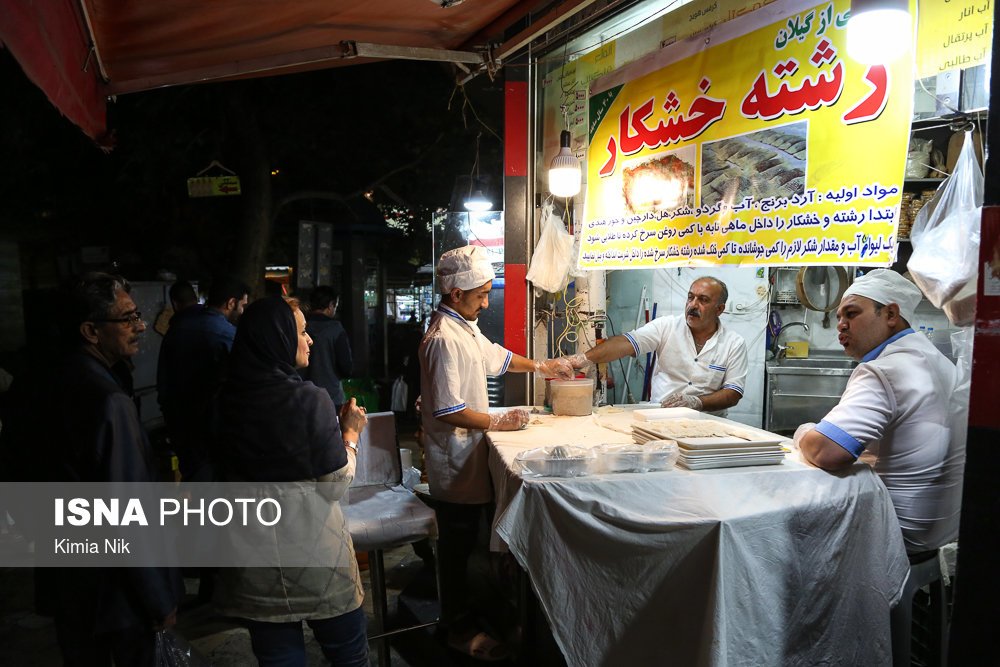
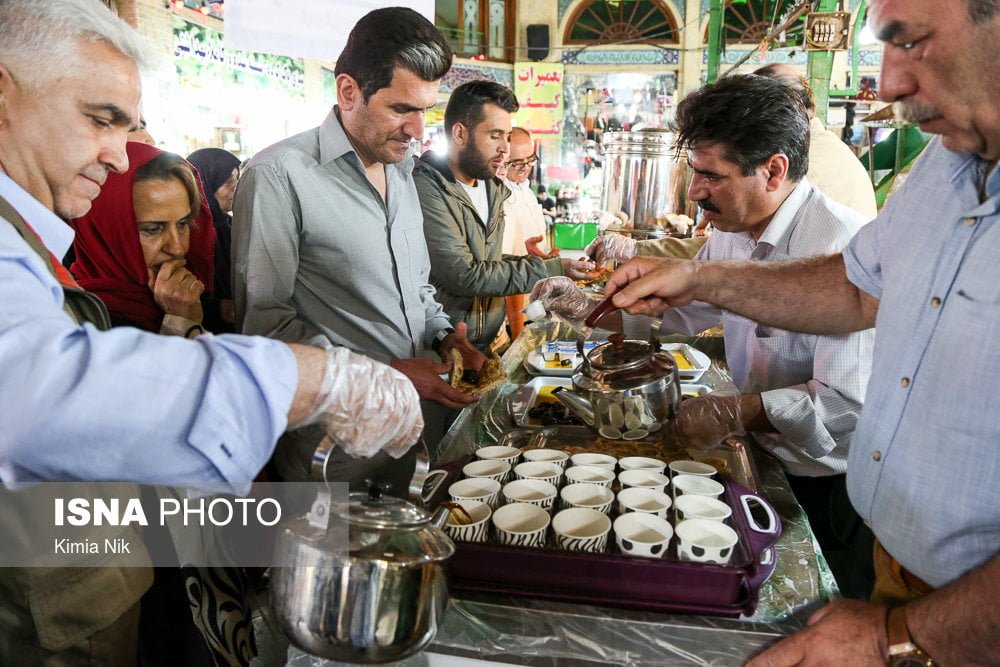
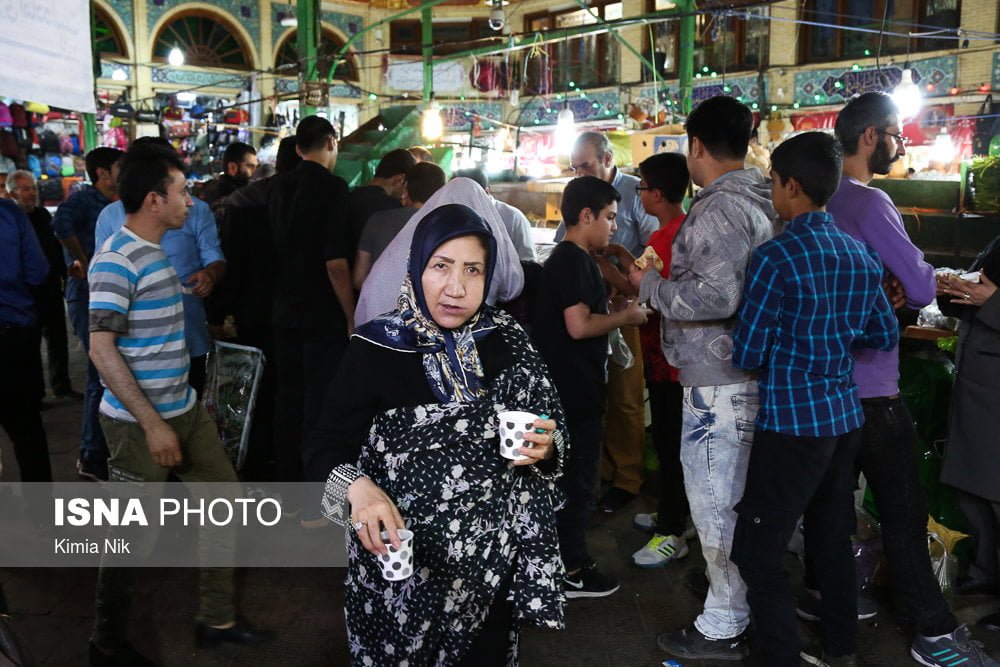
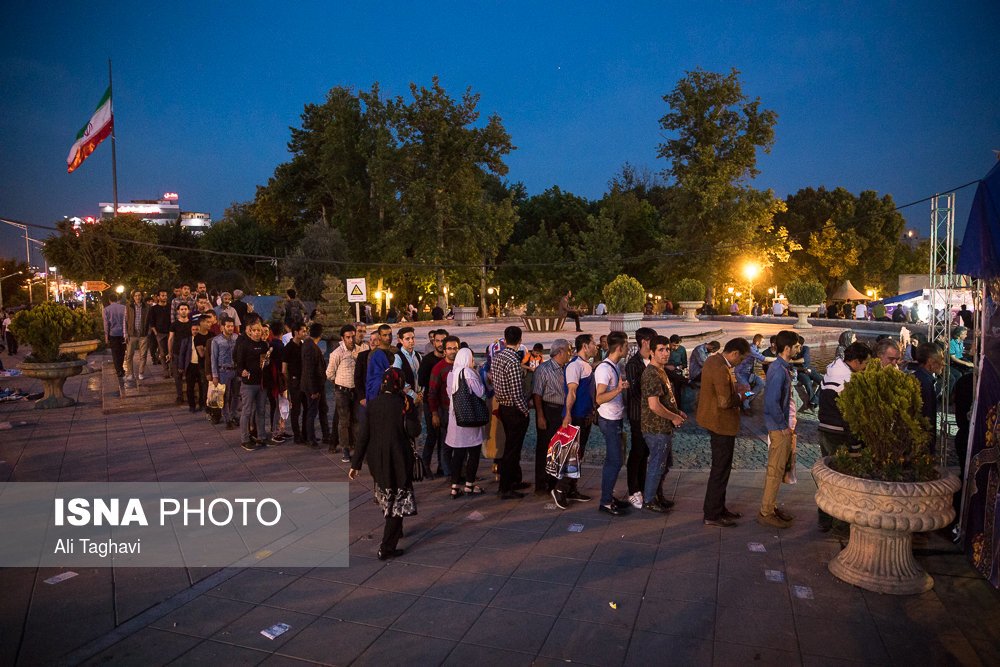
What follows are photos retrieved from ISNA showing customs and traditions observed in Ramadan across the Islamic Republic of Iran.

One of these traditions is to invite family and friends for fast-breaking (Iftar) time and of course holding special prayers on Eid al-Fitr, a religious holiday marking the end of Ramadan.

In addition to these traditions, which are common in almost all parts of Iran, there are other special traditions and customs in different Iranian cities. Some of these traditions are still practiced, and some are fading away or have slipped into oblivion altogether.

ISNA’s photo collection mostly focuses on what is practiced by people from Iftar to Suhoor.

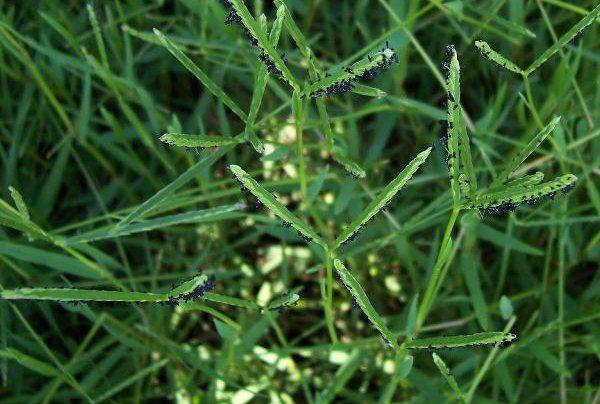
Scientists Use Weed to Produce Nanopharmaceutical for Cancer Treatment

Cellulose is the most abundant natural polymer. Due to its unique properties, it has diverse applications, especially in the field of nanotechnology, including water purification and drug delivery.

One of the main sources of cellulose is wood. Due to environmental crises and the gradual extinction of trees as non-renewable resources, researchers are now seeking an alternative source for more efficient and cheaper cellulose extraction.

According to Mehr News Agency, researchers from Jiroft University of Kerman Province and Karaj Payam-e Noor University have been able to extract cellulose from weeds and used it to synthesize a widely-used catalyst.

In addition, the synthesized material has also been used for the production of iron oxide magnetic nanoparticles. The extraction of cellulose from such plants at an industrial scale could save 70% of trees cut.

Dr Atena Na’imi, a faculty member at Jiroft University and one of the researchers of this project, believes that weeds inflict huge losses on farmers each year.

For a brief review of Iran’s achievements in various fields of science and technology, check the book “Science and Technology in Iran: A Brief Review

“Weeds are one of the most important factors reducing the quality and quantity of agricultural products, and farmers spend a lot on controlling these plants annually,” added Na’imi.

“However, these plants can be looked at as a cellulose-rich source. We have succeeded in providing a simple and inexpensive way to extract cellulose from such plants and weeds.”

“In fact, in this research, on the one hand, we have transformed the weeds into useful plants by providing an easy, inexpensive and fast solution for the production of large cellulose, and on the other hand, we have taken steps to prevent the massive cutting of trees.”
Dr Na’imi, Dr Asghar Amiri, a faculty member at Karaj Payam-e Noor University, and Elham Tajik, a post-graduate student of Payam-e Noor University have contributed to this project. The results are published in the journal Cellulose in 2017.

Australian Envoy Advises Tourists to Visit Tehran’s Malek Museum

Ian Bigges, accompanied by his wife, visited the Malek Museum on Saturday.

During the visit, he pointed to the grandeur of the works kept in the museum and its great cultural legacy saying that “this collection is so impressive that I would advise all Australian tourists in Iran to see it.”

He also expressed surprise at the extensiveness and diversity of the historical treasures at the Malek National Museum and Library adding that “I did not think the National Museum of Malek is so big.”

“I only knew about its calligraphy works, but after visiting all the halls, I found a variety of Iranian treasures that are of high quality in terms of standards for the presentation and display of works,” ILNA quoted him as saying.

The Australian Ambassador also referred to the geographical location of the museum and difficulties to enter the building as it is close to the historic site of the National Garden and the neighbouring building of Iran’s Foreign Ministry.

“The location of the museum may affect the number of visitors, but the existence of this great treasure has always provided the opportunity to attract tourists.”
Malek National Library and Museum Institution located in Tehran is the first private museum of Iran and one of the six large libraries holding exquisite manuscripts.

It is one of the biggest libraries of precious manuscripts in Iran, built as a waqf or mortmain property by Hajj Hussein Agha Malek, a merchant and landlord of Iranian contemporary history, in 1937.

He built it in a traditional Persian architecture style. The Institution is located in the historical precinct of “Bagh-e Melli” that is considered the cultural-historical centre of Tehran.

“Iran Has Prepared Infrastructure to Resume Nuclear Work If JCPOA Collapses”

Ali-Akbar Salehi, the head of the Atomic Energy Organization of Iran (AEOI), made the comment at an extraordinary press conference in Tehran where he elaborated on the organization’s upcoming plans and measures in the nuclear domain.

He said Iran has been ready for all scenarios regarding the JCPOA, including the other signatories’ failure to meet their commitments under the deal. To that end, he said, Iran has prepared vast infrastructure that would enable the country to achieve a nuclear capability higher than what it was before the nuclear deal was signed.

Elsewhere in his remarks, the AEOI chief made it clear that sanctions and the implementation of the JCPOA are mutually exclusive.

He also reiterated that Iran will live up to its obligations under the JCPOA.

“We at the AEOI have always paid due regard to this principle. Before the JCPOA was signed, we fulfilled the provisions of the Safeguards Agreement (of the International Atomic Energy Agency), and afterwards, the Additional Protocol and JCPOA commitments were added [to Tehran’s obligations],” said Salehi.

He further underscored that Iran’s nuclear activities are peaceful as instructed in a religious decree by Leader of the Islamic Revolution Ayatollah Seyyed Ali Khamenei.

“We have never deviated from this principle, and will never do so,” he said.

The Iranian nuclear chief then touched upon the AEOI’s objective of producing nuclear energy.

“Another principle is that the organization pursues two key objectives: providing nuclear power and supplying fuel to nuclear power stations,” he said.

Meanwhile, he underlined that nuclear knowhow is a dual-purpose technology.

“In the court of public opinion, nuclear technology has the capacity to be used for both peaceful and non-peaceful purposes, but the West is trying to turn this technology into a weak point for us,” he said.

Salehi underlined that the possession of nuclear technology by any country means that the country enjoys high industrial standards.

“That is why they try to create the impression that Iran does not need nuclear energy as it is an oil-rich country,” said Salehi.

He further said the infrastructure has been prepared to ramp up the uranium enrichment capacity at Natanz nuclear facility to 190,000 separate work units (SWUs) as instructed by Ayatollah Khamenei yesterday.

However, Salehi underscored that Iran’s plans and measures are all within the framework of the JCPOA.

Salehi’s comments came after the Leader on Monday ordered the Atomic Energy Organization of Iran to immediately start preparations – “for now” within the JCPOA – for increasing Iran’s uranium enrichment capacity to 190,000 SWU as of tomorrow.

Aliyev Calls for Accelerated Implementation of Iran-Azerbaijan Railway Project

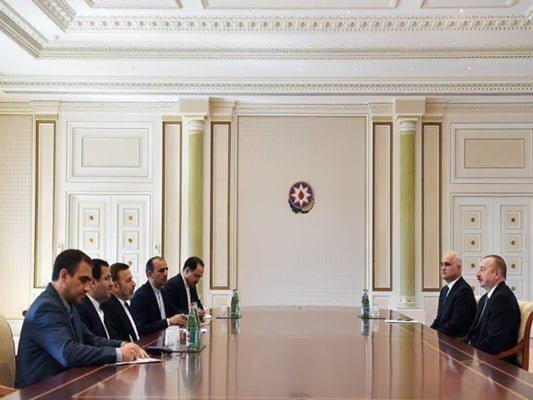
In a Monday meeting with Iranian President’s Chief of Staff Mahmoud Vaezi in Baku, Aliyev also called for the accelerated construction of the North-South Corridor.

According to Borna News, the two sides further exchanged views on a number of mutual and regional issues.

Vaezi, for his part, said the railway project must be completed as soon as possible.

He noted that the Iran-Azerbaijan bilateral relations are successfully developing in various spheres.

Vaezi added that the results of Iranian President Hassan Rouhani’s fruitful visit to Azerbaijan are obvious.

Vaezi arrived in Baku Sunday night for talks with Azerbaijani high-ranking officials.

Earlier he held talks with Azeri Prime Minister Novruz Mammadov and Economy Minister Shahin Mustafayev.

Upon his arrival in Azerbaijan, he said Iran and Azerbaijan are two neighbouring countries which are seeking to restore peace and security to the crisis-hit region.

He also said over the past five years, the presidents of Iran and Azerbaijan have met for at least five 12 times on a wide range of issues.

Vaezi described his visit to Azerbaijan as a good opportunity to brief the Azeri side on Iran’s stance towards the JCPOA following the US withdrawal from the nuclear deal back in May.

He then referred to the 12th Joint Economic Commission between Iran and Azerbaijan and said the commission provides the two sides with a good chance to further enhance their mutual relations.

“EU’s Dream of Restricting Iran’s Nuclear Program While Keeping Sanctions Won’t Come True”

Ayatollah Seyyed Ali Khamenei

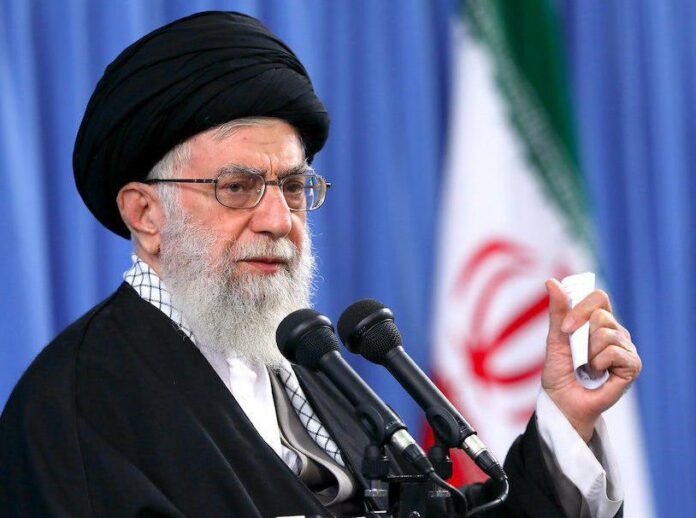
Ayatollah Khamenei said on Monday it seems some European states expect the Iranian nation to tolerate the sanctions and struggle with them and at the same time cease its nuclear activity which is a critical need for the future of the country and go ahead with the imposed restriction in this area.

“I tell the European states that their fevered dream about Iran will never come true because the Iranian nation and government will not tolerate to be both under sanction and remain restricted in atomic activities,” he added.

He made the remarks in an address to a ceremony held at the Imam Khomeini Mausoleum in southern Tehran to mark the 29th anniversary of the passing away of the founder of the Islamic Republic.

The Leader also ordered the Atomic Energy Organization of Iran to immediately start preparations – “for now” within the JCPOA – for increasing Iran’s uranium enrichment capacity to 190,000 SWU as of tomorrow.

He also urged the organization to make other related arrangements earlier ordered by Iranian president.

Earlier, Iranian President Hassan Rouhani ordered the country’s atomic agency to prepare itself for enriching uranium at “industrial levels” and warned Donald Trump that he will not be allowed to win the “psychological war” against his country.


Enemy Seeking to Mount Pressure

Elsewhere in his remarks, the leader underlined that the enemy’s main goal is exerting economic, psychological and practical pressure on the Islamic Republic.

“The three types of pressure are aimed at expanding enemy’s hegemony on Iran as it has been already expanded on some miserable and shameful states of the region,” he said.

Ayatollah Khamenei went on to say that one of the main goals that the enemy seeks through economic pressure and sanctions is not only mounting pressure on the Iranian government, but also to make the Iranian nation disillusioned with the Islamic establishment and pressuring the nation into giving in to its bullying behaviours.

He then referred to the enemy’s psychological pressure saying the pressure is mounted to turn the strengths of the Islamic Republic which are the source of authority of the country into challenges and disillusion the nation with them.

The leader cited Iran’s missile program as one of the main targets of enemy’s psychological pressure and said missile development creates security for Iran.

He said today’s generation may not remember that the capital city of Tehran was ruined by the enemy’s relentless missile attacks.

“The enemy’s missiles could reach Tehran and many other cities like Dezful, Ahvaz, and Shoosh,” he said.

“We didn’t have any defensive weapons and had nothing to do against enemy’s attacks but sitting idle and watching our country being ruined. Today, our youths have managed to turn Iran into the first missile power of the region. The enemy knows it well that if it fires one missile at Iran, it will receive ten in return.”

The Leader described missile capability as a source of security for the country and said missile program is a strength.

“Today, the enemy has focused on our missile program and unfortunately some people inside the country echo their remarks casting doubt on the benefits of the program,” he said.