Saturday, December 27, 2025
Home Blog Page 3544

“US’ Unilateralism Could Trigger World War III”

Nahavandian
Nahavandian

Iranian Vice-President for Economic Affairs Mohammad Nahavandian has, in an article published by Khabar Online, weighed in on the ramifications of Washington’s unilateral approaches. The full text of the analytical piece follows.

  1. Friday, July 6, marks the anniversary of the adoption of the Bayonet Constitution in Hawaii in the United States in the late 1900s. One-hundred thirty-one years ago (in 1887) on such a day, Kalakaua, the monarch of the tiny kingdom of Hawaii, had to sign the constitution under the force of the bayonet and threat of terror by a pressure group organized and armed by the Americans and other foreigners residing in Hawaii as well as the CEOs of foreign sugar companies. The constitution gave the Americans and Europeans the right to vote, but set limitations and the condition of being rich for aborigines in Hawaii! Consequently, American troops openly backed by the then US secretary of state quashed any objection by Hawaiian aborigines to this blatant foreign interference. Years later, the US changed the government of Hawaii before occupying it due to its strategic importance in the waters of south Pacific Ocean. The Americans refused to give residents of their neighbouring island the same rights that the US had recognized in the country’s constitution for its own people a hundred years before, i.e. in 1788. Despite all their humanitarian rhetoric, the US reserved the right to use force and determine the fate of others. Based on that mind-set, the US would put its interests before those of others, and give itself more rights than others.
  2. Eighty-nine years ago in 1929, the US Congress passed the Smoot-Hawley Tariff Act which slapped the highest-level duties on imports into the US in the country’s history. Then US President Herbert Clark Hoover had just won the 1928 presidential election with the slogan of support for local production and employment for American farmers on the threshold of the severe worldwide economic downturn known as the Great Depression (1929-1939). An economic forum of the League of Nations in 1927 in Geneva, which saw signs of a global economic slowdown, urged all states to set aside tariffs and boost international trade to give fresh impetus to economic growth. Some 1,028 American legislators also wrote a letter to Hoover expressing their opposition to trade restrictions. However, Hoover, under pressure from Congress, enforced the 59-percent tariffs on imported goods. Immediately, other countries imposed similar duties on American commodities in a retaliatory move, leading to 61-percent drop in American exports and a decrease in the country’s GDP to less than a half during the following four years. The unemployment rate, which stood at 8% at the time the tariffs were ratified, jumped to 25% in three years. Many historians and economists believe the Smoot-Hawley Tariff Act and the United States’ policy of unilateralism during that period, which led to a 33-percent decline in global trade, were the key contributors to the fueling an perpetuation of the global economic downturn and set the scene for World War II at the end of the 1930s. Senator Smoot and legislator Hawley, despite populist slogans, could not even maintain their seats in Congress in the congressional elections two years later. American statesmen’s selfish and unilateral mentalities once again plunged the US and the rest of the world into an unprecedented crisis and conflict. A mentality which prioritized American interests brought humanity to a crisis whose human cost was to strip 60 million people of the right to live worldwide.
  3. Today, the world has once again faced a new wave of common unilateralism among American politicians. It is a current which claims prioritizes American people’s interests, but is not against the rights of others. Nevertheless, the first steps taken by this current was to counter the international Paris Agreement on climate change, disrupt regional trade agreements, namely the North American Free Trade Agreement (NAFTA), slap high tariffs on imports of aluminium, steel and automobiles, and pull out of the multilateral nuclear deal with Iran. Such moves violate the rights of people of other countries, harm global environment and trade, and result in a global trade war, setting the stage for a global downturn, which poses a threat to world security. The root cause of this dangerous approach is not only profiteering in the trade domain, but is the egoistic approach which considers the US superior to others and gives it the right to determine others’ fate. This arrogant point of view is clearly manifested in Trump’s decision to ban travellers of certain Muslim countries from entering the US and to separate children of illegal immigrants from their parents.
  4. However, the important difference between our era and the nineteenth and twentieth centuries is the widespread awareness of incidents and policies. The global virtual world, even if it has shortcomings, has a major advantage, and that is, it provides for transparency and enables people to put forward their demands immediately and on a large scale. The old and threadbare mentalities of the 19th century have less chance of success in the era of information explosion. Their long-term consequences can be seen in a shorter period of time. Today, everybody in the world understands the true reality of “everybody should be sacrificed for powerful Americans” and react to it. Currently, all across the world, namely inside the United States, have a more widespread awareness of, and show reaction to the disastrous repercussions of the US government’s policies. Other countries, too, have begun reacting to Washington’s unilateral moves, namely the tariff war. November elections in the United States will show to what extent American voters are aware of this global danger. Governments and nations need to show serious and firm reaction to Washington’s unilateral approach and policies in order to ward off a global catastrophe. Those who are familiar with the past and can see the future shoulder the onerous responsibility of contributing to the world public opinion.
South Korea Rejects Reports on Stopping Oil Imports from Iran

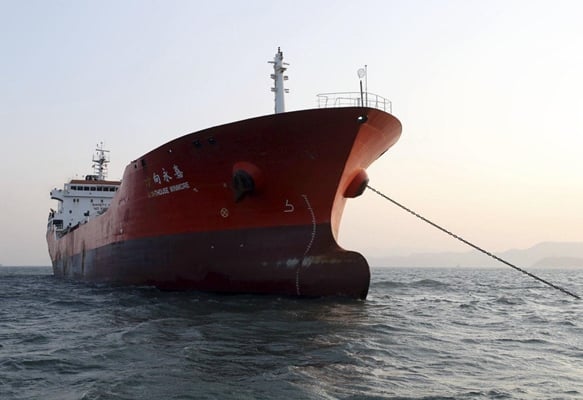
In a post on its Twitter account, the South Korean embassy in Iran rejected a report by Reuters which claimed the country has stopped oil loading in Iran amid fear of sanctions by the US.

The tweet added that South Korea is involved in negotiation with the US government to receive an exemption from US sanctions on buying Iranian oil in line with a waiver it received during previous sanctions., a report by ISNA said

The tweet came after Reuters claimed Seoul will not lift any Iranian crude and condensate in July.

According to Reuters quoting three sources familiar with the matter, South Korea will not lift any Iranian crude and condensate in July, halting all shipments for the first time in six years amid US pressure to cut all imports of Iranian oil from November.

South Korea is one of Iran’s main customers in Asia along with China and Japan.

“There was pressure from the South Korean government to halt purchases,” said the sources familiar with Iranian shipping arrangements. “South Korea overall is lifting zero oil (from Iran) for July loading.”

Iran Dismisses Claim Germany Holding Its Assets

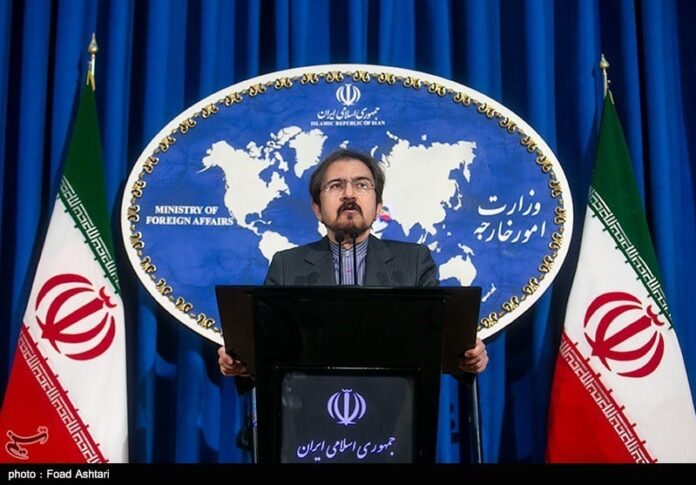
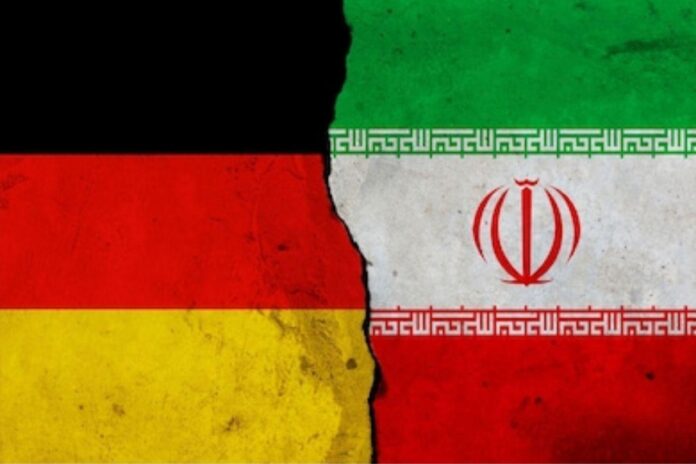
Qassemi said economic relations between Iran and Germany are developing within their normal mechanism.

“During the Friday talks in Vienna between the foreign ministers of Iran and other parties to the Iran nuclear deal, the German and Iranian delegations discussed ways to develop better mechanisms for further expansion of economic and banking relations between the two sides,” he said in an interview with Fars News Agency on Saturday.

The spokesman said the claim that Iranian assets have been frozen in Germany is part of a psychological war against the Islamic Republic.

“Unfortunately a psychological war by some extra-regional states and anti-Iran groups has been waged over the past days and weeks as Iran and other parties to the JCPOA have engaged in talks over the future of the 2015 agreement,” he said.

Qassemi said the war is aimed at undermining ties between Iran and the European states and called for vigilance against such dirty propaganda.

He made the comments in reaction to an Iranian lawmaker’s interview with Fars News, in which the MP claimed Germany has blocked parts of the Iranian assets.


Iran Rejects Netherlands’ Expulsion of Iranian Diplomats as Destructive

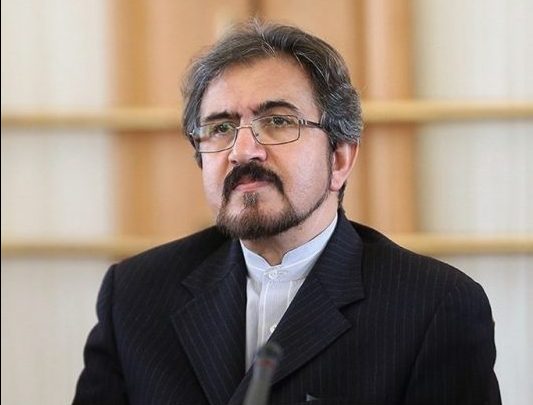
Bahram Qassemi

In a Saturday statement, Qassemi said the Iranian foreign minister’s assistant has already summoned the Dutch ambassador to Tehran and expressed the Islamic Republic’s severe protest to the ‘unfriendly’ move.

The spokesman said Iran is seeking to preserve and expand its relations with all states based on good-faith and mutual respect but at the same time, as a victim of terrorism, it once again calls for a resolute and indiscriminate fight by all members of the world community against terrorism.

Qassemi described the Dutch government’s decision to expel the Iranian diplomats as illogical and illegitimate, saying the Islamic Republic expects the Dutch officials to refrain from levelling baseless and absurd accusations against others.

The Netherlands is expected to remain committed to their international pledges to arrest and put on trial the terrorist elements for whom the Interpol has issued Red Notice, he added.

The spokesman also noted that the Netherlands’ government should explain about its move to shelter the criminal and terrorist members of the notorious anti-Iran terrorist group the Mujahedin Khalq Organization (MKO), which has the blood of the Iranian people on their hands.

As earlier announced to the ambassador of the Netherlands, the Islamic Republic of Iran preserves the right to retaliate, he added.

The Netherlands has expelled two Iranian Embassy staff members from the country without giving a reason for the action.
“Two workers from the Iranian Embassy [in The Hague] were expelled from the Netherlands on June 7,” said a spokesman for Dutch intelligence AIVD.

The Dutch foreign ministry declined to comment on the issue.

The expulsion came as the foreign ministers of Iran and the parties to the Iran nuclear deal met in Vienna on July 6 to discuss ways to preserve the agreement in the wake of the US’ withdrawal.

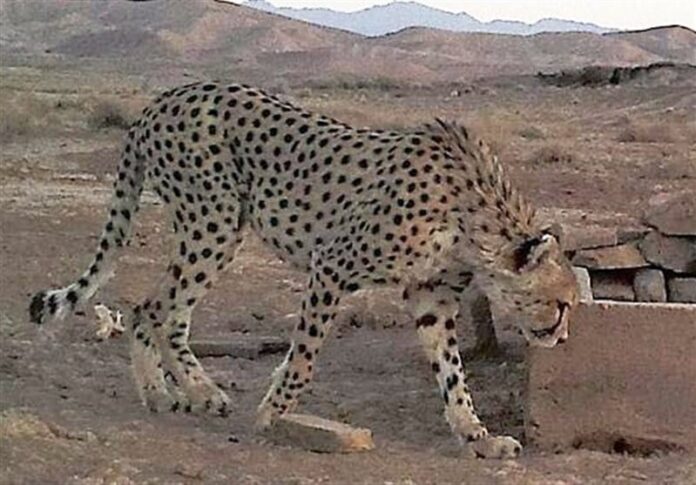
Asiatic Cheetah, Cubs in Iranian National Park (+Video)

Female Asiatic Cheetah

Spotting the cute cheetah family was a great news for those concerned about the highly-endangered species.

Asiatic cheetah is a highly endangered subspecies of which only less than 100 remain in the world, and it is now found only in Iran. One of its main habitats in this country is Khar Turan National ParkTasnim reported.

Khar Turan is located 140 km to the south-east of Shahrood along Tehran-Mashhad Road and southeast of the Iranian city of Shahrood. The national park is considered to be the Africa of Iran where the Iranian (Asiatic) cheetah lives.

Diverse and rare species live in Khar Turan, from its low fields to the mountains. For instance, mammals such as deer and Pallas’s cats; birds such as Houbara, Pleske’s ground jay and White-eyed buzzard; reptiles such as Desert Monitors, Jaafari snakes and Iranian horned snakes. Still, Khar Turan’s wildlife specially important for its cheetah and Iranian zebra.

Iran Parliament to Discuss EU’s Offer on JCPOA

Speaking to Tasnim on Saturday, Mohammad Ebrahim Rezaei, a member of the commission’s presiding board, pointed to recent talks between Iranian diplomats and the European Union and said members of the commission plan to examine the package offered by Europe in their first upcoming meeting.

Zarif, Deputy Foreign Minister for Political Affairs Seyed Abbas Araqchi and other members of the Iranian negotiating team will also be invited to attend the meeting to discuss the package, he said.

After reviewing the EU’s package and hearing the comments of the negotiating team, the National Security and Foreign Policy Commission will prepare a report and submit it to the presiding board of the parliament, the lawmaker went on to say.

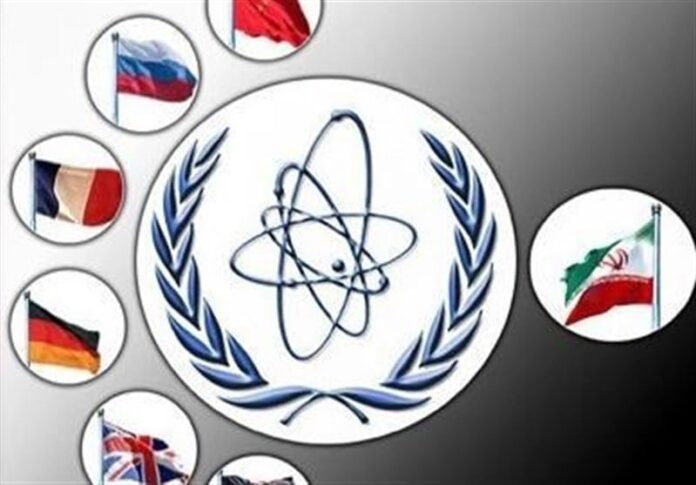
It comes after a crucial meeting among senior diplomats from Iran, Russia, China, Britain, France and Germany and the EU was held in Vienna on Friday, aimed at discussing the future of the Iran nuclear deal, known as the Joint Comprehensive Plan of Action (JCPOA).

The high-profile meeting in the Austrian capital involved delegations from the remaining parties to the JCPOA and a team from the European Union, led by EU Foreign Policy Chief Federica Mogherini.

At the conclusion of the talks, Iran’s foreign minister said the operational methods put forward in the ministerial meeting to save the nuclear accord appeared to be practical.

On May 8, the US president pulled his country out of the JCPOA, which was achieved in 2015 after years of negotiations among Iran and the Group 5+1 (Russia, China, the US, Britain, France and Germany).

Following the US exit, Iran and the remaining parties launched talks to save the accord.

Meanwhile, Leader of the Islamic Revolution Ayatollah Seyed Ali Khamenei has underlined that any decision to keep the JCPOA running without the US should be conditional on “practical guarantees” from the Europeans.

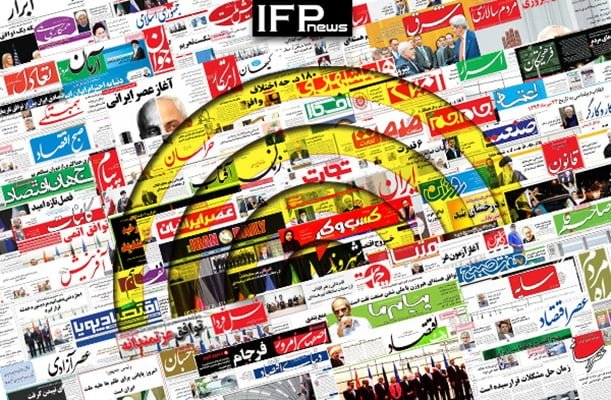
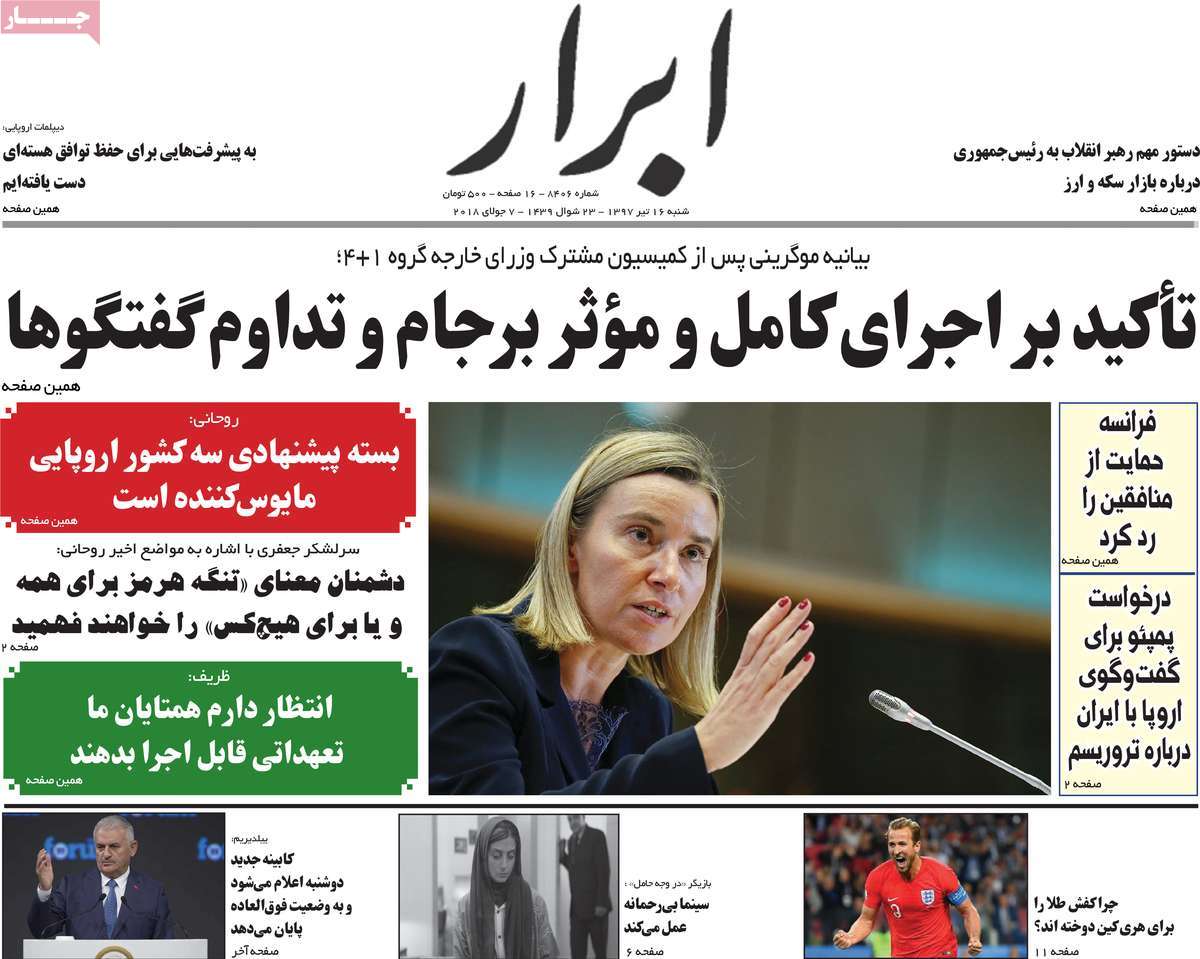
A Look at Iranian Newspaper Front Pages on July 7

A Look at Iranian Newspaper Front Pages on November 19

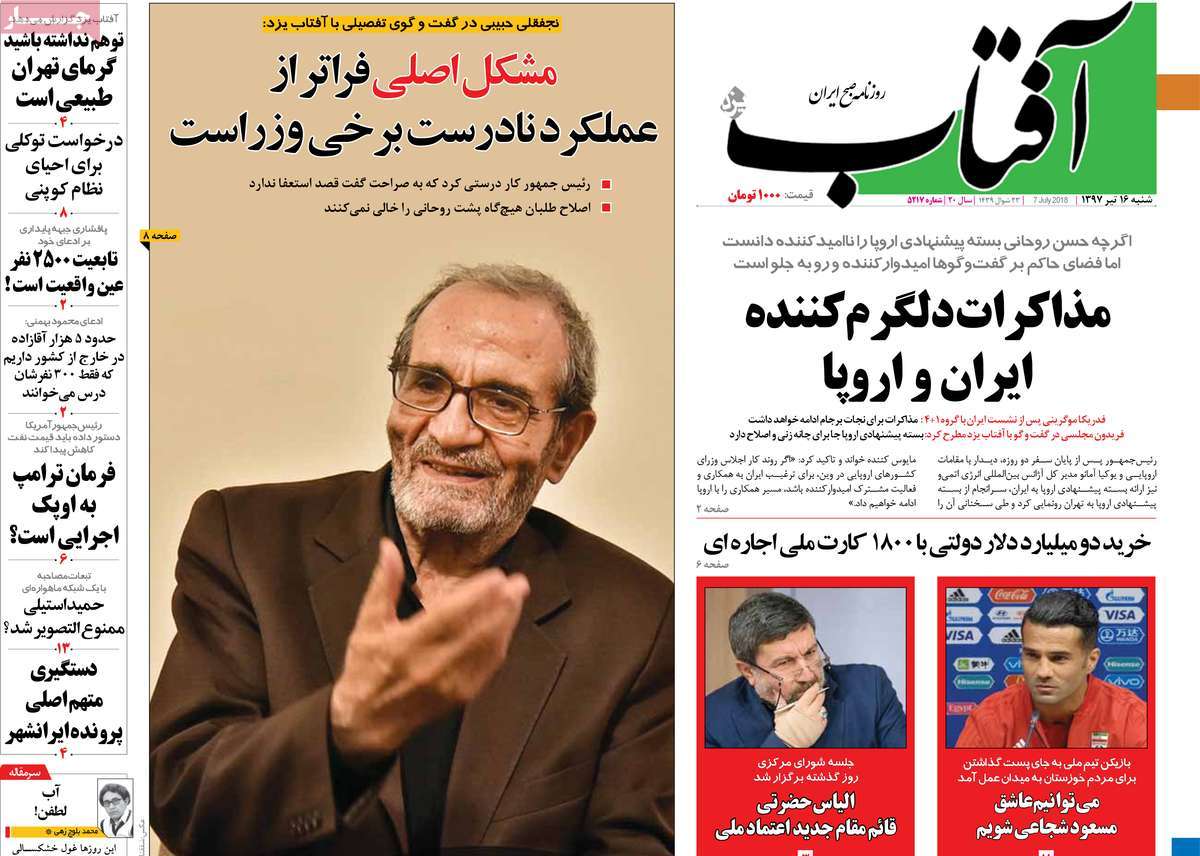
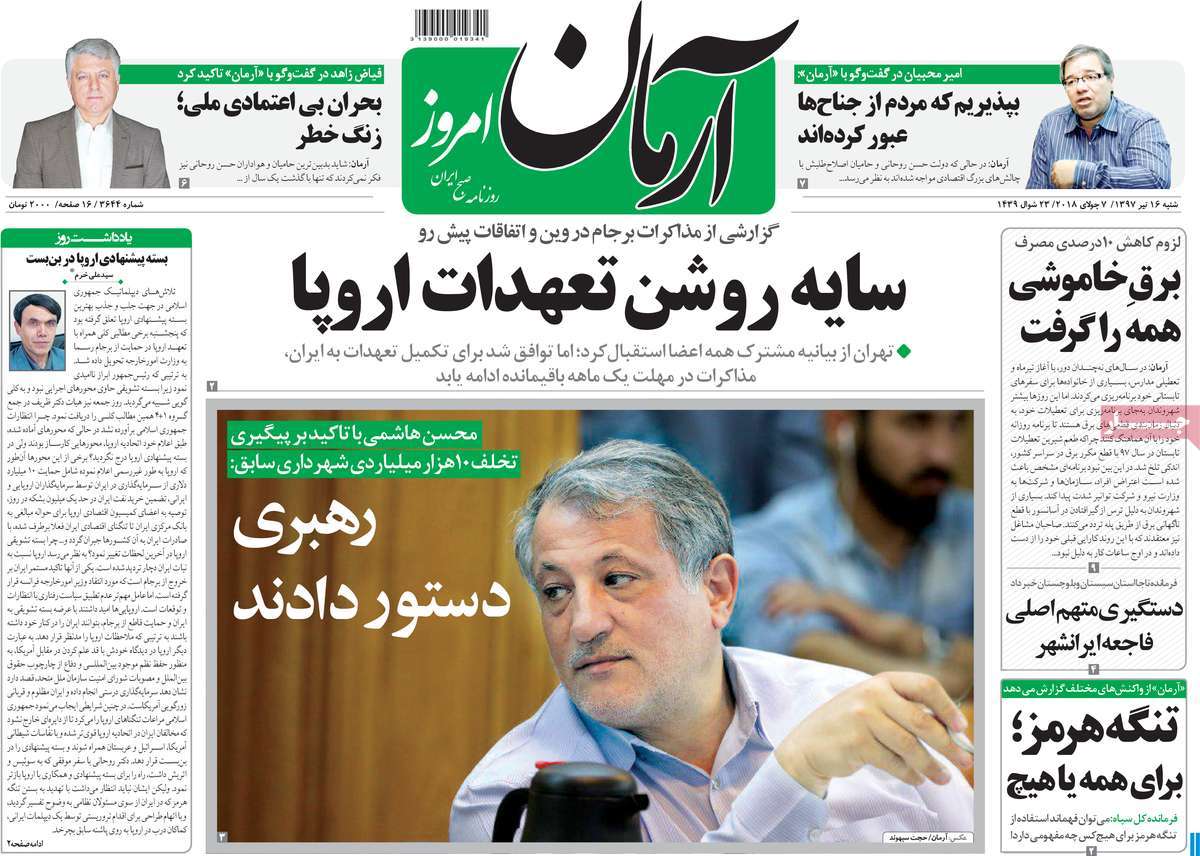
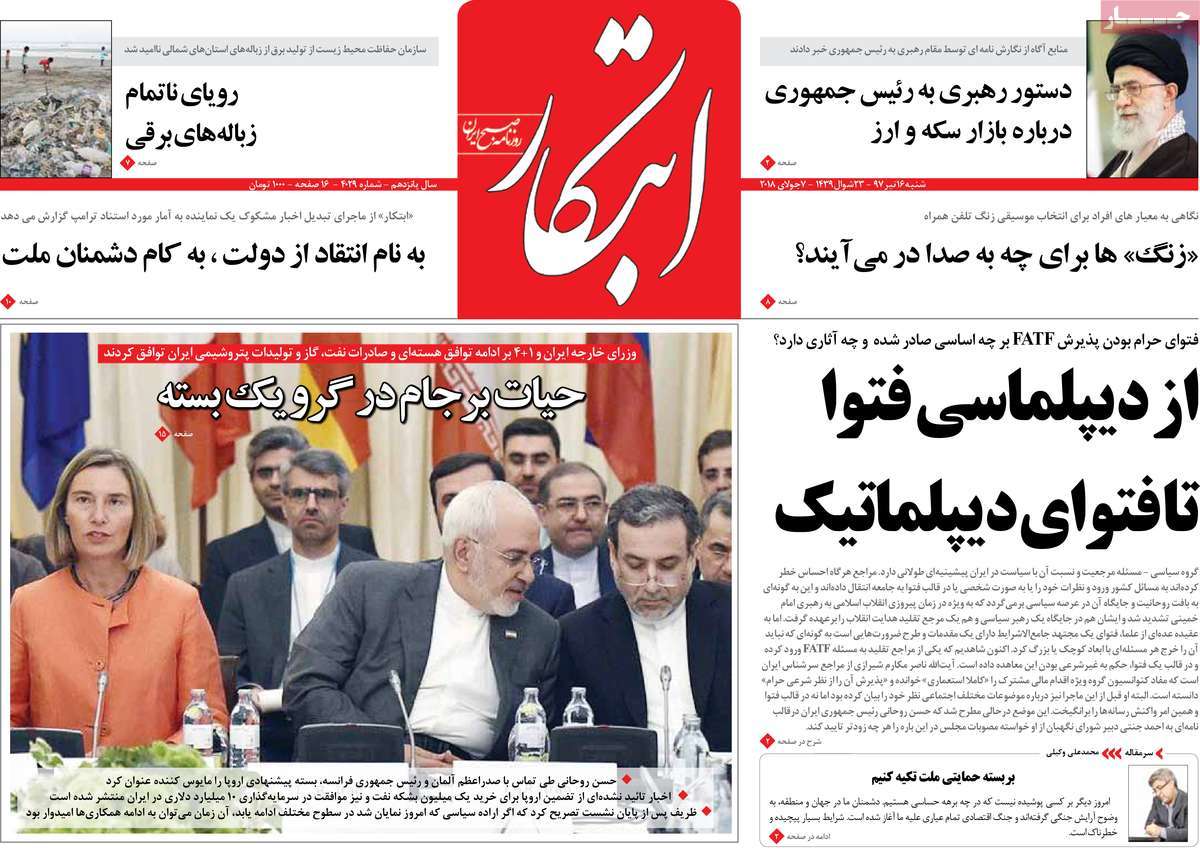
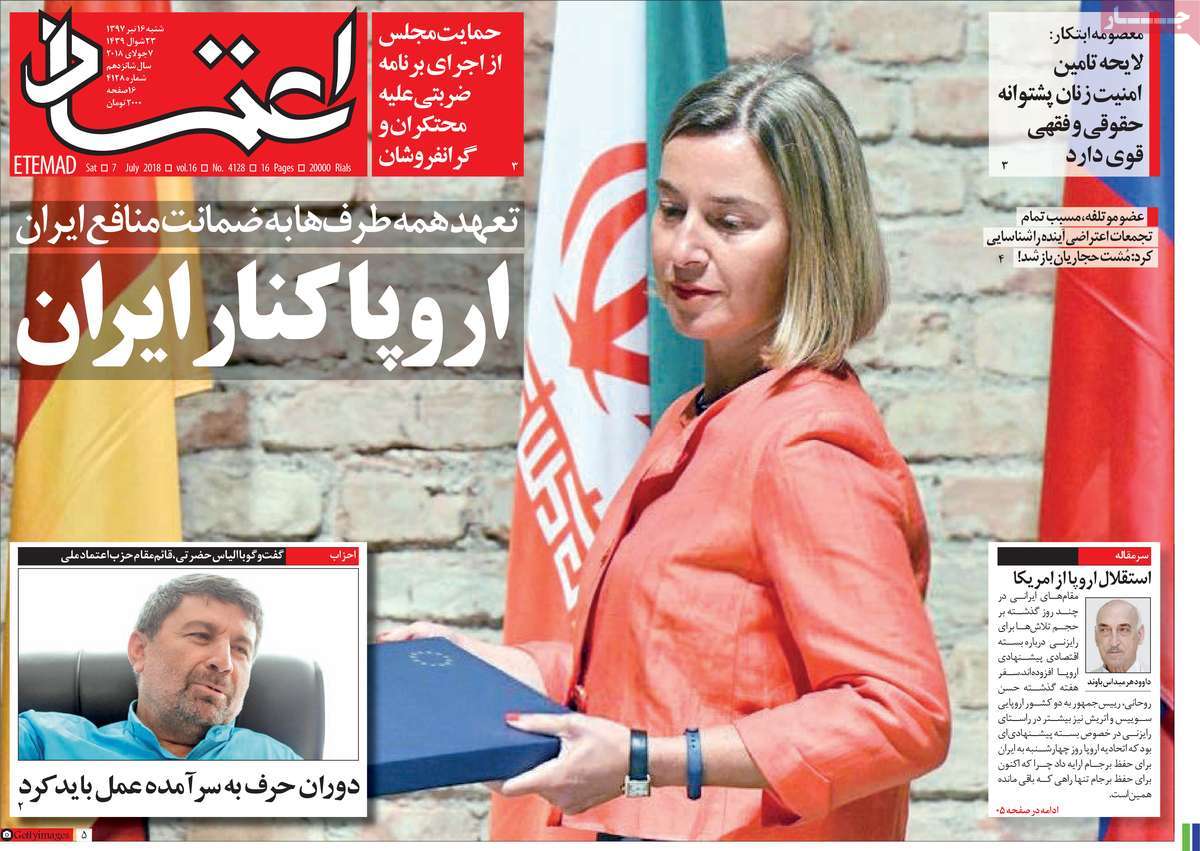
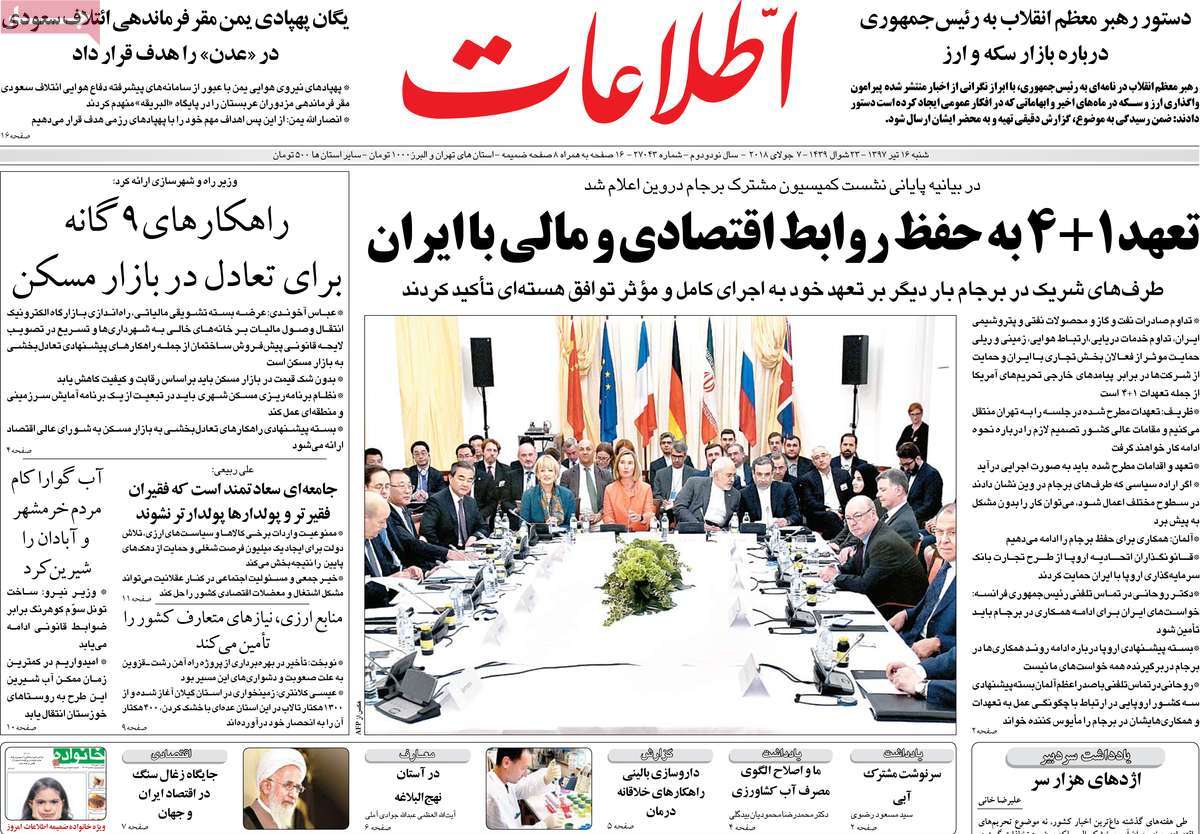
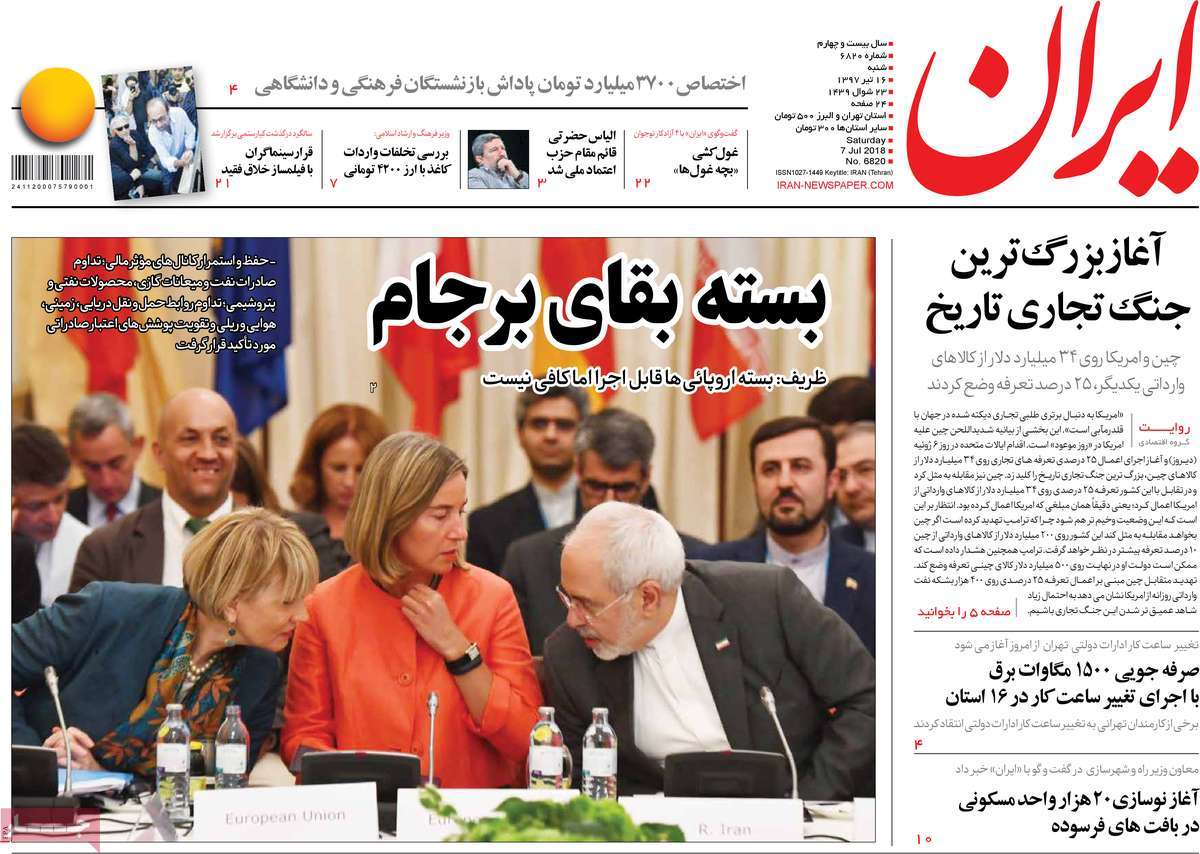
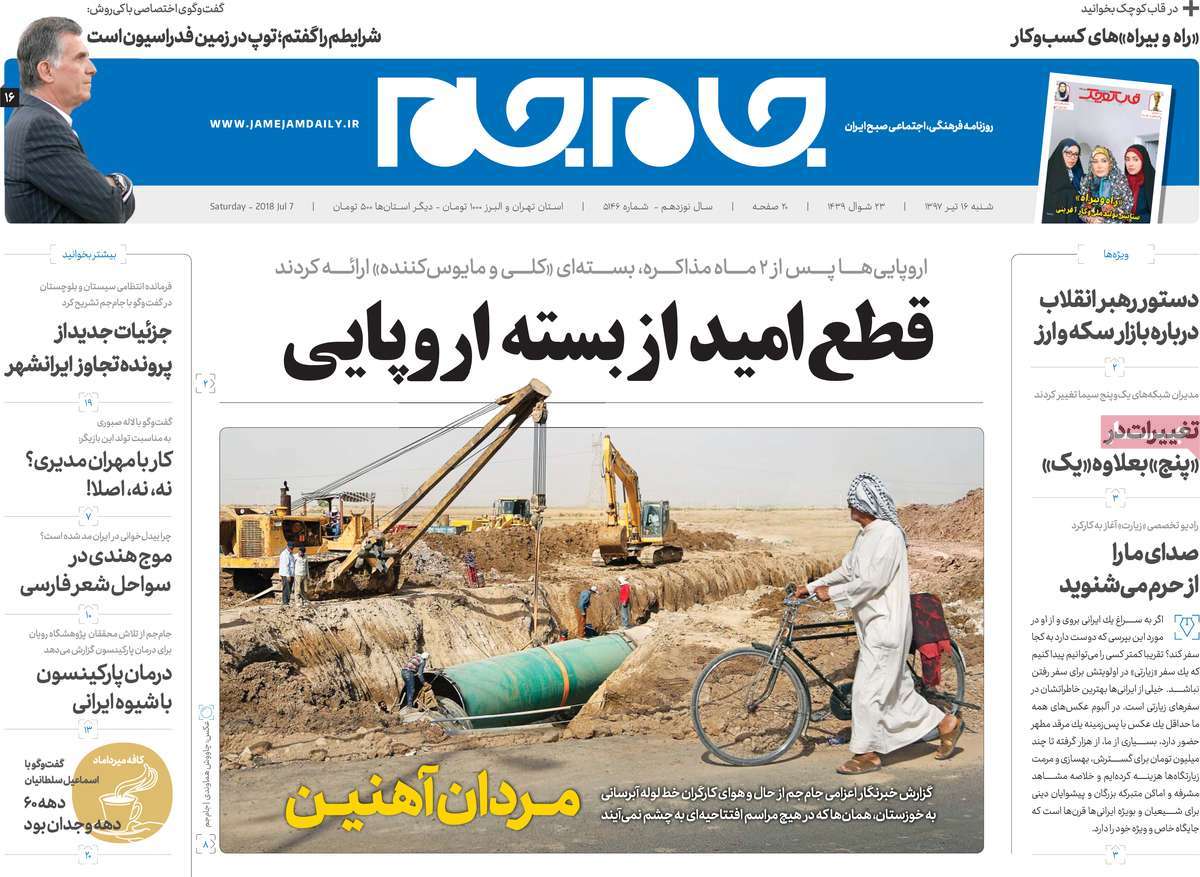
Almost all papers today covered the result of the ministerial meeting of the JCPOA Joint Commission held in the Austrian capital of Vienna on Friday, the first of its kind after the US’ withdrawal from the Iran nuclear deal.

Several newspapers, particularly pro-reform and pro-government ones, described the talks as promising, hailing the EU’s commitment to maintaining its economic relations with Tehran.

Also a top story today was a letter by the Leader of Iran’s Islamic Revolution Ayatollah Seyyed Ali Khamenei to President Hassan Rouhani, in which the former urged the latter to submit a report on the foreign currency and gold coin markets.

The above issues, as well as many more, are highlighted in the following headlines and top stories:


Abrar:

1- France Denies Supporting MKO Terrorist Group

2- European Diplomat: We’ve Achieved Progress to Save JCPOA

A Look at Iranian Newspaper Front Pages on July 7


Aftab-e Yazd:

1- Promising Talks between Iran, Europe

  • While Rouhani Called EU’s Package ‘Disappointing’, Friday Talks Seemed Promising

2- Trump Orders OPEC to Decrease Oil Price: Is It Possible?

A Look at Iranian Newspaper Front Pages on July 7


Arman-e Emrooz:

1- Highlights of Europe’s Commitments

  • Tehran Welcomes JCPOA Joint Commission’s Joint Statement

A Look at Iranian Newspaper Front Pages on July 7


Ebtekar:

1- A Package to Save JCPOA’s Life

A Look at Iranian Newspaper Front Pages on July 7


Etemad:

1- Europe Standing by Iran

  • All Parties Committed to Guarantee Iran’s Interests

2- Ebtekar: Bill to Support Women’s Security Has Legal, Jurisprudential Basis

3- Europe’s Independence from US [Editorial]

A Look at Iranian Newspaper Front Pages on July 7


Ettela’at:

1- P4+1 Committed to Maintaining Economic, Financial Ties with Iran

2- Yemeni Drones Target Saudi-led Coalition’s Base in Aden

A Look at Iranian Newspaper Front Pages on July 7


Iran:

1- Package to Save JCPOAA Look at Iranian Newspaper Front Pages on July 7


Jame Jam:

1- Iran Disappointed with European Package

A Look at Iranian Newspaper Front Pages on July 7


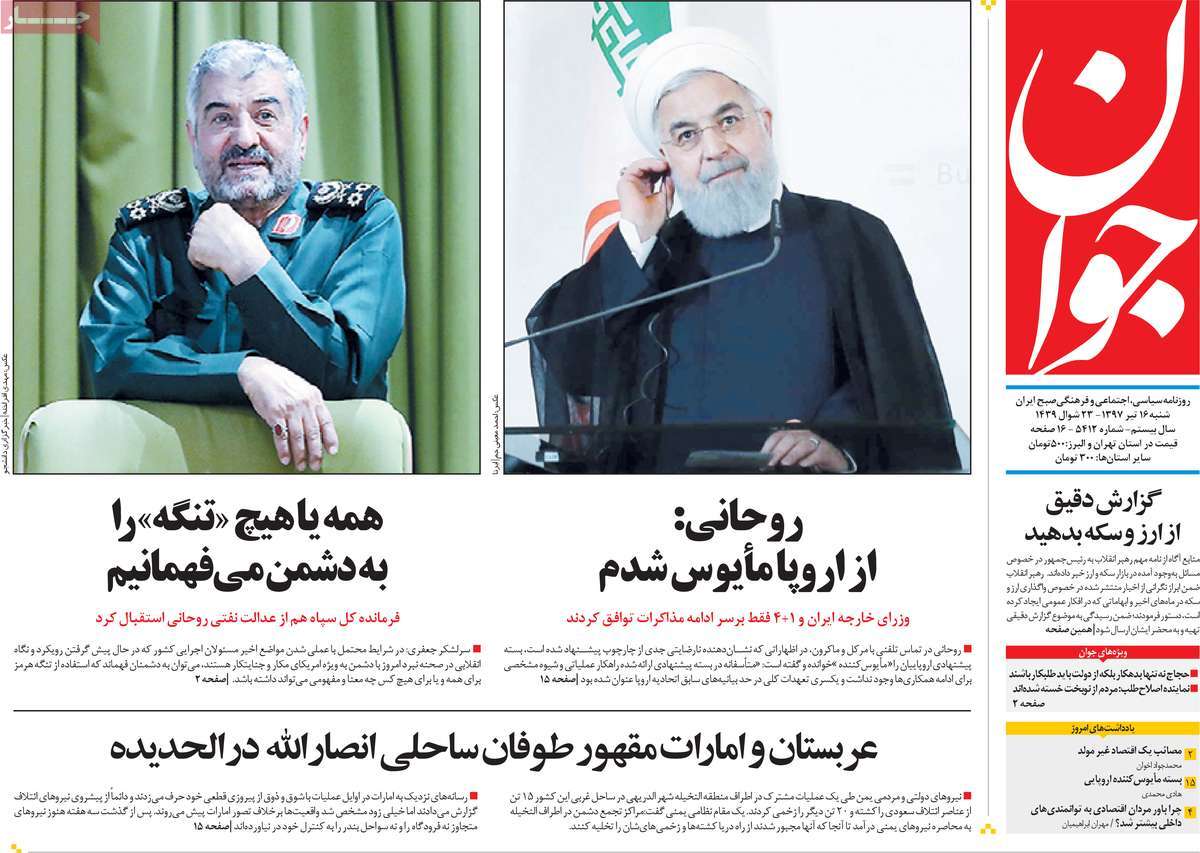
Javan:

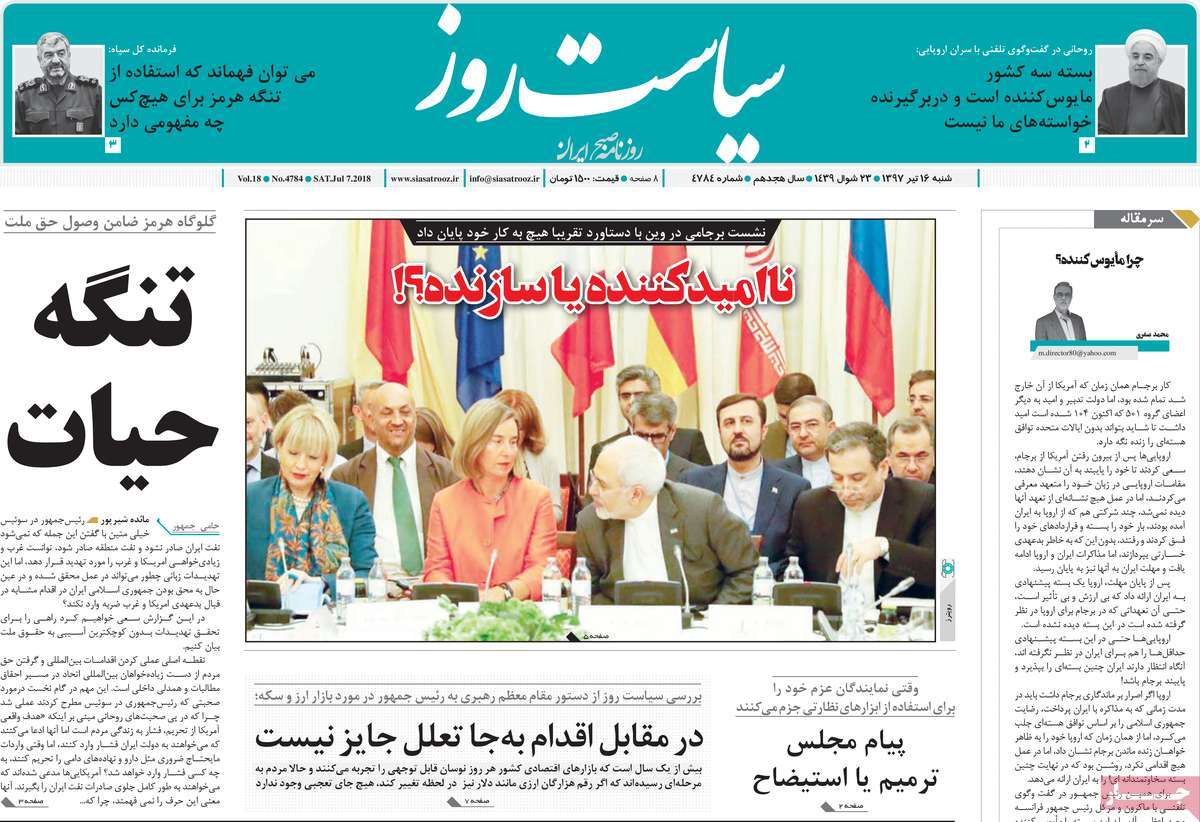
1- IRGC Chief-Commander: Strait of Hormuz Either for All or No One

2- Major General Jafari Welcomes Rouhani’s Plan for Oil Justice

3- Saudi Arabia, UAE Surprised by Ansarullah’s Naval Power in Hudaydah Port

A Look at Iranian Newspaper Front Pages on July 7


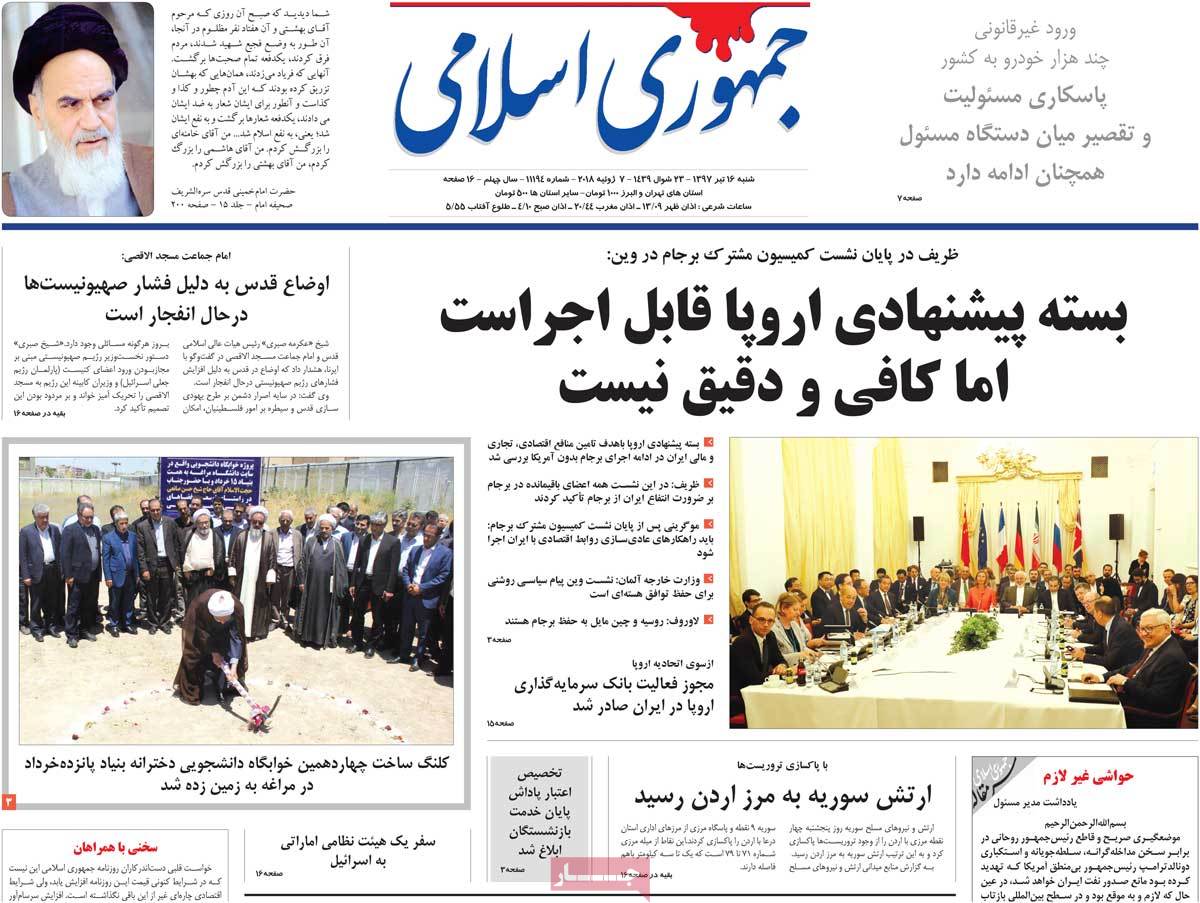
Jomhouri Eslami:

1- Zarif: Europe’s Package Practical, but Not Sufficient, Accurate

A Look at Iranian Newspaper Front Pages on July 7


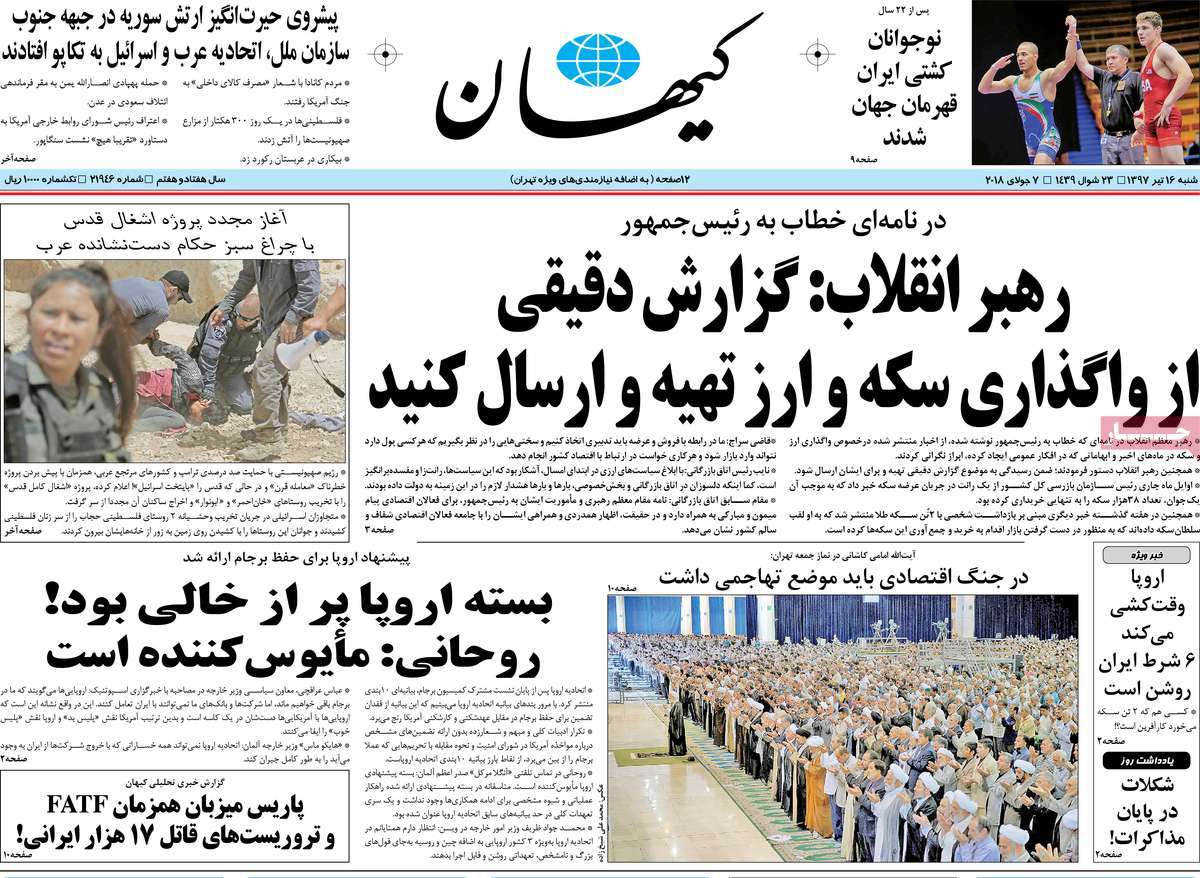
Kayhan:

1- Iran Leader Urges Rouhani to Prepare, Submit Report on Forex, Gold Markets

2- Junior Iranian Wrestlers Claim World Title after 22 Years

3- Syrian Army’s Amazing Progress in Southern Fronts: UN, Arab League, Israel Surprised

A Look at Iranian Newspaper Front Pages on July 7


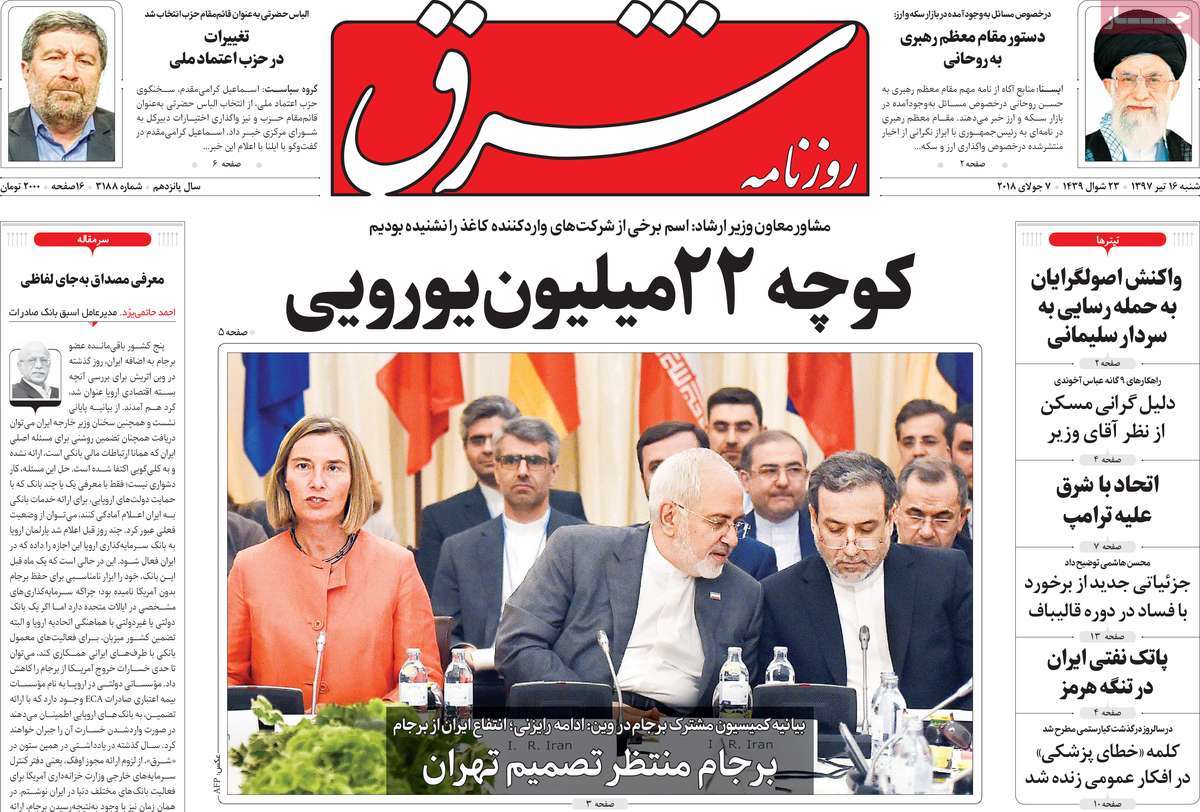
Shargh:

1- JCPOA Waiting for Tehran’s Decision

2- Iran’s Oil Countermeasure in Hormuz Strait

A Look at Iranian Newspaper Front Pages on July 7


Siasat-e Rooz:

1- Vital Strait: Hormuz Helps Iran Claim Nation’s Rights

A Look at Iranian Newspaper Front Pages on July 7

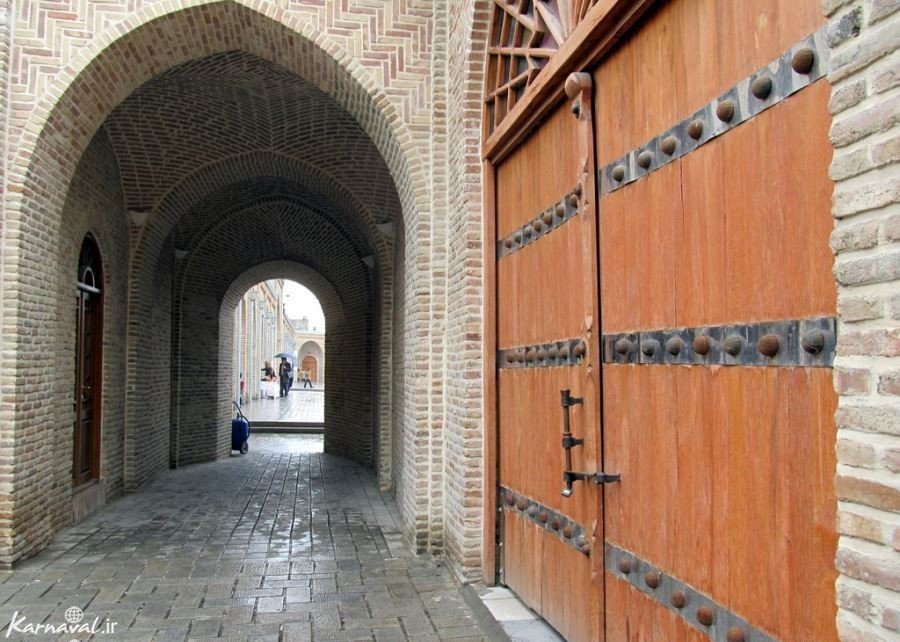
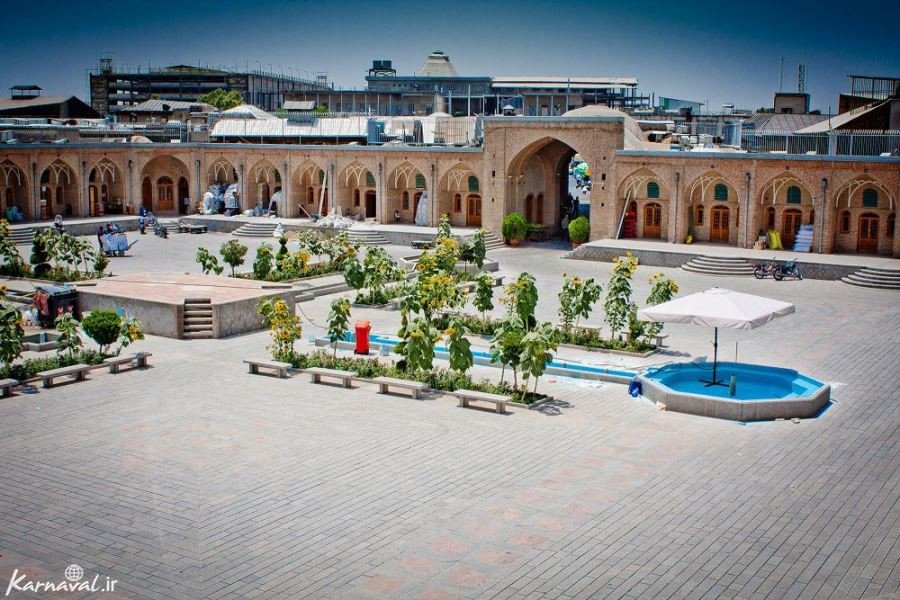
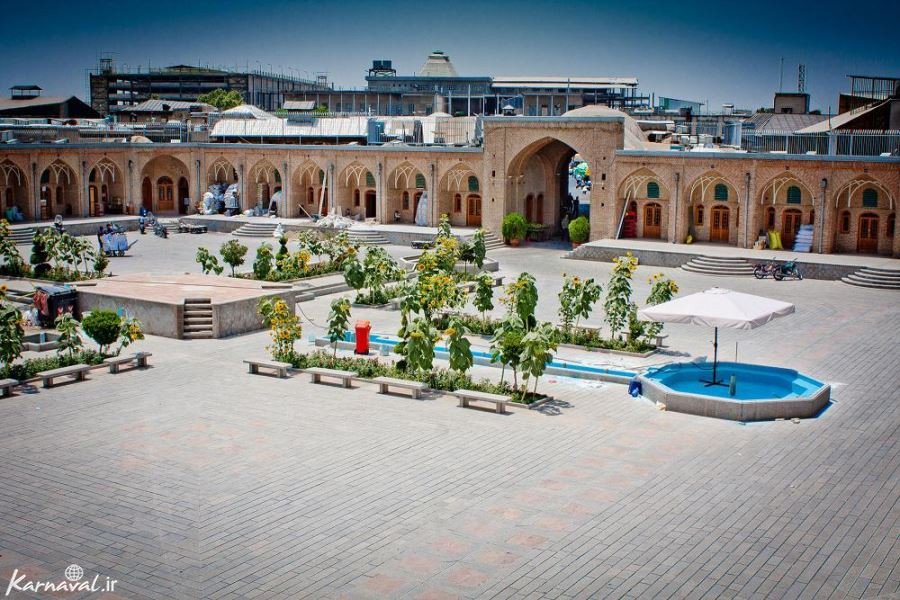
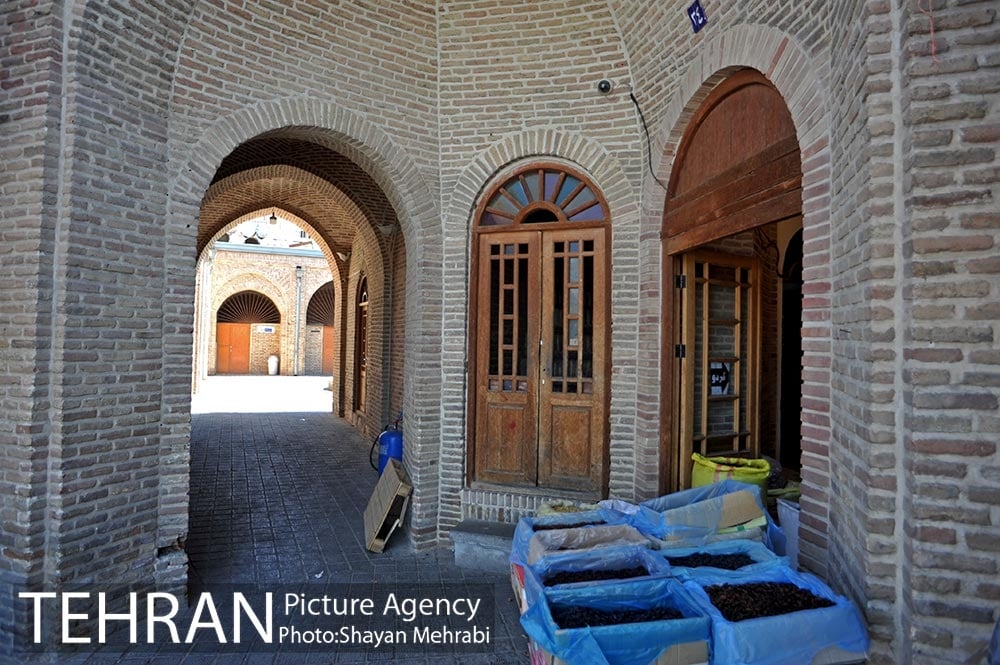
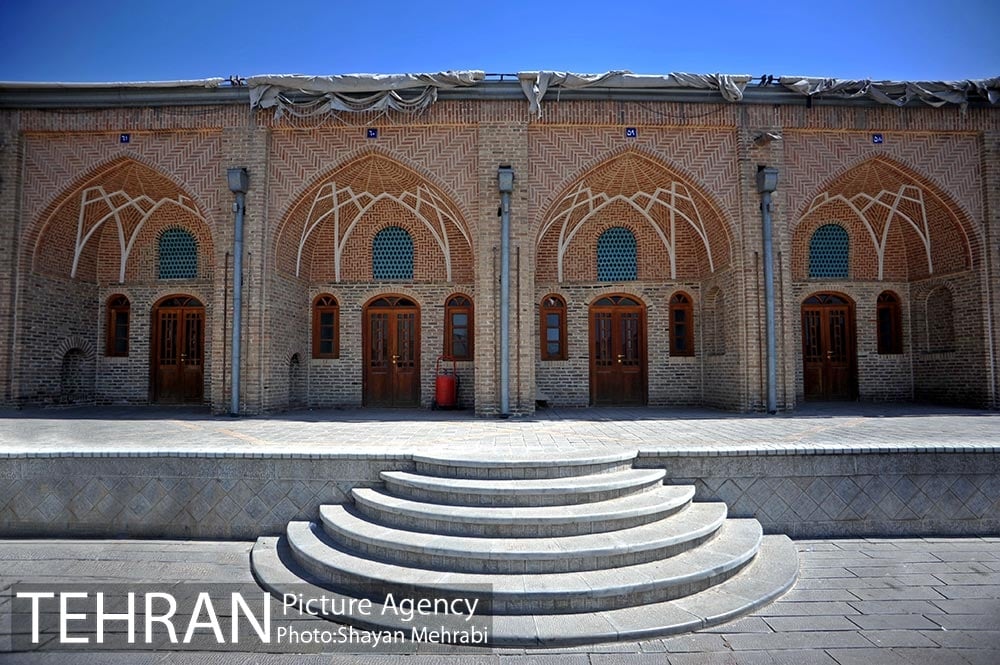
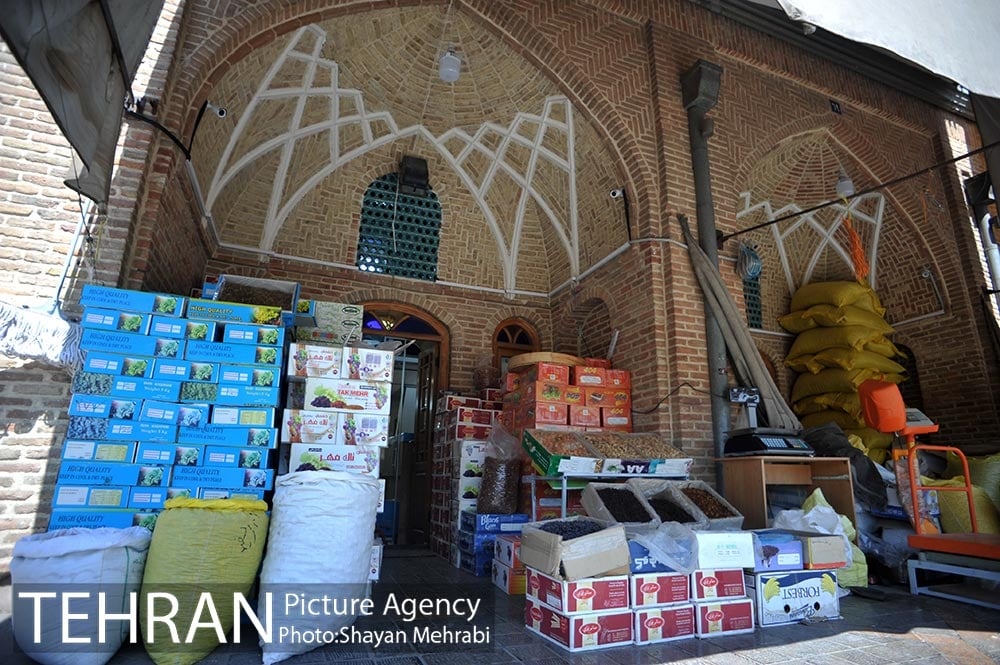
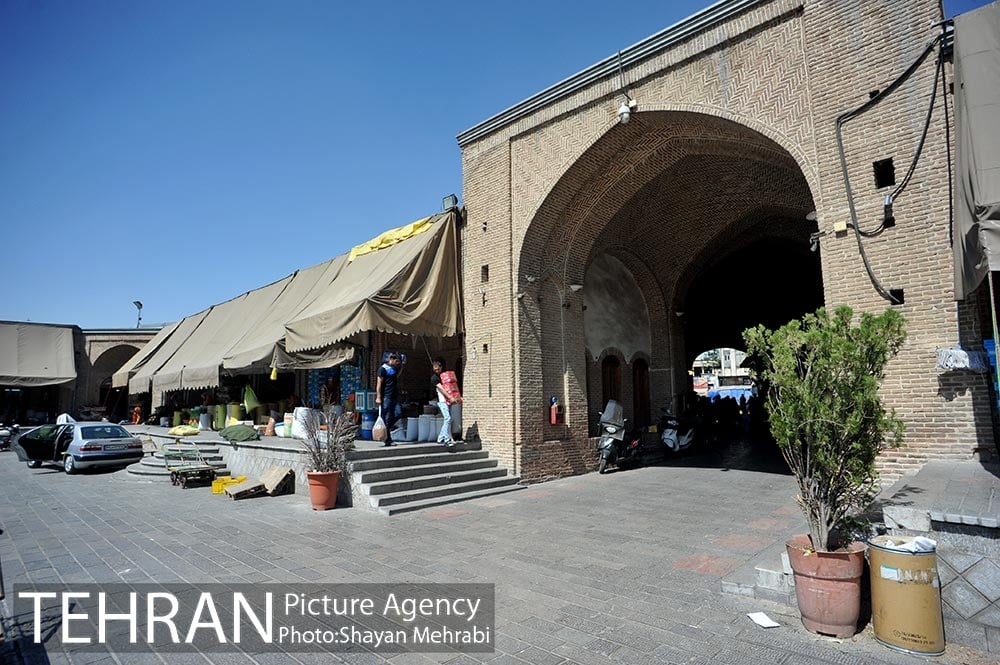
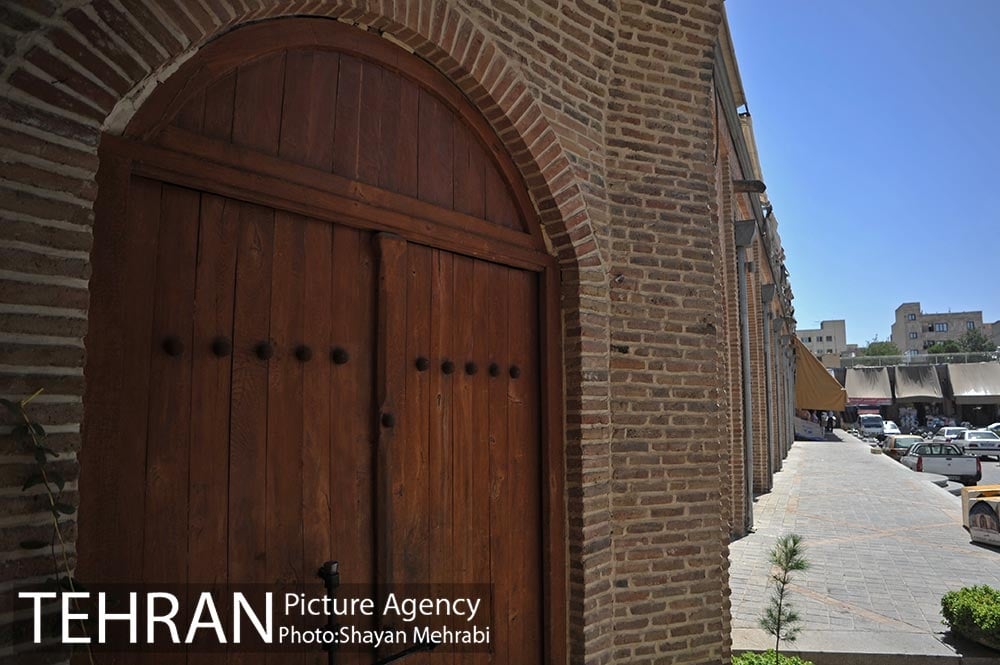
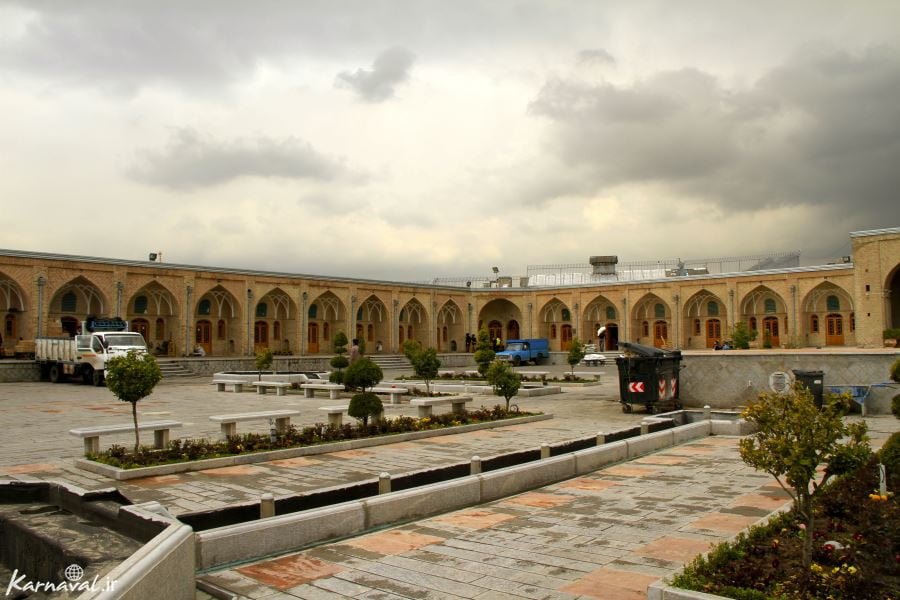
Khanat Caravanserai; Fabulous Historic Site in Tehran

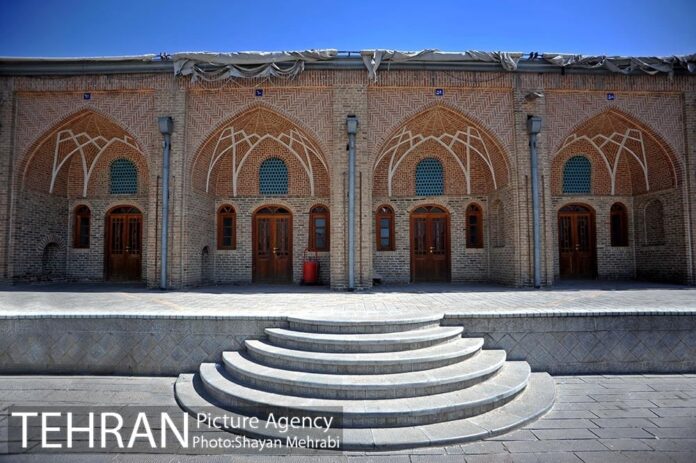
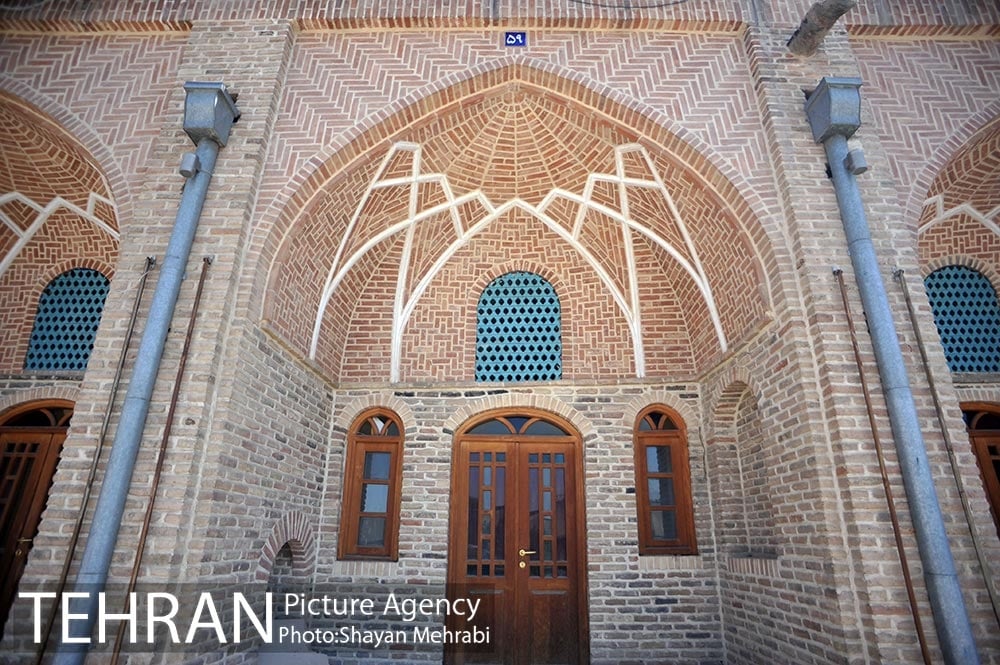
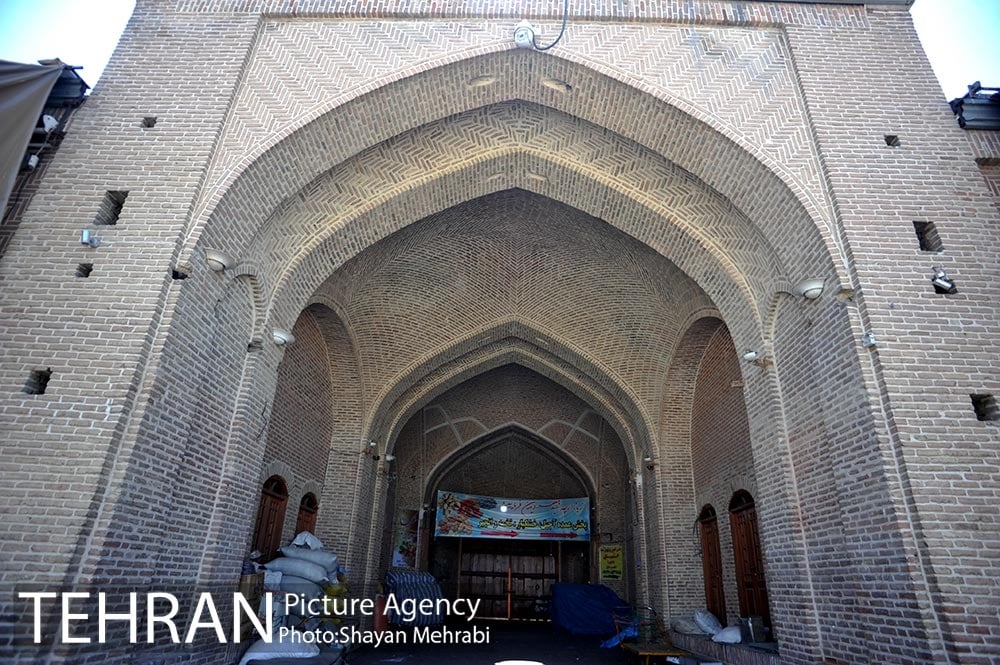
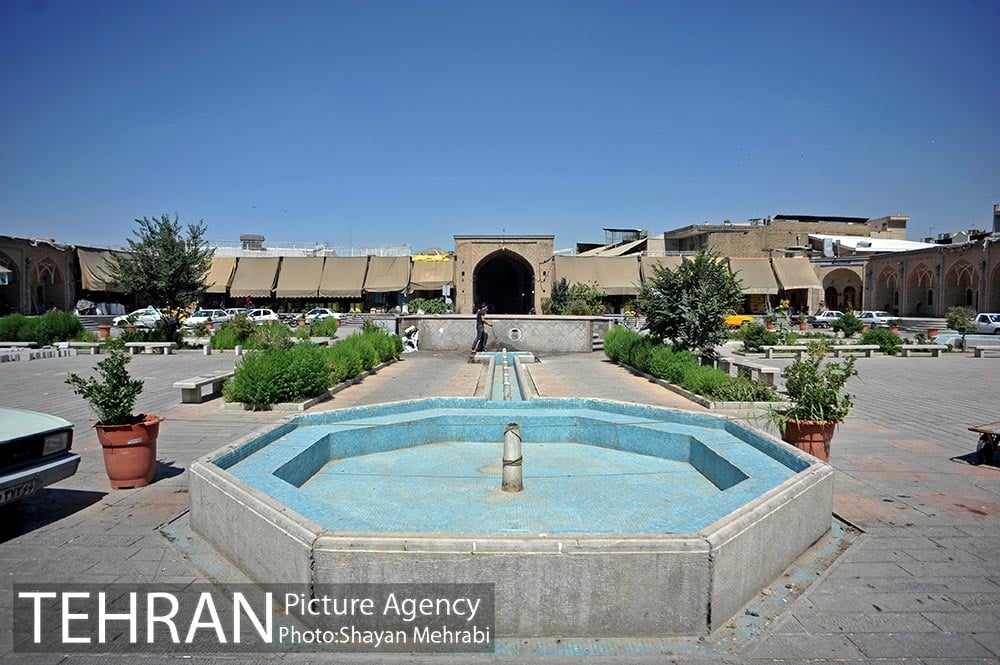
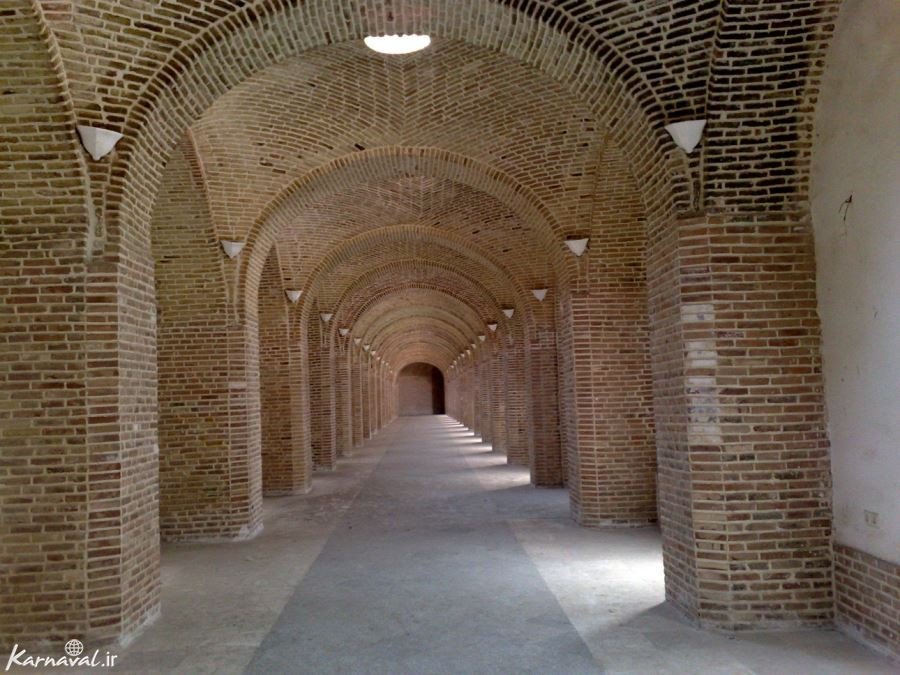
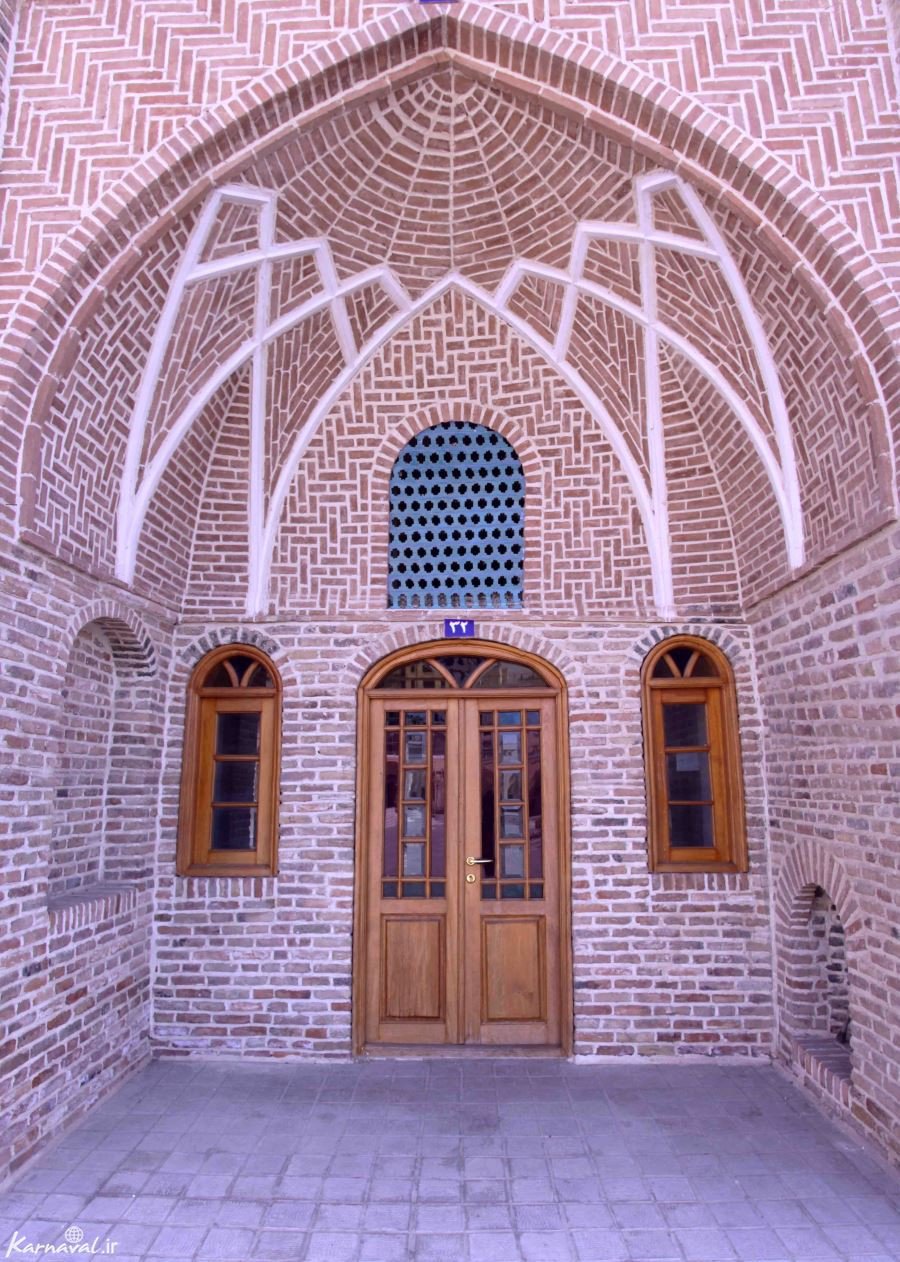
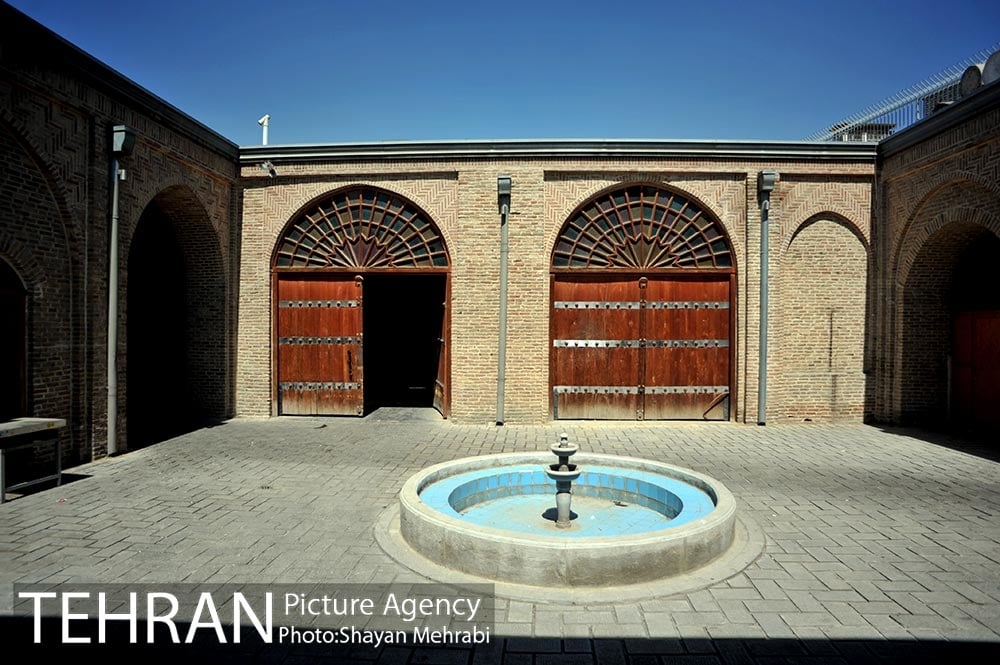
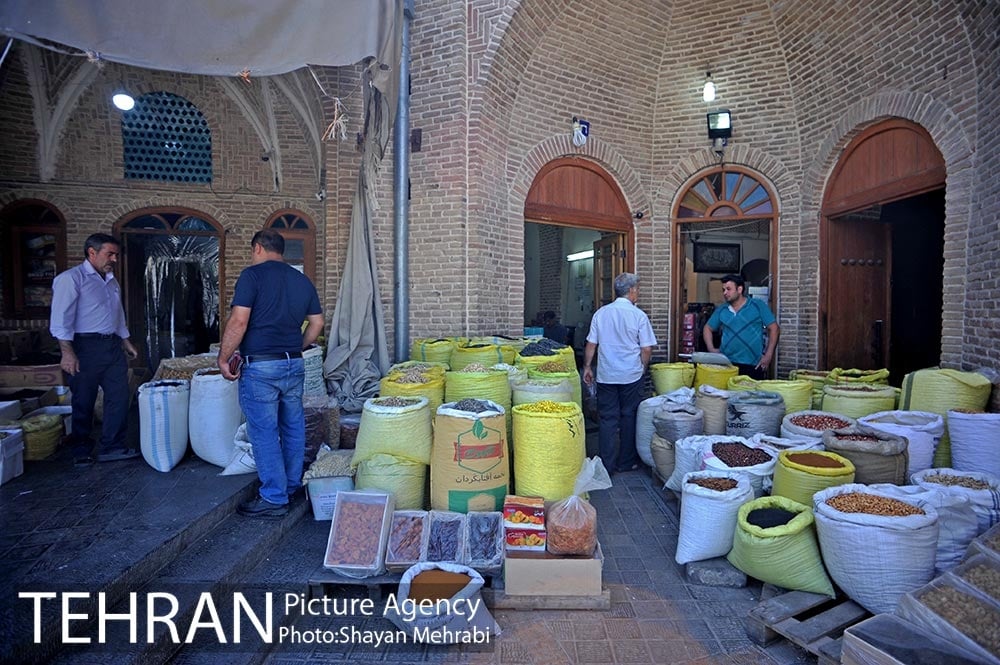
The caravanserai used to host merchants and travelers in the past. The brick structure was constructed towards the end of the rule of the Persian King Naser al-Din Shah Qajar (16 July 1831 – 1 May 1896) by the side of a road on the outskirts of Tehran. It was built on the eastern side of the then Amin al-Soltan Square.

The caravanserai can be seen on a map of Tehran drawn by Najm al-Malek back in 1930.

By the time the rule of Naser al-Din Shah Qajar was half way through, Tehran had been enclosed by a fence constructed by Safavid rulers in 1930. Afterwards, the fence was demolished and replaced with a new one in line with a city development plan, which saw Tehran expanded to bring the caravanserai within city limits.

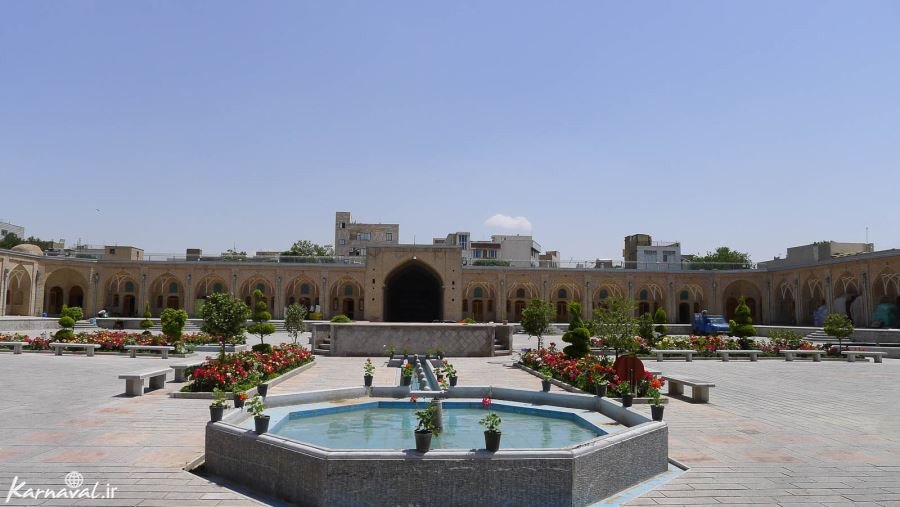
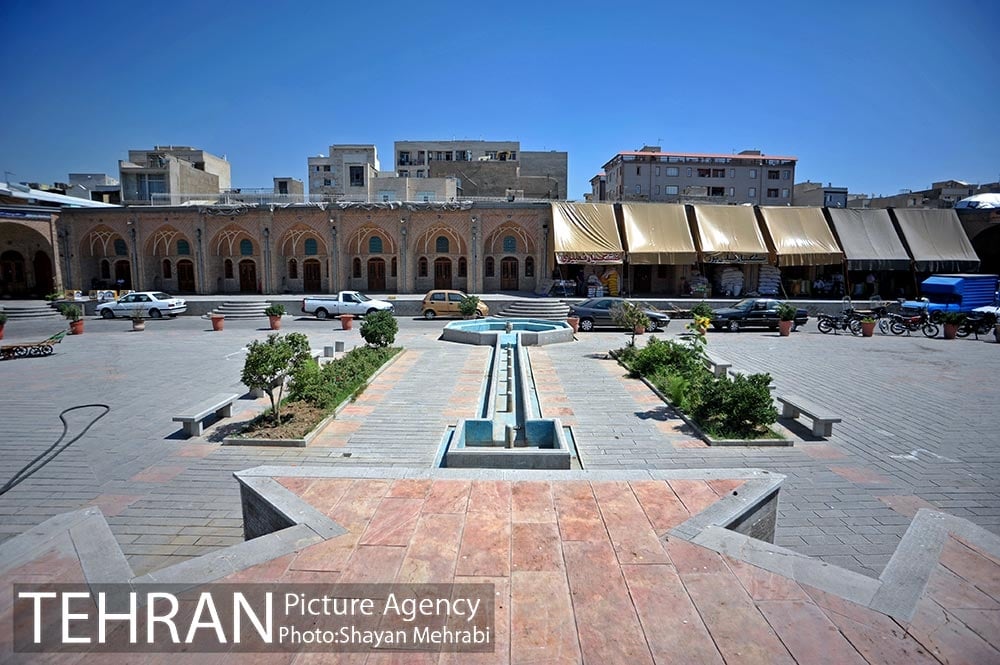
The Khanat caravanserai was the largest monument located in the old quarter of the city in central Tehran.

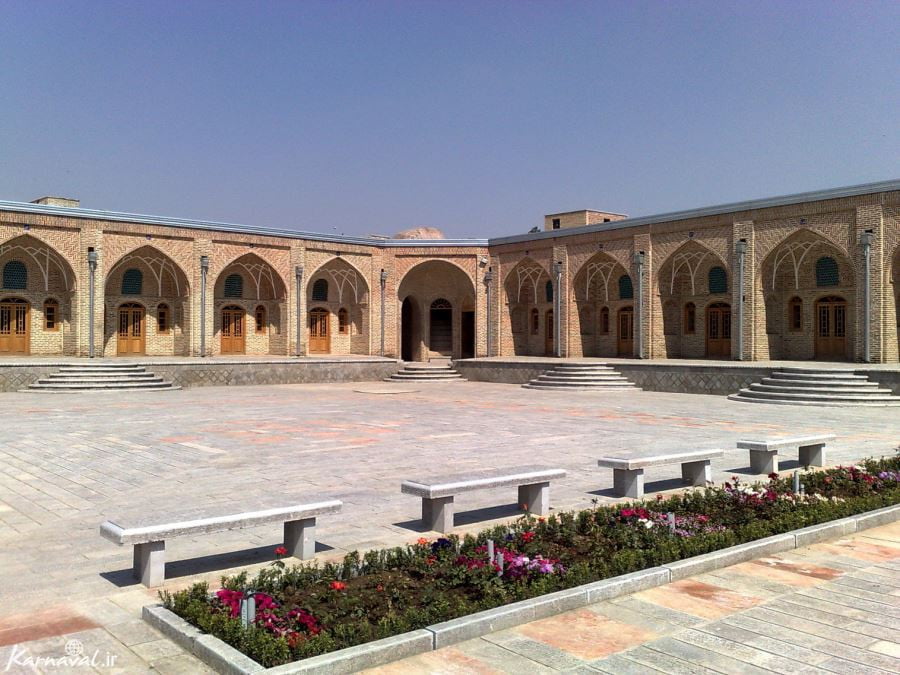
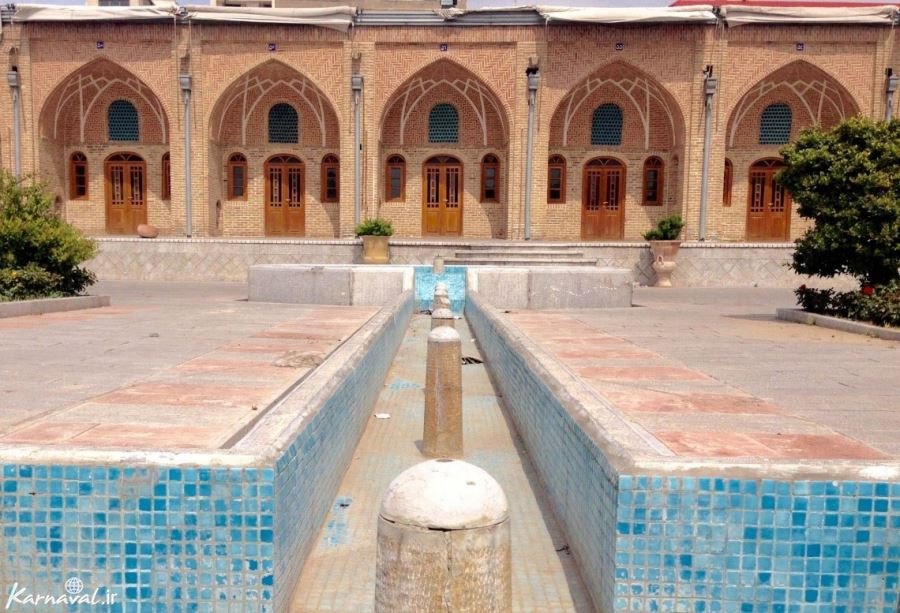
The building’s architecture is inspired by Persian gardens. The caravanserai has a surface area of 10,000 square metres. It has a total of 52 chambers, i.e. 13 chambers on each side.

Khanat literally means “chambers,” and the reason the caravanserai is named “Khanat” is because it had a lot of chambers.

The monument was abandoned because of a blaze in 1978, and was reopened in 2010 to host Nowruz ceremonies.

After the building was reconstructed, it turned into a traditional restaurant featuring performances such as story-telling.

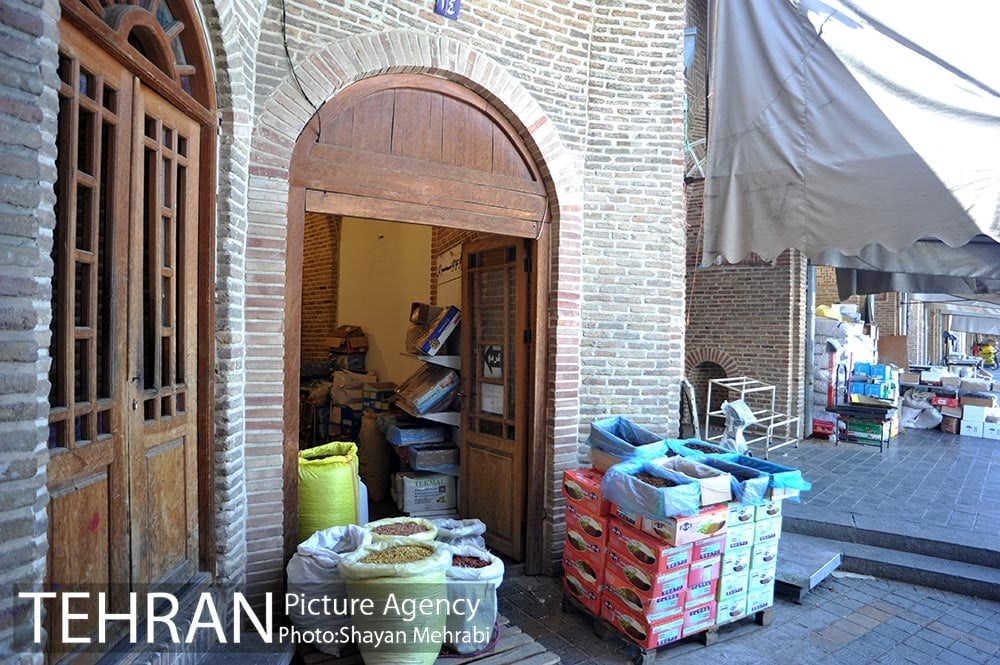
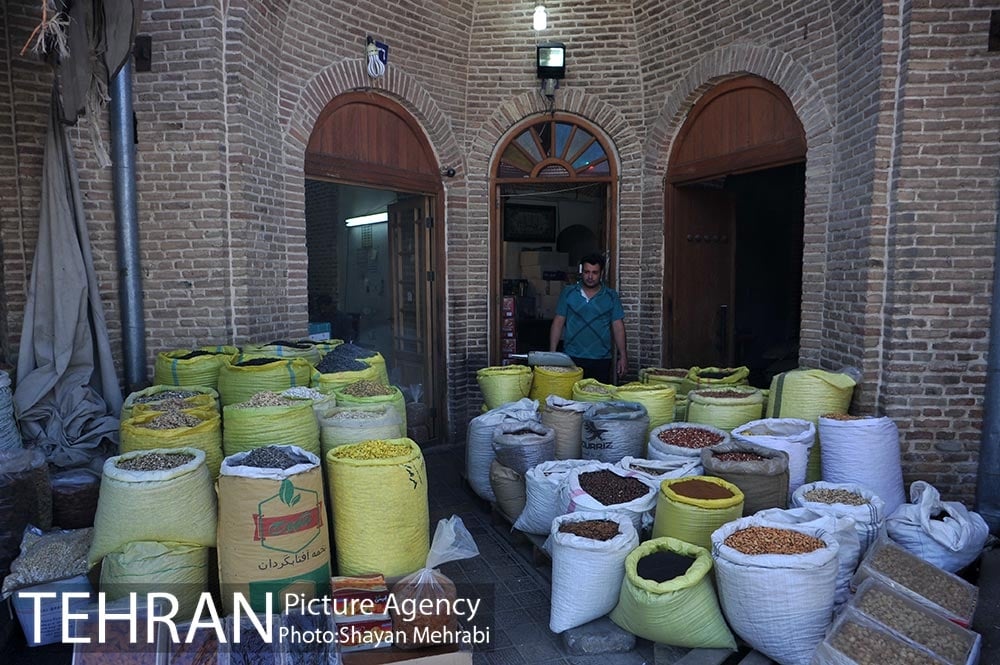
The outside of the caravanserai was converted into small shops selling pulses, medicinal herbs and spices. Later on, they were used as storage rooms.

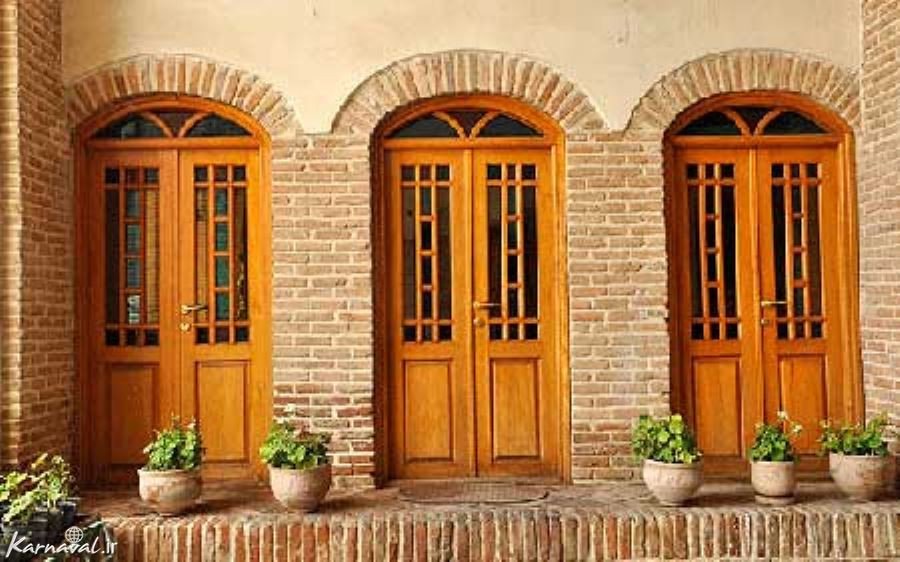
What follows are photos of the caravanserai retrieved from Tehran Picture Agency and Karnaval.ir:

Iran Censures French FM’s Comments on Its Regional Policies

The Iranian spokesman made the remarks in a talk with ISNA on Friday, responding to the latest anti-Iran accusations by French Foreign Minister Jean-Yves Le Drian.

Speaking to RTL radio on Friday, Le Drian said Iran should come to the negotiating table to discuss its missile program, which he said is not “solely aimed at defensive purposes”.

Qassemi said the Islamic Republic’s experiences in recent decades, including the west-sponsored Iraqi aggression against the country in 1980s, has taught Tehran it needs to boost its missile power as an effective deterrence.

“Iran’s missile activities are against no country and it is only for defensive purposes,” he added.


Unfair Allegations

Qassemi said Tehran itself is a big victim of terrorist attacks and it has spared no chance to fight terrorism.

“It is the Islamic Republic’s principled policy to fight terrorism and this policy has so far produced positive results in the region and the world,” he said, referring to Iran’s support for anti-terrorism push in Syria and Iraq that succeeded in neutralizing ISIS.

The spokesman said Iran has worked to promote stability, security and economic development in the region.
“We see our interests in consolidating security and peace in the region and we have been working to cooperate with regional countries to reach this end,” he said.

“Such anti-Iran allegations are wrong and unfair and result from lack of information about the situation in the region,” Qassemi said.

Qassemi’s comments came after the top French diplomat accused Tehran of destabilizing the region and sponsoring terrorism, saying Iran must agree to stop “meddling in others’ affairs” and cease support for the Syrian government and Houthis in Yemen.
Le Drian made the remarks before attending a meeting with other parties to JCPOA on the future of the Iran nuclear deal following the US withdrawal.
The top French diplomat also said Iran “must stop permanently threatening to break their commitments to the nuclear deal”, so that Europe can “find the solutions so that Iran can have the necessary economic compensations.”

Iran has announced it will not be able to continue to fulfill its obligations under the nuclear pact if the return of US sanctions places much pressure on the country.

Tehran has demanded binding assurances from other parties to the deal that its interests will be protected if it remains in the deal.

France has said Europe would likely not be able to create an economic compensation package for Iran prior to November.

FM Zarif Rejects Claim that Obama Granted Citizenship to 2,500 Iranians

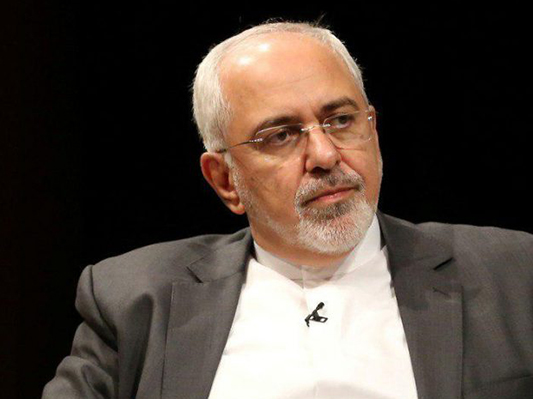
Mohammad Javad Zarif referred to a recent allegation raised by conservative lawmaker Mojtaba Zonnour about the issue, and stressed that the claim is not true, whatsoever.

“I was present at the [nuclear] talks, and I deny the news. It is a lie, altogether,” said Zarif in an interview with Alef news website.

“Such issues were never brought up during or on the sidelines of the negotiations or otherwise,” the top diplomat said.

Zarif said even legitimate demands such as lifting the limitations on the activities of Iranian diplomats at the UN were not discussed, let alone the issue of citizenship for ordinary Iranians.

He dared those who made the claim to publish the names of the individuals allegedly granted citizenship by the US.

Zarif’s remarks came after Zonnour first claimed that the Obama administration granted citizenship to 2,500 Iranians as part of the nuclear agreement.

Later, US President Donald Trump tweeted the legislator’s unsubstantiated claim.

“Just out that the Obama administration granted citizenship, during the terrible Iran Deal negotiation, to 2,500 Iranians, including to [sic] government officials. How big (and bad) is that?”

Neither Zonnour nor Trump cited any evidence for the allegation.