Tuesday, December 23, 2025
Home Blog Page 3423

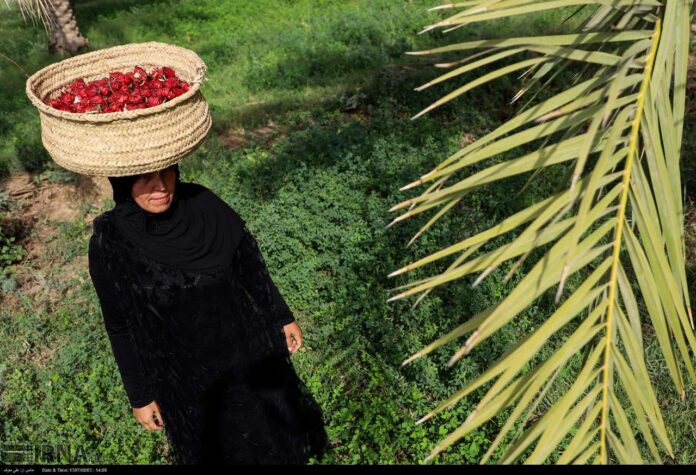
Red Tea Harvest Starts in Southern Iran

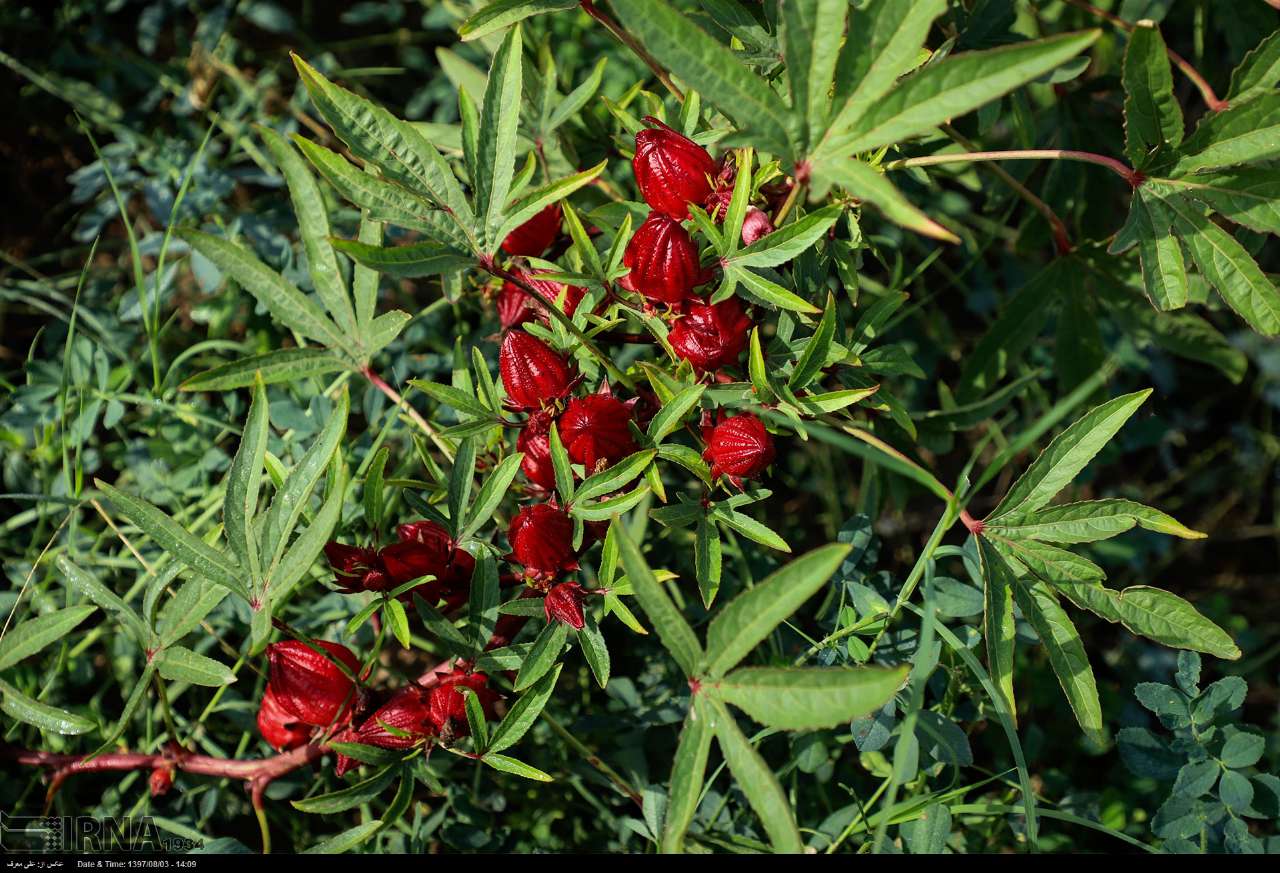
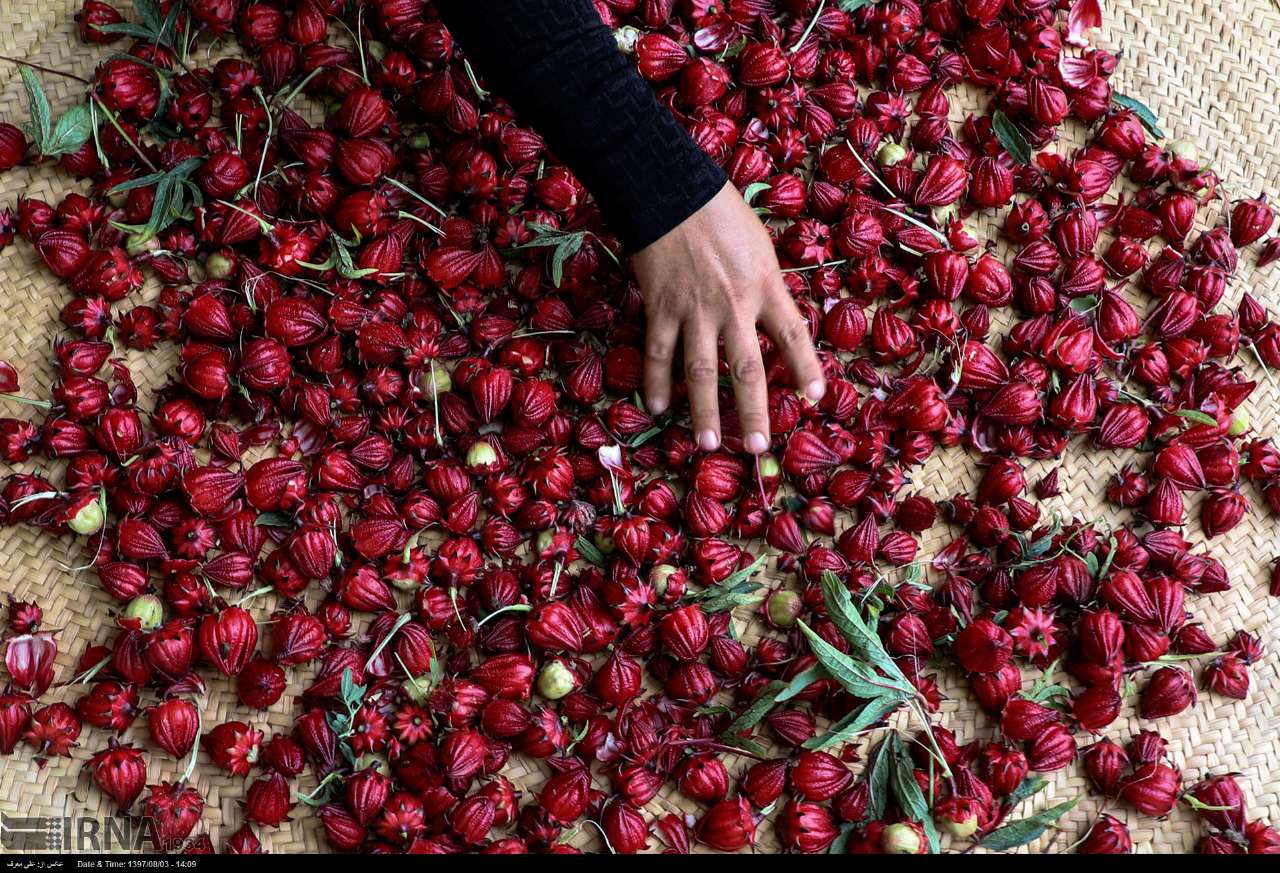
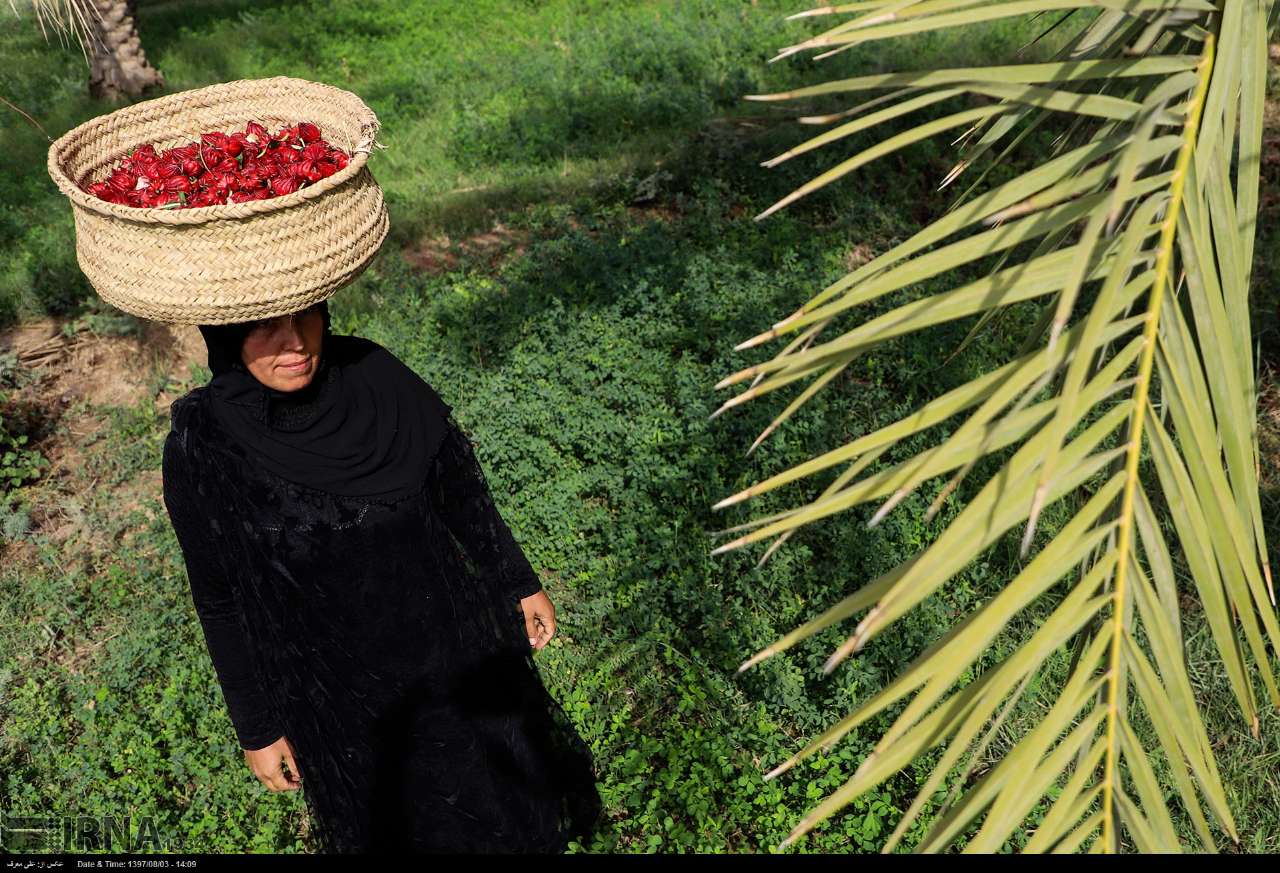
Hibiscus tea, also called “red tea” because of its red colour, can grow in tropical and subtropical regions. By cultivating this plant, water consumption can be decreased by 70 percent.

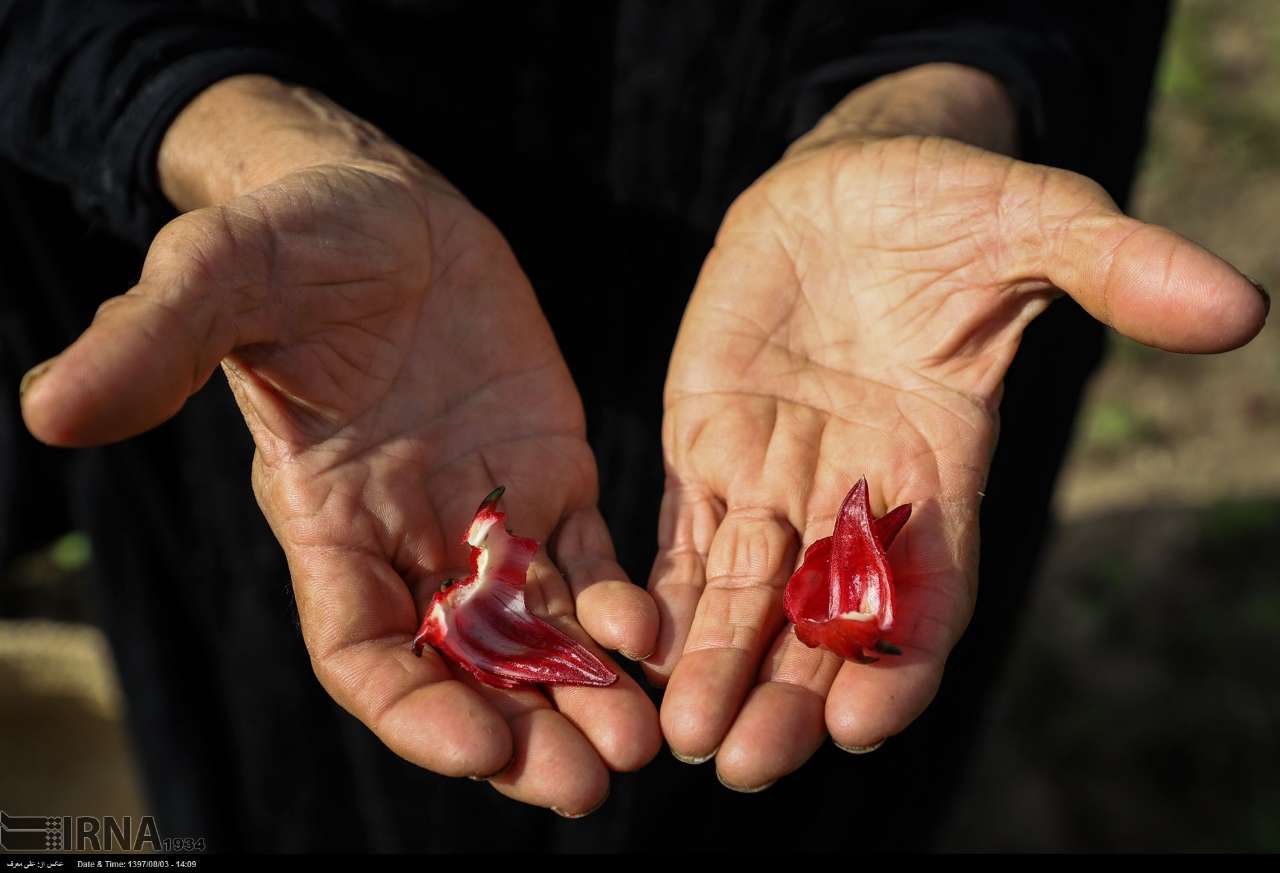
The plant grows up to three metres in height, and its first fruit is harvested three weeks after flowering. The only usable product of this plant is its flower sepals. In other words, sour tea is harvested after the flower falls, of course before getting dried.

This plant is prepared in the form of tea and is rich in iron, copper, citric acid and anthocyanin, which lower blood pressure, cholesterol, and eliminate liver and bile dysfunctions.

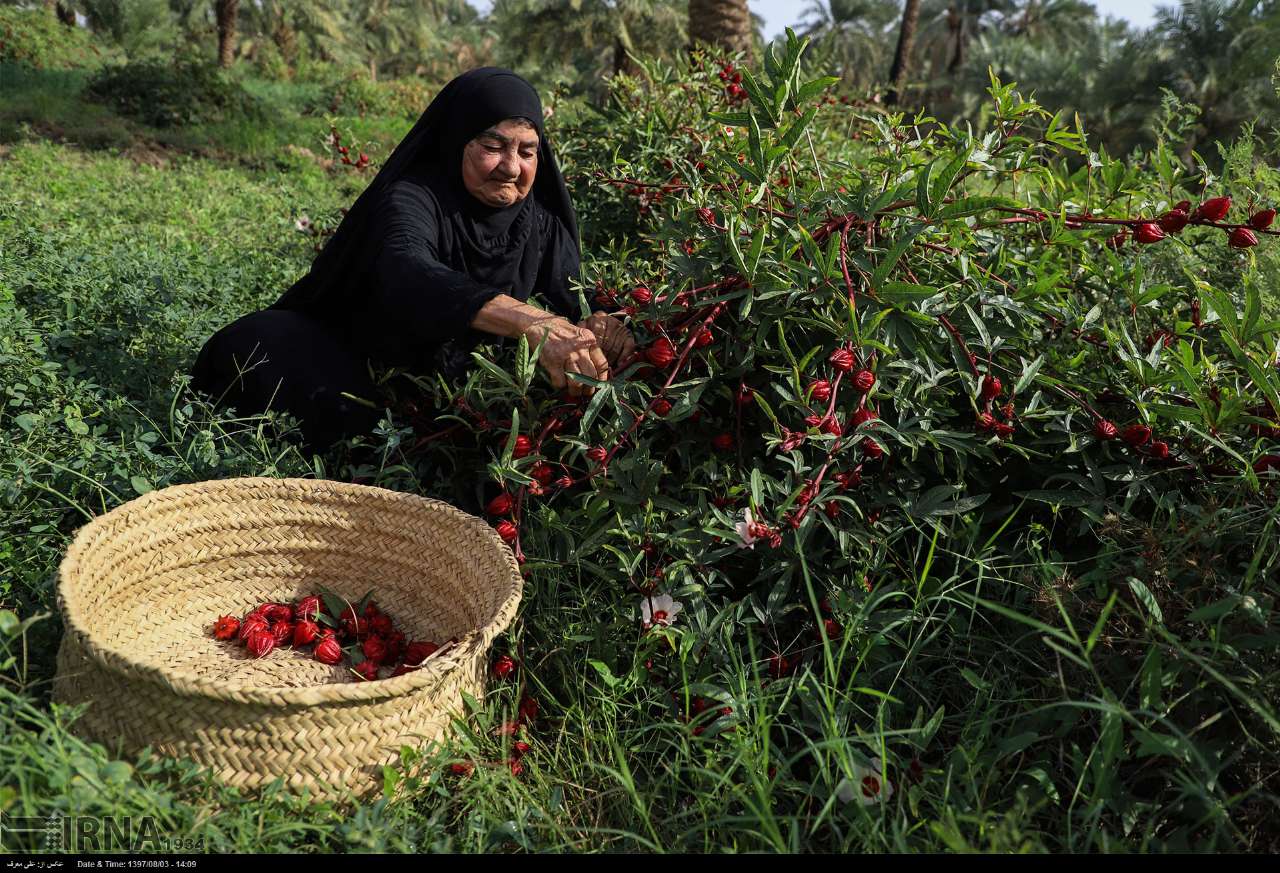
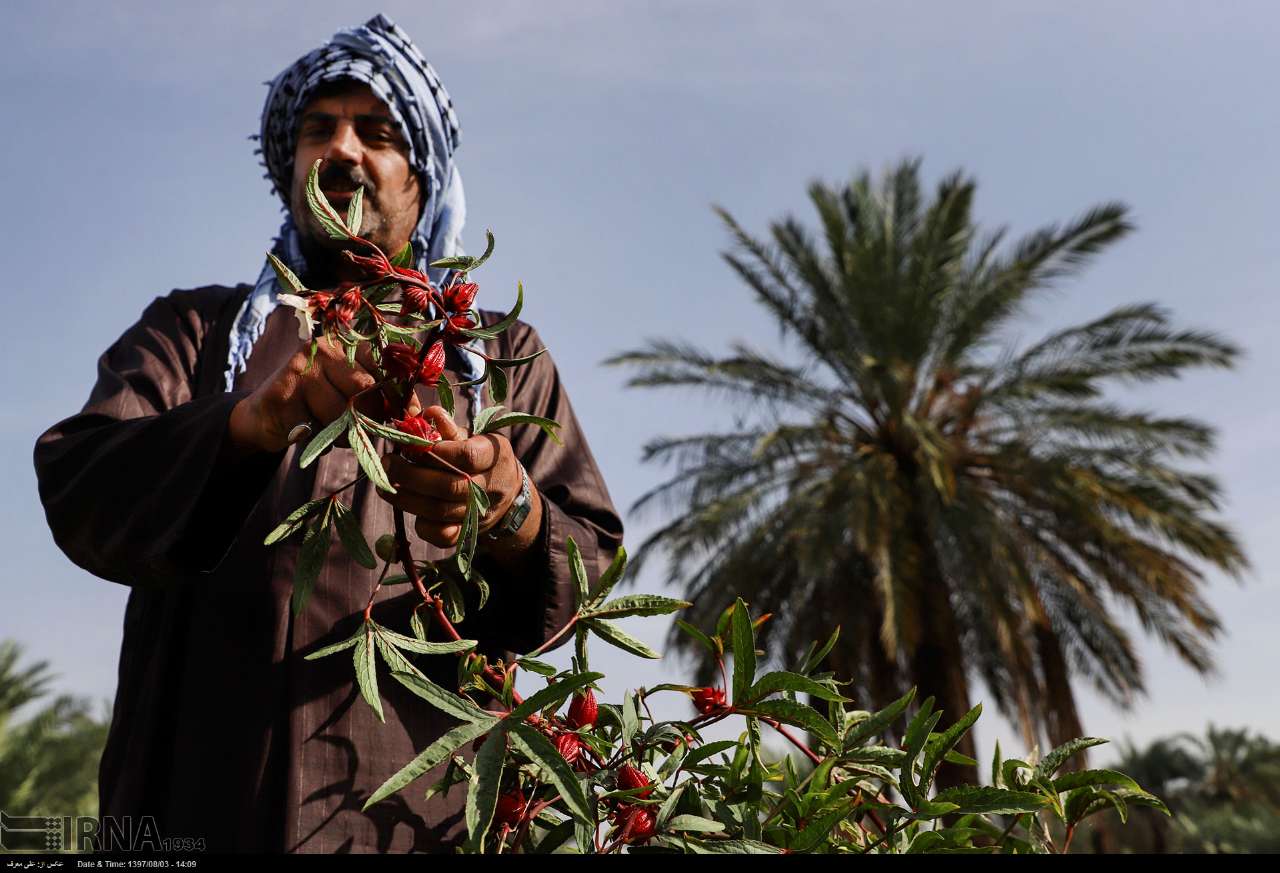
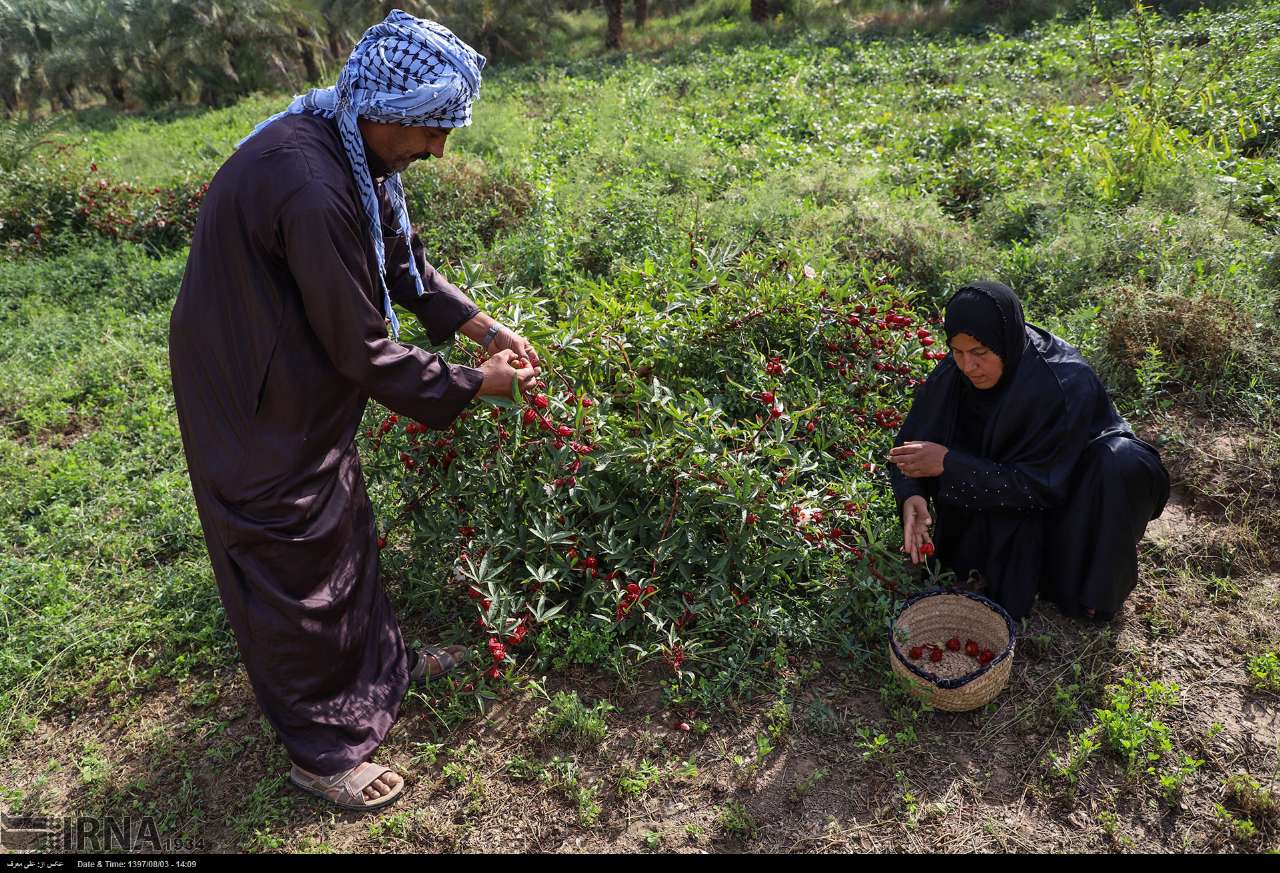
The harvest of this tea starts late October and continues until mid-November.

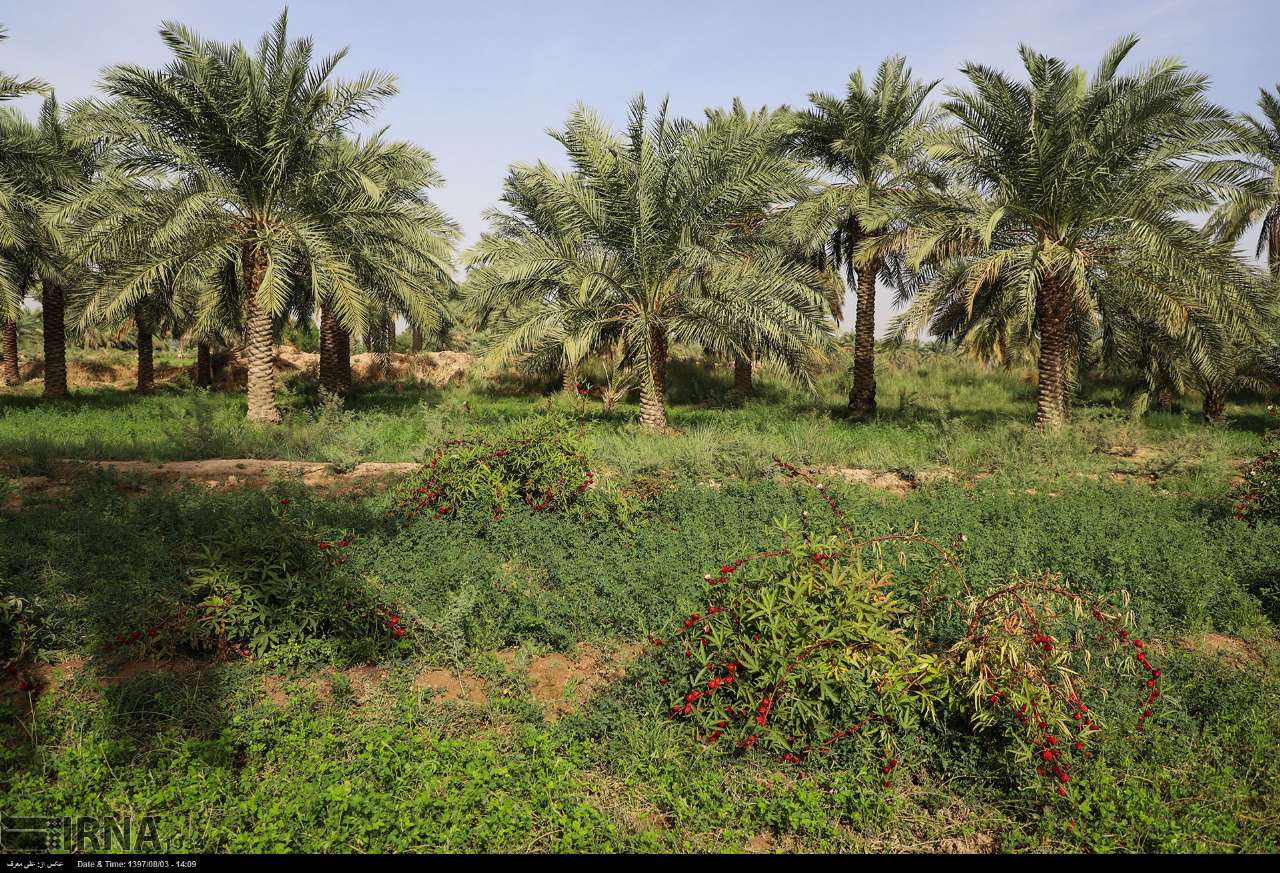
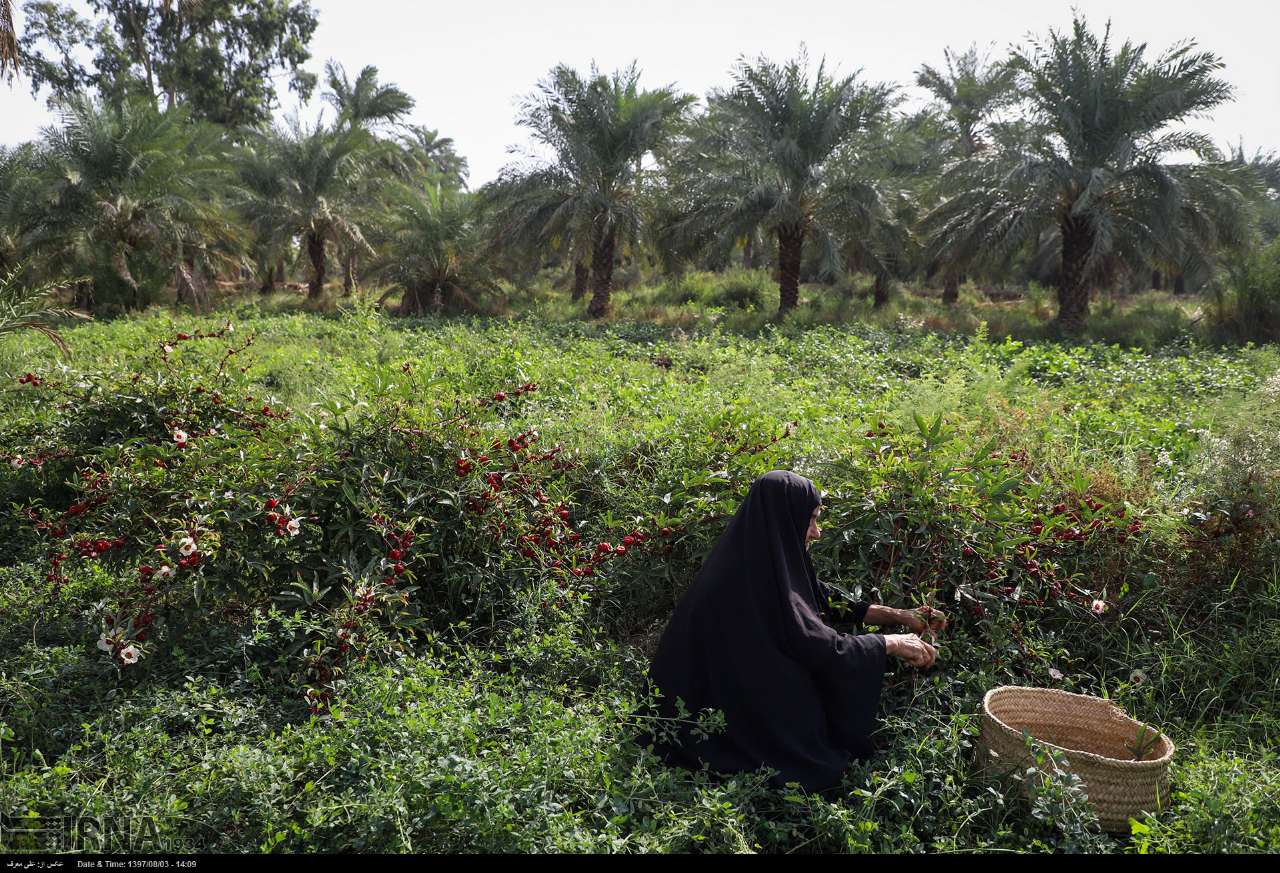
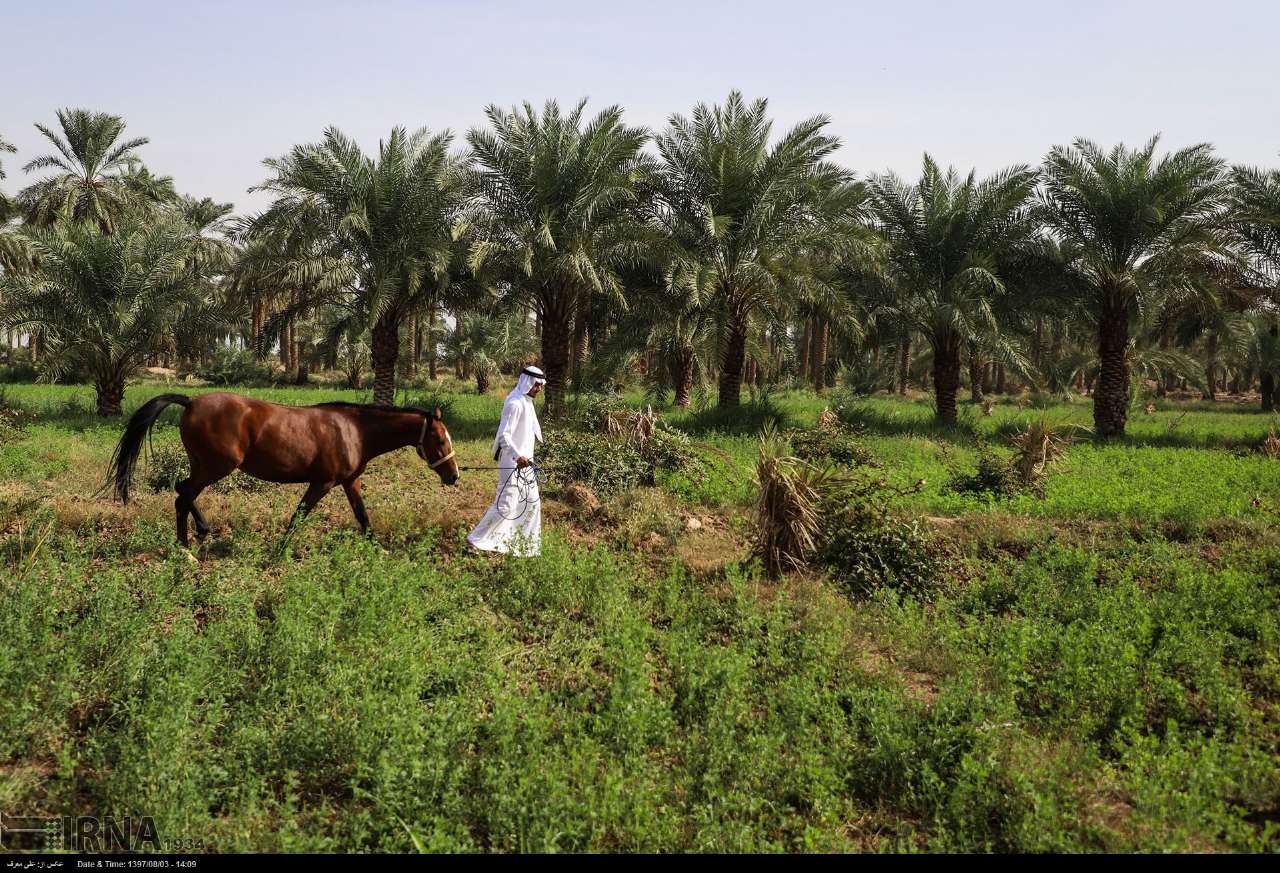
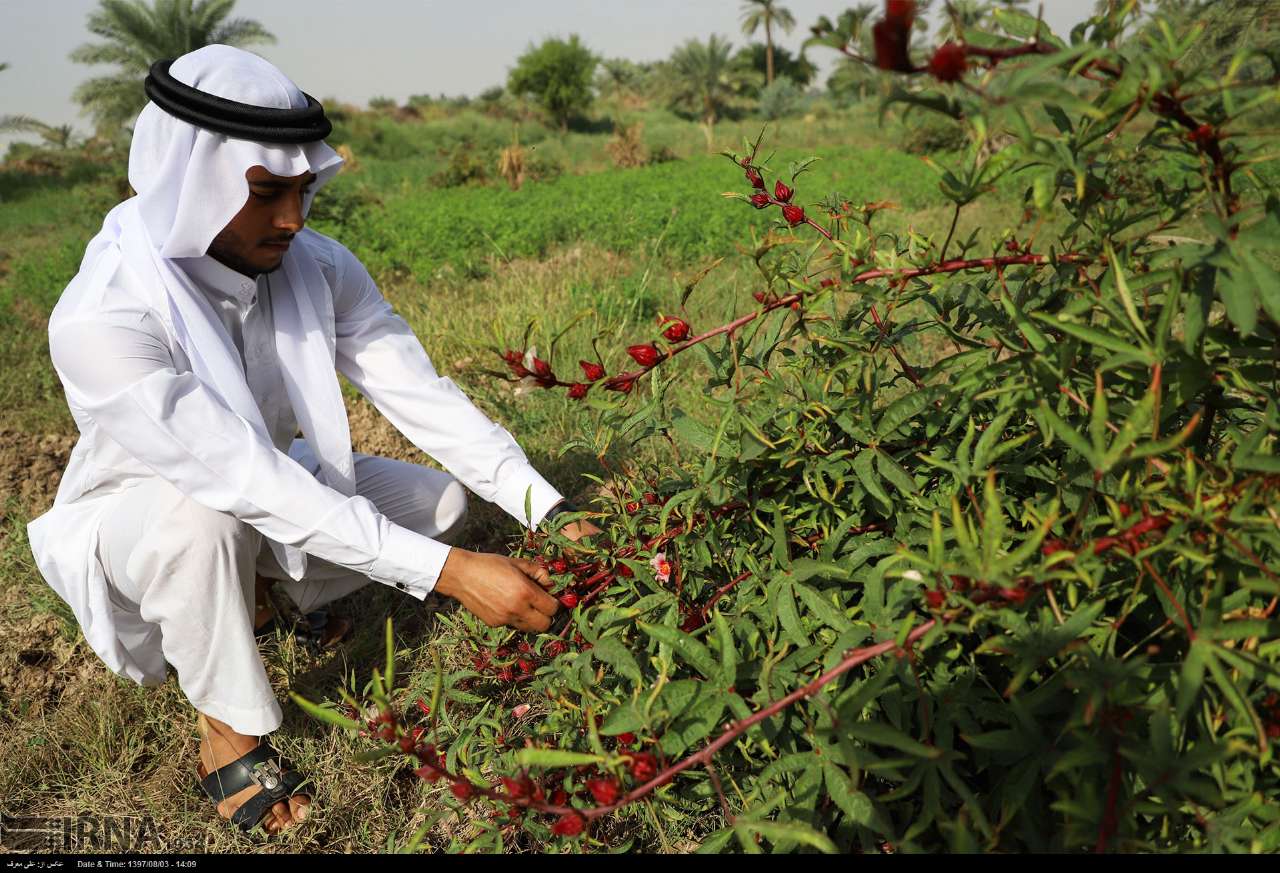
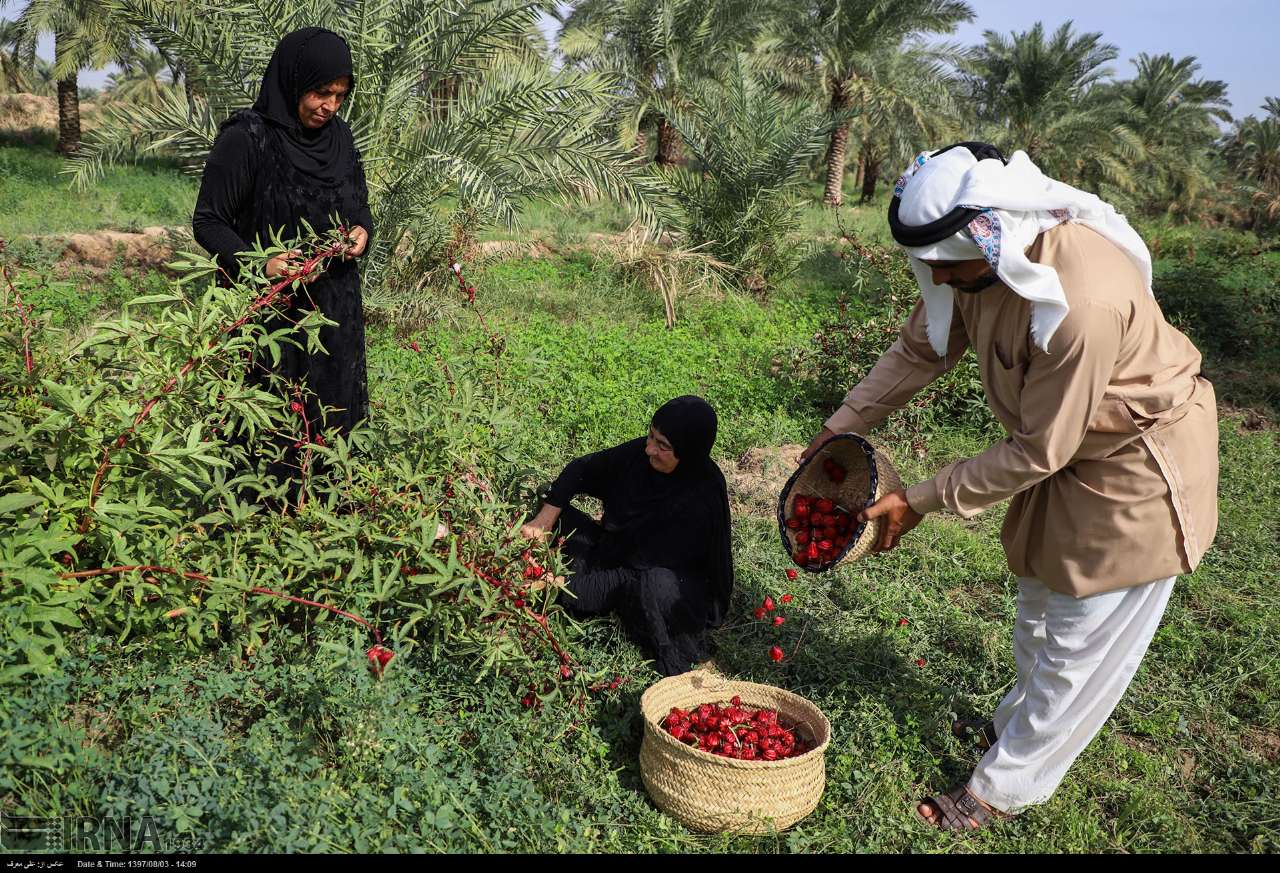
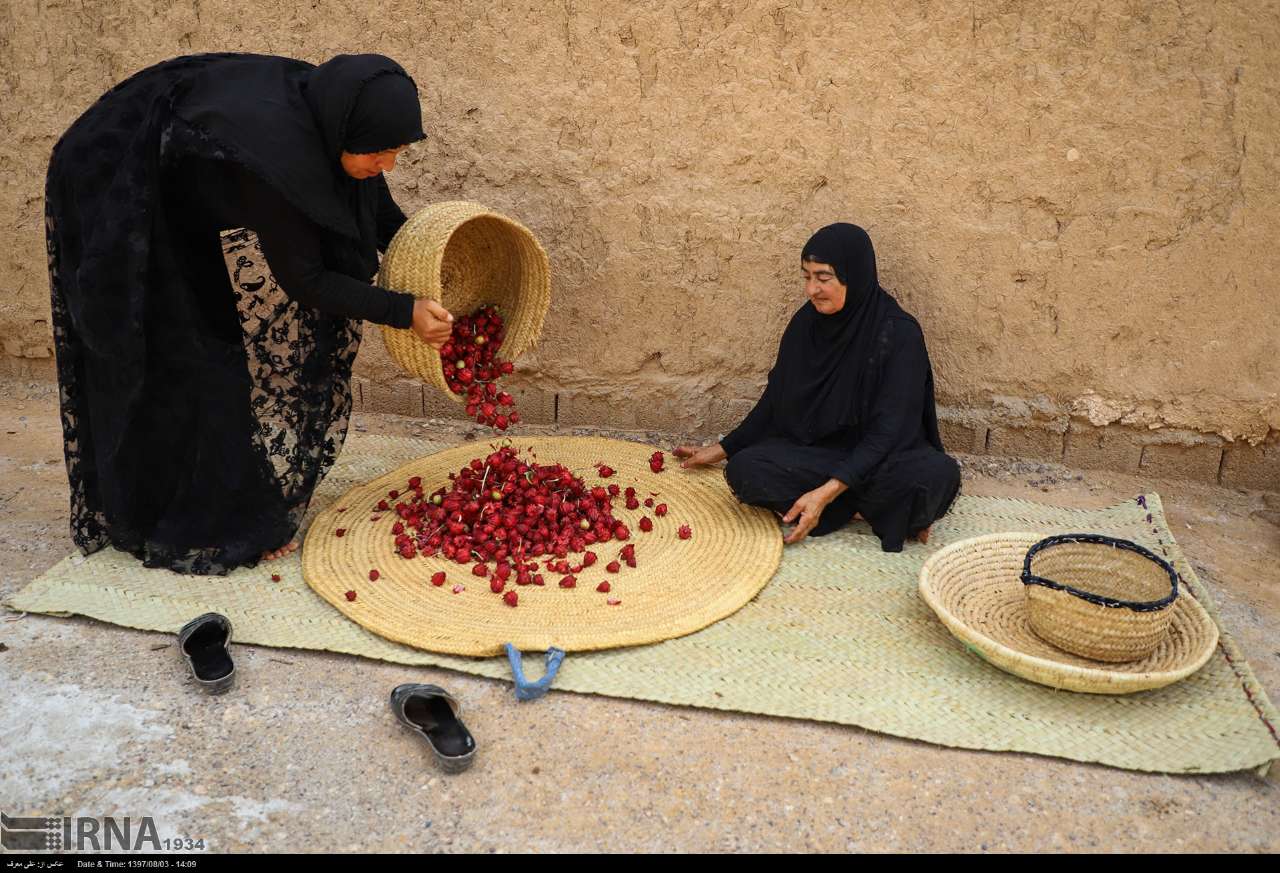
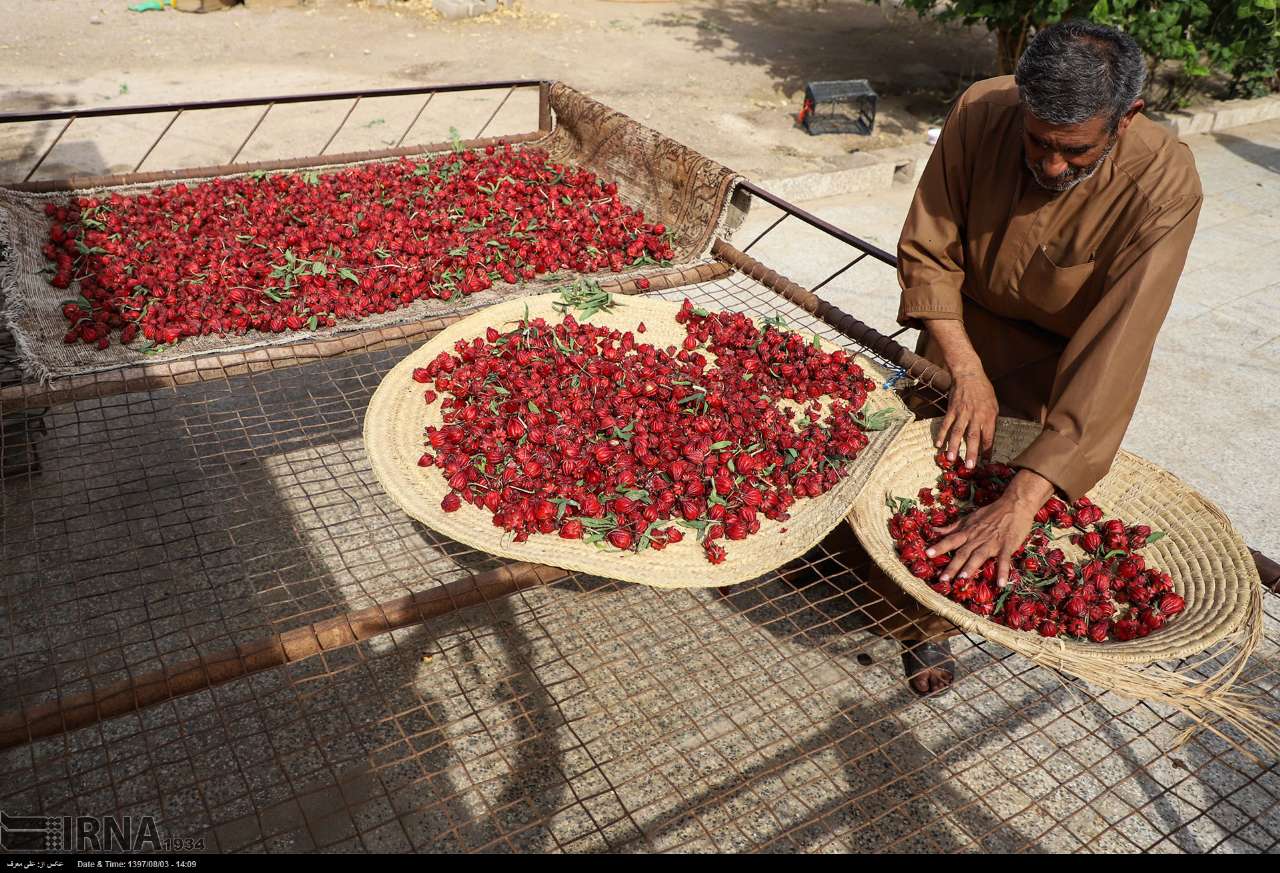
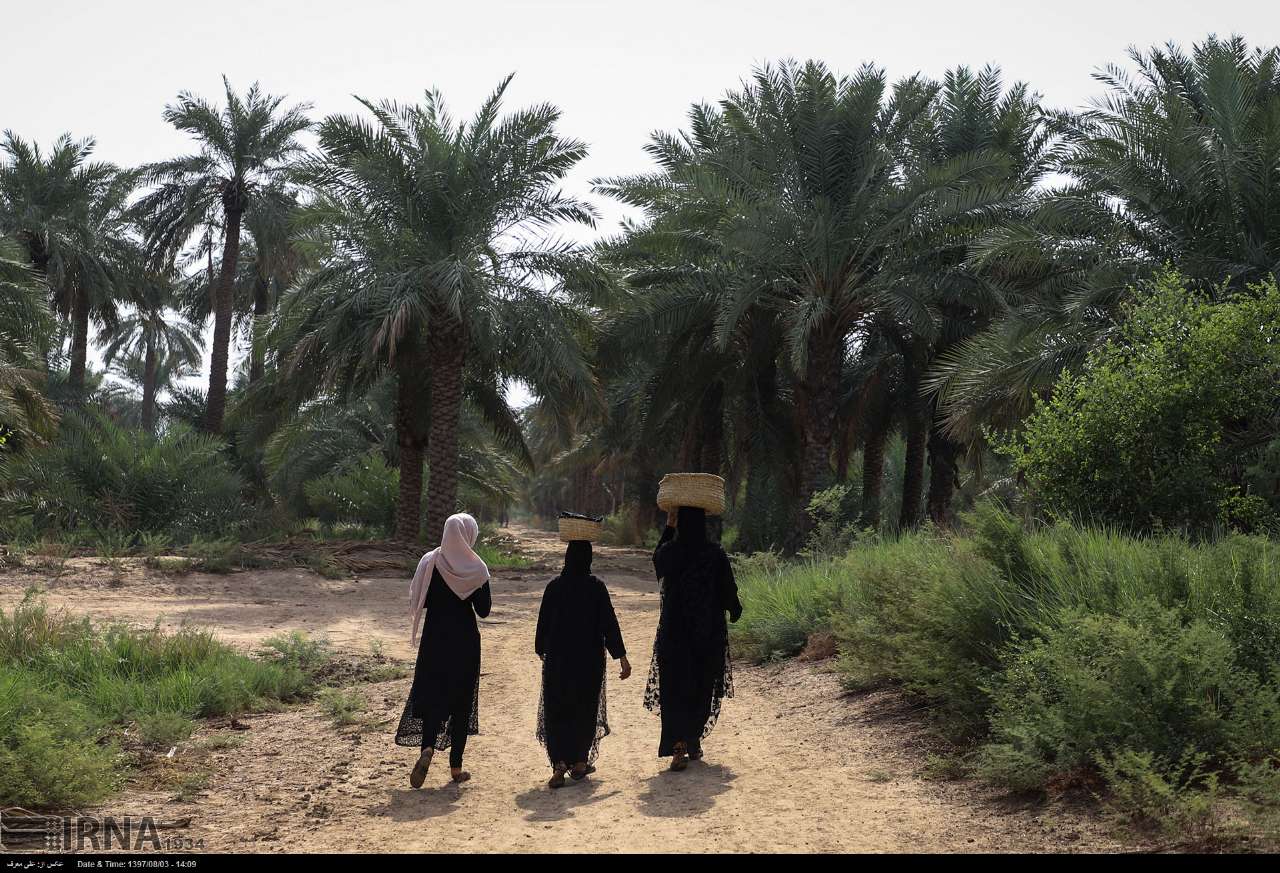
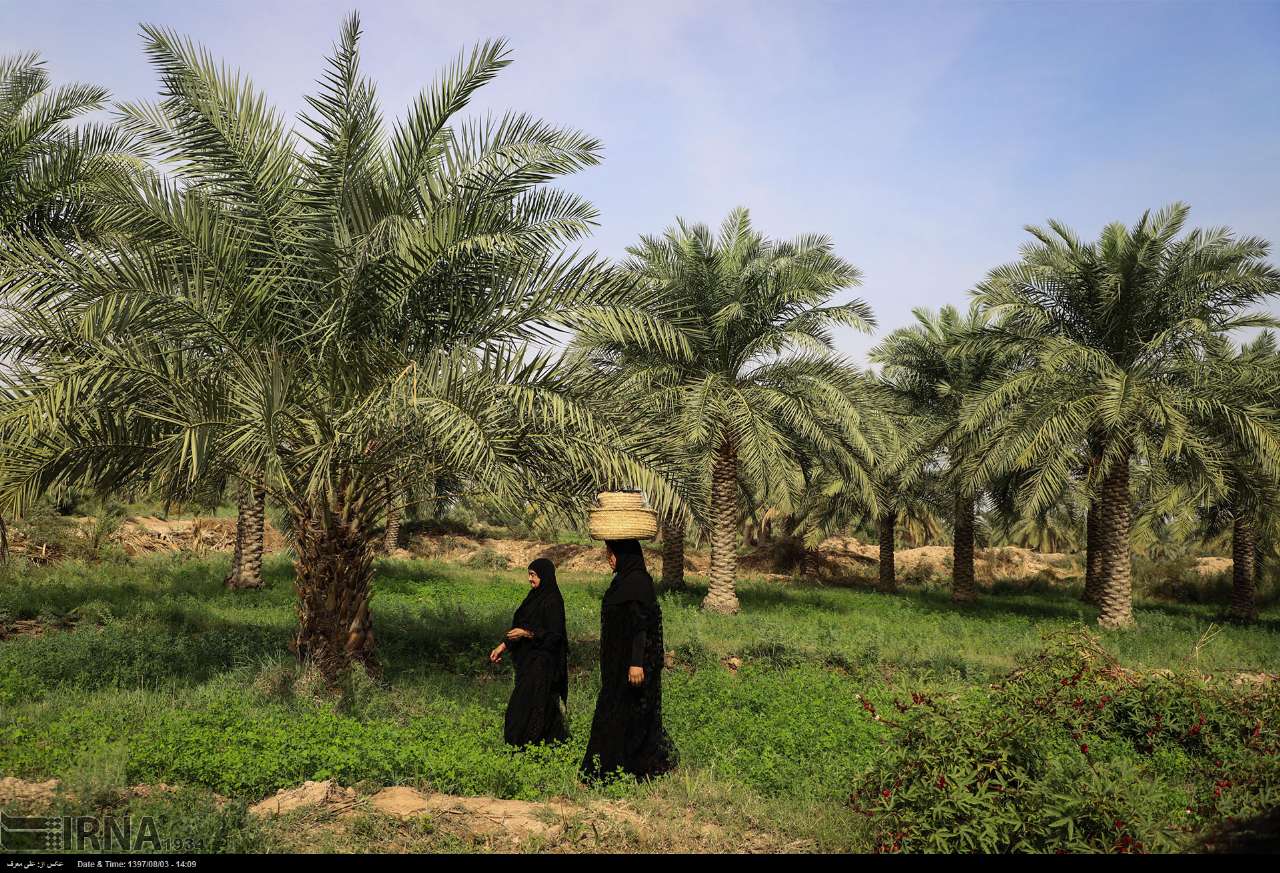
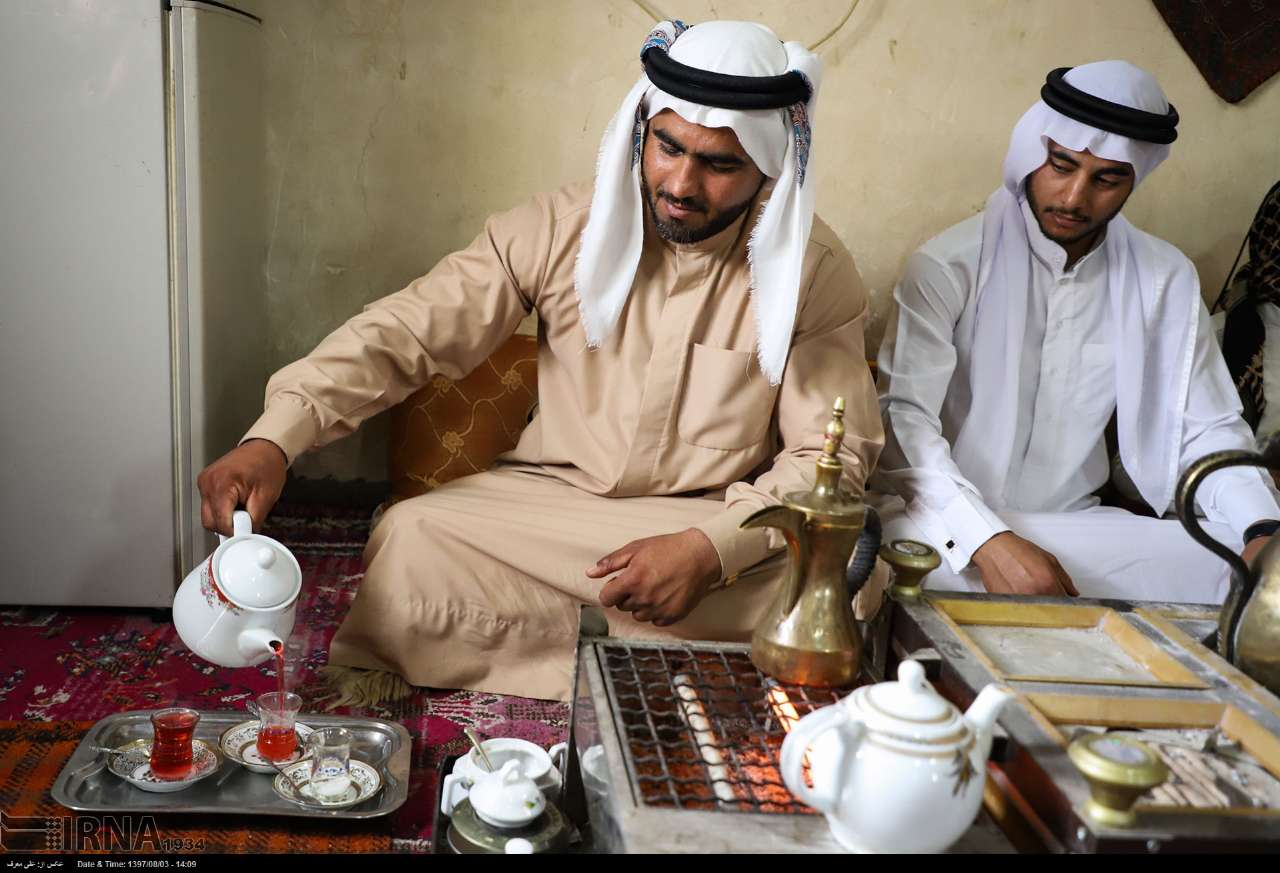
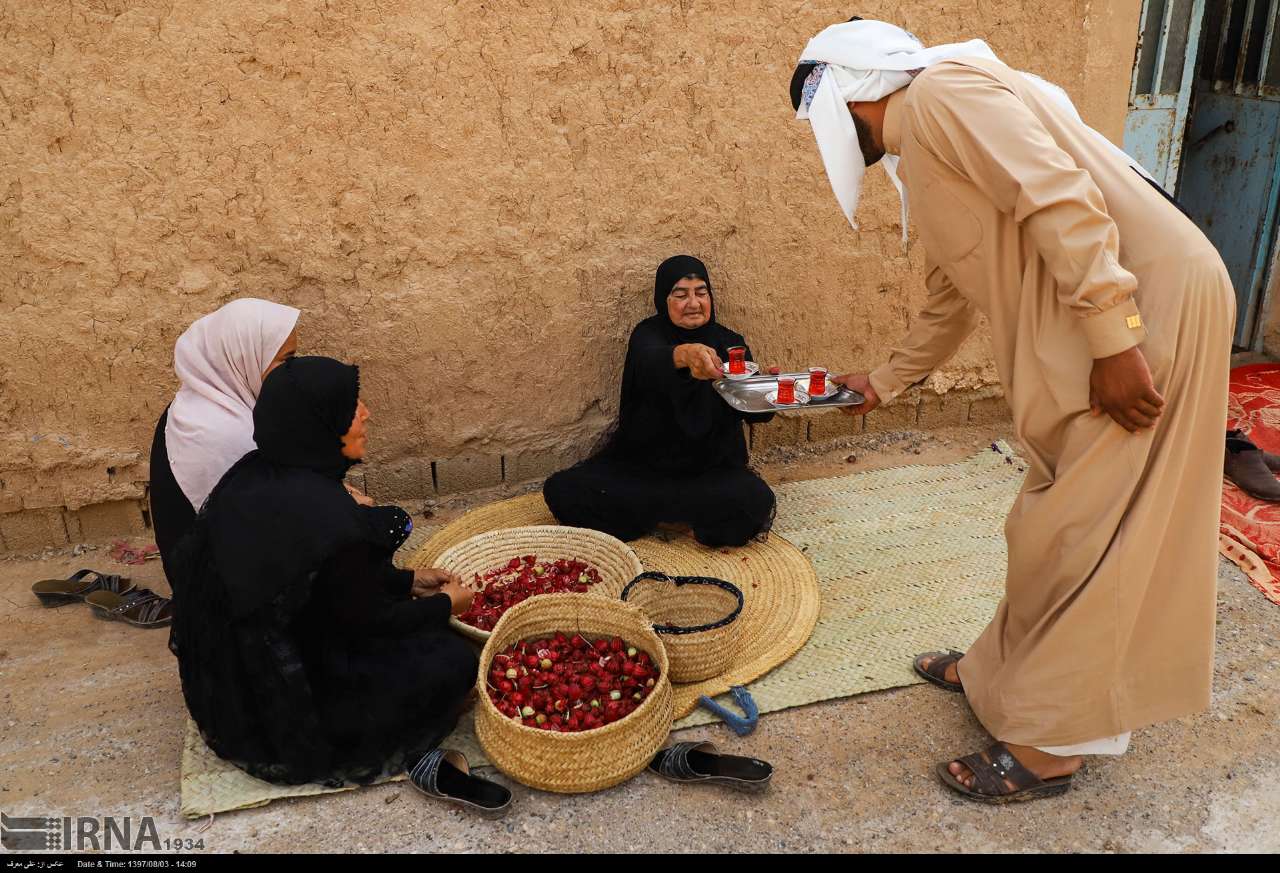
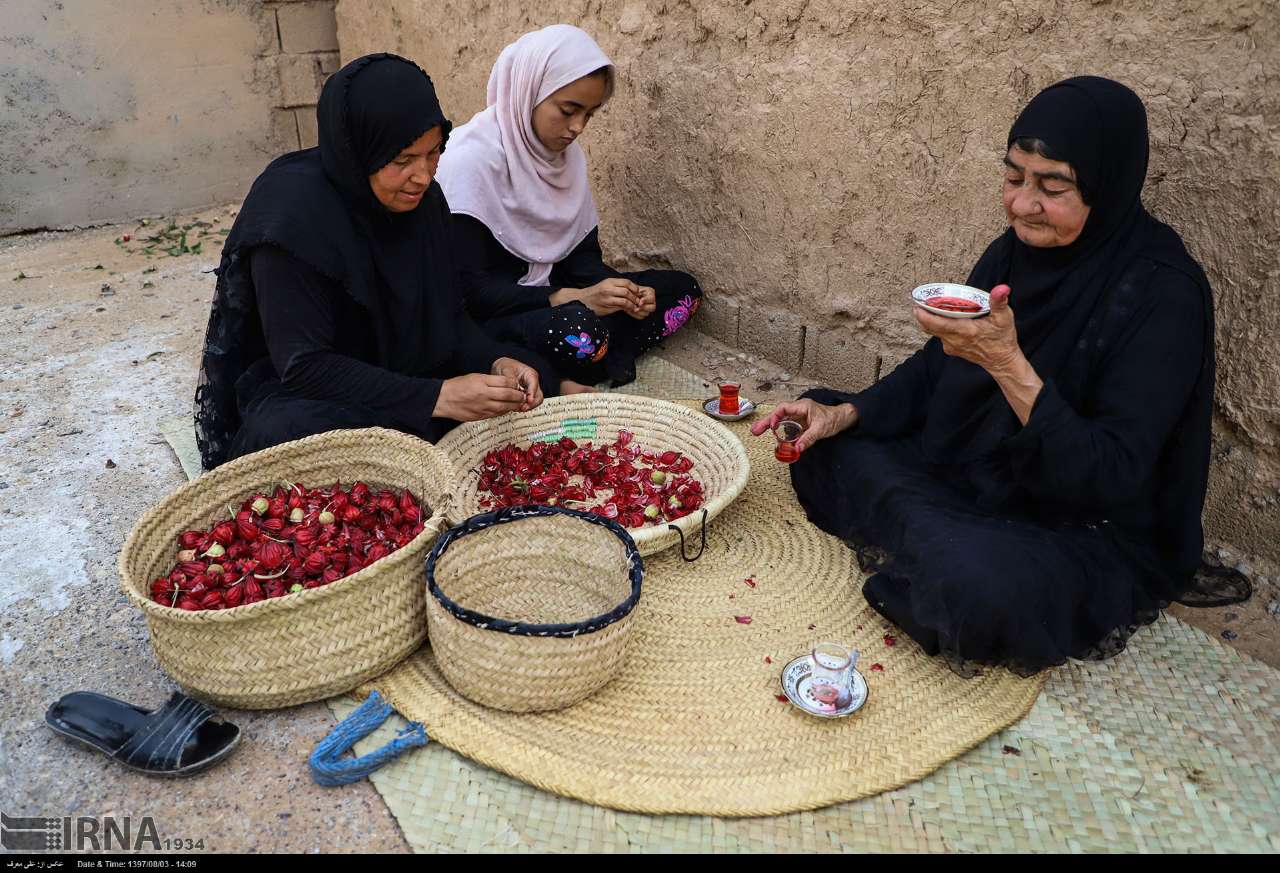
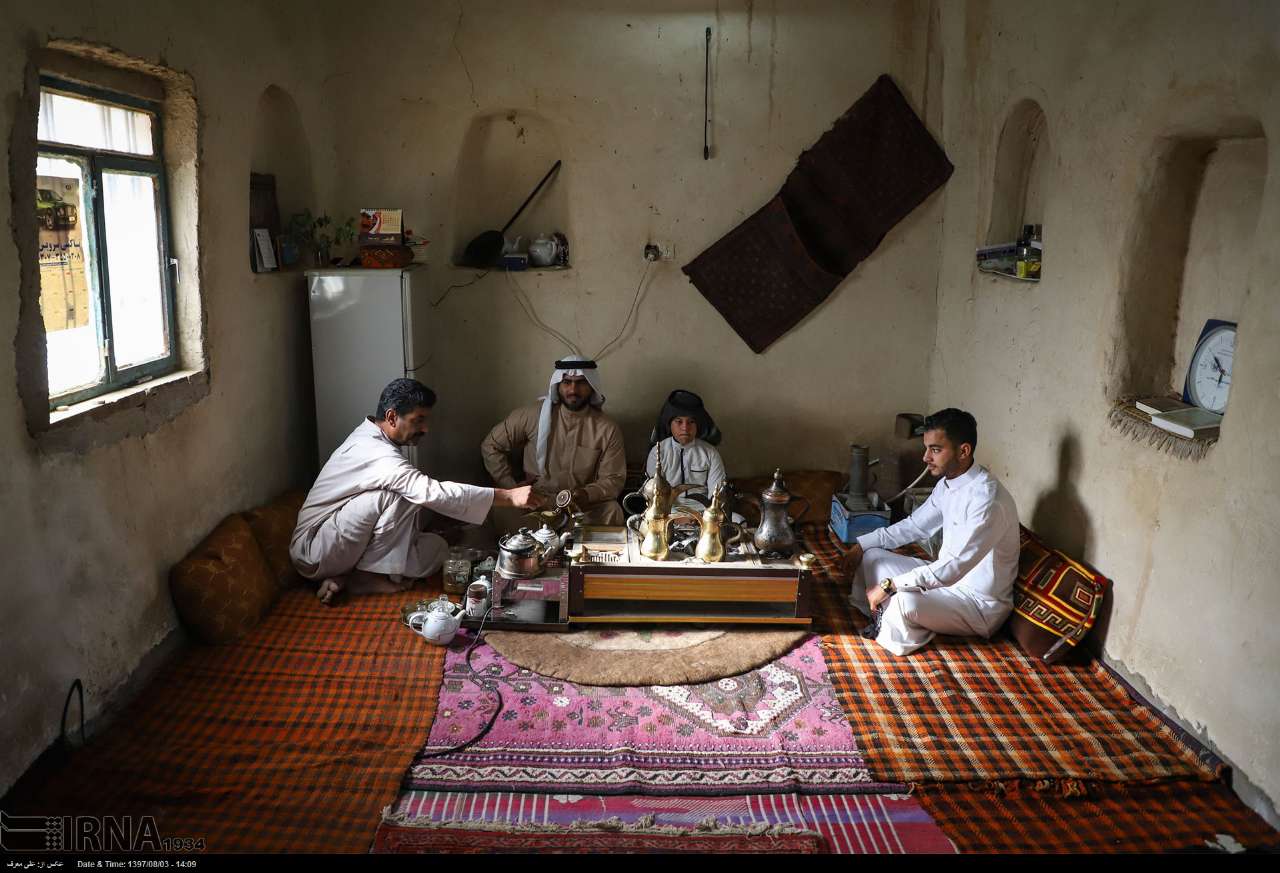
The following photos retrieved from IRNA show the harvest of red tea in Alwa region of Karun County, south of Iran:

Iran Condemns ISIS Attack on Egypt’s Christians

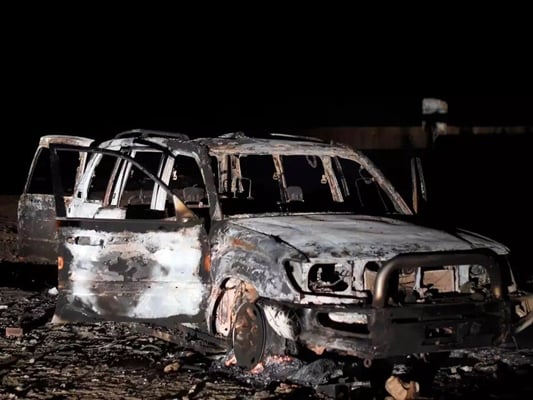
The remains of a car, reportedly used by the gunmen who attacked a bus carrying Coptic Christians, on the side of a road in Egypt's southern Minya province. / Photo by Getty Images

In his statement, Qassemi also sympathized with the survivors and families of the victims of the ‘despicable’ incident.

ISIS terrorists ambushed three buses carrying Christian pilgrims on their way to a remote desert monastery south of the Egyptian capital of Cairo, killing seven and wounding 19, according to the Coptic Orthodox Church and the Interior Ministry.

The victims had left St Samuel the Confessor monastery in Minya shortly before the attack on Friday.

All but one of those killed were members of the same family, according to a list of the victims’ names released by the church.

The local ISIS affiliate which spearheads militants fighting security forces in the Sinai Peninsula claimed responsibility for the attack, according to the extremist group’s Amaq news agency.

Though its claim could be not immediately verified, extremists have previously targeted Christians on the same road south of Cairo.

“Terrorists opened fire on a tour bus from Sohag province, heading back from the… monastery,” said Anba Makarious, the Archbishop of Minya.

The buses were travelling as part of a convoy when they came under attack.

Iranian Schools Urged to Broadcast ACL Final Match for Students

The Ministry made the decision in reaction to numerous calls by schoolchildren across the country to shut down the schools on Saturday morning. In a directive, the Ministry said since it’s not possible to close the schools on November 3, all schools are asked to broadcast live the final match of the AFC Champions League for their students.

The majority of calls by students were made through comments on the Instagram account of Iran’s Education Minister Mohammad Bat’haei. In reaction, he said in a post that there would be no closure of schools on Saturday at all.

But he later ordered his chief of staff to issue the directive urging all schools to broadcast live the match.

With the issuance of Shapour Mohammadzadeh’s “urgent” directive, it seems the Iranian students are assured that they can watch the match without any problem even at schools.

The problem, however, is that most Iranian schools suffer from technical shortage to broadcast the match. Some schools have thus explicitly rejected the directive, saying they won’t do so.

In one part of the directive, Mohammadzadeh underlined the need for broadcasting the match to prevent the schools from being closed. Now, his phrase has led many students to this conclusion that the final match would be broadcast only during break times.

The directive came in response to numerous campaigns launched on social media by students calling for closure of schools on Saturday. However, many students still remain doubtful about the possibility of broadcasting live the match particularly because such a move requires the approval of the school deans.

Meanwhile, an image of a letter has gone viral on social media showing a school has decided to take its students to a recreational camp to let them watch the final match there.

The Iranian Education Ministry’s decision has been widely hailed by experts who believe watching the important football match at school can give students good lessons, including the need for showing flexibility and knowing priorities.

It is also said that students would be able to release their emotions by watching the match together. Psychologically speaking, trapped emotions can lead to violence and aggressiveness among kids and young adults. The ministry’s decision can now create a strong bond between students and their schools.

Kashima Antlers came back from two goals down to salvage a 3-3 draw with Suwon Samsung Bluewings of South Korea in the second leg of the semi-final, and progressing final with a 6-5 aggregate win.

Persepolis also booked a place in the final match after a 1-1 draw against Al Sadd of Qatar, 2-1 on aggregate.

Kashima will host Persepolis on November 3 and will travel to Azadi Stadium in Tehran on November 10.

US to Exempt Eight Countries from Iran Oil Sanctions: Report

Iran’s Oil Revenues Increase by 49% despite US Bans

While the Trump administration’s goal remains to choke off revenue to Iran’s economy, waivers are being granted in exchange for continued import cuts so as not to drive up oil prices, said the official, who asked not to be identified before Secretary of State Michael Pompeo announces the number of exemptions later on Friday.

China — the leading importer of Iranian oil — is still in discussions with the US on terms, but is among the eight, according to two people familiar with the discussions who also asked not to be identified. The other four countries that will get waivers weren’t identified, Bloomberg reported.

The administration must maintain a delicate balancing act with the waivers: ensuring the oil market has sufficient supply and avoiding a politically damaging spike in fuel prices, while also ensuring that Iran’s government doesn’t collect enough revenue that the US sanctions become irrelevant.

Global benchmark Brent crude has fallen about 15 percent from over $85 a barrel last month on increasing speculation that at least some nations will get waivers, as well as signs that other OPEC members will pump more to offset any supply gap. Oil futures were at $73.04 a barrel at 7:12 a.m. in London on Friday.

Previously, Pompeo has said “it is our expectation that the purchases of Iranian crude oil will go to zero from every country or sanctions will be imposed,” but also acknowledged that waivers were being negotiated with nations that say crude from Iran are critical to their energy industry.

The waivers are only temporary, and the US will expect countries that get them to keep cutting Iranian imports in the months ahead, according to the US administration official, who declined to give details on the volume of oil the nations will be allowed to buy under the exemptions.


Iran FM Due in Turkey to Attend D-8 Ministerial Summit

According to Foreign Ministry Spokesman Bahram Qassemi, the Iranian top diplomat will leave Tehran for Turkey later on Friday at the top of a delegation to take part in the D-8 ministerial meeting.

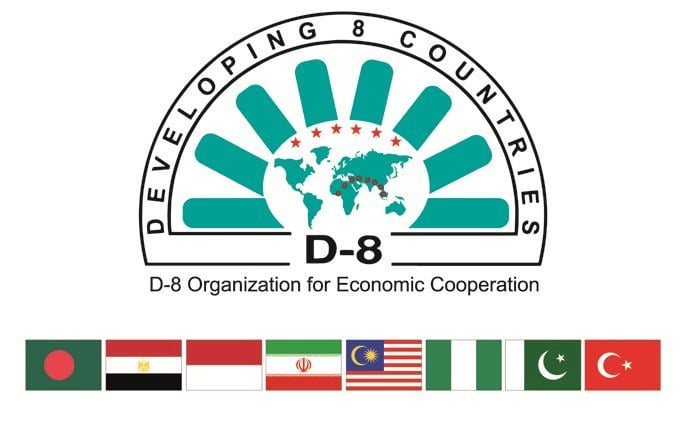
The D-8 Organization for Economic Cooperation, also known as Developing-8, is an organization for development co-operation among Bangladesh, Egypt, Nigeria, Indonesia, Iran, Malaysia, Pakistan, and Turkey.

Its main goals include improving member states’ position in the global economy, creating new opportunities in trade relations, enhancing participation in decision-making at international level, and promoting standards of living.

This will be Zarif’s second visit to Turkey in a week. Earlier on Monday he arrived in Istanbul to attend the trilateral meeting of the Iranian, Turkish, and Azeri foreign ministers, which was held on October 30.

During the visit, he also took part in a ceremony to open the city’s new airport.

He later left Turkey to visit Islamabad, where he held extensive talks with Pakistani officials on the release of 12 Iranian border guards abducted by terrorists and taken to Pakistan.

Rouhani Urges Europe to Work with Iran against US’ Unilateralism

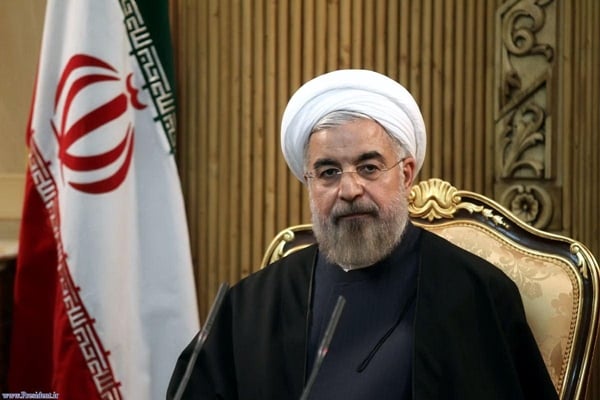
“In today’s tumultuous world, the only way to overcome difficulties is through concerted international efforts based on mutual interests, and not the short-sighted demands of one or a few states,” Rouhani said in a Thursday article published by the Financial Times.

“Unilateralism is fatal; while multilateralism is the only appropriate, inexpensive and effective course of action,” he went on to say.

“Europe’s tradition of multilateralism positions it well to play an important role in reinforcing peace and stability, in line with its identity and interests. Iran believes in multilateralism and is prepared to join other peace-loving nations in this path,” Rouhani noted, adding that cooperation between Iran and Europe will secure the long-term interests of both parties, and ensure international peace and stability.

What follows is the full text of his article:

The world faces a myriad of challenges, including economic issues, social crises, the predicament of refugees, xenophobia, terrorism and extremism.

Europe has not been exempt, and has been confronted by these problems almost daily. Over the past two years, US foreign policy has emerged as a new and complicated problem, as America creates new challenges on a variety of fronts in international relations.

We see US complicity in the daily atrocities in Yemen and in the humiliation and gradual perishing of the great nation of Palestine, which has daily inflamed the emotions of one-and-a-half billion Muslims.

We believe the American government has explicitly supported criminal groups like Isis, who value no human principles, exacerbating the problems of our region.

More broadly, US president Donald Trump’s approach to matters of trade, international treaties and the humiliating manner in which he treats even America’s allies, illustrates how US foreign policy has posed new challenges to the global order.

In brief, the US administration’s policies of unilateralism, racial discrimination, Islamophobia, and the undermining of important international treaties, including the Paris Climate Accord, are fundamentally incompatible with multilateralism and other socio-political norms valued by Europe.

There is another critical matter aggravating transatlantic relations: the Iran nuclear deal. Known as the Joint Comprehensive Plan of Action, it was the product of two years of intensive negotiations between Iran and six other countries, including three from Europe.

As an annex to UN Security Council Resolution 2231, this agreement enjoys the approval of the overwhelming majority of the international community and, as part and parcel of international law, imposes certain obligations on all the members of the UN.

Unfortunately, the US, through raising unfounded claims and in complete disregard for its international obligations, has abandoned the nuclear agreement and imposed extraterritorial and unilateral sanctions on Iran and, by extension, other countries.

The US is, in effect, threatening states who seek to abide by resolution 2231 with punitive measures. This constitutes a mockery of international decisions and the blackmailing of responsible parties who seek to uphold them.

The nuclear accord is recognised as a great victory for diplomacy in our time. That is why the EU is working with other nations around the world — with the exception of a very few — to save this great achievement.

Since the US withdrew, we have held constructive talks with the remaining JCPOA participants. Their support has been valuable, but it is essential that the European parties, as well as China and Russia (known as E3+2), present and implement their final proposed package of measures to compensate for and mitigate the effects of America’s newest unilateral and extraterritorial sanctions before they are imposed.

This historic agreement can only survive if the Iranian people can witness and enjoy the benefits it promised.

The recent decision of the International Court of Justice and its provisional measure against US unilateral sanctions reaffirms the legitimacy of Iran’s position, and the illegality of these oppressive sanctions.

Disregarding the binding and mandatory nature of the provisional measure demanded by the ICJ would undermine confidence in international treaties. That would create a major challenge with possibly dangerous and negative consequences for regional and international peace and security.

The nuclear deal demonstrated that Iran is committed to reason and dialogue. We have initiated political consultations with Europe on key issues of mutual interest, especially on regional crises, with the aim of finding appropriate solutions.

In today’s tumultuous world, the only way to overcome difficulties is through concerted international efforts based on mutual interests, and not the short-sighted demands of one or a few states. Unilateralism is fatal; while multilateralism is the only appropriate, inexpensive and effective course of action.

Europe’s tradition of multilateralism positions it well to play an important role in reinforcing peace and stability, in line with its identity and interests. Iran believes in multilateralism and is prepared to join other peace-loving nations in this path.

Cooperation between Iran and Europe will secure the long-term interests of both parties, and ensure international peace and stability.
Iranian Pop Singer Sentenced to Hold Free Concert

Iranian pop singer Hamid Hirad in a concert in Tehran which he held to prove to journalists he gives totally live performance and doesn't use playback. / Photo by Musicema website

The Supervision and Assessment Department of Iran’s Culture and Islamic Guidance Ministry announced that Hamid Hirad must hold a free concert in the southern city of Shiraz because he had used a playback during some parts of his earlier concert in the same city.

Back in late July, a short clip of Hirad’s concert in Shiraz sparked public outrage on the social media as it showed the singer was not actually signing the song live, and was using a playback.

Playback refers to a performance in which the singer only does lip sync with a pre-recorded song. This type of performance is usually used in TV shows or halls which are not appropriate for live concerts.

Iranian Pop Singer Sentenced to Hold Free ConcertIn reply to the heavy criticisms levelled against him, Hirad invited reporters to attend his next concert to make sure he sings and performs live. He did his best to prove to his audiences during the concert that there is no playback at work in his concerts. Despite his efforts, criticisms against his Shiraz concert scandal never faded away.
The concert scandal was not the first controversy surrounding Hirad. He had earlier grabbed the headlines after being accused by a large number of songwriters of plagiarism. They maintained that unlike what Hirad claims, he was not the writer of his songs. They said the singer has used their poems after changing their words and lines.

The accusations made the concert scandal even more controversial. However, some pop singers put their weight behind Hirad saying that the opponents are seeking to tarnish his image as a thriving pop singer.

Now a probe by the Culture Ministry reveals that Hirad used playback in some parts of his Shiraz concert.

“Till now, we had no report on use of playback during concerts and it seems the Culture and Islamic Guidance Ministry should introduce some regulations in this regard,” said Majid Foroughi, the Head of the Public Relations Department of the ministry.

Meanwhile, Mehdi Ranjbar, a Deputy Head for Art Affairs at the Culture and Islamic Guidance Department of Shiraz, said Hirad is set to hold a free concert in the city. He said except for the free concert, Hirad has been banned from holding any concert in Shiraz until the end of the current Persian year (due to end in March 2019).

The sentence comes as many other Iranian singers with more popularity compared to him had used playback during their concerts. After Hirad’s concert scandal, some of them confessed to using it and some others preferred to remain silent not to have their image tarnished.

US Gives India Waiver on Oil Imports from Iran

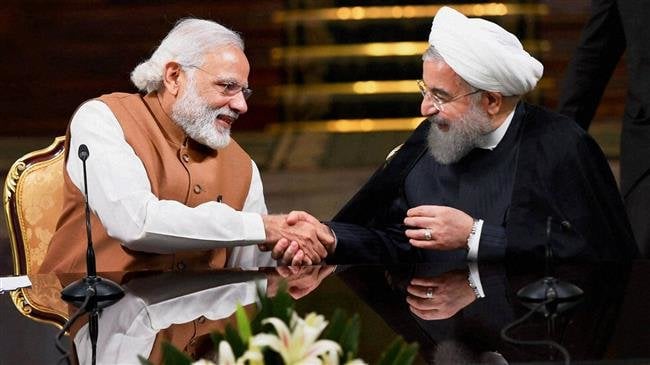
The waiver would allow Indian companies to continue importing about 1.25 million tonnes of oil per month from Iran until March 2019.

“India and the US have broadly agreed on a waiver. India will cut import by a third, which is a significant cut,” a source said, as quoted by the New Delhi-based Economic Times newspaper.

The administration of US President Donald Trump is preparing to launch the second wave of sanctions against Iran from November 4 in which a universal ban on the country’s oil exports appears to be a primary objective.

US officials have already said the sanctions would be meant to bring down Iran’s oil exports to zero. However, Iranian officials have repeatedly rejected the feasibility of this, stressing that international consumers cannot afford to lose Iranian supplies.

India had imported about 22 million tonnes of crude oil from Iran in 2017-18 and planned to raise that to about 30 million tonnes in 2018-19. But, as a condition of waiver, Indian oil firms will reduce their imports significantly, the source added.

Indian companies can import 1.25 million tonnes a month up to March 2019, the same as they ordered for October and November, the Economic Times wrote adding that an official statement on that front would be made within the next few days.

State oil firms are yet to decide on how this quantum will be split between them. A waiver will come as a big relief to Indian Oil and MRPL, the two largest Iranian oil consumers.

The Economic Times added that it was still not clear how Indian companies would pay for imports of Iranian oil and that a mechanism for the same purpose was still under negotiation between Iran and India.

It added that the two countries were likely to stick to the existing mechanism under which 55 percent of payment would be made in euro and 45 percent in rupee through India’s UCO Bank.

Under this, rupee is used for import of rice, drugs, and other products from India while the balance proceeds in rupee and euro sit idle in the Indian bank waiting for sanctions to go.

Iran, India, Russia to Discuss Building Alternative to Suez Canal

The International North-South Transport Corridor (INSTC), a multimode network of sea and rail routes, will link the Indian Ocean and the Persian Gulf via Iran to Russia and North Europe.

The project comes in the backdrop of China’s multi-trillion-dollar One Belt One Road initiative. Within Iran, the two routes overlap in a potential boon to future businesses.

New Delhi has been actively courting Tehran, given the utmost importance it attaches to the route and Iran has been receptive.

Once operational, the corridor will allow India to send its goods to Bandar Abbas in Iran by sea, from where they will be transported to Iran’s Bandar Anzali on the Caspian Sea by road. Next, they will be shipped to Astrakhan in Russia and transported into Europe by rail.

The route will cut the time and cost of delivering goods by about 30 percent to more than 40 percent. Compared with the Suez Canal, the corridor will reduce the transport time between Mumbai and Moscow to about 20 days. The estimated capacity of the corridor is 20 to 30 million tonnes of goods per year.

India’s Union Commerce and Industry Minister Suresh Prabhu on Saturday met a Russian business delegation in New Delhi, where he said “all issues may be resolved in order to operationalize the (INSTC) route as early as possible.”

An official statement said India, Russia and Iran will hold a trilateral meeting on November 23 to make the route operational soon, Indian media reported Tuesday.

“The INSTC is the shortest multimodal transportation route linking the Indian Ocean and Persian Gulf via Iran to Russia and North Europe,” India’s Ministry of Commerce and Industry said in the statement.

To access resource-rich Central Asia, India has to route its goods either through China, Europe or Iran. The routes through China and Europe are long, expensive and time consuming, with Iran being the most viable one.

The first dry run of the INSTC was conducted in August 2014 and the second in April 2017.

India is seeking to leverage the strategic Chabahar port in southeast Iran to link with the INSTC.

The country has committed $500 million to Chabahar that it is building chiefly to crack open a trade and transport route to landlocked Afghanistan.

Last week, senior officials from the two countries met their counterpart in Tehran to discuss a full commissioning of the port that the three countries are jointly developing.

It was the first trilateral meeting of the Coordination Council of the Chabahar Agreement, coming in the face of fresh sanctions imposed by Washington on the Islamic Republic.

“All sides shared the view that a full operationalization of the trilateral Chabahar initiative will promote connectivity and economic development of Afghanistan and the region,” India’s External Affairs Ministry said in a statement.

For landlocked Afghanistan, the corridor means opening the way to billions of dollars in trade and cutting the country’s dependence on foreigners for aid as well as stemming the illicit opium trade.

Tehran, Baku, Ankara Have Similar Stances on Mideast: Zarif

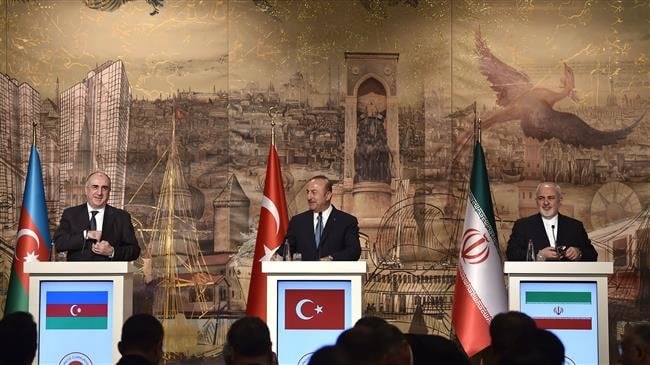
Zarif made the remarks in a joint press conference in Istanbul, Turkey, on Tuesday with his Turkish and Azerbaijani counterparts Mevlut Cavusoglu and Elmar Mammadyarov, respectively, following their sixth trilateral meeting.

“Cooperation among Tehran, Ankara and Baku is very important for development of the three countries, development of the region, the improvement of living conditions and the promotion of regional peace and security which is unfortunately facing with multiple challenges,” the top Iranian diplomat said.

He expressed hope that regional issues, particularly problems of the Syrian, Palestinian and Yemeni peoples, would be solved peacefully.

Zarif said, “We have always emphasized that regional issues should be settled based on [the principles of] international law and through peaceful methods.”

Elsewhere in his remarks, the Iranian foreign minister said the three sides also agreed to hold one meeting among their private sectors, adding it would be a “very important step” to boost regional cooperation.

Tehran, Ankara, Baku oppose unilateral decisions: Cavusoglu

The Turkish foreign minister, for his part, said Tehran, Ankara and Baku oppose unilateral measures on regional issues and believed that common and multilateral decisions must be made in this regard.

The three countries agreed that regional issues should be solved peacefully and through dialogue, he added.

Cavusoglu called for the continuation of joint cooperation to promote stability, peace and security in the region and said trilateral economic ties would also serve the interests of all regional states.

He further said Turkey has continued its cooperation with Iran after the United States withdrawal from a 2015 multilateral nuclear agreement signed between the Islamic Republic and the P5+1 group of countries.

The Turkish foreign minister emphasized that his country is holding consultations with European countries on the continuation of cooperation with Iran.

Earlier this month, Turkish President Recep Tayyip Erdogan slammed as unjust the United States’ move to impose sanctions against Iran and threaten to further toughen them.

Tehran, Baku, Ankara Have Similar Stances on Mideast: Zarif

He emphasized that the US had taken the wrong path by threatening and using blackmail instead of dialogue, saying it was impossible for any country to trust Washington.

US President Donald Trump announced in May that Washington was pulling out of the nuclear agreement, officially known as the Joint Comprehensive Plan of Action (JCPOA), which lifted nuclear-related sanctions against Tehran in exchange for restrictions on Tehran’s nuclear program.

A first round of American sanctions took effect in August, targeting Iran’s access to the US dollar, metals trading, coal, industrial software, and auto sector. A second round will be targeting Iran’s energy sector and financial transactions.

Azerbaijan calls for enhanced transport cooperation with Iran, Turkey: Mammadyarov

The Azerbaijani foreign minister said his country called for the expansion of cooperation with Iran and Turkey in trade and transportation sectors.

The last meeting among the Iranian, Turkish and Azerbaijani foreign ministers was held in the Azeri capital of Baku in December 2017, and the one before that in the northern Iranian city of Ramsar in April 2016.

World stands up to US sanctions: Zarif

Speaking to IRNA on the sidelines of the tripartite meeting, the Iranian foreign minister said the international community is standing up to the US sanctions against Tehran.

He added that the neighboring countries and Europeans nations have resisted against Washington’s unilateral measures.

“The Americans have not achieved their predicted goals by [imposing] illegal sanctions against Iran,” Zarif said.

He warned of the outcomes of Washington’s unlawful sanctions against Tehran and said, “Unfortunately this law-breaking country (the United States) wants to punish a country (Iran) that is abiding by law.”

This method will have severe consequences for the world order, Zarif pointed out.

The top Iranian diplomat told reporters upon his arrival in Istanbul on Monday that nothing new would happen after the imposition of the second batch of US sanctions.

Tehran, Baku, Ankara Have Similar Stances on Mideast: Zarif

“The possibility that the US will be able to achieve its economic goals through these sanctions is very remote and there is certainly no possibility that it will attain its political goals through such sanctions,” the top Iranian diplomat said, emphasizing that the new US sanctions would mainly have “psychological effects.”

Iran has stayed in the JCPOA for the time being, but has stressed that the other parties to the agreement have to work to offset the negative impacts of the US pullout for Iran if they wanted Tehran to continue to remain in it.

Europe has been taking a range of measures to meet Iran’s demand for practical guarantees.