Tuesday, January 13, 2026
Home Blog Page 3391

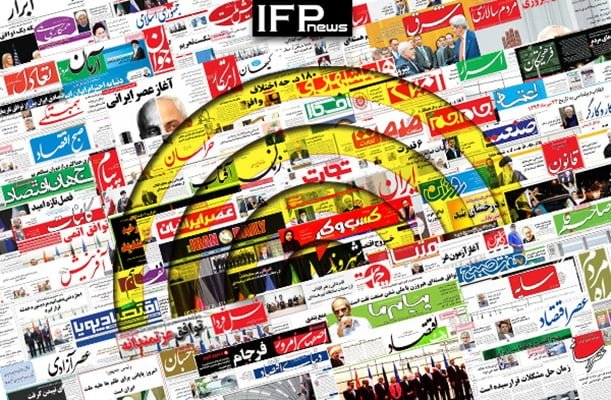
A Look at Iranian Newspaper Front Pages on January 3

A Look at Iranian Newspaper Front Pages on November 19

Newspapers today widely covered a court ruling for blocking popular photo sharing app Instagram in Iran, and the widespread reactions to the possible filtering.

Among other top stories today were the beginning of Brazilian far-right president Jair Bolsonaro’s term in office and a very bad smell in various parts of Tehran, whose reason is yet to be known.

On the third day of the New Year, conservative papers mostly criticized the European Union for failing to implement its Special Purpose Vehicle (SPV), a payment mechanism for trade with Iran, and the Iranian foreign ministry for relying on Europeans.

The above issues, as well as many more, are highlighted in the following headlines and top stories:


Aftab-e Yazd:

1- Renowned Professor of Literature Shafi’ee Kadkani Denied Entry into University of Tehran!

2- Stinky Tehran

* People in All Districts of Tehran Outraged by Very Bad Smell Wednesday; Reason Still Unknown

3- Rouhani: Cloud Seeding Luxurious; Energy Ministry: It’s Effective

A Look at Iranian Newspaper Front Pages on January 3


Arman-e Emrooz:

1- Famous Detention Centre Kahrizak Renamed to “Soroush”

2- Officials Must Admit People Are Frustrated: Analyst

A Look at Iranian Newspaper Front Pages on January 3


Ebtekar:

1- Kurds Stuck between Damascus, Ankara, Washington

2- Zeros on Iran’s National Currency Fading Away: Will Currency Turn into Toman?

A Look at Iranian Newspaper Front Pages on January 3


Etemad:

1- Brazil’s Radical President Officially Starts His Term in Office

* Free from the Left; Stuck to the Right

2- Democracy in Brazil

3- Judicial Decree Issued for Blocking Instagram: Worn-Out Scenario of Filtering

A Look at Iranian Newspaper Front Pages on January 3


Ettela’at:

1- Rouhani: Iran’s Non-Oil Exports More than Its Imports

2- Baghdad to Revise Strategic Treaty with US

3- 1,879 American Tourists Visit Iran in 9 Months

A Look at Iranian Newspaper Front Pages on January 3


Ghanoon:

1- Instagram to Be Blocked despite Failure of Previous Cases

2- Difficult Year ahead of Trump: 2019 Starts with Numerous Woes for US

3- Iranian Cheetahs Ready for AFC Asian Cup 2019 in UAE

A Look at Iranian Newspaper Front Pages on January 3


Hamshahri:

1- Tehran’s Valiasr Street to Be Registered by UNESCO at Its 90th Birthday

2- Duel for Instagram: Only Globally Popular Social Network Accessible in Iran to Be FilteredA Look at Iranian Newspaper Front Pages on January 3


Iran:

1- What Caused Bad Smell in Tehran?

2- Will Instagram Be Blocked?A Look at Iranian Newspaper Front Pages on January 3


Jahan-e San’at:

1- Brazil’s Trump Starts His Term in Office

A Look at Iranian Newspaper Front Pages on January 3


Javan:

1- US Seeking to Deploy Egyptian, Emirati, Saudi Forces in Northern Syria

2- EU: We’ll Continue Our Efforts to Launch SPV in 2019!

3- Americans Can Never Block Iran’s Oil Exports: RouhaniA Look at Iranian Newspaper Front Pages on January 3


Jomhouri Eslami:

1- Saudi-UK Secret Arms Deals Disclosed after Khashoggi’s Case

2- People in Hudaydah Hold Massive Rallies against Saudi Violation of Truce

A Look at Iranian Newspaper Front Pages on January 3


Kayhan:

1- In What Direction Will the World Move in 2019?

2- 3 Years after Martyrdom of Sheikh Nimr, Saudis Still Can’t Tolerate His Name

3- Crisis in Asia to Be Over If Two American Warships Sunk: Chinese General

A Look at Iranian Newspaper Front Pages on January 3


Khorasan:

1- Curious Case of Unpleasant Smell in Tehran

2- New Life Breathed into Lake Urmia

3- Secrets behind Iran-Taliban TalksA Look at Iranian Newspaper Front Pages on January 3

Iran Sympathises with Russia over Magnitogorsk Blast

In the message on Wednesday, the spokesman expressed deep regret over the incident in Magnitogorsk and extended sympathy to the government and nation of Russia as well as the families of the victims of this tragic incident.

The blast ripped through an apartment building on Monday n Magnitogorsk, nearly 1,700 kilometres east of Moscow. The city has a population of over 400,000 people and is home to one of the country’s largest steel producers.

Reports say, the blast caused a large section of the high-rise building – built in 1973 and home to some 1,100 residents – to collapse.

In a similar blast back in 2015, at least five people lost their lives after a gas explosion damaged an apartment building in the southern city of Volgograd.

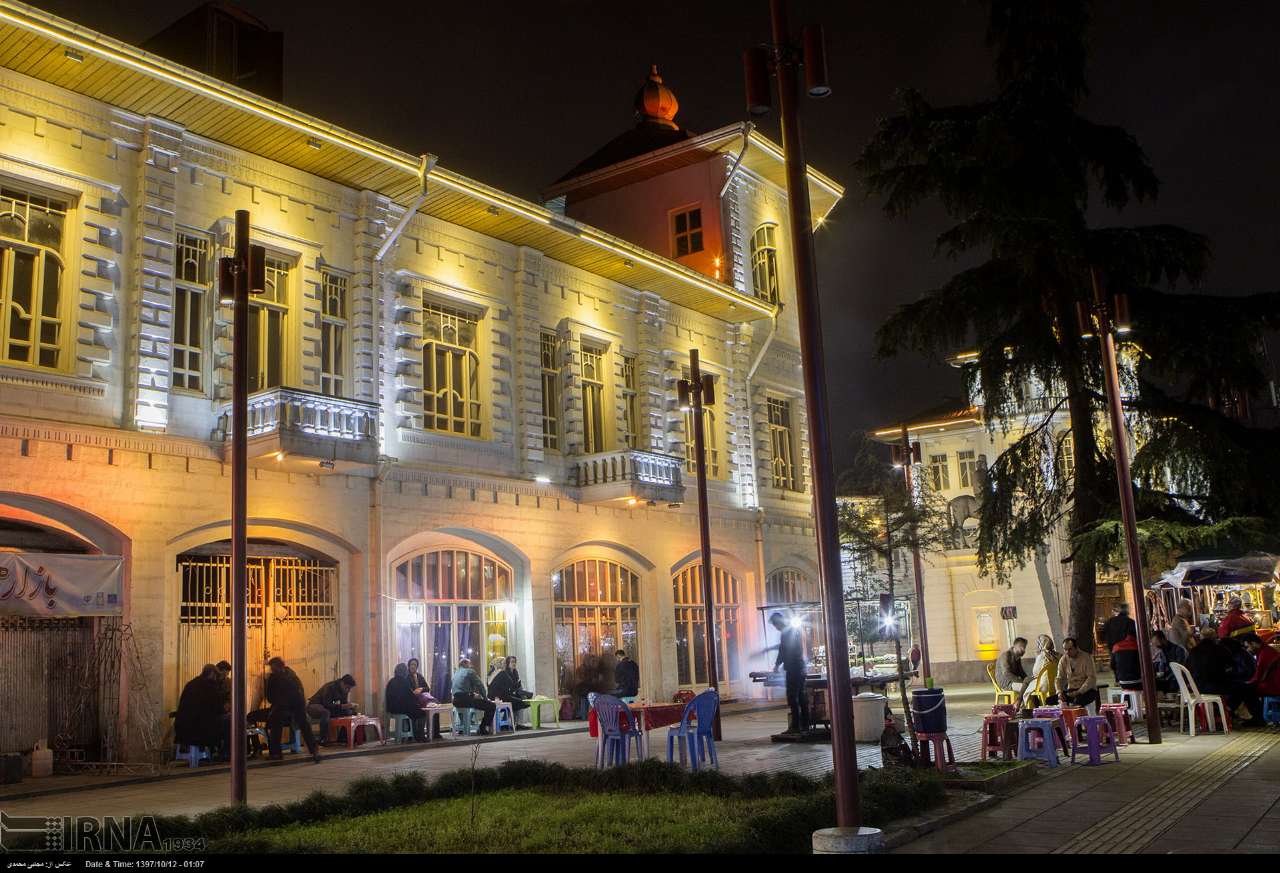
Iran Marks Rasht Day

With over 220 types of dishes, Rasht has been registered by the United Nations Educational, Scientific and Cultural Organization(UNESCO) as a “creative gastronomic city” in 2015.

The city of Rasht was chosen as the political, cultural and economic centre of the northern province of Gilan about 460 years ago on a day (January 2) when Sultan Mahmoud (Special envoy of Sultan Tahmasp from Safvid dynasty) arrived in the city. It goes without saying that Rasht city dates back to Sassanid era before the arrival of Islam to Iran.

Each year, on January 2, special ceremonies are held in Rasht. This year, similar events were organised across the historic city.

The officials organised a number of events like a folklore concert, a public tour of the city, a scientific forum on Rasht and its history, local games, a photo exhibition, a food market and a cooking workshop.

Rasht is the capital city of Gilan Province. It is the largest and most populated city along the southern rim of the Caspian Sea. It is 25 kilometres away from the sea.

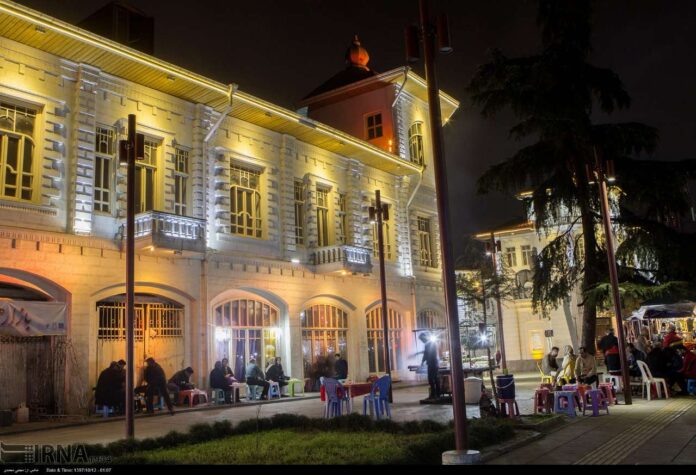
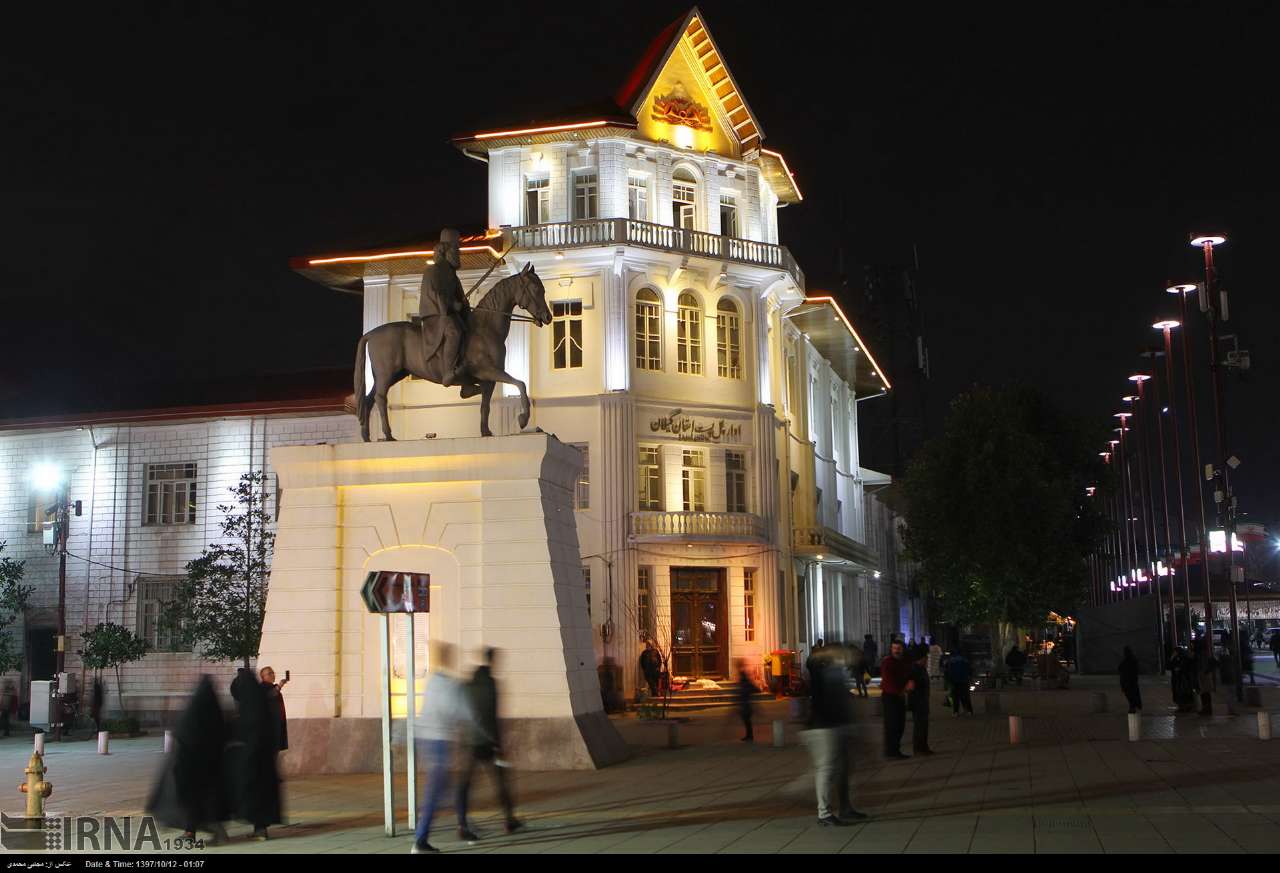
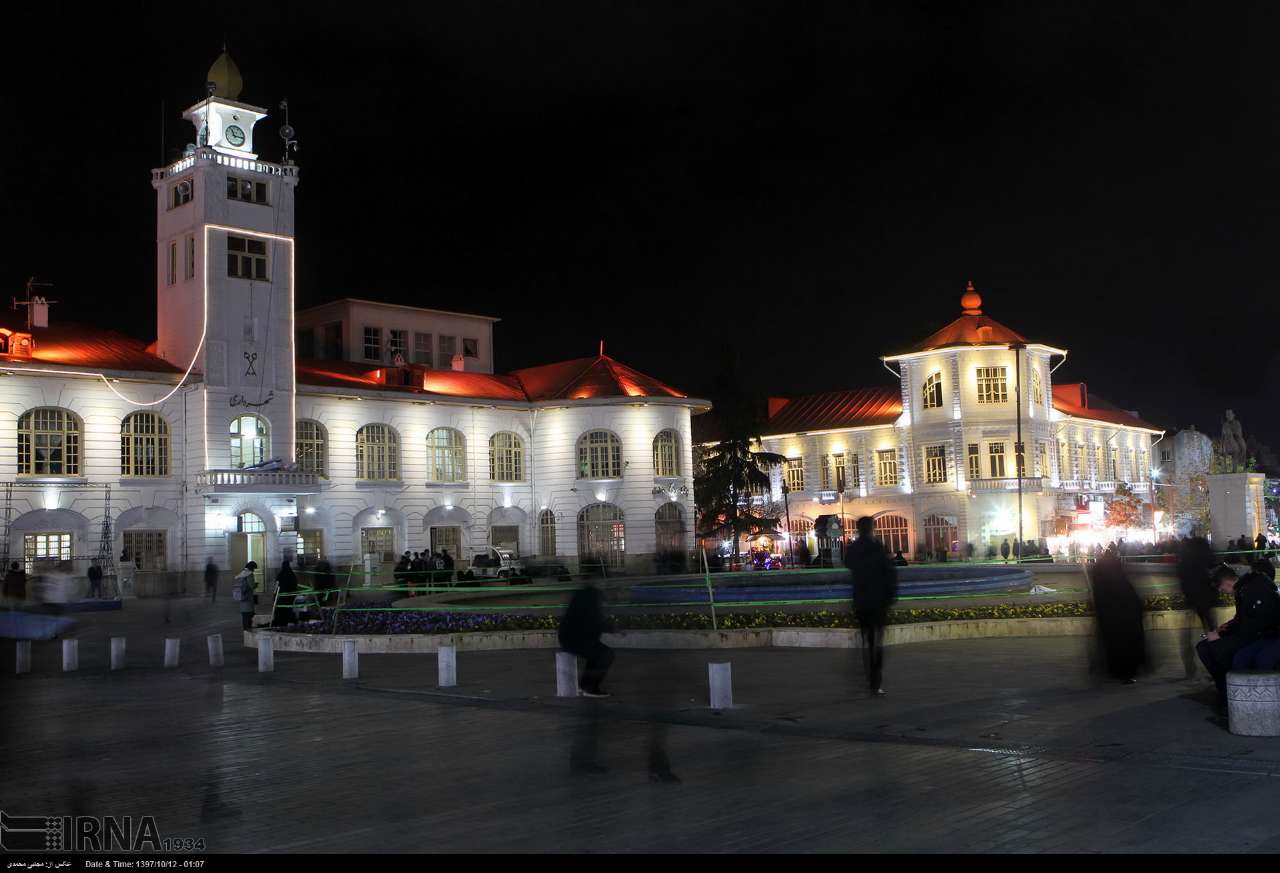
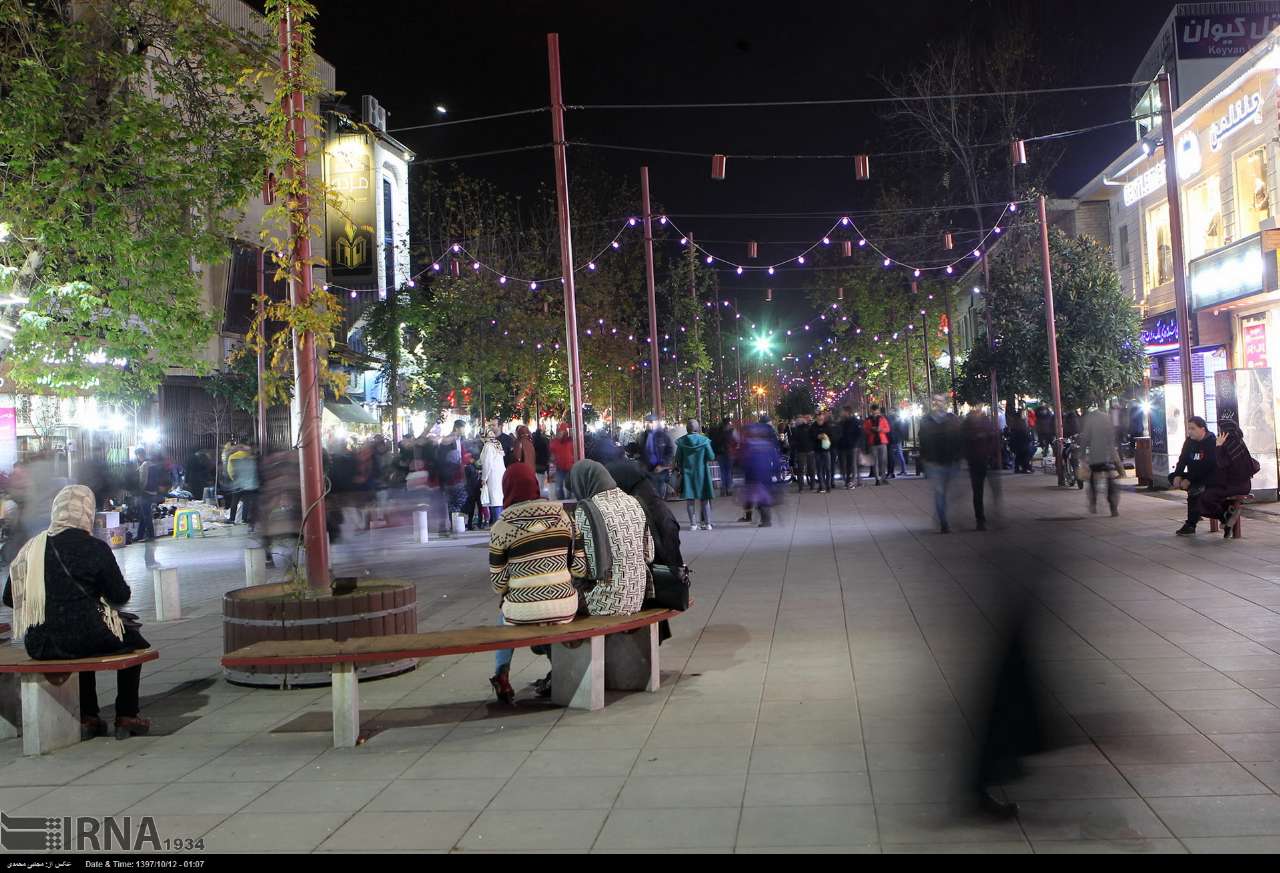
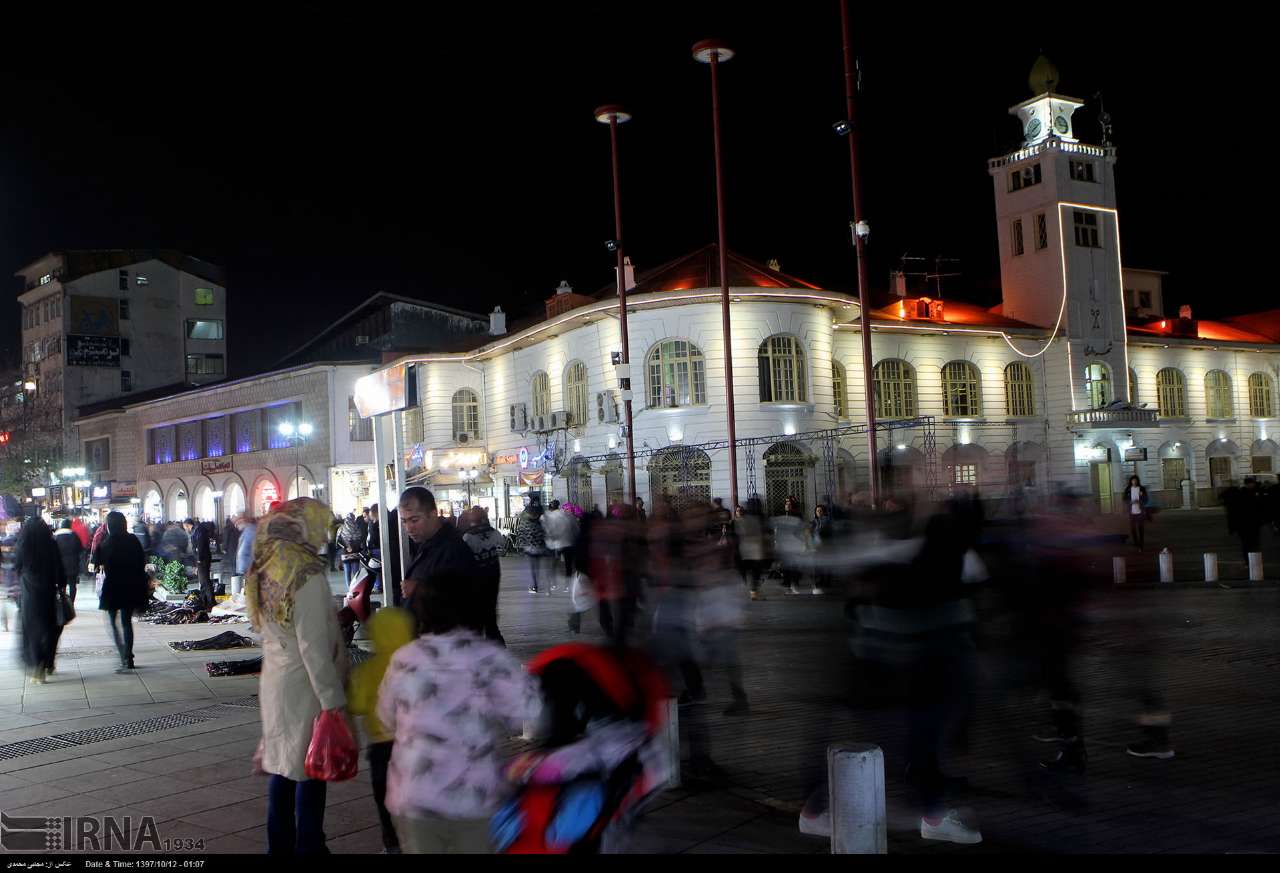
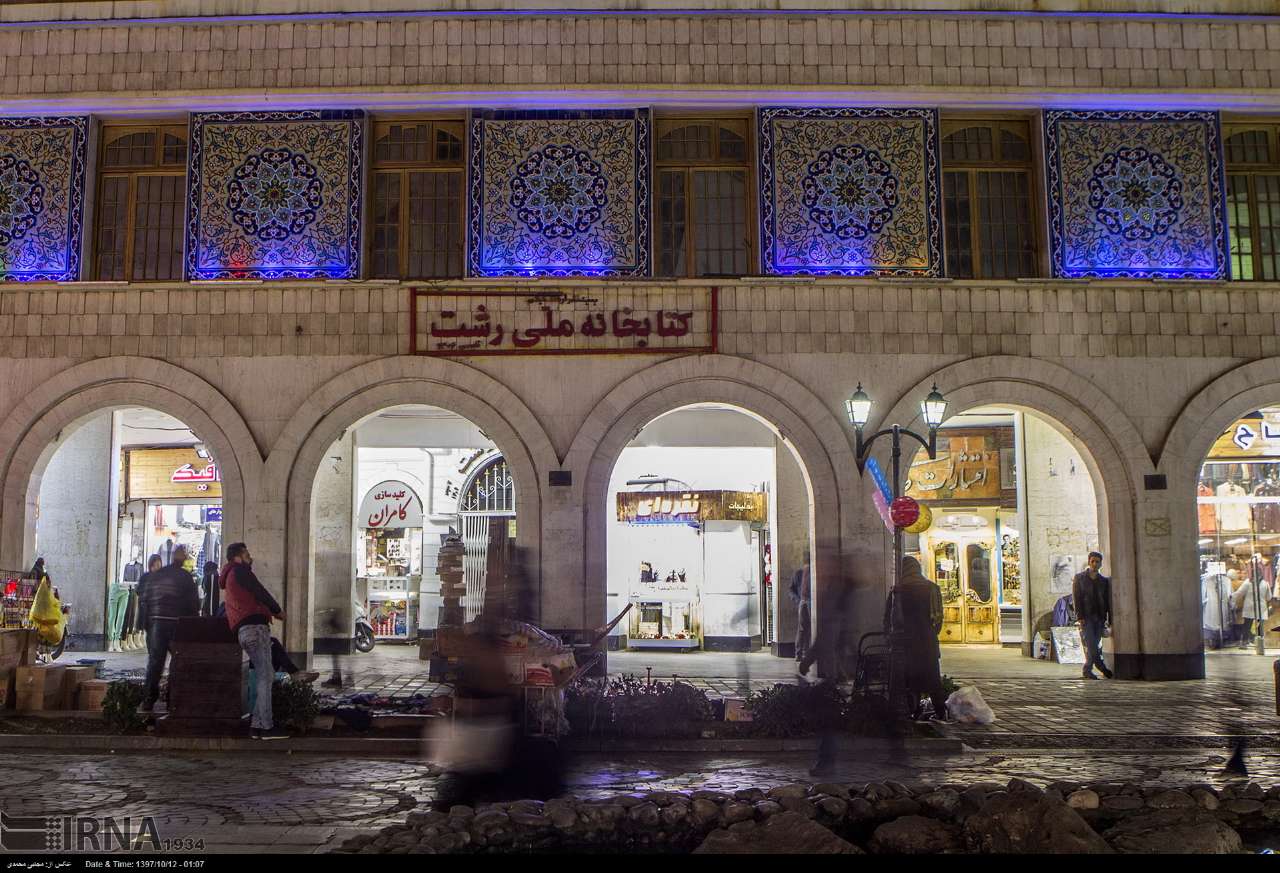
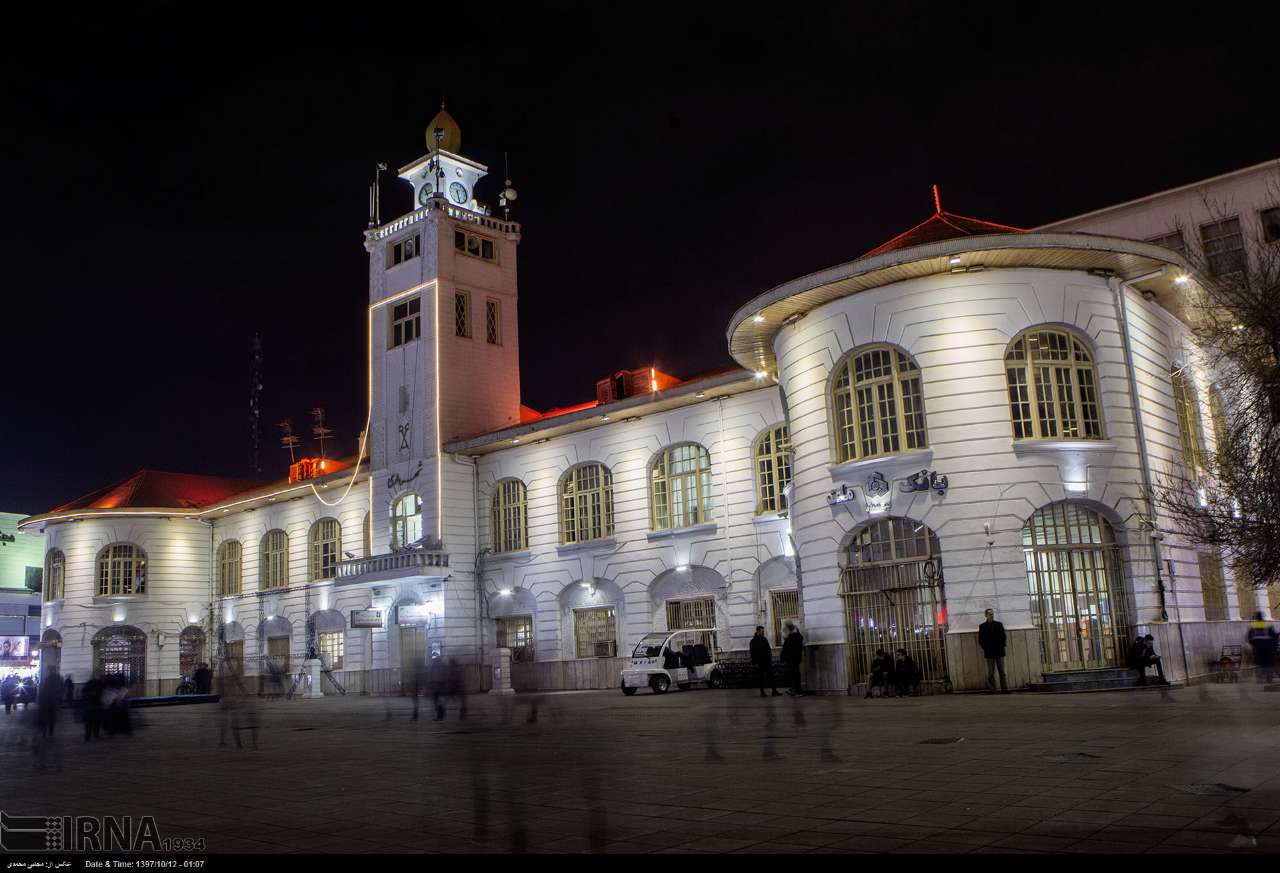
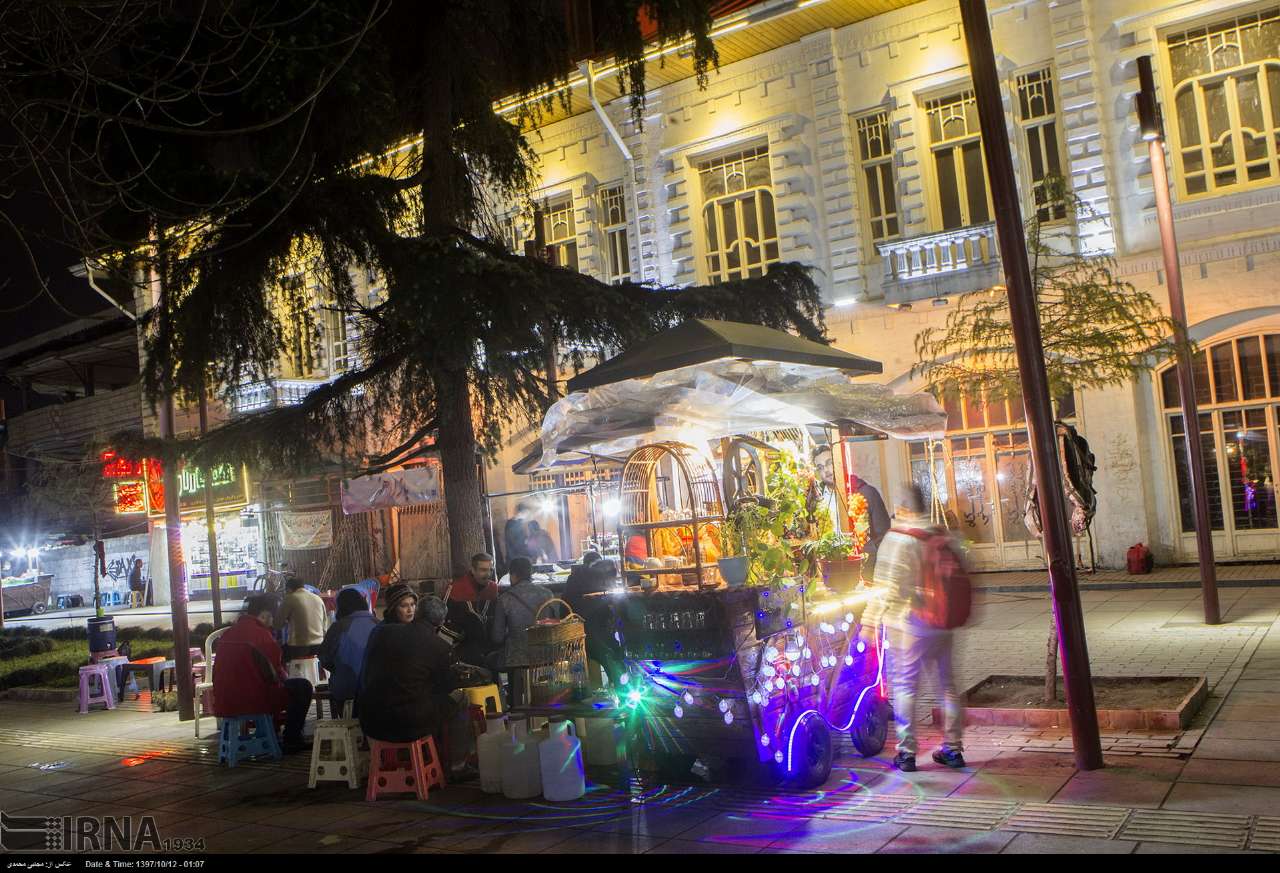
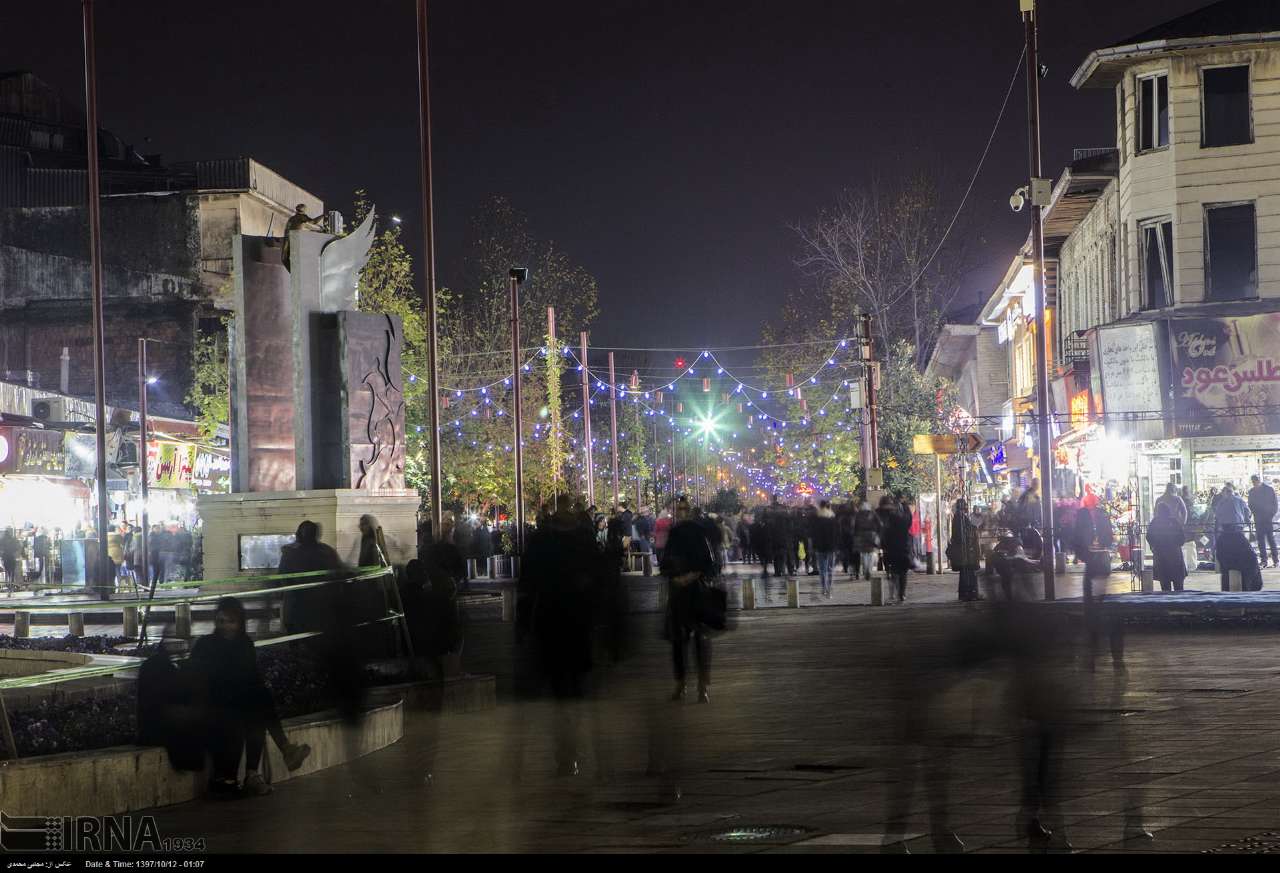
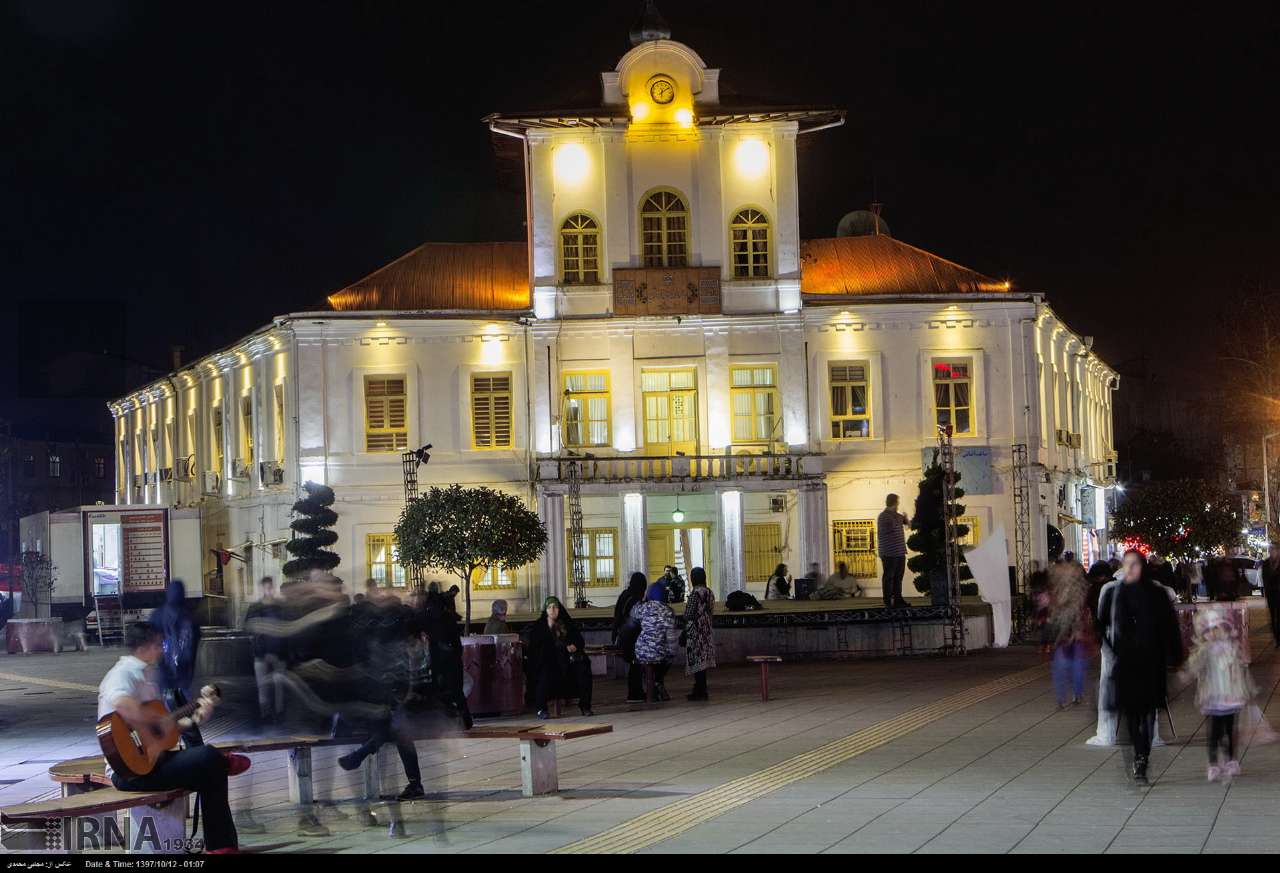
As the symbol of the city, Rasht’s Municipality Square includes the Municipality Palace, Post Museum and the old building of Iran Hotel. The square was established in the First Pahlavi era. A new street leading to the square known as the cultural pavement has been built which attracts many locals of the city to walk along it in their leisure time.

Below you can watch a collection of photos of the historic and beautiful complex retrieved from IRNA:

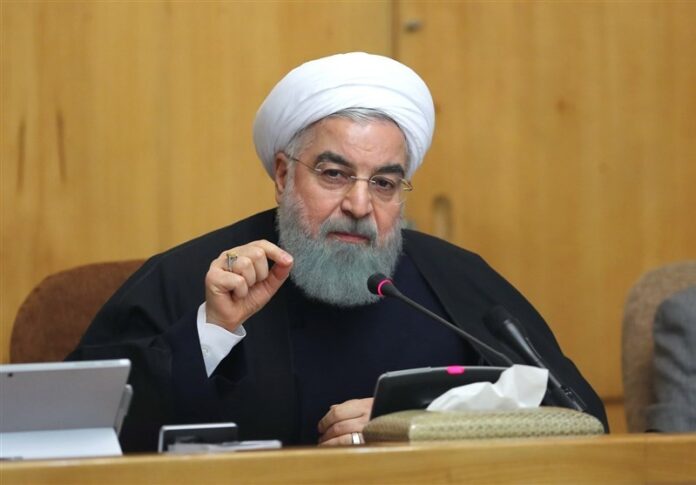
Iran President Mocks Trump’s Secret Visit to Iraq

rouhani

Speaking in a Cabinet meeting on Wednesday, Hassan Rouhani described Trump’s visit on the eve of Christmas as ridiculous.

“You secretly enter a small military base … take photos with several soldiers, deliver a short speech and after one or two hours depart Iraq,” Rouhani said.

Rouhani noted the trip shows the US interventions in the region, particularly it’s 2003 invasion of Iraq, have brought nothing but shame for the US.

“These show you have been unsuccessful. This means you were defeated. This means the Iraqi people are angry with you,” he said.

The Iranian president further mentioned that Trump will not dare to appear among Iraqis or even visit Lebanon, Syria or Yemen, which means the US is highly unpopular among nations in the region.

“I hope [Americans] will learn these lessons and stop interfering in these nations’ affairs … particularly Palestine … and start respecting law,” he underlined.

On December 26, Trump spent a few hours at al-Asad Air Base in Iraq’s western Anbar Province, but did not visit the capital Baghdad.

Afterwards, a scheduled meeting between Trump and Iraqi Premier Adil Abdul-Mahdi was scrapped and they only talked over the phone.

Days later, Trump acknowledged the security concerns about visiting Iraq.

“Pretty sad when you spend $7 trillion in the Middle East, and going in has to be under this massive cover with planes all over and all of the greatest equipment in the world, and you do everything to get in safely,” tweeted Trump.

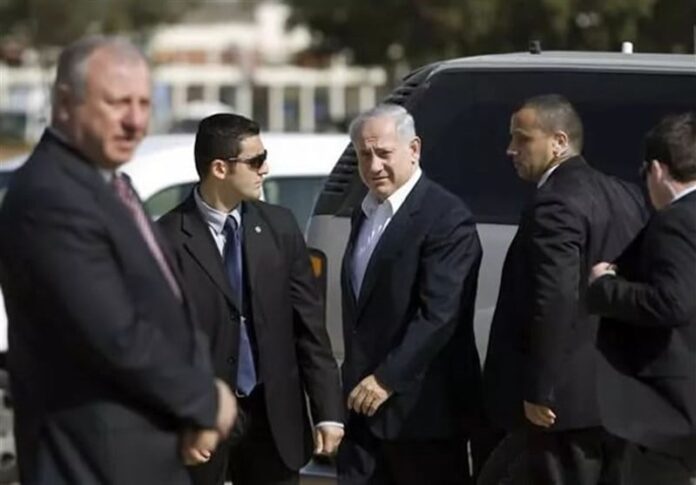
Iranian Intelligence Deals New Blow to Israel’s Shin Bet, Journalist Says

Hossein Dalirian, a national security journalist, made the statement in an article published by Tasnim News Agency, pointing to recent remarks by an Iranian intelligence official revealing that Israeli Premier Benjamin Netanyahu fears Israeli officials could be connected to Iran, just like Gonen Segev.

Segev, a former Israeli energy minister, was handed to Israel in June 2018, after being detained in Equatorial Guinea in May on espionage charges.

His arrest grabbed headlines across media, seen as a victory for Iran in its intelligence war with Israel.

The director-general for the anti-espionage section of Iran’s Intelligence Ministry said in a statement published by Iranian media two weeks ago that Netanyahu has given Israeli security services a confidential order to check if Israeli officials, lawmakers and security personnel had connections with Iranians in the past six months.

The Iranian official revealed the information while responding to remarks by Netanyahu that Israeli security agents periodically visit Iran to monitor the country’s nuclear program.

The official, who was not named, rejected Netanyahu’s remarks, saying he had made the false assertion because he is under immense pressure to respond to Iran’s victory in Segev case.

Sign of Creeping Infiltration

Dalirian said Iran’s access to the confidential order indicates Iran’s creeping infiltration into the high ranks of the Israel’s government.

“Certainly, Netanyahu’s order on monitoring activities of high-ranking Israeli officials, possibly to gather new evidence regarding Segev’s case, has been issued without any official being aware,” he said.

“This is Iran’s second blow to the Israeli intelligence,” he added.

According to investigations made by the Shit Bet, Segev first contacted officials in the Iranian embassy in Nigeria in 2012 before visiting Iran twice.

The Shin Bet said Segev had given Iranian handlers information on Israel’s energy sector, security sites and introduced Iranians to Israeli officials as businessmen.

The news was soon confirmed by Iran’s intelligence minister Mahmoud Alavi, who said Iran had employed a top member of the Israeli government.

Later, the Israeli media report the former minister has admitted spying for Iran, saying he wanted to help Israel and return as a “hero”.

“I wanted to fool the Iranians and come back to Israel as a hero,” he was quoted as saying on Israel’s Channel 10.

Last week, the Israeli media reported Segev was negotiating a plea bargain with prosecutors.

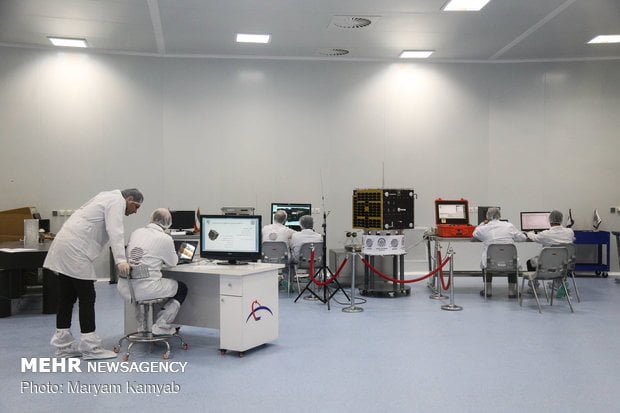
Iranian University to Launch its Own Satellite

That was announced by Amhad Motamedi, the chancellor of the university.

“The Payam satellite of this university is ready and will be launched soon,” he told Mehr News Agency.

For a brief review of Iran’s achievements in various fields of science and technology, check the book “Science and Technology in Iran: A Brief Review

“The satellite of Amirkabir University of Technology is ready and has been delivered to Iran’s Centre for Space Research,” said Motamedi.

“It weighs 110 kg and will be placed in an orbit 500 kilometres from the earth’s surface. It is capable of taking images of the earth’s surface at 40-metre resolution,” he noted.

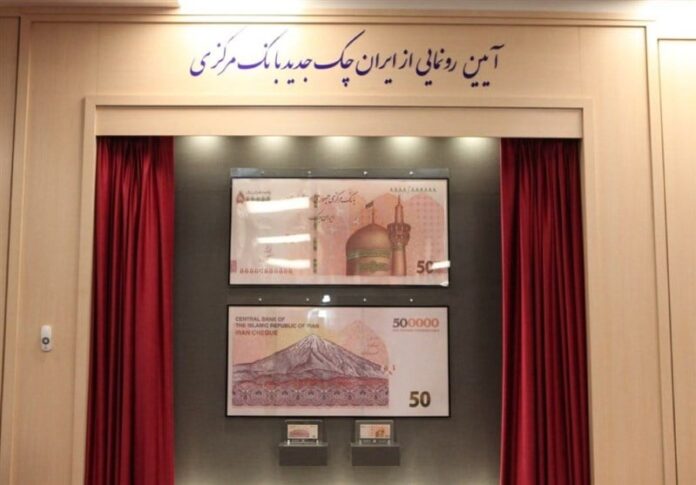
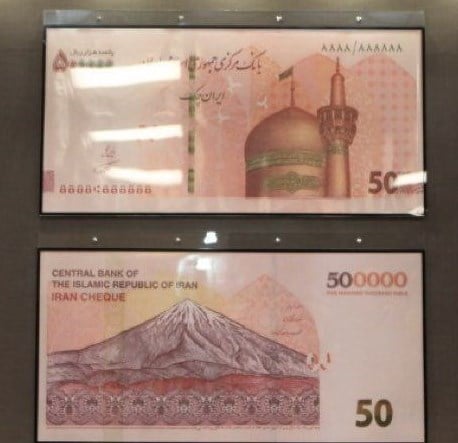
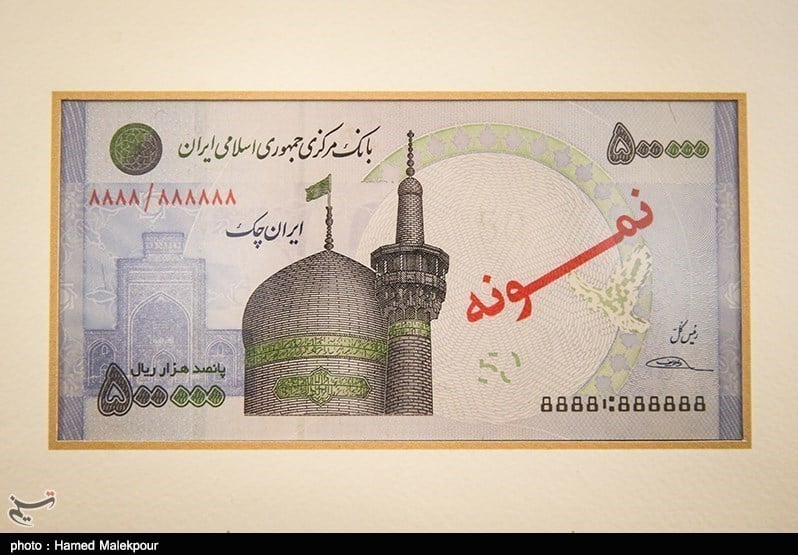
Is CBI Preparing to Lop Four Zeroes Off National Currency?

The banknote worth 500,000 rials was unveiled in a ceremony attended by CBI Governor Abdolnaser Hemmati and Economy Minister Farhad Dejpasand.

In designing the new banknote, the CBI has whitened four zeroes and highlighted 50.

Is CBI Preparing to Lop Four Zeroes Off National Currency?
New Bill Unveiled on Tuesday

This is while the former 500,000 banknote and other Iranian notes are not like this.

Is CBI Preparing to Lop Four Zeroes Off National Currency?
Former 500,000 Bill

In its statement, the CBI said the new bills have been produced using a technology used for printing Euro in 2013, making it highly difficult to forge.

The government had announced in 2016 it is planning to cut four zeroes off the currency, in an effort to keep up with rampant inflation that has hit the Iranian economy for decades.

However, the monetary reconversion was postponed, likely because the financial system was not ready for the measures at a time when the anti-Iran international sanctions had just been removed.

Observers say Iranian officials believed they ought to implement the reconversion when the economy is stabilised.

A Look at Iranian Newspaper Front Pages on January 2

A Look at Iranian Newspaper Front Pages on November 19

Several papers today covered the story of Donald Trump’s decision to pullout from Syria and its ramifications. They also covered US military moves in Iraq.

Security of the Persian Gulf and Strait of Hormuz as well as the Iranian officials’ warning about US moves in the region was another important issue highlighted by Iranian dailies.

Analytical review of Europe’s economic channel with Iran known as Special Purpose Vehicle (SPV) and delays in implementing the plan was another topic discussed by dailies.

The above issues, as well as many more, are highlighted in the following headlines and top stories:


Abrar:

1- Israeli Military Intelligence: Iran May Attack Israel from Iraq

2- Afghanistan Neighbours Worried about Immigration Crisis after US withdrawal

A Look at Iranian Newspaper Front Pages on January 2


Afkar:

1- Fishy Moves of US Military in Iraq on New Year’s Eve

2- ‘Russians Say Final Words on Syria’

A Look at Iranian Newspaper Front Pages on January 2


Aftab-e Yazd:

1- Cuba Waiting for Receiving 5 Million Tourists: Envoy to Iran

A Look at Iranian Newspaper Front Pages on January 2


Ebtekar:

1- We Never Let Strait of Hormuz Be Unsafe: First VP

2- Iran Ready to Register Silk Road Globally

3- Why’s the World Seeking to Revitalise Asia’s Main Route?

4- Europe’s Commitment to JCPOA Not to Pursue Economic Considerations: EU

5- Tensions High as Romania Starts Its Rotational Presidency of European Union

A Look at Iranian Newspaper Front Pages on January 2


Etemad:

1- Disarmament for Lifting Sanctions

2- North Korean Leader Threatens US in His New Year’s Speech

A Look at Iranian Newspaper Front Pages on January 2


Ettela’at:

1- We Never Accept US Decides for Europe: Mogherini

2- Grand Ayatollah Sistani’s Support for Efforts to Fight Corruption in Iraq

3- Human Development Index of Iran Expands

A Look at Iranian Newspaper Front Pages on January 2


Iran:

1- Iran Protecting Security of Strait of Hormuz

2- Homeira Rigi to Be Appointed as Third Female Ambassador of Iran

A Look at Iranian Newspaper Front Pages on January 2


Jam-e Jam:

1- A Survey of Iranian People’s Behaviour towards Europe after US JCPOA Pullout

2- What Would Happen to Iran-EU Trade Ties after US withdrawal from Nuclear Deal?

  • Europe’s Economic Withdrawal from Iran Nuclear Deal

A Look at Iranian Newspaper Front Pages on January 2


Jomhouri Eslami:

1- Trump Stalls Timetable of US Troops Withdrawal from Syria

2- Yellow Vest Protesters Take to France Streets on New Year’s Eve

3- Purchase of Rotten Food for Yemenis by WFP: Yemen Revolutionary Council

A Look at Iranian Newspaper Front Pages on January 2


Kayhan:

1- ‘Why Collapse of Israel, Withdrawal of US from Syria Definitive?’

2- JCPOA Hanging by Thread; EU Promises Not Fulfiled: Iran EU Envoy

A Look at Iranian Newspaper Front Pages on January 2


Mardomsalari:

1- Nothing New about SPV; Europe Breaks Promises Again

2- Tel Aviv’s Multidimensional Scenario for Damascus

3- Netanyahu after Shares in Syria following US Withdrawal

A Look at Iranian Newspaper Front Pages on January 2


Resalat:

1- Armed Forces Fully Prepared: Iranian Army General

2- Israel’s Case Over: Analytical Report on How to Establish Palestinian State in Tel Aviv

A Look at Iranian Newspaper Front Pages on January 2


Sazandegi:

1- Super Socialist’s Duel with Trump

  • Elizabeth Warren Runs for President in 2020

A Look at Iranian Newspaper Front Pages on January 2


Shargh:

1- Iranian Sunni Woman to Become Iran’s New Envoy to F

2- Homeira Rigi; First Sunni Woman to Become New Ambassador

A Look at Iranian Newspaper Front Pages on January 2


Vatan-e Emrouz:

1- Pessimism Overcomes Prediction in West

2- Economist’s Look at World in 2016

3- Warmongering Democrats

4- Report on Democrats’ Anti-Iran Reaction to Trump’s Decision to Withdraw from Syria

A Look at Iranian Newspaper Front Pages on January 2

‘US Seeking to Restore Taliban Rule in Afghanistan’

As negotiations are underway between the Taliban and some regional and international states including Iran, reports say the Taliban and the US have reached a tentative agreement on the future of Afghanistan which will not provide the country with any benefit, reads an op-ed by Afghanistan expert Seyyed Ahmad Mousavi Moballegh published in the Khorasan daily.

The op-ed underlined that though no details have been out yet of the US-Taliban negotiations, it seems the two sides have reached an agreement on two major issues: Withdrawal of the US forces from Afghanistan and the recognition by the US of the Taliban as a ruling power in the war-torn country.

“This means that the US has violated all its earlier promises in its war on terror and eradication of Al-Qaeda and the Taliban. It also shows that the US has decided to pave the way for the collapse of all political structures in Afghanistan by handing over the country to the Taliban,” the op-ed added.

According to the paper, US President Donald Trump’s decision to pull out about seven thousand of its military forces from Afghanistan was not surprising because it seems rather a measure adopted by the US to show its good-faith in talks with the Taliban.

“With the self-confidence created by the tentative agreement with the US, the Taliban have announced that they do not recognise the current government as the legitimate government of Afghanistan. This has led President Ashraf Ghani to deeply feel the threat against his government and use whatever in his power to avoid the trap set up by the US,” Khorasan wrote.

Over the past week, Ghani appointed Asadullah Khalid and Amrollah Saleh as his new defence and interior ministers. These people used to be among his staunch critics. Meanwhile, they are well-known for their animosity with the Taliban and were sidelined over the past years from politics due to their resolute will in fight against the Taliban. Today, Afghan government and anti-Taliban politicians face a common foe and that’s why they have decided to establish cooperation in their fight against the Taliban.

“The US is seeking to control China, Iran and Russia through Afghanistan by preparing the ground for the dominance of the Taliban in Afghanistan. Such a goal can be achieved only through establishing a brutal government in Afghanistan that works in line with the US policies. However, the Taliban’s move to hold talks with other regional and international players have contributed to the speculations that the group may decide not to completely cooperate with the US after taking power,” the paper added.
Through its mutual ties with Saudi Arabia, the US has come to this sense that it can exert more control on its brutal allies. In other words, the more brutal, the more manageable.  “That’s why the US has decided to pave the way for the Taliban’s power in Afghanistan. Over the past two years, the US has been seeking to remove any obstacles in the way of the Taliban’s rise in Afghanistan.”
The op-ed then cited a number of measures adopted by the US to dictate its will on President Ghani and prepare the ground for the Taliban’s dominance over more than half of the country’s soil.

“Entrapping First Vice President General Abdul Rashid Dostum, launching efforts to depose Atta Muhammad Nur as Balkh governor and arresting a number of security forces who were against the Taliban are among the major measures launched by the US to undermine the power of President Ghani.”

According to the op-ed, though the Taliban have taken a large swath of Afghanistan, it is not popular among the Afghans. The dominance has become possible only due to the security shortage in the country rather than the group’s courage or people’s cooperation with them.

“This means that the US’s talks with the Taliban are part of larger project to set up a new play in Afghanistan to decide for the future of the country,” the paper noted.

Ashraf Ghani has taken two major steps after being humiliated and excluded by the US from the peace talks with the Taliban. “He first resorted to the very officials who used to be his political foes, but widely known for their opposition to the Taliban. Then, he extended the hand of friendship towards the regional countries like Iran to hold talks with the Taliban with the main goal of challenging the US role in his country.”

According to the paper, over the past years, the Taliban have sought to portrait a new image of themselves in the international arenas. “It seems the Taliban have realized the sensitive situation of the regional and sat for talks with Iran. Over the past months, the Taliban held talks with other regional players like some European states, Russia and China but it goes without saying that the Taliban can’t remain indifferent to Iran as a neighboring state with its special role and power.”

As the Islamic Republic of Iran has said, Afghan government is privy to the talks underway between Iran and the Taliban. Iran added the talks are aimed at creating peace and security in the region.

The visit of a Taliban delegation to Iran can help Afghan government to play a role in any peace talks in the future. It also reveals that the Taliban does not fully trust the US and prefers to establish talks with all regional states.

“The Taliban knows it well that the US is not the only player in the Afghan politics and their presence in power hinges on establishing mutual ties with other regional states,” the op-ed concluded.

According to Iranian Foreign Ministry Spokesman Bahram Qassemi the Taliban delegation arrived in Tehran on December 30 and met with Iranian Deputy Foreign Minister Abbas Araqchi. Qassemi said the talks focused on “security issues aimed at driving the peace process in Afghanistan.” He said Kabul was informed about the meeting.

Iran’s Policy Towards Palestinian Cause Unchangeable: Spokesman

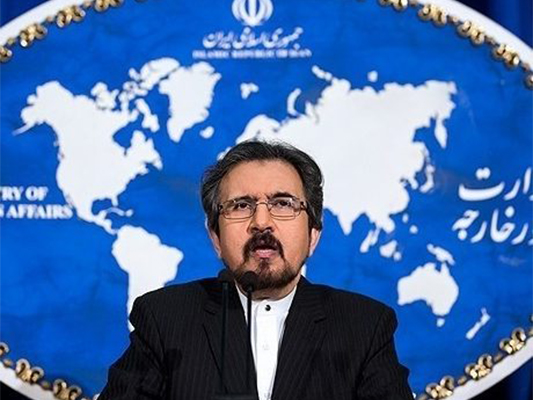
Bahram Qassemi

In an interview with ISNA, Qassemi referred to some reports released by certain Arab as well as social media on the stance of the Islamic Republic towards the occupying Zionist regime underlining that the stance and approach of Iran towards the illegitimate regime of Israel is unchangeable.

“Over the past recent days, two Palestinian delegations visited Tehran for talks with high-ranking Iranian officials. Iranian and Palestinian delegations have always been in close contacts with each other and have held talks regularly and this is not a new issue,” he said.

According to Qassemi, given the importance of Palestinian cause and the stance of the Islamic Republic towards it, Iran and Palestinian groups, which do not necessarily have similar views on various issues, sit for talks regularly and continuously.

Elsewhere in his remarks, the spokesman slammed some Muslim states for their indifference towards Palestine and the crimes committed by the Zionist regime against the oppressed people of Palestine.

“The Zionist regime and the US have been seeking, through establishing contacts with certain Muslim and Arab states, to not only create divisions among Muslim countries with the goal of undermining the global status of Islam, but also distract them from Palestine’s issue and remove the Palestinian cause from the top of Islamic states’ priority list,” he said.

Qassemi then underlined that throughout history, no occupying regime or oppressor has managed to achieve its illegitimate goal and the Zionist regime is not an exception. As said earlier, the Americans and the Zionists have been seeking over the past years, through creating certain crises, to increase tensions and conflicts among Muslim states and keep the Muslim world busy with its internal conflicts like what happened in countries like Libya, Syria and Yemen.

“These are the very countries which used to be named as the resistance front against the Zionist regime over the past decades. But, today they are struggling with various problems due to the deceptive policies of the Muslim World’s foes. As a result of such policies, we are witnessing internal conflicts and lack of social and economic developments in the Muslim World,” he noted.

The spokesman then blamed imprudence and lack of realistic views among some rulers of the regional and Muslim states for creation of the current situation and expressed hope that unity in the Muslim World and peaceful coexistence of the regional states could pave the way for reaching unanimity among Muslim states on the Palestinian cause and the Zionist regimes’ crimes.

“We also hope that Muslim countries’ cooperation could protect the rights of the Palestinians, return Palestinian refugees to their homelands, and establish an inclusive unity government with Jerusalem al-Quds as its capital.