Thursday, April 9, 2026
Home Blog Page 3389

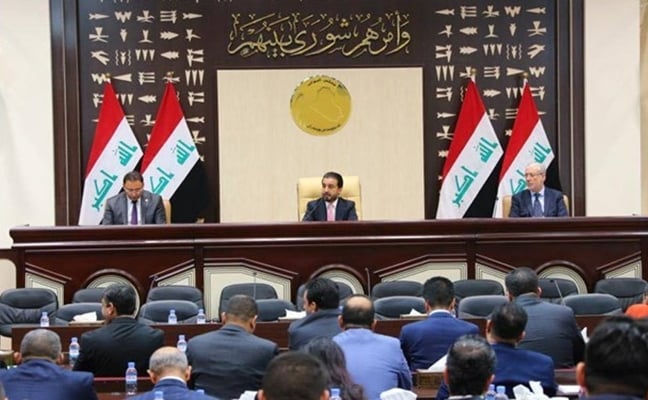
Iraq Parliament to Discusses Foreign Forces Ouster

The draft plan has already been prepared and handed over to the Security and Defence Commission of the parliament, said an Iraqi lawmaker.

“With the increasing number of foreign forces in Iraq particularly after the US decision to relocate its forces from Syria to the western and northern parts of Iraq and establish further bases there, more and more parliamentarian fractions are inclined towards urging the government to ouster foreign forces including those of the US from our country,” Mohammed al-Baldawi was quoted as saying in a report by Fars news agency.

The lawmaker then underlined that Iraq can’t put up further with the regional and global policies of the US President Donald Trump.

He referred to the resignation of the US Secretary of Defense, James Mattis along with other dramatic changes in the US politics as a sign of further confusion of the US officials in dealing with the regional issues.

Trump made a surprise visit to Iraq and met US military forces there back in December. During his stay in Iraq, he did not hold talks with the Iraqi officials. The move sparked outrage among Iraqi officials and people. This has contributed to the Iraqi lawmakers’ determination to approve the plan to put an end to the US military presence in their country.

Most of the US forces left Iraq back in 2011, but thousands of them still remain in the Arab country. According to the latest figures by the Pentagon, 5200 US forces were present in Iraq till December 2017. They are assigned with what is described by the US as providing logistic support for the Iraqi forces in their fight against terrorism.
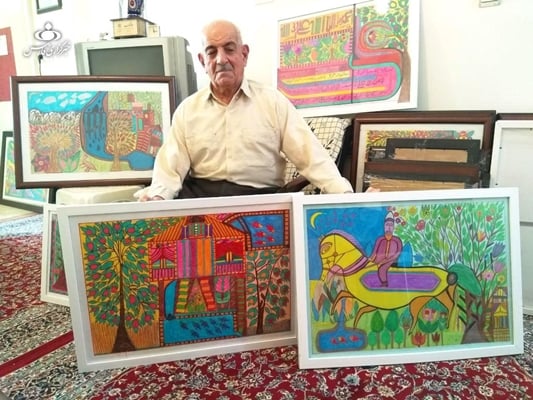
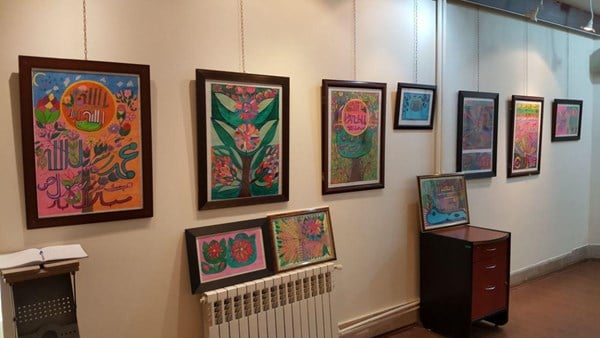
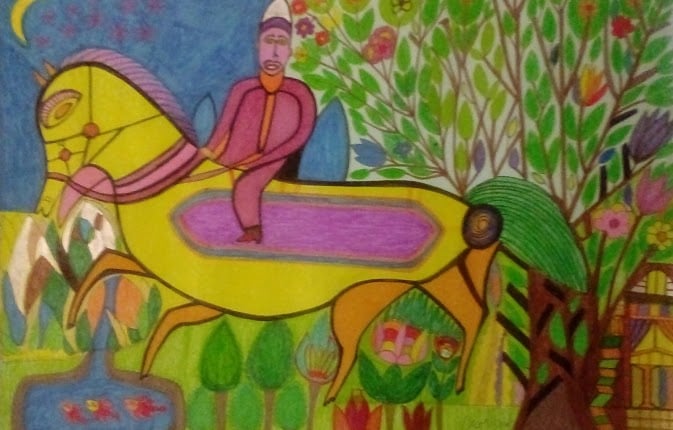
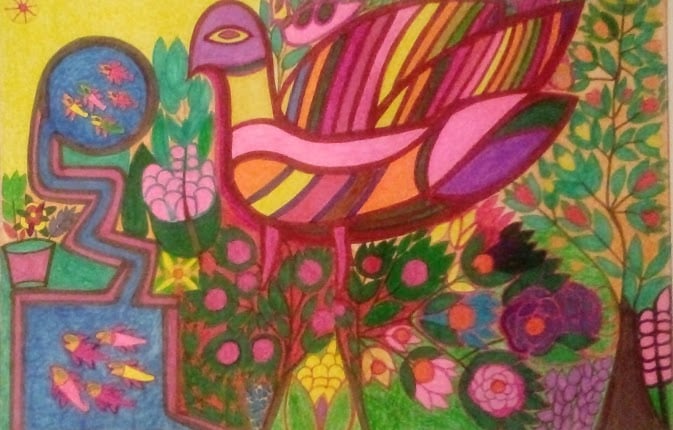
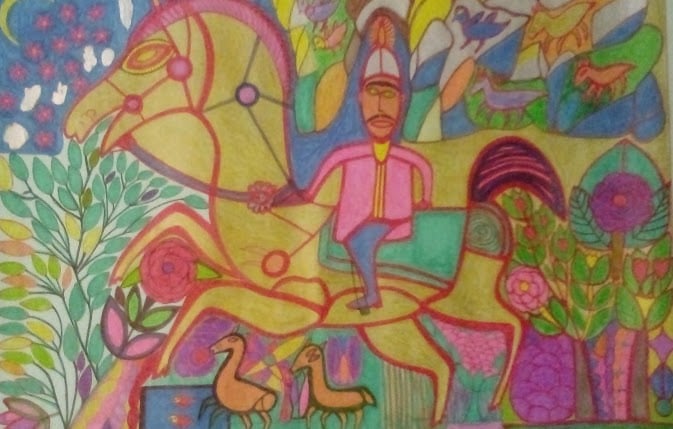
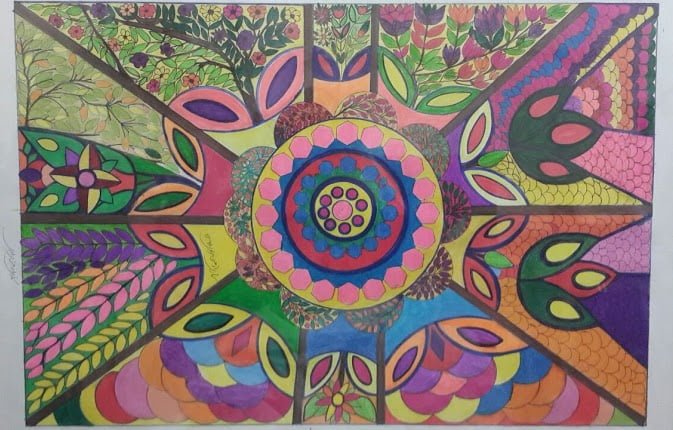
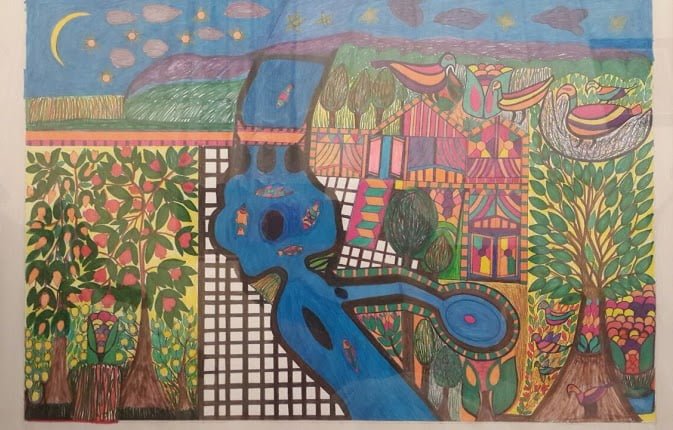
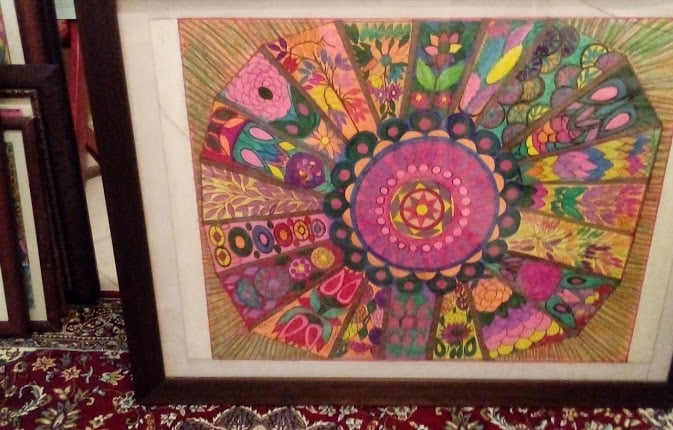
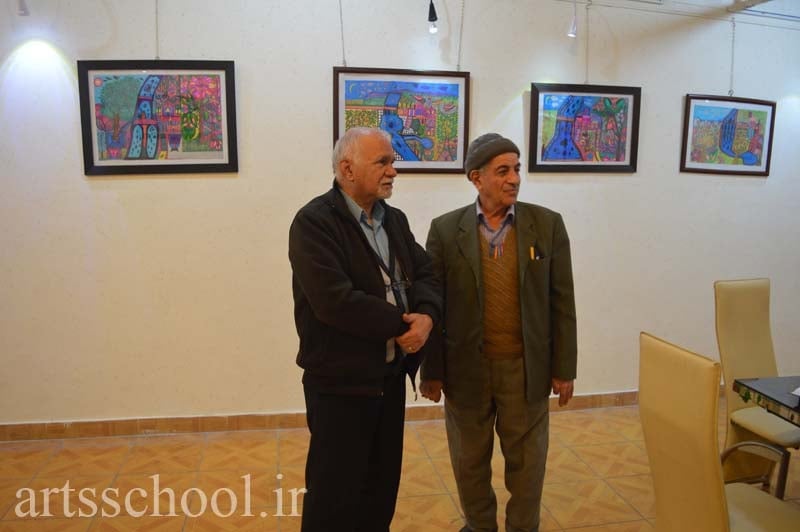
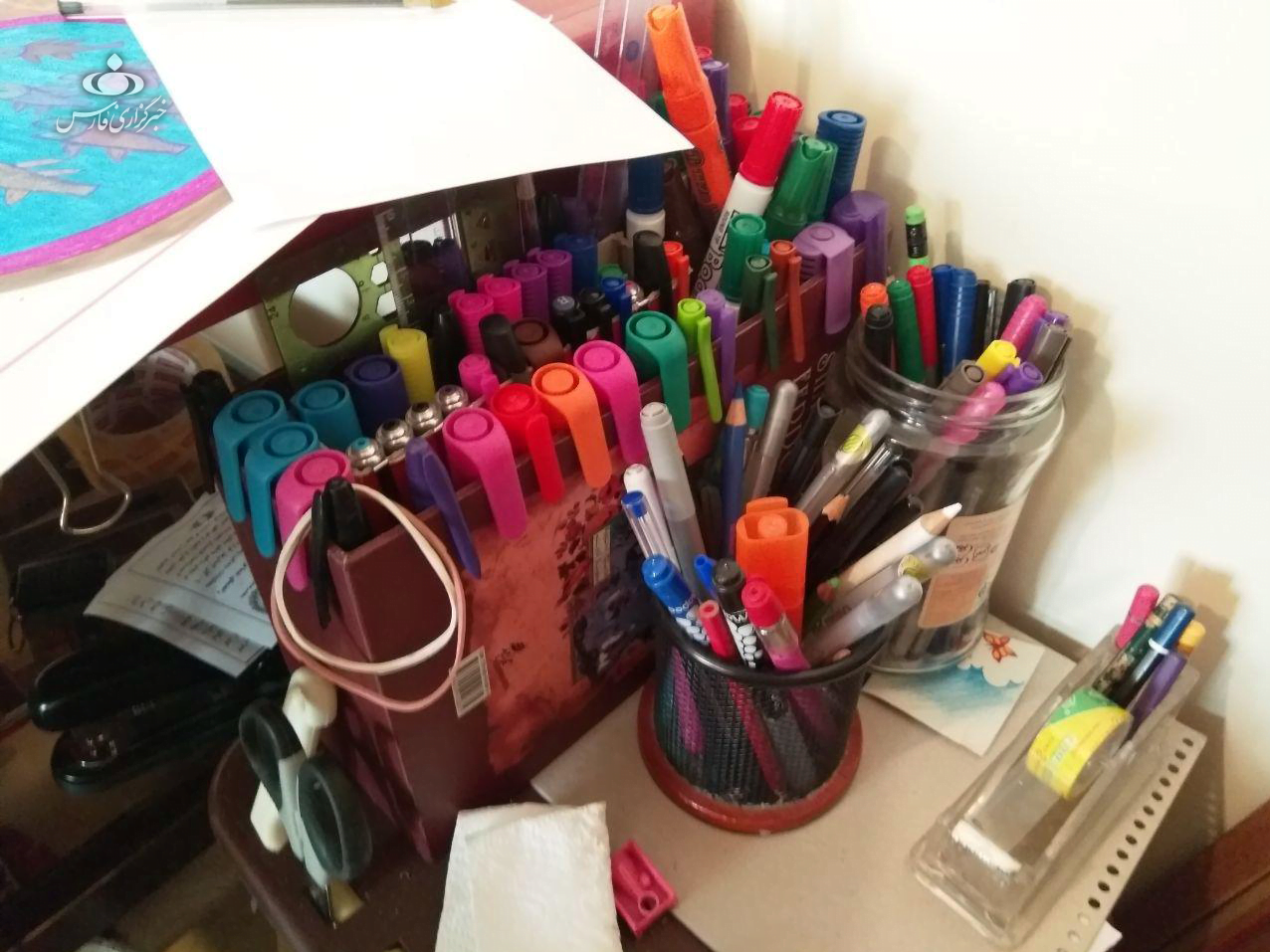
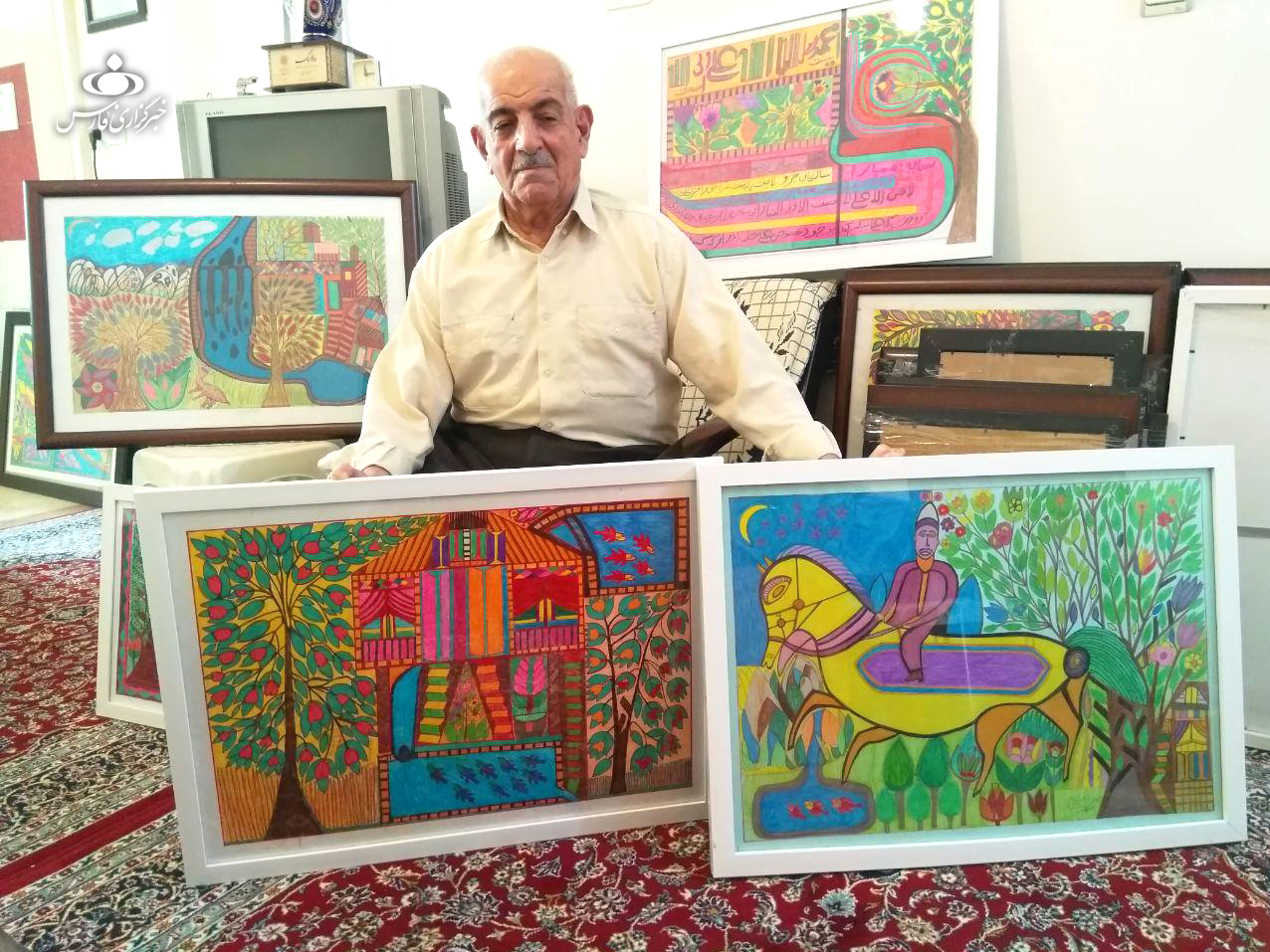
Iranian Man Turns into Painter in his Eighties

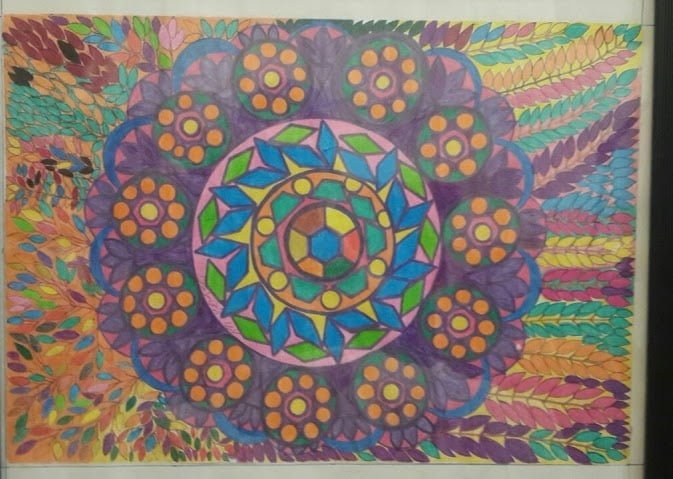
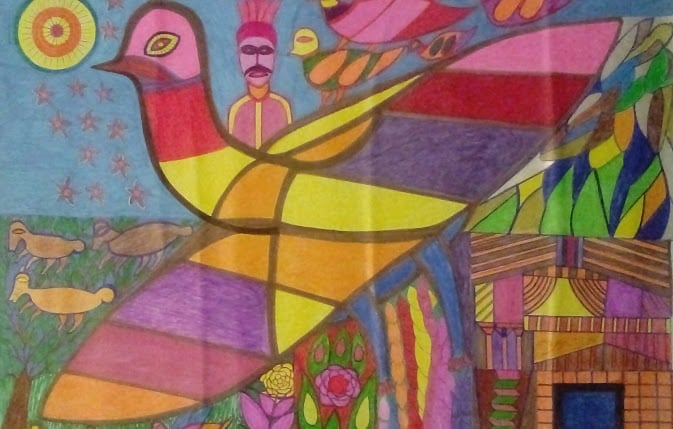
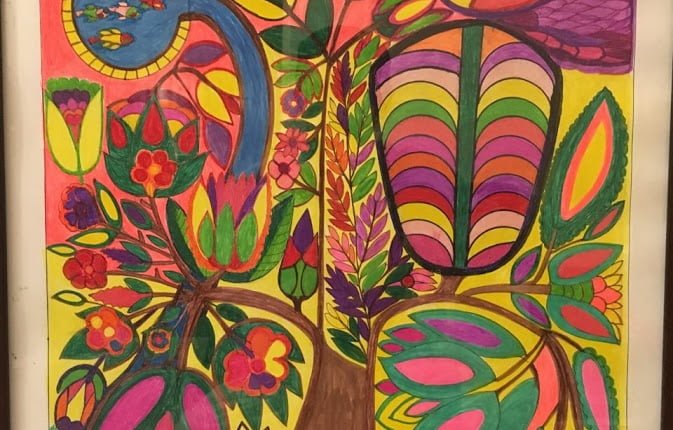
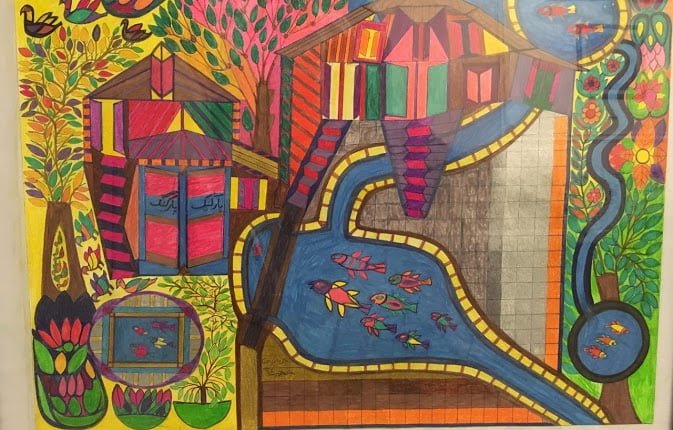
Every day, the fans of this Iranian octogenarian artist in different countries are waiting for his new works every day.

When he was 2 years old, he lost his mother, and her father died later to make him a homeless orphan.  He started working at the age of 6 and at the same time began his self-studies. Then, he began his job at a bakery. However, the strangest thing in his life happened at the age of 80 which suddenly took him to the galleries.

Moradi is not educated enough and has learned reading, writing, smithery, painting, etc. on his own.

Iranian Man Turns into Painter in his Eighties“In my eighties, I feel like a young man. Every person lives with his wishes and will. Therefore, having problems in life is meaningless. This is what I say; a man who has always lived in poverty and loneliness,” he says.

What follows is part of his interview with Fars News Agency:

Once, I took the sheep for grazing and I found a piece of paper on which there were some sentences in English.  At that moment, a young woman who was accompanied by a girl asked me, “Can you read?”

I did not know what to say. I said no. Then she asked me “Do you want to learn reading and writing?”

I said “Yes.” She took me to her home and gave me a notebook and a pencil and I began to write. I kept practicing secretly as I did not want anybody to know about this.

Finally, the man I was working for as a shepherd torn up my notebook. I escaped from there and started working in the market. As I grew older, I worked at a cafe and then I came to work at a bakery. In that bakery, I became friends with a student who taught me math.

Iranian Man Turns into Painter in his EightiesAt that time, I had a book in my pocket, and I asked the meaning of words on bus, in taxis, etc. I kept doing this till I learned reading and writing. Gradually, I learned poetry and literature and became a representative of the bakery workers. I was the representative of more than 4000 workers.  There was a lot of opposition to the workers’ insurance, but I did not miss a moment and finally I could provide them with insurance. I launched workers’ protests until SAVAK arrested me. After a few weeks, they released us, but I did not keep quiet. I kept protesting till the officials were forced to provide insurance for the workers.
After that I decided to learn smithery. I made my decision and became a blacksmith.

When my wife died, I felt very isolated. Then, I had an accident and had my pelvis broken. I was hospitalised for about a year. My blood sugar rose too much, and they could not perfom an operation on my pelvis.

I did not want to be in that situation anymore. For the first time in my life I felt down. I asked God to help me. The other night I dreamt of Hazrat Fatima (SA). That was a miracle. The next day, my blood sugar dropped down and I asked my doctor to perform a surgery on my pelvis.  He agreed and after 2 months, I could walk.

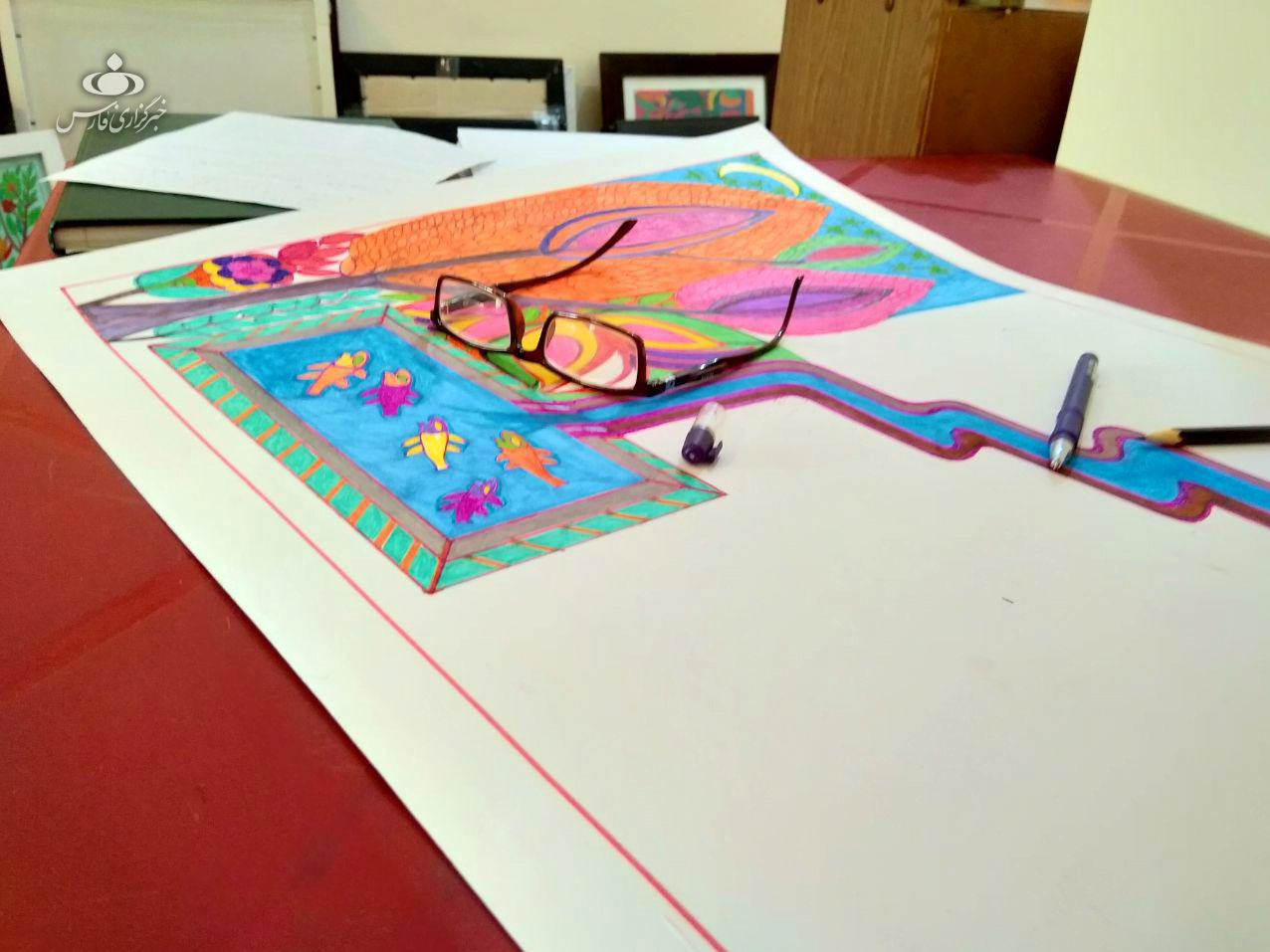
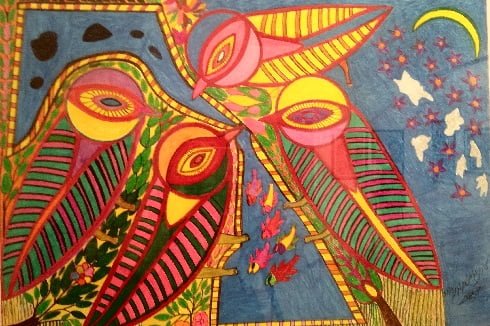
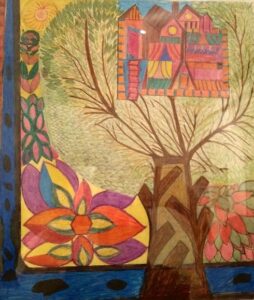
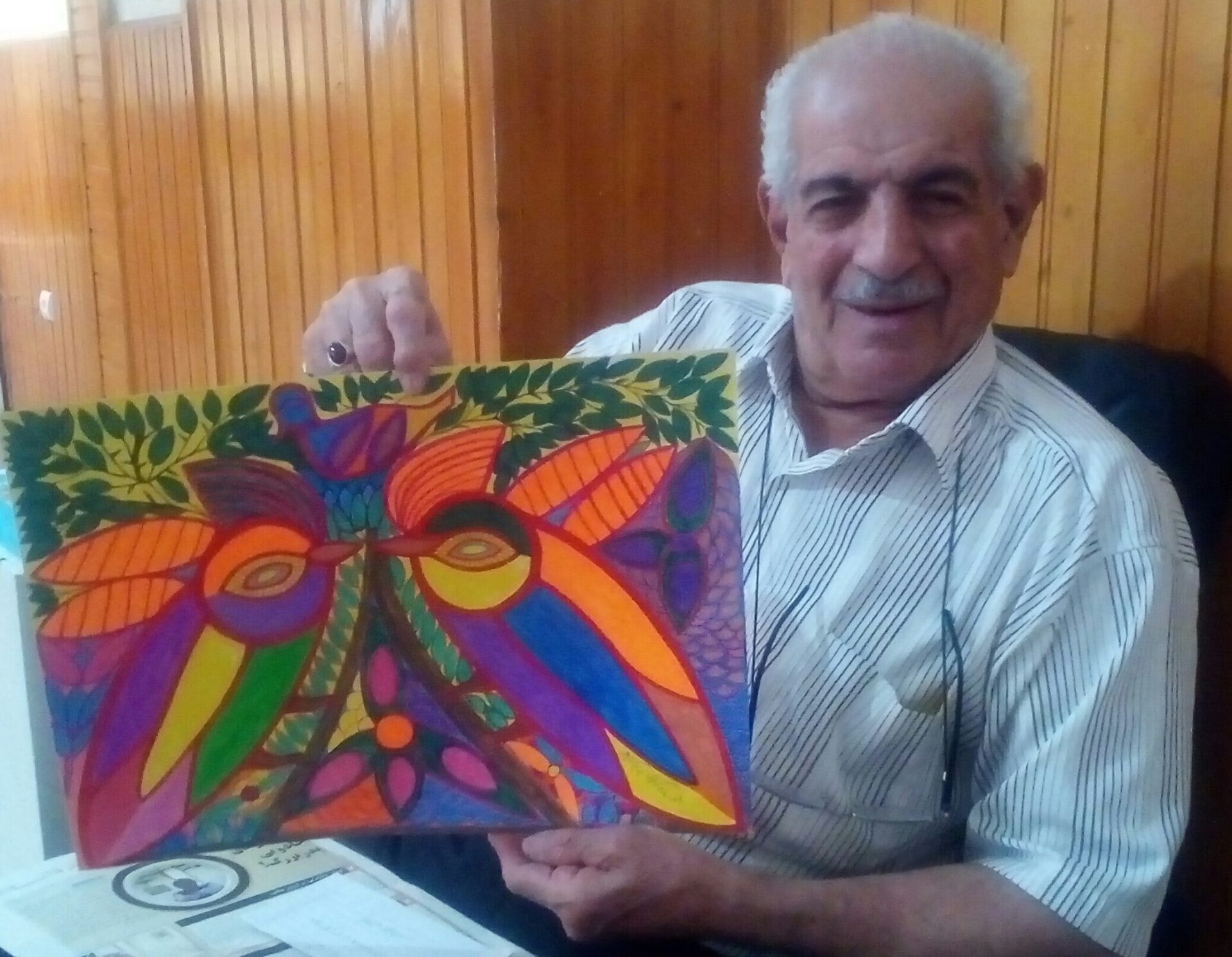
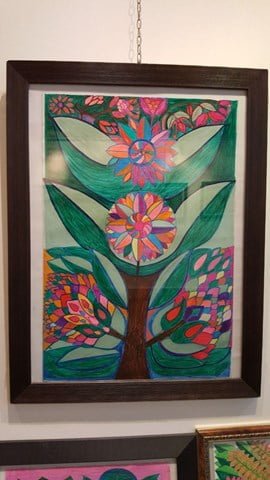
After that dream, I began to paint spontaneously. The topic of my paintings is Ahl-ul-Bayt (AS). Almost every month they put on show my works in a gallery. Some of my friends at the exhibitions took my works to different countries. All my paintings are images that come to my mind all at once.

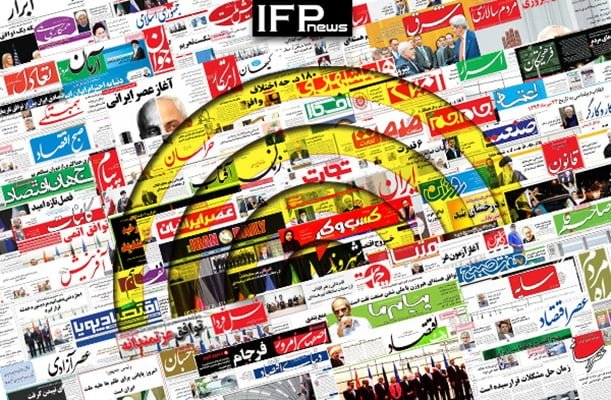
A Look at Iranian Newspaper Front Pages on January 6

A Look at Iranian Newspaper Front Pages on November 19

The top story in almost all papers today was the Expediency Council’s decision to ratify the second of the four bills proposed by the government of Hassan Rouhani to get Iran out of the blacklist of the Financial Action Task Force (FATF), the global anti-money laundering body.

Also a top story was the visit of Iranian Deputy Foreign Minister Seyyed Abbas Araqchi to Kabul, where he held a fresh round of talks with Afghan officials one week after negotiating with the Taliban militants in Tehran.

The above issues, as well as many more, are highlighted in the following headlines and top stories:


Aftab-e Yazd:

1- Iranian Officials Discussing Budget Bill on Social Media!

2- Major FATF Bill Finally Passed by Expediency Council

A Look at Iranian Newspaper Front Pages on January 6


Arman-e Emrooz:

1- CFT, One Step Ahead

* One of the Four FATF Bills Finally Passed

2- Emirati Media Unfair towards Iran National Football Team

A Look at Iranian Newspaper Front Pages on January 6


Ebtekar:

1- I’ll Keep Gov’t Shut Down for Months and Years If Needed: Trump

2- Key to Afghan Peace Lies in Tehran

* Araqchi Departs for Kabul One Week after Talks with Taliban in Iran

A Look at Iranian Newspaper Front Pages on January 6


Etemad:

1- Conflicting Reports about Torture of Detained Worker Bakhshi

2- Araqchi Holds Two Hours of Security-Political Talks in Kabul

3- One Parliament and Two Guardian Councils?

* Expediency Council Endorses One of FATF Bills after Guardian Council’s Opposition

A Look at Iranian Newspaper Front Pages on January 6


Ettela’at:

1- Law on Combating Money Laundering Finally Ratified

2- Saudis Hampering Process of Clarifying Khashoggi’s Case: Washington

3- ISESCO Names 2019 as Year of Islamic Cultural Heritage

A Look at Iranian Newspaper Front Pages on January 6


Iran:

1- A Report on Iran-Afghanistan Talks over Taliban

2- 121,000 People Deprived of Education in Sistan and Baluchestan Province: MP

A Look at Iranian Newspaper Front Pages on January 6


Javan:

1- Iran to Send Message of Friendship to Space

2- 16% of Americans Seeking to Escape from Their Country

A Look at Iranian Newspaper Front Pages on January 6


Jomhouri Eslami:

1- Number of Iran’s Oil Clients Rises

2- 40,000 Indian Workers Die in Saudi Arabia, UAE

3- Trump Is America’s Gorbachev: Afghan MP

A Look at Iranian Newspaper Front Pages on January 6


Kayhan:

1- It’s Now January 2019: No Sign of Europe’s SPV!

2- Trump Increases US’ Debts to $22 Trillion

A Look at Iranian Newspaper Front Pages on January 6


Shargh:

1- First Expediency Council Session Chaired by Ayatollah Amoli Larijani

2- Pompeo to Visit Middle East

3- Winter of Privatization

A Look at Iranian Newspaper Front Pages on January 6

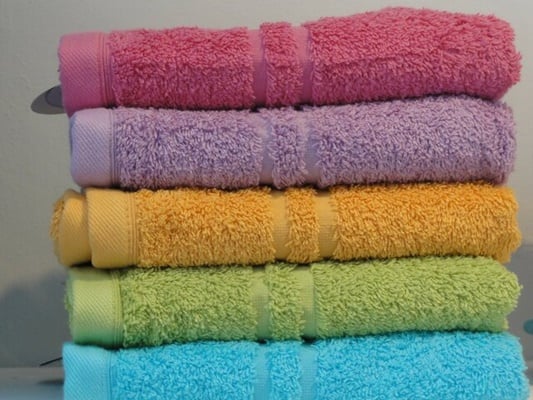
Iran Exports Nano-Antibacterial Towel to Iraq, Canada

Being built on the technical know-how of Nanoparticles, the towels are capable of removing bacterium and fungus without triggering any type of skin allergy.

“To produce the towels, the Iranian scientists have used Silver Nanoparticles,” Hasan Eslahi, one of the members of the Iranian scientific team which has produced the towels was quoted as saying in a report by ISNA.

He went on to say that Silver Nanoparticles are mass produced inside the country and added the particles are added to the fibers of towels during the washing stage.

The new towels can remove various bacterium like Escherichia Coli widely (E Coli) and Staphylococcus Aureus (S Aureus). They are made one hundred percent of cotton fibers women-sensitivity.com more amount of water compared with their ordinary types.

The towels have been produced at the request of a growing number of consumers. So far, the knowledge-based firms have received several orders by several hotels to produce at least 10 tons of the towels.

The new product has an anti-fungi feature as well. Various tests show that the towel lose its anti-bacterial feature after being used for 100 times.

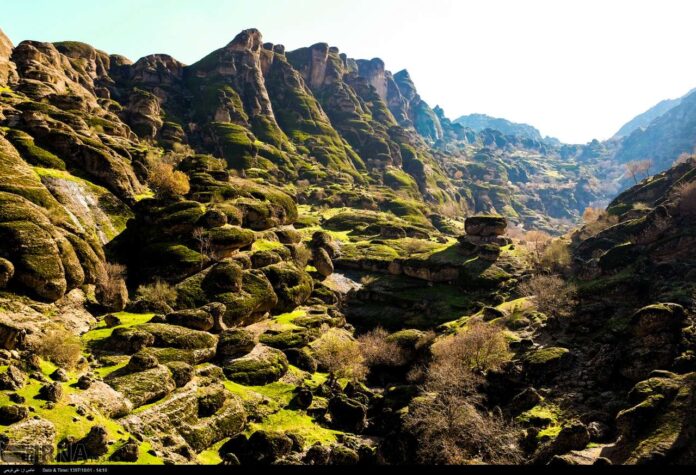
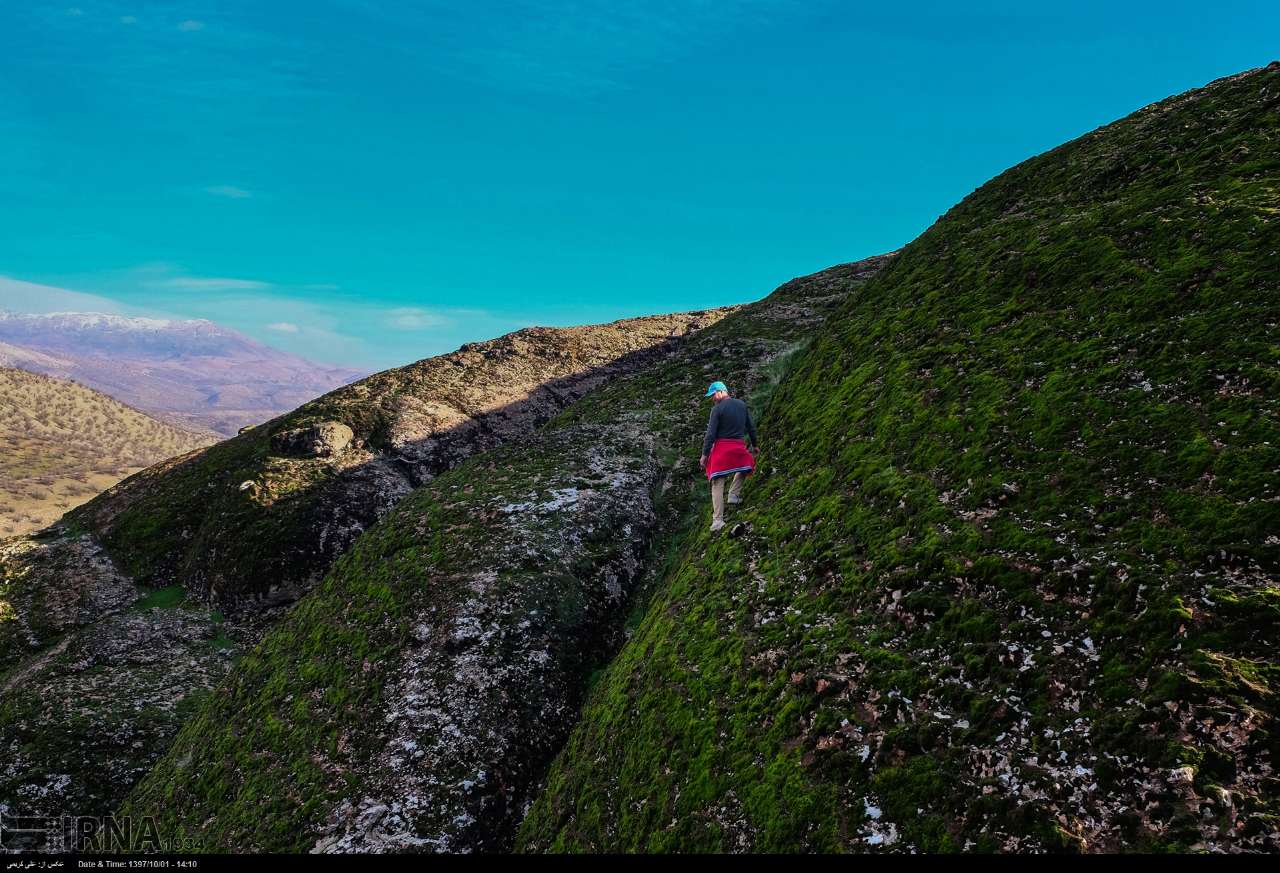
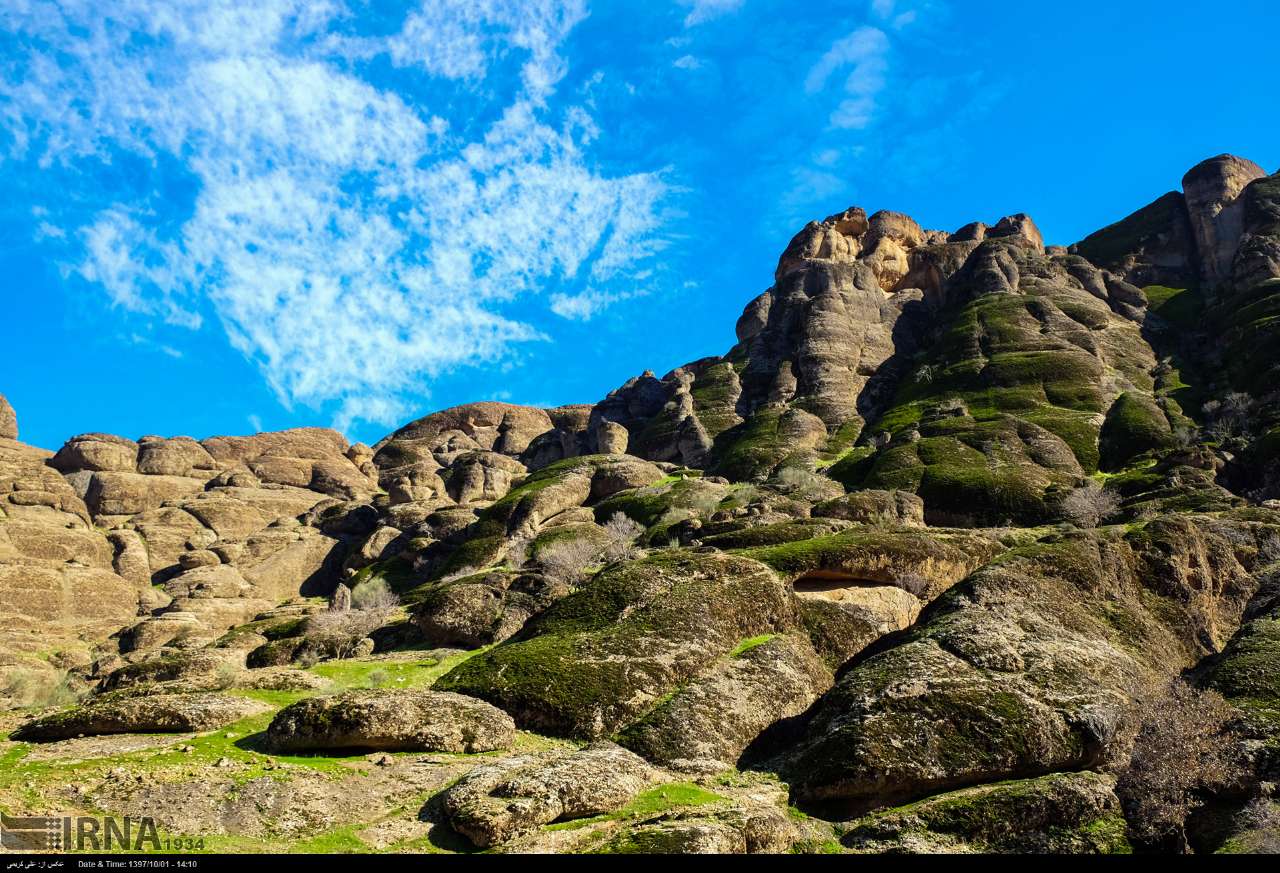
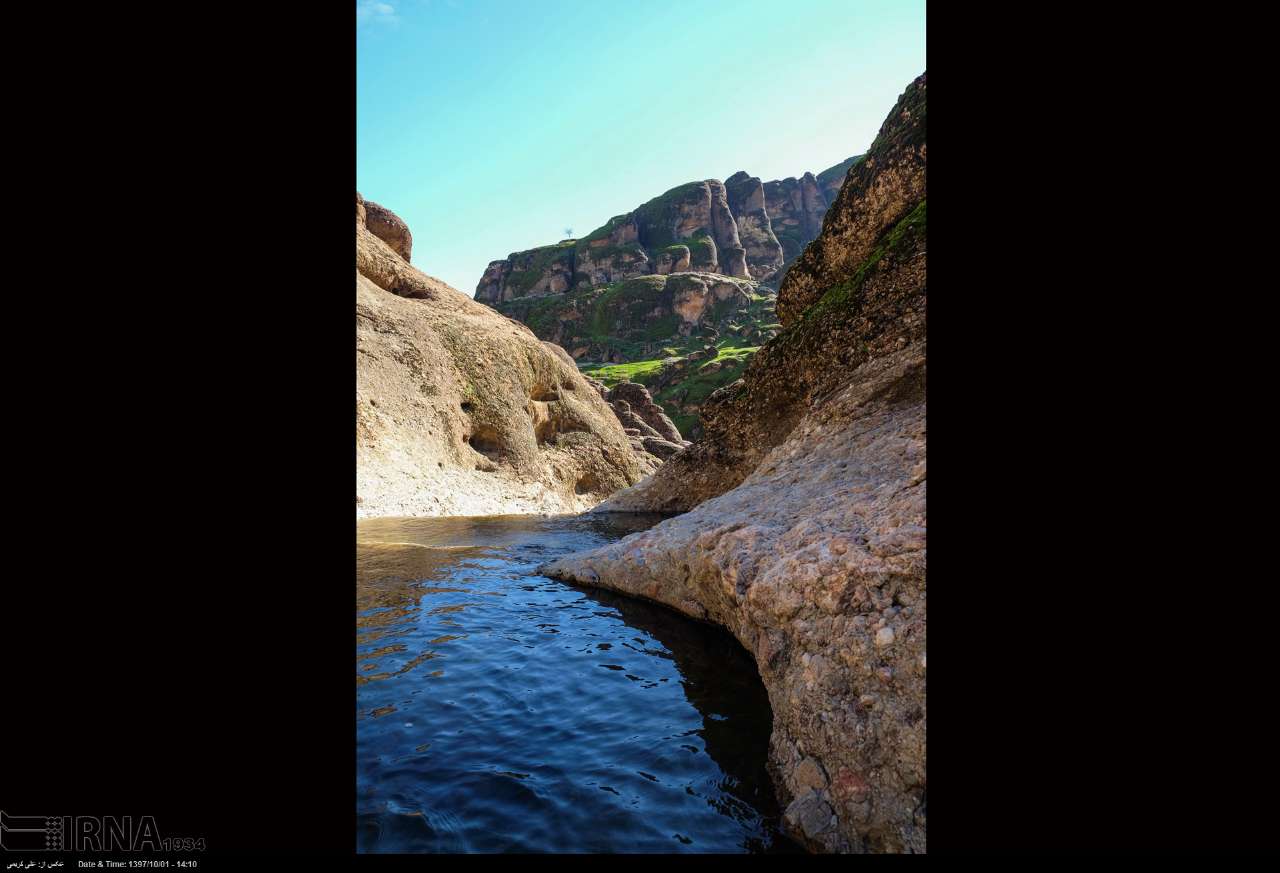
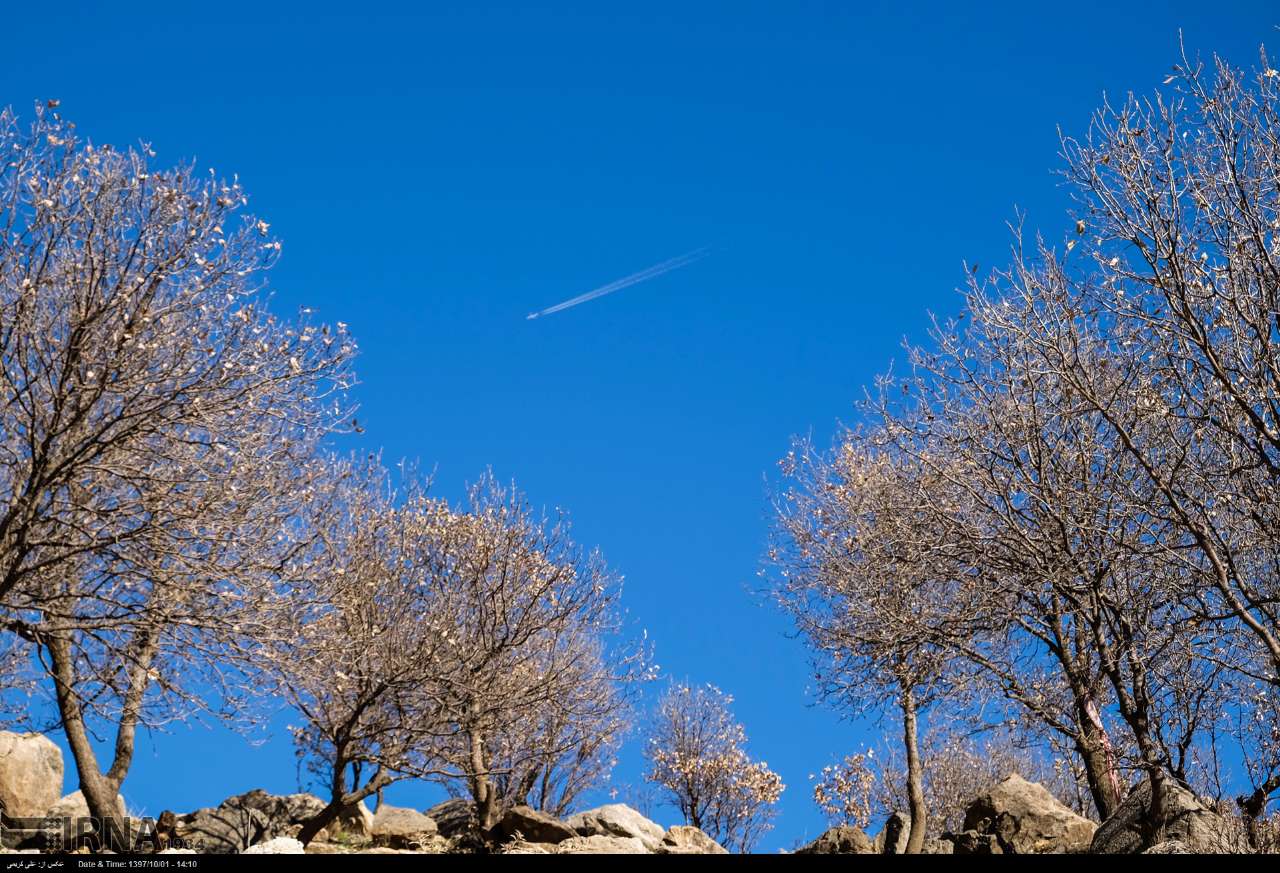
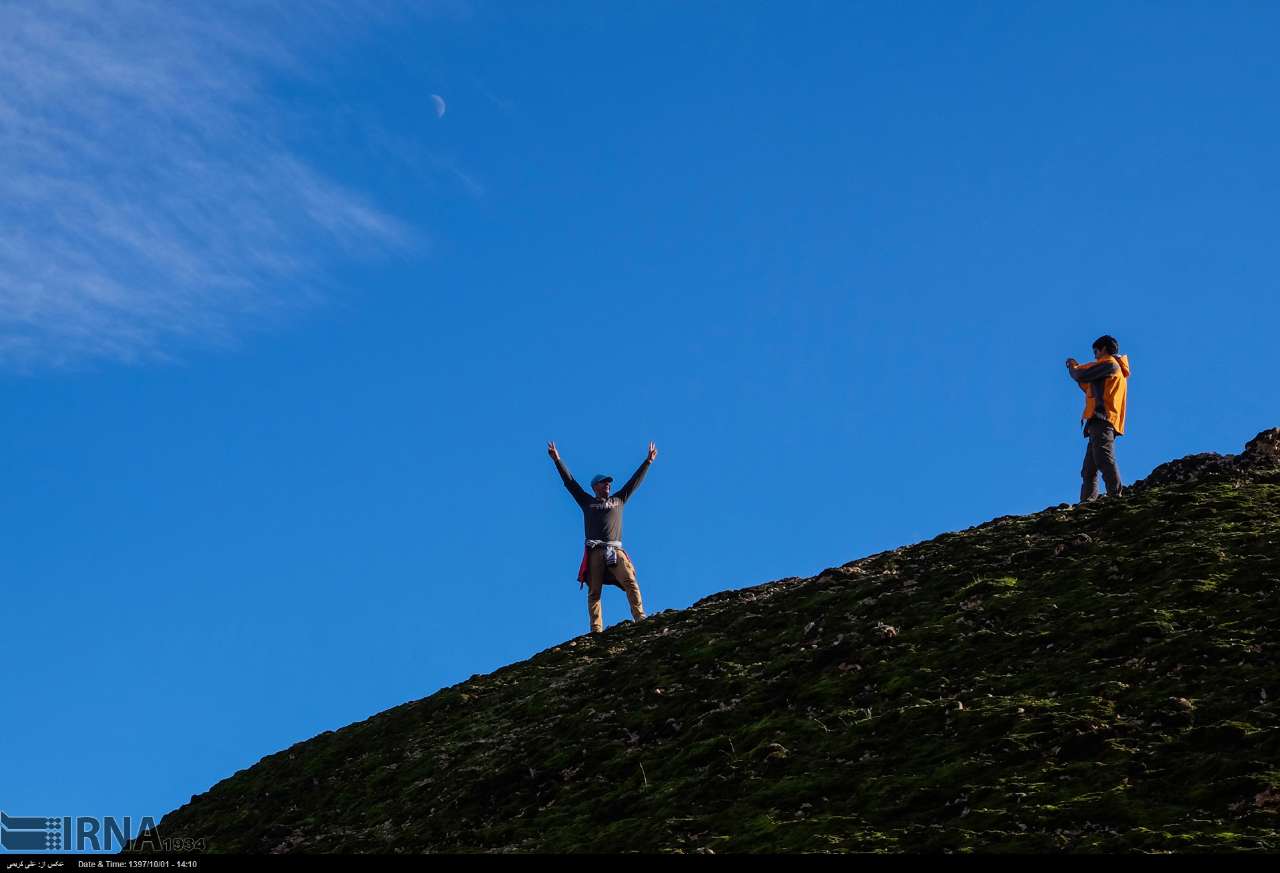
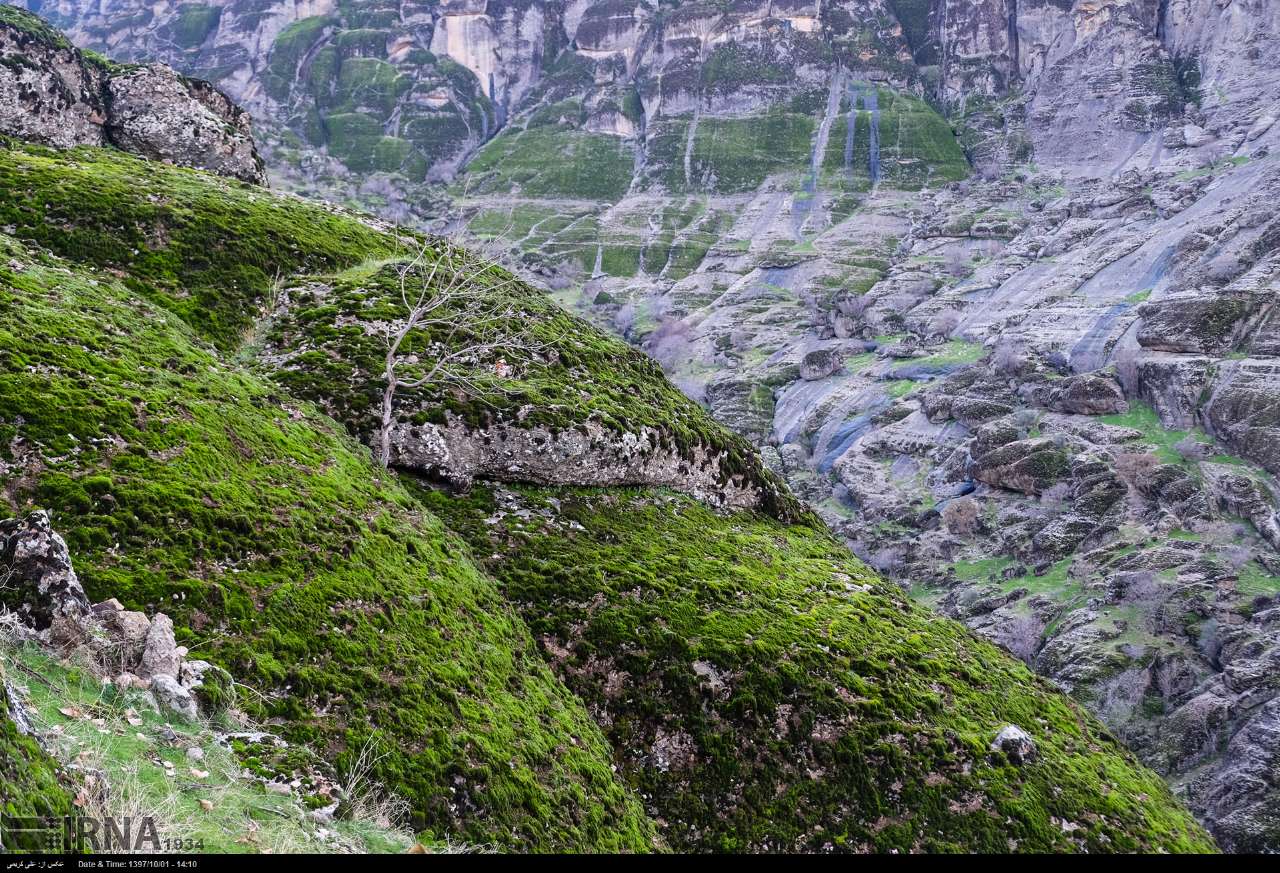
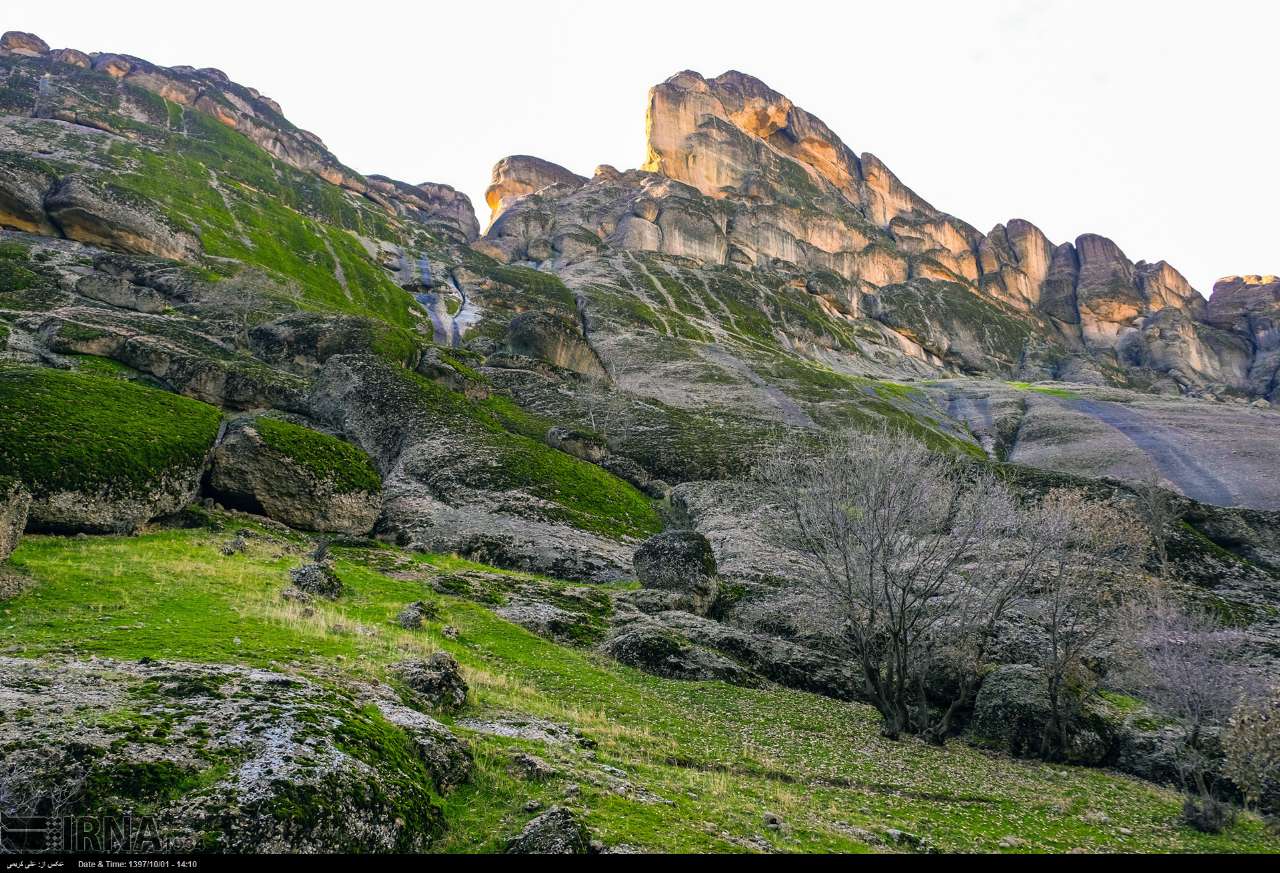
Makhmalkuh in Iran’s Lorestan Known as Velvet Mountains

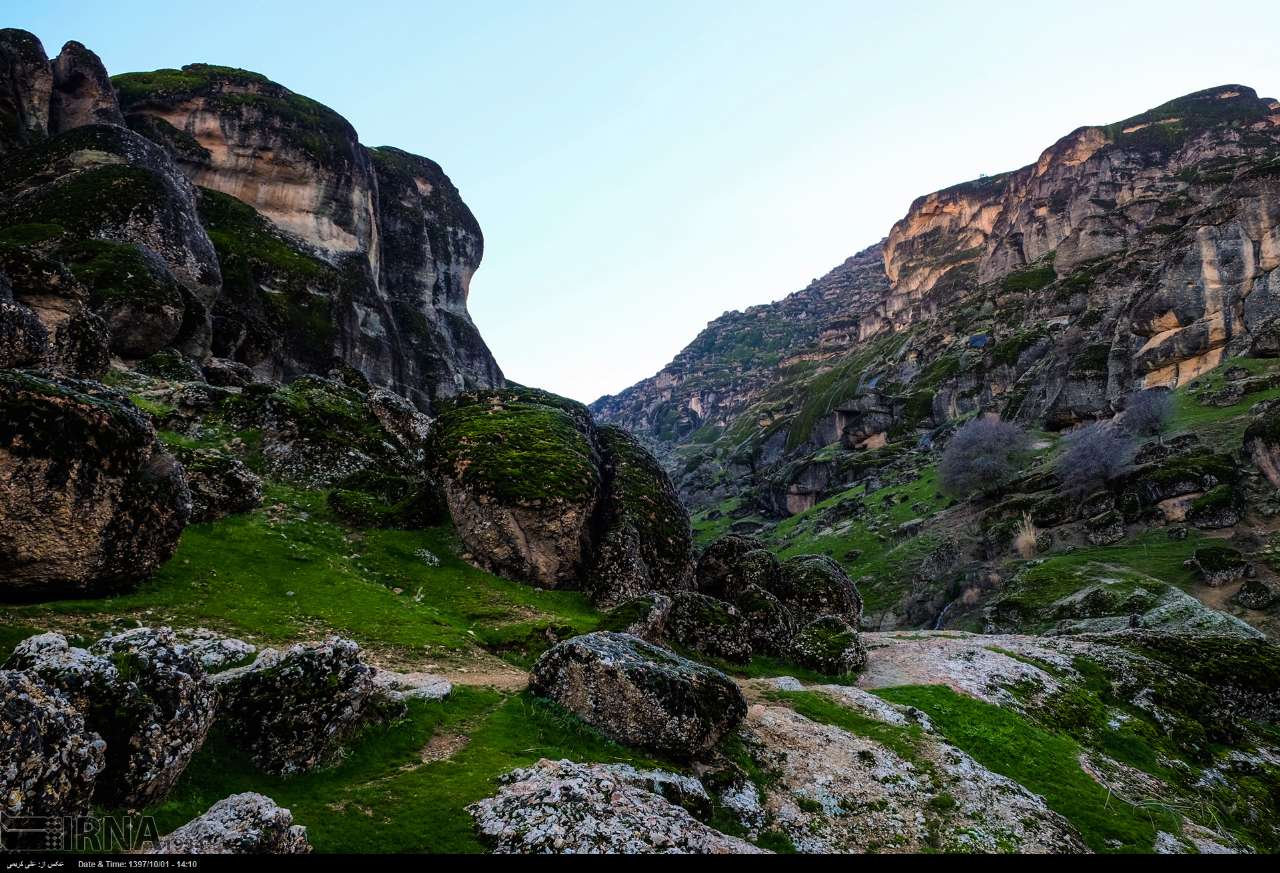
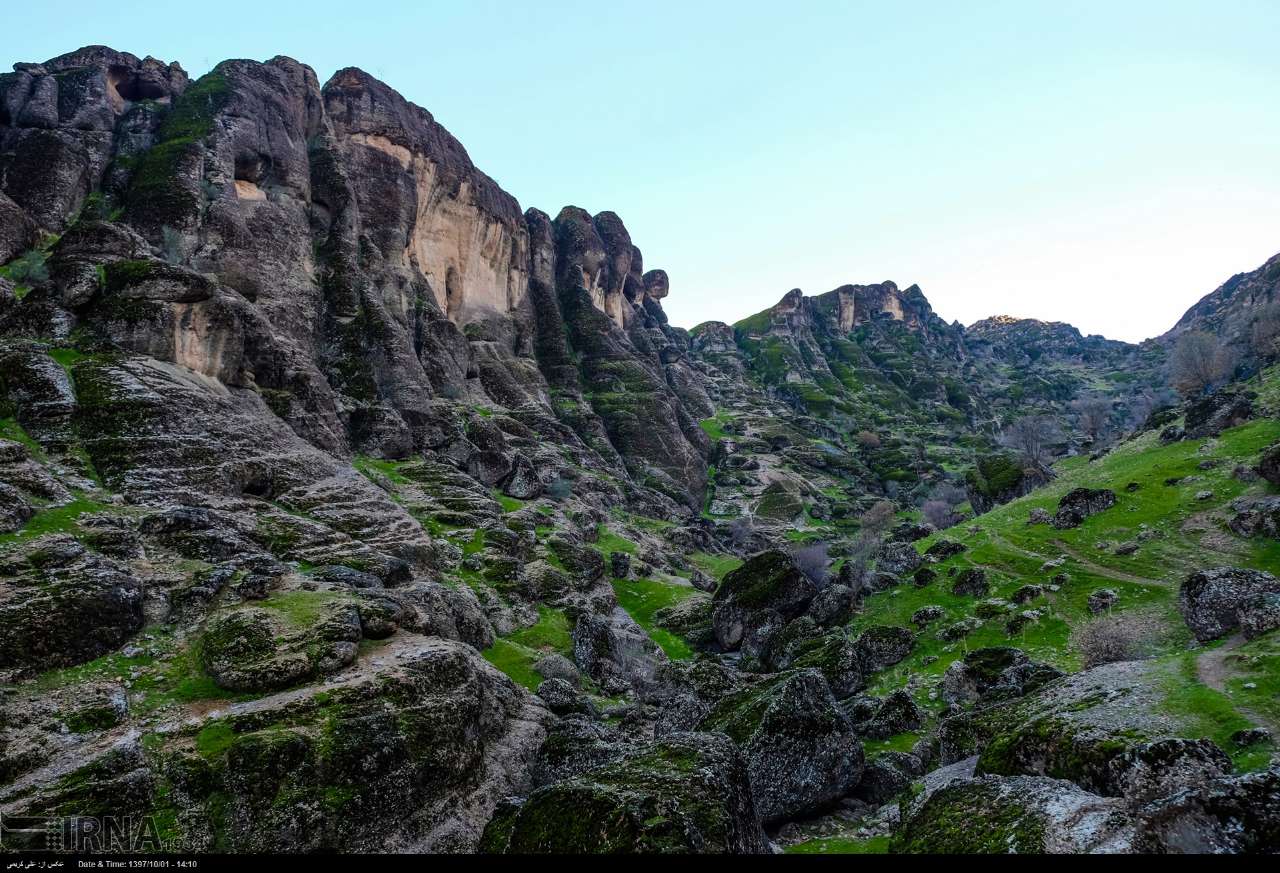
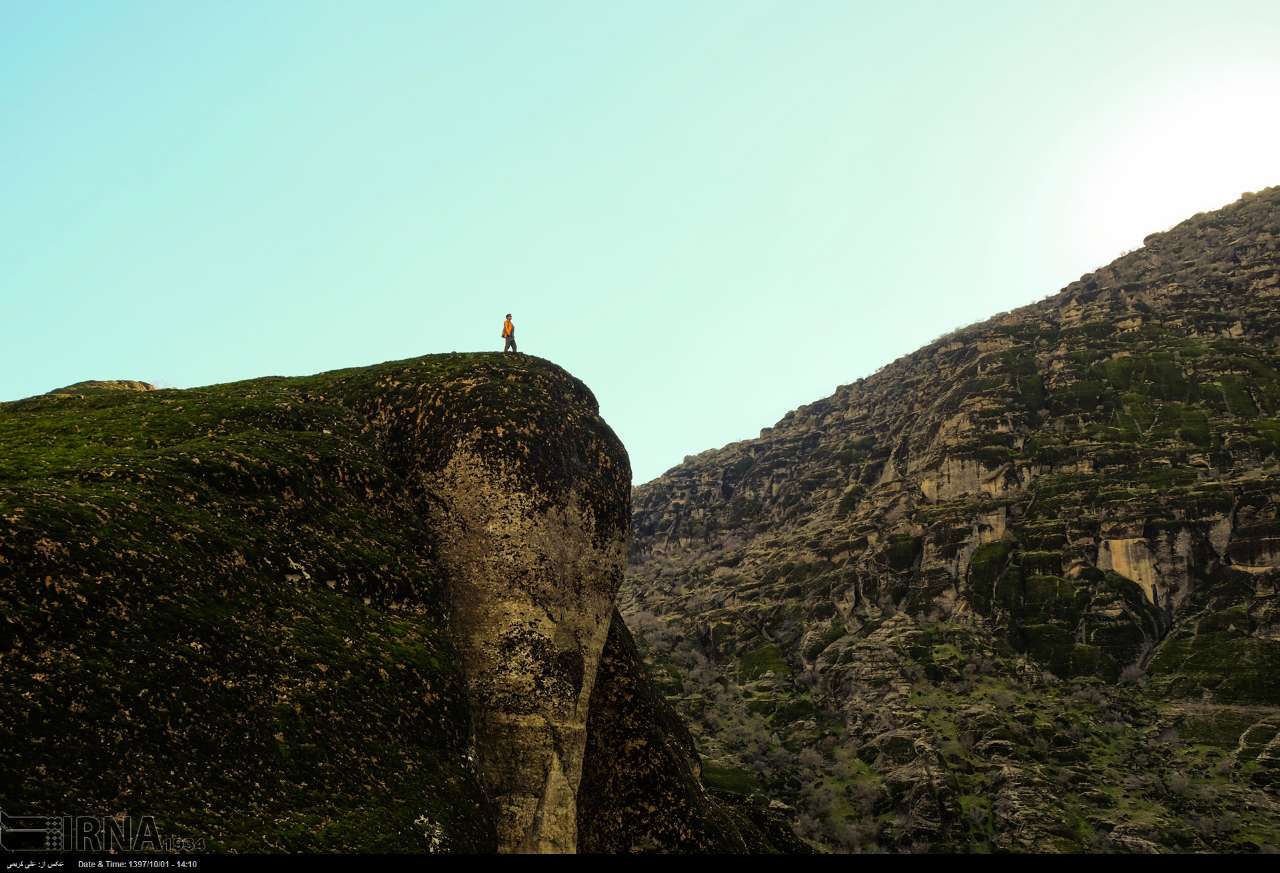
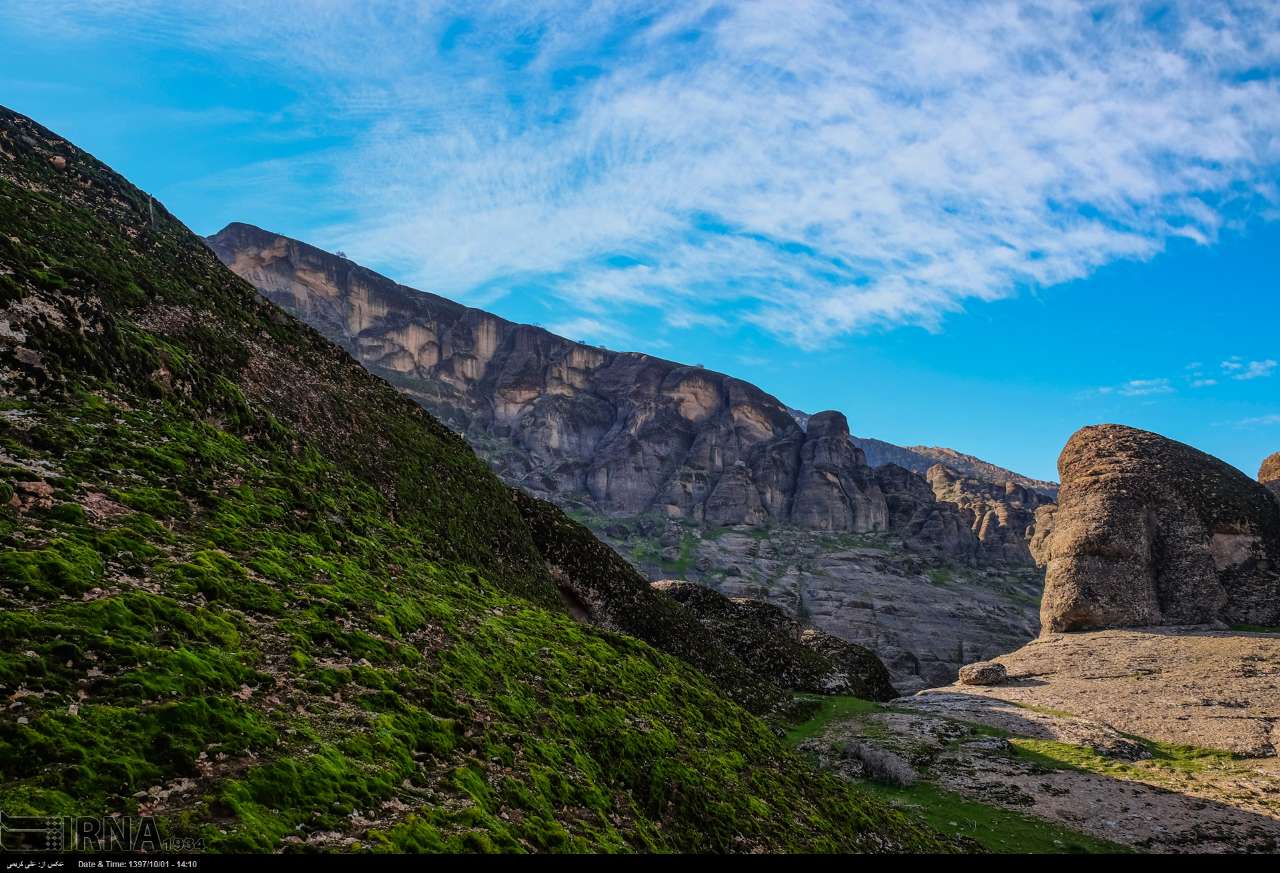
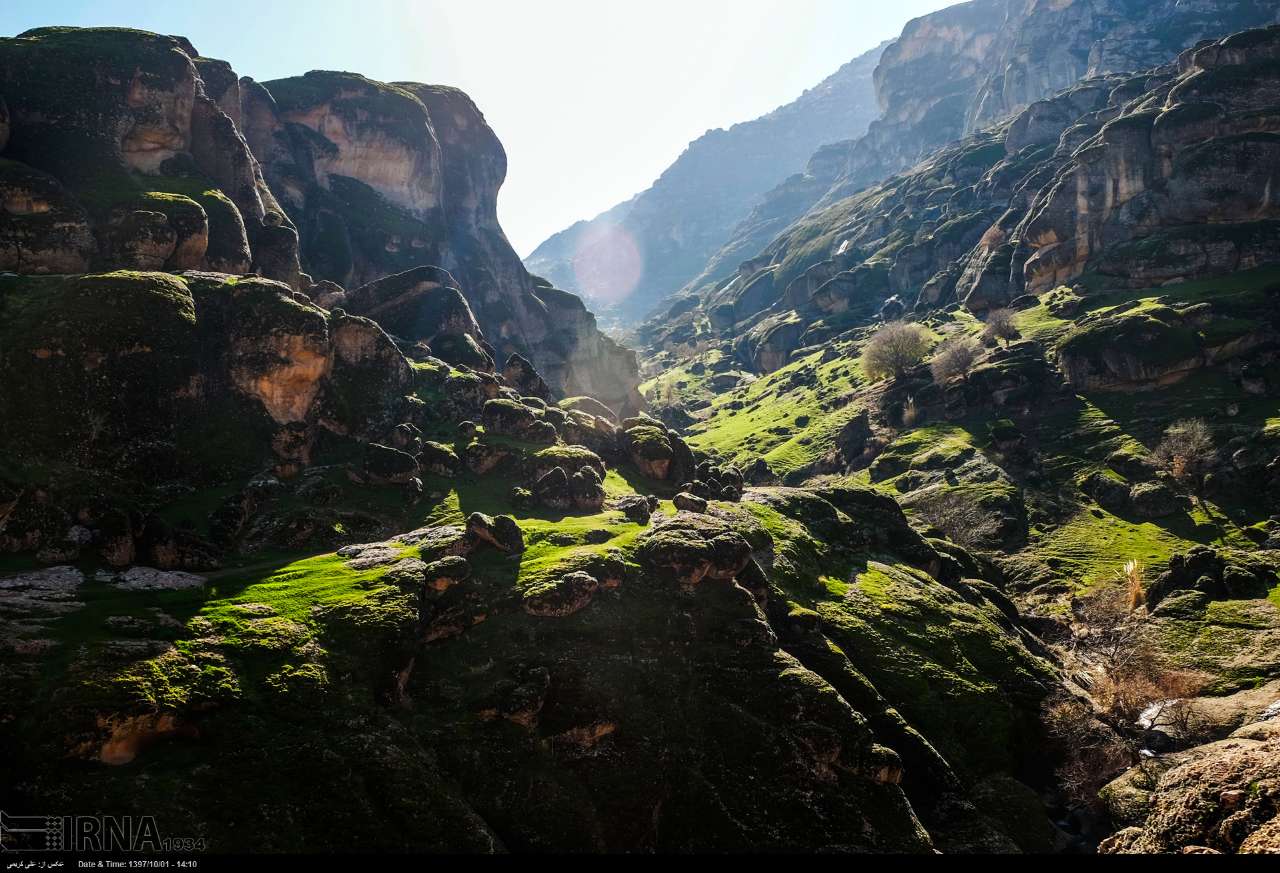
As part of the historical valley of Khayedalou, the city of Khorramabad is partially located in at the foot of this mountain.

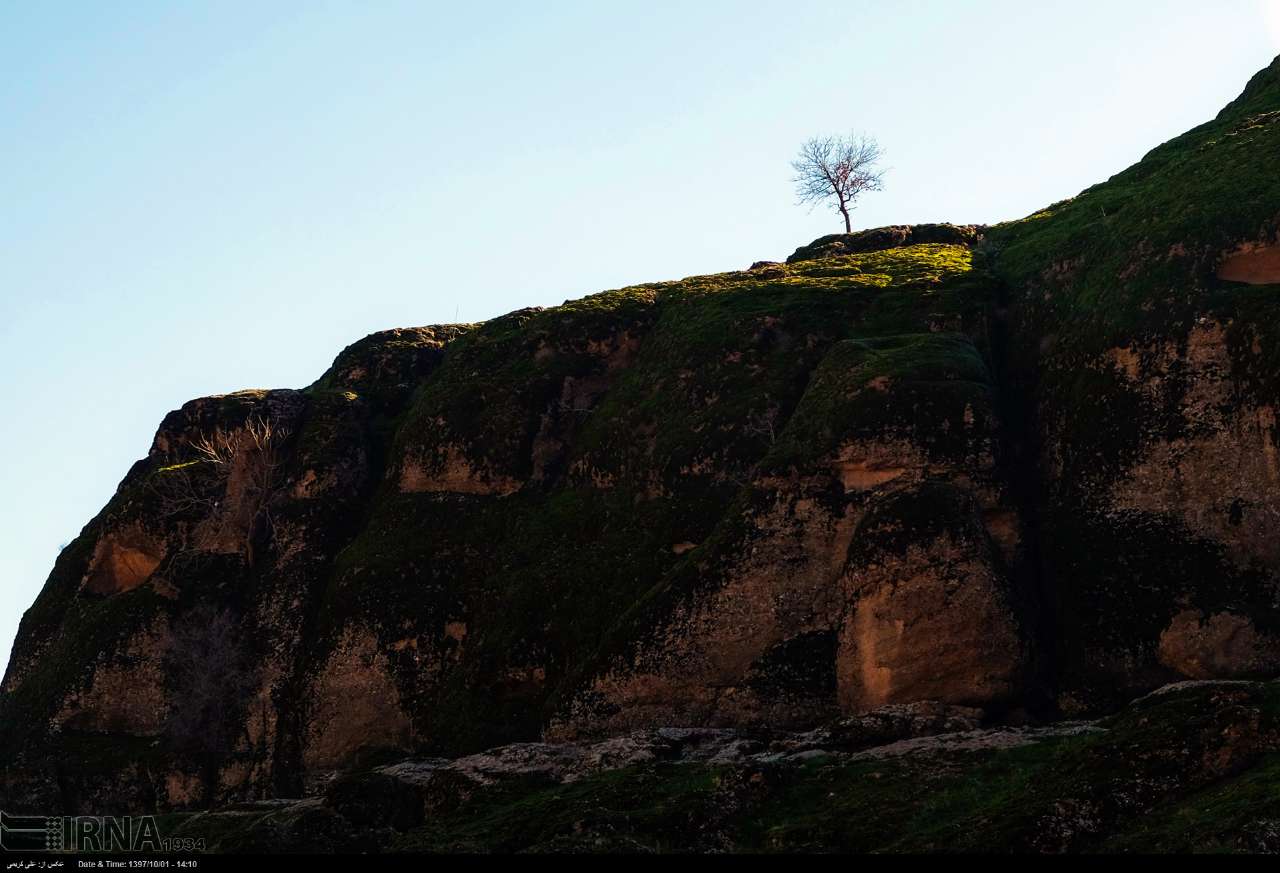
This mountain has a sedimentary surface and is mostly covered with moss and lichen, and for this reason it is called Makhmalkuh (mountain covered with velvet).

With the onset of the rainy seasons, the lichens turn black. Therefore, parts of the mountains that are less exposed to the sunshine are greener and more attractive. It becomes just like a black and green velvet.

Iran Accuses Britain of Interfering in Its Internal Affairs

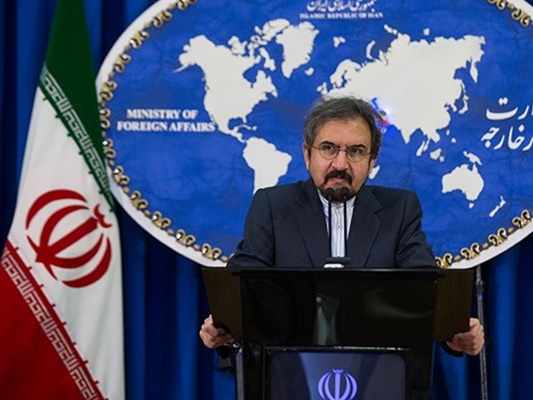
In a Saturday statement, Qassemi condemned Hunt for his anti-Iran claims as well as his use of improper and false words against the Islamic Republic and expressed regret over use of such words by the British politician.

“Unfortunately, over the past few days, the British foreign secretary has uttered, on several occasions, some unconsidered and false remarks on an issue which has nothing to do with his country,” he said.

According to Qassemi the remarks reveal the British politician’s lack of understanding of the mentioned issue and amounts to meddling in the internal affairs of an independent country.

“It’s better for the British foreign secretary to make a review of his country’s record in the Middle East over the past years and decades and explore why the UK’s policies and its supports for terrorist groups and aggressive states have led to such humanitarian catastrophes and crises in the Middle East,” he noted.

The spokesman then added a review of the plights of people in Yemen, Syria, Palestine and [many other parts of the region] including massive ruins, diseases, displacement, poverty and hunger and particularly the crisis created today in Yemen by the aggressive states reveals the role played by the British government as well as the states which received billions of British weaponries and used them for fanning the flame of war, hatred and destruction in the region. Their move has led to a shameful and catastrophic situation in the region,” he added.

The spokesman underlined that the UK should be ashamed of its political support for the aggressive states in war on Yemen, export of deadly weapons for murdering civilians and creation of catastrophes in the [war-torn] country.

Back on Friday, Hunt urged Prime Minister Theresa May not to sit by while Nazanin Zaghari-Ratcliffe, a British-Iranian dual citizen suffers in an Iranian jail. He added, empathy is not enough – the British government must call an end to the media circus and bare its teeth in demanding her release

Iran’s intelligence authorities arrested Zaghari at the Imam Khomeini International Airport in April 2016 as she was on her way back to London. She was subsequently put on trial and handed a five-year jail term after being found guilty of spying and spreading propaganda against the Islamic Republic.

As per the released documents, Zaghari had played an active and leading role in holding training courses for recruits at BBC World Service Trust and the ZigZag Academy. The ZigZag academy, the documents suggest, pursued two main goals, namely training and recruitment of human resources for the launch of BBC Persian Service and deployment of undercover reporters in Iran to gather intelligence.

‘Over 63,000 Iranians Suffer Chemical Weapons Injuries’

“According to estimates, around 400,000 people were exposed to chemical gas during the Iran-Iraq war. The injury of over 63,000 of whom has been confirmed by medical commissions,” said Mohammadreza Sediqi Moqaddam, the head of the chemical warfare victims of the Foundation of Martyrs and Veterans Affairs.

He noted that over 100,000 people had undergone medical treatment following the Iraqi chemical attacks, but some of them did not suffer long-term complications, Fars News Agency reported.

“These [63,000] people have been diagnosed with chronic complications and approved to be disabled by medical commissions,” he noted.

The medical commissions are still active as injuries caused by chemical warfare agent exposure could go severe anytime, underlined Sediqi Moqaddam.

Iran has accused western governments, notably France and Germany, with providing the former Iraqi dictator with requirements for building chemical weapons.

Sardasht in western Iran is the first town in the world to be attacked with poisonous gas and the third city, after Japan’s Hiroshima and Nagasaki, to be deliberately targeted with weapons of mass destruction.
In total, the Iran-Iraq war left over 225,000 Iranians martyred and over 574,000 people injured.

Senior Iranian Diplomat, Afghan President Discuss Iran-Taliban Talks

Karabakh Crisis to Be Settled Despite Failure of Talks: Iran

The discussions were held in a meeting in Kabul on Saturday, as the Afghan government has accelerated efforts to bring Taliban into the Afghan politics and put an end to the decades-long militancy in the country.

Araqchi, who led the Iranian delegation in talks with Taliban members in Tehran last week, said Iran is committed to respecting the Afghan government’s role in pushing forward the peace process in the country.

Last week, Secretary for Supreme National Security Council Ali Shamkhani revealed that Iran has engaged in talks with the Afghan Taliban under the Afghan government’s guidance.

The developments came following talks last week between the US and Taliban officials in the United Arab Emirates.

The Taliban announced they have also held meetings with officials from the UAE, Pakistan and Saudi Arabia.

Need for Closer Cooperation on Chabahar Port

In the meeting, the two sides also discussed ways of improving bilateral relations, particularly to increase cooperation on the strategic Chabahar port.

The port, located on the coast of the Gulf of Oman, is expected to play a significant role in facilitating trade between regional countries, particularly the land-locked Central Asian countries.

India, Afghanistan and Iran signed a trilateral transit agreement on the expansion of Chabahar Port in 2016.

The Iranian port will have four phases, of which one has gone operational so far.

Araqchi, who is in Kabul for a one-day trip, is to hold a separate meeting with Chief Executive Abdullah Abdullah to discuss bilateral relations and Afghanistan’s peace process.

Araqchi is also expected to follow up on a document for strategic cooperation, which has been in the making for months.

This is the second trip of Araqchi to Afghanistan in the past three months.

Iran’s Expediency Council Ratifies Second FATF-Related Bill

Foreign Ministry Condemns FATF’s Blacklisting of Iran

Gholamreza Mesbahi Moqaddam, a member of the Expediency Council, told Fars News Agency on Saturday the body had accepted the parliament’s view on some cases and admitted GC’s stance in the others.

The council is in charge of settling differences between the parliament and the GC, the legislative watchdog.

The member said the bill will be sent to Parliament Speaker Ali Larijani to be submitted to the government.

Iran’s accession to the FATF Iran’s accession to the G7-created FATF has faced obstacles in recent months, mainly over concerns among some officials that the move could endanger Iran’s national security interests.

This is while proponents of the FATF accession say the measure would smooth the path for Iran’s increased financial transactions with the world and allow Iranian financial sector to function more easily in the international economy.

Out of four parliamentary bills required for Iran’s accession to the global anti-money laundering body, only the first one has so far went into effect and the fate of other three were in limbo.

An amendment to Iran’s Combating the Financing of Terrorism (CFT) law and a bill on Iran’s accession to the United Nations Convention against Transnational Organized Crime are still problematic in the Guardian Council’s view.

Parliament, GC to Discuss CFT

This is while on Saturday morning, some media outlets had mistakenly reported the CG has approved the CFT bill.

The GC has found 22 faults at the CFT bill, and talks are ongoing between the watchdog and the parliament to settle the differences.

A senior lawmaker said the parliament’s National Security and Foreign Policy Commission is to hold another meeting with the GC on their differences over the CFT bill on Sunday.

Heshmatollah Falahatpisheh, the spokesman for the commission, told ISNA that the meeting will be focused on 12 of 22 objections raised by the GC.

The lawmaker said the previous meetings between the panel and the GC has led three objections to be settled.

The remaining differences, seven, are to be decided by the Expediency Council.

This while the GC spokesman Abbasali Kadkhodaei said only two of GC objections have been settled, Tasnim News Agency reported.

The FATF announced last month once again it extends the deadline for Iran to complete reforms to meet conditions for getting out of the body’s black list.

Some Iranian figures have argued for quicker approval of parliamentary legislations, as Israel’s accession into the global money laundering late last year could make it more difficult for Iran to join the FATF.

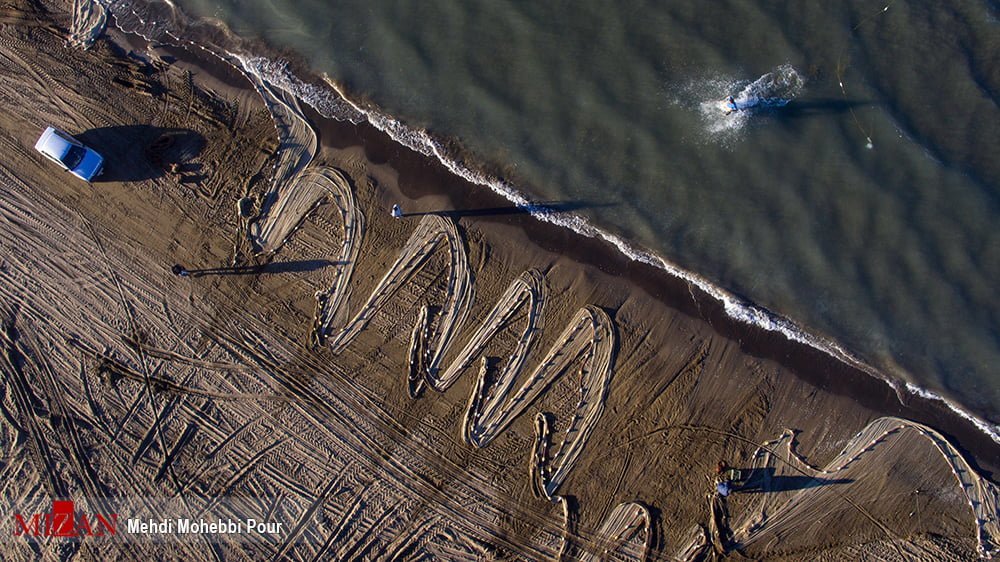
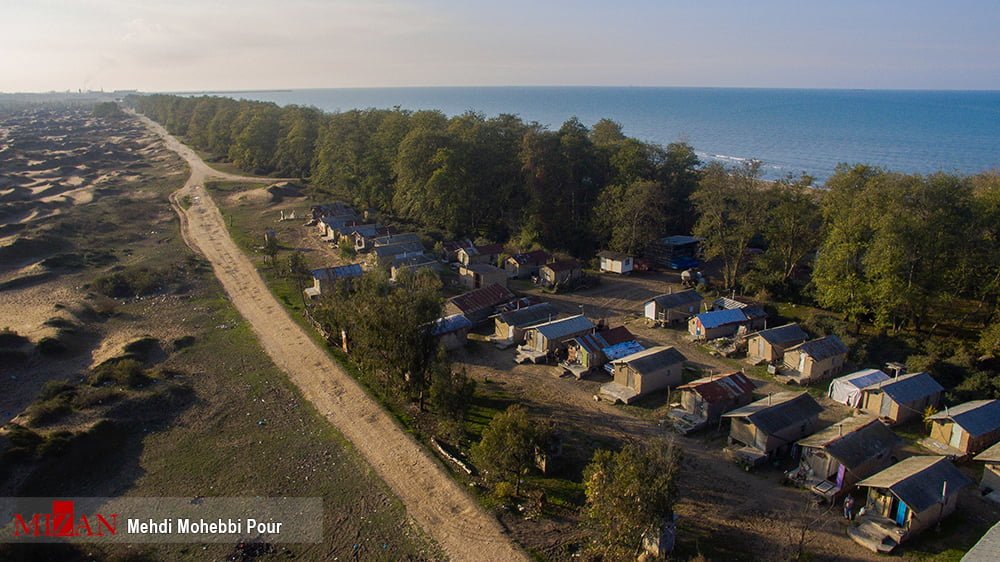
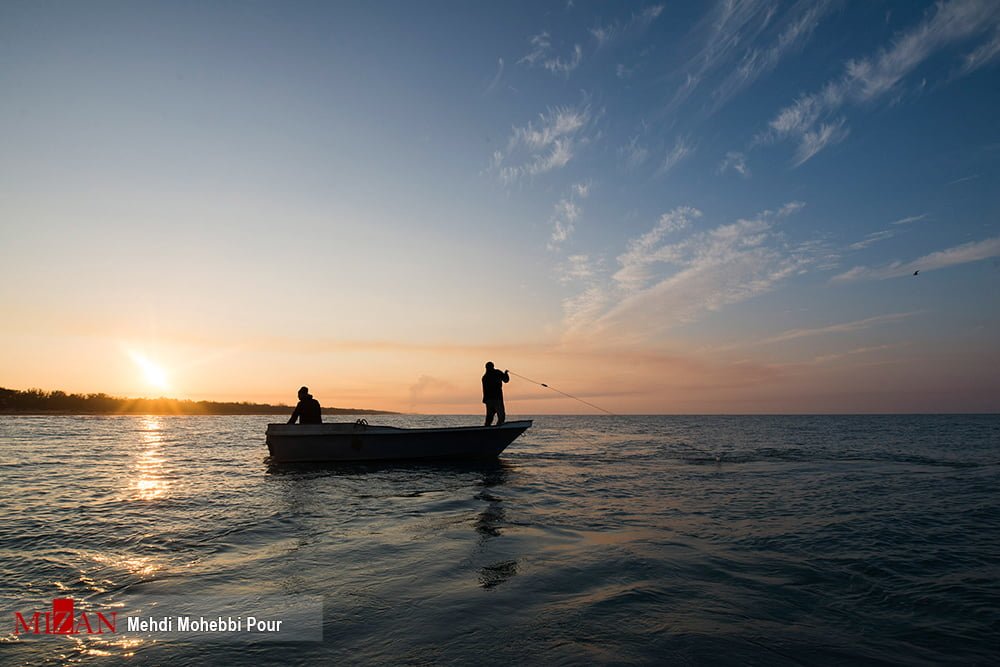
Fishing Season Begins in Northern Iran

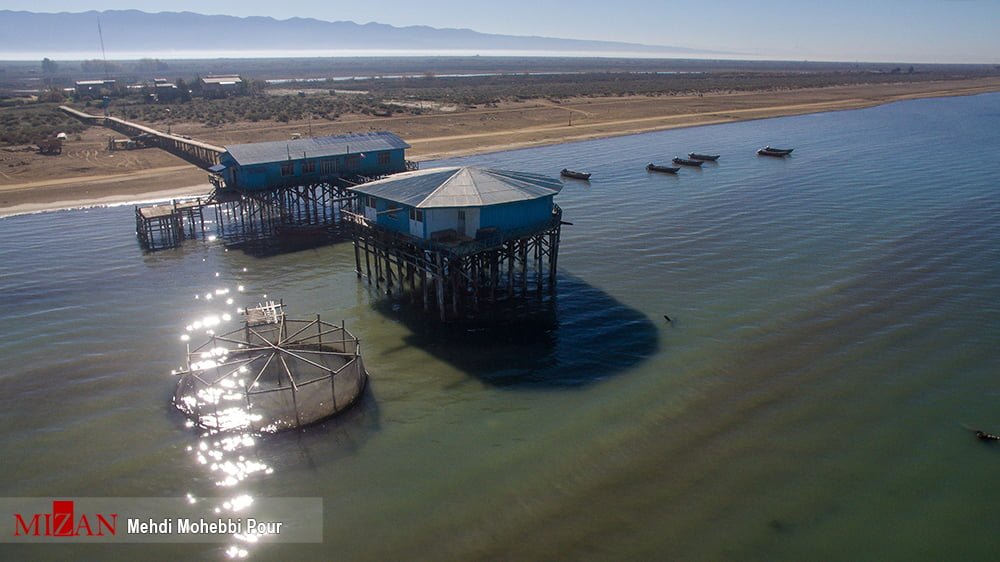
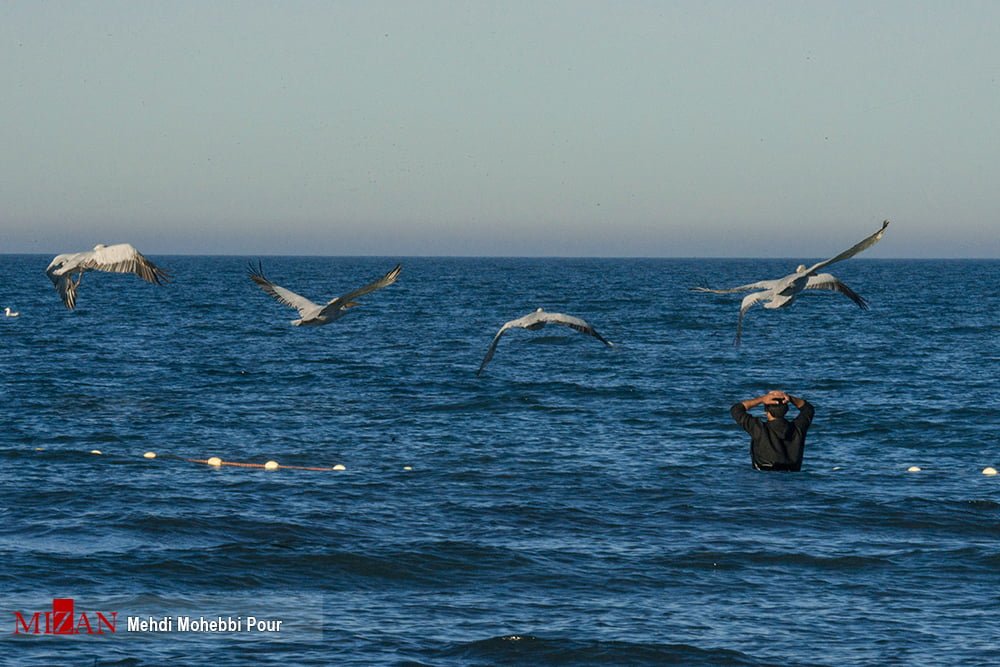
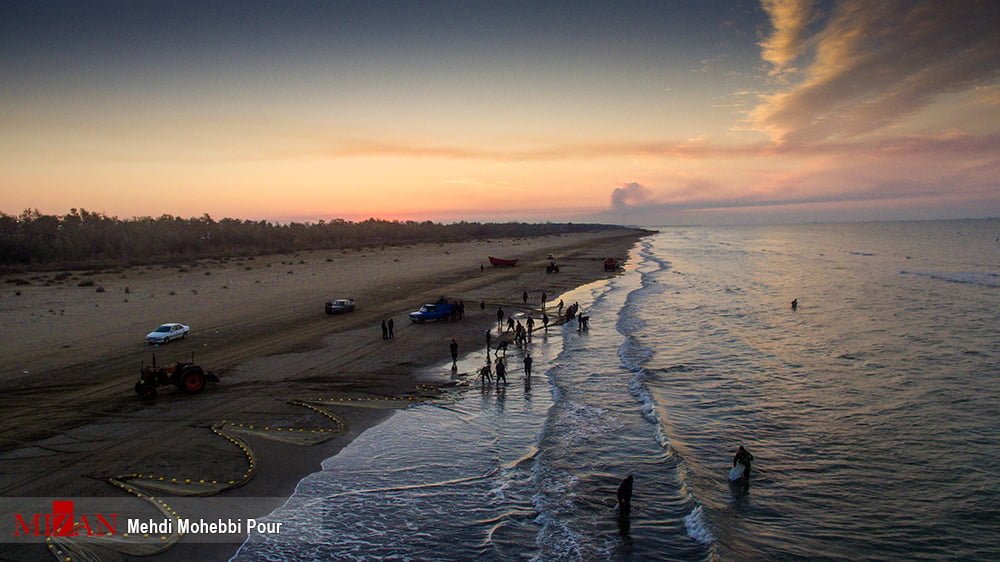
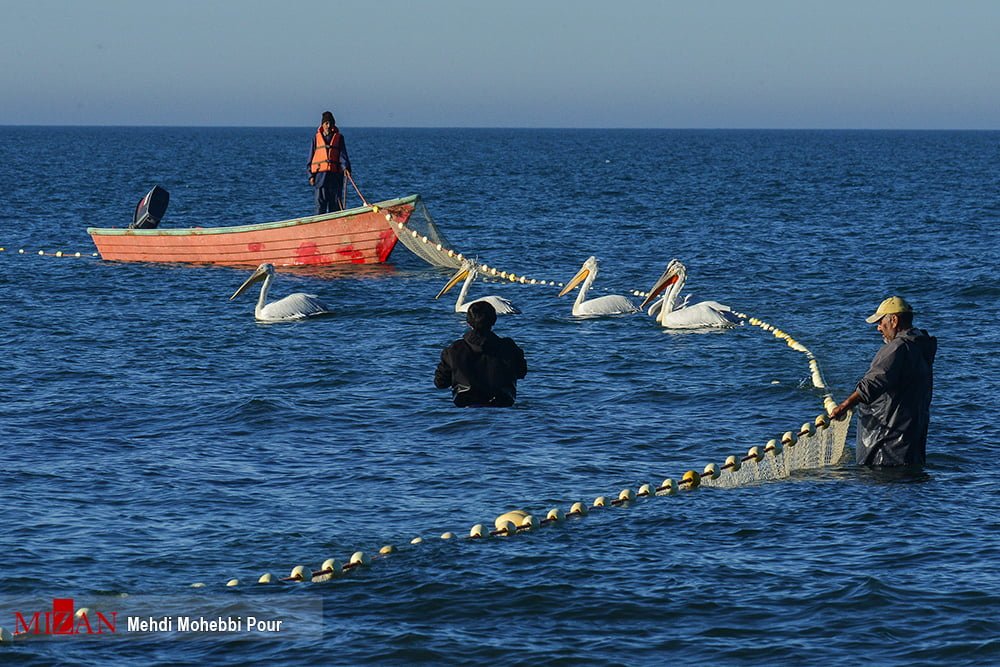
The Caspian Sea located to the north of Iran is the world’s largest lake. The fishing season there begins on October 12 and ends on April 4 the next year. Different species of fish live in the sea.

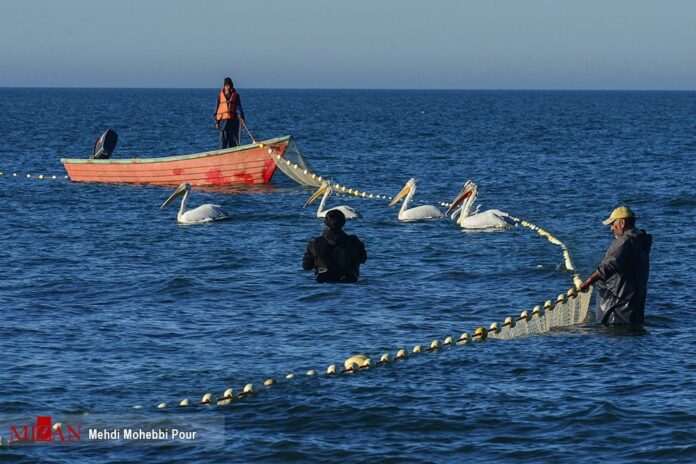
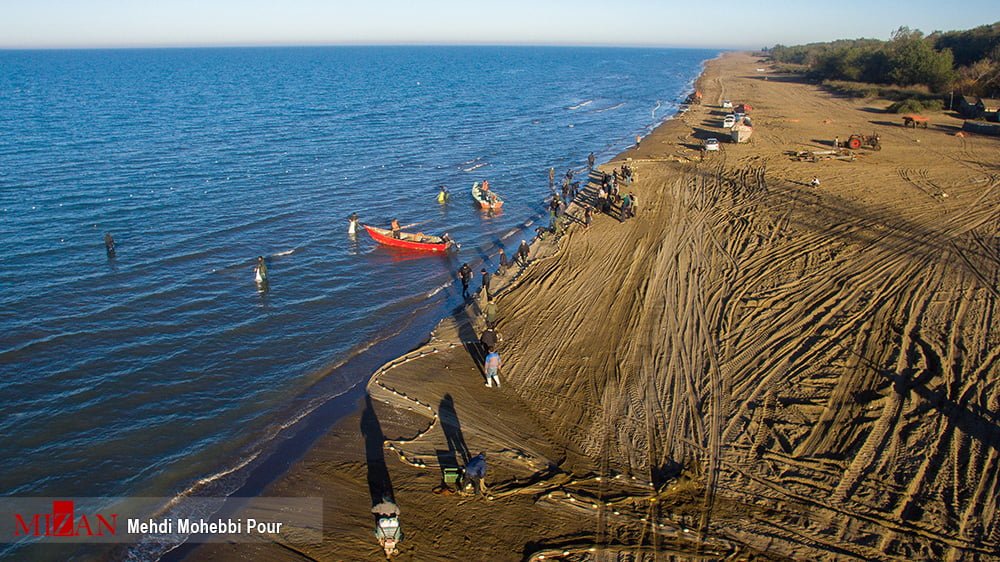
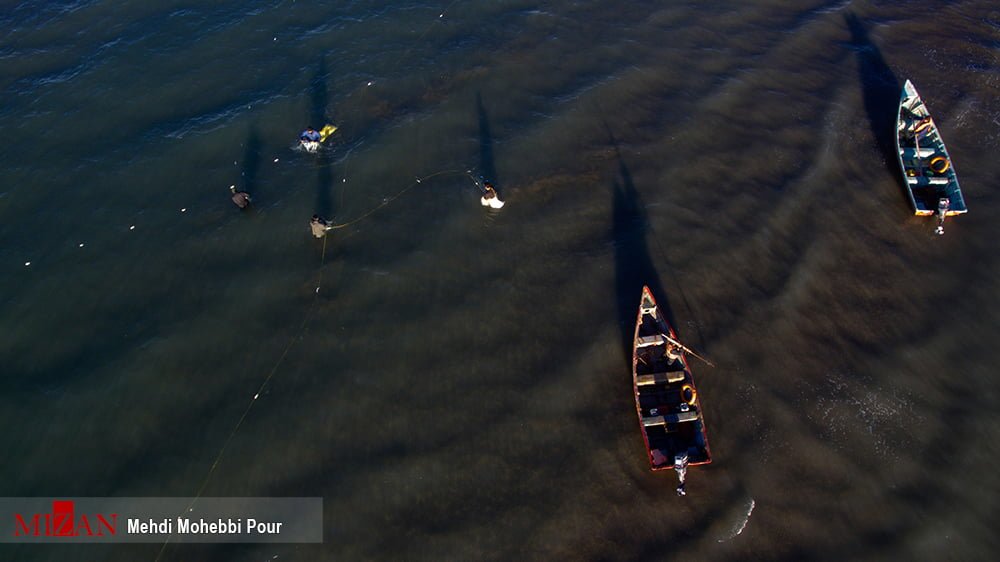
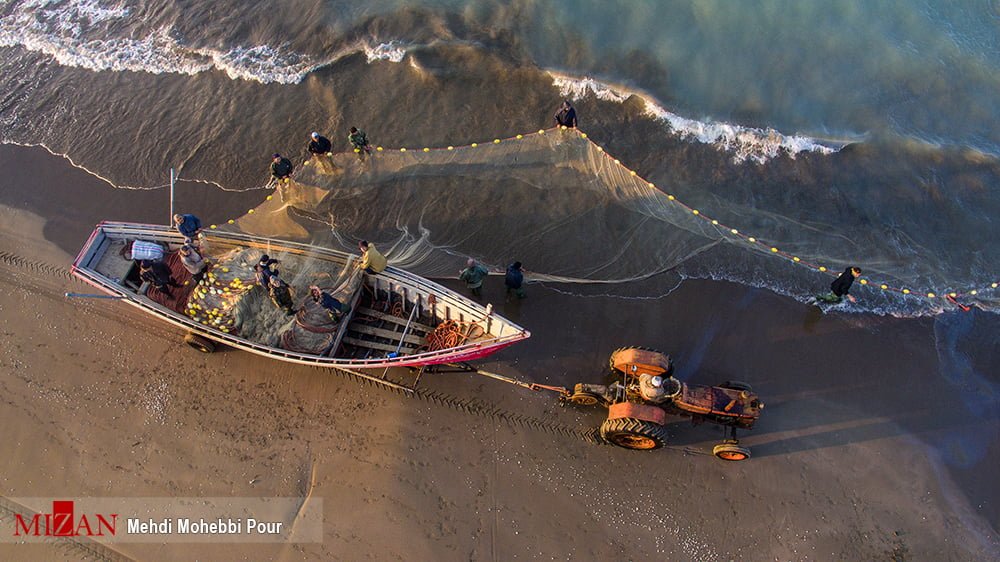
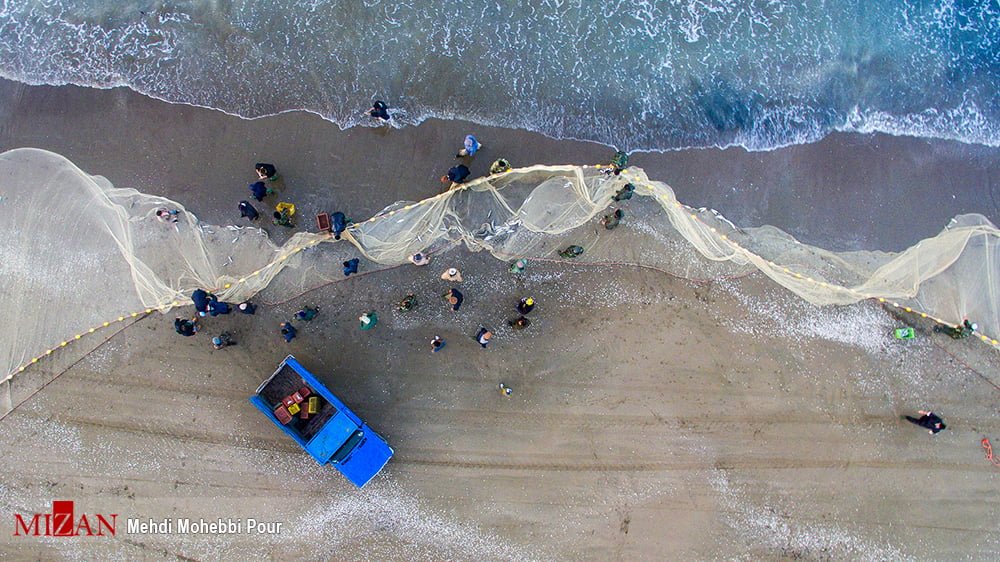
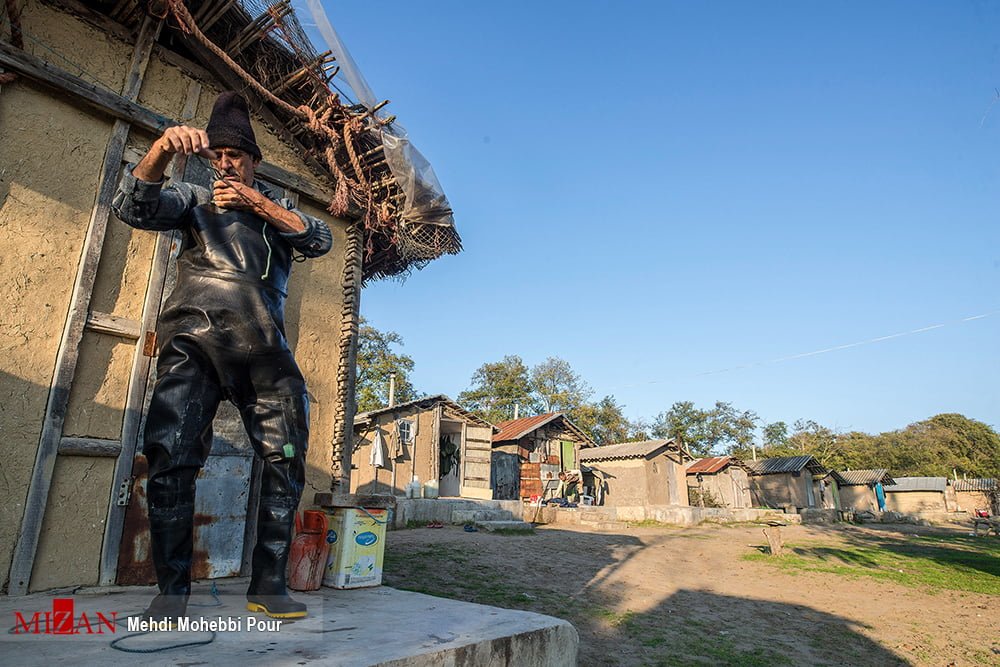
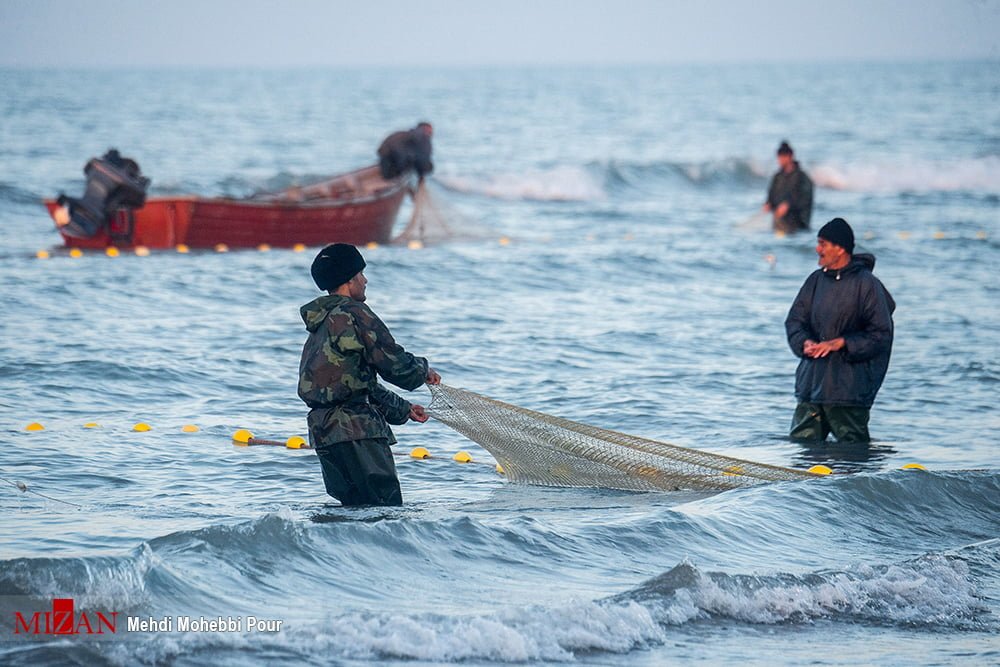
The Caspian Sea accounts for a large portion of the world’s sturgeon. With the arrival of autumn, thousands of fishermen in north of Iran prepare their nets and head for the sea.

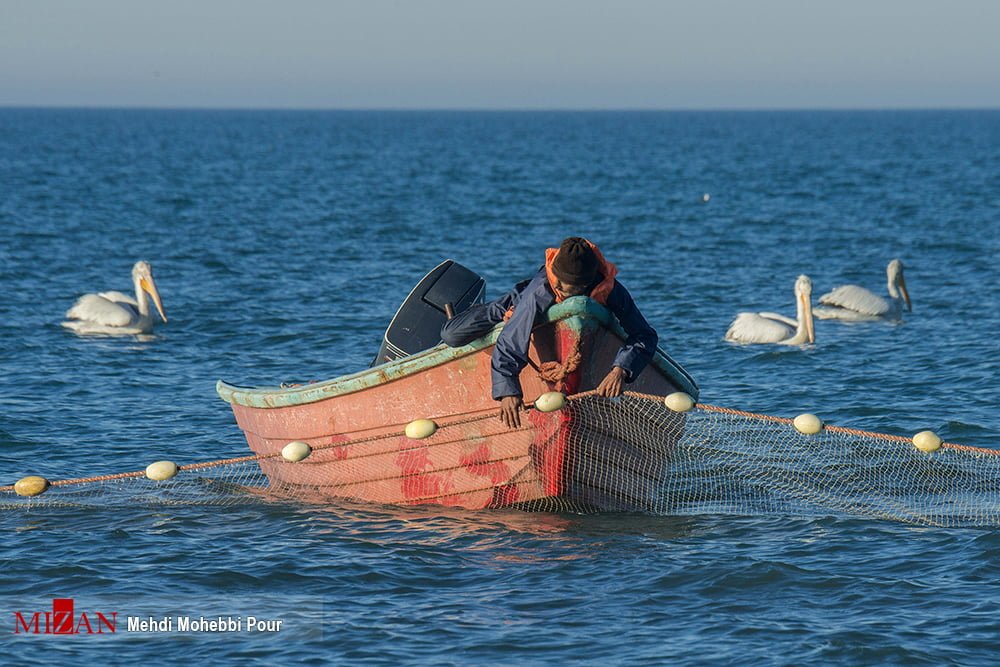
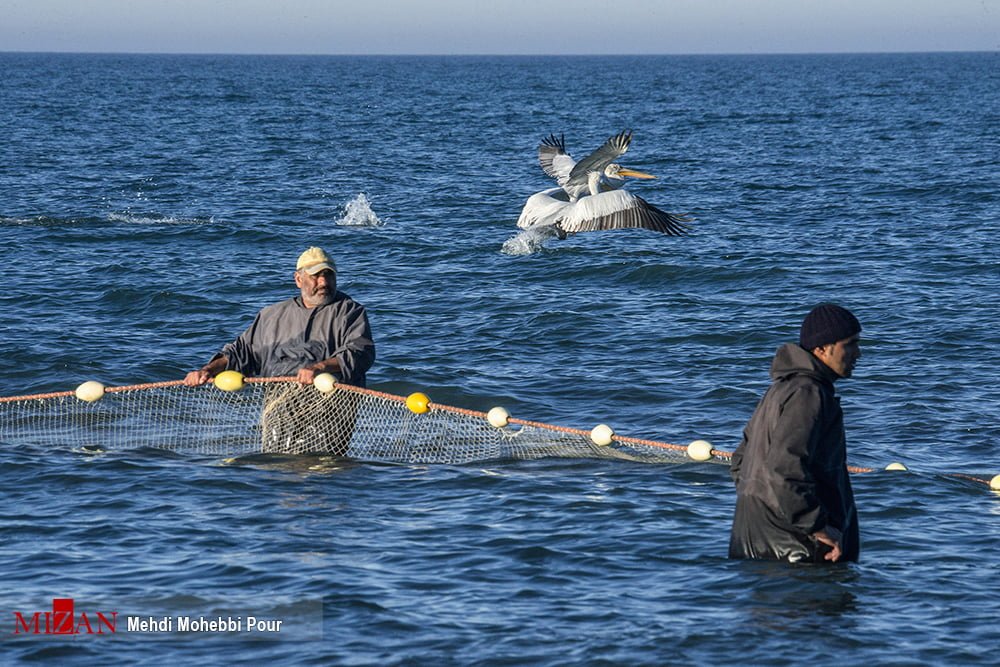
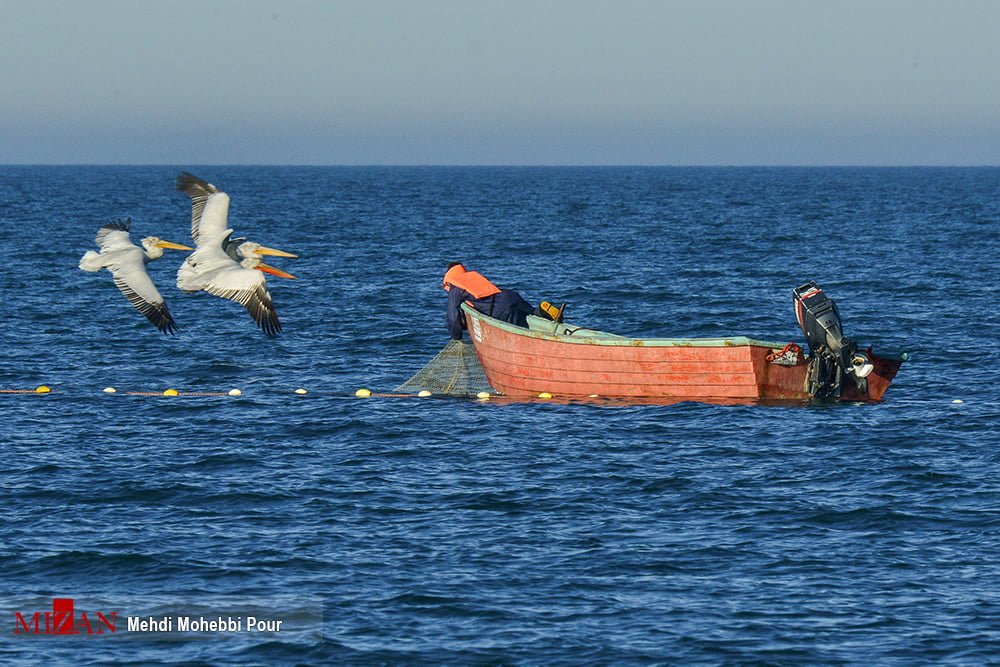
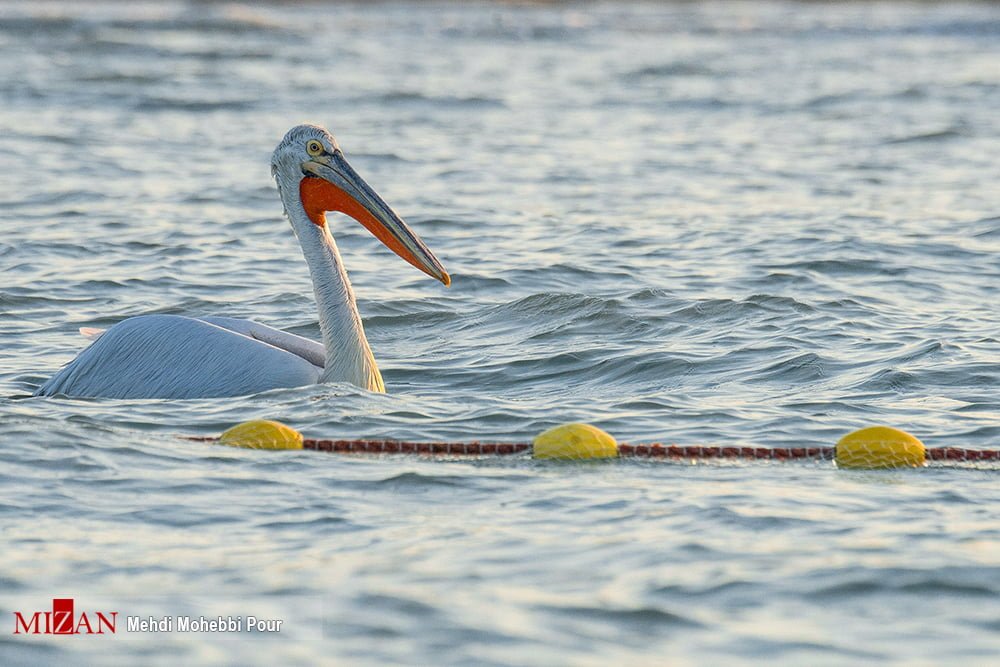
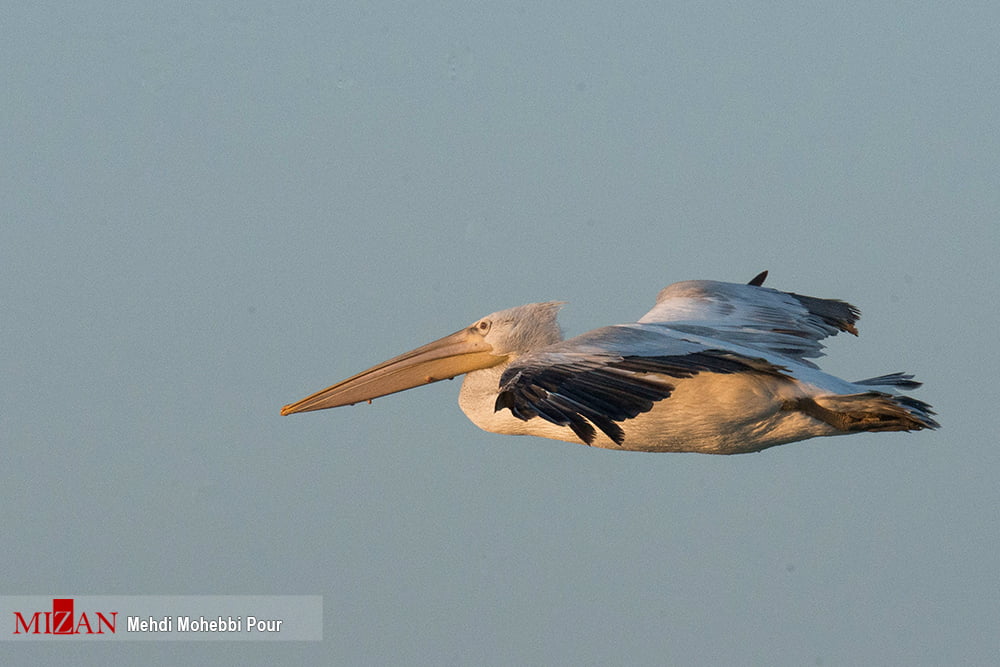
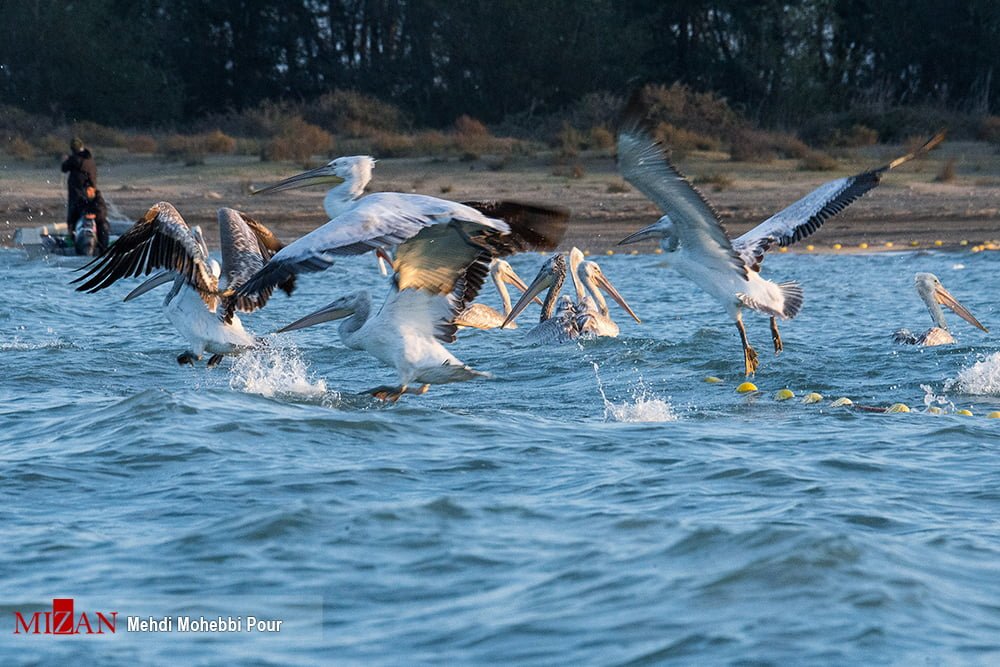
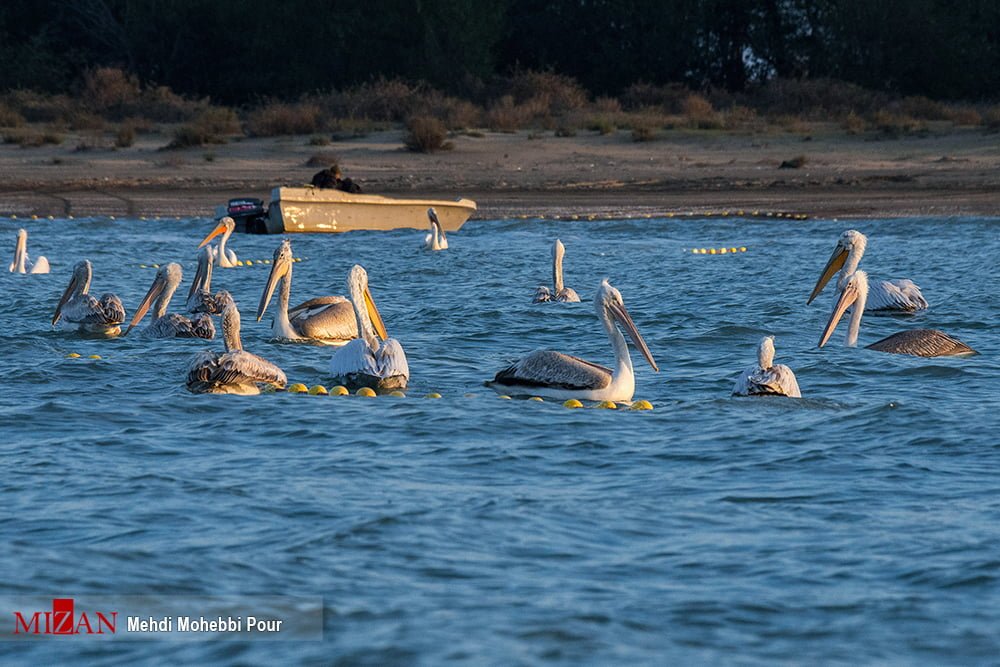
Fishing is a local tradition of this region going back a thousand years, and seagulls as well as pelicans have always been on the scene together with fishermen.

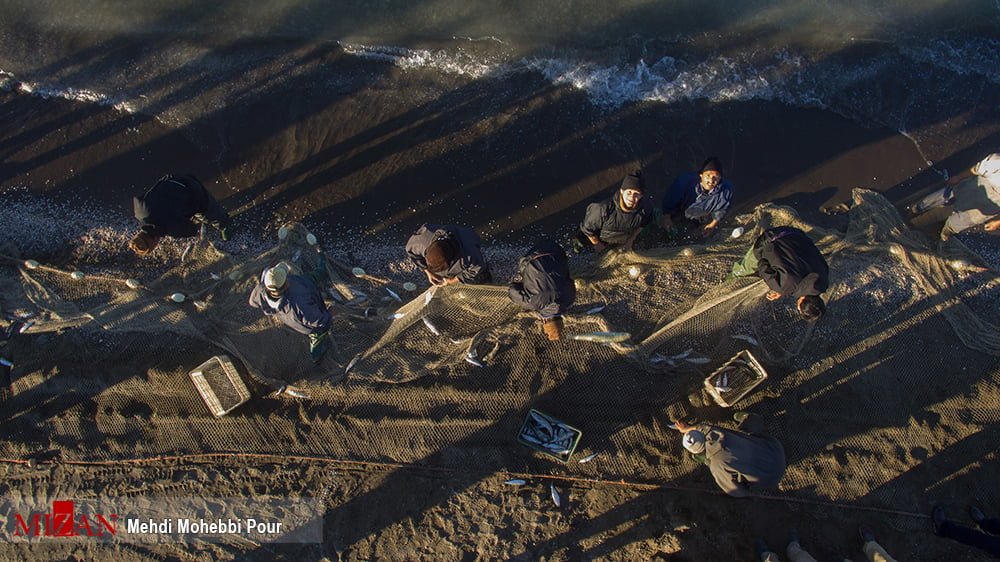
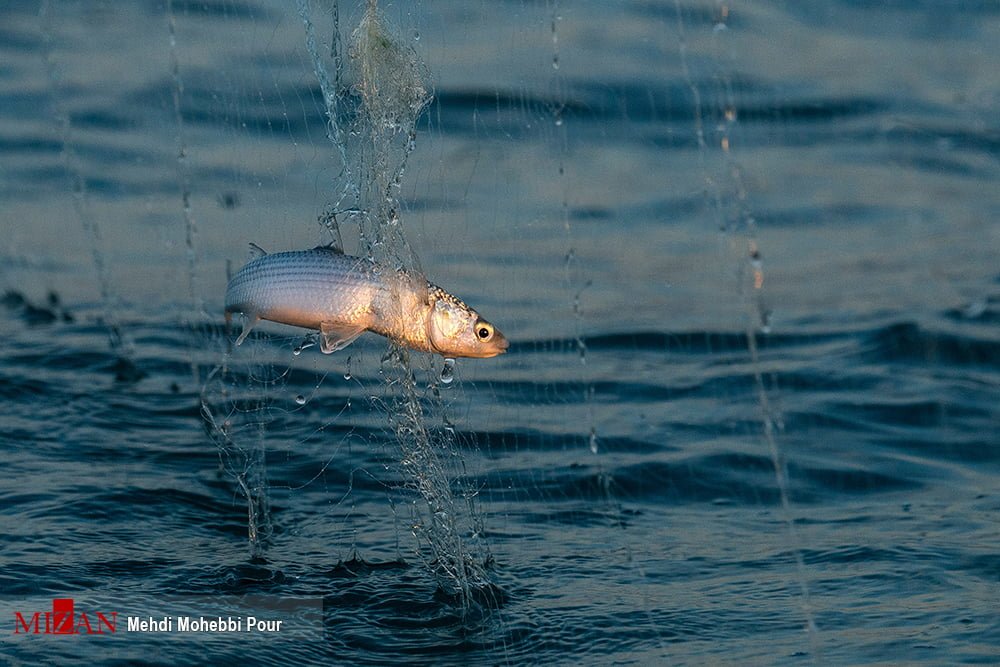
Among the fish caught in this season are whitefish, mullets and common carp. Whitefish accounts for the better part of the catch. The fish are not only caught by fishermen, but serve as a source of food for seabirds as well.

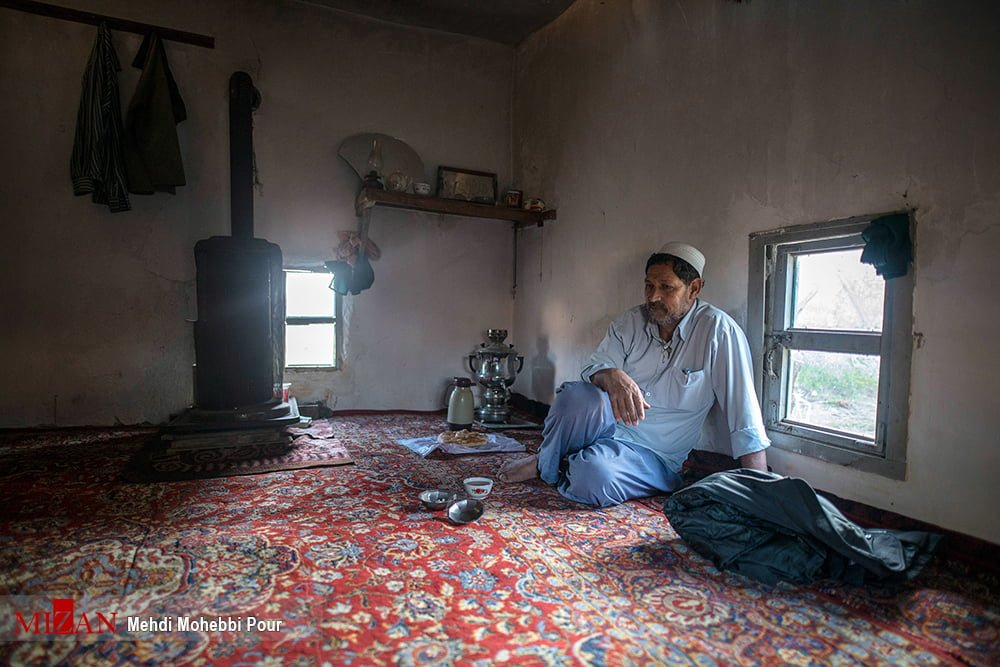
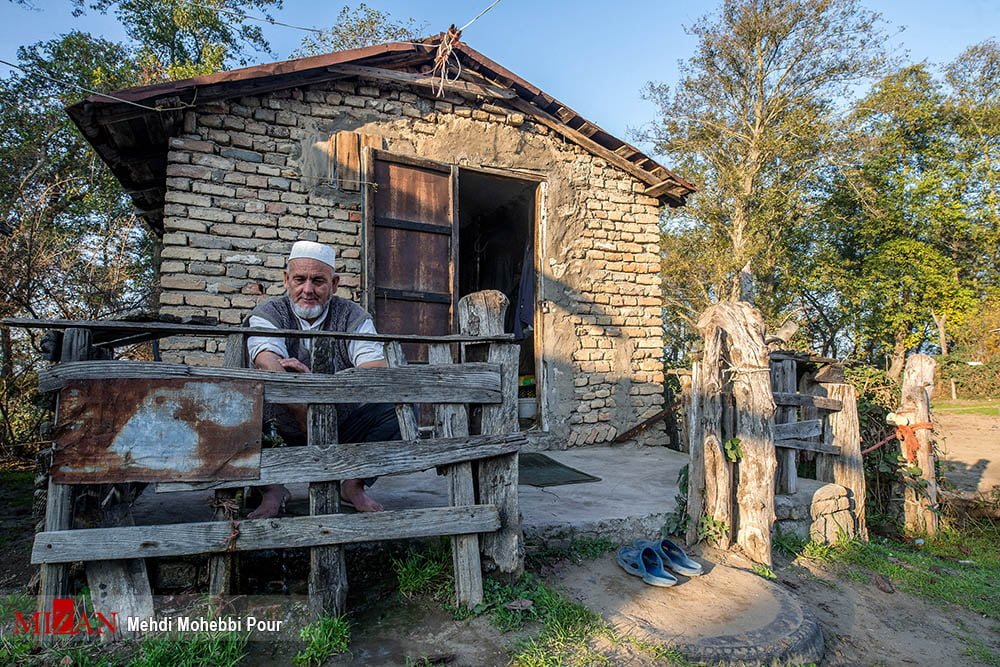
The following are images of fishing by both fishermen and seabirds retrieved from Mizan News Agency.