Saturday, December 27, 2025
Home Blog Page 3385

A Look at Iranian Newspaper Front Pages on December 19

A Look at Iranian Newspaper Front Pages on November 19

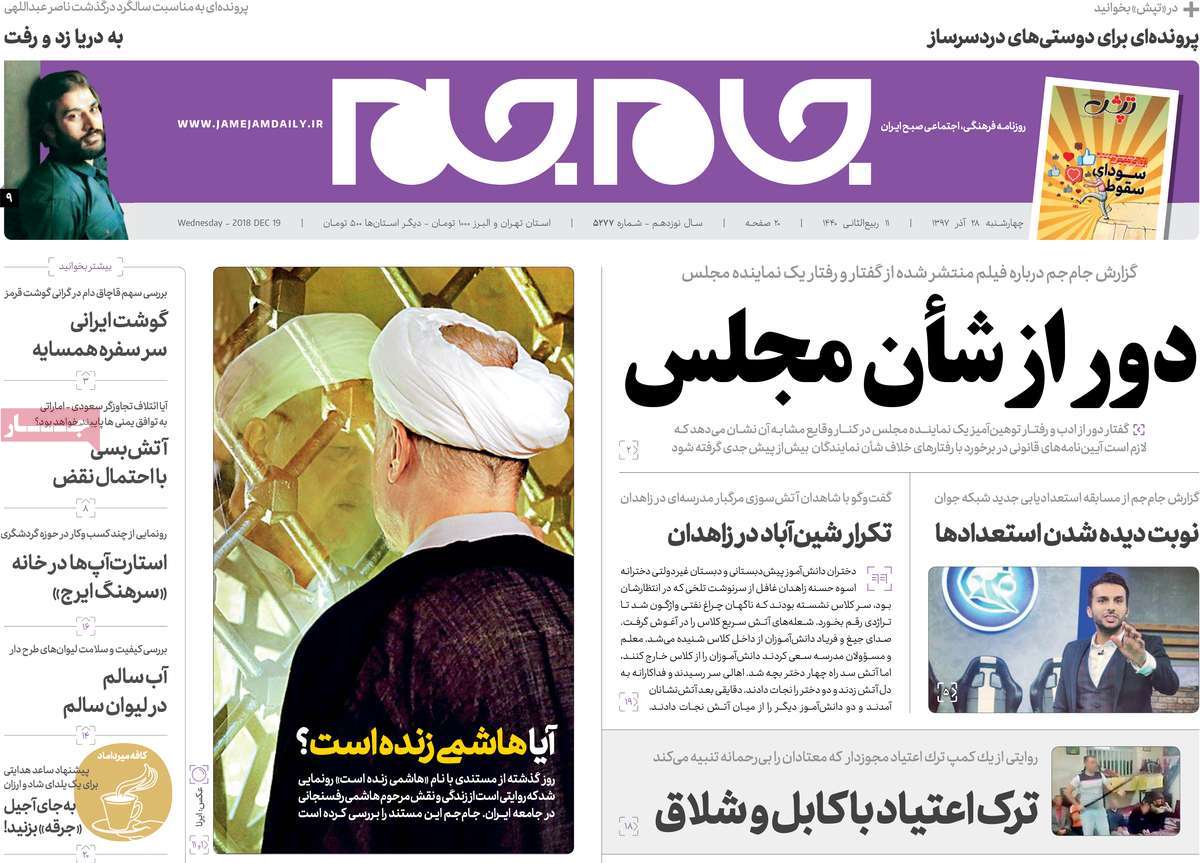
The top story in all papers today was the controversy sparked by a viral video of a war of words between a lawmaker and a civil servant, which was widely condemned by social media users, and turned even more controversial after the Parliament defended the MP instead of reprimanding him for his offensive comments.

Several papers also covered a tragic incident in a school in the south-eastern city of Zahedan, where a fire caused by an oil heater killed two schoolgirls and wounded some others.

A move by the French police to join the ongoing protests by going on strike, and the trilateral talks between Iran, Russia, and Turkey on the Syrian constitutional committee in Geneva also received great coverage.

The above issues, as well as many more, are highlighted in the following headlines and top stories:


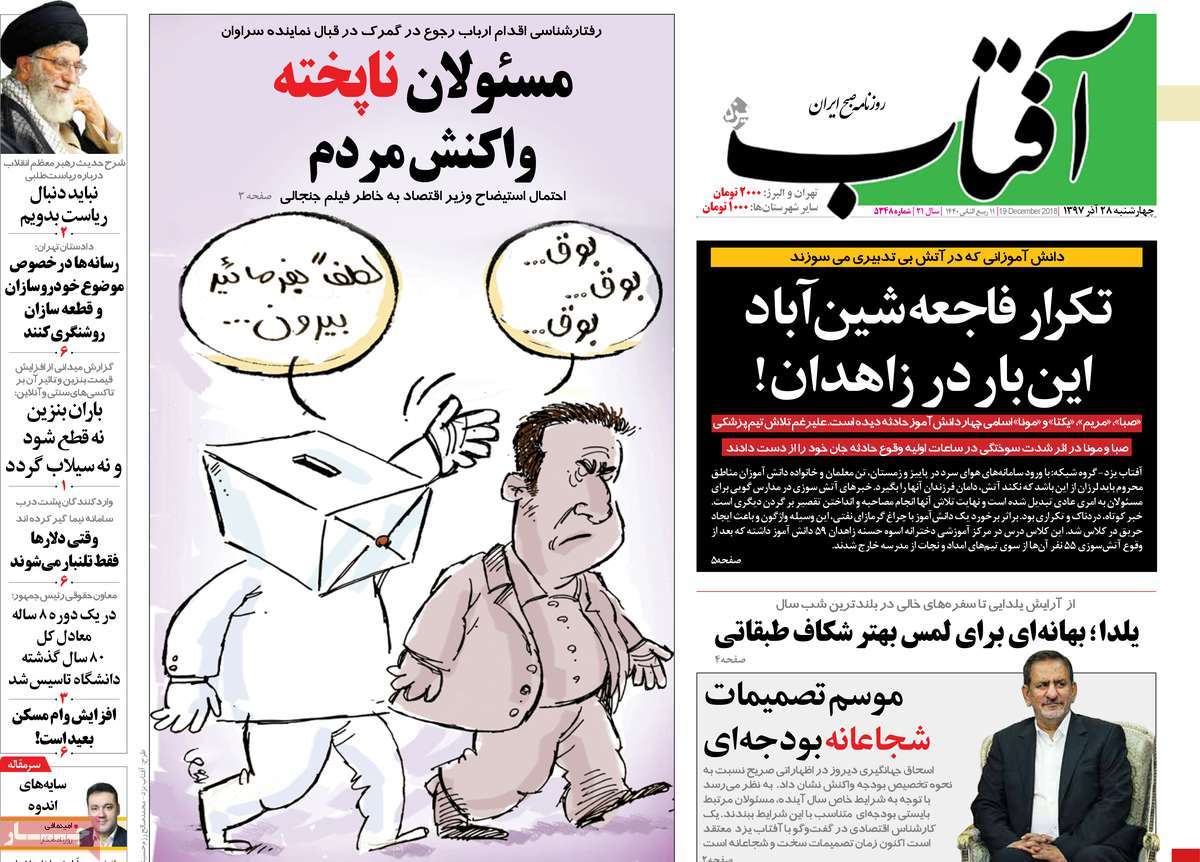
Aftab-e Yazd:

1- Immature Officials, People’s Reaction: Studying Behaviour of

* Economy Minister Might Be Impeached over Leaked Video

2- Time to Make Courageous Decisions for Budget Bill
A Look at Iranian Newspaper Front Pages on December 19


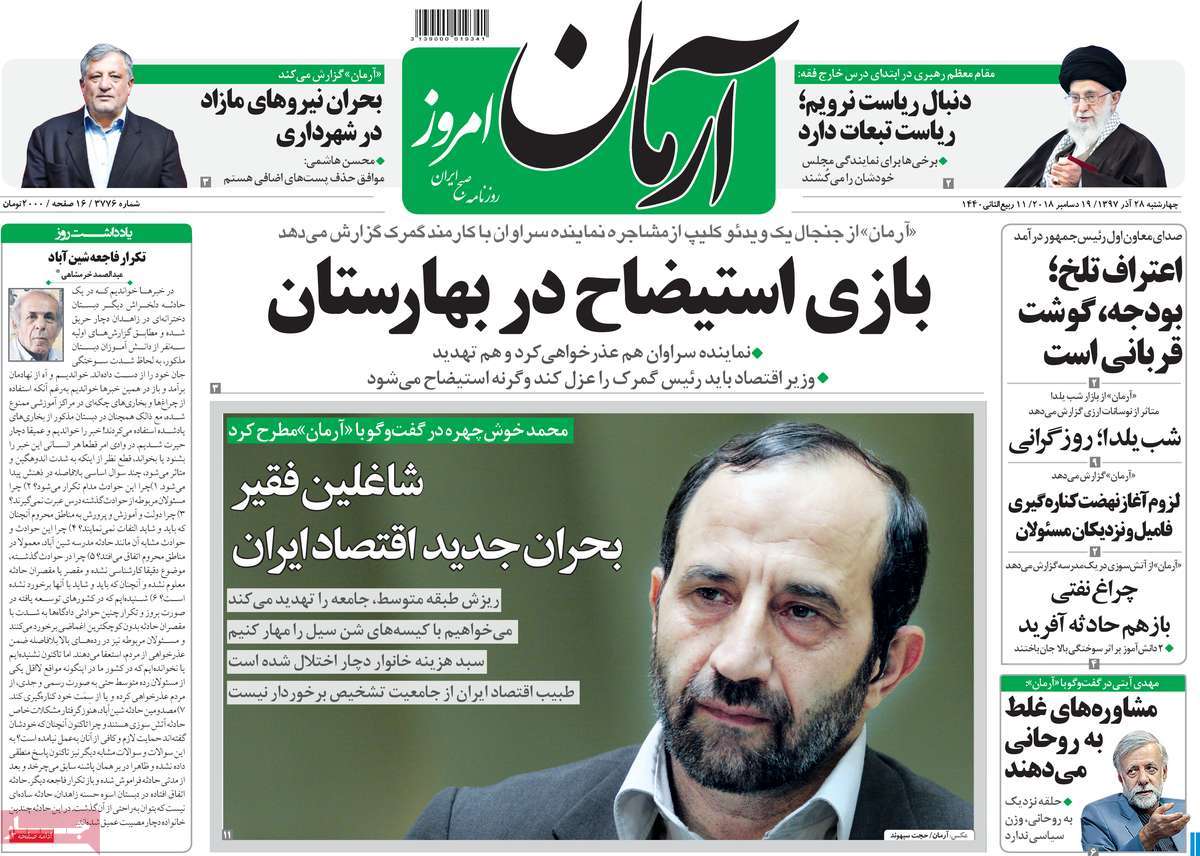
Arman-e Emrooz:

1- Game of Impeachment in Iran Parliament

2- We Shouldn’t Seek Top Executive Positions; It Has Consequences: Leader
A Look at Iranian Newspaper Front Pages on December 19


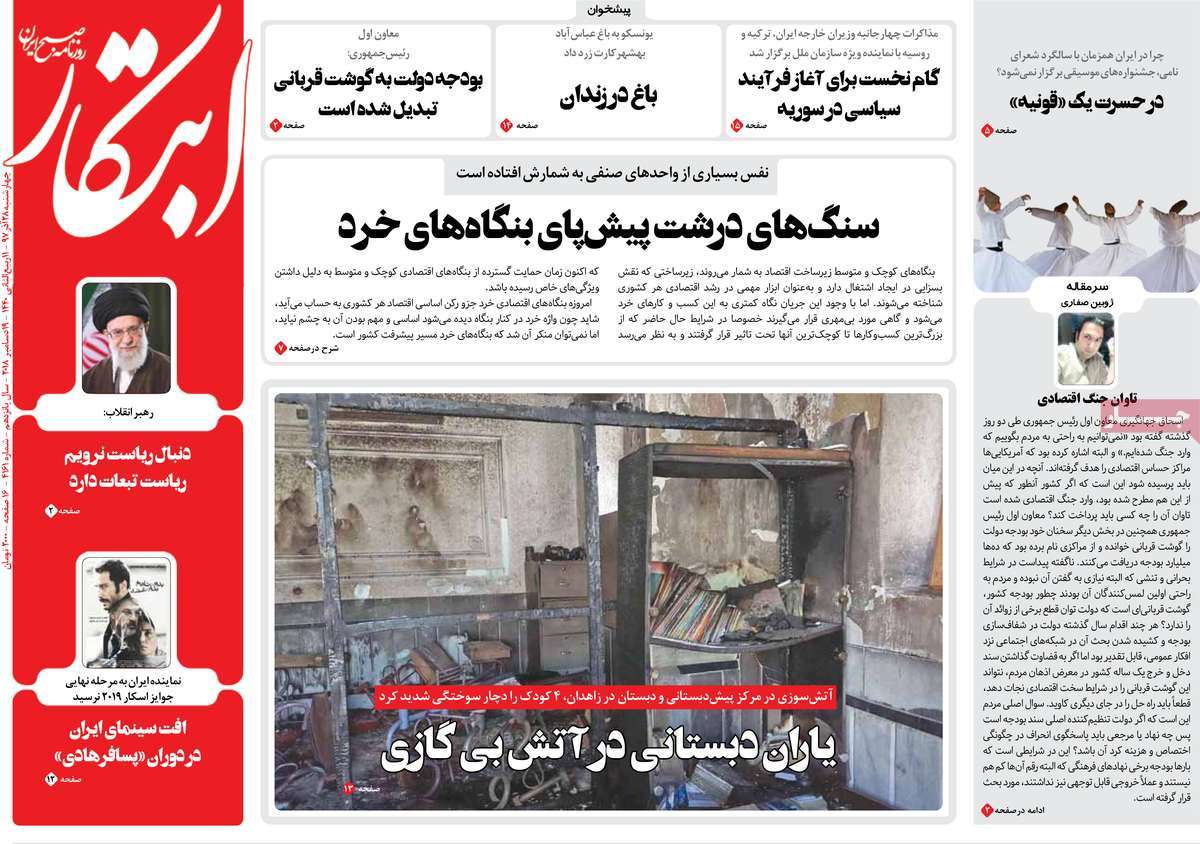
Ebtekar:

1- Two Schoolgirls Die after School Catches Fire in South-Eastern Iran

2- First Step to Begin Political Process in Syria
A Look at Iranian Newspaper Front Pages on December 19


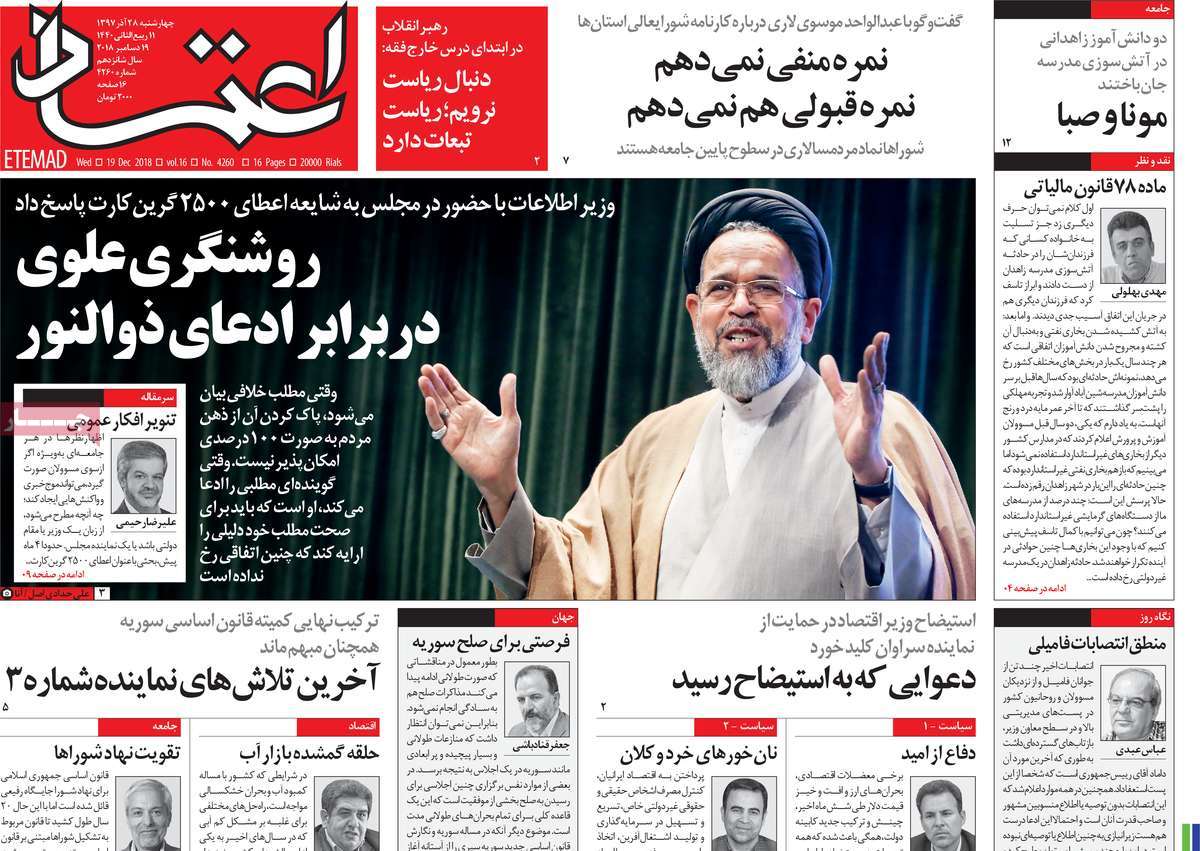
Etemad:

1- Intelligence Minister Rejects Rumour of 2,500 Green Cards Received after JCPOA

2- MPs Seeking to Impeach Economy Minister in Support of Fellow Lawmaker

3- Final Composition of Syria Constitutional Committee Remained Ambiguous
A Look at Iranian Newspaper Front Pages on December 19


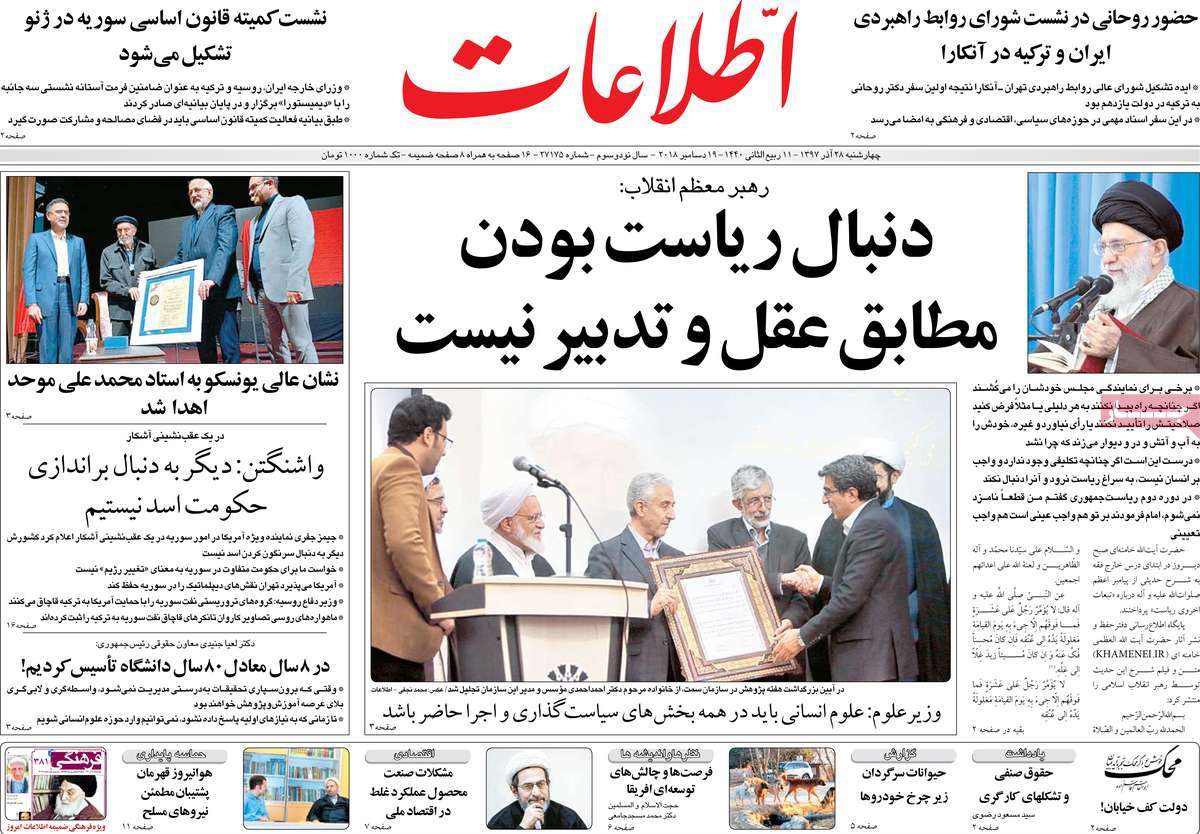
Ettela’at:

1- Rouhani to Attend Iran-Turkey Strategic Relations Council in Ankara

2- We No Longer Want to Overthrow Assad Regime: US
A Look at Iranian Newspaper Front Pages on December 19


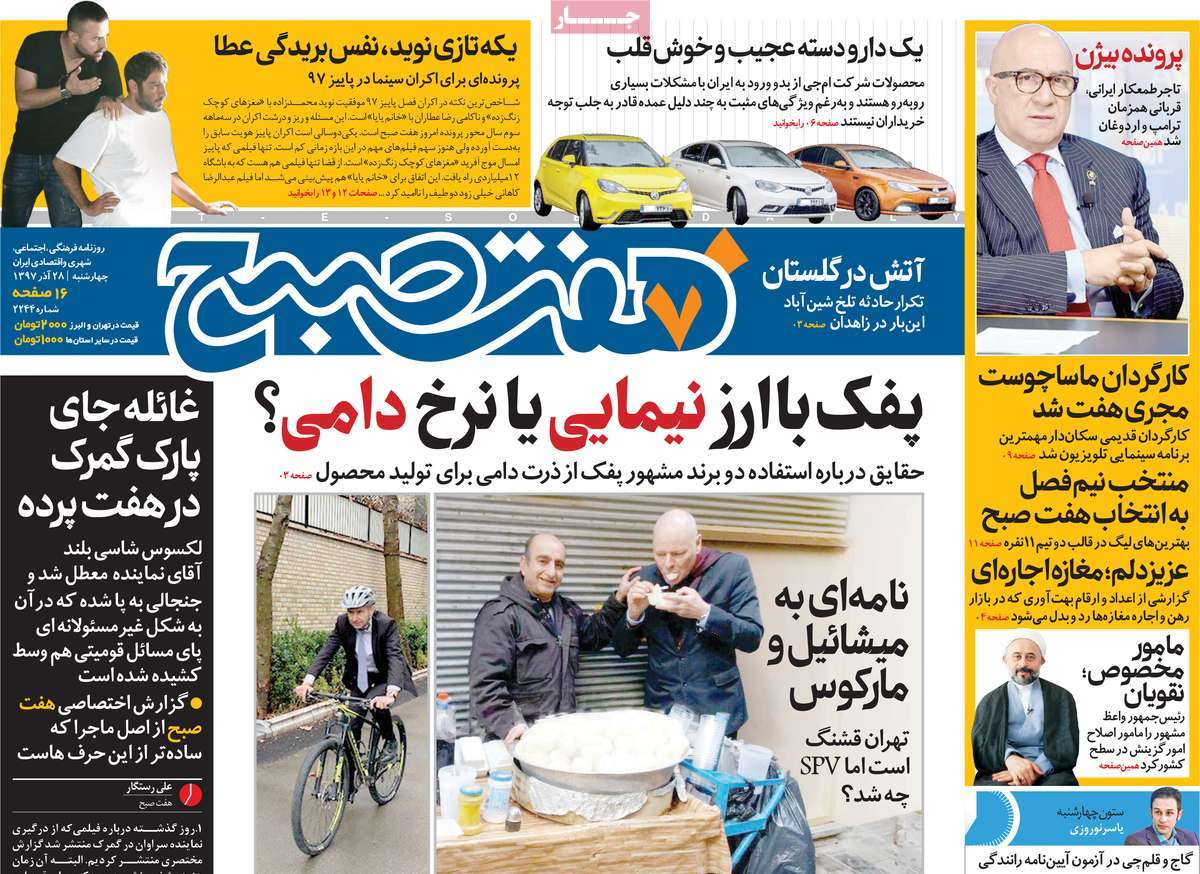
Haft-e Sobh:

1- Greedy Iranian Businessman Bijan Victim of Both Trump, Erdogan

2- Letter to Ambassadors of Germany, Switzerland

* Alright, Tehran’s Beautiful; What Happened to SPV?
A Look at Iranian Newspaper Front Pages on December 19


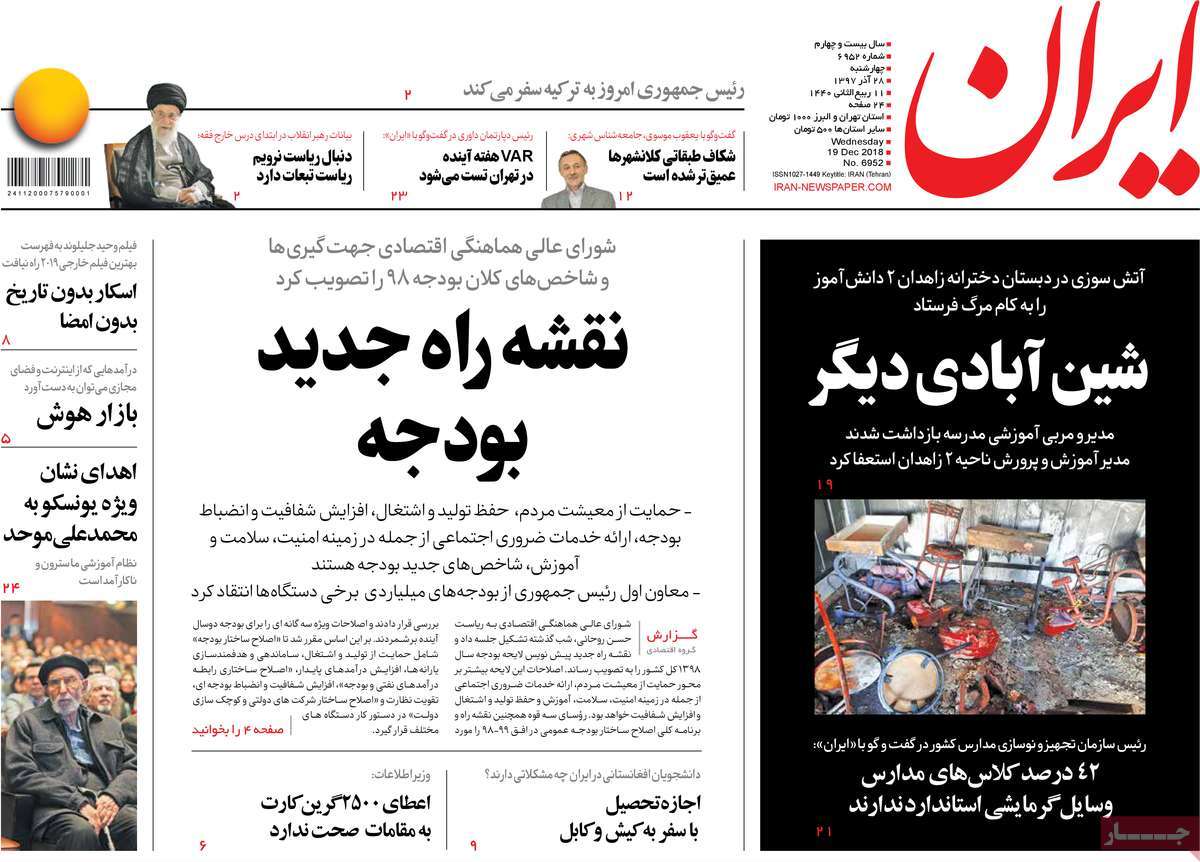
Iran:

1- Shinabad School Fire Tragedy Repeated This Time in Zahedan

2- Iran’s Official Submission to Oscars Fails to Make Its Way into Final Shortlist
A Look at Iranian Newspaper Front Pages on December 19


Jame Jam:

1- Totally Beneath Dignity of Parliament

2- Iranian Meat Being Exported despite High Prices in Iran

3- A Ceasefire with Chance of Violation
A Look at Iranian Newspaper Front Pages on December 19


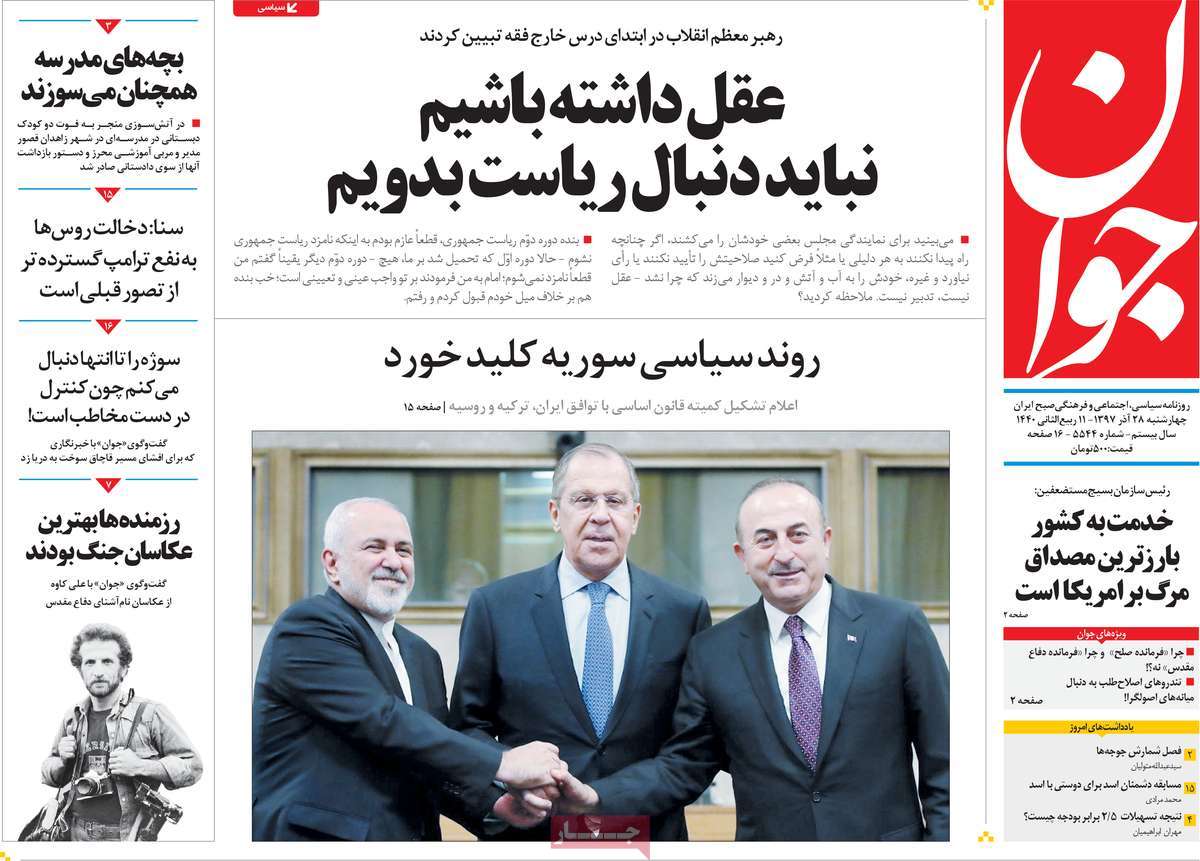
Javan:

1- Syria Political Process Kicked Off

2- Schoolchildren Still Burning
A Look at Iranian Newspaper Front Pages on December 19


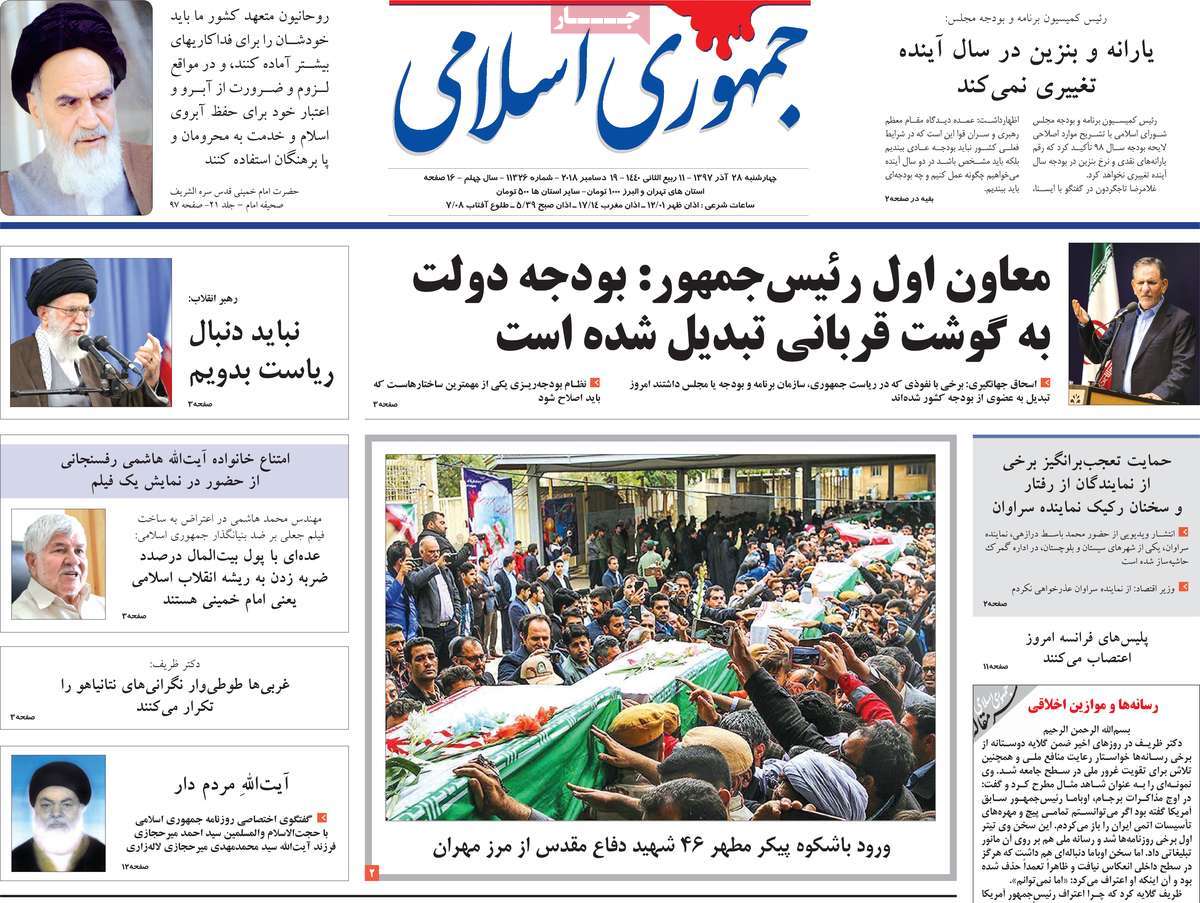
Jomhouri Eslami:

1- Westerners Parrot Missile Concerns Raised by Netanyahu

2- French Police to Go on Strike Today
A Look at Iranian Newspaper Front Pages on December 19


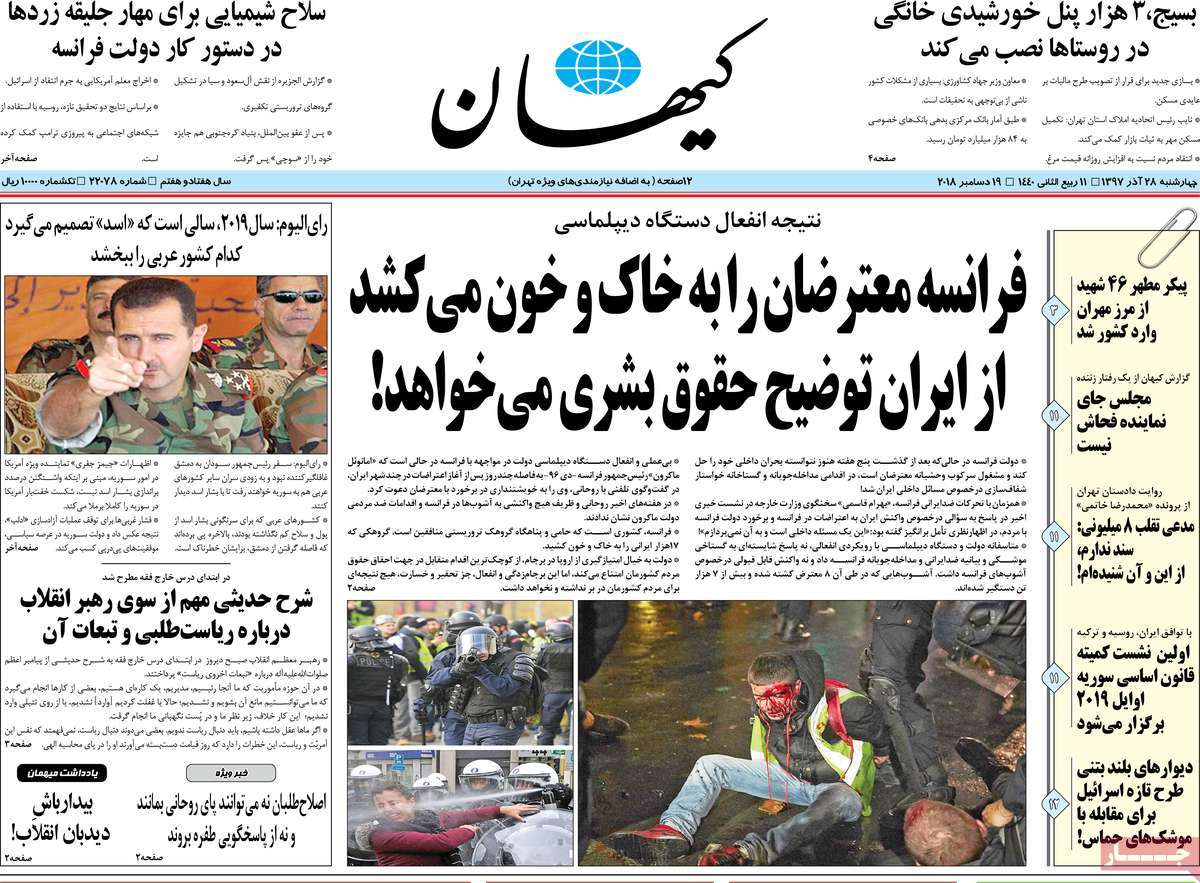
Kayhan:

1- France Suppresses Protests, but Asks for Iran’s Explanation on Human Rights!

* Result of Iran Foreign Ministry’s Inaction

2- Assad Must Decide Which Arab Countries to Forgive in 2019: Ray al-Youm

3- French Gov’t Considering Use of Chemical Weapons against Protesters

4- Basij Forces to Install 3,000 Solar Panels in Villages

5- Parliament No Place for Offending Lawmakers
A Look at Iranian Newspaper Front Pages on December 19


Shargh:

1- Impeaching Minister Instead of Reprimanding Lawmaker

2- Don’t Politicize Issue of Water: Rouhani’s Aide
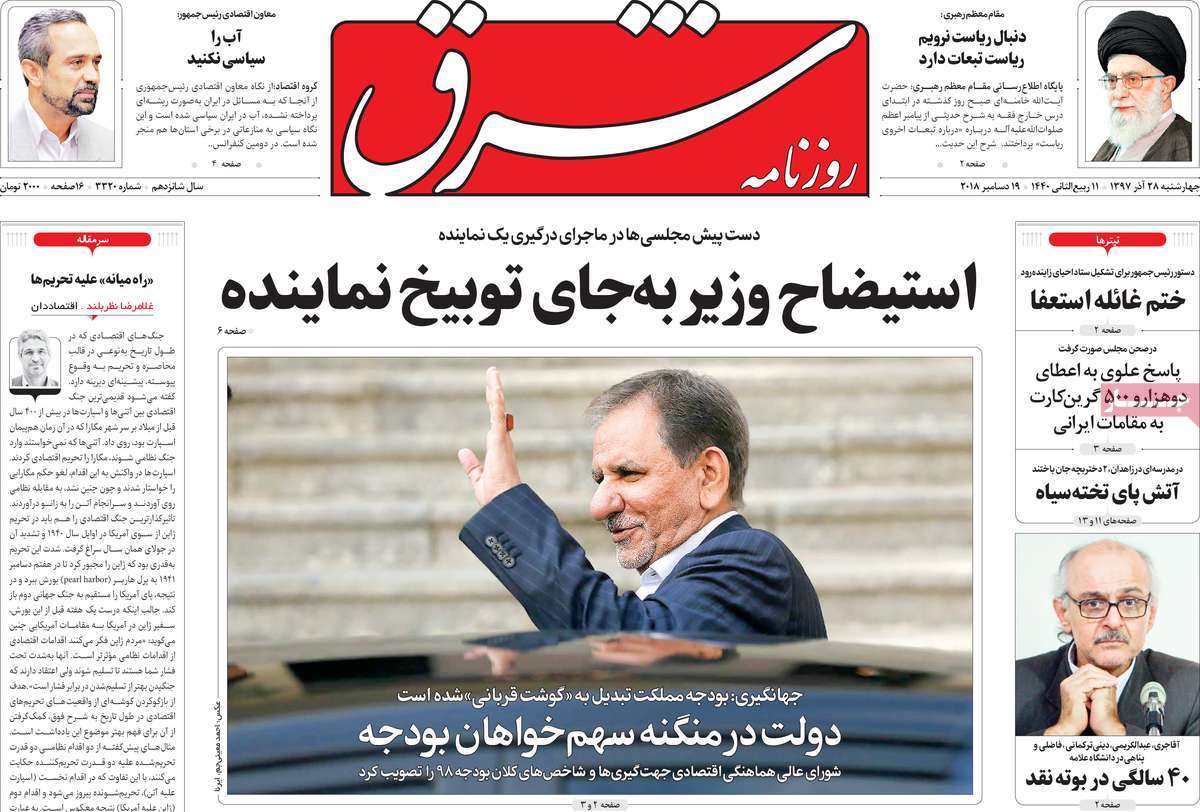
A Look at Iranian Newspaper Front Pages on December 19


Sobh-e Now:

1- Why Rouhani Doesn’t Visit Syria?

2- Mogherini: Destroying JCPOA Won’t Make Us Safer
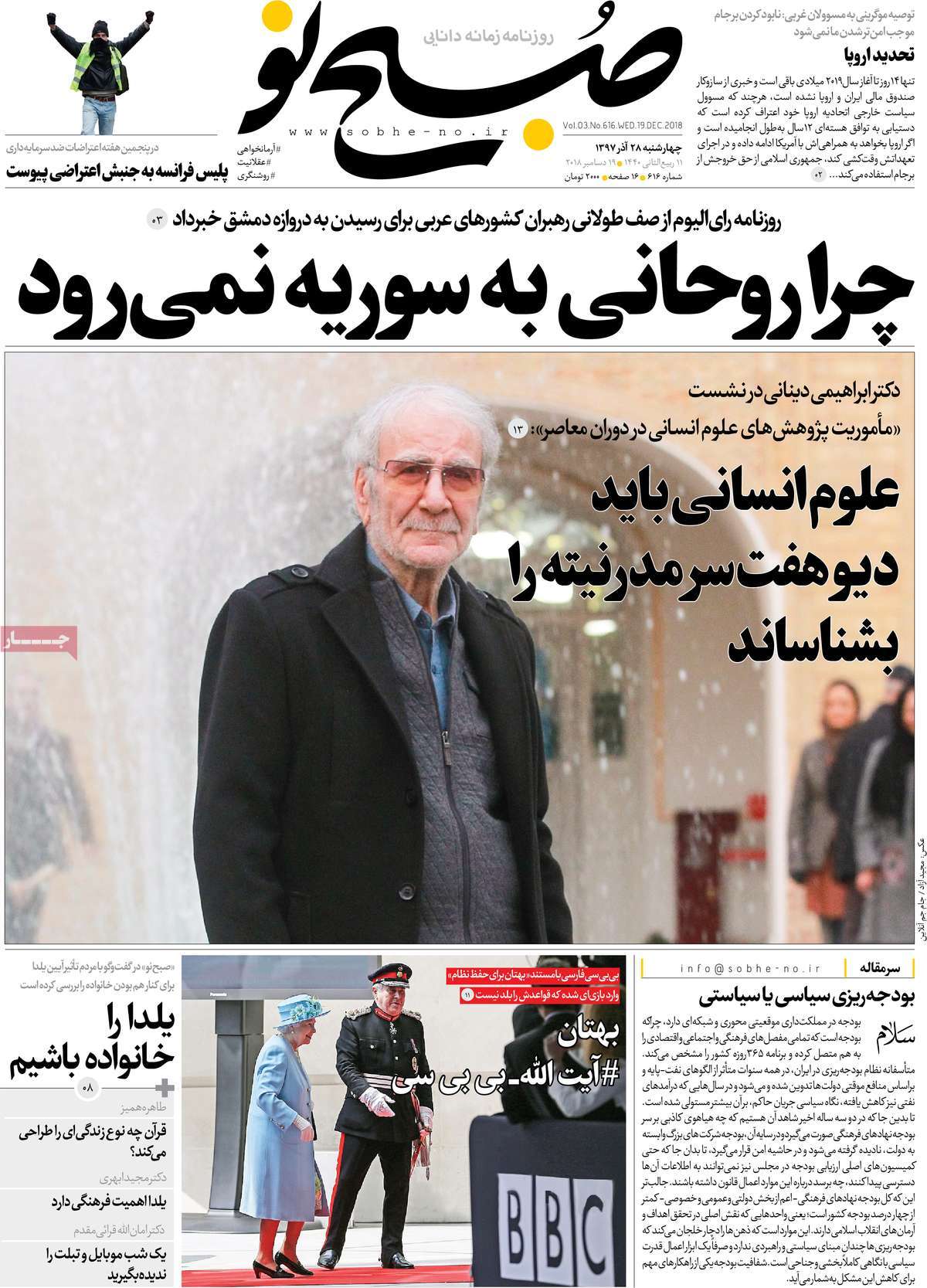
A Look at Iranian Newspaper Front Pages on December 19

Iran, Russia, Turkey Back Syria Constitutional Committee

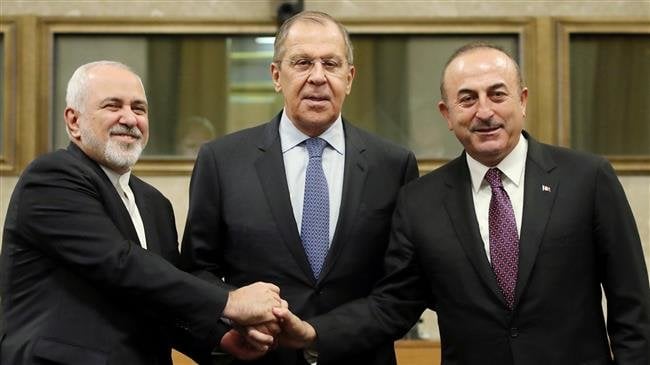
Sergei Lavrov, reading out a joint statement after meeting with Iranian and Turkish counterparts Mohammad Javad Zarif and Mevlut Cavusoglu and outgoing UN Special Envoy Staffan de Mistura in Geneva on Tuesday, said the work of the new body “should be governed by a sense of compromise and constructive engagement.”

Lavrov described the meeting as very positive, stressing that Moscow, Tehran, and Ankara are committed to Syria’s sovereignty, independence and territorial integrity.

The top Russian diplomat added that the three countries support the launch of a Syrian-led political process for the composition of Syria’s inclusive constitution.

De Mistura said in a separate statement that “more efforts are required” to ensure a credible, balanced constitutional committee for Syria.

The Italian-Swedish diplomat, who has been the UN’s peace envoy since July 2014, went on to say that he would brief UN Secretary-General Antonio Guterres on the results of Geneva talks on Wednesday, and the UN Security Council on Thursday.

De Mistura, who steps down on December 31, expected his successor Geir Pedersen to build on his work and “focus on the purely political aspect” to end the Syrian crisis.

Syria’s constitutional committee is part of the Sochi agreement, and will include 50 members from the incumbent Damascus government and 50 opposition members. The final 50 members will be independent and chosen by the United Nations.

“We (have) always insisted on a political solution led and owned by Syrians. The West has now been compelled to accept this. But it needs to facilitate; not dictate,” Zarif tweeted earlier on Tuesday.

Cavusoglu said on Sunday that the Ankara government would consider working with Syrian President Bashar Assad if he won a democratic and credible election.

The Turkish foreign minister made the remarks while addressing the 18th edition of Doha Forum in Qatar.

Asked whether Turkey would consider working with Assad, Cavusoglu said there must first be an election in Syria and “if it is a democratic and credible one, then everybody should consider that [working with Assad].”

“It has to be very credible, transparent, democratic and fair elections. At the end, Syrian people should decide who is going to rule the country after the elections,” Cavusoglu added.

He further noted that the constitution for Syria should be drafted by the people of their own country.

Syria has been gripped by foreign-backed militancy since March 2011. The Syrian government says the Israeli regime and its Western and regional allies are aiding Takfiri terrorist groups wreaking havoc in the country.

‘Finnish Firms Waiting for EU’s SPV to Do Business with Iran’

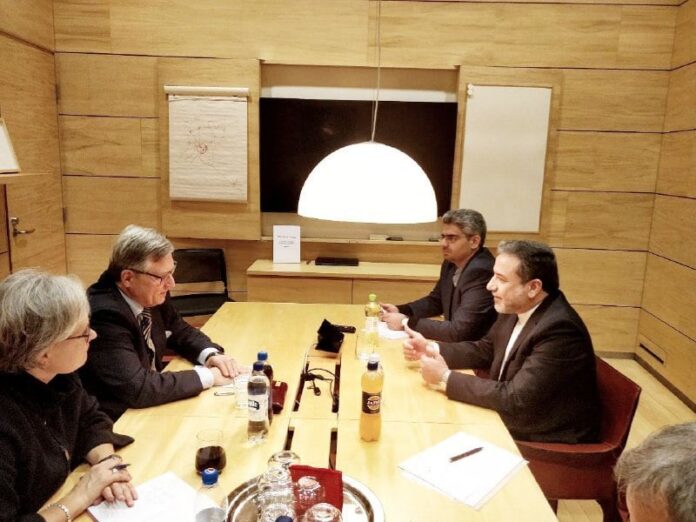
Iranian Deputy Foreign Minister for Political Affairs Seyyed Abbas meets Finnish officials in Helsinki on Dec. 18, 2018 / Photo by Iranian Foreign Ministry

The remarks were made on Tuesday in meetings between Iranian Deputy Foreign Minister for Political Affairs Seyyed Abbas Araqchi and a number of Finnish officials including the Foreign Ministry’s Permanent State Secretary Matti Anttonen, Under-Secretary of State Anne Sipiläinen, and Pertti Salolainen, the vice chairperson of the Finnish Parliament’s Foreign Affairs Committee and the head of Finland-Iran Parliamentary Friendship Group.

During the meetings, the Finnish officials underlined the country’s full support for the 2015 nuclear agreement, known as Joint Comprehensive Plan of Action (JCPOA), and described it as a great political, diplomatic, multilateral, and security achievement.

They also expressed the Finnish government’s resolve to develop its cooperation with Iran, and said the Finnish companies are still interested in being present in Iranian markets and promoting their cooperation with the Islamic Republic, but are waiting for the European Union to prepare the grounds.

In addition, they said, the government of Finland is trying to provide facilities for small- and medium-sized companies.

Araqchi, for his part, highlighted the significant role the JCPOA plays in the development and enhancement of Iran’s cooperation and transactions with other countries, including Finland.

“The fate of JCPOA, which is a great achievement of diplomacy and security, has been seriously challenged and threatened as a result of the US’ withdrawal,” the Iranian diplomat said.

By leaving the nuclear deal, he said, “the US is undermining not only the JCPOA but also the independence and sovereignty of other countries as well as the global efforts for non-proliferation.”

He also hailed the EU for its “praiseworthy” political support, and said, “The EU’s political support is valuable, but not enough. European countries must take operational steps to safeguard the JCPOA.”

Araqchi also pointed to the re-imposition of US sanctions against Iran, and said the policy of sanction is a failed one.

“Iran has lived with sanctions for years, and has even gained considerable achievements under the sanctions. The language of respect must replace the language of sanction and threat.”

,He welcomed the Finnish government’s political resolve to continue and expand its all-out cooperation with Tehran, and expressed the hope that further efforts will be made to develop mechanisms and proper solutions in order to facilitate the presence of Finnish companies, especially the small- and medium-sized ones, in Iran.

In order to resolve the issue, Europe has promised to establish the SPV as a mechanism which is supposed to bypass US sanctions against Tehran.

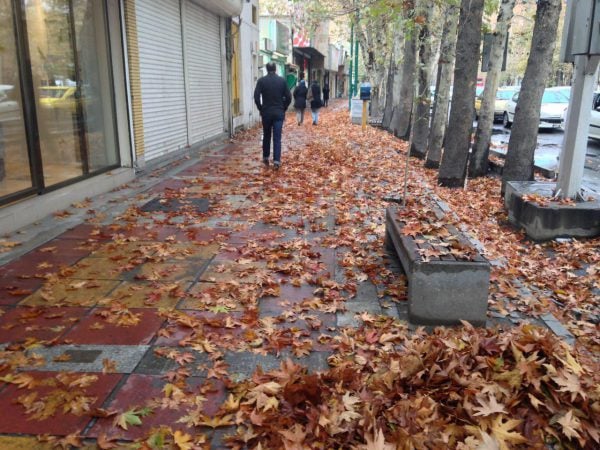
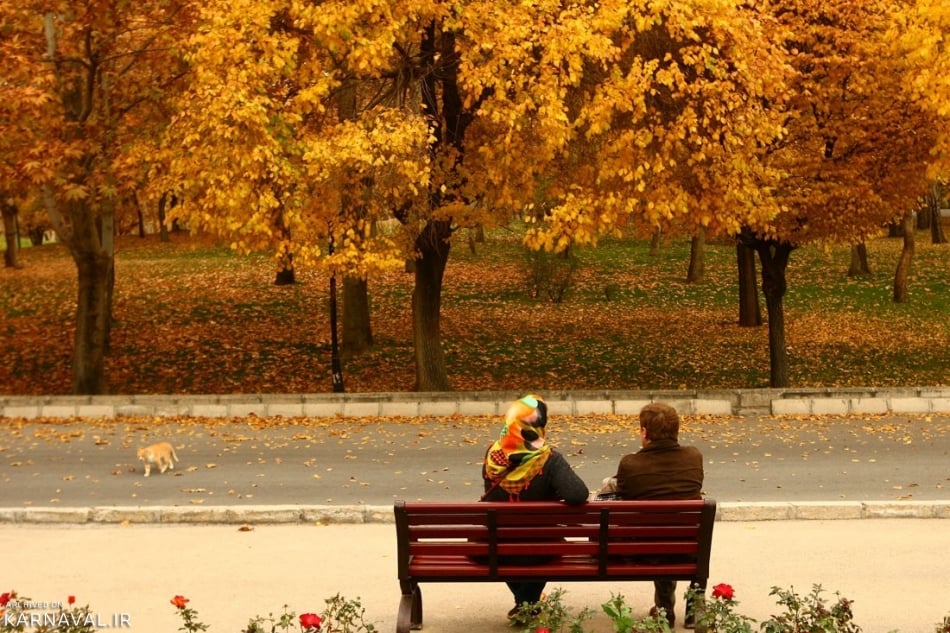
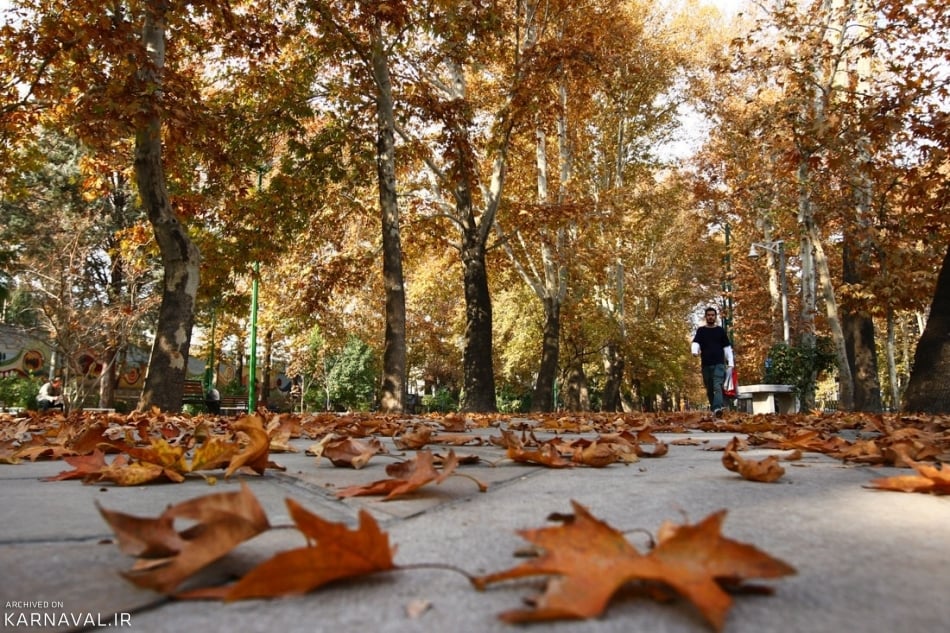
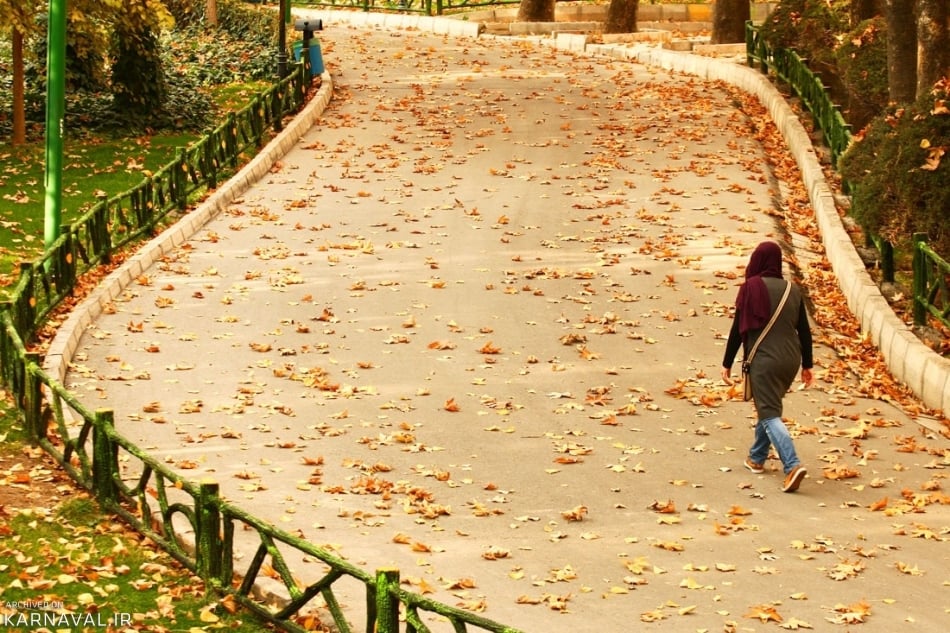
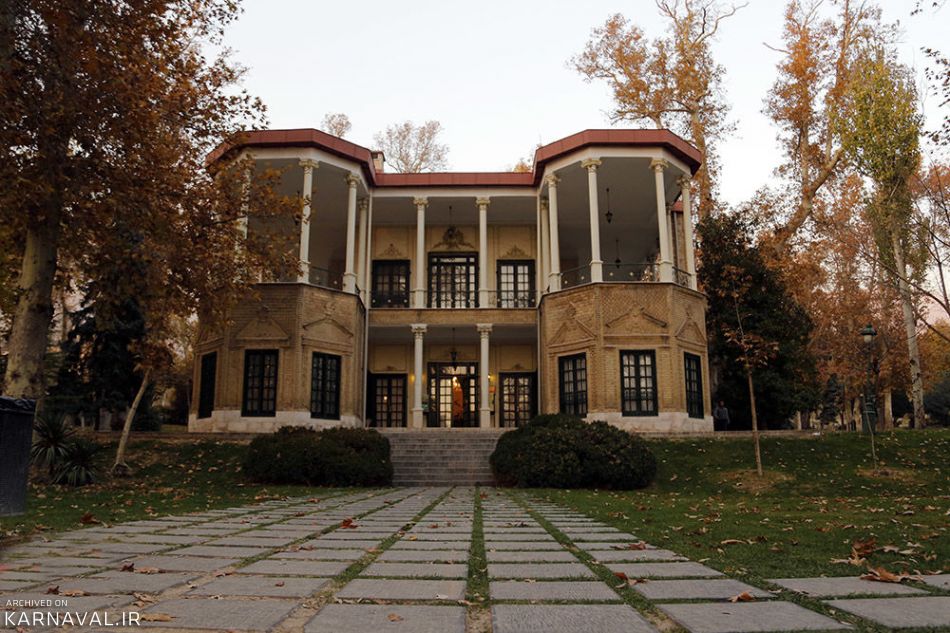
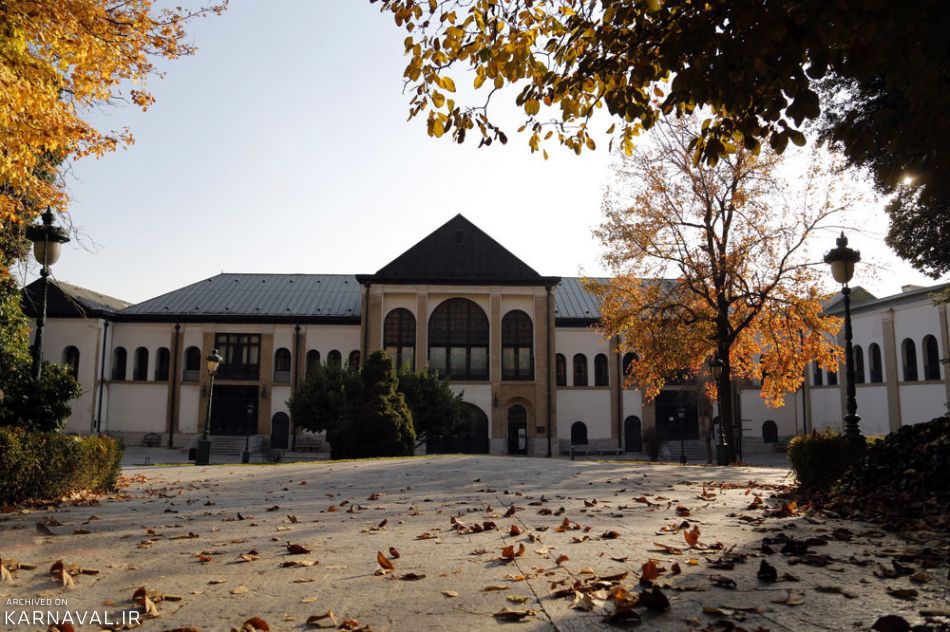
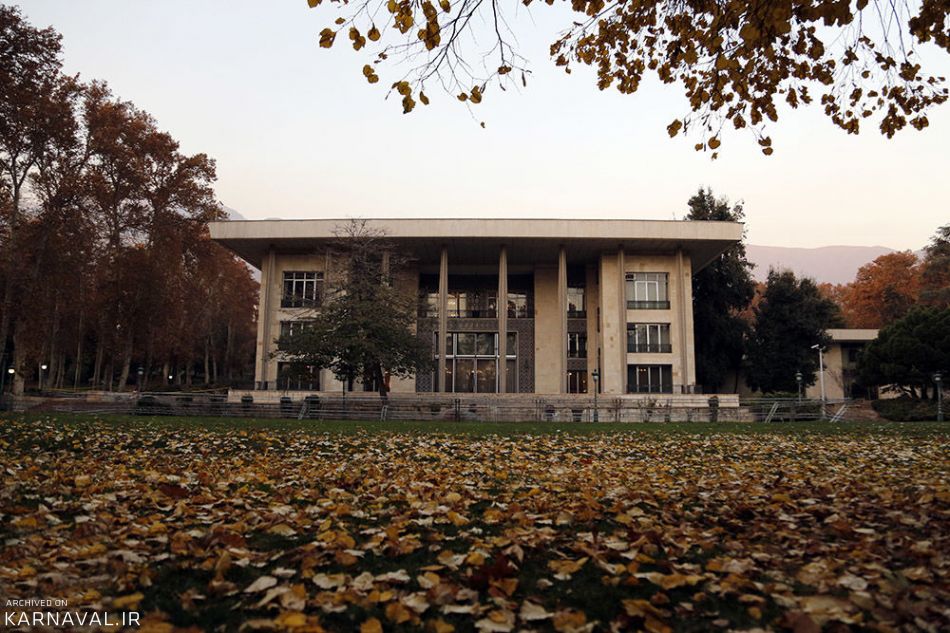
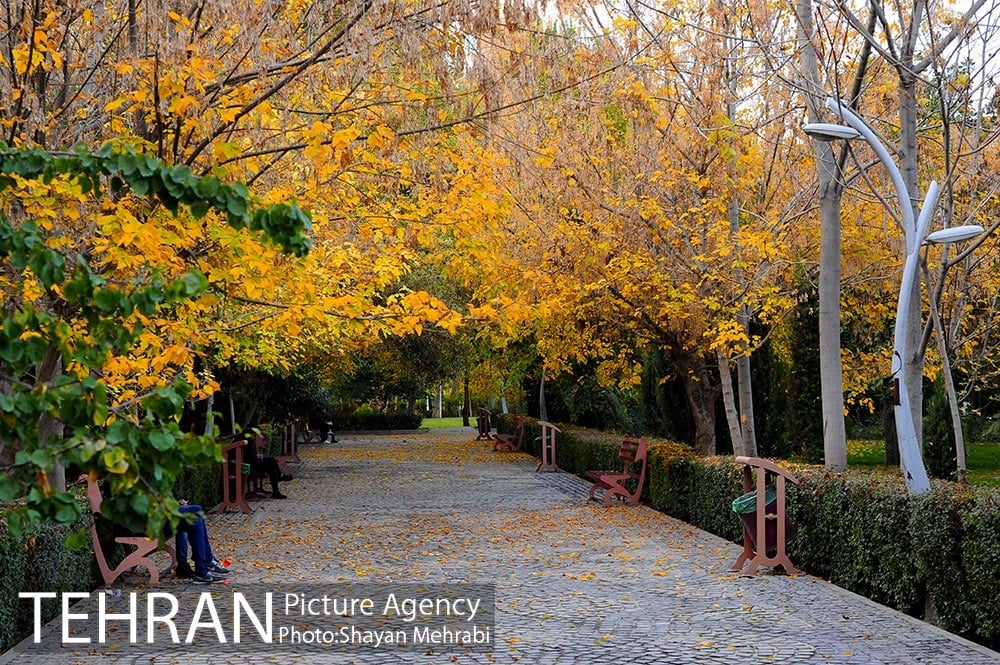
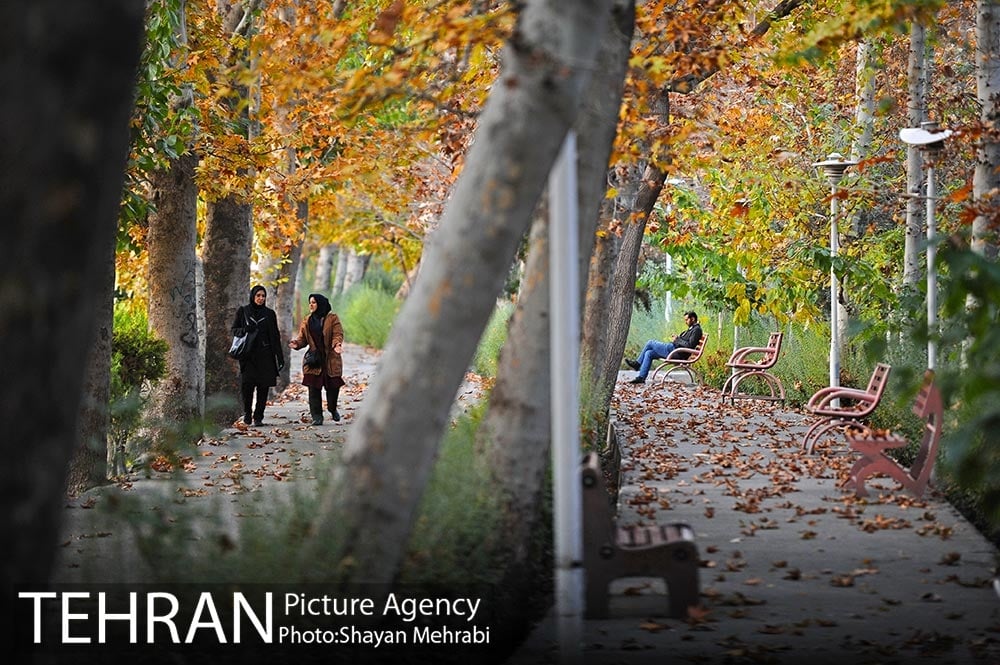
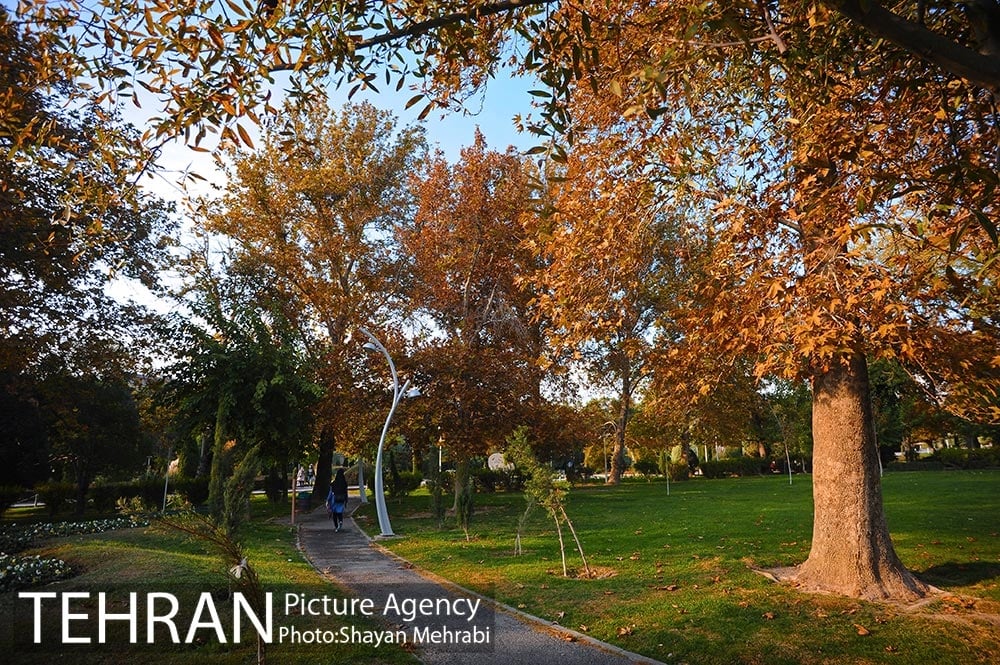
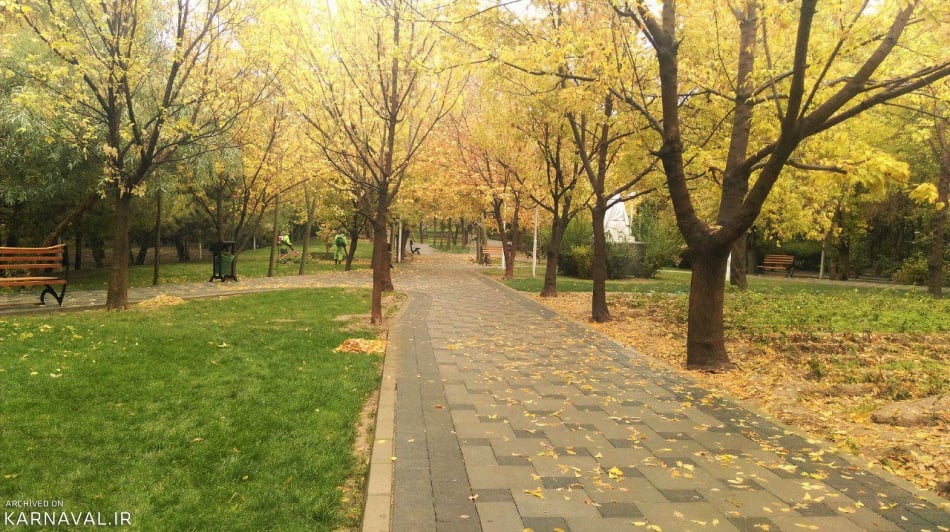
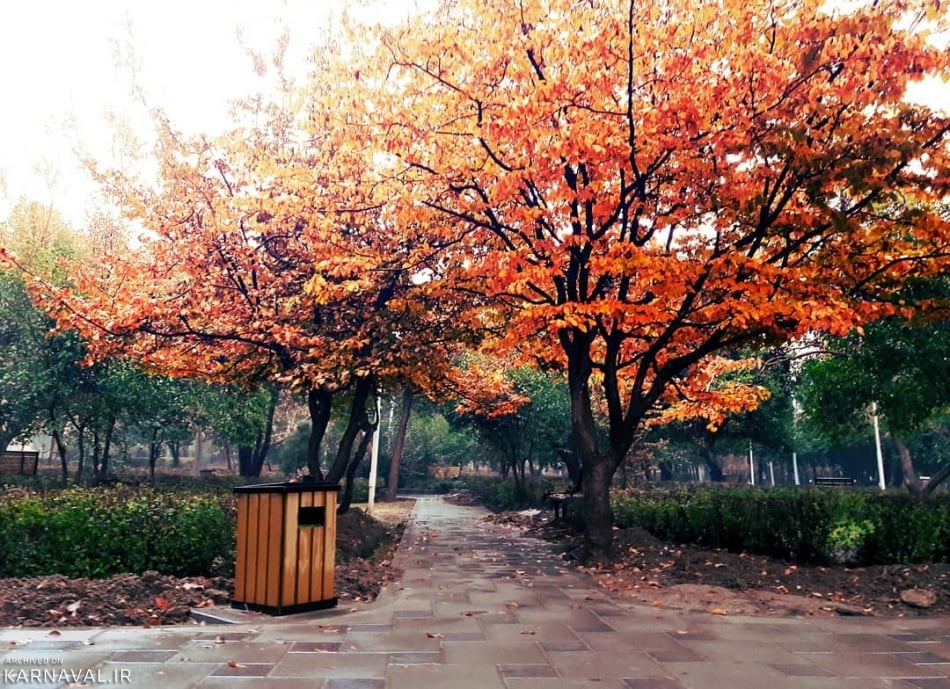
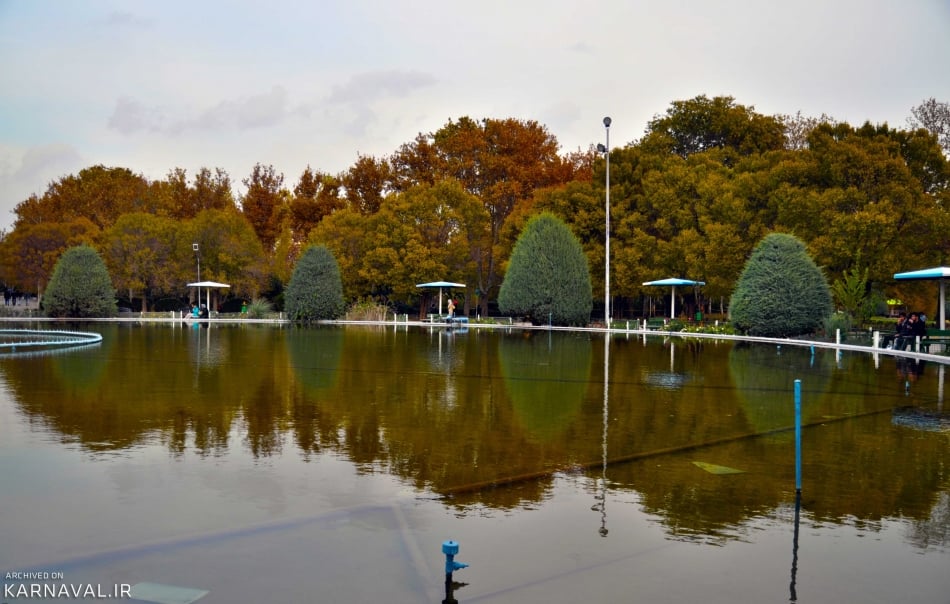
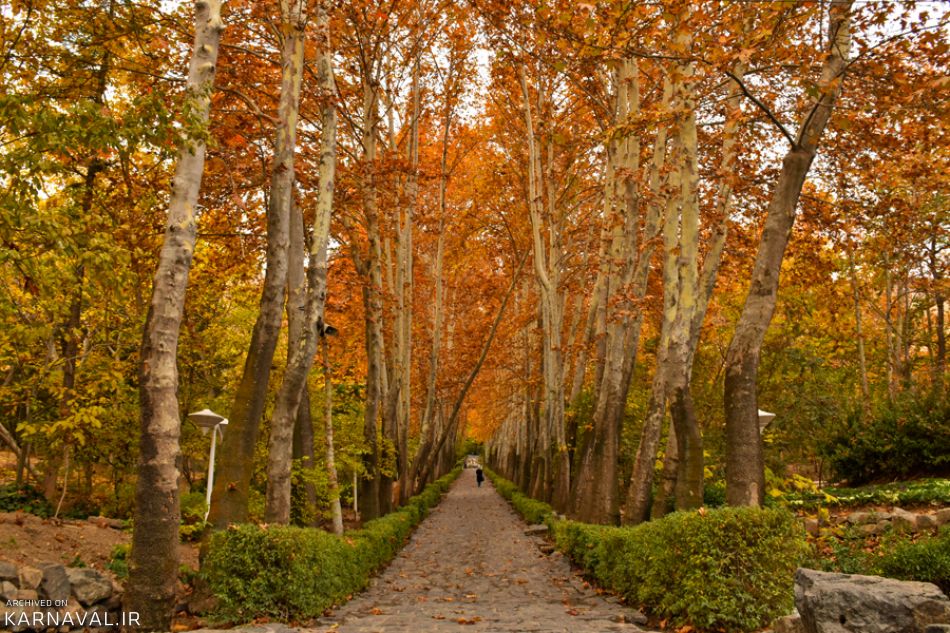
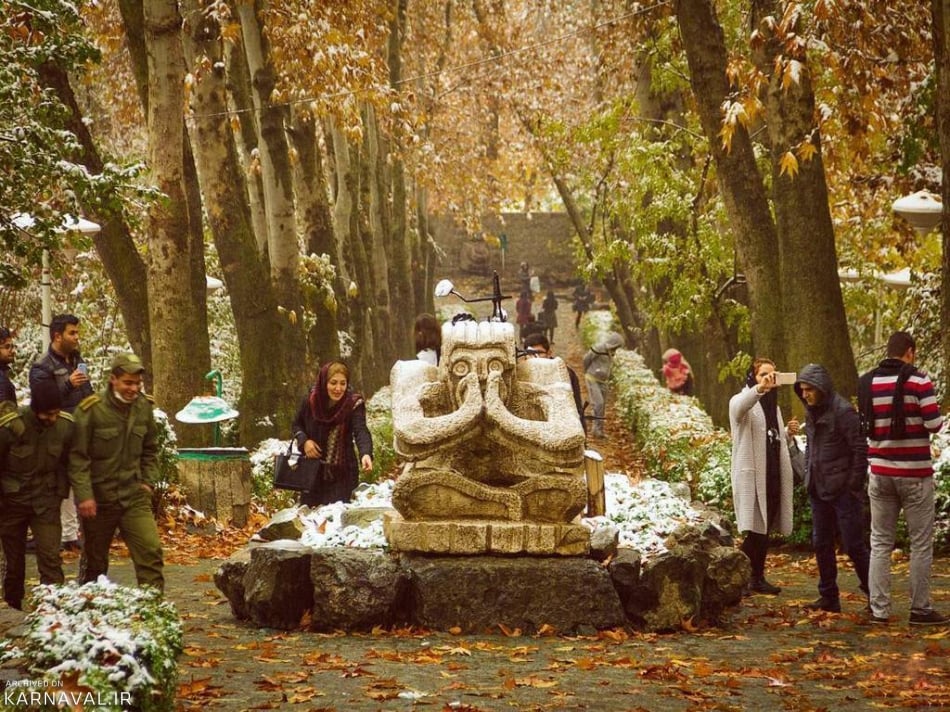
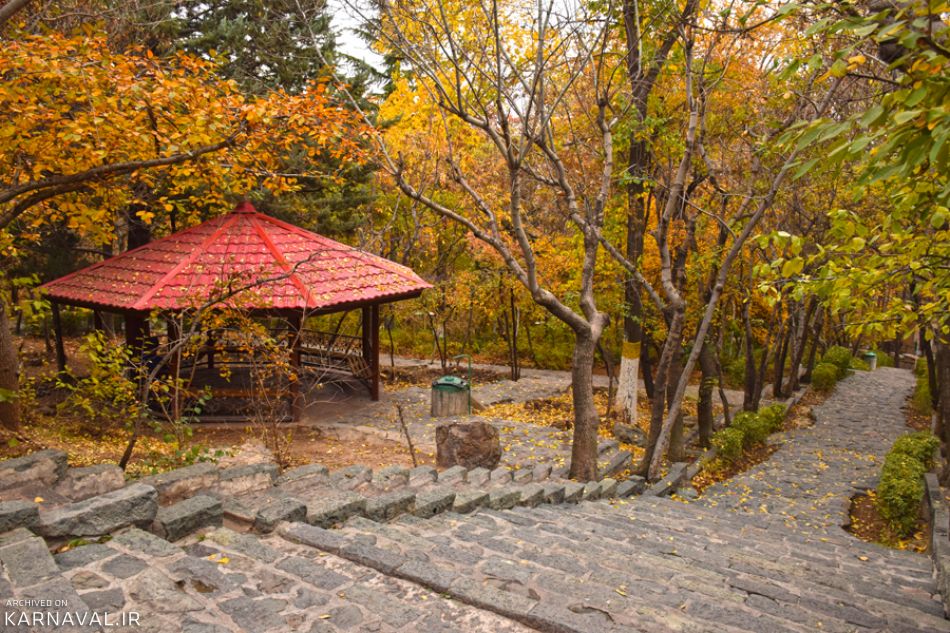
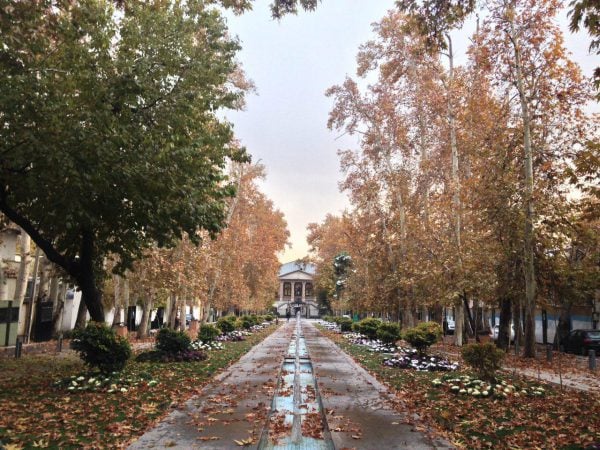
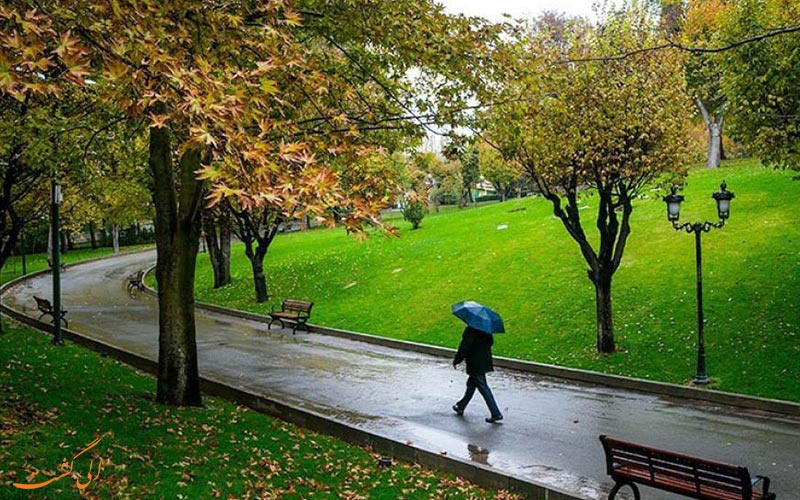
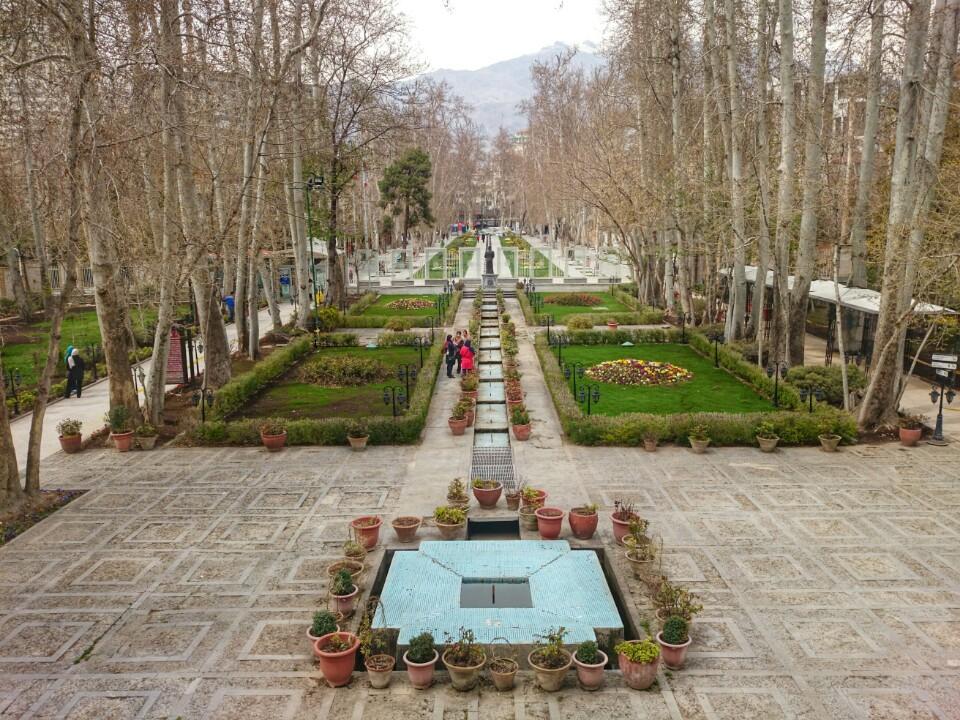
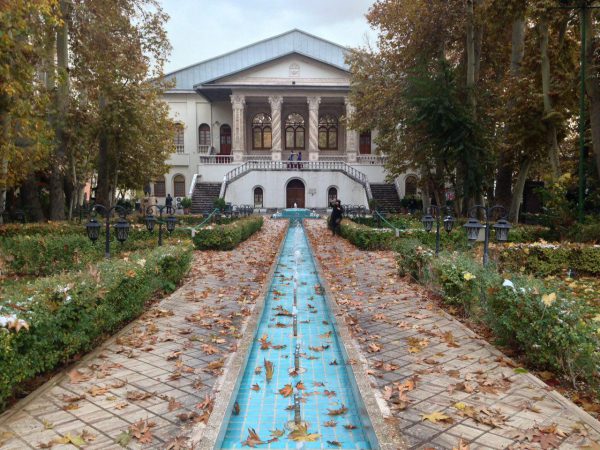
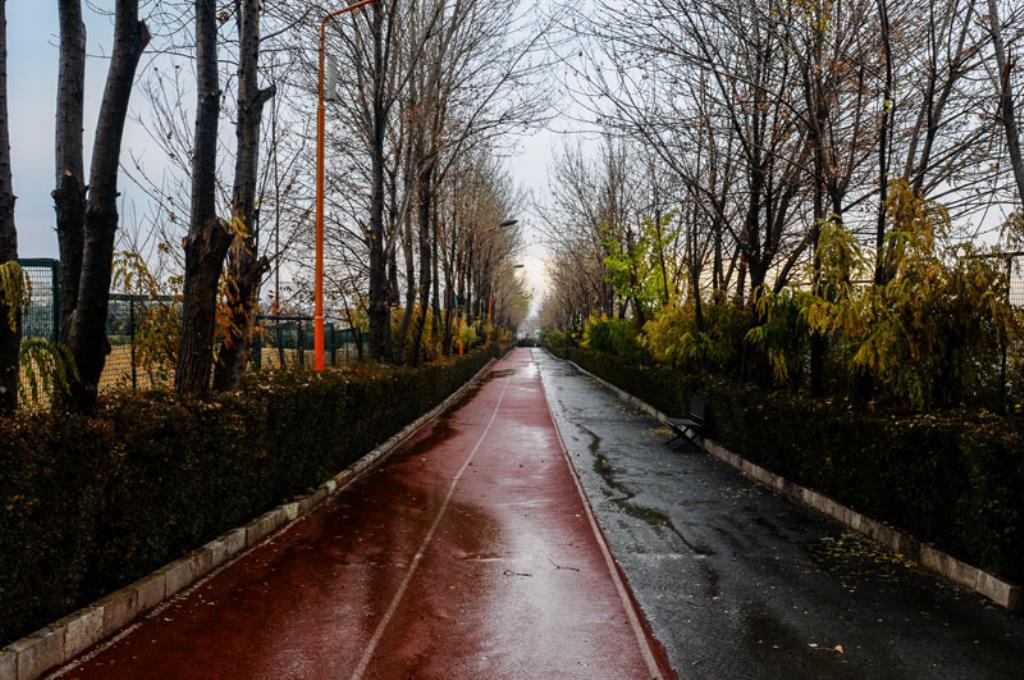
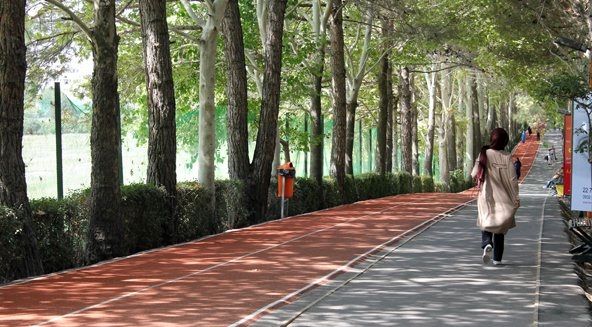
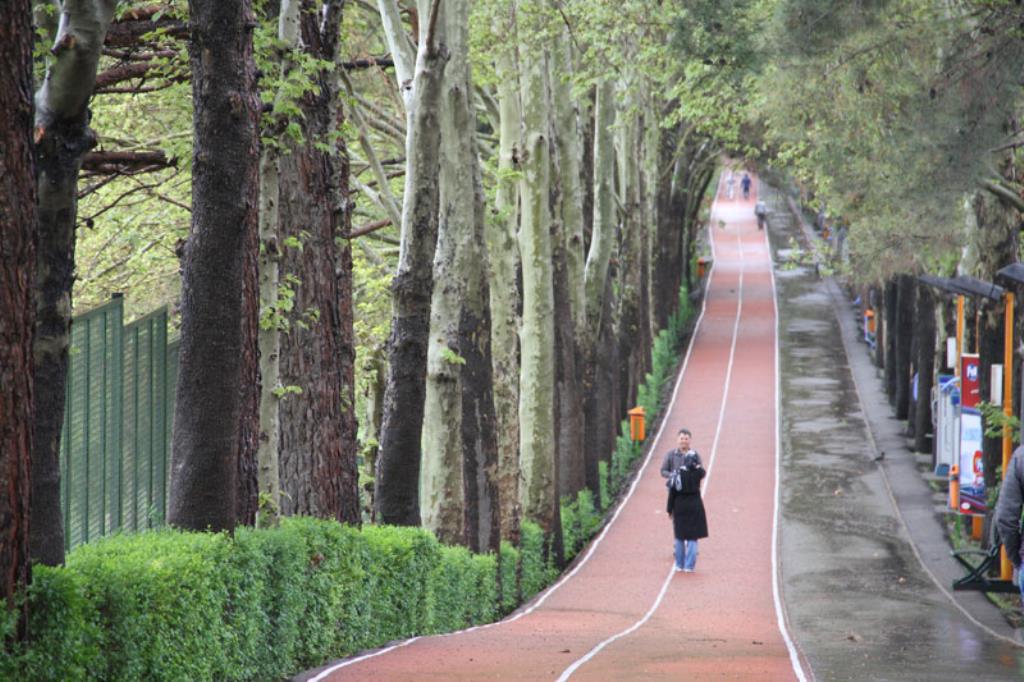
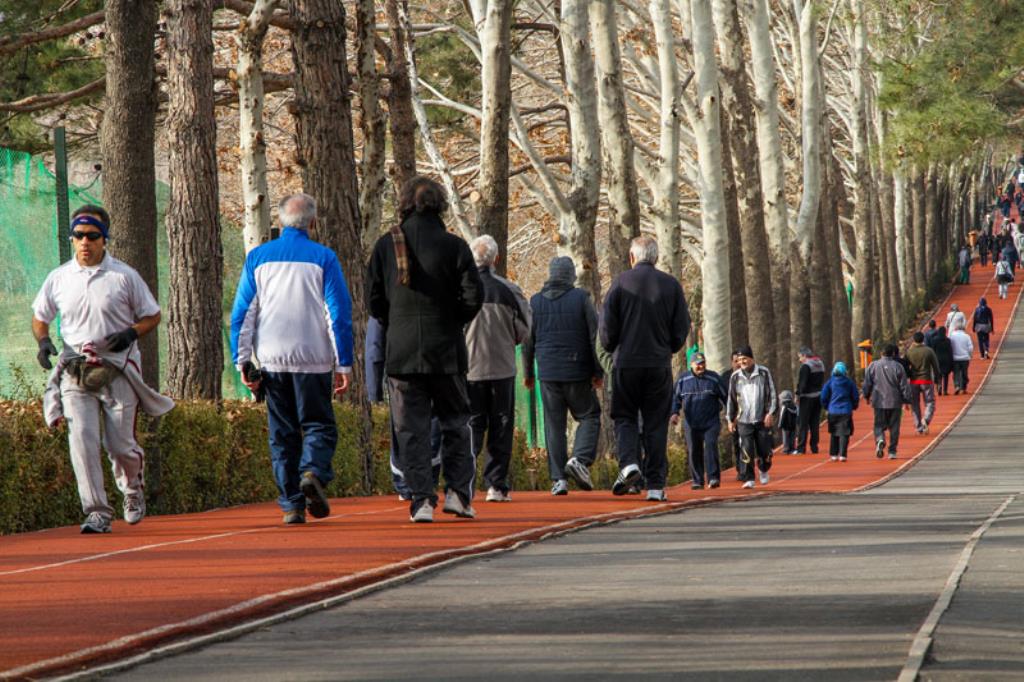
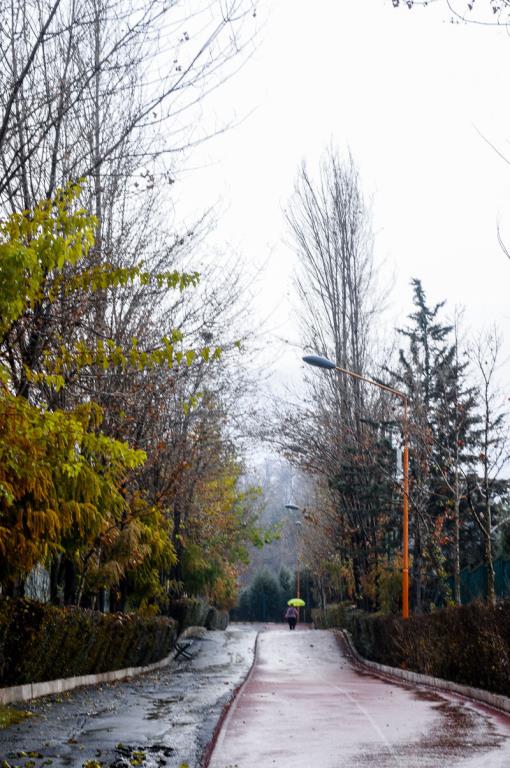
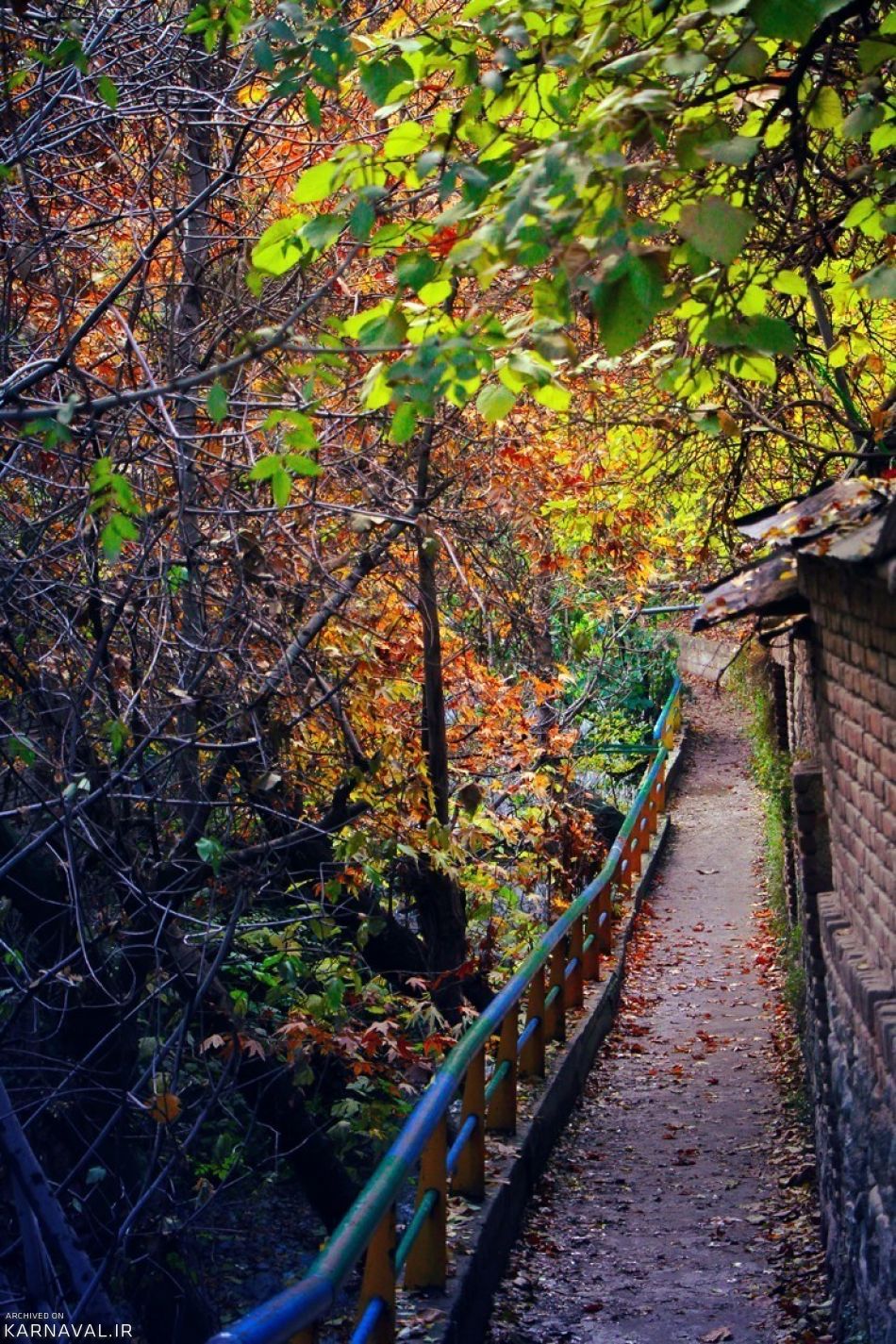
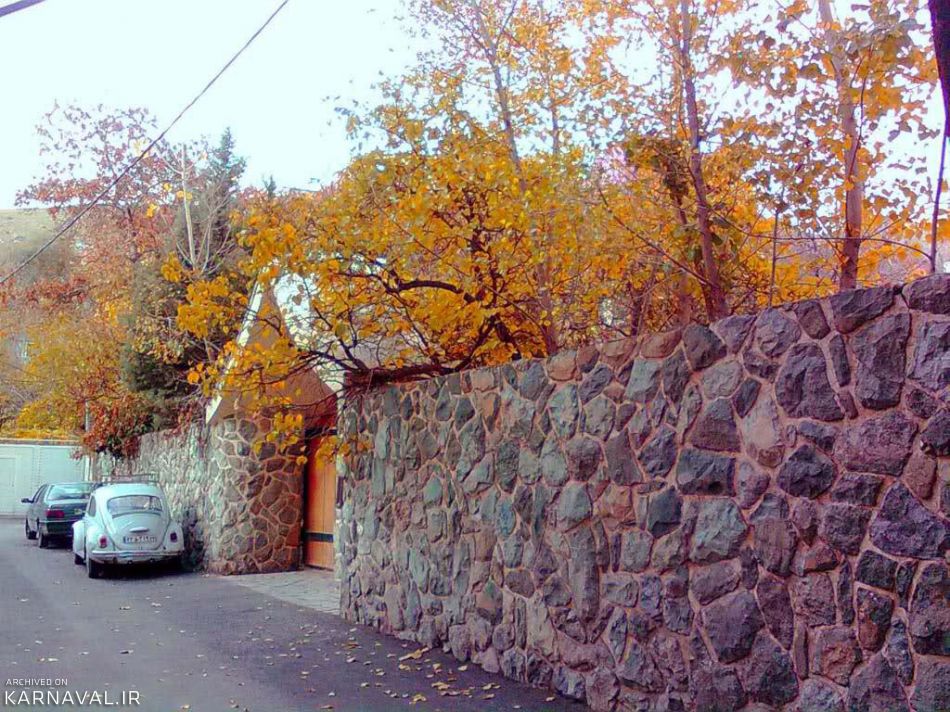
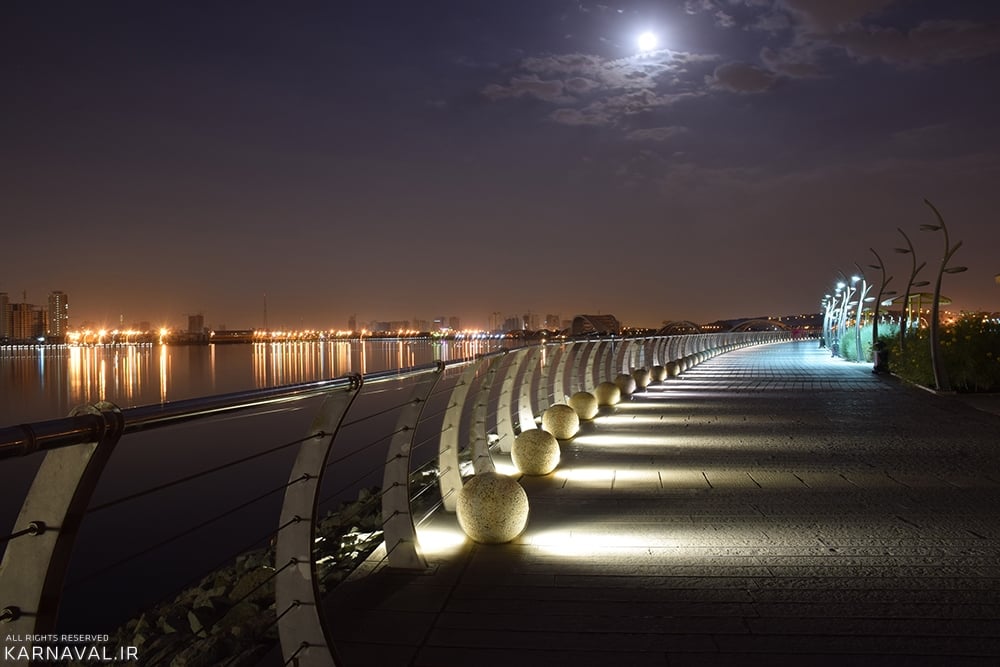
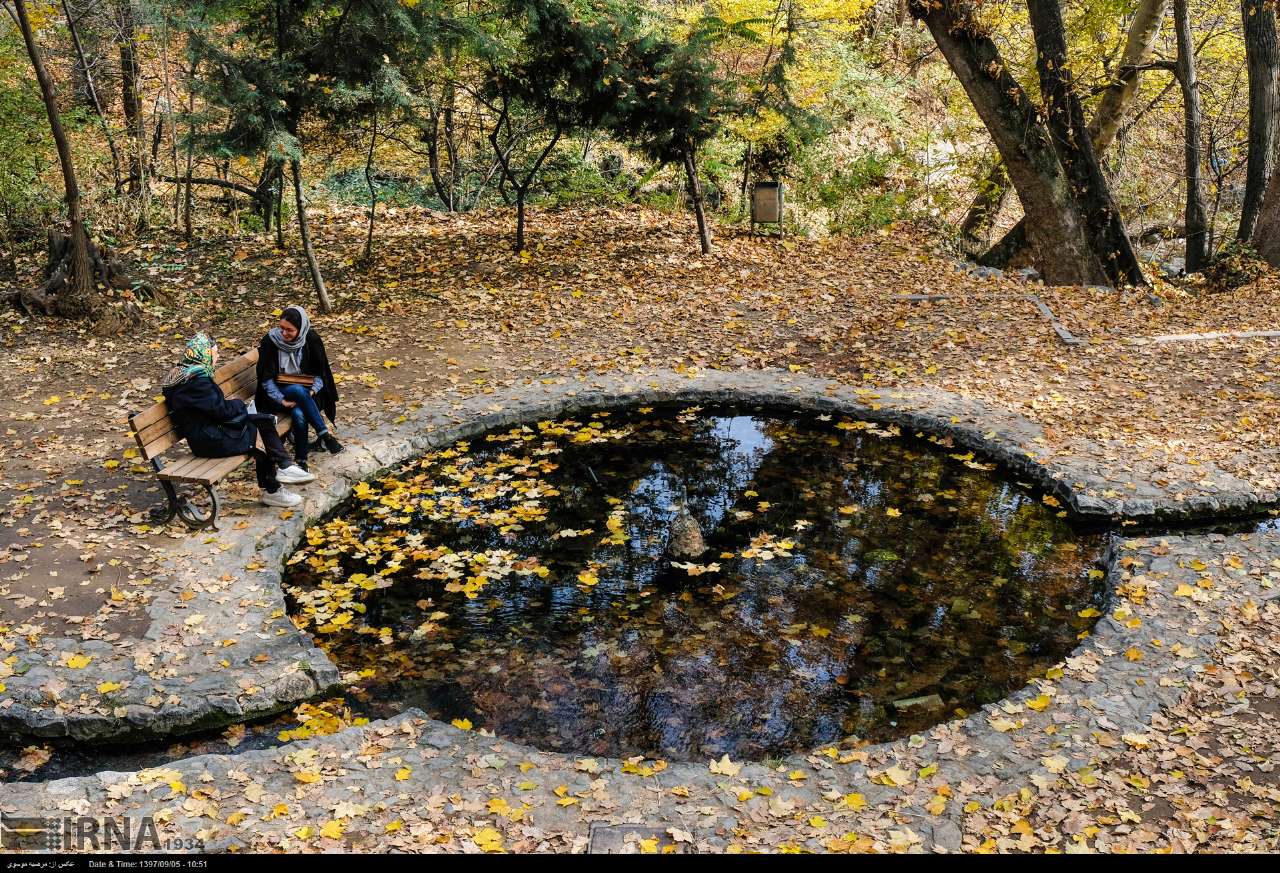
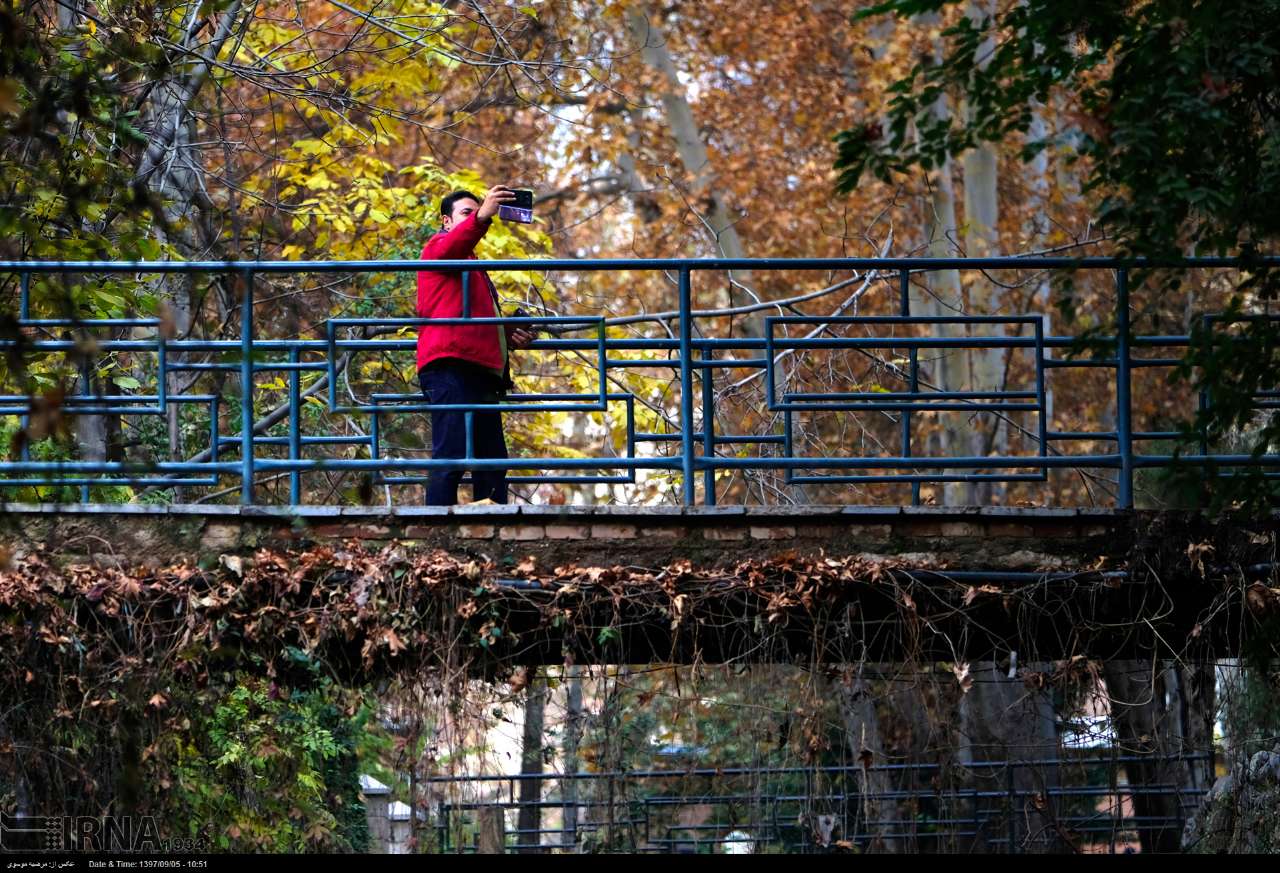
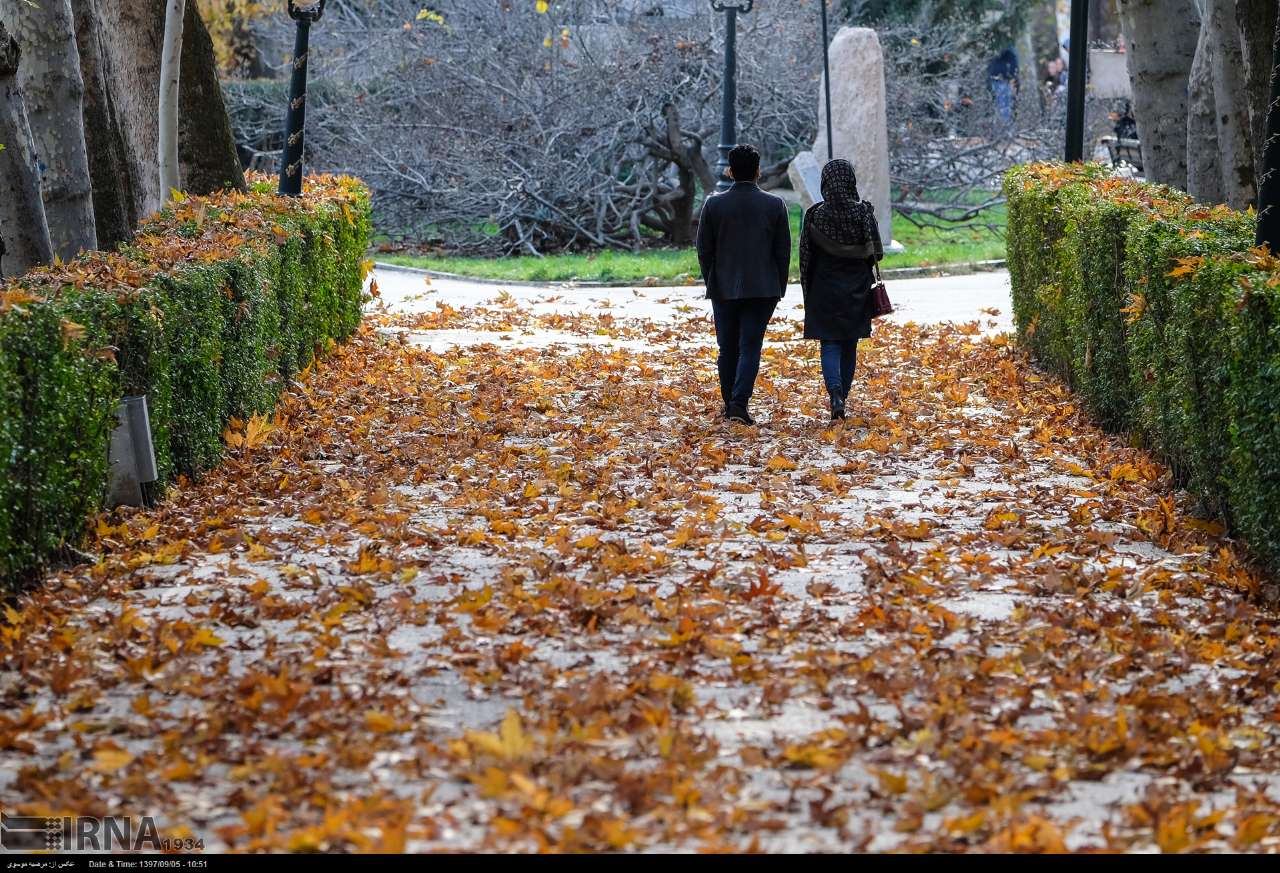
Pure Joy of Walking Streets of Tehran in Autumn

Sa’dabad

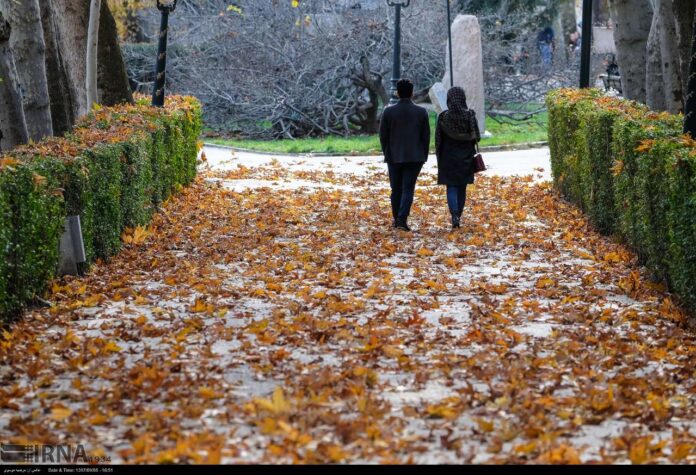
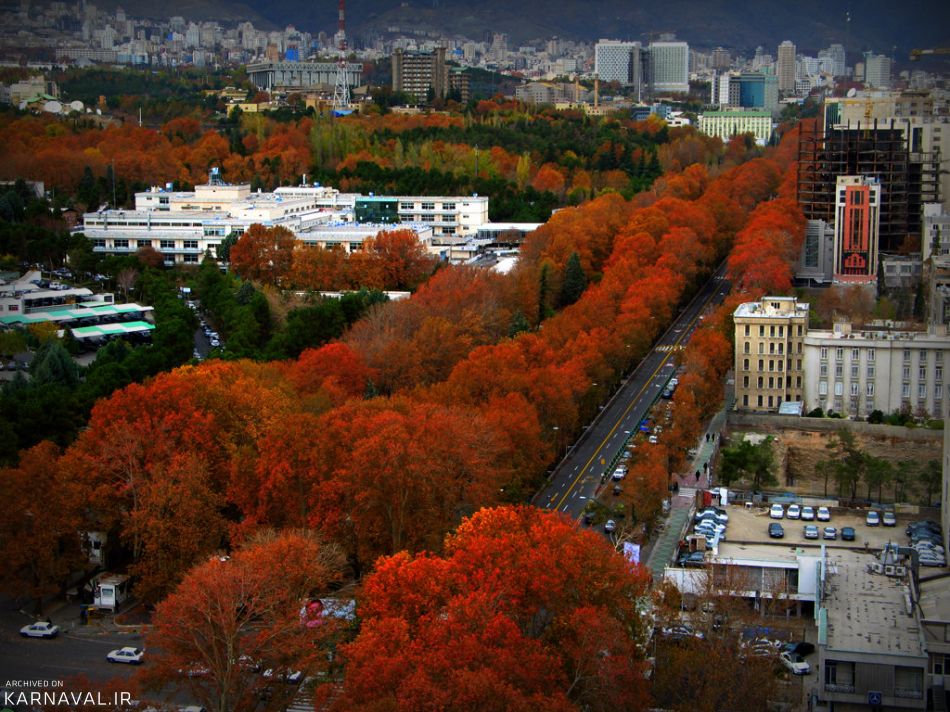
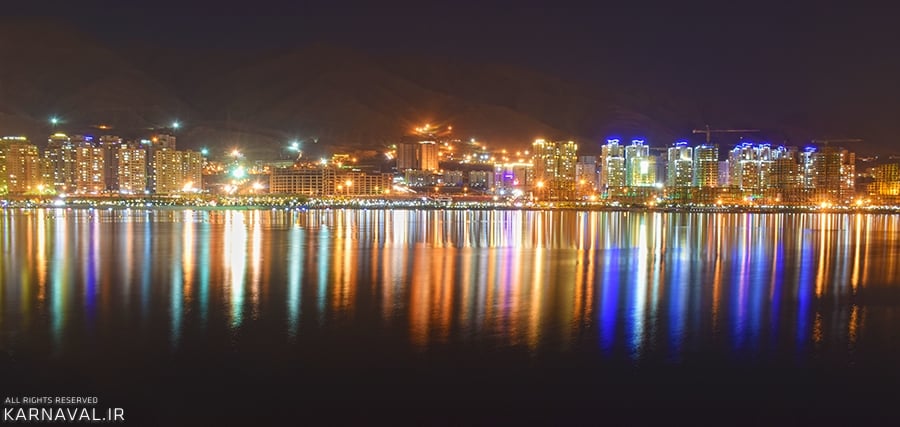
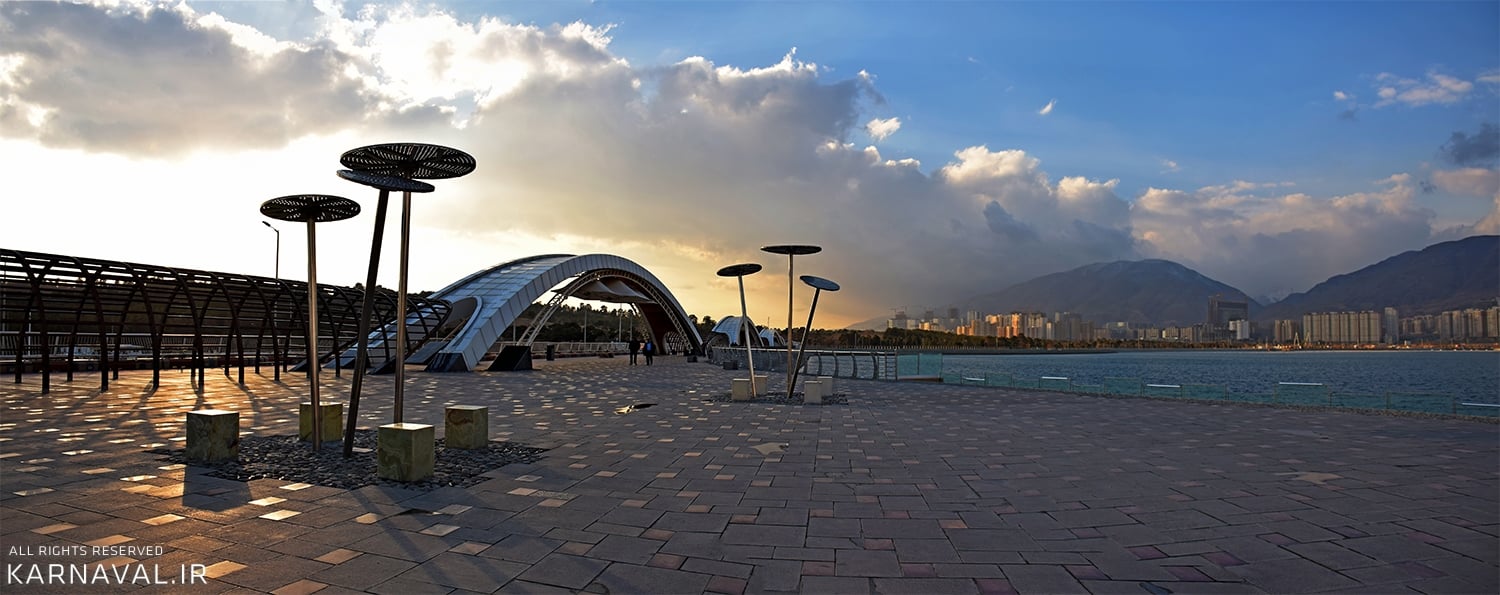
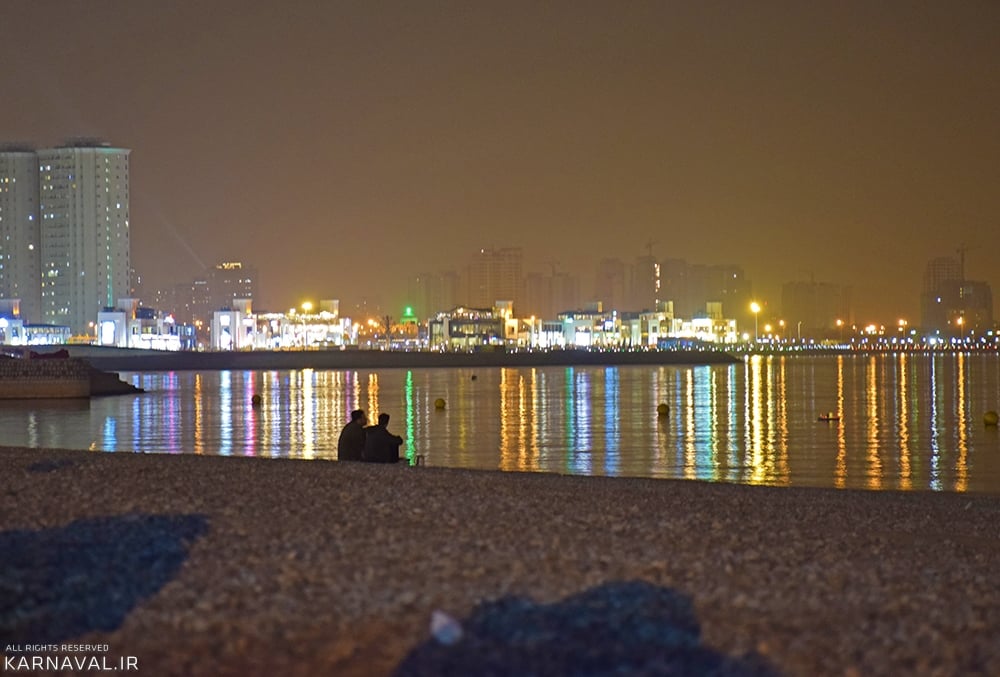
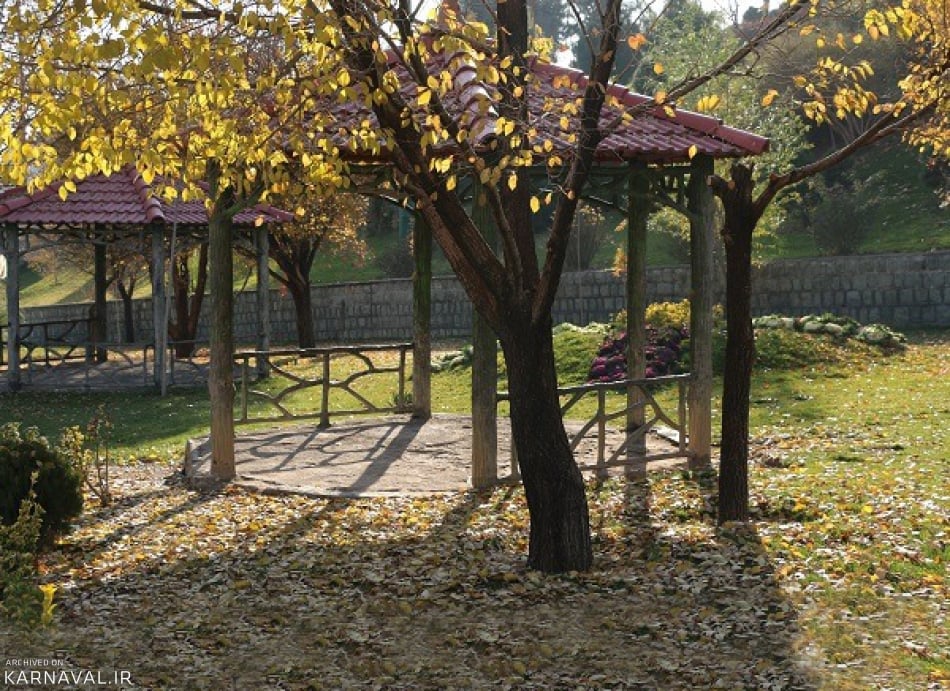
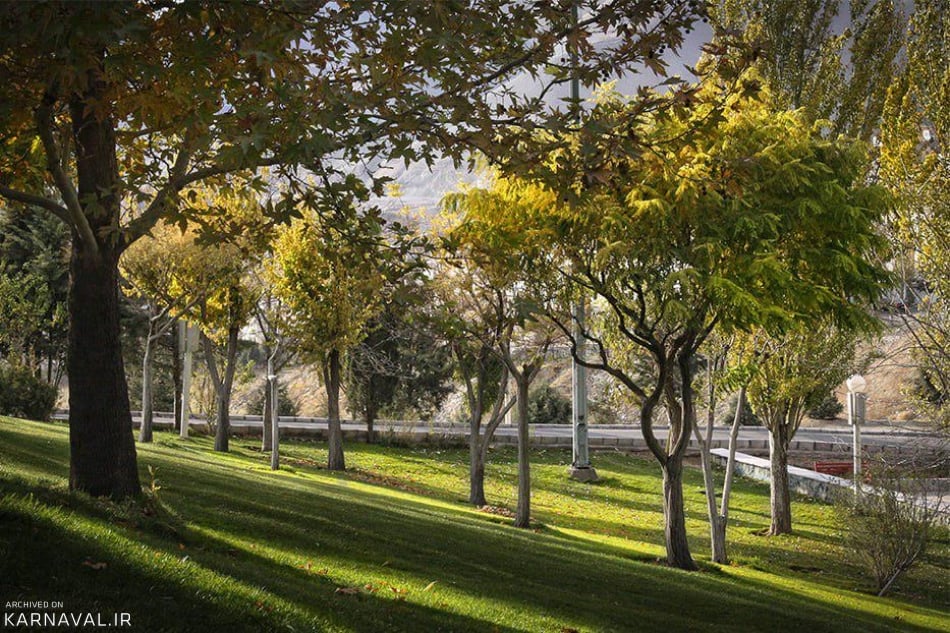
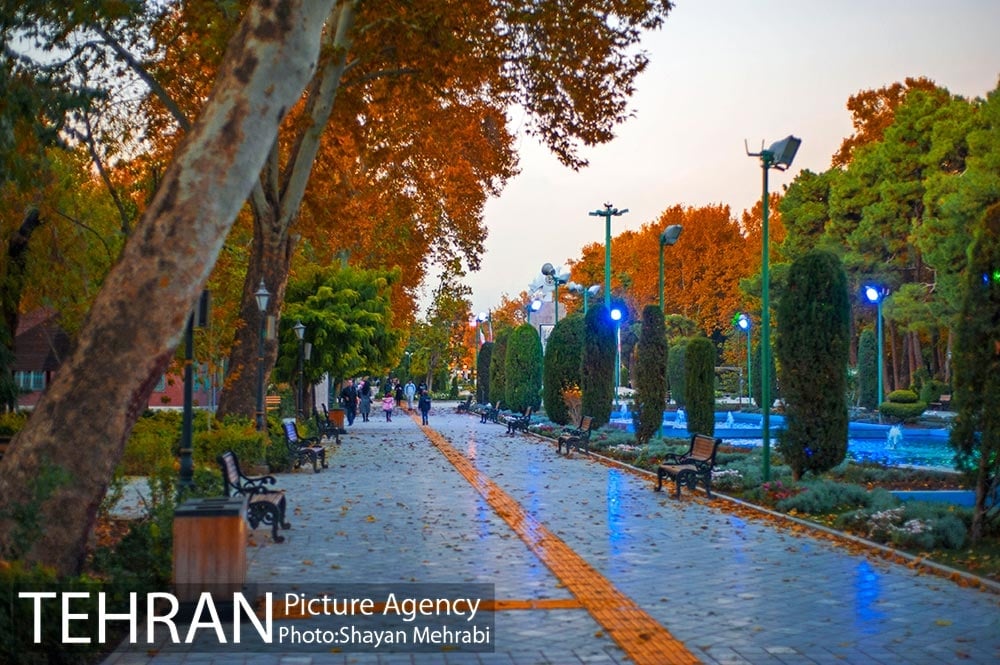
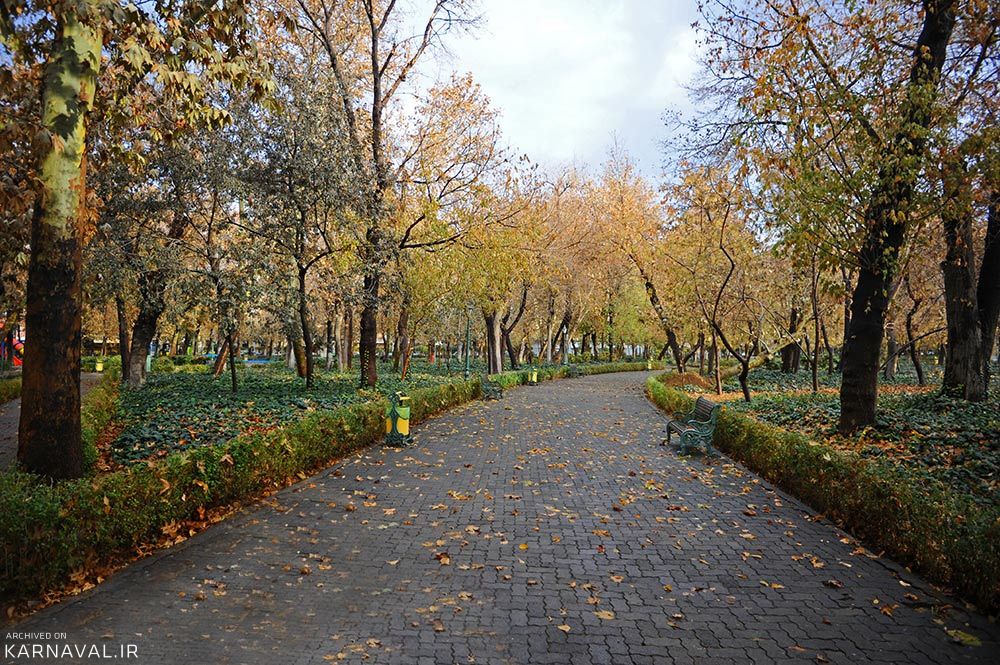
Valiasr Street, Jamshidiyeh Park, Mellat Park, Chitgar Lake, 30 Tir Street, Water and Fire Park, Niavaran Cultural-Historical Complex and many others are among the most attractive sites for an autumn walk.

Below, you can see photos of the sites where the residents of Tehran usually go for a walk, especially in autumn. The photos have been taken from various news agencies.

Iran Uses Nanotechnology for Wastewater Treatment

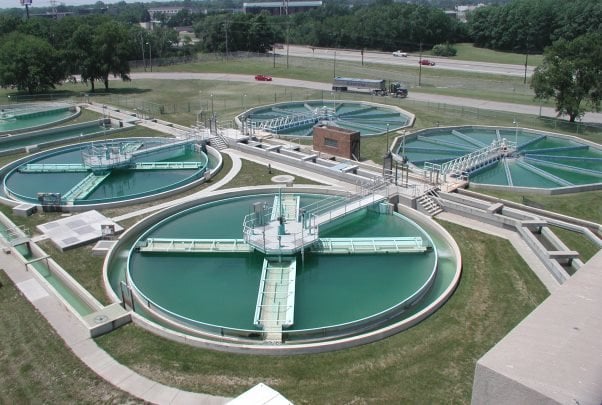
Given the important role of water as the most critical need for the life of human beings on the one hand and its shortage in today’s world on the other, there has been a growing need for saving water and finding new ways to treat industrial wastewater.

Supplying and saving water is a highly significant issue which is dealt with today in a number of ways, namely through establishing water treatment plants to treat wells’ water in various rural and urban areas and wastewater of the industrial factories or wastewater treatment systems to treat industrial wastewater with the aim of producing drinking water as the critical energy of life in the world.

Established in 2007, Fardanegar Nanotechnology Payamavaran firm is a knowledge-based company in Iran seriously pursuing the goal of creating new developments in the nanotechnology.

The firm has been mainly focused on finding new ways to treat wastewater. Some of the main achievements of the firm over the past years include creating electro-dialysis technology for removing nitrate and salt from wastewaters, new absorbing methods for removing heavy metals from industrial wastewaters and new electric and chemical combinations through cavizone methods in treating industrial wastewaters.

The main approach in the development of such methods has been built on preserving further water resources at lower costs through new energy-consuming considerations.

For a brief review of Iran’s achievements in various fields of science and technology, check the book “Science and Technology in Iran: A Brief Review

Therefore, building on the new successful industrial experiences, the firm has unveiled various systems under the brand of PNAqua for treating drinking water and industrial wastewaters.

Among the firm’s achievements, one can also refer to the treatment of the wastewater of an alcohol-making factory in the city of Oroumiyeh in north-west of Iran with a treatment capacity of 120 cubic metres per day. It restores 90 percent of the wastewater for drinking and agricultural uses. It also enjoys a treatment capacity of 100 cubic metre per day for desalination of relatively salty waters.
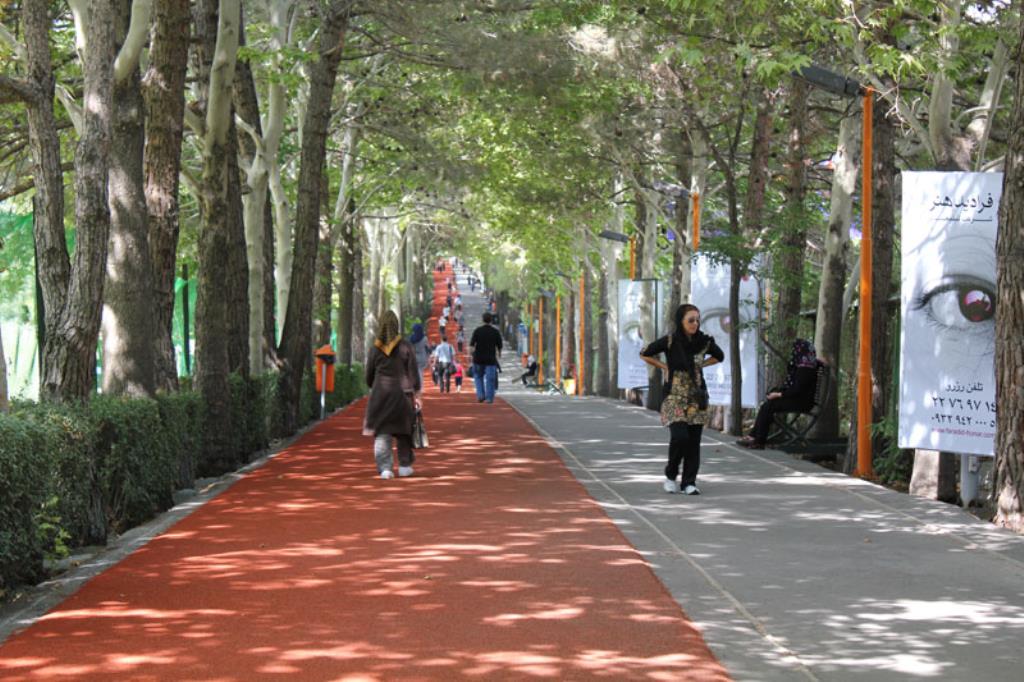
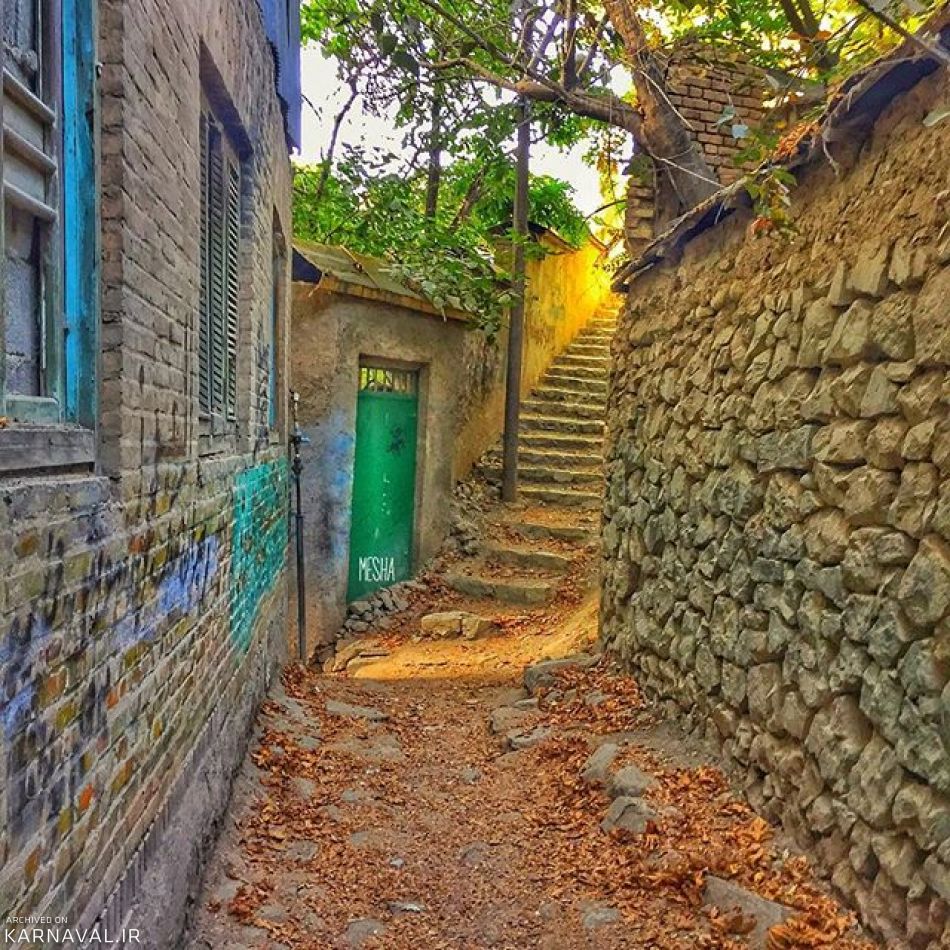
The company was among the main participants of the 2018 International Nano Exhibition held in October in the capital city of Tehran. The exhibition attracted a large number of leading firms involved in the nanotechnology field from Iran and abroad and displayed their latest achievements in this area.

Iranians Getting Prepared to Celebrate Yalda Night

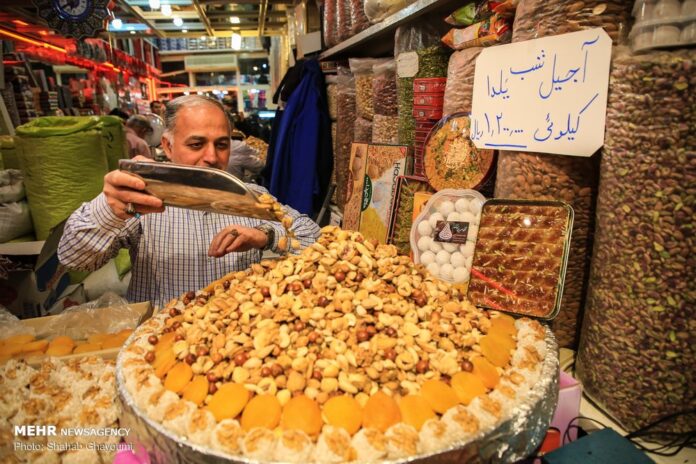
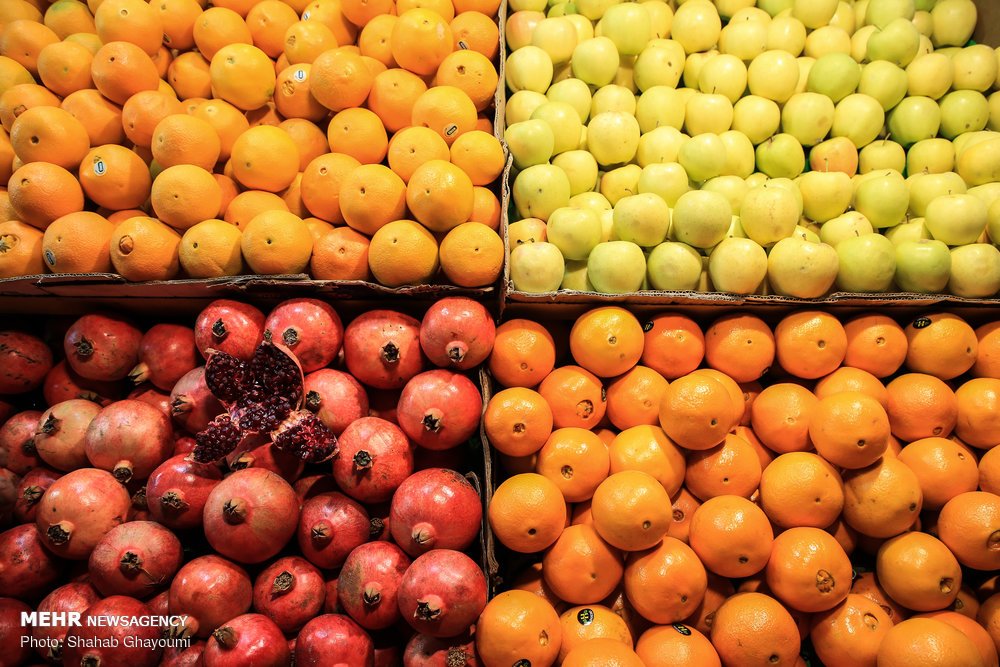
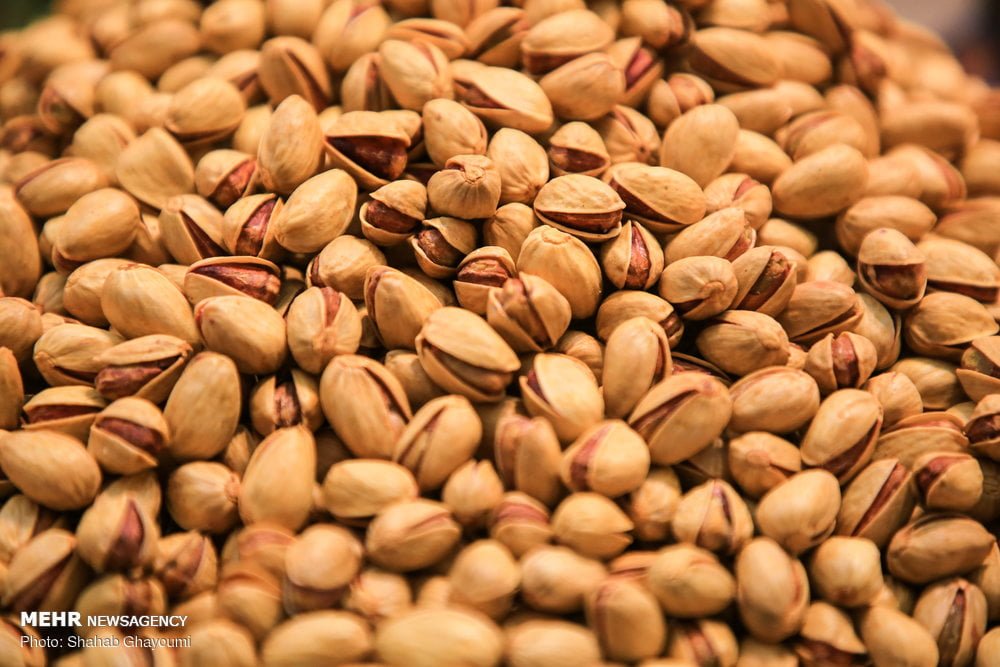
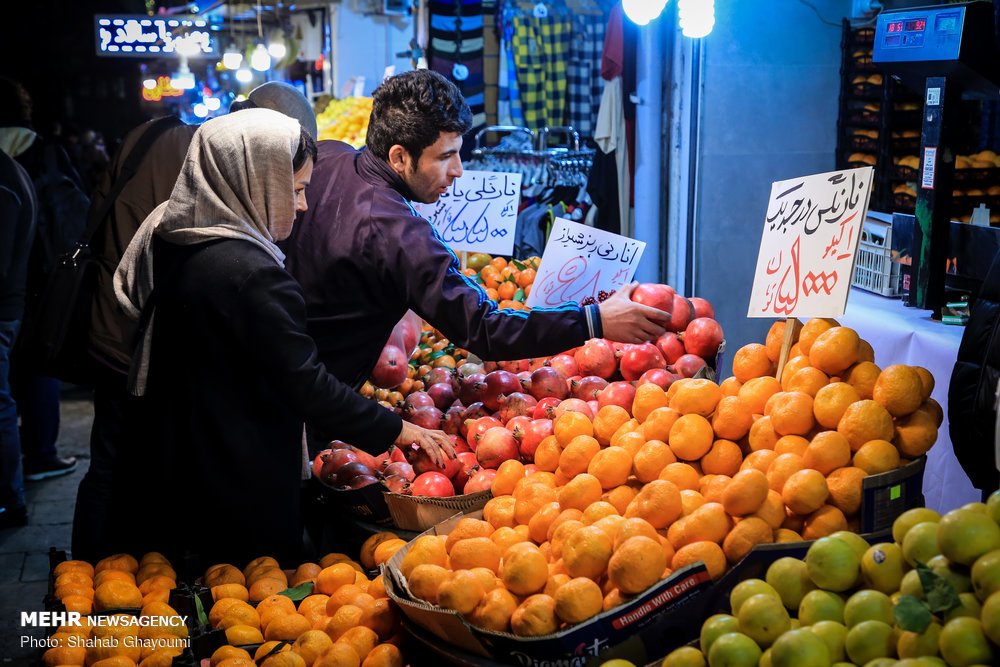
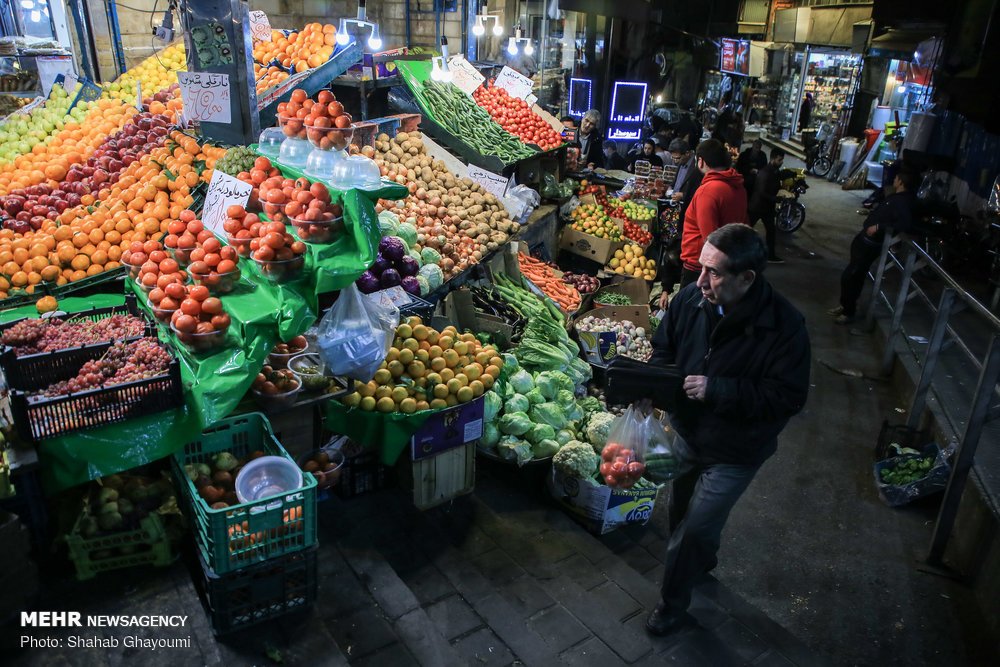
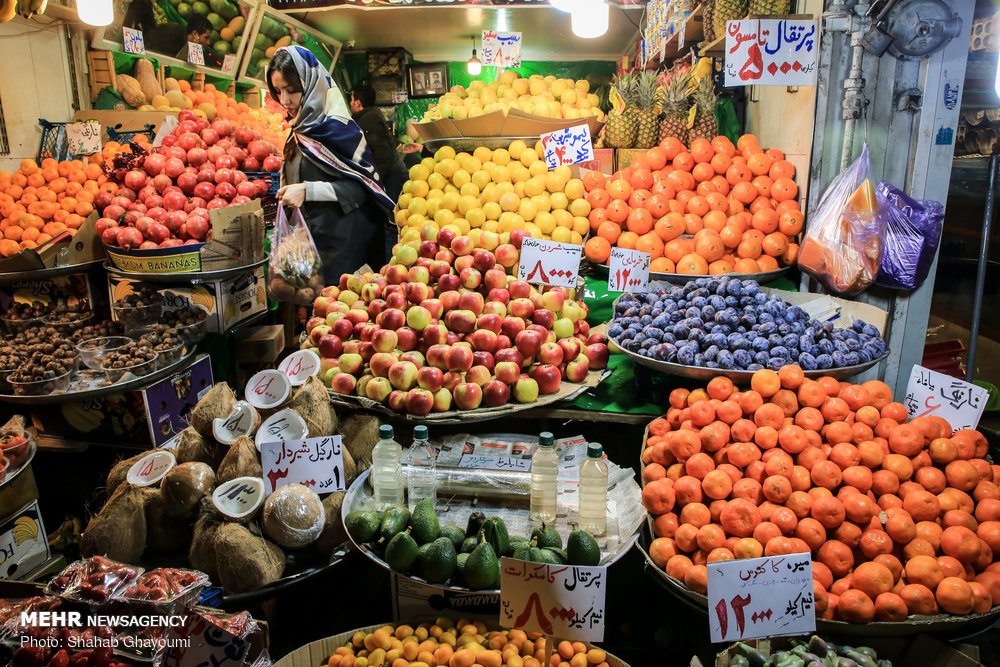
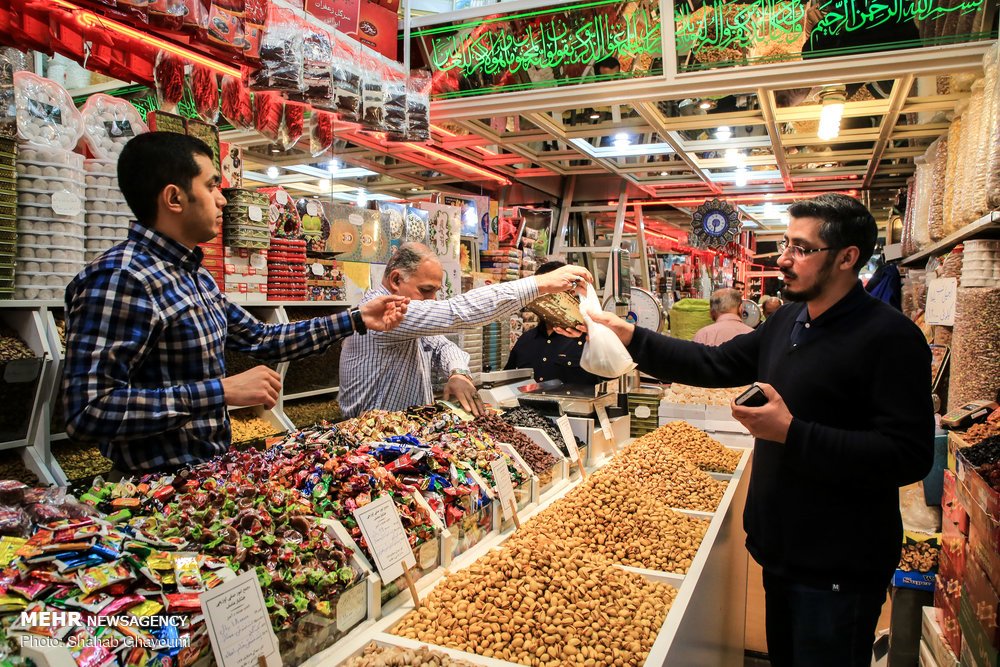
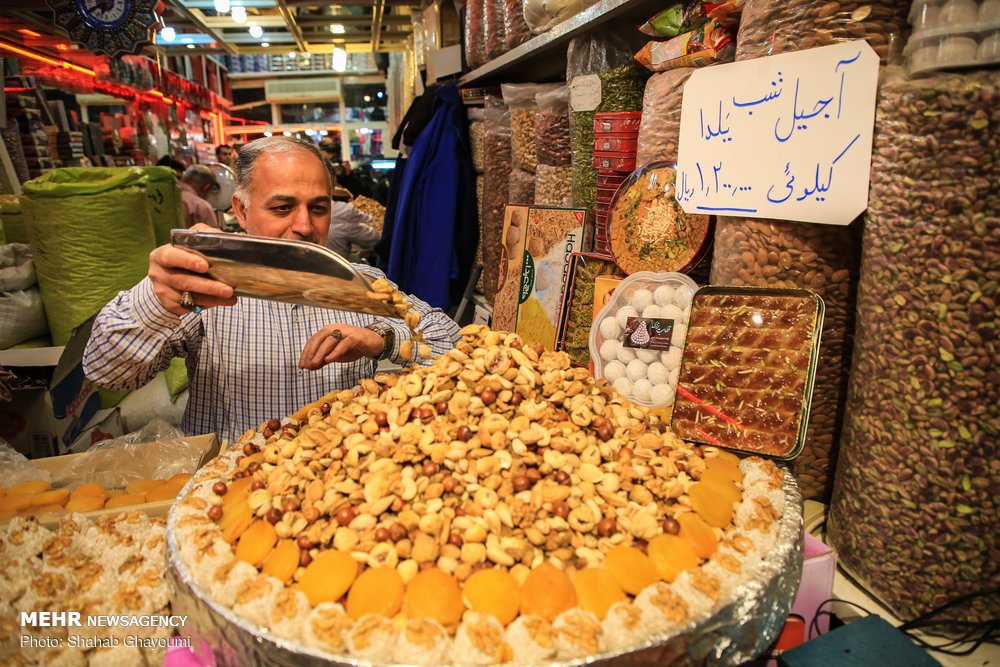
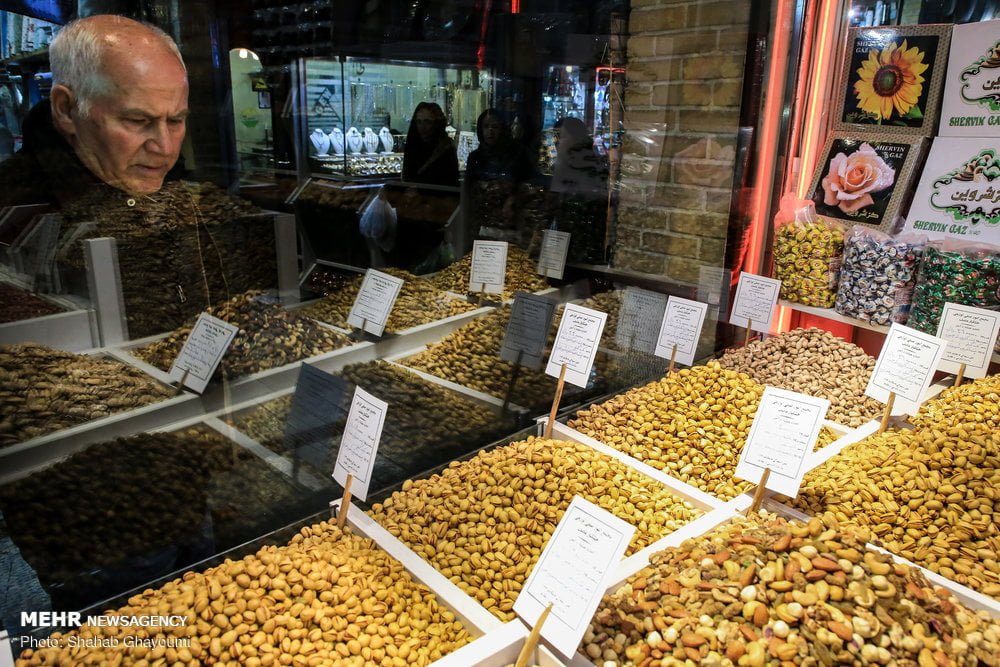
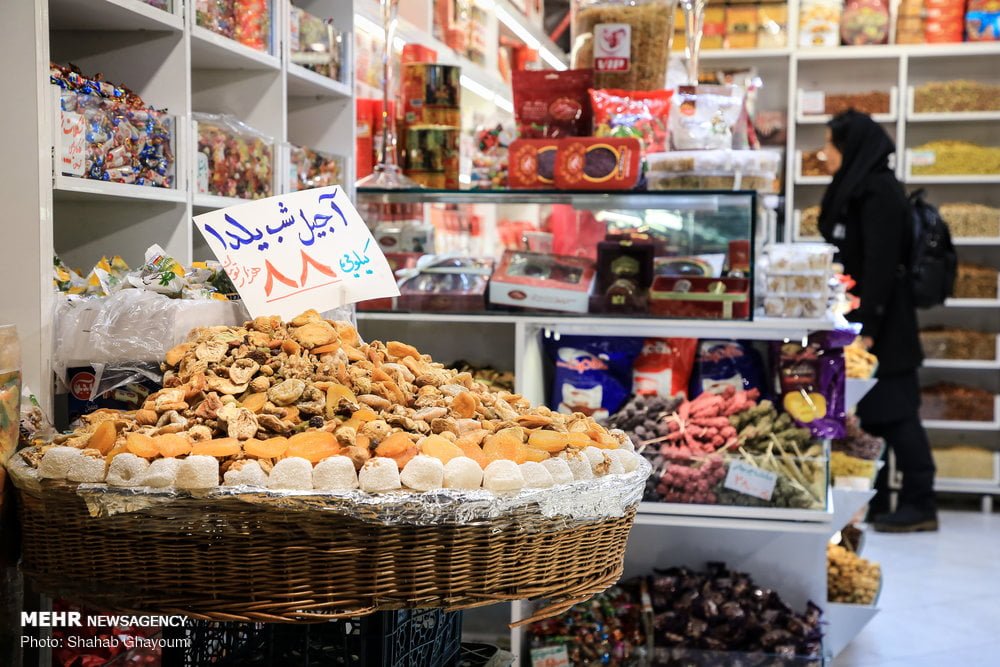
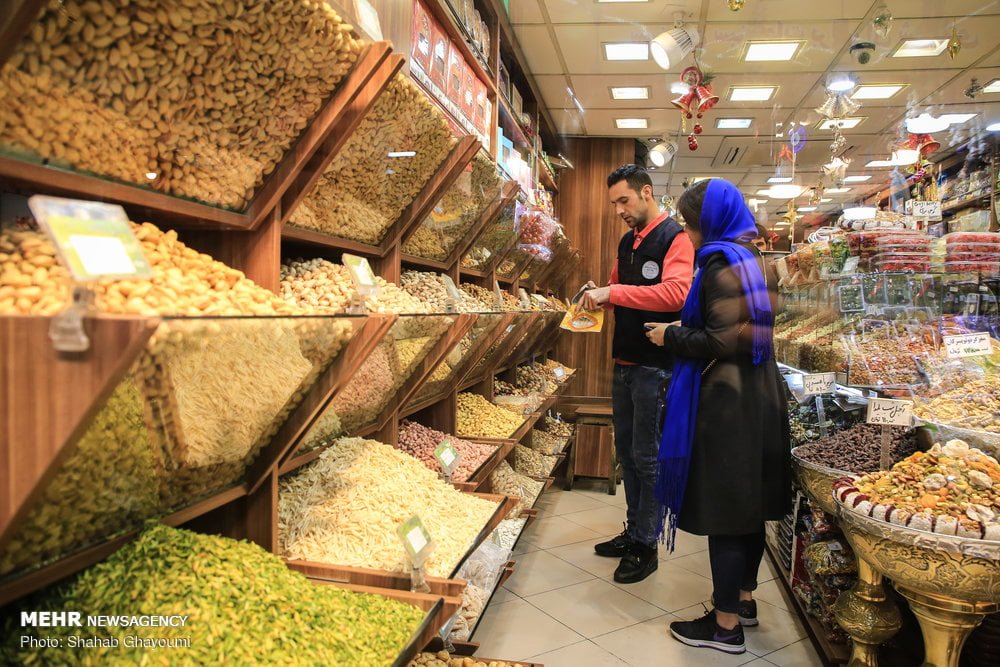
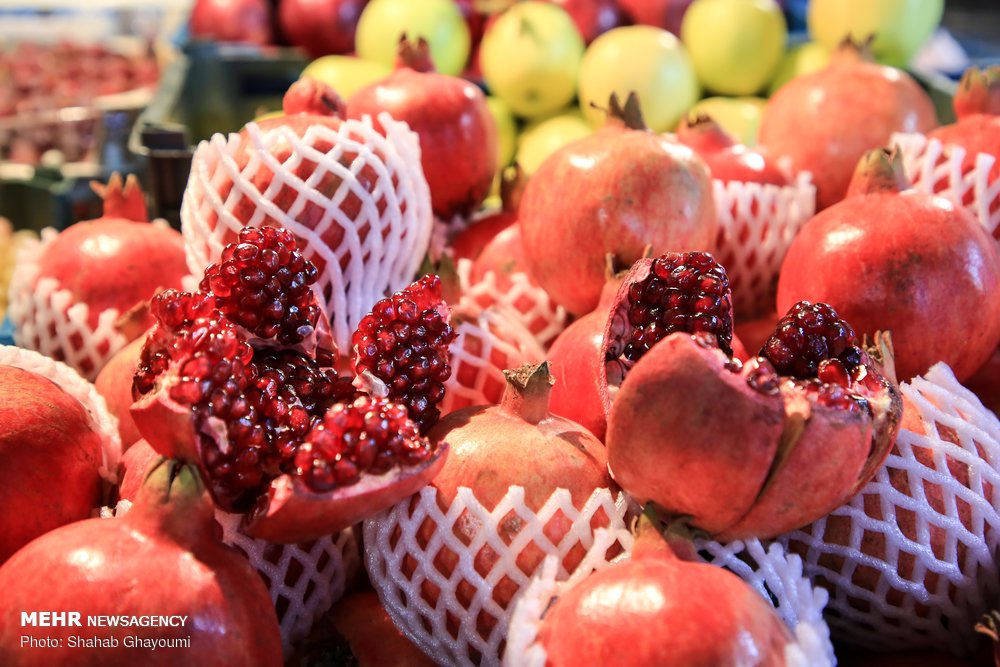
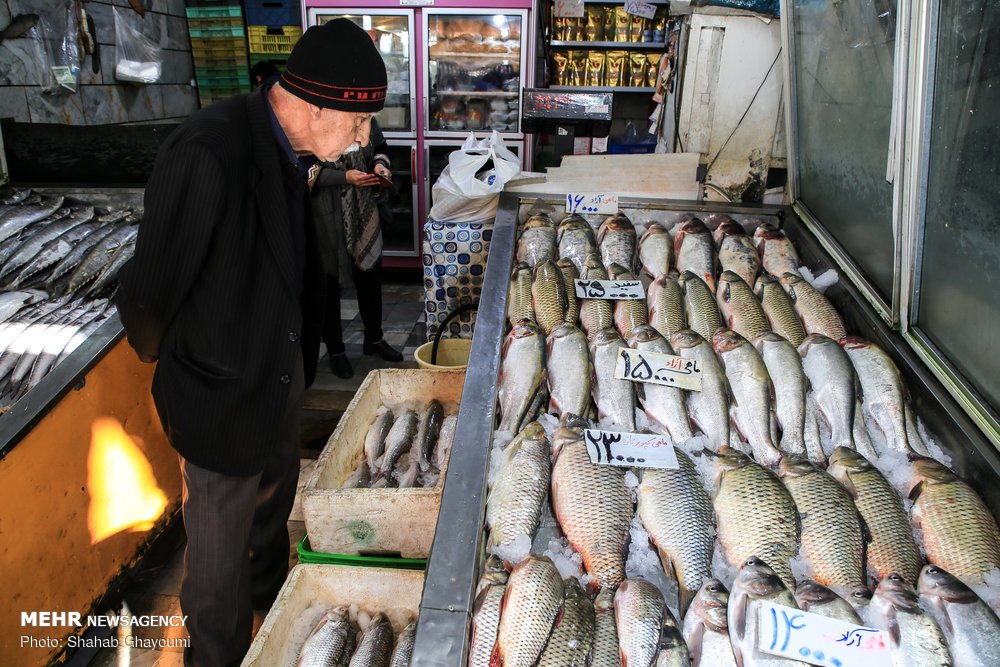
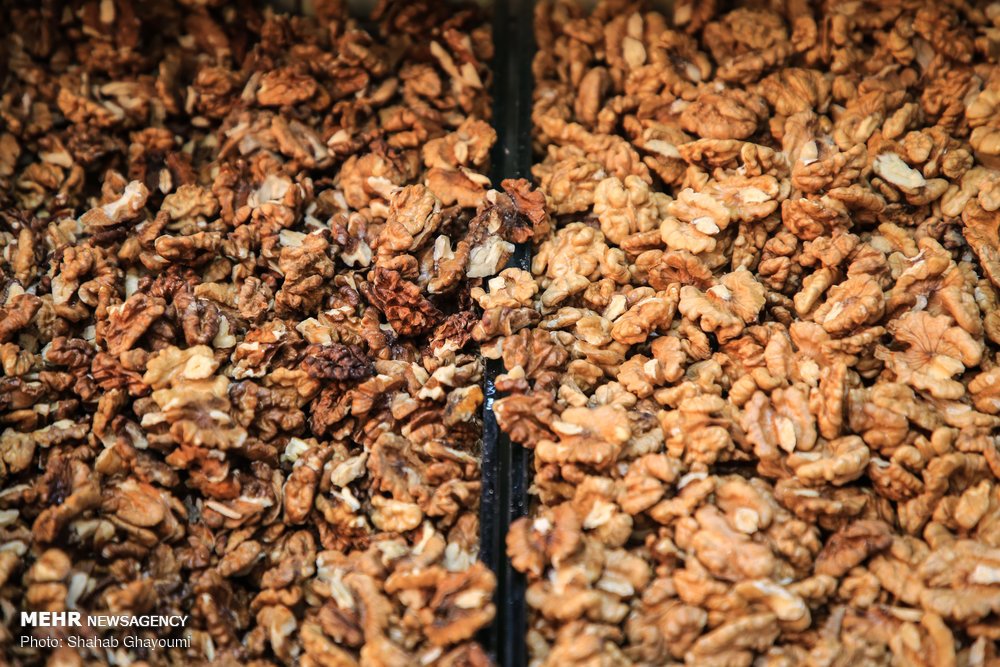
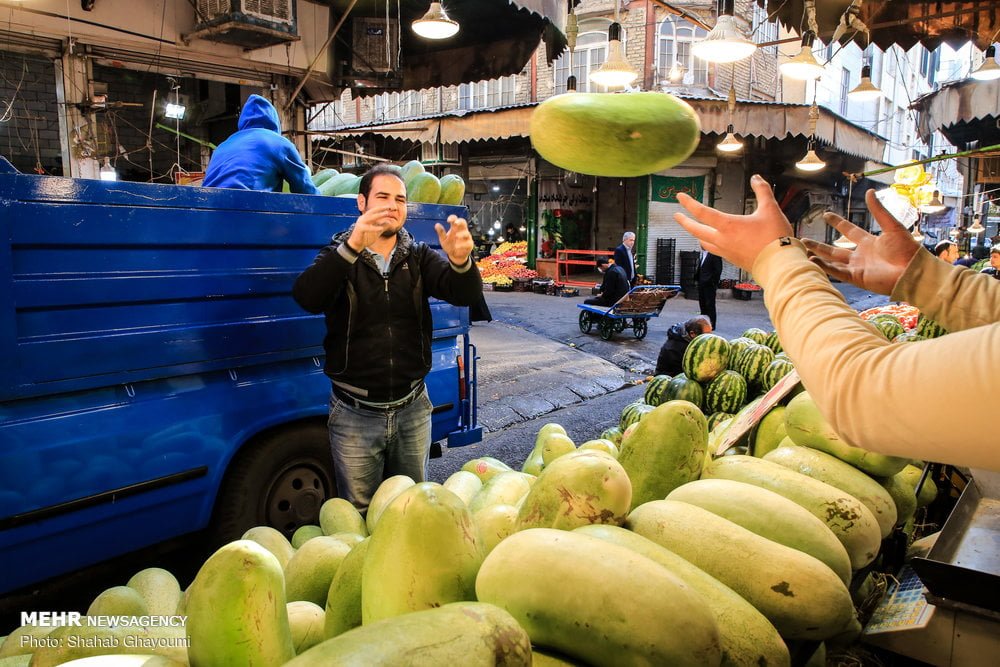
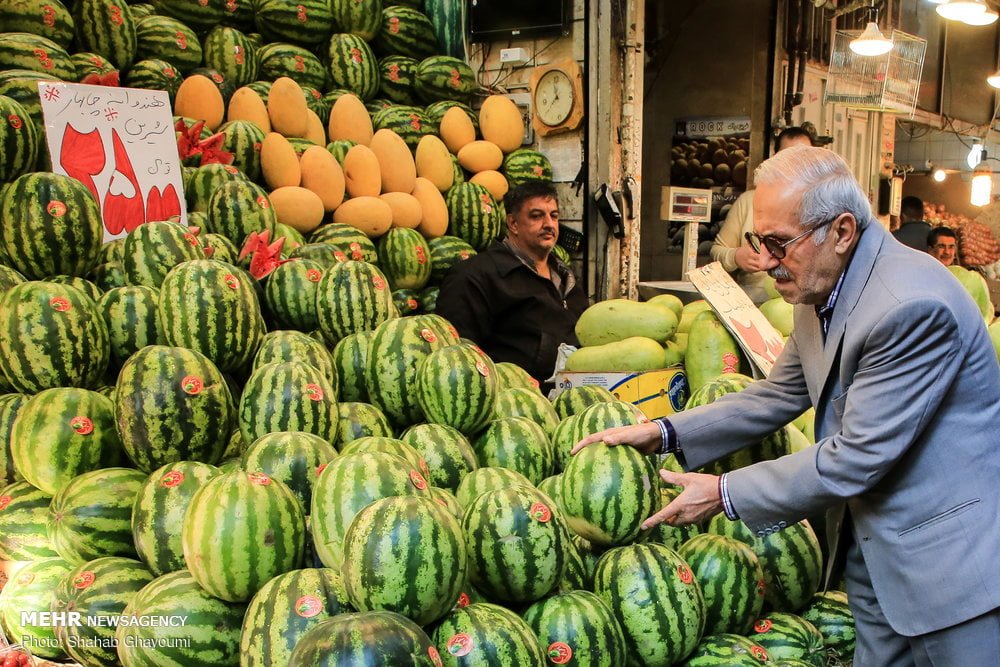
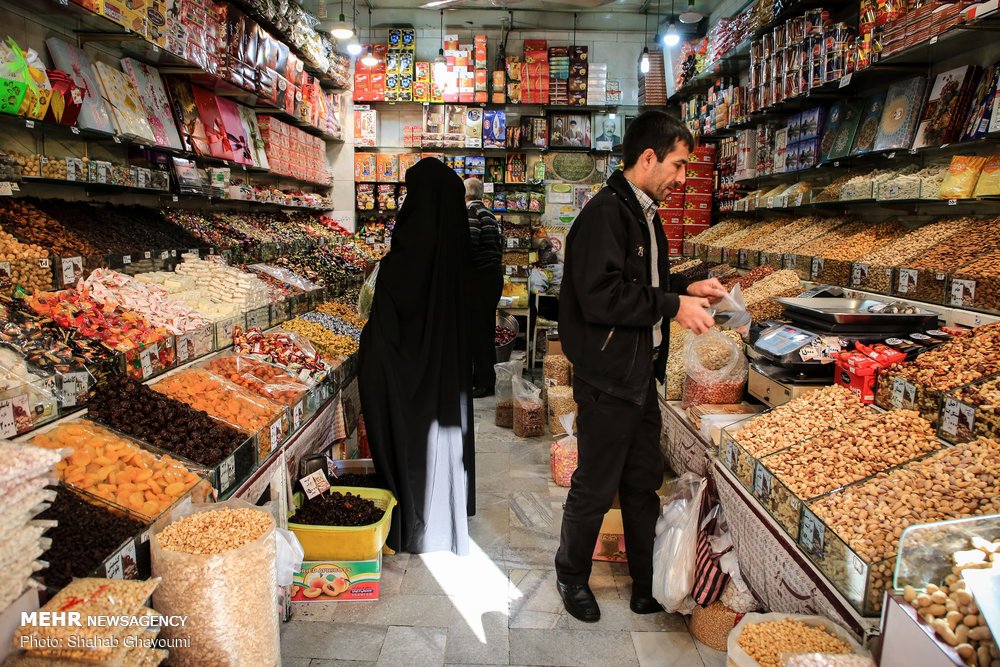
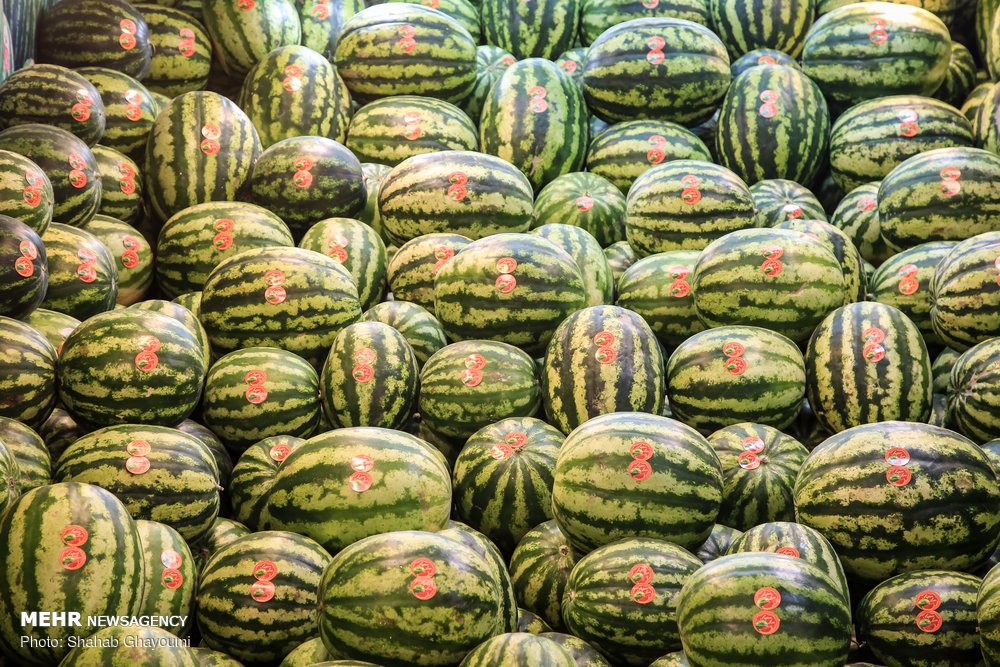
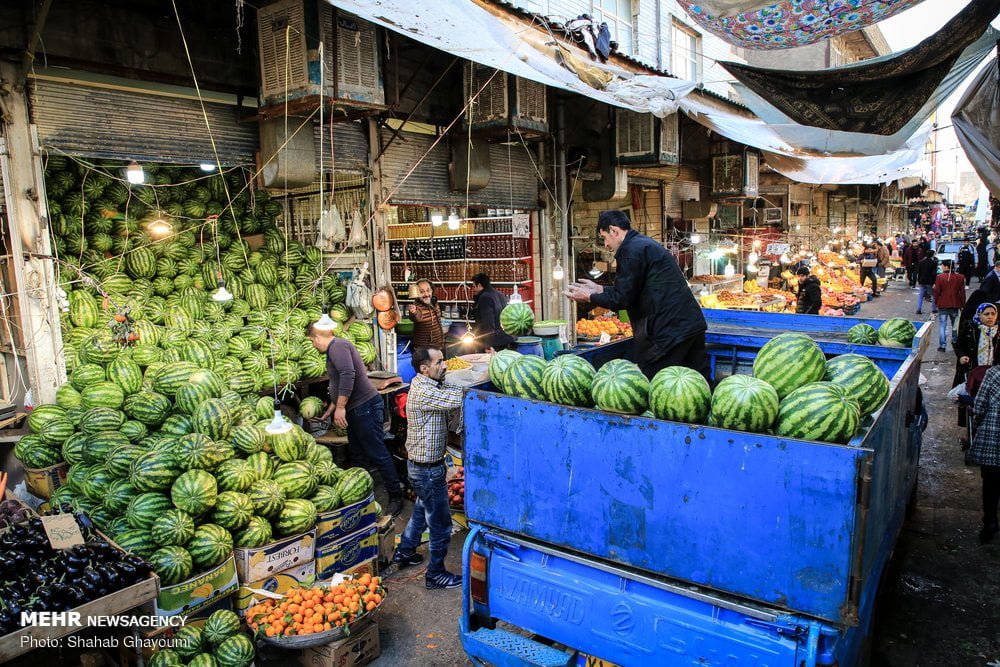
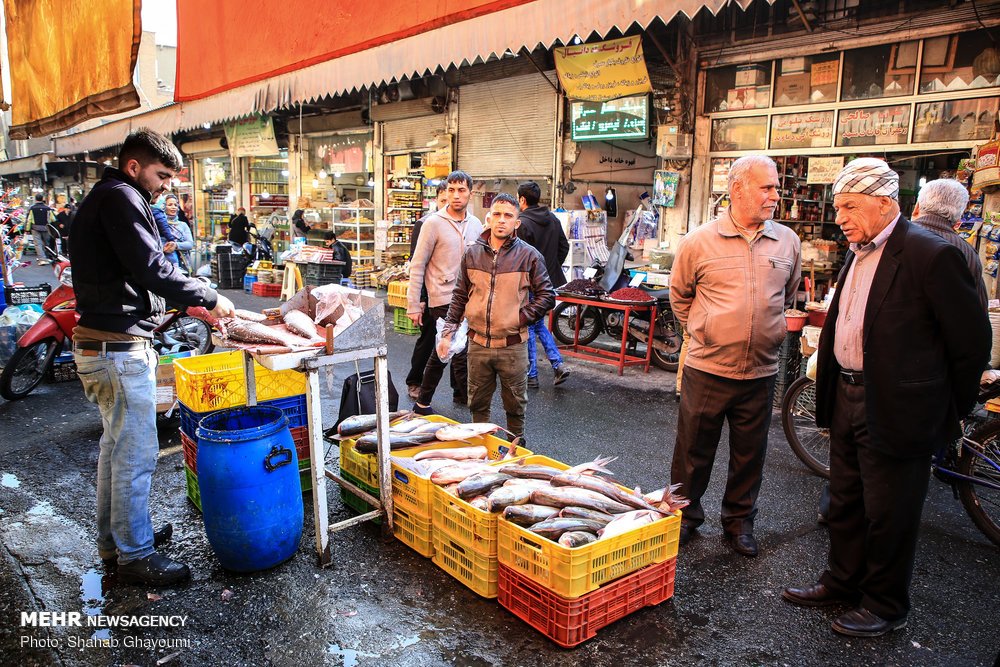
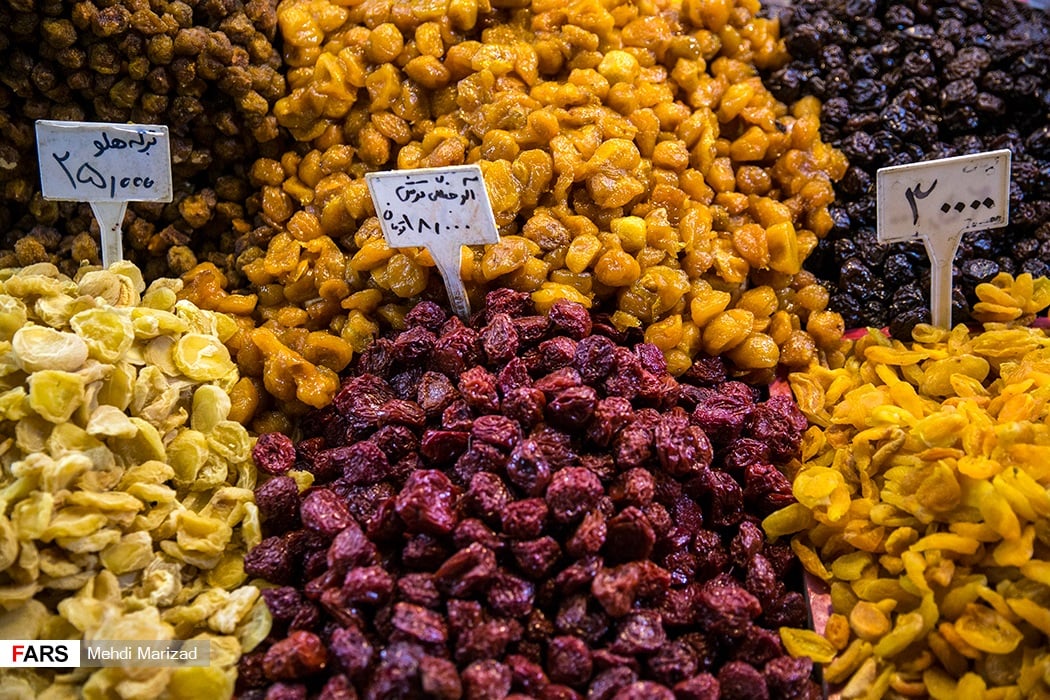
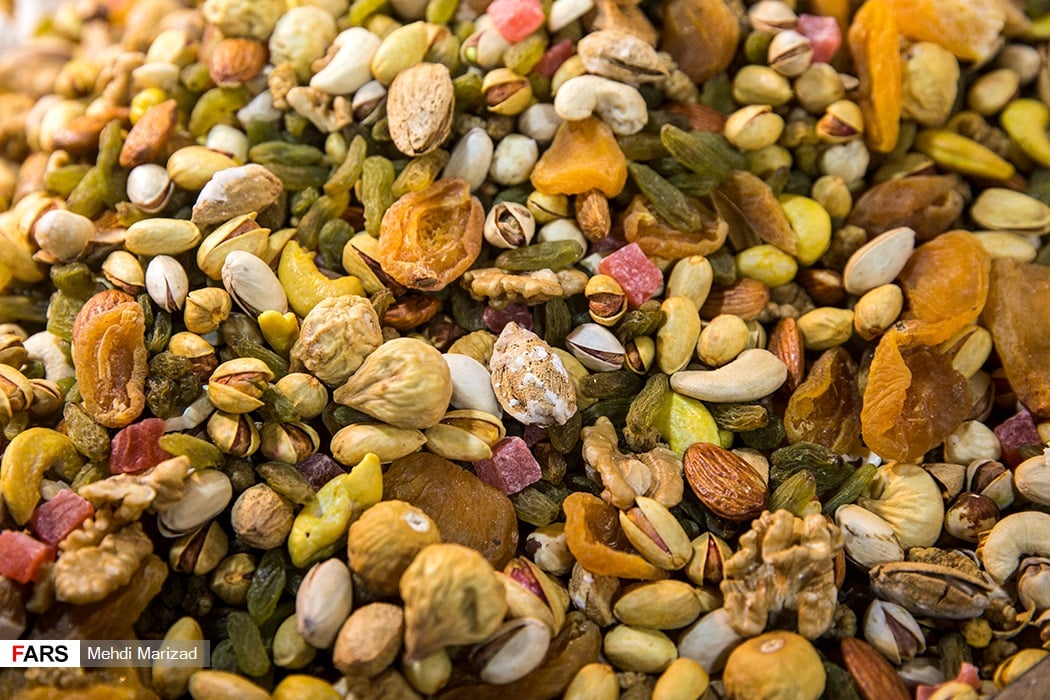
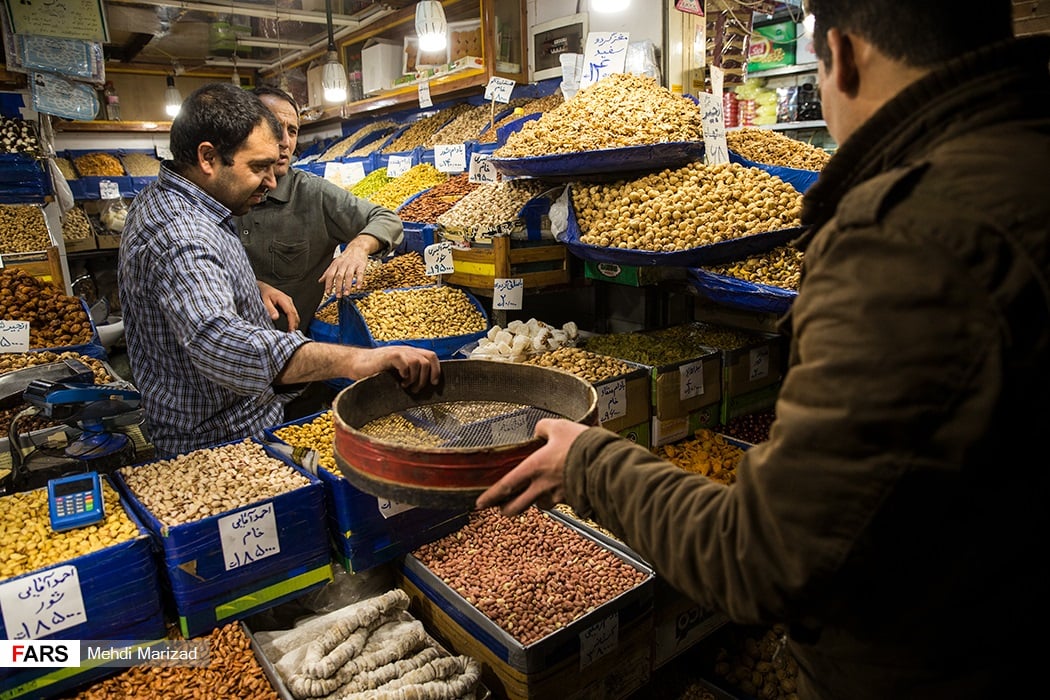
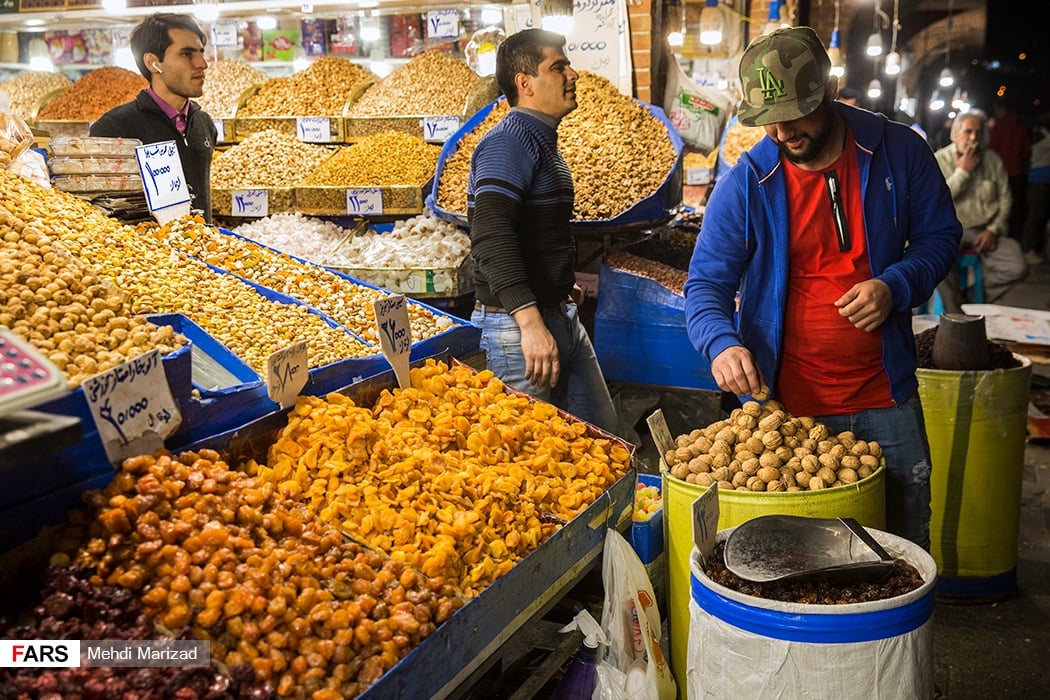
A few days before Yalda, people across the country go shopping to buy nuts, dried fruits, fruits and other stuff.

Following you can see Mehr News Agency’s photos of markets filled with shoppers a few days before Yalda:

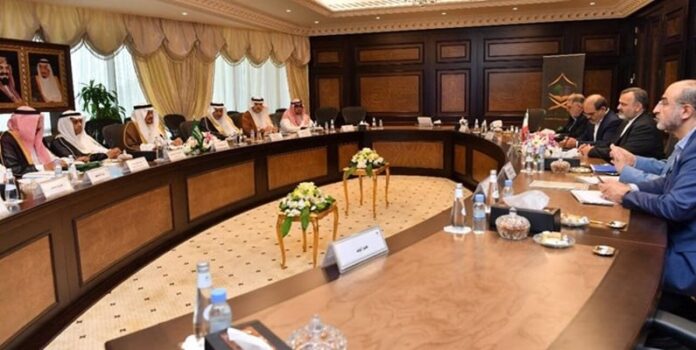
Iran, Saudi Arabia Sign Deal on Hajj 2019

The agreement was signed by the head of Iran’s Hajj and Pilgrimage Organization Alireza Rashidian and Saudi Hajj Minister Muhammad Saleh Benten in Riyadh on Tuesday.

According to the agreement, Iran’s Hajj and Pilgrimage Organization will open an office in Saudi Arabia, IRNA reported.

The Saudi minister pledged his government would move to prevent a repeat of issues Iranian pilgrims faced in the 2018 pilgrimage.

Each year, nearly two million worshippers from across the world take part in hajj, the spiritual journey to Mecca that all able-bodied Muslims with financial means must make at least once in their lifetime.

Iranians were absent in the 2016 hajj, after Tehran and Riyadh failed to reach agreement on security arrangements following a tragic stampede during the 2015 hajj that killed thousands of pilgrims, including 464 Iranians.

A long period of worsening tensions, escalated by the 2015 hajj incident, led to a severance of relations by an increasingly aggressive Saudi Arabia early 2016.

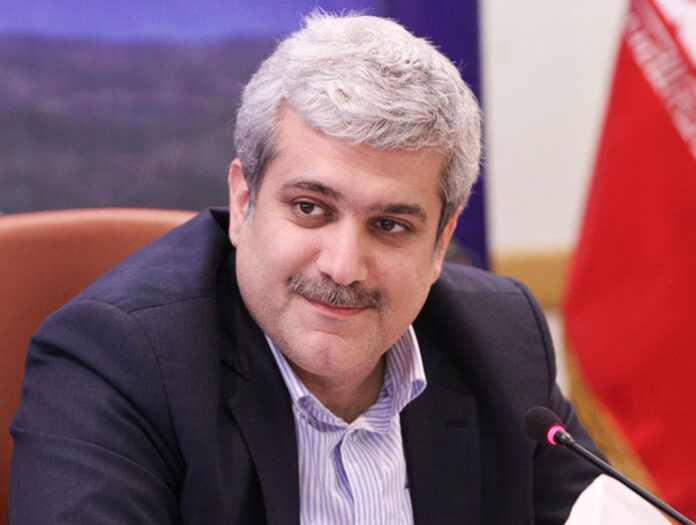
Research Must Resolve Community’s Problems: Iran VP

Sattari made the remarks during a ceremony to unveil ten new technologies developed by Iran’s Academic Centre for Education, Culture and Research.

“The Vice-Presidency for Science and Technology supports research-to-production process, and collaborates with the Academic Centre to this end,” added Iranian VP, stressing that the approach of the Centre is to create a knowledge-based company out of each technology.

Knowledge-based companies must have access to a suitable ecosystem capable of using technology in their production, he said, as reported by the government’s official website dolat.ir.

For a brief review of Iran’s achievements in various fields of science and technology, check the book “Science and Technology in Iran: A Brief Review

He also underlined that support for knowledge-based companies and startups is a priority for the vice-presidency.

“Certainly, interaction with the Academic Centre will pave the ground for the development of new technology projects,” highlighted Sattari, saying that currently the vice-presidency is supporting half of technological research studies at this Centre.

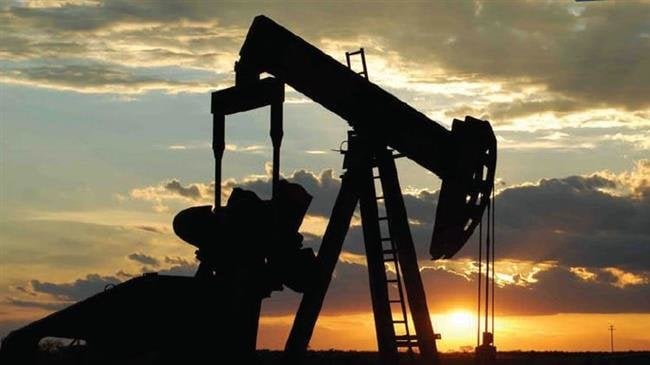
Huge Oil, Gas Reserves Discovered in North-West of Iran

One such place is the country’s northwest, generally attributed as the Iranian Azarbaijan, where preliminary studies indicate the existence of oil reservoirs, head of exploration at the National Iranian Oil Company (NIOC) Saleh Hendi says.

“Our preliminary studies show that hydrocarbon resources are likely to be found in the Bostanabad and Miyaneh regions of East Azarbaijan Province,” he told reporters in Tehran.

“We will soon begin the detailed operational work to further examine these two areas,” he added.

An exploration block with a proven hydrocarbon system has already been found to the north in an area known as the Moghan basin in Ardabil Province.

Hendi said 35-40 new hydrocarbon reservoirs have been discovered across Iran, which need development. “We are now ranked first in the world for oil and gas reserves.”

In the Sea of Oman, Iran struck gas at a depth of 800 meters. Hendi said drilling of exploration blocks is currently limited to the Persian Gulf and the country’s southwest and northeast.

Iran’s oil industry is headed for choppy waters from US re-enactment of sanctions, but the country’s officials are undeterred.

In May, Hendi said 14 blocks were planned to be tendered for exploration this year and predicted at least six of them to be attractive to foreign investors.

But foreign companies refused to participate in the tenders due to the sanctions, he said on Monday.

That does not mean Iran’s development operations are grounded. Hendi said the sanctions will accelerate the growth of domestic capabilities.

“A few years ago, we were begging to foreign and even Chinese companies for the purchase of some drilling equipment, but we have now become self-sufficient for them,” he said.

“After the enactment of the new US sanctions against Iran, no problem has arisen and our exploration plans have not changed,” he added.

On Monday, NIOC dismissed reports that Russian state oil giant Rosneft had canceled plans to invest in joint projects worth up to $30 billion in Iran due to US sanctions.

“There are no contracts signed with Rosneft, for the Russian company to withdraw from the Iranian oil industry and cut off its cooperation,” the company said in a statement.

In November 2017, Rosneft announced a draft deal to jointly work on several “strategic” contracts in Iran, which together would bring up to $30 billion in investments and result in a total output of up to 55 million tonnes of oil per year.

NIOC said only a memorandum of understanding had been signed with Rosneft and no contract had been concluded between them.

Russia’s Zarubezhneft clinched another preliminary deal in March to re-develop Iran’s Aban and West Paydar oil fields near the Iraqi border in a joint project with Iran’s Dana Energy.

Iran’s Foreign Ministry spokesman Bahram Qassemi on Monday dismissed reports that Chinese and Russian companies were withdrawing from Iranian oil projects under US pressure.

He said unless there were any official confirmations, such reports always amounted to “psychological warfare.”

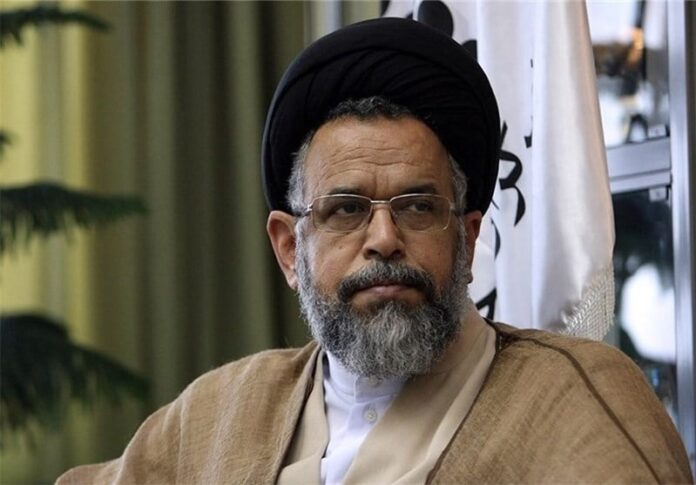
Regional Spy Services Working against Iran: Intelligence Minister

“We are facing conditions that the security services of neighboring countries and even faraway countries have directly taken action against the country’s (Iran’s) security,” Mahmoud Alawi said in an open session of the Parliament on Tuesday.

Outsiders are financing, supporting and training the anti-Iranian trends and terrorist groups, he deplored.

Alawi pointed to the advanced methods that terrorist groups employ to cross the border and carry out operations in Iran, saying they are in possession of powerful motorcycles, SUVs, machine guns and even anti-aircraft guns.

Apart from military trainings, the terrorists receive training in intelligence tactics and making secret contacts, the minister added.

He highlighted the success of the Iranian intelligence apparatus in foiling the hostile plots, saying the security forces detect two or three terrorist teams on average every week.

In comments earlier this month, Alawi said the intelligence and security agencies of the US, Israel and some regional countries are behind terrorist incidents in the Islamic Republic.

The policies of the US and the Zionist regime of Israel and their support for the terrorist currents also play major role in the terror incidents, the minister added.